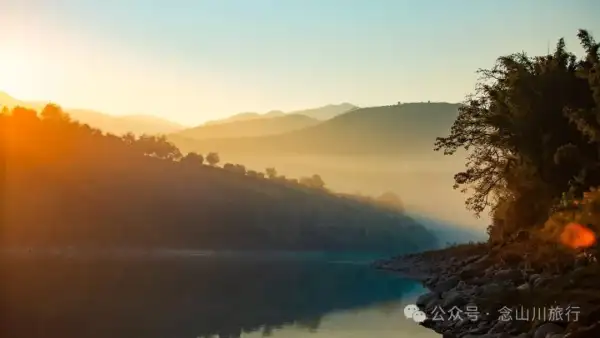

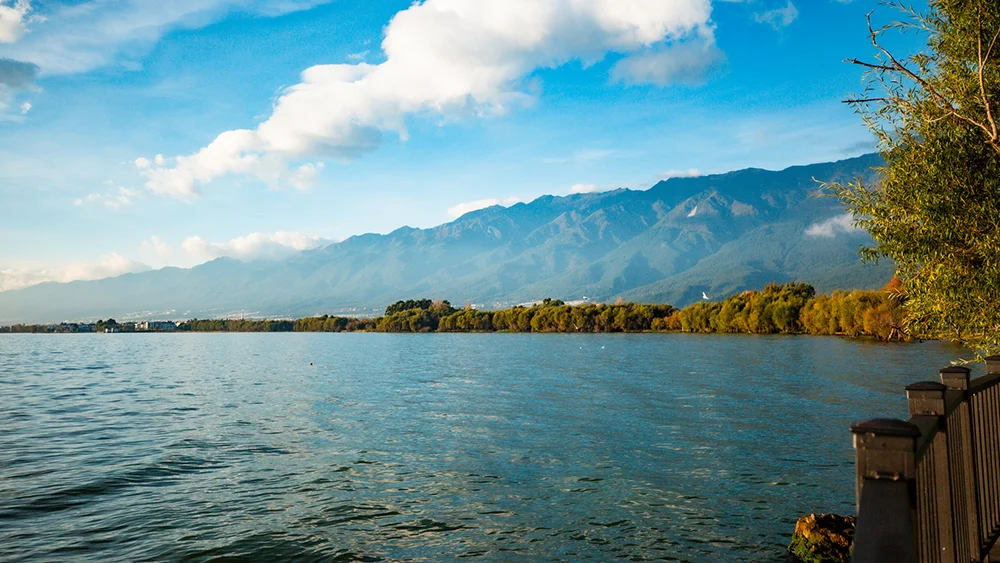
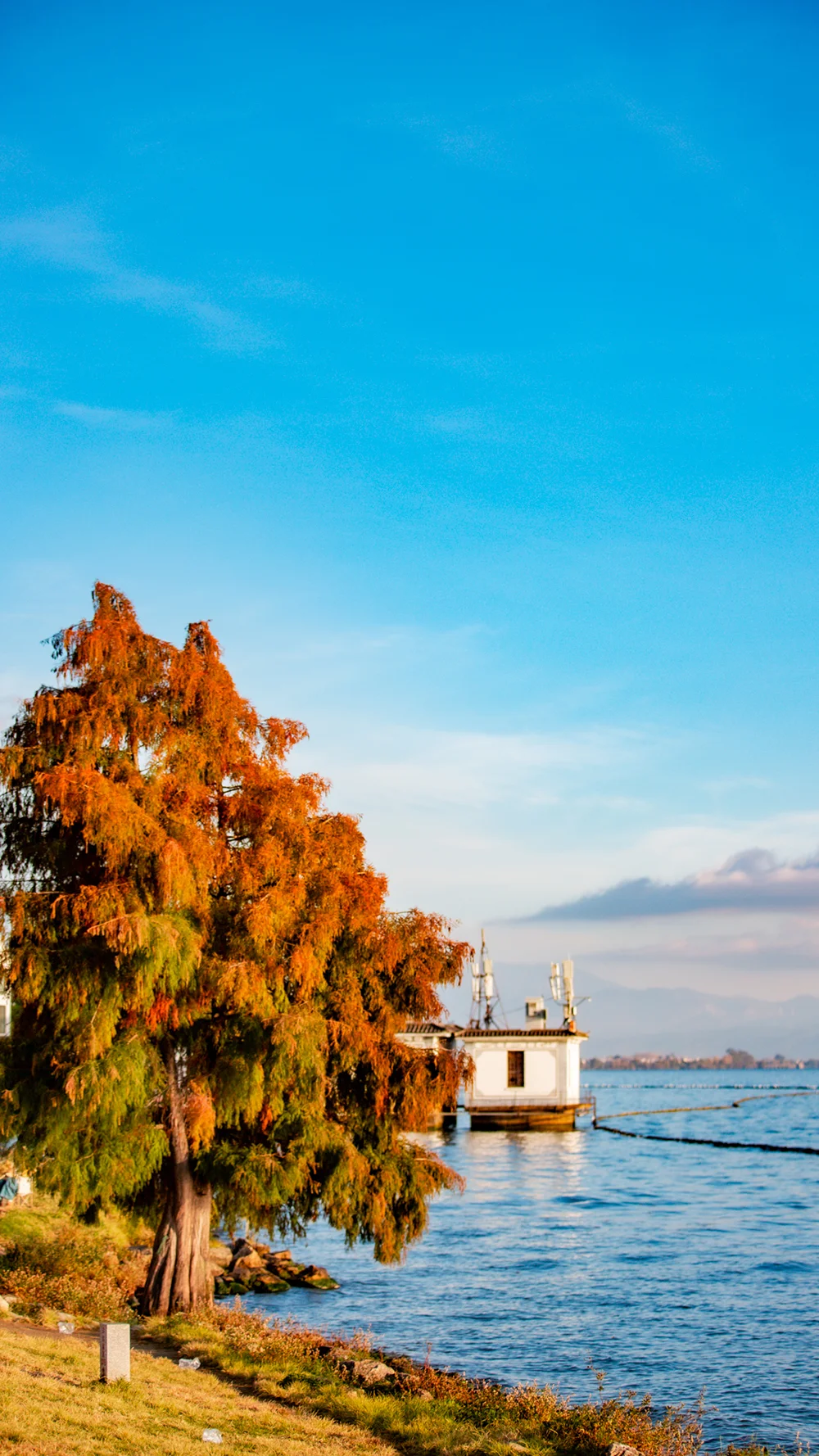
The autumn morning light by the lake should be this silent, like an oil painting. The new sun leaps out from the eastern ridge, and everything is tinged with a gentle, soft orange glow; everything quietly becomes lazy, beginning to doze in the gradually brightening day. By everything, I mean the trees standing quietly on the shore or in the shallow water—willows, or the water fir that secretly blushes red, and also the occasional tall banyan. They do not sleep at night, yet many birds roost and slumber in their dense branches.
These past few nights, the moonlight has been especially generous, peering at this expanse of water all night long. The wind is still quite mild, brushing by effortlessly. But the nighttime temperature is, after all, not suitable for them to sleep deeply. They need to keep moving, to let the fluids within them flow—like an electric current, perhaps—to preserve themselves and slowly move toward withering. Only at dawn do they realize they have survived another chilly night, and in the gradually warming morning light they give up their desperate struggle and stretch out every stem and leaf again. Yet those leaves that could not survive the previous night already drift on the water's surface with the waves.
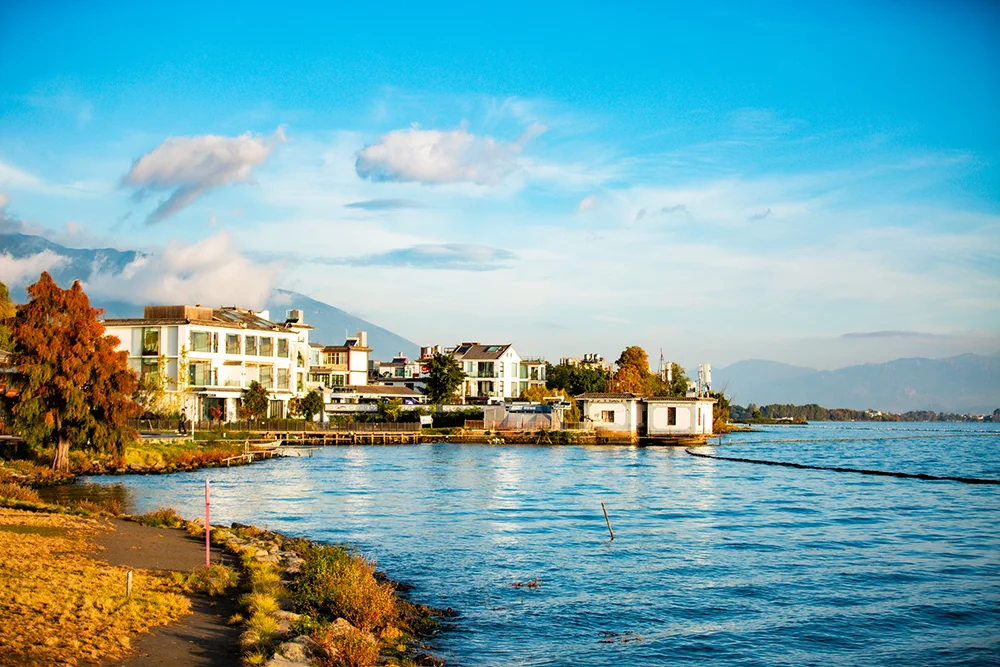
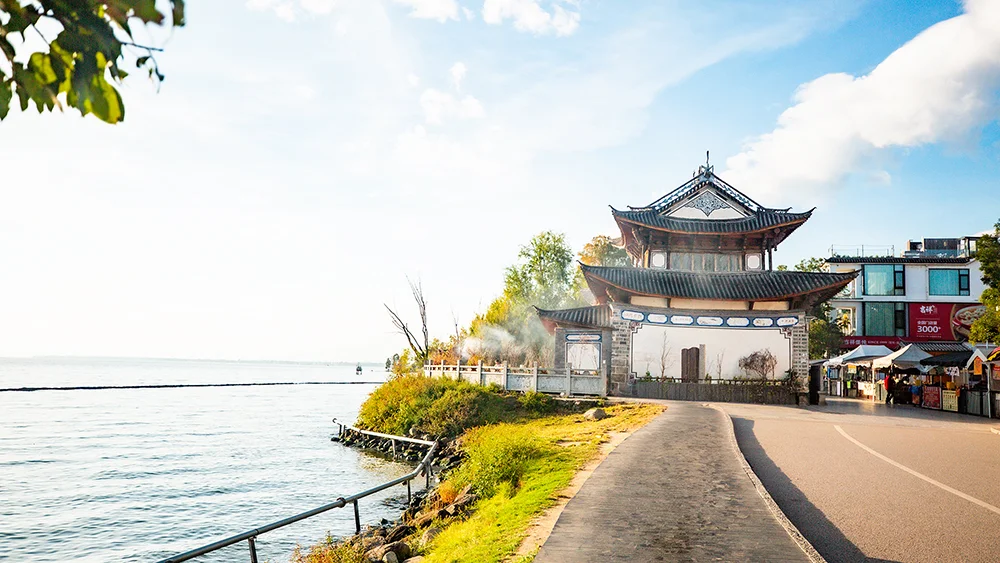
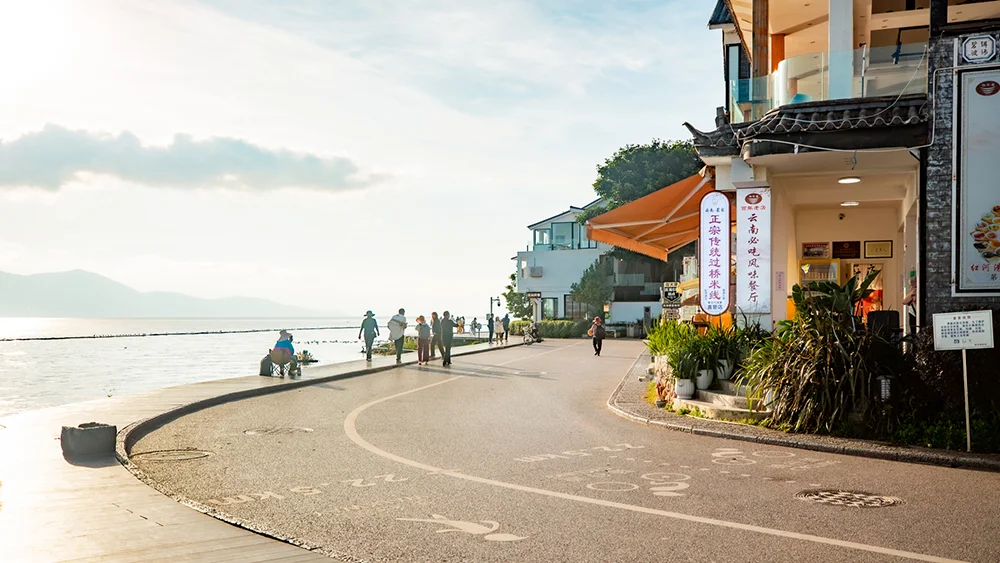
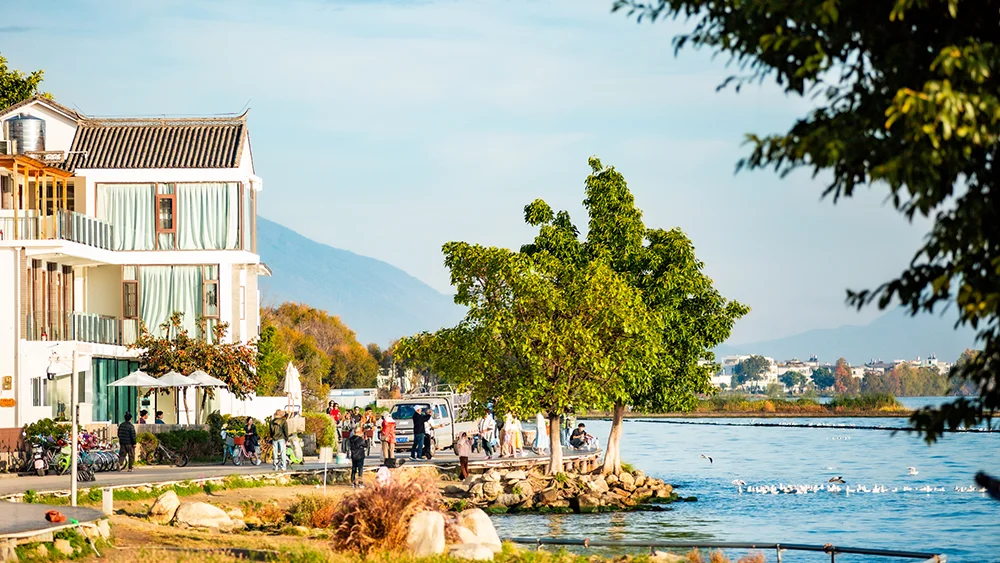
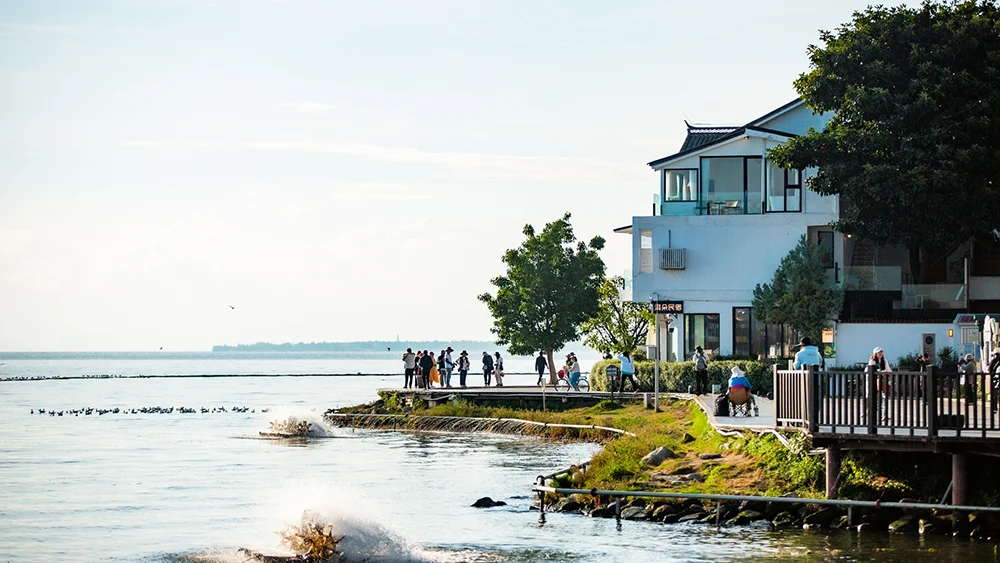
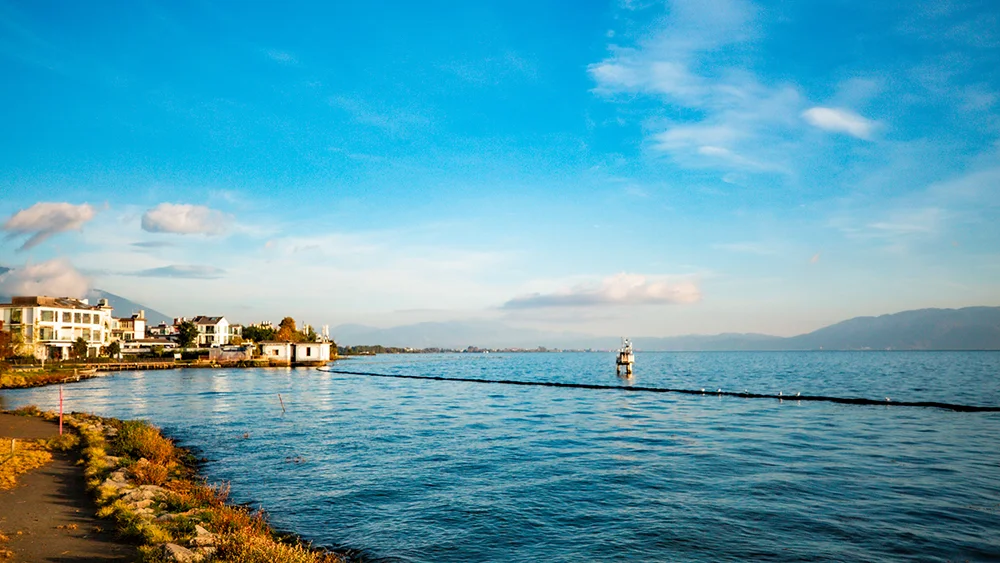
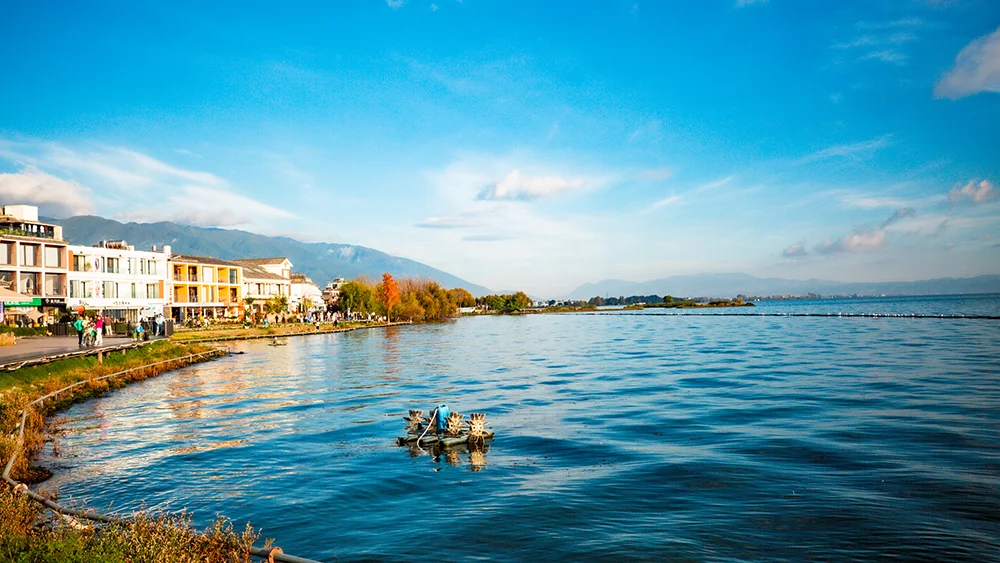
The morning light by Erhai Lake should be silent, if by that we mean only those trees that gradually fall asleep in the daylight, and other things that complement them. Many years ago, this included all the natural products living in this area: people, birds, fish, insects. To reach the lakeside, one had to pass through a patch of reeds wet with dew, stepping on damp wild grass, getting both trouser legs wet and picking up many burrs. Even upon reaching the lake, one would mostly have to stop at a wetland overgrown with water plants that could grow taller than a person; beyond the swaying plants, the blue lake would ripple, and fish would swim among the underwater stems, chasing joy. Unlike now, many fish float belly-up tangled in long algae; the taste of the water is different from before, and they know it.
The road has been built as close to the water as possible, and the former silence can no longer be easily maintained. People stepped into the former tranquility very early on, merging into a largely unharmed peace. I am reminded of a winter forest on a high mountain top, where trees compete for the short-lived sunlight as if competing for thin air. Being drunk on oxygen and being drunk on people are two different concepts.
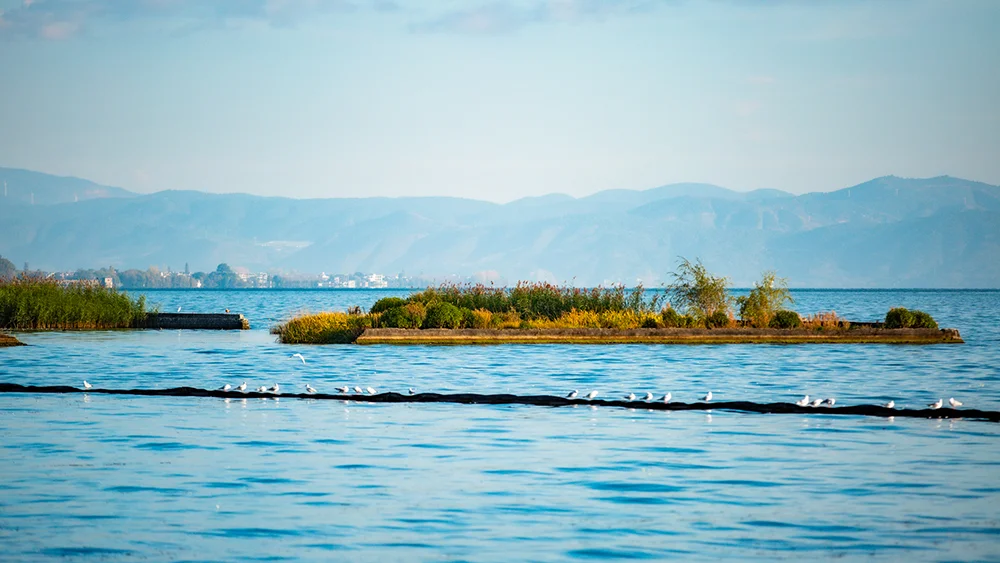
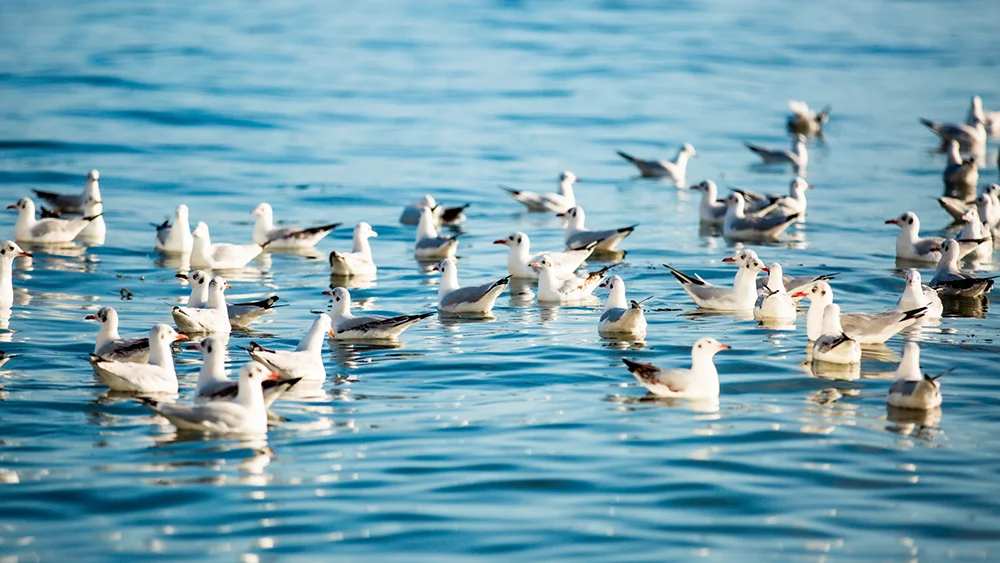
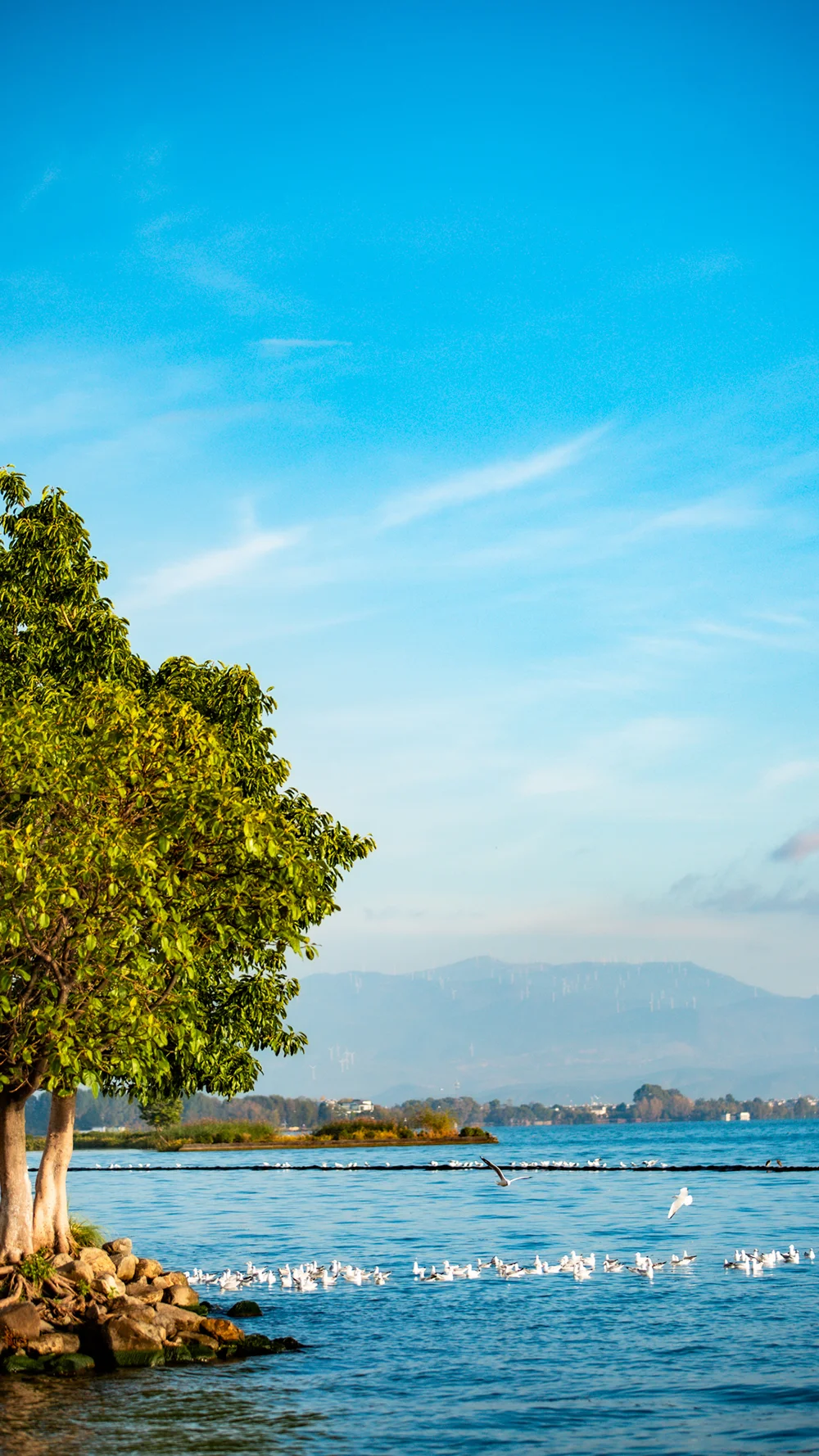
The morning light favors more the seagulls that soar or rest. The seagulls arrived at this stretch of water in October, to people's surprise and delight. Is the cold in Siberia early this year? Or are the early arrivals the old gulls, unable to withstand the cold? They look at each other over the sparkling water, as if waiting for something. No one feeds them. They gather on the shore, seeming to have grown bold from their numbers, without a trace of fear. Their expressions are pure, innocent, and lovely. Their short beaks are actually more orange, yet they are called red-billed gulls; no one calls them orange-billed gulls. I just call them seagulls, even though I have never truly seen a seagull soaring over the real ocean. The seagulls have already flown to Erhai Lake; I will tell the boys and girls this.
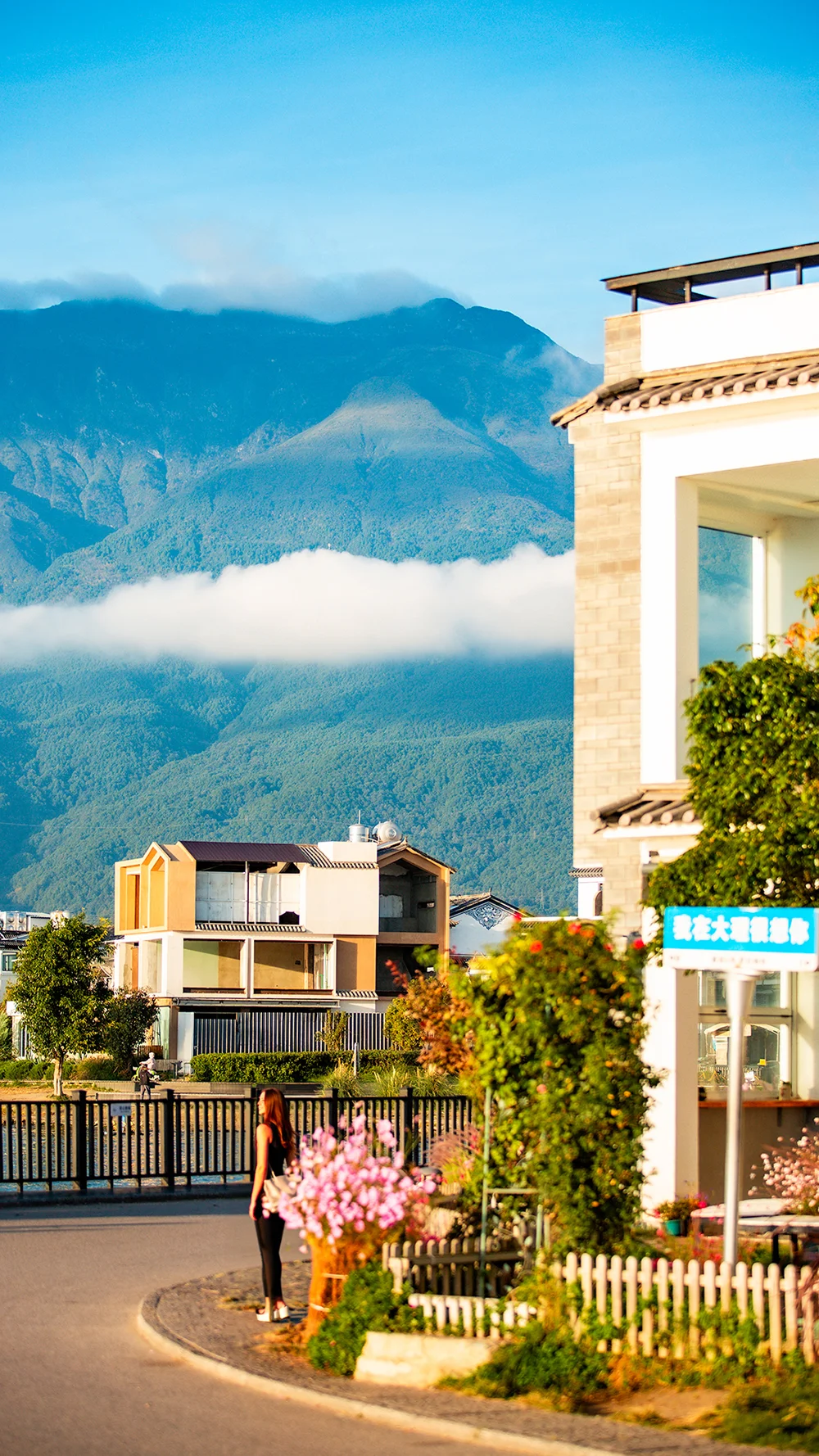
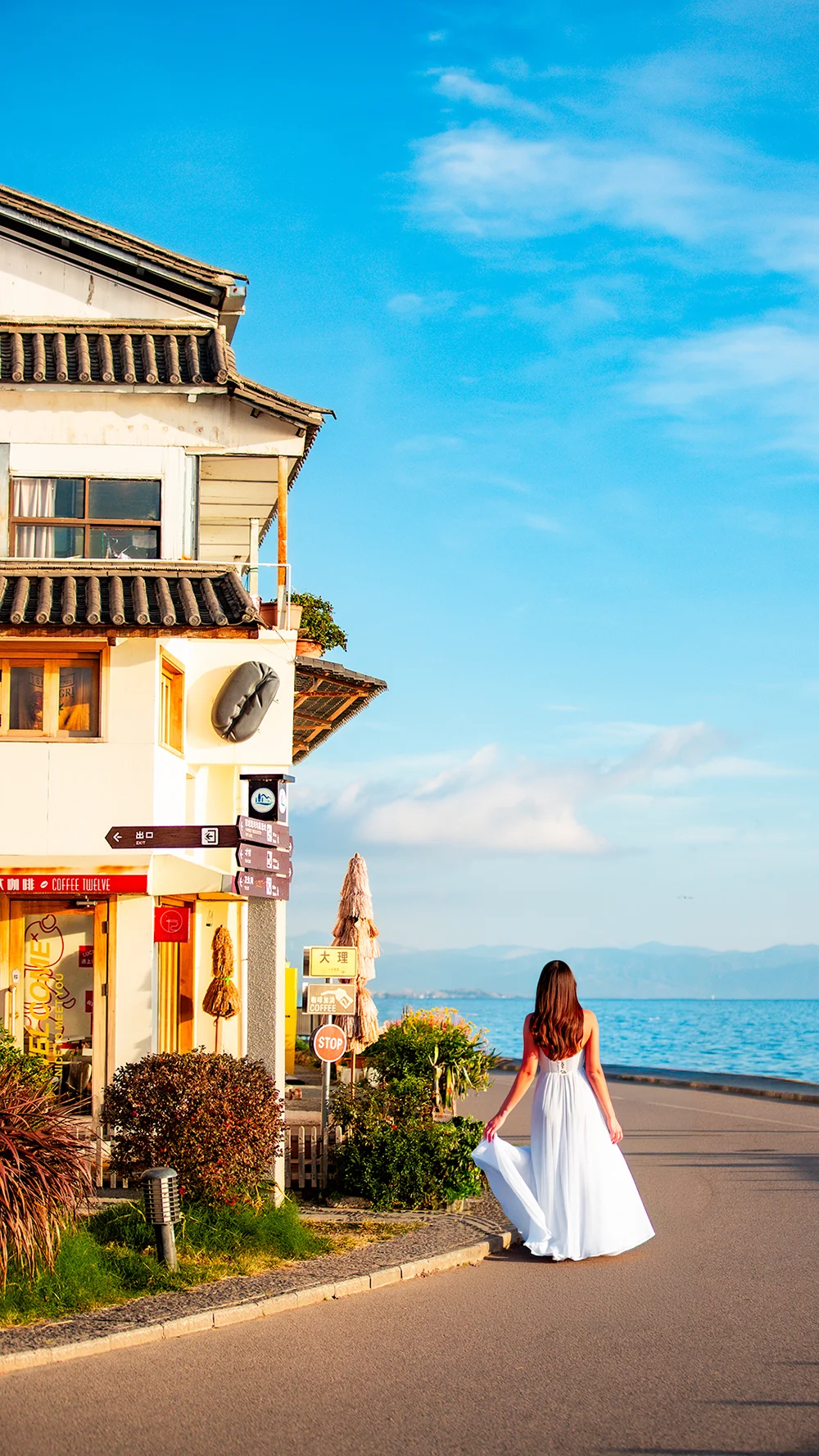
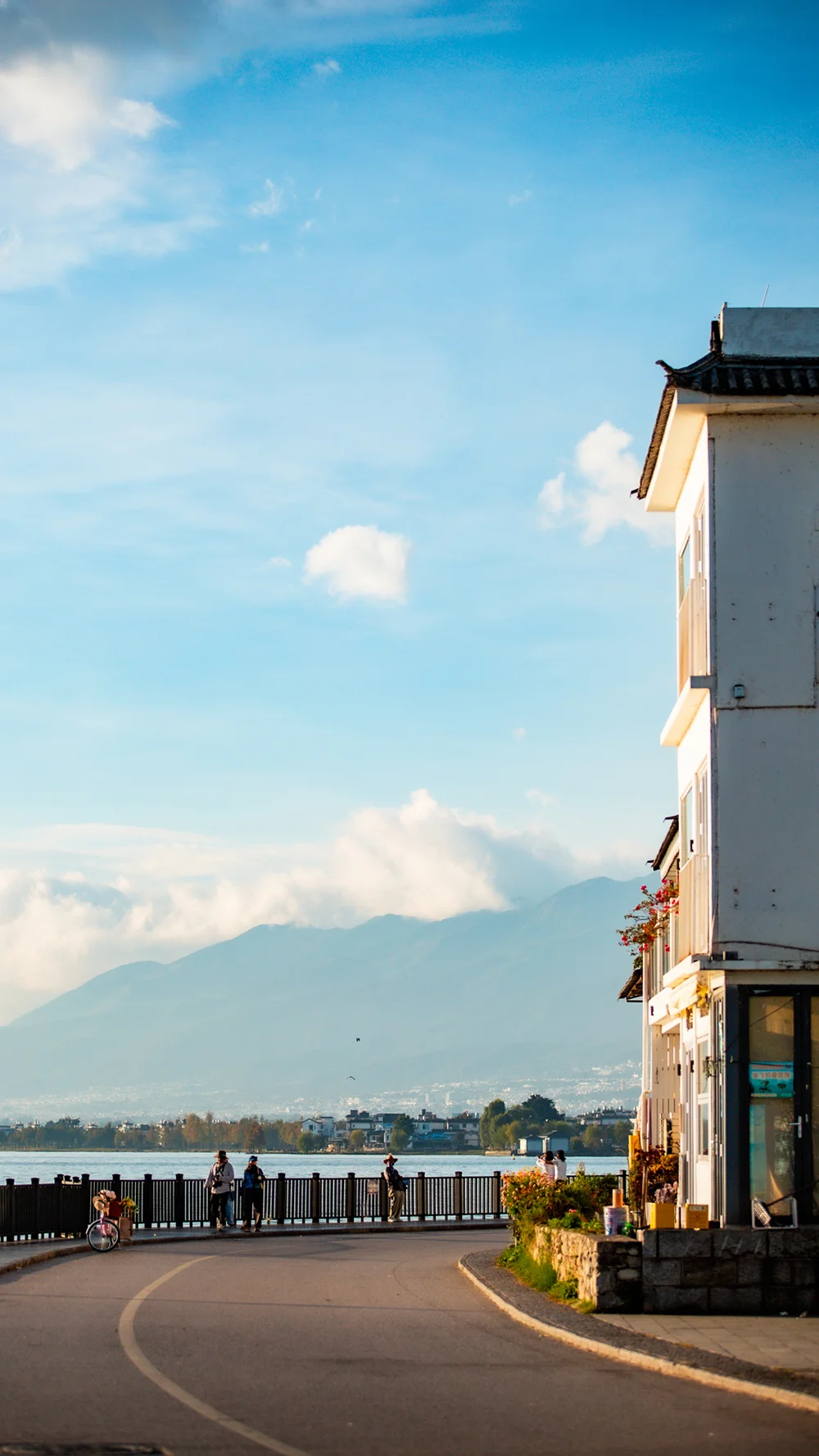
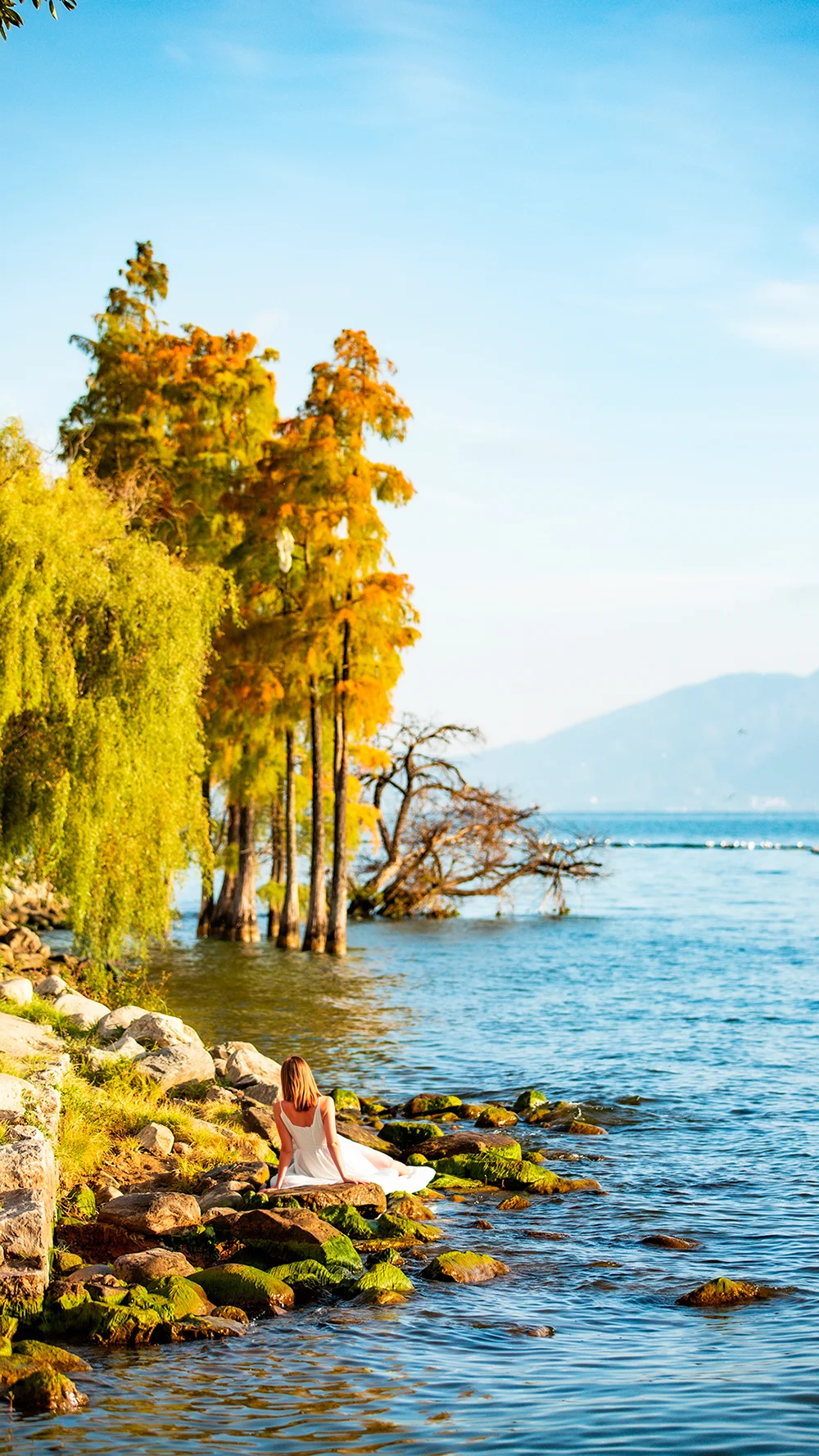
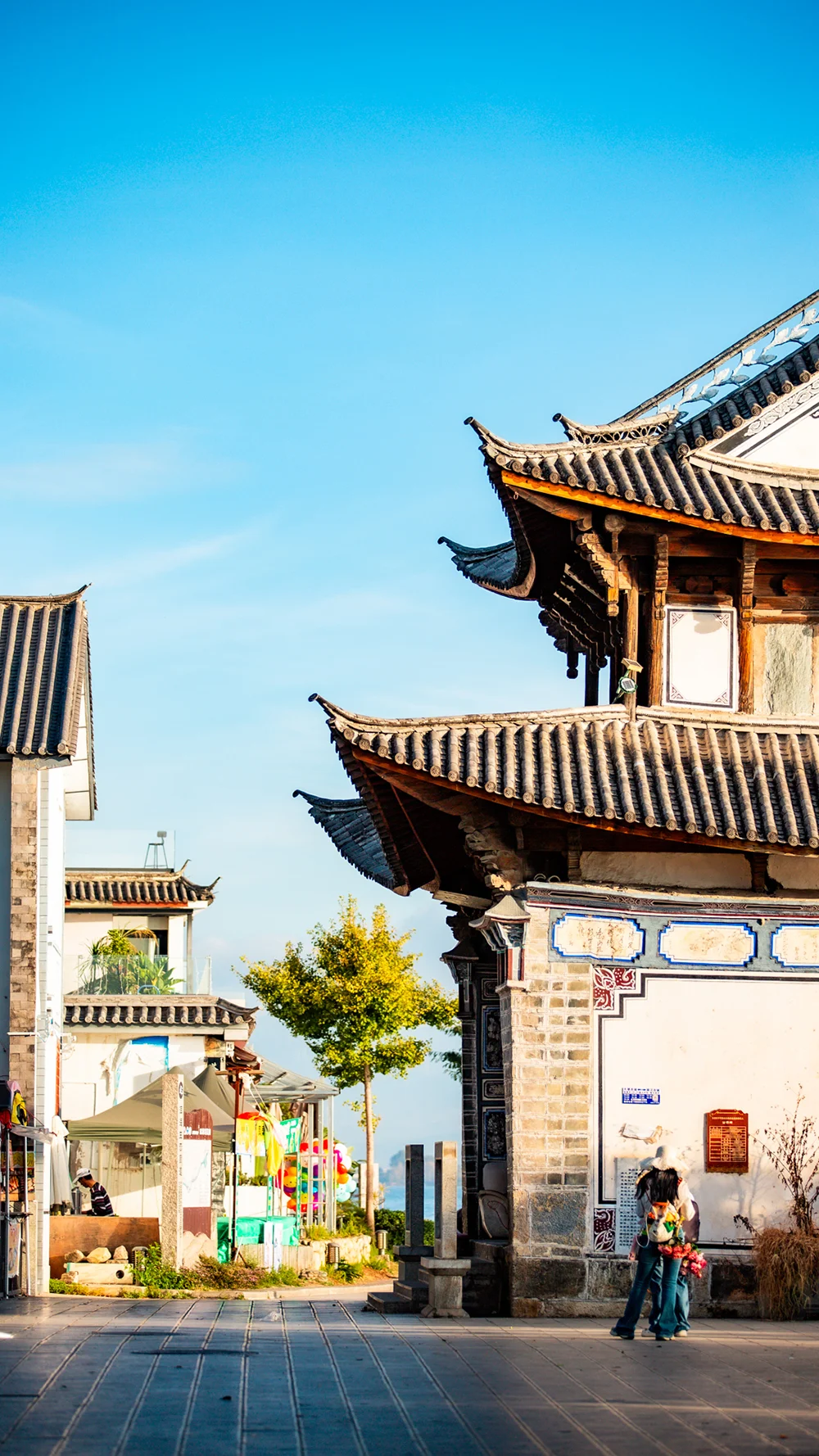
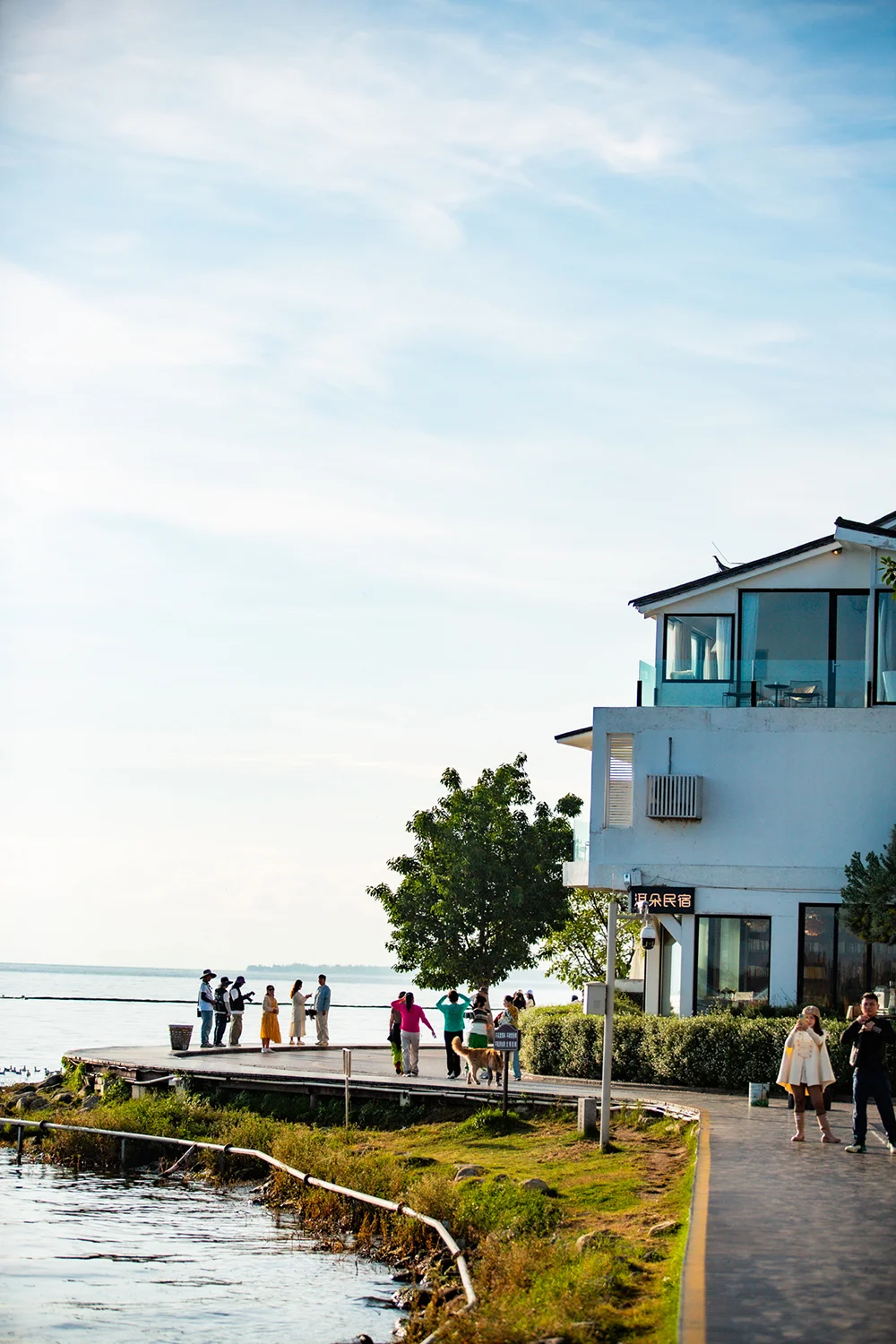
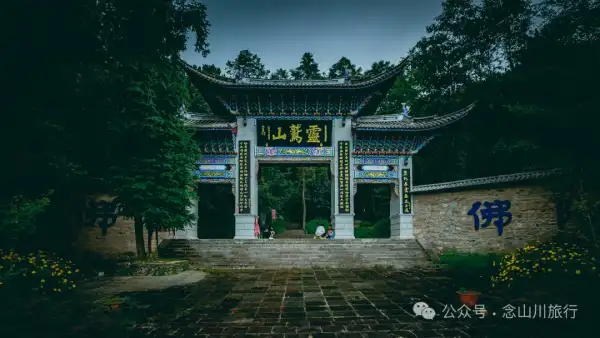
In the past, I often cycled around the entire Erhai Lake. Passing by this place, I never found it particularly outstanding compared to other spots; there are many S-shaped bends along the lakeshore. Yet years later, this place has become extremely famous and therefore extremely lively, with tourists flocking in. Apart from an ancient temple that remains as it was, I can no longer recognize the buildings along the shore when I come here now.
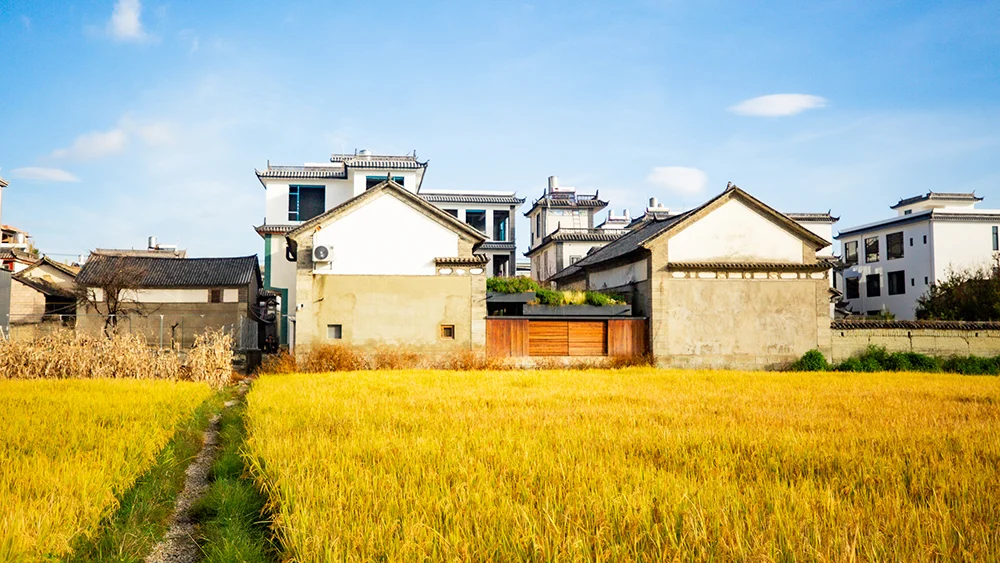
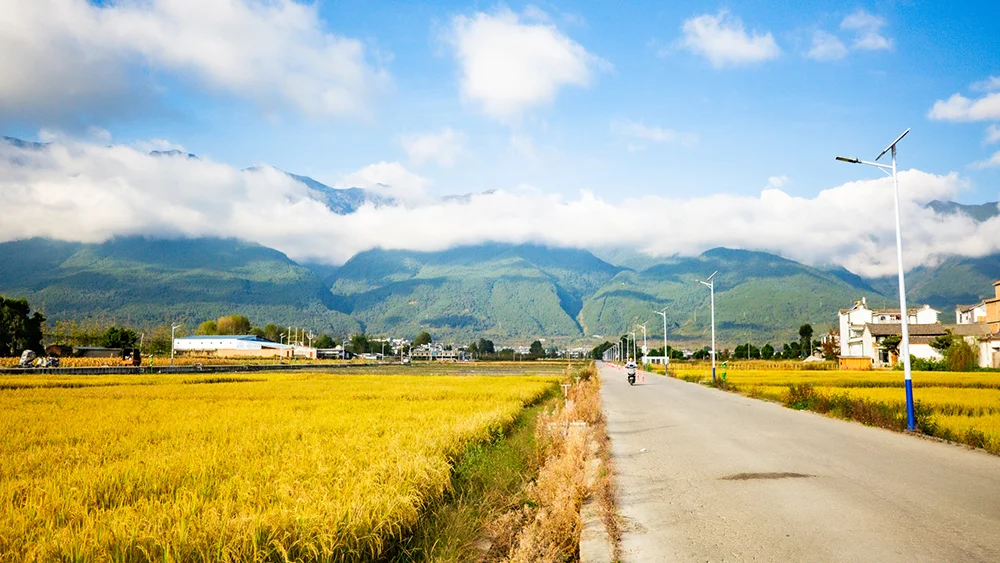
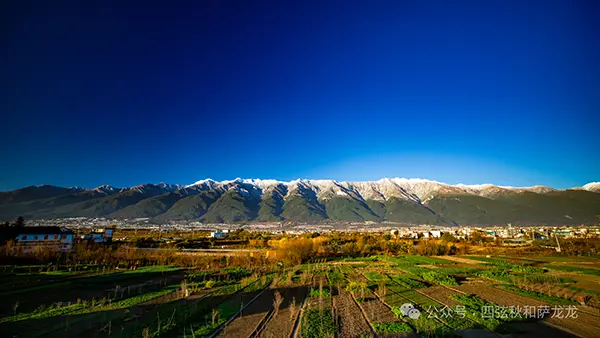
Seeing more and more tourists, I left and returned home. The autumn fields by the road have reached harvest time; before being harvested, they are so dazzling, striking, and joyful. The old-style courtyard houses seem to understand them better. I hope they will not be harvested by huge machines, leaving behind a pool of ugly oil stains and rows of stubble crushed askew. A sickle would be more tender to them. We would also have neater, cleaner fields.