
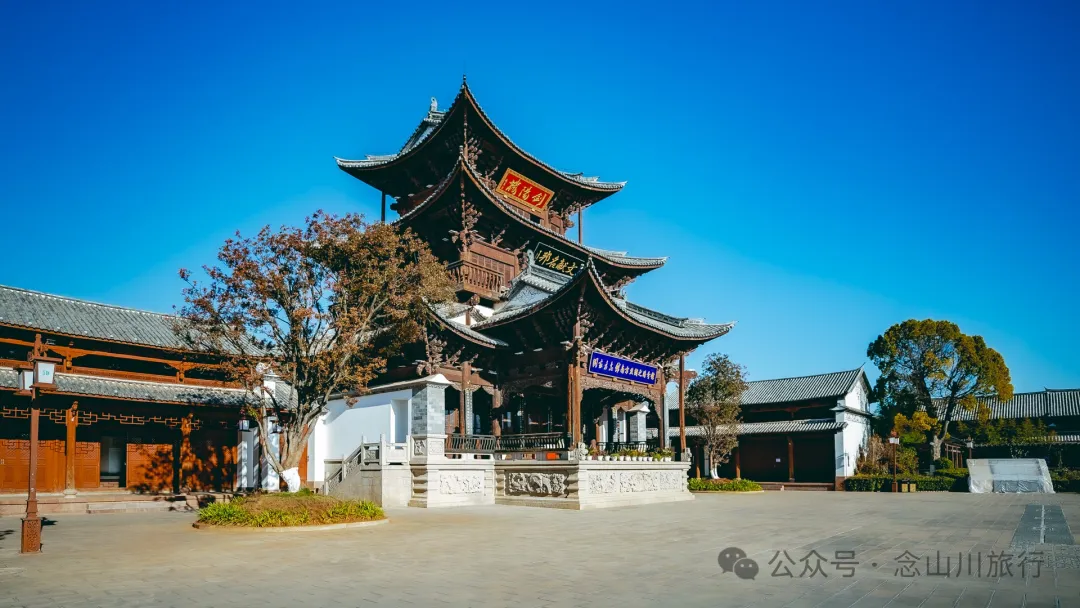
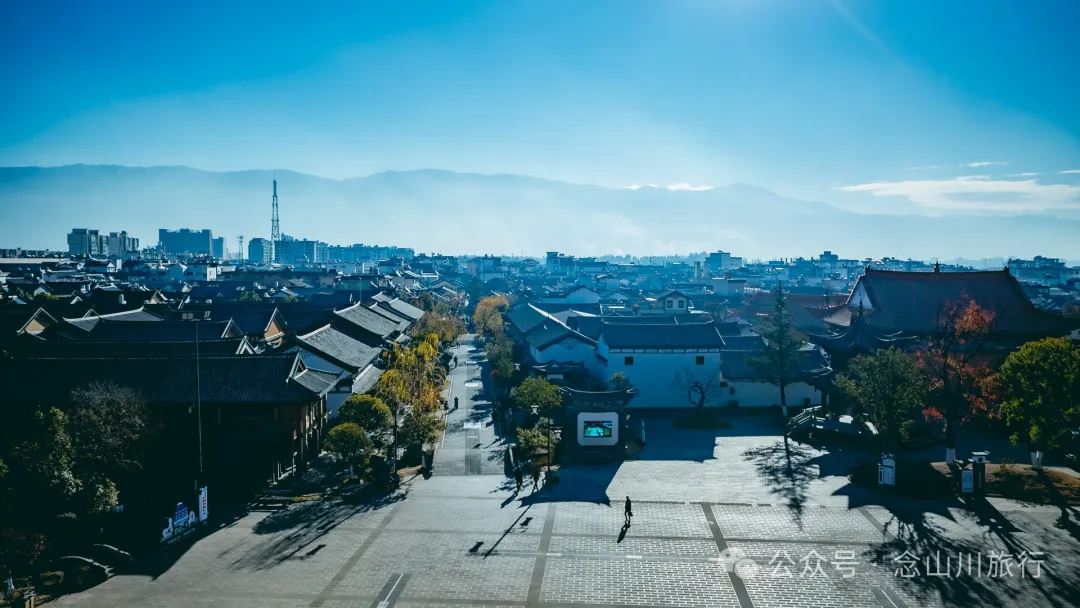
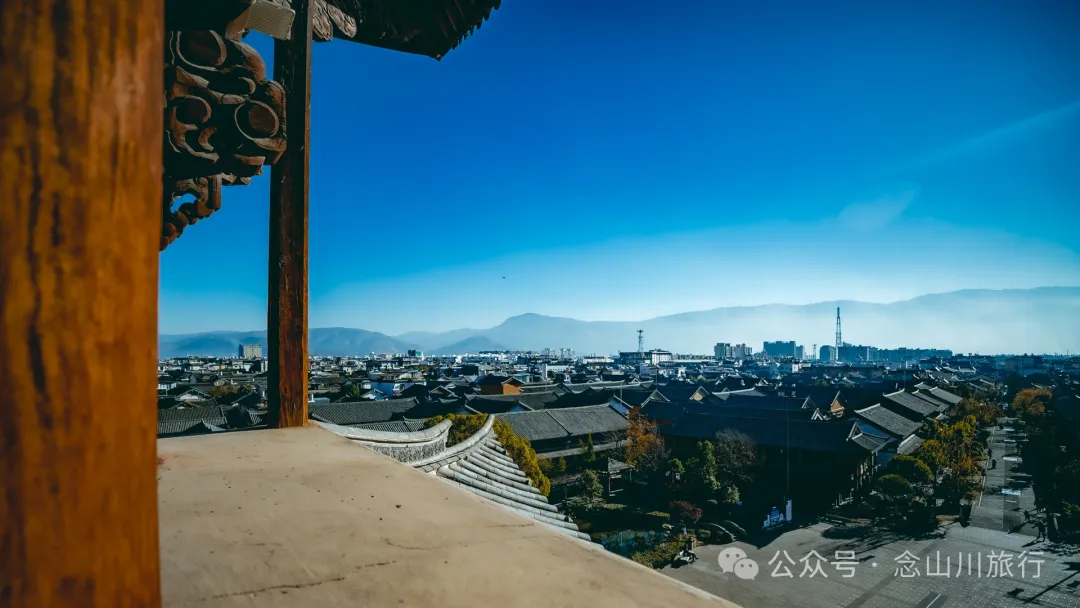
Jianyanglou Museum is located in the Jianyanglou area of Jianchuan Ancient City, Jinhua Town, Jianchuan County, Dali Bai Autonomous Prefecture, Yunnan Province. It is a state-owned museum under the Jianchuan County Culture and Tourism Bureau. It is not only a landmark building of Jianchuan Ancient City but also an important window for displaying Jianchuan's history and culture.
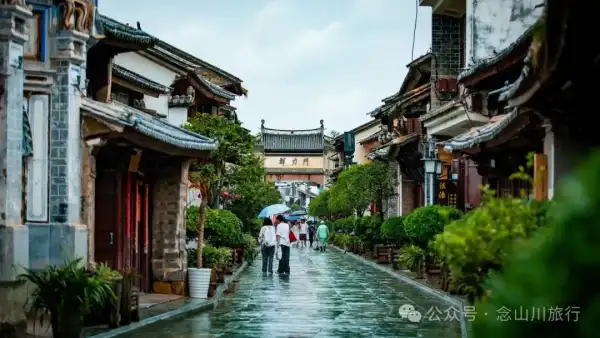
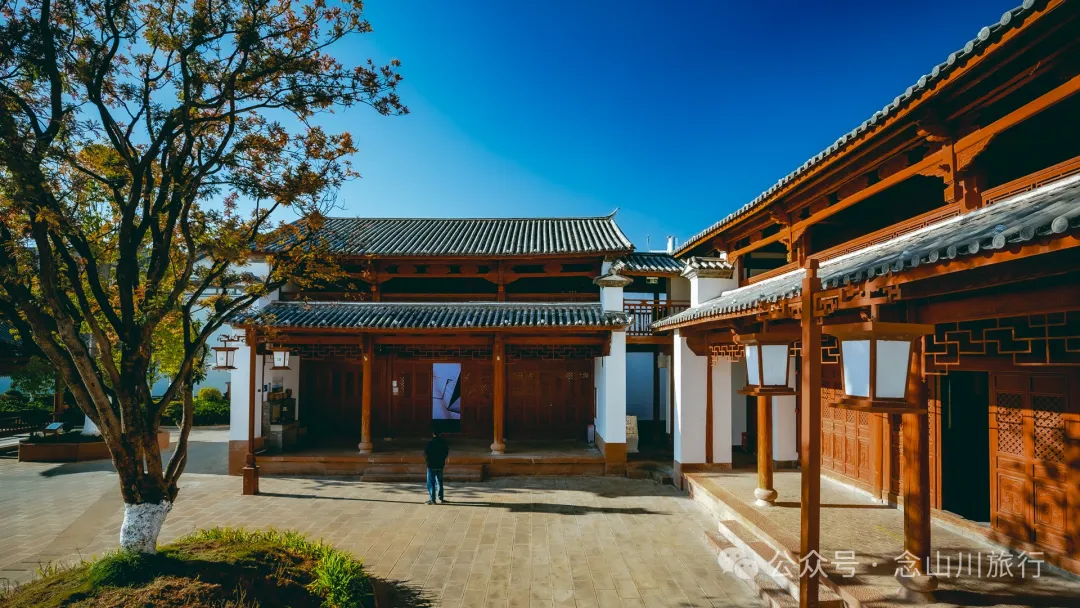
Jianchuan Ancient City was first built in the 23rd year of the Hongwu reign of the Ming Dynasty (1390). After the baptism of the Ming and Qing dynasties, the ancient city still maintains its simplicity and elegance. As a landmark of the ancient city, Jianyanglou has witnessed the historical changes of Jianchuan. The ancient city retains more than 160 Ming and Qing ancient buildings and many former residences of historical and cultural celebrities, as well as many Bai-style residential buildings such as "four courtyards with five patios" and "three rooms with one screen wall." These ancient buildings not only have high artistic value but also serve as witnesses to Jianchuan's history.
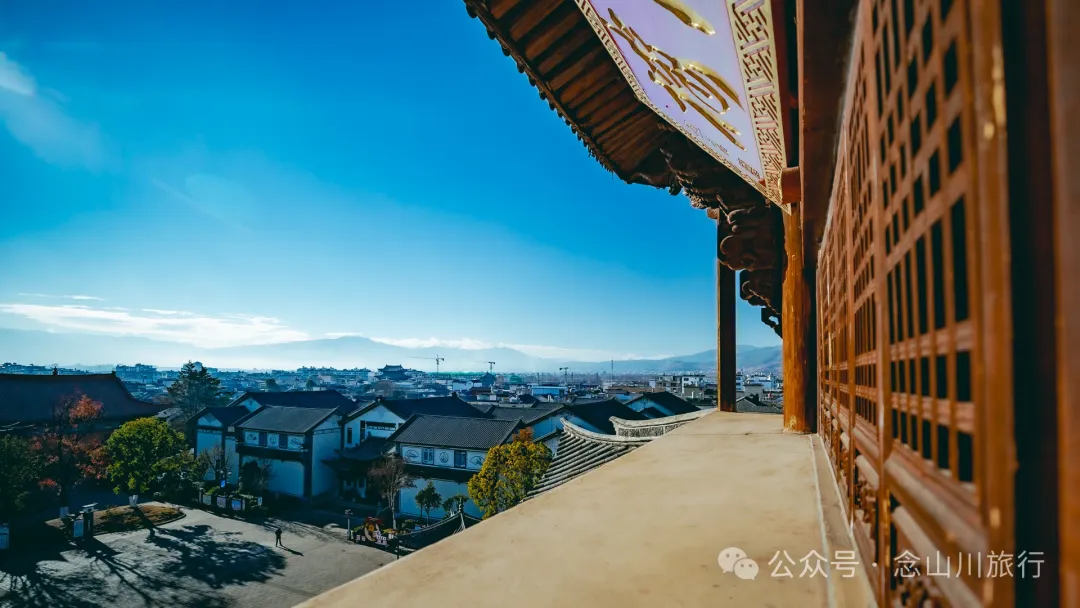
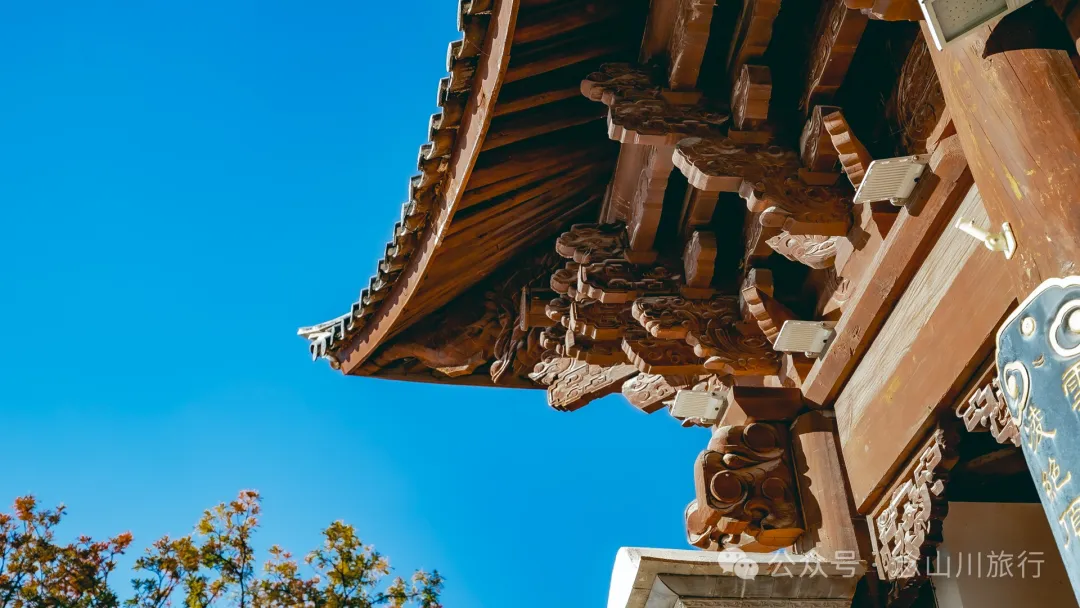
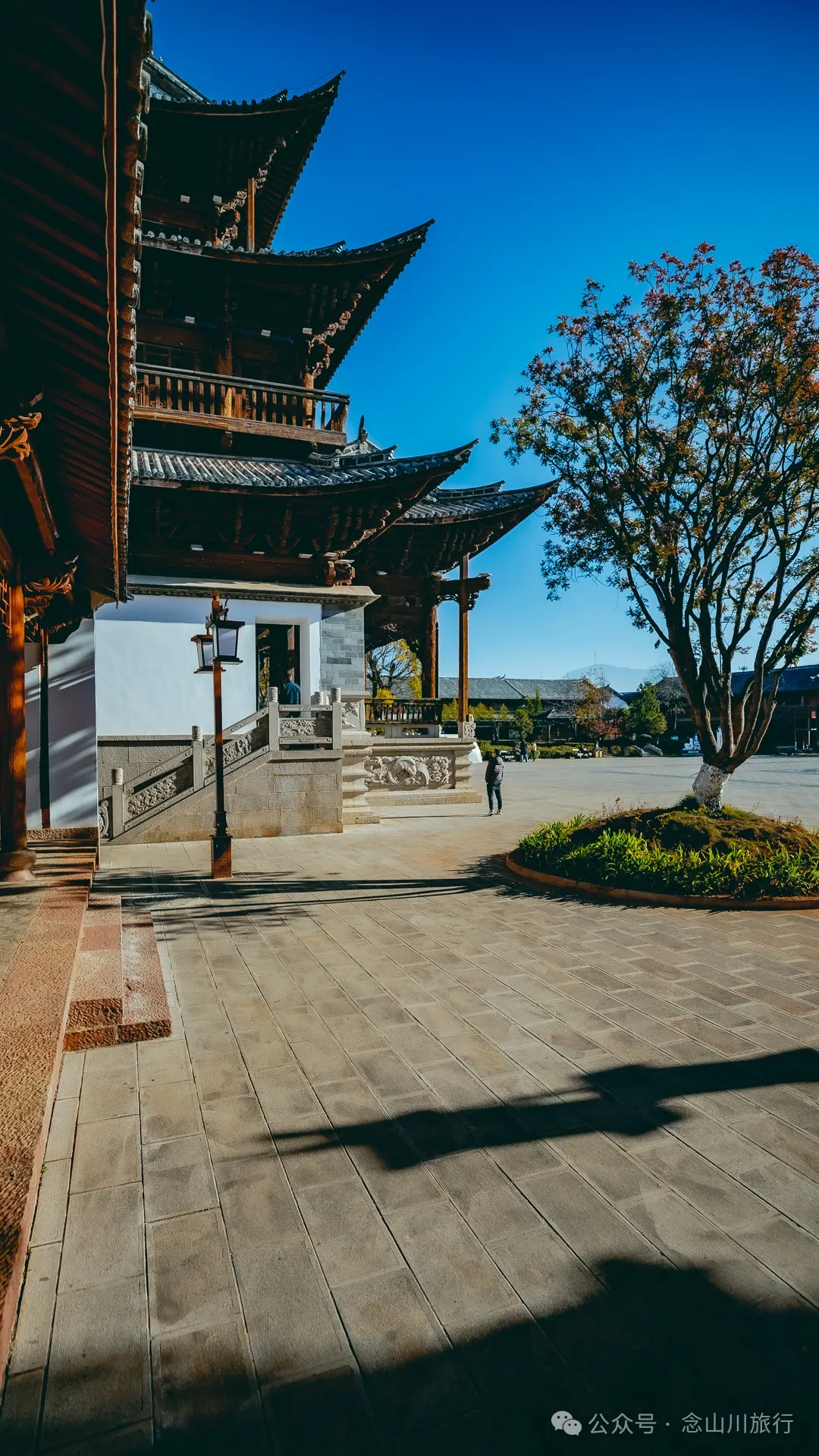
Jianyanglou adopts the architectural style of the Ming and Qing dynasties, with three visible floors and one hidden floor, a wooden structure, flying eaves and dougong brackets, and double eaves with upturned corners. It is 21.5 meters high with a building area of 575 square meters. The entire building is magnificent and spectacular. The upper part of the floor is supported by multi-layered carved dougong brackets, appearing elegant and splendid. The roof has ten slopes and six upturned corners, inlaid with golden yellow glazed tiles, and the ridge is decorated with hollow patterns made of yellow tiles. The beams and floors inside the door are painted with patterns such as "phoenix facing the sun," "two dragons playing with a pearl," and Bai-style flower-and-bird motifs. The walls are painted with the famous "Eight Scenes of Jianyang." Standing in front of the gate, one feels as if in a gallery full of beautiful sights, never tiring of looking.
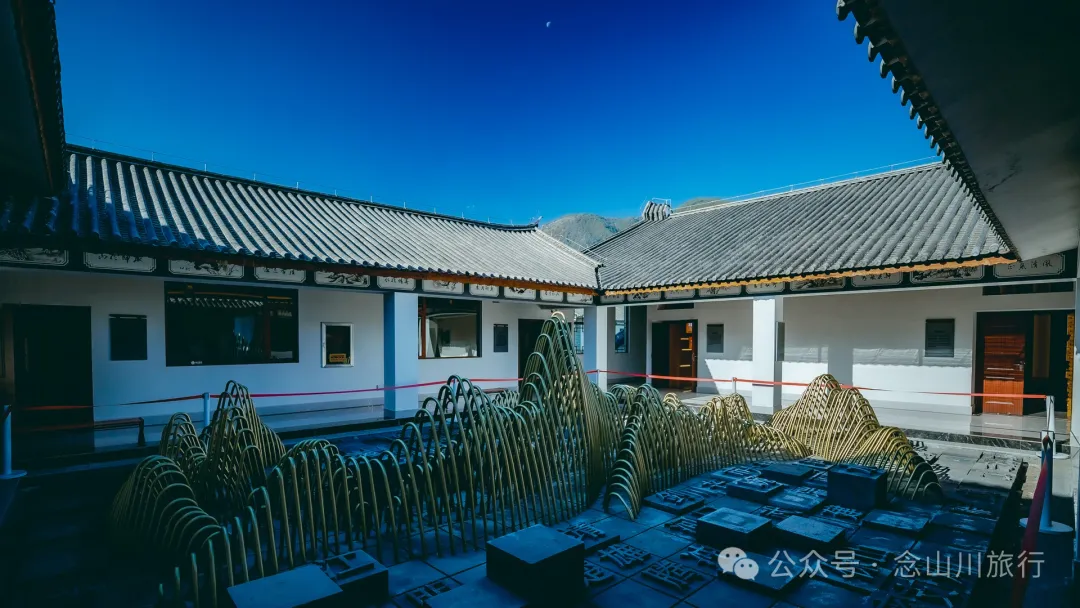
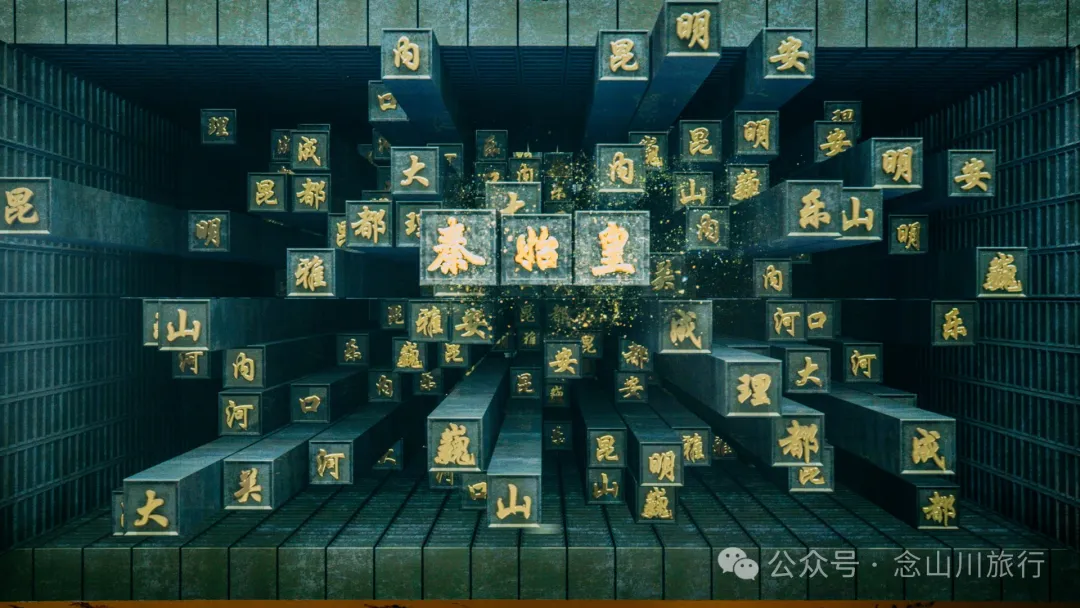
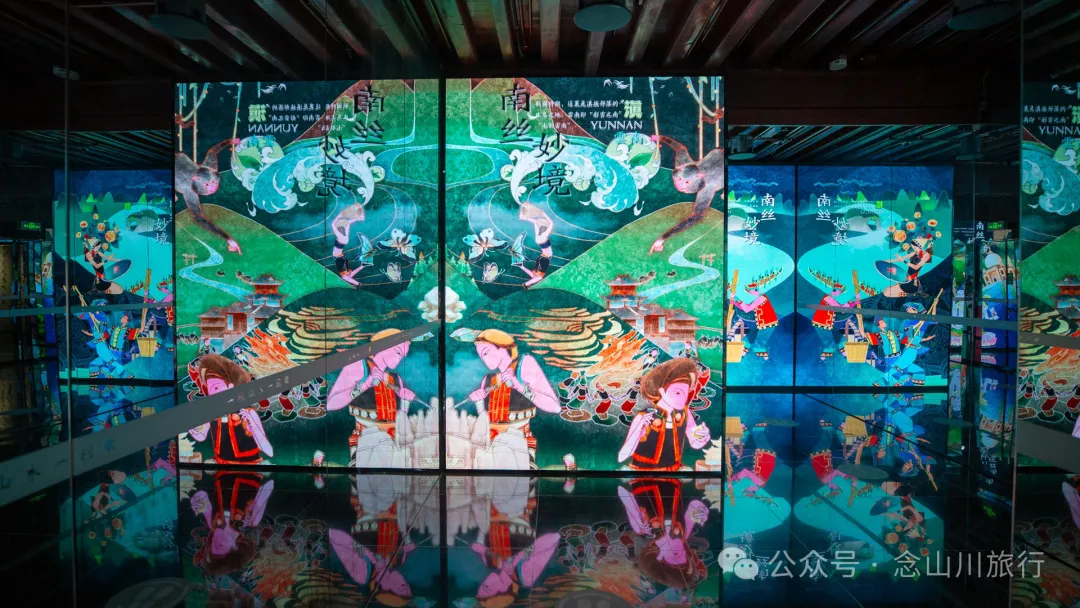
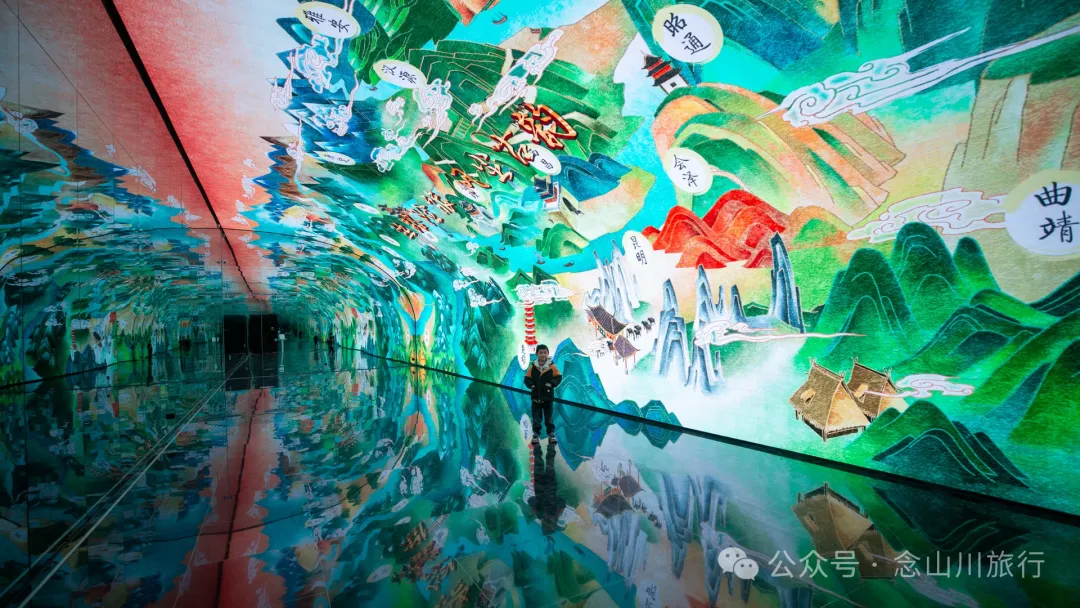
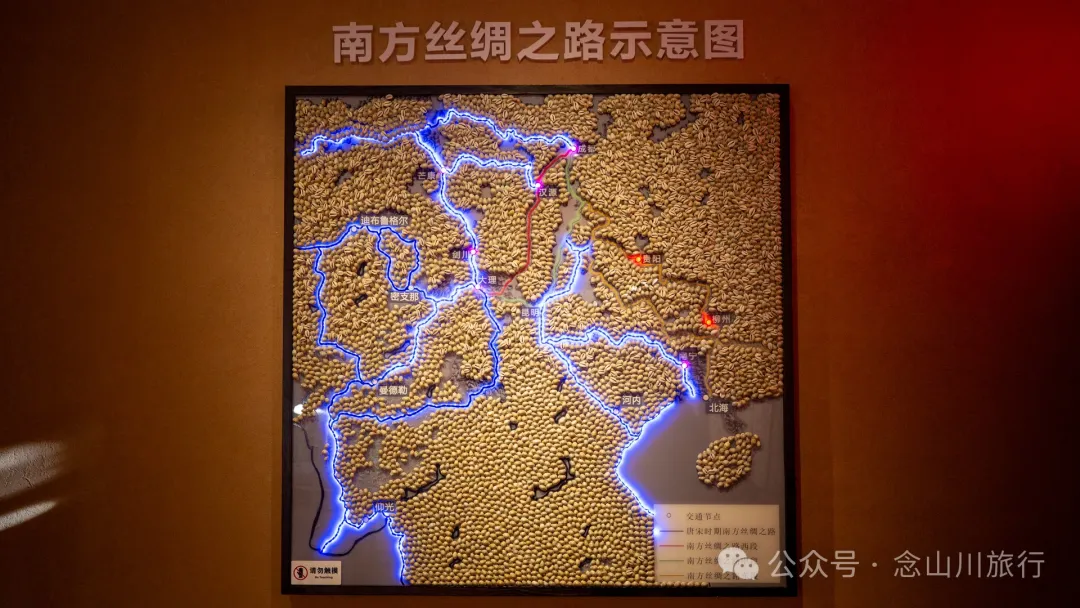
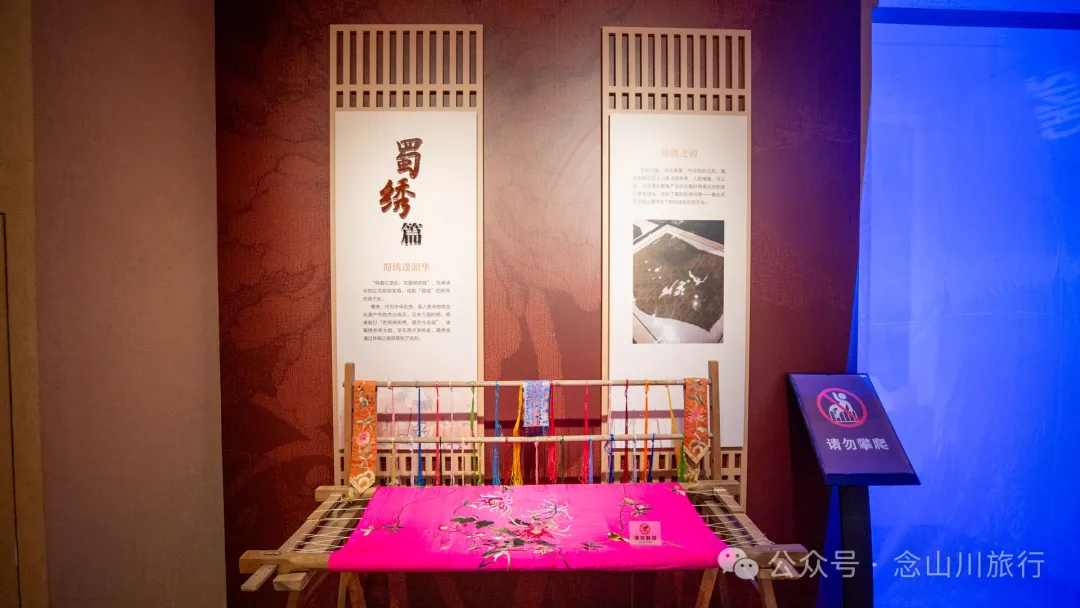
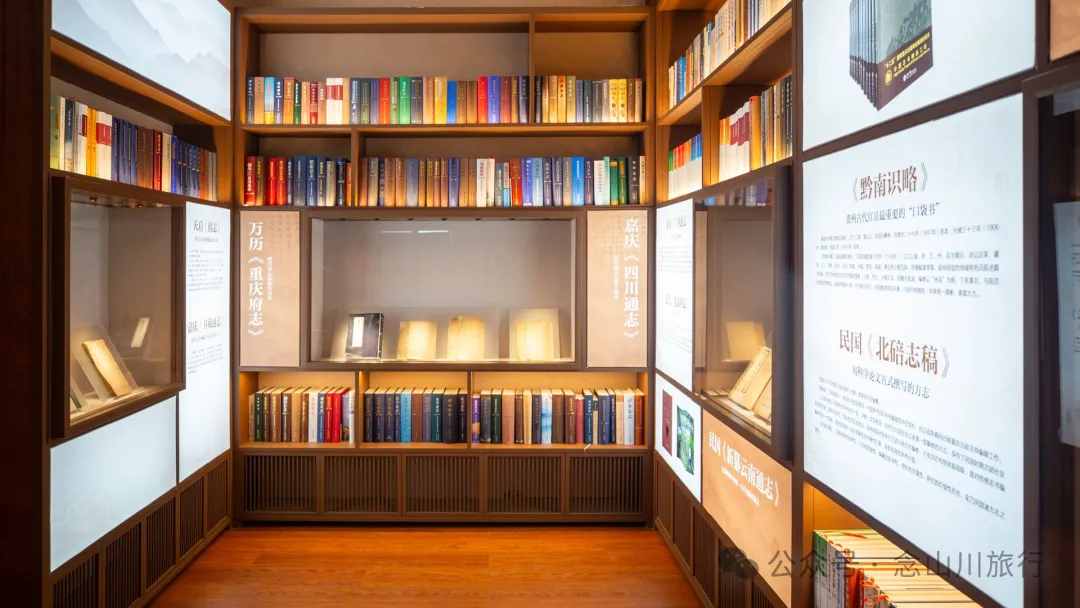
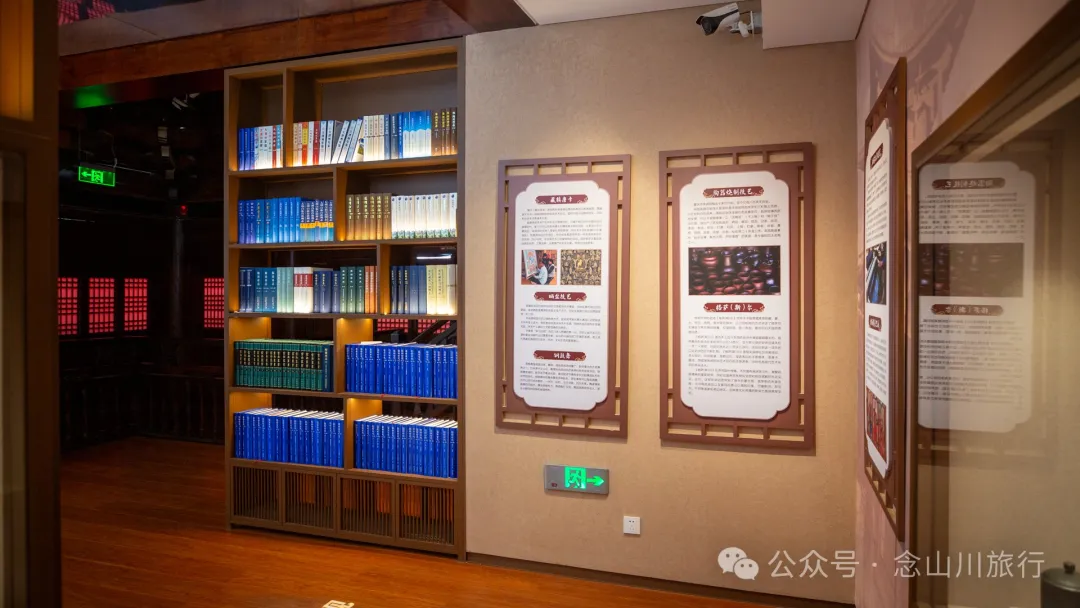
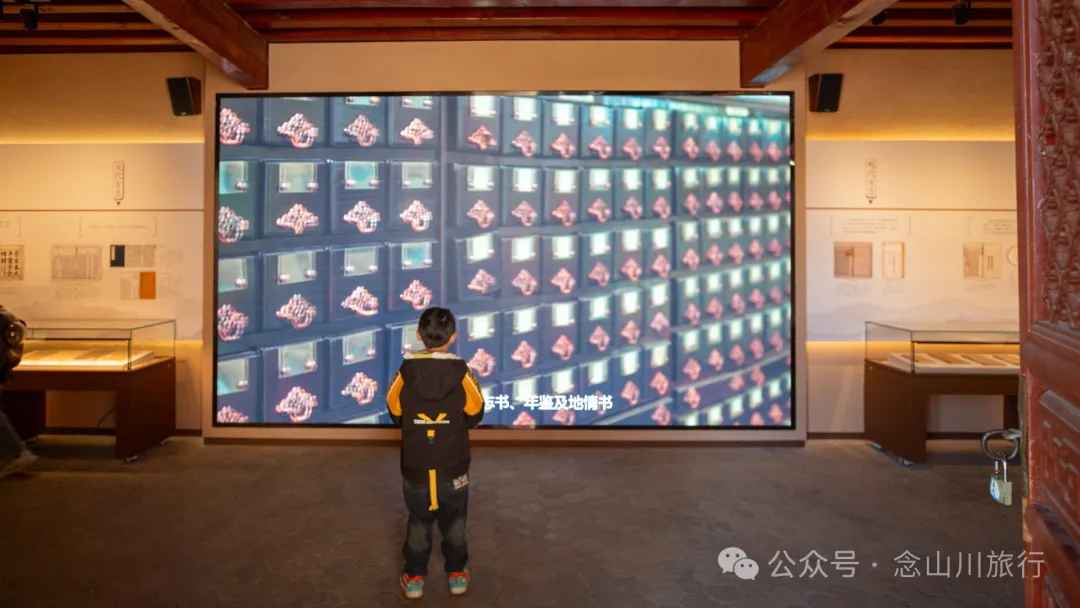
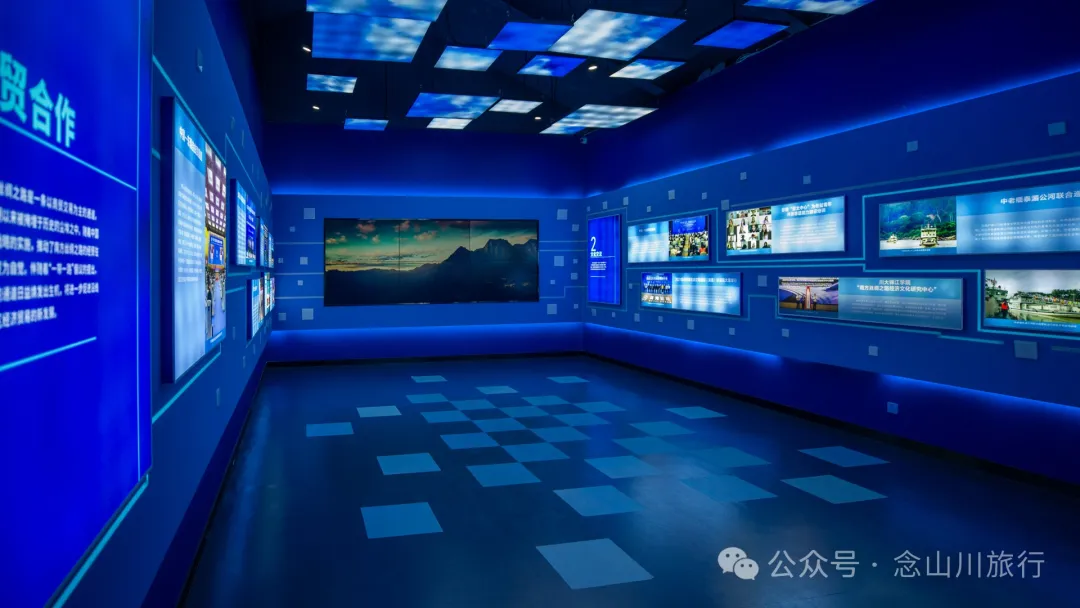
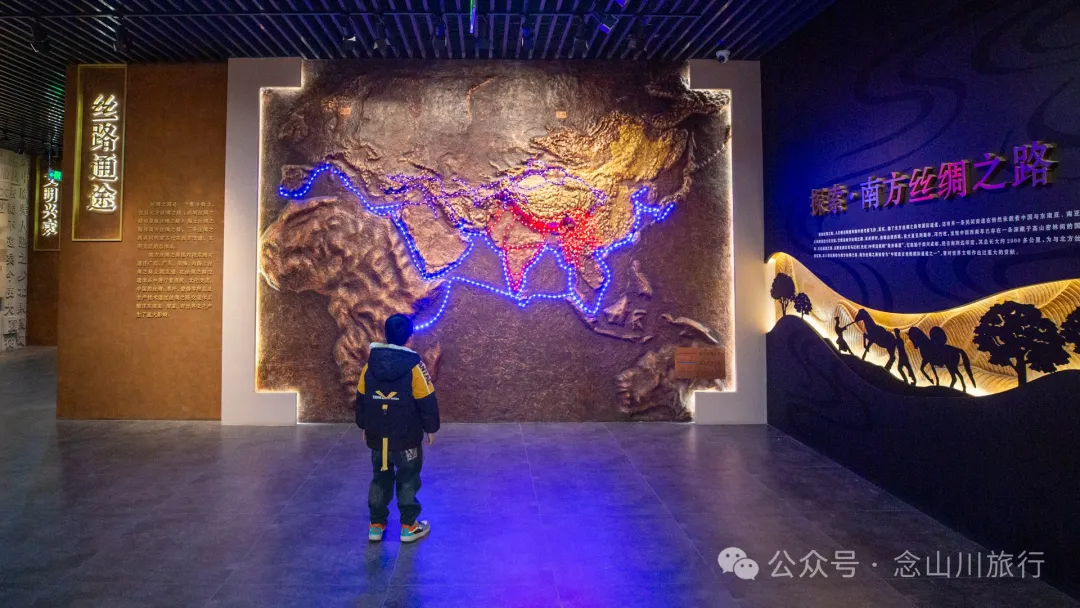
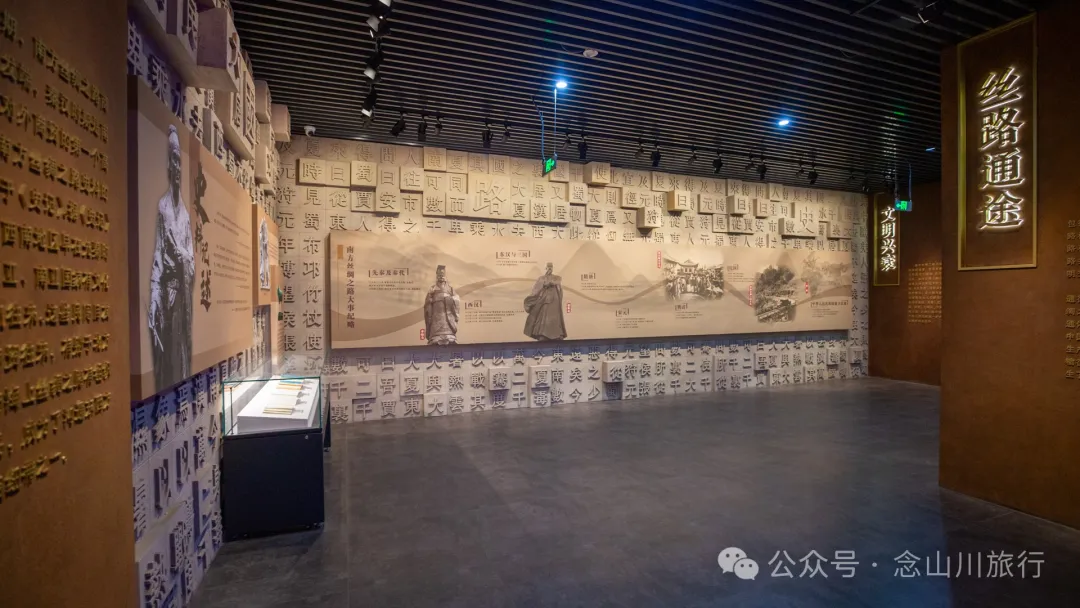
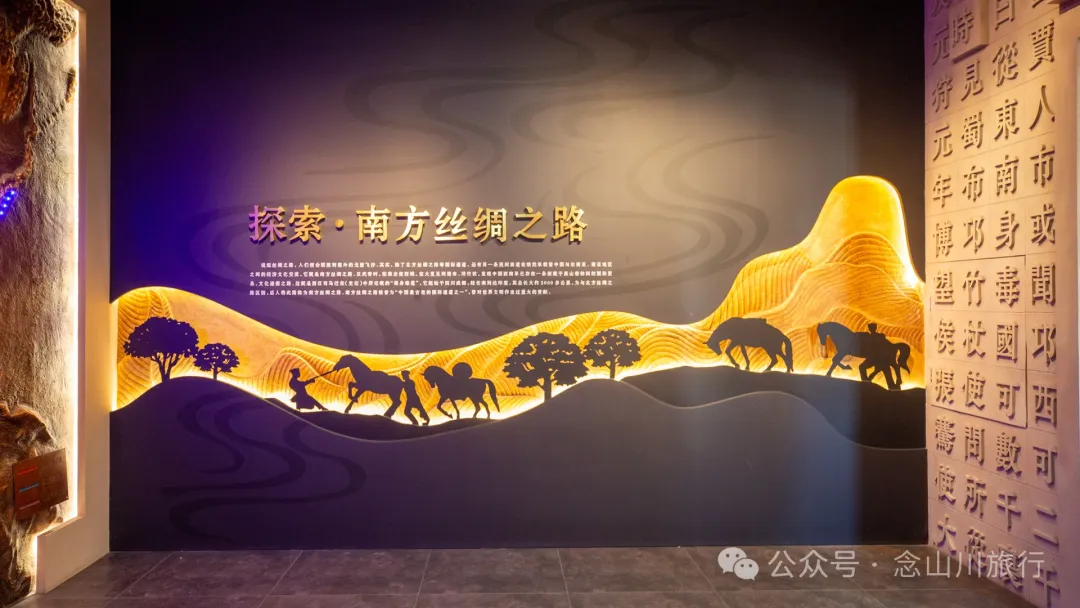
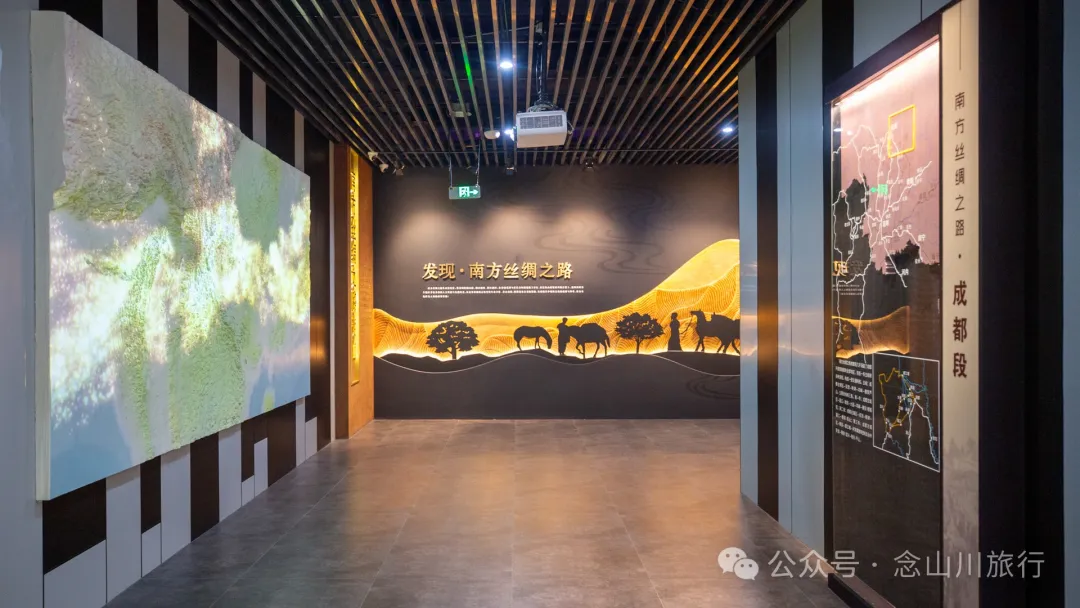
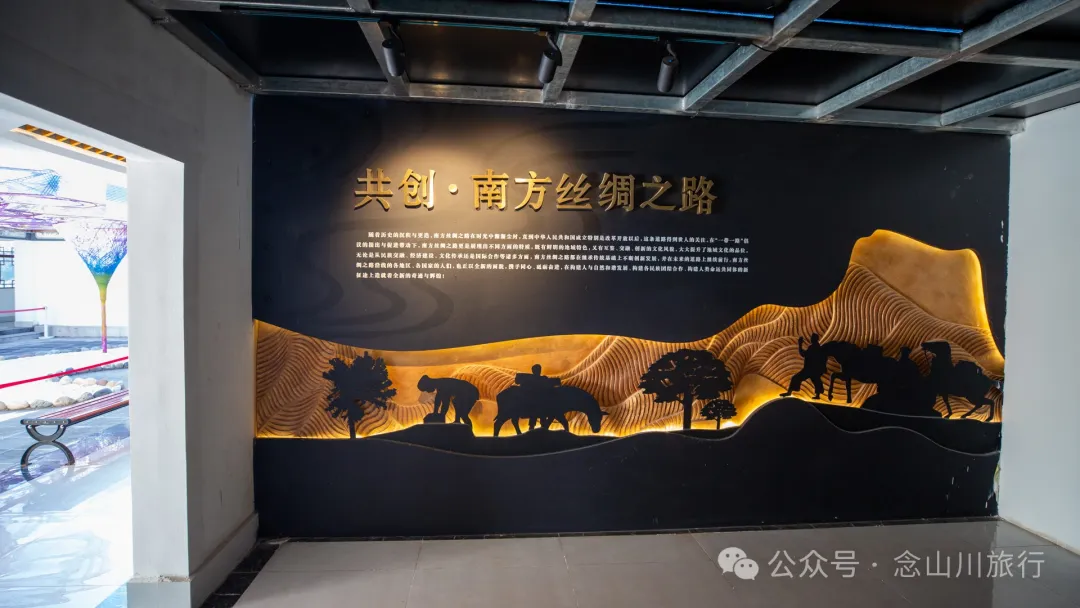
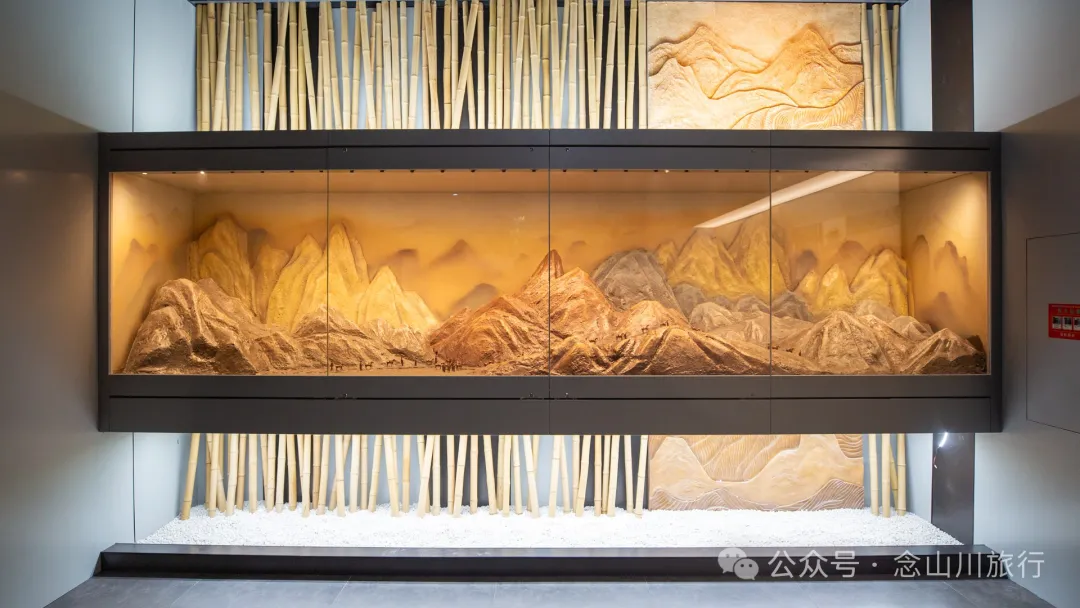
Jianyanglou is not only a landmark of Jianchuan Ancient City but also the theme hall of the Southern Silk Road Branch of the National Local Chronicles Museum. The indoor exhibition area of this hall is 1,200 square meters, divided into four chapters: Opening the Road, Expanding the Road, Traveling the Road, and New Road. It uses audio-visual, text, charts, and other forms to recreate the glory of the Silk Road. The comprehensive hall has a building area of 2,131.38 square meters, focusing on three aspects: Exploring the Southern Silk Road, Discovering the Southern Silk Road, and Co-creating the Southern Silk Road, comprehensively displaying the birth, development, and important value and contributions of the Southern Silk Road. The digital experience hall, themed "Endless Realm," uses an immersive experience to showcase the precious memories of every wind and rain, every step of the Southern Silk Road.
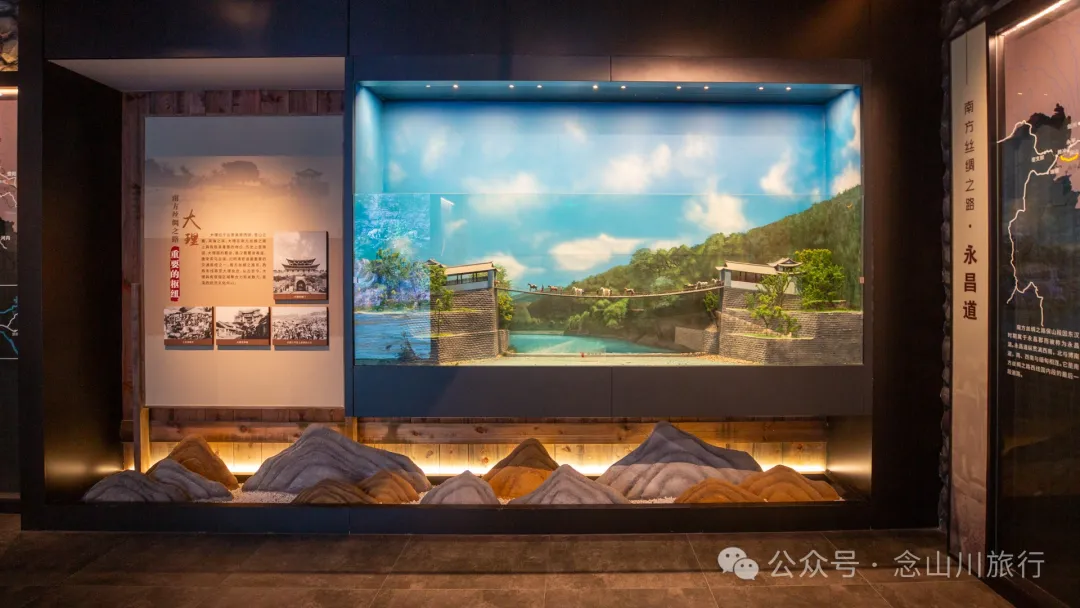
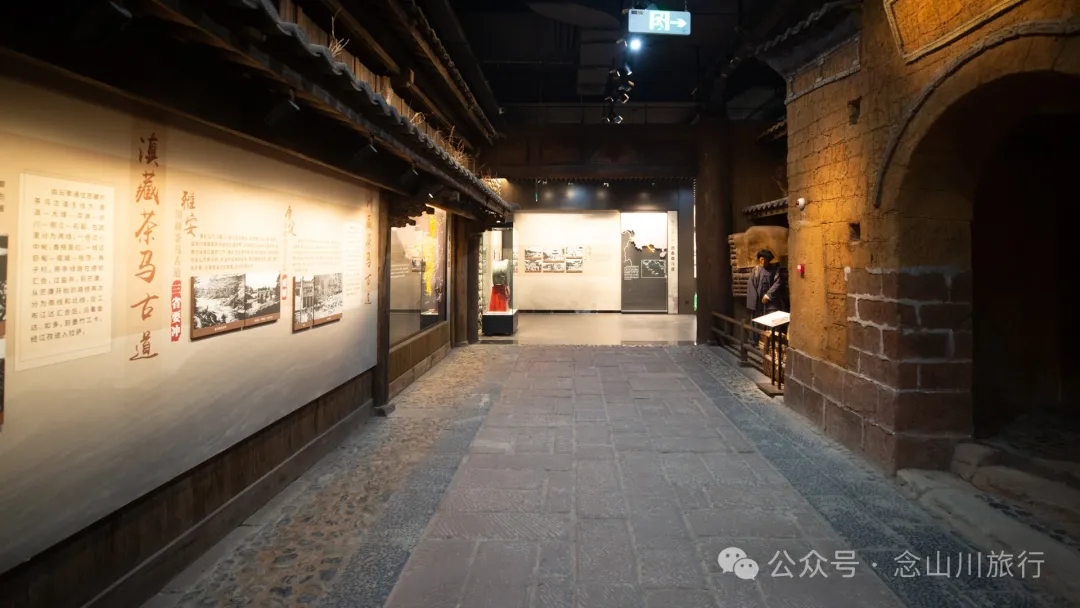
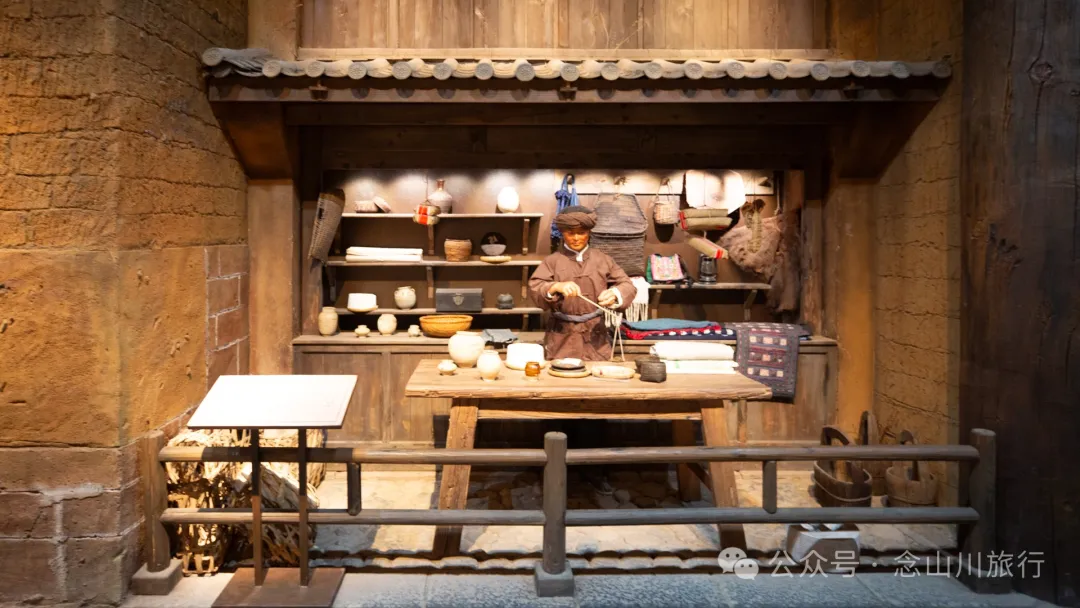
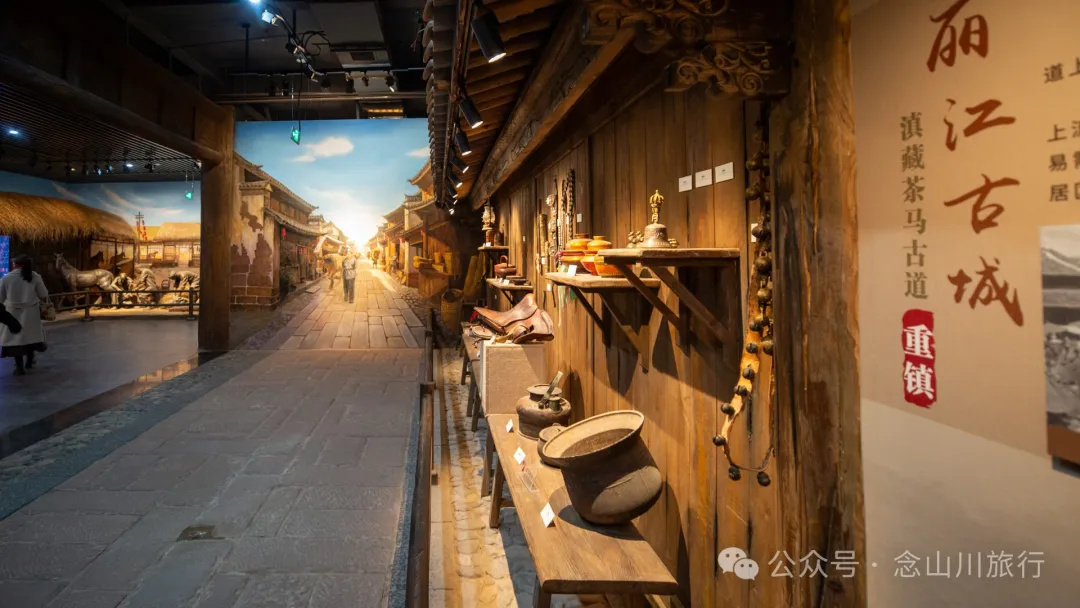
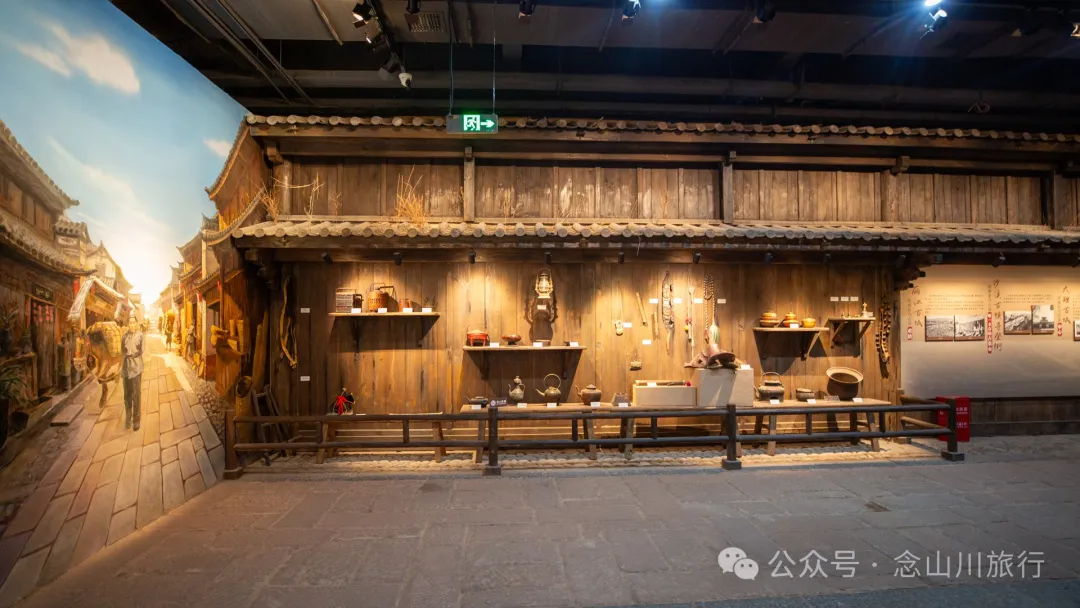
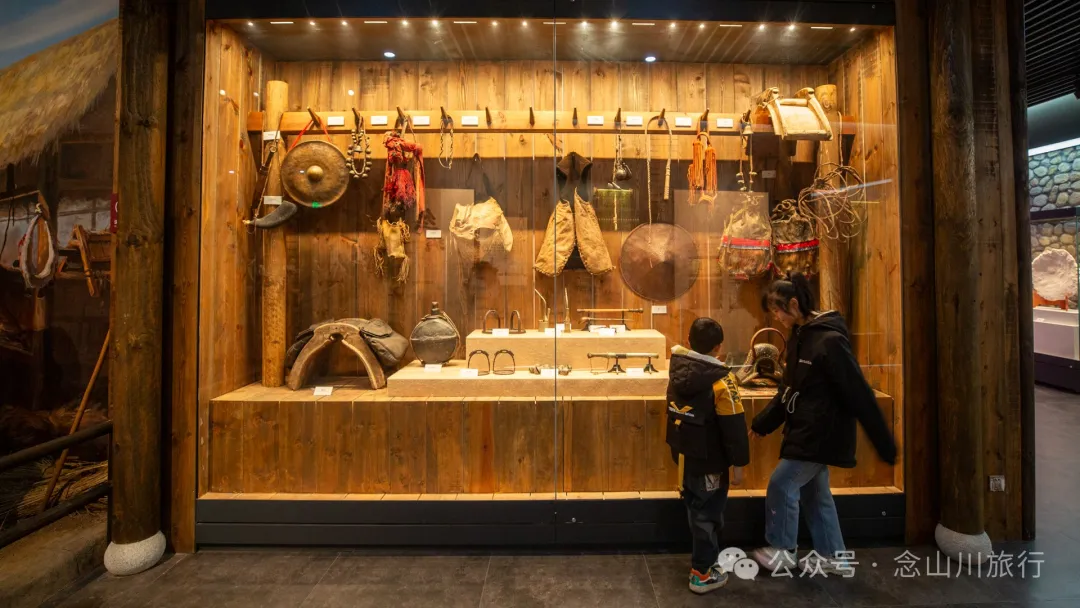
The horse caravan culture is the core of the Southern Silk Road. The lifelike street in the museum allows visitors to immerse themselves, as if they are first-person participants on the Ancient Tea Horse Road. In the long river of time, the horse caravan culture is like a melodious song, echoing between the mountains and the Tea Horse Road in western Yunnan, telling the glory and vicissitudes of the past.
Imagine that at dawn, the horse caravan men get up, skillfully bridle and pack the horses with their rough but strong hands. The packs contain not only goods like tea and salt but also their longing for the distance and persistence in life. A loud horse neigh breaks the silence of the valley, and the caravan sets off on a long journey. Walking on the rugged and winding Ancient Tea Horse Road, the sound of hooves and bells interweave into a moving symphony. The caravan men are vigorous and determined, accompanied by their horses, climbing mountains, crossing dense forests, and fording turbulent rivers. The scenery along the way is picturesque, with blooming mountain flowers and misty clouds, but they have no time to stop and enjoy, as the road ahead is long and the mission is on their shoulders.
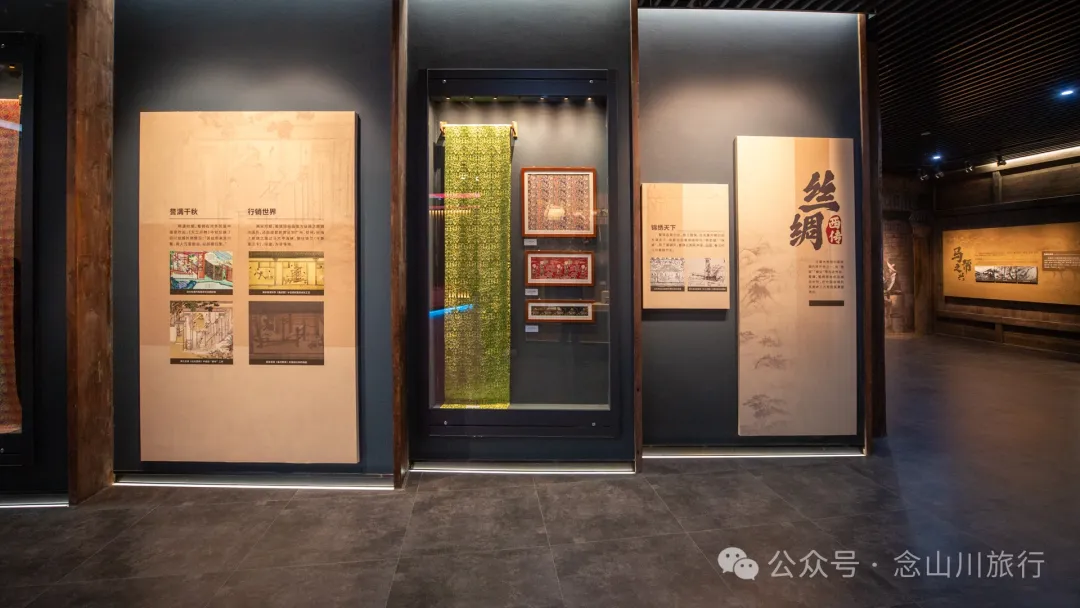
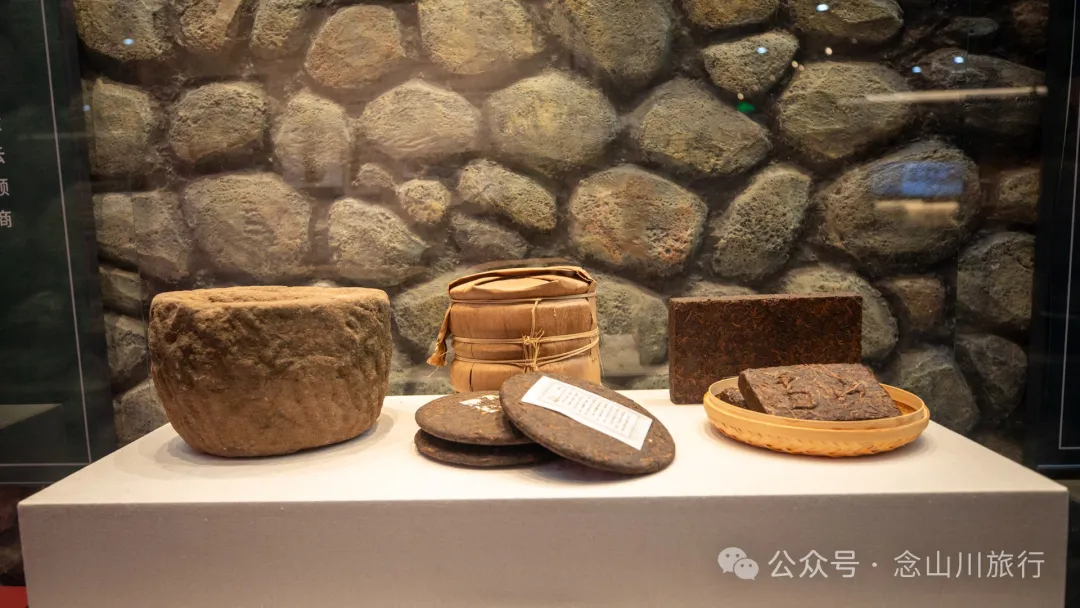
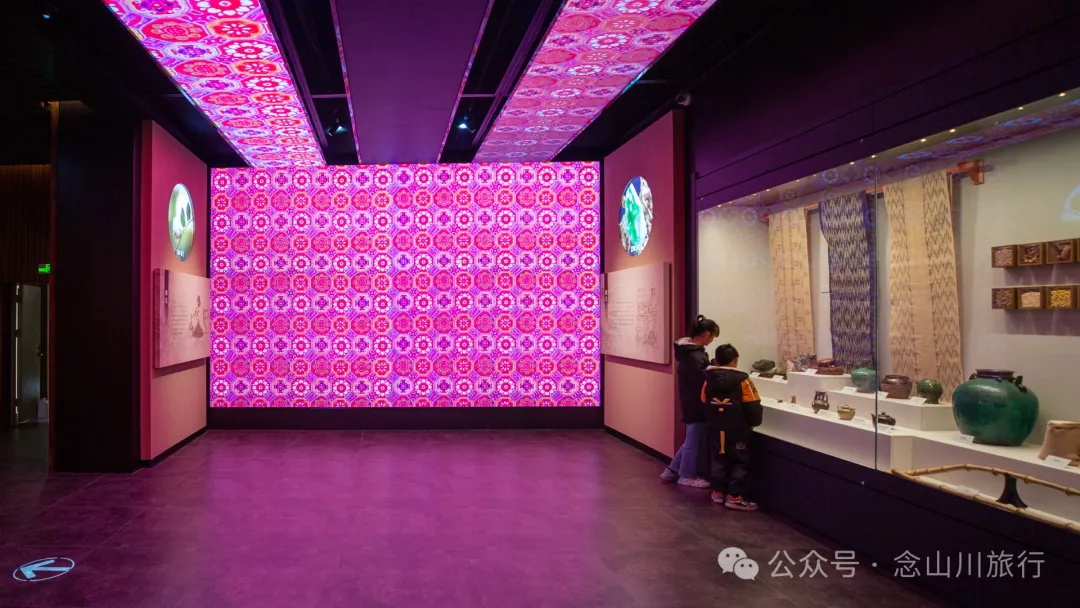
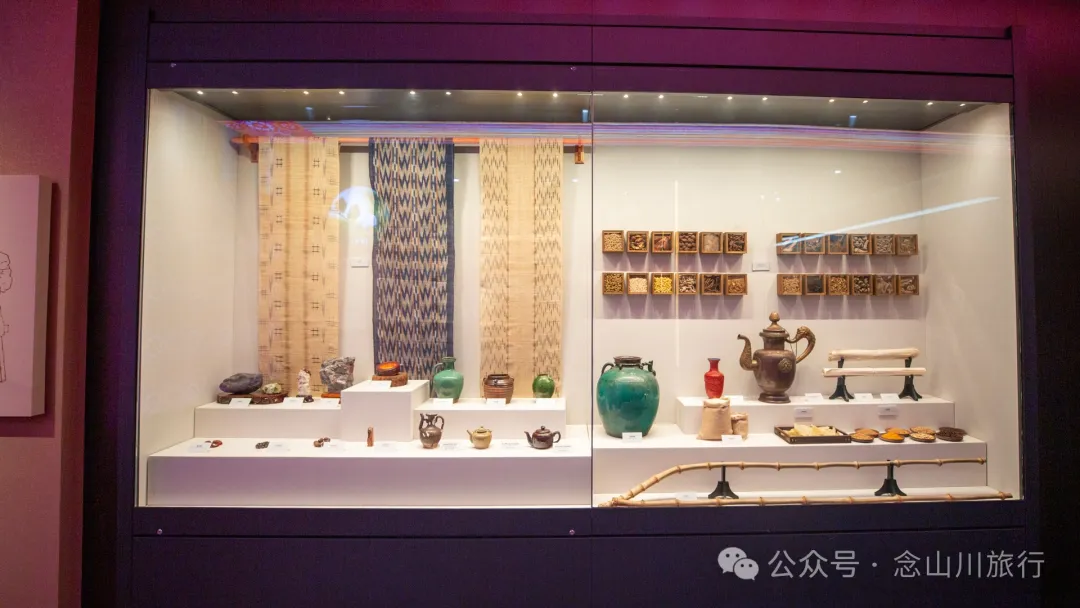
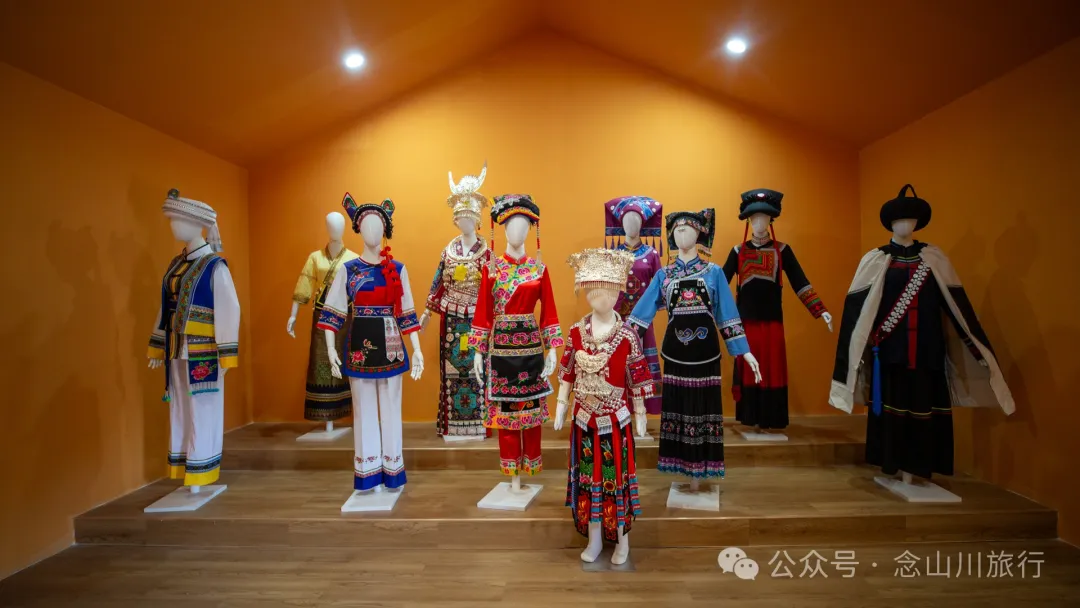
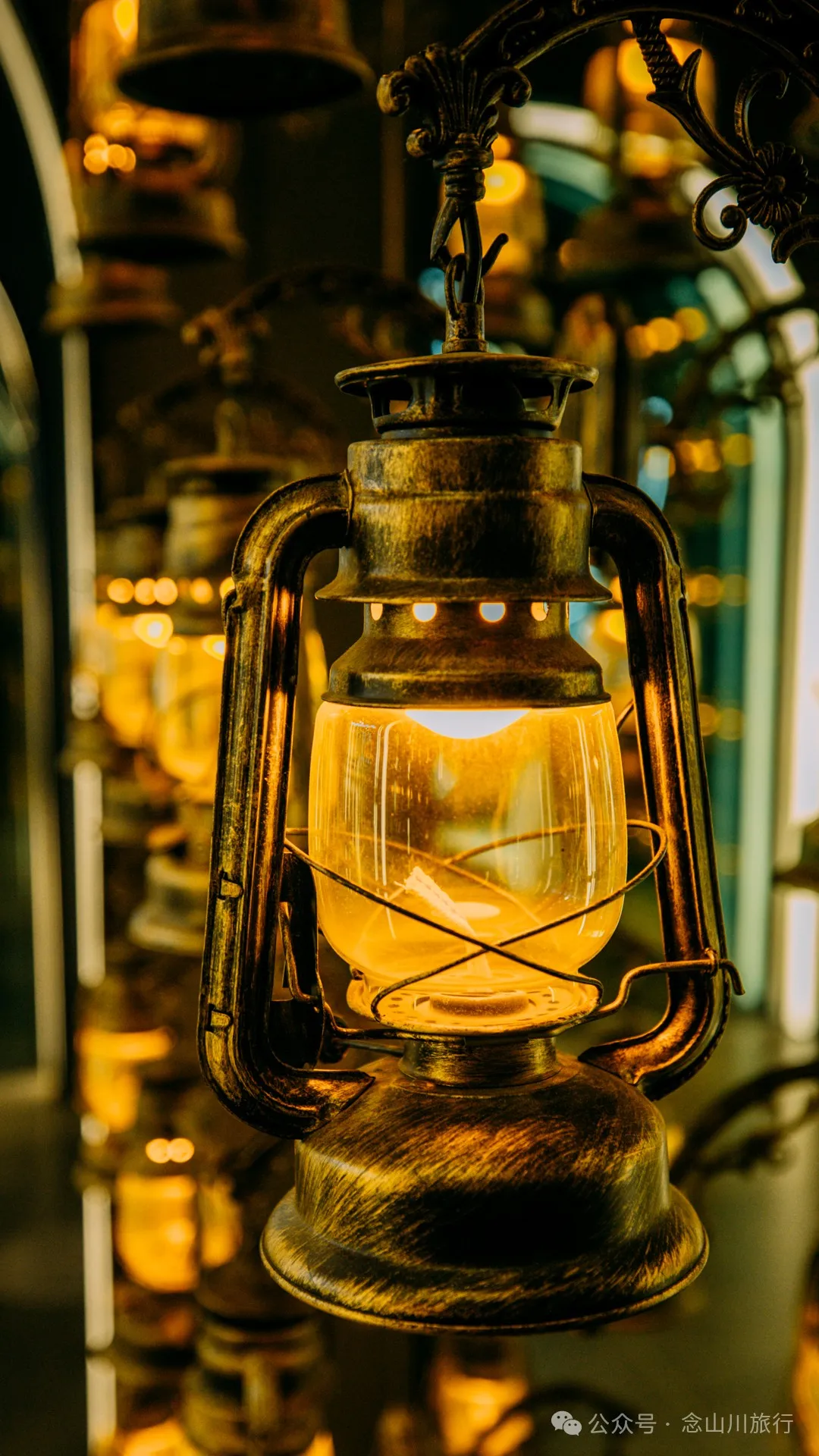
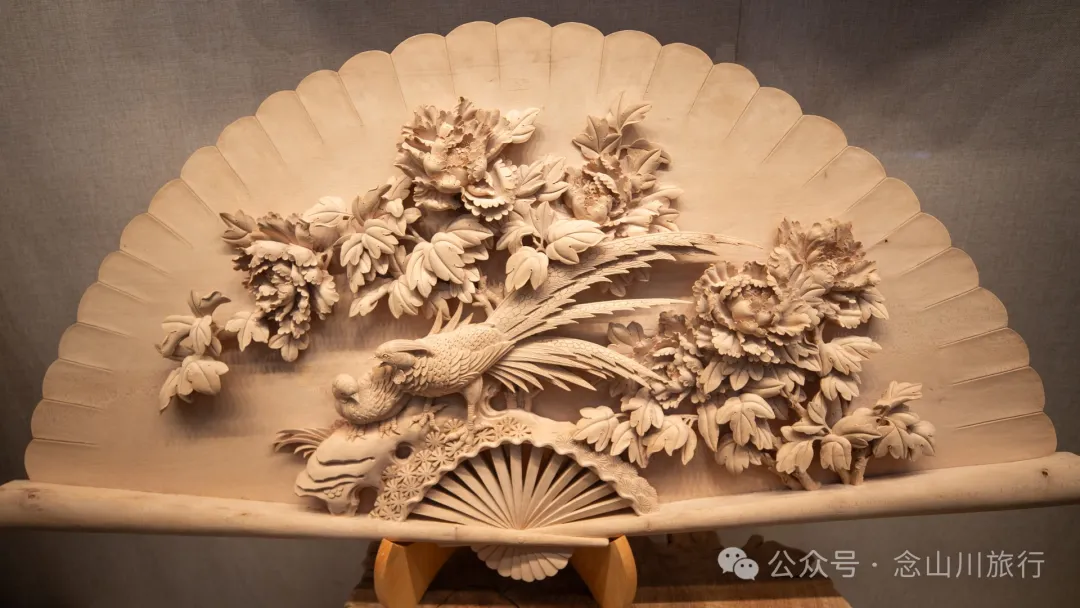
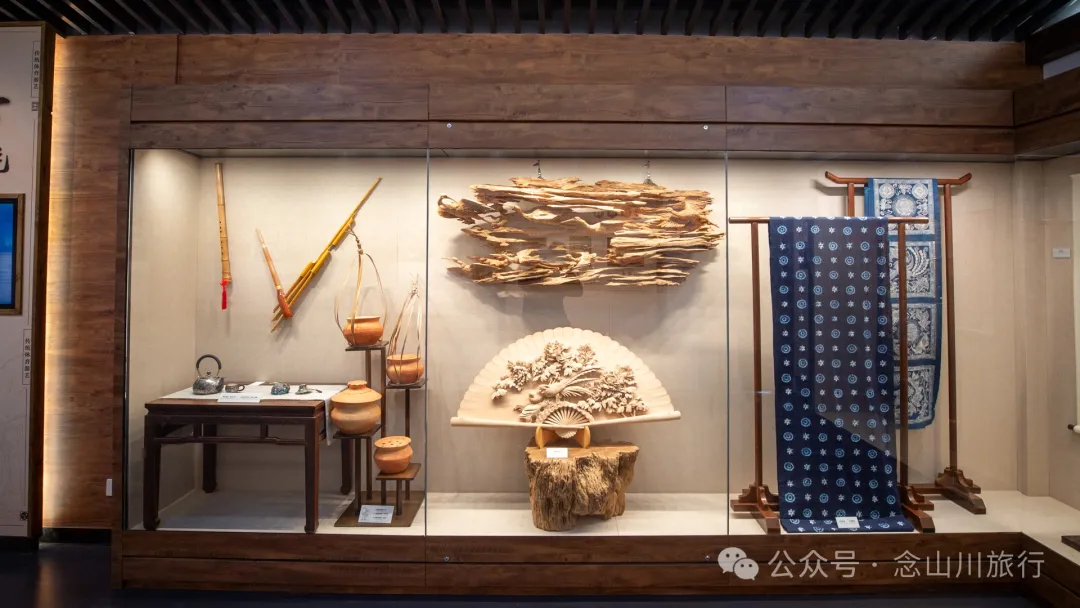
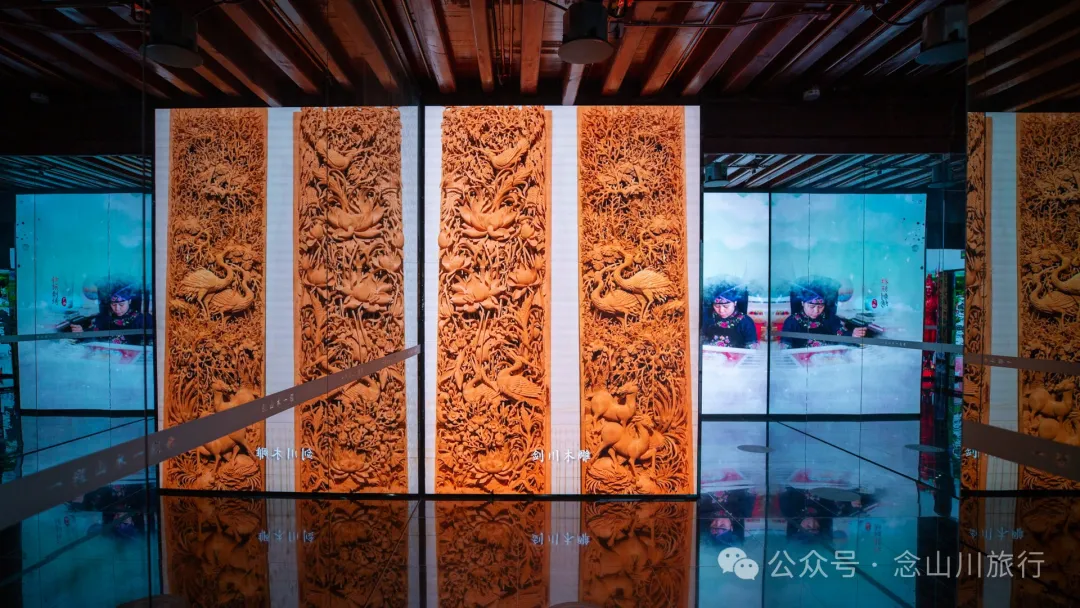
Jianyanglou Museum houses 1,050 cultural relics, covering various aspects of Jianchuan's politics, economy, culture, and art. The museum displays Jianchuan's rich cultural heritage, such as wood carving and stone carving, which are intangible cultural heritage crafts. Jianchuan has long been known as the "Hometown of Carpenters." Jianchuan wood carving has a long history, traceable back to the wooden structures of the Haimenkou site over 5,300 years ago. Jianchuan wood carving is exquisite in craftsmanship and meticulous in material selection, with strong local ethnic characteristics. Wood craftsmen are skilled in carving various figures, flowers, birds, landscapes, and auspicious patterns of dragons and phoenixes. Among them, the wood carving furniture inlaid with marble is renowned both at home and abroad.
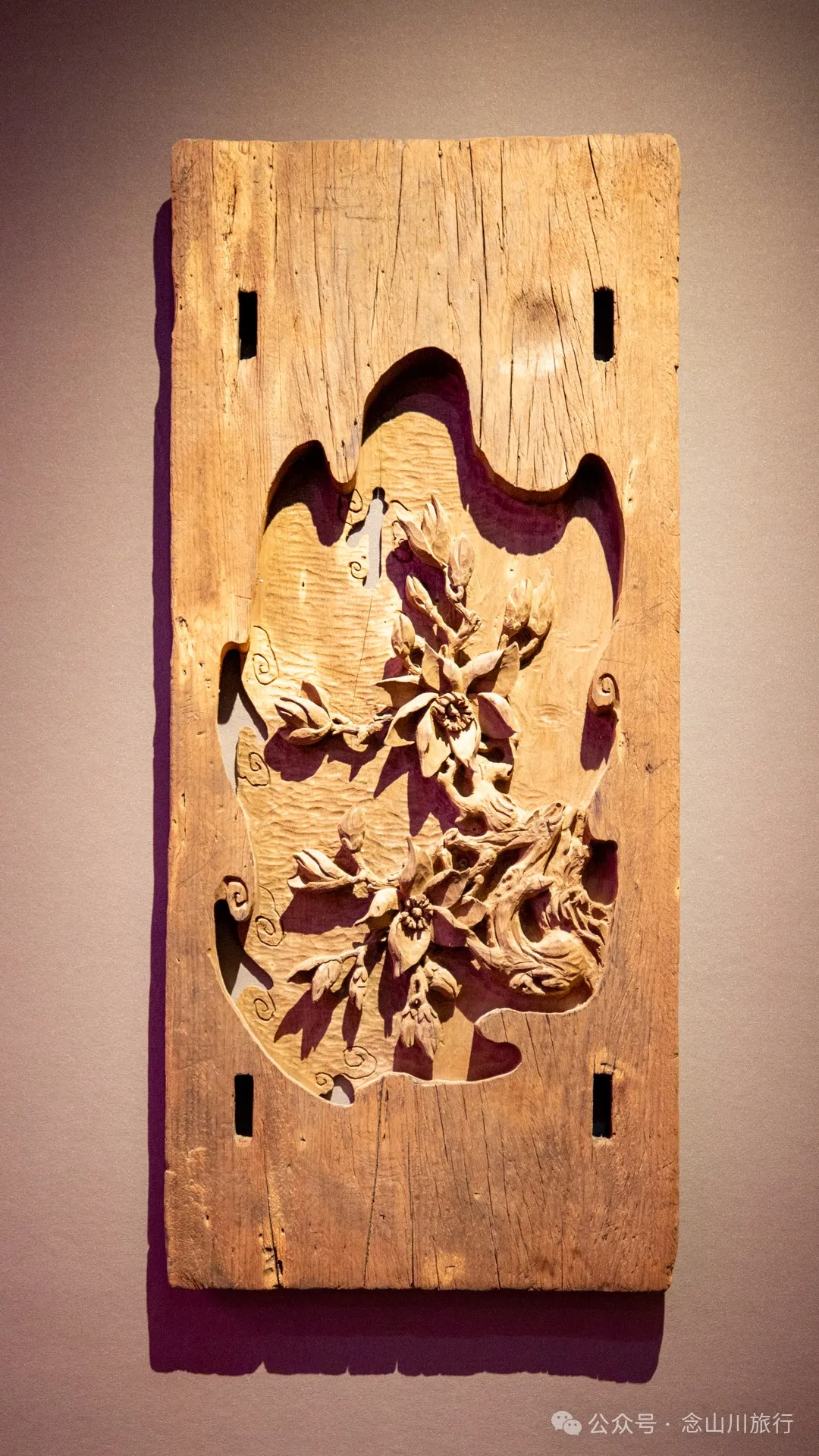
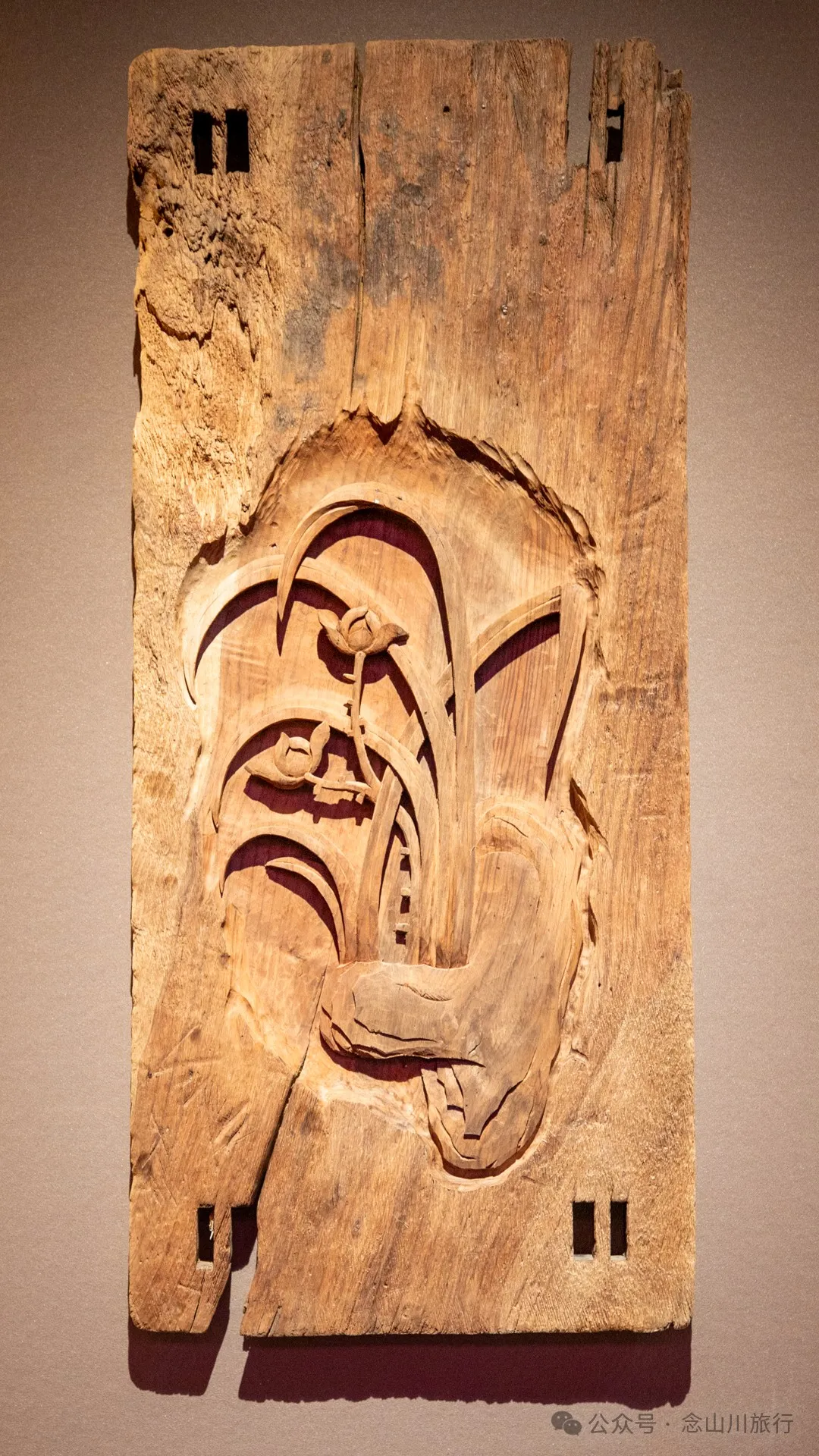
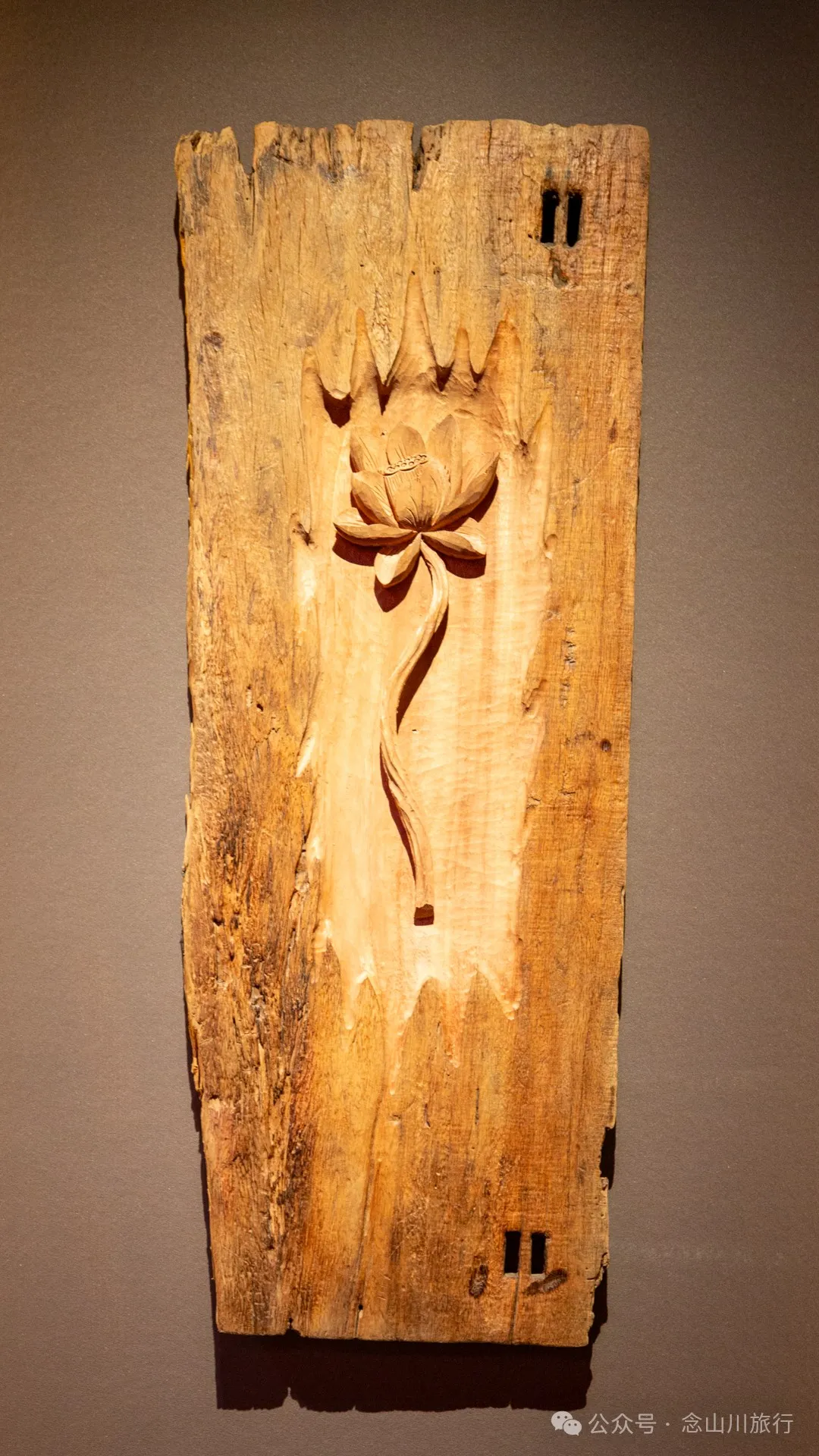
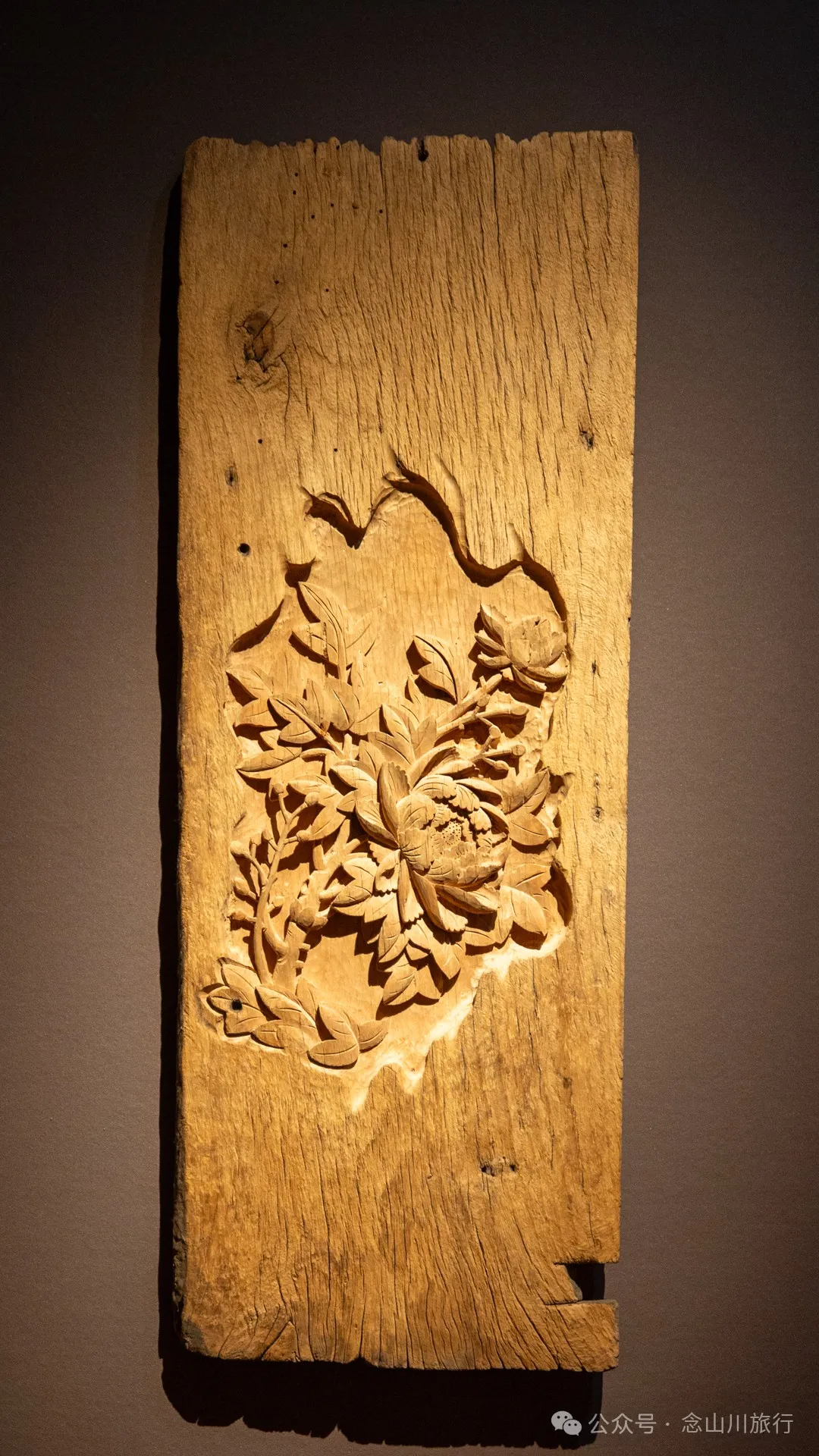
Unfortunately, although wood carving is mentioned in Jianyanglou Museum as the most representative intangible cultural heritage of Jianchuan, it is not the main display part, so visitors cannot get a complete and detailed experience.
Jianchuan wood carving uses a wide range of materials, often selecting hardwoods with tough texture and fine grain, such as rosewood and pear wood. These woods provide excellent creative carriers for carvers. The carvers are ingenious, using knives as pens to outline a myriad of worlds on wood. Whether it is the solemn Buddha statue with compassion and wisdom in the eyes, the lively birds and beasts that seem ready to leap out of the wood, or the exquisite floral patterns with layered petals and spreading leaves, lifelike, all demonstrate the superb skills of Jianchuan wood carving. Its carving techniques are diverse, including round carving, relief carving, and openwork carving. Round carvings are three-dimensional and full, allowing appreciation from different angles; relief carvings are layered, using varying depths of knife techniques to make the picture stand out on a flat surface; openwork carving is exquisite, with hollow parts dreamlike, showing ethereal beauty through the interplay of light and shadow.