
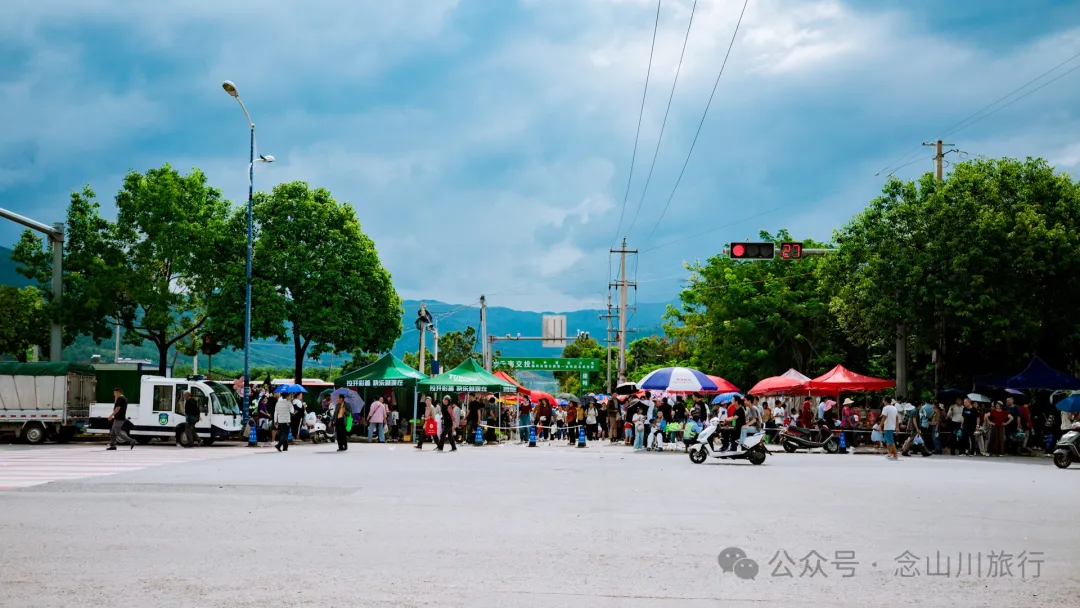
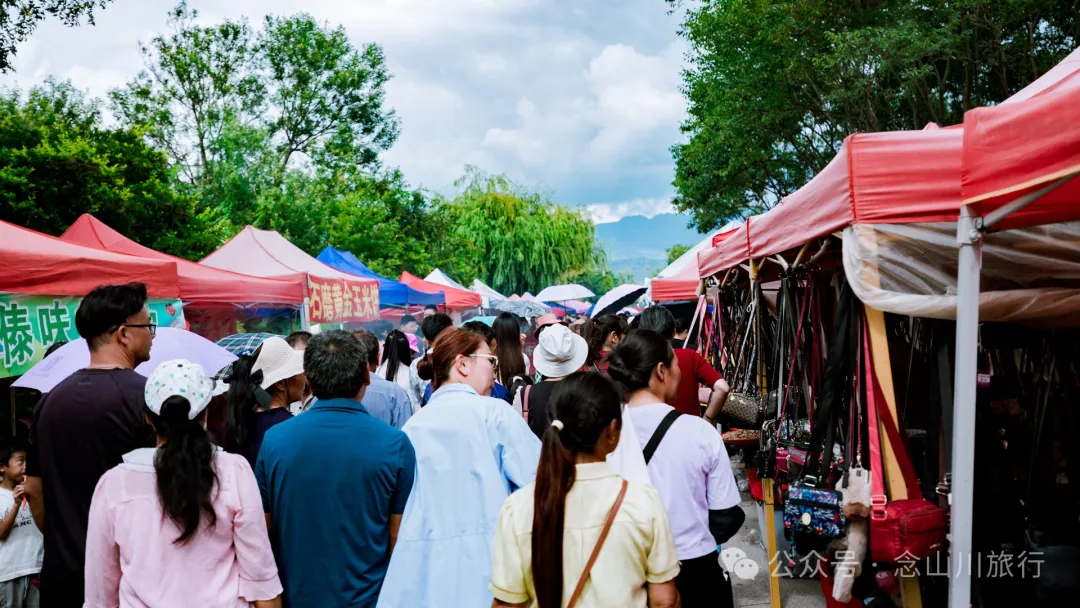
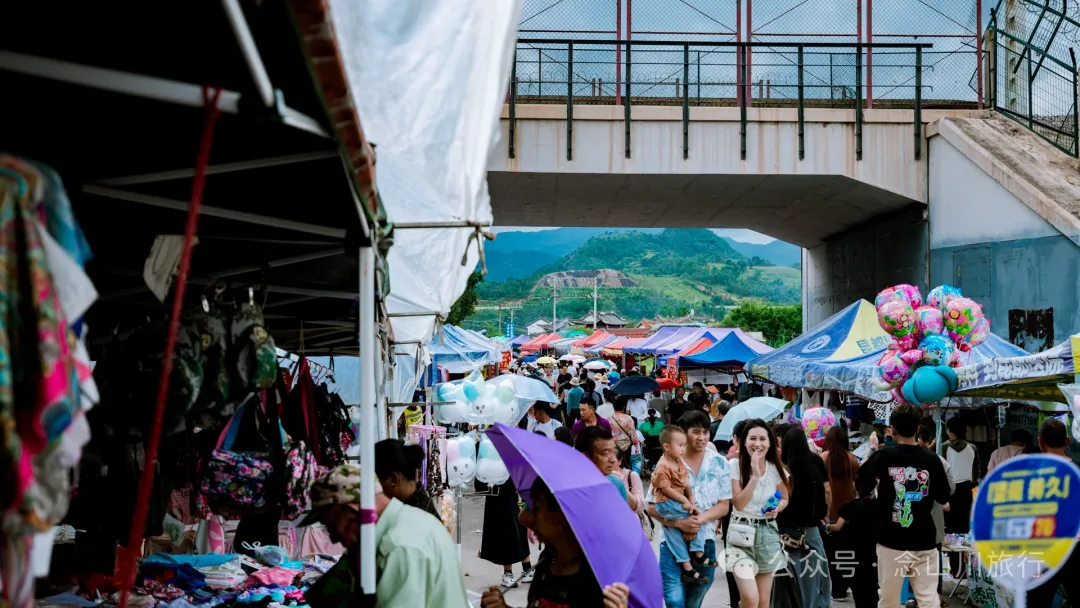
There are many markets in Weishan, with different villages having their own markets. However, the Xihe Bridge market southwest of Weishan Ancient City is the most special market of the year and the one that locals wait for the longest. Locals are accustomed to calling this market the Yin-Yang Street, a market where the living and the deceased ancestors participate together.
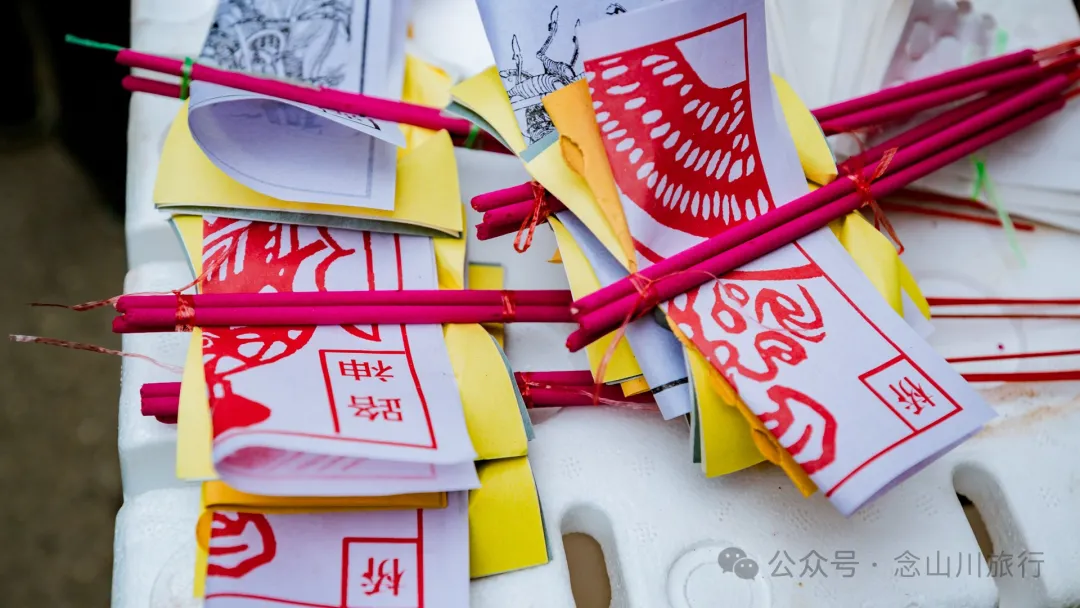
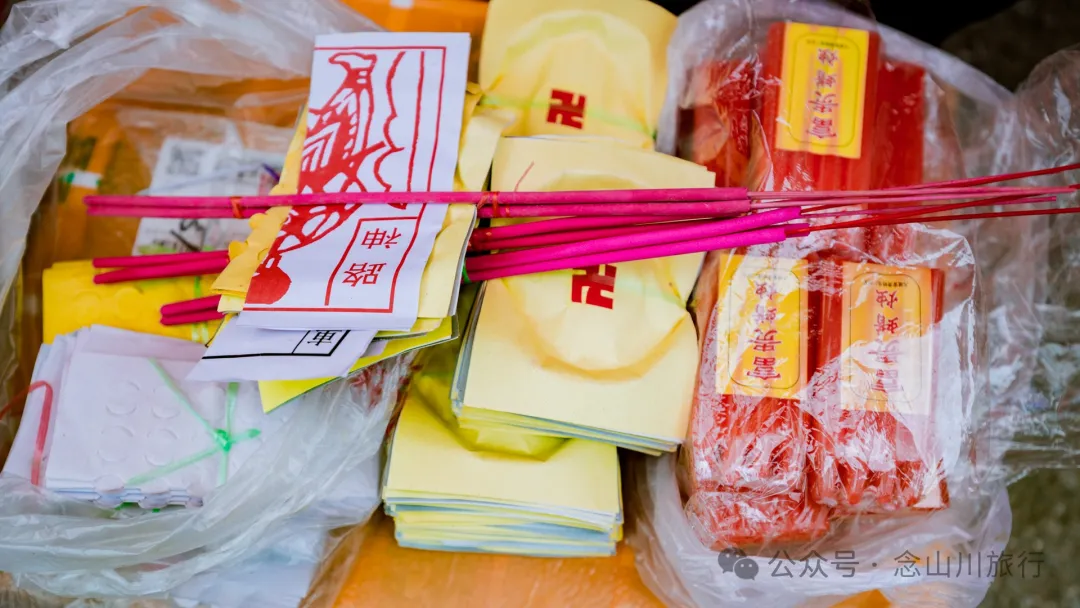
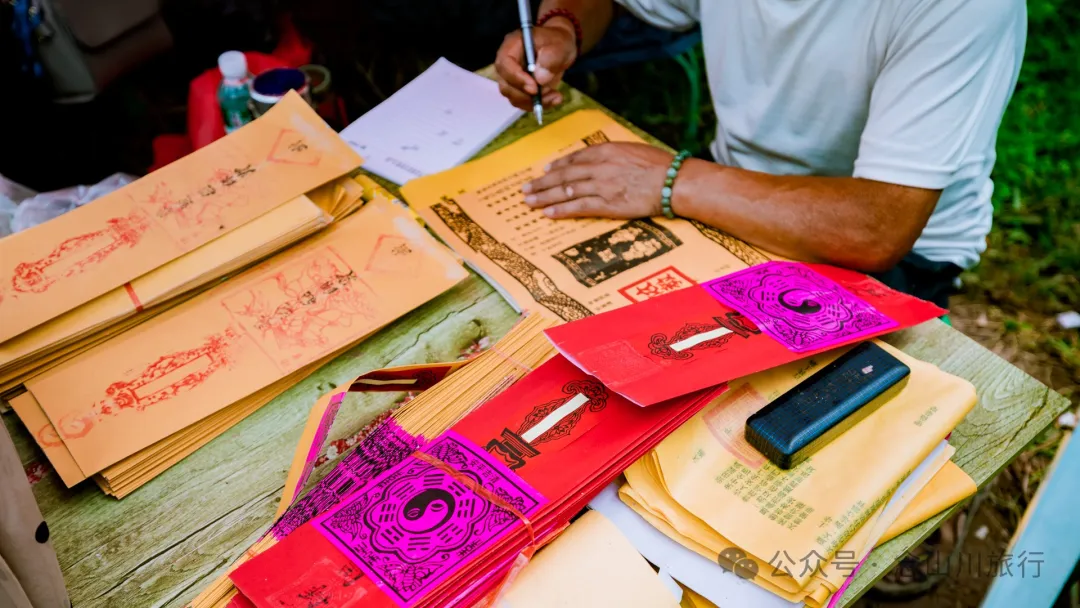
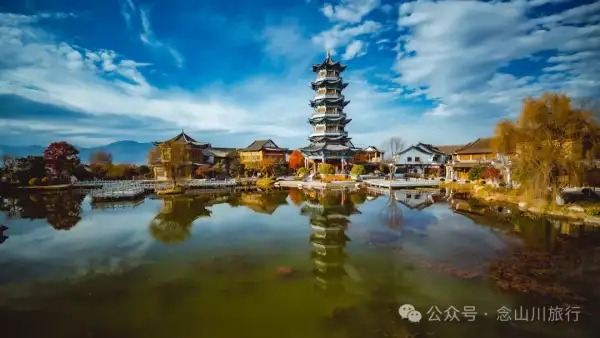
The Zhongyuan Festival (Ghost Festival) in Weishan is a grand occasion with unique traditional customs. On the evening of the 14th day of the seventh lunar month, Weishan people set out wine and water in front of their homes, and buy candies, pastries, fresh flowers, and fruits. The elders in the family fry rice, corn, soybeans, buckwheat, and wheat until they pop and bloom, then place them respectfully on clean green leaves at every place where incense is burned and offerings are made, such as the altar for heaven, earth, and ancestors, the kitchen god altar, and at the entrance of each room. Fresh fruits are placed beside them, and incense and paper money are lit to honor the ancestors. The next day, the 15th day of the seventh lunar month, villagers from near and far in the mountains and residents of the ancient city bring the ashes of burned paper money and head to Xihe Bridge. They throw the ashes into the river, hoping that the river water will carry their longing to their ancestors. Together with their ancestors, they attend the Yin-Yang Street market, hoping to meet their ancestors on Xihe Bridge to express their mourning. It is said that the night market at Xihe Bridge is the liveliest, and the bridge is the most crowded. People walk around the bridge three times, hoping to encounter their ancestors and alleviate their longing. The origin of this tradition is unknown. According to records, a stone bridge called Yongchun Bridge was built here during the Wanli period of the Ming Dynasty. Before that, it was a wooden bridge, but the exact construction date is unknown.
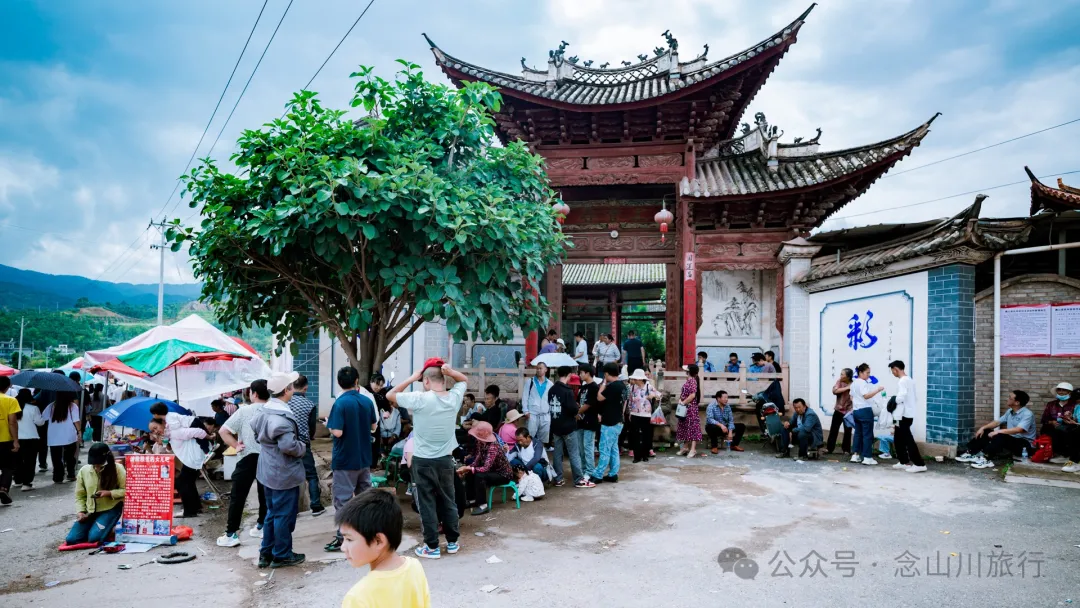
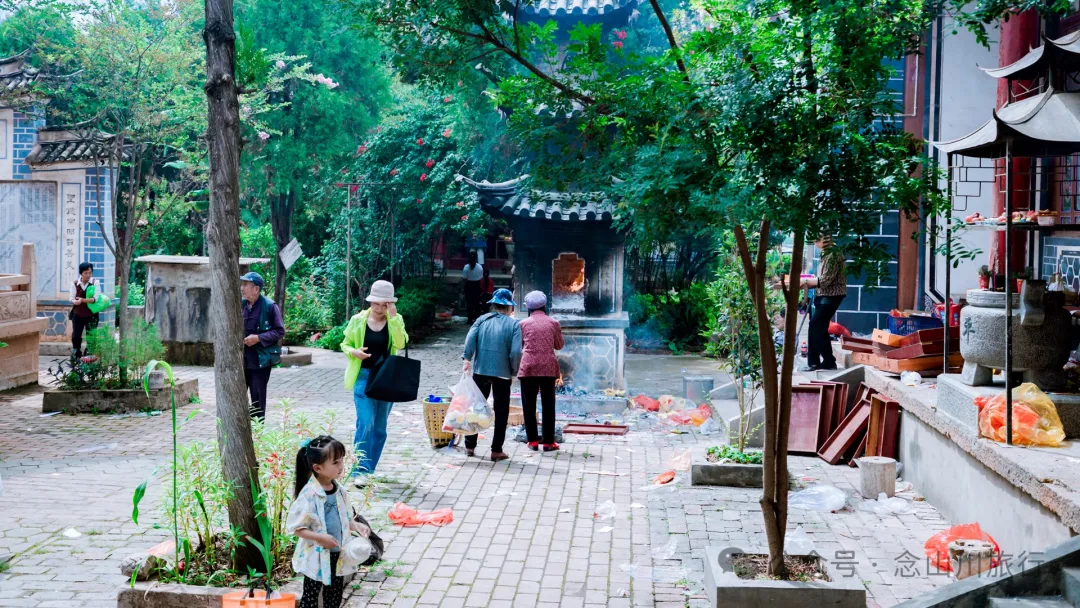
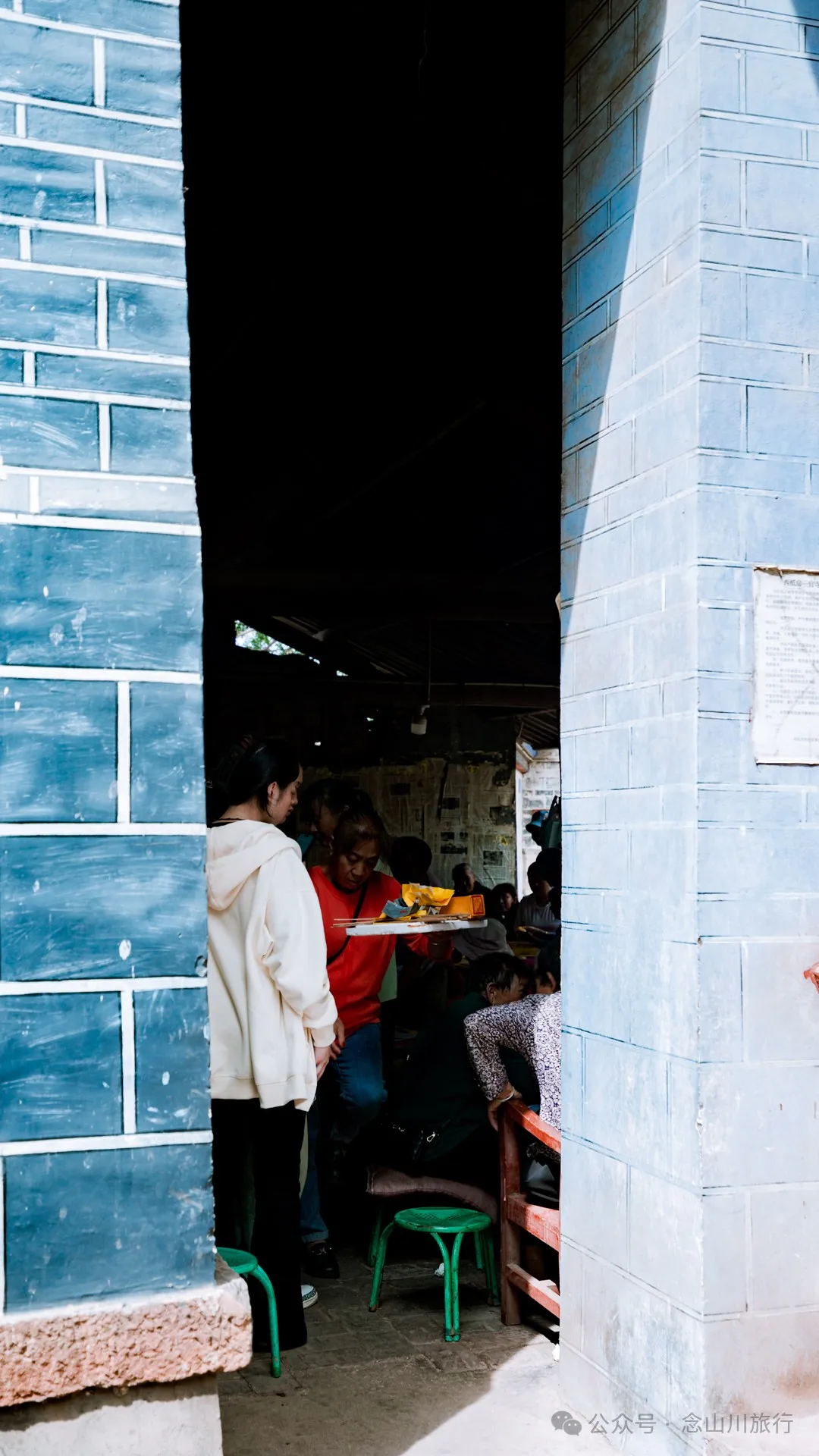
The Sanguan Temple beside Xihe Bridge is usually very quiet and sparsely visited, but on this day it is packed with people burning incense and paper money. The place is bustling with activity, filled with swirling smoke, and everywhere there are residents performing worship.
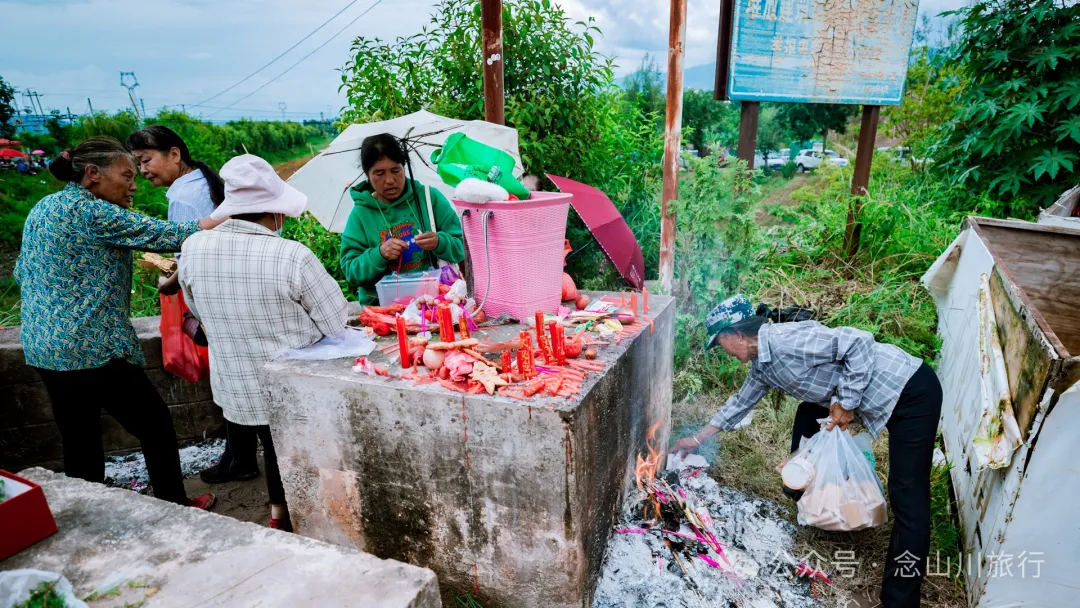
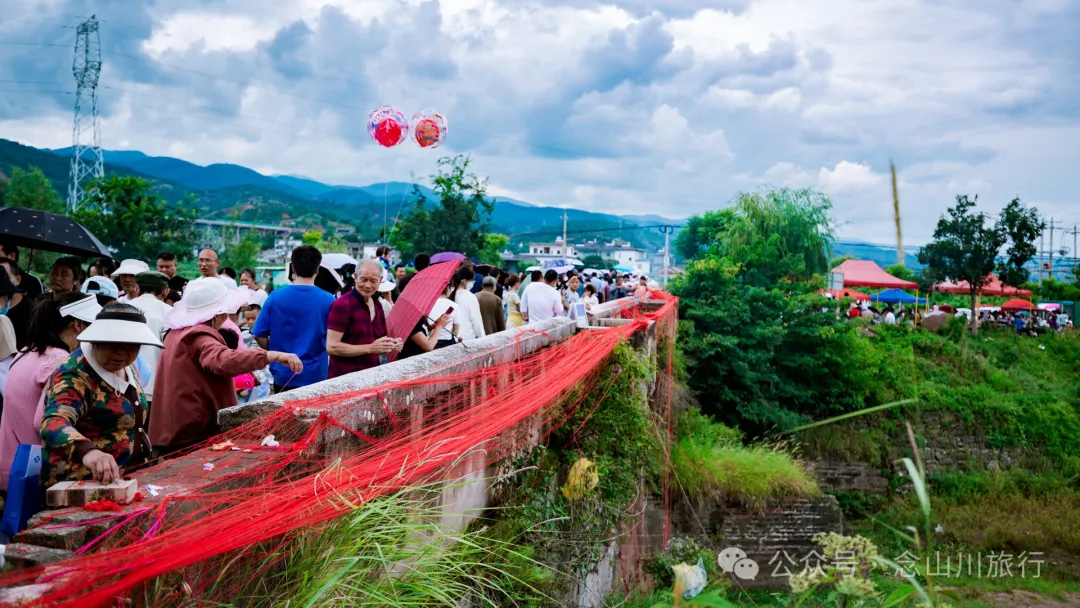
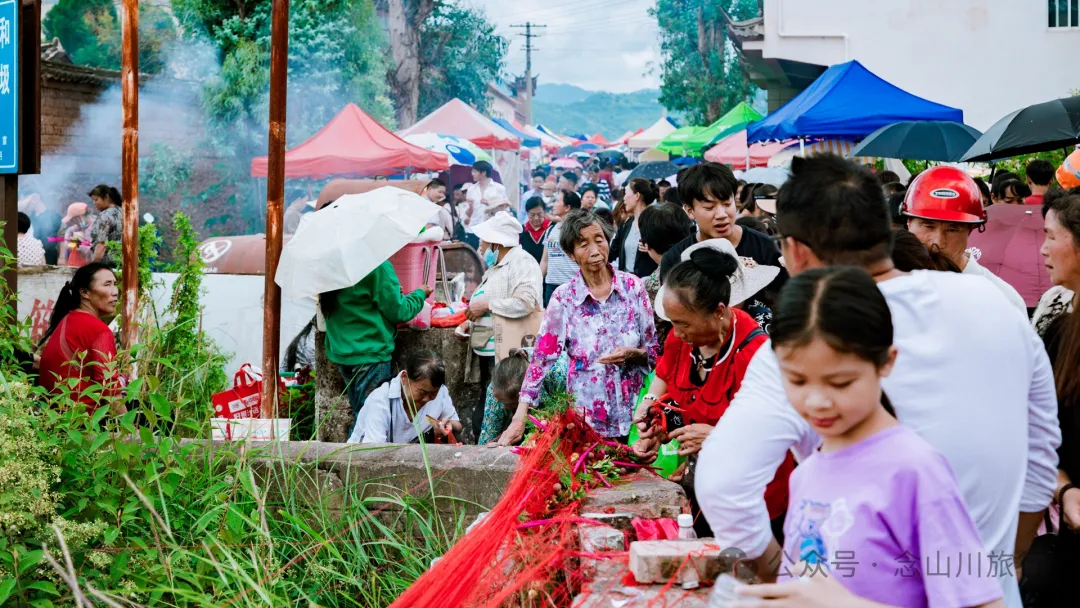
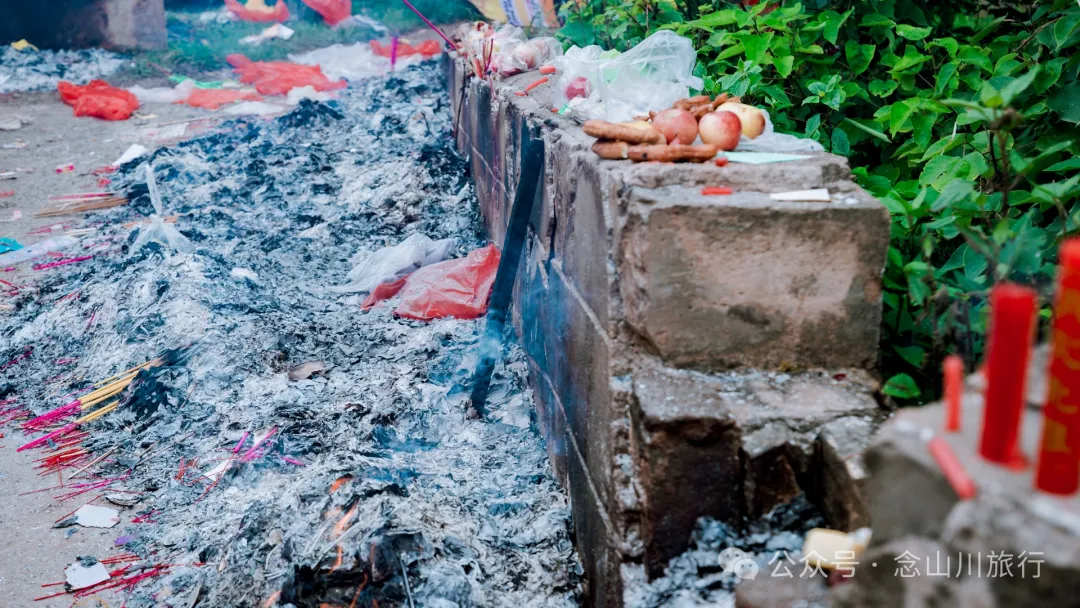
On this day, besides honoring ancestors and praying for a bountiful harvest, happiness, and health, people can also buy incense and paper money to pray to the gods of vehicles, roads, bridges, and joy, seeking safety and freedom from disasters. On ordinary days when passing by Xihe Bridge, one can see many long red strings tied along the bridge. It turns out that on the 15th day of the seventh lunar month, elders with unmarried young people in the family stretch long red strings from one end of Xihe Bridge to the other, tying them tightly and attaching some fruits or candies, to pray for a good match for the younger generation.
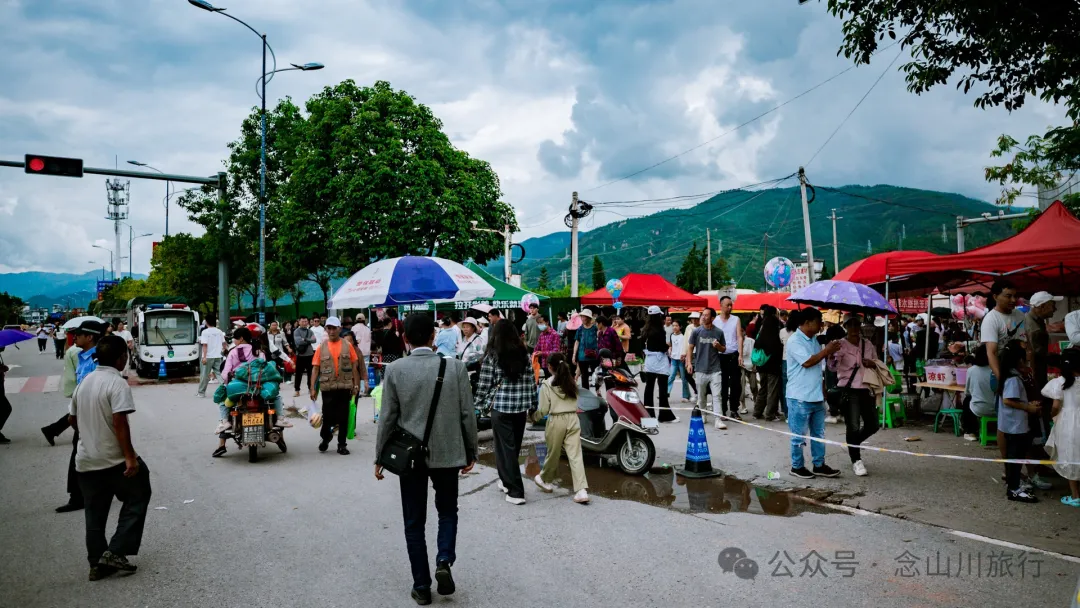
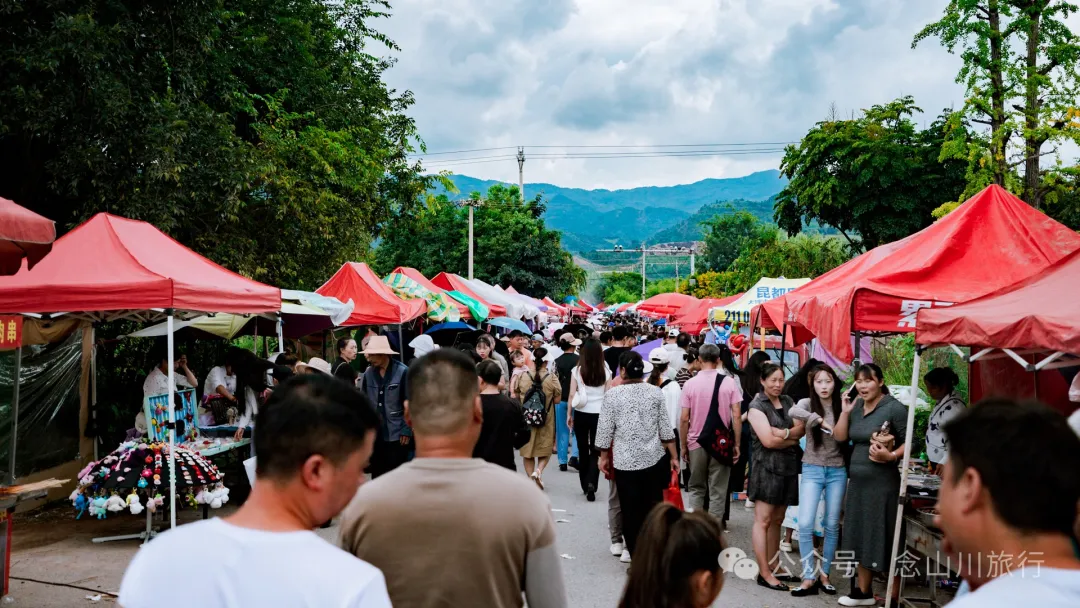
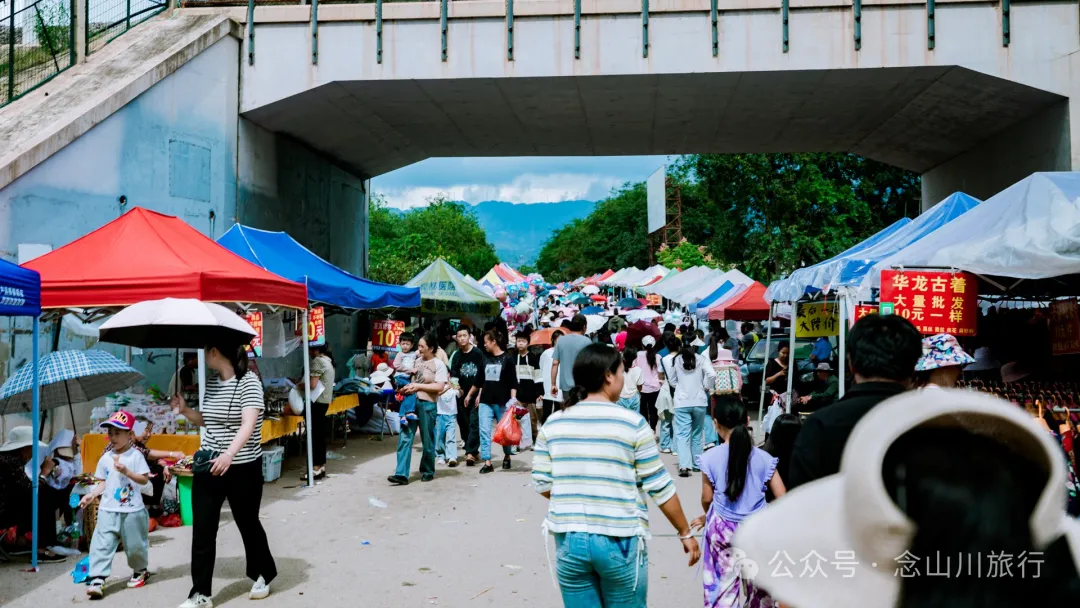
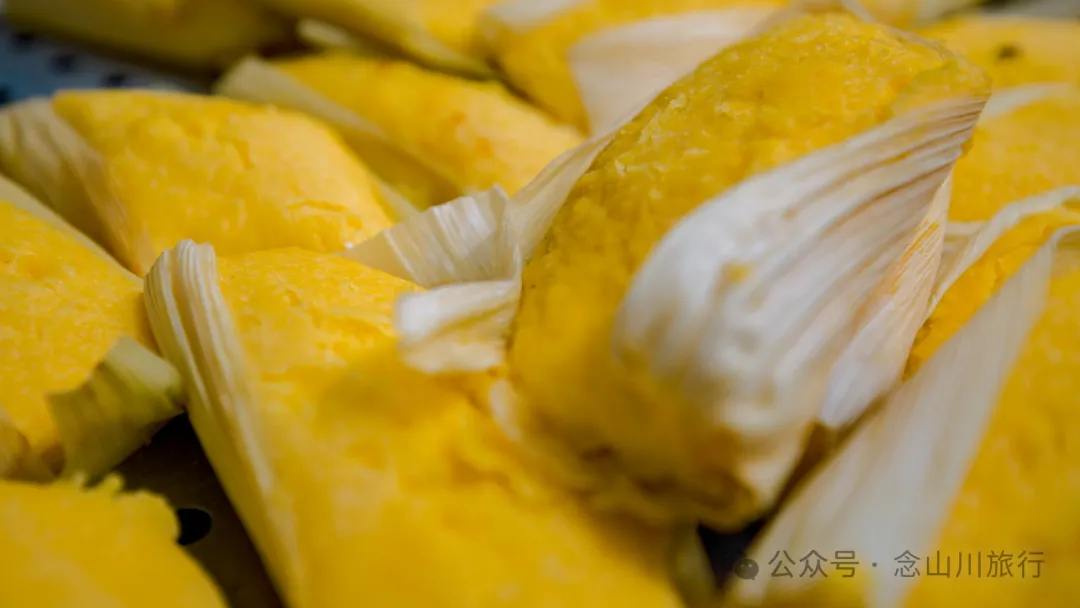
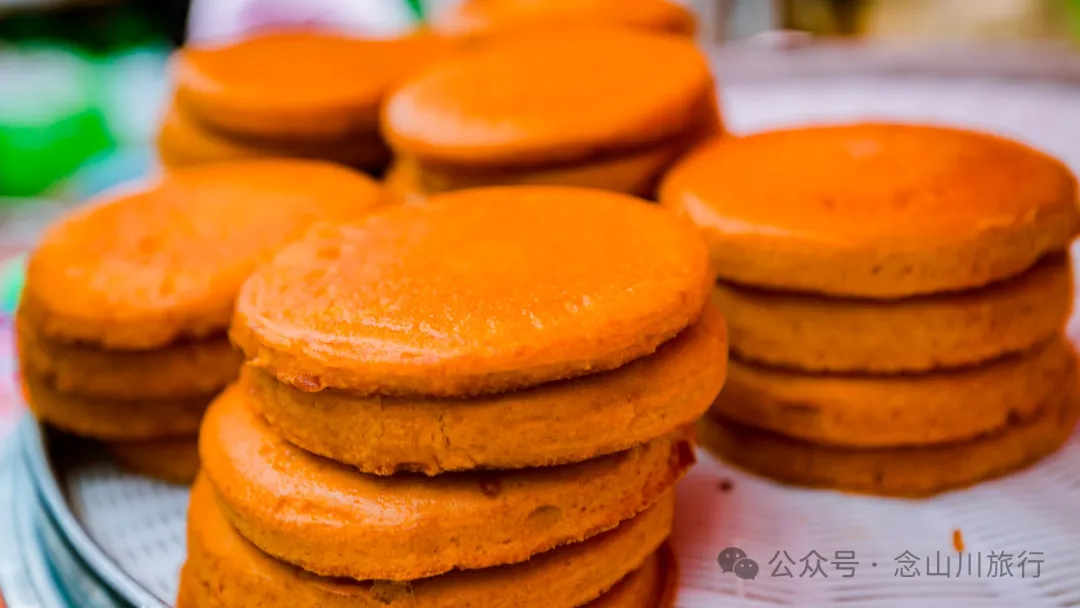
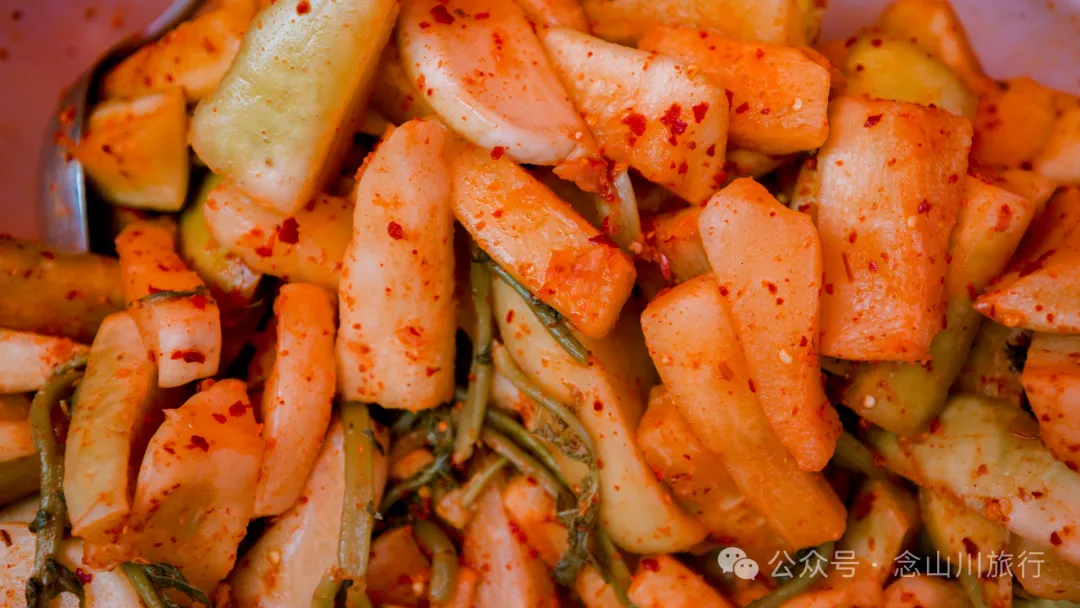
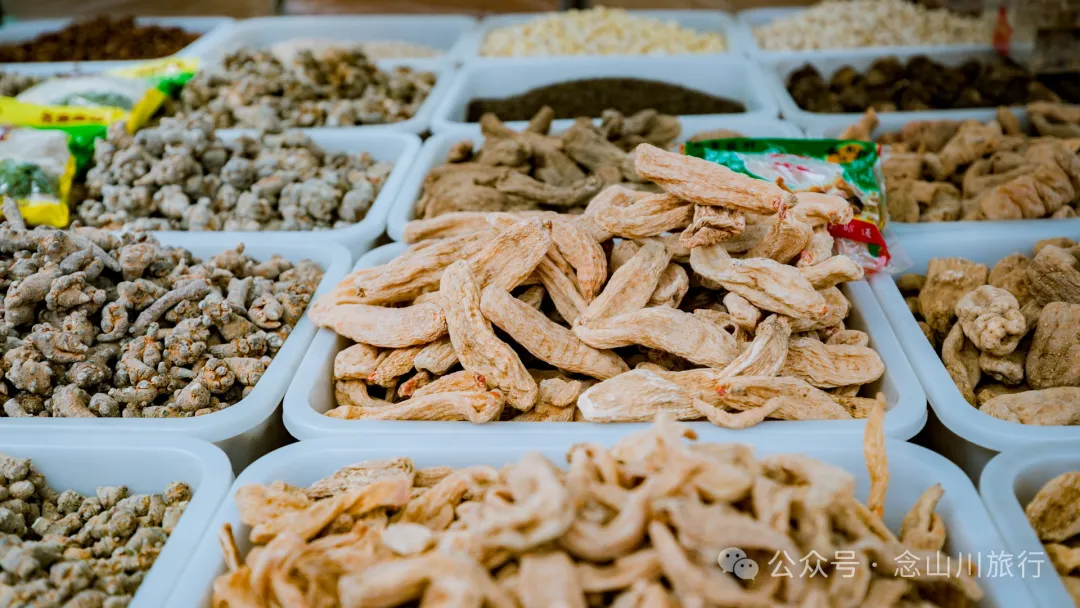
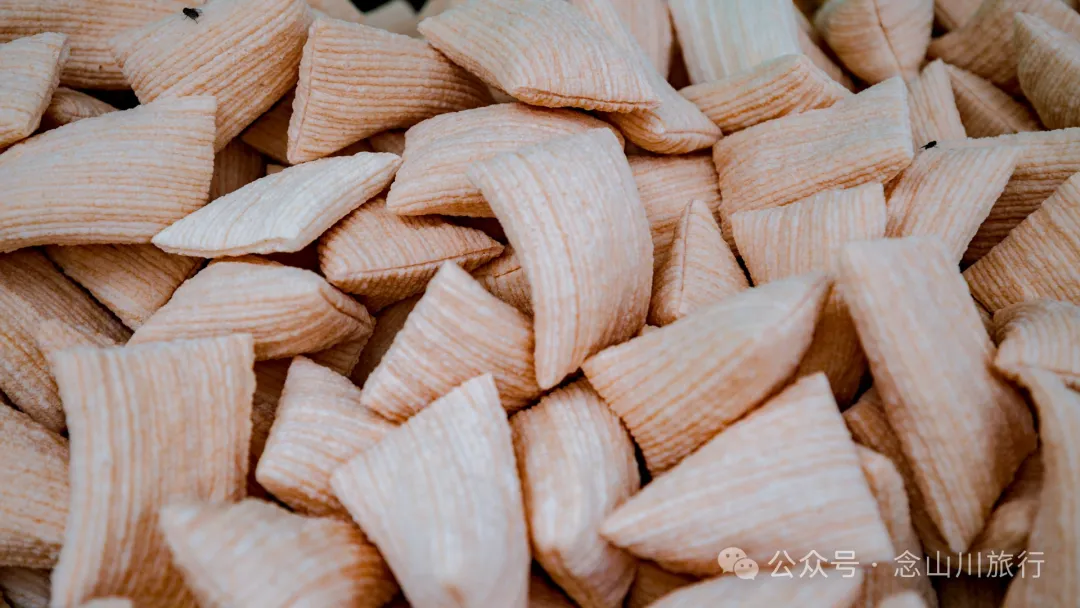
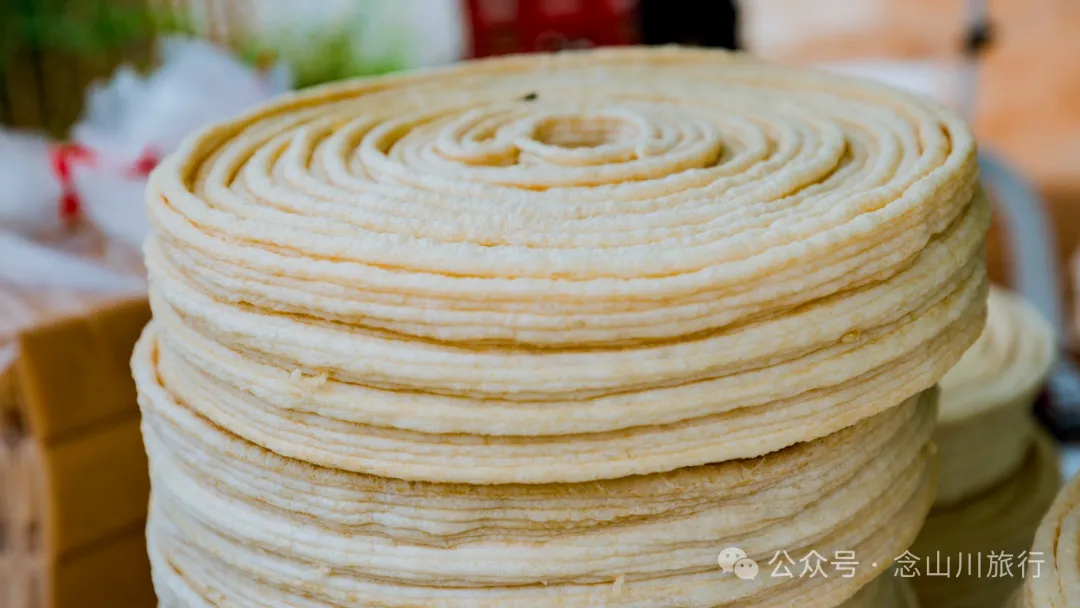
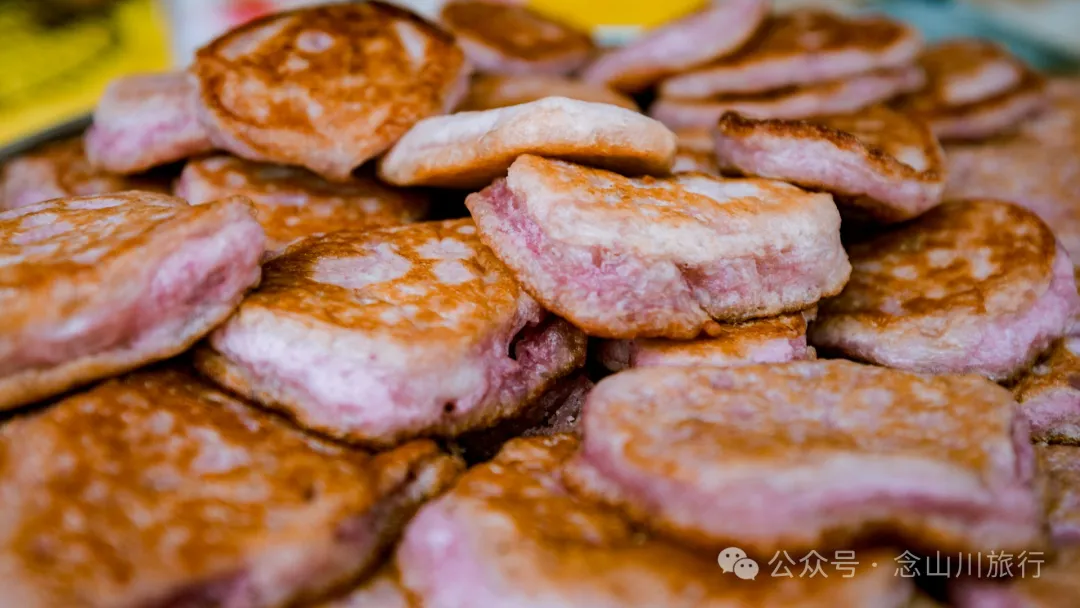
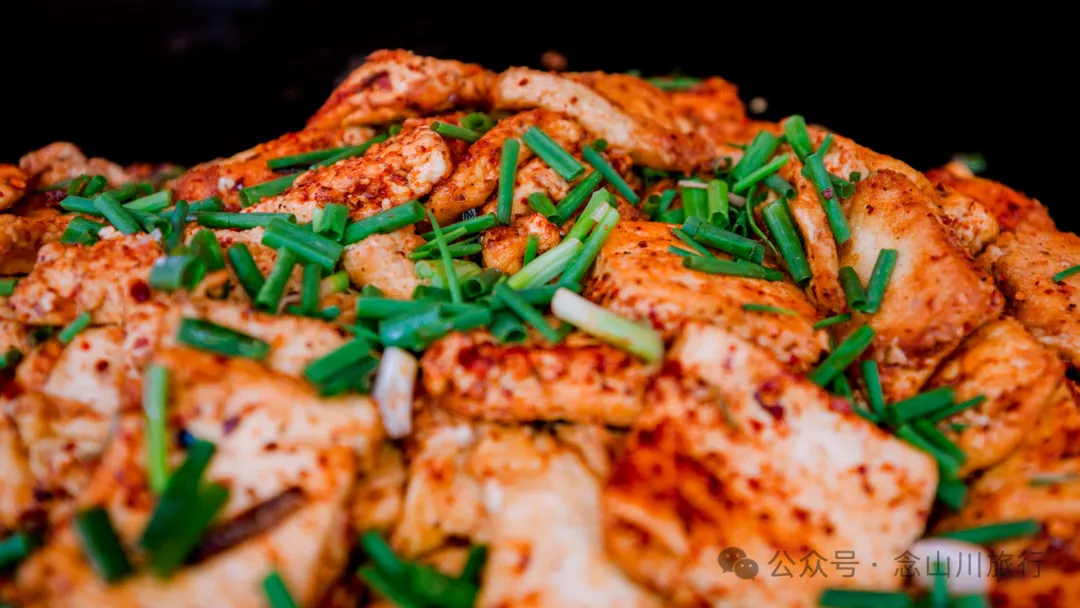
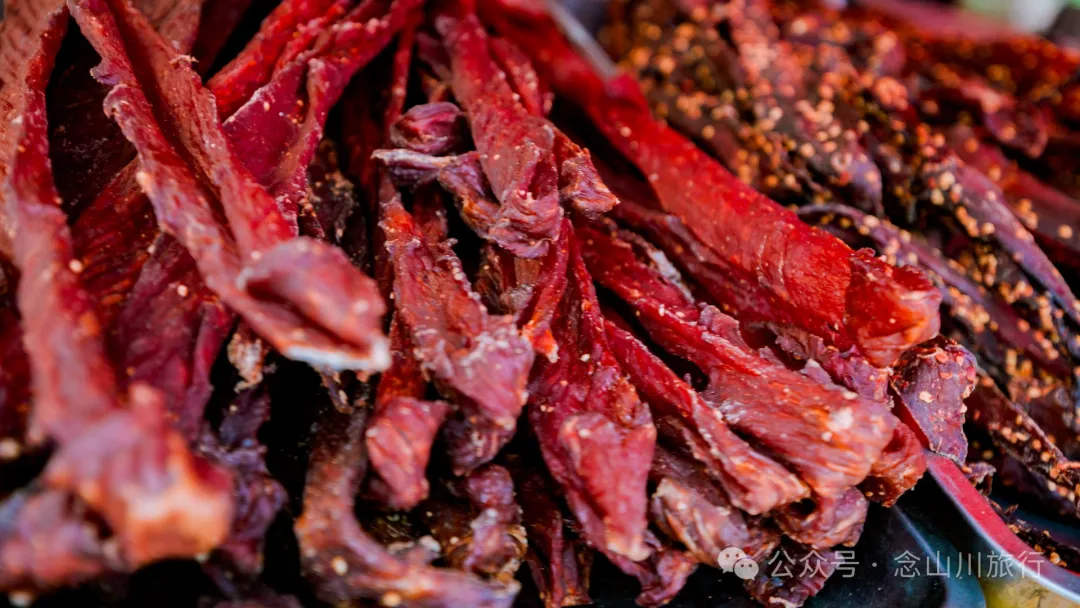
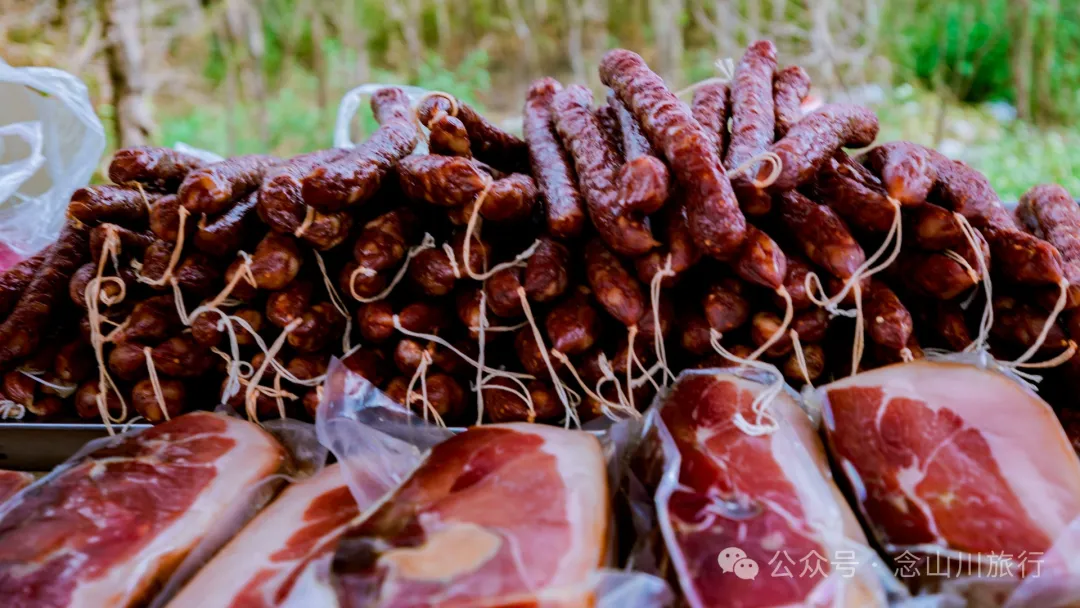
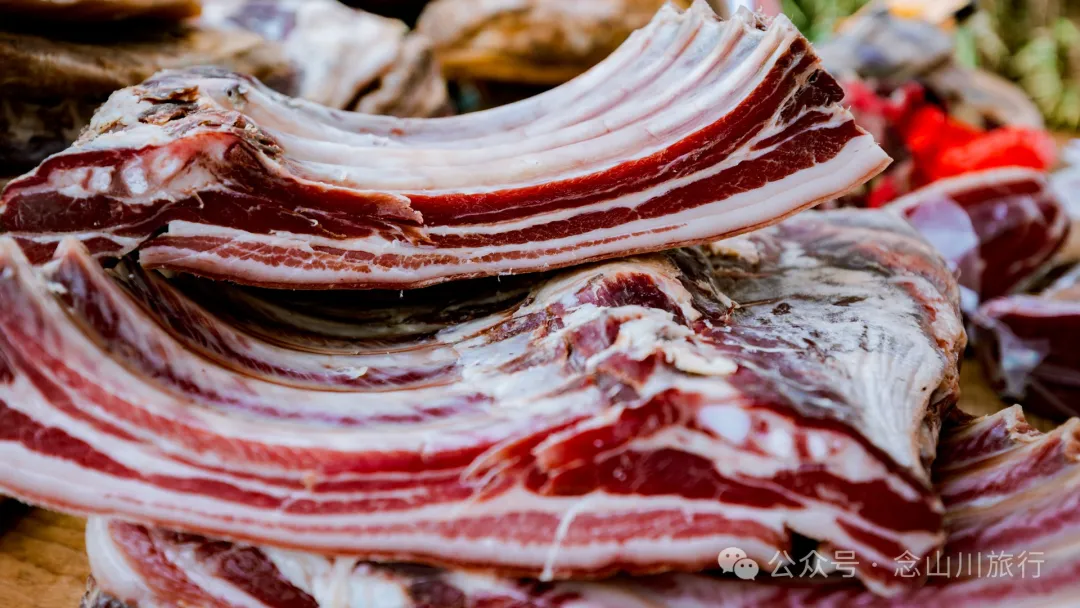
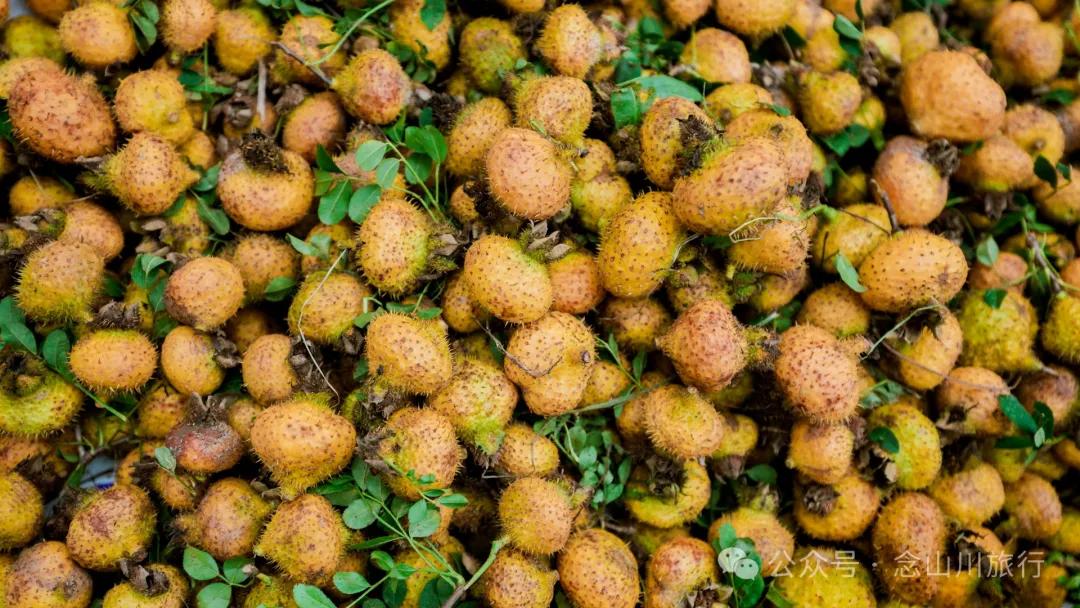
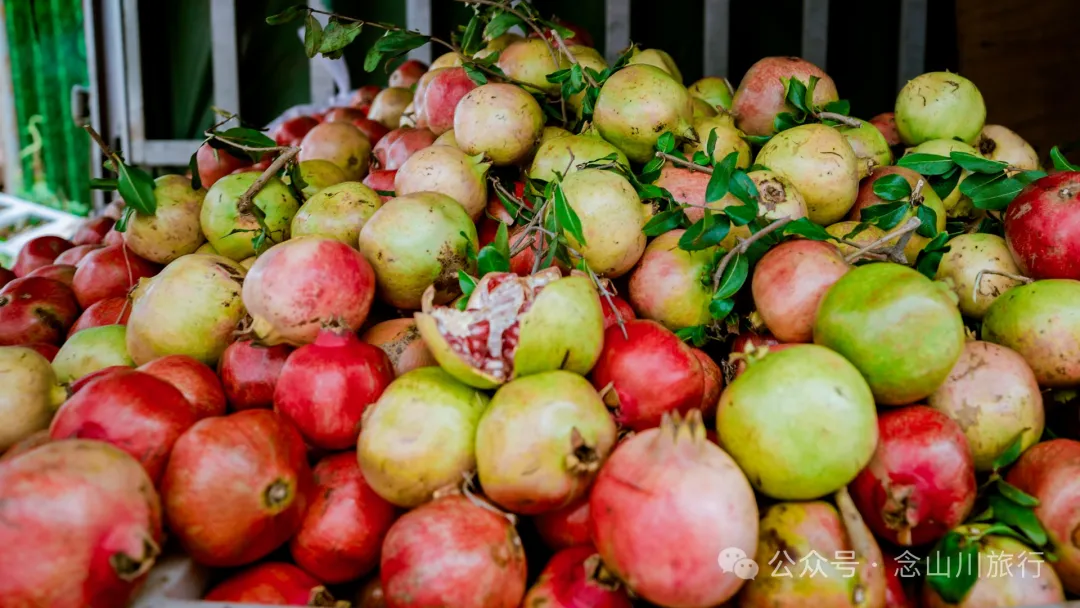
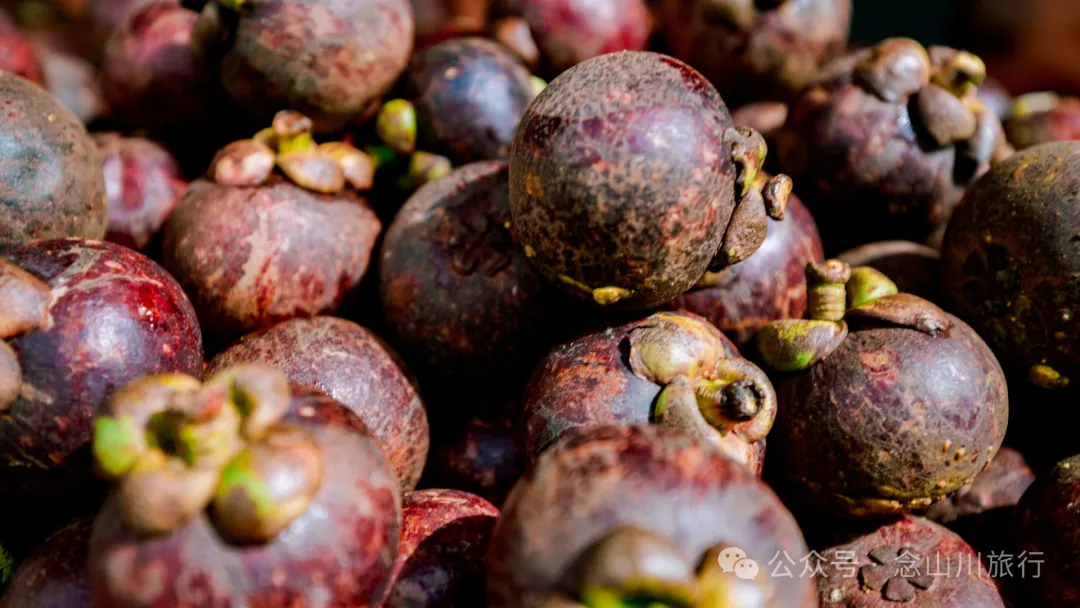
The annual Xihe Bridge temple fair, due to its special significance, attracts many residents and tourists. Therefore, compared to other markets, it is exceptionally lively and spectacular, with crowds of people jostling each other and a dazzling array of goods on display.