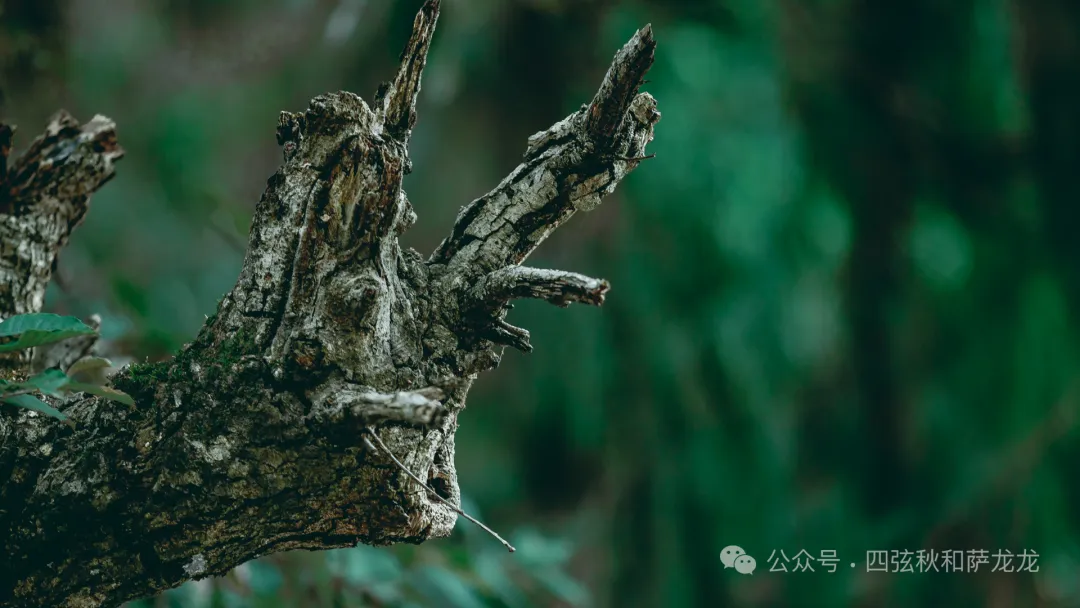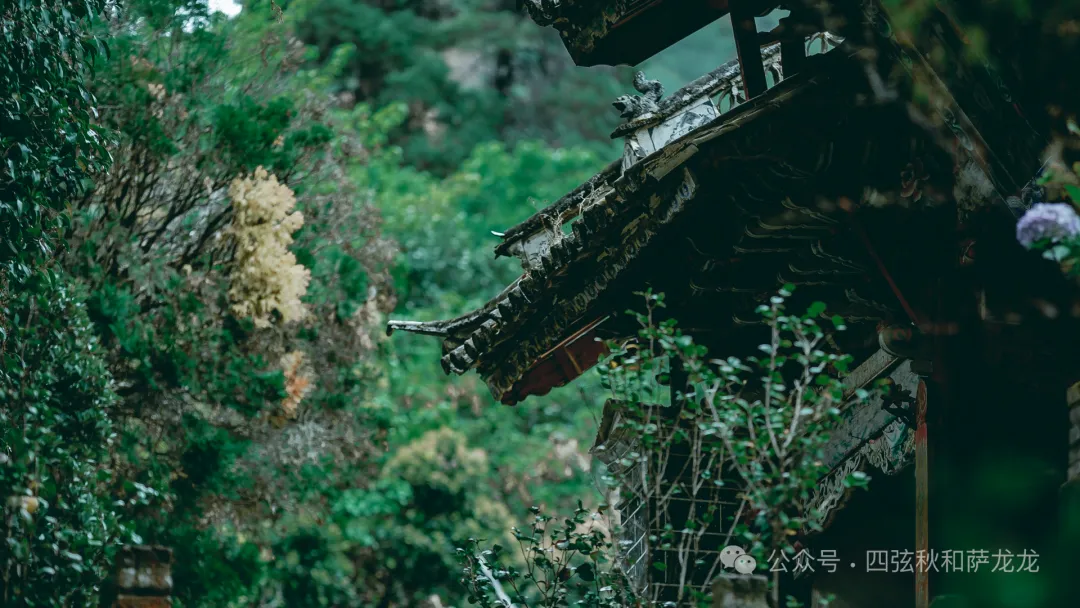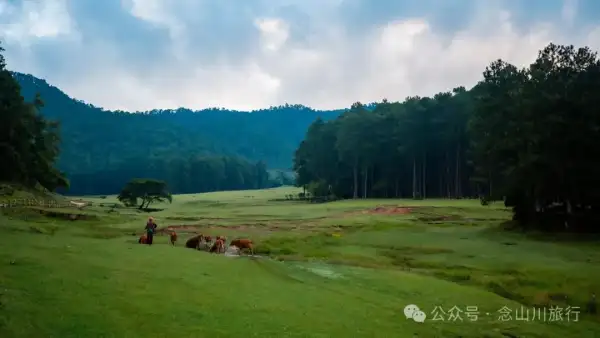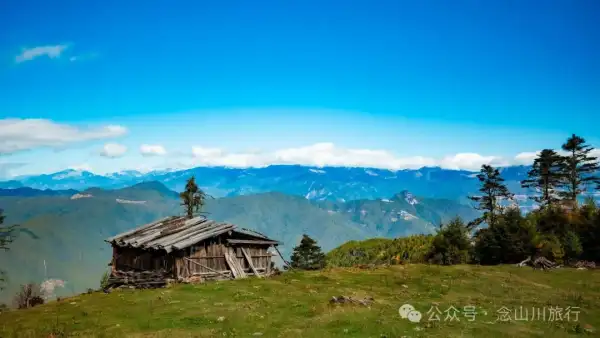

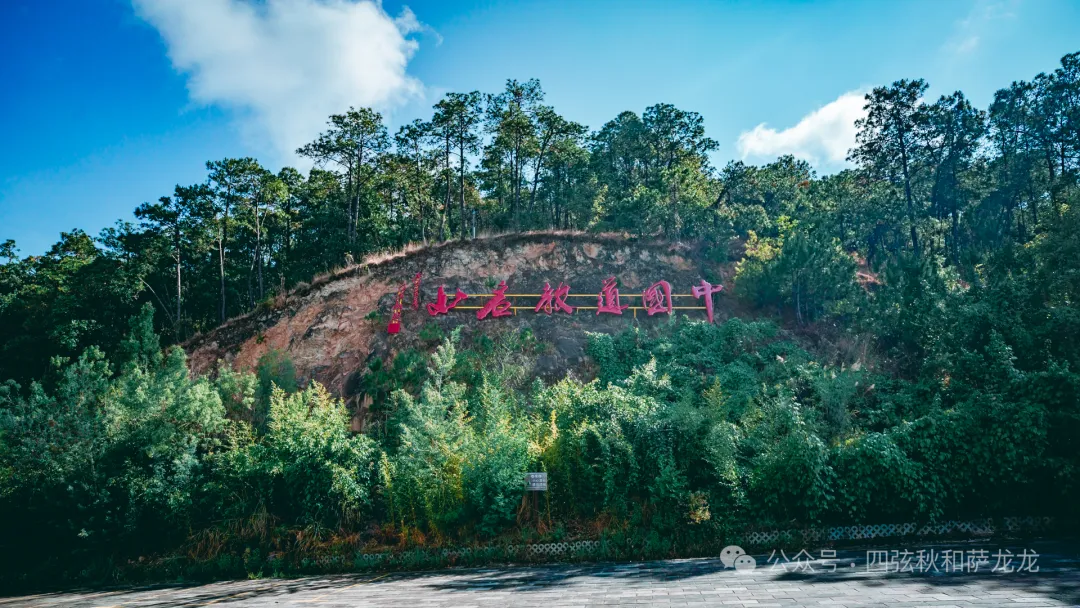
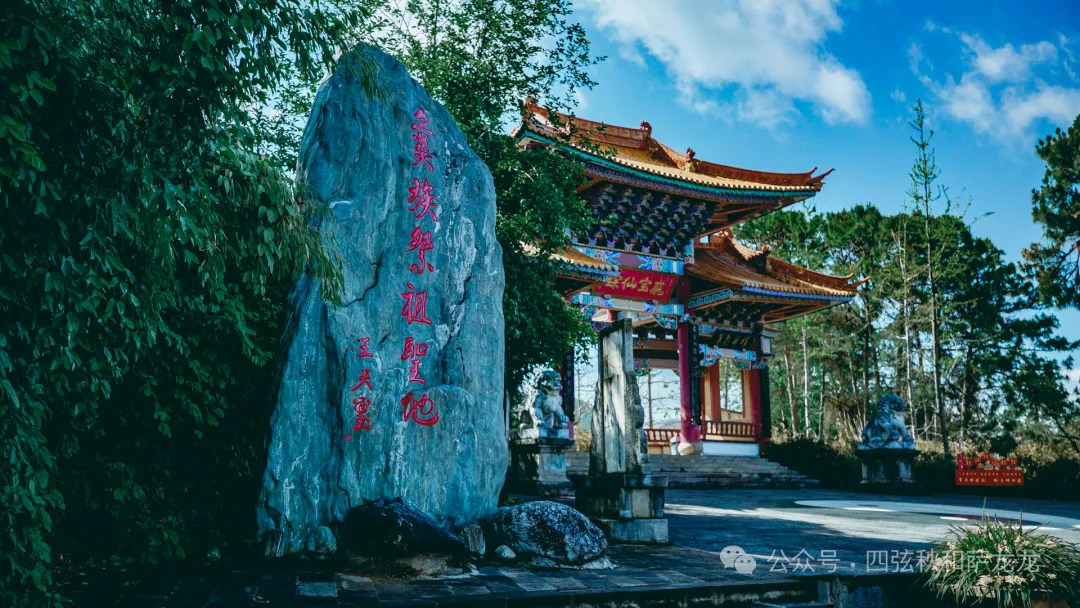
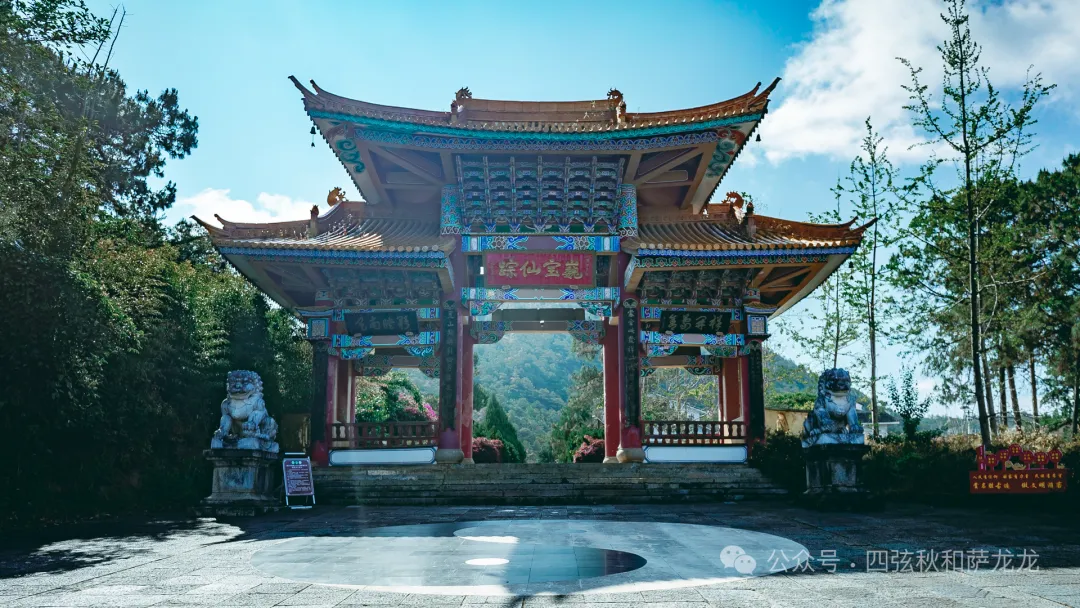
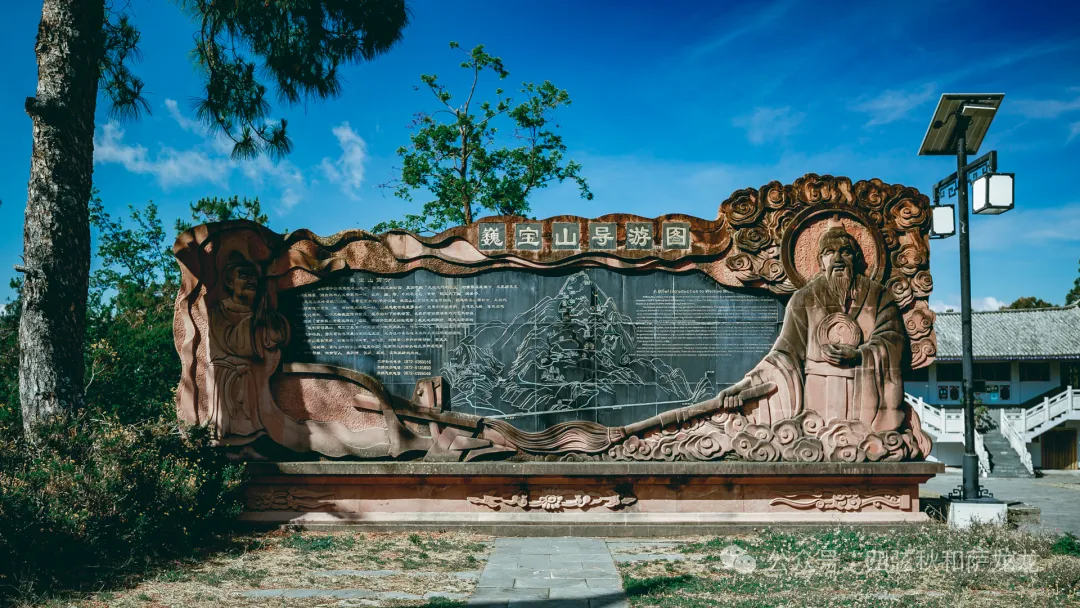
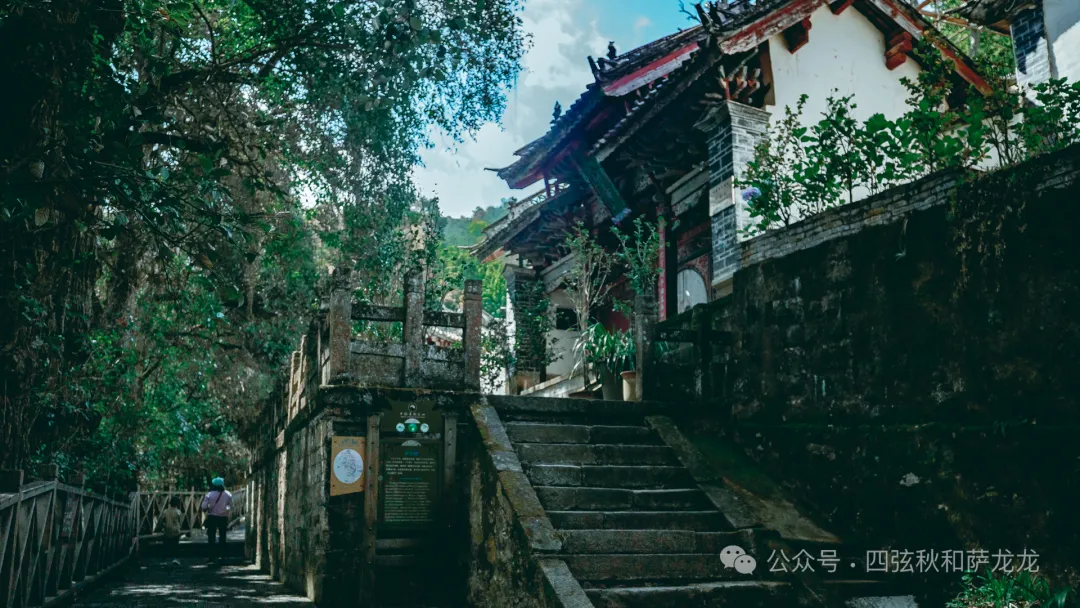
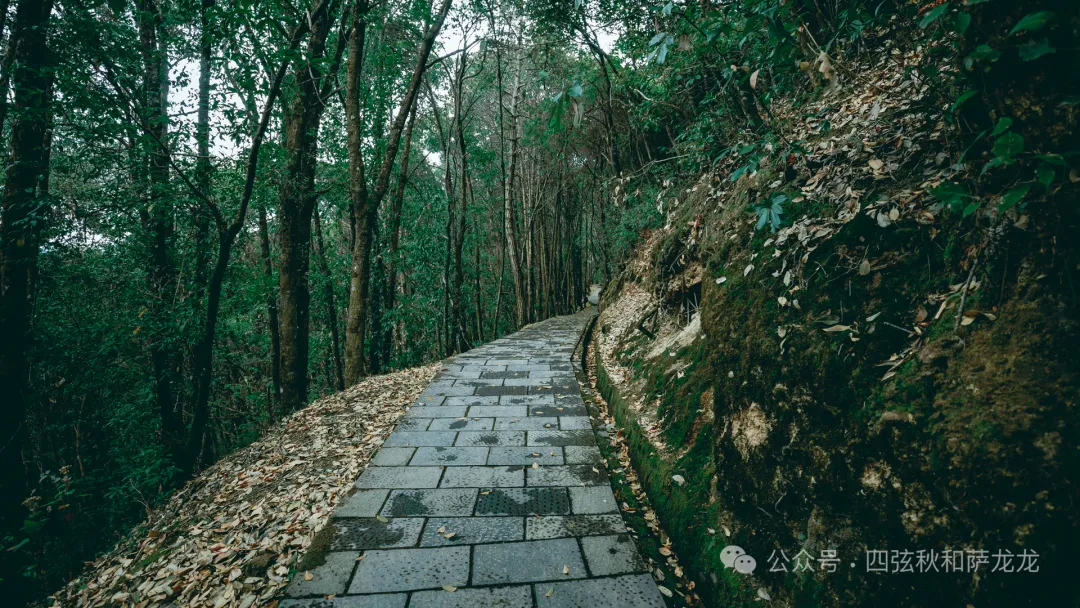
Weibaoshan is located about 13 kilometers south of Weishan County, just a 20-minute drive from the county seat. It is not only a sacred site for the Yi people to trace their roots and worship ancestors, but also a famous mountain for Taoist architecture. Follow the sturdy and neat bluestone steps and spend half a day walking through the mountain. When you feel tired from admiring the exquisitely carved, caisson-ceilinged Taoist temples that blend Taoist style with Yi characteristics, sit down, close your eyes, and let the primitive wilderness on both sides of the steps enter your world. The twisting cypresses, moss-covered magnolias, and centuries-old evergreen chinquapin trees lead you into a rich, layered southwestern ecological jungle.
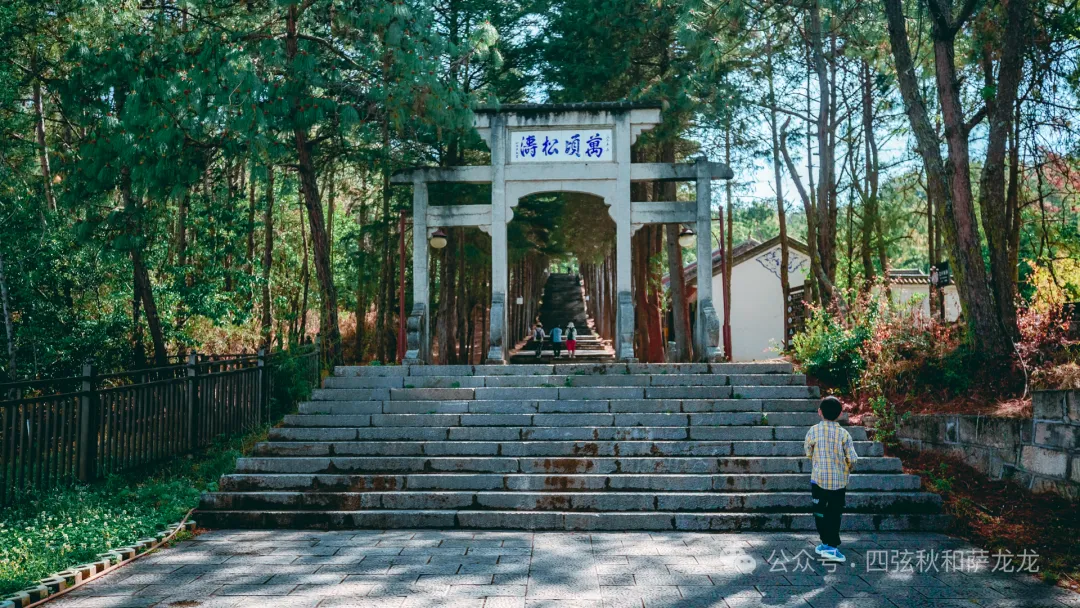
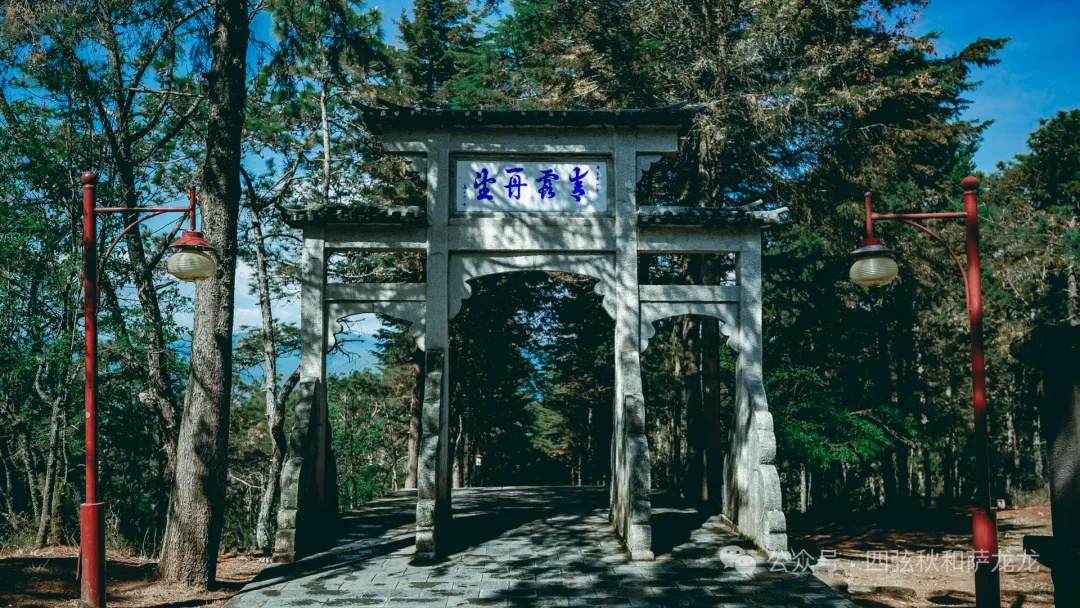
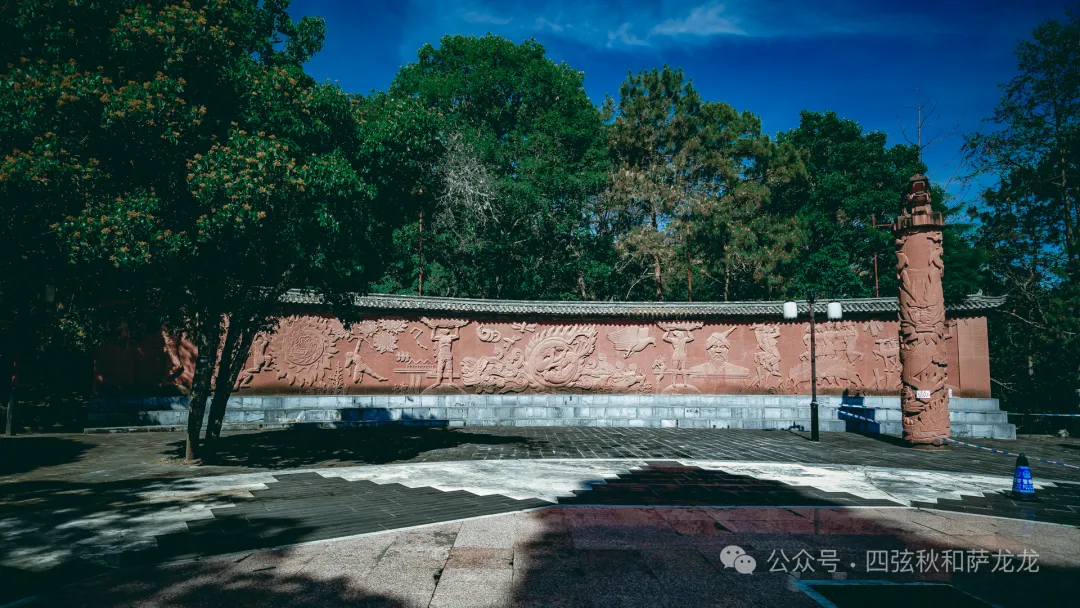
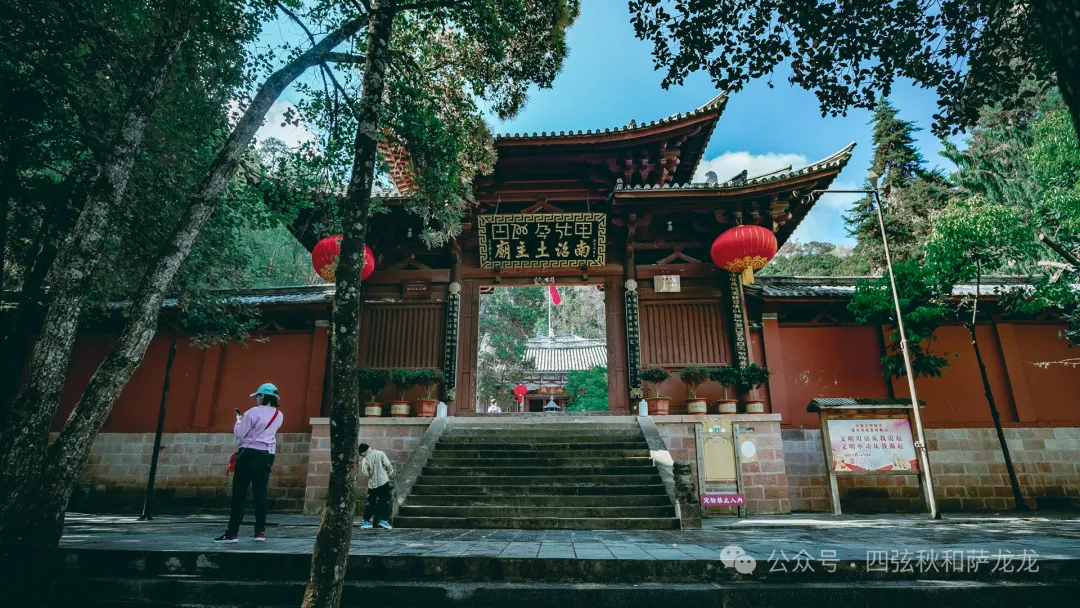
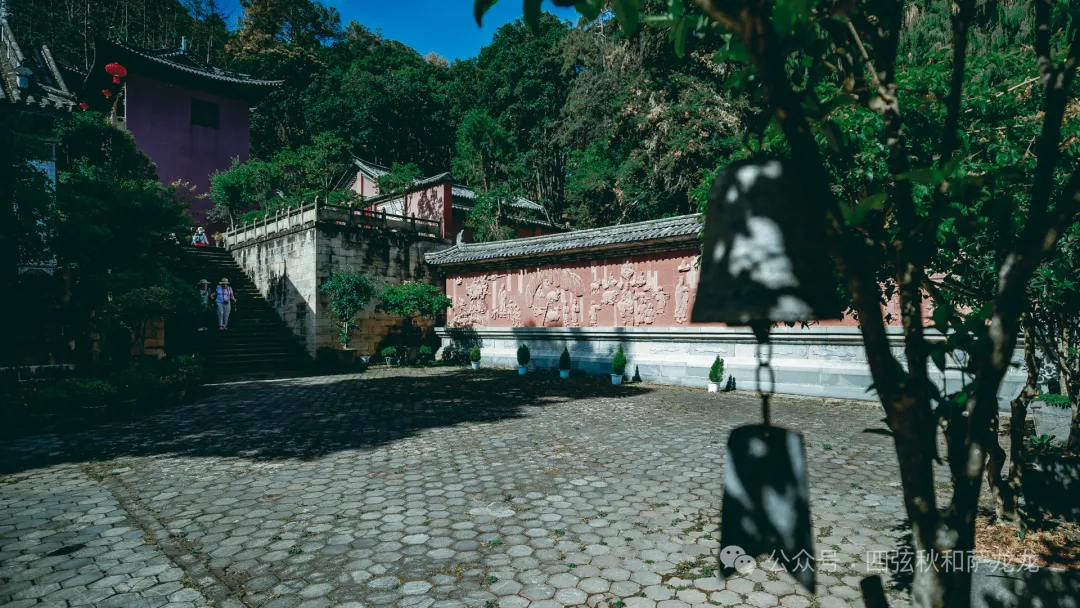
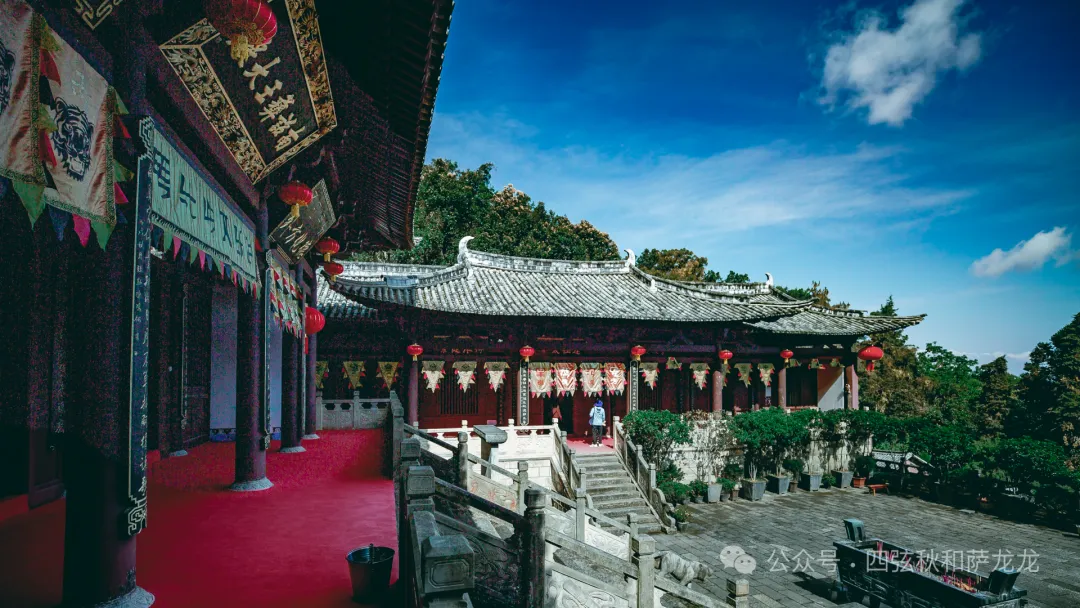
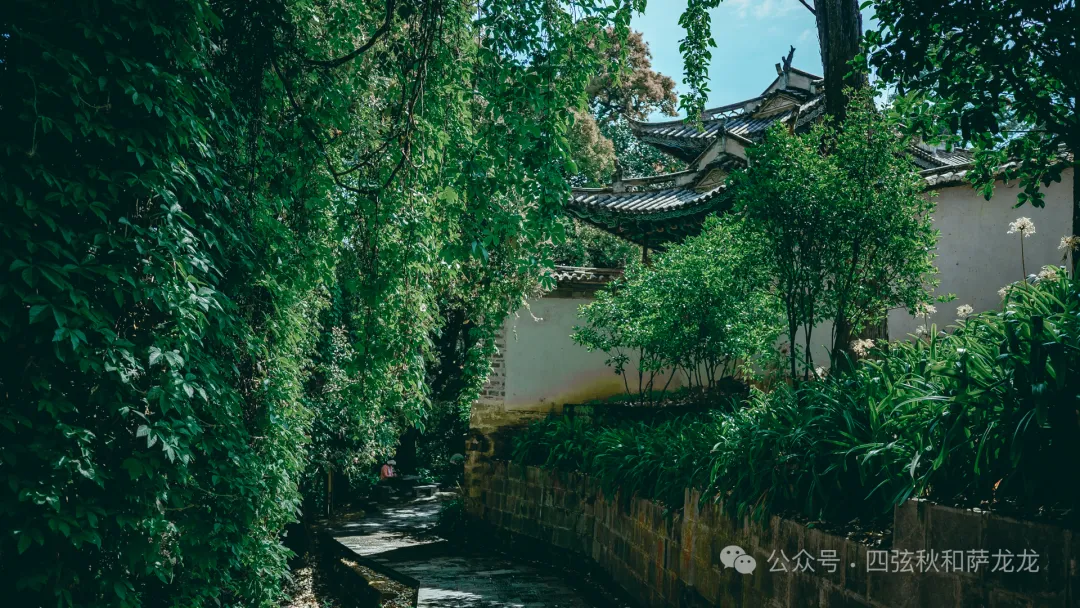
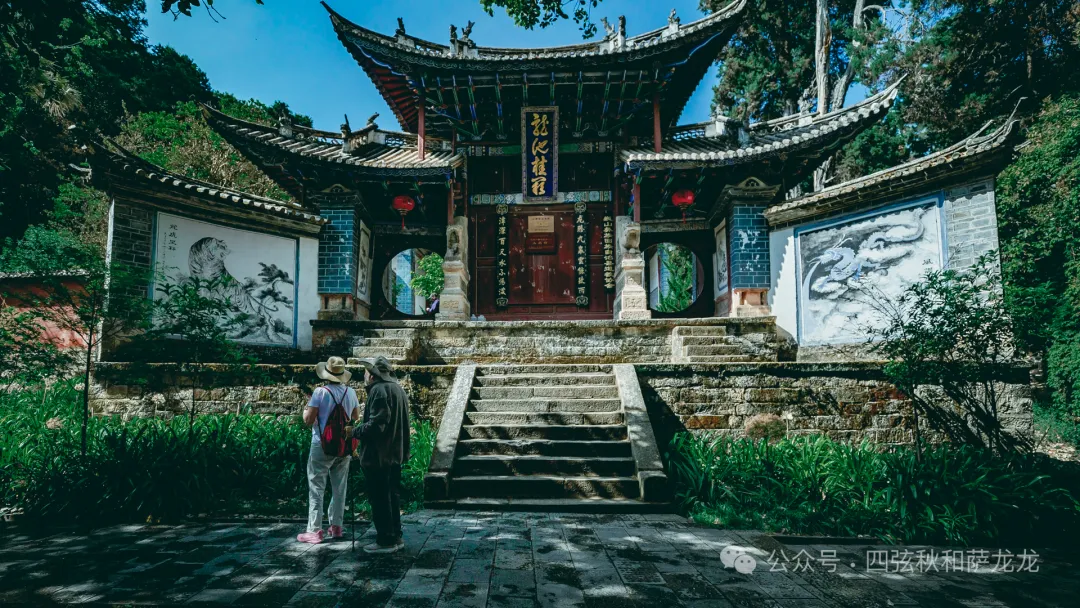
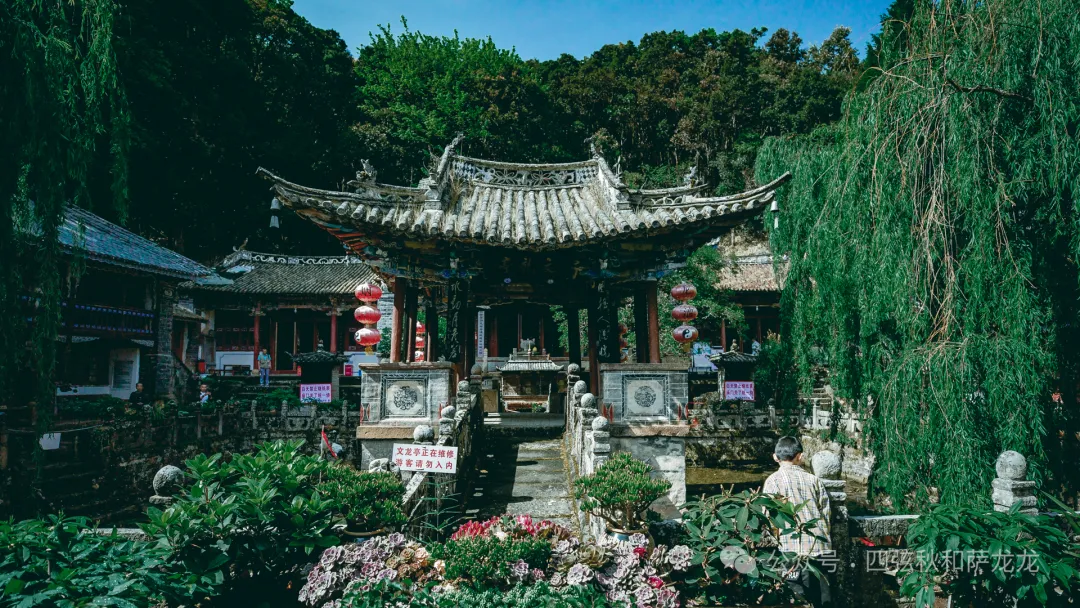
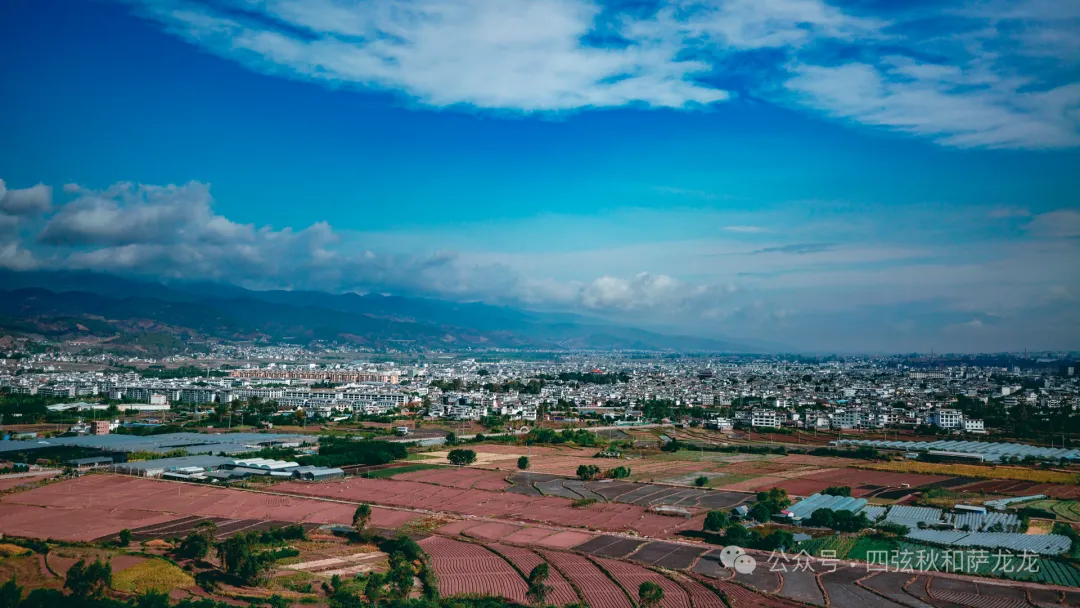
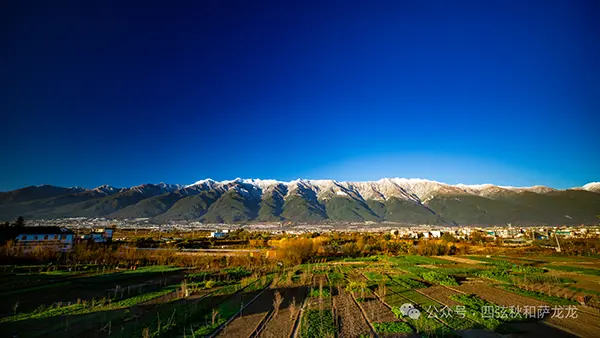
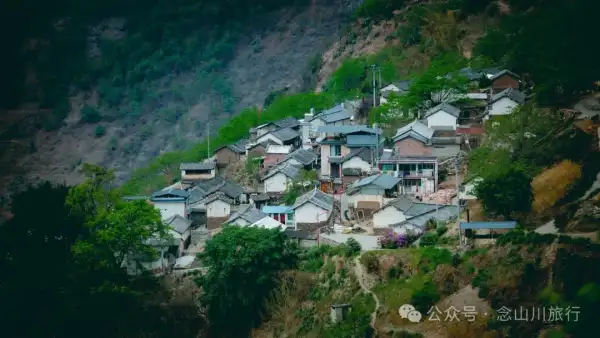
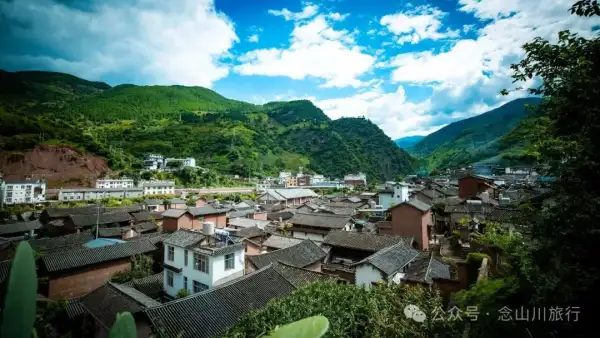
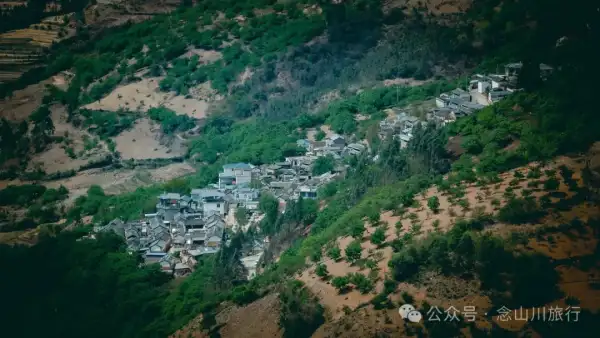
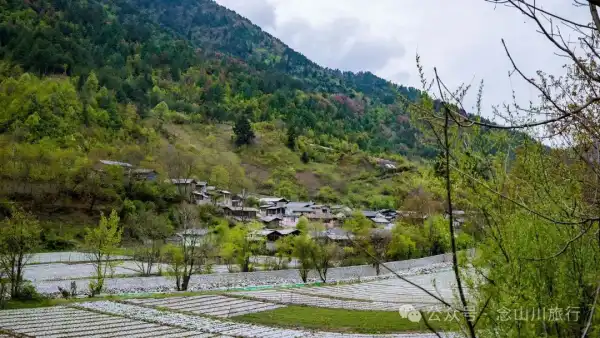
Before entering the mountain, be sure to stop at Ganlu Pavilion outside the scenic area. This is an excellent spot for a bird's-eye view of the entire Weishan County town. Leaning against the marble railing, the distant Weishan basin spreads out quietly before you, and the mountains and villages opposite seem to gaze back at you. The wind flows and lingers in the air, carrying the scents of various creatures from the surrounding forests. Sunlight filters through the broad, dense leaves, soothing you along with the breeze. Even in the hottest season, it feels just right, never abrupt.
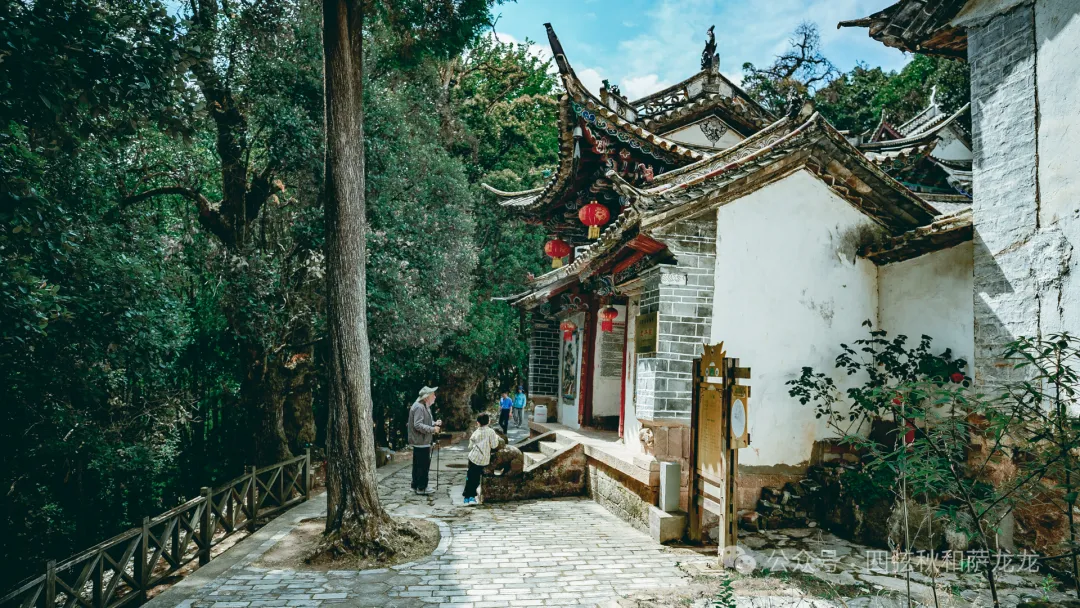
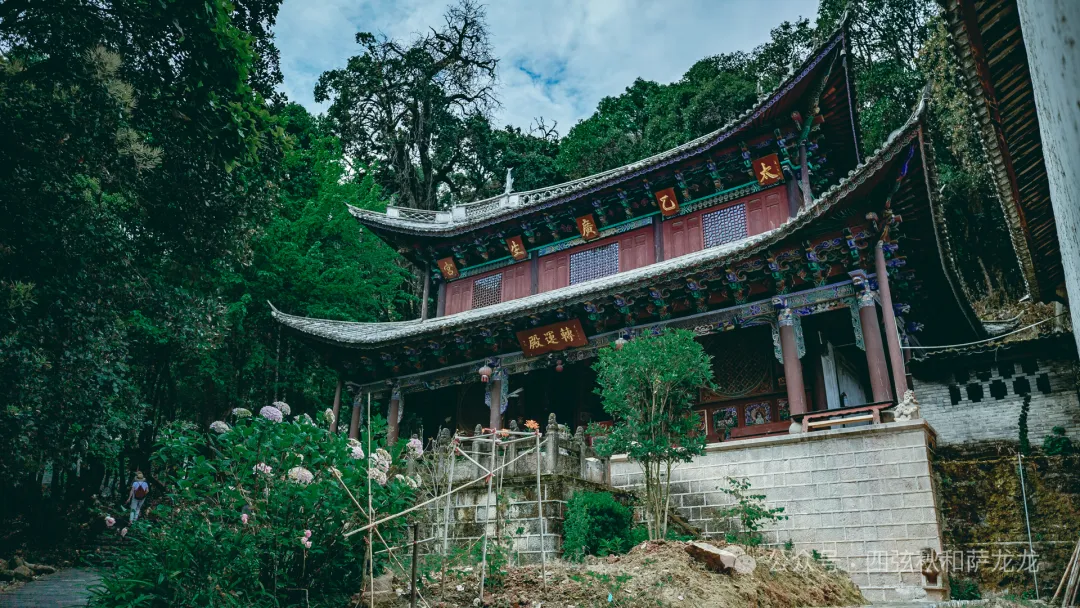
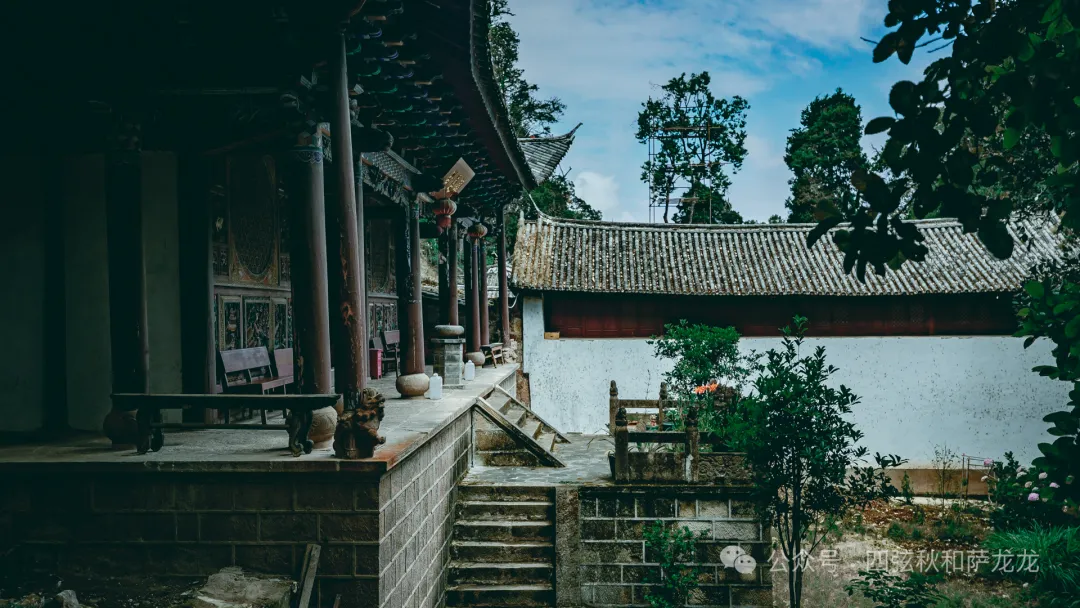
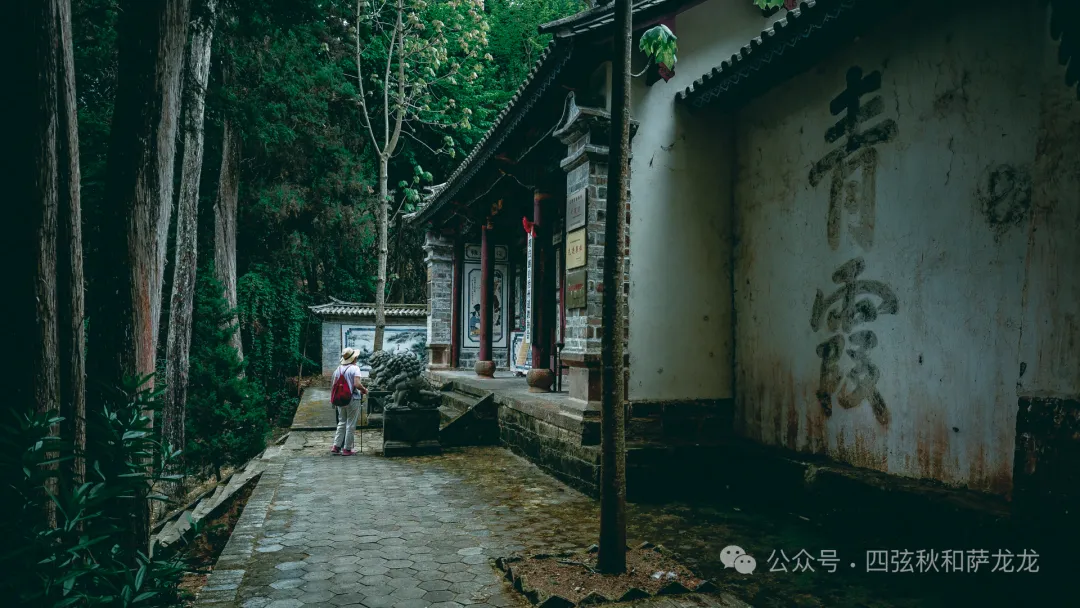
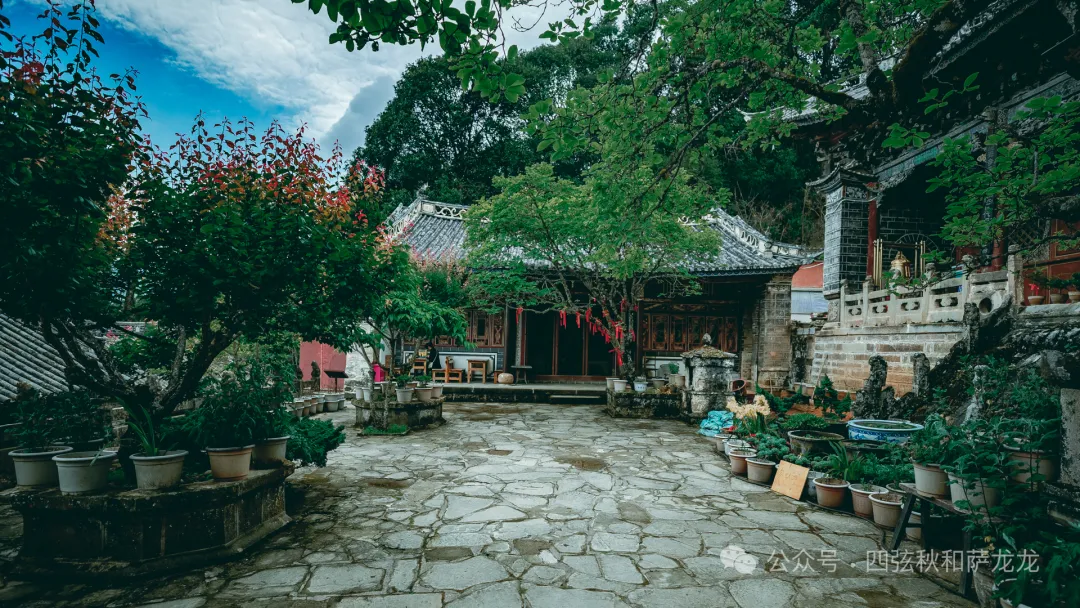
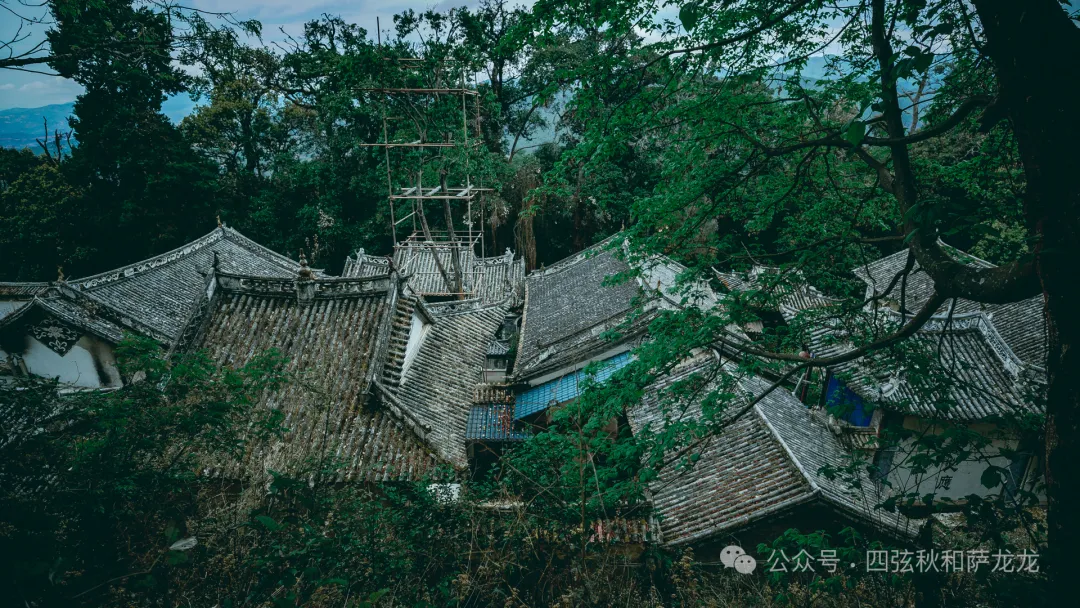
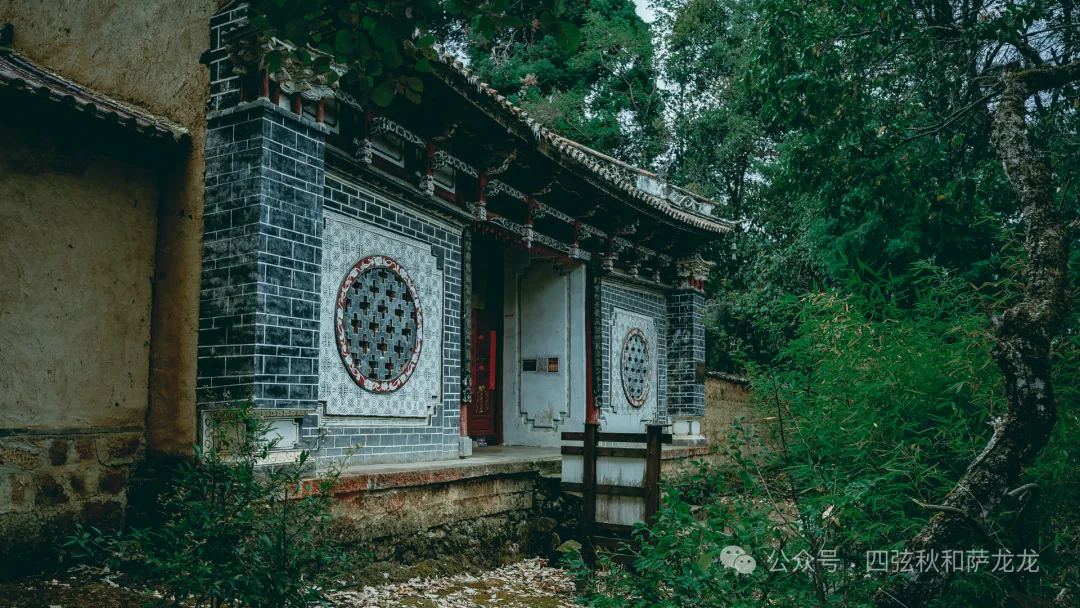
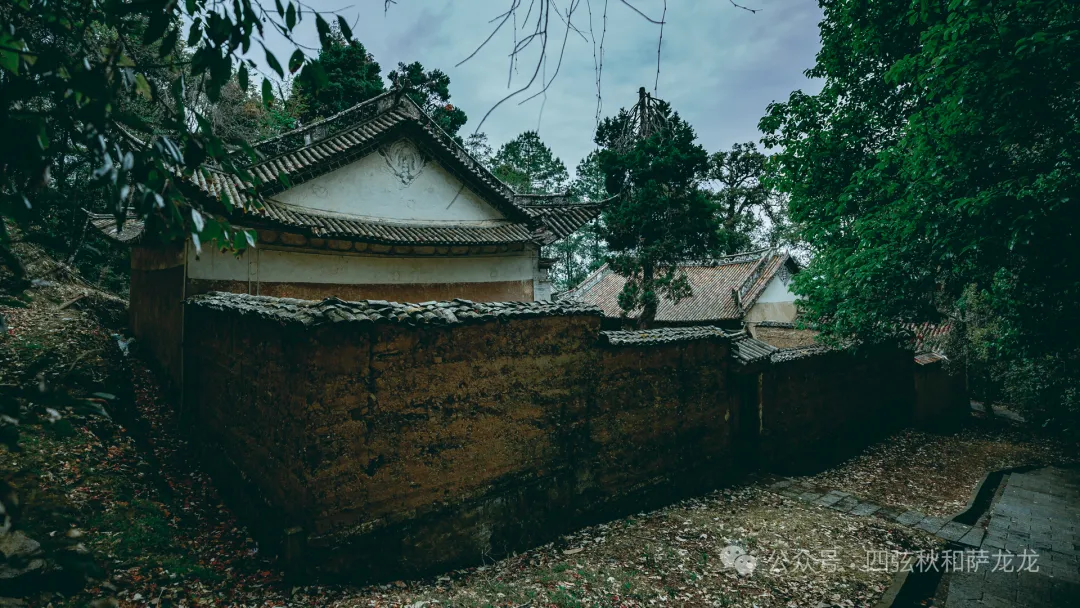
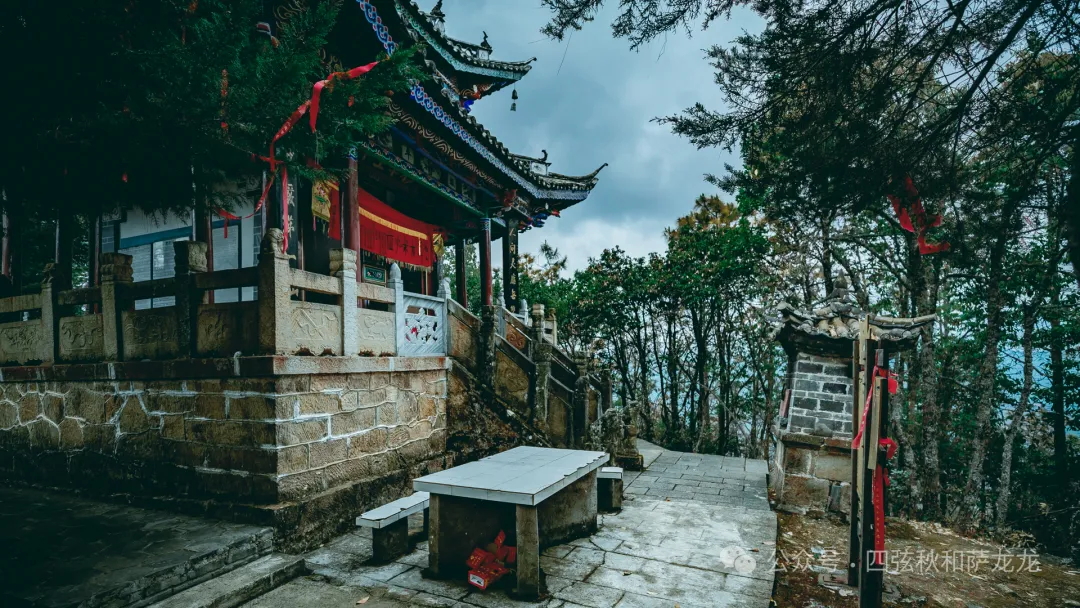
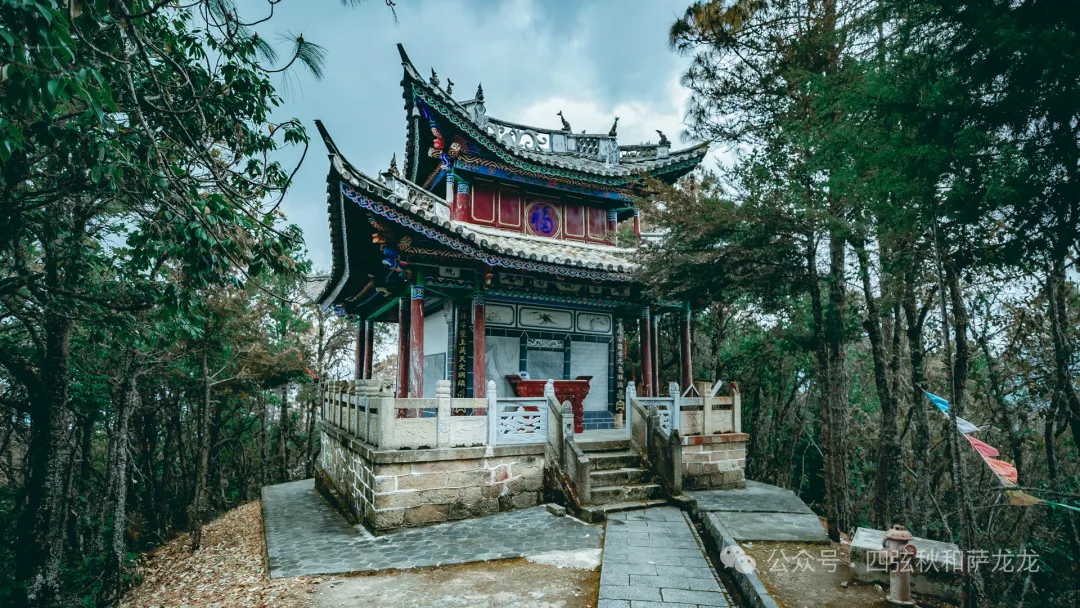
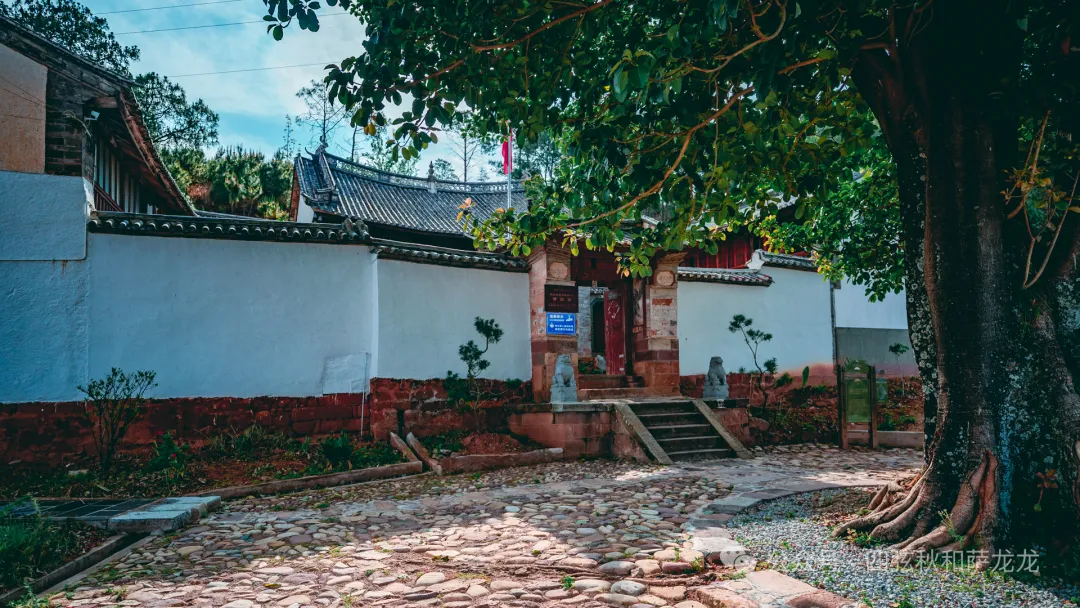
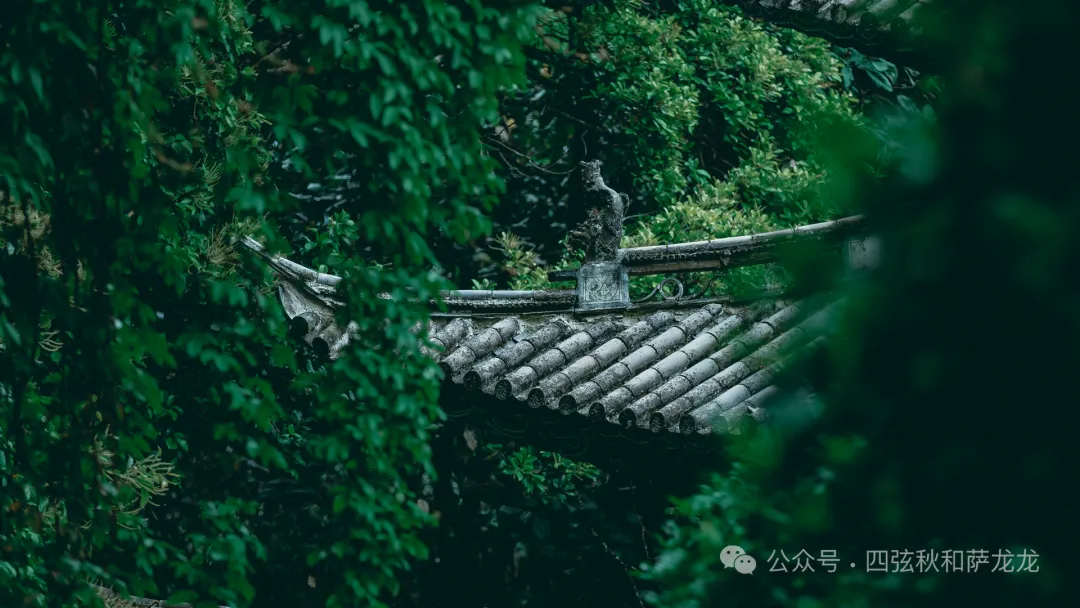
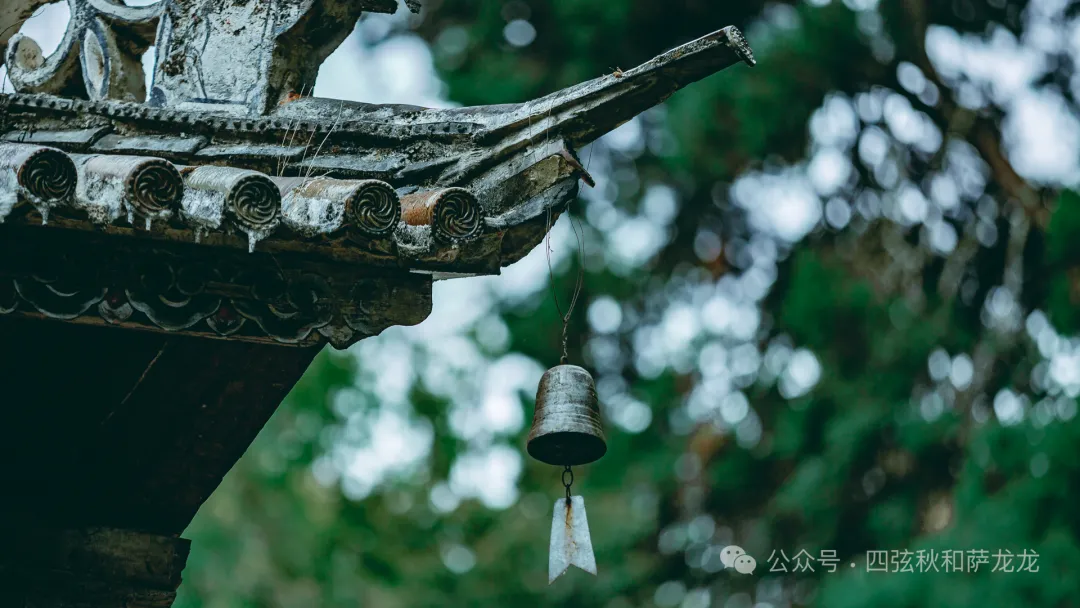
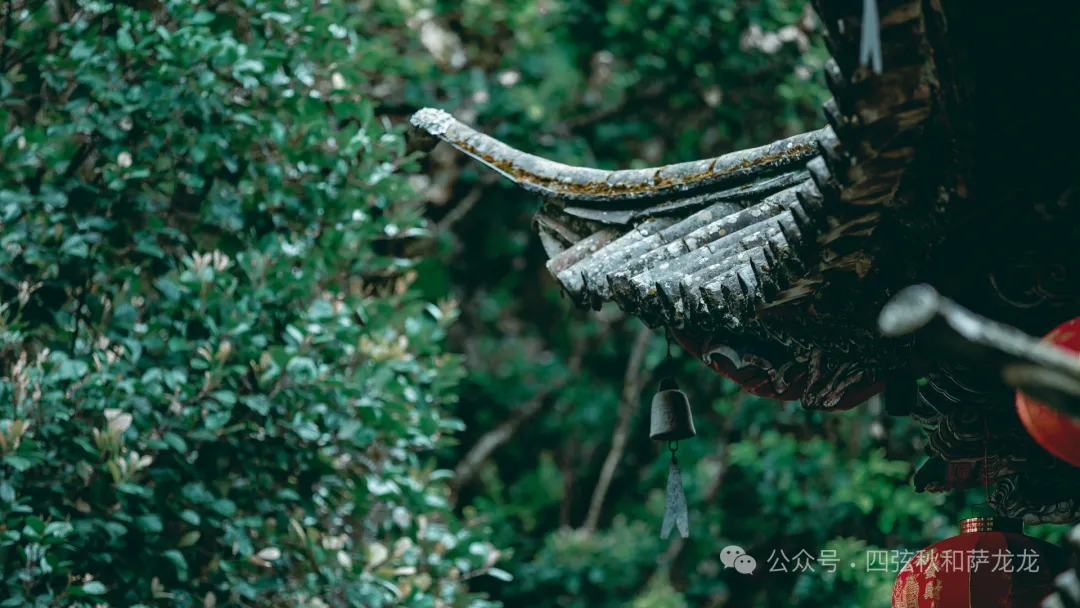
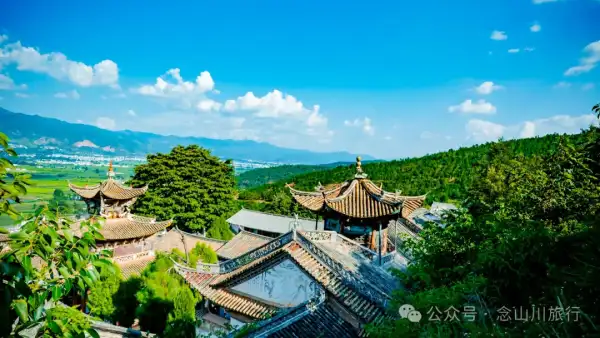
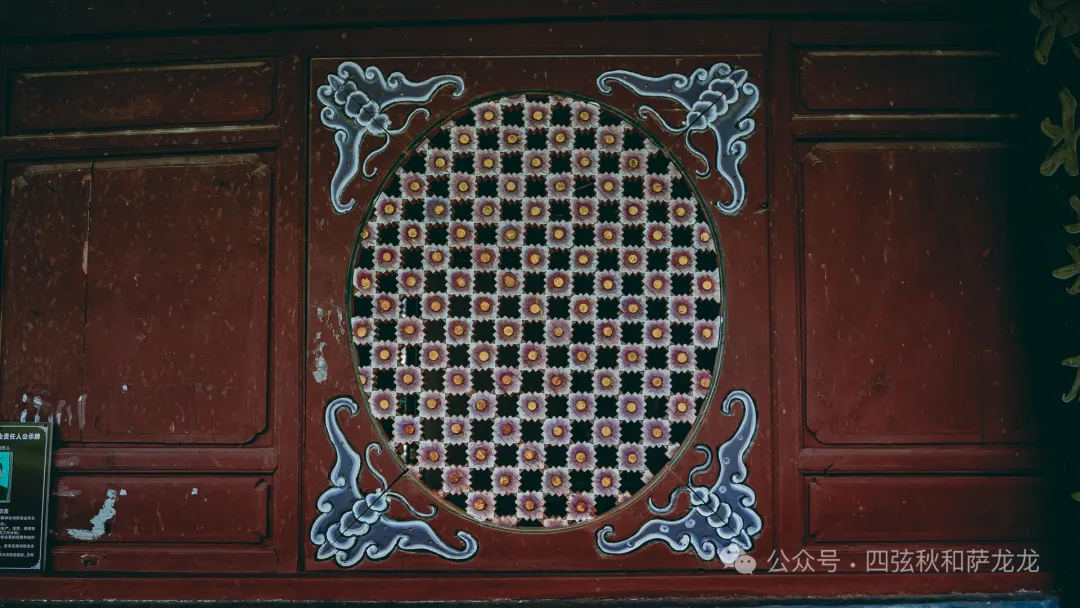
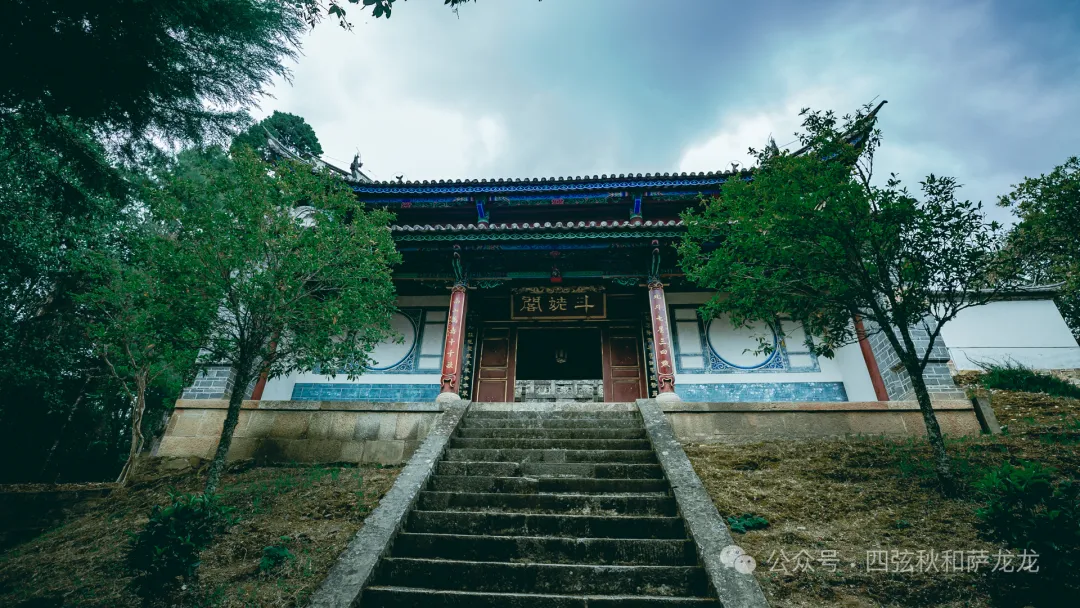
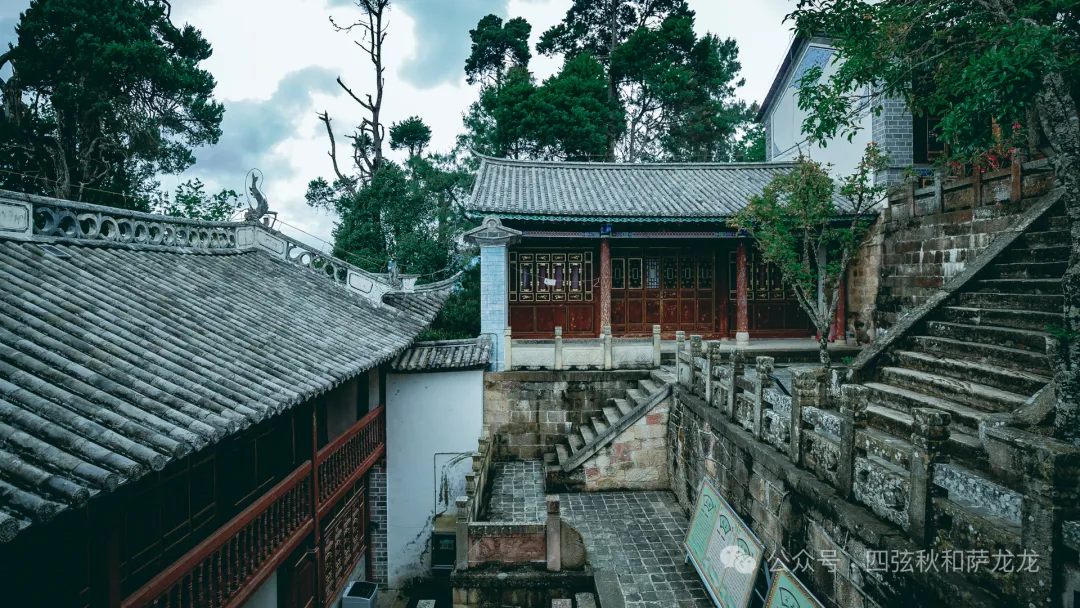
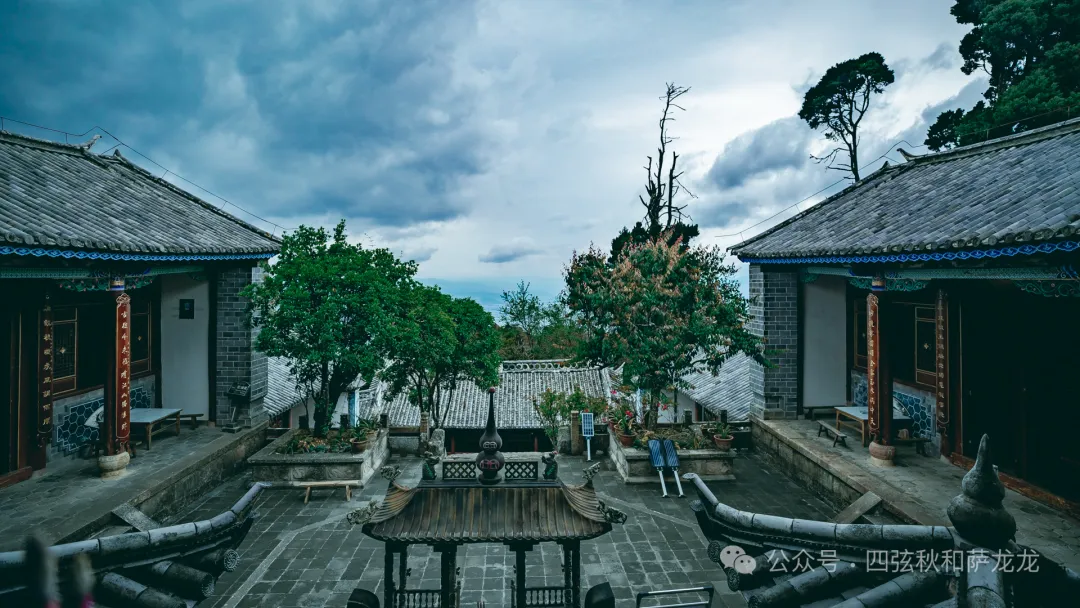
There are over twenty Taoist buildings in the scenic area, including Tuzhu Temple, Wenchang Palace, Zhujun Pavilion, Yuhuang Pavilion, Doulou Pavilion, and Changchun Cave. These uniquely styled religious structures have endured centuries of wind and rain and human damage, but have been repeatedly repaired or rebuilt, standing intact in the dense forest. The reclining dragon stone carvings on the roofs, the tinkling wind chimes at the eaves, the brightly colored wooden carved doors and windows, and the solemn religious statues inside the halls all seem to transport time back over 600 years to the Ming Dynasty. The scattered cultural relics and historic sites within the halls are evidence. Starting from the mountain gate, climb along the steps to the highest point, Doulou Pavilion, then descend via Hanzhen Tower and Changchun Cave back to the gate. The entire journey takes only two hours, but visiting the over twenty buildings takes much longer. Since there are no commercial establishments in the mountain, you need to prepare water and food in advance.
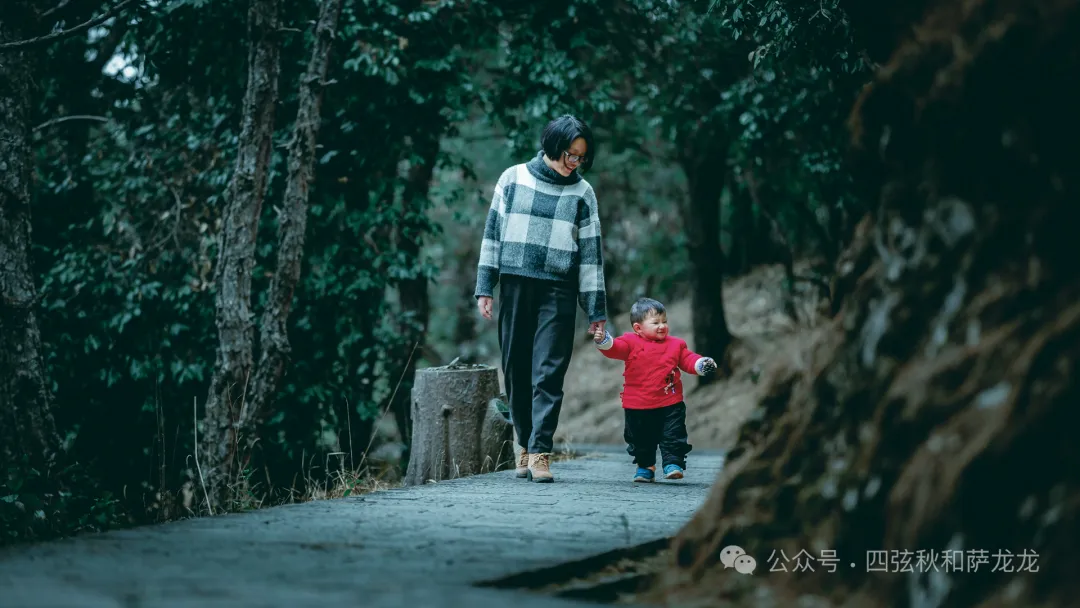
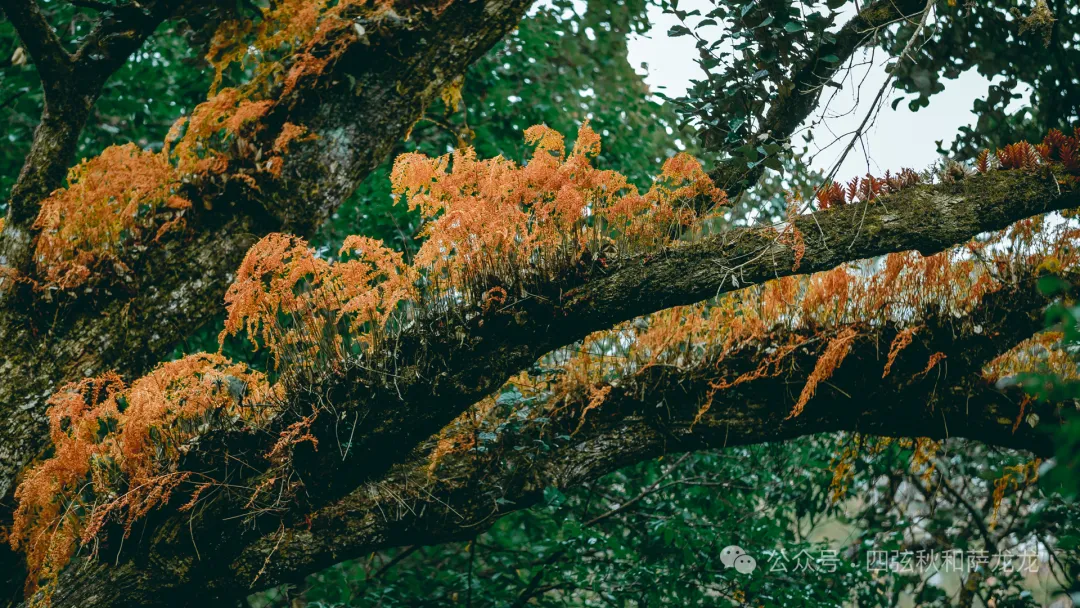
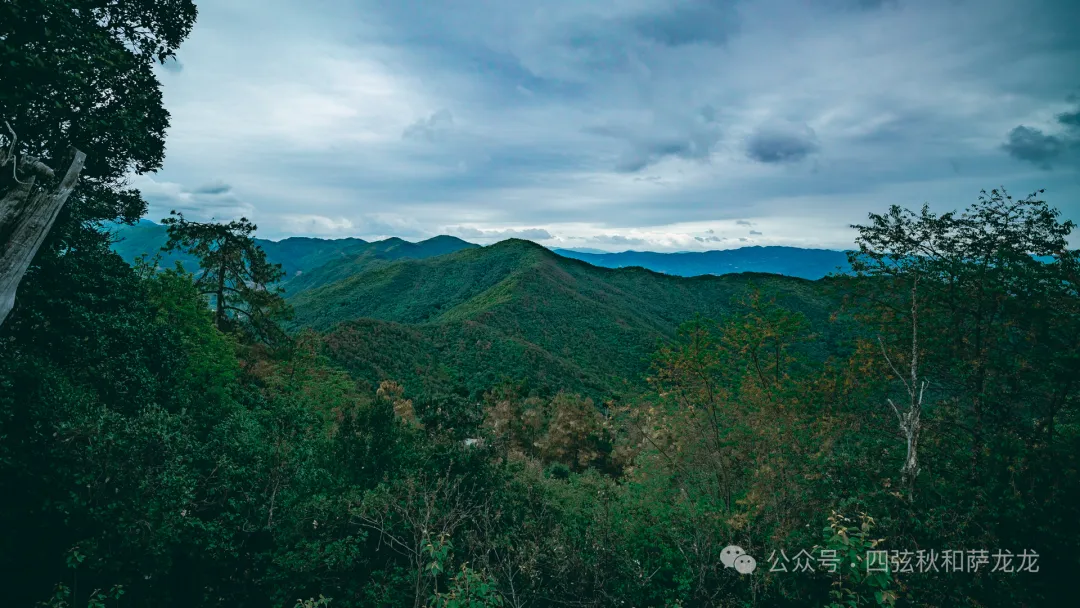
No matter which season you visit Weibaoshan, you will encounter the best of it. Winter is not bitterly cold, summer is not scorching hot, spring has mountain flowers, and autumn has yellow leaves. In spring, you can admire the world's tallest camellia tree, "Camellia Flowing Red," in Zhujun Pavilion, with azaleas adding color along the roadside. In early summer, witness the wonder of magnolia "snowfall" in front of Wenchang Palace, and the monsoon forest's murmurs like a lullaby. In autumn, the ancient evergreen chinquapins in front of Lingguan Hall shed complete broad leaves under the light breeze and clear sky, while squirrels jumping freely among the branches make bird-like sounds, filling the forest. In winter, sit idly in front of Ganlu Pavilion; the wind may bring some chill, but the warm sun quickly dispels it, and the spotless sky and distant mountains cleanse your eyes. Silence converges from all directions, and nothing is more pleasant than sipping tea under a banyan tree.