
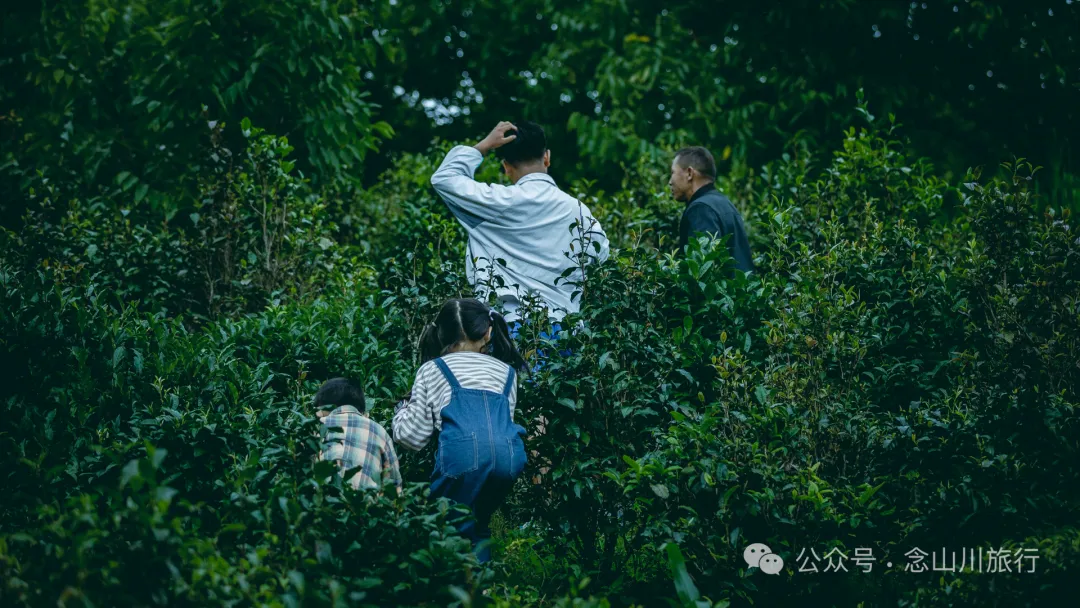
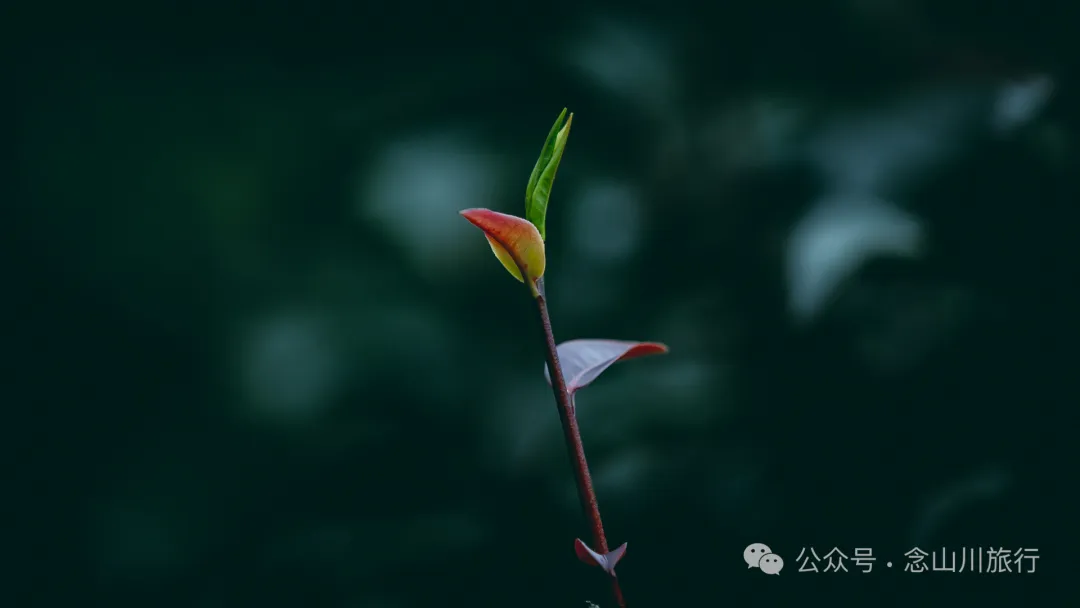
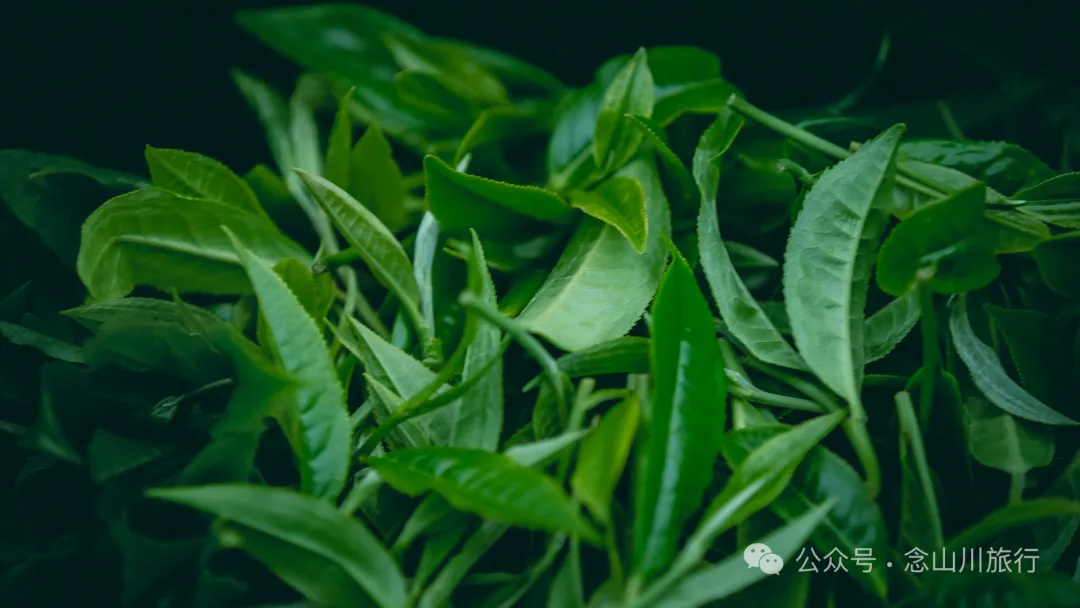
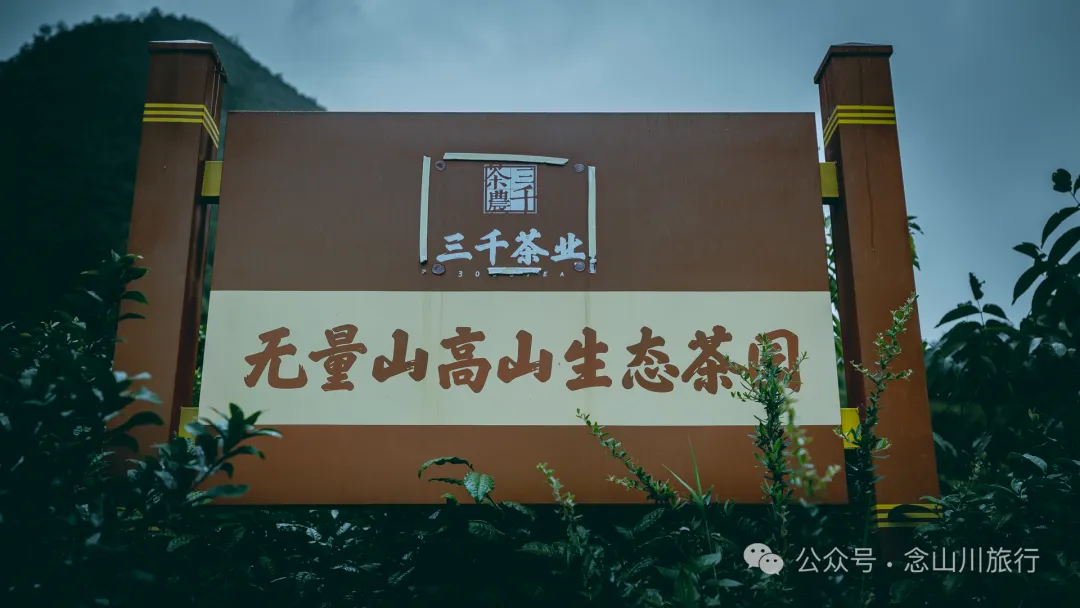
The homestay we stayed at faced a tea mountain, the ecological tea garden of Sanqian Tea Company. A friend invited the owner of the tea mountain, Uncle Rao, an old tea farmer from Laobuju Village, to lead us to pick tea in his garden. The children cheered and followed him into a bright green tea garden, imitating Uncle Rao's movements as they picked tea leaves. It seemed simple, but Uncle Rao spent a long time explaining so the children could deeply understand. He told us that a complete tea leaf should consist of one bud and three leaves: the tender bud at the tip is the main source of aroma, the stem in the middle provides sweetness, and the bottom leaf brings bitterness. However, not all tea requires one bud and three leaves; if the bottom leaf is too old, one bud and two leaves or one bud and one leaf are acceptable.
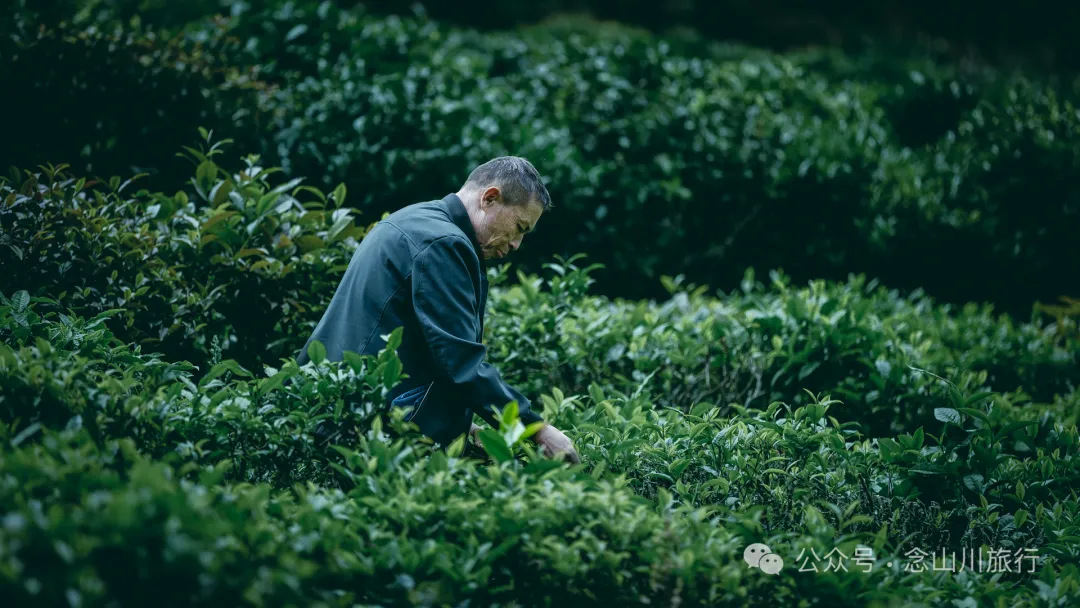
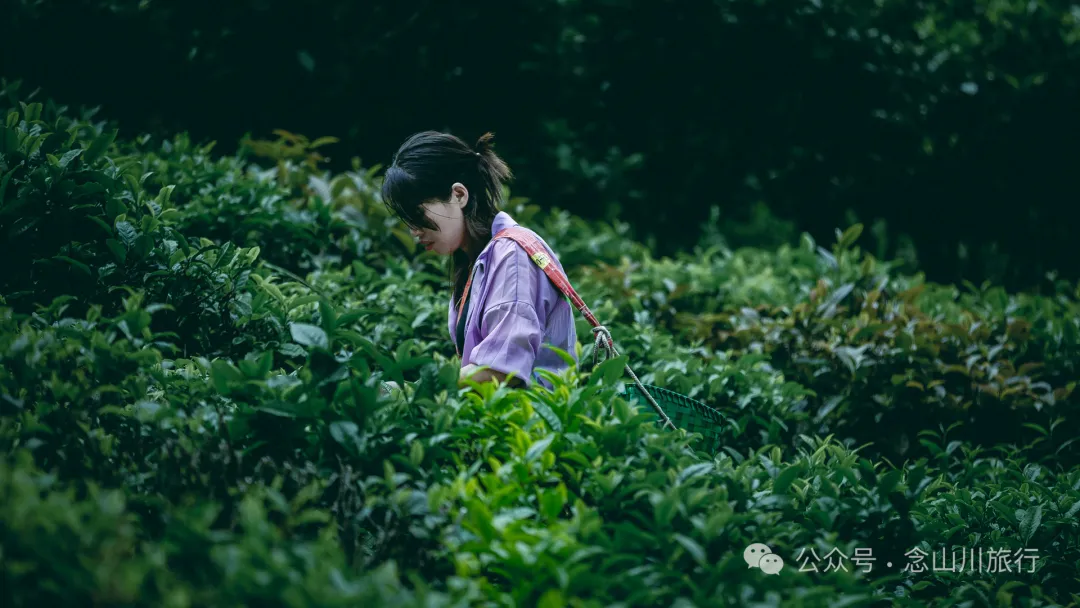
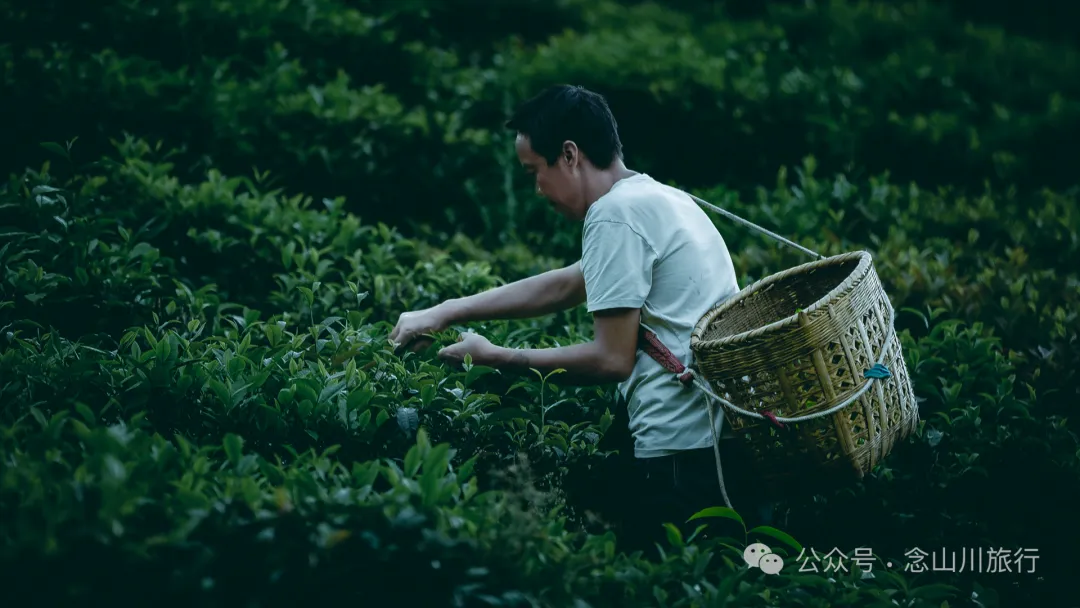
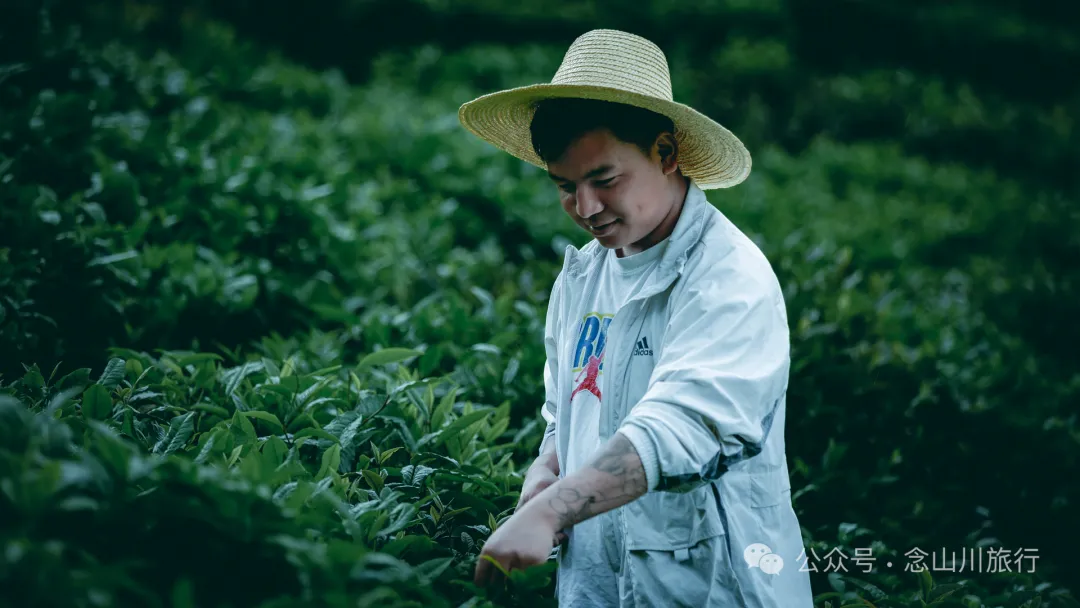
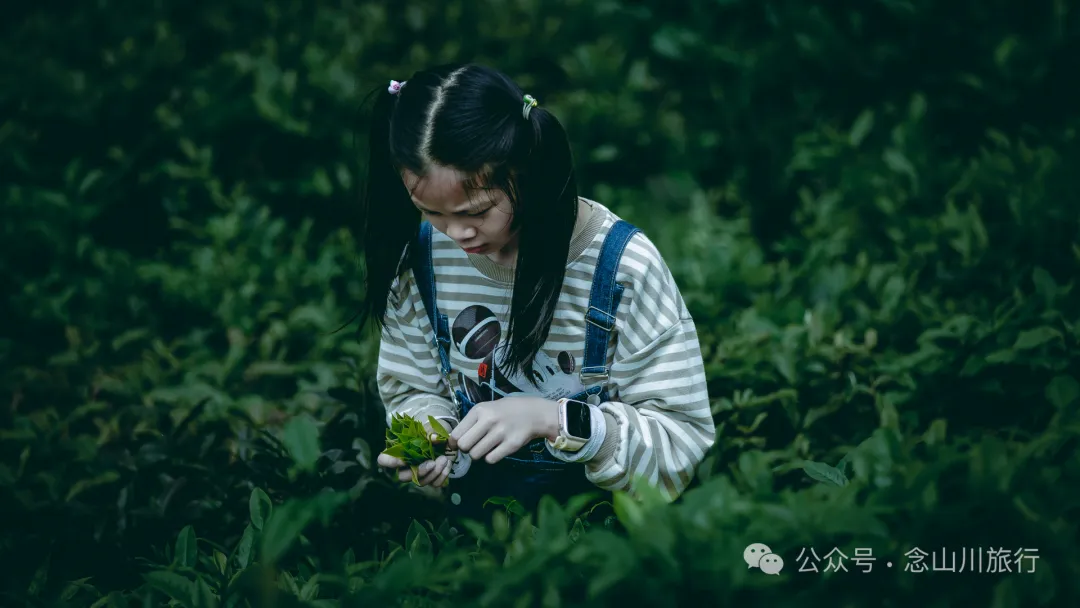
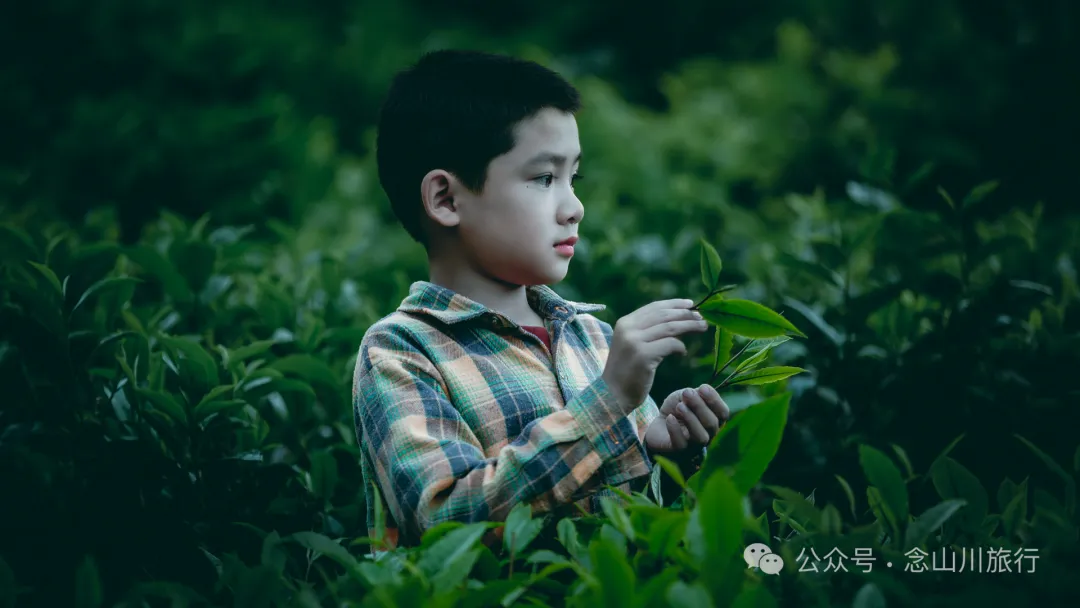
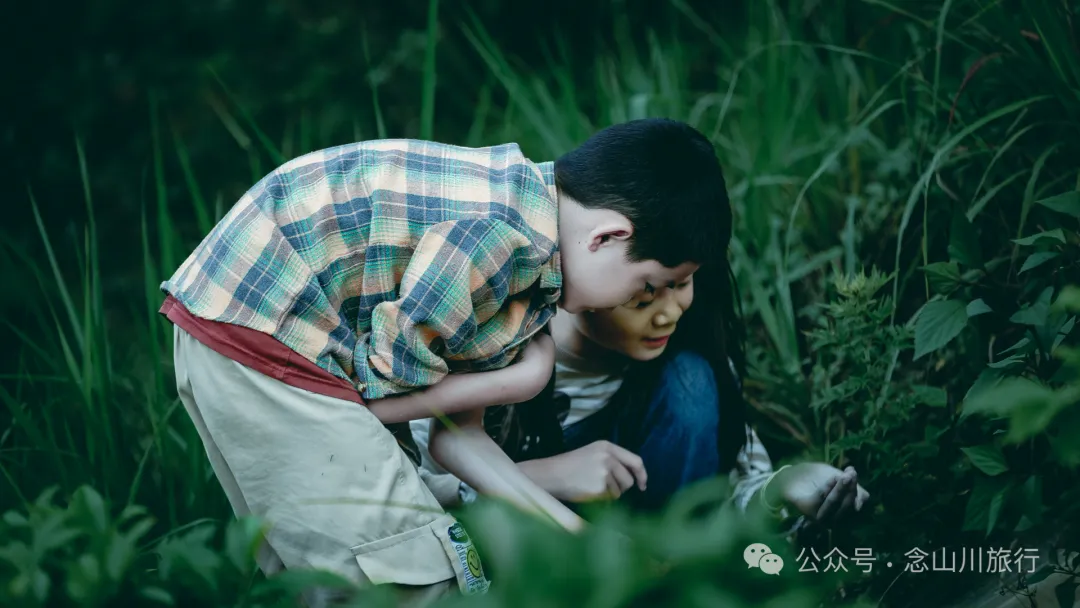
I stood opposite Uncle Rao, observing his fingers swiftly and skillfully bouncing among the leaves while carefully selecting qualified leaves, picking them and placing them into a bamboo basket, and chatting with him. Uncle Rao told us that his tea is truly ecological, never using chemical fertilizers, only some oil residue after pressing oil. Therefore, his tea leaves are bright green with a slight yellow tint, lighter in color, and naturally lower in yield. He pulled out a withered tea branch from the bottom of a plant, saying it was this year's spring tea that he had to abandon because the cost of tea pickers was too high and not cost-effective. Many used to grow tea, but few tea farmers like him have persisted. I said that if he needs help next spring, he can call us, and we will bring the children to help pick tea again.
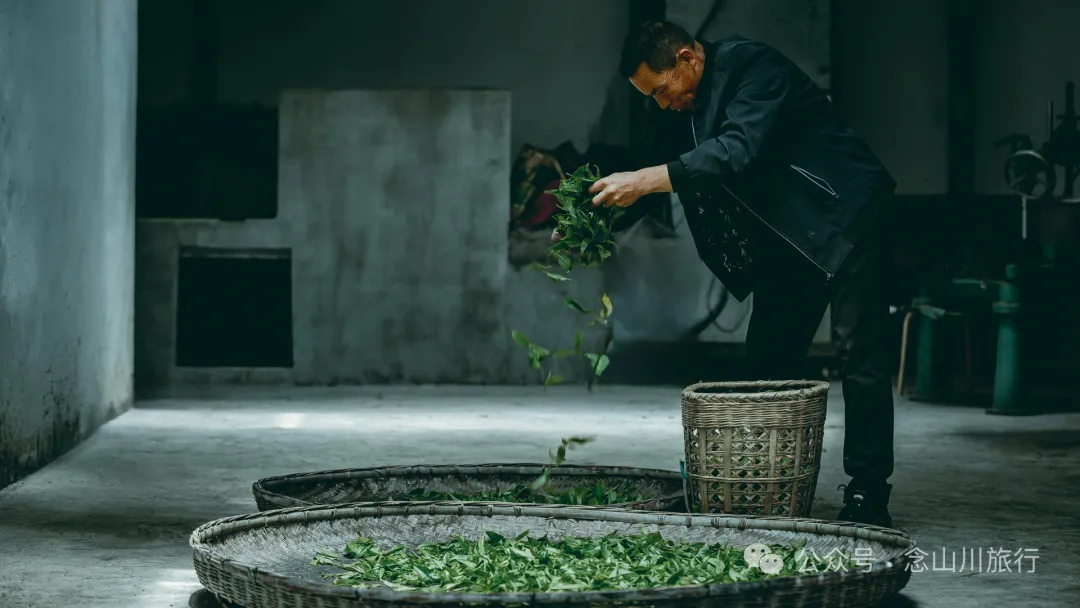
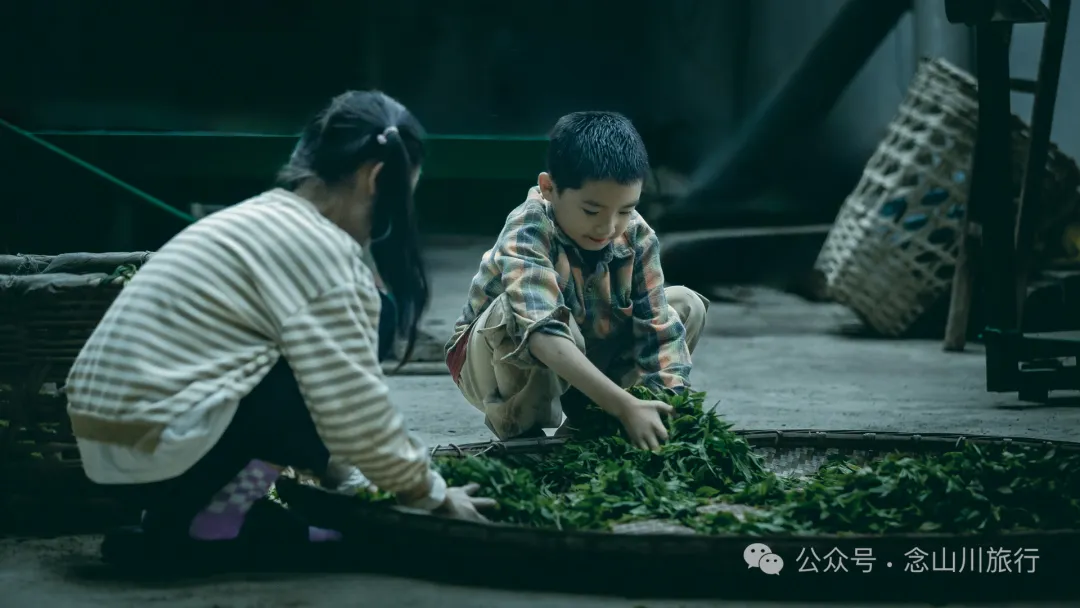
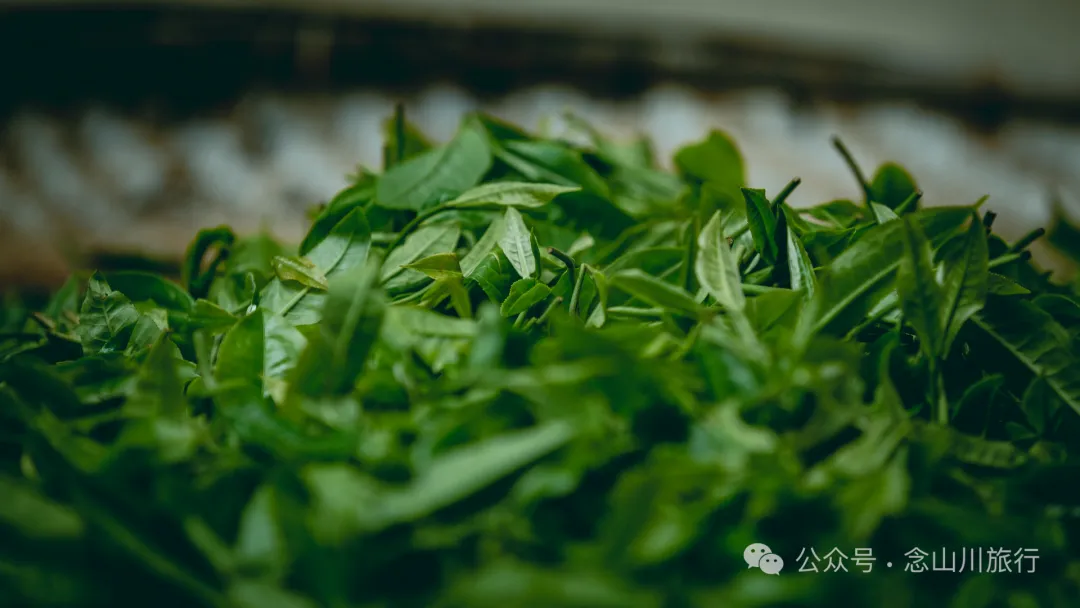
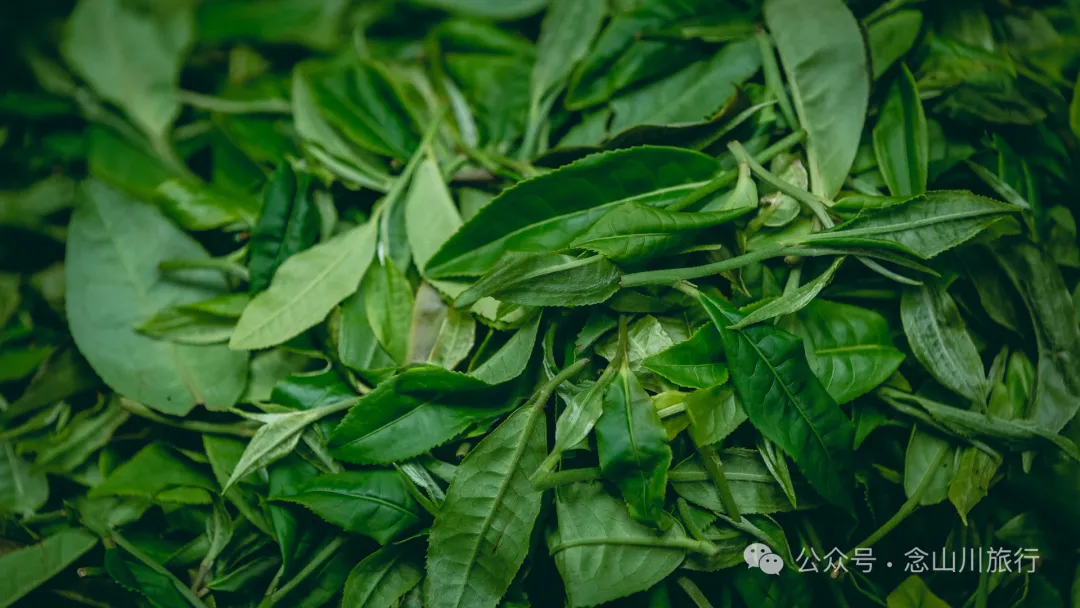
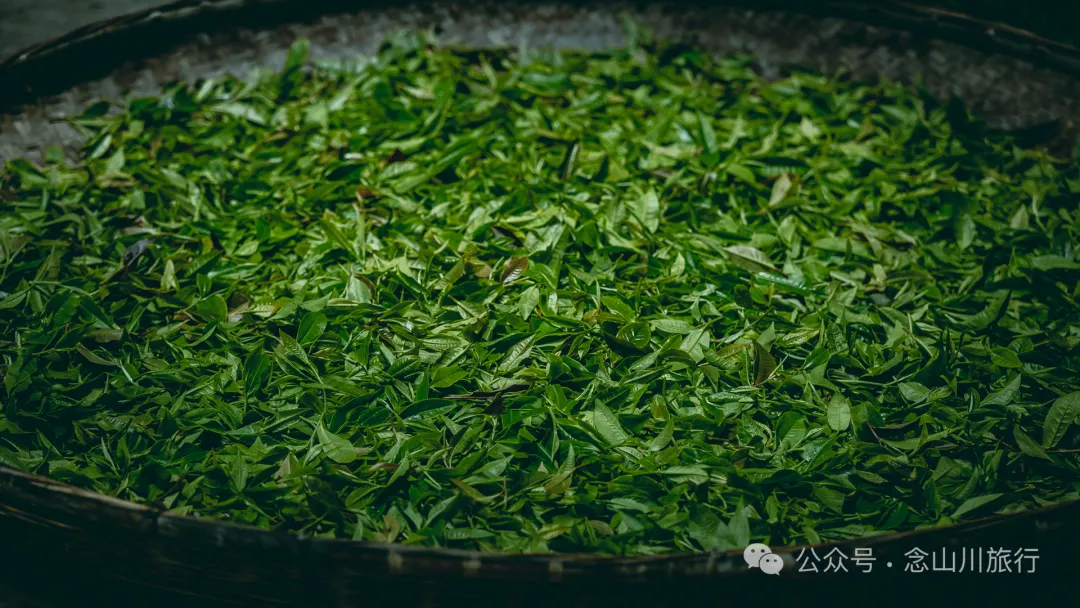
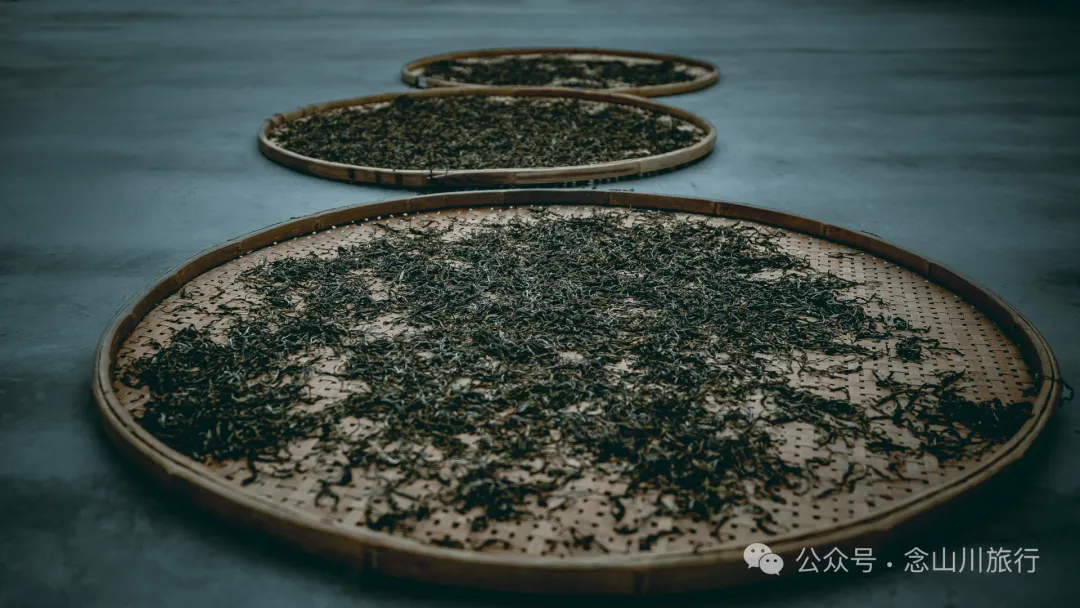
Seeing that our group had filled two baskets with tea leaves, Uncle Rao said we could go down the mountain. Passing by a tea garden at the foot of the mountain, he pointed out rows of thick tea trees, saying these century-old trees are ancient tea trees. Due to the difficulty of picking, he had done extensive pruning, so the ancient tea trees did not look very tall, but their thick roots are the most direct evidence of age. The trunks and branches of each ancient tea tree were covered with moss and lichen, constantly surrounded by the mist of Wuliang Mountain, absorbing enough moisture and free from dust. We followed Uncle Rao to his tea processing factory. He spread the tea leaves we picked on large bamboo sieves and told us that after the withering step, he would show the children how he processes tea.
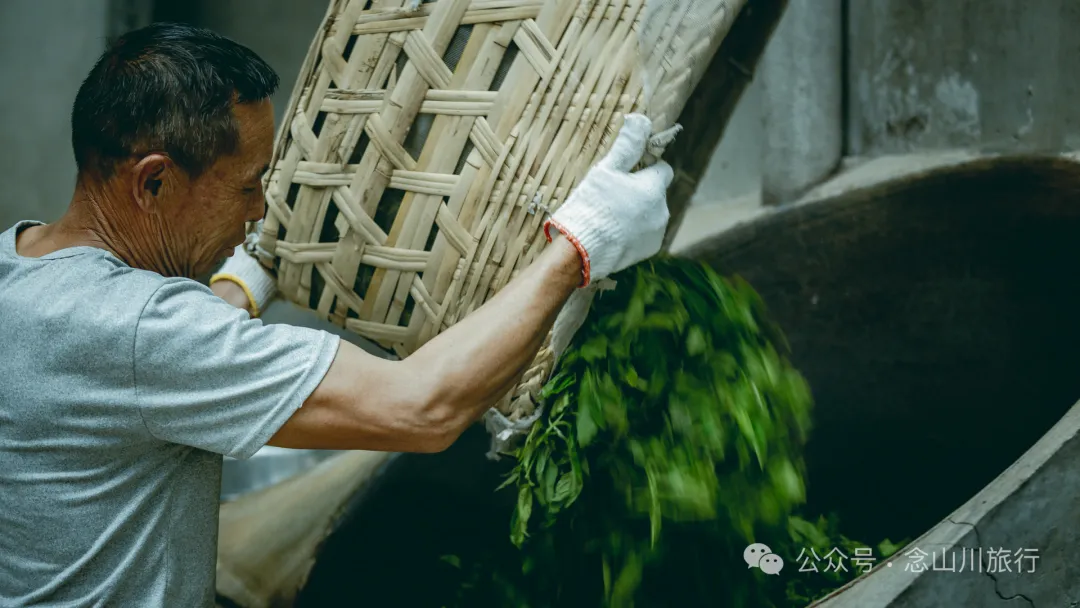
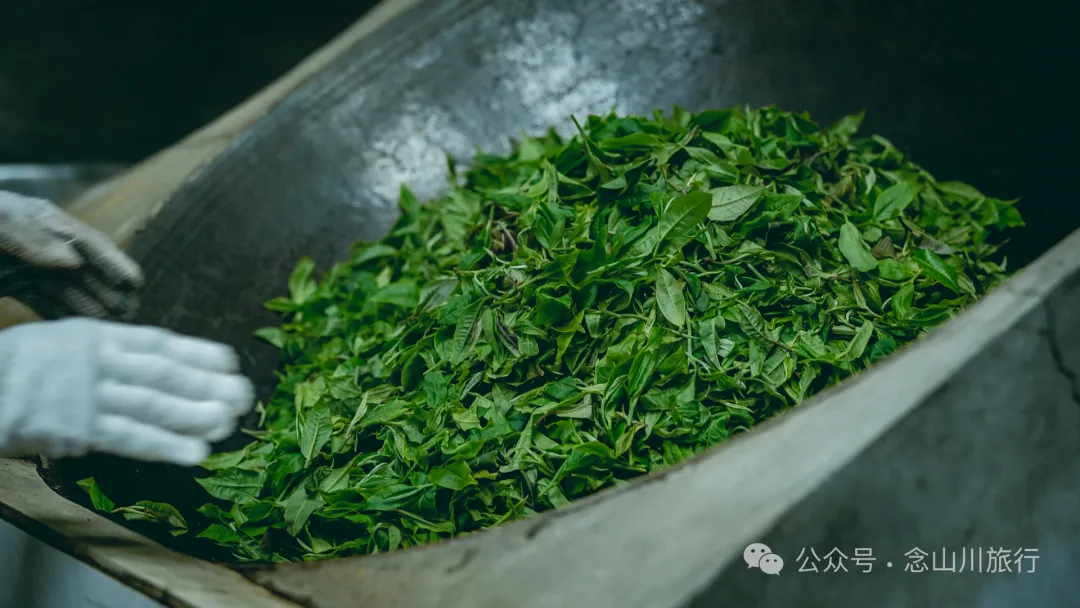
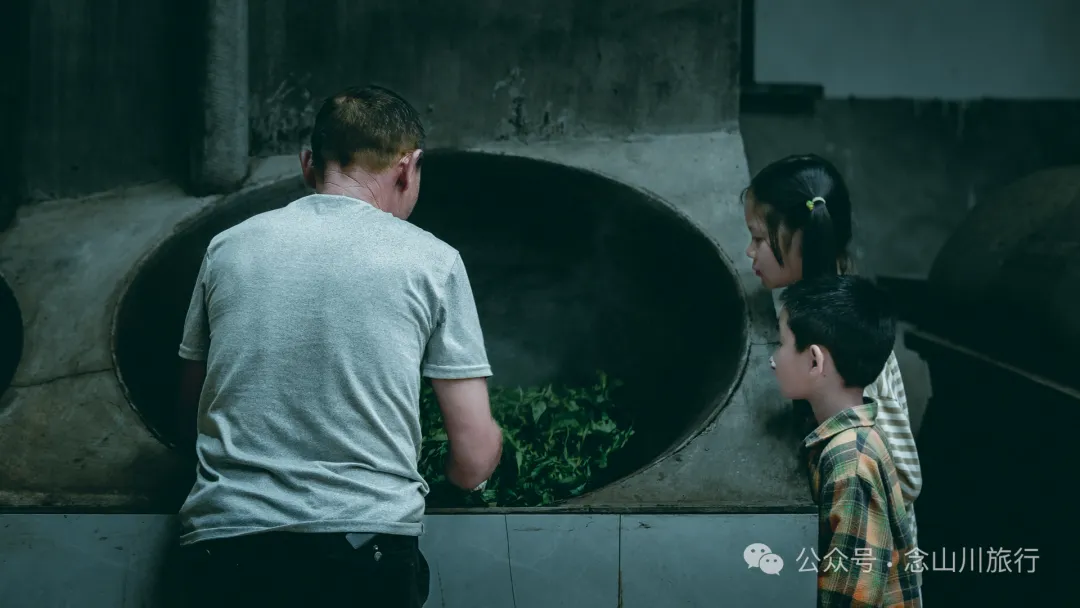
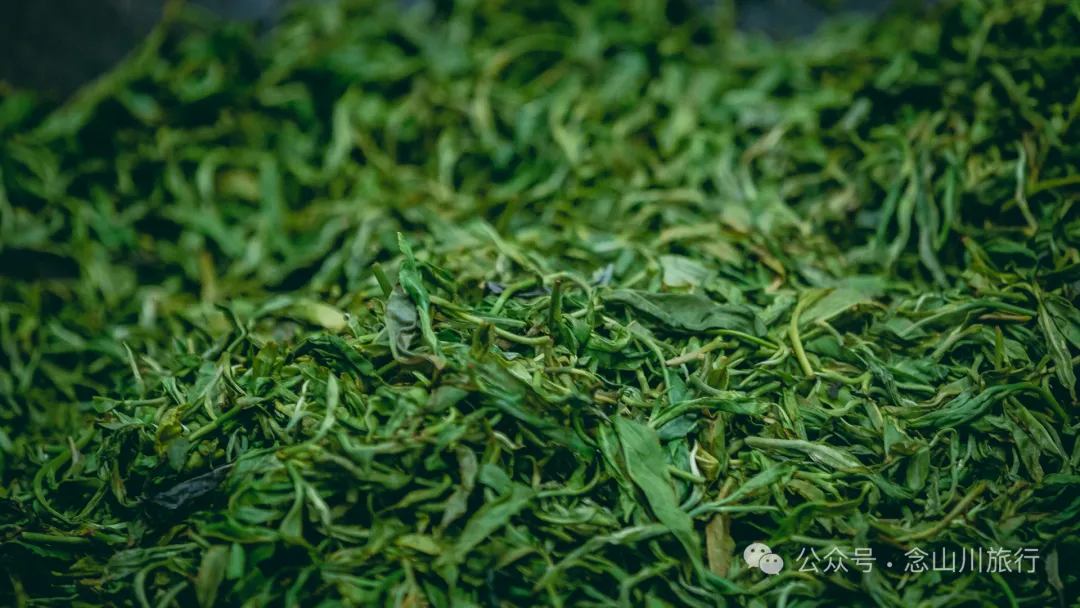
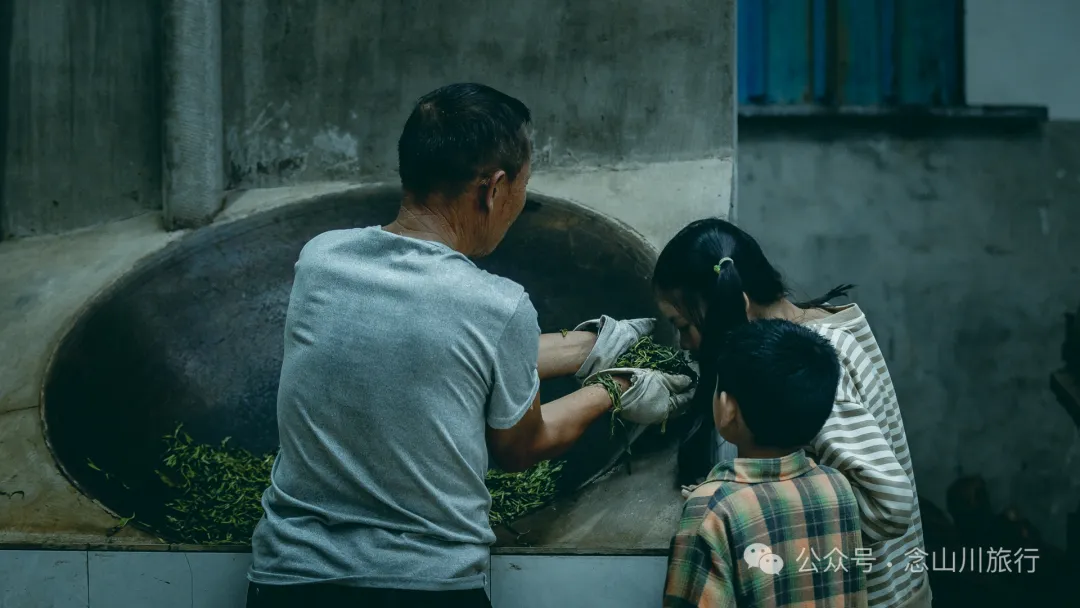
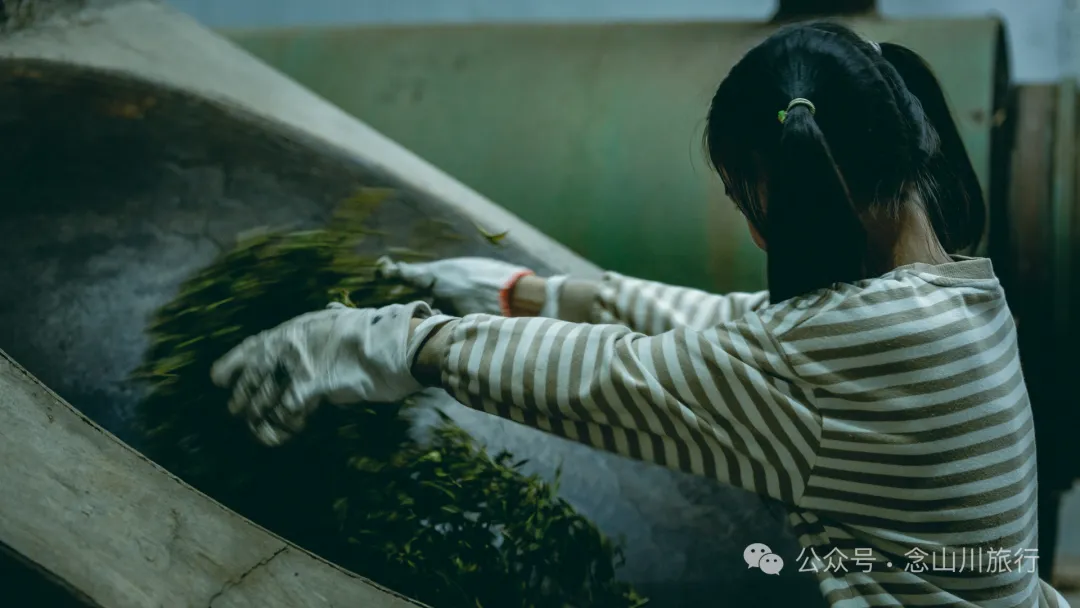
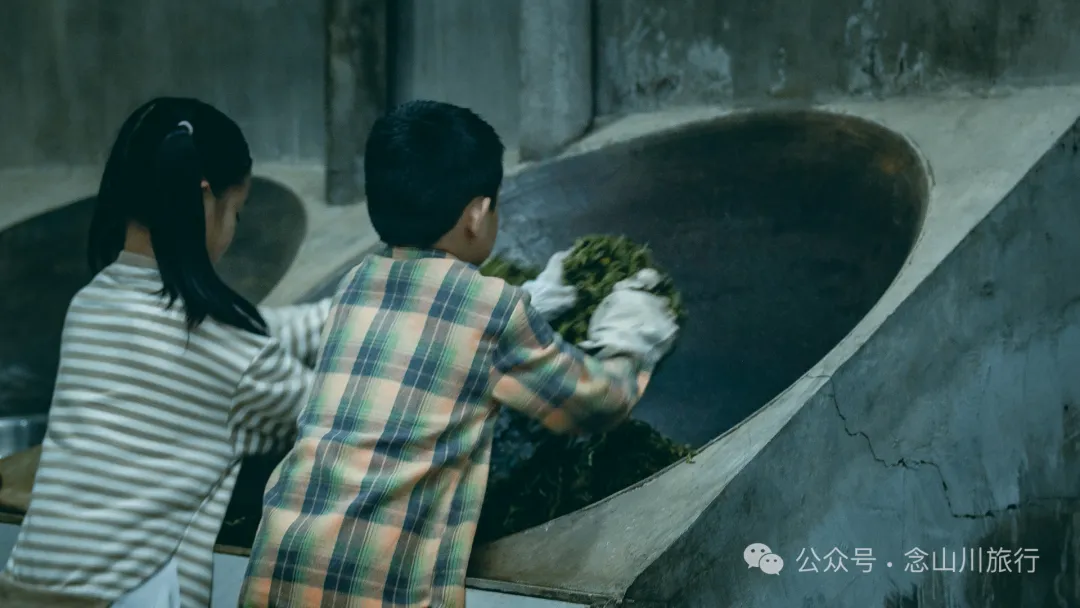
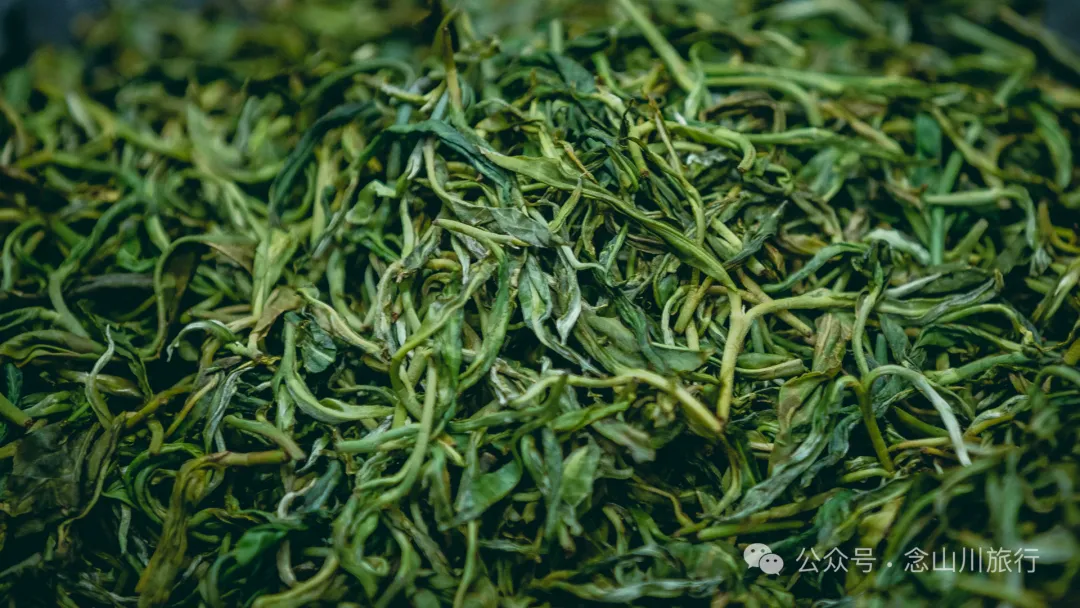
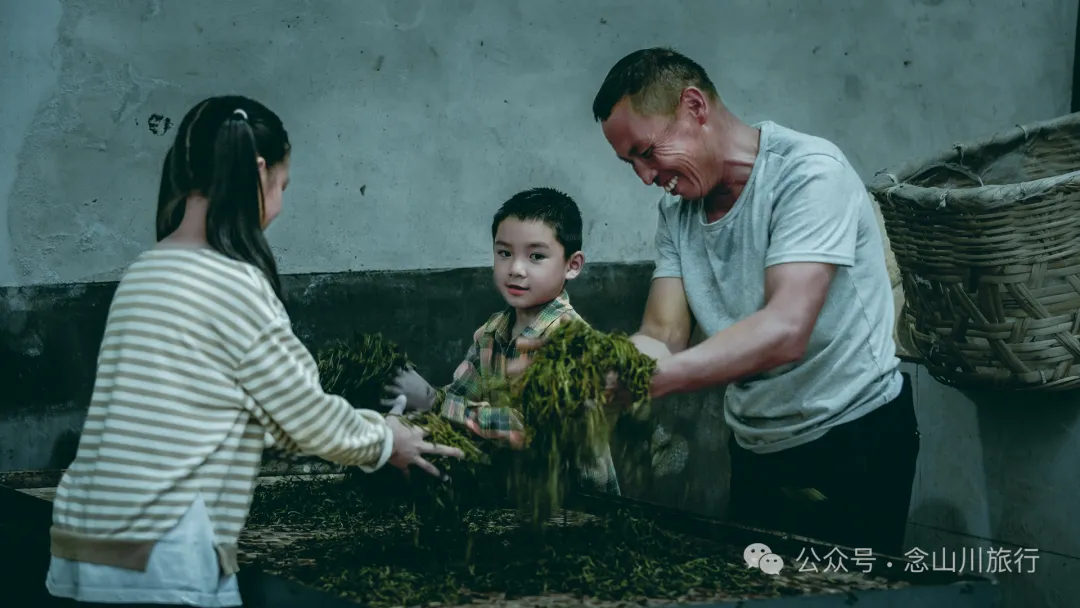
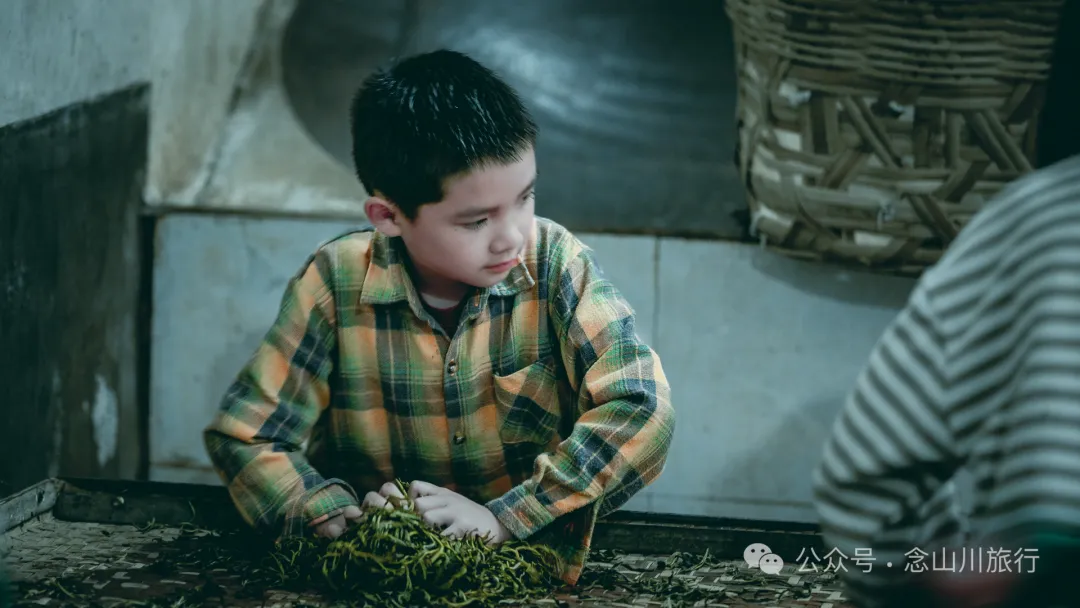
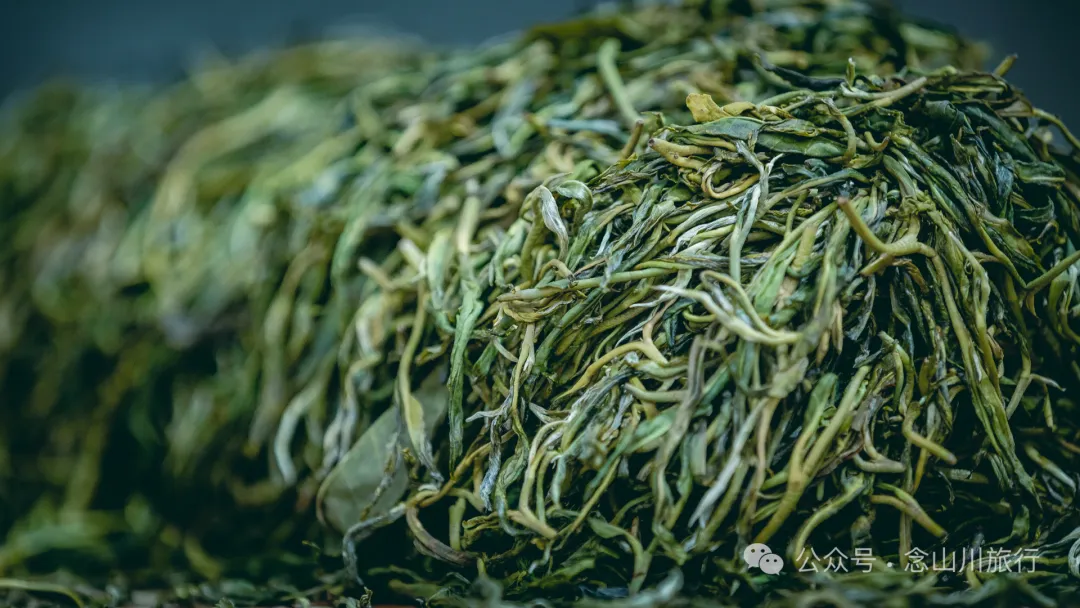
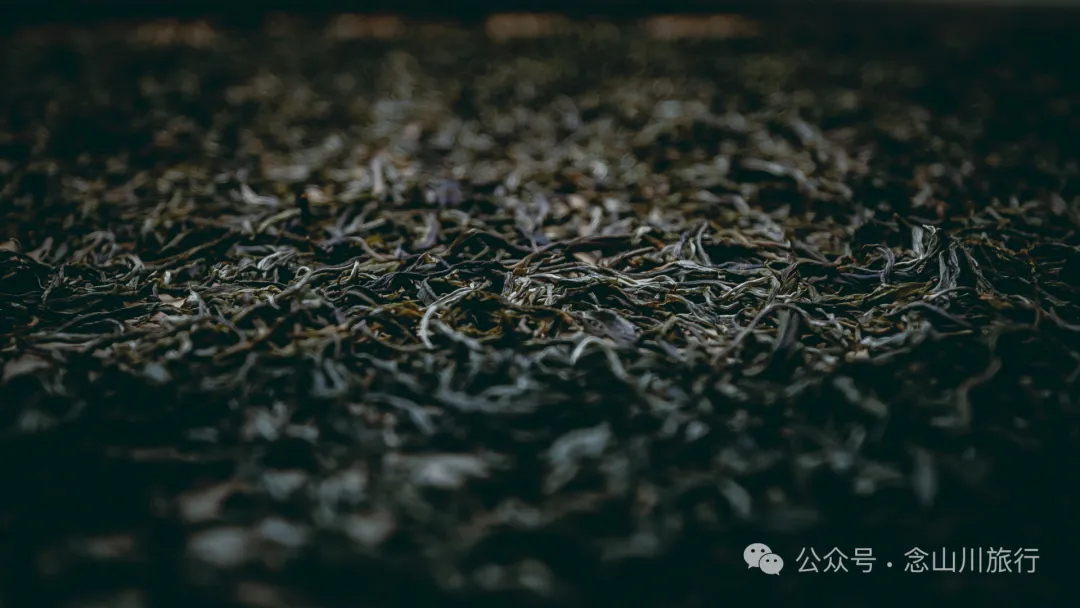
At six in the afternoon, we returned to Uncle Rao's tea factory. He checked the leaves on the bamboo sieve and said it was time to light the fire. When the wok reached what he considered the right temperature, he poured a basket of withered leaves into a large wok and continuously turned them to ensure even heating. The children seemed busier than him, sometimes going to the stove to check if the fire needed more wood, sometimes standing beside Uncle Rao, staring at the changes in the tea leaves to see if they would burn, and occasionally reaching into the wok to grab a handful of steaming leaves to smell. Uncle Rao asked if they heard a crackling sound; the children nodded. He pointed to the leaves and said that if you can hear such even crackling during the frying process, it means the temperature is high enough, and the tea produced will be good. This fixation process lasted only fifteen minutes, but Uncle Rao, constantly stirring in front of the wok, was already sweating profusely. When he judged the time was right and the temperature had dropped, he encouraged the children to put on gloves and experience it themselves, while he stood by patiently explaining and guiding. From the initial planting of tea to picking, withering, fixation, and then rolling and drying, every step of tea making seems simple, but without years of accumulation, it is difficult to make good tea. He took out a rolled tea leaf and said that even this step has its nuances: if the rolling technique is wrong or the force insufficient, the bud, stem, and leaf cannot be integrated, resulting in tea that easily produces dregs. When brewing, if you dare not lift the lid, it would be embarrassing.
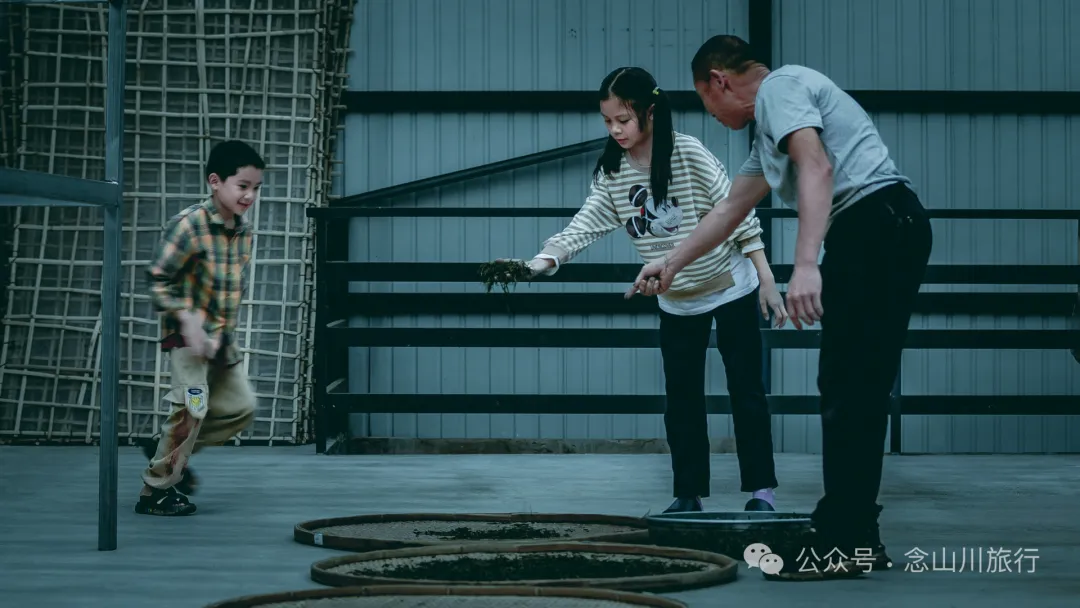
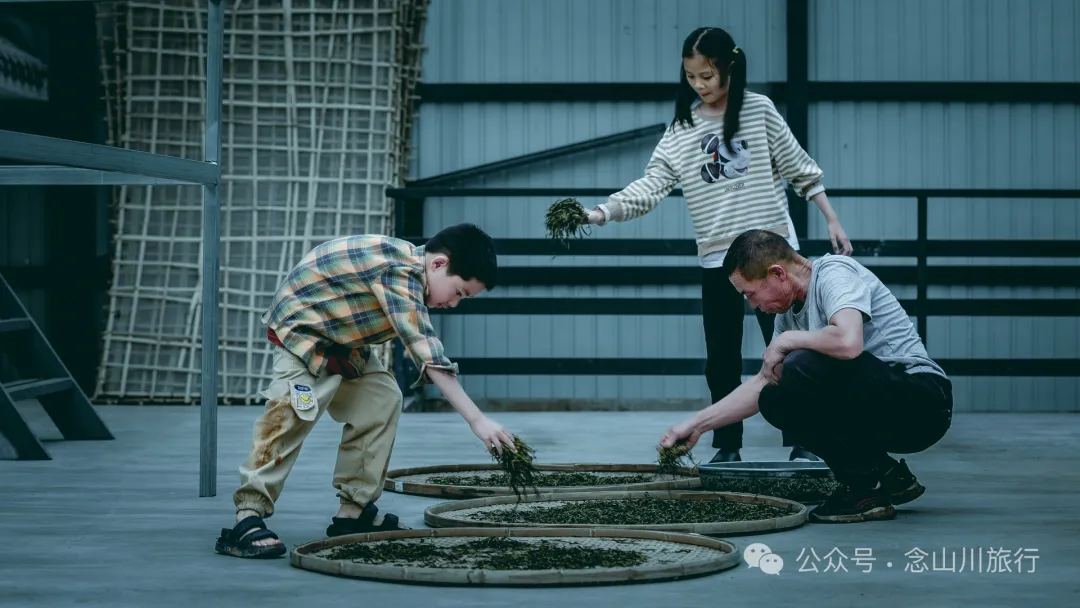
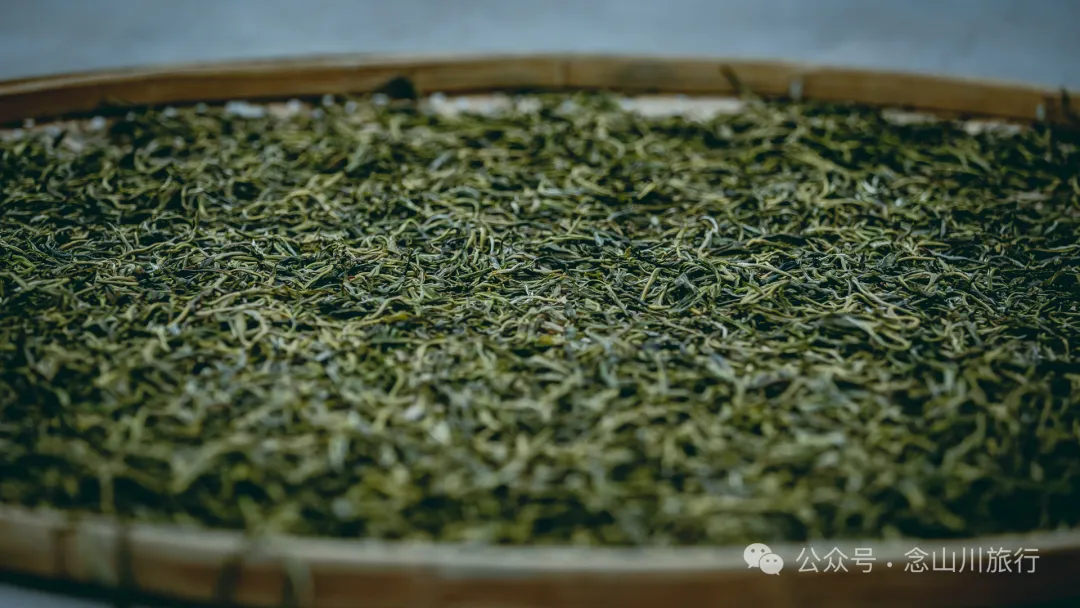
While talking, Uncle Rao busily spread the rolled tea leaves back on bamboo sieves and placed them on the rooftop to dry, saying that if the sun is strong enough, they could harvest Pu'er tea the next day. However, because we were in a hurry to return to Weishan and it rained for two full days in Laobuju Village, the tea leaves never fully dried, and we couldn't bring back the Pu'er tea made by the children. Uncle Rao felt sorry for us. But during the tea-making process, Uncle Rao's unreserved and careful guidance, along with his unique tea farmer qualities accumulated over 50 years, were the greatest gifts to the children.