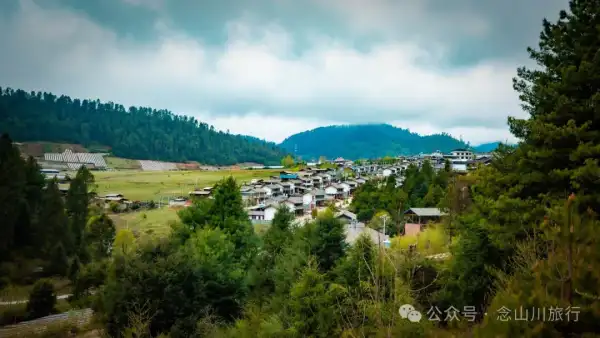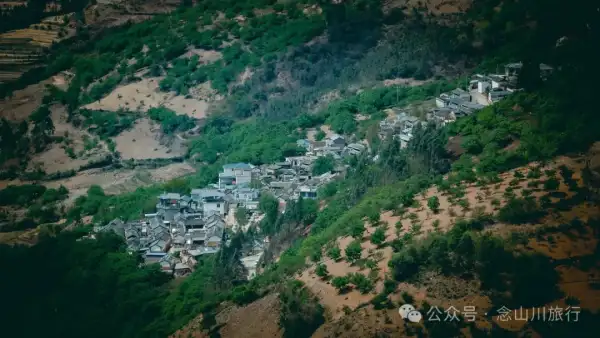

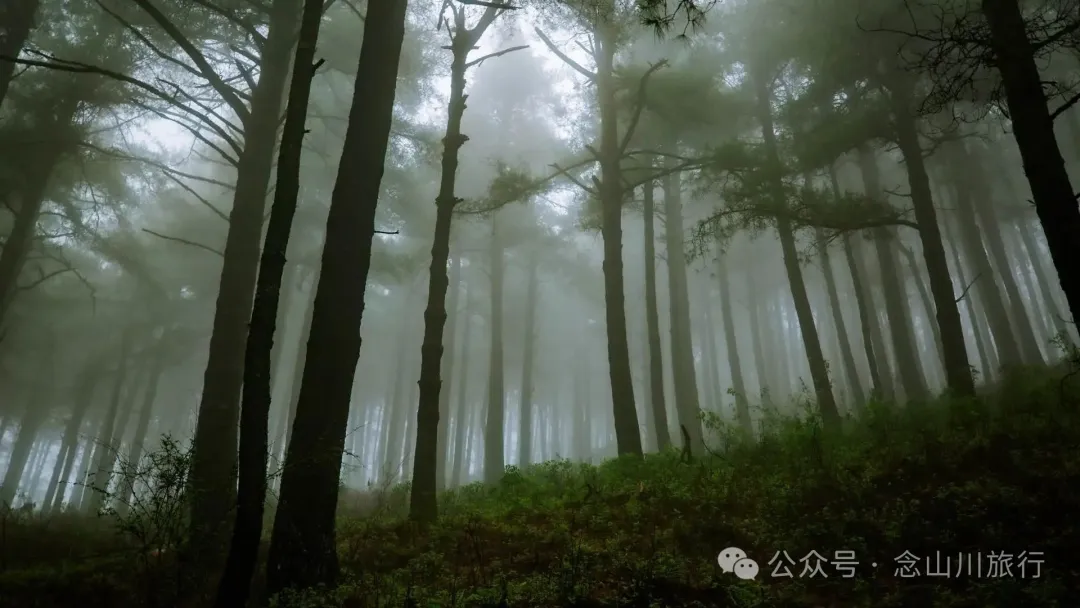
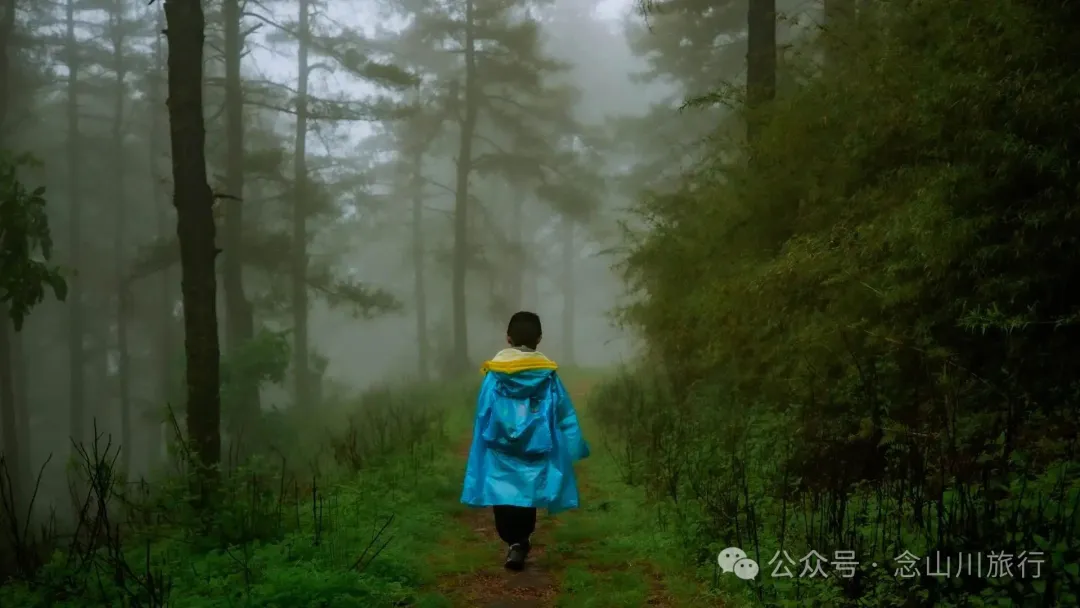
Longqingguan Pass is located at the border between Weishan and Midu, an important node on the Ming Dynasty Mimeng Ancient Road, about 20 kilometers from Weishan Ancient Town. The terrain here is steep, and it is a key passage for international migratory birds, known as the "Bird Pass." It is said that from mid-September to mid-October each year, when thick fog shrouds the area, migratory birds lose their way in the jungle.
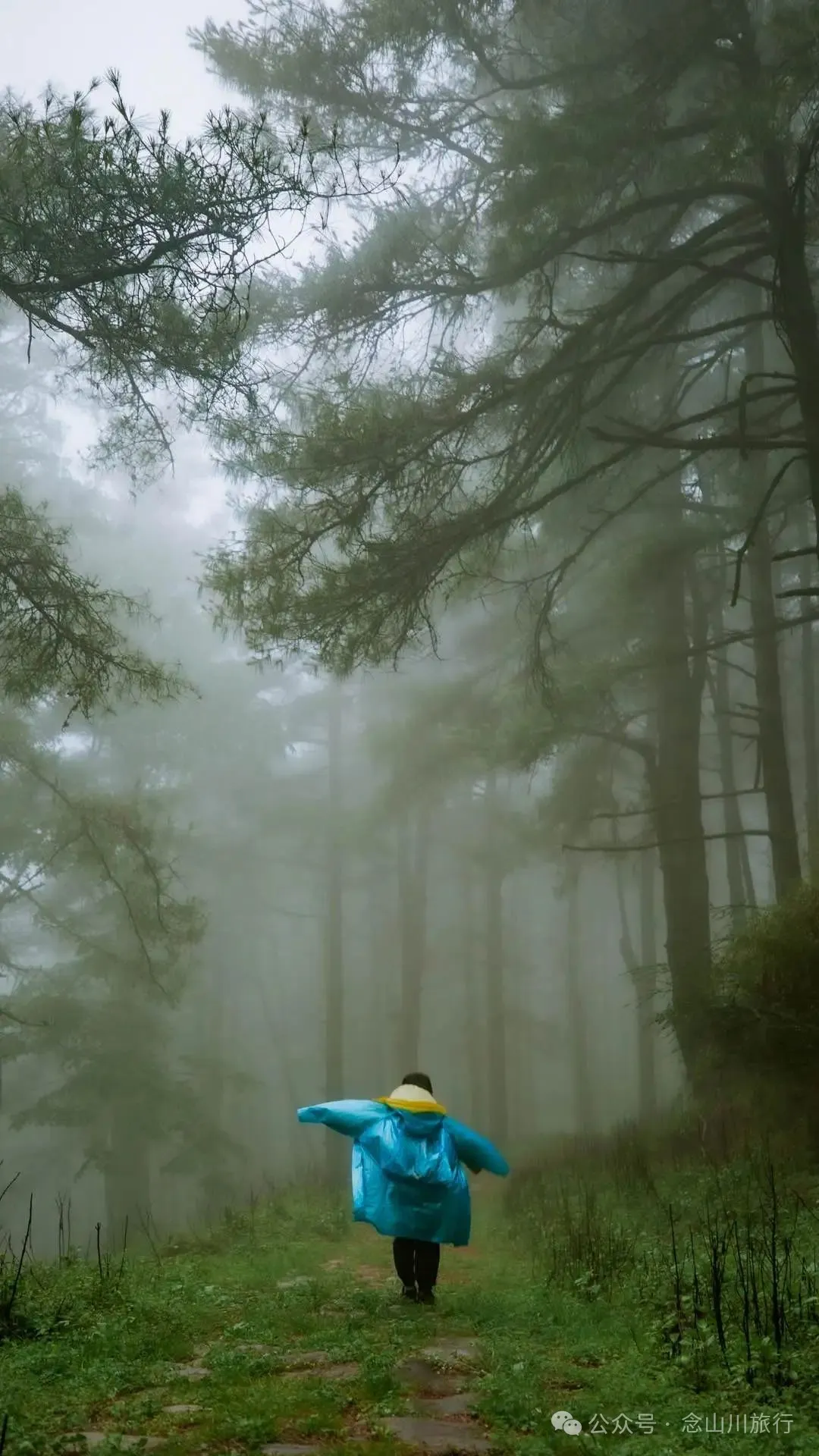
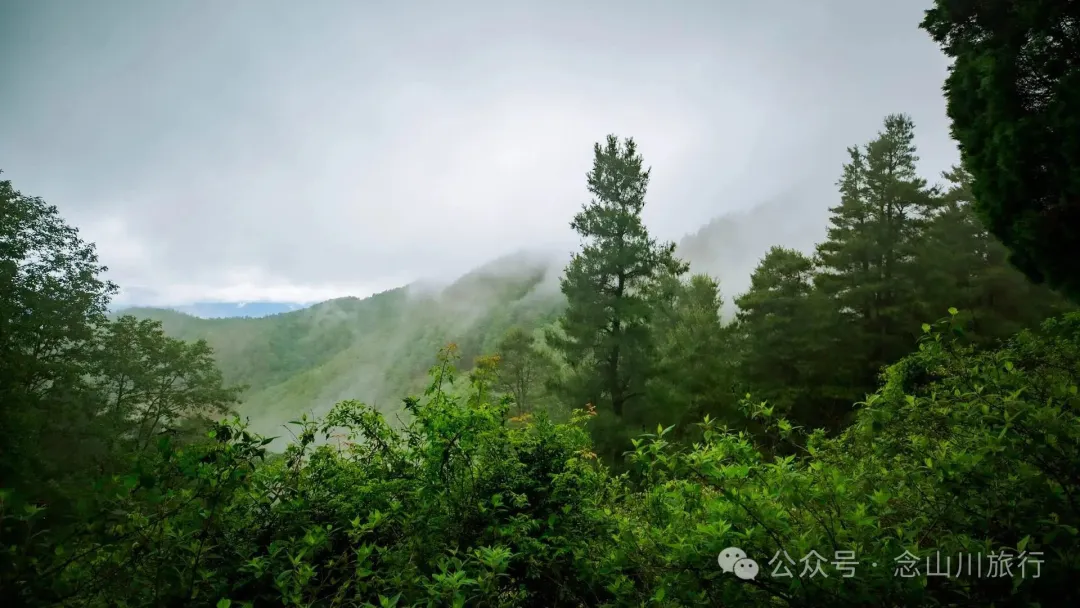
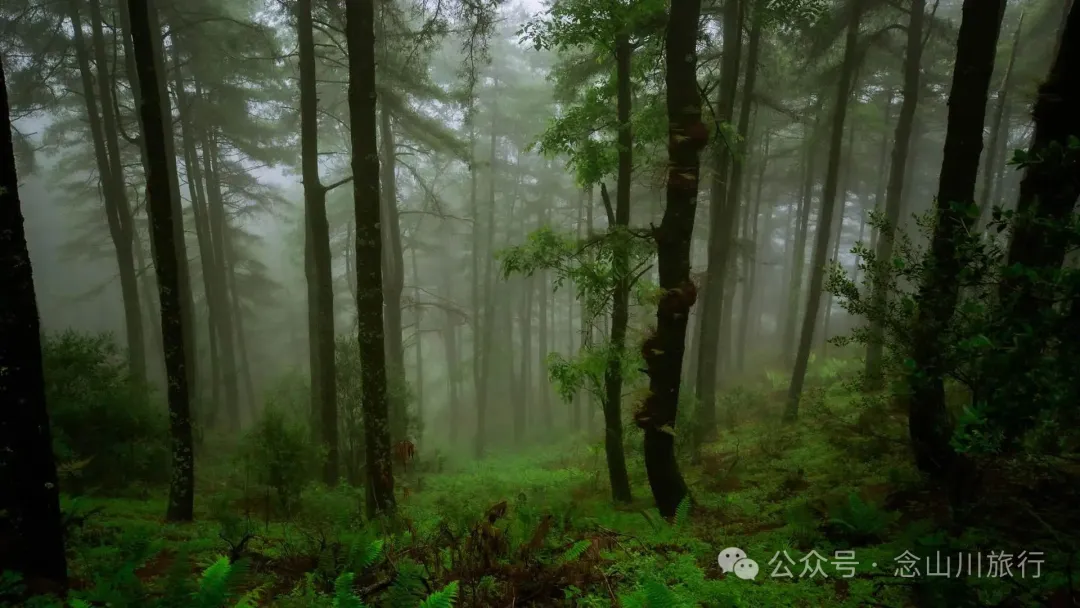
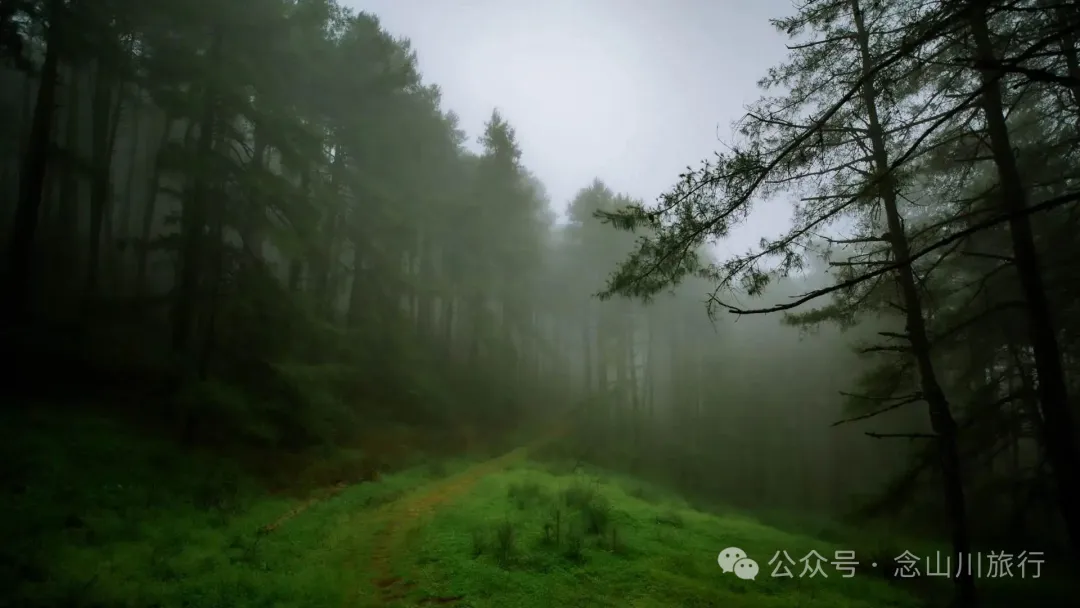
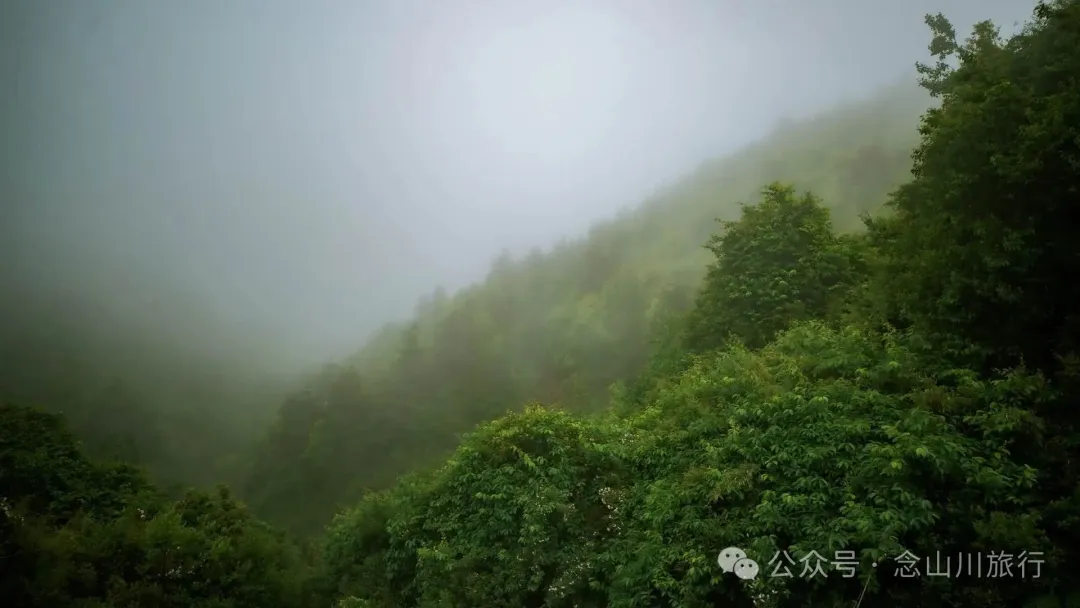
This is an important branch of the ancient Southwest Silk Road and the western extension of the "Midu Road" described by Xu Xiake. Xu Xiake once stood here and gazed at the Michuan Basin. During the rainy season, the primeval forest at Longqingguan Pass is often hidden in thick clouds and mist. The mysterious and deep jungle is as dim as dusk even during the day, and those who walk into it feel as if they have entered a fairyland.
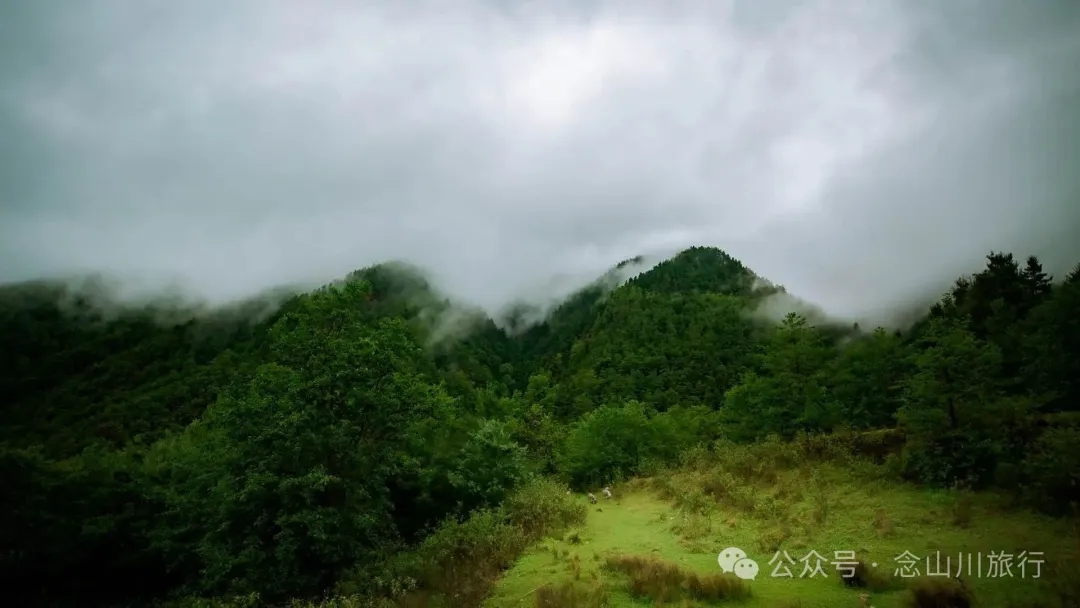
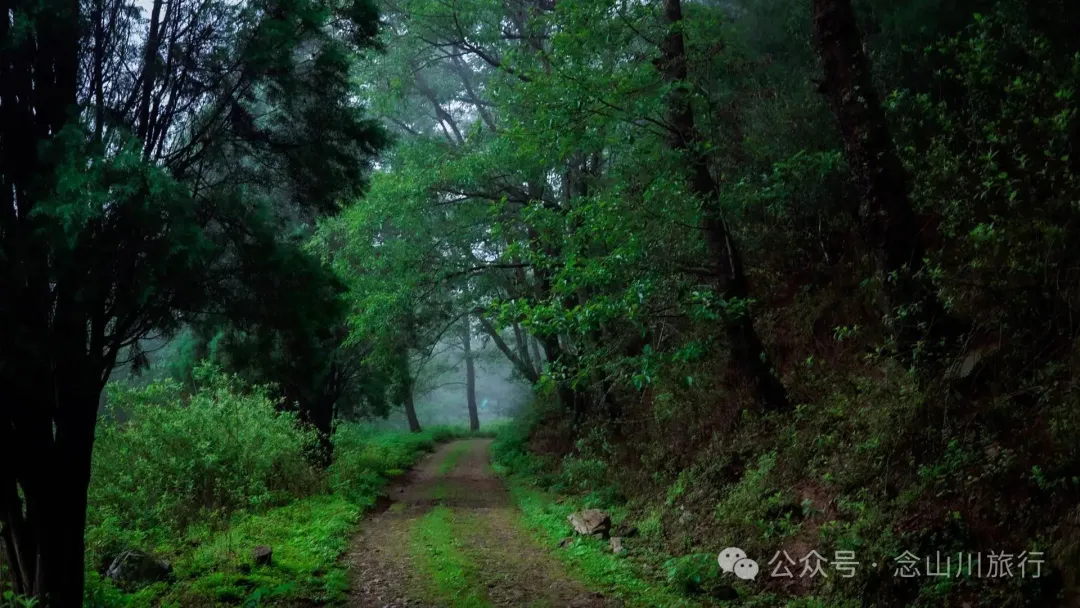
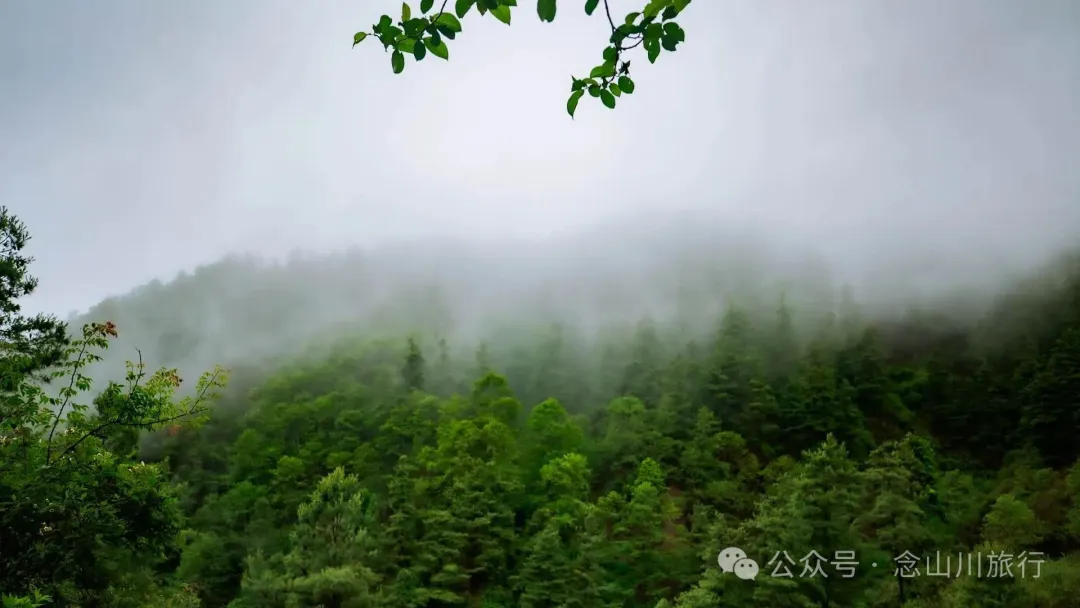
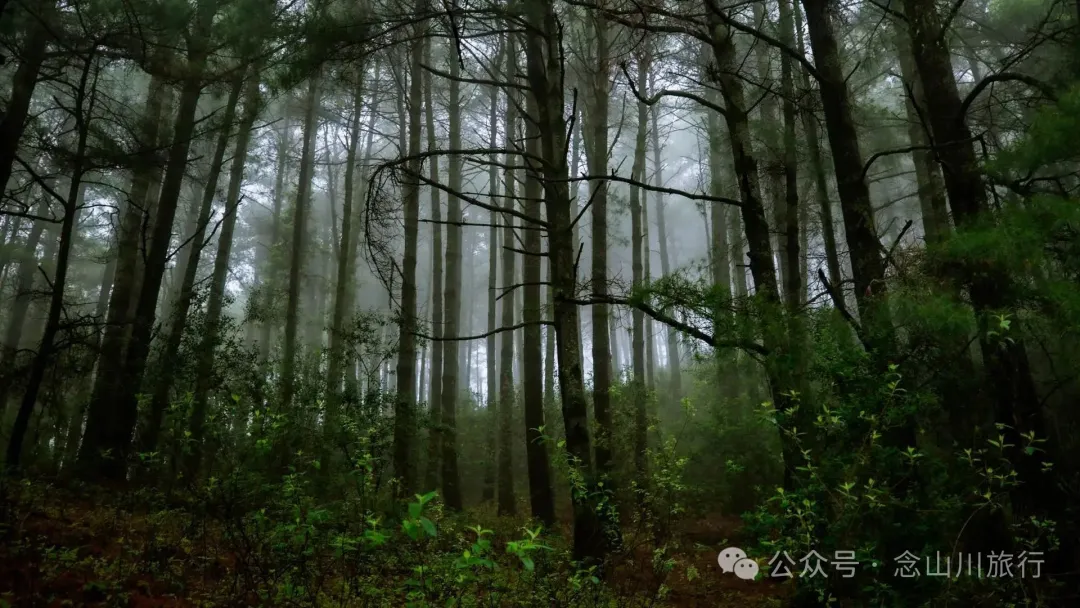
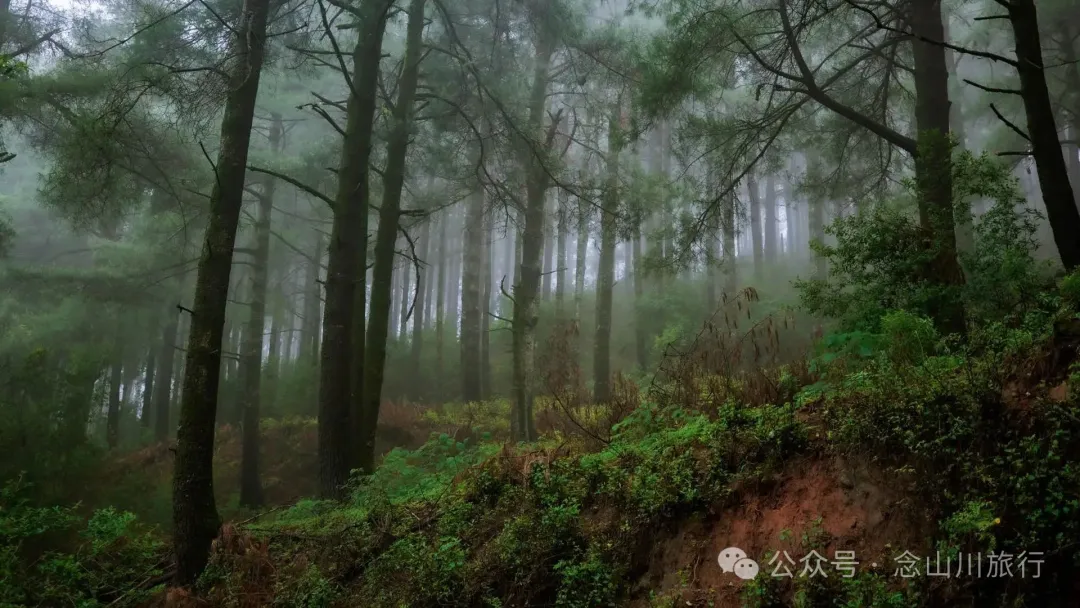
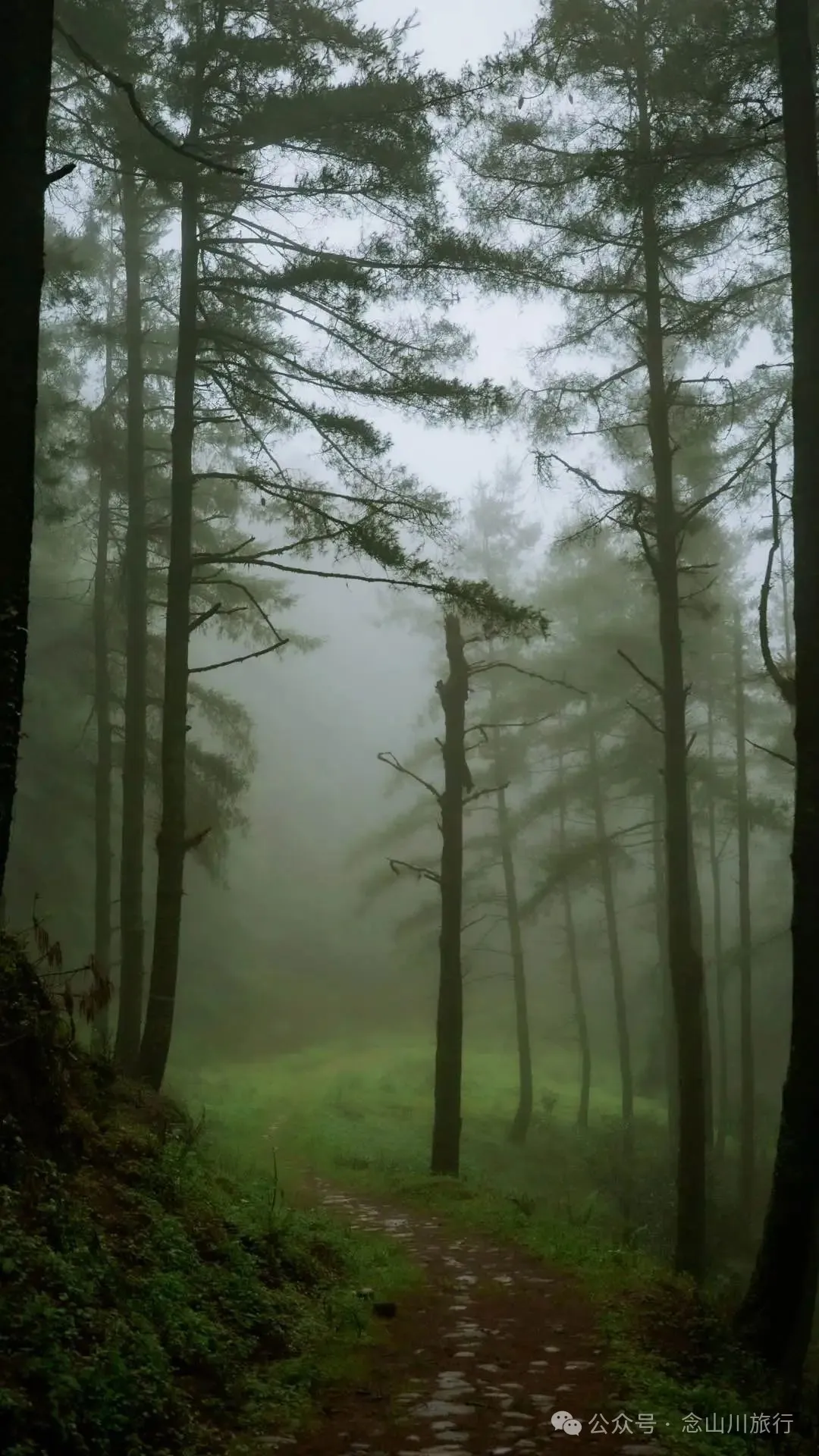
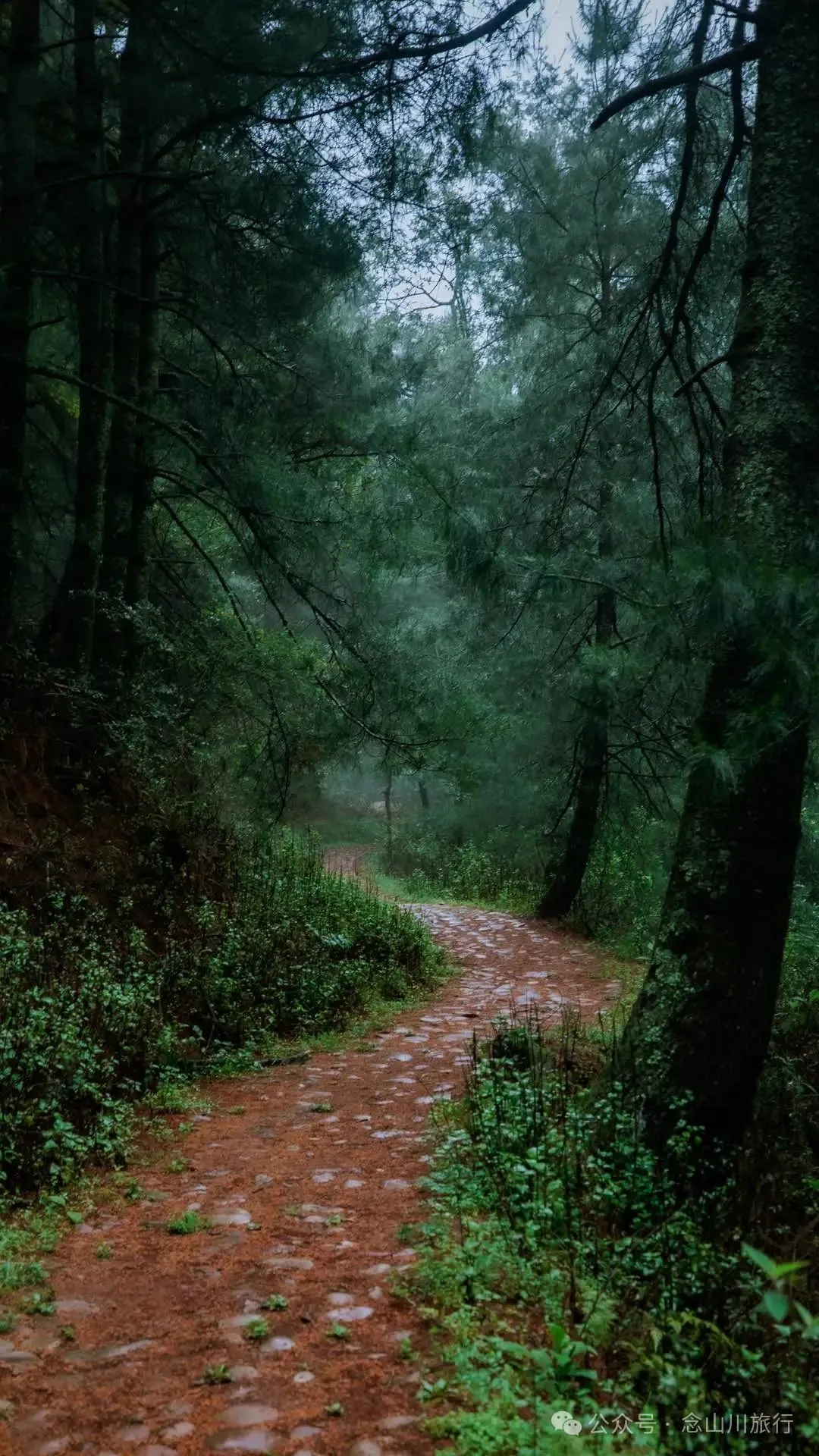
Fine rain like smoke quietly moistens the layered mountains of Longqingguan. The mountain peaks are shrouded in clouds and mist, looking from afar like a giant ink painting hanging from the sky. The dark green needles of the Huashan pine catch raindrops, forming beads that roll off and splash into tiny silver flowers on the moss-covered stone path. The first step onto the ancient road sends a slippery sensation from the soles of the feet to the heart—these bluestone slabs, polished by horse hooves for centuries, reveal a deep luster in the rain. The rainwater accumulated in the stone pits reflects the drifting mist above the forest, as if filled with tears of time. The birds in the forest sing melodiously, weaving through this giant green landscape painting like a melodious flute tune played by the jungle.
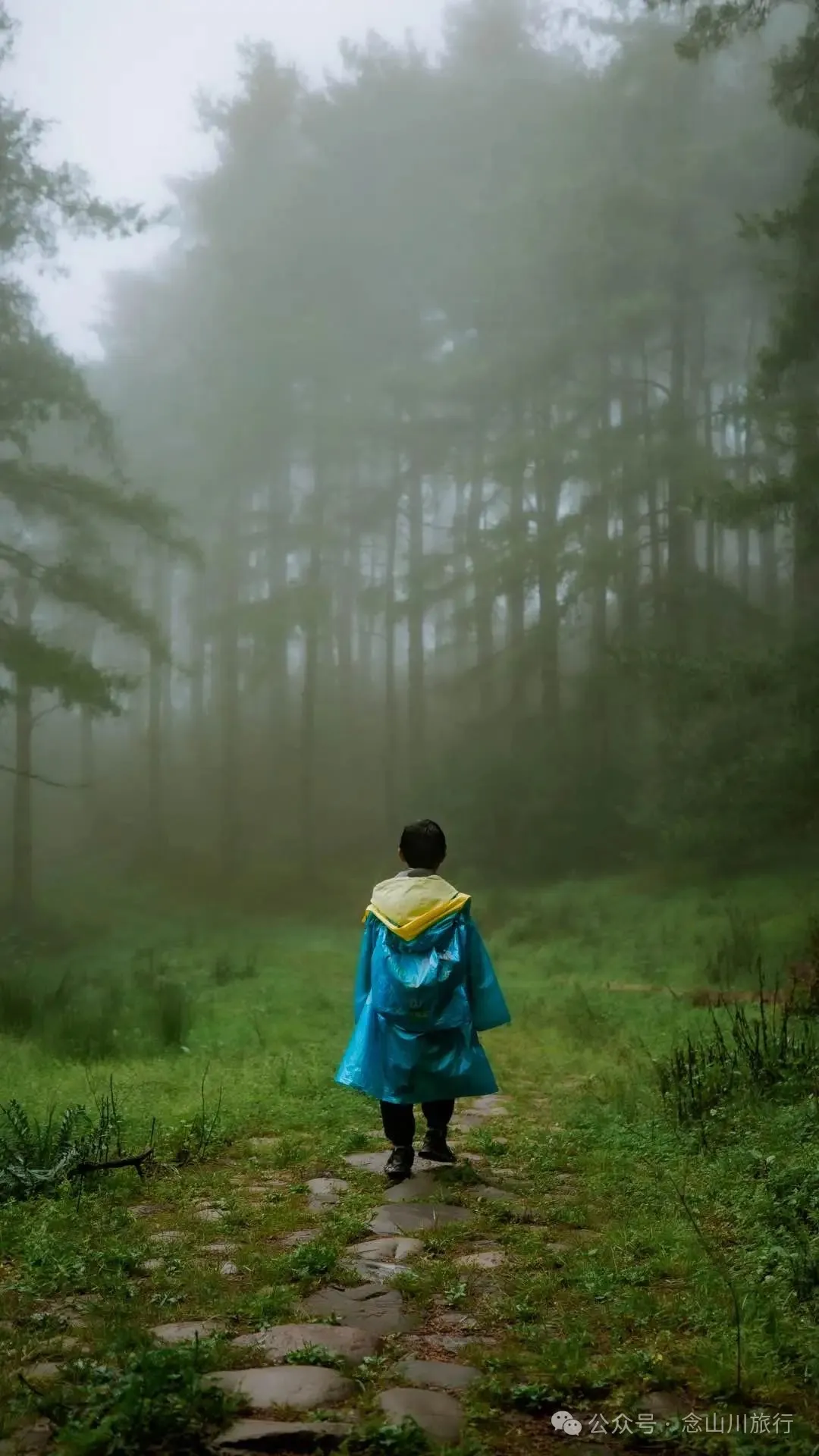
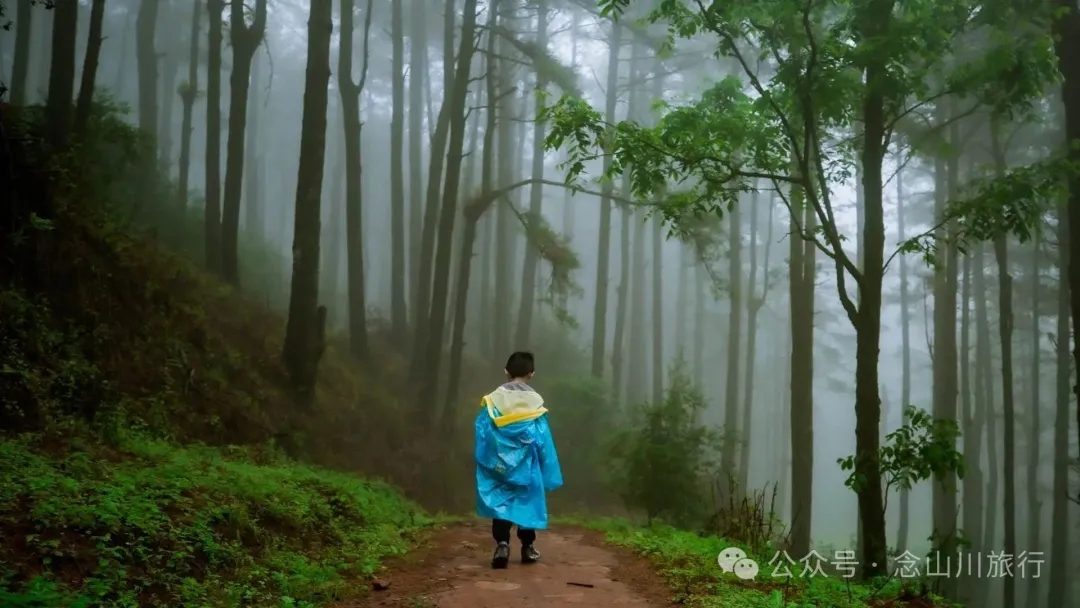
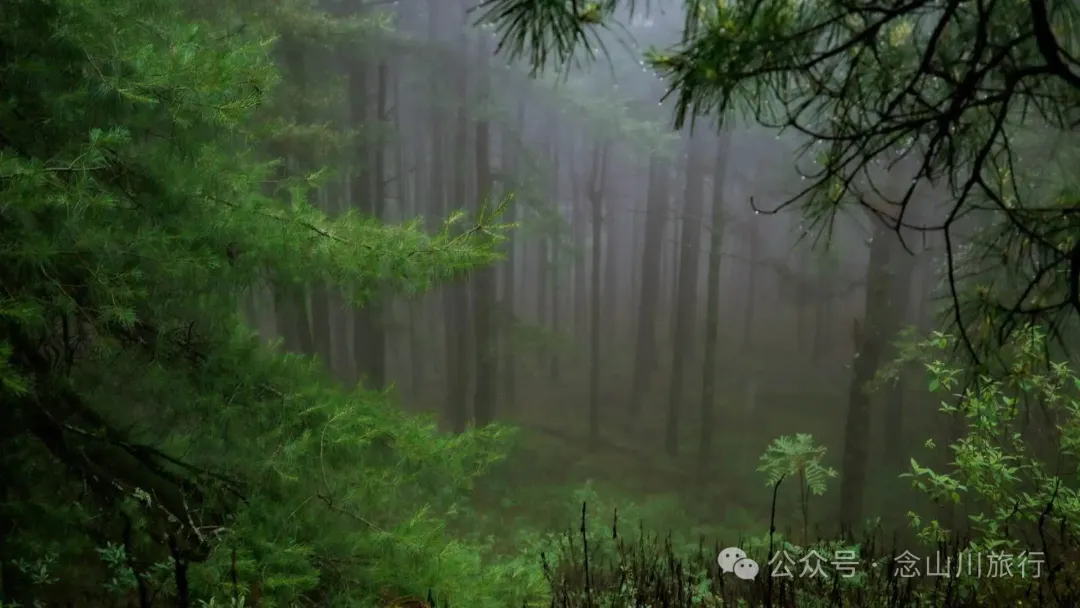
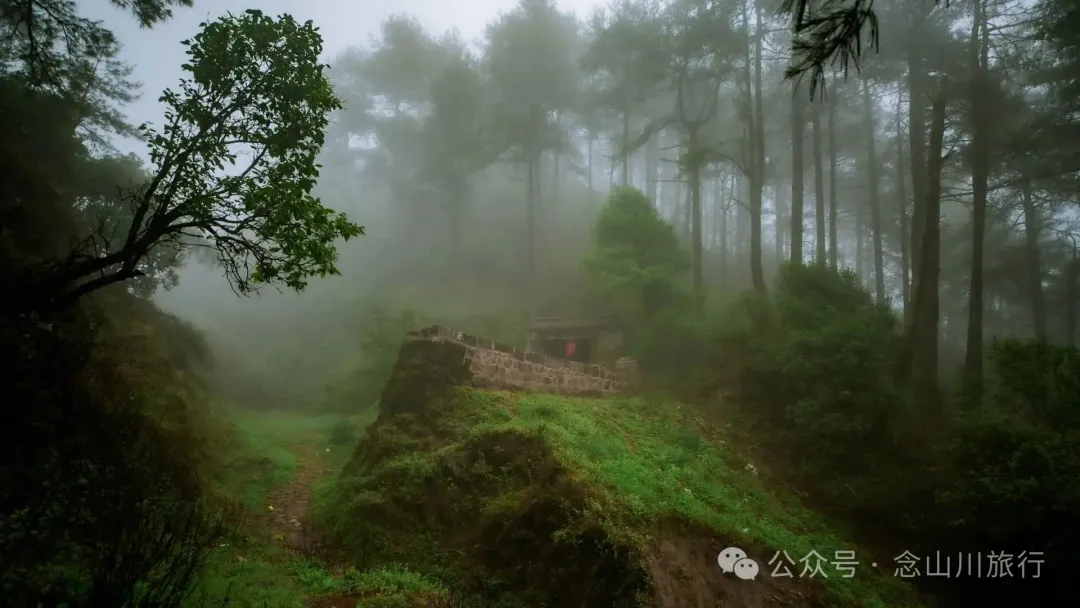
Arriving at the pass, the biting mountain wind, mixed with rain and fog, hits the face. The famous Ming Dynasty stone tablet stands majestically, the four characters "Bird Pass" in clerical script appearing even more vigorous in the rain curtain. Looking closely, the character for "bird" is indeed missing a dot, like a bird that has lost a feather to the rain. Legend has it that when the ancients carved the tablet, they saw the tragedy of bird hunting and deliberately left this warning: if one more dot is removed, the bird will no longer be a bird. Running a finger over the cold surface of the tablet, the edges of the clerical script press into the palm, and the worries from four hundred years ago pierce through the rain curtain straight to the heart.
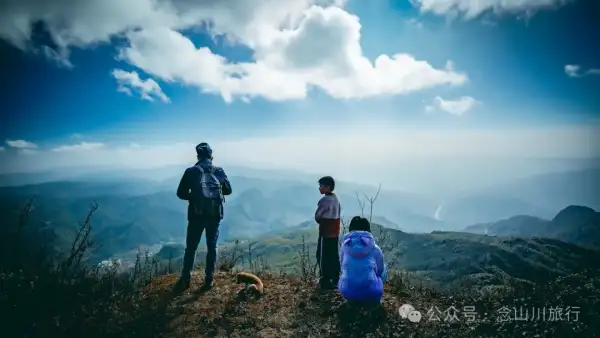
The thick fog gradually settles, and the mountains become hazy. Only then does one understand Xu Xiake's sigh of "climbing the ridge"—the stone steps wind like a dragon's spine, with deep valleys on both sides swallowed by the white mist. Occasionally, the chirping of mountain birds breaks the silence, but their traces are hard to find. It is said that every autumn night when rain locks the pass, the thick fog that obscures the stars and moon causes thousands of migratory birds to lose their way. The sound of wings colliding and mournful cries intertwine, creating the tragic spectacle of "a hundred birds paying homage to the phoenix." Although it is not the migration season now, the rain and fog still seem to carry the lingering sound of fluttering wings echoing in the valley.
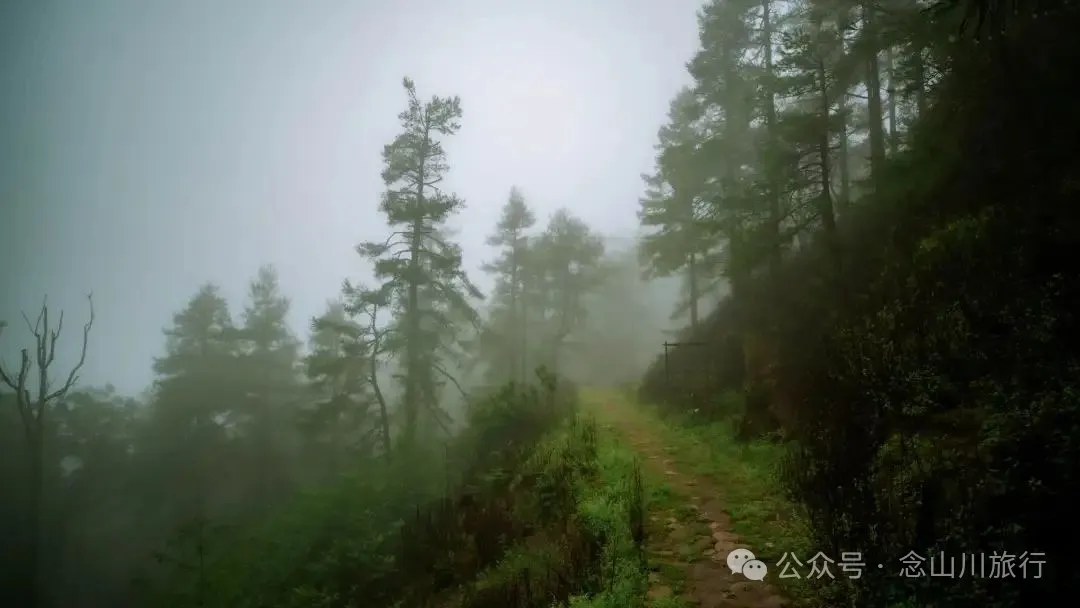
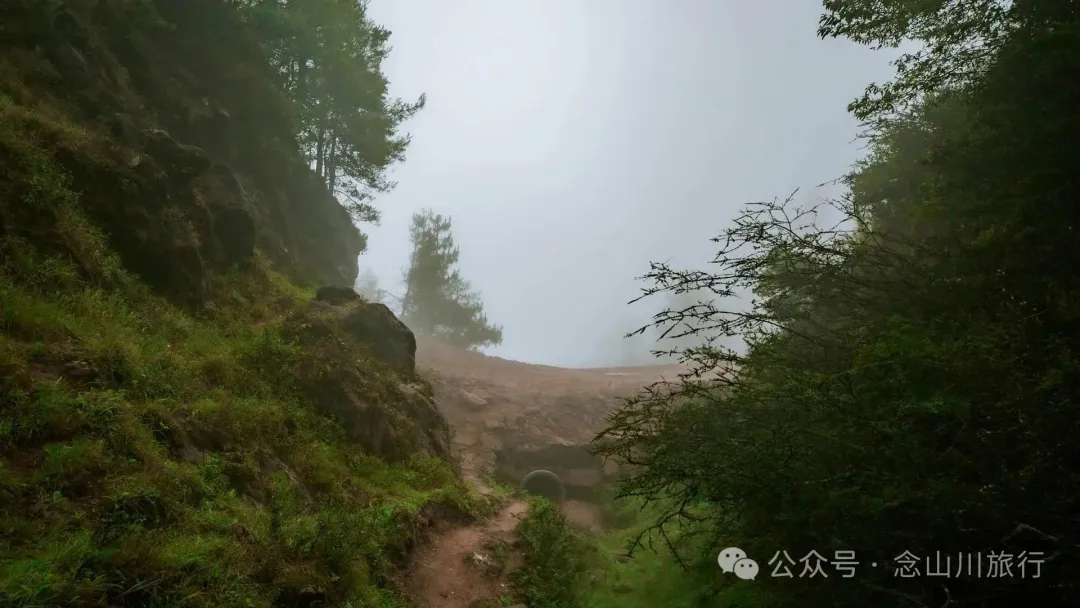
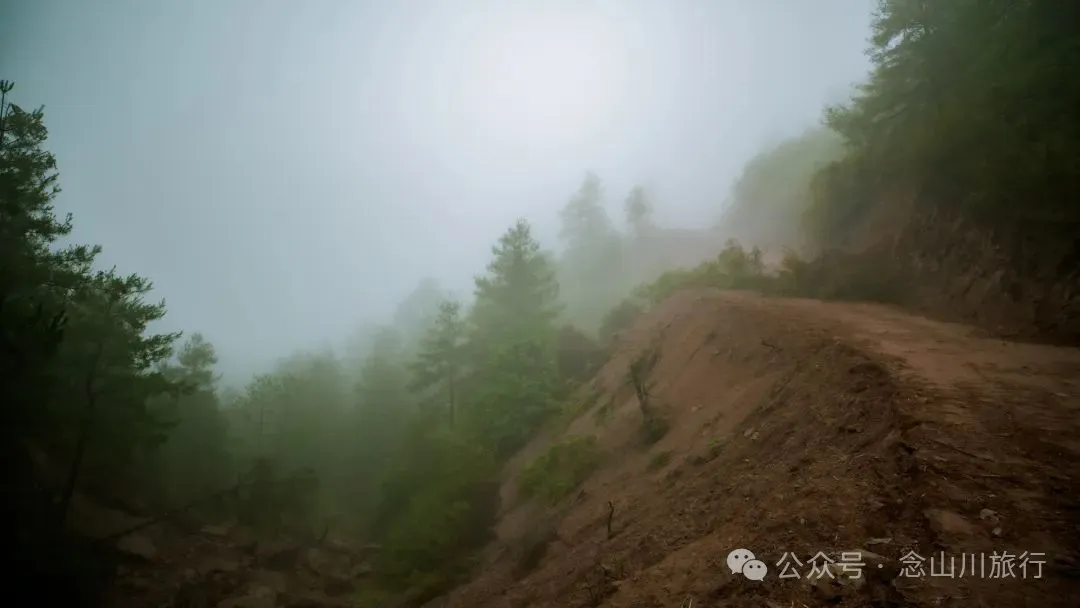
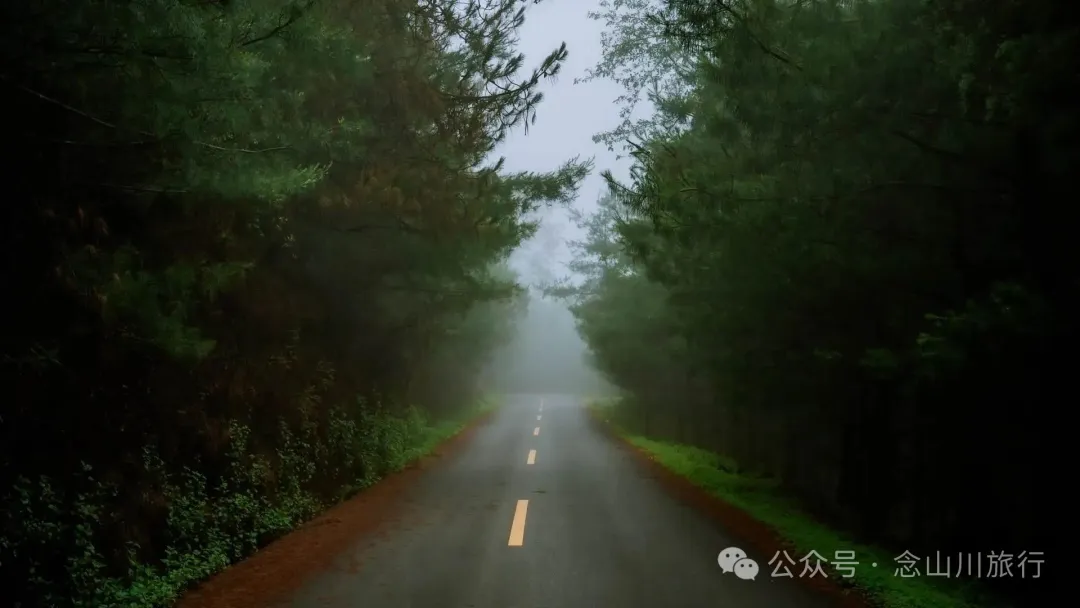
Longqingguan Pass was originally a complete ancient road. Crossing the pass, one could see the Yi village of Shifoshao, where Xu Xiake once rested. Unfortunately, only a fragment of the ancient road remains today. A newly dug dirt road, like a bloody knife wound, cuts the ancient road in two. The brown, soft soil weakly clings to the surface, and many sturdy old wild tea trees, their withered bodies tilted, are buried in it, no longer welcoming their pink blossoms. The dense forest on both sides of the new road, never before exposed, is covered with layers of thick pine needles and decaying leaves—a sign of the passage of time. Over the years, these layers of decaying leaves, symbolizing time, will also turn to ash under the scorching sun.
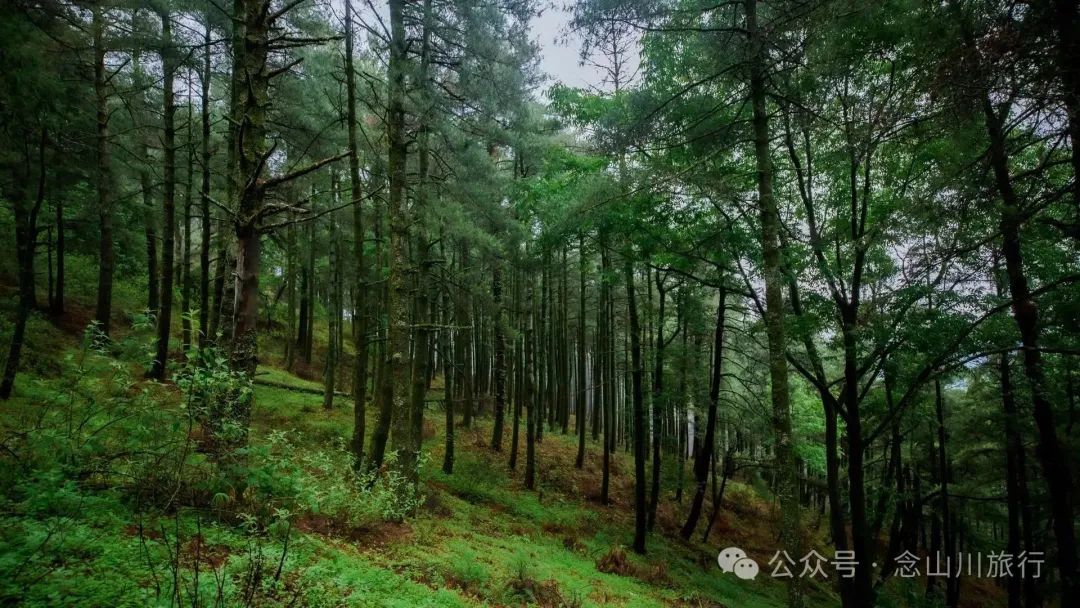
The ancient road in the rain is a dark green secret realm woven by heaven and earth. Sturdy firs appear and disappear in the mist, their branches twisted like dragon claws. Hanging moss, saturated with moisture, hangs in strands like emerald bead curtains. Moss spreads wildly in the stone crevices, and stepping on it feels like walking on a velvet swamp, each step squeezing out cool sap, mingling with the faint smell of decaying leaves and wild mushrooms in the air.
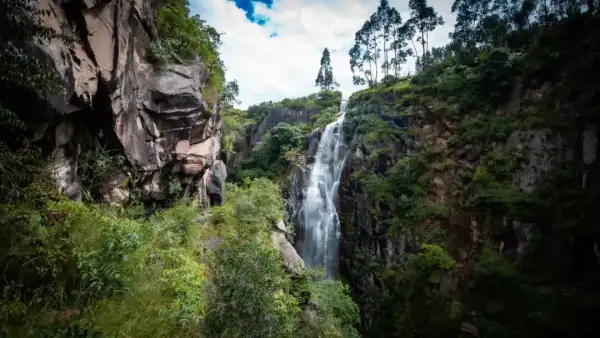
The moment after a sudden rain is the most ethereal. Water droplets fall from the layered leaves of the canopy, striking the stone surface with a clear, chime-like sound. Suddenly, a mountain wind sweeps through the forest, shaking down countless silver beads, startling a blue-winged bird in the shadows. Its wingtips brush through the wet fern thicket, scattering starlike fragments of rain. A stream awakens in the deep valley, its roar filtered by the dense forest into a low, murmuring hum, as if the earth's pulse is throbbing beneath the bluestone slabs.
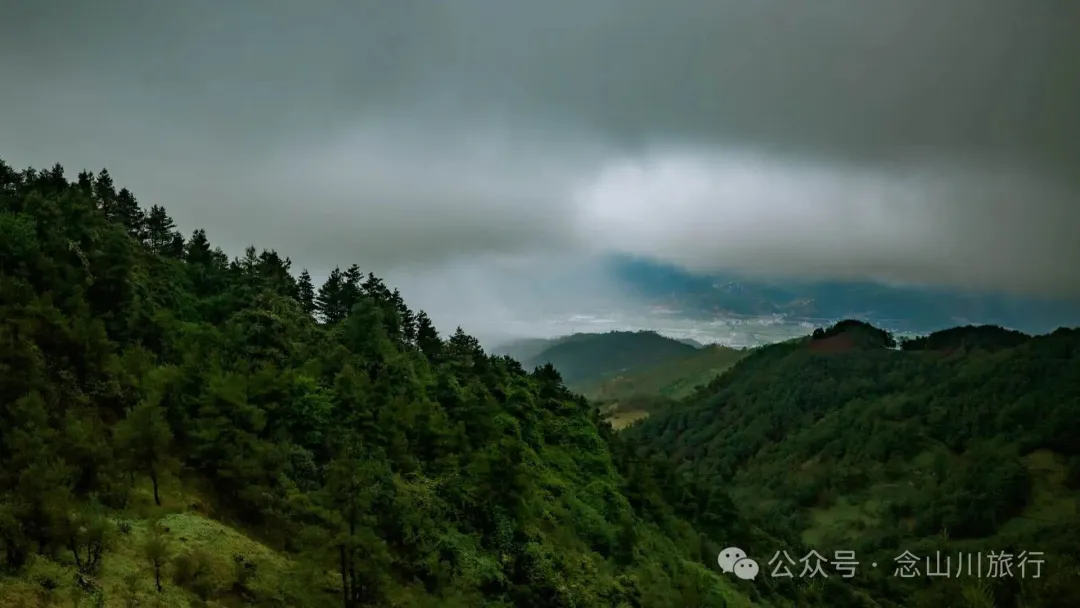
Turning around the pass, a wild mountain tea tree struggles in the gusts of wind. The wild tea tree has not yet bloomed, its leaves covered in leaves shimmering with a faint light, as if wanting to tell the stubbornness of the wilderness. Deep in the forest, wild ginger flowers quietly bloom, their yellow cups floating among the green waves, their fragrance brewed by the rain into a clear, mellow sweetness. Stopping to take a deep breath, the lungs feel cleansed—the breath of this primeval forest is nature's most generous gift.
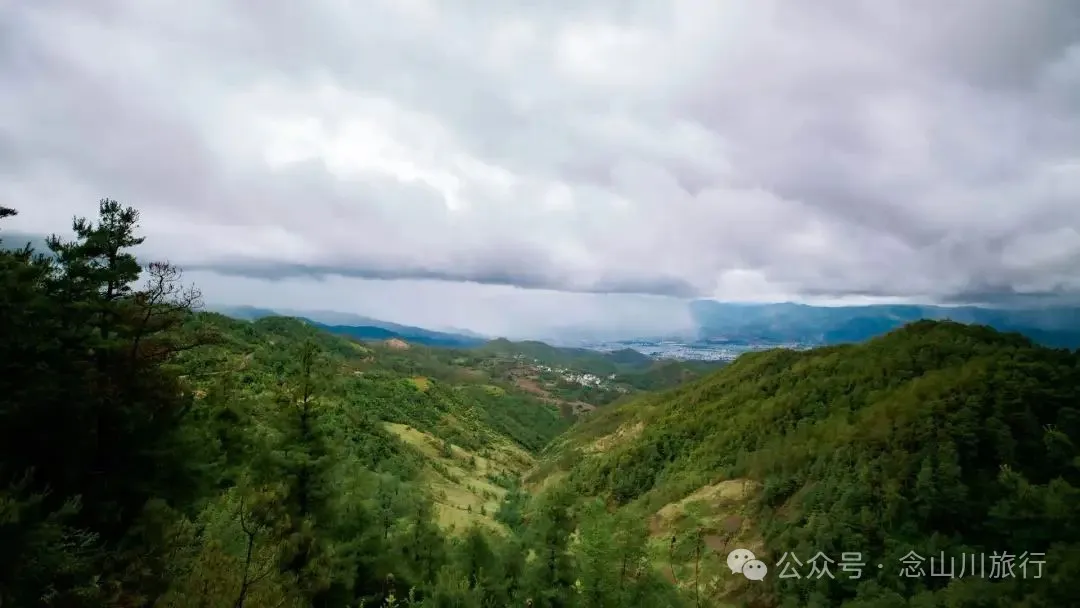
As we descend the mountain, the rain gradually stops, and rays of light leak through the gaps in the clouds. Looking back at the misty pass, I suddenly feel that this trip was not just a hike: the rain-soaked stone tablet is a measure of civilization, the water in the hoofprints is a condensation of time, and the missing dot in the character for "bird" is an eternal question hanging over humanity. The farther we are from the bird path, the more the missing dot burns in our hearts. If everyone in society today had a sense of awe and reverence for nature, how could nature not treat humanity well?