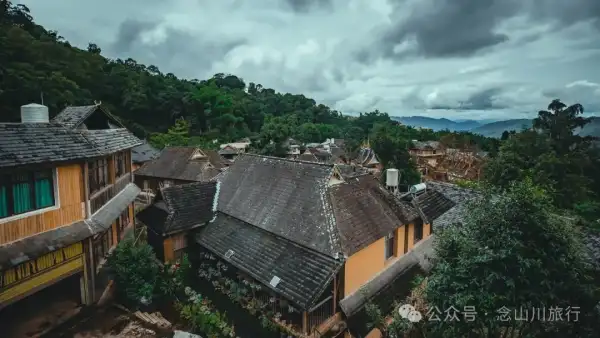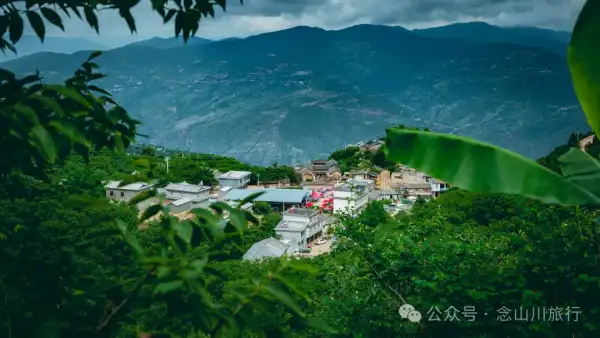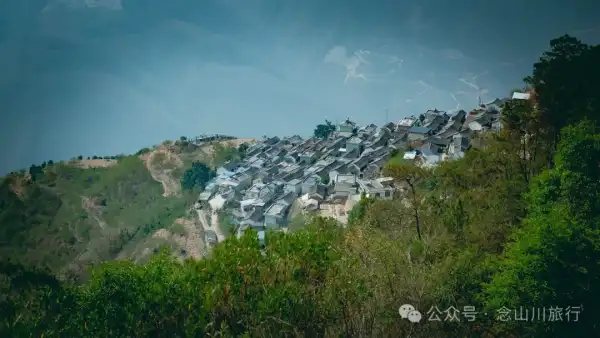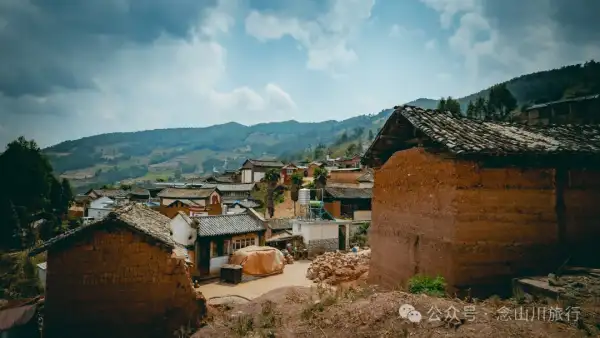

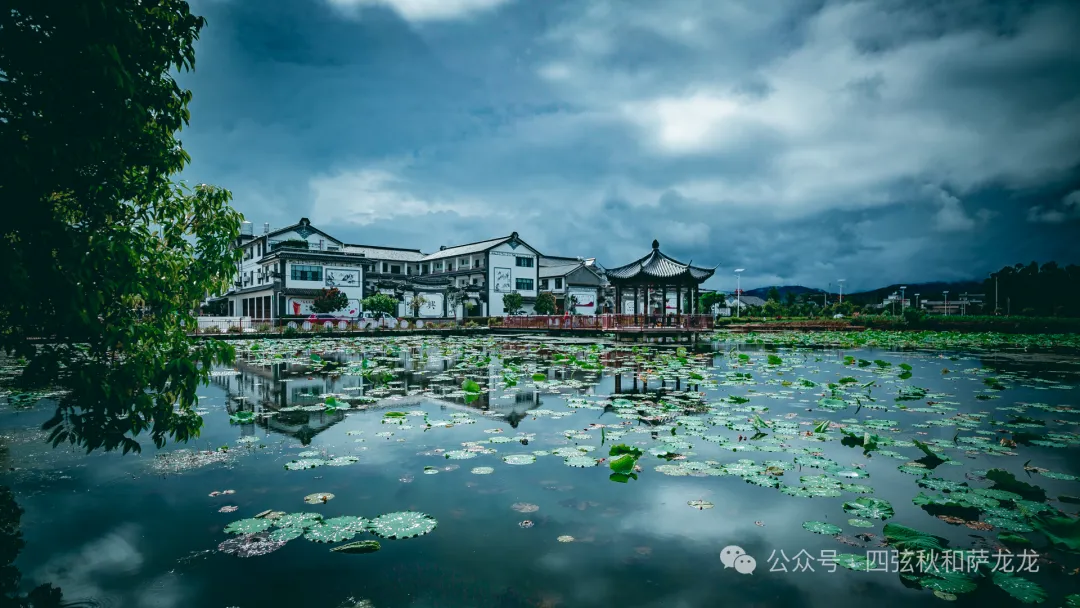
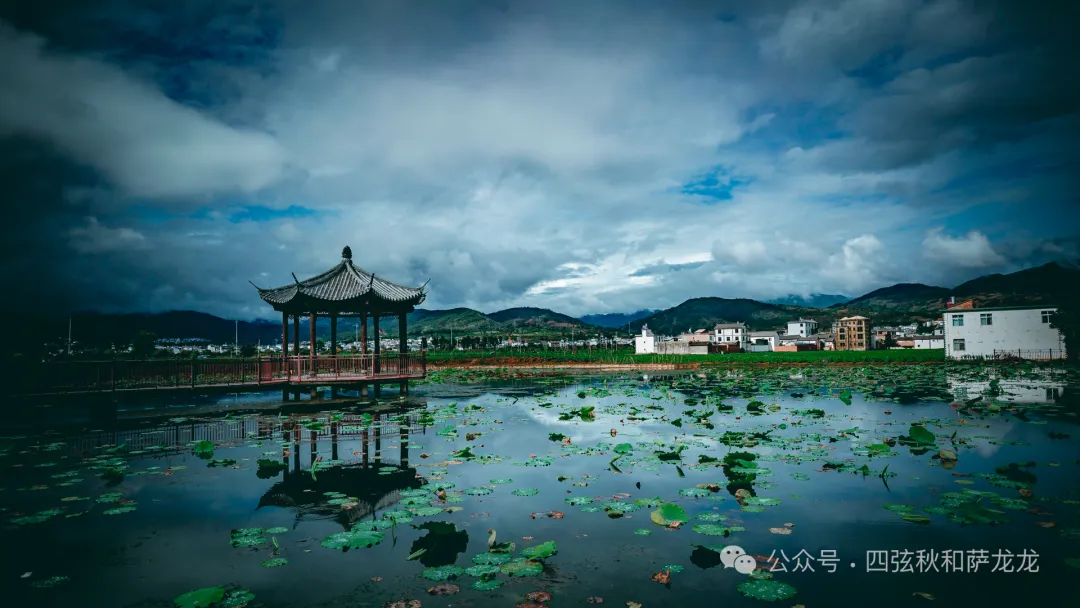
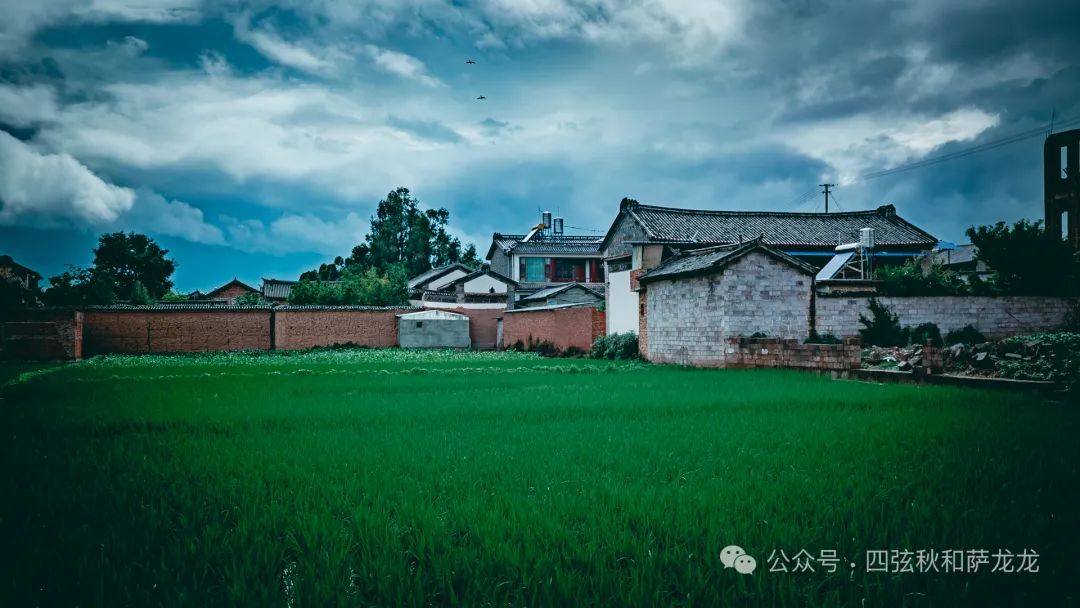
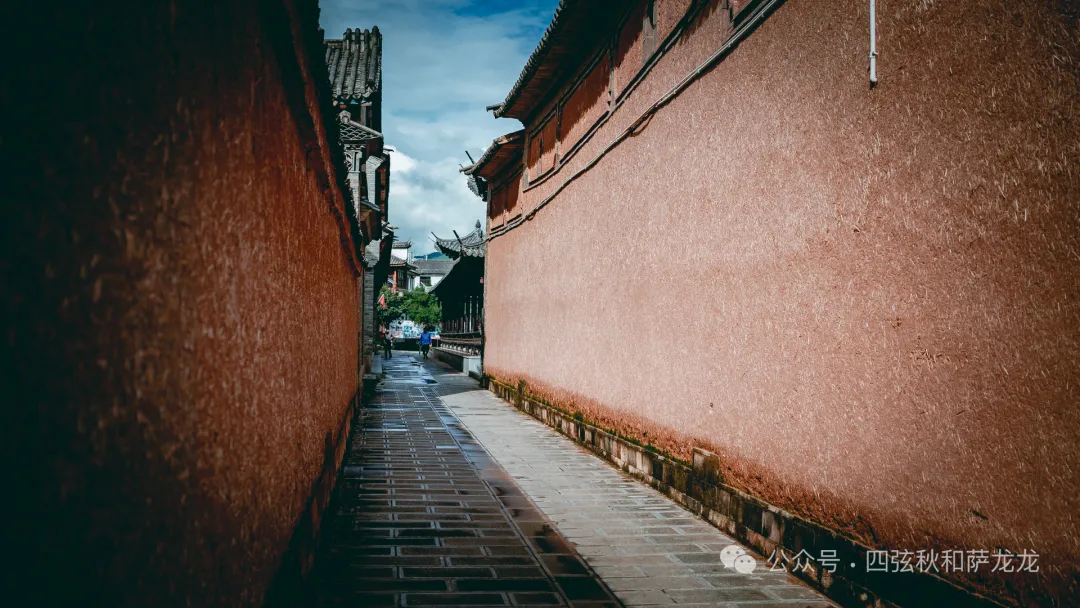
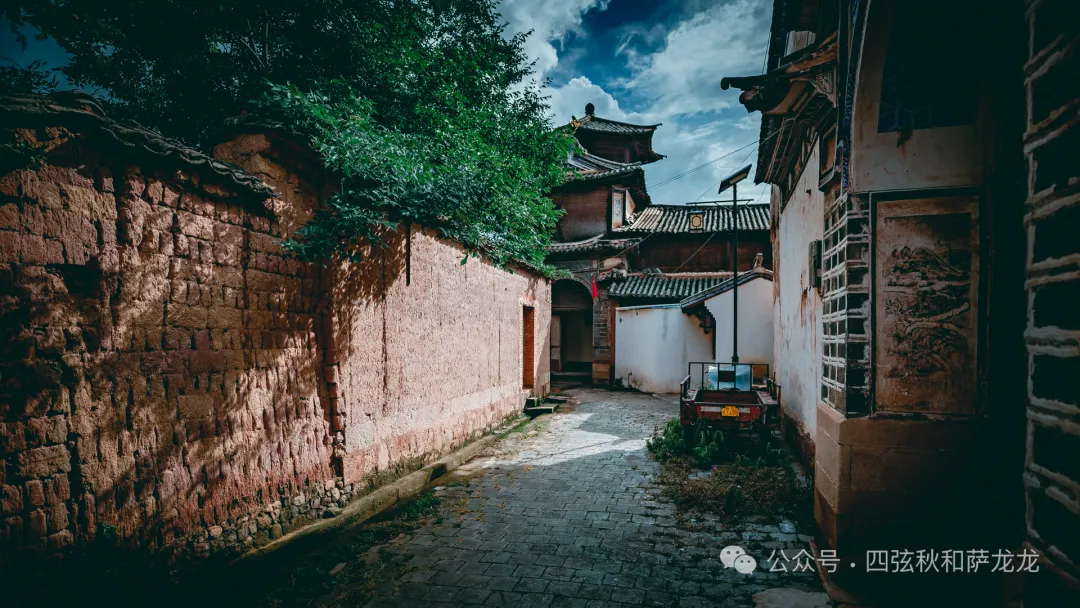
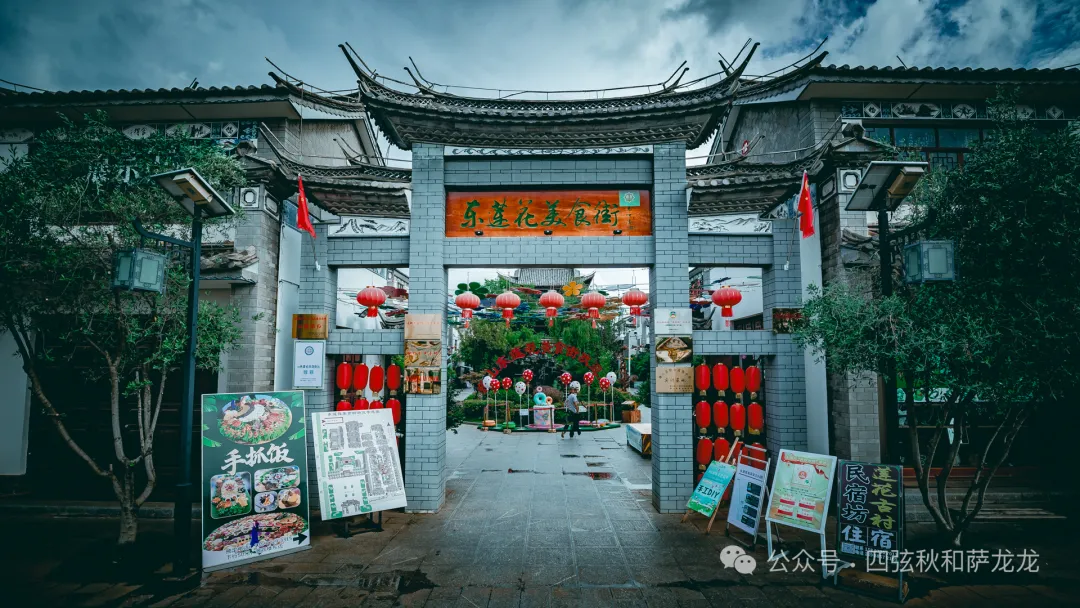
Donglianhua Village is located in Yongjian Town, Weishan Yi and Hui Autonomous County, Dali Bai Autonomous Prefecture, Yunnan Province. It is a Hui settlement with profound historical and cultural heritage. The village is famous for its unique Hui culture and cuisine, ancient architectural complex, and Islamic customs. The formation of Donglianhua Village can be traced back to the Hongwu period of the Ming Dynasty, and it still retains many ancient buildings from the Qing Dynasty and the Republic of China, including mosques, watchtowers, and traditional houses, which have distinct regional characteristics and ethnic flavor. The village's horse caravan culture is also well-known; historically, there were influential caravan leaders such as Ma Ruji and Ma Ruqing, and the horse caravan culture has been well preserved and displayed here.
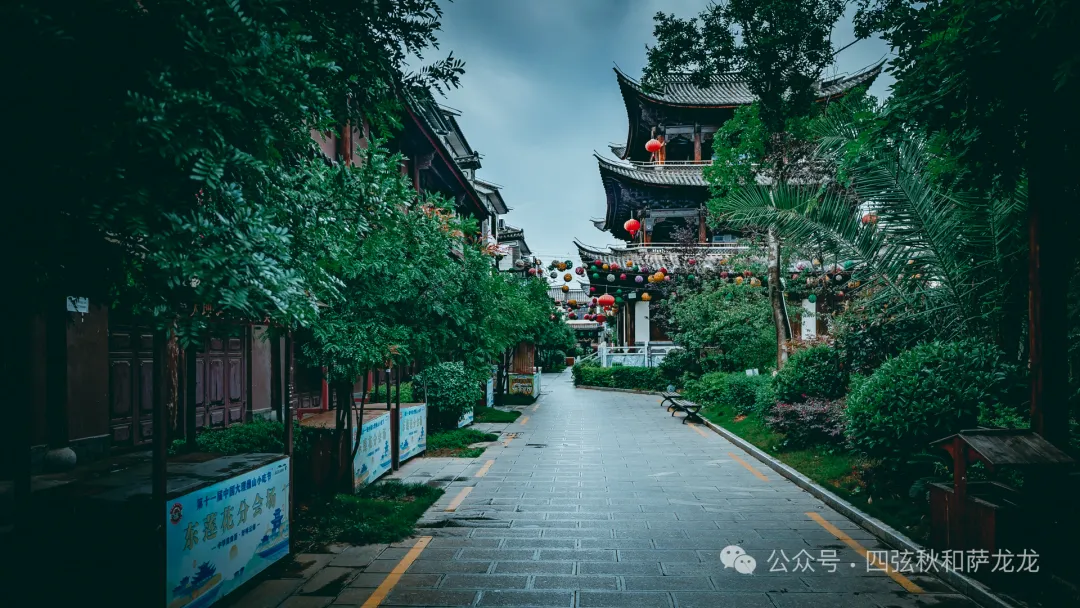
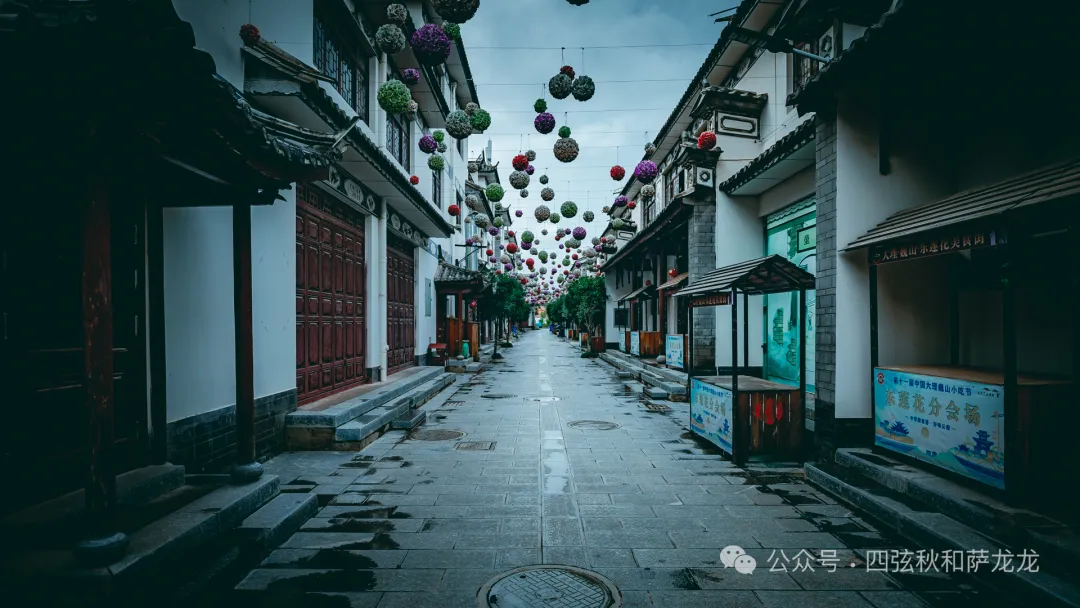
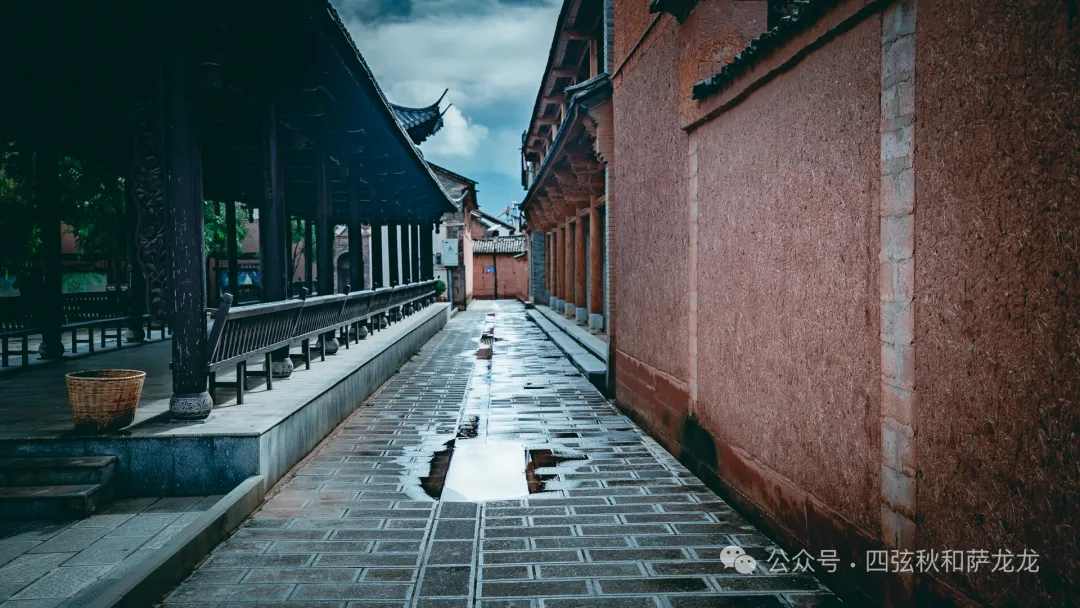
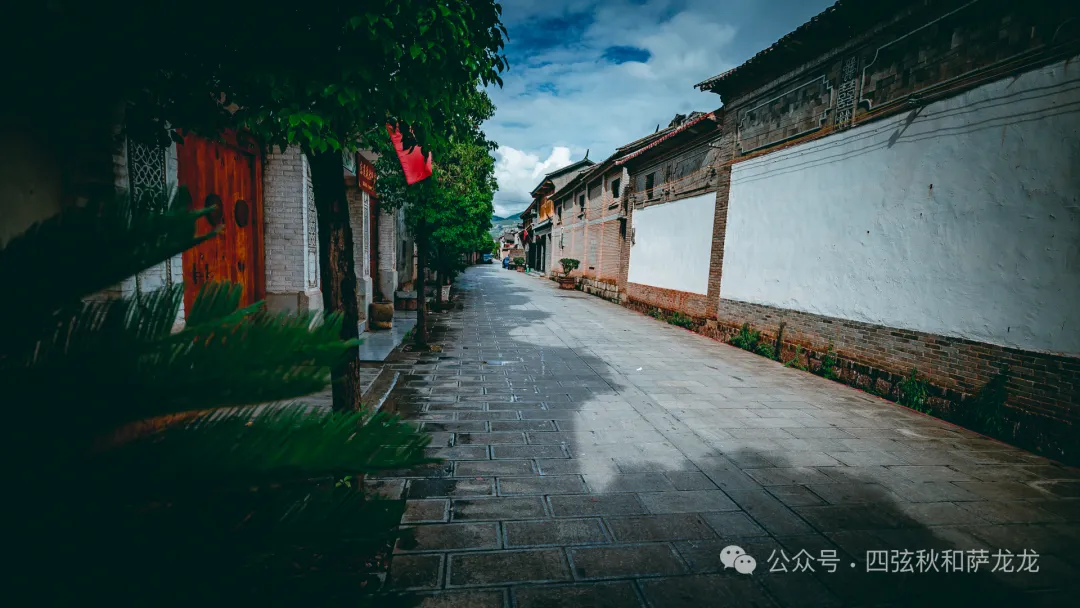
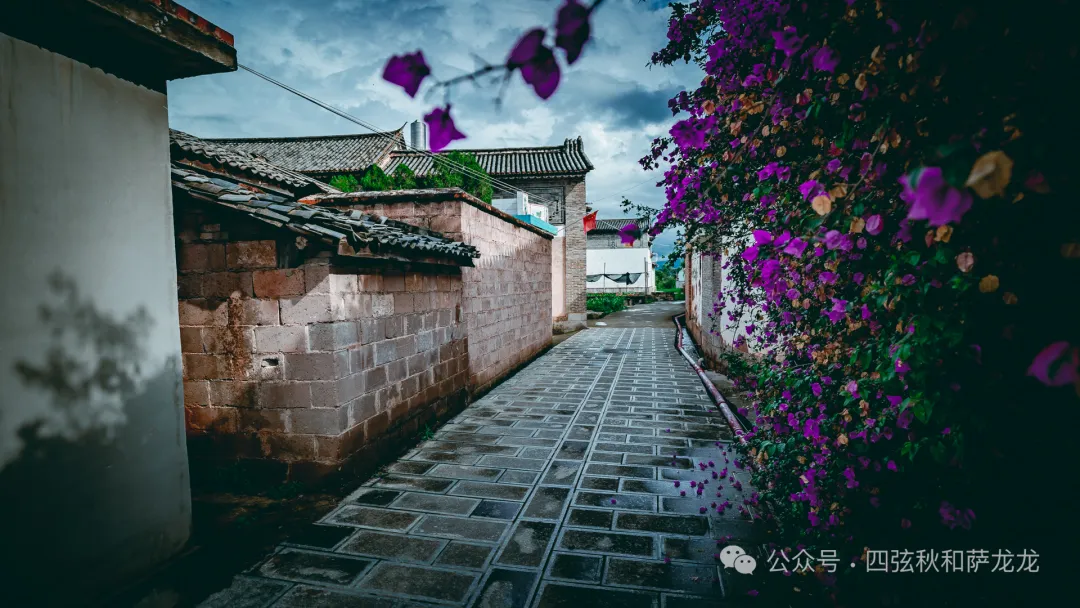
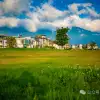
The ancient buildings in Donglianhua Village are centered around the mosque, built around it, with the majestic minaret standing tall in the village. The architecture of Donglianhua Village blends Islamic culture with the local ethnic culture of Weishan, forming a unique village landscape. The six watchtowers in the village, three to four stories high, have beautiful architectural forms and create a pleasant spatial landscape. The representative building, the mosque, skillfully combines traditional Chinese flying eaves, brackets, carved beams, and painted rafters with Muslim aesthetic concepts. This fusion is not only reflected in the appearance of the building but also in its interior decoration and functional use. The mosque is built with a civil structure, which is common in ancient Chinese architecture, but its use in a mosque demonstrates the integration of Hui and Han cultures.
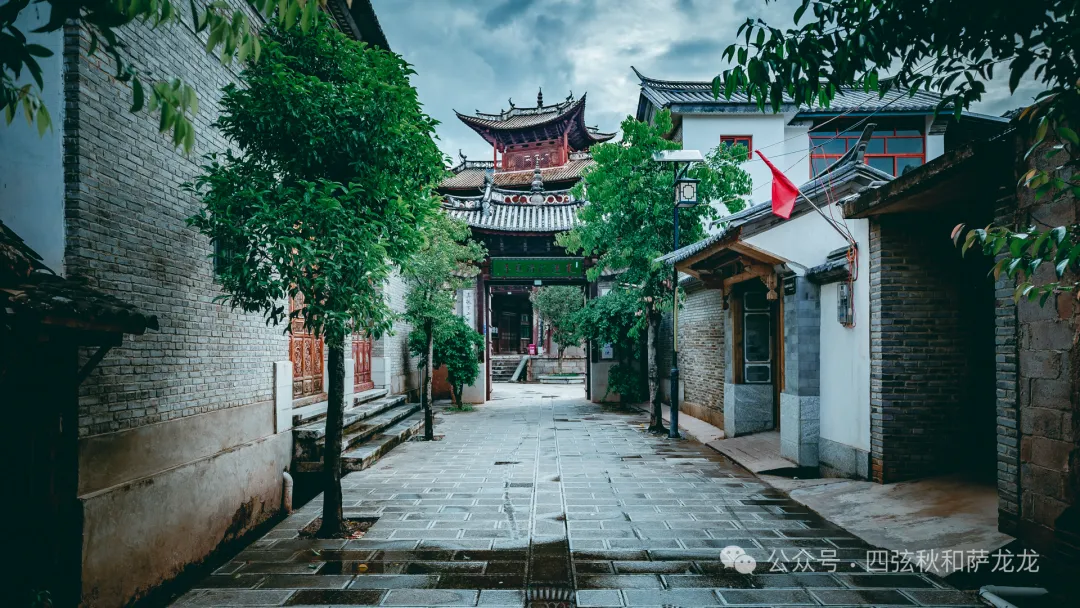
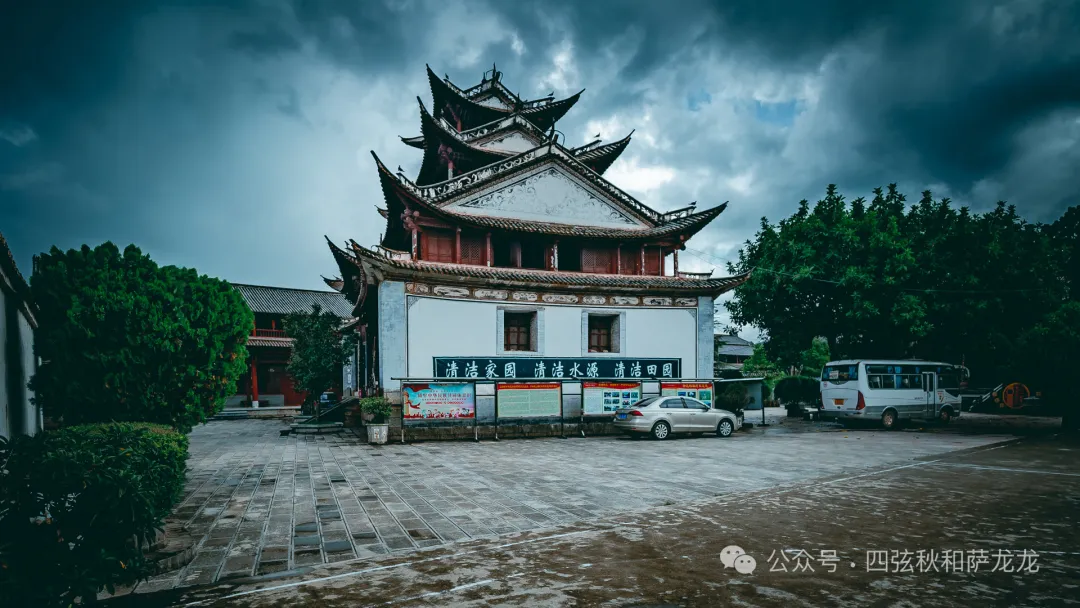
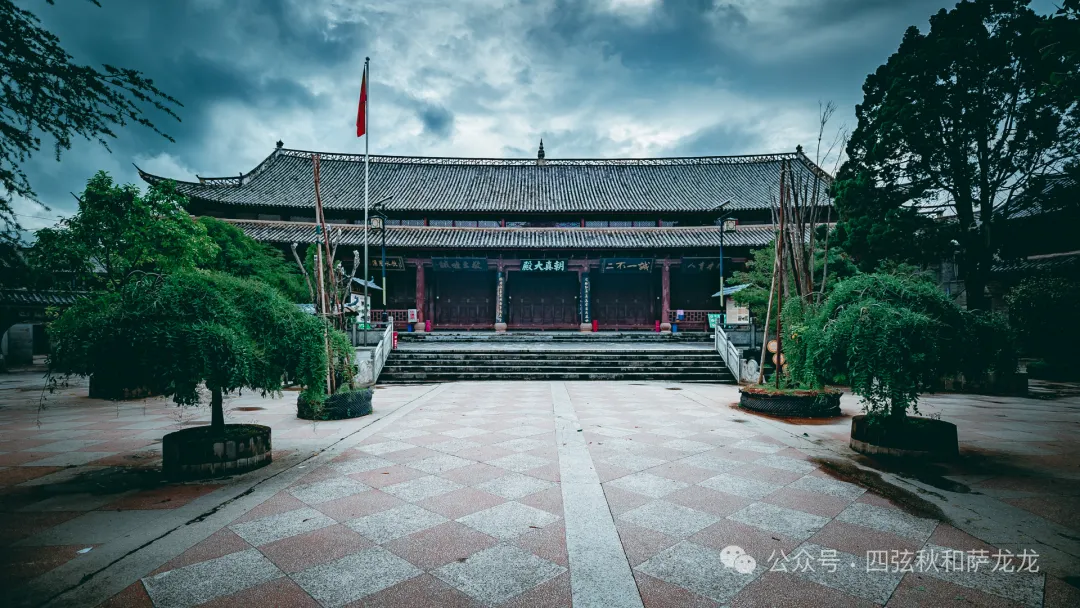
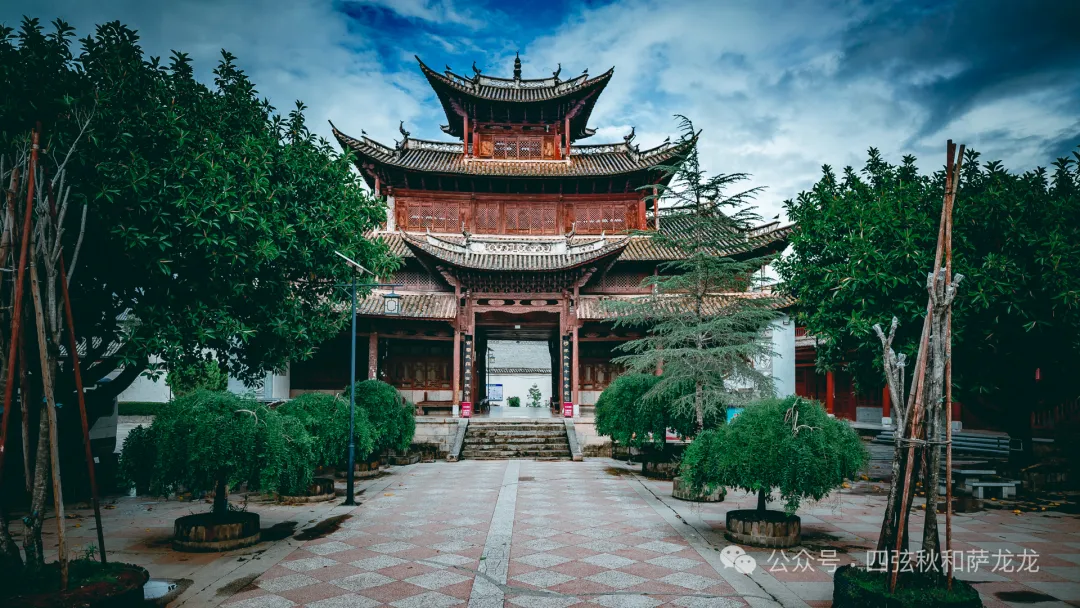
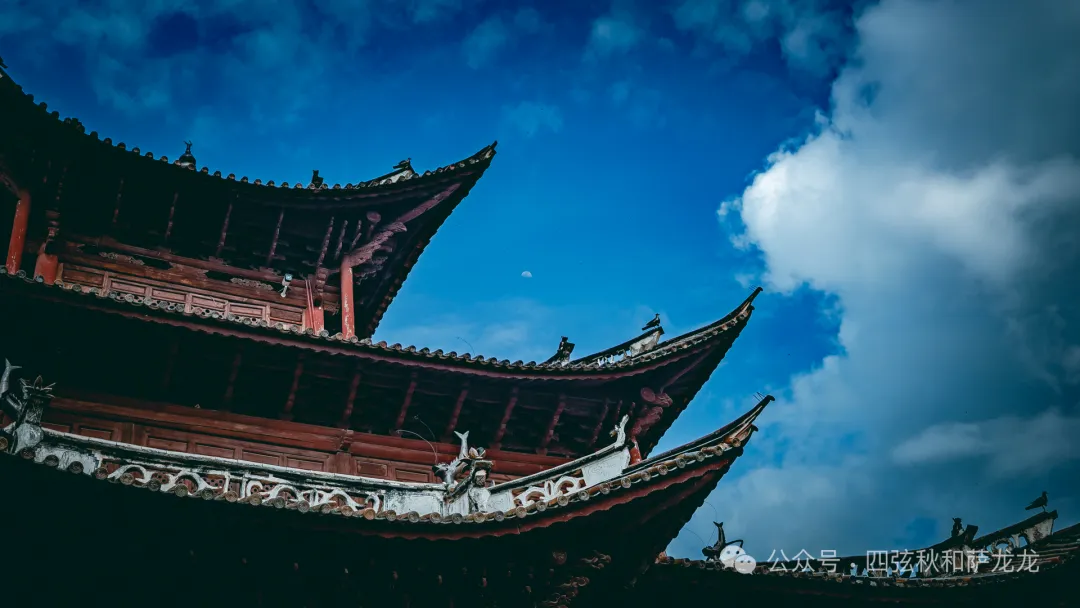
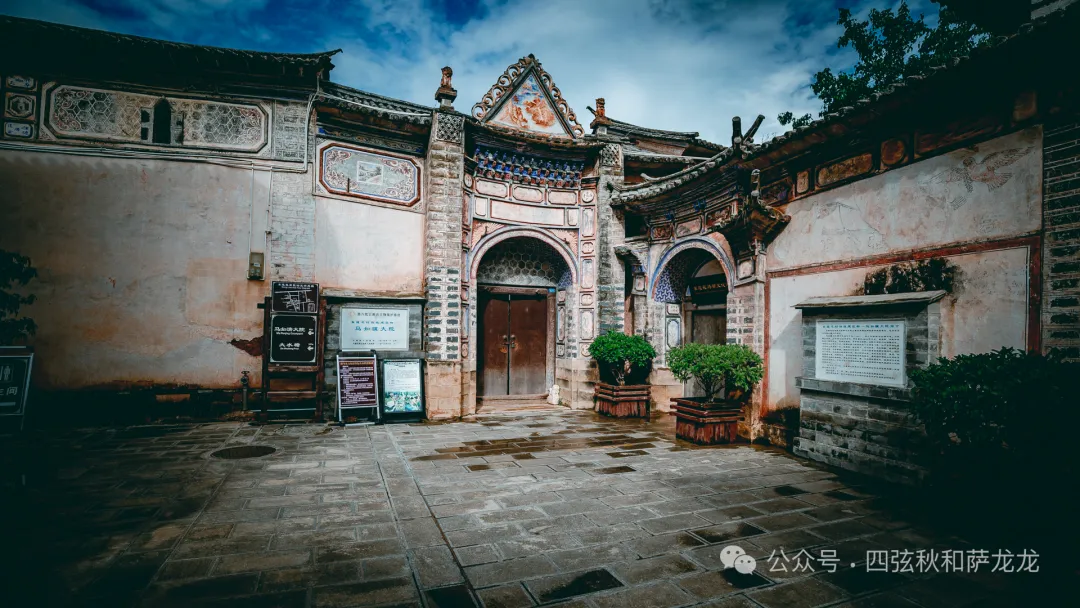
There are two famous horse caravan compounds in the village. One of them, the Ma Ruji Compound, was built from 1934 to 1941. It was the former residence of Ma Ruji, a horse caravan leader during the Republic of China, and bears witness to the prosperous history of Donglianhua Village as an important post station on the Ancient Tea Horse Road. The compound adopts a layout of "six courtyards in spring," consisting of three courtyards: north, south, and west, which are interconnected yet independent. Its characteristic is "one watchtower, two courtyards, three gates, four pavilions, five halls, and six patios." The architectural style of the compound integrates traditional Chinese civil structure and Islamic aesthetic concepts, reflecting the harmonious coexistence of Chinese traditional culture, Islamic culture, and horse caravan culture. The interior of the compound is exquisitely decorated, including paintings such as "Three Writing Brushes," "Arabic School," "Jizushan Solemn Pagoda," and "Shanghai Street Scene." Among them, the painting of "Shanghai Street Scene" is considered a valuable historical document. Unfortunately, when we arrived at Donglianhua Village, it was already dusk, and the compound was locked, so we could not enter to see its splendor and could only sigh outside the gate.
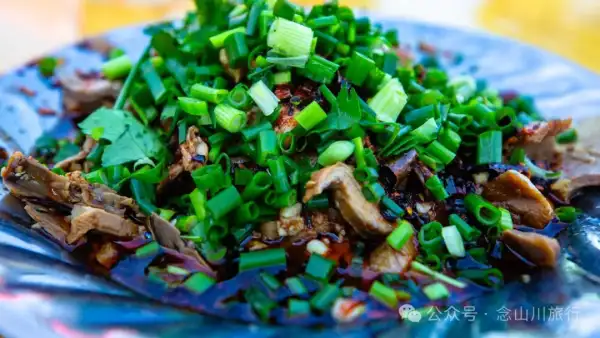
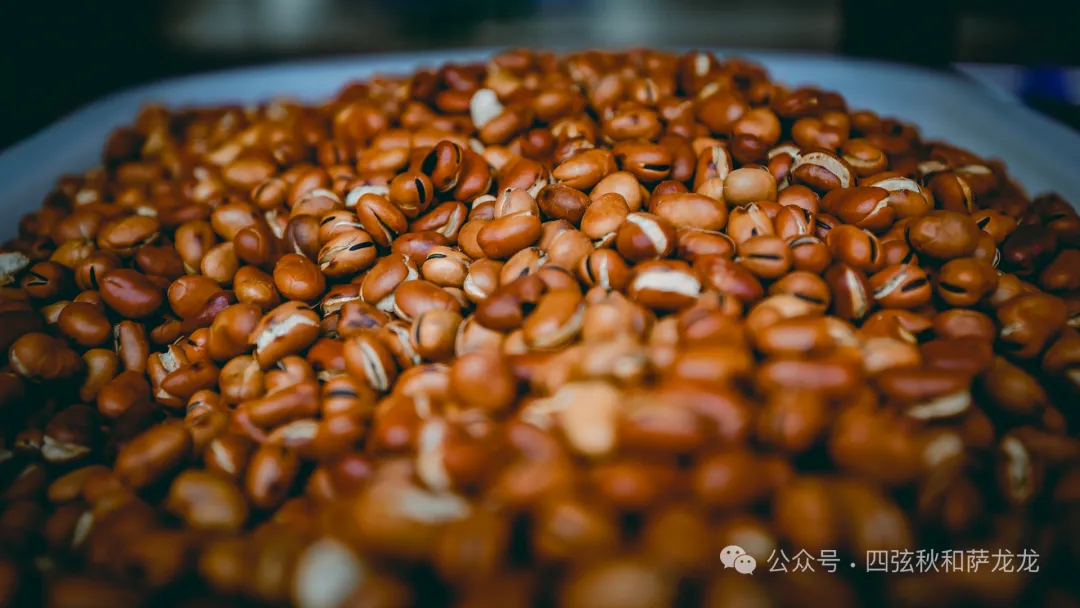
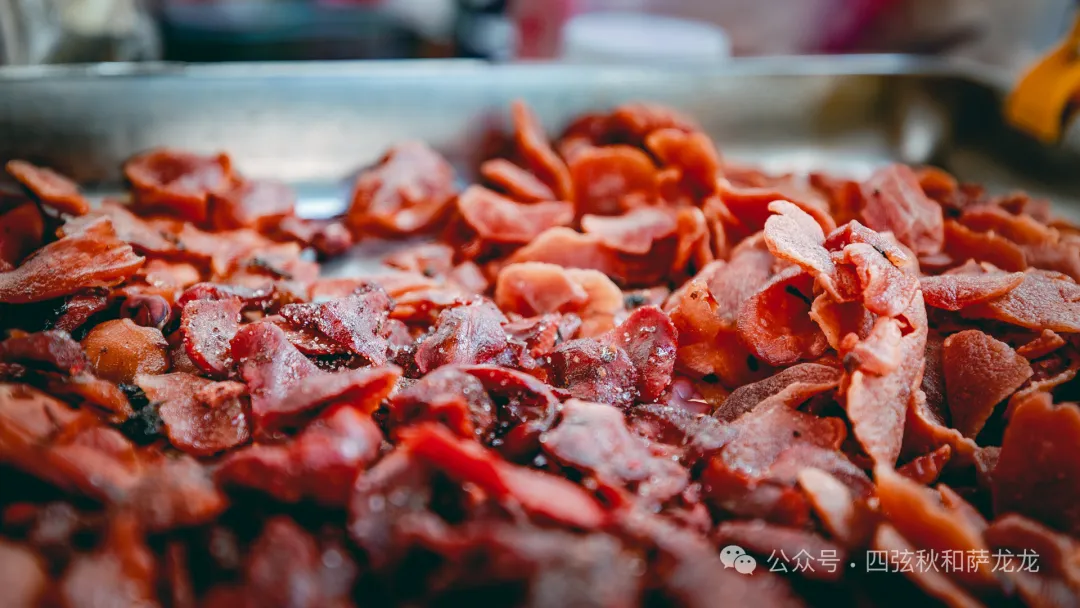
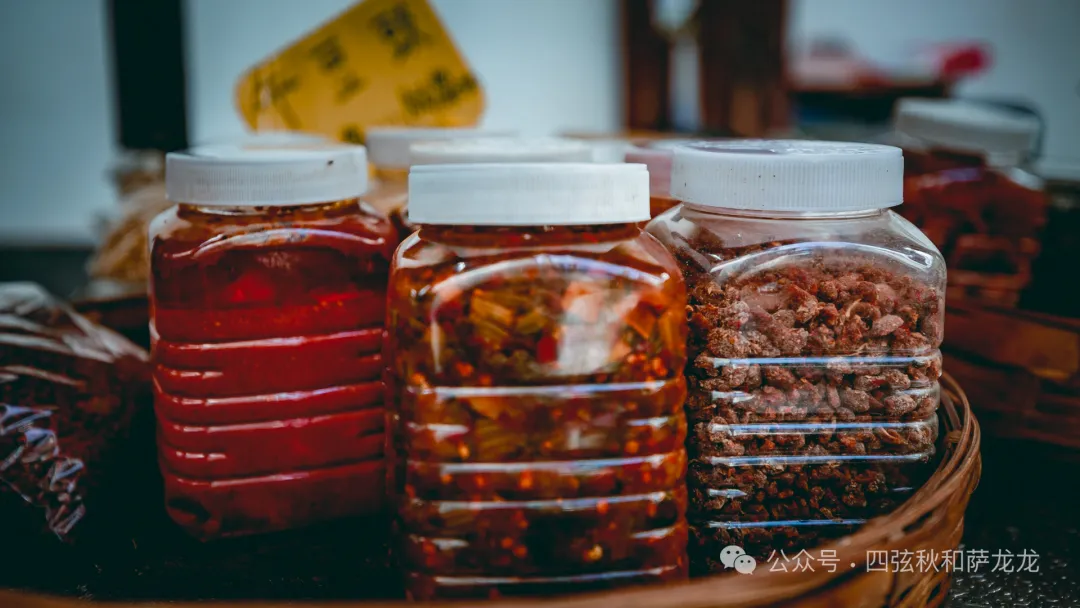
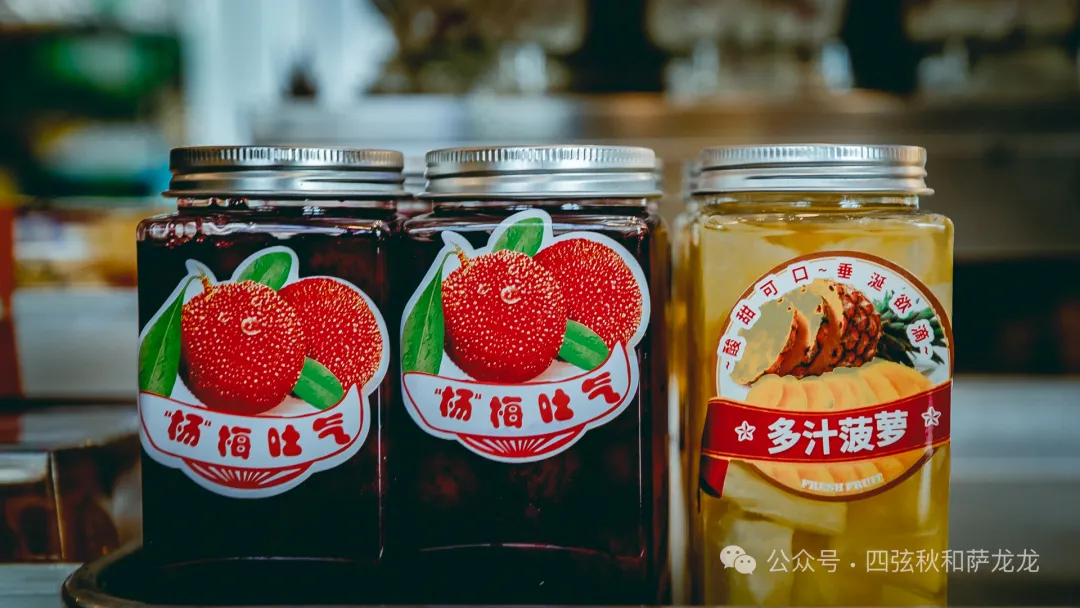
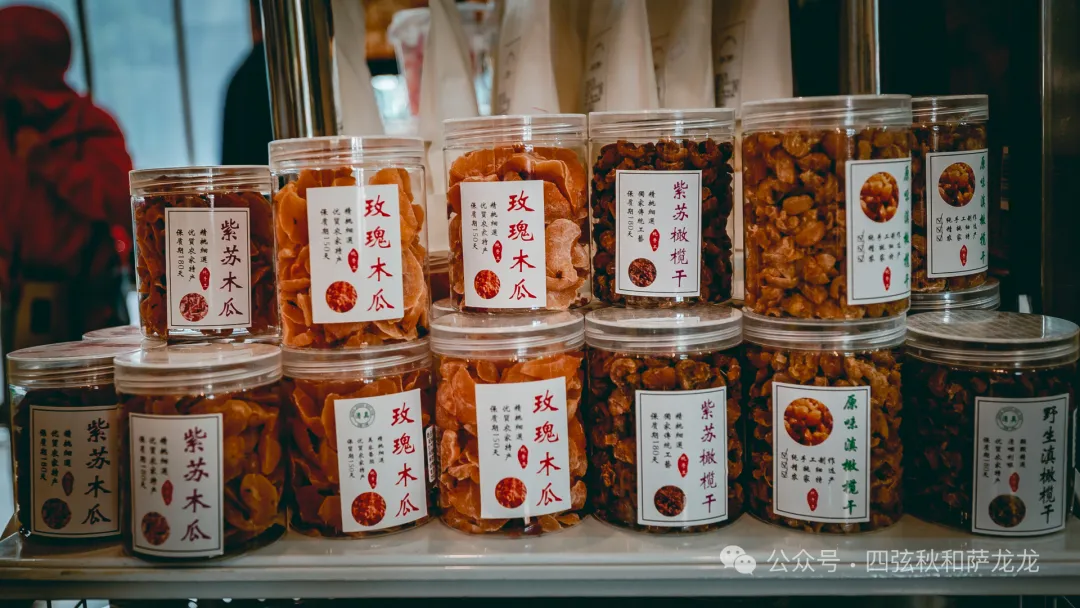
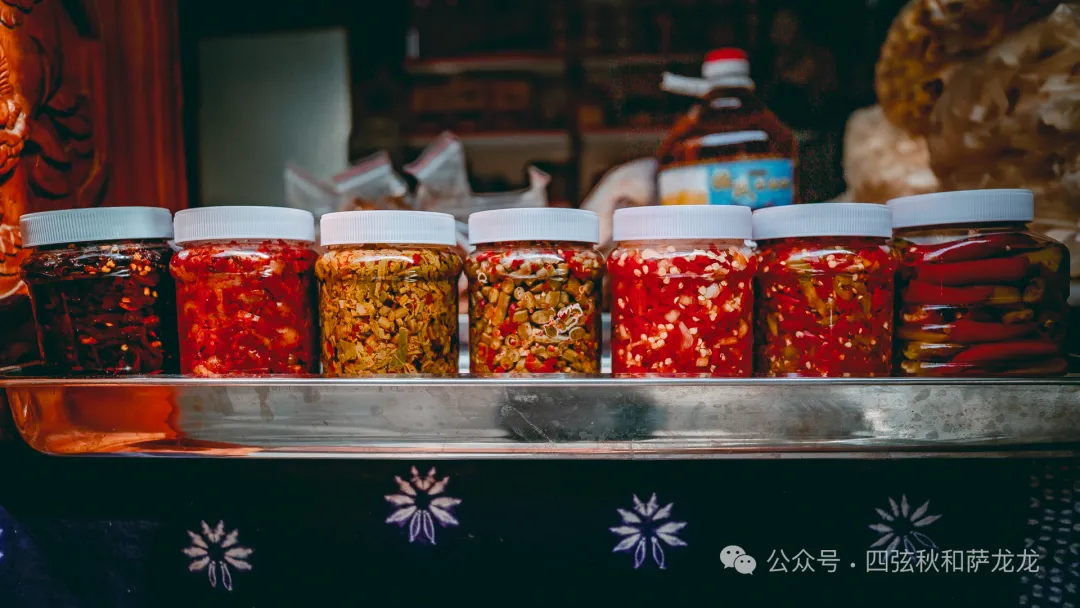
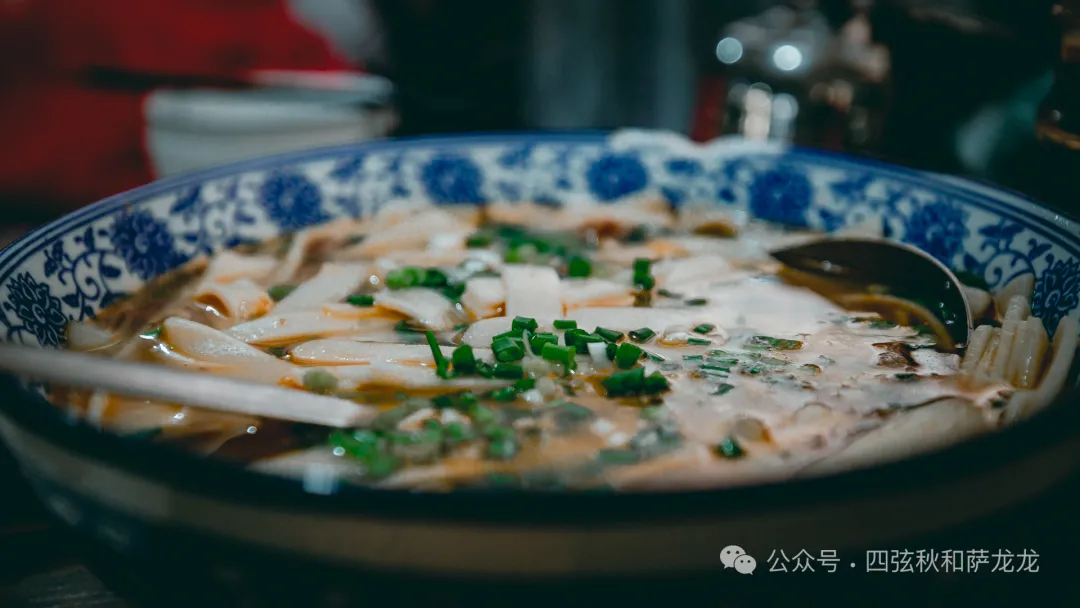
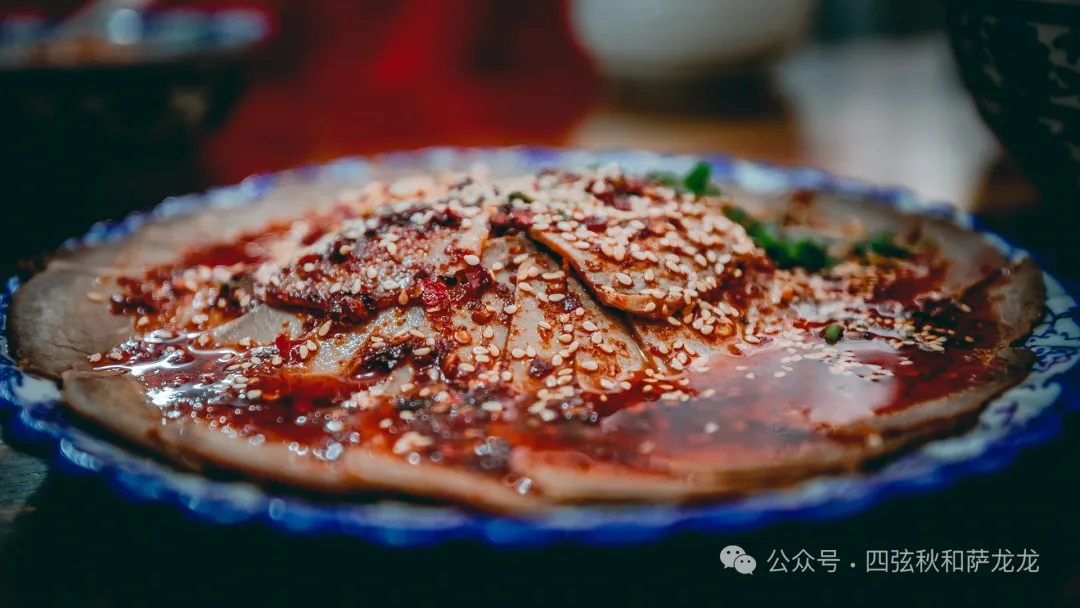
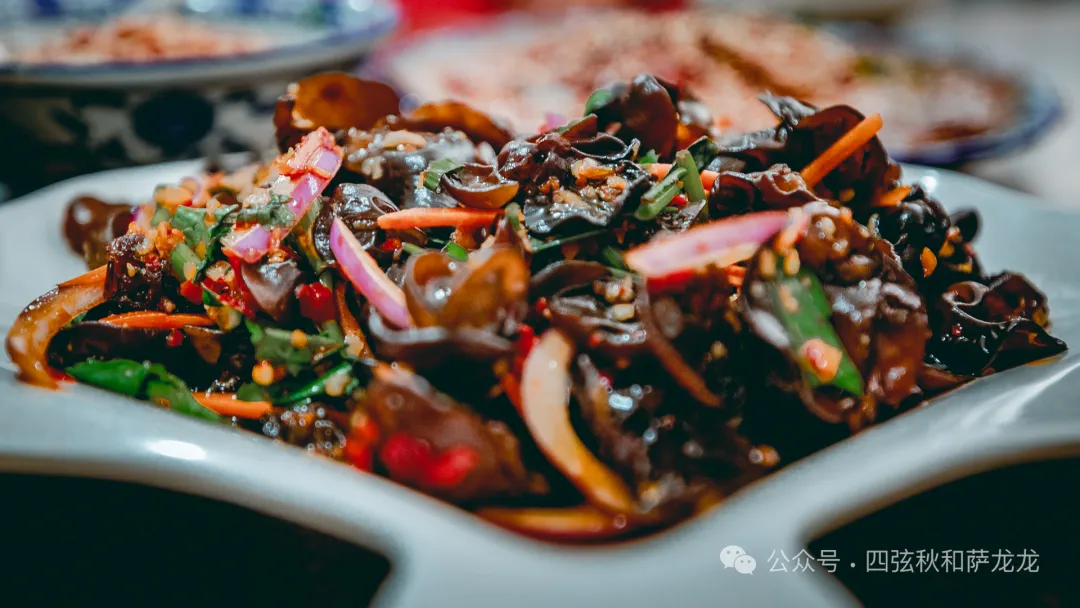
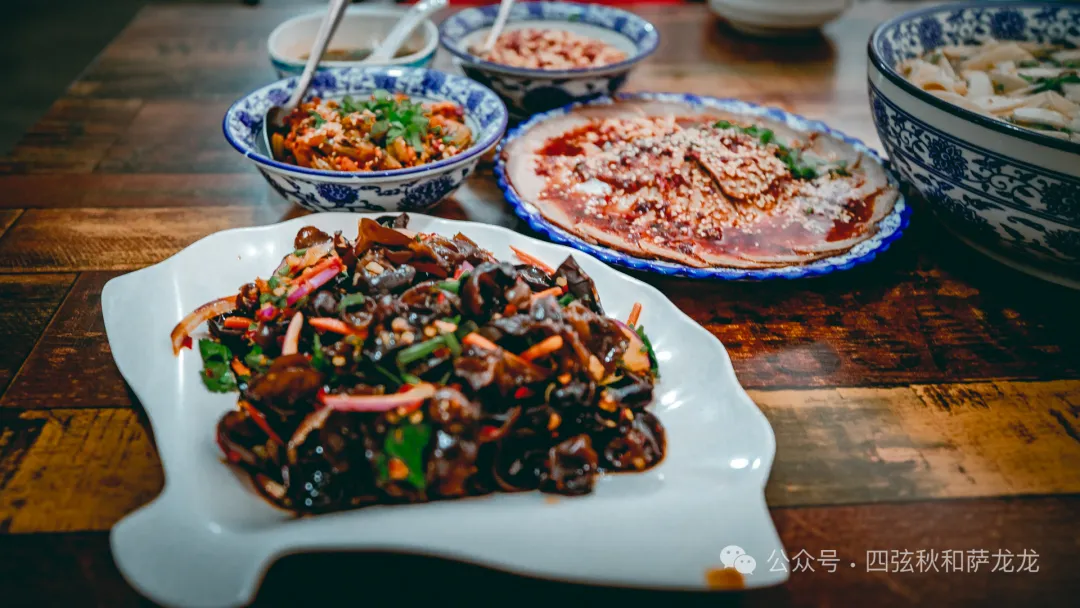
In addition to the unique Hui architectural style, the cuisine of Donglianhua Village is also one of the main factors attracting tourists. When visiting Donglianhua Village, if you do not eat Xie's Halibian (a type of noodle dish), you cannot say you have truly been to Donglianhua Village. Xie's Halibian is one of the famous snacks in Weishan, renowned both inside and outside the province, and is loved by diners for its unique flavor and production process. Fried dough cakes, cold sliced beef, grilled lamb skewers, and dried beef are all Hui specialty foods that greatly enrich the variety of dishes at the Weishan Snack Festival.
大理巍山旅拍+徒步