
At six in the morning, when the alarm went off, a few crickets were still chirping in the courtyard, and the sky was still dim. Though I had long been awake, I was unwilling to move, and only after the alarm rang did I have no choice but to get up. The boy had said yesterday after school that he wanted to eat steamed buns, so I had steamed a pot overnight, and in the early morning I just needed to cook a pot of thin porridge. Stepping outside into the courtyard, there was no trace of rainwater on the ground, and the sky revealed a few patches of pure blue, clear as if washed.
Wisps and strands of clouds covered most of the sky, and a few faint, distant stars still shone with a gem-like white light. One was above a small cluster of white clouds, one among the cloud fragments torn apart by the wind, and two others seemed to be deliberately hiding, so that I could not describe their exact positions. But those two quickly disappeared. I peeled a section of pumpkin, added water to the rice cooker, plugged it in, and after leading Chuizi out the door, when I looked up at the sky again, those two stars had vanished without a trace, and only the two above and among the clouds were still twinkling. They were like two cats that had been running wild all night, coming from the distant edge of the sky, and by the time I could see more of the daylight world, they had hidden themselves in corners I could not see, soundly and peacefully asleep.
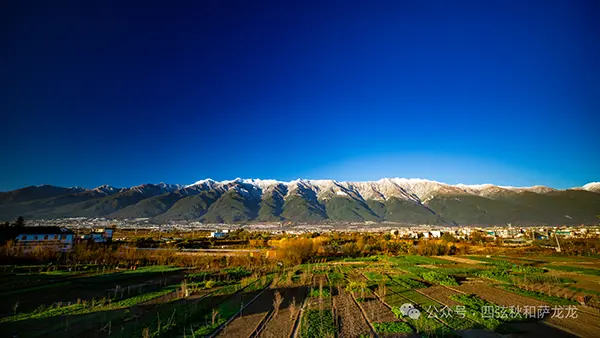
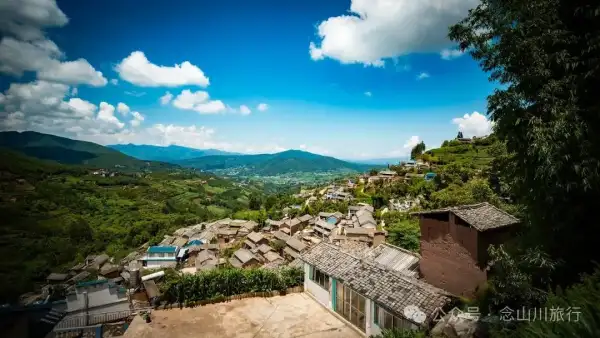
Today the mountains and fields were especially clear, without the slightest barrier. Since moving back to Dali, the distant mountains and nearby waters every day had always been shrouded in a substance that could be called neither fog nor haze, making them hard to see clearly. Such a scene had not appeared in the first few years after we settled in Dali, and years later it occurred only briefly for a few days in spring. I never expected that now even autumn would have it.
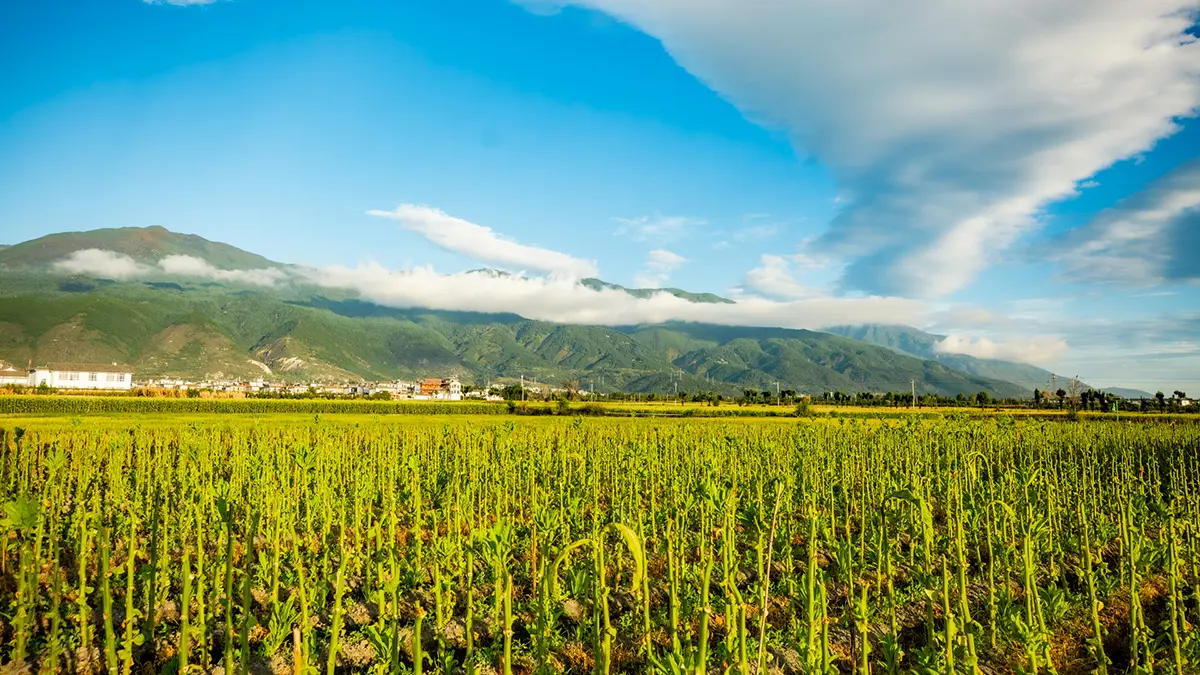
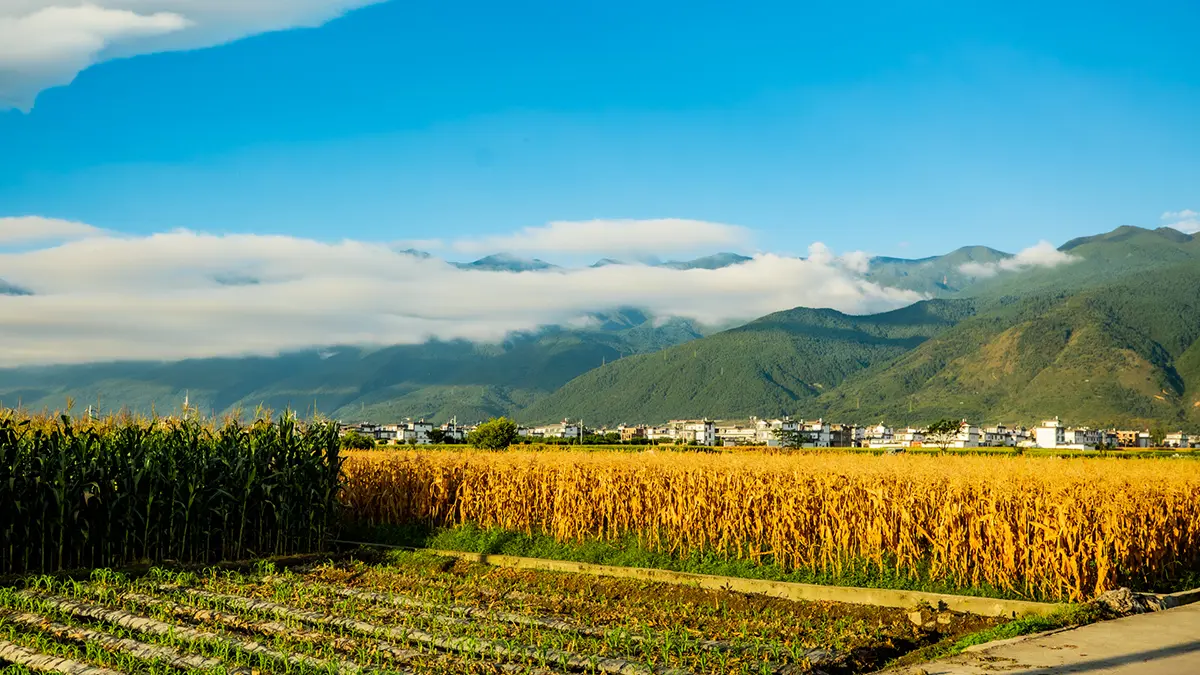
Perhaps because it had rained last night, that strange substance was gone. Whether I looked at the Cangshan Mountains or Erhai Lake, or even the mountains farther beyond Erhai, I could see many details clearly. And so I thought again of those rainy times. If it rains during the day, people can always find one or two rainbows in different places. But if it rains at night, raining all night long, the next day is sure to be a fine sunny day, a spotless sunny day, good for traveling far. Only the rainy season is not like this; the rain in the rainy season is continuous and unbroken. As I stood amid this open, sharply defined landscape of mountains and sea, I knew autumn had arrived. The true autumn of Dali begins with a limpid, unobstructed clear sky.
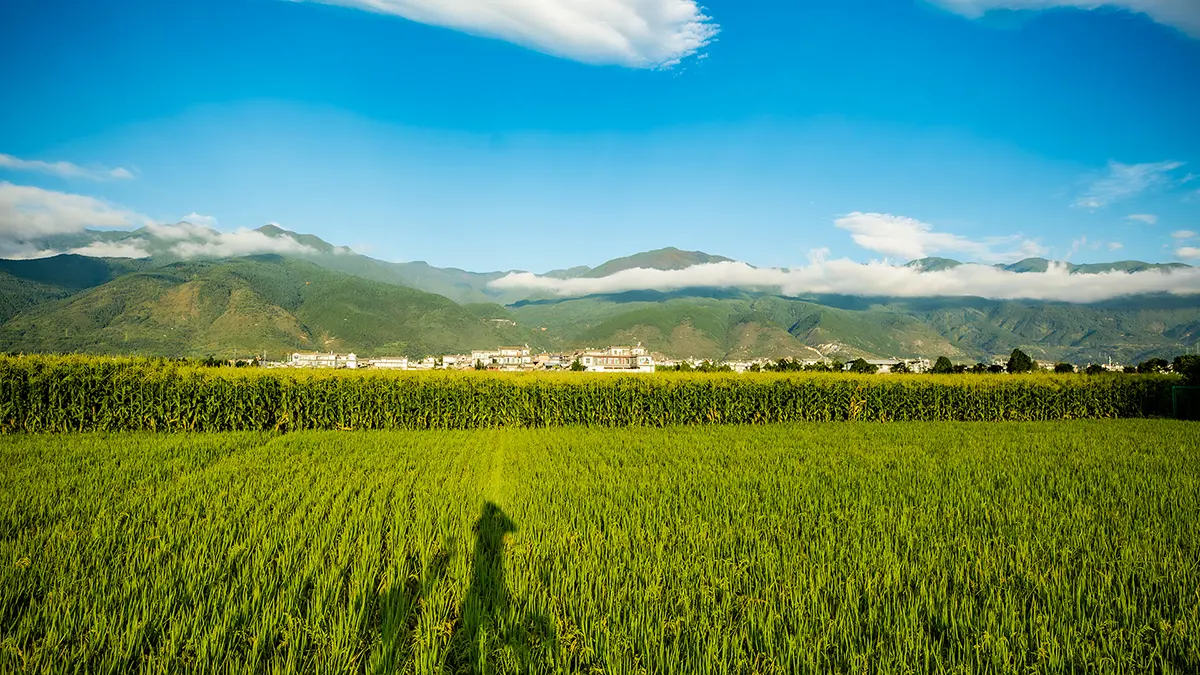
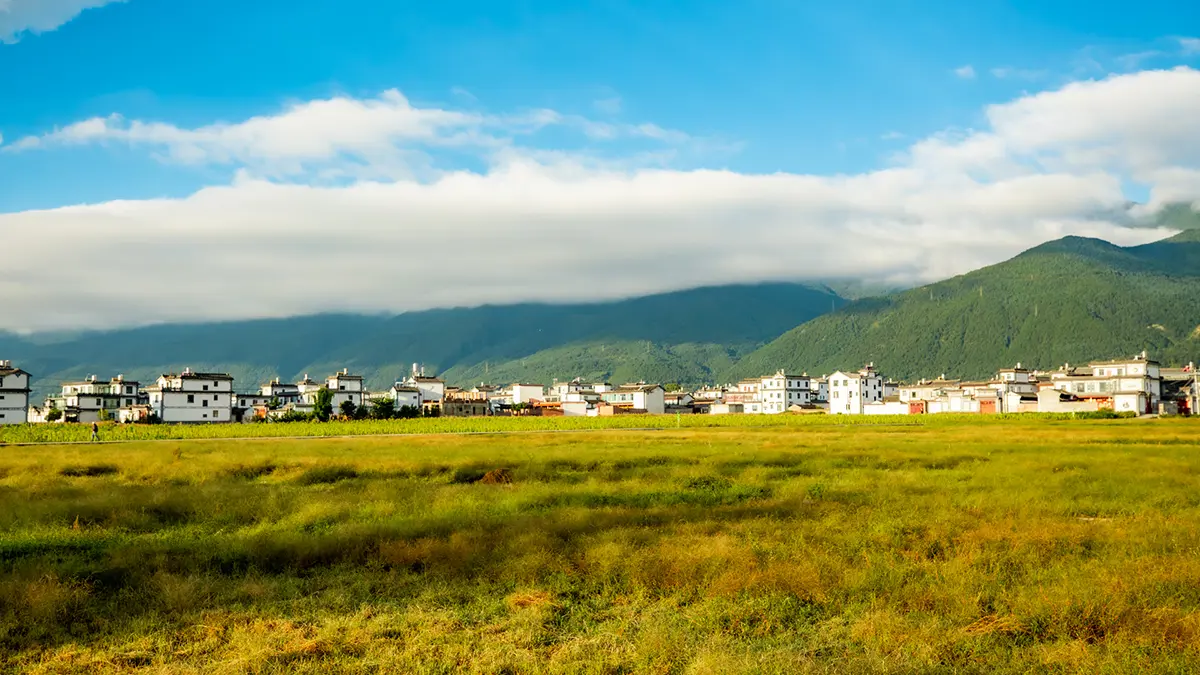
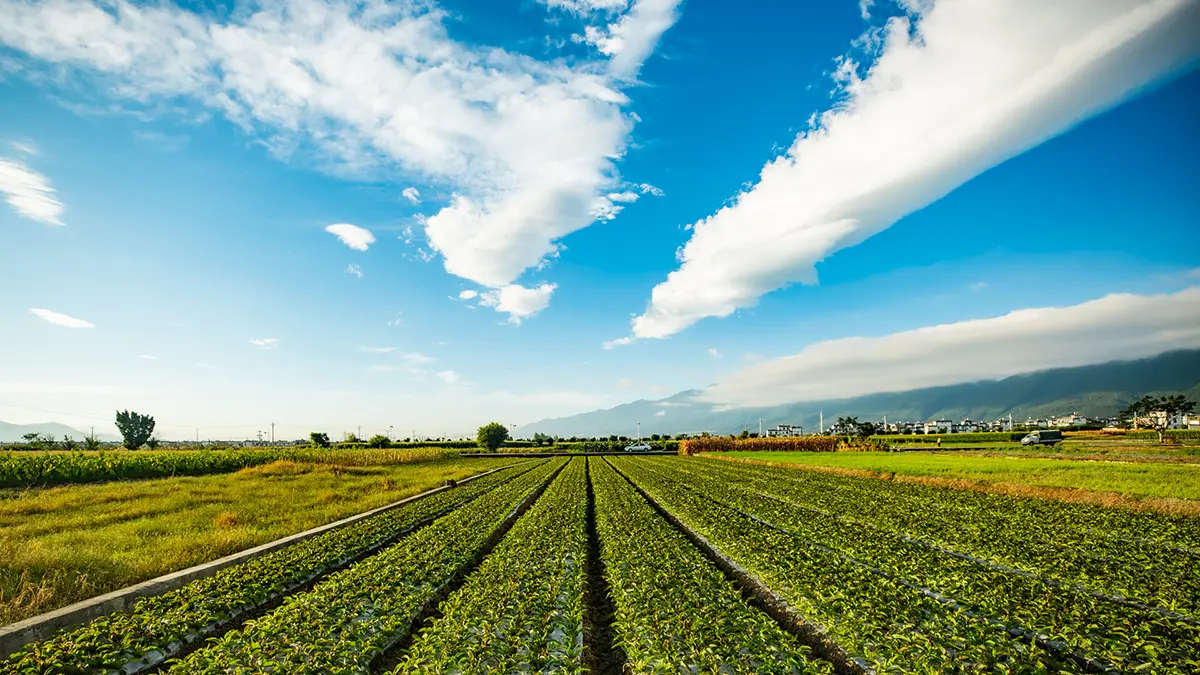
Taking the boy to school requires traveling a stretch of the Dali-Lijiang road. Even with traffic coming and going, I always cannot help turning my head to look at the nearby Cangshan Mountains along the way, and sometimes I even stop to take a photo, even though the boy keeps urging me from the back seat, afraid of being late for school. A white cloud like a flying dragon, at some unknown time, drifted slowly southward from the mountains in the north. The dragon's head was vividly lifelike, as if carefully carved by some great craftsman. Ahead of it was a large bird with spread wings, already flown to Xiaocen Peak. It followed the bird neither hurriedly nor slowly; there was nothing worth rushing about.
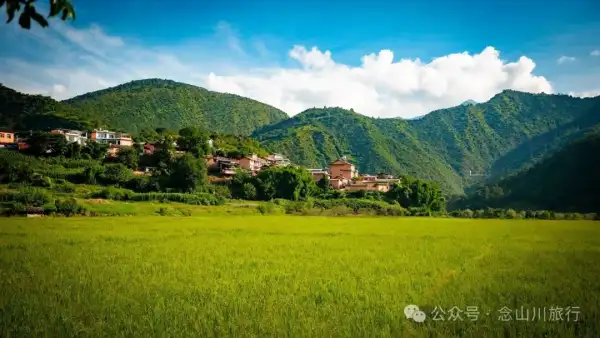
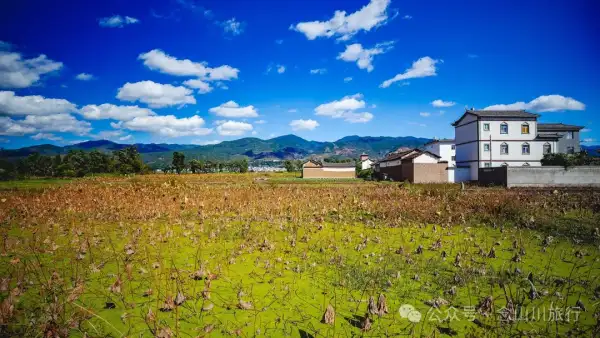
In the fields by the road, most tobacco stalks had lost their heads; the leaves had probably been cured and turned into tobacco shreds, packed into people's pouches. The rice paddies, however, each had their own rhythm. Some still glowed with a rich green, even the rice bran still green, so tender it made one worry whether they would have time to ripen. Others had already turned yellow, proudly displaying plump, heavy grains. The distant mountains, too, were still draped in green, as if still strolling through summer, full of vitality. Last night's rain had probably nourished them a little more, and their decline could be postponed for a few more days.
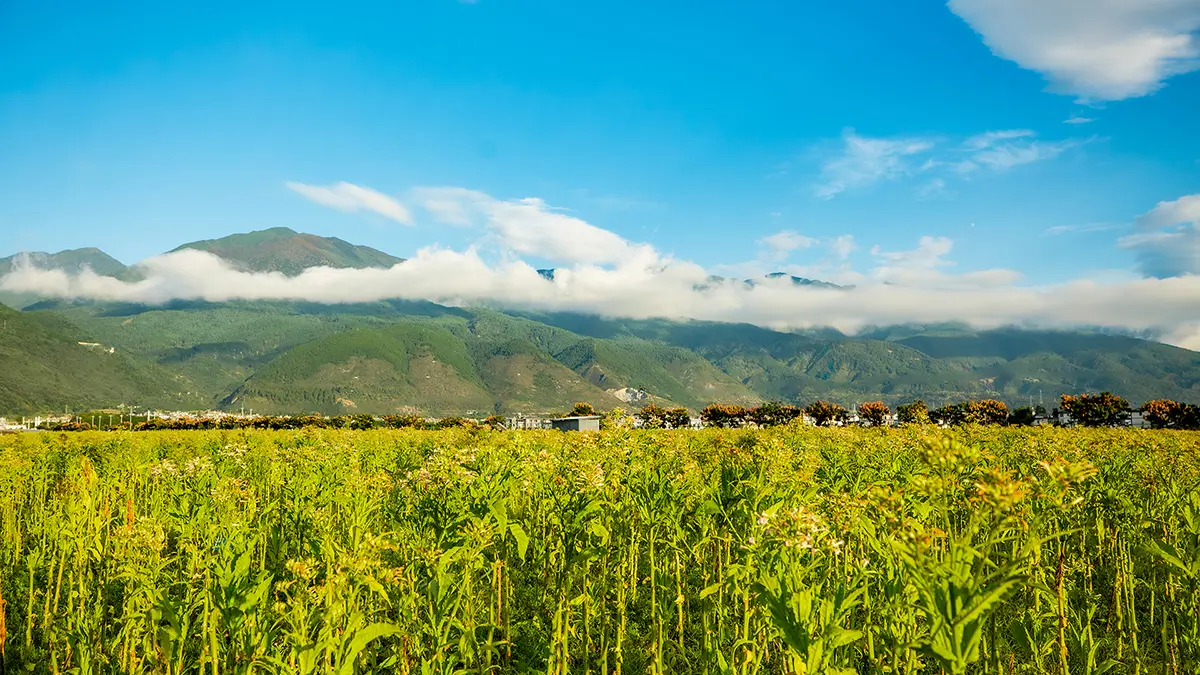
Zhu Xi once wrote in a poem: "In this dusty world, a smile is hard to come by; moreover, with purple dogwood and yellow chrysanthemums, one can return with them stuck all over one's head" ("Shui Diao Ge Tou: Paraphrasing Du Mu's Poem on Qi Mountain"). Our life today, though far from wealth and honor, and not exactly destitute, is not entirely smooth either. It is a solid, flesh-and-blood mortal world, not the immortal isles of Penglai, and chances for a calm smile are rare. Yet the clarity between heaven and earth that I saw this morning made me smile all the way, rejoice all the way, and admire all the way. I should be content, especially since I have a head full of white clouds accompanying me home.