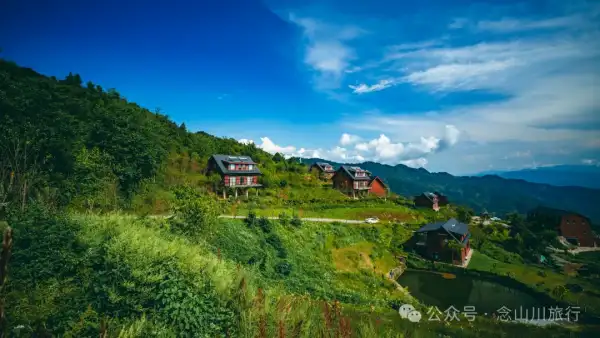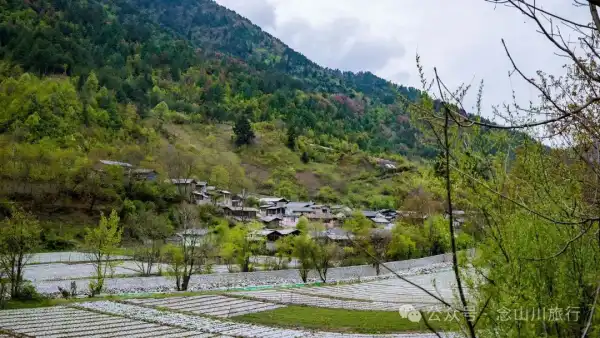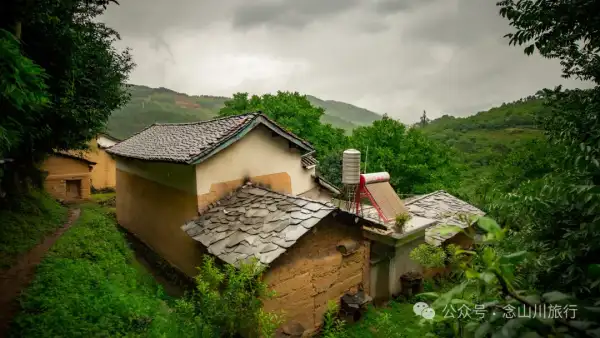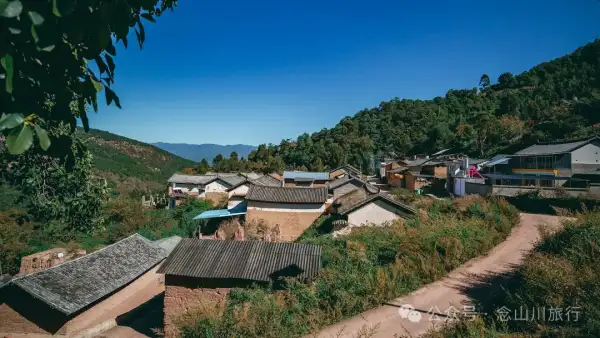

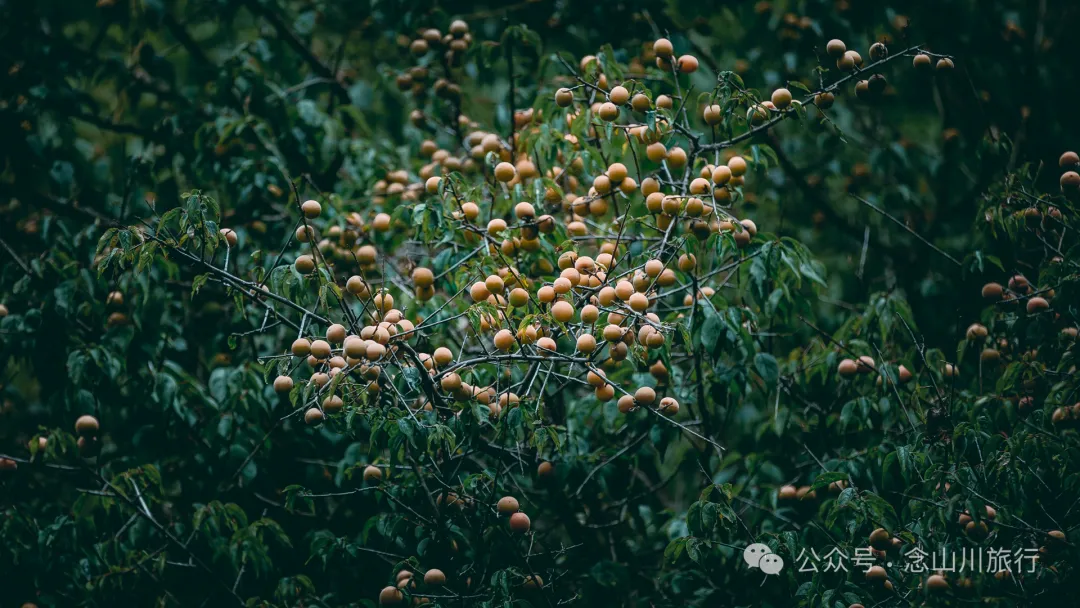
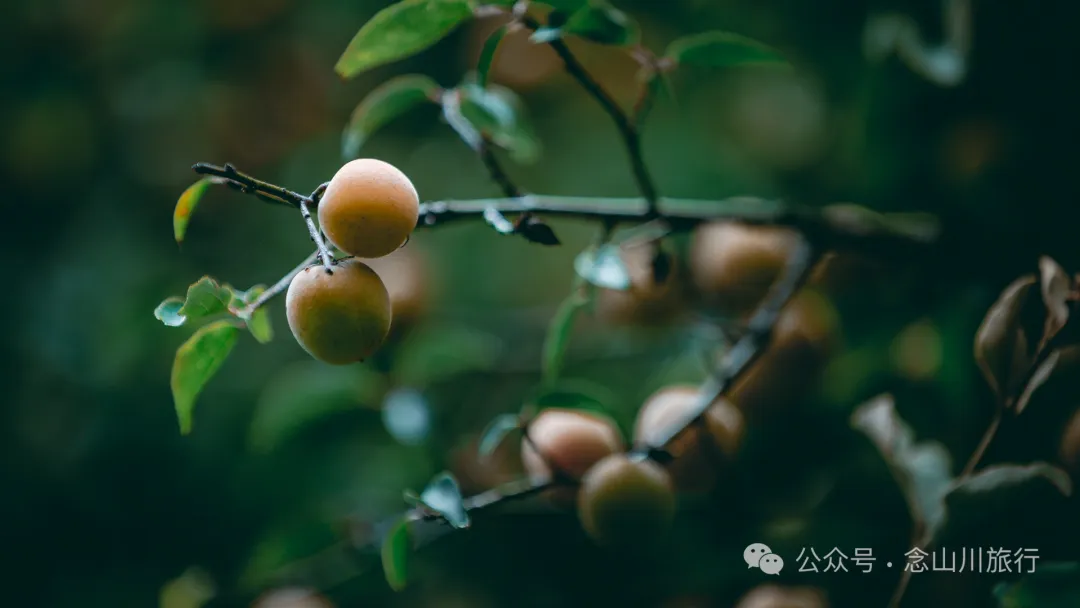
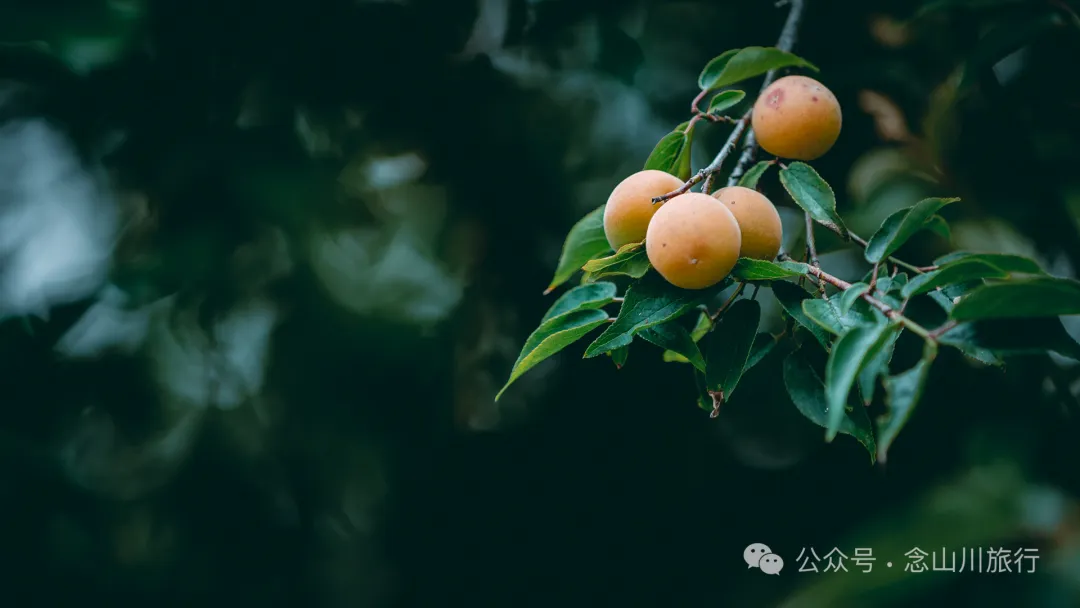
In the first month of the lunar year, I had walked back and forth along the field paths between Anli's and Erwa's houses many times. At that time, the green plum branches were budding, with pink and yellow buds still holding dew, ready to bloom in the warm winter sun. Half a year later, the branches are now heavy with fruit—green and yellow, large and small plums bending the branches, countless in number. Our team of small-town youths was summoned back to the mountain village by the plums, spending a busy yet laughter-filled day under the trees.
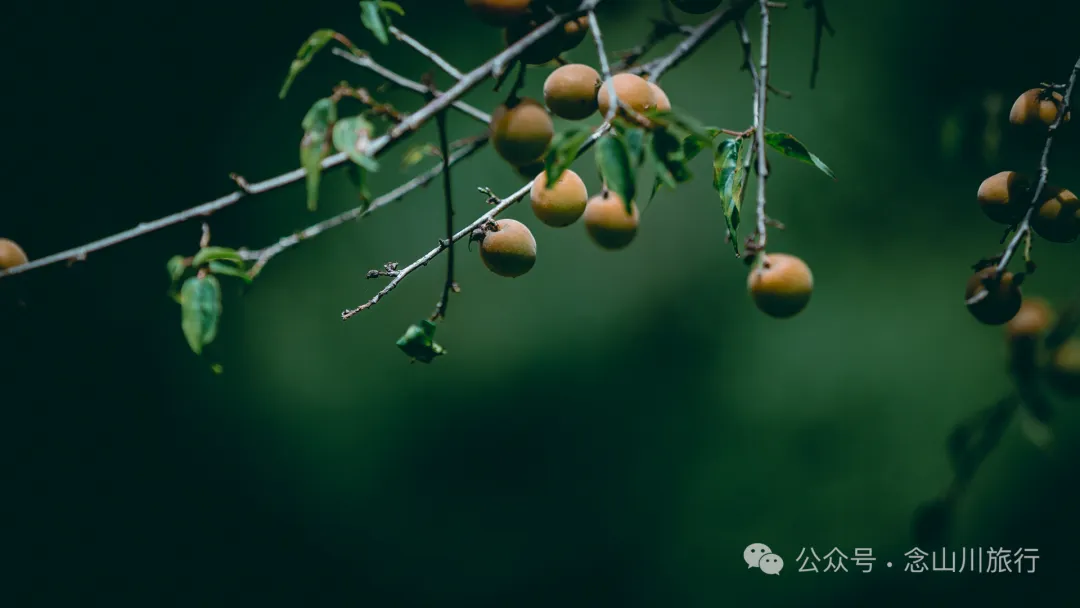
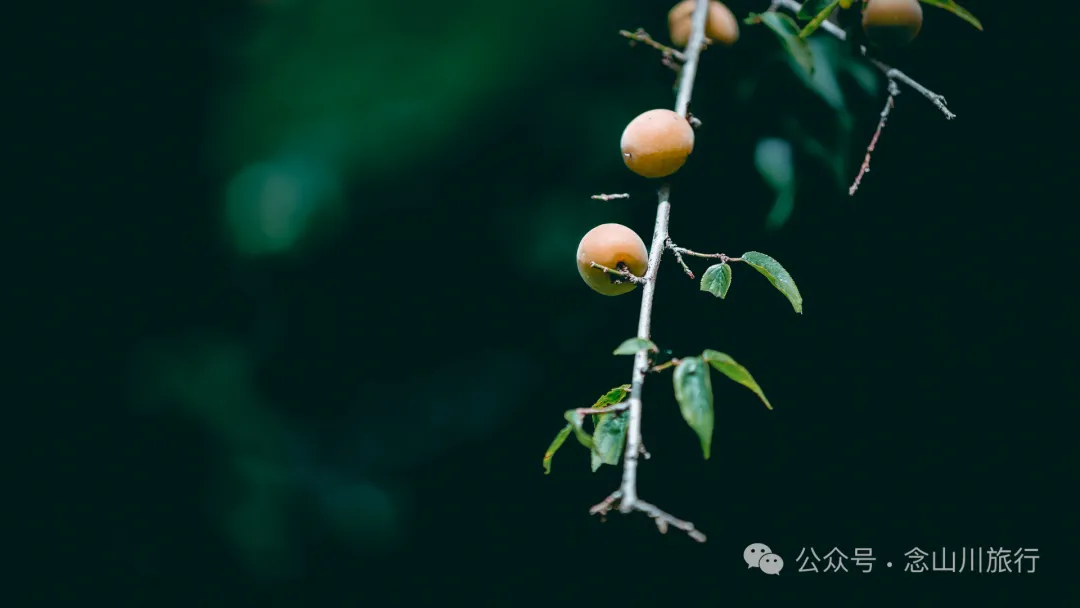
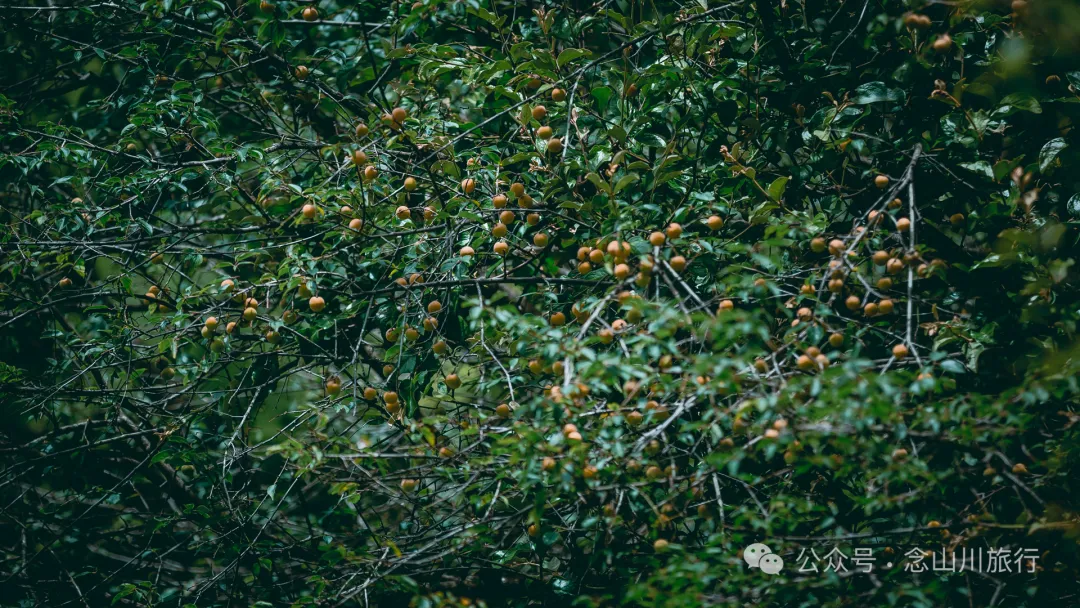
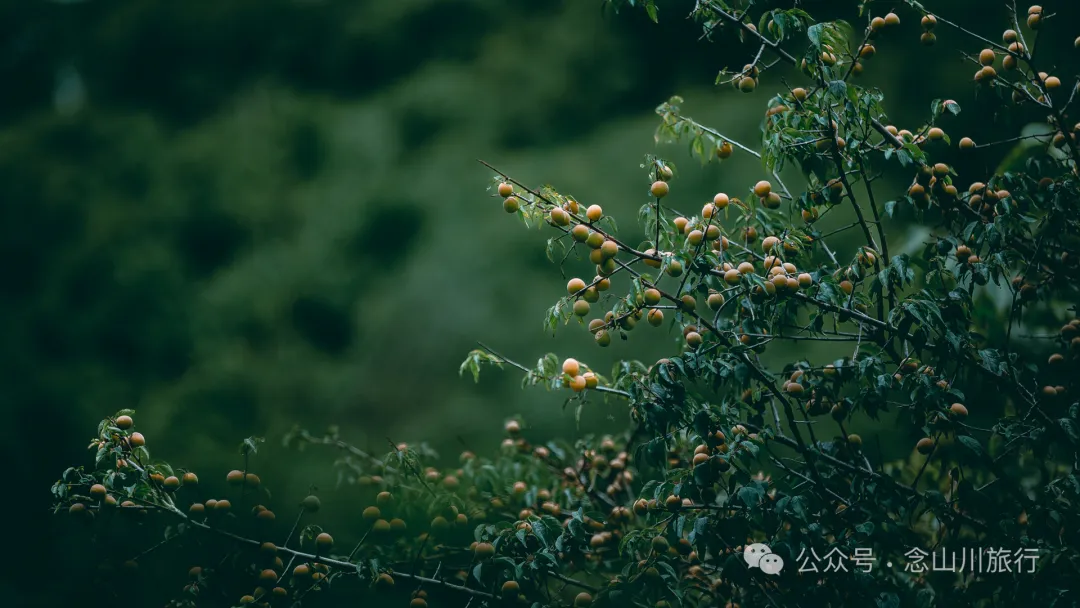
We arrived at Volcano Village at noon. Thick clouds covered the entire sky, and rain had yet to fall. Such a cool, rainless day was perfect for farm work. With two bamboo poles, a large plastic sheet, six or seven woven bags, and two backpacks, we began our highly entertaining mountain labor under the lushest green plum tree near Erwa's house.
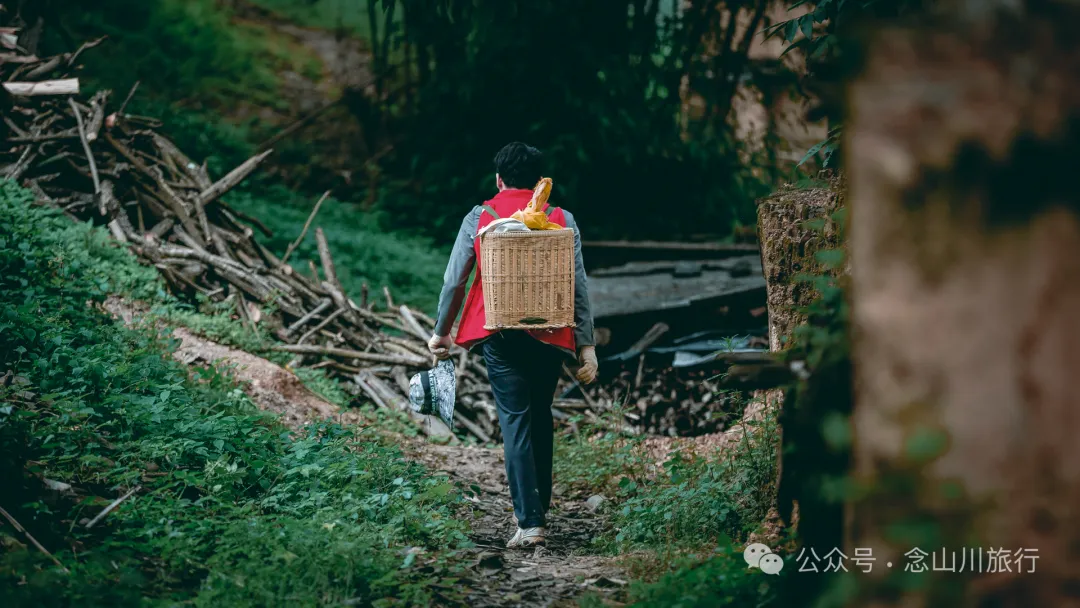
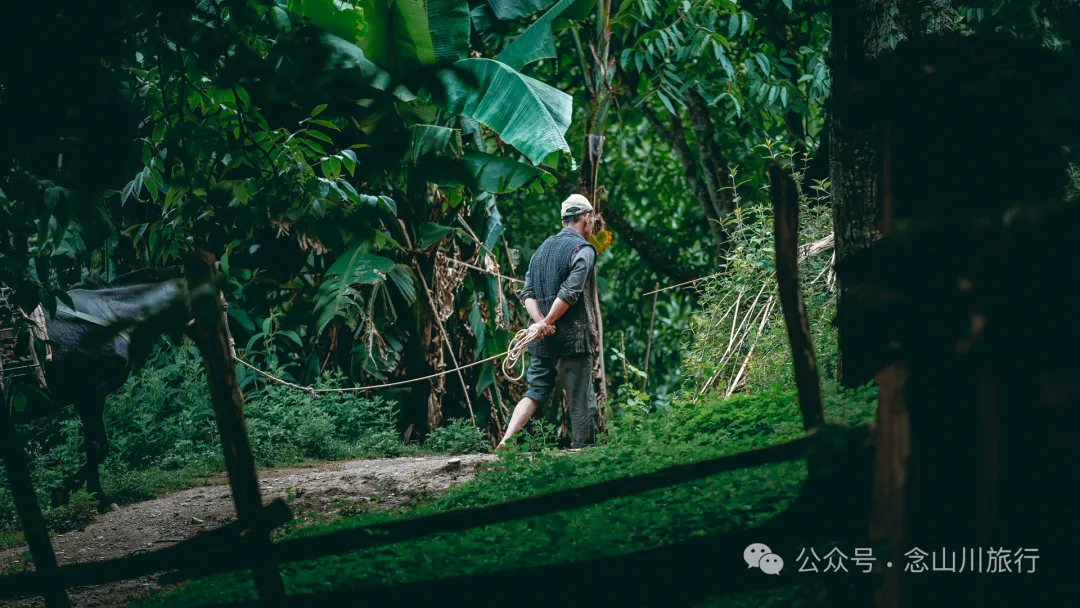
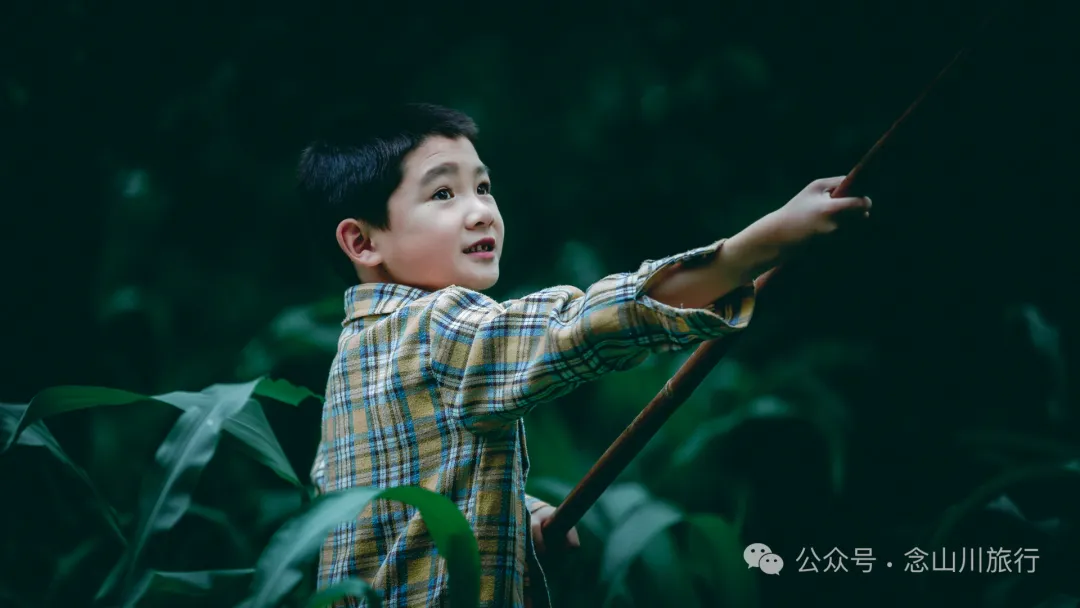
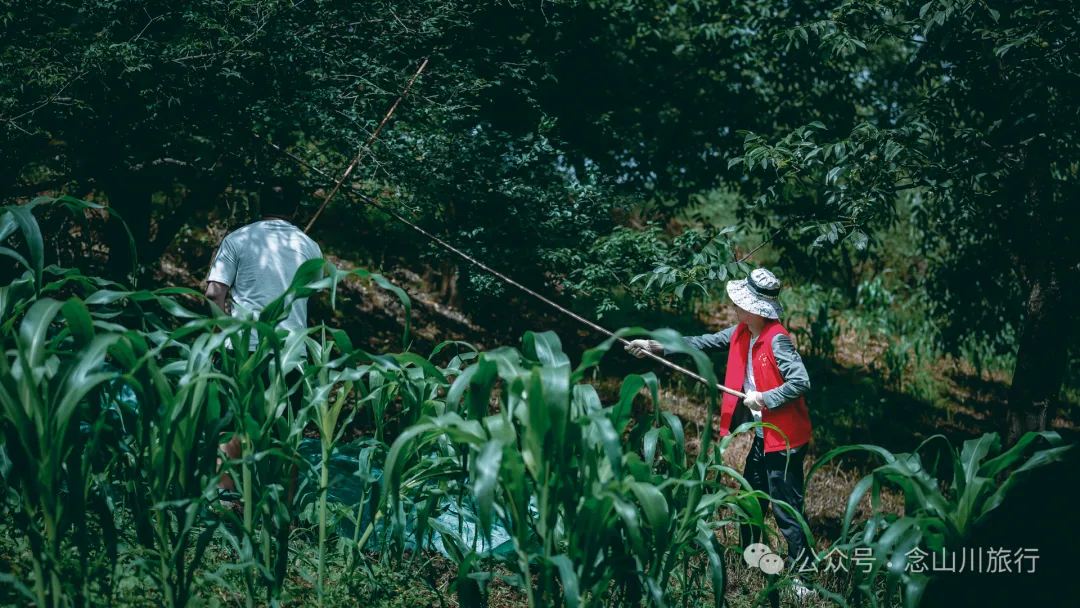
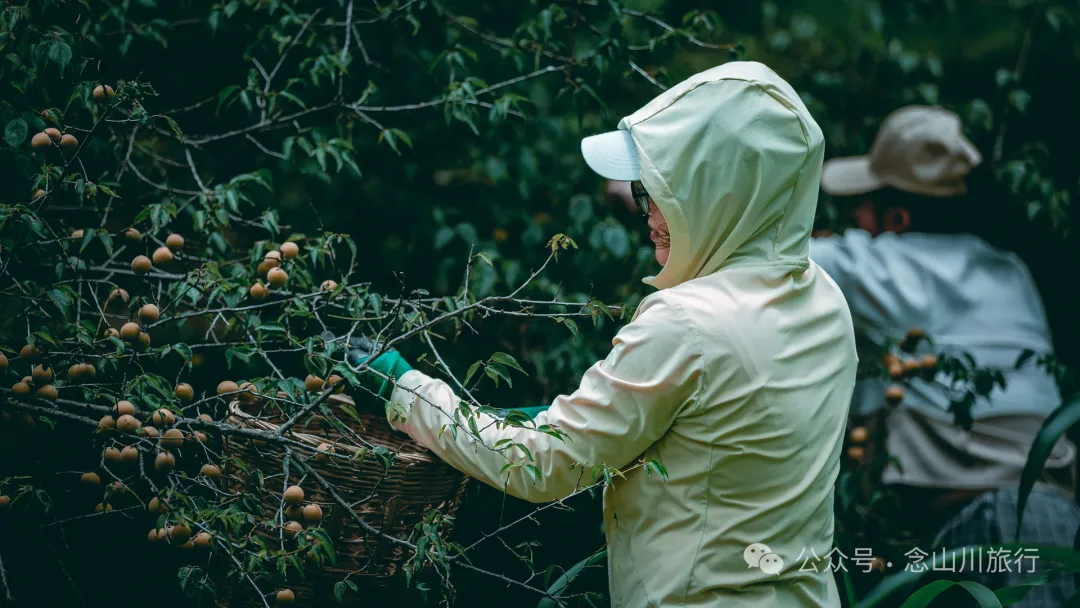
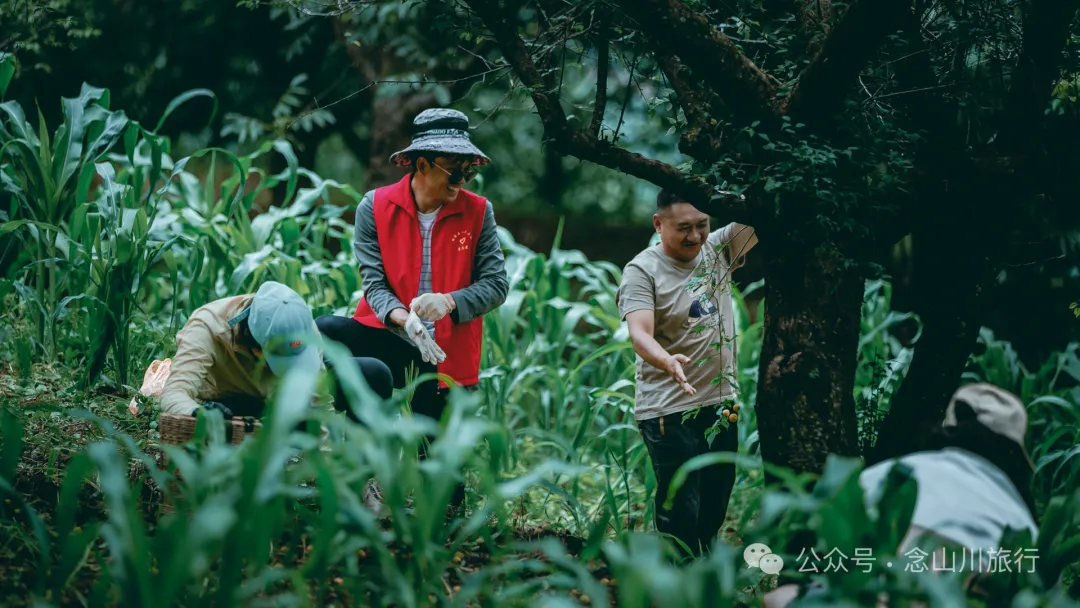
Calling this hard mountain labor an entertainment is neither self-deprecation nor self-praise. Having spent time away from the mountains, these small-town youths are filled with nostalgia for everything here. Even hard work only tires the body, while the mind finds great relaxation and comfort. Here, no one demands we be emotionally intelligent; we can act willfully. Xiaojun has worked outside for years, rarely returning to the mountain village during this season, let alone climbing trees to knock down plums. So all afternoon, he stayed perched on the plum tree branches, using a bamboo pole to knock plums or shaking the branches vigorously. Even as sweat soaked his clothes repeatedly, he refused to come down, like a playful child.
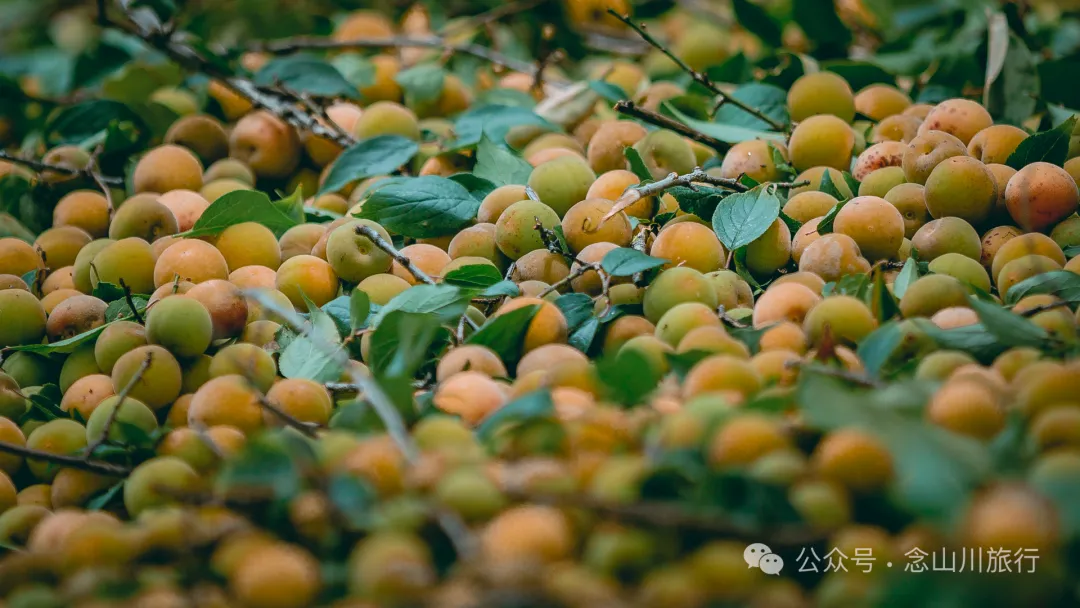
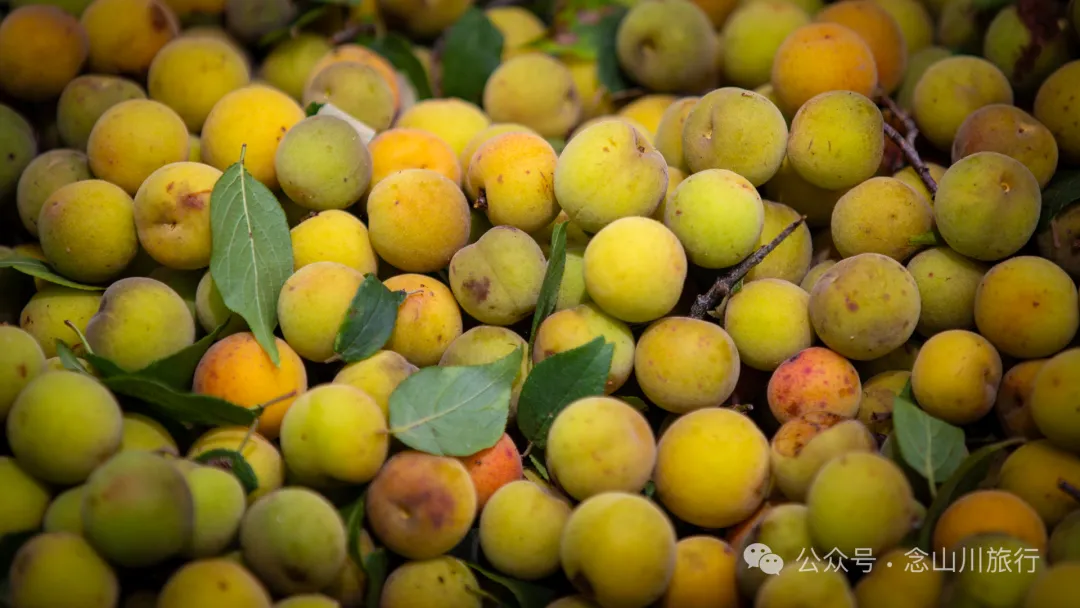
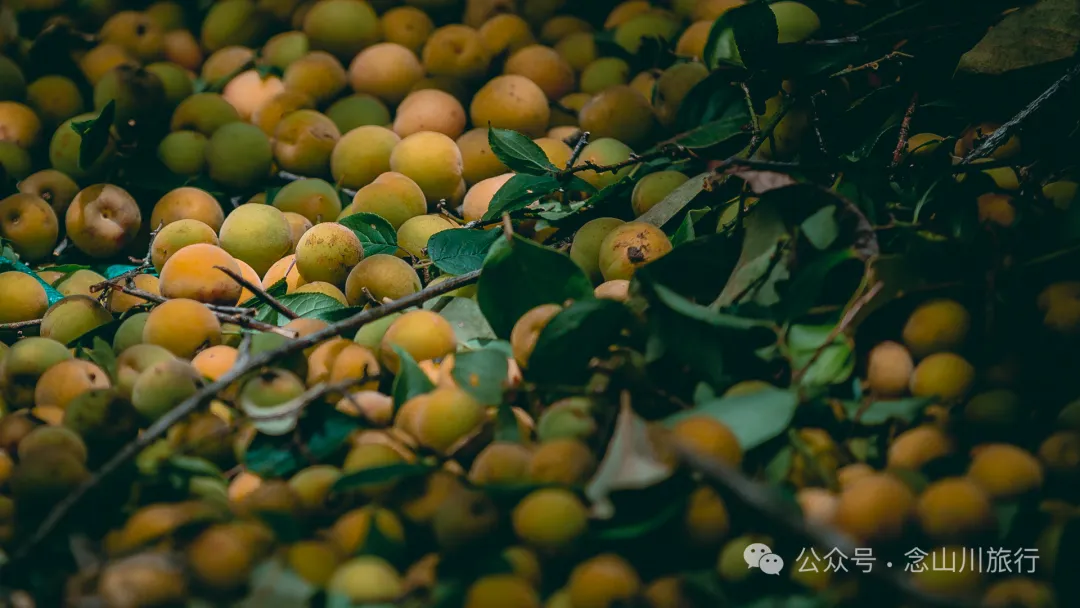
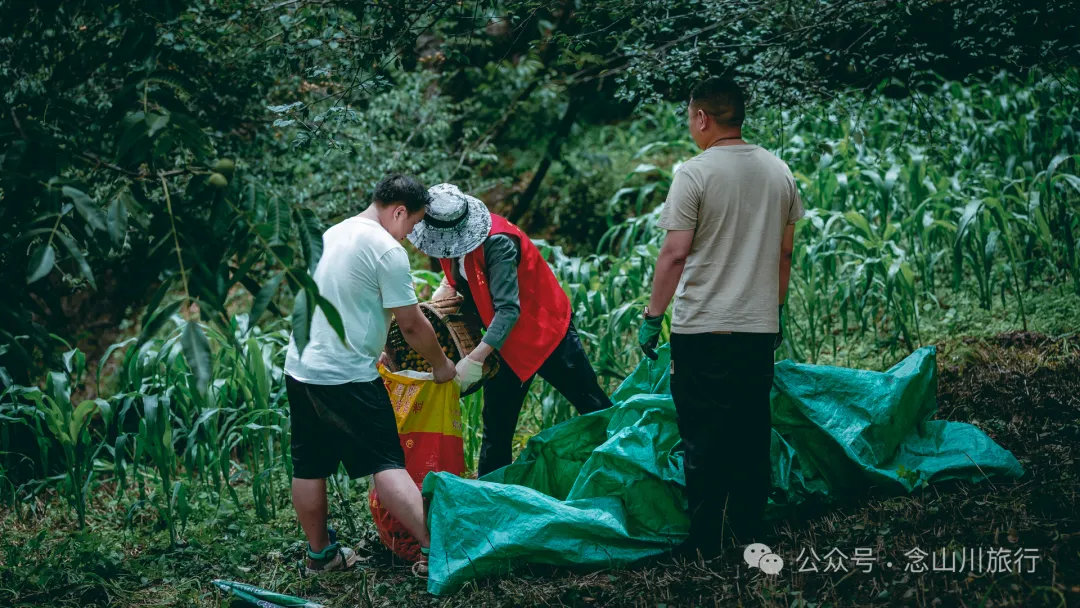
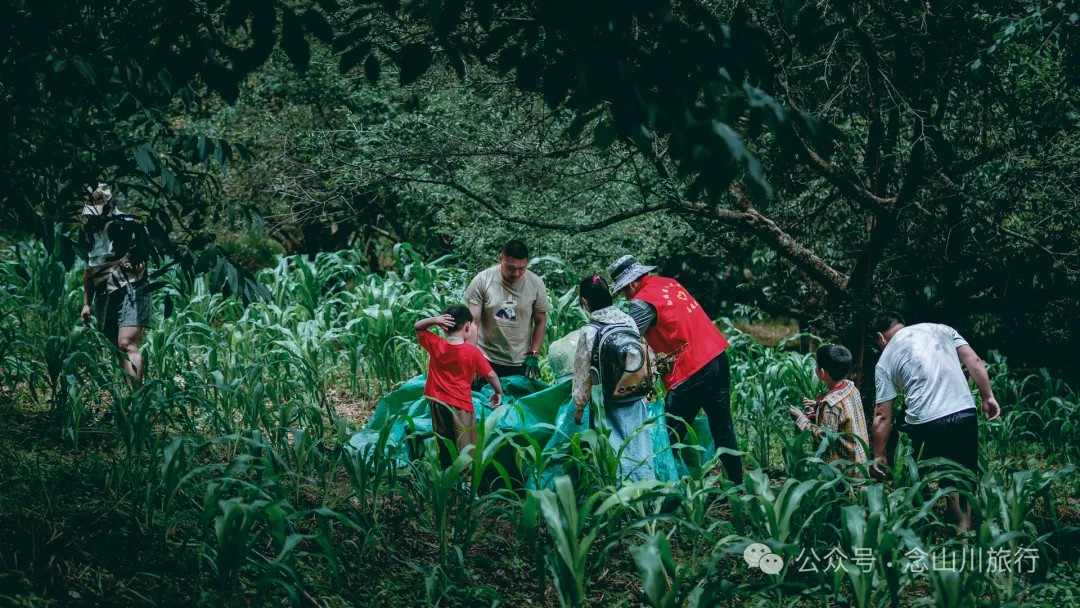
Erwa and Xiaojun vigorously knocked the high plums onto the mat below with bamboo poles, while the rest of us bent over, heads down, picking up the scattered plums into baskets, shuffling around the tree in mud-stained shoes. The knocked plums fell one by one, like emerald stars leaping out from a distant dream, suddenly appearing before us, bringing with them memories like splashes of water when diving in—a moment of clarity. This scene was so familiar, as if I had lived it before. We quickly cleared one plum tree—by quickly, I mean not minutes or half an hour, but a full two hours. Amidst the lively noise and busy work, time always seems to flow unusually fast, and one often loses proper perception.
The dark clouds above seemed tired of our noise and scattered, making way for the blue sky. Sunlight filtered through the dense leaves, turning the cool, comfortable working environment hot and stuffy. The cicadas hiding in the tall walnut trees nearby began to chirp annoyingly, adding to our frustration. The children squatting by the roadside, no longer curious or delighted, clamored to go home. In the next two hours, we finished harvesting the other two plum trees, removing leaves, packing into frames and bags, and waiting for the mules to carry the bags of plums home. Then the work was done.
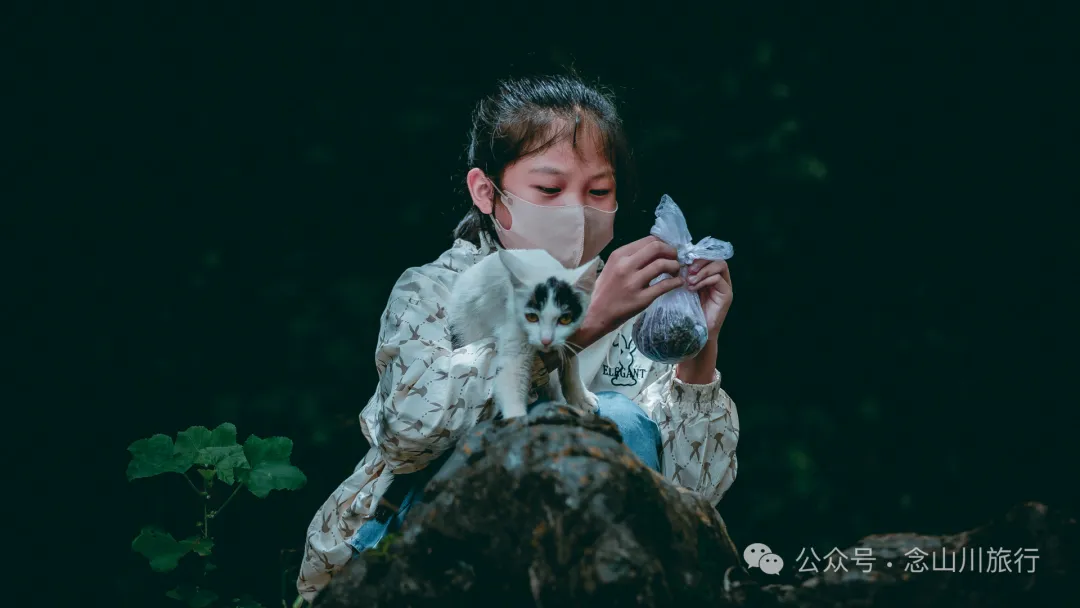
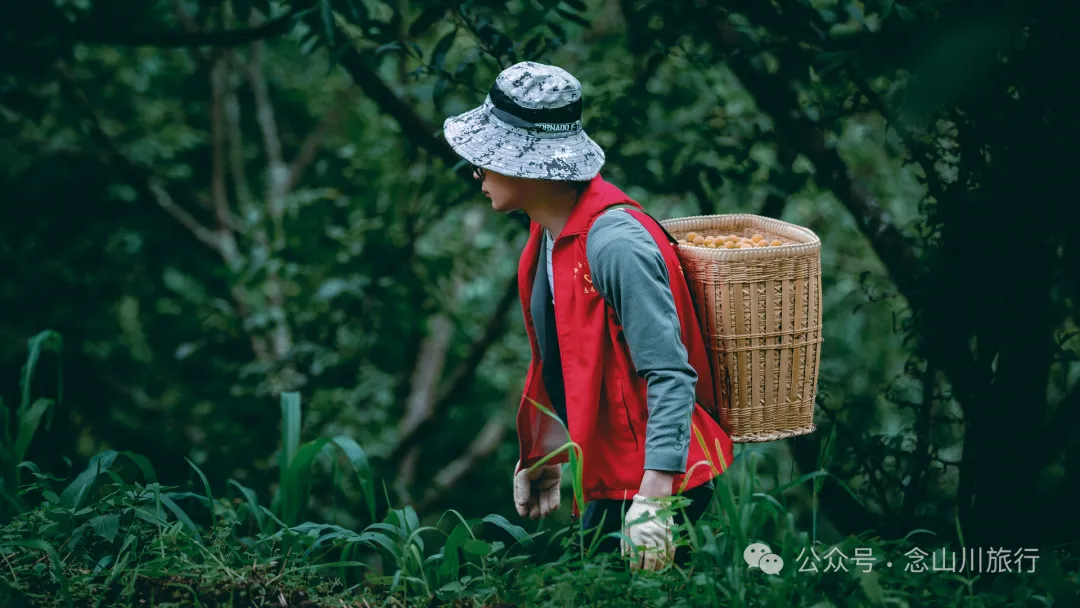
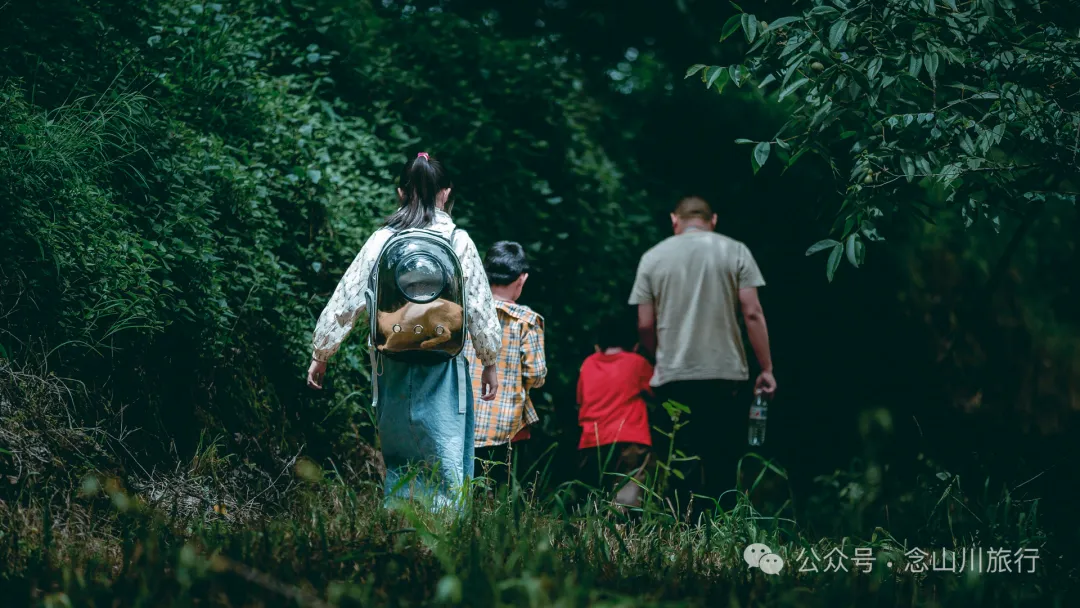
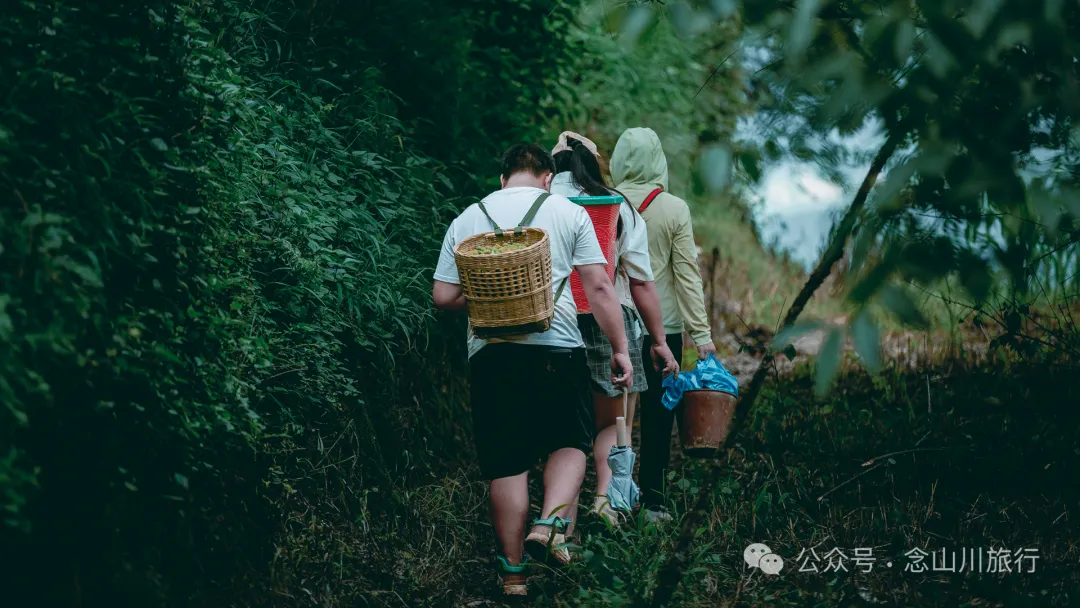
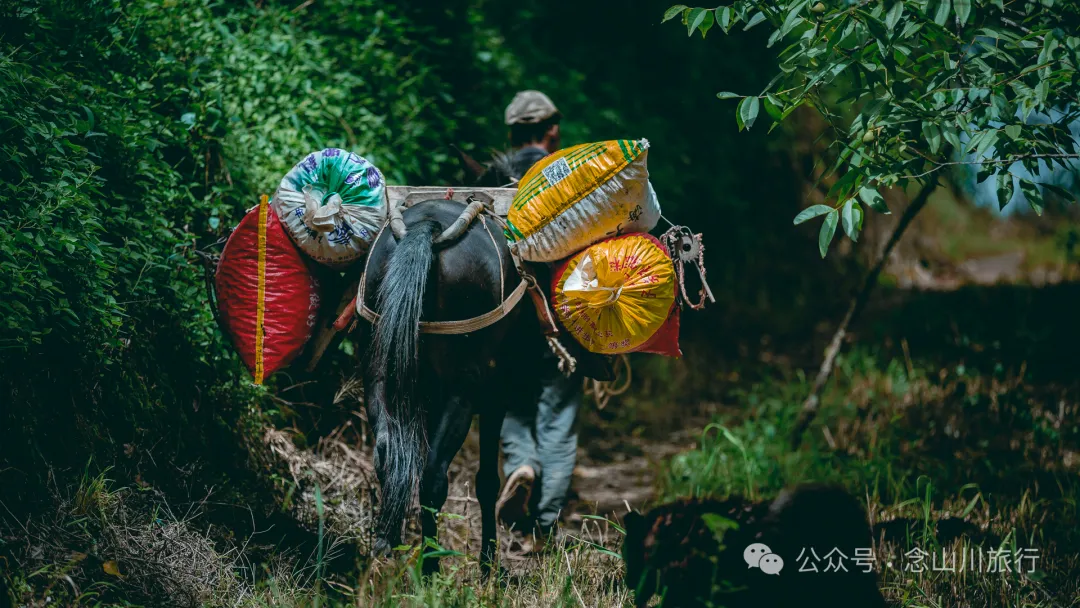
According to Anli and the others, these plums can be used not only for making plum wine but also for appetizing plum vinegar and various preserved plums like huamei and diaomei. After transporting the bagged plums home, specialized buyers come to the village to purchase them. But they are so cheap that a day's hard work can't even cover the cost of a meal of wine. Yet who cares? Aren't the blooming flowers in winter another gift to soothe the soul?