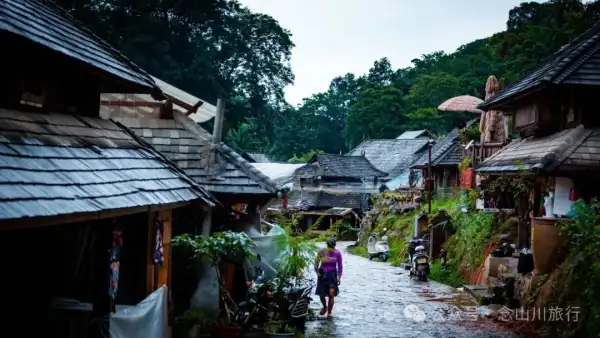

As soon as we stepped into the spacious yard of Erwa's home in Huoshan Village, we heard the vigorous chopping of a cleaver on a cutting board from the kitchen. Knowing we were coming, Uncle had already slaughtered a free-range chicken, so that after our hike in the mountains, we would have a large pot of fragrant chicken soup to fill our stomachs. I went to the side door of the yard to find Grandma. She paused for a few seconds before recognizing me and gave me a big hug and smile (we hadn't seen each other for over half a year). The elderly lady, over eighty years old, was still energetic, feeding five chickens and two pigs. The vacant land outside the yard was full of vegetables she had planted. Her days were busy and fulfilling.
Just as we settled on the steps under the eaves, raindrops the size of Go pieces fell from the gloomy clouds overhead, splashing on the concrete floor of the yard. We couldn't help worrying whether the hike would be canceled. Uncle said the rain wouldn't last long. Mountain people are always experienced; a glance at the color and direction of the clouds tells them the upcoming weather. Sure enough, the raindrops soon became the size of mung beans, falling sparsely over the mountains, and then stopped completely. The gloomy clouds dispersed, revealing a clear sky, though many clouds still lingered in the air, restless.
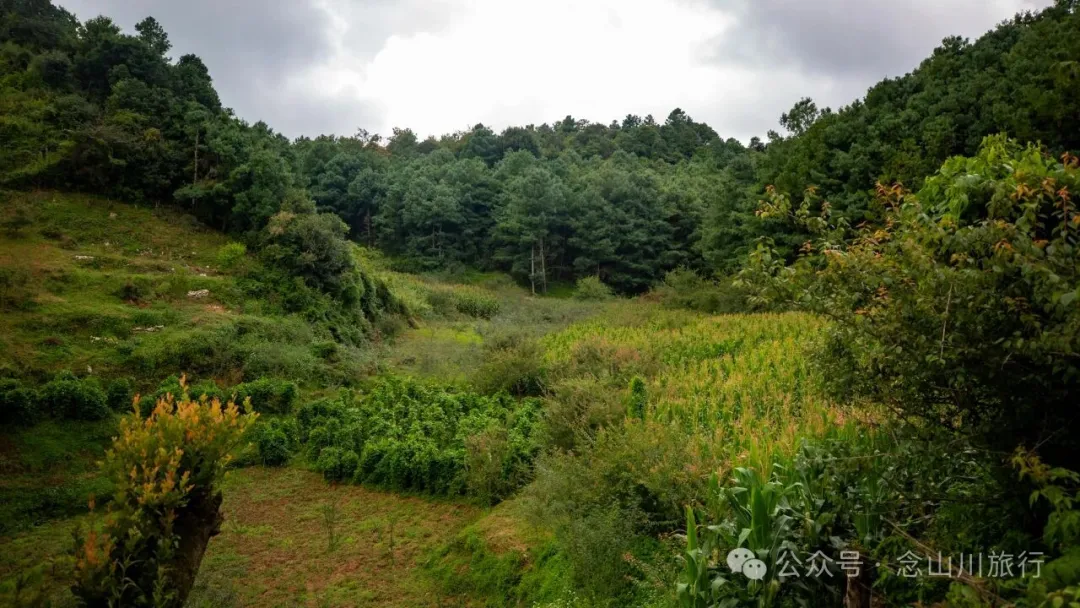
We followed Erwa toward the high mountain behind the village. With a guide, we didn't have to bother remembering the many forks in the road, so even though I had walked this path many times, I still couldn't recall which turn to take at the next junction. Erwa led the way, taking several big turns on the S-shaped winding dirt road before heading up a steep, narrow shortcut flanked by lush weeds. Many plots of mountain land along the road had been cultivated by villagers into farmland, planted with corn this season. The farmland was steep and perilous, with slopes nearly vertical. For us, it was strenuous just to walk up, let alone work on such terrain.
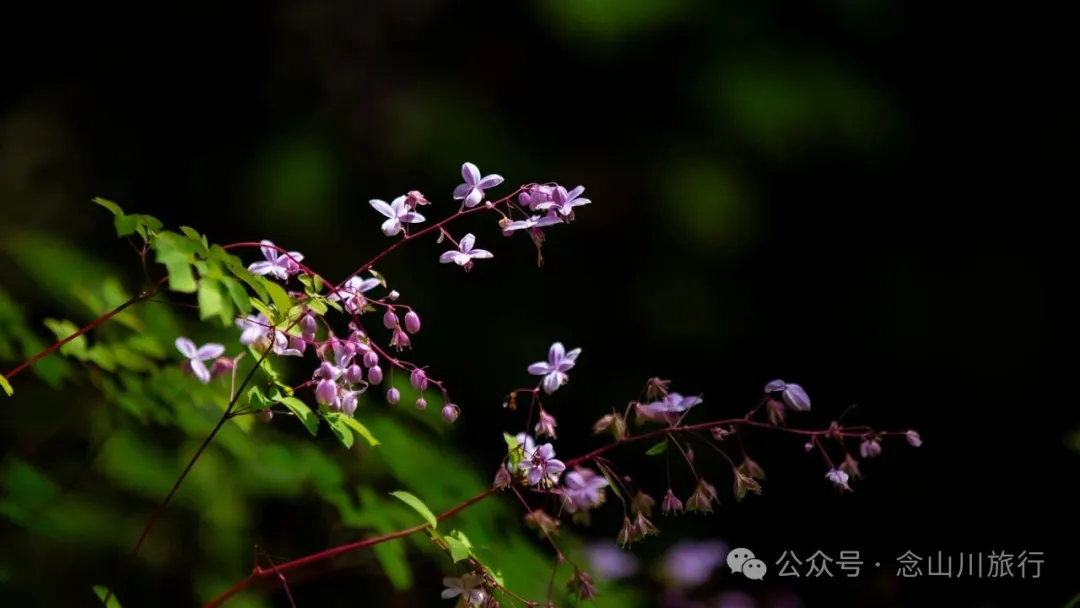
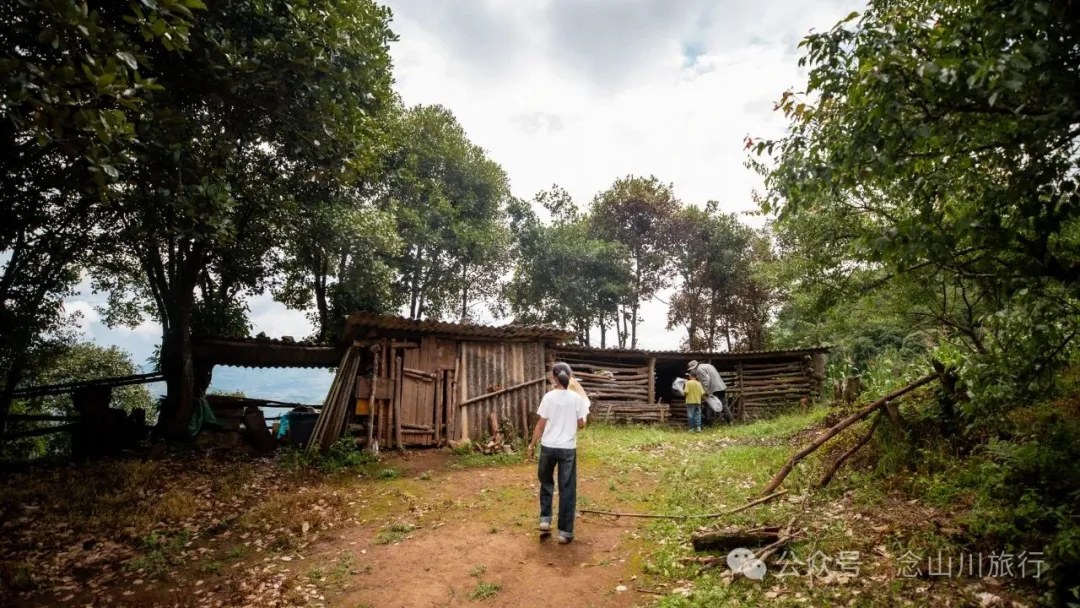
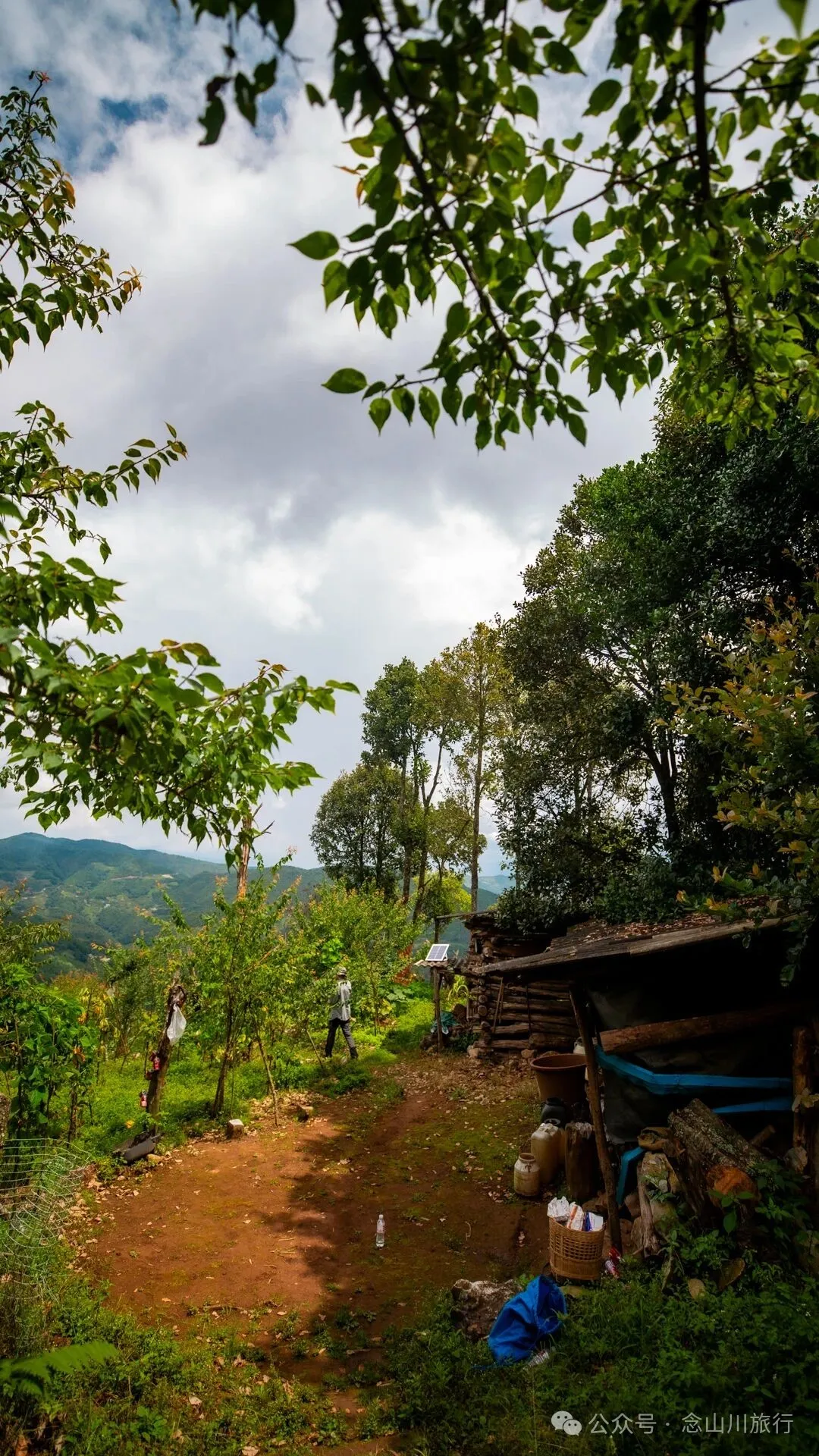
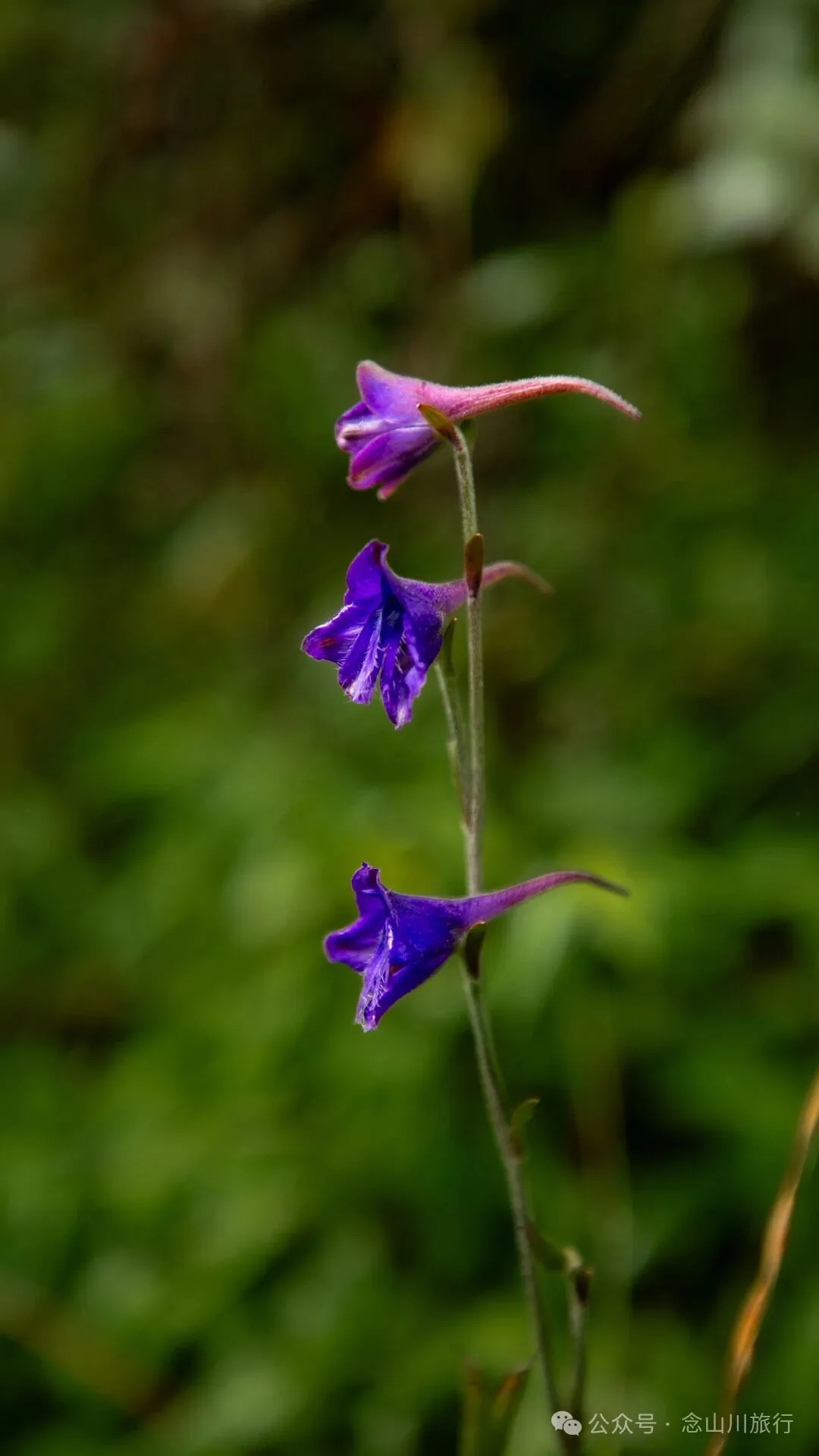
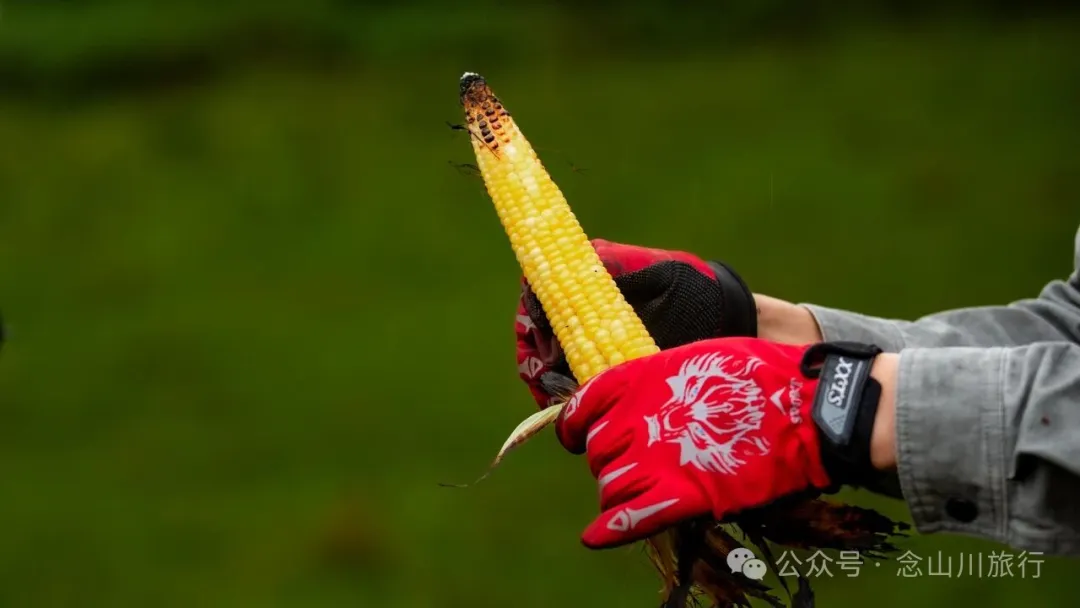
The shortcut ended at Erwa's family's shed. This was our "supply station," where Erwa used to spend the night alone guarding the sheep as a child, far from the village. Several huge oak trees provided shade, with cicadas hiding in the trees singing endlessly. By the roadside, violet-colored delphiniums refused to be buried in the chaotic green, standing tall with thin stems, holding up flowers shaped like birds. Black potatoes were stored in one of the former sheep pens. We grabbed a dozen potatoes, and Erwa picked a few ripe ears of corn from a nearby field. These would be our lunch for the five of us.
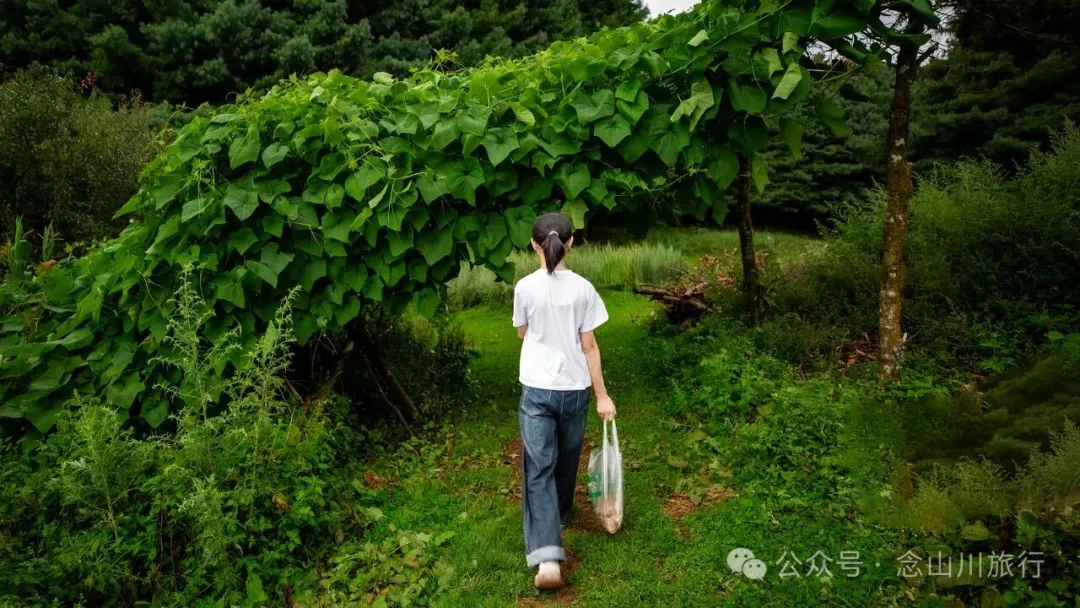
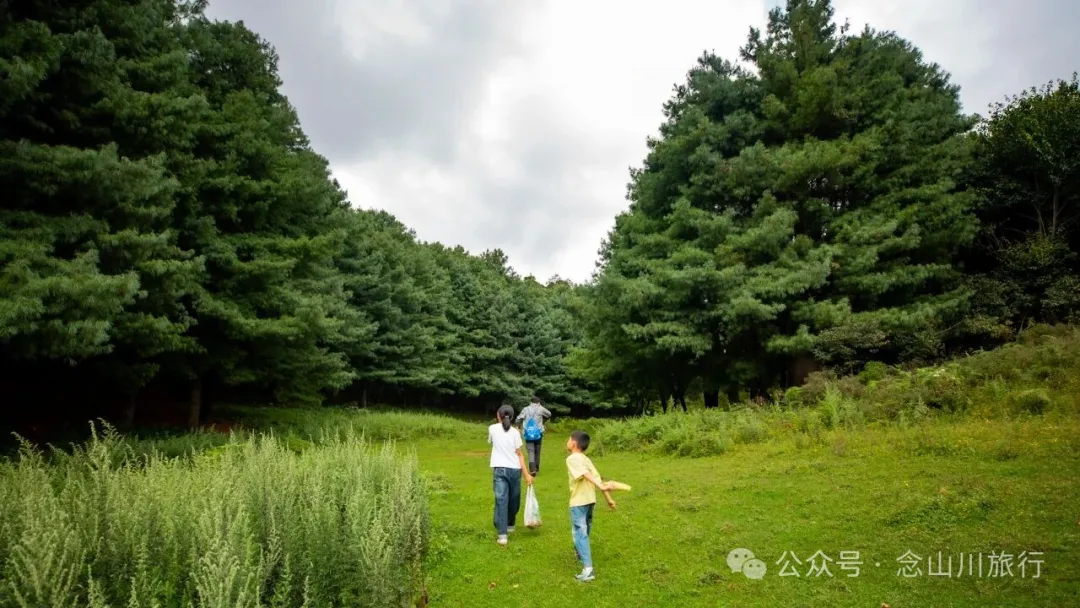
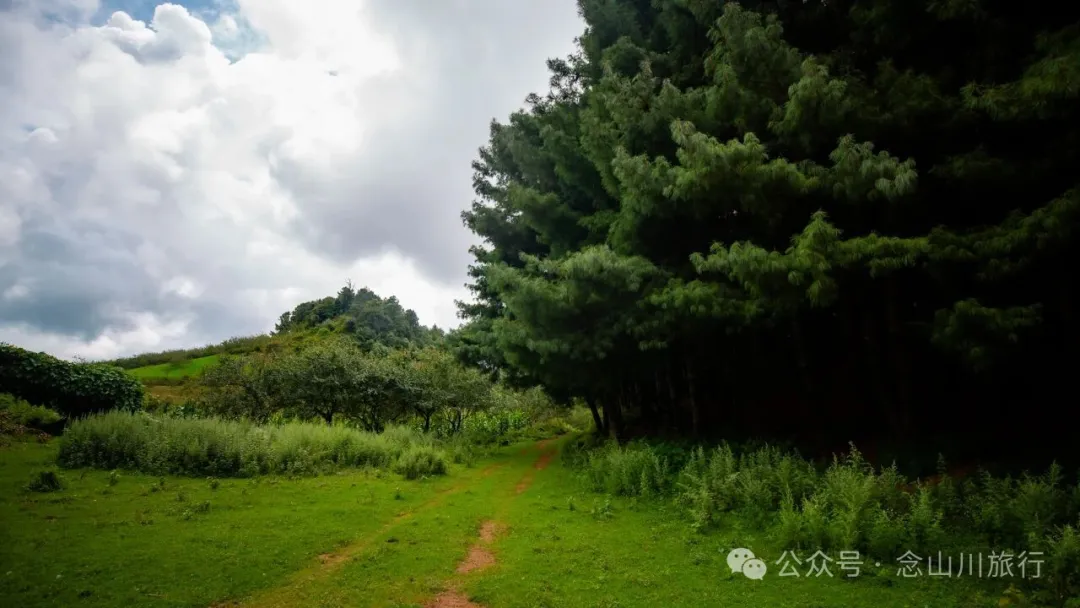
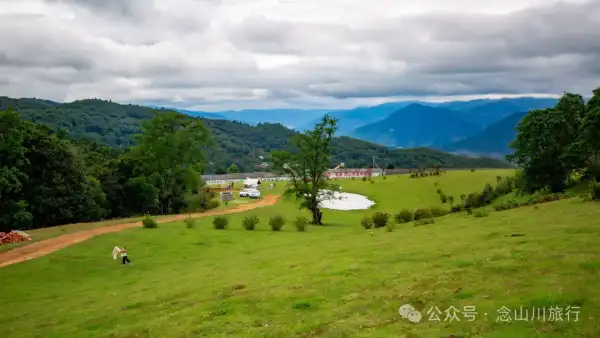
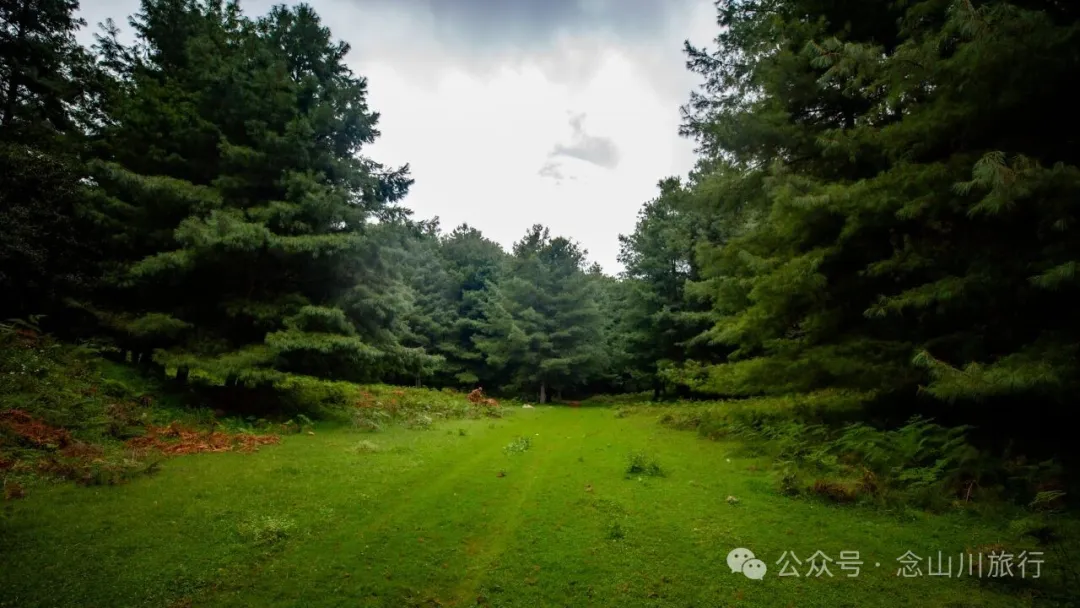
Only after passing through the last cultivated field did we enter relatively intact forest meadows, small patches surrounded by pine forests, scattered in various places. These areas were not entirely free of human traces; herders would drive their cattle and sheep here to graze. On the grassland at the edge of the forest, there was a clear vehicle track, left from when a mining company operated in the mountains. To us, the forests and grasslands seemed pristine and lush, but in Erwa's eyes, they had been severely damaged. "The forest used to be denser. That steep slope we walked on was once forest, but over time, villagers cleared it for farmland," he said. Years later, as the population declines, one wonders if humans will return the farmland to the forest, to nature.
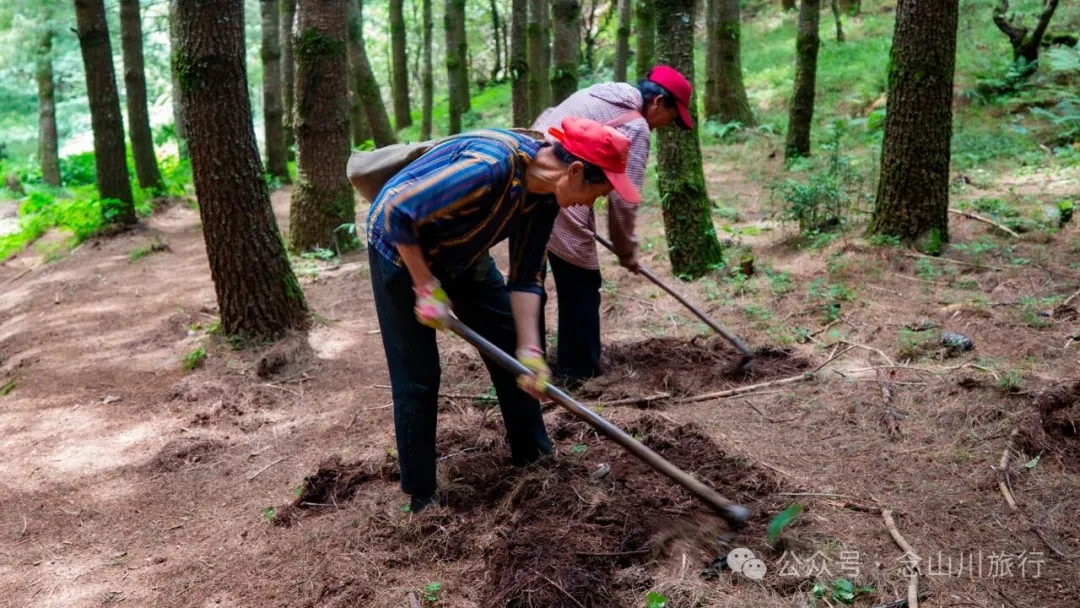
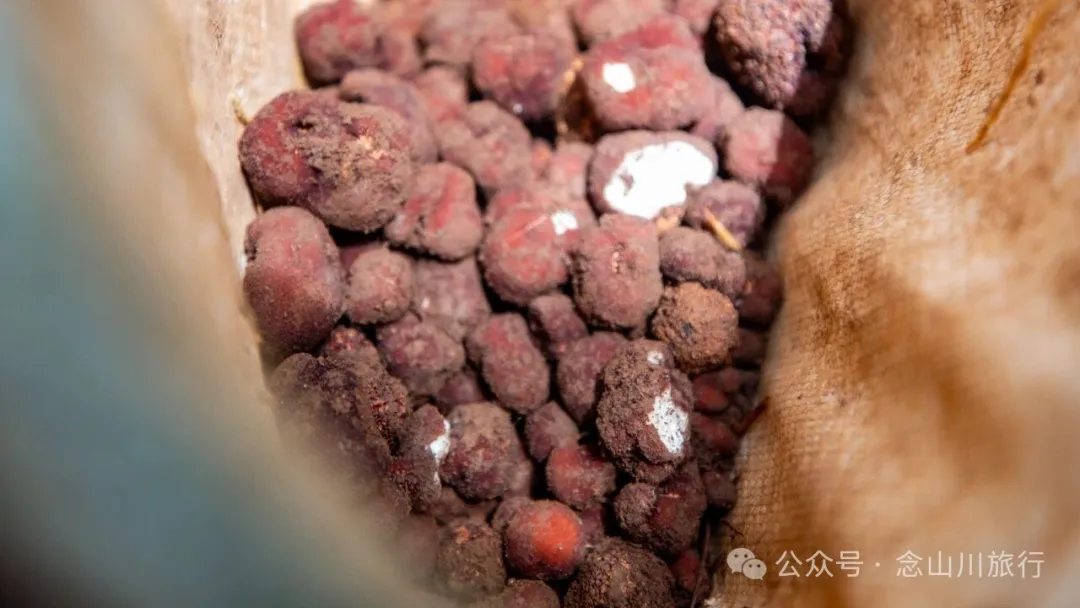
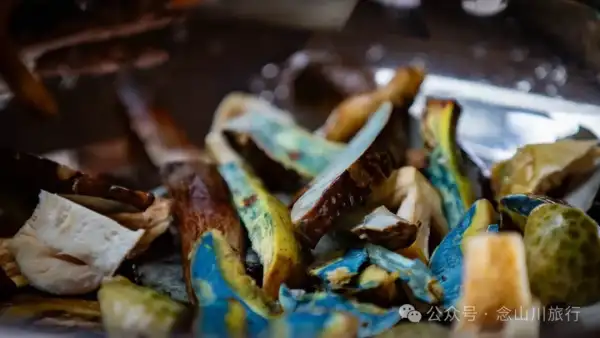
In the pine forest by the roadside, we met three villagers digging for "pig-grubbed mushrooms," which are actually truffles. The ground after digging looks as if pigs have rooted it up, hence the vivid name. I glanced at the truffles in their bags; some large ones were about four to five centimeters in diameter. I praised their skill, but one villager said some individual truffles weighed over a pound. That showed my lack of knowledge.
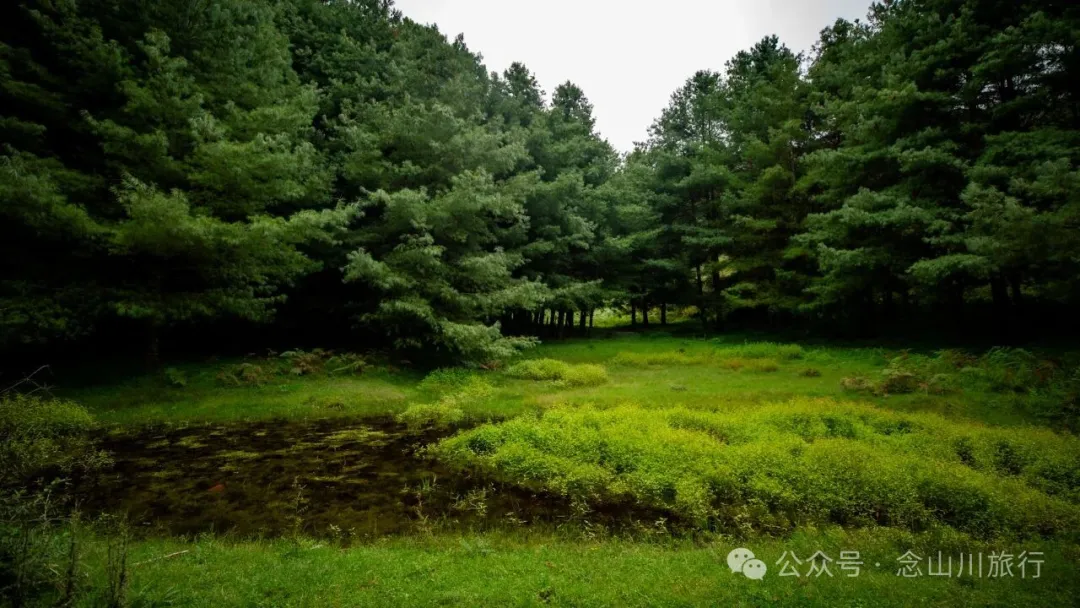
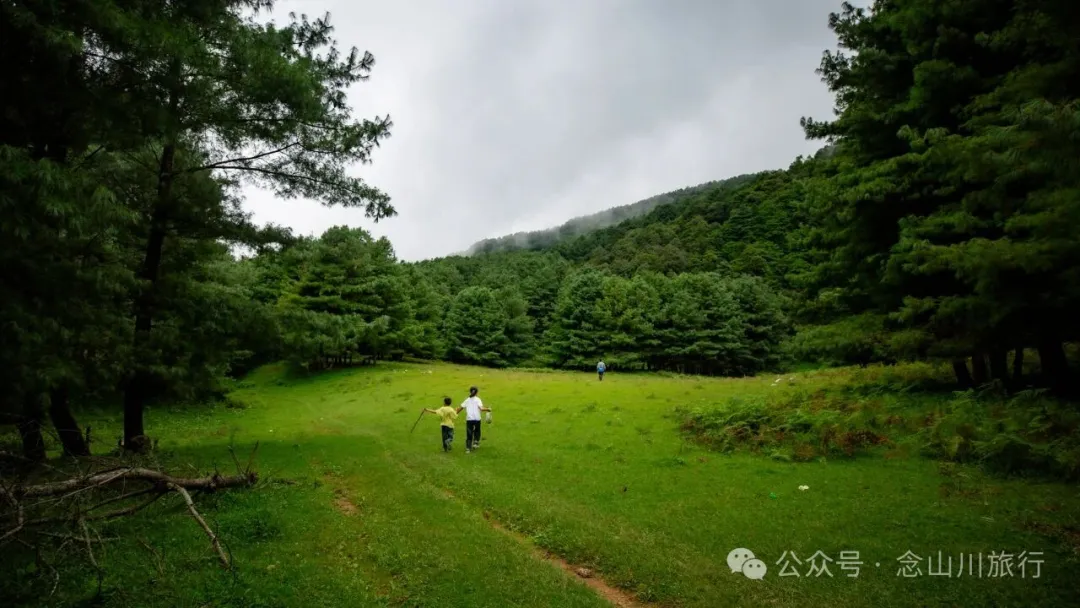
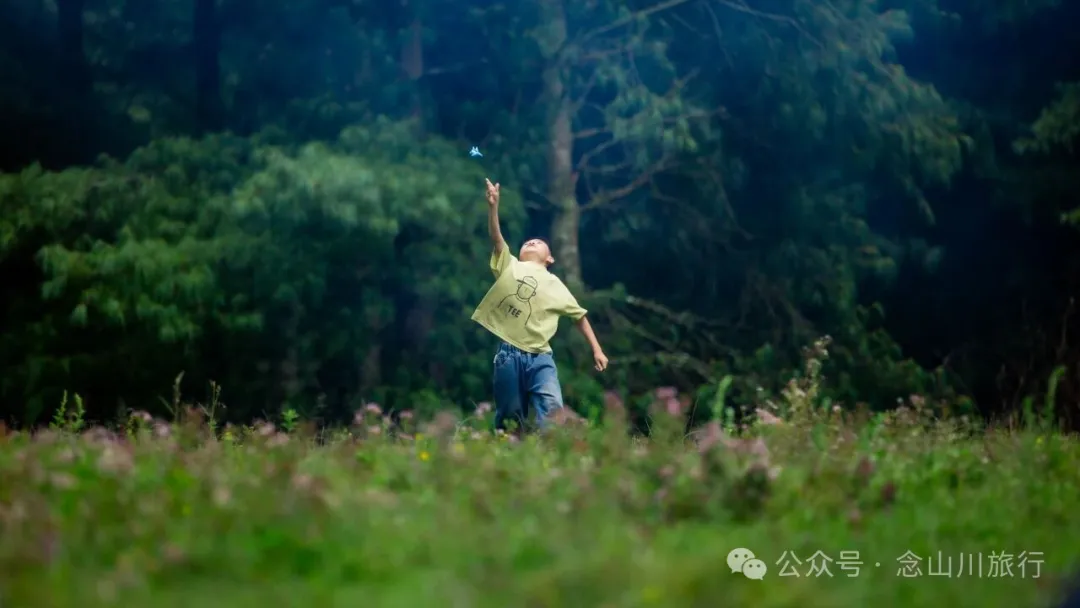
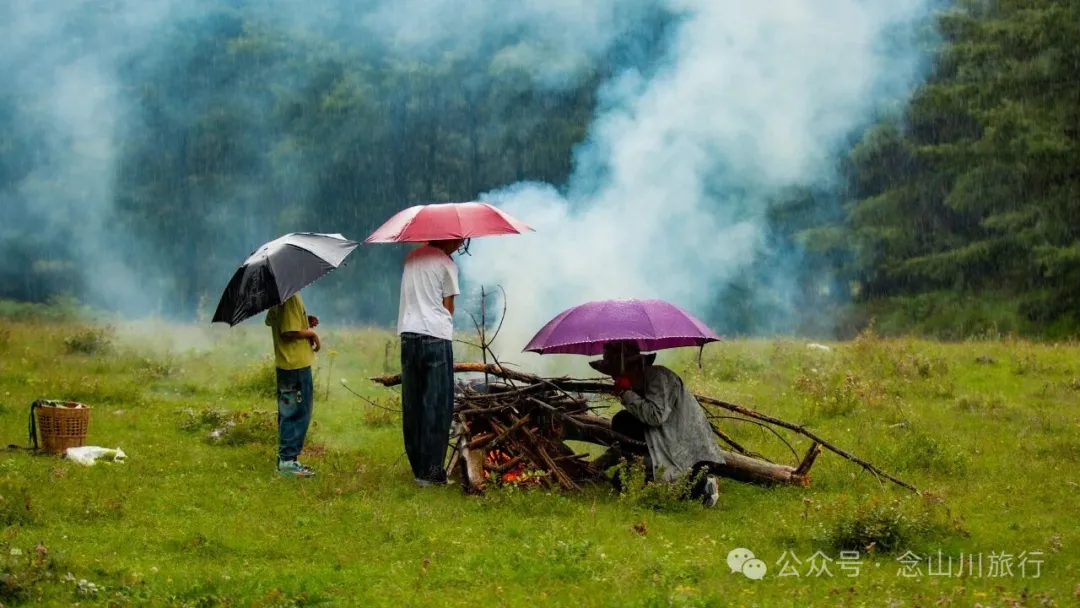
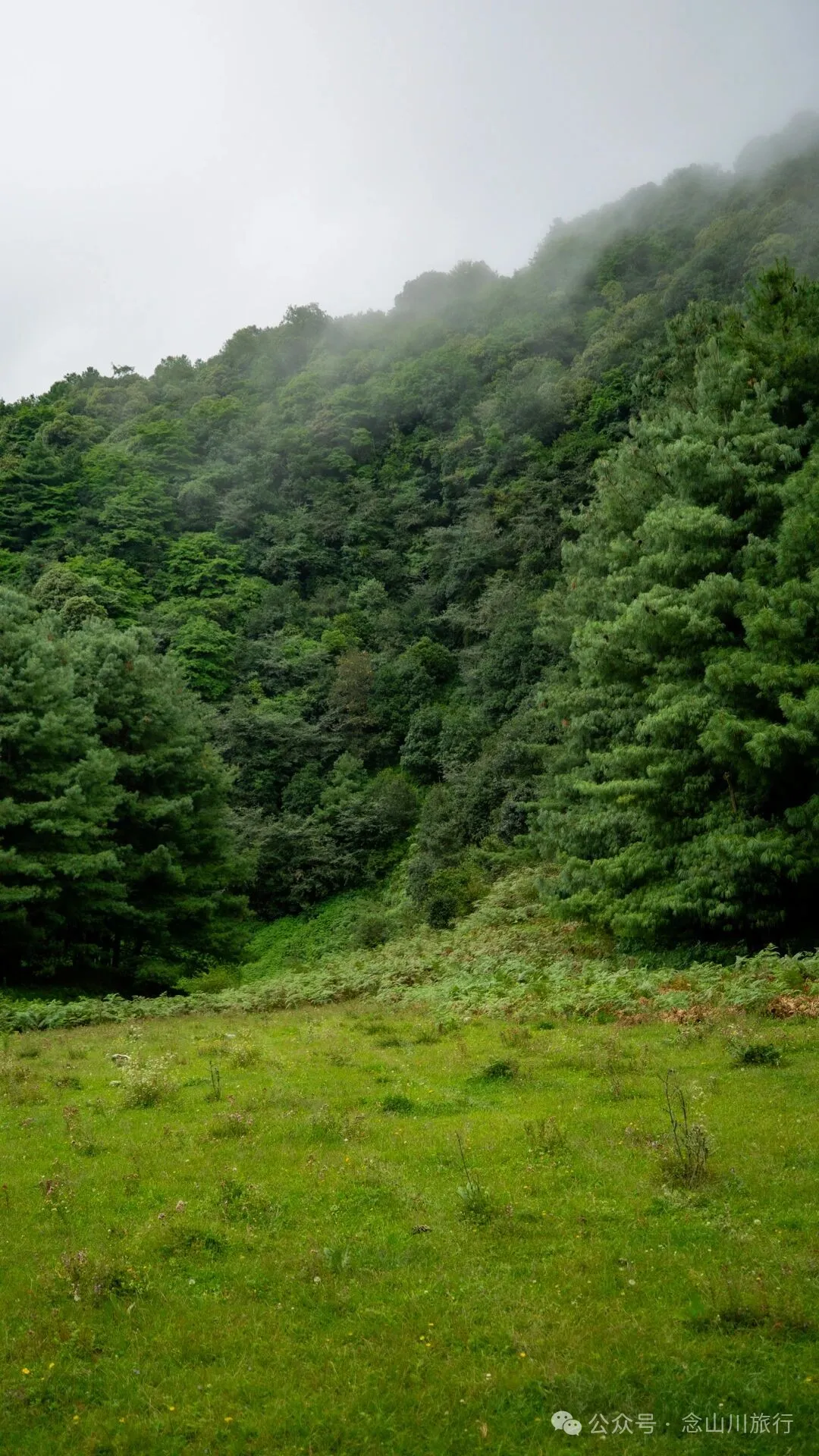
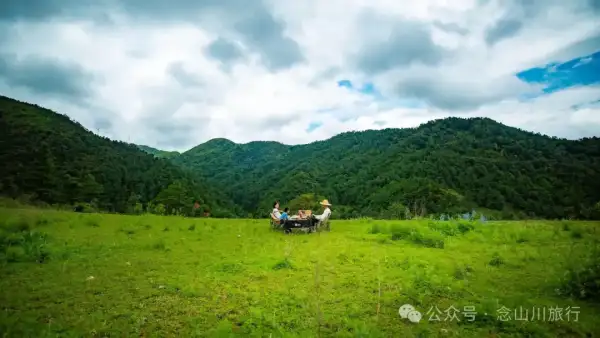
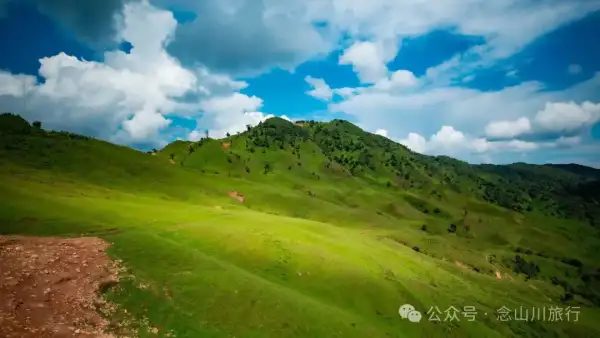
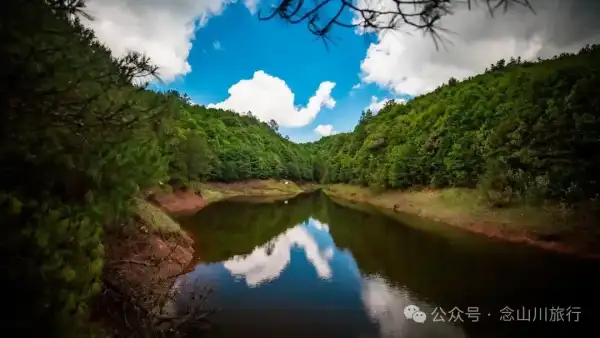
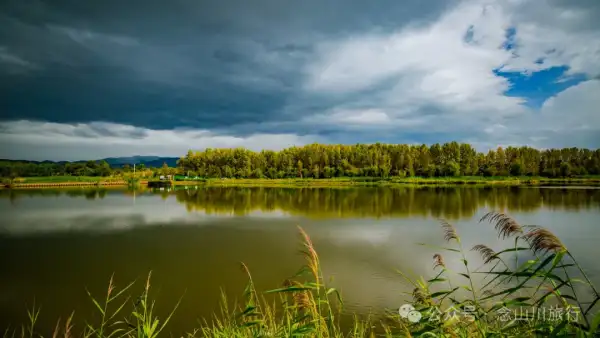
After walking deeper into the mountains for a while, we arrived at a relatively open meadow. Wildflowers and grasses were thriving, and drifting clouds clung to the treetops, suggesting a heavy rain was inevitable. This was the endpoint of our hike. Nearby, a depression had collected some rainwater, clear to the bottom, filled with black tadpoles resting by the aquatic weeds. Erwa said that when he was a child, there was more abundant rainfall, with ponds everywhere. He and his father used to wash and shear sheep here. Now the climate has become drier, leaving only this one pond.
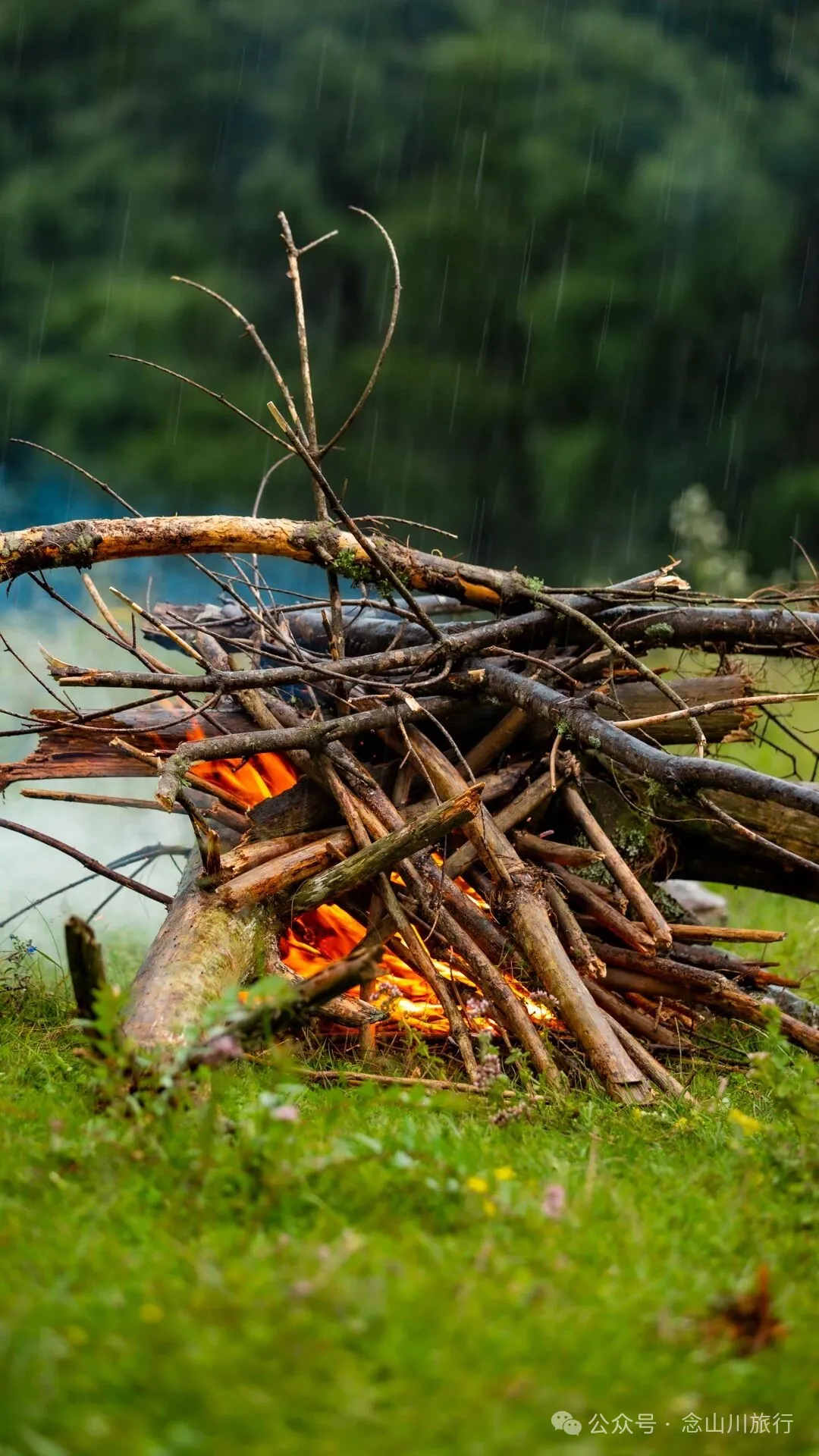
Setting down our packs, Erwa began to gather three or four large stones and arranged them in a line on the grass. Then he walked into the pine forest to find burnable wood. He dragged out two thick, dead tree trunks from the forest and headed to another grove, where he kicked hard at a standing dead tree, causing it to fall. He propped one end of the two thick trunks against the stones as a base, placed some flammable twigs and pine needles in the middle, and gradually added larger branches. Once the pine needles ignited, the flames leaped up with a crackling sound. He preferred collecting dead pine branches, saying the resin helps the fire burn even in rain.
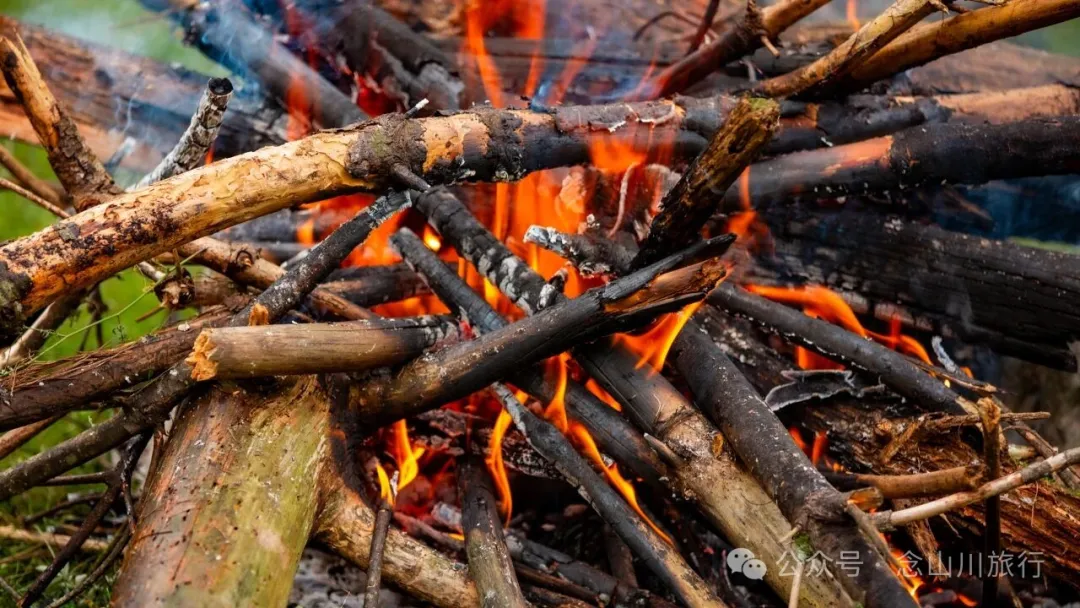
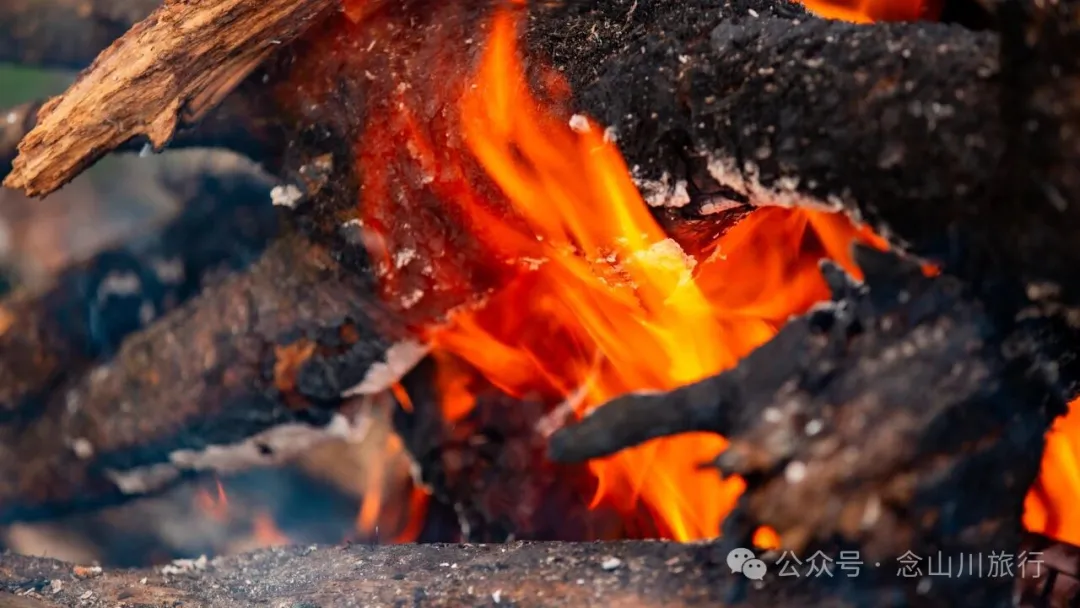
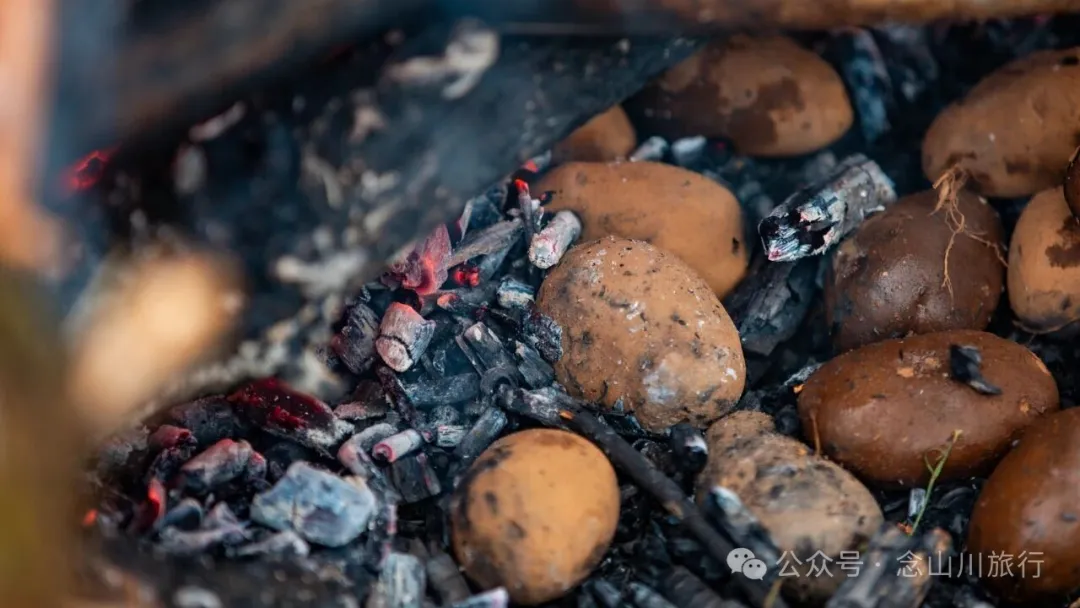
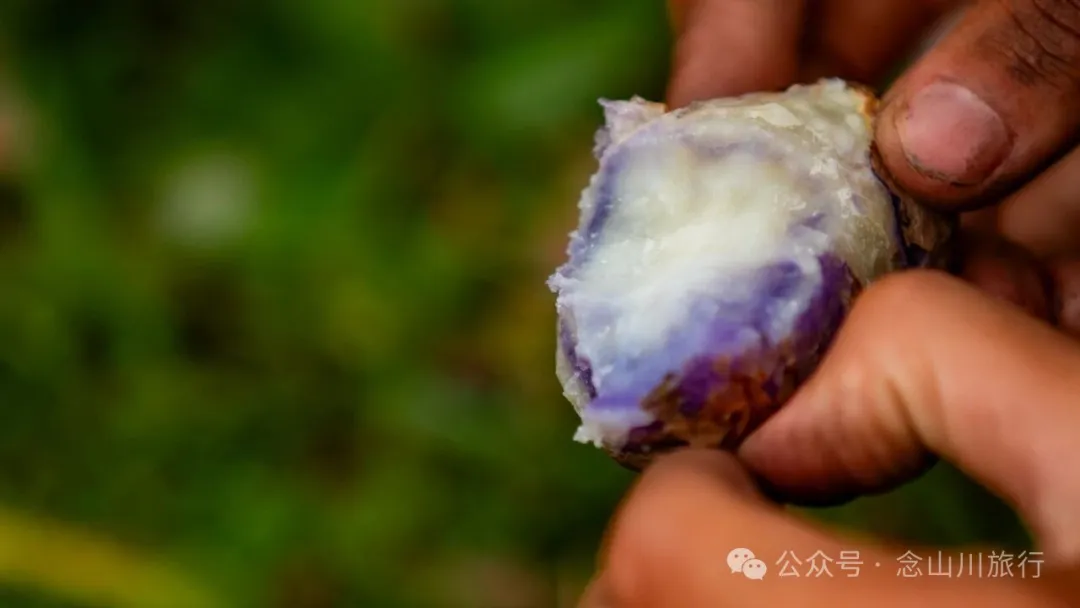
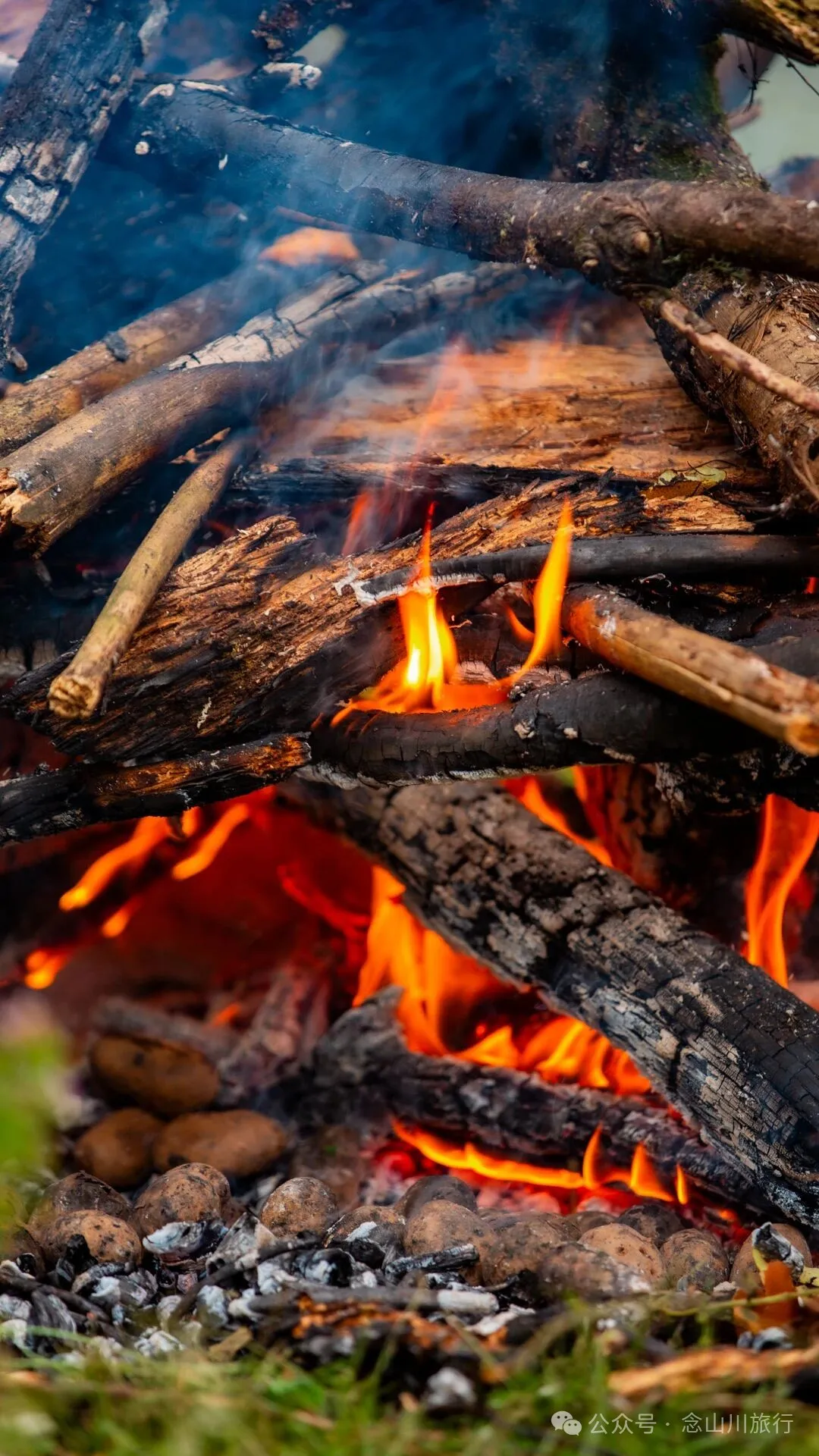
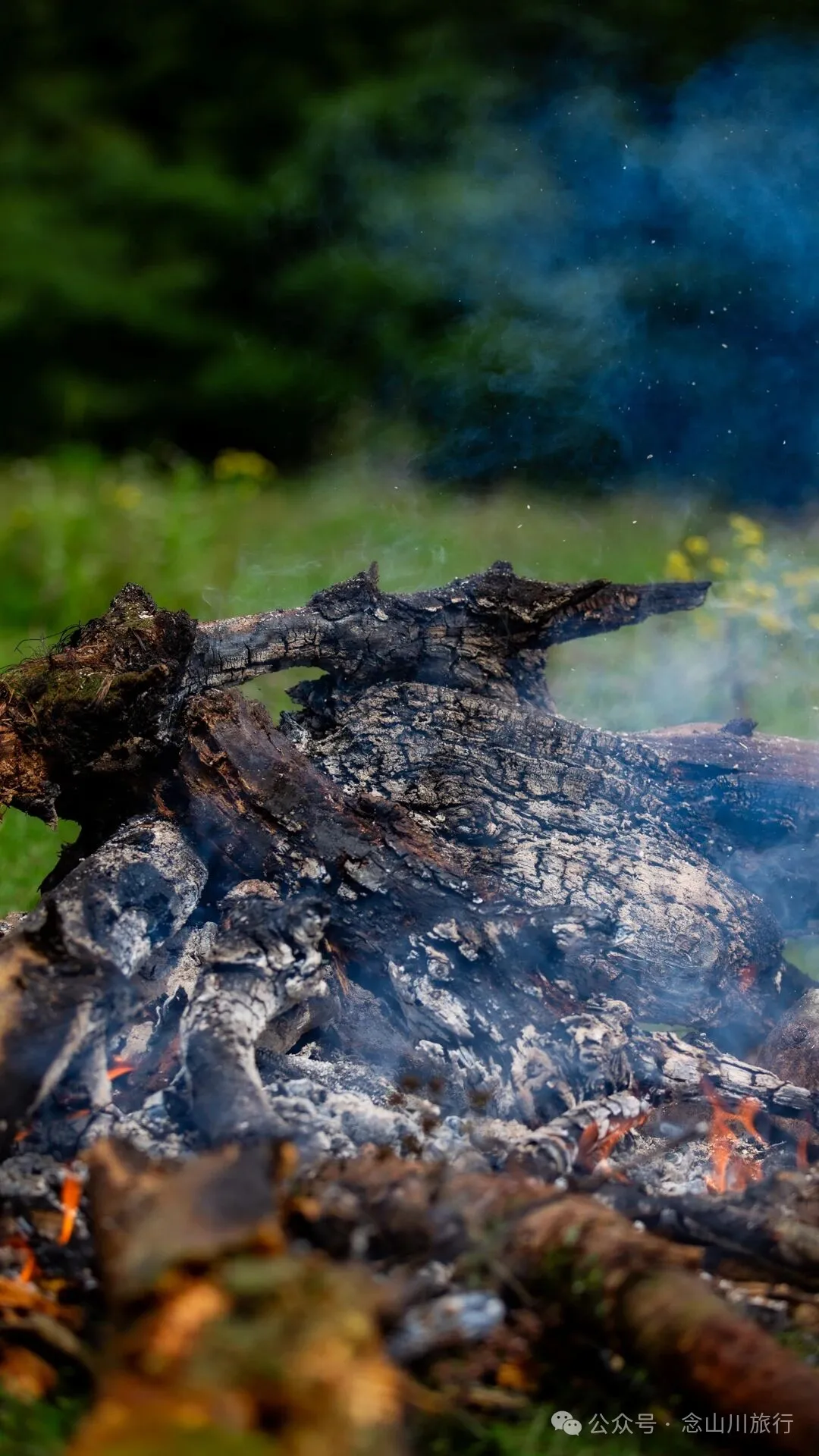
Not long after the fire was lit, rain began to fall again. Seeing the rain intensifying, Erwa quickly gathered more firewood from the forest and added it to the fire. Once enough ash had accumulated on the ground, he tossed all the potatoes from the bag into the fire. The small potatoes roasted quickly, and a burnt aroma soon mixed with the moisture in the air. He said that as a child, he would follow the sheep all day in the wilderness, carrying a few potatoes to stave off hunger. That was his daily routine. On cold, rainy days, without such a fire, it would have been unbearable. After eating and drinking their fill, they would lay a waterproof straw cape on the damp grass, lie on their backs, and cover themselves with a transparent plastic sheet, keeping every drop of rain off. It was incredibly comfortable.
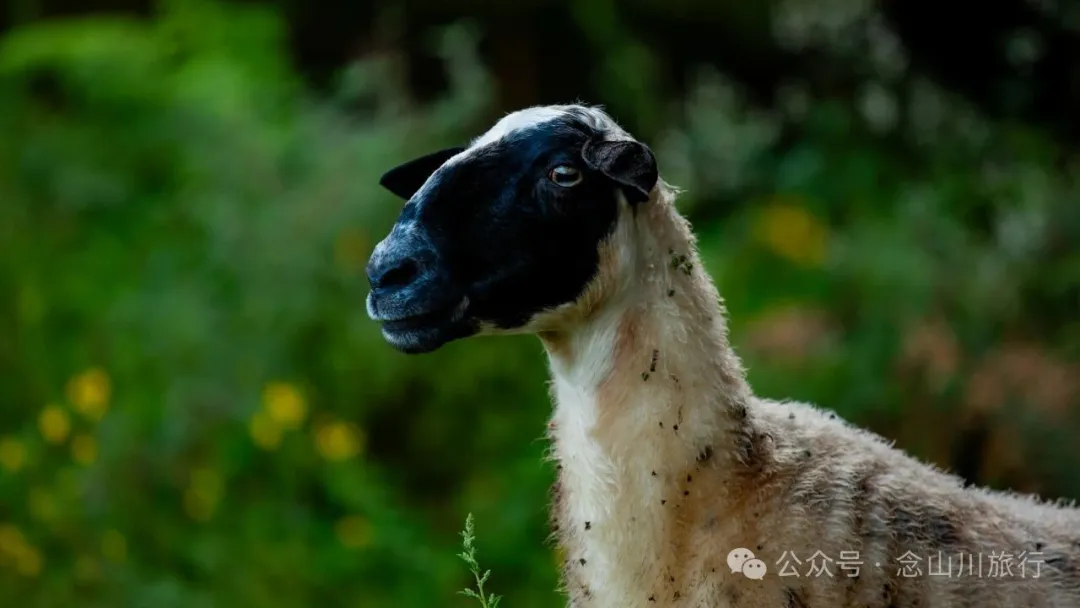
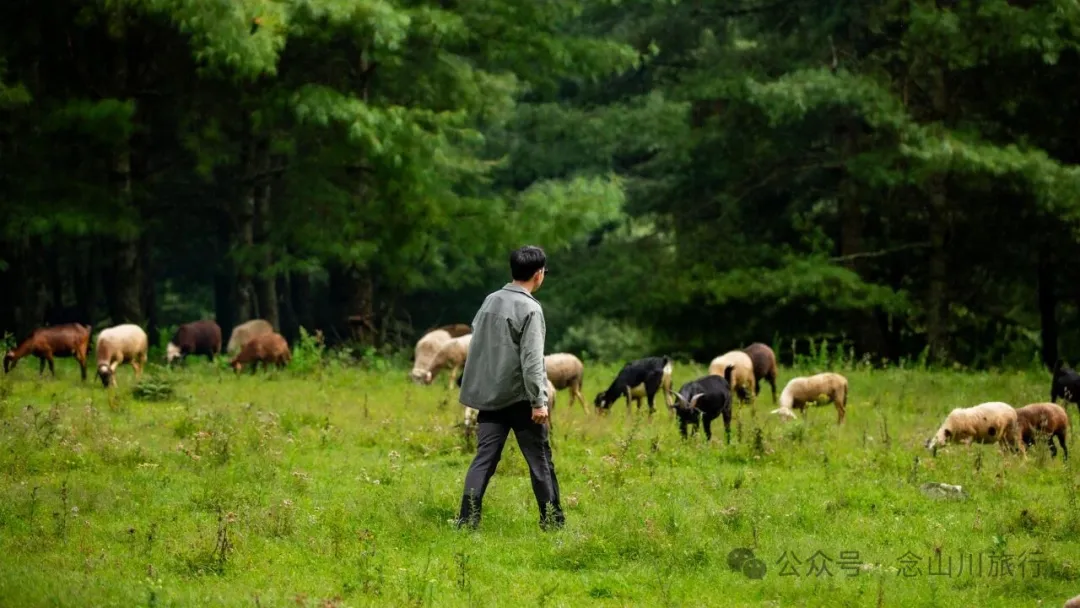
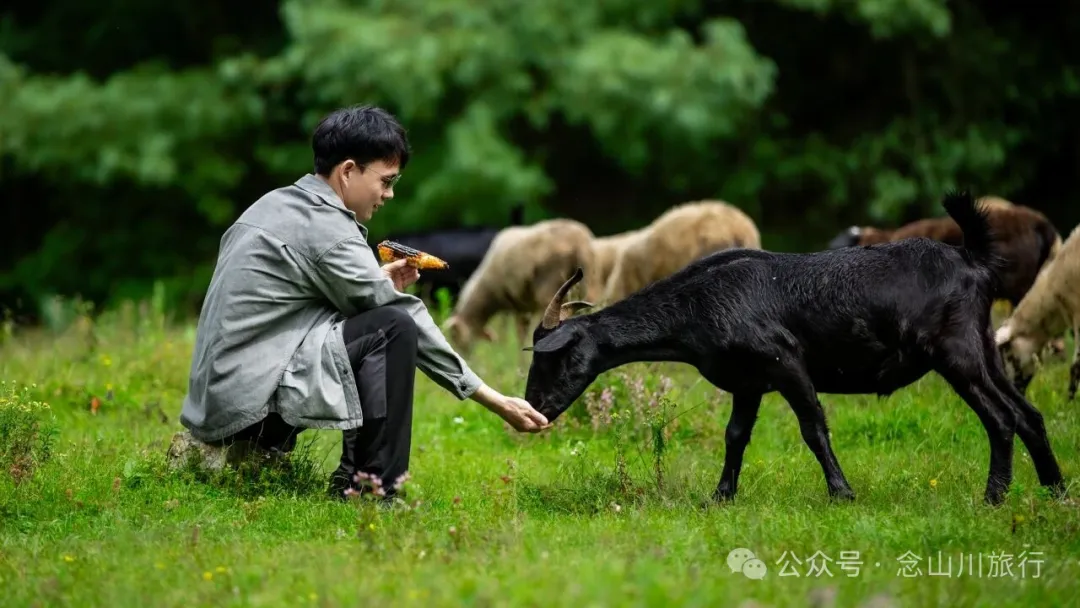
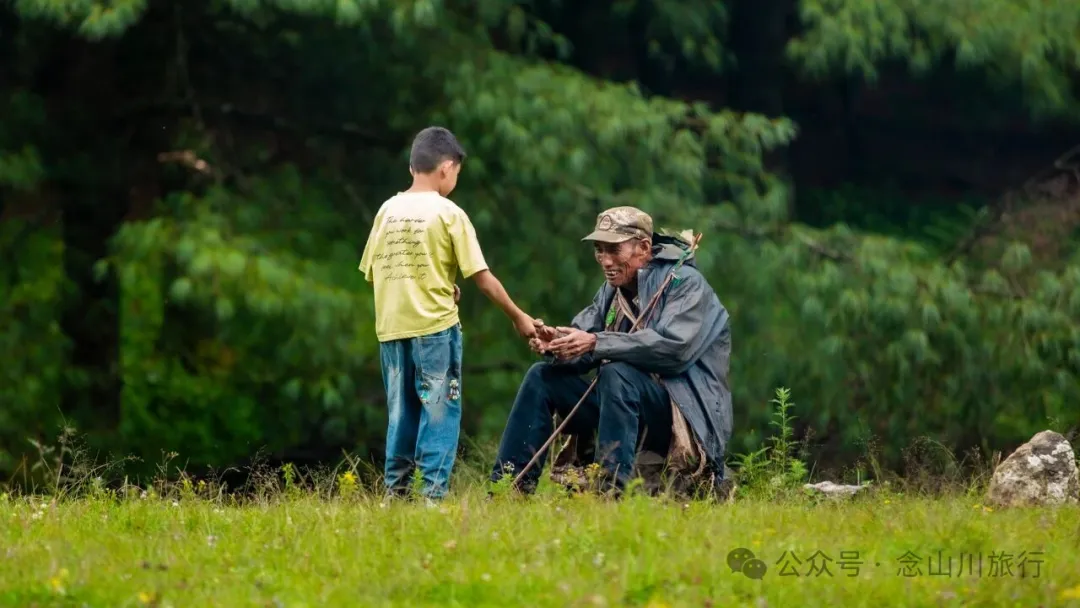
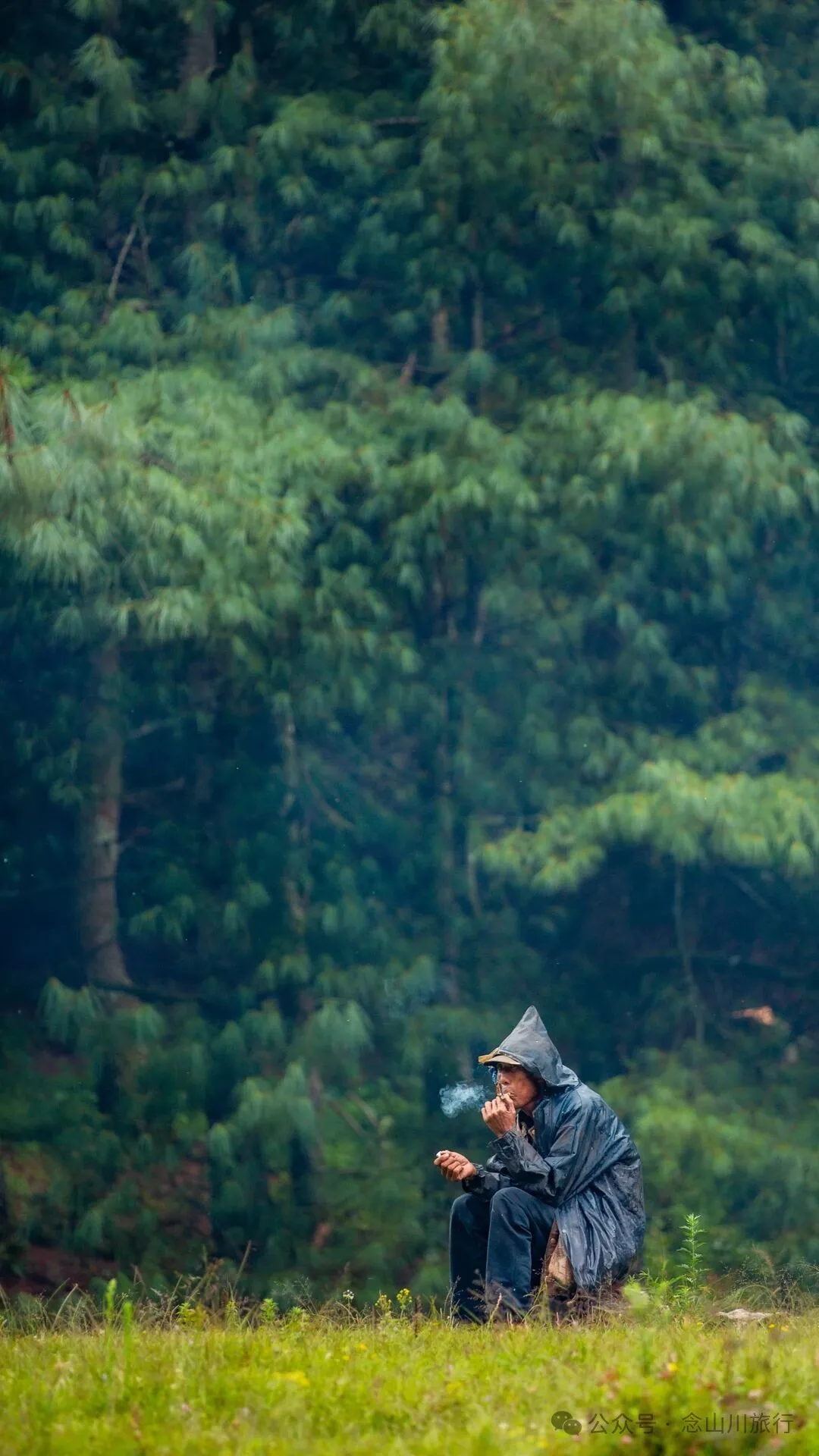
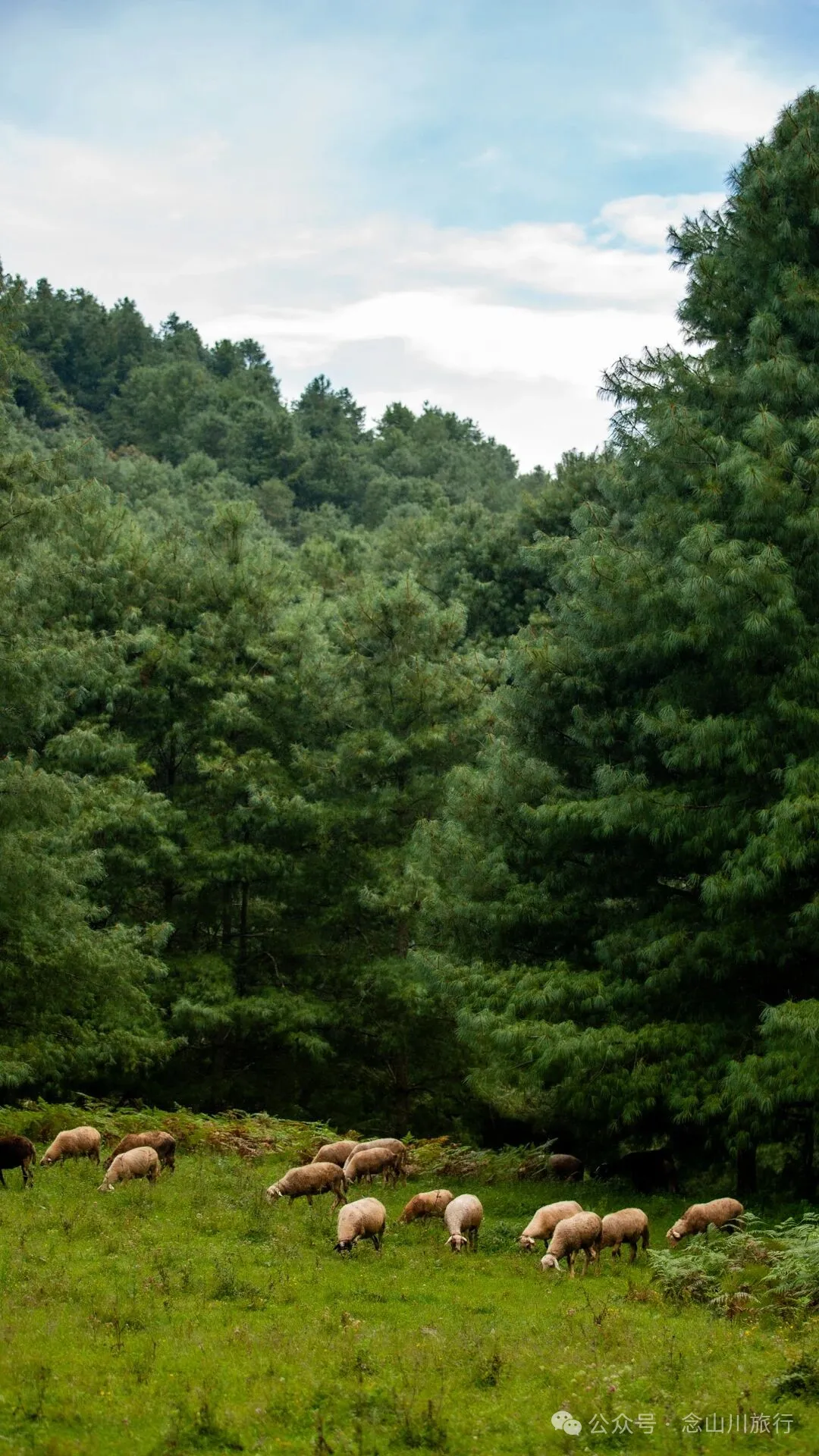
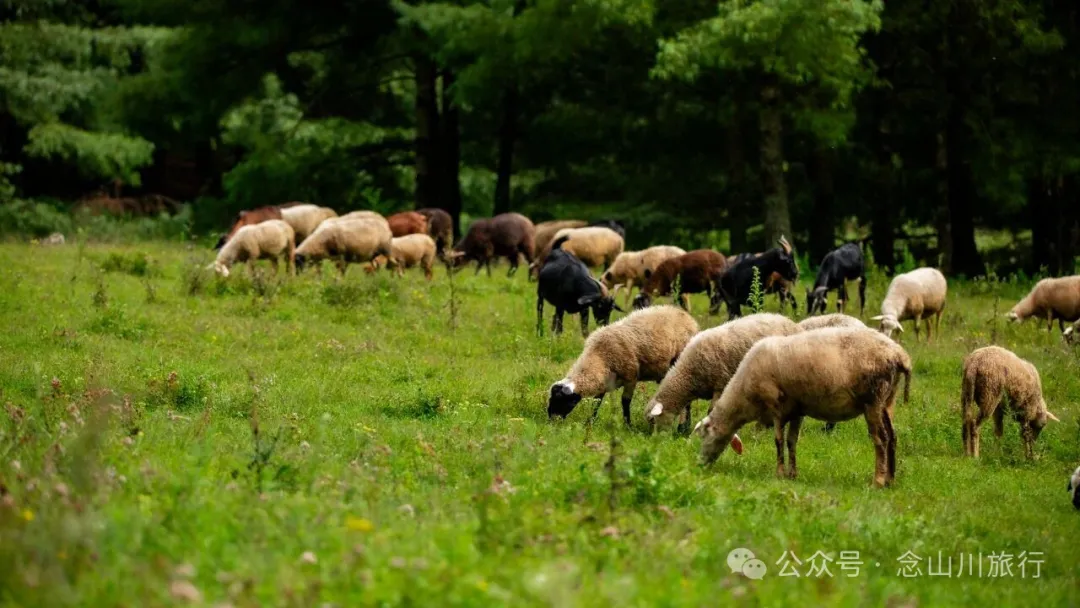
A fellow villager who was grazing cattle nearby took advantage of his free time to collect withered fern leaves from the thicket. Dried fern leaves are used to line the sheep pen, keeping it dry and clean. When the rain was heavy, he would sit on a rock in his raincoat, light his pipe, and puff silently, passing the cold, dreary time. Another villager's sheep quietly entered this meadow. Although Erwa had not been a shepherd for many years, his rich experience from childhood quickly earned the trust of a black goat. It came up to him and boldly ate corn kernels from his hand. The little boy tried to imitate him and feed the goat, but failed several times.
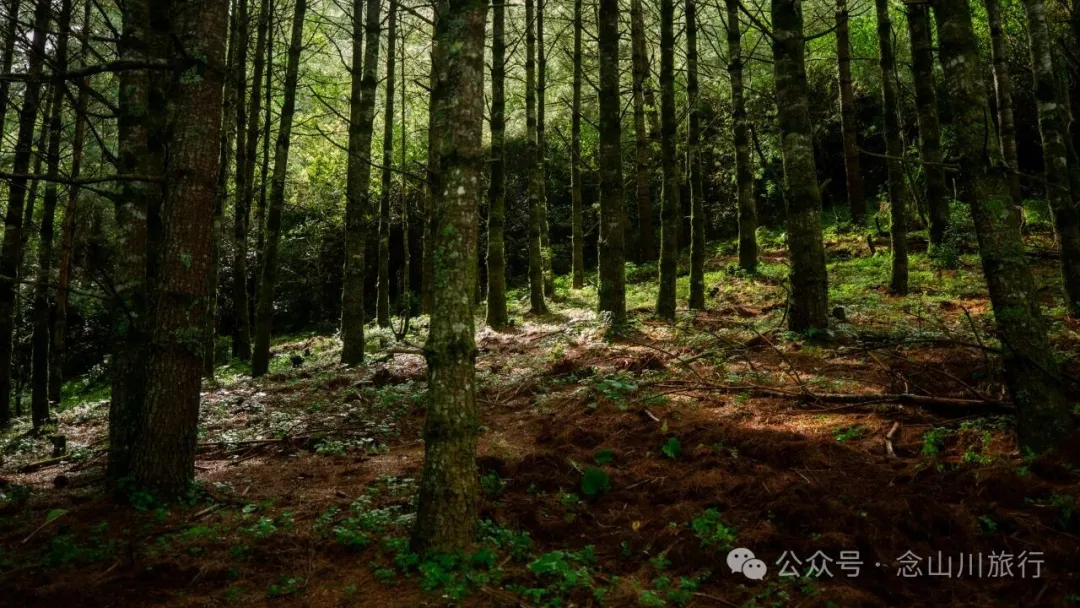
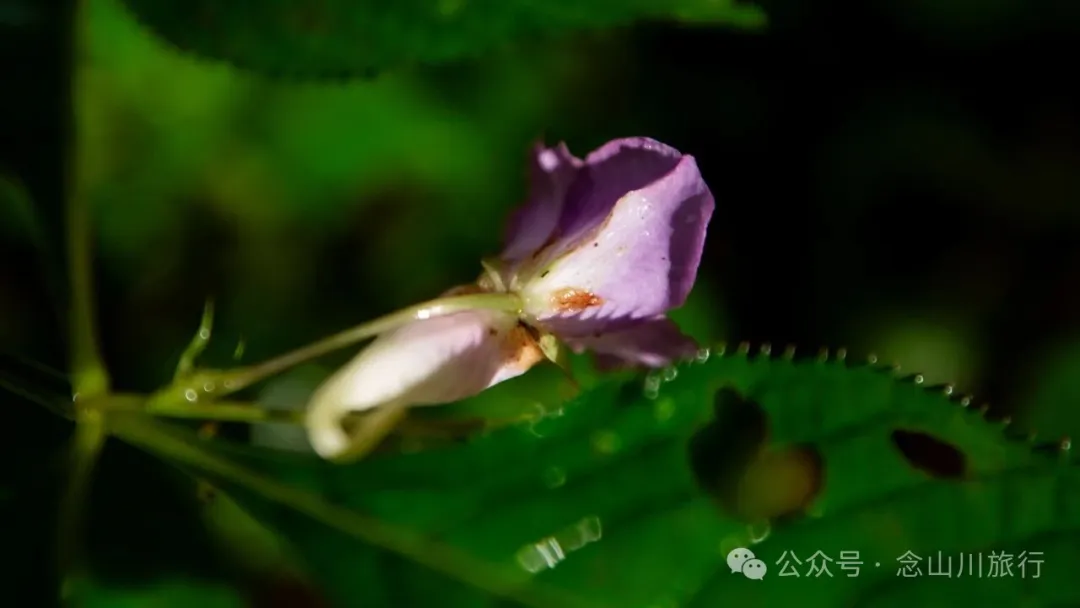
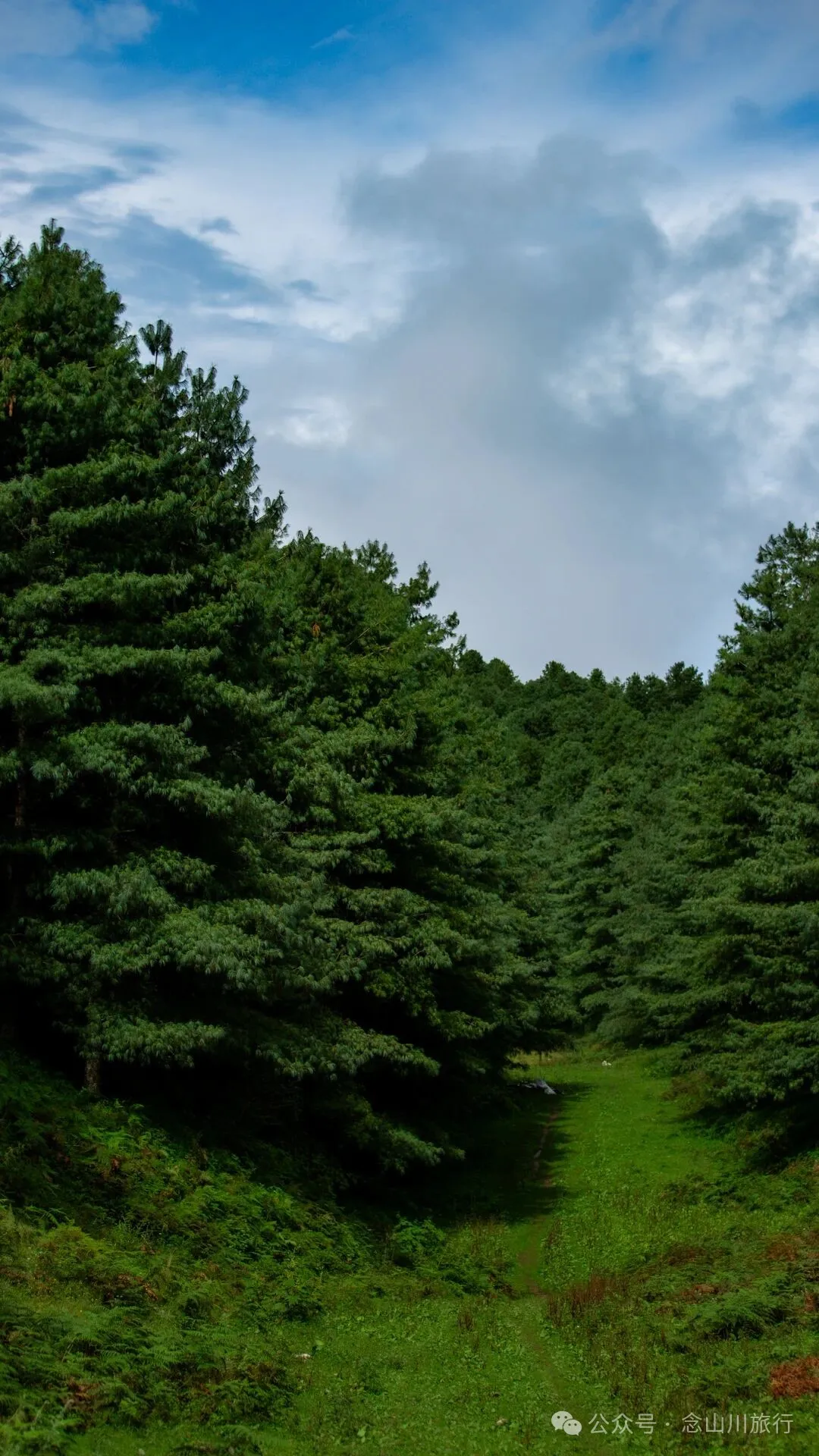
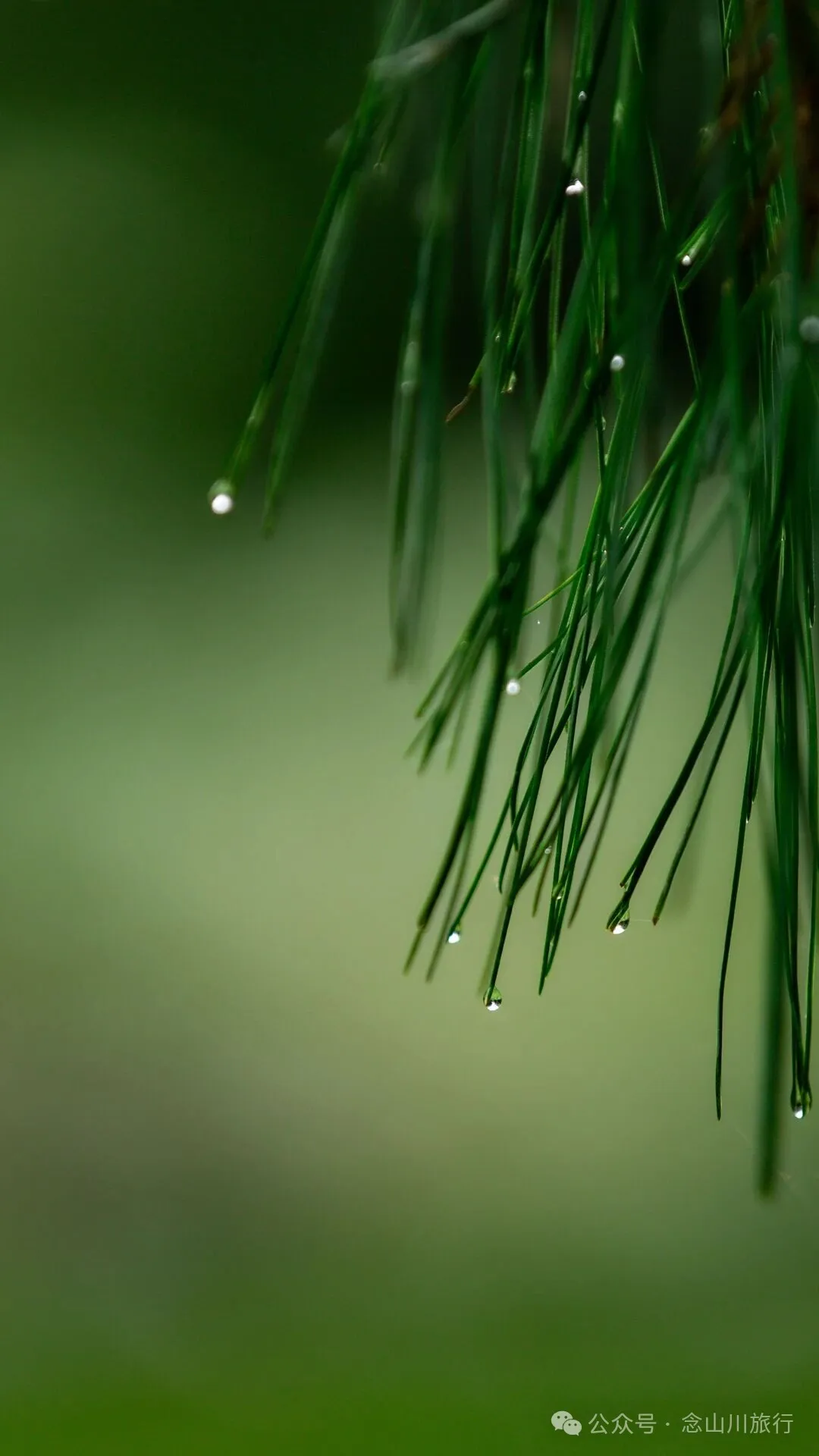
Two heavy rains made the mountains even more lush and vibrant. When the sun shone again, we extinguished the still-smoldering fire and headed back to the village in another direction. The rain had stopped on the meadow, but it continued in the pine forest. Water droplets slid down branches and pine needles, illuminated by sunlight. Each shiny, round droplet lingered on the slender needles and on the serrated edges of leaves, whispering softly.
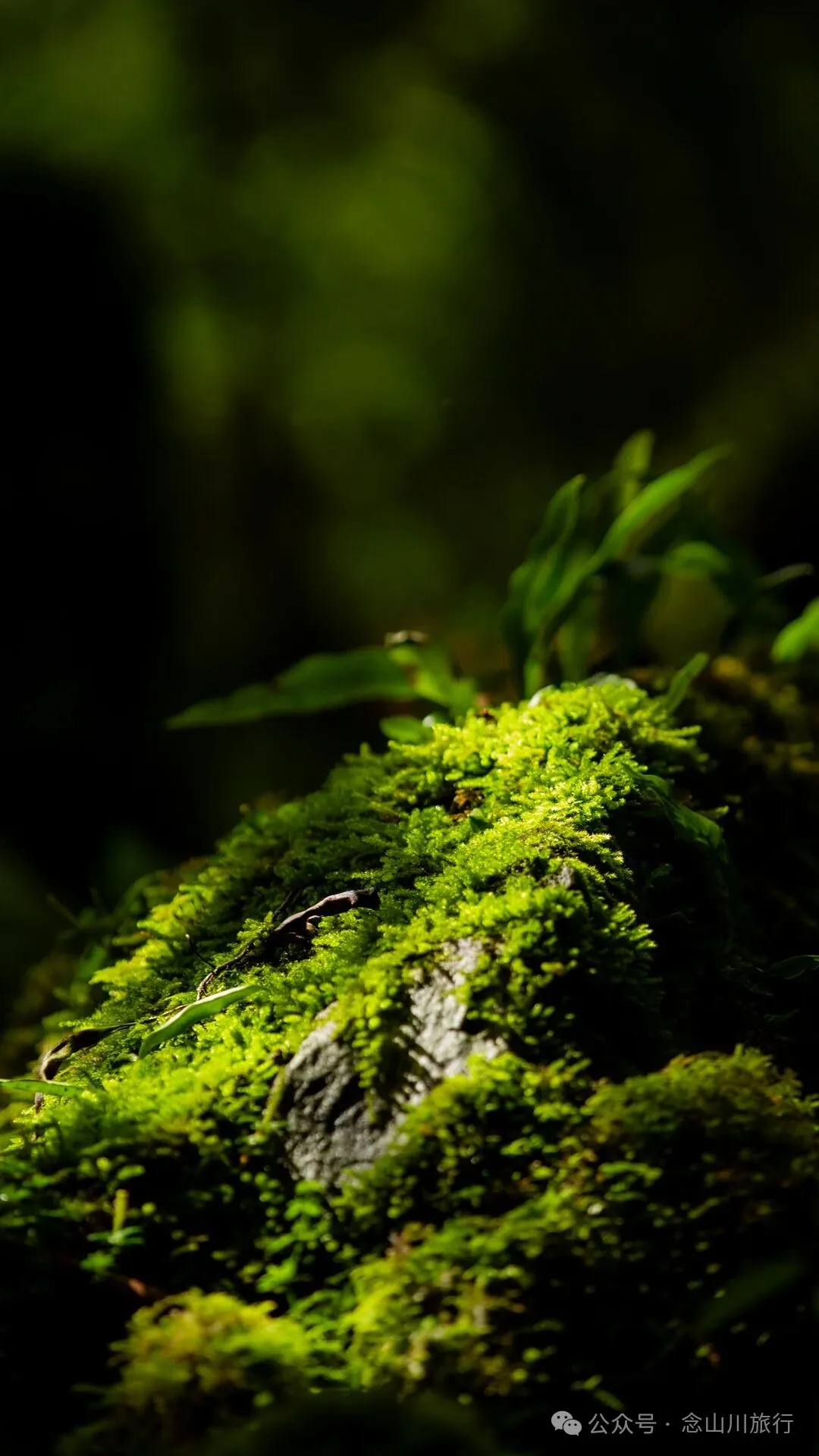
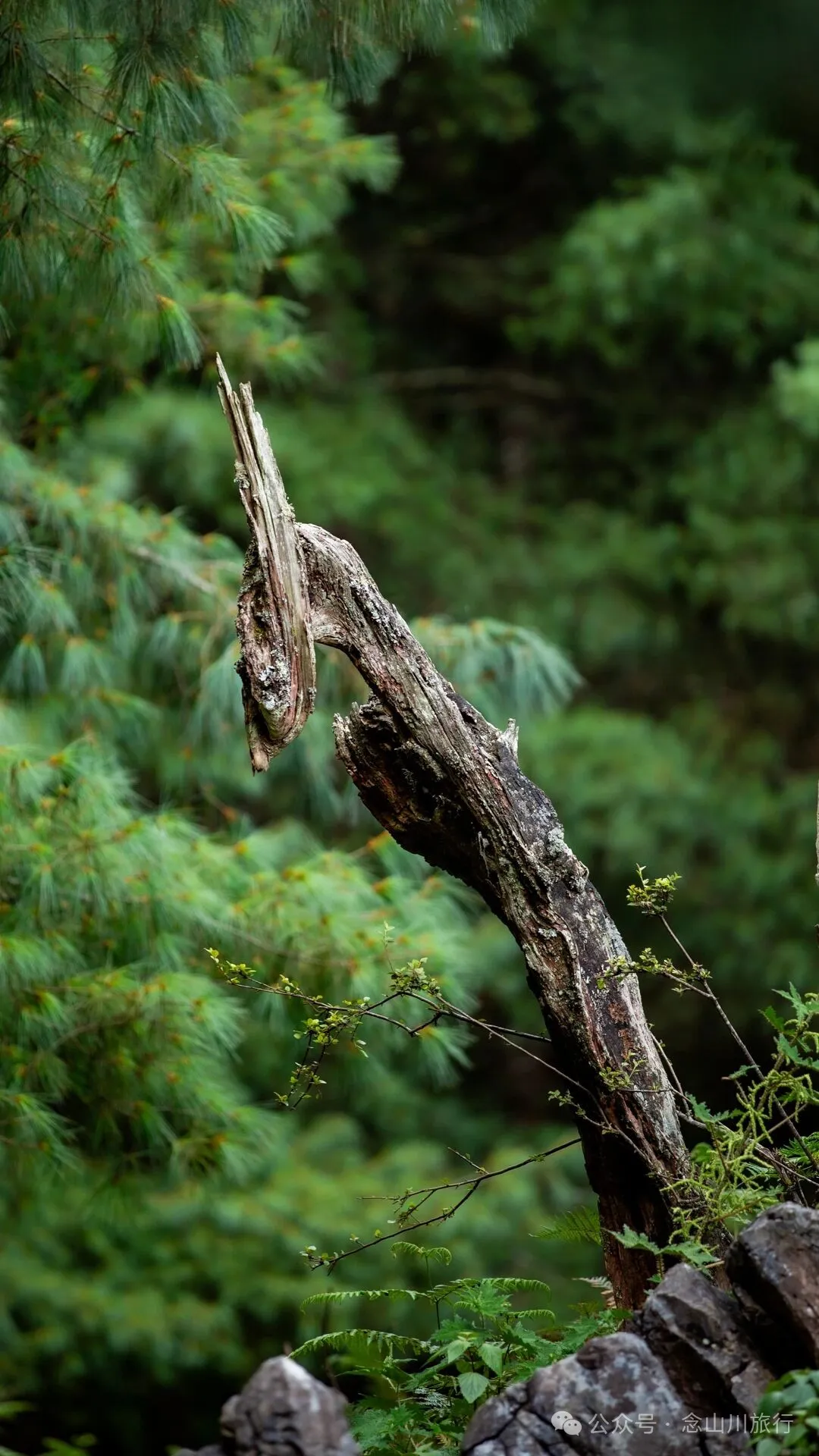
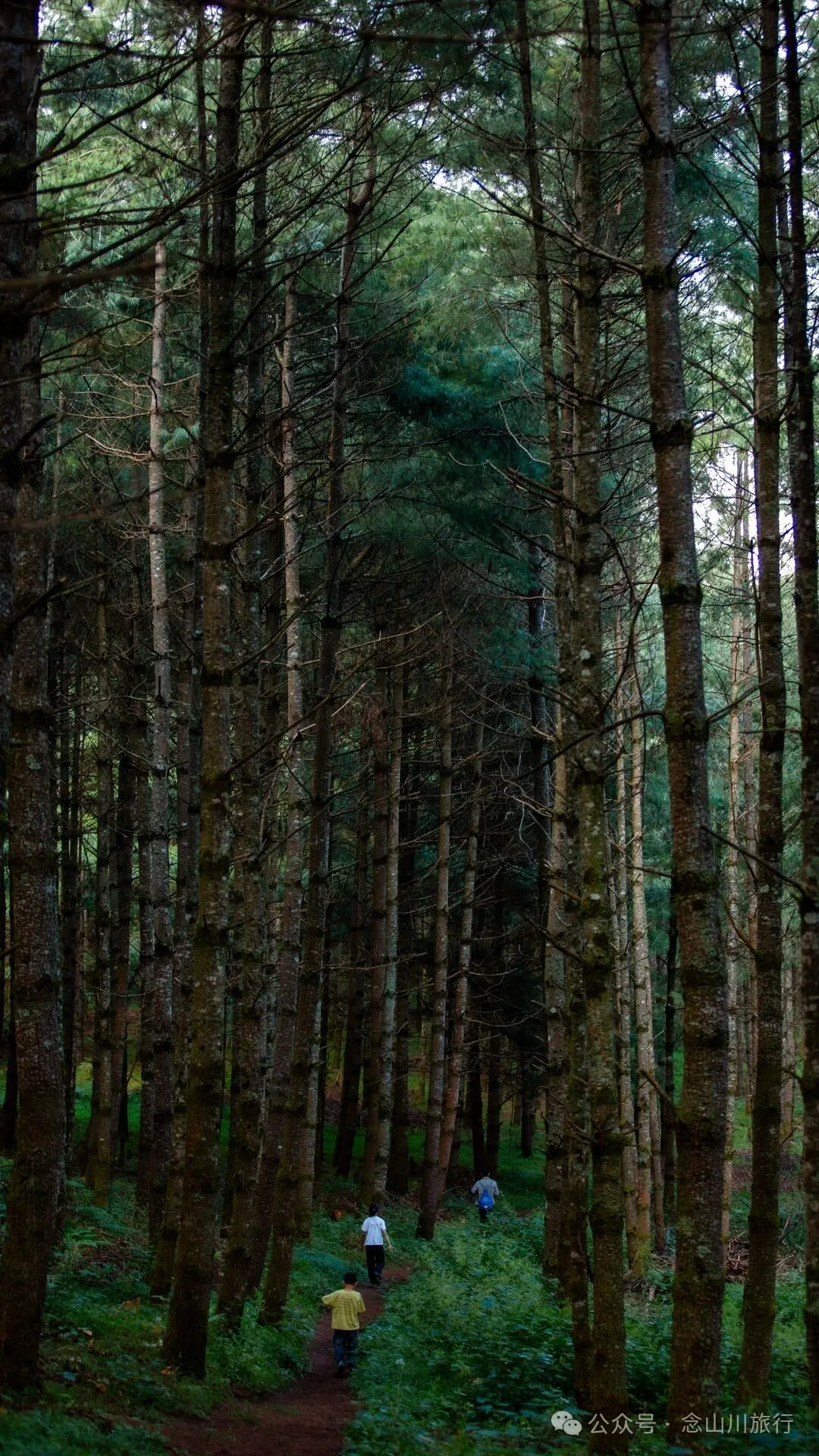
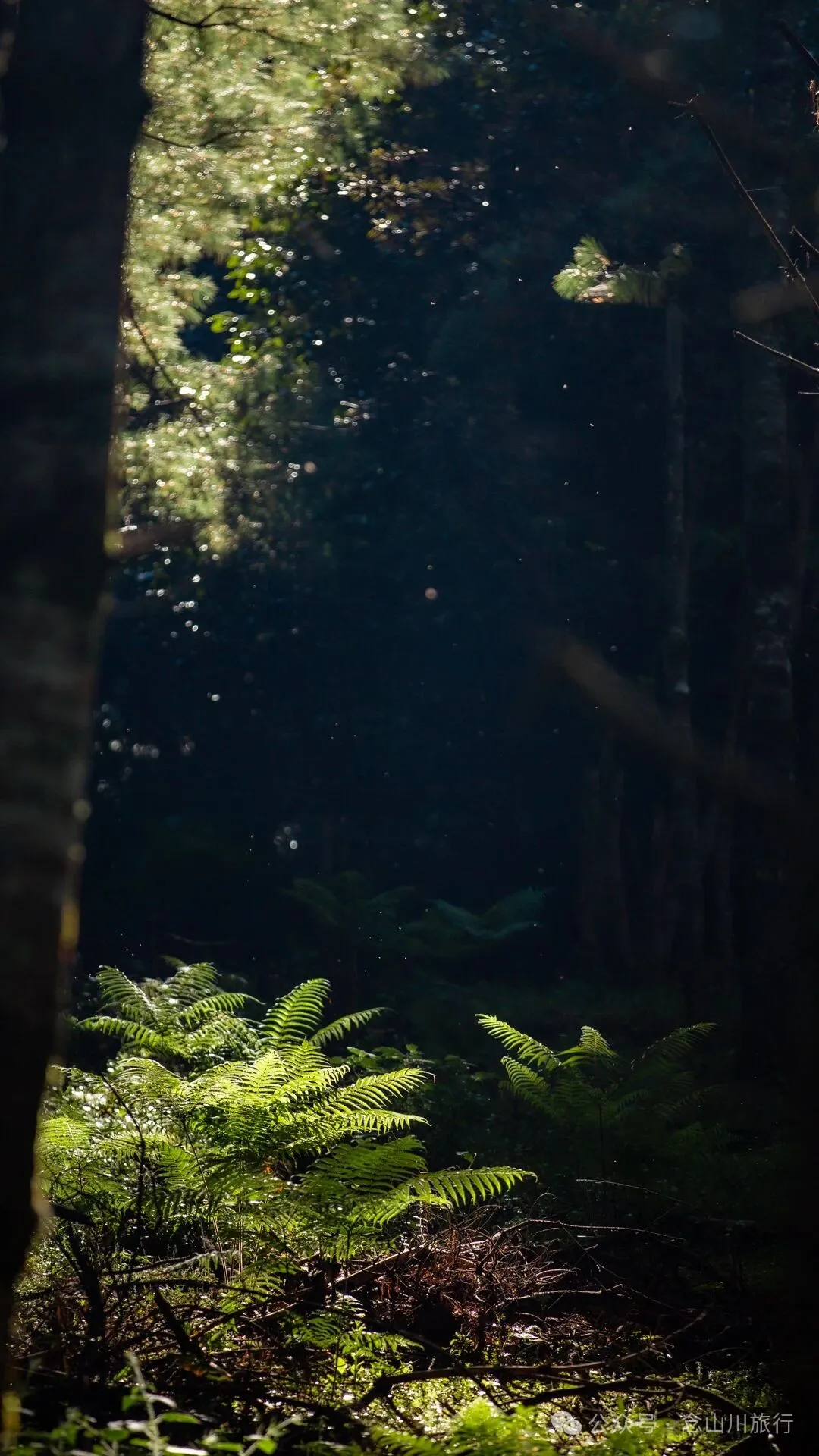
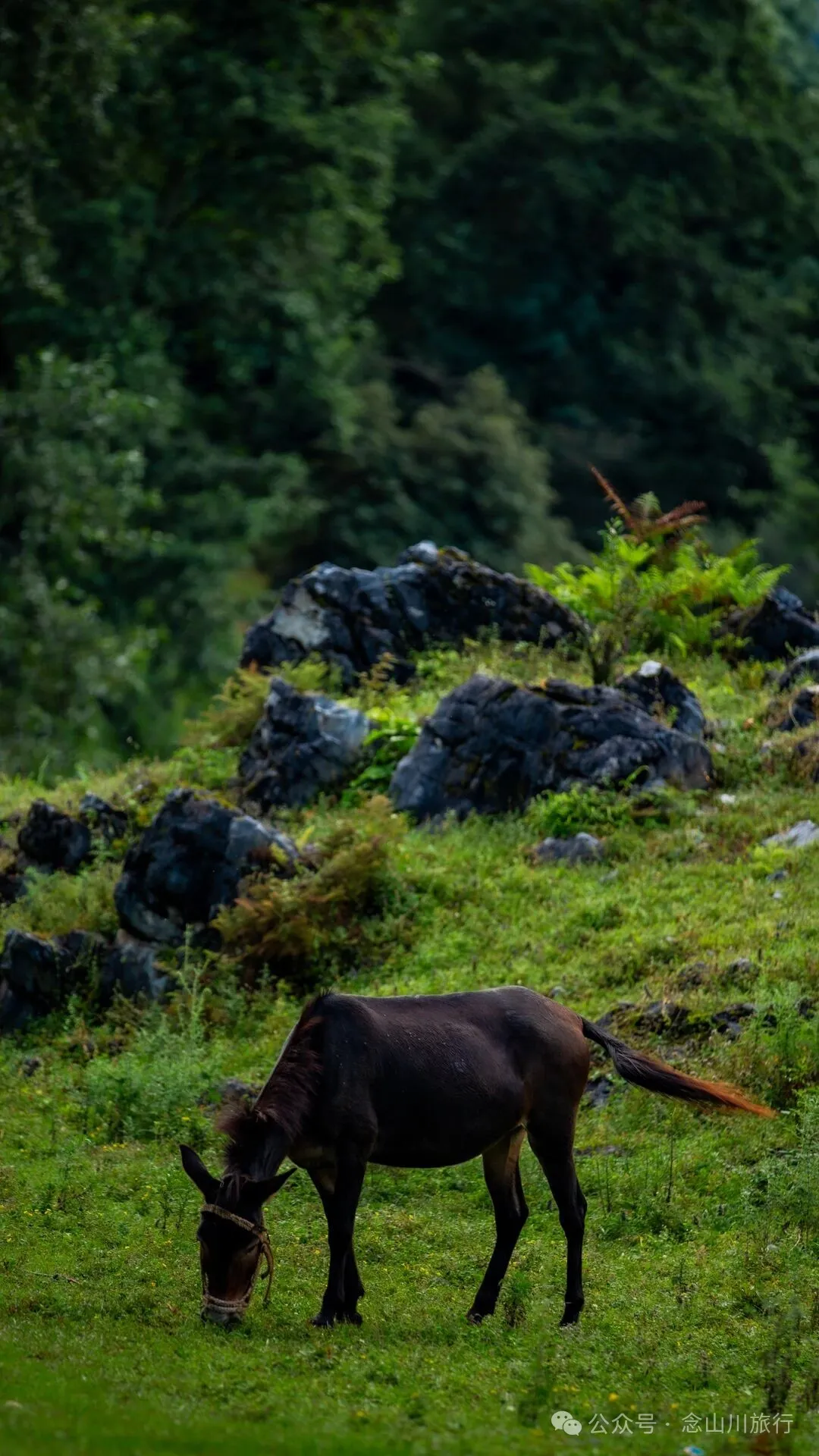
Passing through stretches of tall, straight pine forests and narrow meadows, we encountered a stone forest covered in moss. The little boy said it looked like ancient culture (he didn't yet know the word "civilization"). He scraped the moss off the rocks, thinking he could find treasure in the stone forest, but ended up not even finding a satisfactory stone. The path was hidden, and we nearly lost our way, but eventually we emerged and saw the familiar main road. After walking in the mountains for over six hours, we had passed by hundreds of thousands or even millions of plants, feeling delighted. The giant fern leaves, taller than a person, were enough to capture a child's attention. The towering forests, making humans seem insignificant, invited us to look up and sigh, reluctant to leave.
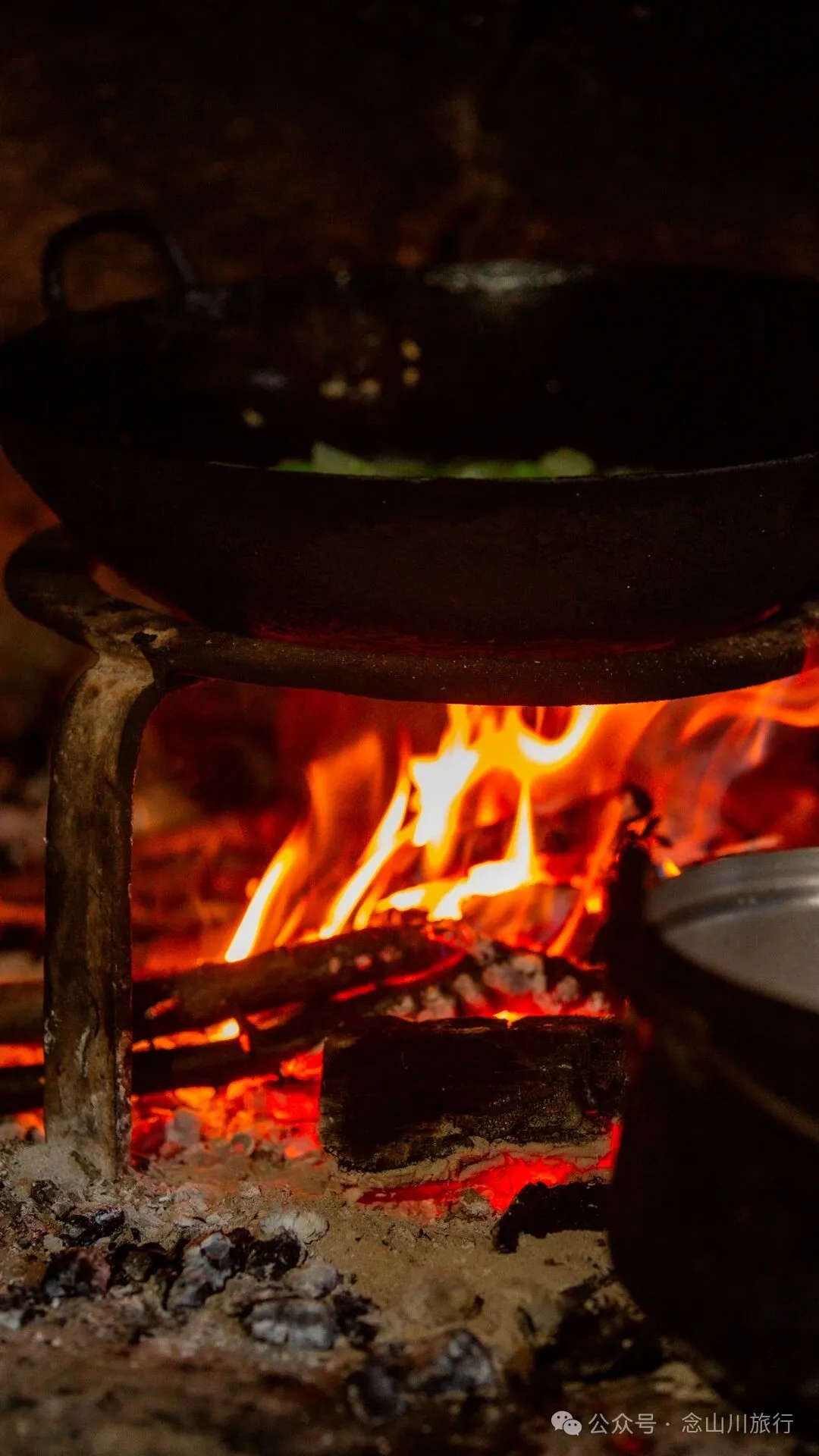
When we returned to Erwa's home, the fire in the hearth was burning brightly. The chicken soup had been simmering for a long time, and the cured meat that had been hanging from the beam since the beginning of the year had absorbed a rich smoky flavor after months of smoking. A sumptuous dinner was quickly served. The tired hikers ate more heartily than anyone, especially the little boy, who had run around and ate two large bowls of rice.