
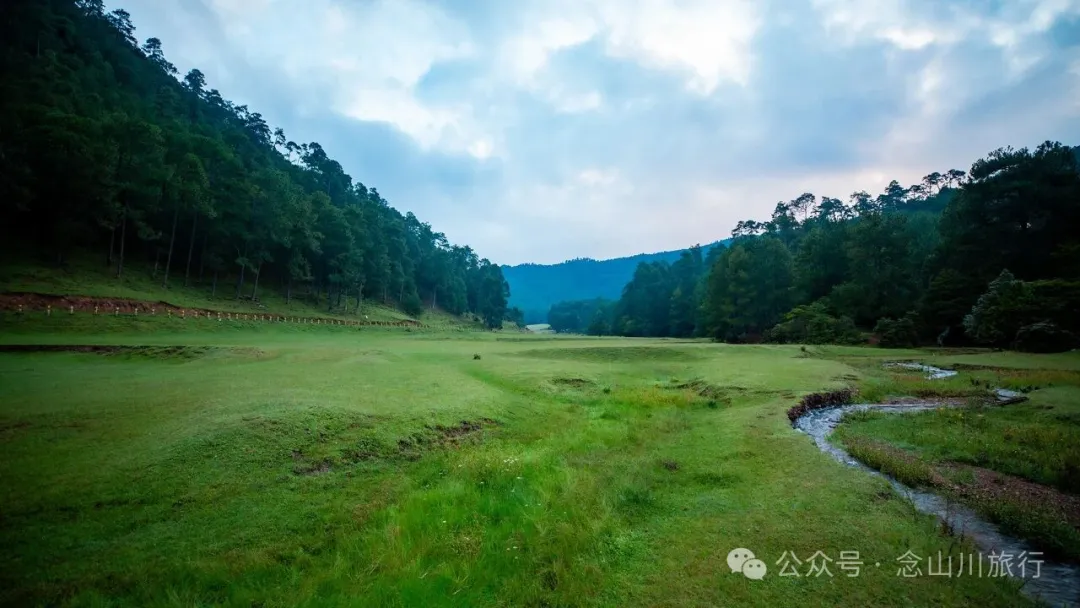
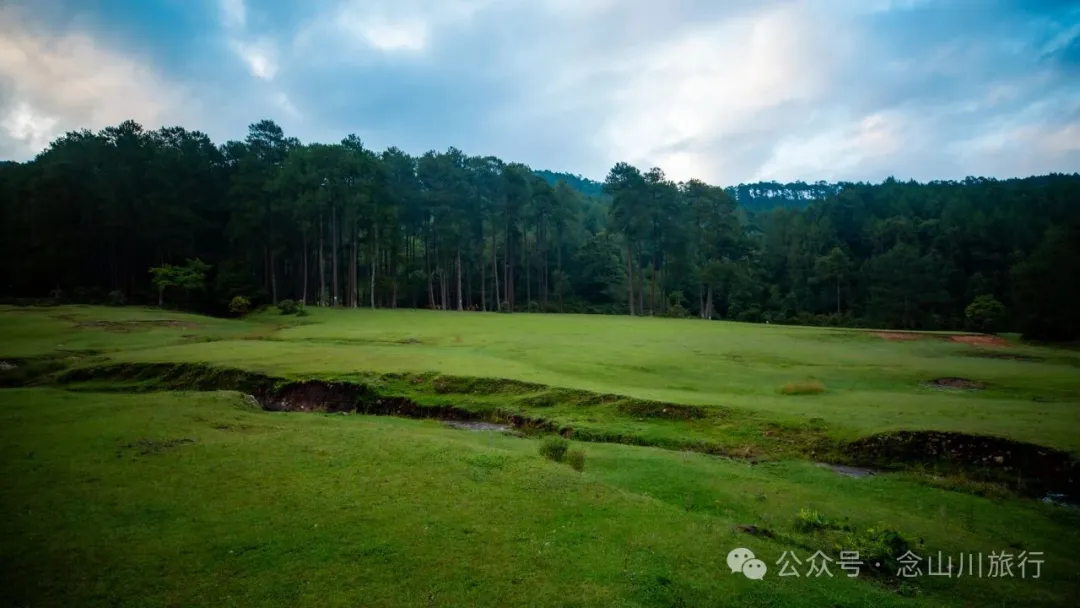
We had fallen into a deep sleep, yet the stars still sparkled and whirled in the sky above. At two in the morning, I stepped outside the tent, where the chill seeped in. The night grew dimmer and more hazy, and the Milky Way had shifted directly overhead. From the village, a burst of urgent, angry barking erupted. Could there really be a black bear roaming that open meadow? Or was it something else that stirred the dogs? A few house lights glowed with incandescent brightness, the moisture in the air condensing around them. Everything was still. When I crawled back into my sleeping bag, I found it impossible to fall deeply asleep again.
Occasionally, droplets of water fell from the top onto the groundsheet, making a faint tapping sound. Dew had already settled on the tent, seeping through the seams and dripping down. The stream beside us sang all night long, its gurgling merging into my dreams, echoing through the hours. There was another, more wondrous sound—one I had never heard before in my life. I clearly remember that faint crackling, crisp and sharp, like the popping of popping candy in a child's mouth. It quickly dispelled what little drowsiness I had left, and I became curious about the source of this peculiar noise. It wasn't the drip of dew, nor the song of the stream, nor the sound of some unfamiliar animal. It was unmistakably the voice of dewdrops—the cry of those round, translucent spheres as they were pierced by the tips of grass blades. In that brief instant, as the dew merged with the grass, the sound vanished.
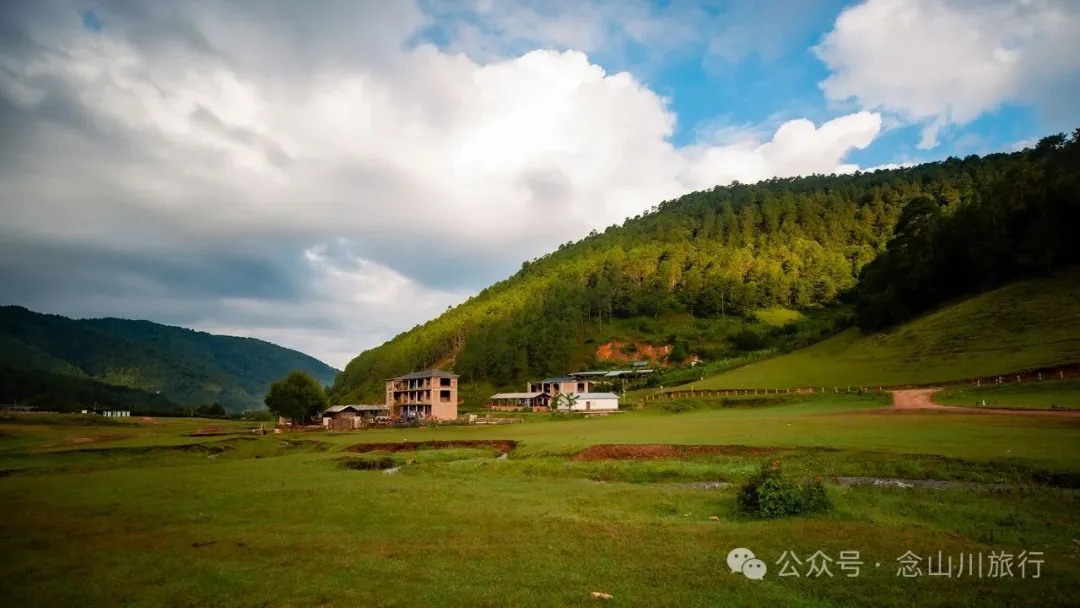
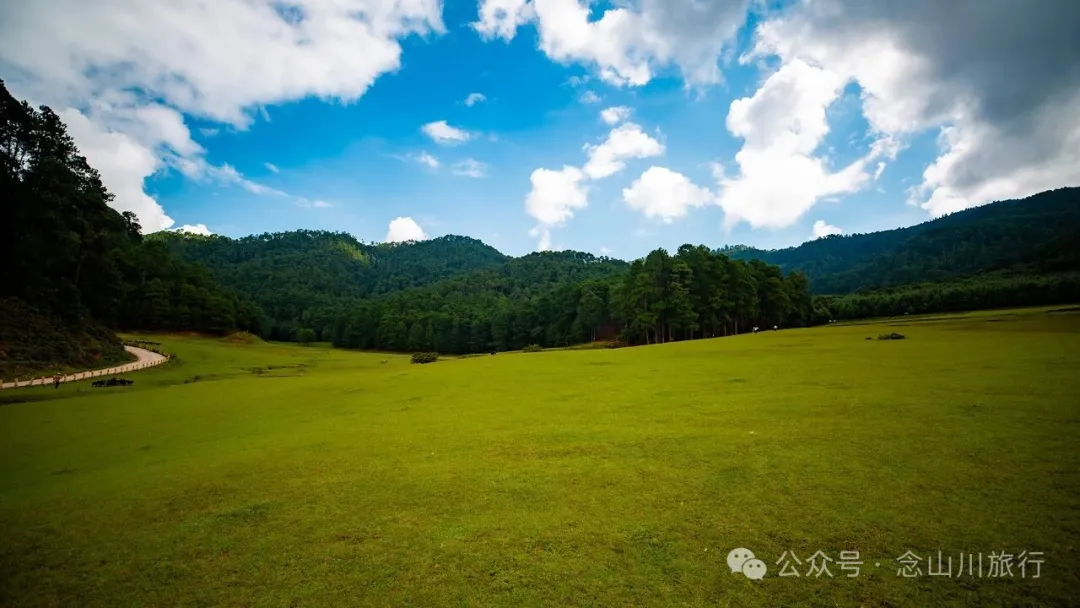
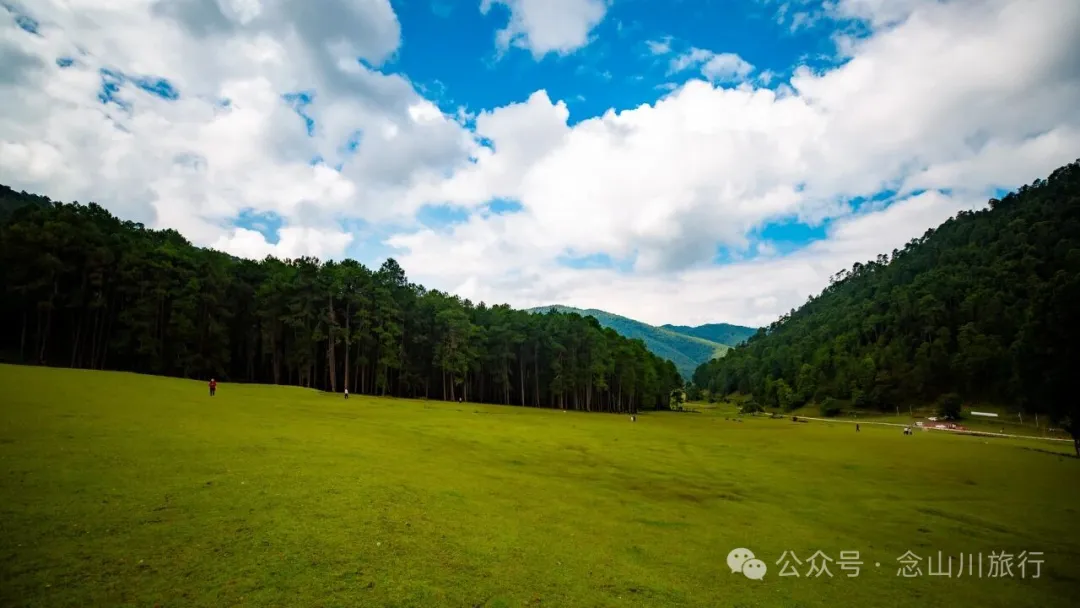
Dawn arrived as the stars slowly retreated. The cheerful forest at the edge of the meadow gradually emerged from the darkness, no longer frightening. The morning light on the grass was very different from the sunset glow. The sunset had painted the meadow in rich autumn hues, dry and warm. But the meadow in the morning light exuded a damp, sticky chill of early spring. The sky began to show signs of good weather; the blue firmament was ready to take the stage in the east, but the clouds, like a nuisance, first mimicked the shape of the mountain ridges in the distance, then drifted to the pass where village smoke rose, teasing a wisp of white smoke, and finally lingered for a long time over the eastern forest, blocking the morning sun and clear sky. They stayed there all morning, leaving Dalangba shrouded in a shadow of disappointment, lifeless.
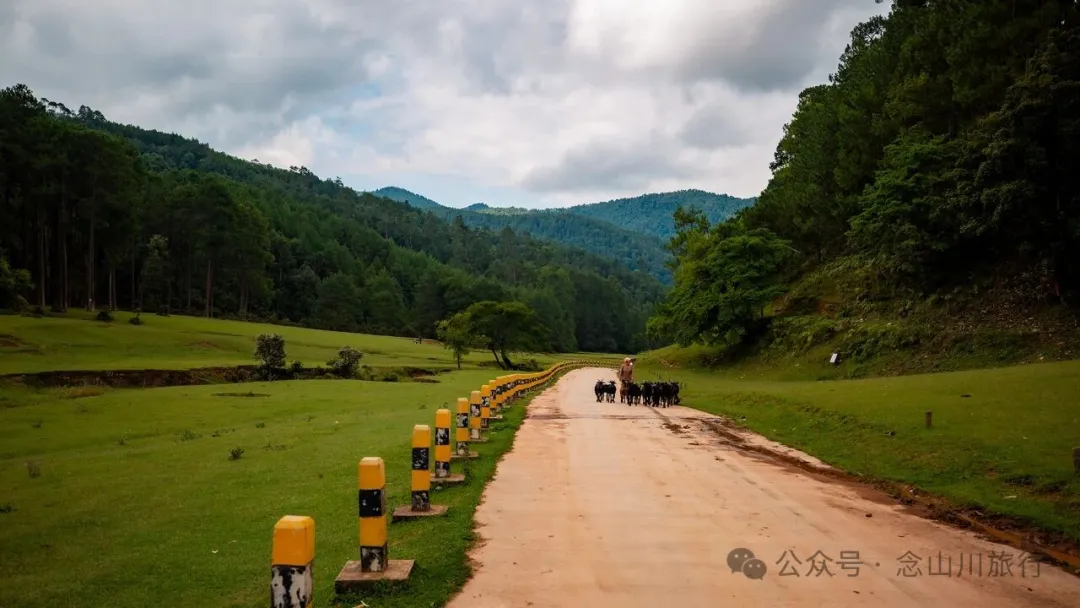
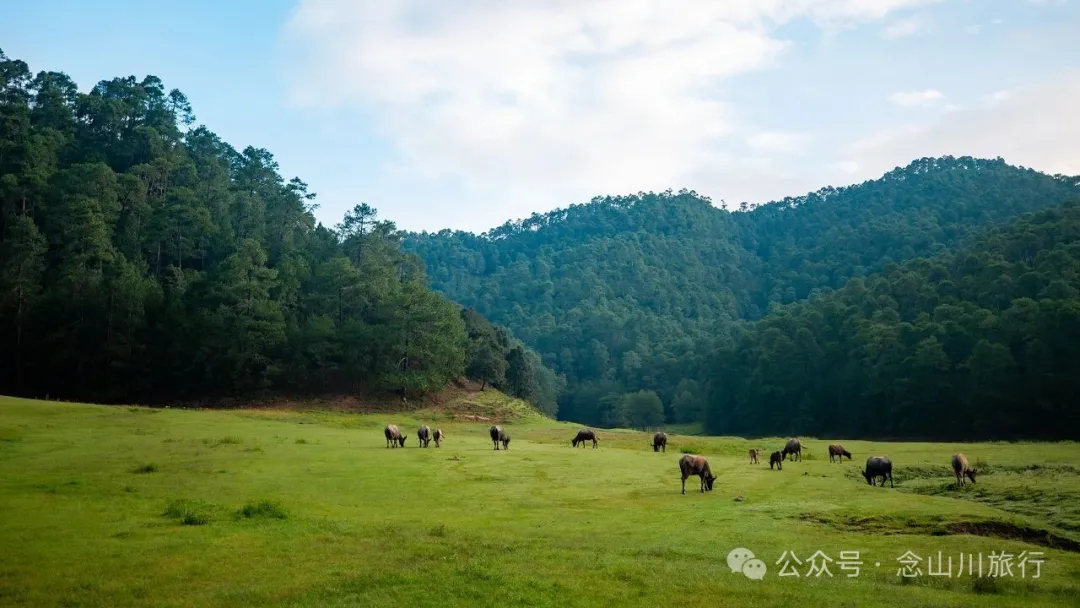
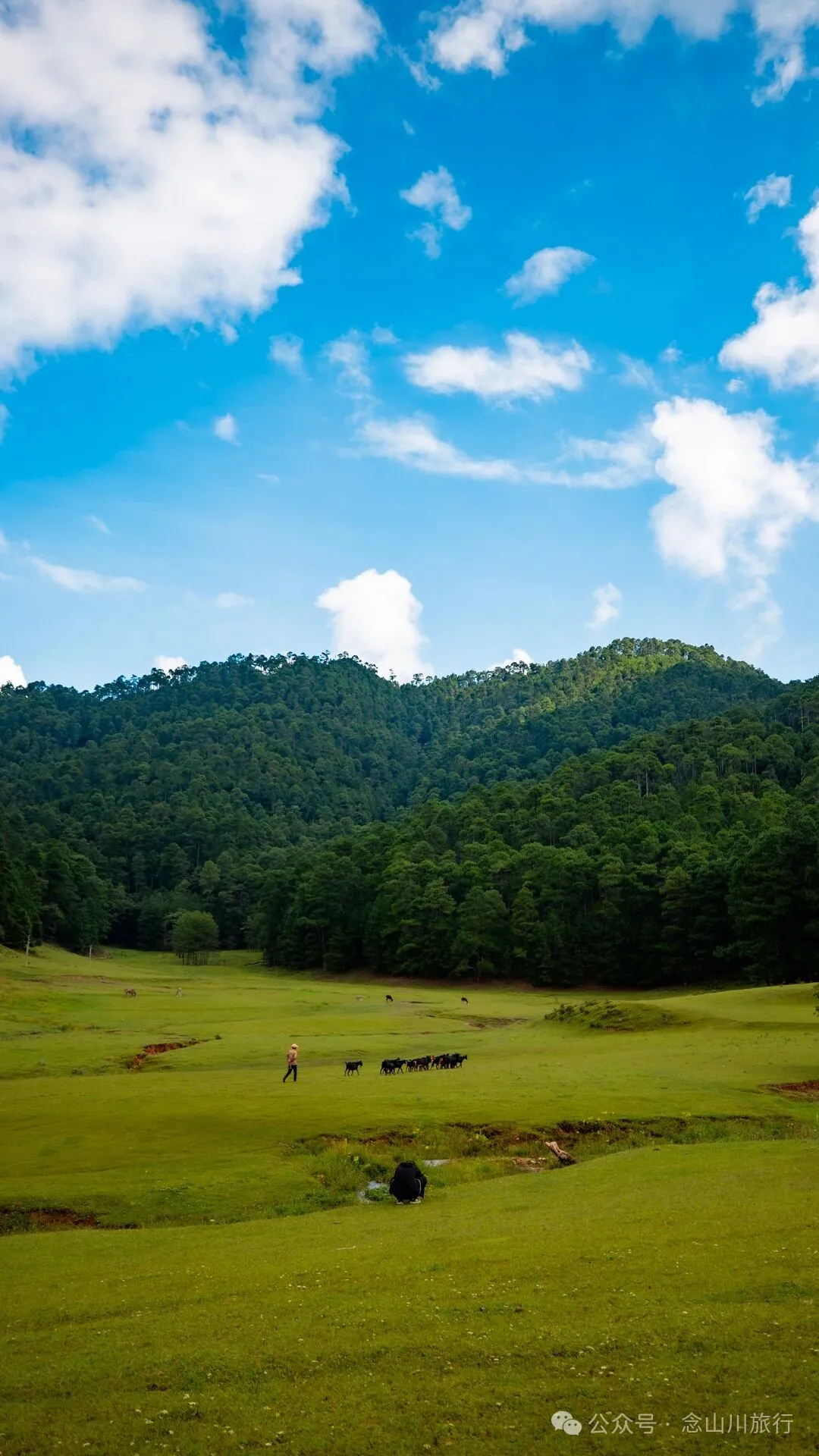
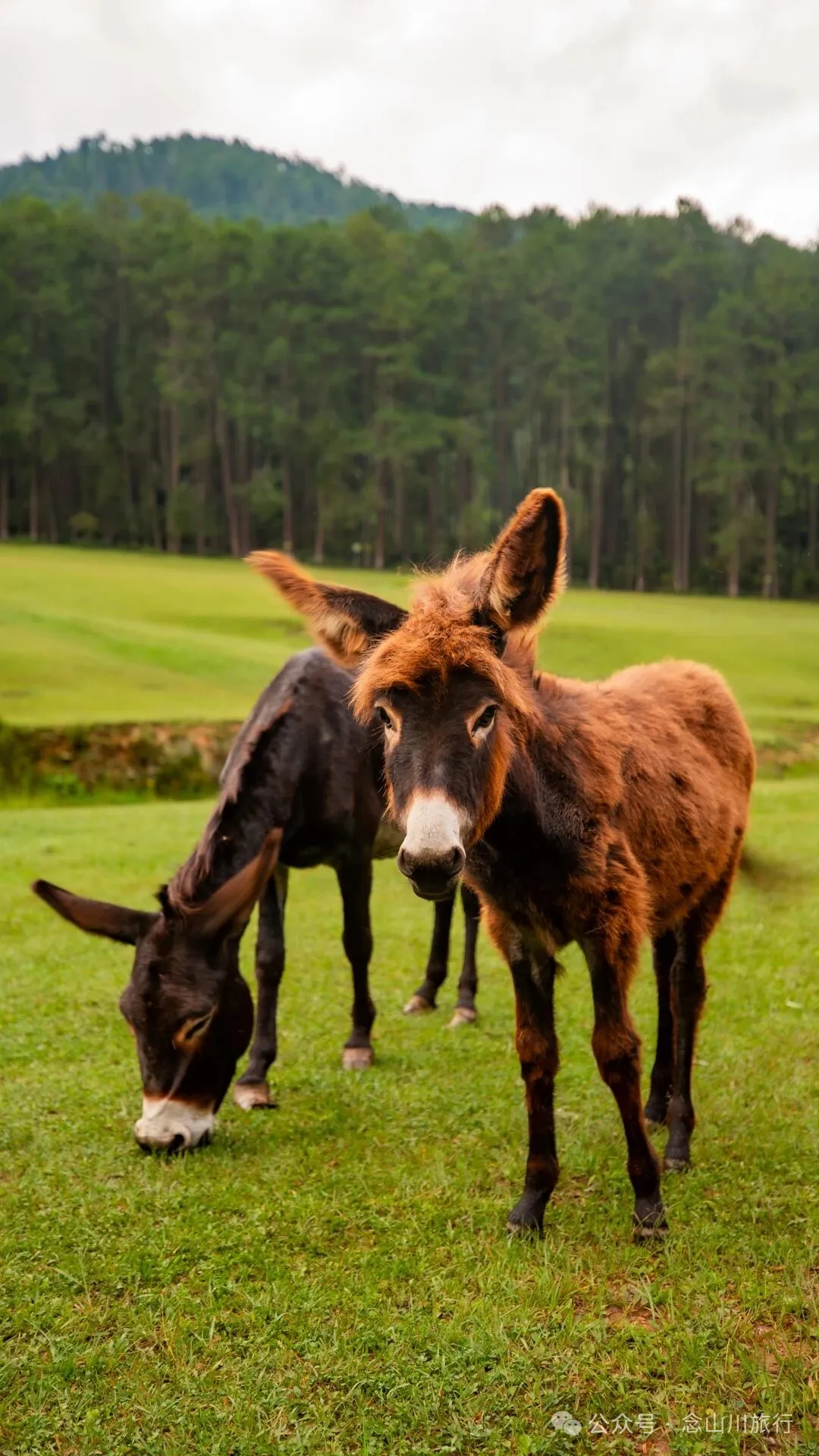
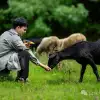
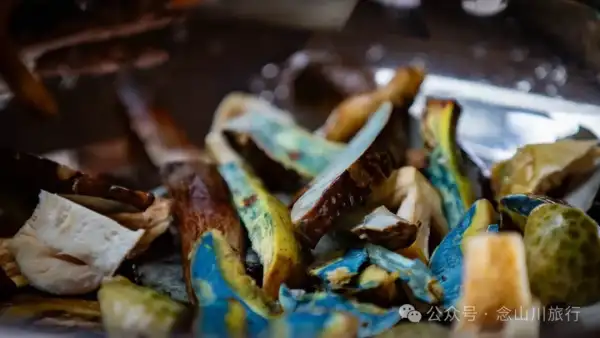
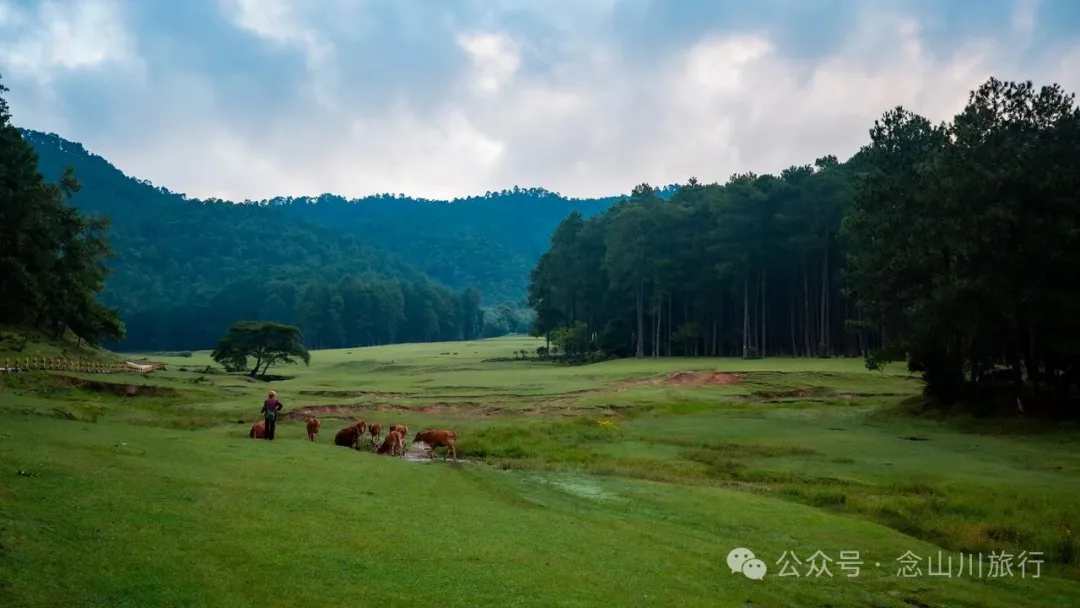
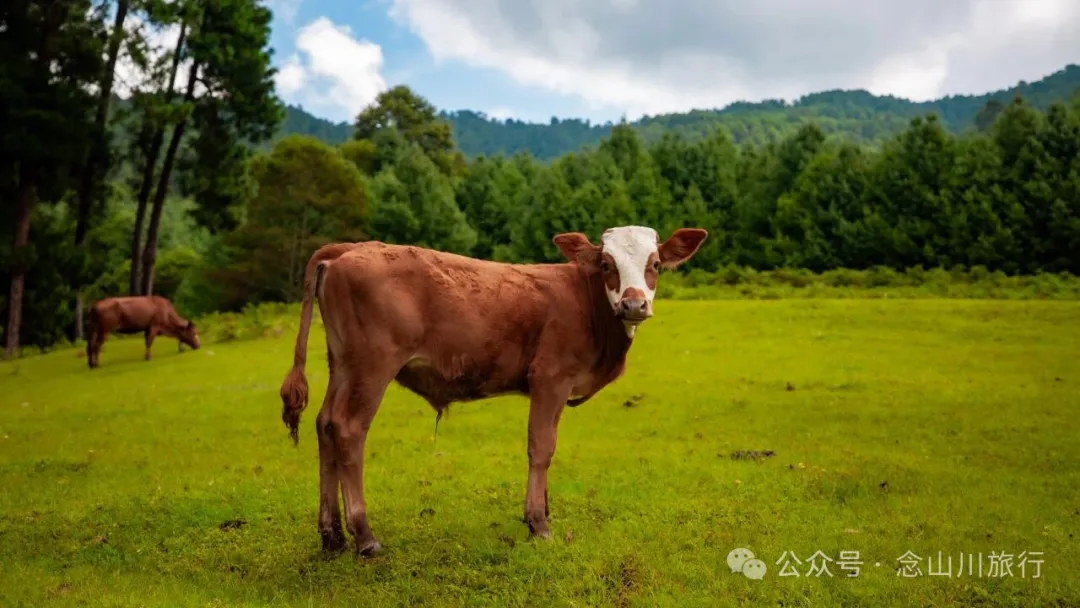
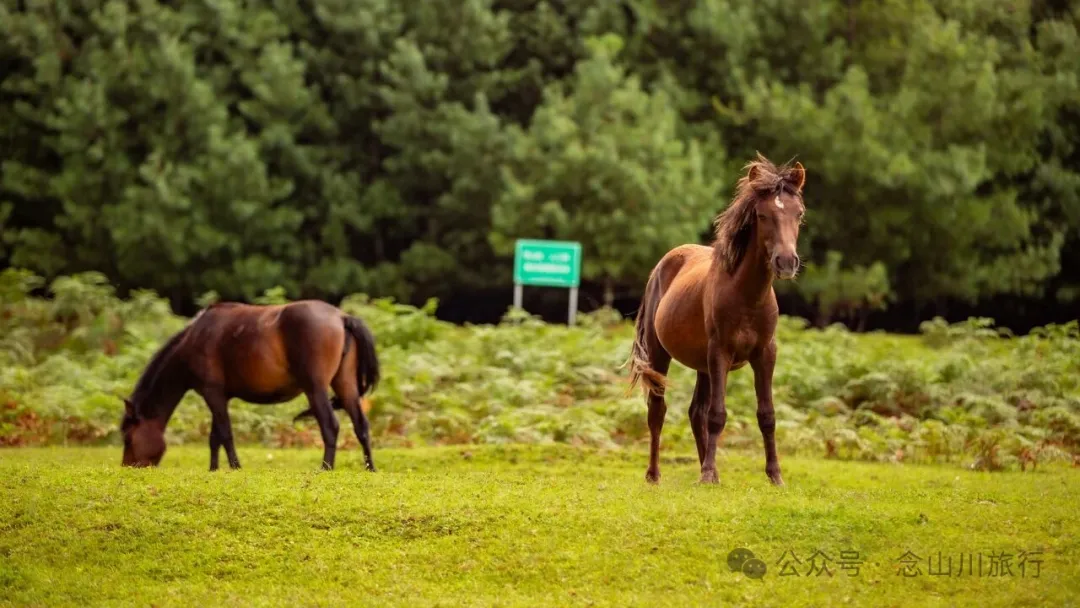
We walked to the meadow where the auntie who had called the cattle yesterday was sitting. The villagers had already driven herds of water buffalo and yellow cattle here, letting them scatter freely before returning to the village along the same path. Some villagers continued deeper into the forest, searching for wild mushrooms. While we were still packing up the tent, we saw an elderly man carrying a small bag of collected termite mushrooms back to the village. I took a look; one of the mushrooms was as large as a plate. The cattle slowly ambled onto the meadow to graze, some crossing the stream in the middle and disappearing into the pine forest, where ferns were more abundant. By the roadside, we saw two donkeys grazing, one of which looked very young, its brown baby hair not yet fully shed. It was both scared and curious about the unfamiliar humans, hiding beside the adult and peeking out.
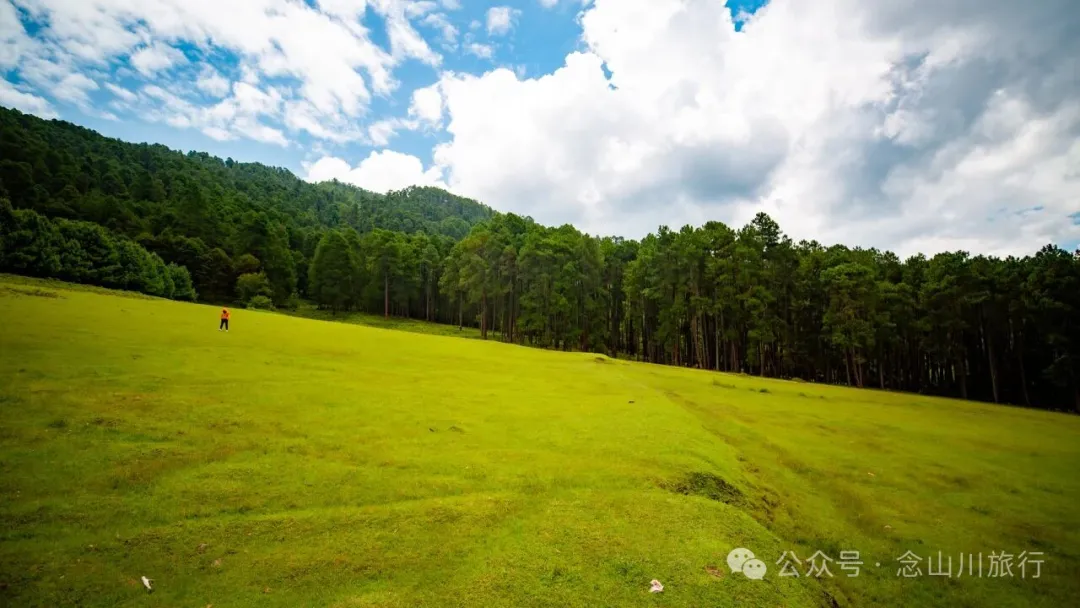
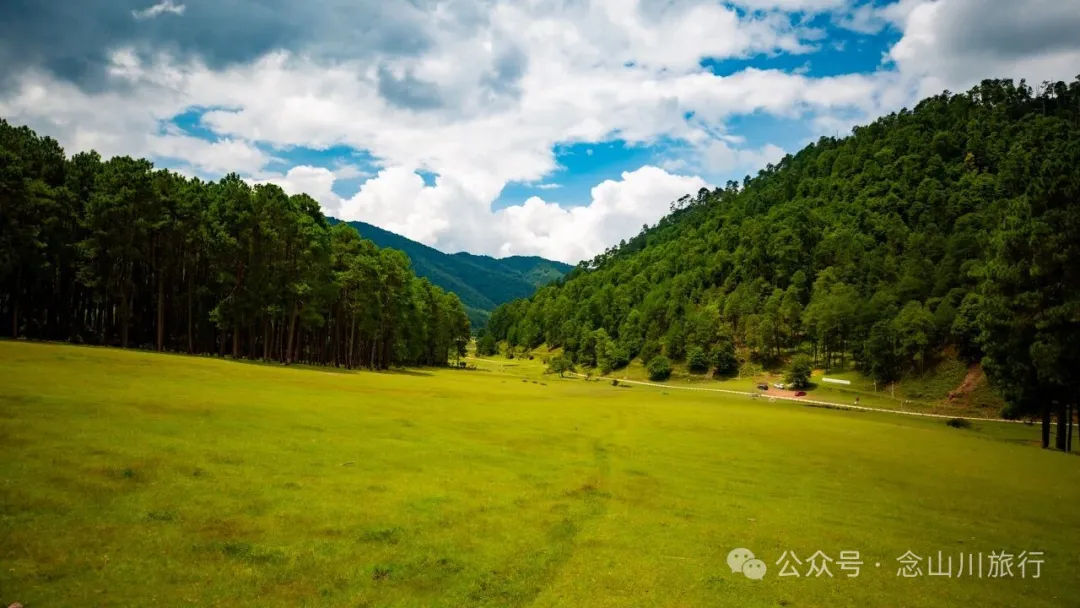
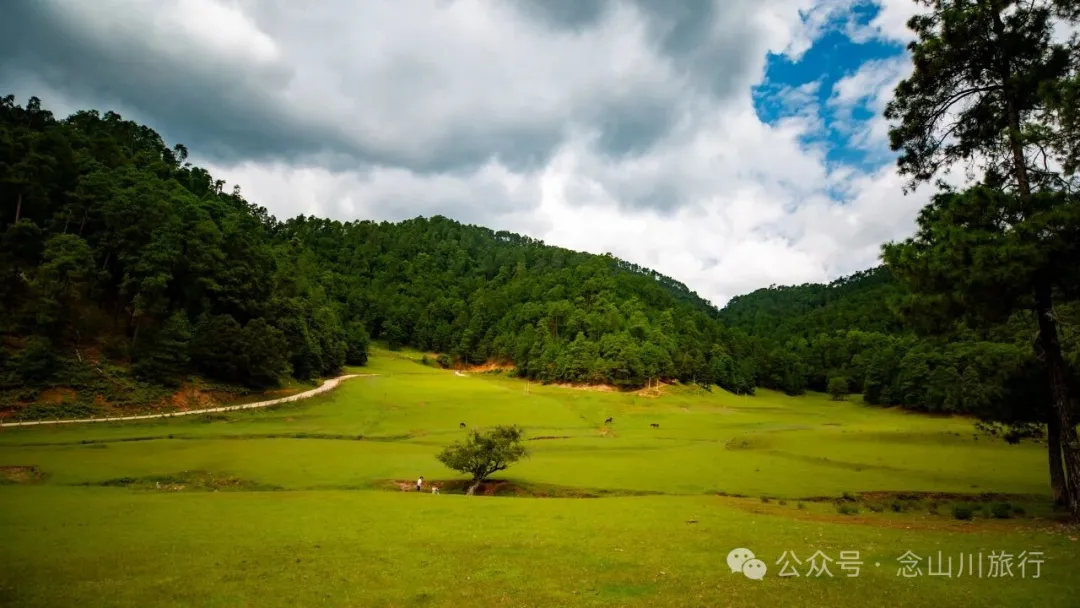
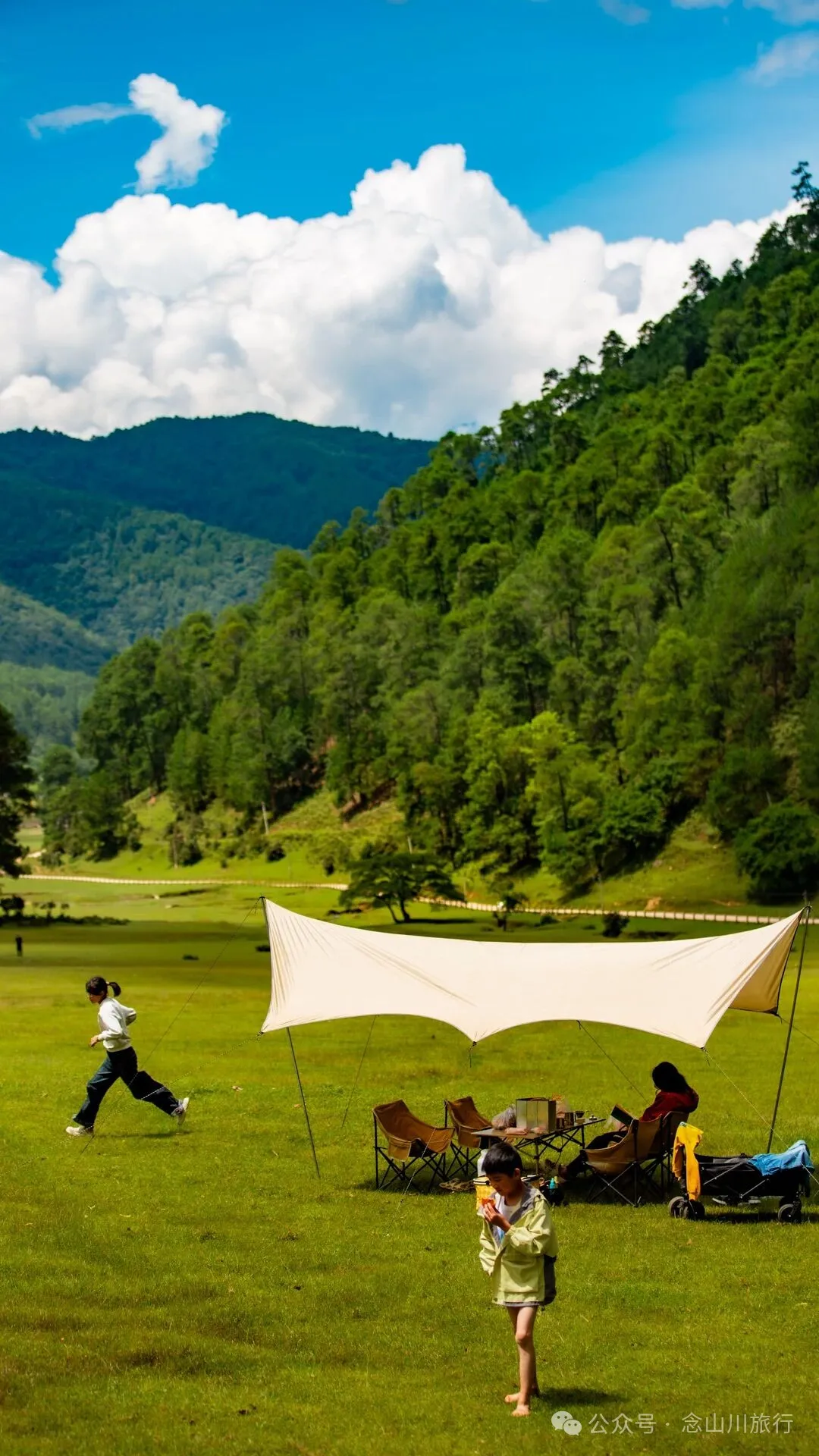
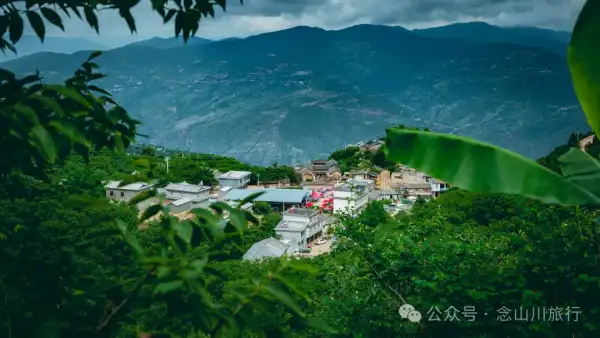
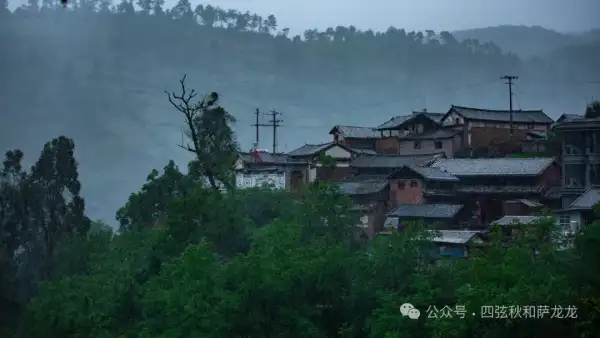
We waited under the overcast for over an hour. Only the thin mist that first appeared over the forest excited me; the morning sun never shone on this meadow. We returned to the campsite, woke the children, boiled a simple pot of hot soup, and began packing up. I walked up a winding mountain path behind the farm and saw more houses in the distant village standing quietly under thick clouds, with wisps of smoke drifting silently. The air there seemed more humid, as if a heavy rain was imminent.
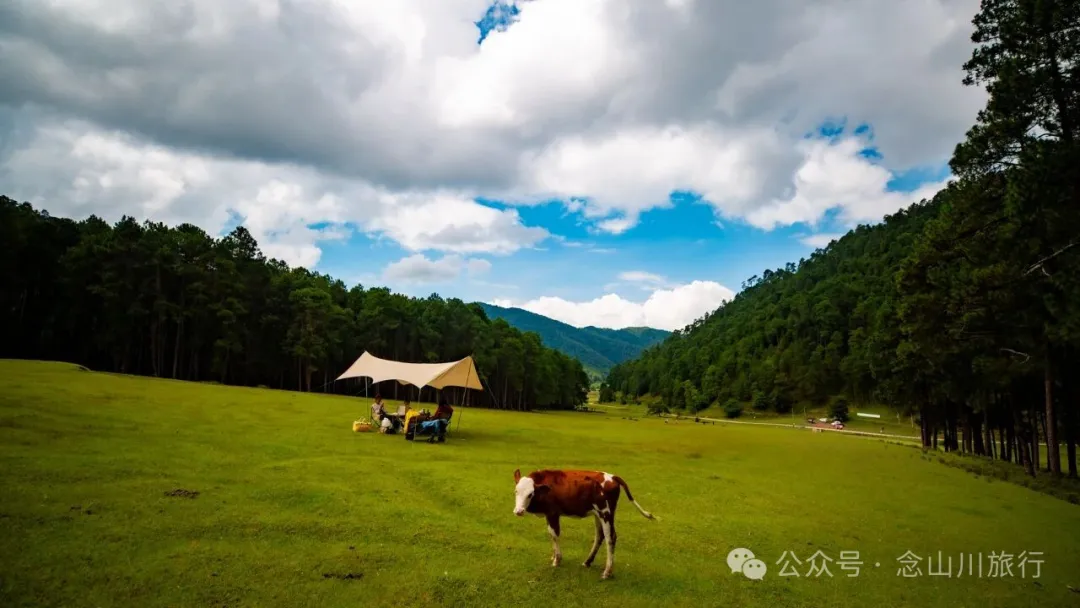
We went back to the meadow and continued waiting for the elusive sunlight. Around noon, a few tourists came to the meadow seeking rustic charm. Among them, a driving school car brought four or five young women, likely locals. They stood in the center of the meadow, posing gracefully for their phone cameras, bringing some liveliness to the quiet scene. We chose a flat spot without puddles, set up a canopy, and sat down to immerse ourselves in the fresh scent of nature. The sun was stingy with its rays. A group of yellow cattle foraging nearby seemed to hope we would be generous, expecting us to toss out oranges from our bag for them. As soon as we stepped away, they boldly approached the table, accurately bit into the bag of fruit, and ran off with it.
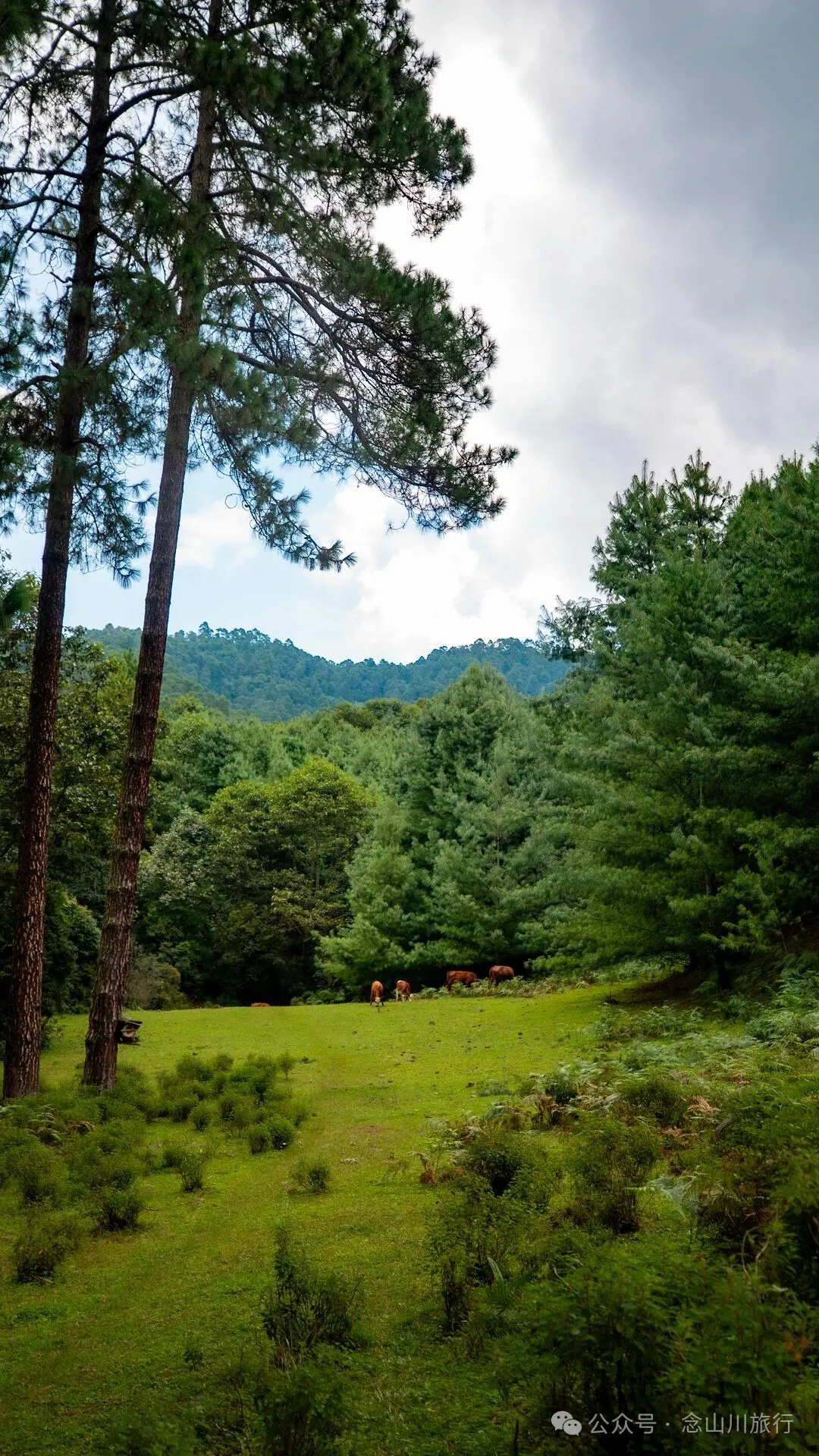
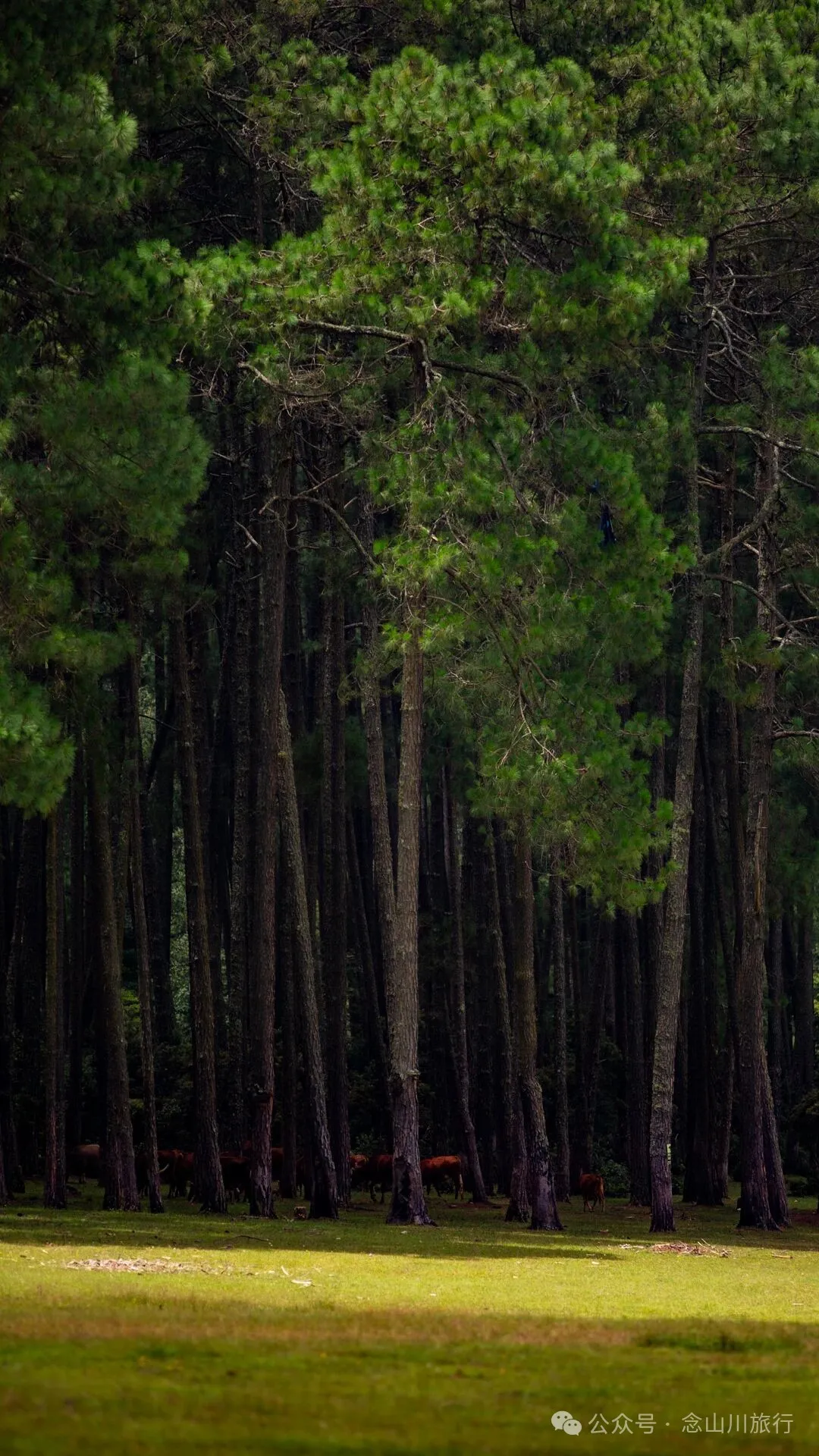
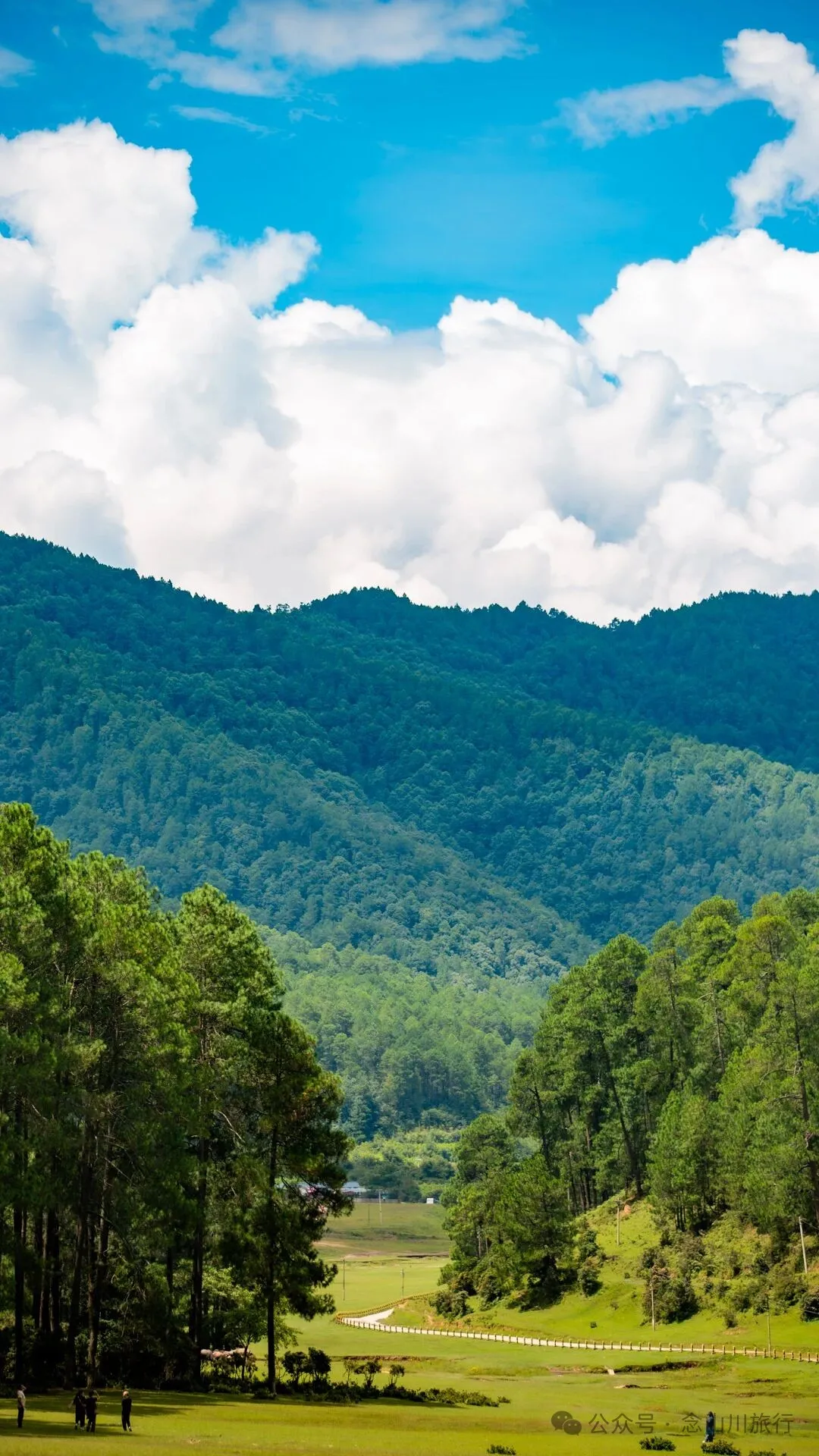
In the brief moments when sunlight pierced through the clouds, the cicada chorus in the forest surged even more passionately. Approaching the woods, I noticed many pine trees had square beehives nailed to their trunks, looking like mailboxes. Who would write letters to bees? Or perhaps to the forest, to the ferns, to the streams, to the wildflowers, to the night and the stars.