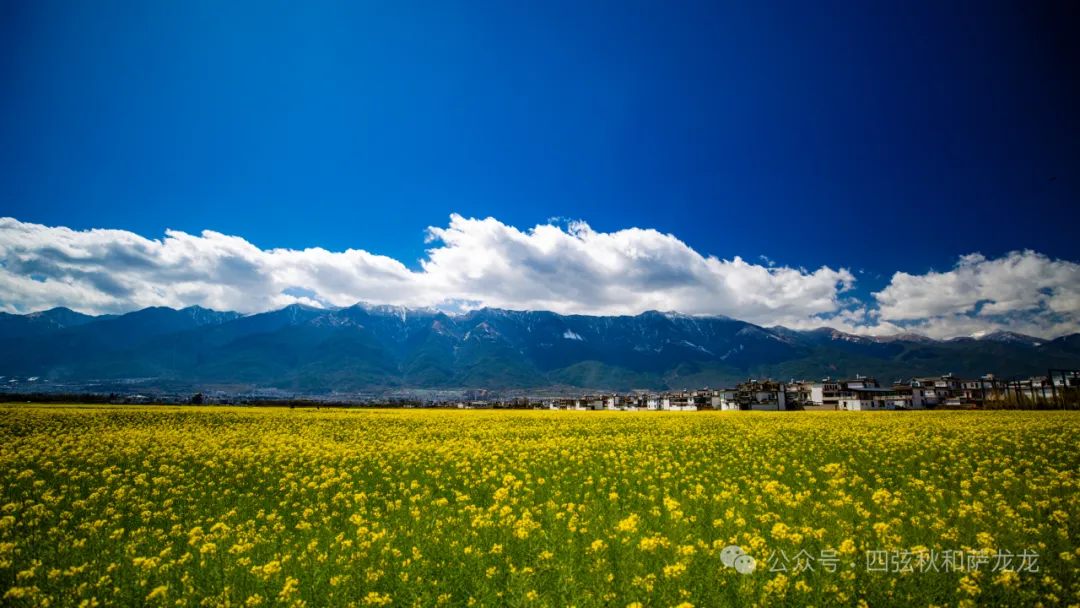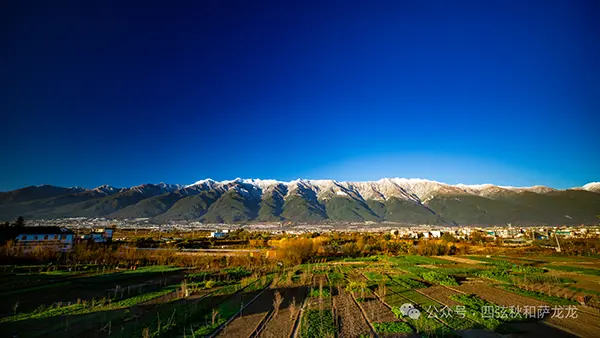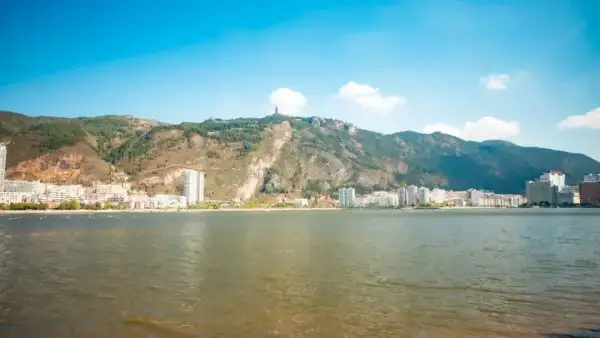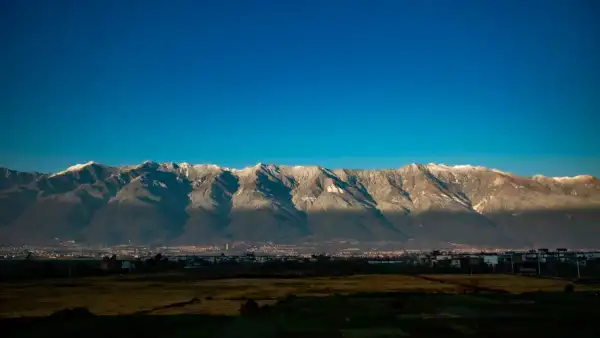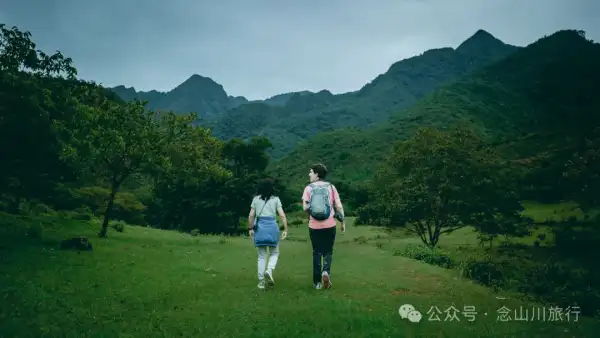

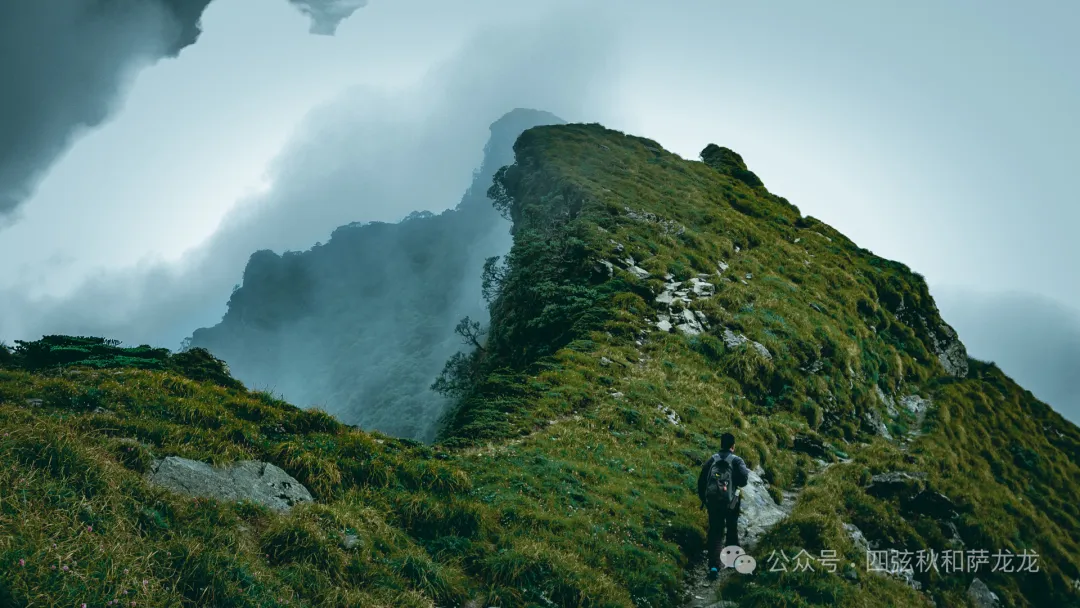
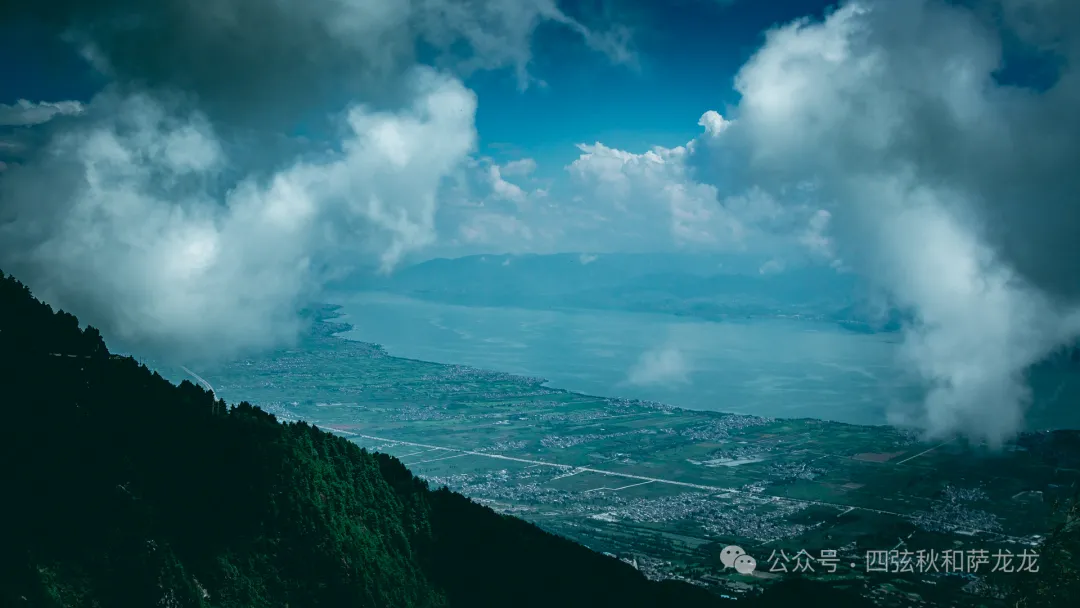
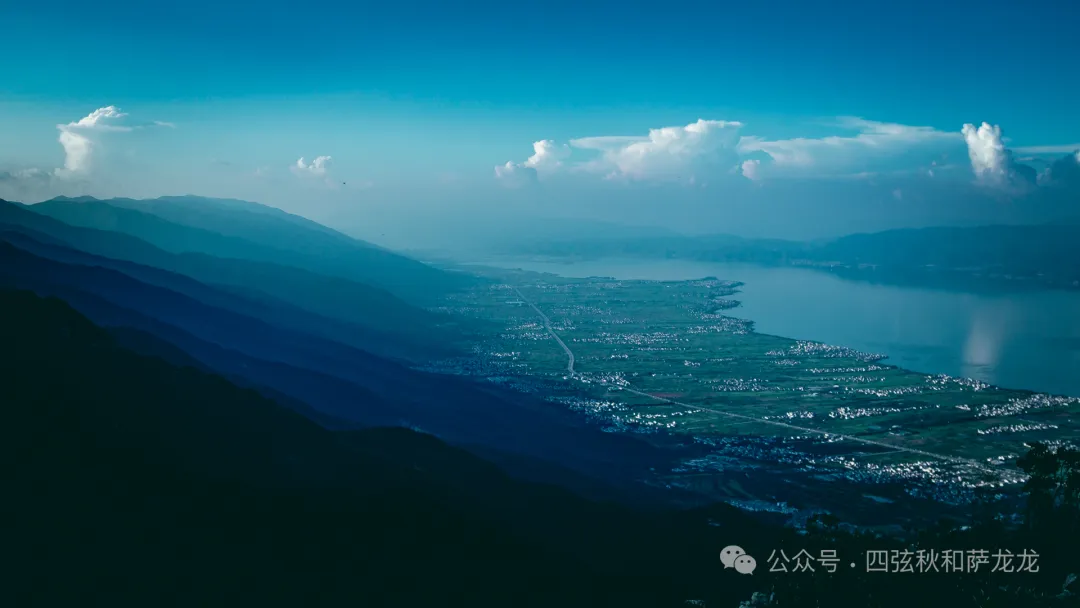
Living by Erhai Lake, I could gaze at the Cangshan Mountains stretching about 48 kilometers from north to south every day. Their steep and mysterious reputation is highly attractive, and many mountaineers come to conquer the peaks and enjoy the magnificent scenery. However, the mountains are deep and treacherous, with winding paths. Without a guide familiar with Cangshan, travelers can easily get lost, even risking their lives.
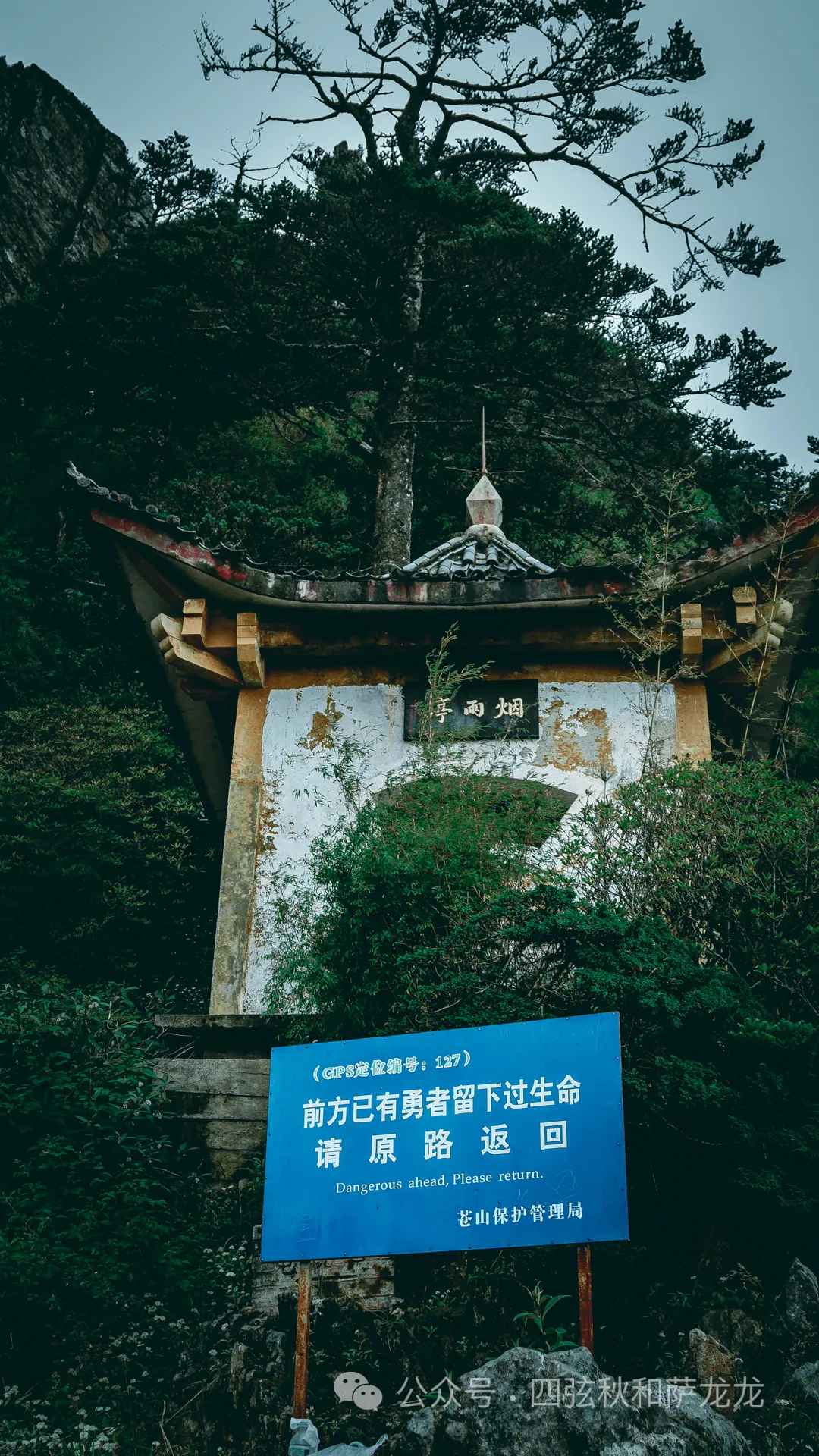
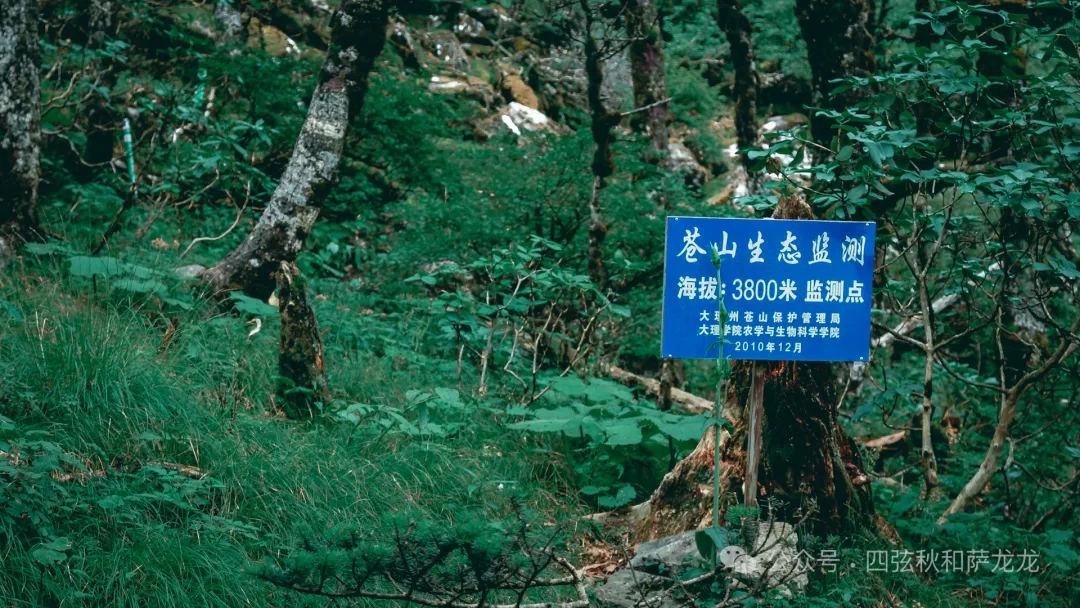
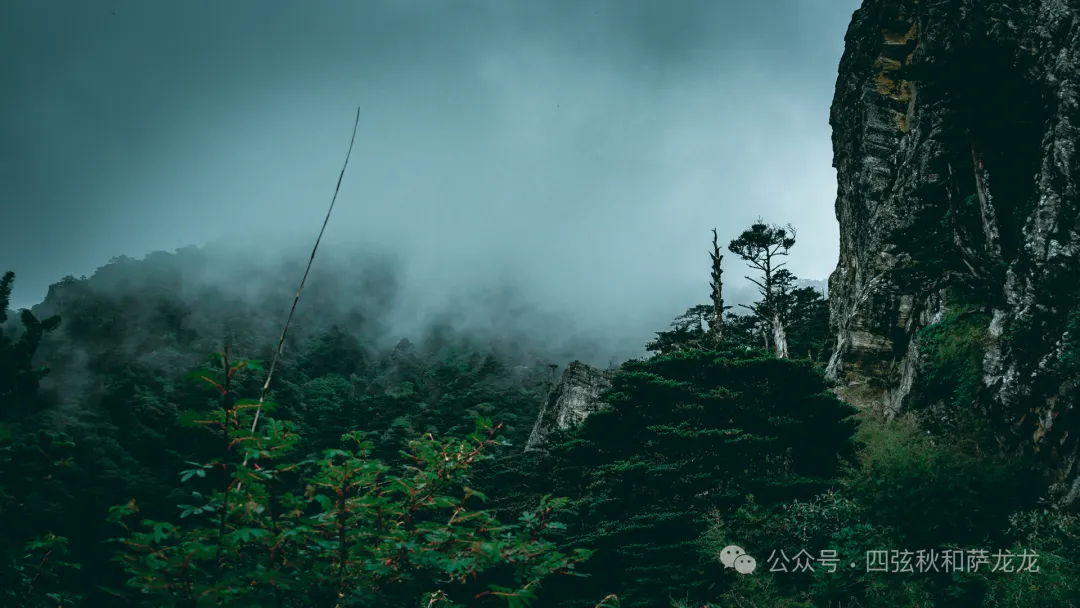
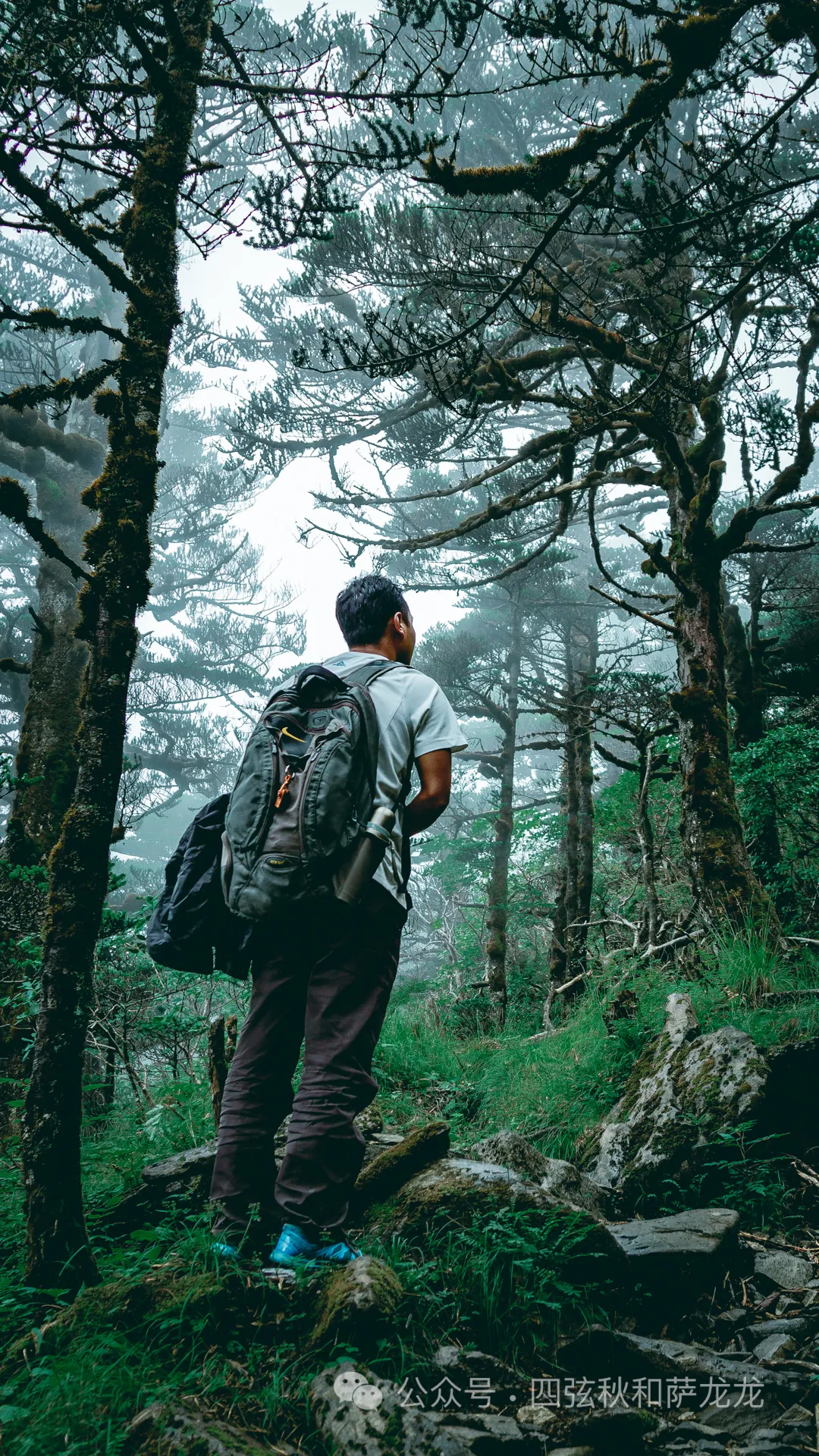
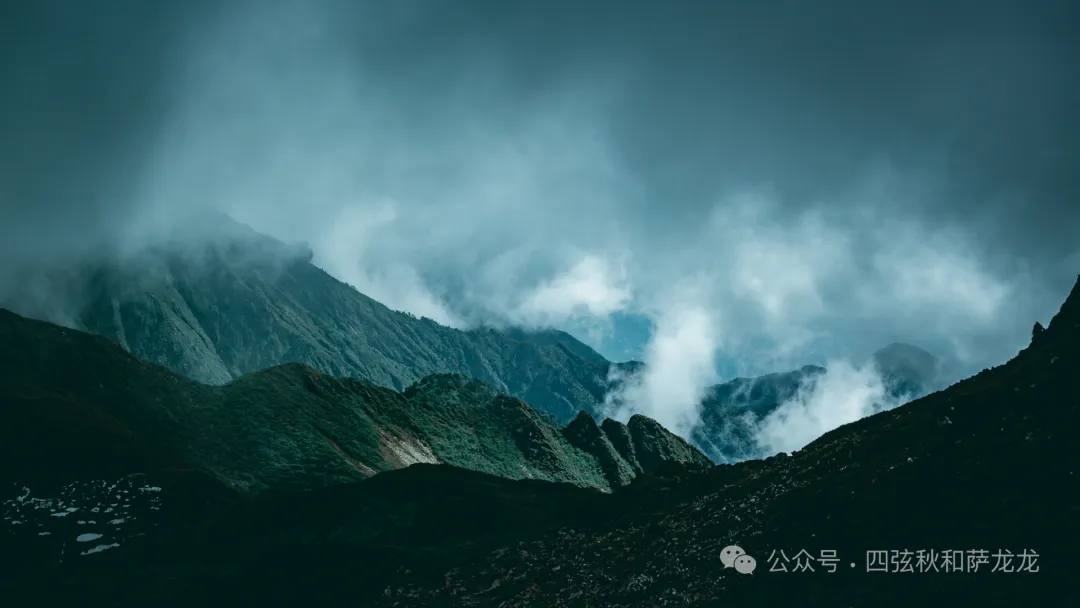
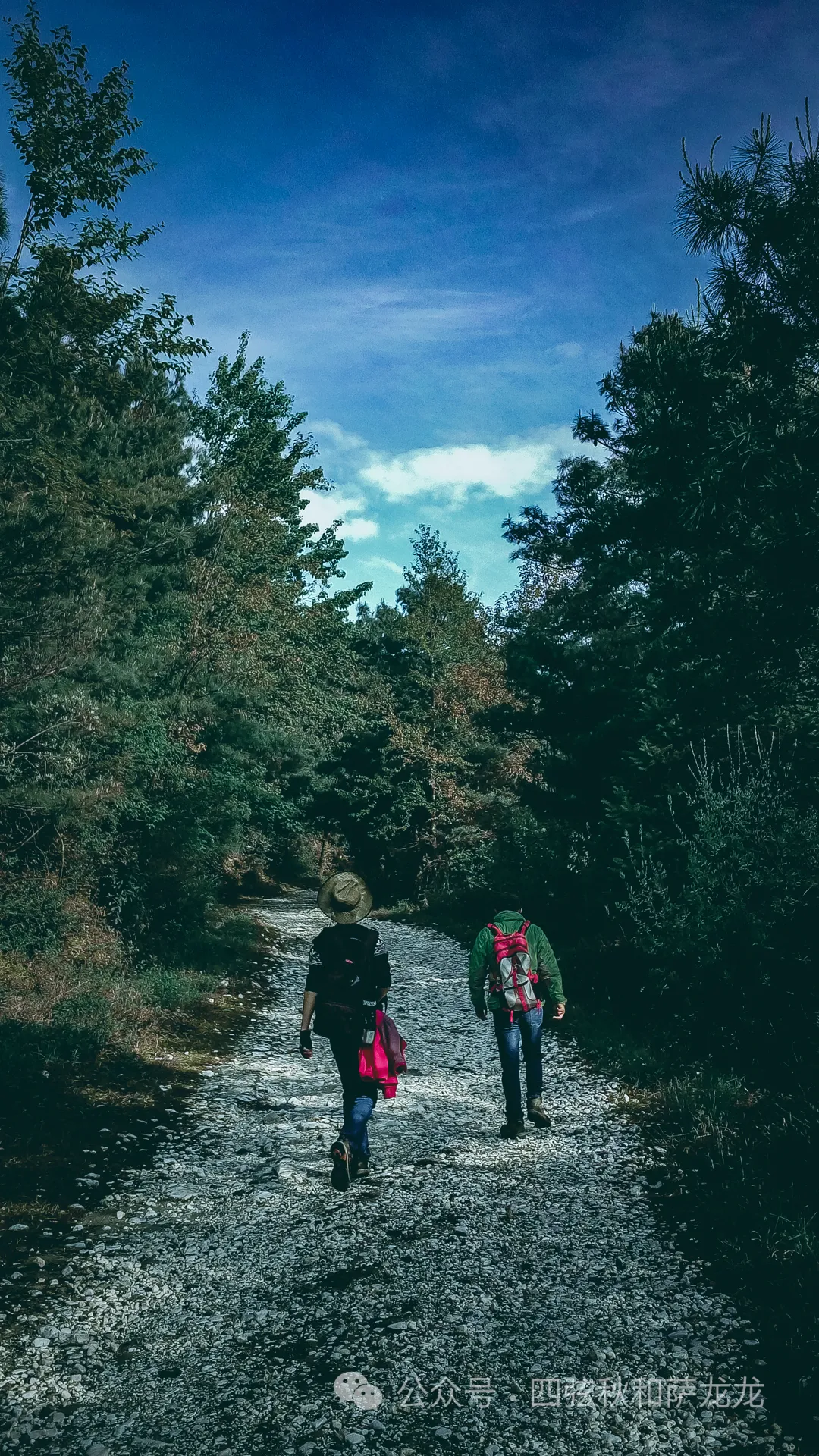
On August 13, 2016, after living in Dali for two years, I finally realized my dream of hiking to the summit of Cangshan with my friend Zeng Kui. Zeng Kui is a native Yi from Weishan, who has worked in Dali ancient town for many years and has extensive mountaineering experience. He planned this hiking route. At 9 a.m., we set off from the Three Pagodas of Chongsheng Temple, starting our hike along a stone path outside the temple. The weather at the foot of the mountain was cloudy, and the higher peaks were shrouded in thick clouds. Dewdrops still clung to branches along the road, not yet evaporated by the sun. By noon, when we reached an altitude of 3,200 meters, the clouds turned into mist, reducing visibility to less than ten meters. The difficulty of hiking Cangshan began to show here. The previous three hours of hiking were just a warm-up. At this point, we had to stop every few meters to catch our breath, and our legs frequently cramped. It took us nearly four and a half hours to climb the remaining 1,000 meters to the summit.
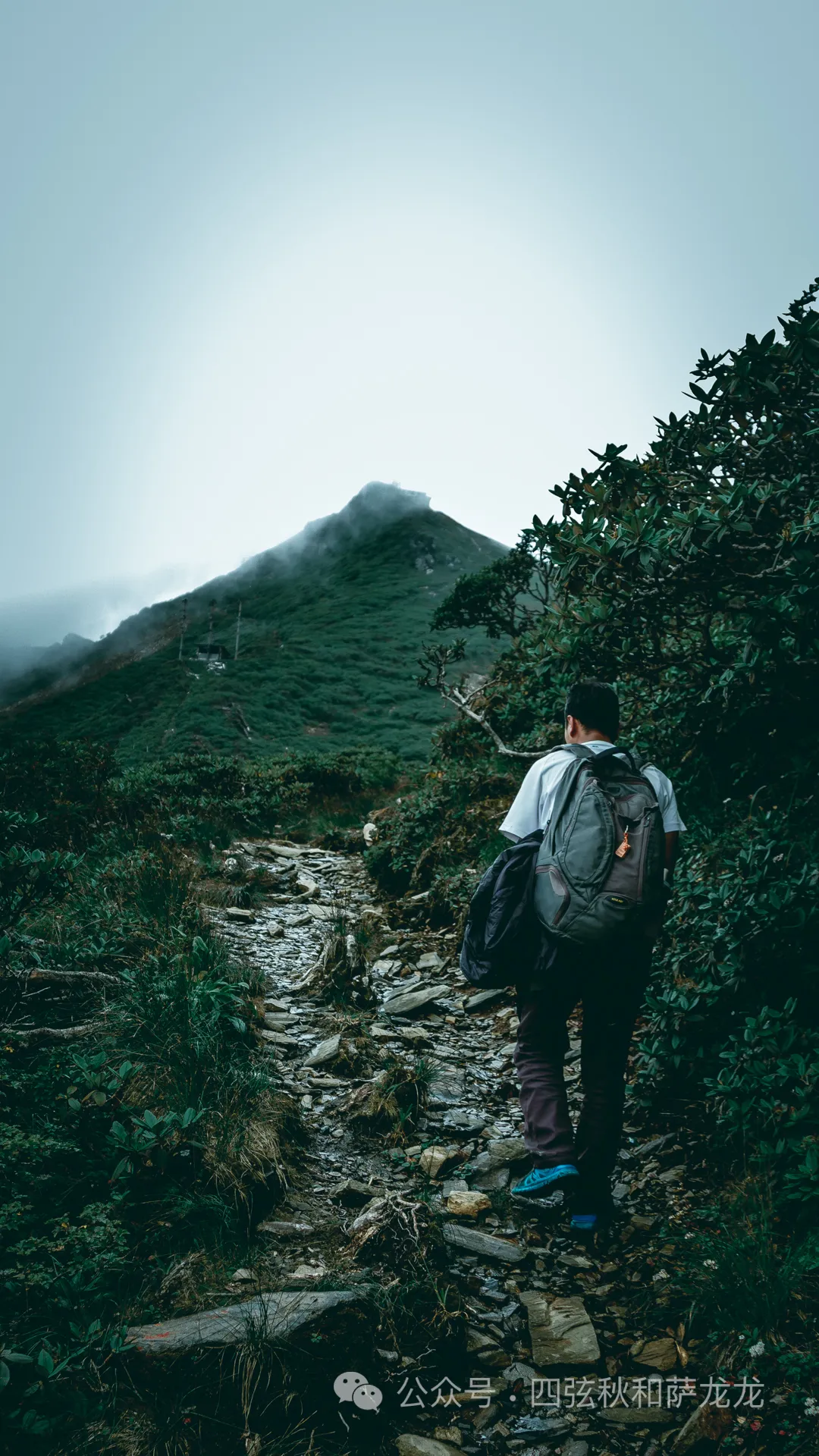
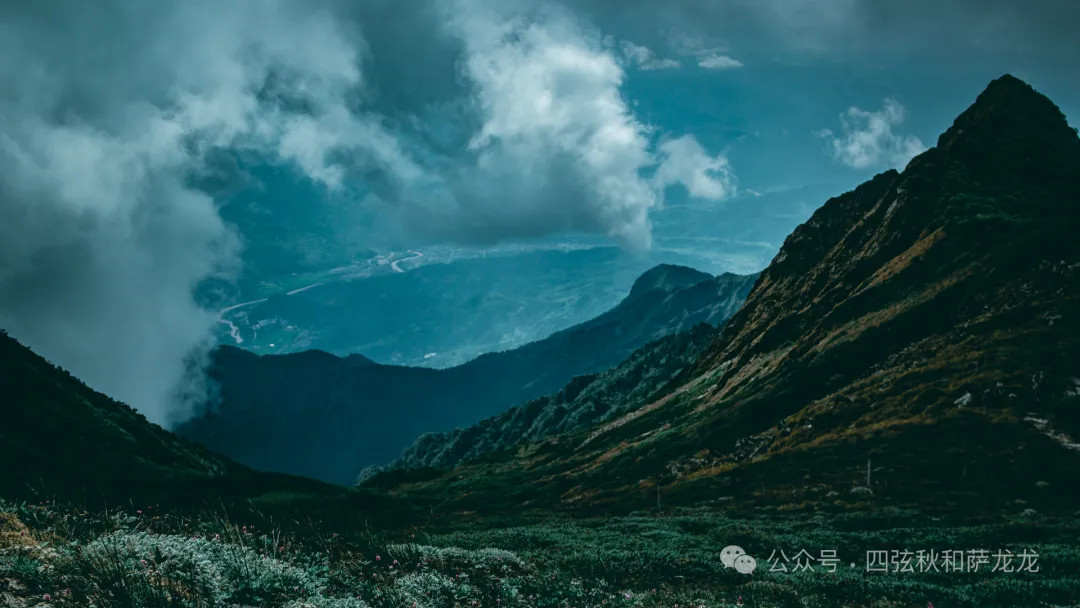
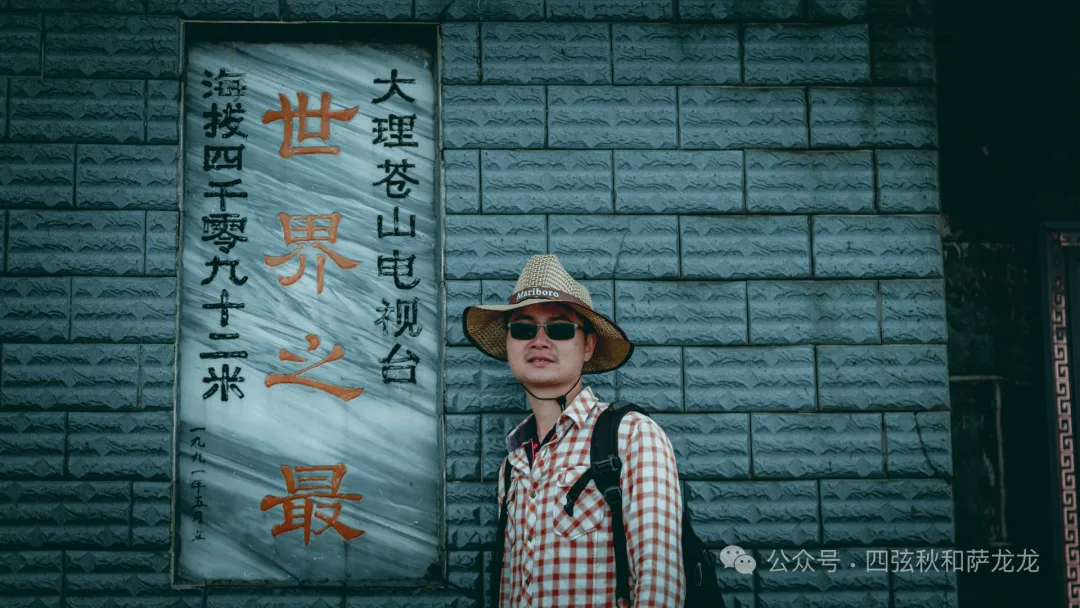
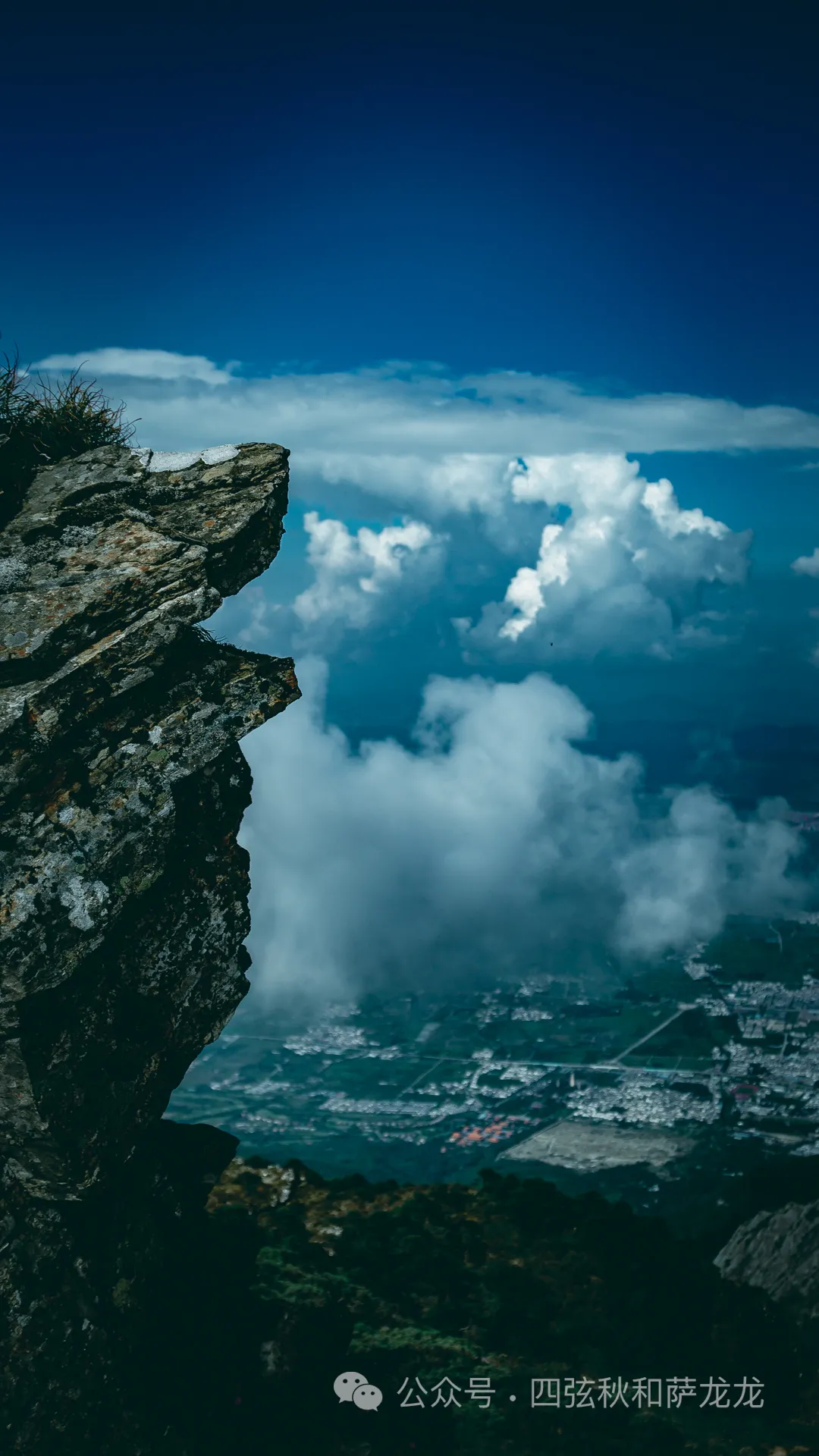
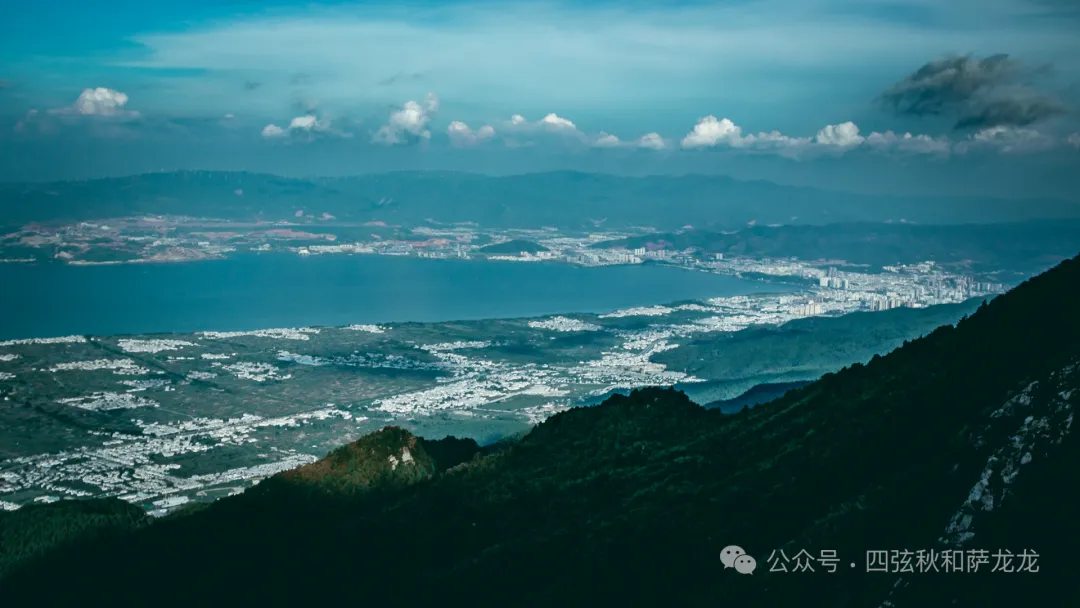
We reached the summit at 3:30 p.m. Gazing at the endless mountains and ever-changing clouds beneath our feet, we forgot the fatigue and hardship of the climb. A great sense of satisfaction and conquest surged within us. "When I reach the top, I see all mountains at a glance." No matter how magnificent the poem is, without this personal hiking experience, I could never have felt the pride of having all mountains underfoot. White clouds raced past, and strong winds howled at the summit. Zeng Kui and I sat on the highest peak, enjoying the view, our hearts filled with profound tranquility after the excitement.

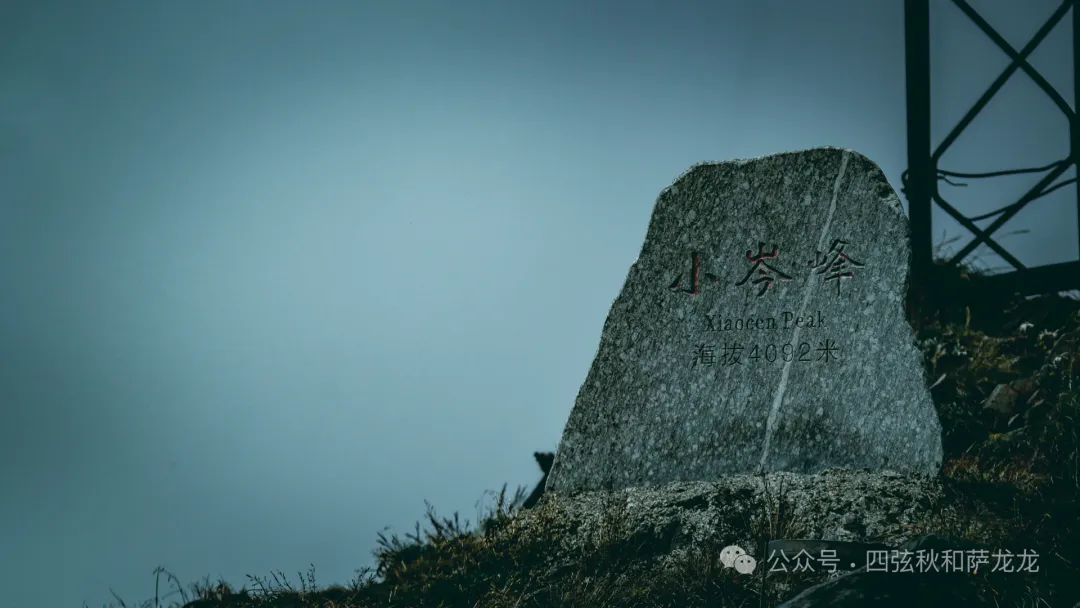
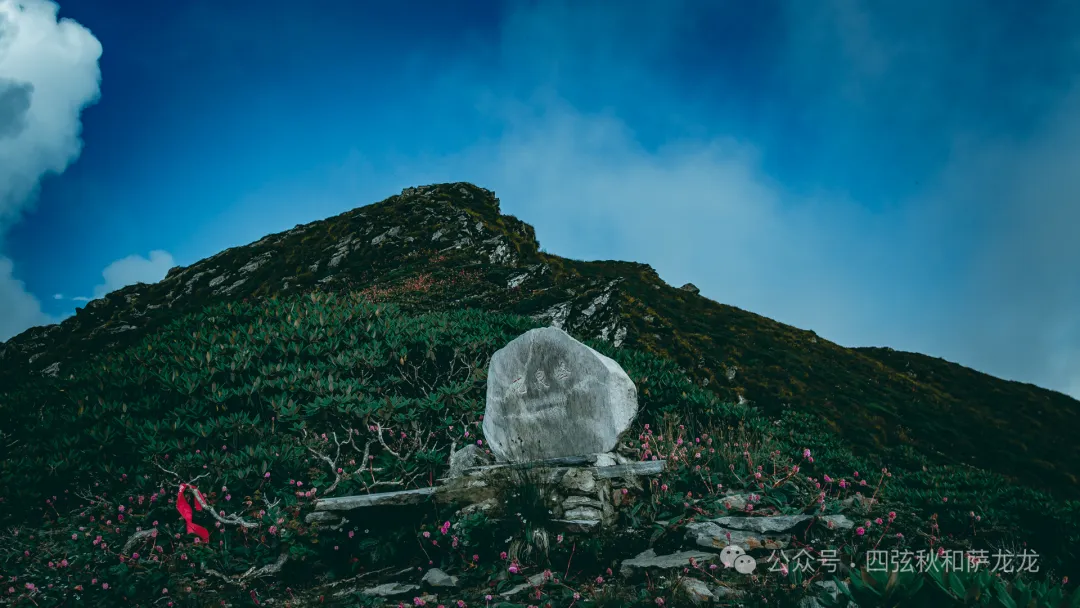
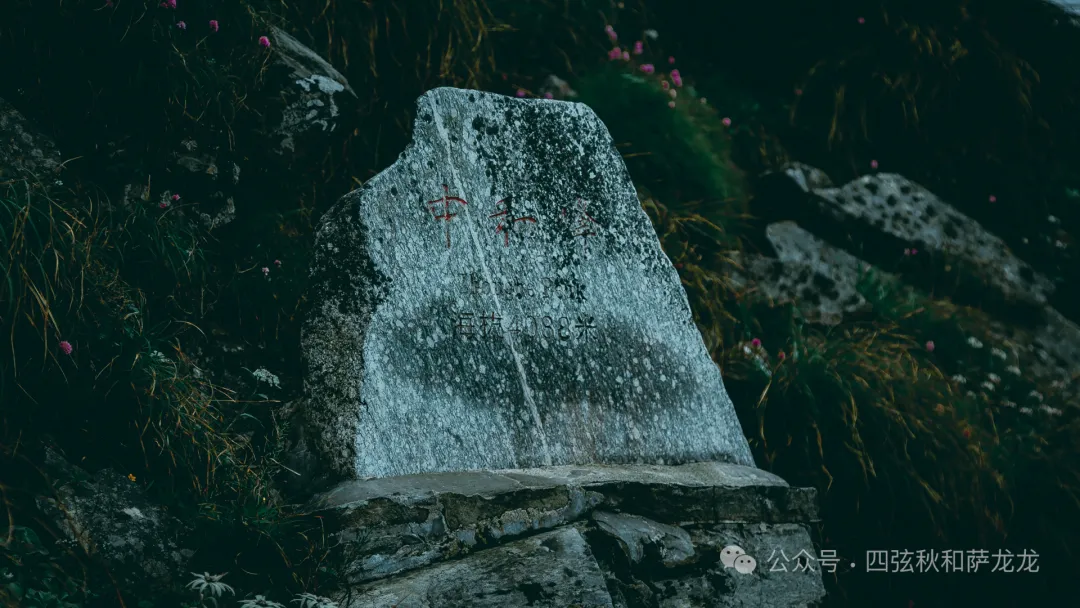
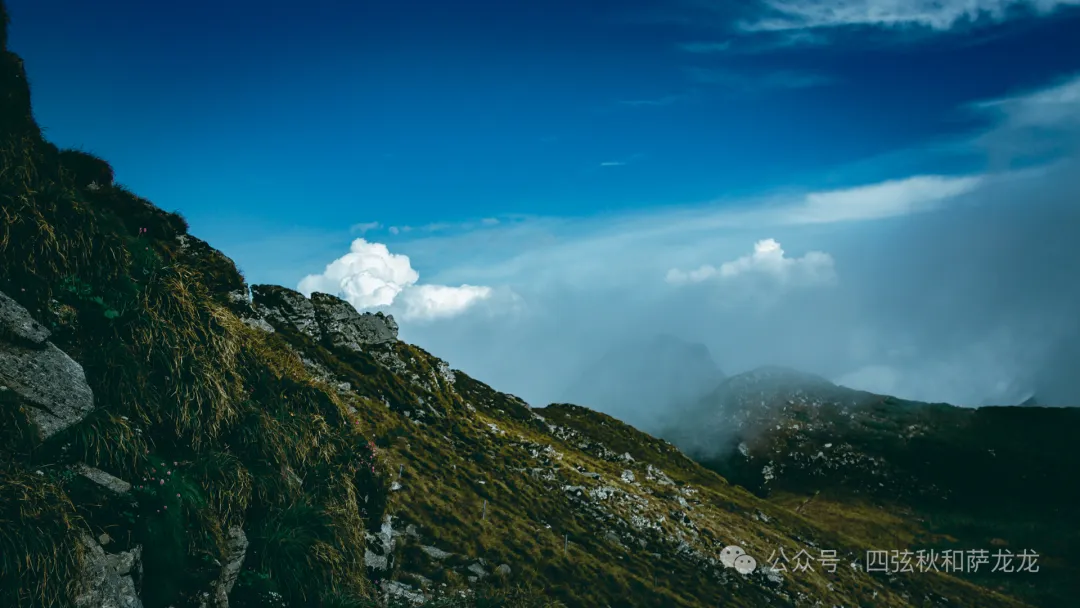
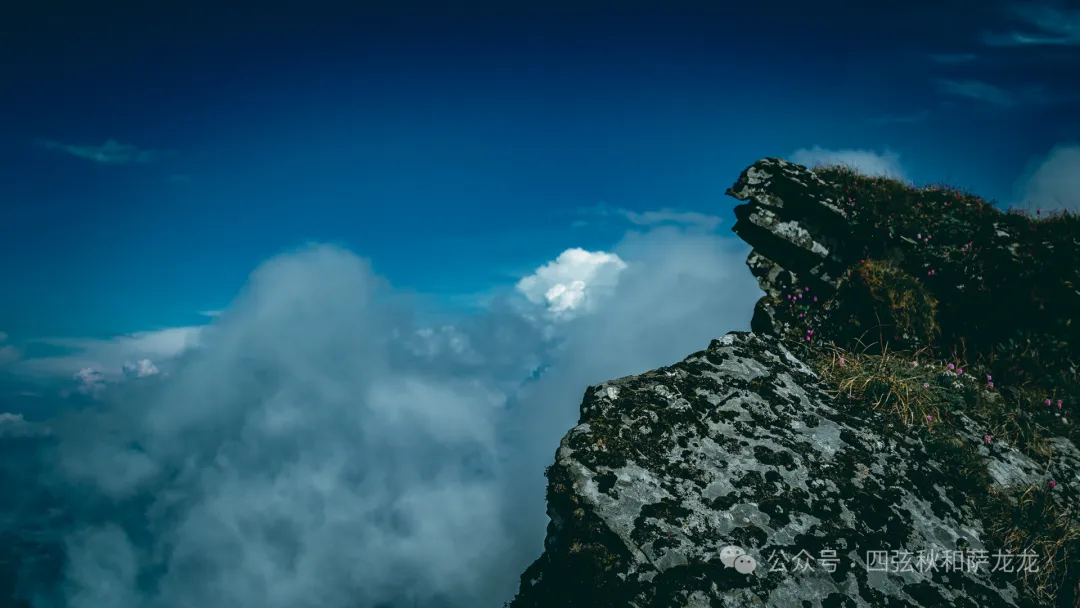
After resting for nearly an hour at the summit and replenishing our energy, I followed Zeng Kui southward along the ridge. From Xiaocen Peak to Zhonghe Peak, Longquan Peak, and Xima Pond, it took us only an hour. The mountain path was flat and comfortable, without any fatigue. After a few minutes at Xima Pond, we crossed the railing of the Xima Pond cable car and ran down the mountain along the path toward Zhonghe Temple. It was already dark when we emerged from the mountains.
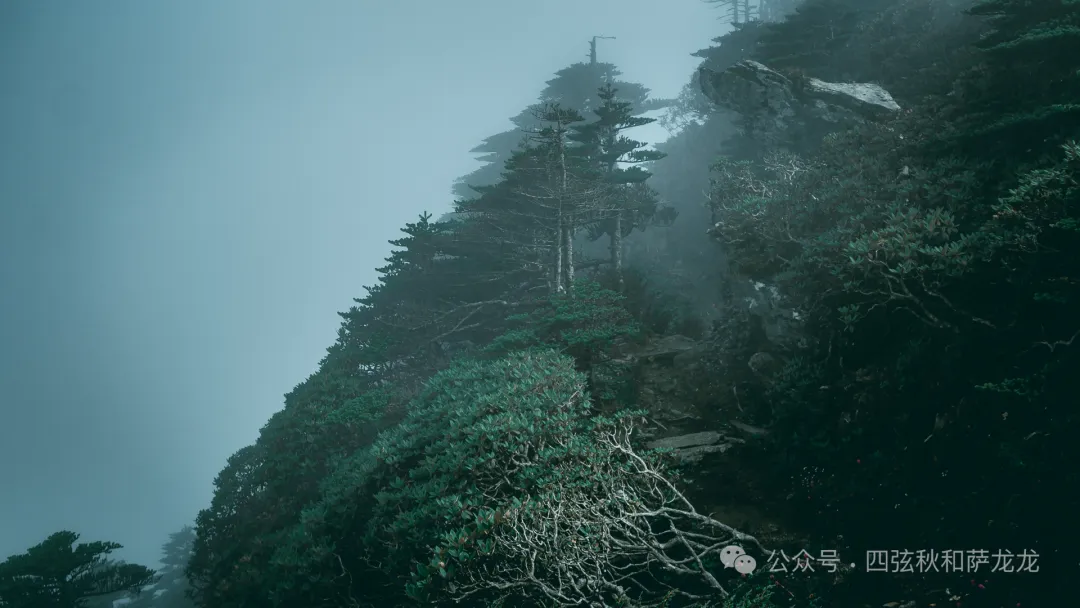
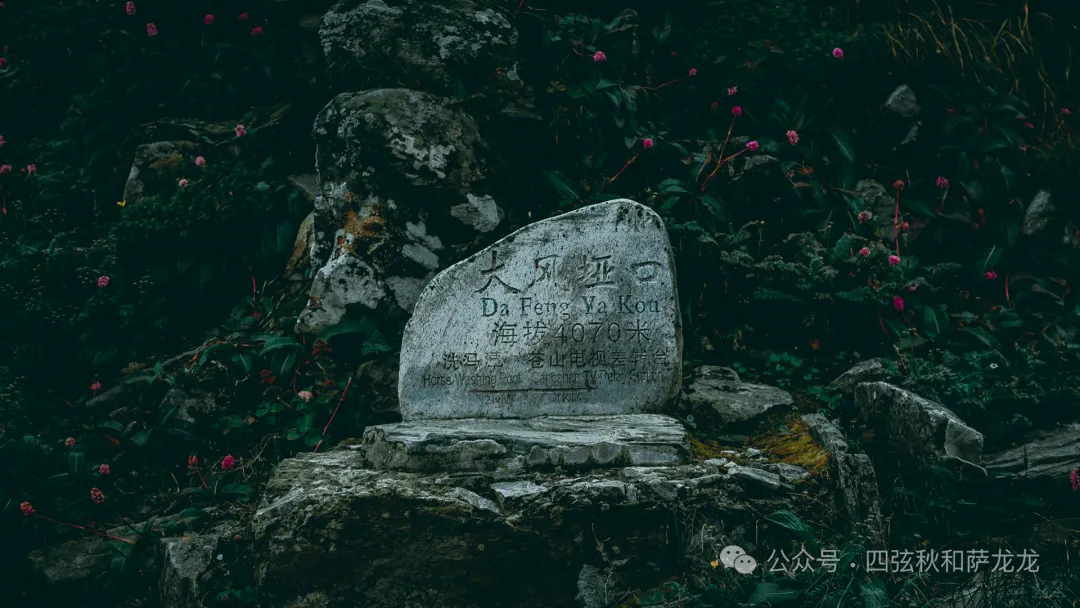
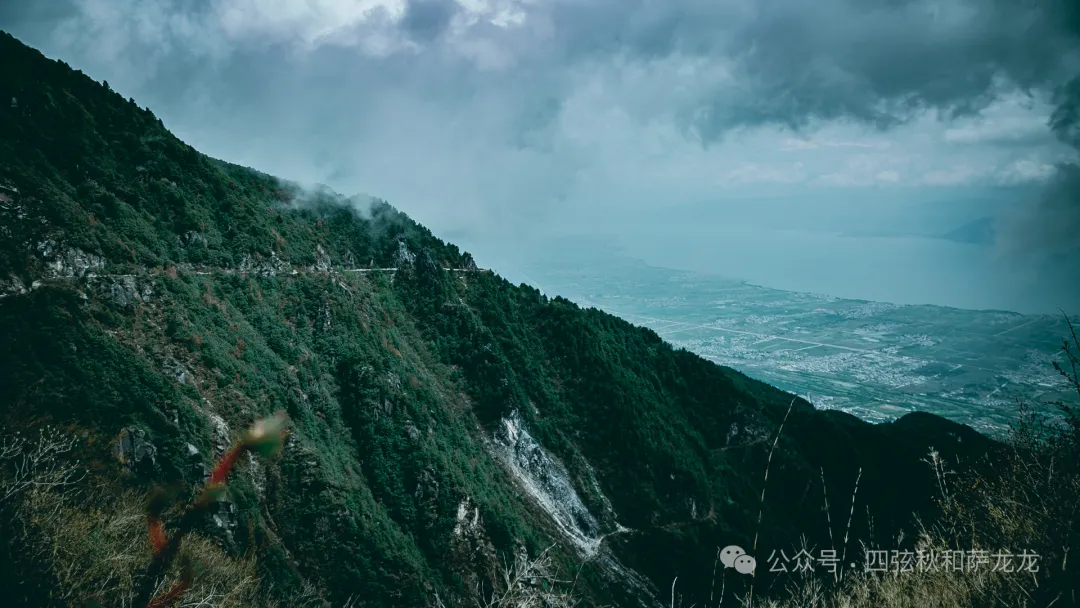
With this hiking experience, I couldn't wait to go back into the mountains and embrace the magnificent Cangshan again. On April 24, 2017, I set off again from the Three Pagodas with two other friends, retracing the same route. This hike allowed me to experience a magical transition from spring to winter, from warm flowers to cold snow, all in one day. Compared to the first hike, this one was less arduous but more bitterly cold. The morning was clear and breezy, but as we climbed higher, the weather worsened. Clouds and fog quickly enveloped the mountains, obscuring the path ahead. We had to grope our way forward, following faint traces left by previous hikers.
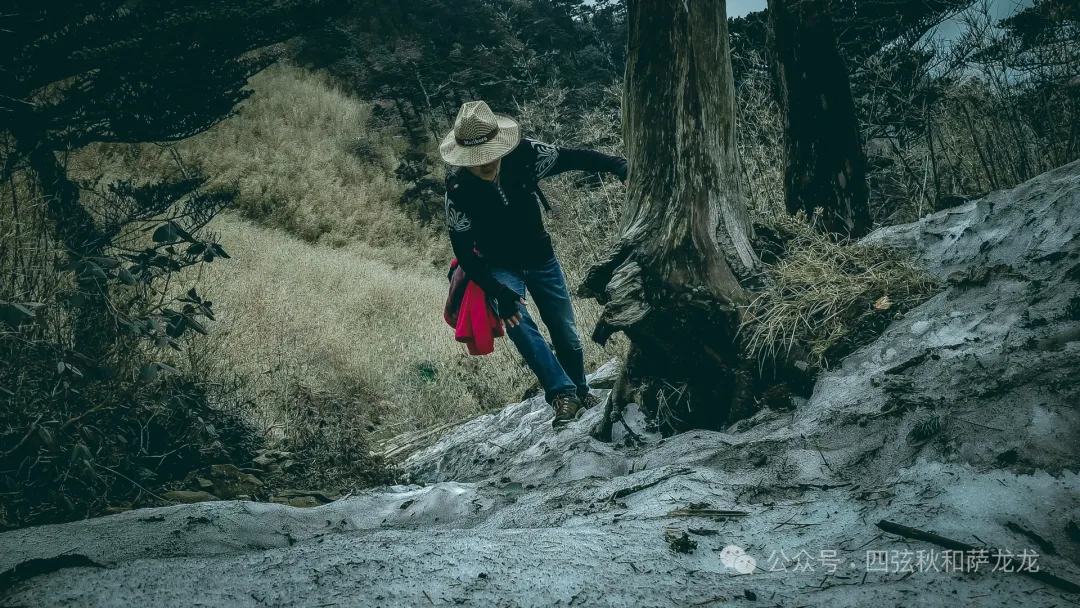
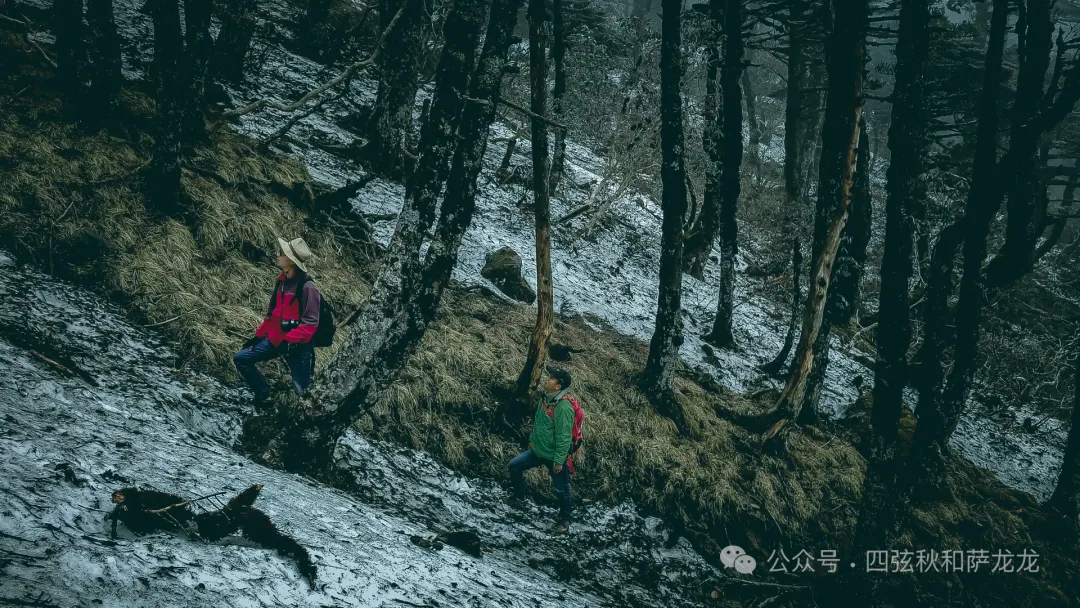
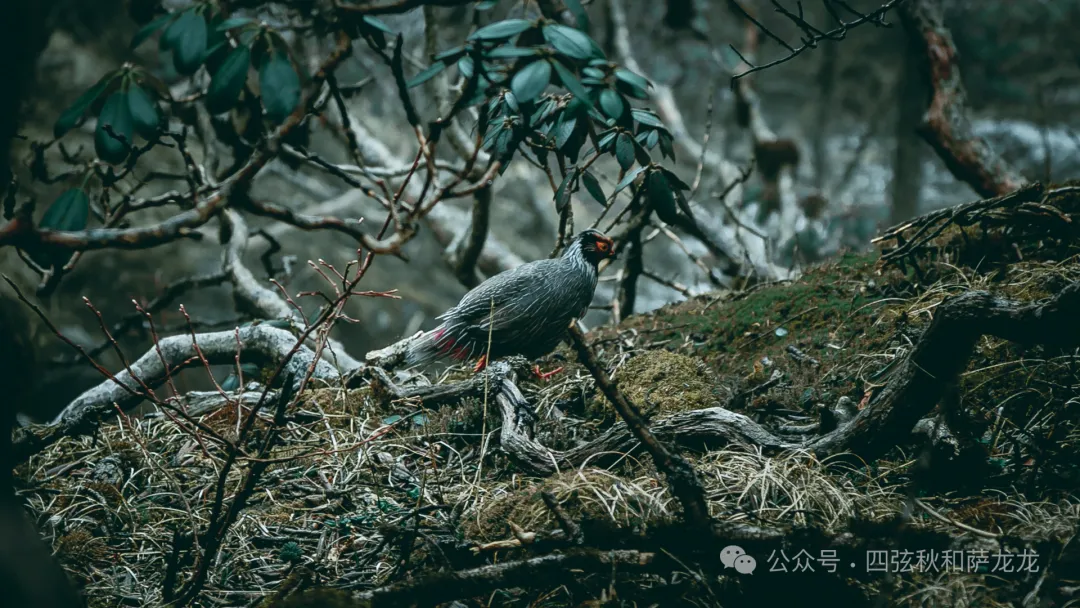
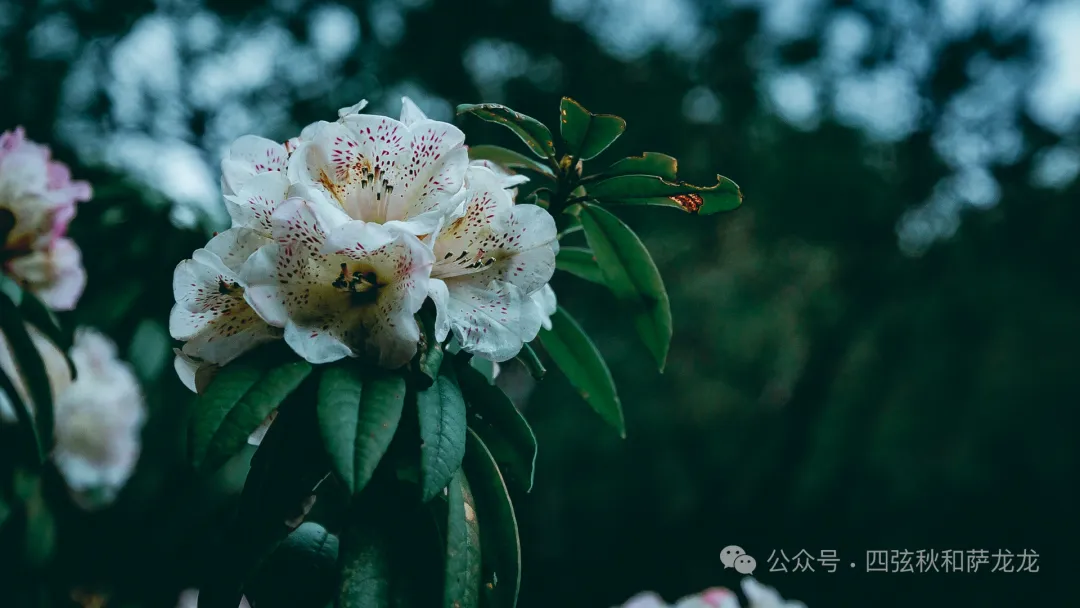
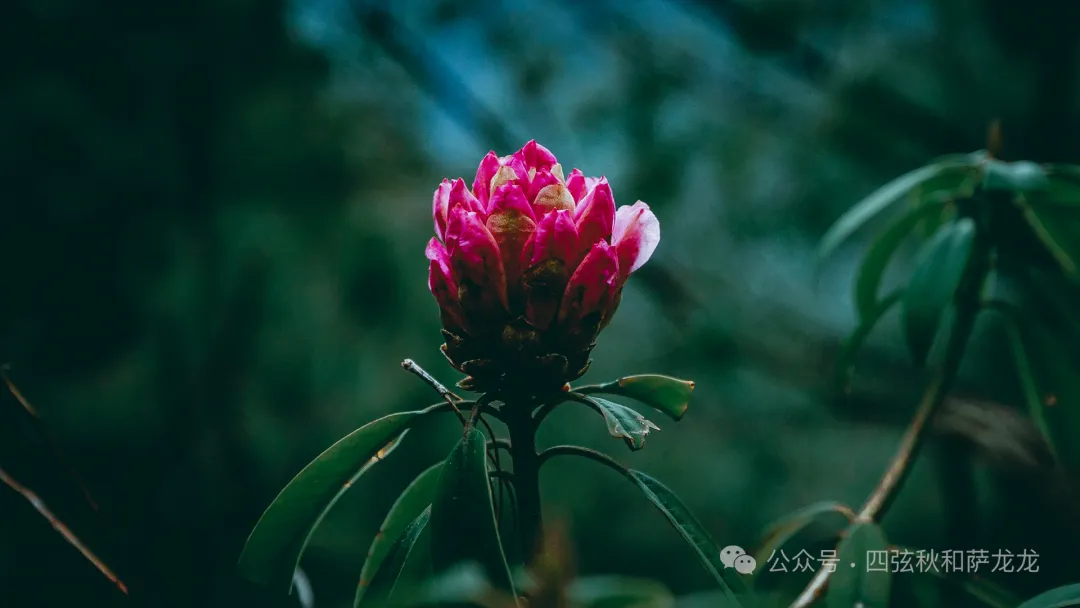
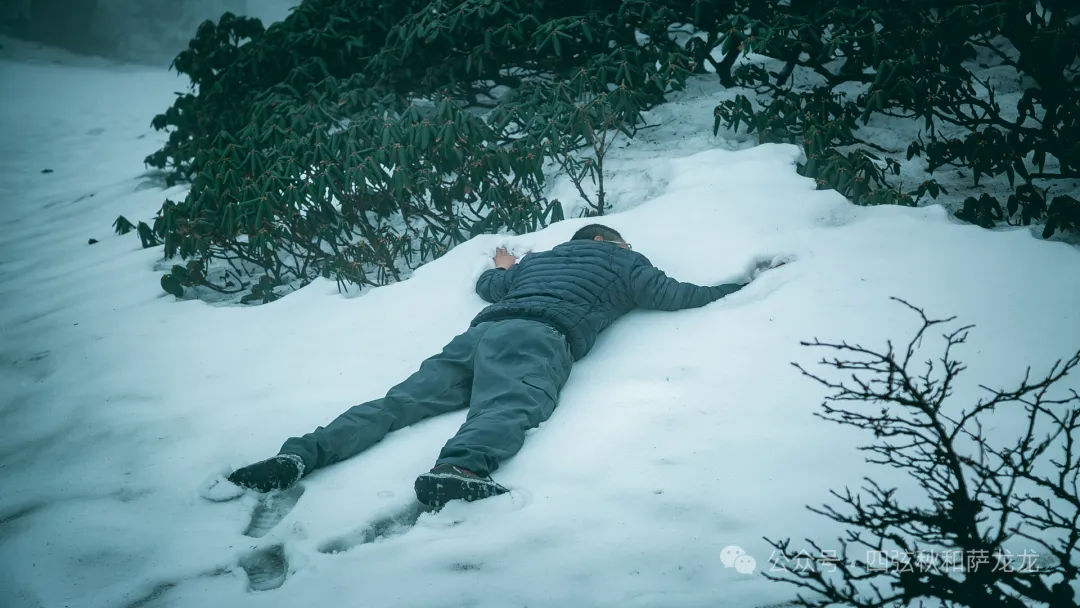
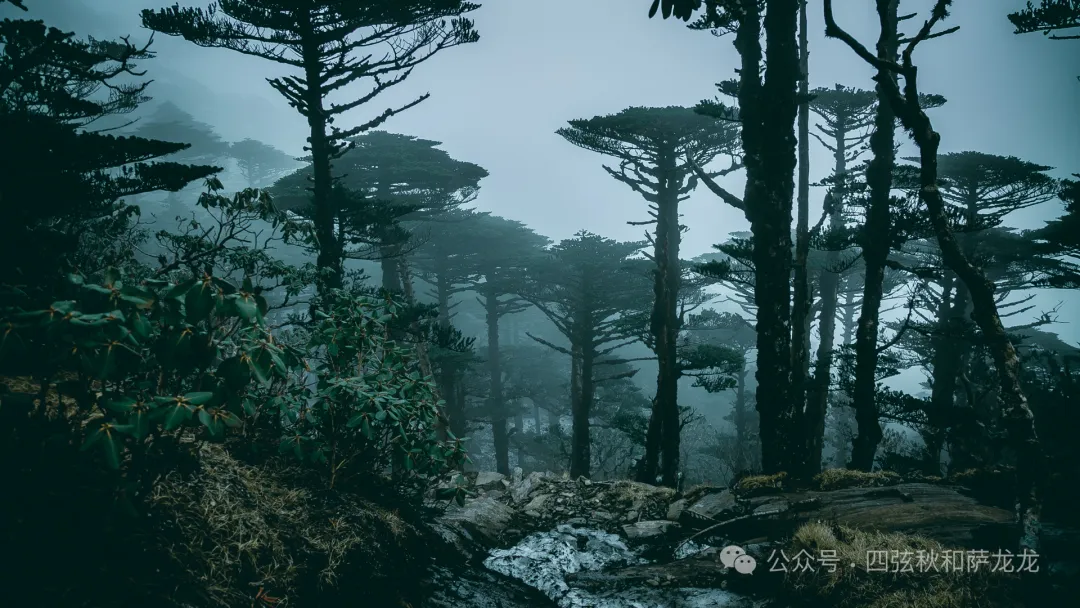
While searching for the way, we discovered a rare and precious wild animal—the Cangshan snow chicken. To photograph it, we followed it into low shrubs. Due to the heavy fog, we lost our way and couldn't find the correct path. Xiao Jiang lay flat on the ground, his whole body sinking into the snow, as happy as a child. Large rhododendrons and unknown wildflowers bloomed in the cold, looking beautiful.
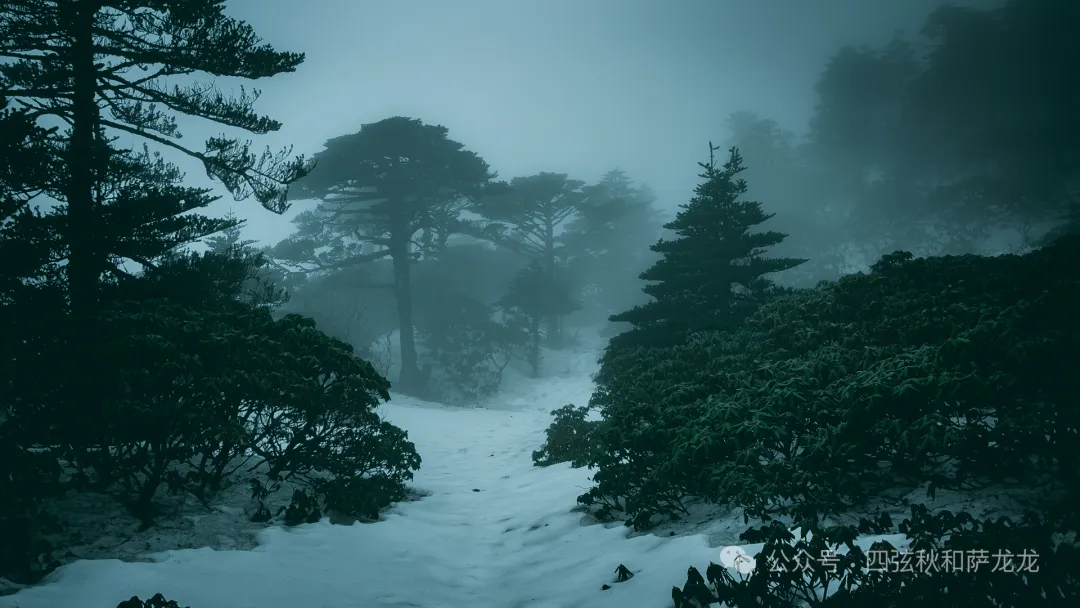
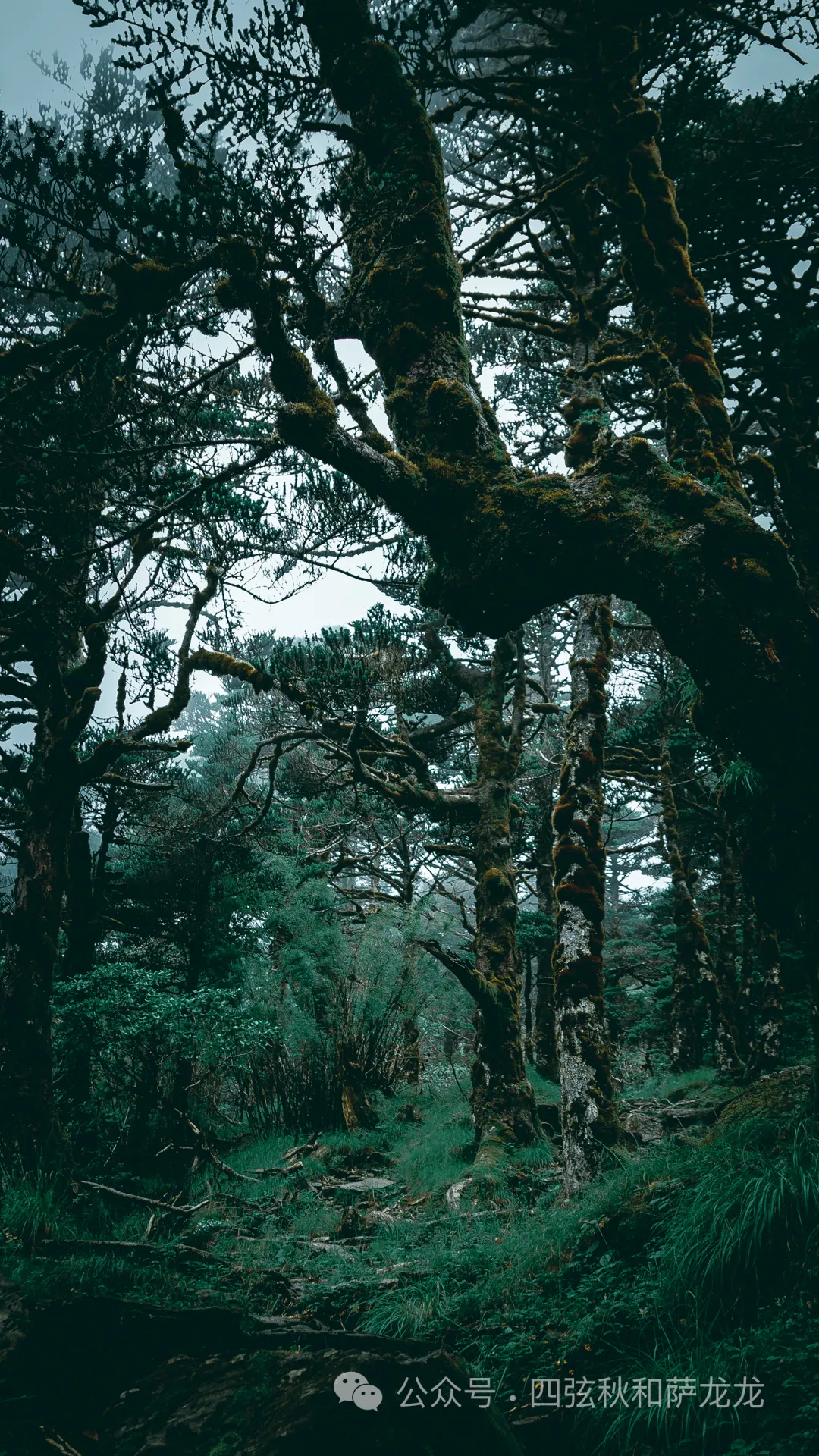
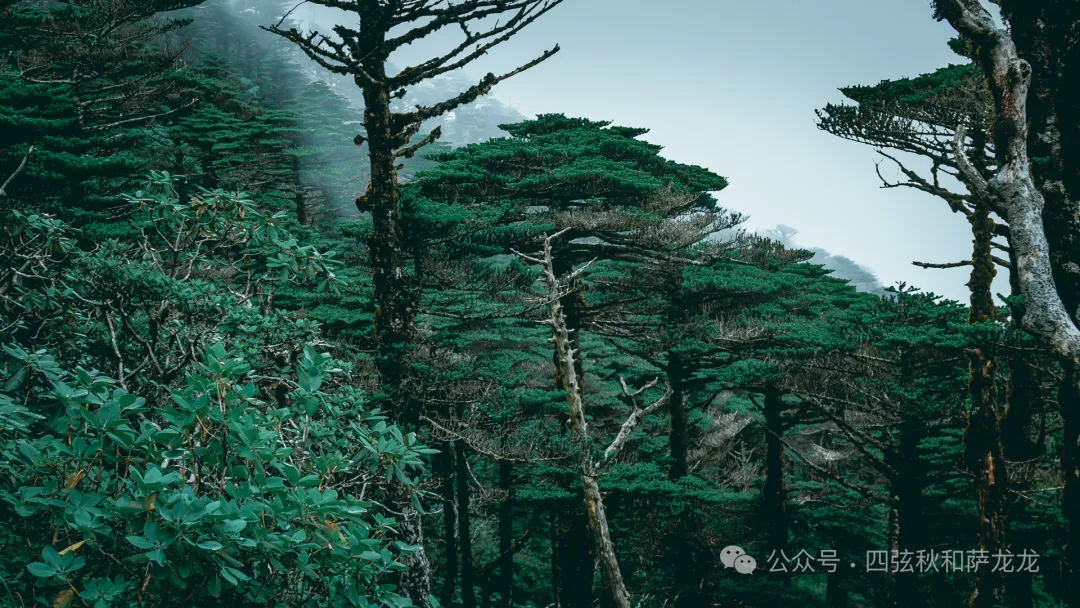
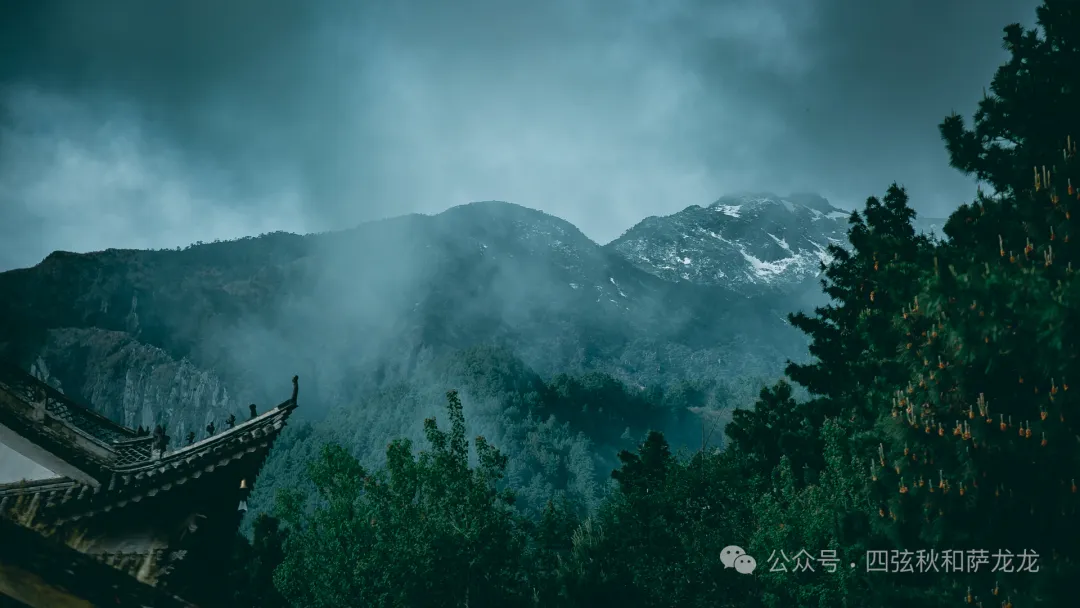
Just before reaching the summit, it began to snow. Our clothes were already soaked, and our thighs were half-buried in thick snow. Hours passed, and we were still trapped in the dense rain and fog, losing our way multiple times in the low shrubs, but luckily finding the correct path again each time. The ancient, primitive Cangshan firs, with their dark branches pointing to the chaotic sky, stood like elders who had guarded the mountains for centuries, guiding countless explorers.
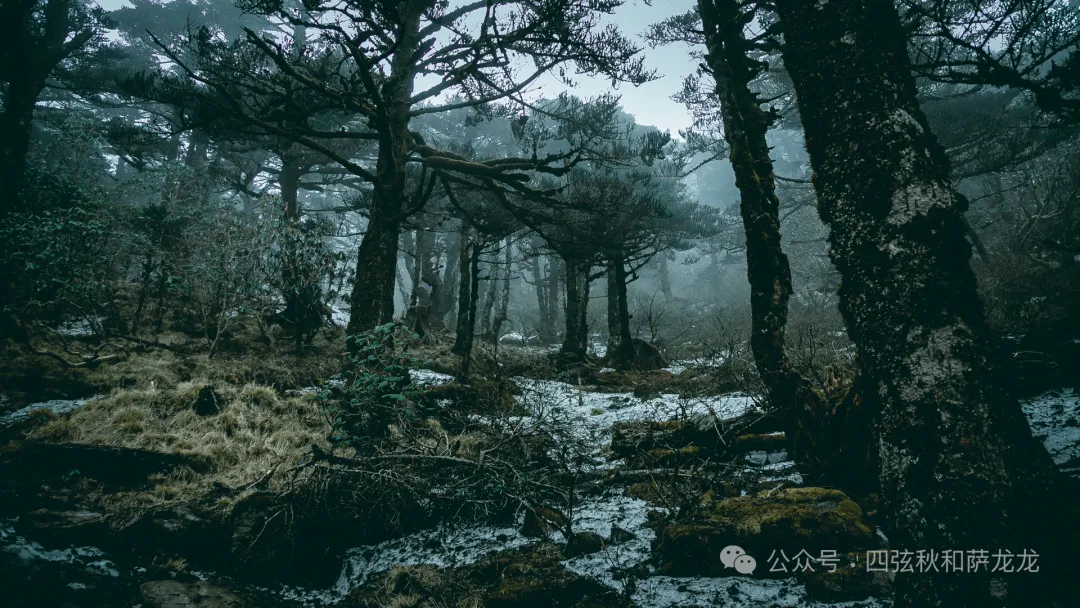
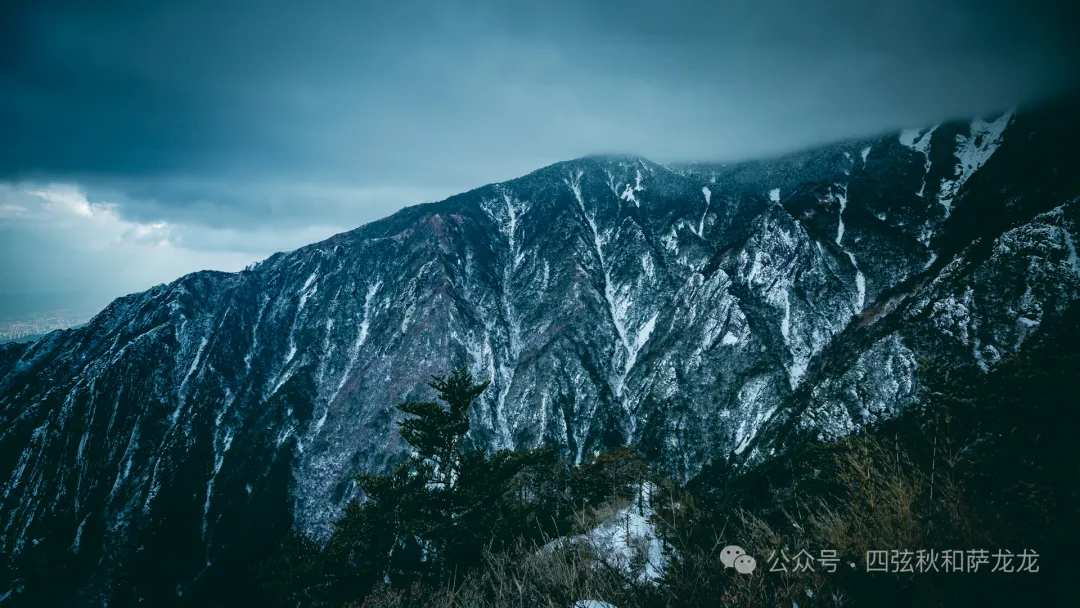
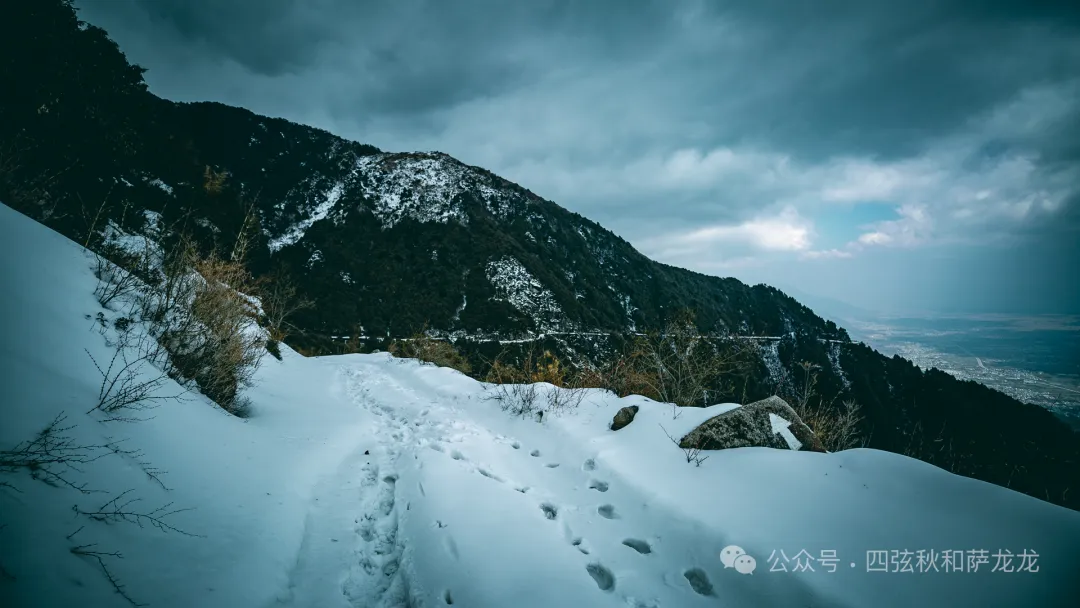
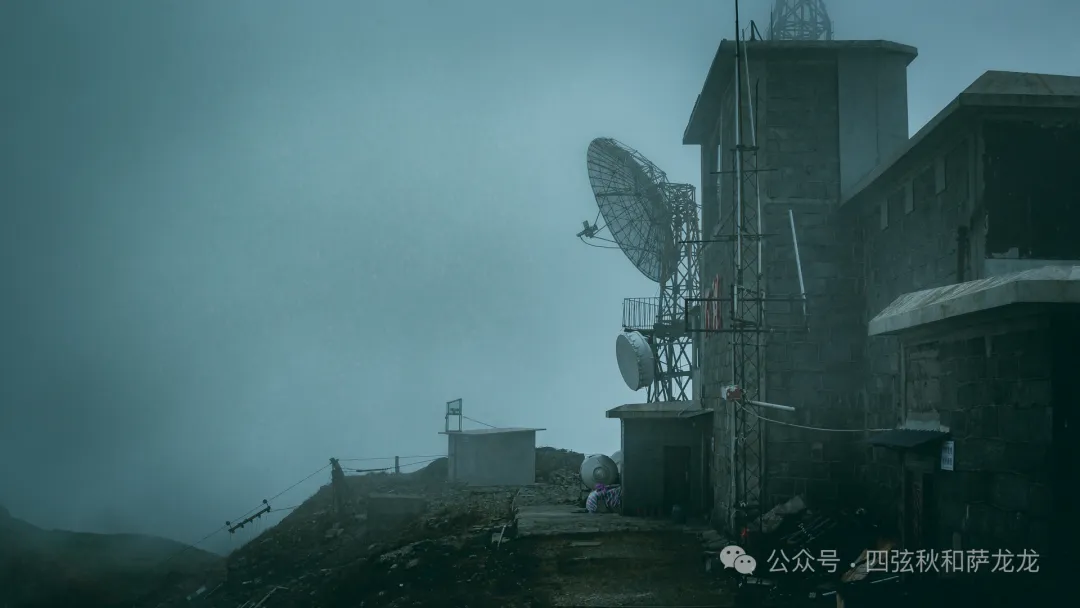
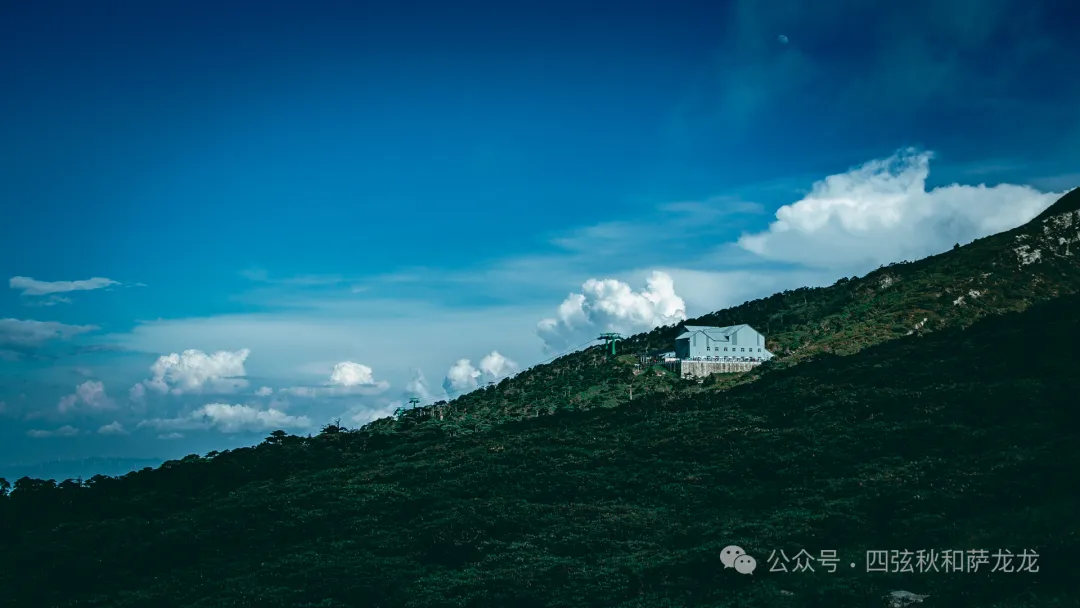
At the summit, strong winds mixed with rain, and occasional heavy snow hit us. We hurried across the exposed peak, searching for shelter but finding none. We had to tough it out against the sudden cold. There was a stone house at the Cangshan TV tower, but the staff wouldn't let us in. We huddled against the wall, shivering, barely managing to replenish our energy. On the descent, we encountered severe sleet. Our clothes were completely soaked, and our wet trousers clung to our legs, making it impossible to bend them. We felt like deep-sea fish, completely enveloped by rain. At that moment, we longed for the beautiful spring at the foot of the mountain and the warm sunshine. But having seen the exotic flowers and rare birds along the way, this cold was a rare experience. Without this hike, we would never have known that deep within the spring-blooming Cangshan lies a crystal-clear white world.