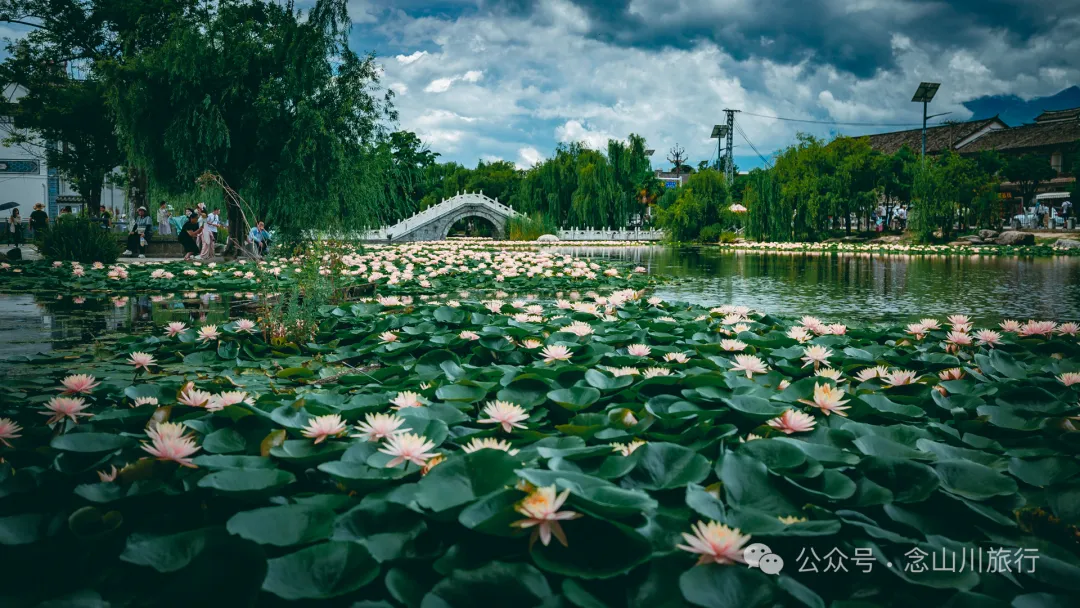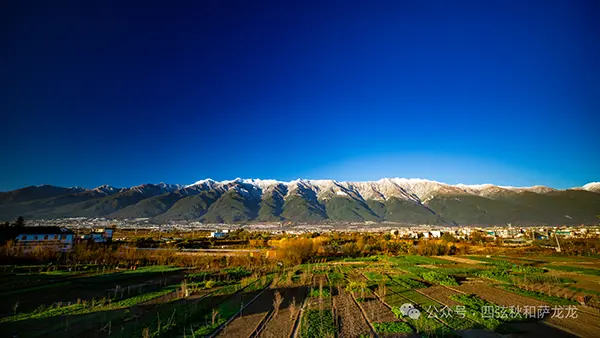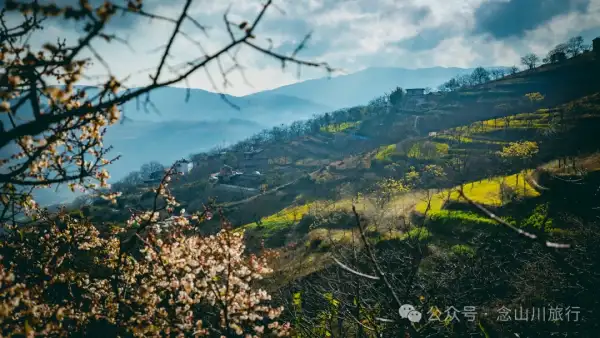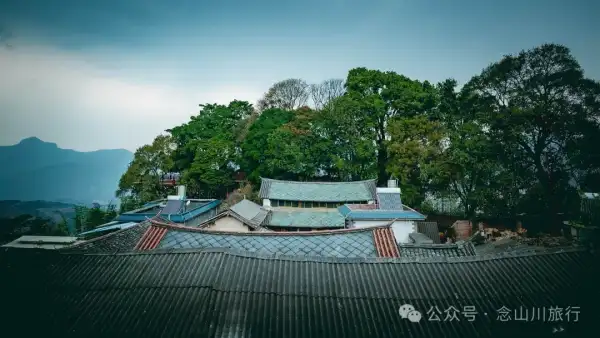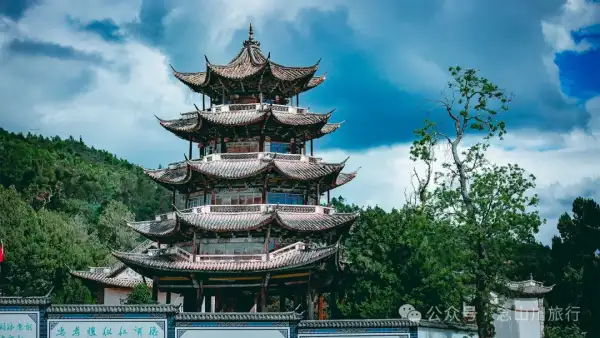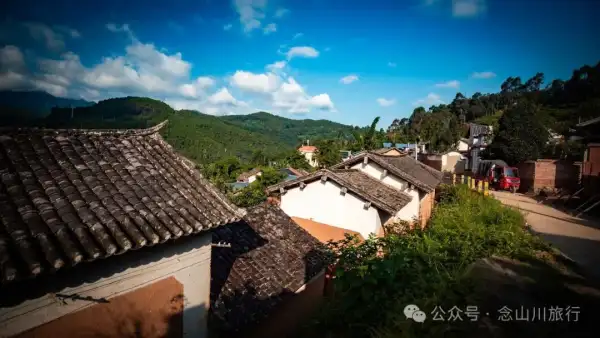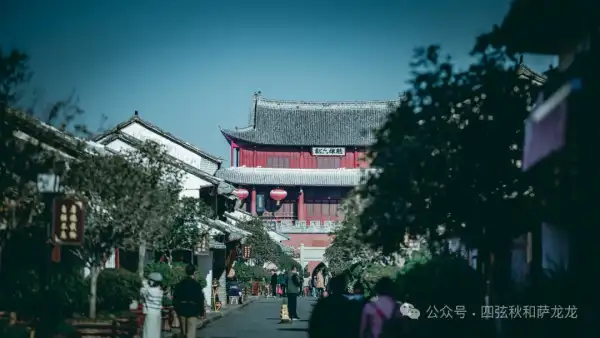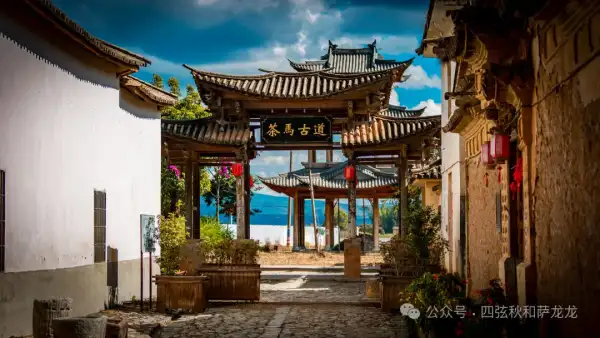

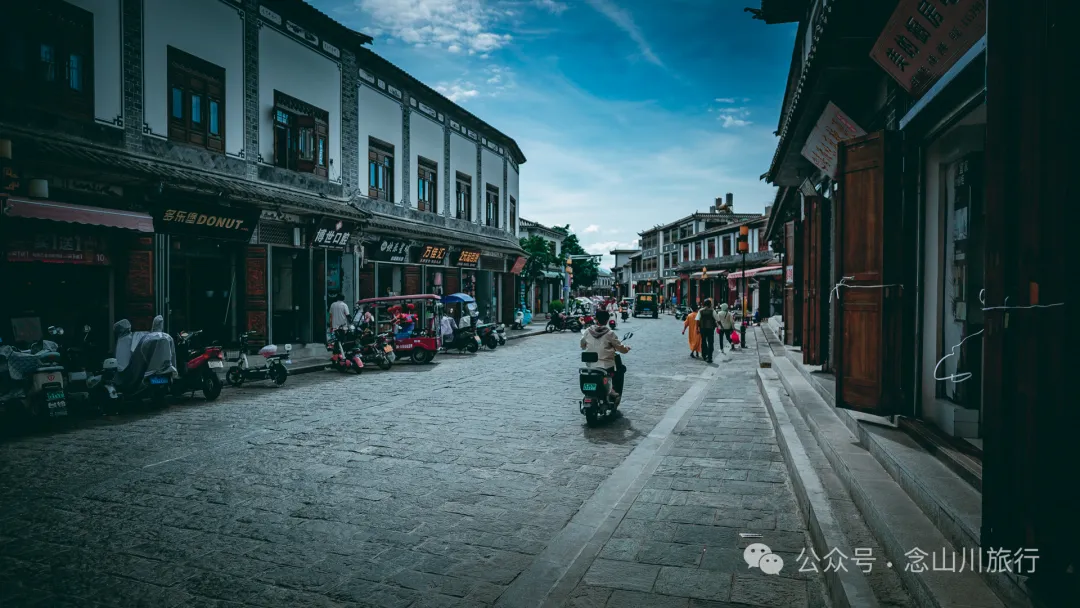
Xizhou Ancient Town is located in the northern part of Dali City, Dali Bai Autonomous Prefecture. It is a historic Bai cultural town with a thousand-year history. Bordering Erhai Lake to the east and leaning against Cangshan Mountain to the west, it boasts a unique geographical location and rich natural landscapes. Xizhou is renowned for its well-preserved Bai residential buildings, most of which were built during the Ming and Qing dynasties, showcasing the architectural style and cultural characteristics of the Bai ethnic group.
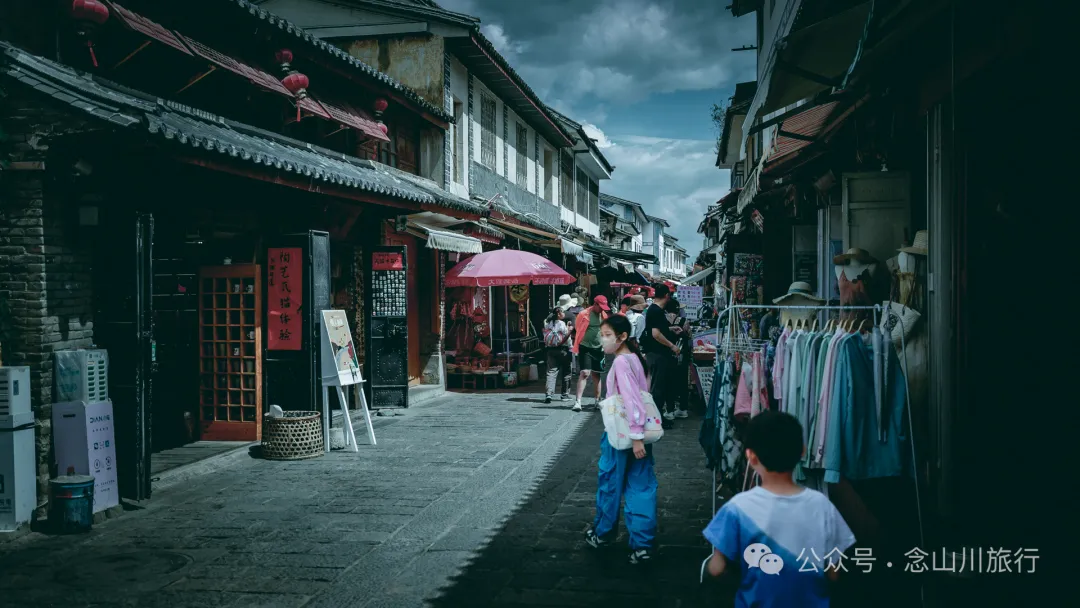
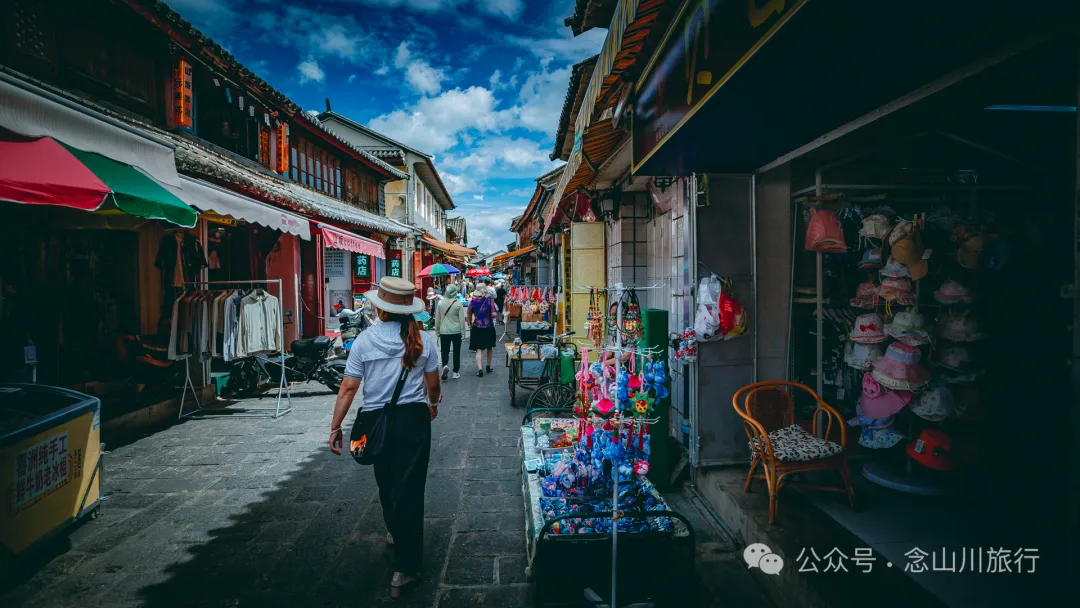
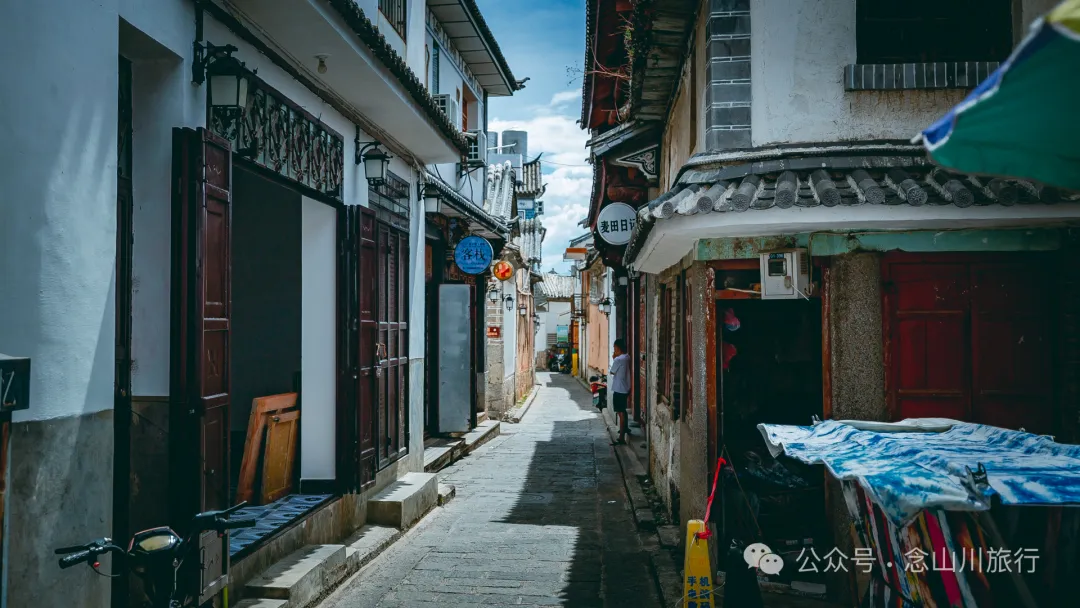
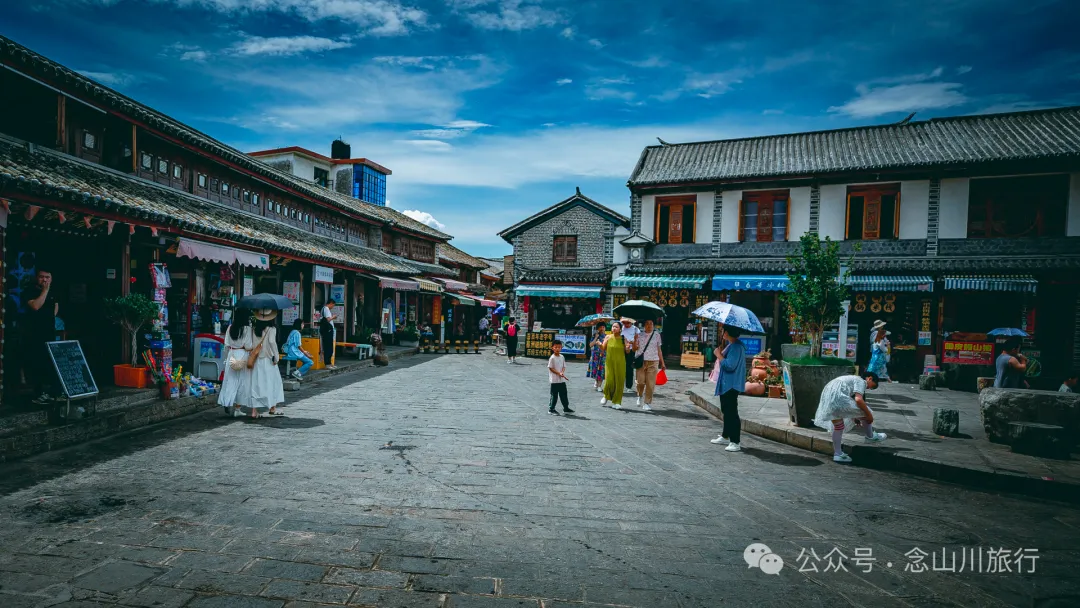
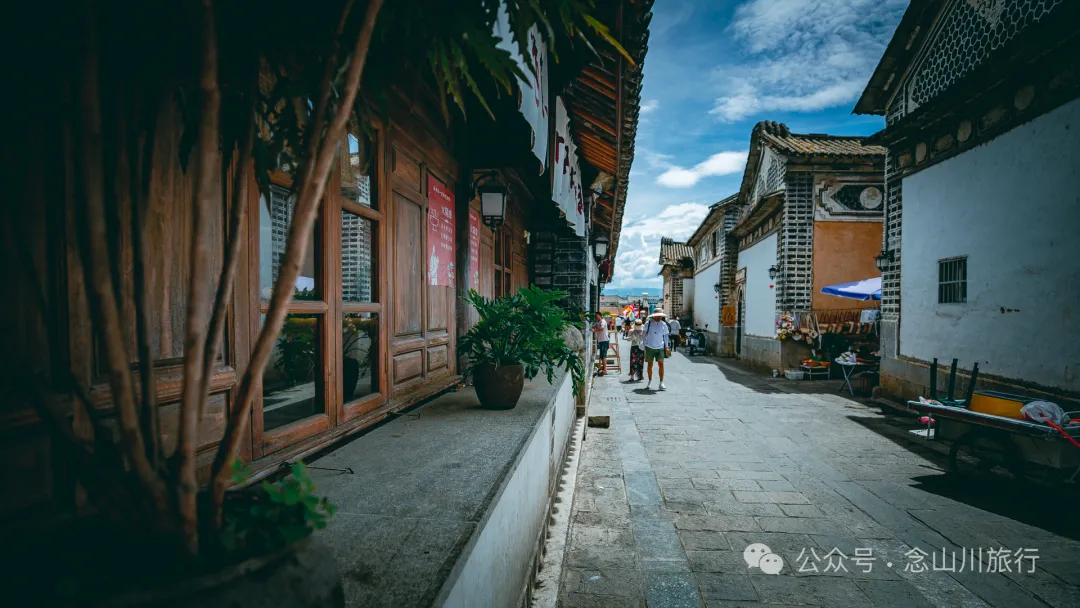
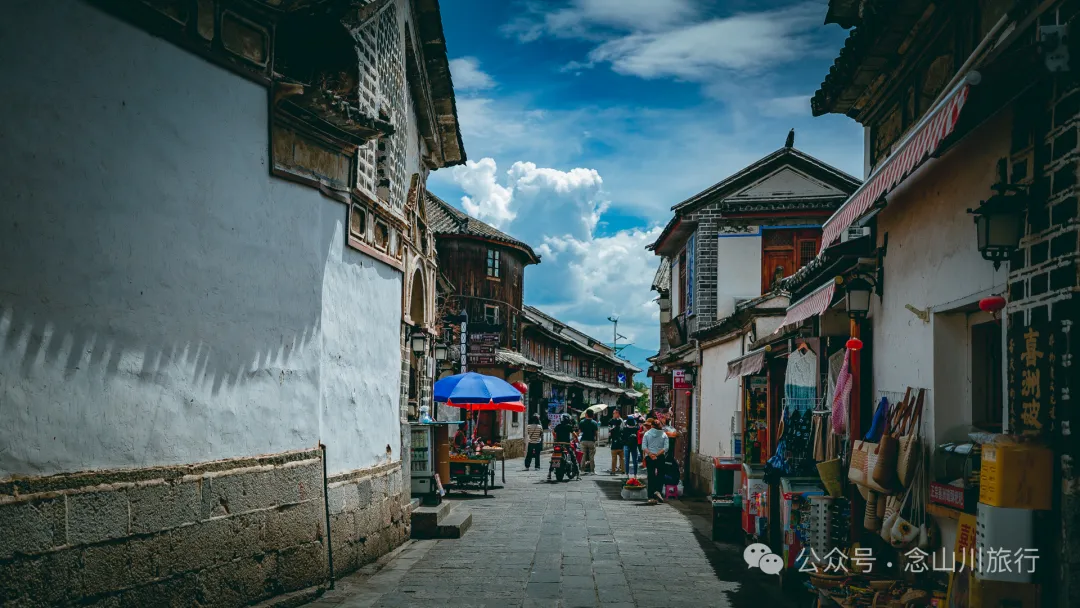
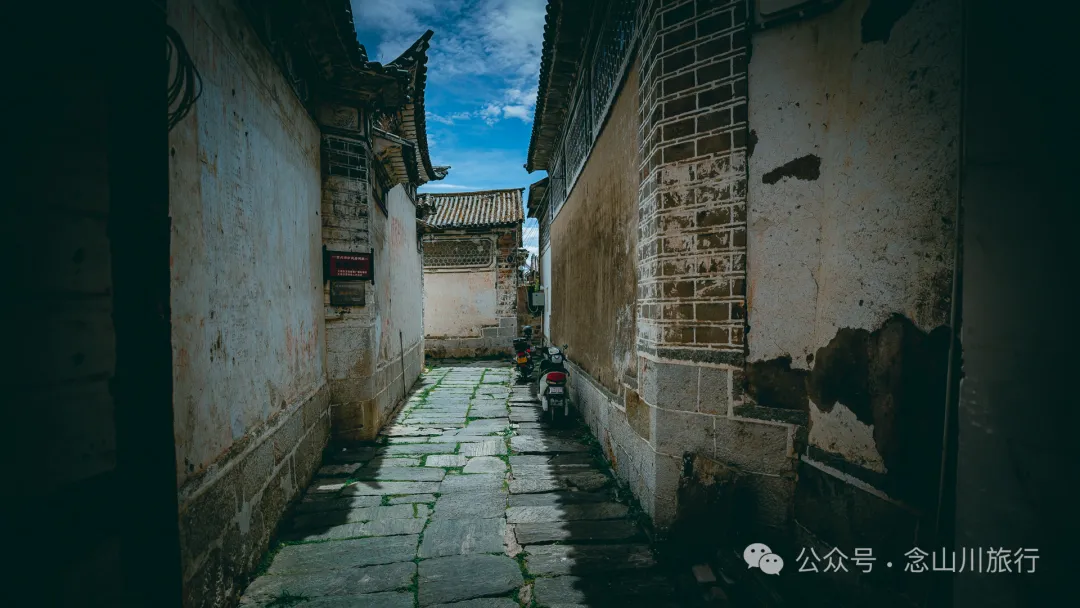
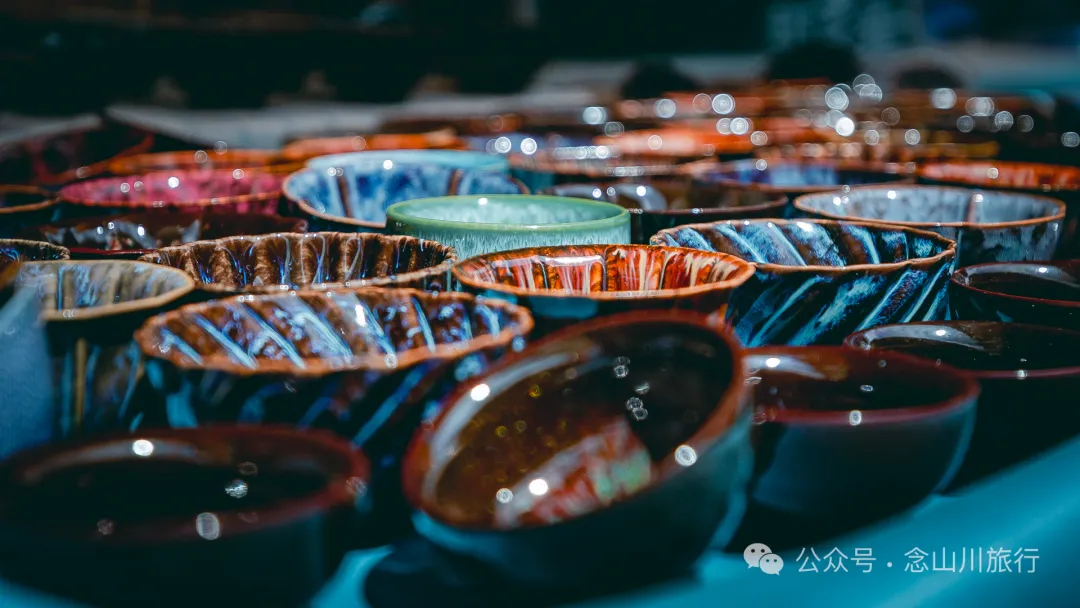
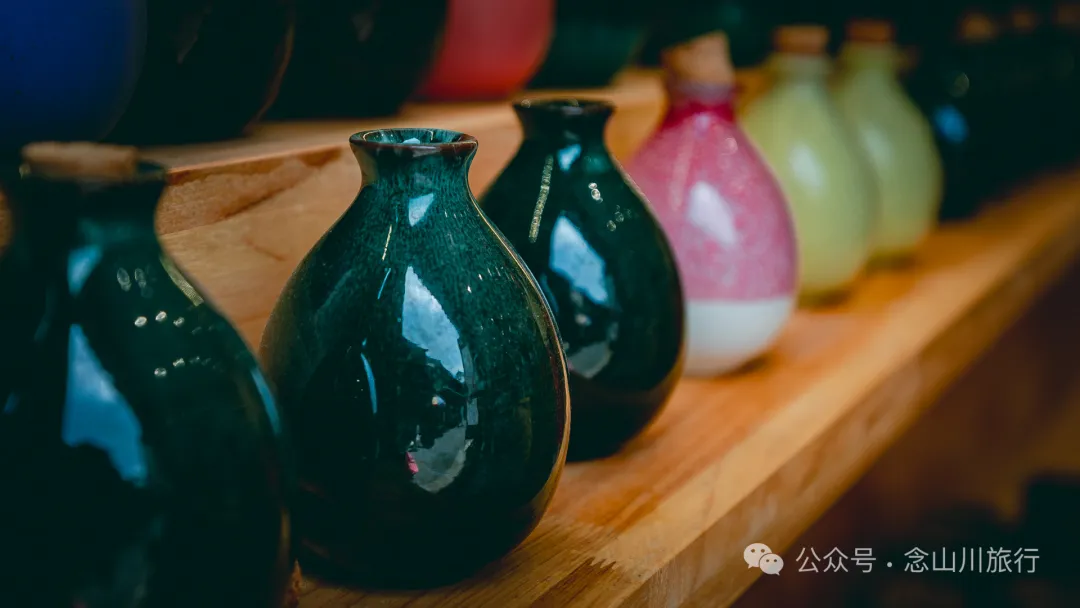
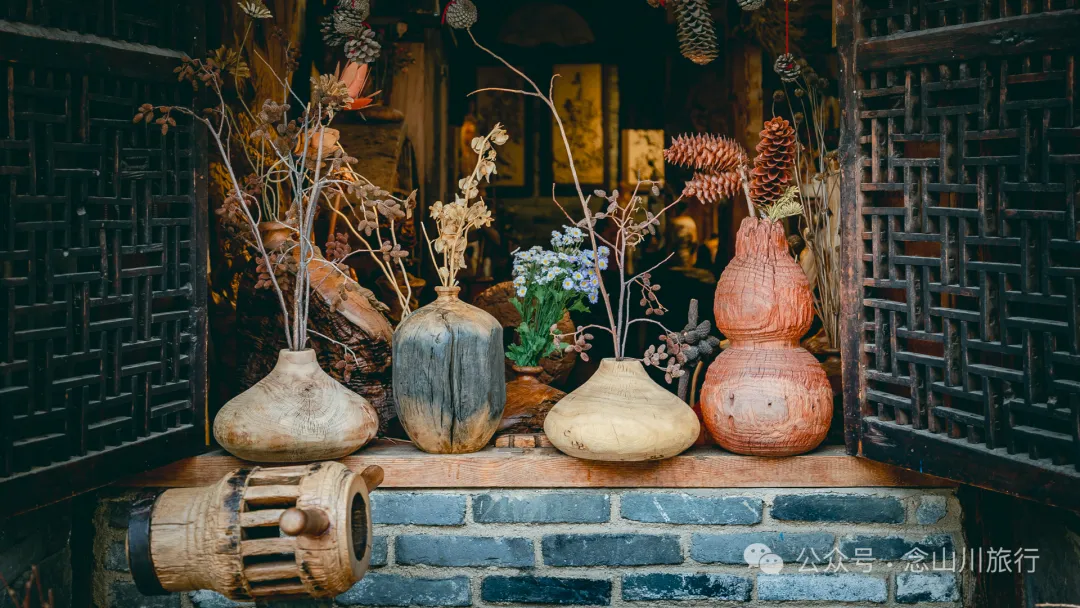
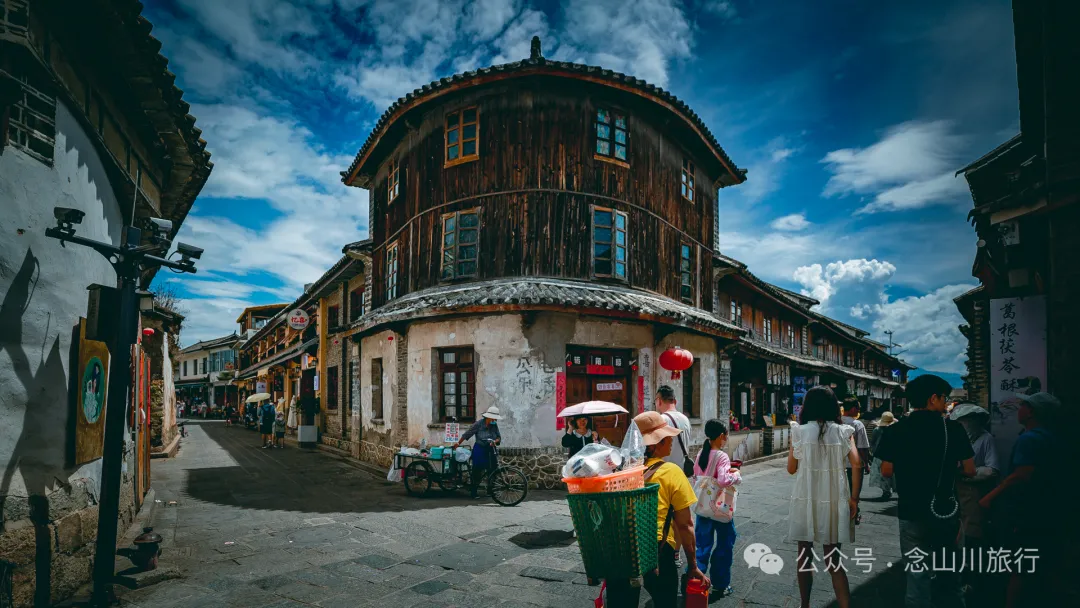
Besides various tempting Bai cuisine, Xizhou Ancient Town boasts many distinctive buildings worth visiting. The Corner Building on Shiping Street is a famous landmark in Xizhou. It is a two-story semi-enclosed wooden arc-shaped building, built in 1945, and was the tallest residential building in Xizhou at that time. Although now abandoned and uninhabited, its unique structure and shape make it a popular photo spot for tourists.
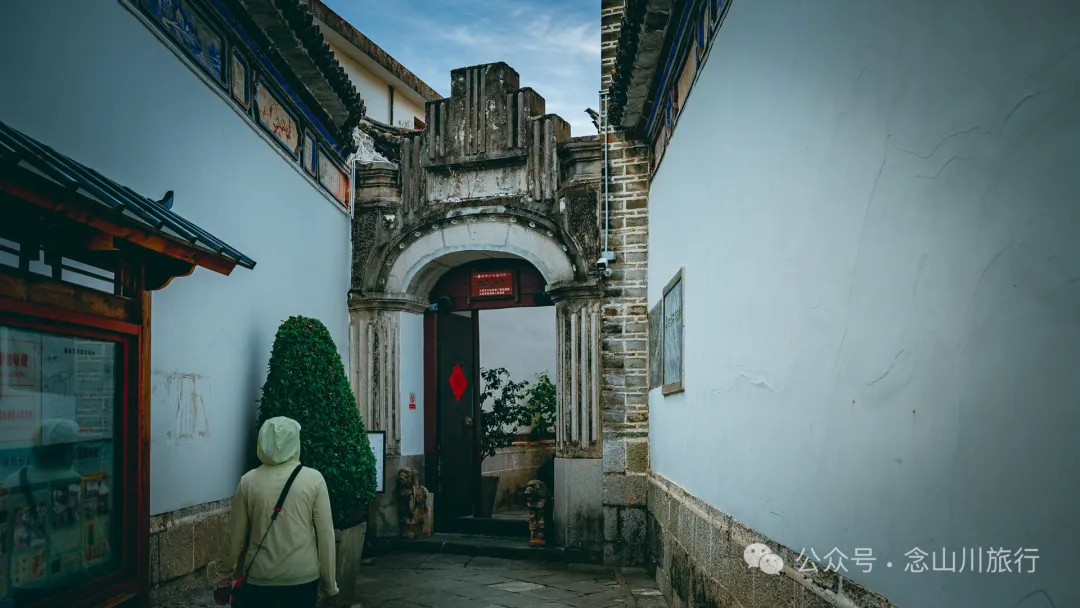
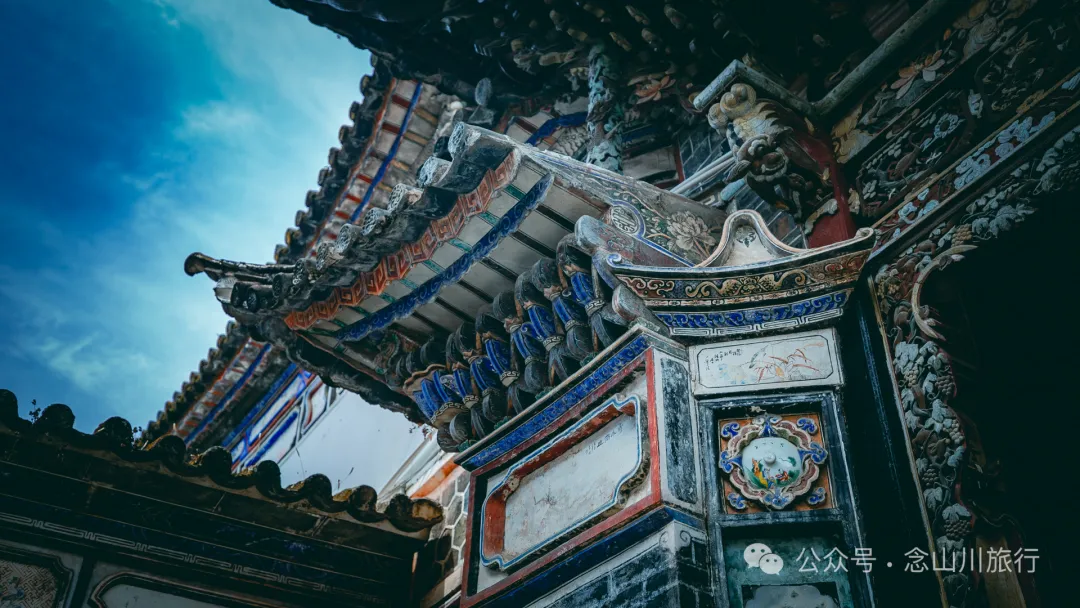
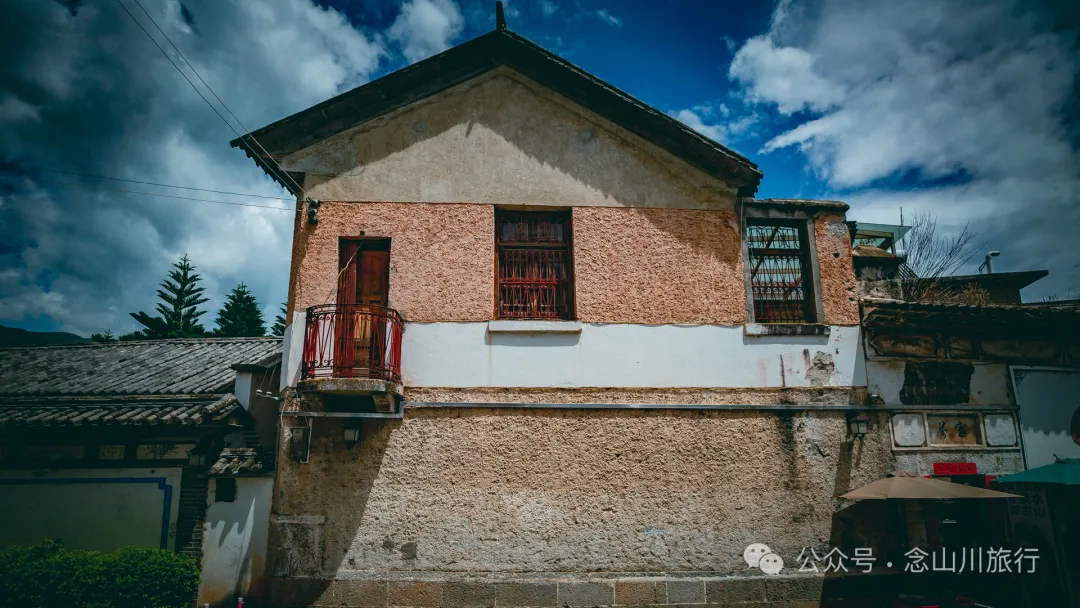
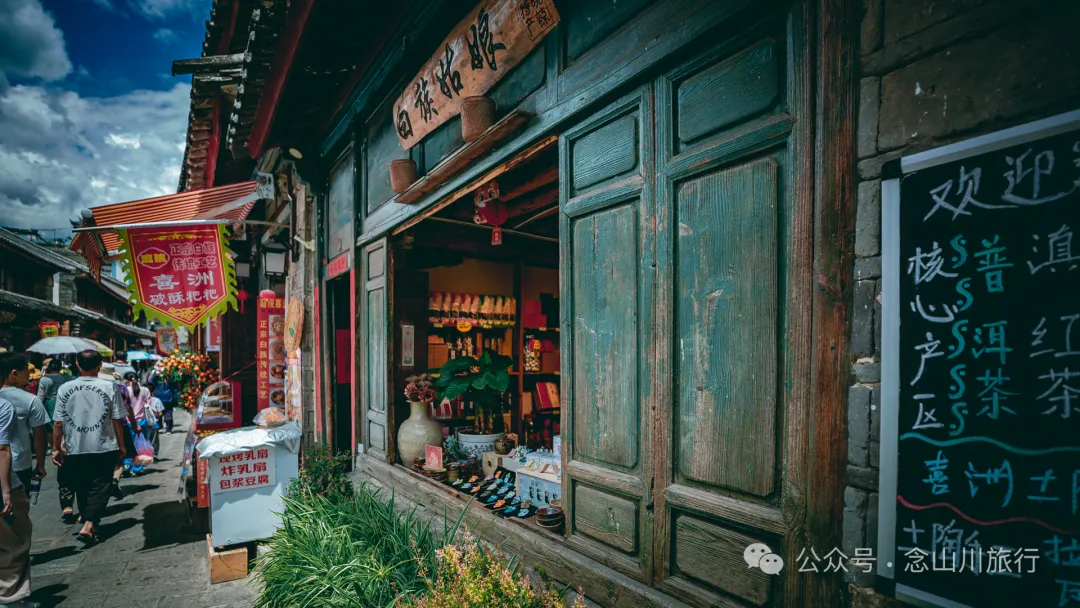
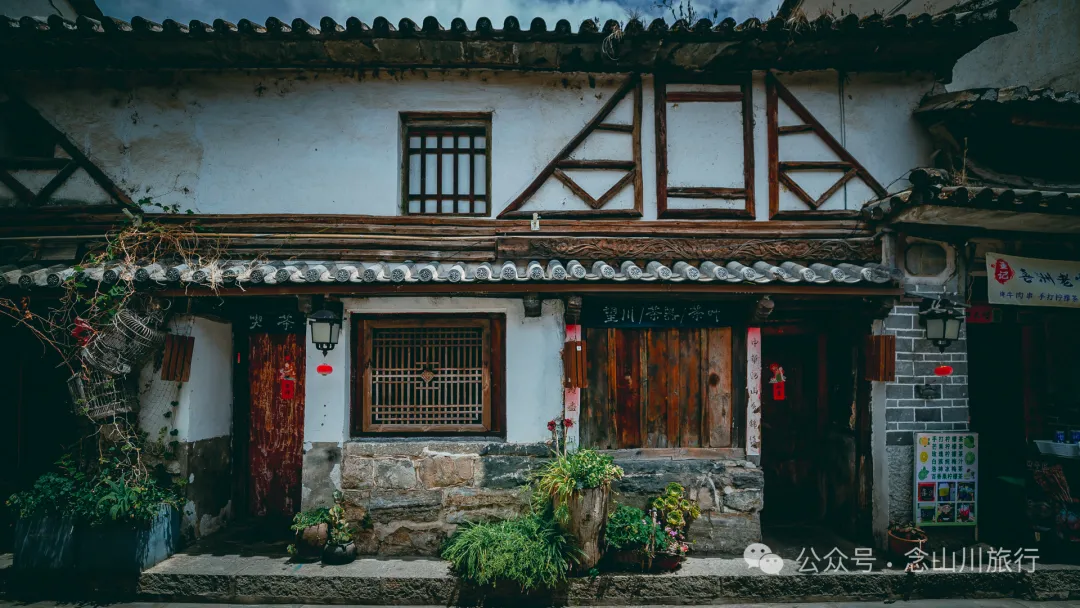





Yang Pinxiang's Residence is a building of significant historical and cultural value in Xizhou Ancient Town. Built in 1947 by local prominent businessman Mr. Yang Pinxiang, its architectural style is the typical Bai "three rooms and one screen wall, four courtyards and five patios" layout. The courtyard is divided into north and south sections, each with three two-story rooms connected by corridors. The exterior walls, interior walls, ceilings, screen walls, and gate towers are all decorated with colorful paintings. The screen walls are symmetrical and exquisite, and the gate is finely carved. The courtyard features a patterned floor of stone slabs mixed with pebbles. The entire courtyard has a reasonable functional layout, forming an ideal residence that is both comfortable, practical, and aesthetically pleasing. The gate tower of Yang's residence is elaborately decorated in a pavilion style, with overlapping brackets, flying eaves, elegant colors, and delicate floral ornaments, giving a sense of both exquisiteness and stability. The screen wall is a "one-character wall" with upturned eaves at the four corners and hollowed edges. Marble is inlaid on the wall surface, with paintings of landscapes, flowers, and birds, exuding a refined style. Today, Yang's residence is no longer a private home but is used as a hotel, yet the distinctive features of the building remain well-preserved, making good use of the ancient structure.
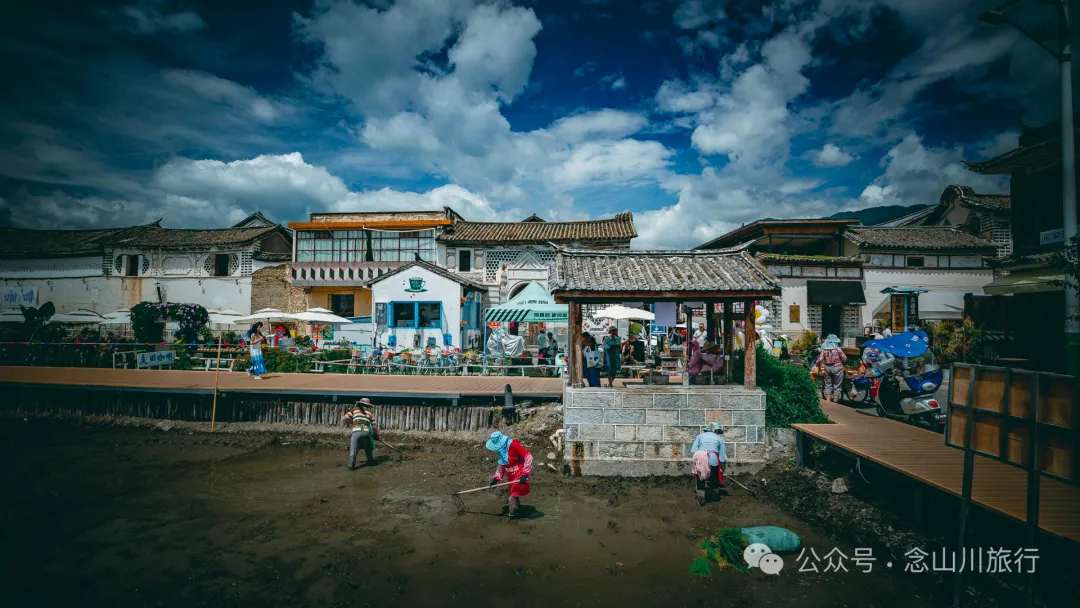
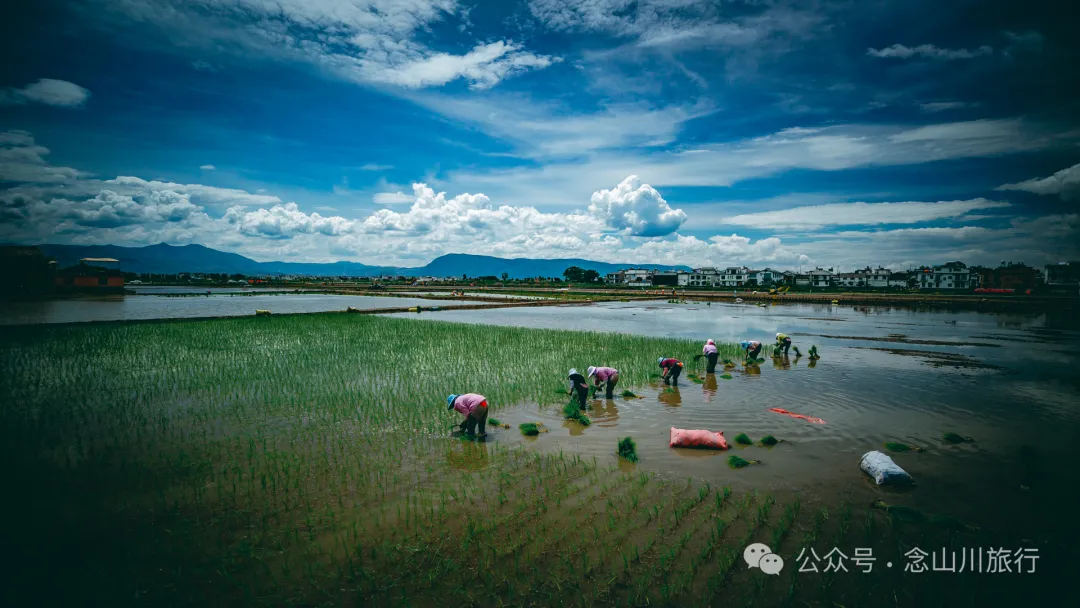
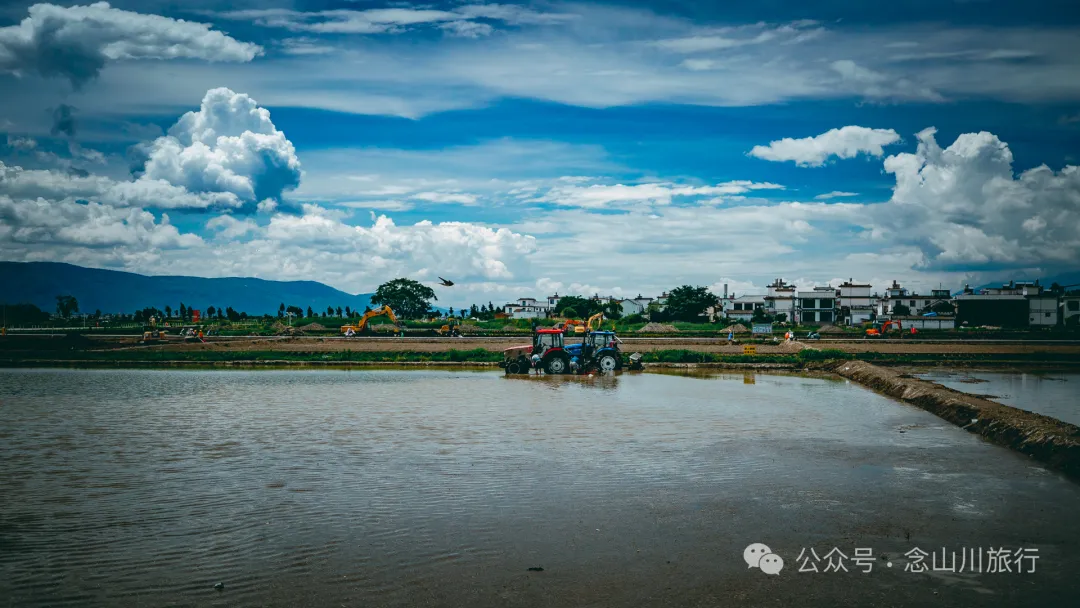
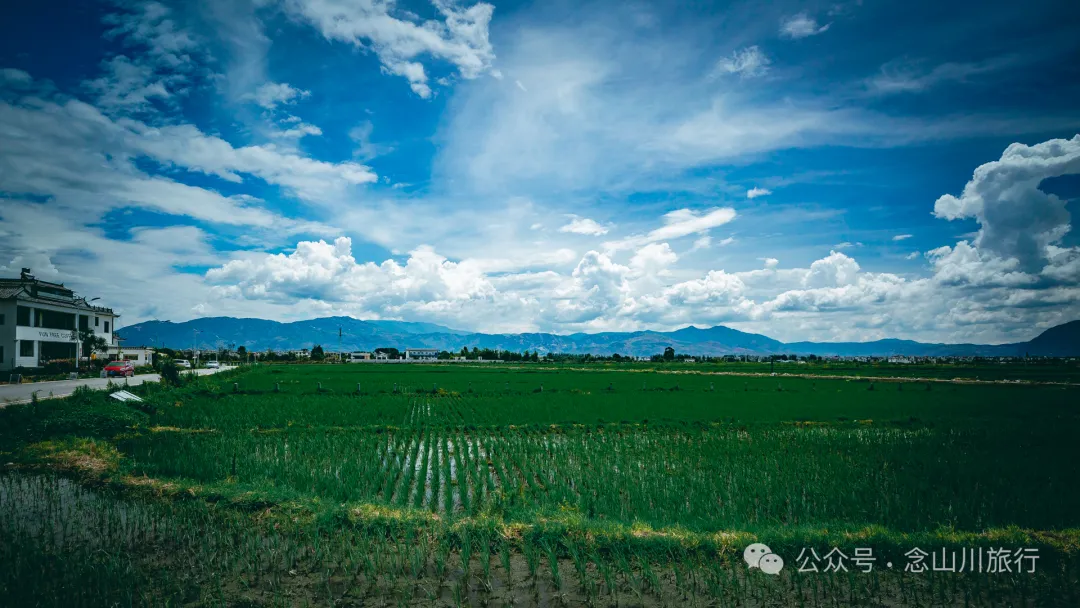
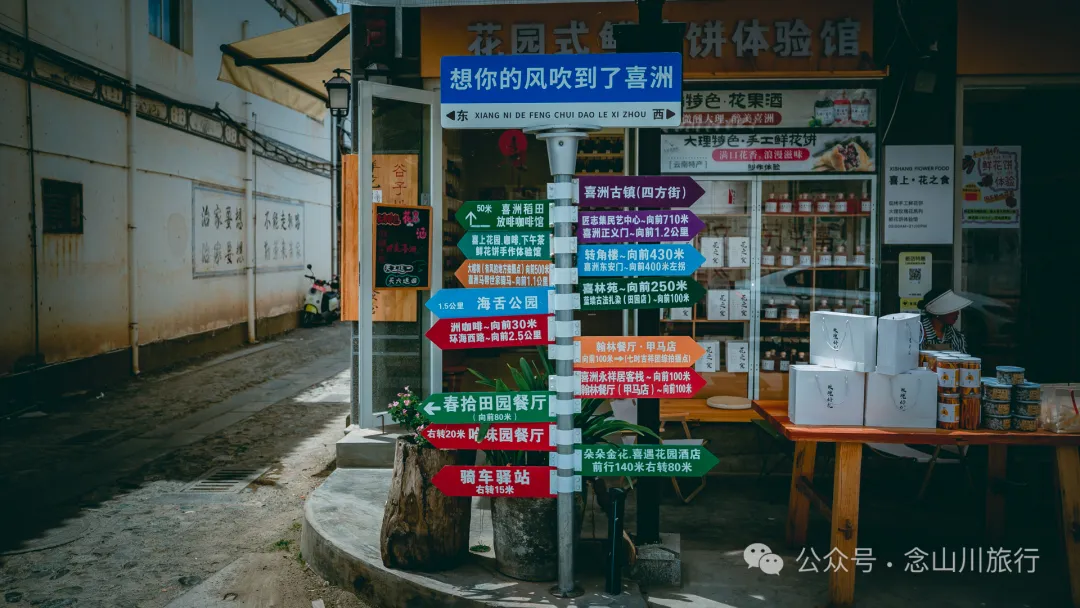
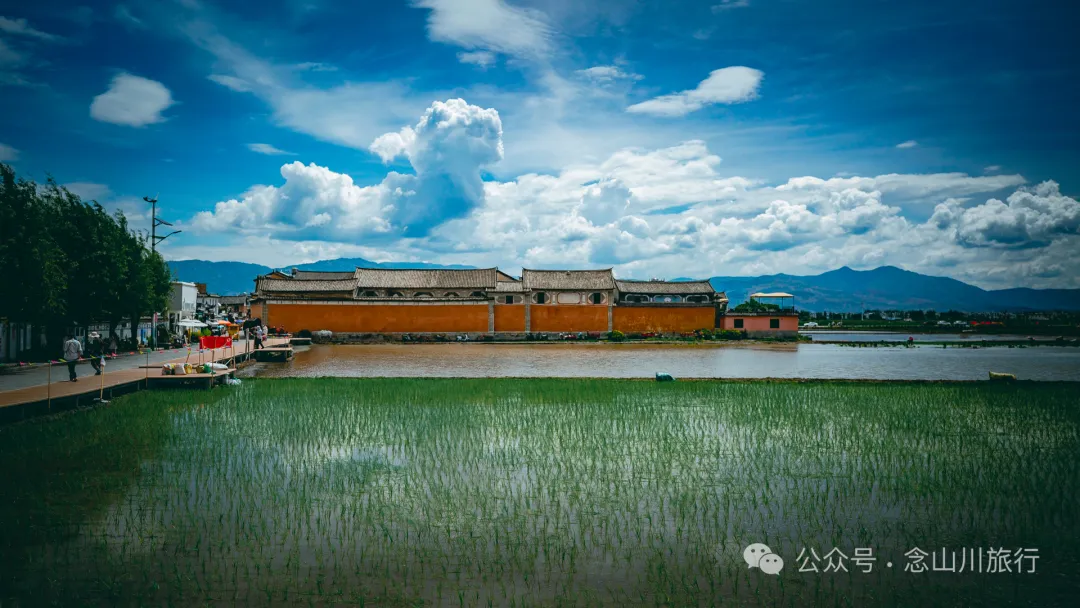
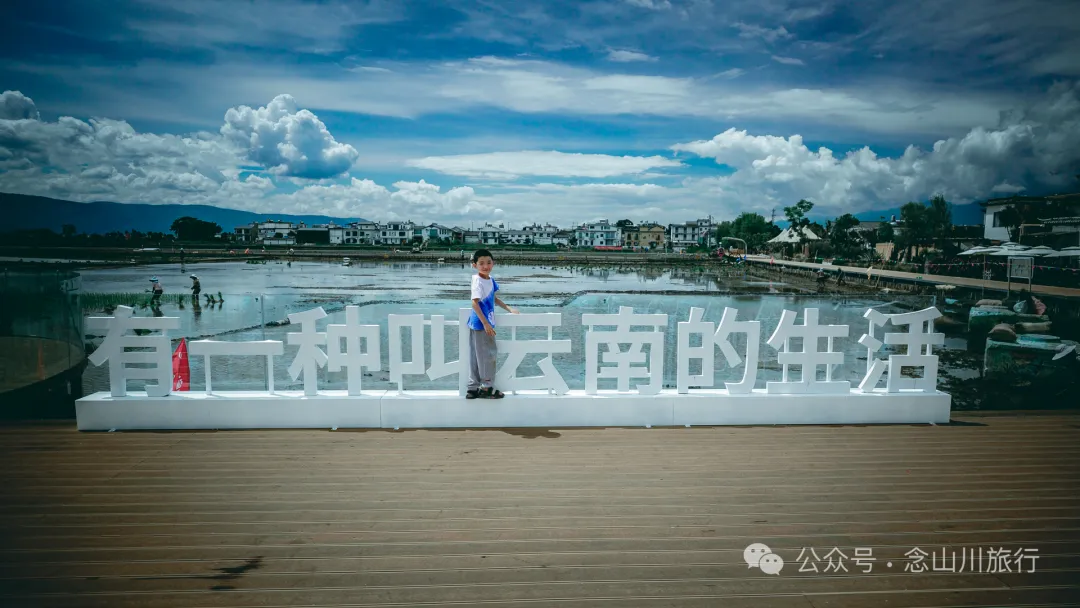
We walked out of the bustling Xizhou Ancient Town. In the rice fields outside the town, a farming activity of transplanting rice seedlings was underway. Several Bai women were bending over, planting tiny seedlings into the water fields that reflected the blue sky and white clouds. This was a common farm task in our childhood, something we took for granted. But now, such agricultural activities, gradually fading from our daily lives, are the most captivating for tourists. There was even a small green train carrying visitors to the busiest planting area, allowing them to experience it up close. Beyond the rice fields, the houses along the street have been converted into various commercial spaces. Tourists order a cup of coffee or tea, sit leisurely, and step into a different way of life. Further away, only a few egrets flew over the fields, chasing the reflections of the blue sky and white clouds.