
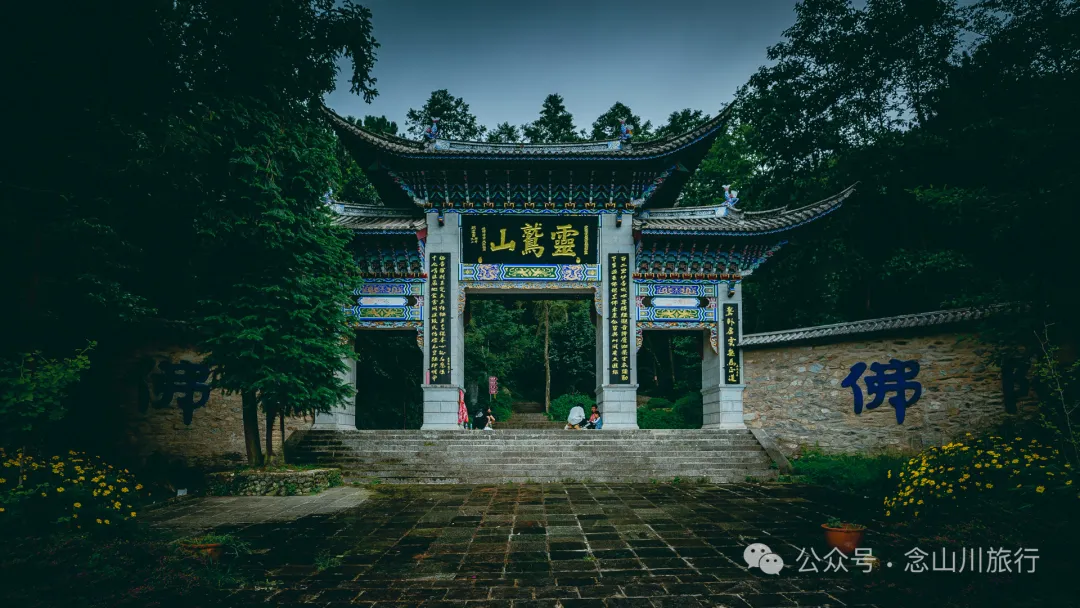
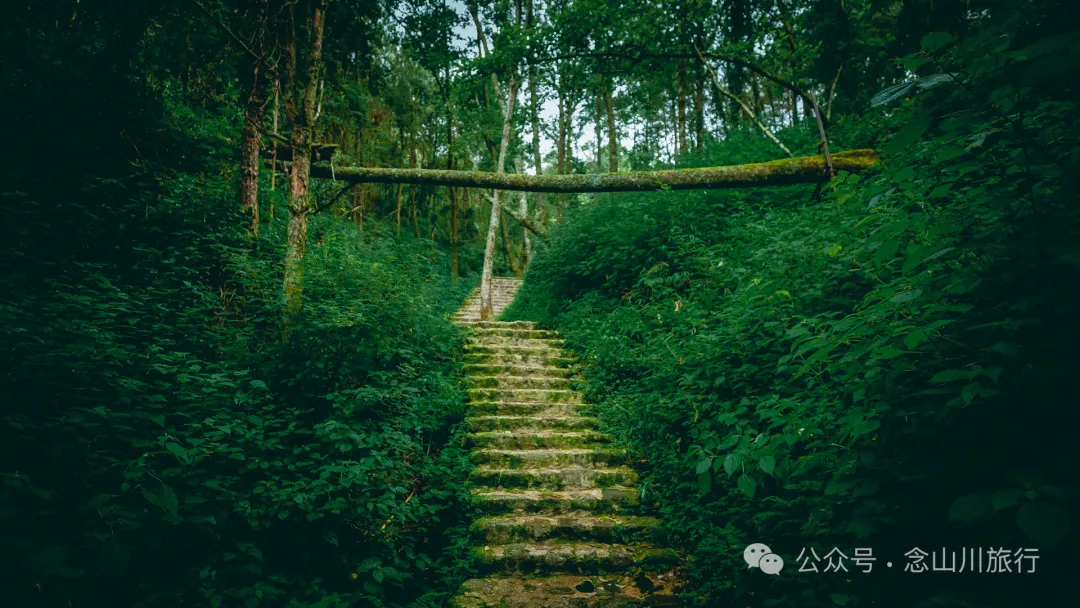
Wuwei Temple has two parking lots. One is behind the temple, where many locals who come to fetch water park. A friend told me that the spring water from Wuwei Temple is best for brewing tea, so many people come to collect it. We saw a crowd waiting in line at two thin water pipes. The other parking lot is at the mountain gate at the foot of the mountain. From there, you need to hike a mountain path to reach the temple. Every time we visit Wuwei Temple, we park here and climb up the primitive stone path. During the wet season, the mountain stream flows continuously. Although birds sing in the forest, the mountain feels even more secluded. Once past the mountain gate, this tranquility and the coolness from the mountain directly touch our hearts without any transition.
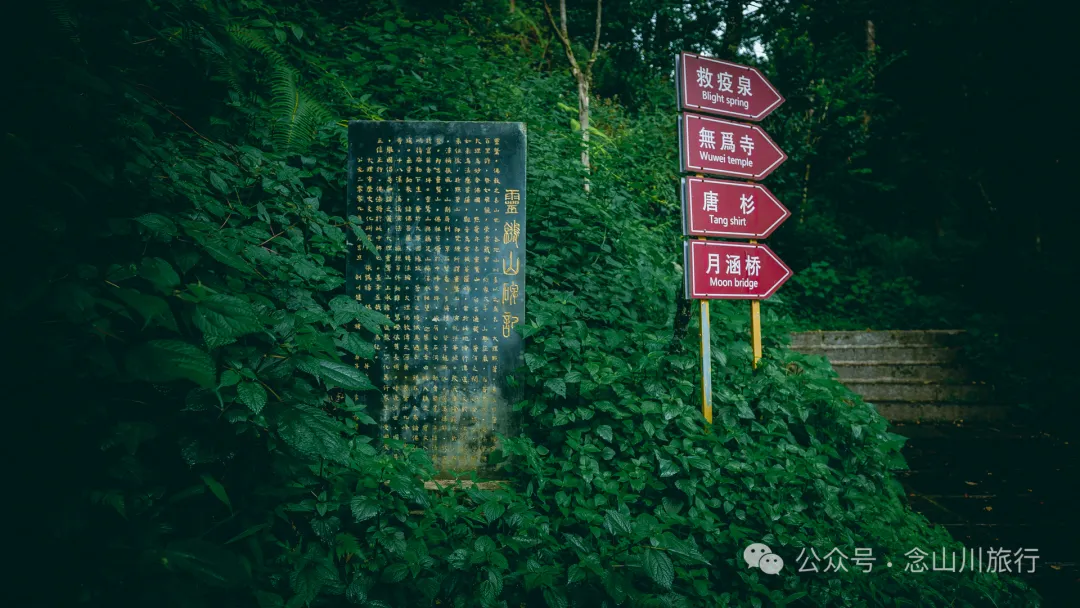
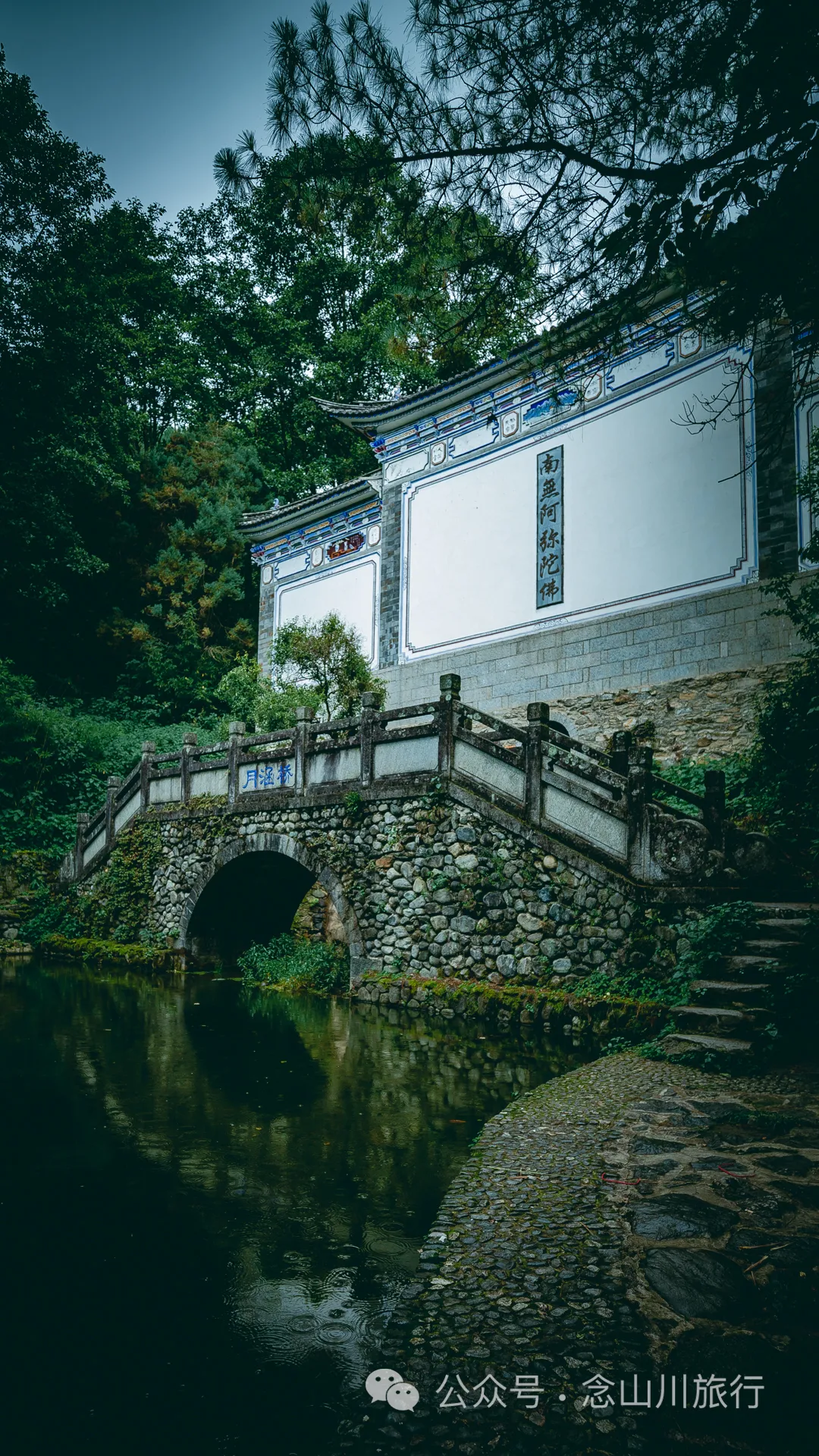
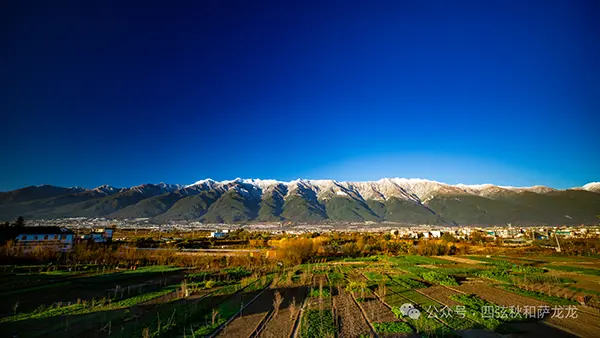
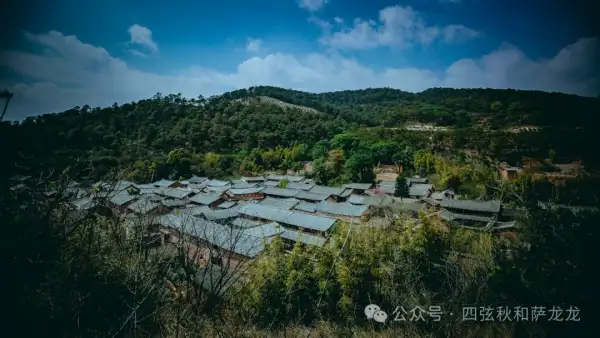
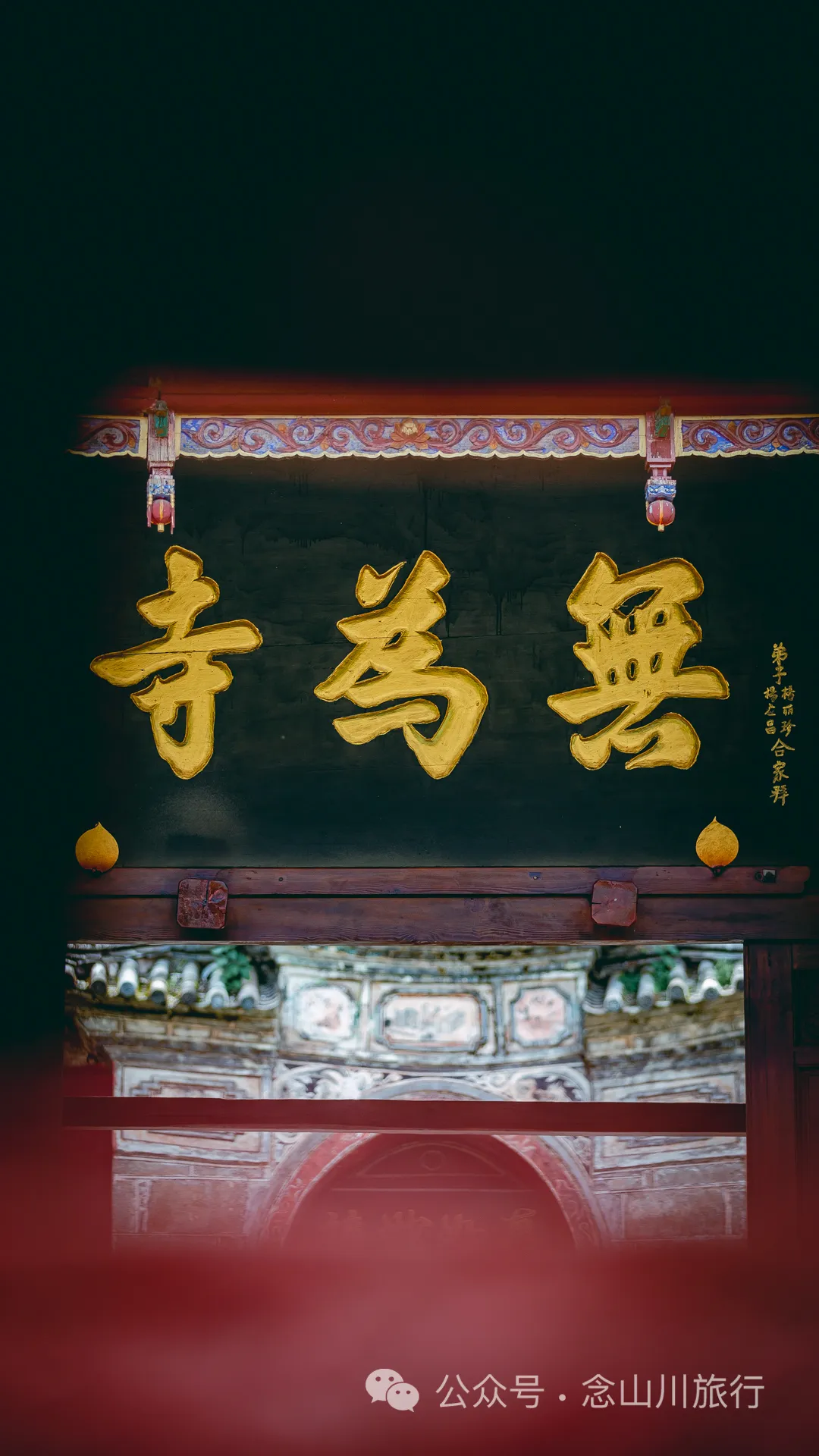
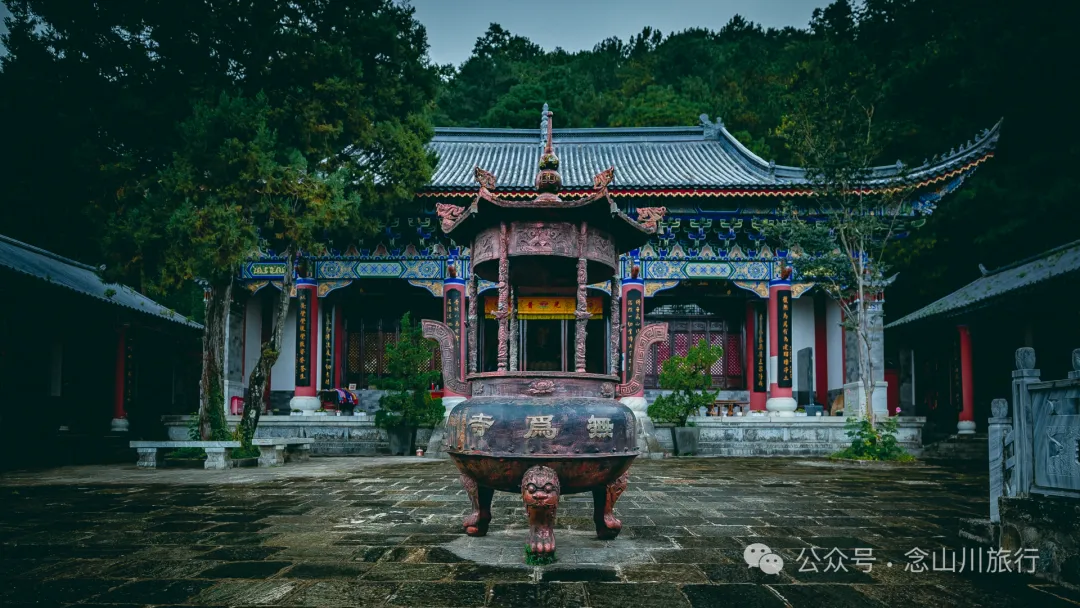
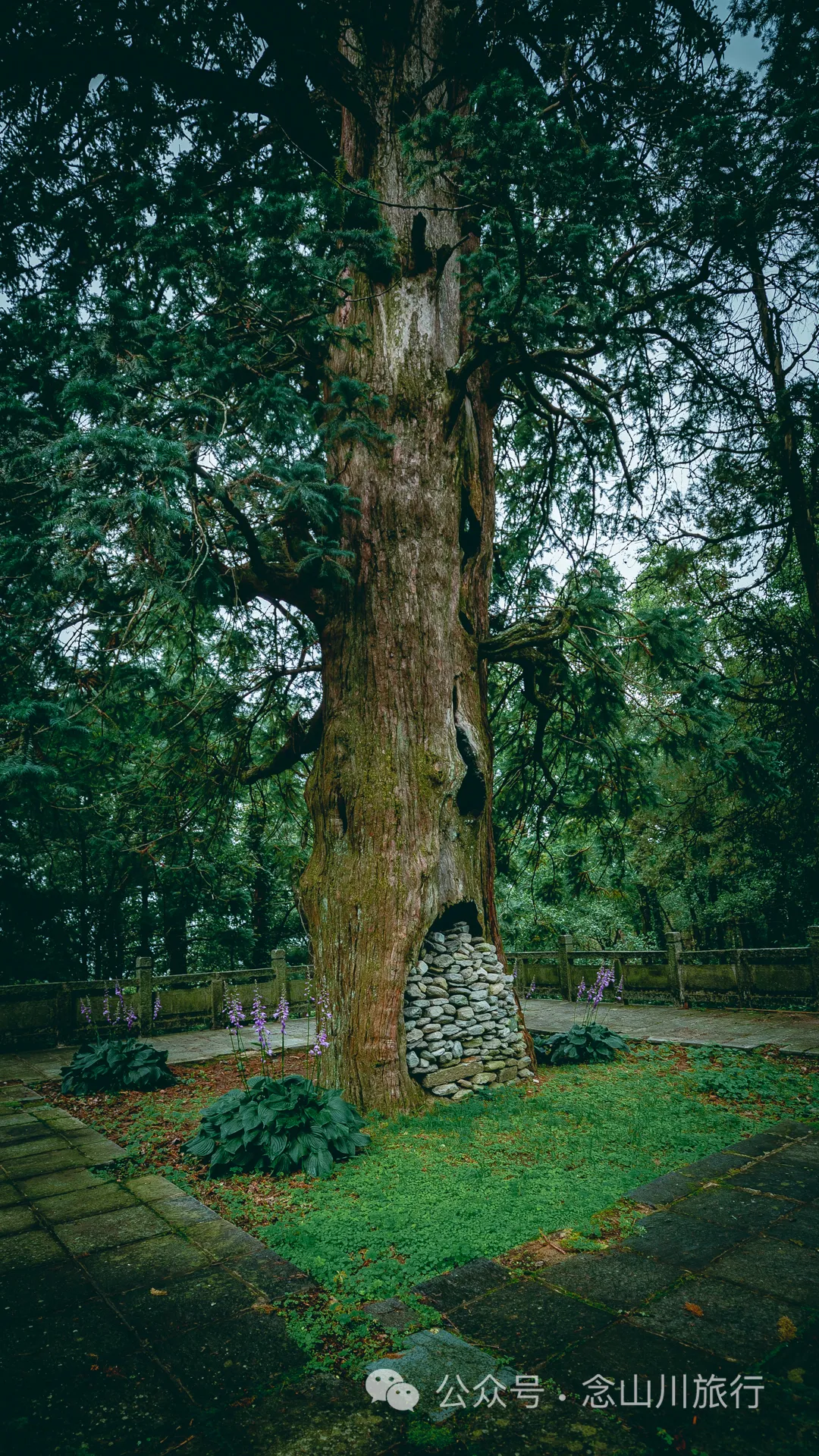
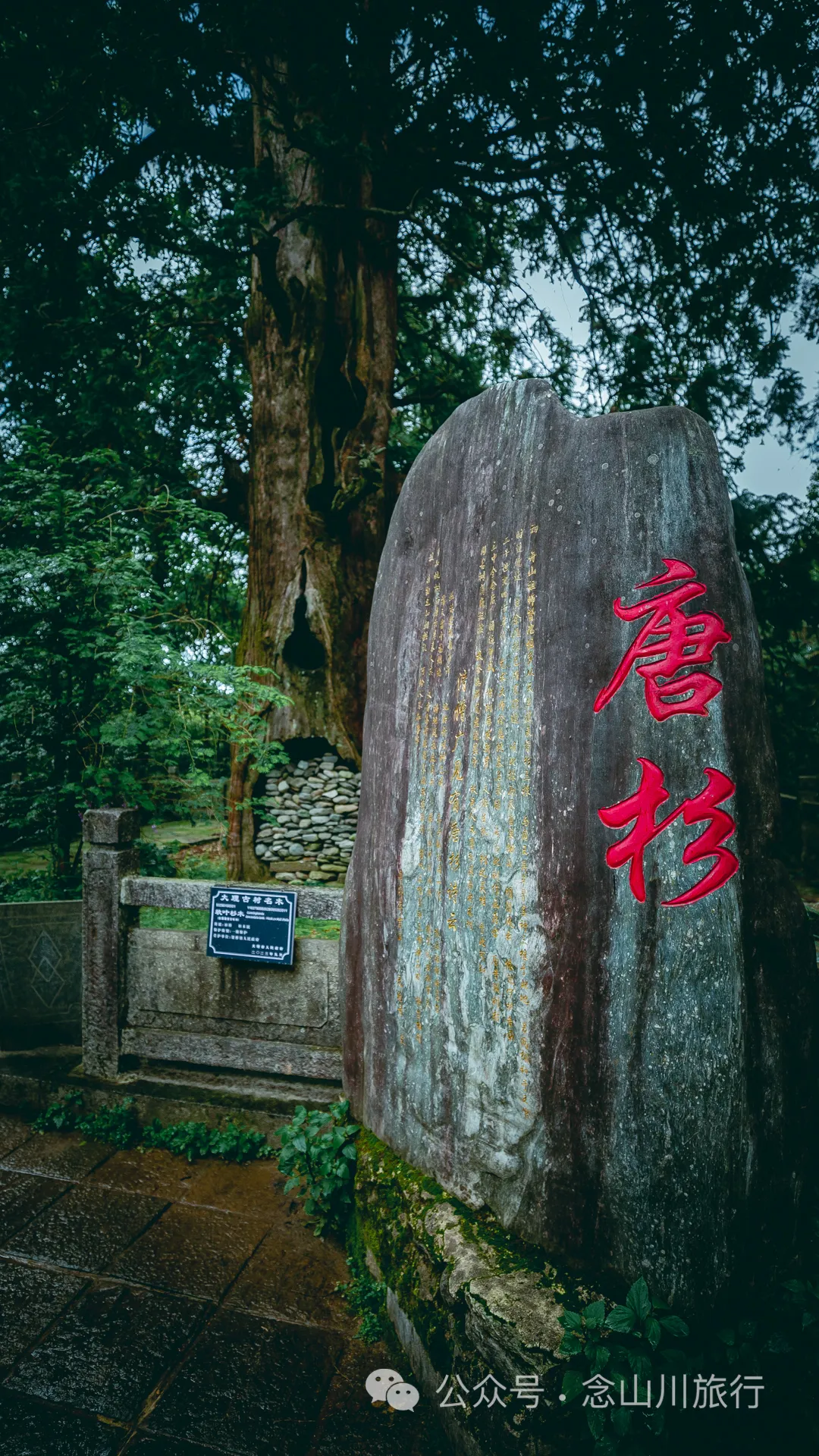
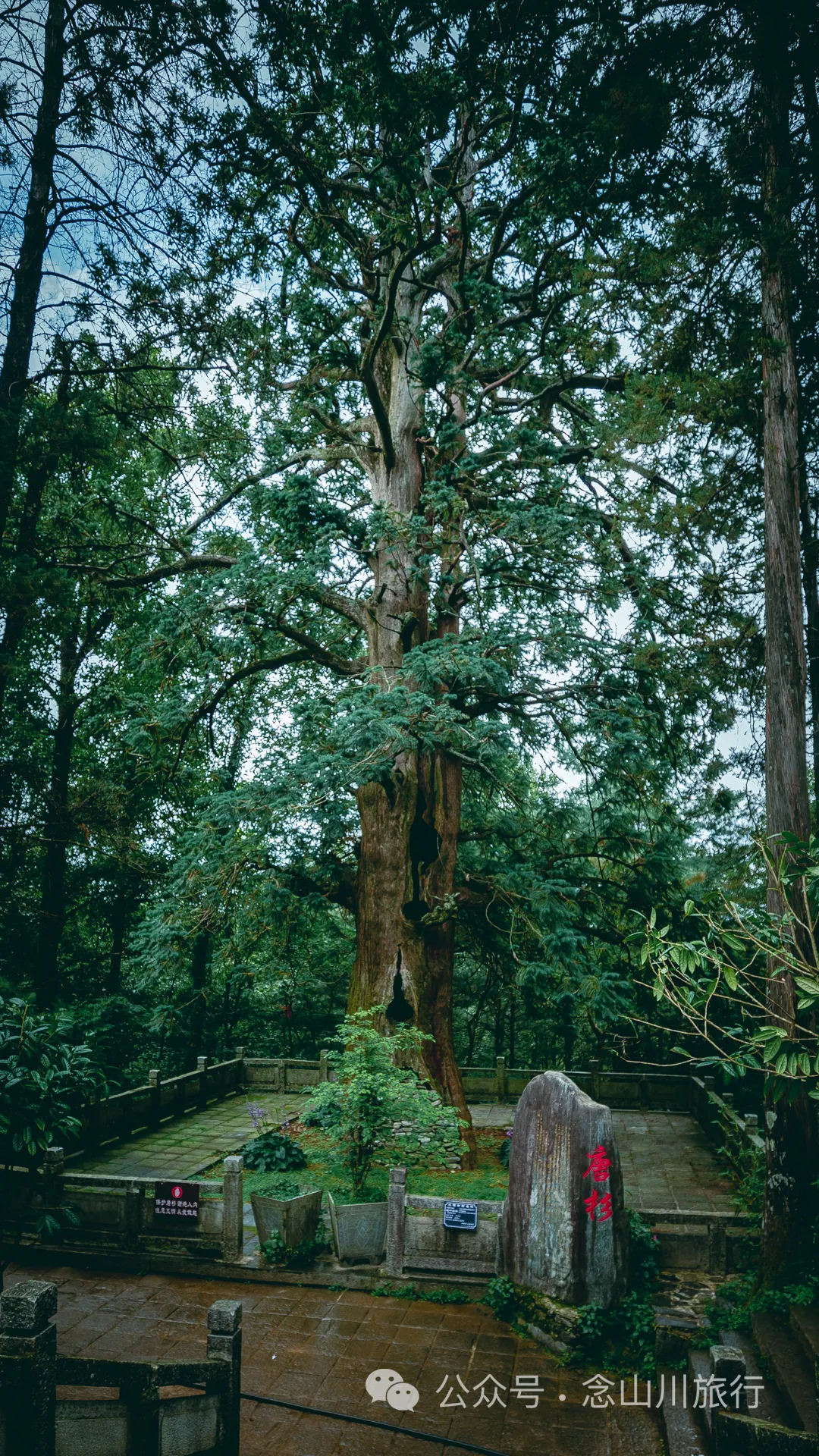
Located at the foot of Cangshan Mountain, Wuwei Temple was built during the Zhenguan period of the Tang Dynasty, over 1,200 years ago. Because many royal members of the Nanzhao Kingdom (which once had its capital in Dali Taihe, now Taihe Village, where the Dehua Stele stands) and the Dali Kingdom practiced asceticism here, it is known as a royal temple. The temple features the "Eight Scenes of Wuwei," including the Jiuyi Spring, Xiangshan Tree, Yuqing Stele, Yuexian Bridge, Shaijing Slope, Zhubi Terrace, Cuihua Tower, and Gelaoyan. The Xiangshan Tree, also known as the Tang Fir, is over 1,300 years old and about 24 meters tall—the oldest fir we have ever seen. Most of its trunk is hollow, especially at the base, which is just a shell. To prevent the ancient tree from falling, the hollow part is filled with stones. Despite its age, the upper part of the tree is lush and green, as vibrant as younger trees in midsummer, thriving endlessly. Every visitor stops to gaze at this wonder, looking up in awe.
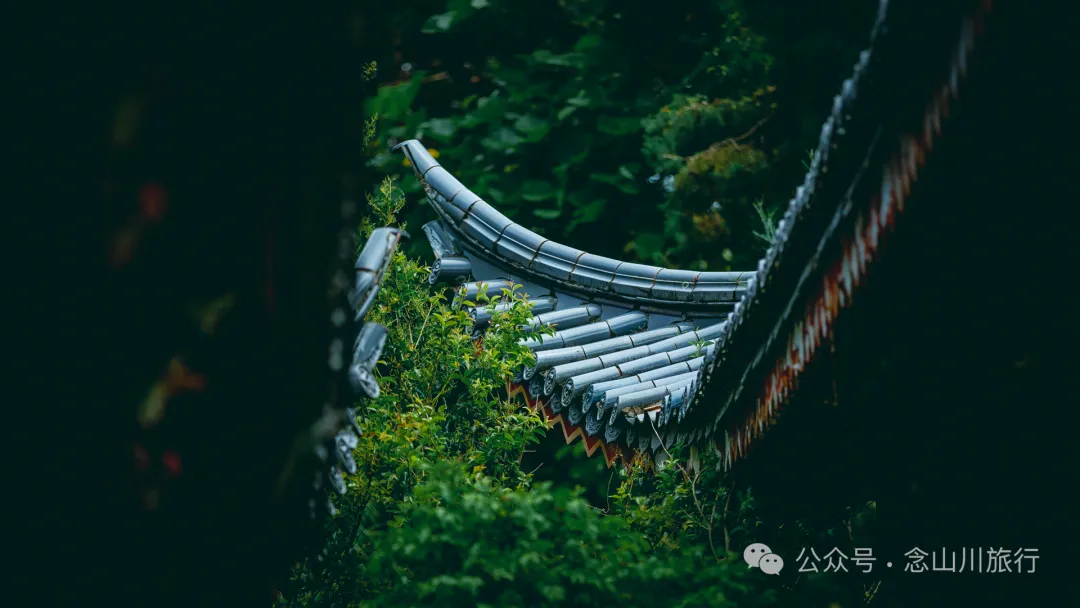
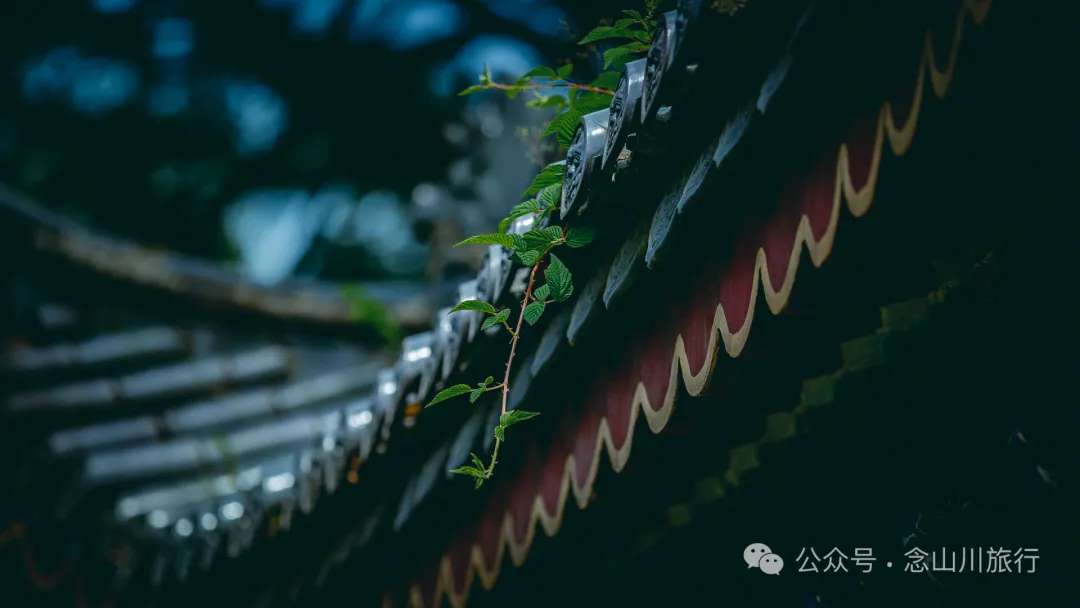
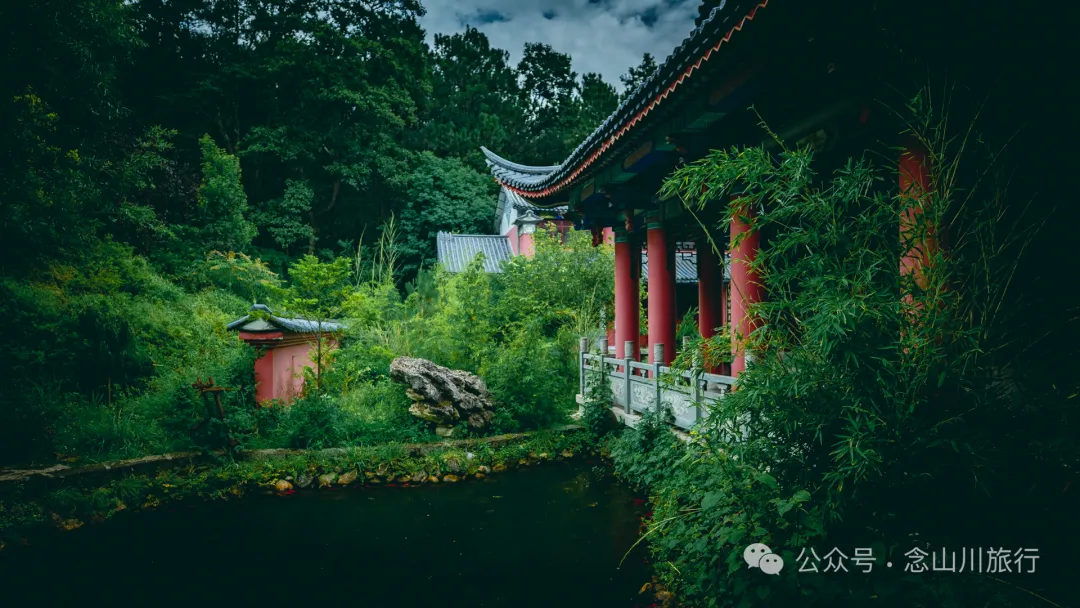
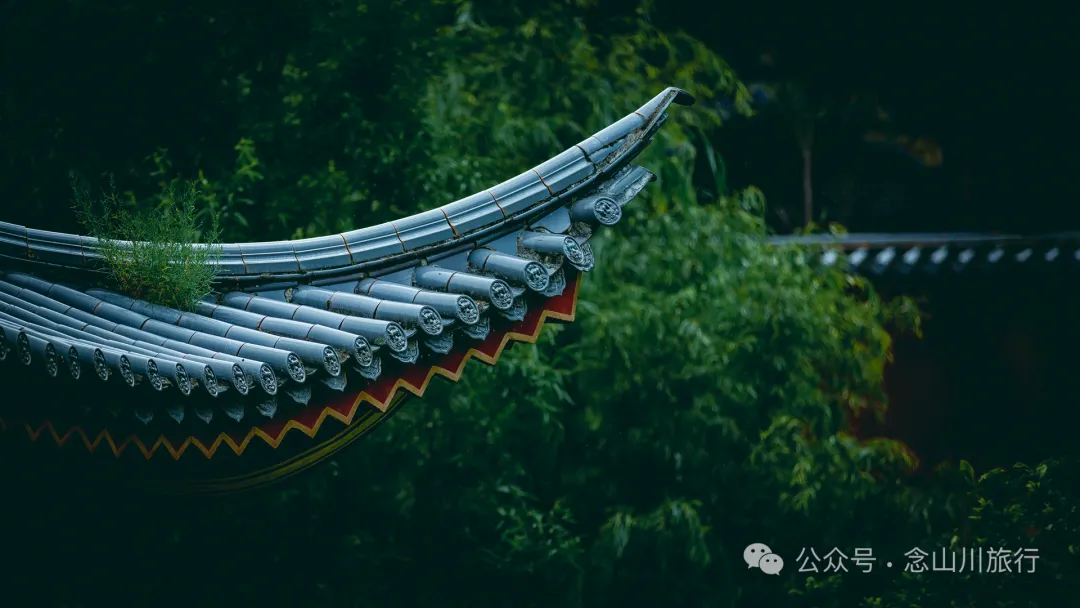
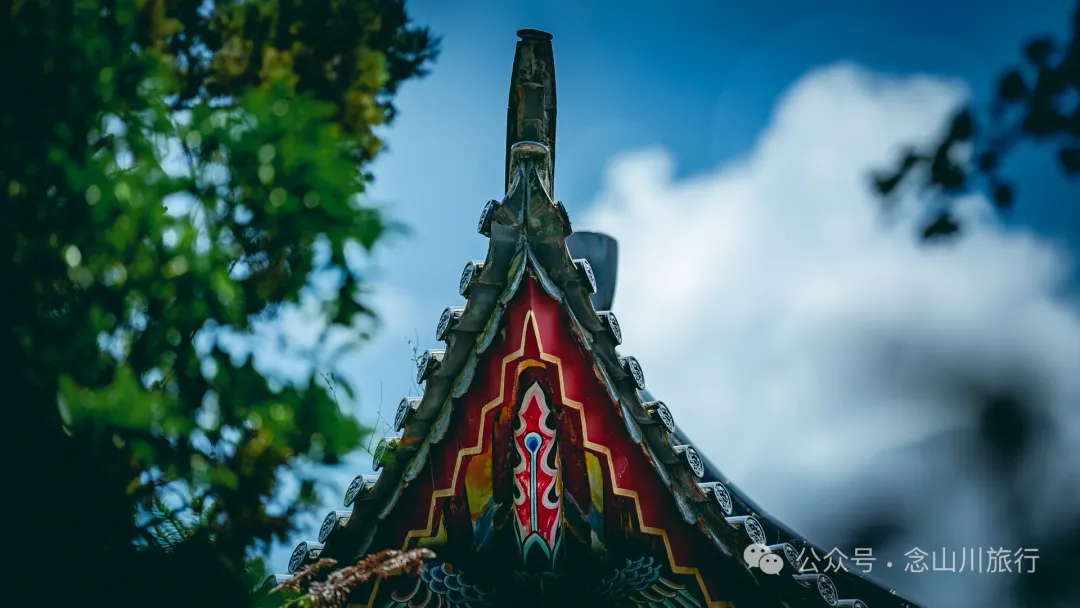
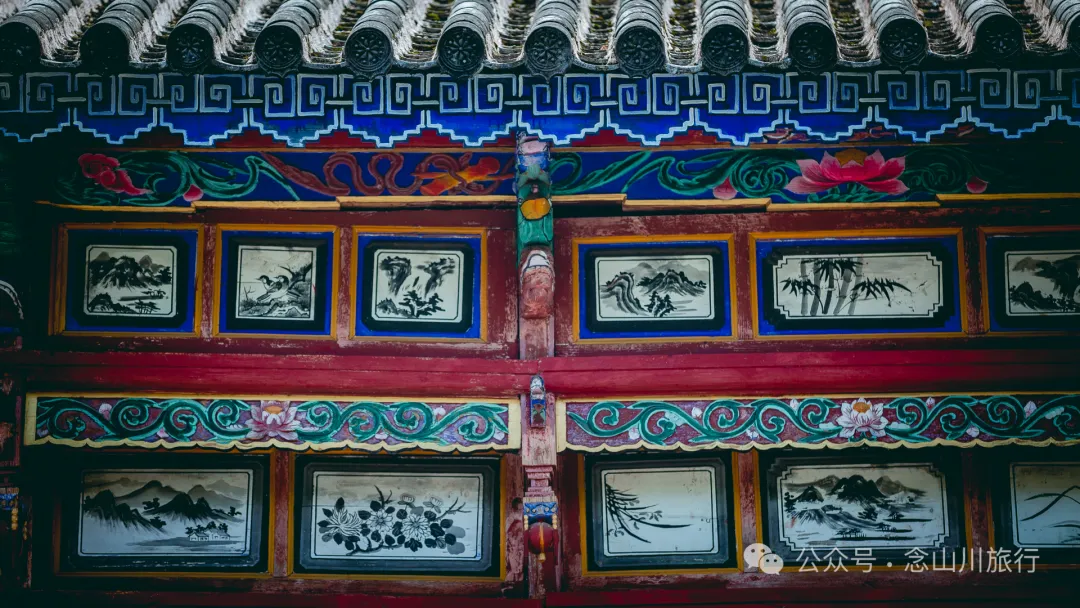
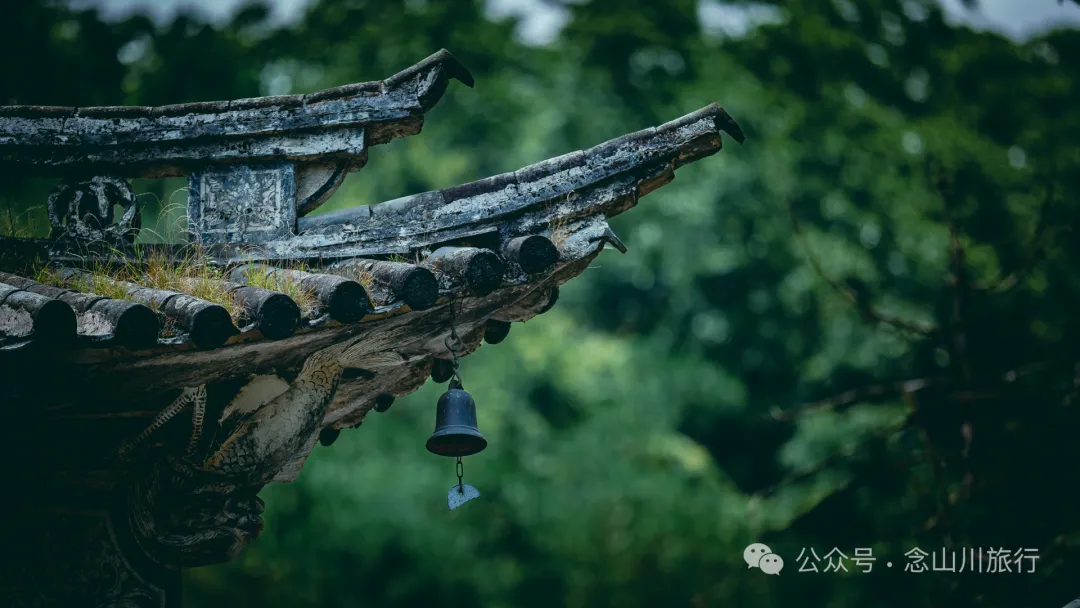
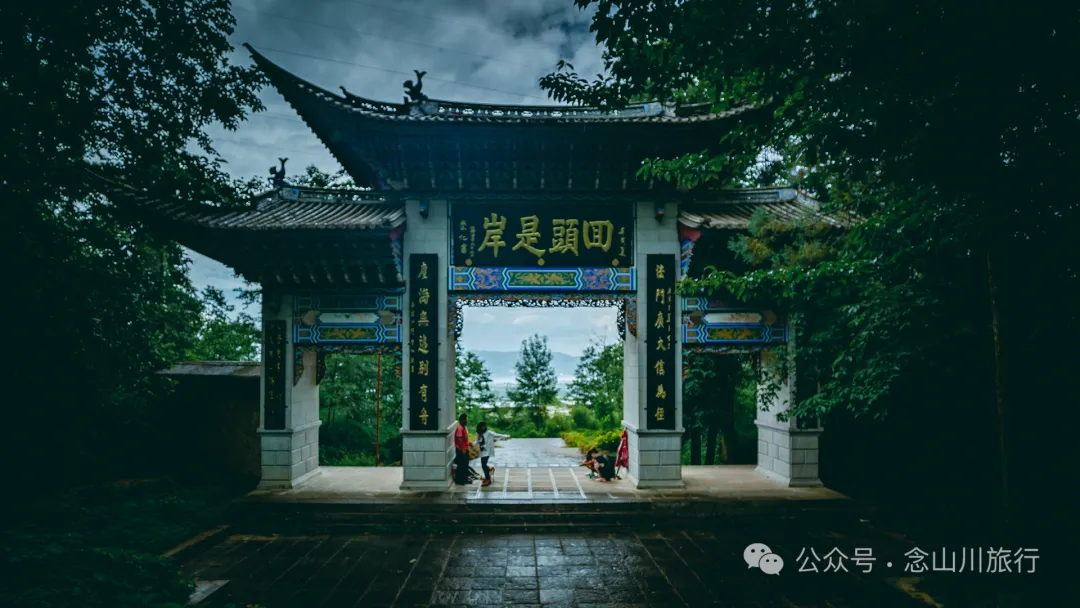
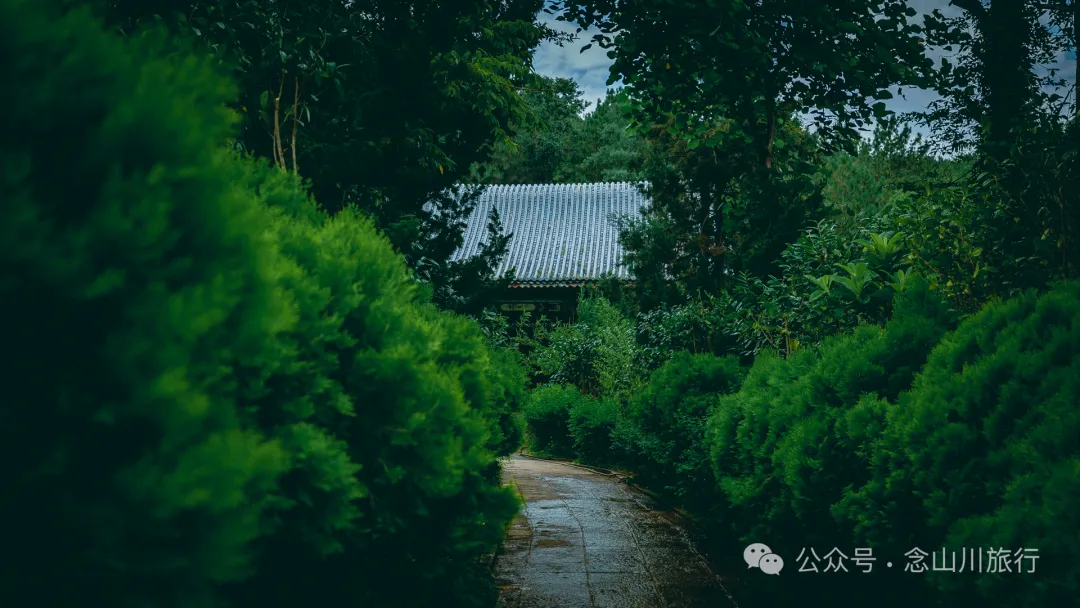
When we left a friend's house for Wuwei Temple, the weather was still sunny and hot. As soon as we got out of the car, a few sparse raindrops began to fall. The deeper we went into the mountain, the heavier the rain became, and the cooler it felt. But the sky to the north and east remained clear and bright, with scorching sunlight. The mountain gate of Wuwei Temple seemed like an invisible barrier, blocking the heat and noise outside. As soon as we stepped through the gate, it felt like entering another season. The Buddhist music played in the temple was serene and elegant, drifting slowly through the mountains. Hearing it, all distracting thoughts seemed to leave our bodies and linger here. Since the rainy season had not yet truly arrived, the stream had only a faint, intermittent flow. We walked in the rain, hopping along the stone-paved mountain path, gradually approaching the temple eaves hidden in the lush forest.
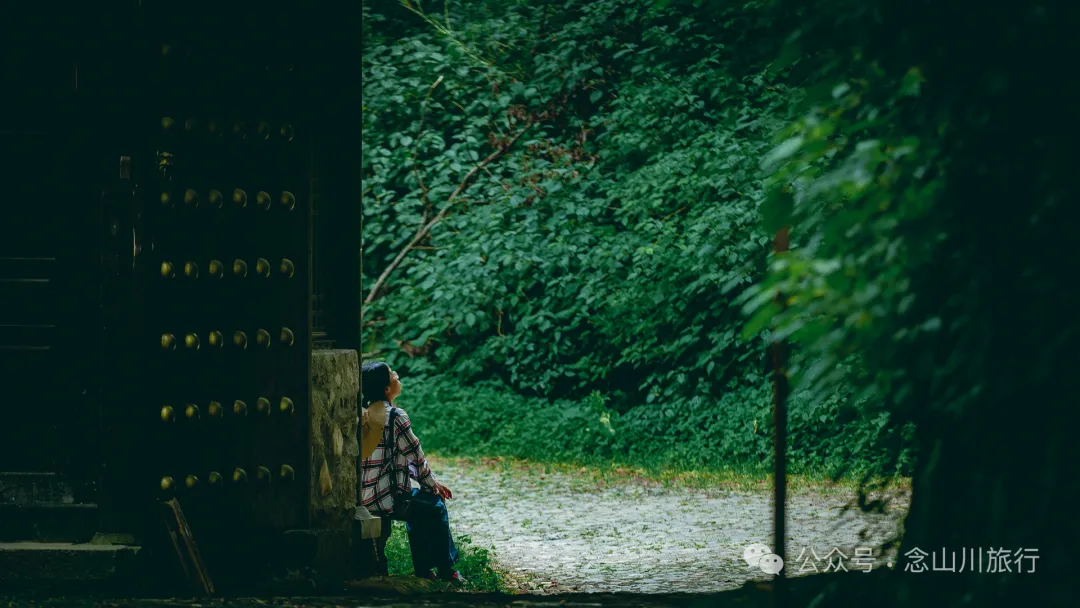
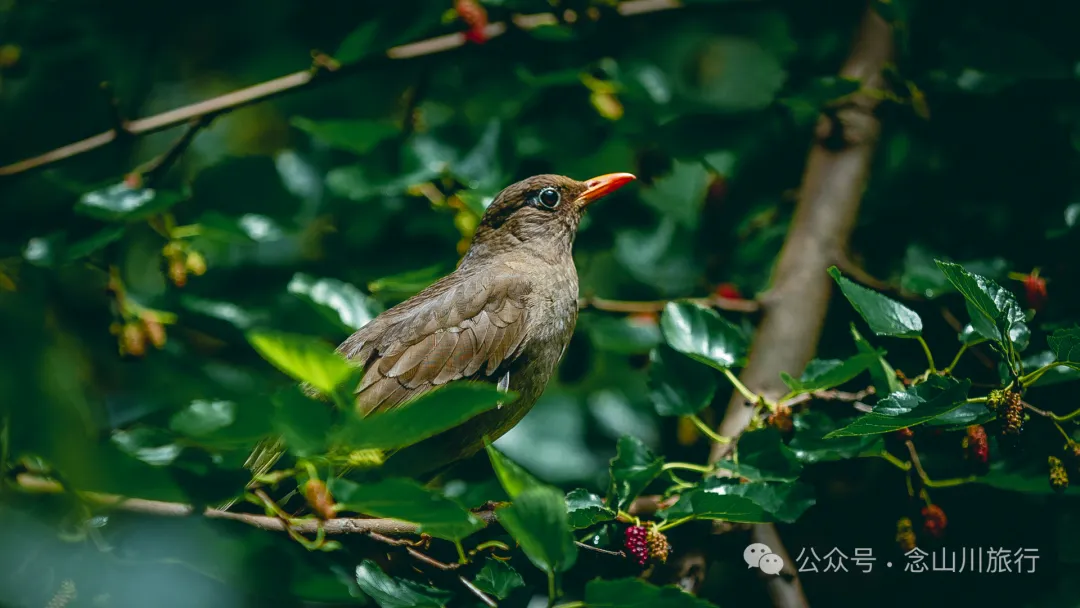
Shortly after arriving at Wuwei Temple, the rain suddenly decreased, and the blue sky reappeared. At the top of a large silk tree in front of the temple, dozens of butterflies of various sizes gathered. The larger ones were as big as birds, a spectacular sight. The silk tree was about 20 meters tall, with flowers blooming at the top. Looking up, we saw only the black silhouettes of butterflies fluttering against the blue sky, appearing and disappearing, making it impossible to identify their species or colors. We had arranged to meet a friend who has lived in Dali for a long time. While chatting in front of the temple, a few small birds perched on a nearby mulberry tree, eating mulberries. Even though visitors were close, they remained unafraid and at ease. In the dense branches of another large tree, a mischievous squirrel hid. It kept jumping among the branches as long as we talked, occasionally making bird-like sounds. When I aimed my camera at it, it cleverly hid in the leaves, refusing to show itself. Perhaps it just wanted to join our reunion conversation.