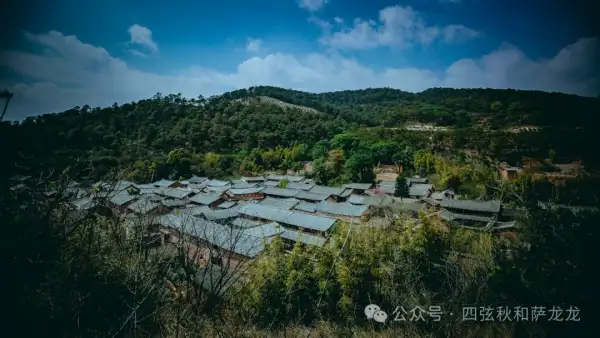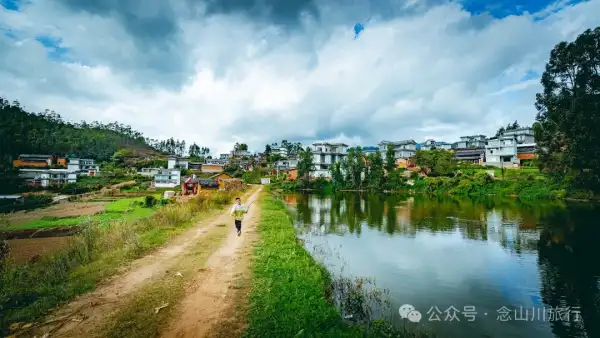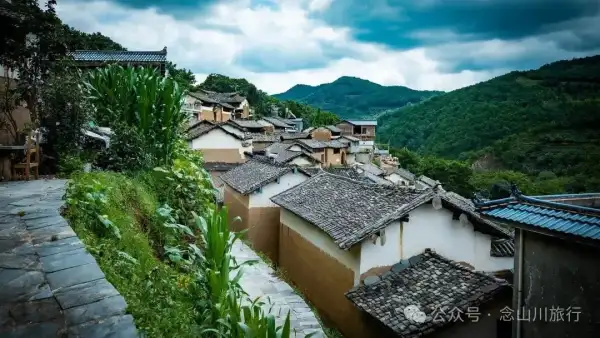

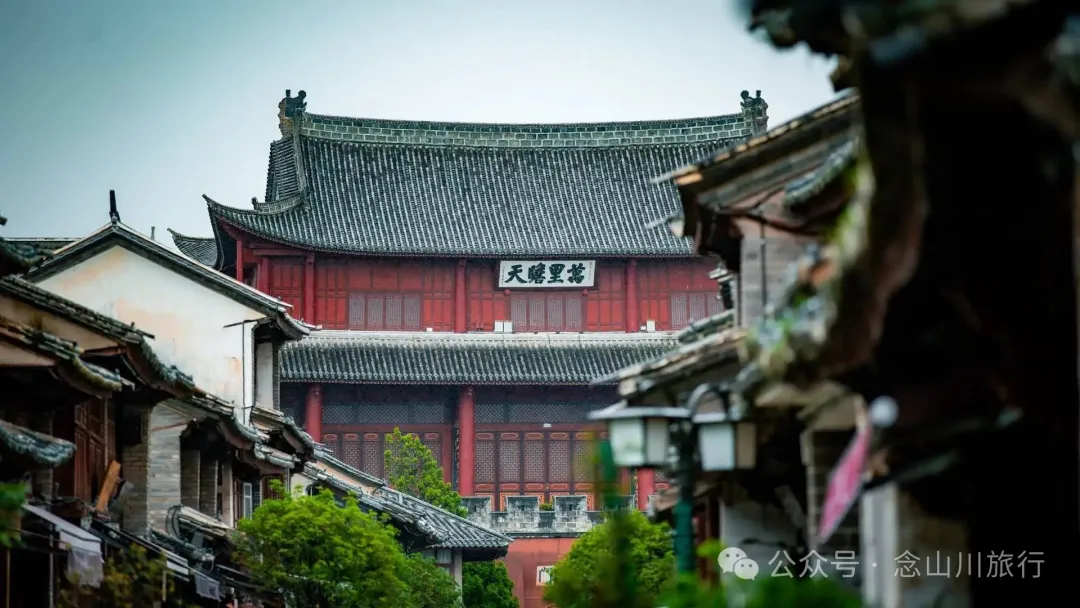
I first walked into Weishan Ancient Town in April 2015. Before that, the mysterious and distant ancient kingdom of Nanzhao had only appeared in a few lines in my high school history textbook. I had never even heard of the name "Weishan" and knew nothing about this place. Ten years ago, when we strolled through the ancient town, which was built during the Ming Dynasty, and touched the rammed earth walls of the residential houses, the long history and rich culture of Nanzhao began to emerge from the thick fog of time, slowly approaching us.
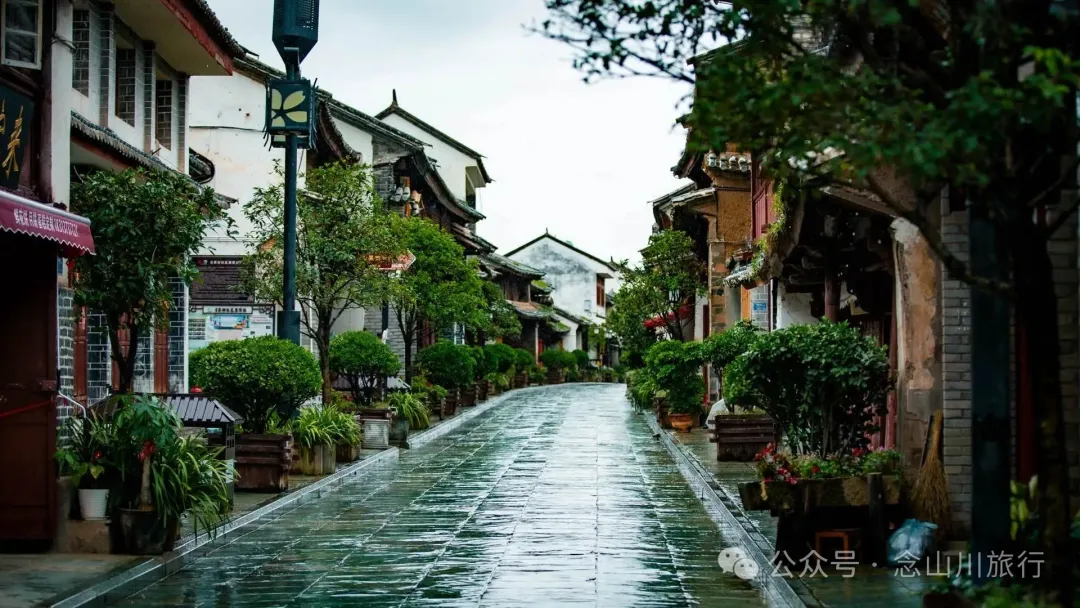
Due to its remote location and inconvenient transportation, there were very few tourists in Weishan Ancient Town at that time. The people we encountered most were local residents living leisurely, their slow steps treading on the clean bluestone slabs. The air was filled not with any unpleasant commercial atmosphere, but with a strong sense of everyday life—the gentle greetings and laughter of old acquaintances passing by in narrow alleys. The streets were always gleaming, and ordinary little flowers bloomed in the simple wooden flower stands. In the shops along the street, people mostly sat at bamboo tea tables placed in front of their doors, drinking tea, playing cards, or organizing goods, occasionally receiving a passing tourist. On South Street, except for a pastry shop and a handmade noodle workshop near Xinggong Tower, most shops were closed, and the owners had long disappeared to drink tea somewhere.
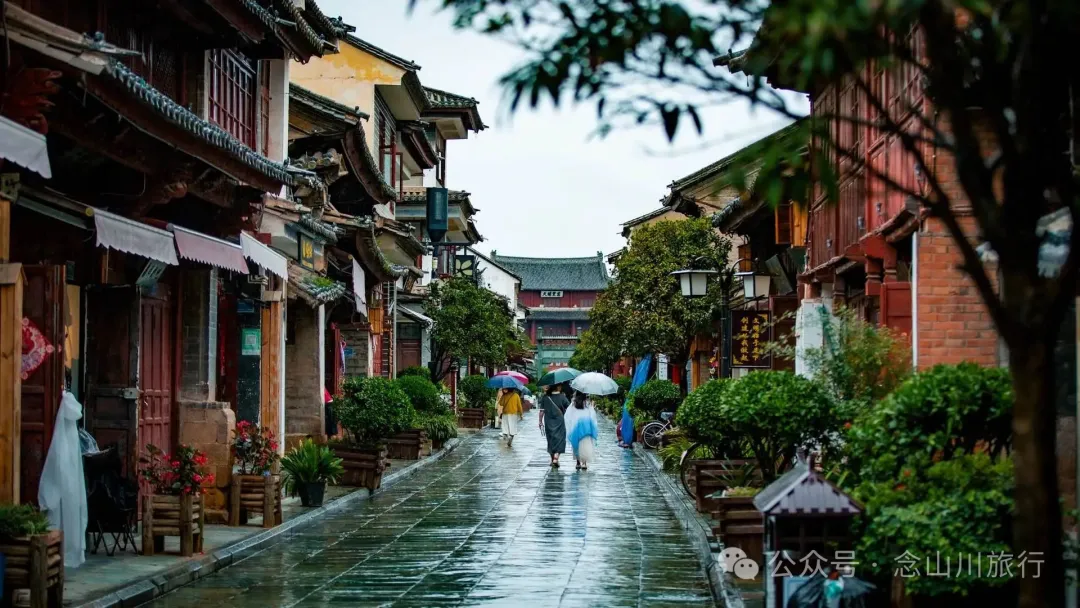
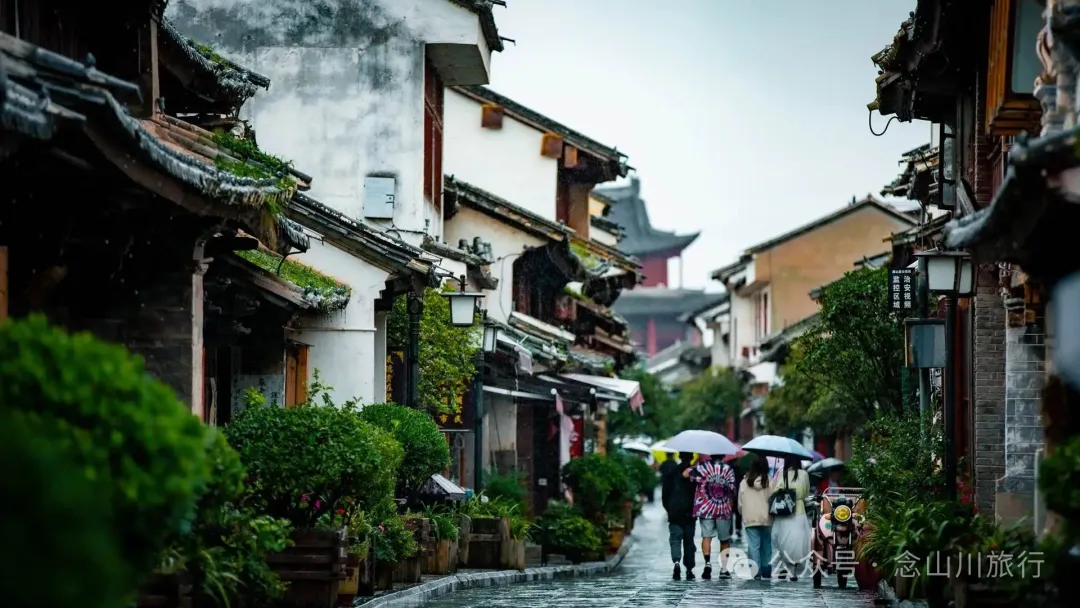
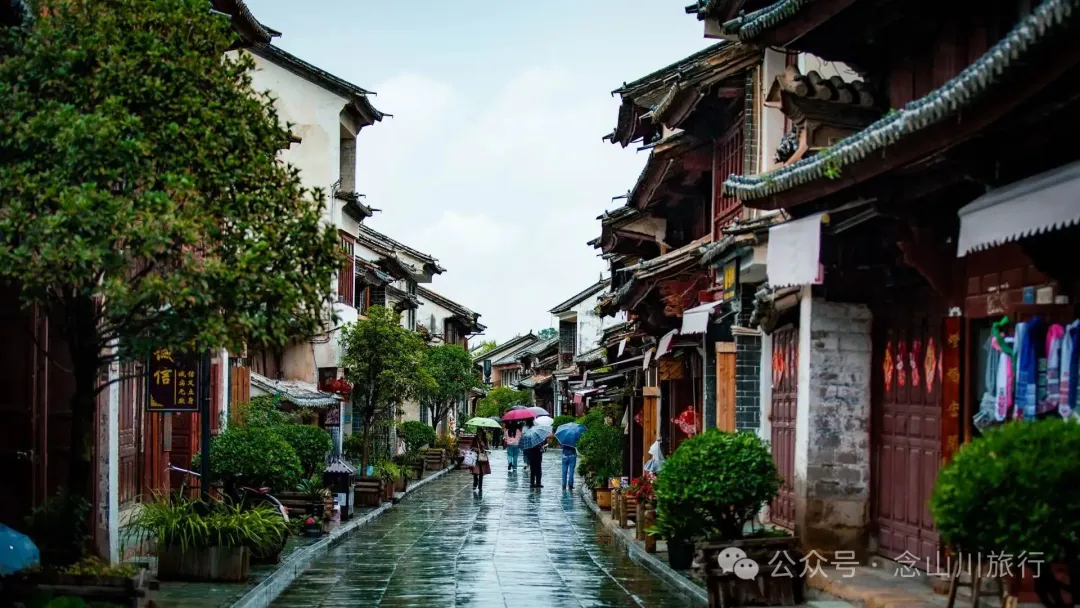
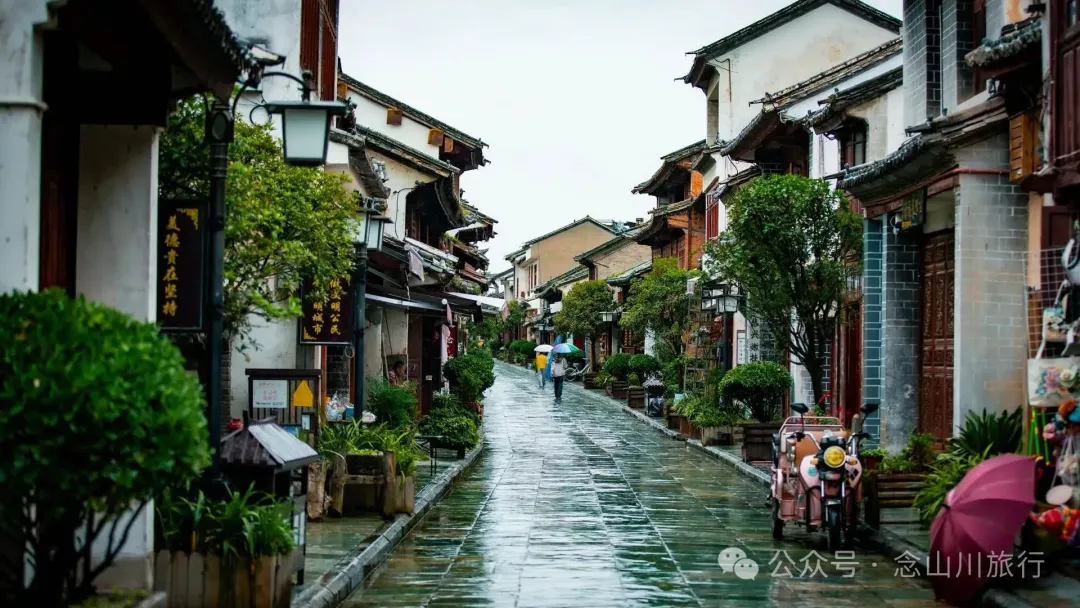
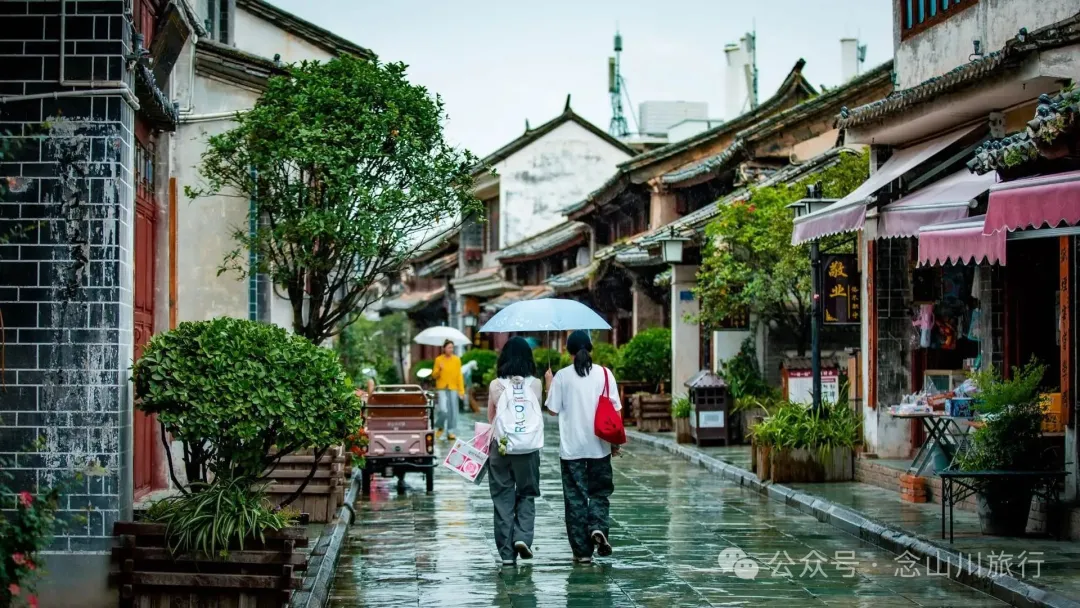
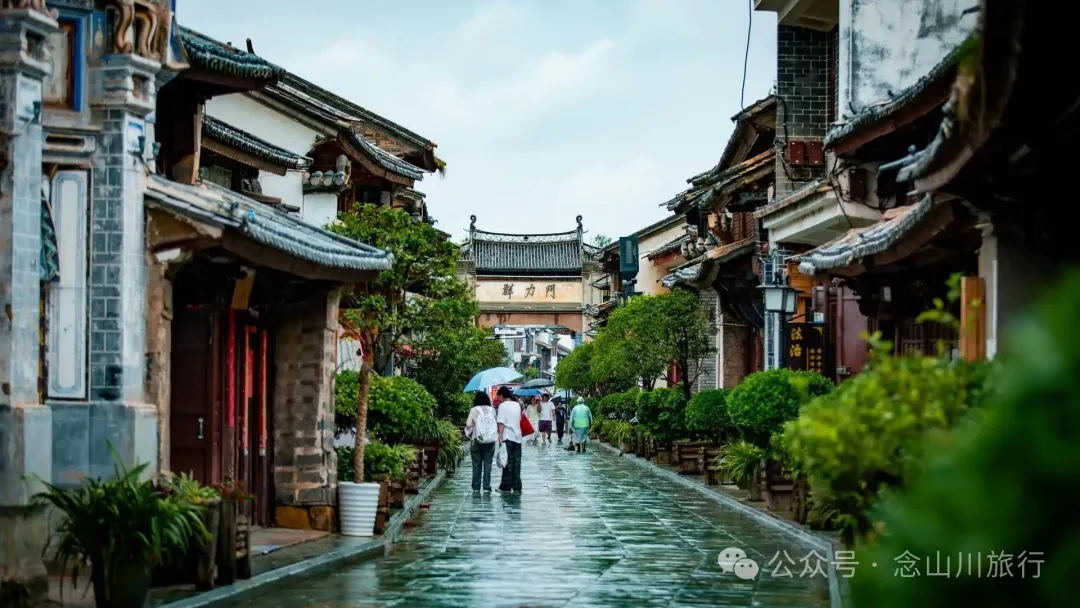
At that time, we rarely passed through Gongchen Tower to go north to Qunli Gate. Only occasionally, when looking for local specialties, did we walk along Risheng Street and Yuehua Street, and we hardly ever entered the many narrow alleys on either side. The shops on this street mostly sold daily necessities, clothes, shoes, and hats—clearly a living area frequented by locals, with few tourists in sight. In recent years, the goods in the shops on this street have become more diverse. Taverns, cafes, and guesthouses, which were once only found on North Street, have increased year by year, and naturally, more tourists have come. Even on rainy mornings, tourists can be seen everywhere on the streets.
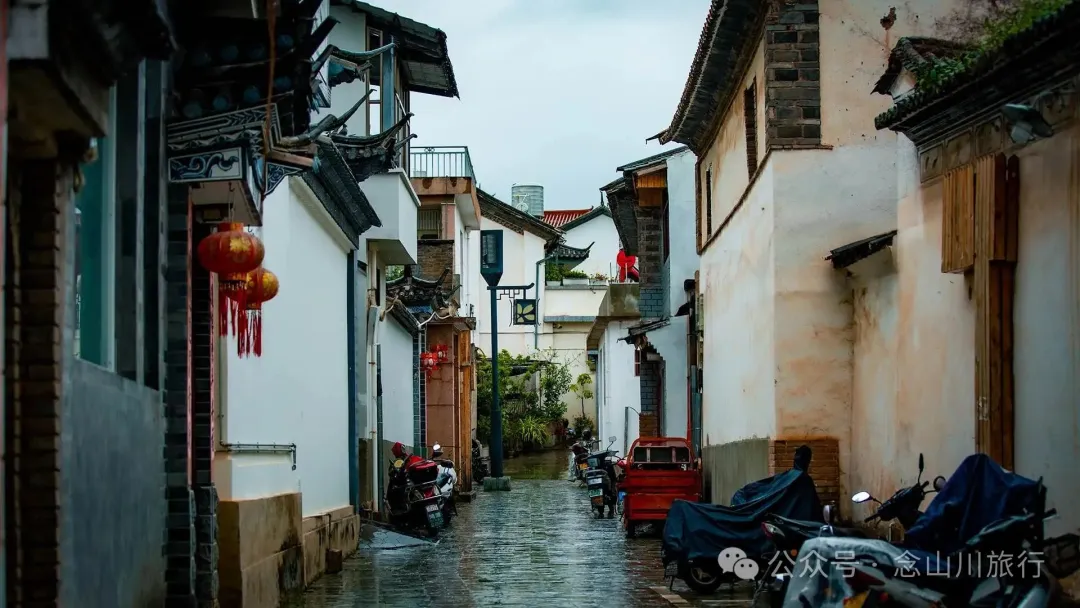
Occasionally, tourists stray into the deeper, narrower alleys, walk through quickly, and comment, "There's nothing here, nothing worth seeing," then retreat back to the bustling main streets and merge into the flowing crowds. In fact, it's not that there's nothing here; what's here are the most authentic scenes of local life, a slow pace of life that has continued for centuries. They just can't see it. But if they were willing to stay in this small town for a few more months and get used to the local dialect, they probably wouldn't say there's nothing here when they walk into these nameless alleys again.
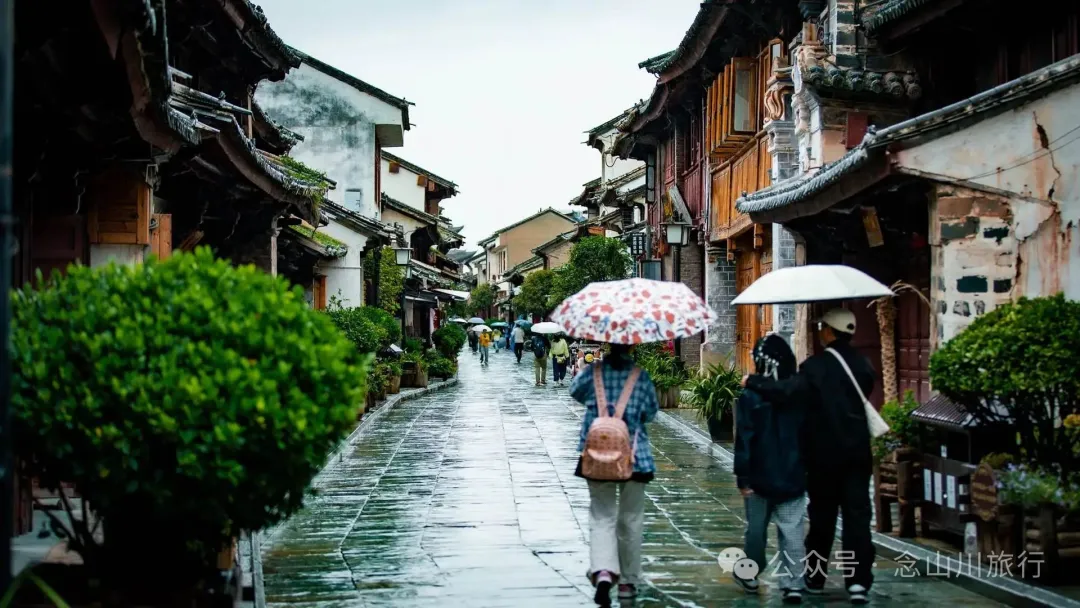
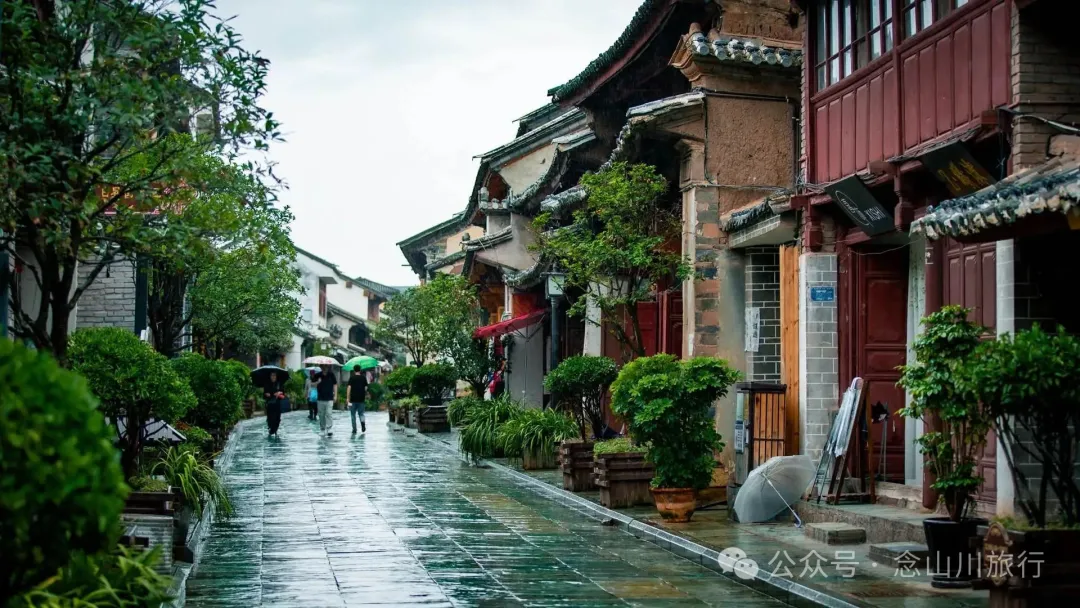
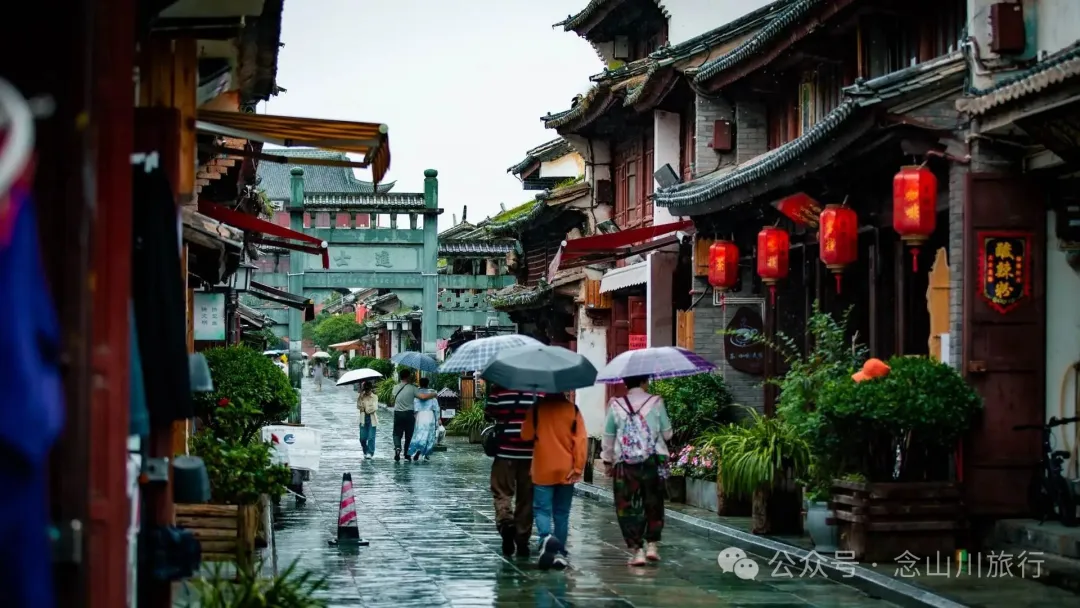
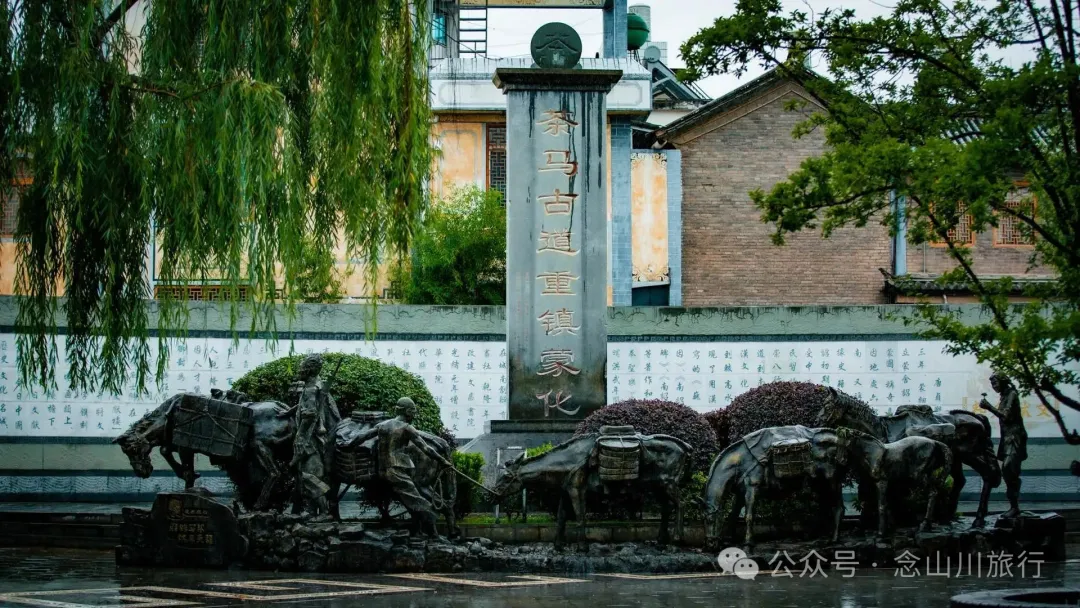
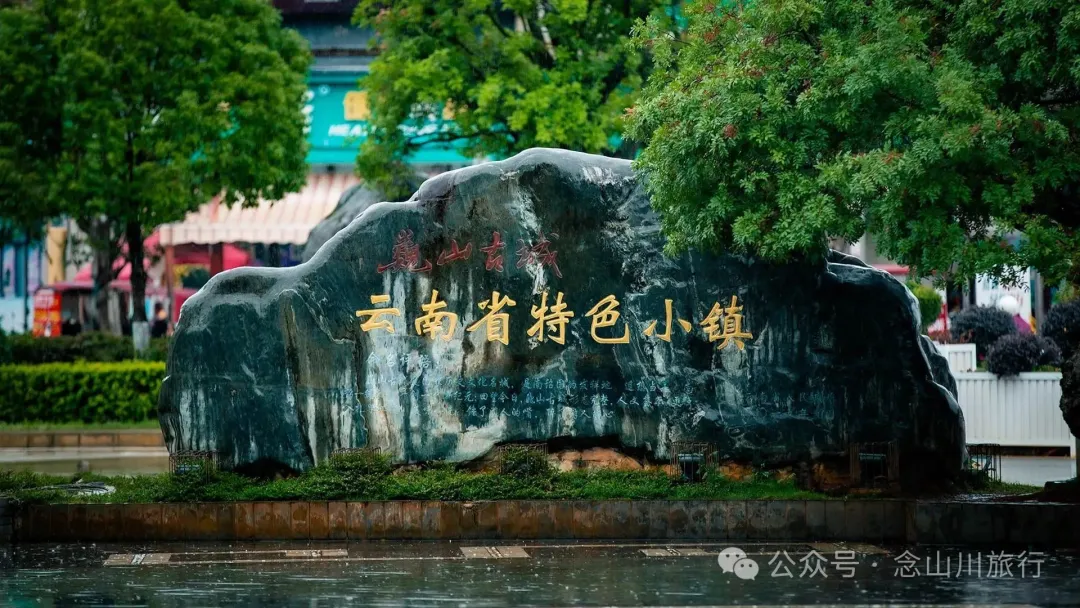
Weishan Ancient Town was once an important post station on the Ancient Tea Horse Road. A friend said that long ago, the street north of Wenxian Square had many horse inns, and the alleys on both sides of Risheng Street and Yuehua Street also had tea-horse hostels, providing various conveniences for the caravans that traveled over mountains. There were many tea houses in the alleys, and a few still remain today. I imagine that during the heyday of that ancient road, these tea houses and their doorways were filled with caravan men, smoking long water pipes and sipping the local famous roasted tea—how relaxed and enjoyable it must have been.
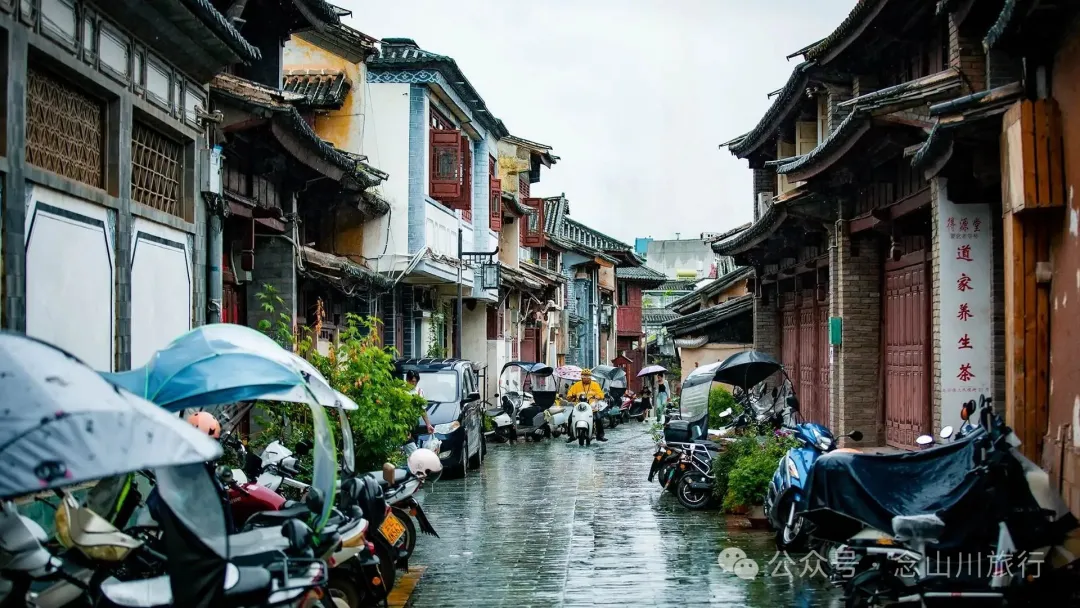
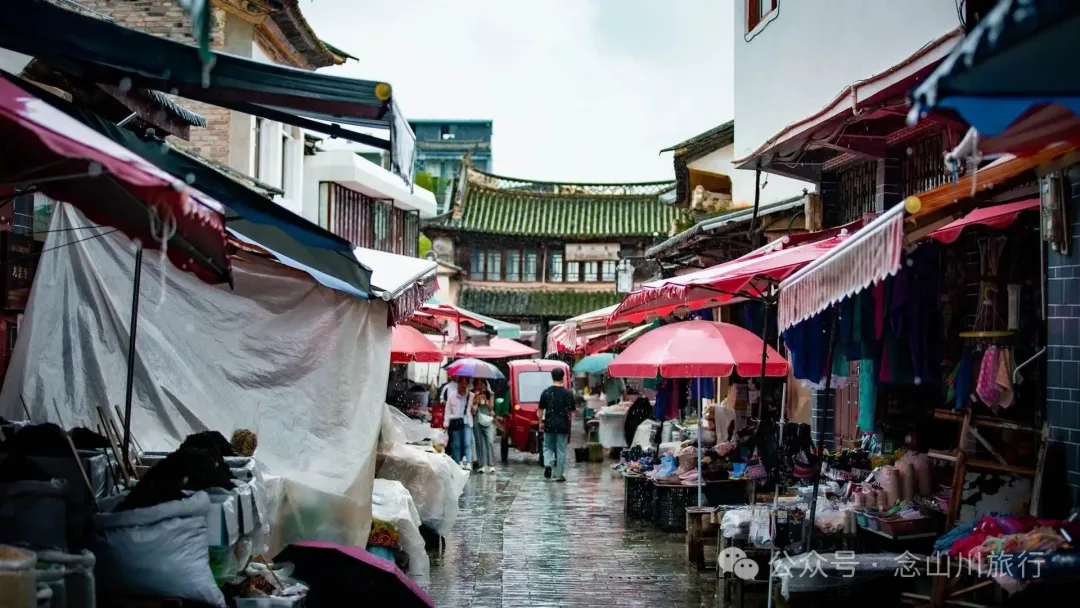
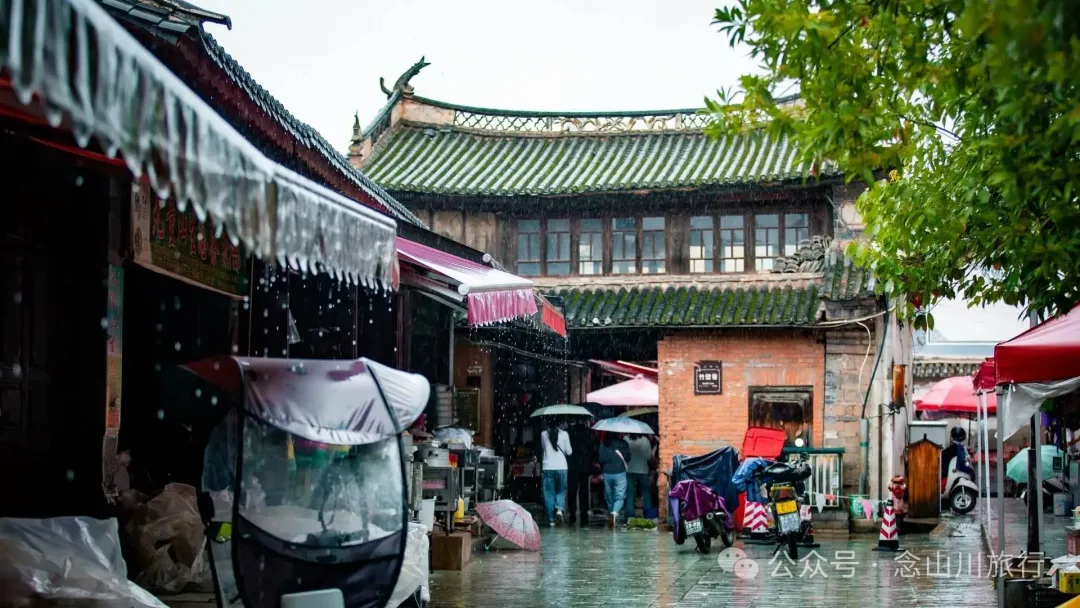
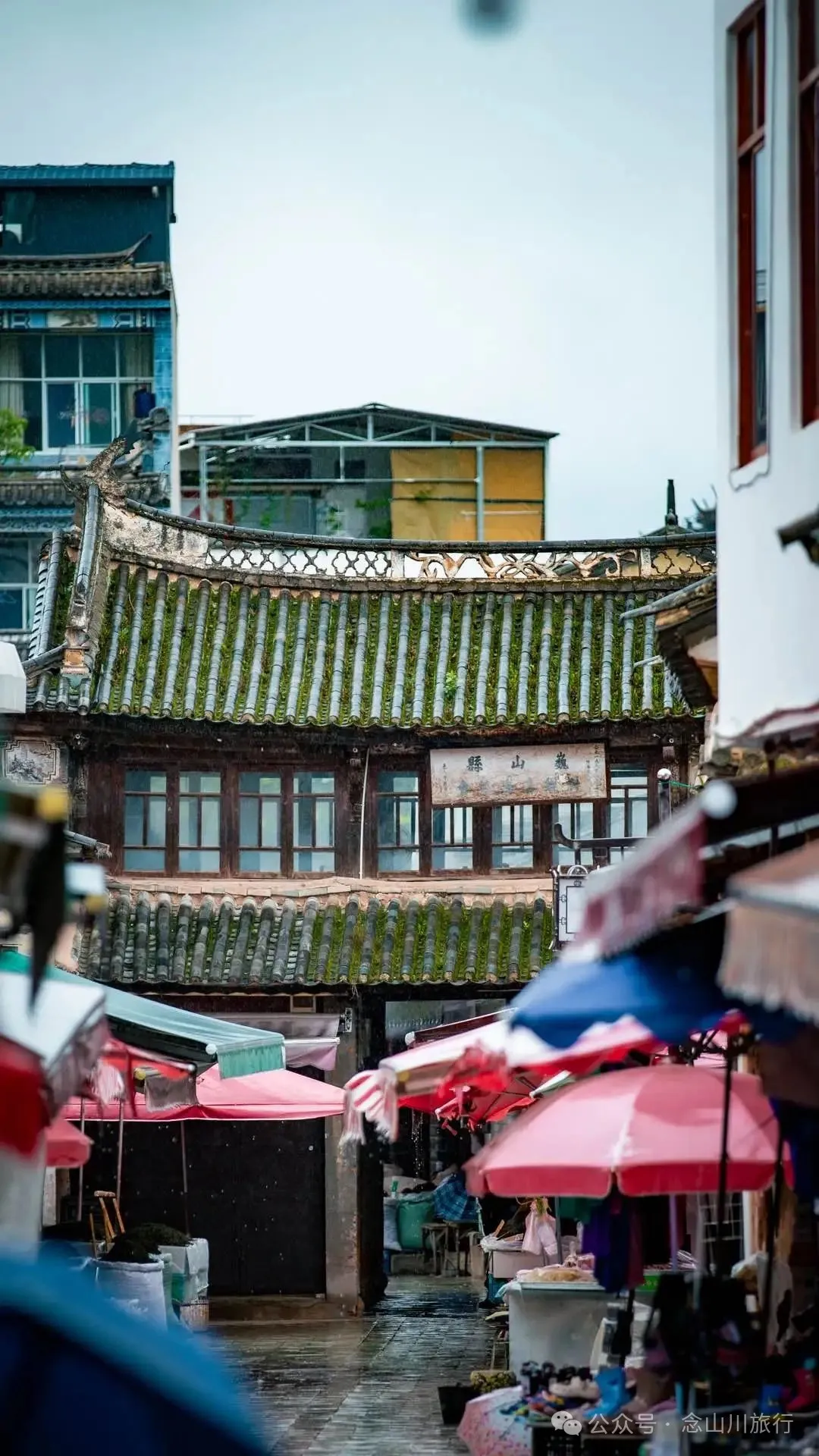
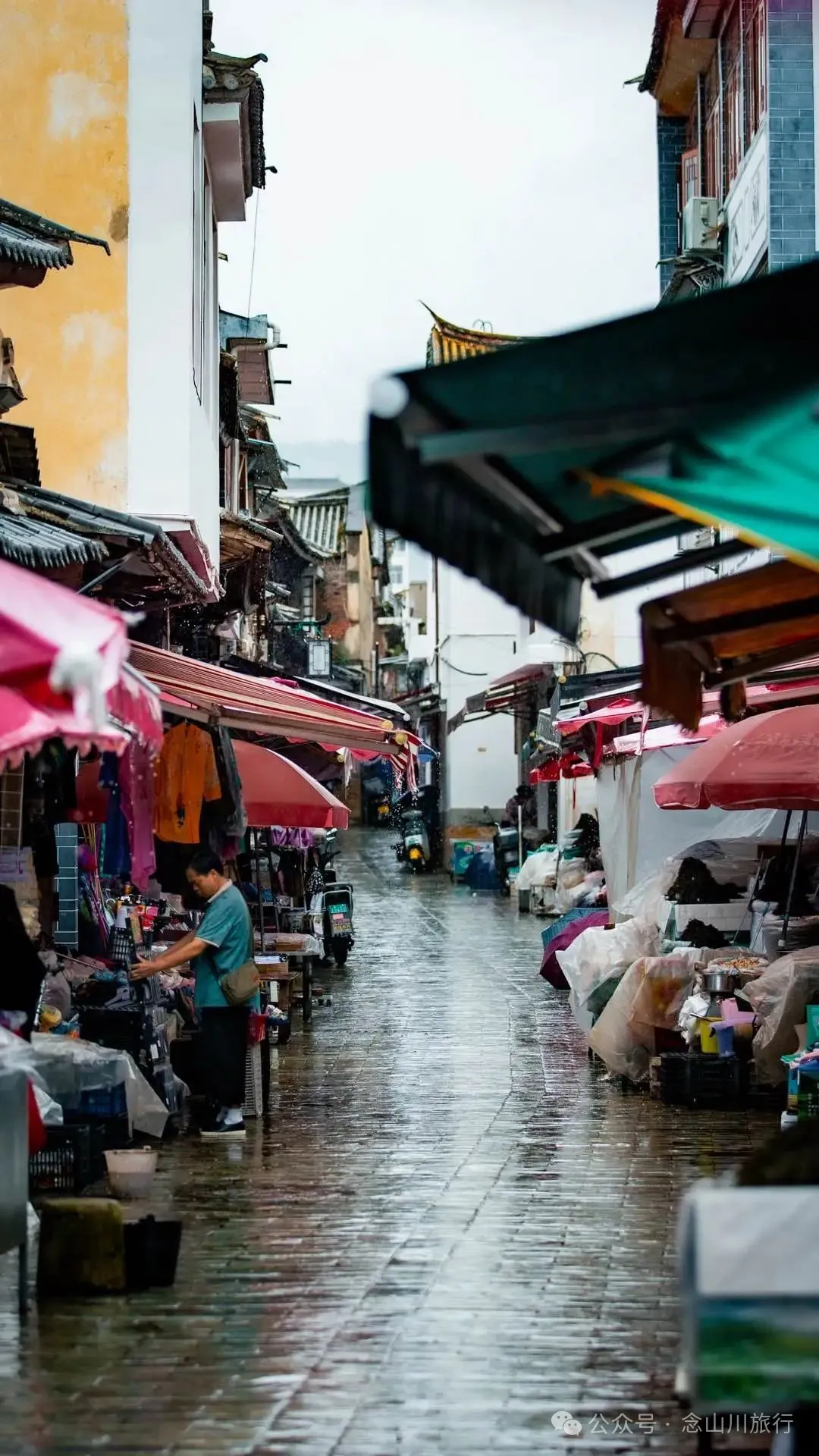
To go from the red iron gate next to Wenhua Academy to Dafu Vegetable Market, we usually pass through the narrow Wenhua Alley, walk onto Risheng Street, then turn into another bustling narrow alley, Zhubi Alley, and then walk up Chengxi Road to reach it.
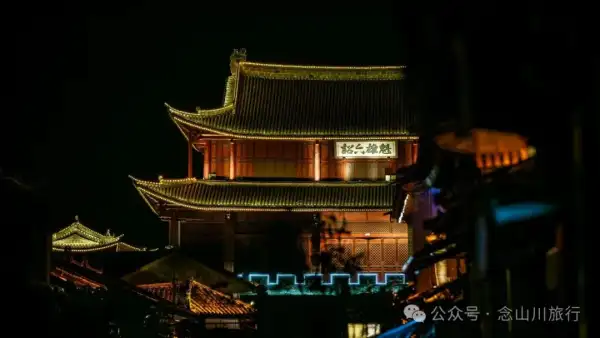
Zhubi Alley is more like a market town on the outskirts. Shops are packed tightly together: barbershops (no fancy hairstyles), clothing stores combined with tailor shops (only for hemming pants and waistbands, replacing elastic bands), grocery stores (various Chinese herbs and seasonings), tea shops (the owner personally collects tea from farmers; recently, many tourists come here to buy, and the prices are very reasonable). In the narrow spaces on both sides of the street, elderly people from nearby villages also set up stalls, sitting by the roadside selling their own fruits, vegetables, or mountain products. There is a city gate tower from the 1990s here, with the words "Weishan Post" clearly visible. Walking through it gives a strong sense of time travel.
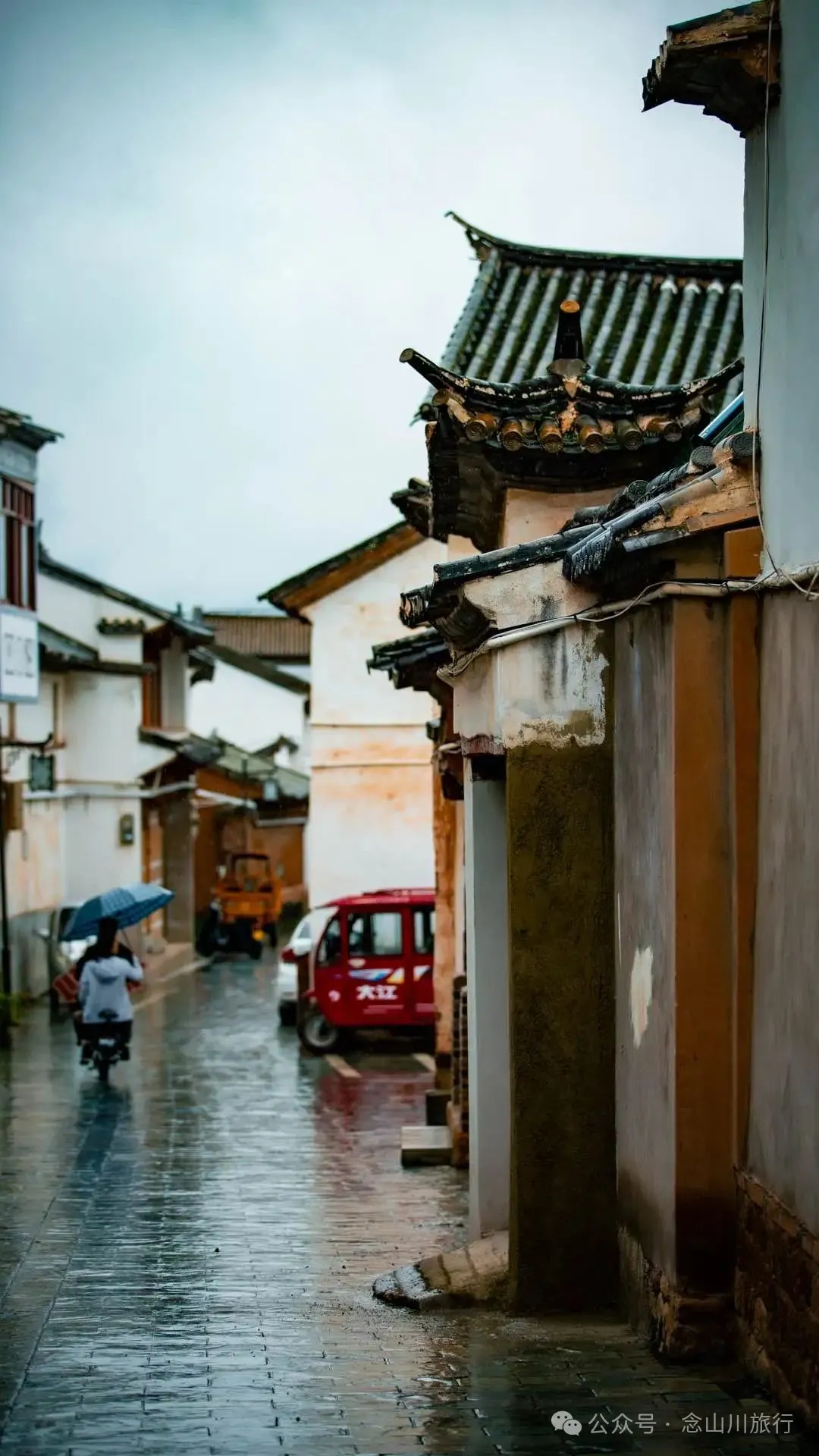
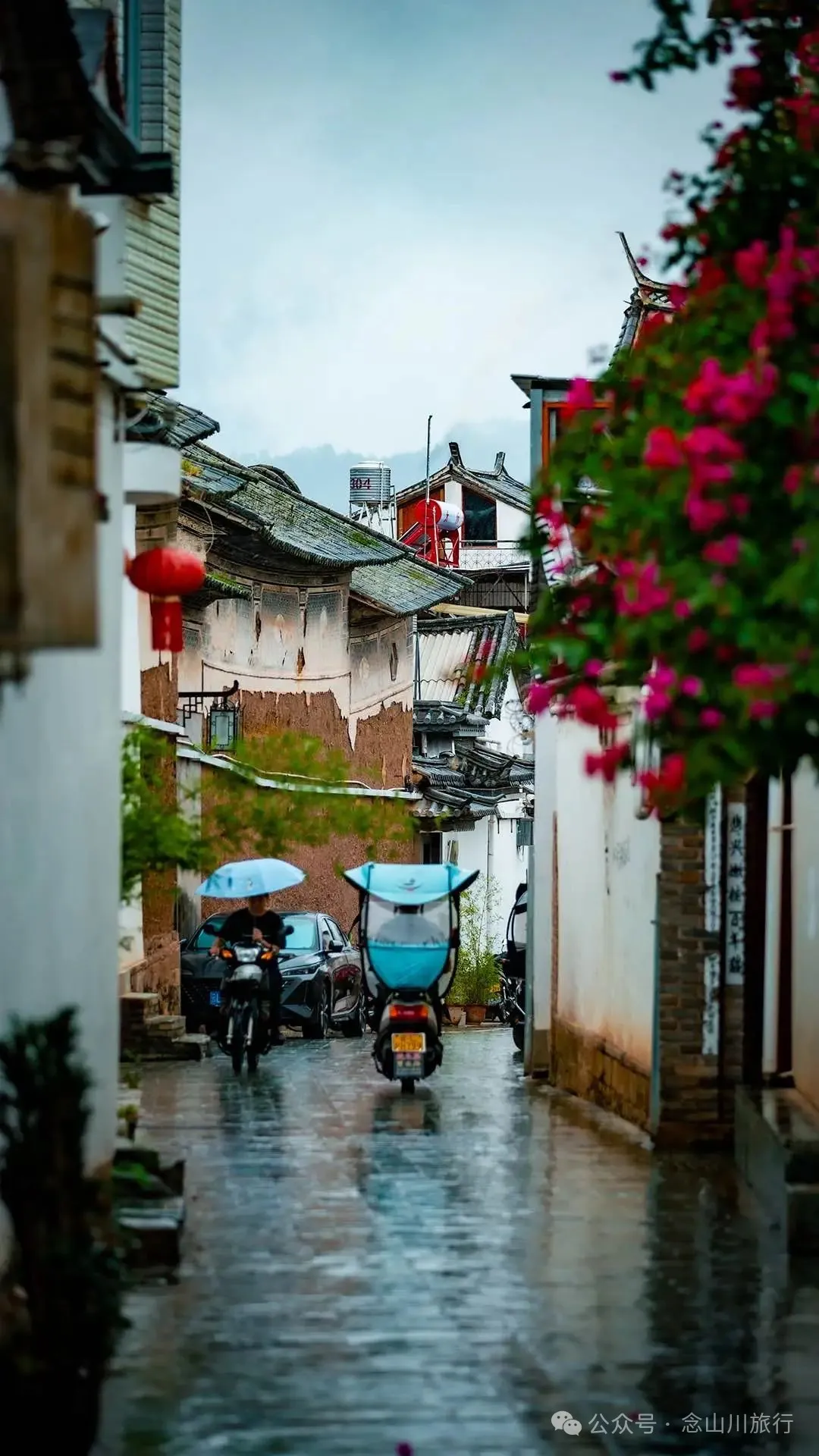
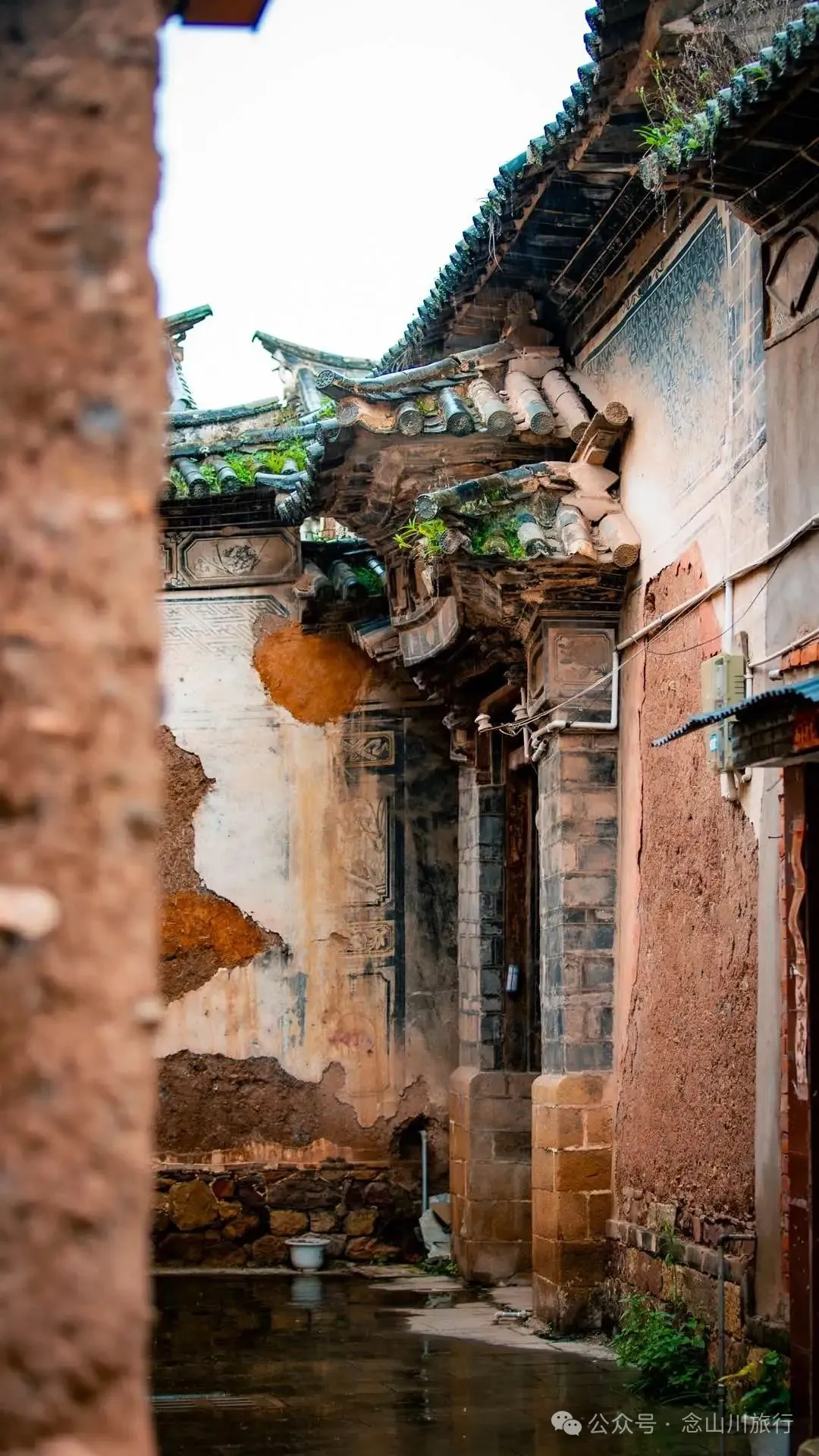
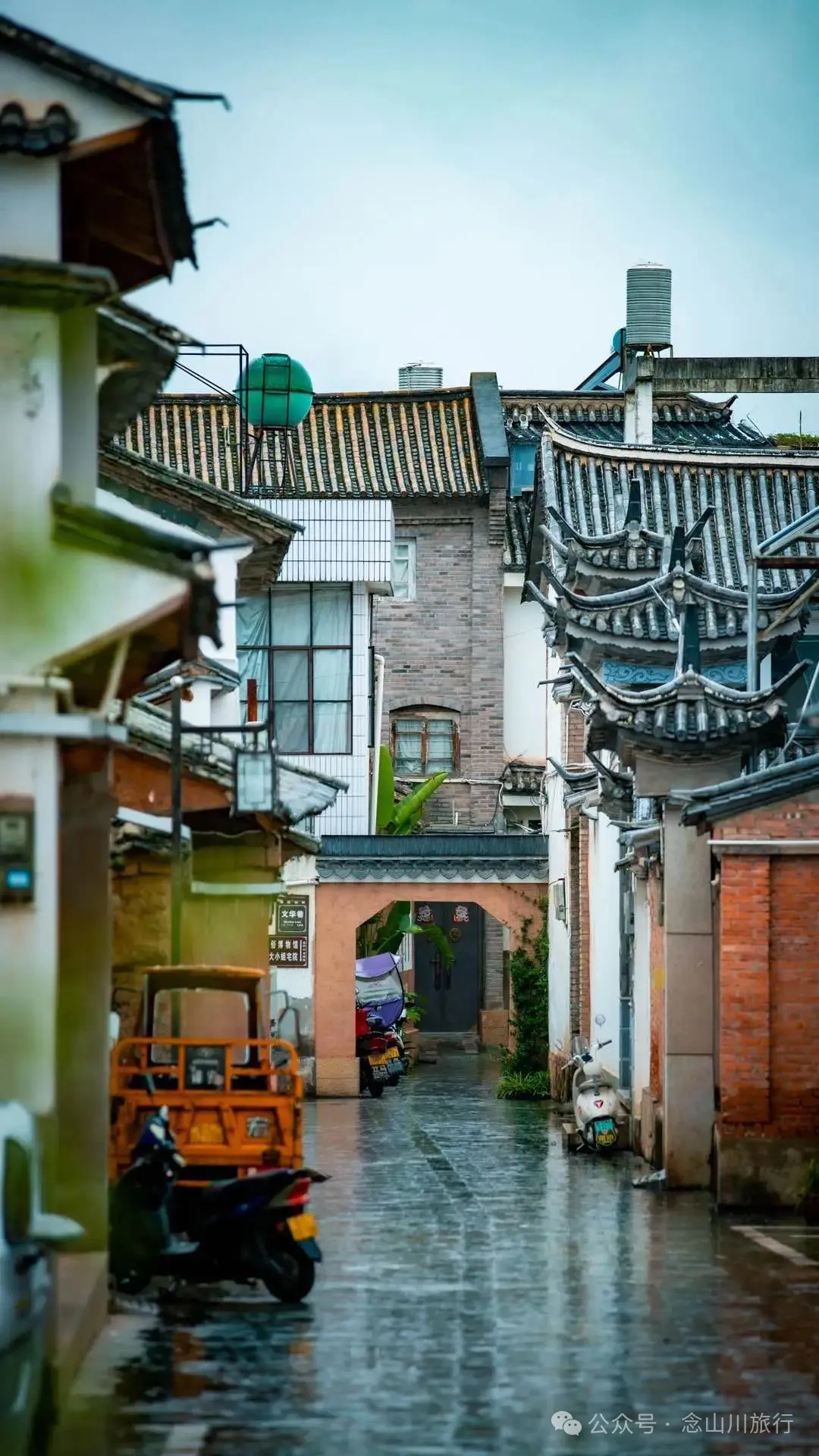
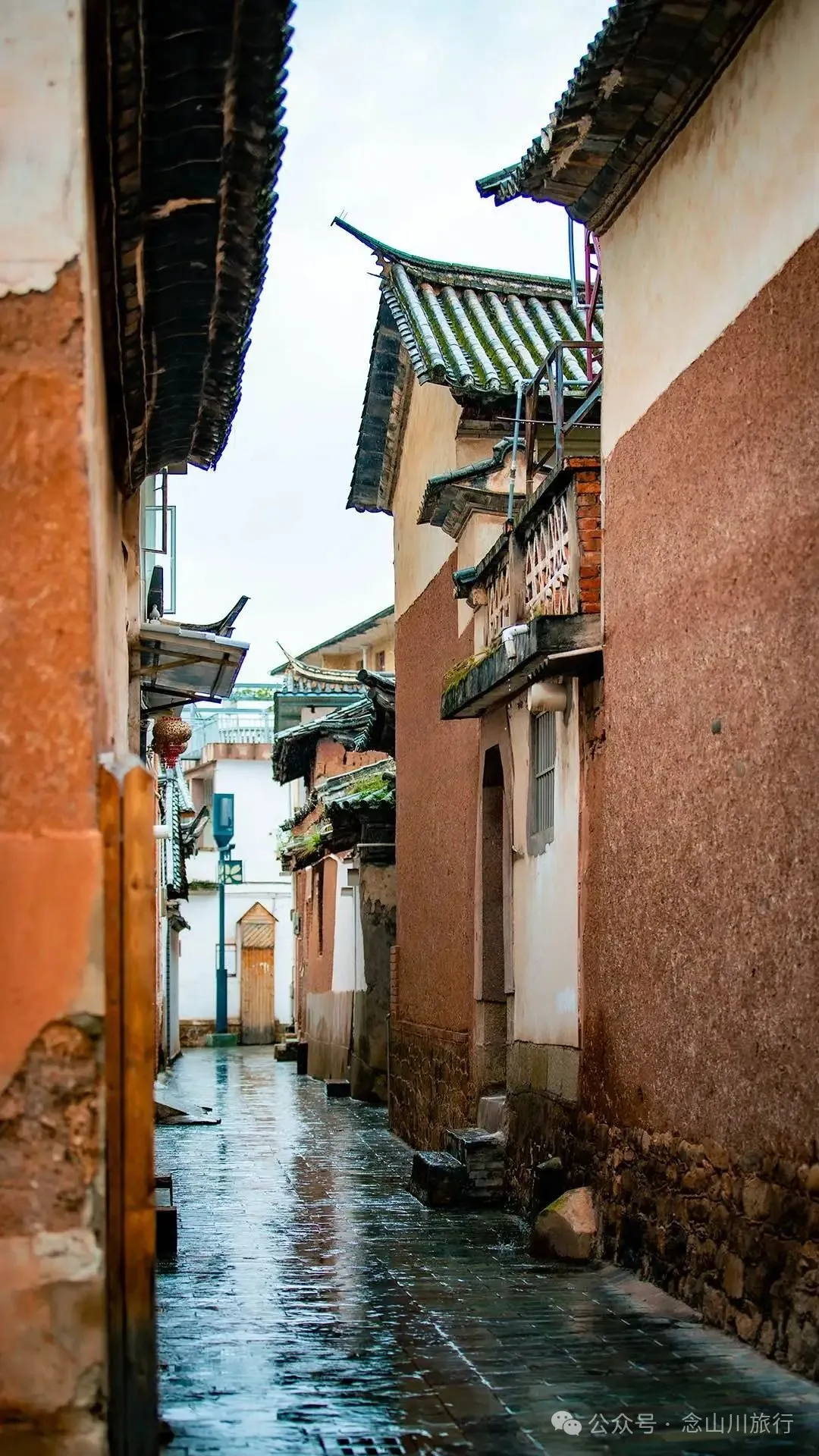
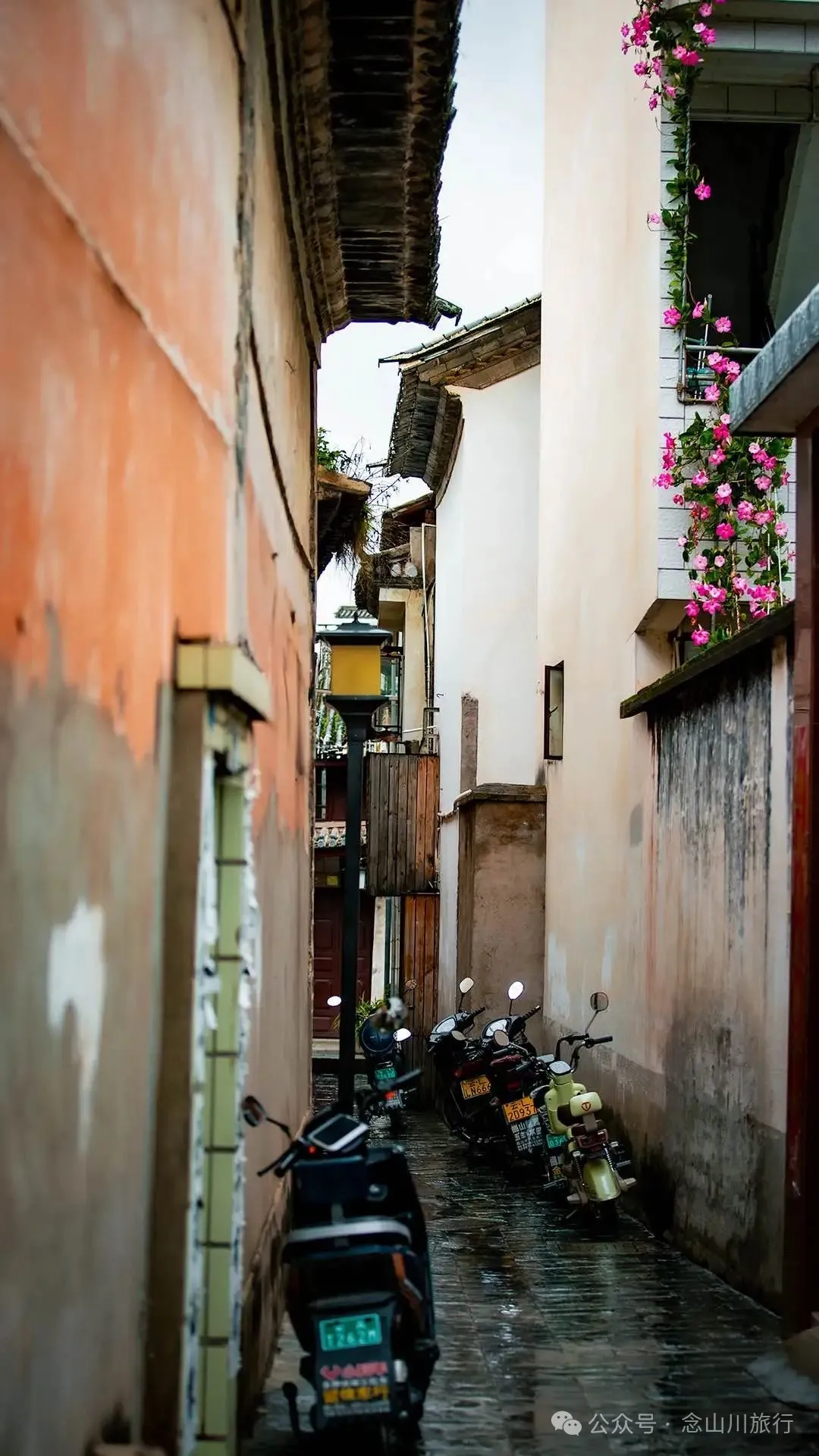
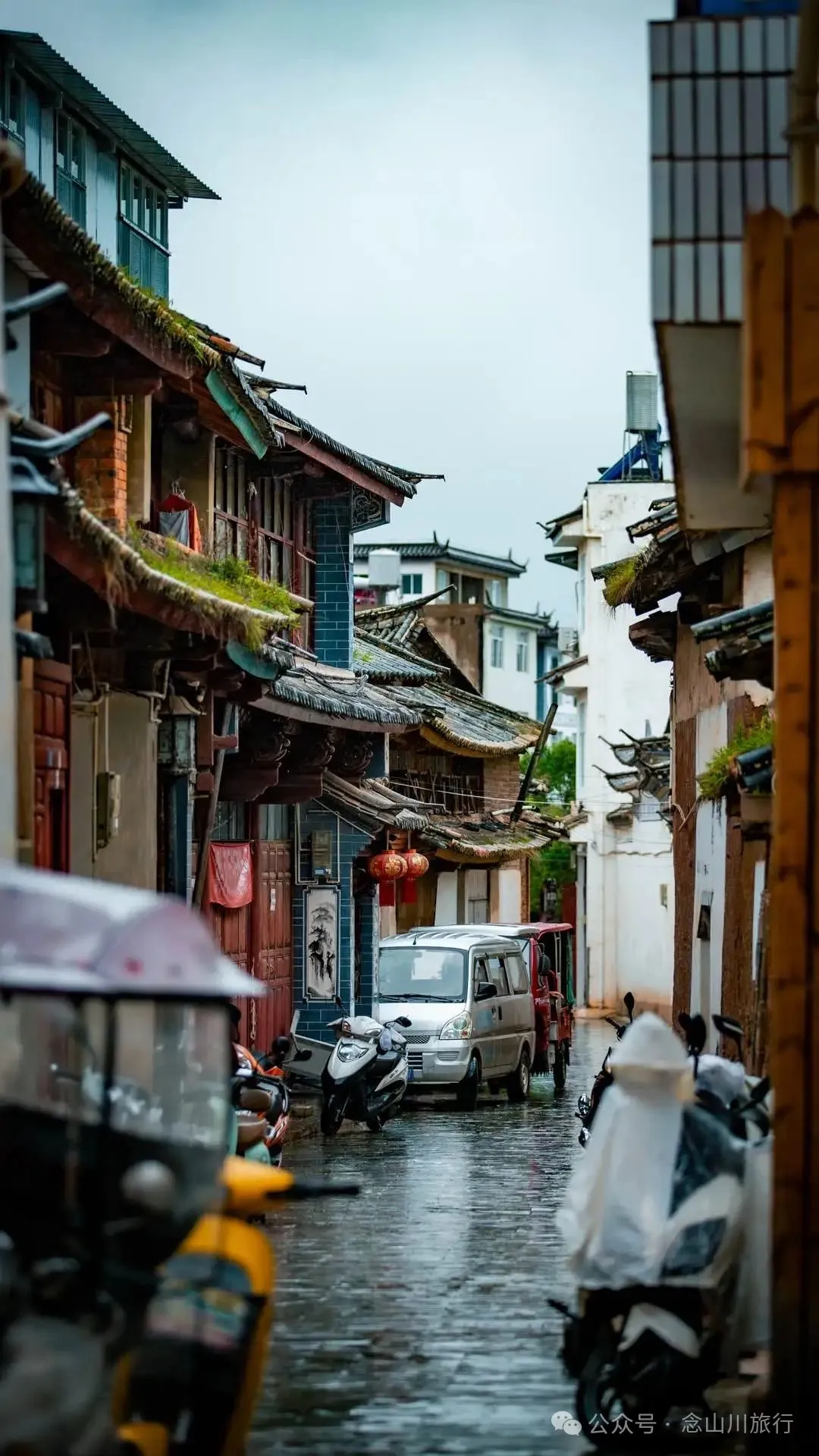
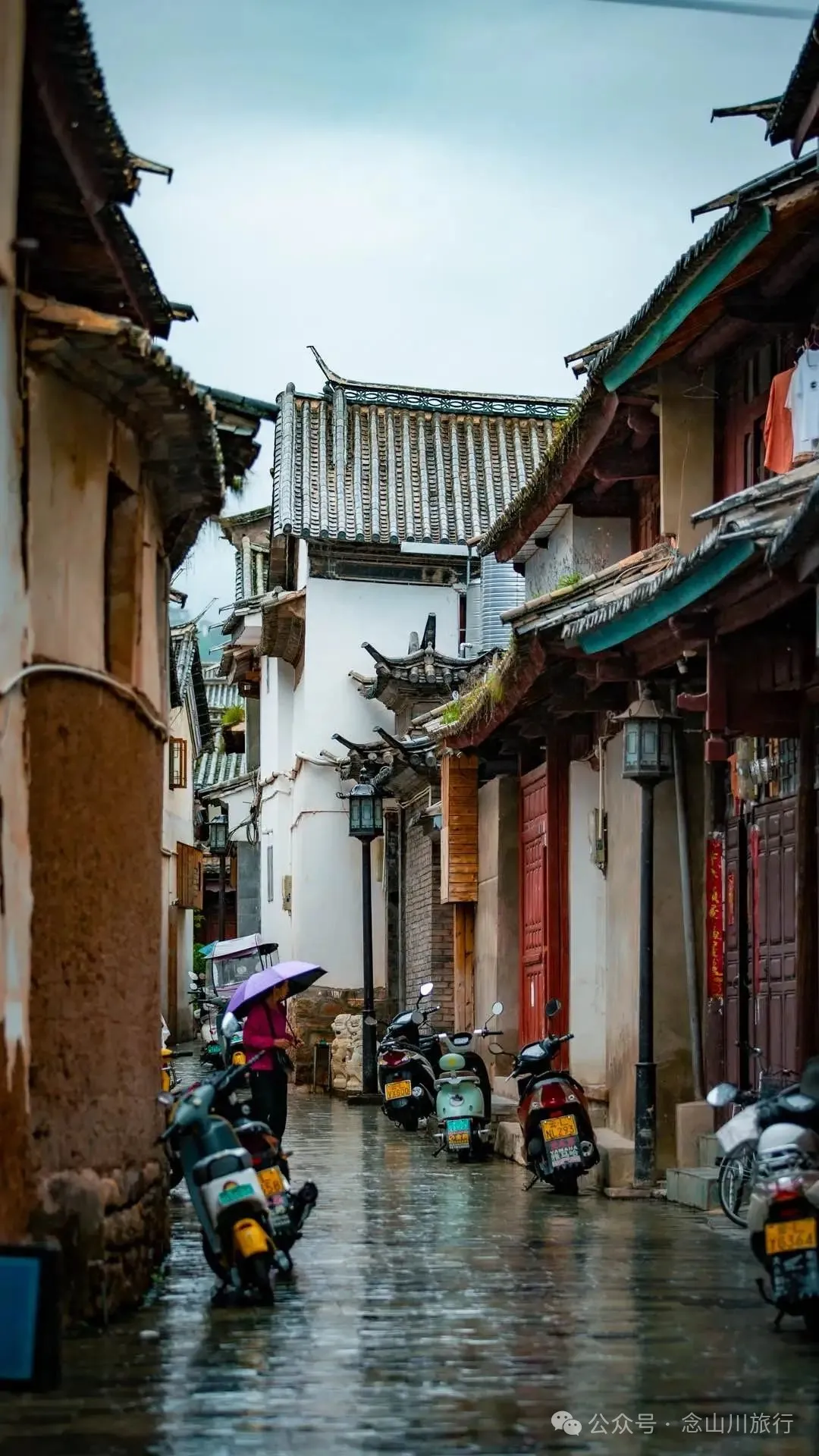
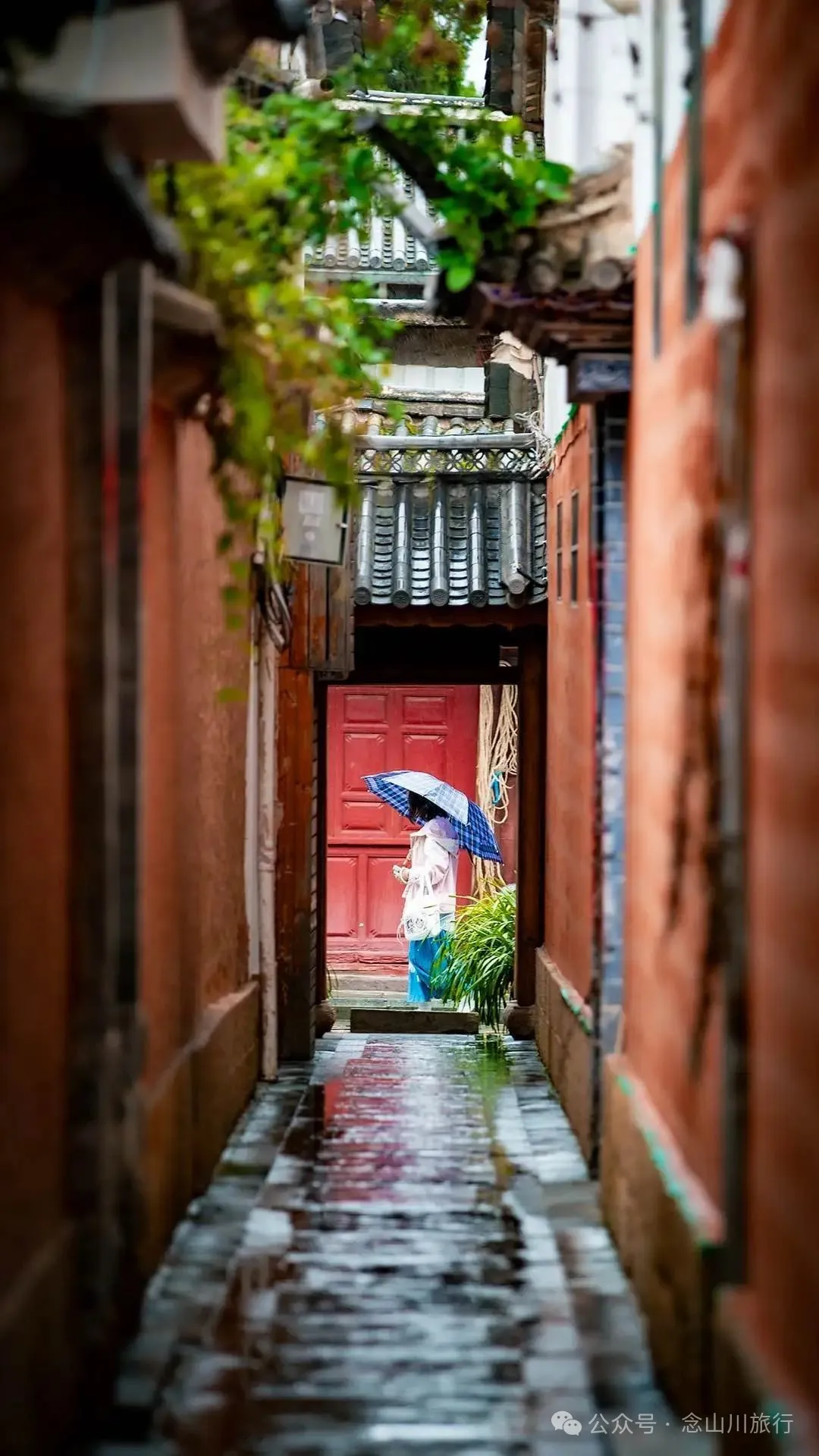
Over the past ten years, the streets and alleys here have maintained a consistently simple appearance, with little change, except for the obvious reconstruction of Wenhua Alley. A red bougainvillea by the roadside still blooms in that narrow, sparsely populated alley. The aging wooden doors and white walls have only acquired some traces of time, with no other changes.
And that sunken old courtyard house has been locked for ten years. Occasionally, birds perch on the eaves protruding beyond the wall. The acacia tree in the courtyard is not ostentatious; only those with a discerning eye can see its flowers bloom and leaves fall. People strive to preserve the ancient charm, and it is precisely for this reason that Weishan Ancient Town is loved by many tourists. More people stop here to listen to its history and culture, drifting in the intangible time and space.
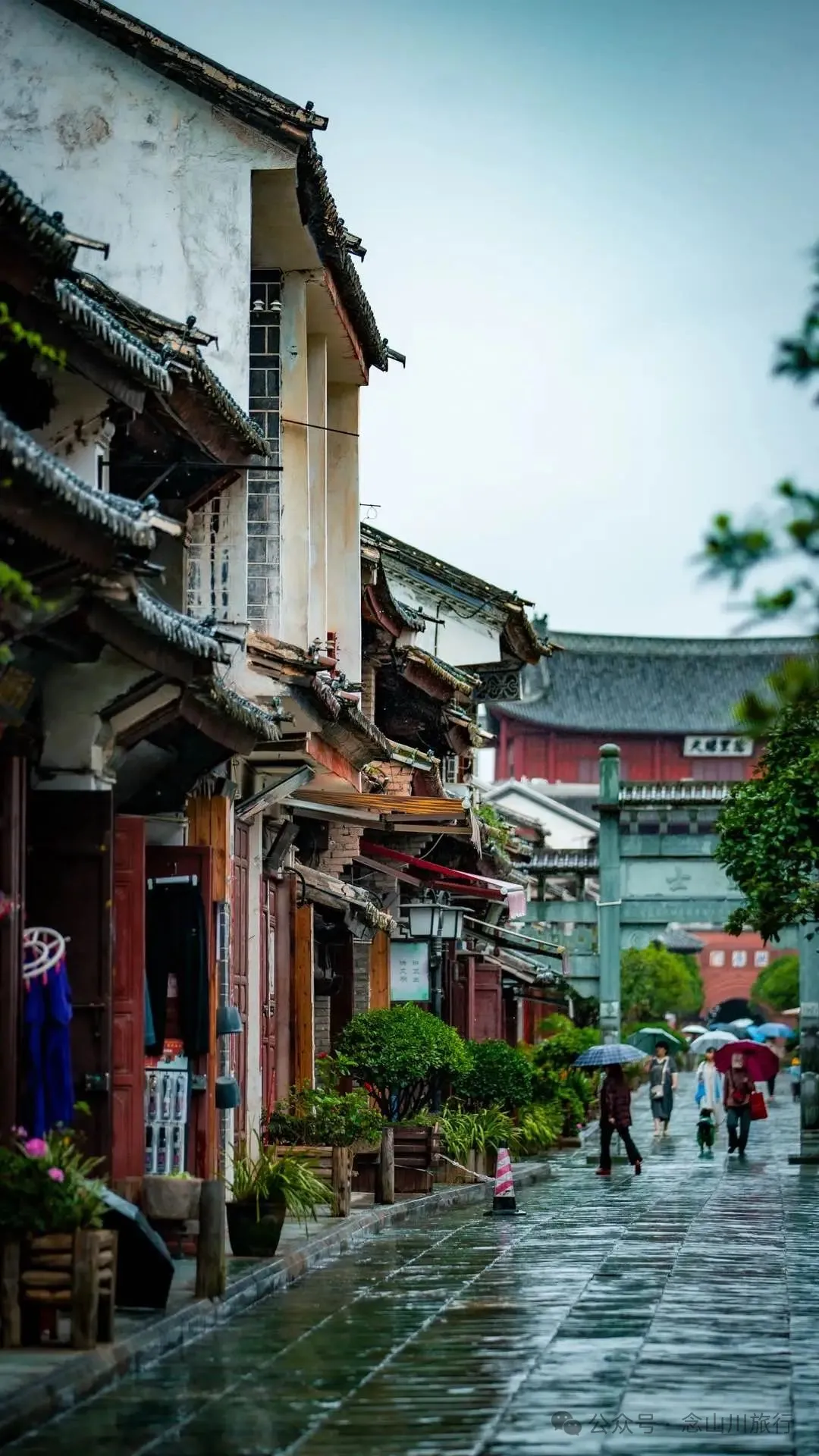
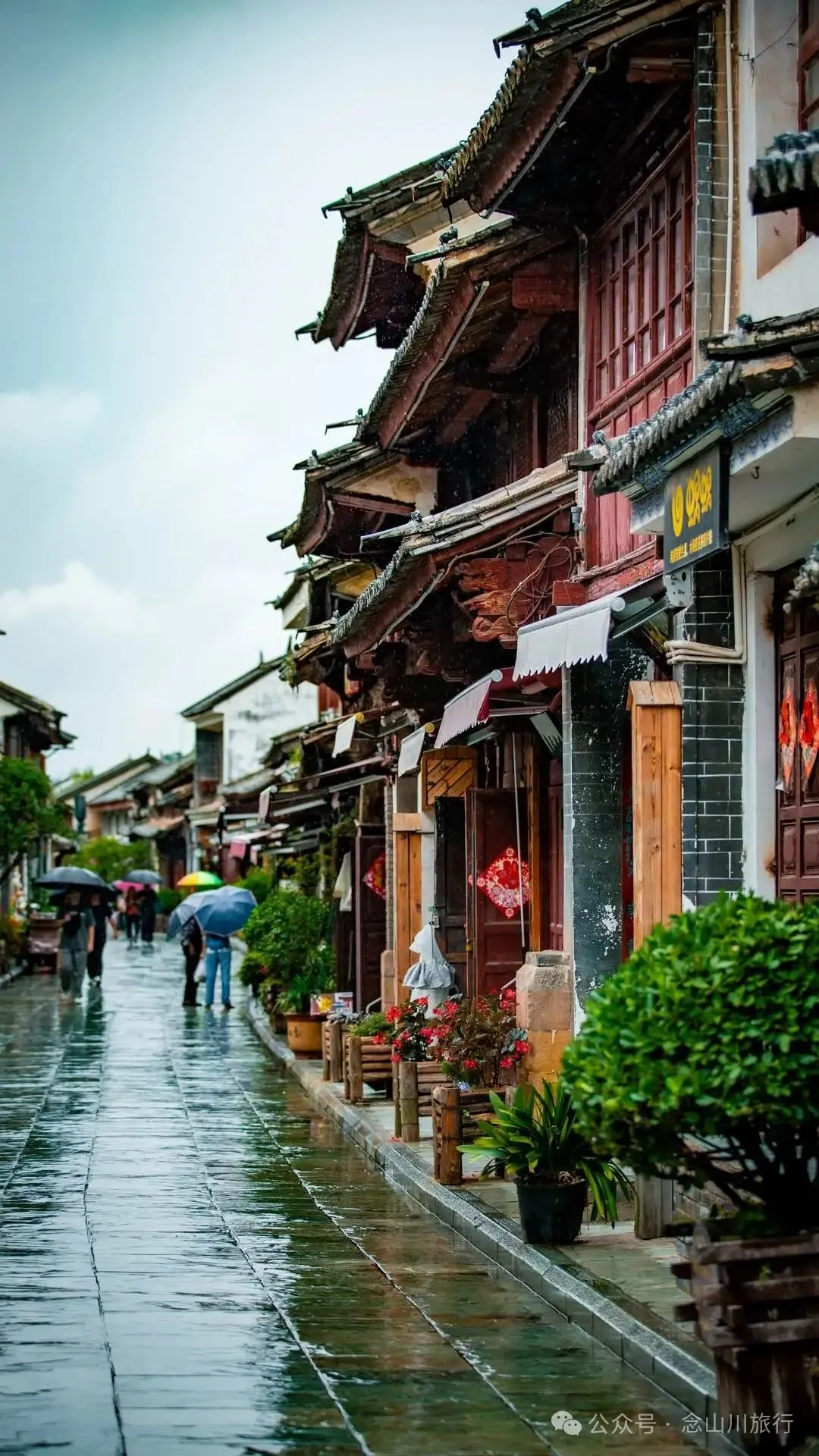
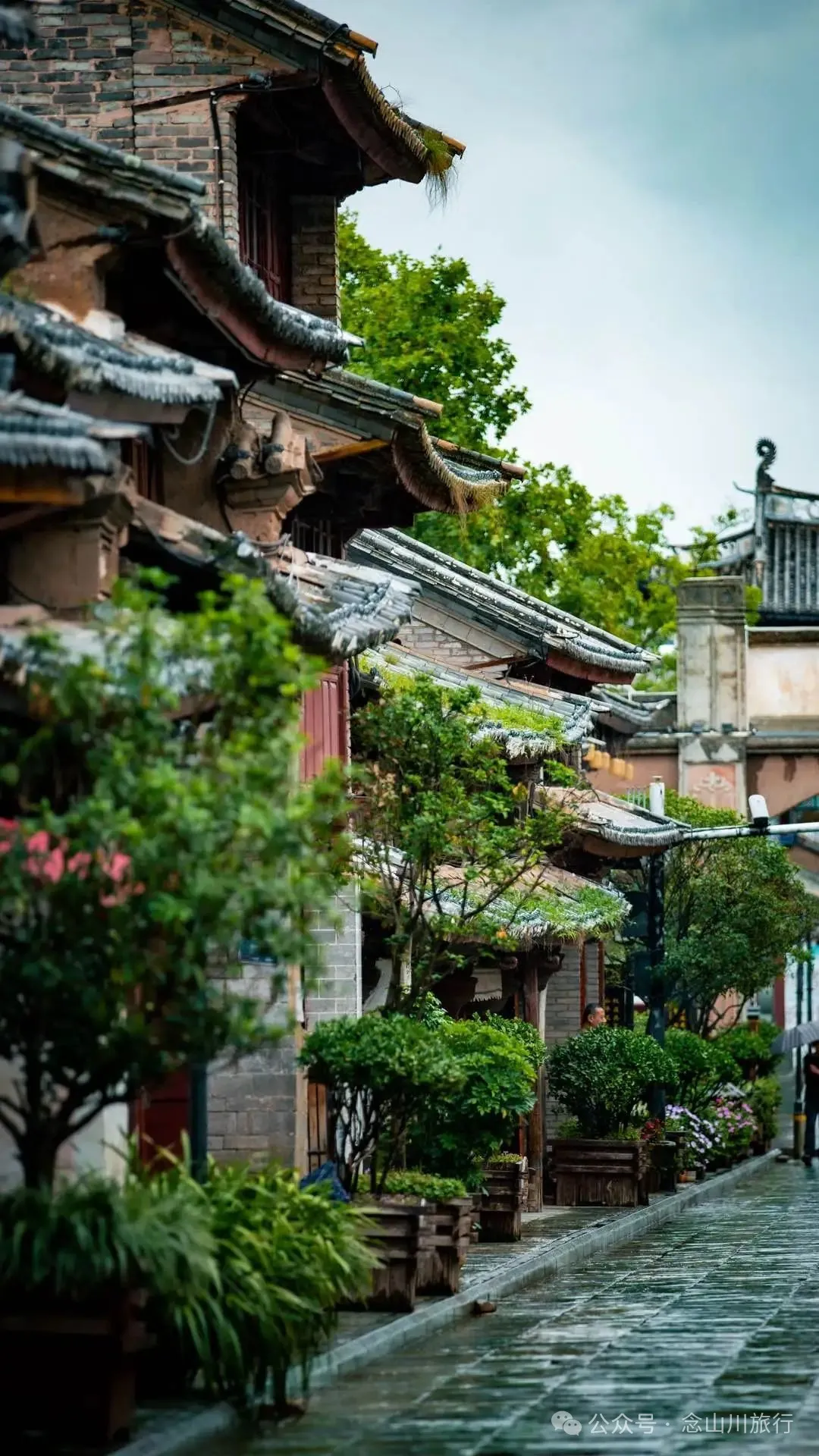
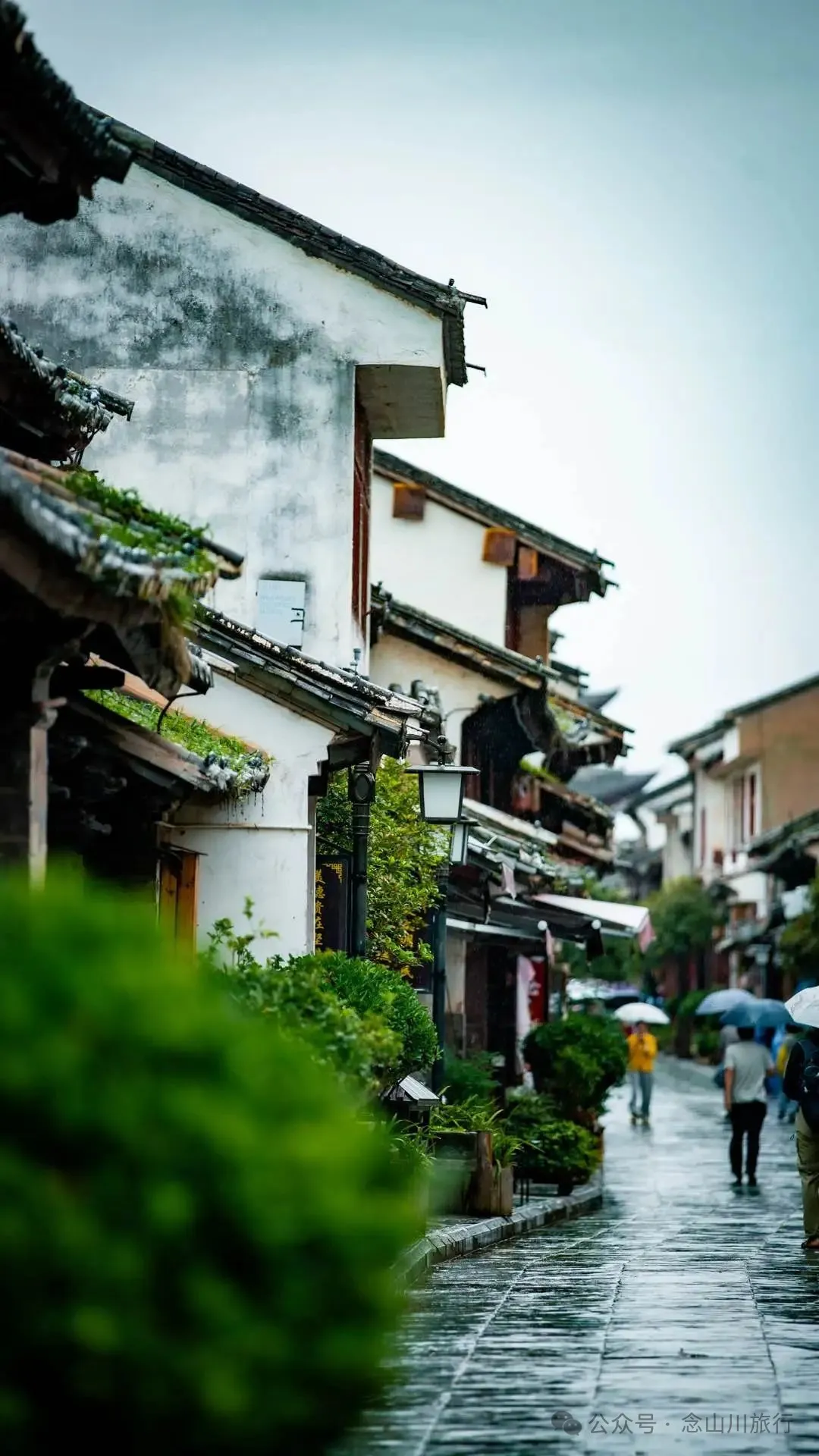
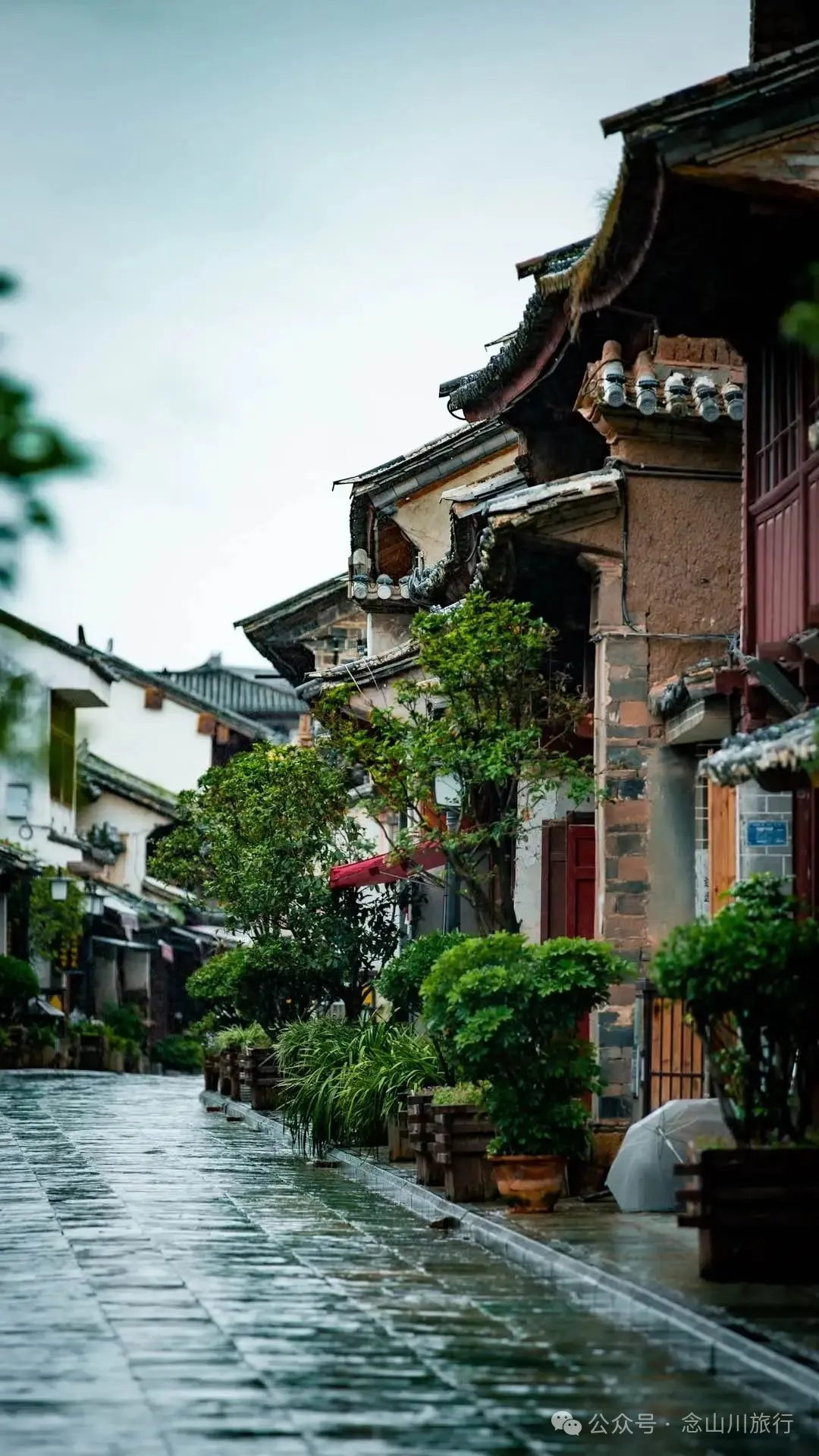
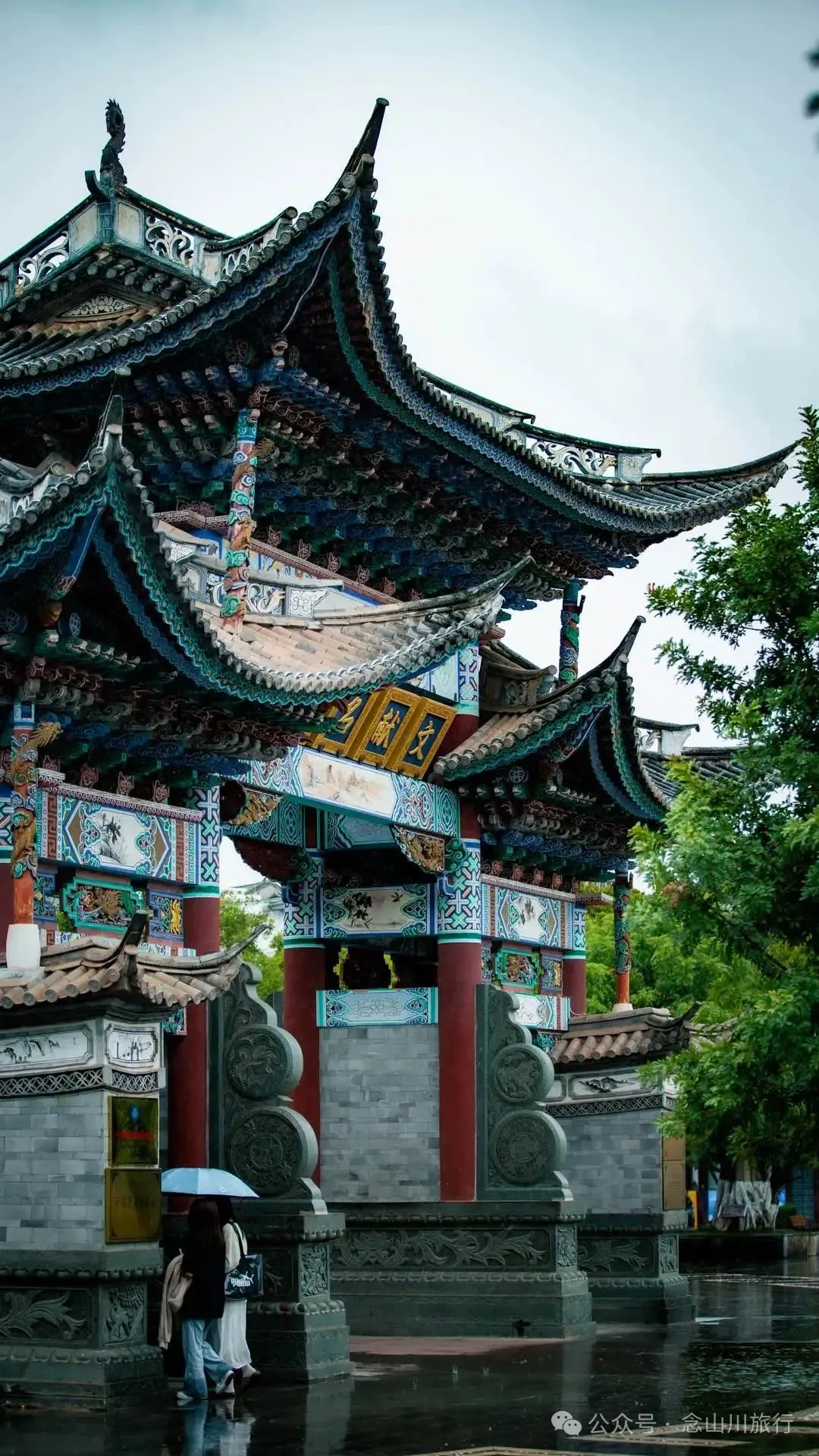
Over the past ten years, the street south of Gongchen Tower has changed the most. It is a tourist hub with obvious commercialization, but most of the time, it still maintains a leisurely atmosphere of life.
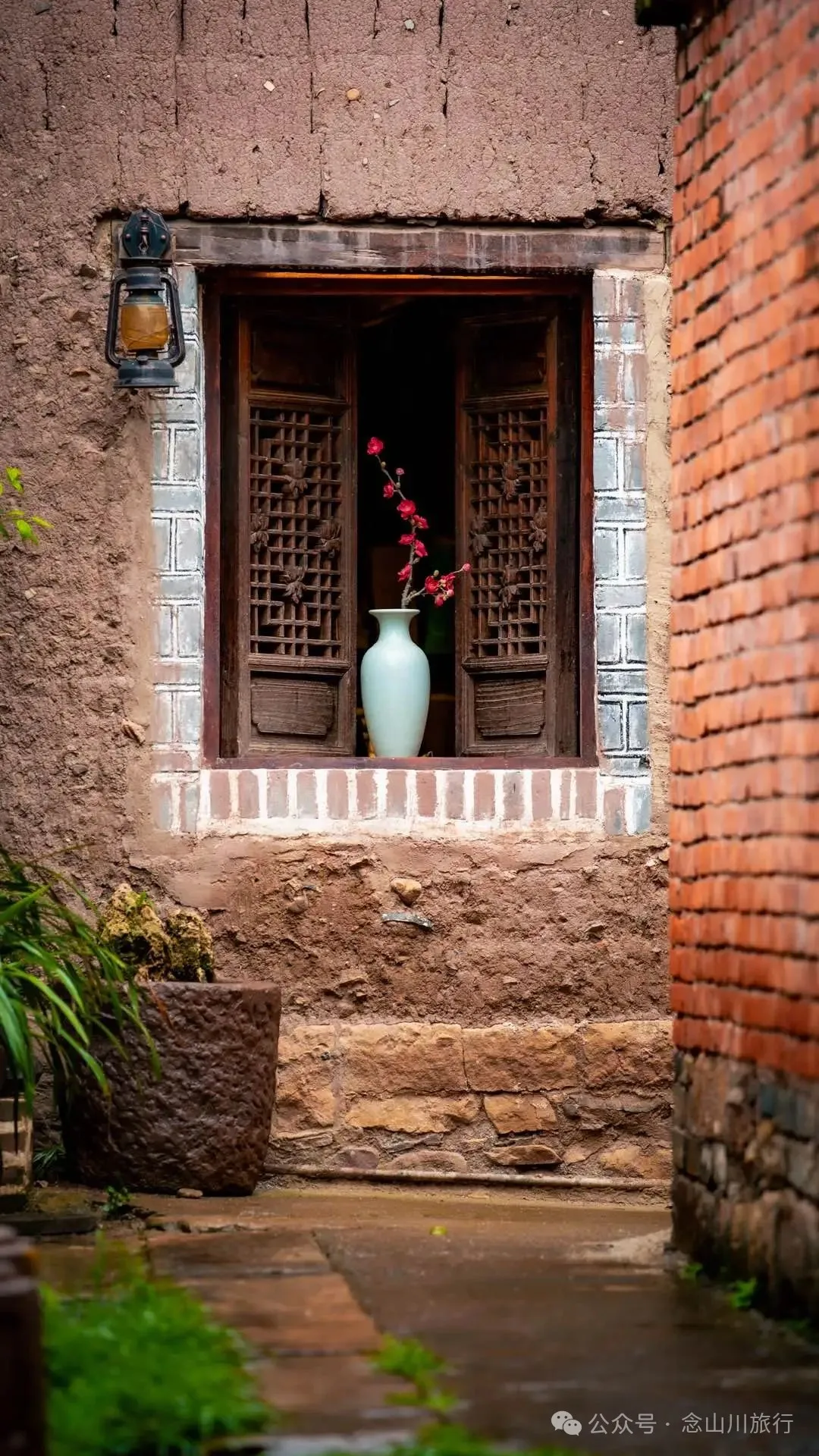
I took this antique photo while passing by Teacher Wang's house. In May, thanks to Teacher Lu's introduction, we had the honor of meeting the owner of this 300-year-old courtyard and drinking roasted tea made by Teacher Wang himself. I still can't forget the 300-year-old earthen wall in the old house. Every exposed straw and wheat stalk, to me, is like a vigorous brushstroke, writing the glorious past of this old courtyard.
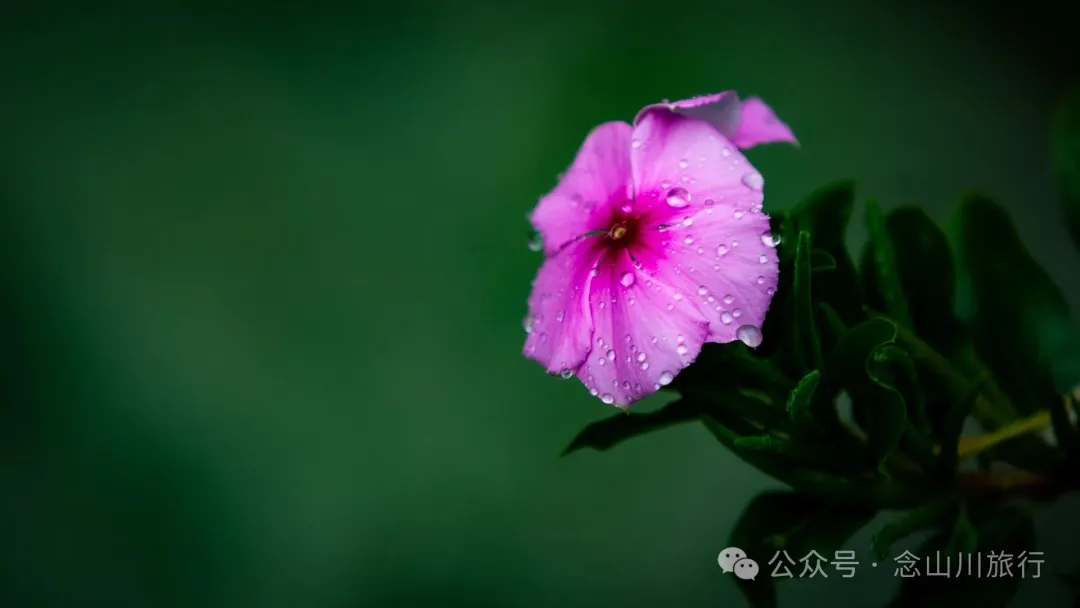
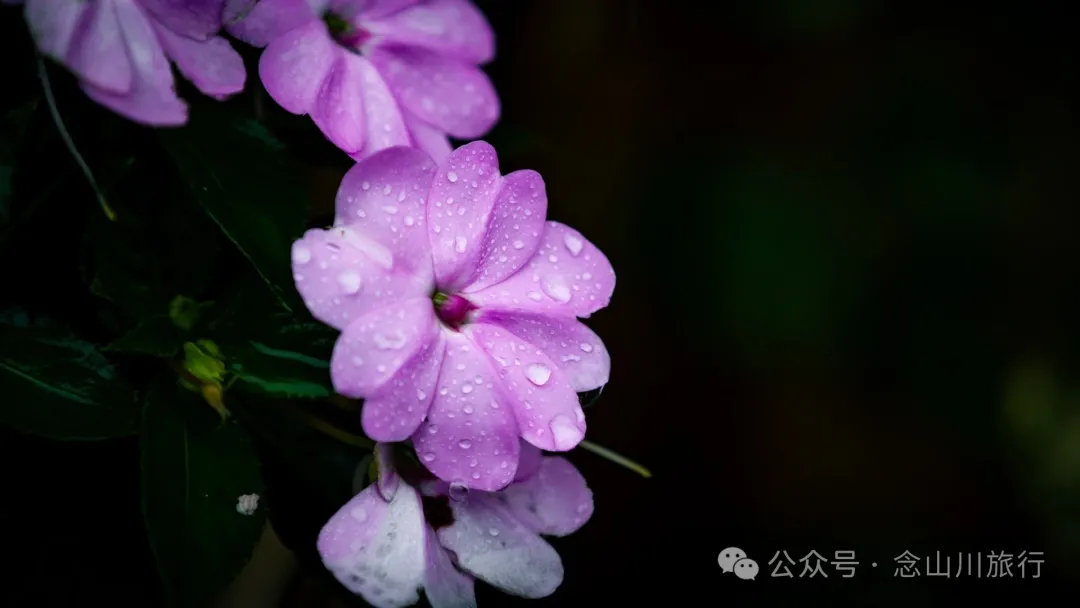
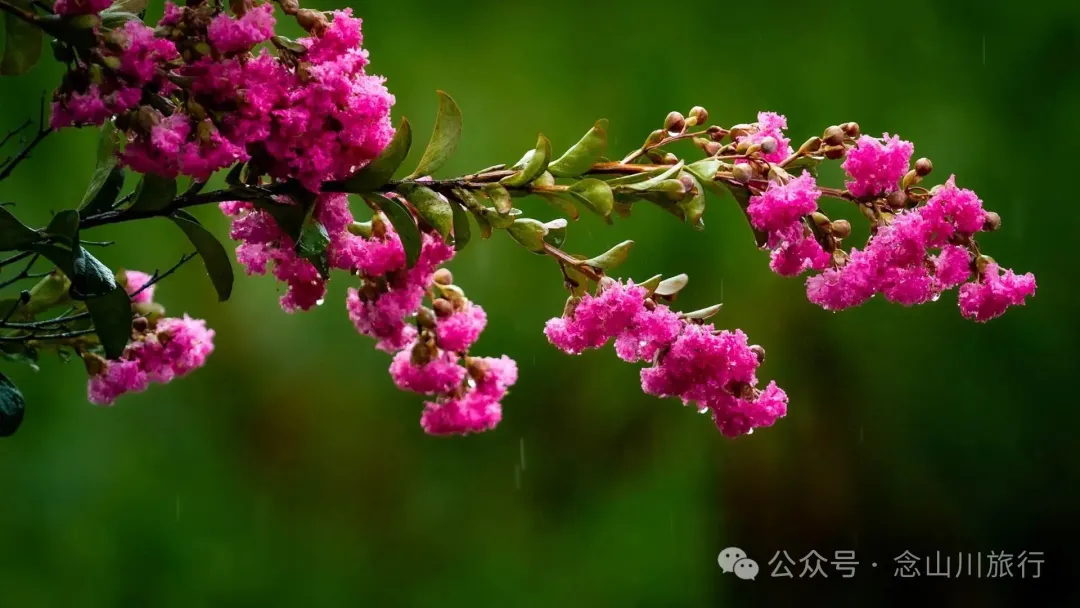
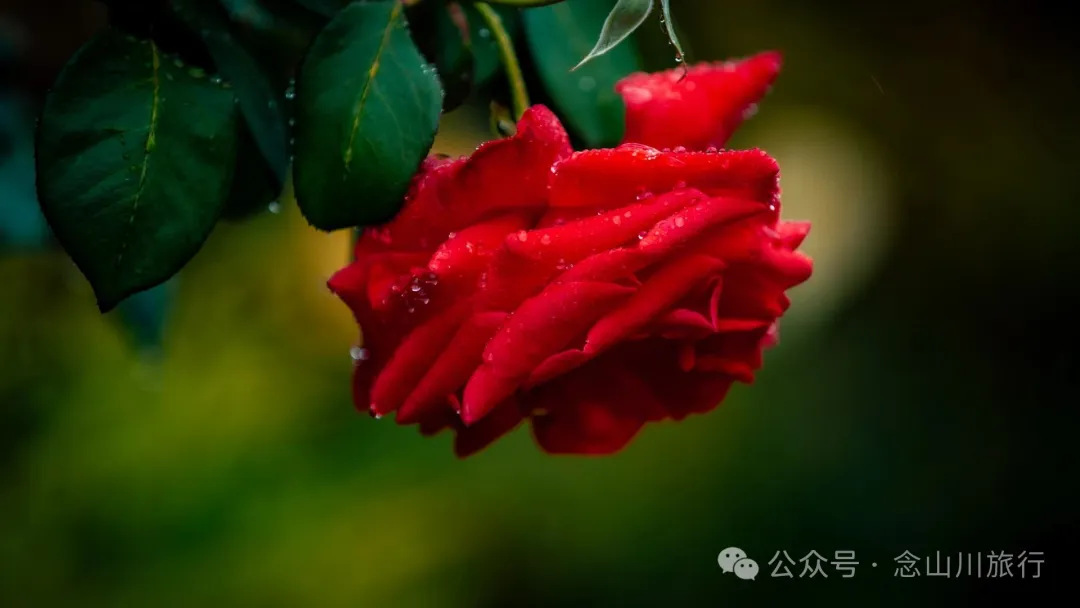
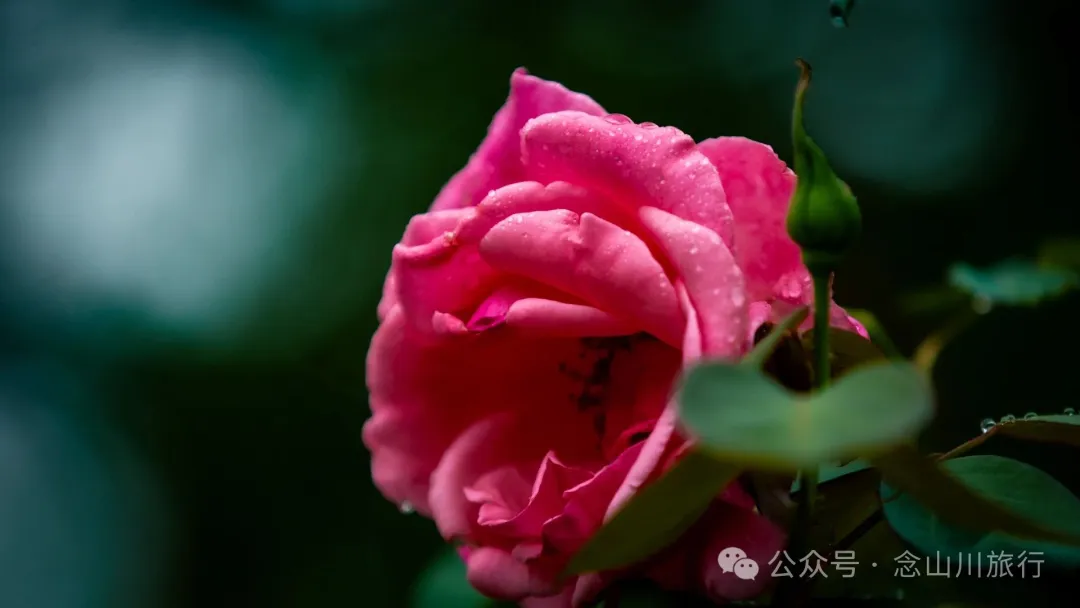
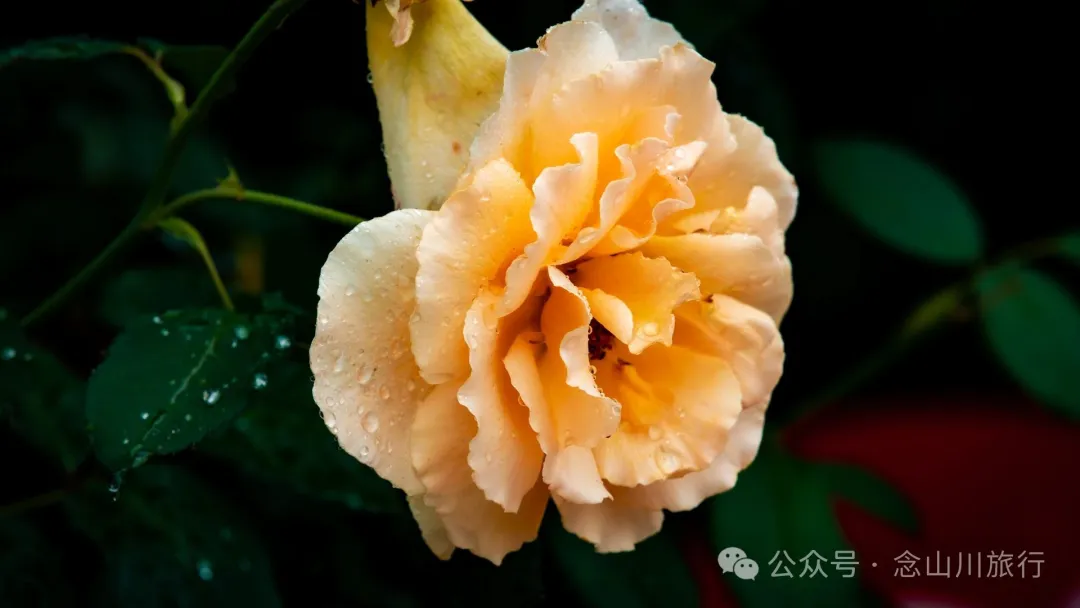
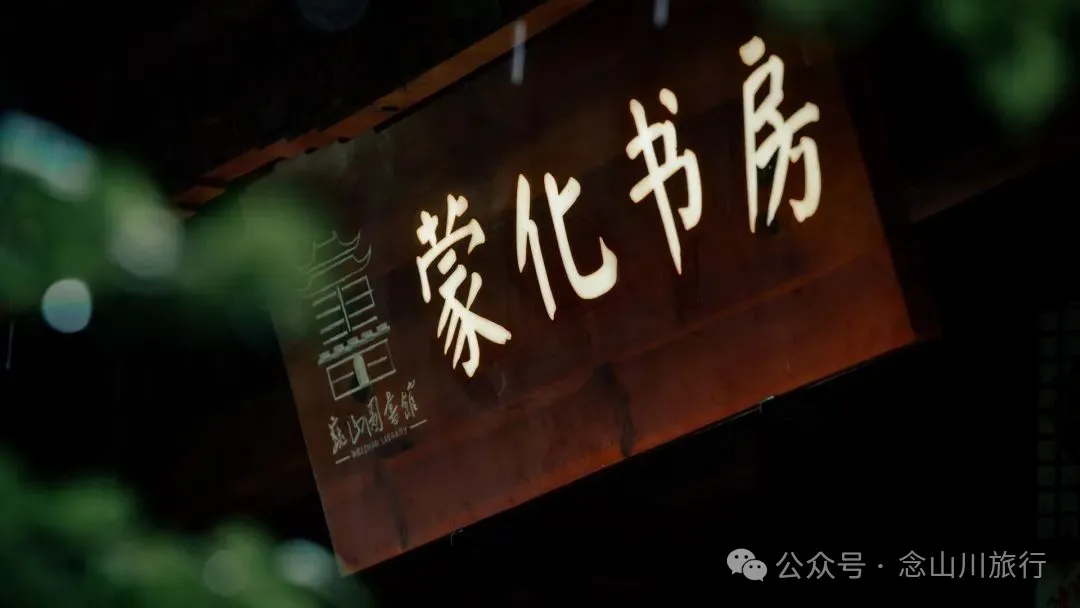
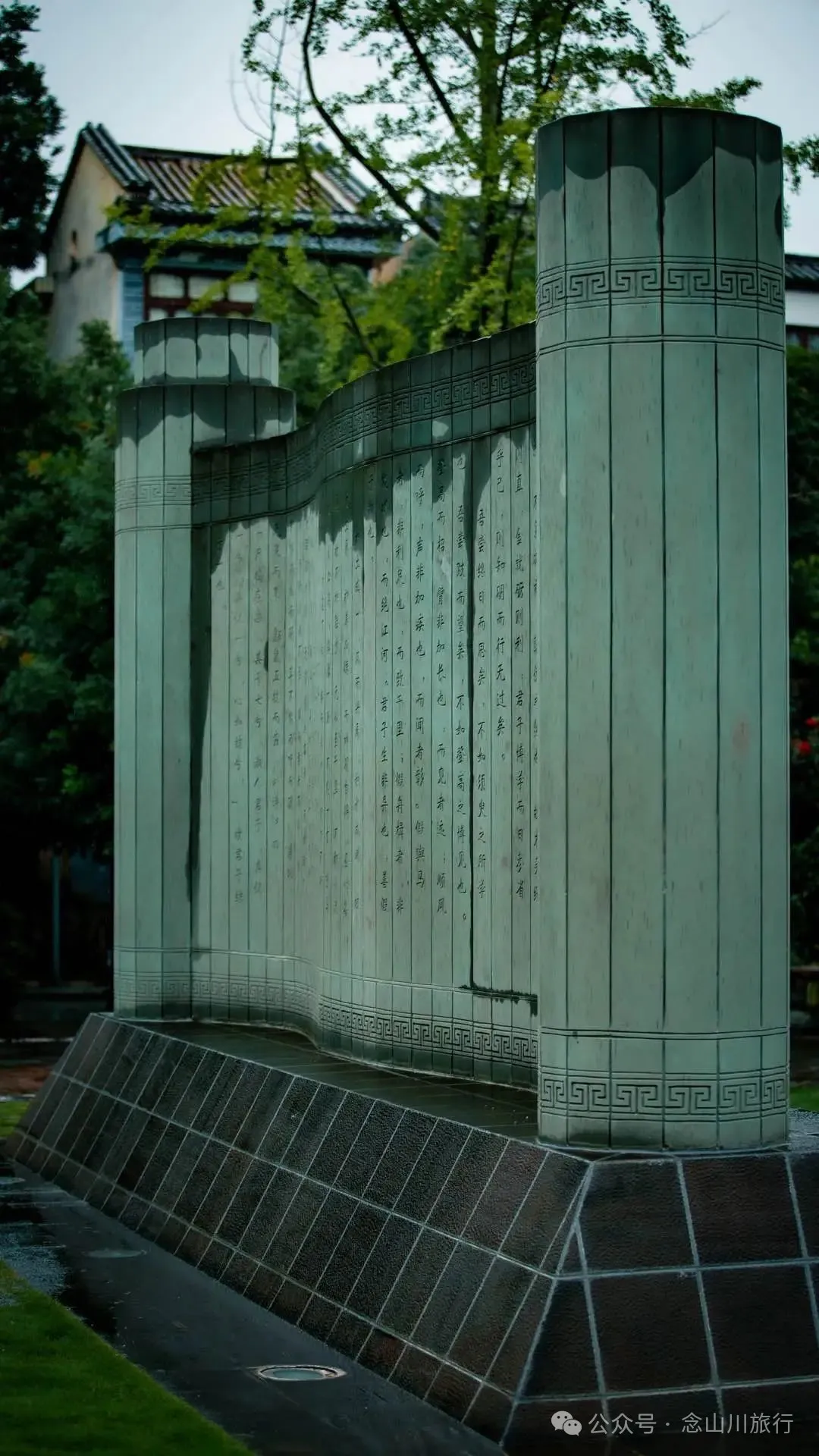
There is a patch of old rose bushes in Wenhua Academy Square. I first saw them in the spring after we moved to Weishan to live permanently. The original site was a piece of idle private land used as a parking lot. I don't know which year it was converted into a small park, with a 24-hour open Menghua Library built next to it. Often, young people can be seen sitting inside quietly studying. The bookshelves hold many martial arts novels by Jin Yong. From a tourist's perspective, I would prefer to find books about Weishan's history and culture on the shelves, or works by local excellent writers, since martial arts novels can be found anywhere.