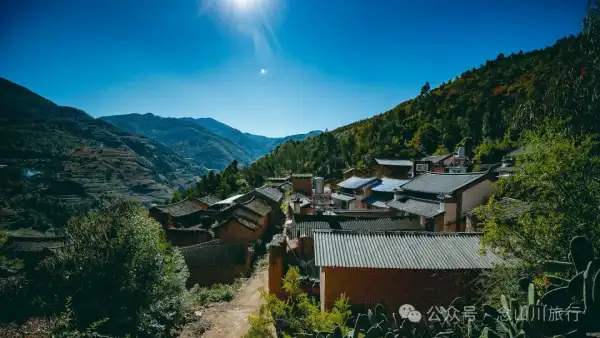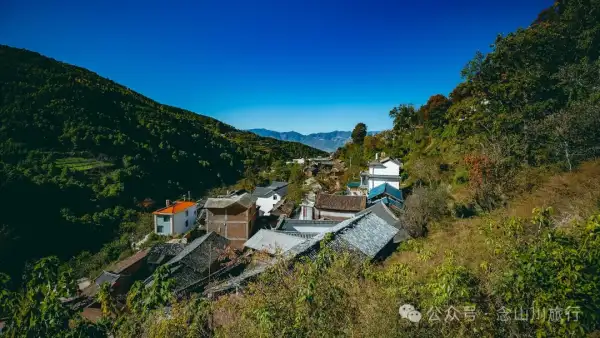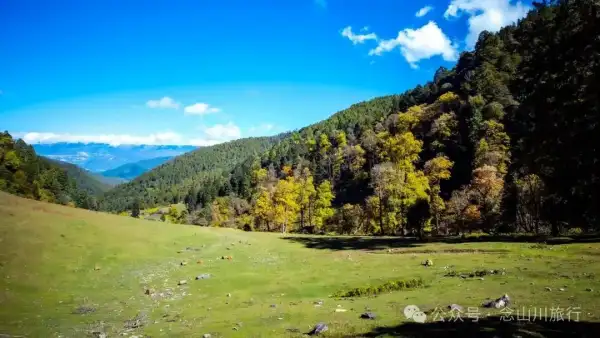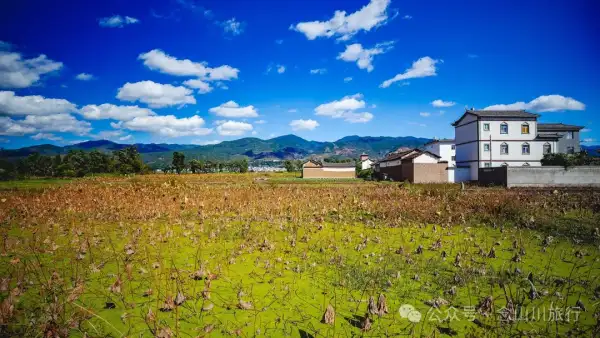

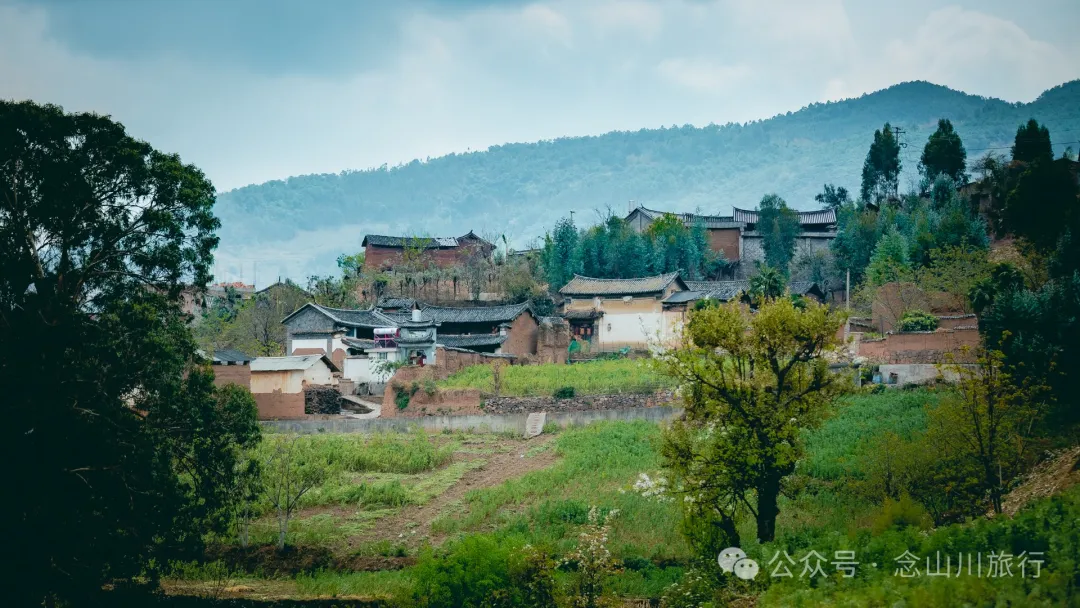
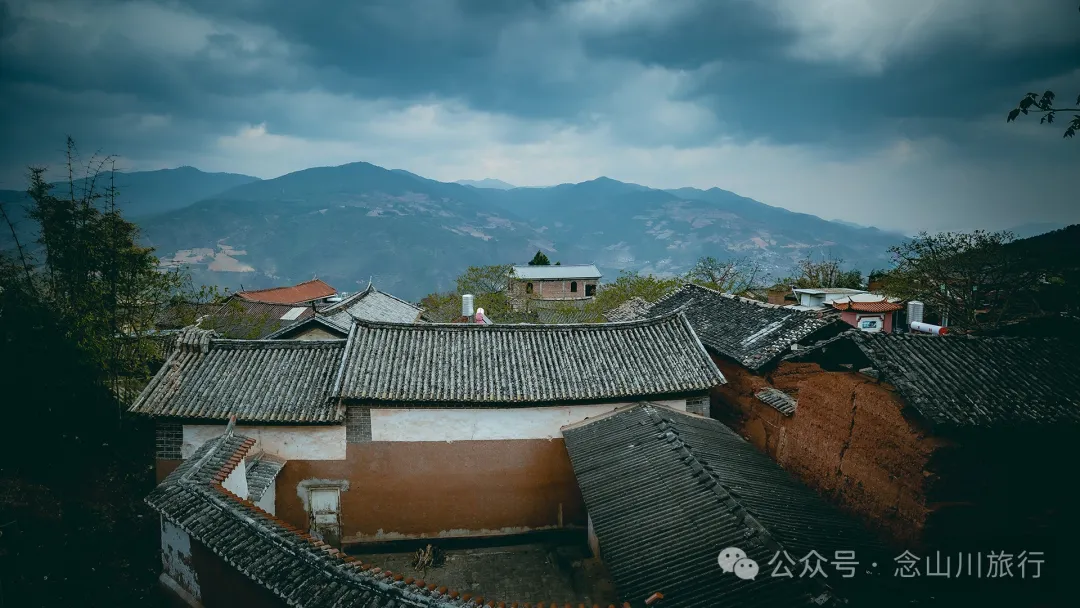
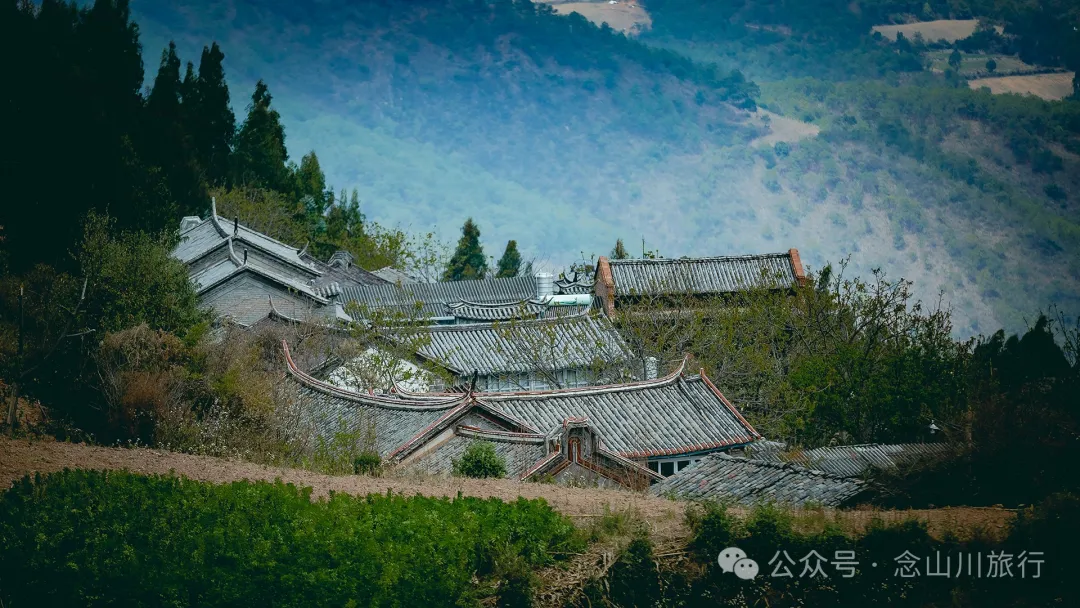
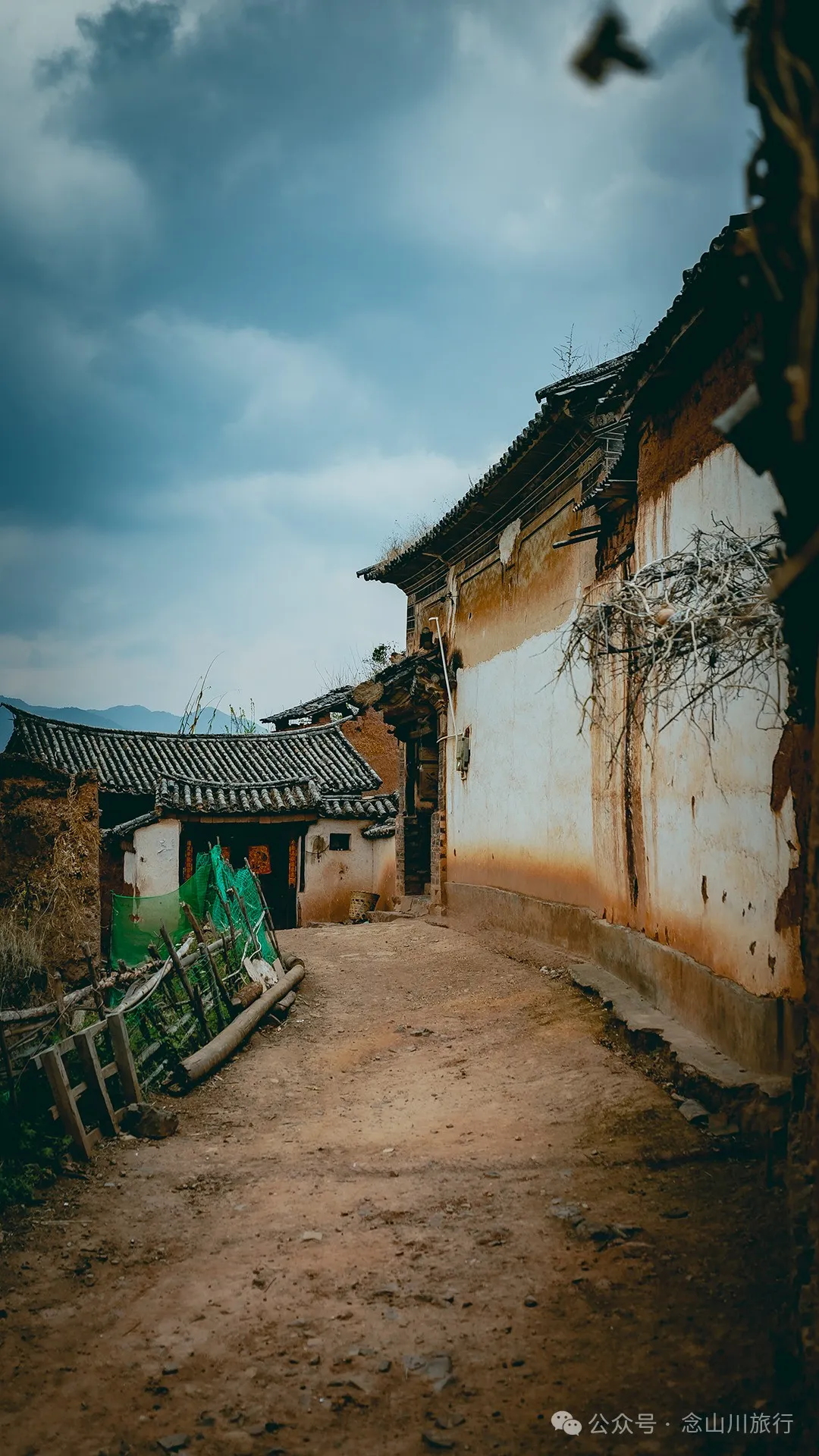
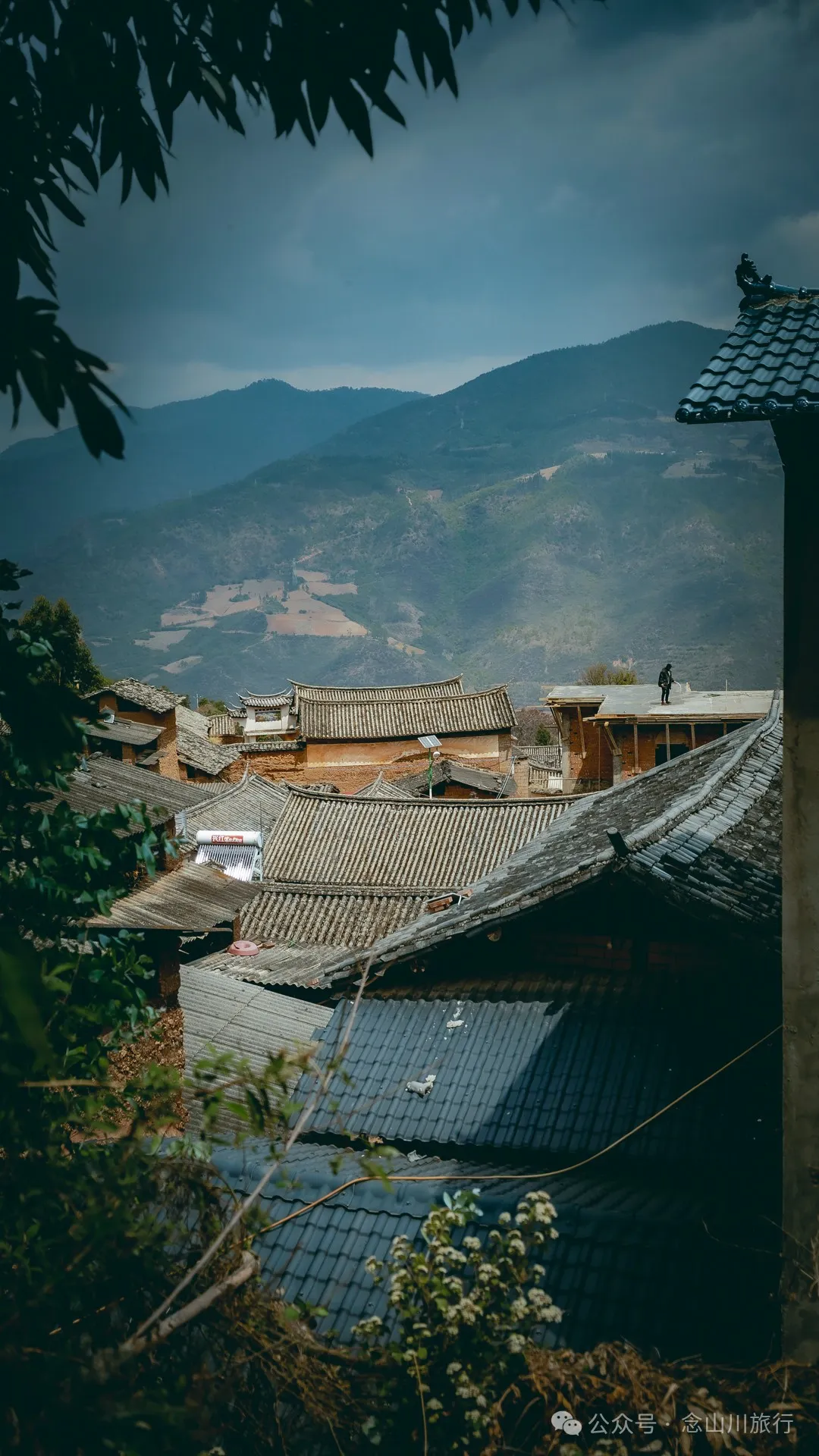
Leaving the ancient city, heading north onto the narrow national road, leaving the hustle and bustle behind on that open land, turning onto a narrower and winding village road, arriving at an intersection, and driving onto the village road leading to Anle Ti Village. Three kilometers—drive three kilometers on this cement village road, and you will reach Anle Ti Village, a village hidden on the other side of the mountain beside the village road. The mountain is a natural barrier, blocking the noise from outside, and also leaving the village's tranquility and poverty in that simple world, leaning towards nature rather than civilization.
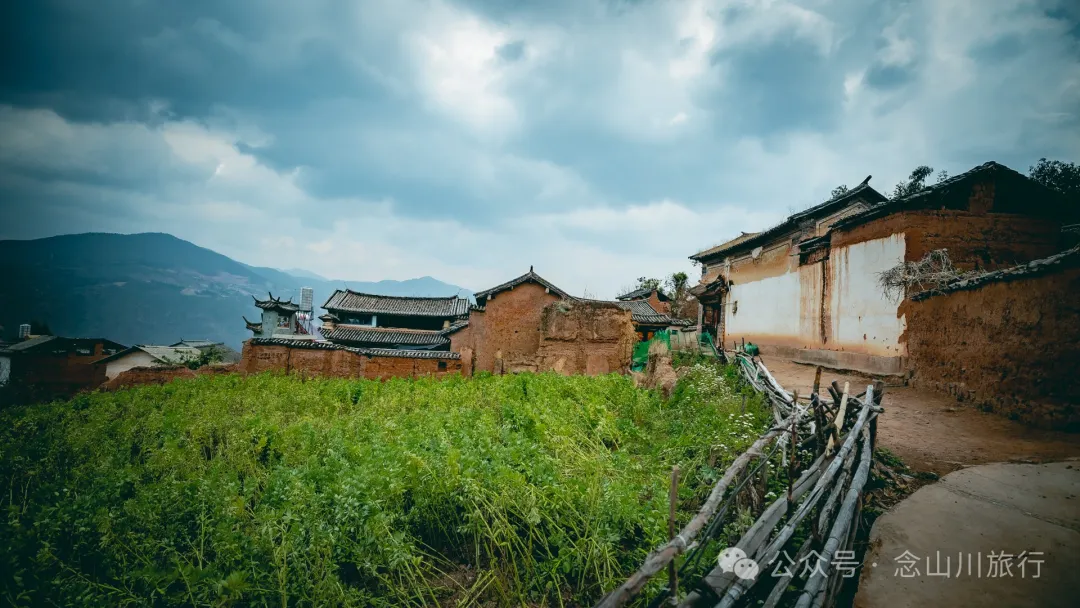
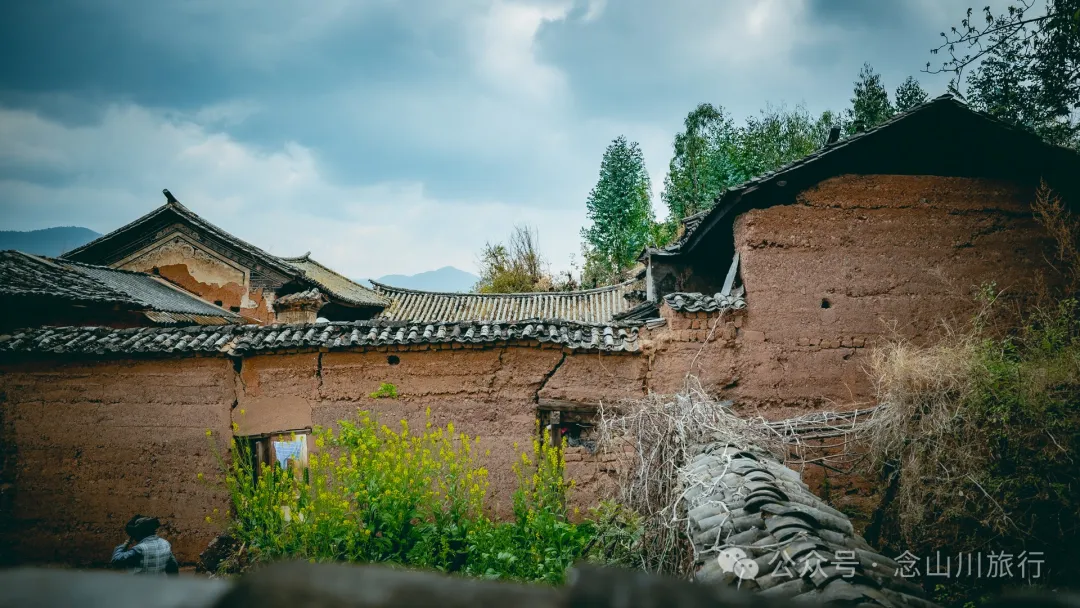
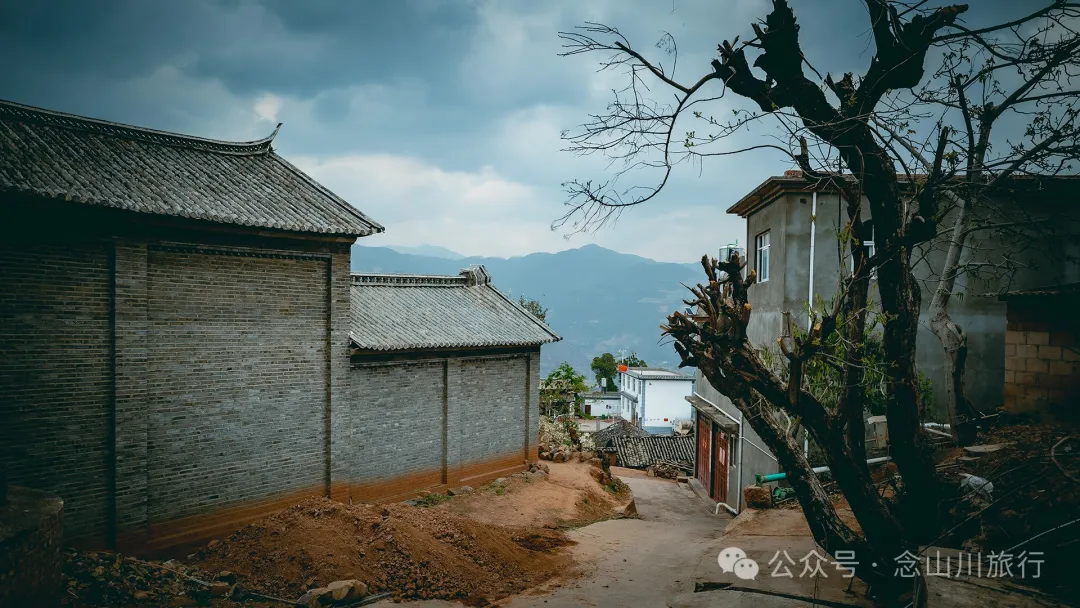
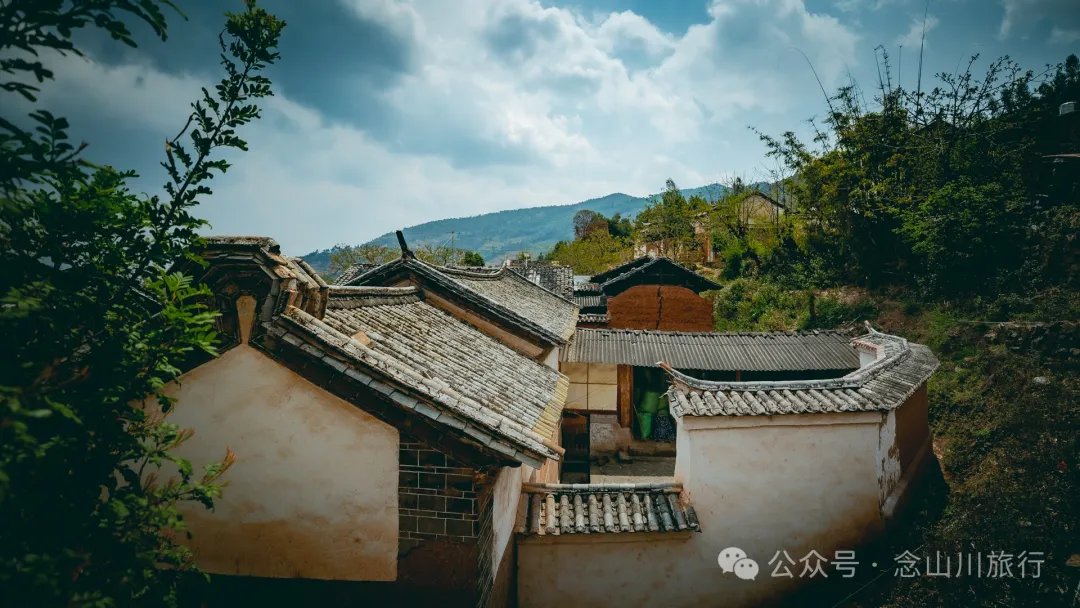
This is a huge village with over two hundred households. Most villages we have visited before have at most seventy or eighty households, or half that, and exceeding a hundred is rare, let alone over two hundred. Even with so many farmers, the village is still quiet and peaceful during the day, with few pedestrians. Only in the distant fields or on the village road can you occasionally see two or three villagers. So quiet during the day, I imagine Anle Ti Village would be even more silent at night. If it were a clear night, the liveliest thing might be the starry sky above the village. The stars, bright or dim, hidden or visible, pierce through layers of clouds, casting their light onto the village, as busy as flowers competing on branches, rustling and joyful.
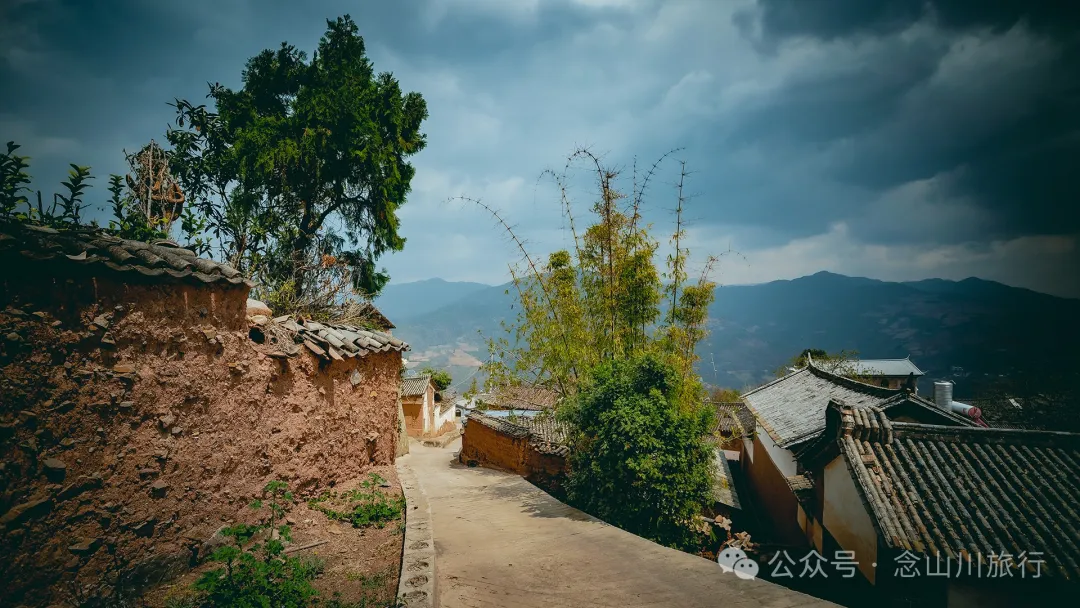
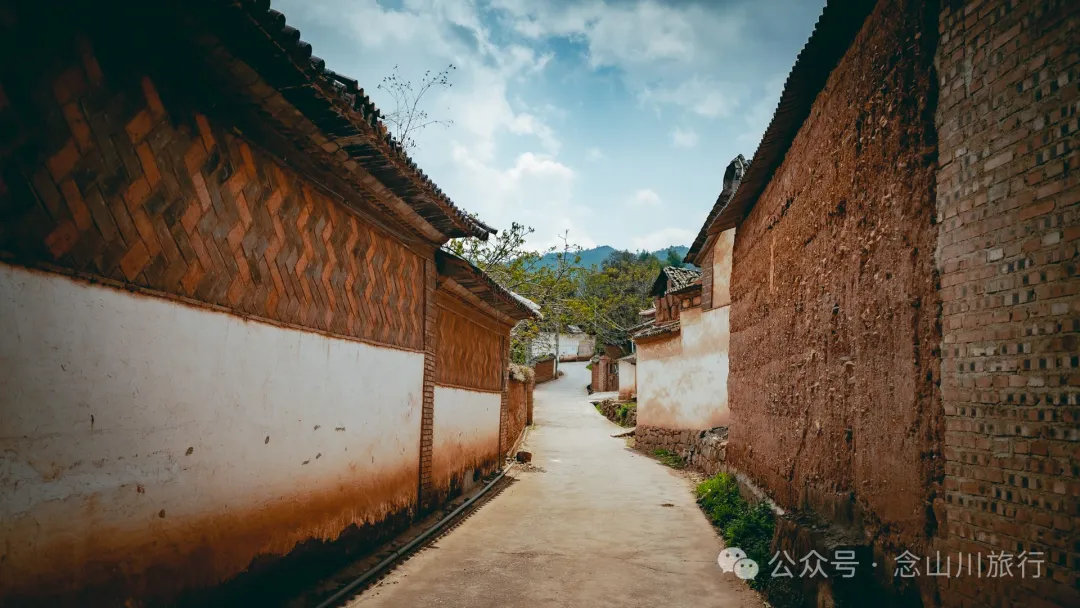
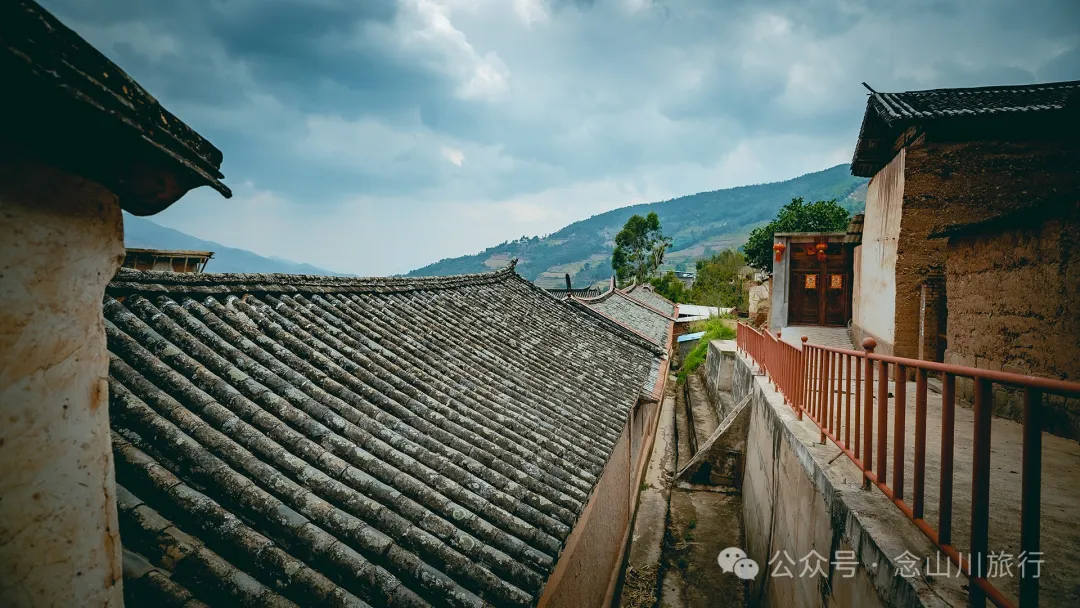
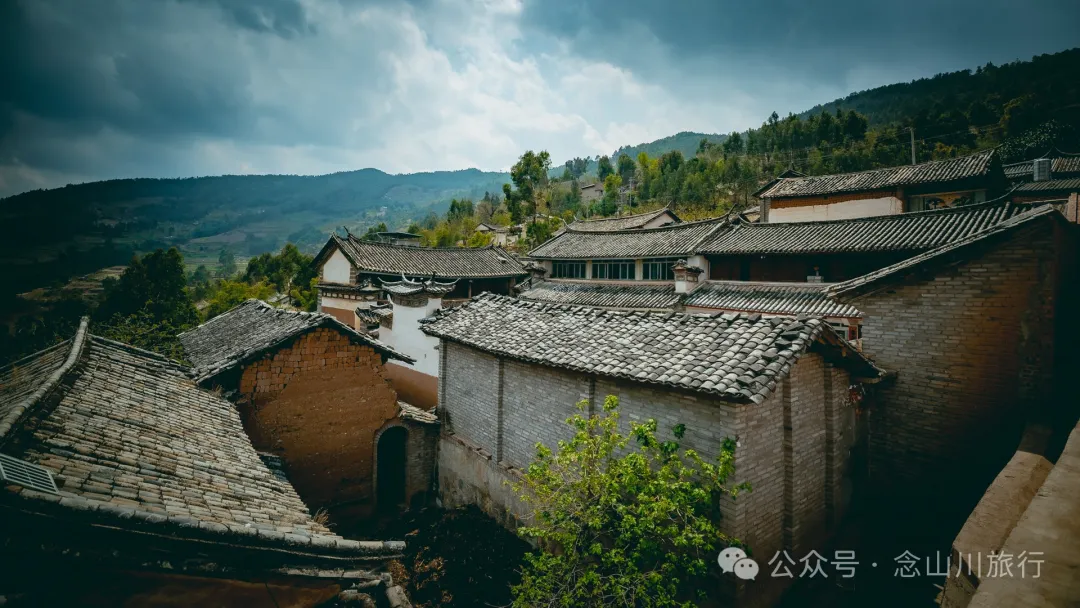
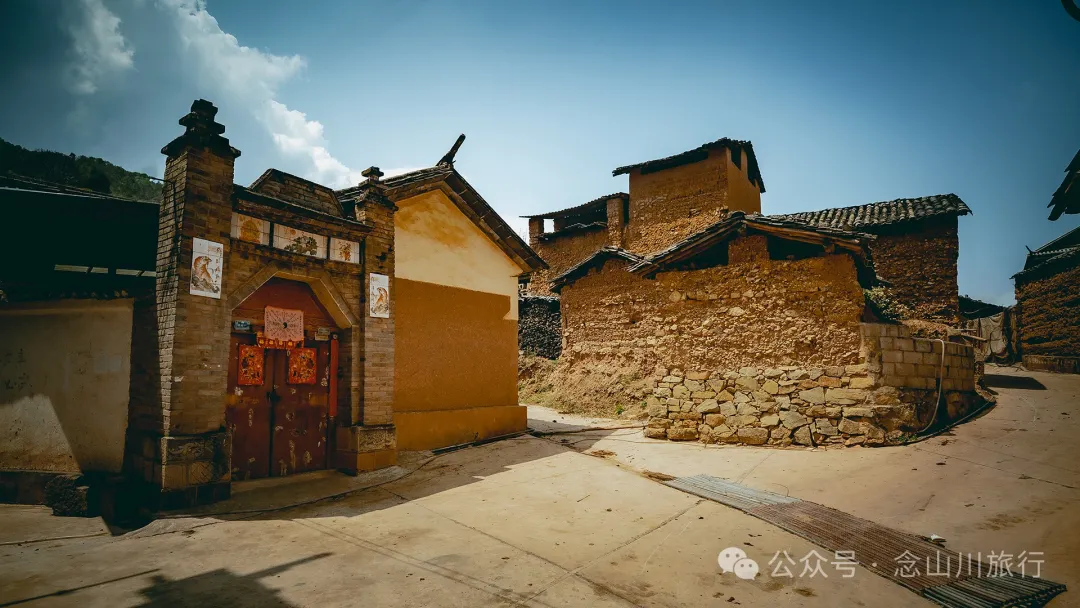
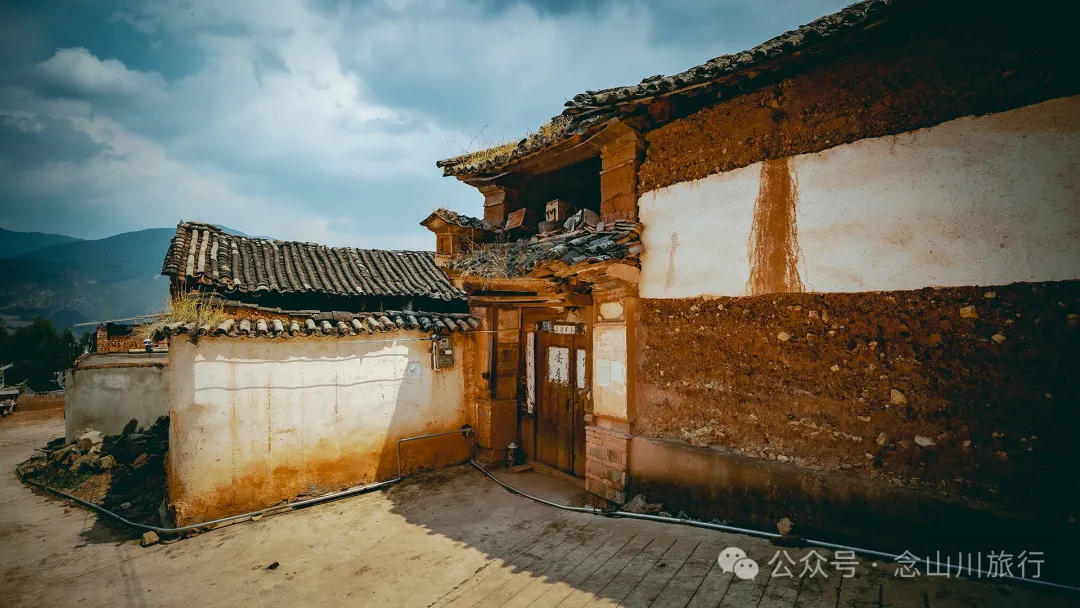
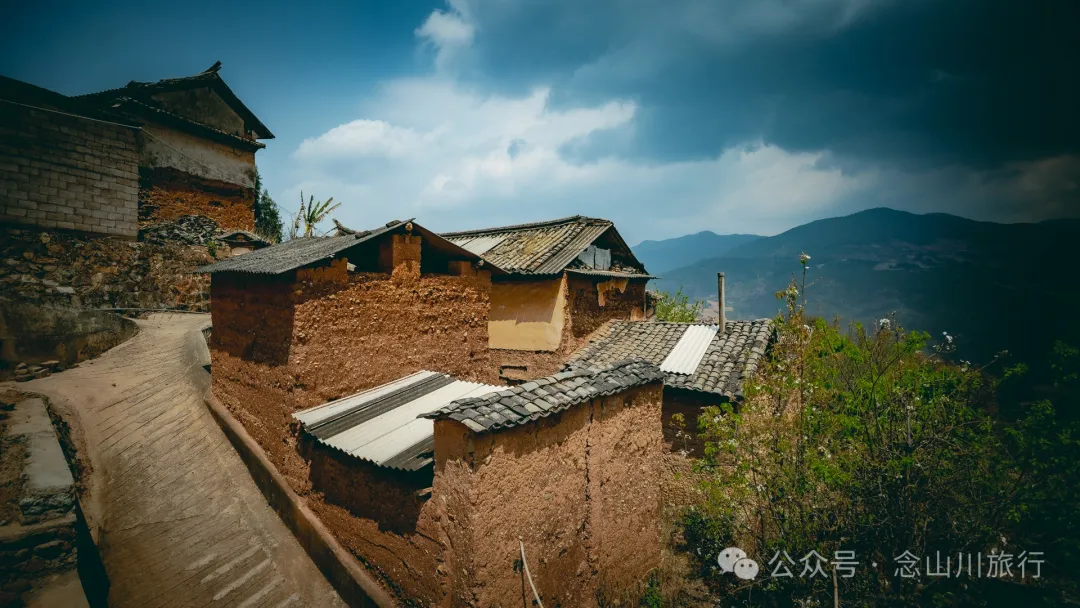
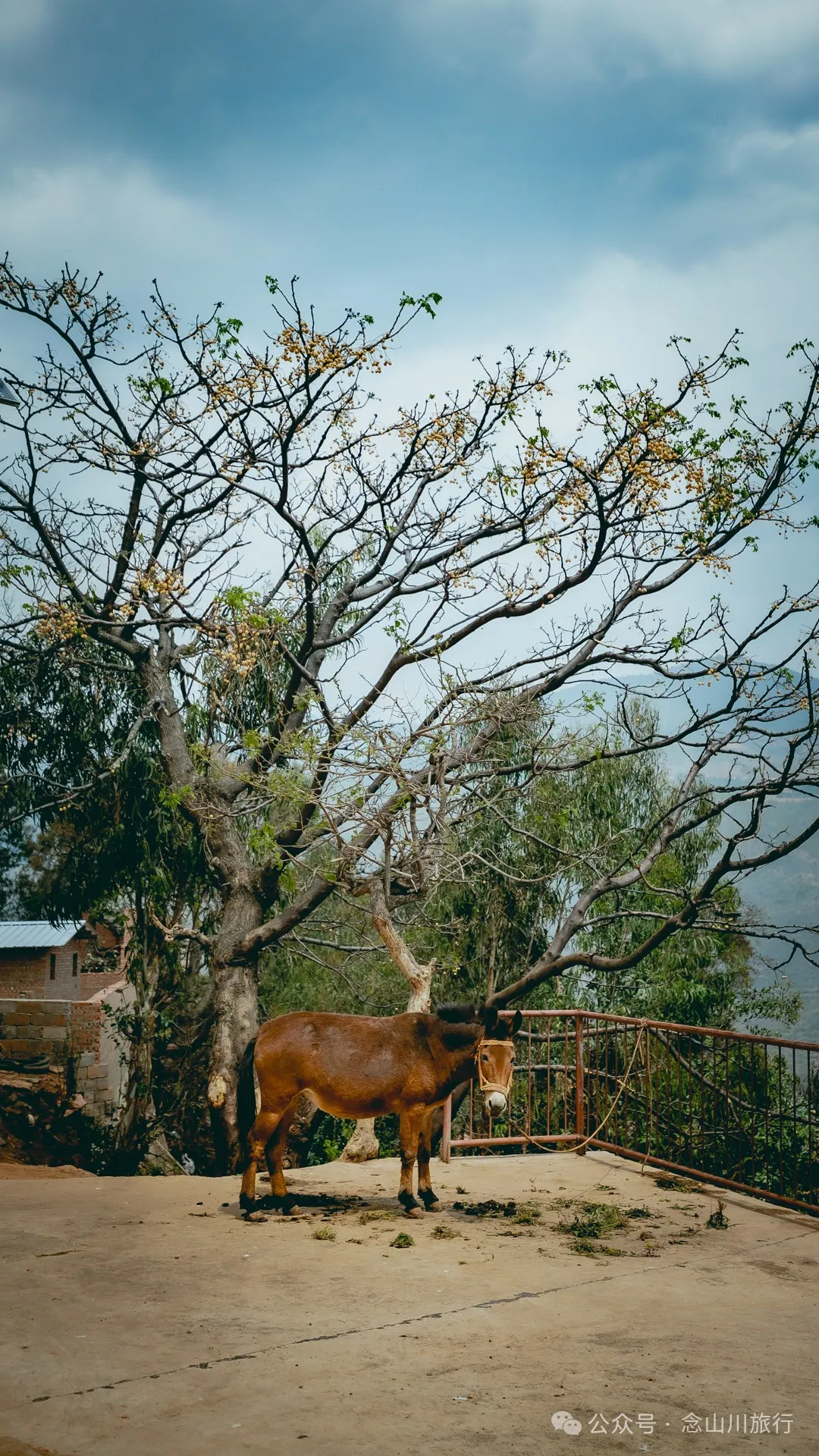
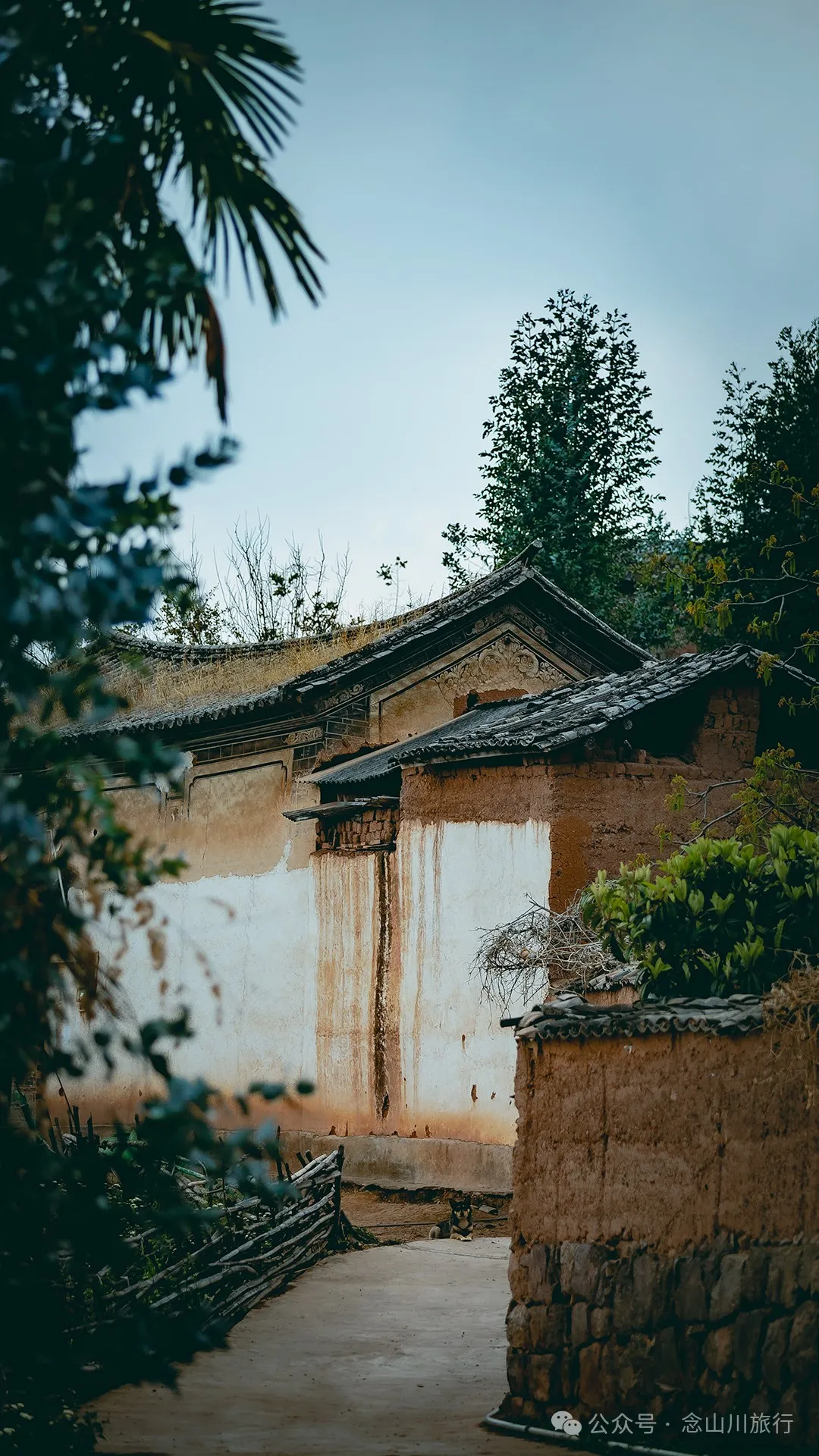
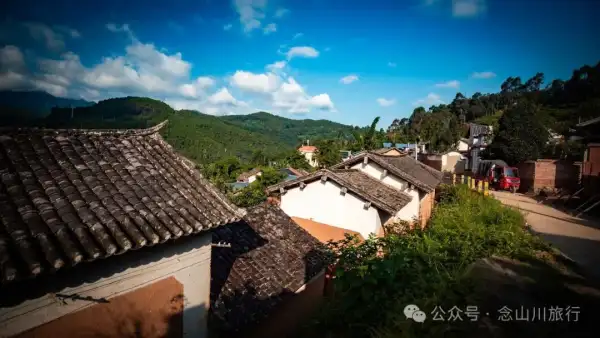
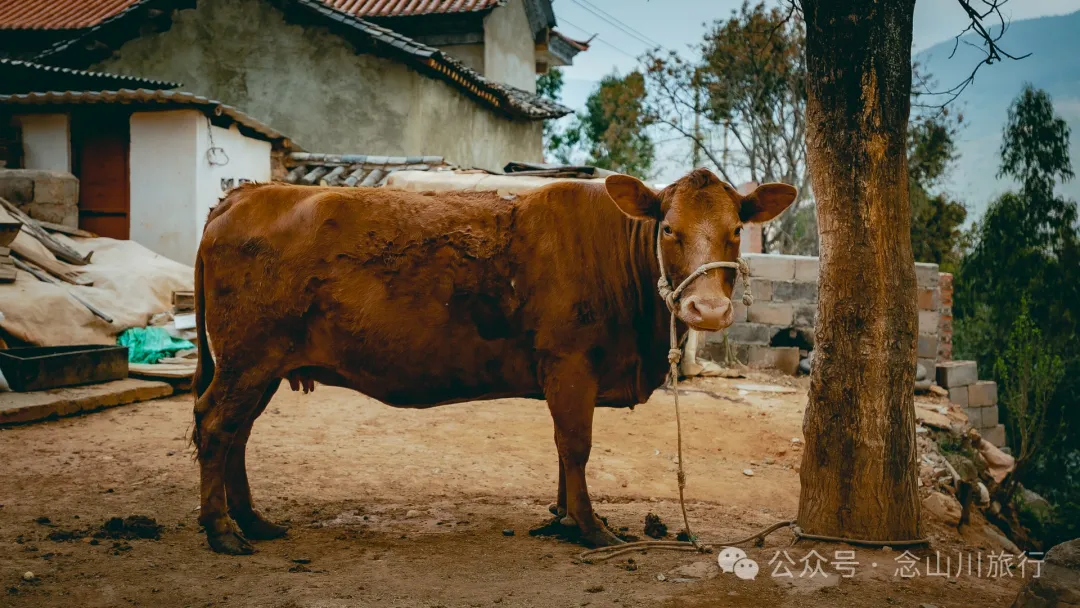
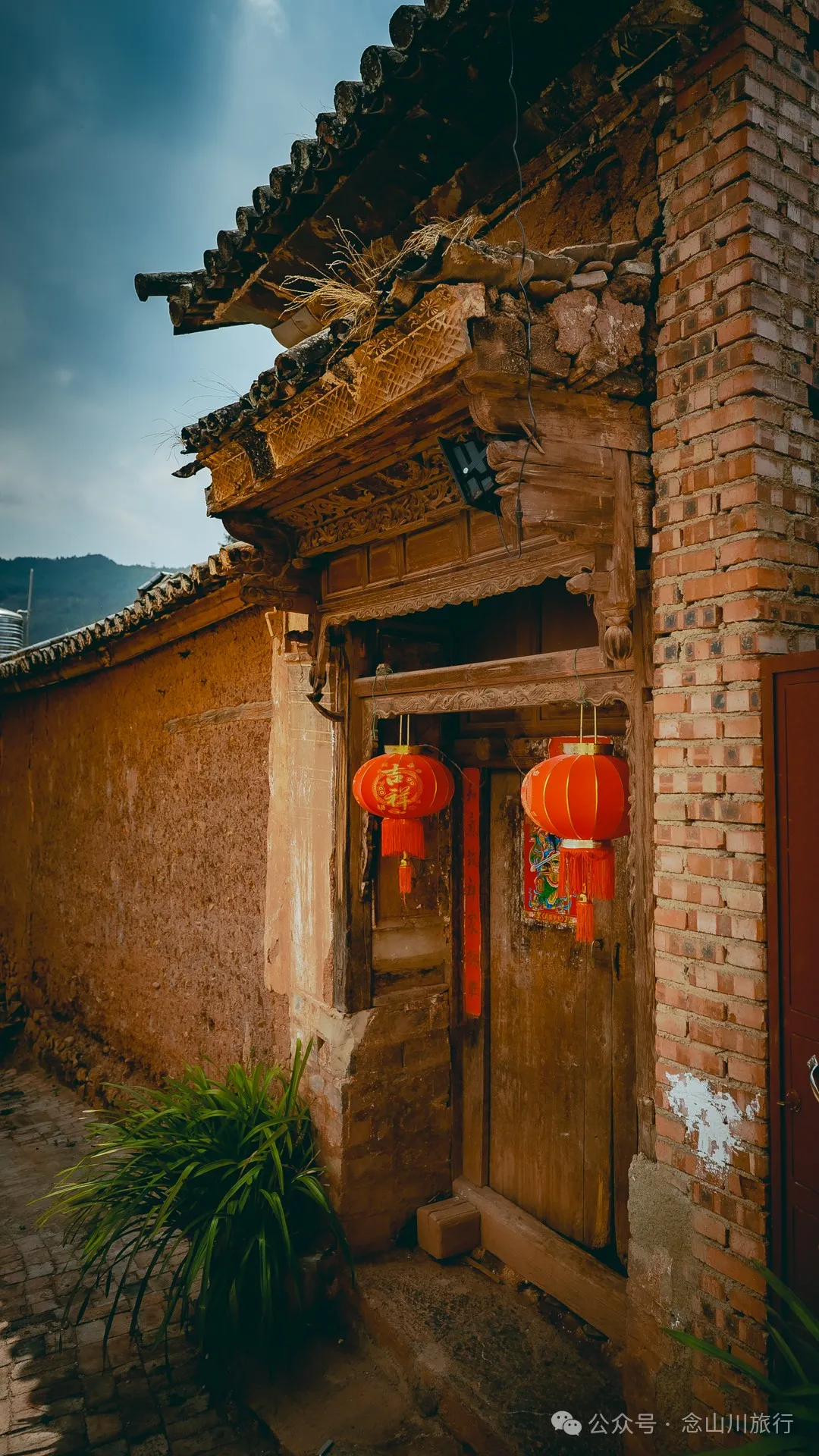
Walking in Anle Ti Village, far from the city, many houses along the cement road have their doors half-open or wooden gates ajar. No matter how simple the gate, looking into those farmyards, they are always clean and tidy, spotless. Even if there are mules, cattle, or sheep in the yard, you won't see any messy tools or animal manure. The village is built in the mountains far from the hustle and bustle, and I often consider it part of nature.
As for the farmyards, they lie in the middle ground between nature and the human world, playing an important role. Their yards are not like those of wealthy families, which showcase aesthetics and art everywhere. Their yards are both practical for raising livestock and drying grain, and enjoyable for receiving guests and planting flowers. Their attitude towards the yard balances life and leisure, which is lovely.
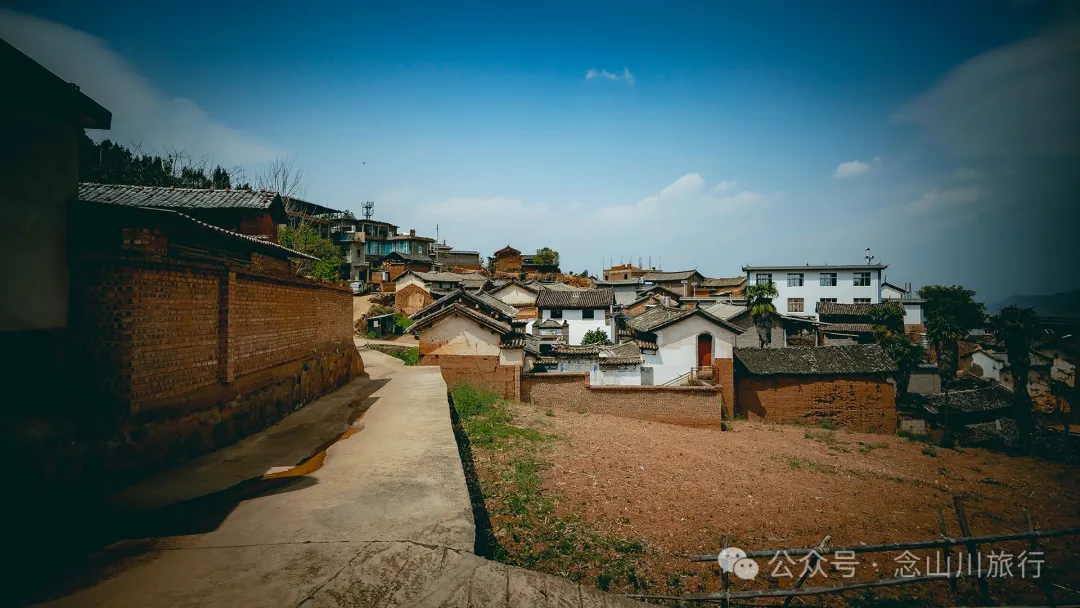
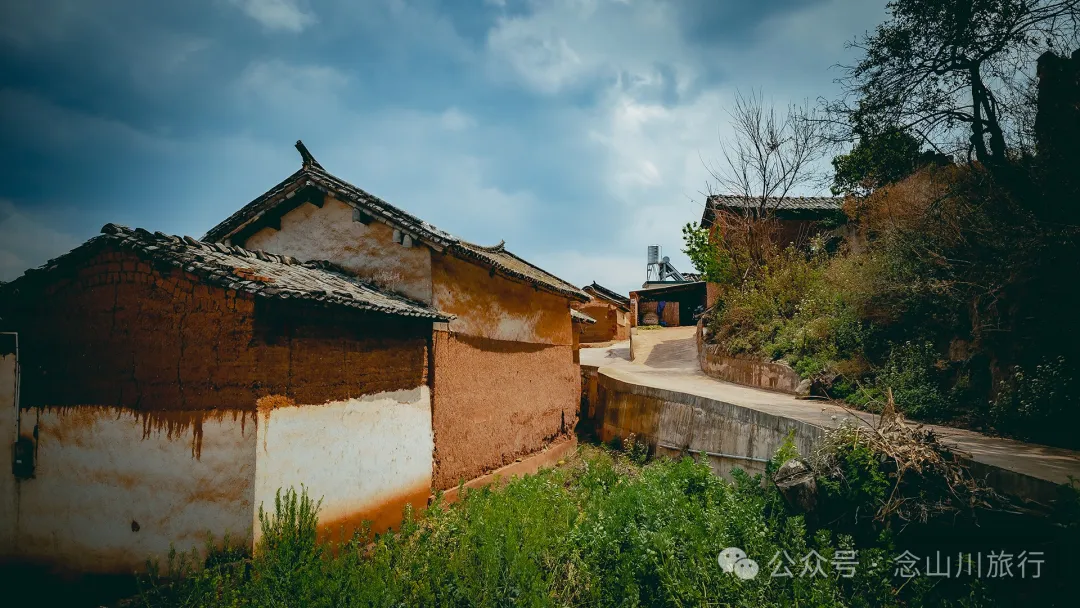
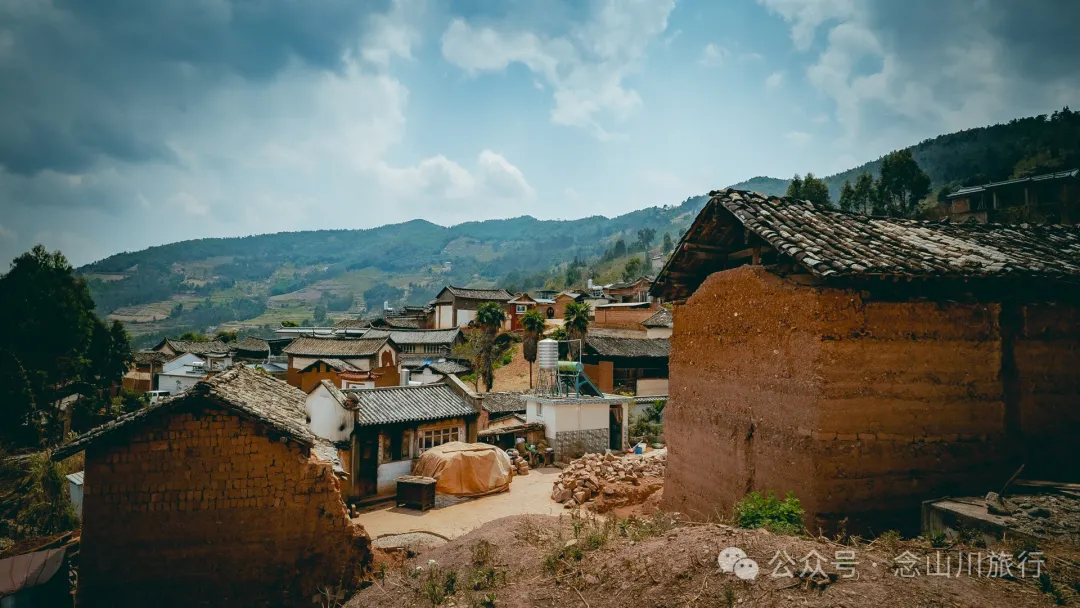
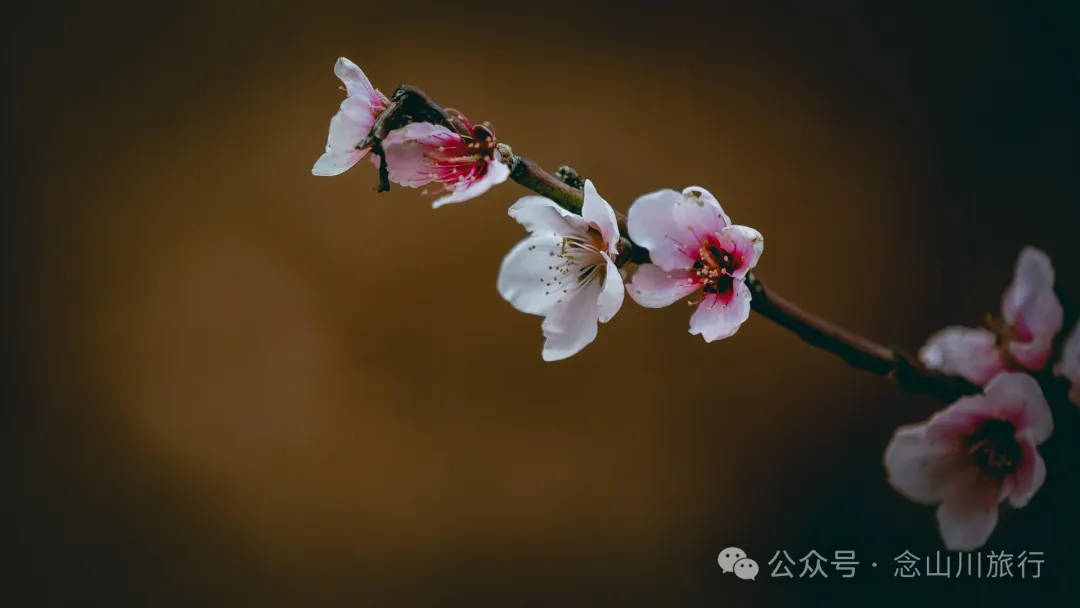
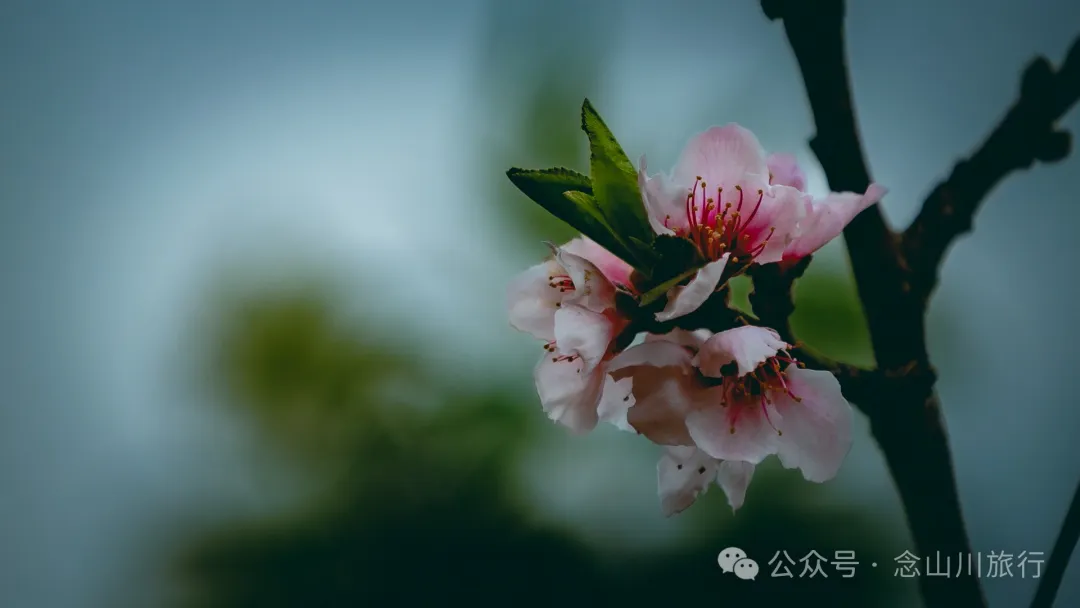
In the spring village, everything is bright and beautiful. Only the persimmon trees, with their fruits gone, make it hard to recognize this plant full of nostalgia. But peach trees, pear trees, and papaya trees—spring makes them brilliant, full of vitality, and hopeful. A touch of green in the fields stubbornly competes with the barren and desolate mountains. Compared to the brown earth, this touch of green is so moving. Whether it is wild grass, wildflowers, or broad beans and peas, such brightness thriving on this barren land is hope itself, a kind of retention.
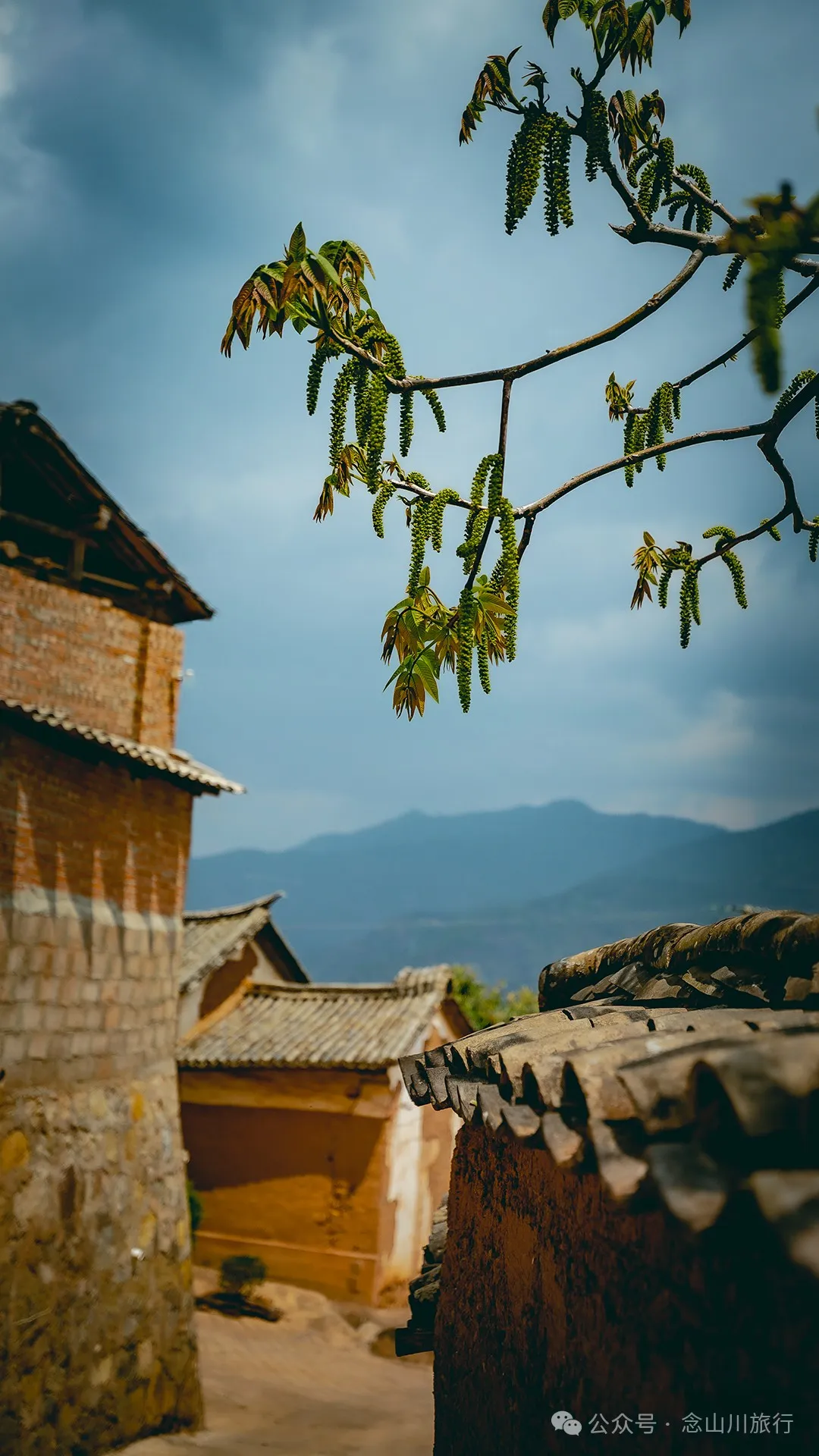
The caterpillar-like flowers on the walnut trees are so tempting; I want to pick them all off, strip away the string of small green flowers, keep the central stem, blanch it, stir-fry with cured meat, serve it on the table, and invite neighbors for a drink—how delightful. Although this mountain delicacy is labor-intensive, it is nature's most direct gift, with an excellent taste.
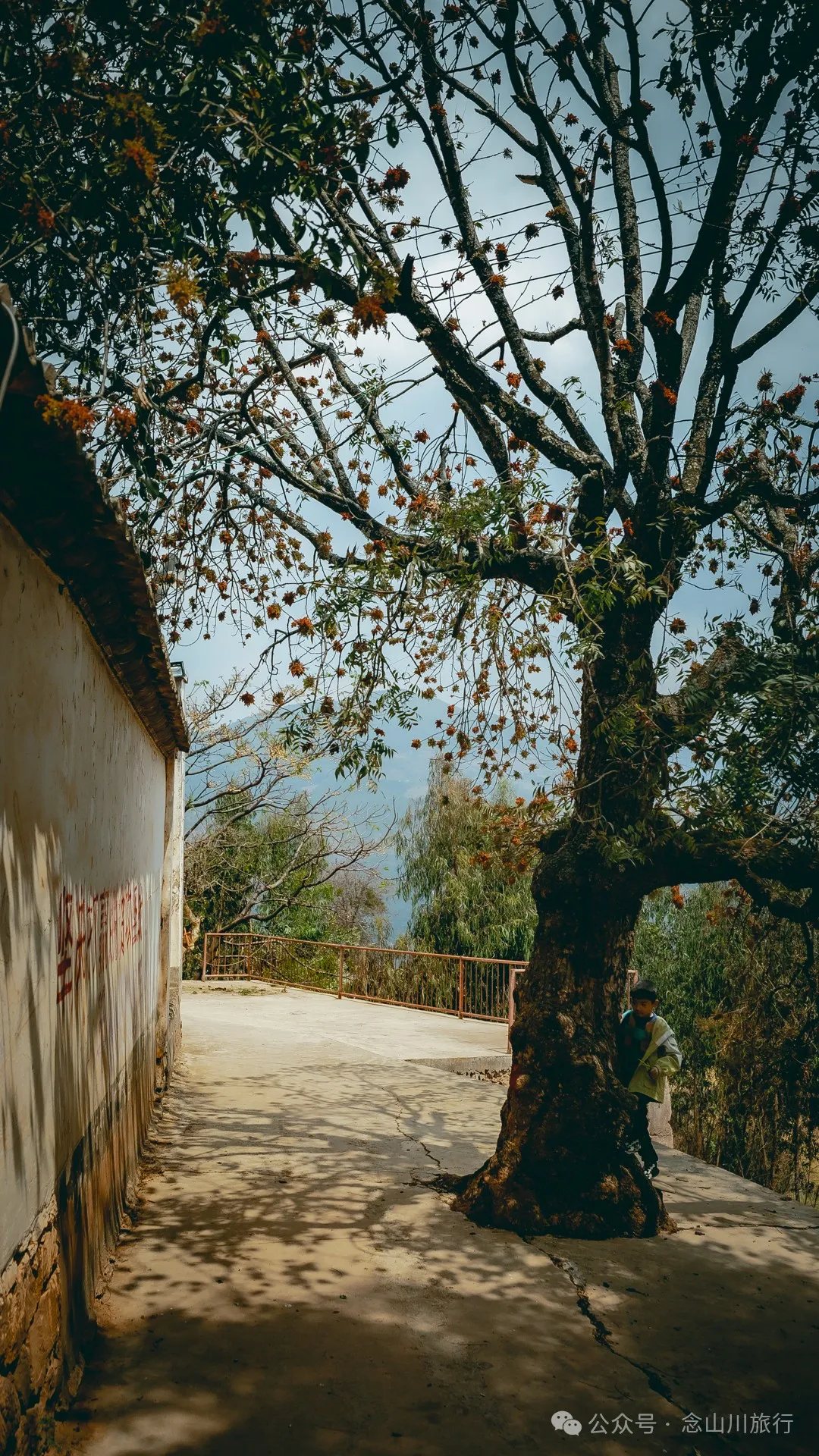
A big tree on the village road looks like a Chinese pistache. A village woman told me they call it the "Yellow Girl Tree." In spring, the Yellow Girl is like a delicate young lady from a wealthy family, adorned with flowers all over her head.