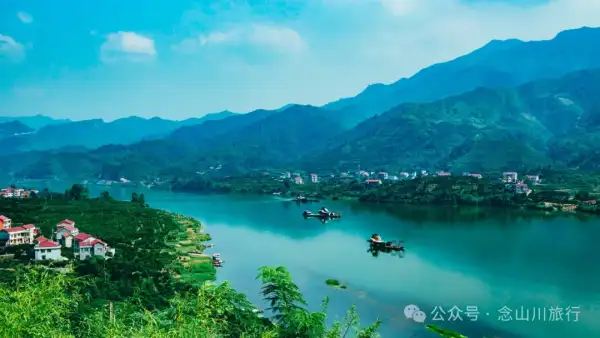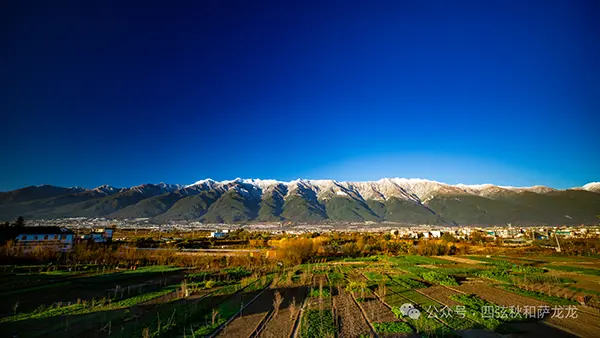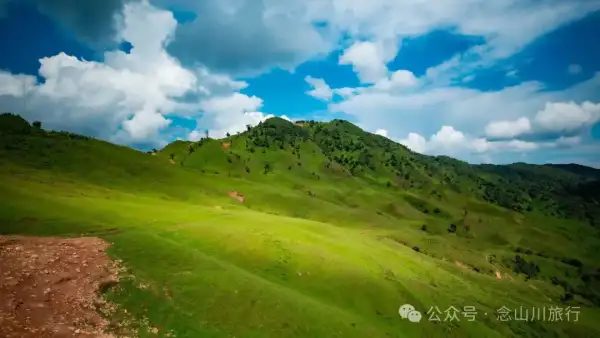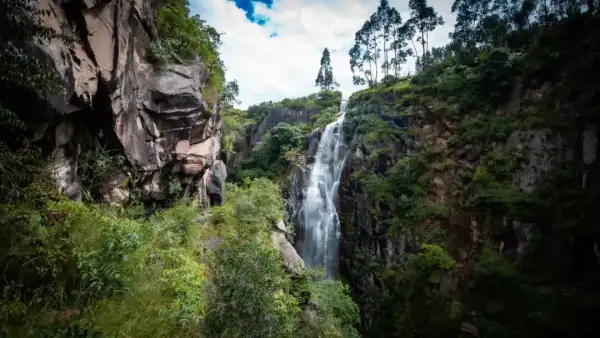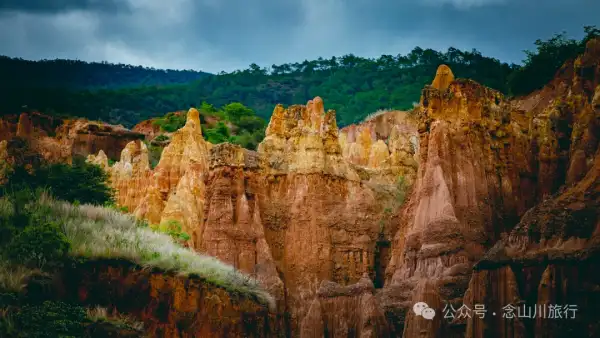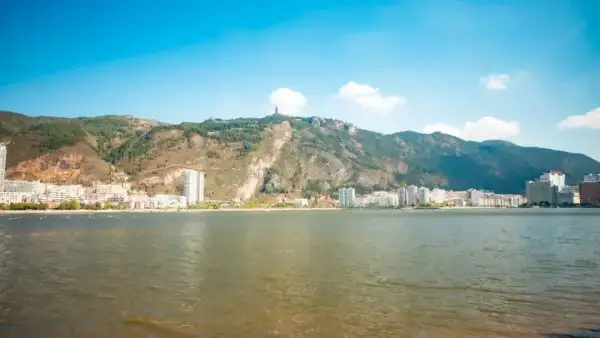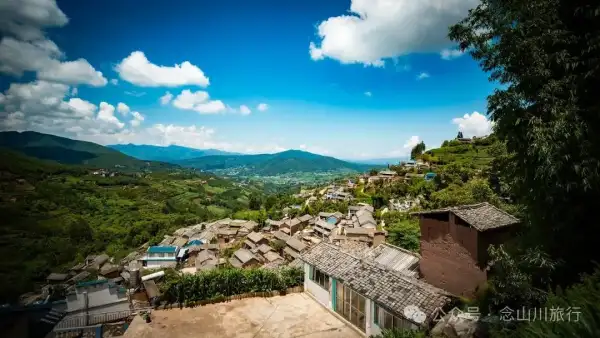

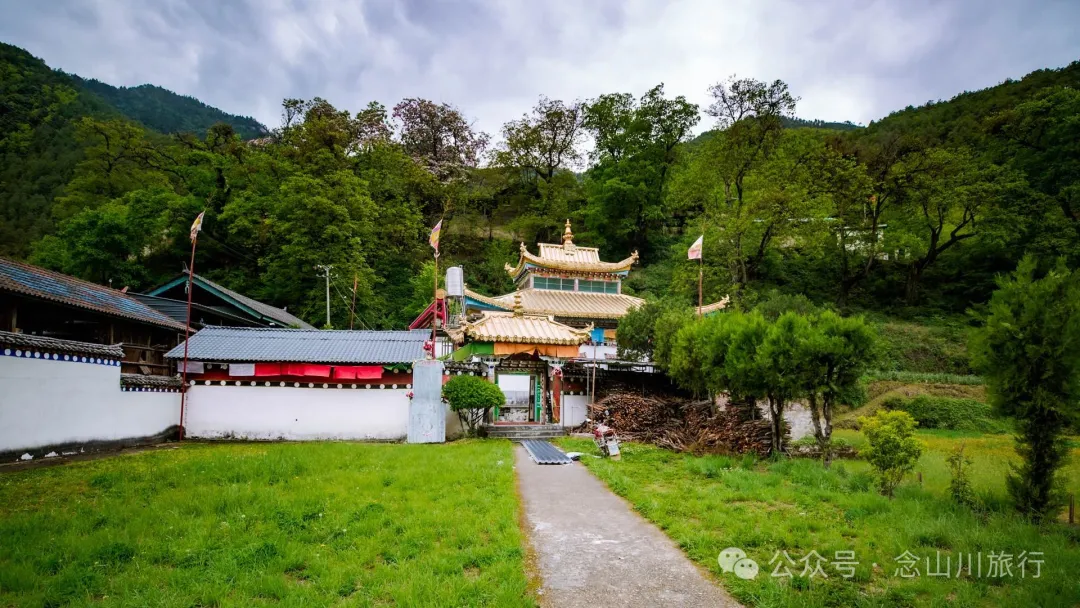
Heading from Weixi County to Tacheng Town, the mountains on both sides of the road display the brilliant colors of spring, summer, and autumn in early May, so enchanting that we were immersed in the fleeting mountain scenery and nearly missed the Tibetan village we encountered here—Yatang Village.
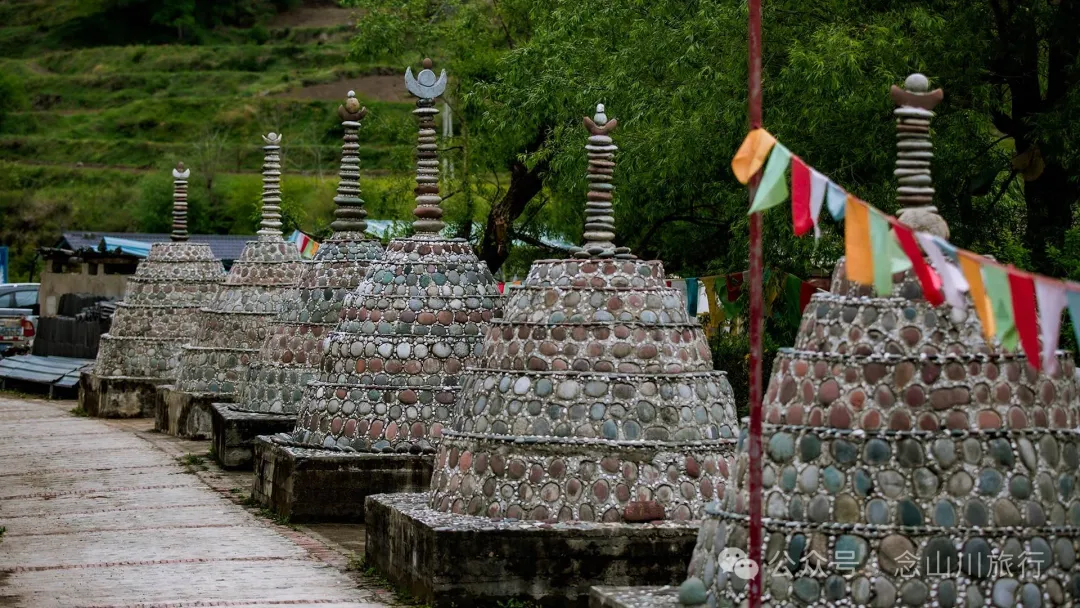
The car had already sped a kilometer past the village, but we caught a glimpse of the solemn white pagodas standing around the village and the open fields along the Lappu River. Deeply attracted by this village that resembles Jiangnan yet has a strong Tibetan character, we immediately decided to turn around and enter Yatang Village, an unfamiliar Tibetan village hidden in the mountains of Yunnan.
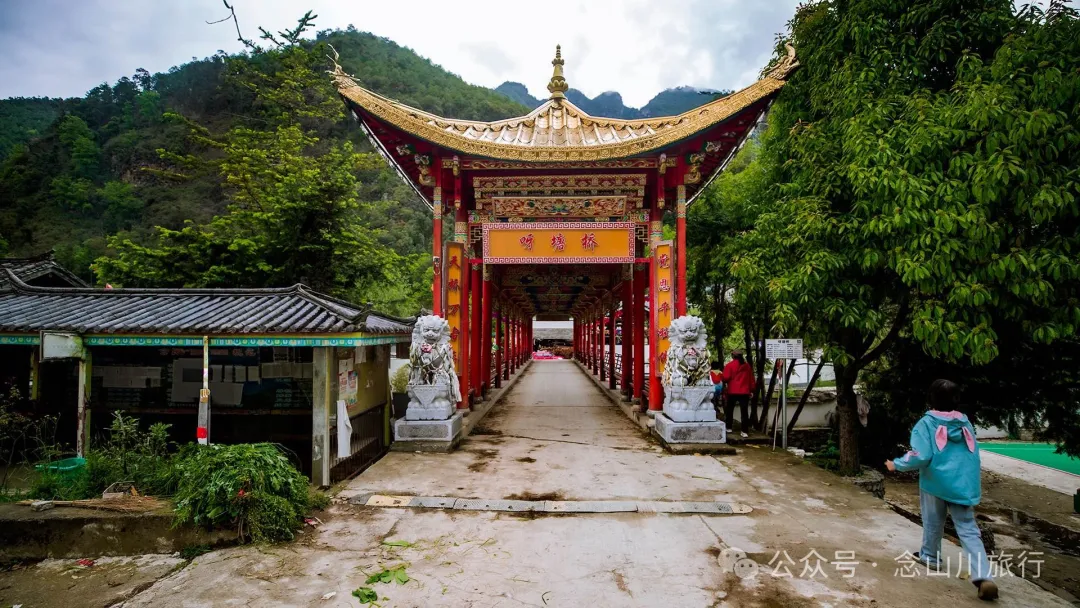
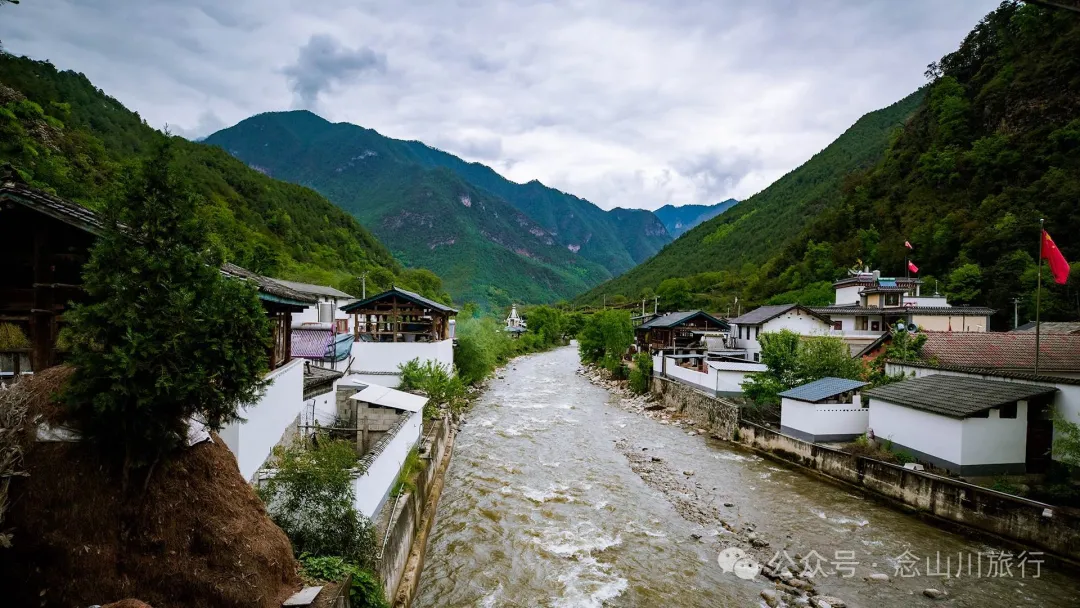
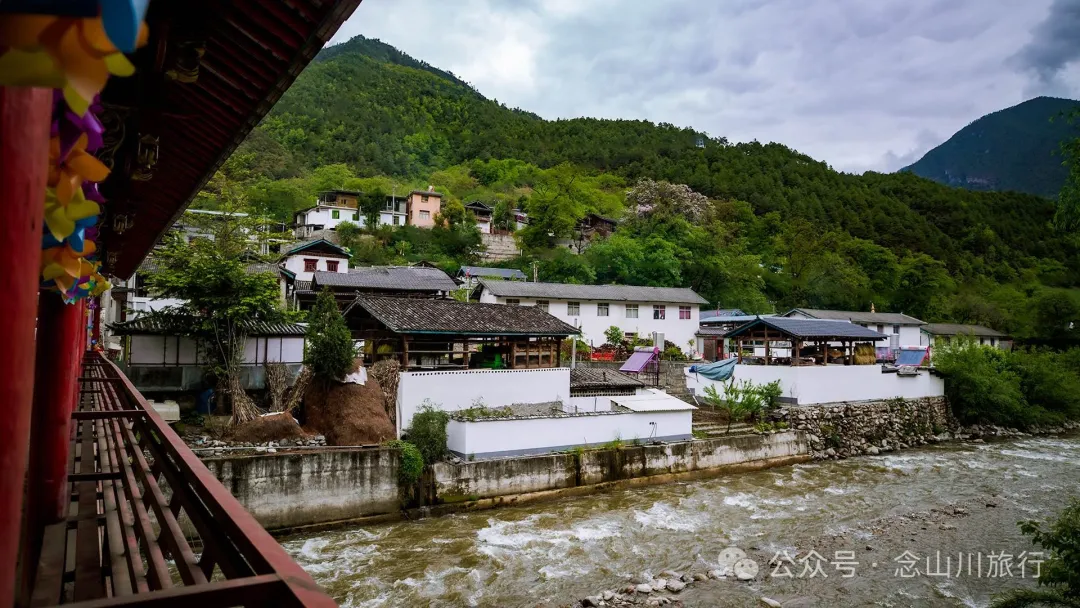
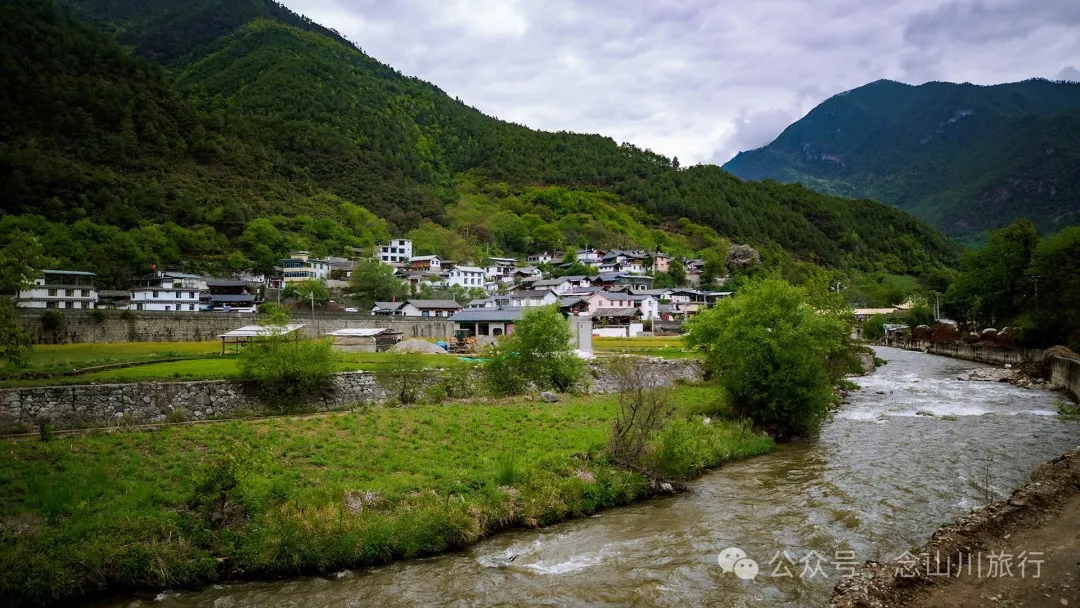
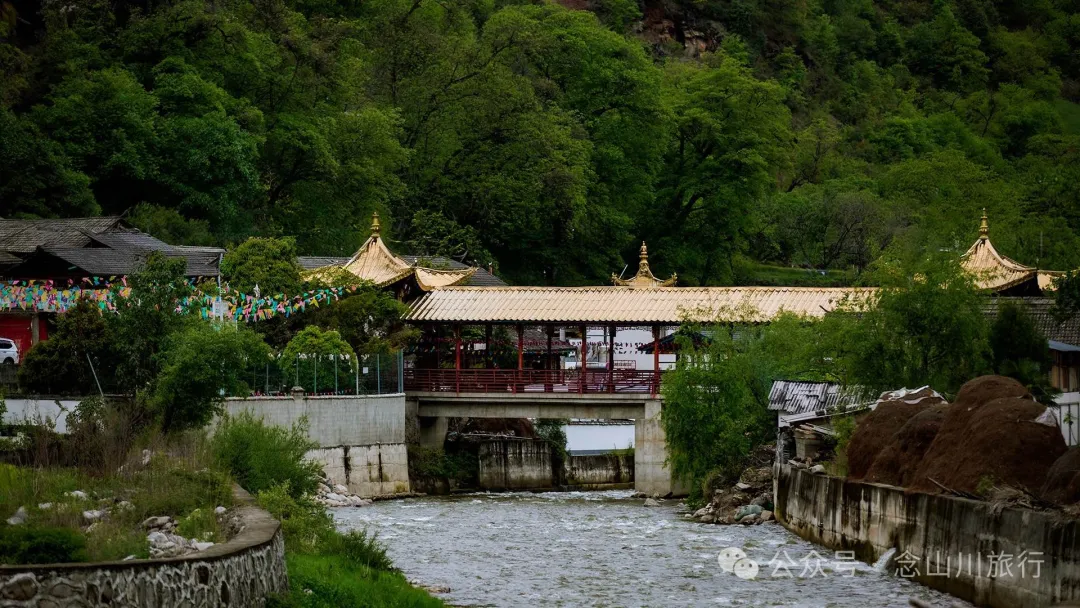
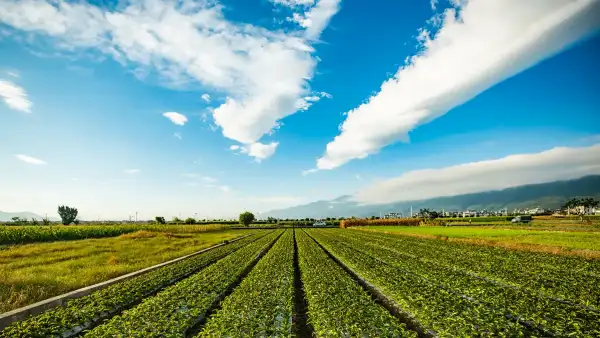
The wide road splits the village in two, but the Yatang Bridge over the Lappu River connects it back together. Thanks to the nourishment of the Lappu River, the vast, flat fields around the village are extremely fertile. The villagers have planted crops all over the land. We were amazed by the diversity of crops in the fields: not only wheat, which is common in the north, and highland barley, a representative crop of Tibetan areas, but also rice seedlings being cultivated. Like the mountains, the fields here have too many astonishing elements.
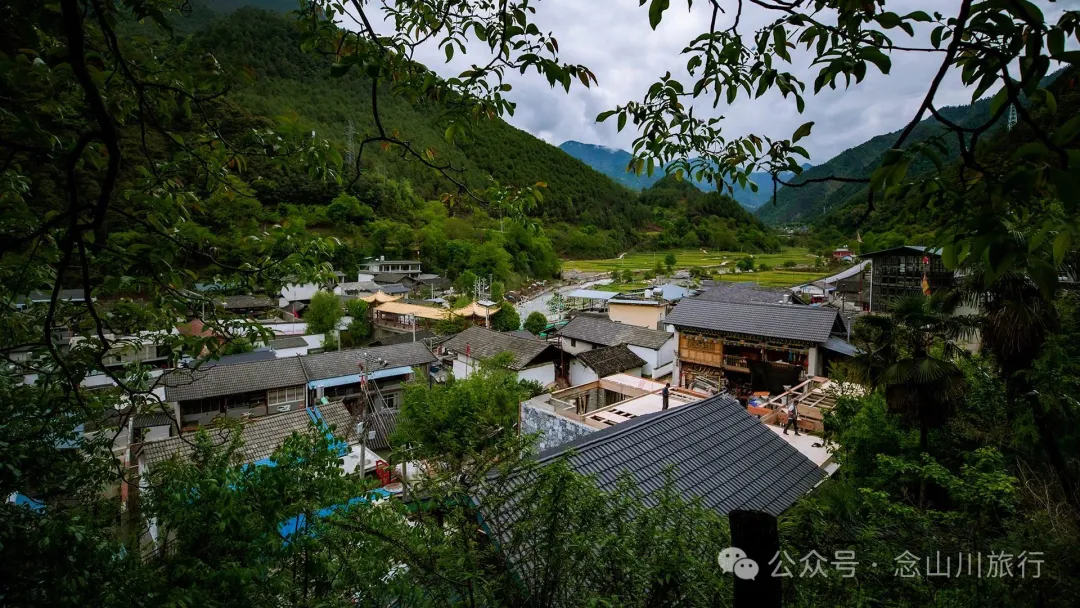
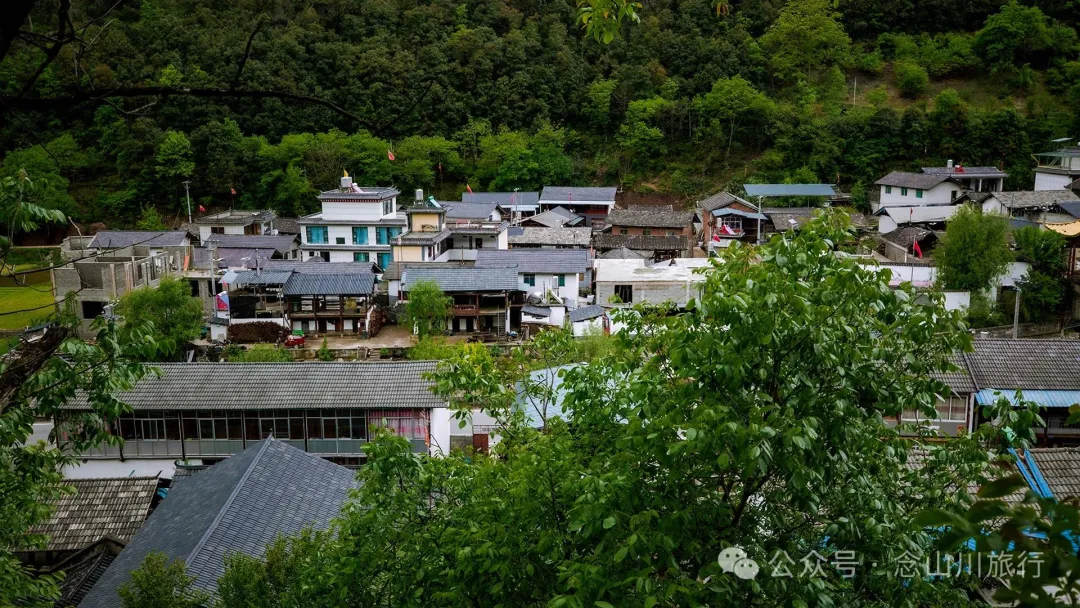
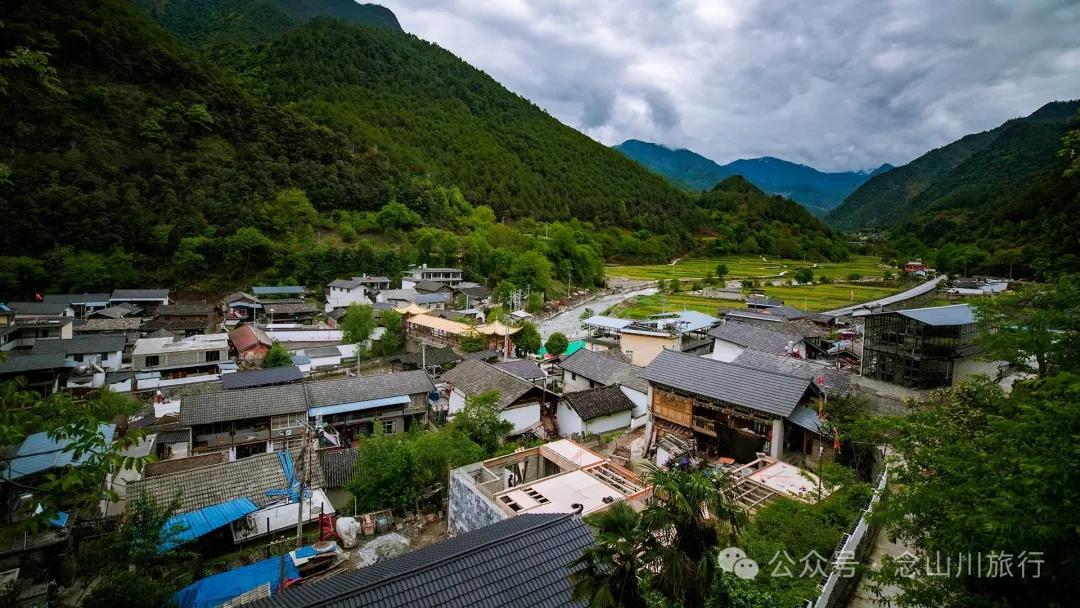
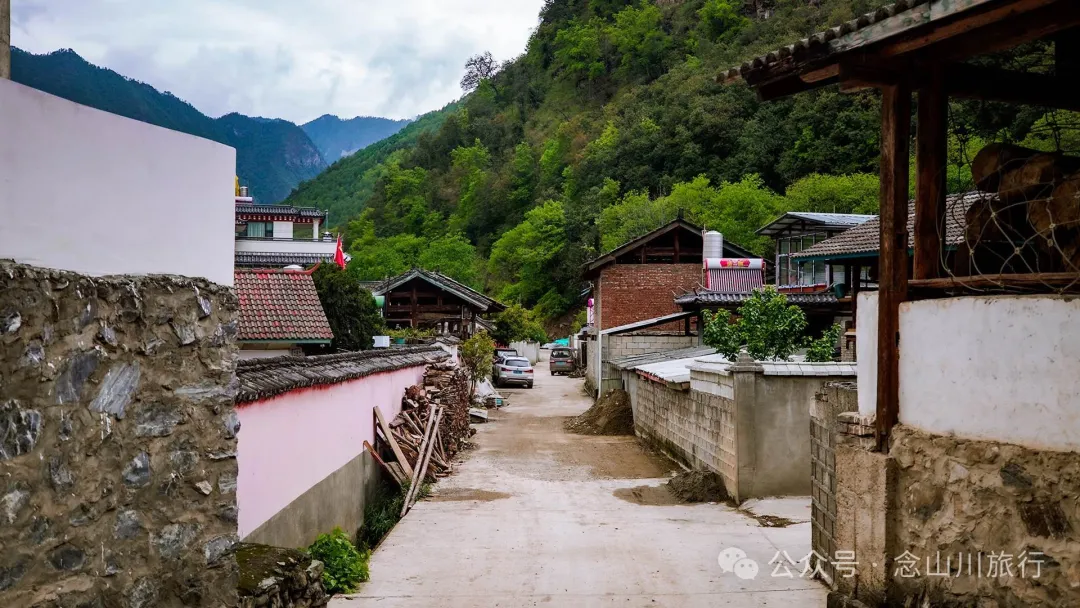
Yatang Village clusters peacefully on both sides of the road. Villagers silently walk and work in the fields. When they encounter outsiders, they greet warmly as if meeting an old friend. "Come to our home to rest," they say, with smiles that make you drop all guard, as if visiting neighbors. Even the Tibetan aunties sitting under the tall catalpa trees, busy chatting, pause their lively and leisurely conversation to chat with us and invite us to rest at their homes.
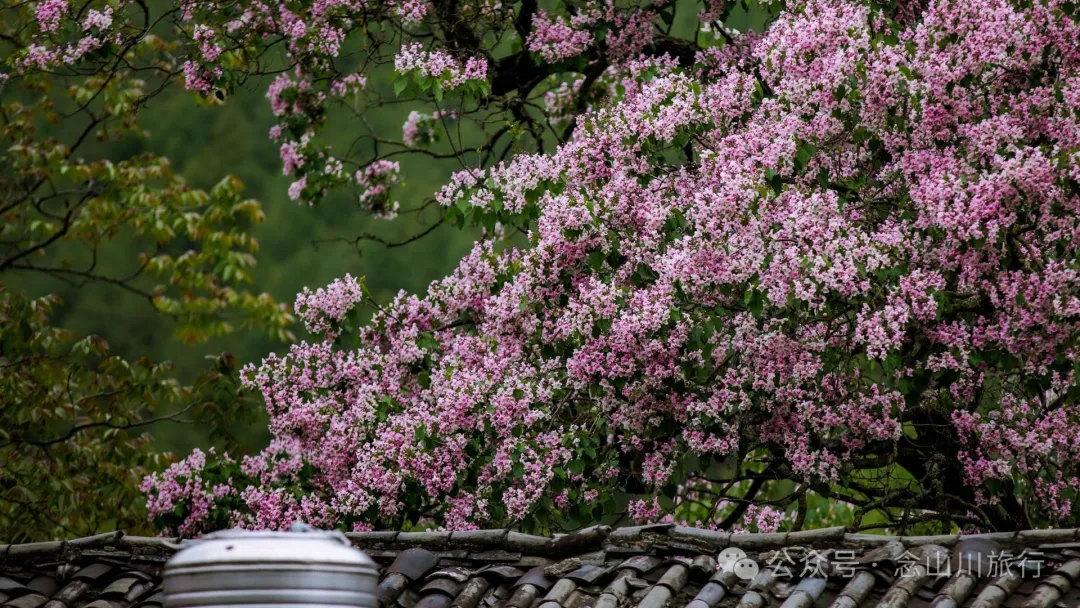
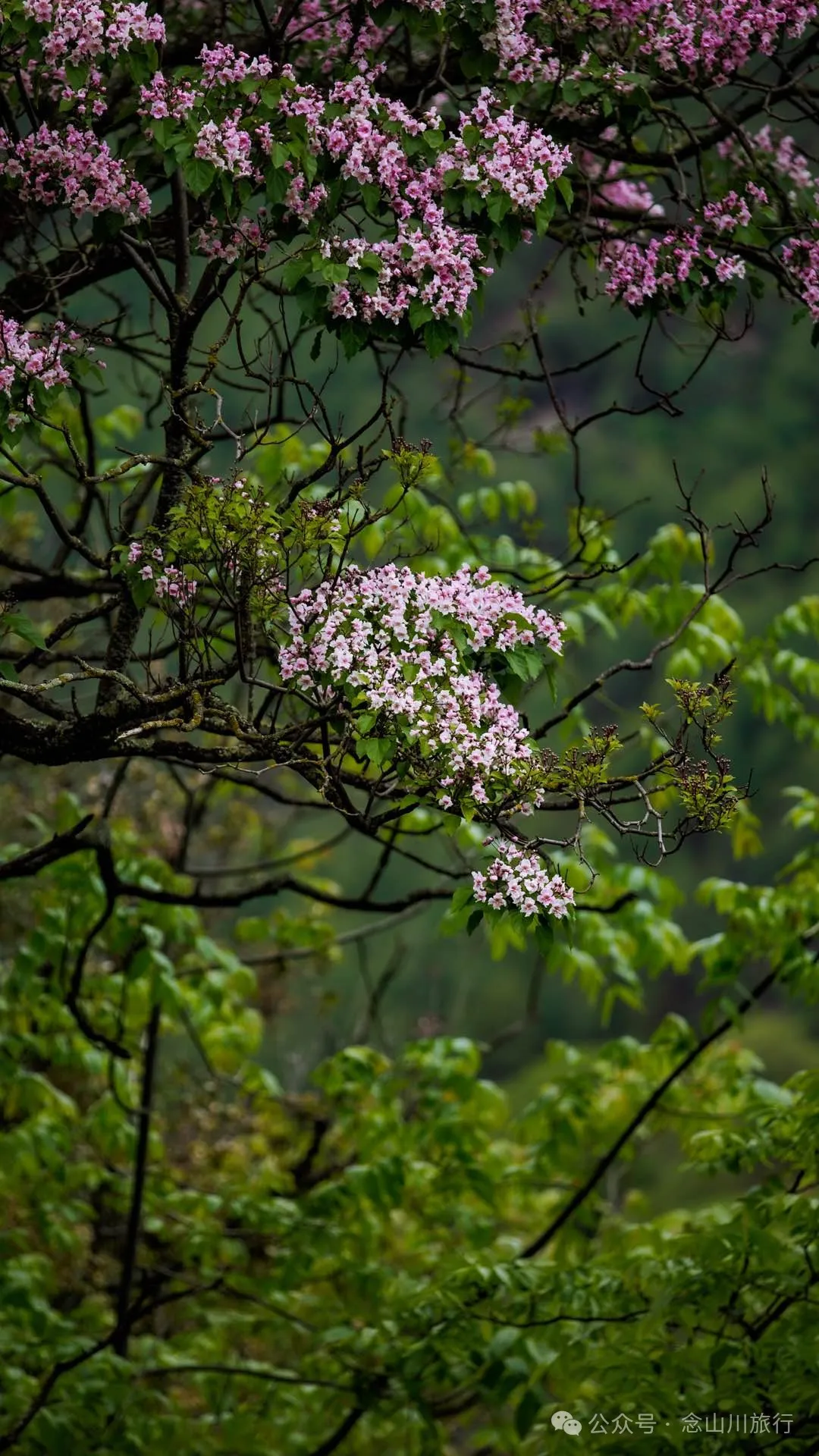
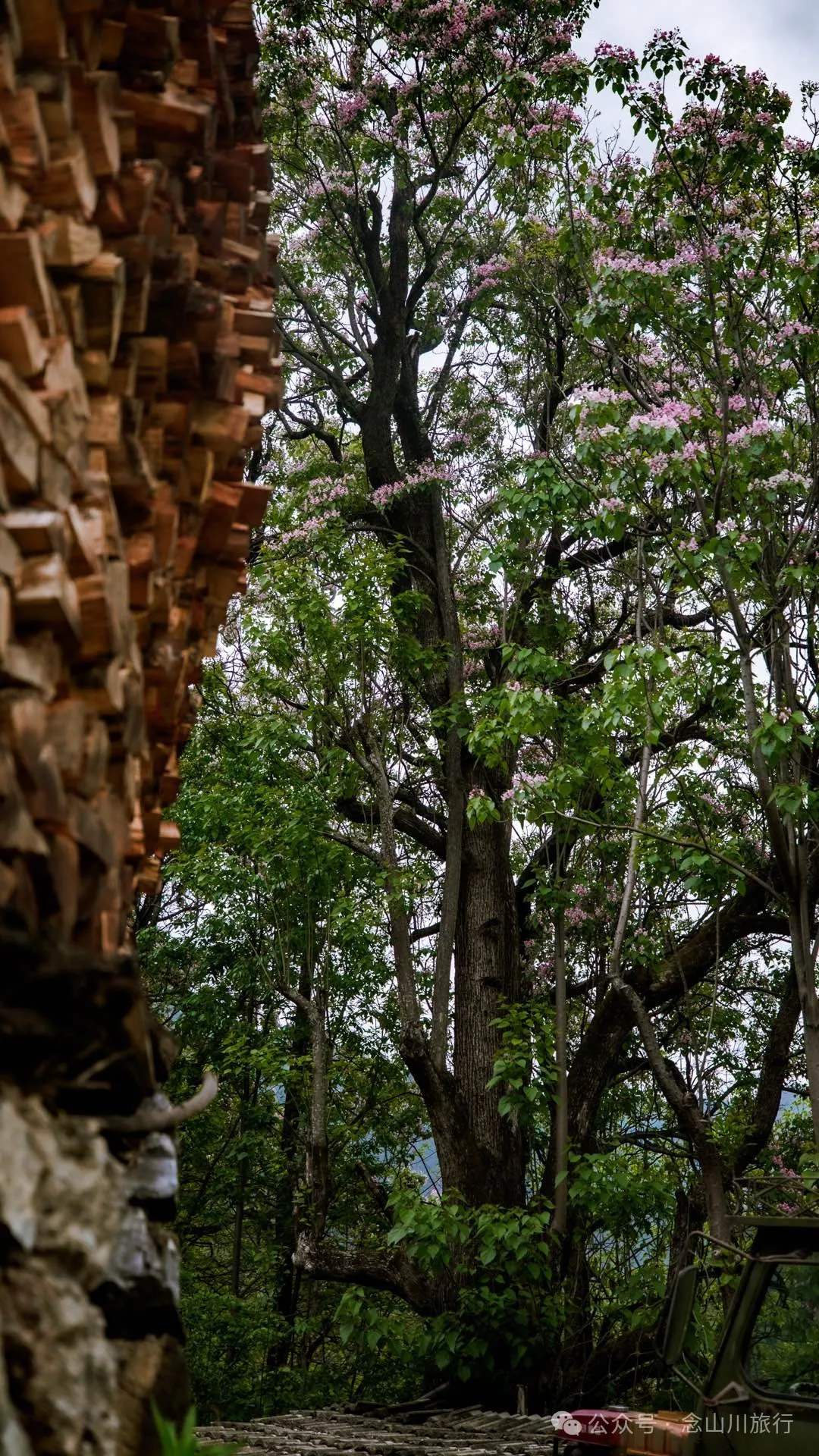
Before even entering the village, we saw this tall catalpa tree in full bloom. "Soaring high, far from the mundane, straight enough for gods and men to gaze upon." The dense catalpa flowers, like drops of water from the Lappu River, rustle softly in the wind. But unlike water, they quietly hold high on the branches in early May, as if nodding with a smile, benevolent and kind, overlooking this Tibetan village. In the plain years, the Tibetan aunties sitting under the tree chatting and laughing—their leisurely banter will be remembered by the catalpa tree. On silent nights or cold snowy winters, the tree will take them out and slowly savor them.
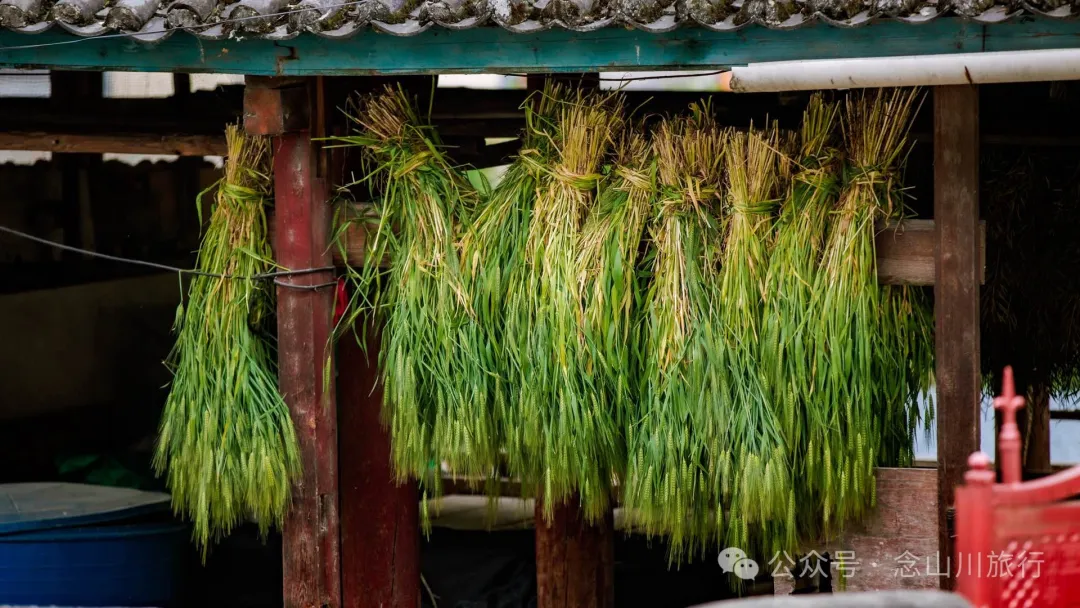
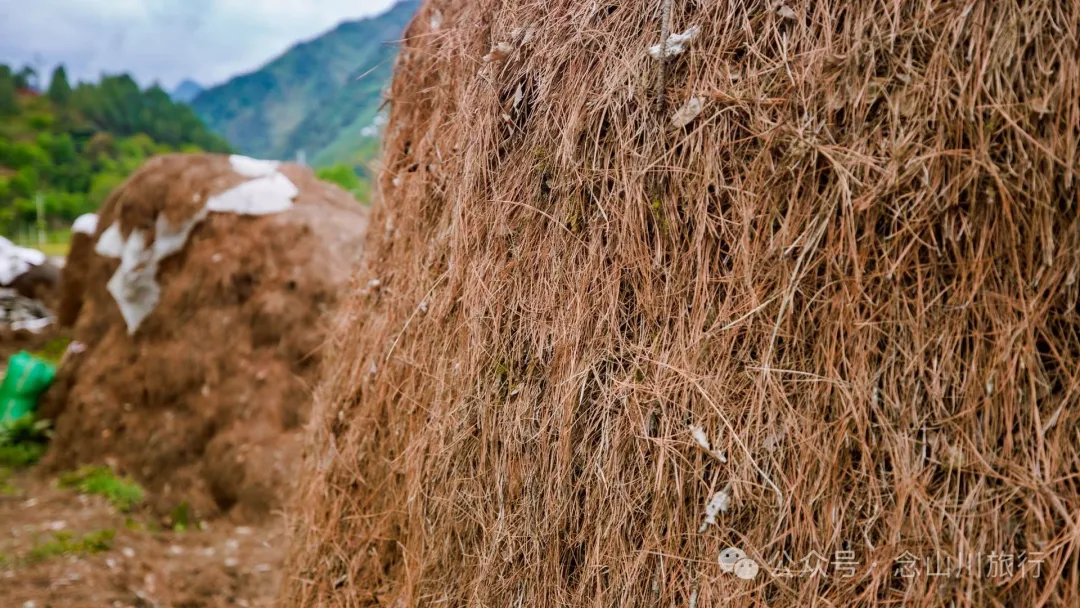
Do the piles of pine needles stacked like mountains on the roadside outside the village bring joy to children playing hide-and-seek?
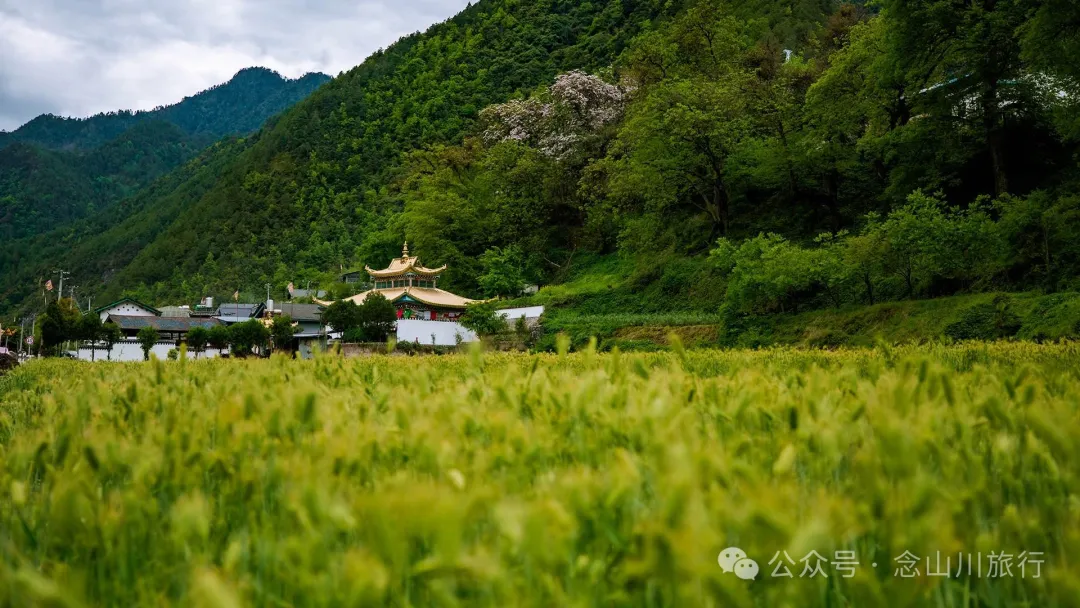
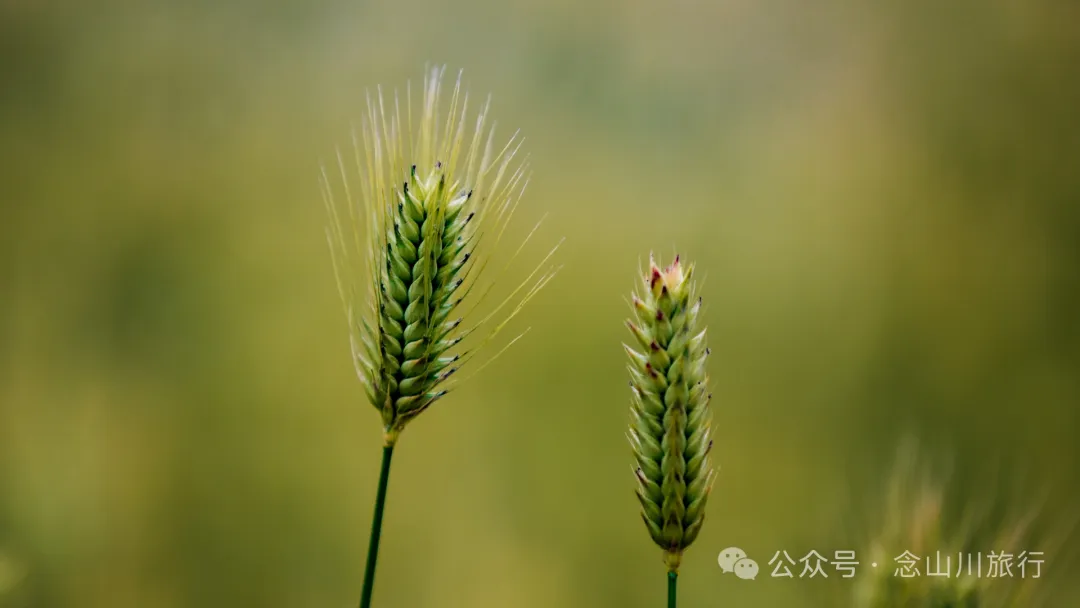
The wheat in the fields is ripening and turning yellow, and the highland barley has already headed. They sway passionately in the wind, sending waves of ripeness toward the nearby village and into the hearts of the hardworking villagers.
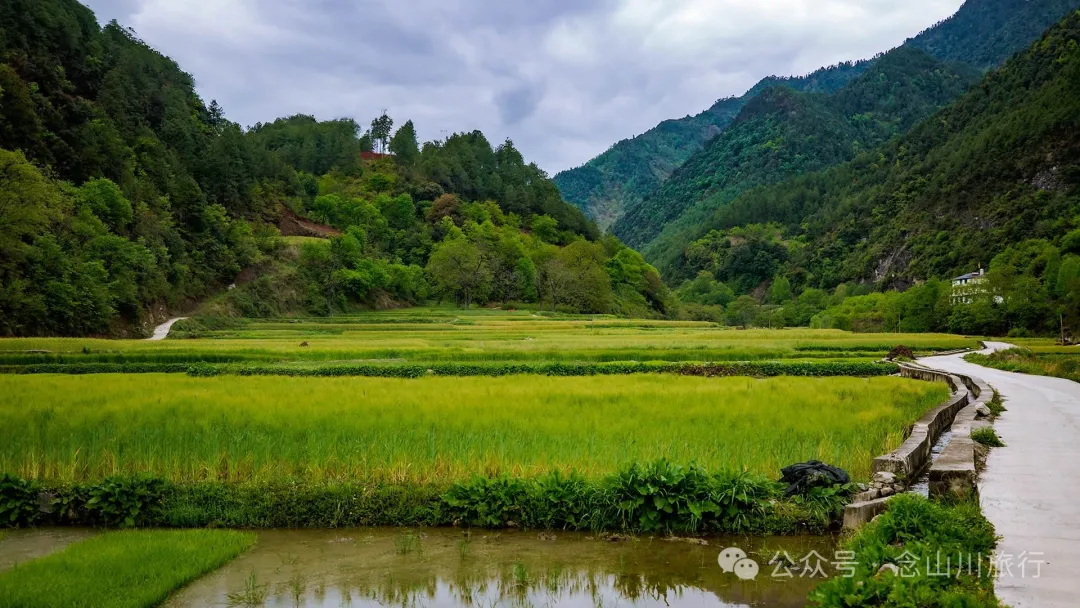
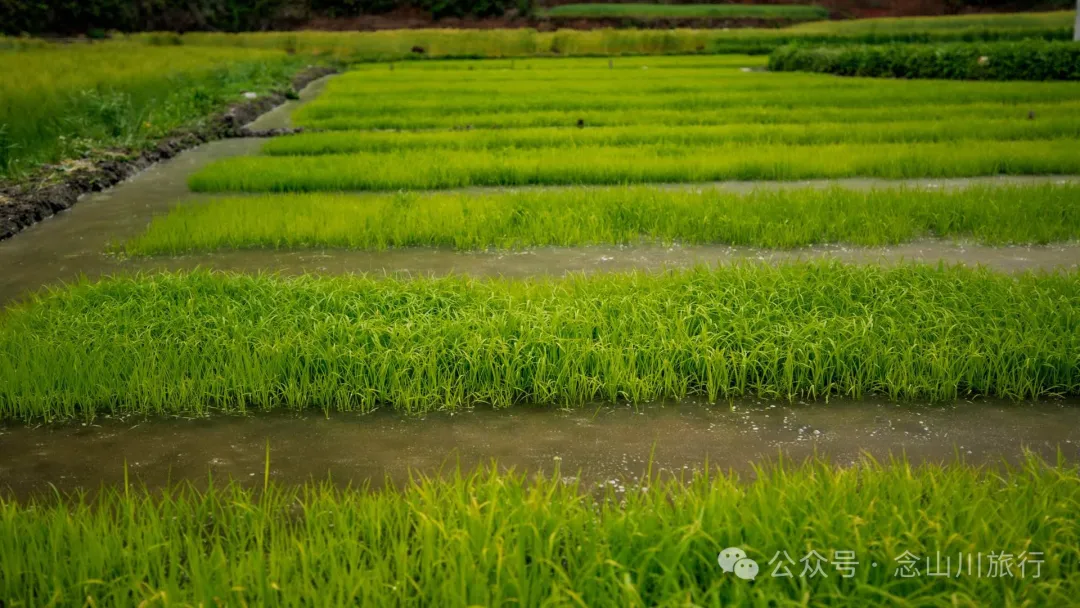
The rice seedlings in the paddy fields are still young, crowded together waiting for their time. When the villagers finish harvesting the wheat and highland barley, this entire flat, fertile field will belong to them. They will stretch their bodies and, through day-and-night growth, bring to this land another ancient southern agricultural civilization. When autumn comes, gold will cover this fertile expanse.
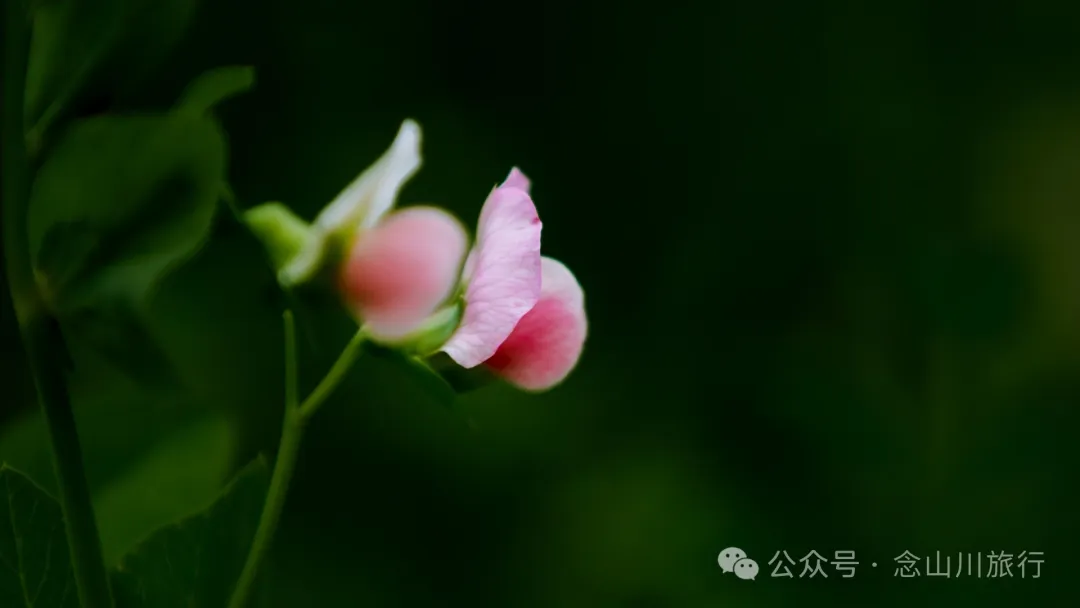
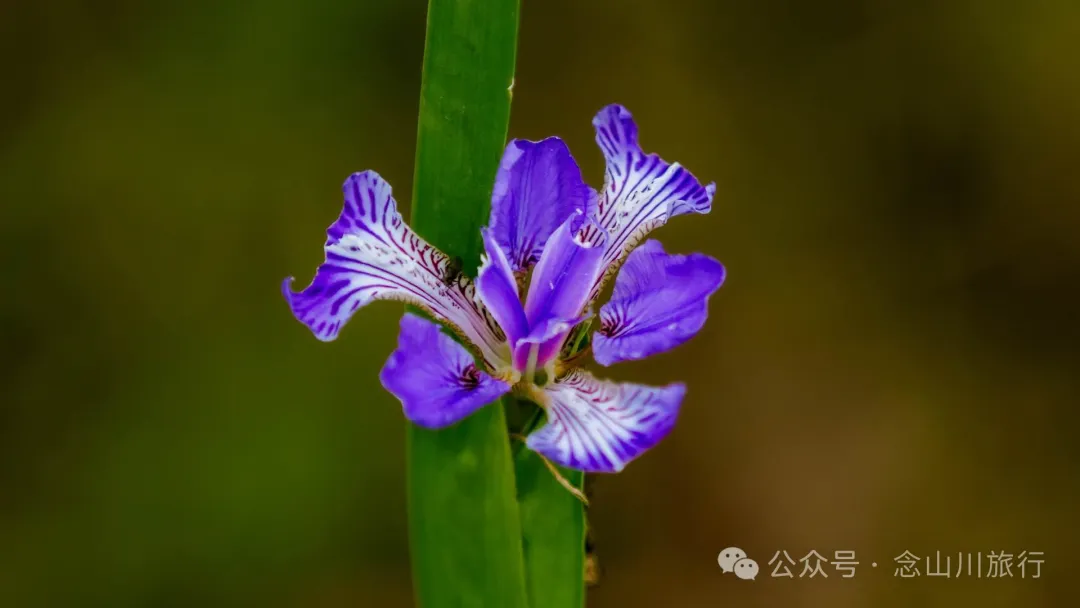
The pink pea flowers and freely growing wild irises along the roadside spare no color, quietly adorning the village with a fresh, elegant, yet vibrant touch.
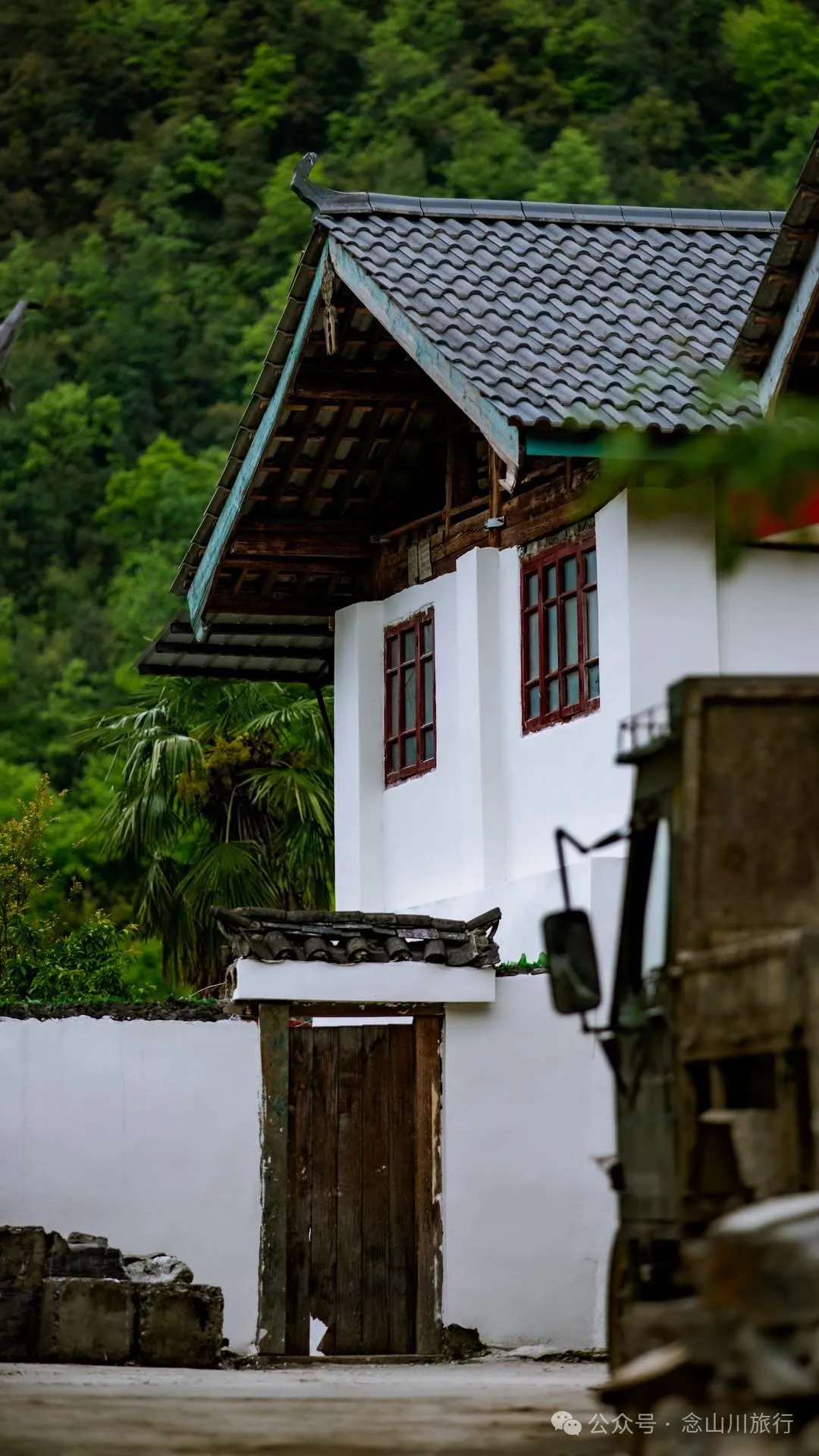
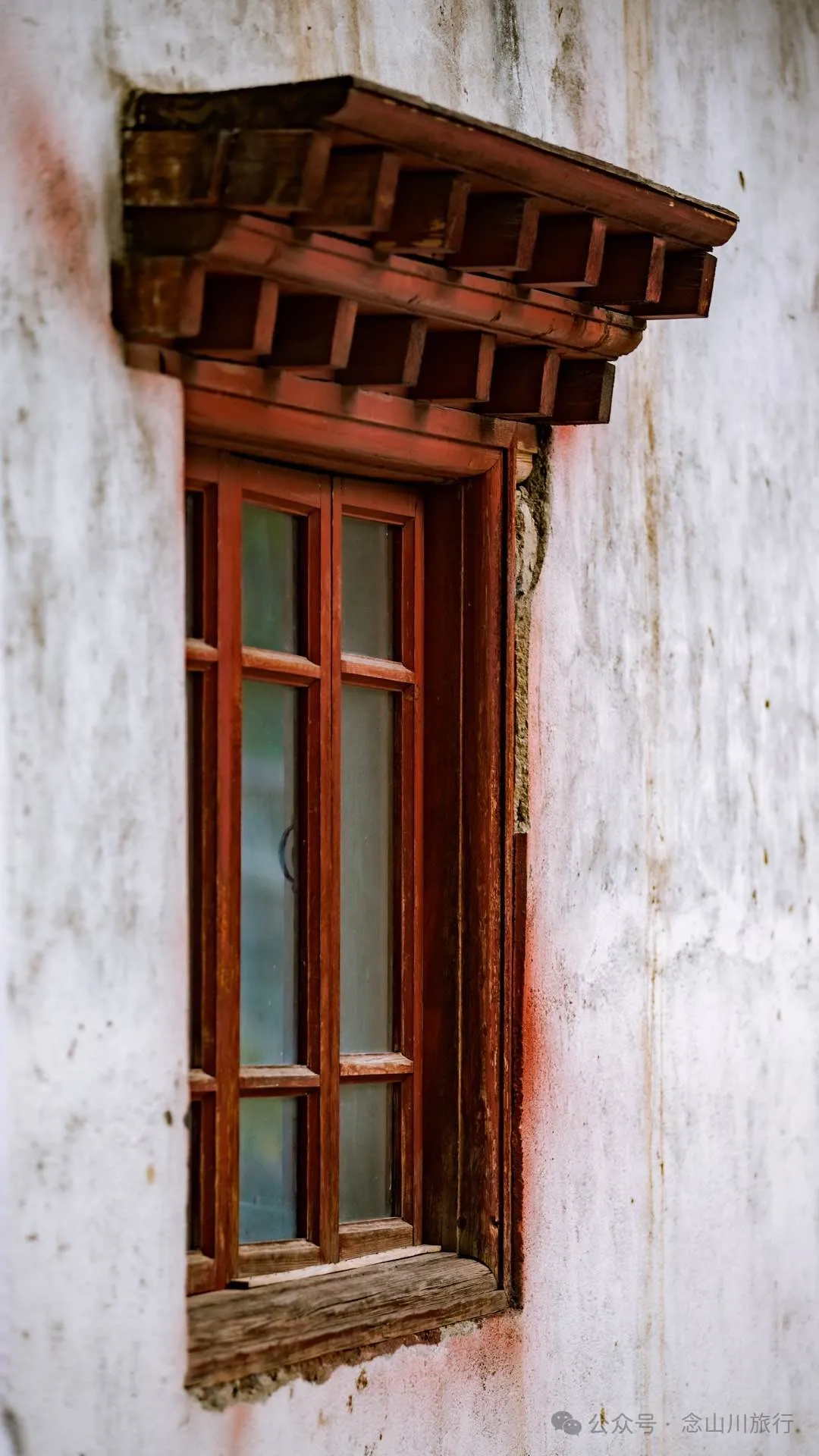
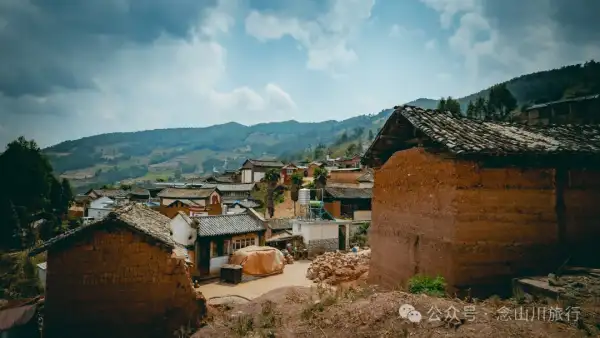
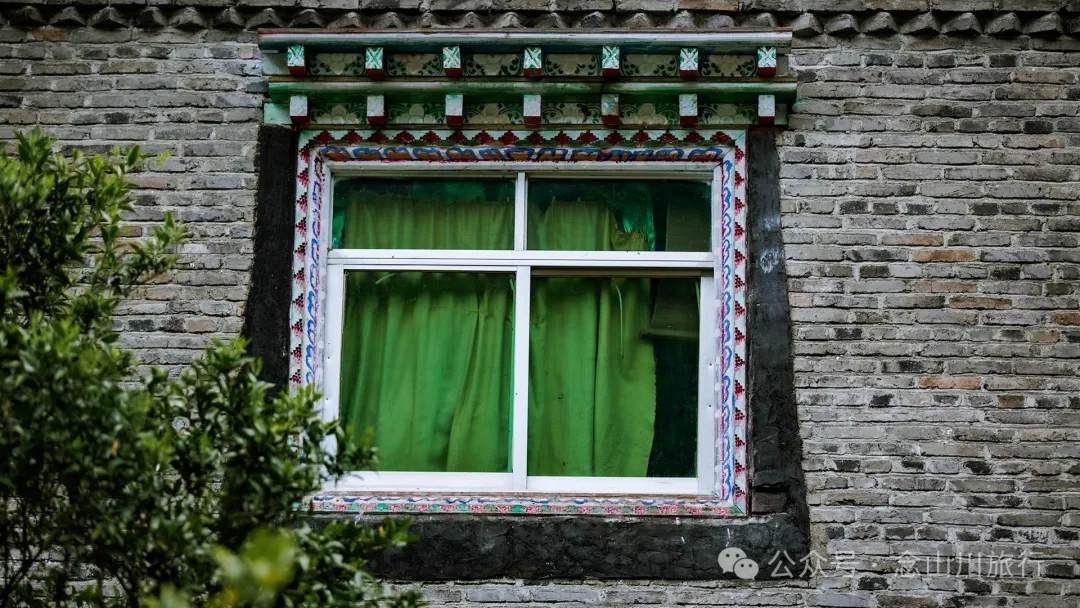
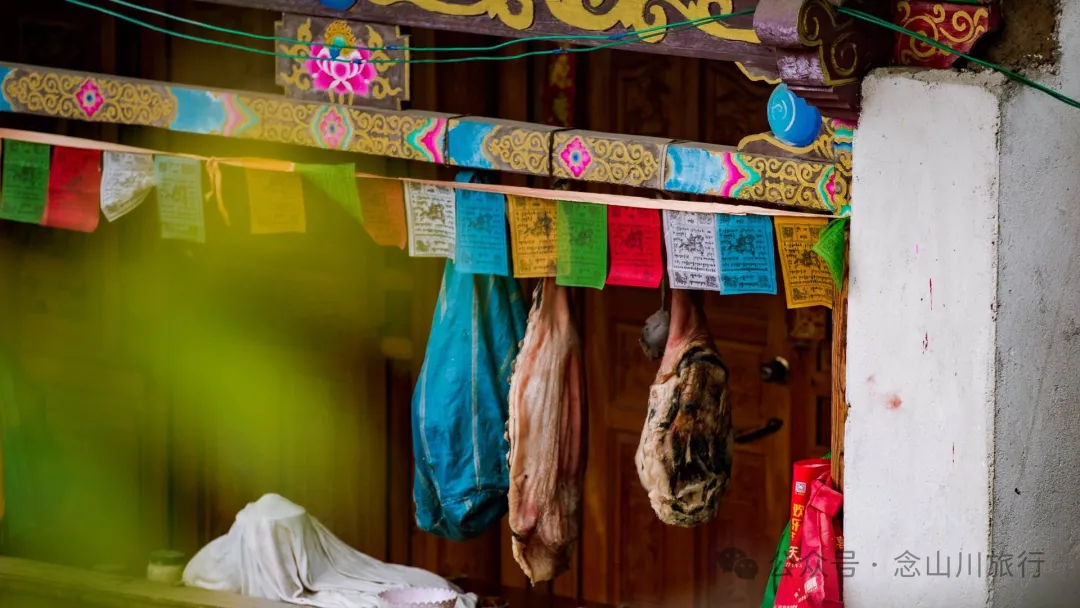
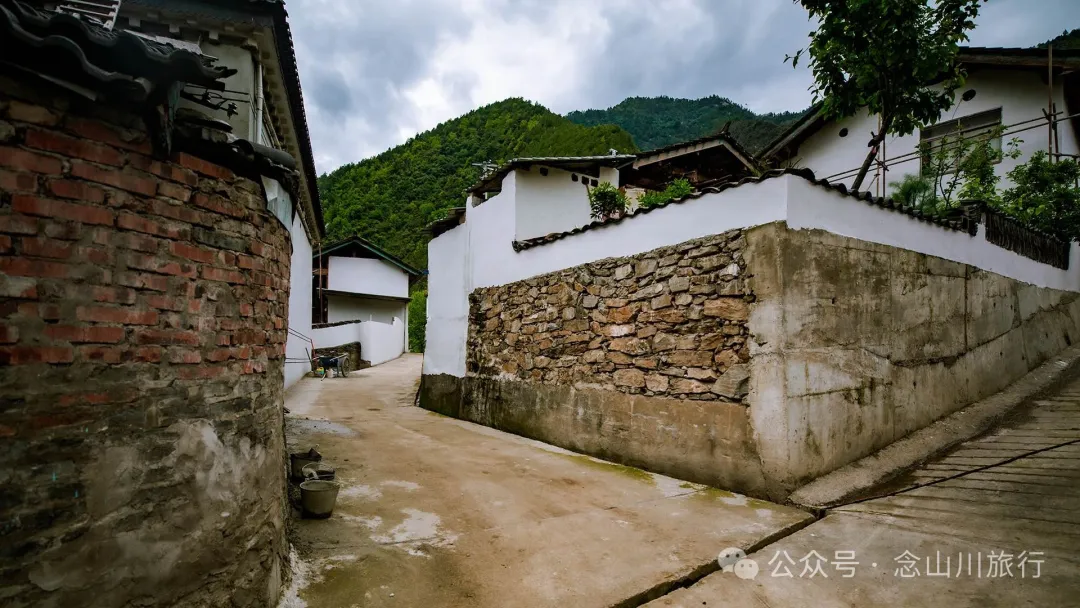
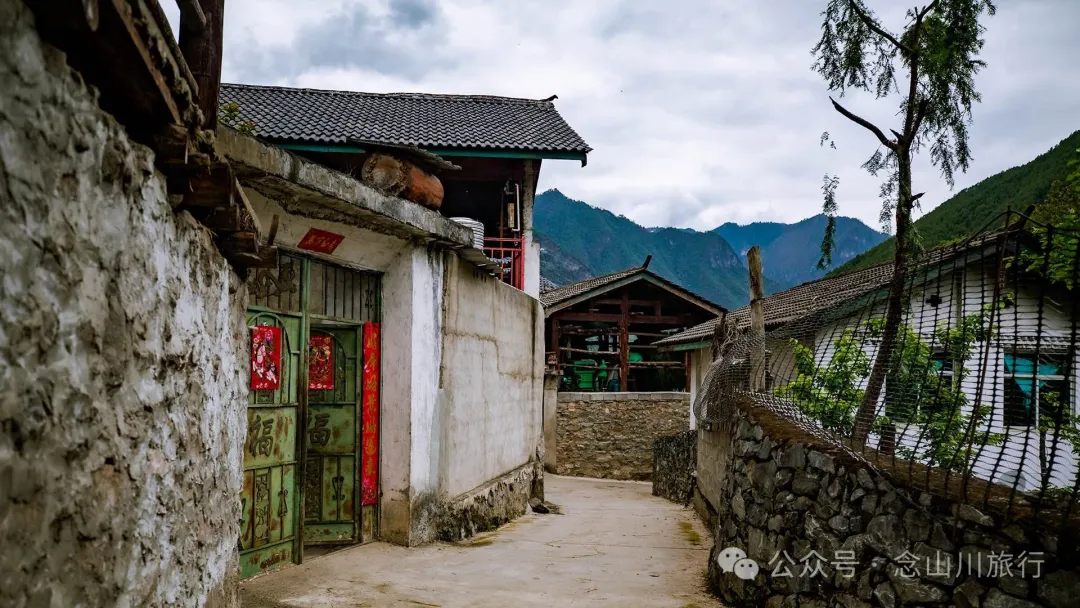
The residential houses in Yatang Village retain strong Tibetan characteristics while incorporating traditional white walls and black tiles, giving them a unique charm.
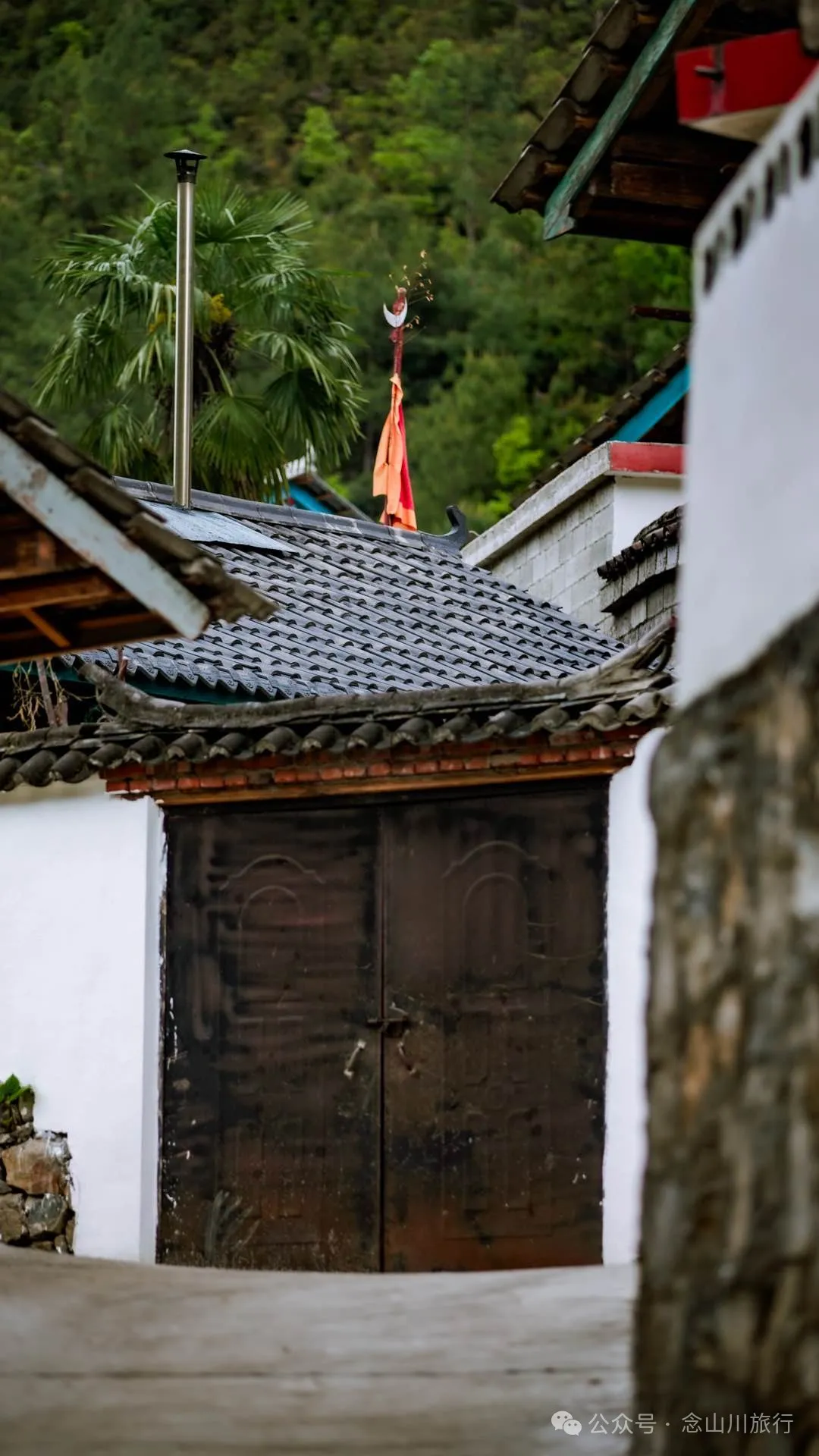
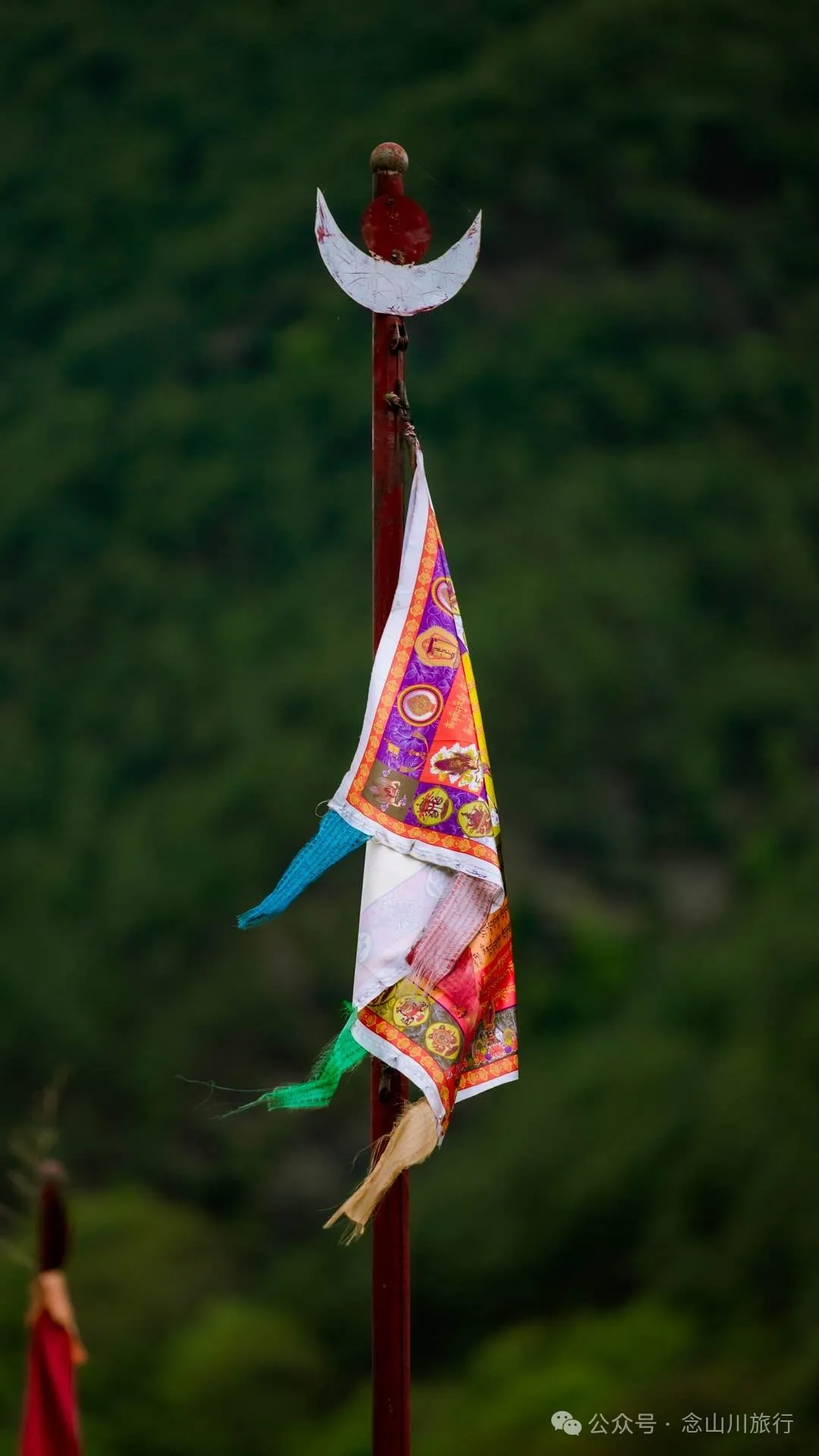
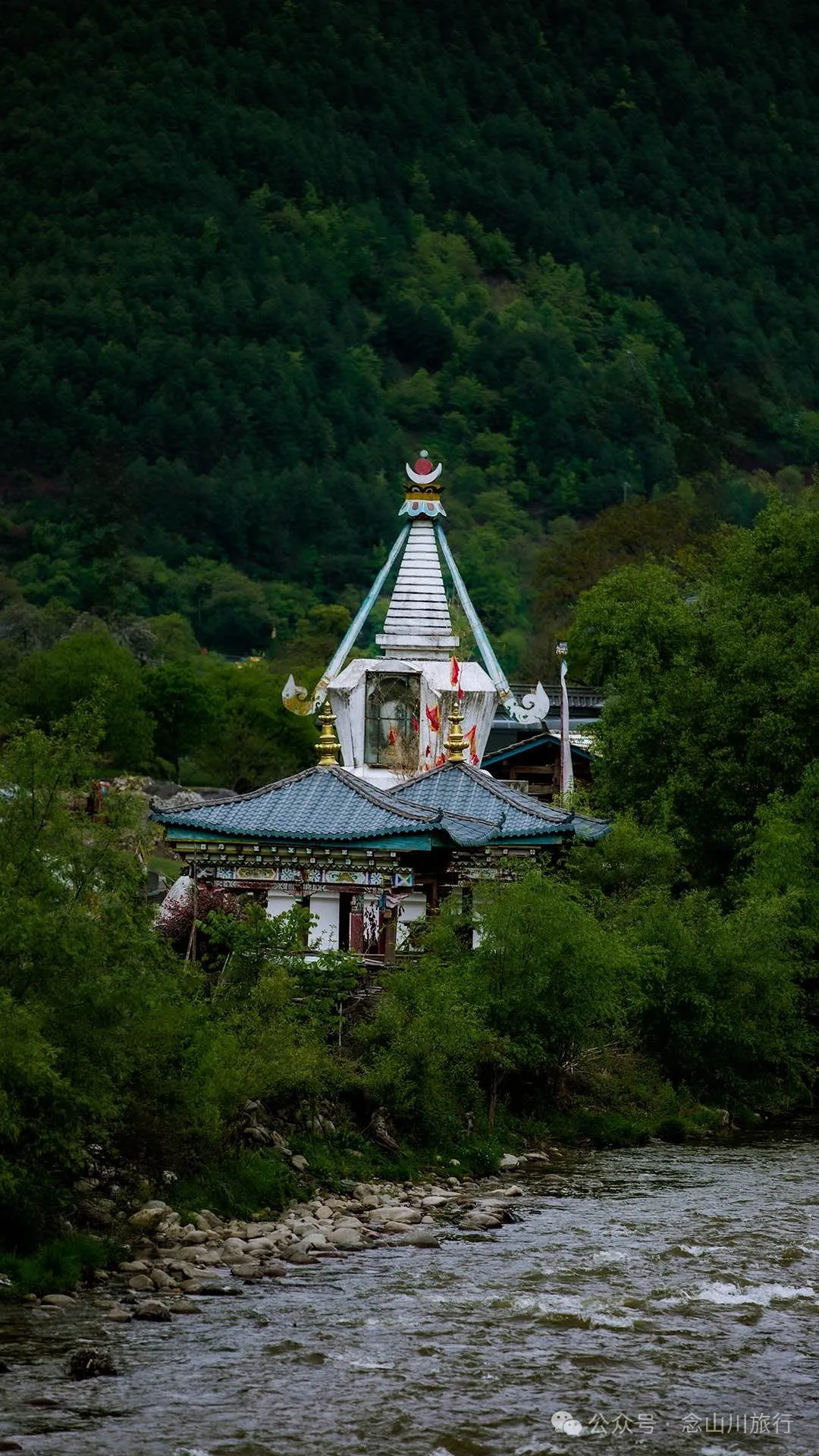
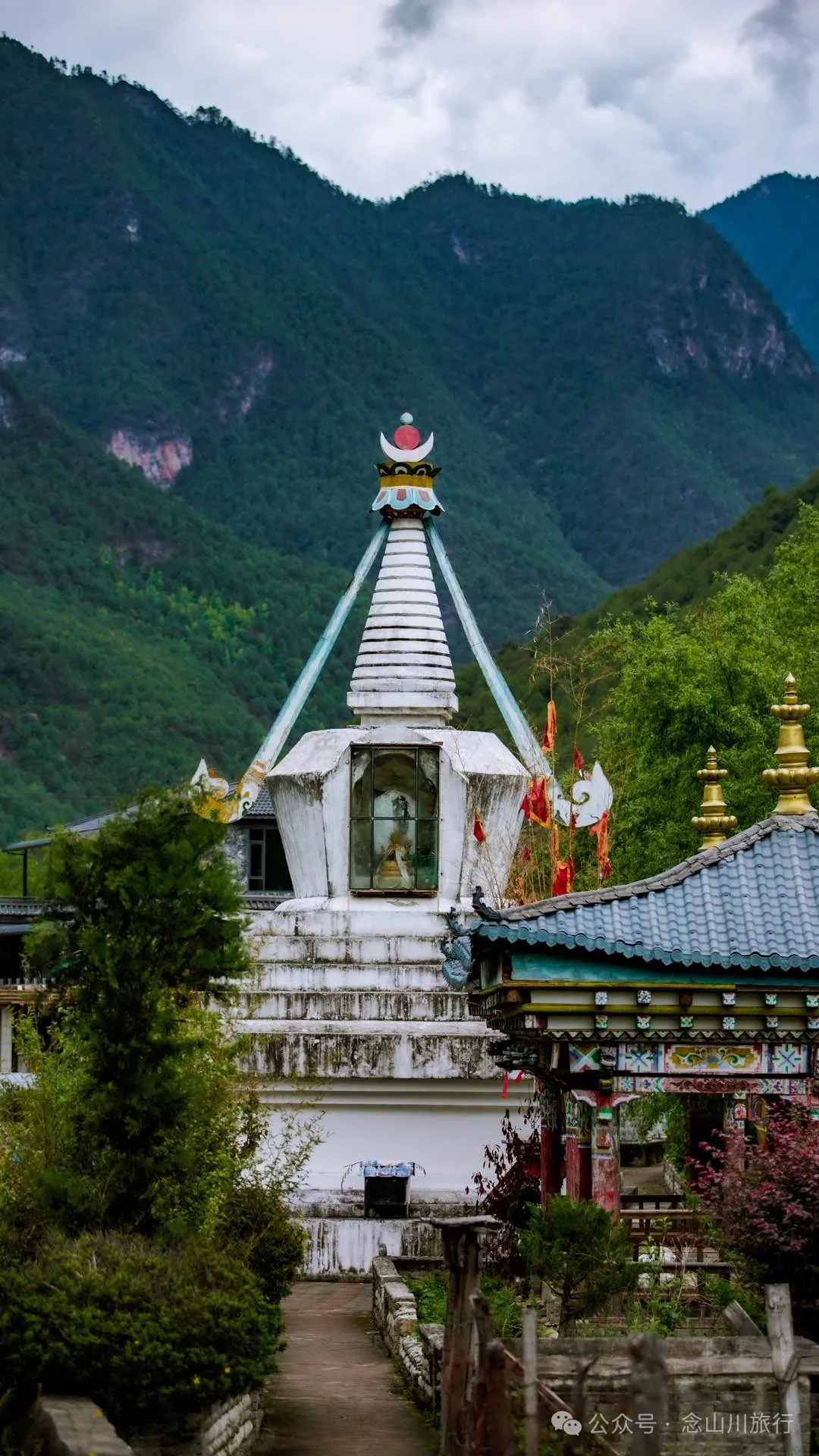
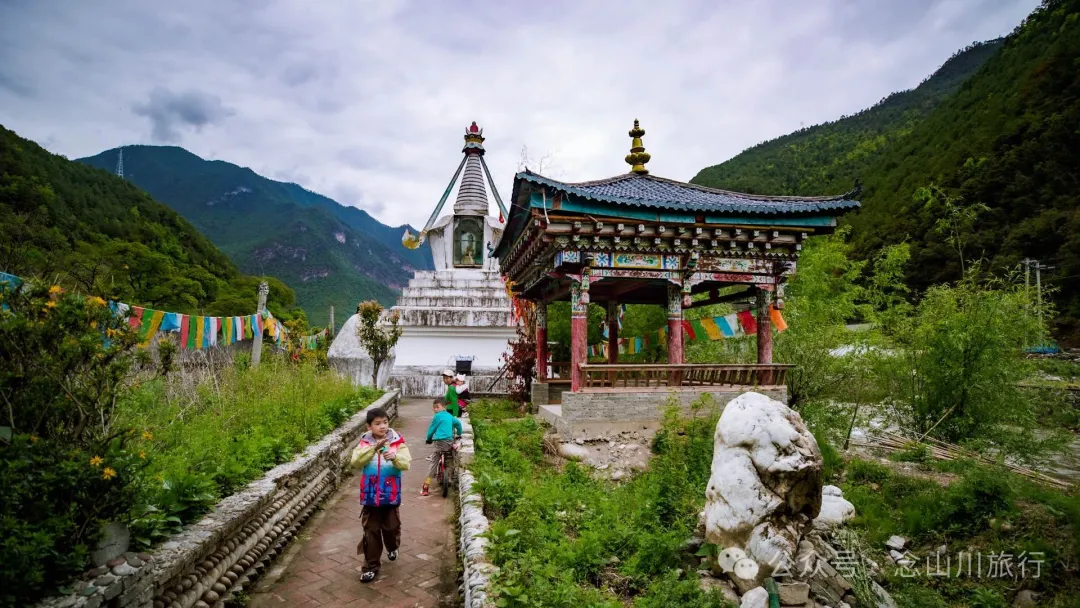
There are several white pagodas in Yatang Village. White pagodas (also known as "lama pagodas") are important symbols of Tibetan Buddhist culture. Tibetans believe that white pagodas can suppress evil spirits and protect peace, often building small pagodas near homes for blessings. They are also the "soul pagodas" of the Tibetan people, carrying historical memory and spiritual belonging. The white color symbolizes purity and auspiciousness. Tibetans circumambulate or touch the pagodas to purify karma and seek inner peace.