
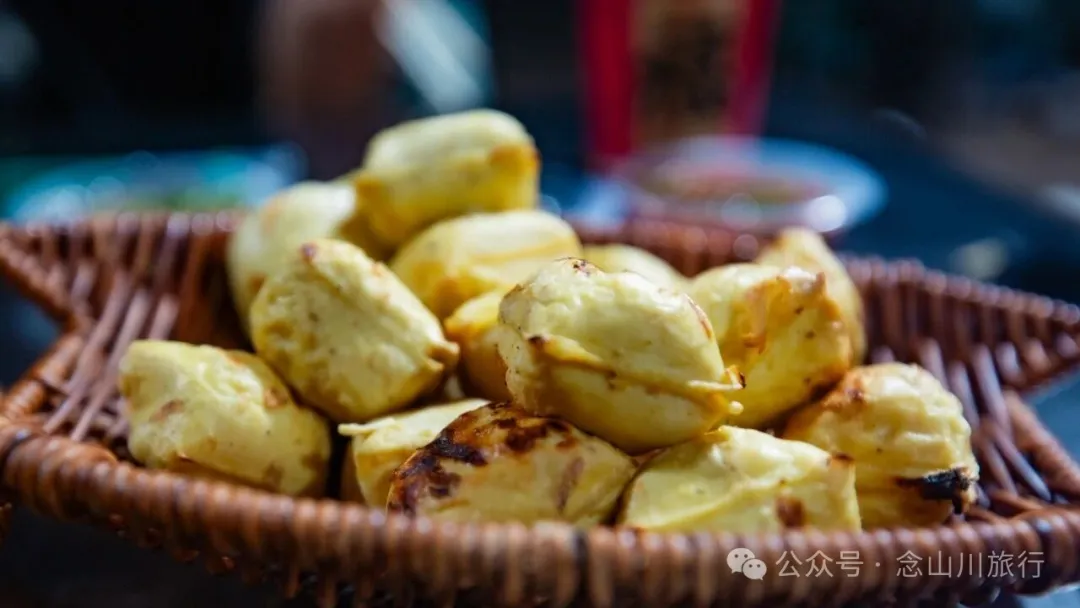
The first time I visited Shiping Ancient Town was for a local delicacy: Shiping tofu. When I lived in Dali, I often heard people mention Shiping tofu, especially when eating barbecue—people would order a few skewers, dip them in chili powder, or mix them with pickled vegetable paste. The first time I tried it, I didn't find the tofu particularly amazing, but my daughter loved it. About two years ago, we went to Shiping Ancient Town during a holiday, drawn by its reputation, and at a barbecue restaurant near the west gate, we finally tasted the long-craved Shiping tofu.
We hadn't done much research beforehand; I only remembered that the restaurant was bustling and packed. We followed the crowd and ordered a plate of small square tofu. The firm tofu skin, lightly grilled over charcoal, was very chewy and full of bean flavor. My daughter praised it highly and often recalled the deliciousness of Shiping tofu, saying she wanted to go again. Since our previous trip was short and we didn't have time to explore the ancient buildings and streets, we felt regretful. So we planned a second trip to Shiping for both the food and the ancient streets.
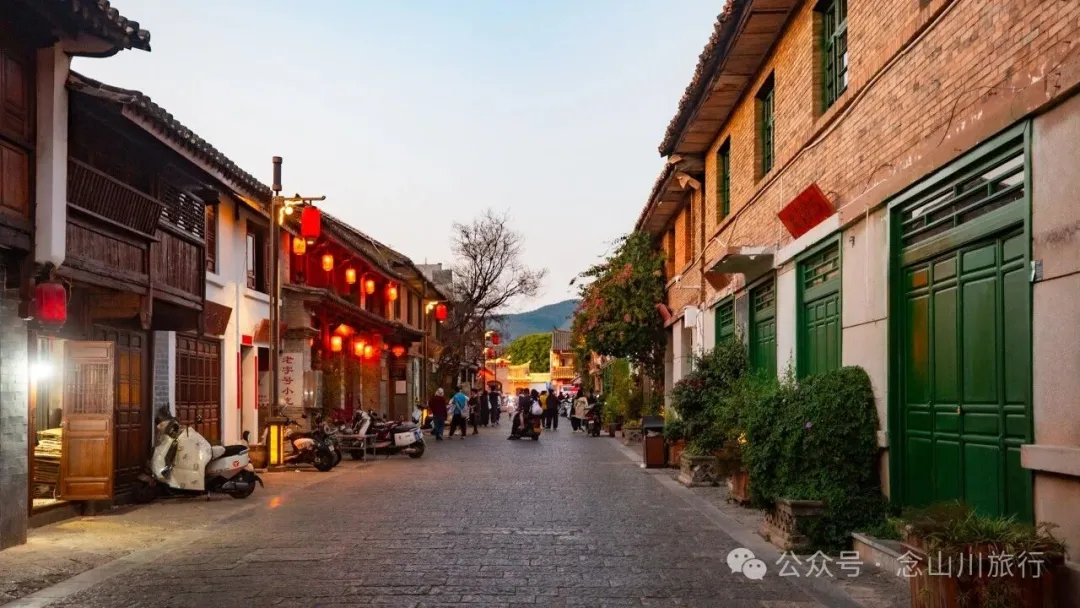
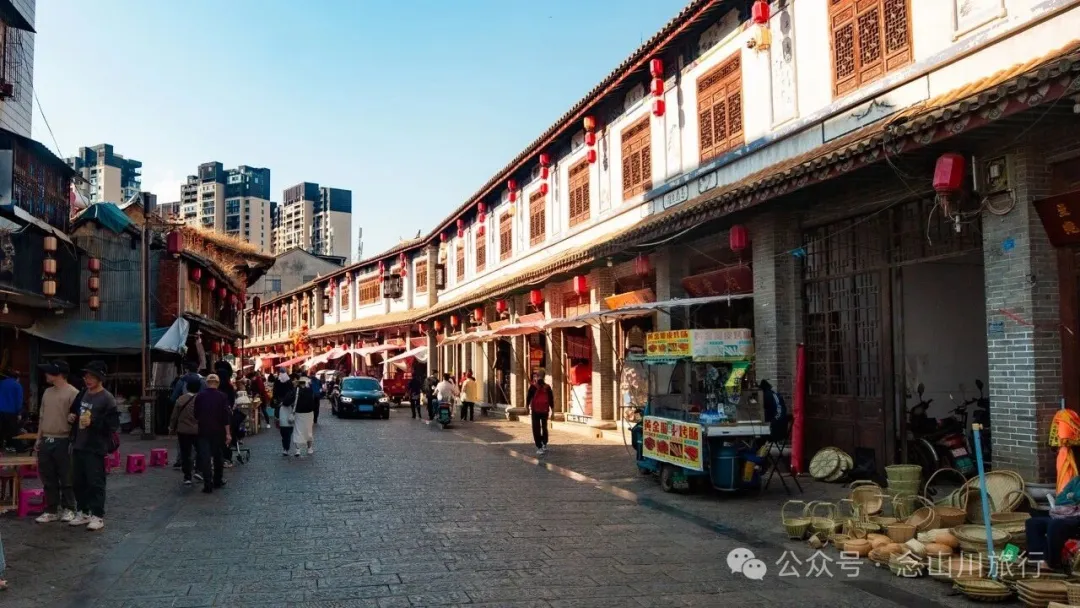
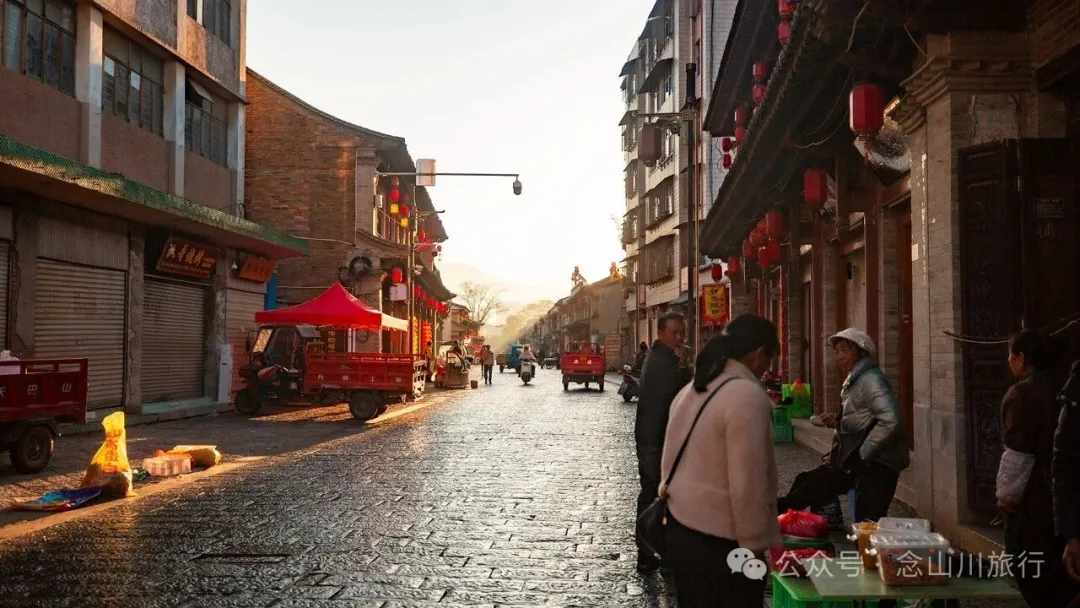
During the Spring Festival, Shiping Ancient Town was already filled with the spirit of spring. Around noon, the air even felt a bit scorching, and we, dressed in thick winter clothes, looked somewhat out of place. There were more tourists coming and going. On the wide street outside the west gate, many vendors set up stalls selling local snacks, specialties, and handicrafts.
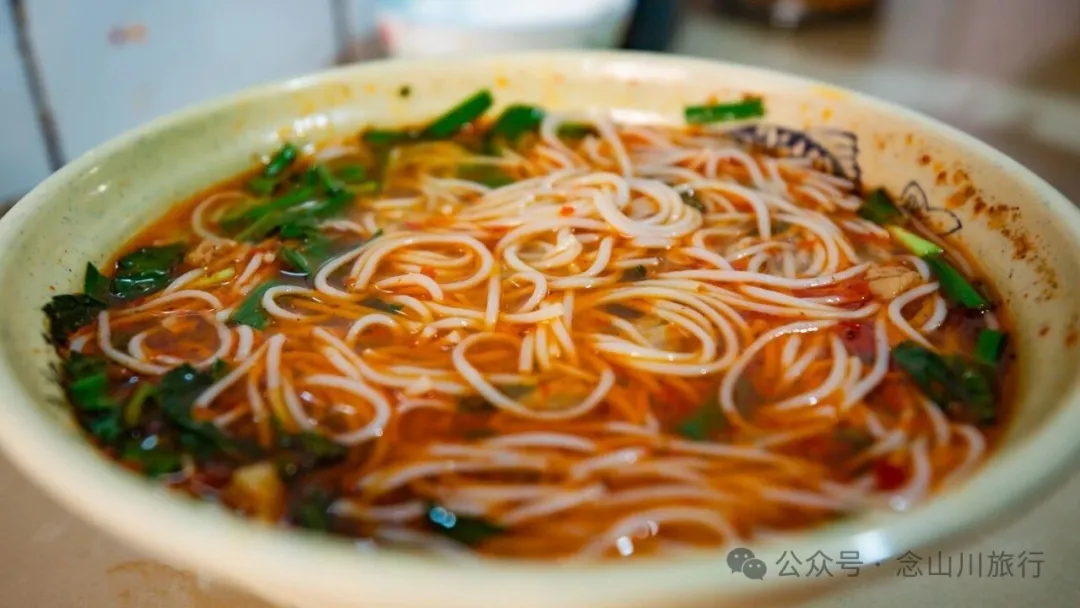
At a stall run by an elderly woman, I tried glutinous rice balls made with Gnaphalium affine. After boiling, they were coated with soybean flour, and they tasted quite good. This left a deep impression on me—in Yunnan, few people seem to know that Gnaphalium affine is an edible wild herb. The woman's accent was very distinctive and hard to understand, quite different from other local dialects. During our two-day stay, the street market was held every day, but normally it might be held every three to five days. Breakfast shops along the street mainly served rice noodles and Ersi (a type of rice noodle), mostly made from red rice, at very affordable prices—a bowl cost 6, 8, or 10 yuan, and even the smallest portion was enough to fill you up.
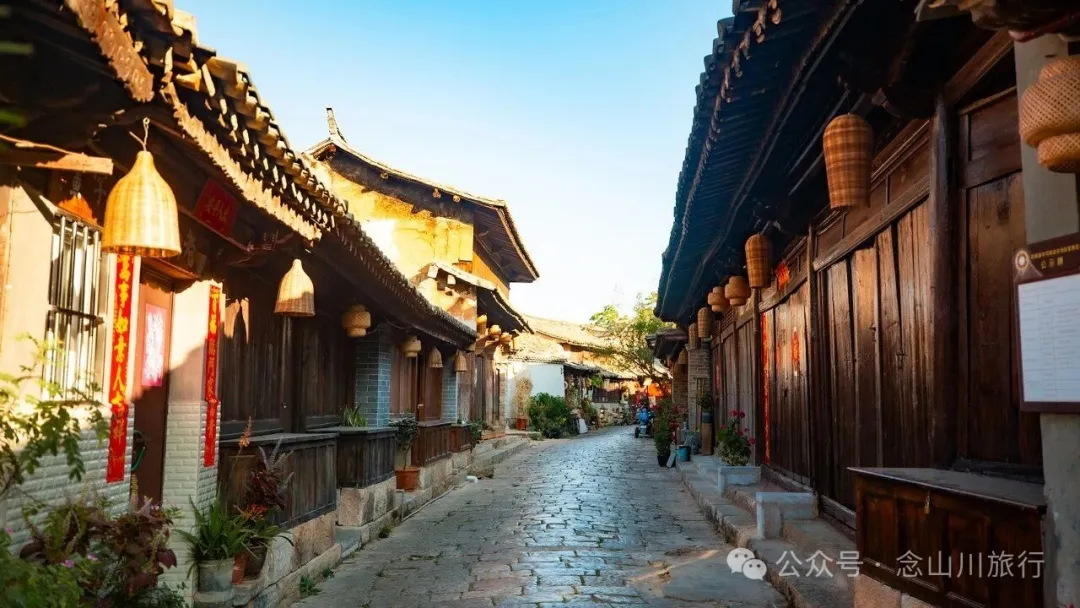
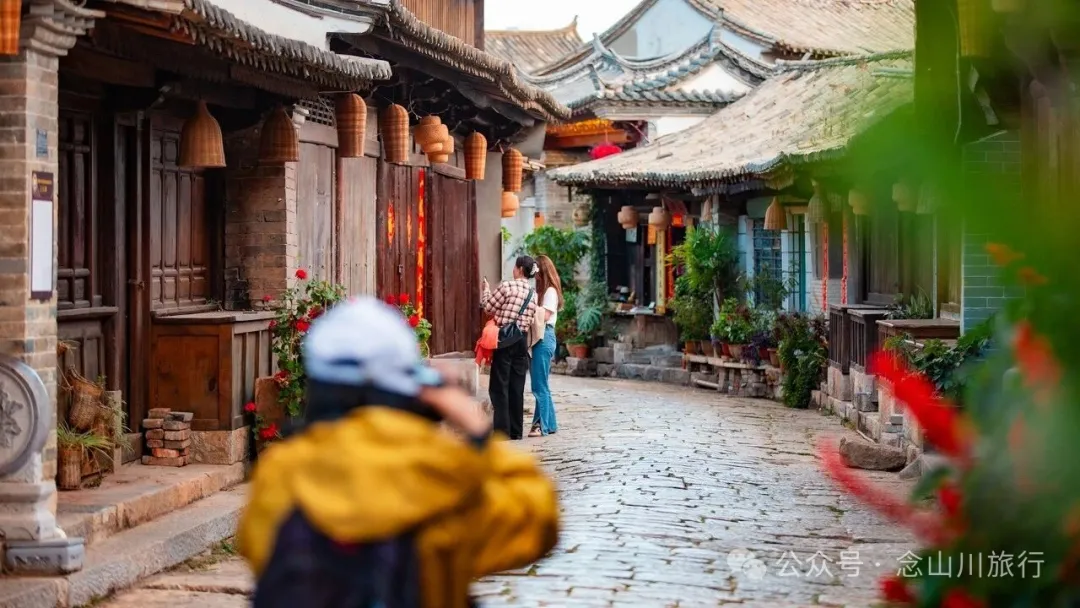
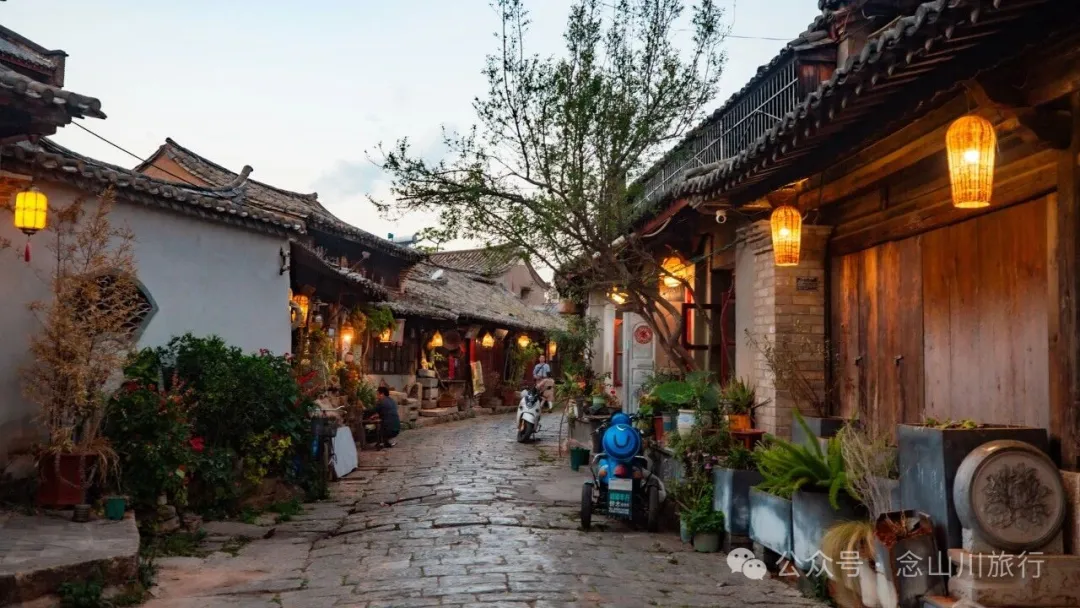
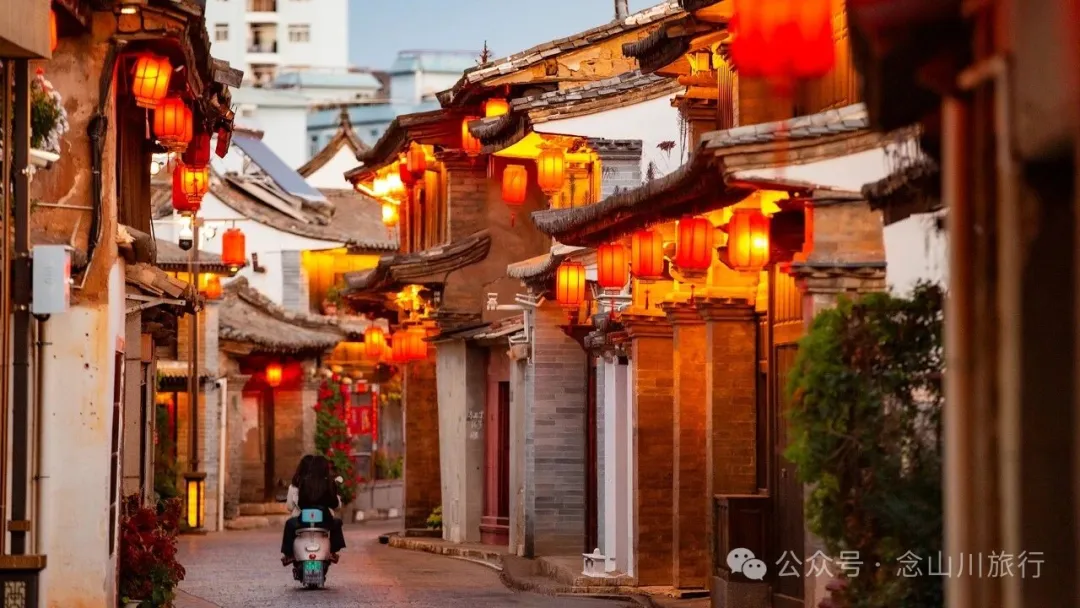
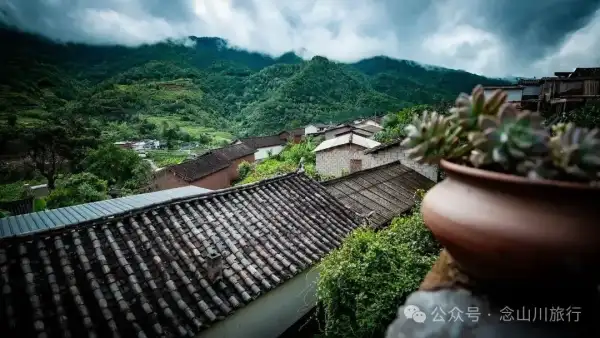
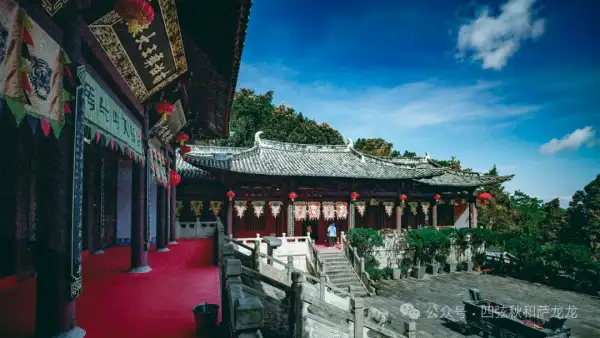
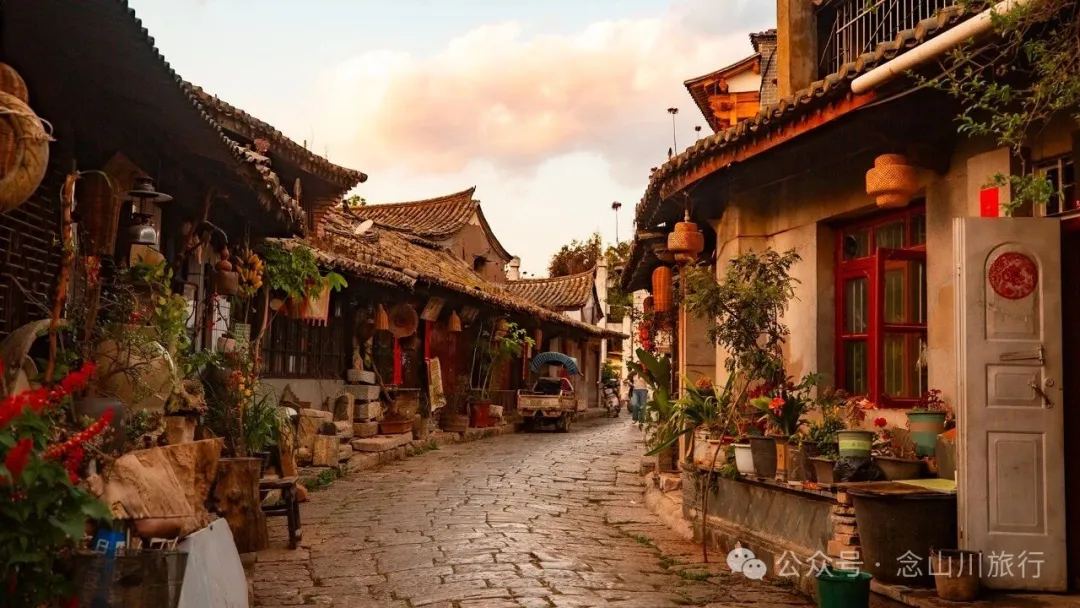
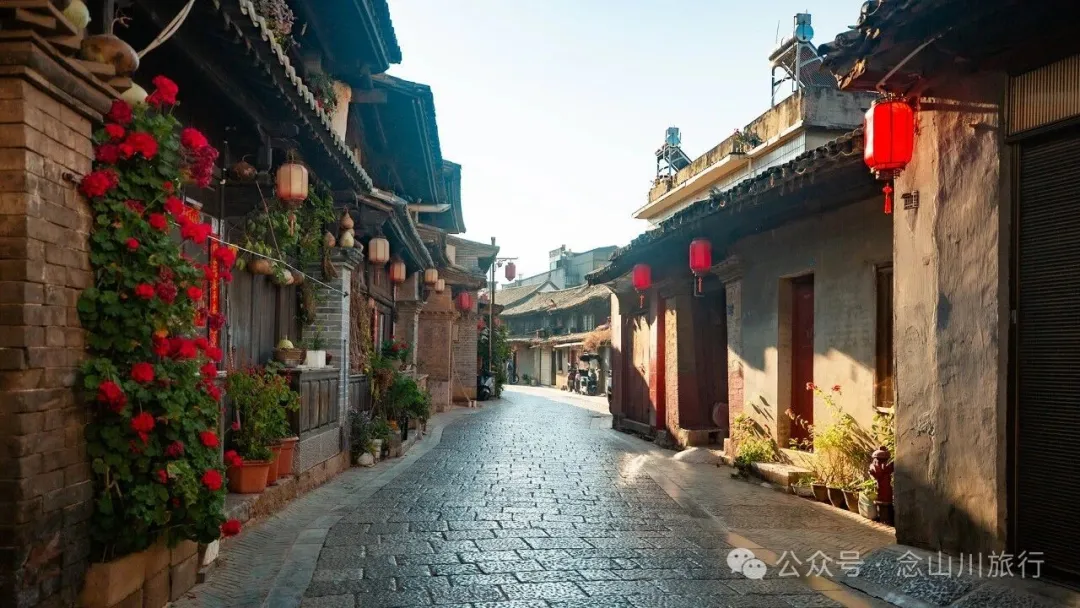
The old buildings in Shiping Ancient Town are scattered, lacking the large-scale ancient architectural complexes found in other ancient towns. After leaving the Shiping Tofu Museum and heading back to our accommodation, we unexpectedly came across an exceptionally clean and elegant ancient street called Zhutiansi Street. The street is not long, only a few hundred meters, with smooth stone slabs reflecting faint light. The residential buildings on both sides are low-rise brick-and-wood structures with an antique feel. There were very few tourists, and most shops had their doors closed. Only one antique shop had a person sitting at the entrance, absorbed in their phone. A couple of houses along the street resembled the architectural style of the village where I grew up.
At dusk, when the warm orange light caressed this extremely quiet ancient street, I felt as if I had stepped into a dream from years ago. I clearly remembered that in the dream, the ancient town was called Lantai Town, and the street scene was very similar to what I saw before me. I had naively searched for this name before, but found no information about Lantai Town. In Yunnan, I have visited many ancient towns and streets, both famous and obscure, but only Zhutiansi Street reminded me of that unusually vivid dream. Perhaps it foreshadowed this encounter.
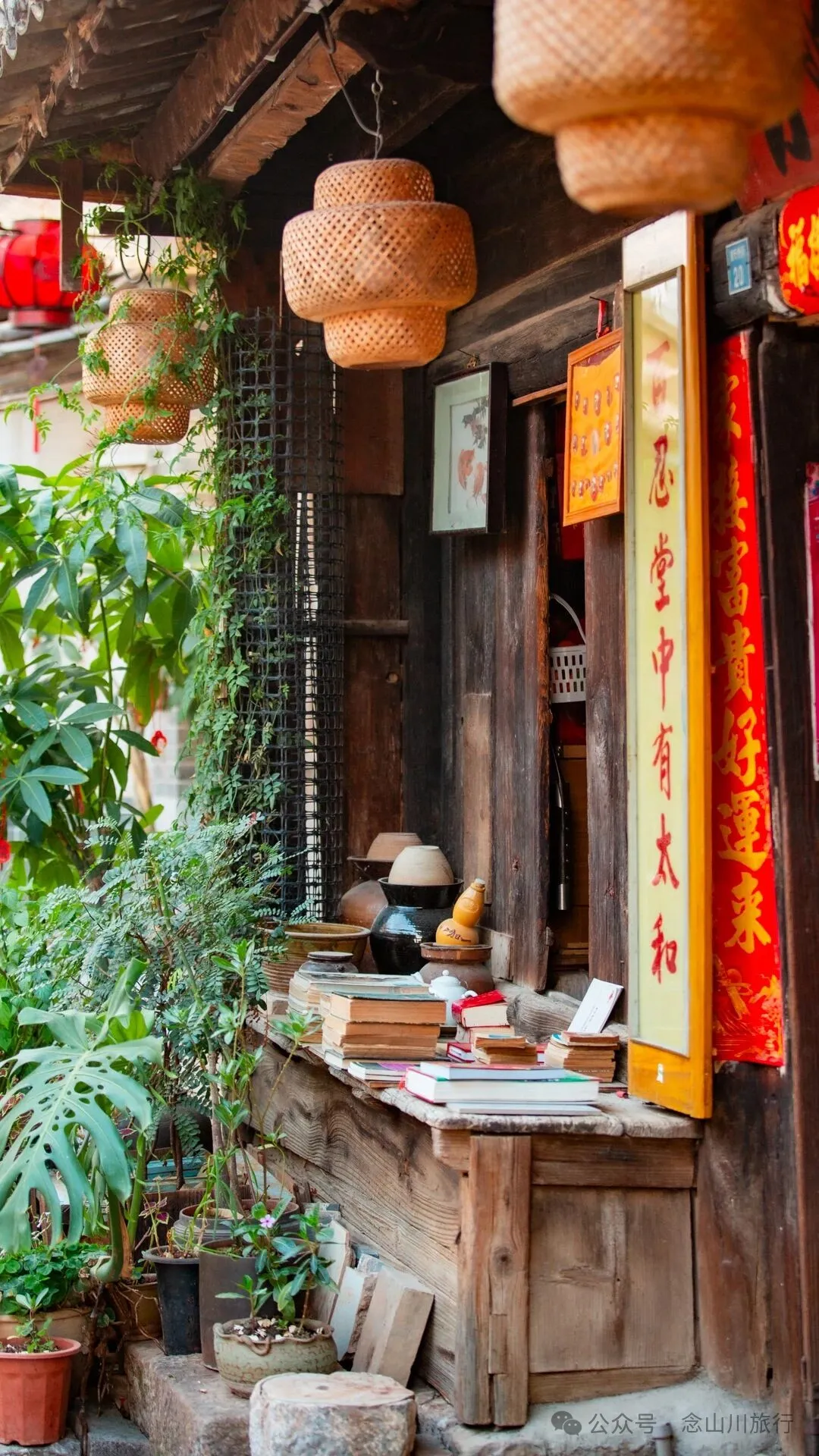
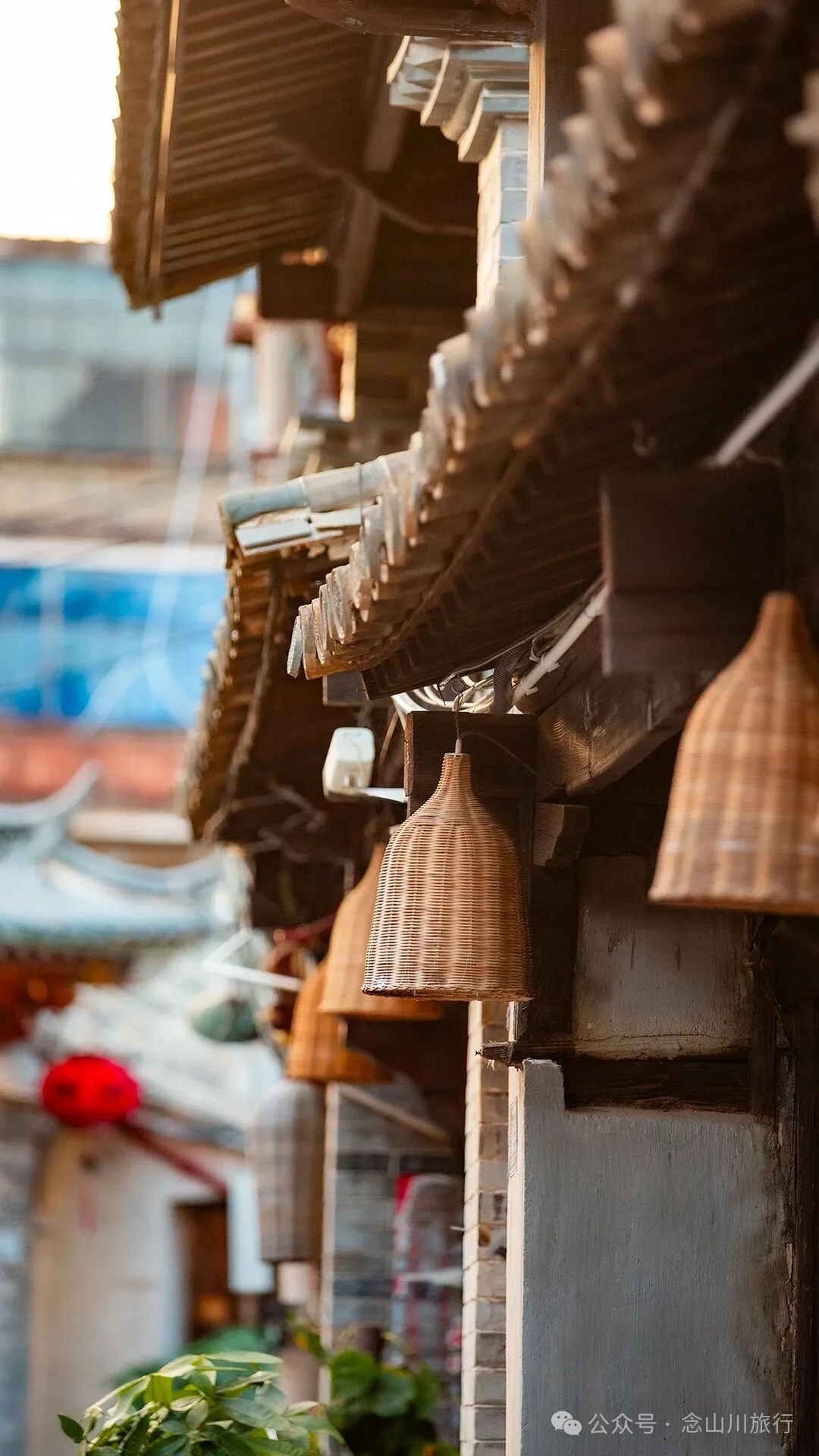
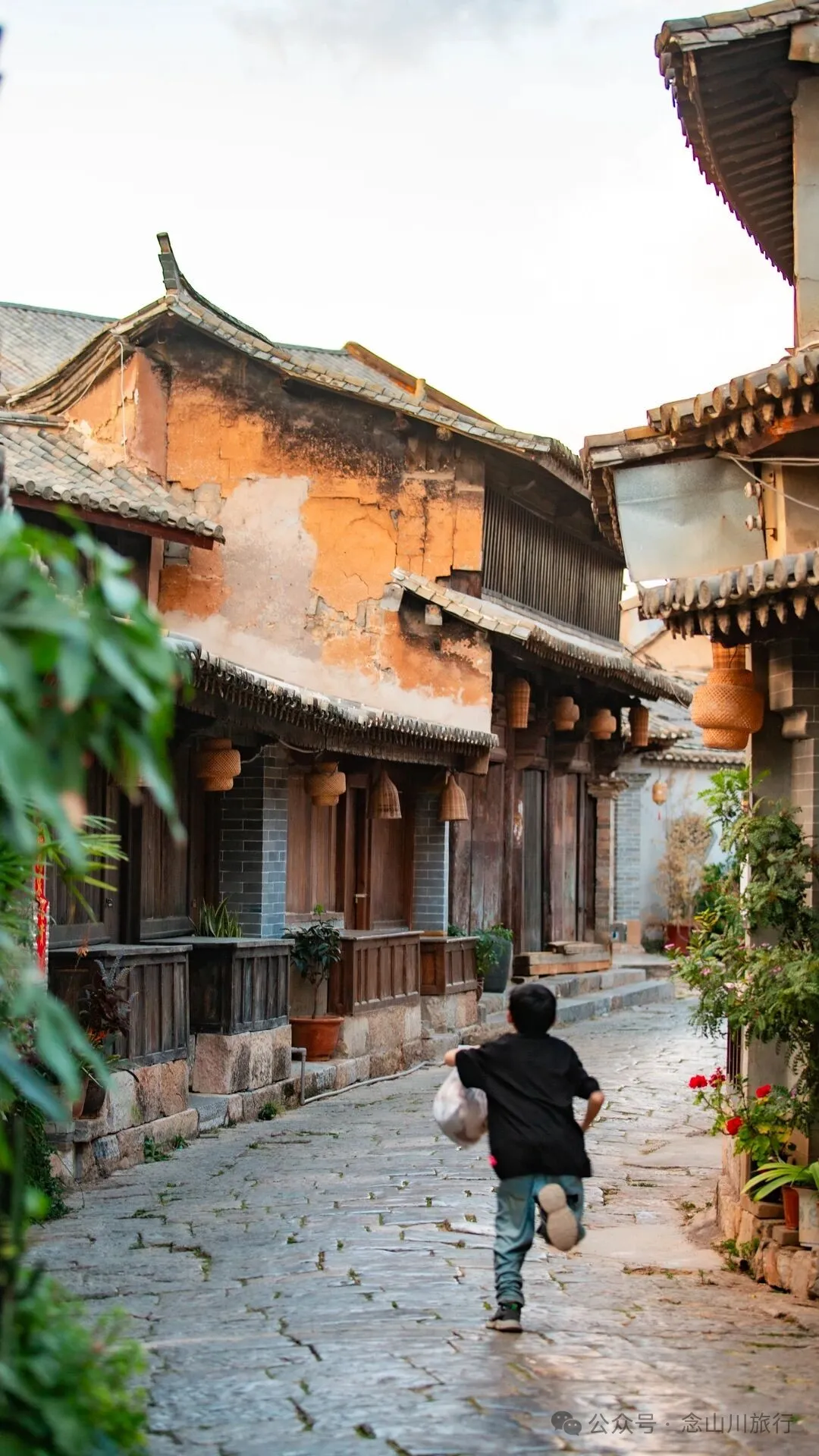
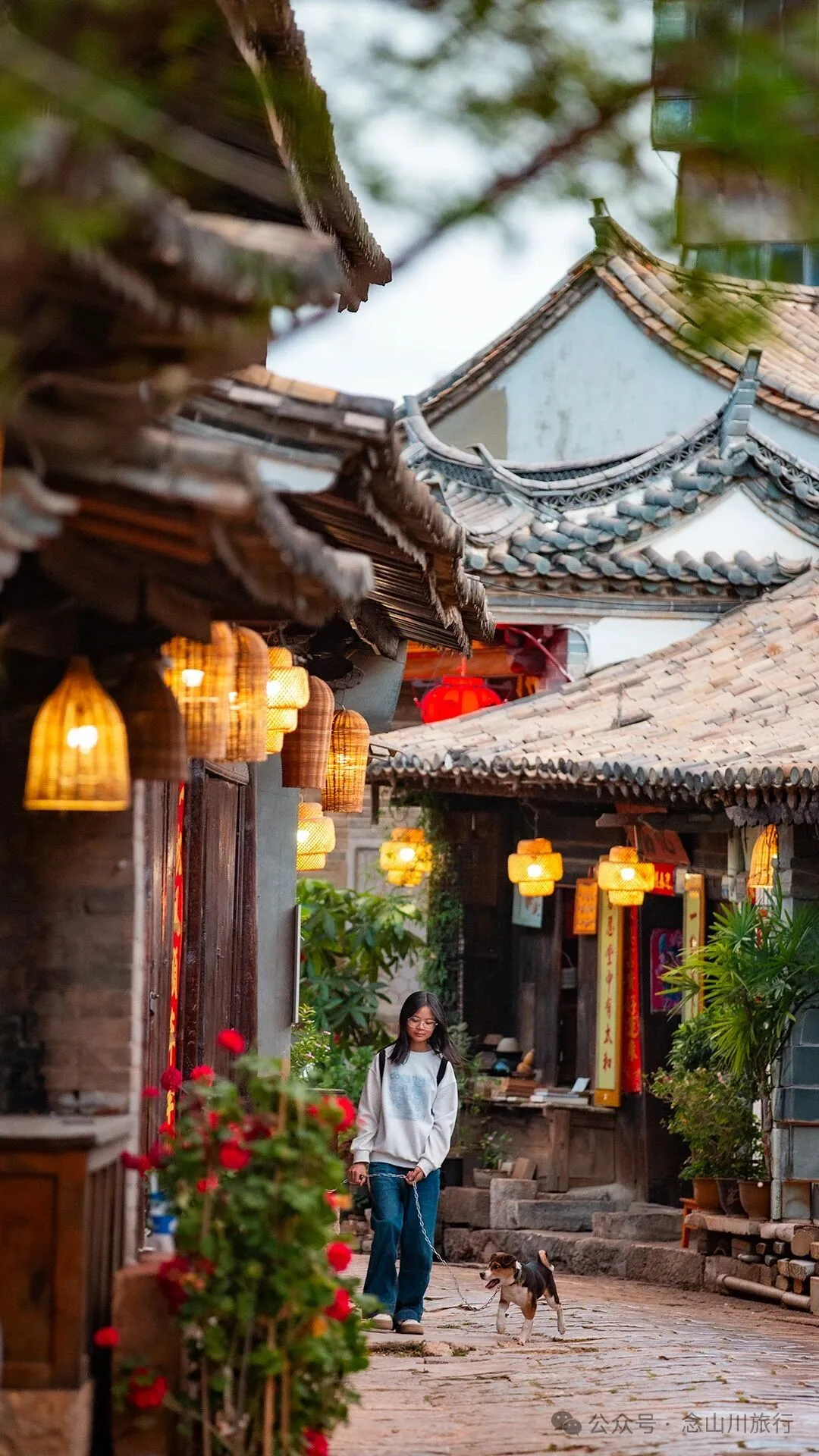
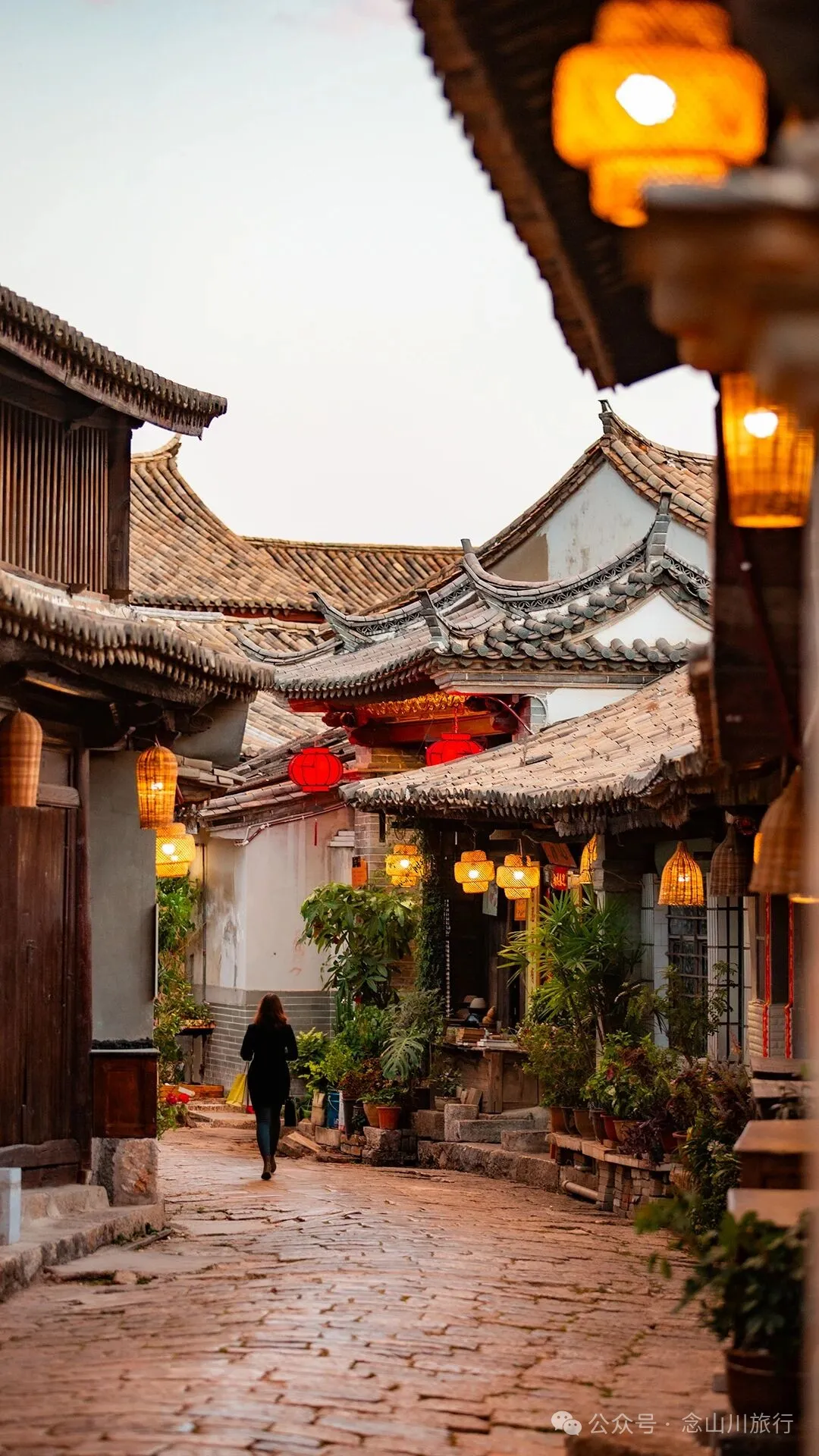
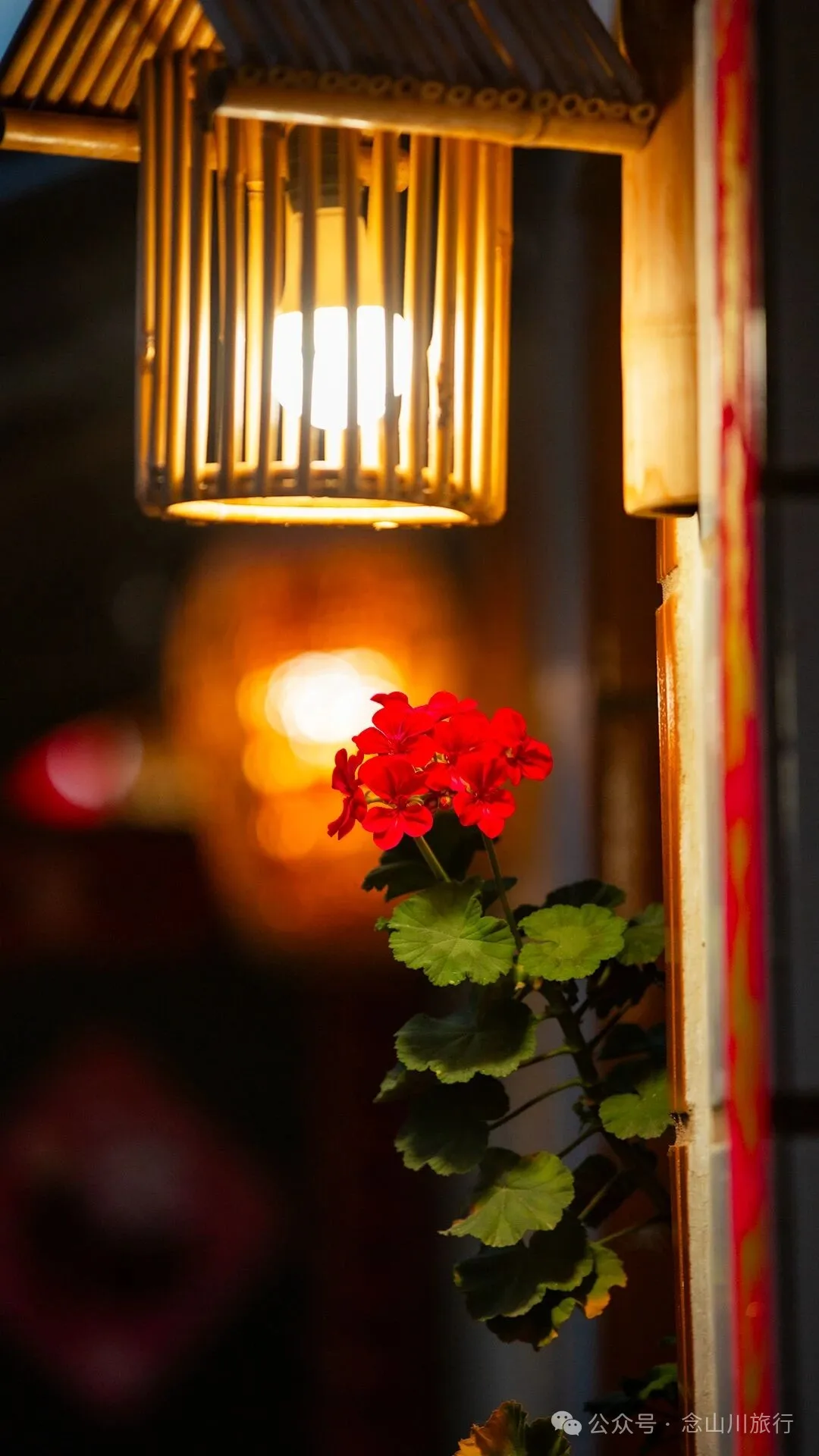
The next morning, I went back alone to the street I had walked the day before, hoping to stroll along Zhutiansi Street again. But it wasn't marked on the map. I asked a few locals who were out buying vegetables early. Some said they had never heard of the street and didn't know where it was; others spoke the local dialect, which I couldn't understand at all. I followed the general direction pointed out by passersby and ended up outside the ancient town. Fortunately, I met a delivery driver bringing breakfast, who helped me find Dongzheng Street, which was separated from Zhutiansi Street by an alley. Then I walked through the familiar alley and saw the street clearly in the morning light. In one alley, a door was open, and an elderly woman with silver hair was eating breakfast inside. I wanted to go in and chat with her, ask some questions about Zhutiansi Street, but I was afraid that barging in would disturb her peaceful morning, so I gave up. I just paced slowly along the ancient street, watched people shelling peas for a while, and then left.
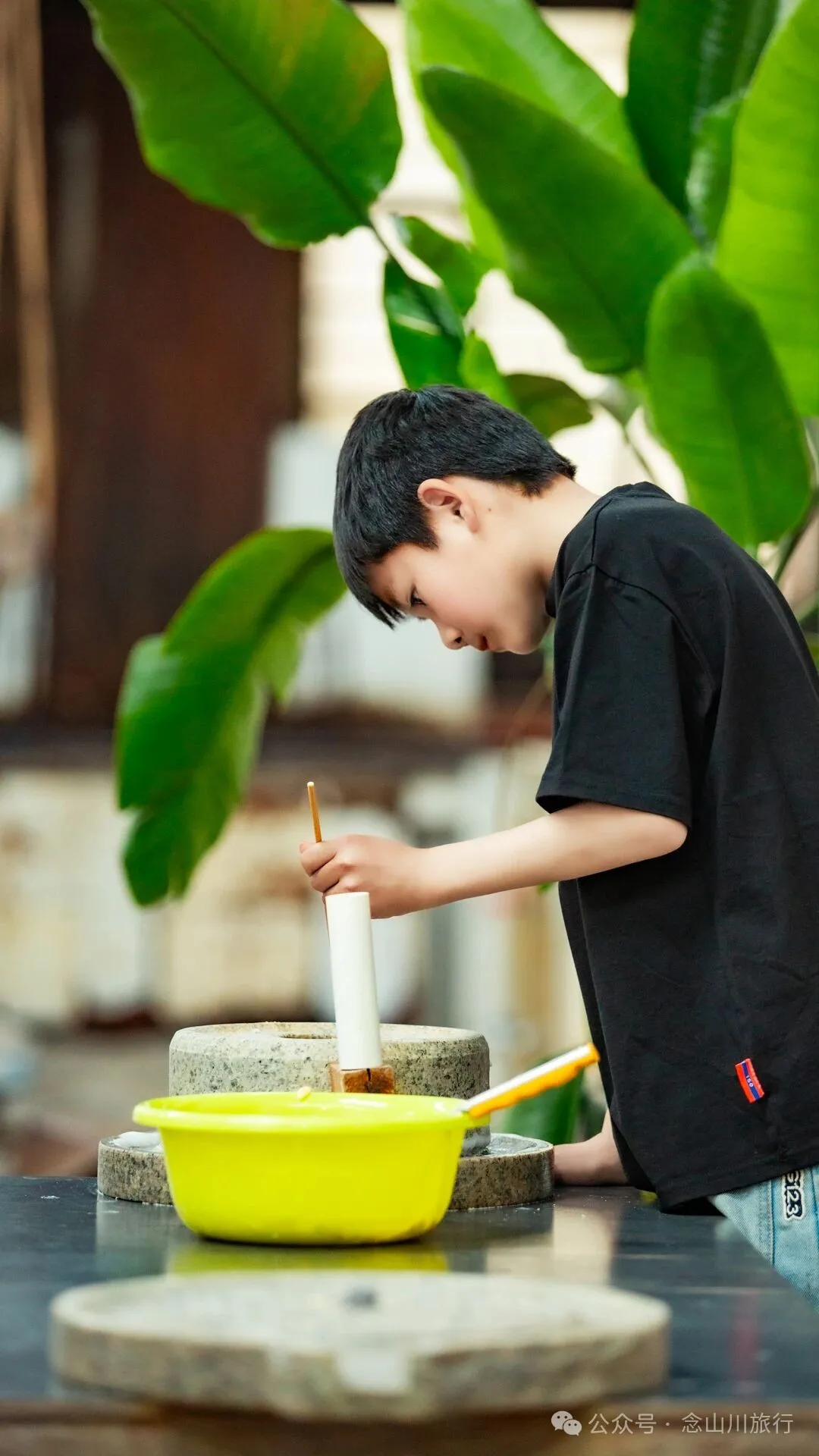
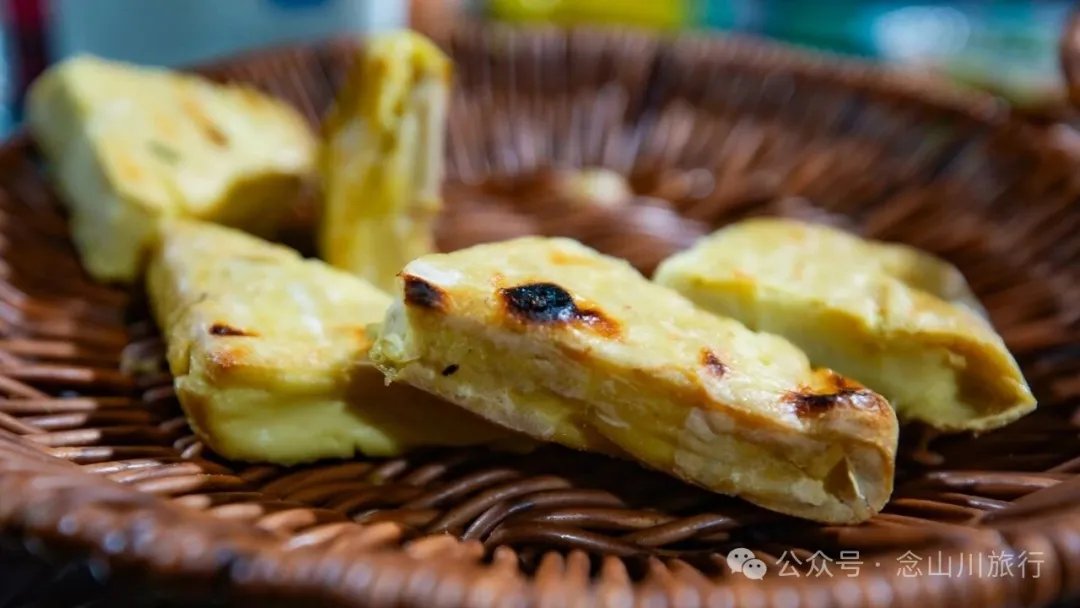
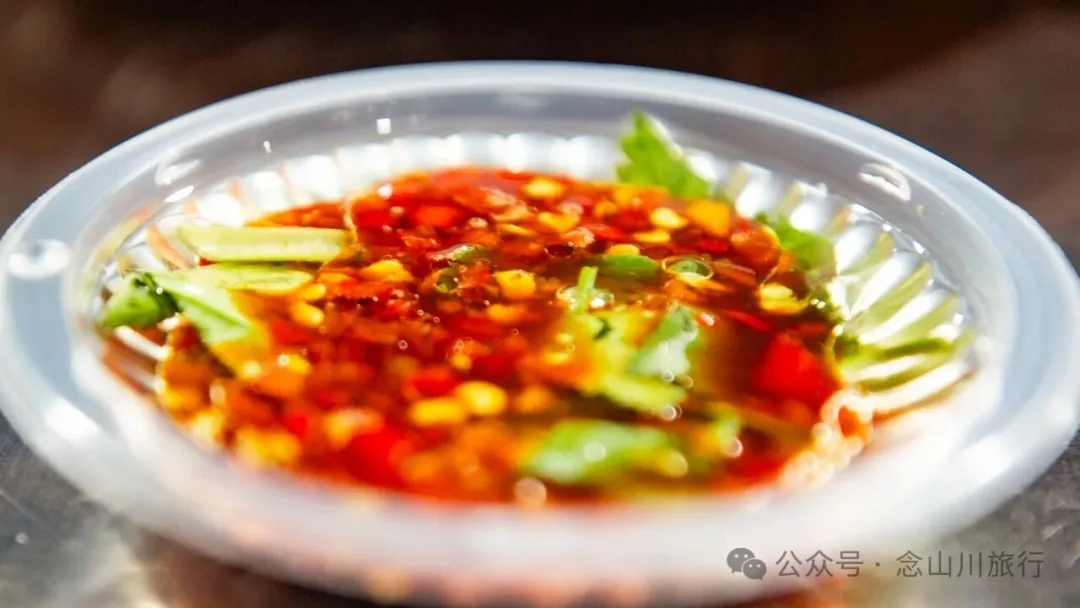
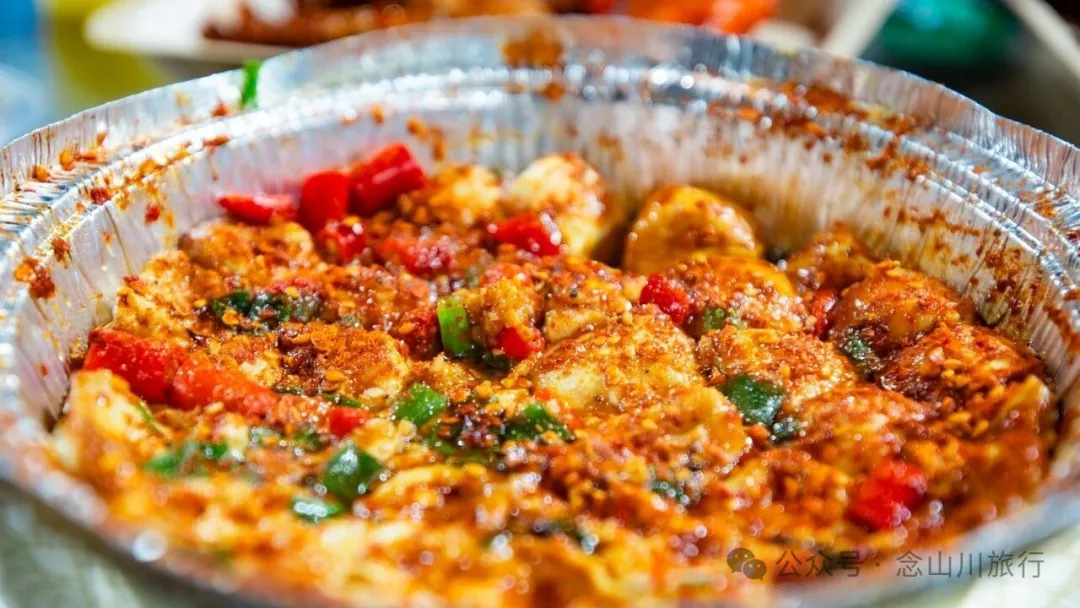
At the Tofu Museum, we experienced making Shiping tofu. The staff boiled the soy milk that a boy had ground by hand and gave us some to taste. The soy milk had an extremely rich aroma. For dinner, we had to have a tofu feast to make it perfect. Several barbecue restaurants near the west gate had staff specifically grilling tofu at the entrance. Almost every table ordered one or two servings. The cook grilling the tofu said the tofu strips were tastier, so we ordered one of each, plus a serving of stuffed tofu, and still felt it wasn't enough.