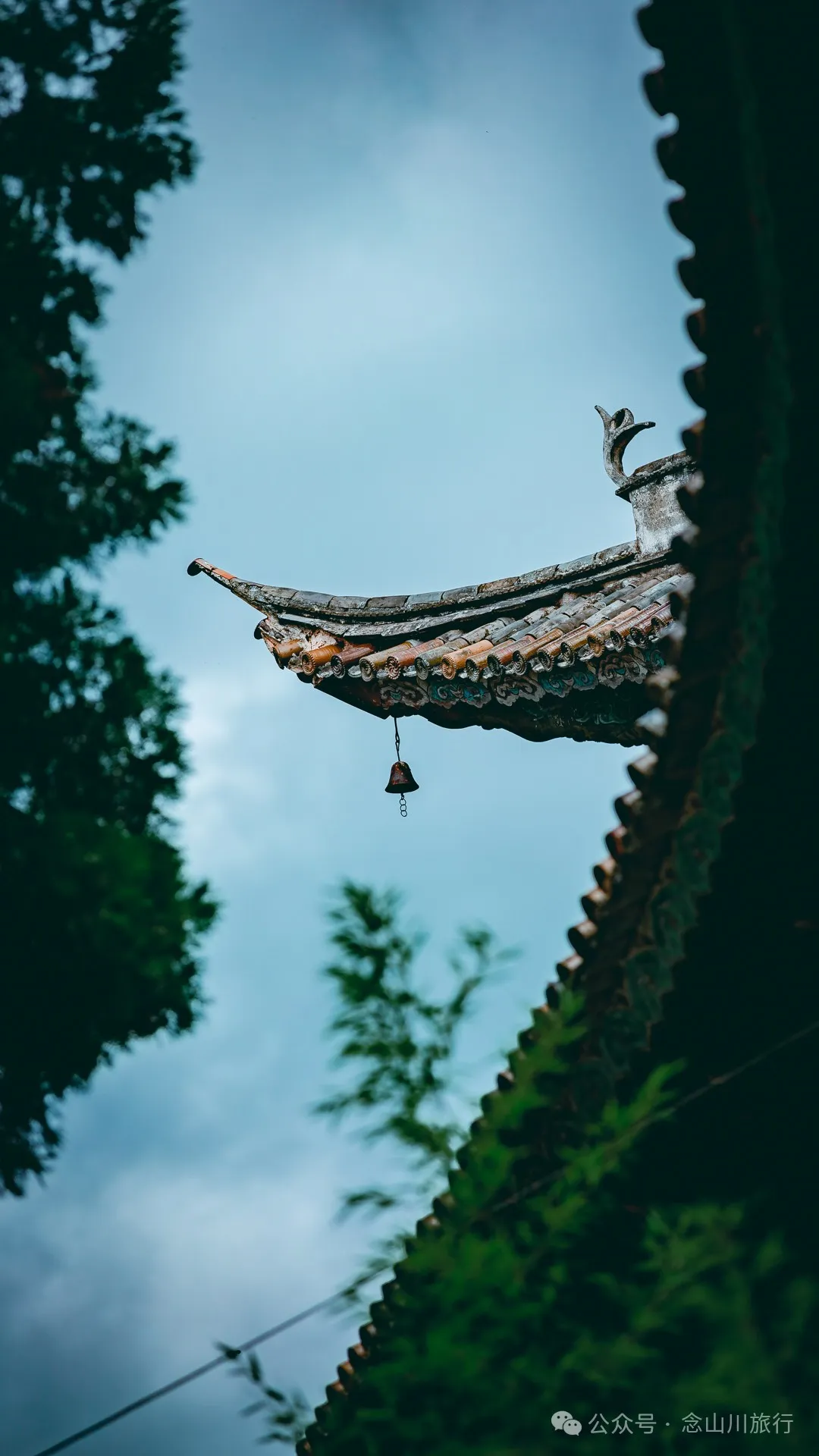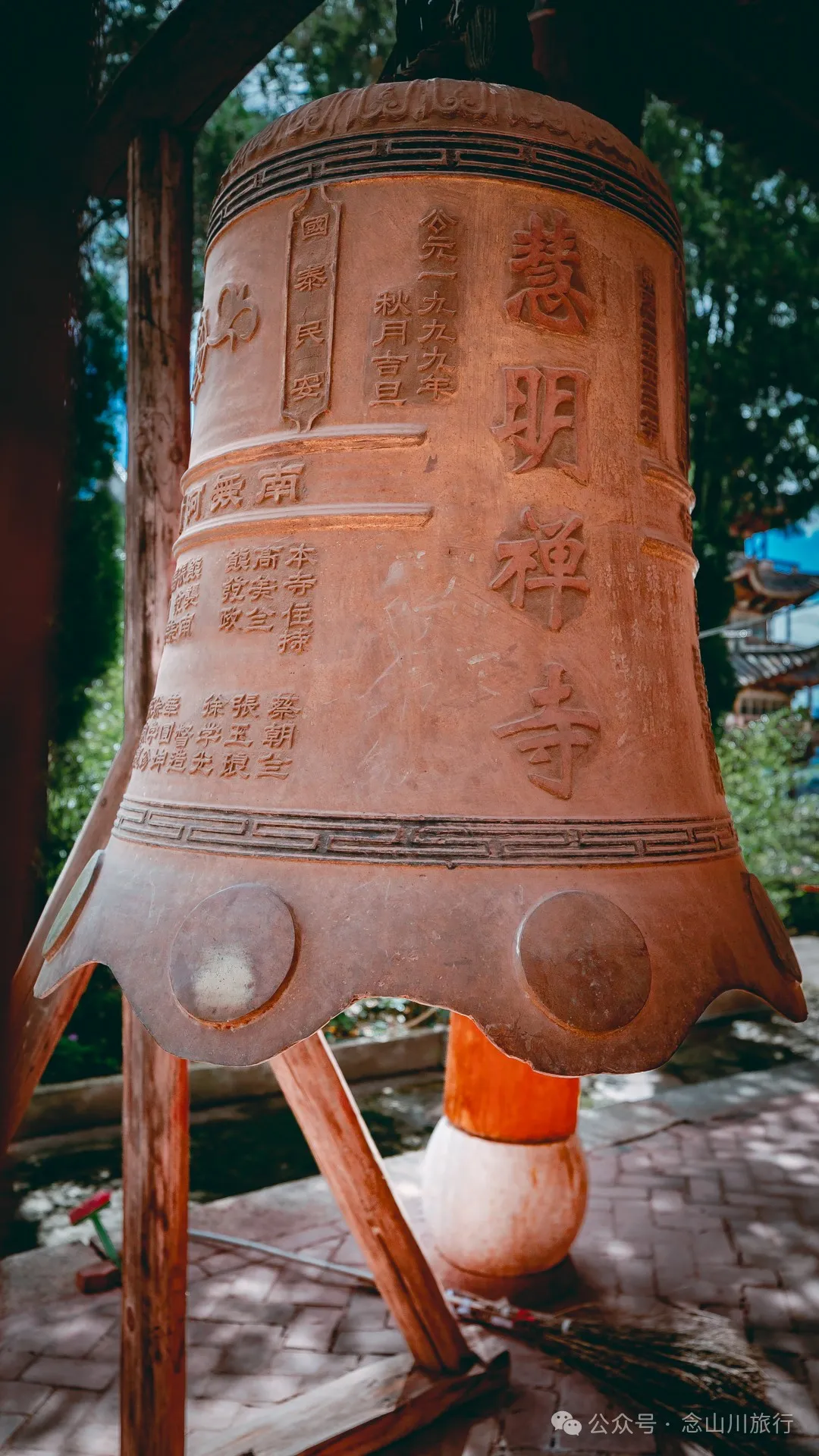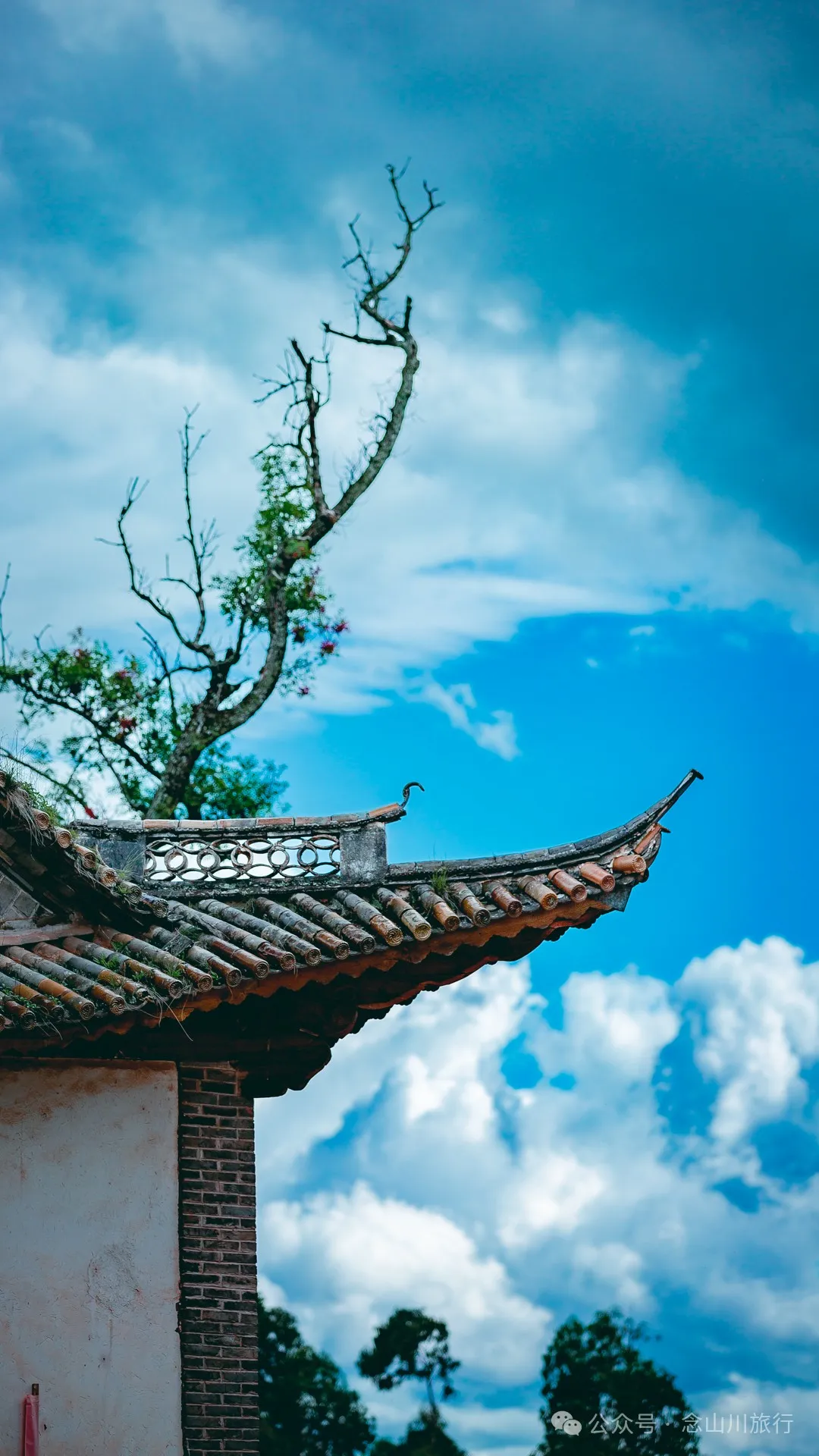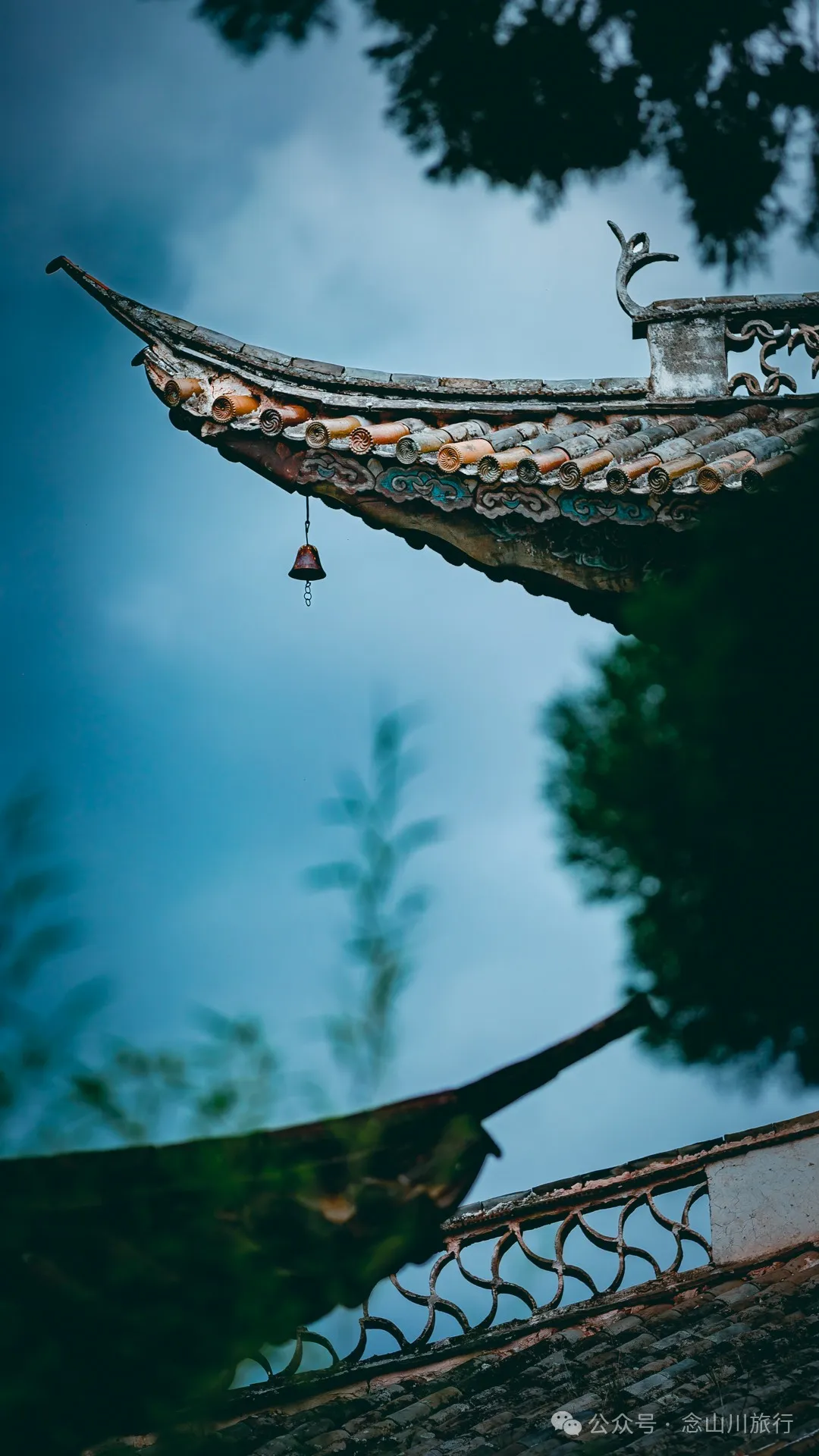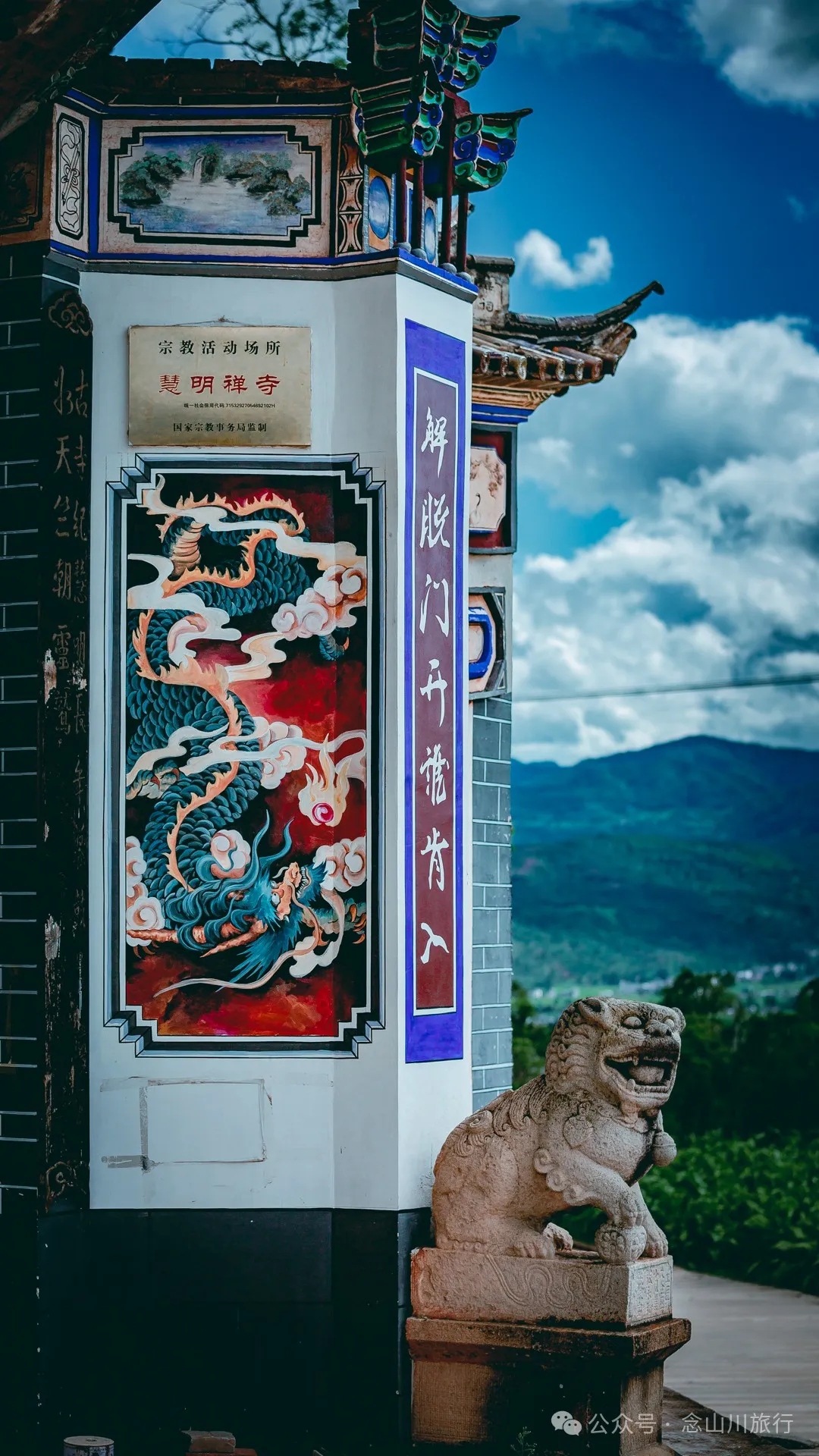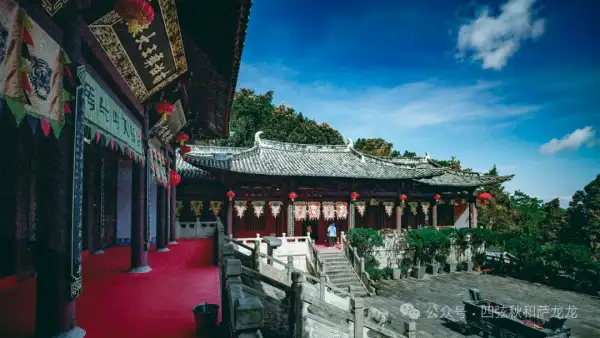

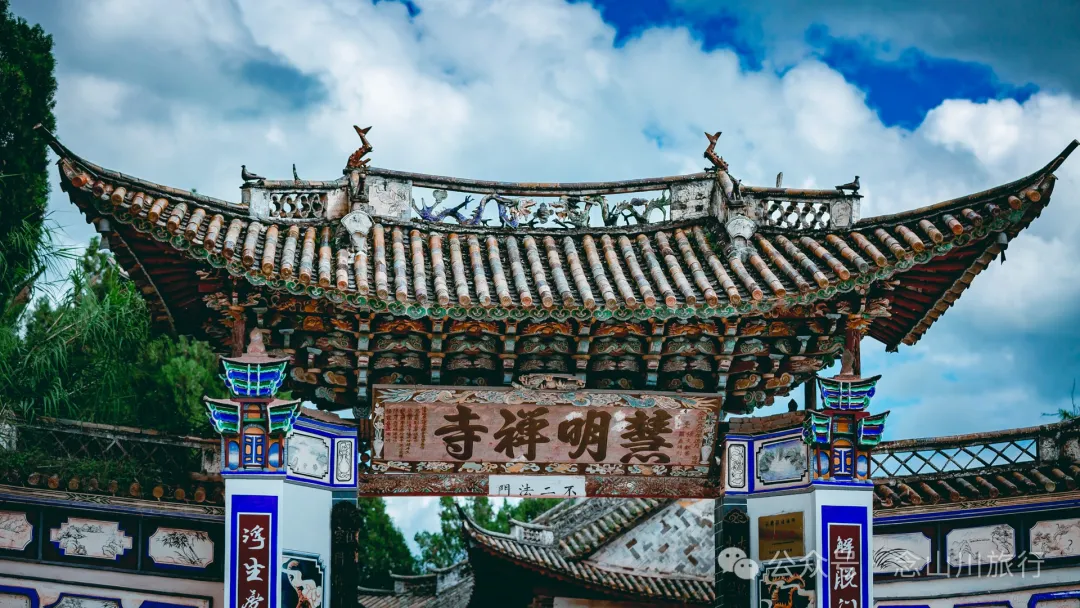
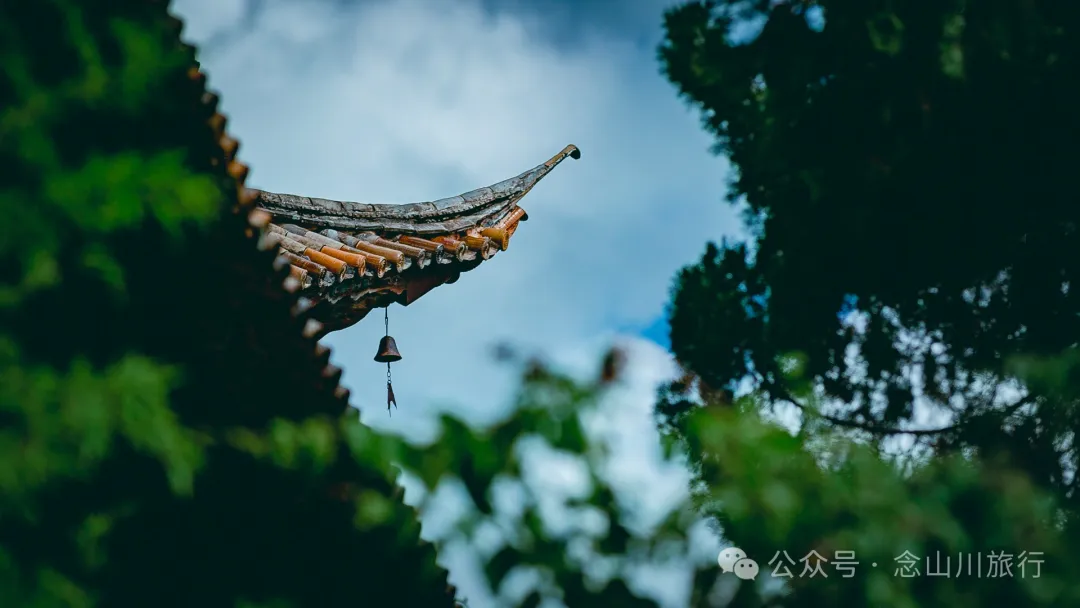
"The ancient temple records Huiming, with long years of evening drums and morning bells, solemnly like the Vulture Peak in India; the empty gate transmits Buddhist principles, with four seasons of picking flowers and touching stones, as if on Penglai in the fairy isles." This is a couplet on the gate of Weishan Huiming Zen Temple, written in 1993. Amidst the crisp ringing of bells, we stepped into this ancient Zen temple from the Ming Dynasty.
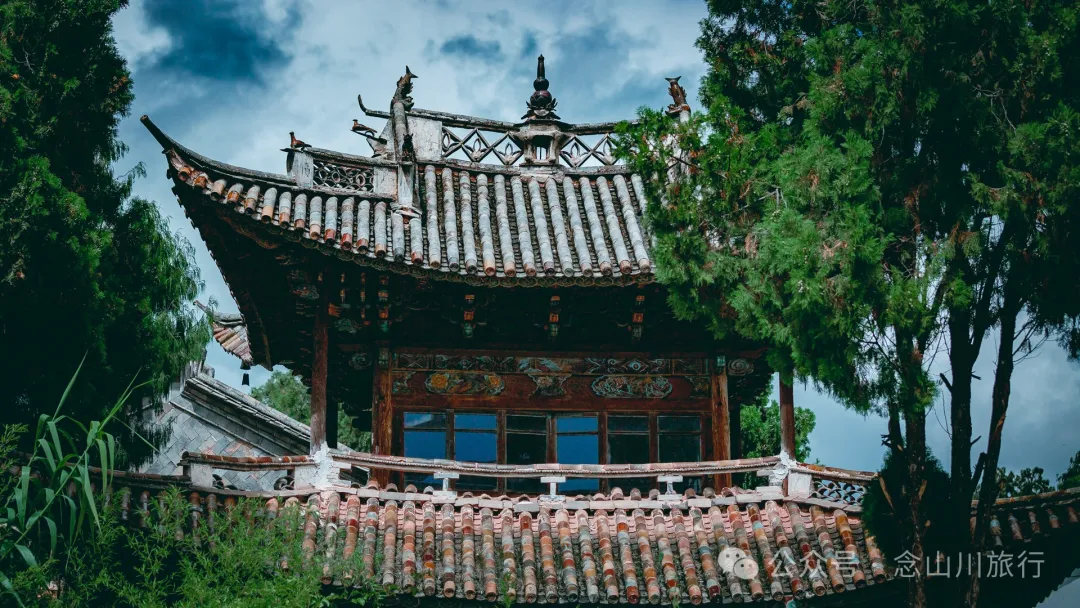
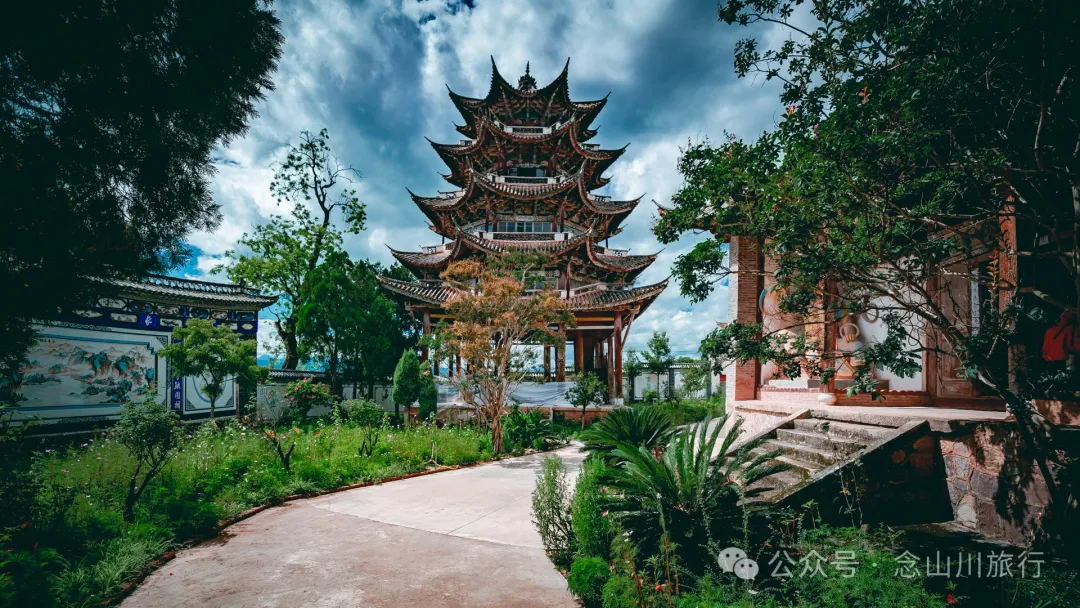
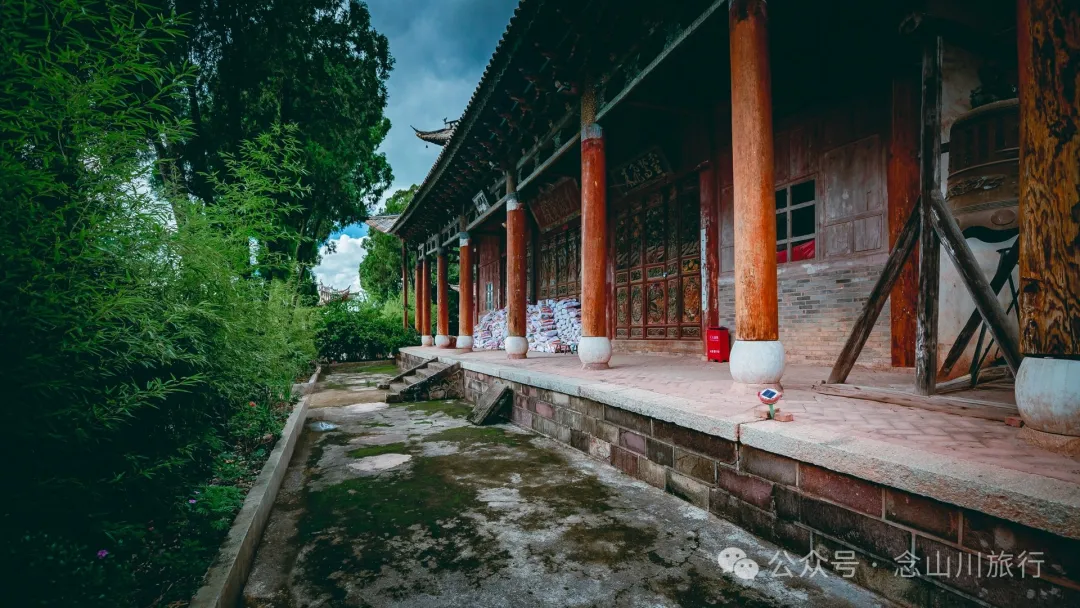
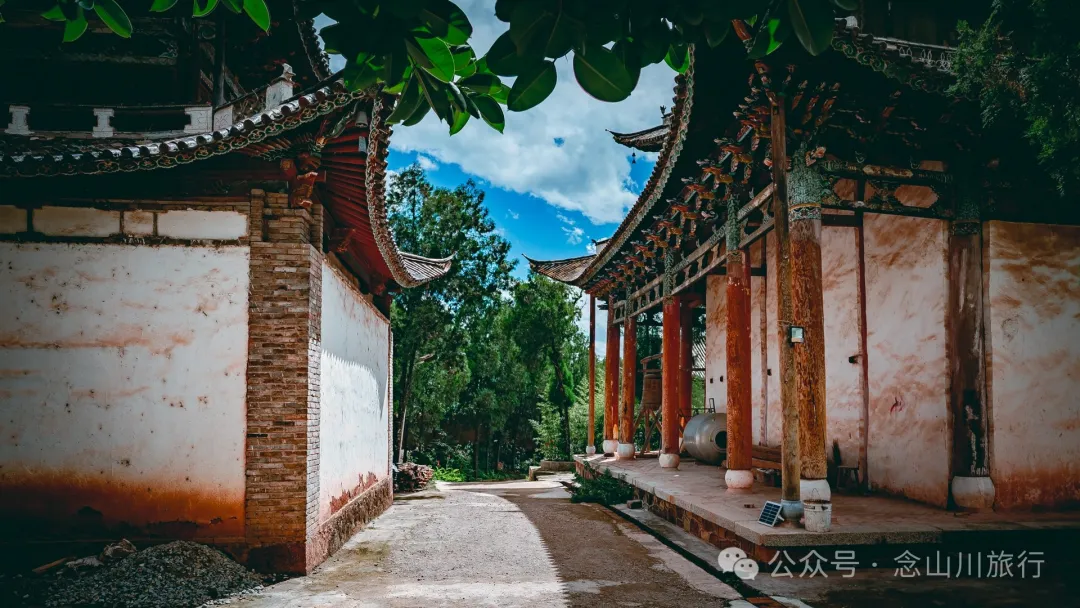
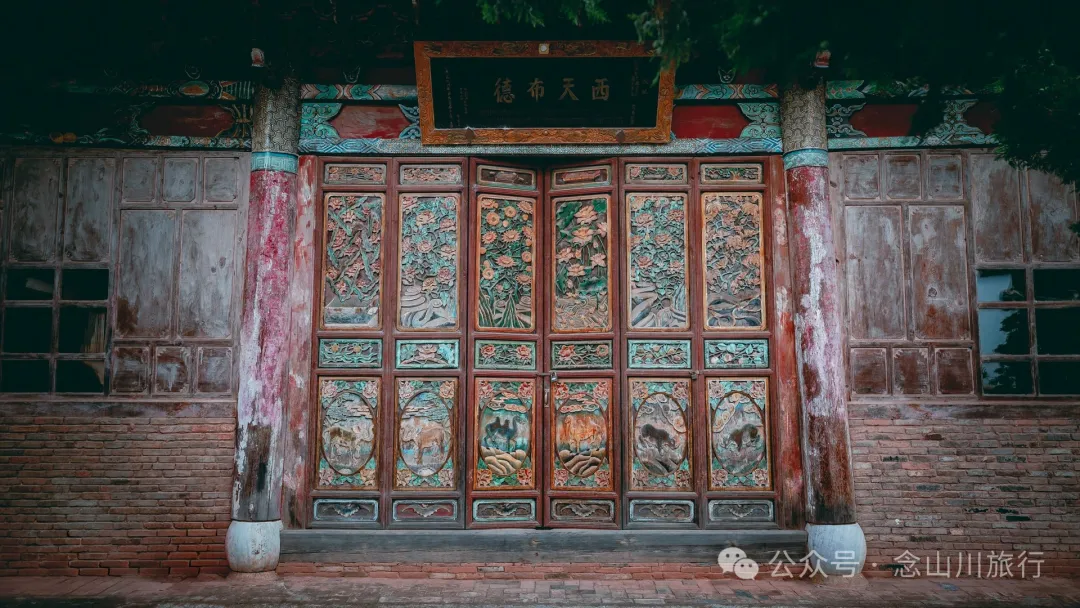
Weishan Huiming Zen Temple, also known as Huiming Temple, is a Buddhist temple located in Miaojie Town, north of Weishan County, Dali Bai Autonomous Prefecture, Yunnan Province. It was first built in the 24th year of the Wanli reign of the Ming Dynasty (1596 AD) and still preserves the magnificent ancient architecture from over 400 years ago. Huiming Temple is not only famous for its long history and profound cultural heritage but also beloved by tourists and Buddhist devotees for its unique geographical location and beautiful natural scenery.
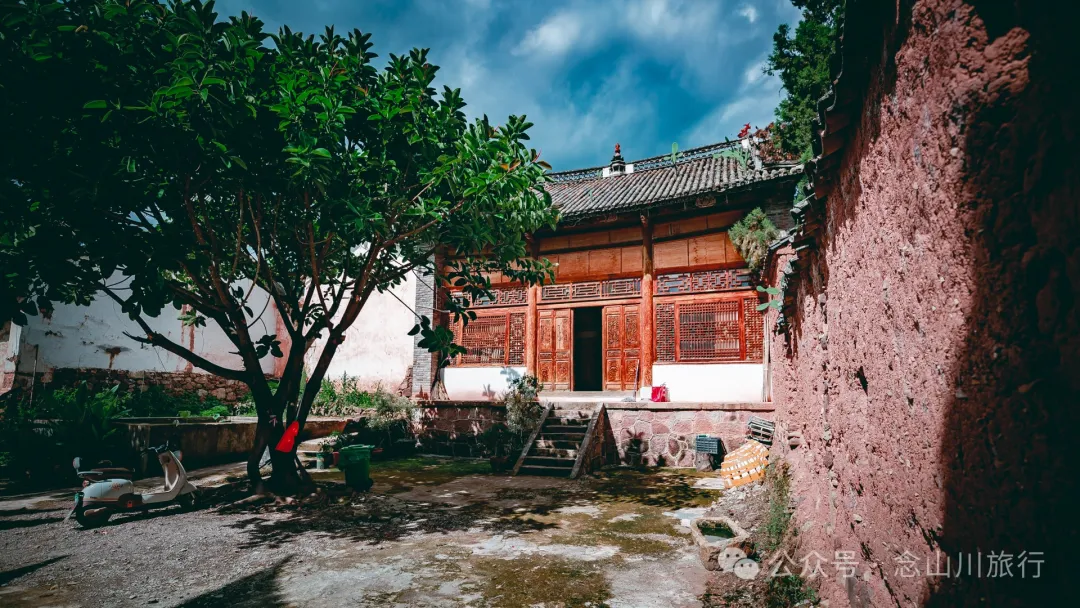
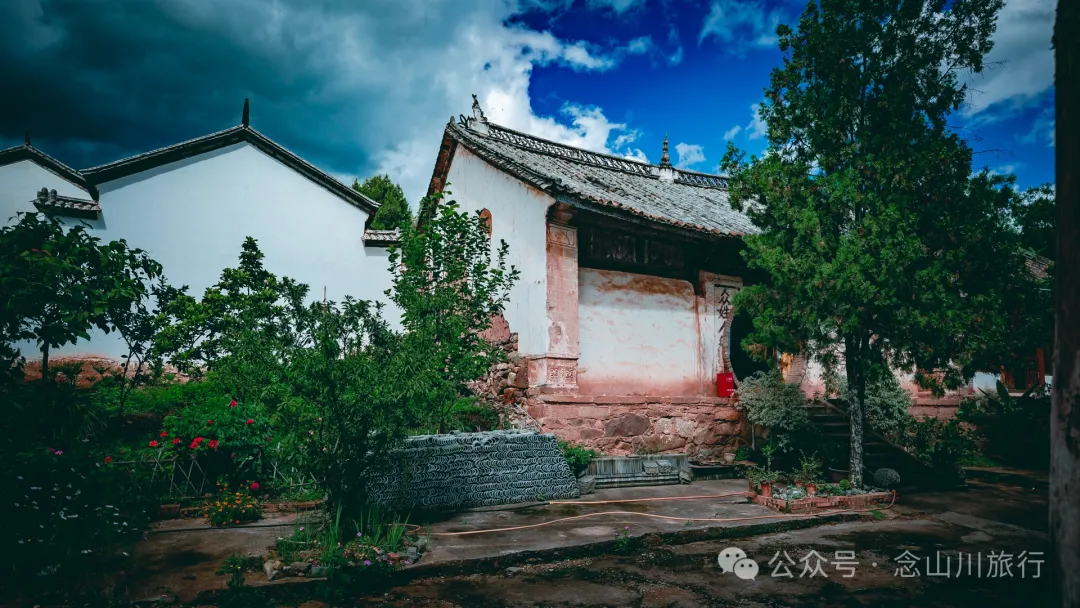
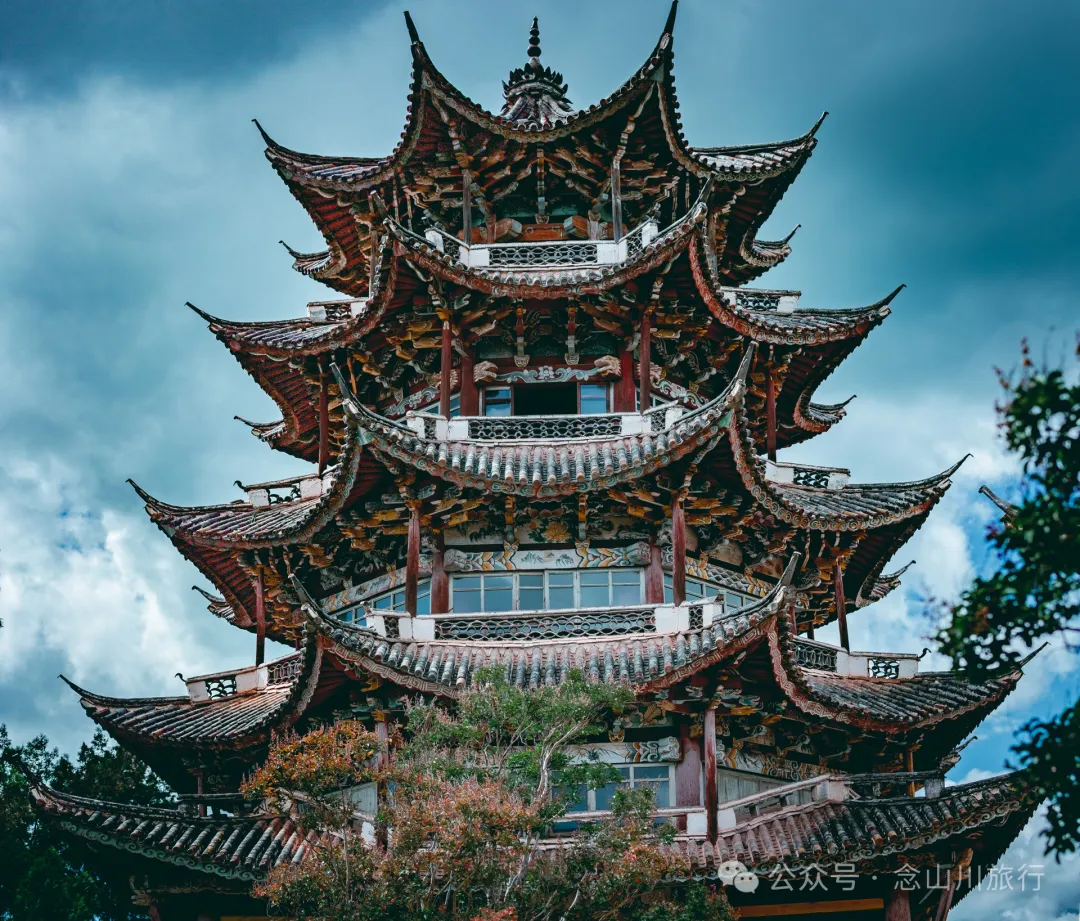
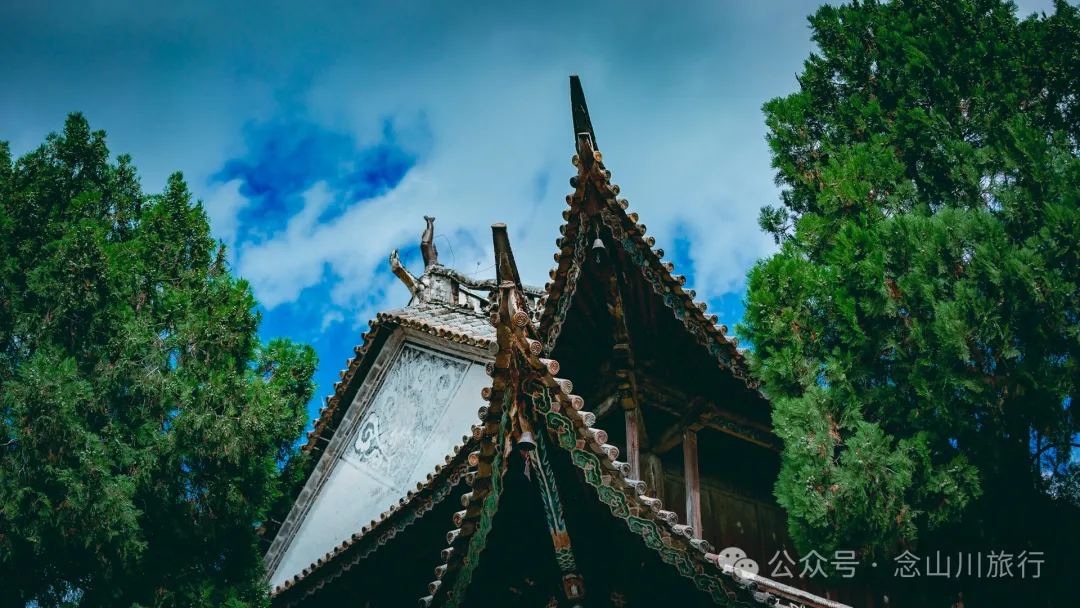
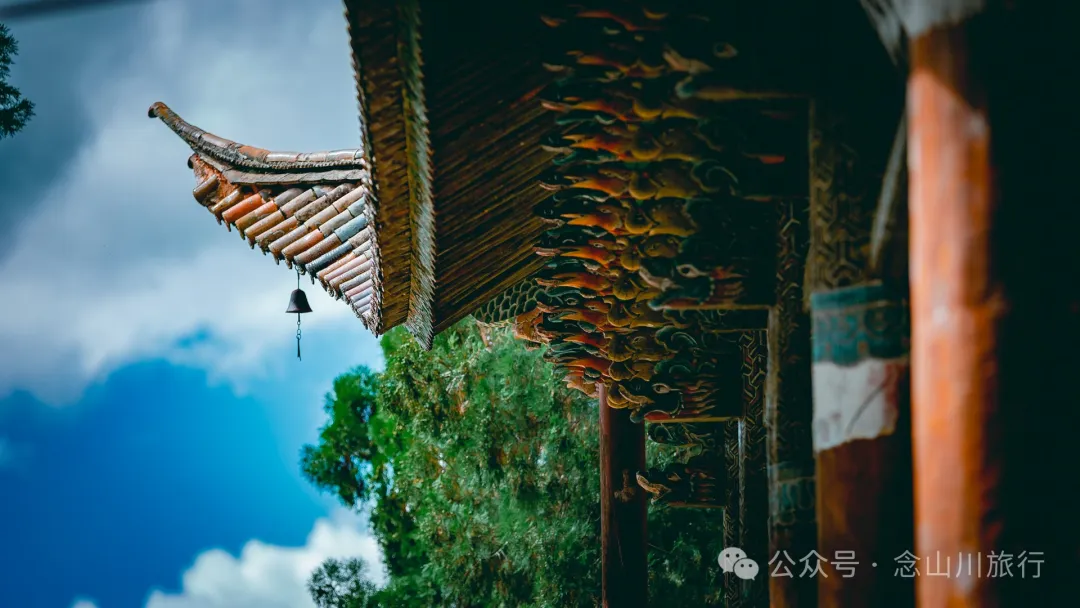
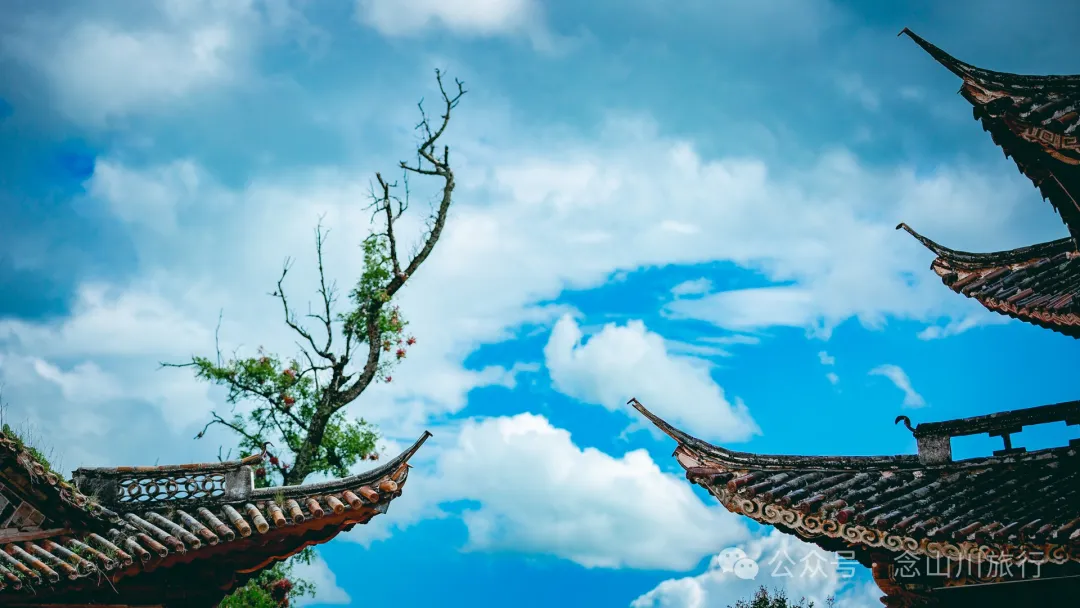
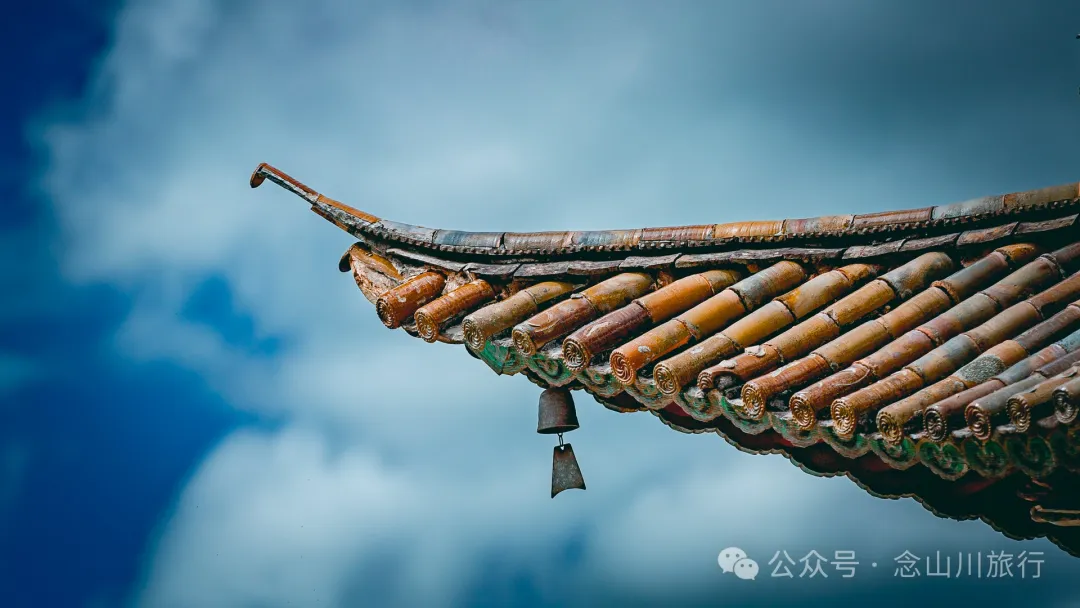
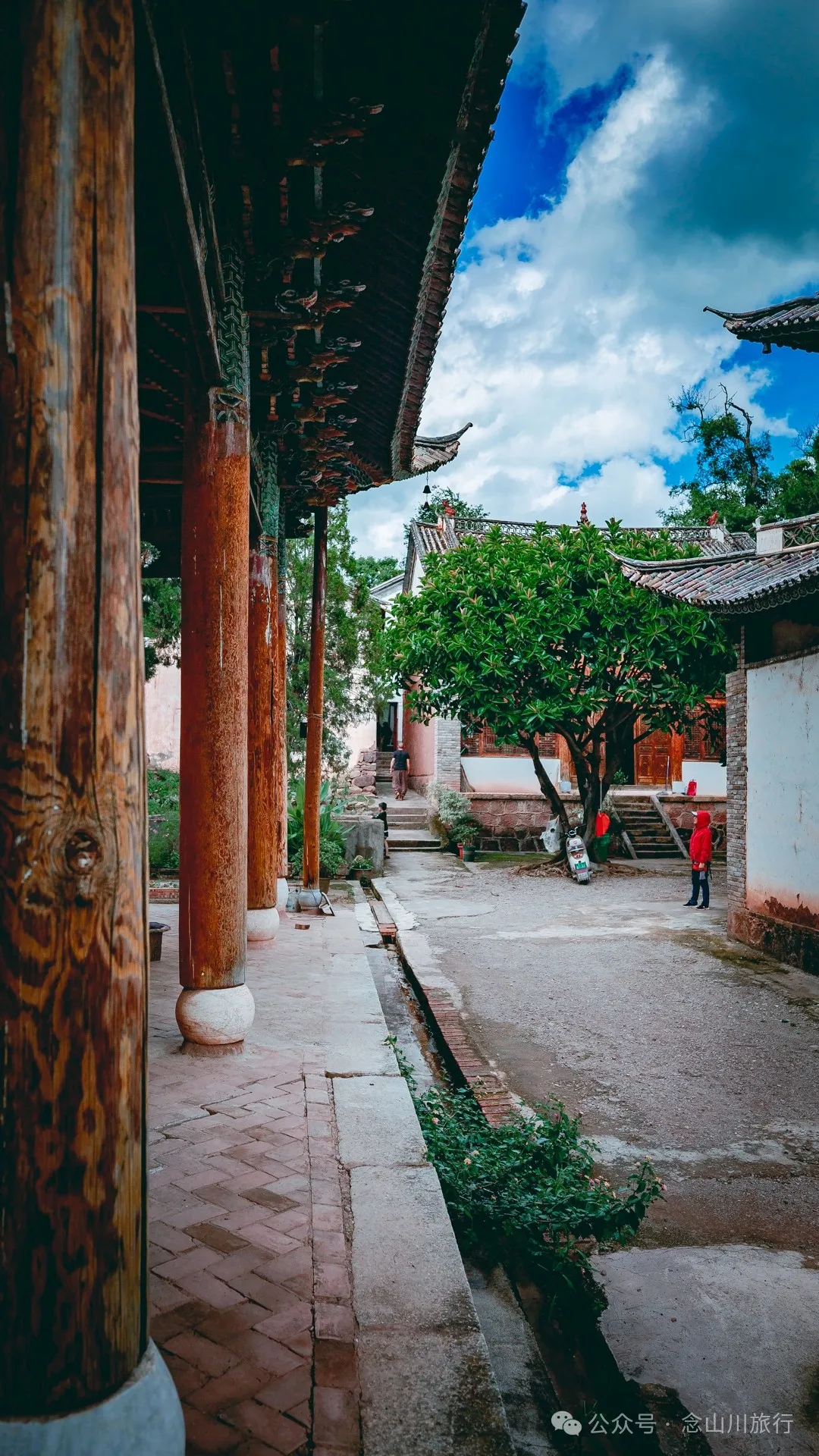
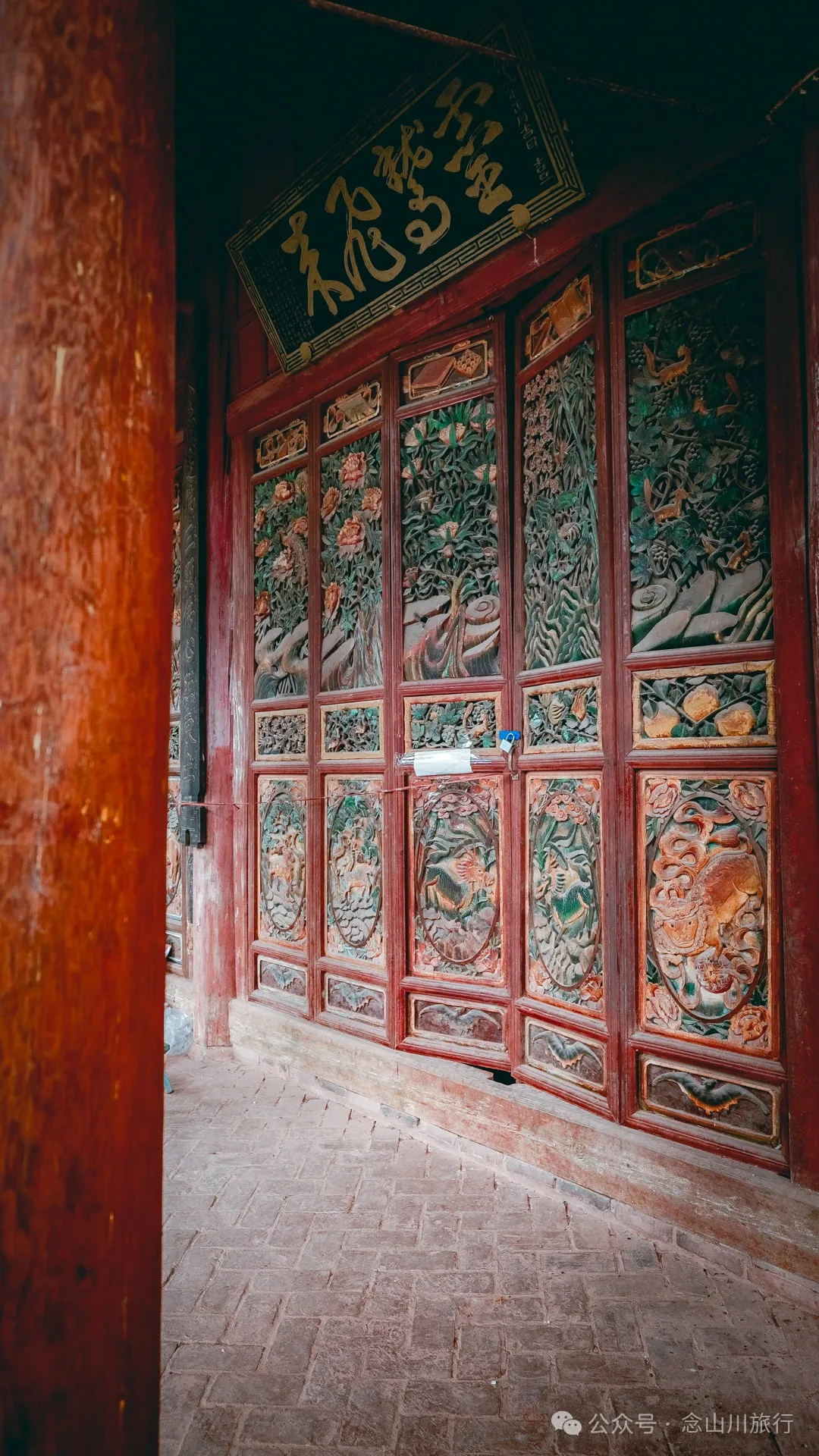
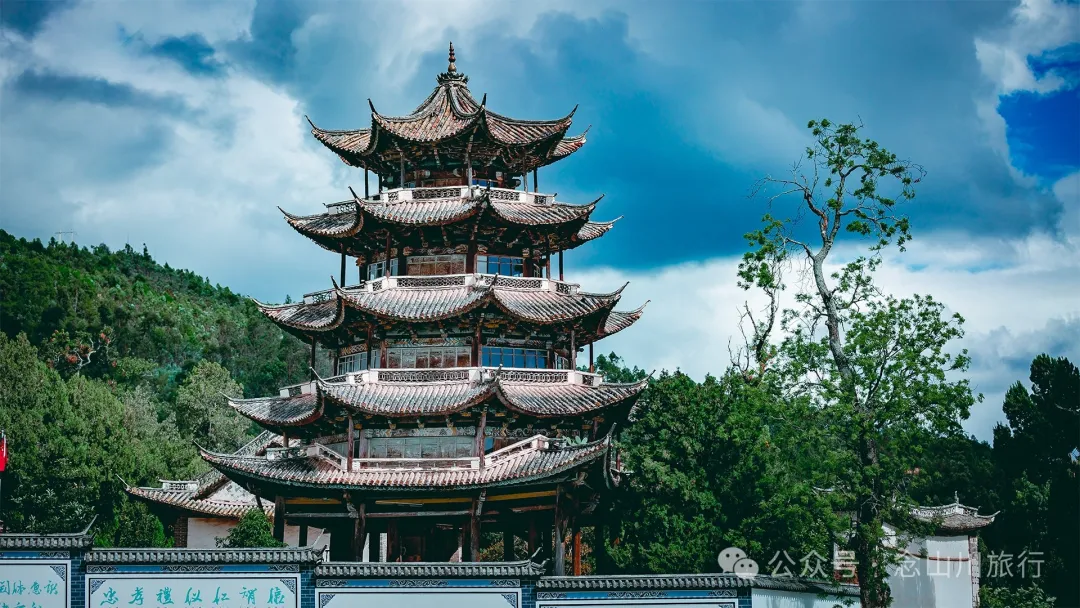
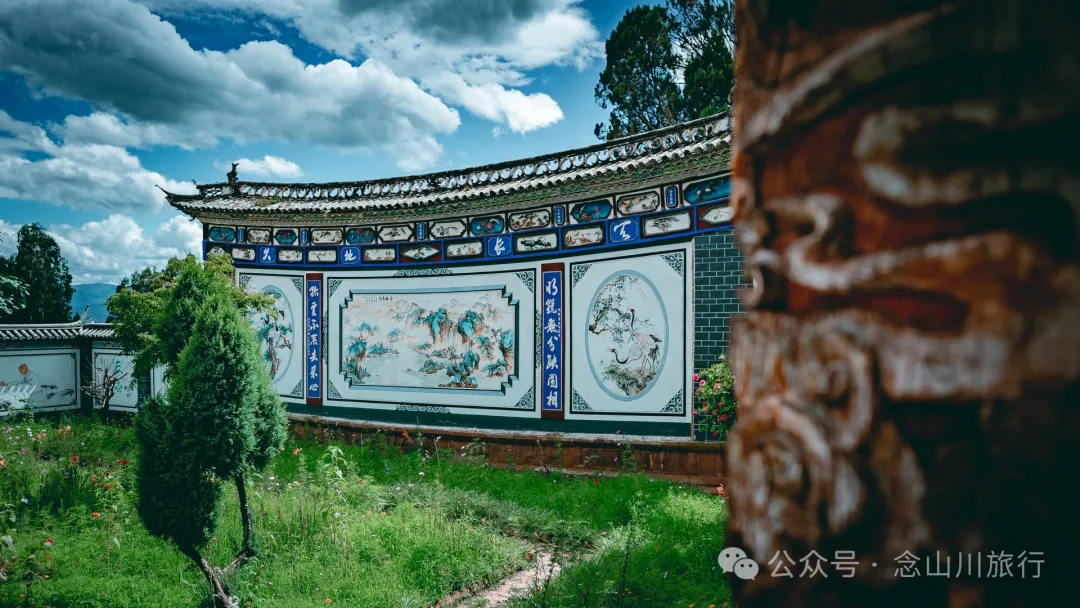
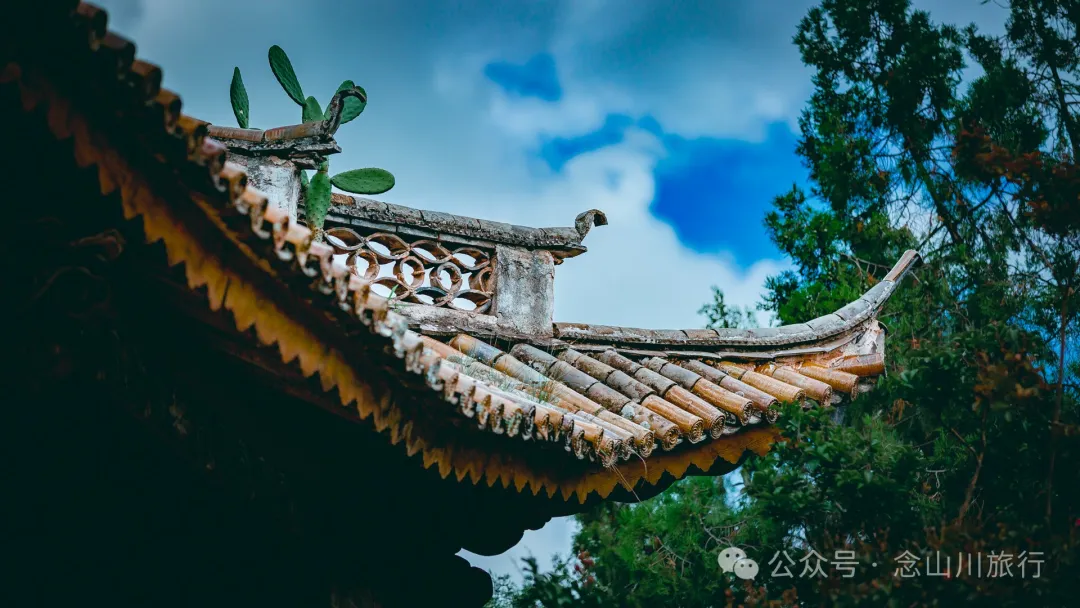
The temple is backed by Fuhu Mountain to the east, faces Weibao Mountain to the south, overlooks Longyu Mountain to the west, and gazes at Diancang Mountain to the north, surrounded by beautiful scenery. From the hexagonal pavilion inside the temple, one can overlook the Weishan Basin and enjoy the beautiful views of the Guajiang River winding like a belt and the long river of clear water. Unfortunately, the hexagonal pavilion has become extremely fragile due to age, and we cannot climb it to see the distant scenery. Huiming Temple consists of the Mountain Gate, Heavenly King Hall, Tathagata Hall, Arhat Hall, Guanyin Hall, and other halls, with an exquisite layout and staggered pavilions. Each courtyard is composed of a front hall, side rooms on both sides, a main hall, and a pavilion. The statues inside the temple are solemn, the clay Buddha statues are exquisite, the paintings are colorful and diverse, with carved dragons and painted beams, full of Buddhist characteristics.
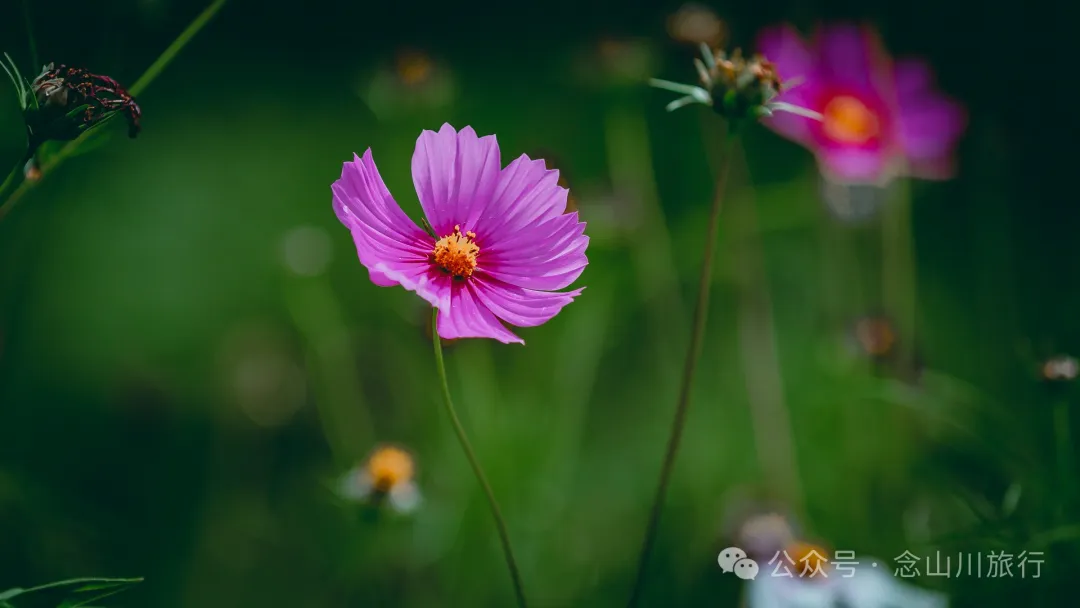
Huiming Temple also preserves the "Huiming Zen Temple Stele Inscription" from the Wanli period of the Ming Dynasty, as well as colorful paintings from different periods such as the Qianlong and Jiaqing reigns of the Qing Dynasty, which have high historical and artistic value. In addition, the temple is planted with various flowers, plants, and trees, creating a quiet environment, making it a good place for meditation and sightseeing.