您的浏览器需要启用 JavaScript 才能正常访问此网站。
Hotline:15911225507
Dali Travel
Login
Home-Travel Article-Travel Log-Body Text

Mizhi Ancient Town in Midu, Dali: Visit the Hometown of the World-Famous Song ‘The Moon Over the River’ and Experience the Past and Present of the Horse Caravan People on the Ancient Tea Horse Road

SixianqiuSixianqiuTravel Log1 years ago11395
Mizhi Ancient Town in Midu, Dali: Visit the Hometown of the World-Famous Song ‘The Moon Over the River’ and Experience the Past and Present of the Horse Caravan People on the Ancient Tea Horse Road - Image 1
Mizhi Ancient Town in Midu, Dali: Visit the Hometown of the World-Famous Song ‘The Moon Over the River’ and Experience the Past and Present of the Horse Caravan People on the Ancient Tea Horse Road - Image 2

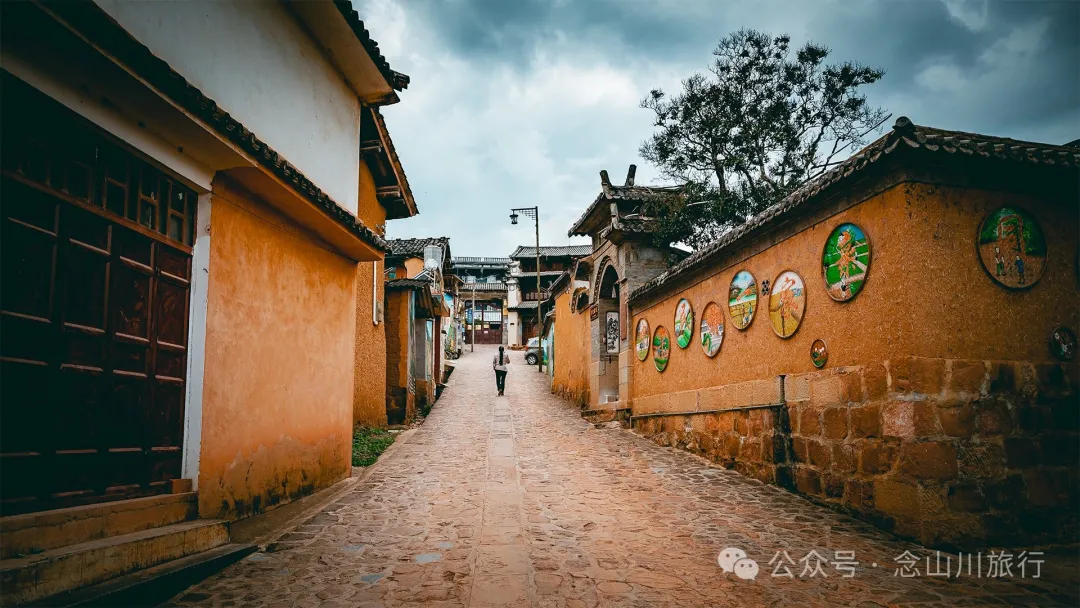
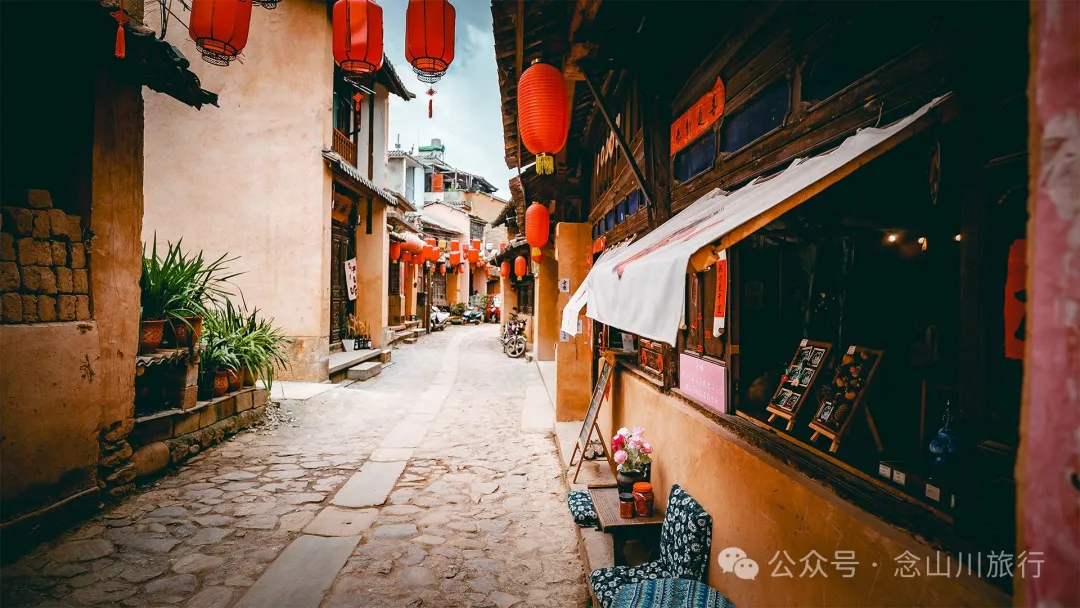
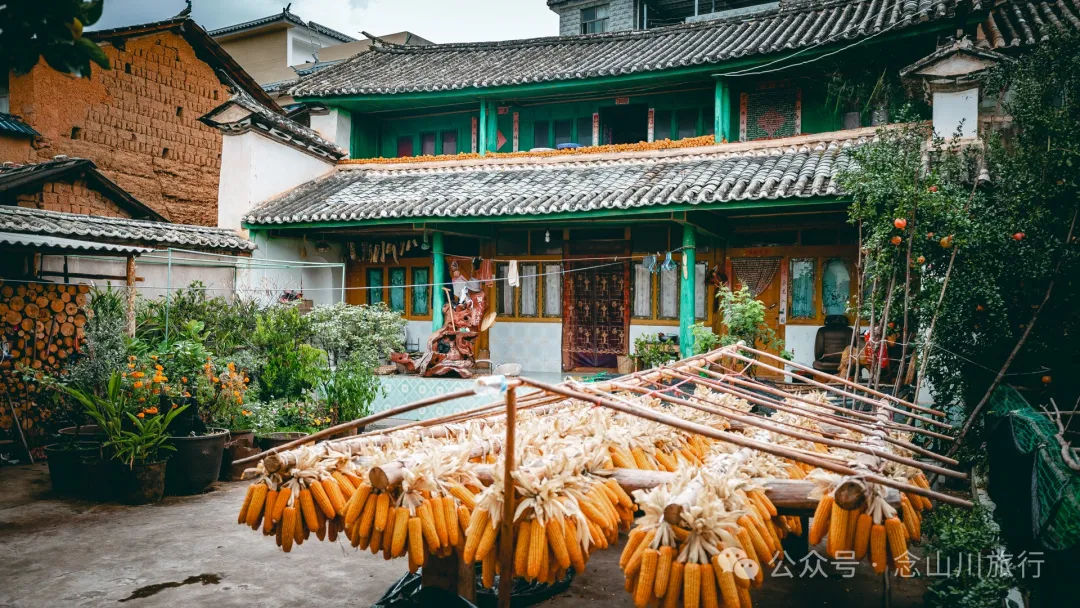
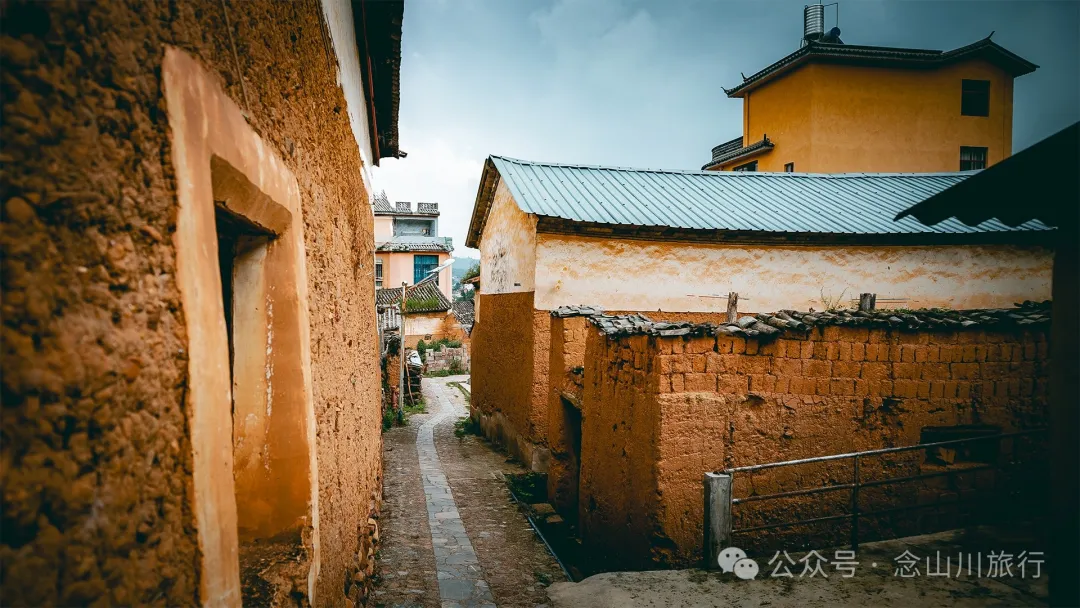
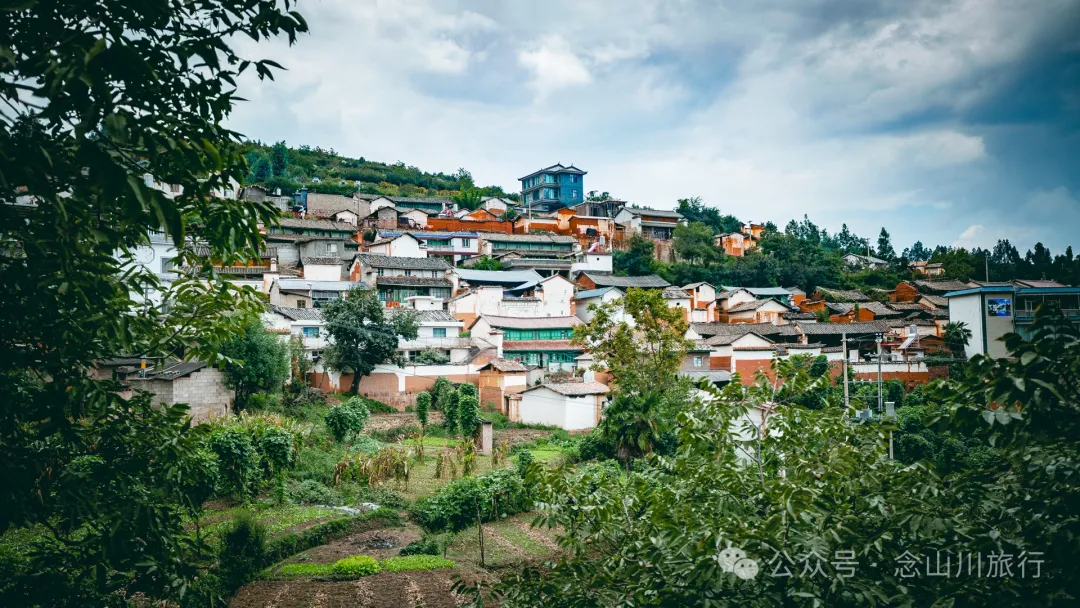
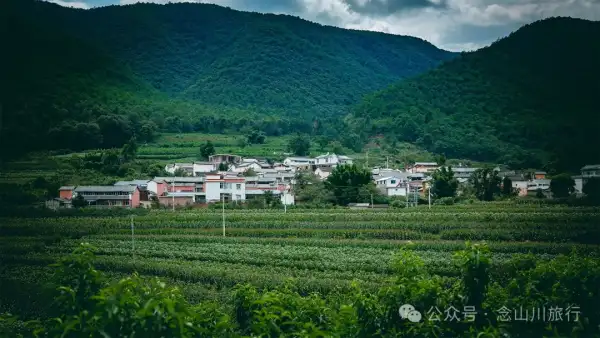
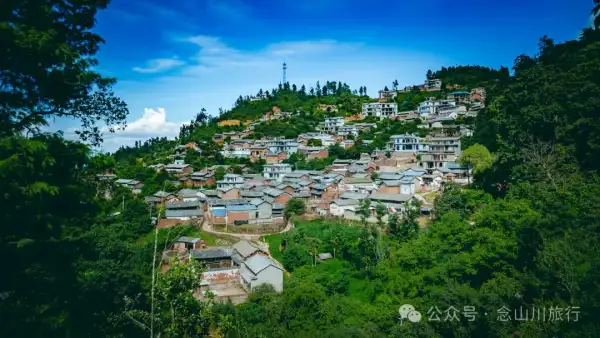
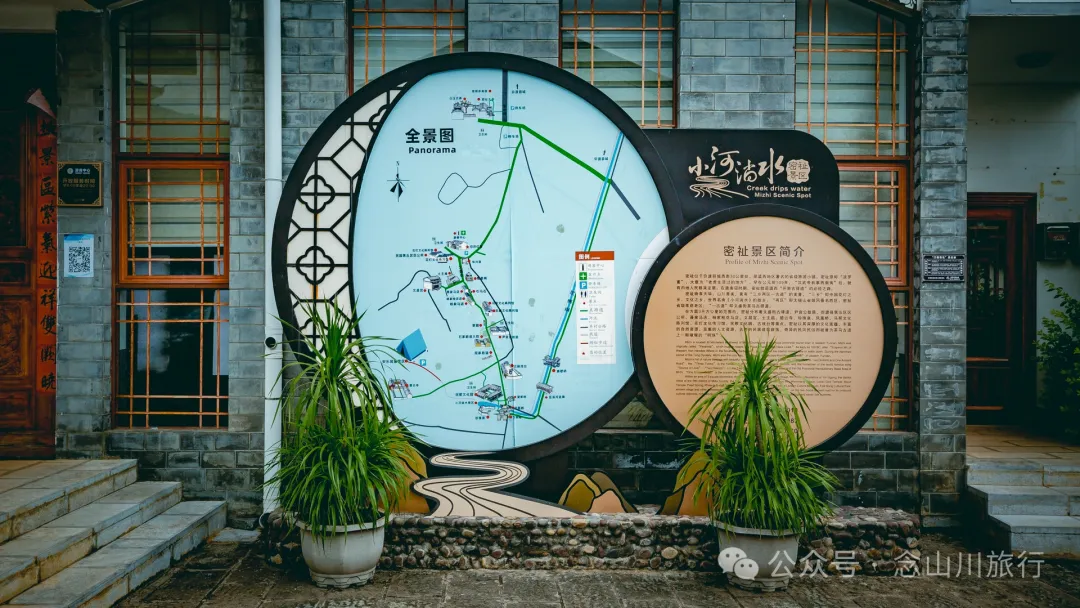
Mizhi Town is located in the southwest of Midu County, Dali Prefecture. It is an ancient town with beautiful scenery and rich culture. It is the hometown of Yin Yigong, the creator of "The Moon Over the River" (Xiao He Tang Shui), and also the source of the small river described in the song. With its unique geographical location and profound cultural heritage, Mizhi Town has become a place that people yearn for.

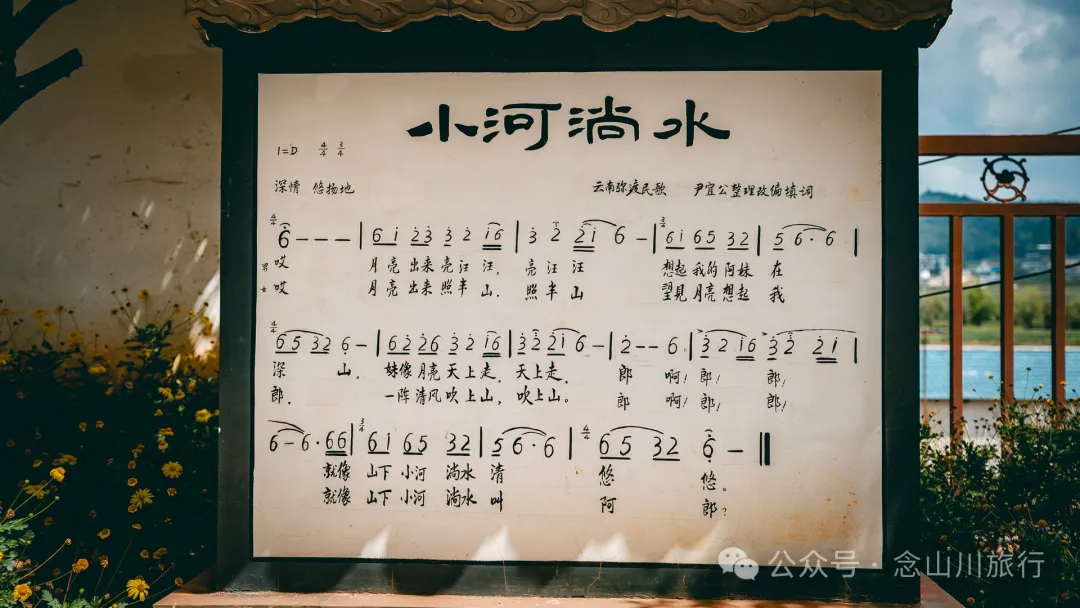
The inspiration for "The Moon Over the River" came from the natural scenery and humanistic sentiments of Mizhi Town. The "small river" mentioned in the song refers to the Yaxi River flowing through Mizhi, while "the moon comes out, bright and shining" depicts the beautiful night scene of Mizhi. Mizhi Town not only has beautiful natural scenery but also rich historical culture, such as the Ancient Tea Horse Road, Pearl Spring, and Yin Yigong's former residence, which are popular places for tourists to visit.
Mizhi Ancient Town in Midu, Dali: Visit the Hometown of the World-Famous Song ‘The Moon Over the River’ and Experience the Past and Present of the Horse Caravan People on the Ancient Tea Horse Road - Image 3
Mizhi Ancient Town in Midu, Dali: Visit the Hometown of the World-Famous Song ‘The Moon Over the River’ and Experience the Past and Present of the Horse Caravan People on the Ancient Tea Horse Road - Image 4
Mizhi Ancient Town in Midu, Dali: Visit the Hometown of the World-Famous Song ‘The Moon Over the River’ and Experience the Past and Present of the Horse Caravan People on the Ancient Tea Horse Road - Image 5
Mizhi Ancient Town in Midu, Dali: Visit the Hometown of the World-Famous Song ‘The Moon Over the River’ and Experience the Past and Present of the Horse Caravan People on the Ancient Tea Horse Road - Image 6
Mizhi Ancient Town in Midu, Dali: Visit the Hometown of the World-Famous Song ‘The Moon Over the River’ and Experience the Past and Present of the Horse Caravan People on the Ancient Tea Horse Road - Image 7
Mizhi Ancient Town in Midu, Dali: Visit the Hometown of the World-Famous Song ‘The Moon Over the River’ and Experience the Past and Present of the Horse Caravan People on the Ancient Tea Horse Road - Image 8
Mizhi Ancient Town in Midu, Dali: Visit the Hometown of the World-Famous Song ‘The Moon Over the River’ and Experience the Past and Present of the Horse Caravan People on the Ancient Tea Horse Road - Image 9

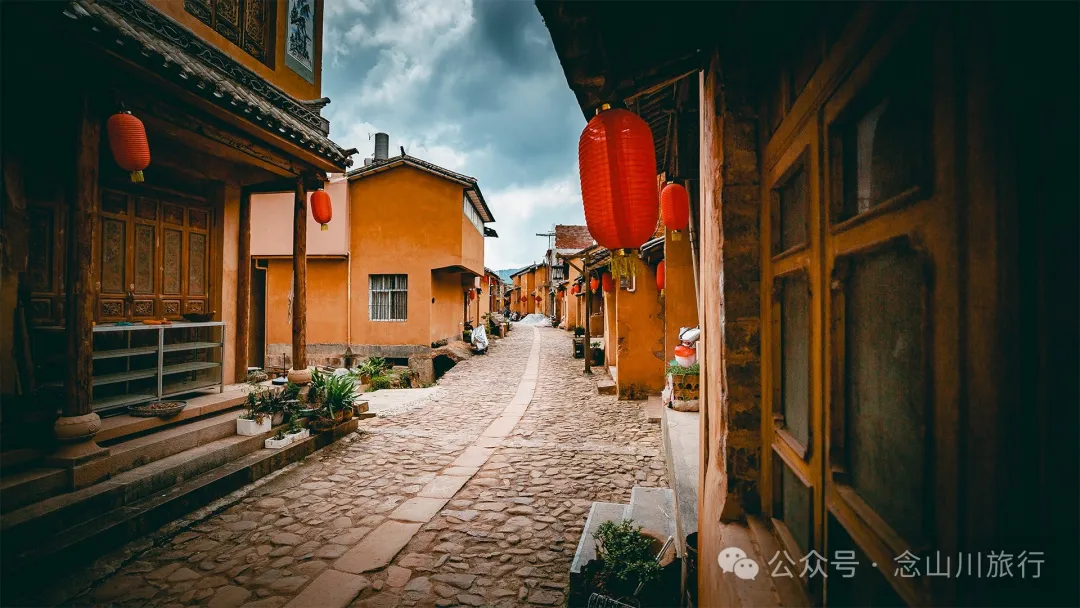
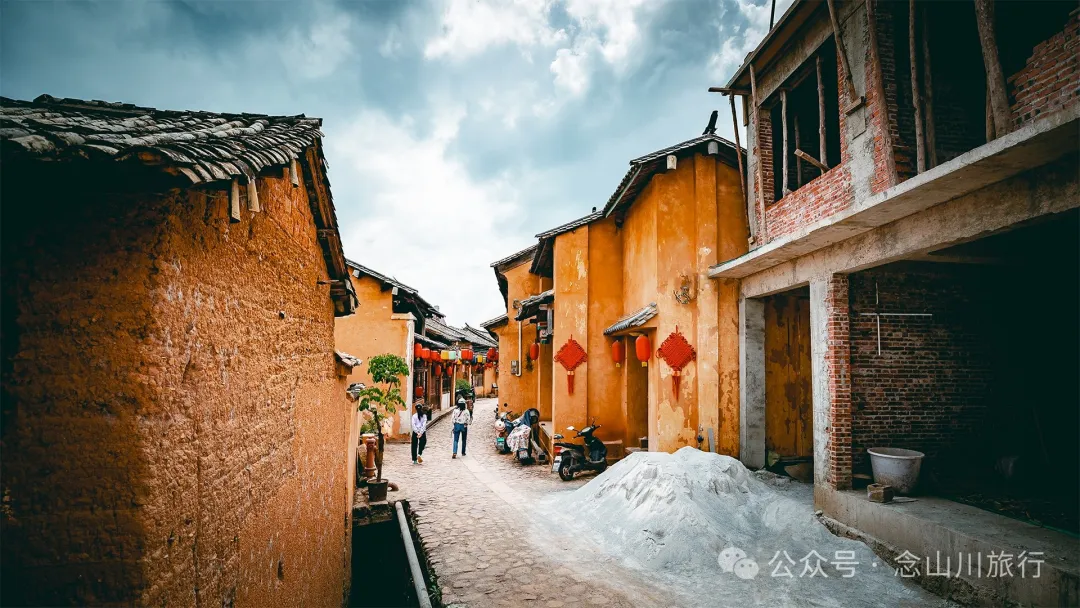
Kuixing Pavilion is located at the north exit of Wensheng Street. It is covered with green tiles, with hooked corners and flying eaves. A simple and solemn plaque reading "Kuixing Pavilion" hangs high on the top floor (now faded). Looking into the distance from the pavilion, one can take in the panoramic view of Wensheng Street, Mizhi Dam, ancient villages, and the surrounding pastoral scenery. Inside the pavilion, there is a clay statue of Kuixing (the God of Literature), standing on one foot on the head of a giant turtle, with the other foot raised to touch a dipper, holding a brush and inkstone high in both hands, with wide-open round eyes, as if grading papers, looking very majestic. This symbolizes Kuixing's examination and promotion of scholars, and the idiom "to come out first" (du zhan ao tou) originates from this. Historically, Mizhi had a flourishing culture and produced many talents, especially during the Ming and Qing dynasties, when a large number of successful candidates in the imperial examinations emerged, including both civil and military talents. This is inevitably linked to the people of Wensheng Street's reverence for Kuixing, their respect for etiquette, their tradition of farming and reading, and their diligence and progress.
Mizhi Ancient Town in Midu, Dali: Visit the Hometown of the World-Famous Song ‘The Moon Over the River’ and Experience the Past and Present of the Horse Caravan People on the Ancient Tea Horse Road - Image 10
Mizhi Ancient Town in Midu, Dali: Visit the Hometown of the World-Famous Song ‘The Moon Over the River’ and Experience the Past and Present of the Horse Caravan People on the Ancient Tea Horse Road - Image 11
Mizhi Ancient Town in Midu, Dali: Visit the Hometown of the World-Famous Song ‘The Moon Over the River’ and Experience the Past and Present of the Horse Caravan People on the Ancient Tea Horse Road - Image 12
Mizhi Ancient Town in Midu, Dali: Visit the Hometown of the World-Famous Song ‘The Moon Over the River’ and Experience the Past and Present of the Horse Caravan People on the Ancient Tea Horse Road - Image 13
Mizhi Ancient Town in Midu, Dali: Visit the Hometown of the World-Famous Song ‘The Moon Over the River’ and Experience the Past and Present of the Horse Caravan People on the Ancient Tea Horse Road - Image 14
Mizhi Ancient Town in Midu, Dali: Visit the Hometown of the World-Famous Song ‘The Moon Over the River’ and Experience the Past and Present of the Horse Caravan People on the Ancient Tea Horse Road - Image 15

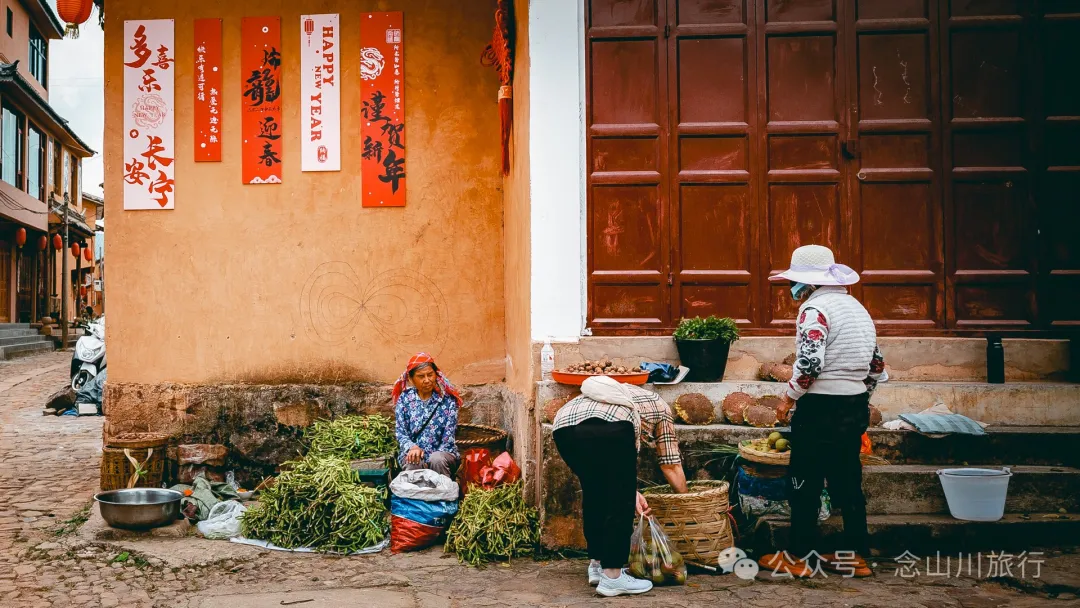
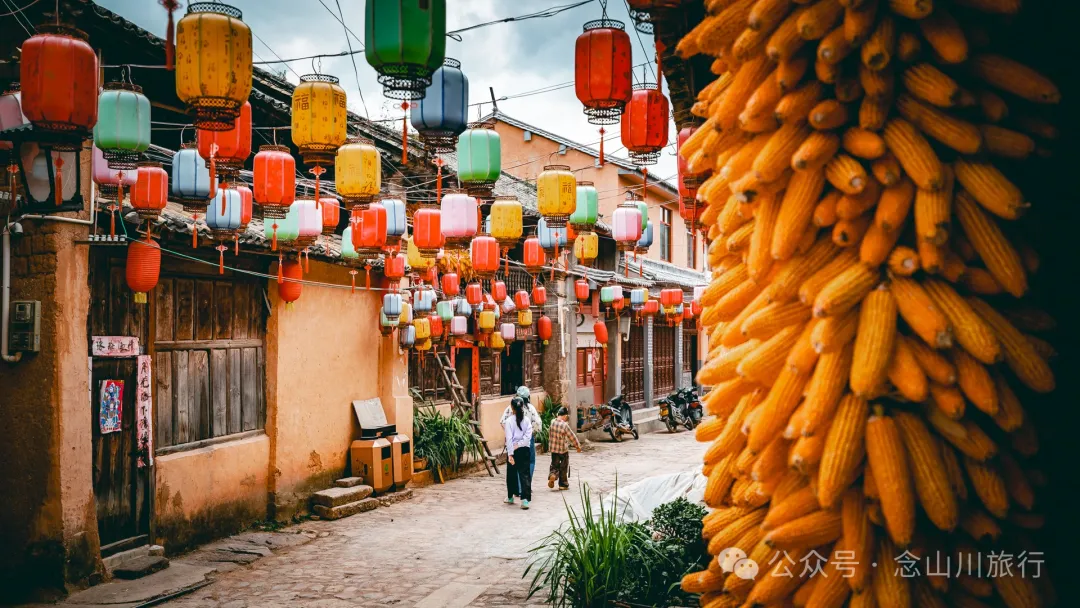
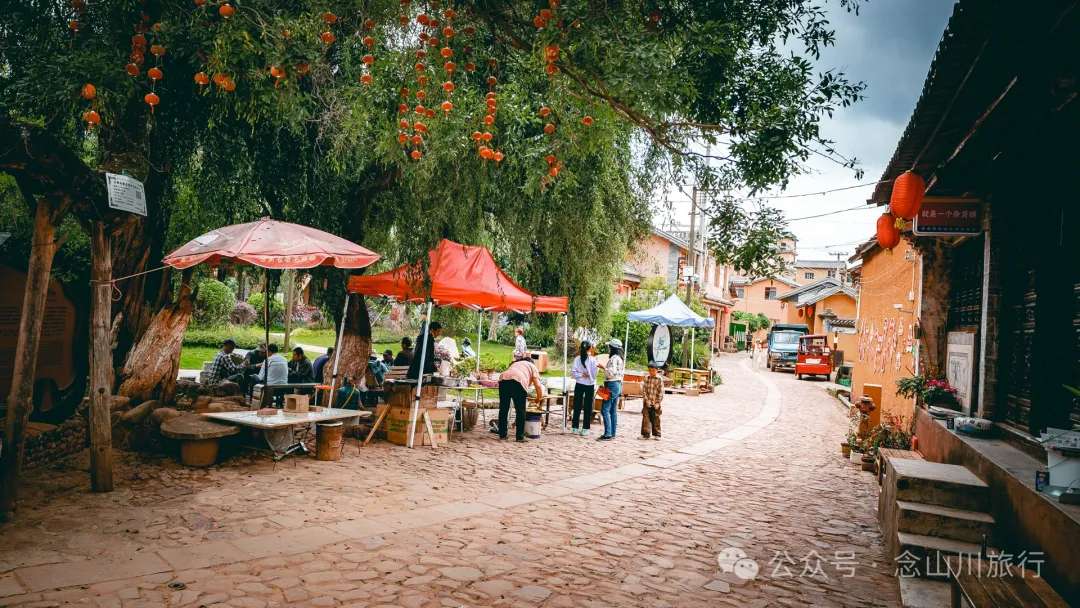
Wensheng Street, originally named "Ma Shipu" (Horse Food Shop), was a hub station on the Ancient Tea Horse Road entering western Yunnan and a distribution and transfer point for tea-horse trade. Many merchants and officials passed through and stayed here, hence the name "Ma Shipu." At the end of the Ming Dynasty, Imperial Inspector Dai Hongci passed through on an inspection tour. Local gentry set up incense tables to welcome him. When he saw the crowd kneeling before him, all wearing official hats with peacock feathers, he was greatly surprised. In the inn, he asked, "How many scholars have passed the imperial examinations here?" The locals listed many successful candidates and military scholars. The inspector felt that such a place of flourishing civil and military talents should not be called "Ma Shipu," which was inelegant, so he renamed it "Wengong Town" (Civil Palace Town). In the 21st year of the Republic of China (1932), local gentry changed the name to "Wensheng Street" (Civil Prosperity Street), which has been used ever since.
Mizhi Ancient Town in Midu, Dali: Visit the Hometown of the World-Famous Song ‘The Moon Over the River’ and Experience the Past and Present of the Horse Caravan People on the Ancient Tea Horse Road - Image 16
Mizhi Ancient Town in Midu, Dali: Visit the Hometown of the World-Famous Song ‘The Moon Over the River’ and Experience the Past and Present of the Horse Caravan People on the Ancient Tea Horse Road - Image 17

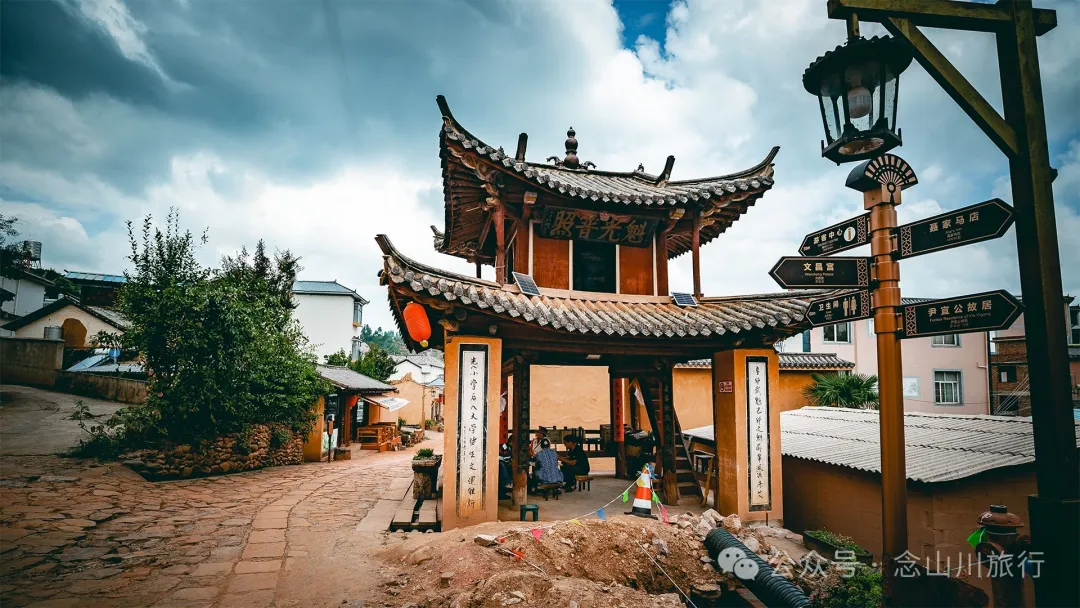
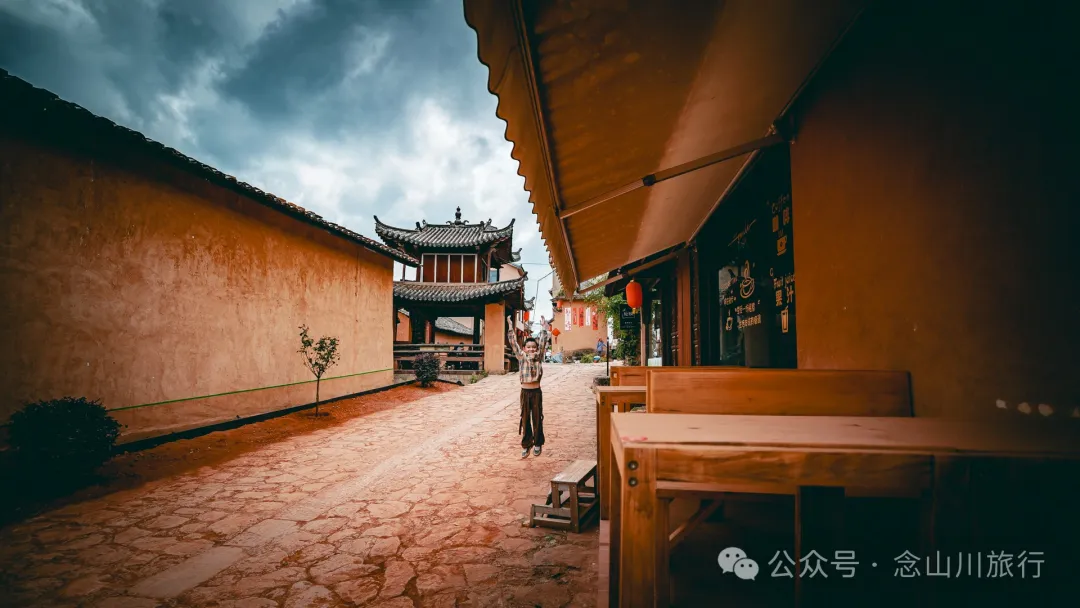
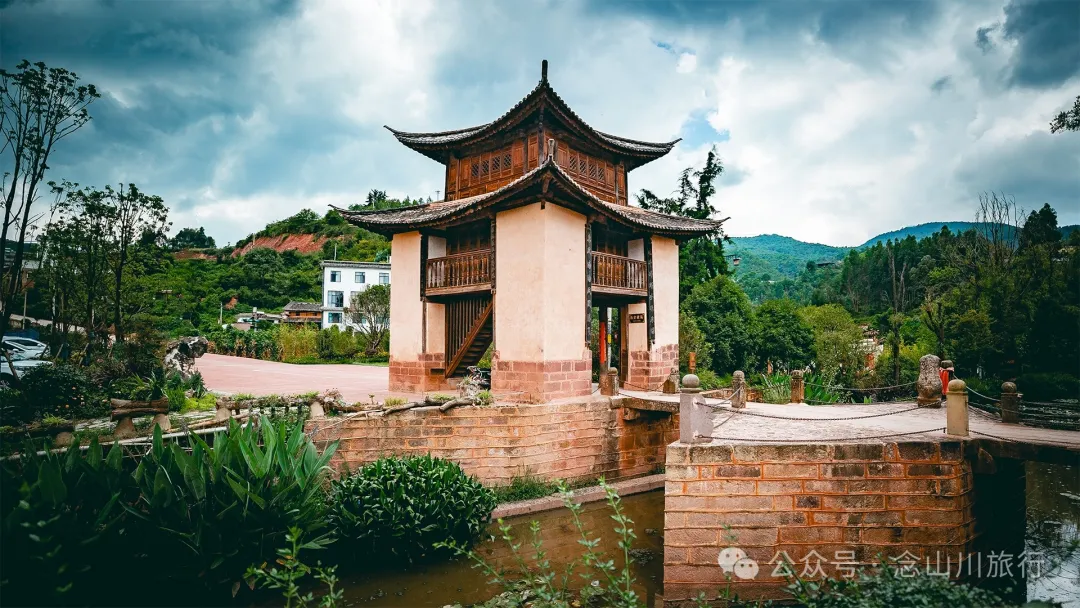
Wenming Pavilion, also known as the God of Wealth Pavilion, is part of the ancient Yunnan-Tibet Tea Horse Road, which has a history of over 1,400 years. Through the vicissitudes of time, it was not only a winding economic corridor connecting various ethnic groups along the route but also a corridor of civilization spreading art, religion, customs, and culture. As an important post station on the Tea Horse Road, Mizhi saw the integration of Central Plains culture, border culture, ethnic culture, and religious culture as horse caravans traveled north and south, eventually forming a diverse and broad civilization. Over time, the iconic building spanning the ancient road, the God of Wealth Pavilion, came to be respectfully called Wenming Pavilion.

Wenming Pavilion is a double-eave pyramidal roof structure, with two visible floors and one hidden floor, totaling about 9.8 meters in height. The Ancient Tea Horse Road passes through the pavilion, making it one of the famous ancient pavilions in the area.
Mizhi Ancient Town in Midu, Dali: Visit the Hometown of the World-Famous Song ‘The Moon Over the River’ and Experience the Past and Present of the Horse Caravan People on the Ancient Tea Horse Road - Image 18

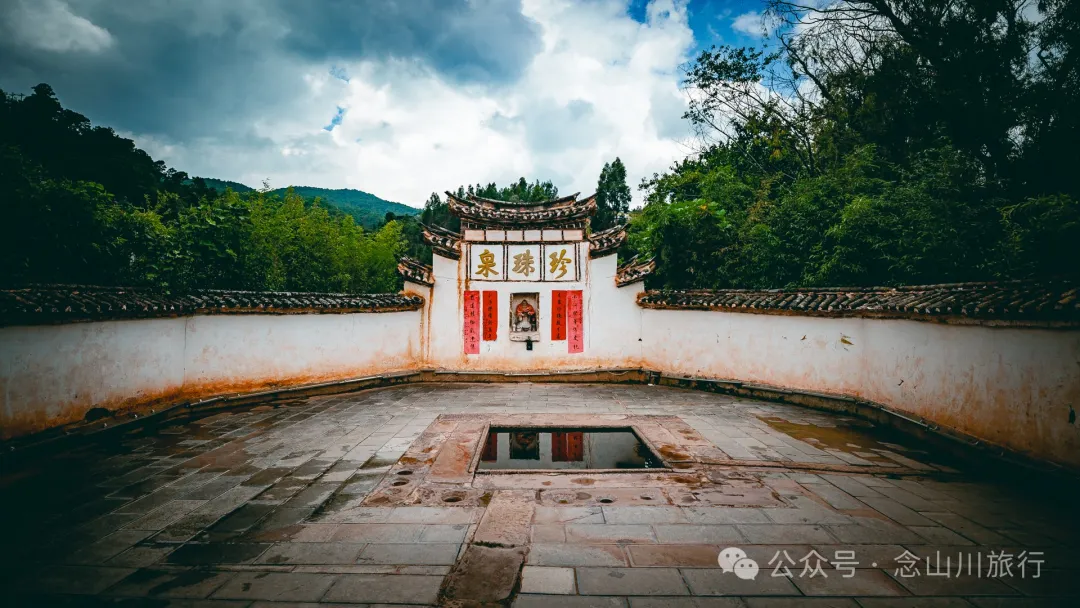
Pearl Spring is one of the most historically significant and friendly ancient wells in Mizhi. It was dug in the middle of the Qing Dynasty, though the exact date is unknown. The well mouth is square, each side 2.5 meters long, and the well is about 3 meters deep. The well rim is paved with whole long stone slabs. Throughout the year, the spring water is crystal clear, gushing day and night without stopping, abundant and sweet. It never dries up in severe drought nor overflows in heavy floods. From time to time, strings of white bubbles, like translucent pearls, gurgle up from the bottom, creating a fascinating natural wonder. The tofu, rice wine, and pickled vegetables made by local villagers using this well water are of excellent quality and famous far and wide.
Mizhi Ancient Town in Midu, Dali: Visit the Hometown of the World-Famous Song ‘The Moon Over the River’ and Experience the Past and Present of the Horse Caravan People on the Ancient Tea Horse Road - Image 19

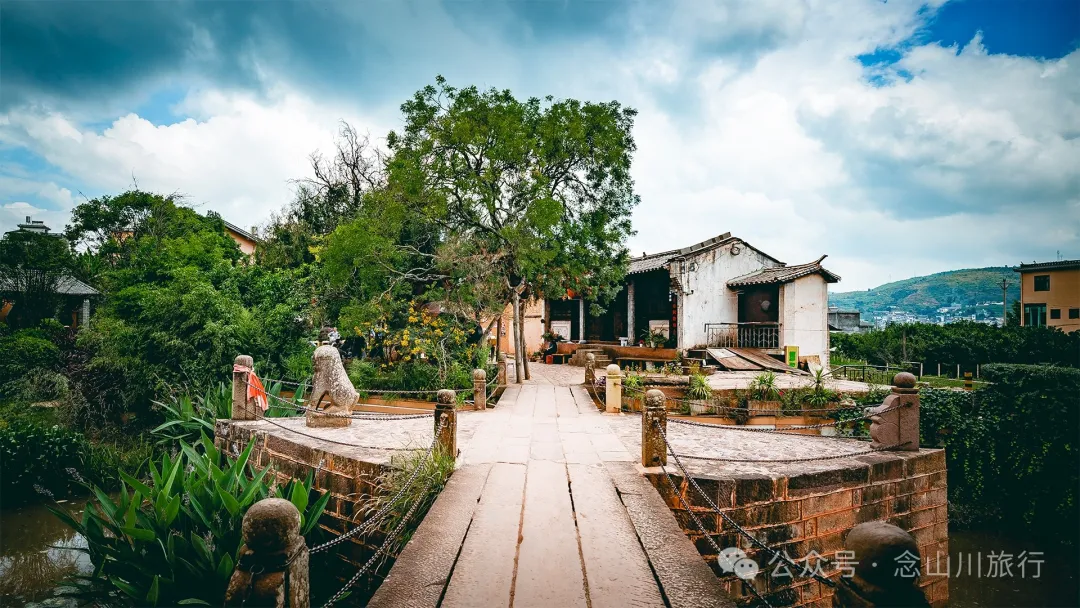
Phoenix Bridge is located on the Yaxi River south of Wensheng Street. It is one of the most famous ancient bridges on the Mizhi Tea Horse Road. It is a double-arch blue stone bridge with an exquisite and unique design. The bridge is 14.3 meters long, 2.1 meters wide, with a span of 9 meters. The deck is paved with square stone slabs, each 0.6 meters wide and about 6 meters long. Both sides have stone carved railings for protection. The central pier is diamond-shaped, protruding east and west like wings of the bridge, called "yan chi" (wild goose wings), to highlight the shape and connotation of "Phoenix Bridge." This serves both decorative and mechanical purposes, fully demonstrating the wisdom and ingenuity of the builders. It is a rare physical material for studying ancient bridge architecture and the history and culture of the Tea Horse Road.

On the west side of the bridge deck, there is a weathered stone carving of a "four不像" (neither lion, tiger, kylin, nor other animal), a large unicorn beast. This mythical beast faces west with its back to the east, 1.8 meters high (including the base), weighing a thousand jin. It is a water-controlling beast used by the people of Mizhi to subdue floods and protect their safety.
Mizhi Ancient Town in Midu, Dali: Visit the Hometown of the World-Famous Song ‘The Moon Over the River’ and Experience the Past and Present of the Horse Caravan People on the Ancient Tea Horse Road - Image 20

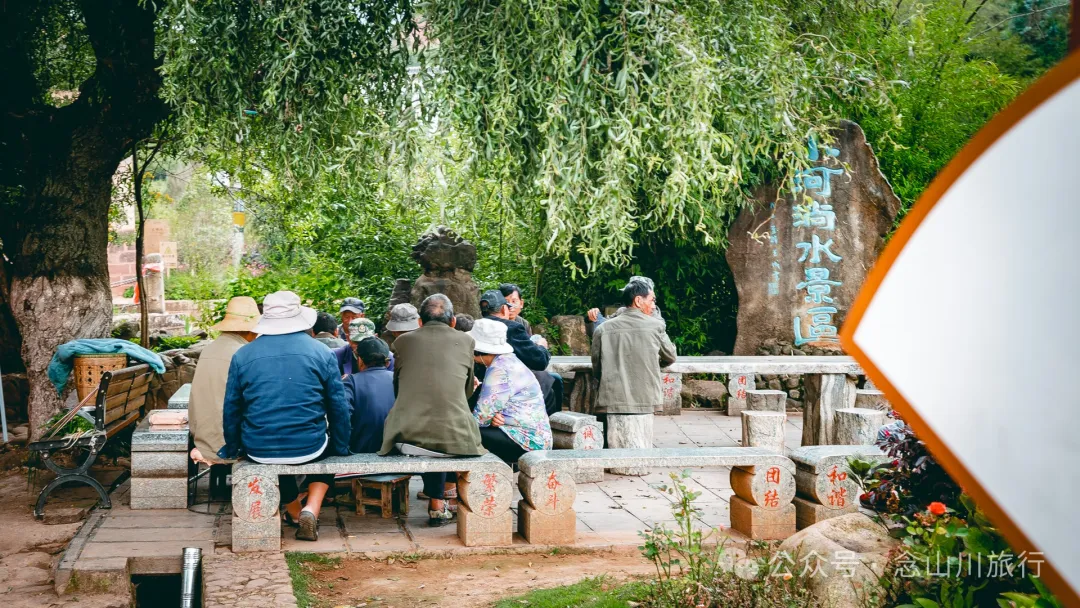
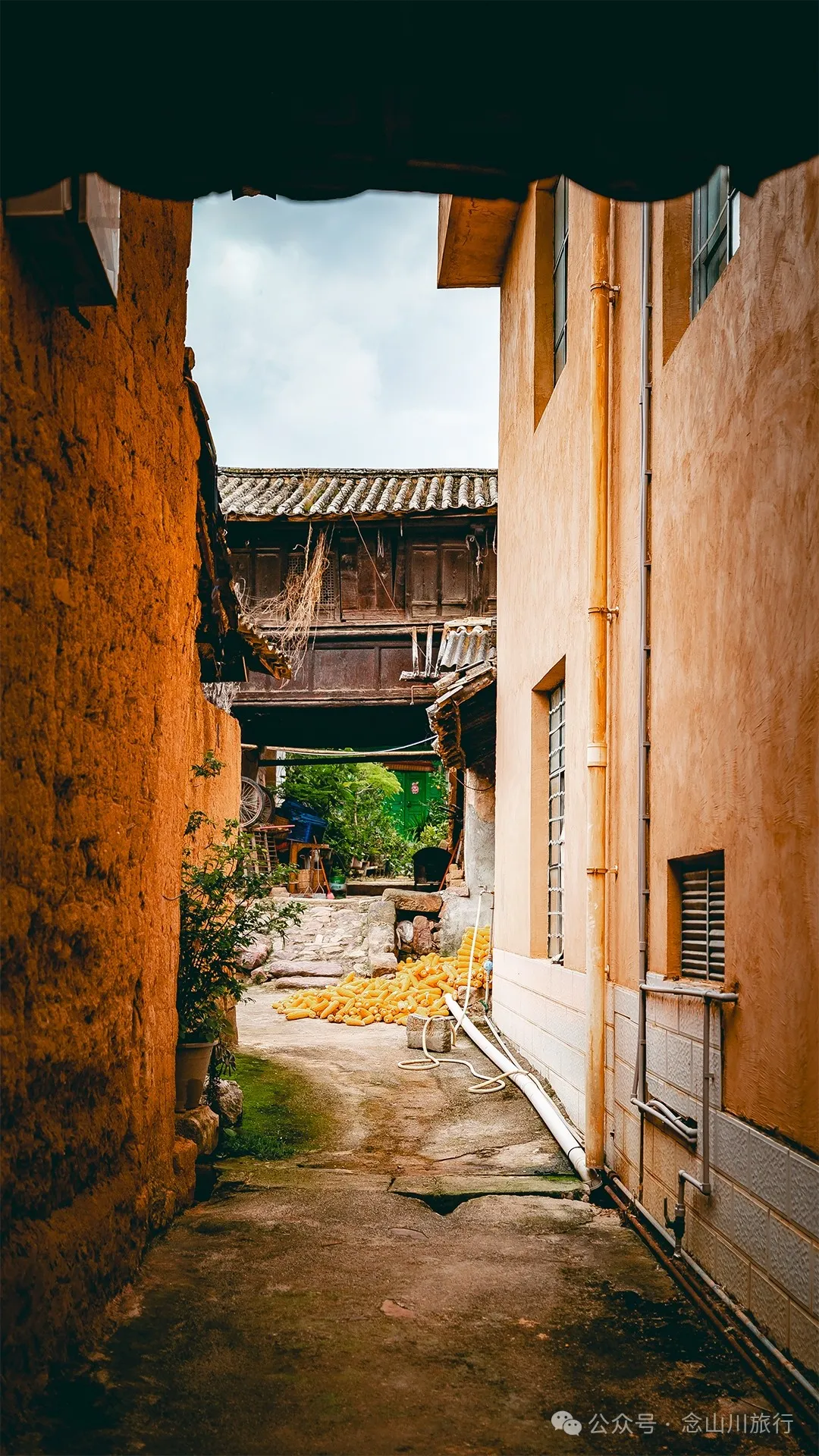
"Brother herds sheep in the deep mountains, Sister waits for her lover by the small river; By the river stands a tree of longing, blooming and withering for hundreds of years." "Daytime watching for my lover, he sees me; Nighttime watching, he knows not; The murmuring stream tells my heart, the melting moonlight conveys my longing." Since ancient times, many lovesick and plaintive women have leaned against this ancient, gnarled locust tree, humming heartfelt Mizhi love songs, watching for their "lovers" who either followed the horse caravans to distant lands or went deep into the mountains to herd cattle and sheep, pouring out their feelings. Over time, the people of Mizhi named this old locust tree, which witnessed countless loves and "watchings," the "Tree of Longing."
Mizhi Ancient Town in Midu, Dali: Visit the Hometown of the World-Famous Song ‘The Moon Over the River’ and Experience the Past and Present of the Horse Caravan People on the Ancient Tea Horse Road - Image 21
Mizhi Ancient Town in Midu, Dali: Visit the Hometown of the World-Famous Song ‘The Moon Over the River’ and Experience the Past and Present of the Horse Caravan People on the Ancient Tea Horse Road - Image 22
Mizhi Ancient Town in Midu, Dali: Visit the Hometown of the World-Famous Song ‘The Moon Over the River’ and Experience the Past and Present of the Horse Caravan People on the Ancient Tea Horse Road - Image 23
Mizhi Ancient Town in Midu, Dali: Visit the Hometown of the World-Famous Song ‘The Moon Over the River’ and Experience the Past and Present of the Horse Caravan People on the Ancient Tea Horse Road - Image 24
Mizhi Ancient Town in Midu, Dali: Visit the Hometown of the World-Famous Song ‘The Moon Over the River’ and Experience the Past and Present of the Horse Caravan People on the Ancient Tea Horse Road - Image 25
Mizhi Ancient Town in Midu, Dali: Visit the Hometown of the World-Famous Song ‘The Moon Over the River’ and Experience the Past and Present of the Horse Caravan People on the Ancient Tea Horse Road - Image 26
Mizhi Ancient Town in Midu, Dali: Visit the Hometown of the World-Famous Song ‘The Moon Over the River’ and Experience the Past and Present of the Horse Caravan People on the Ancient Tea Horse Road - Image 27
Mizhi Ancient Town in Midu, Dali: Visit the Hometown of the World-Famous Song ‘The Moon Over the River’ and Experience the Past and Present of the Horse Caravan People on the Ancient Tea Horse Road - Image 28

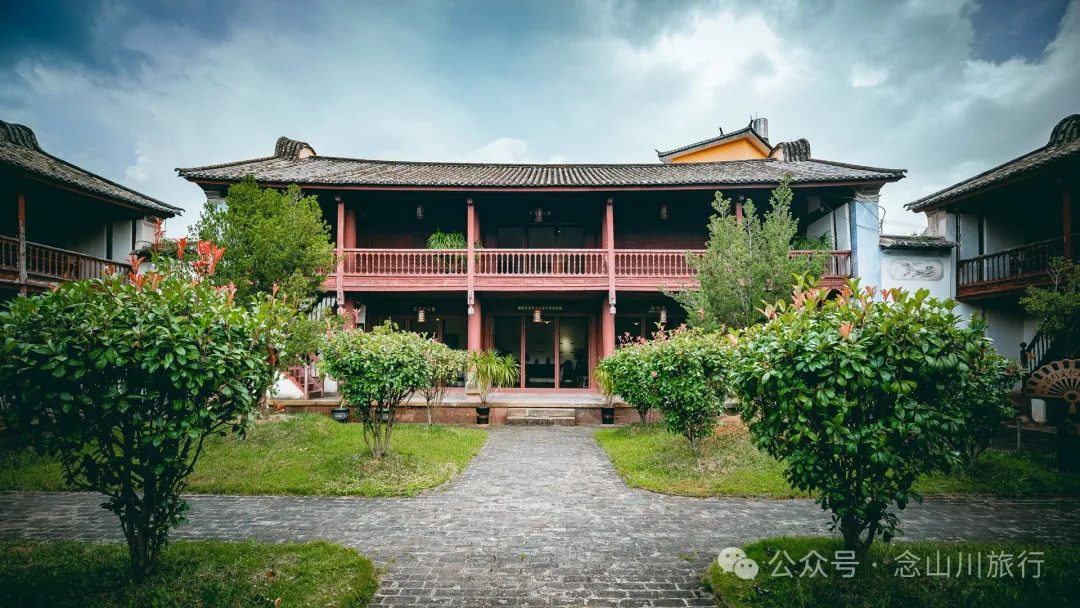
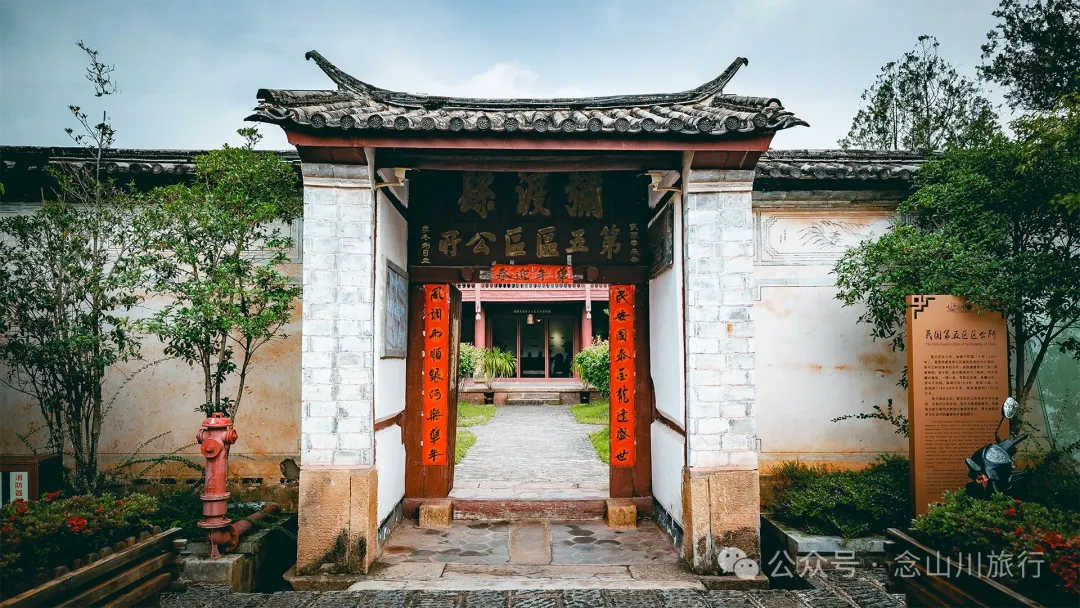
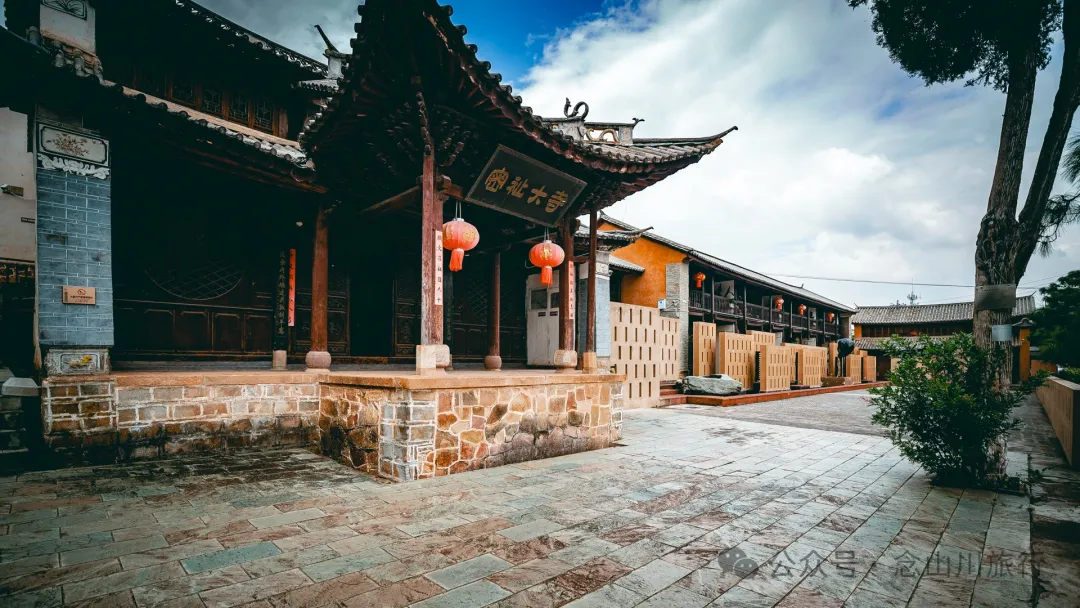
The Fifth District Office of the Republic of China was built in the 20th year of the Republic of China (1931). It was the office of the Fifth District National Government of Midu County, with a history of over 80 years. The building complex has a layout of three rooms and a screen wall, consisting of the main house, north and south wing rooms, and a gate. All are official-hat-style buildings, with one floor and one attic, front and back corridors, single-eave mountain-style, column-and-tie construction, five bays wide (18.9 meters), depth of 10 meters, covering an area of 1189.96 square meters, with a building area of about 1700 square meters. After the founding of New China, the Fifth District Office served successively as the township government and the Yonghe Village Office, and is now used as an exhibition hall. This building has been listed as a cultural relic protection unit at the prefecture level and is one of the important protected building complexes in Wensheng Street Historical and Cultural Village.
Mizhi Ancient Town in Midu, Dali: Visit the Hometown of the World-Famous Song ‘The Moon Over the River’ and Experience the Past and Present of the Horse Caravan People on the Ancient Tea Horse Road - Image 29
Mizhi Ancient Town in Midu, Dali: Visit the Hometown of the World-Famous Song ‘The Moon Over the River’ and Experience the Past and Present of the Horse Caravan People on the Ancient Tea Horse Road - Image 30

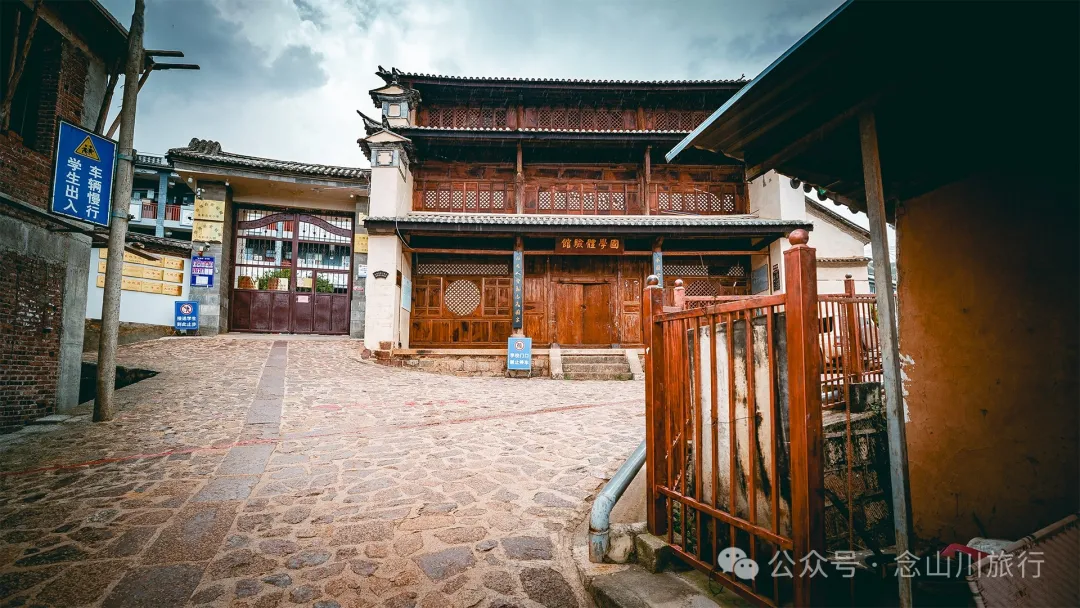
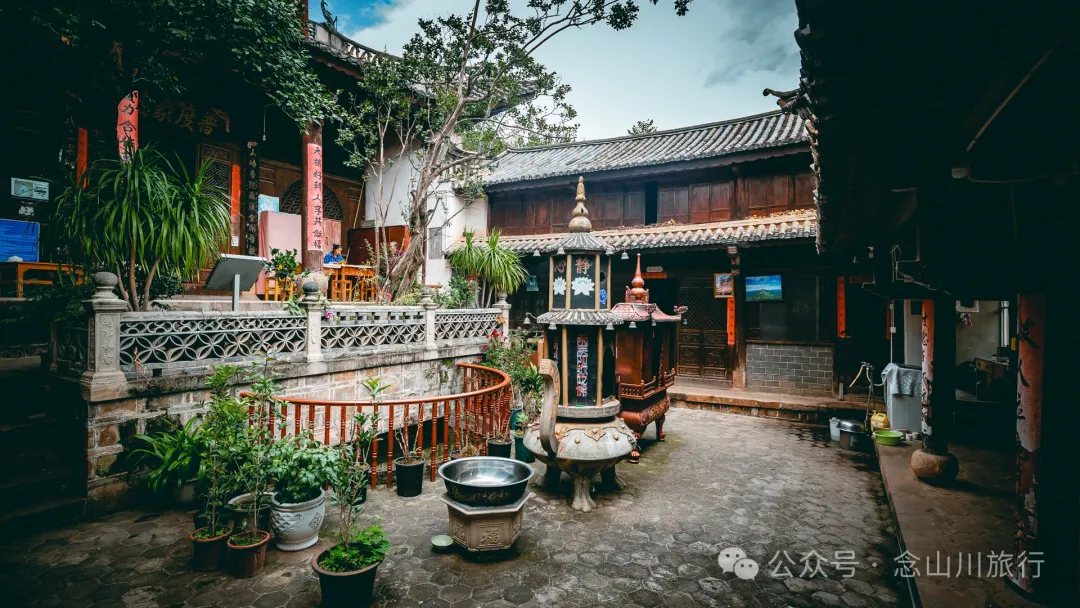
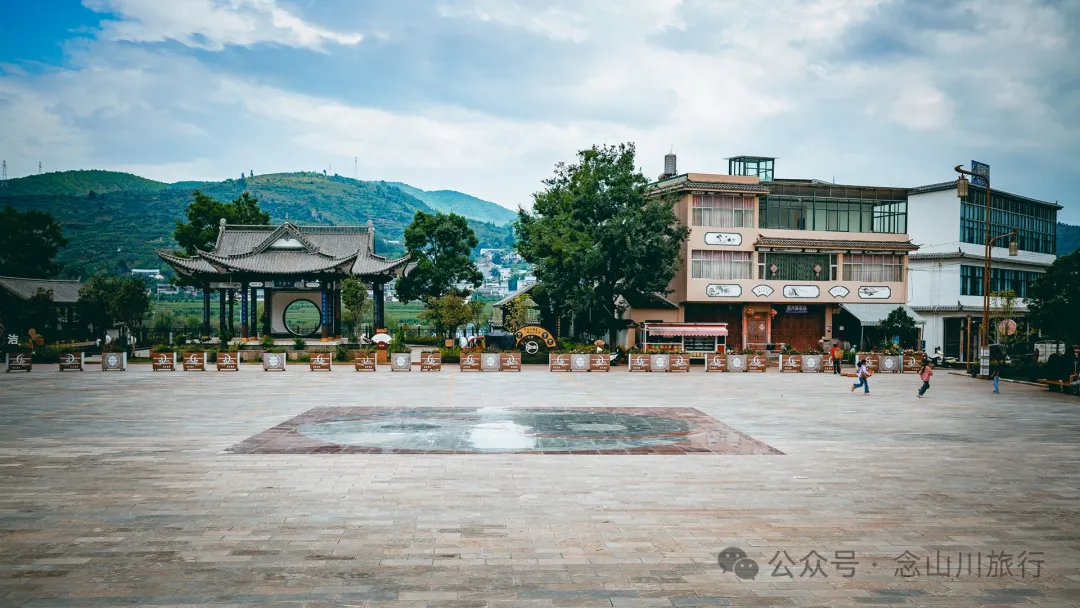
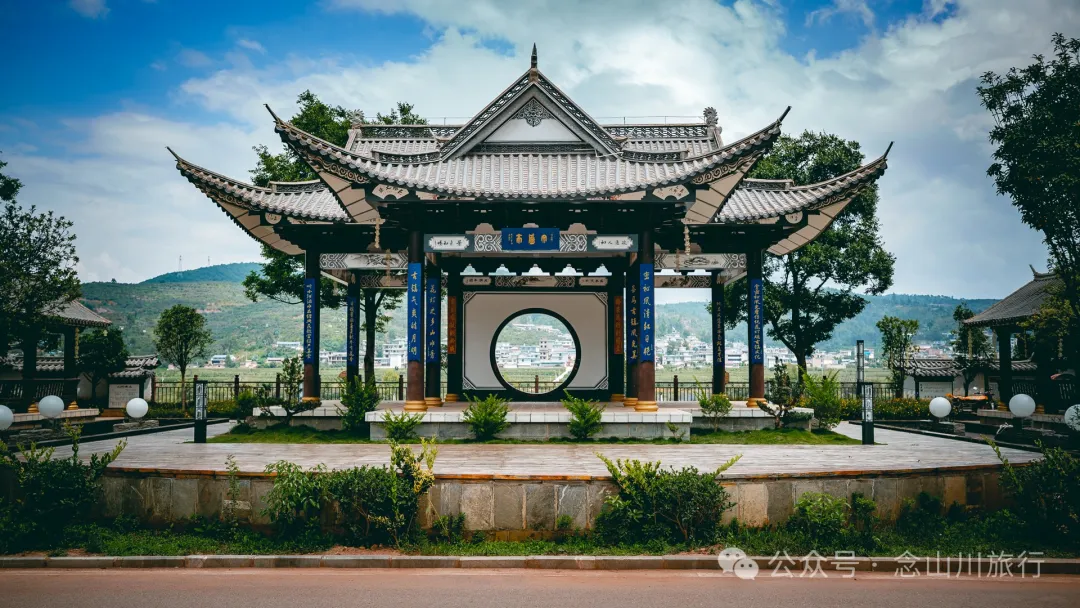
Mizhi Grand Temple is located directly opposite Mizhi Lantern Square. The temple buildings are built along the mountain slope, with the Guansheng Hall in the front and the Jade Emperor Pavilion in the back. According to the "Midu County Annals Draft," the Mizhi Grand Temple was first built in the early Qianlong period (1736) and expanded in the fifth year of the Guangxu period (1879), with a history of over 270 years. Because it is the oldest and largest ancient temple in the Mizhi area, it is called Mizhi Grand Temple.

During the Qing Dynasty, Mizhi Grand Temple served as an academy and school. In the Republic of China period, schools were established here. On the eve of the founding of New China, it became the activity site of the Third Detachment of the Western Yunnan People's Self-Defense Corps led by the underground Communist Party. After the founding of New China, it was used as a school for a long time and has always been the center of education, religion, and culture in the Mizhi area.
Mizhi Ancient Town in Midu, Dali: Visit the Hometown of the World-Famous Song ‘The Moon Over the River’ and Experience the Past and Present of the Horse Caravan People on the Ancient Tea Horse Road - Image 31
Mizhi Ancient Town in Midu, Dali: Visit the Hometown of the World-Famous Song ‘The Moon Over the River’ and Experience the Past and Present of the Horse Caravan People on the Ancient Tea Horse Road - Image 32
Mizhi Ancient Town in Midu, Dali: Visit the Hometown of the World-Famous Song ‘The Moon Over the River’ and Experience the Past and Present of the Horse Caravan People on the Ancient Tea Horse Road - Image 33

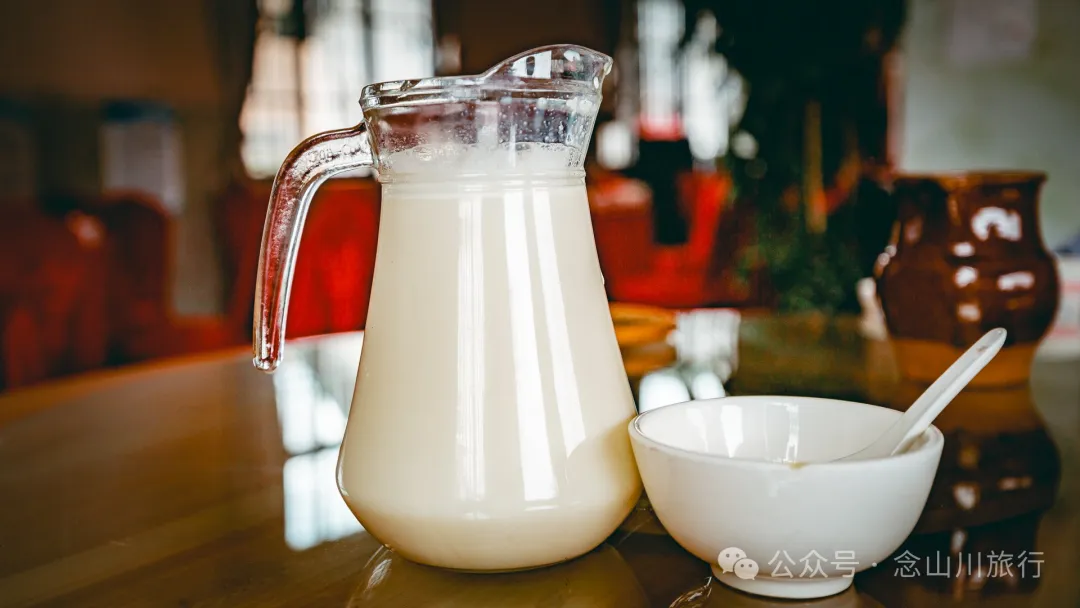
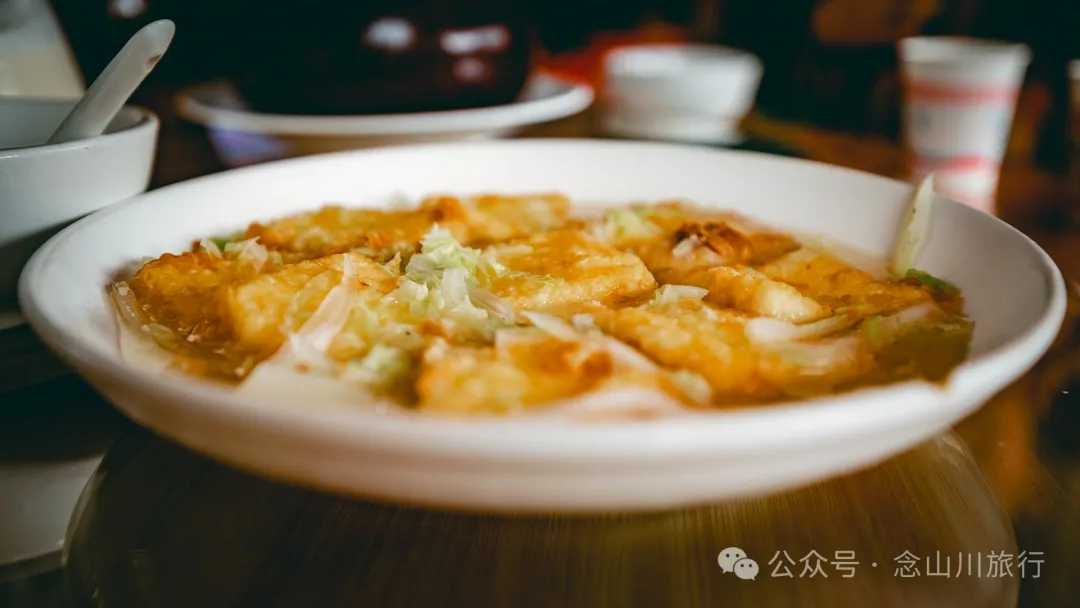
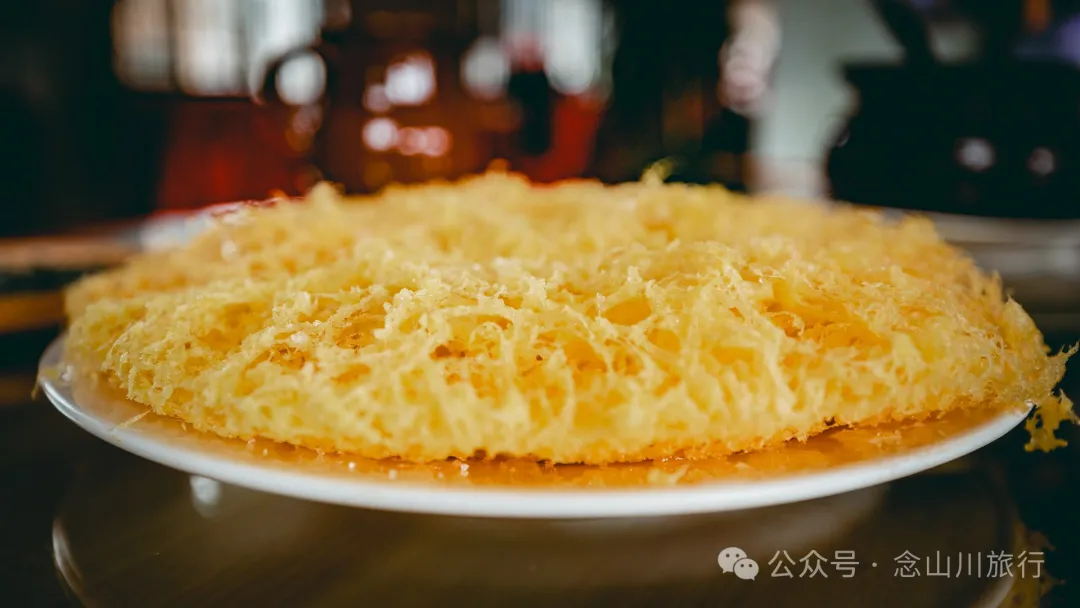
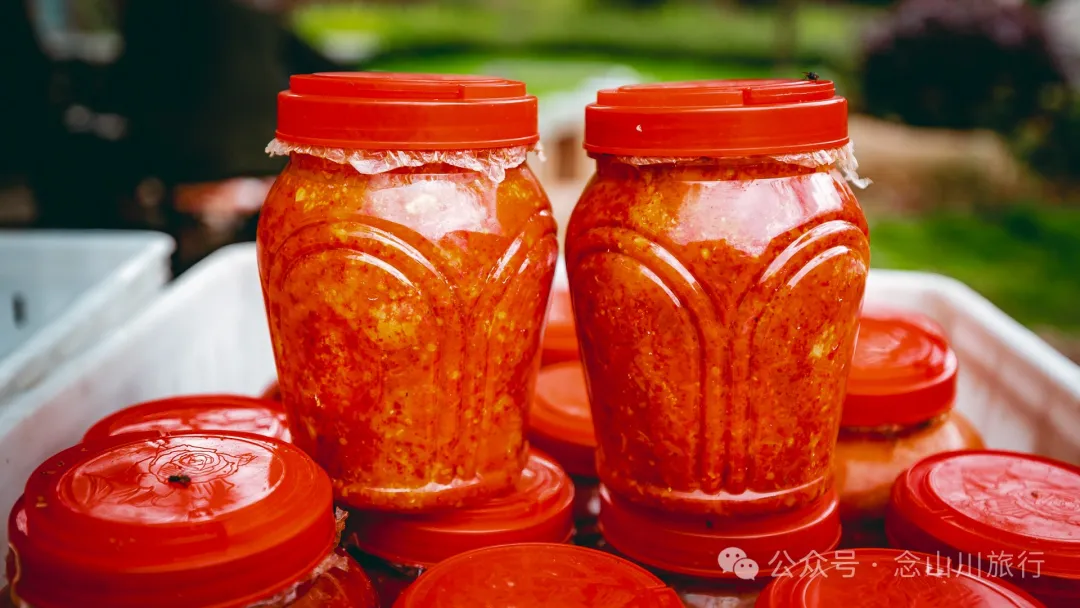
When visiting Mizhi Ancient Town, how can you miss a sumptuous tofu banquet? Tofu banquet is a specialty of Mizhi, made with water from the local Pearl Spring. The tofu is firm, not easily broken when cut, not sticky when carved, and does not fall apart when cooked, making it very suitable for various dishes. The tofu banquet includes three series: hot dishes, cold dishes, and pickled dishes. Hot dishes include tofu balls, osmanthus fragrant balls, golden brick tofu, spicy tofu, golden silk tofu, happy tofu, pregnant tofu, egg floss tofu, etc. Cold dishes include tofu pudding, ginger shred tofu, and dipping sauce tofu. Pickled dishes include pickled tofu and fermented bean curd.

Mizhi Ancient Town in Midu, Dali: Visit the Hometown of the World-Famous Song ‘The Moon Over the River’ and Experience the Past and Present of the Horse Caravan People on the Ancient Tea Horse Road - Image 34
Mizhi Ancient Town in Midu, Dali: Visit the Hometown of the World-Famous Song ‘The Moon Over the River’ and Experience the Past and Present of the Horse Caravan People on the Ancient Tea Horse Road - Image 35
Mizhi Ancient Town in Midu, Dali: Visit the Hometown of the World-Famous Song ‘The Moon Over the River’ and Experience the Past and Present of the Horse Caravan People on the Ancient Tea Horse Road - Image 36
Mizhi Ancient Town in Midu, Dali: Visit the Hometown of the World-Famous Song ‘The Moon Over the River’ and Experience the Past and Present of the Horse Caravan People on the Ancient Tea Horse Road - Image 37
Mizhi Ancient Town in Midu, Dali: Visit the Hometown of the World-Famous Song ‘The Moon Over the River’ and Experience the Past and Present of the Horse Caravan People on the Ancient Tea Horse Road - Image 38
Mizhi Ancient Town in Midu, Dali: Visit the Hometown of the World-Famous Song ‘The Moon Over the River’ and Experience the Past and Present of the Horse Caravan People on the Ancient Tea Horse Road - Image 39
Mizhi Ancient Town in Midu, Dali: Visit the Hometown of the World-Famous Song ‘The Moon Over the River’ and Experience the Past and Present of the Horse Caravan People on the Ancient Tea Horse Road - Image 40
Mizhi Ancient Town in Midu, Dali: Visit the Hometown of the World-Famous Song ‘The Moon Over the River’ and Experience the Past and Present of the Horse Caravan People on the Ancient Tea Horse Road - Image 41
Mizhi Ancient Town in Midu, Dali: Visit the Hometown of the World-Famous Song ‘The Moon Over the River’ and Experience the Past and Present of the Horse Caravan People on the Ancient Tea Horse Road - Image 42
Tags:
This article is original, author: Sixianqiu, and its copyright is owned by 大理旅行.
For reprinting, please indicate the source: https://dalilvxing.com/en/648.html
Sixianqiu

Sixianqiu

"Eyes follow the returning swan, hands strum the five strings." Always seeking, in this unrecognizable mortal world, a path as carefree as drifting clouds and wild cranes. Fortunately, there lies an ocean of poetry and lyrics, which has gifted me boundless beauty. Often, I sail upon it, quietly savoring that beauty. Even more fortunate are those standing on the shore — who cherish the beauty I cherish, and keep me free from hunger and cold, allowing me to devote myself wholly to this joy.
2166.31W
Loading...
Share:
Word Count: 8155
Nanjian, Dali: Reliving the Scent of Rice in Golden Fields
Nanjian, Dali: Reliving the Scent of Rice in Golden FieldsPrevious
Dali Midu's Hidden Gem: Wuben Village, Exploring the Real-Life 'Peach Blossom Spring'Next
Dali Midu's Hidden Gem: Wuben Village, Exploring the Real-Life 'Peach Blossom Spring'
Related Articles
Total: 212
The Enchanting Morning of Dali Nanjian Baihua Village Meadow: A Silent Poem of Dew and Dawn

The Enchanting Morning of Dali Nanjian Baihua Village Meadow: A Silent Poem of Dew and Dawn

When I stepped out of the tent, the crescent moon that had hung so crisply last night had already retreated with the stars, leaving only a few p…
SixianqiuSixianqiuTravel Log1 years ago112130
The Hometown of the Fairy Sister in ‘The Demi-Gods and Semi-Devils’, the Mystery of Wuliang Mountain, the Romance of Cherry Blossom Valley, the Alpine Meadow Secret Realm, the Hometown of Tiaocai… Have You Seen All This in Nanjian, Dali?

The Hometown of the Fairy Sister in ‘The Demi-Gods and Semi-Devils’, the Mystery of Wuliang Mountain, the Romance of Cherry Blossom Valley, the Alpine Meadow Secret Realm, the Hometown of Tiaocai… Have You Seen All This in Nanjian, Dali?

Nanjian, whose name dates back to the Tang Dynasty, is named so because it lies south of Mengshe, with mountains and water forming a large gully…
SixianqiuSixianqiuTravel Log2 years ago114340
Baofeng Ancient Town in Yunlong, Dali: An Amber of Memory on the Salt-Horse Road, Every Old Building Unlocks Tales of the Post Station

Baofeng Ancient Town in Yunlong, Dali: An Amber of Memory on the Salt-Horse Road, Every Old Building Unlocks Tales of the Post Station

Like Heping Village in Nuodeng Town, Baofeng Ancient Town became an unexpected highlight of our trip due to its large collection of well-preserv…
SixianqiuSixianqiuTravel Log11 months ago111990
Night View of Weishan Ancient City: Light and Shadow Under the Eaves, the Fragments of Gold That Time Forgot to Take Away

Night View of Weishan Ancient City: Light and Shadow Under the Eaves, the Fragments of Gold That Time Forgot to Take Away

At ten o'clock in the evening, the ancient city should be empty of tourists, the streets deserted and chilly, most shops already closed, with on…
SixianqiuSixianqiuTravel Log11 months ago112160
A Home of Poetry and Distance: The Dragon Boat Festival in Huoshan Village, Weishan, Dali

A Home of Poetry and Distance: The Dragon Boat Festival in Huoshan Village, Weishan, Dali

When I followed Anli back to her grandmother's house again, it was already midsummer. The primroses that had surrounded the entire Huoshan Villa…
SixianqiuSixianqiuTravel Log2 years ago113890
Lotus Breeze Carries Fragrance: Hundreds of Lotus Ponds in Shuangdui Village, Weishan, Dali Are Budding, Waiting for You to Admire

Lotus Breeze Carries Fragrance: Hundreds of Lotus Ponds in Shuangdui Village, Weishan, Dali Are Budding, Waiting for You to Admire

At the foot of the western mountain, ten kilometers outside Weishan city, lies Shuangdui Village. Beyond the village, there is a pond of over 40…
SixianqiuSixianqiuTravel Log2 years ago114150
Fengchuan Pagoda in Weishan, Dali: Climb the Qing Dynasty Pagoda, Enjoy the Winter Scenery of Mengshe, and Admire the Yellow Leaves in the Mountains

Fengchuan Pagoda in Weishan, Dali: Climb the Qing Dynasty Pagoda, Enjoy the Winter Scenery of Mengshe, and Admire the Yellow Leaves in the Mountains

Fengchuan Pagoda is located on the top of Fengchuan Mountain, south of Xizao Tang Village in Weishan County. It was first built in the fourth ye…
SixianqiuSixianqiuTravel Log1 years ago114670
Fossil Village at the End of the Jacaranda Trees in Shiping County, Honghe Prefecture, Yunnan

Fossil Village at the End of the Jacaranda Trees in Shiping County, Honghe Prefecture, Yunnan

Hidden deep in the mountains 44 kilometers southwest of Shiping County, Honghe Prefecture, lies an ancient village about 400 years old, named La…
SixianqiuSixianqiuTravel Log2 years ago225510
Huoshan Village, Ma’anshan, Weishan, Dali: Enjoy a Pig-Killing Feast and Revisit This Oil-Painting-Like Village

Huoshan Village, Ma’anshan, Weishan, Dali: Enjoy a Pig-Killing Feast and Revisit This Oil-Painting-Like Village

I can no longer recall how many times we have followed Anli to Huoshan Village, perched on a slope with a view of countless distant mountains. W…
SixianqiuSixianqiuTravel Log1 years ago114160
Weimi Line – Mountain Scenery of Shamaoshan: Windmills Are the Clock Hands of Clouds and Mist, Meadows Are the Soft Lining of the Mountains

Weimi Line – Mountain Scenery of Shamaoshan: Windmills Are the Clock Hands of Clouds and Mist, Meadows Are the Soft Lining of the Mountains

When the weather is fine, sitting by the wooden window on the second floor of my home in Weishan City, I can see a row of white windmills on the…
SixianqiuSixianqiuTravel Log0 years ago112350
Dali Nanjian Mibila Village Alpine Meadow: Be an Innocent Child in the Primitive Ecological Secret Realm of Wuliang Mountain

Dali Nanjian Mibila Village Alpine Meadow: Be an Innocent Child in the Primitive Ecological Secret Realm of Wuliang Mountain

This alpine meadow, located between Mibila Village and Laobuju Village in Baohua Town, Nanjian County, is not marked on any map. The unique peak…
SixianqiuSixianqiuTravel Log2 years ago115100
Besides visiting Weishan Ancient Town during the Dragon Boat Festival, you can also go to Guboluo, 15 kilometers away, to listen to a pastoral song.

Besides visiting Weishan Ancient Town during the Dragon Boat Festival, you can also go to Guboluo, 15 kilometers away, to listen to a pastoral song.

This Dragon Boat Festival, even Weishan, a remote ancient town, is bustling. Early in the morning, there are many more tourists than usual walki…
SixianqiuSixianqiuTravel Log2 years ago114020
Comment FormTourist Hello, welcome to the discussion.
Dali Travel
Please login first
Comment Lists
Total: 0
Dali Travel
No relevant content