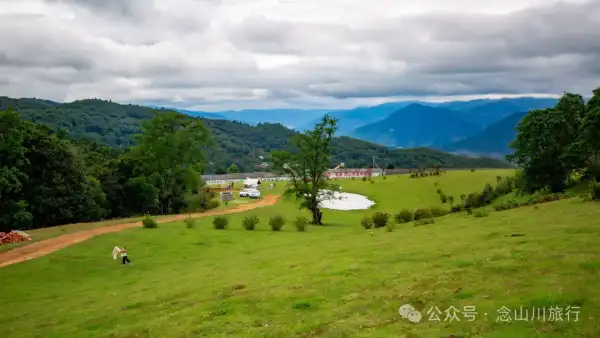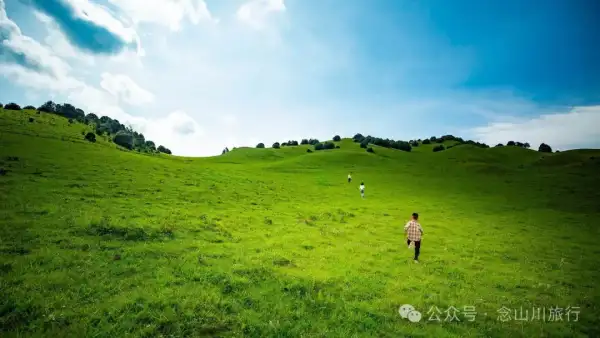

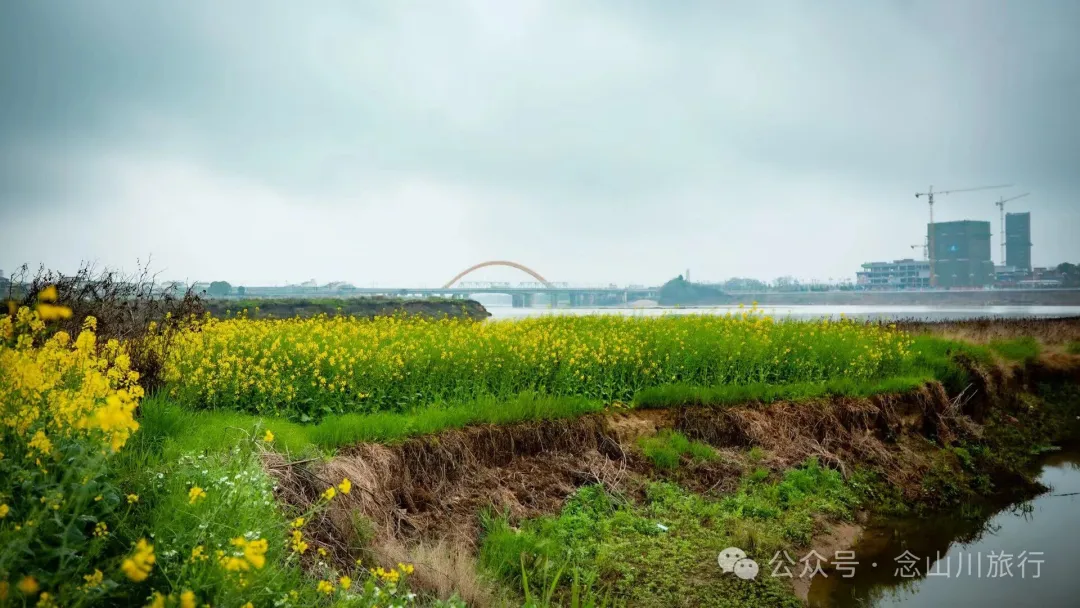
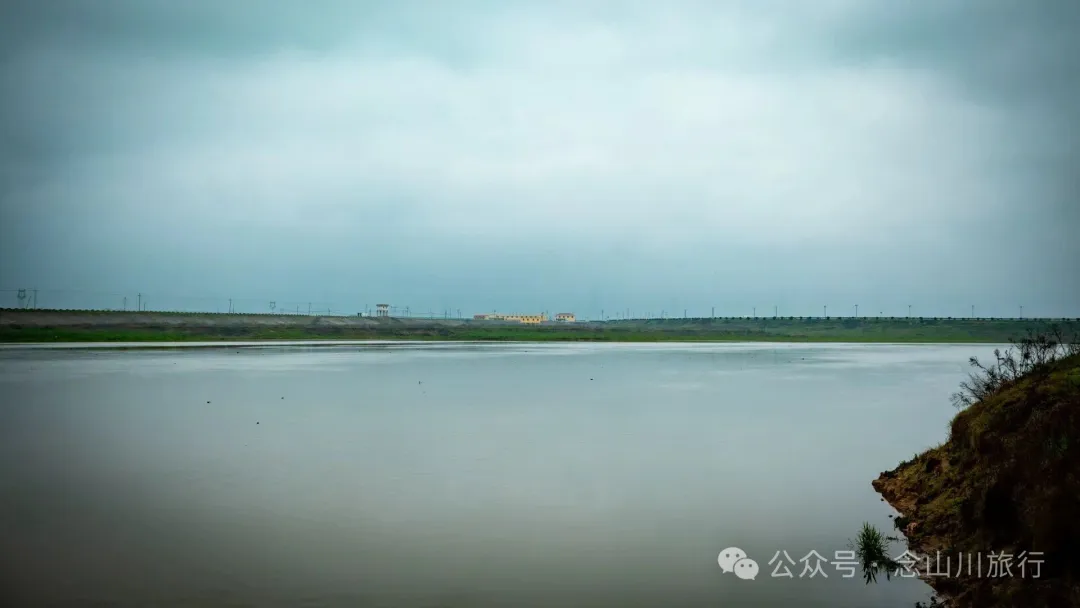
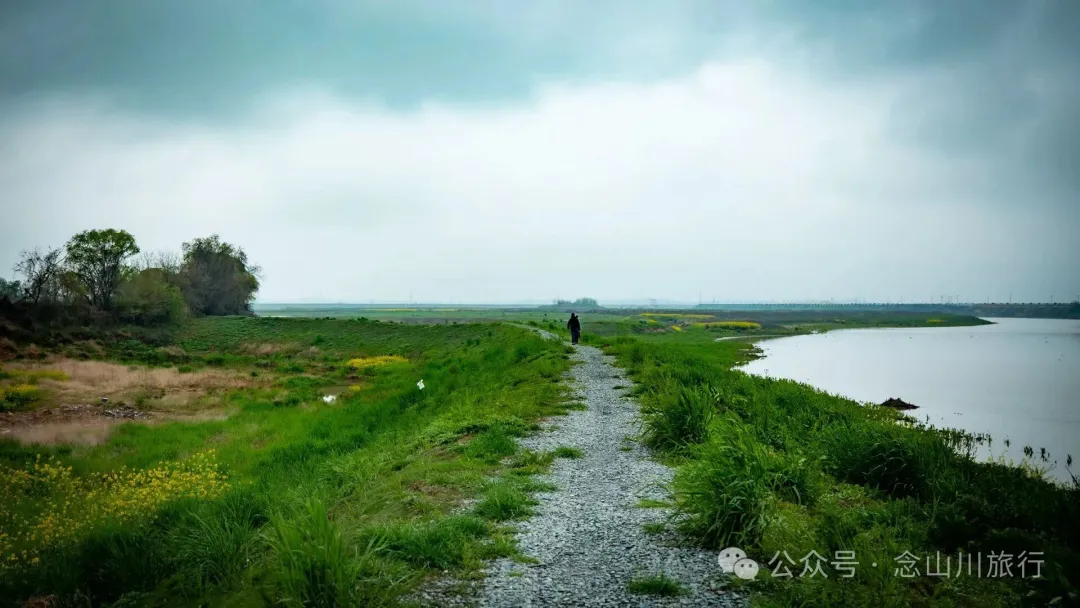
I didn't expect they had built such a long walkway along the river, all the way to the bottom of the Liaohe Bridge. I came across the city, walked too much, and worried I couldn't make it back, so I didn't go to the end. I just stood for a long time in the vast grassland, with patches of thick and thin green, looking for the free-flying figures of the gray-headed lapwings and their hiding places. I don't remember if I've seen this bird before, nor do I know its name. Doubao told me.
They were too alert; before I could get close, they flew off the ground, fluttering their black wingtips in the air to find familiar routes, then hid in the distant grass. When I suddenly stopped while moving slowly, they forgot their familiar flight paths in panic and rushed toward me in confusion. Only a few meters away, they abruptly soared into the sky, their safe zone. But it was still too far, and my eyesight is poor; I couldn't make out their reddish-brown irises, that part of the bird's body that fascinates me, like polished, shimmering moments in the dust.
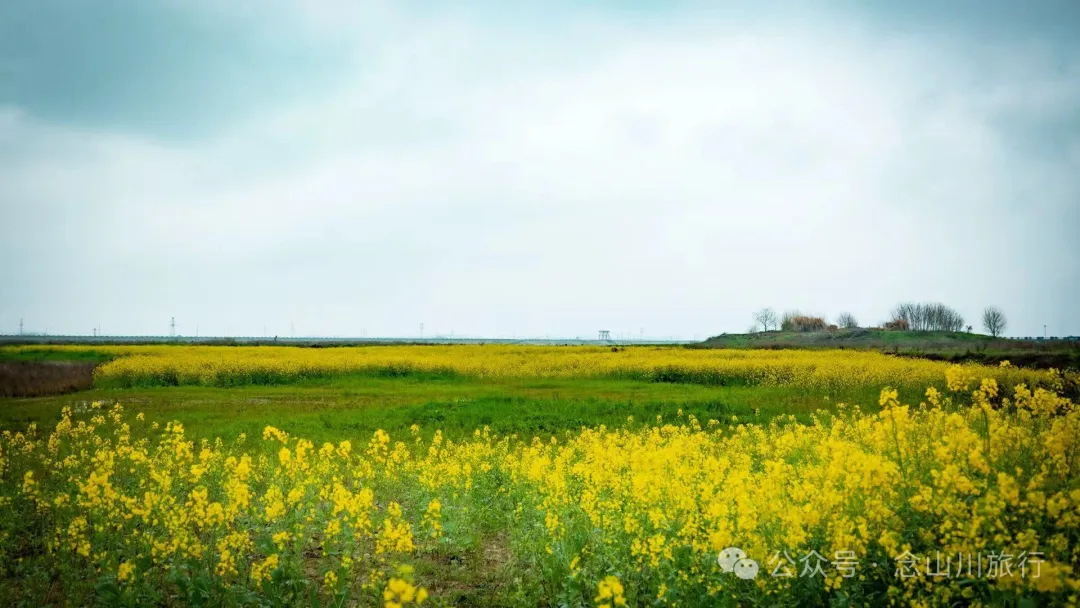
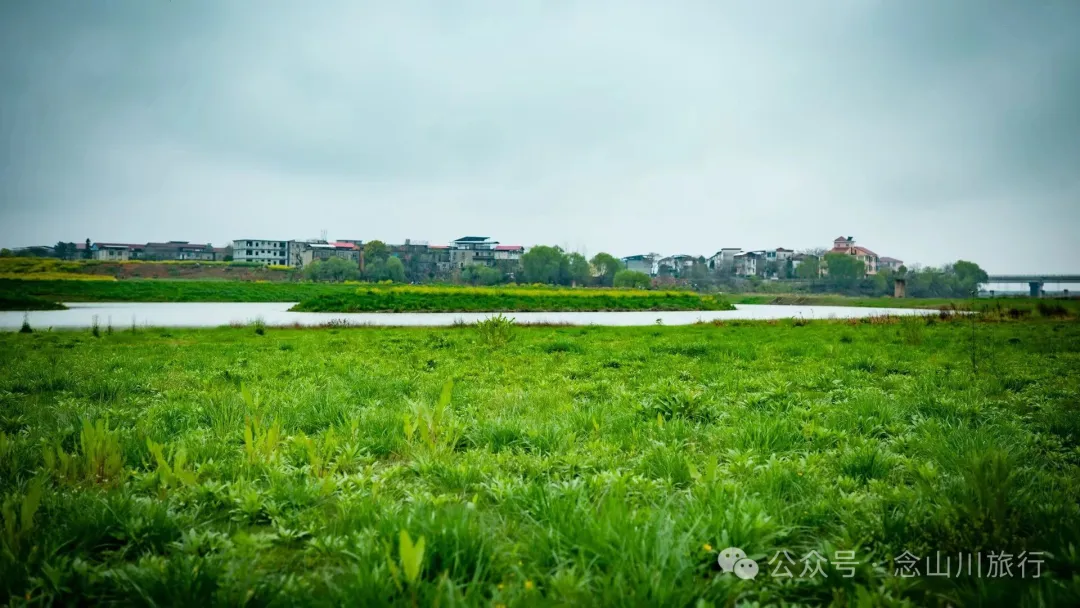
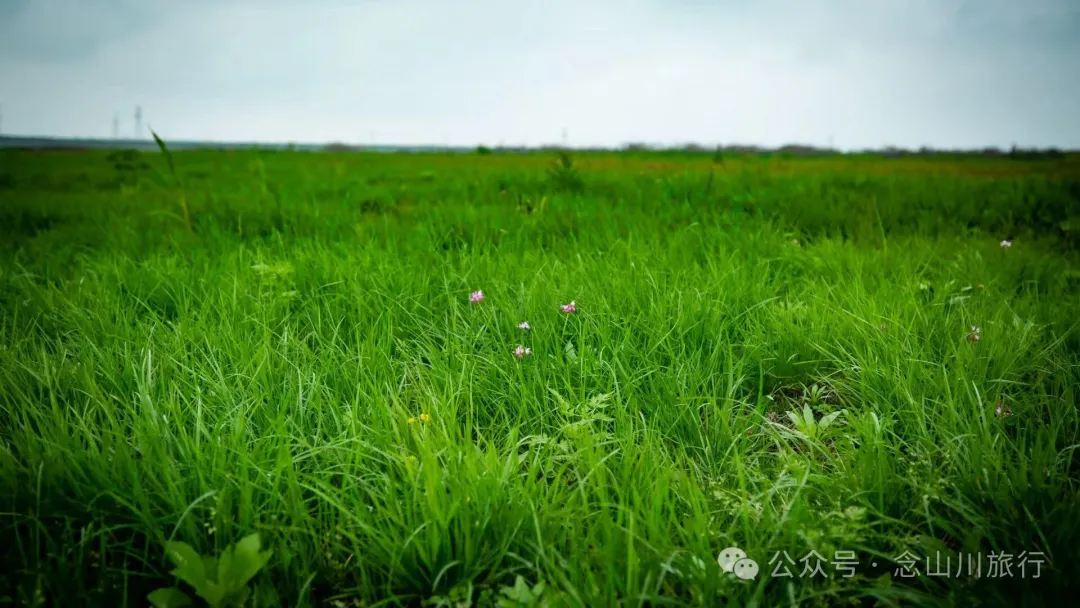
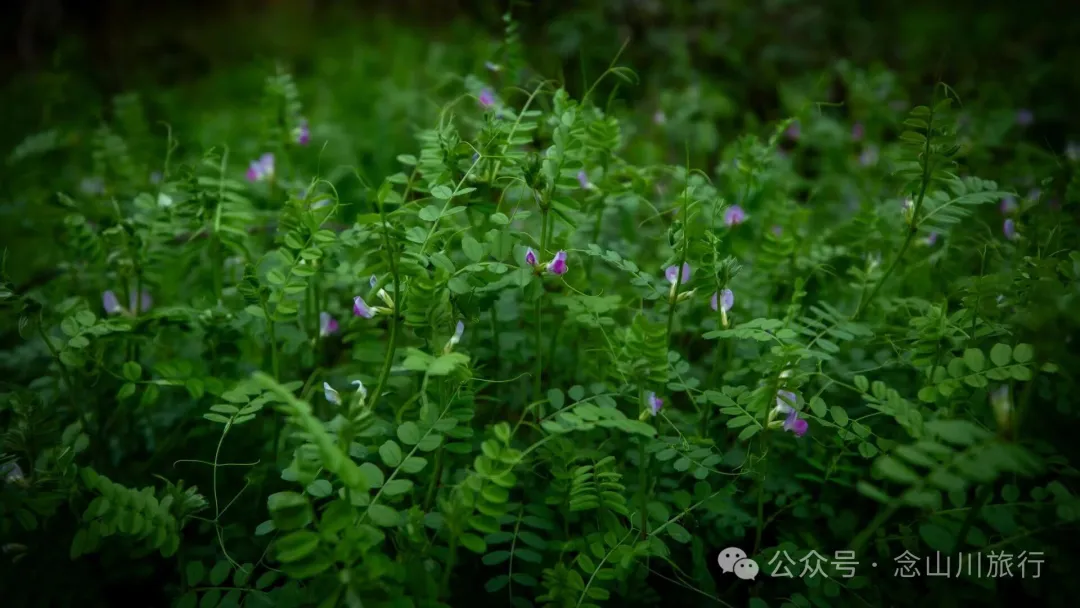
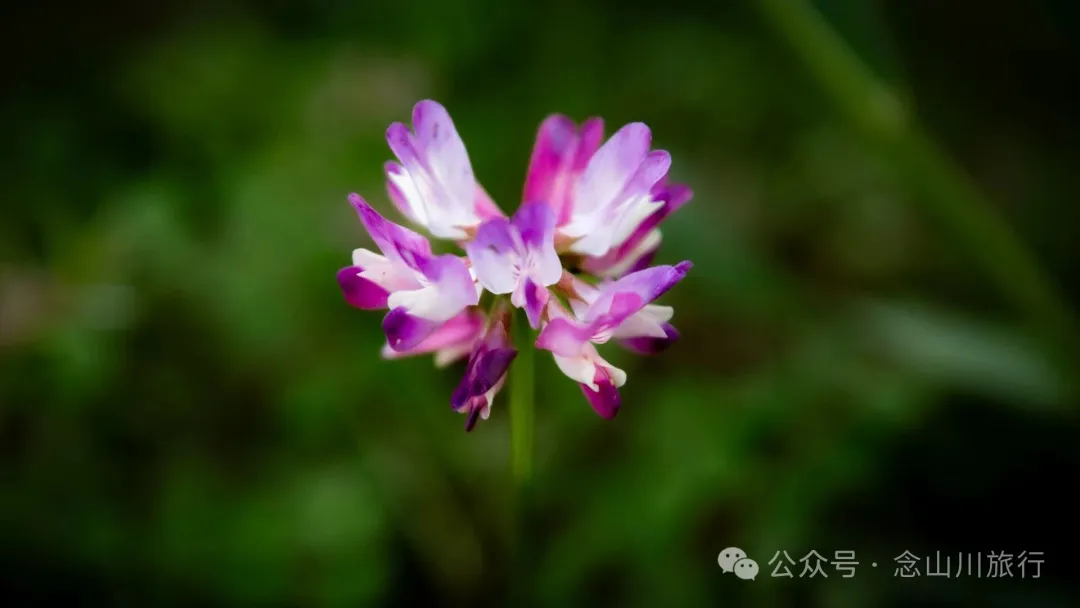
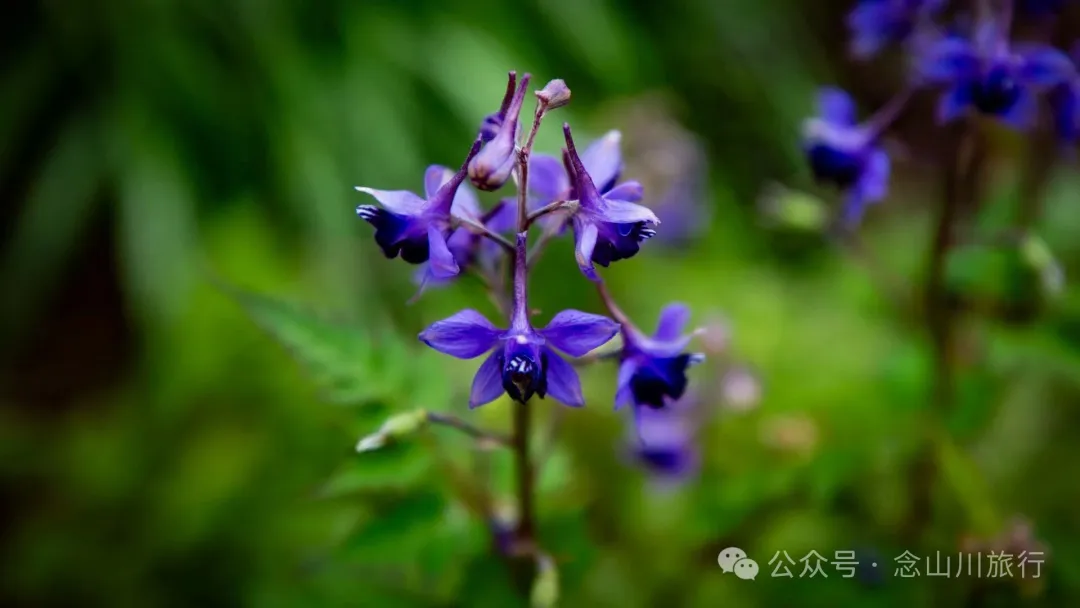
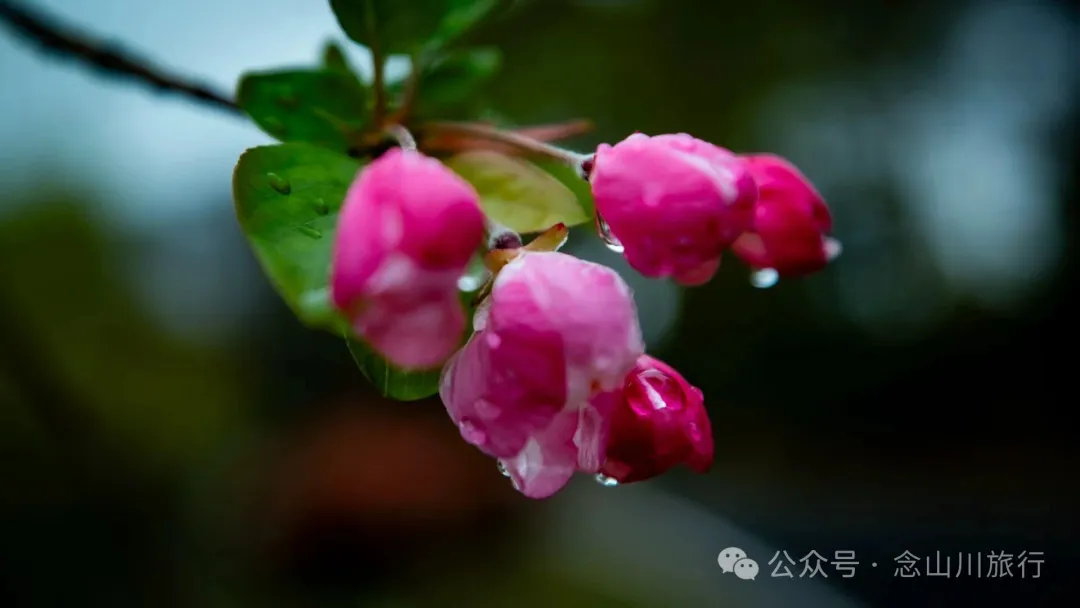
Two groups of people arrived at this riverside plain before me. Closer to me were an elderly and a young person, looking like mother and daughter. They slowly walked along the gravel path for a lap and then turned back; they came here for a stroll. The silver-haired old woman was delighted; they chatted as they walked. The old woman bent down to pick a wild grass and smiled brightly. The scenery here is pleasant, isn't it? Even on a cold, rainy day, she was still willing to come here for a walk, to see things not found in the city.
The other group was three women. They had entered this lush green expanse early but walked very slowly. I soon caught up with them and left them far behind. They were looking for wormwood. On my way back, I saw their red plastic bags full of wormwood. When they saw me, they said I was also picking wormwood. Seeing me carrying a camera, sometimes shooting the distant river, sometimes crouching in the grass to photograph flowers, they then said I was making Douyin videos. I lowered my head and said nothing, pretending not to hear. I only came to visit the river.
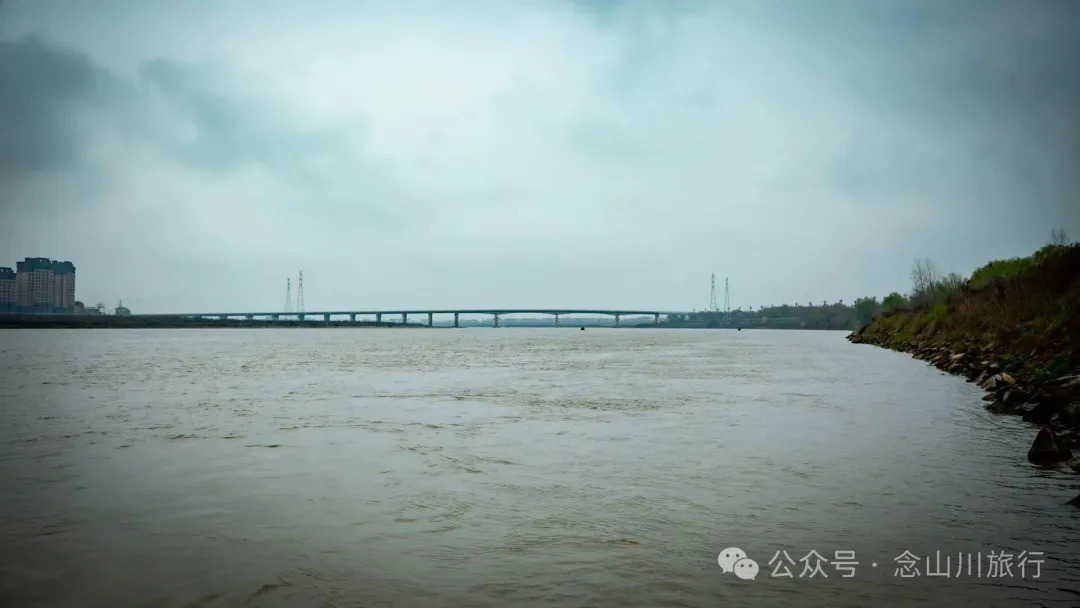
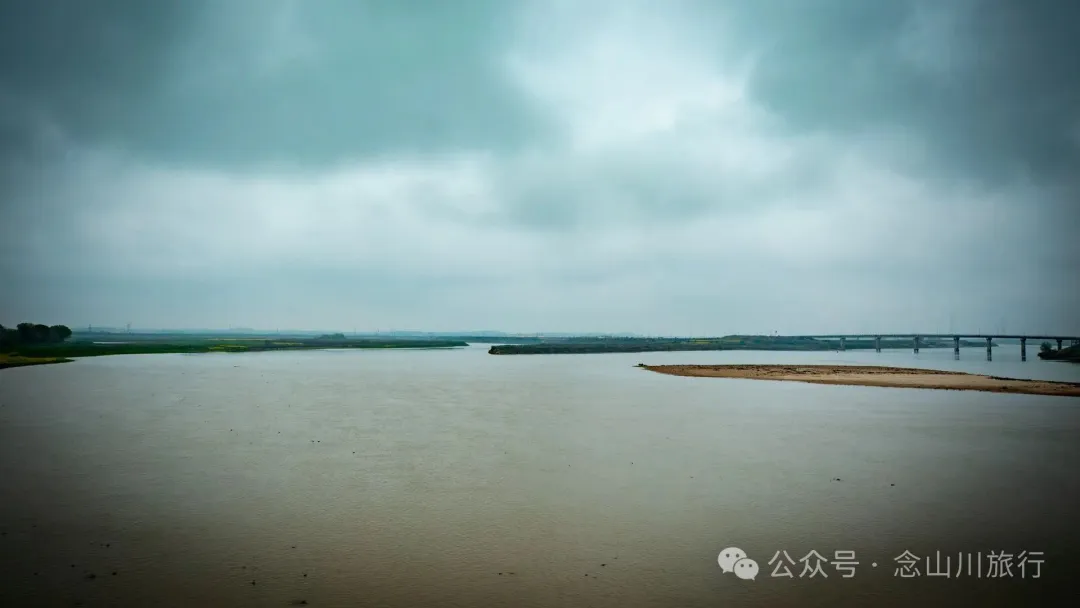
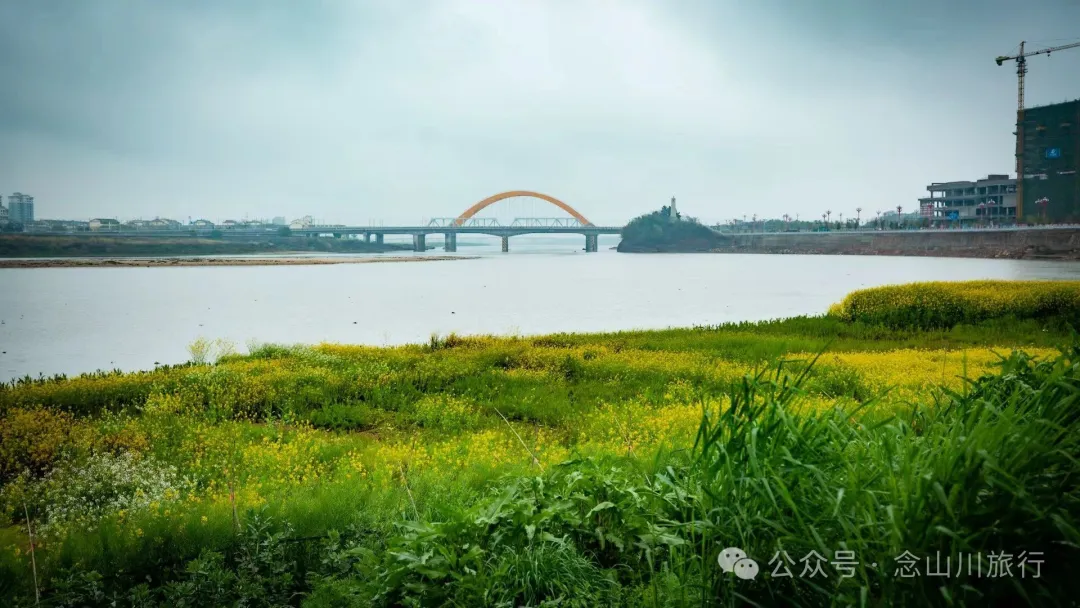
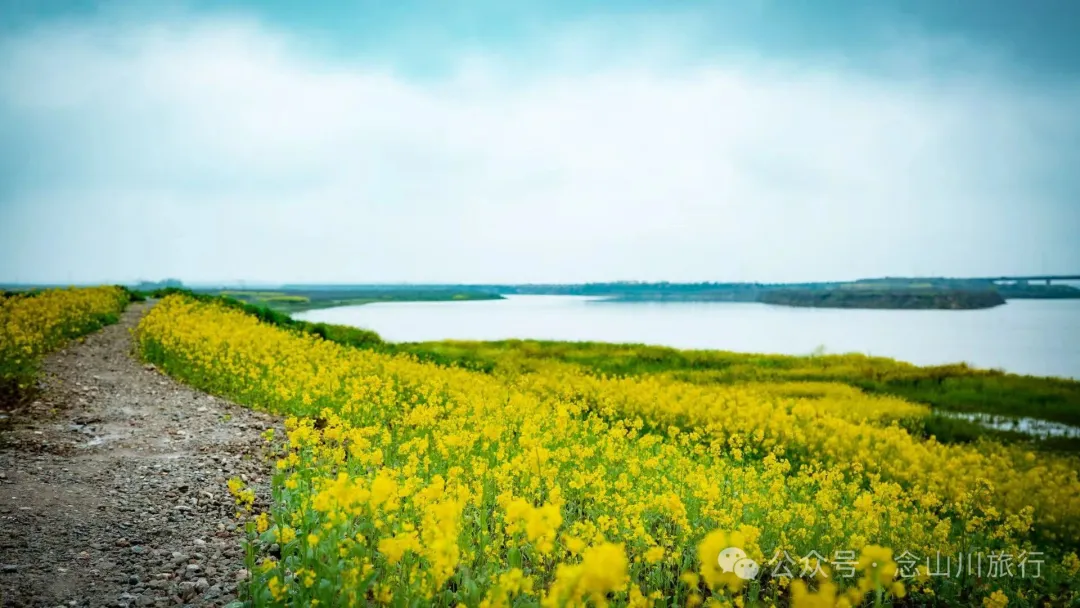
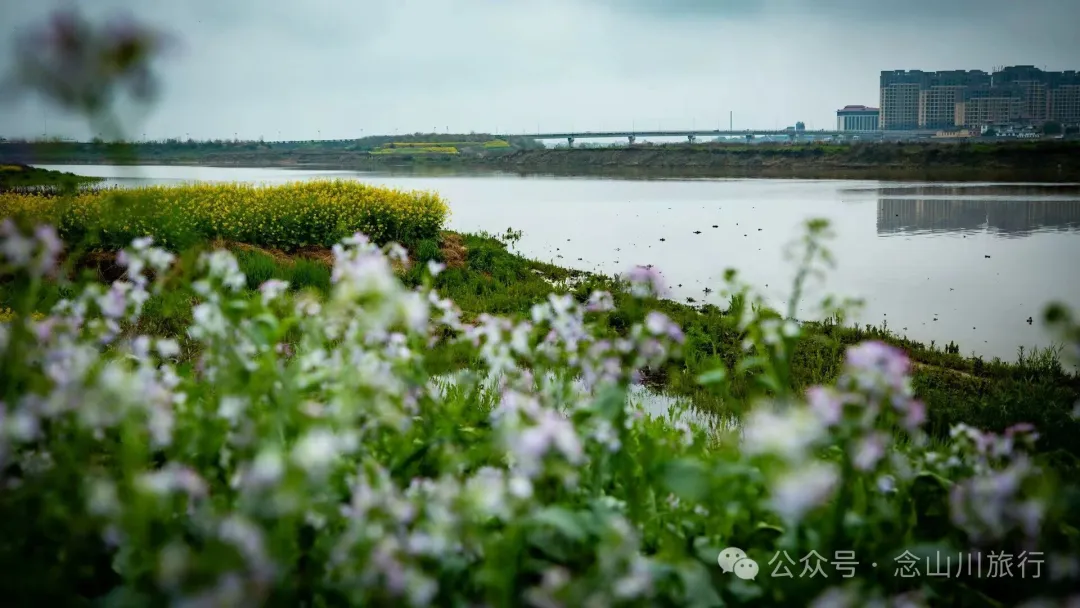
The river water was turbid, carrying so much sediment. It rushed downstream, passing through my village, making two big bends, merging into the vast Poyang Lake, then wandering there for a while before rushing over 800 kilometers to its final destination: the East China Sea. The water cycle is another matter. I often see the Xiu River in my dreams, this river closely tied to our lives. I constantly search for water bodies in other places, loving various forms of water, and the root of this is my emotional connection to this river.
The Xiu River gives us far more gifts than disasters. Summer floods are the only negative impact the river brings us, but for me personally, it was a blessing in disguise. Every time the river swelled, my eldest uncle and second uncle worried that their mother would be swept away by the flood, so they would take her to their homes early. One lived in Old Xinghuo, the other in Qiujin; their living conditions were completely different from home. At such times, my grandmother always held my little hand, leading me like a kitten to go with her, as if she thought if she left me behind, she would never see me again after the flood. So I could follow her to my uncles' homes and enjoy a long period of good life.
The river brought us more joy and abundant nourishment. Also in summer, when there were no floods, at dusk we would flock into the river. The older ones who had learned to swim would race to see who could swim farther. We younger ones who hadn't learned yet would only hold our breath in the shallow water, splashing water at each other, cool and happy, reluctant to leave. Only when it got dark and the elderly came angrily to the river with long bamboo poles, cursing, would we reluctantly get out of the water and leave with lingering attachment.
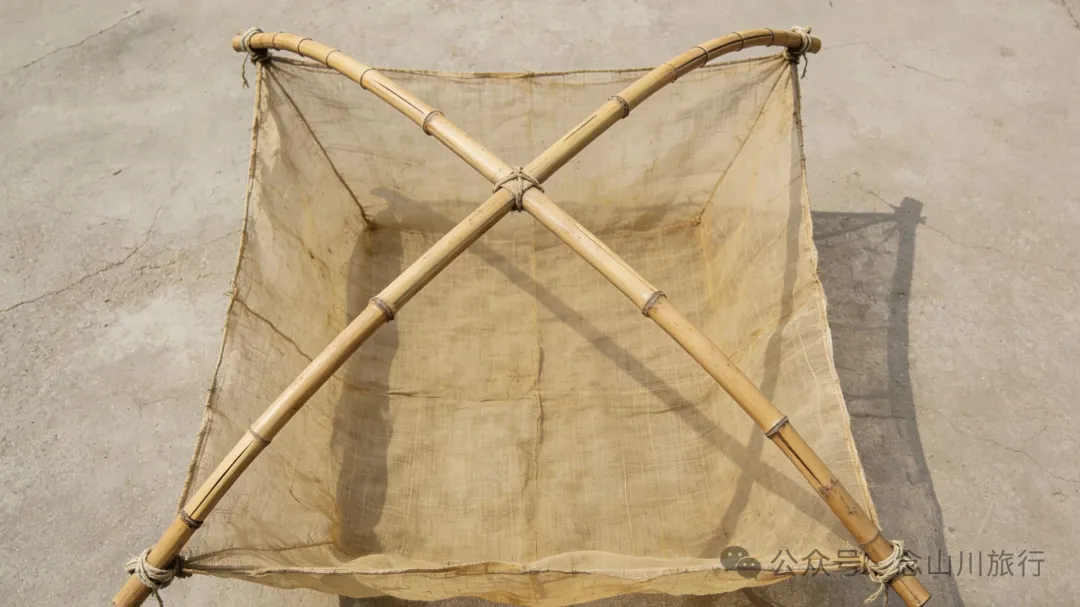
When river shrimp were abundant, we would follow our parents' instructions and obediently carry five, six, seven, or eight shrimp nets to the river to catch shrimp. We only went at dusk, when the scorching heat had subsided and the shrimp would float to shallow waters to breathe and feed. The shrimp net was a tool specially used by us kids: two flexible bamboo strips crossed, bent to form four corners, and a square piece of old mosquito net about a meter wide tied to the four corners, making a net.
We would put a handful of mixed rice bran (I remember adding a little white liquor, not sure if the aroma attracted the shrimp or if the shrimp became drunk and easier to catch) in the center of the net, place it in shallow water, wait quietly for a few minutes, then quickly lift the net out of the water. In the middle of the net, there would be a dozen lively shrimp struggling in confusion, looking for an escape. We would grab all the shrimp from the bottom of the net, turn it over, and dump them into a small bucket. Then we would put in another handful of rice bran to fool another group of silly shrimp. In half a day, we could catch nearly half a bucket of shrimp. When there weren't many shrimp in the river in front of the village, we would walk far to the river near Caotou Village. I remember there was an ancient willow tree there. My second sister was busy by the river, lifting one net and then another, while I sat under the willow tree, daydreaming.