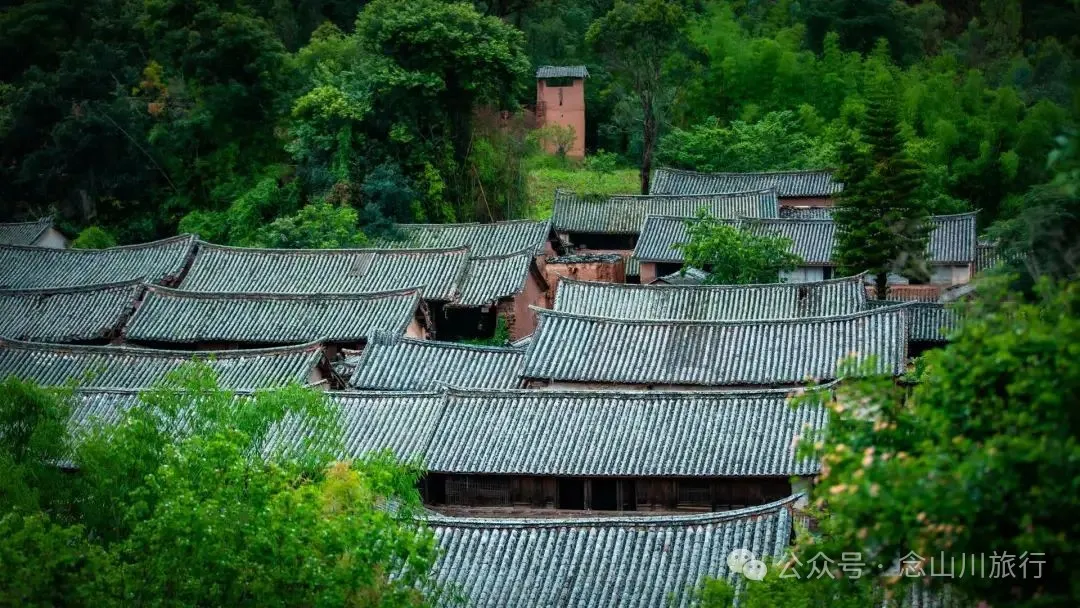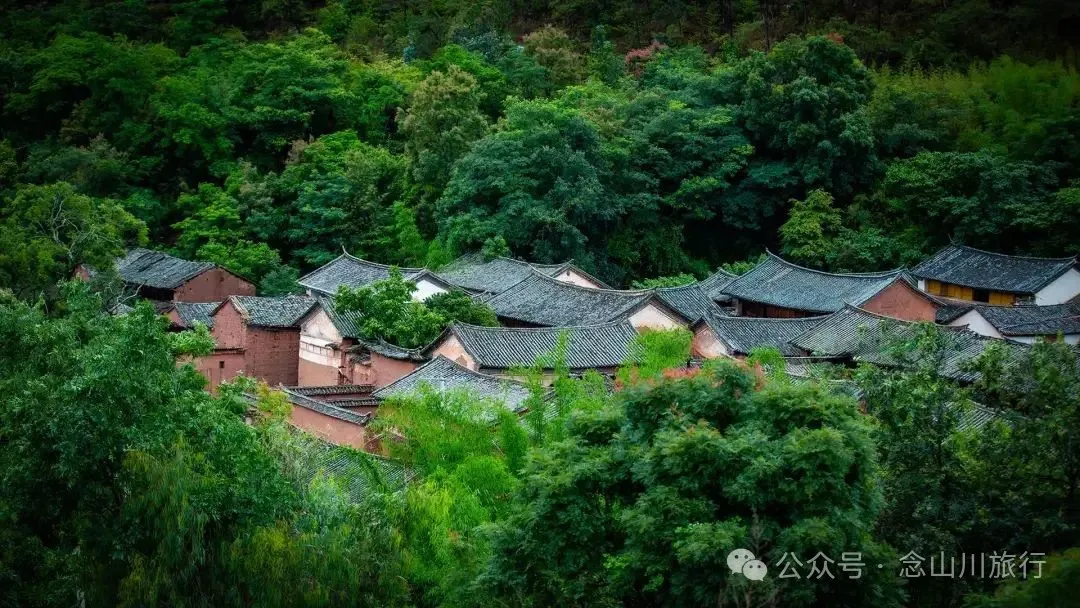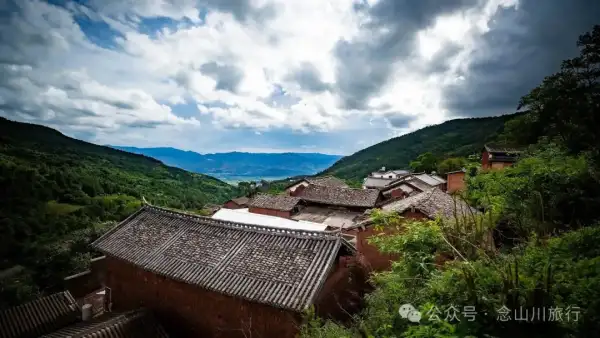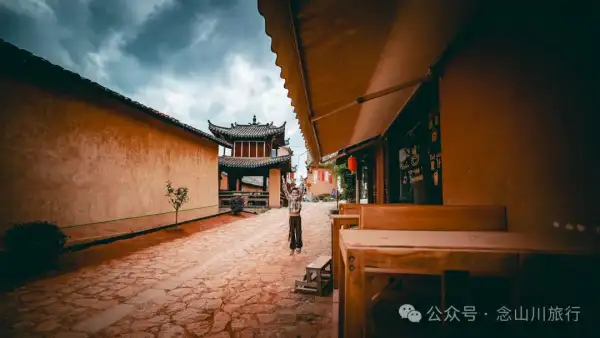

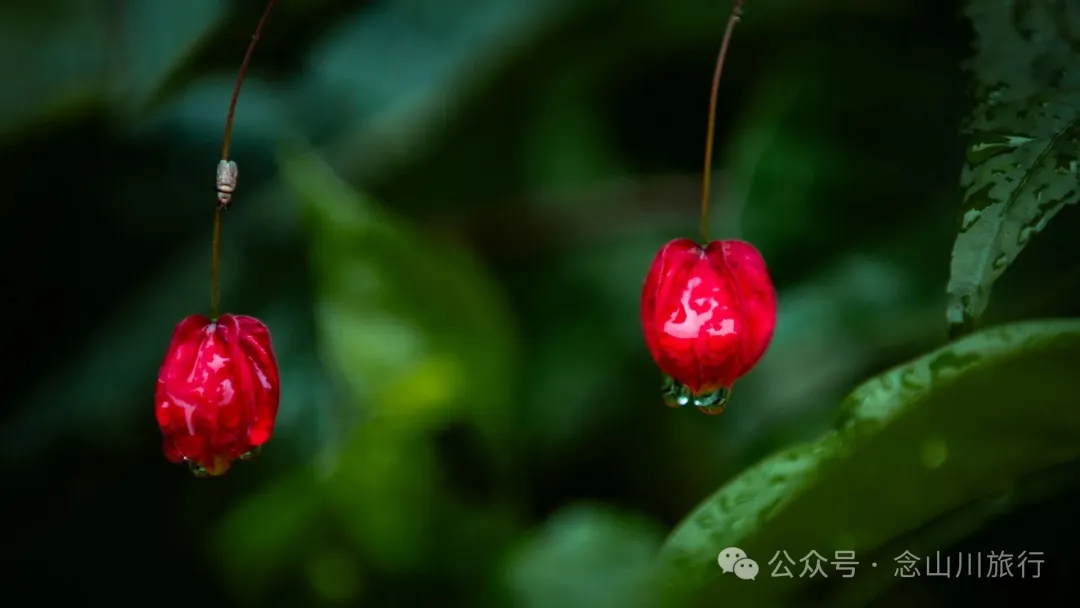
I think rain is the best trigger for nostalgia. Walking through Likecun, an ancient village founded in the Ming Dynasty located in the northwest of Weishan county town, in heavy rain should reveal more of the past that we cannot touch. After a night of torrential thunderstorm, the Xi River not far from the front of Likecun surged, muddy water carrying countless sediments flowing away. The four to five hundred years of Likecun are like the unfathomable river water, gone and never to return.
According to villagers, the founding ancestor of Likecun migrated from Sichuan to this mountain hollow in some era of the Ming Dynasty, starting a secluded life lasting four to five hundred years. Those strangers could be considered the earliest "tourists" residing in Yunnan, mostly from Yingtian Prefecture (now Nanjing, Jiangsu) and Jiangxi. Yunnan's history of sojourning dates back several hundred years.
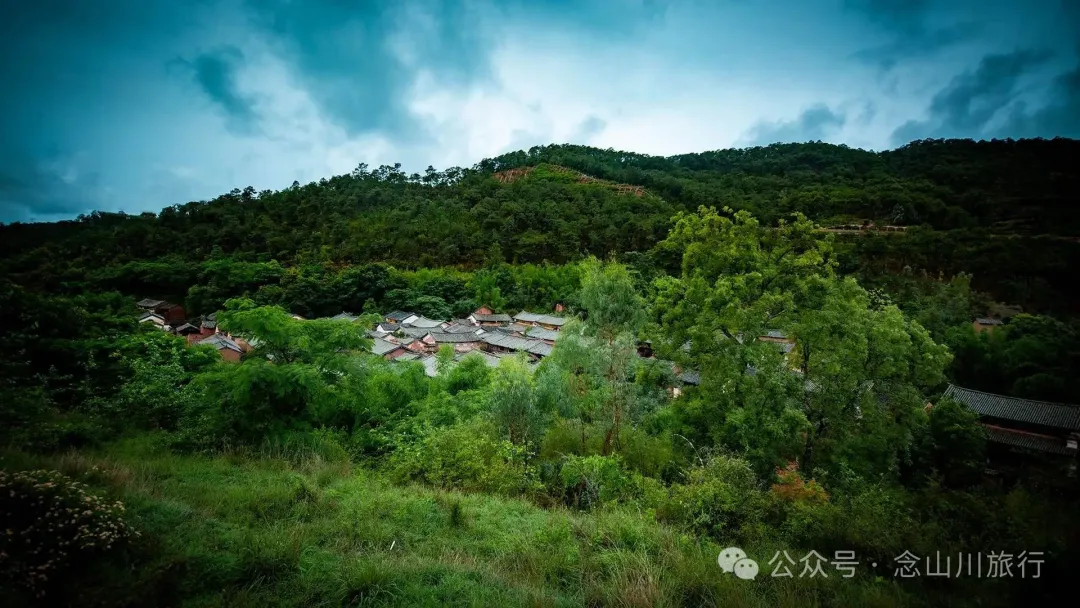
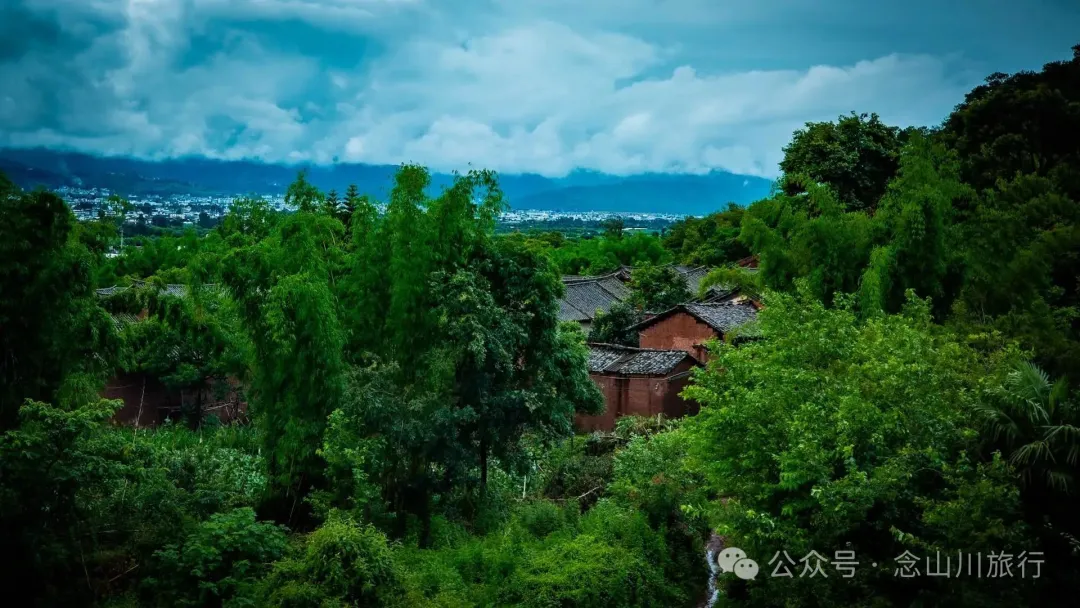
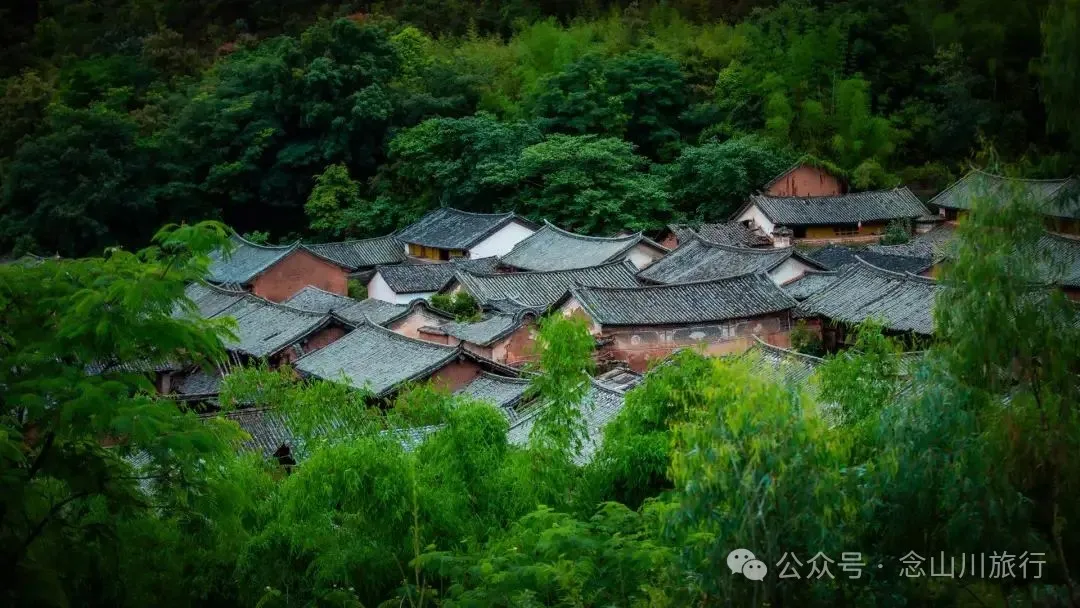
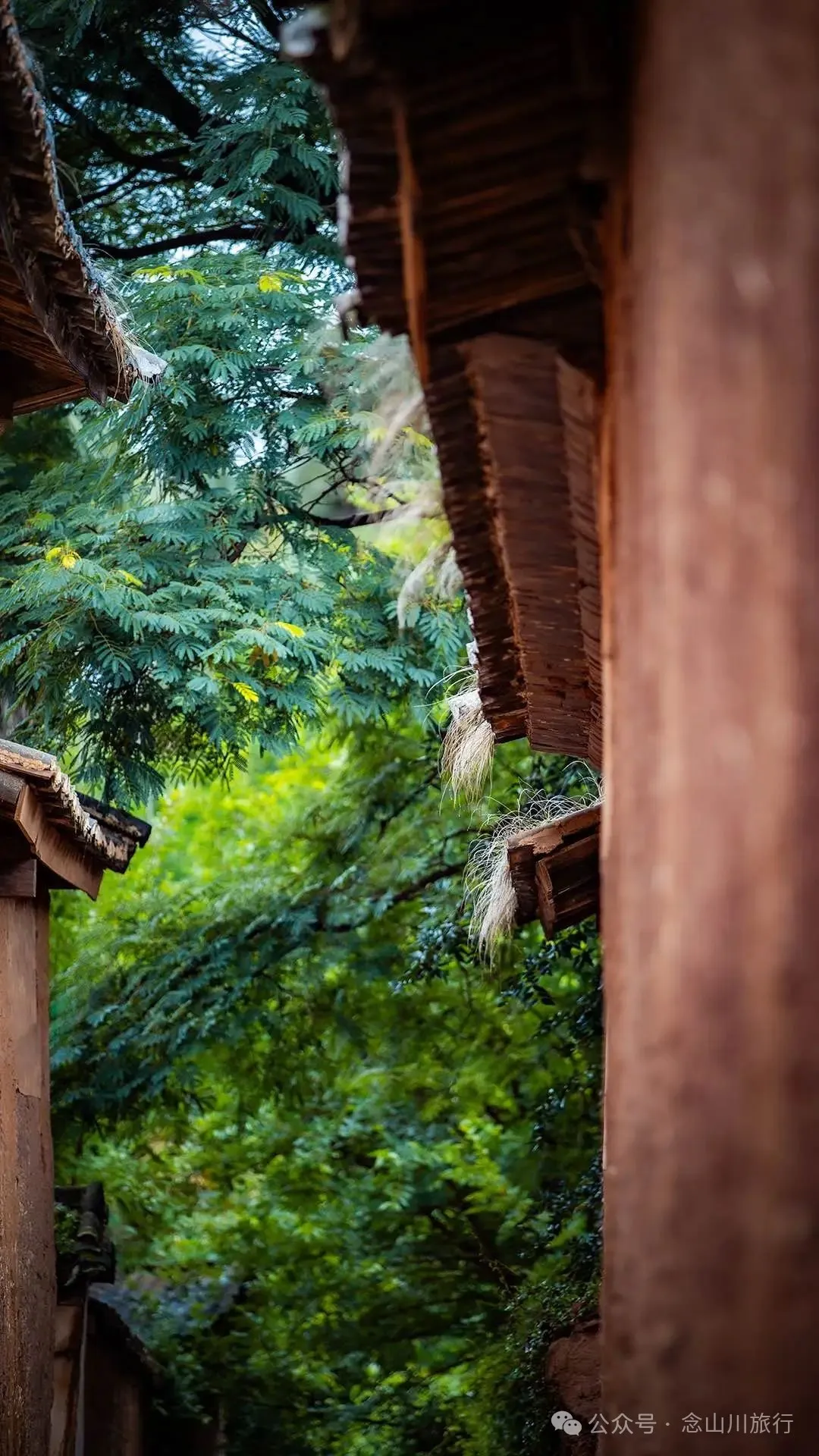
Before entering the village, we climbed a high slope in front to take in the well-preserved ancient village at a glance. I didn't expect Likecun to be so vibrant and full of life after the summer rain. The village is tightly wrapped by a ring of lush tall bamboos, blooming acacia trees, and occasional pistache trees, like a hermit who detests noise, hiding in the dense shadows, afraid of revealing its whereabouts.
To the north of the village is a pond. After the storm, the water was muddy, and the water level had risen significantly. An elderly villager sat fishing leisurely by the gentle bank. If he were dressed in a brown coarse linen Ming Dynasty short outfit and straw sandals, I would have thought I had stepped into the Ming Dynasty's Likecun through this time-traveling rain. The thick cooking smoke drifting in the narrow deep alley upon entering the village made my imagination vivid and clear.
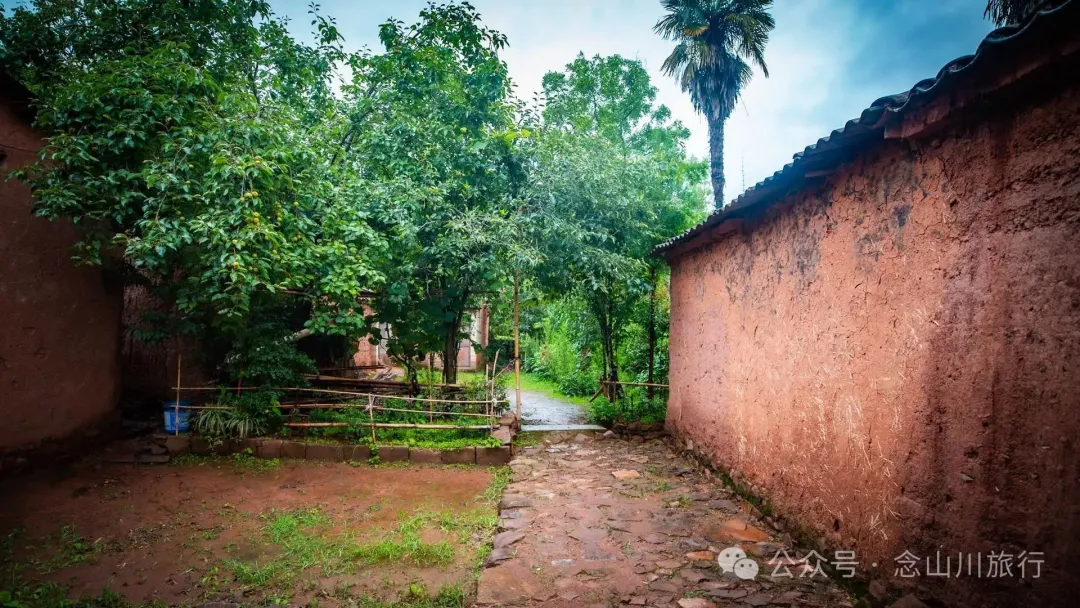
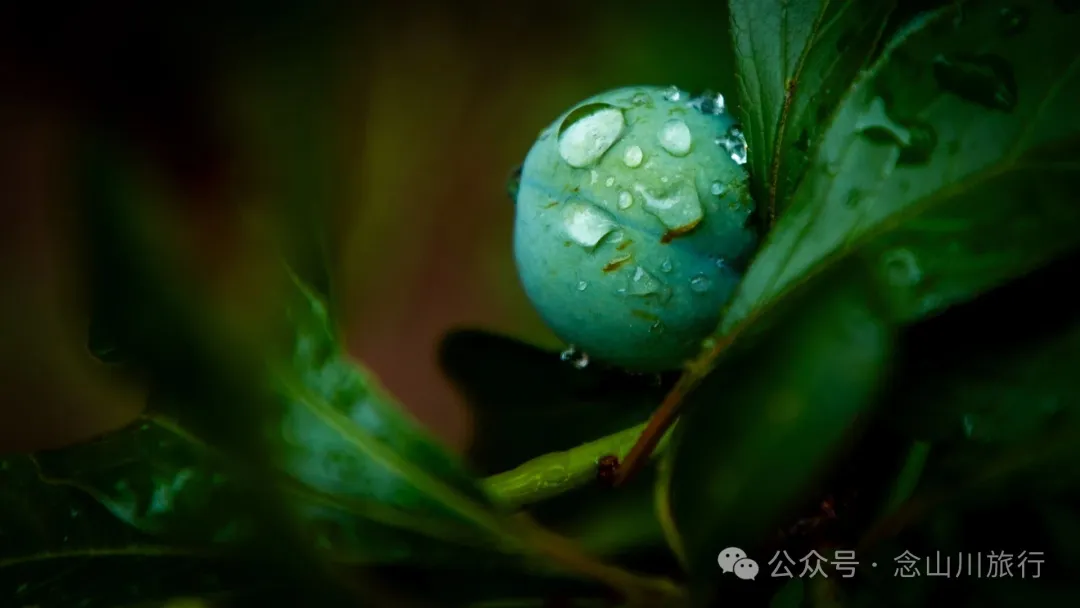
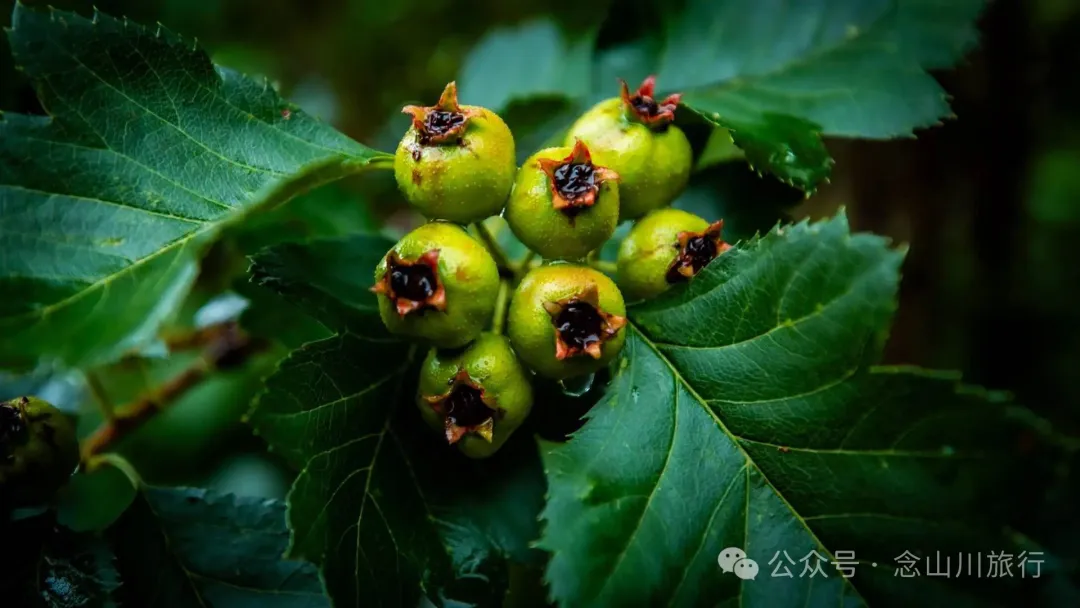
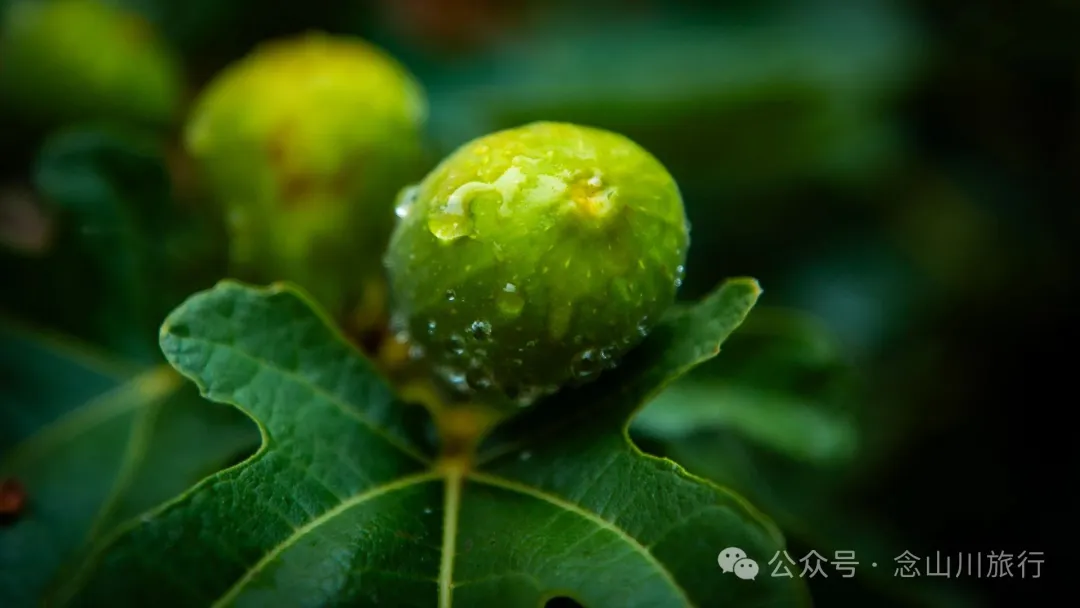
In a small plot outside the wall of a house in the north of the village, many fruit trees were planted: crisp plums, hawthorns, and pear trees. Each tree emitted a strong fruity fragrance in the summer rain. A tall hibiscus tree by the road was in full bloom, with large pink flowers peeking out among the green leaves and soft branches. Last night's fierce wind and rain had not spared the fallen flowers, which were now buried in mud.
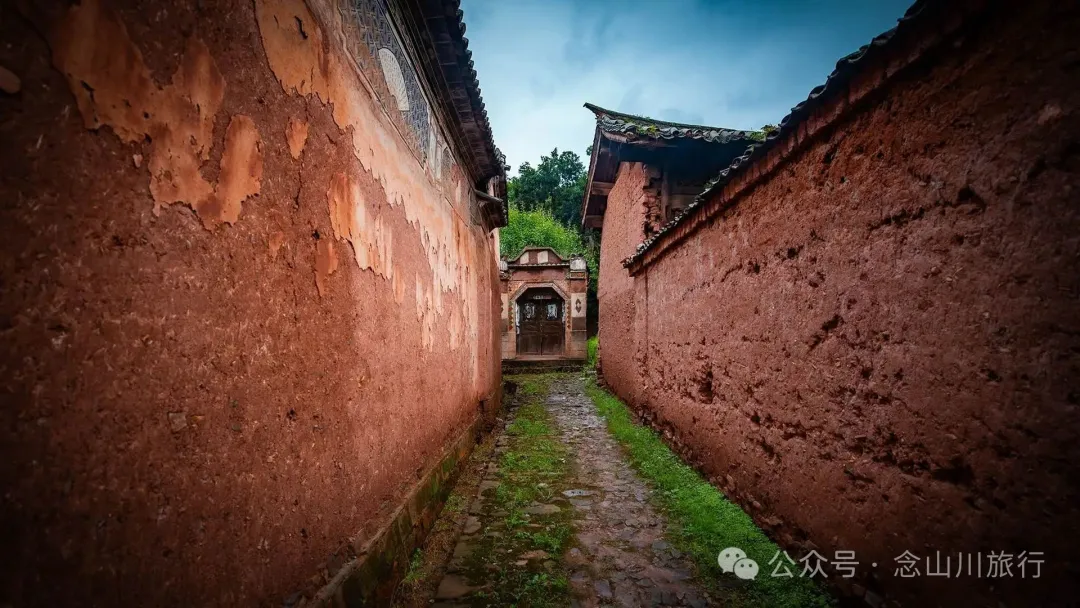
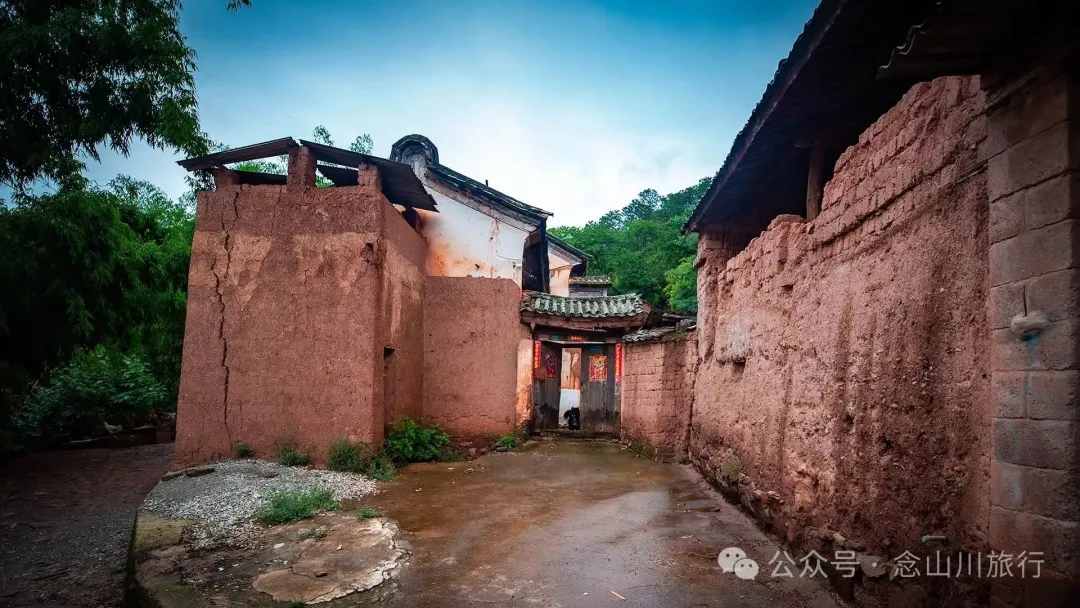
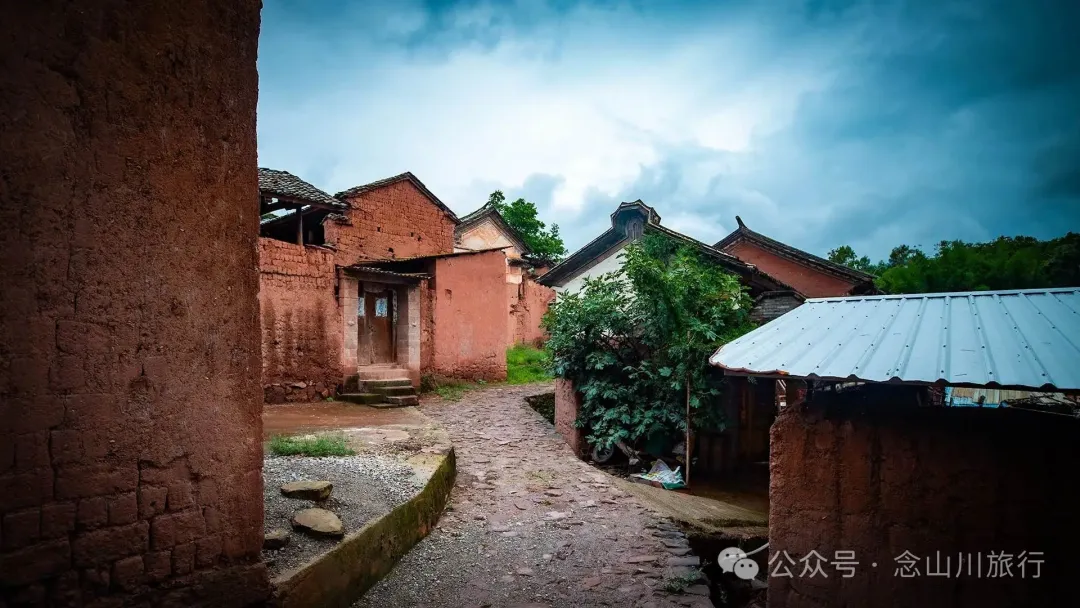
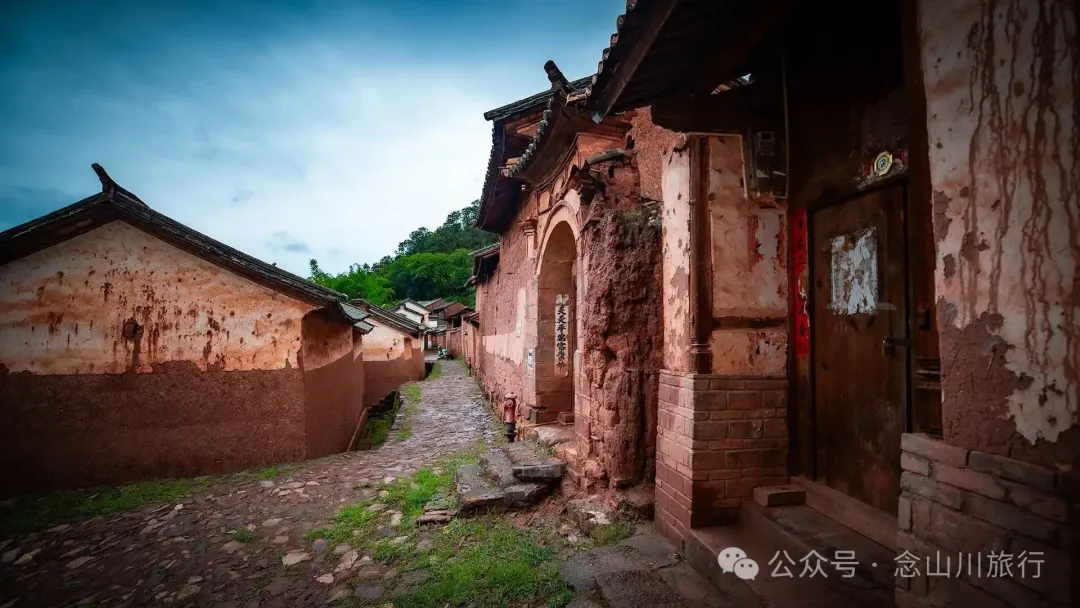
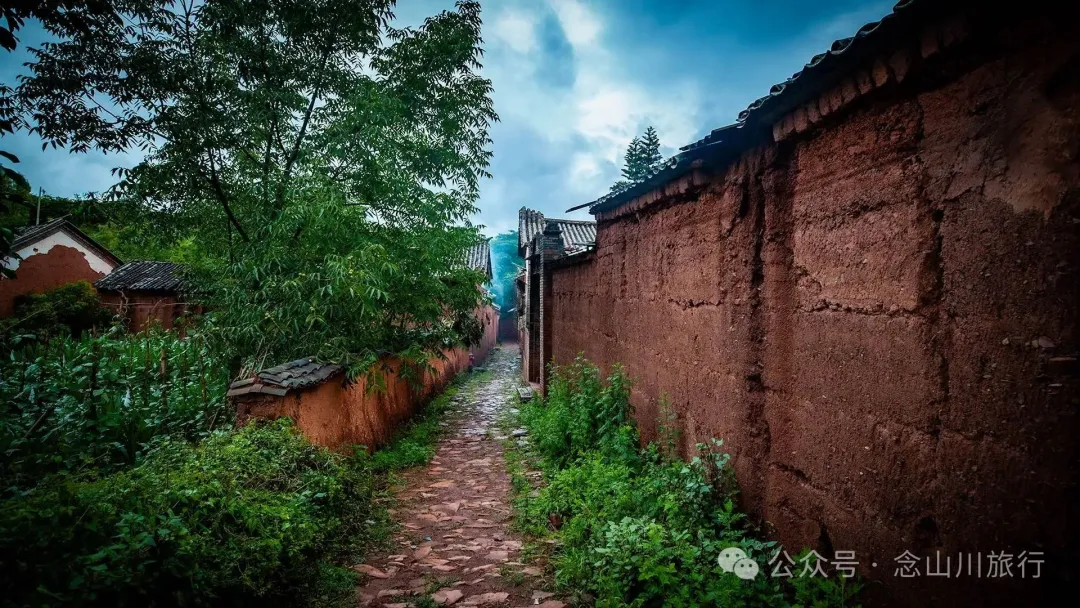
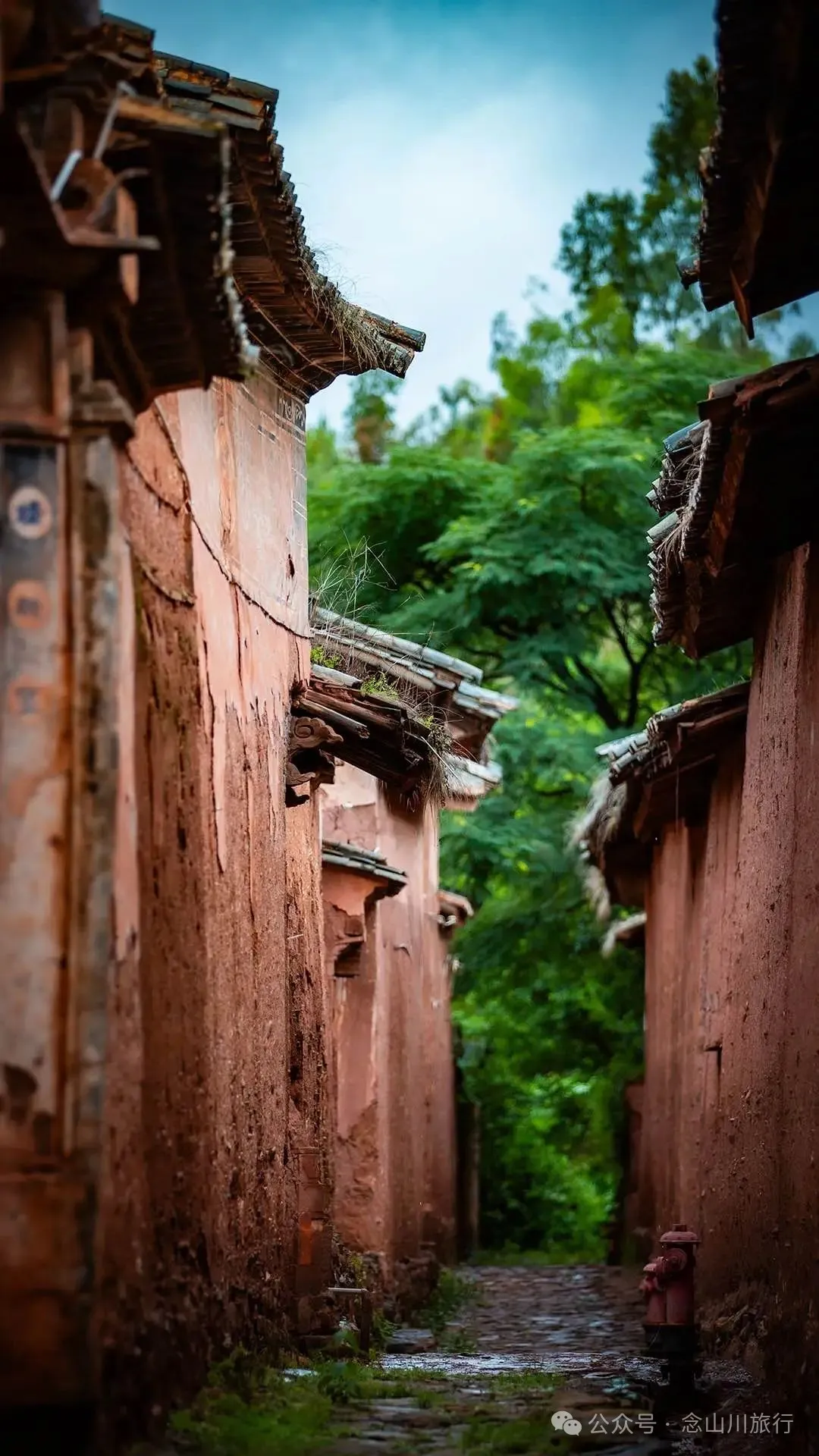
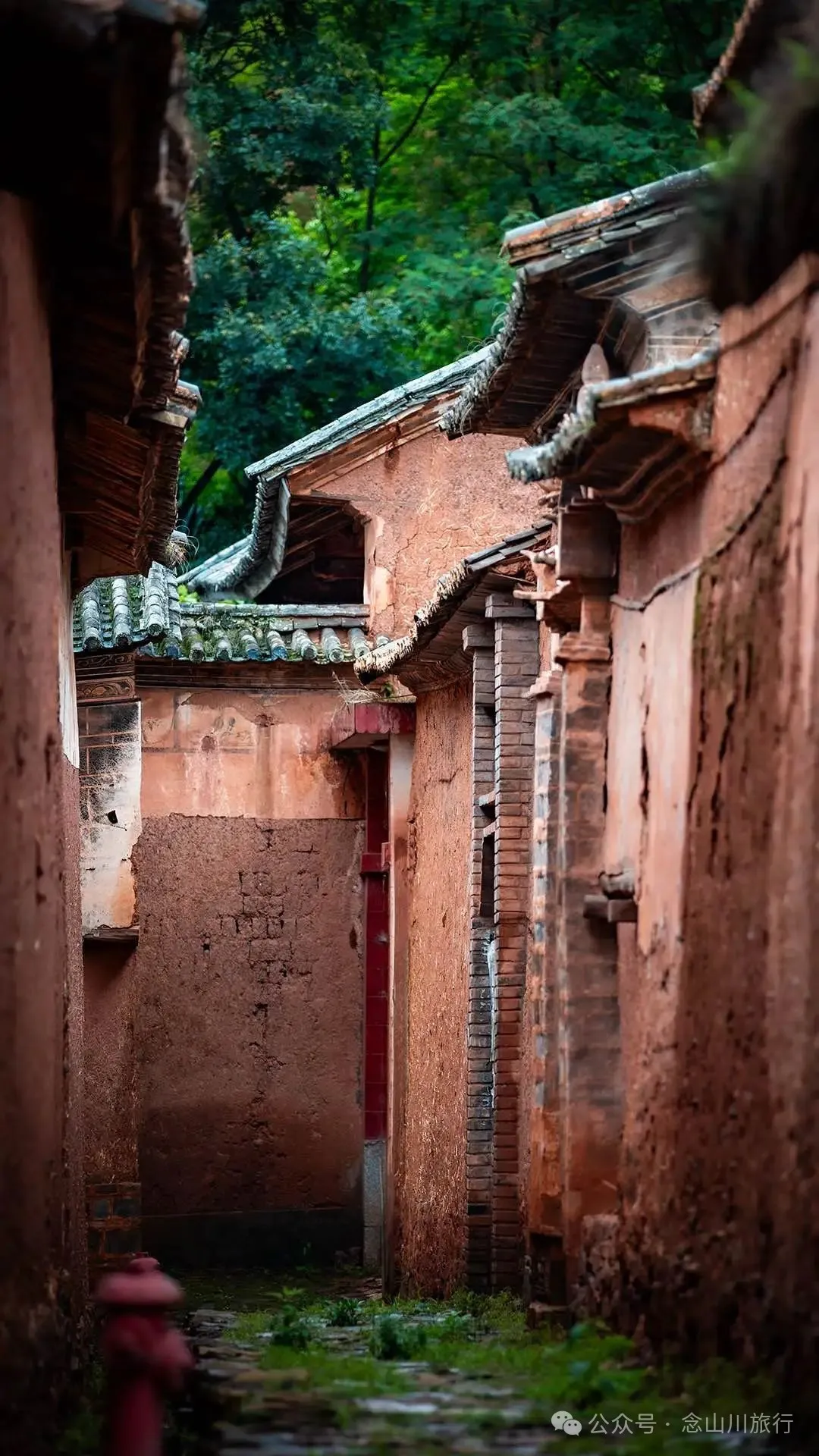
The mottled earth walls became deeper and more ancient under the rain, heavy and silent, bearing the sedimentation of centuries. Every visible pit and peeling seemed to hold a brief piece of village history. No one can tell the four to five hundred years of Likecun's past; even the elderly villagers can only recount major events recorded in the genealogy. Other ordinary but warm moments of daily life have vanished with the wind, leaving no trace. The lack of a detailed diary of village life is the greatest regret of this village. We can only sense and discover through the narrow deep alleys.
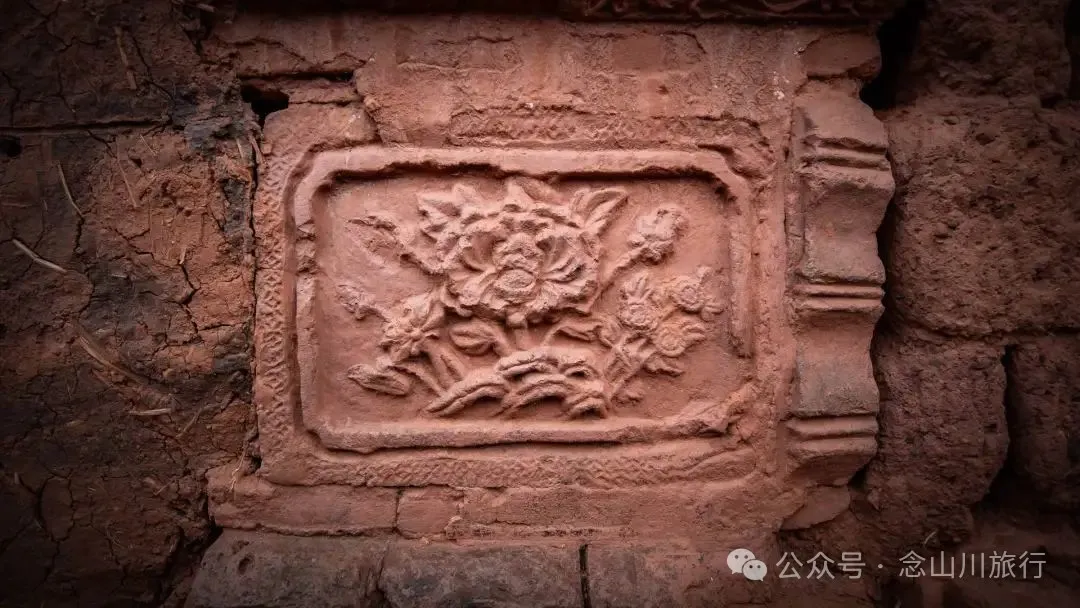
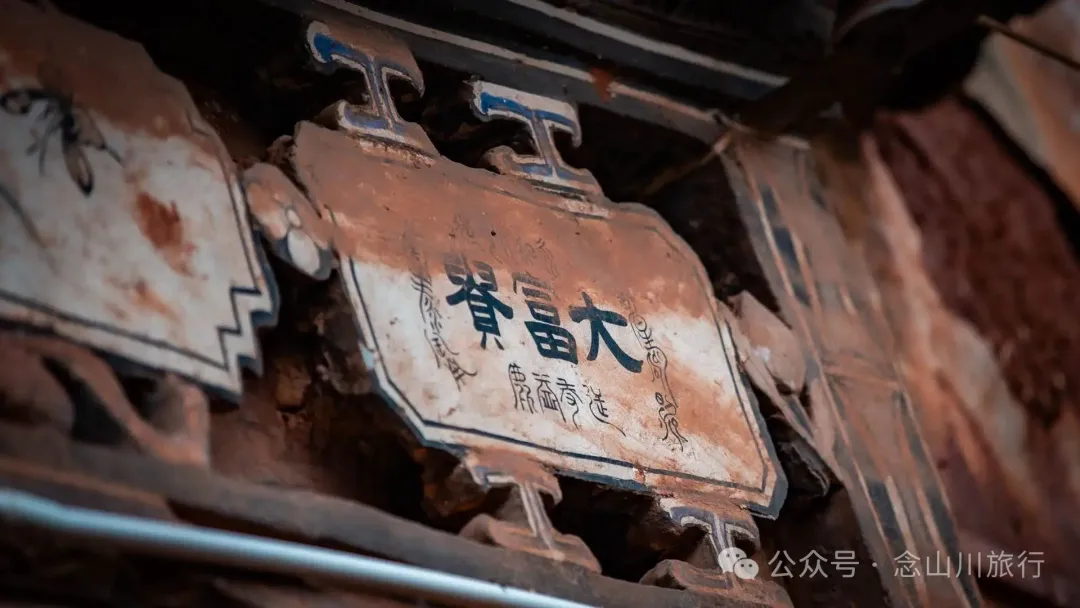
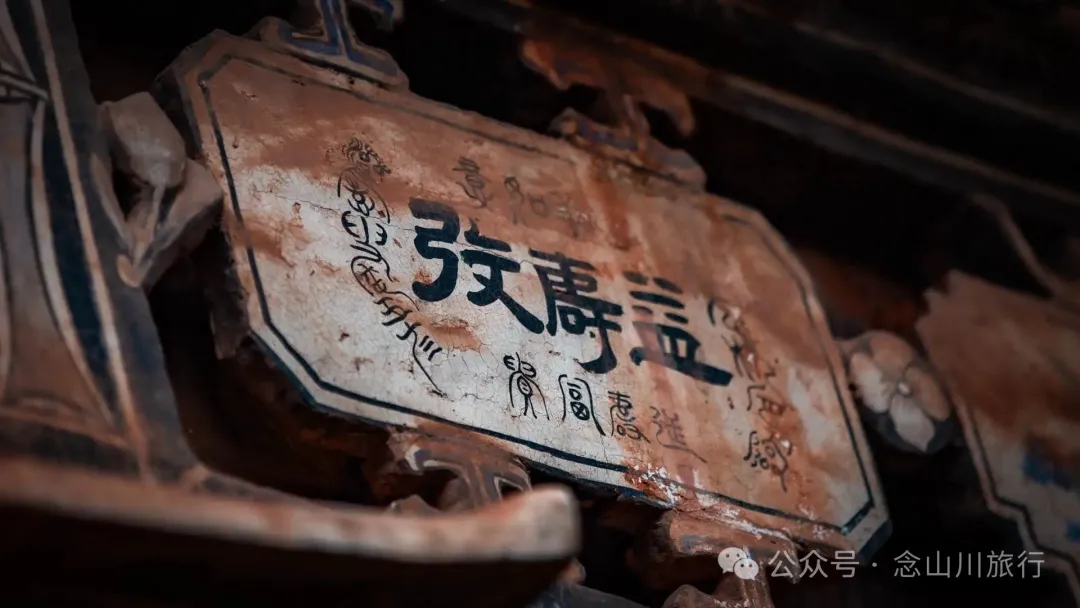
Many ancient houses have lost their original appearance. Where the gate once stood, it is now sealed with adobe bricks, becoming a wall. The stone carvings on the bricks have lost their former luster.
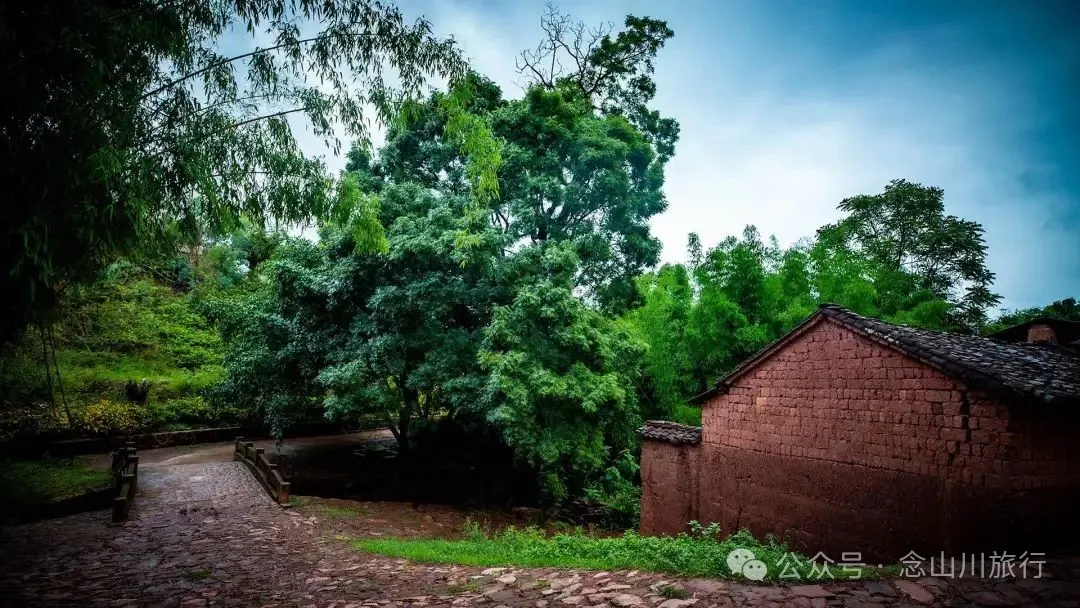
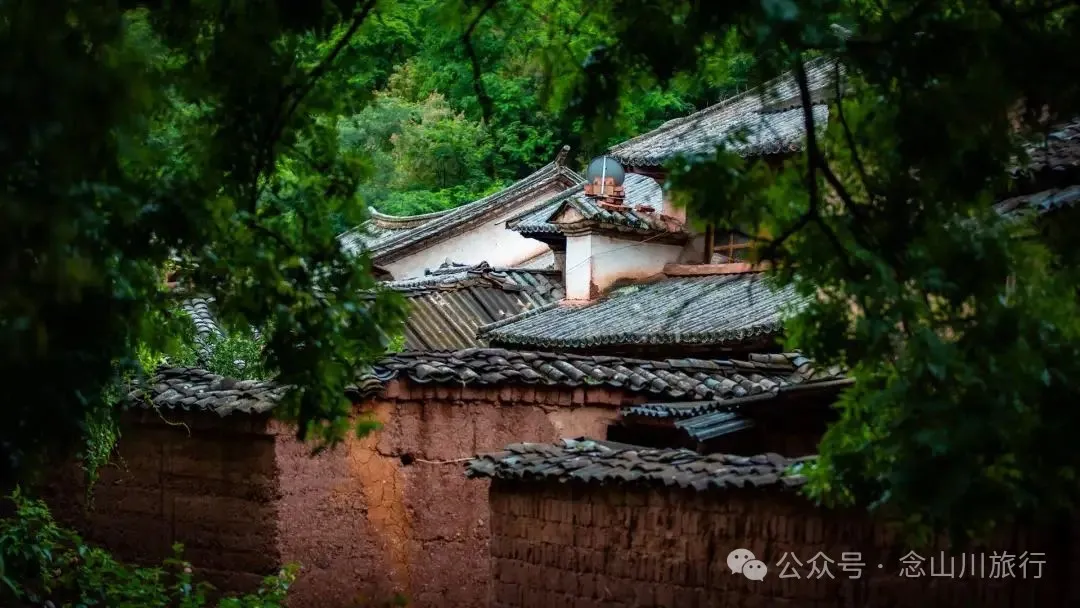
The ancient village of Likecun is separated from the new village by a short arched bridge. Crossing this bridge leads into the old Likecun. Beside the bridge stands a tall pistache tree with a trunk diameter over one meter. It is said that such a pistache tree has a growth history of five to six hundred years. Perhaps when the village was founded, a far-sighted elder planted this ancient tree in front of the village to grow alongside it. Likecun's history was not recorded in writing for posterity, but a pistache tree has witnessed the village's establishment, prosperity, and decline over centuries of ceaseless time.
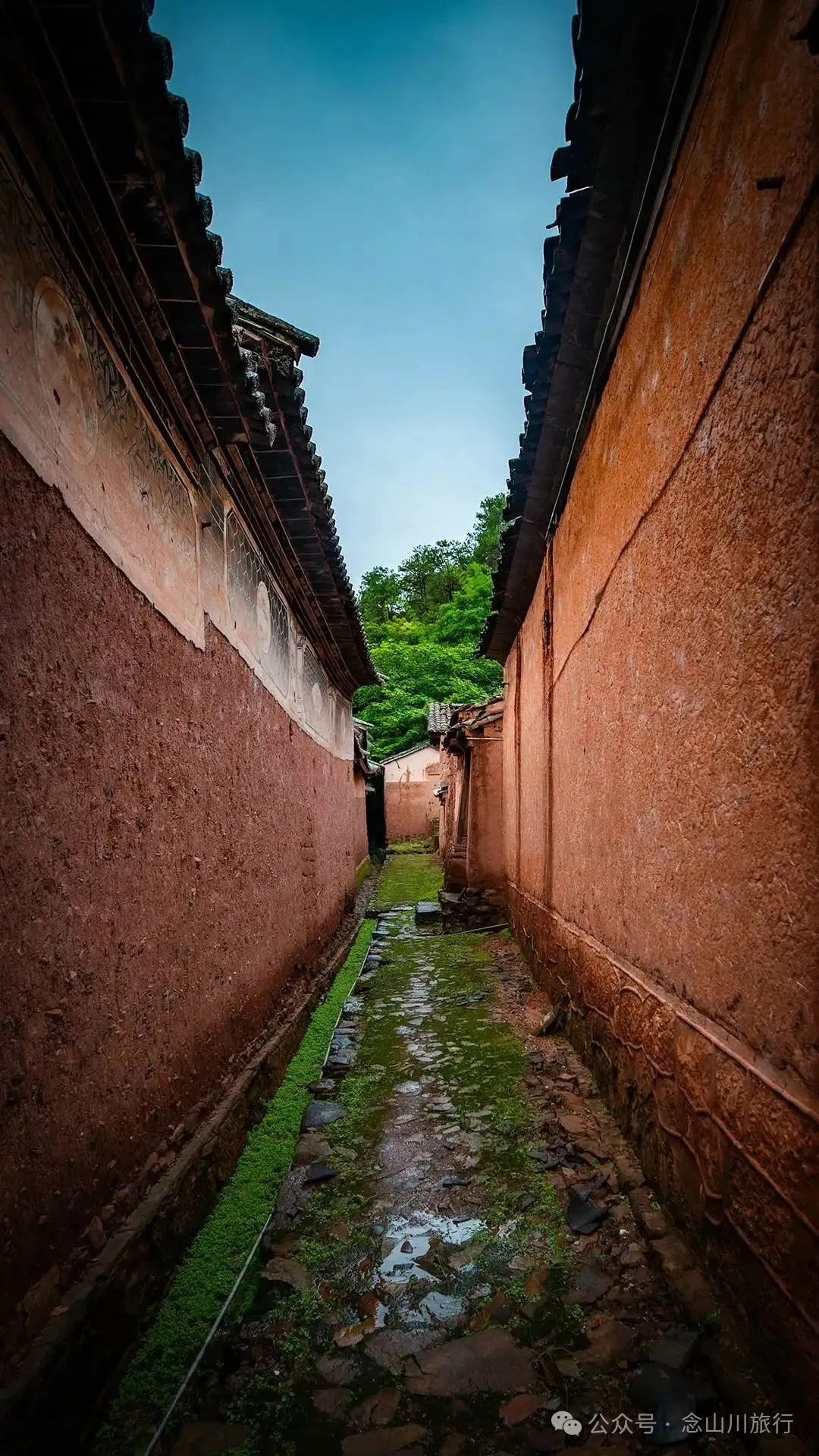
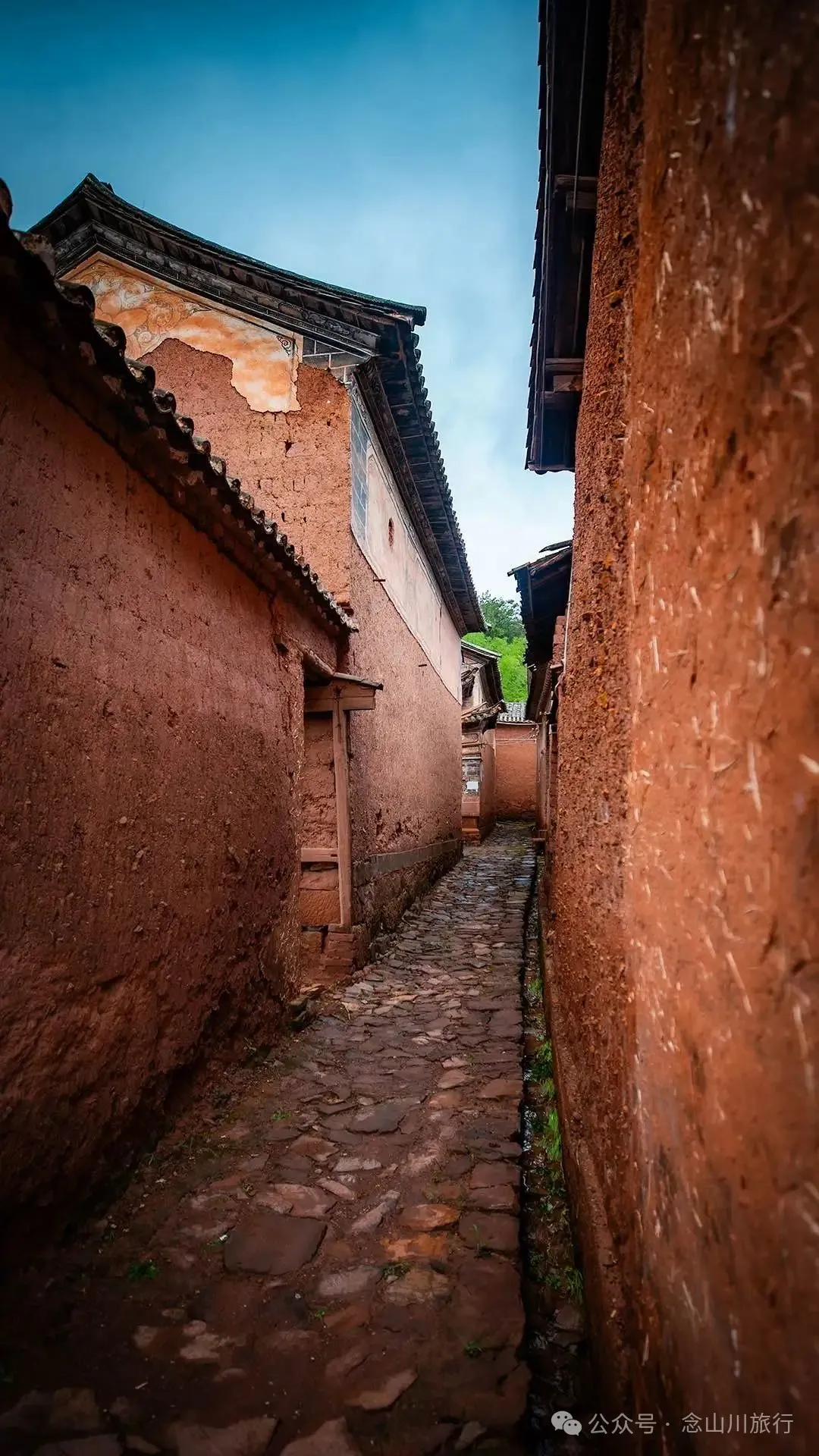
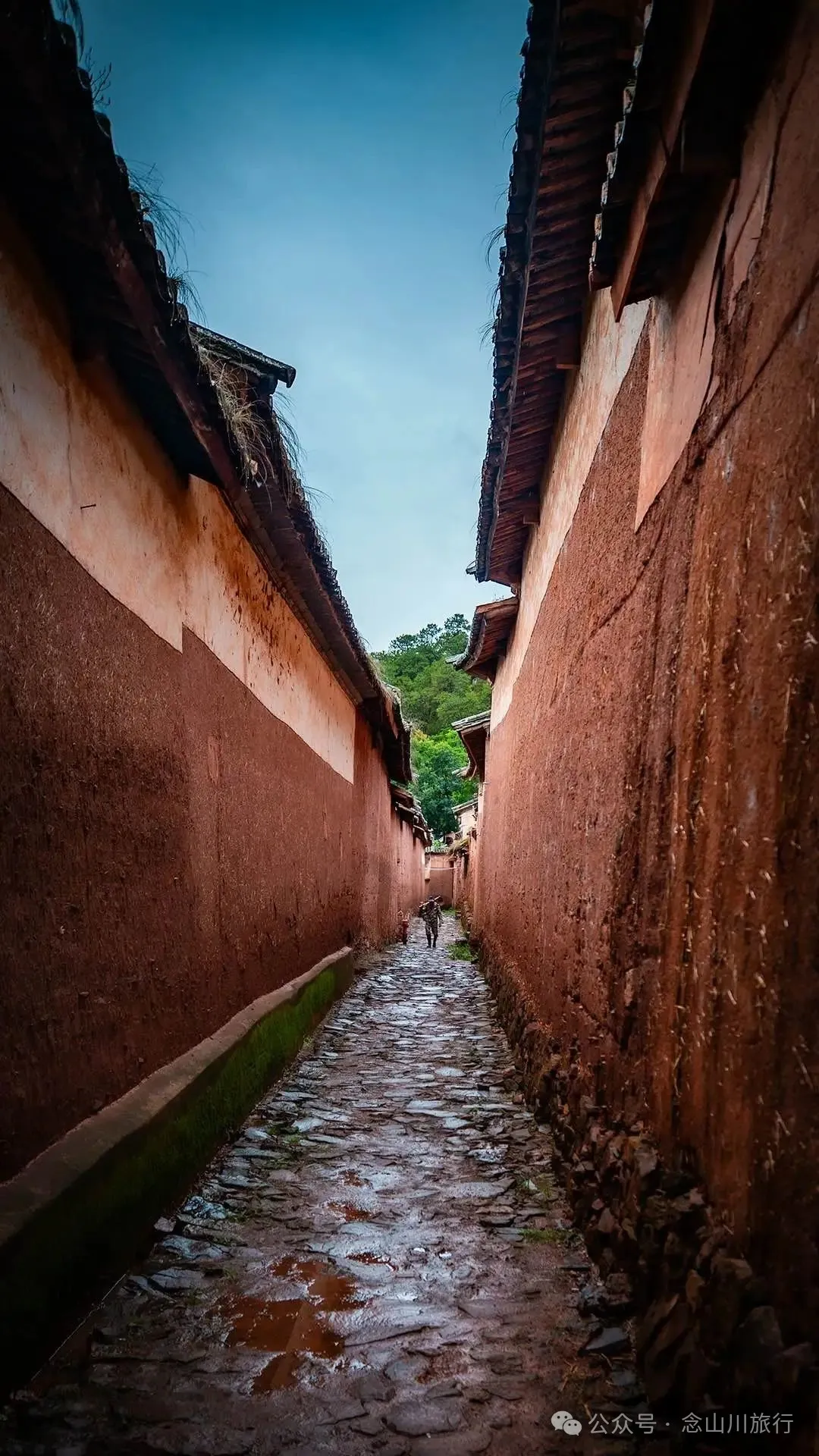
Although secluded, Likecun at its peak must have been extremely lively, full of the smoke of daily life, as can be glimpsed from the deep courtyards. Now, the ancient village is desolate, with only a few households still inhabited. Occasionally, a dog's bark comes from behind a closed wooden door. We only met one villager going out to work when we first entered. He slowly approached us from a distant alley, head down, and when we passed by, there was not even eye contact, as if we met in parallel worlds rather than the same time and space.
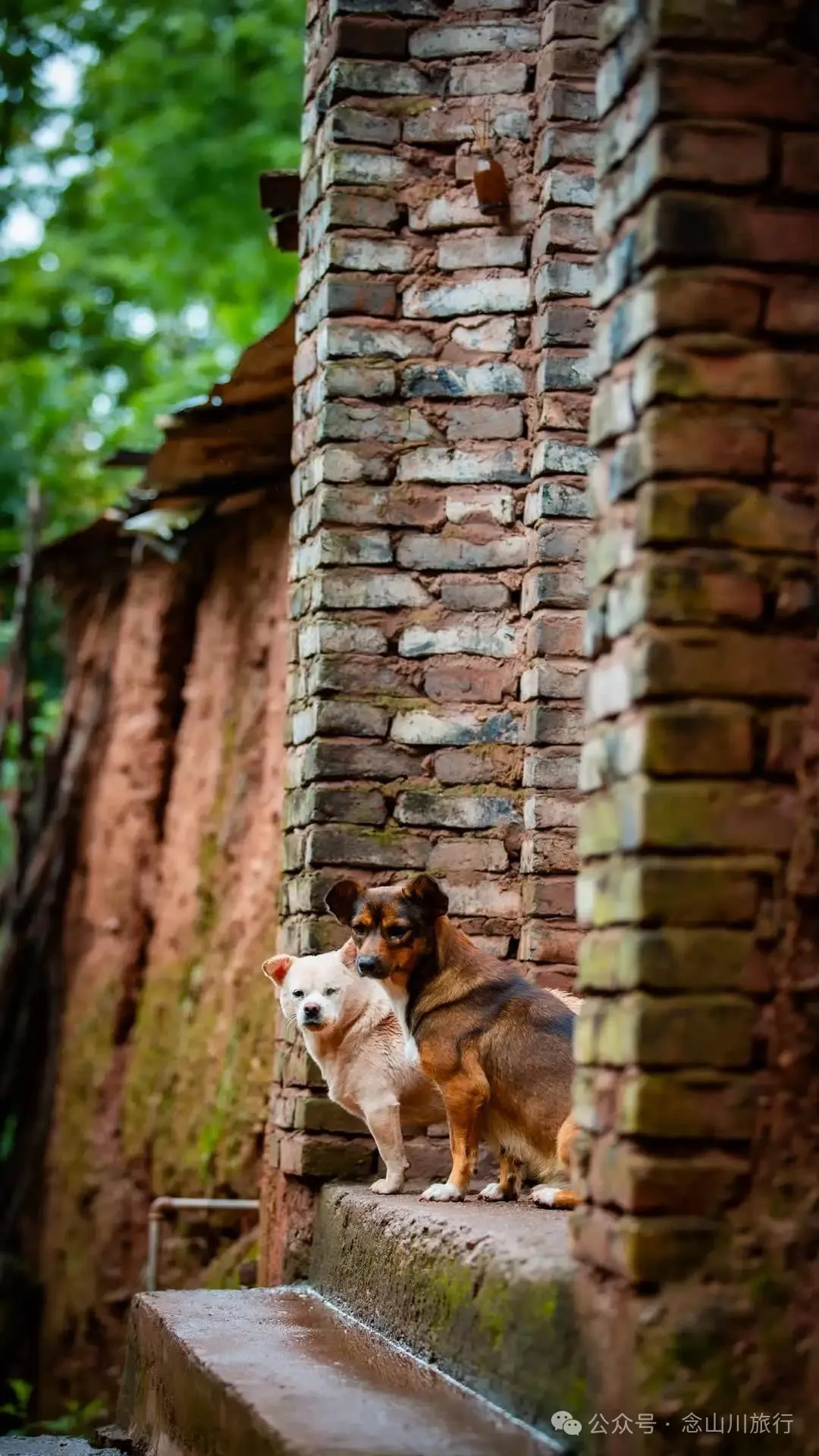
At the southernmost end of the village, a household keeps its gate open all year round. Two dogs of very different temperaments on the steps stared straight at strangers. The white dog barked fiercely, ready to pounce, while the other was gentle and silent. But when we didn't go far, it barked harshly at its kind in the bamboo grove. A little girl hid behind the courtyard wall, occasionally shyly peeking out at strangers. I thought she might rush out from under the dripping eaves, run barefoot into the long, deep alley, and laughingly dash toward a patch of wild grass dotted with stars, colliding with the village's unwritten ordinariness.
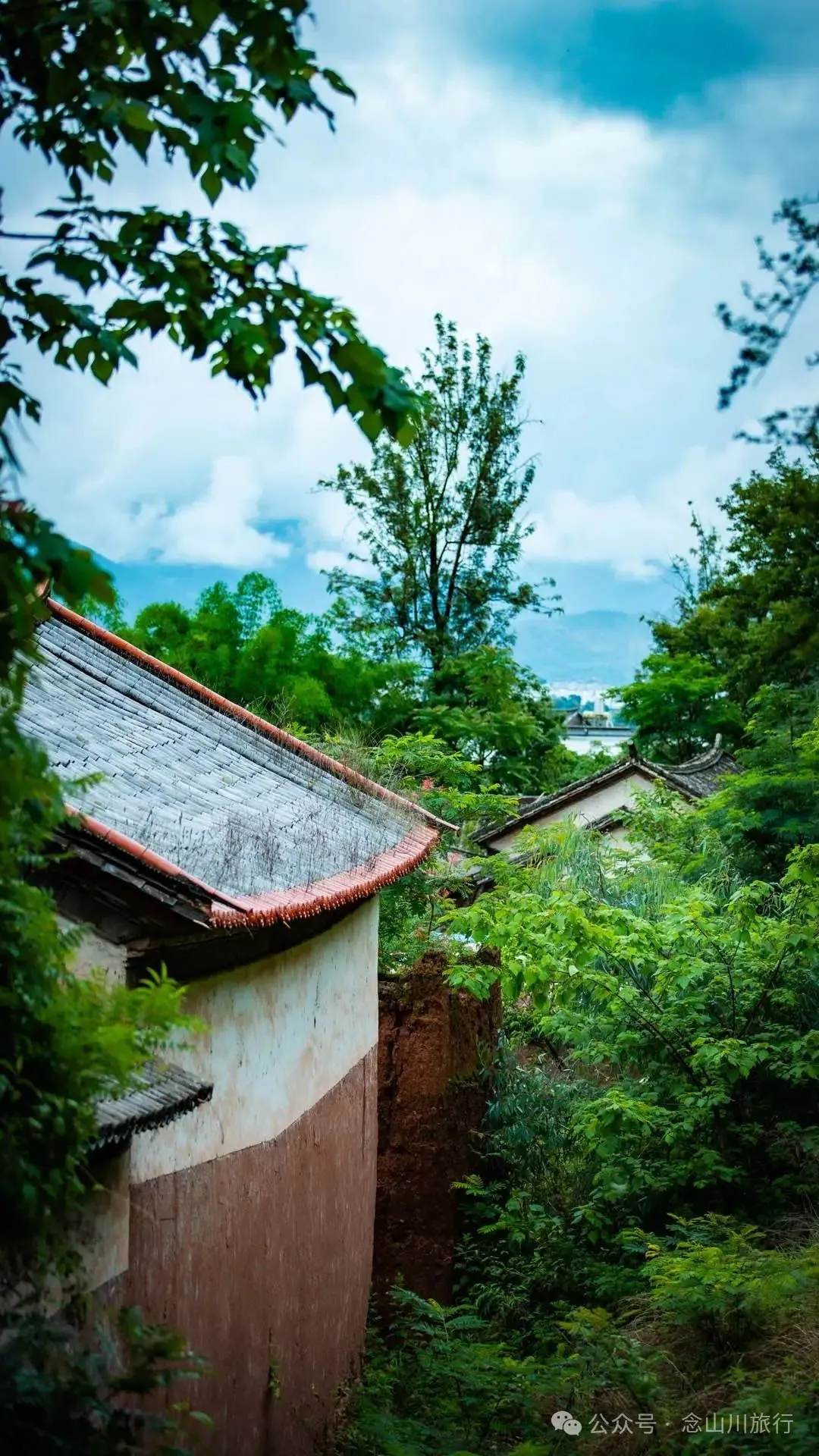
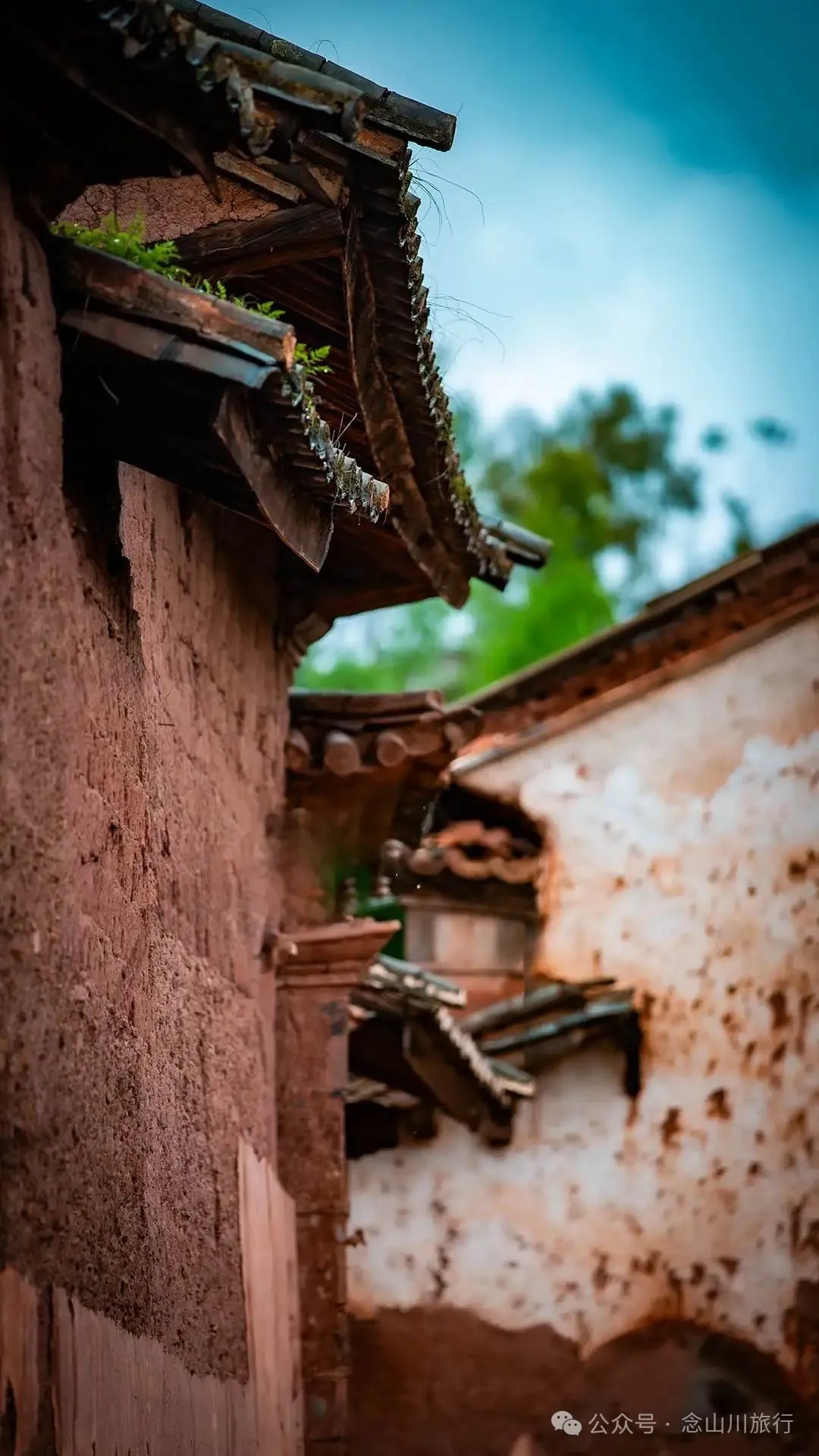
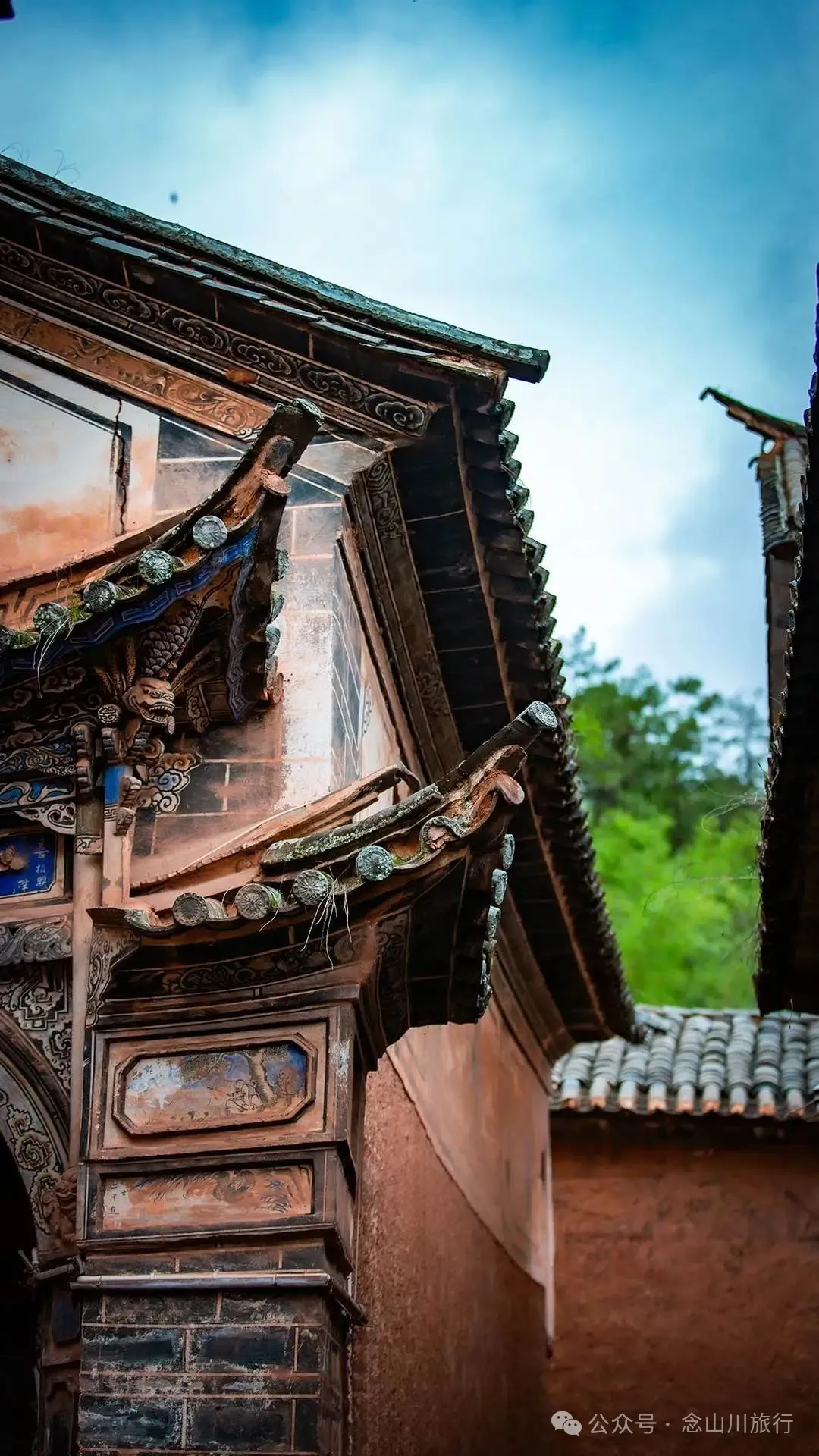
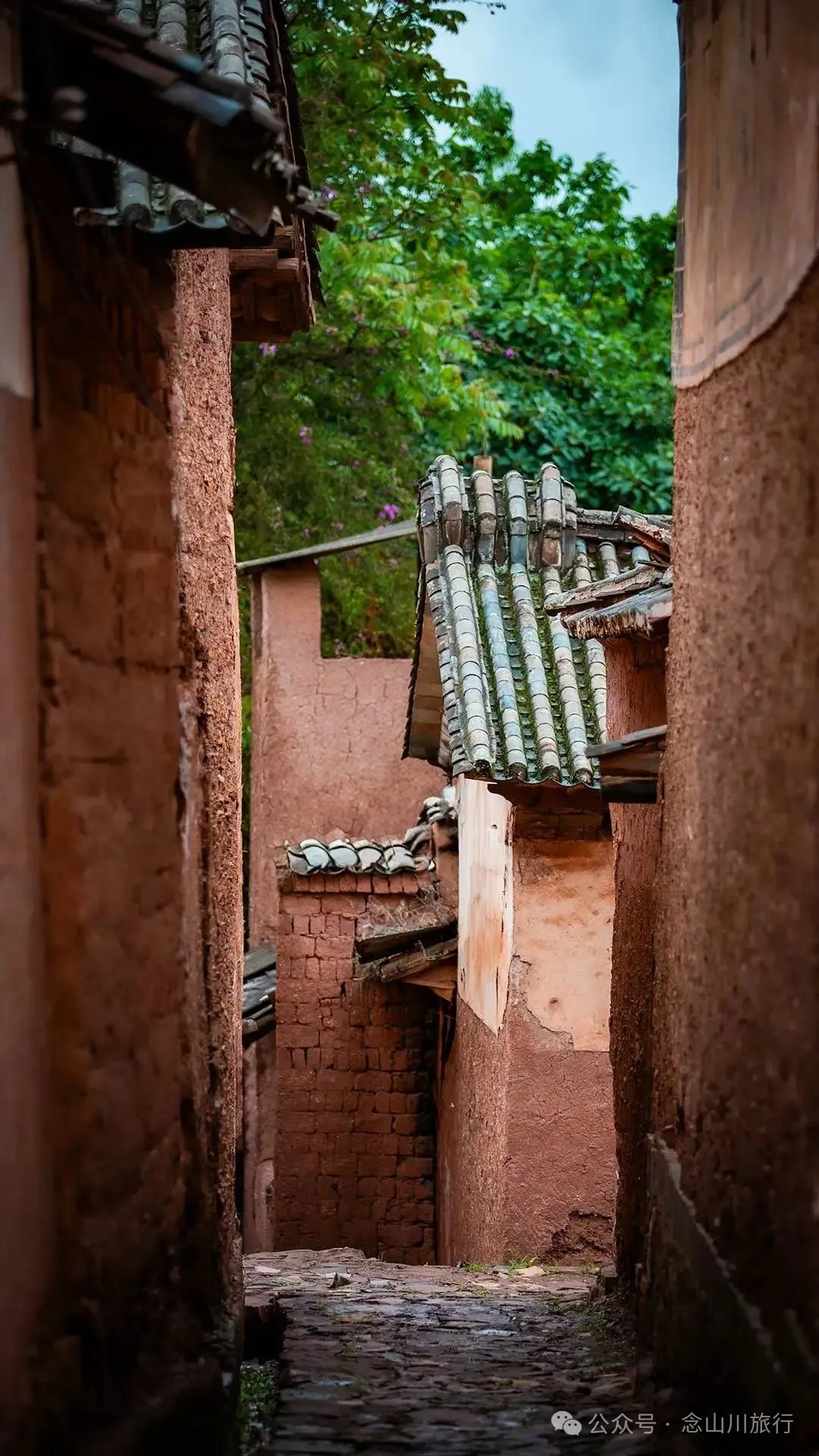
The acacia tree at the end of the alley in Likecun forms a scene of its own, reviving this ancient, quiet village. Under the green leaf veins on the branches, will a fluttering butterfly fly into the broken, uninhabited courtyard, disturbing the departed time?
My first visit to Likecun was last spring. That day was sunny, everything was new and budding. Under the bright sunlight, dust and particles flew everywhere. The village seemed fresh under the clear blue sky and white clouds, its four to five hundred years hidden only in unseen corners, cobwebbed and sealed. We entered the largest courtyard in the village. The decayed, bleached window frames and door pillars were untouched. Only the century-old plum tree in the yard had sprouted new leaves, leaving me speechless.
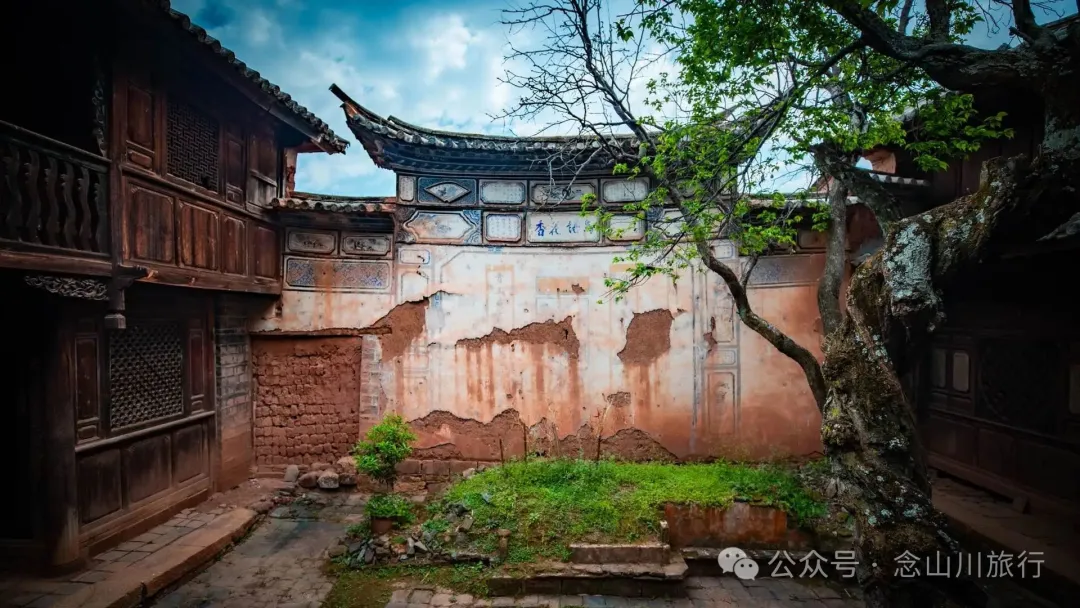
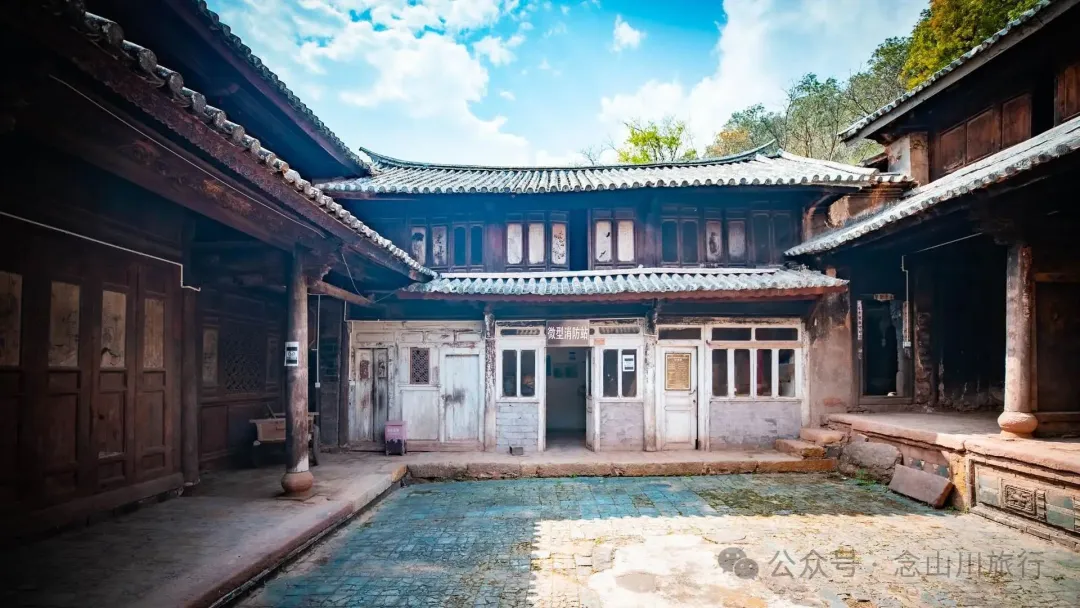
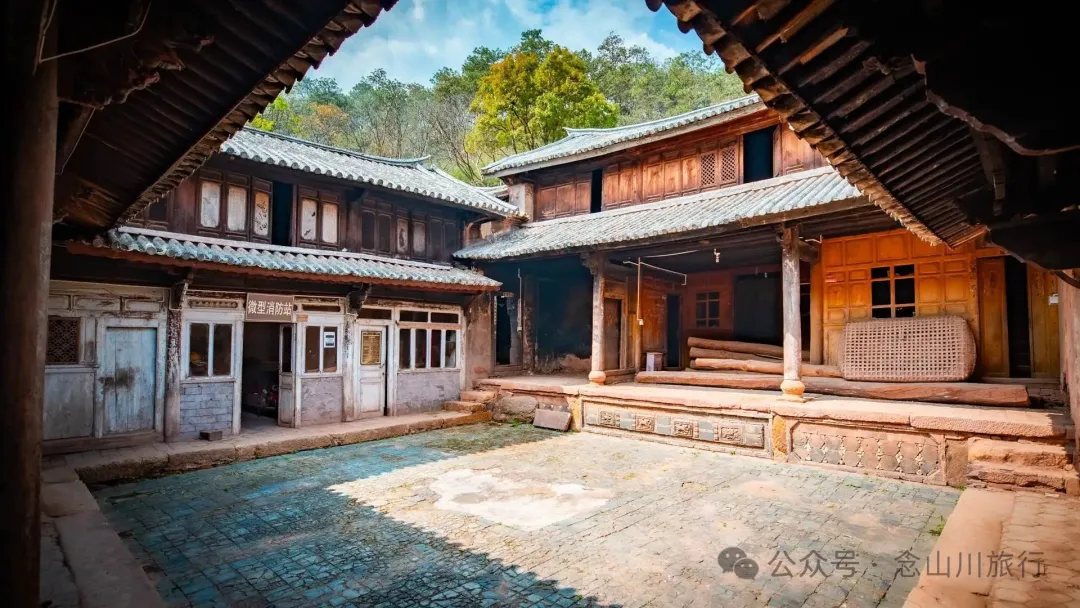
The wealthy families in Likecun are said to have made their fortunes through the tea-horse trade on the Ancient Tea Horse Road. The village often presents scenes of sipping tea under green tiles: on a hot summer day, the owner sits leisurely in the courtyard, a wooden table and a bamboo chair placed under the persimmon tree, with just a cup of clear tea to enjoy a world of leisure. Now, in the century-old solitude of the ancient village, who will keep the last lantern of the old house and revive the tender warmth of tea under green tiles?