
For many, the word "village" carries complex emotions. The poverty, monotony, dullness, and stagnation of village life make people yearn to escape, to seek a different life in the bustling world far away. Yet those who leave often long for the village, hoping to return in their old age to a simple, pastoral rural life.
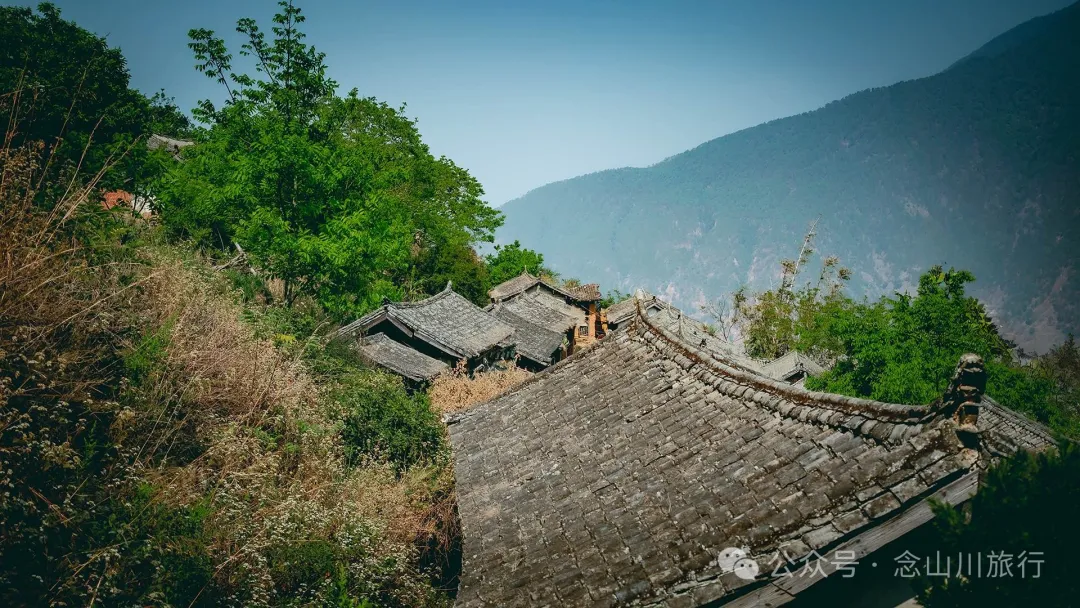
As long as the village remains, the wandering hearts of those who left will always have a place to rest. The village is a small boat moored in the water for them; they carry the oars on their shoulders, trudging forward, living a life either as calm as still water or as turbulent as stormy seas, waiting only for the time to return. "The little boat is gone, drifting on rivers and seas for the rest of my life."
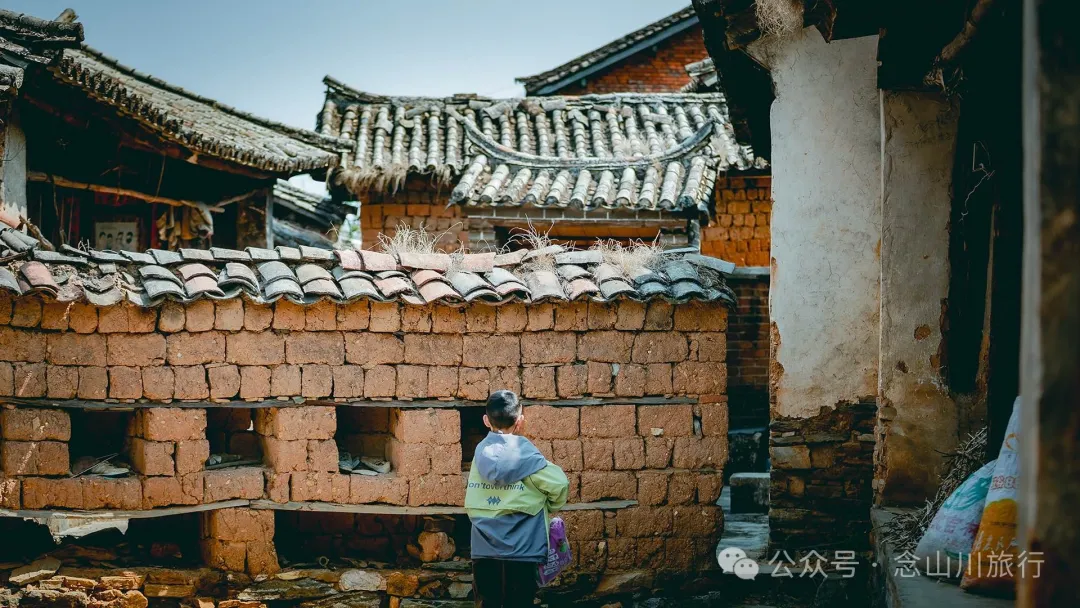
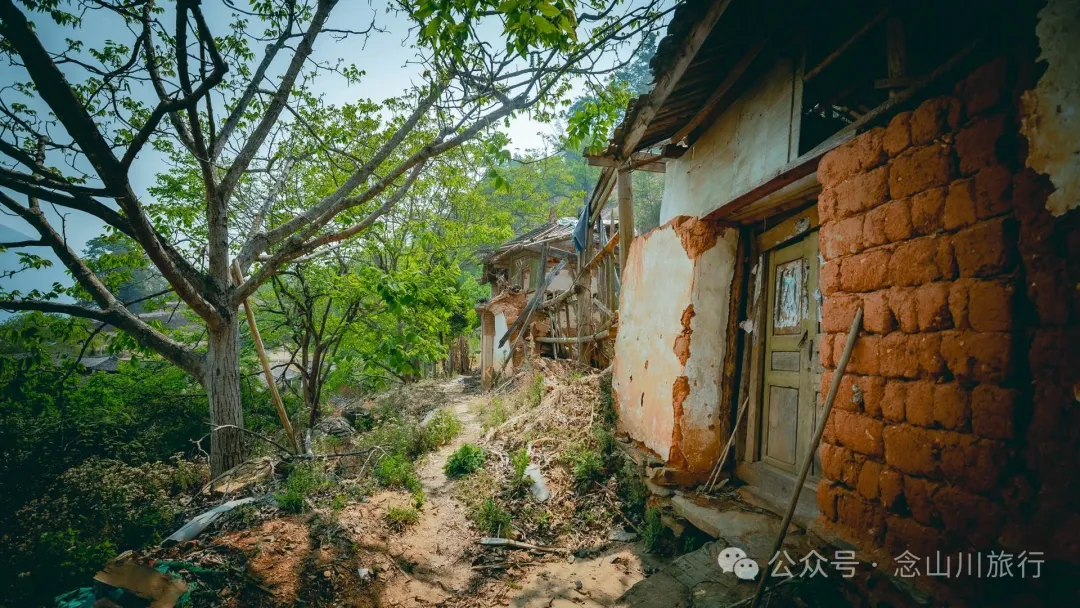
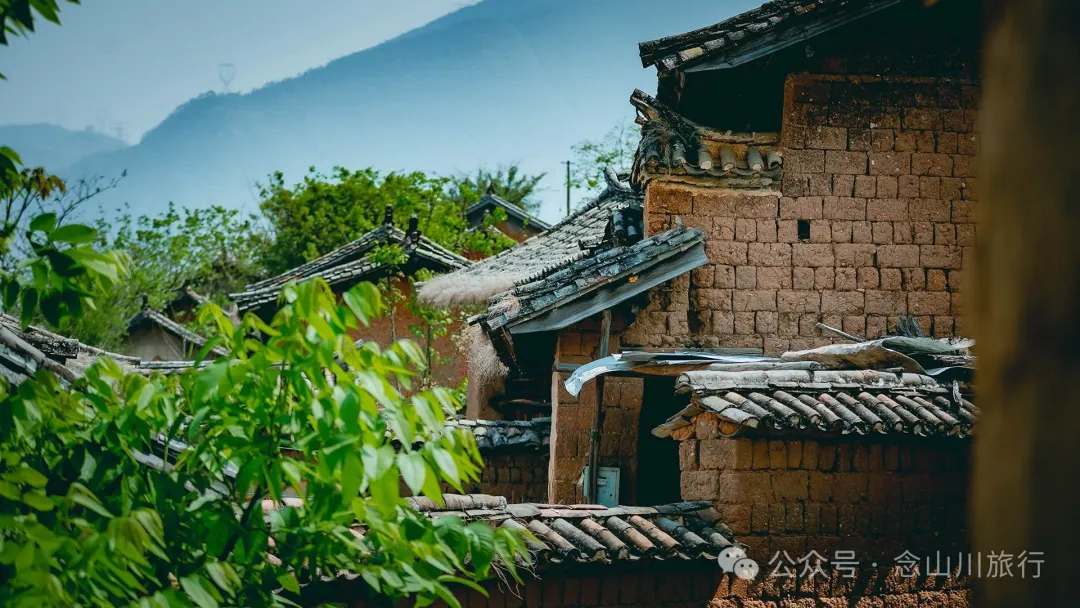
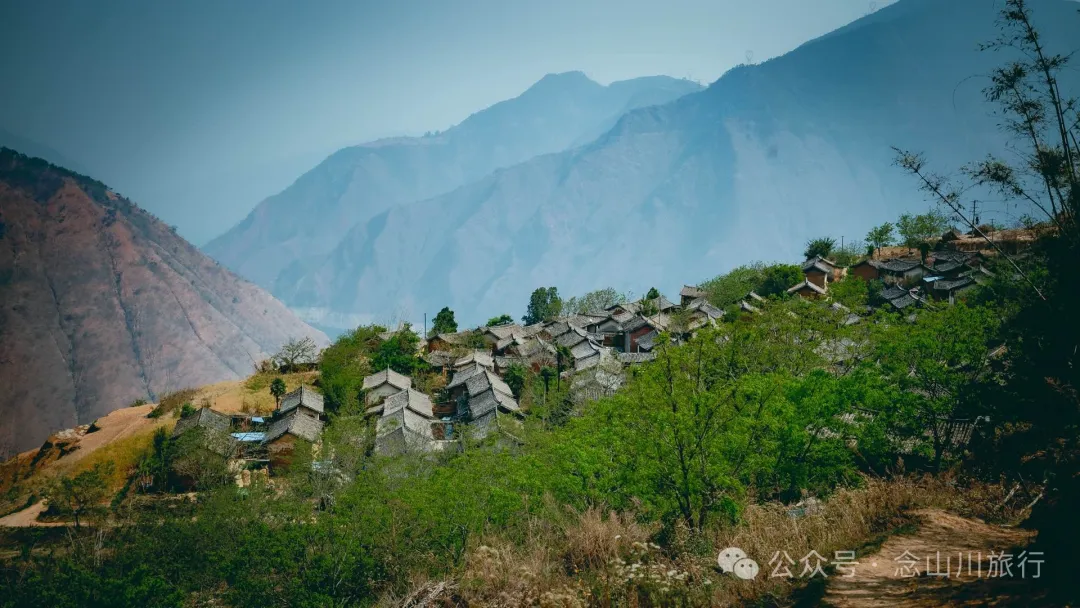
But not every boat remains safely moored, weathering decades of wind and rain, awaiting the return of wanderers. Villages, like humans, like flowers and trees, grow, change, age, and even disappear. As we step into the old village of Bazierduo by the Yangbi River, we are stepping into its demise. Years from now, Bazierduo, carrying the nostalgia of many, will return completely to dust, vanishing in the cycle of seasons.
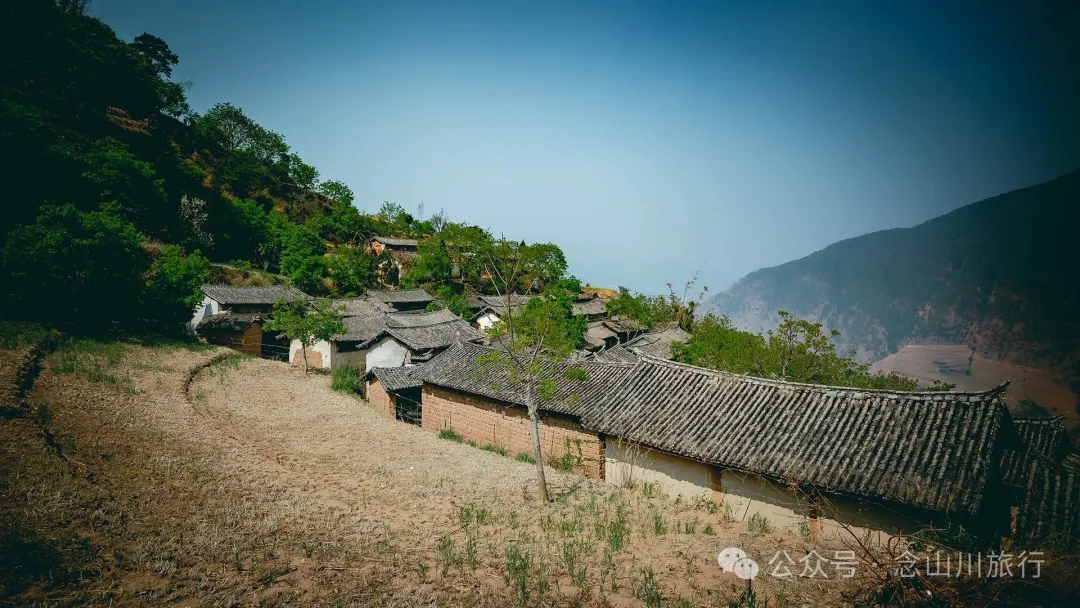
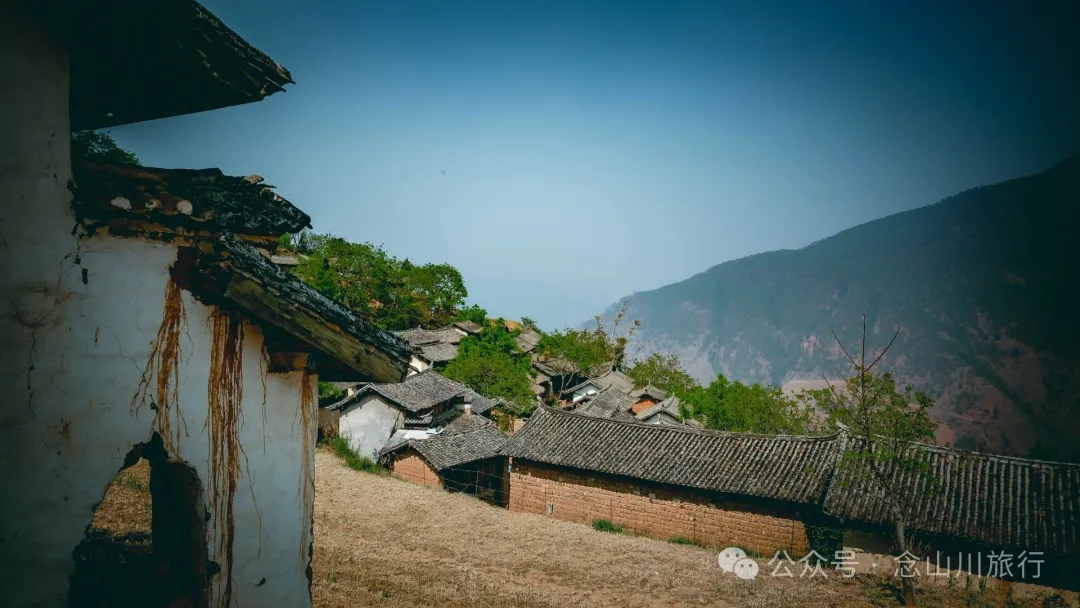
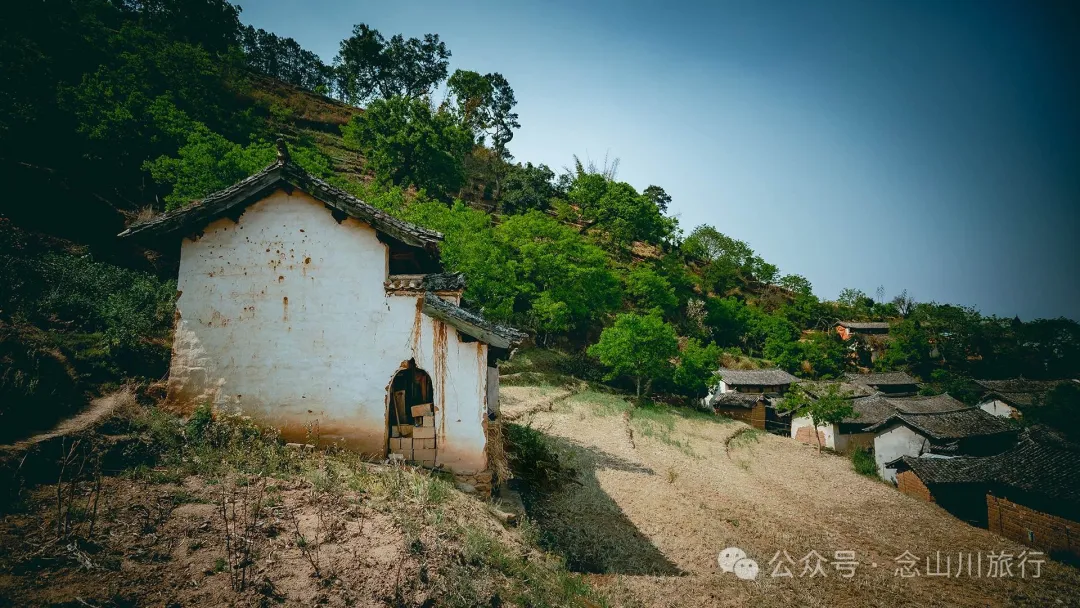
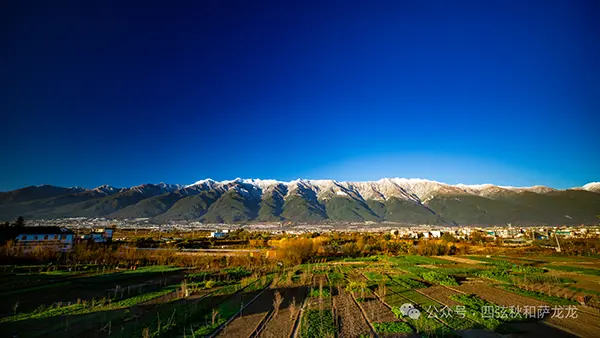
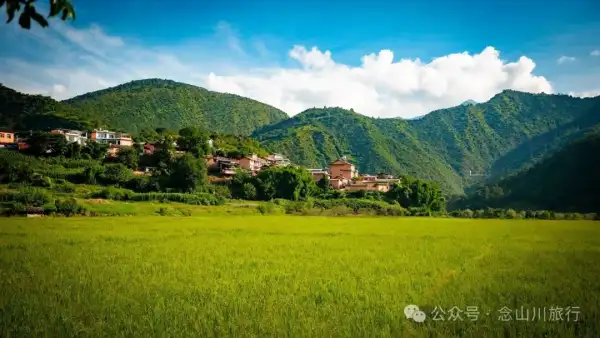
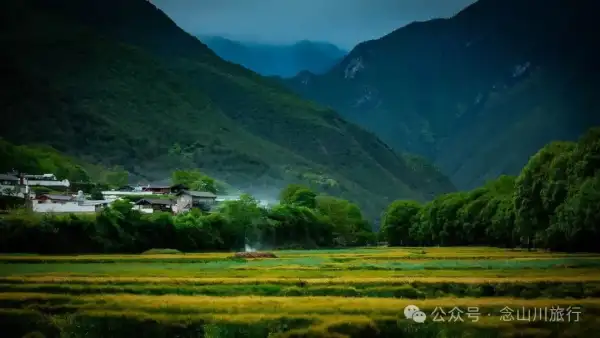
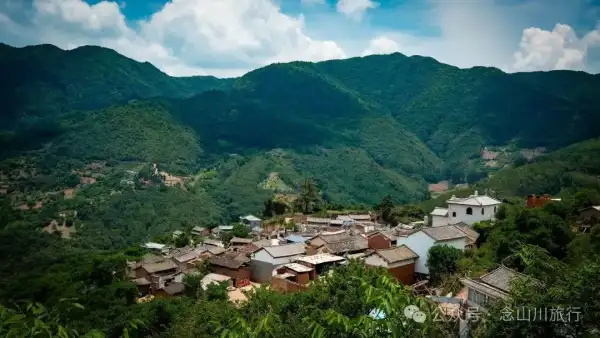
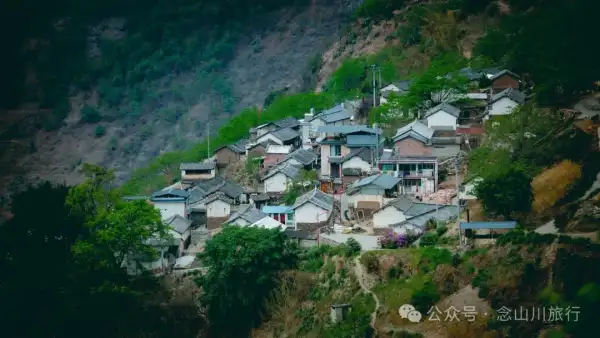
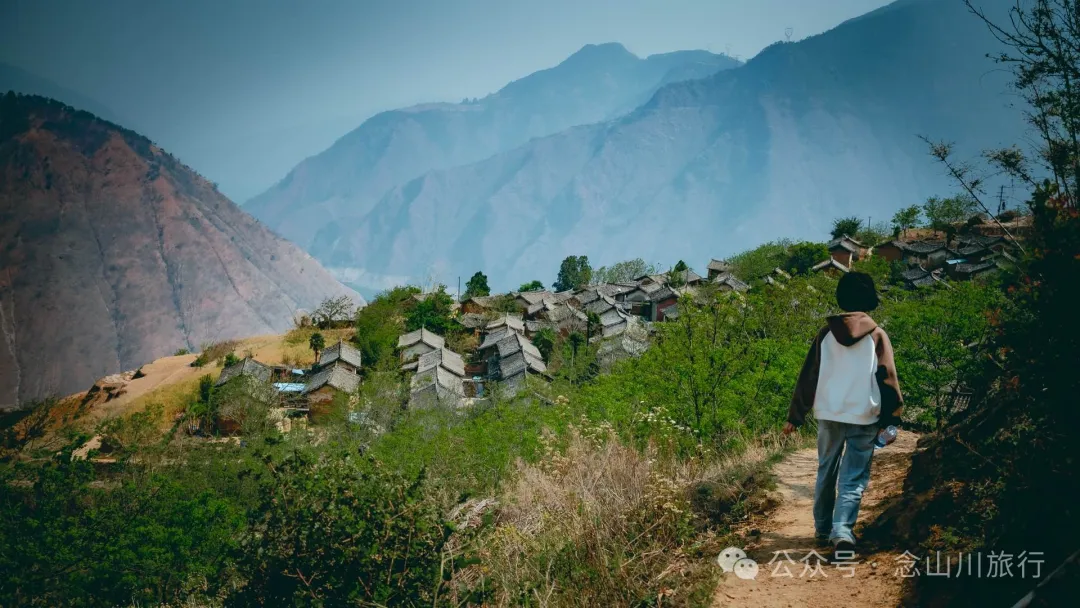
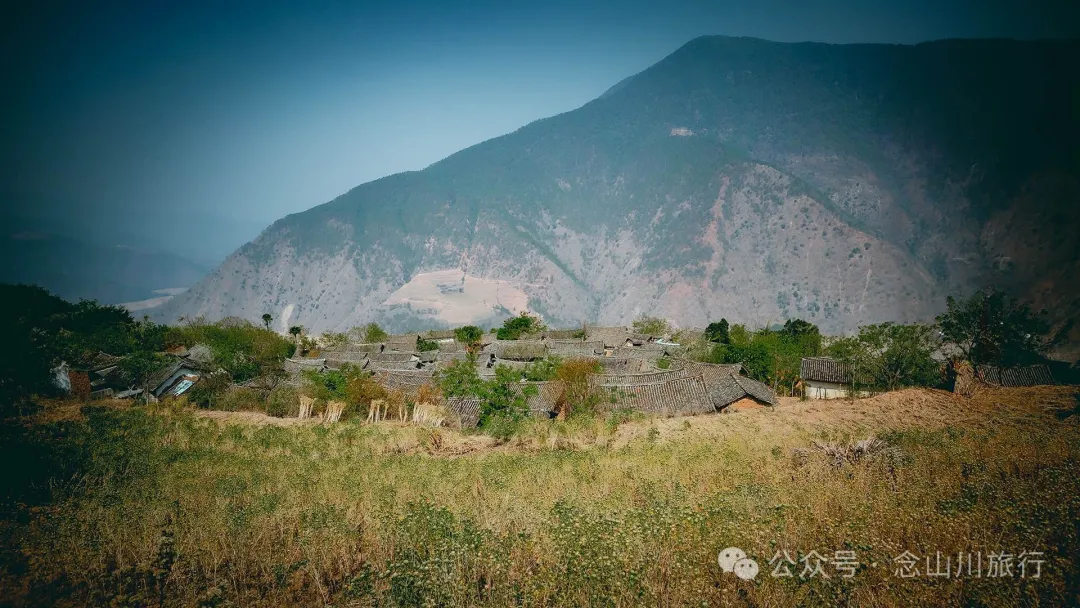
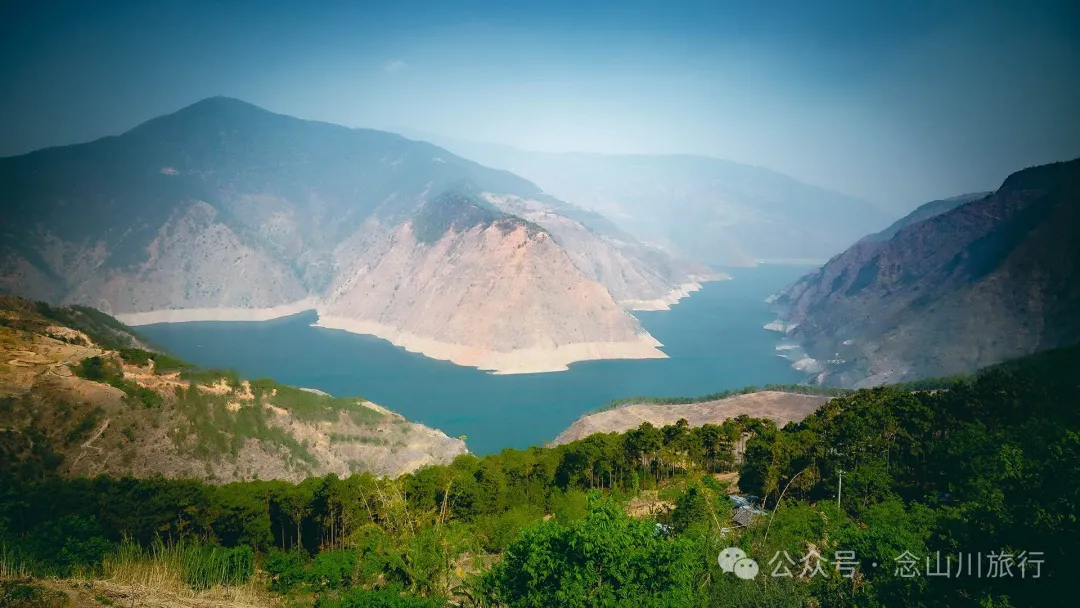
Bazierduo Village, nestled between mountains and water, fits the traditional Chinese aesthetic perfectly: mountains behind, a clear river flowing day and night in front—a feng shui treasure. Sitting in the village on the hillside, the river breeze swirls through this unadorned village, silently bringing scents and flavors from afar. Life is both monotonous and quiet, yet not unchanging; small novelties make today's village different from yesterday—like the river breeze from afar, like the cycling seasons, sun, moon, and stars.
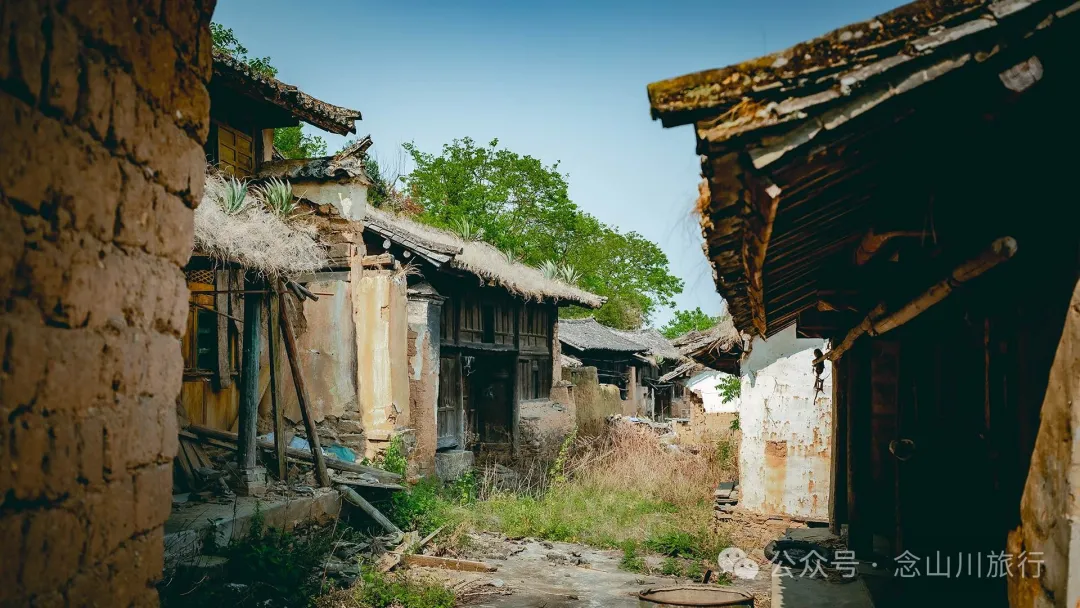
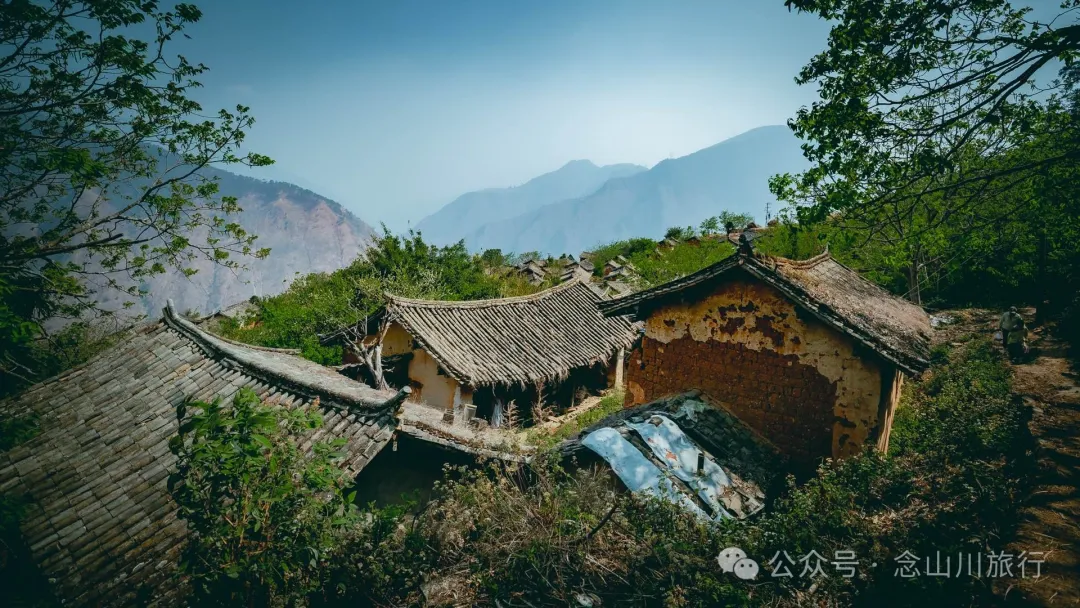
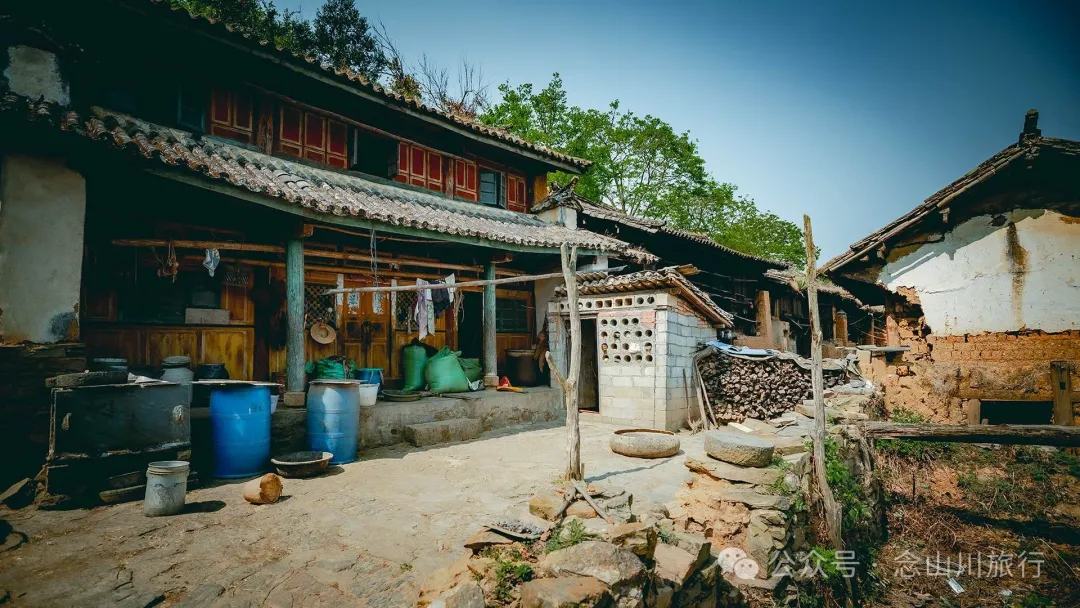
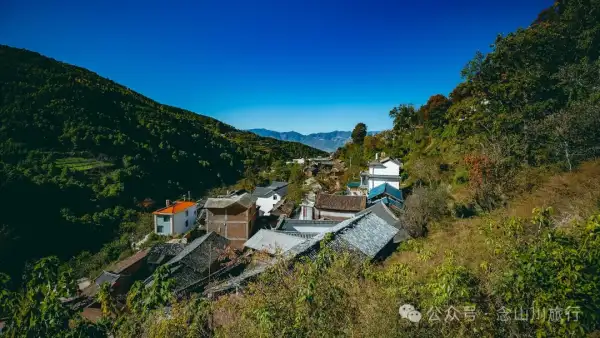
But the village did not escape abandonment. Bazierduo has a history of several hundred years, with generations of villagers farming here until a huge hydropower station was built in the nearby gorge. The villagers had to relocate collectively to higher, more open ridges, starting a new rural life in a new era. The village lost its vitality—the cries and laughter of children, the work and chatter of adults—all left, drifting to the higher ridges.
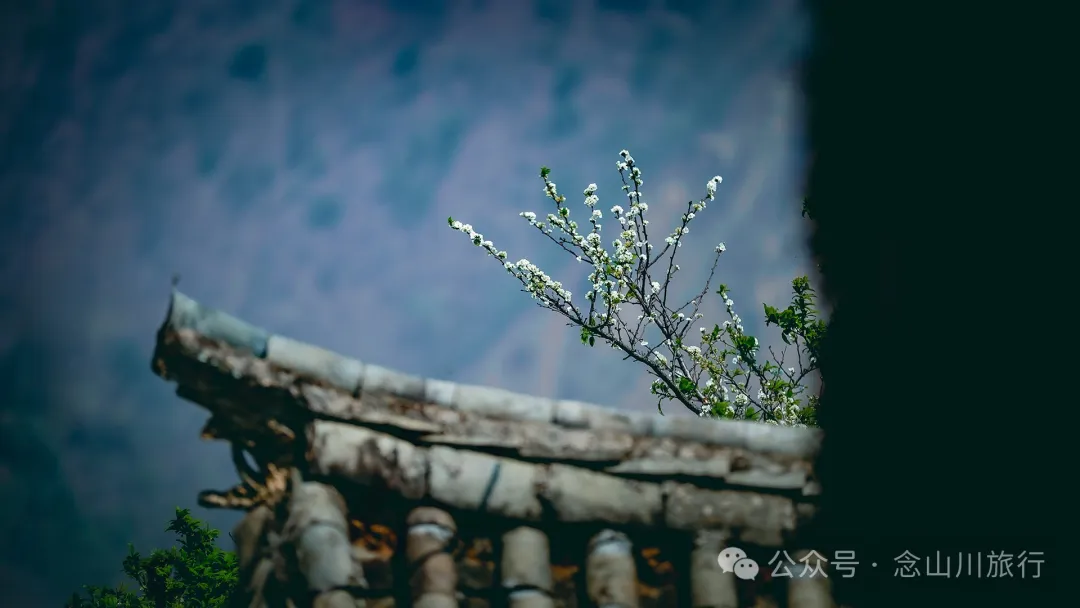
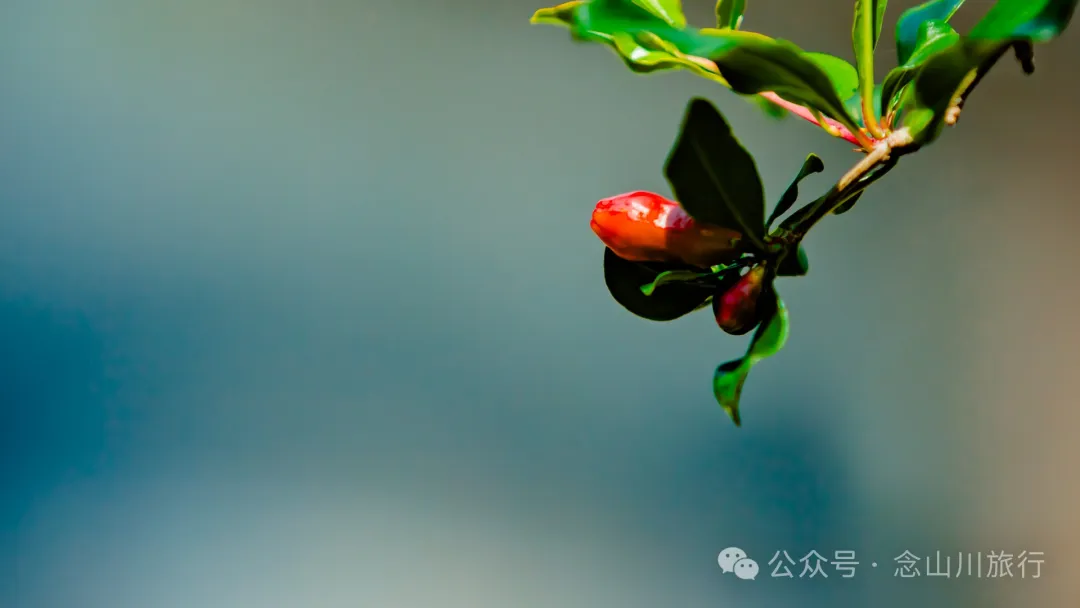
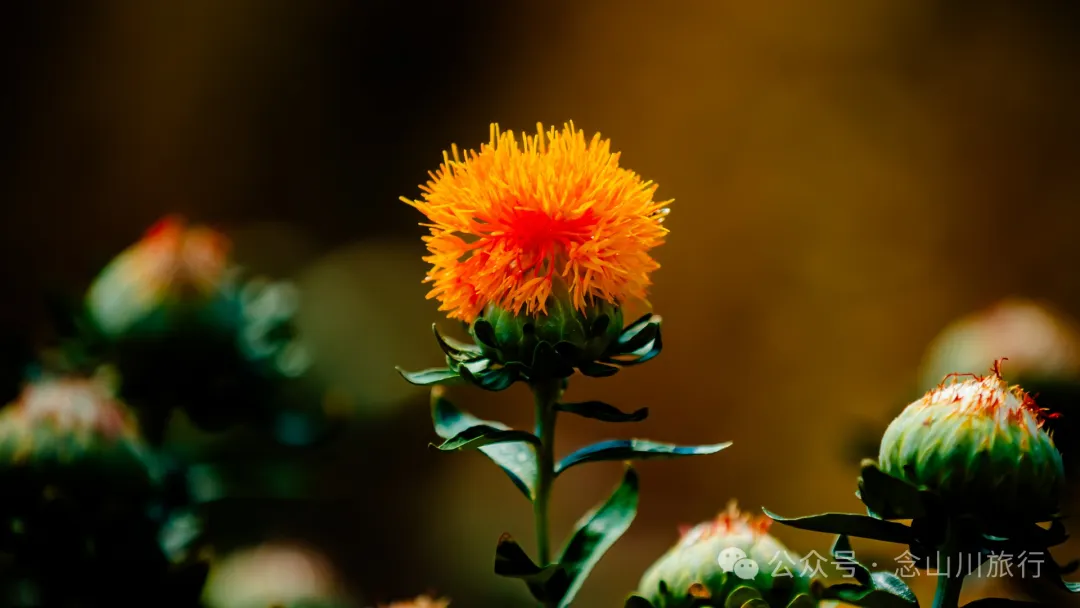
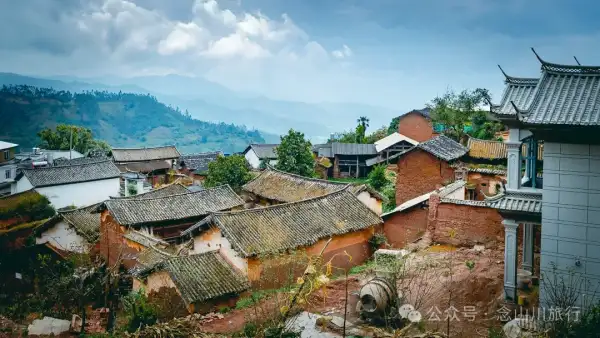
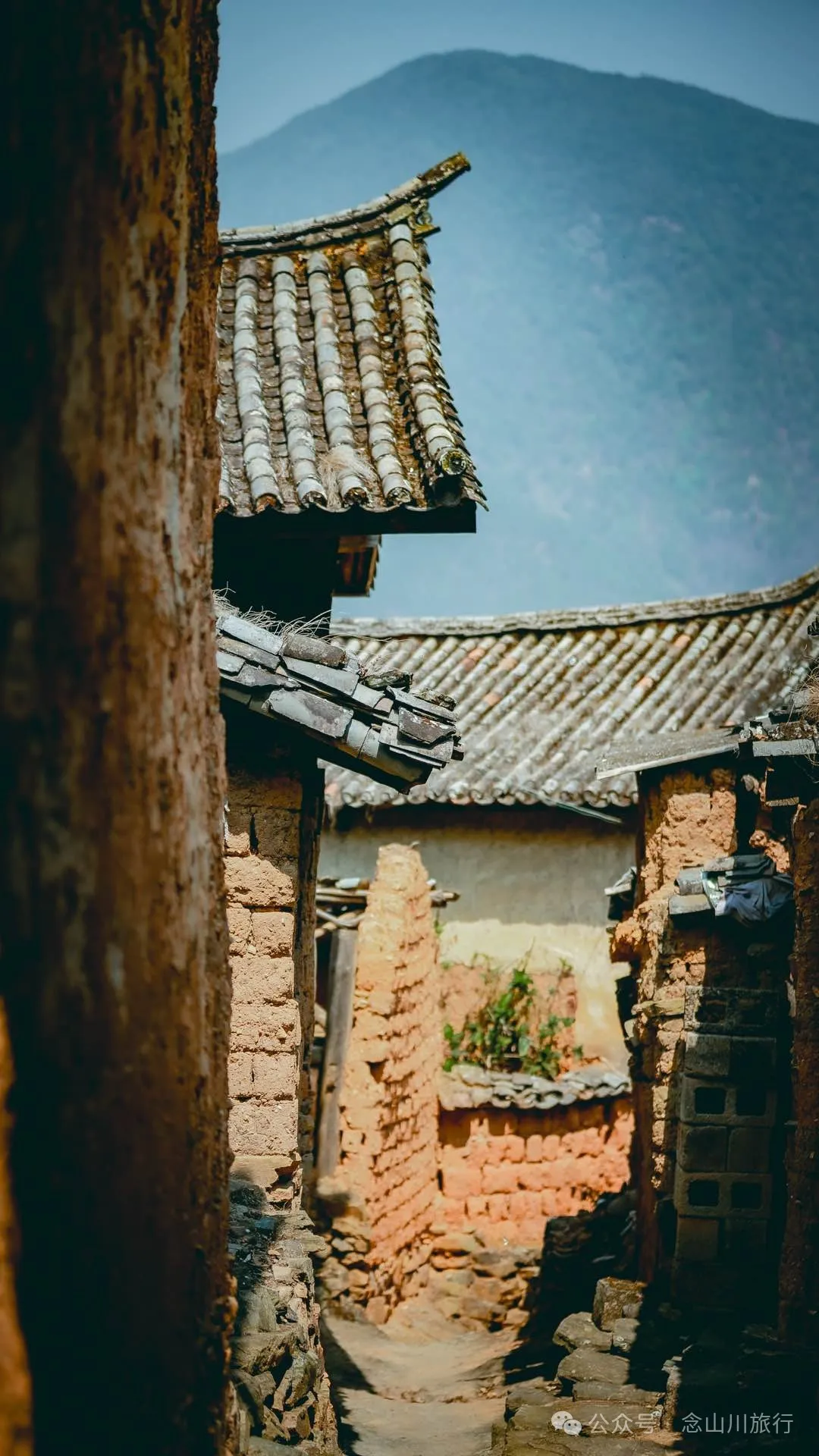
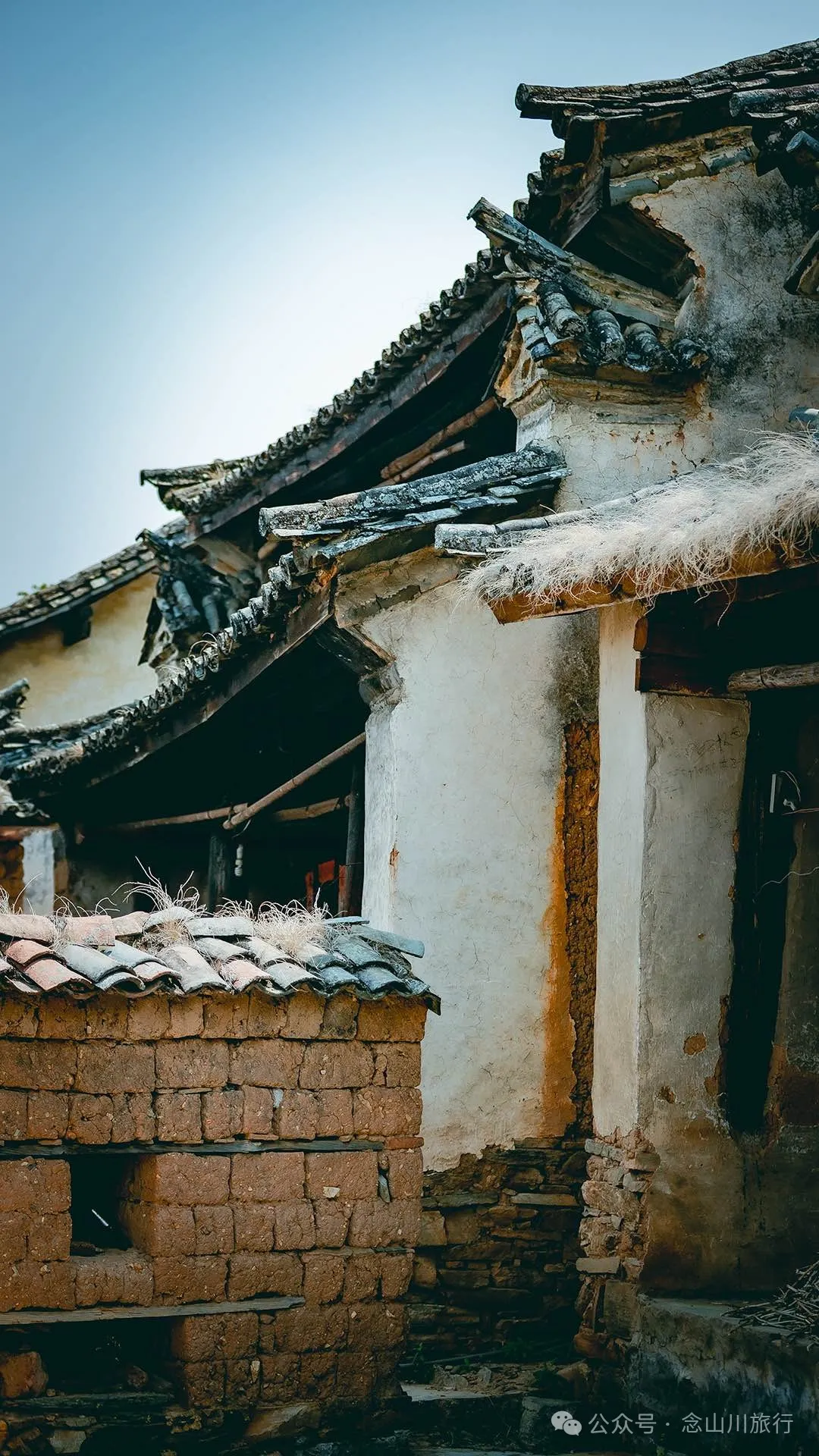
The abandoned village has become a paradise for animals. Squirrels leap, play, and dig holes on the crumbling earthen walls; birds chirp freely among the trees that turn green again in spring—no humans disturb them. Humans took everything useful, leaving the earth and its plants behind, along with the houses they couldn't take. Without long-term care, these centuries-old houses have become dilapidated, like ragged beggars compared to the pomegranate, walnut, pear, and plum trees sprouting new life around them—despised and forsaken.
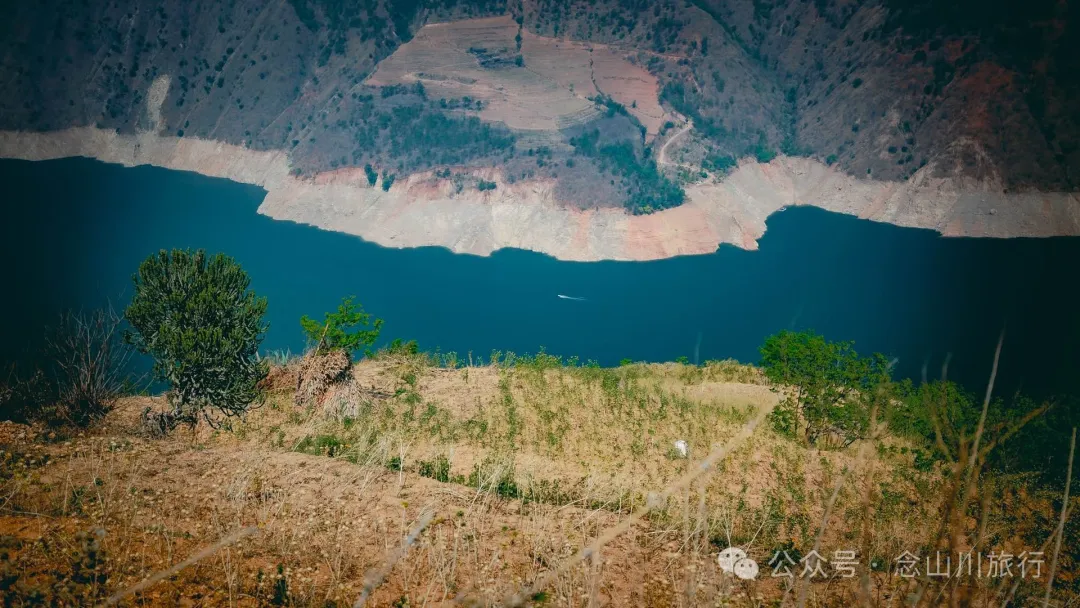
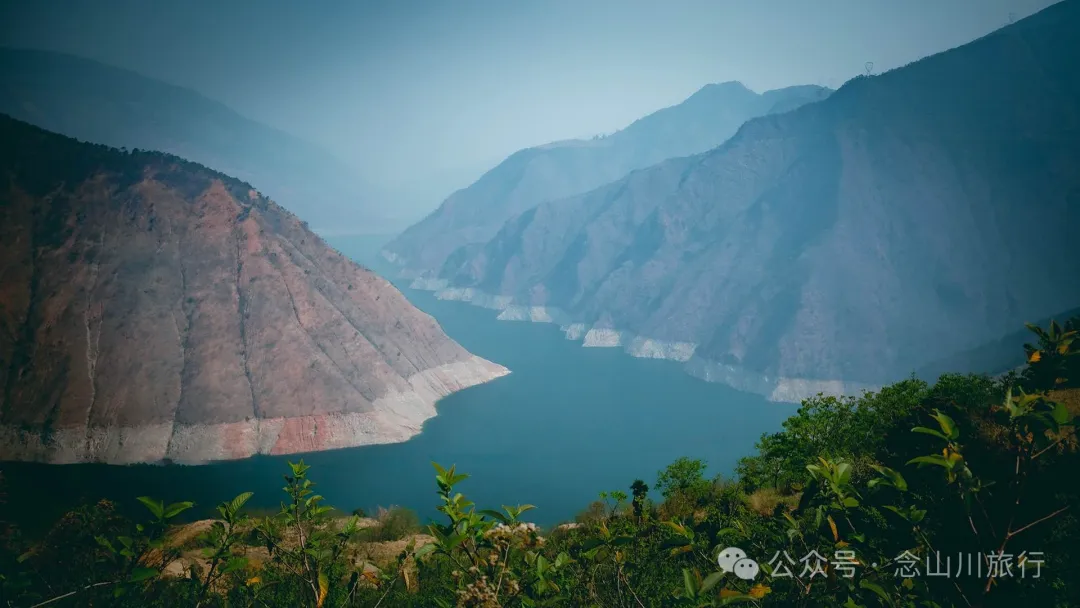
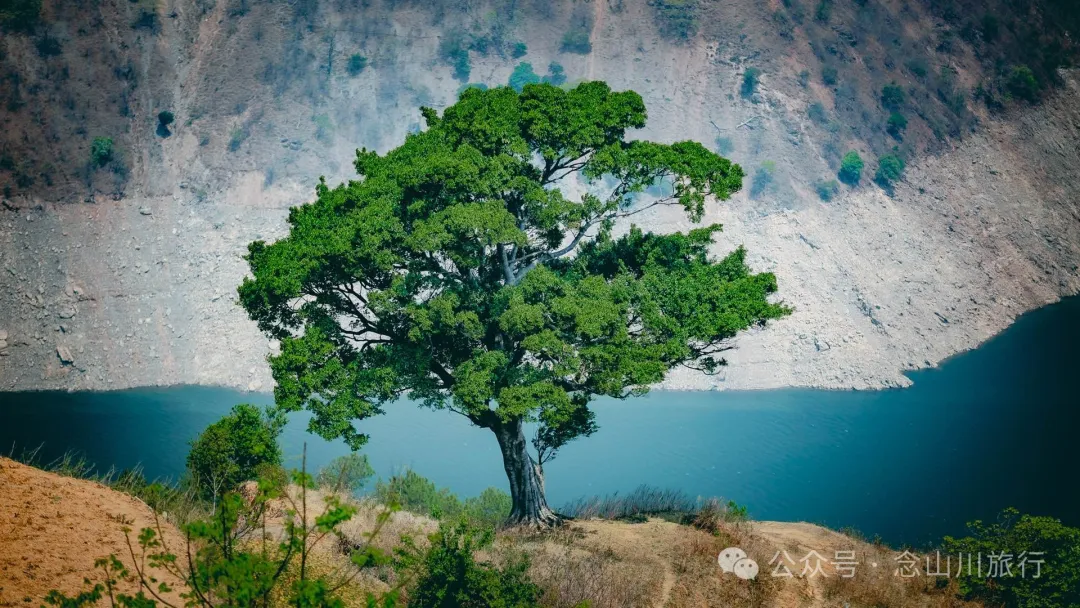
A tree by the river, having stood watch for who knows how many years, remains rooted in place, year after year, listening to the river breeze and birds, once gazed upon by villagers. Now, only the elderly often see it, standing tall as ever, gazing into the distance.
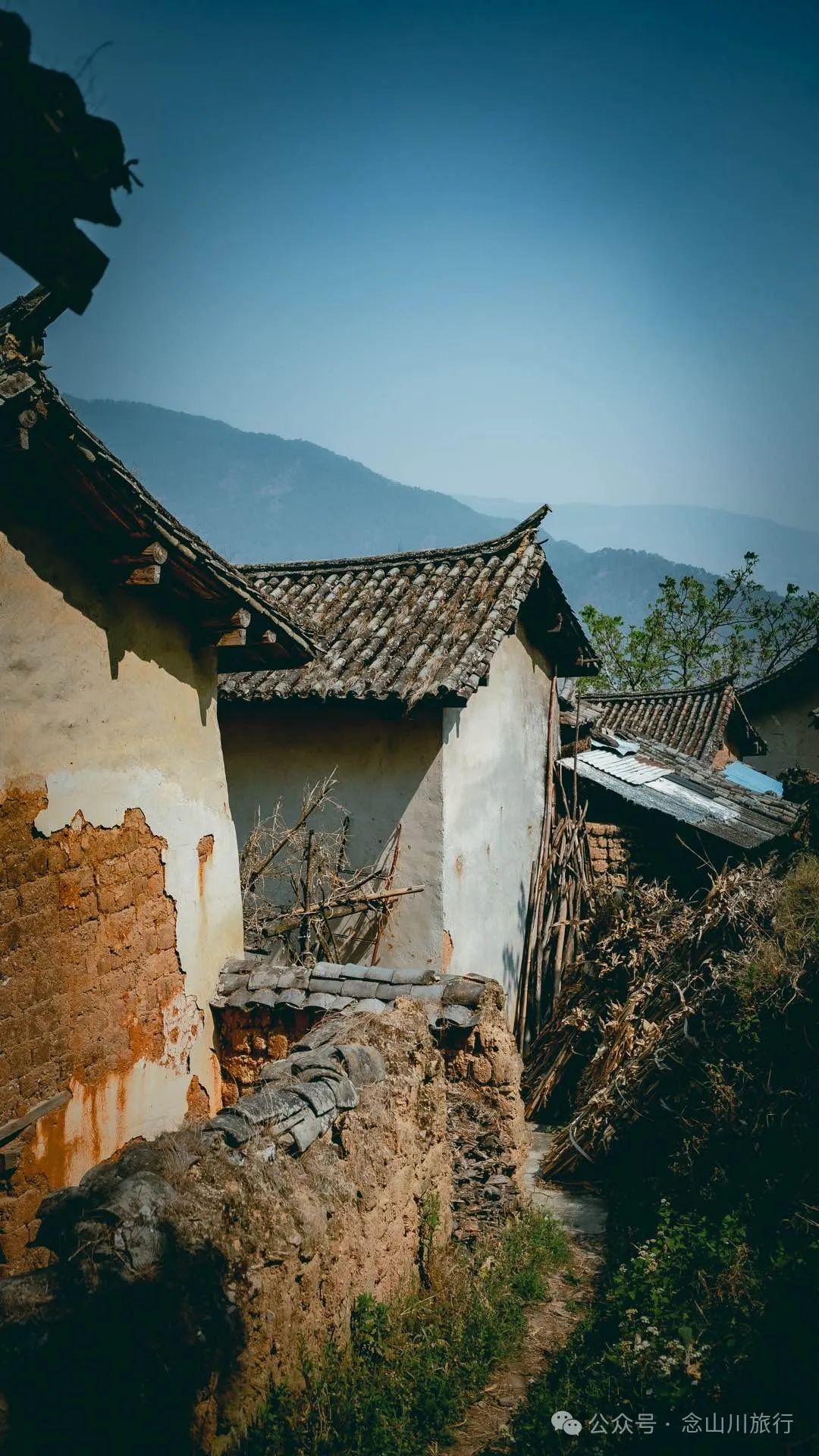
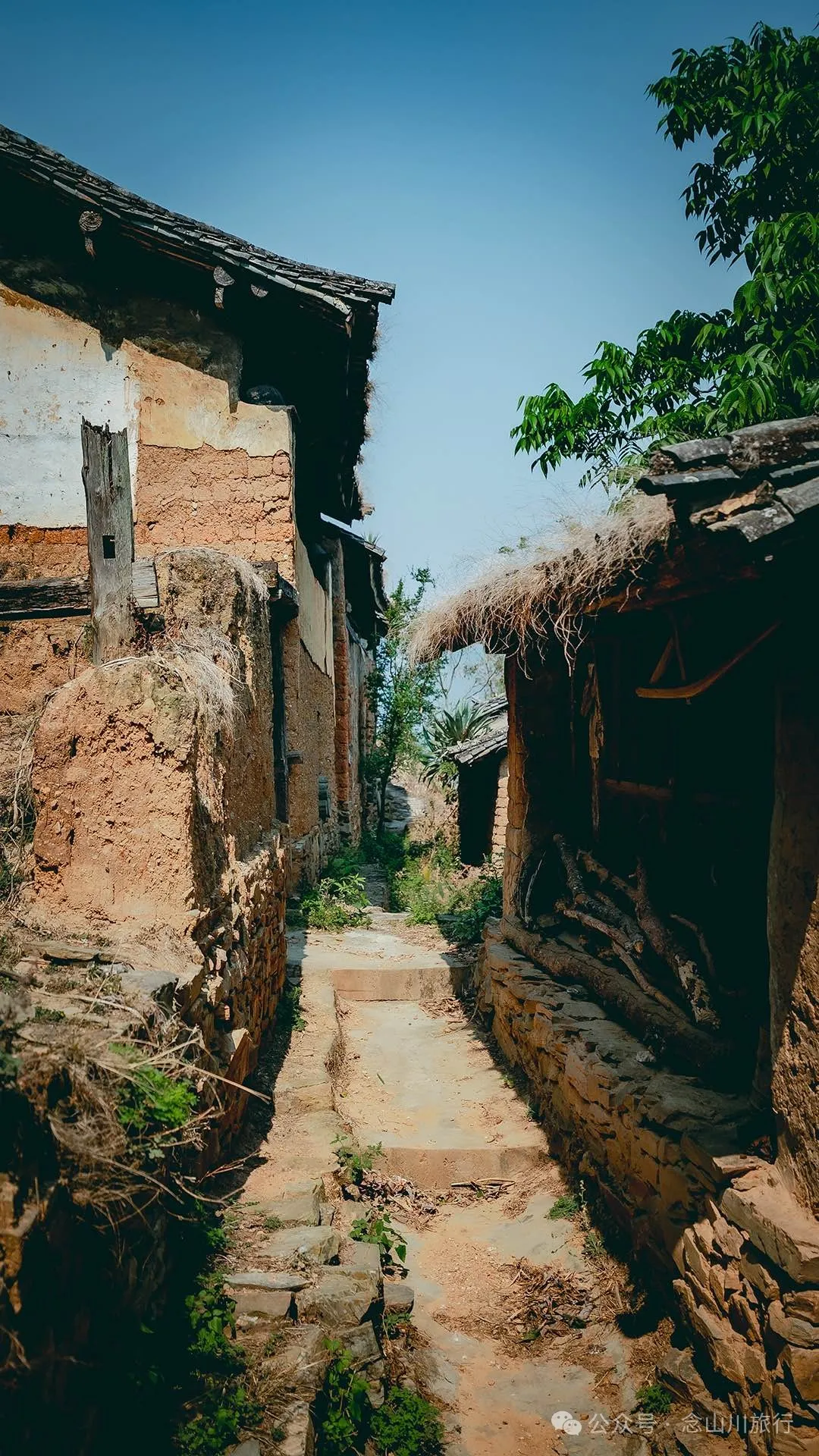
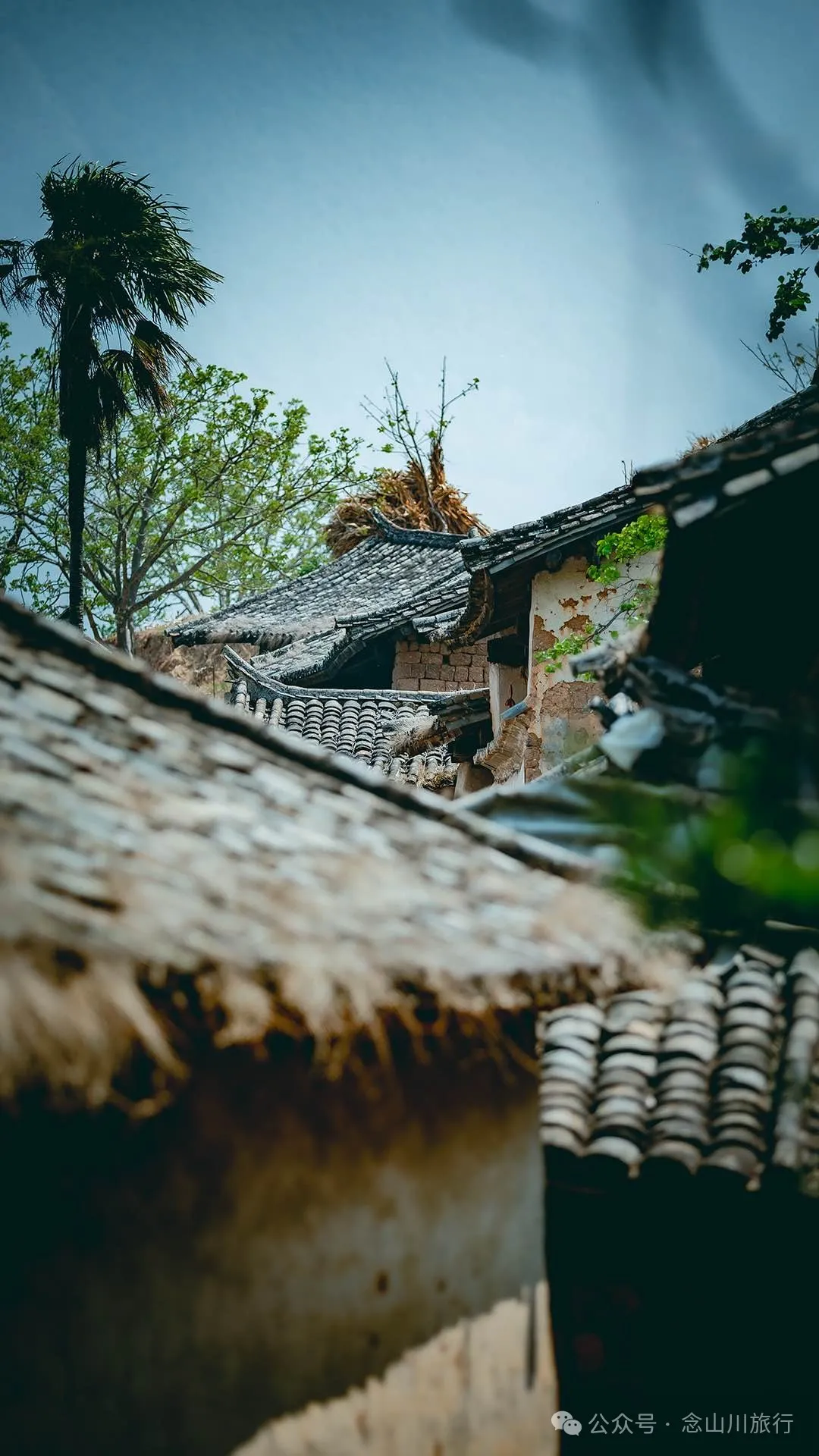
Walking through this once vibrant village is a heavy experience. Flowers still bloom on time, the fields outside the village are not barren, but the departure of humans has taken away many indescribable feelings. The village is not completely devoid of people; in a dusty courtyard, we met two elderly folks, and at a gate, we heard vague, aged voices. Some elderly refuse to leave, clinging to the village—the place they've called home all their lives. They won't easily call elsewhere home; they are a generation rooted in their land. They will stay, meeting their end together with the village.
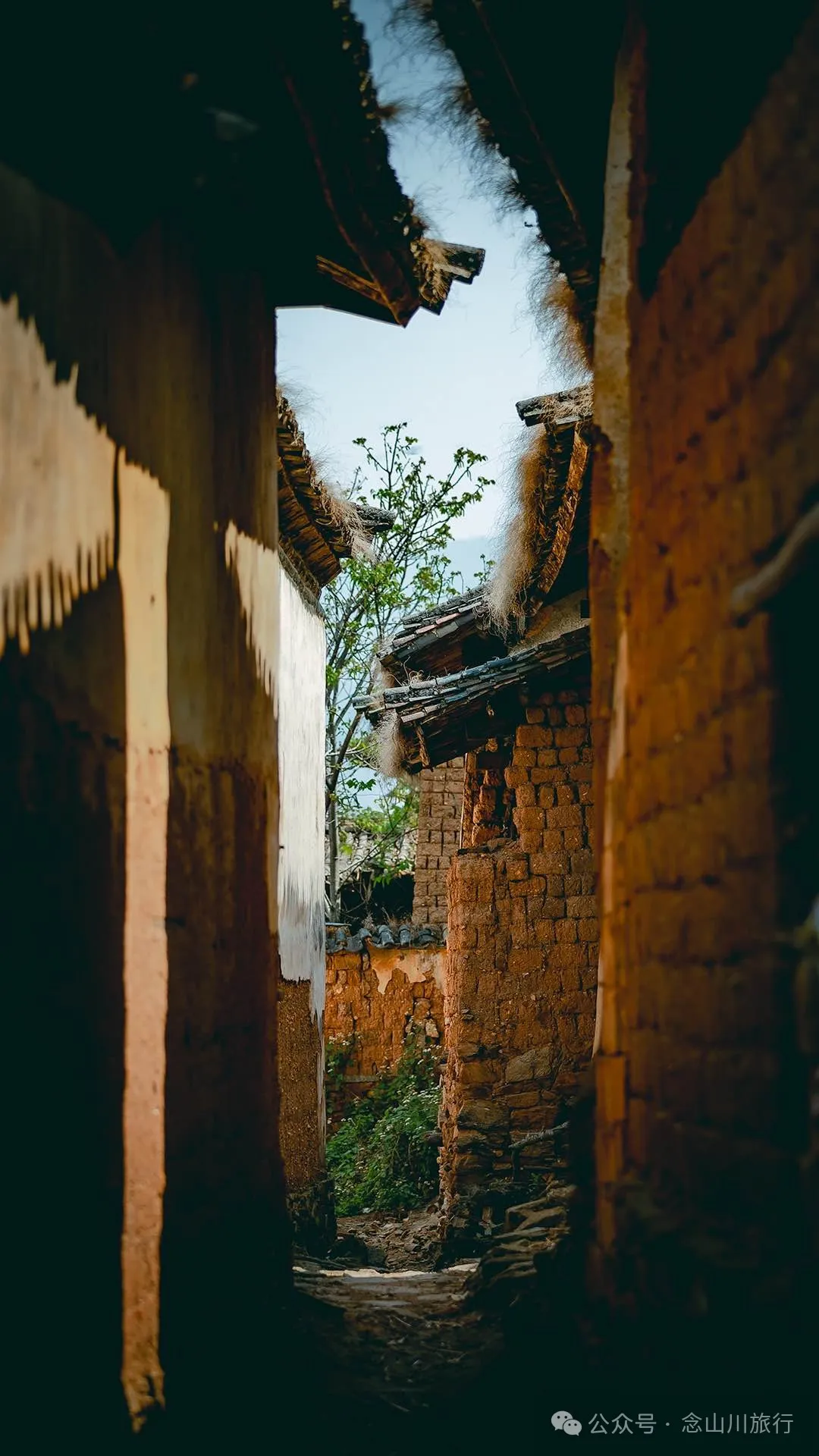
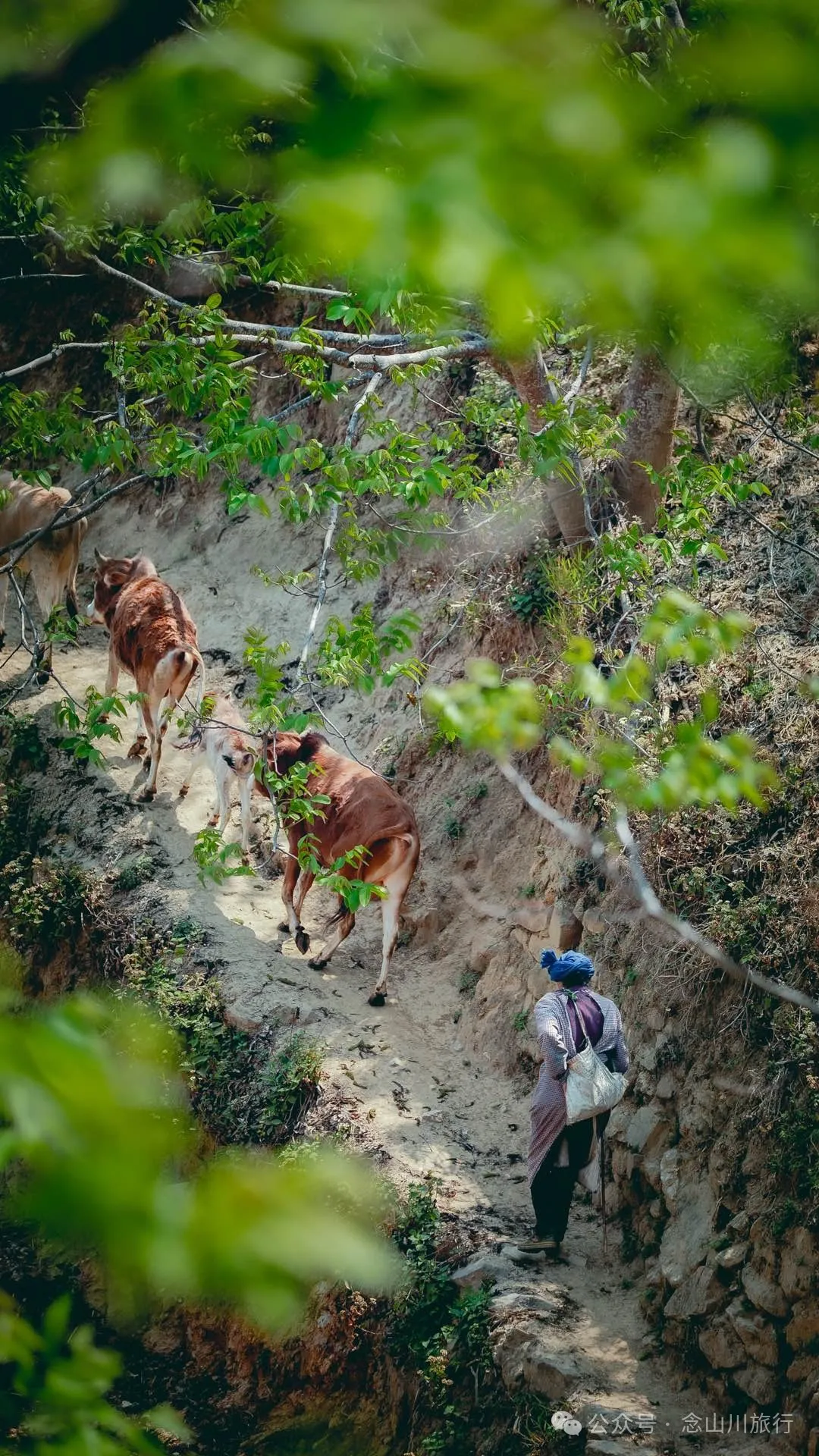
As we walked back, an auntie drove her cattle out of the village, moving briskly along the narrow path through the walnut groves, her steps light and agile, crossing the hills as if on flat ground. She has long been accustomed to the dull, barren life of herding, even finding joy in such ordinary routines. Yet we could never step into that world, reading the richness within.