
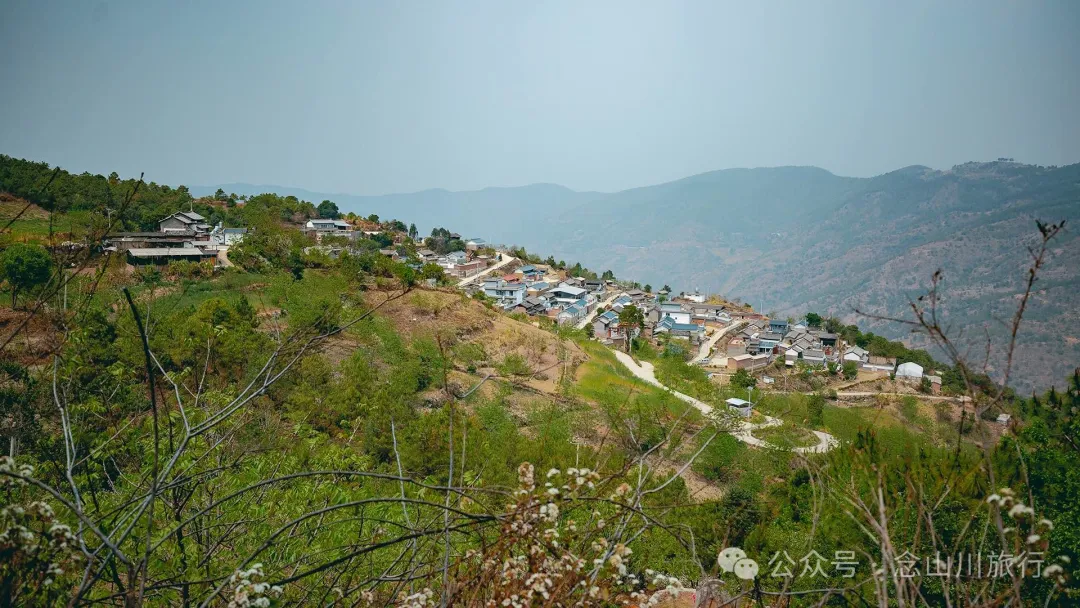
There is a large stone by the roadside, engraved with the characters "Kaiqu". If I hadn't met a villager working in the fields, I would have thought this small village by the road was called Kaiqu. The villager said that Kaiqu includes several villages, covering a large area, and this small village of over twenty households by the roadside is called Ququli, a geological relocation village. Ququli is probably in the Yi language; what does it mean?
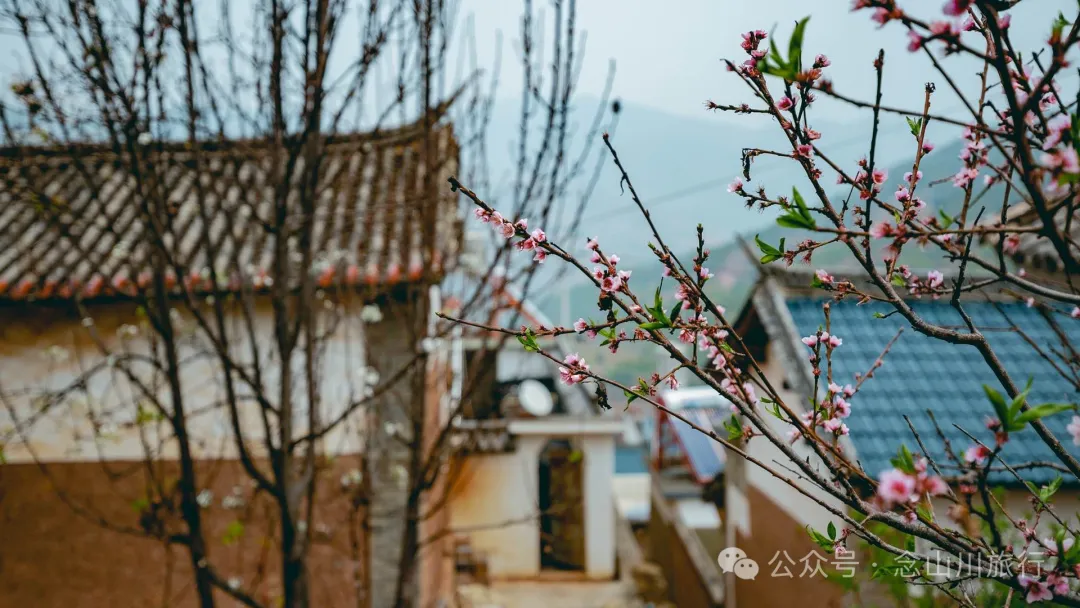
Peach blossoms reflect rosy faces, but many petals have fallen from the branches by the roadside, and new leaves have grown. The pink peach blossoms, brilliant as stars, bloom and wither alone, without beautiful faces to complement them. We have passed through many villages, and no matter when we enter, we always encounter few villagers, as if deserted. Even when we do meet people, they are mostly elderly, rarely young adults. Every village, no matter where, carries many regrets and lacks, driving young people far away. They carry deep nostalgia for their hometowns and spend their lives in unfamiliar cities.
The peach blossoms still smile in the spring breeze, but the faces are gone. This poem, which has been poignant for a thousand years, still carries a touch of sadness, though the sadness is not of the same kind. But the smile, it should be the same kind of hope.
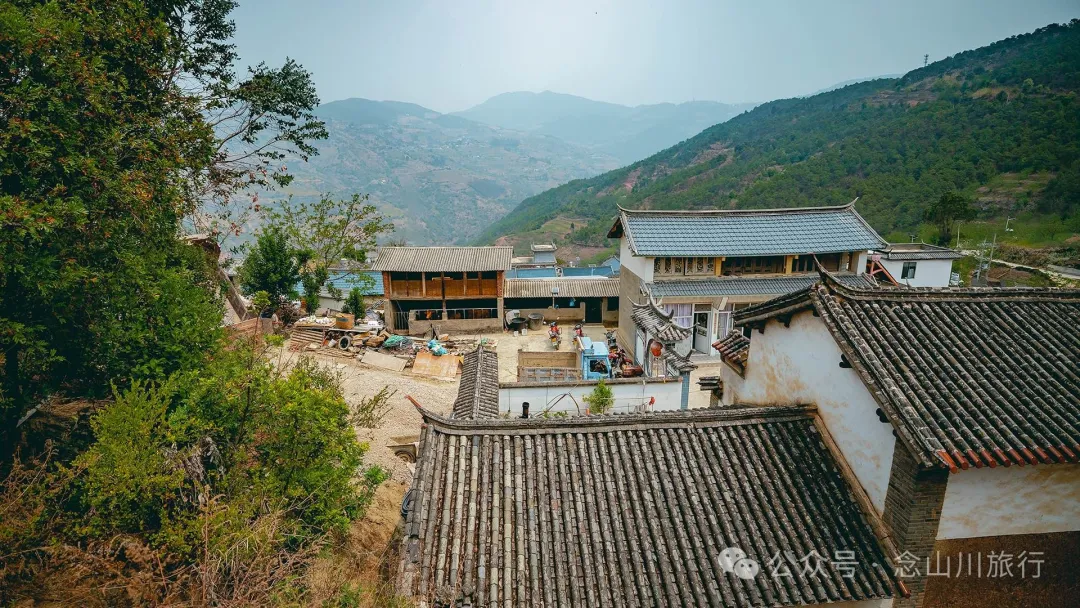
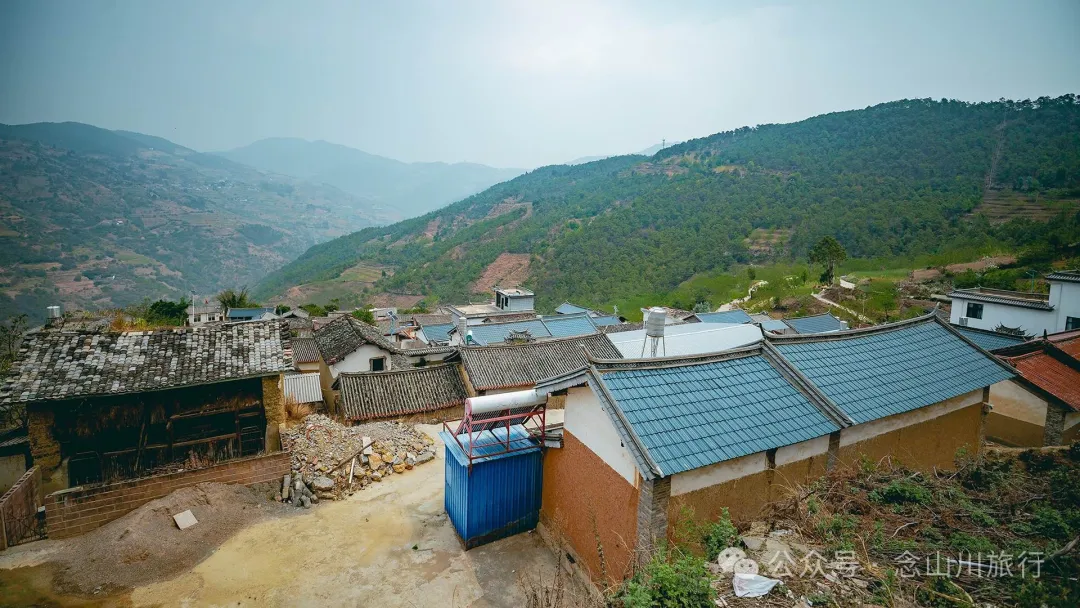
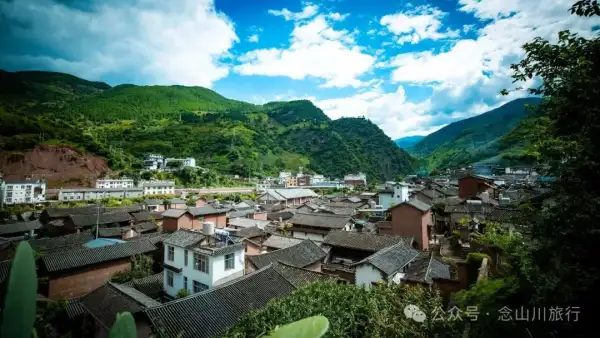
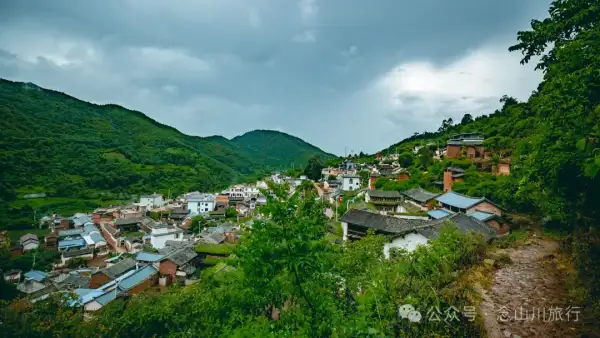
The houses in the village are built along the mountain, scattered at different heights. Every dusk, cooking smoke rises from each rooftop, first a straight wisp, then dispersing with the wind, mingling with the mist. At this time, the village is filled with the smell of firewood, occasionally mixed with the salty aroma of cured meat. Occasionally, a dog barks in the distance, making the mountain village even more serene.
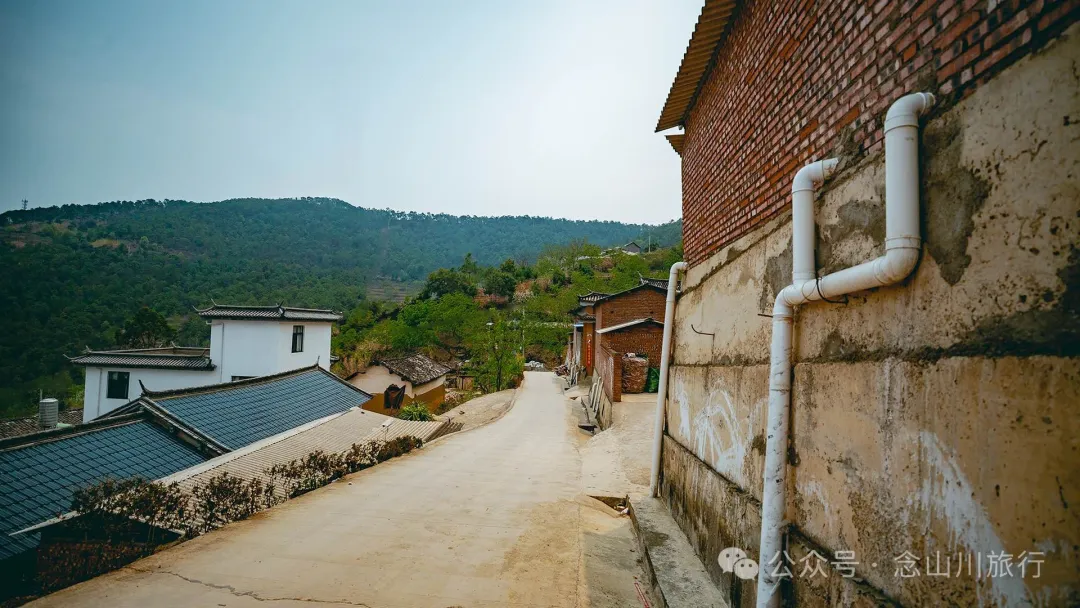
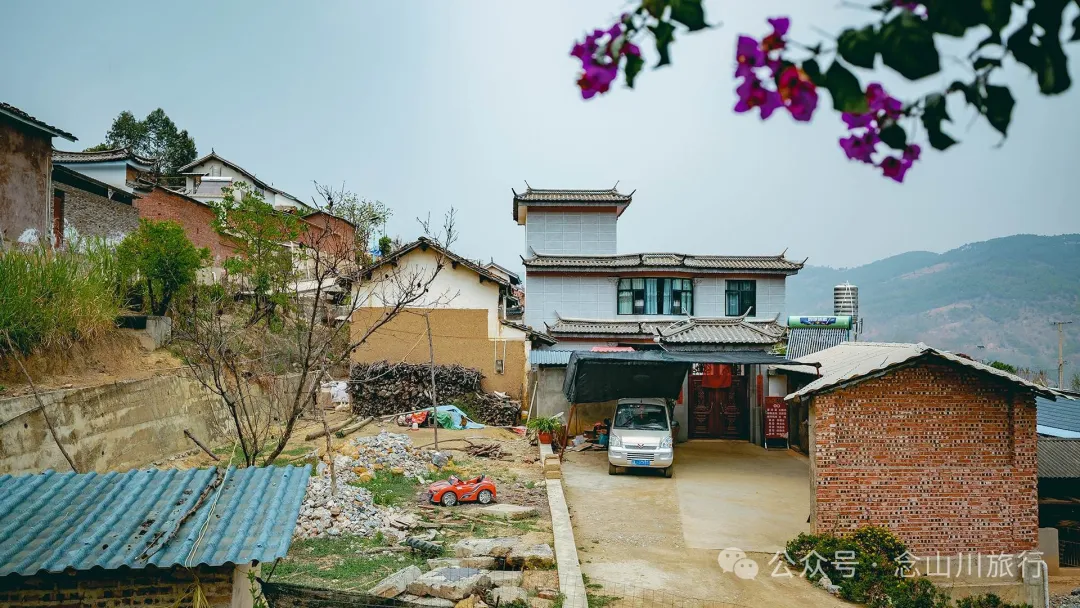
The houses in the village are built along the mountain, scattered at different heights. Every dusk, cooking smoke rises from each rooftop, first a straight wisp, then dispersing with the wind, mingling with the mist. At this time, the village is filled with the smell of firewood, occasionally mixed with the salty aroma of cured meat. Occasionally, a dog barks in the distance, making the mountain village even more serene.
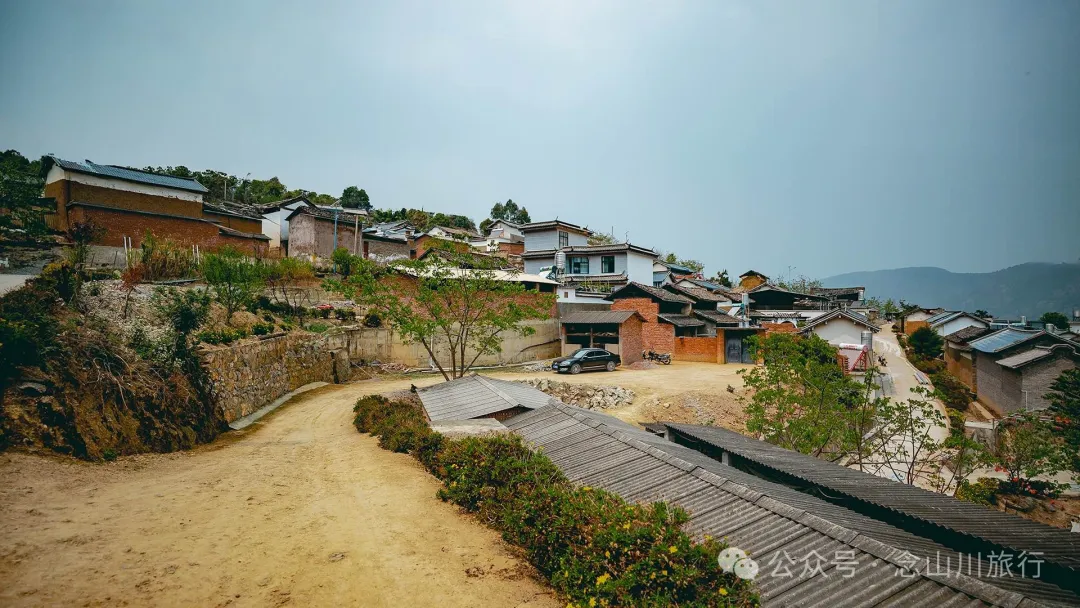
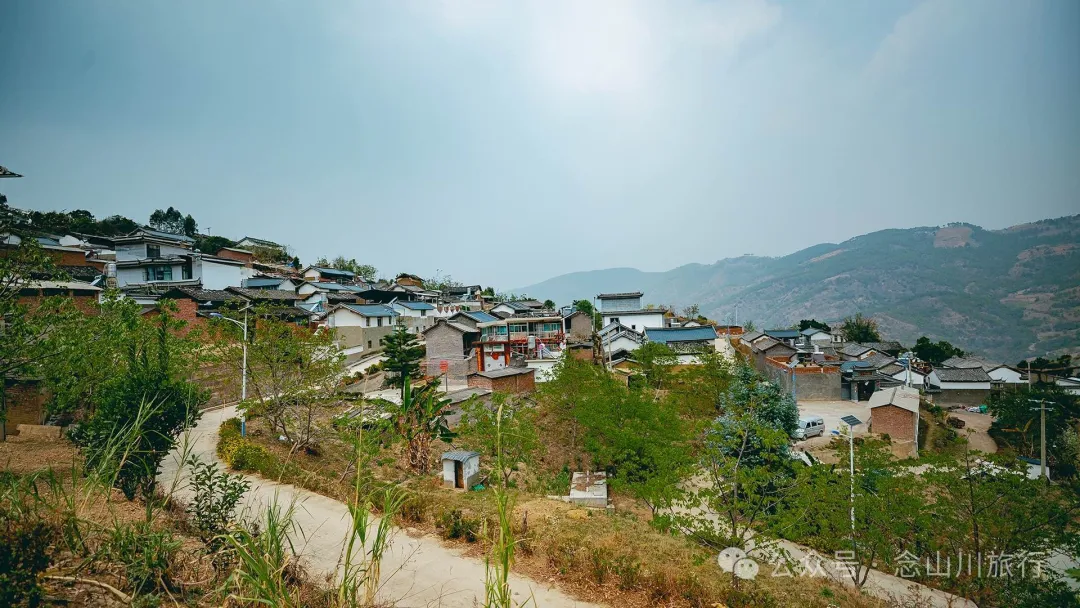
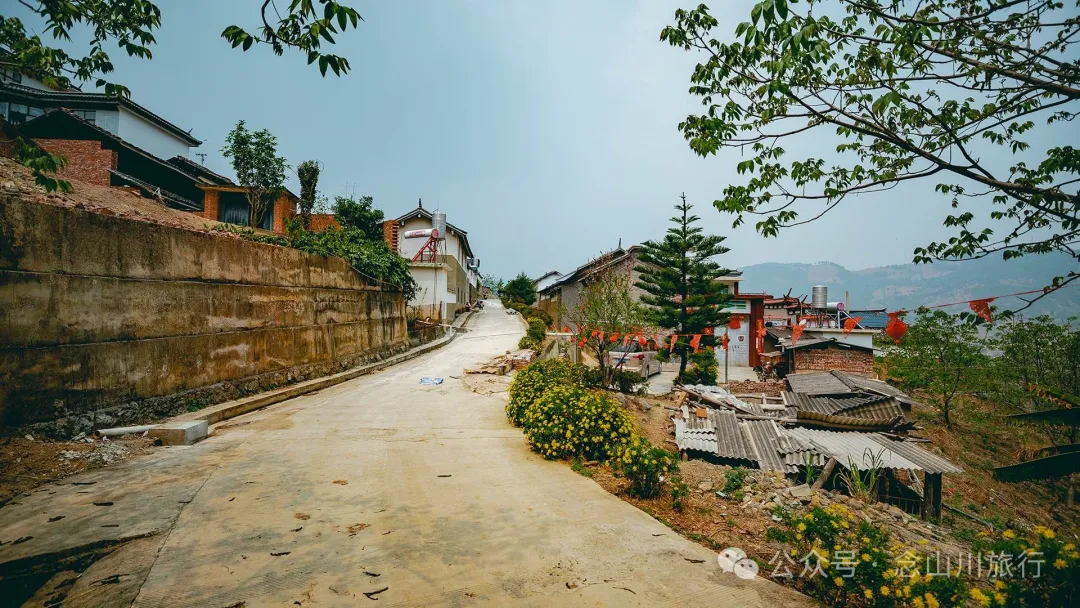
The village is built along the county road, not marked on the map. Walking through the village, an infinite silence spreads in the air. There are few passing vehicles, and even when there are, the mechanical roar is almost inaudible, as if the vast land has its own silencer, automatically filtering out sounds that are out of tune with the village. But the birdsong, those cheerful chirps seem to grow on the branches, carried by the wind to every corner of the village. This chirping is not noisy at all; it is a soothing melody, like a delicious seasoning, blending into their plain lives, adding another flavor.
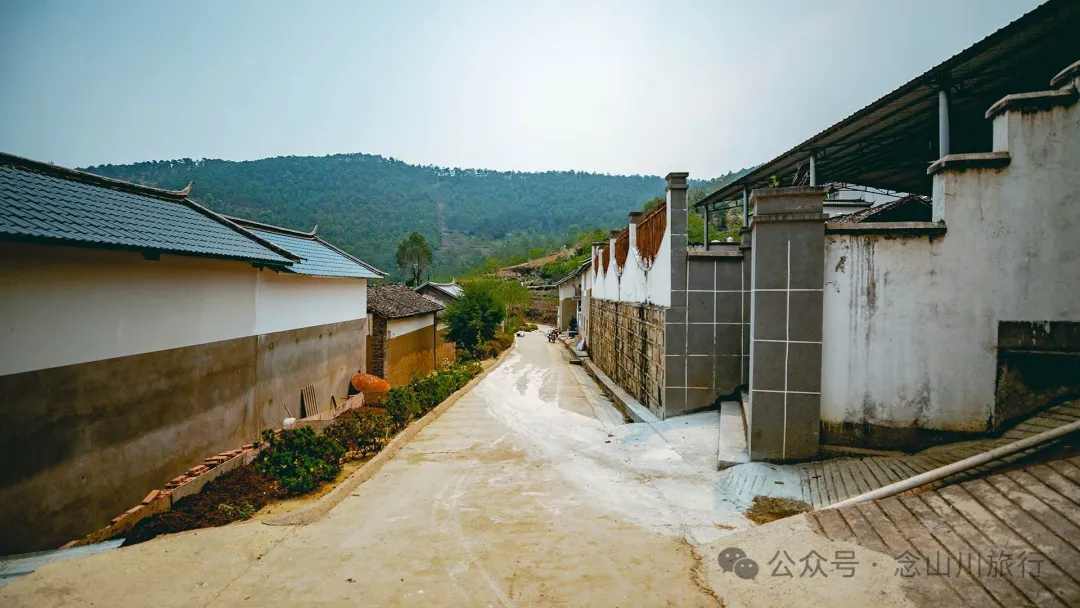
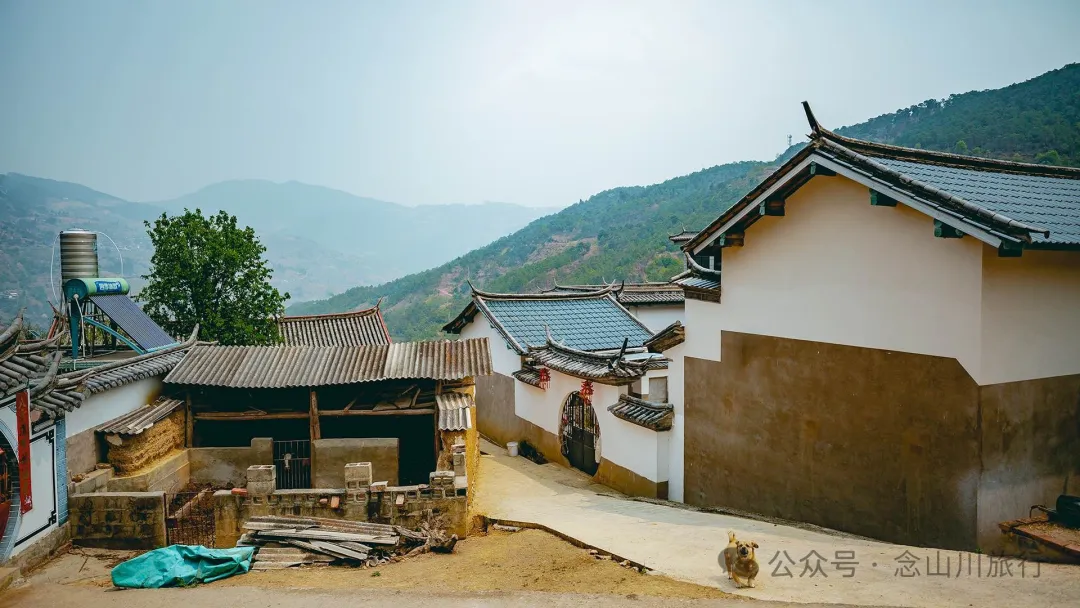
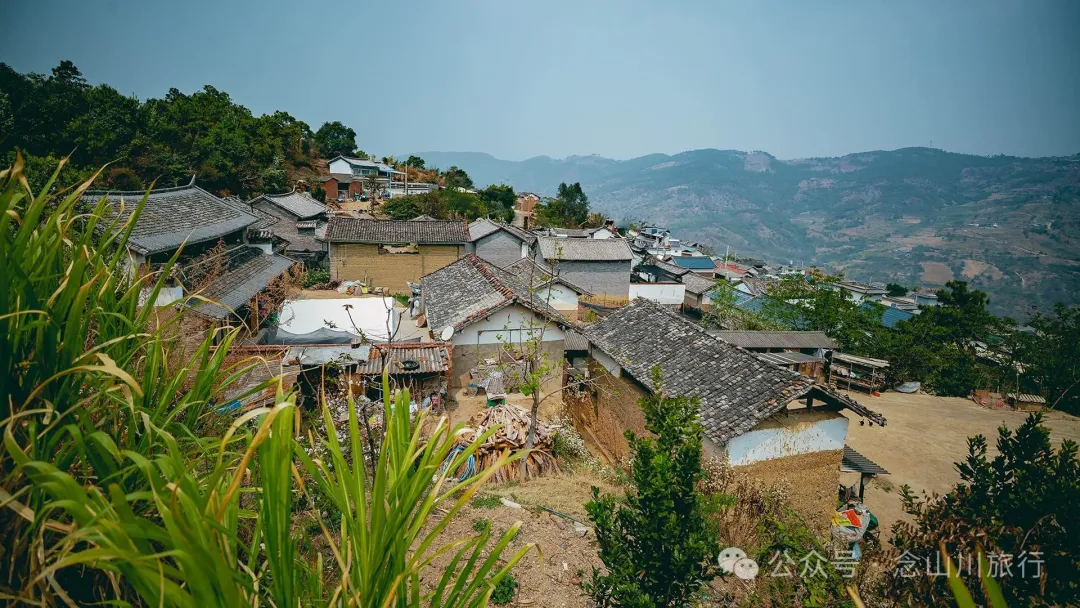
As a new relocation village, Ququli's overall planning is much more convenient than that of ancient villages. At the east end of the village, a cement road extends from high to low, with several east-west cement roads running horizontally, along which rows of neatly arranged houses are built, row upon row. The architectural style of the houses is also uniform: the exterior walls are made of yellow-brown rammed earth, with the upper part whitewashed with lime. The roofs are traditional overhanging gable roofs with black tiles, and occasionally green tiles.
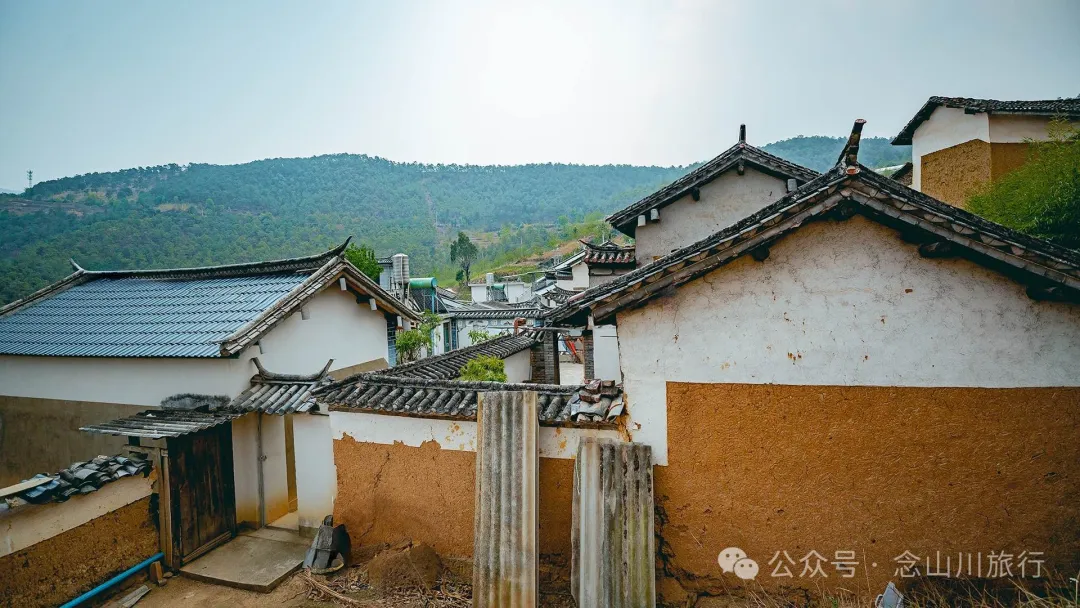
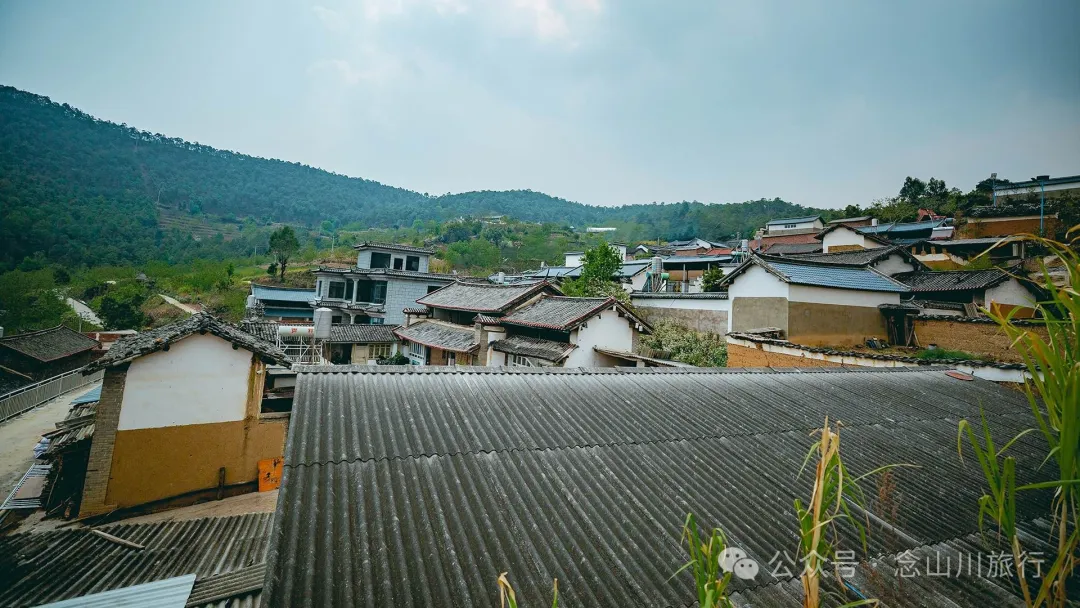
Occasionally, outsiders pass by and marvel at the tranquility and beauty of the mountain village. The villagers just smile and continue with their work. They know that behind this beauty lies day-to-day labor and the hardship of struggling with nature for food. But even so, when morning mist rises from the mountains or the setting sun dyes the entire village gold, they stop their work and quietly watch for a while.
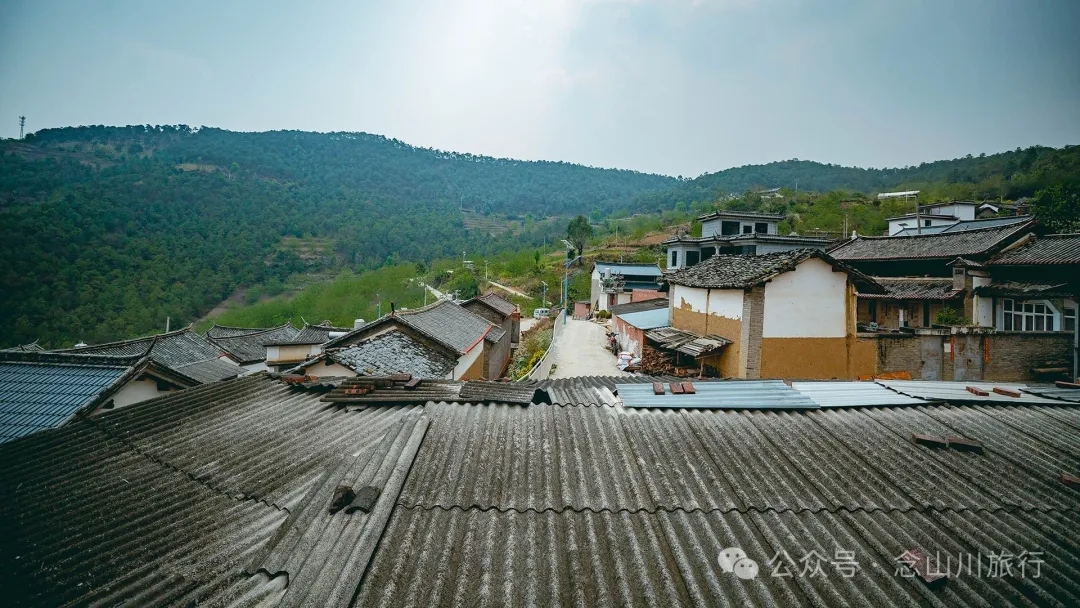
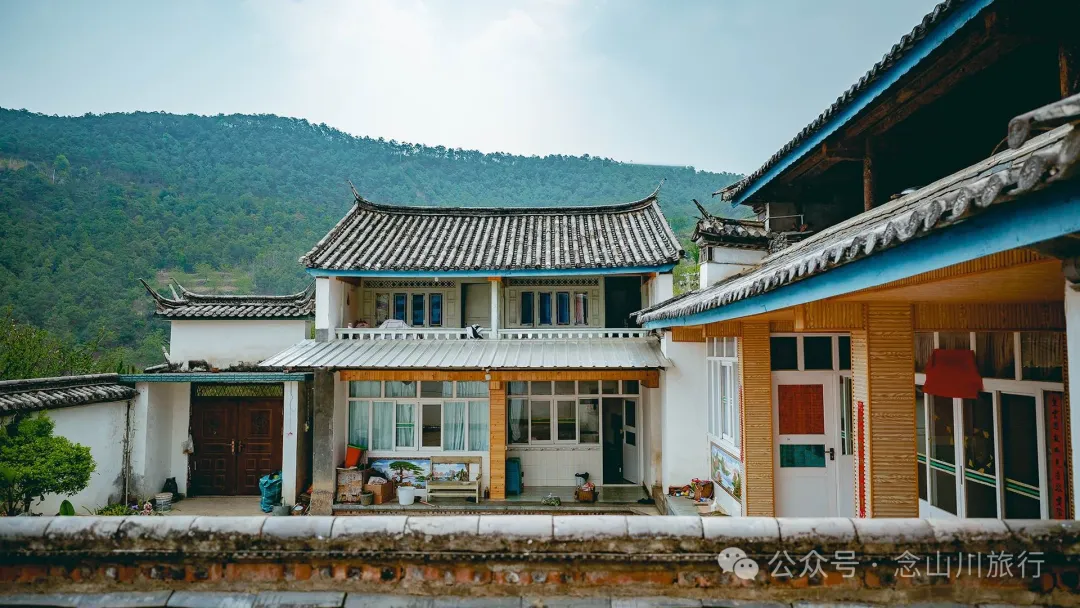
We glimpsed a courtyard from a slope. The yard was square, tidy, spacious, and bright. In the yard, there were two two-story wooden houses on the east and south sides, a courtyard shared by two generations. On the second-floor corridor of the white house, an aunt smiled at us, shyly accepting our praise of the house and yard. Would the distant mountains and sky outside the yard also want to come in and rest?
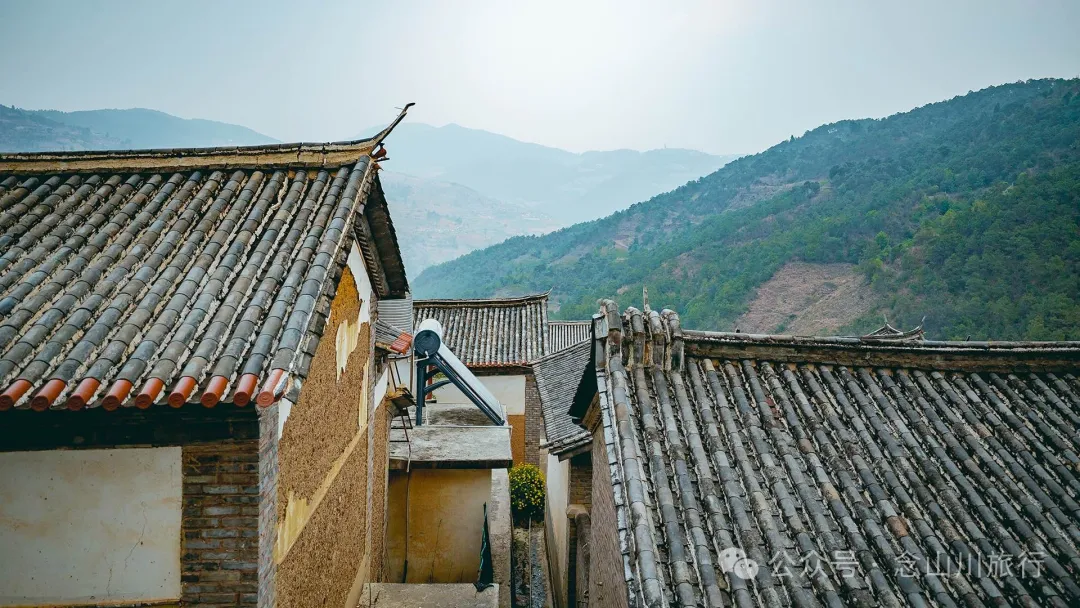
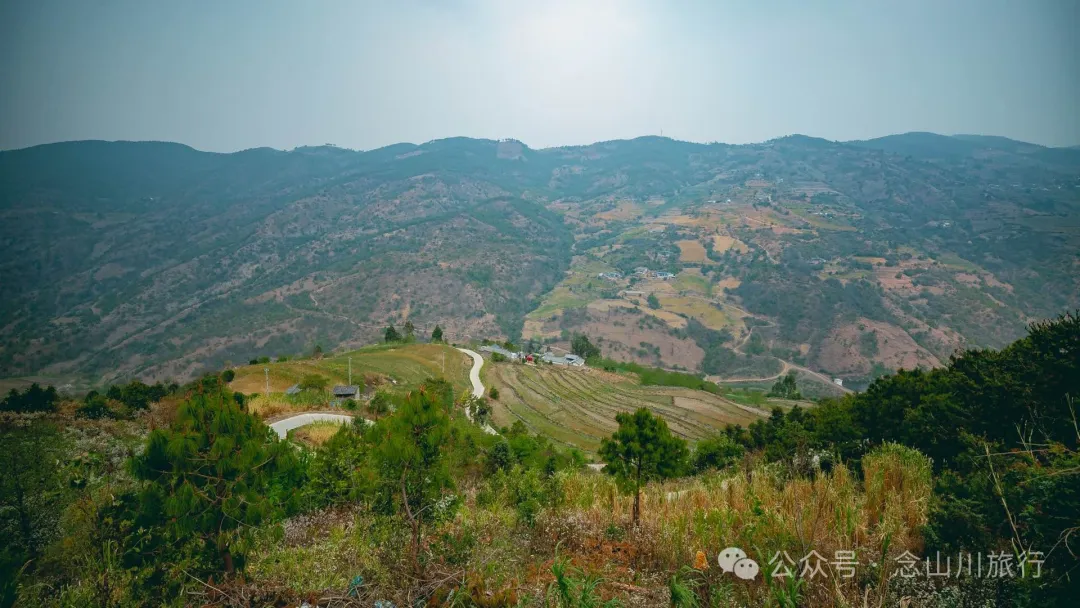
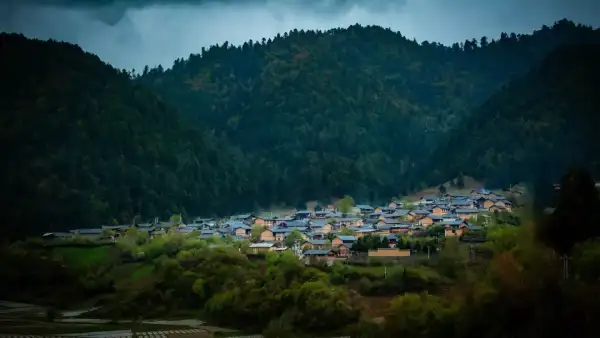
Looking down at the entire Ququli village from a distance, it is so small that it is almost invisible. It is just a tiny part of nature. For the eternal and boundless nature, humans, like ants moving their nests, manage their short and limited lives. This giant silencer will embrace all storms and waves.