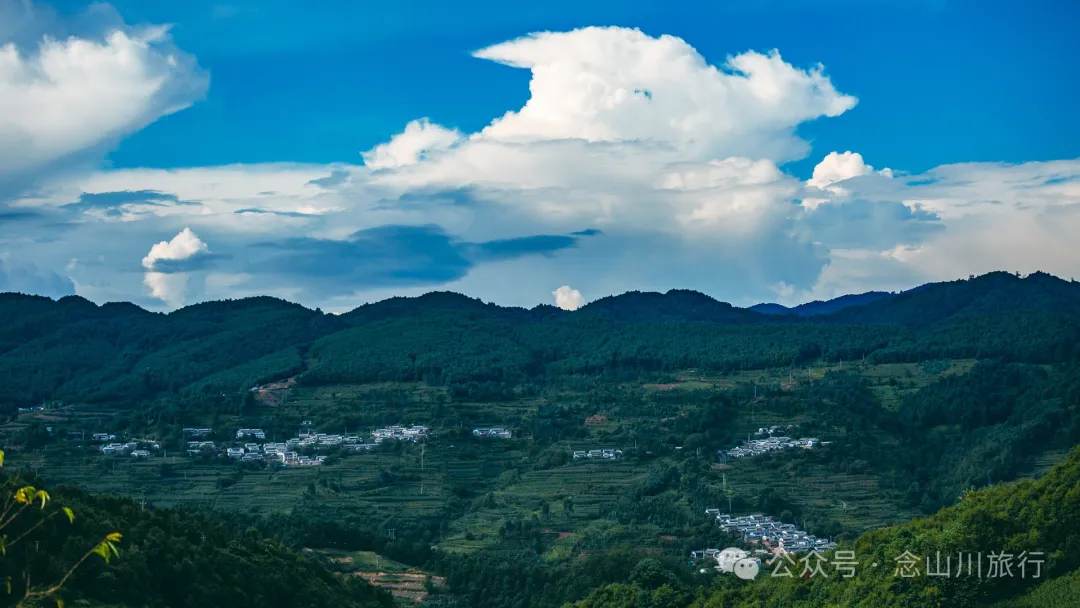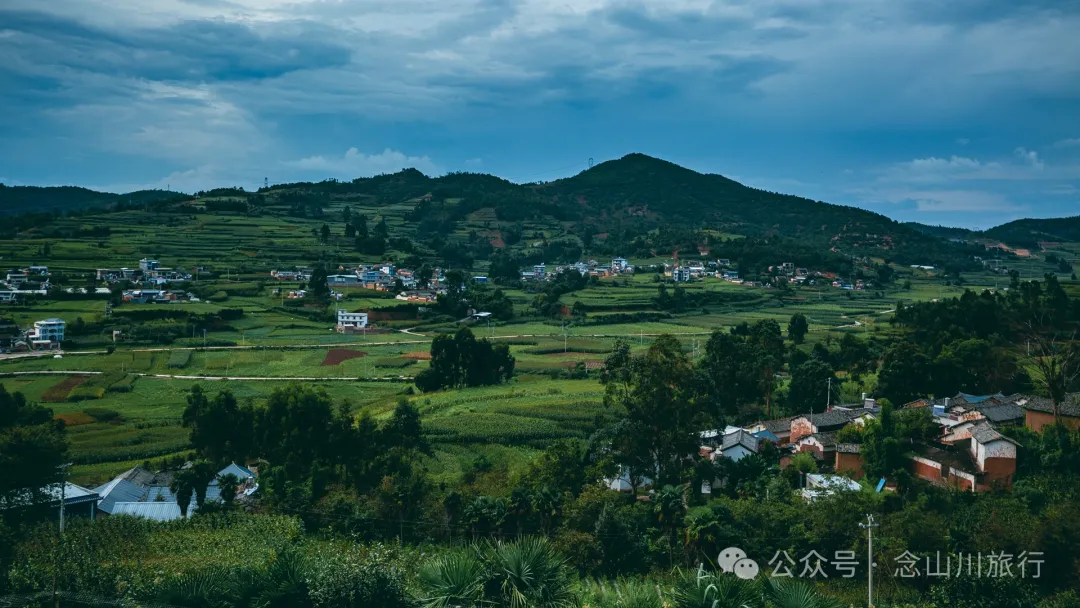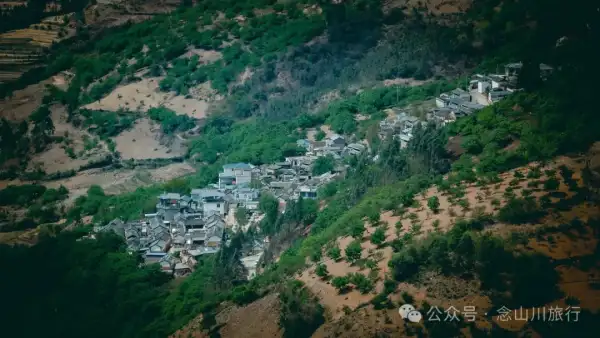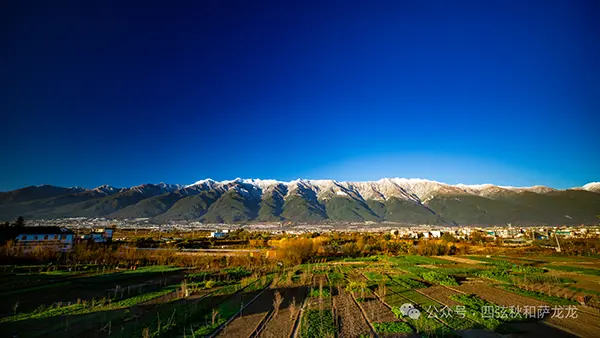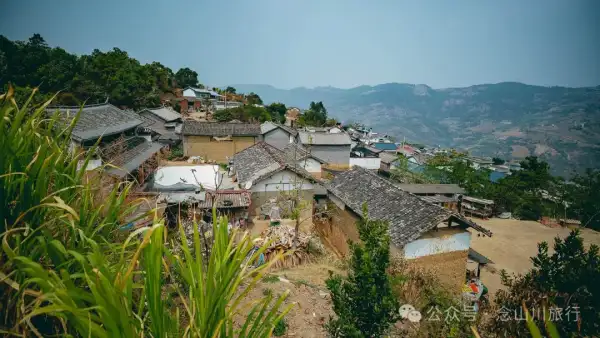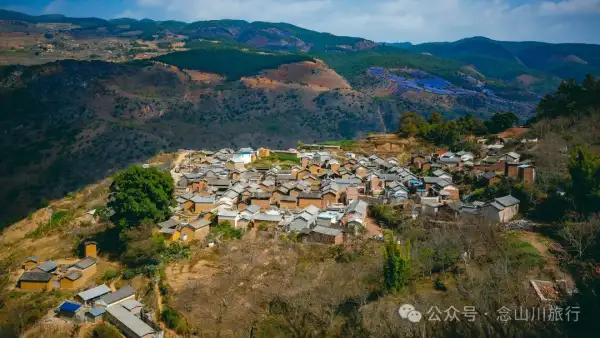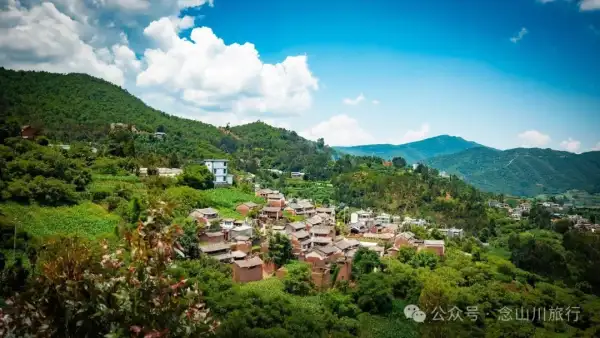

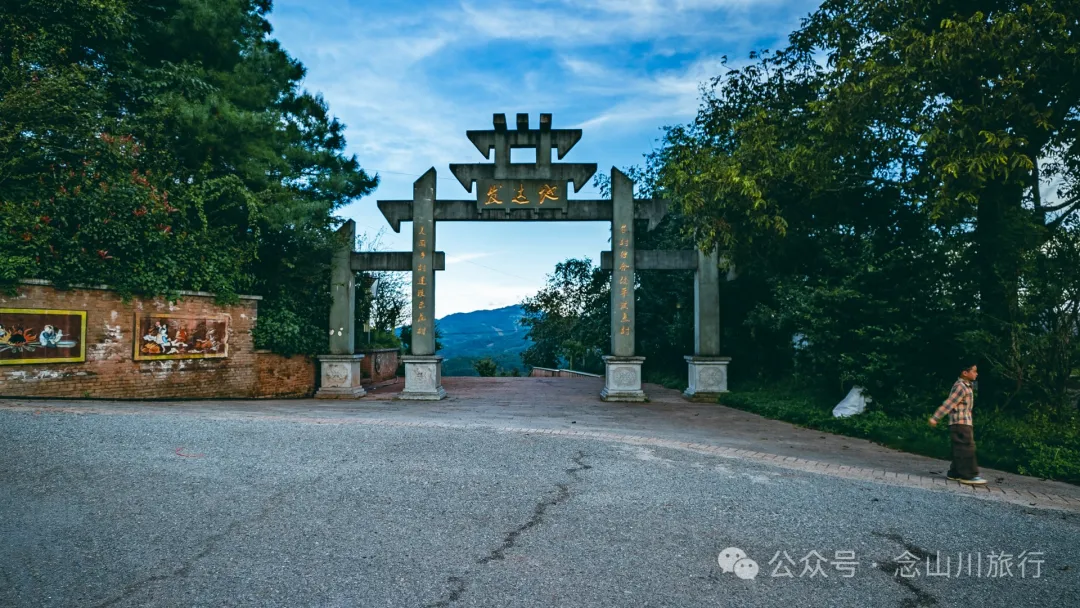
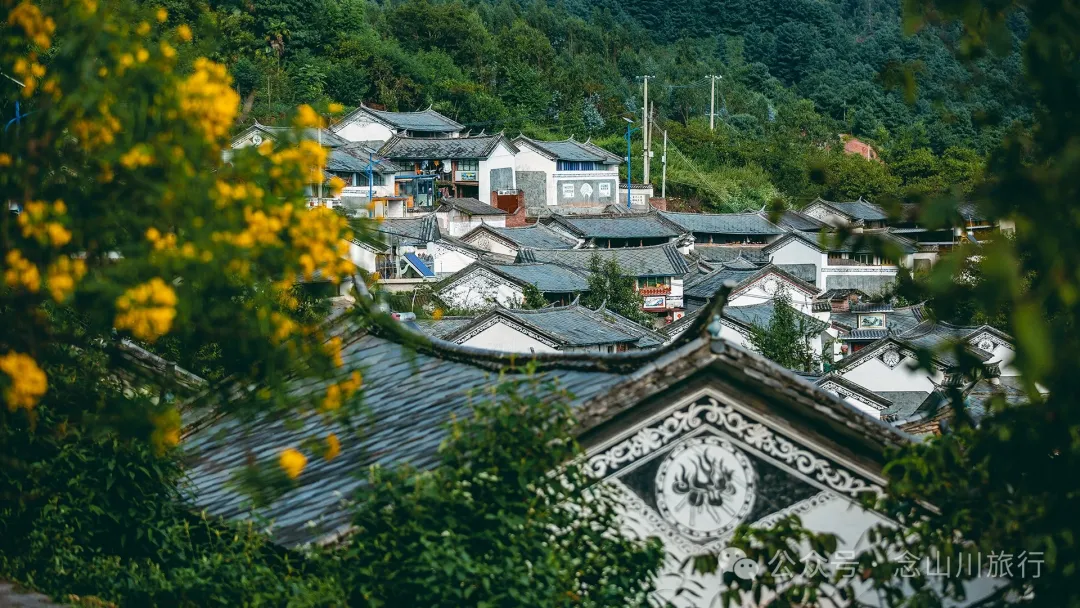
Fadadi Village is a village located in Wuliangshan Town, Nanjian Yi Autonomous County, Dali Bai Autonomous Prefecture, Yunnan Province, China. Originally named "Badadi," ten years ago it was a relatively backward mountain village where villagers mainly relied on growing traditional crops such as highland barley and bitter buckwheat, living in poverty. Walking through the village, one could occasionally see remnants of rammed earth structures, either tobacco curing rooms or livestock pens, testifying to the past impoverished life. However, over the past decade, Fadadi Village has undergone significant changes and development.
In 2014, Fadadi Village began pilot work on the confirmation, registration, and certification of rural land contract management rights, marking the start of a series of reforms. With the advancement of villager self-governance, the village implemented special self-governance systems and village regulations, electing villager councils and supervisory boards to strengthen self-management, self-education, and services. These measures effectively improved the living standards of villagers, greatly changed the village's appearance, and significantly increased per capita income.
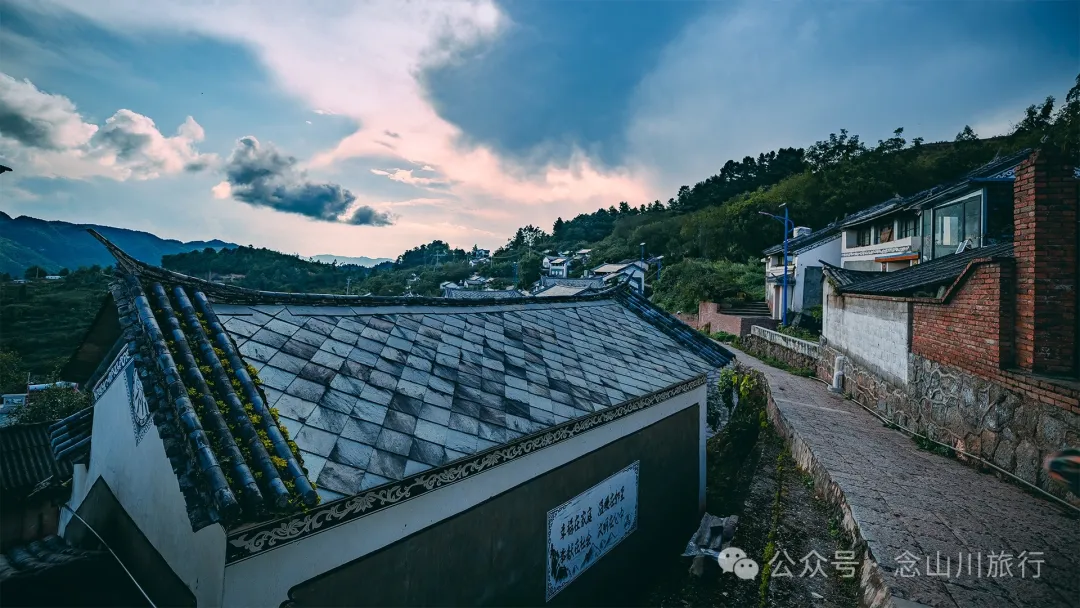
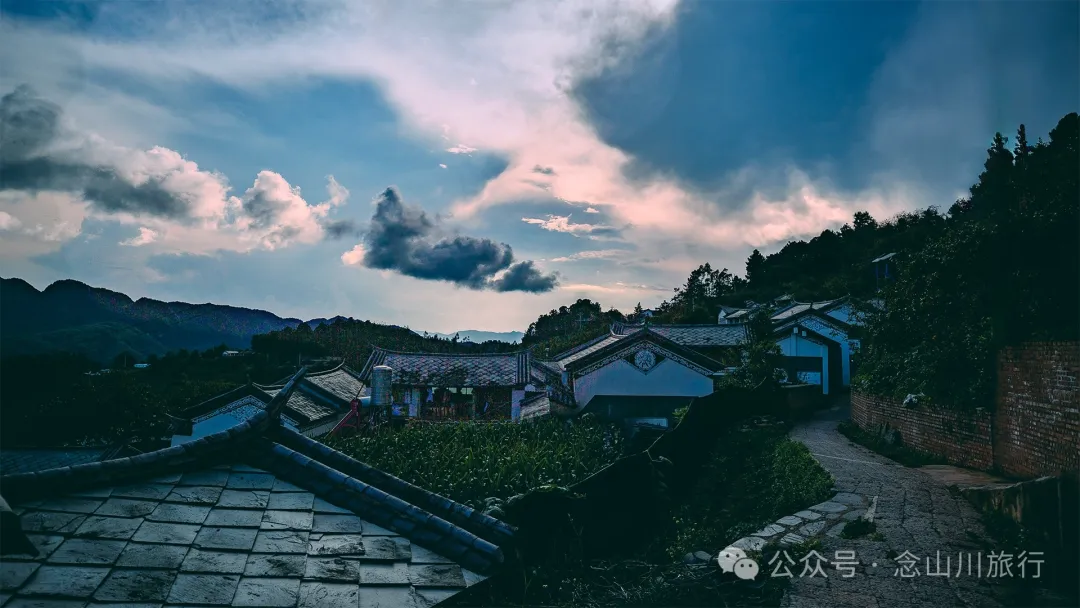
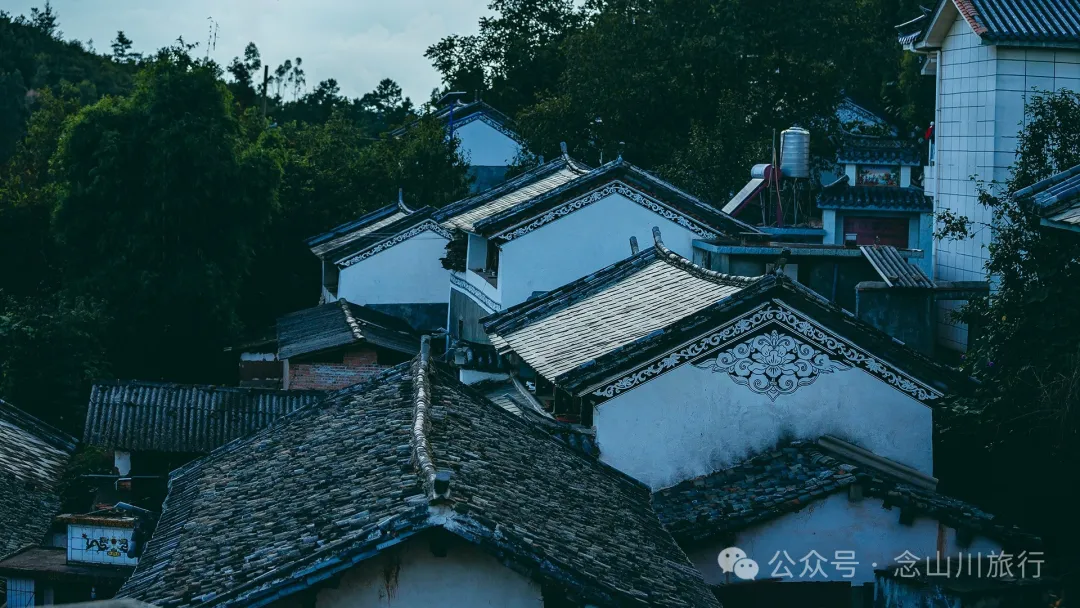
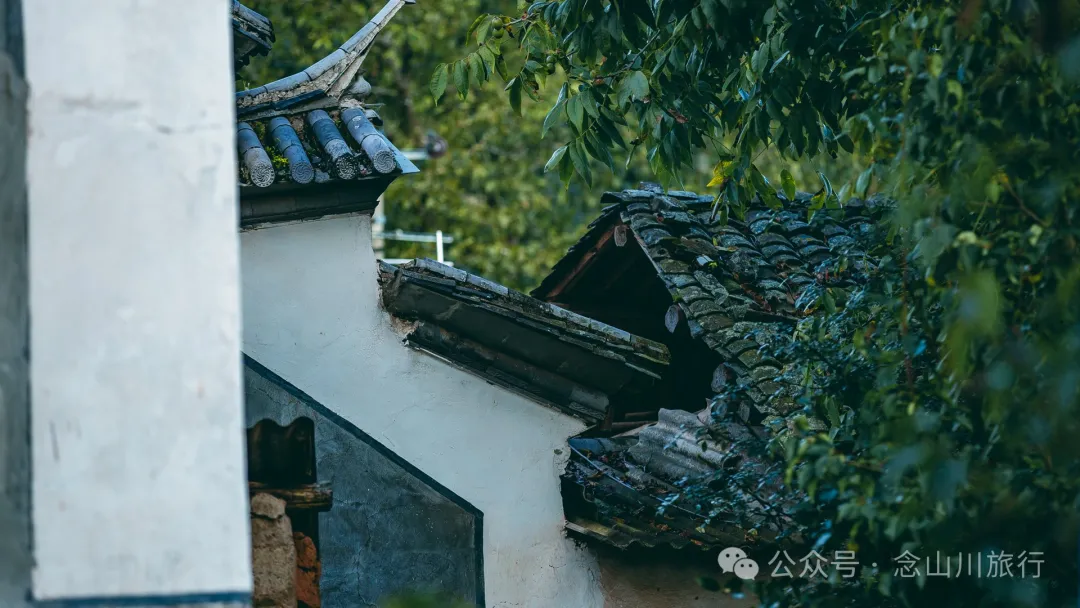
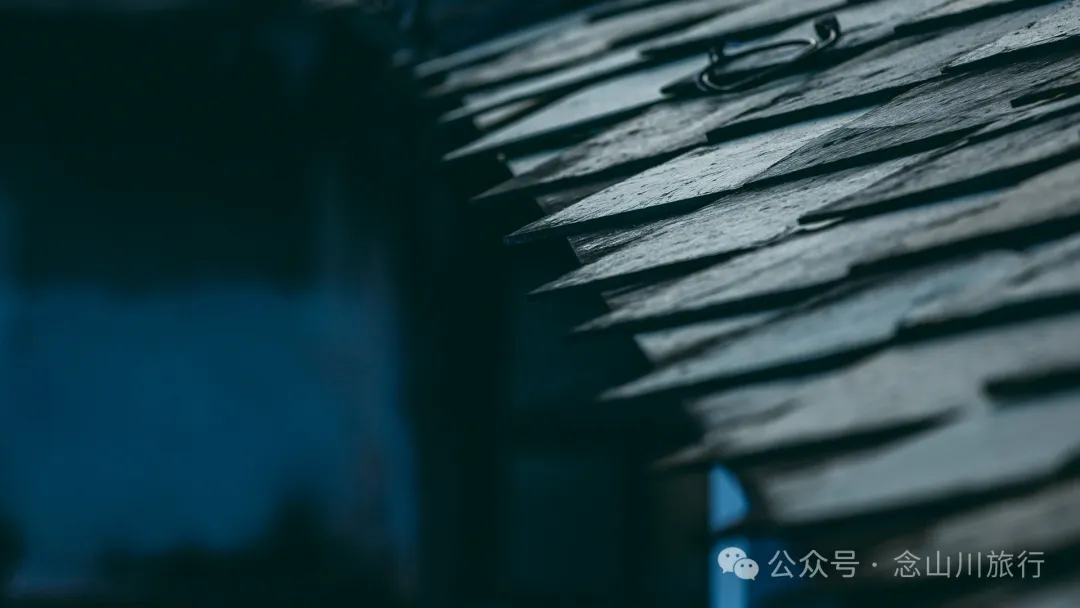
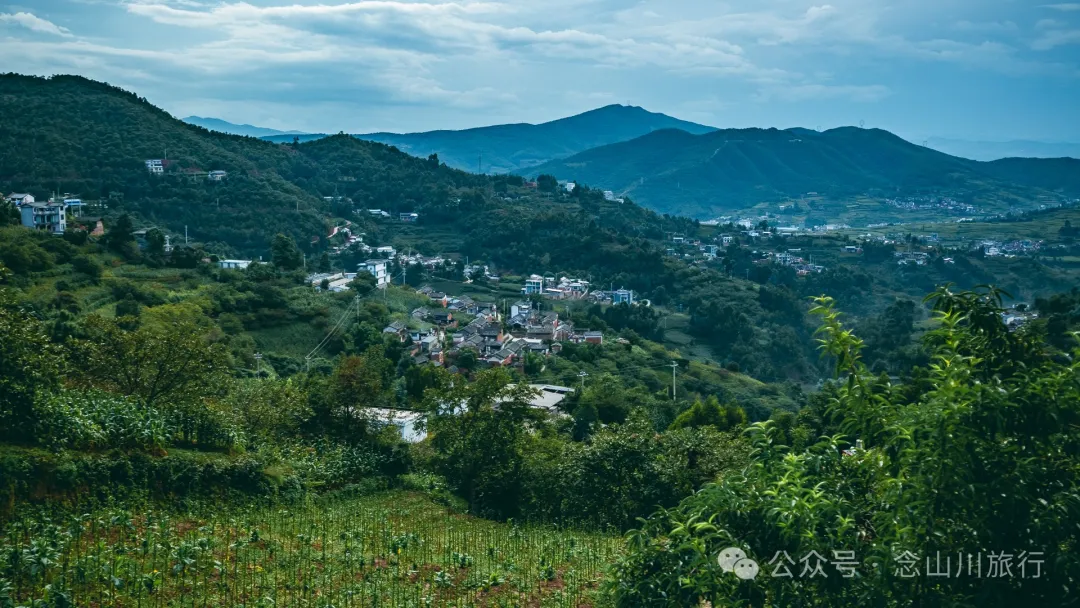
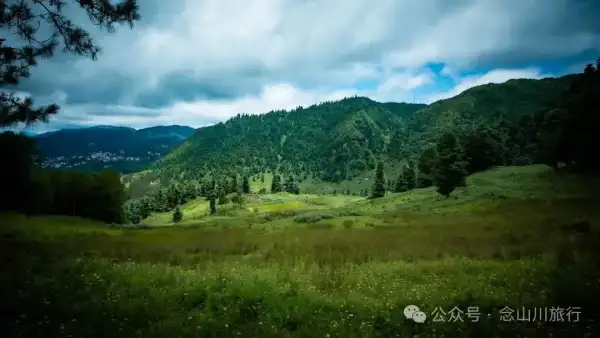
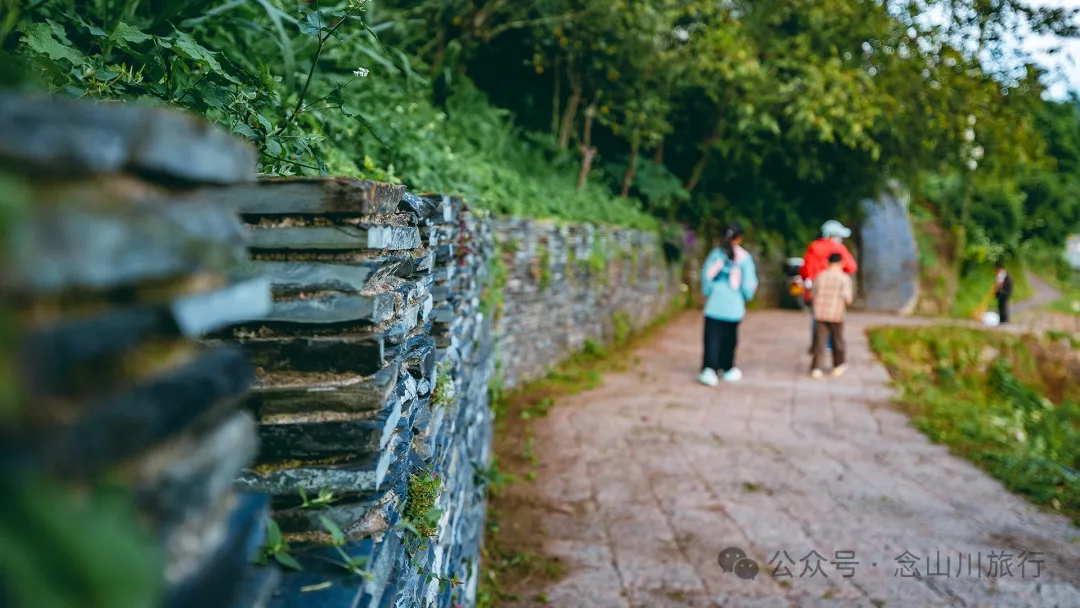
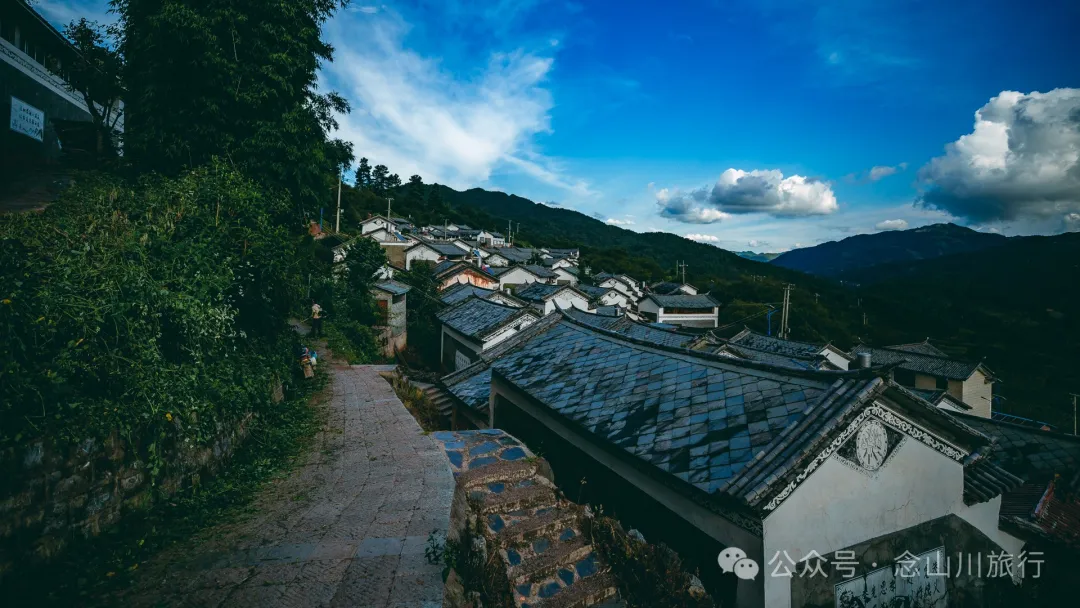
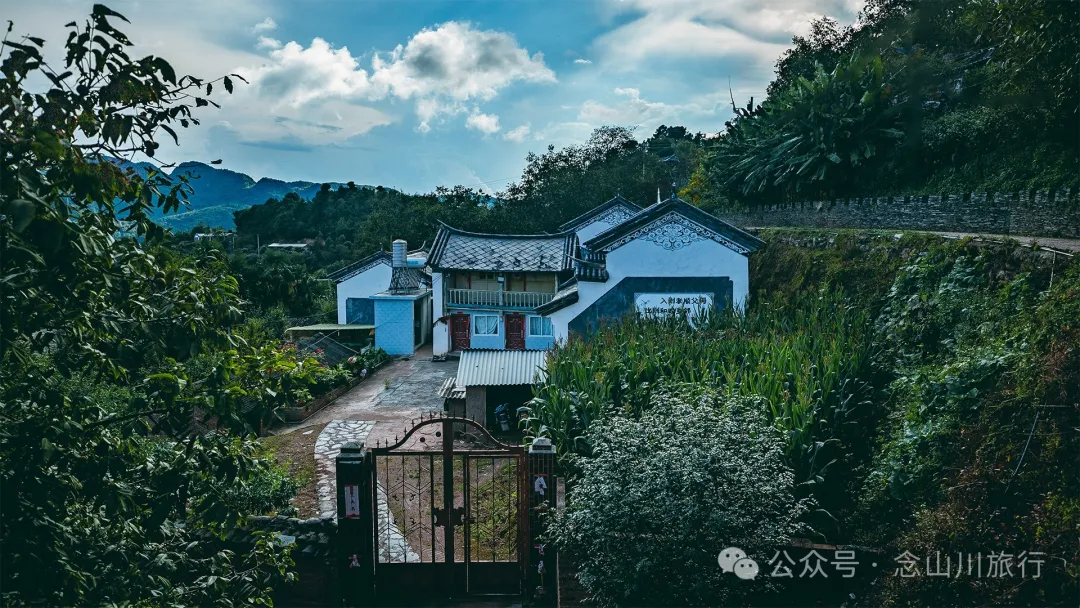
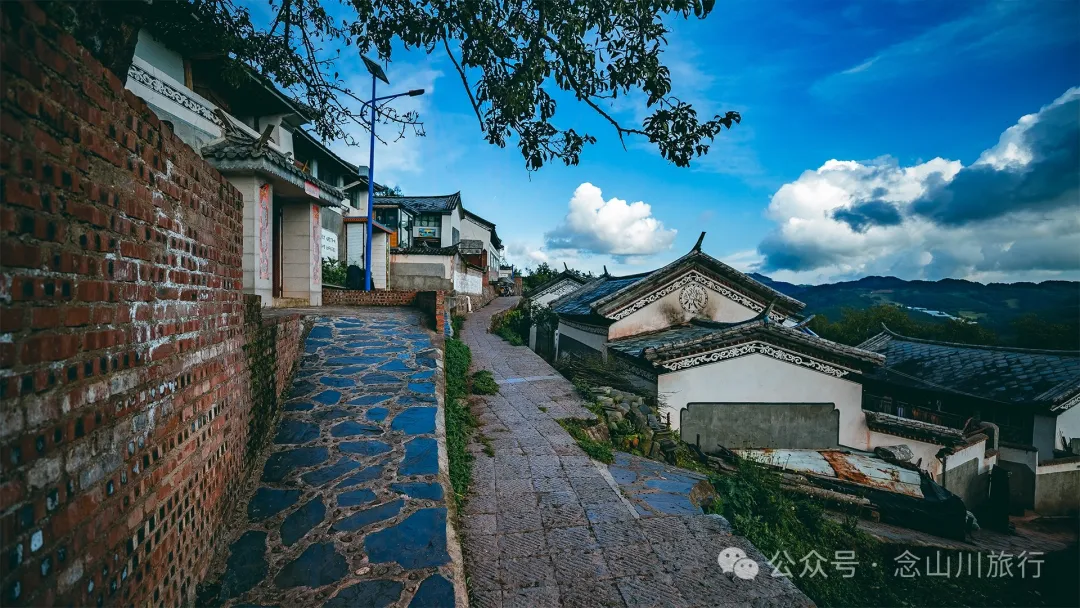
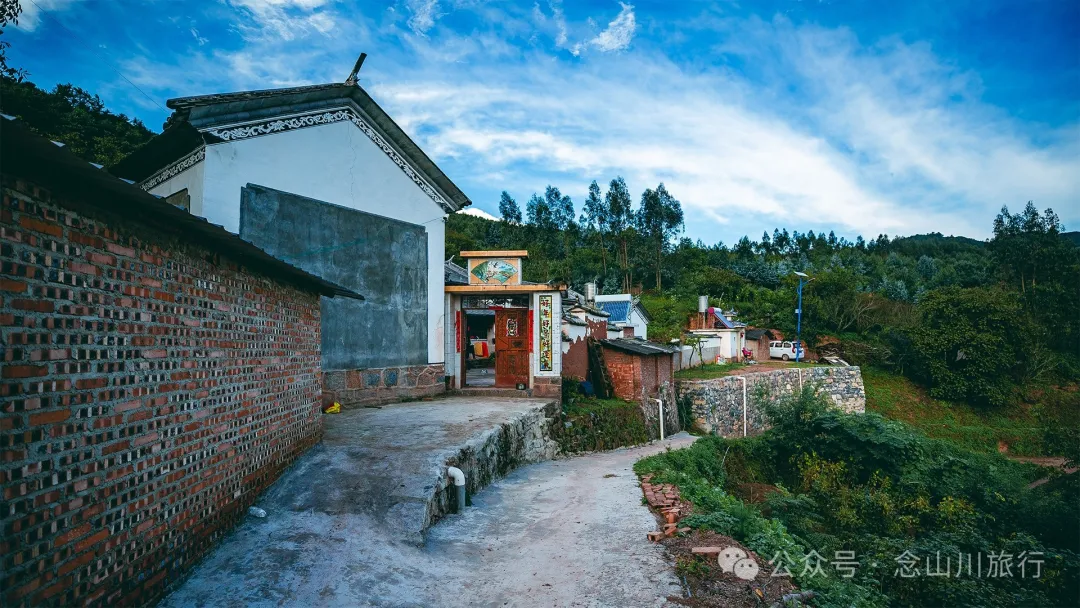
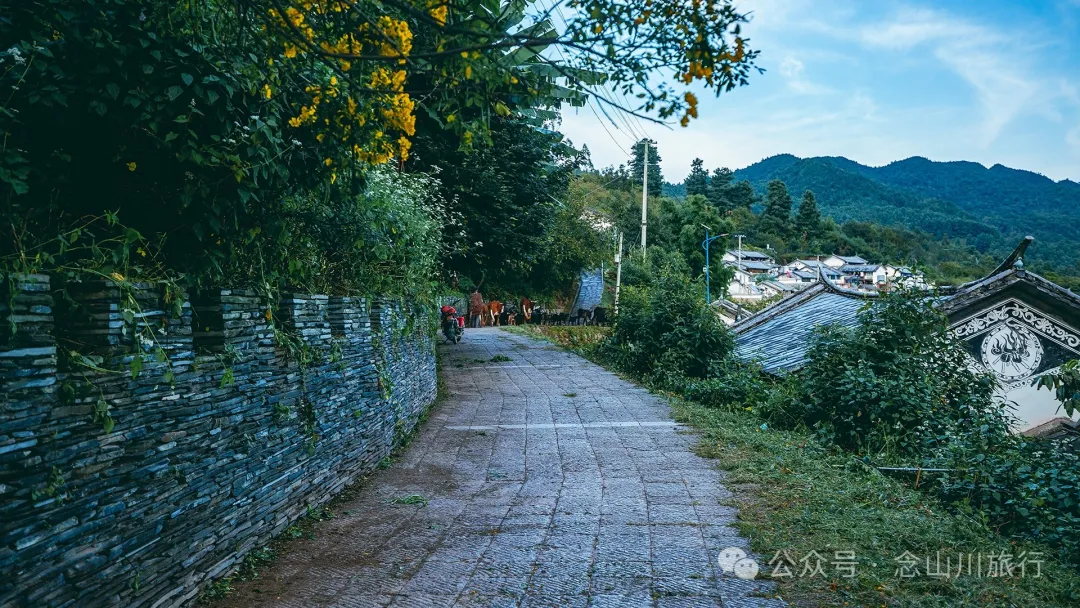
The infrastructure of Fadadi Village has been greatly improved, with a total investment of 12 million yuan for comprehensive construction. The village roads have been hardened, solar street lights installed, residential buildings renovated, dilapidated houses repaired, and public toilets, garbage pits, and drainage ditches built, greatly enhancing the living environment. Once dirty and messy, the village seemed out of place amidst the beautiful green mountains and clear waters. Through these measures, the internal environment of the village has been significantly improved, with livable buildings and tidy lanes striving to blend into the beautiful nature, evoking a strong sense of nostalgia in many.
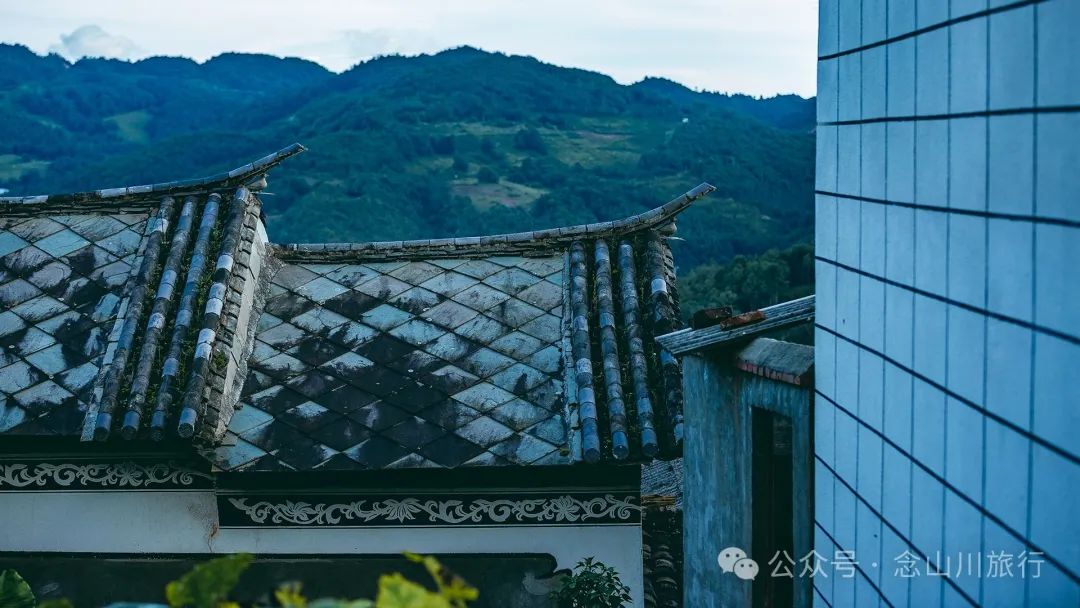
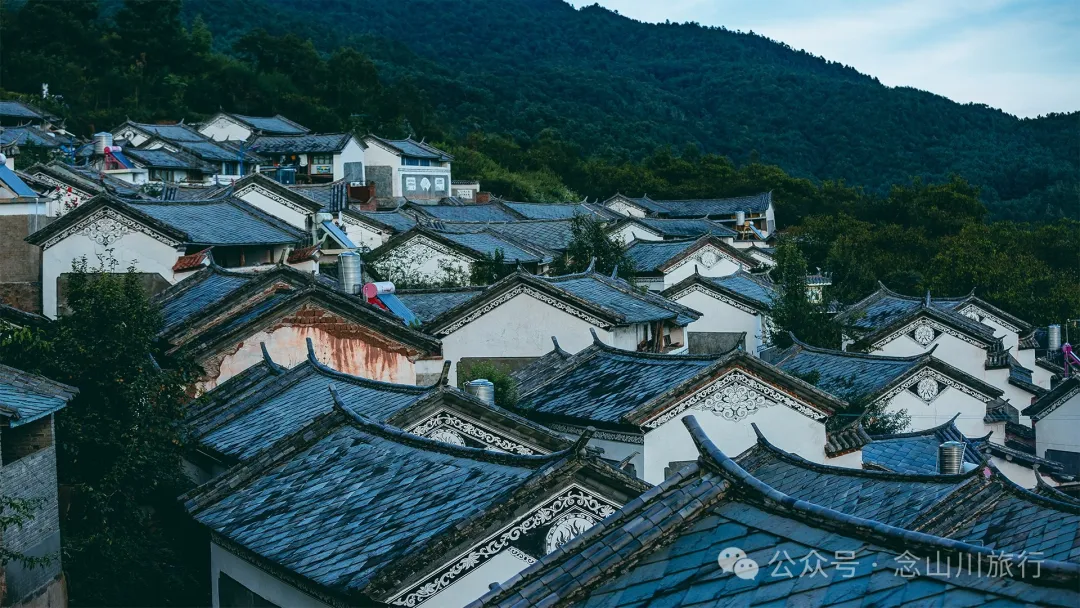
In addition to the dramatic changes in the village's appearance, Fadadi Village has also focused on industrial development. Relying on the development and construction of the Wuliang Medicine Valley, it has attracted many migrant workers to return and participate in construction. Village households have engaged in work in the medicine valley, while also developing traditional industries such as flue-cured tobacco, walnuts, and black-bone chickens, and actively cultivating vegetable industries like green pepper and tree head vegetables. The village also encourages the development of rural tourism, establishing agritainment, achieving poverty alleviation and increased tourism income.
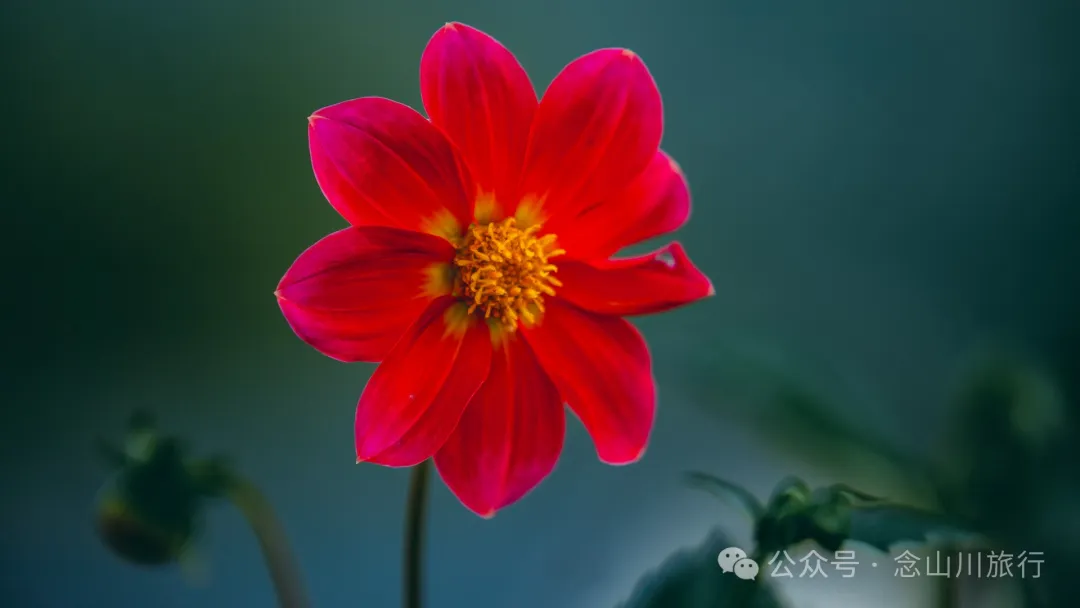
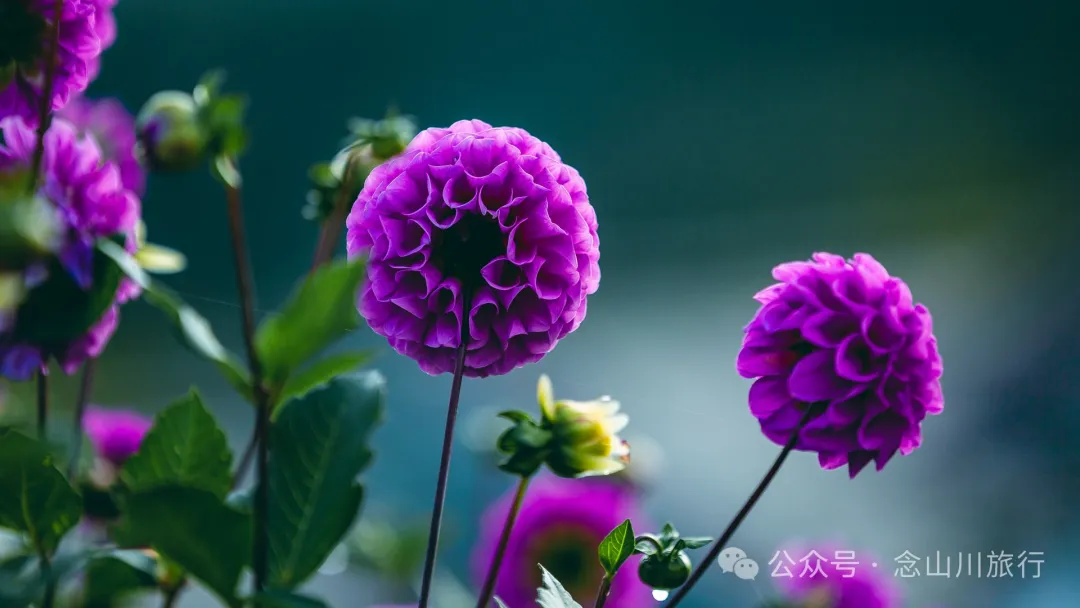
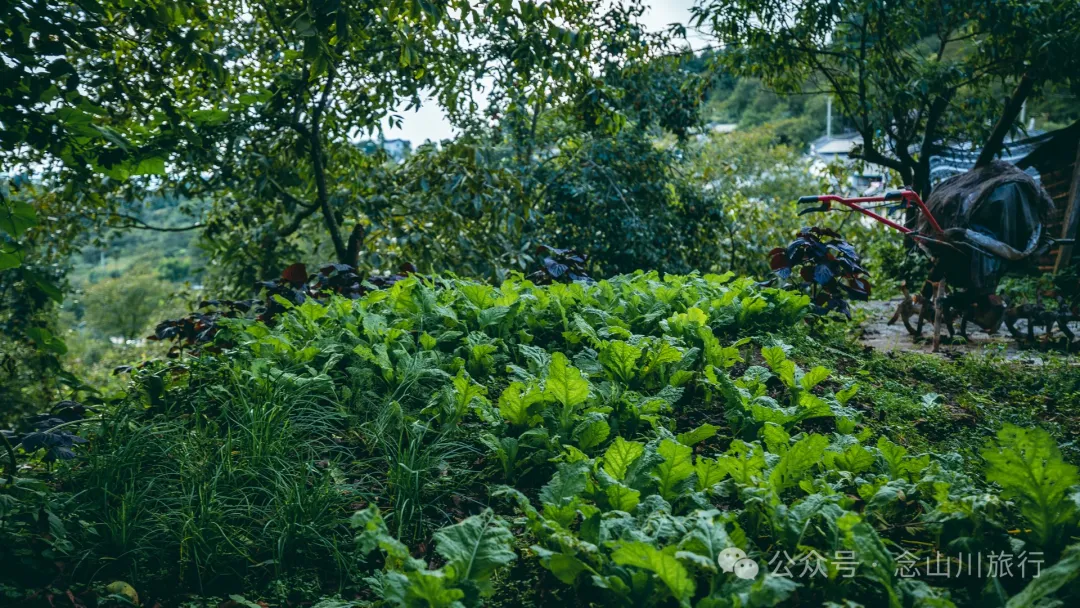
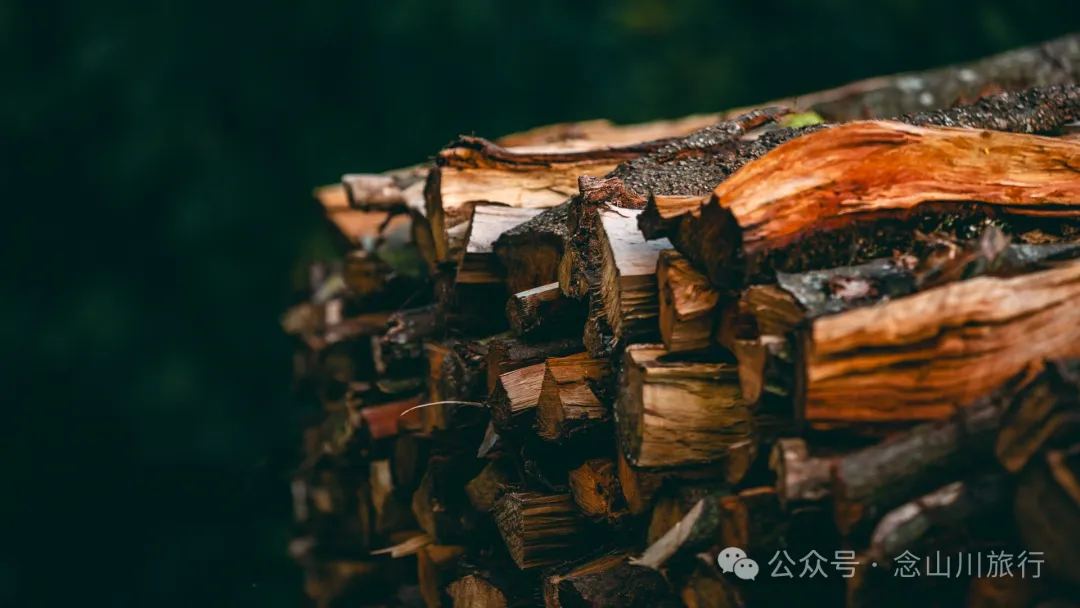
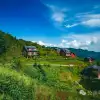
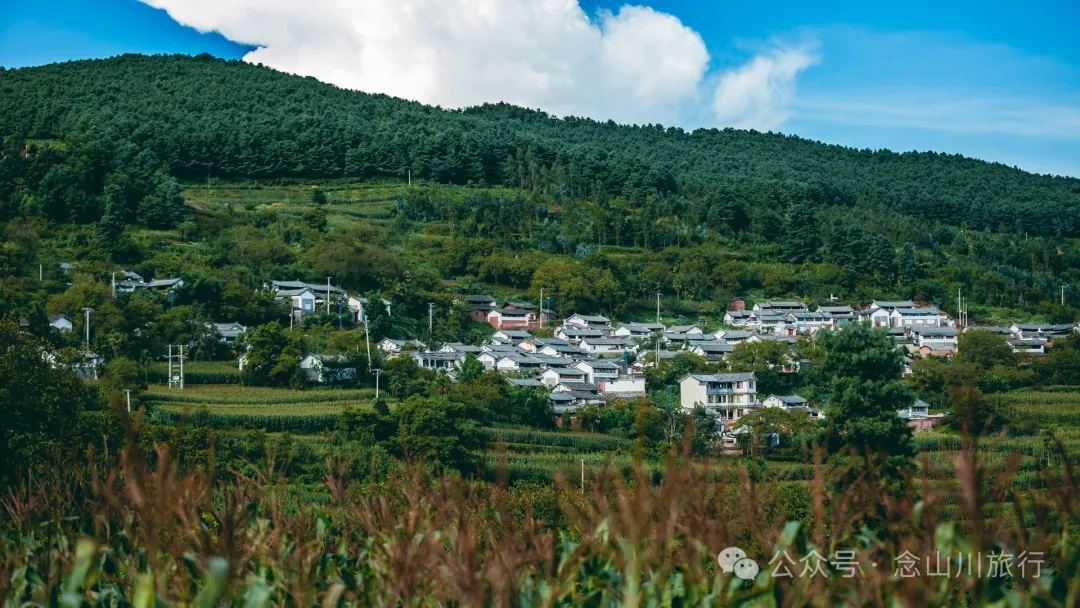
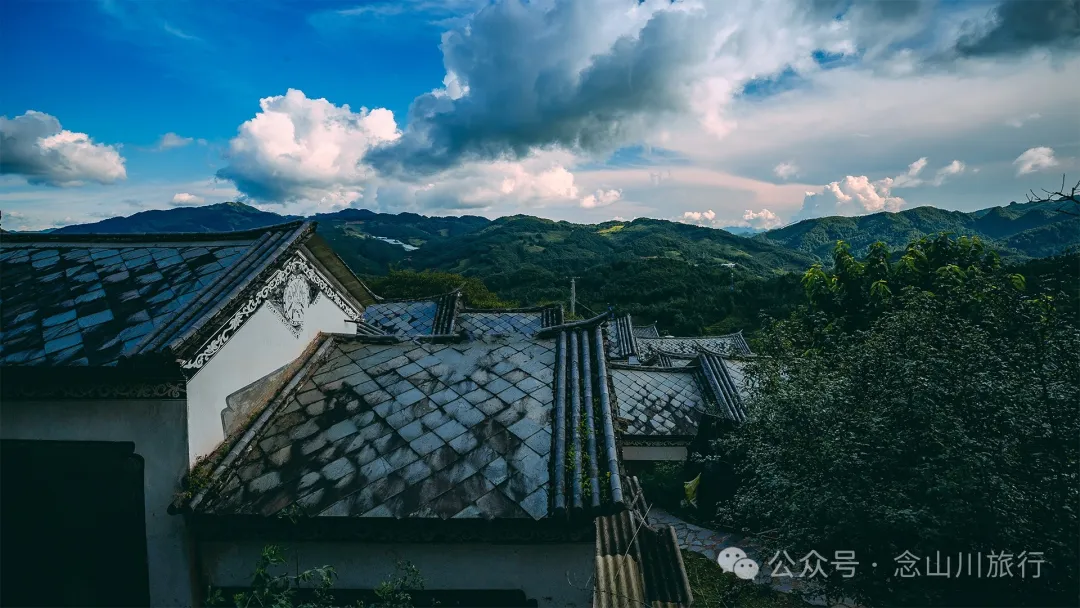
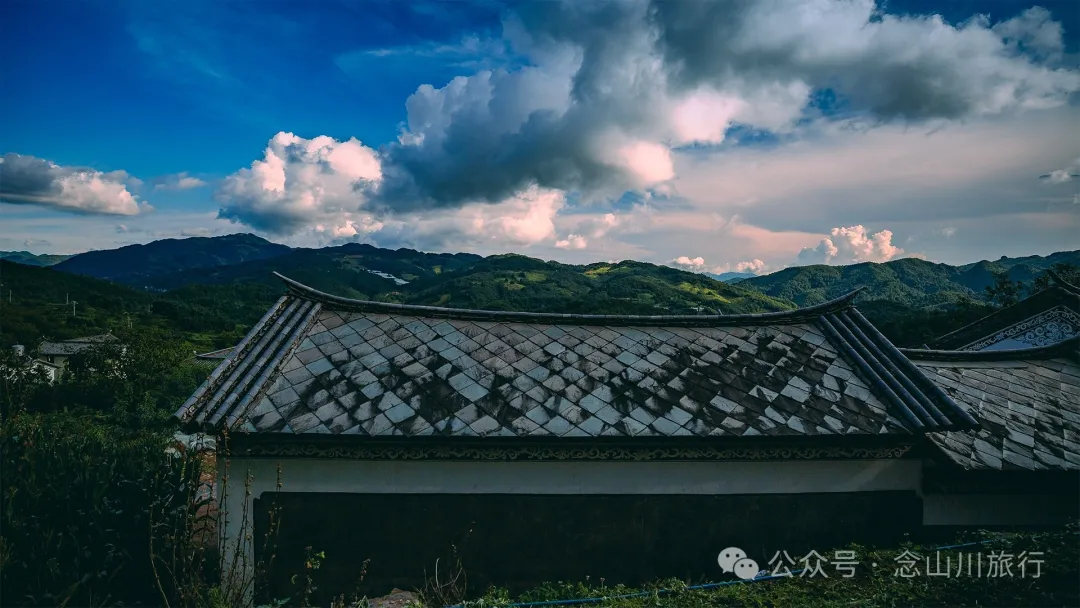
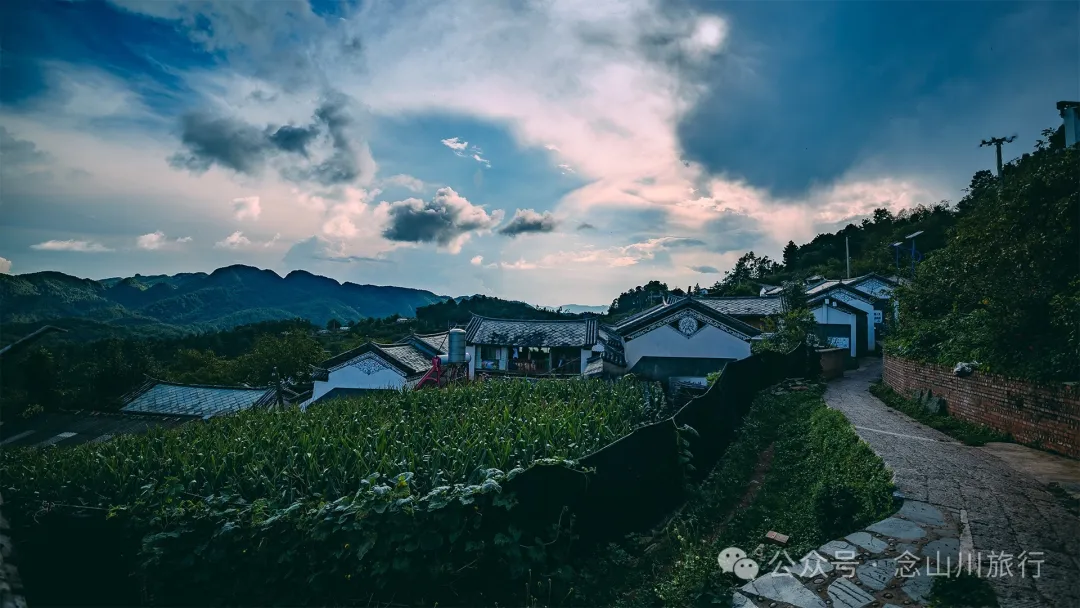
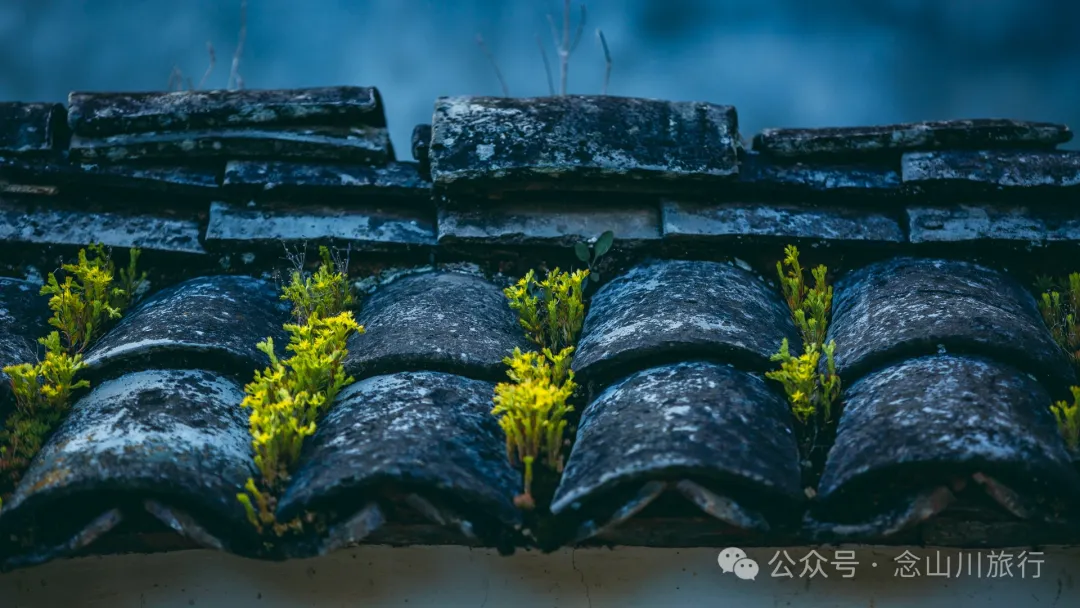
The village houses are arranged in a staggered manner, with roofs covered in green tiles and walls covered with ivy, harmoniously blending with the surrounding natural environment. The blooming flowers by the roadside are a little happiness for the villagers; after a hard day's work outside, a glance at these harmless and lovely things can quickly dispel fatigue.
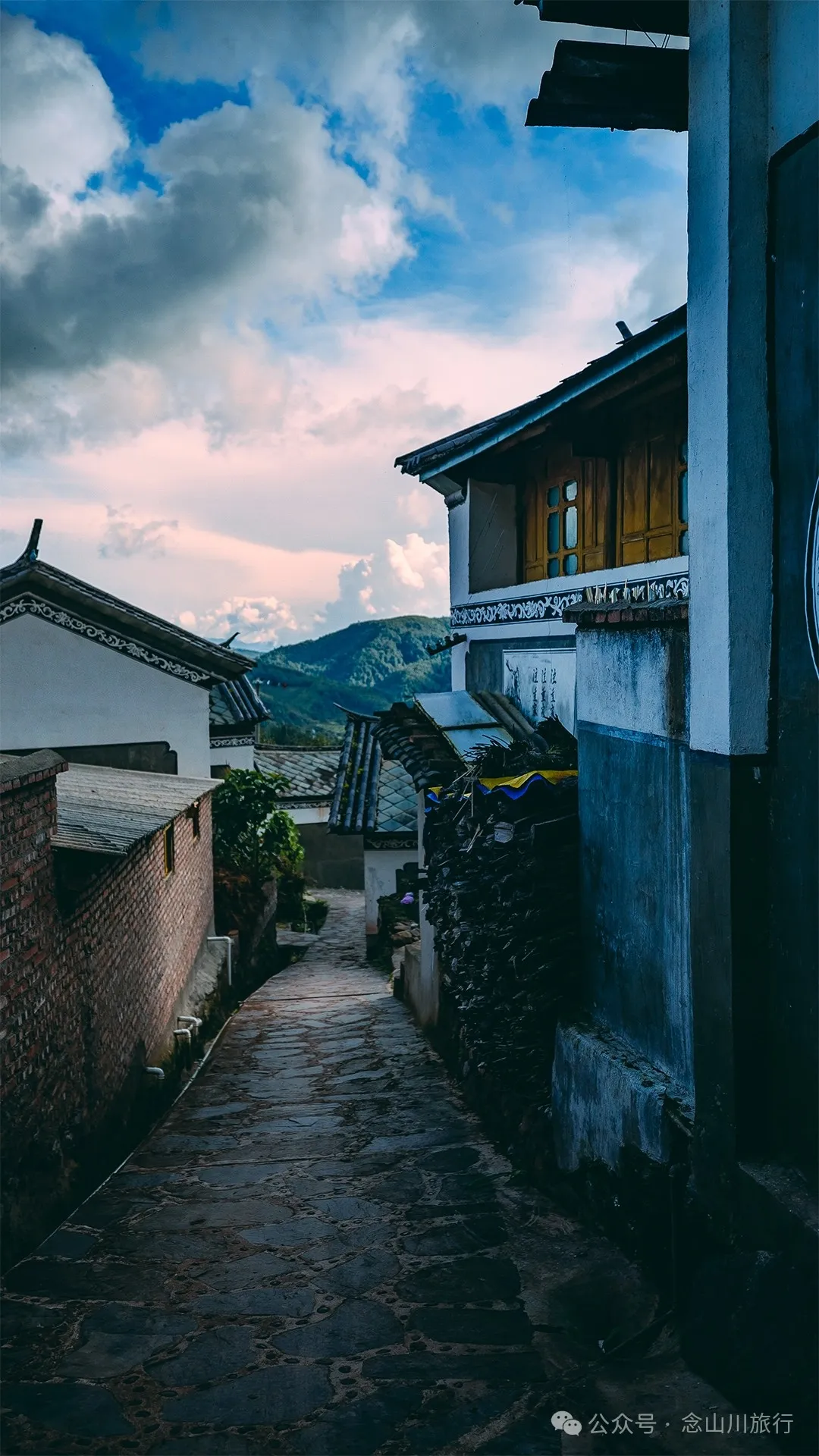
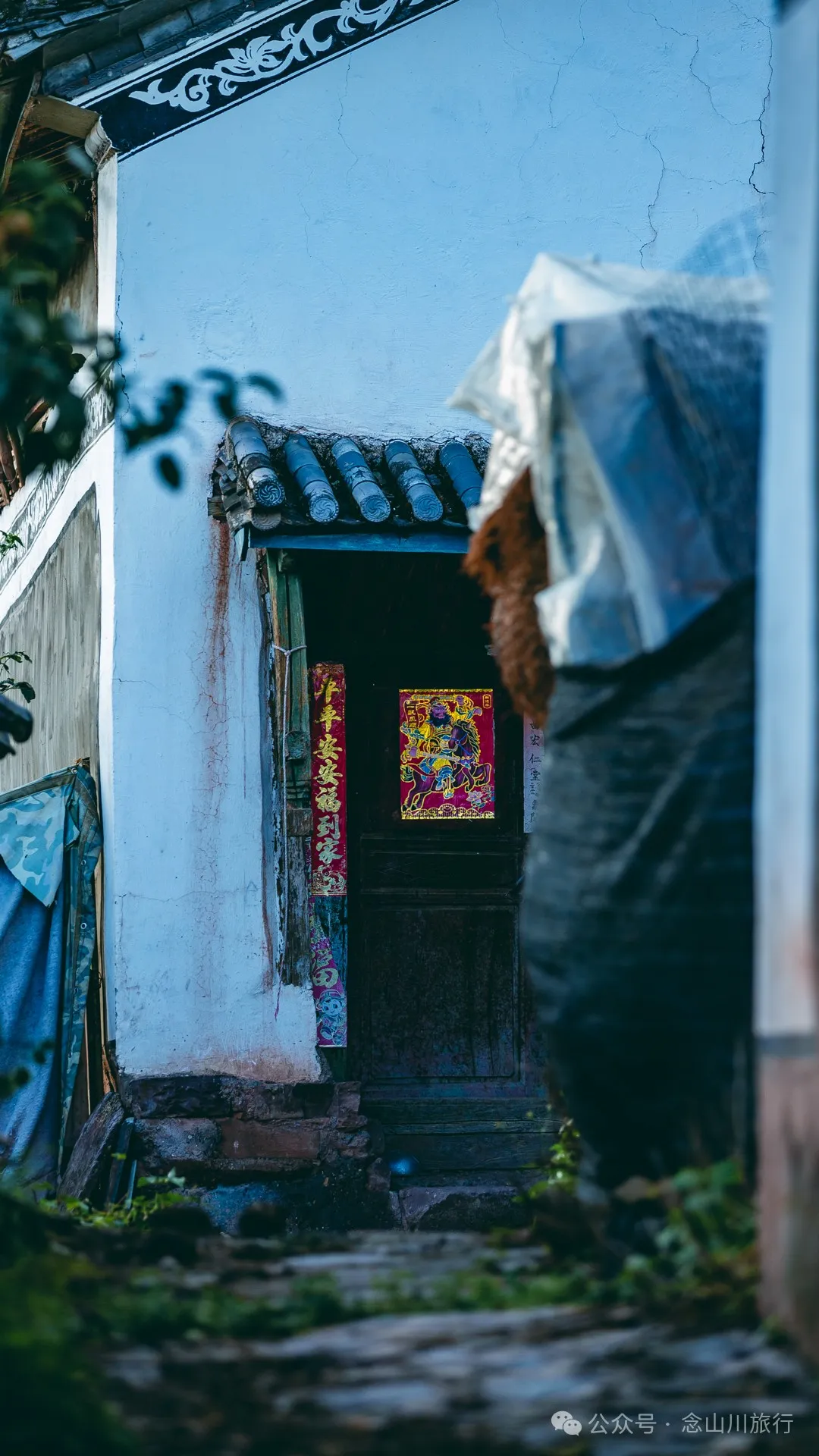
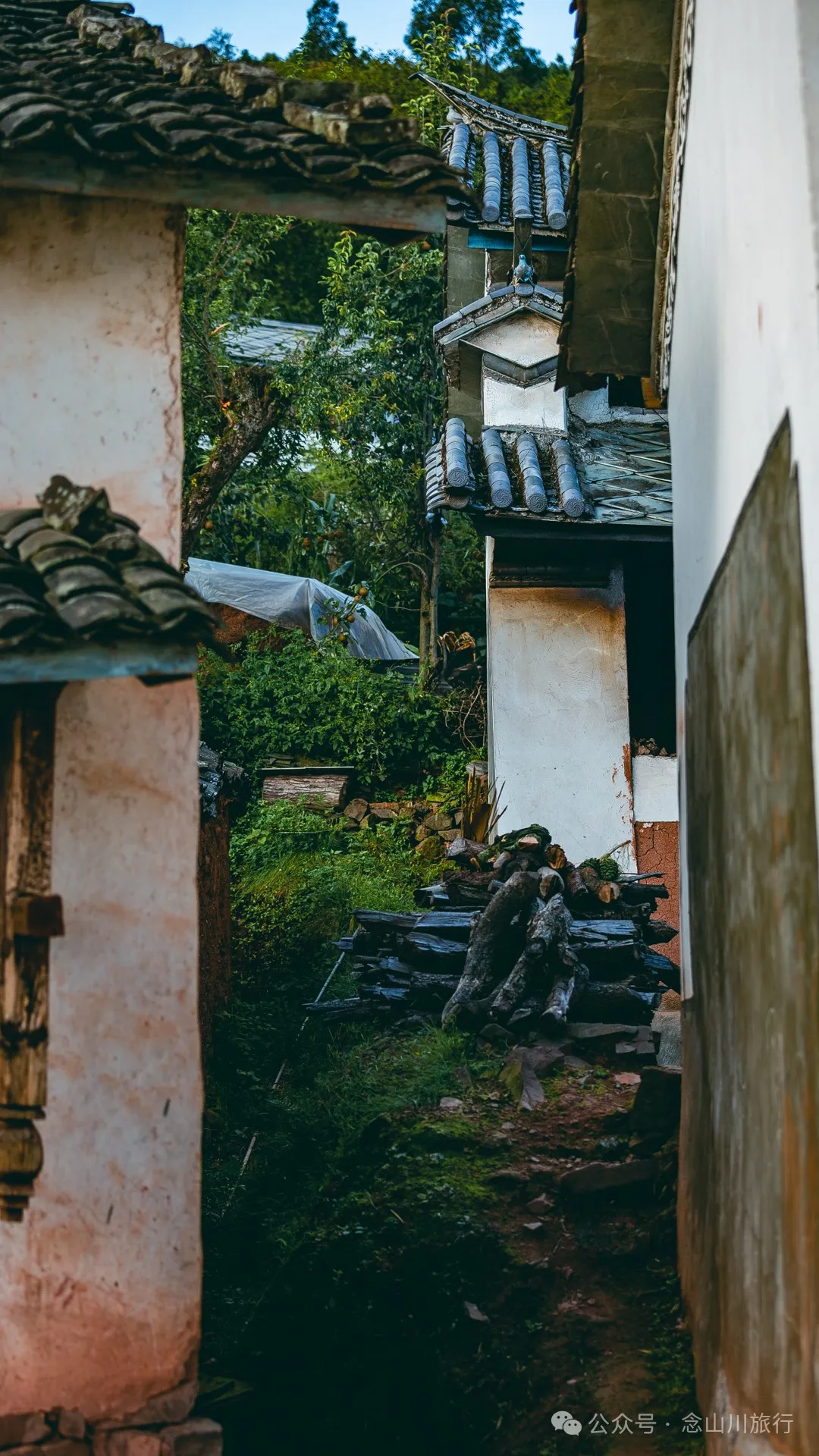
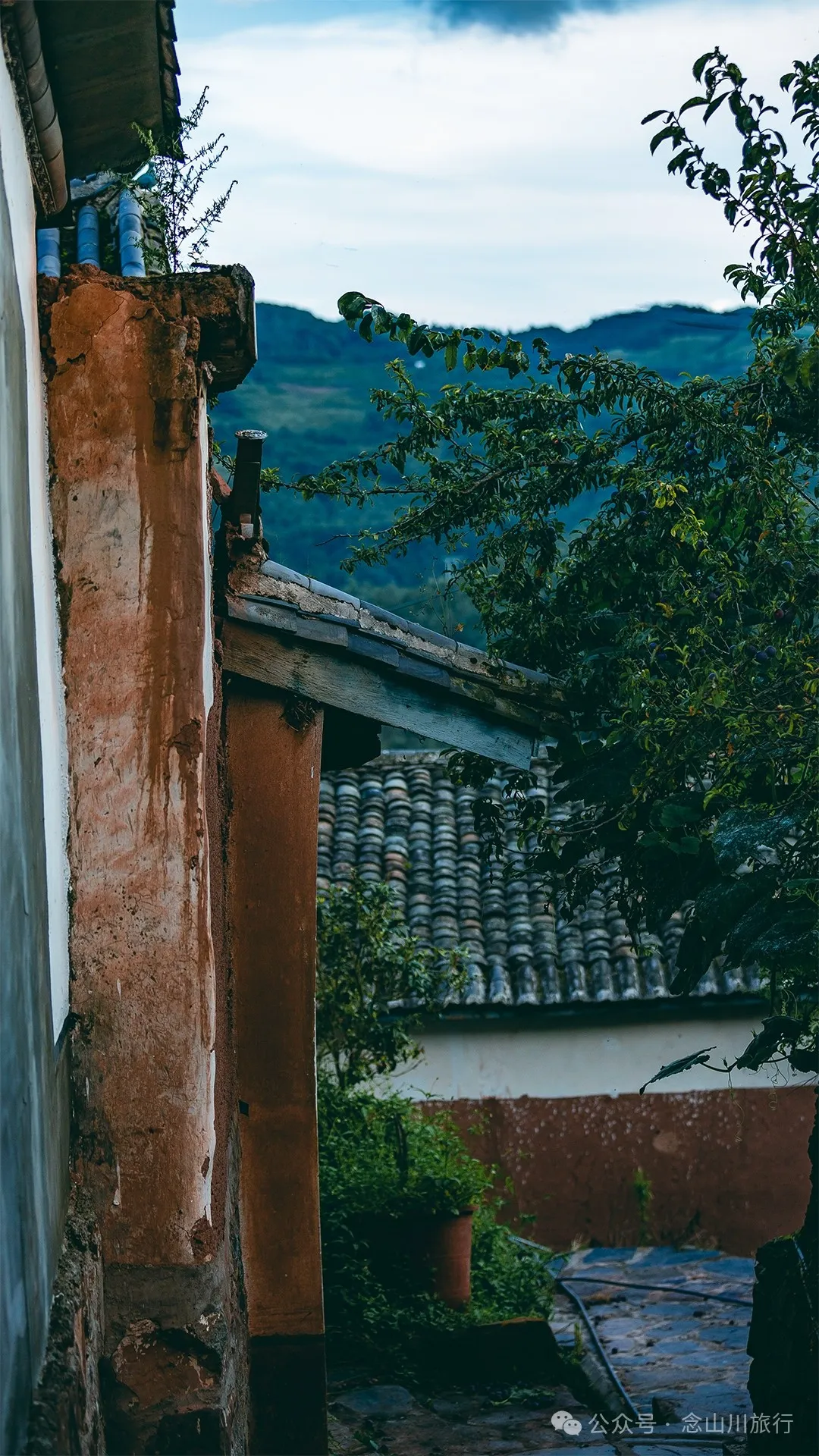
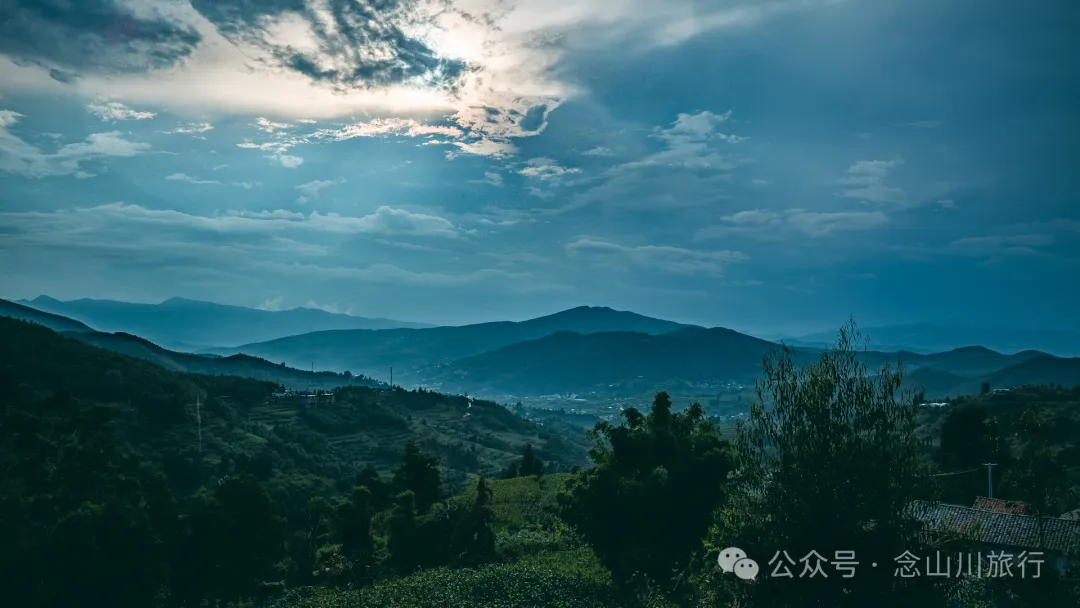
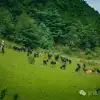
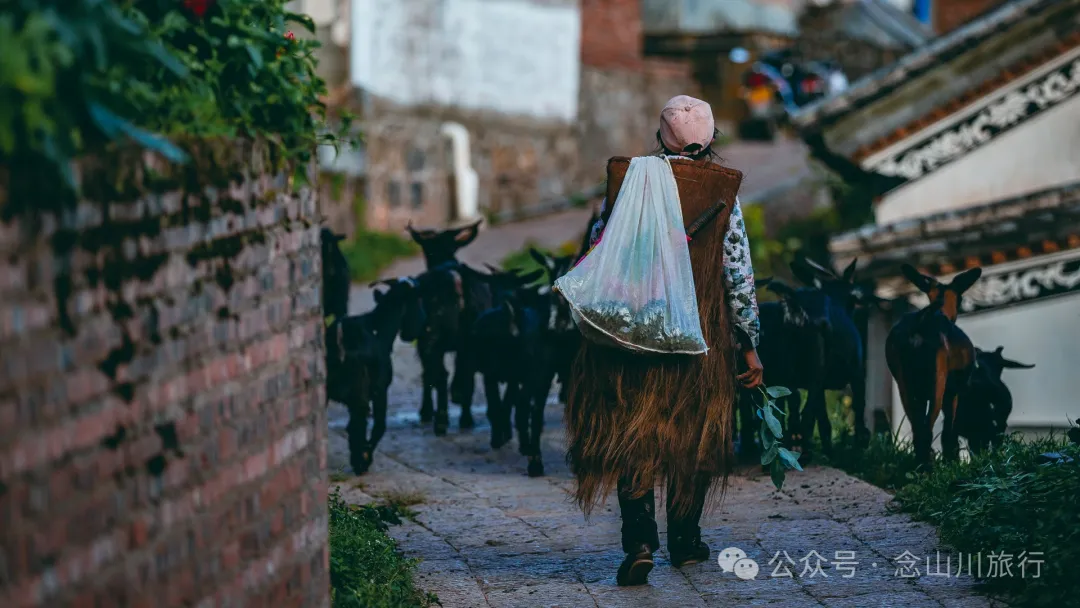
We entered this village, which had caught our attention from afar, at dusk. The blue sky and white clouds on the horizon were striving to add color to the village. The quiet village gradually became lively as the closed doors opened one by one, and the owners returned home from work. They drove their flocks of sheep and cattle, stepping on the afterglow of the setting sun. The clear sound of the bell on the lead sheep's neck composed a melodious pastoral song, drifting and merging into the rising wisps of cooking smoke. Smoke rose from the rooftops, heralding a hearty and warm dinner about to begin. When night fell, the starry sky was brilliant. Under the rural night sky, there was no worldly hustle and bustle or artificial lights, only peace and tranquility. People sat around under the starlight, telling ancient legends, or quietly listening to the sound of the night breeze, enjoying the beauty of this serenity.