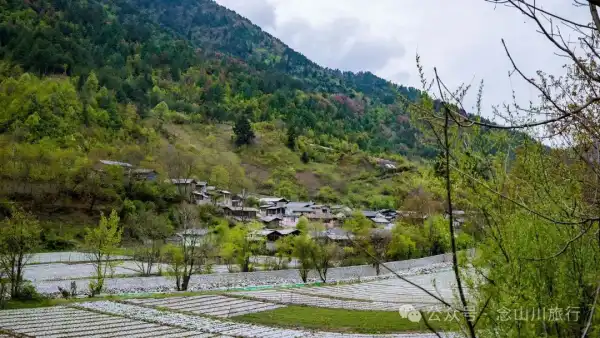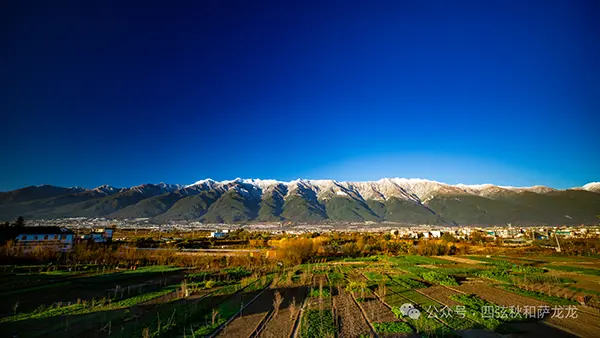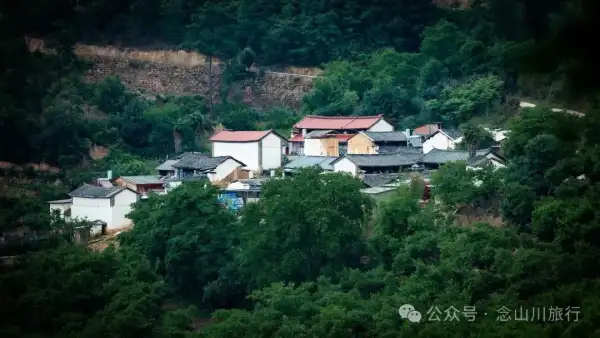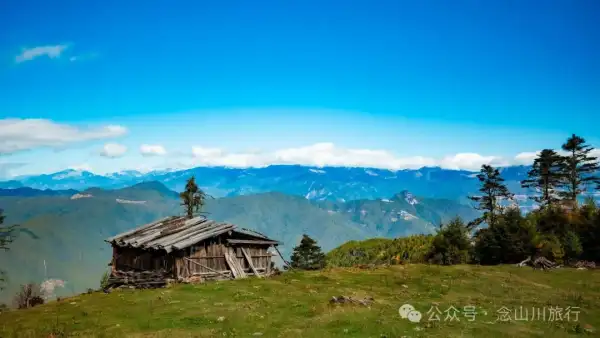

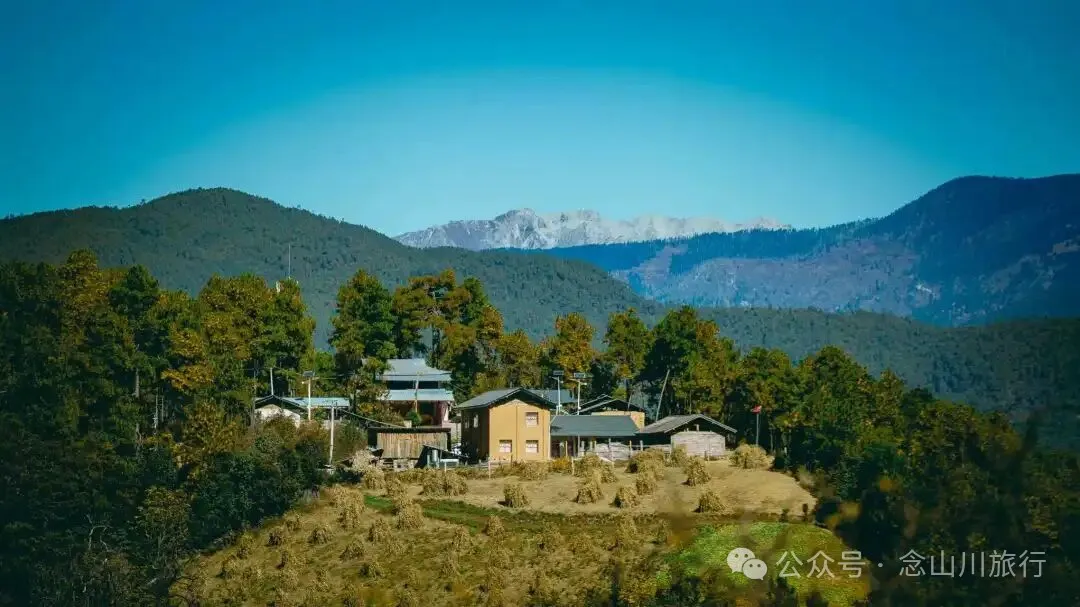
Before we even reached Wanong, the festive music of the Tibetan wedding drifted across a stream. The snow-capped mountains beyond the ridges seemed to hear it, standing on tiptoe to peek over the peaks and join in the joyous celebration. The bright sunshine matched the beautiful day, cheerful and radiant, filling everyone with delight. The afternoon tea had ended, and guests were sitting in small groups on the grassy slopes, basking in the sun, chatting away the time, waiting for the main feast and the evening's revelry.
In a spacious open hall, men and women had already formed a circle, dancing the xianzi dance clockwise. Several male villagers played the erhu, producing cheerful and melodious tunes while dancing with unrestrained grace, chanting improvised lyrics in Tibetan. Compared to the men's free-spirited dance, the women's movements were gentler and more graceful. Everyone followed the lead dancer (the musician), repeating the lyrics he composed. Different songs matched different dance moves, but the lyrics were all celebratory, full of blessings for the newlyweds.
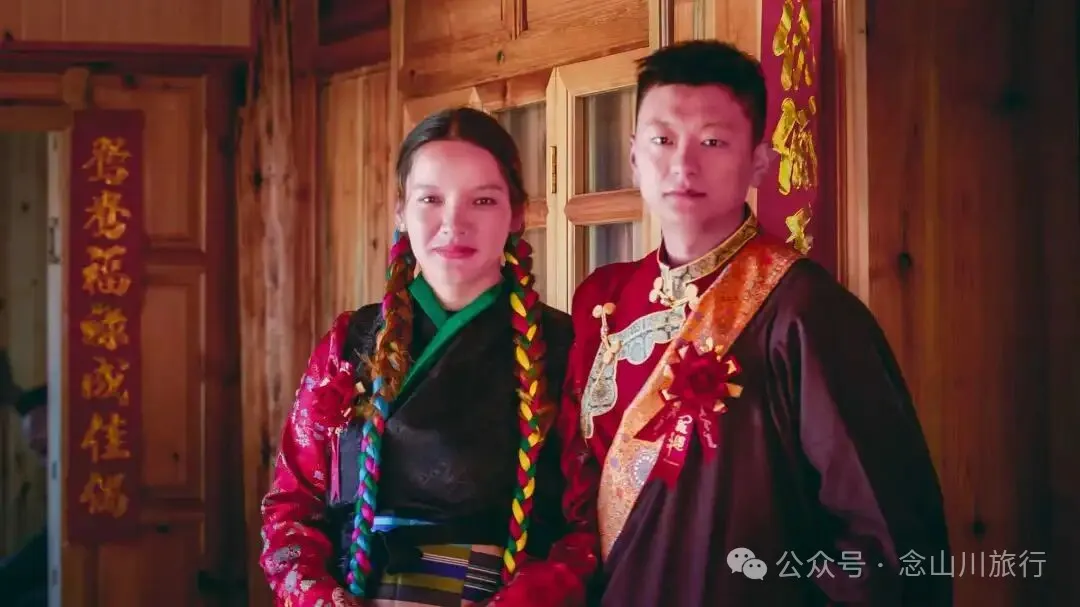
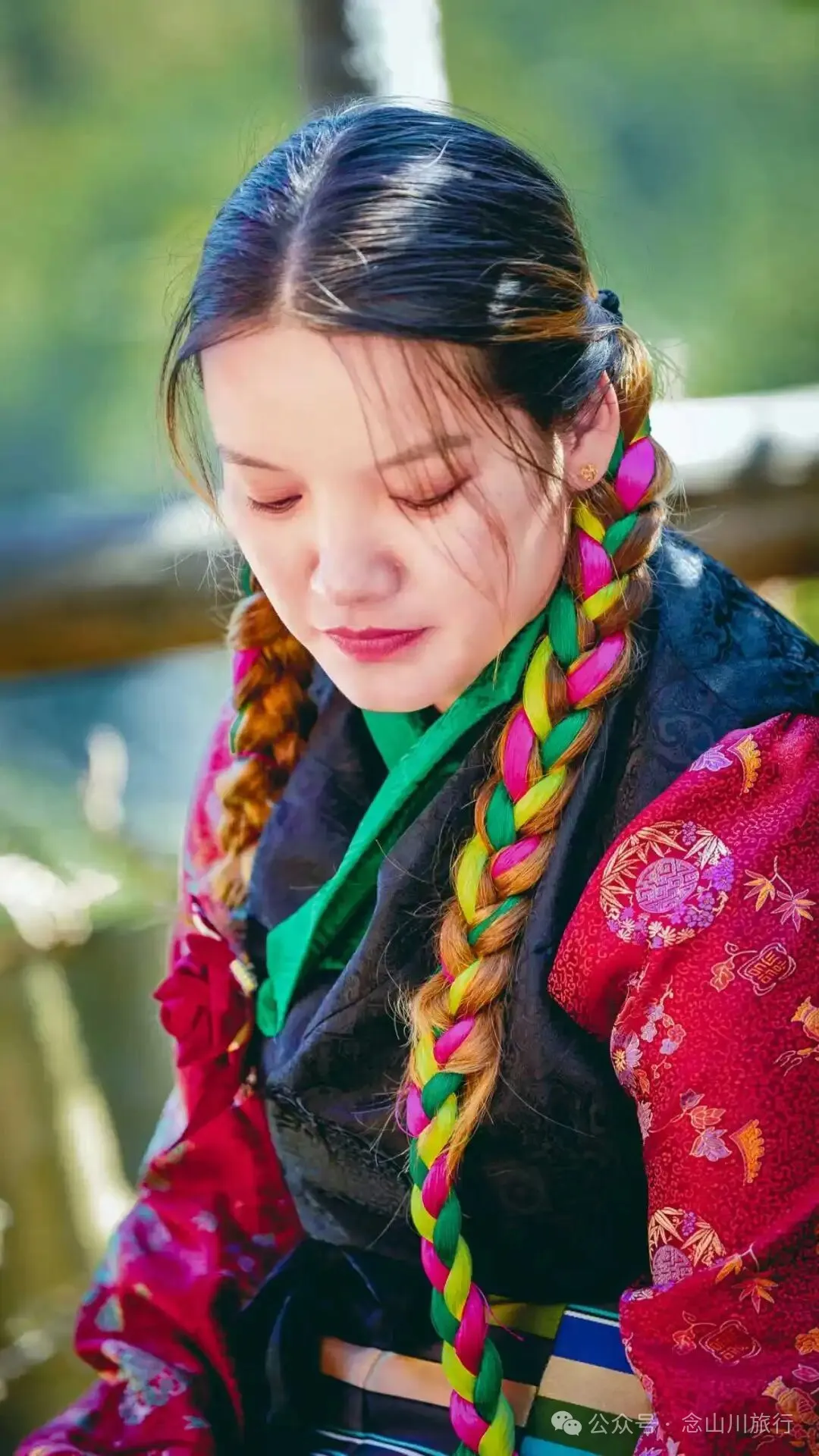
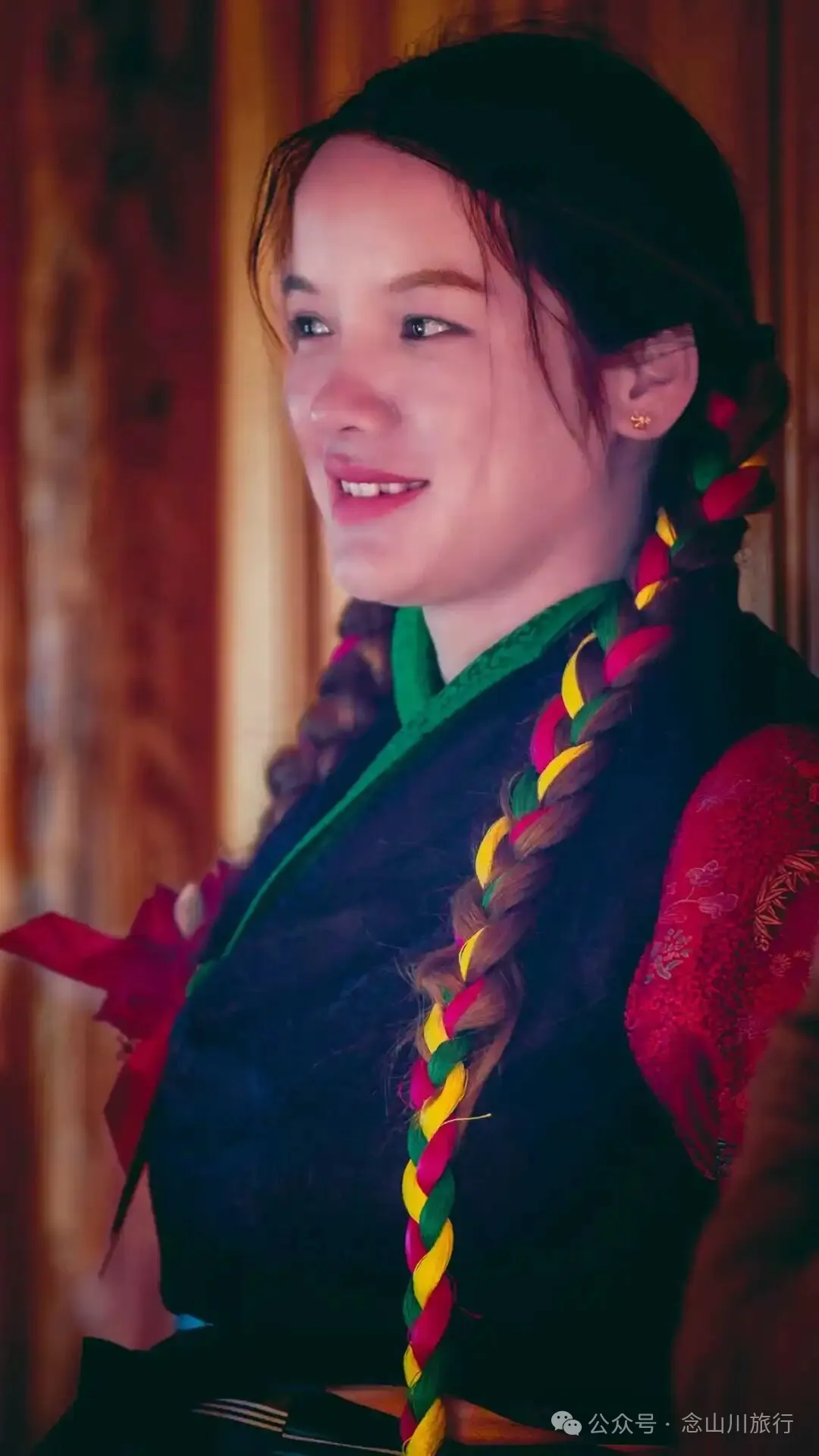
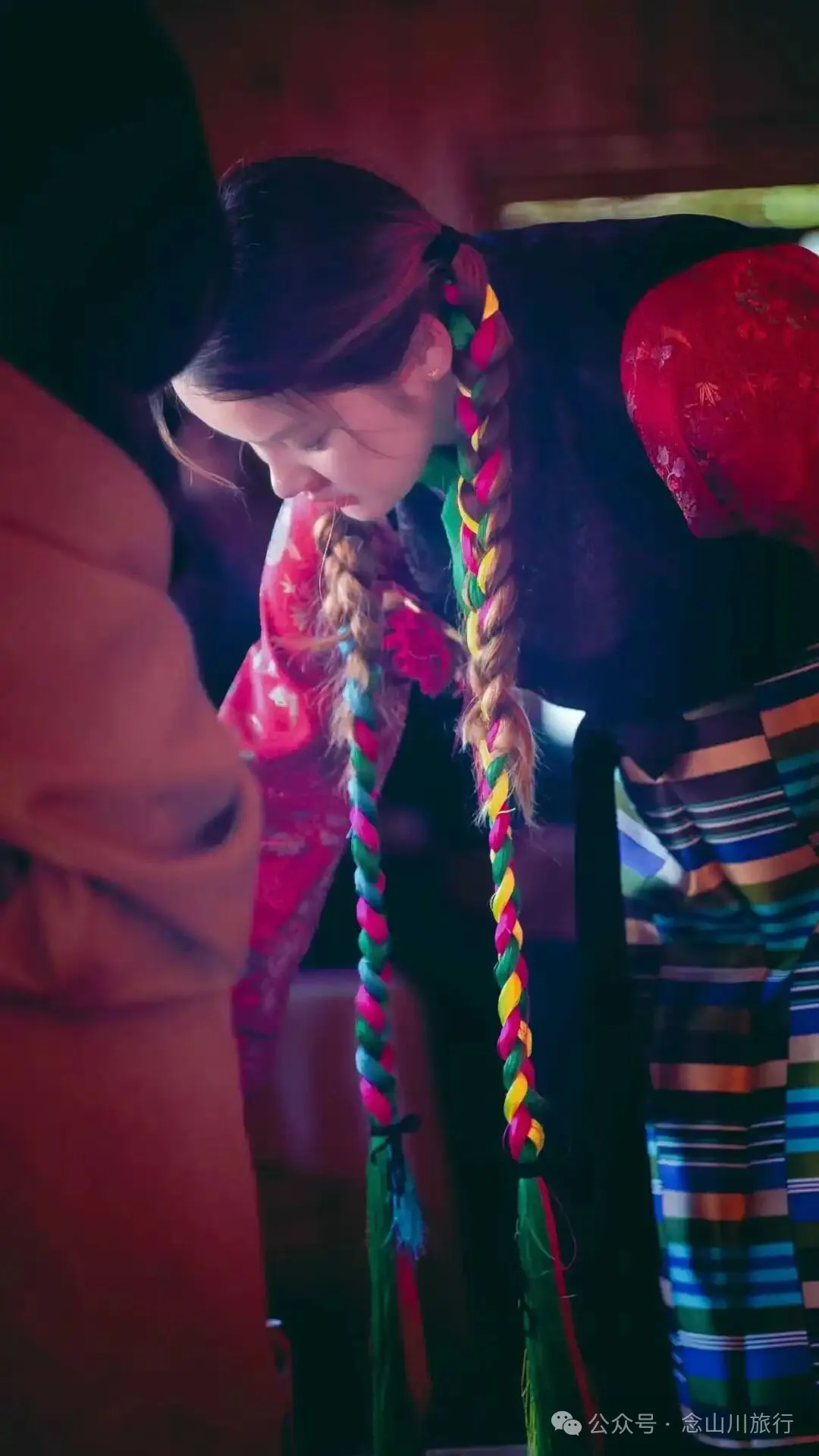
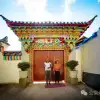
Finally, we saw the bride and groom in their Tibetan wedding attire, standing in the sunlight at the entrance, warmly welcoming every guest. When no guests arrived, the bride would take a break, sitting in the shade of a tree to rest, while the groom sat beside her, chatting and laughing. Their overflowing happiness was everywhere. Once all the guests had arrived, they could relax briefly, returning to the bridal chamber to laugh and talk with young friends. At that moment, it felt like they were facing an ordinary day in everyday life.
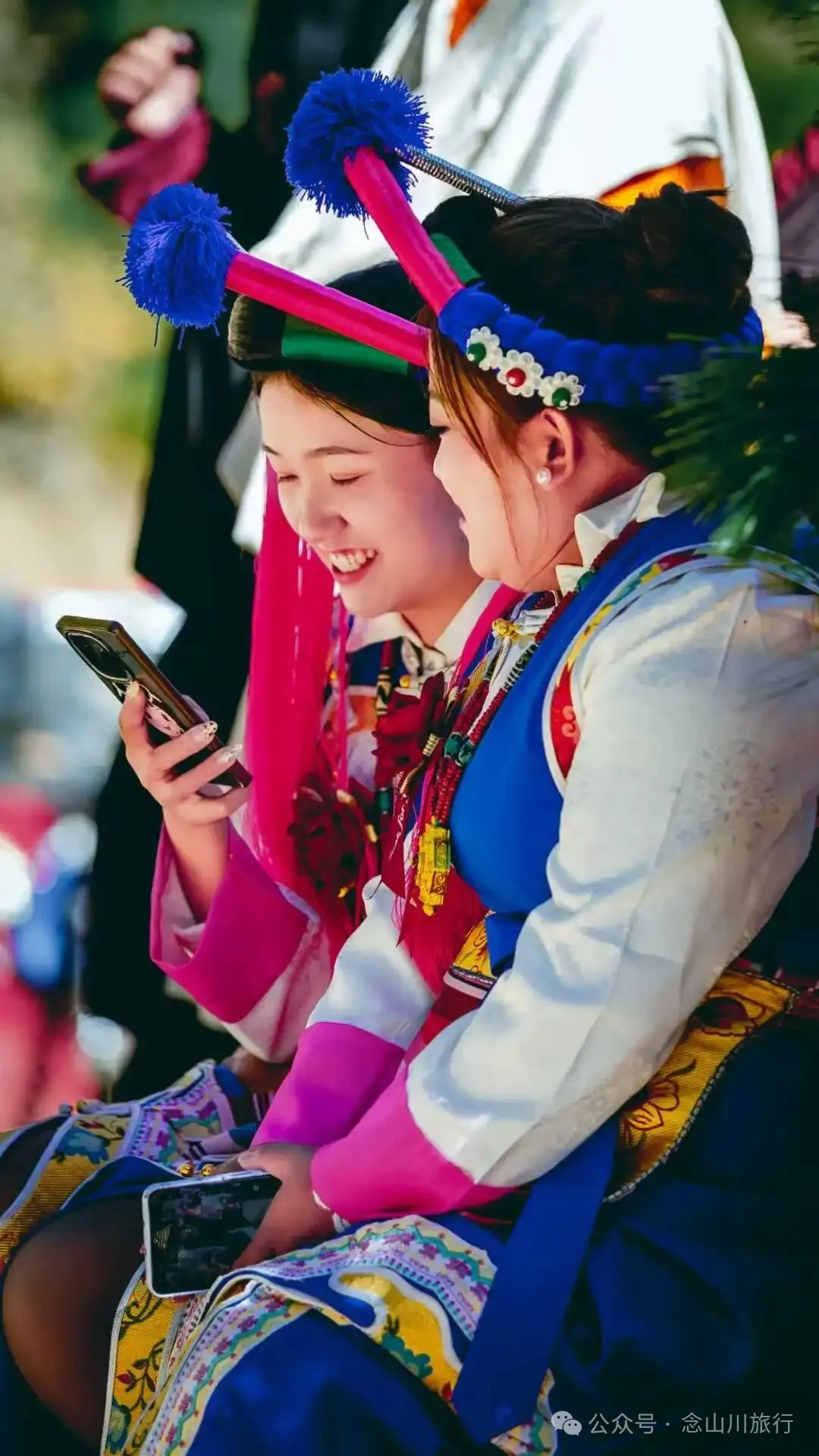
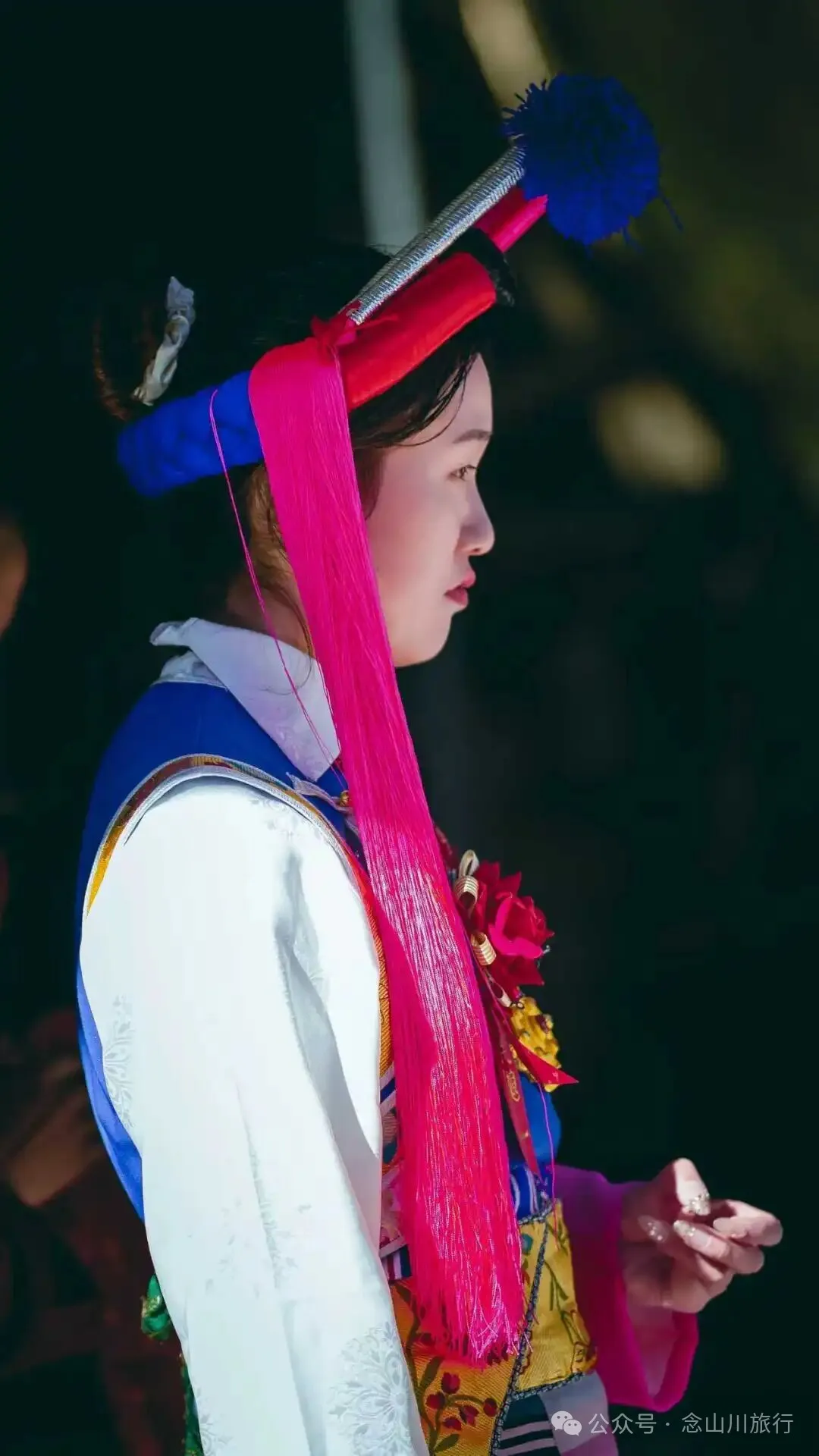
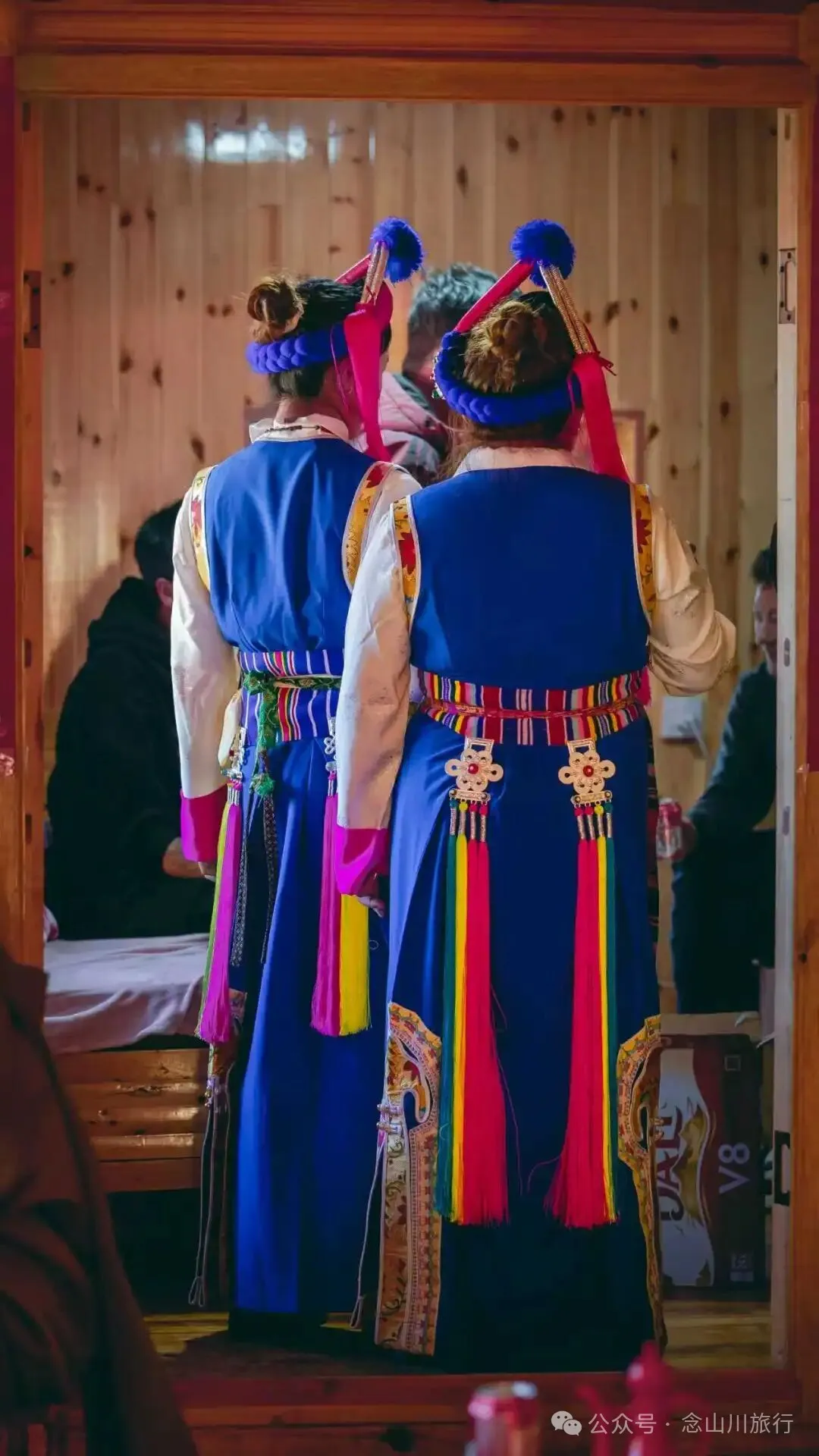
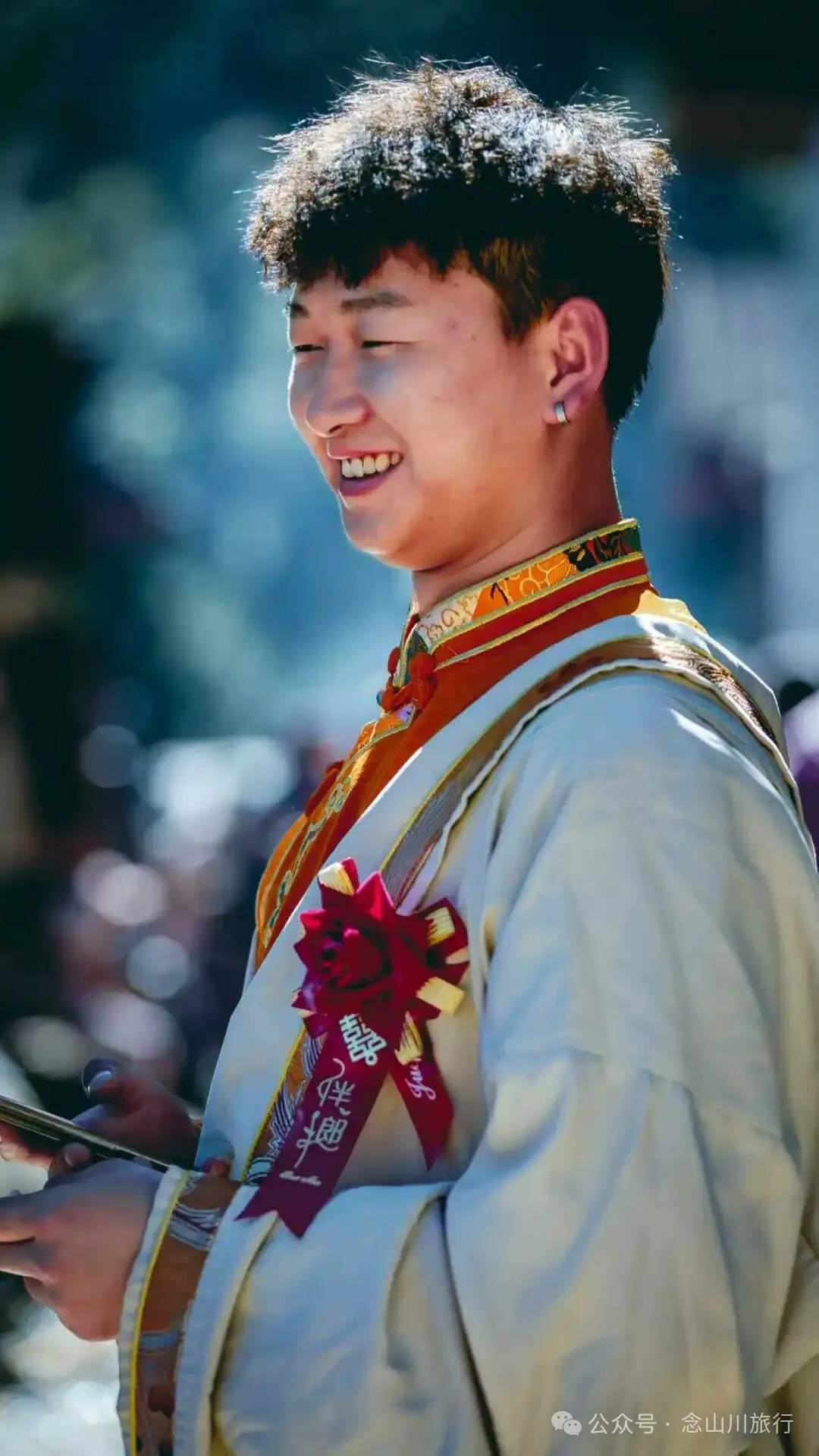
In Yunnan, attending a unique Tibetan wedding. In Bazhu Village, Tibetan wedding attire comes in many different styles. This time, they chose a relatively simple yet brightly colored design. The wedding garments incorporate cultural elements from Tibetan, Naxi, Lisu, and other ethnic groups, deeply influenced by the geographical environment of the Yunling Mountains and the Reba dance culture, forming a unique "Tacheng style." The colors are more vibrant, bold, and rich, with extensive use of high-saturation colors like red, royal blue, and bright yellow. The bridesmaids' Tibetan dresses are also the village's group "uniform," worn by village women for performances on various grand occasions, including the evening xianzi dance and Guozhuang dance.
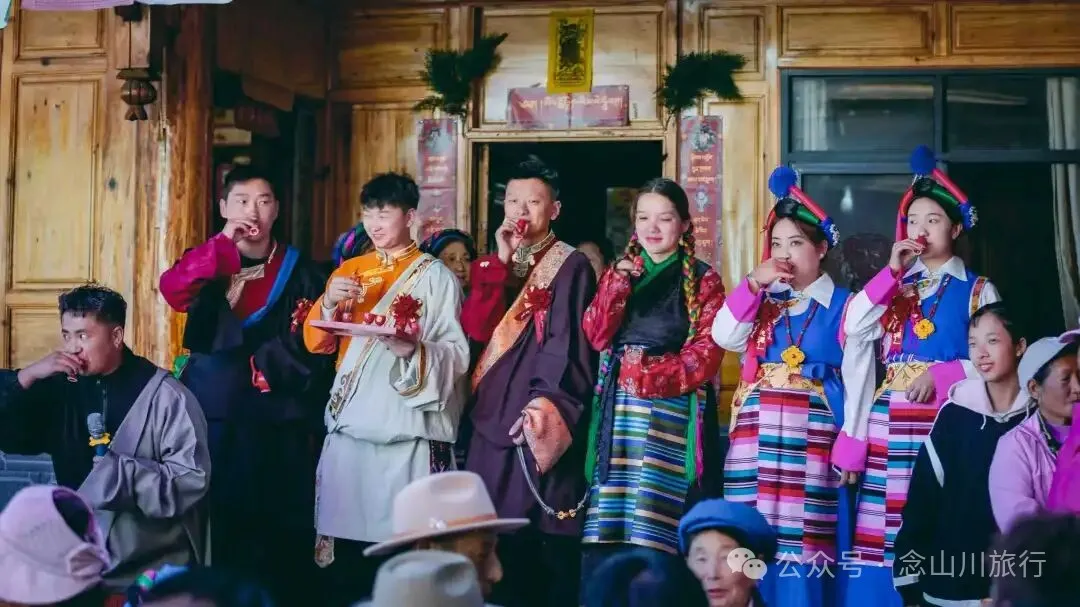
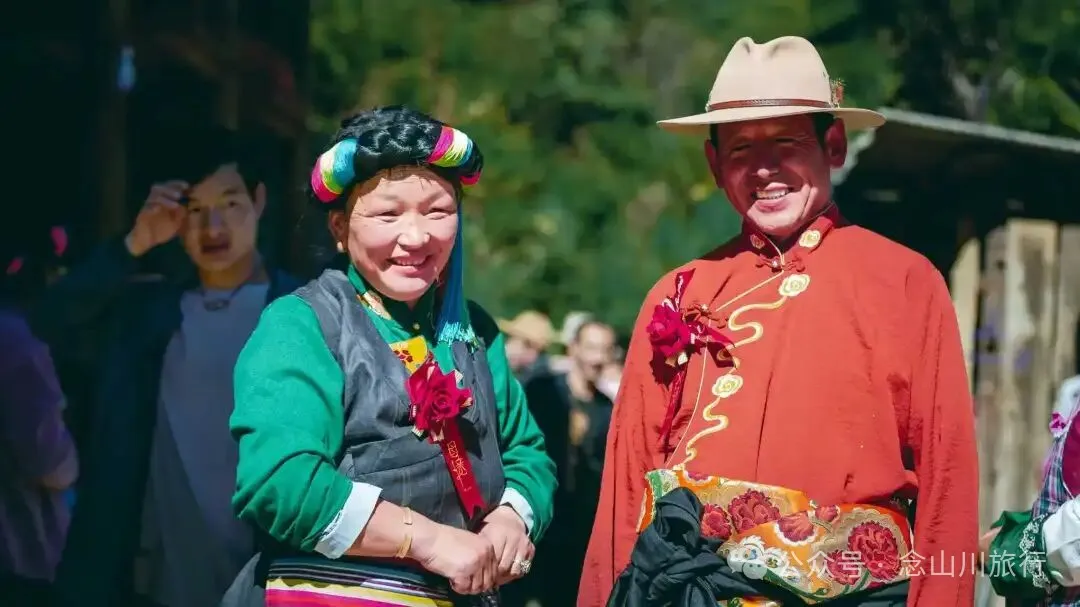
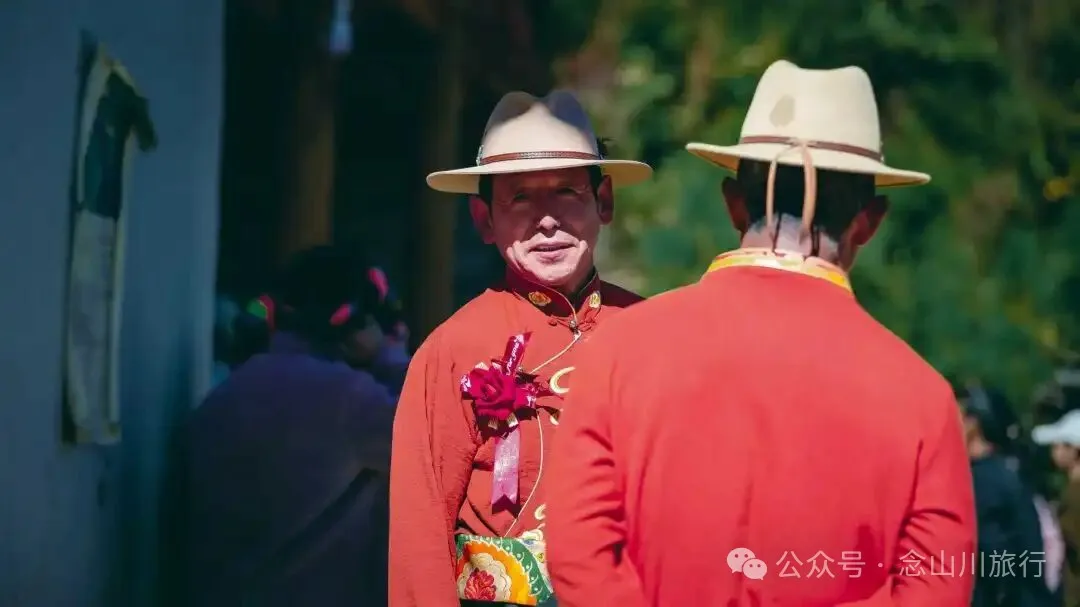
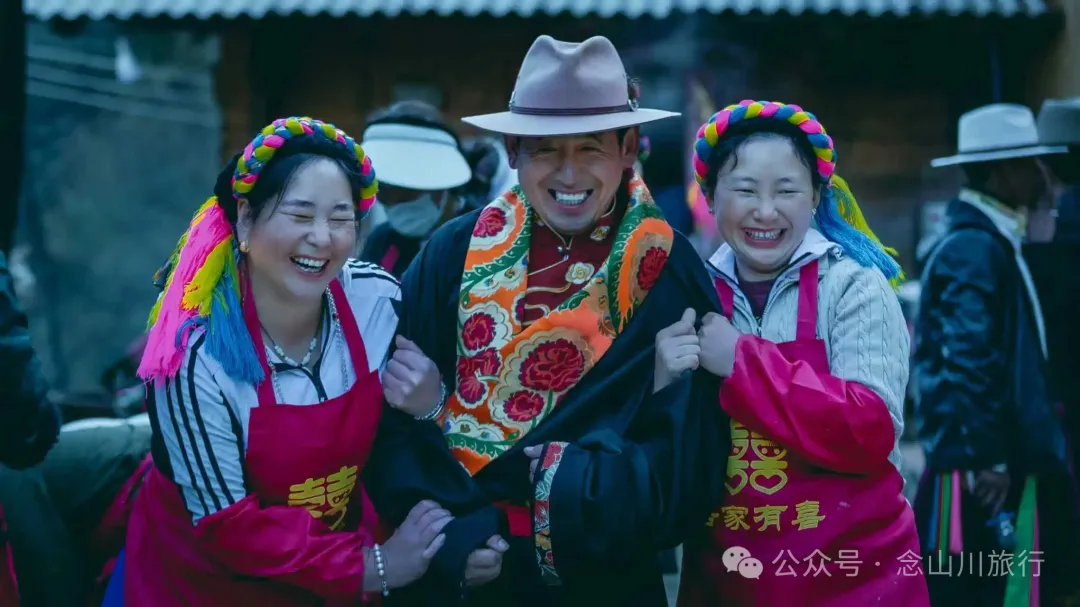
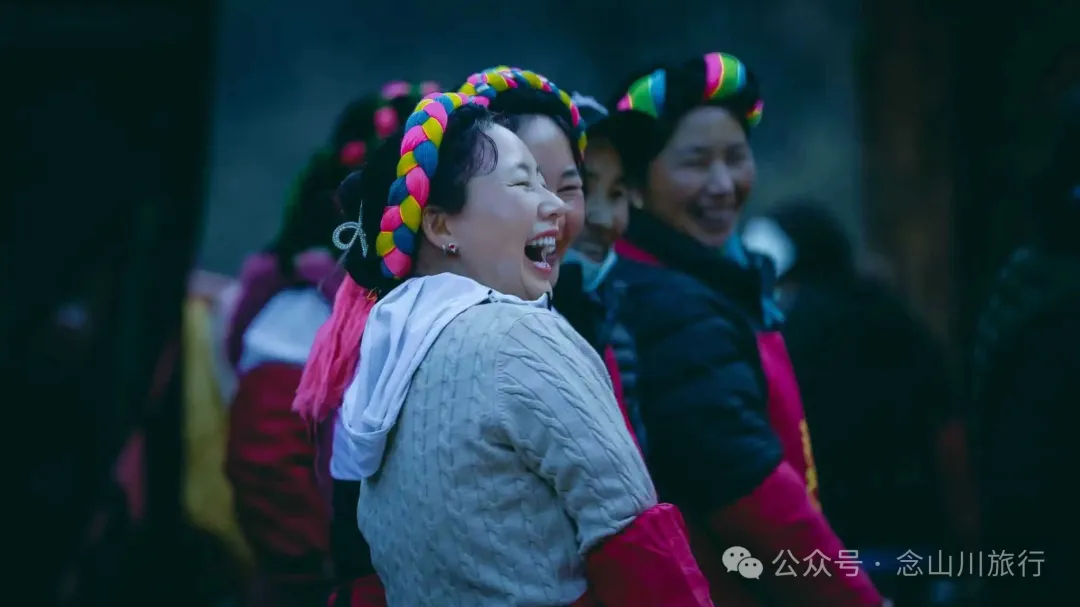
The main feast began, and the couple became busy again, going through rounds of toasting amid the clinking glasses and cheers. The wedding was hosted by the bride's family. Her parents, also dressed in splendid attire, moved among the guests, their joy evident.
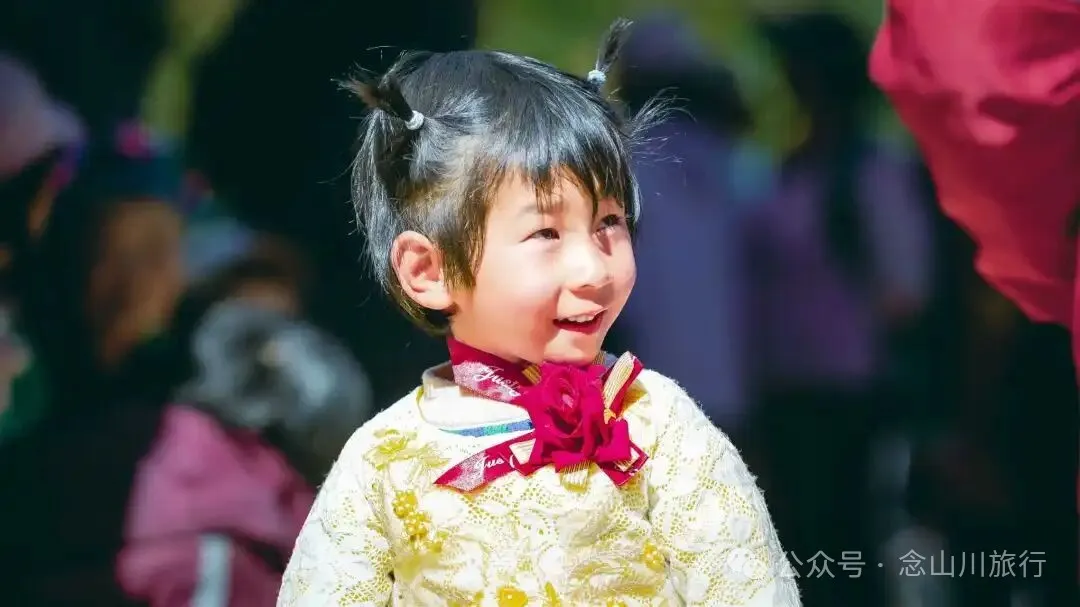
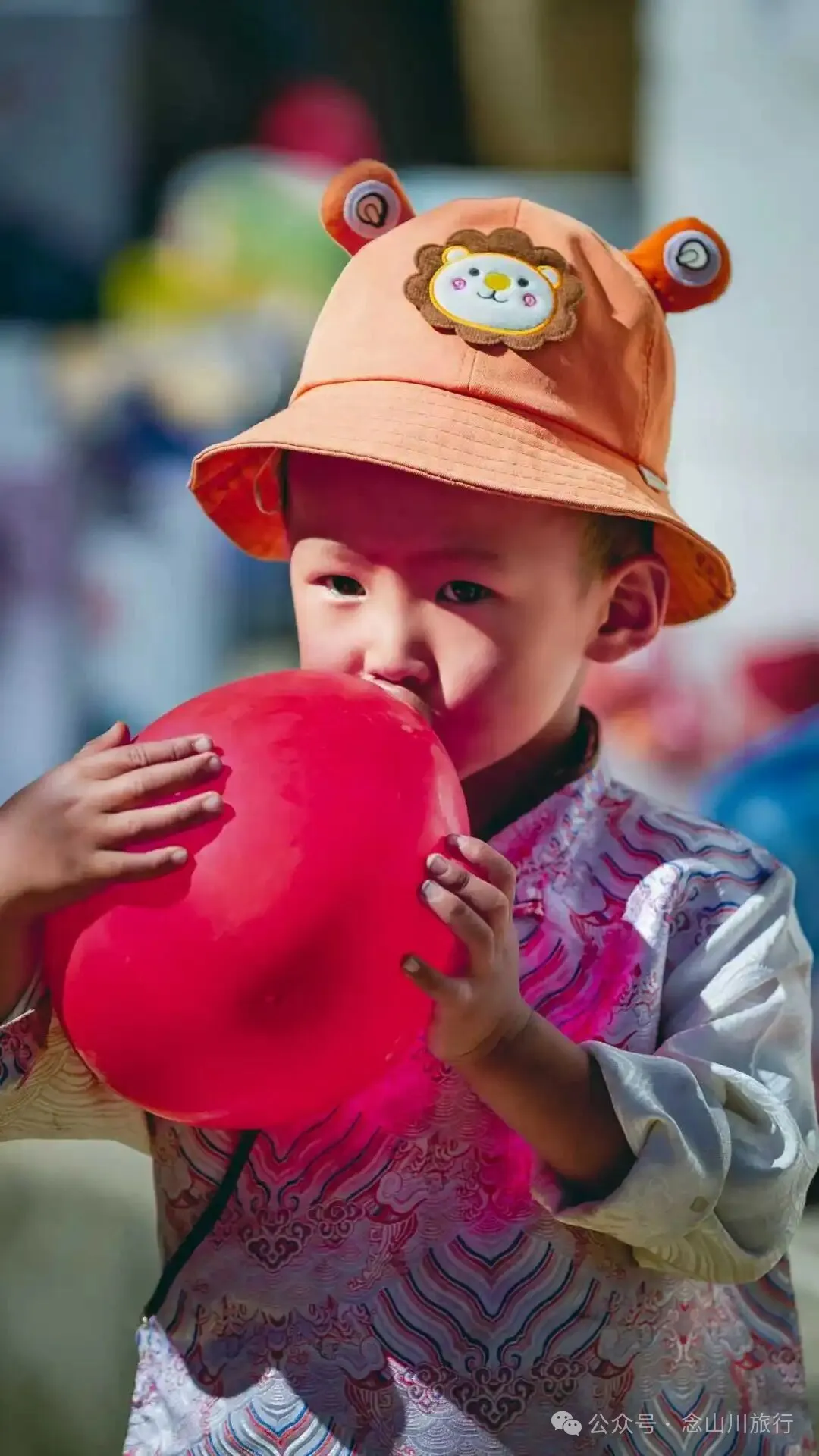
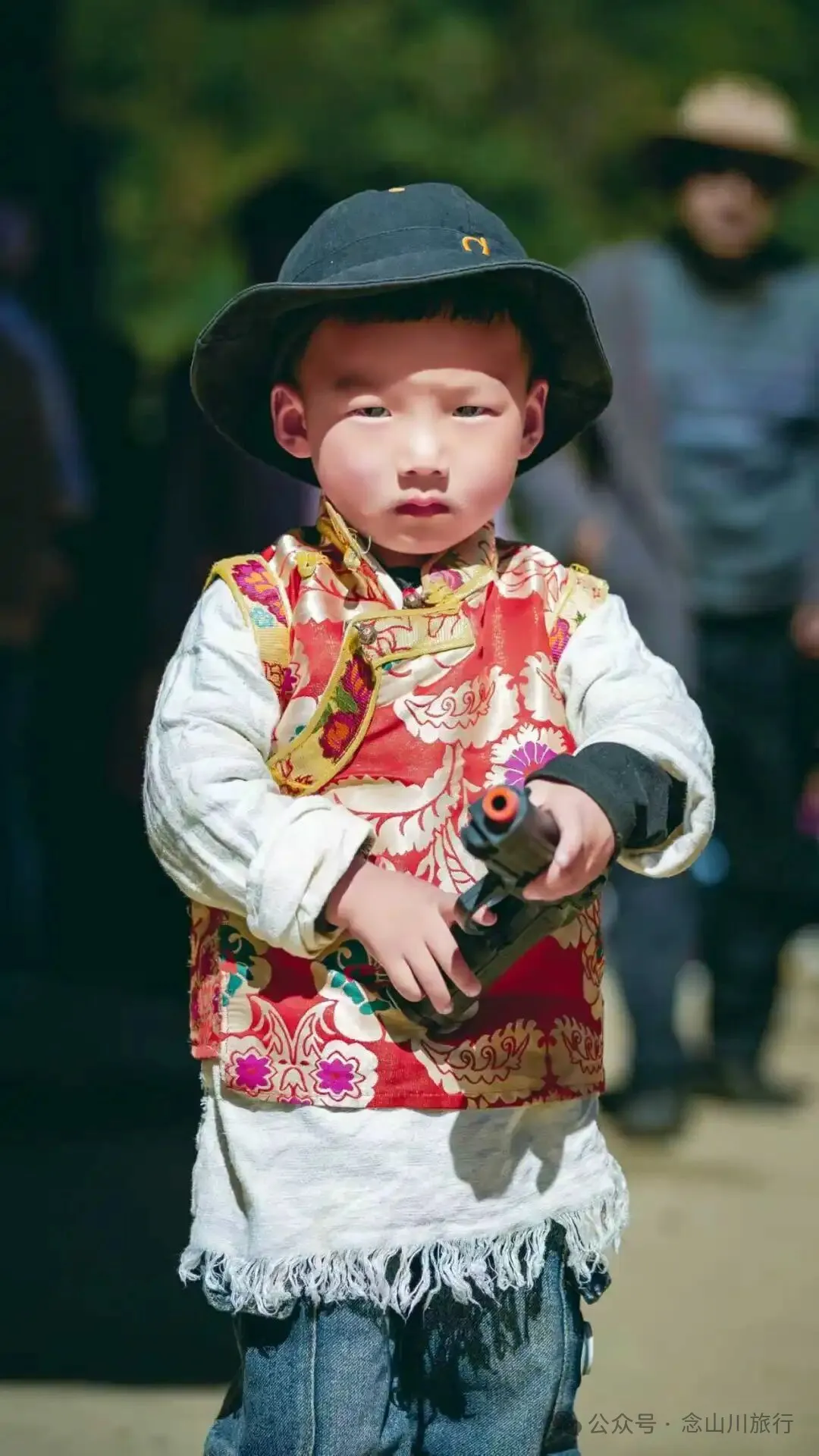
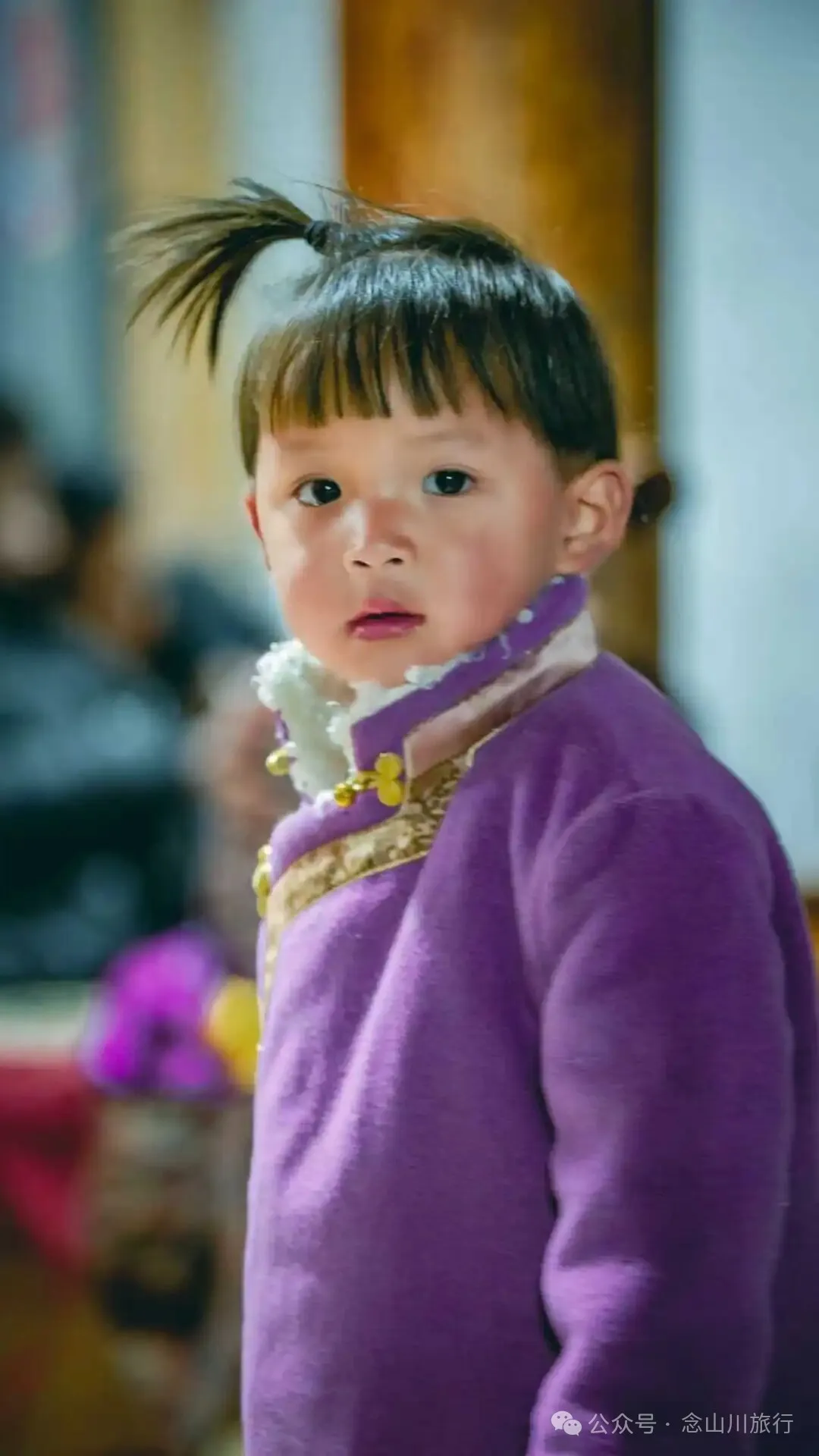
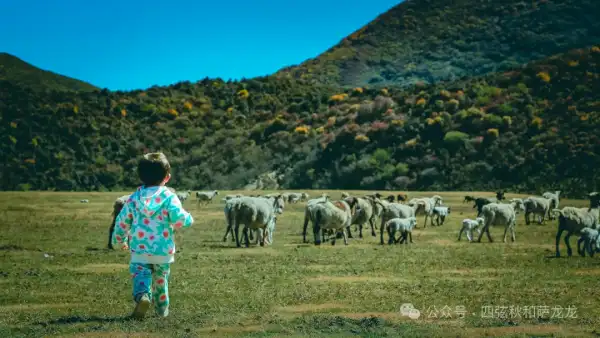
The happiest were the children. They probably didn't understand the true meaning of the wedding, but in such a lively setting, they were simply responsible for being happy and carefree. Dressed in beautiful clothes, they ran around every corner, picking up smiles or ecstasy. A polite little boy, on his grandmother's back, learned to make the Tashi Delek gesture for strangers, looking quite adorable.
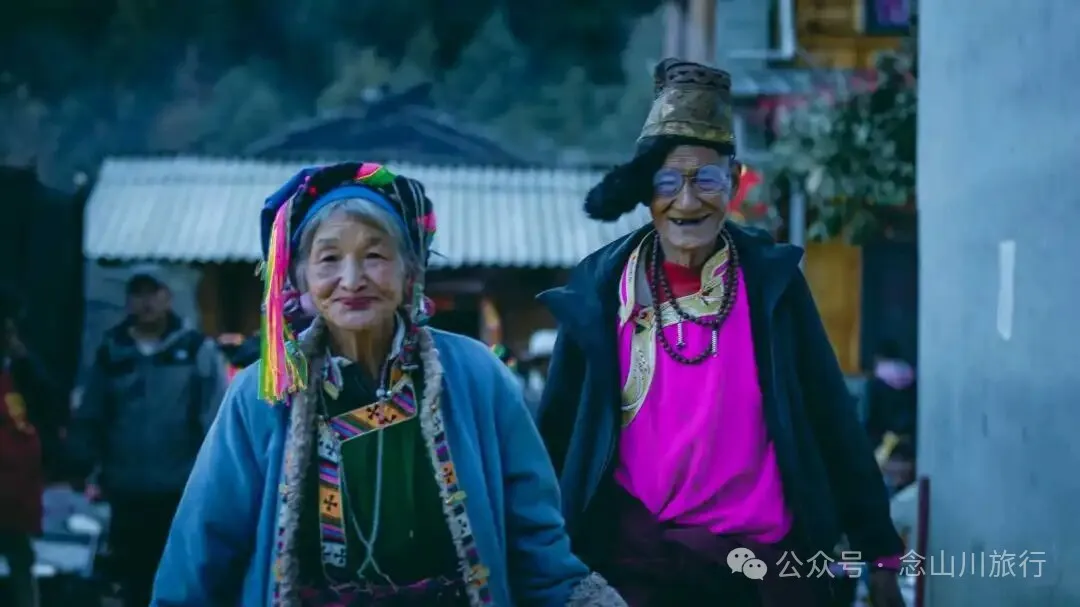
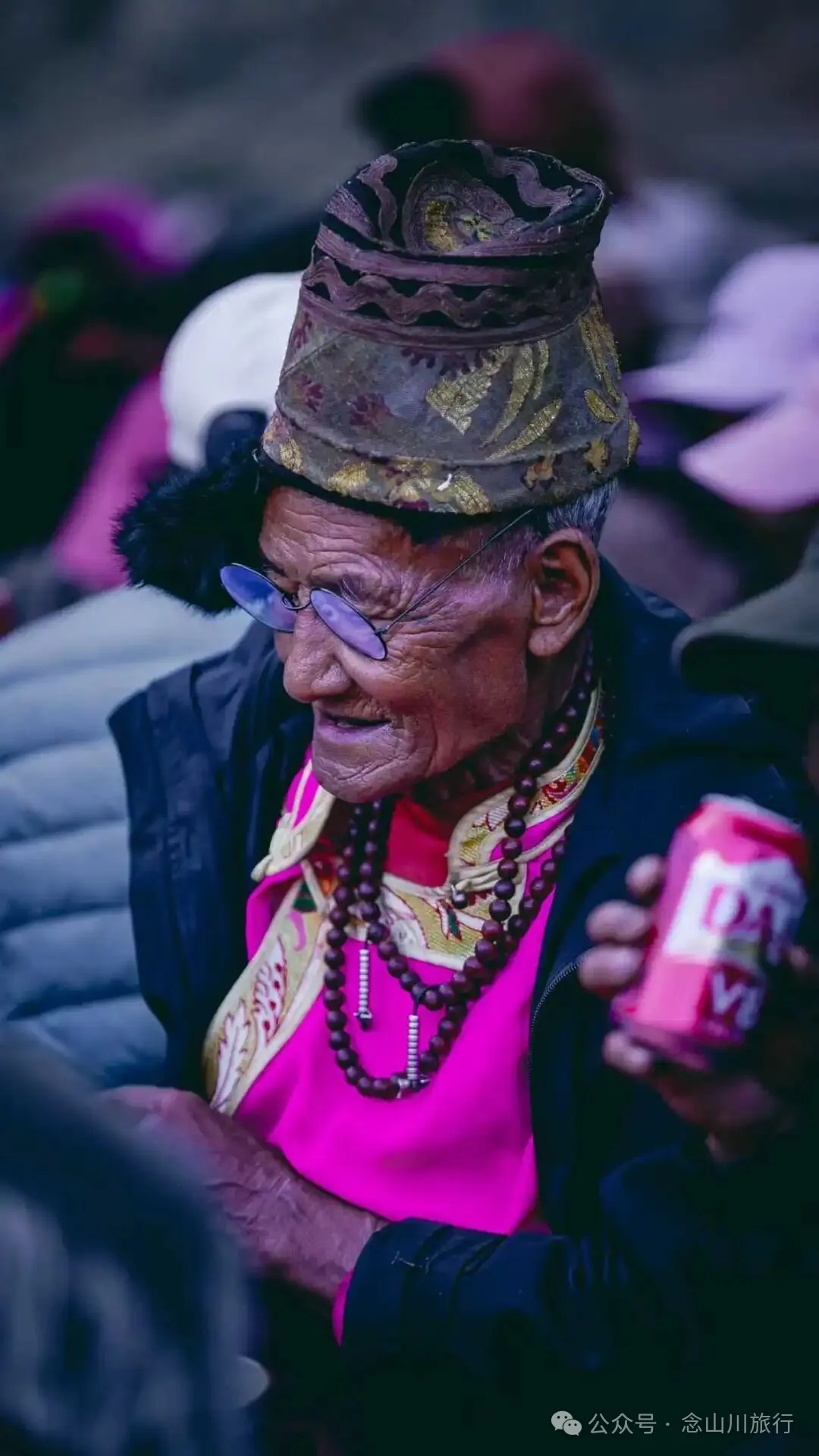
At the wedding, we saw two elderly people dressed in very unique attire, likely very traditional Tibetan clothing, standing out conspicuously among the crowd. No one knew what the old man's hat was made of, and we dared not intrude. They had walked from Xialongnong, several kilometers away, to attend the wedding. After happily finishing the feast, they would walk several kilometers back home, one after the other, heading toward their village. Watching their receding figures, a curiosity to explore their mysterious, untold past arose in the air.

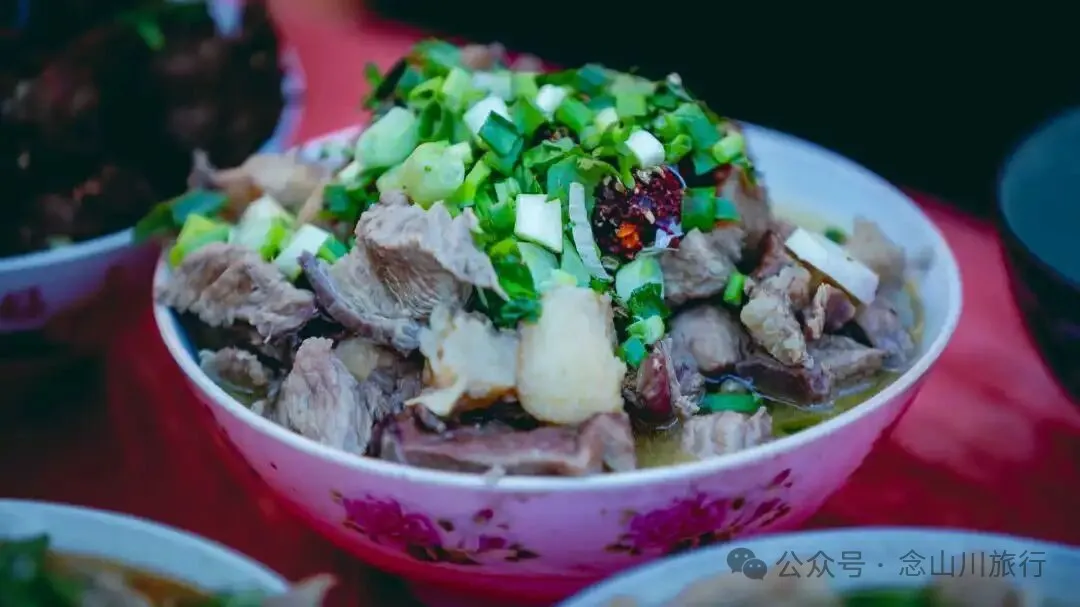
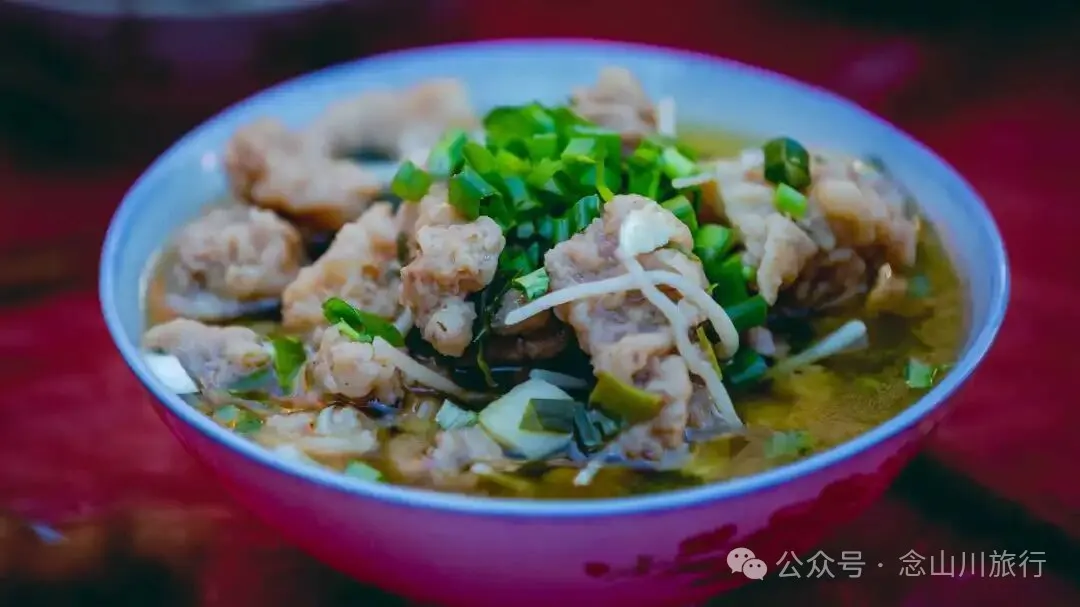
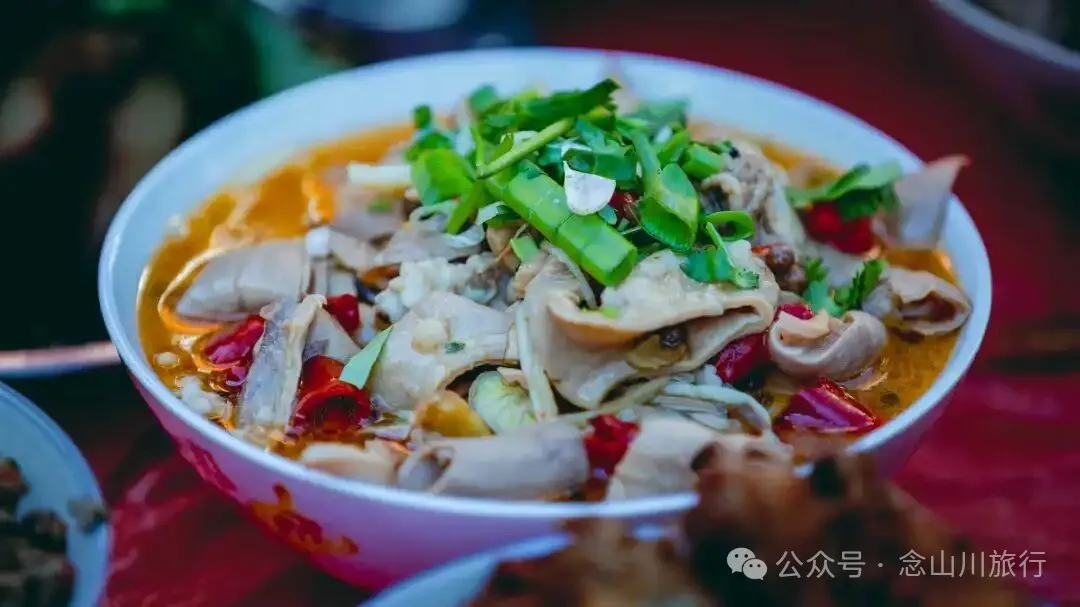
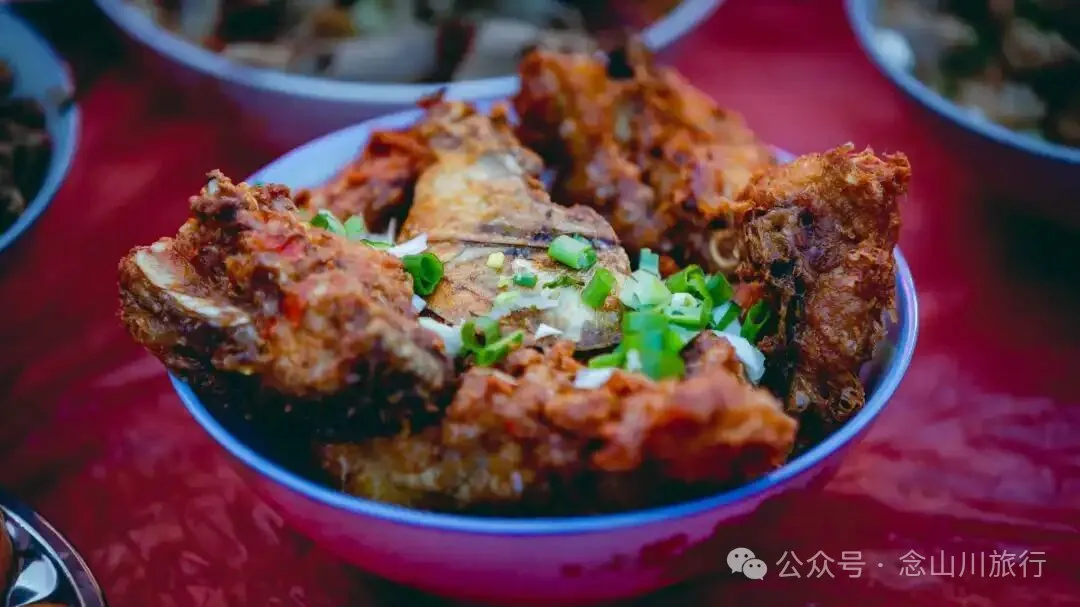

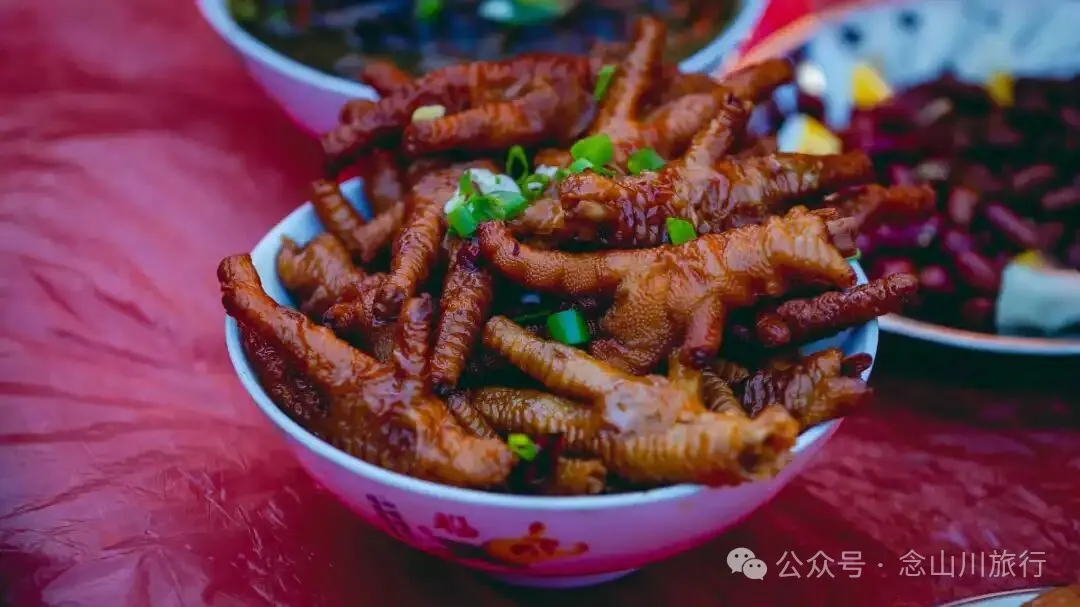

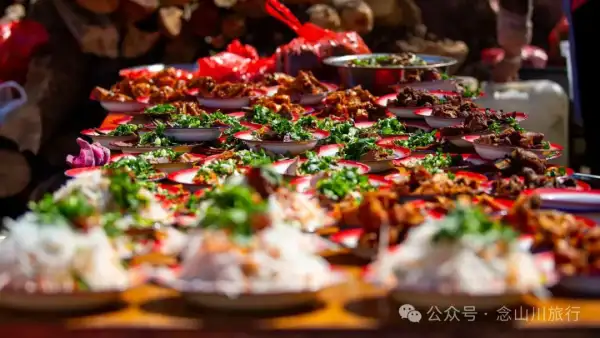
At the Tibetan wedding in Bazhu Village, the main feast dishes from different village groups were mostly similar, with meat dishes far outnumbering vegetable dishes. The square table was filled with over a dozen bowls of food, and as soon as they were emptied, someone would immediately refill them. This was the host's most sincere gratitude to the guests.
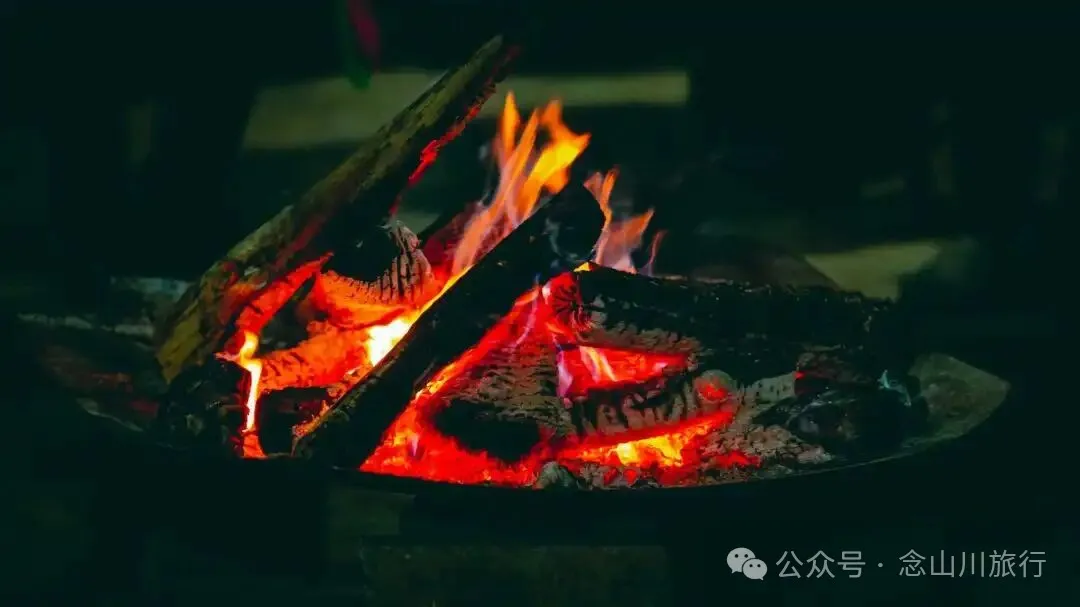
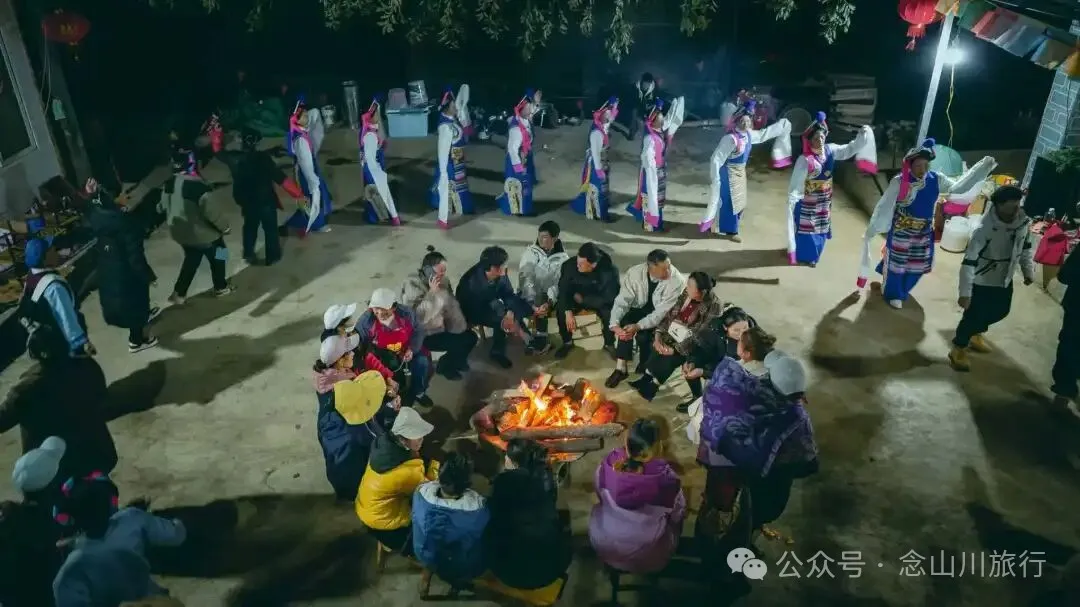
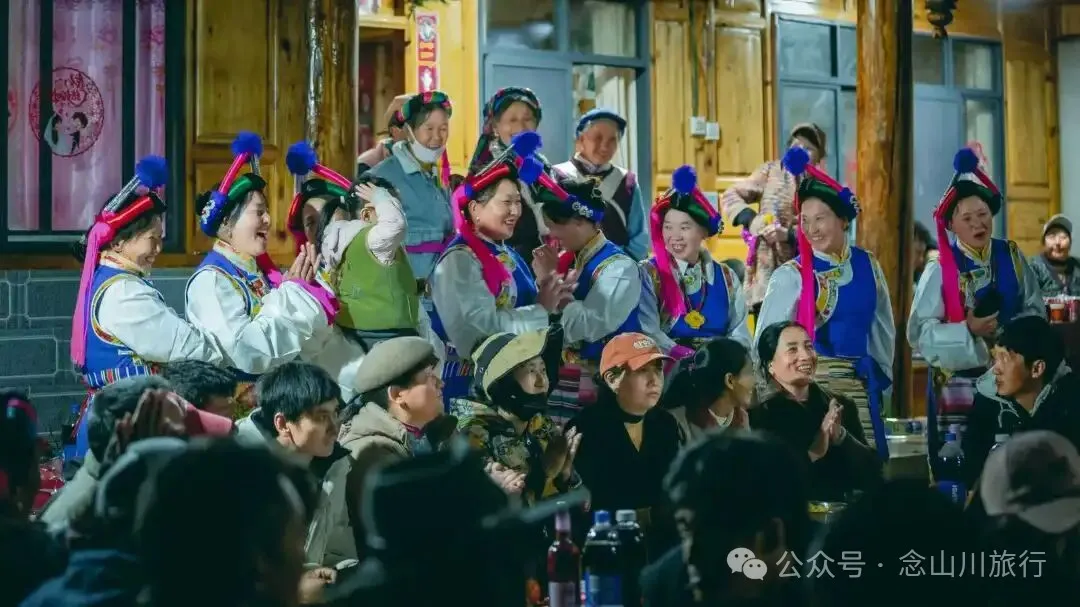
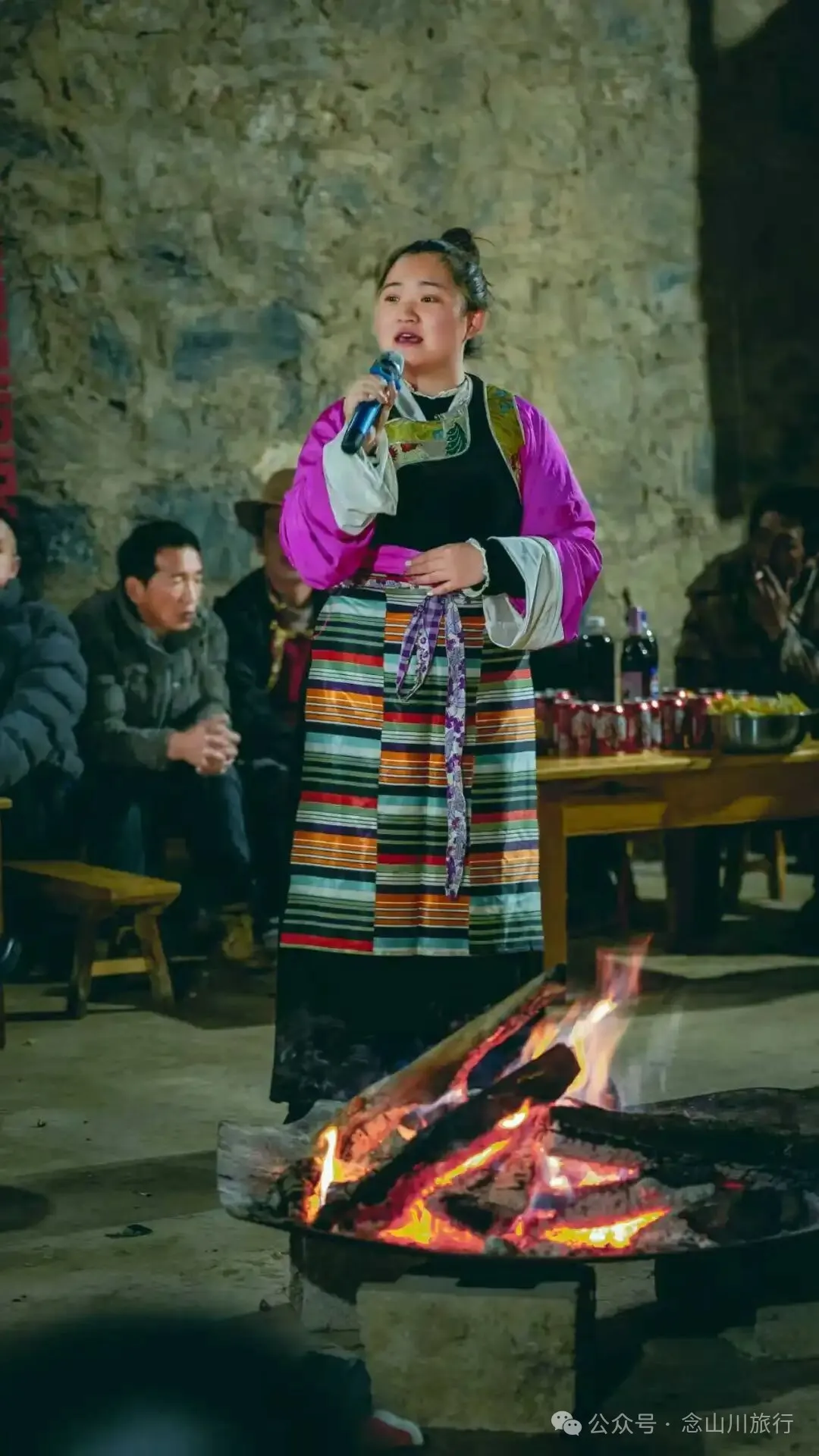
The evening celebrations proceeded without missing a single event. The brotherhood's singing, xianzi dance, and Guozhuang dance kicked off around a warm bonfire. People sang and danced, sending their blessings with loud voices and joyful dances, extending the brightness of the day into the cold night until the fire died down and another brightness shone into the couple's happy life.