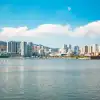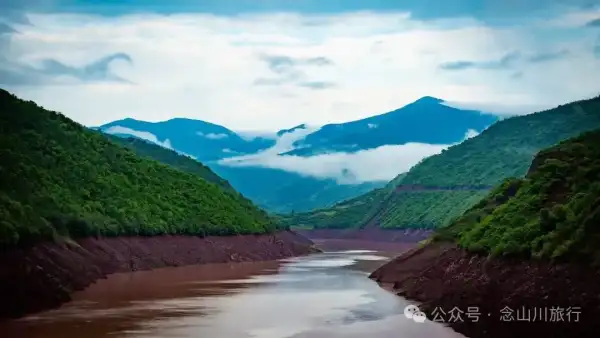

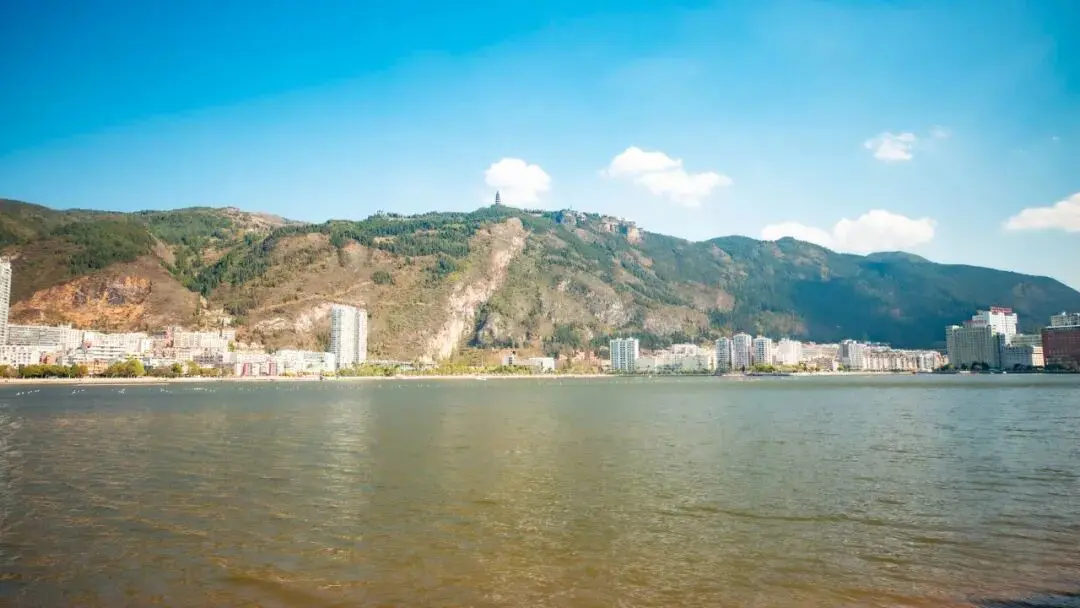
To the east of Jin Lake in Gejiu City stands a tall and steep mountain range named Laoyin Mountain. Laoyin Mountain resembles a plateau that suddenly rises in elevation, with massive rock formations connected to sparse green forests seemingly about to topple over and pour into the tranquil Jin Lake. The nearly vertical cliffs stand like a thick giant wall at the edge of the city. Due to this unique terrain, Laoyin Mountain has become a landmark natural landscape of Gejiu City. The vast view from its lofty heights attracts many visitors to take in the entire panorama of the small city.
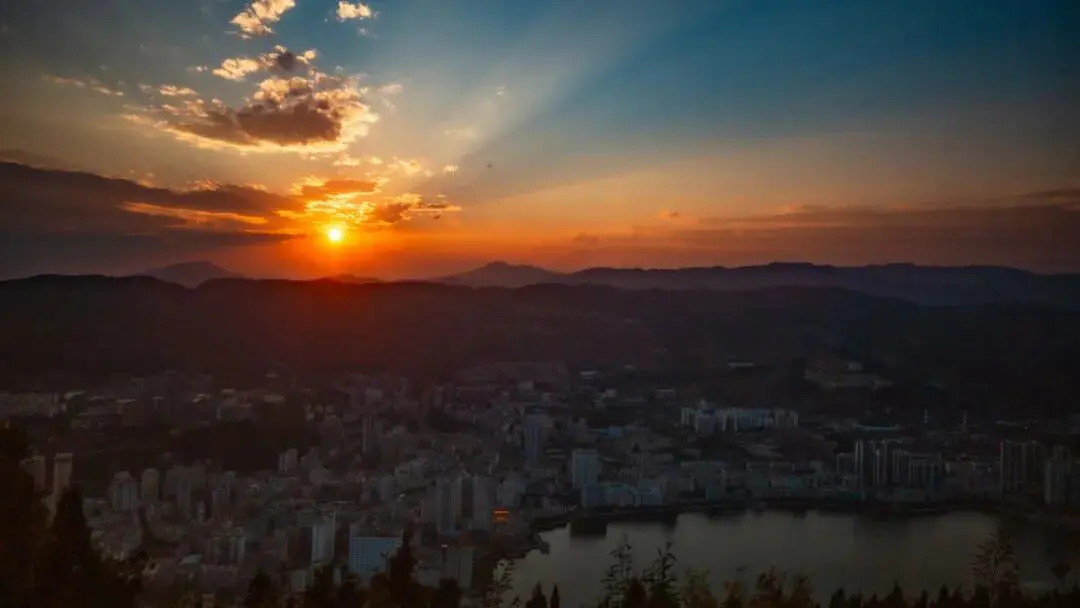
Before the evening glow burned out, we reached the summit. As dusk deepened, tourists and vendors doing business at the top drove down the mountain one after another. Only a few curious visitors like us lingered at the summit, waiting for the sunset to cast a vast pink net, capturing the solid imprints left by the passage of another day—the vigorous revival of every wild grass beneath withered yellow stems, the subtle growth of every young life under sunlight and rain, and the peaceful rest of every soul struggling to make a living.
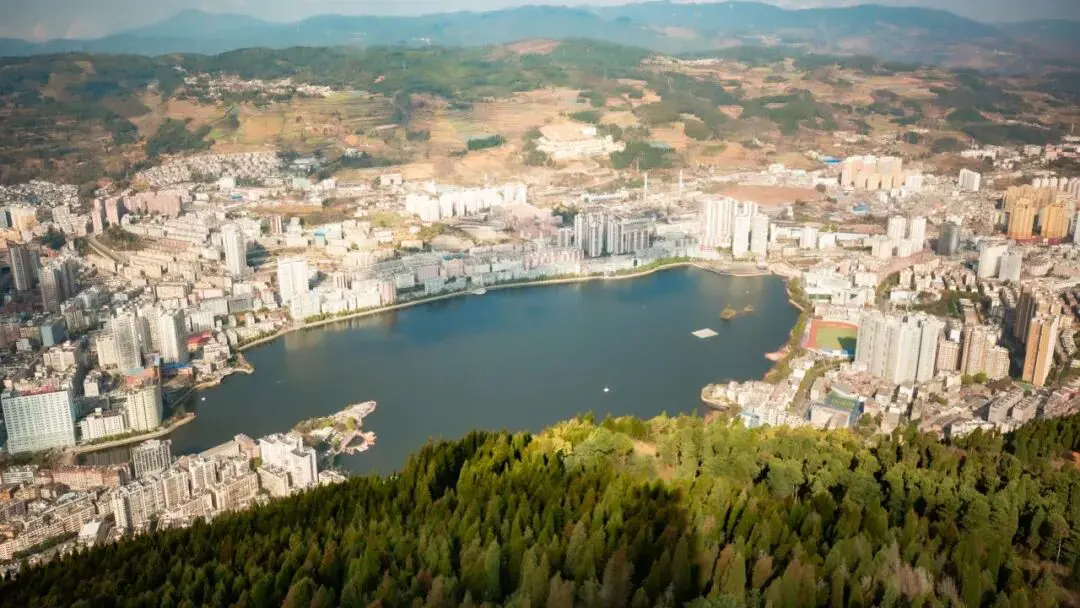
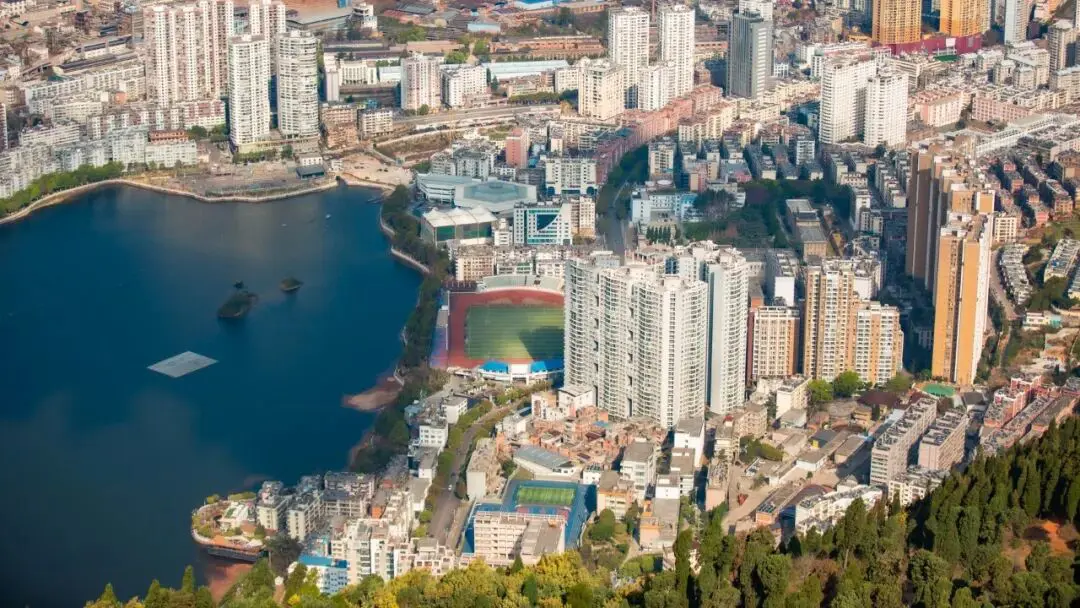
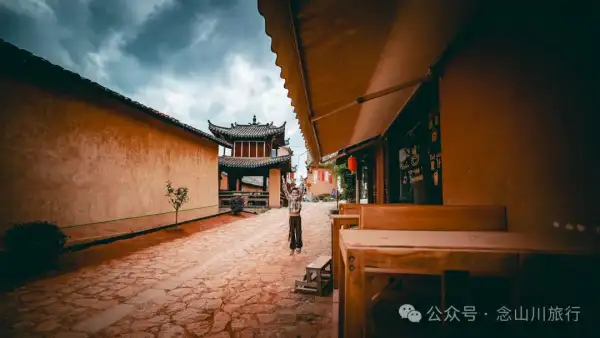
The visitor center at the glass walkway had already closed, the cable car had stopped running, and the snack stalls along the way had all shut down. Everything had switched to a quiet nighttime mode. This was a stroke of luck for us—the luck of being undisturbed. Before ascending the mountain, we had bought dinner in the city and found a very satisfactory campsite on the lawn near the parking lot. It looked like a proper campsite, with a huge canopy supported in the middle of the grass, and a few square barbecue tables casually scattered among the withered grass. But at that moment, apart from us, no one stayed to camp; the campsite operators had long since disappeared.
We enjoyed the entire sky over the mountain area alone under the canopy. The city below in the valley sparkled with lights all night, but the noise of human activity there was too far away. We could only hear the cold wind howling past our ears, sometimes strong, sometimes weak. Occasionally, drifting clouds tore open small gaps, allowing us to glimpse a few faint stars, but they were few and brief. That night, the sky was almost entirely under the control of cloud masses.
The barking of dogs and the chill of the night made it impossible to sleep through the whole night. When we woke up the next day, we realized we weren't alone; there was another car in the parking lot, but we didn't see any campers with tents—perhaps they slept in their car. We stepped into the cool morning, wanting to walk to the cliff edge to see the quiet city at sunrise. However, the thick clouds refused to move, firmly locking the area between us and the city. The glow of sunrise, filtered through several layers of dense haze, reached our eyes diminished, with only a faint pink tinge staining the gray sky. Thus, we missed the city's sunrise.
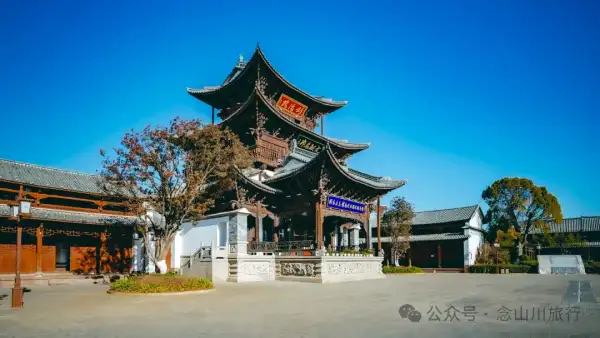
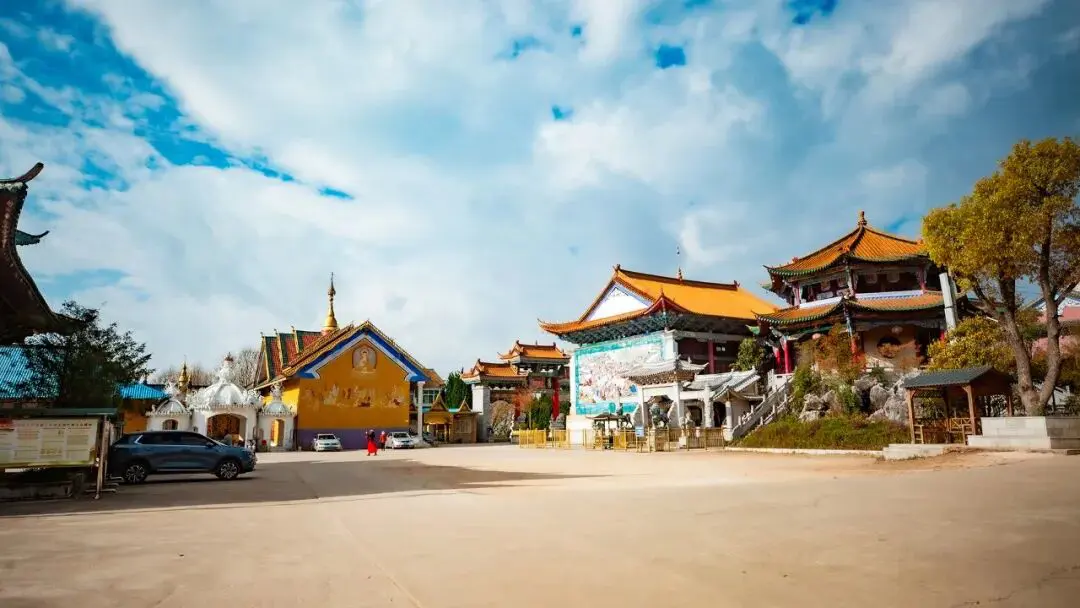
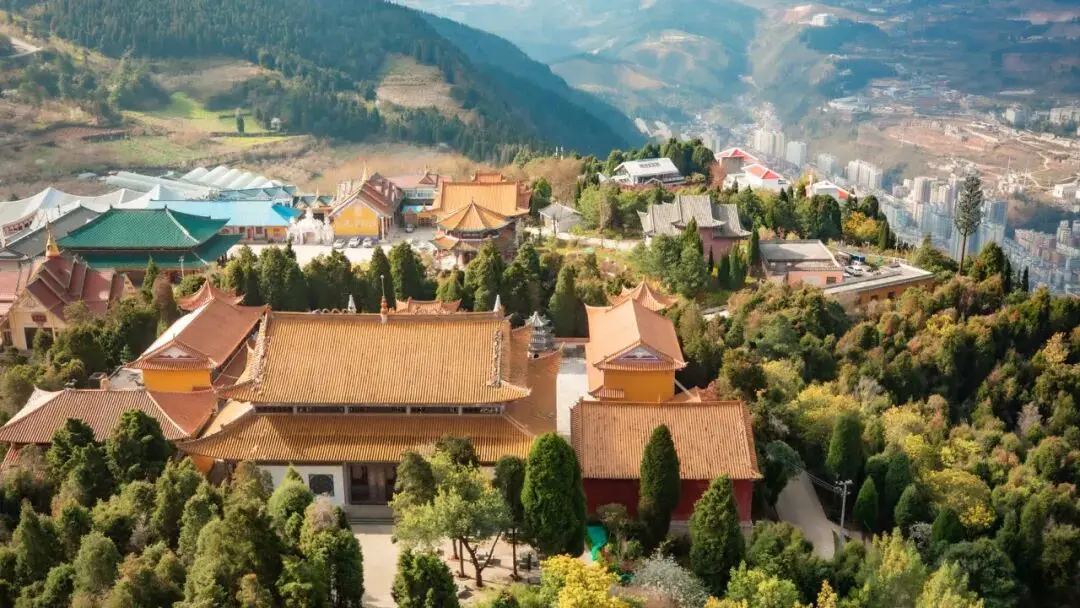
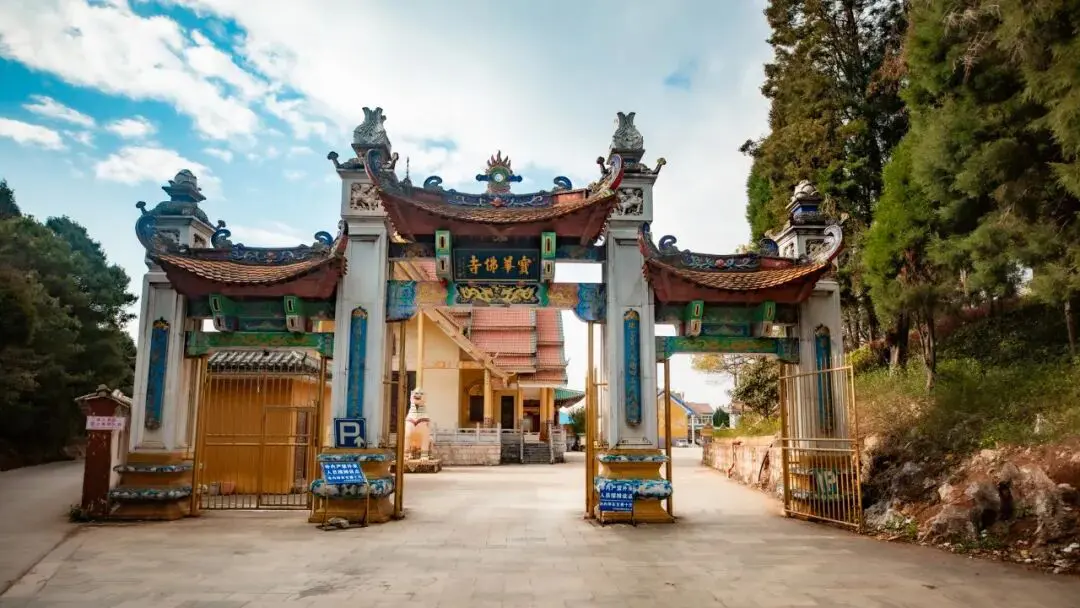
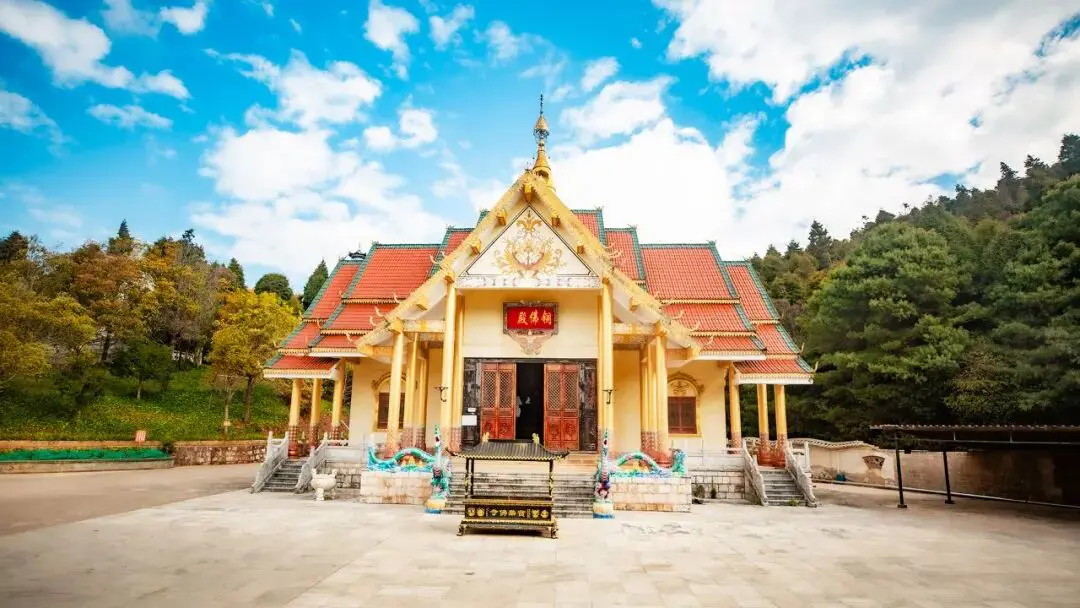
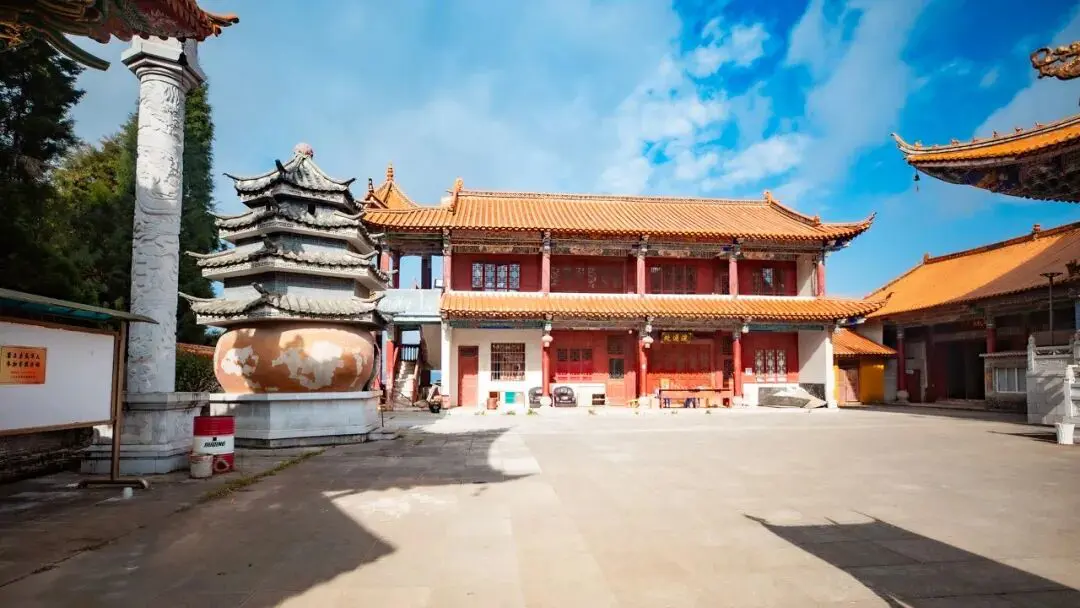
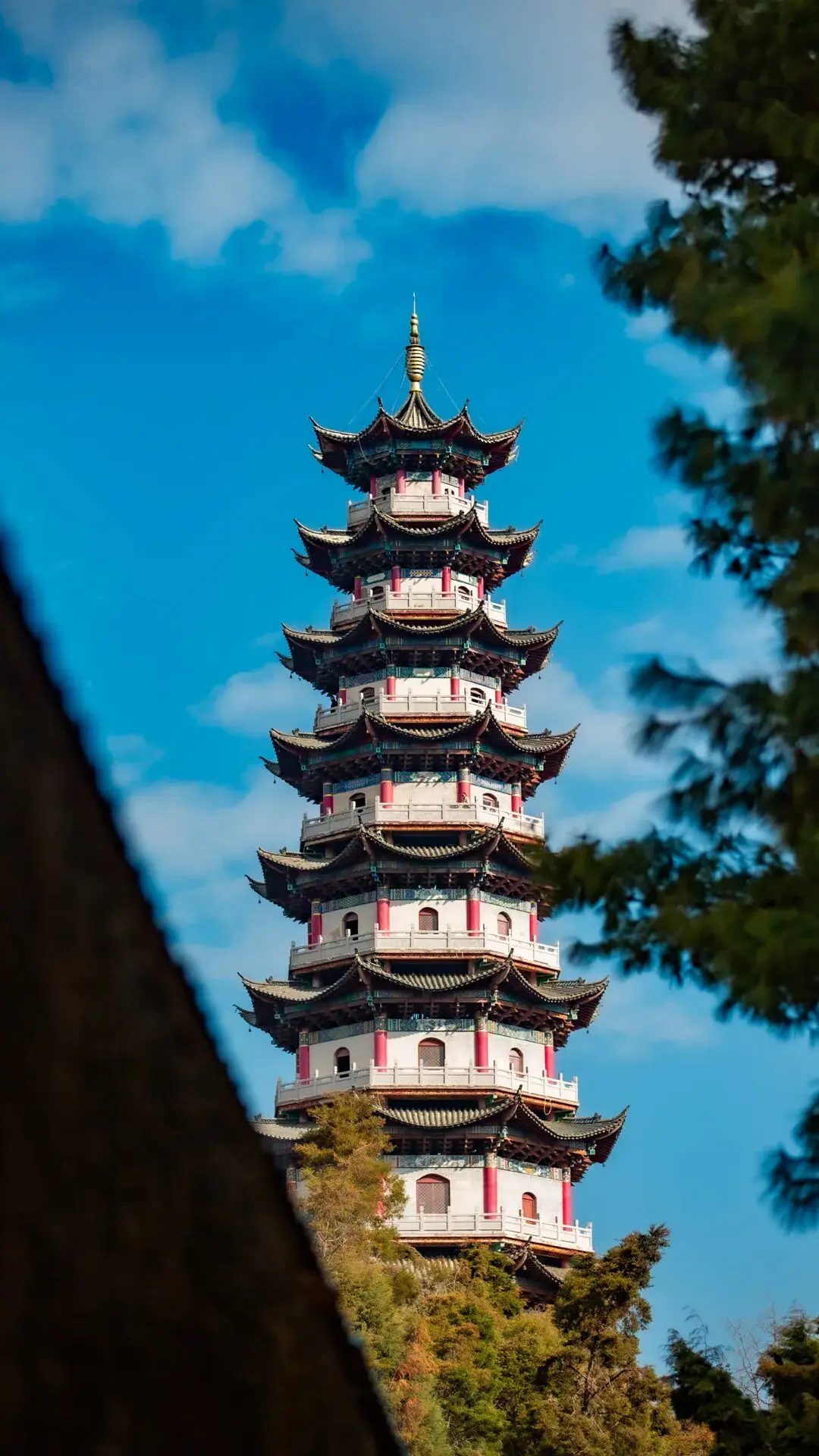
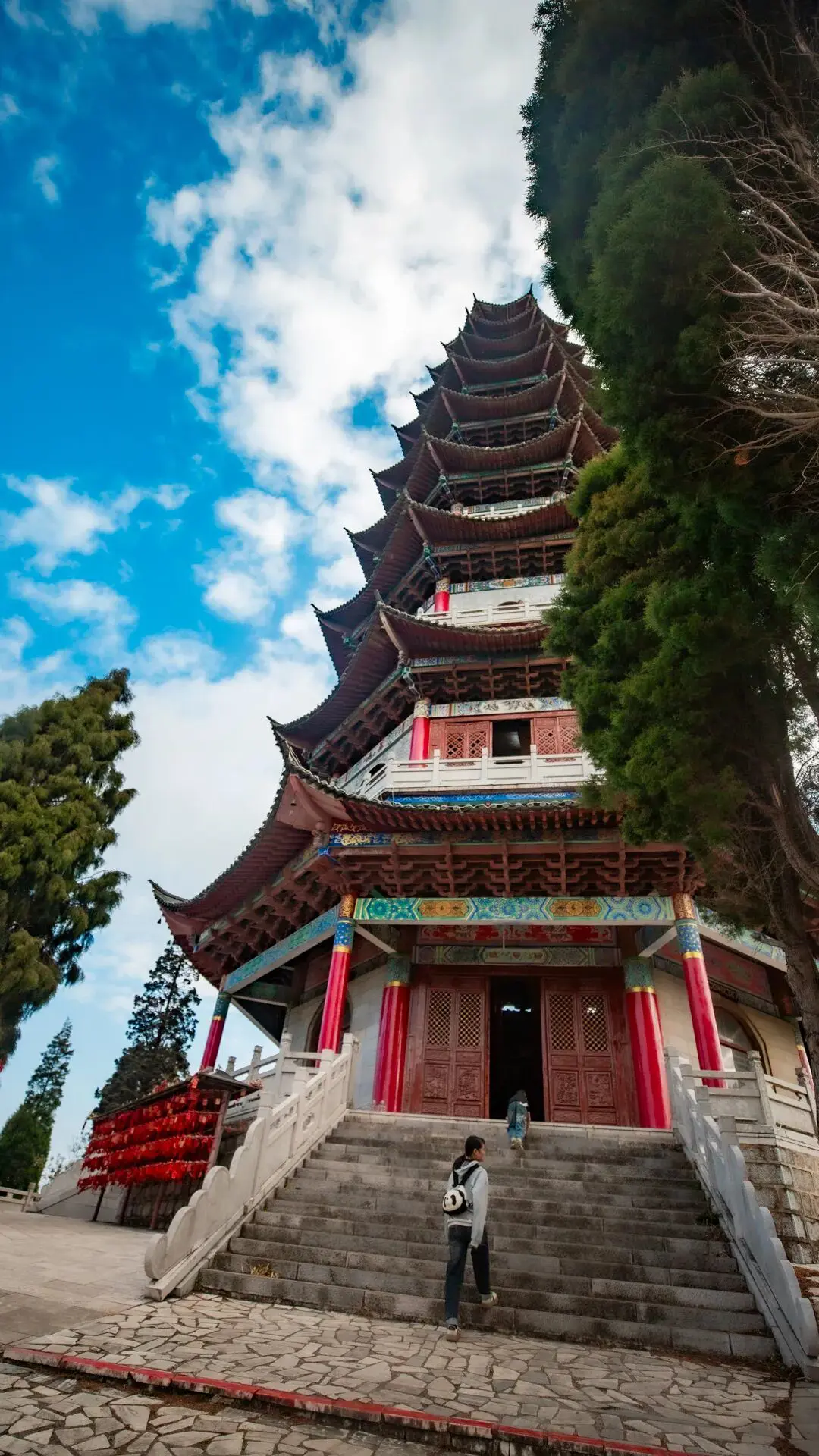
Long after the sunrise process had completely ended, we stood again under the blue sky. By then, the sun had risen higher, and more people had appeared. The Baohua Temple at the summit stood solemn and majestic in the warm sunlight, displaying a resplendent scene. Visitors preferred to climb the Vajra Pagoda in the temple to overlook the entire Gejiu City. Compared to the lower glass walkway, this spot was not only higher but also more affordable. Although climbing higher offers a broader view, the wind is also more biting. Upon reaching the top floor, the whole world seemed to spin and turn upside down. The timid rushed down the stairs, not stopping their screams until they stepped onto solid ground.
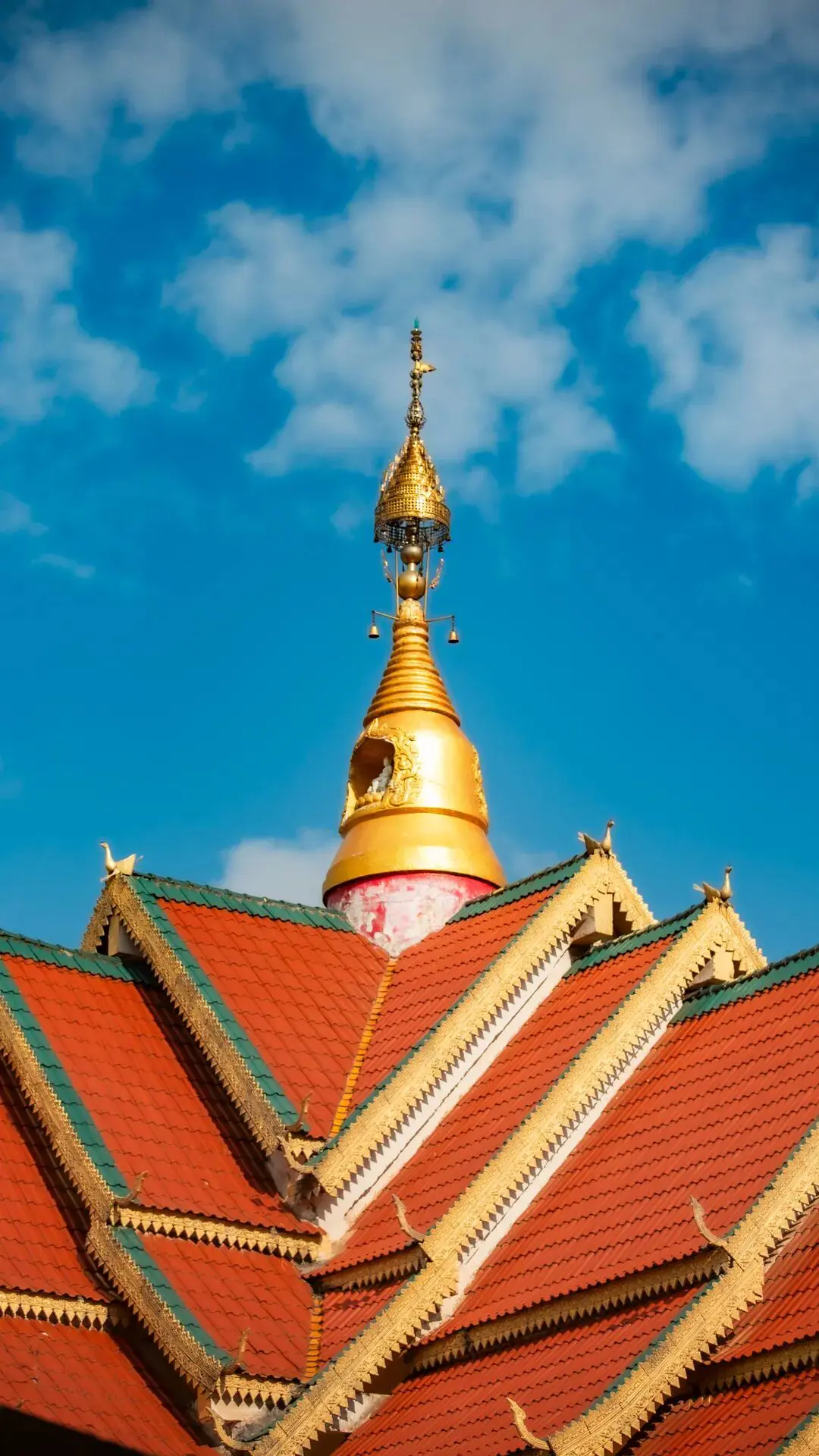
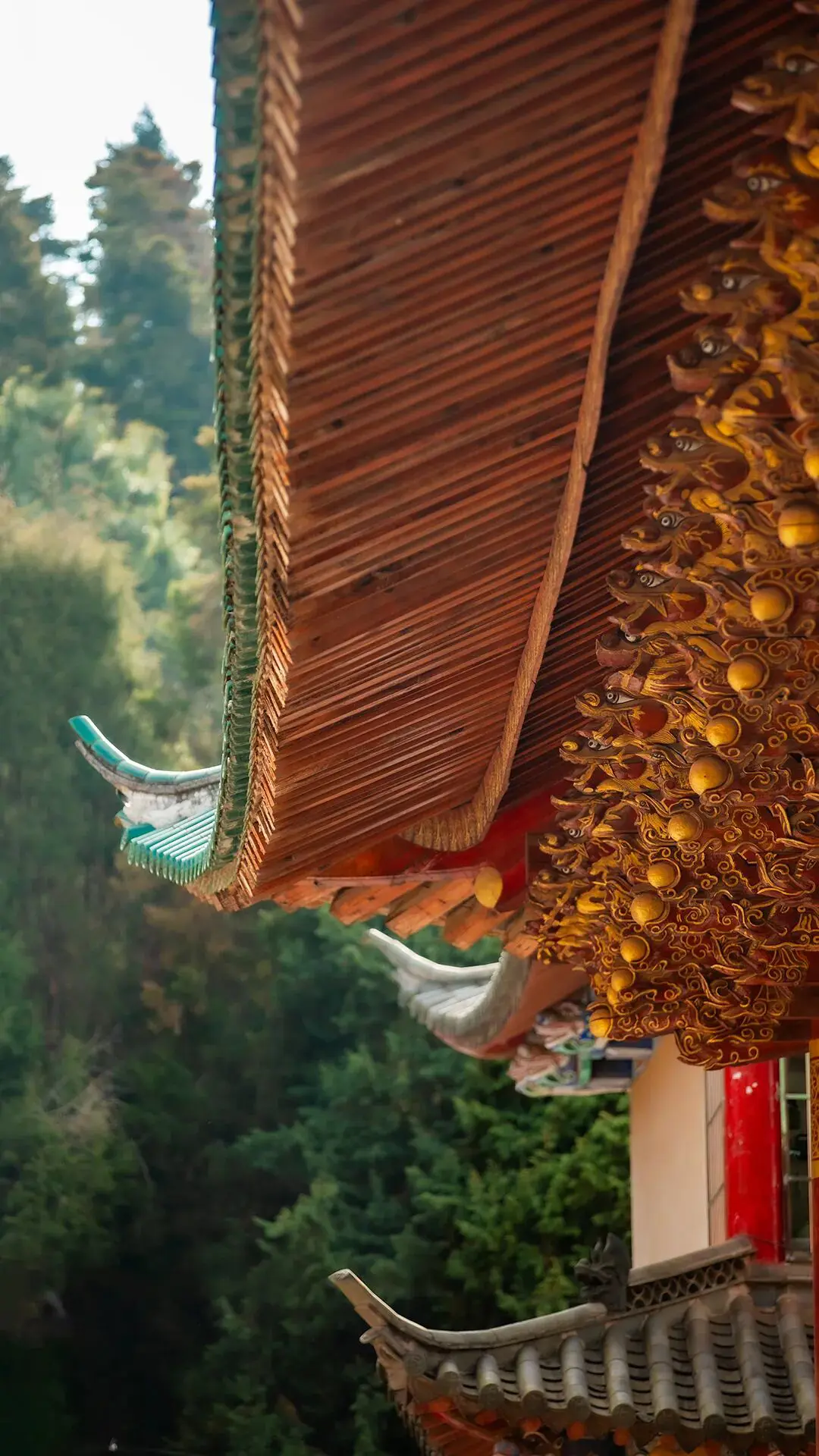
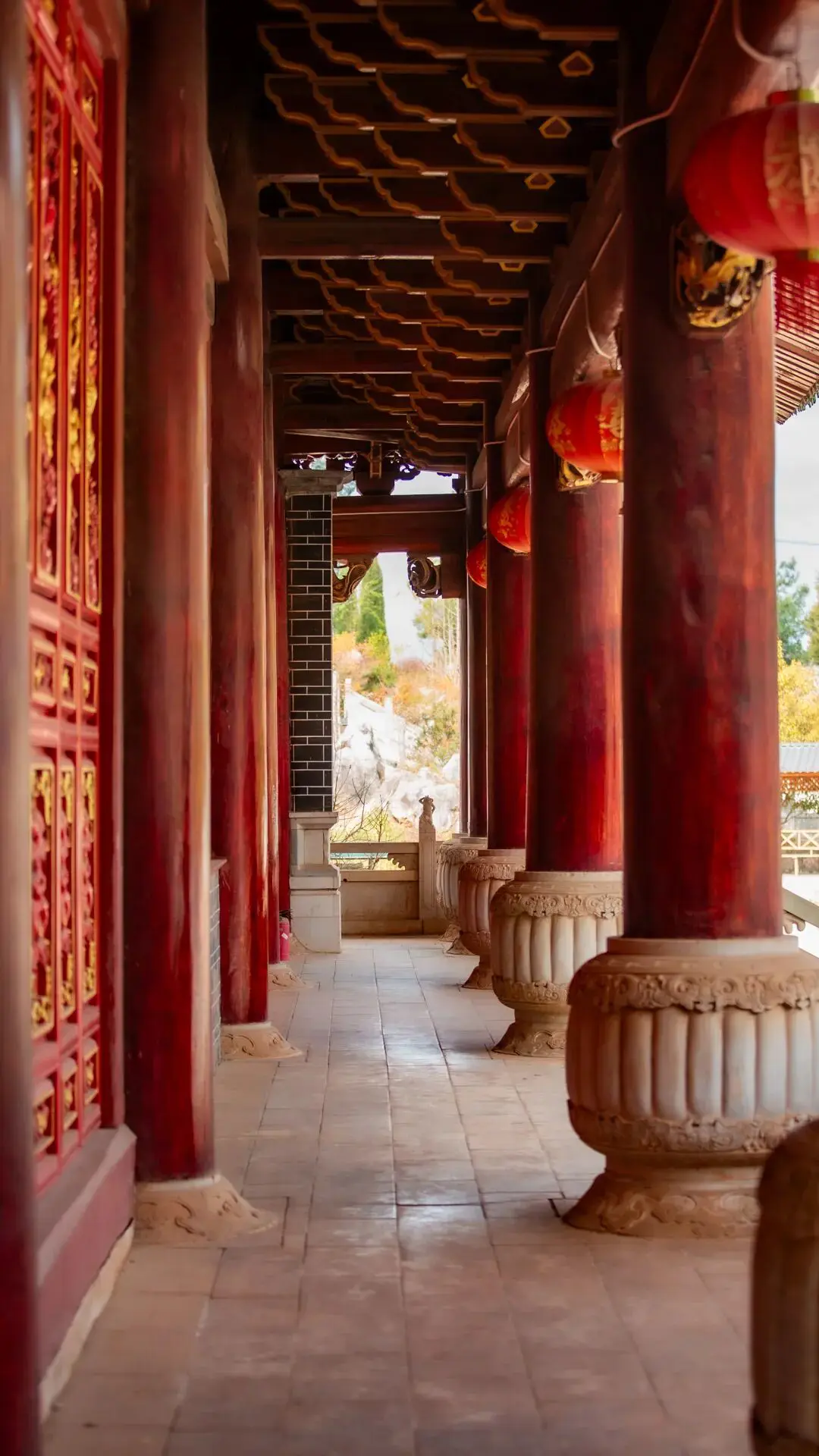
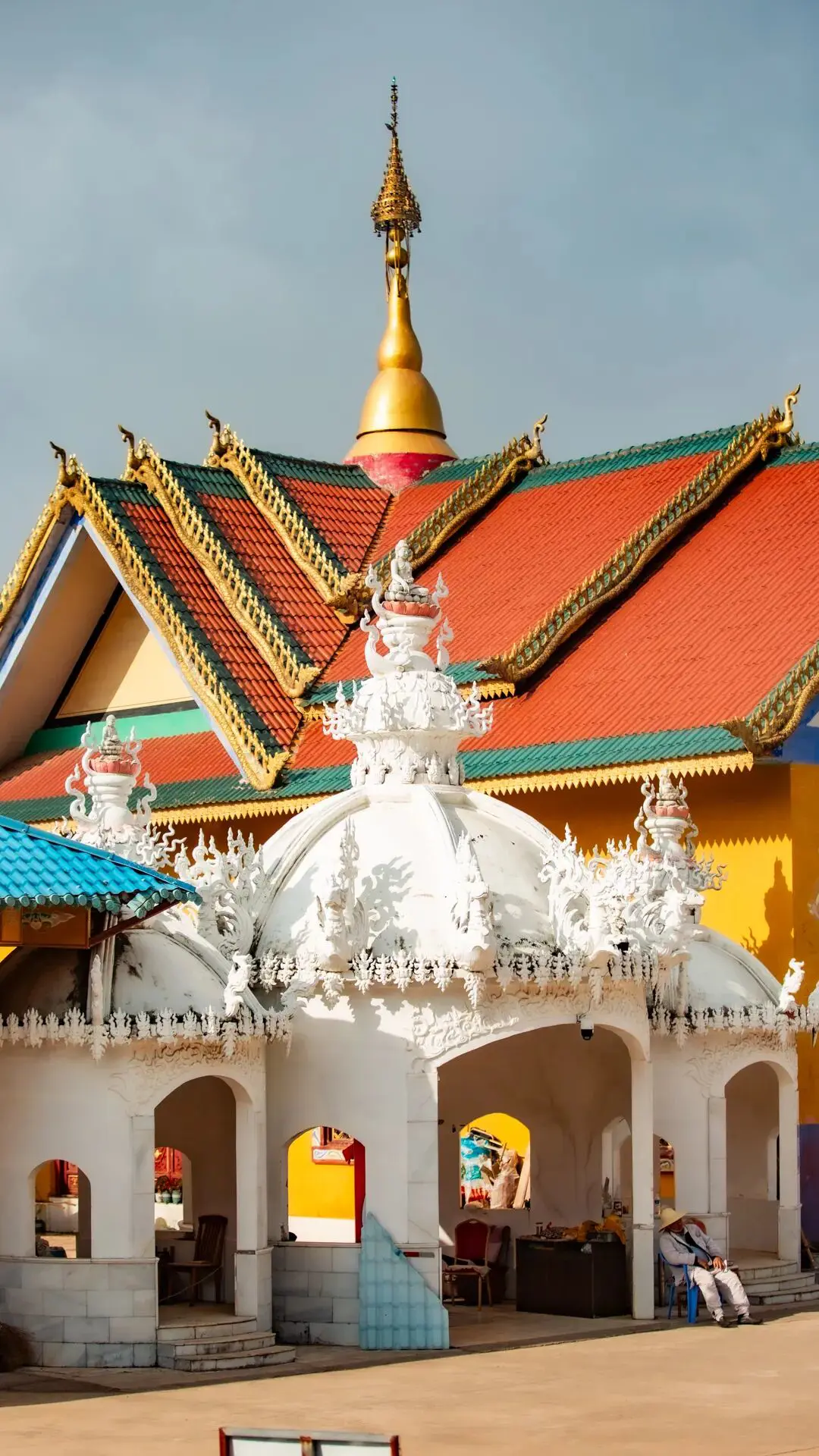
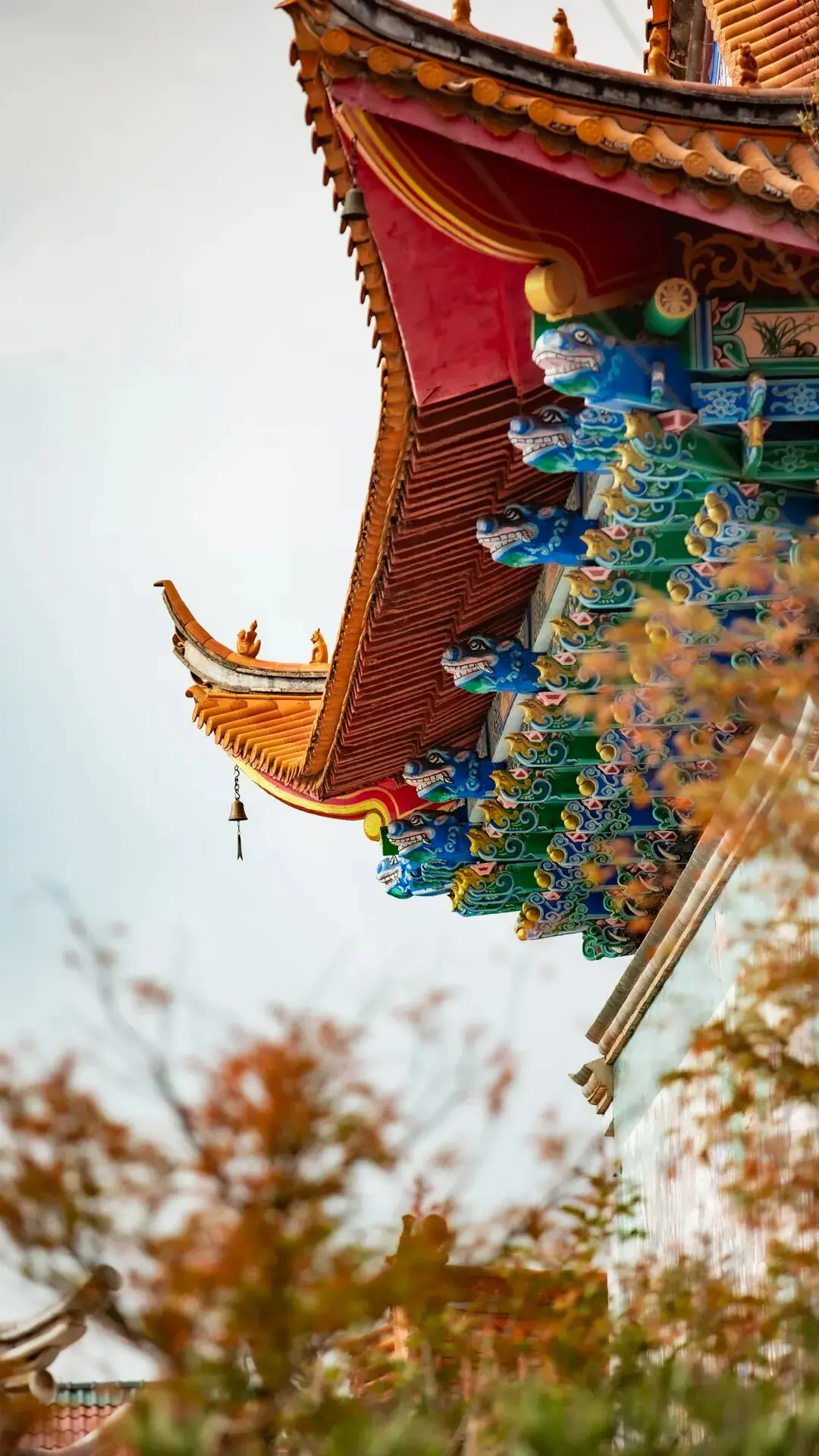
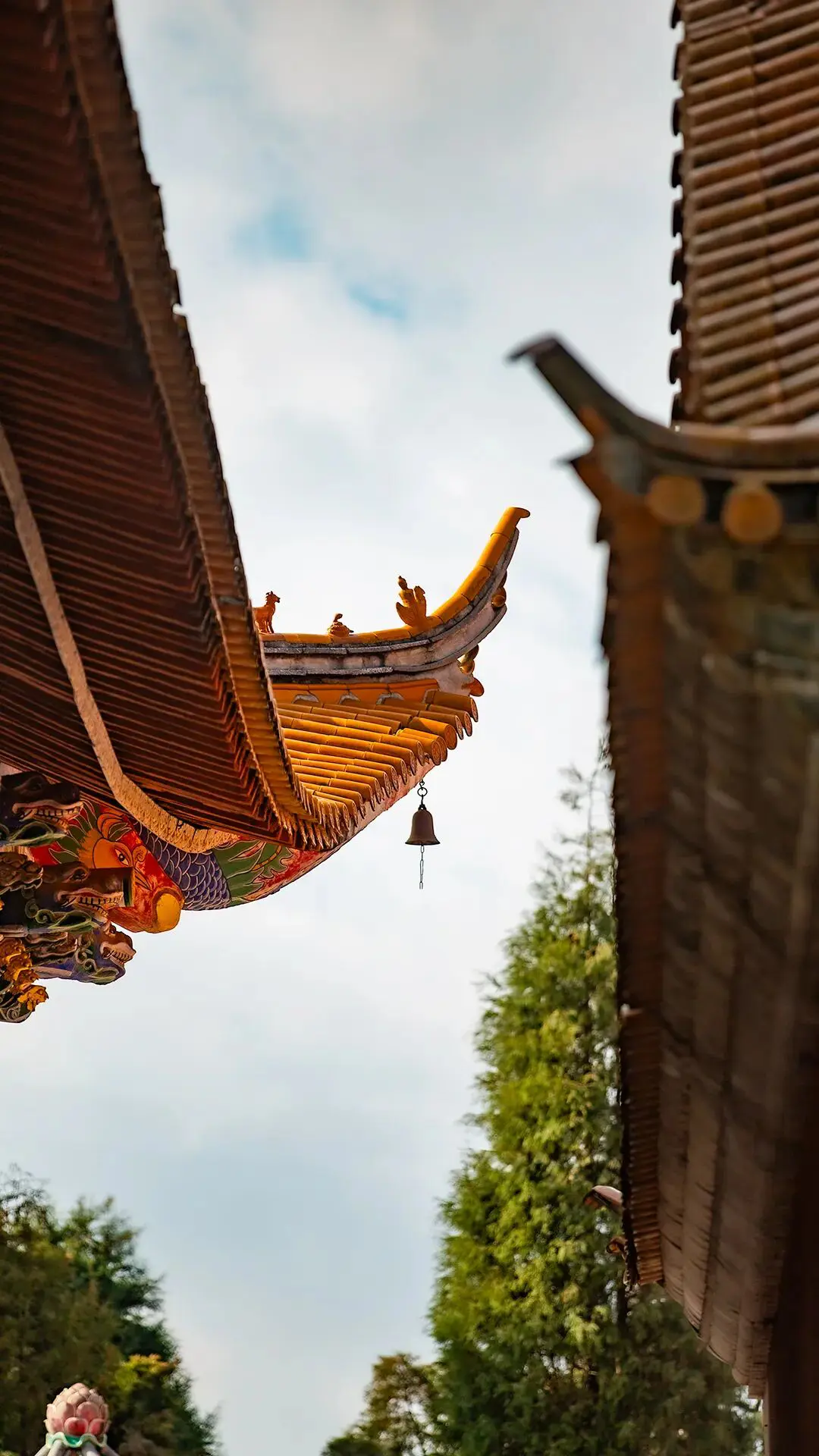
Baohua Temple was first built in the ninth year of the Kangxi reign of the Qing Dynasty (1670). It is a rare ancient temple in southern Yunnan that integrates Confucianism, Buddhism, and Taoism. It also carries the memory of the Tin Capital and enshrines Zhao Tianjue, revered as the God of Mines. The temple buildings cascade along the mountain, with red eaves hidden among dense shade. Accompanied by the winds of Jin Lake and Laoyin Mountain, it harbors three hundred years of Gejiu's tin mining history and serves as the cultural core of Laoyin Mountain. Its architectural style bears distinctive features of Southeast Asian Buddhist architecture. The pagoda keeper told us that many devotees here prefer this style.
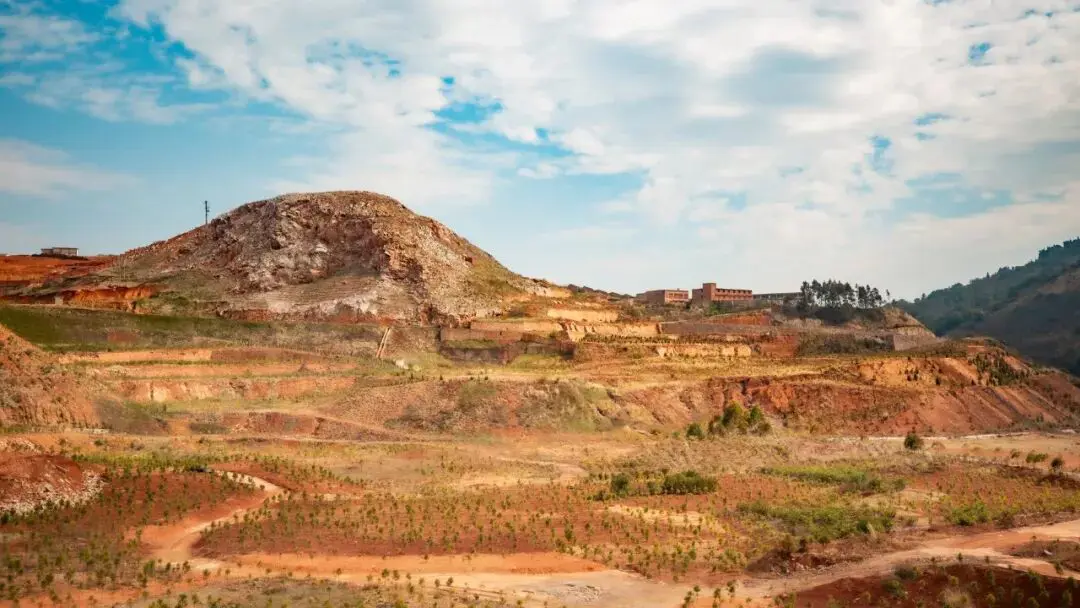
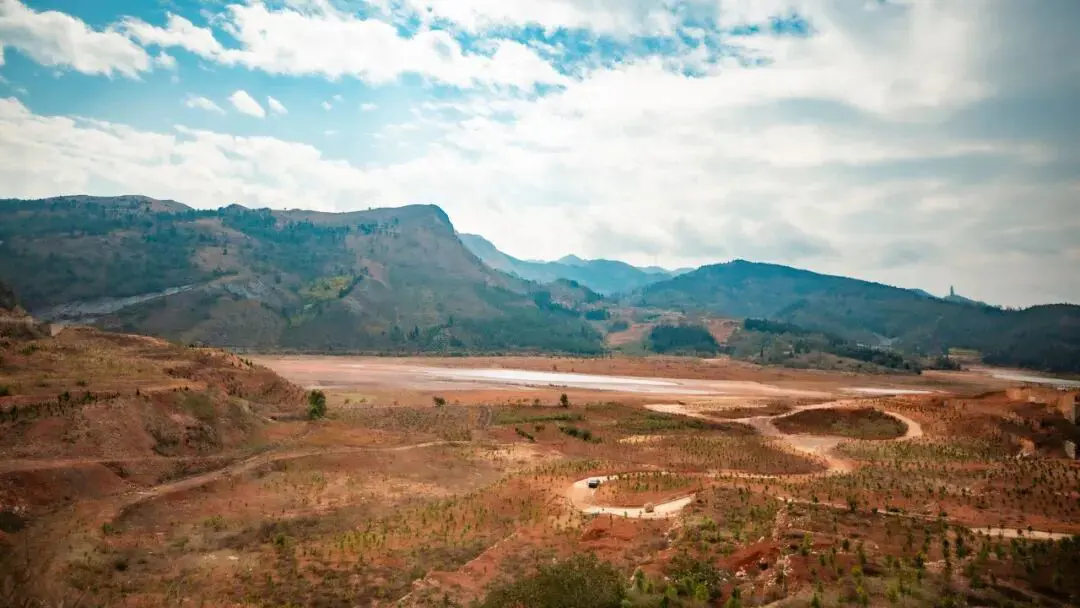
We left Laoyin Mountain via a different mountain road. Along the way, we saw several traces of desolate mining sites. The pockmarked mountain body still silently persists, hoping to one day regain its former glory and don a green uniform. Some faint greenery was already swaying on these patches of yellow earth. We wondered when those seedlings and small trees had been planted.
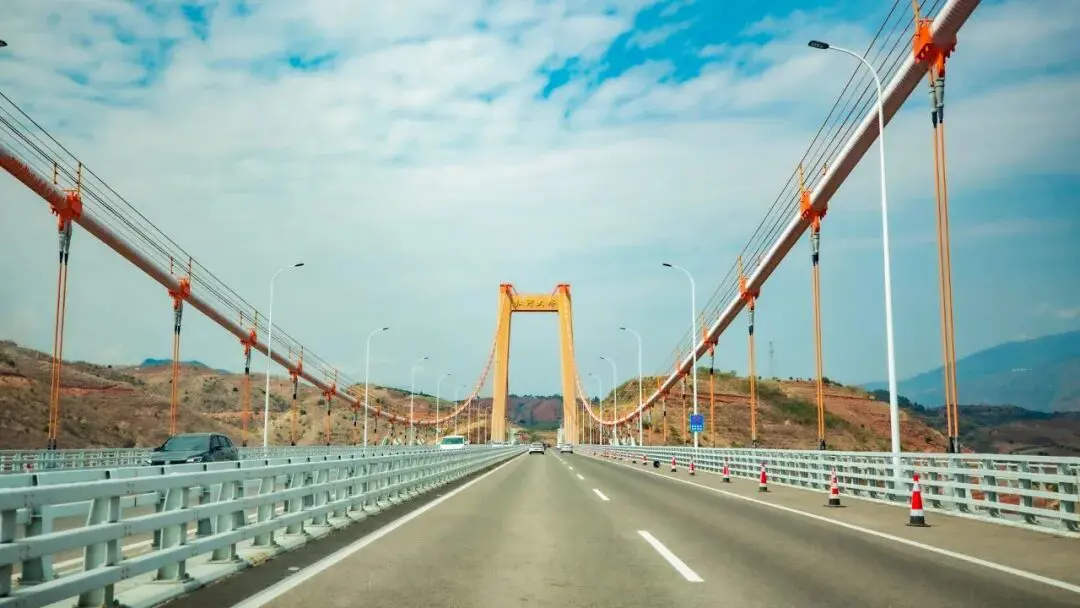
When returning from Gejiu to Dali, we crossed the Honghe Bridge. Behind us, Laoyin Mountain, which had sheltered us for a night, breathed and sighed under a different sky. But what kind of bridge must we cross to reach its past and see its intact, undamaged form?