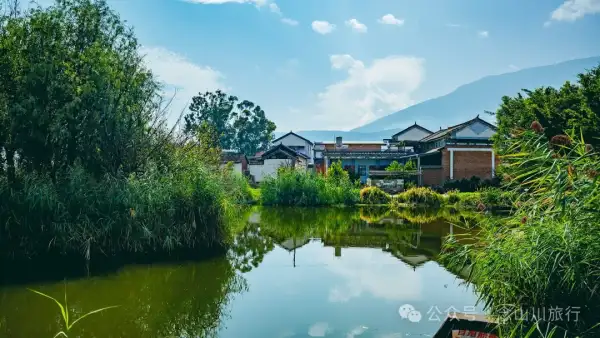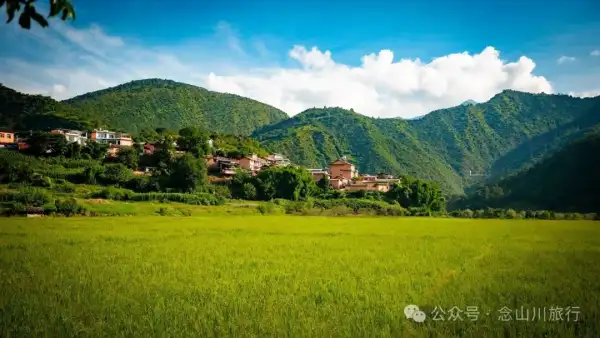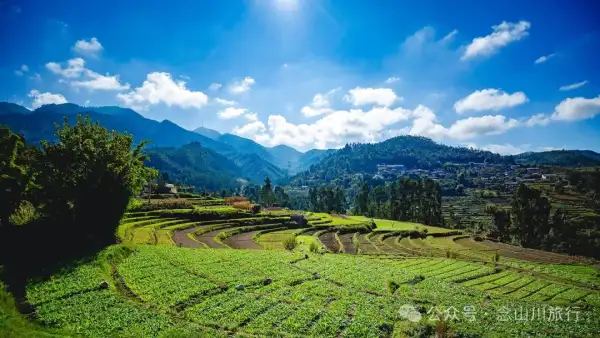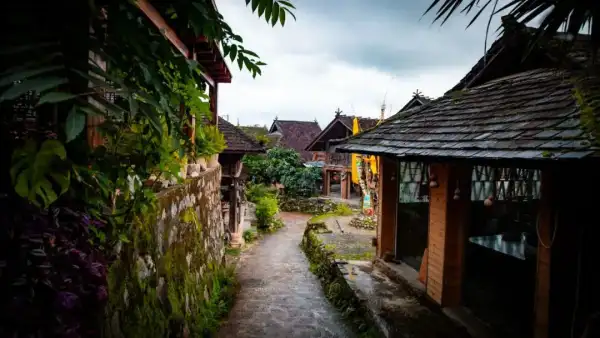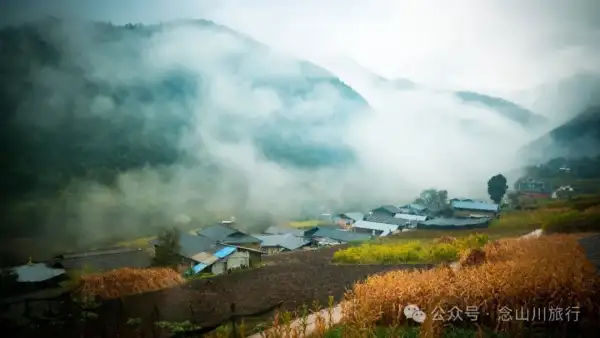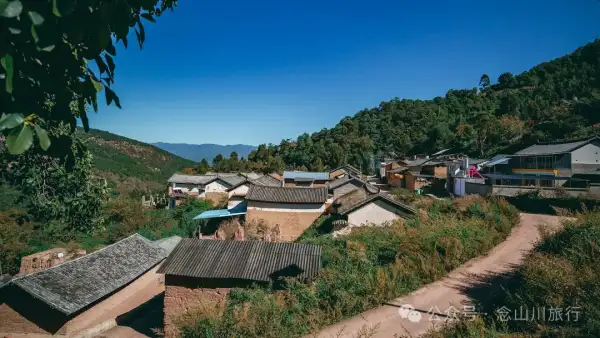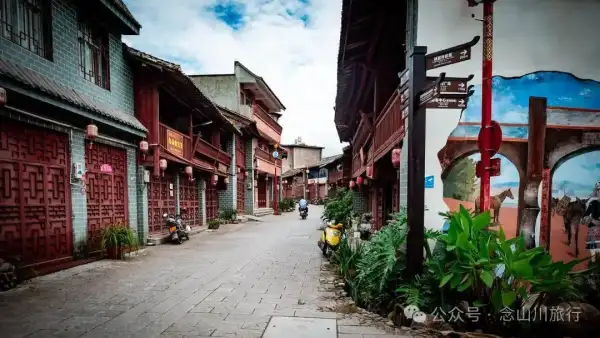

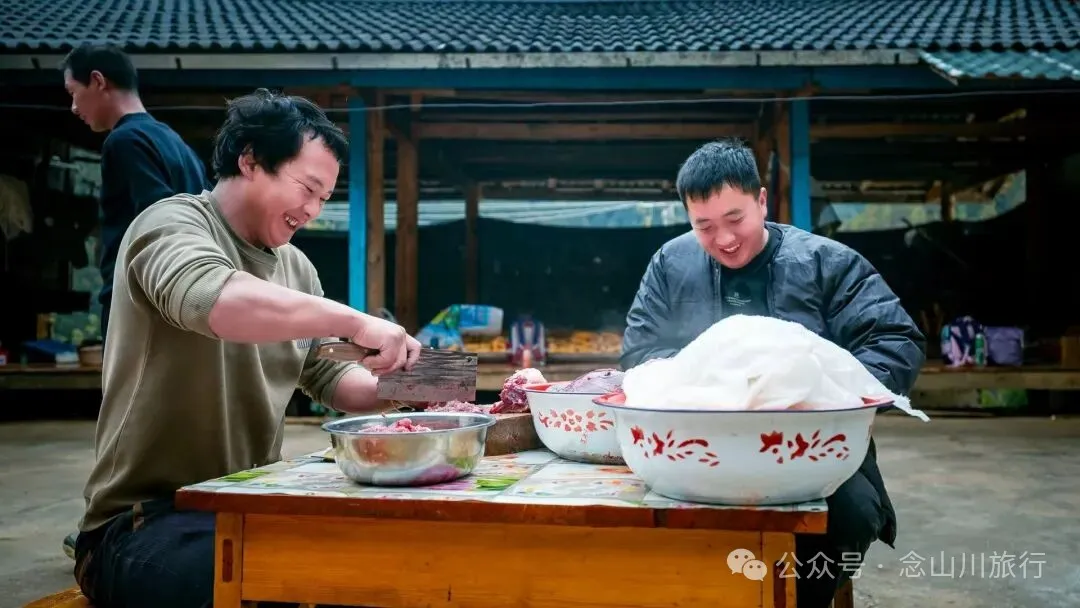
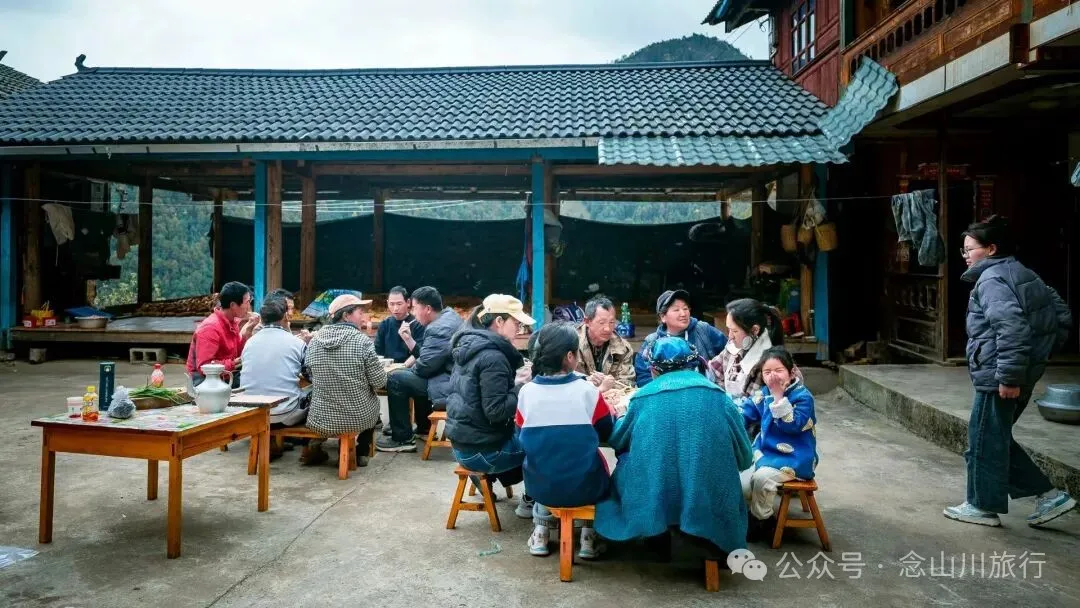
When I first arrived in Bazhu Village, I heard that from mid-November, villagers would start holding the kill-the-pig feast one after another. Although it's not the twelfth lunar month, it's truly deep winter, with temperatures low enough to cure bacon. The pigs raised for a whole year are now ready for slaughter. Farm work is not as busy as before, and last year's pork is almost gone, so this is the perfect time to kill a pig.
Some families hold the feast twice. The second time is at the beginning of winter break, when children studying away from home return. The family kills another pig to soothe their tired and homesick souls with delicious food. Bazhu Village has no primary school; children have to go to Tacheng, 20 kilometers away, and only come back on weekends. As for middle and high school students, Tacheng Town has no secondary school, so they have to go even farther—to Weixi County or Shangri-La—and rarely return. So when winter break comes, their families kill another pig for them. I imagine the village will be even livelier and warmer then.
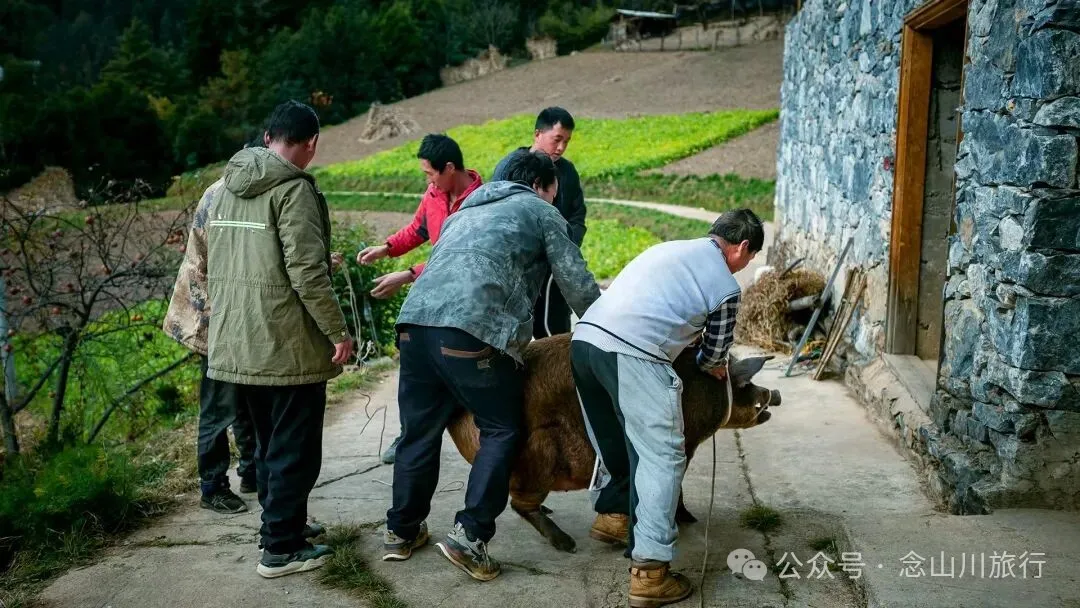
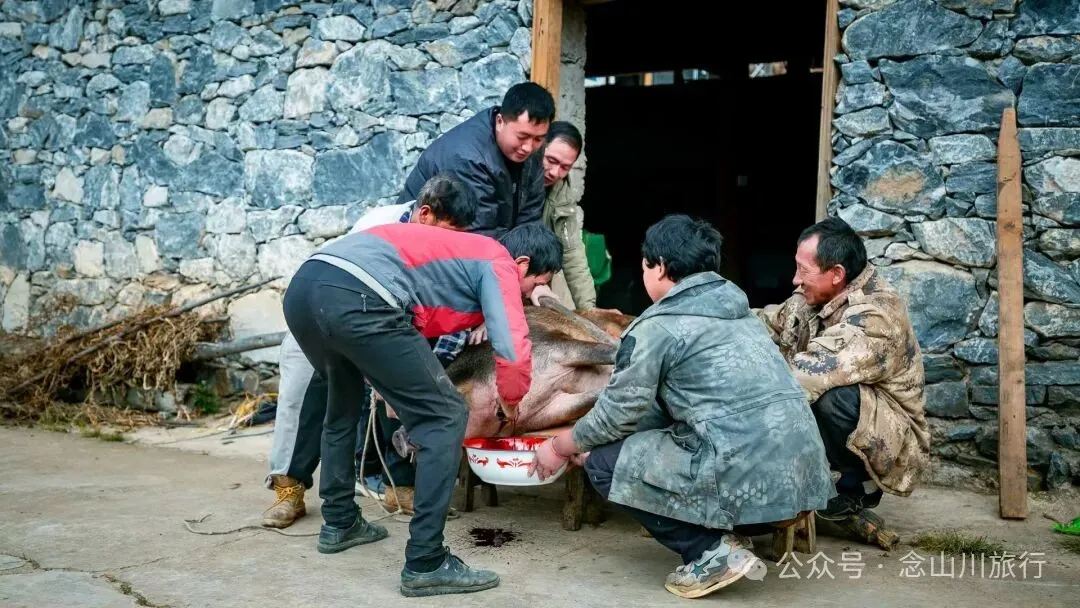
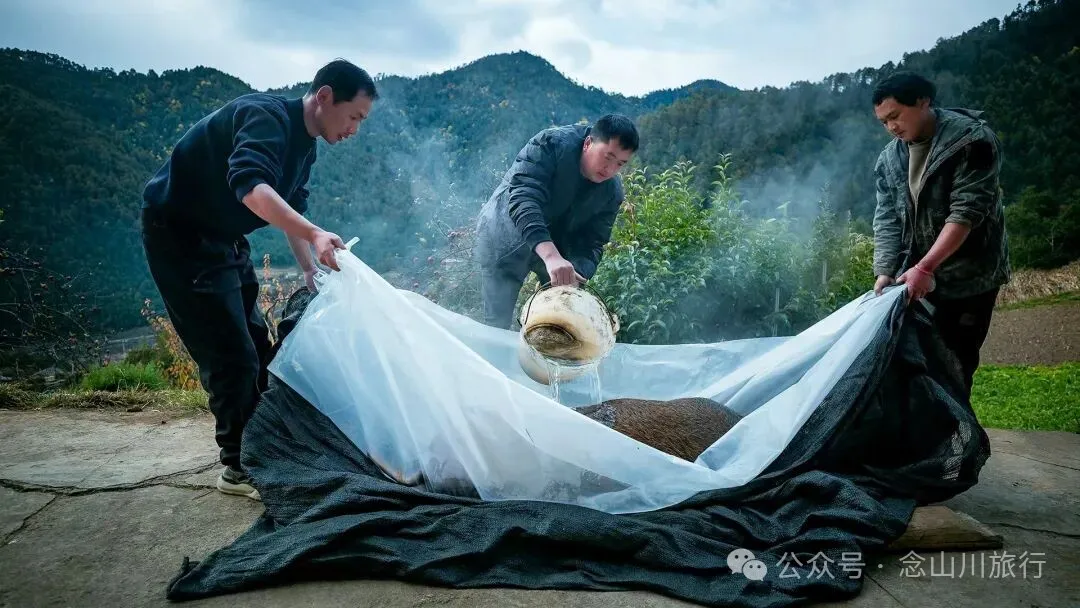
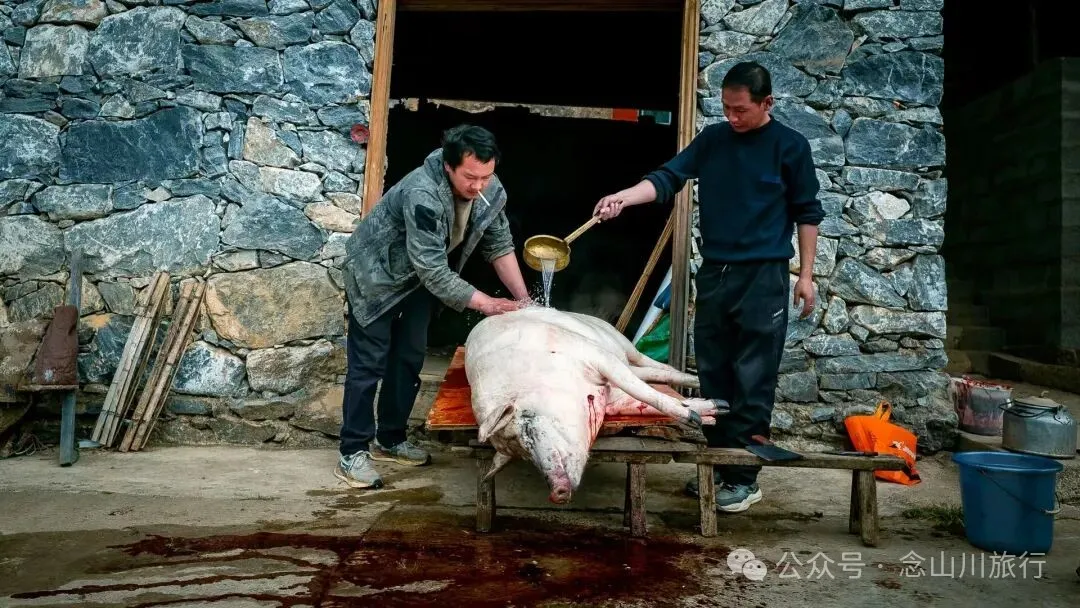
Witnessing a 300-400 jin pig being roped from the pen, letting out screams that shake the entire valley, and finally being subdued by five or six strong men and placed on a makeshift wooden board—this is a cruel thing. But humans are hypocritical, extremely hypocritical. Otherwise, why do we never feel such sympathy when buying meat at the market? It's just plugging our ears while stealing a bell. Especially when a fragrant, sizzling dish is placed before you, it's easy to forget the brief, bloody minutes of the morning.
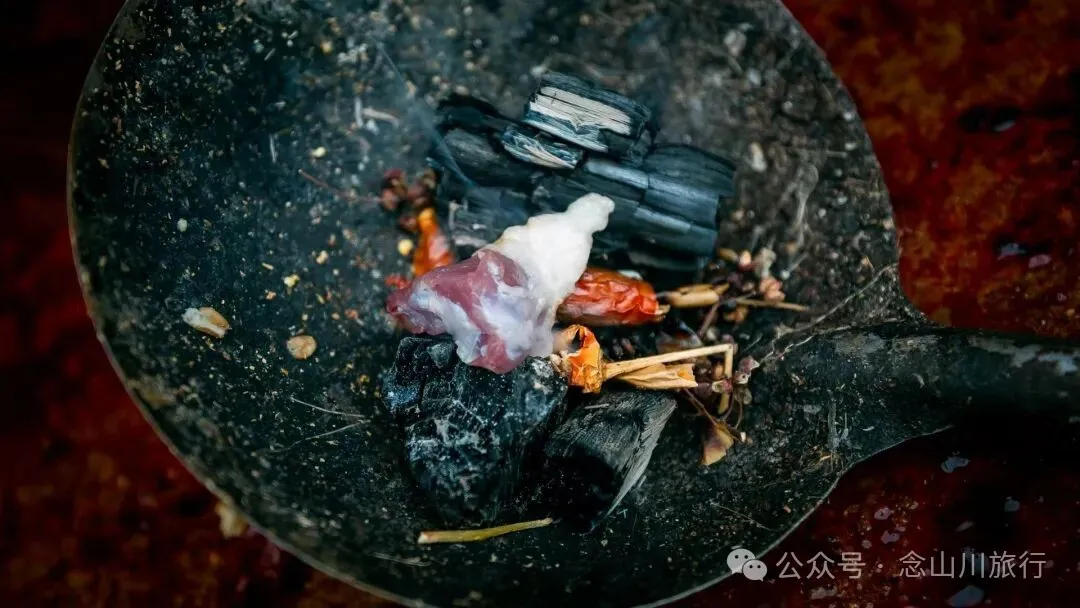
The butcher's skill must be extremely precise—one stab to the vital spot, not too shallow, not too deep, just right. In the whole process, bleeding is the shortest step, taking less than ten minutes, which is a great relief for the pig. An iron ladle holds a few burning charcoal pieces, with some dried chili and Sichuan pepper placed on the ground under the pig's head. A small piece of pork is thrown in. The old master says this is to ward off evil and ensure safety, preventing colds and illnesses. Another explanation is that the white smoke from the chili and pepper is very pungent, confirming whether the pig is completely dead. Then they begin to disassemble the pig like a skilled butcher.
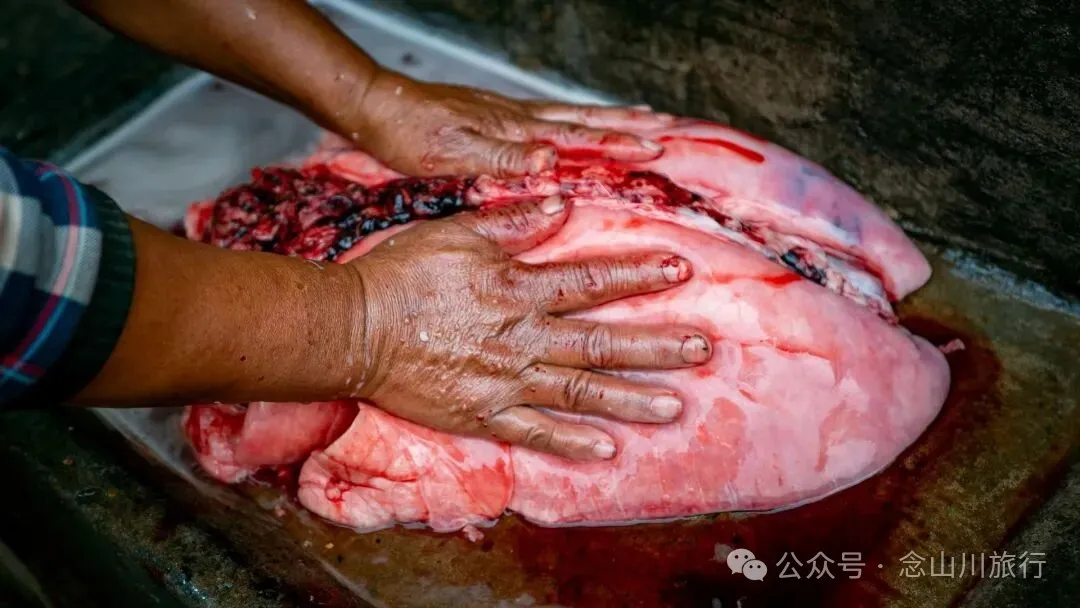
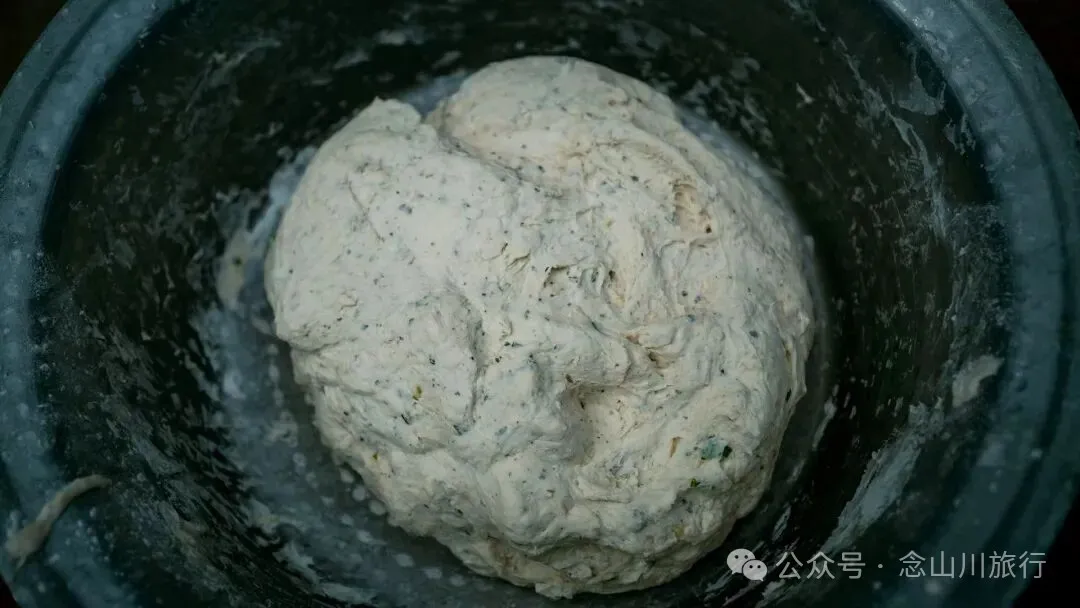
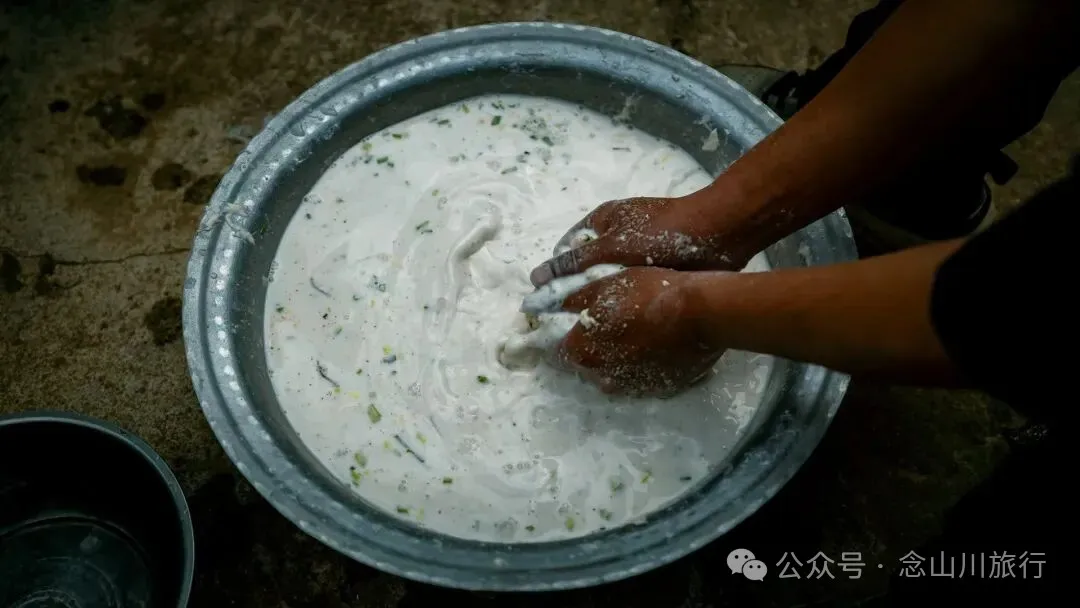
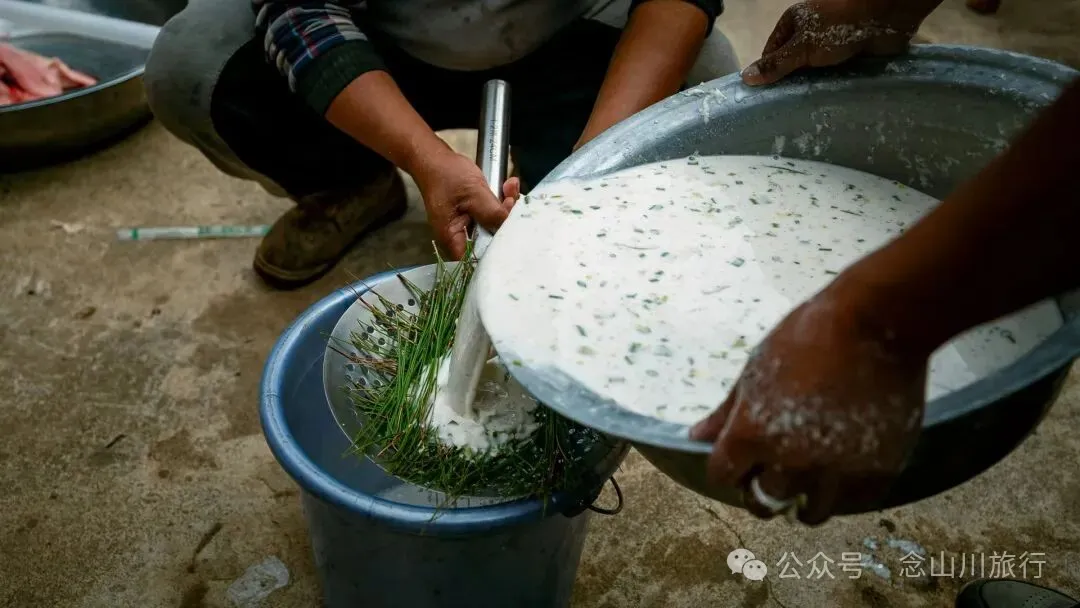
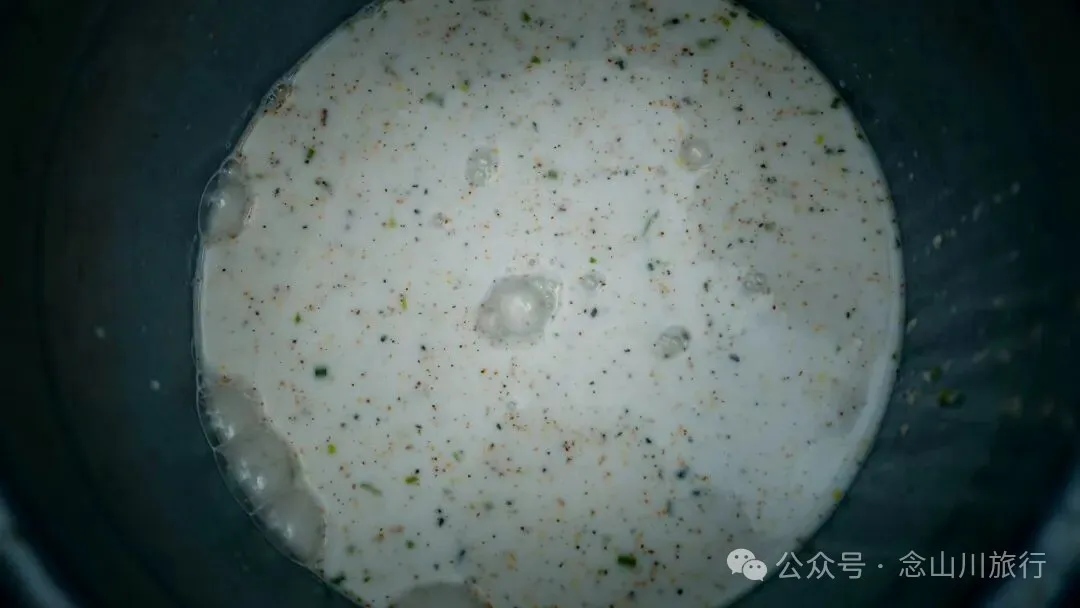
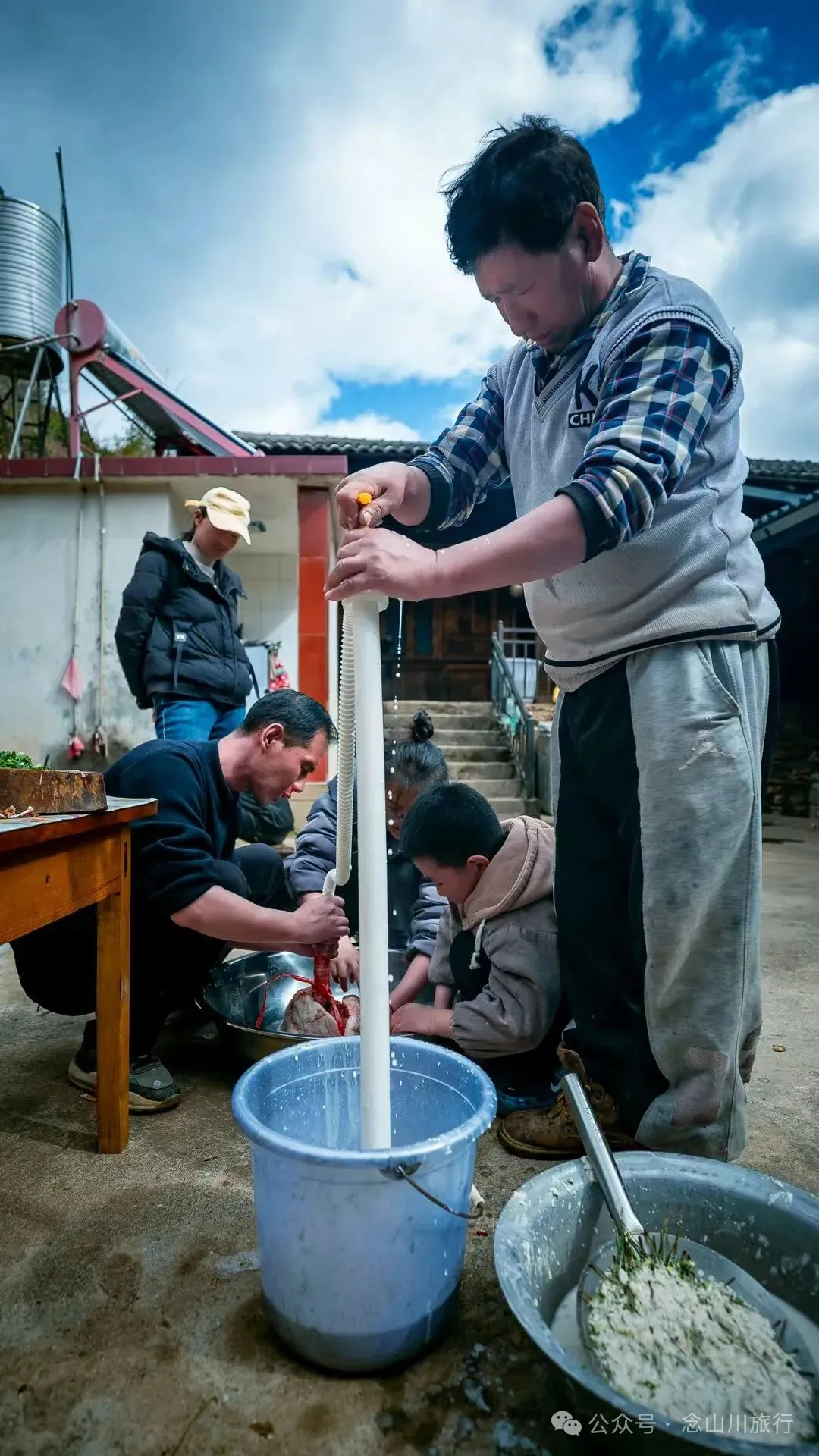
In Bazhu Village, people have a uniquely ingenious way of handling pig lungs. The old master aligns the trachea with the faucet, injects enough water to fill the lung, then gently presses with moderate force to release the water completely, flushing out blood and impurities. This is repeated three or four times until the water runs clear. The lung is then hung upside down to drain thoroughly. Take two jin of flour, add Sichuan pepper powder, cardamom powder, salt, and dried mint (wild mint is used here for a stronger aroma), knead into a dough of moderate moisture, let it rest for a few minutes, then add water and knead continuously, breaking the dough into a batter. Strain through a colander to remove lumps, keeping only the smooth batter. Then the old master brings out a professional tool—a large syringe-like tube. One end goes into the batter, the other into the trachea, and the batter is slowly injected to inflate the lung. This must be done carefully to avoid bursting the lung.
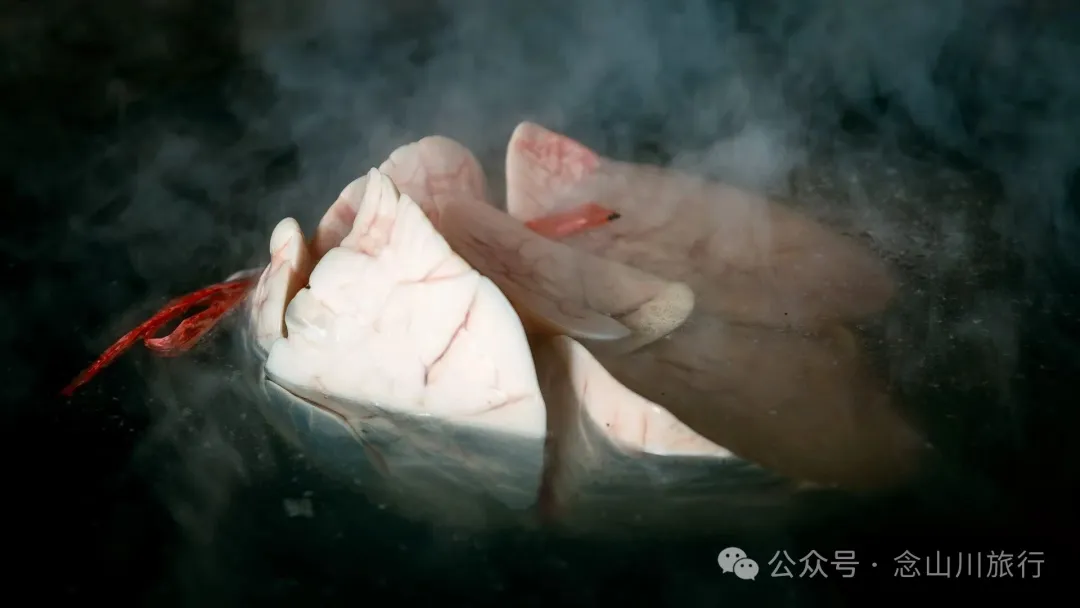
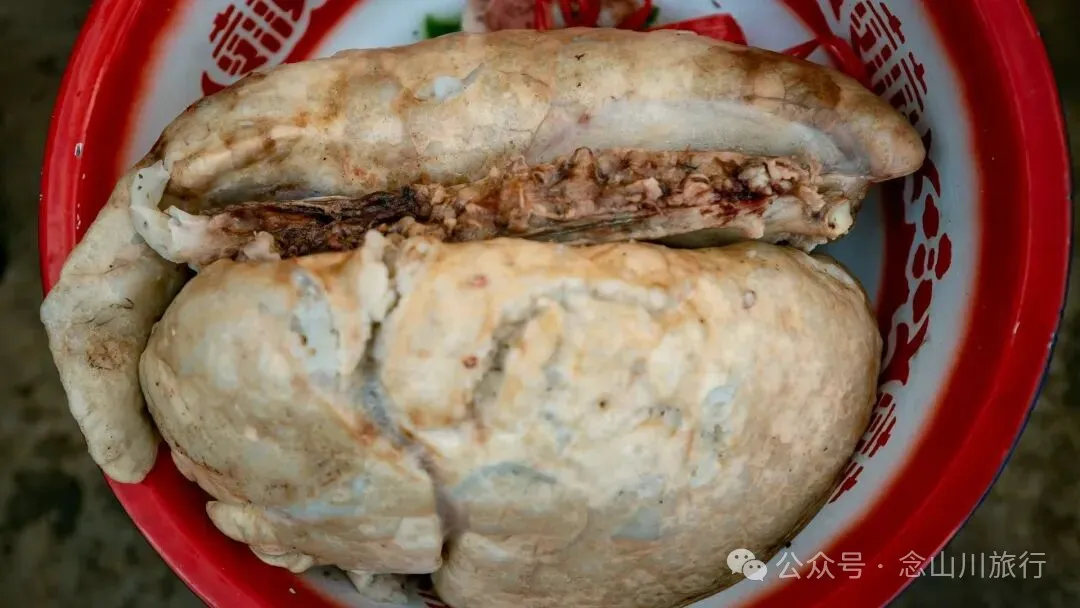
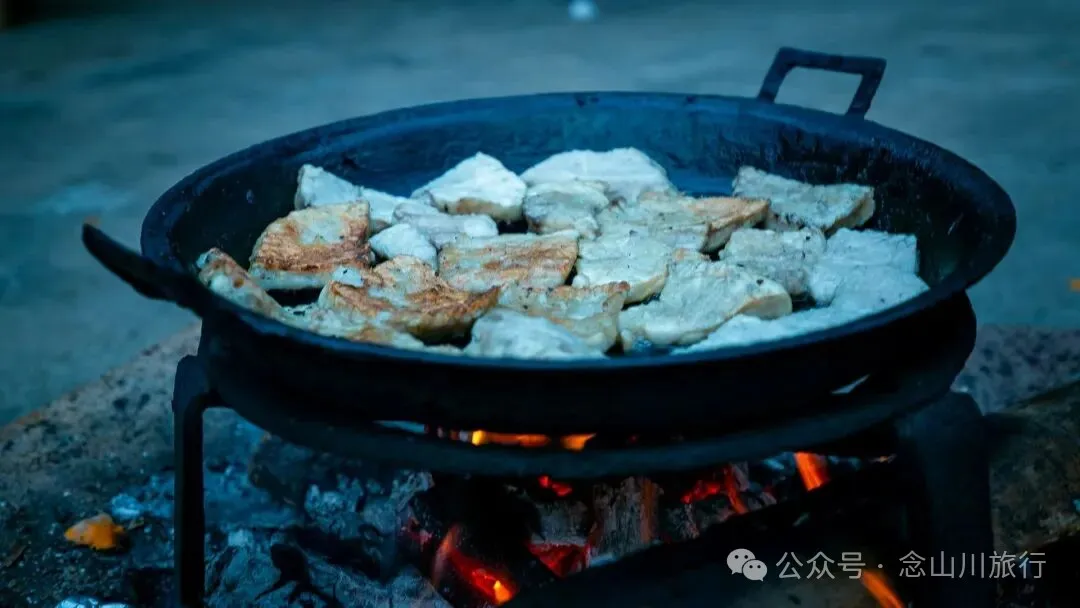
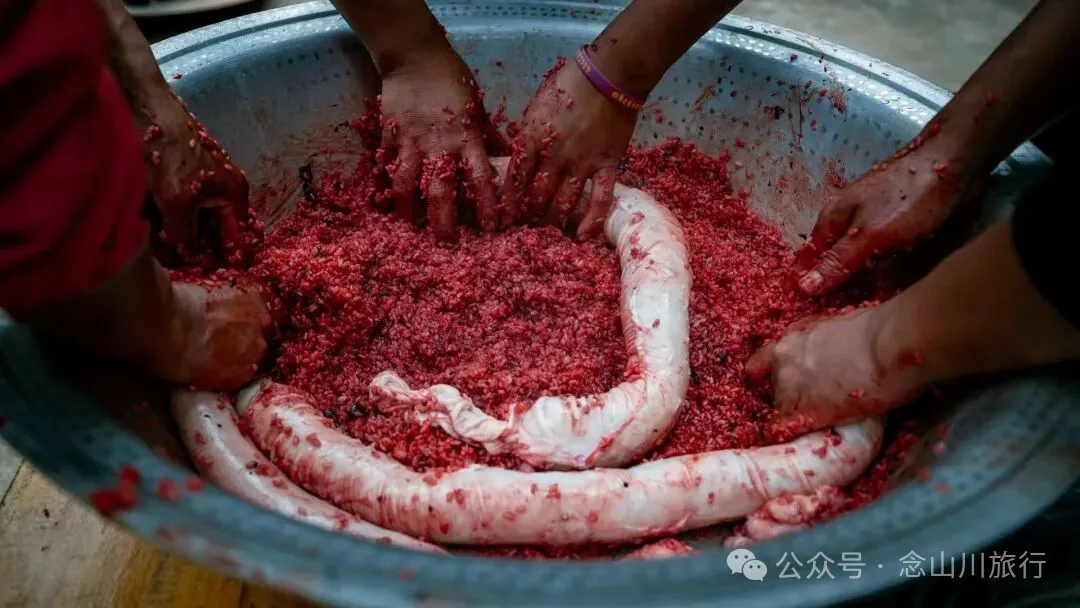
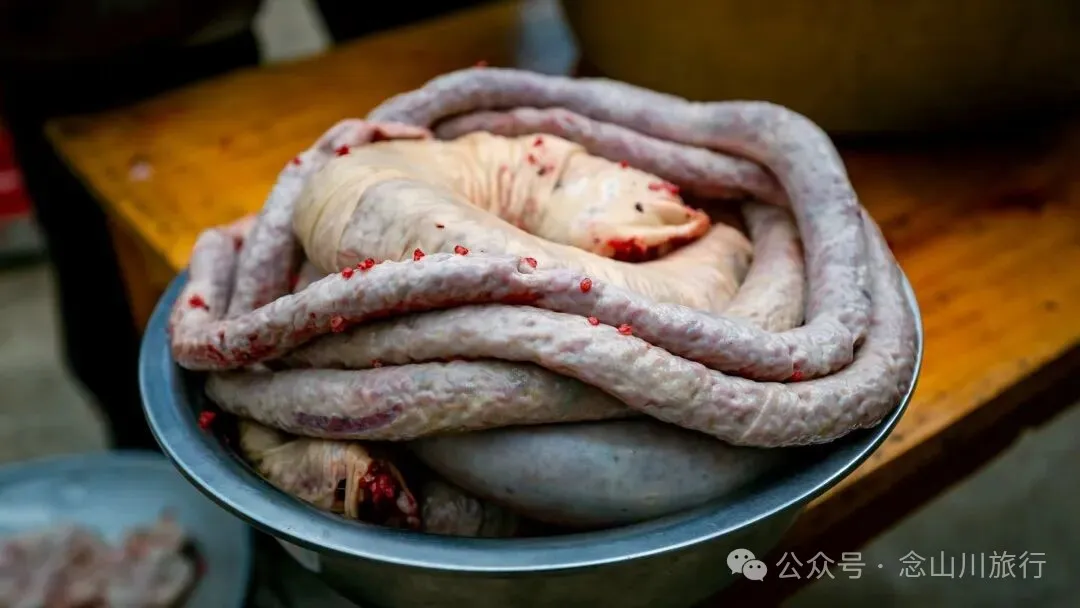
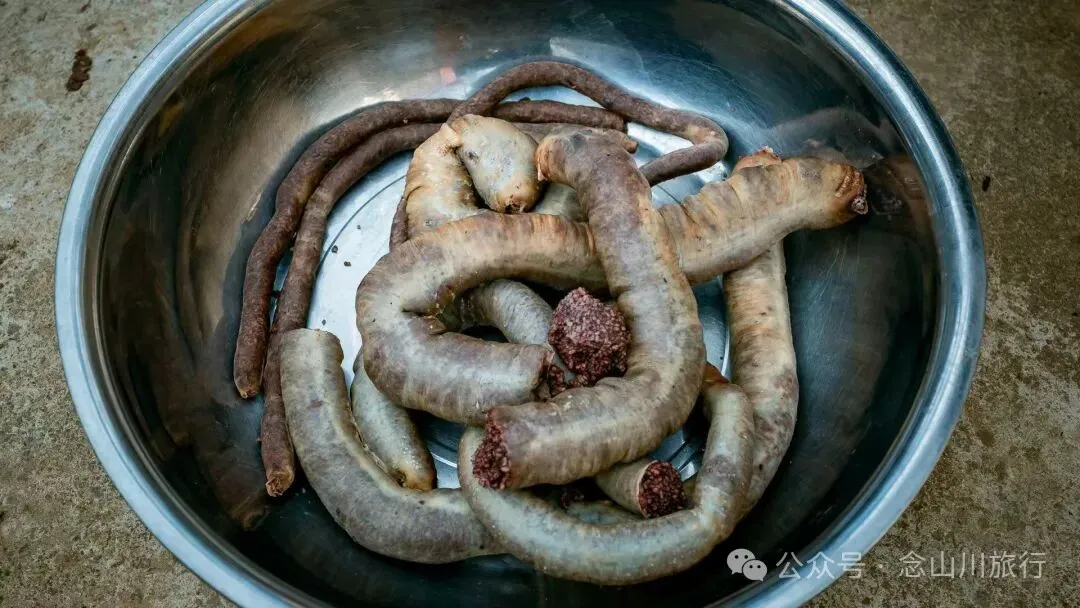
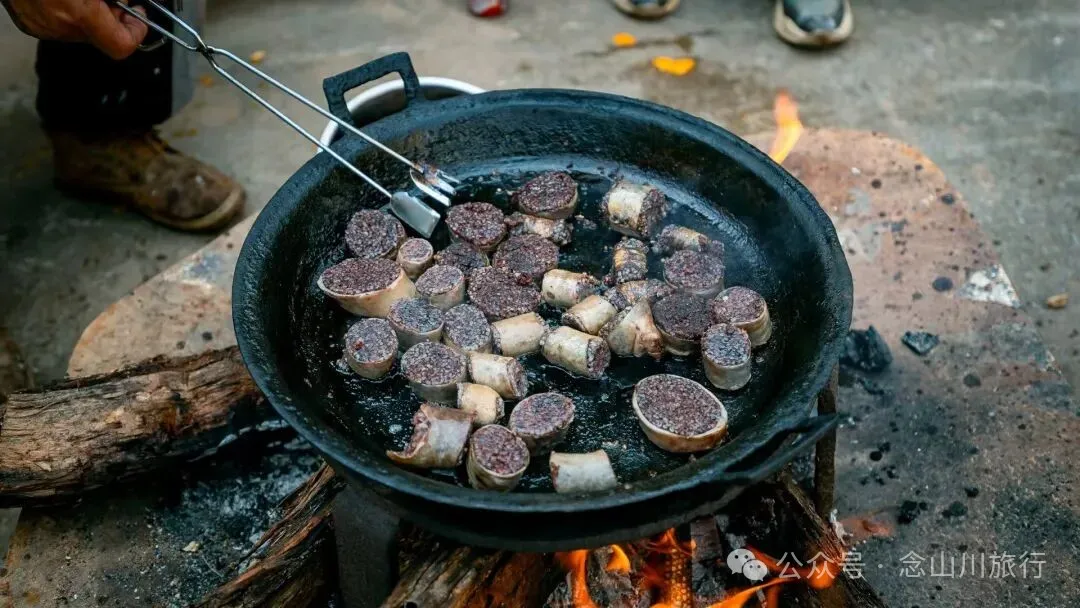
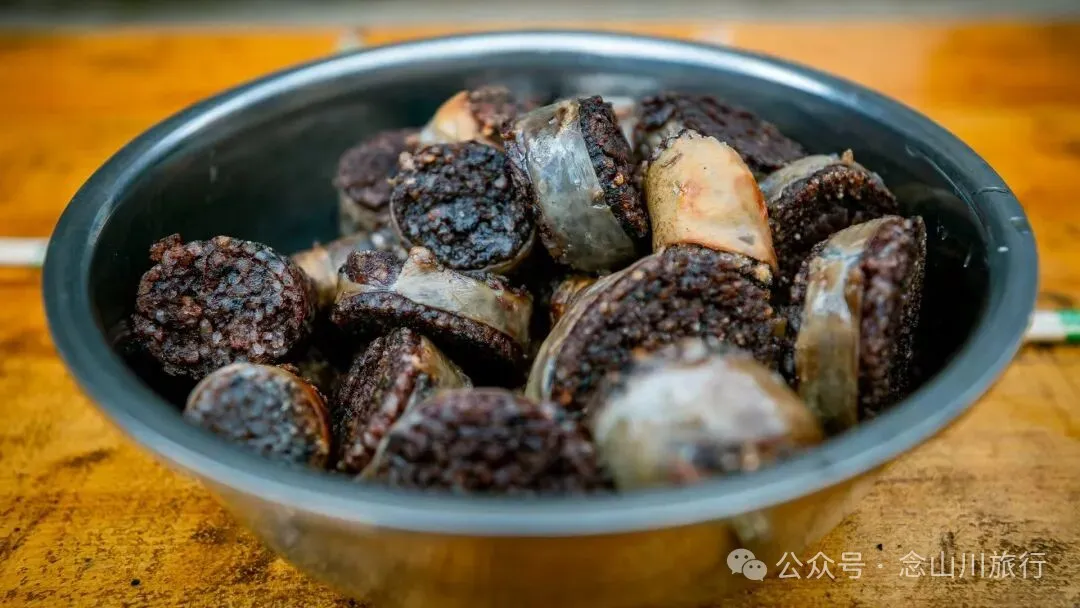
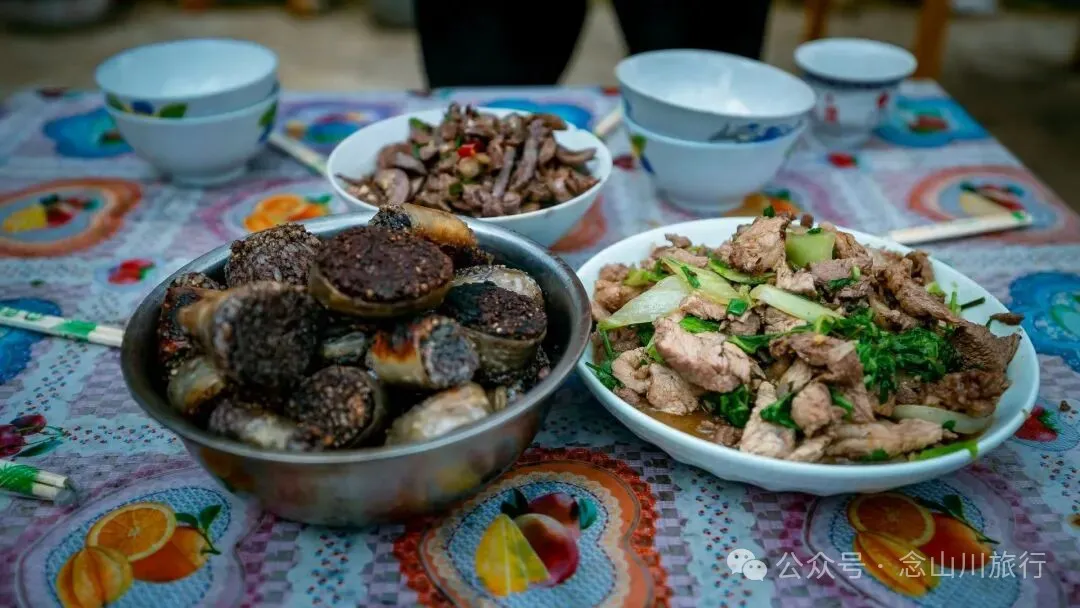
Compared to pig lung, making blood sausage is simpler and more common. Mix coagulated pig blood with cooked rice, add the same seasonings as for the lung, and stuff into cleaned pig intestines. Then boil the stuffed sausages in a large pot, following the same steps as for the lung.
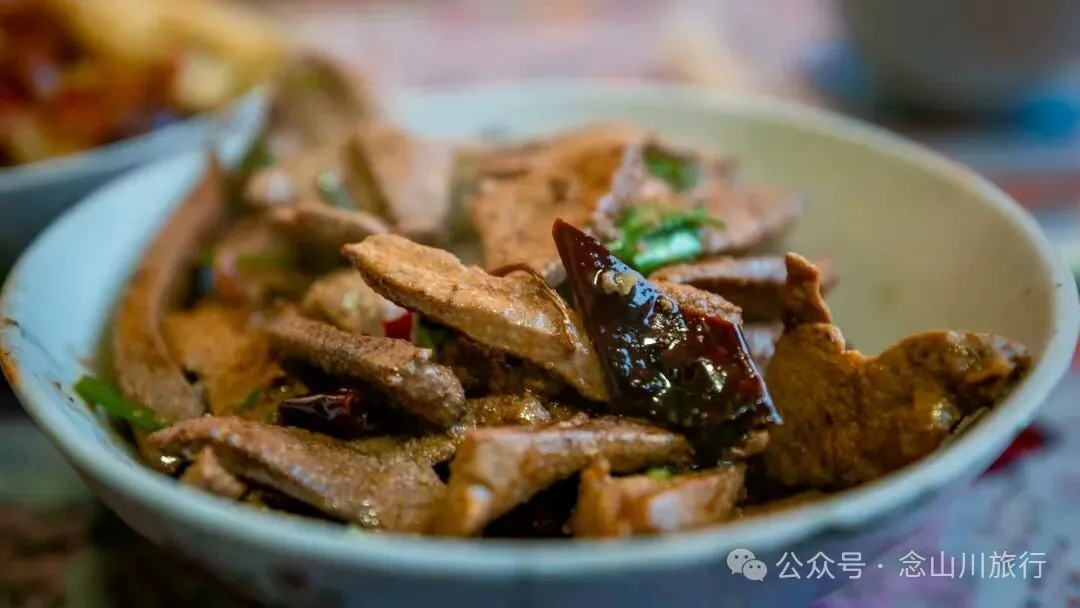
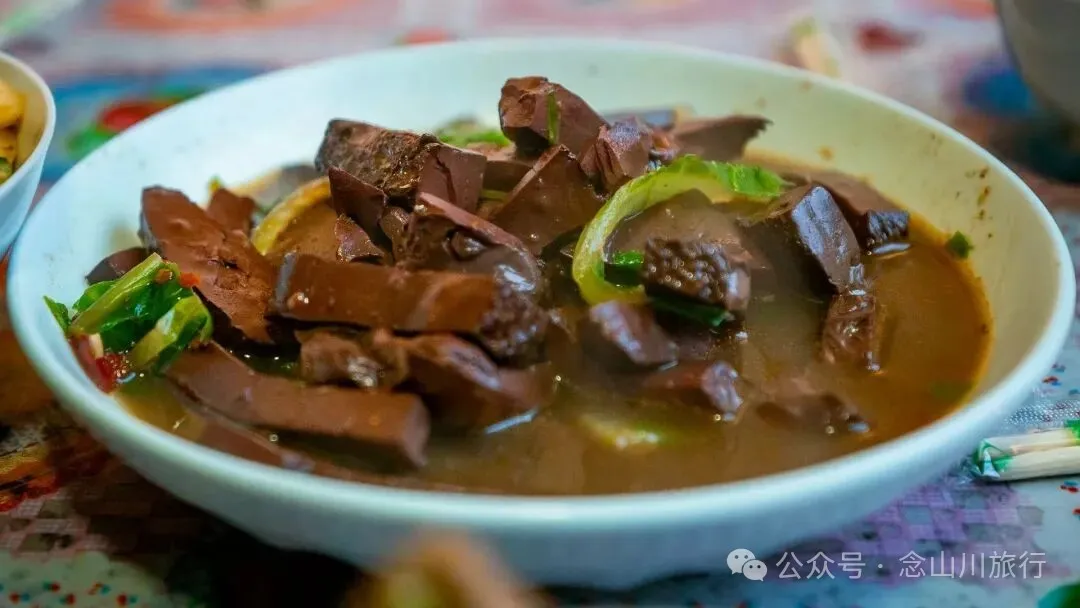
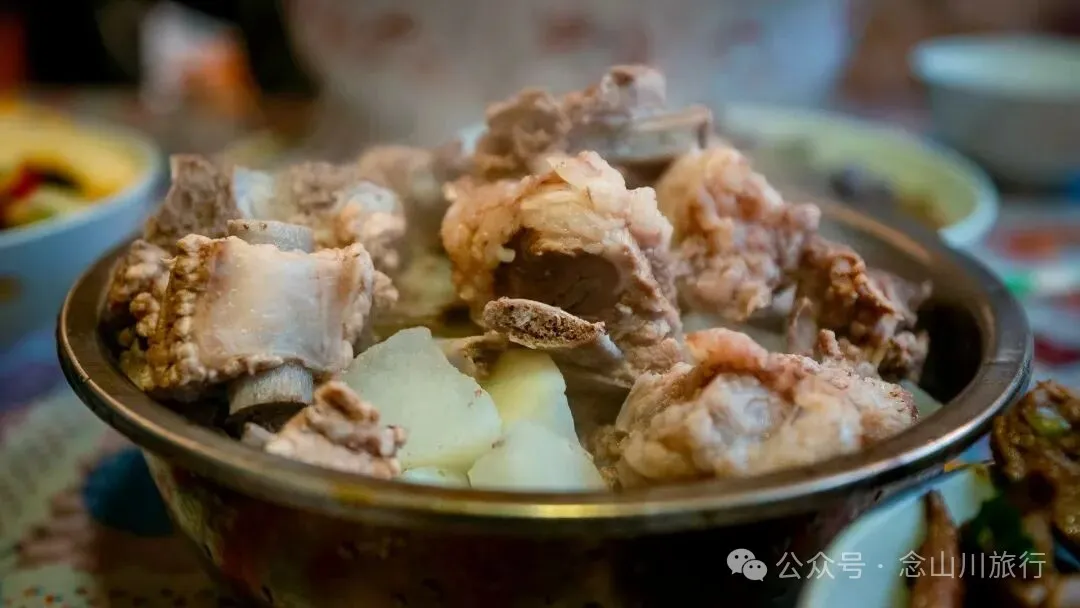
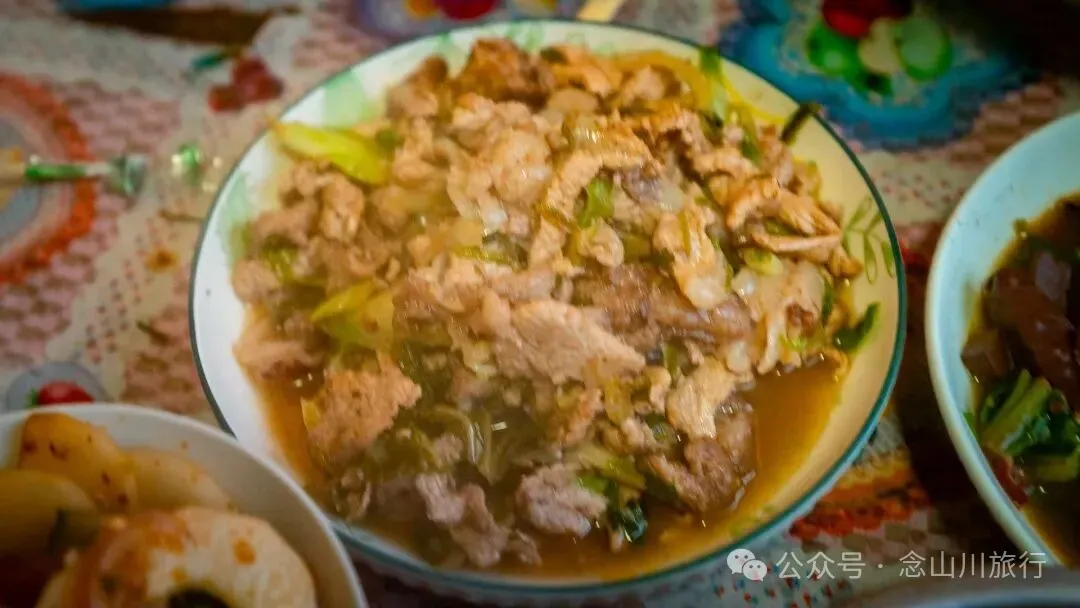
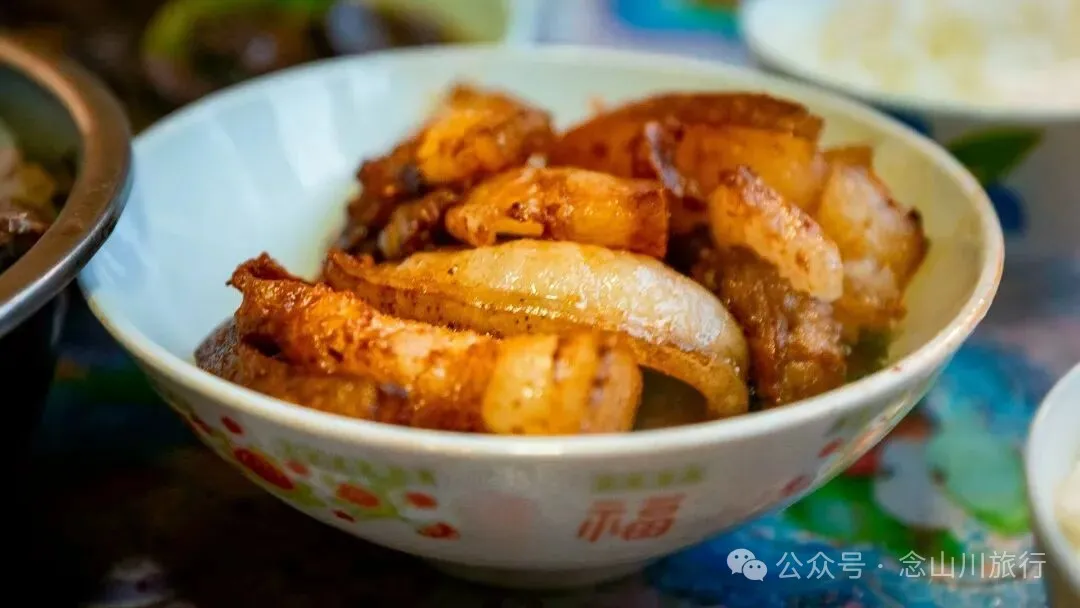
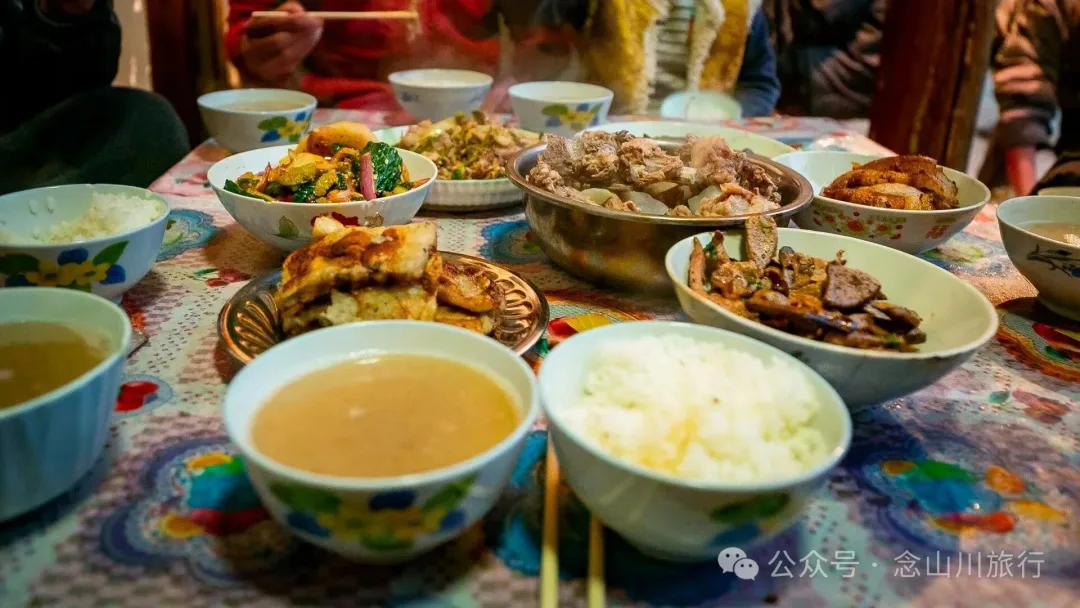
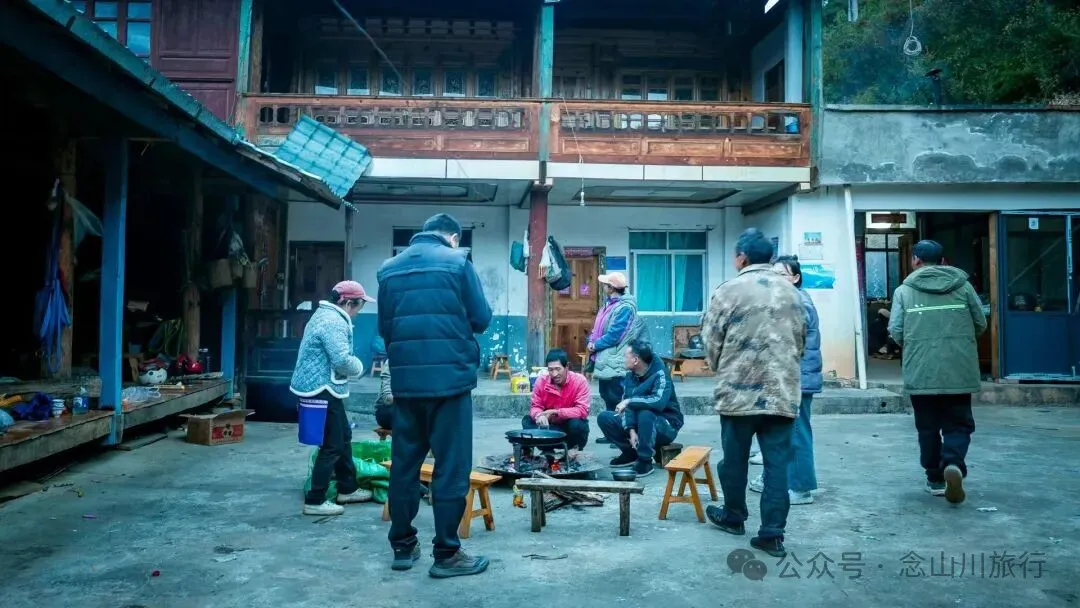
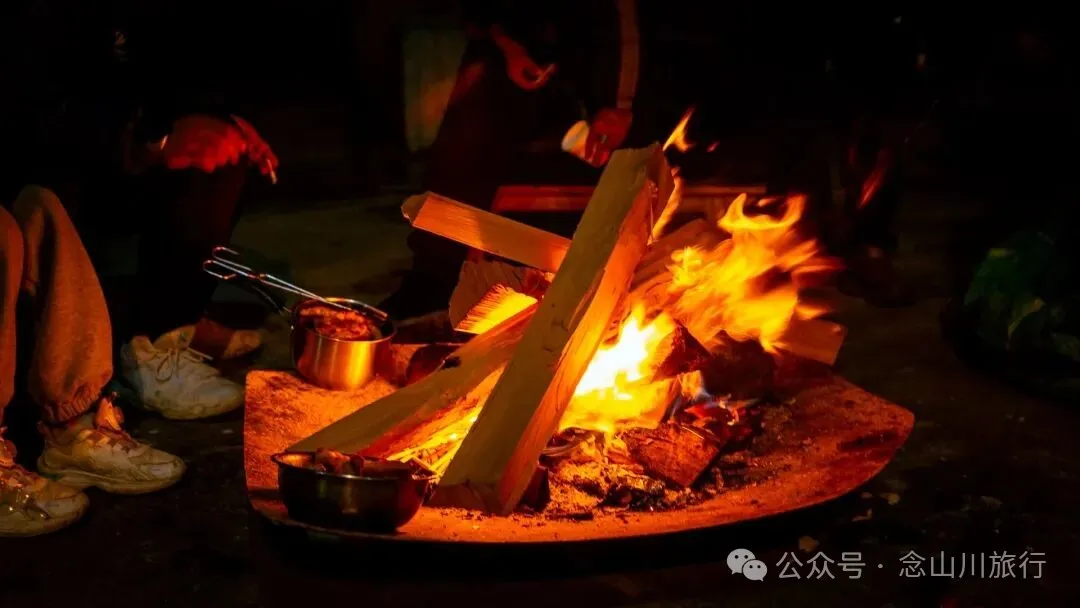
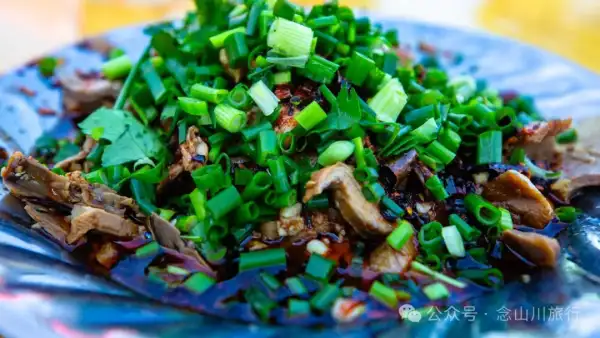
The fatty meat is cured and hung from the rafters. The rest, though eaten fresh, is also rubbed with a little salt, drained of blood, and stored in the fridge. After a busy day, when everything is done, dusk quietly falls. A fire is lit in the courtyard, and a table full of steaming kill-the-pig dishes is served to entertain relatives and friends. Toasts are exchanged until everyone is satisfied. In the long cold night, people look forward to a bountiful harvest and thriving livestock in the coming year.