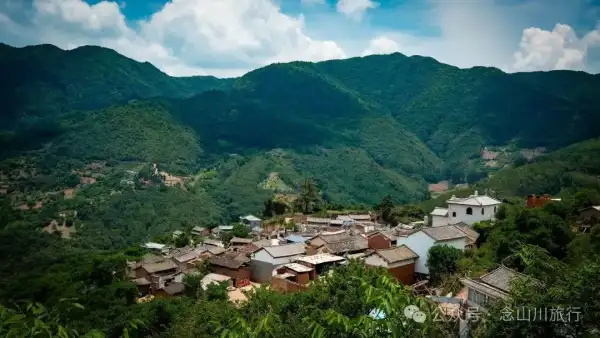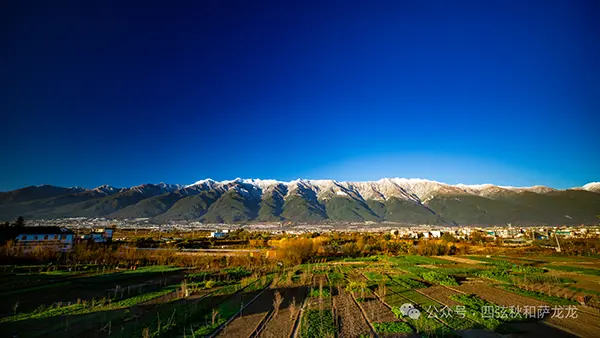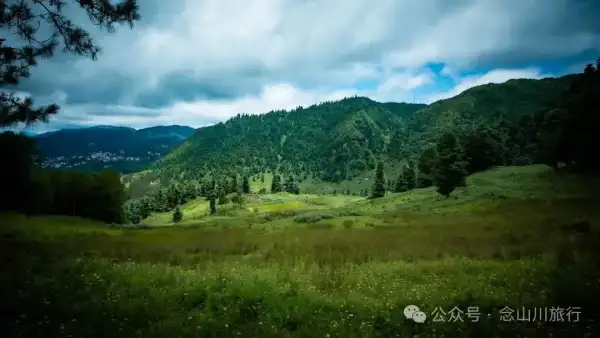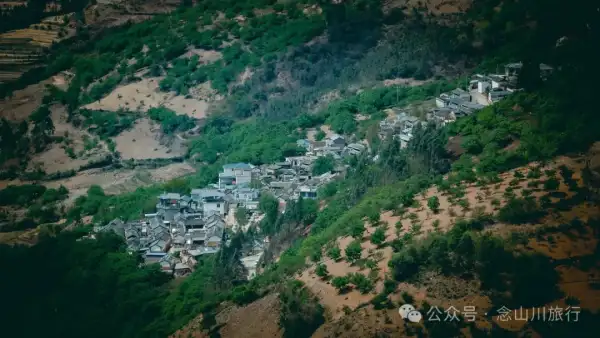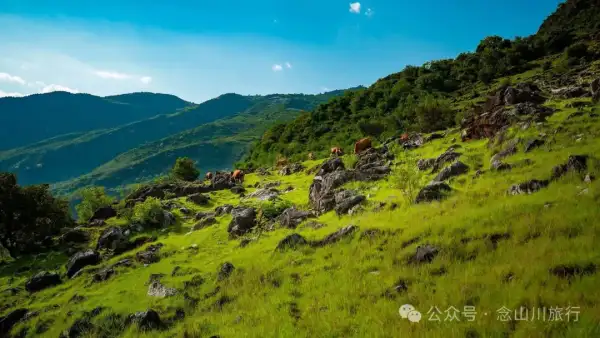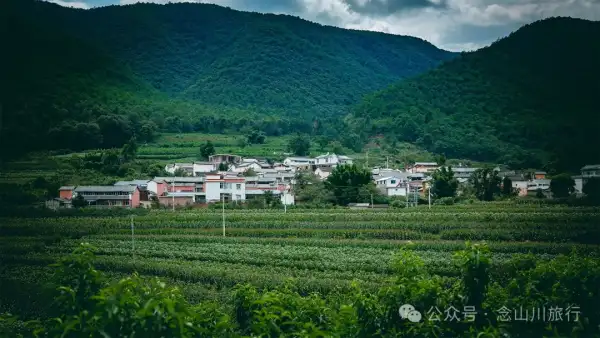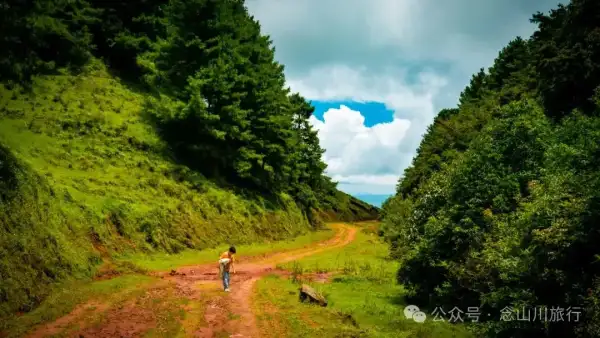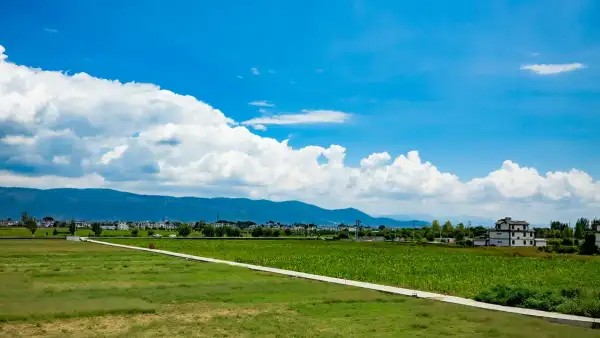

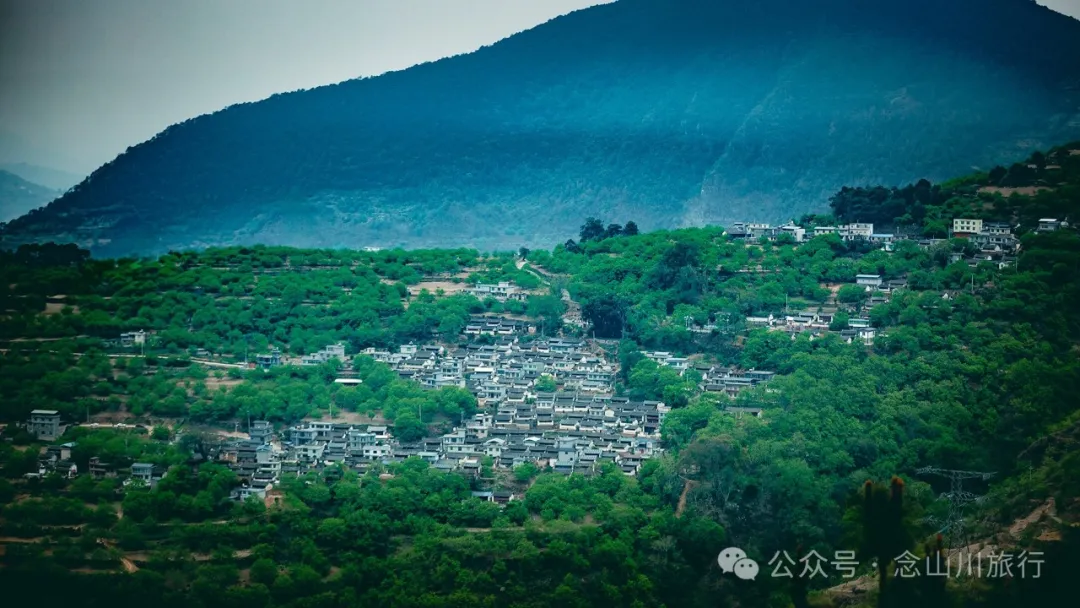
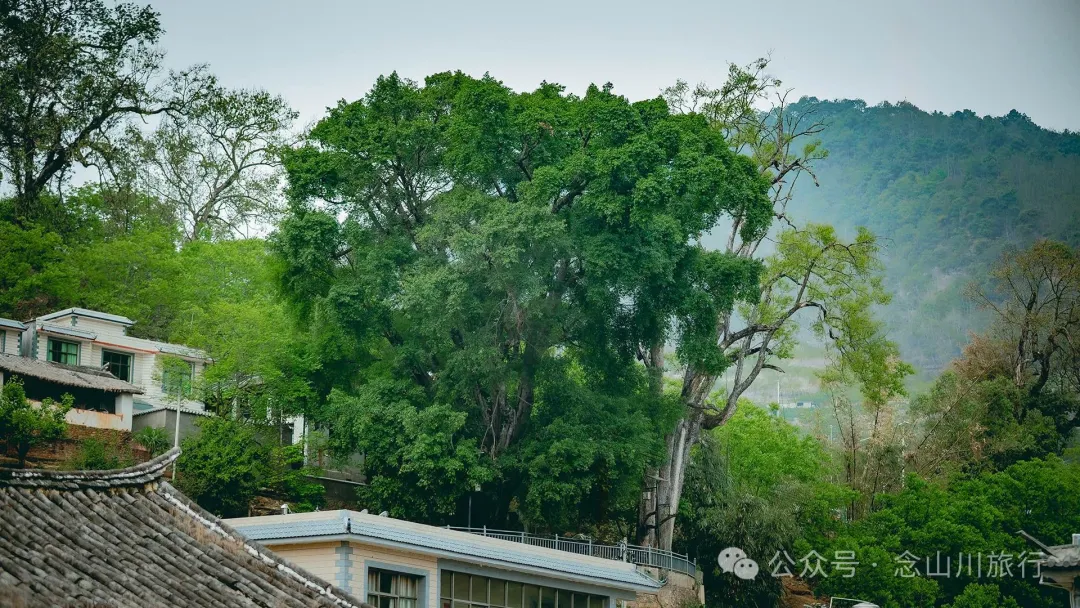
On the way to Bazi Erduo Village, we sat in the car gazing at the rolling mountains in the distance, searching for unfamiliar villages to add wonderful material to our journey home. Laojiaku Village left the deepest impression on us. Surrounded by a vast walnut forest, it resembles an island floating on a green sea, exuding endless gentleness and freshness, evoking a longing in our hearts.
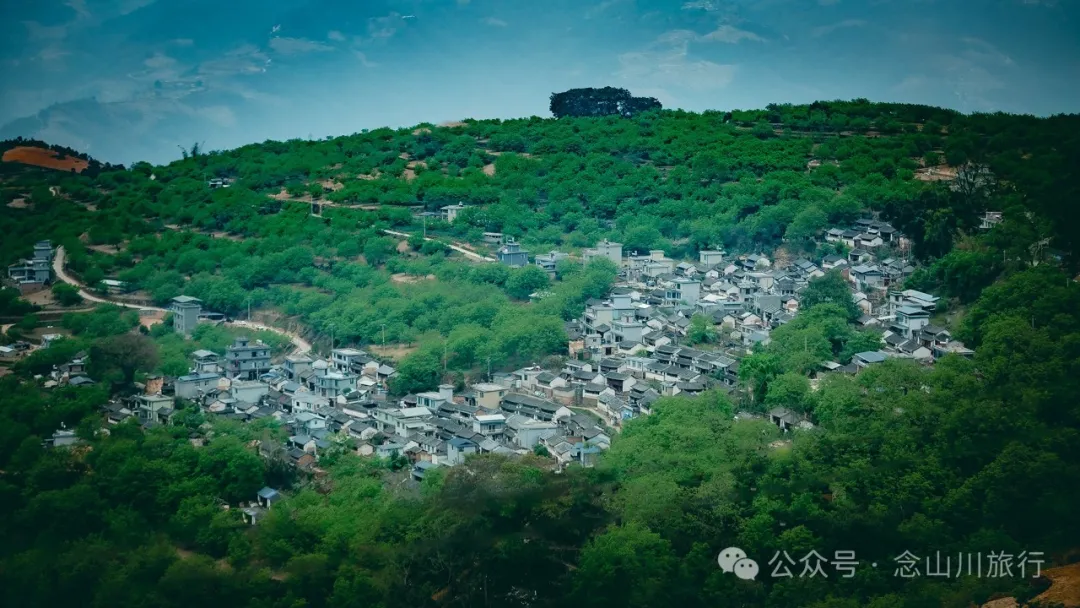
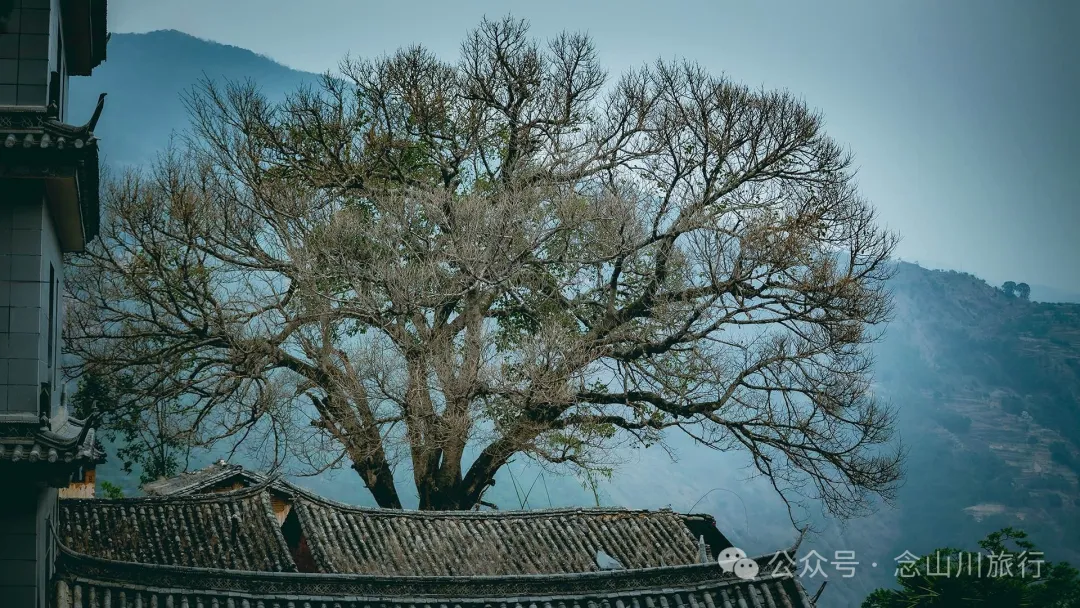
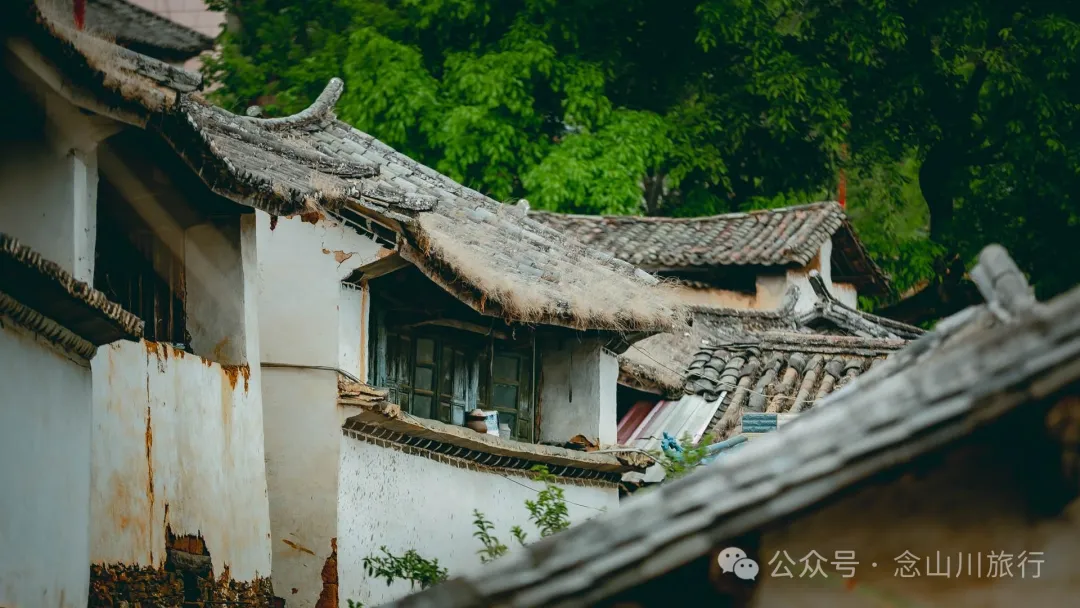
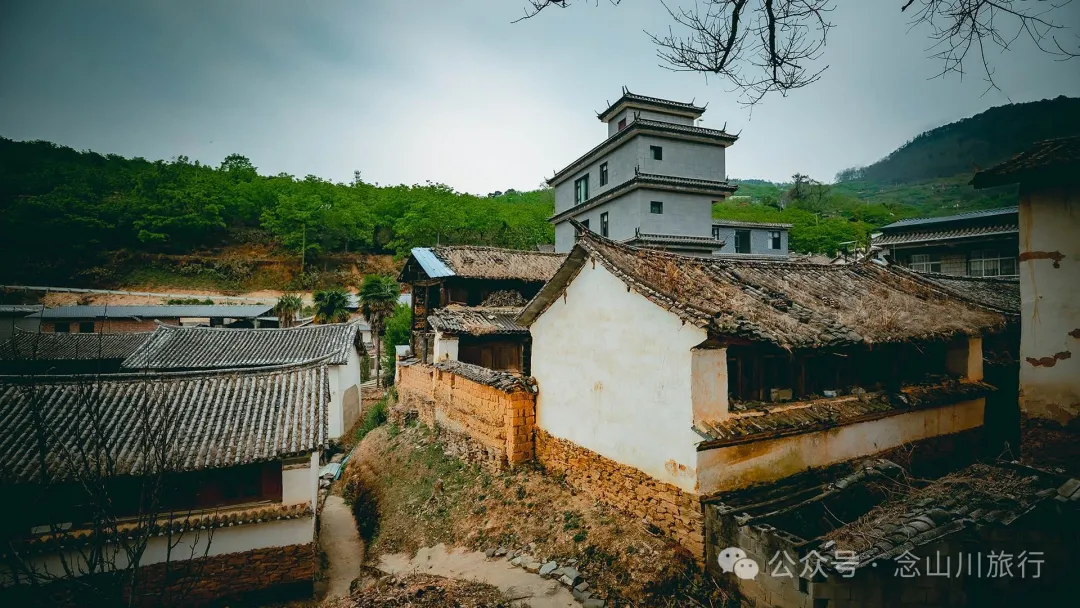
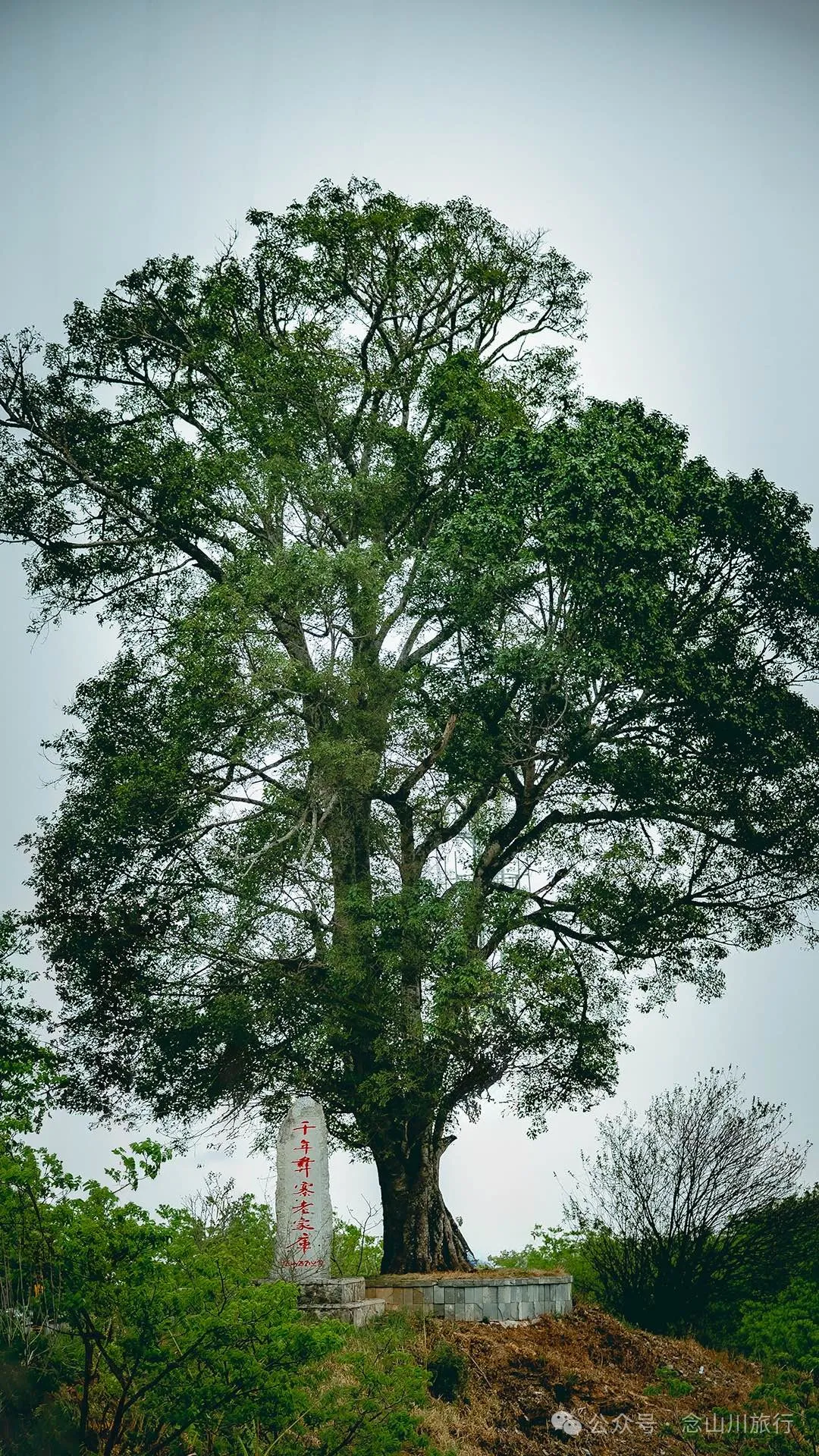
Laojiaku Village is a centuries-old Yi ethnic village, meaning "place where tigers roam" in Yi language. Located in the Wuliang Mountain range, it is flanked by the Lancang River in front and the Heihui River behind, with river mists lingering year-round. The soil is fertile, with ancient villages and dwellings, rich farming culture and Yi customs, and clusters of ancient trees, including four trees over 1,000 years old. Everywhere you see ancient trees, ancient scenery, and ancient charm, earning it the name "Millennium Yi Village." It has about 170 households and over 600 villagers.
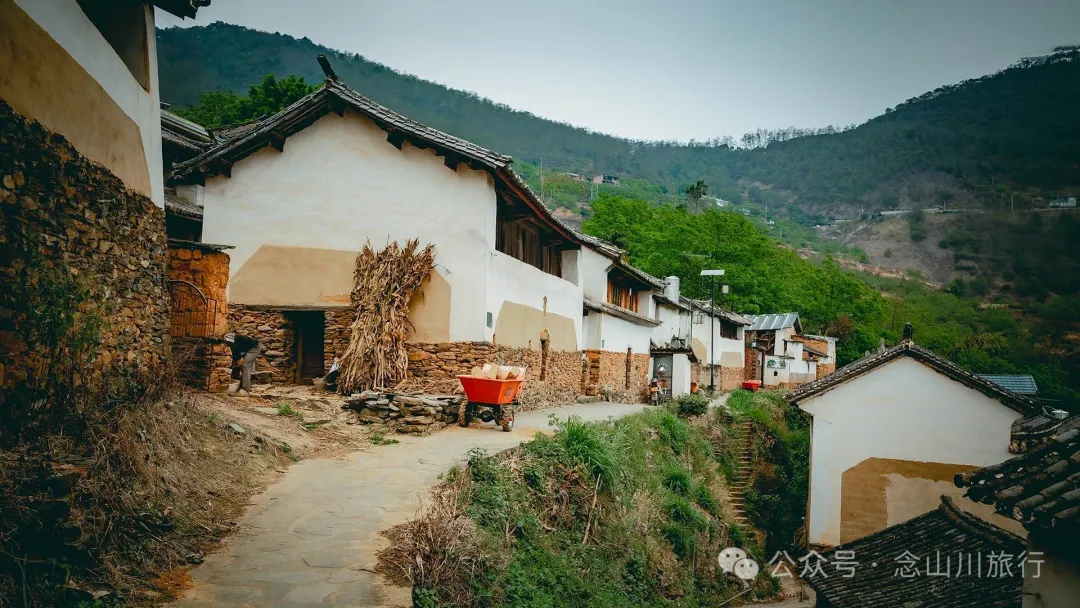
The compact and dense houses of Laojiaku Village are built along the mountain slopes. The village roads are narrow, not even allowing electric tricycles to pass. Transportation within the village relies solely on these small handcarts.
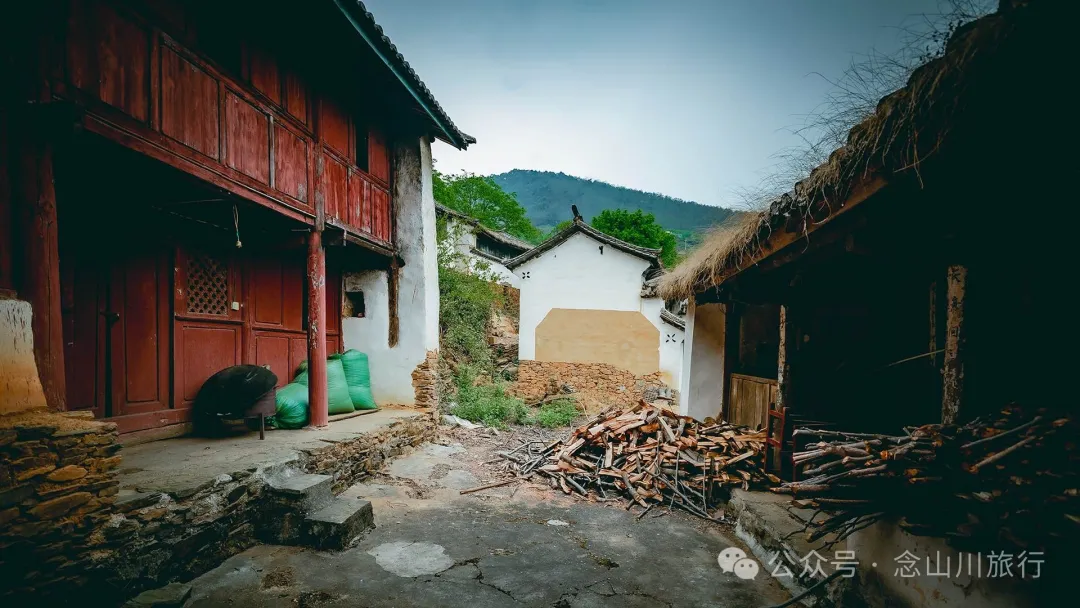
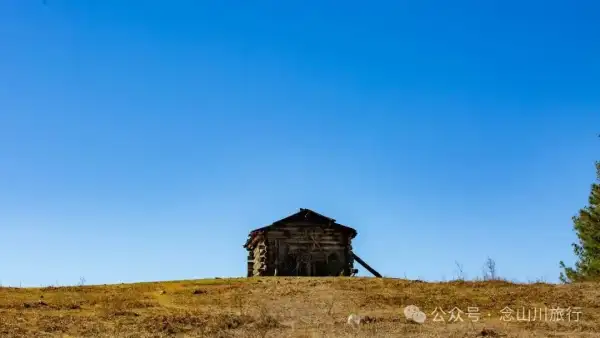
This is an old courtyard without a wall. The gate is locked, seemingly uninhabited. Unoccupied houses in the village are often used as storage rooms or livestock pens for feed, firewood, and animals.
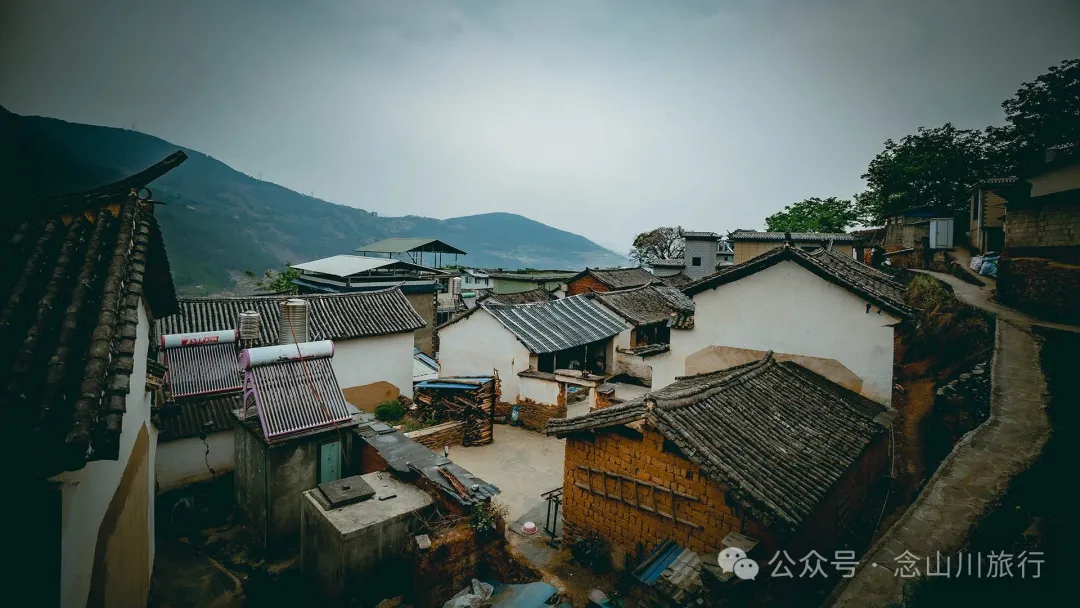
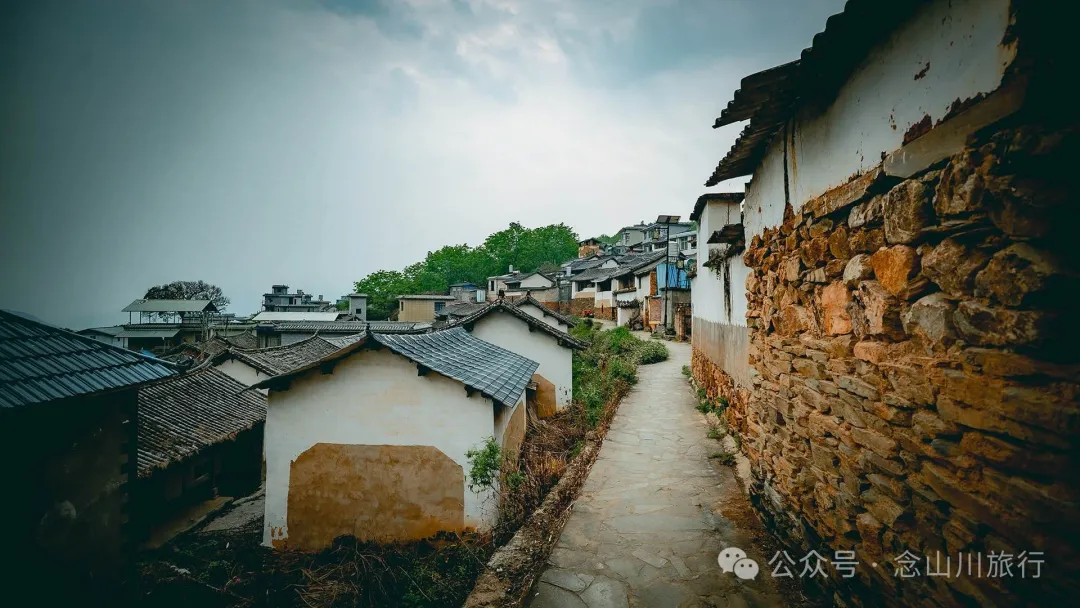
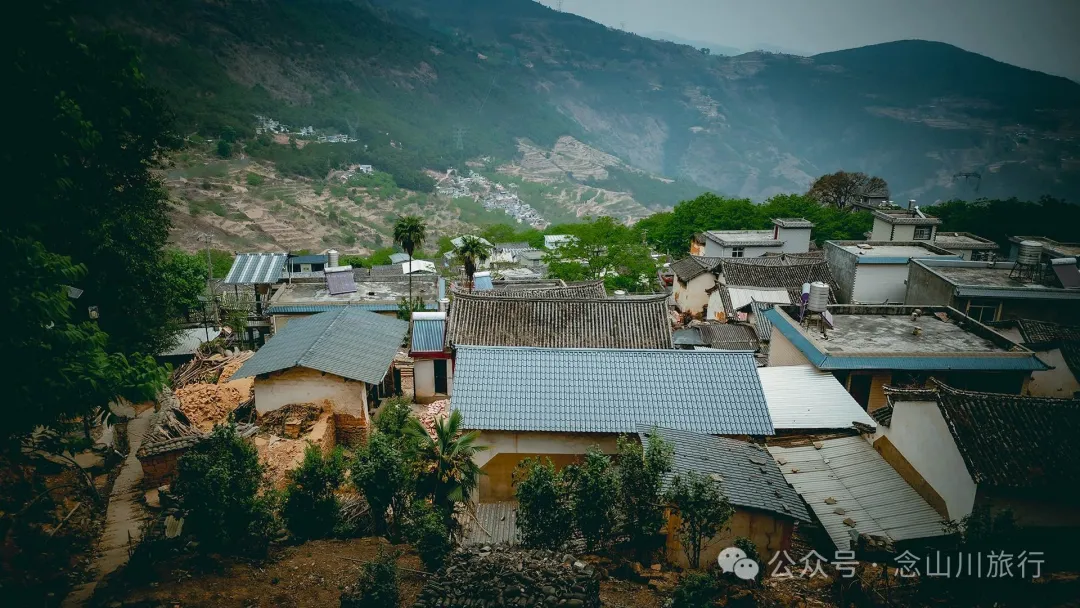
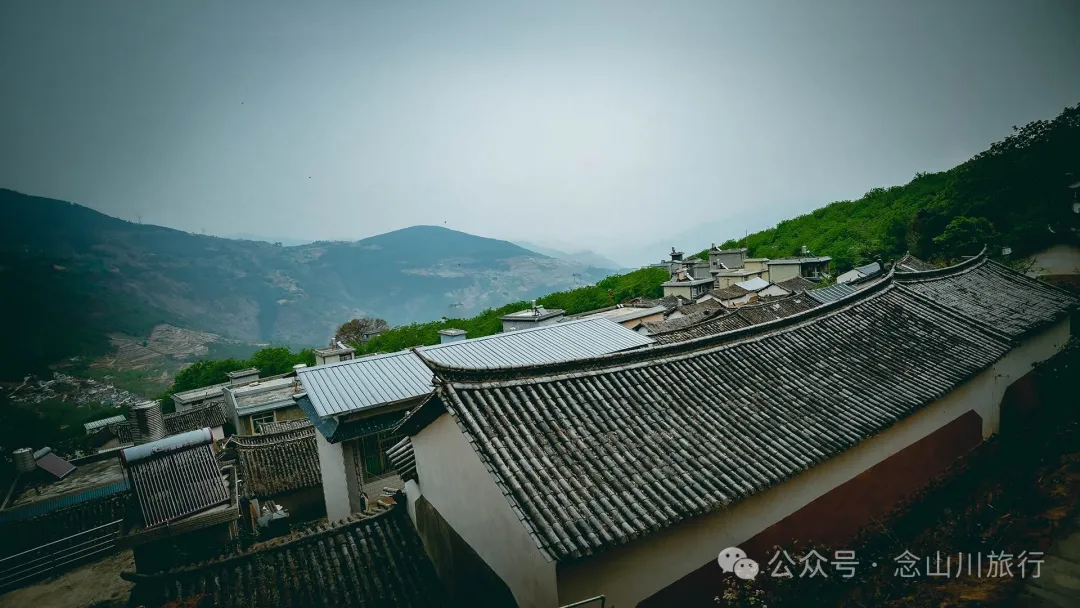
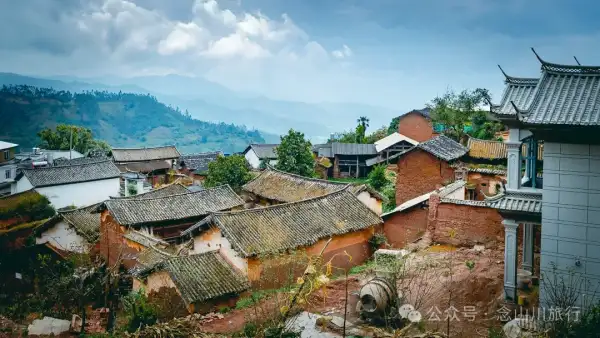
With numerous houses and dense architecture, walking through the village feels like entering a mountain town from the 1990s. Winding horizontal bluestone paths and many vertical stairways connect every household into a whole, yet each remains independent, possessing its own small private space. One house is built right in the middle of the road. Thinking it blocked our way, we were about to detour when we discovered the house was suspended, with the road passing through a culvert beneath it and continuing onward.
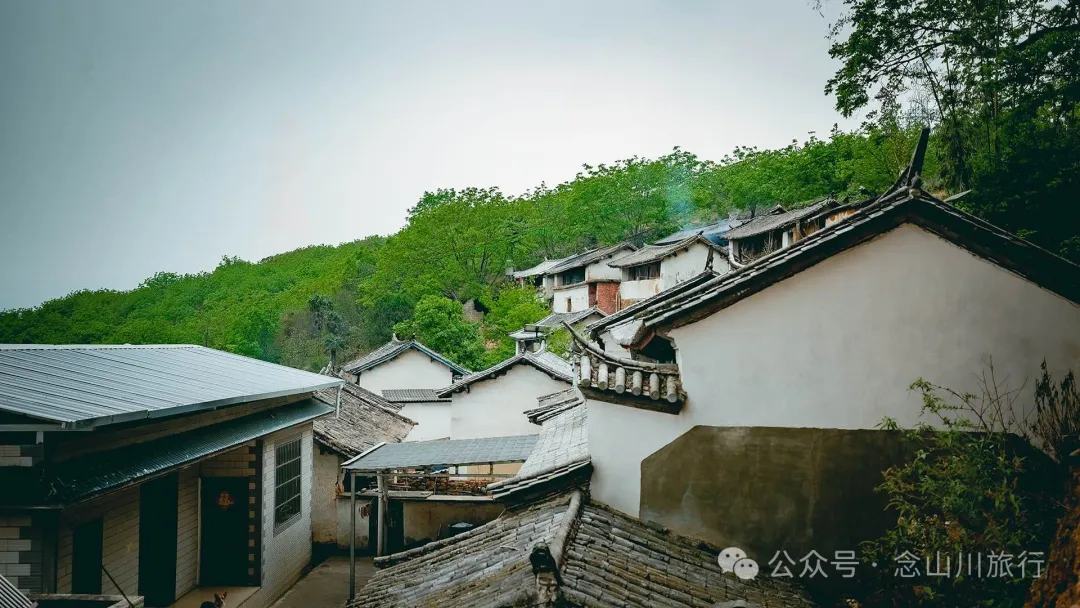
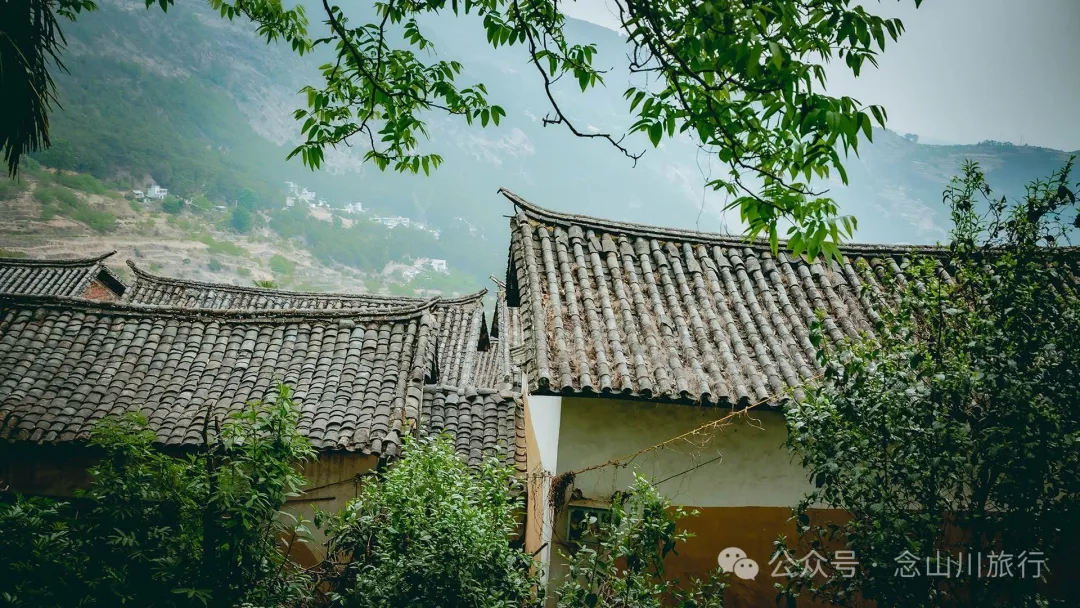
A wisp of cooking smoke rose above an old house with black tiles and a hanging ridge at the edge of Laojiaku Village. The ethereal smoke, tinged with the fresh green of walnut leaves, turned into a rare shade of green, full of the breath of spring.
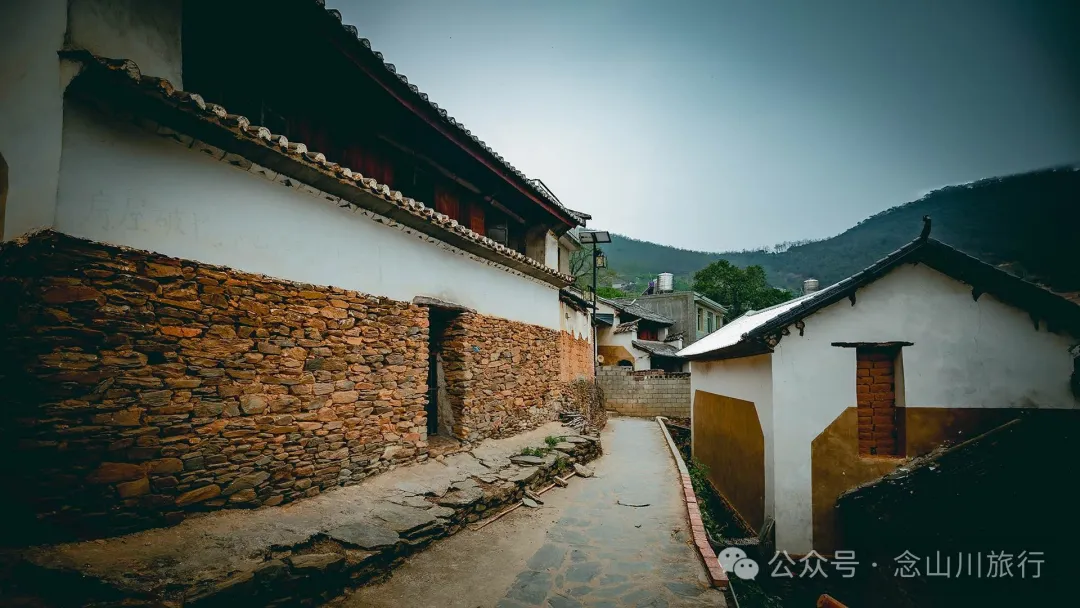
The ancient houses in Laojiaku Village are mostly built with materials from nearby mountains. The lower parts of many exterior walls are made of piled stones, while the upper parts are built with rectangular adobe bricks mixed with mud and straw, plastered with lime. Such walls are thick, earthquake-resistant, and keep the interior cool in summer and warm in winter, making them favored by farmers. However, due to their age and lack of modern amenities, they have lost favor with the younger generation, who prefer tall, bright modern buildings.
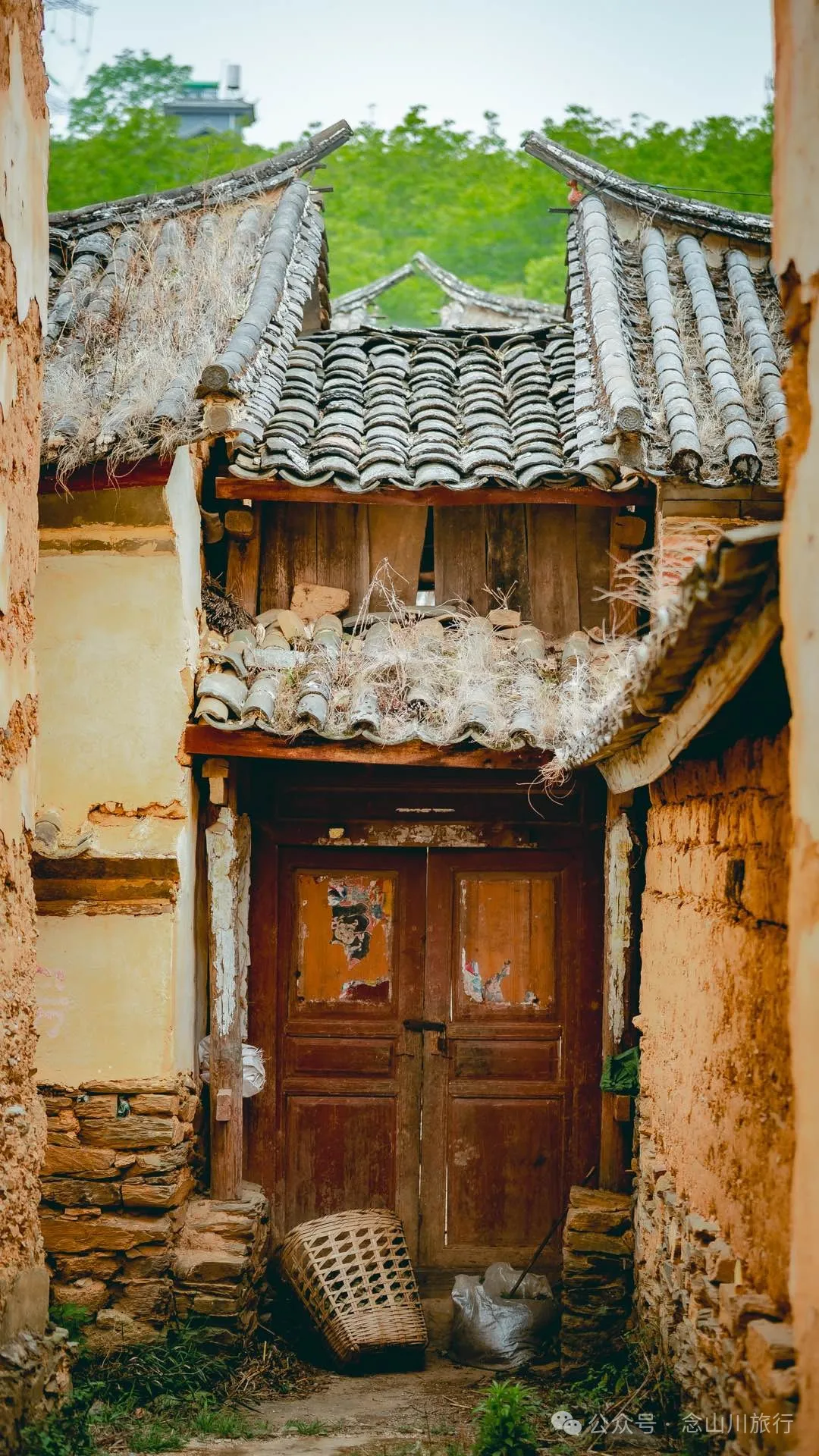
At the locked gate of an old house, the tiled roof was intact, and a bamboo basket leaned against the door. The owner was nowhere to be seen, probably visiting neighbors or cutting grass in the fields.
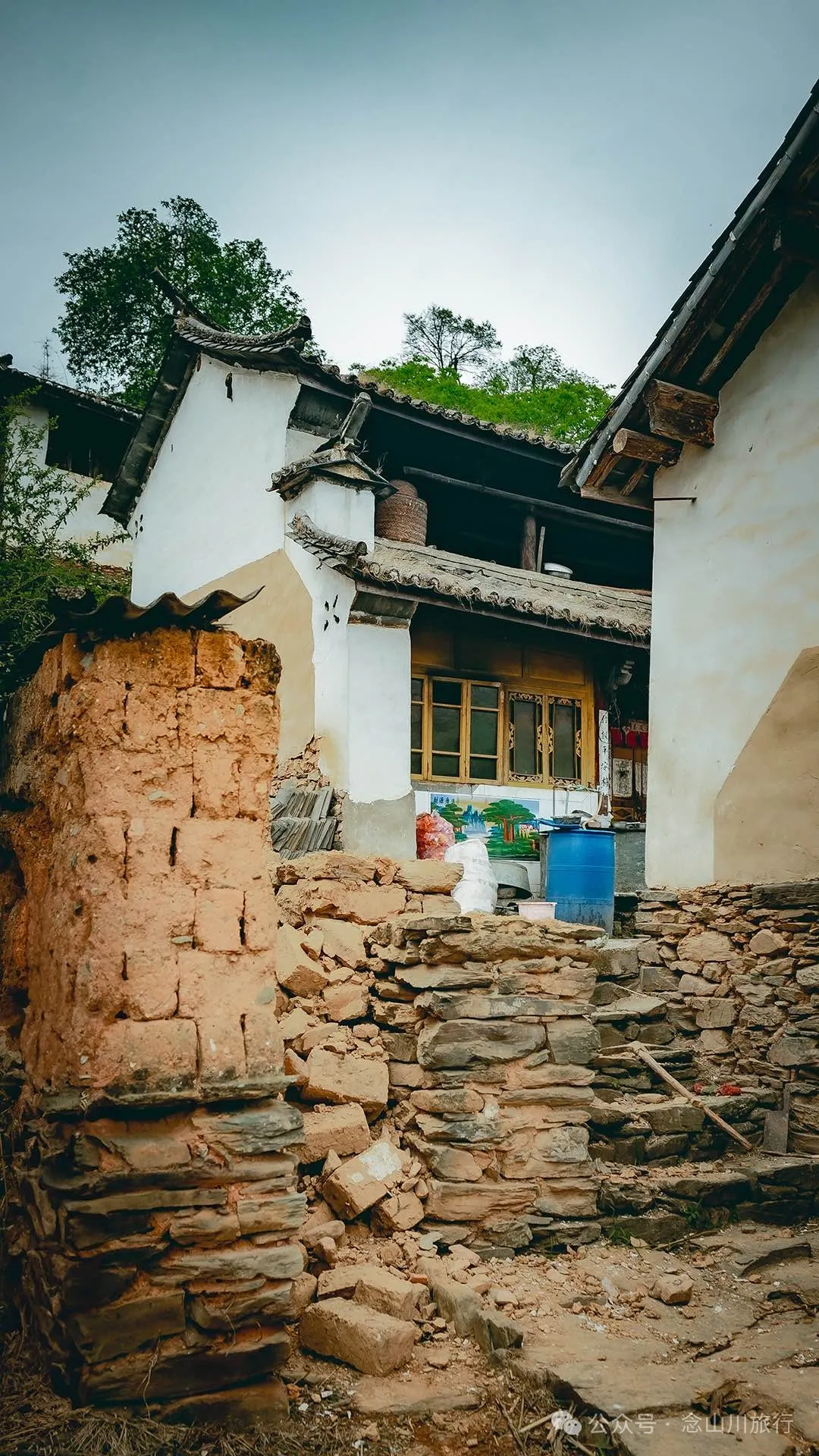
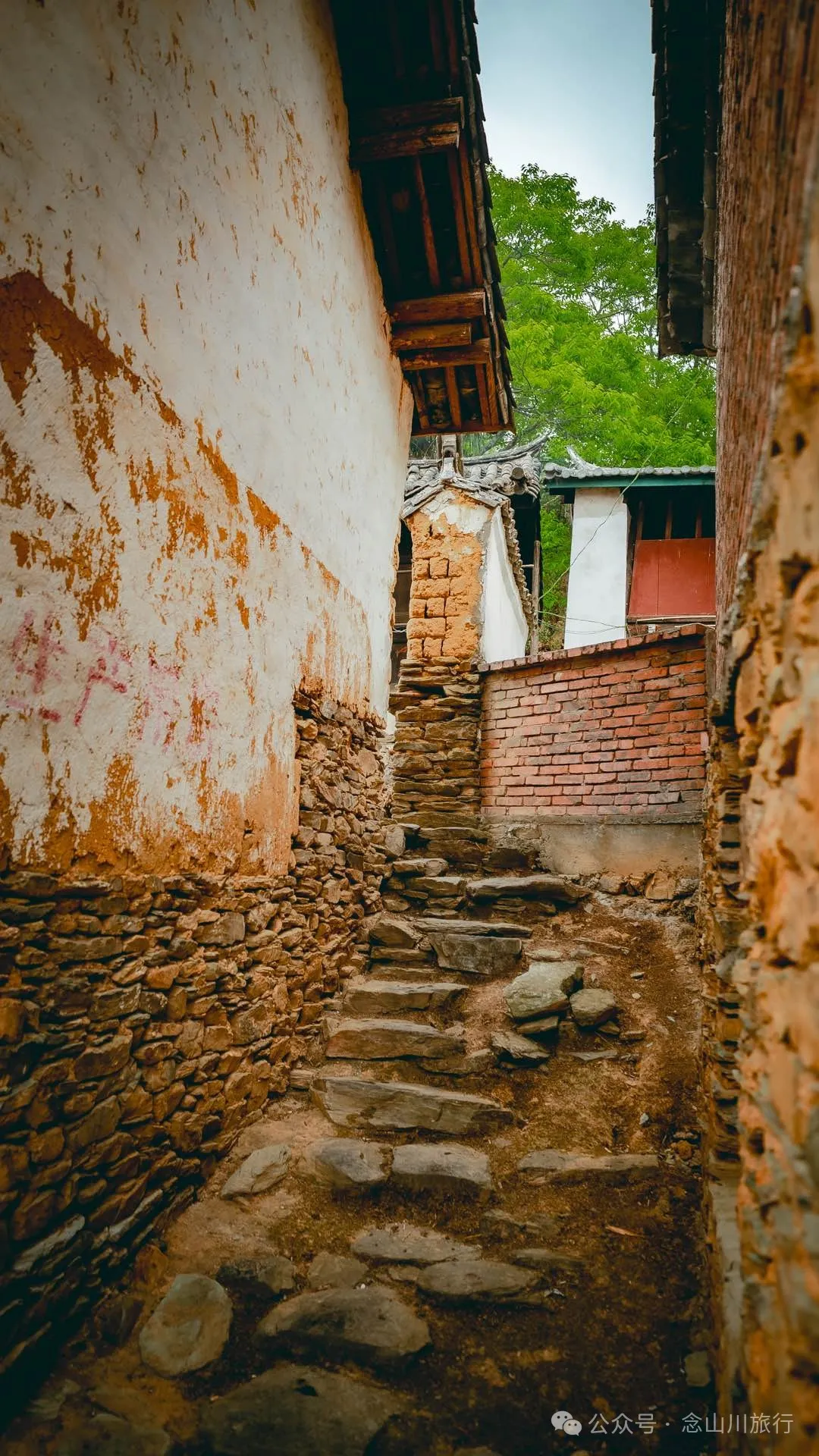
At the end of the stone steps was a small courtyard. The lime on the courtyard wall had peeled off, revealing yellow adobe bricks. We did not enter the courtyard, not wanting to disturb their peaceful life. We knew what was inside, and we knew it would be an intrusion to peek without permission, though most would not mind and would warmly invite us in for tea.
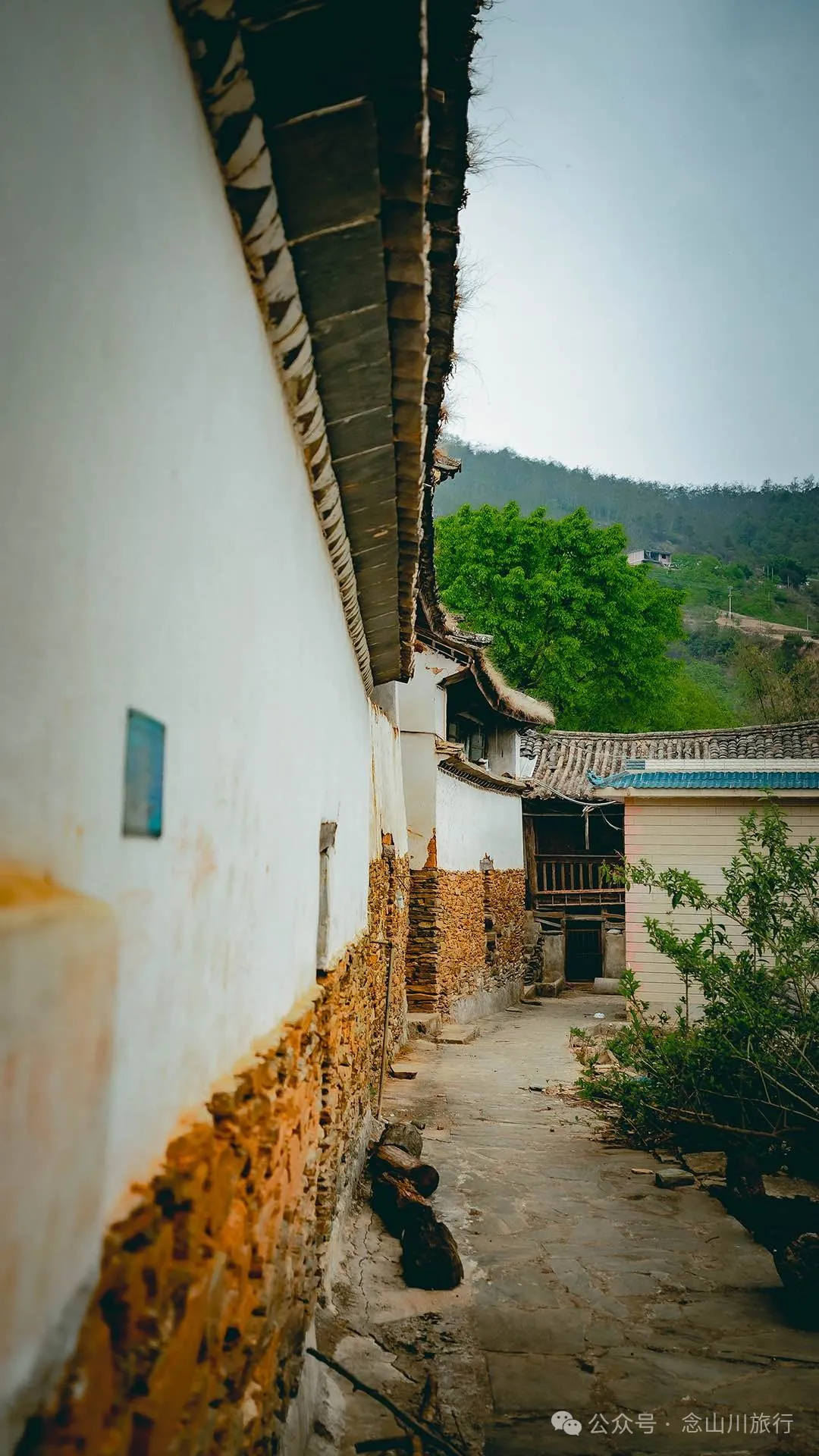
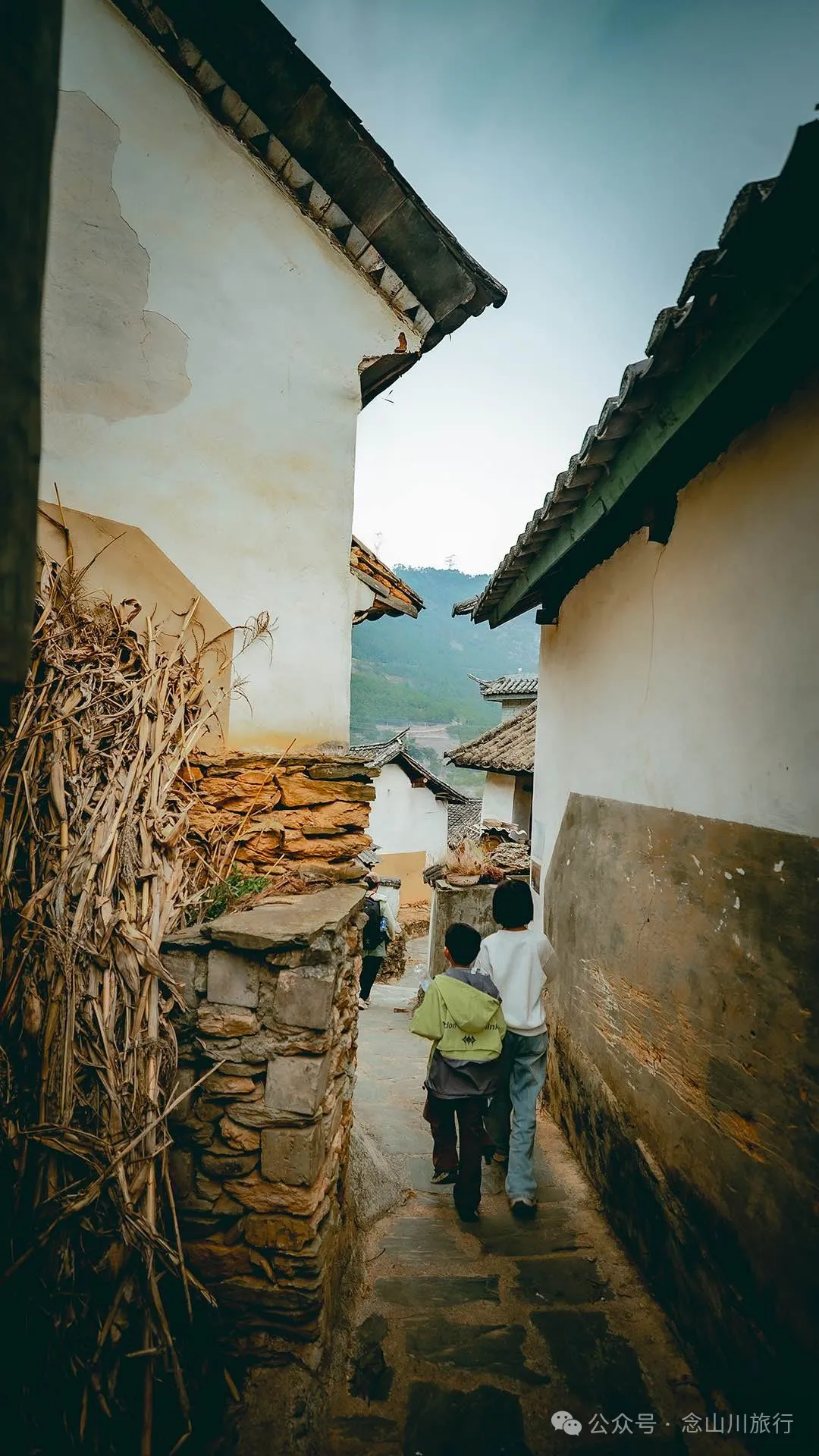
After walking for two hours in Laojiaku Village with its over 170 households, we felt as if we had lived there for two hours, gaining a sense of tranquility and belonging. This sense of belonging came from the ancient trees in the village, from that wisp of cooking smoke, from casual chats with villagers, and from our own affection. Entering the village for the first time, we already felt familiar, having traversed every corner.
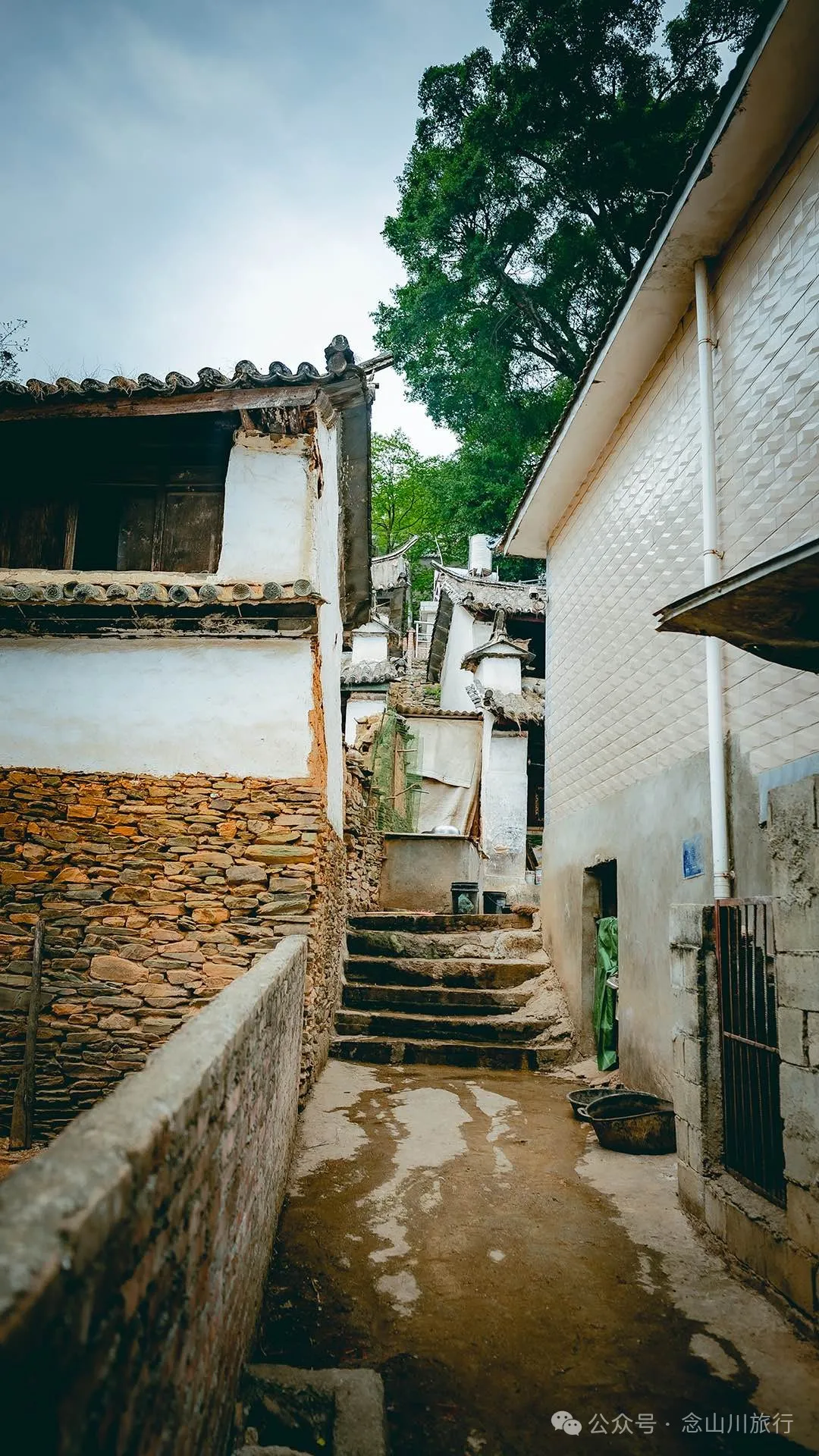
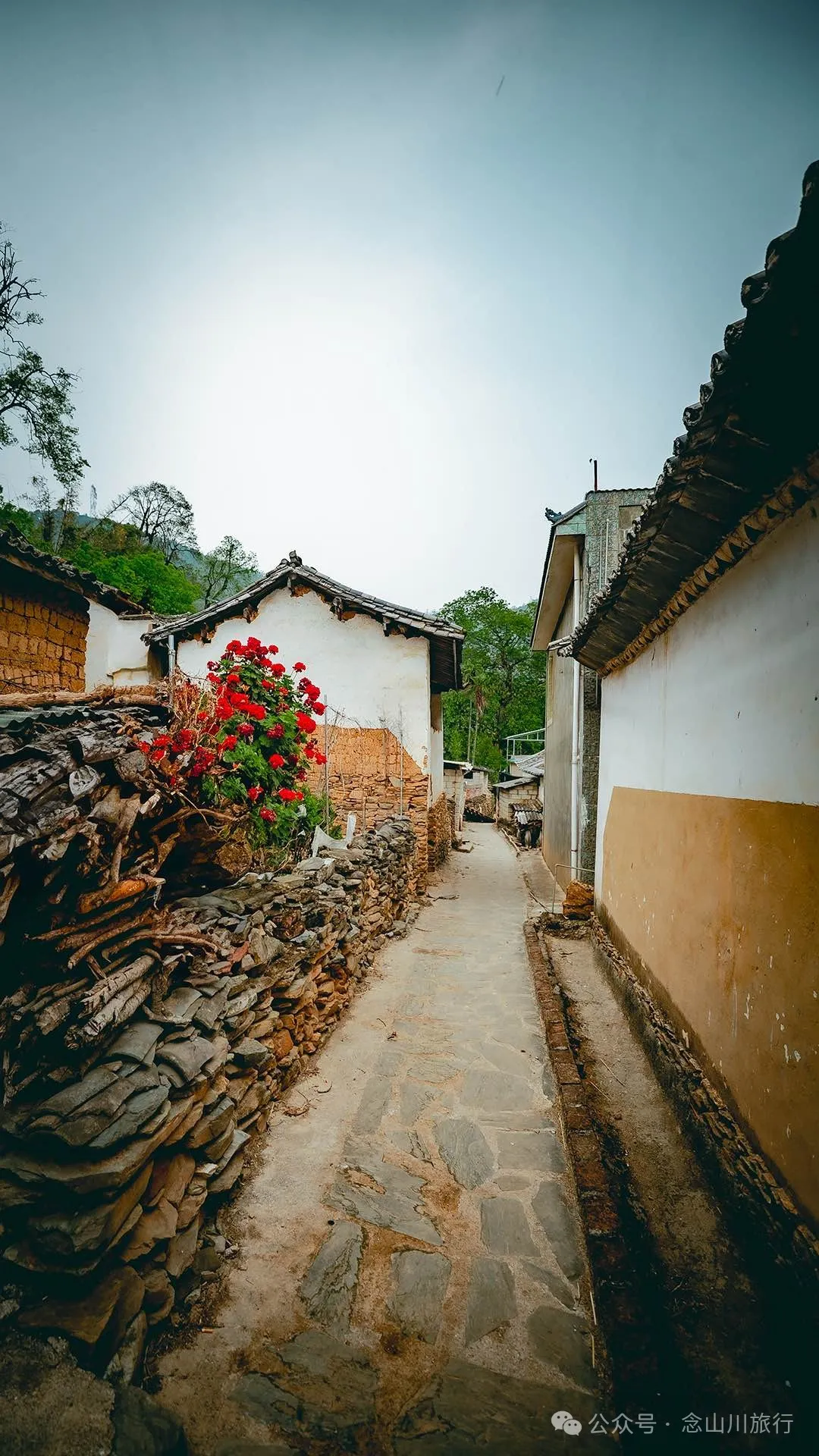
On an open space by the roadside, there was a large red geranium in full bloom. Geraniums bloom all year round by the simple earthen walls, perhaps conveying happiness to passersby.
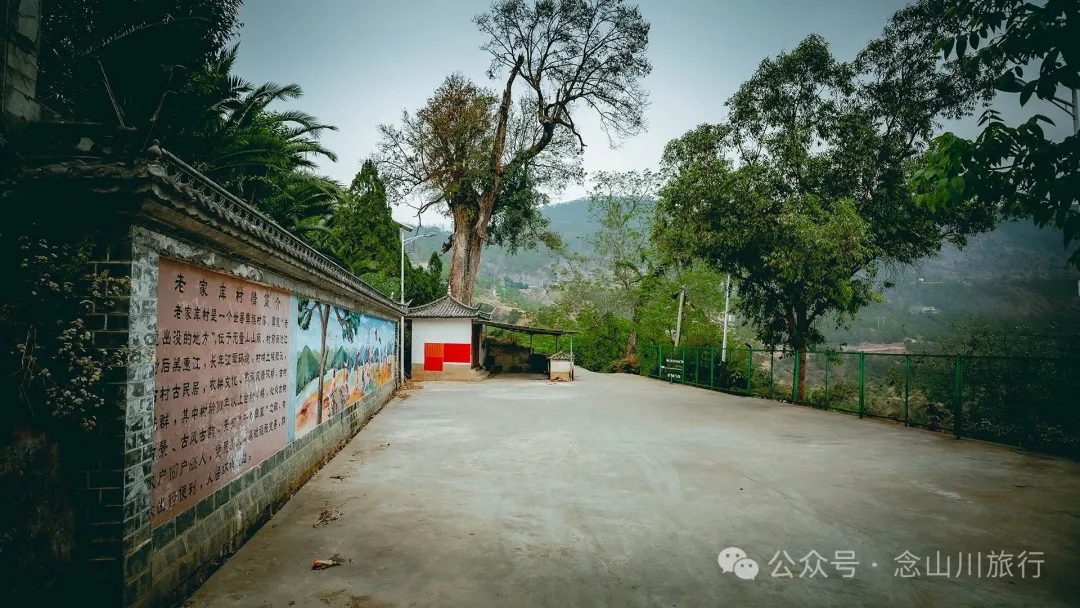
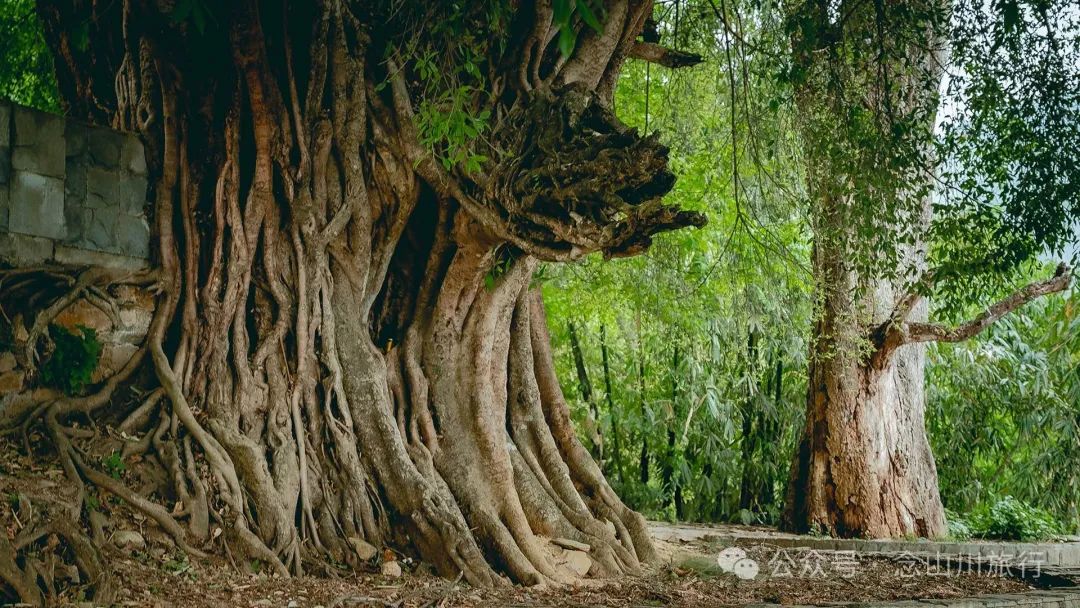
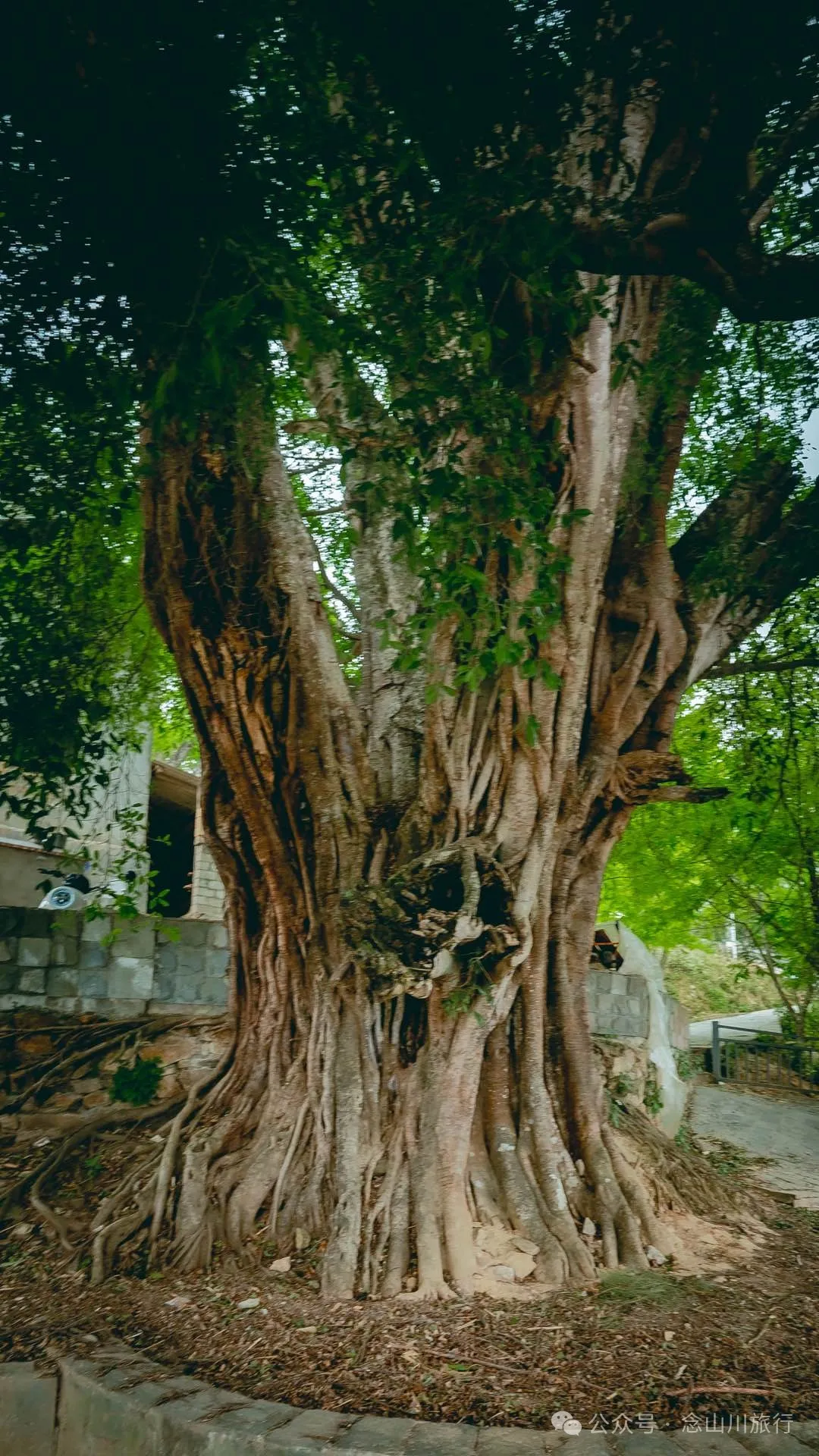
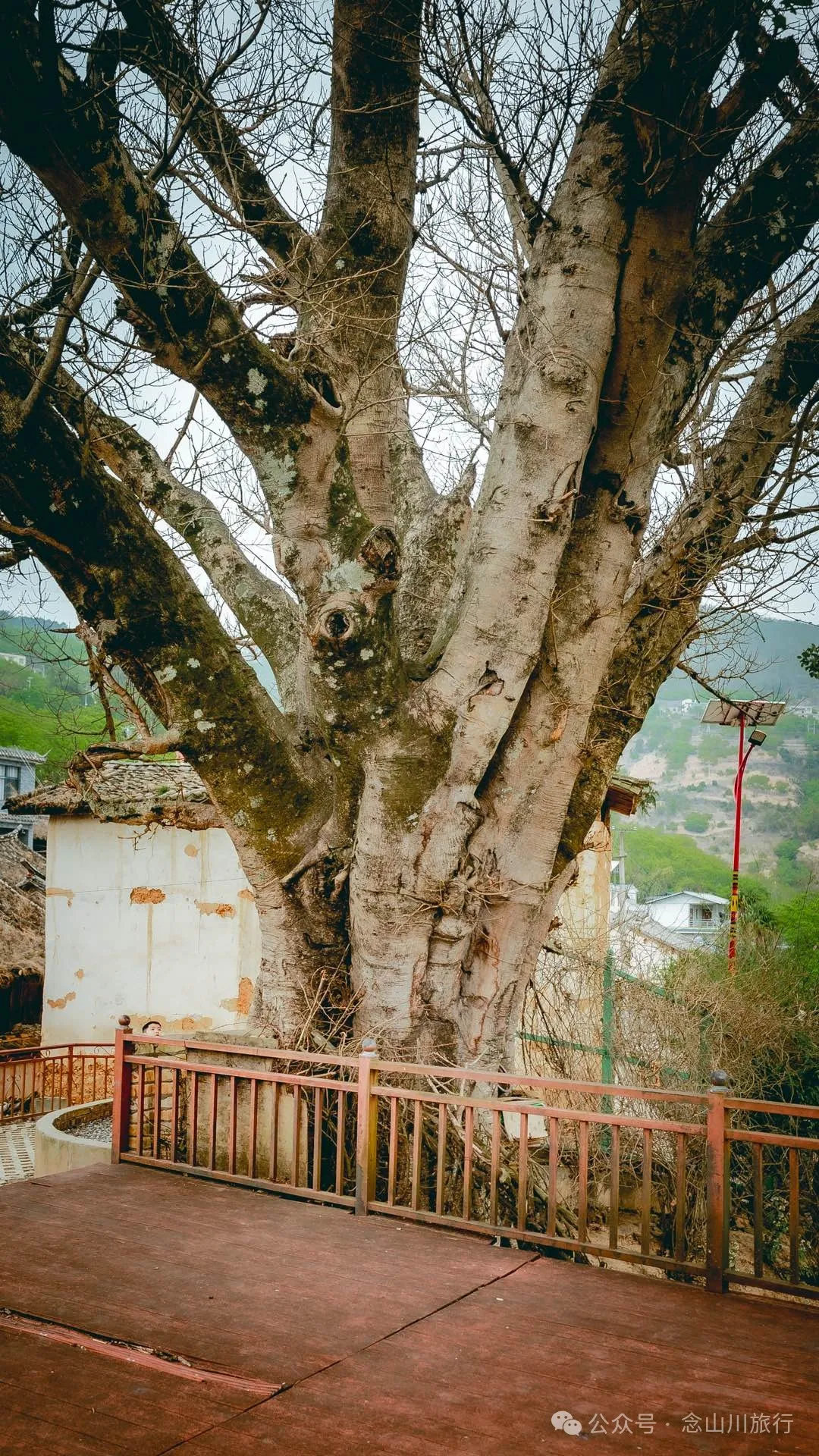
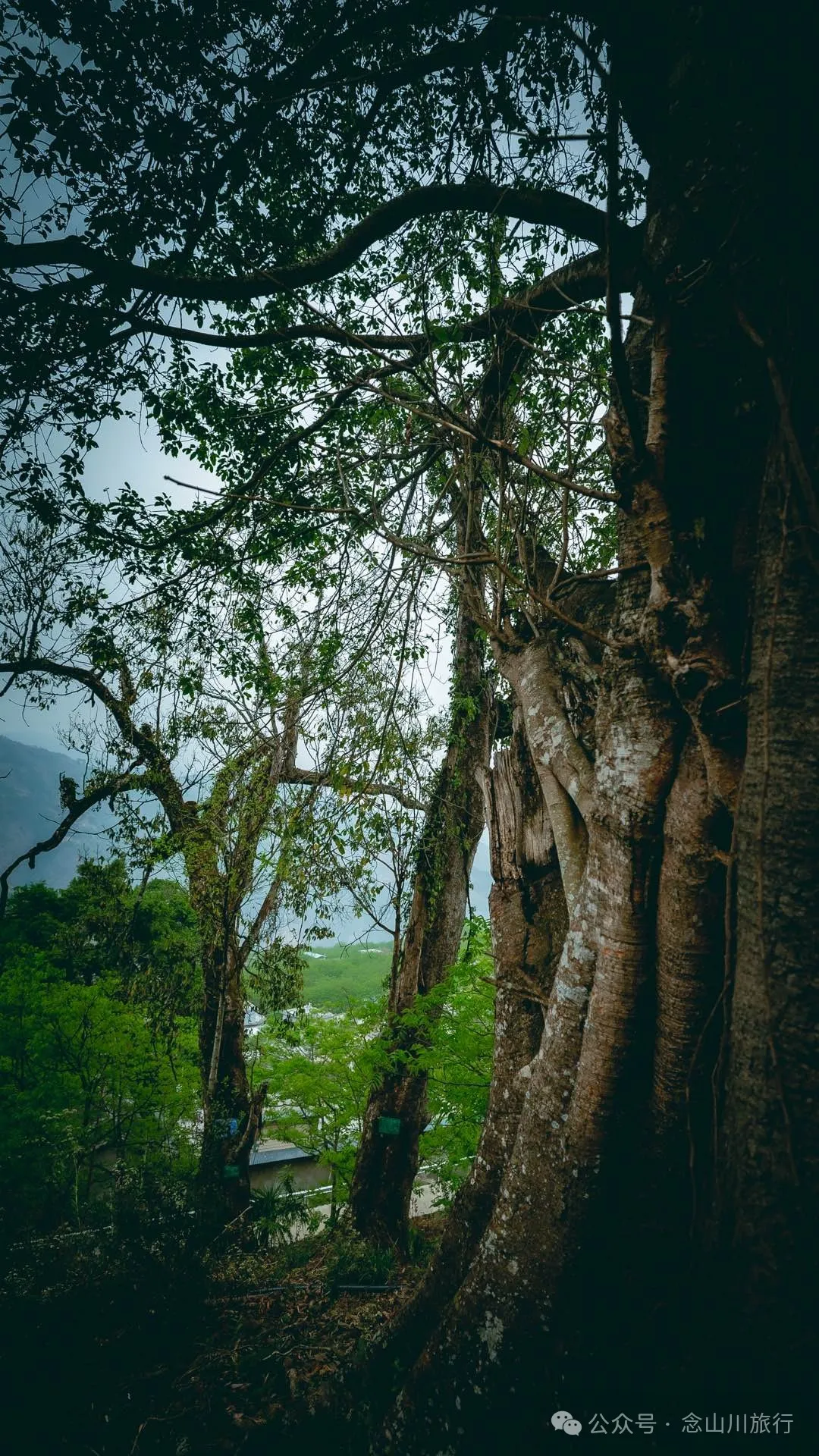
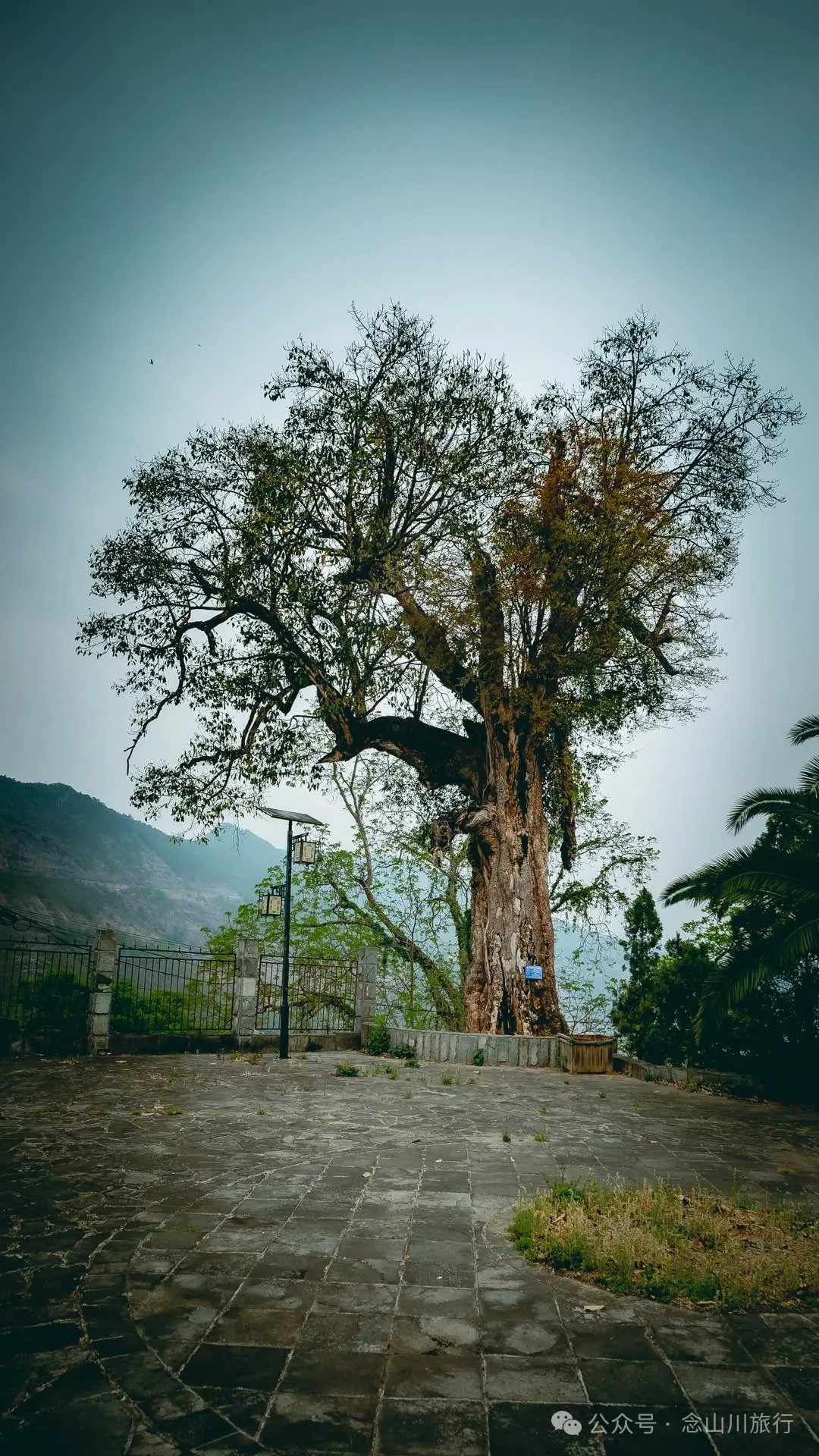
Only after entering Laojiaku Village did we realize that besides the vast walnut forest seen from afar, there are several ancient trees over a thousand years old. We saw dozens of protected ancient trees with plaques.
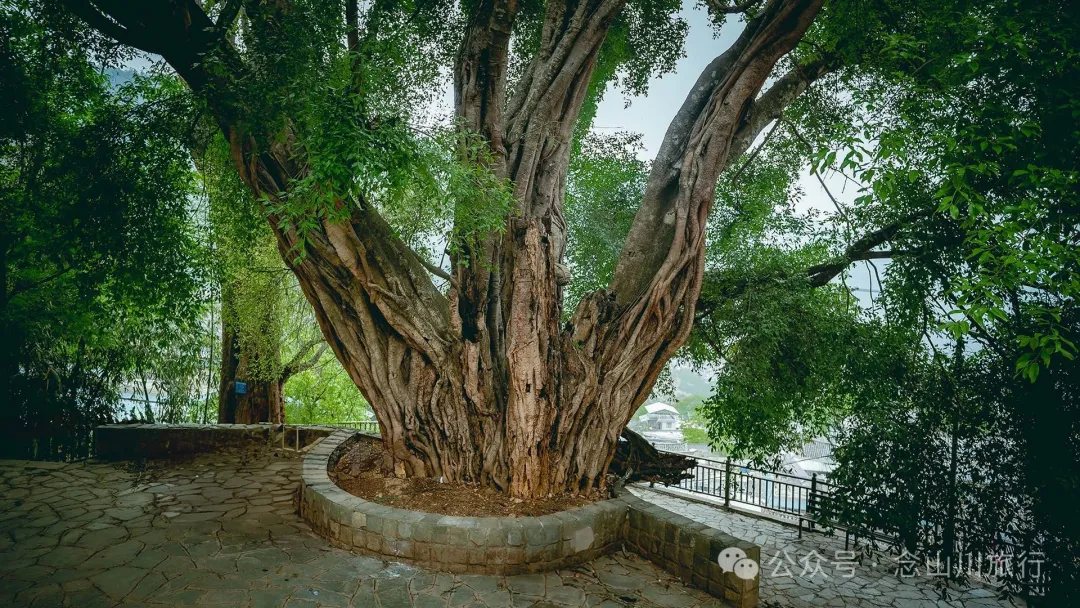
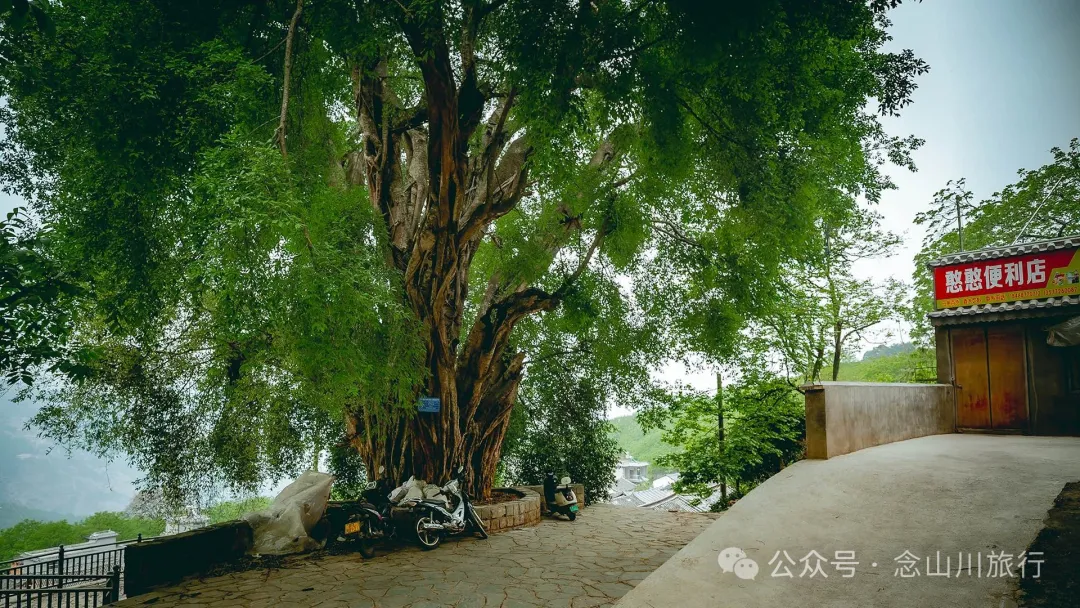
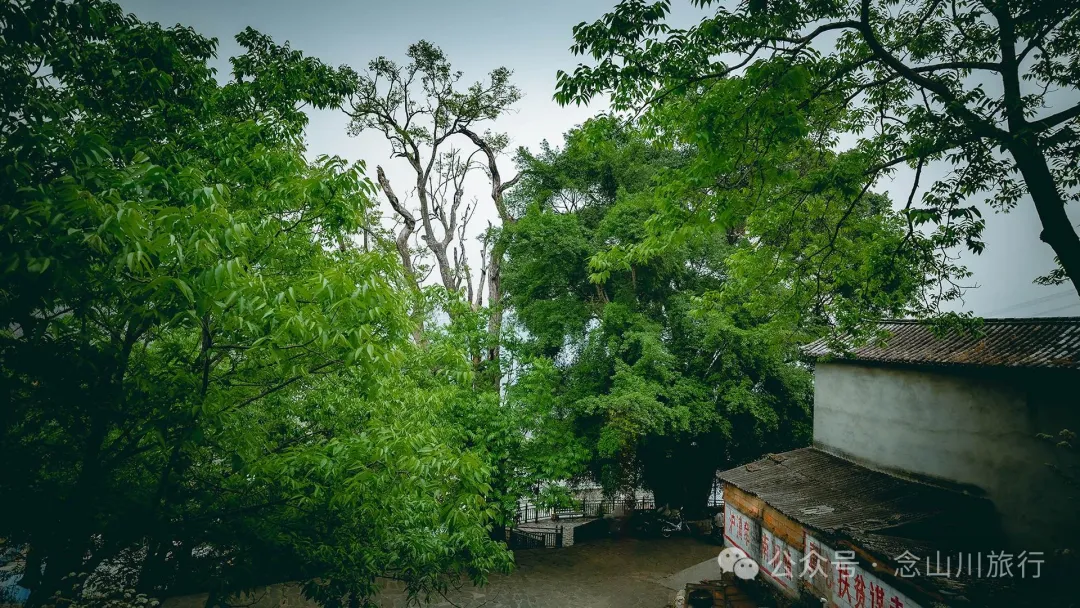
The most vigorous is the thousand-year-old banyan tree in the village, its dense green leaves covering the branches. How long its life will continue, no one can say. Standing under the tree and looking up at this unfathomable ancient tree, a thousand years have made it a sturdy, unshakable castle. The brevity and fragility of human life make us feel ashamed.