
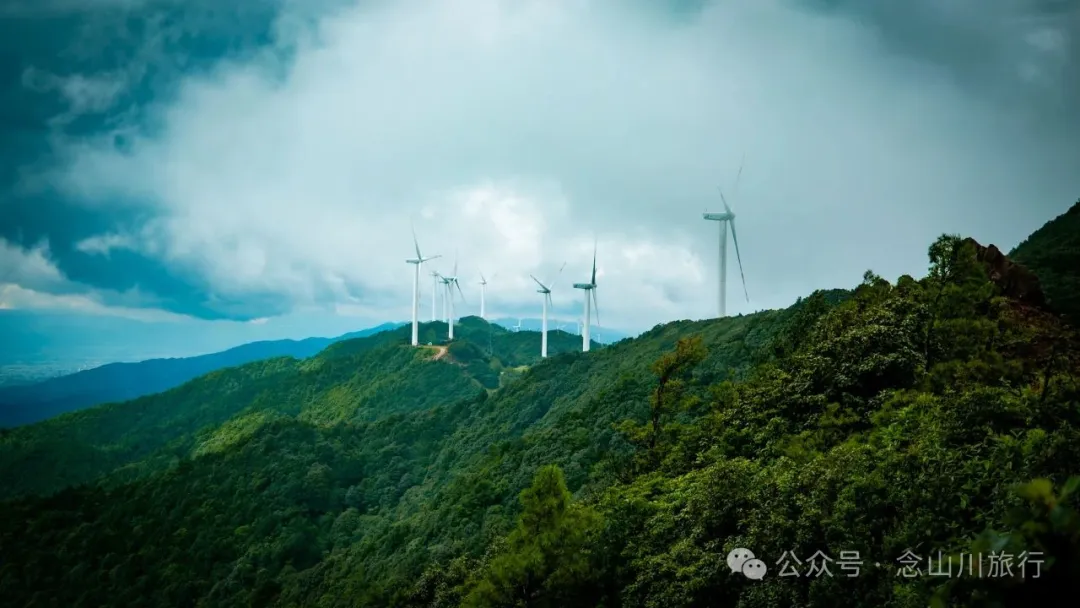
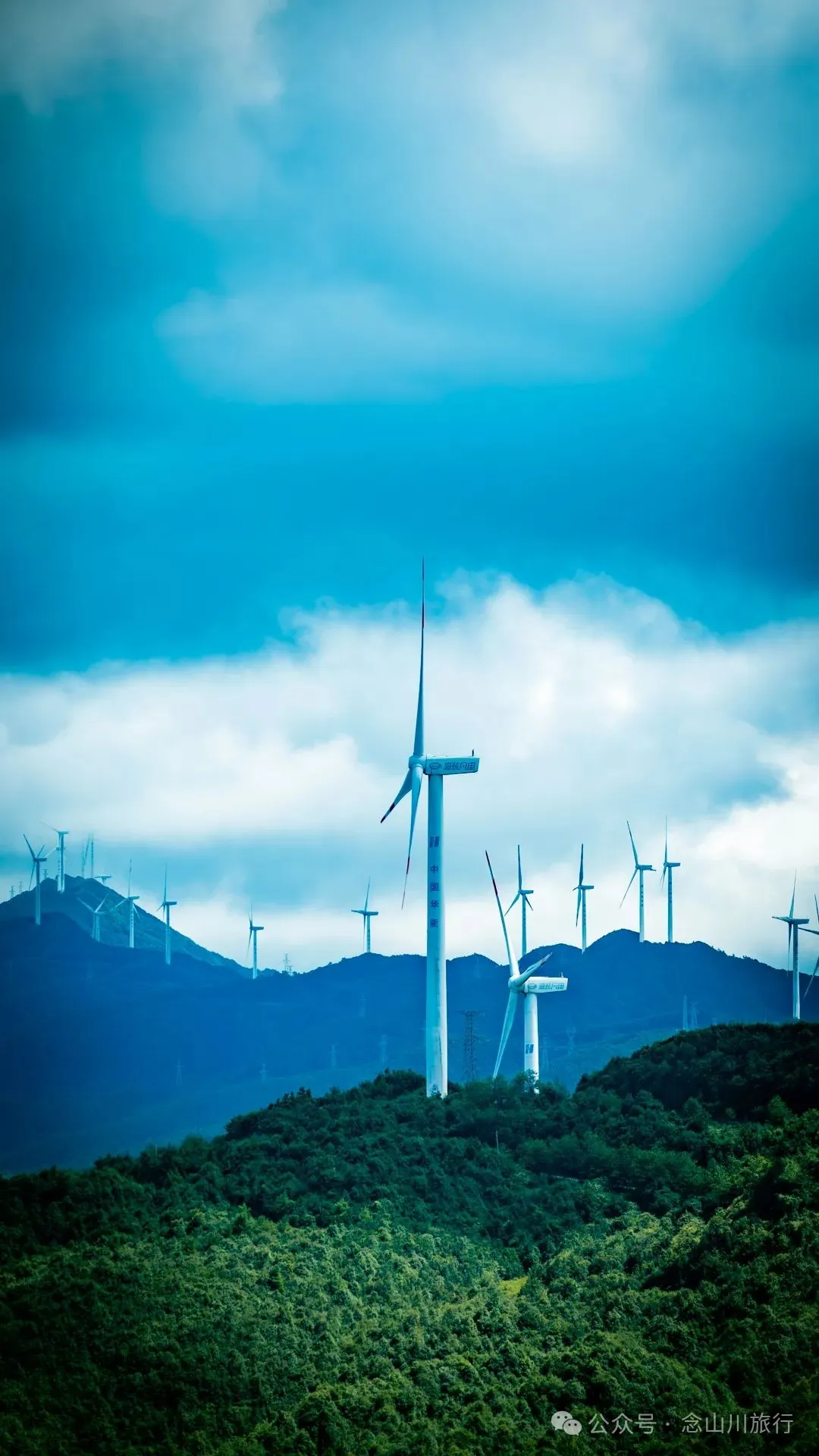
When the weather is fine, sitting by the wooden window on the second floor of my home in Weishan City, I can see a row of white windmills on the eastern mountaintop, slowly rotating under the azure sky. White clouds drift and swirl, as if a shepherd's flock has climbed the hills, stepping into the uninhabited flowers and grass, free and distant. The windmills appear and disappear among them, with dark forests and bright meadows scattered irregularly along the arc beneath the windmills, making the vast mountain scenery even more pleasing to the eye.
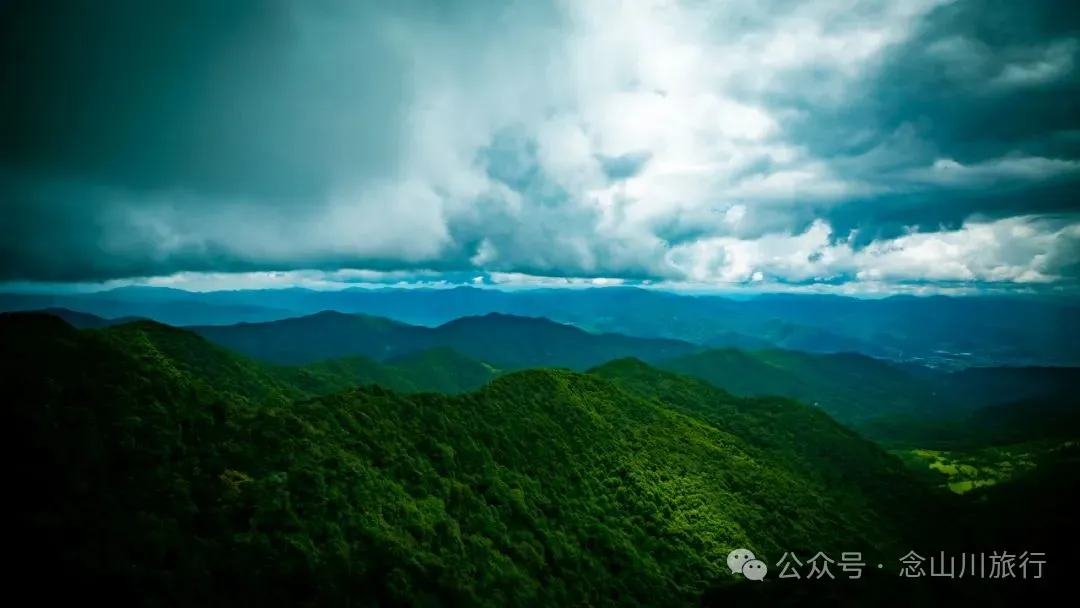
That is the highest point of the eastern mountains, called Shamaoshan, also the natural boundary between Weishan County and Midu County. Due to its highest elevation, the weather there is always changeable and unpredictable. Even in the crisp autumn season, Shamaoshan is often shrouded in clouds, perpetually hidden in mist, not very clear. There is no real summer there; not only is it windy and fierce, but there is also plenty of rain, and the temperature is several degrees lower than in the county town below. Following the Weimi Line to the highest point, turning onto a stone road built by the wind power plant for managing turbines, you can enter that stretch of mountain scenery and search for pleasant, rarely visited landscapes in the clouds.
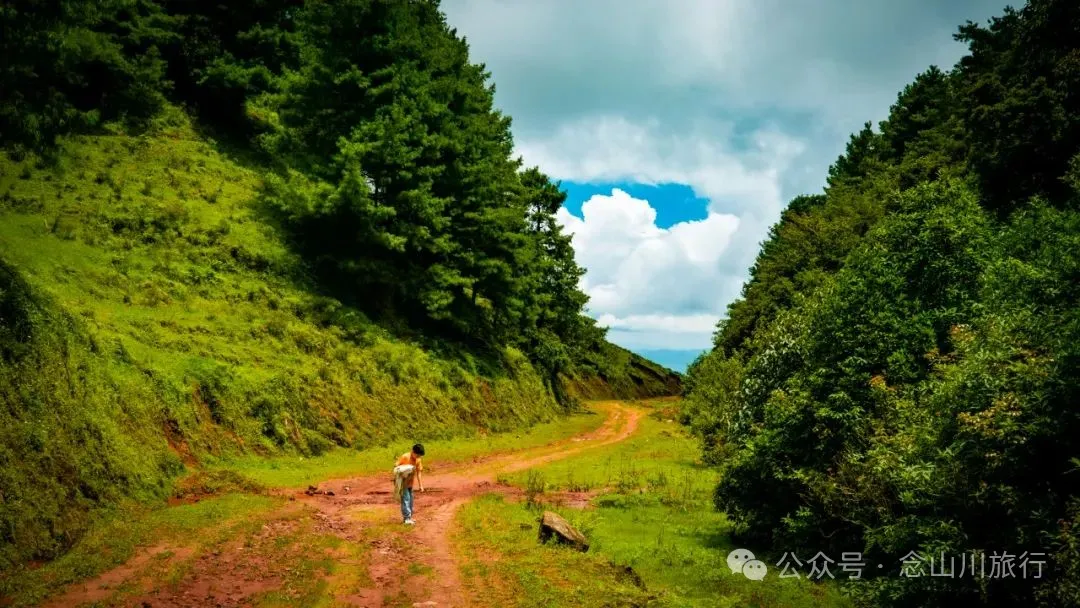
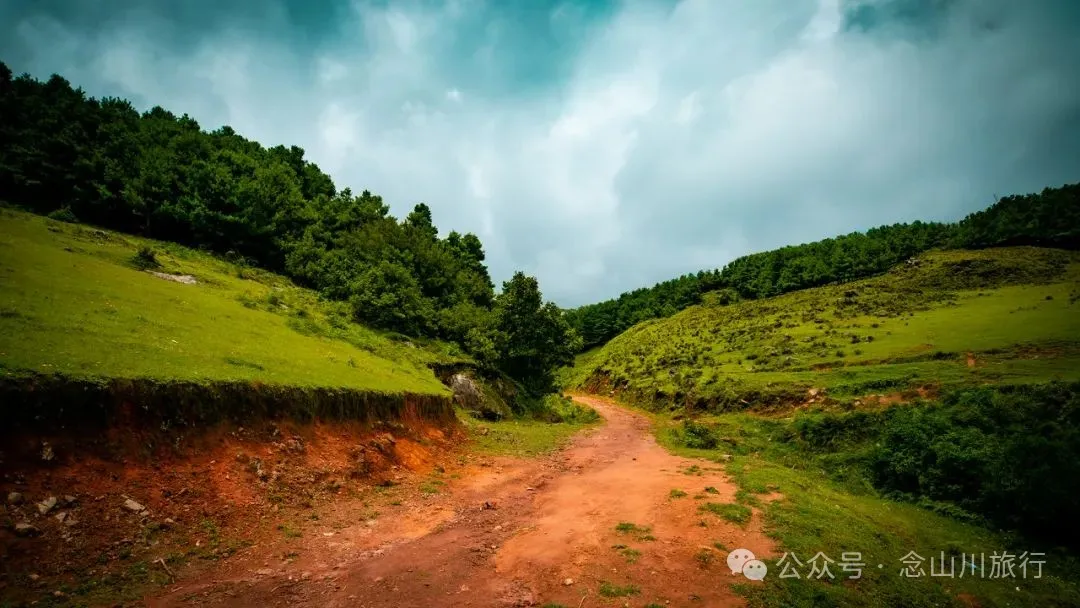
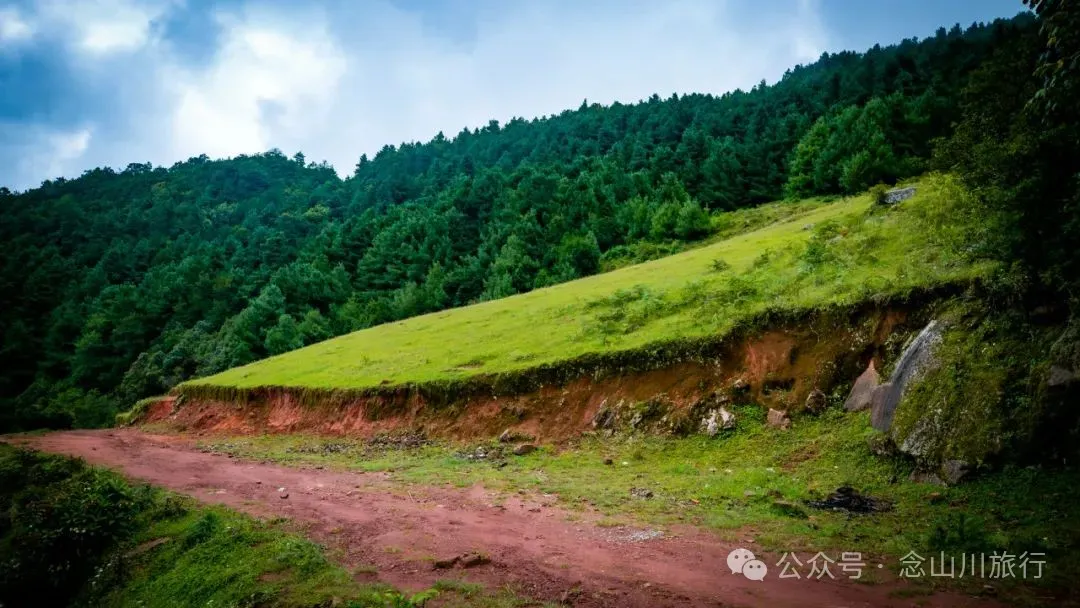
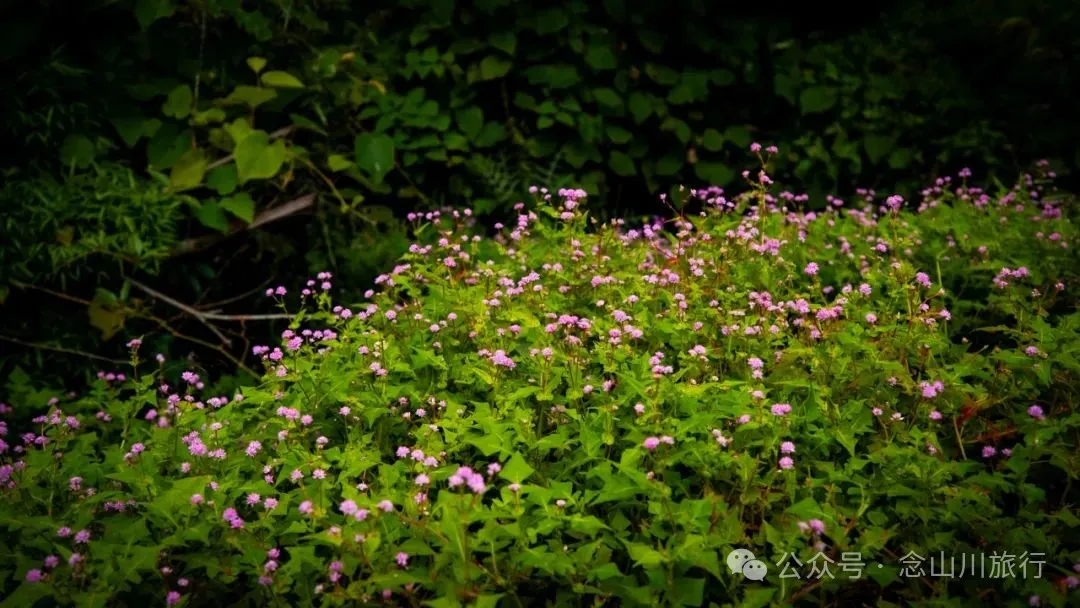
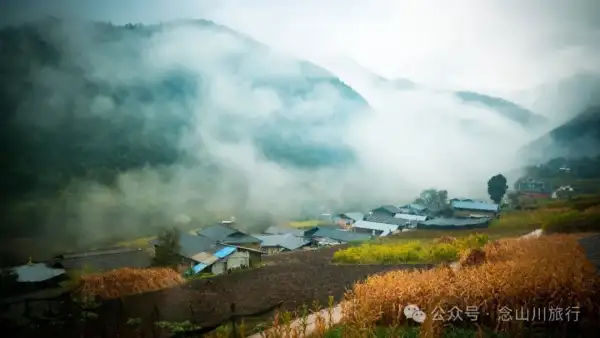
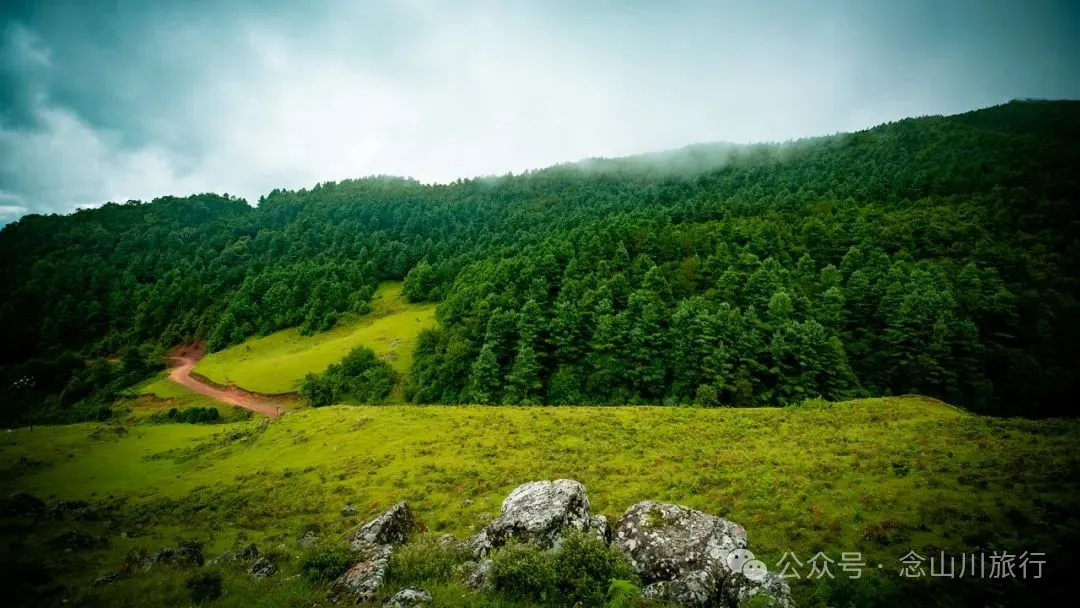
The mountains here are quiet and pristine, making the small town on the distant flatland seem too bustling. Only the villages a few kilometers away at lower elevations can match it. We burst from the gloomy wilderness into a fog, then emerged from the fog into another unfamiliar mountain area. Occasionally, clear colors flowed through the treetops, and the mountains were hazy and visible. A dirt road wound ruggedly, leading to a village several kilometers away, but the village was blocked by solid mountains, as if it were centuries away, with no sound from the village audible. It was hard to tell how long it would take to walk there. Beside the road, a shallow, narrow stream had been carved by flowing water, singing merrily, nourishing a lush meadow.
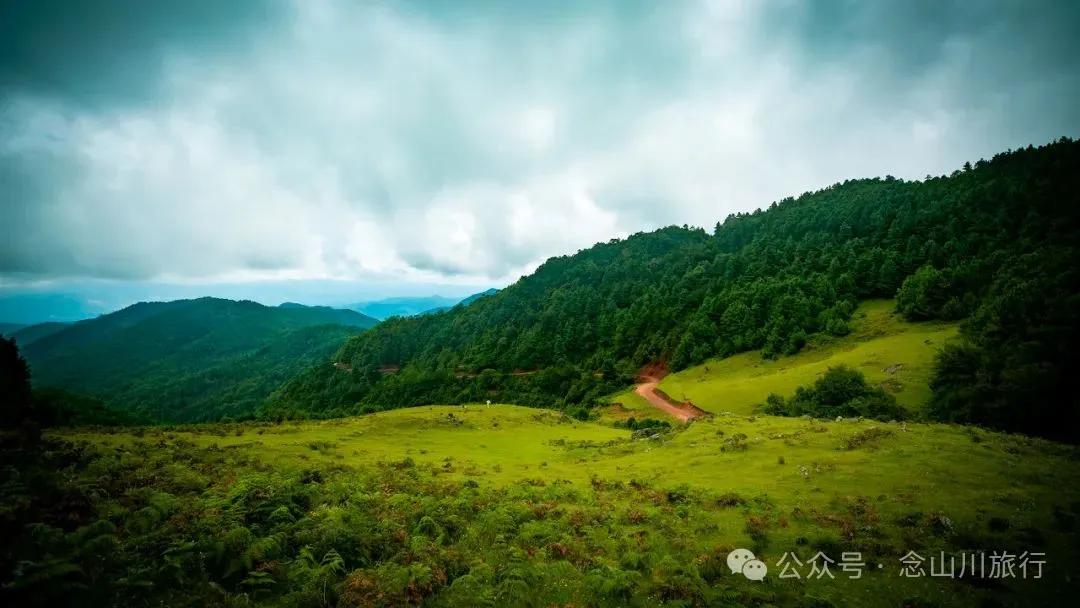
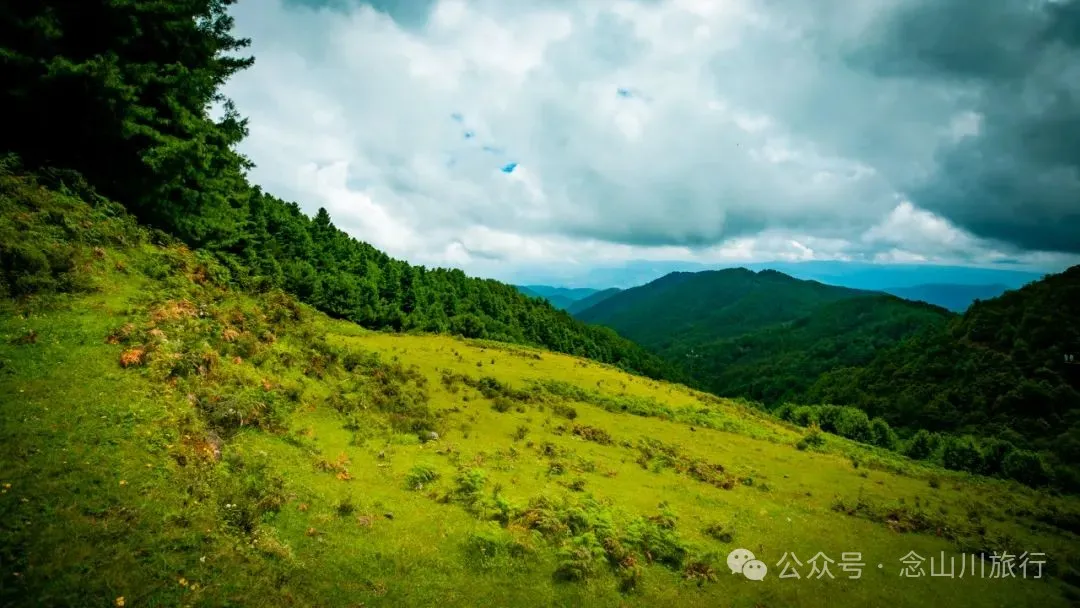
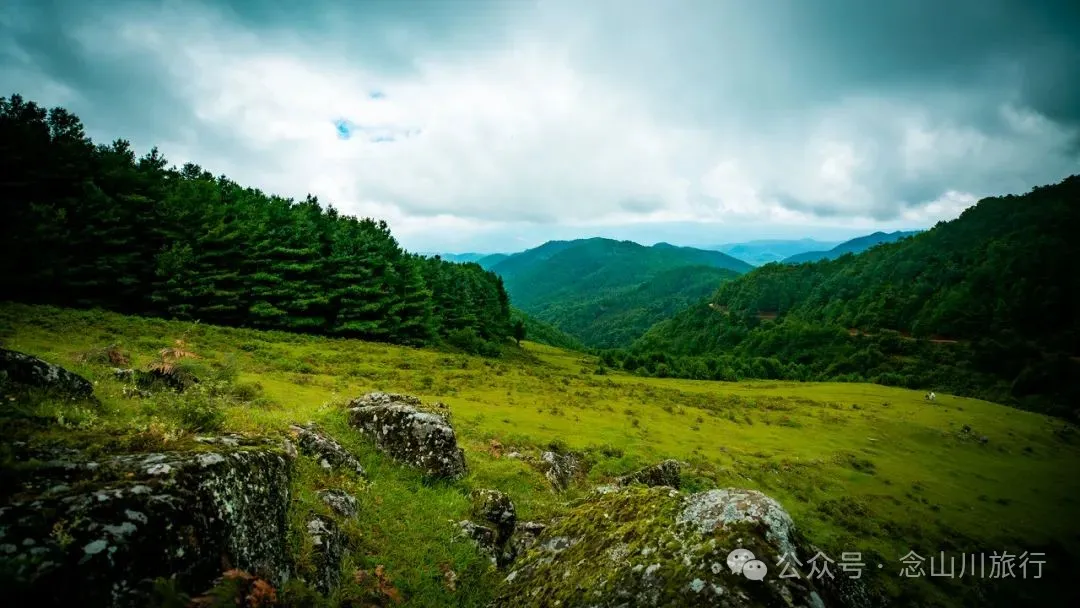
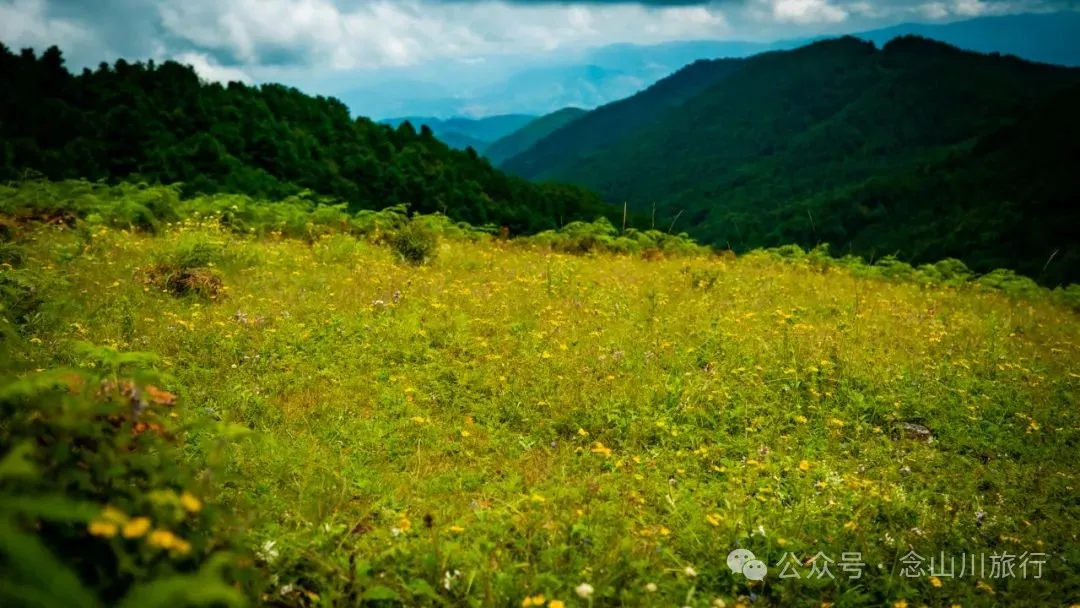
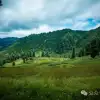
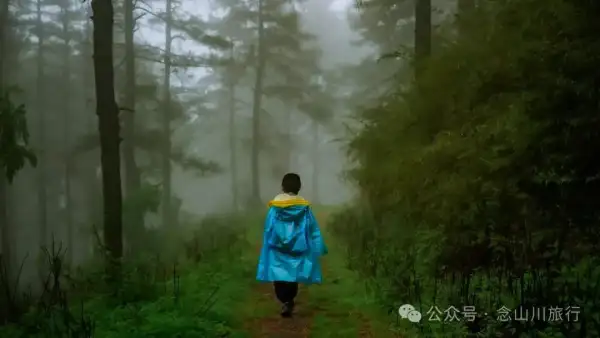
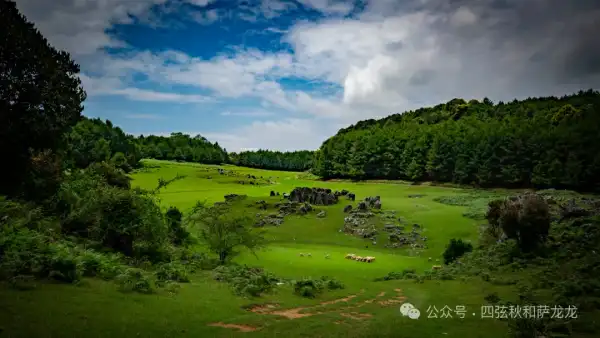
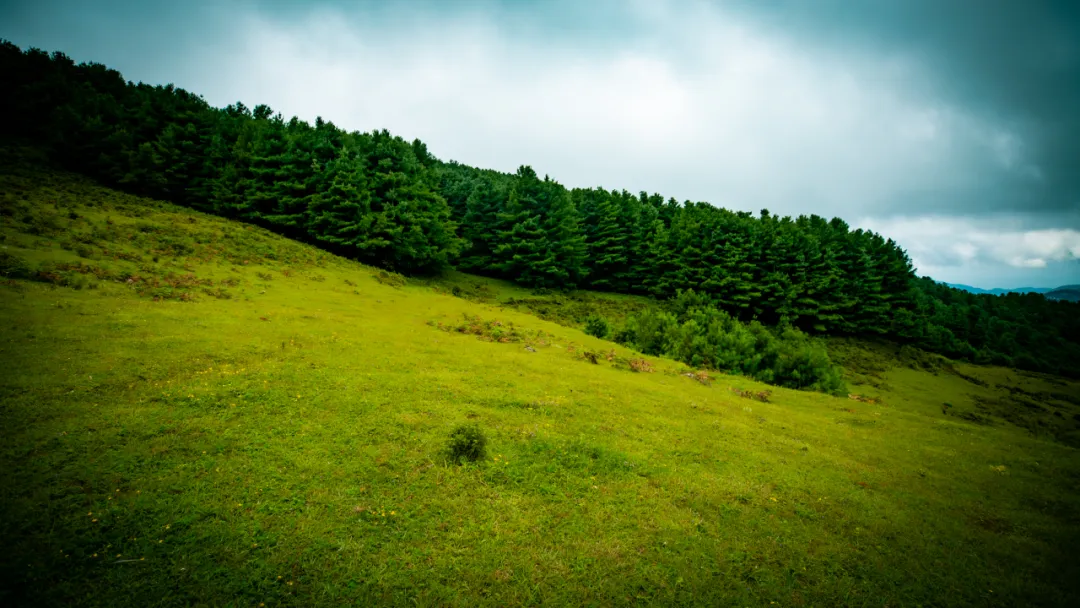
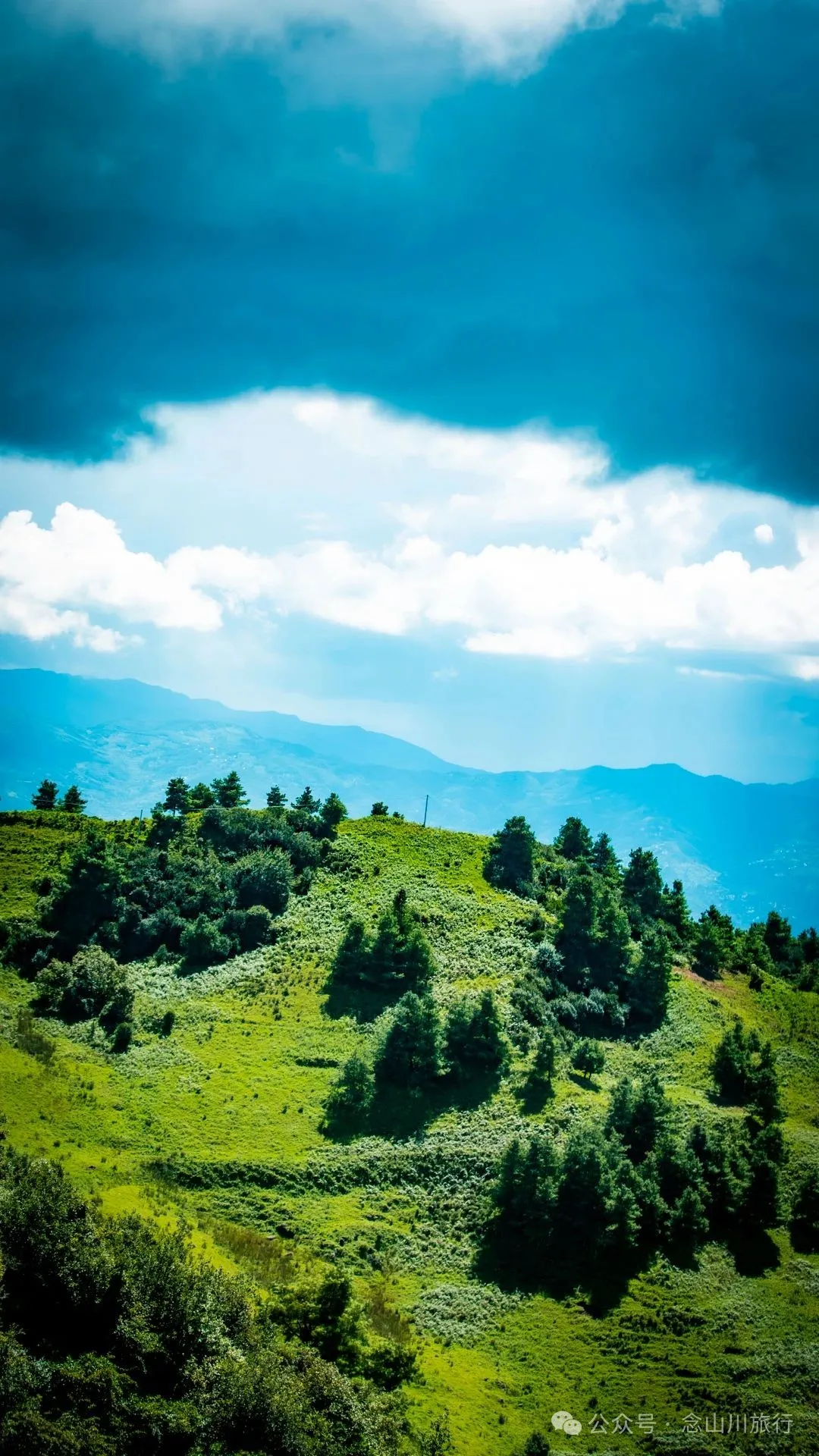
We stopped on this sloping grassland under the forest, looking around, hoping to find a wider, purer meadow. But before us was only dense forest. The clear gullies and ridges seen on satellite maps were all occupied by forest, not the mountain paths we imagined, with no shortcuts. The clouds and mist rose to the mountaintop, a few hundred meters away from us. Although the undulating mountains were not illuminated by bright sunshine, at least they appeared completely before us. There were no cattle or sheep on the grassland, let alone herdsmen. Perhaps the distance was too great, and they had not yet arrived. Occasionally, an empty glass bottle and a few food packaging bags brighter than wildflowers were found in the grass, along with traces of a fire. Compared to other grasslands, the human traces left here were indeed few.
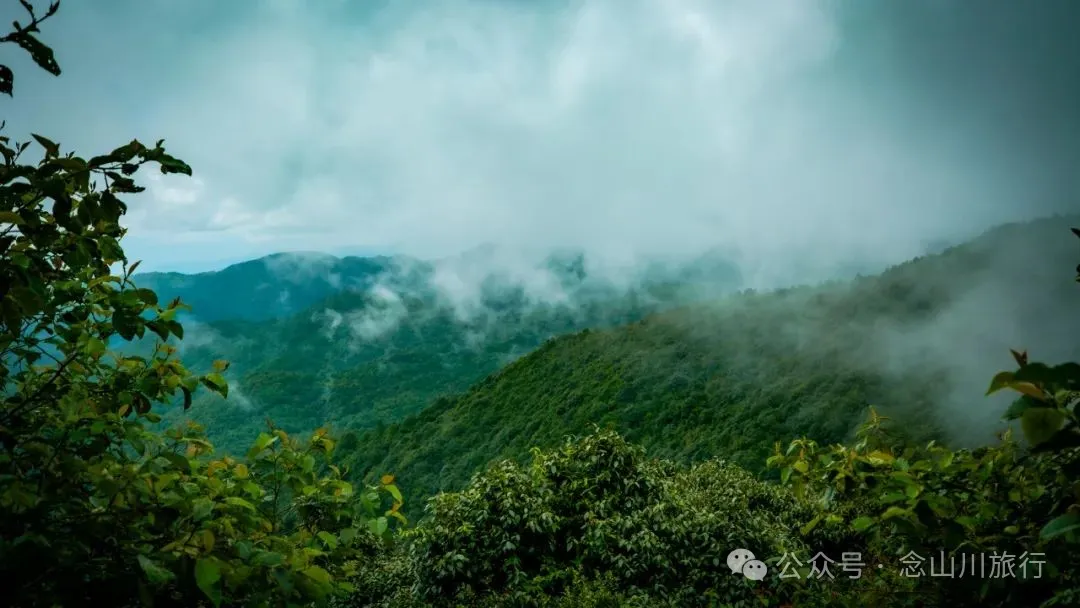
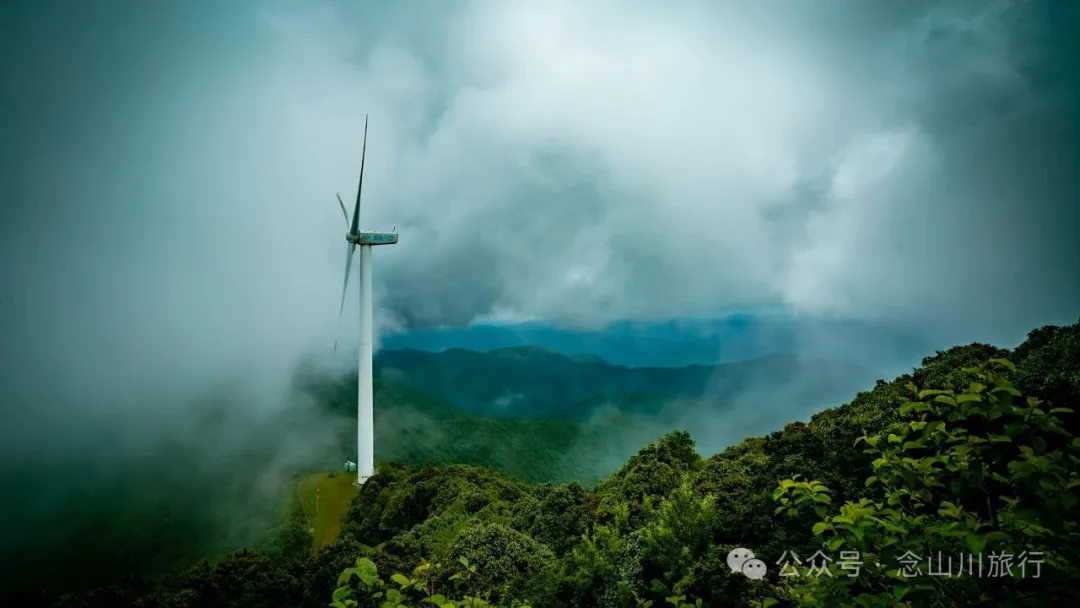
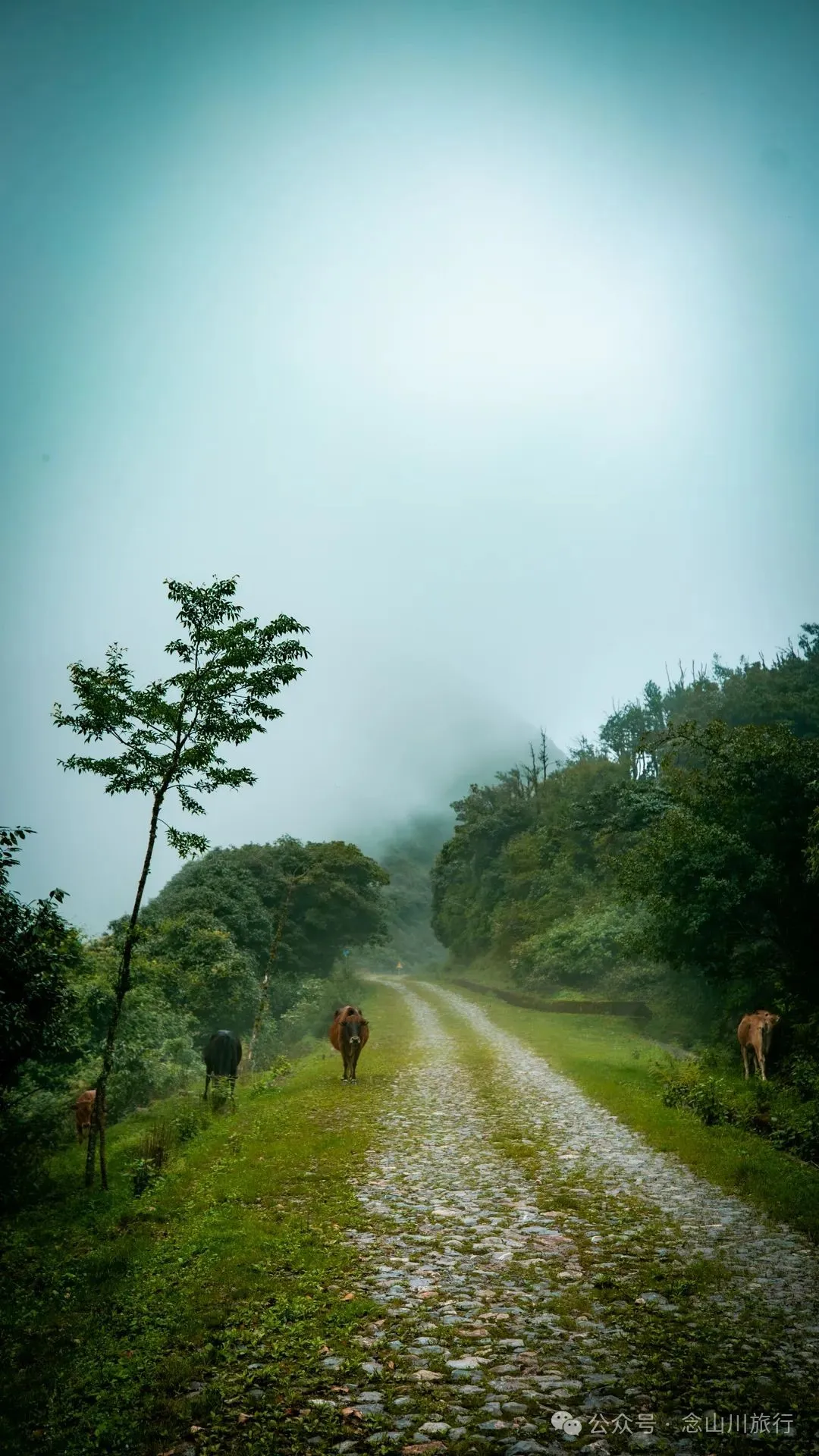
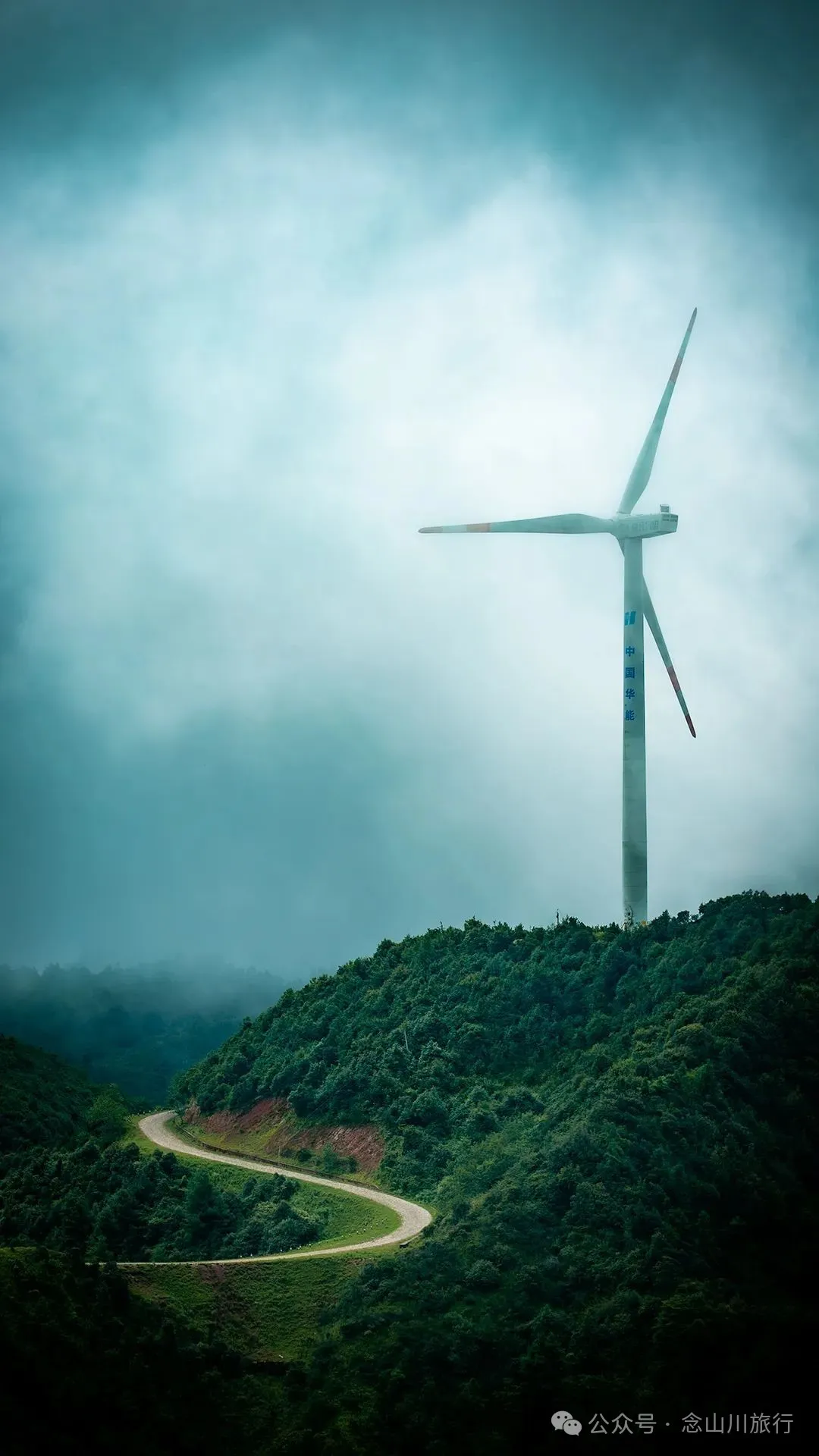
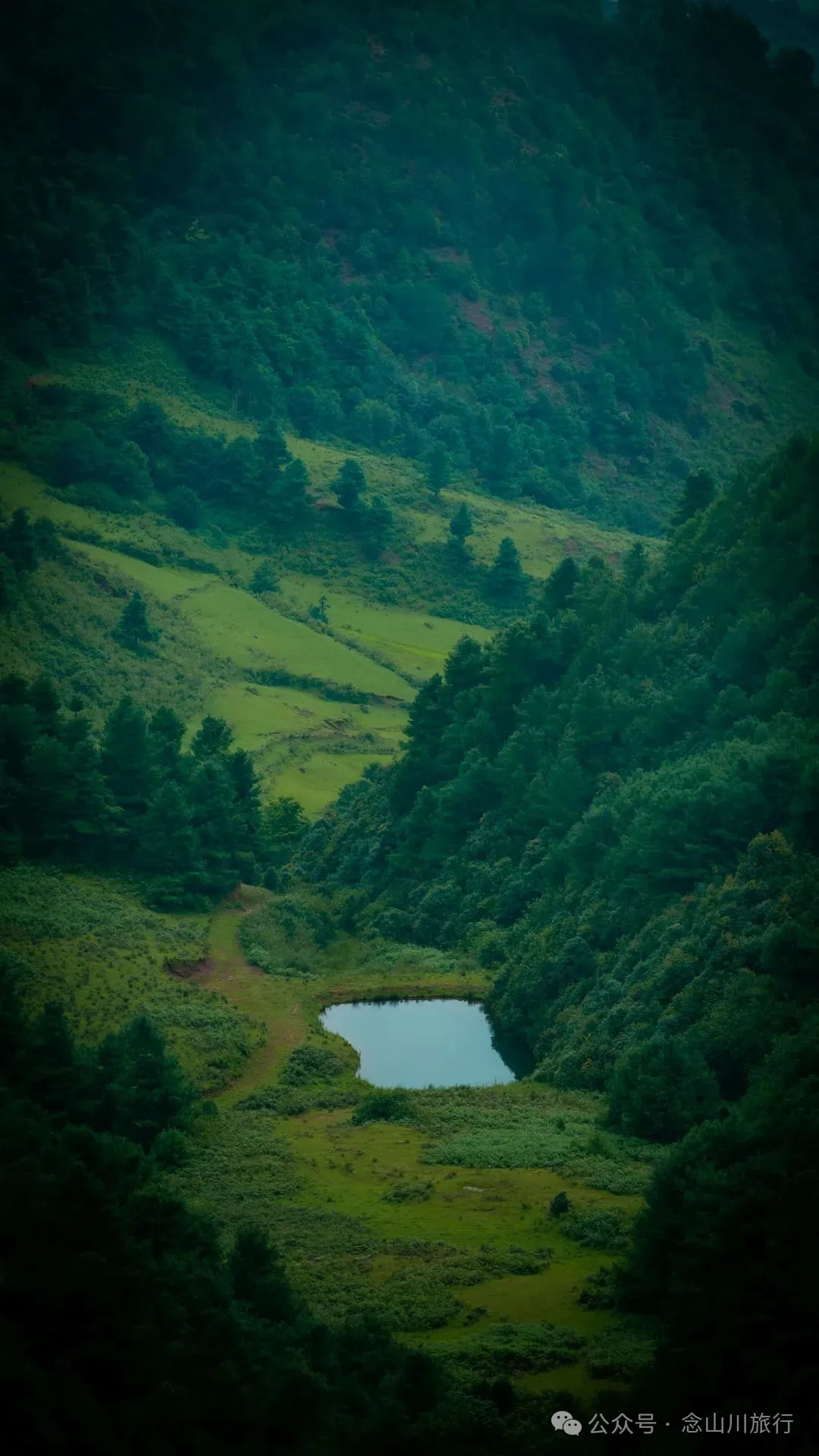
Returning to the stone road beside the windmills, the clouds and mist lingered like first-time visitors, wandering around, unwilling to disperse. They playfully teased the sunlight, weaving it like spider silk firmly in the air, preventing it from connecting with the earth, while they themselves surged chaotically across the land, claiming the mountains as their own. The yellow cattle by the roadside seemed accustomed to such teasing, walking calmly in the mist, with less wariness toward humans. As for the ponds and grasslands under the mist, without sunlight, they dimmed silently, appearing lifeless.
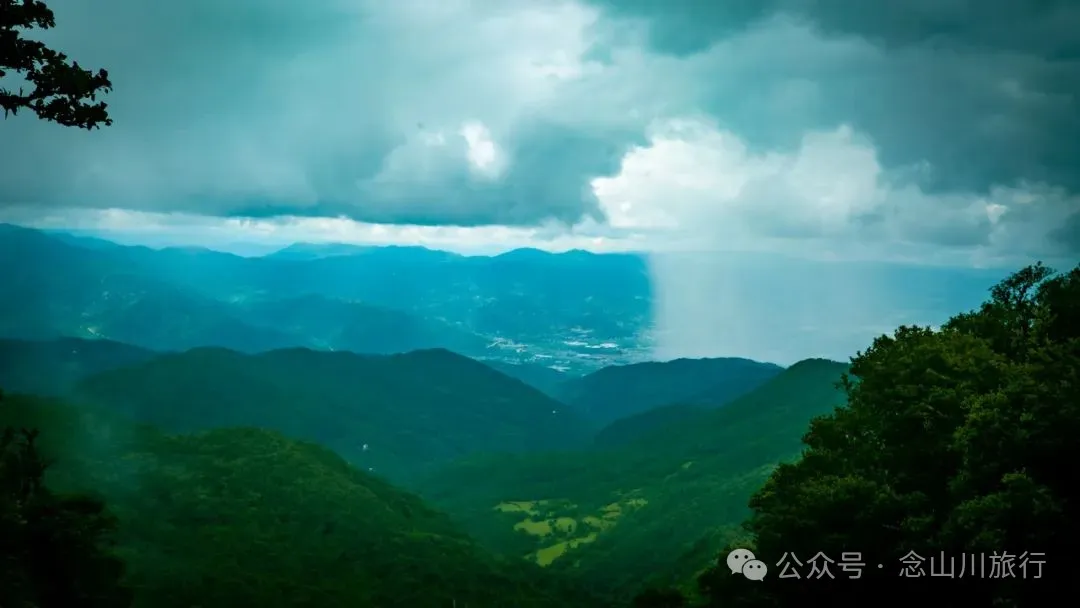
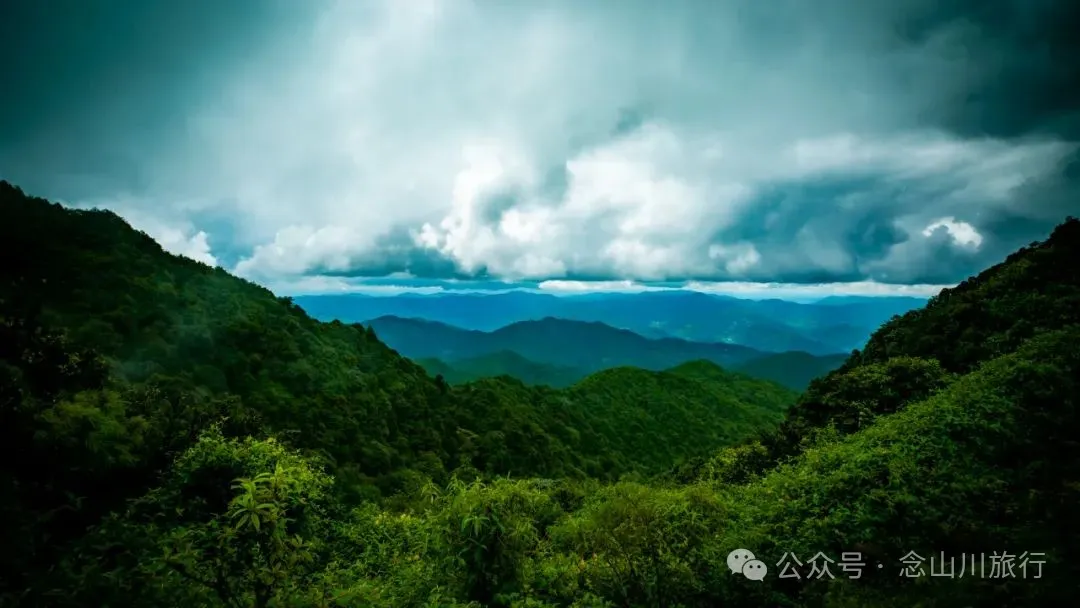
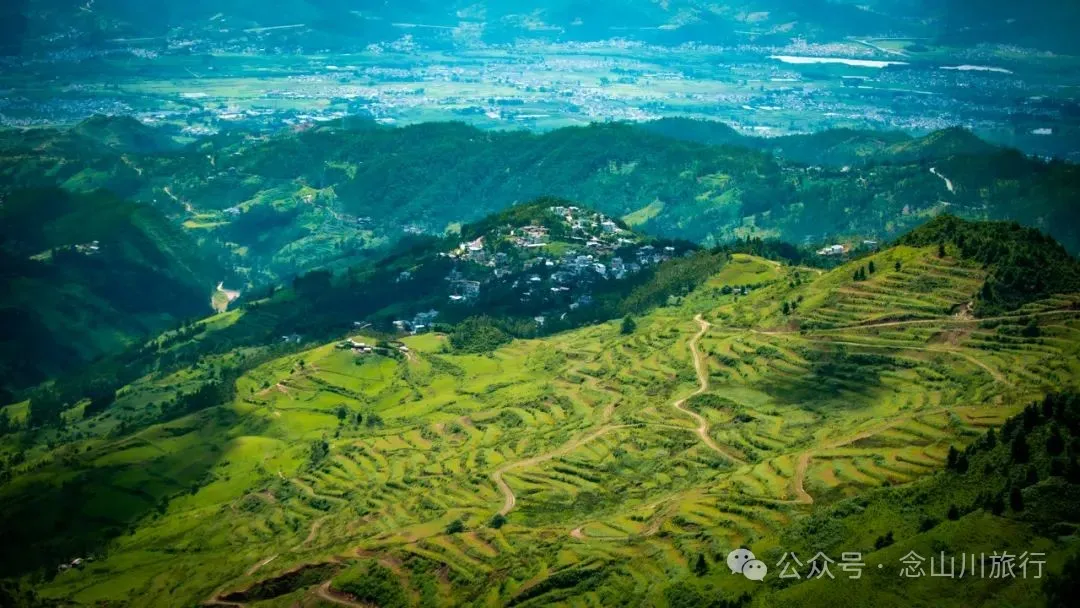
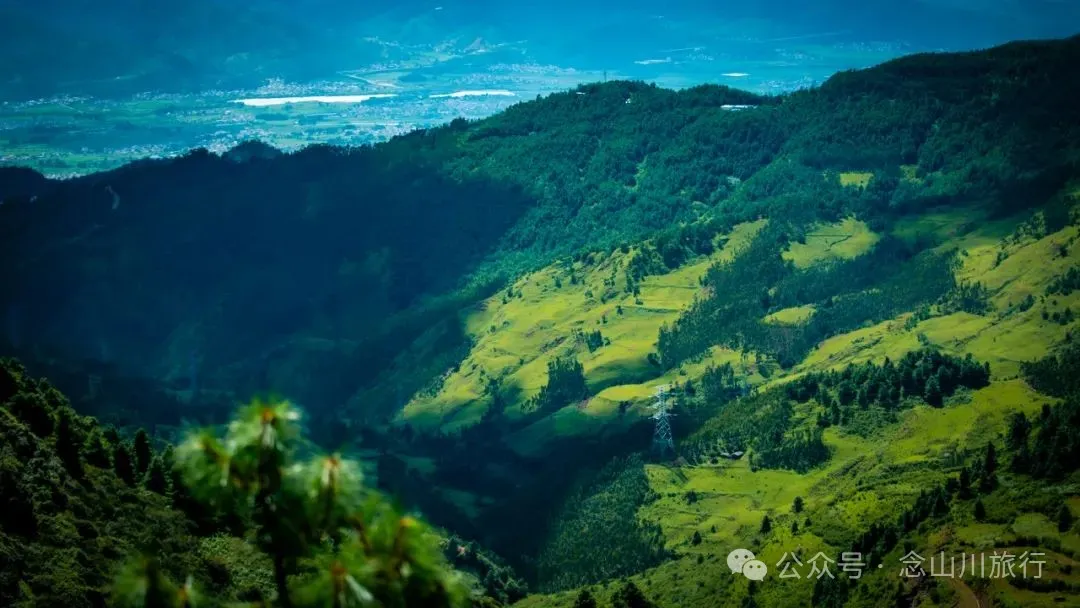
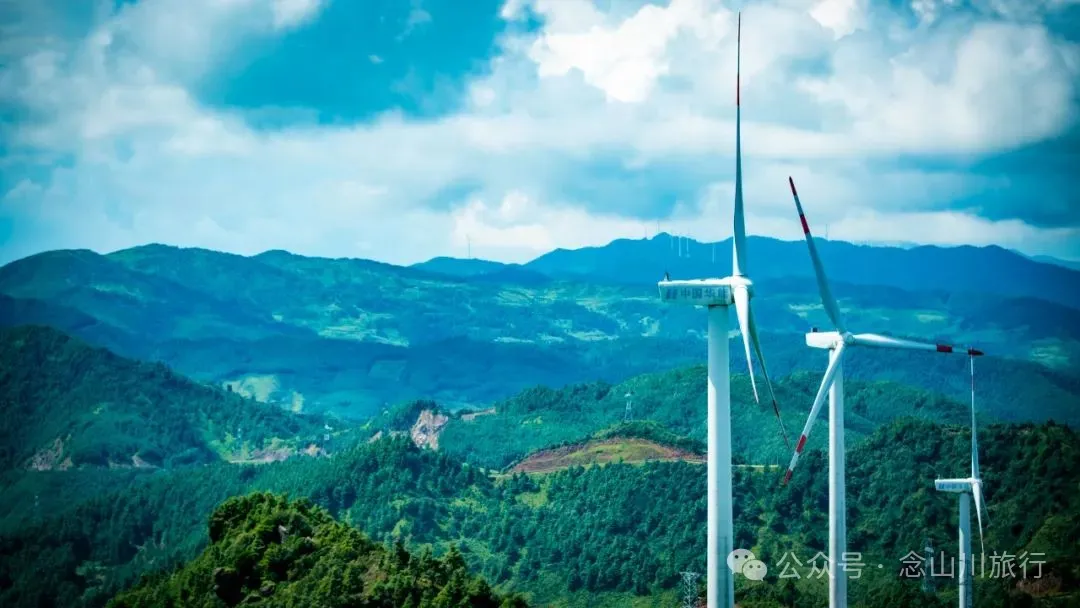
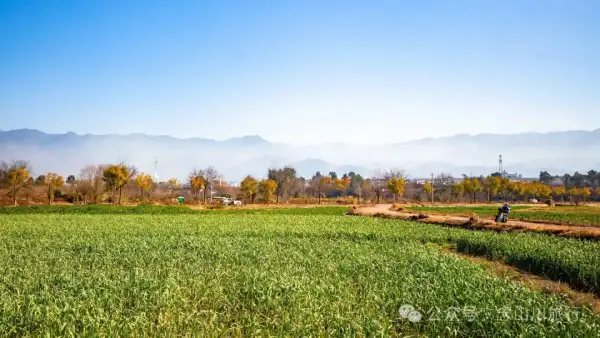
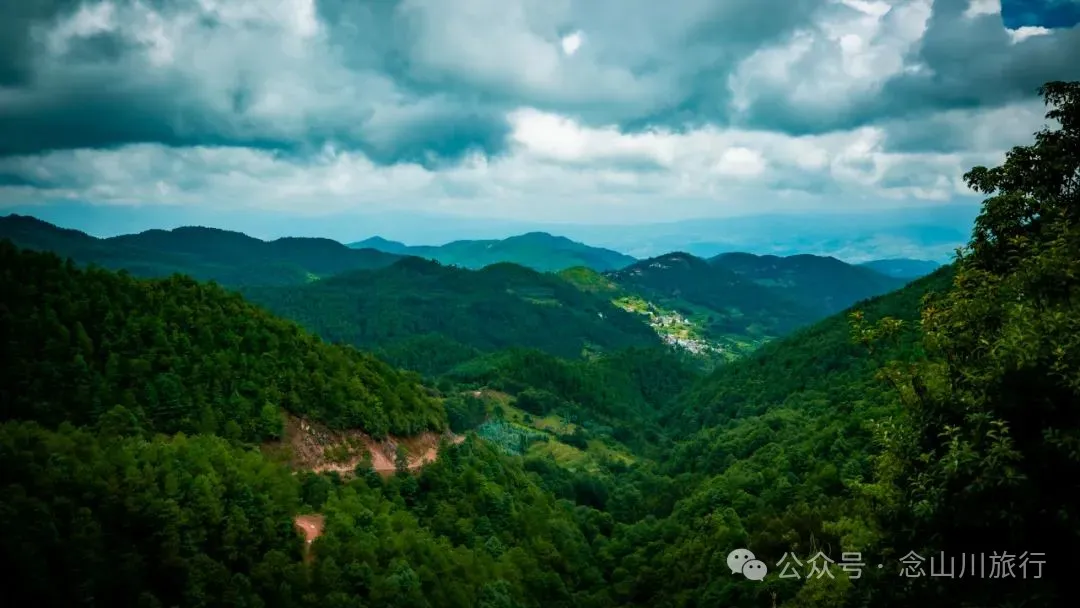
When we reached the southern end of the stone road through layers of rain and fog, the sunlight finally poured down generously. Villages, mountains, towns, and plains emerged one by one from the scattered clouds and mist, and our view became immensely vast and open. Nearby, small patches of bright green grassland surrounded by forests seemed to have yellow cattle grazing. There was no path from the mountaintop leading there, and the nearest village, Huoshan, appeared to be two or three kilometers away (straight-line distance). Standing at Wind Turbine No. 38, looking north, a wider expanse of grassland spread across a gently sloping, long hillside, stretching gracefully into a hazy mist. It seemed closer to another windmill road, adjacent to the location of Daqueshan on the map. When we returned to the Weimi Line, I wanted to climb a seemingly low peak by the roadside to verify my conjecture, but dense camellia forests and bamboo groves blocked the way, and I returned without success.
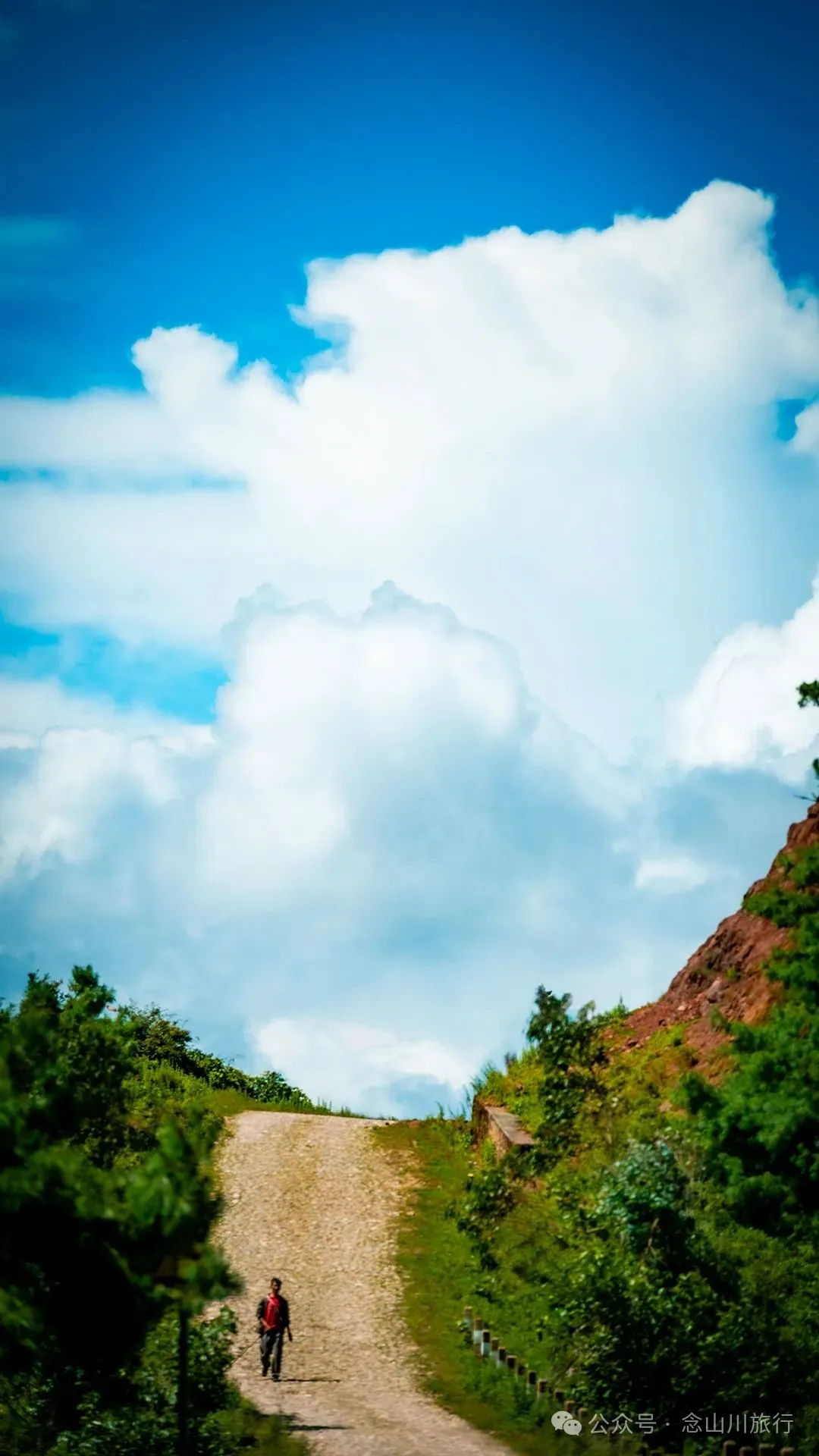
From the southern end of the stone road back to the Weimi Line, fine weather accompanied us all the way. Many forests and grasslands that had been hidden in the clouds and mist were now revealed, and a complete windmill road spread across the mountaintop. A cattle herder approached from afar, walking downhill, with a light, pure white cloud behind him. He seemed to have just walked out of it, also teased by the clouds and mist, looking slightly tired.