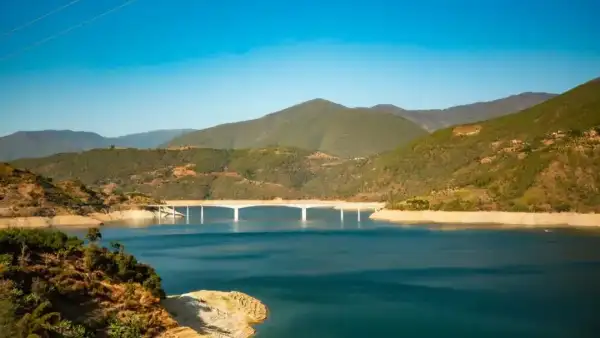

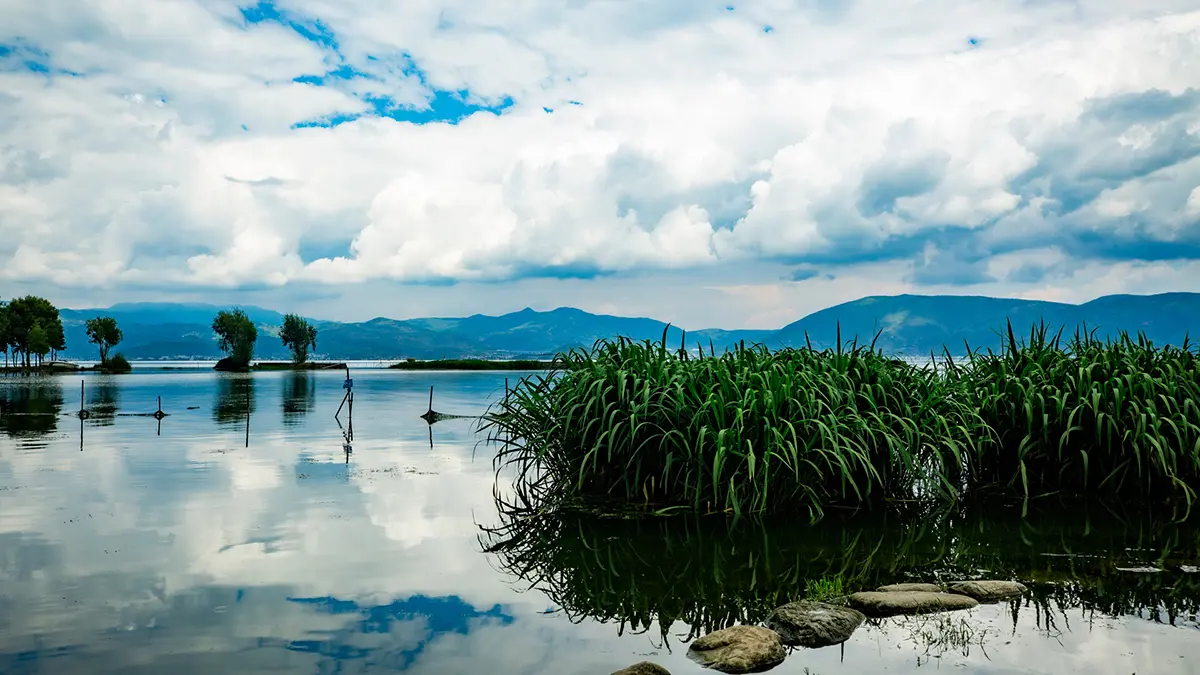
The boy picked up one small stone after another and threw them into the sea. After many attempts, he began to skip stones steadily. Two skips, three skips, four skips—rarely four. But he was still very happy, and each time he made a successful skip, he immediately shared his success and joy with me. I sat absentmindedly in the grass by the water, staring blankly at the empty scenery in the distance. The ecological corridor has transformed the view on this side of the western shore of Erhai Lake beyond recognition, losing its wild vitality and exuding an air of ingratiation and flattery everywhere. The withered willows, reed beds, mudflats, and uninhabited wilderness that I loved disappeared years ago. And we had enjoyed these beautiful things for eight years.
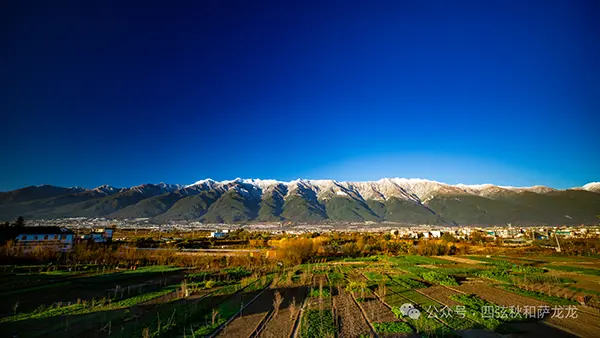
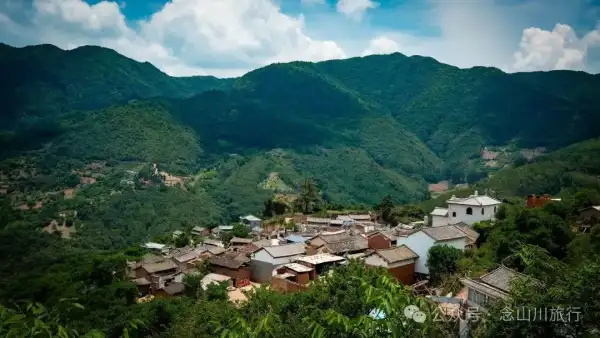
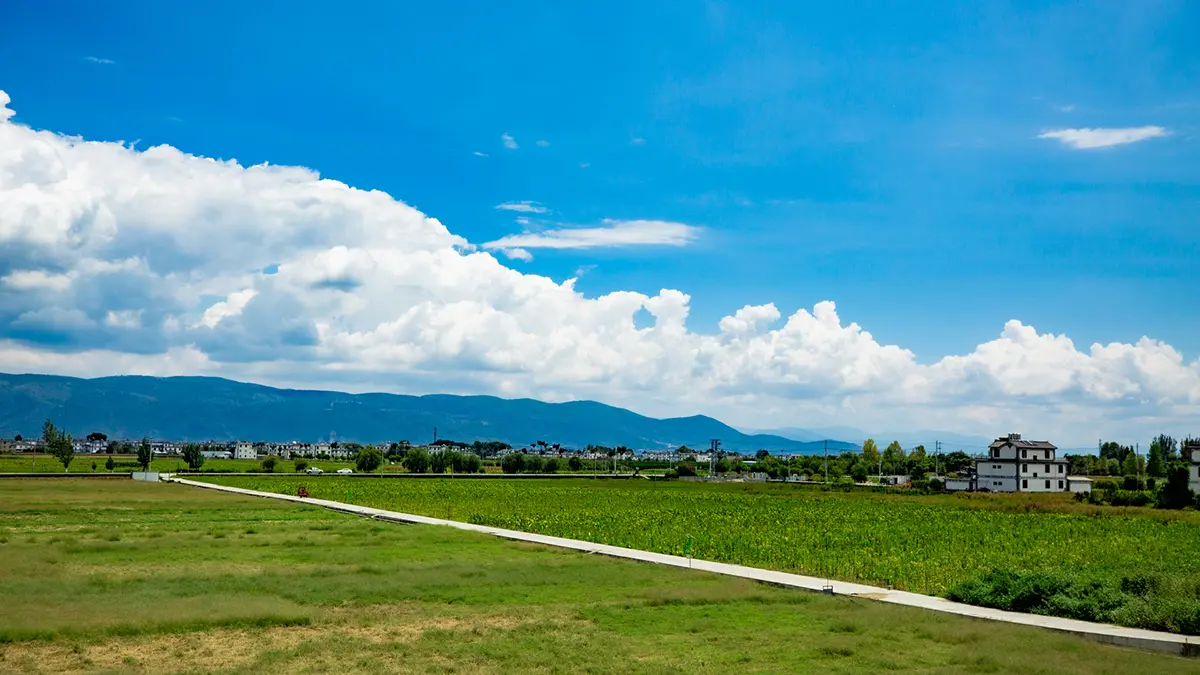
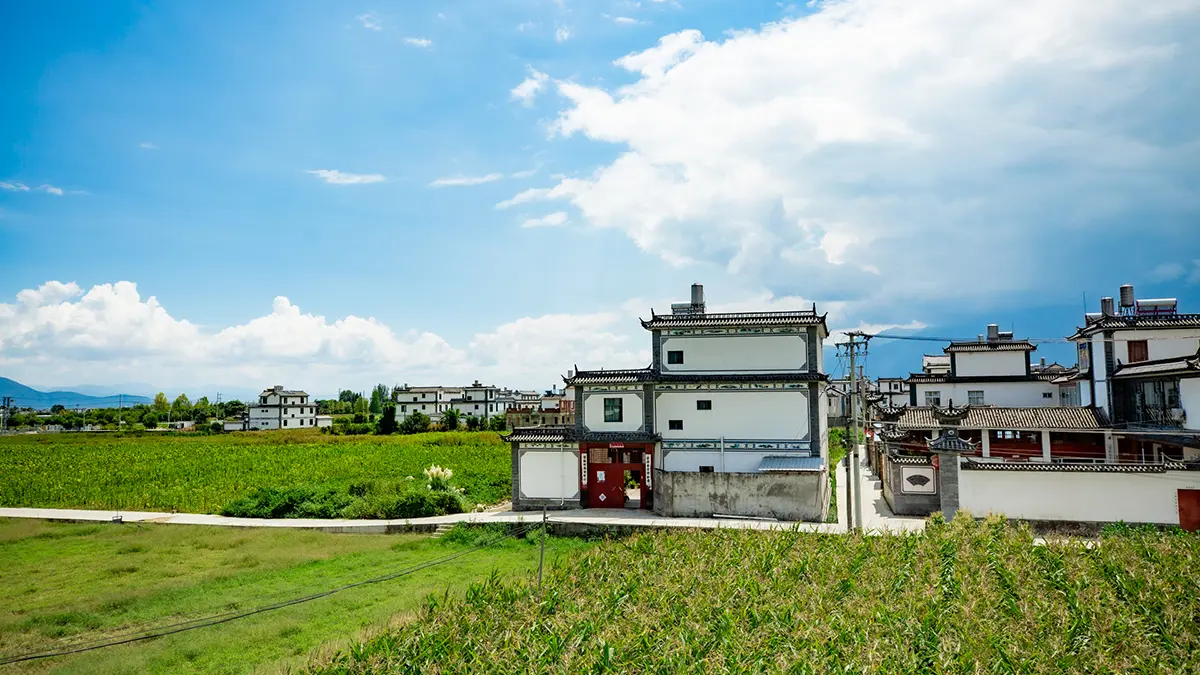
After leaving for four years, we returned to Dali and settled our home once again on this enchanting plain between the Cangshan Mountains and Erhai Lake. Unlike before, we did not live by the sea, as that area had become a commercial zone, no longer suitable for ordinary people like us. We searched all the way from Yinqiao, hoping to find a suitable house near the mountains. When we followed the young agent into the quiet courtyard of Wanqiao Village and stood on the second-floor terrace, seeing the nearby Cangshan Mountains wrapped in white clouds and a vast expanse of open fields to the east, we decided to live here and put down roots. Regardless, the mountain clouds, sky light, and scenery remained simple, kind, and pleasing to my heart.
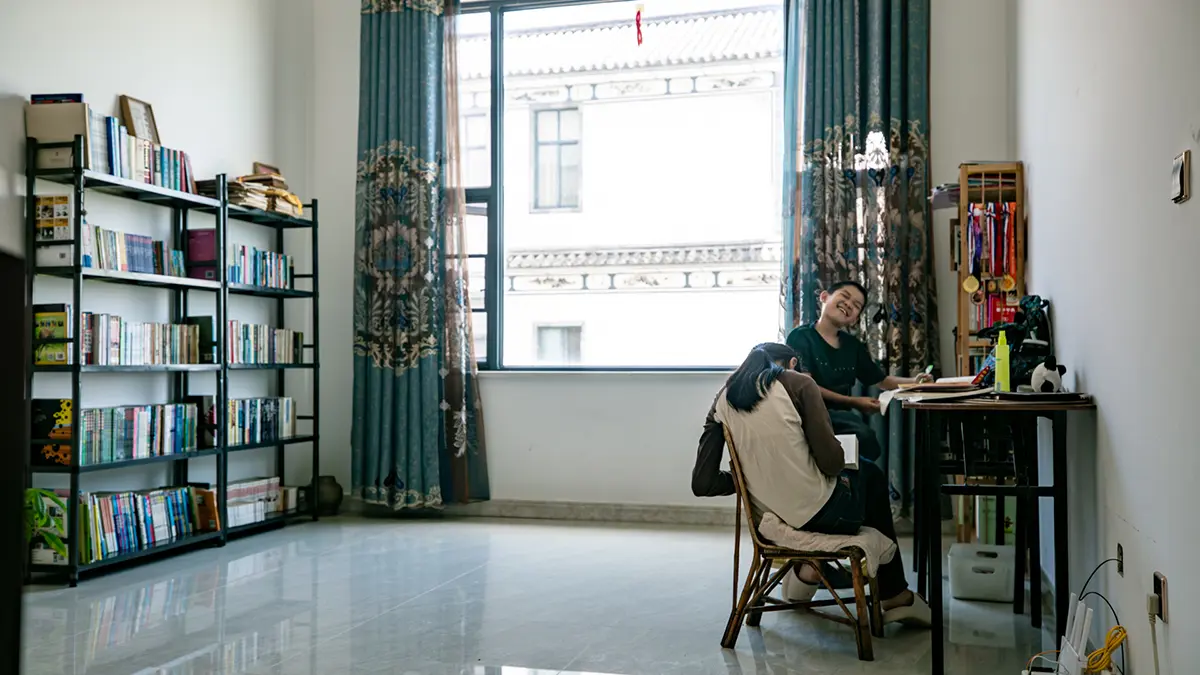
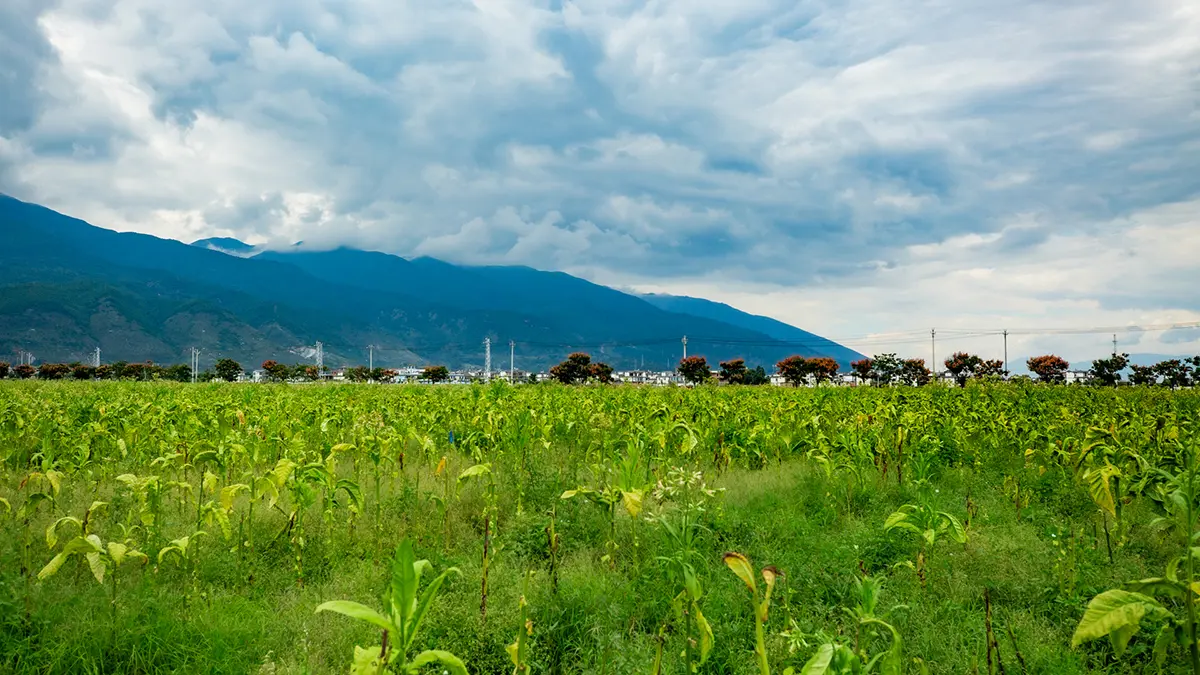
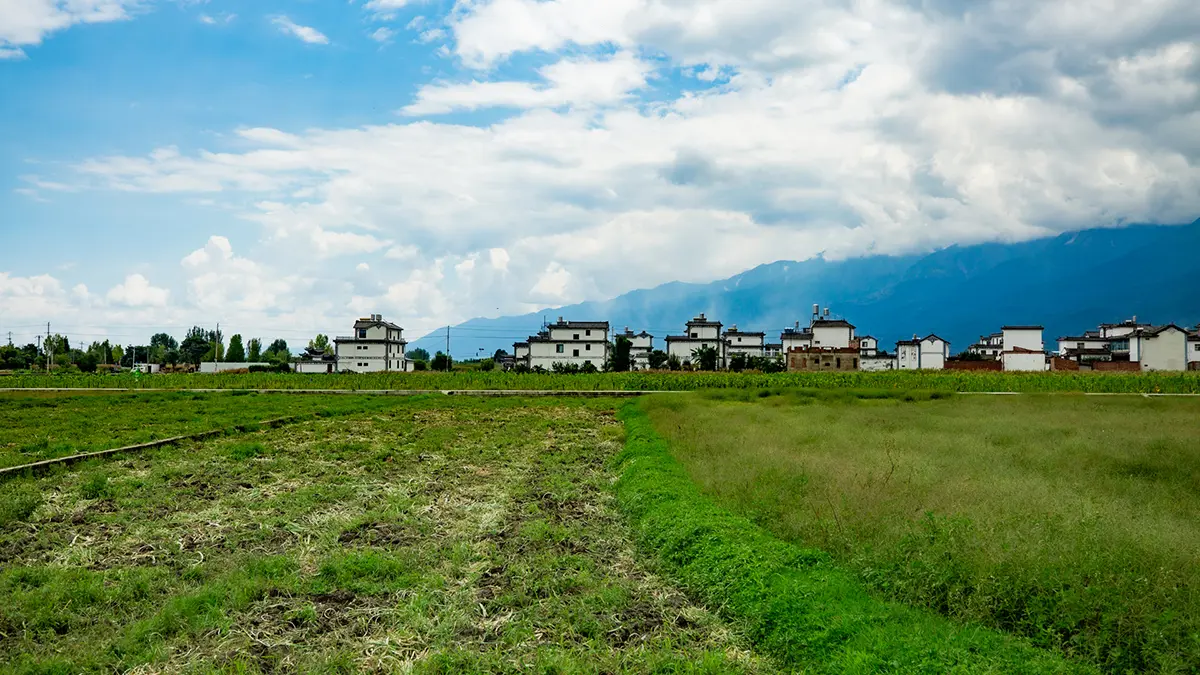
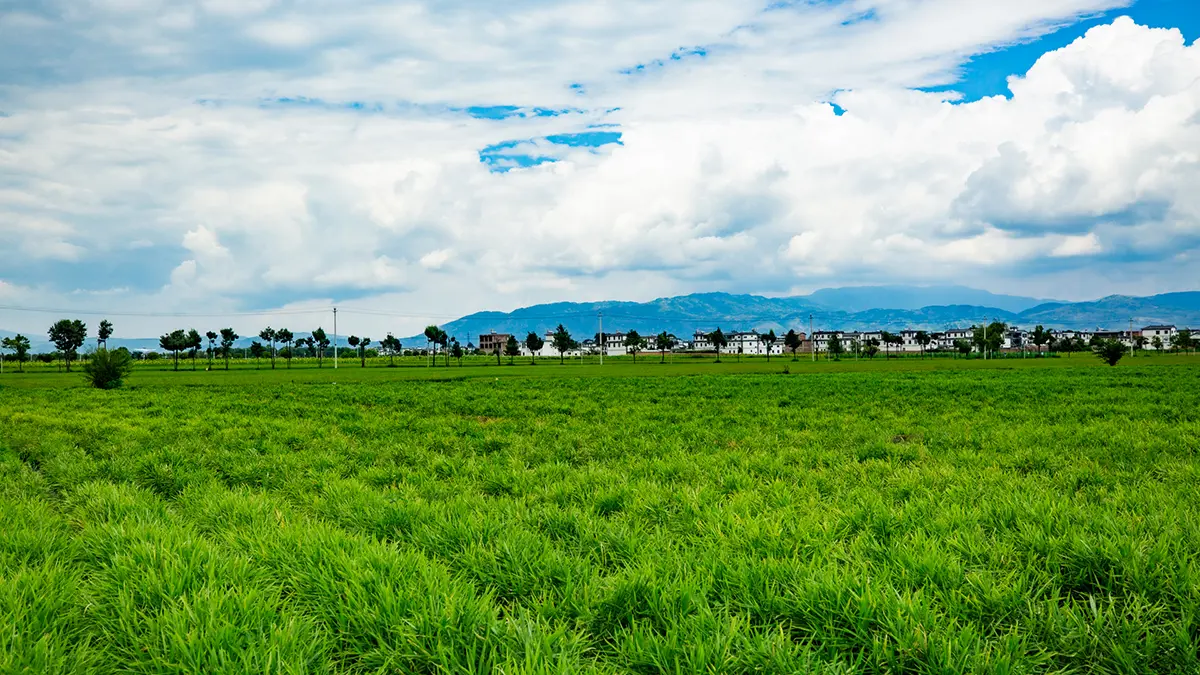
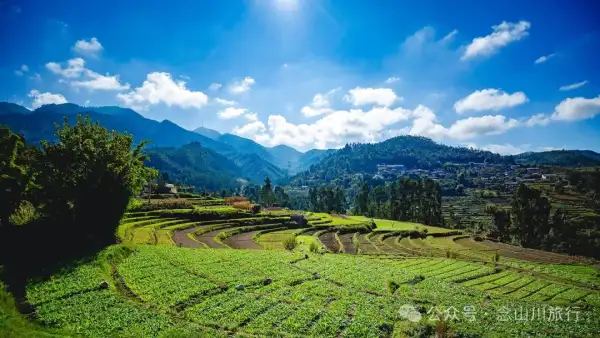
Only after the new home was completely tidied up did I have time to go out and find things to do. In the nearby fields, people were busy plowing, fertilizing, planting vegetables, weeding, and harvesting. The solid earth had forged their bodies strong. The 70-something-year-old landlady said she goes to the fields every day to help them plant vegetables, as it keeps her spirits up; being idle makes her listless. I thought I should also find such a job, to exhaust my body to the limit and have no time to worry about life's setbacks.
The education of the boy and girl was the biggest obstacle we encountered after moving. We went to the town's central school several times and visited several nearby schools. The staff at the central school suggested we ask at the Dali City Admissions Office. We went there, but before we could finish describing our situation, we were rudely interrupted and told we were not in compliance. And the follow-up call I anxiously waited days for turned out to be from a robot, which asked a few questions about satisfaction and then hung up mercilessly. So they stayed home without schooling. The boy should have easily gotten into a school, but they all said there were no available spots. A friend was astonished when she heard about it; it's understandable for city schools to have limited spots, but how could a village elementary school have such a situation?
I was eager to find manual labor, so I rode my bike out to the fields, heading toward the busy people, and asked if they were hiring. The boy insisted on following me, saying he could help with the work. Three or four women by the roadside were busy planting scallion seeds into the soft, leveled soil. No one thought I could do such heavy work. They all said to me, "You can't do this kind of work; you'd better rest at home." So I was rejected by them too, without even getting a chance to try.
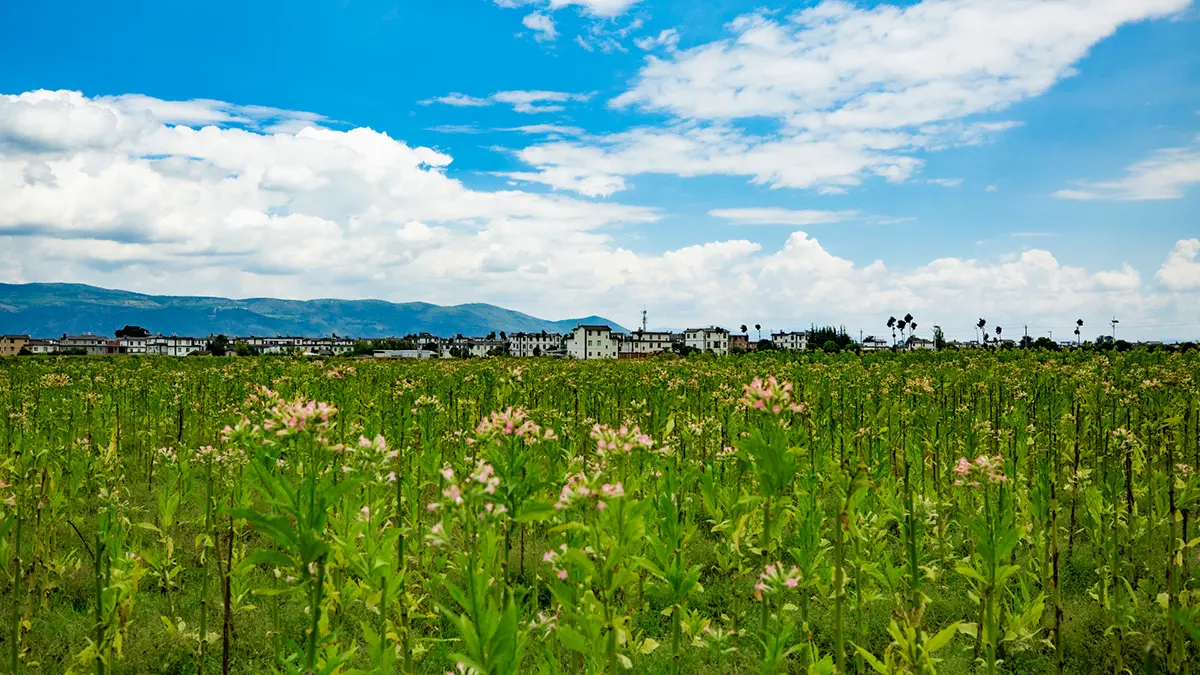
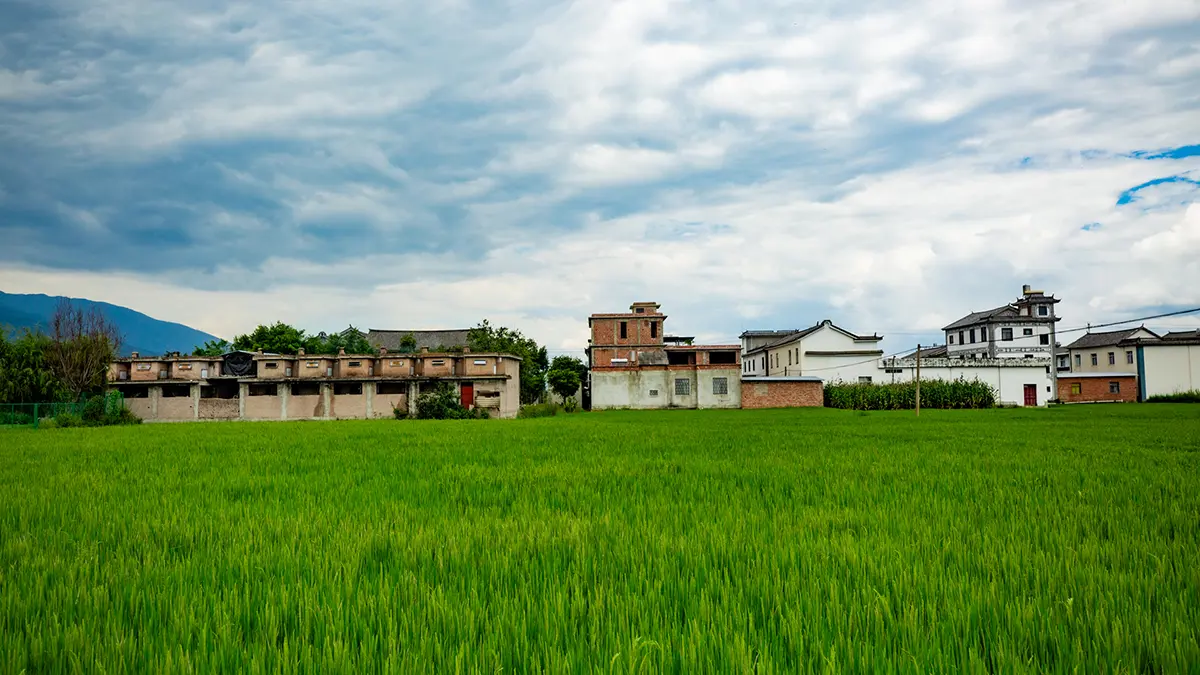
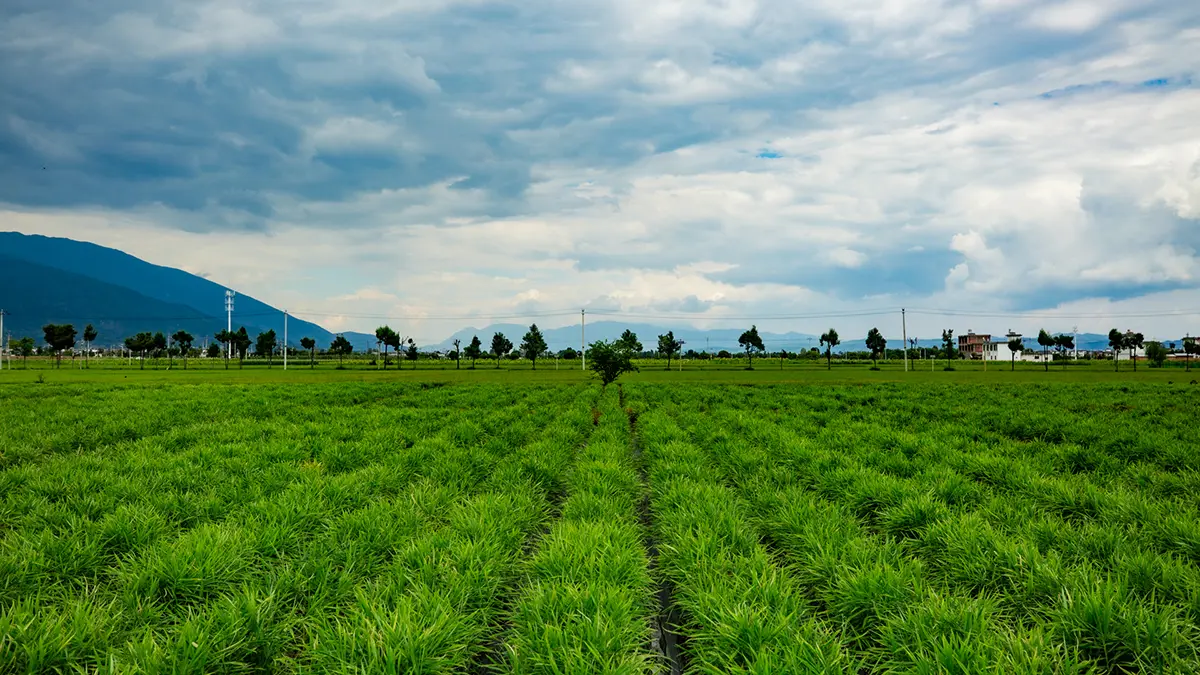
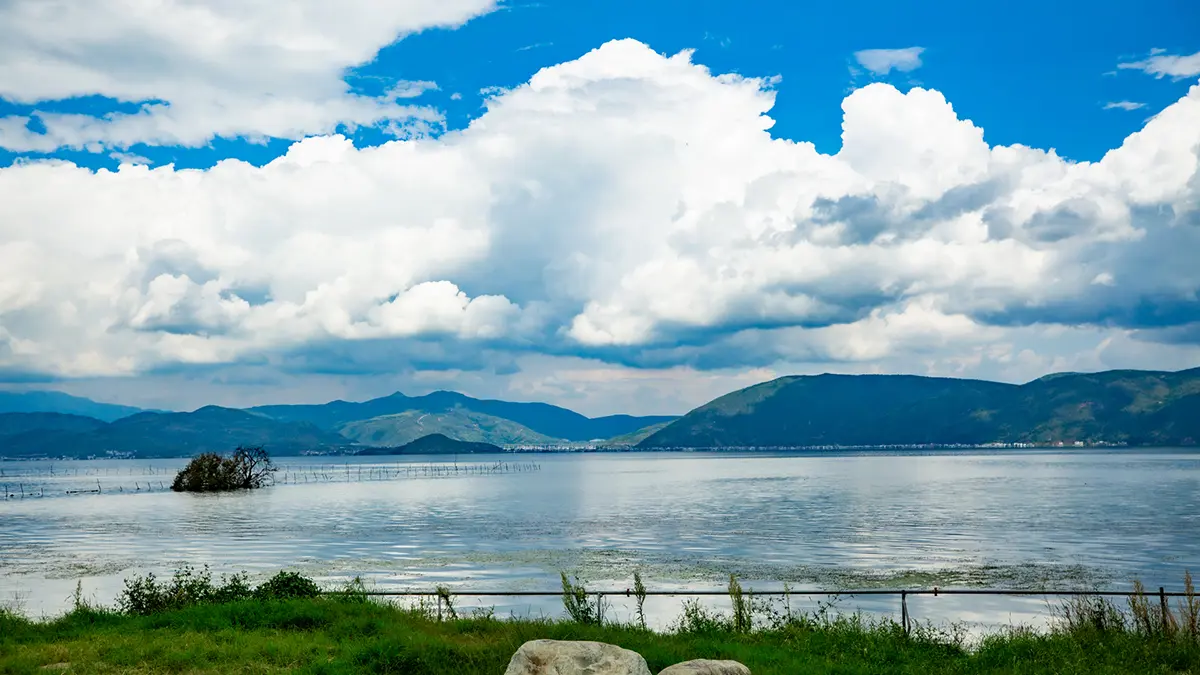
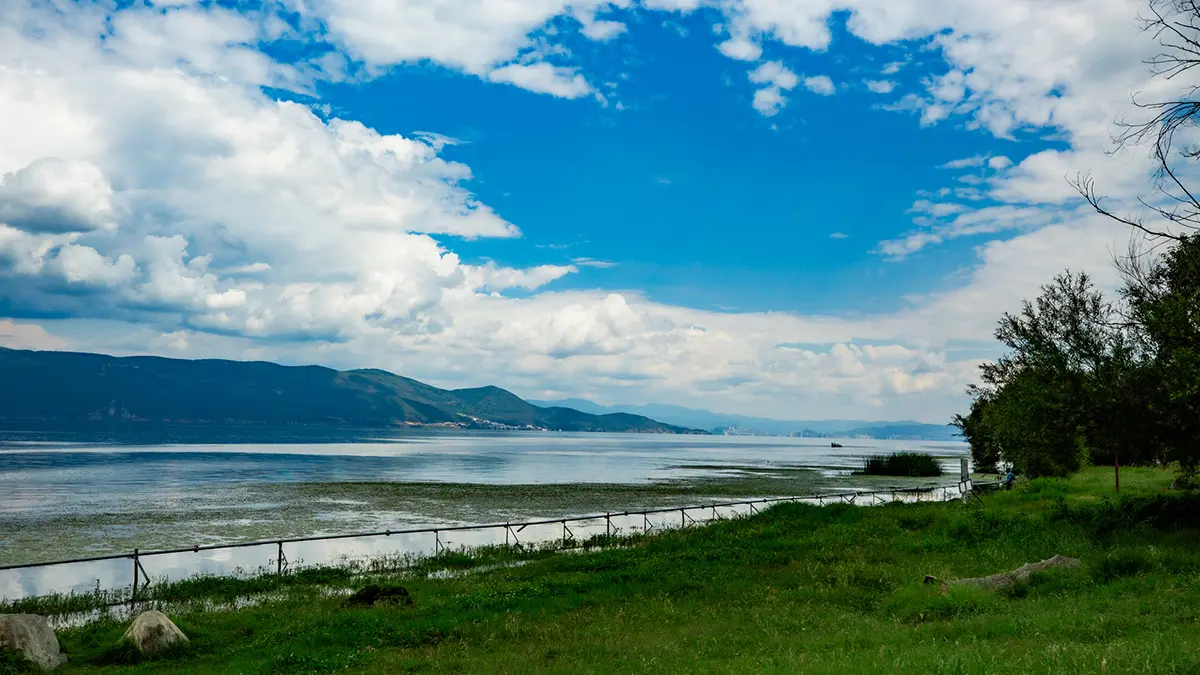
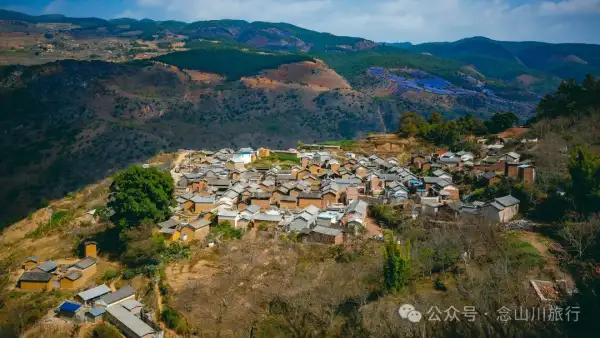
The boy and I rode along the cement road toward the mountains until we passed through the village at the foot of the mountain and reached the end of the road. We stopped in front of a temple with its gates tightly shut, then turned back, passing through the village, crossing National Highway 214, and not stopping even when we passed our home, continuing to ride toward Erhai Lake. There were very few tourists by the lakeside here; they seemed like fish that slipped through the net, swimming into waters where large schools wouldn't go, staying briefly before hurrying away, not noisy at all. So when the boy said he wanted to stay by the lake a bit longer, I let him have his way, sitting on the grass, pretending to watch him skip stones, my mind filled with countless lingering worries.
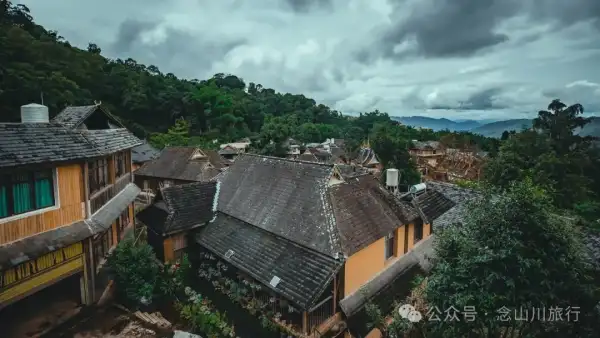
Seeing a guesthouse by the roadside with a transfer notice, I thought about how our reasons for leaving Dali and then leaving Weishan to return to Dali had always been the same. In the year the pandemic restrictions were lifted, countless people flooded into Dali. The wave of commercialism crushed our peaceful life, forcing us to move away and choose the secluded Weishan. Now Weishan, like Dali years ago, is happily attracting many people who love its ancient town atmosphere. Before our lease in Weishan even expired, the house had already been transferred to an outsider who came to open an inn. When we needed to find a new place to live again, Brother Long decided to return to Dali, because at this time, Dali seemed like it had just experienced a huge tsunami; all the waves had gradually calmed and receded, and we would enjoy a long period of tranquility. More importantly, he could finish his work and then find a travel-related side job to ease our current difficulties.
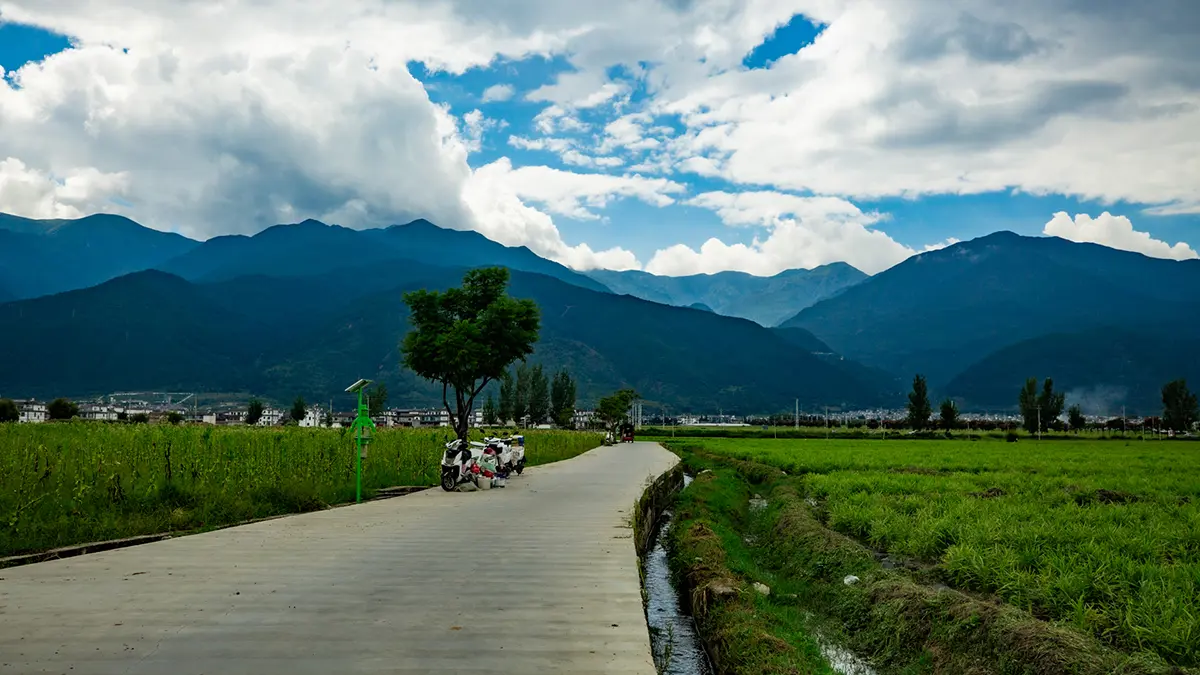
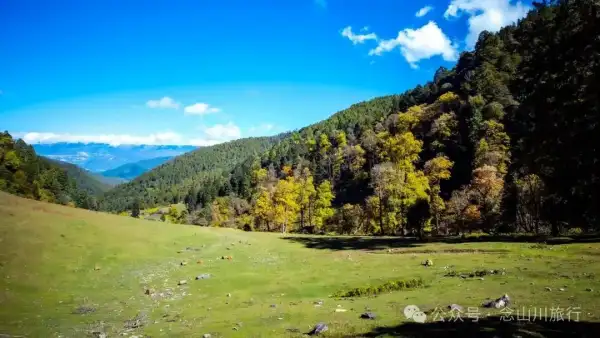
We have been living in our new home for a week, but I still doubt this decision, unsure if it was the right one. Among all the things, only renting and moving went smoothly. But the education of the boy and girl, my job, and the fate of our two cats all make me anxious and uneasy. When I walk alone to the uninhabited wilderness and cry out loud toward the mountains, the innocent mountain breeze comes running, blowing thick clouds away, showing me the layered peaks not far away. A deep and resilient breath rushes toward me, and I quickly stop crying, walking back to the village as if nothing had happened.