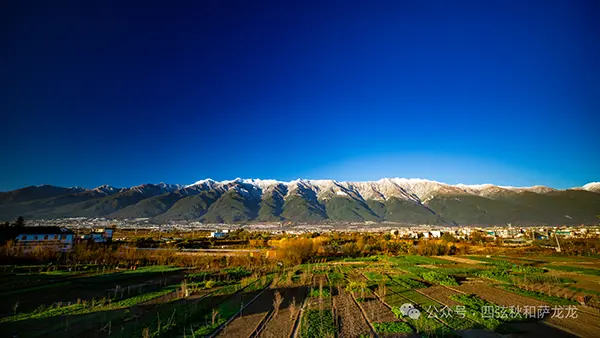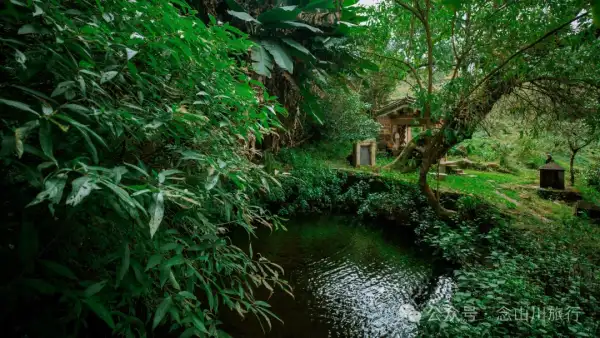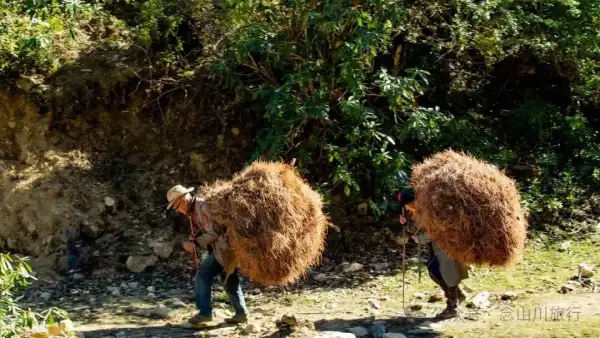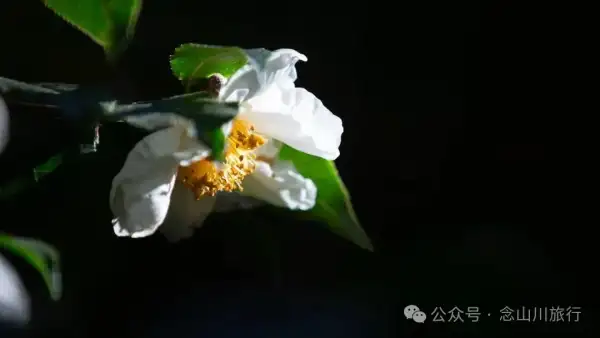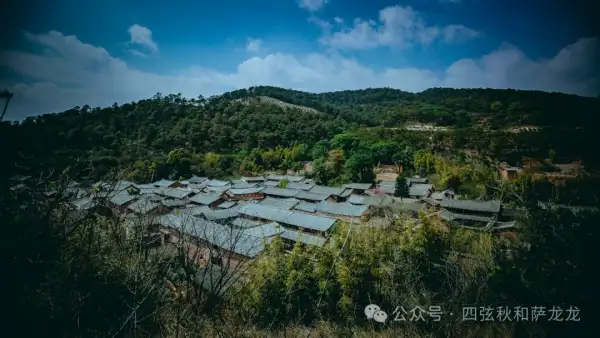

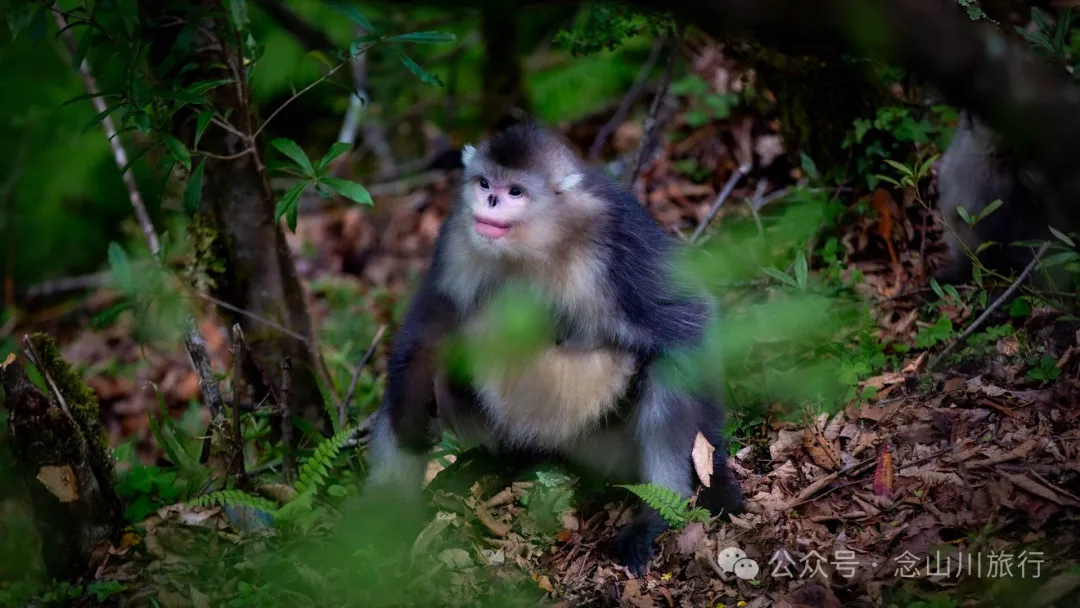
Located in Tacheng Town, Weixi Lisu Autonomous County, Diqing Tibetan Autonomous Prefecture, Yunnan Province, the Yunnan Golden Monkey National Forest Park is China's only national park themed around the protection, breeding, scientific research, and ecotourism of the Yunnan golden monkey. This park is not only a paradise for the endangered Yunnan golden monkey but also a "heaven on earth" integrating primeval forests, rare flora and fauna, multi-ethnic cultures, and religious landscapes.
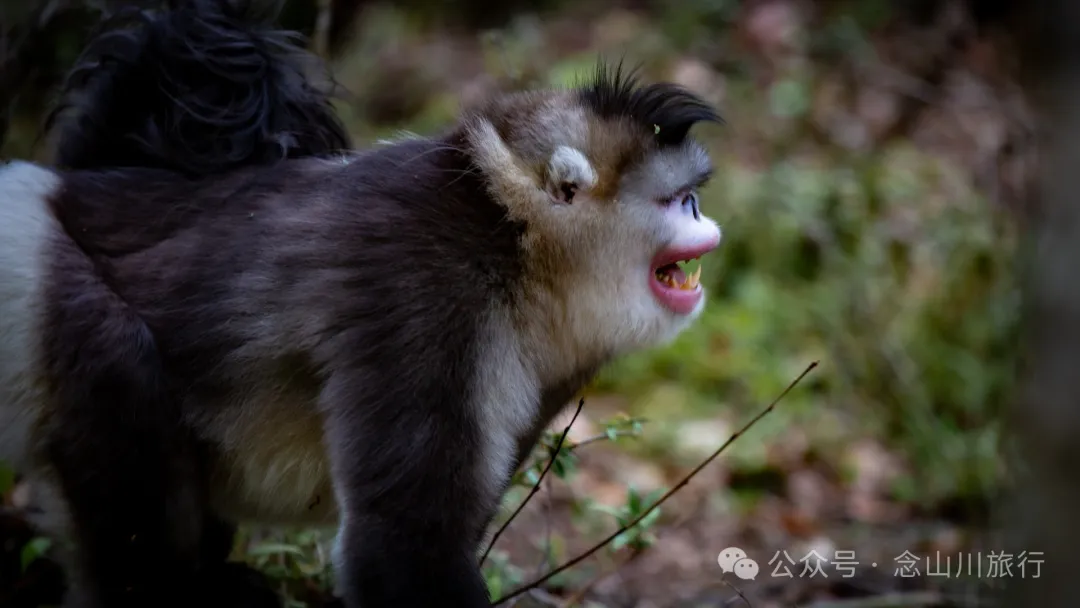
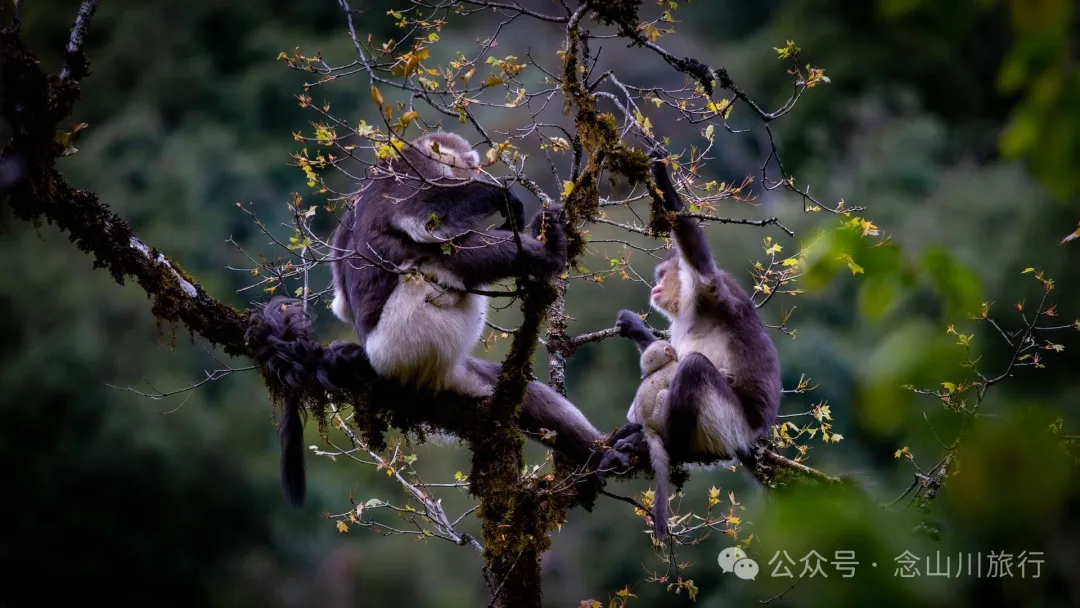
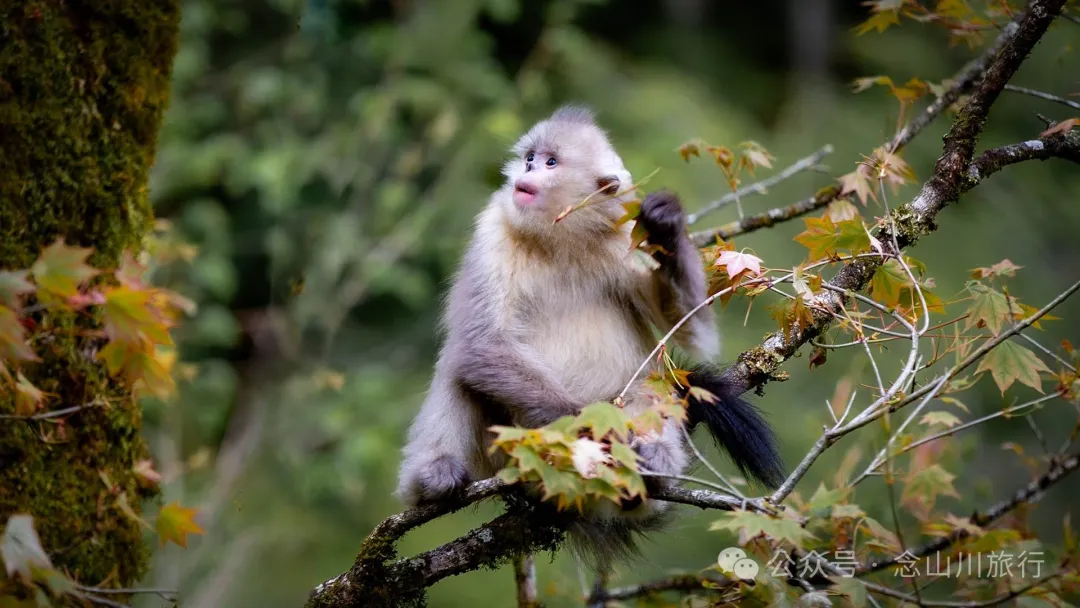
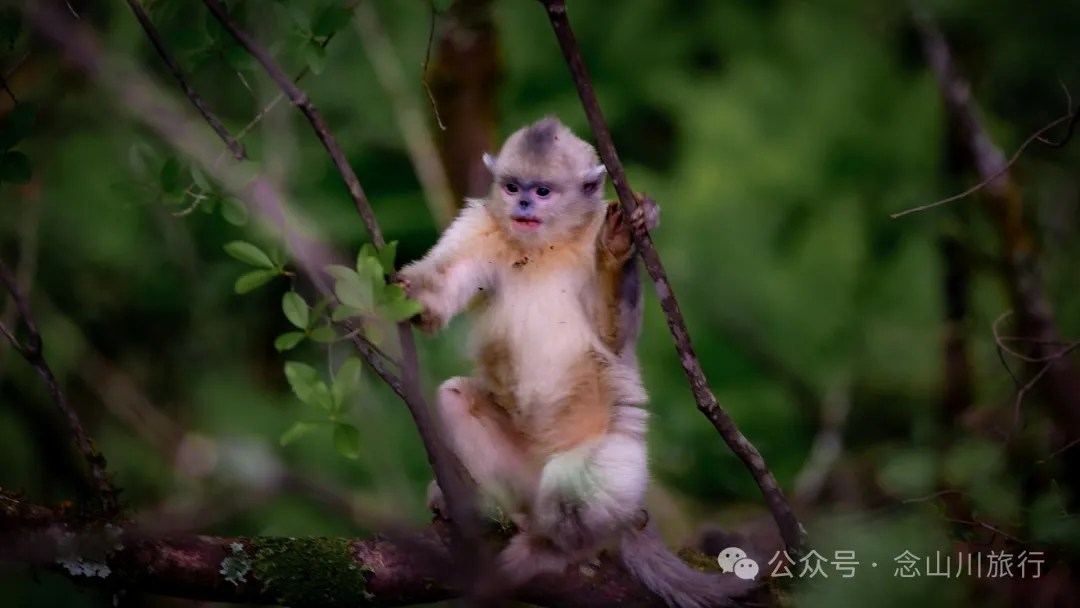
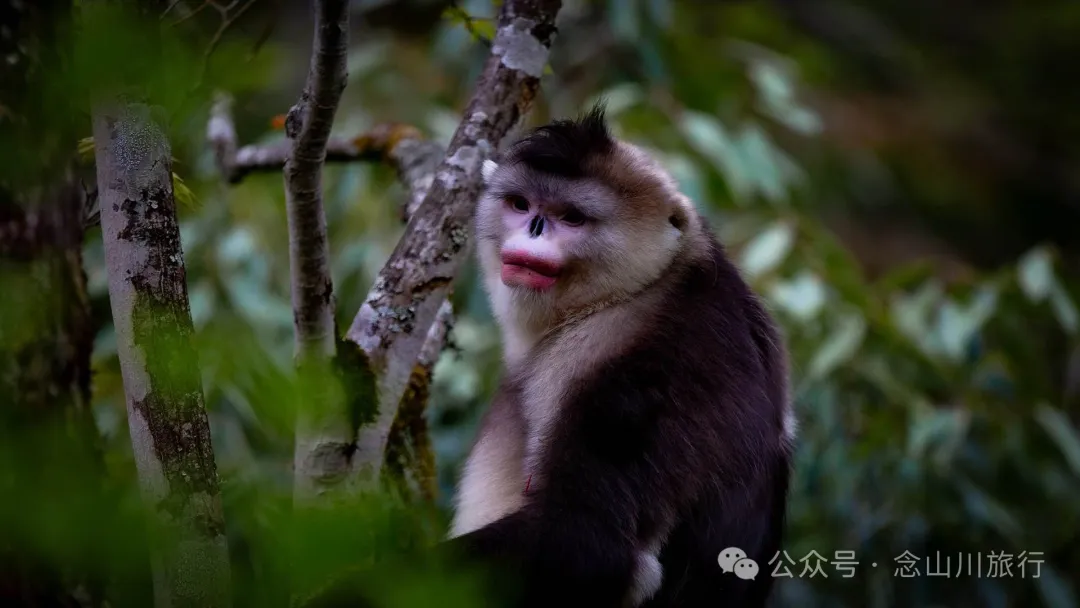
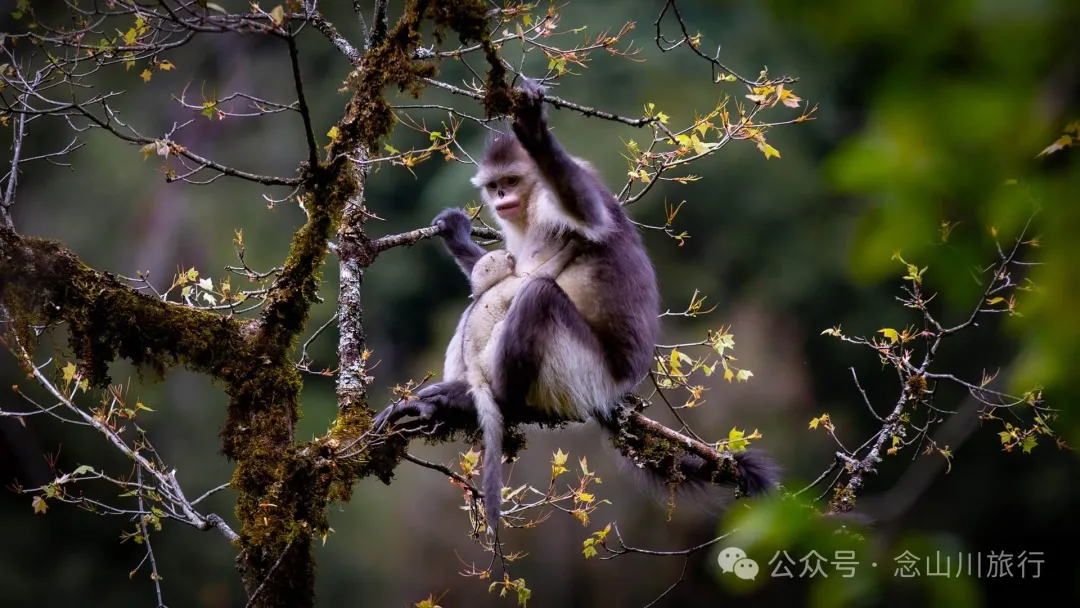
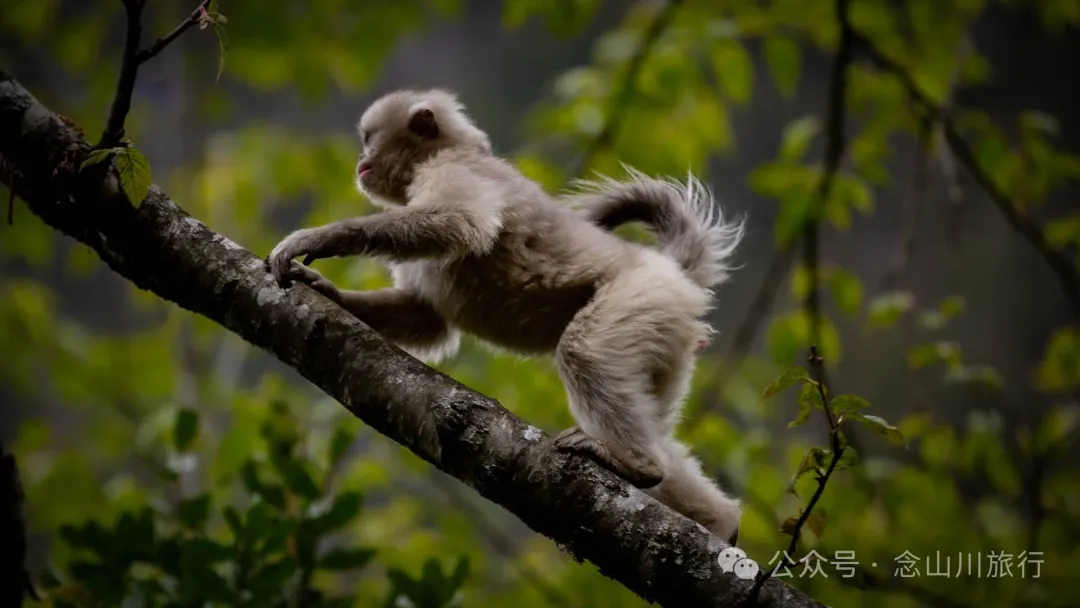
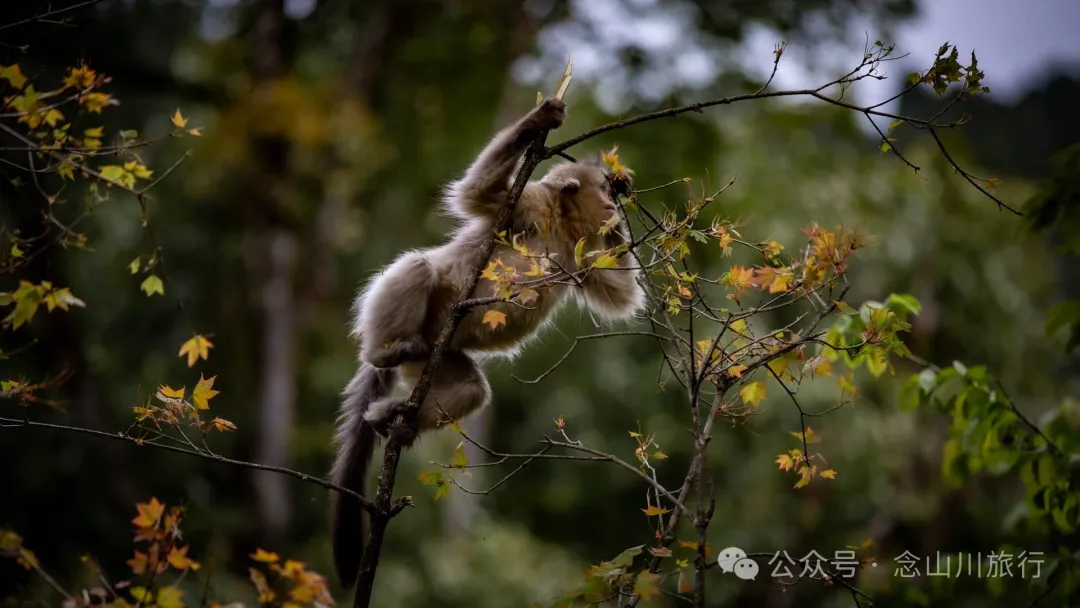
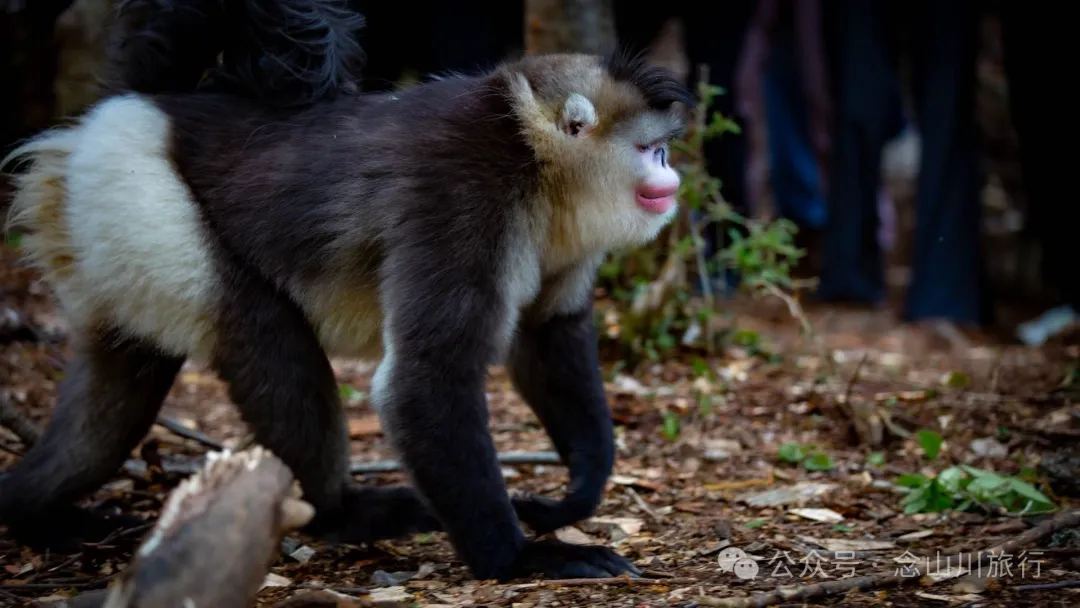
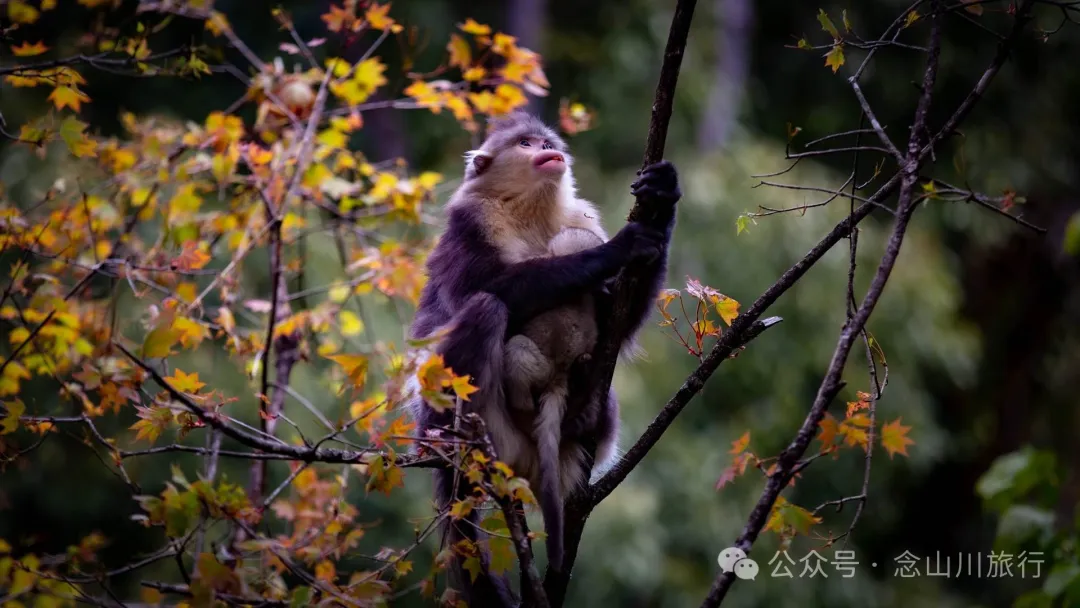
The Yunnan golden monkey is a unique first-class national protected animal in China, known as the "Snow Mountain Spirit" and the "Second National Treasure." Its facial features are highly similar to humans—pale pink cheeks, scarlet lips, and black, white, and gray fur that appears to be bathed in a golden halo under sunlight, making it arguably "the most beautiful animal in the world." Their habitat ranges from 2,500 to 4,700 meters above sea level, making them the highest-altitude primates besides humans. They rely on lichen, moss, and broadleaf plants in primeval forests for food, demanding extremely strict ecological conditions.
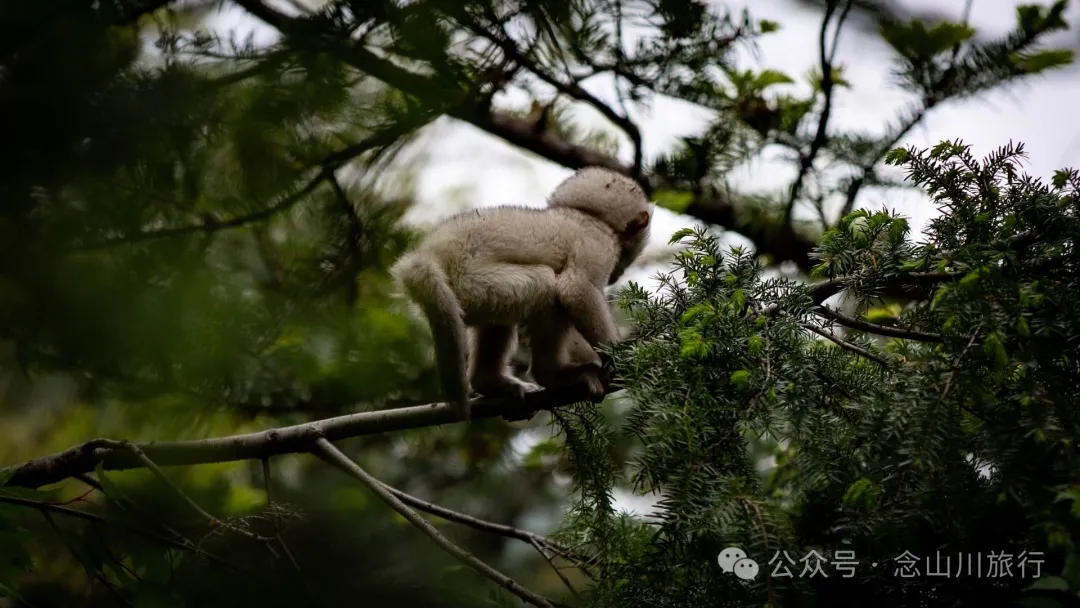
From Tacheng Town to the Yunnan Golden Monkey National Forest Park, it's only 5 kilometers, about a 10-minute drive. The route passes through villages, where unexpected events sometimes occur. At the foot of the mountain, we encountered a herd of yellow cattle that had just left their homes. The cattle swaggered leisurely along the village road, completely indifferent to their owner's stick, moving at a slow pace, followed by a long line of cars. The drivers patiently waited for the cattle to reach an open area and make enough space before cautiously passing one by one.
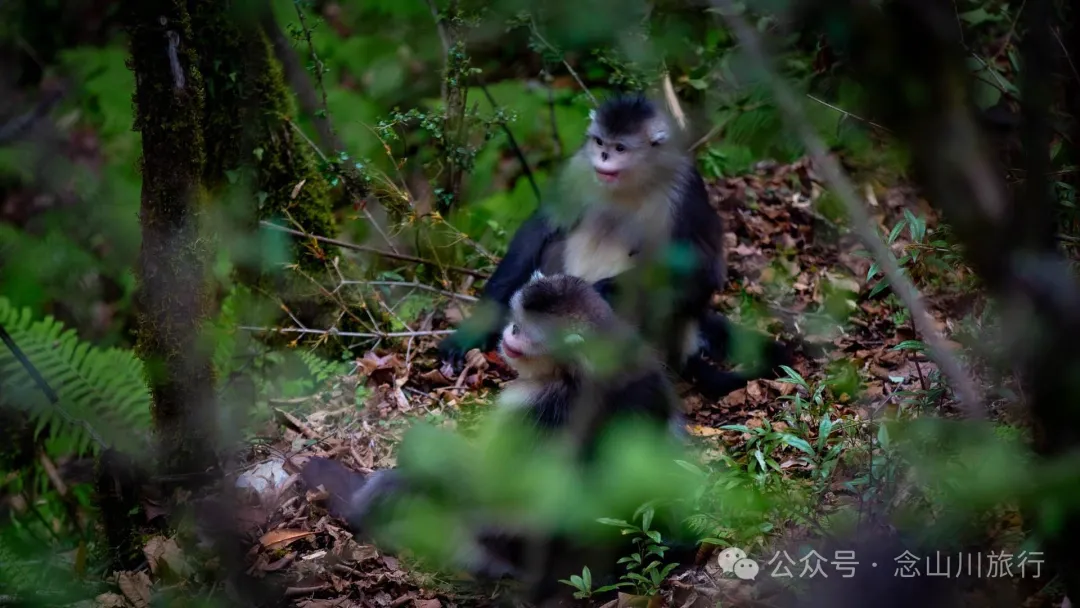
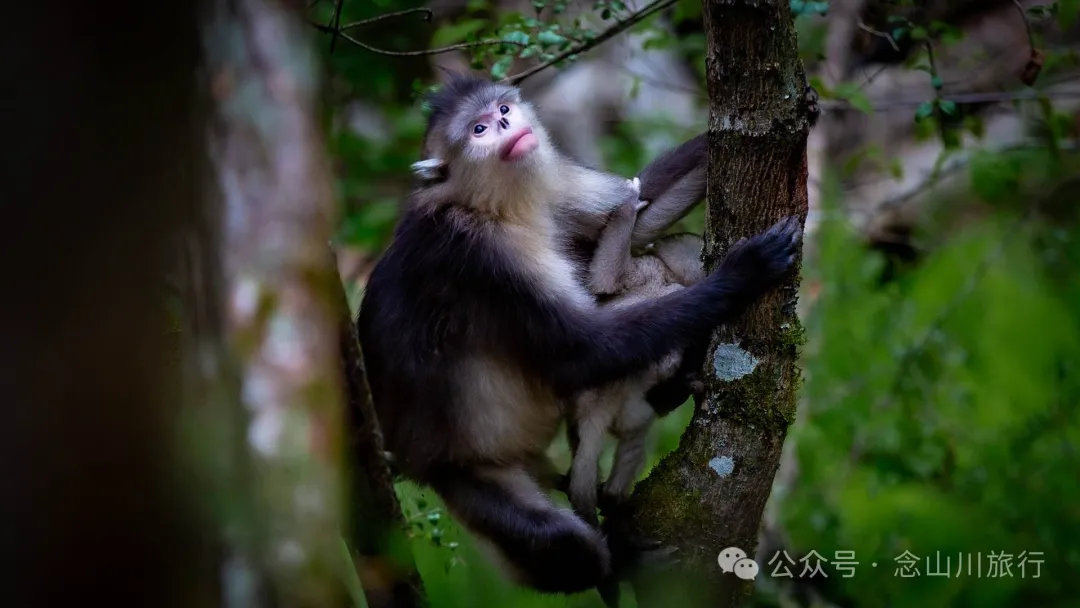
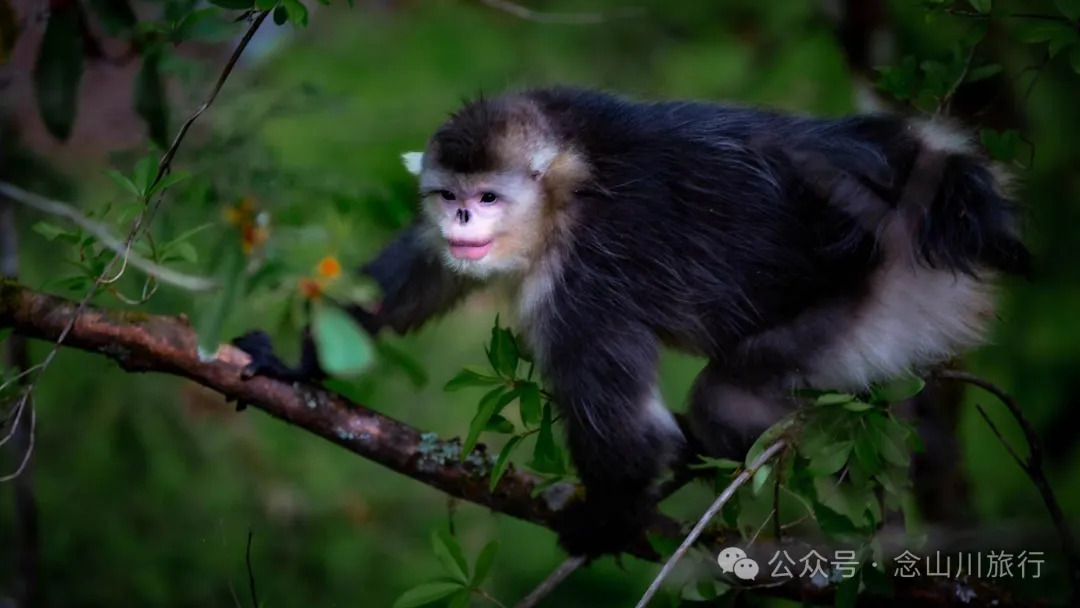
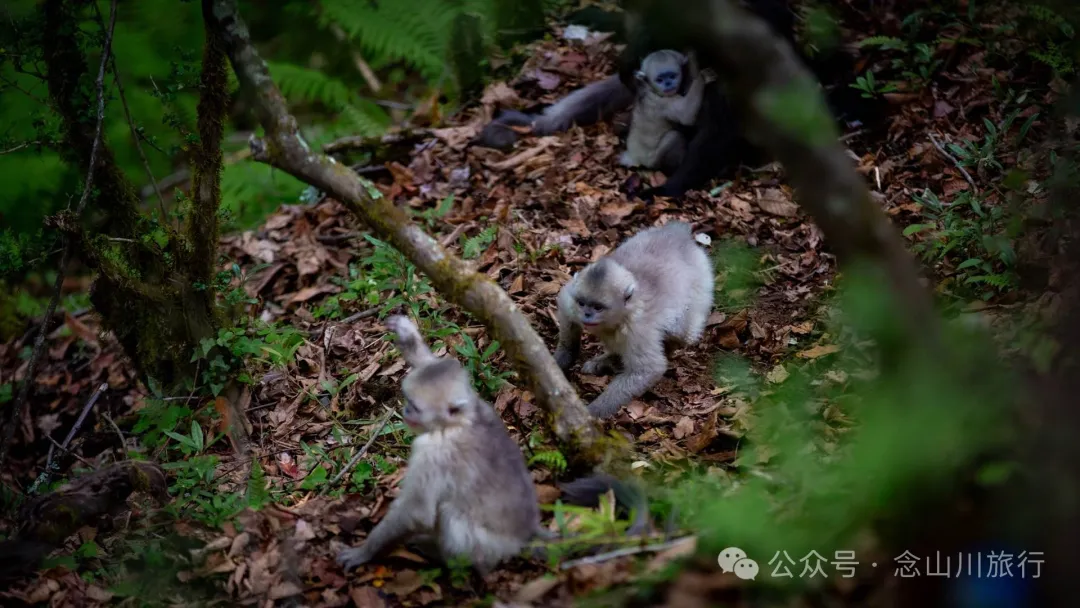
To enter the Yunnan Golden Monkey National Forest Park, you must take the park's sightseeing bus to reach the ideal monkey-watching spot. According to staff, the best time to see the Yunnan golden monkeys is between 8:30 and 11:00 a.m., when they usually move in groups to forage. The best seasons are spring, summer, and autumn, allowing visitors to enjoy the pristine forest landscape while watching the monkeys. We stood on a high cliff by the dense forest, and a staff member pointed to the deep valley below, telling tourists that the thick forest ahead is where the Yunnan golden monkeys often frequent. We held our breath and listened but heard nothing. Soon, a rustling sound came from the dense woods, and branches trembled from afar. The staff reminded tourists that the monkey troop was coming out to forage.
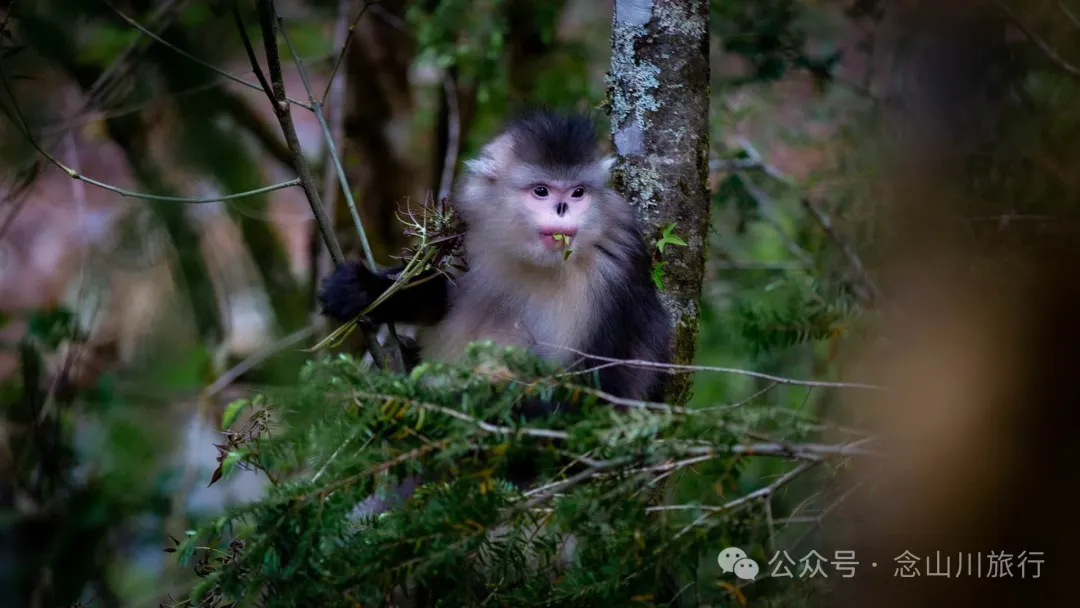
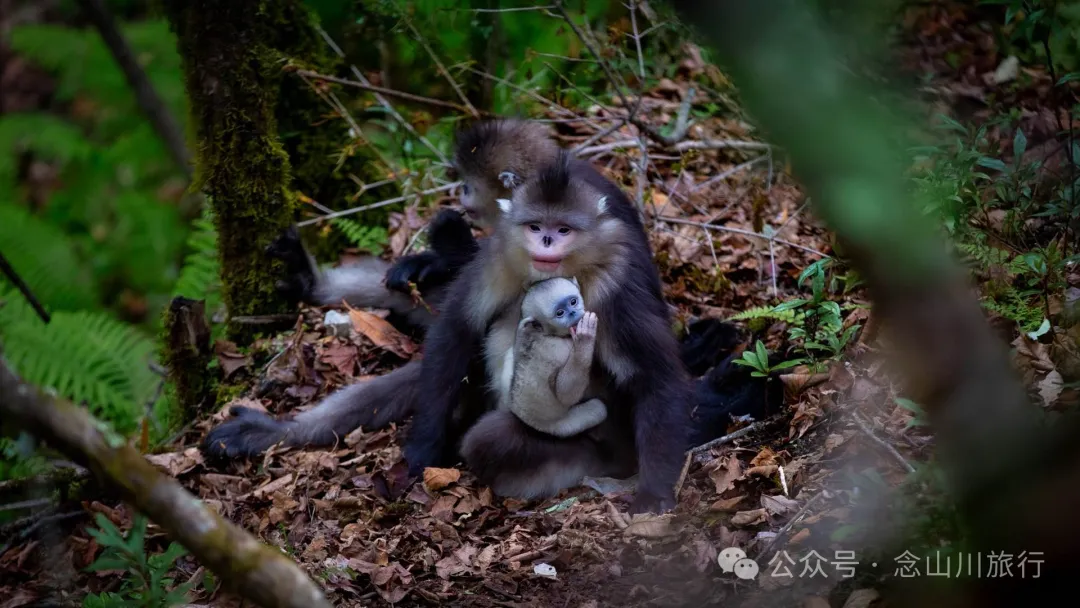
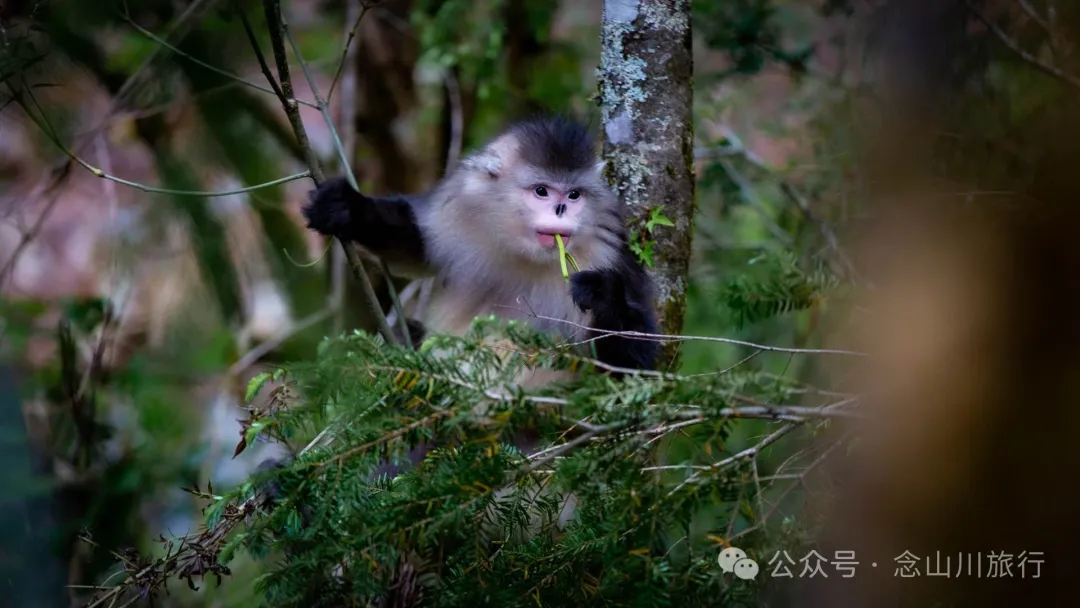
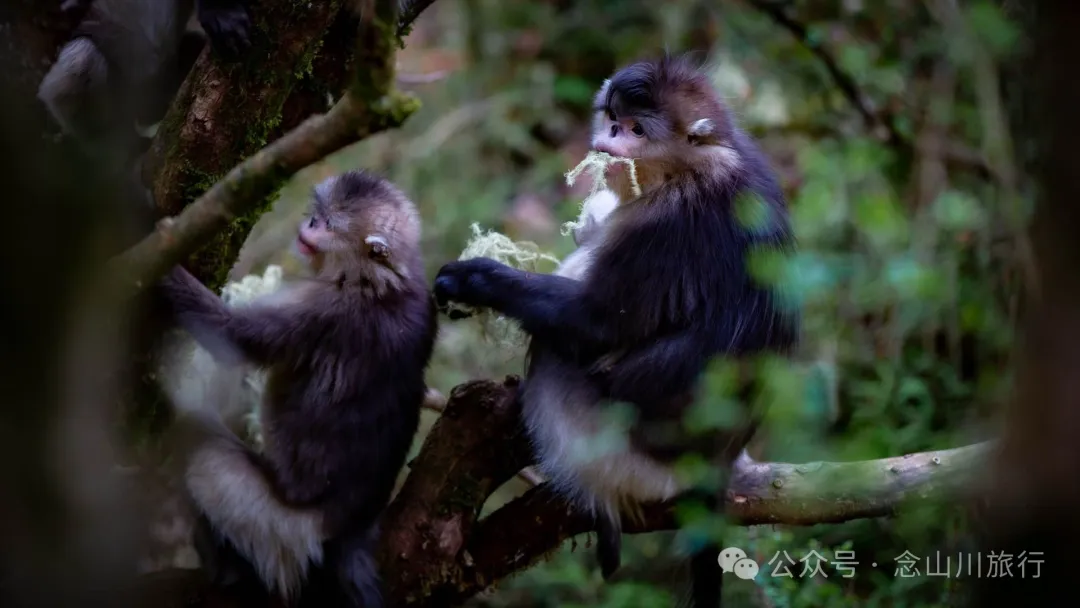
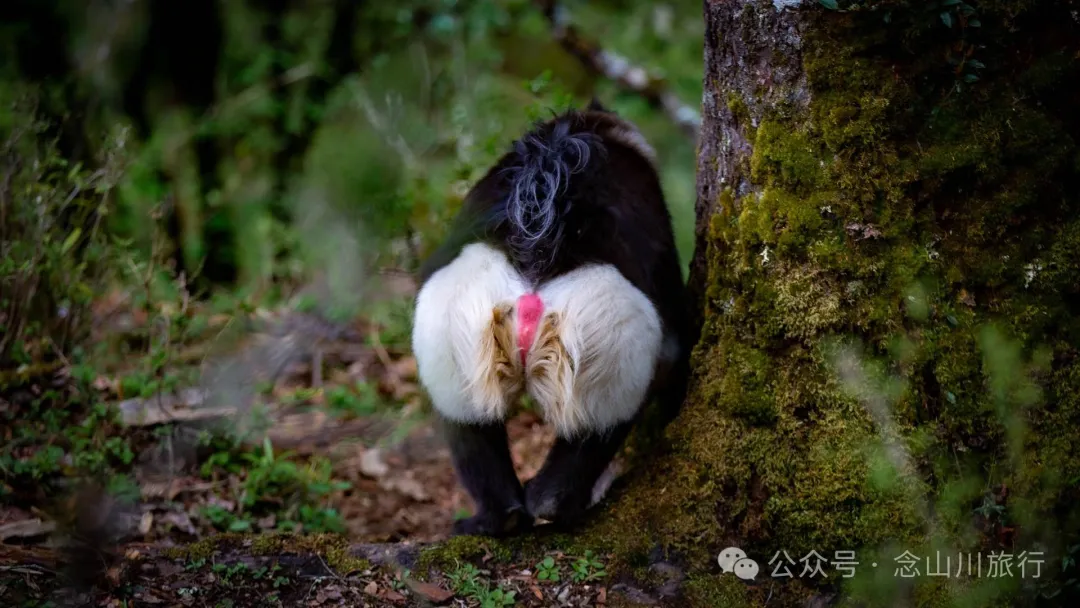
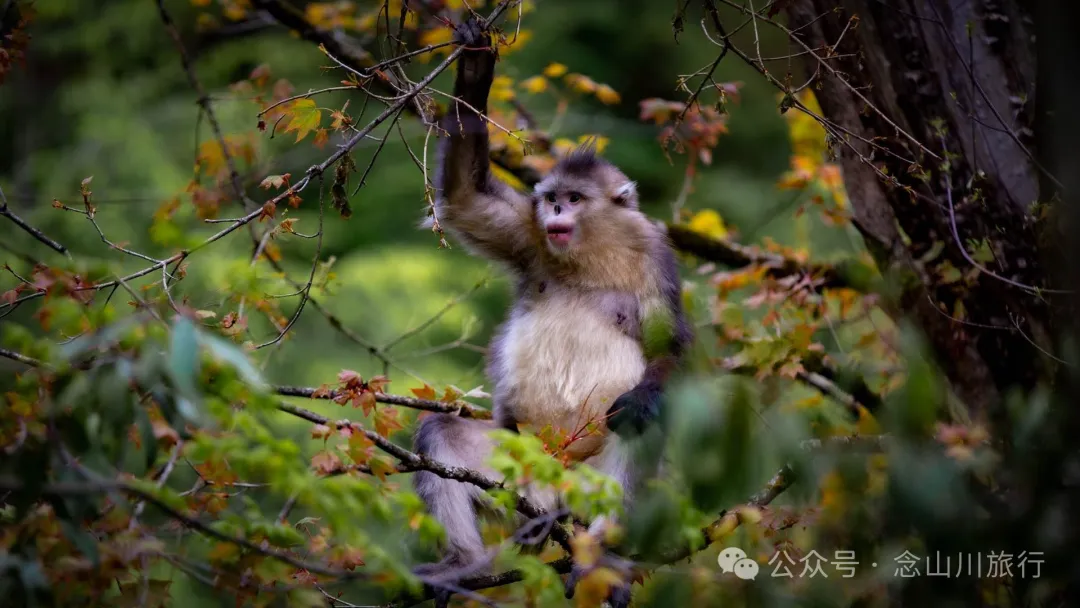
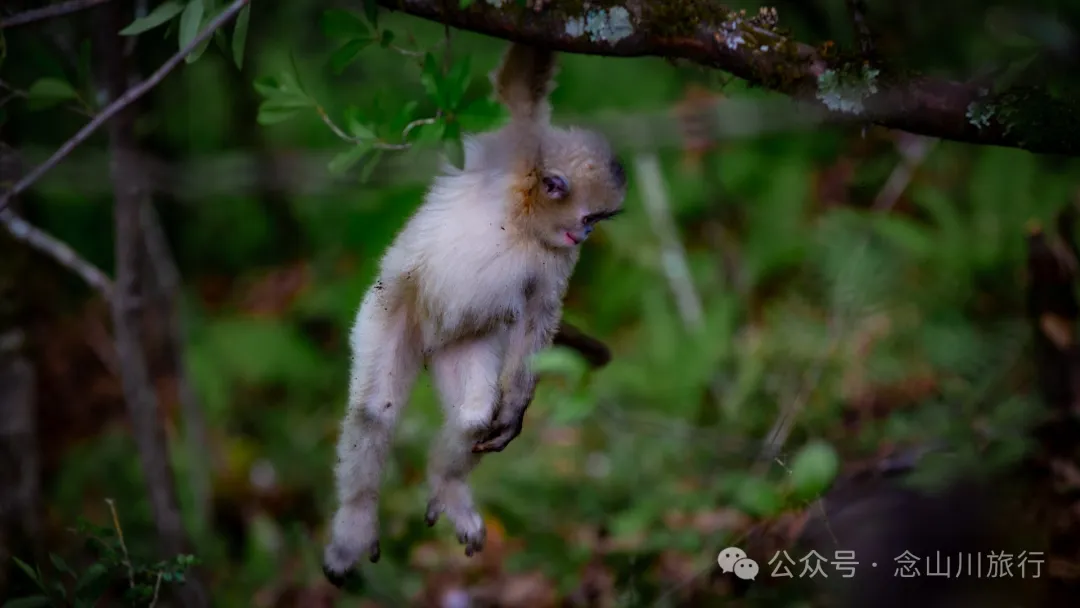
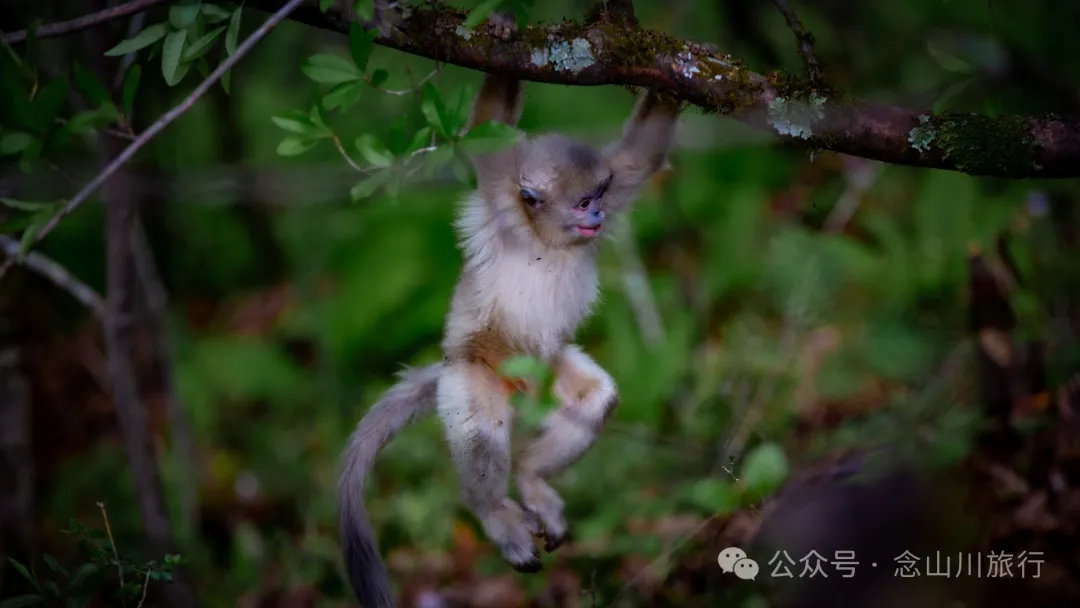
Sure enough, we spotted a wild troop of about 30 Yunnan golden monkeys in the lush forest. The monkey king was easily identifiable—the largest and most majestic. Under his leadership, the troop passed through the excited crowd, calmly moving from one grove to another. The forest provided their food sources; they leaped from branch to branch, stuffing leaves into their mouths. Mostly, they feasted on lichen (a type of moss), while bamboo shoots and wild fruits served as snacks.
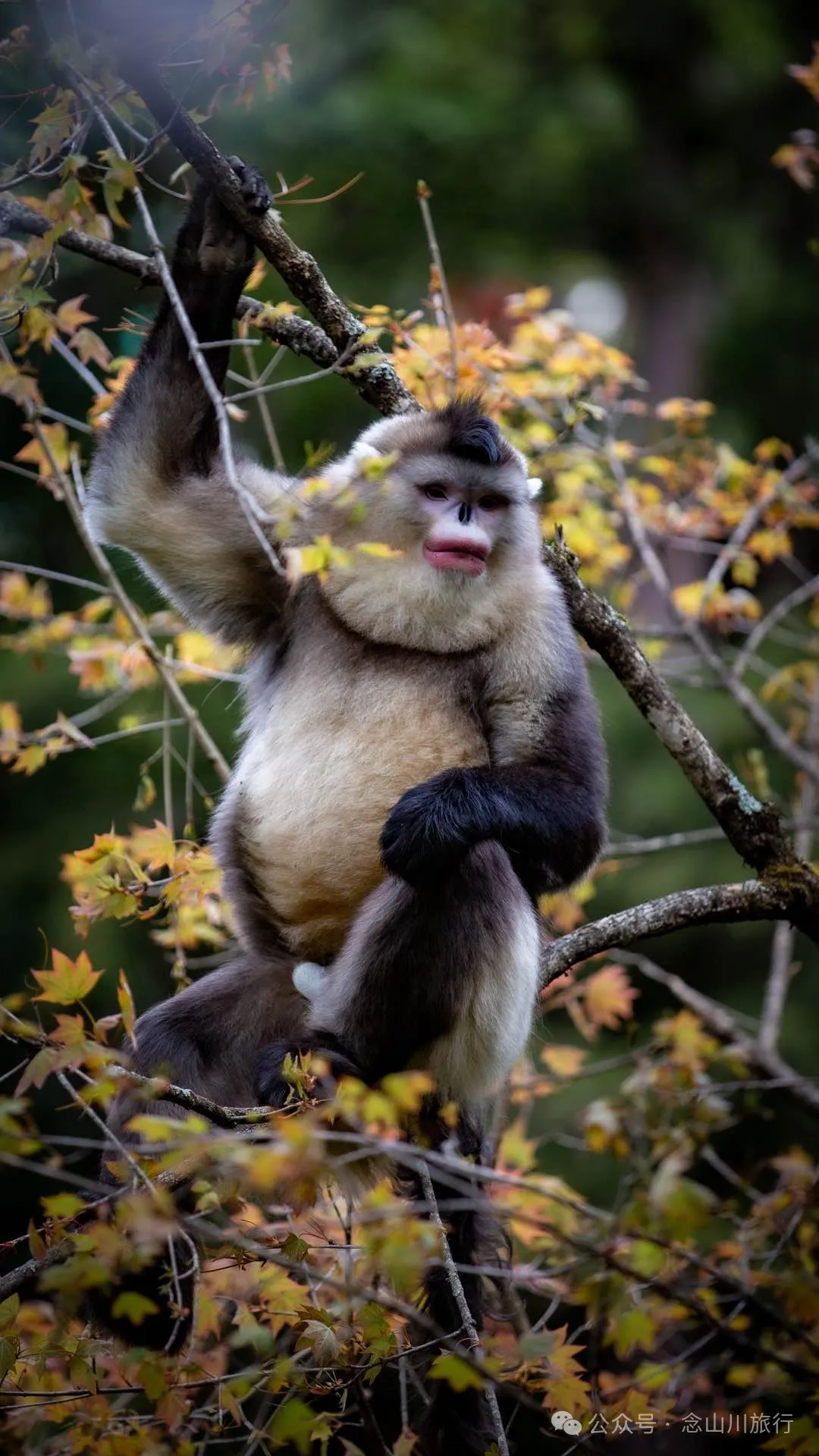
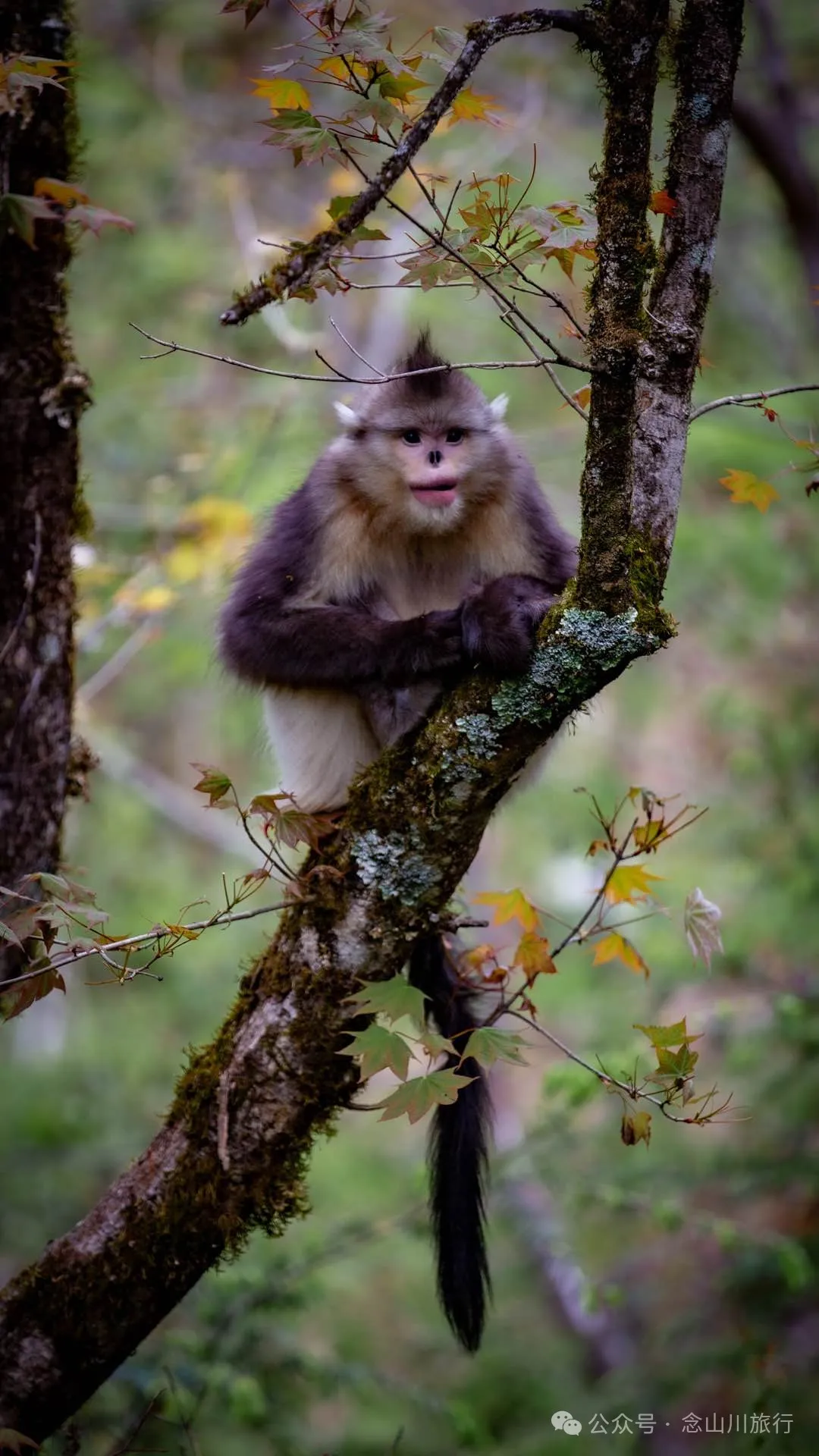
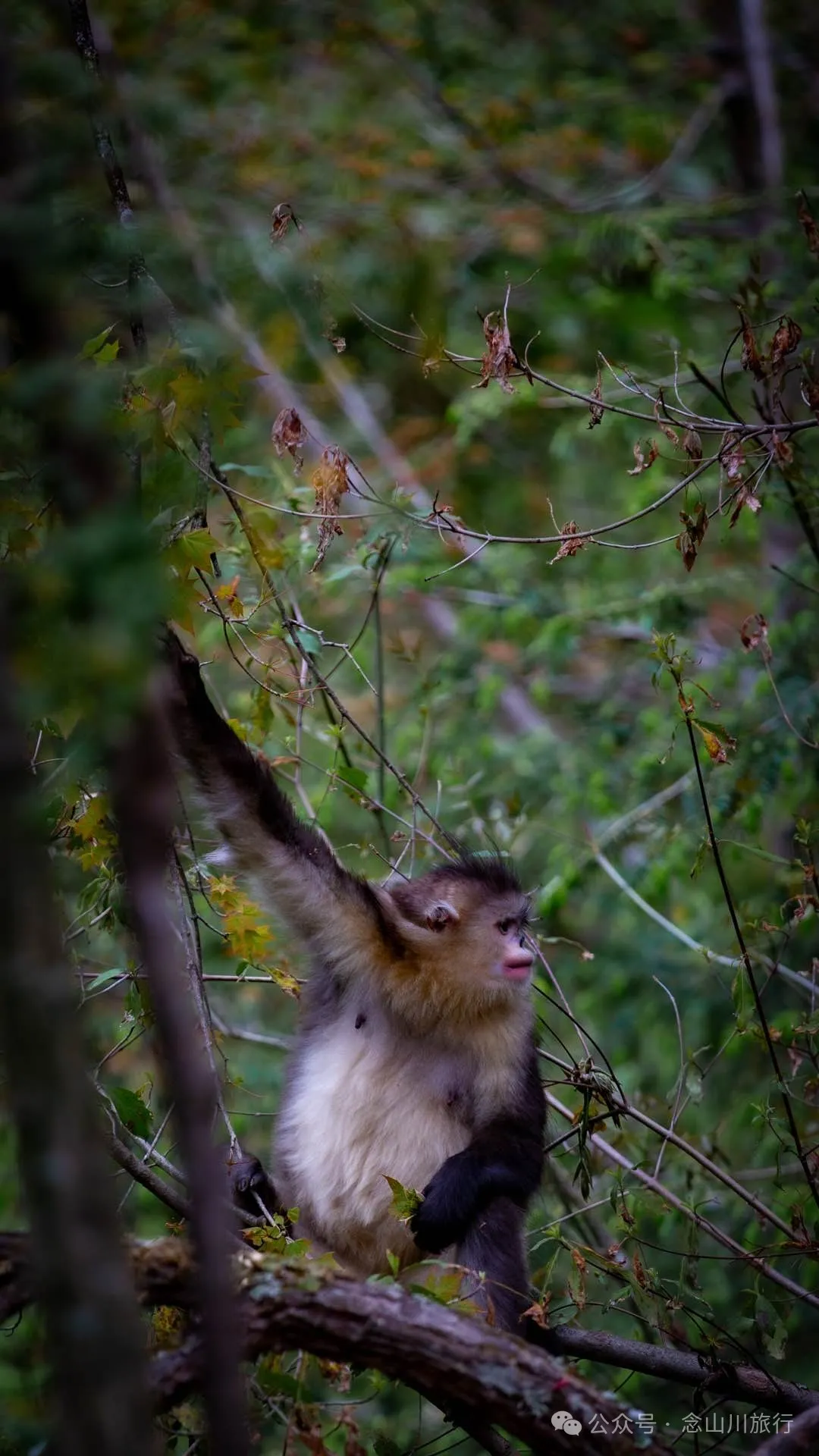
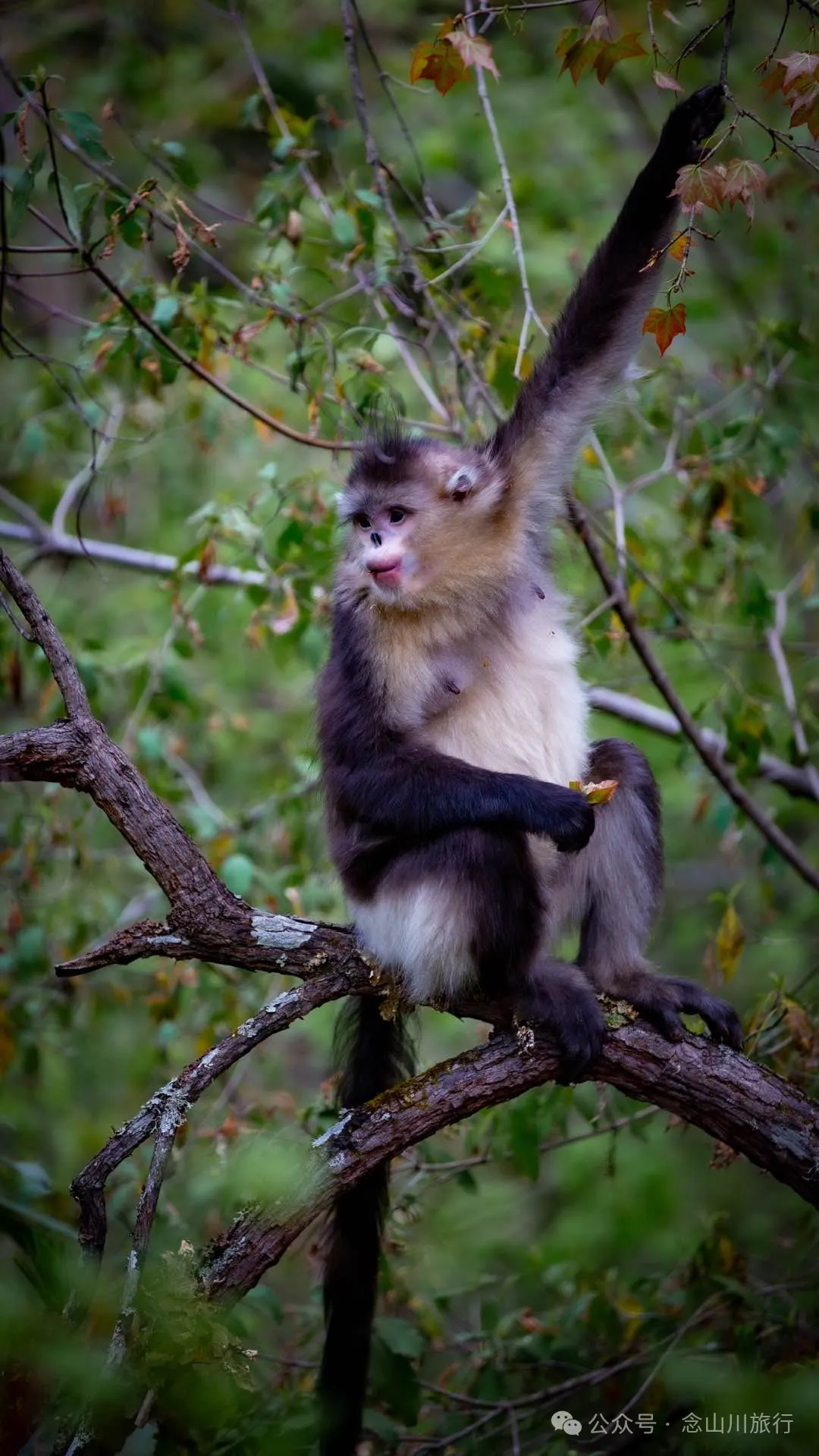
The Yunnan golden monkeys not only look kind and adorable but also have gentle temperaments, coexisting peacefully with humans. Our large group of tourists stood less than two meters away from the monkeys, and they showed no signs of discomfort. However, there are exceptions. A female staff member joked that one must never block the monkey king's path, as he is not to be trifled with and may attack; she herself had been hit by the king once. So, wherever the monkey king went, the staff urgently asked everyone to clear the way to avoid provoking his anger.
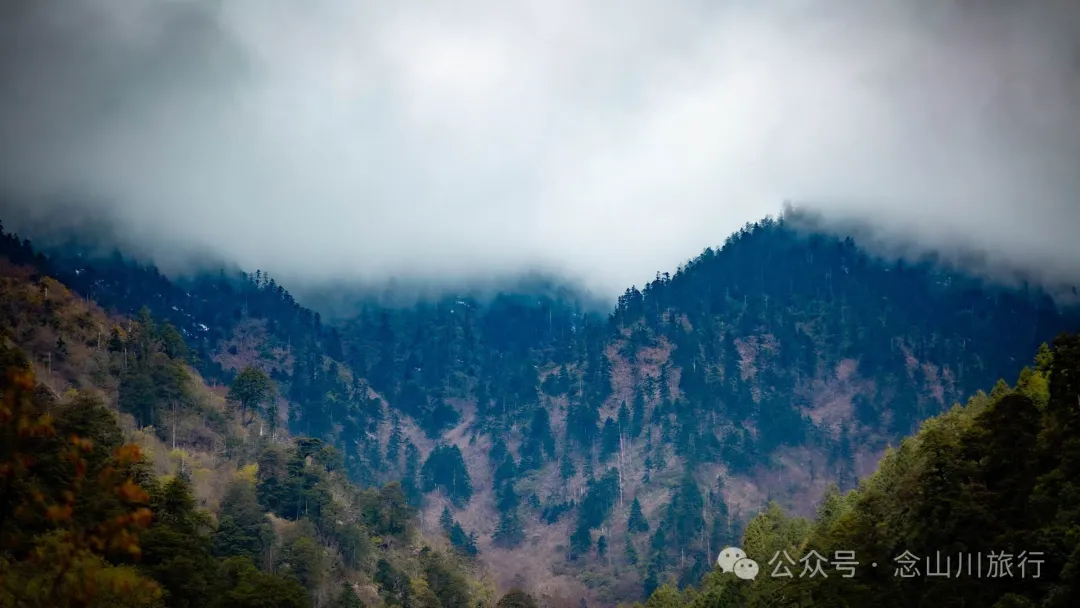
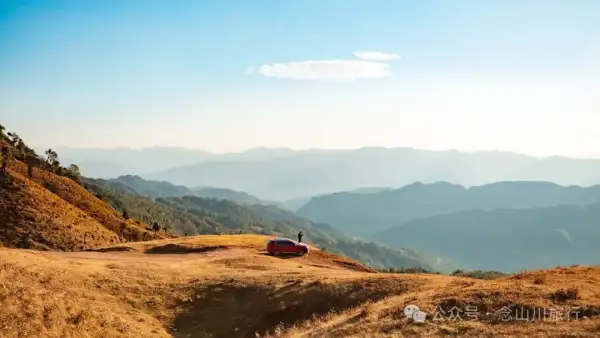
To the north of the Yunnan Golden Monkey National Forest Park stands a towering snow-capped mountain, its white ridge appearing and disappearing among swirling clouds. The staff said this is the famous Baima Snow Mountain. We left the monkey-watching spot and wanted to continue upward along the mountain path, but the staff stopped us, warning that the forest is home to many wild animals, posing safety risks.
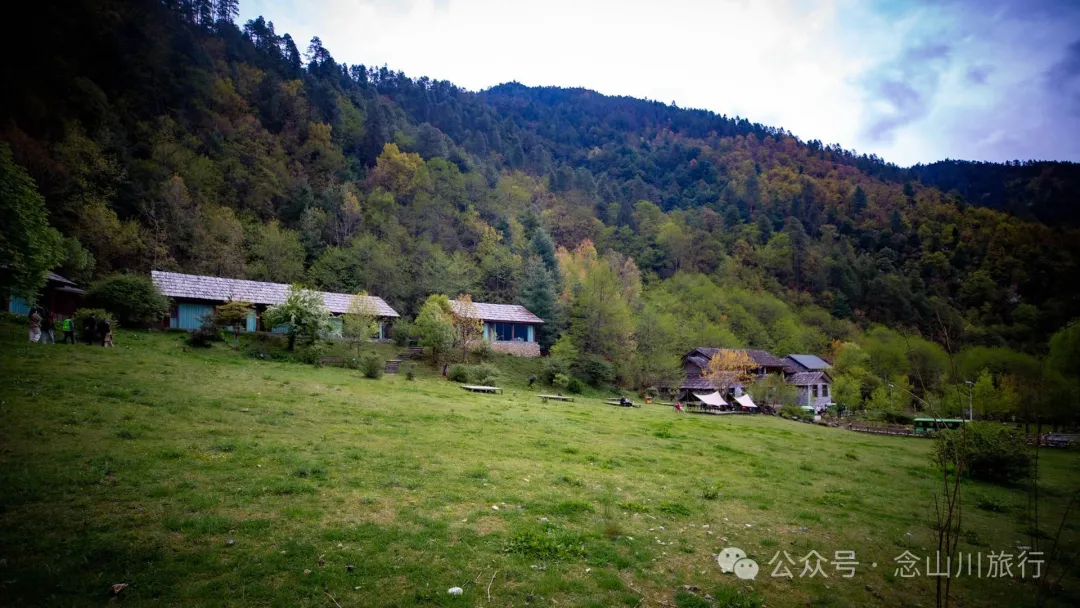
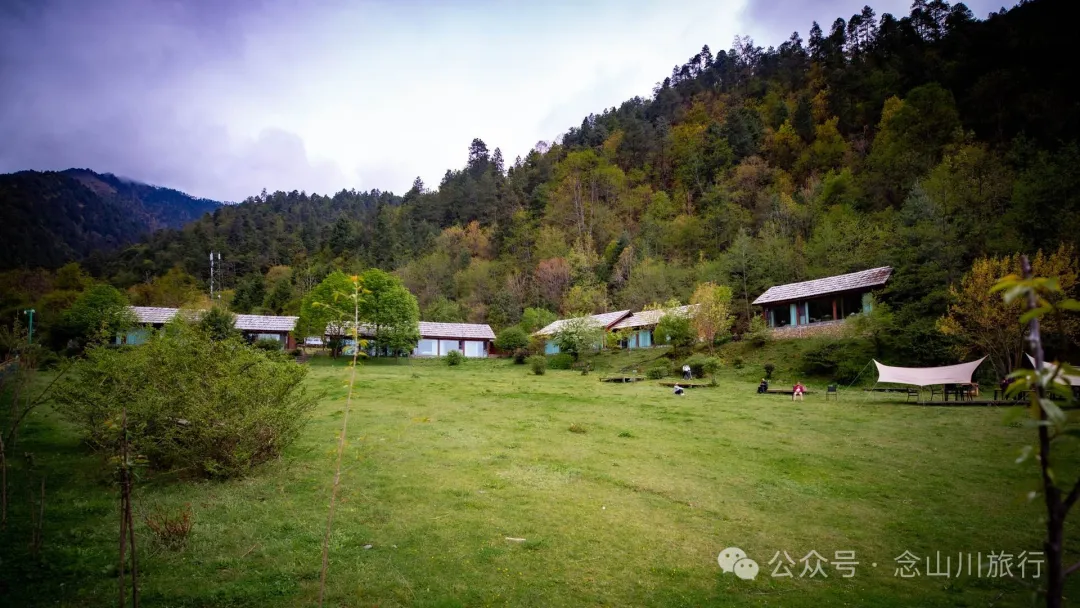
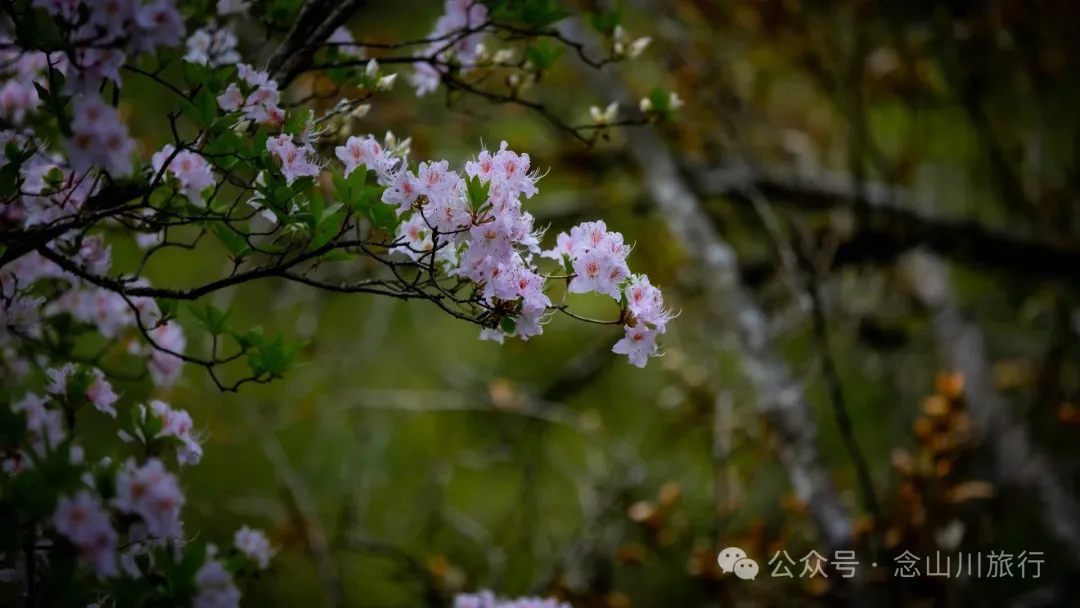
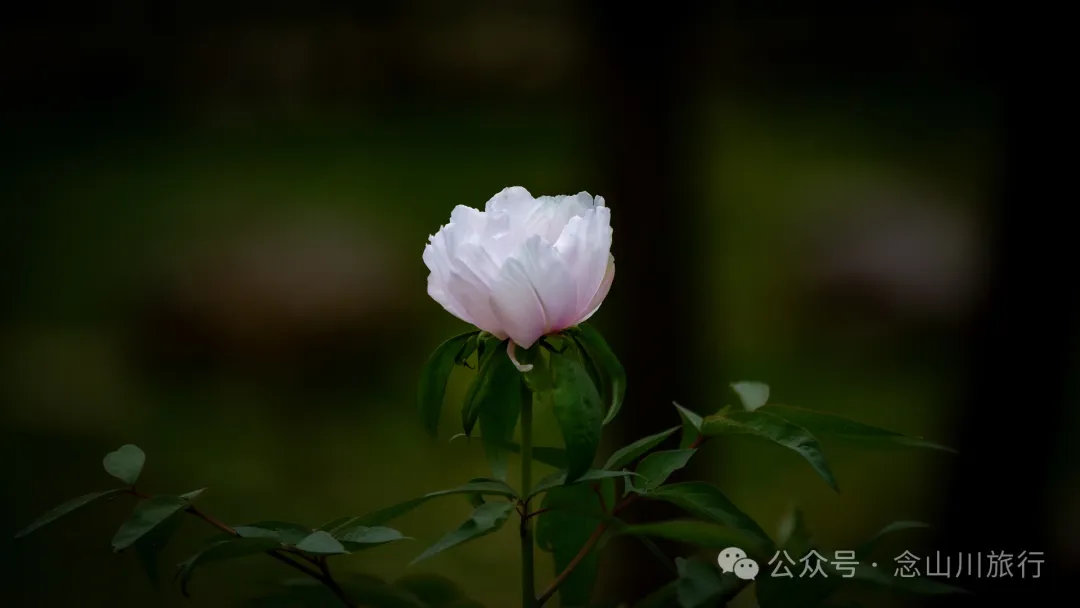
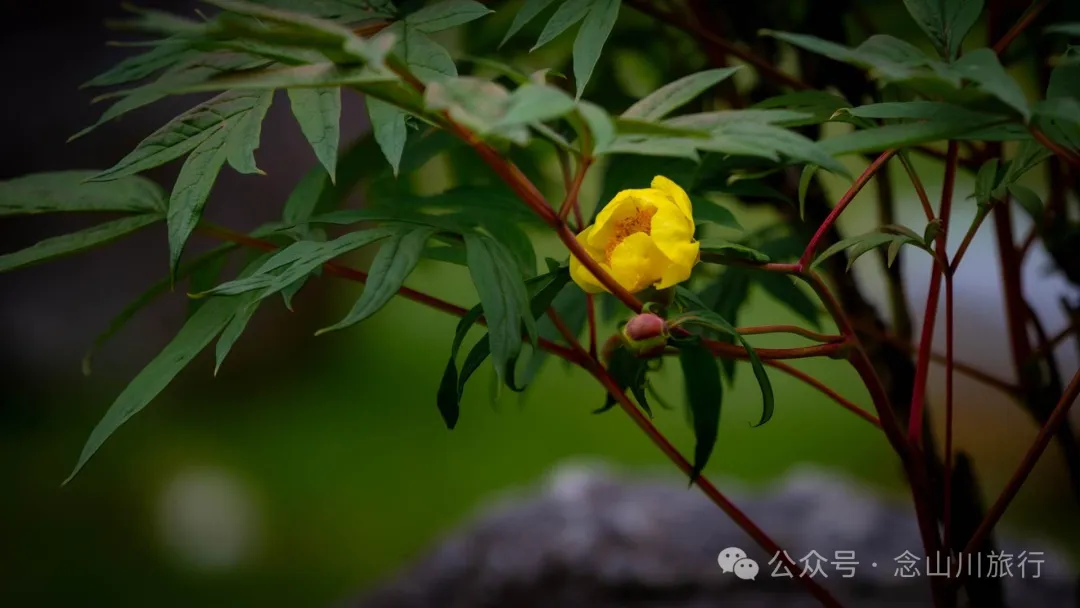
In spring, the mountain scenery in the Yunnan Golden Monkey National Forest Park is colorful. Elegant alpine rhododendrons grow in areas frequently visited by the monkeys, and even centuries-old wild peonies bloom in the mountains. This pure and magical land, once on the brink of extinction for the second national treasure—the Yunnan golden monkey—will continue to maintain its mystery and nurture more snow mountain spirits.