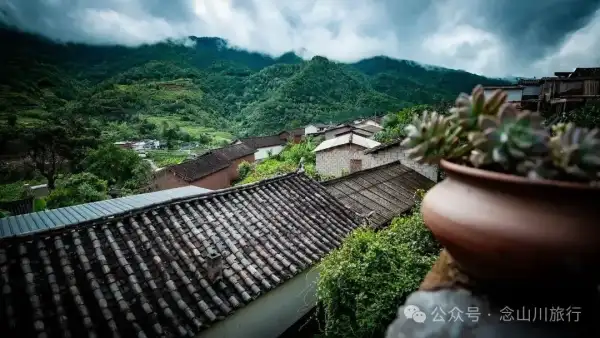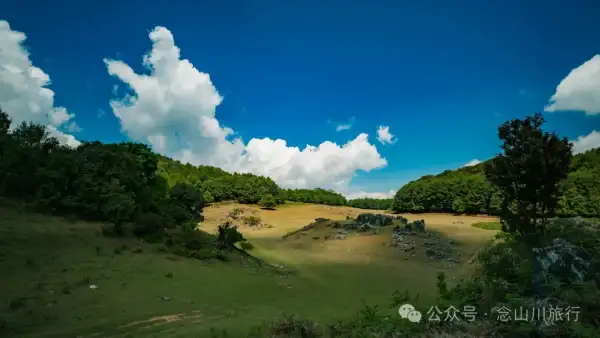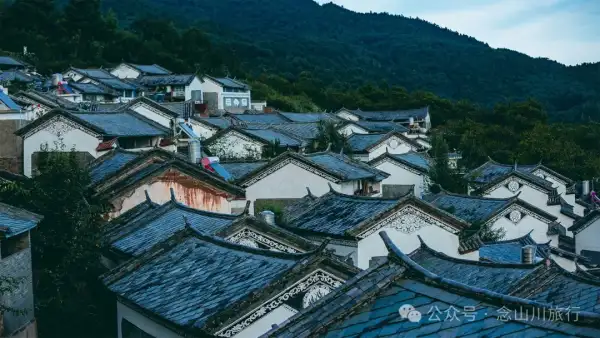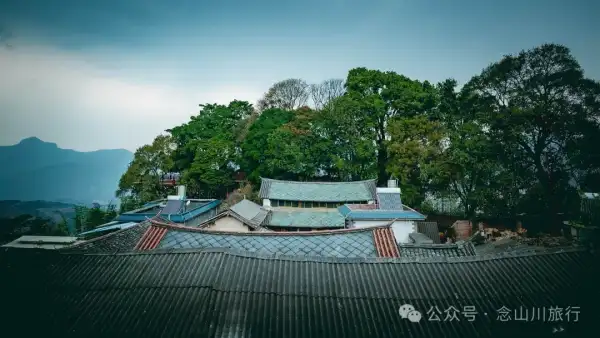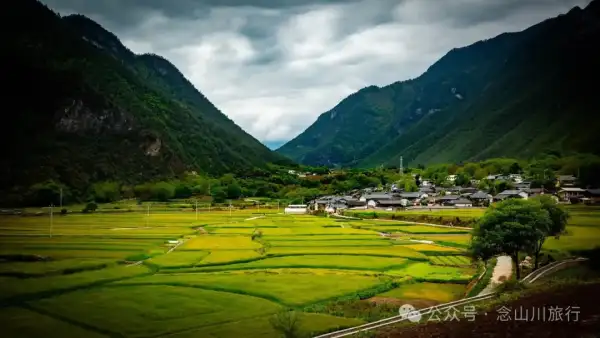

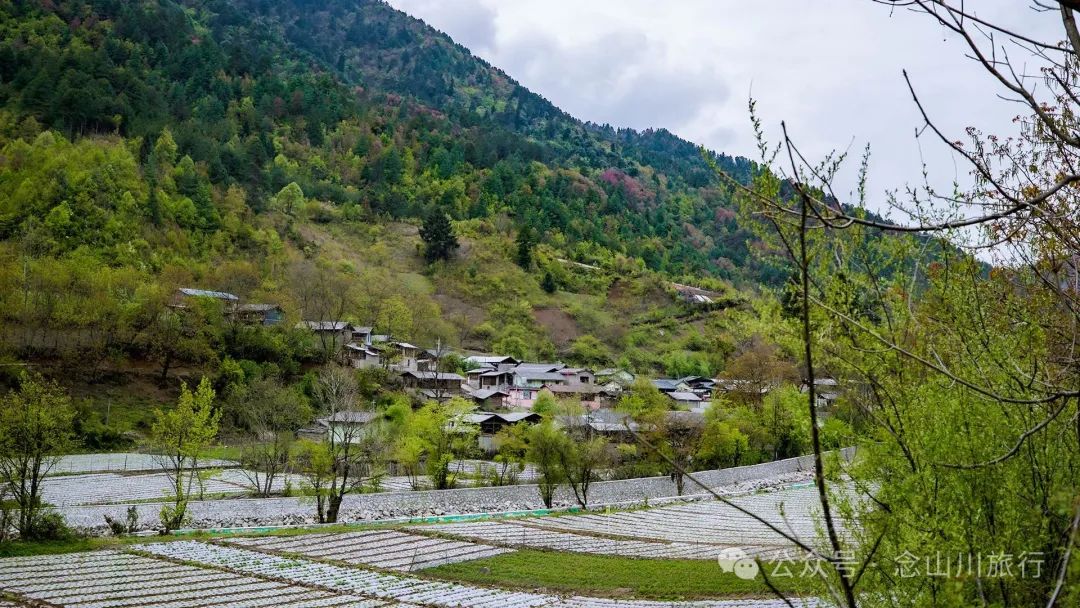
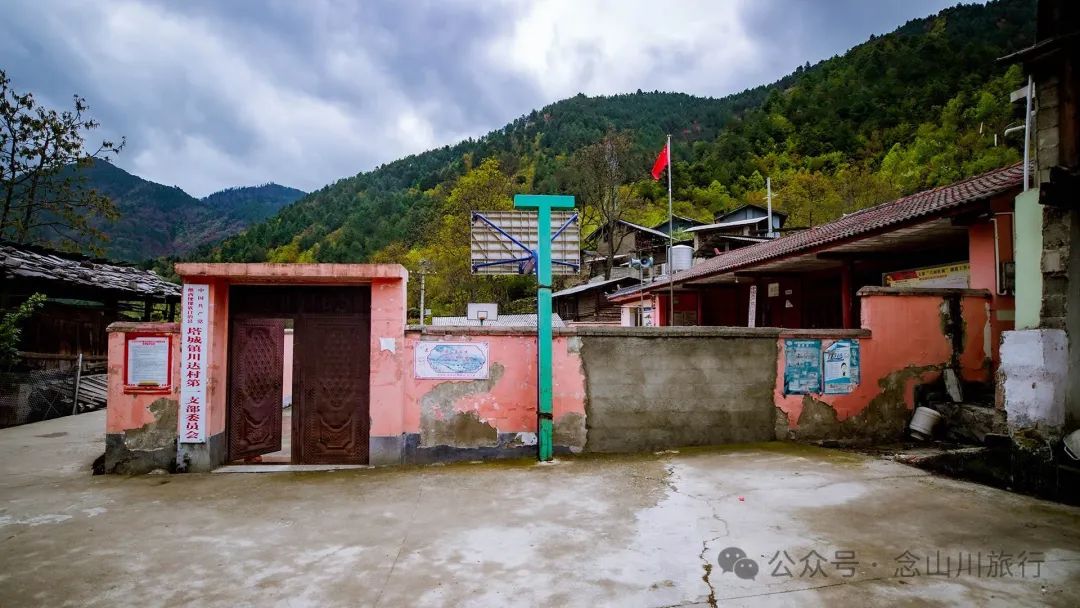
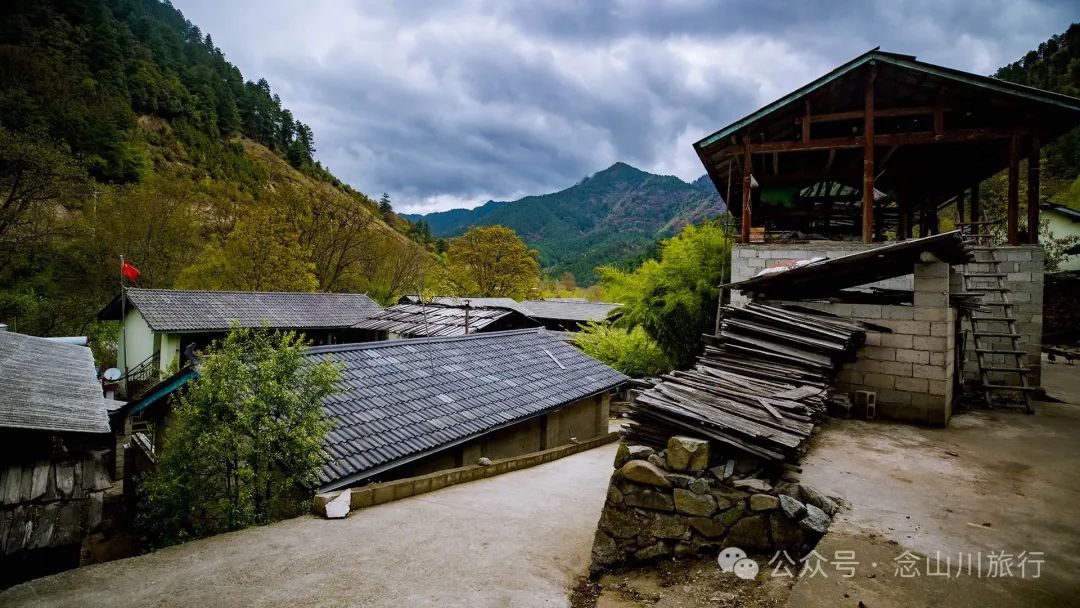
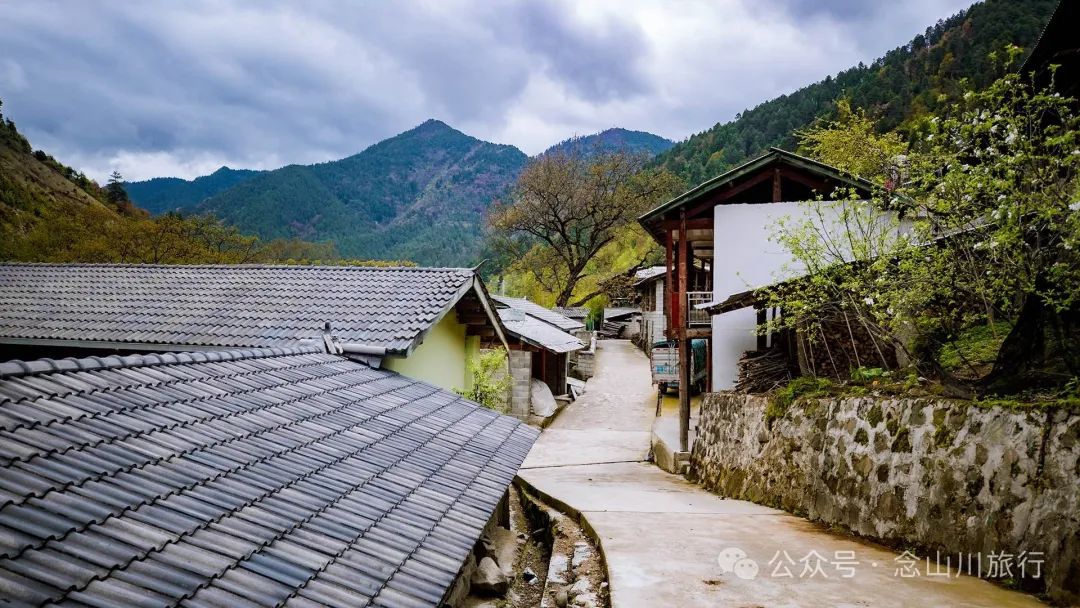
It was only when I saw this small village called Shuangjiama from the road that I learned of the existence of the Lappu River. We turned the car around and parked at the village entrance. The rushing Lappu River flowed swiftly past the village, heading deep into the towering mountains in the distance. Shuangjiama, marked as Shajiama on the map, is a tiny hidden village nestled behind the tangled branches of wild hickory trees and amidst breathtaking mountain scenery.
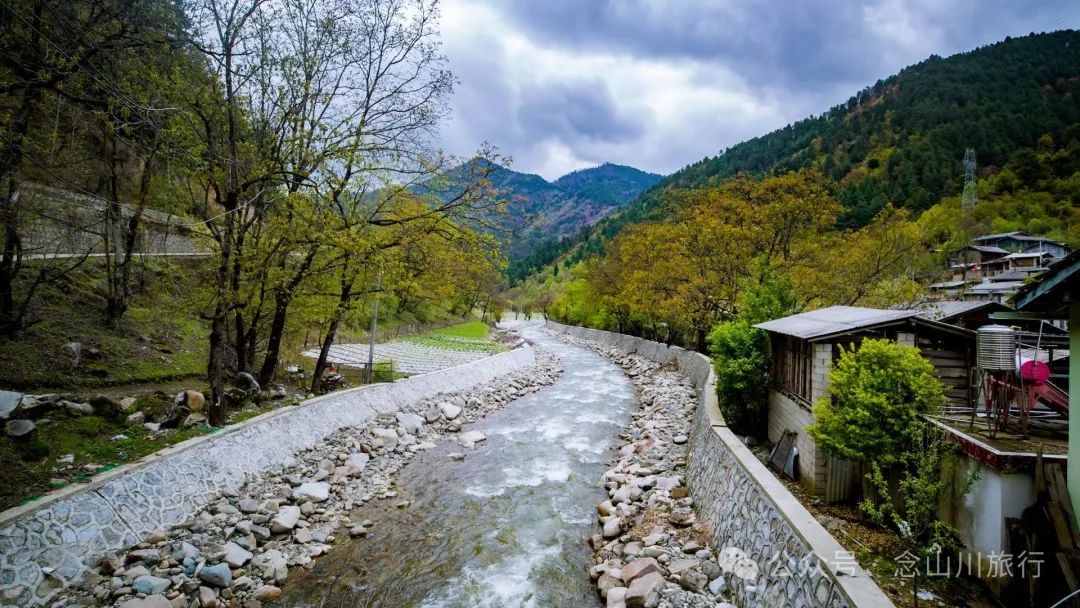
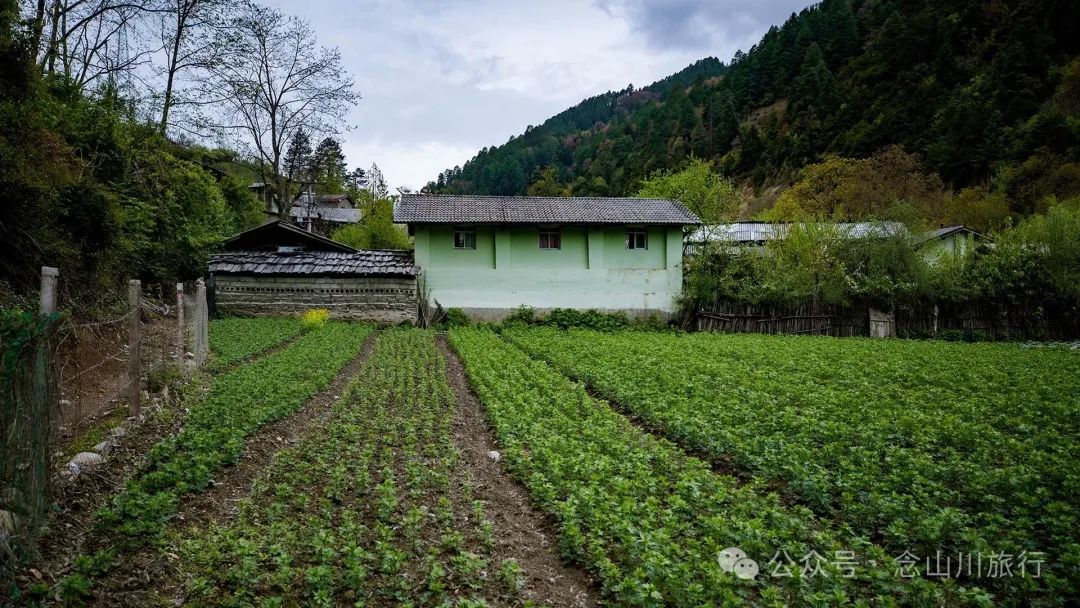
The Lappu River is shallow but swift, its currents hurrying past the village without pause, while the mountains along the river keep watch over the village's simple years, full of tenderness and solace. The village fields benefit from this river, which nourishes the newly sown crops of another season.
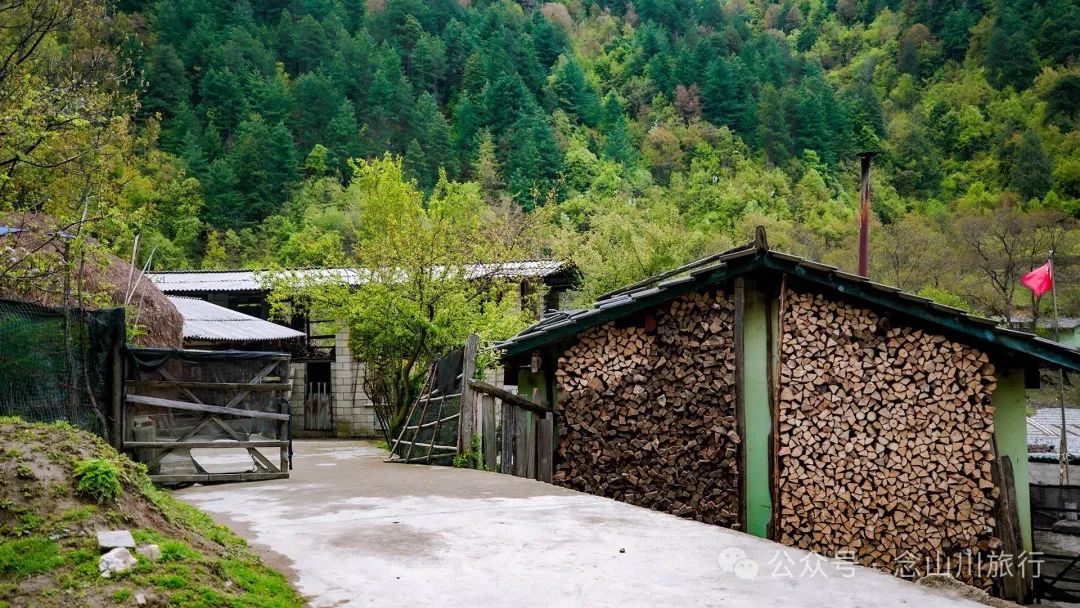
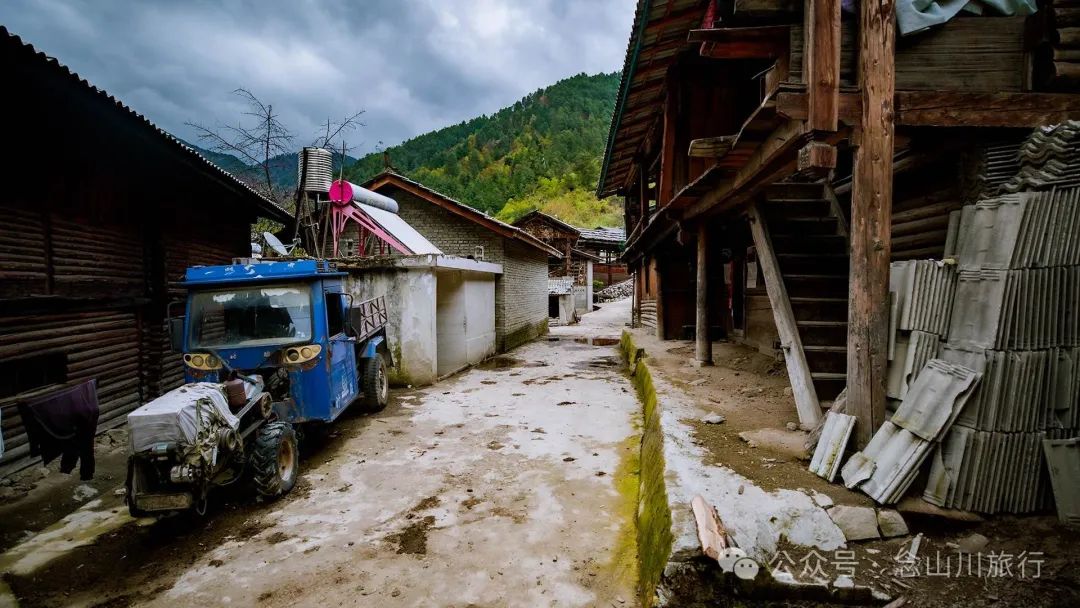
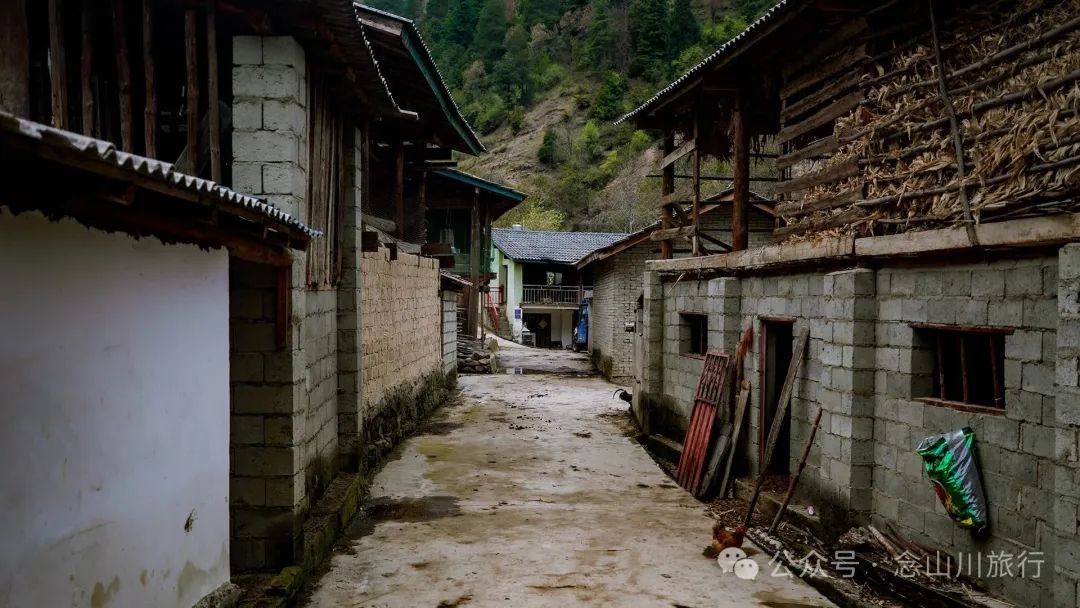
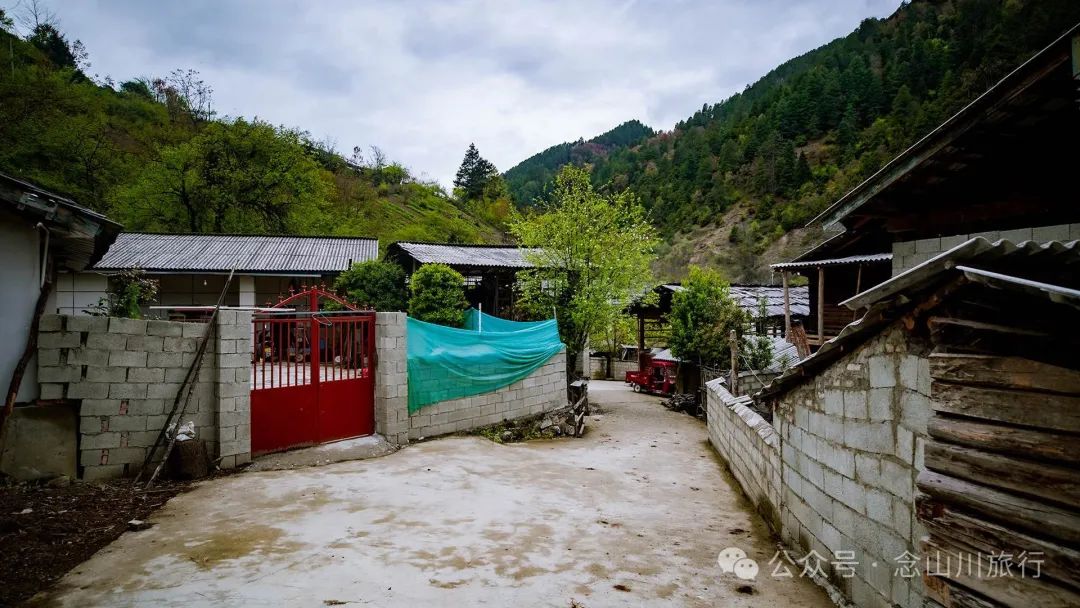
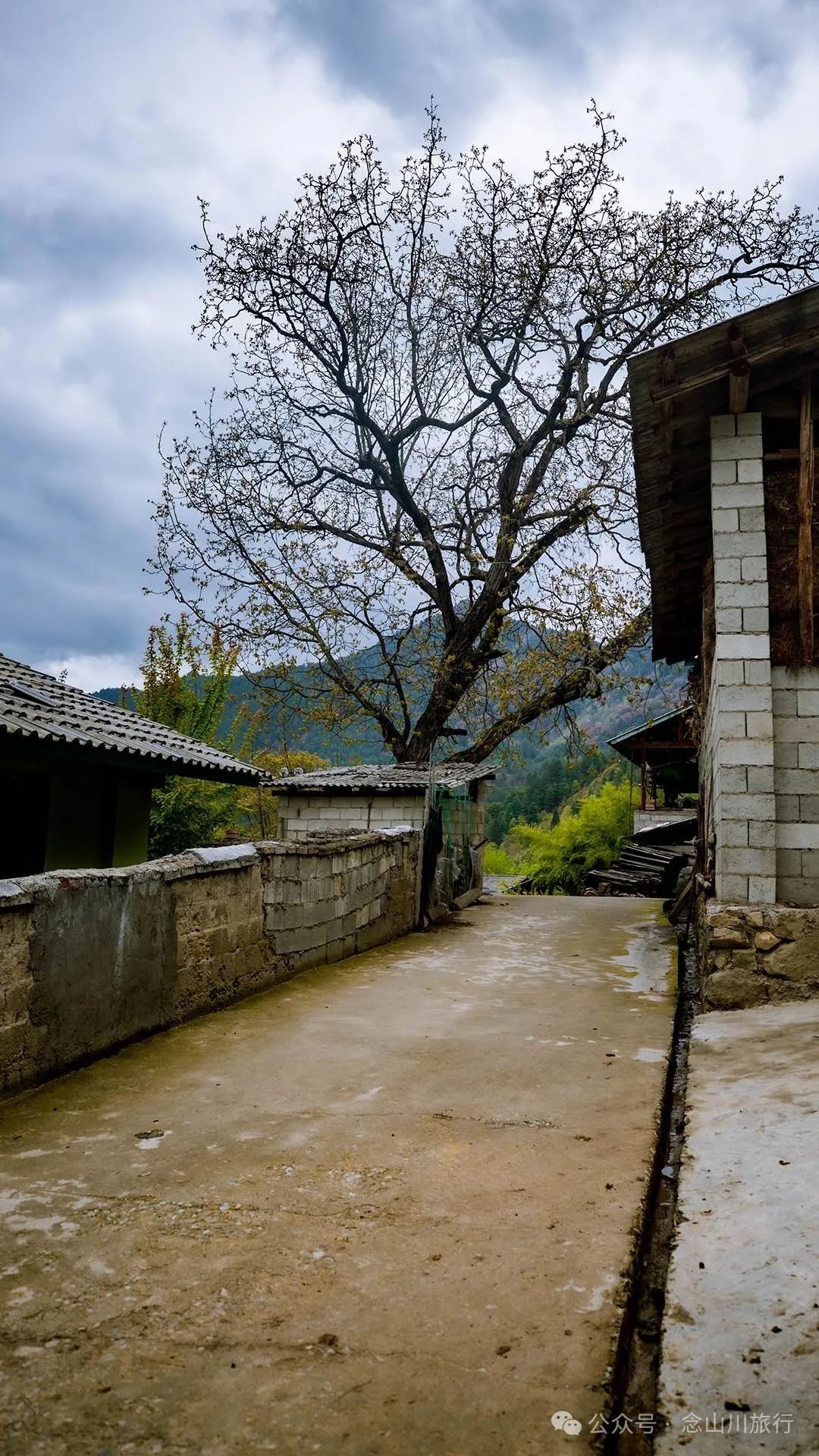
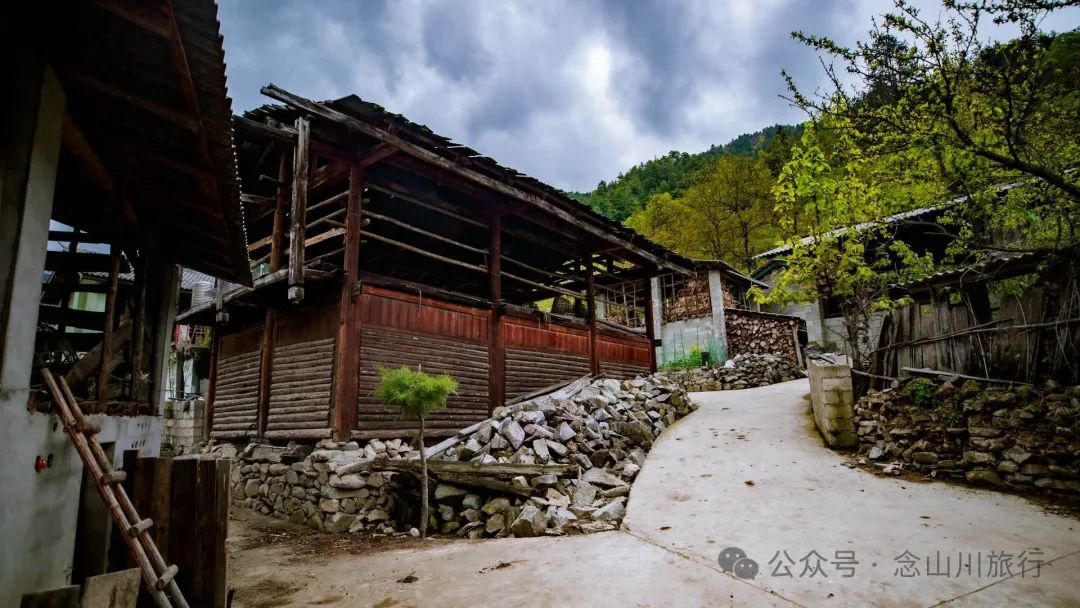
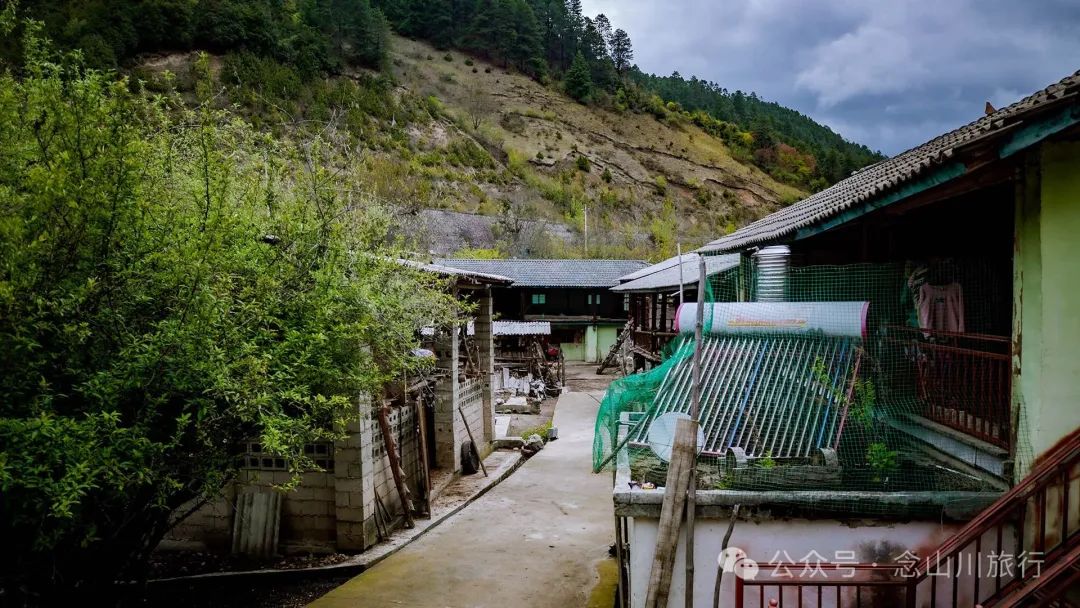
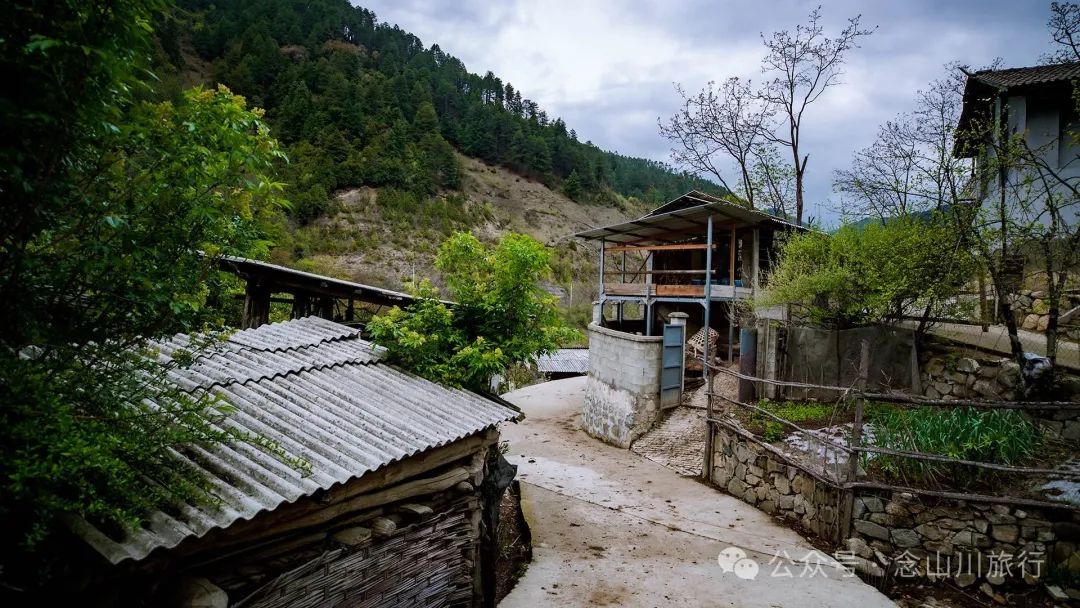
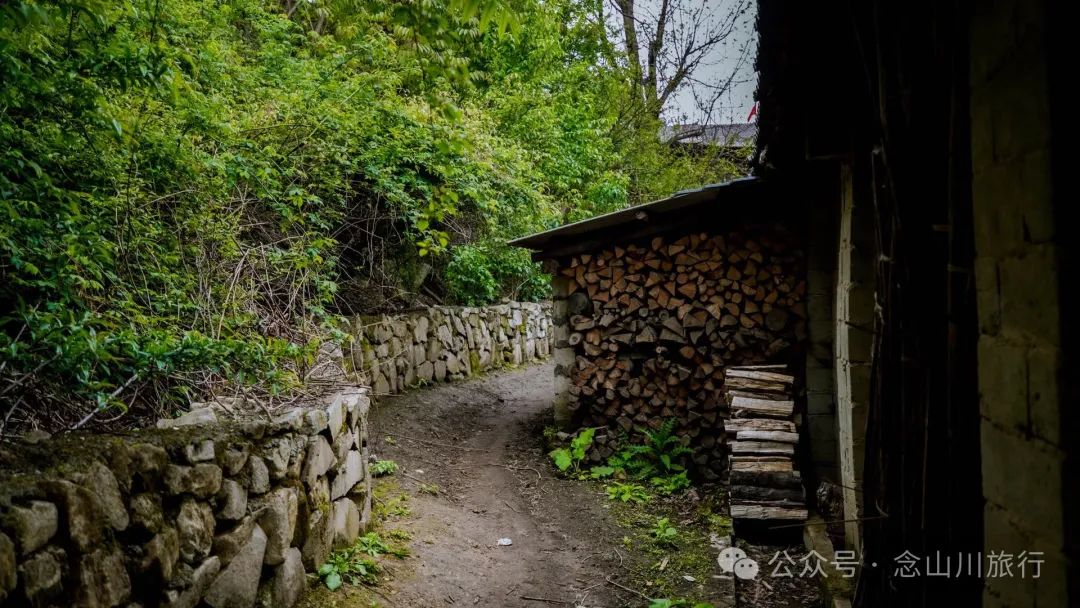
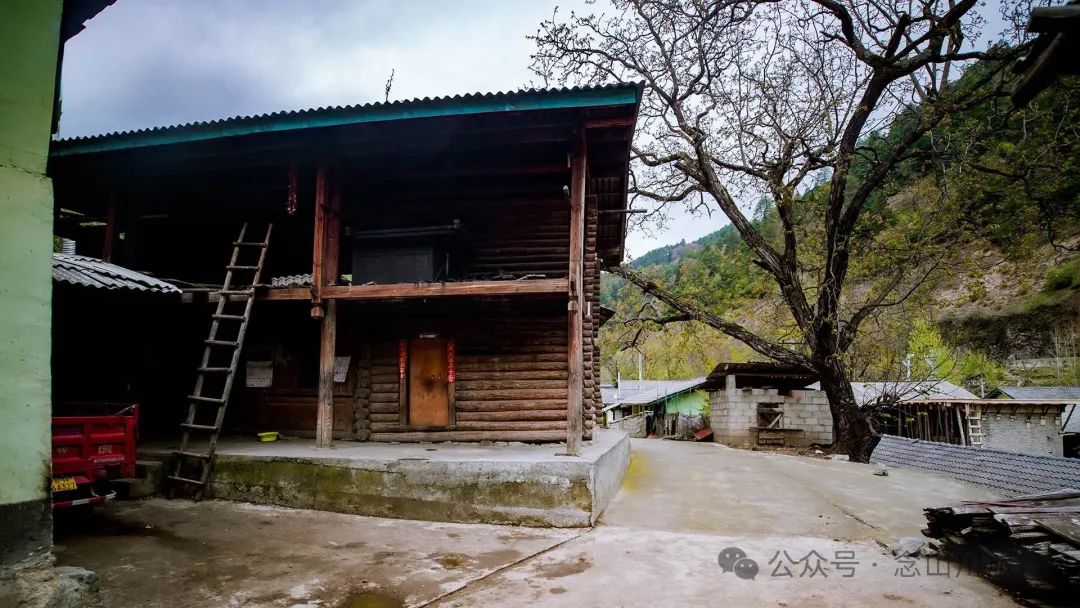
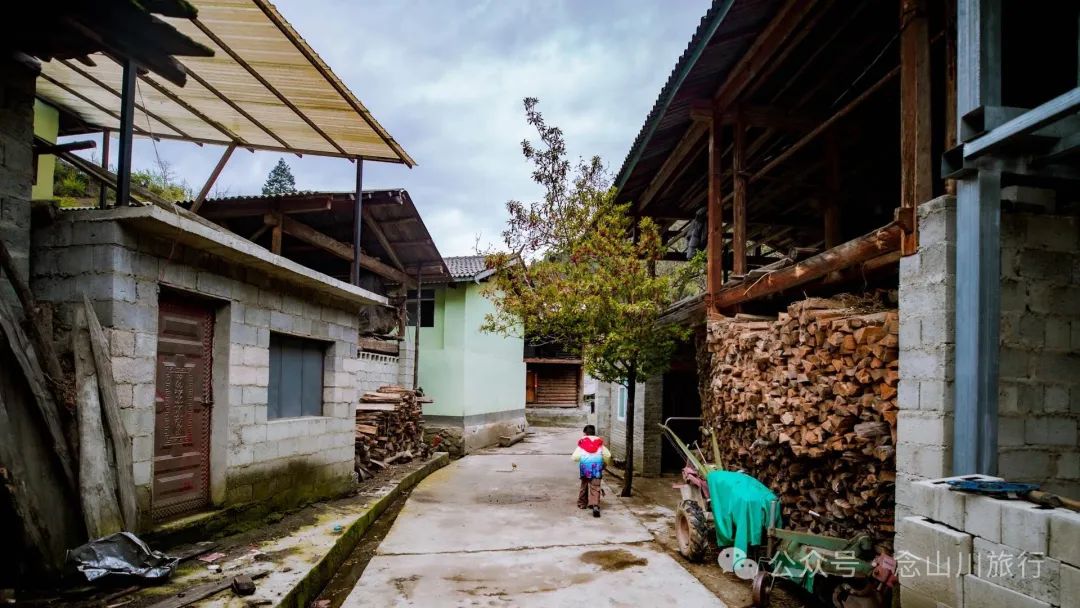
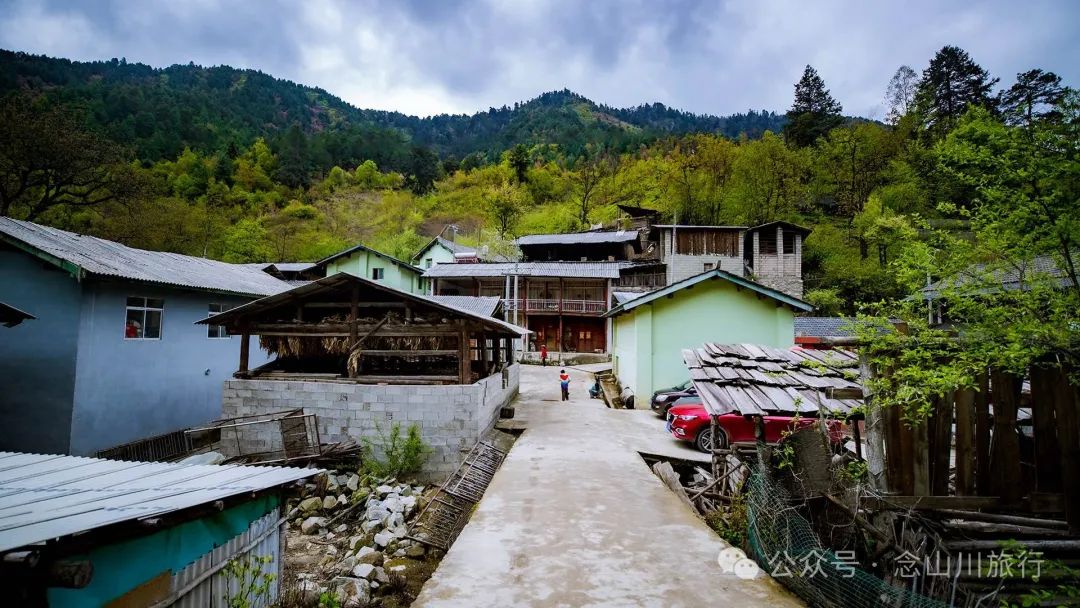
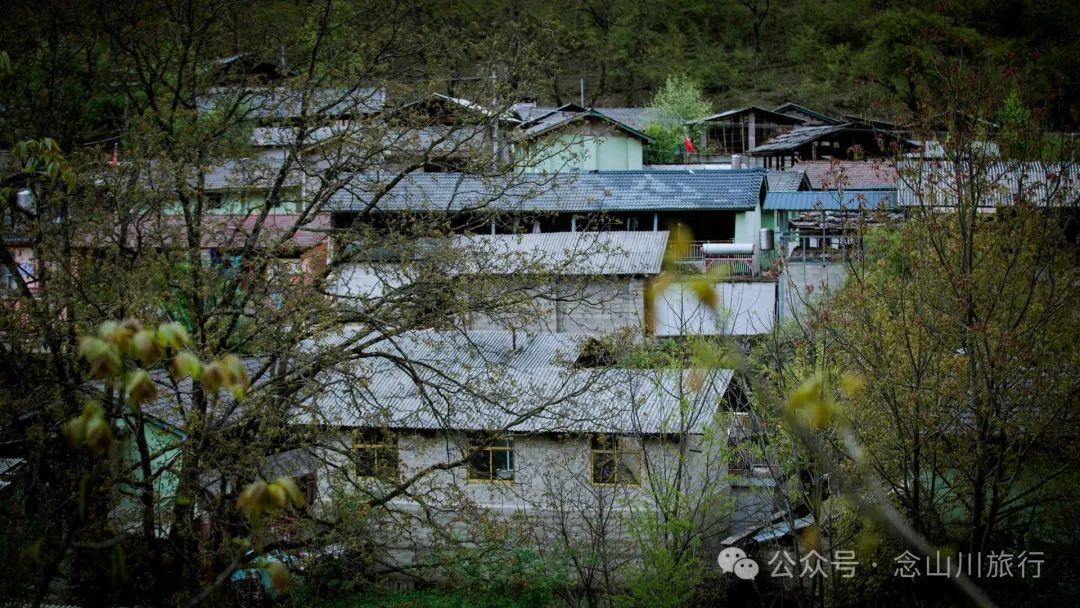
Shuangjiama Village is a group under the jurisdiction of Chuanda Village Committee in Tacheng Town, Weixi County, with about 30 households. It sits on a narrow, cramped gentle slope between the Lappu River and the high mountains behind. The beautiful natural scenery does not seem to extend into the village. It is a somewhat messy village, with cement brick houses and log cabins mixed together indistinctly. The cement roads are stained with animal droppings. Few people live in log cabins anymore; most are used for storage or livestock.
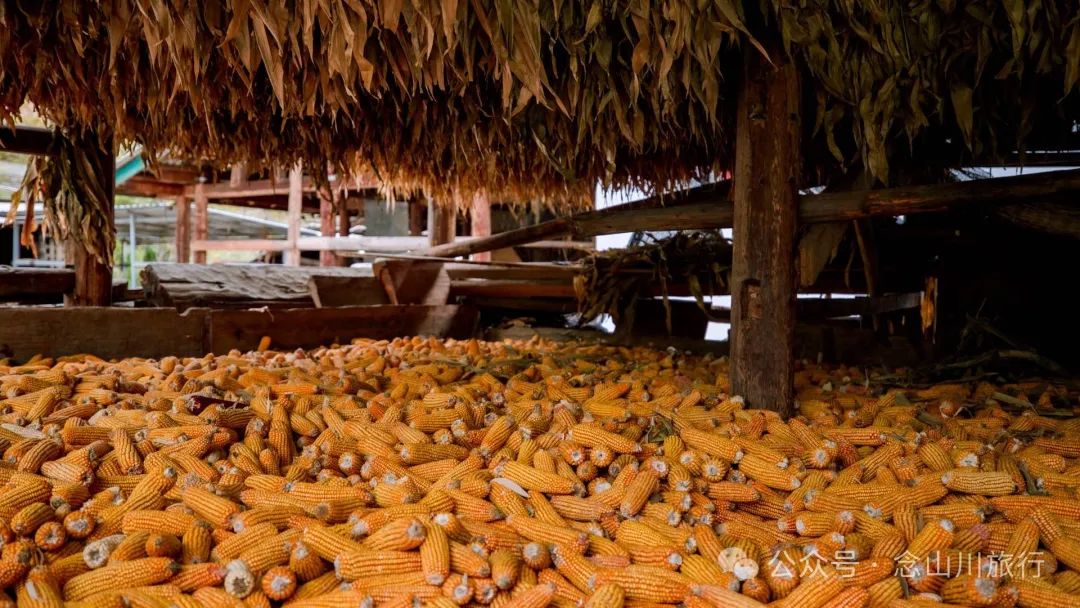
On the first floor of a roadside log cabin, the top was piled with last year's corn harvest. Bundles of neatly arranged large dried leaves hung from the beams, also meant for feeding livestock, just like the corn. I wondered how much time the villagers spent preparing those leaves. The winters here are long and cold, and I imagine these trivial tasks were done by the fireplace, while stacks of firewood taller than a person outside would warm the winter.
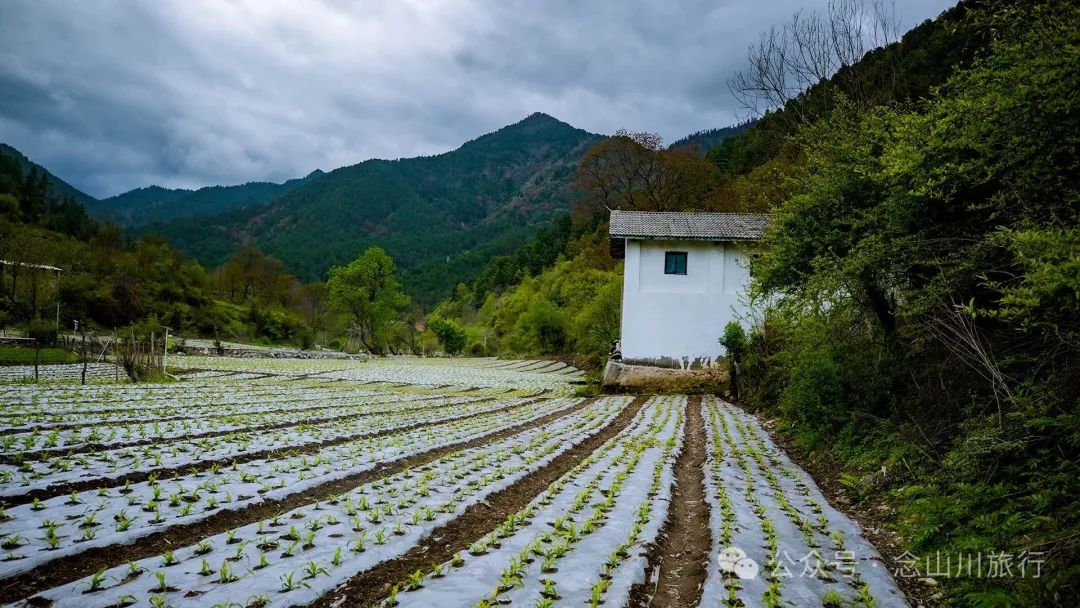
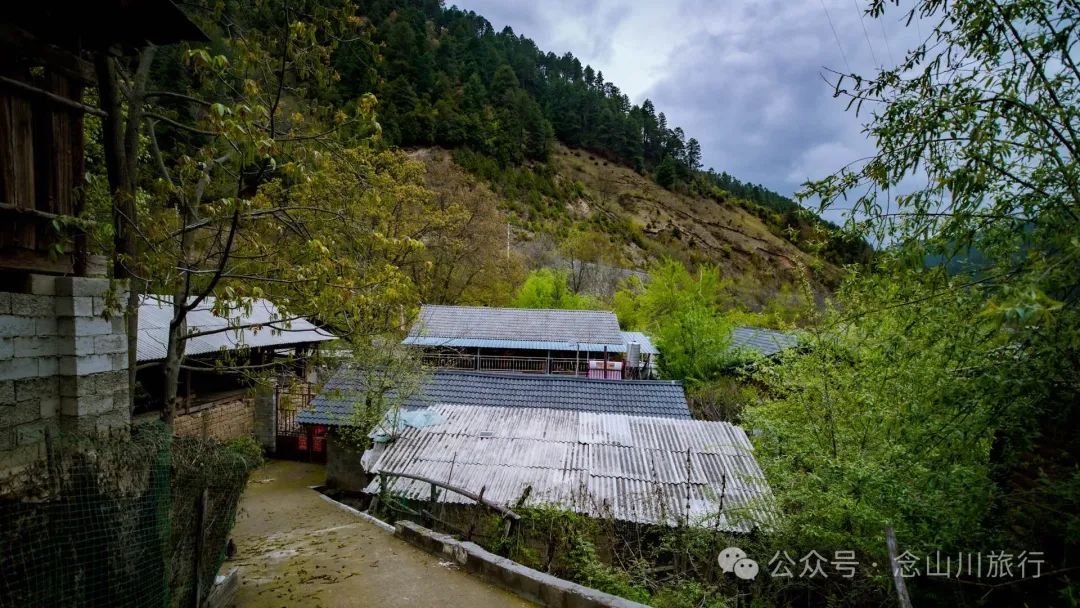
Walking through an unfamiliar village, we only gain superficial external impressions. Only through chatting with the villagers can we understand the village more deeply and remember it. But the villagers were busy farming and had no time for us. We saw few villagers, only an elderly woman carrying sand by the bridge outside the village, and another, the veteran we met at the village committee entrance.
I thought he was a Lisu elder who only spoke the ethnic dialect, but to my surprise, his Mandarin was very fluent. He told us the village was not originally called Shuangjiama; its former name, which I didn't quite catch, was probably in Lisu and had an unlucky meaning, so they changed it to the current name.
Soon we turned the conversation to him. Trembling, he recounted his life, as winding as the Lappu River. Originally from Heqing, Dali, and a Bai ethnic, not a local Lisu as I assumed, he served as a military doctor and driver in his youth, traveling with the army to many places, including Simao, Chuxiong, and spending a long time on the Yunnan-Tibet border. He not only speaks Bai but also Lisu and even Tibetan. Curious why he didn't return to Dali, he laughed self-deprecatingly and said, "Ah, they pinned me down here, and I couldn't go back." When he said "pinned," he even laughed like a child, making a pressing-down motion with his hands.
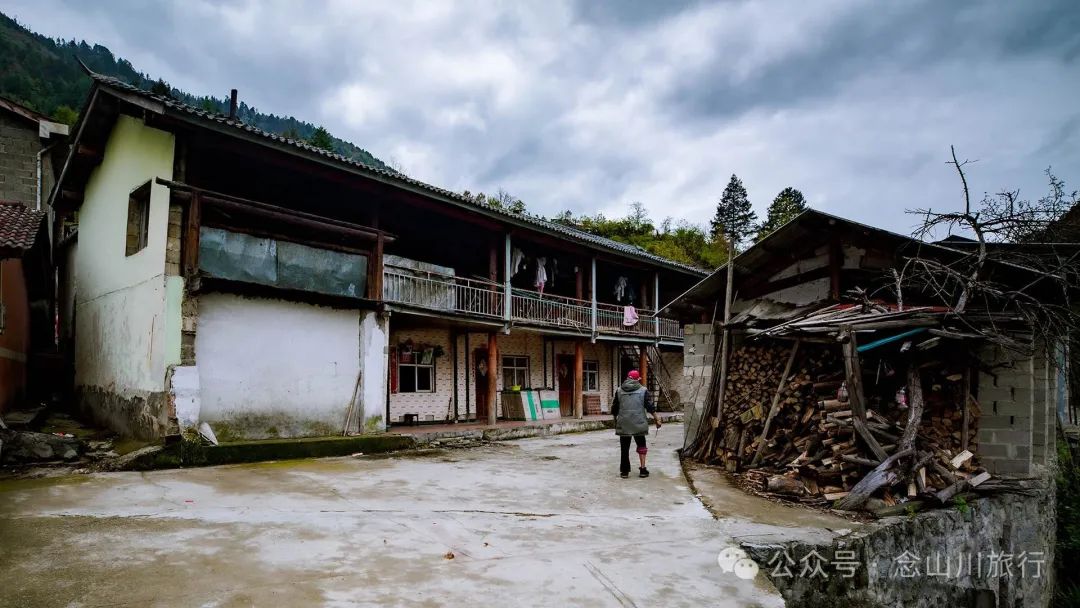
The elder said that to settle down faster in this foreign land, he did many jobs. One was learning a craft from the villagers: making bamboo steamers. Afraid we wouldn't understand, he explained it was a steamer for cooking rice in a pot. He was young then and quick to learn new skills. Besides making bamboo steamers, he also went into the mountains with the villagers to log. At that time, the trees in the mountains were tall and thick, all requiring three or four people to encircle.
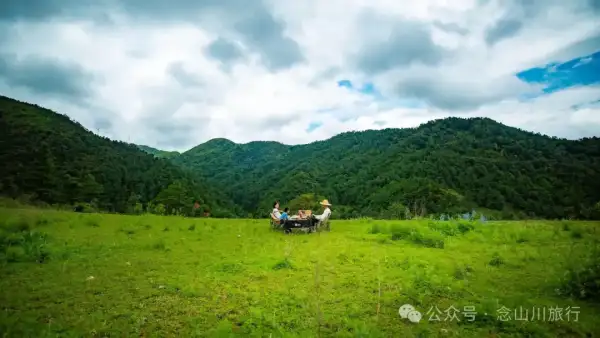
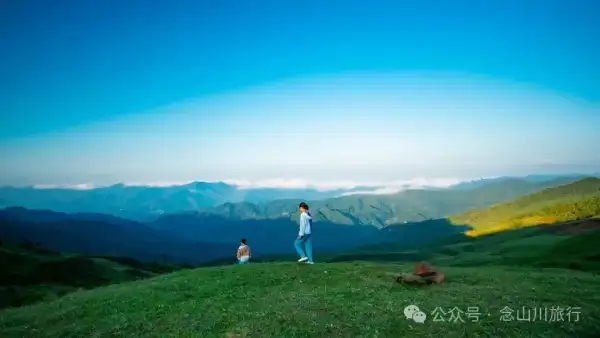
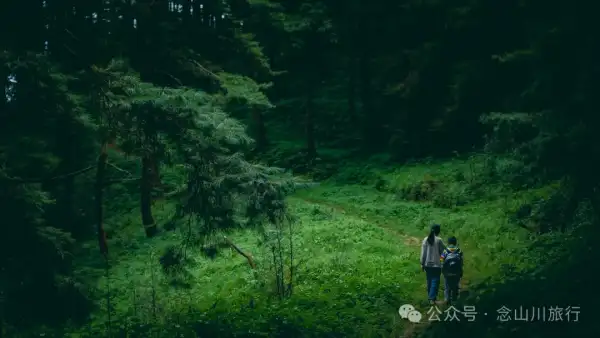
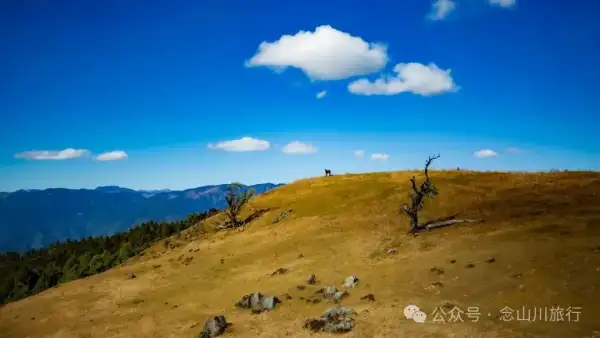
When he learned we were going elsewhere, he said there was nothing to see there. Behind the village, there was a road leading into the mountains where cattle and sheep herders go, and that's where the beautiful scenery is. I knew that this 84-year-old man, who had traveled almost all over Yunnan, must have seen many stunning landscapes, all stored in his memory.
During the tens of minutes he reminisced with us, we could see that those precious memories were his pride. When we said goodbye, he regarded us as half-hometown folks, smiled and waved us off, then turned and walked into his solitary house. The elder's stooped figure, like the winding Lappu River, was a river flowing upstream—the scenery we saw in Shuangjiama.