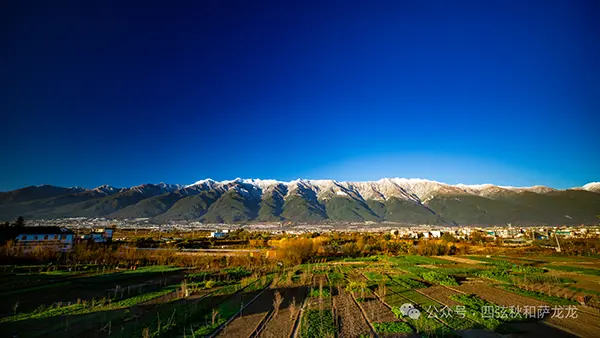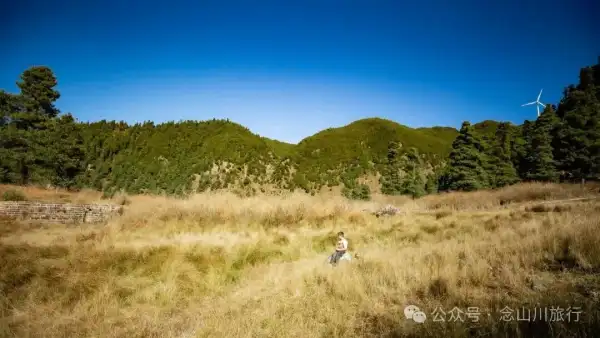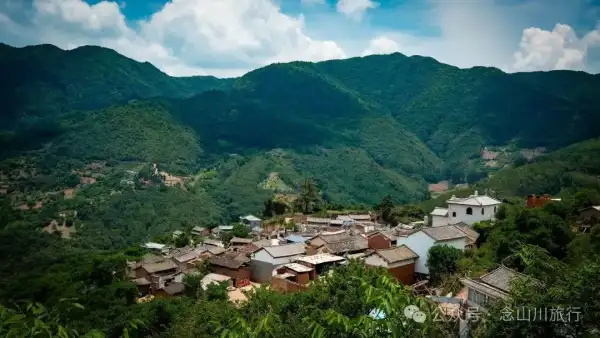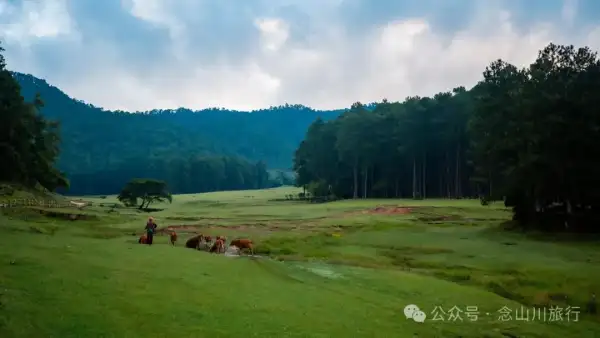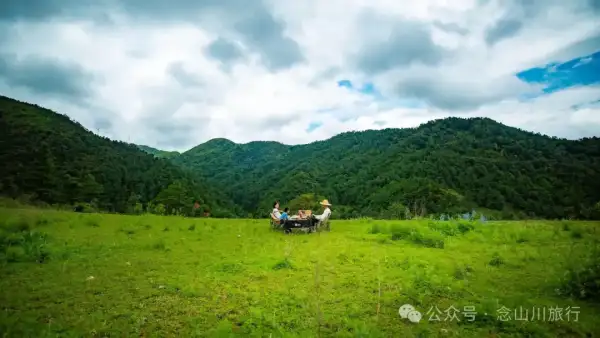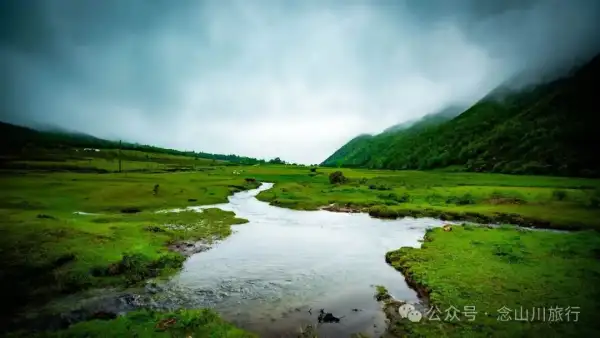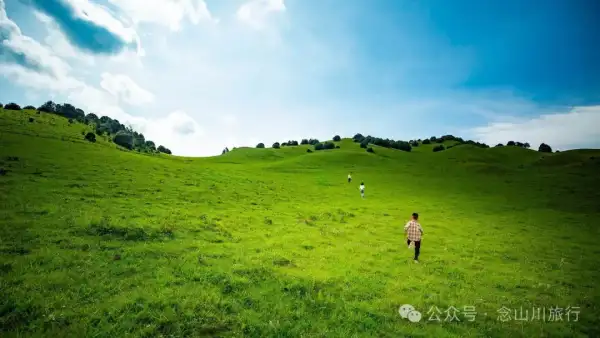

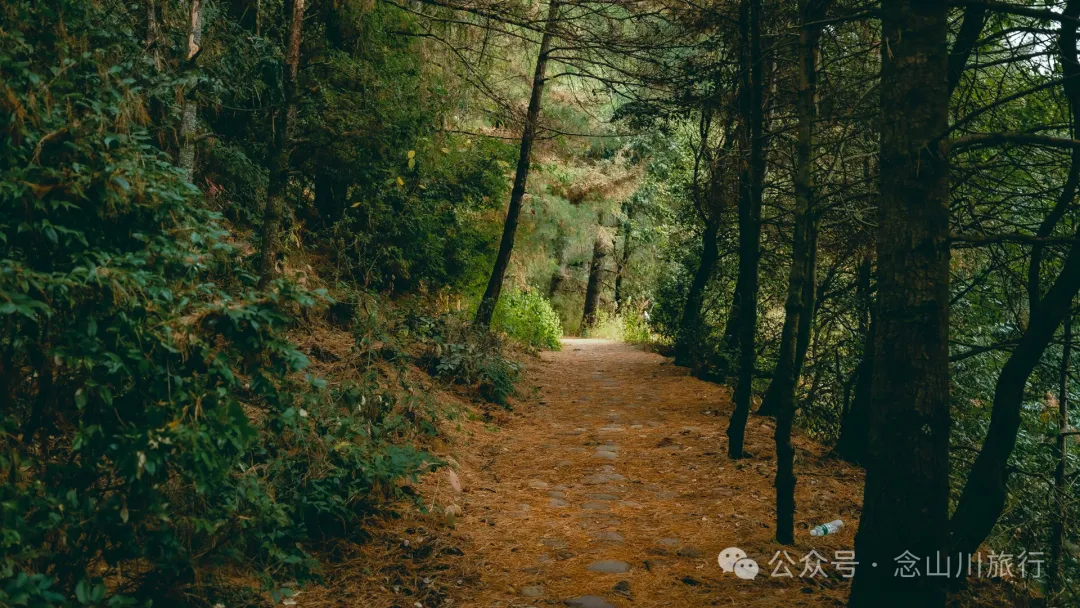
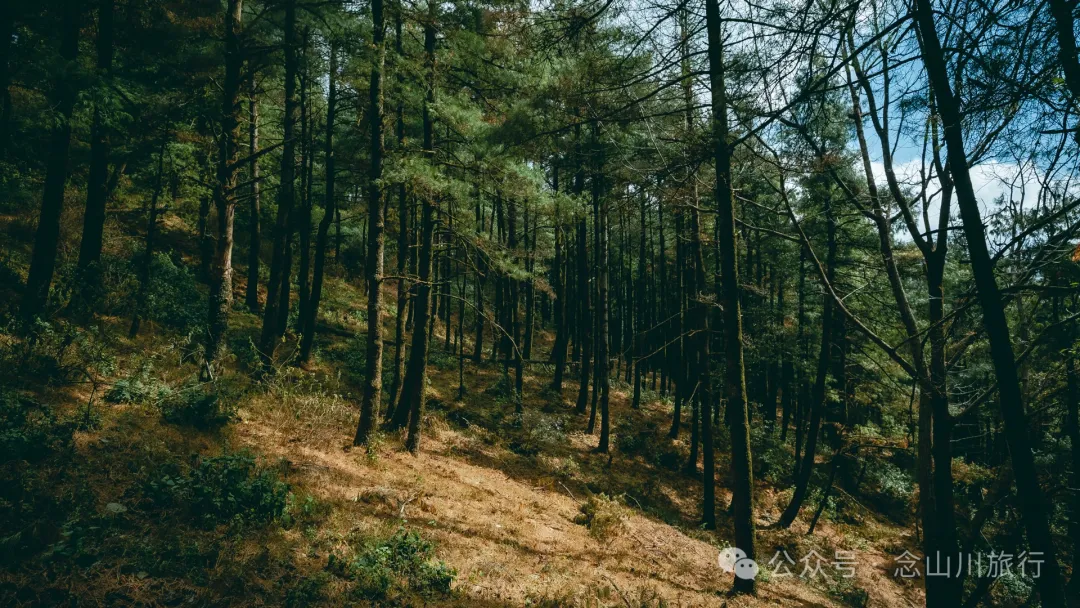
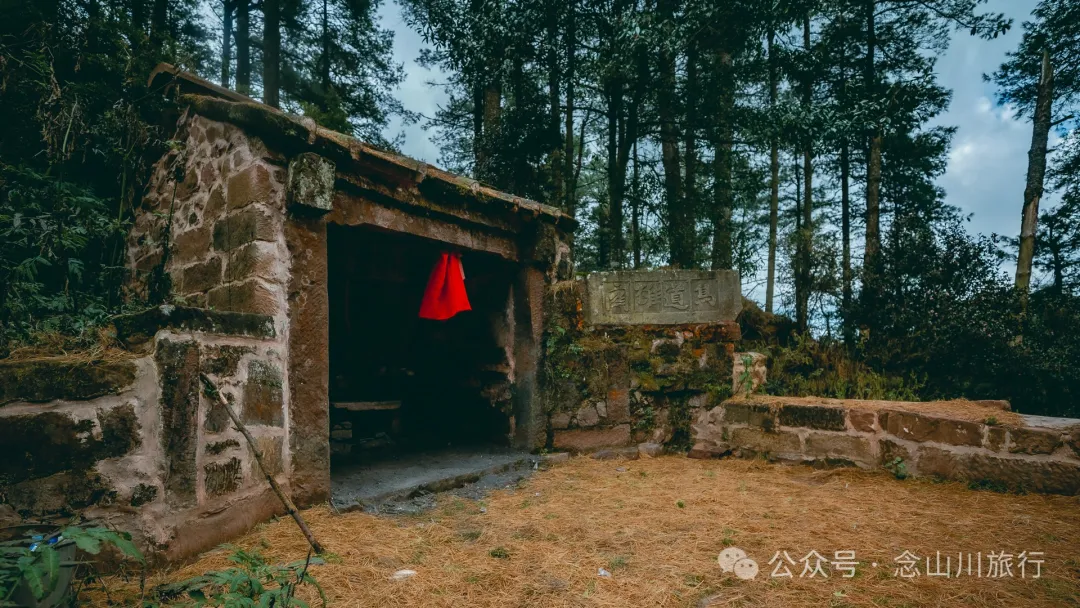
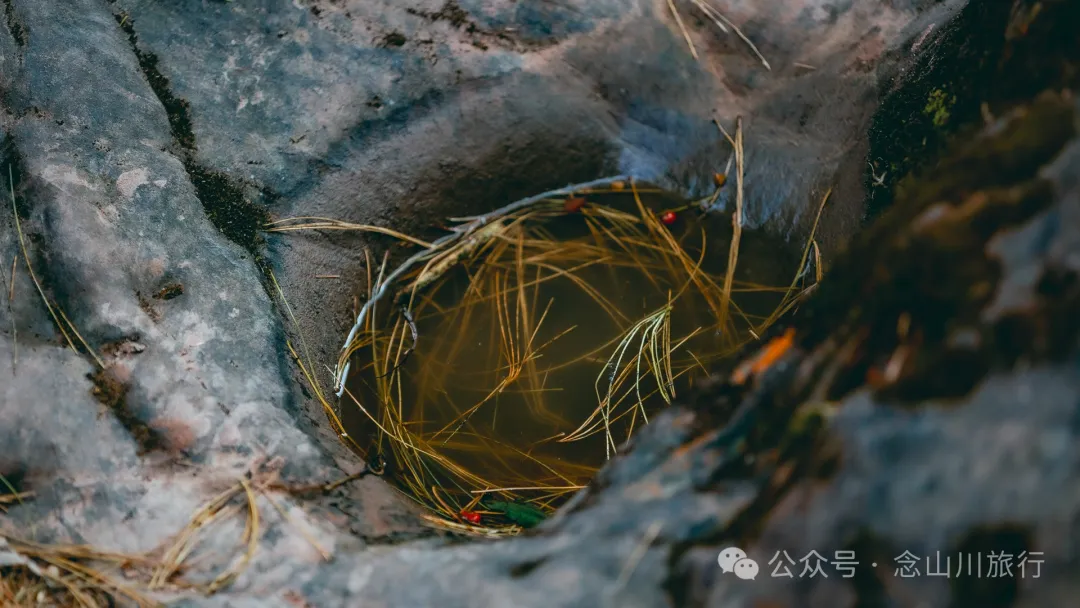
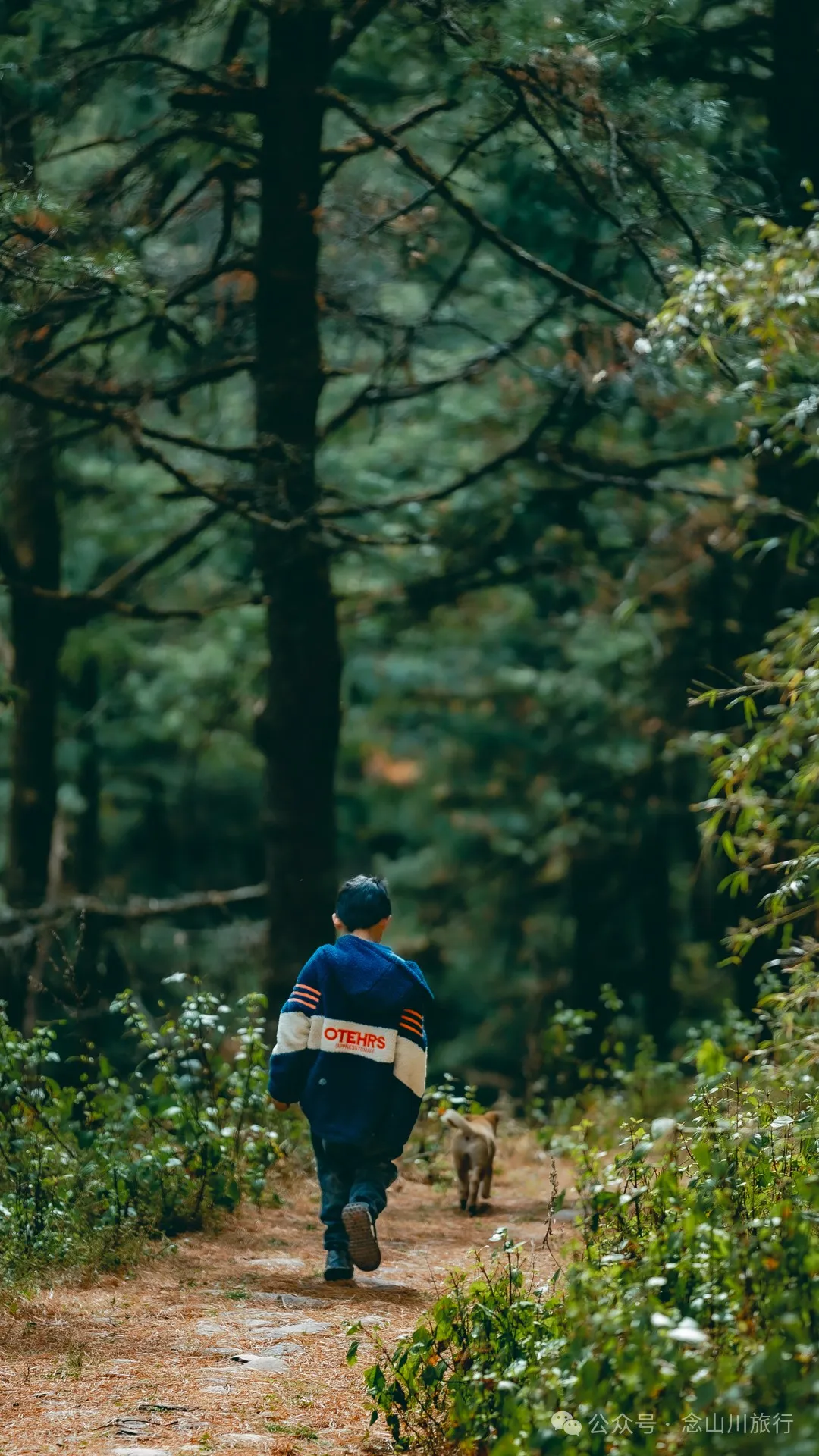
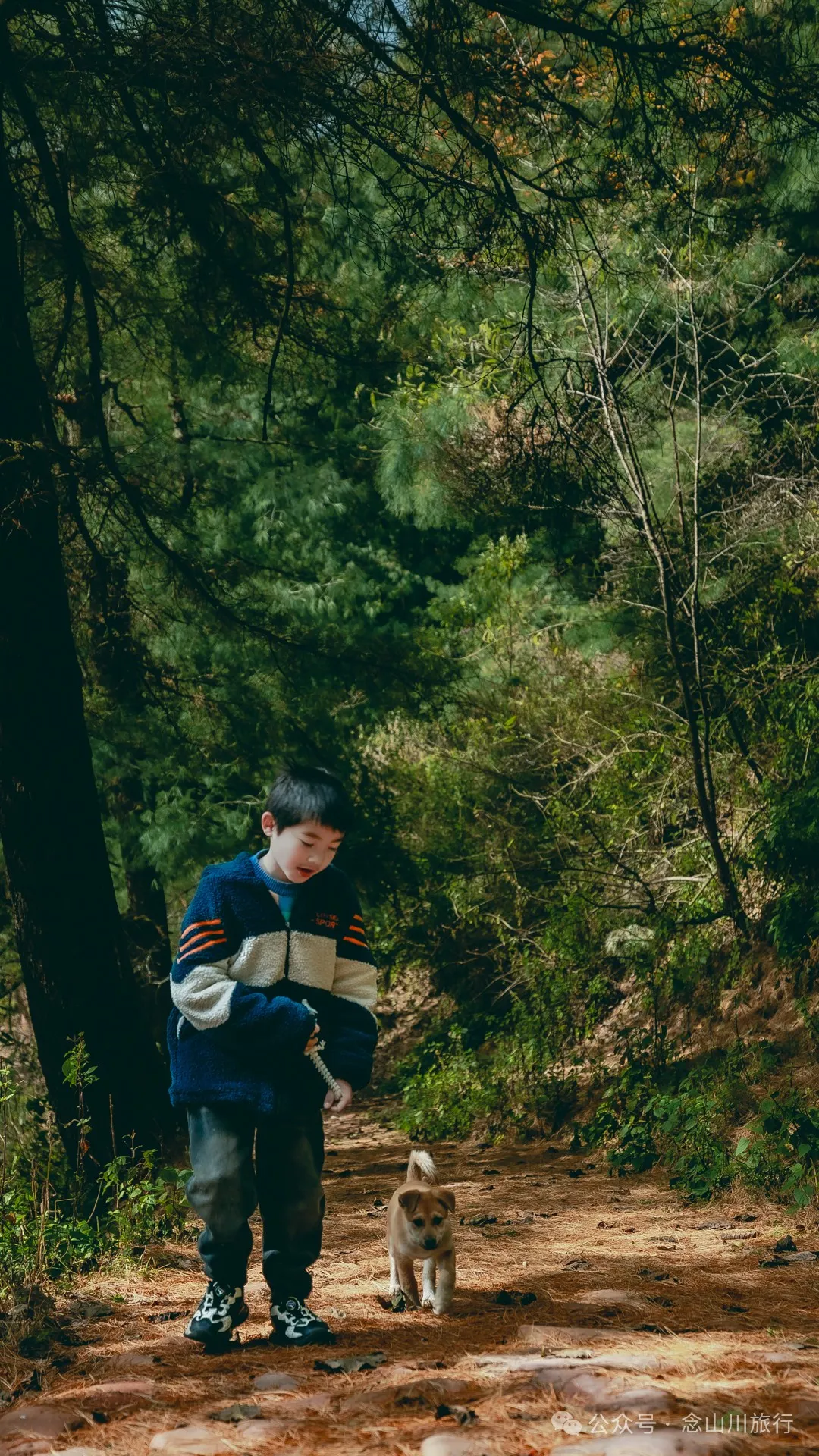
We visited Bird Pass once last summer. There is a dense, tall pine forest there, where the jungle surges with a primal wildness as if from the dawn of time, refreshing the mind and leaving no other thoughts upon entering. In the depth of winter, we found ourselves in the forest again. The once overflowing greenery had faded by several degrees but not entirely receded. Flocks of goats still burrowed through the woods, foraging for green weeds and leaves. There was no snow here. Even though the foothills were bitterly cold, the coldest ridge at the summit was still not cold enough for snow—only traces of frost melting into muddy water on the road.

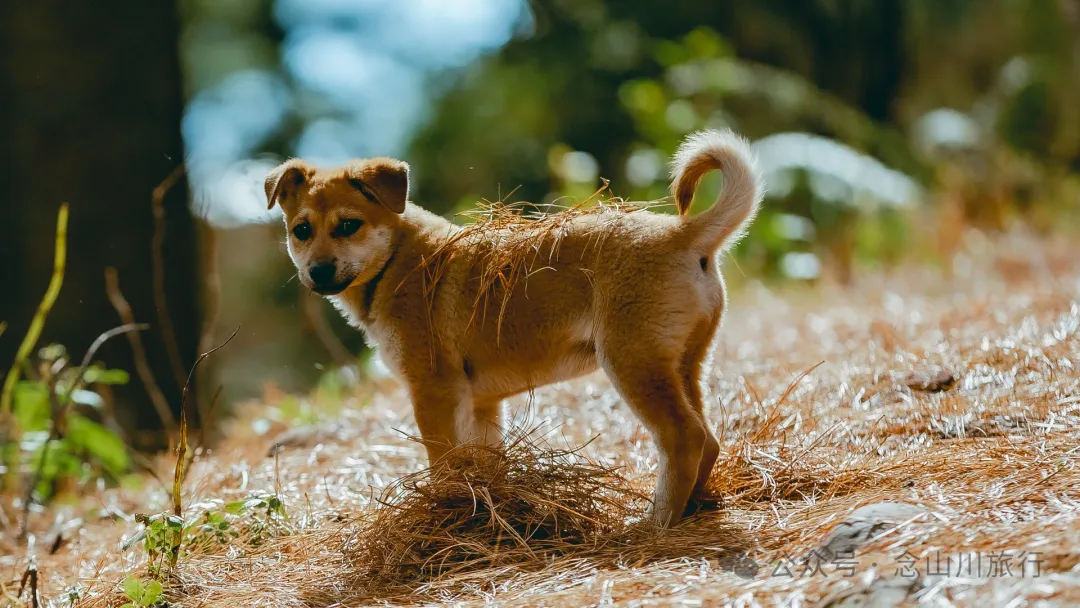

Now, the stone forest paths are almost completely covered with pine needles. Walking on them, the soft, smooth yellow needles emit a fresh scent of pine resin, rising from the soles of the feet, over the head, and even to the high treetops, enveloping everything in a silent breath of life. When the mountain wind blows, the withered yellow pine needles rustle and fall like a drifting snow, blanketing the earth. Even in the coldest winter, the outward signs of life never fully retreat. The green pine needles on the branches and the wild grass by the roadside continue to take the baton and run. The biting mountain wind weaves through them, and they resist with all their might, day and night.
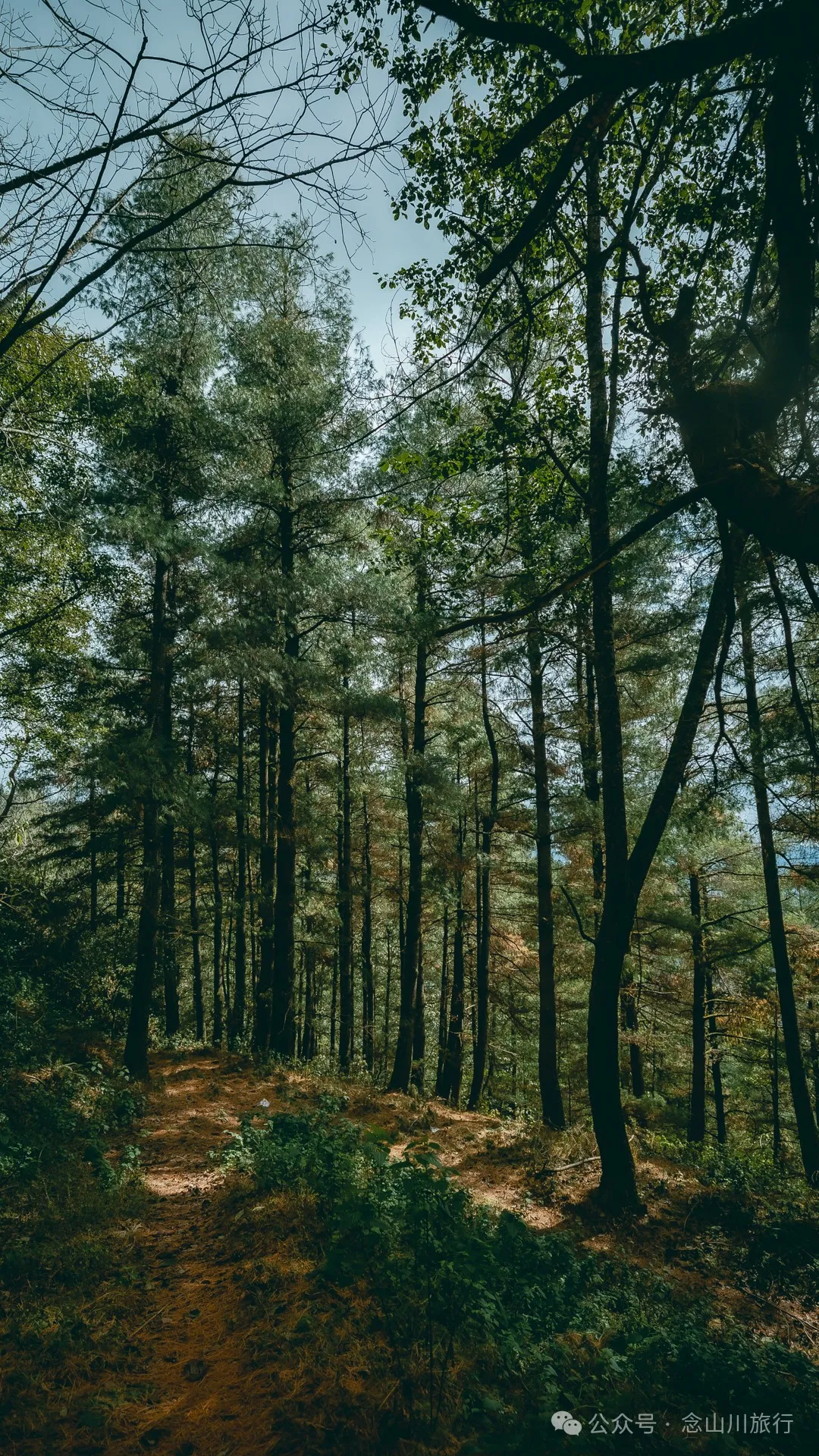
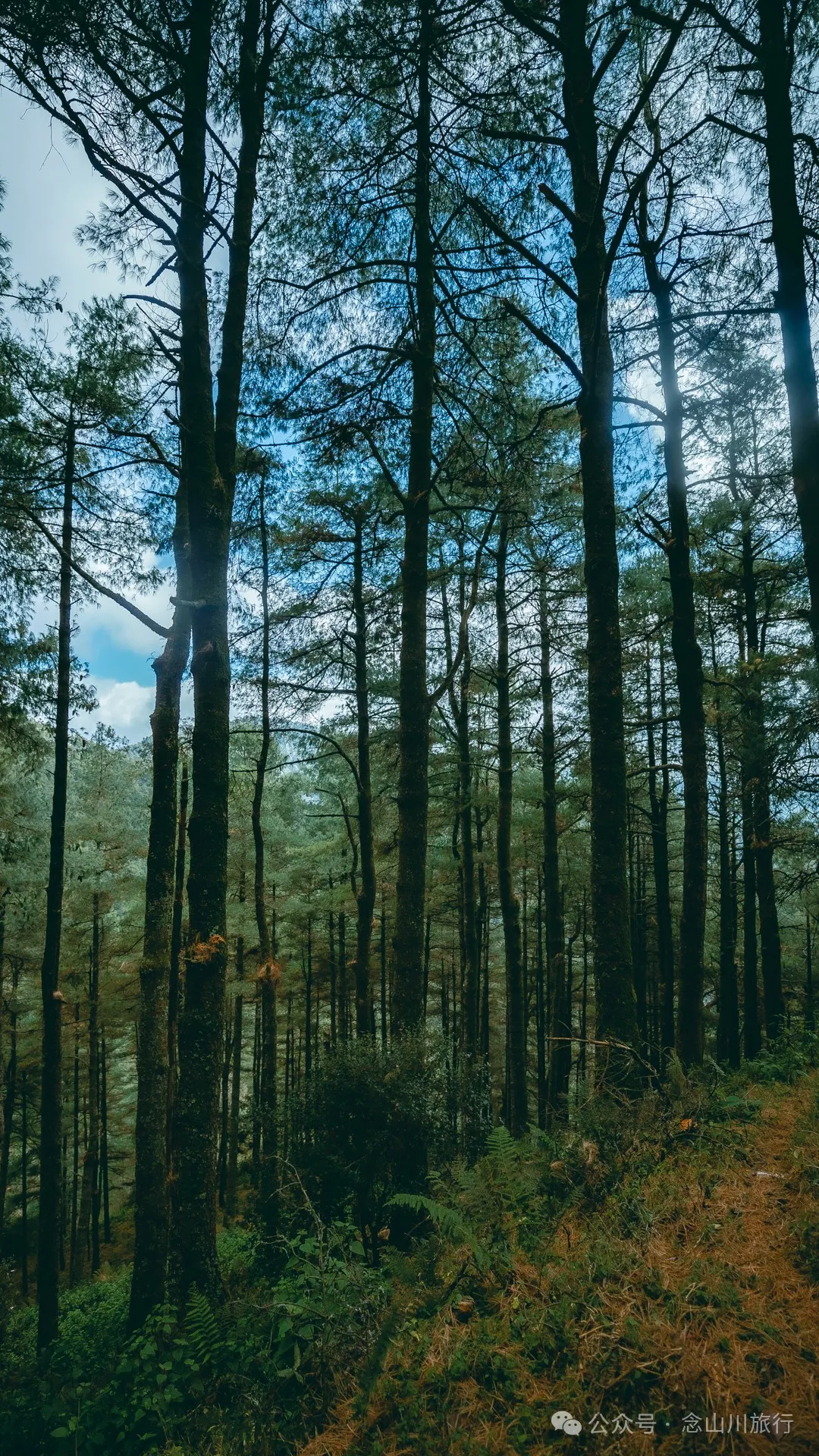
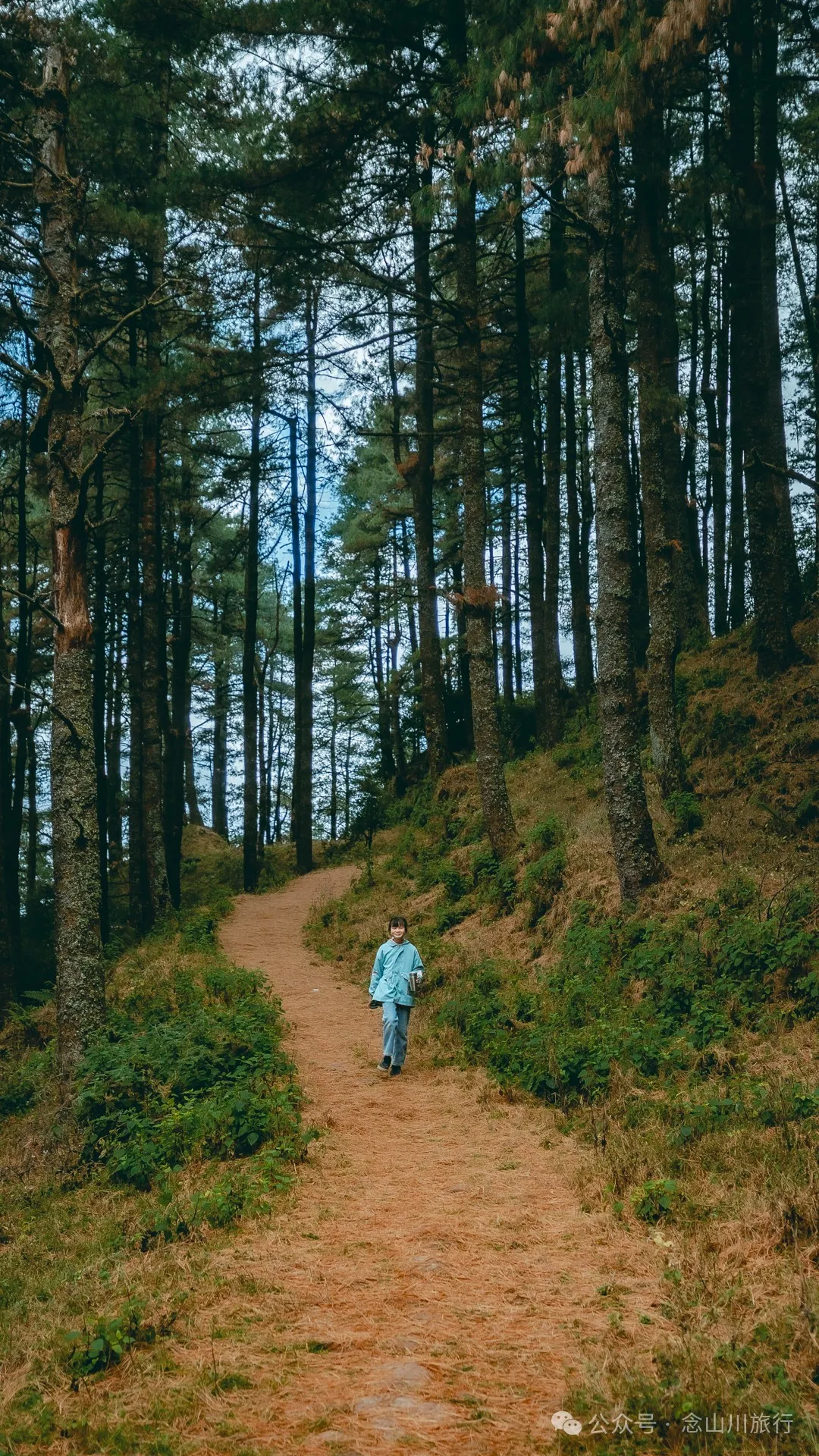
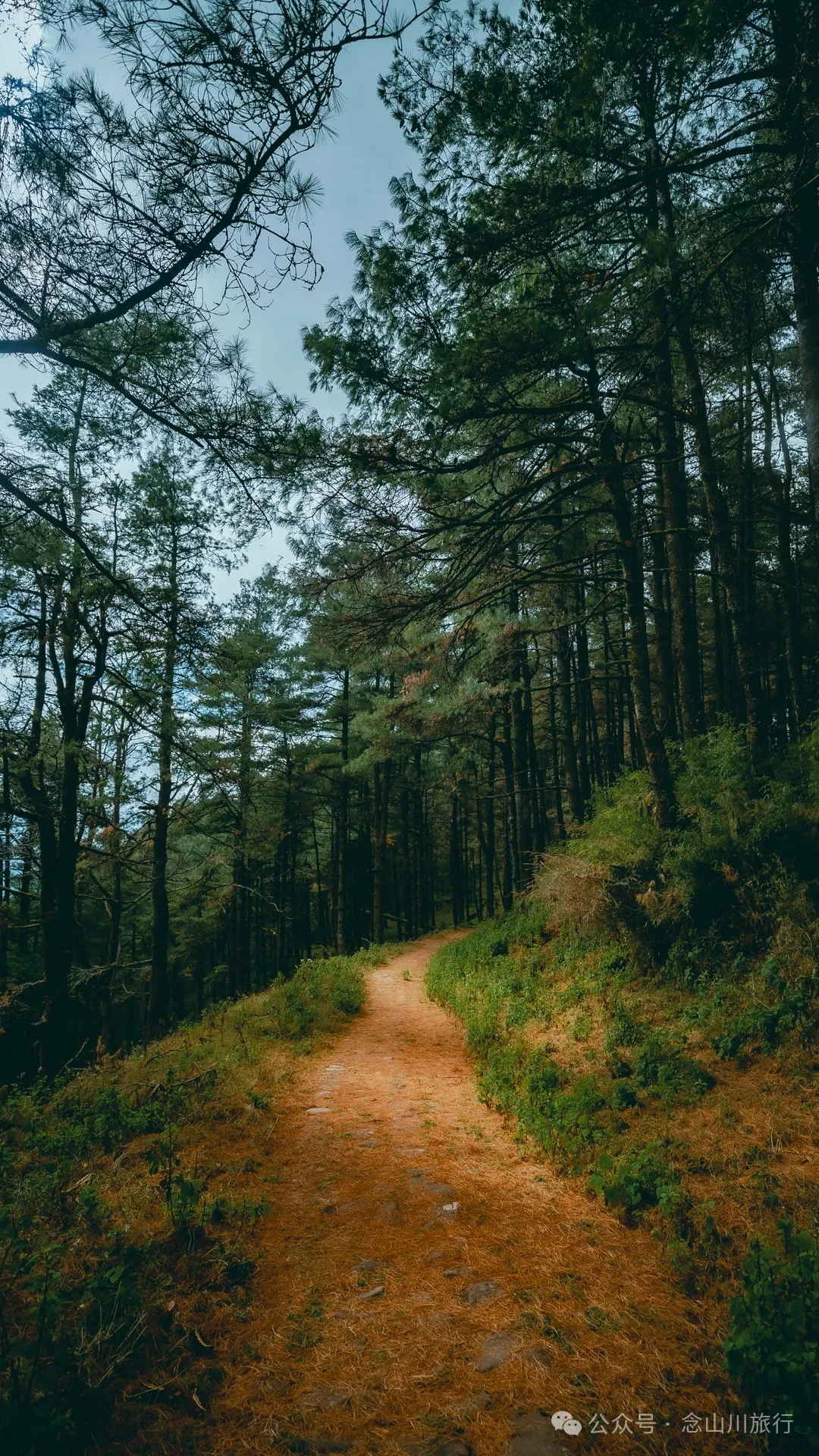
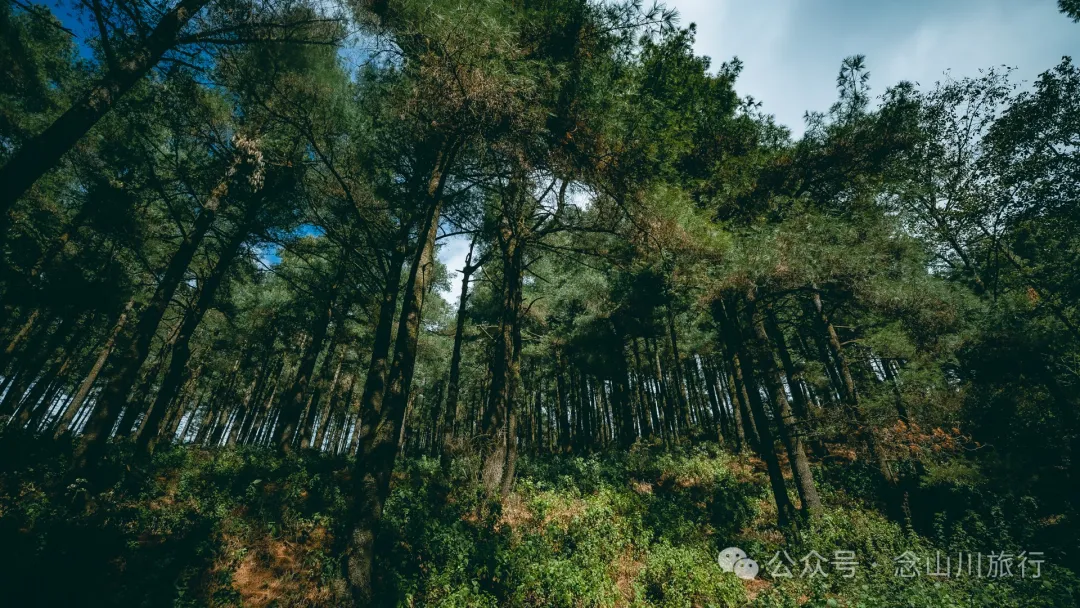
This is a pine forest where sunlight does not easily penetrate, nor does it easily give up. The dense branches spread like giant green umbrellas, hiding countless birds beneath. Wherever we went, cheerful sounds floated out, melodious to the ear. The blue sky was fragmented into tiny pieces by the pine branches, and the white clouds suffered the same fate. They looked like wild cotton blossoms in the mountains, stuck on dry branches, losing their freedom to drift.
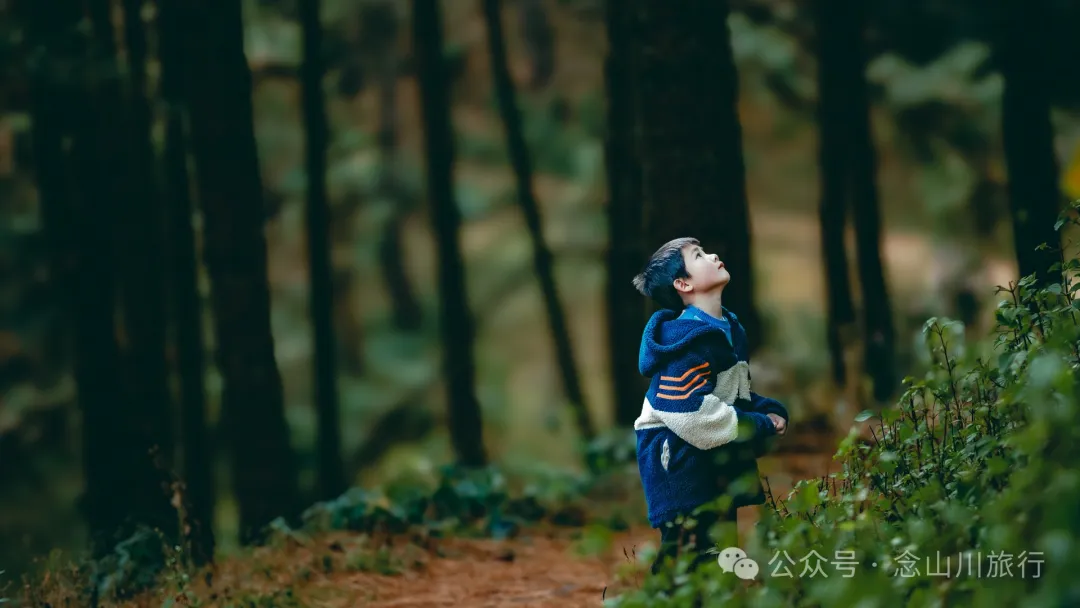
But the boy had much more freedom of imagination. A pine tree on the roadside slope caught his attention. It was a tree split in two: at about one and a half meters up, the trunk divided into two branches of equal thickness, growing upward closely side by side, and near the top, they intertwined again, supporting each other. The boy looked up for a long time and told us he heard them talking, as if he had stumbled upon their secret. He listened carefully, afraid of disturbing them, worried their murmurs would stop. He didn't know that by looking up at them, he had already joined the conversation. While he listened to them, they were also observing and listening to him.
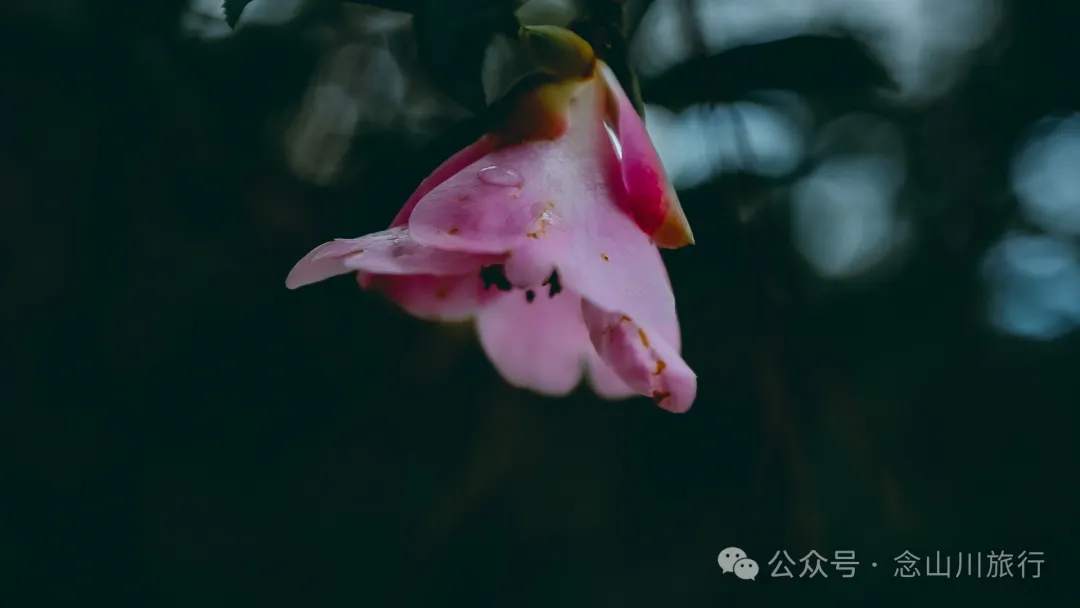
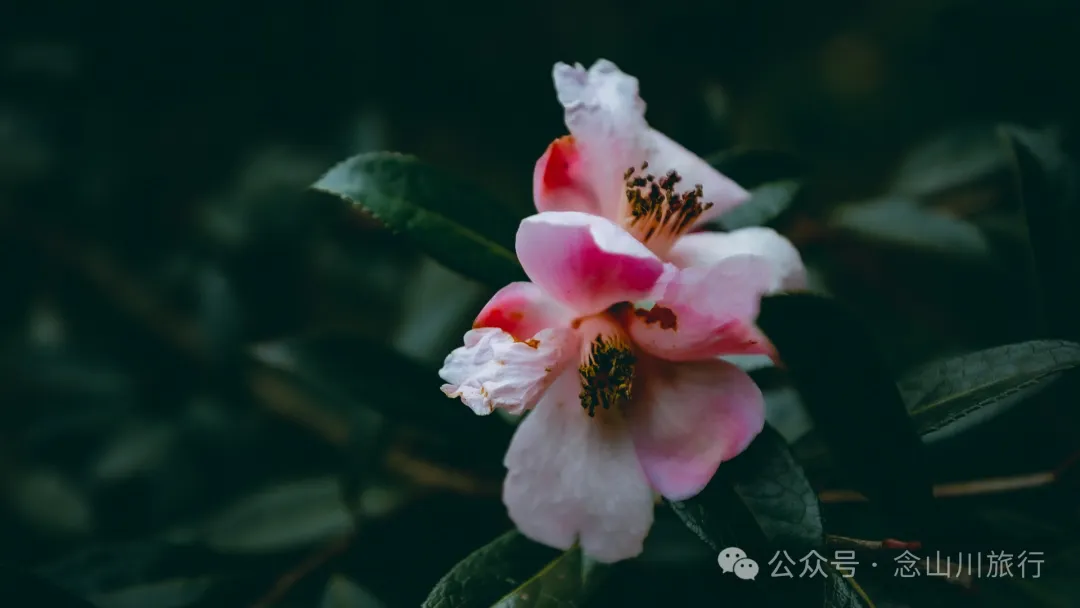
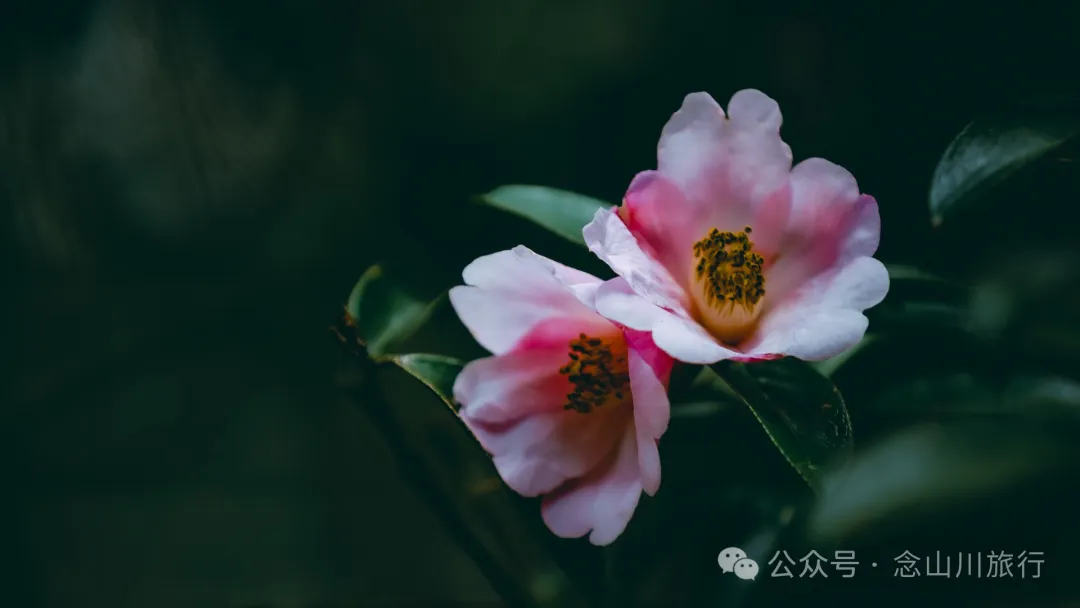
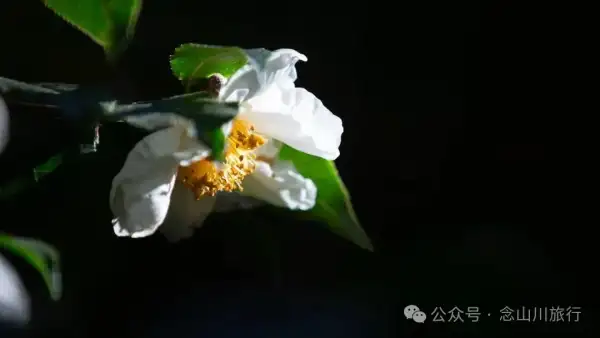
The camellias in the mountains were listening too. The sound of wind blowing through dark corners. The sound of pedestrians walking slowly. The sound of frost melting into water. The sound of companions illuminated by sunlight. And the sound of other companions being destroyed.
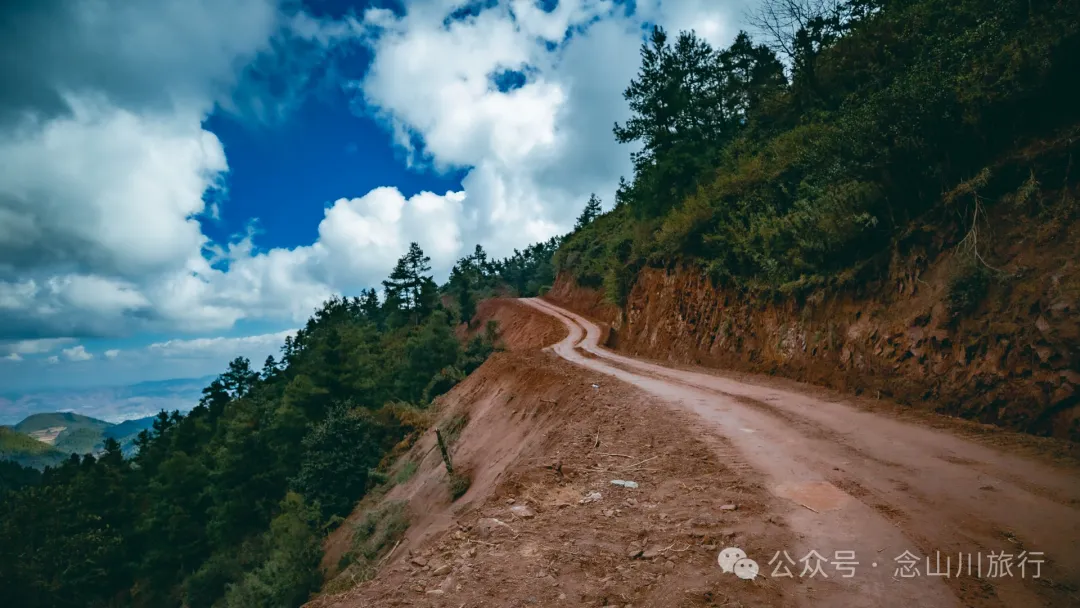
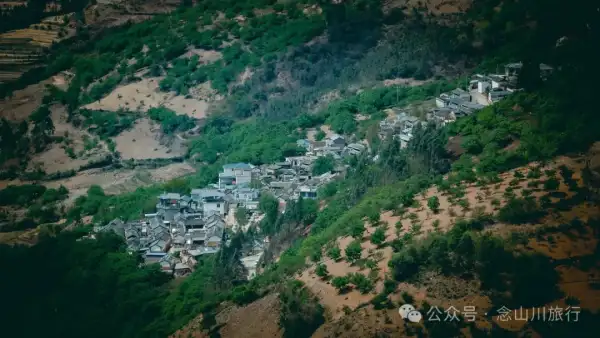
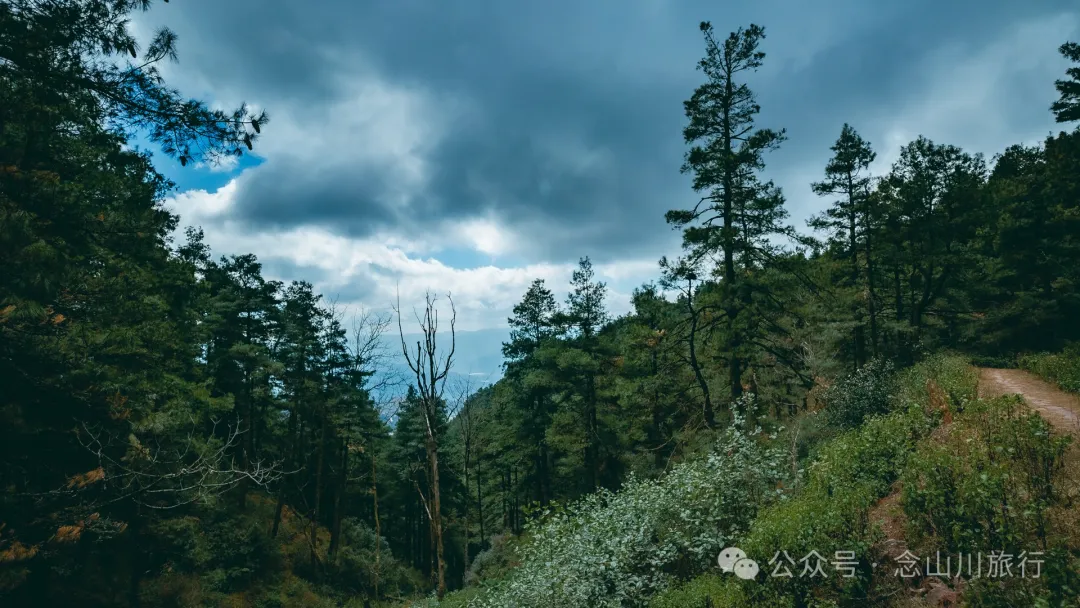
When we reached the pass of Bird Pass, a newly dug road lay across this historically ancient bird migration route, splitting the intact mountain in two. There used to be a small path in the mountain, leading from Bird Pass to Shifoshao Village in Midu County—the route Xu Xiake once traveled. Now, that path has disappeared, and it's no longer possible to follow Xu Xiake's footsteps along that route. What's more lamentable is that to build this road, reportedly a fire access road, countless wild tea trees were pushed over, broken, and buried. They died by the roadside before they could bloom, never seeing another spring in their lives. Besides the tea trees, many other species and the mountain itself could not escape. On the slopes not yet dug up, thick layers of dead leaves and branches had accumulated—evidence of no human footsteps—but now they are fully exposed to the human world.
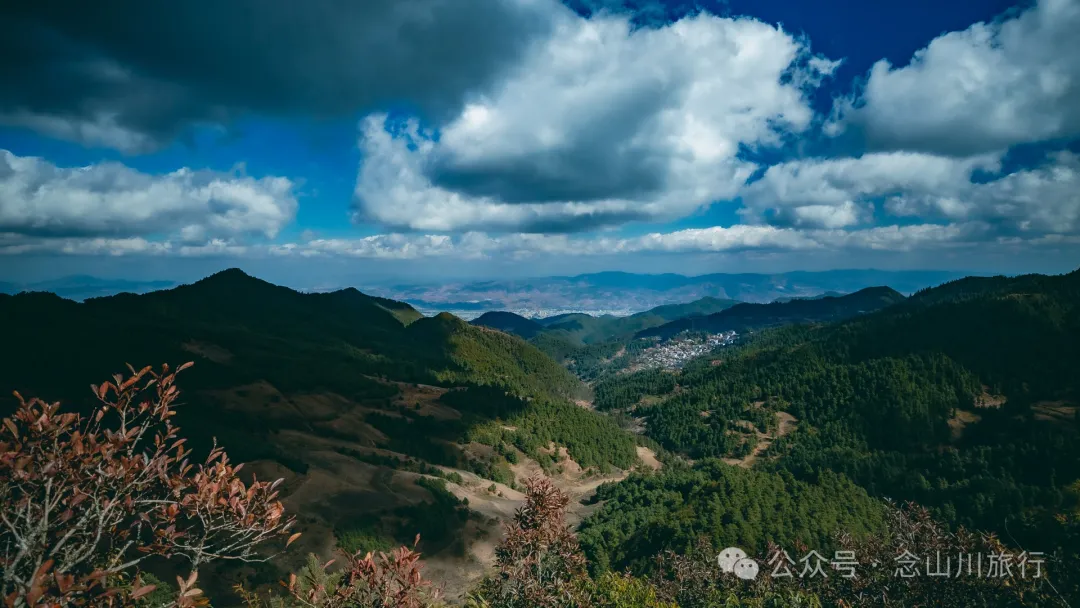
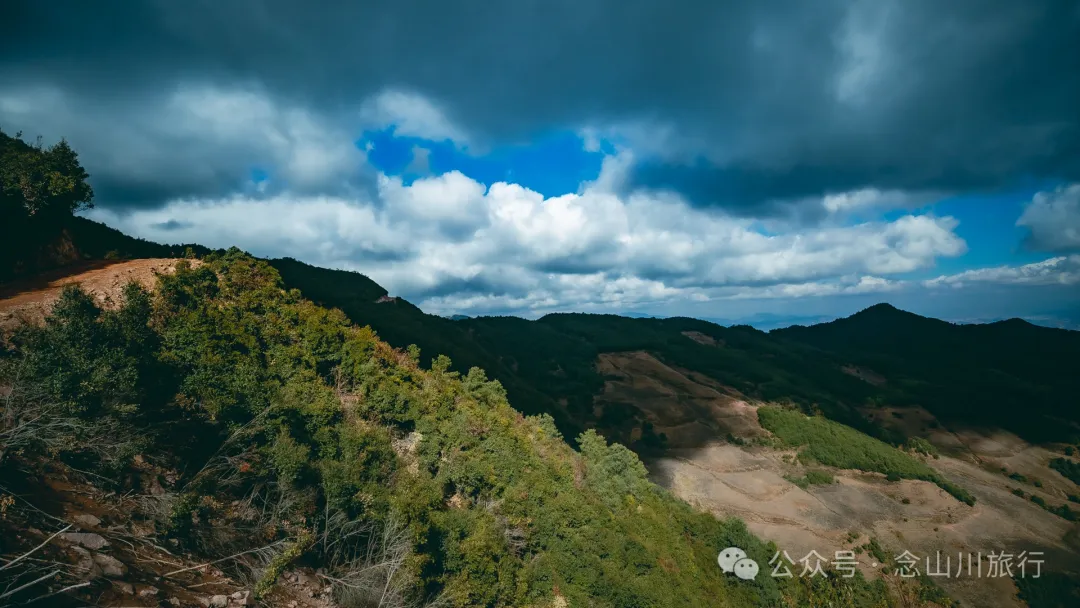
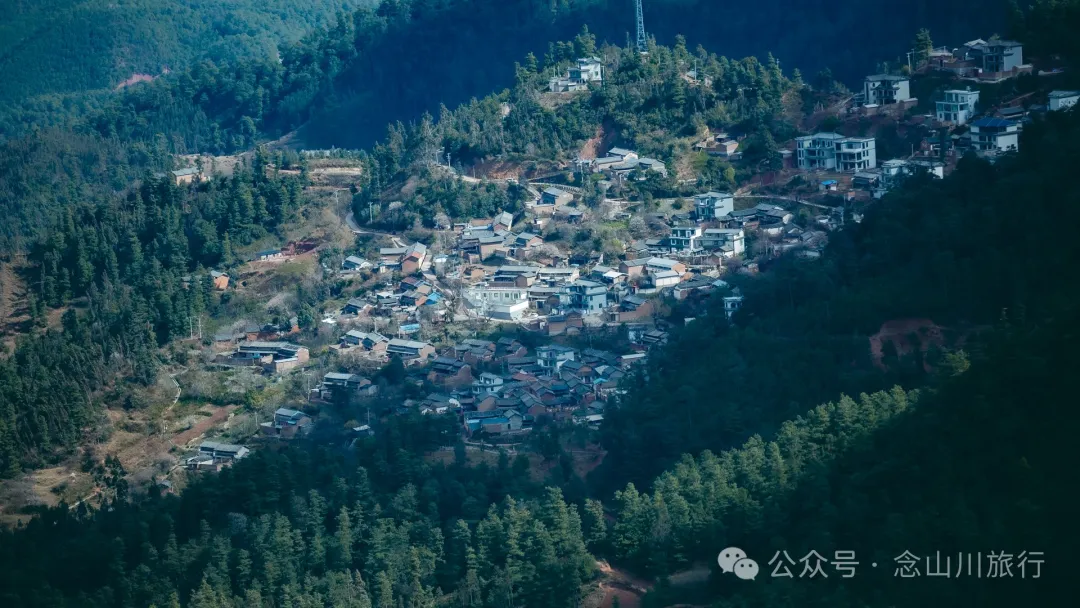
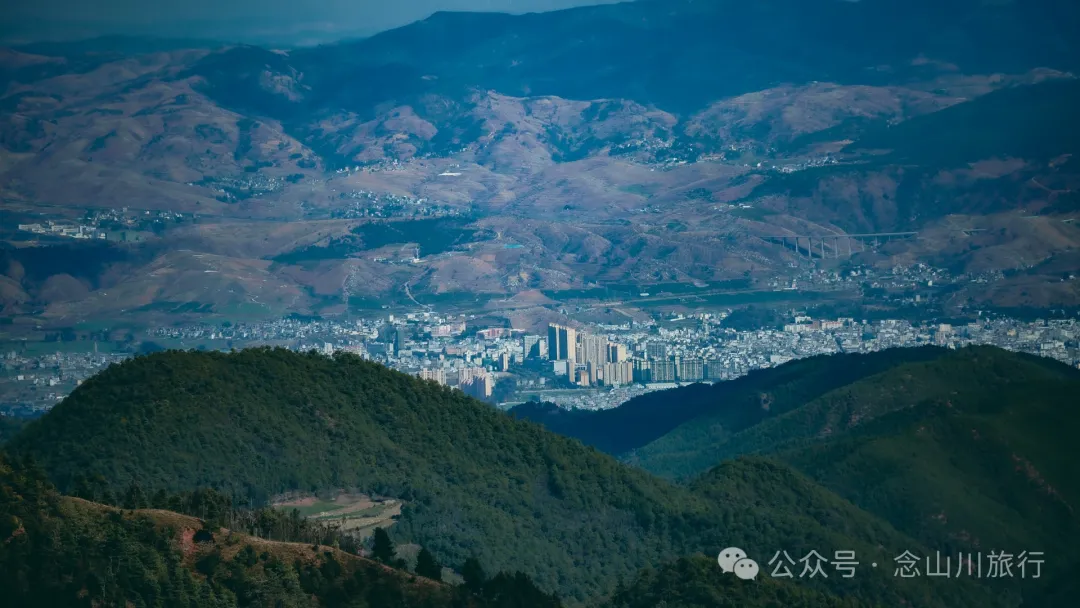
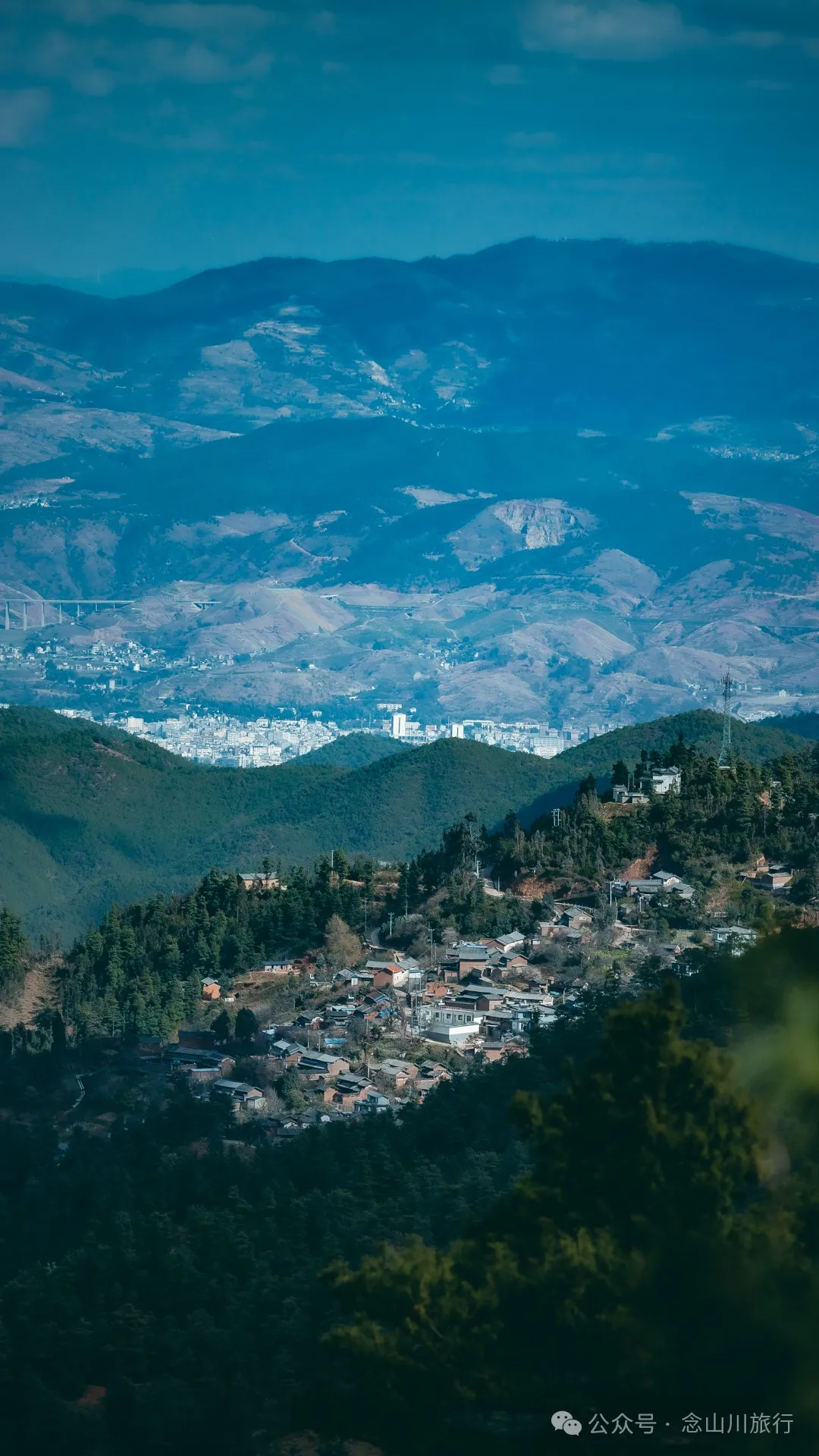
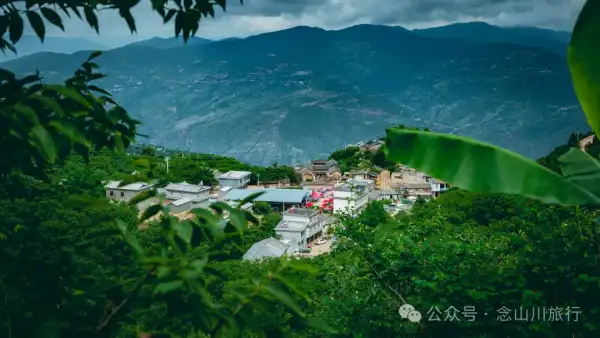
Standing on the newly built dirt road, Shifoshao in the distance and the farther Midu county town were visible. Could that other unfamiliar landscape see the changes here?