您的浏览器需要启用 JavaScript 才能正常访问此网站。
Hotline:15911225507
Dali Travel
Login
Home-Travel Article-Travel Log-Body Text

Pu’er Jingdong Taoyuanju Pottery Intangible Cultural Heritage Workshop: Nostalgia is the Unfired Clay, Ideal is the Fourth Infusion of Tea

SixianqiuSixianqiuTravel Log1 years ago11189
Pu’er Jingdong Taoyuanju Pottery Intangible Cultural Heritage Workshop: Nostalgia is the Unfired Clay, Ideal is the Fourth Infusion of Tea - Image 1
Pu’er Jingdong Taoyuanju Pottery Intangible Cultural Heritage Workshop: Nostalgia is the Unfired Clay, Ideal is the Fourth Infusion of Tea - Image 2
Pu’er Jingdong Taoyuanju Pottery Intangible Cultural Heritage Workshop: Nostalgia is the Unfired Clay, Ideal is the Fourth Infusion of Tea - Image 3

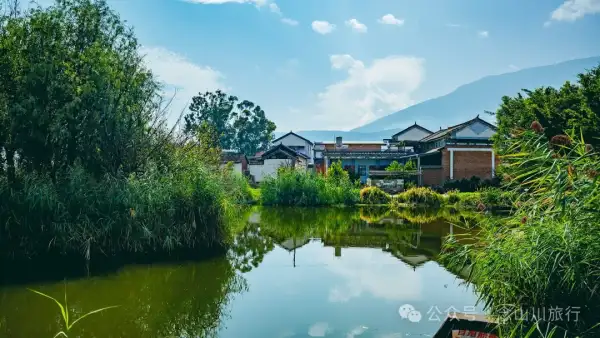
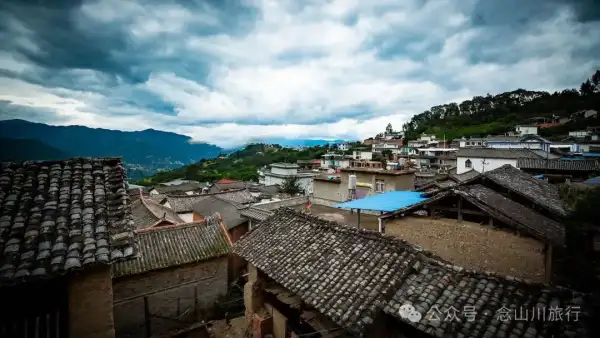
On the way to Ailao Mountain during the rainy season, we took an old asphalt road and came across a small village shrouded in mist called Jianshui Village. The pottery workshop at the village entrance caught my friend's great interest. After wandering around the village, we returned to this family workshop at the head of Jianshui Village, where we could experience pottery making. Unexpectedly, we stayed the entire afternoon, reluctant to leave. Here, we witnessed the host's ideal rural life balancing nostalgia and passion; here, nostalgia is the unfired clay, and the ideal is the fourth infusion of tea.
Pu’er Jingdong Taoyuanju Pottery Intangible Cultural Heritage Workshop: Nostalgia is the Unfired Clay, Ideal is the Fourth Infusion of Tea - Image 4
Pu’er Jingdong Taoyuanju Pottery Intangible Cultural Heritage Workshop: Nostalgia is the Unfired Clay, Ideal is the Fourth Infusion of Tea - Image 5
Pu’er Jingdong Taoyuanju Pottery Intangible Cultural Heritage Workshop: Nostalgia is the Unfired Clay, Ideal is the Fourth Infusion of Tea - Image 6
Pu’er Jingdong Taoyuanju Pottery Intangible Cultural Heritage Workshop: Nostalgia is the Unfired Clay, Ideal is the Fourth Infusion of Tea - Image 7

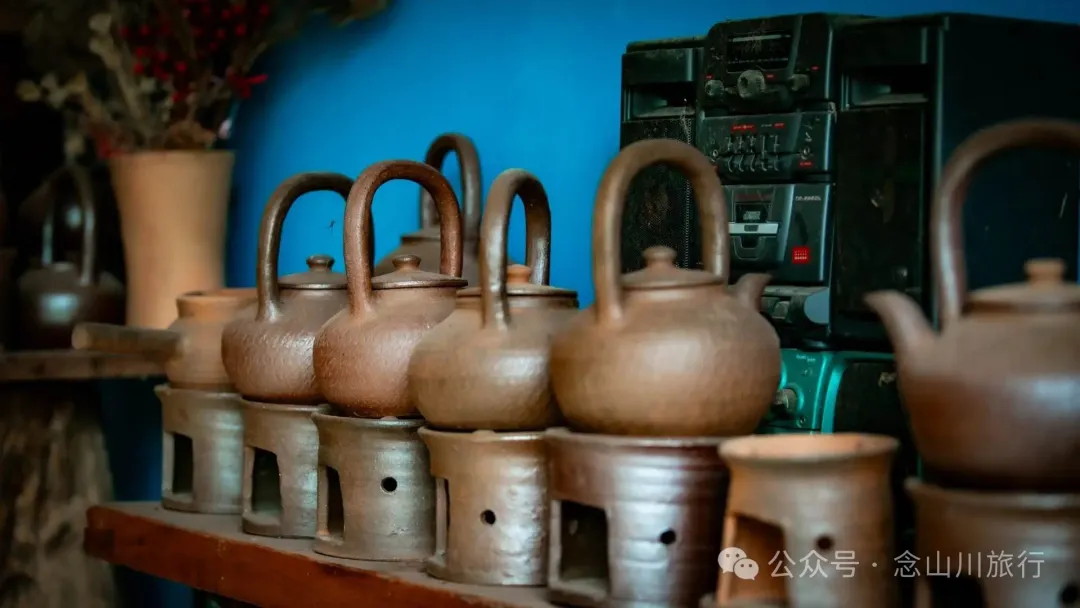
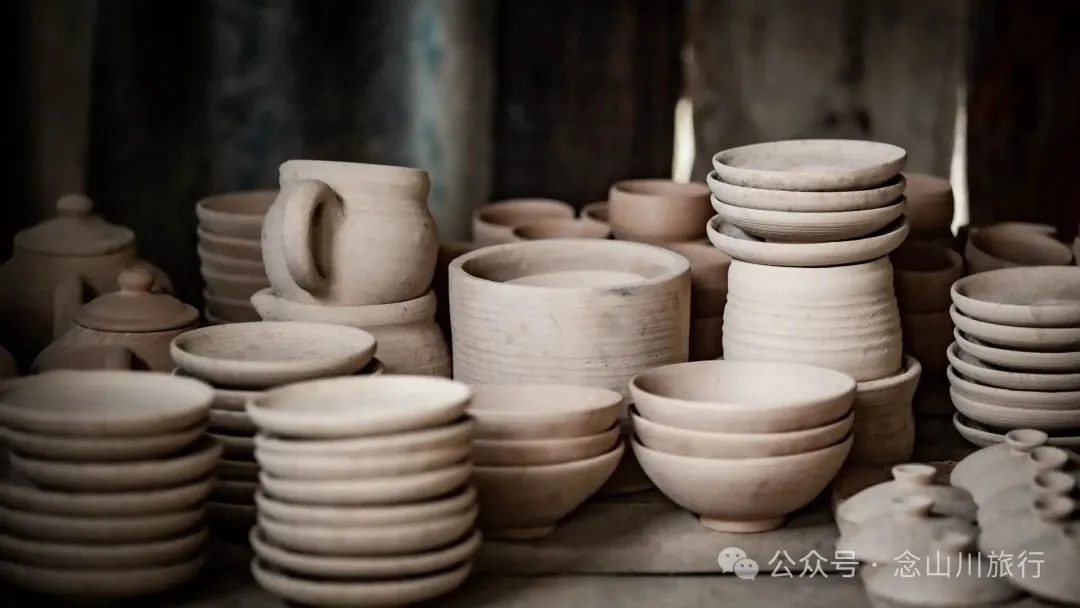
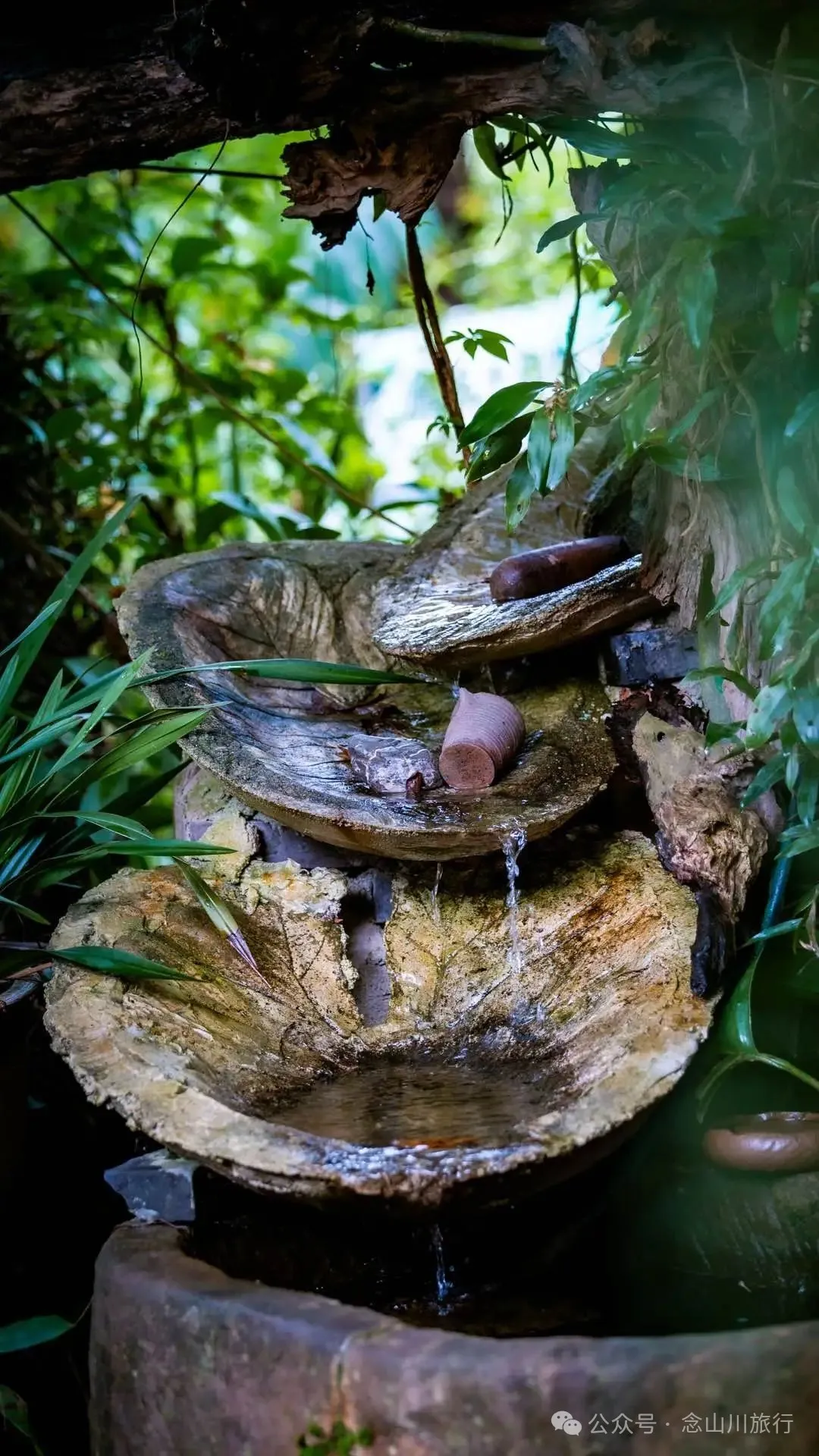
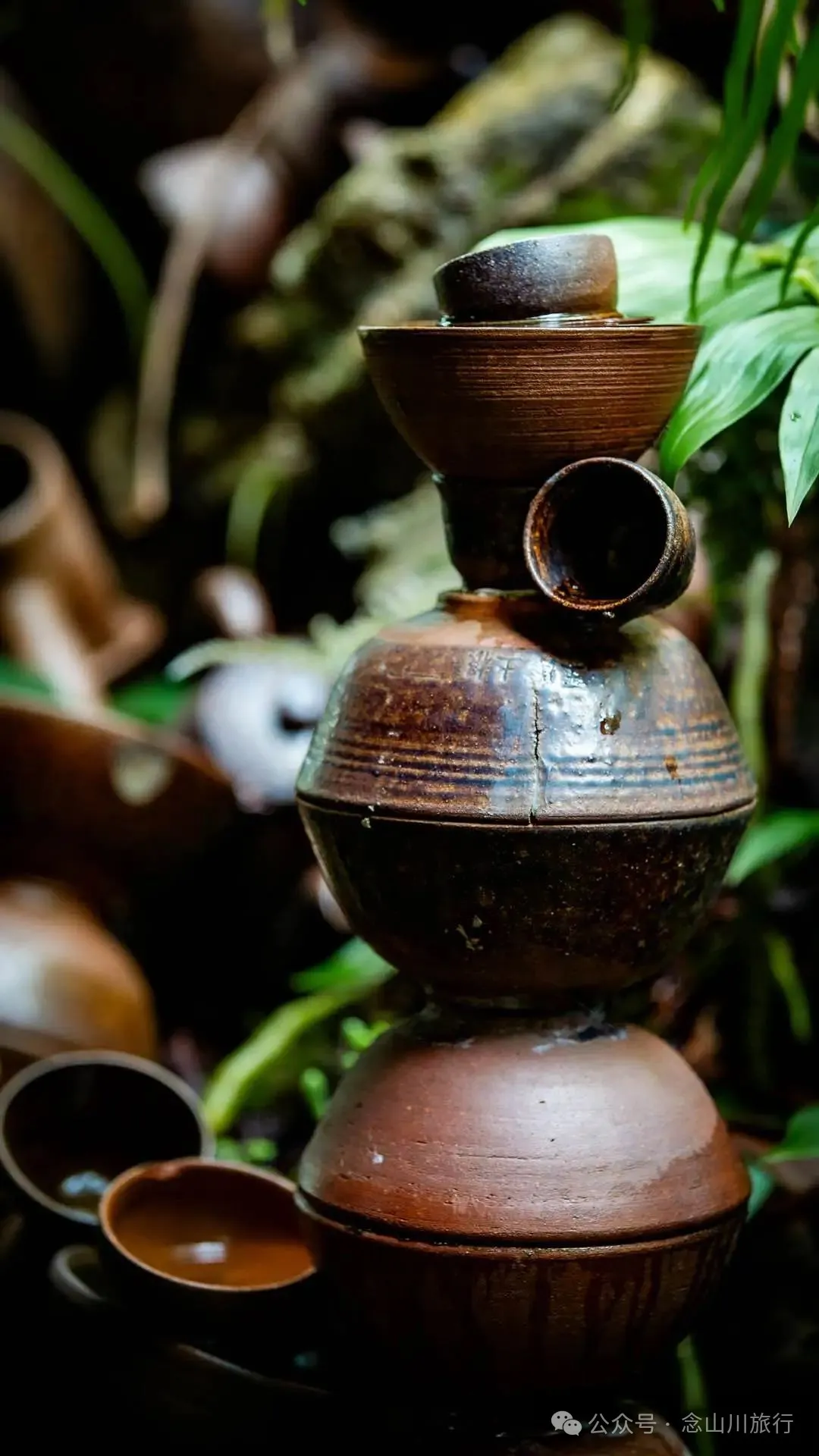
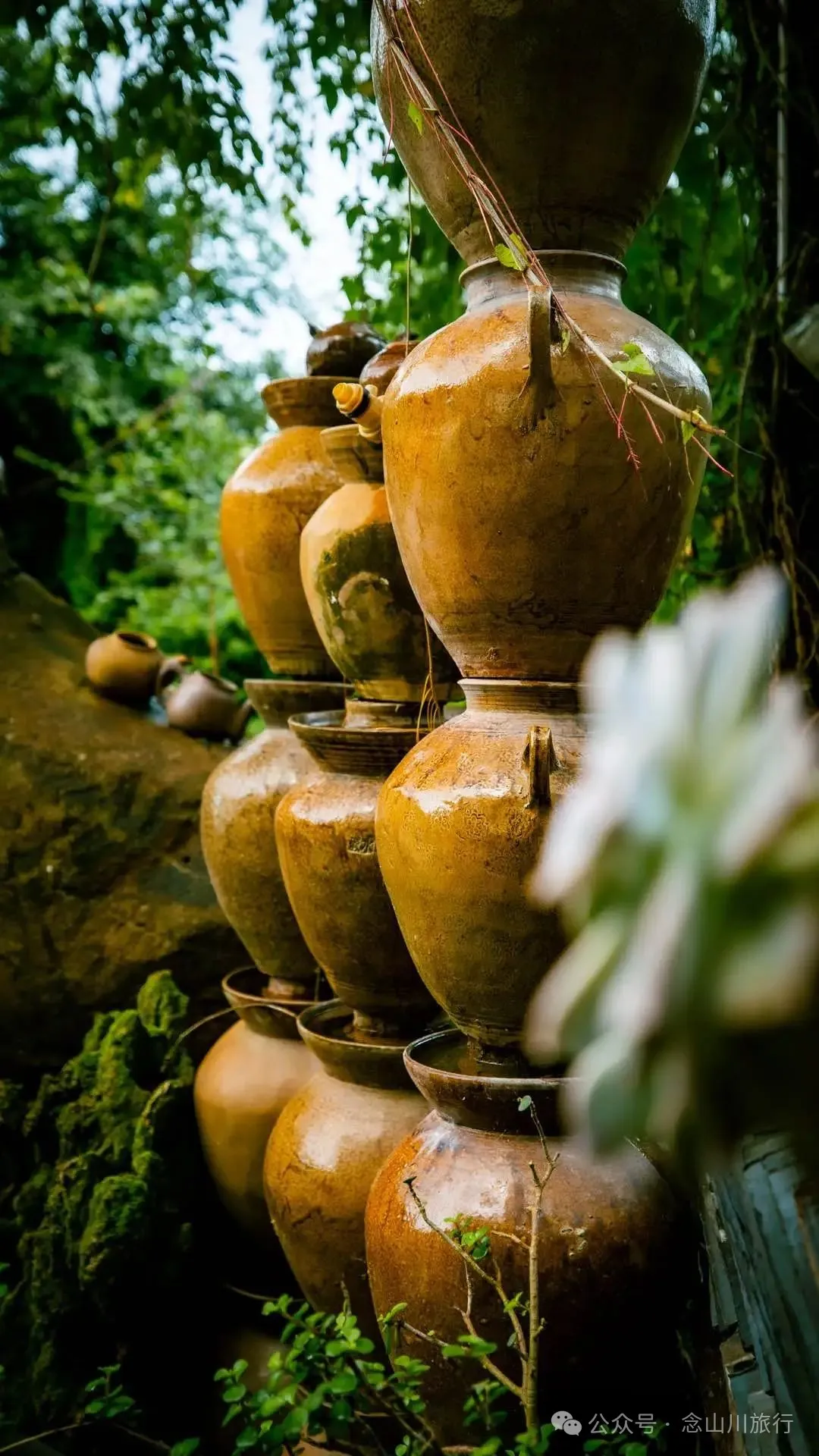
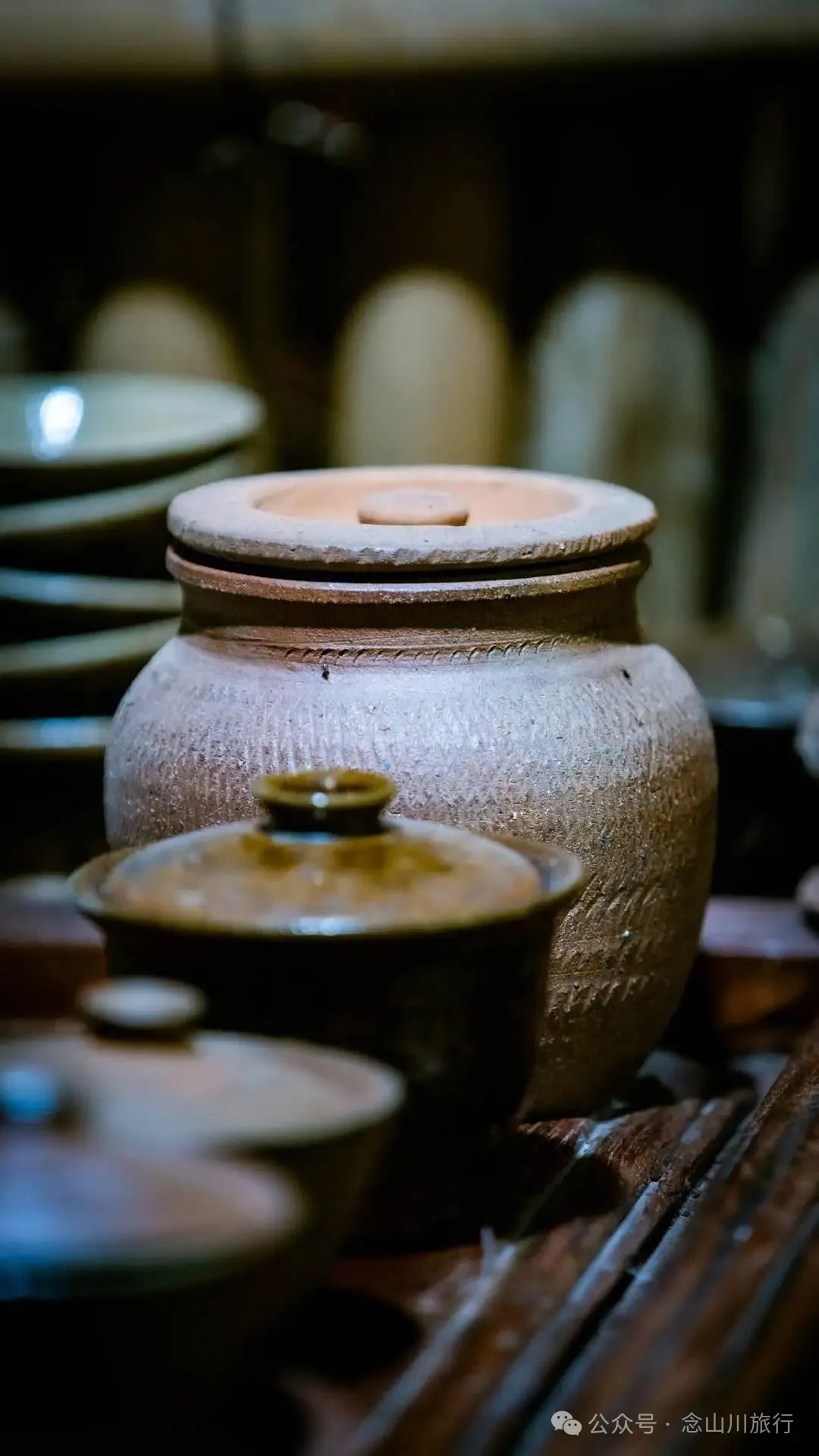
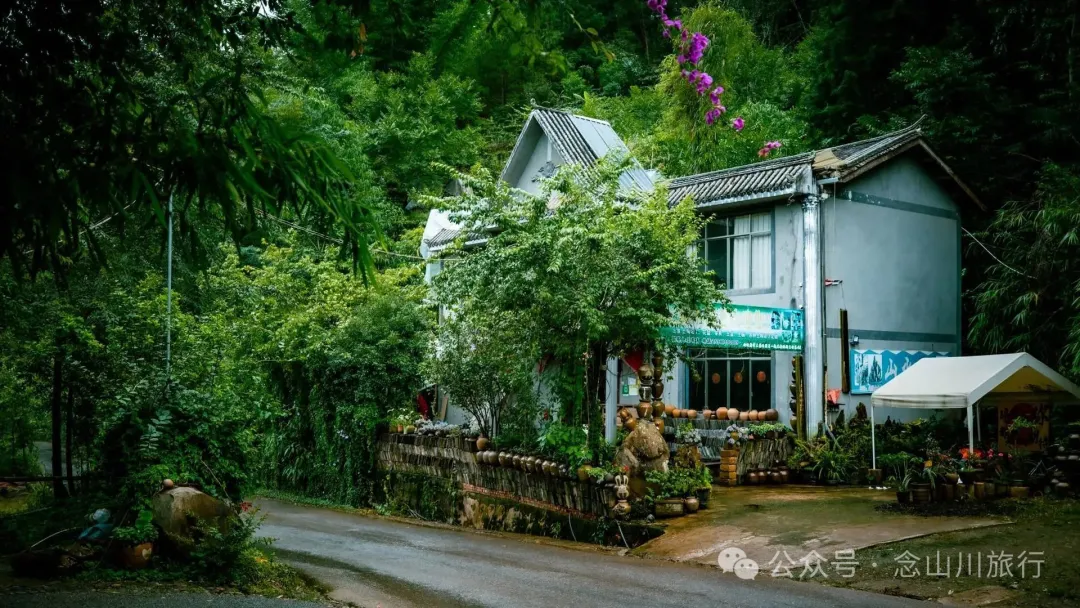
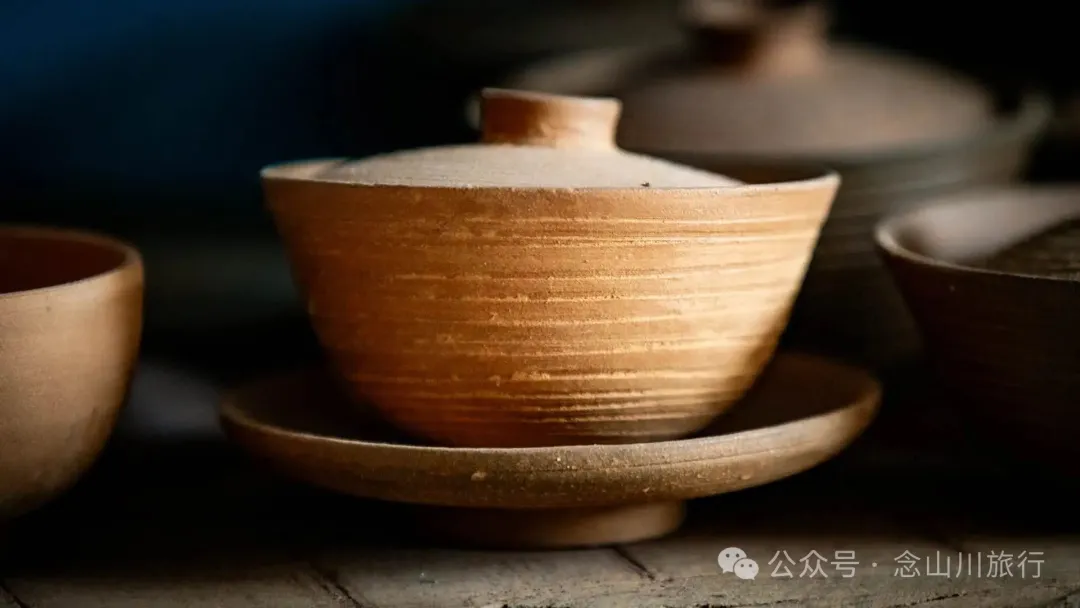
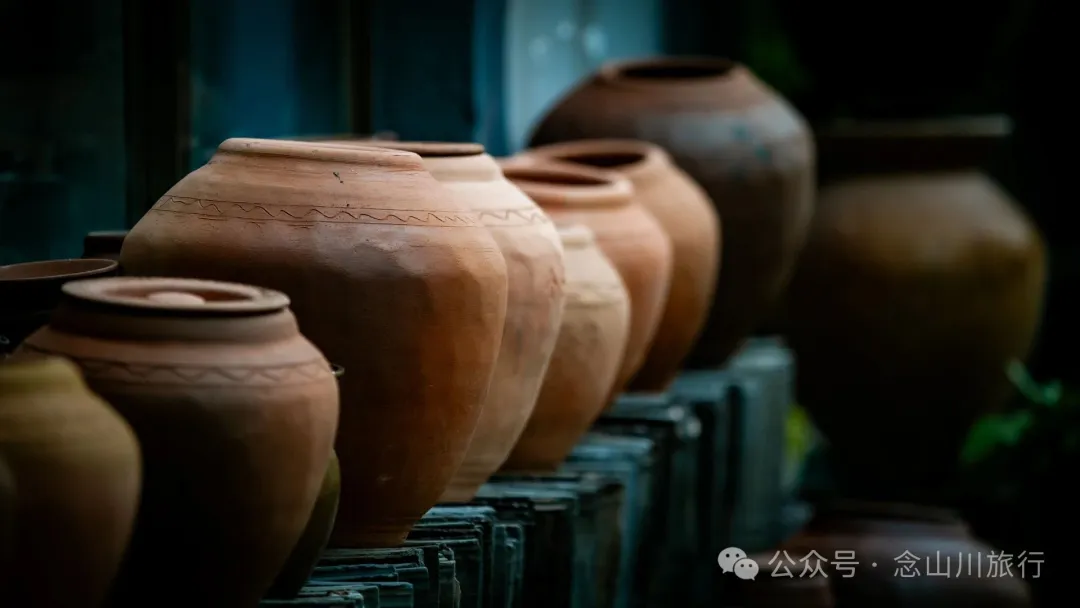
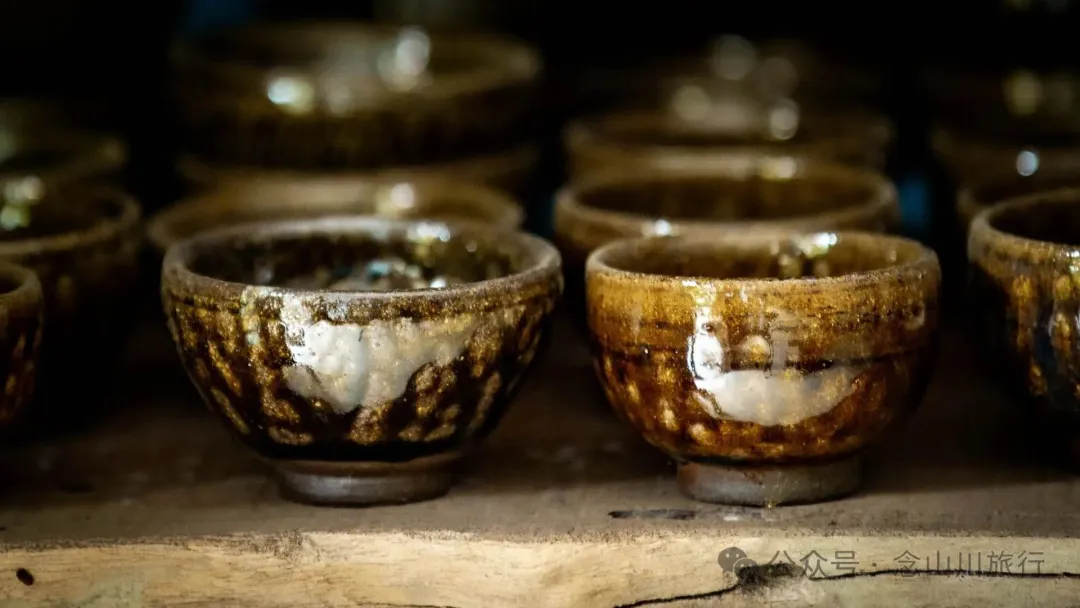
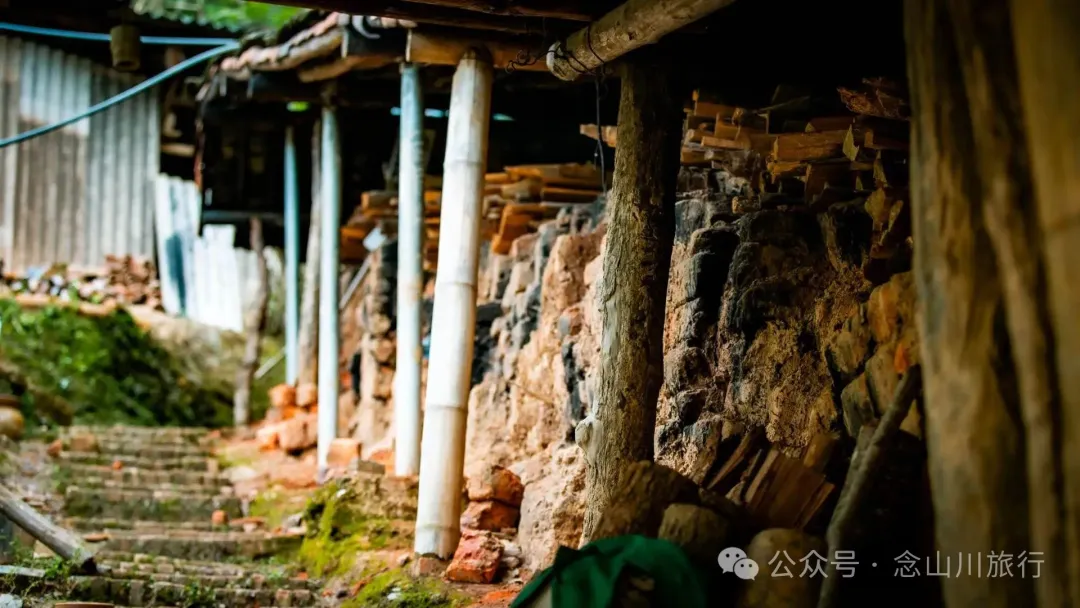
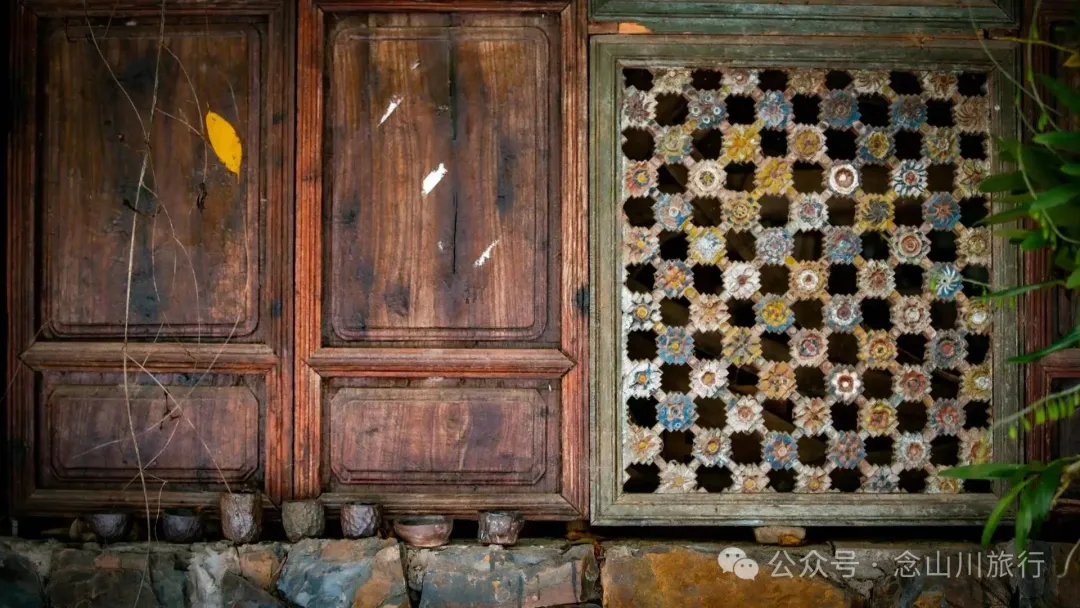
We entered the Taoyuanju Pottery Intangible Cultural Heritage Workshop by the roadside. The courtyard was filled with decorative pottery jars, and the first floor was a large living room displaying the host's pottery. It is said that the pottery-making technique in Dajie Town, where Jianshui Village is located, has a history of over 600 years. The clay used for traditional handmade pottery is sourced locally, characterized by high temperature resistance, good adhesion, and no chemical substances. The glaze used for handmade pottery is self-made, safer than the glaze used in electric kilns.

The hostess of the pottery workshop, Li Shuo, is a hospitable Hani woman. She told us that their family's pottery-making has a history of over 100 years. Her husband, Mr. Wang Youtao, a municipal-level intangible cultural heritage inheritor of Wang's Tugen Pottery, learned the craft from his grandfather. His father was also a renowned pottery artisan locally. Initially, they made large daily-use items like pickle jars, oil pots, and rice wine jars. Gradually, to keep up with the times, they continuously learned new techniques while preserving traditions. Teacups, teapots, and many decorative pottery pieces became their new specialties, highly favored by people.
Pu’er Jingdong Taoyuanju Pottery Intangible Cultural Heritage Workshop: Nostalgia is the Unfired Clay, Ideal is the Fourth Infusion of Tea - Image 8
Pu’er Jingdong Taoyuanju Pottery Intangible Cultural Heritage Workshop: Nostalgia is the Unfired Clay, Ideal is the Fourth Infusion of Tea - Image 9
Pu’er Jingdong Taoyuanju Pottery Intangible Cultural Heritage Workshop: Nostalgia is the Unfired Clay, Ideal is the Fourth Infusion of Tea - Image 10
Pu’er Jingdong Taoyuanju Pottery Intangible Cultural Heritage Workshop: Nostalgia is the Unfired Clay, Ideal is the Fourth Infusion of Tea - Image 11

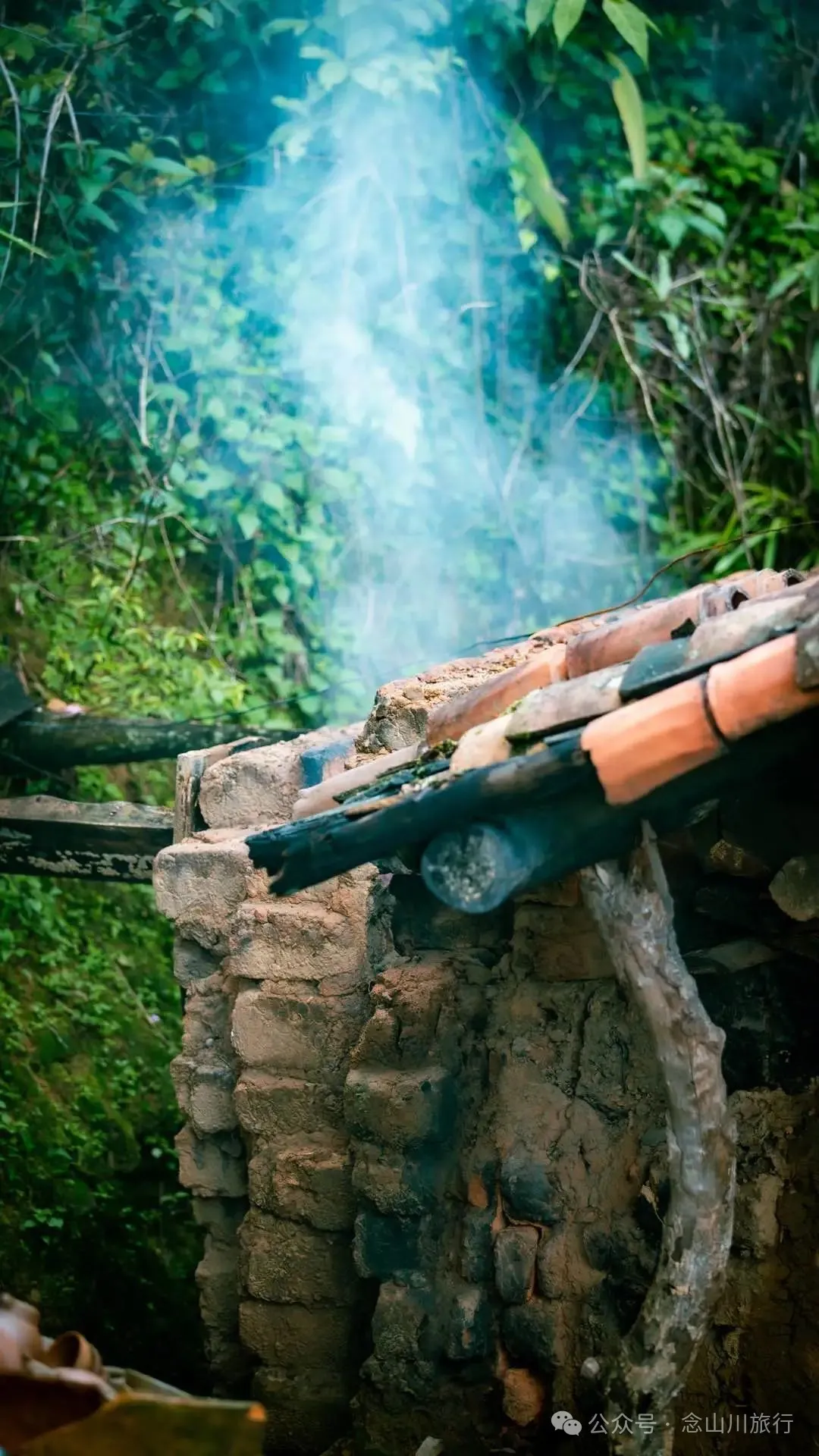
On the hillside next to the workshop, several kilns are where they fire the pottery. A wisp of blue smoke slowly rises from the low kiln. Tonight, they will stay awake all night tending the kiln. Few know that the cups and jars fired in this kiln take a full six months from initial creation to completion. Yet many pieces that look good to us are labeled "unqualified" by the hosts and set aside for other uses. Despite the time and effort, hostess Li Shuo resolutely left Hangzhou, a big city where she studied and worked for eight years, to return to this small village in the Ailao Mountains. Together with her husband, she upholds this craft that many have abandoned, striving to pass on this intangible cultural heritage and see it go further.
Pu’er Jingdong Taoyuanju Pottery Intangible Cultural Heritage Workshop: Nostalgia is the Unfired Clay, Ideal is the Fourth Infusion of Tea - Image 12
Pu’er Jingdong Taoyuanju Pottery Intangible Cultural Heritage Workshop: Nostalgia is the Unfired Clay, Ideal is the Fourth Infusion of Tea - Image 13
Pu’er Jingdong Taoyuanju Pottery Intangible Cultural Heritage Workshop: Nostalgia is the Unfired Clay, Ideal is the Fourth Infusion of Tea - Image 14
Pu’er Jingdong Taoyuanju Pottery Intangible Cultural Heritage Workshop: Nostalgia is the Unfired Clay, Ideal is the Fourth Infusion of Tea - Image 15
Pu’er Jingdong Taoyuanju Pottery Intangible Cultural Heritage Workshop: Nostalgia is the Unfired Clay, Ideal is the Fourth Infusion of Tea - Image 16

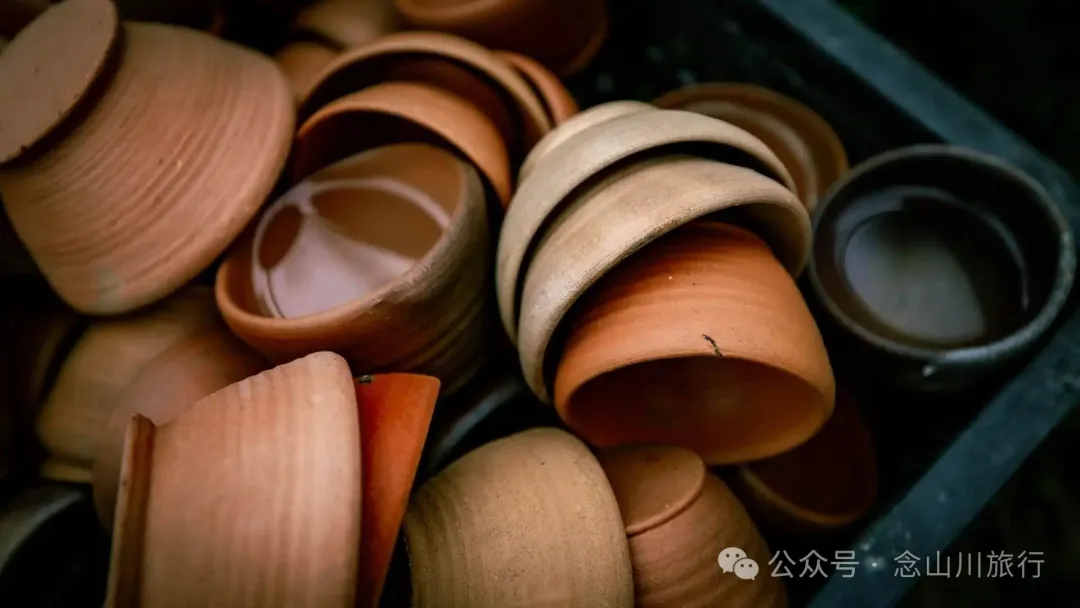
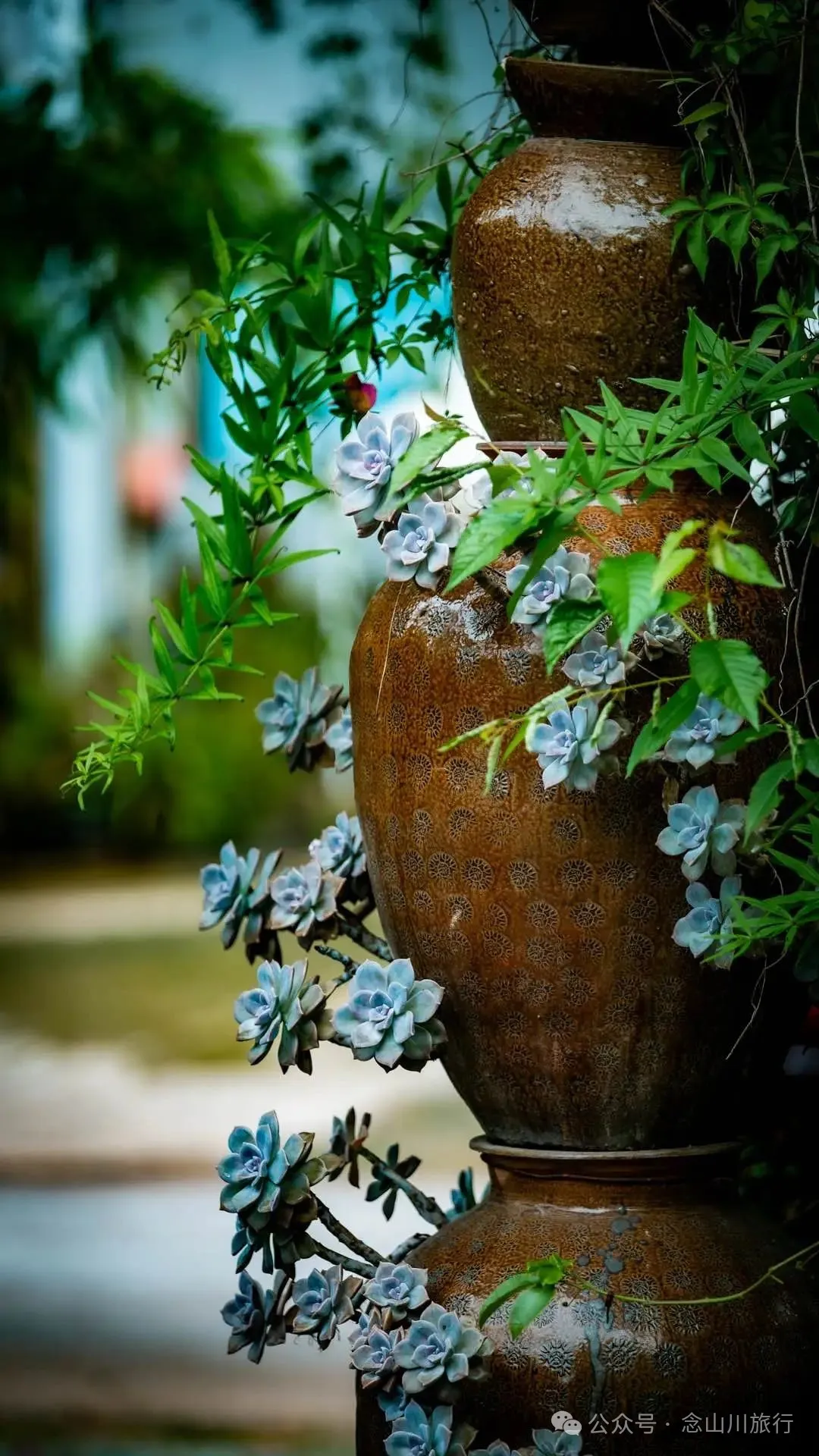
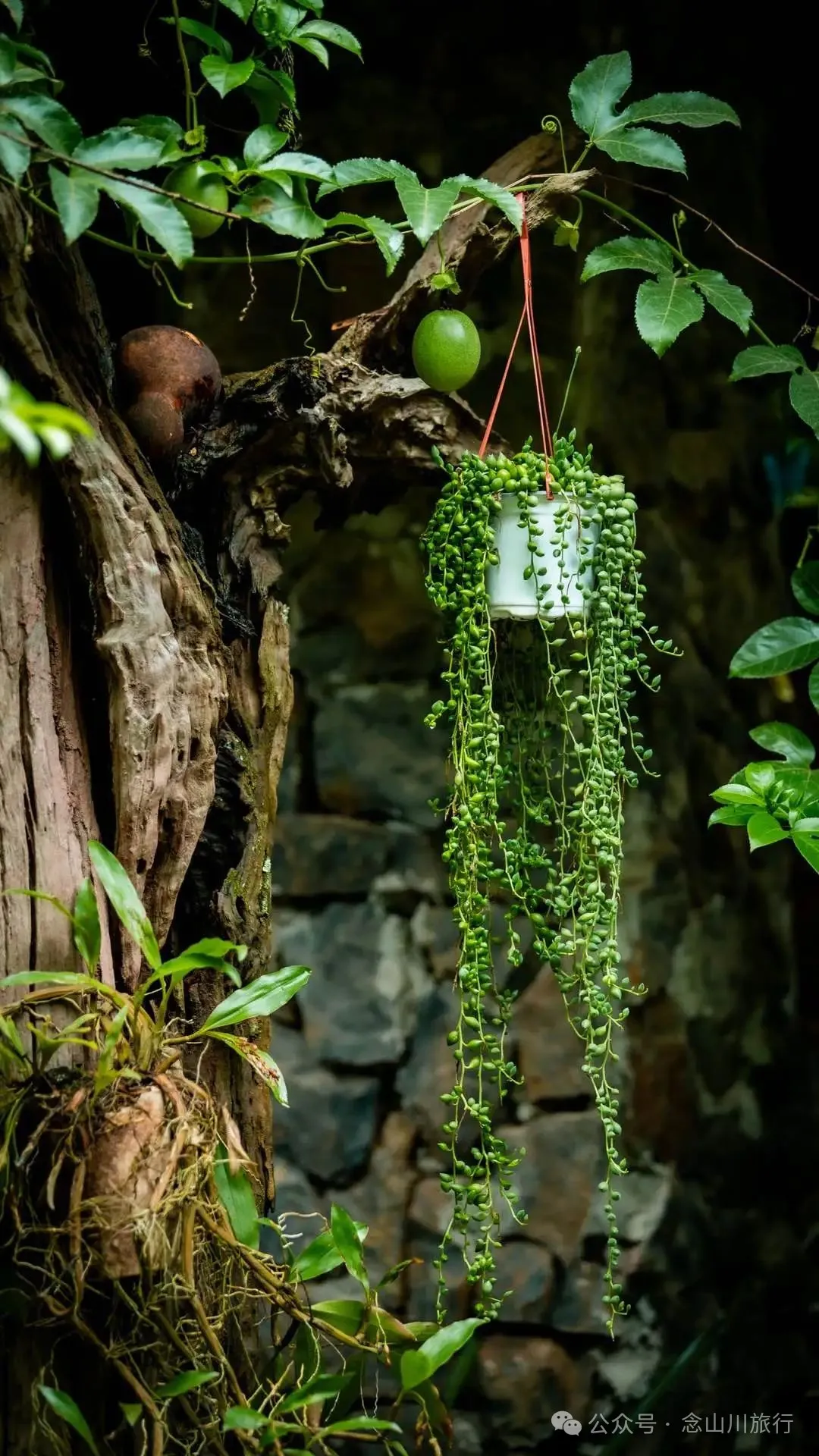
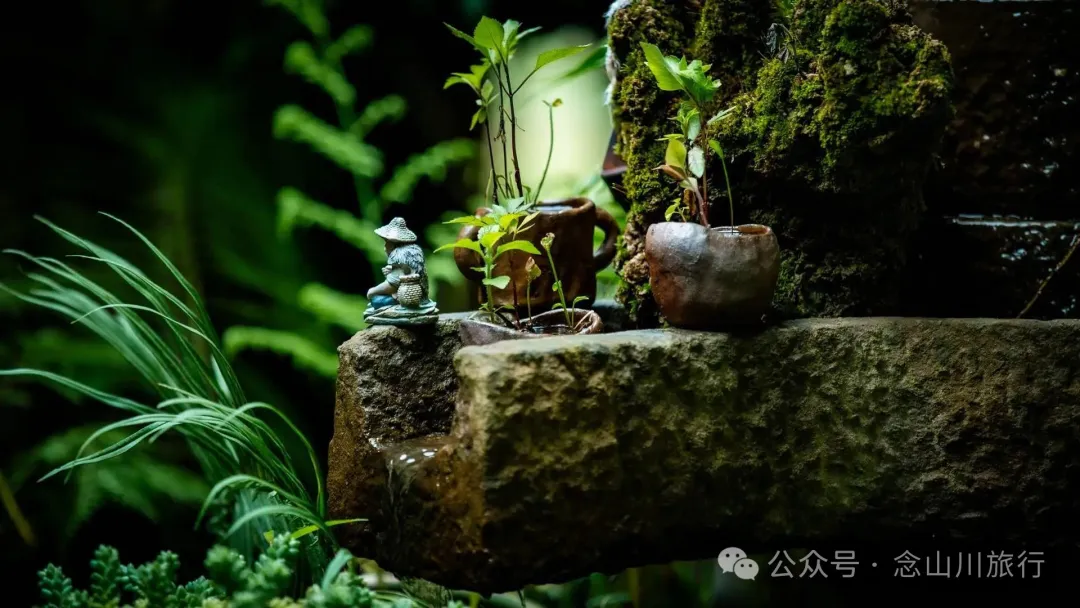
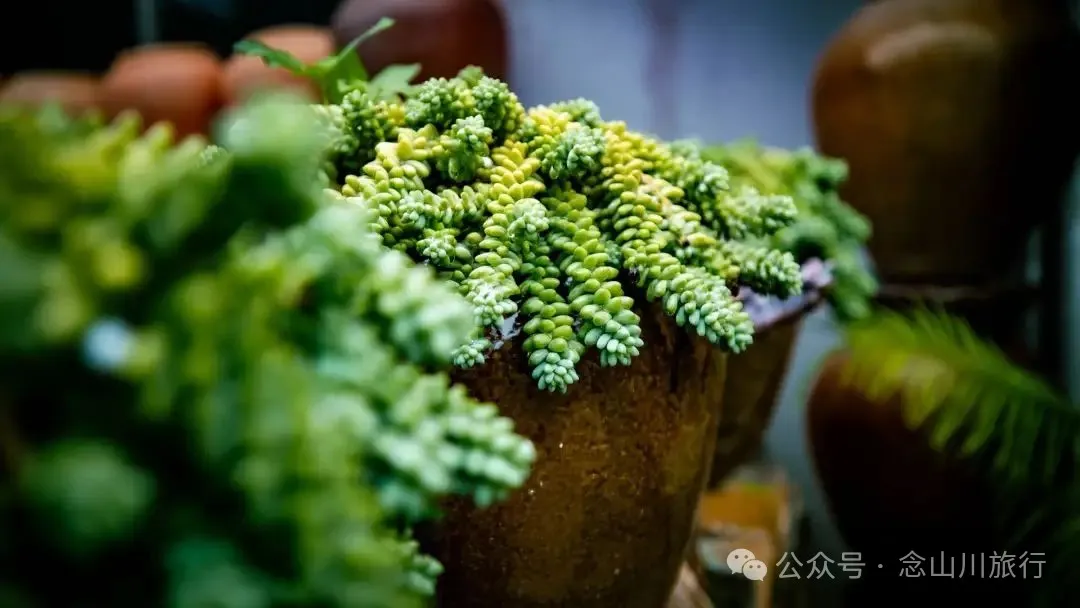
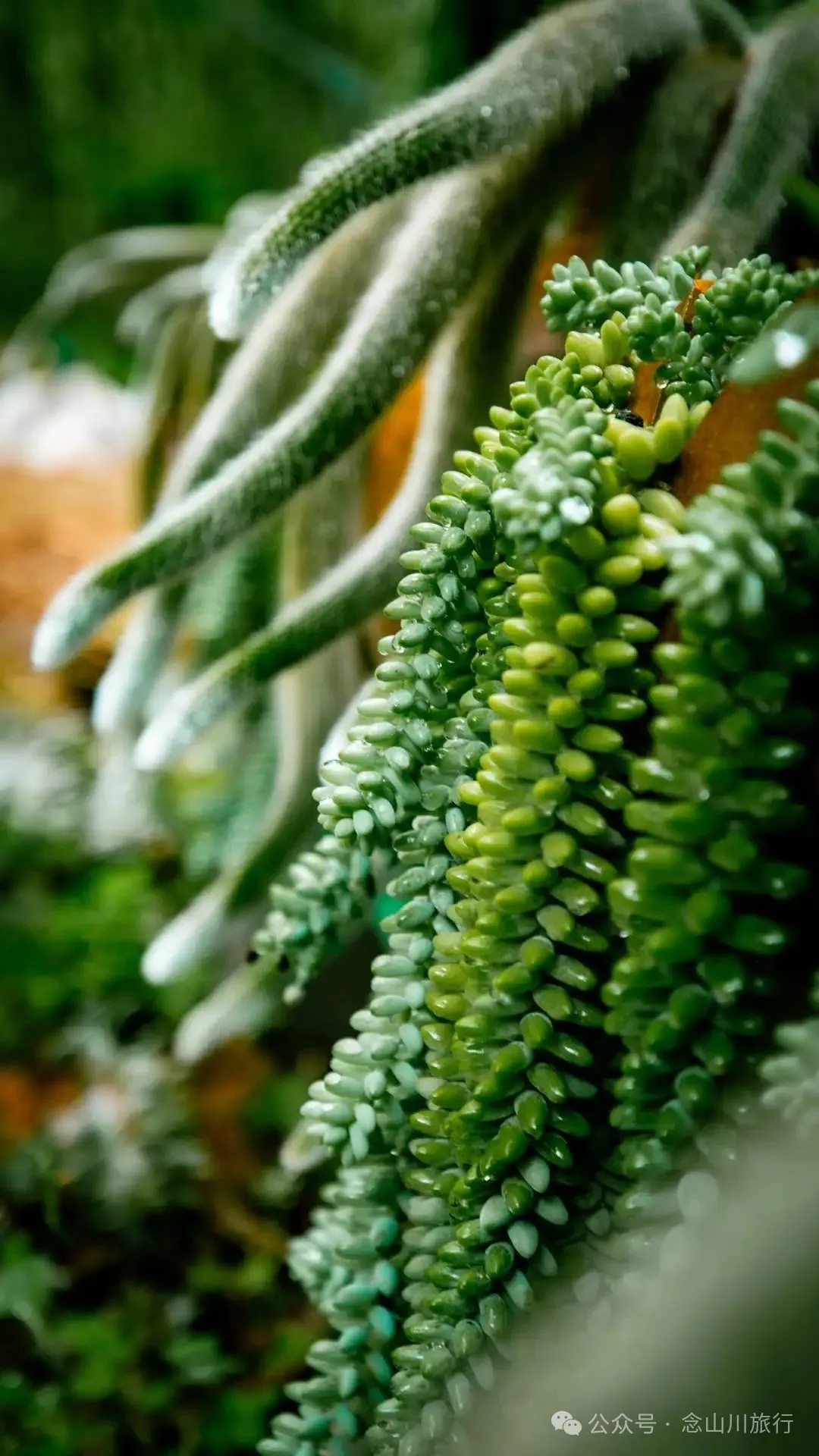
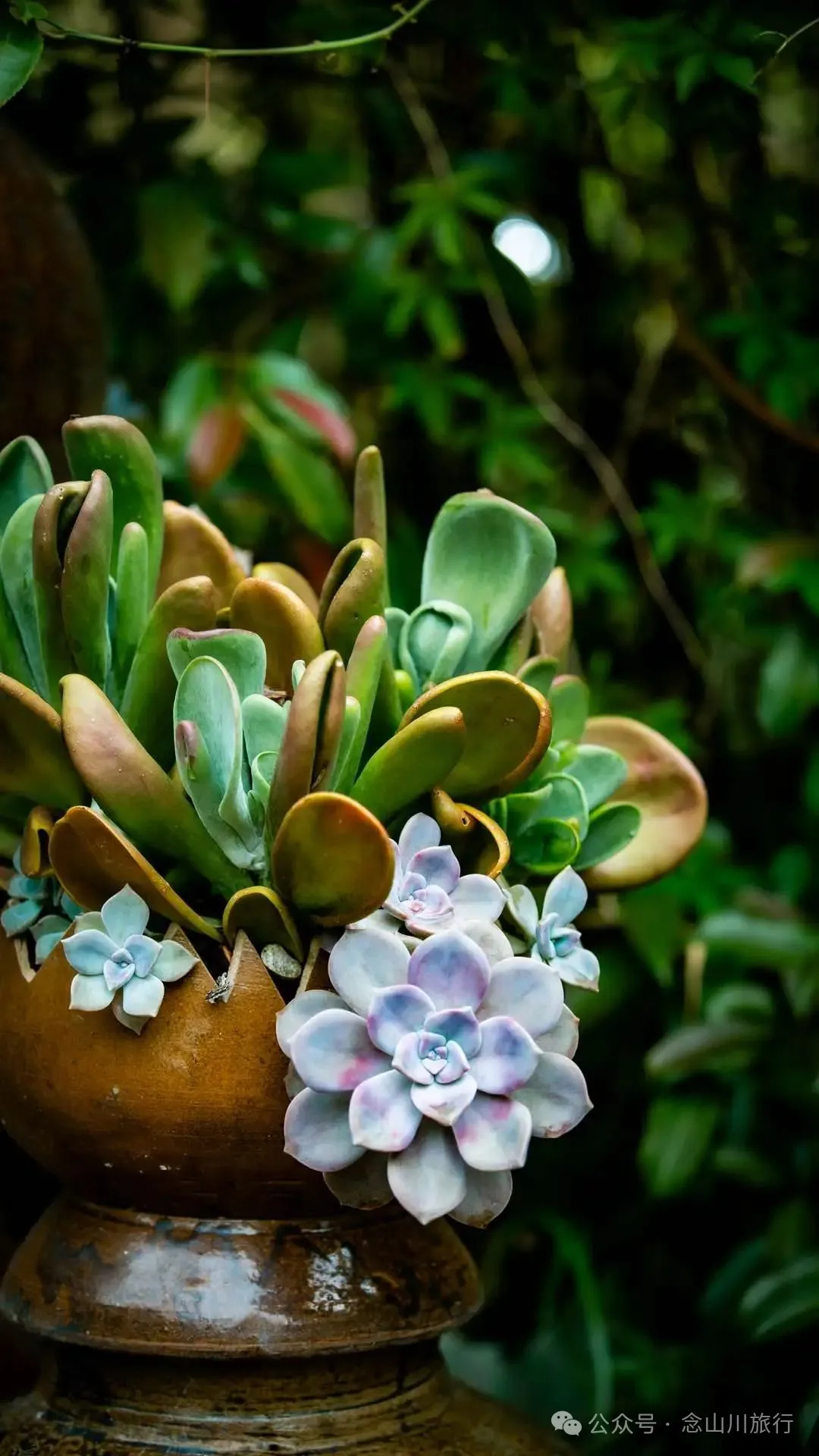
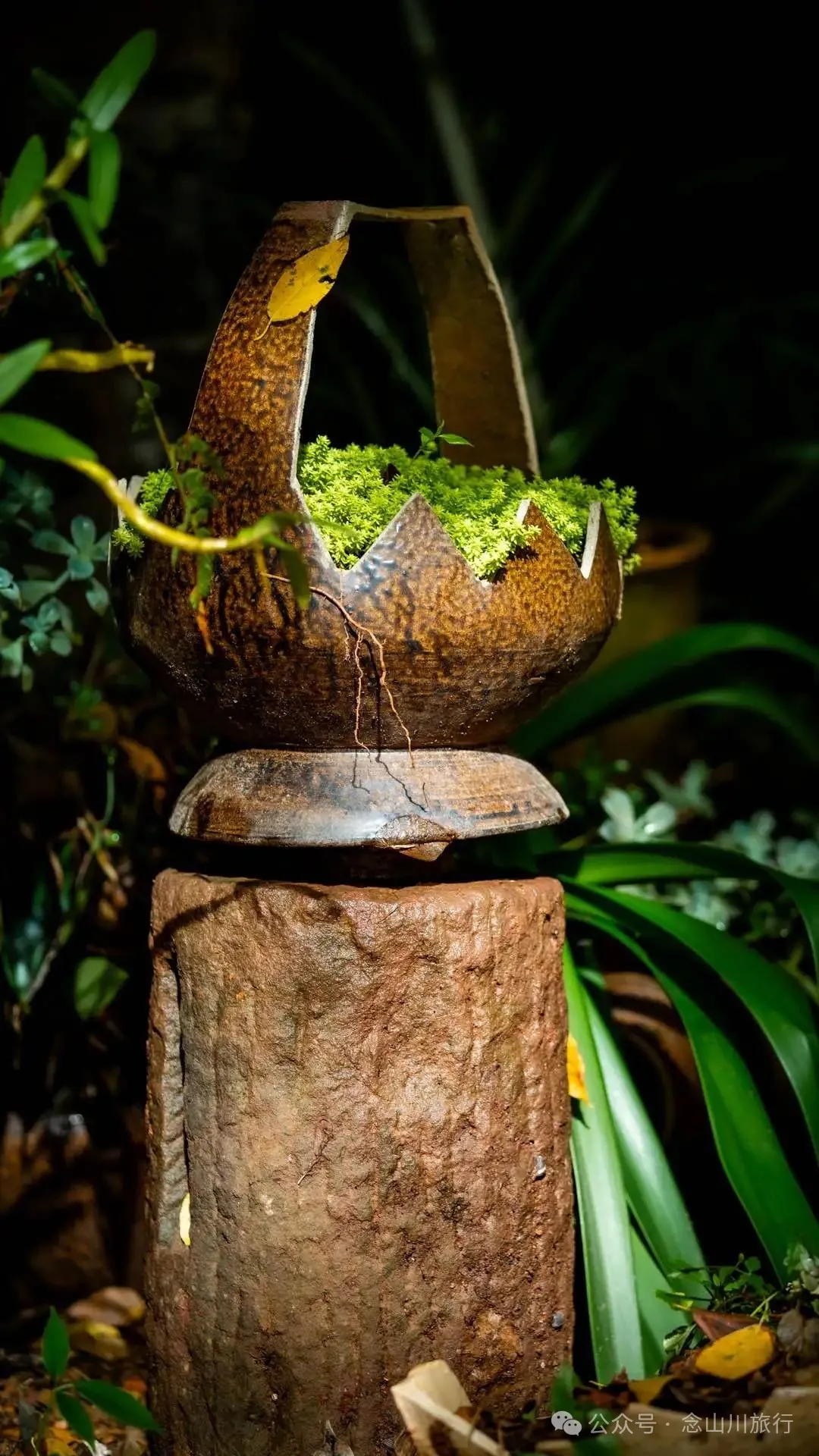
Opposite the pottery workshop is a small courtyard, a tea room decorated by Li Shuo and her husband. Here, they warmly entertain friends and family, and also host strangers from all directions, telling them the history of Jianshui pottery and their own stories. In the courtyard, vigorous succulents and "unqualified" pottery pieces blend perfectly, revealing the hosts' sincere and genuine love.
Pu’er Jingdong Taoyuanju Pottery Intangible Cultural Heritage Workshop: Nostalgia is the Unfired Clay, Ideal is the Fourth Infusion of Tea - Image 17
Pu’er Jingdong Taoyuanju Pottery Intangible Cultural Heritage Workshop: Nostalgia is the Unfired Clay, Ideal is the Fourth Infusion of Tea - Image 18
Pu’er Jingdong Taoyuanju Pottery Intangible Cultural Heritage Workshop: Nostalgia is the Unfired Clay, Ideal is the Fourth Infusion of Tea - Image 19
Pu’er Jingdong Taoyuanju Pottery Intangible Cultural Heritage Workshop: Nostalgia is the Unfired Clay, Ideal is the Fourth Infusion of Tea - Image 20

The hosts are extremely discerning. Many pottery pieces we consider fine as decorations are seen as flawed in their eyes, only fit for personal use. After their own processing, novel succulent pots are born.
Pu’er Jingdong Taoyuanju Pottery Intangible Cultural Heritage Workshop: Nostalgia is the Unfired Clay, Ideal is the Fourth Infusion of Tea - Image 21
Pu’er Jingdong Taoyuanju Pottery Intangible Cultural Heritage Workshop: Nostalgia is the Unfired Clay, Ideal is the Fourth Infusion of Tea - Image 22
Pu’er Jingdong Taoyuanju Pottery Intangible Cultural Heritage Workshop: Nostalgia is the Unfired Clay, Ideal is the Fourth Infusion of Tea - Image 23
Pu’er Jingdong Taoyuanju Pottery Intangible Cultural Heritage Workshop: Nostalgia is the Unfired Clay, Ideal is the Fourth Infusion of Tea - Image 24
Pu’er Jingdong Taoyuanju Pottery Intangible Cultural Heritage Workshop: Nostalgia is the Unfired Clay, Ideal is the Fourth Infusion of Tea - Image 25
Pu’er Jingdong Taoyuanju Pottery Intangible Cultural Heritage Workshop: Nostalgia is the Unfired Clay, Ideal is the Fourth Infusion of Tea - Image 26

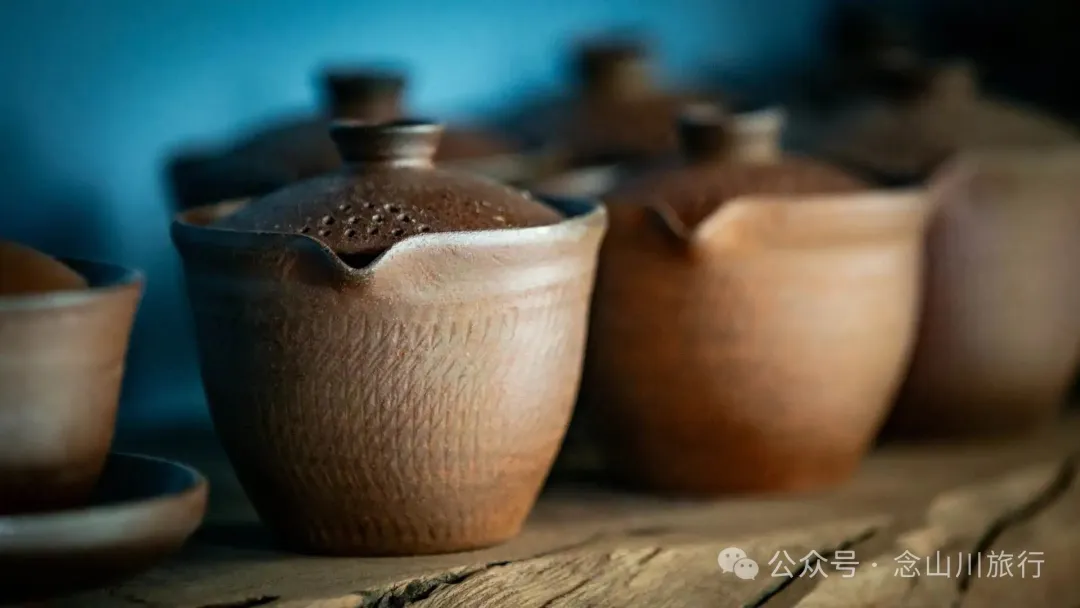
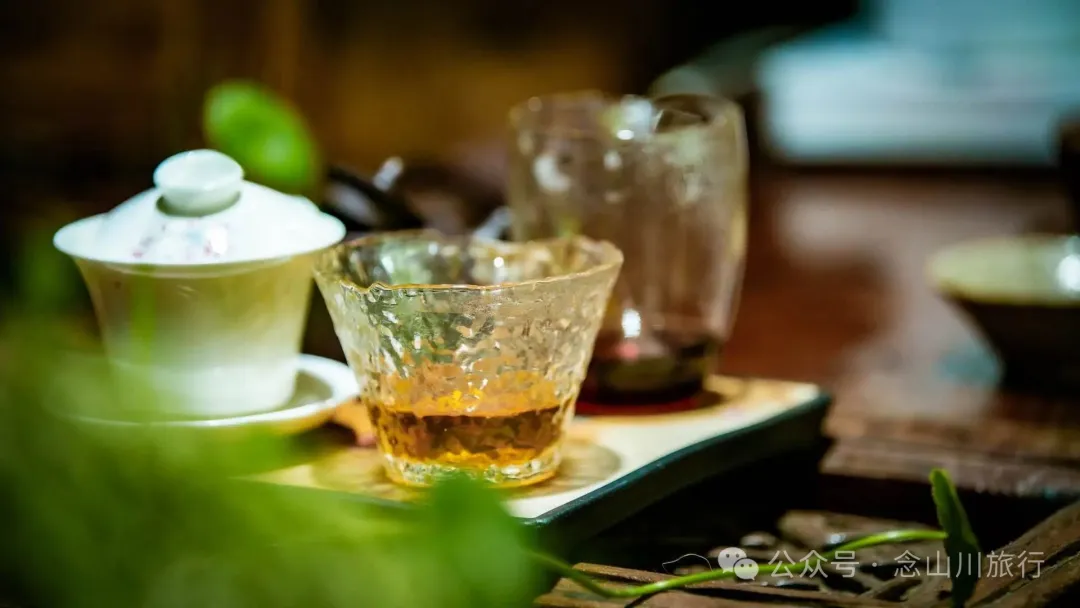
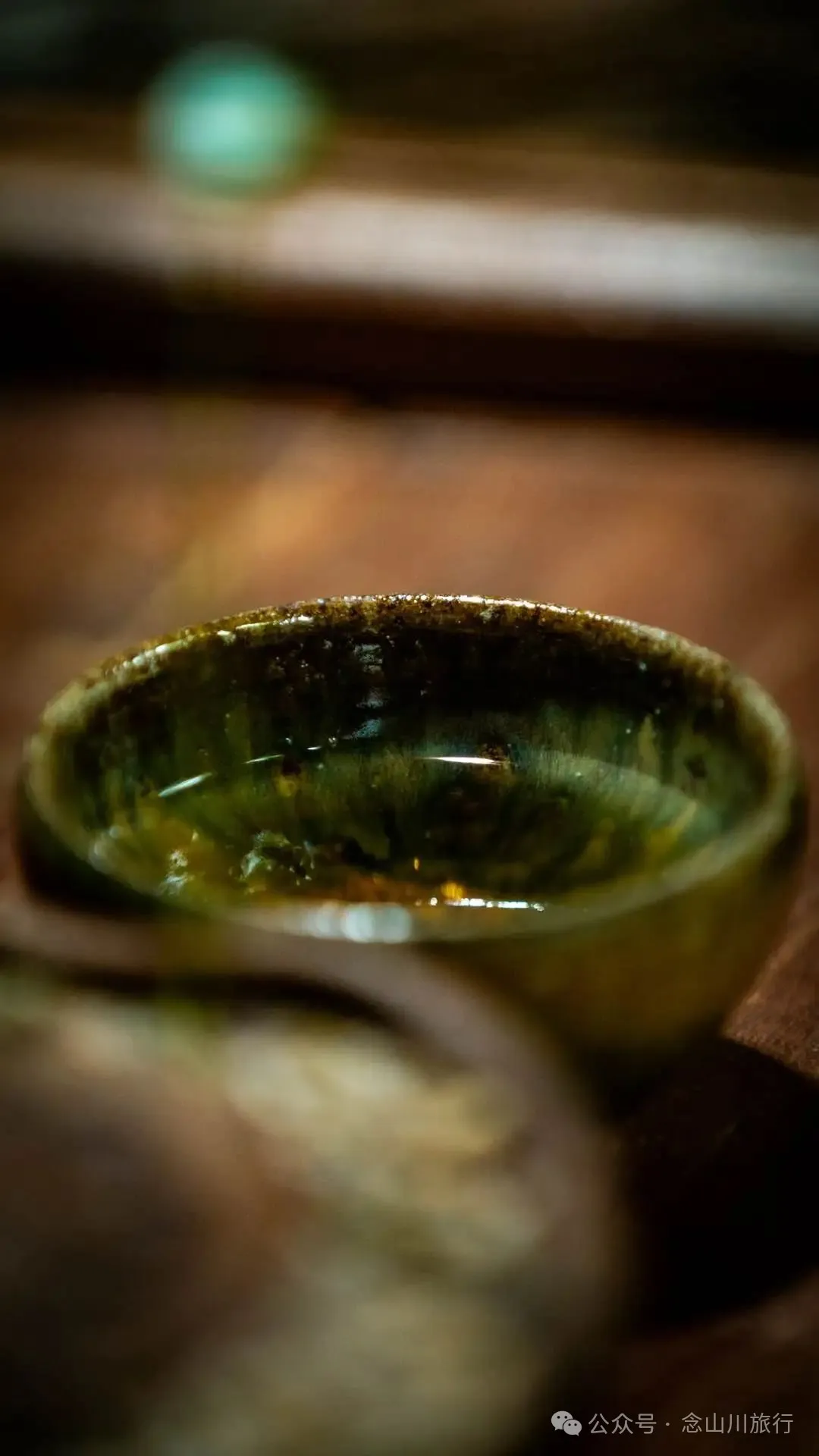
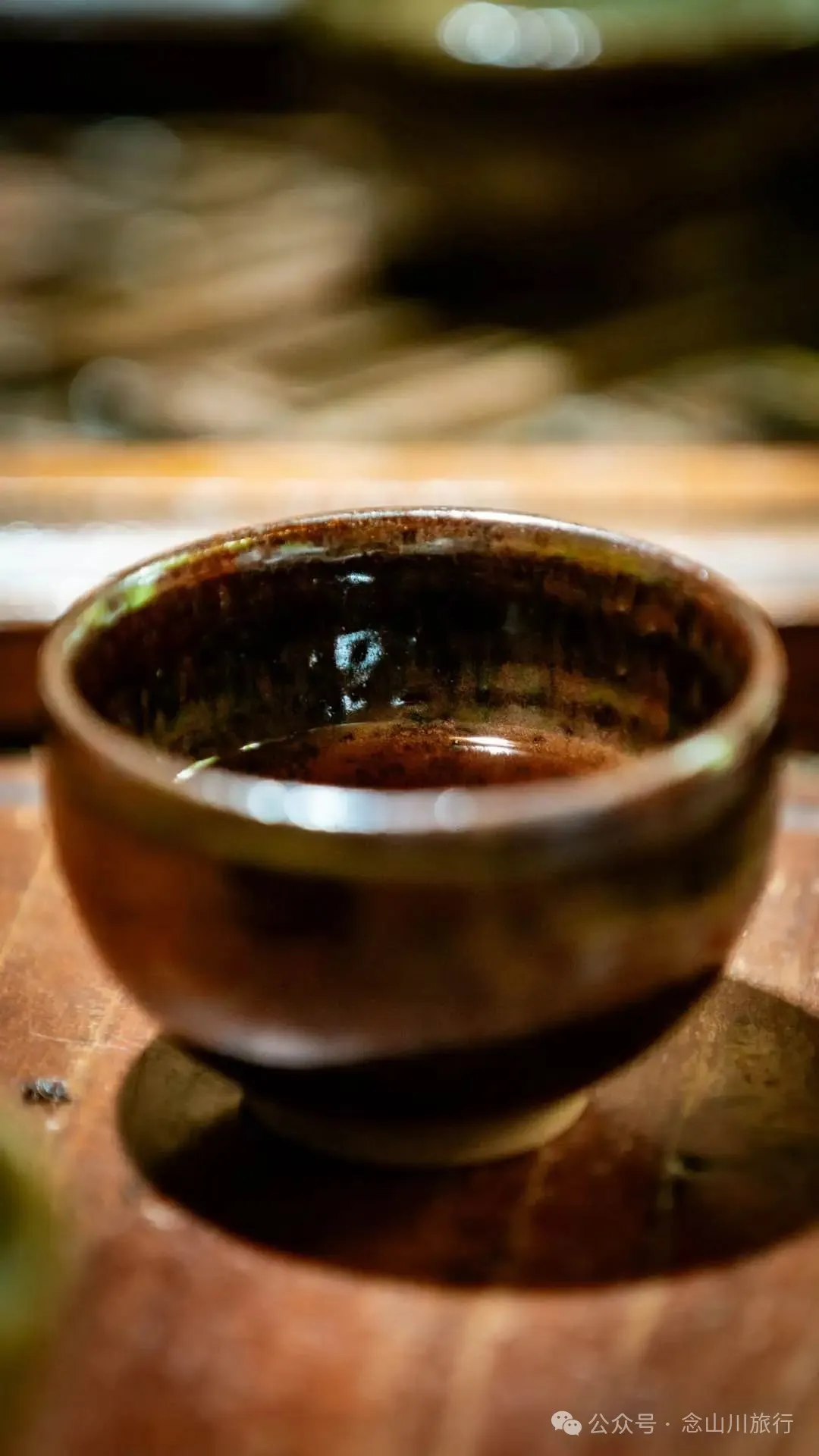
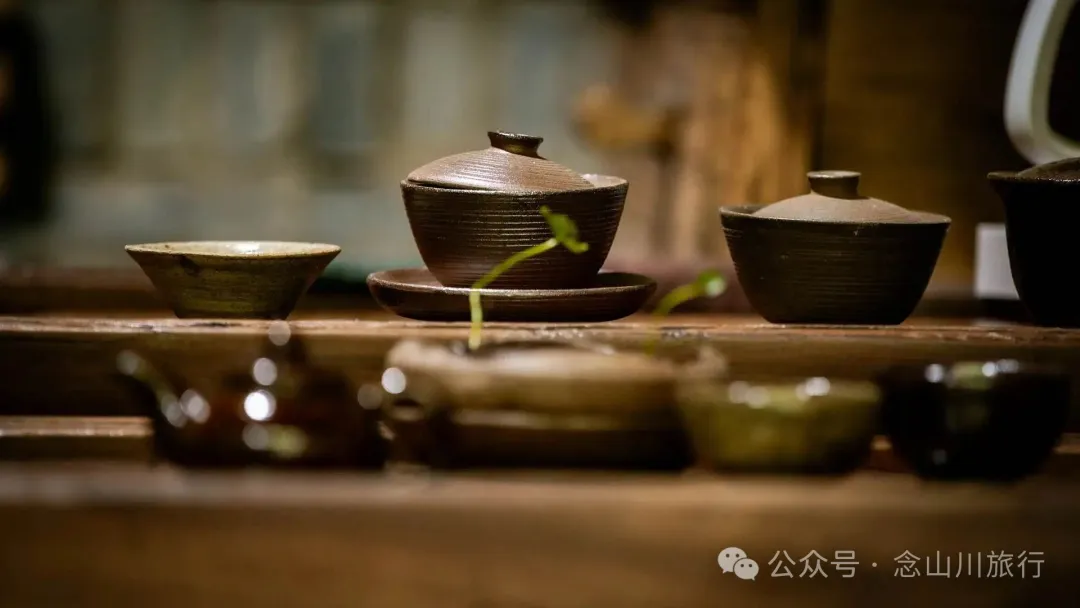
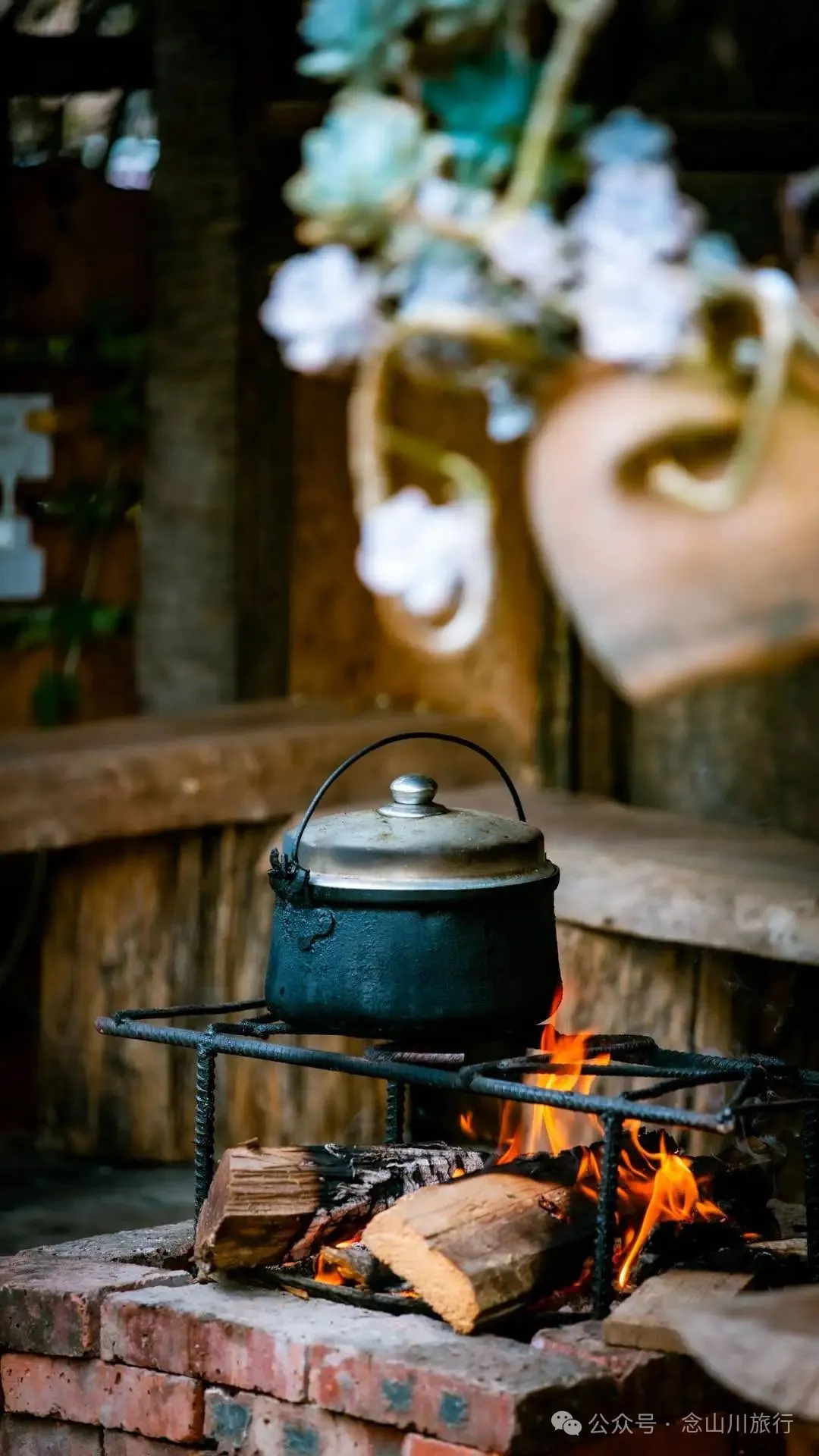
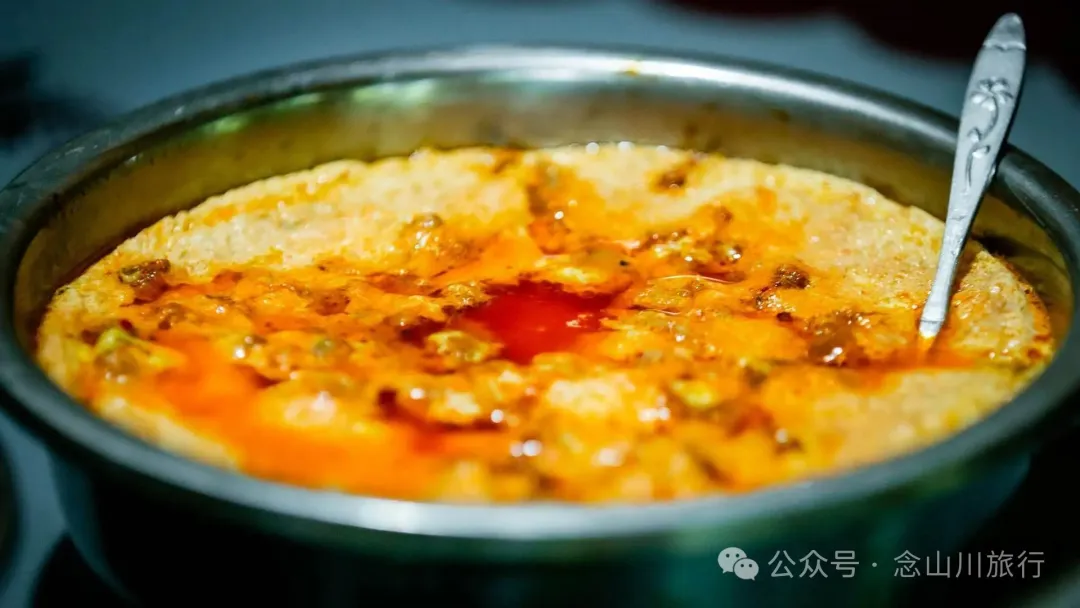
We sat in the semi-open tea room, and the hostess warmly served us fine tea. Each of us had two cups: one glazed with colored glaze, one with red glaze. One cup held Pu'er ripe tea, the other Yunnan black tea. "The black tea is brewed in a gaiwan to avoid stewing; stewing can make it sour and astringent, so we don't use a pot. For ripe Pu'er, we use a pot to concentrate the flavor and aroma, making it smoother," Li Shuo said, her eyes shining with confidence when talking about her hometown's tea.

"We're drinking sticky rice black tea and sticky rice ripe Pu'er, blended from Yunnan large-leaf tea and local sticky rice fragrant leaves. Besides the sweetness of traditional black tea and the smoothness of ripe Pu'er, there's a lingering sticky rice aroma. The sticky rice black tea is brewed in a gaiwan with still boiled water; even near 100°C is fine, as high heat better releases the aroma and flavor. Black tea is enjoyed for its sweet taste; the aftertaste and throat feel after sweetness are key to judging quality. This sticky rice black tea combines the tea's natural aroma with sticky rice fragrance, enriching the layers. Being large-leaf, it has a fuller taste with lasting sweetness and throat feel. The sticky rice ripe Pu'er, after post-fermentation, blends tea and sticky rice aromas more harmoniously. Ripe Pu'er is enjoyed for its smooth, sweet taste; brewing in a pot integrates the aroma into the soup, more restrained and profound compared to the gaiwan's outward release," she explained.

I've forgotten the taste of the tea that day, only remember her tirelessly refilling our cups—one black tea, one ripe Pu'er—the joy emanating from her very blood.
Pu’er Jingdong Taoyuanju Pottery Intangible Cultural Heritage Workshop: Nostalgia is the Unfired Clay, Ideal is the Fourth Infusion of Tea - Image 27
Pu’er Jingdong Taoyuanju Pottery Intangible Cultural Heritage Workshop: Nostalgia is the Unfired Clay, Ideal is the Fourth Infusion of Tea - Image 28
Pu’er Jingdong Taoyuanju Pottery Intangible Cultural Heritage Workshop: Nostalgia is the Unfired Clay, Ideal is the Fourth Infusion of Tea - Image 29
Pu’er Jingdong Taoyuanju Pottery Intangible Cultural Heritage Workshop: Nostalgia is the Unfired Clay, Ideal is the Fourth Infusion of Tea - Image 30
Pu’er Jingdong Taoyuanju Pottery Intangible Cultural Heritage Workshop: Nostalgia is the Unfired Clay, Ideal is the Fourth Infusion of Tea - Image 31
Pu’er Jingdong Taoyuanju Pottery Intangible Cultural Heritage Workshop: Nostalgia is the Unfired Clay, Ideal is the Fourth Infusion of Tea - Image 32

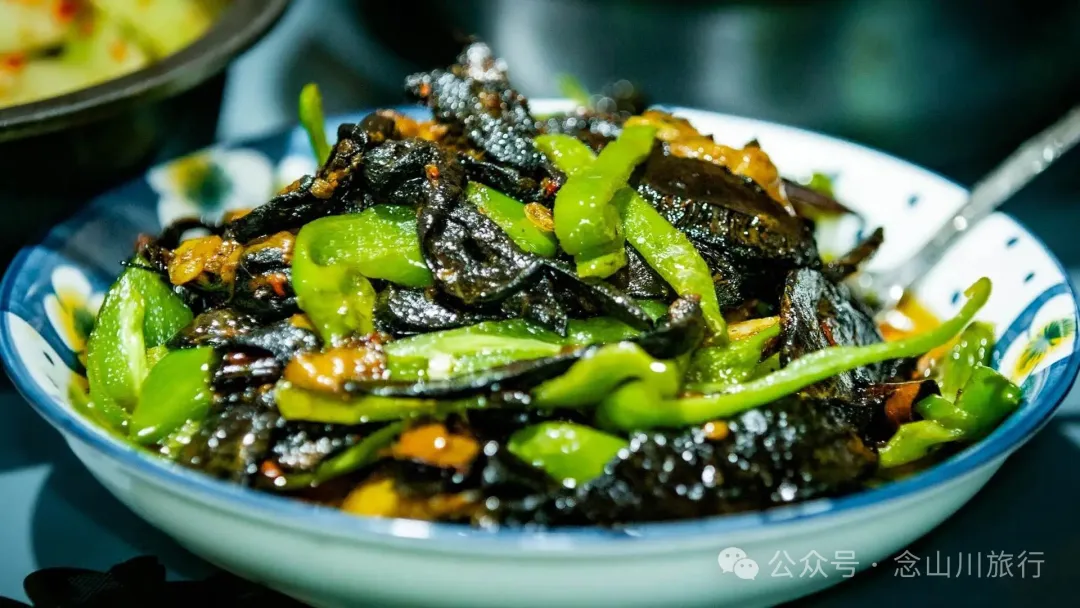
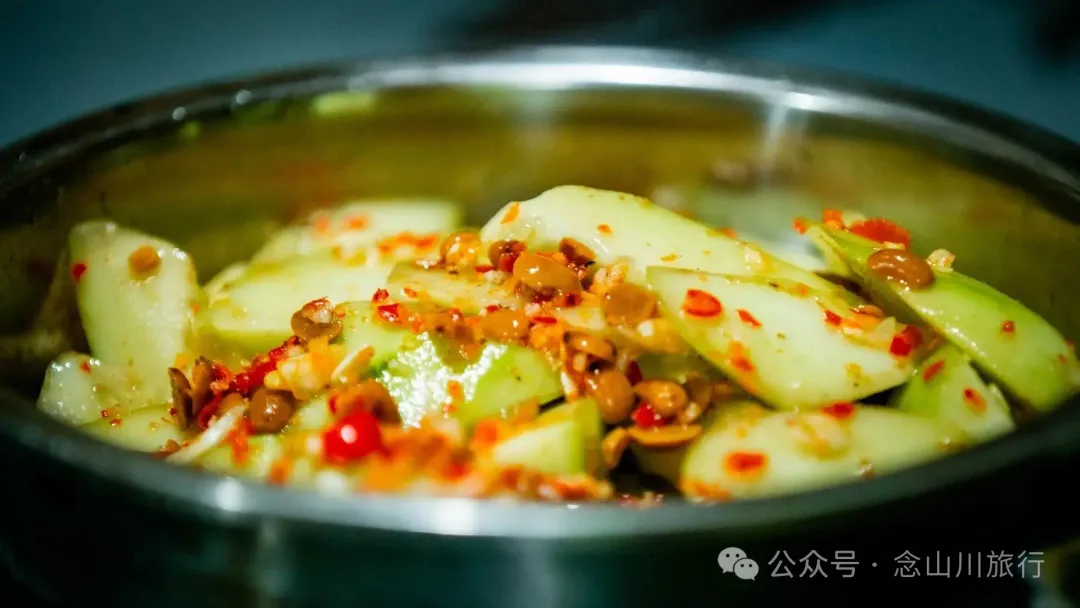
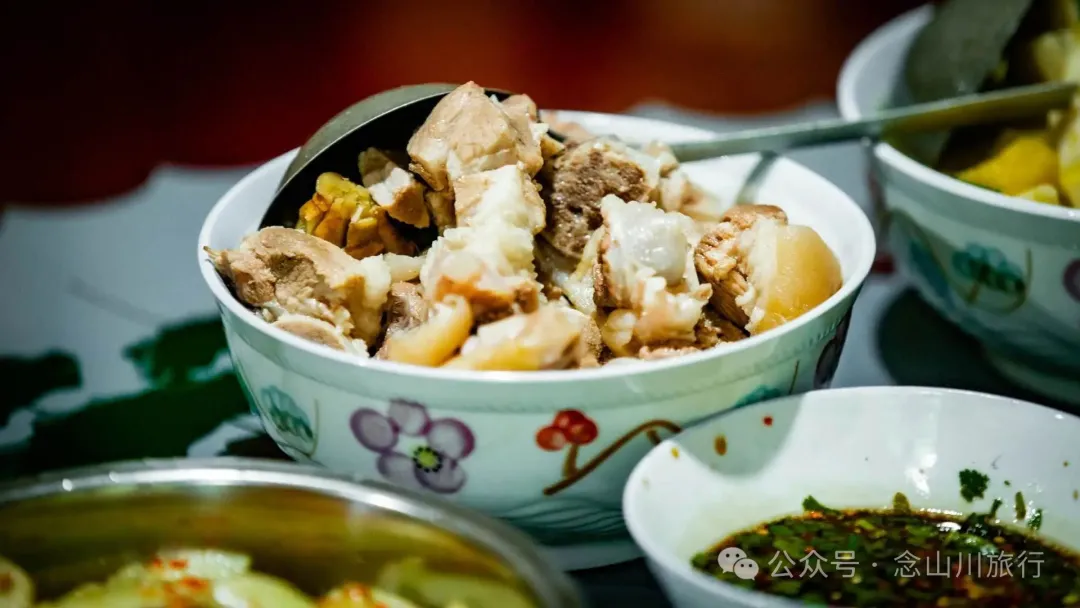
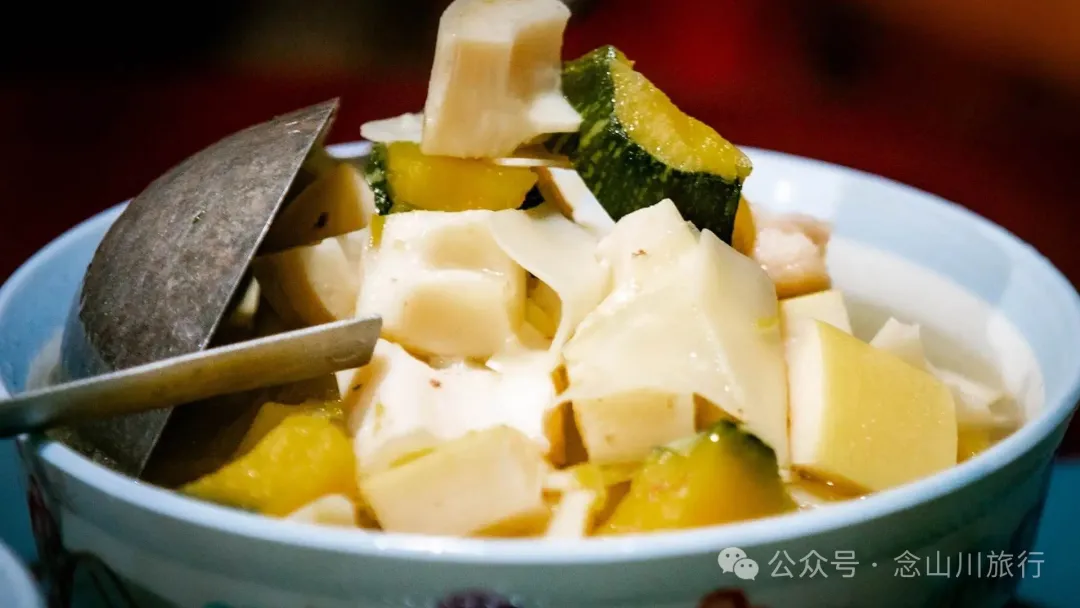
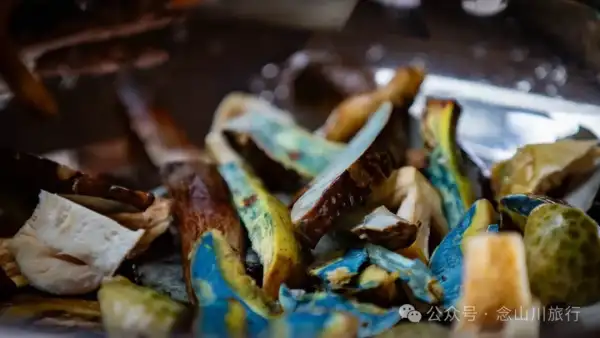
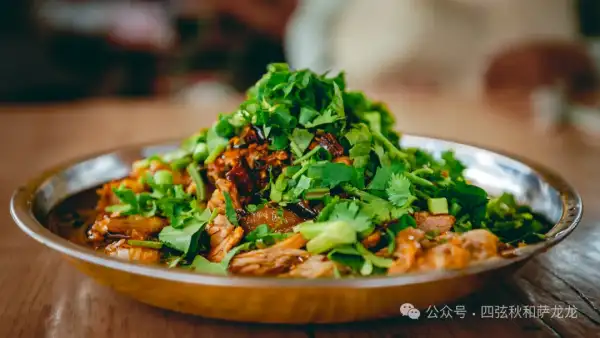
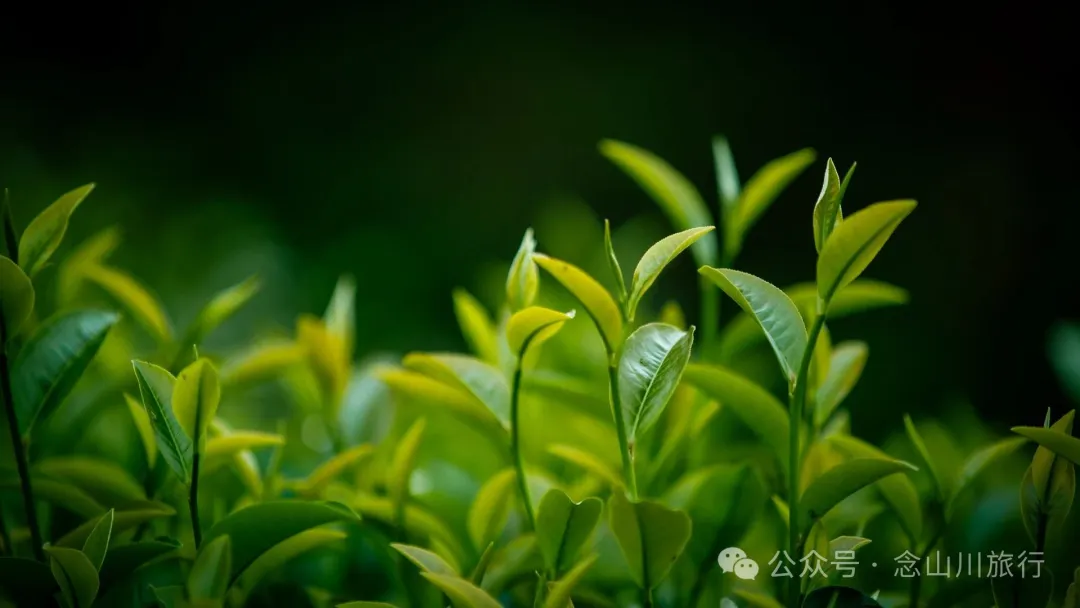
While we were busy chatting and tasting tea, her family had prepared a sumptuous dinner. They had originally scheduled a meal with friends, but knowing we were in a hurry, they thoughtfully prepared dinner early and invited us to join. "Just ordinary home cooking," she said modestly, but to us, this table of home-style dishes was far from ordinary: there was the freshest bamboo shoot and pumpkin soup (we saw the host holding a bamboo shoot just pulled from the ground when we first met him), local-style stir-fried wild mushrooms with cured meat, seasonal pure organic cucumbers, and a steamed egg dish with dried meat (pronounced "gansheng") that could rival luxury restaurants—we had never even heard of it.
Pu’er Jingdong Taoyuanju Pottery Intangible Cultural Heritage Workshop: Nostalgia is the Unfired Clay, Ideal is the Fourth Infusion of Tea - Image 33
Tags:
This article is original, author: Sixianqiu, and its copyright is owned by 大理旅行.
For reprinting, please indicate the source: https://dalilvxing.com/en/494.html
Sixianqiu

Sixianqiu

"Eyes follow the returning swan, hands strum the five strings." Always seeking, in this unrecognizable mortal world, a path as carefree as drifting clouds and wild cranes. Fortunately, there lies an ocean of poetry and lyrics, which has gifted me boundless beauty. Often, I sail upon it, quietly savoring that beauty. Even more fortunate are those standing on the shore — who cherish the beauty I cherish, and keep me free from hunger and cold, allowing me to devote myself wholly to this joy.
2166.31W
Loading...
Share:
Word Count: 4698
Dali Weishan Fengshan Village Forest Meadow: Not Far from the Ancient City, Yet Far from the Hustle, Only Cattle, Sheep, and Herders
Dali Weishan Fengshan Village Forest Meadow: Not Far from the Ancient City, Yet Far from the Hustle, Only Cattle, Sheep, and HerdersPrevious
Dali Weishan Olive Slope: The Sunset Gilds This Post-Rain Meadow in a Limited-Time Beauty, Green to the HeartNext
Dali Weishan Olive Slope: The Sunset Gilds This Post-Rain Meadow in a Limited-Time Beauty, Green to the Heart
Related Articles
Total: 212
Xiaohuangcaoba in Weishan, Dali: Warm Moments in a Mountain Village

Xiaohuangcaoba in Weishan, Dali: Warm Moments in a Mountain Village

Previous post: Dahuangcaoba in Weishan, Dali: An Ideal Village in Pastoral SceneryXiaohuangcaoba is separated from Dahuangcaoba by a long …
SixianqiuSixianqiuTravel Log1 years ago113150
The protagonist is a place name, with only eight households in the entire valley

The protagonist is a place name, with only eight households in the entire valley

To reach Shuozhujiao, you have to cross two mountains. It's a village group about 7 or 8 kilometers from the village committee. The road is ceme…
SixianqiuSixianqiuTravel Log7 months ago111740
Lost in Xizhou Ancient Town, Dali: A Retro Rice Field Dream Through Cangshan and Erhai

Lost in Xizhou Ancient Town, Dali: A Retro Rice Field Dream Through Cangshan and Erhai

Xizhou Ancient Town is located in the northern part of Dali City, Dali Bai Autonomous Prefecture. It is a historic Bai cultural town with a thou…
SixianqiuSixianqiuTravel Log2 years ago337660
The Wheat Waves and Pine Soughs of Chongke Village, Tacheng Town, Weixi, Diqing: An Unfinished Poem

The Wheat Waves and Pine Soughs of Chongke Village, Tacheng Town, Weixi, Diqing: An Unfinished Poem

Nestled in the gentle embrace of the mountains lies a small village called Chongke, a village group of Qibie Village in Tacheng Town. Chongke's …
SixianqiuSixianqiuTravel Log1 years ago112510
Xiajiyi Village, a Bai Ethnic Village by Erhai Lake in Dali: A Peaceful Village Caressed by Summer Night Breezes

Xiajiyi Village, a Bai Ethnic Village by Erhai Lake in Dali: A Peaceful Village Caressed by Summer Night Breezes

It was nearly 10 PM when we finished dinner at Azhu's house and headed to the nearby guesthouse. The night breeze was slightly stronger than at …
SixianqiuSixianqiuTravel Log2 years ago114800
Huadianba: A High-Altitude Meadow Hiking Retreat in the Depths of Dali’s Cangshan Mountains

Huadianba: A High-Altitude Meadow Hiking Retreat in the Depths of Dali’s Cangshan Mountains

We first heard the name Huadianba during the first rainy season after settling in Dali for nine months. After seeing just a few photos shared by…
SixianqiuSixianqiuTravel Log2 years ago225500
The Streets and Alleys of Weishan Ancient Town: Morning Light at Gongchen Tower, Dusk at Qunli Gate, and the Untroubled Years in Between

The Streets and Alleys of Weishan Ancient Town: Morning Light at Gongchen Tower, Dusk at Qunli Gate, and the Untroubled Years in Between

I first walked into Weishan Ancient Town in April 2015. Before that, the mysterious and distant ancient kingdom of Nanzhao had only appeared in …
SixianqiuSixianqiuTravel Log1 years ago112210
Save This Hiking Route to Dali Cangshan Lanfeng: Stunning Winter Snowscapes Await Your Visit

Save This Hiking Route to Dali Cangshan Lanfeng: Stunning Winter Snowscapes Await Your Visit

My first hike to Lanfeng (Orchid Peak) on Cangshan in Dali was on the fourth day after a snowfall in January 2018. The snow line had dropped bel…
SixianqiuSixianqiuTravel Log2 years ago115450
Simali Village, Weibaoshan Township, Weishan, Dali: Dark-tiled Eaves Amidst the Mountains, and an Unclaimed Dusk

Simali Village, Weibaoshan Township, Weishan, Dali: Dark-tiled Eaves Amidst the Mountains, and an Unclaimed Dusk

A nearly horizontal ray shoots out from the mountain, and after a few hundred meters, under the force of gravity, the ray is broken and slowly d…
SixianqiuSixianqiuTravel Log1 years ago112160
Silizhu Village, Xiaowan East Town, Nanjian, Dali: Guardian of the Lancang River Sea of Clouds

Silizhu Village, Xiaowan East Town, Nanjian, Dali: Guardian of the Lancang River Sea of Clouds

I imagine we should come to this village on a clear autumn or winter day, when the purest blue of the sky forms a vast backdrop, clean without a…
SixianqiuSixianqiuTravel Log1 years ago113270
Tea Talk Under Willow Shade: An Afternoon Tea Time by the Xi River in Weishan Ancient Town, Dali

Tea Talk Under Willow Shade: An Afternoon Tea Time by the Xi River in Weishan Ancient Town, Dali

The Xi River in Weishan, also known as the Gua River, is part of the source of the Red River, flowing through the Weishan Basin. It is not only …
SixianqiuSixianqiuTravel Log1 years ago113520
Gezhila Village in Baohua Town, Nanjian, Dali: A Small River Divides Two Banks, Yet Doubles the Scenery

Gezhila Village in Baohua Town, Nanjian, Dali: A Small River Divides Two Banks, Yet Doubles the Scenery

Villages deep in the mountains always possess a tranquil and timeless quality, like a squirrel perched under a tall, dense walnut tree, far from…
SixianqiuSixianqiuTravel Log1 years ago111930
Comment FormTourist Hello, welcome to the discussion.
Dali Travel
Please login first
Comment Lists
Total: 0
Dali Travel
No relevant content