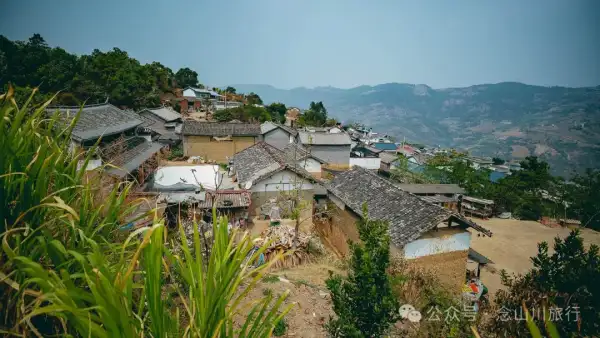

Before I first walked into this bookstore, I had never heard of its predecessor—the Chongzheng Academy from the Ming and Qing dynasties, an ancient building with over 500 years of history. In Weishan, there are many ancient buildings from the Ming and Qing dynasties. Villages like Donglianhua, Zhuomulang, Aduo, and Like retain a large number of residential houses still inhabited today. Even in the most rapidly developing and extensively reconstructed ancient town area, there are well-preserved old buildings like the Wang Family Old Residence, Liang's Grand Courtyard, and Wenhua Academy, which combine cultural heritage with modern functionality.
Compared to the Weishan ancient town a decade ago, where earth-rammed structures were everywhere, there are now fewer ancient buildings. They have been replaced either by new concrete buildings or deliberately imitation ancient facades, lacking the sedimentation of time and culture, thus losing much of their aesthetic appeal and interest.
Thus, the Pioneer Weishan Chongzheng Academy, repurposing the old for modern use, relies on its ancient architectural art and elegant, comfortable reading environment. As soon as it came into people's view, it won widespread affection, becoming a new spiritual landmark of Weishan ancient town and a plus point for the increasingly commercialized town.
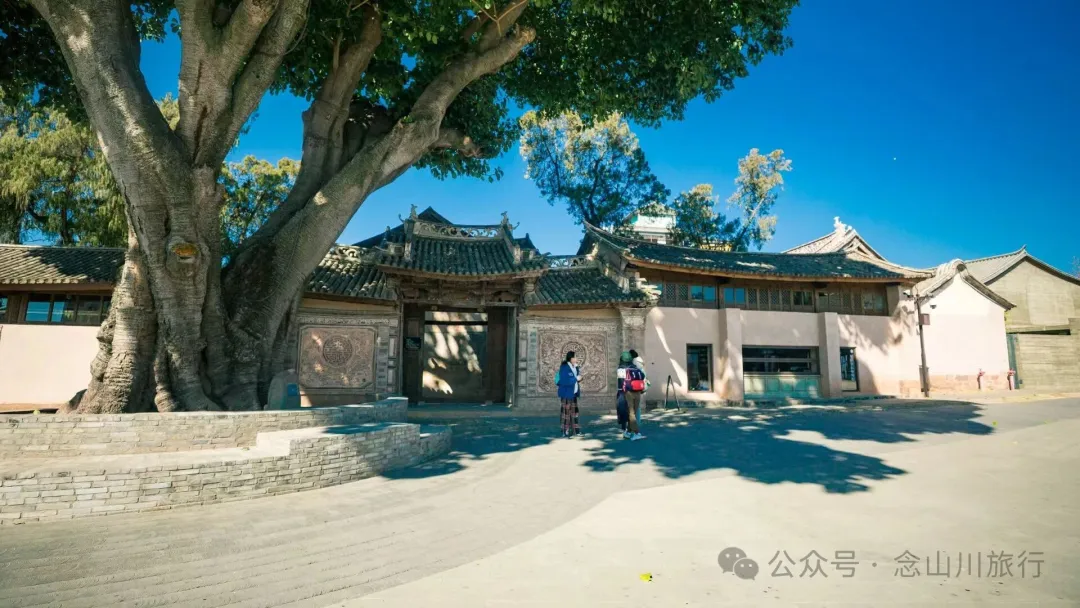
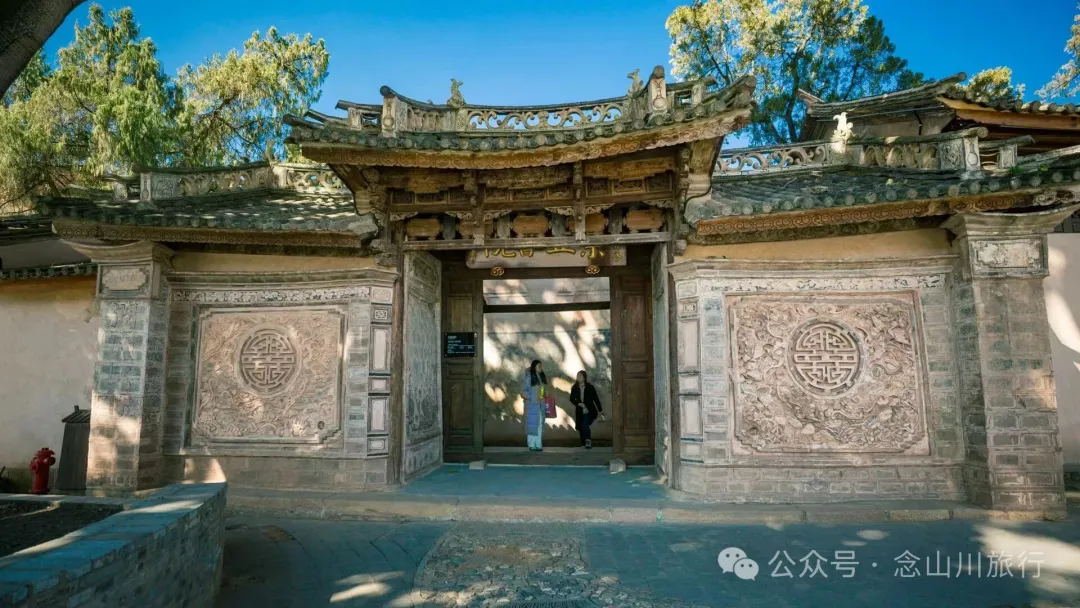
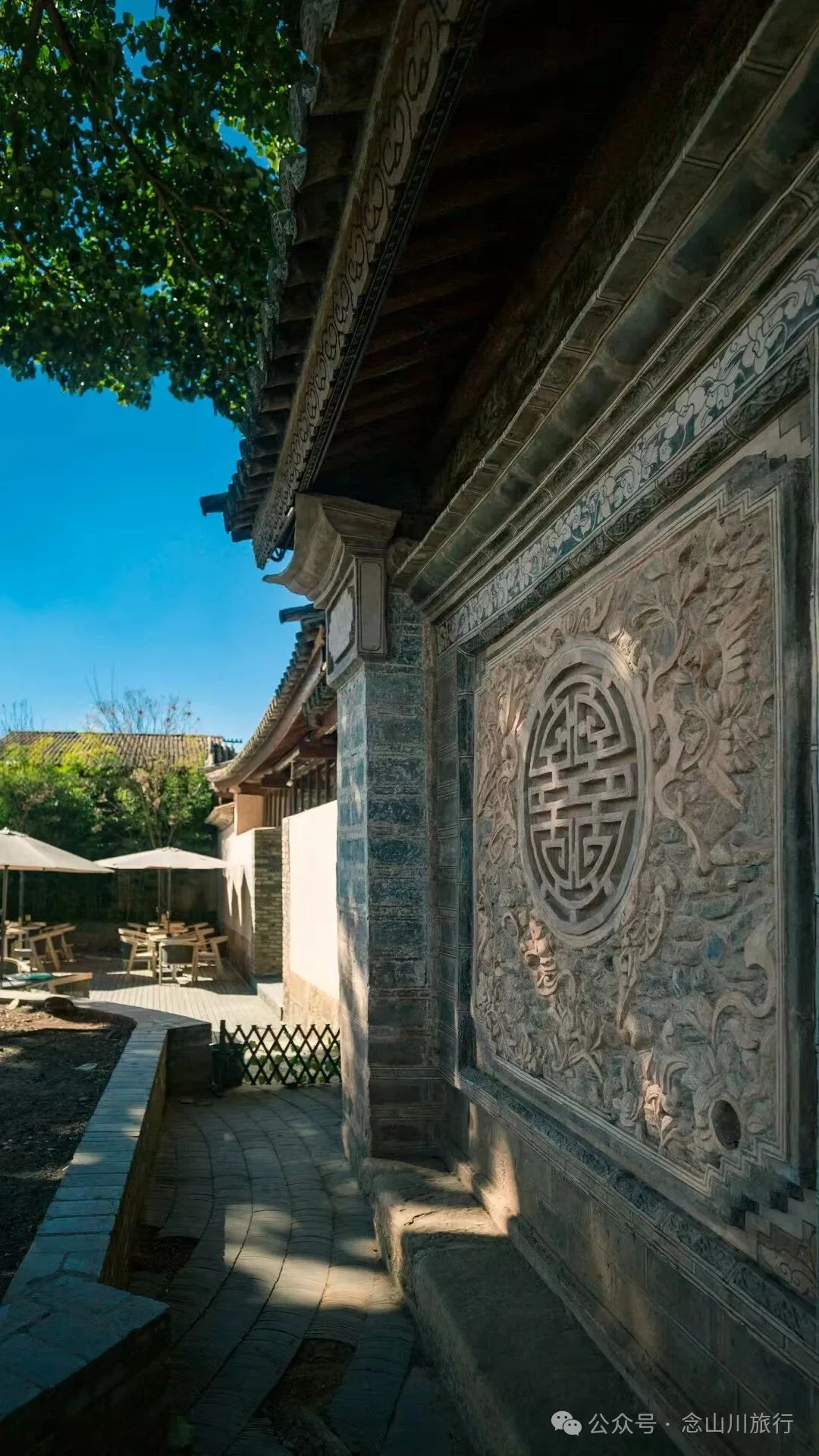
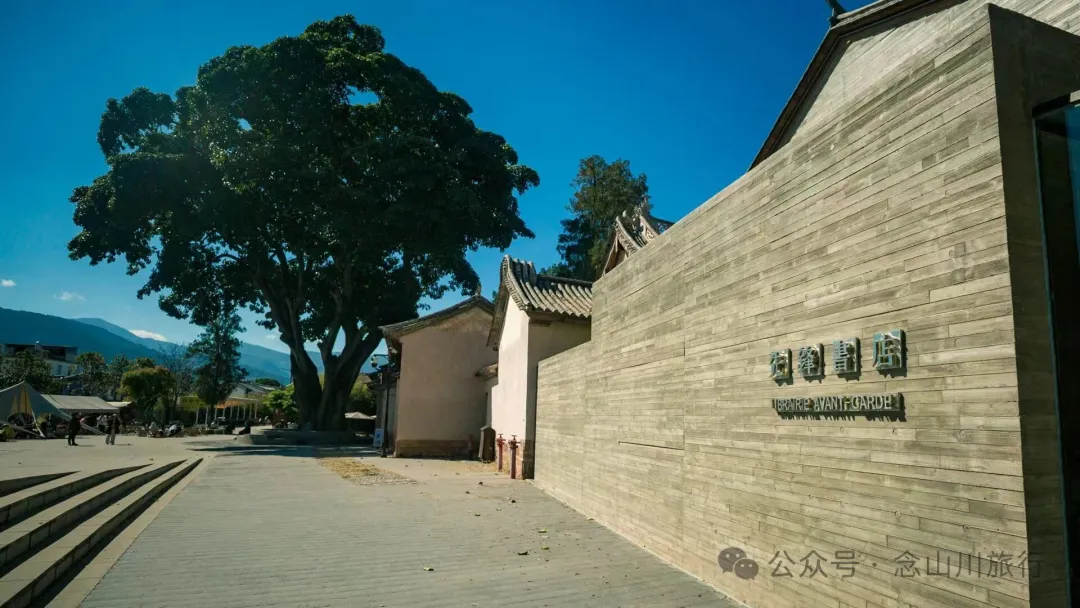
In front of the Pioneer Chongzheng Academy stands a 330-year-old banyan tree. In the winter afternoon, sunlight flows gently, casting dappled shadows on the exquisitely carved outer walls on both sides of the main gate. The scene is like reciting an ethereal poem or drinking a clear, sweet mountain spring. The lush banyan tree is my favorite; sitting under it feels like being in a forest, with a sense of tranquility and detachment.
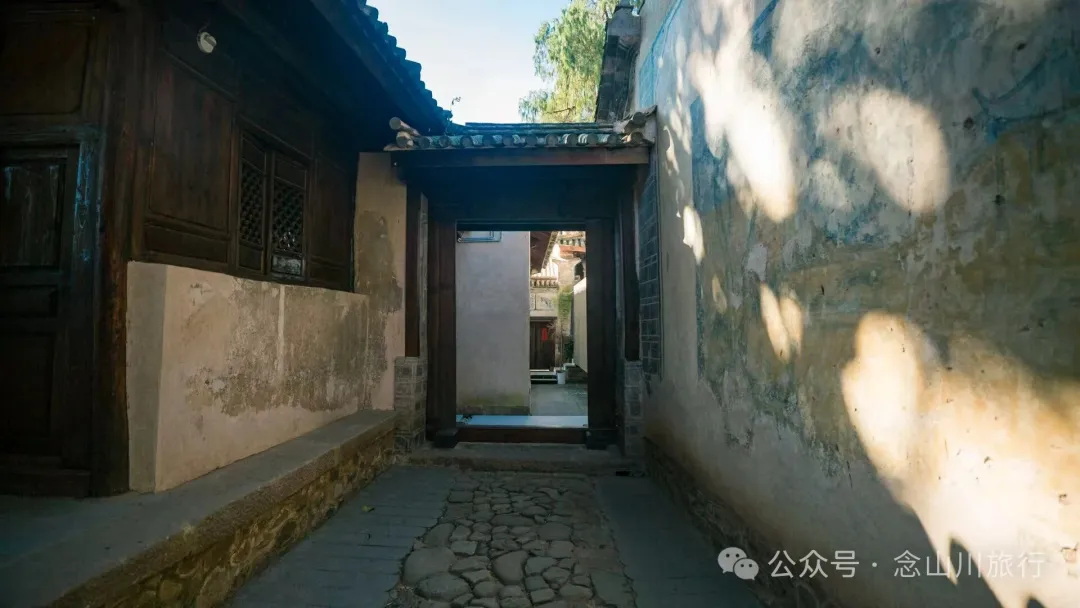
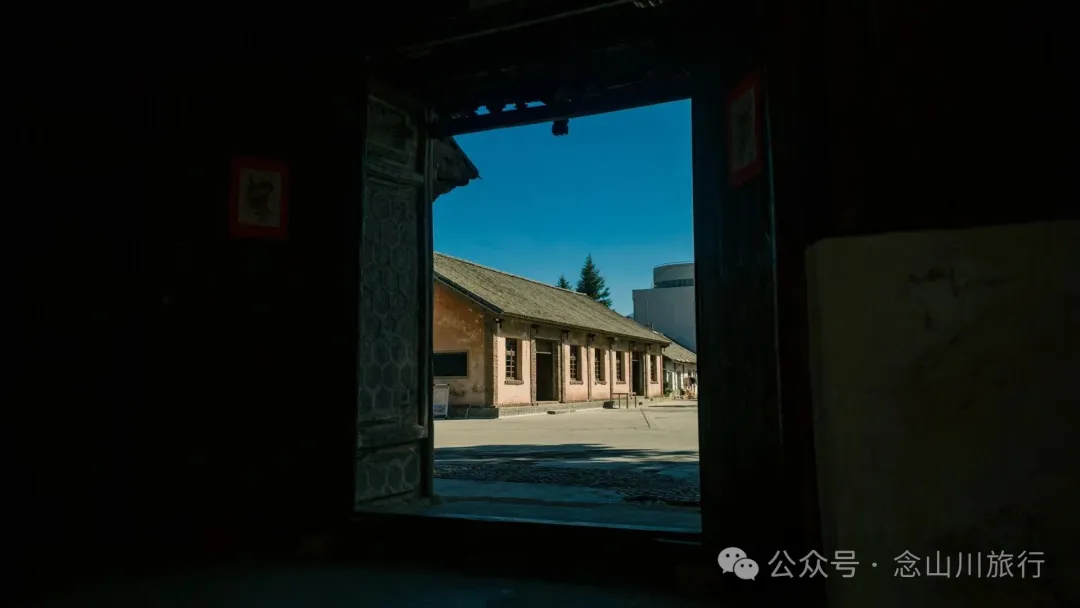
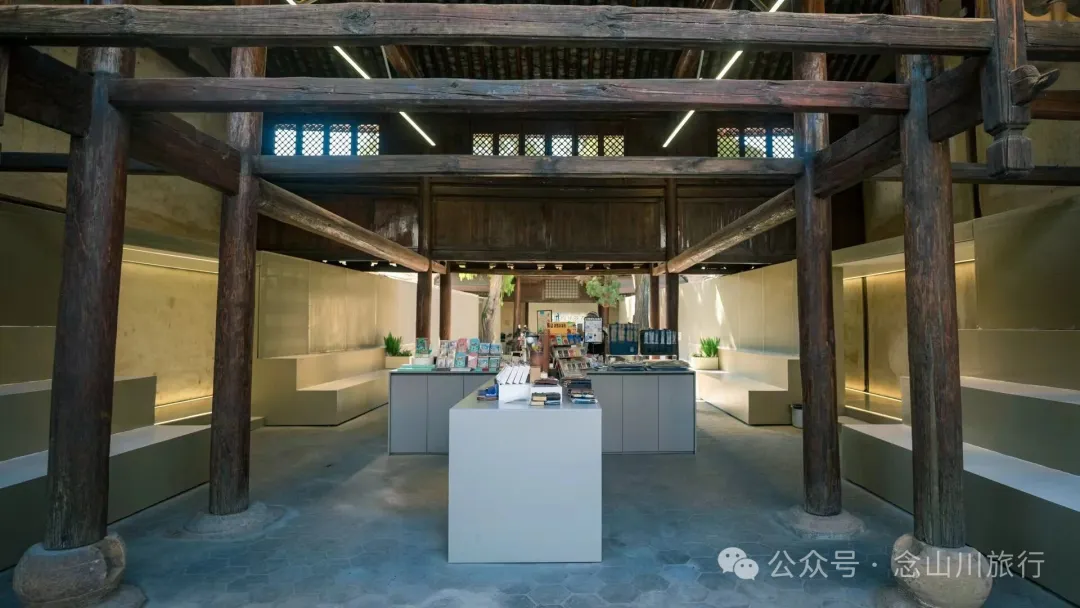
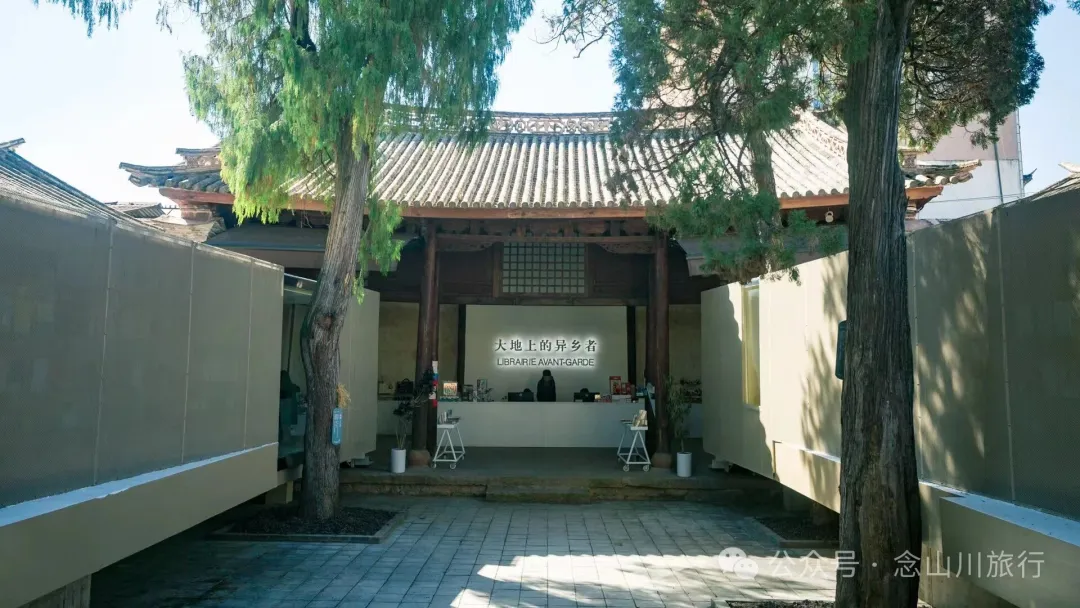
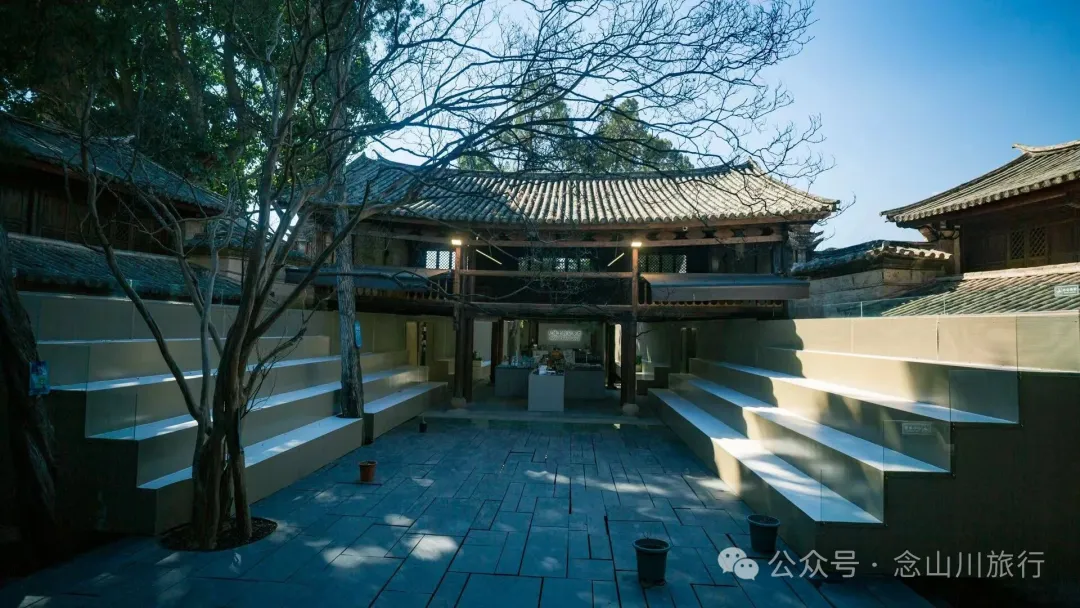
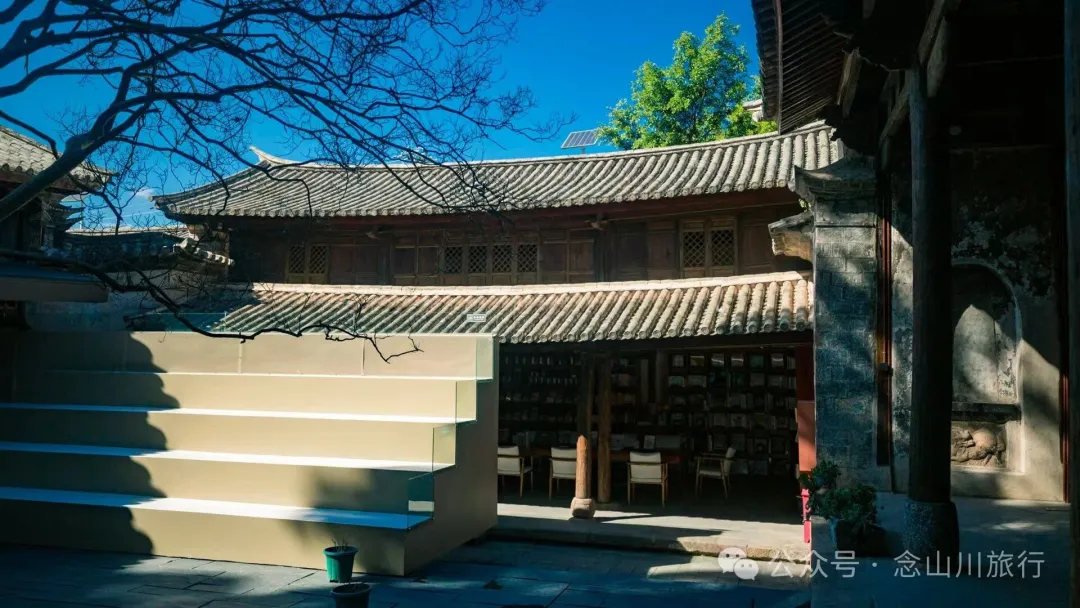
Stepping into the academy, the quietness becomes even more fluid. People deliberately slow their steps and lower their voices, afraid to disturb a hermit's meditation. Sunlight slants in over the gray tiled roof, and the ancient wooden beams, carved windows, stone bases, and upturned eaves seem to join a new conversation, bright and joyful.
Although the academy has been rebuilt, almost all the original buildings have been preserved, including four nearly century-old arborvitae trees and a crape myrtle tree in the courtyard. In winter, the crape myrtle's leaves have all fallen, leaving only bare, messy branches pointing to the sky. In the rainy season, it's different; the tree is full of blooming crape myrtle flowers, adding a splash of color and vibrant life to the ancient building, attracting visitors to stop and admire.
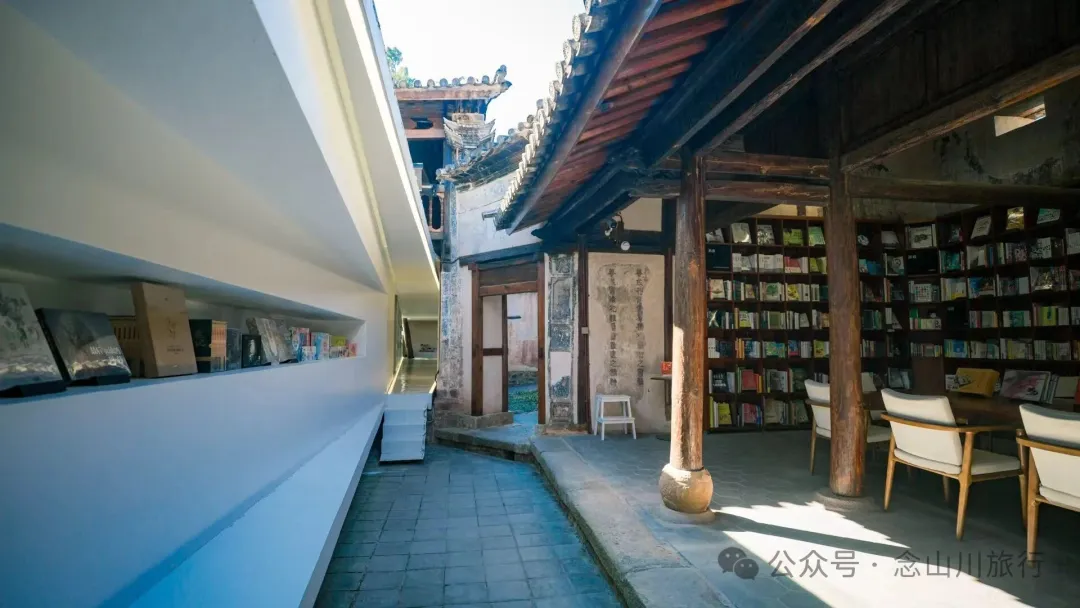
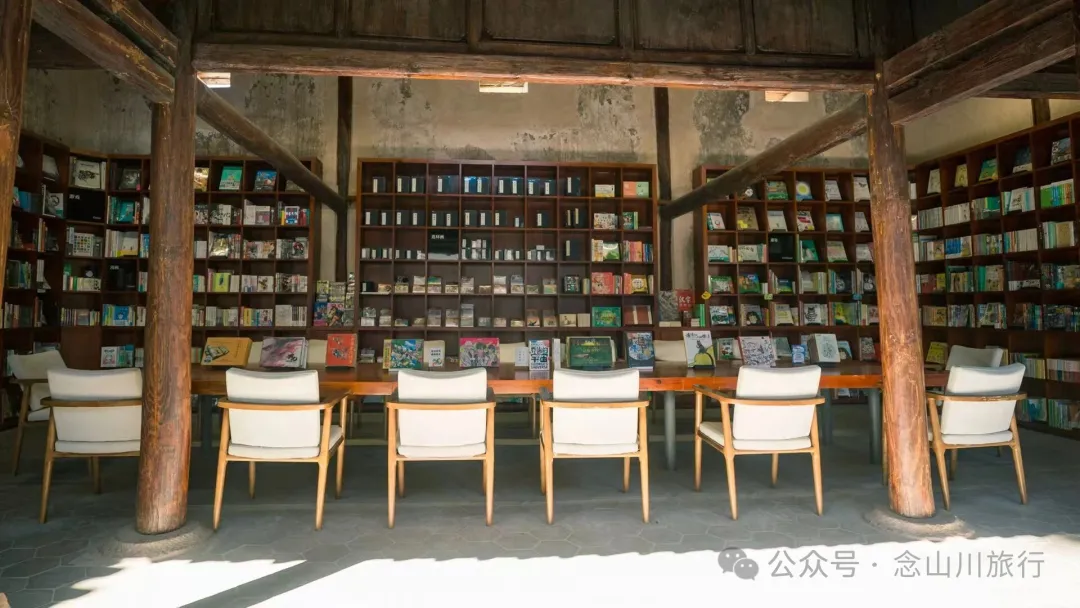
The original ancient building parts of the academy are mostly used for book display and reading areas. Tall bookshelves almost as high as the walls and a rich variety of books recreate the scene of Chongzheng Academy in its heyday, when it was said that "the wealth of books in Yunnan's schools was greatest in Mengua" and "the architecture was grand and elegant." Taking a book from the tall wooden shelves, choosing a chair to sit down, and gently flipping through the new pages, one can almost travel through time and hear the sounds of wind, rain, and reading from Ming and Qing students centuries ago.
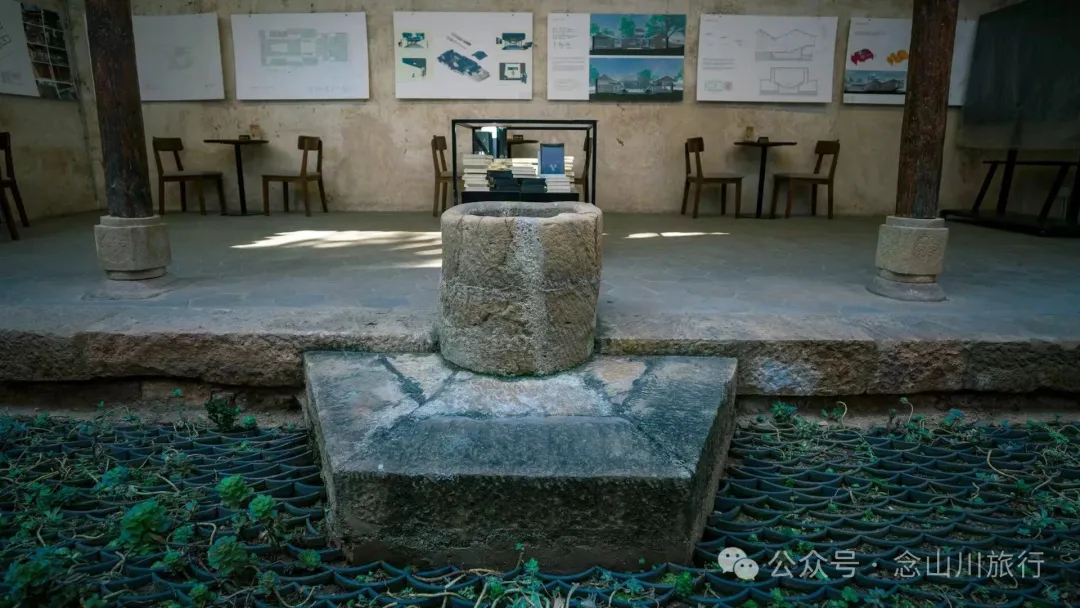
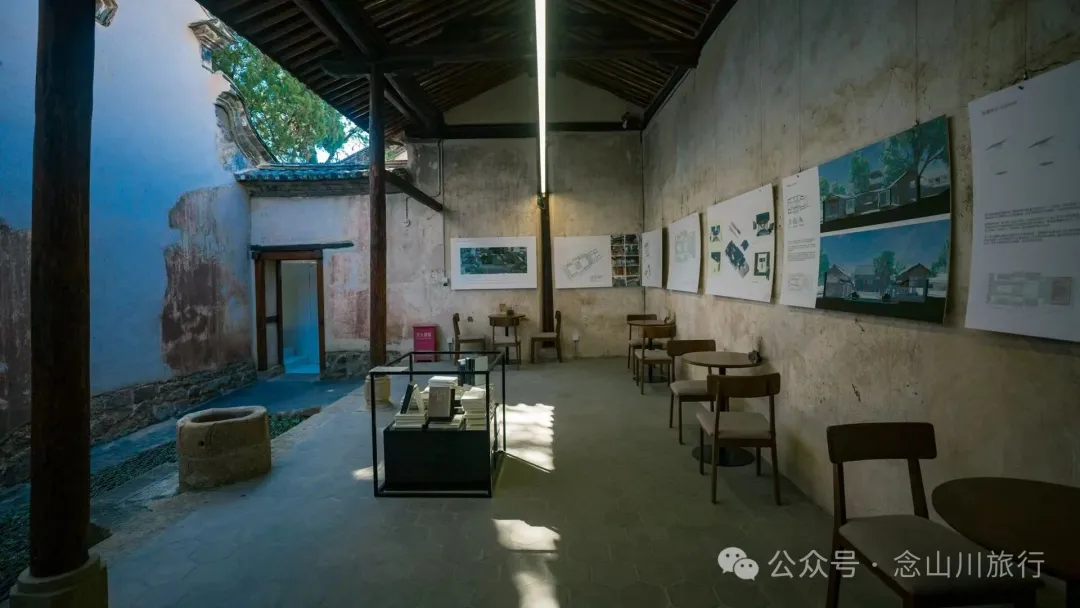
Inside the academy, there is a secluded small side room used only as an exhibition hall, displaying many precious pictures from before the reconstruction and detailed design drawings. Few tourists come here; you can take a favorite book and sit for a whole day, even dozing off without worry.
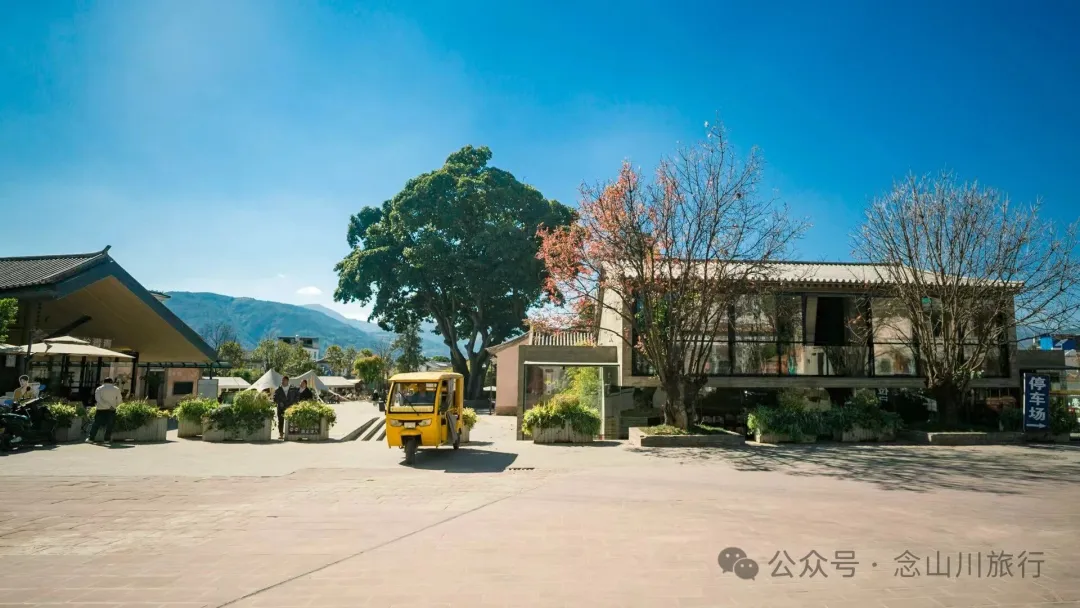
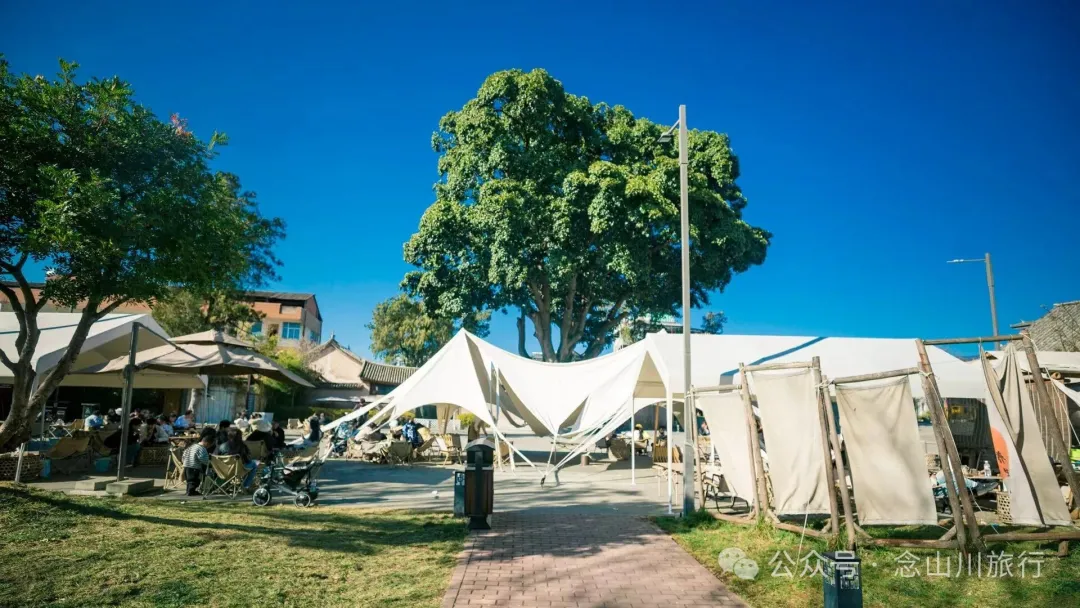
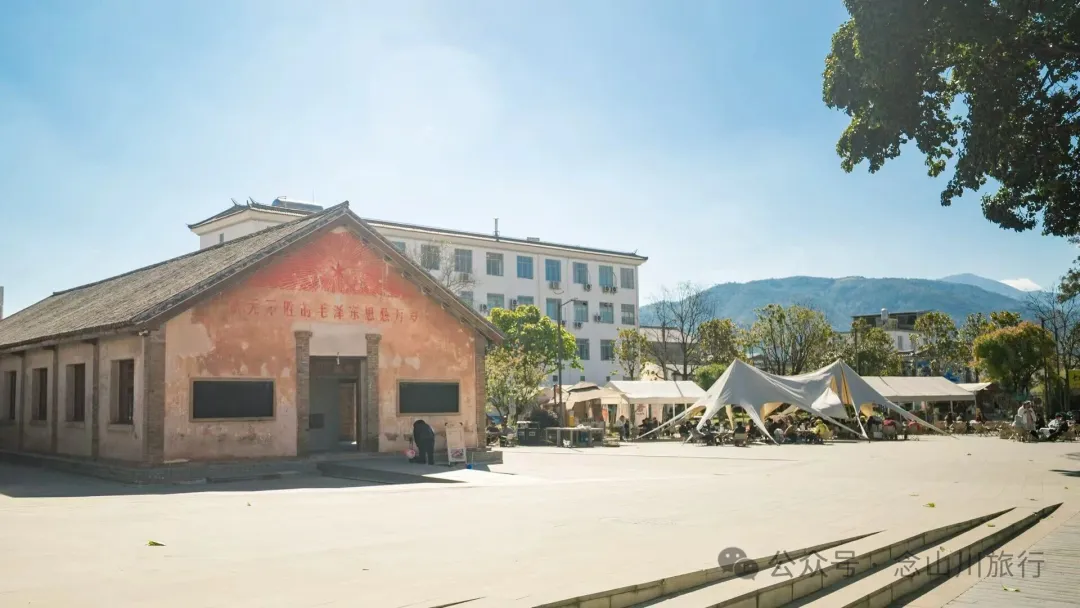
The academy is actually not located within the ancient town area of Weishan but in the new district, surrounded by modern new buildings. Because of its existence, not only do many tourists come specifically to check in and take photos, but even locals are willing to sit in the square in front of the academy, drinking tea and basking in the sun.
Like the Weishan ancient town ten years ago, today's Weishan ancient town still deserves a 5-star rating from me, of which 2 stars are for this bookstore. One star is for preserving this ancient building, and one star is for continuing Weishan's profound cultural heritage.
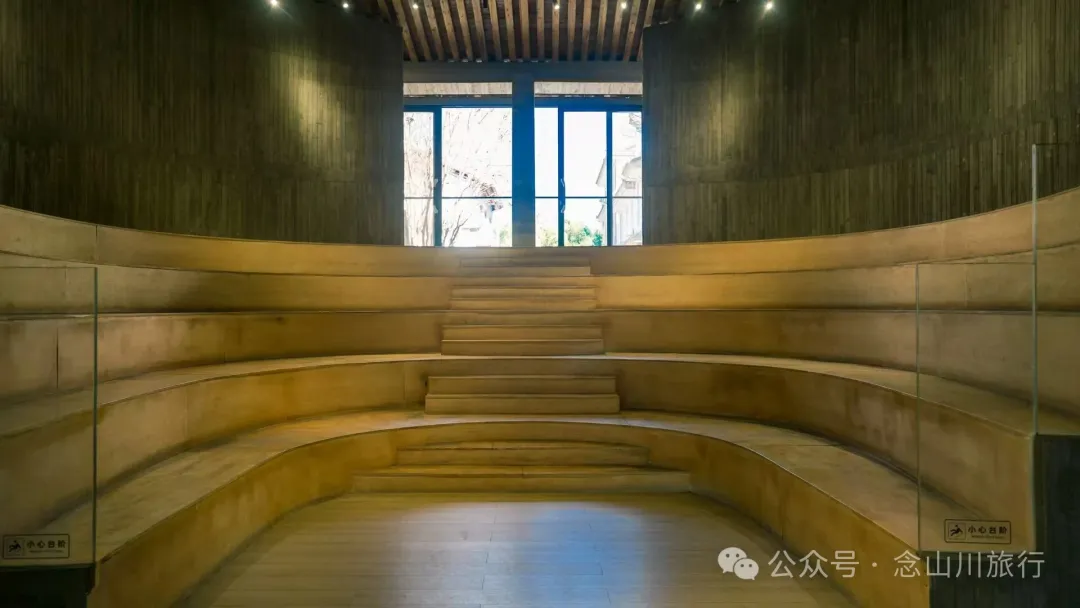
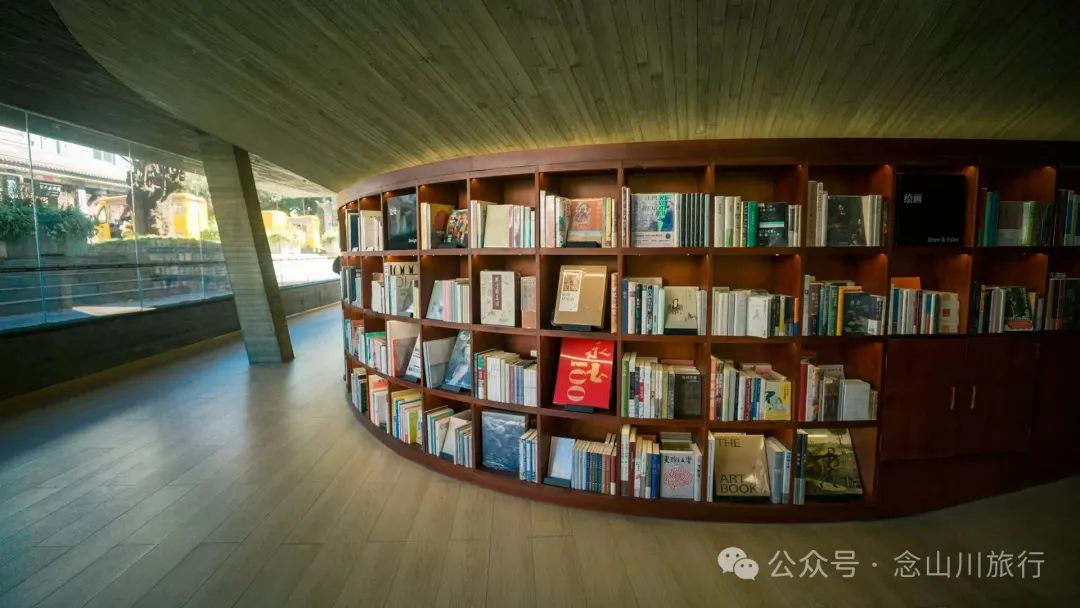
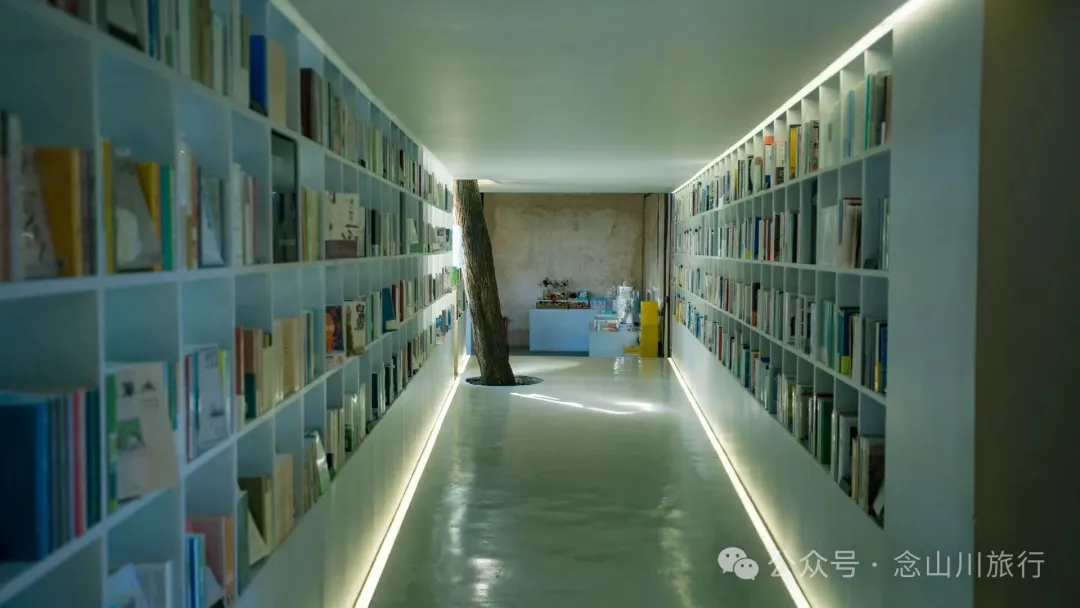
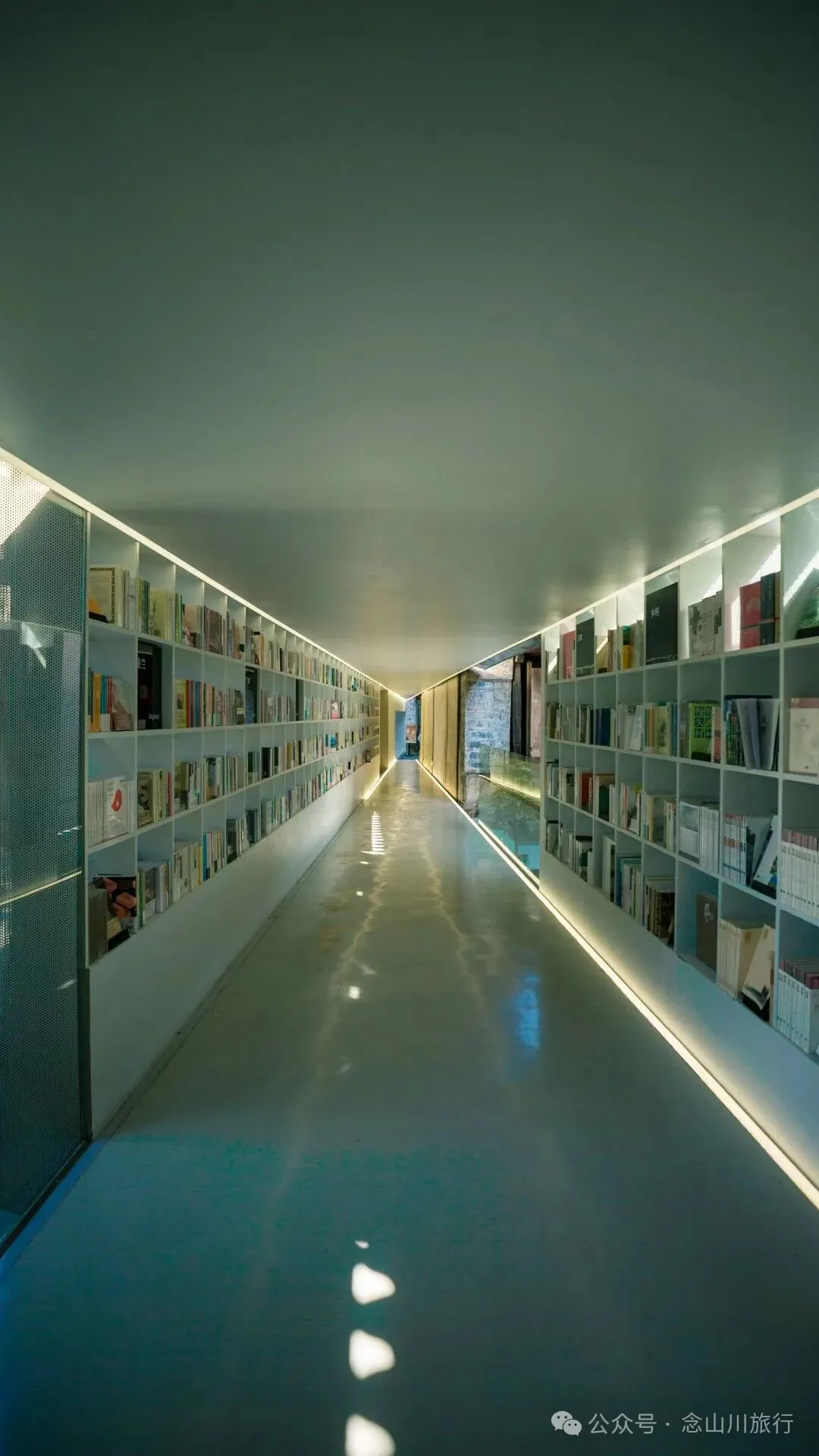
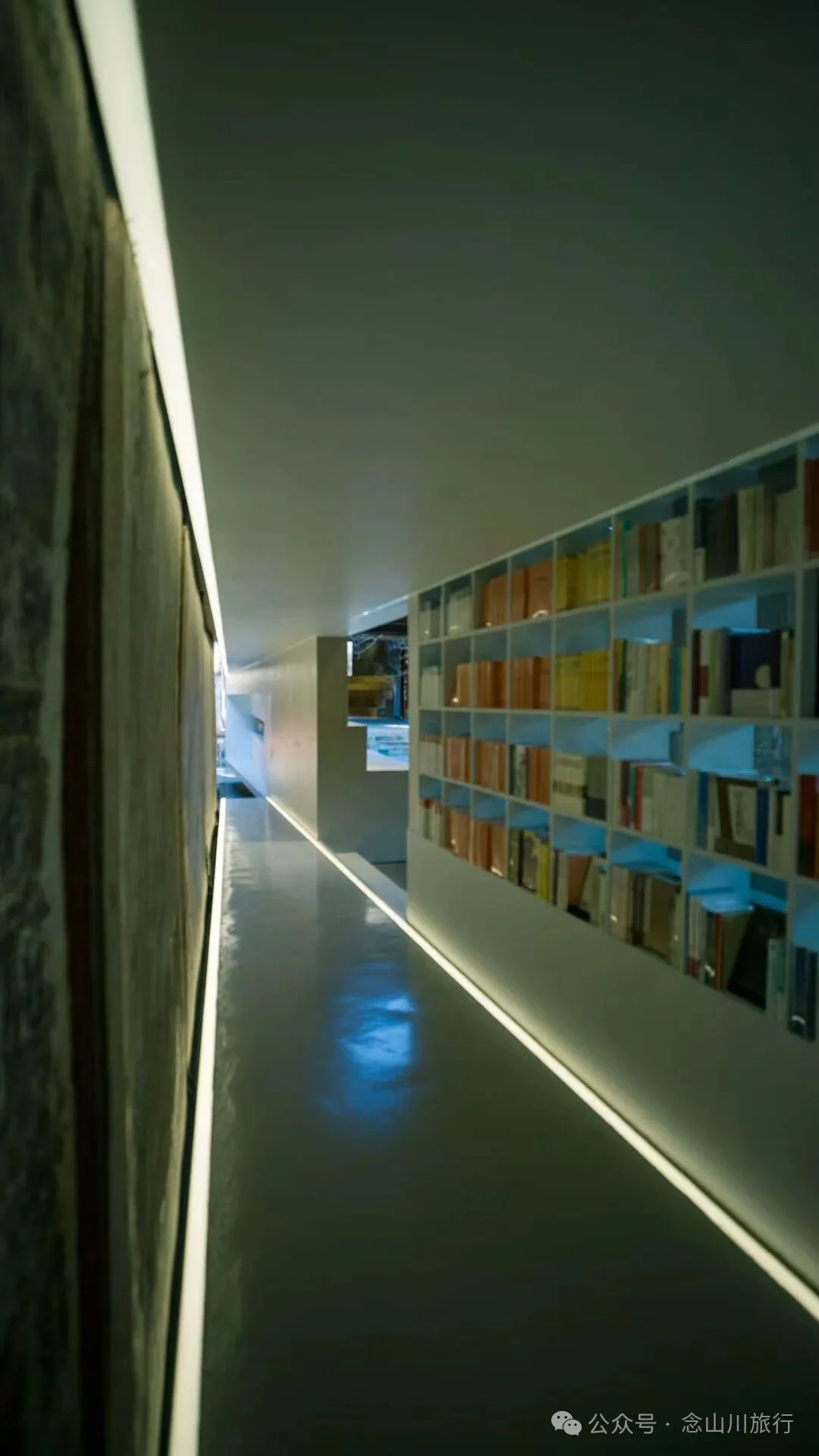
The newly built parts of the academy include two book corridors running east-west and a small theater at the end of the corridors. The two long book corridors are like time tunnels or channels of thought. Visitors walk in, passing through a path full of wisdom, straight to the terminal small theater. After a long journey through words and pages, the "faraway place" visitors reach is here, where they complete an exchange between people and books, people and thoughts—a perfect fusion of poetry and distance.
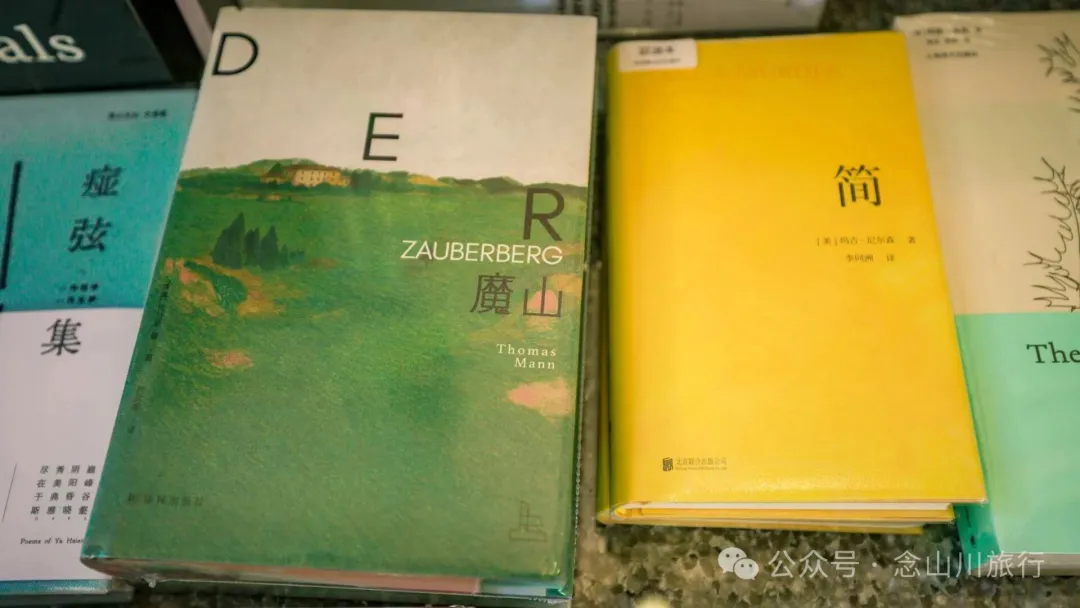
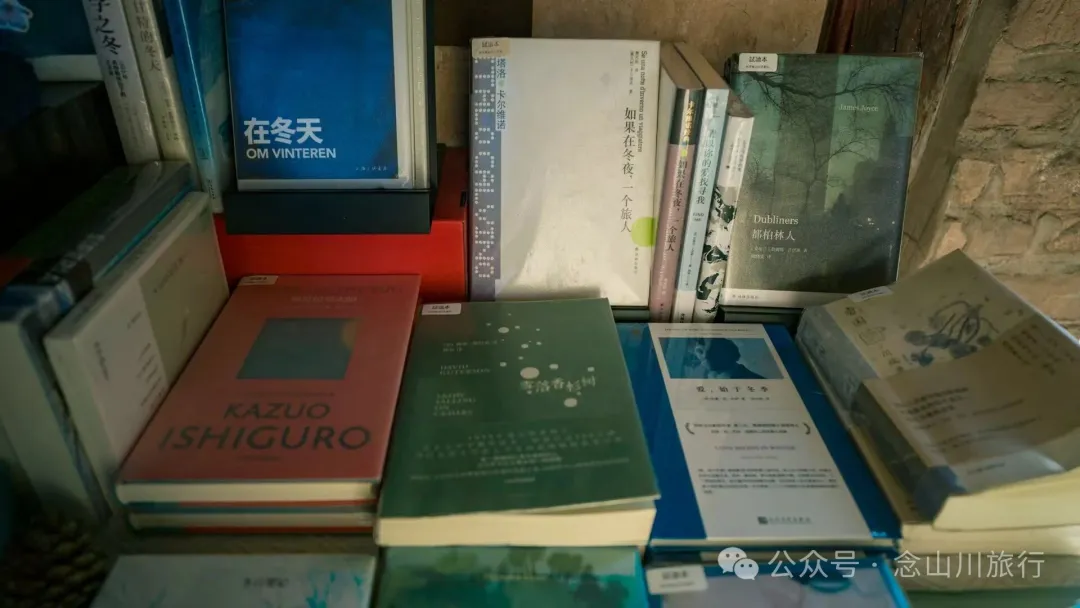
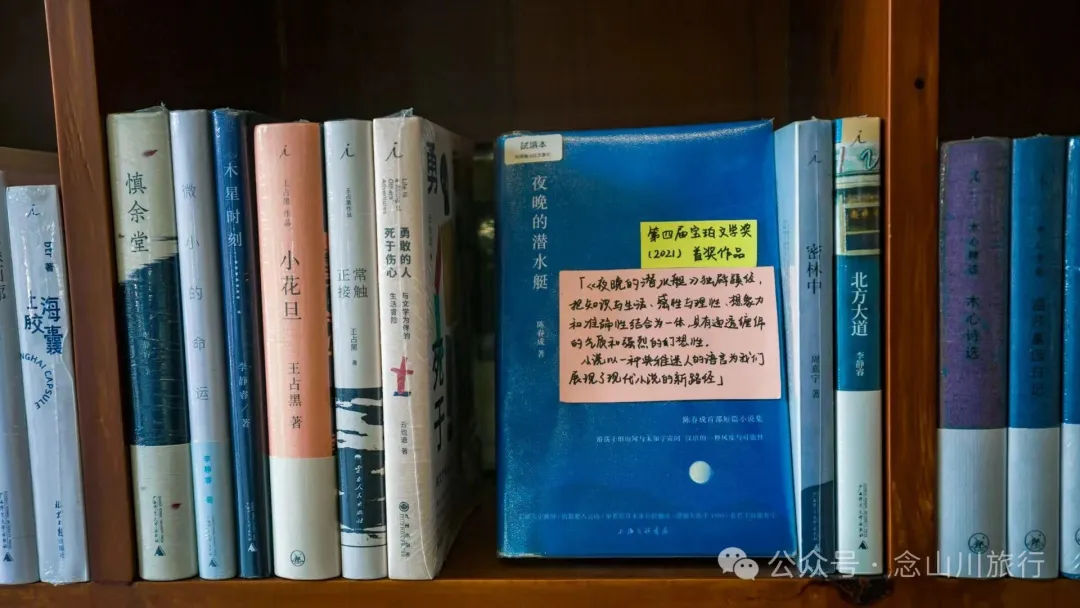
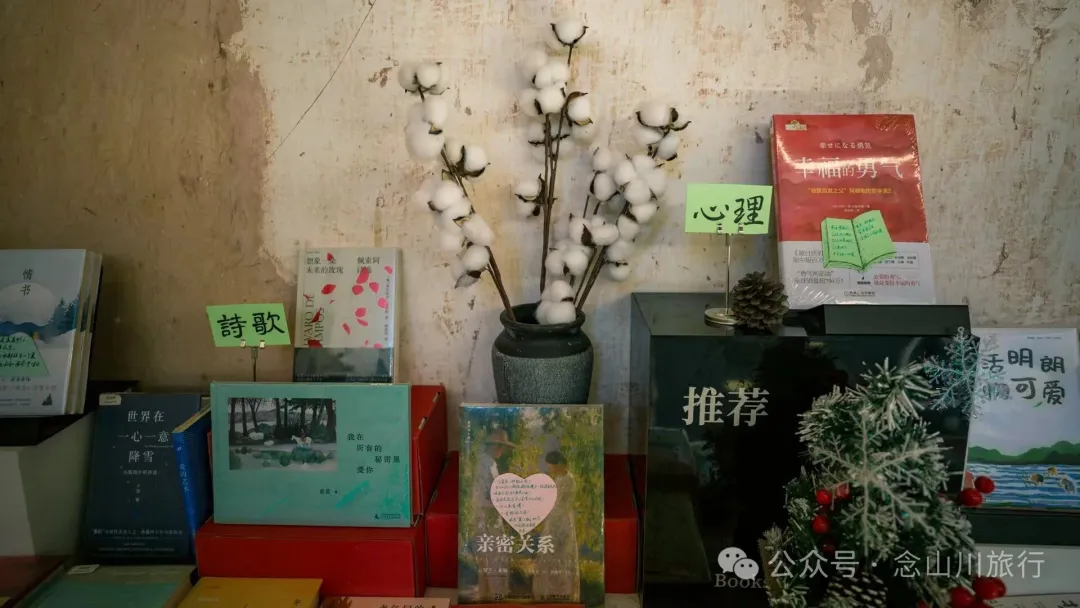
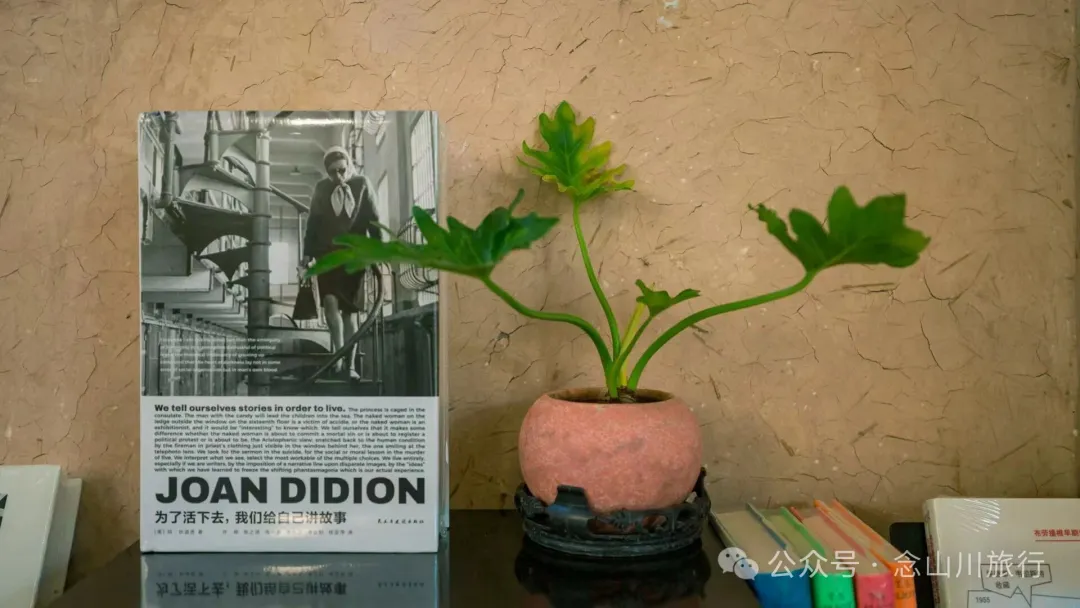
High-quality books are the core essence of a bookstore and its spiritual landscape. I have browsed many excellent works here multiple times. Finding "The Peregrine" on the shelf brought me particular joy. It is a very niche but outstanding nature book; encountering it felt like a mountain trip, refreshing the mind.