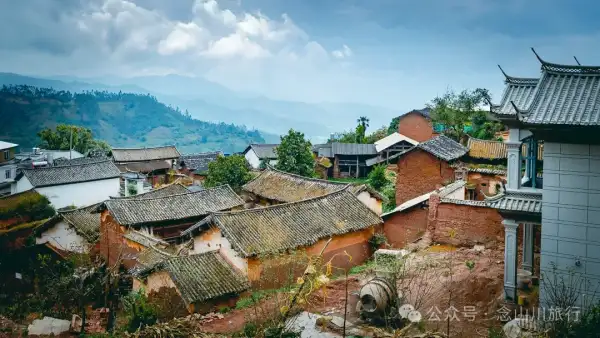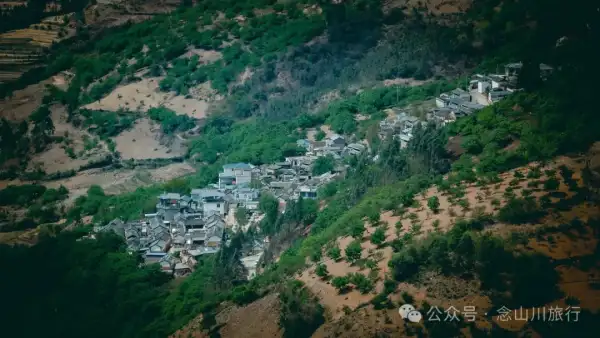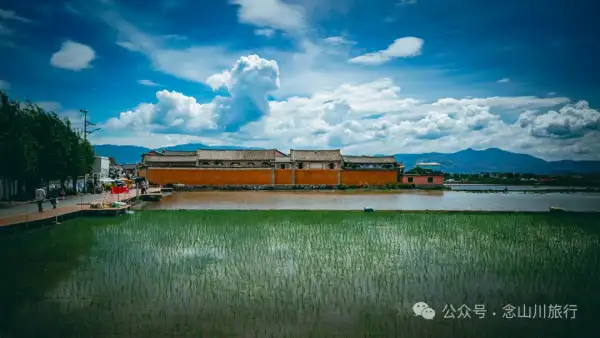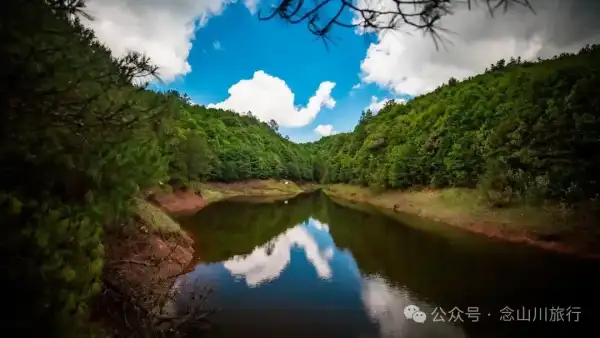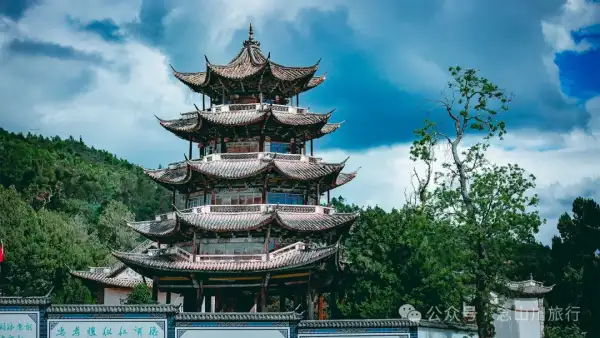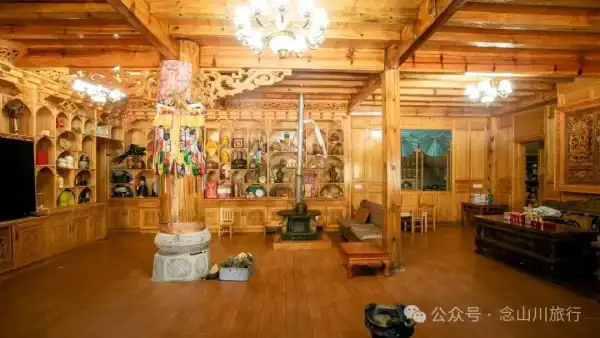

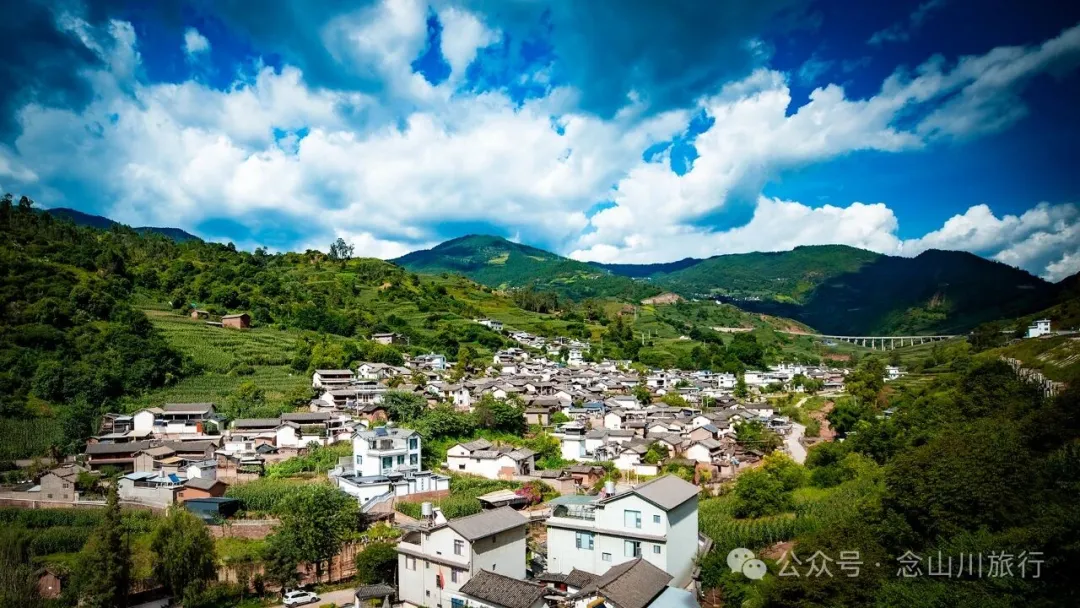
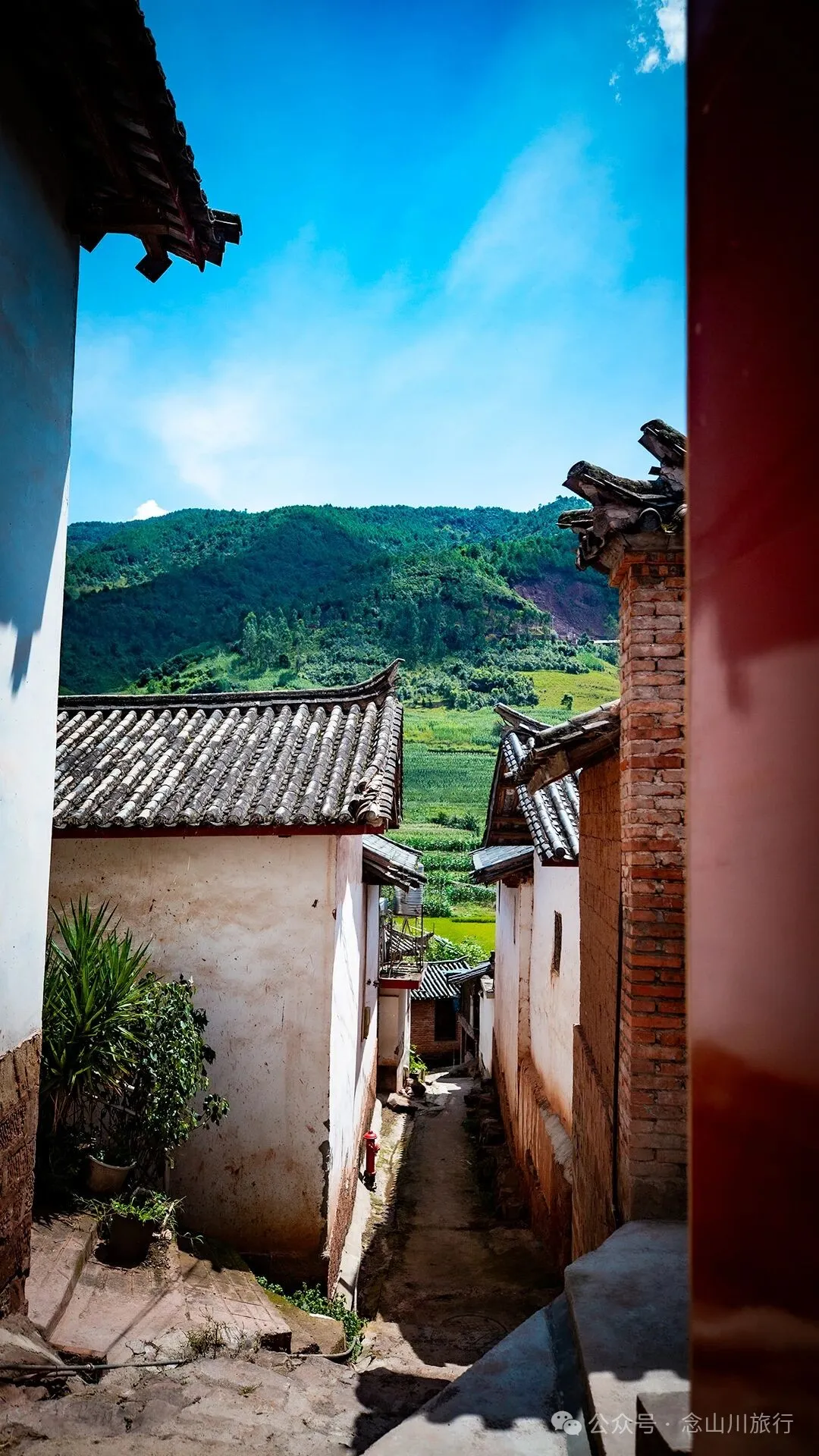
On our way to Dalangba, we came across Heping Village, a settlement enveloped in bright, lush greenery. Built on a low-lying slope, a murky, roaring stream rushed past the front of the village without pausing. Looking out from the car window, many of the village's old buildings — with their dark tiles and upturned eaves — stood silent under the bright sunlight, clustered among the bold, spacious modern structures, appearing somewhat humble and insignificant. Seeking traces of time within the old architecture, we left the main road and turned onto a narrow concrete path leading into the village, becoming temporary villagers for three hours.
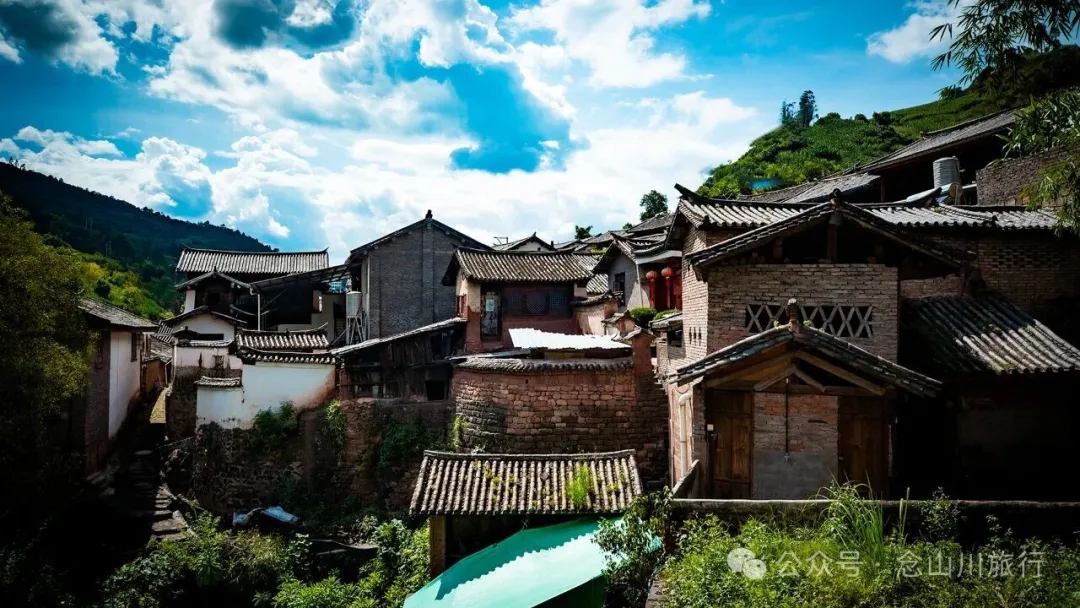
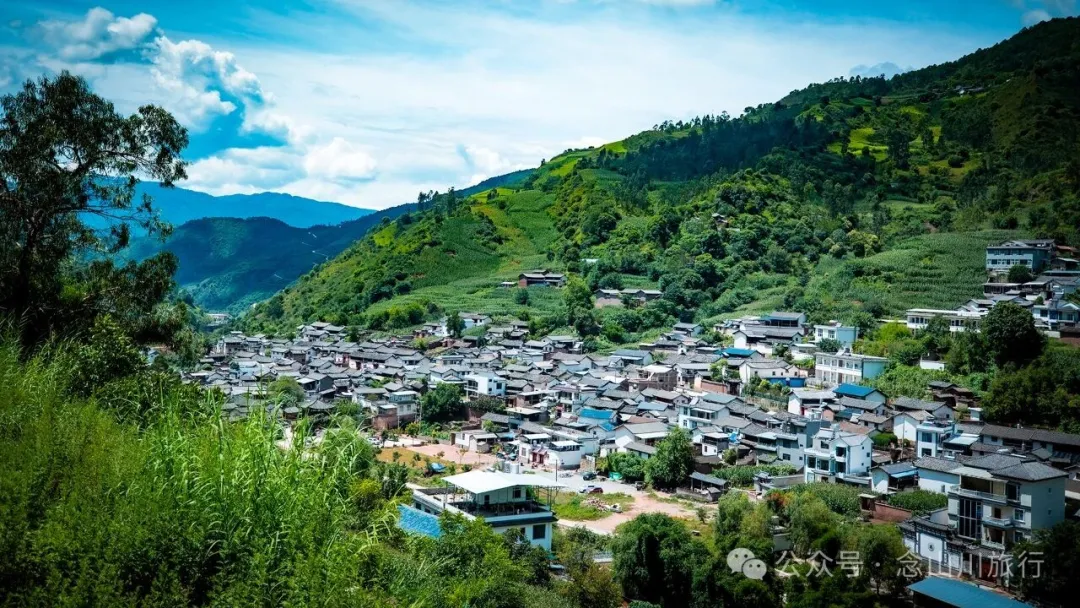
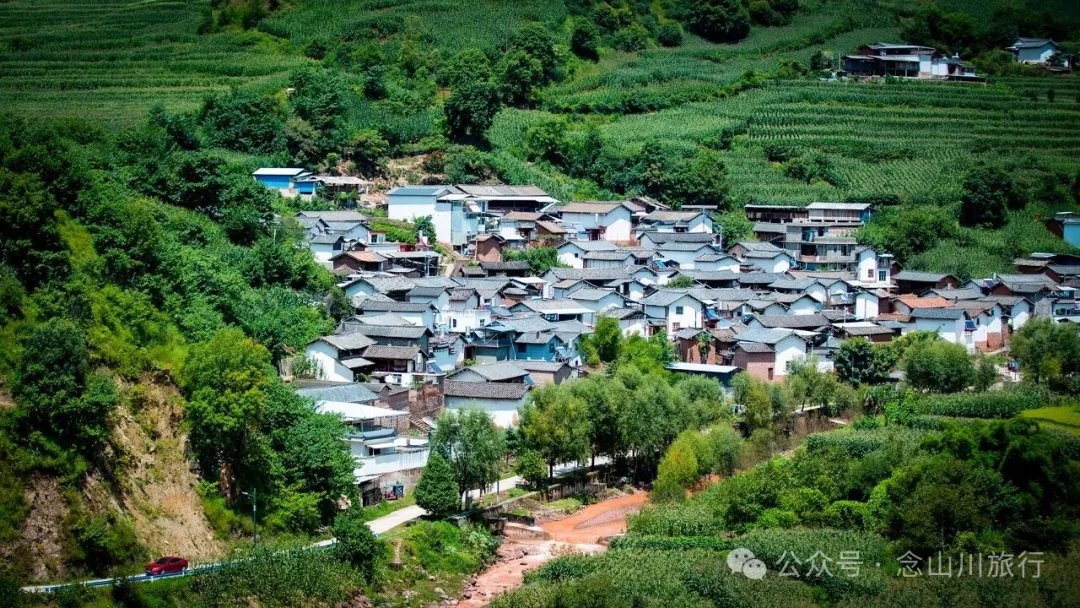
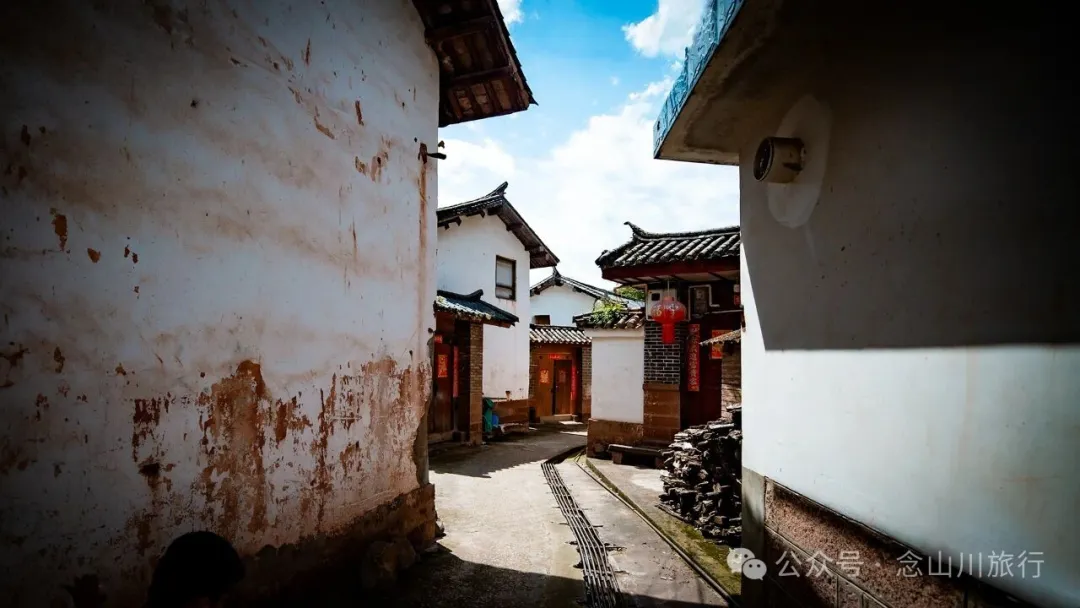
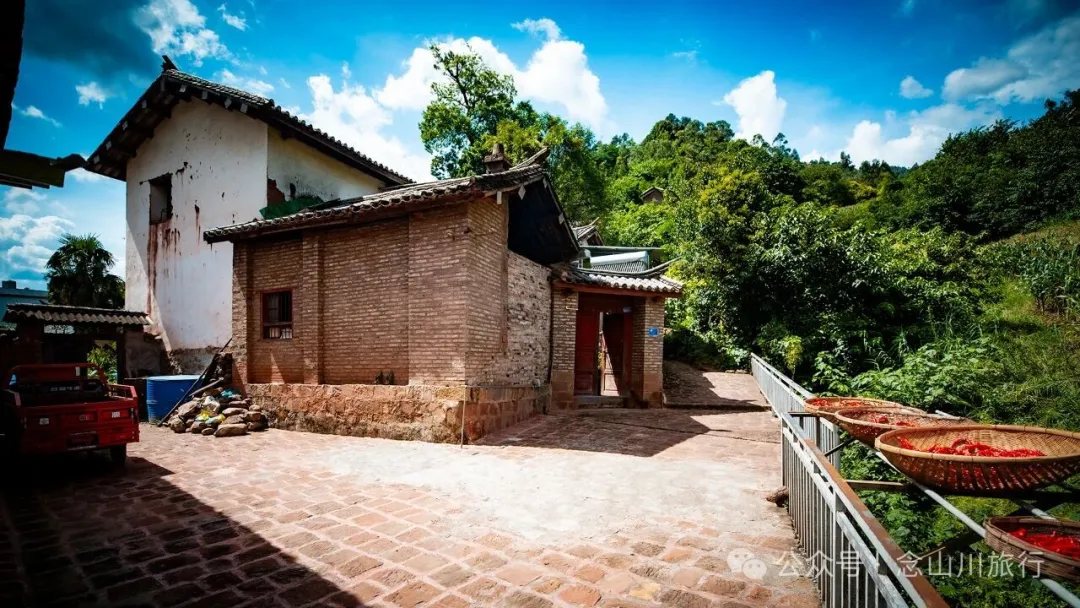
The village is large, consisting of three village groups: Shanjing, Shaba, and Tianjing. Under the scorching sun, only a few villagers sat in the shade at a small shop at the village entrance, chatting in Bai dialect we couldn't understand. They glanced at the strangers as if seeing a few lost ants, then quickly returned to their ordinary lives. Everything was quiet, with no human voices, only a strong rural scent wafting from Shanjing ahead. Standing on the mountain road and looking at Heping Village, it seemed like a village that had preserved many old houses, no different from other villages. It wasn't until we entered the village, especially Shaba and Tianjing, that we realized Heping Village was not an ordinary large village; it hid a period of the Salt Horse Ancient Road that most locals had forgotten and almost all outsiders knew nothing about.
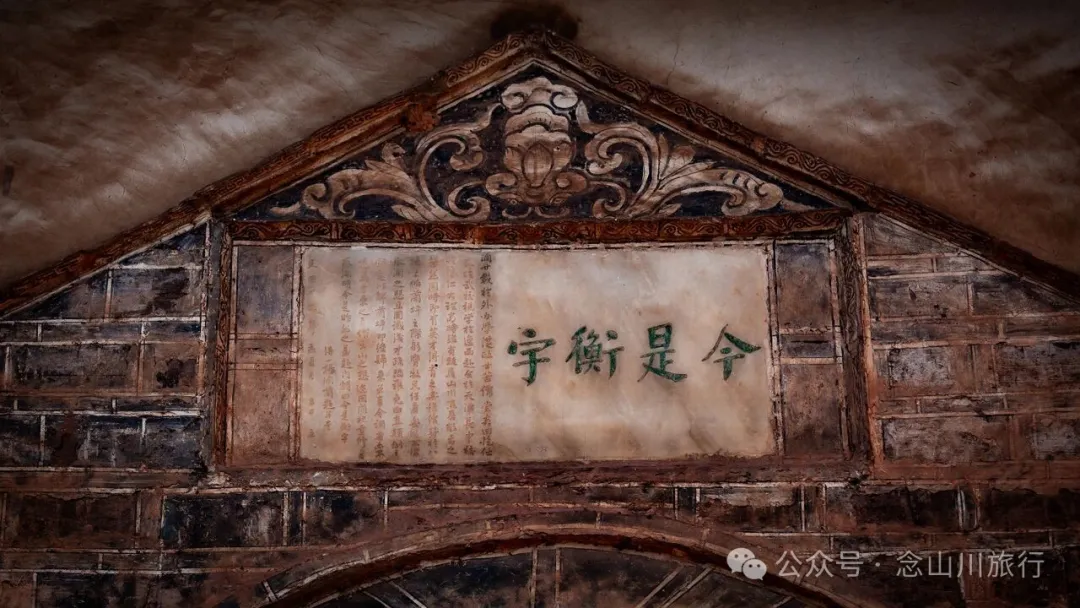
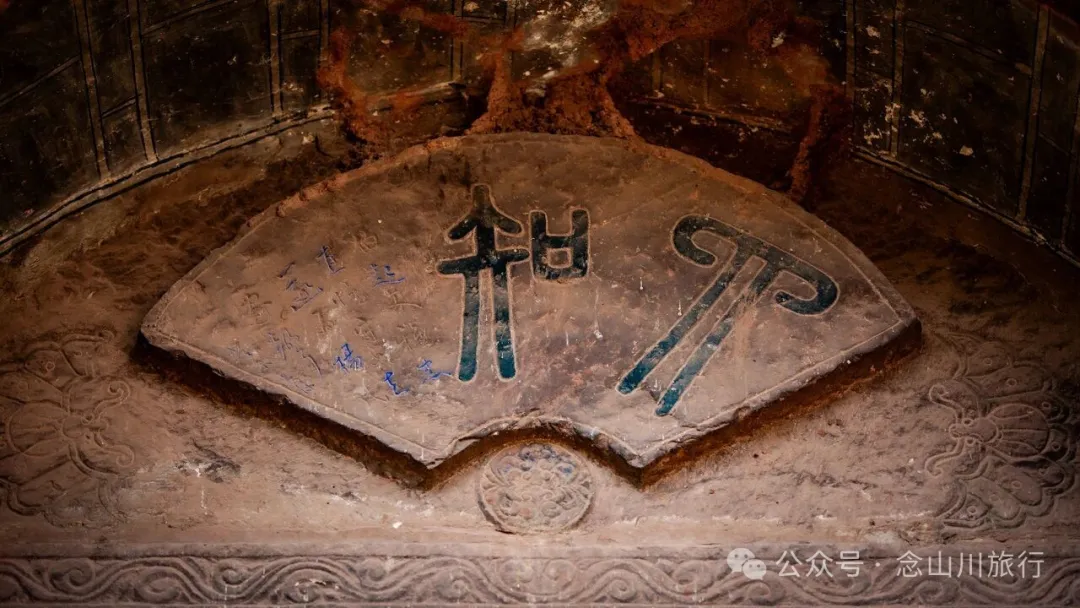
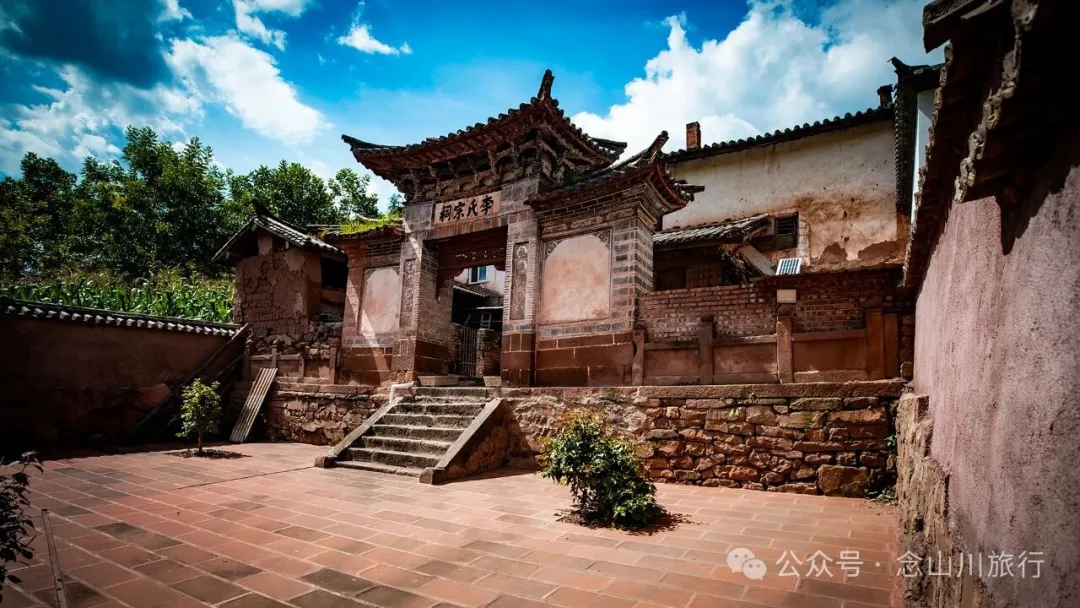
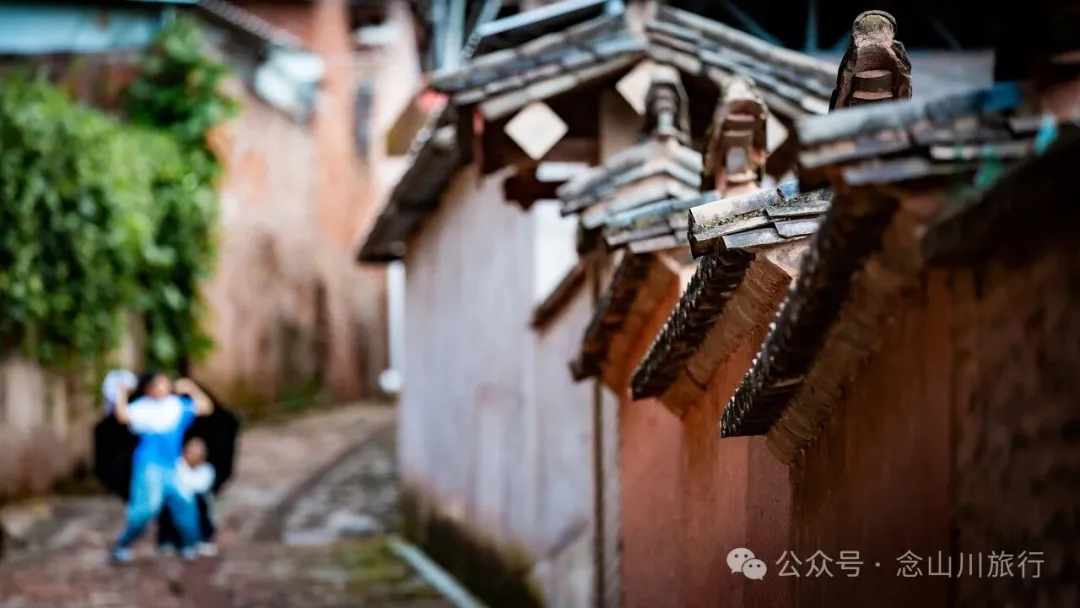
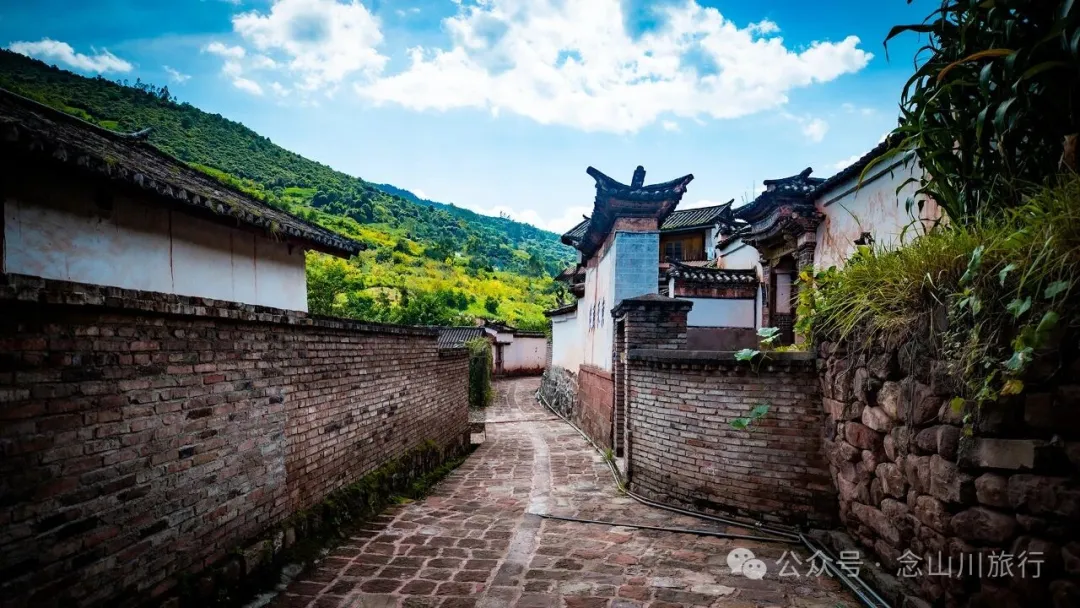
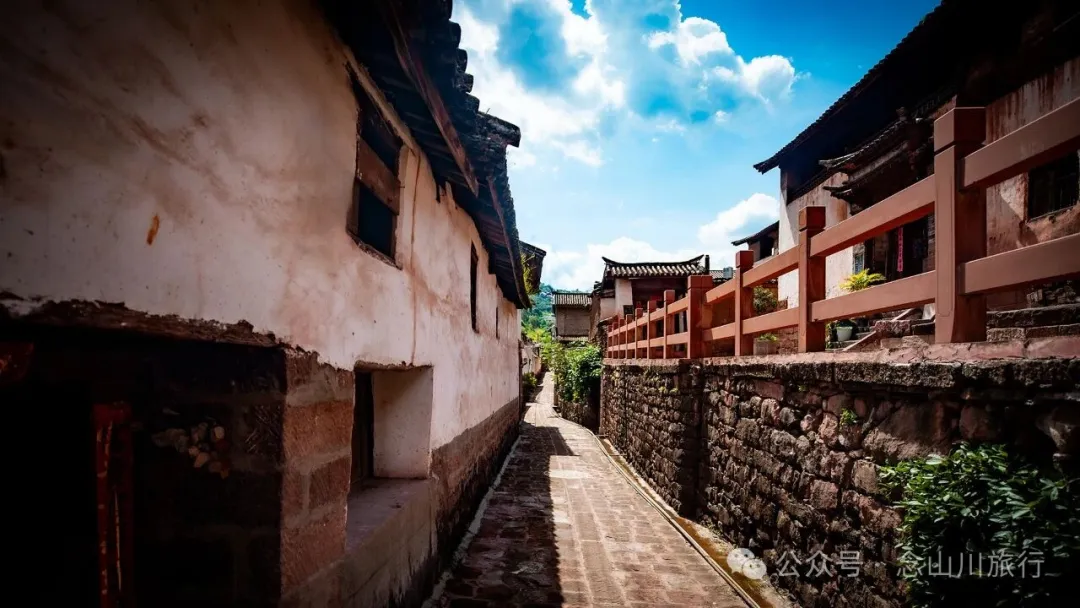
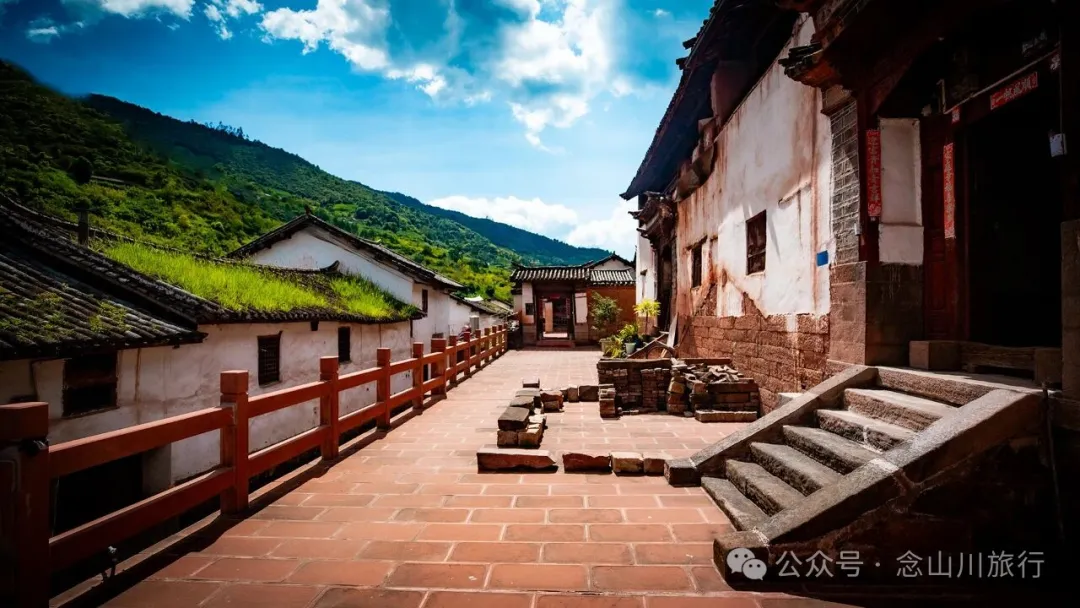
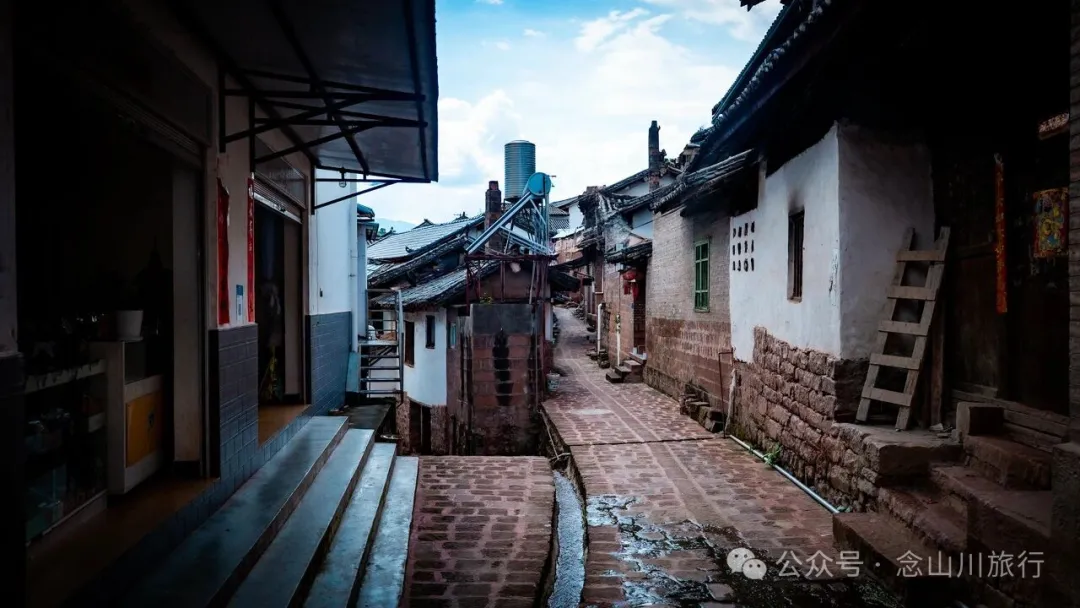
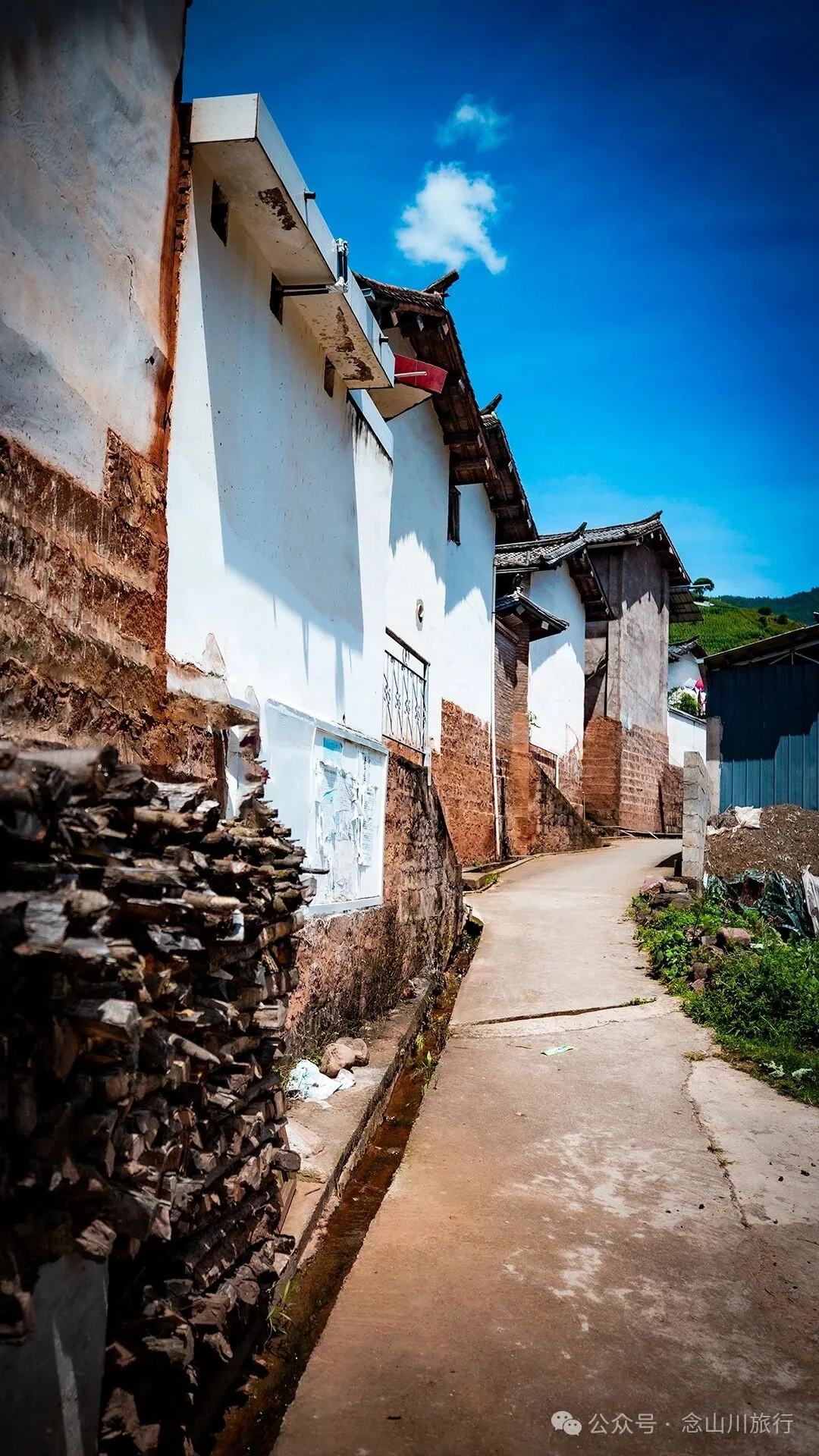
A clean longitudinal stone-paved road in the village was flanked by many well-preserved old buildings, dignified and generous, revealing that the village once had a glorious past. We stopped in front of an old house built on a high platform to admire it. The homeowner came out from a low house on the other side of the road and told us the house had weathered over a hundred years of wind and rain, modestly saying it wasn't a wealthy family. Curious about the three small cubes like battlements on the second floor, the homeowner explained they were beehives made of rammed earth.
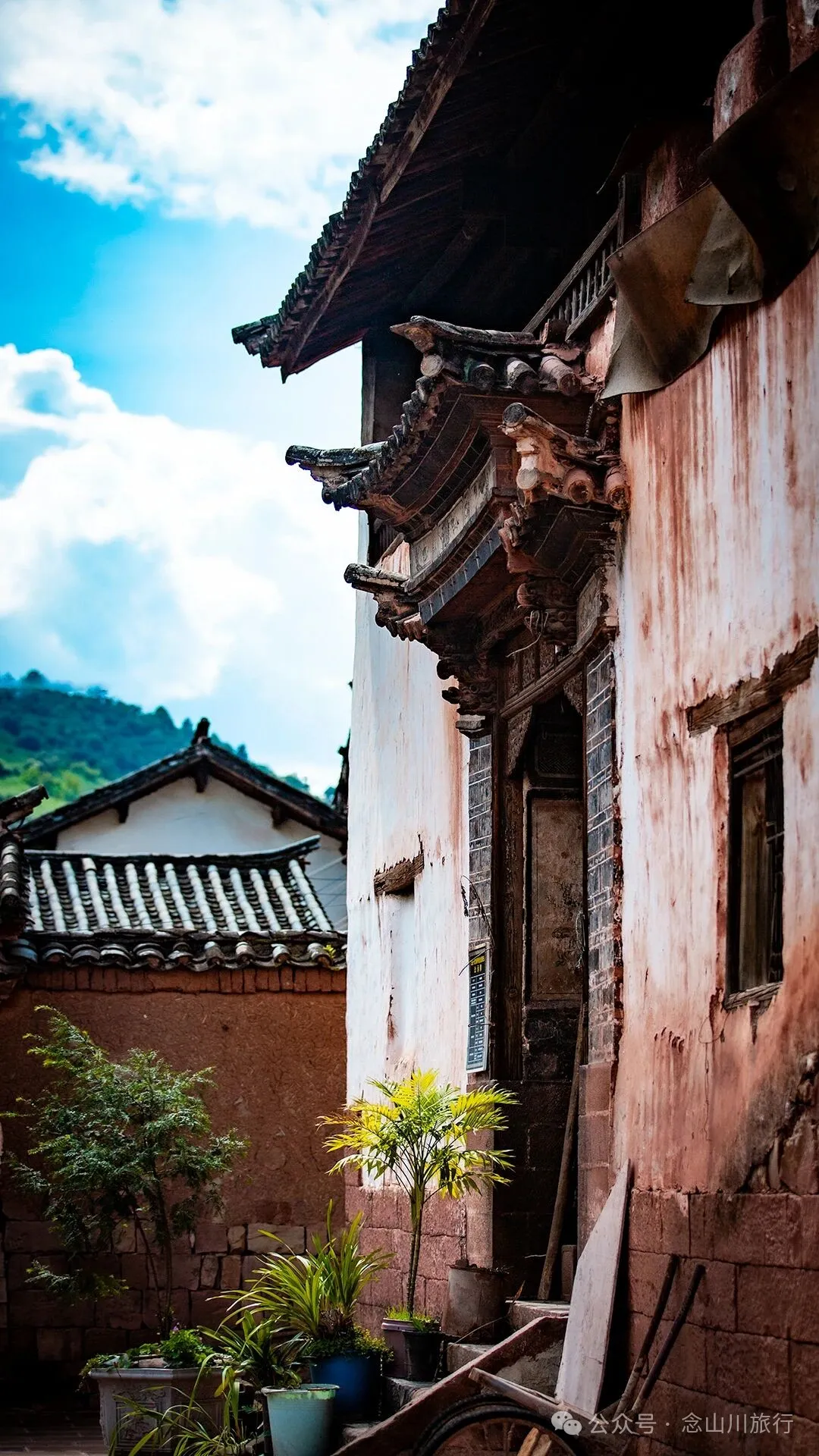
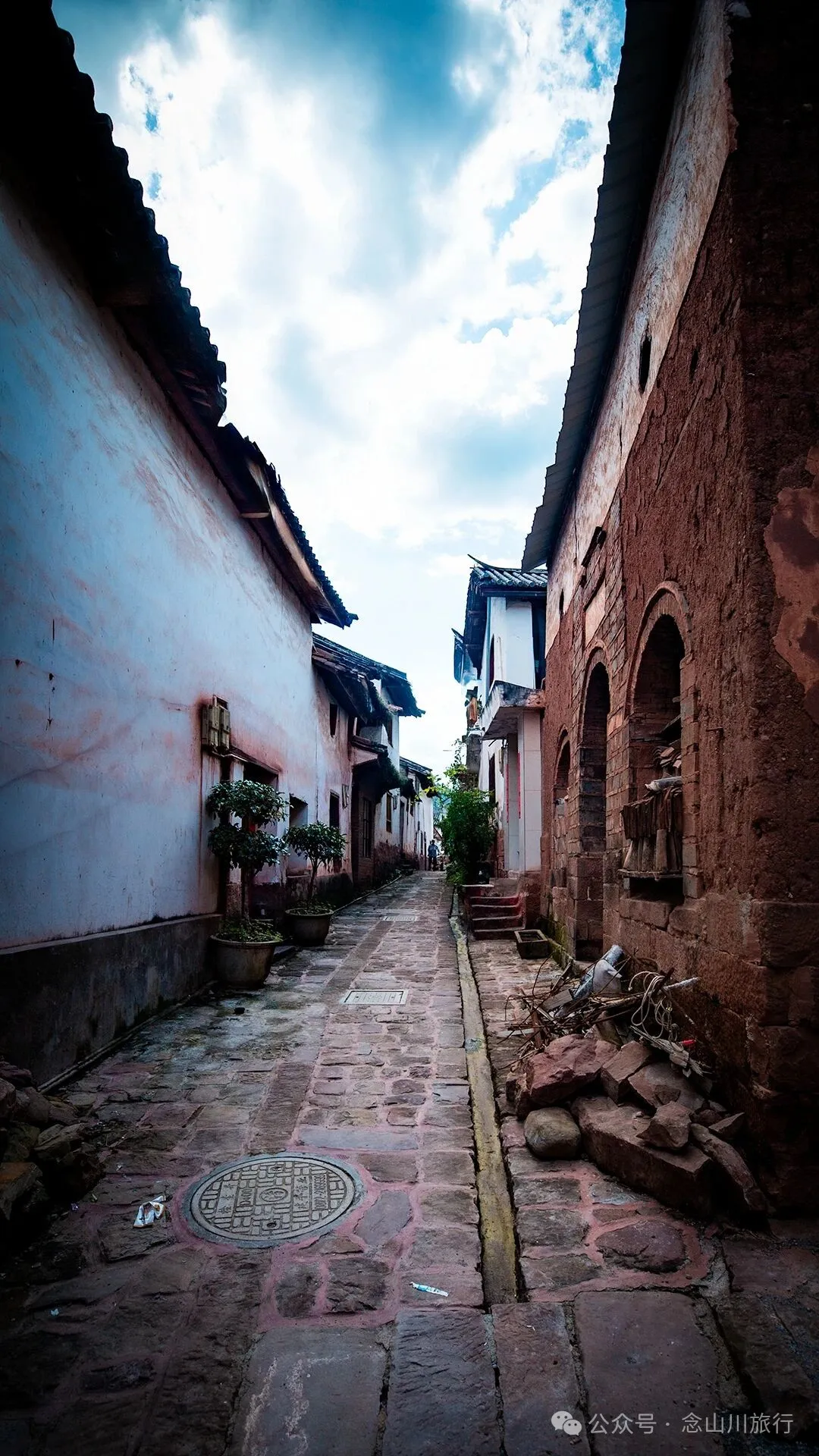
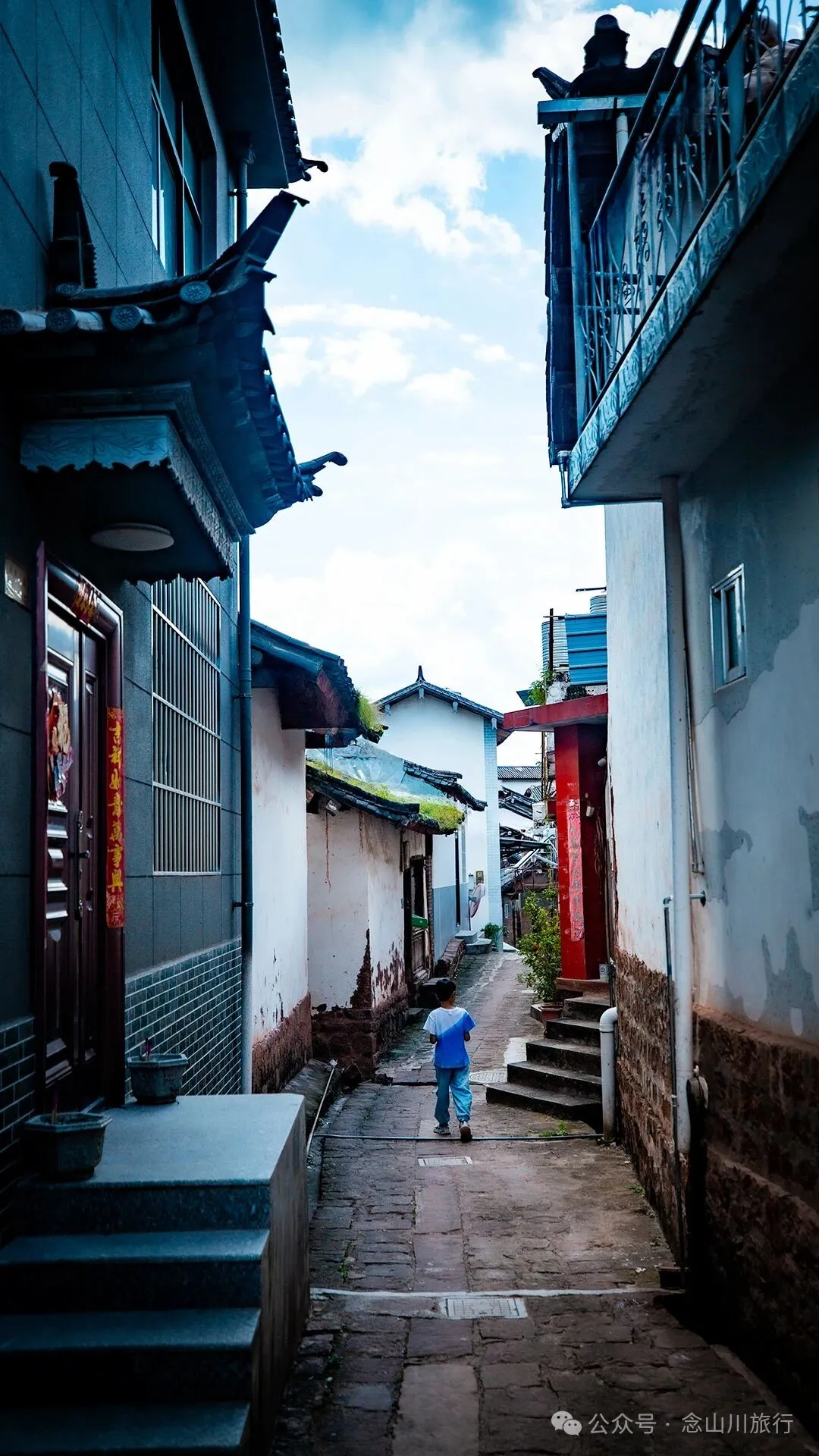
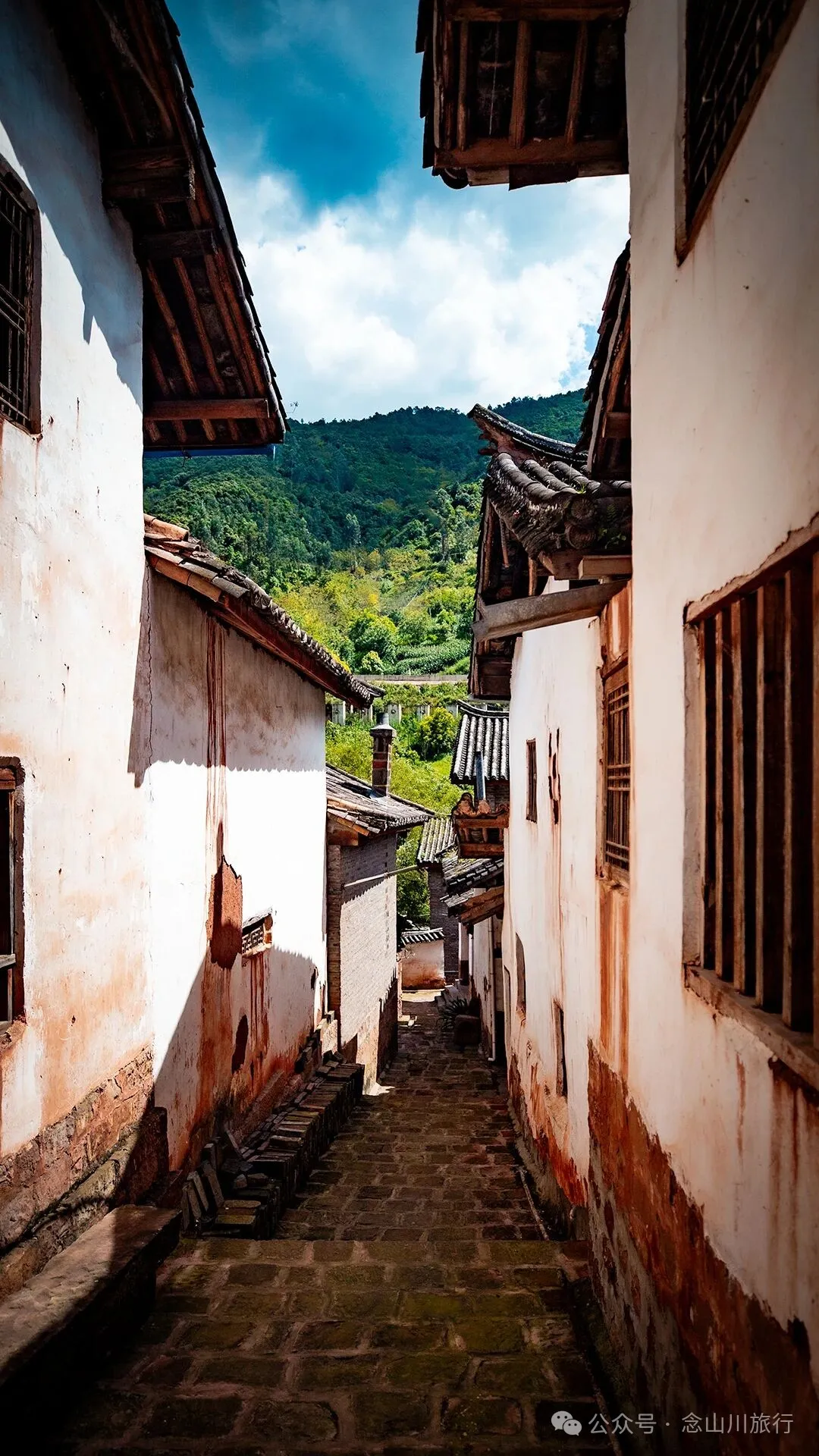
Hearing our conversation, a closed door next to us suddenly opened, and another villager came out with a tea cup in hand, naturally joining our talk. Ochre-colored foundation stones were everywhere in the village; he said these stones came from the nearby mountains. The longitudinal stone-paved road under our feet was the ancient Salt Horse Road, from the same period as the nearby Nuodeng Ancient Village. The stone road had been renovated, but only the long stone slabs in the middle, called "jump stones" (he spoke Mandarin with a strong Bai dialect accent, so I wasn't sure if it was exactly "jump stones"), retained their original form. At that point, the history of the Salt Horse Road, lost in the vast mountains and rivers, entered our view for the first time. Looking along the spotless stone road in the village, I seemed to hear faint hoofbeats coming from the corner.
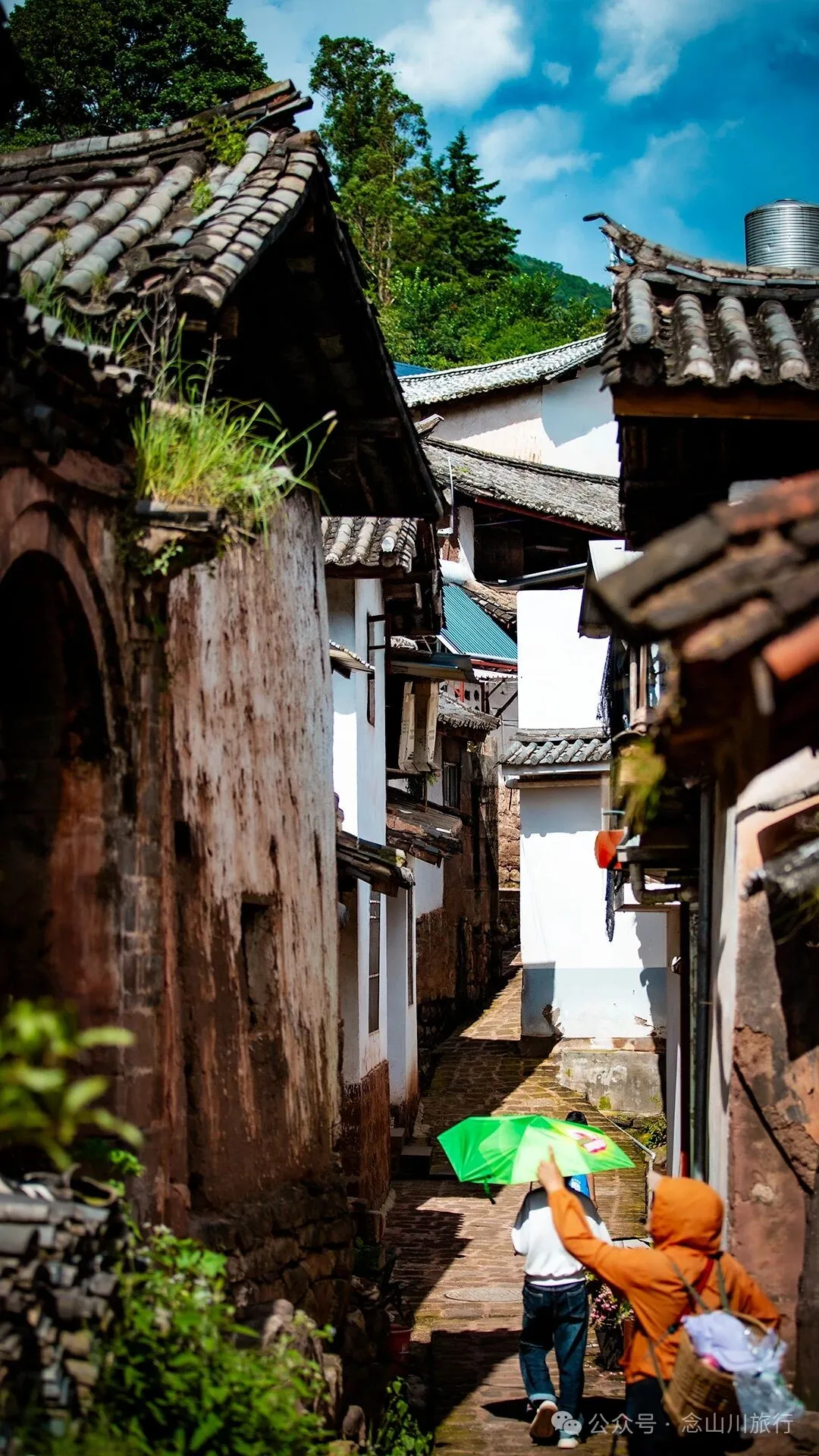
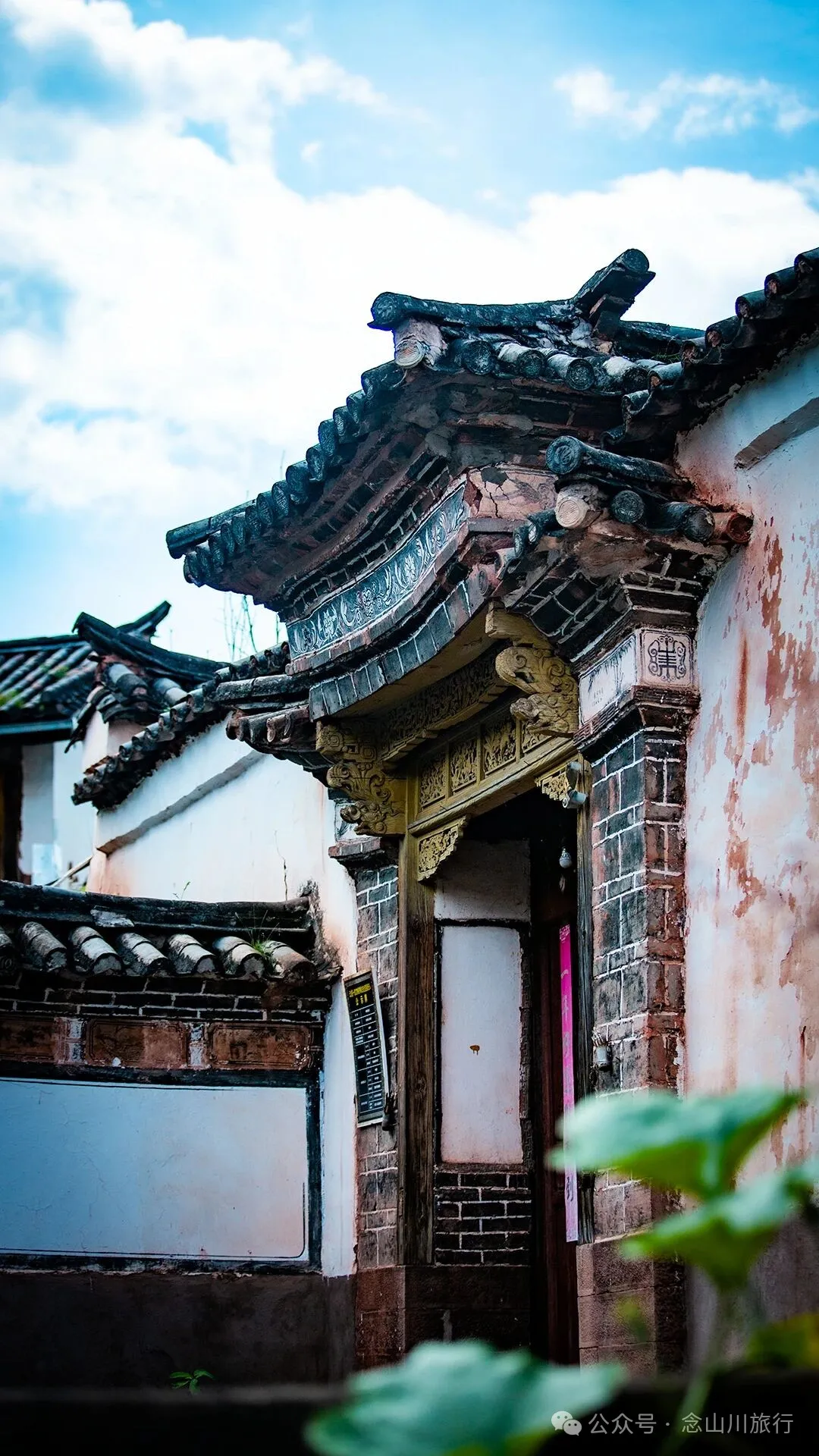
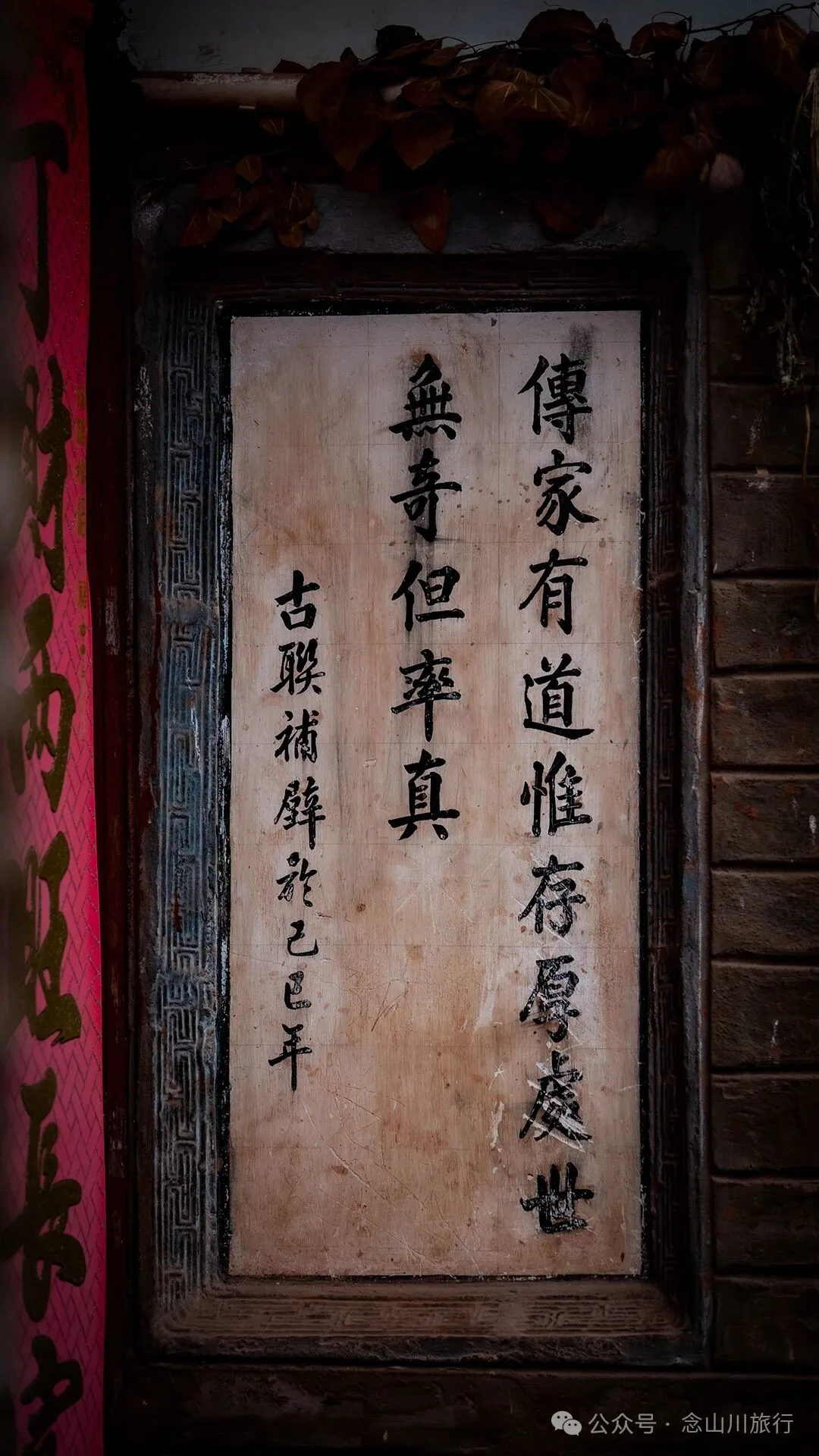
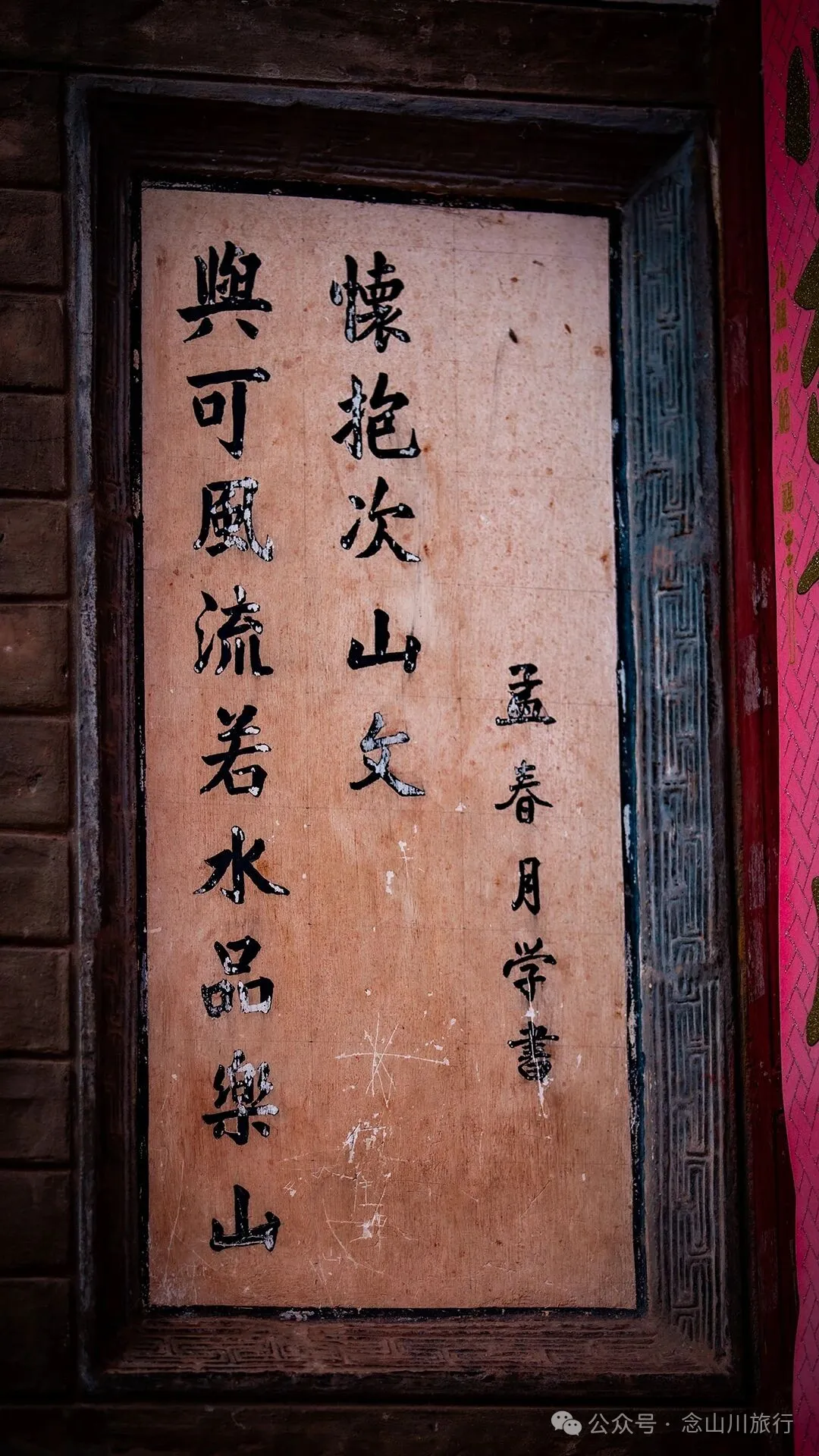
The Salt Horse Road was a trade and cultural exchange route centered on salt, carried by horse caravans, carved through the steep mountains of the southwest. It was not only a core branch of the larger "Tea Horse Road" network but also an independent and crucial historical and cultural passage that profoundly shaped the economic landscape and cultural features of ancient southwestern China. The Nuodeng Salt Horse Road was an important section, famous for producing high-quality potassium salt. Horse caravans made the potassium salt into "tube salt" or "pot salt" and transported it to western Yunnan, Myanmar, Tibetan areas, etc., in exchange for tea, medicinal herbs, and daily necessities. The obscure Heping Village was one of the post stations. Standing on this longitudinal stone road in the village, scattered remnants seemed to echo with the continuous sounds of horse caravans.
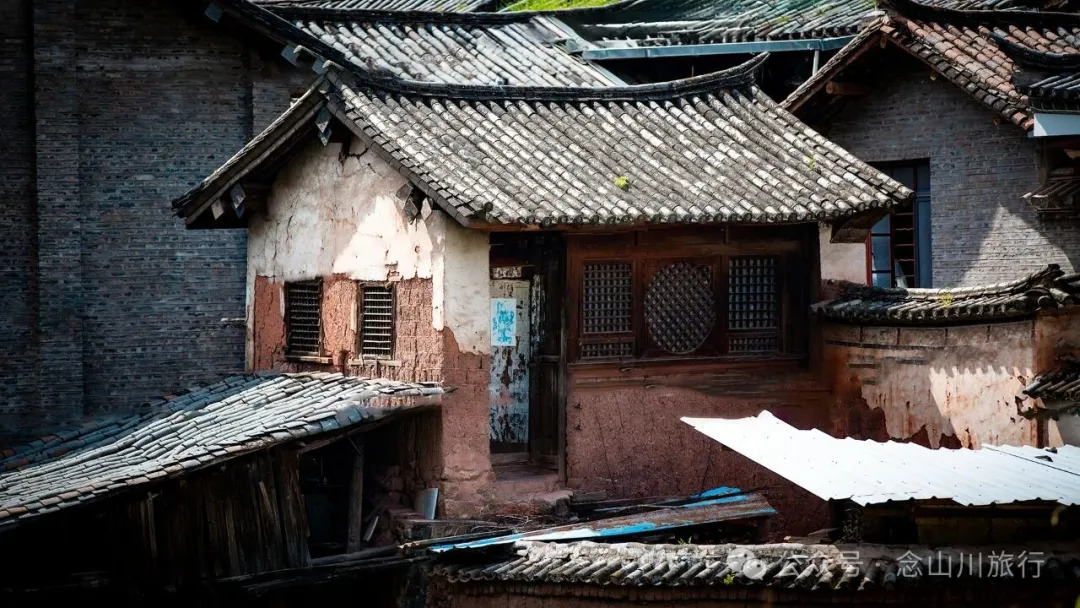
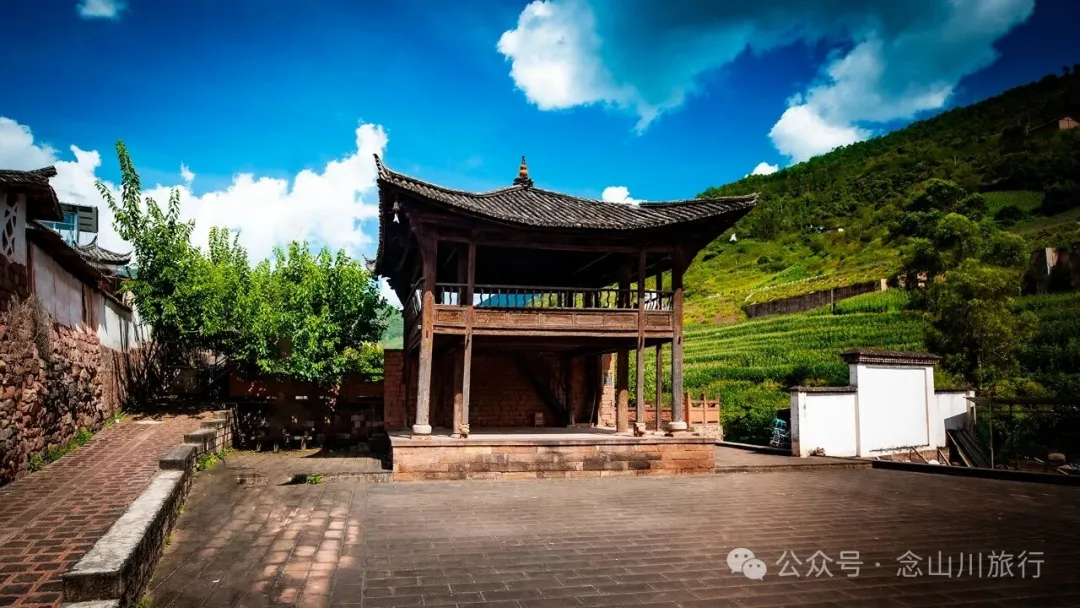
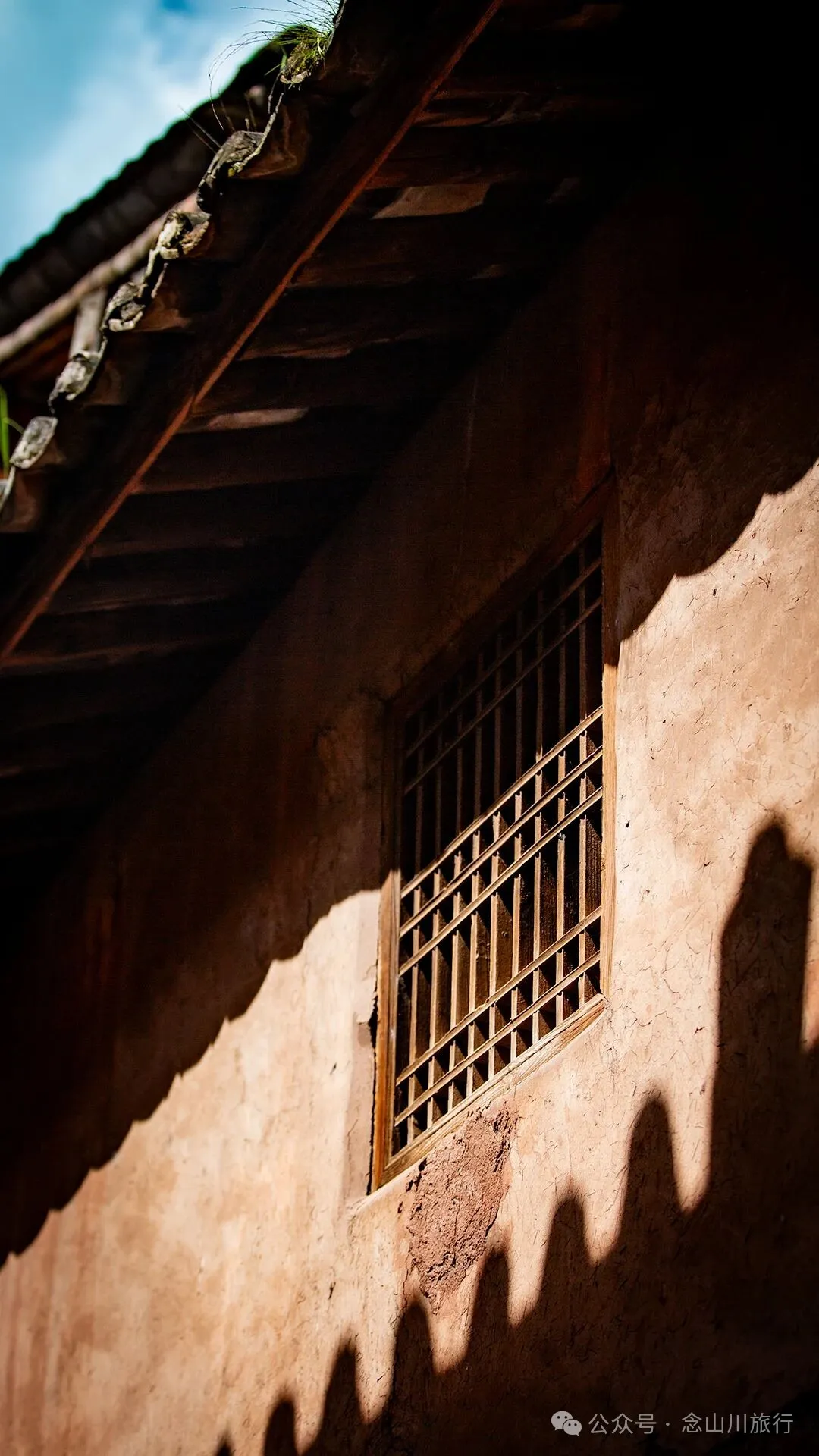
Walking out of the village, a small independent tile-roofed house caught our attention. Its square-and-round lattice wooden windows looked aged but well-preserved, though a narrow door next to it was missing, and the house was abandoned and unused. In the square outside the village was an ancient stage, once crowded with various horse caravans resting and passing time, noisy with voices. Now, the stage was empty inside and out; the ancient singing had long gone with the stream, never to return. Only four villagers sat in a corner on the second floor, playing cards, enjoying the cool breeze and chatting about everyday life.
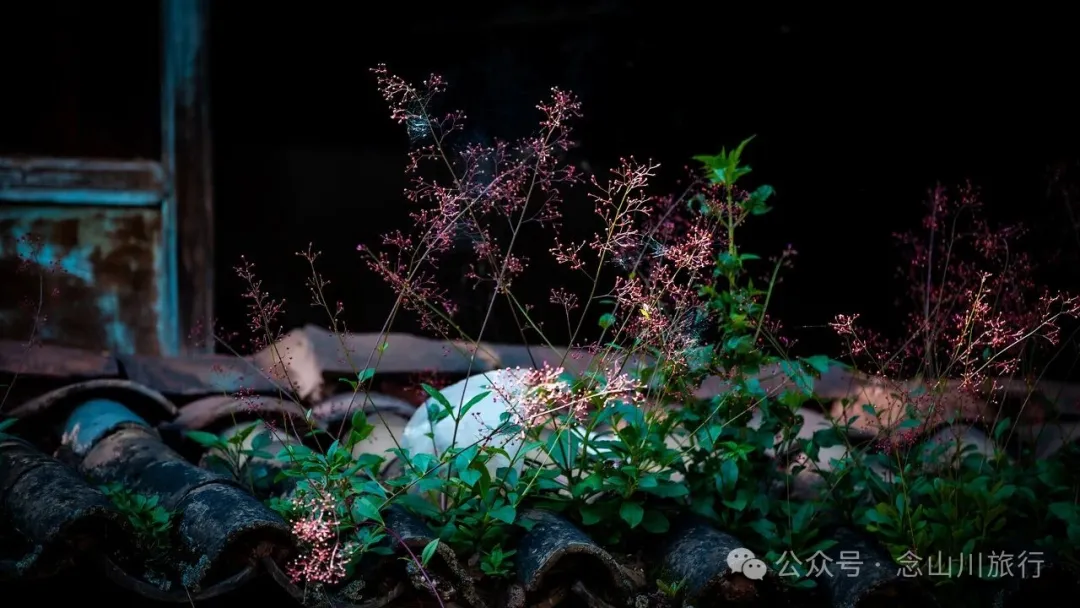
On the roof of an old house, a few blooming wild ginseng plants caught the sunlight on their bead-like small flower buds, as if illuminating a dusty past.
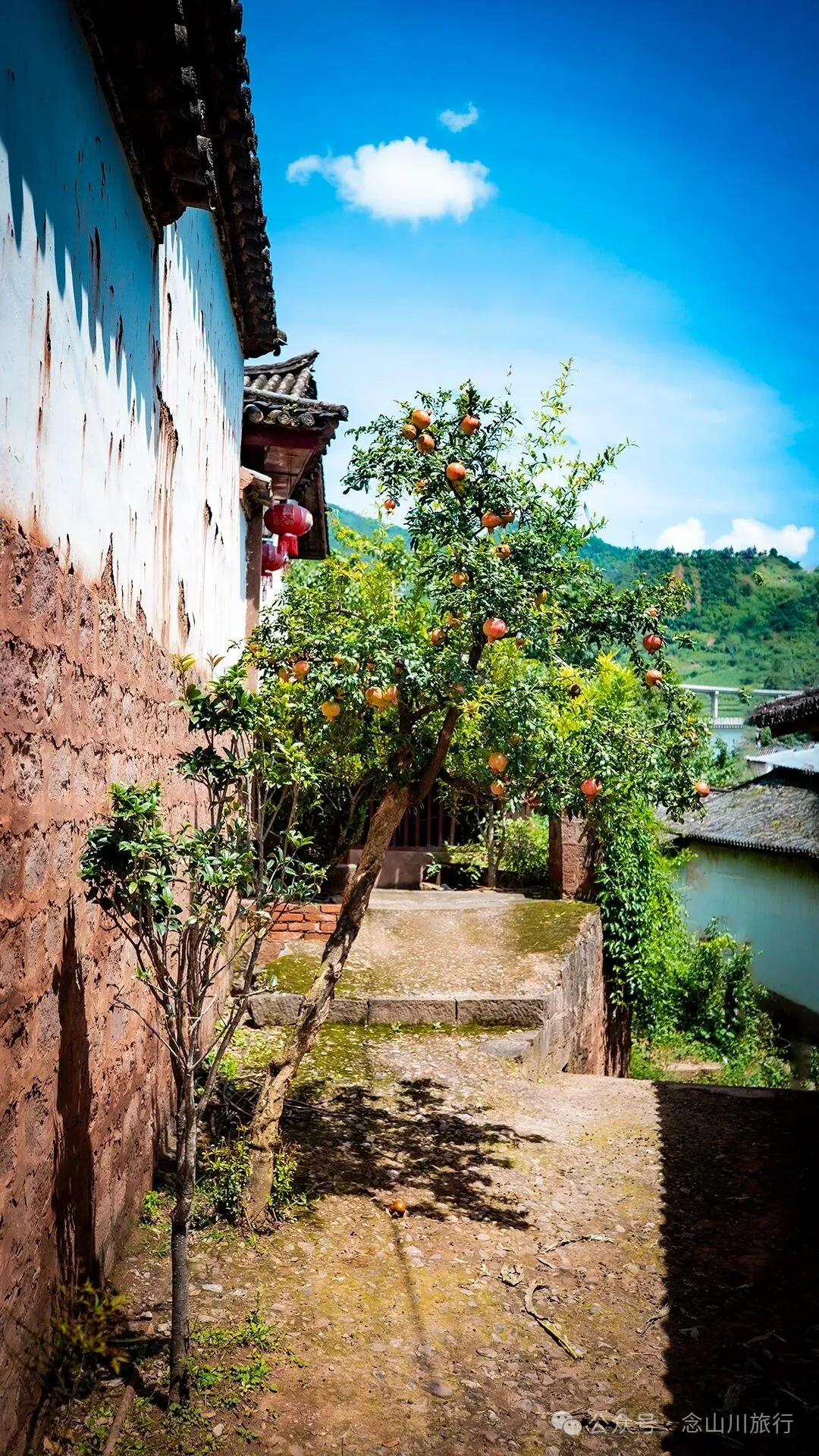
A slanting pomegranate tree was full of fruit, its slender trunk supporting endless sweetness.
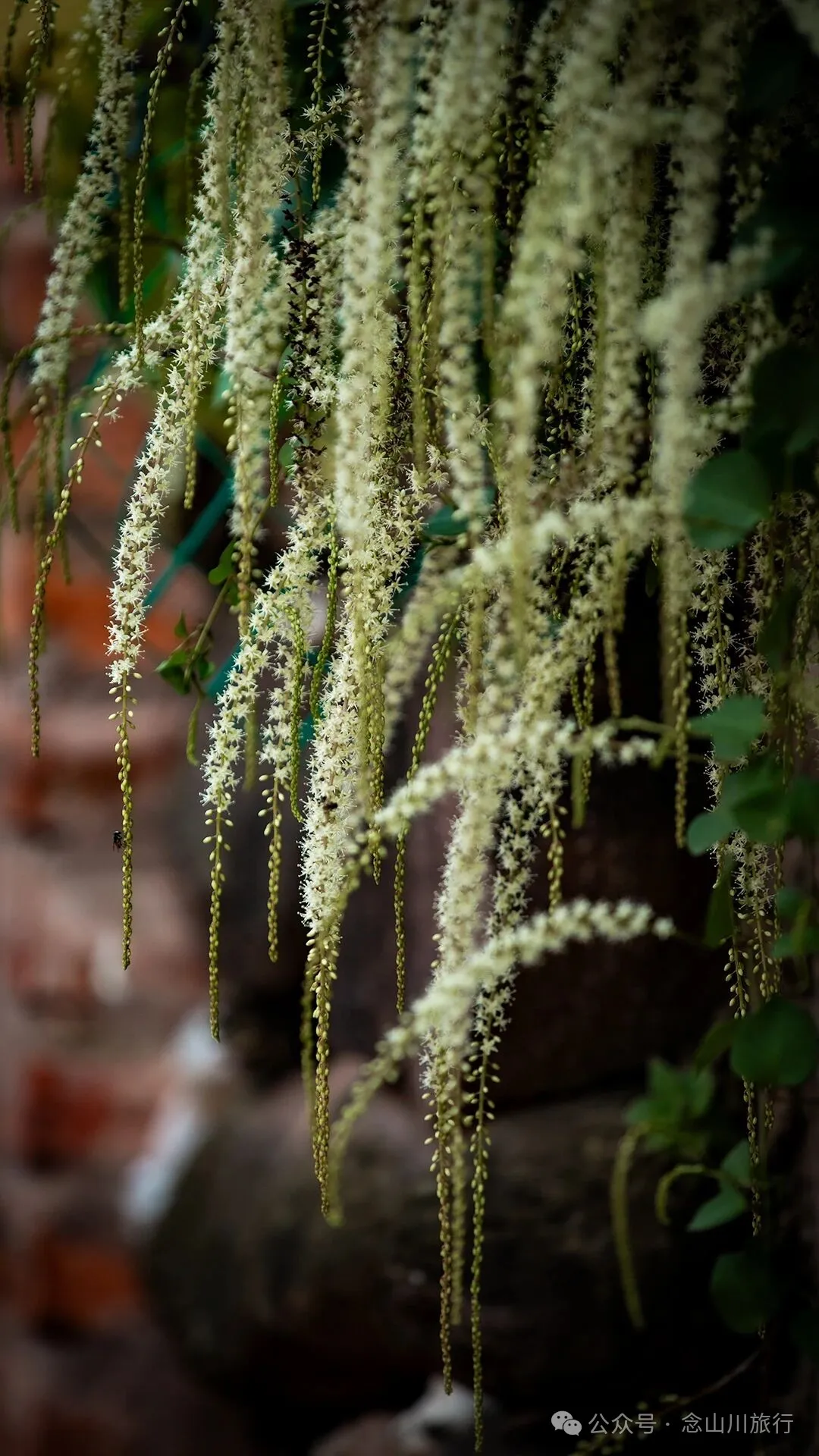
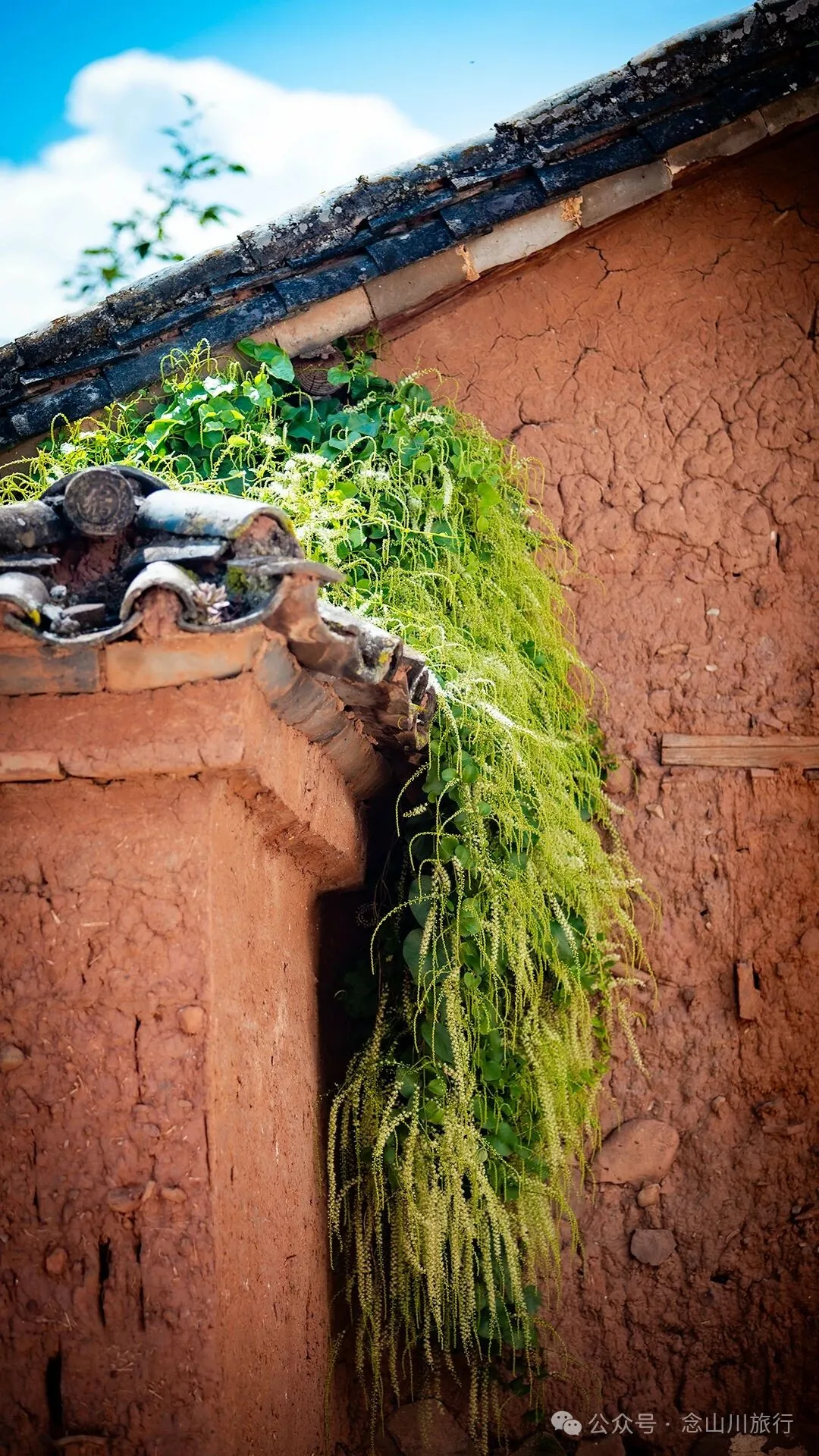
An abandoned old wooden house stood silently by the road. After humans left, Madeira vine had surged in, taking root and thriving luxuriantly.
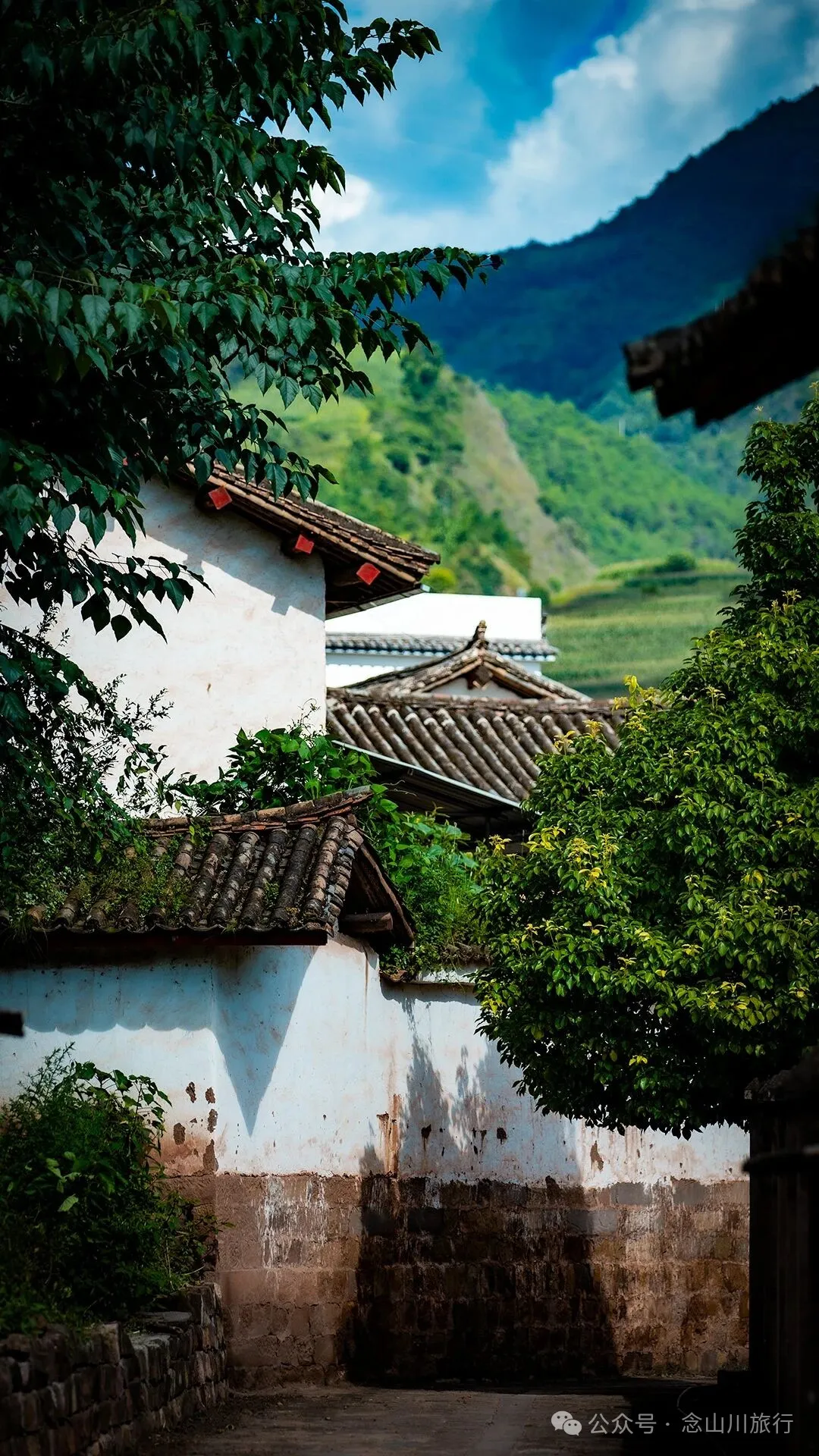
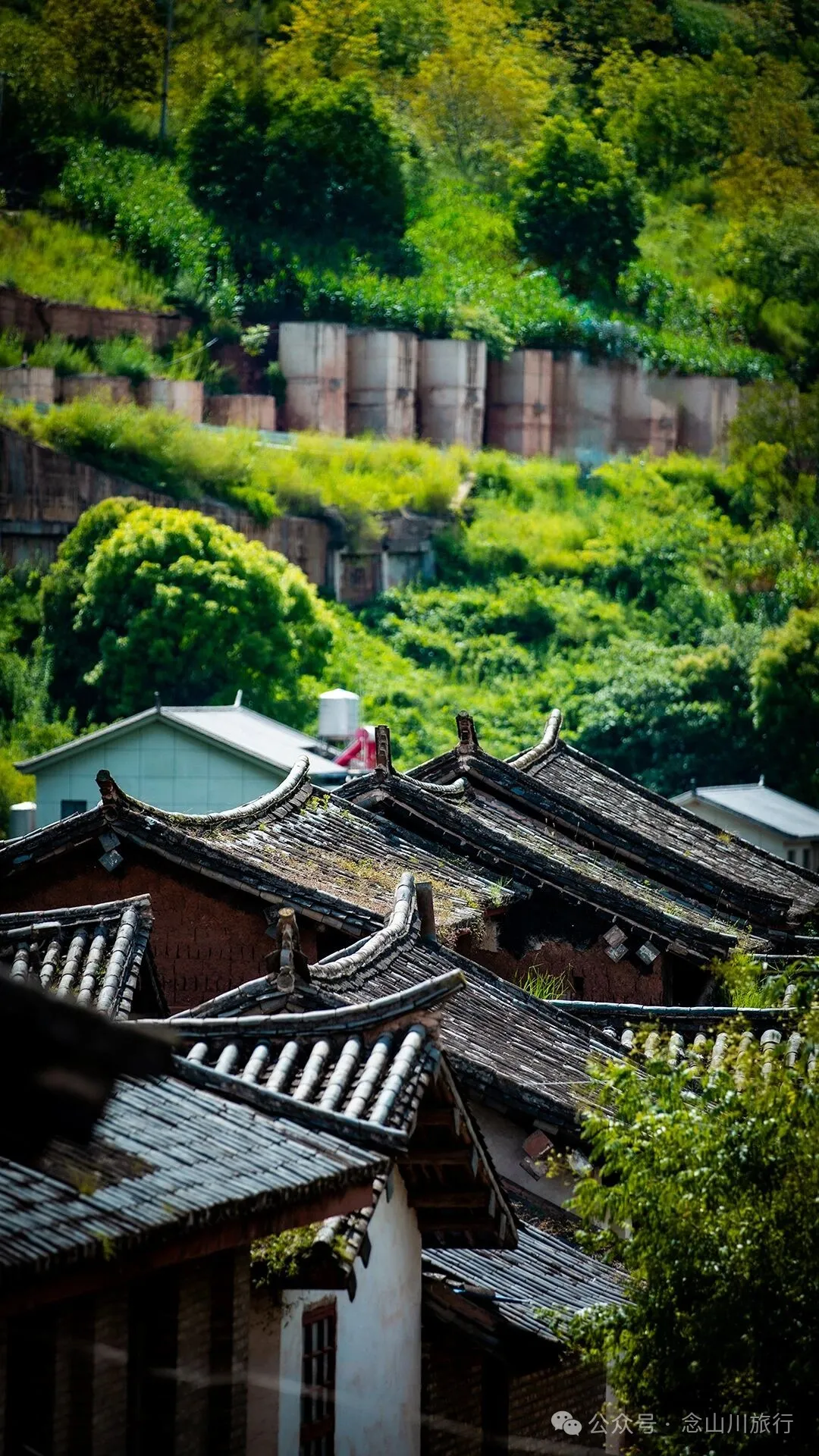
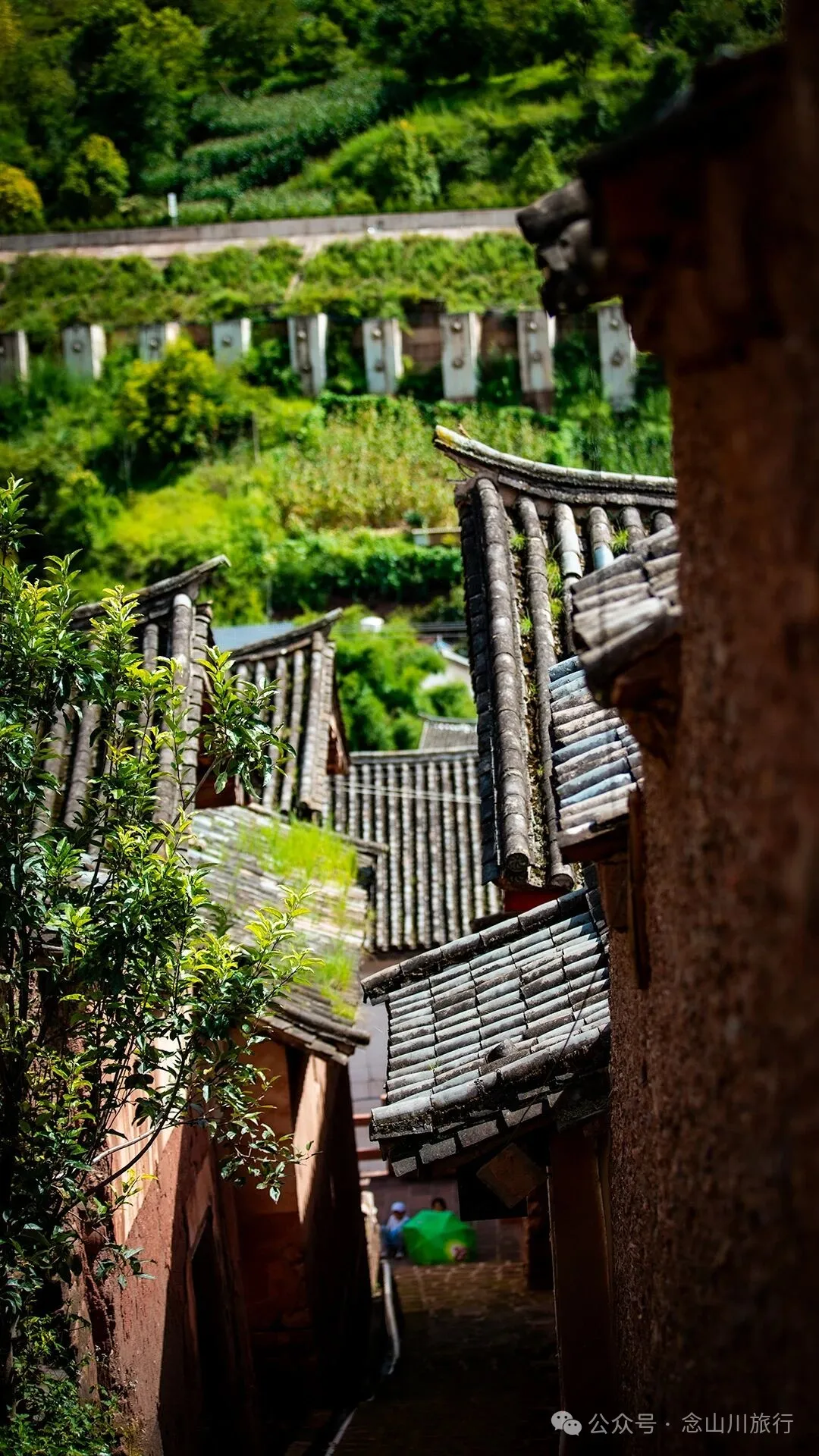
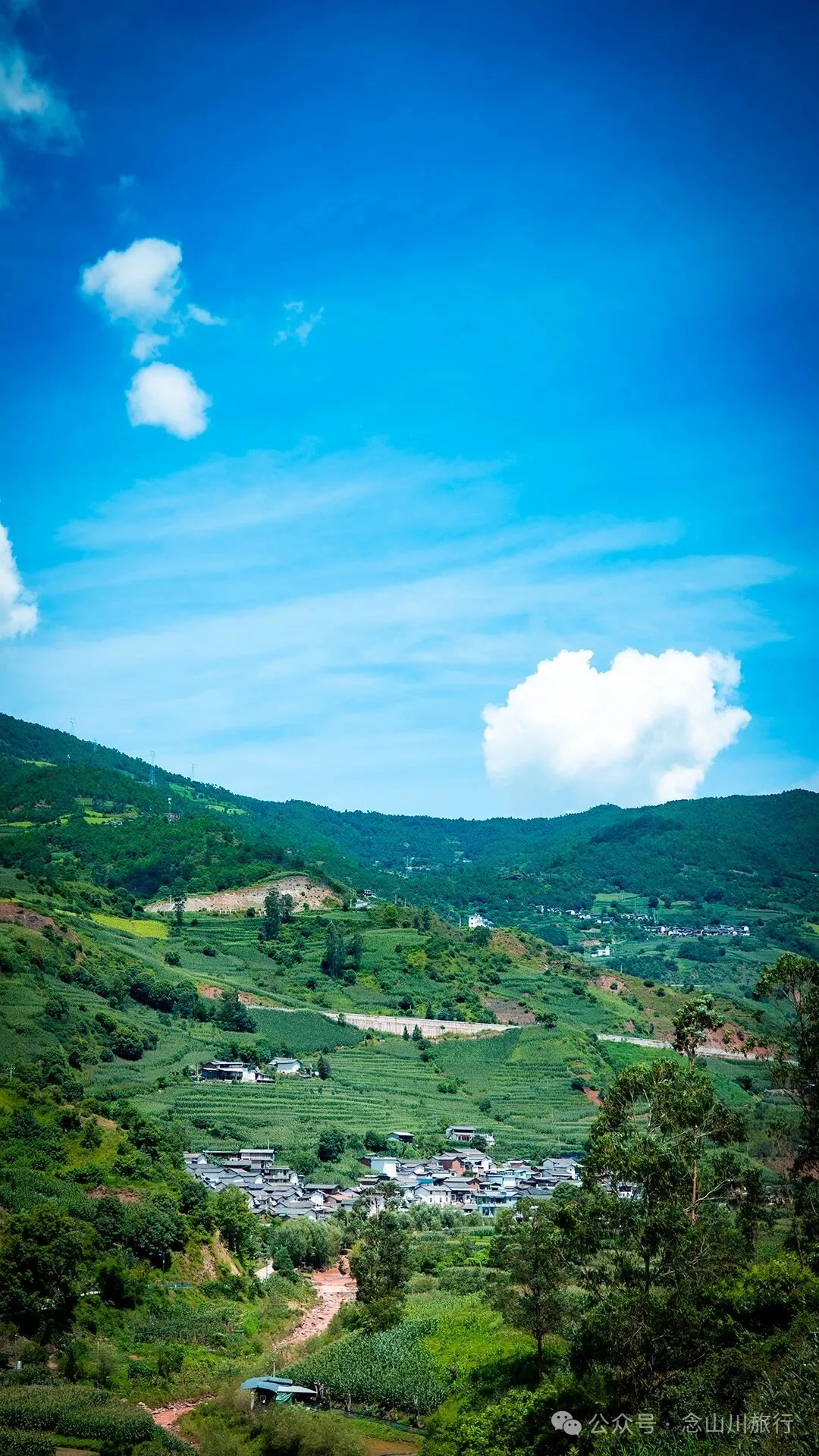
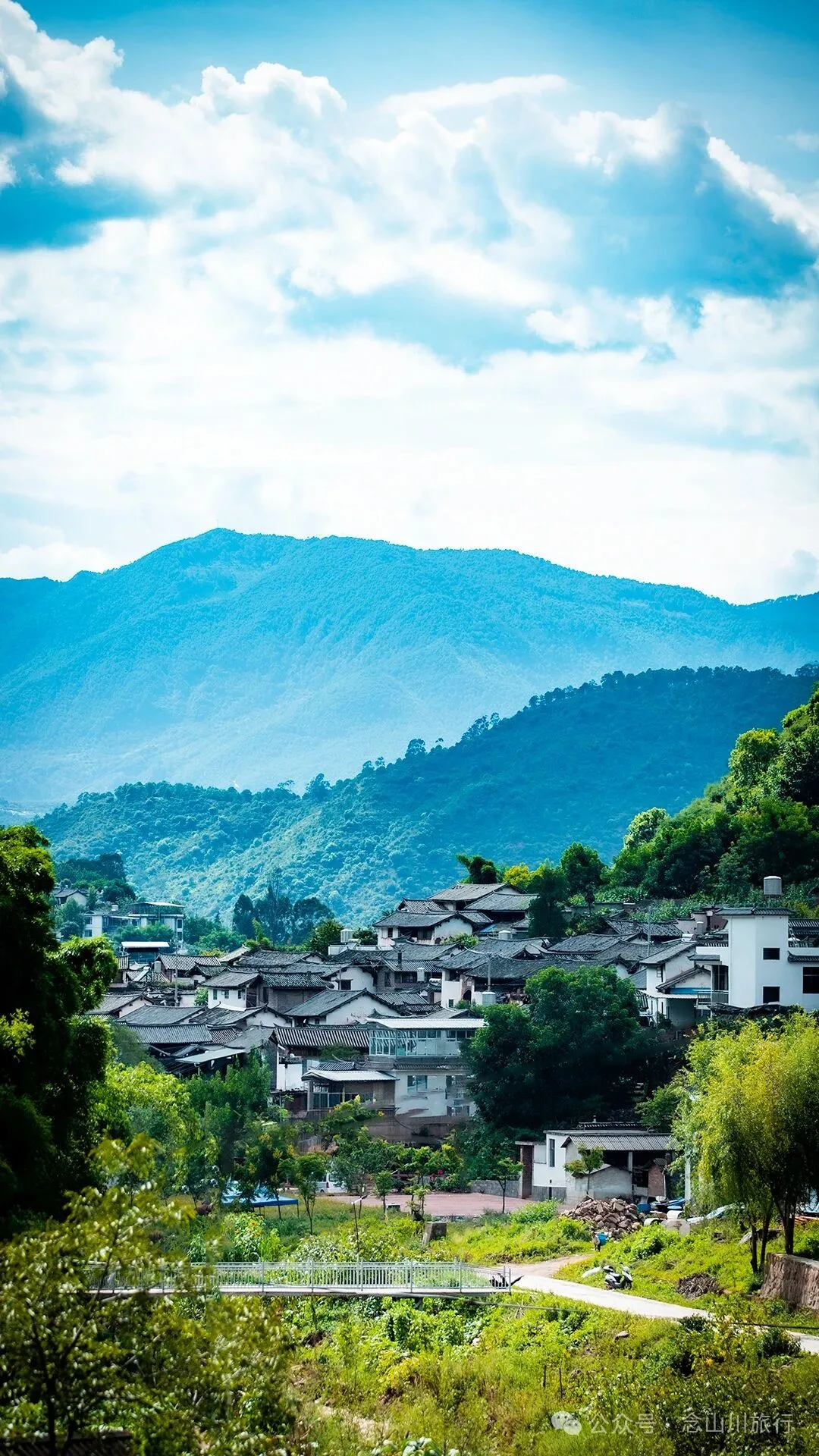
Ancient buildings intact, stone slabs dust-free, tourists nowhere to be found—Heping Village on the Salt Horse Road lay peacefully and primitively in the mountains. We spent less than three hours walking and lingering in Heping Village. This brief encounter was far from enough for us to understand the era of the Salt Horse Road that crossed mountains and ridges. We only stood at one entrance, glimpsing a ray of light spilling from the time tunnel. As for how to delve deeper, it was still dark before us. Fortunately, we did not miss this seemingly ordinary village, pushing open that dusty door to reveal a small crack.