
We only knew that this is a pure Yi ancient village with a history of nearly 500 years, and that most villagers have the surname Zi, one of the six surnames (Cha, Luo, A, Bi, Zi, Zuo) adopted by the surviving royal family of the Nanzhao Kingdom after its fall in 902 AD to escape persecution.
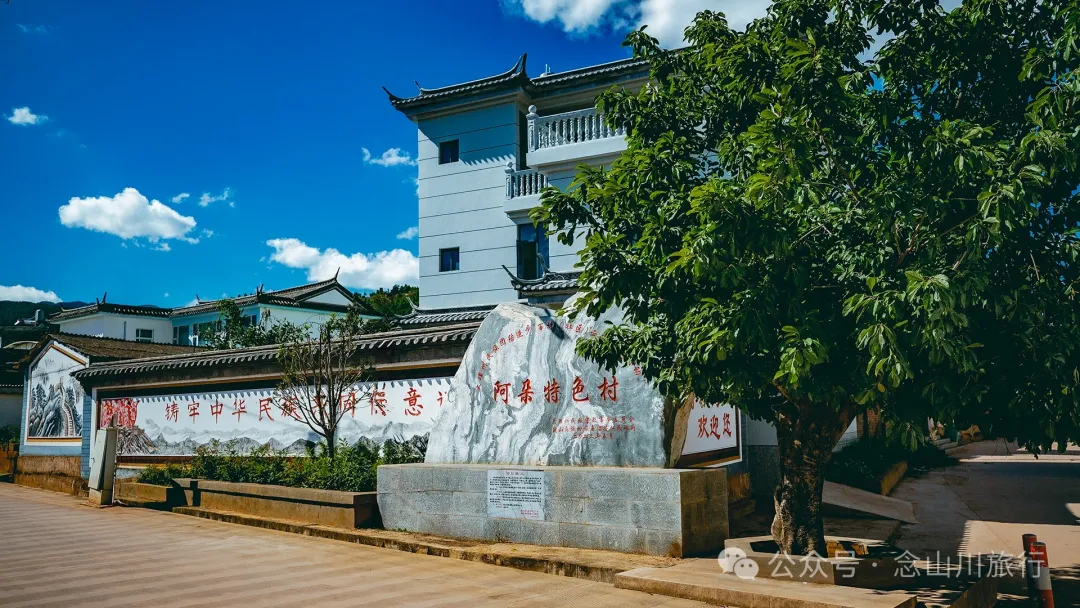
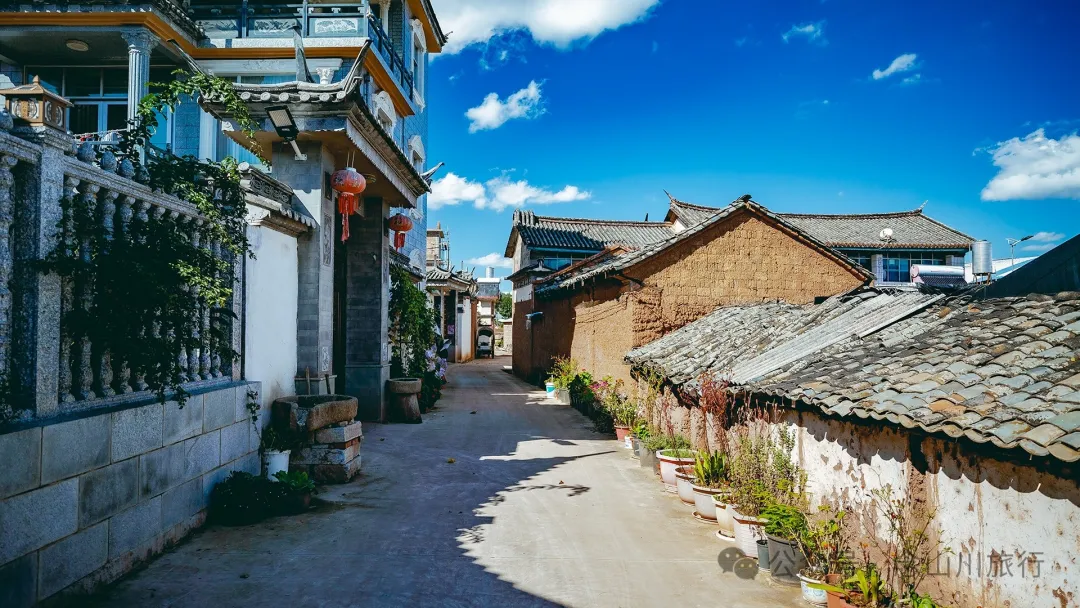
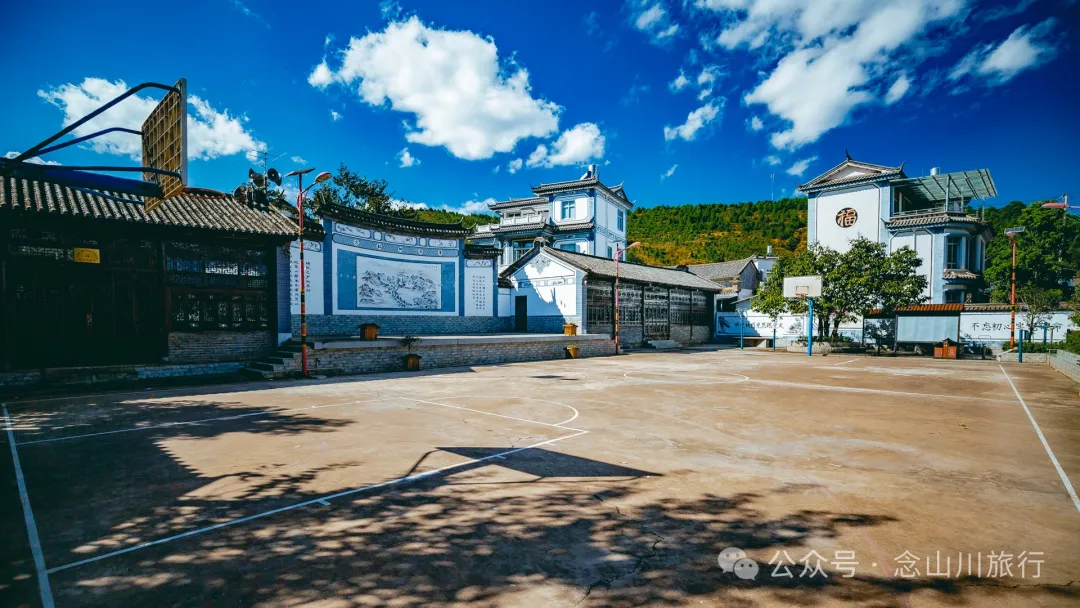
When we entered this ancient village with these two pieces of knowledge, trying to trace its history from the remaining relics, we got lost in the wide concrete roads and imposing modern buildings.
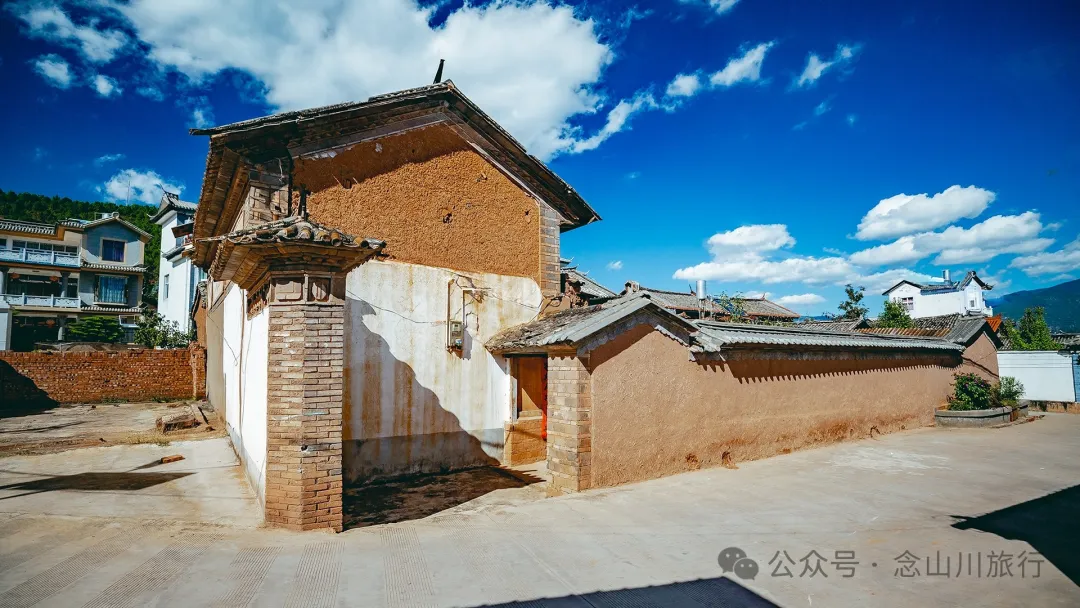
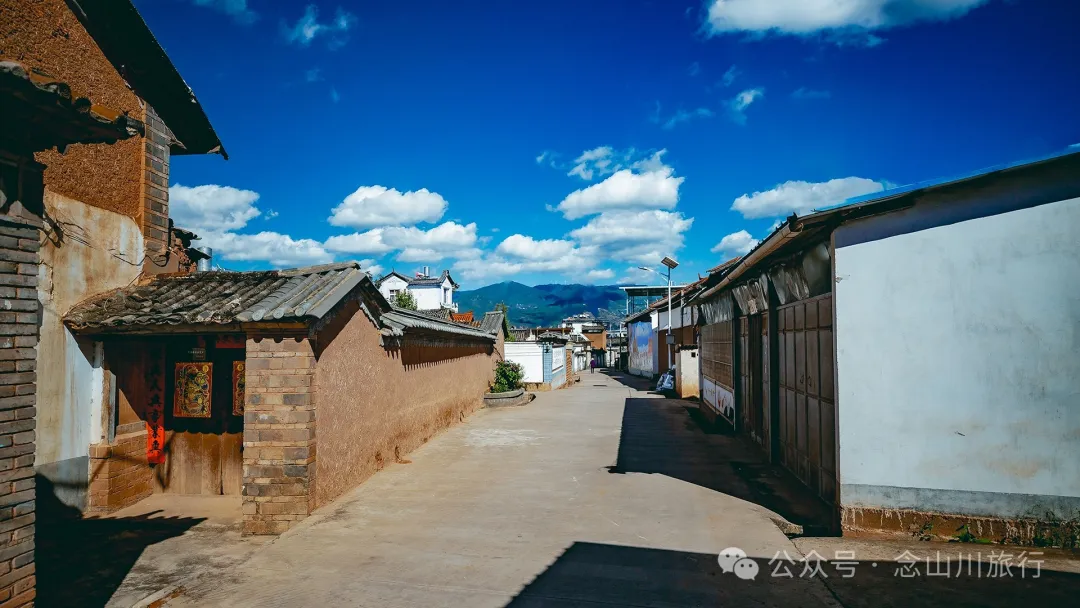
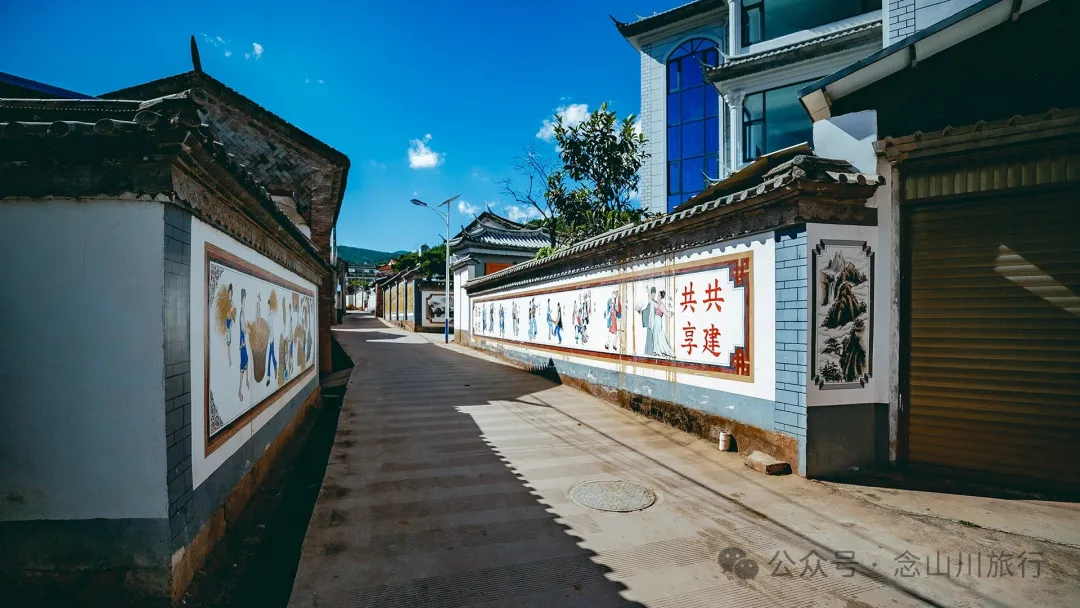
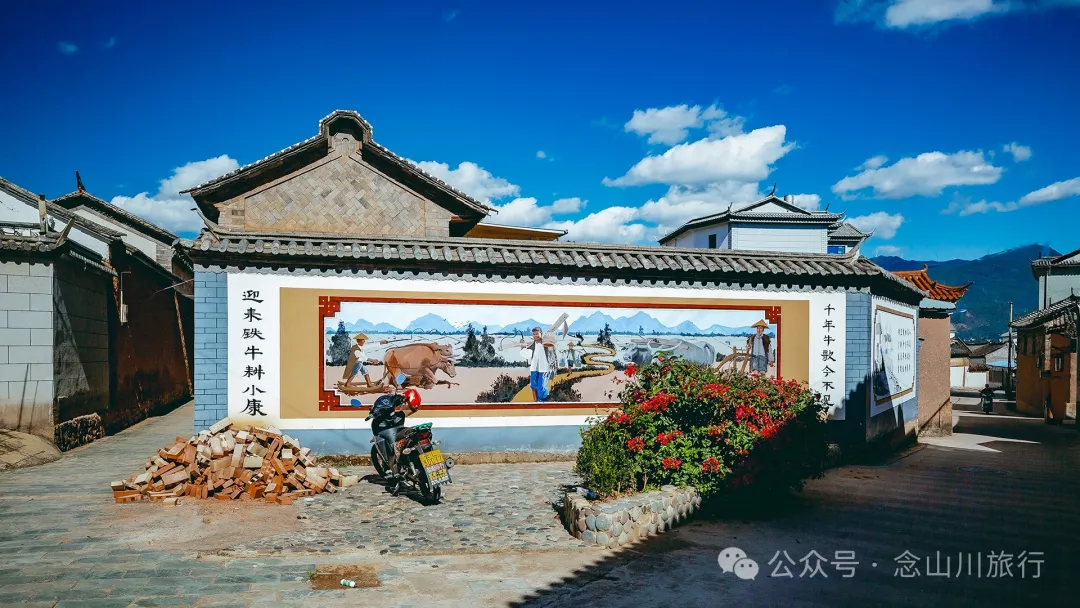
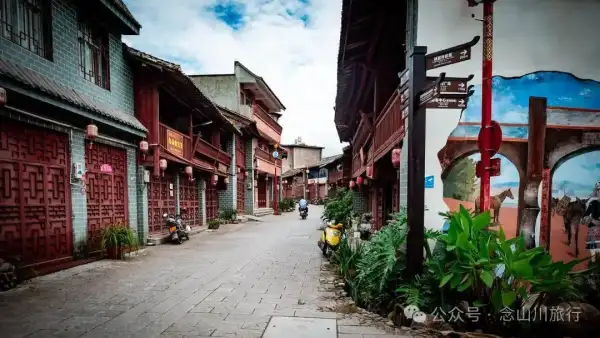
The main road and the houses on both sides, showing no signs of age, give strangers a misleading impression. The ancient village we learned about online had none of its ancient charm, except for occasional large, neatly rammed earth courtyards and antique wooden doors with upturned eaves.
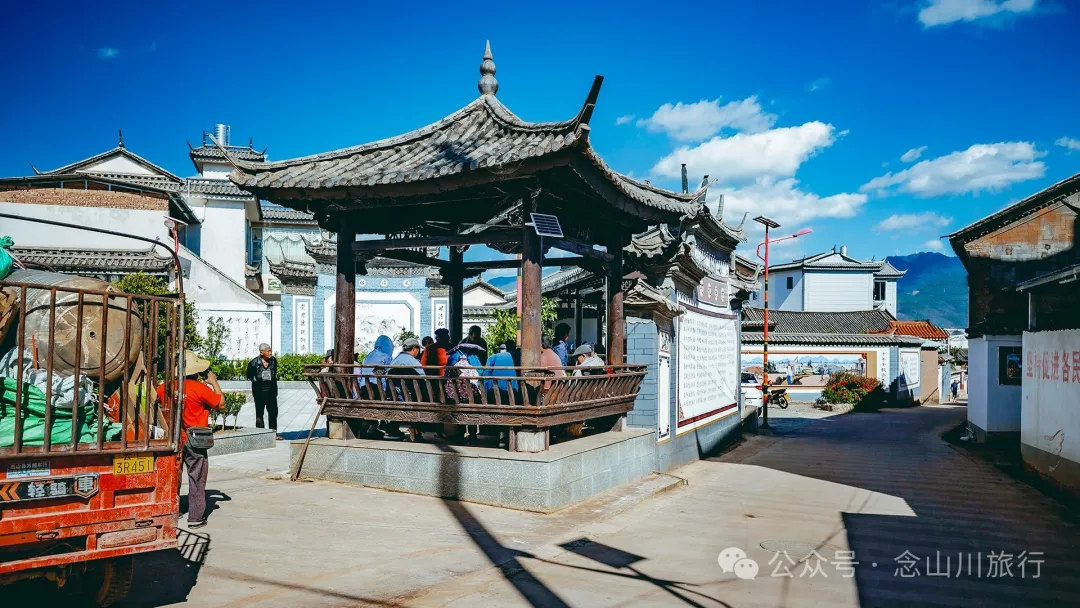
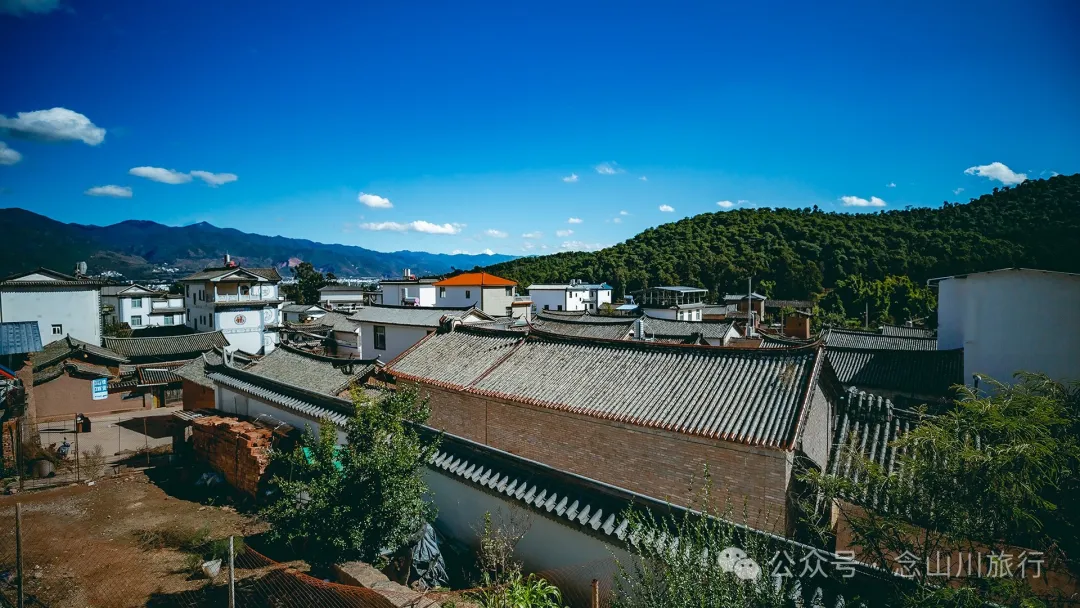
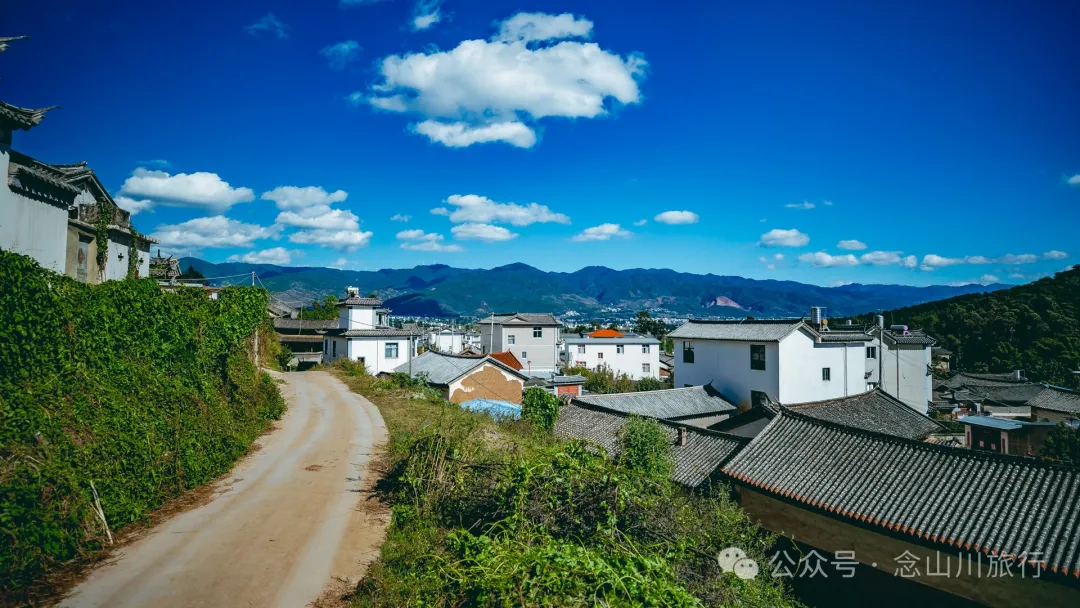
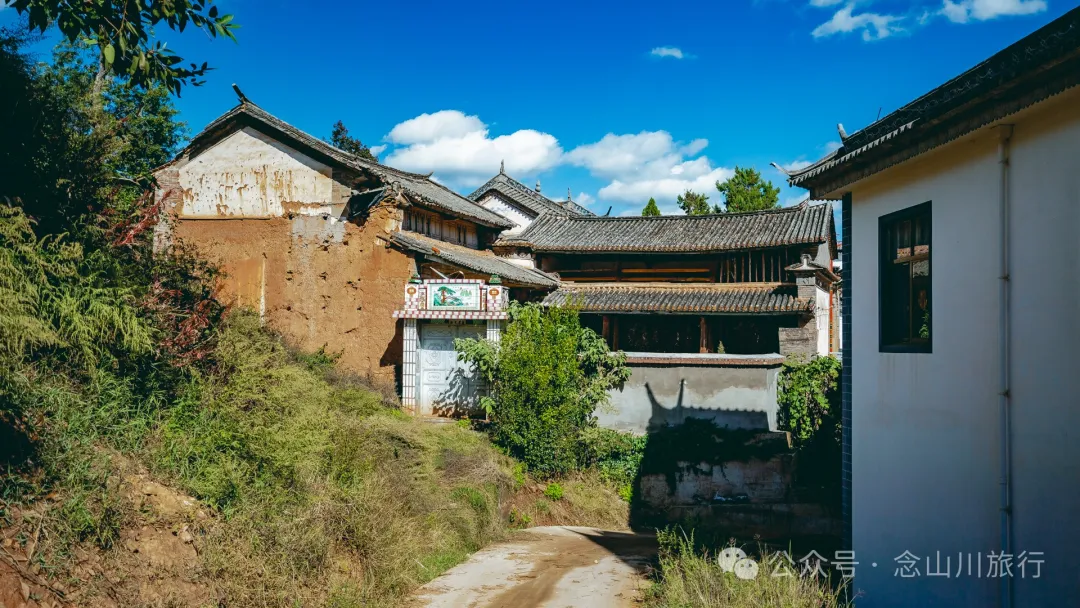
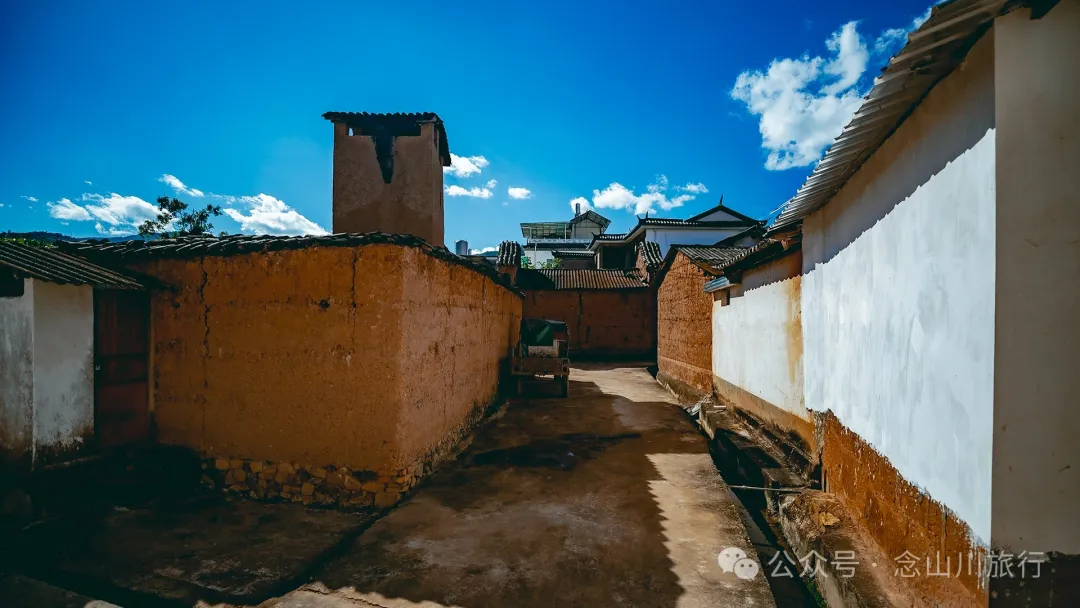
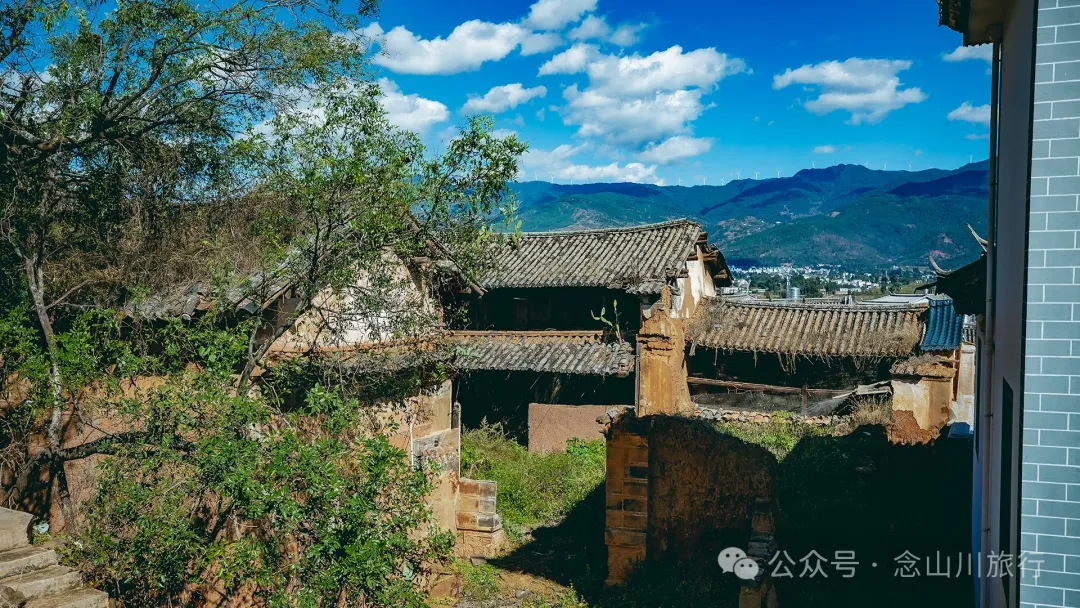
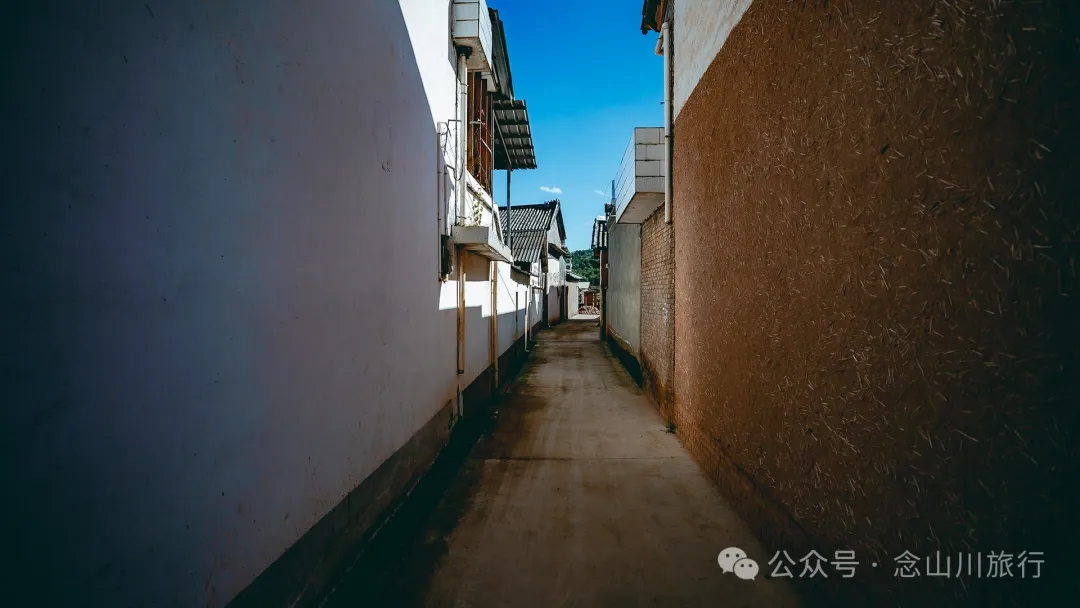
We left the main road and ventured into narrow alleys, only to find a few abandoned old courtyards with locked gates near the fields outside the village. High walls shut these neglected old houses in the gloom of history; we could only peek through a low wall to see a tiny corner of a beam thick with cobwebs or an indistinct stone carving.
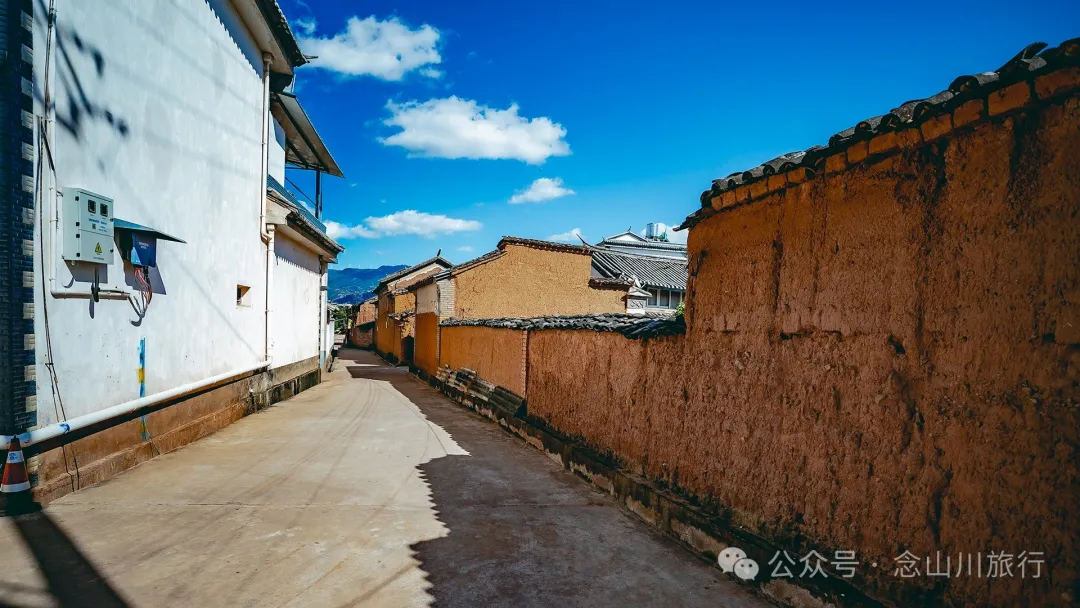
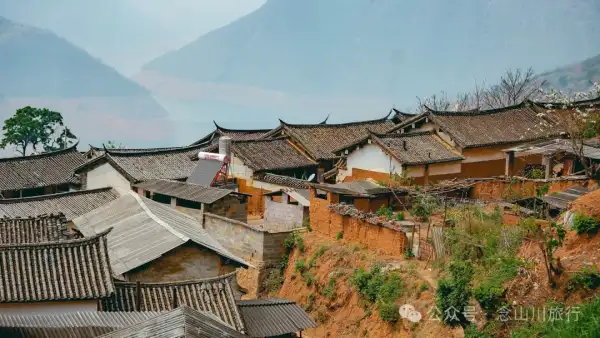
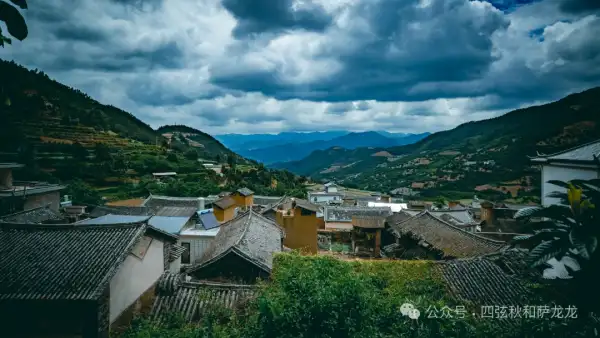
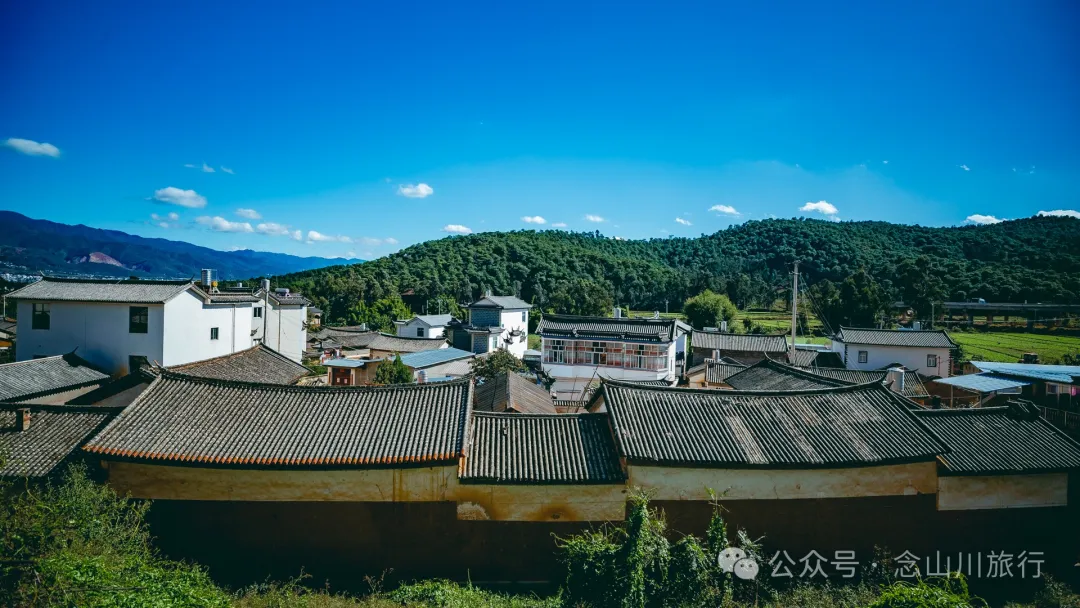
When we retreated from the fields and climbed the northern slope near the mountain, we barely found a high point to overlook the entire village, ready to end our exploration. But on the way back, we discovered a left alley that hid the true historical relics of this village at the foot of the mountain. As we delved deeper, this mysterious ethnic settlement with over 480 years of history gradually revealed itself in the vivid sunlight.
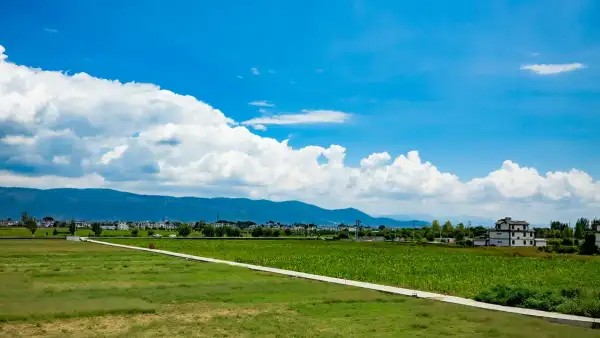
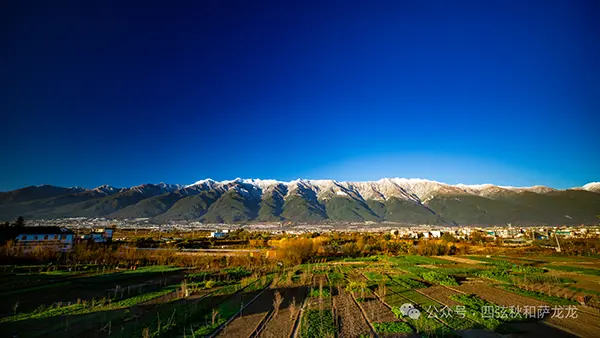
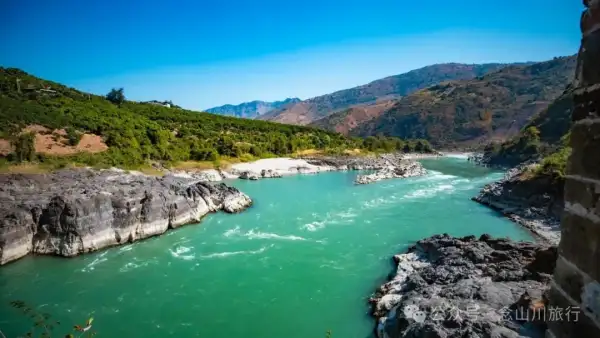
Aduo Village is located at the western end of Weishan Basin, adjacent to the Yanggua River, a source of the Red River. It is a pure Yi settlement. "Aduo" means fire in the Yi language, so Aduo Village is "Fire Village," symbolizing a village burning like fire.
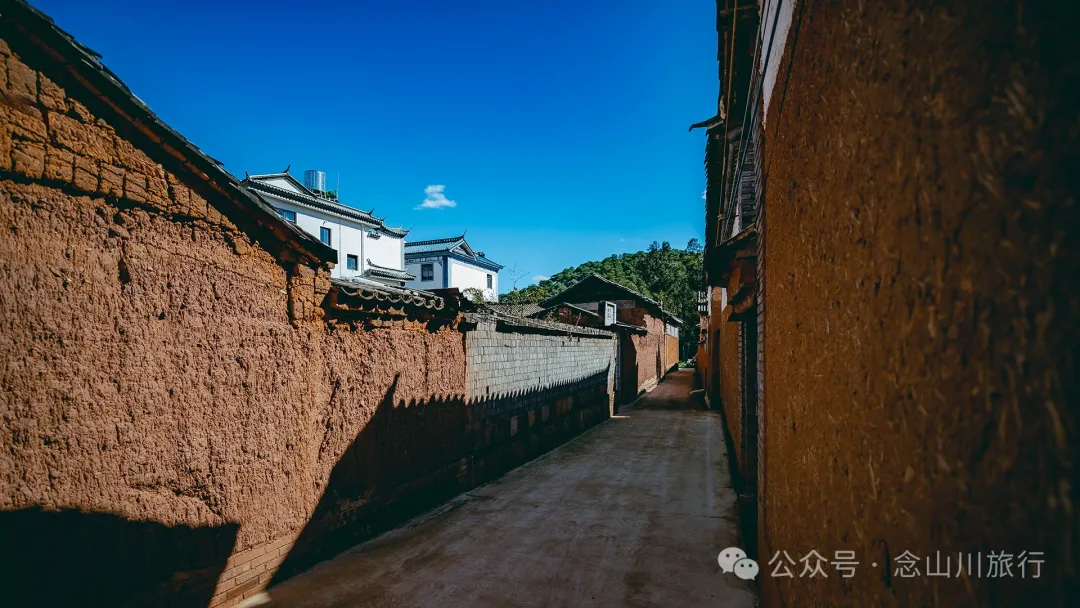
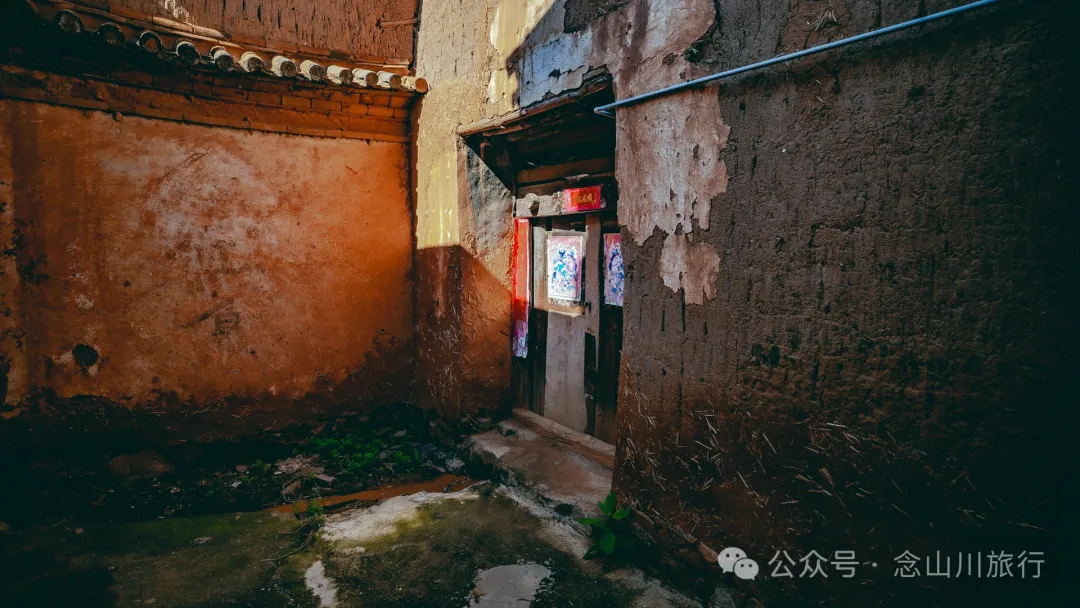
The ancestor of Aduo Village, Zuo Guangbao, moved here from Dabanliu Shuwan, Yingtian Prefecture, Nanjing during the Ming Dynasty. His son Zi Bai had four sons: Zi Xu, Zi Di, Zi Hai, and Zi Yu. These four branches have continued for 24 generations, over 480 years. According to villagers, the village now has two surnames: Zi (166 households) and Luo (6 households).
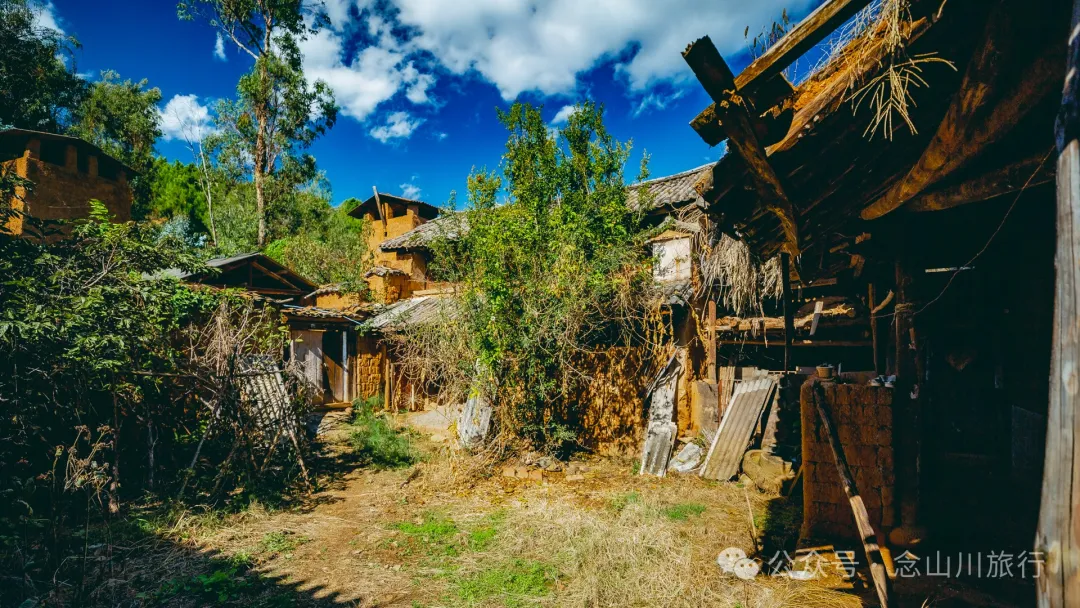
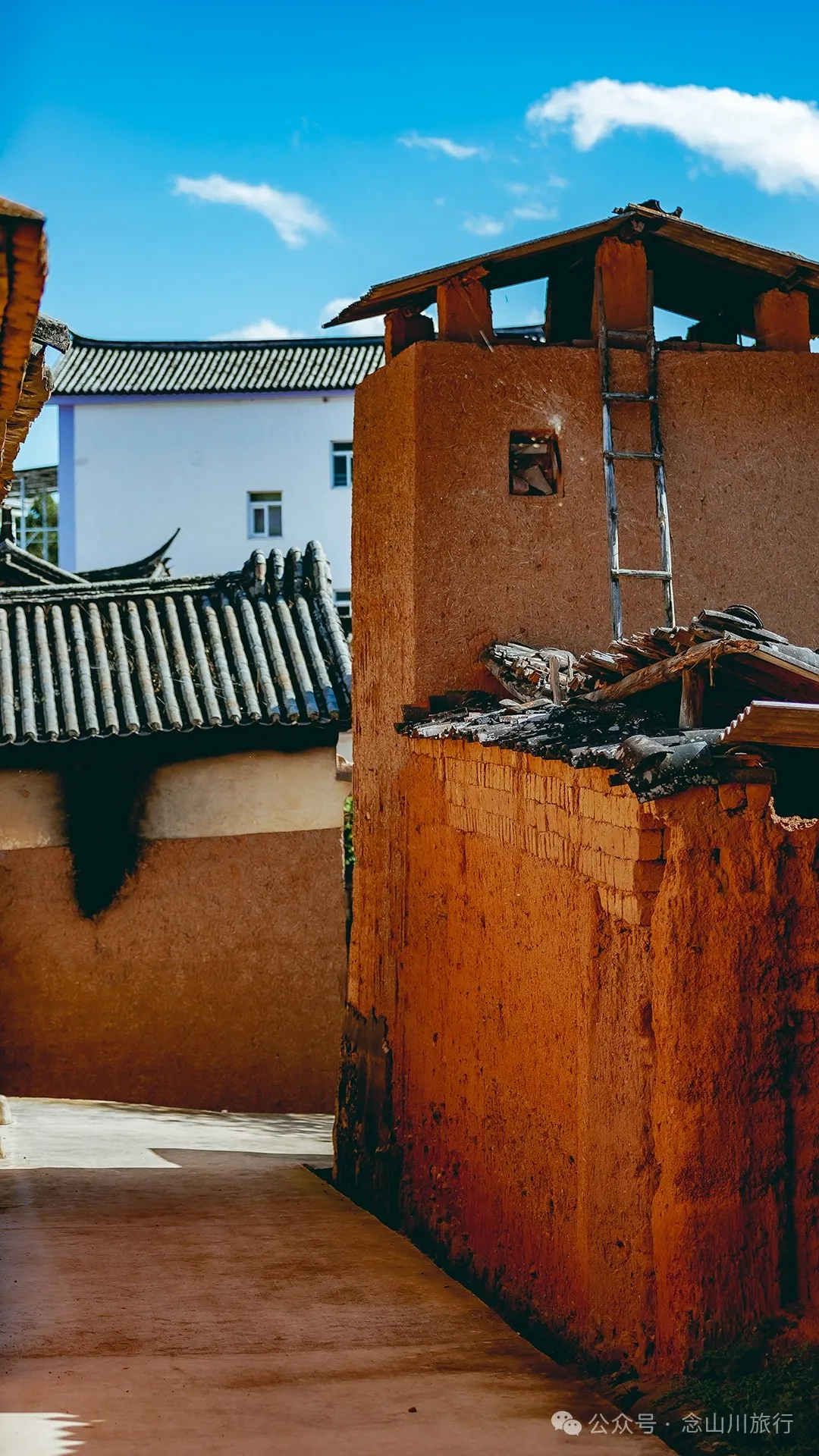
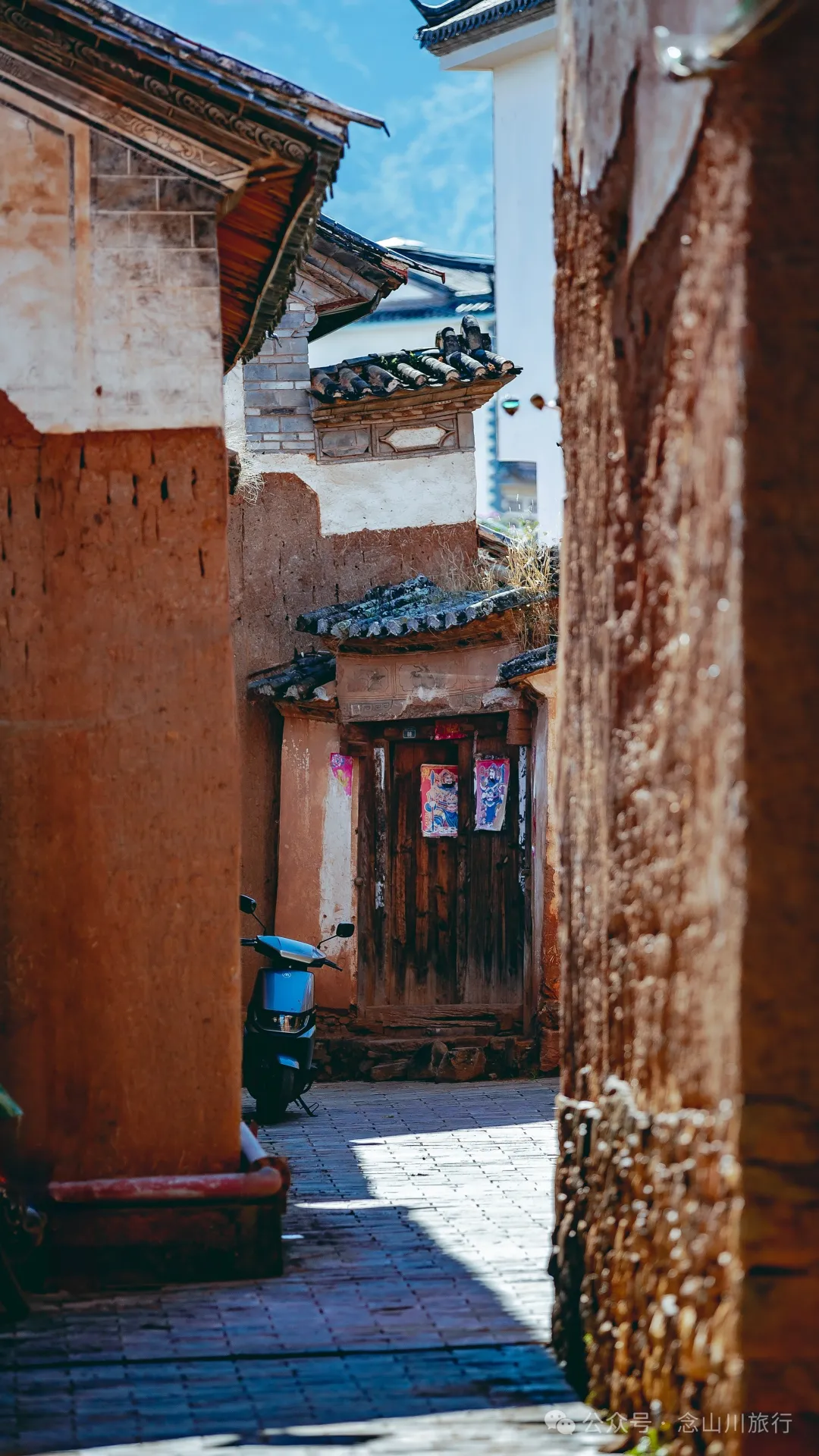
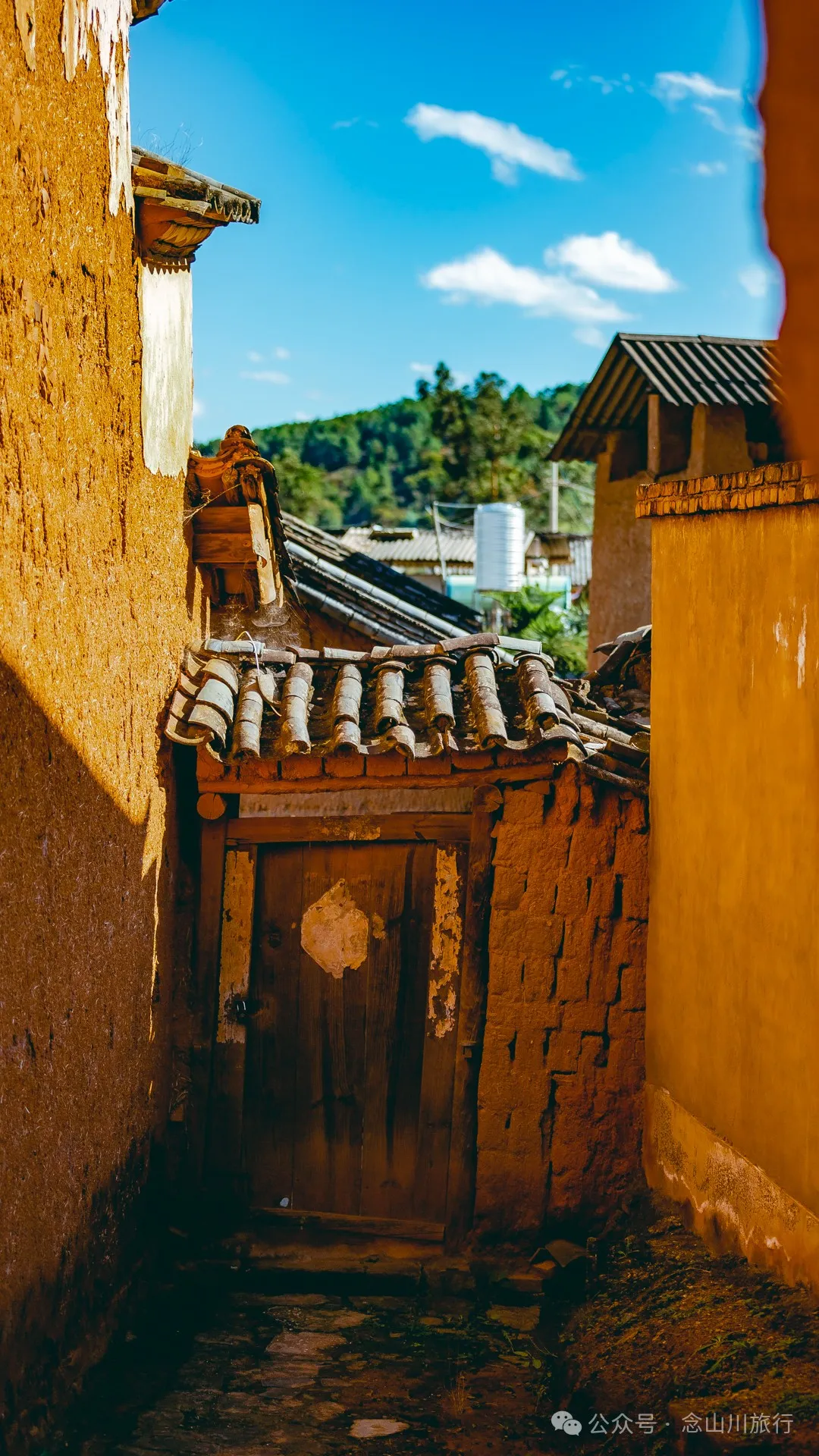
Like many other ancient buildings in the village, this concentrated area of old structures is almost deserted. The gates of each courtyard are either locked or left ajar; villagers have moved to new houses along the main road, leaving this area as a preserved zone. I tried to push open a wooden door that was slightly ajar. As I stepped over the threshold, I felt as if I had instantly fallen from a brand-new world into another space heavy with historical vicissitudes.
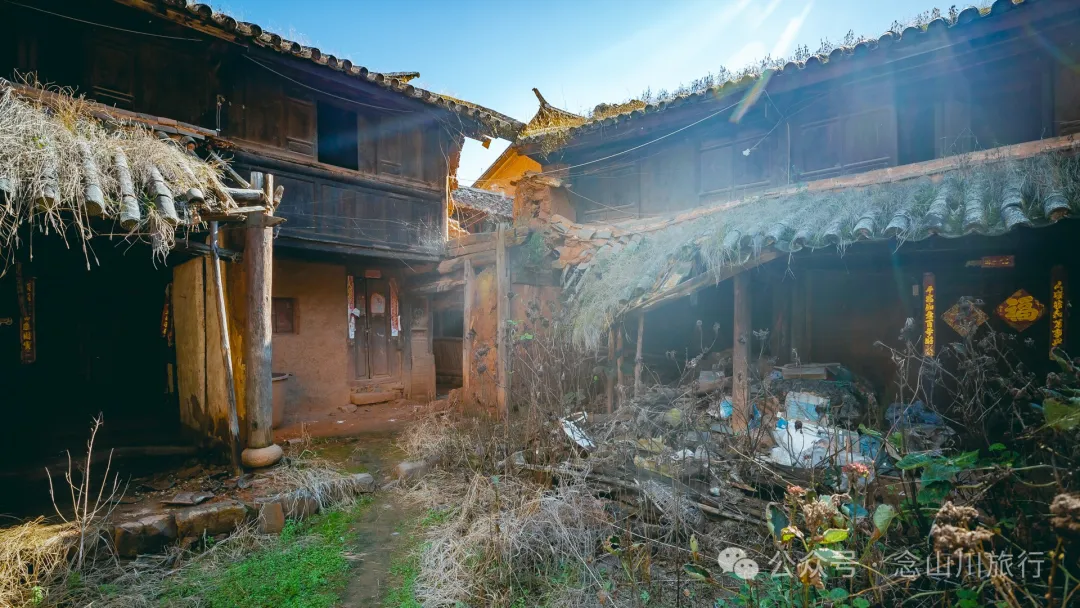
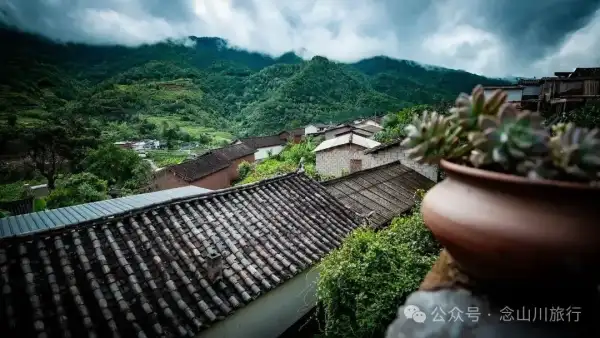
Everything in the courtyard spoke of great age, so old that even sunlight seemed unable to penetrate: collapsed walls, messy yards, overgrown tiled roofs, dusty bamboo baskets hanging from beams... All these signs of decay tried to prove that this large mansion once had a vibrant life. If time could flow backward to when everything was brand new, I cannot imagine what vitality this courtyard had, and that sparked my infinite curiosity.
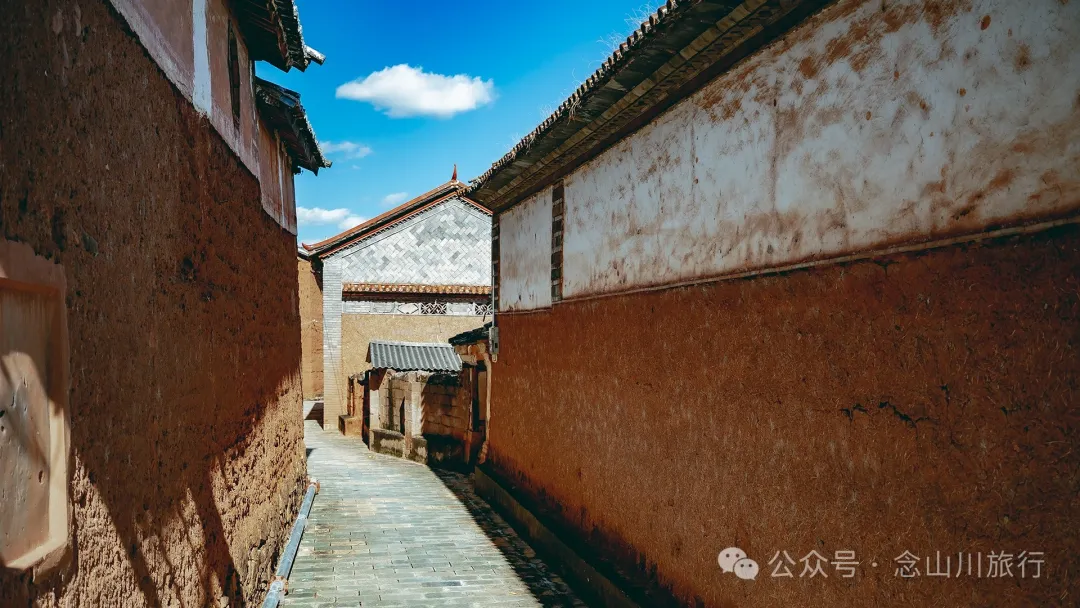
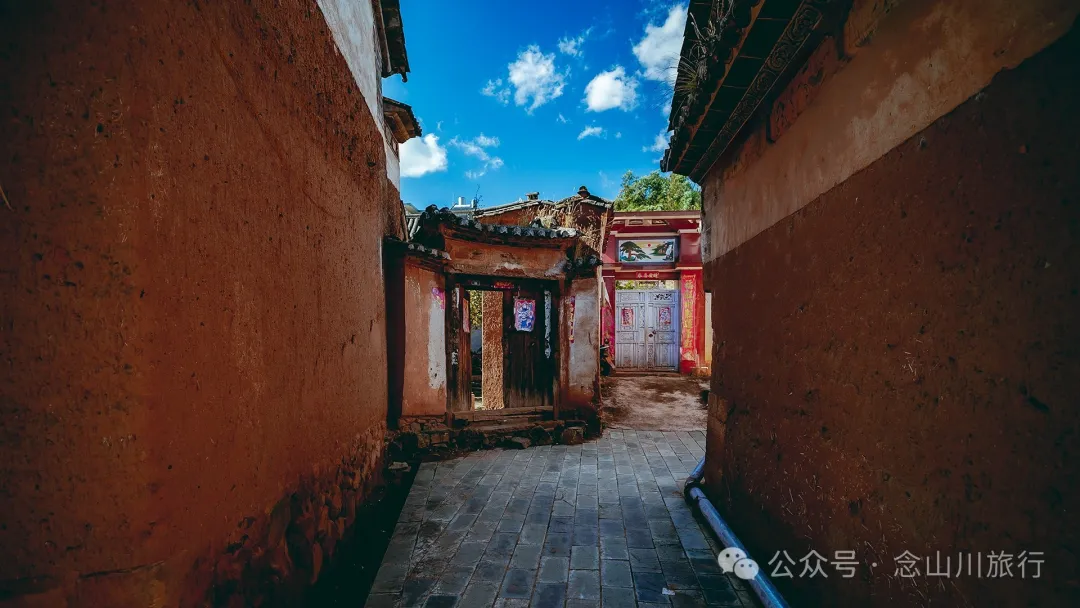
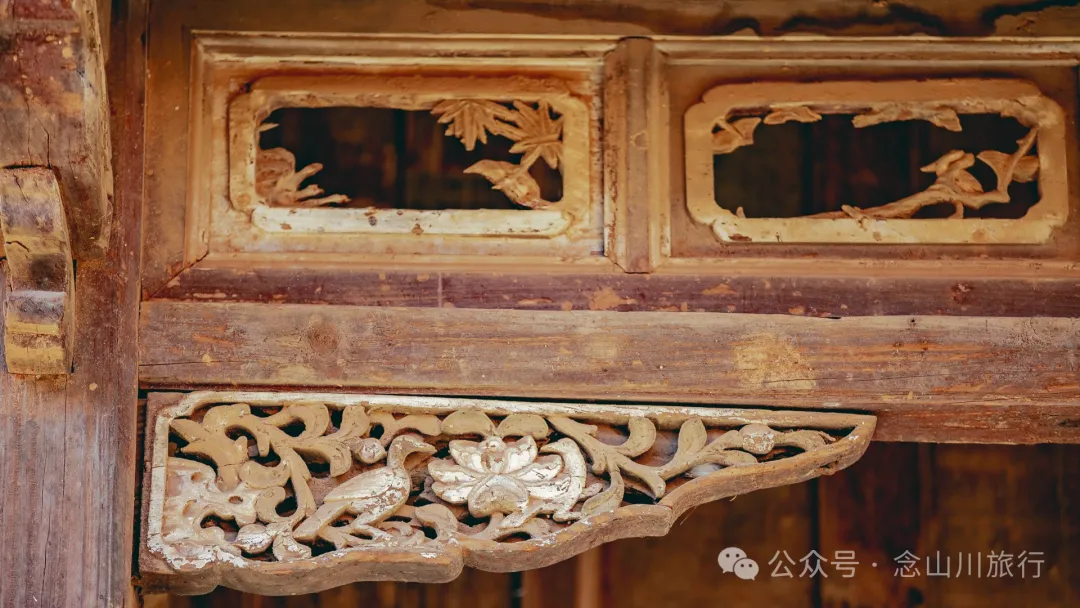
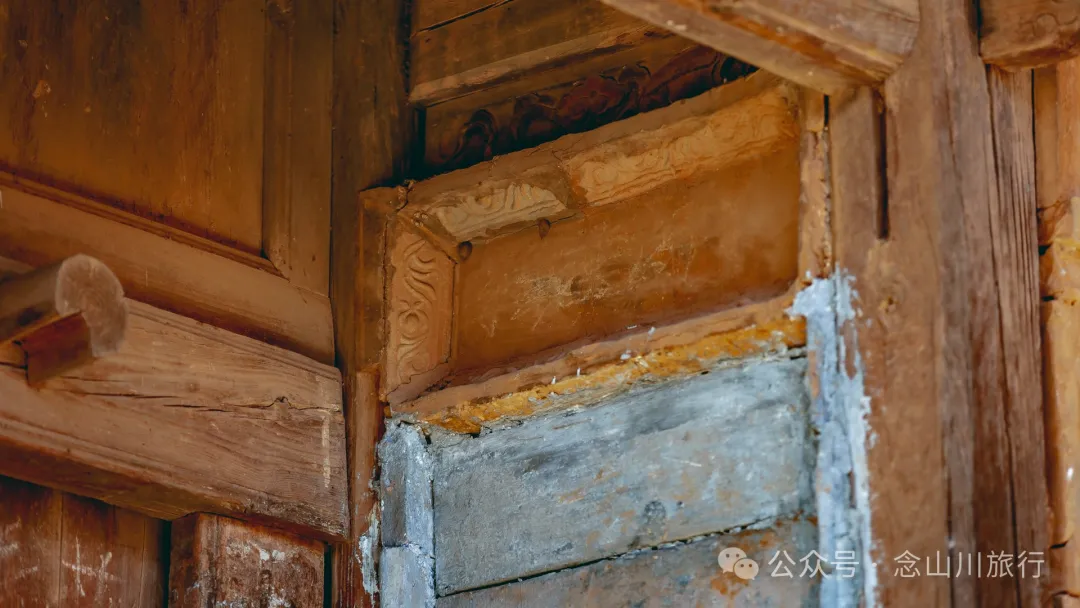
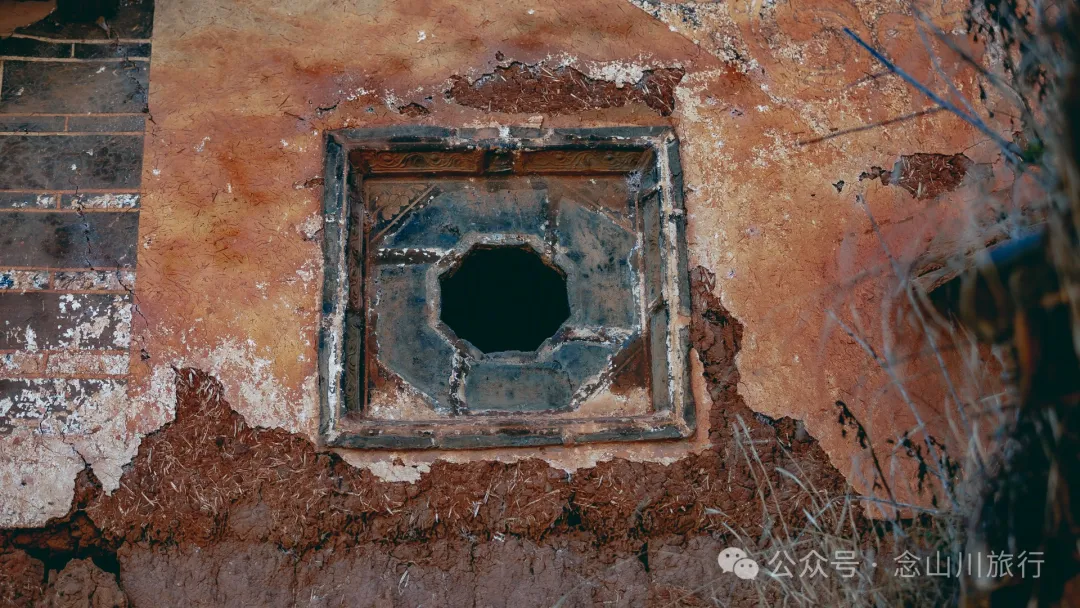
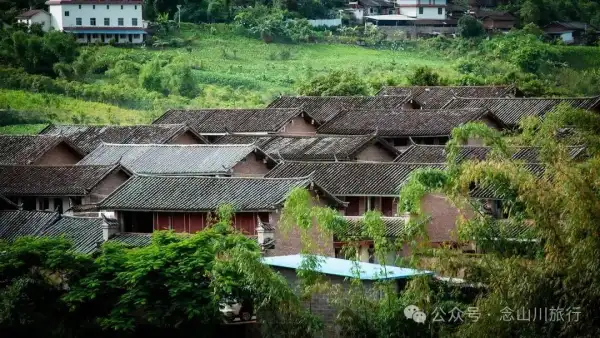
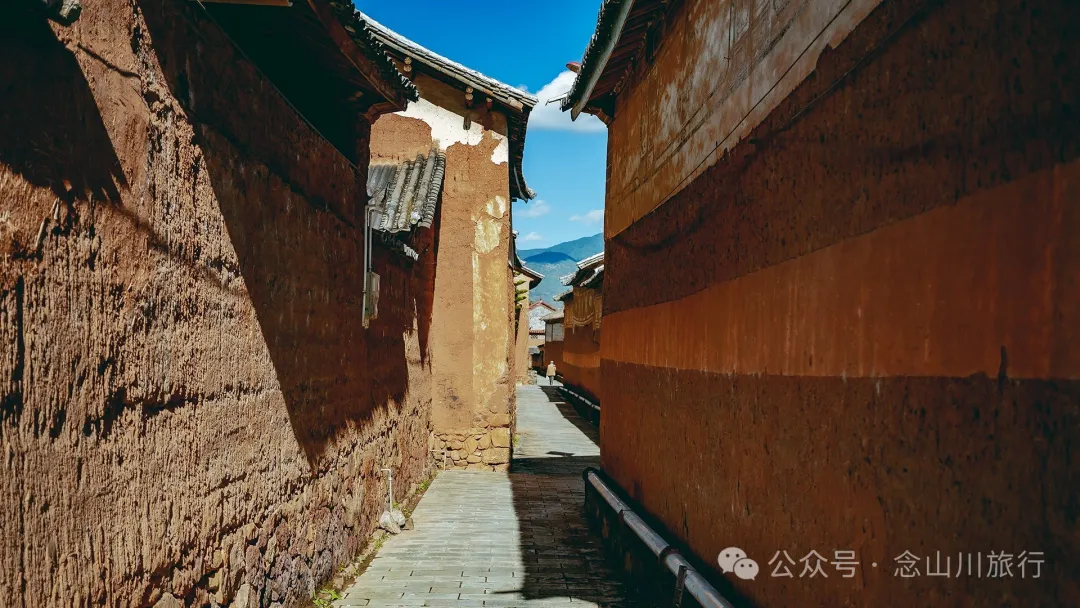
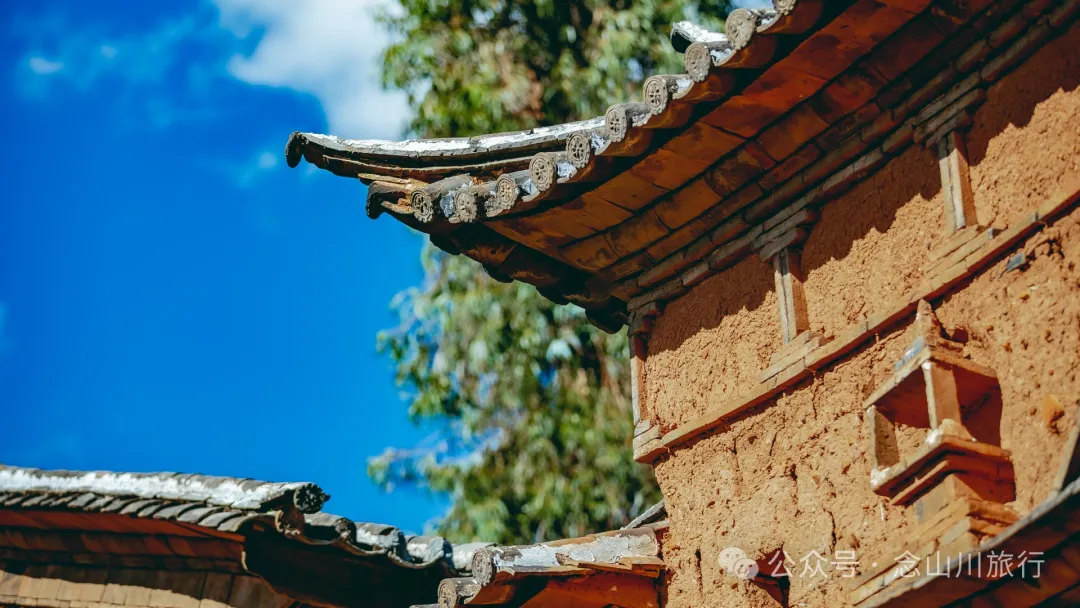
Walking through the concentrated old residences in Aduo Village, ancient buildings with rich history are everywhere. These houses are mainly Ming and Qing dynasty earth-wood structures, facing south, arranged in two rows separated by stone-paved paths. Each row has 31 courtyards. Currently, 9 well-preserved "four-in-one with five patios" courtyards and 53 "three rooms with one screen wall" houses remain. The screen walls feature murals, poems, and calligraphy. The courtyards are paved with stone slabs and blue bricks. The gates and wooden windows are intricately carved with fine craftsmanship. Kitchens have stoves and fire pits, preserving unique Yi cultural elements.
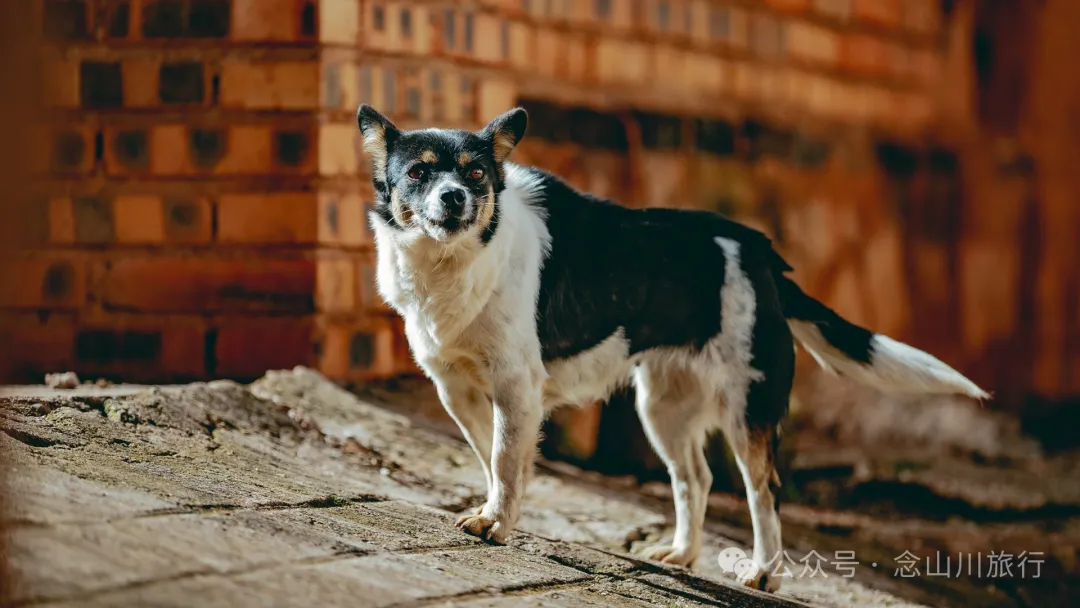
That handsome dog was really annoying. We just wanted to quietly take some photos and leave, but it kept barking and chasing us relentlessly. Every time we passed, it barked and scolded us, so the whole village knew strangers had arrived.
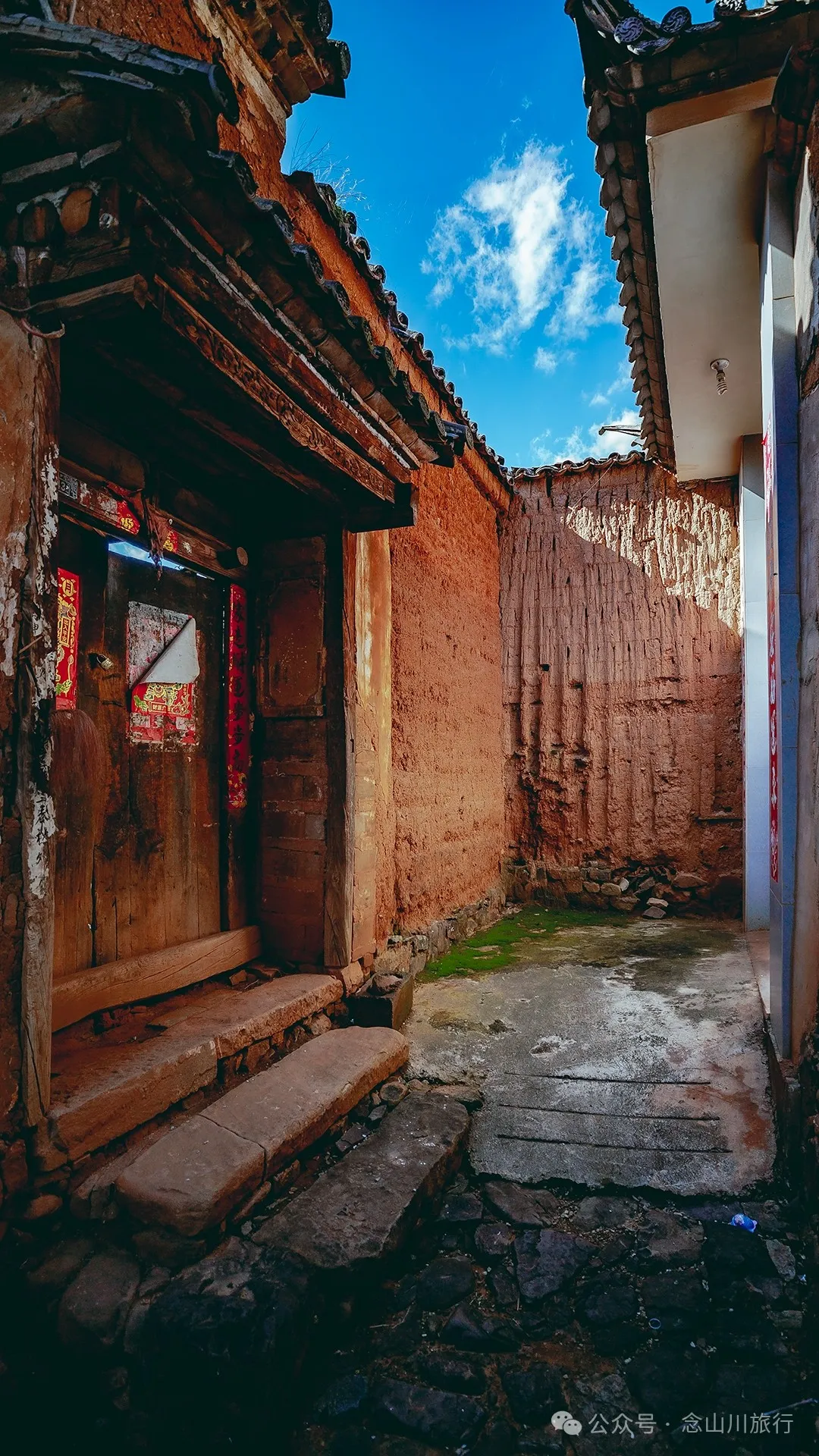
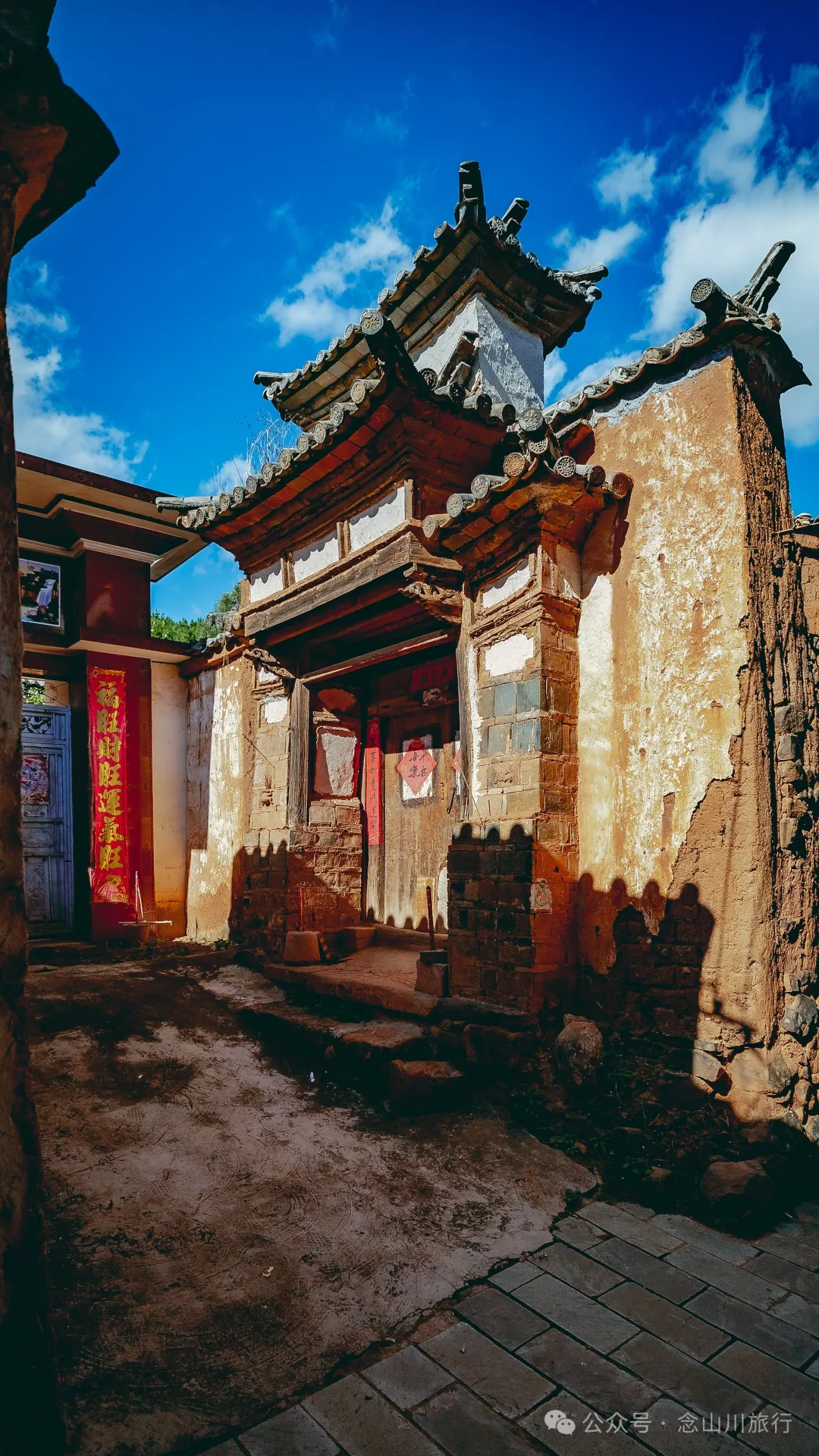
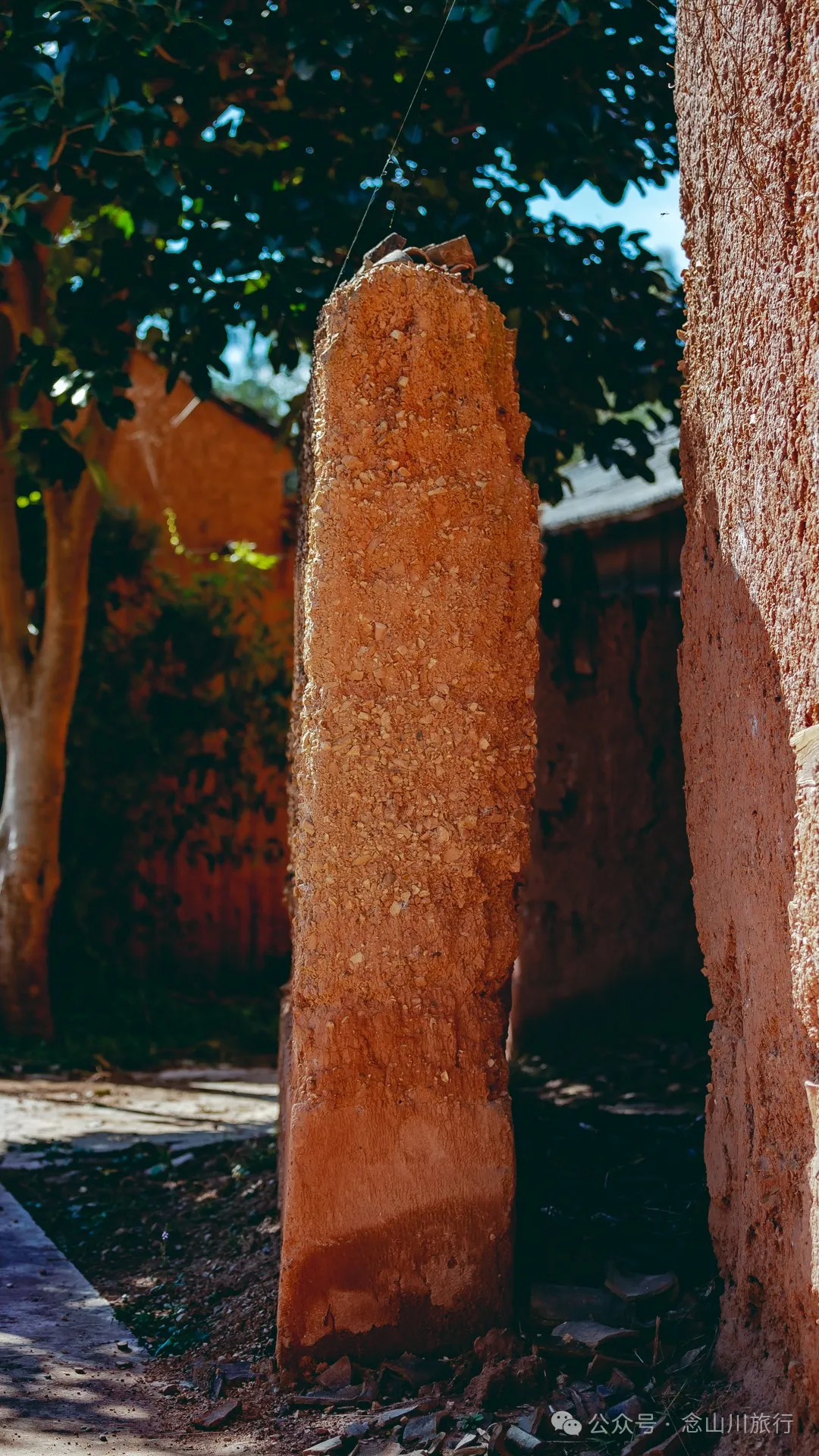
We walked into a quiet alley and found this thick earth wall at the end, about half a meter thick. This remaining wall stood alone under a large banyan tree, disconnected from other walls around it.