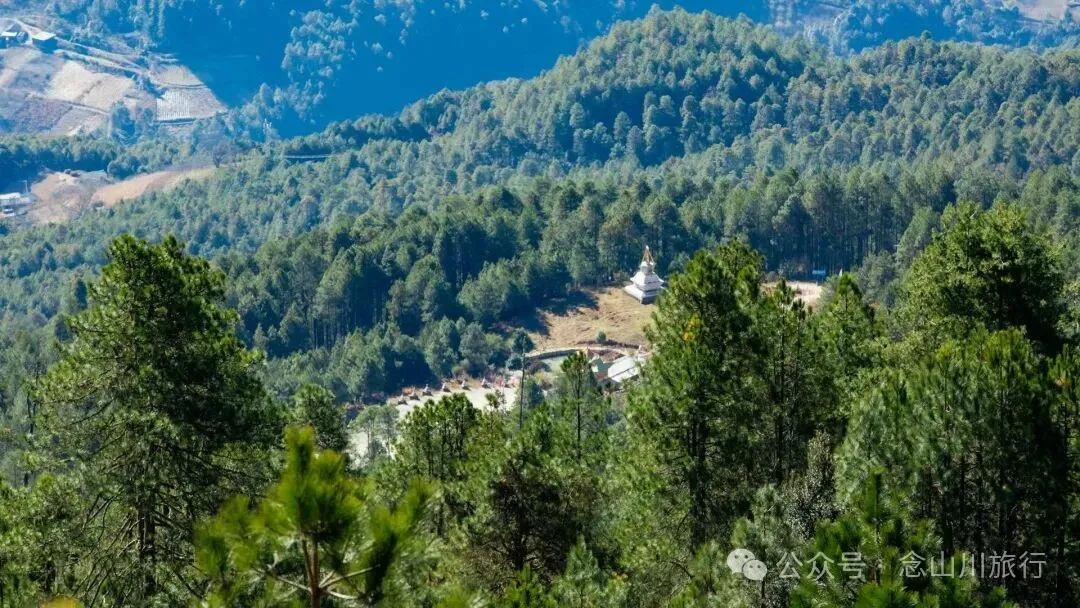

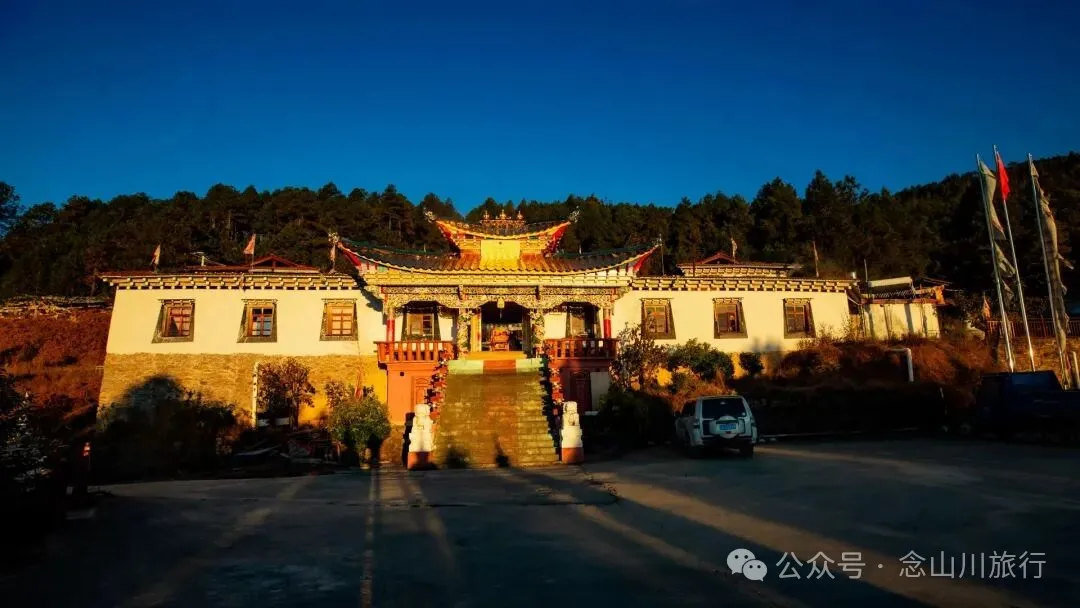
Dalai Monastery is located in Shibazhaigou Village, Yulong County, Lijiang. It was first built during the Yongzheng reign of the Qing Dynasty, nearly three hundred years ago. Due to disputes between different sects and the passing of the abbot without management, the monastery experienced several declines and destructions. Later, with funding from wealthy families in Lijiang, Weixi, and Deqin, it was rebuilt and expanded, gradually restoring its original appearance and thriving with incense. In the 1970s, after several reconstructions, Dalai Monastery was completely destroyed. All buildings were razed, and Buddha statues, ritual instruments, and stone-carved scriptures were severely damaged, leaving only rubble and ruins.
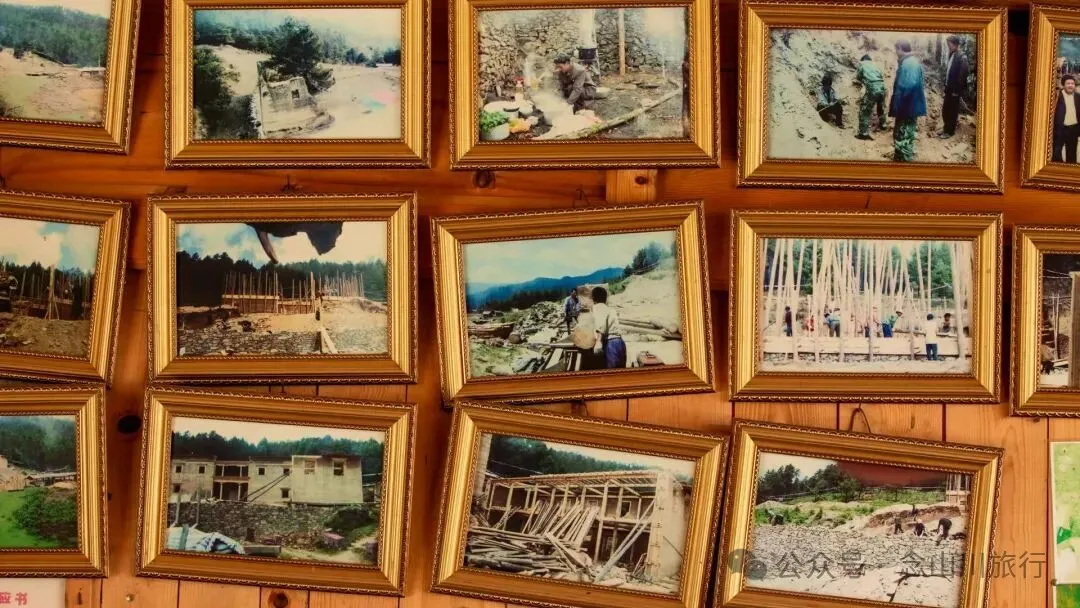
The grand Dalai Monastery seen today was rebuilt by the current abbot, Master Gongqiu Shiluo, starting in 2007, and it remains unfinished to this day. In fact, Master Gongqiu Shiluo had the wish to rebuild the monastery as early as 1989. He once lived near the overgrown ruins for a year, contemplating and attempting reconstruction, but the reality was too harsh and difficult, forcing him to temporarily abandon the plan. It wasn't until 2006 that Master Gongqiu Shiluo again proposed rebuilding Dalai Monastery, prioritizing road construction. A year later, he overcame numerous obstacles and resolutely began the arduous journey of building the new Dalai Monastery brick by brick, a process that has lasted nearly twenty years.
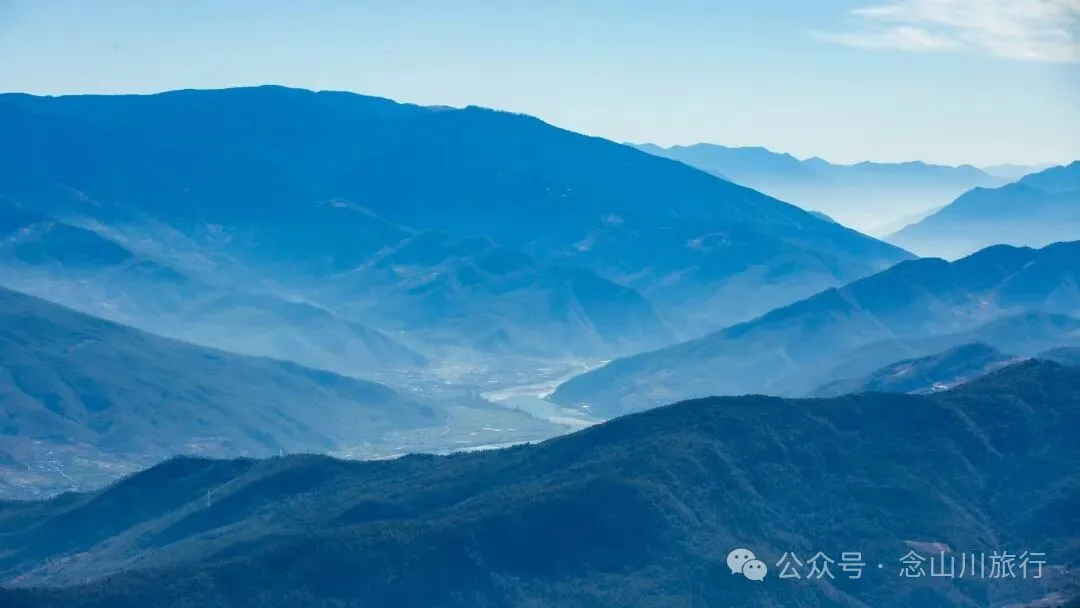
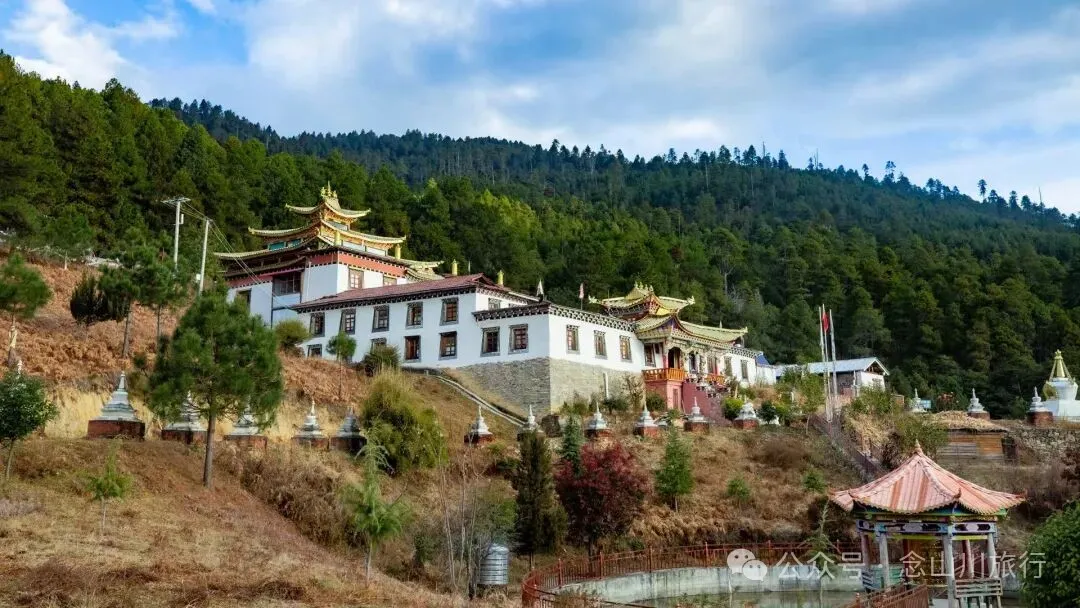
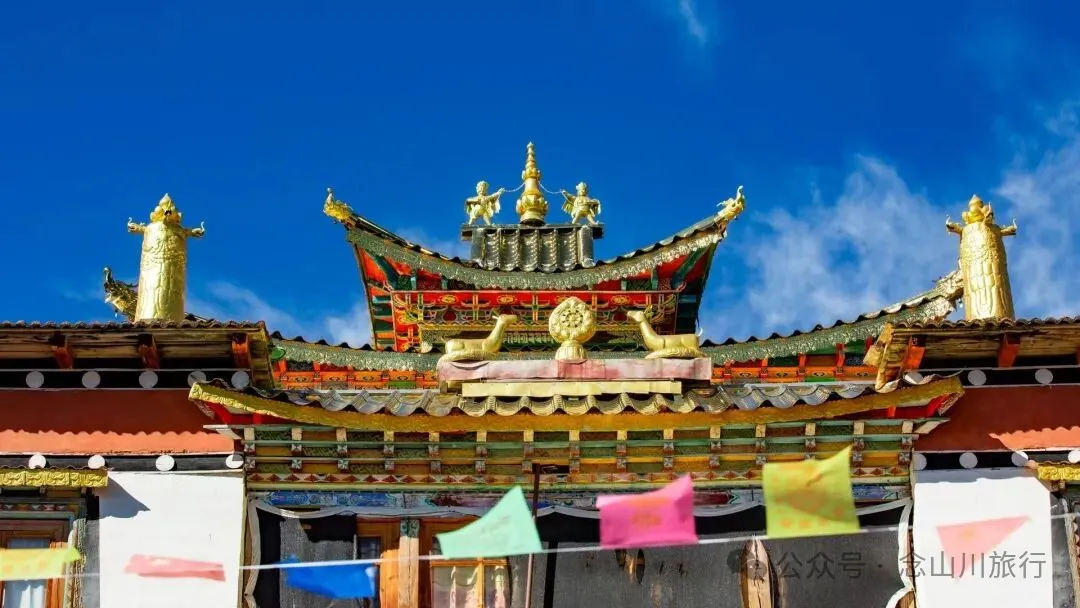
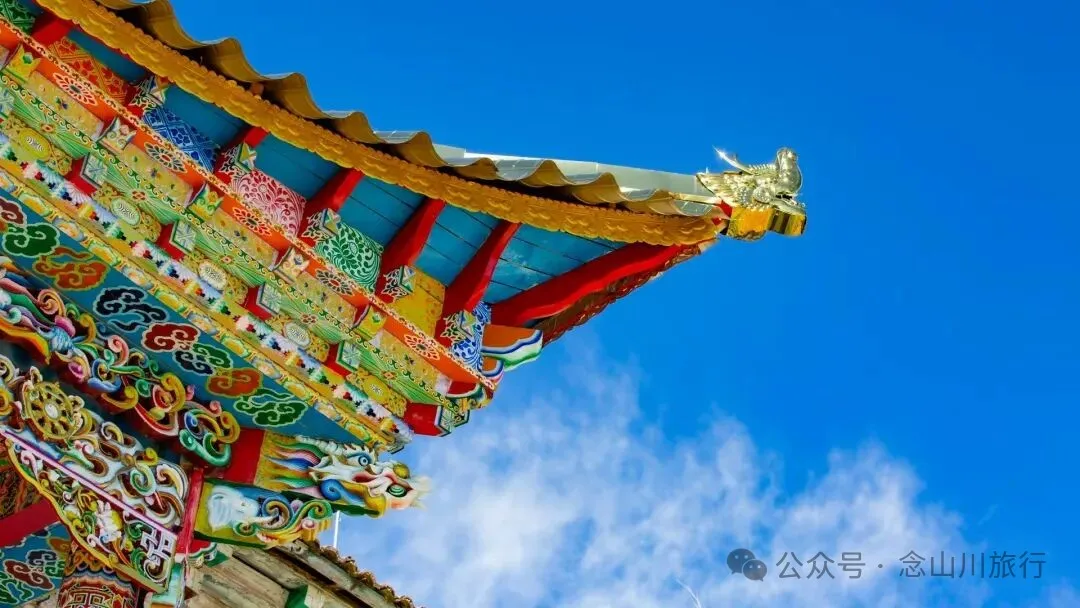
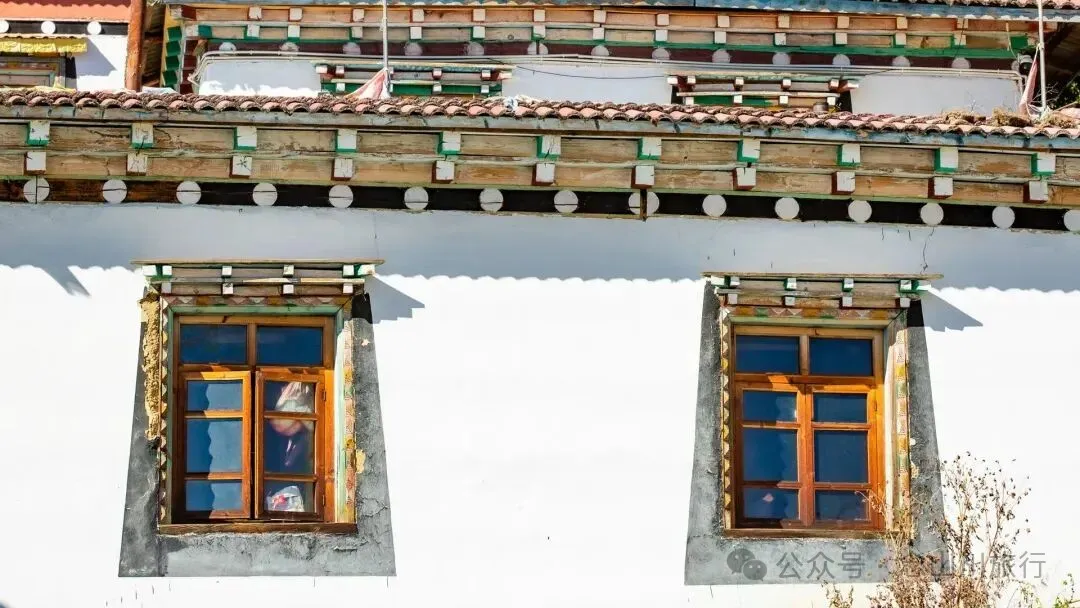
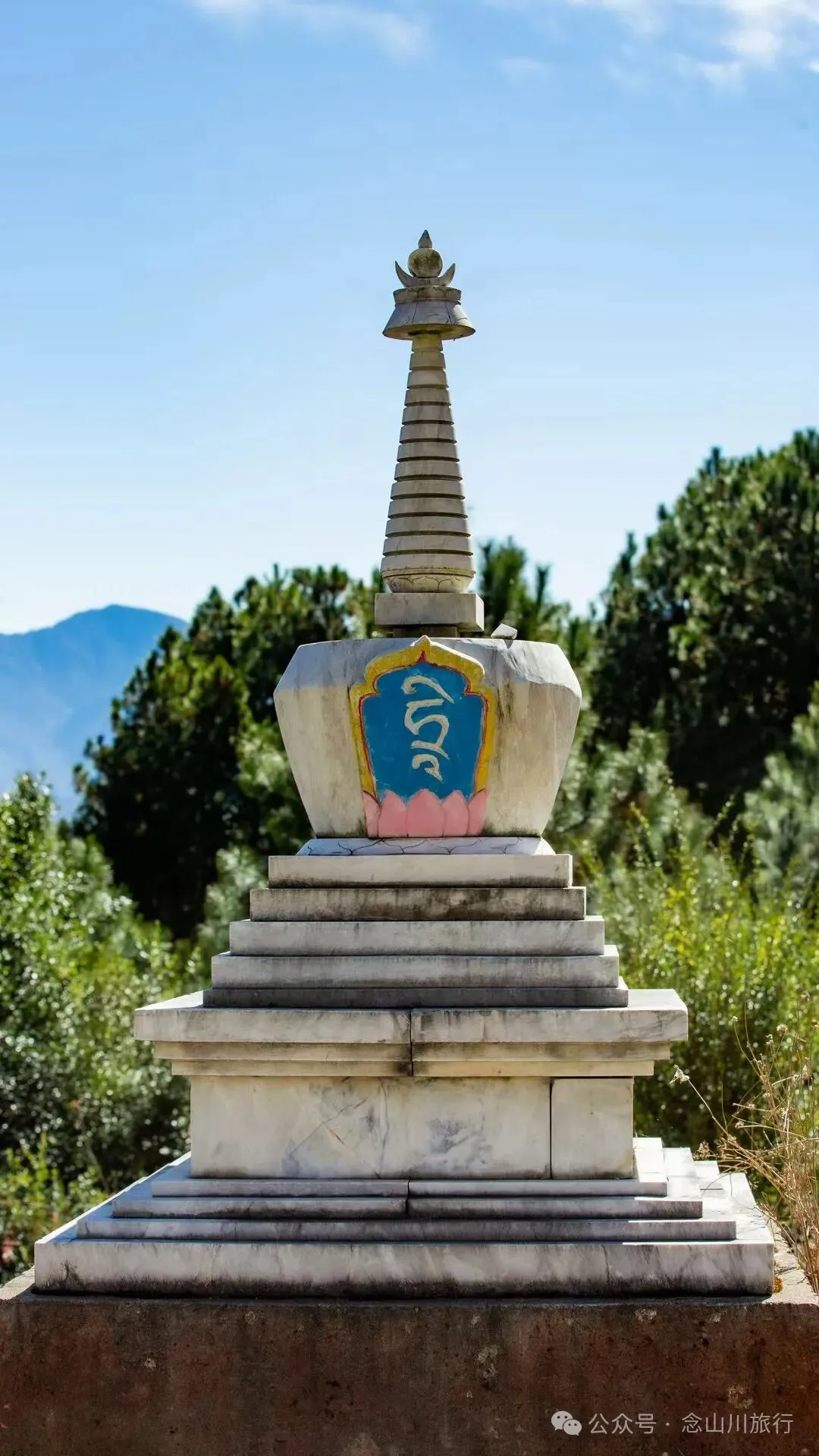
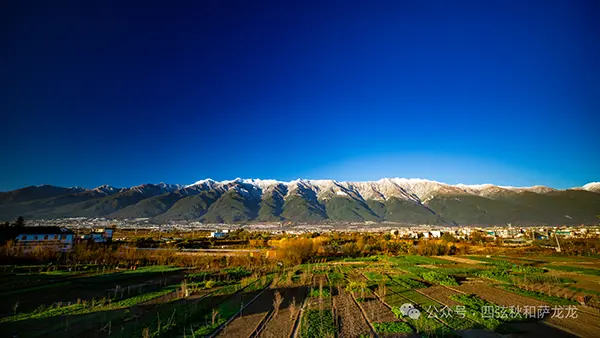
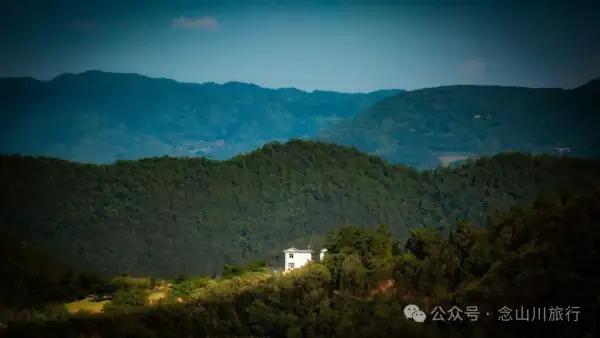
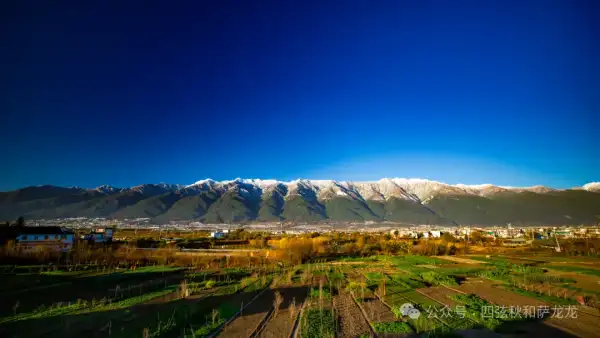
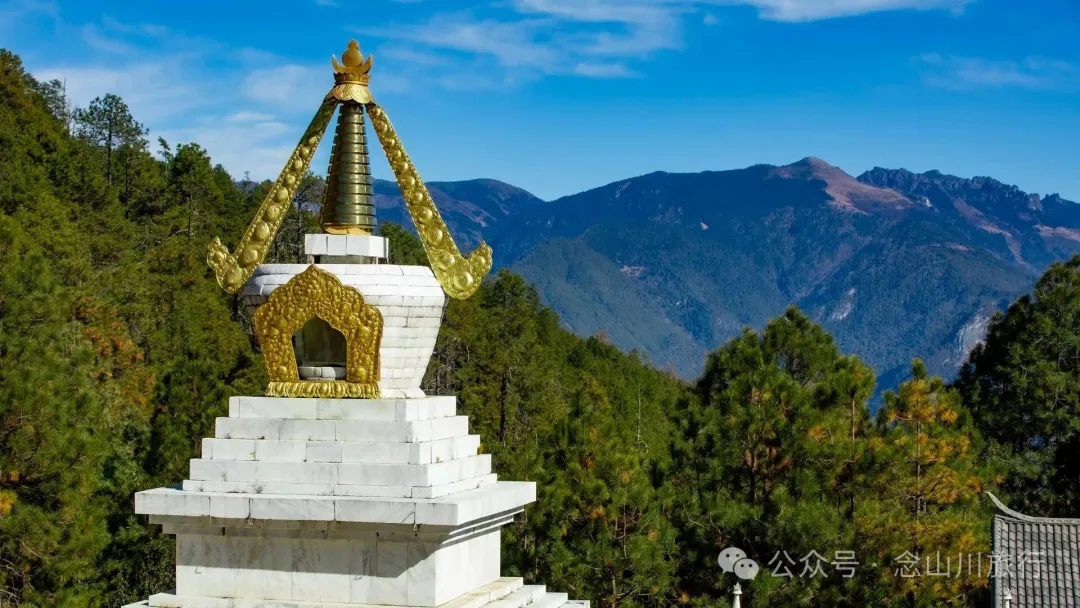
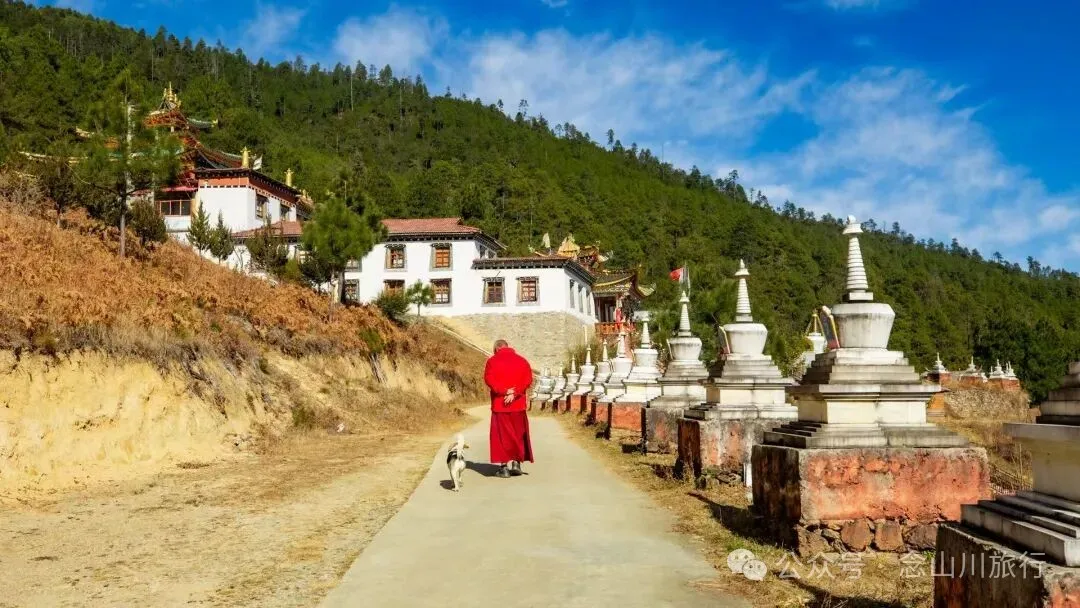
Dalai Monastery is backed by Zhenzhu Puti Mountain and faces the vast mountainous area of western Lijiang. Standing on the steps in front of the monastery, one can overlook the distant, winding Jinsha River flowing silently. The distant mountains are shrouded in mist, and the endless peaks are hazy in the flickering winter light. The vastness of the mountains and rivers makes one feel insignificant. The majestic Shika Snow Mountain is also clearly visible, appearing even more cold and serene under the unobstructed winter sun, towering into the sky, almost becoming part of the sky itself. Beyond it lies Shangri-La. Surrounding Dalai Monastery are 108 white stupas. Buddhism holds that sentient beings have 108 afflictions (originating from the concept of "108 troubles"). The construction of white stupas symbolizes the gradual elimination of these afflictions through Buddhist practice, leading to liberation. Pilgrims circumambulate and prostrate before the stupas as a practice of this. The stupas often form a circumambulation path for pilgrims, with each stupa representing a stage of practice.
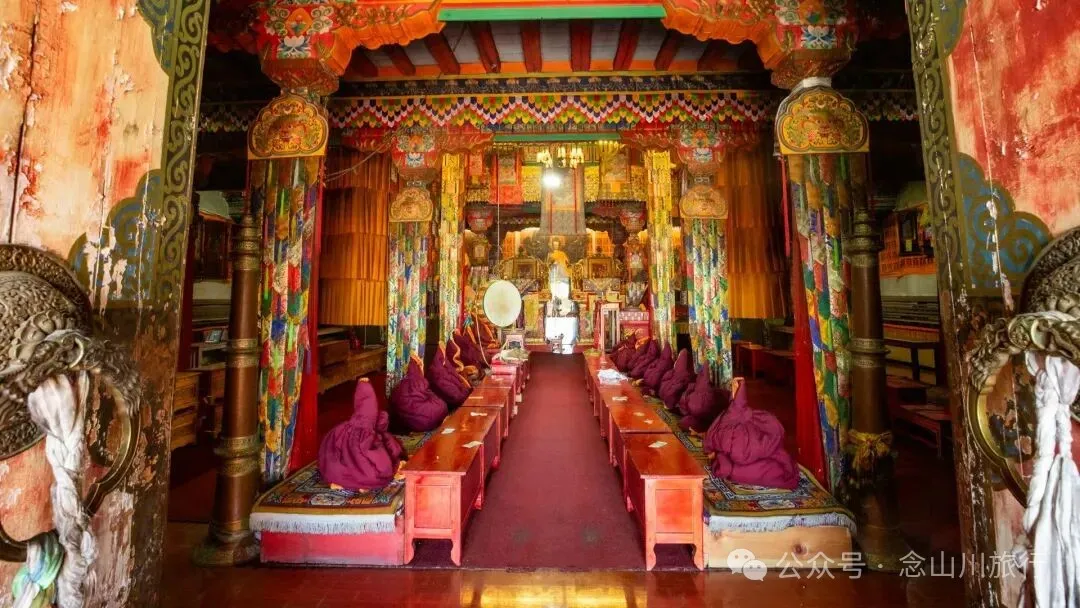
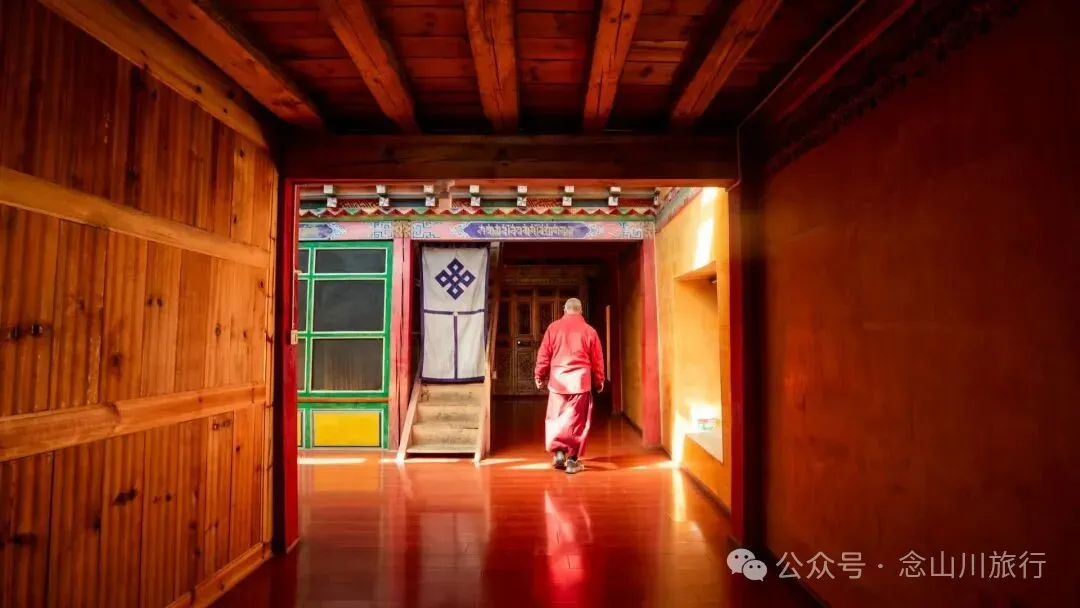
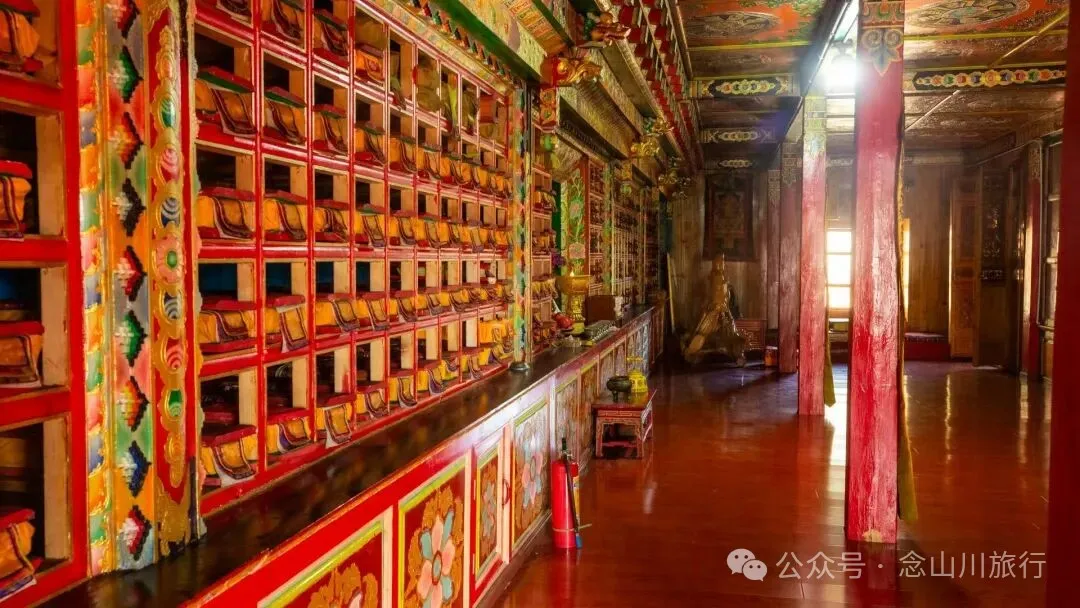
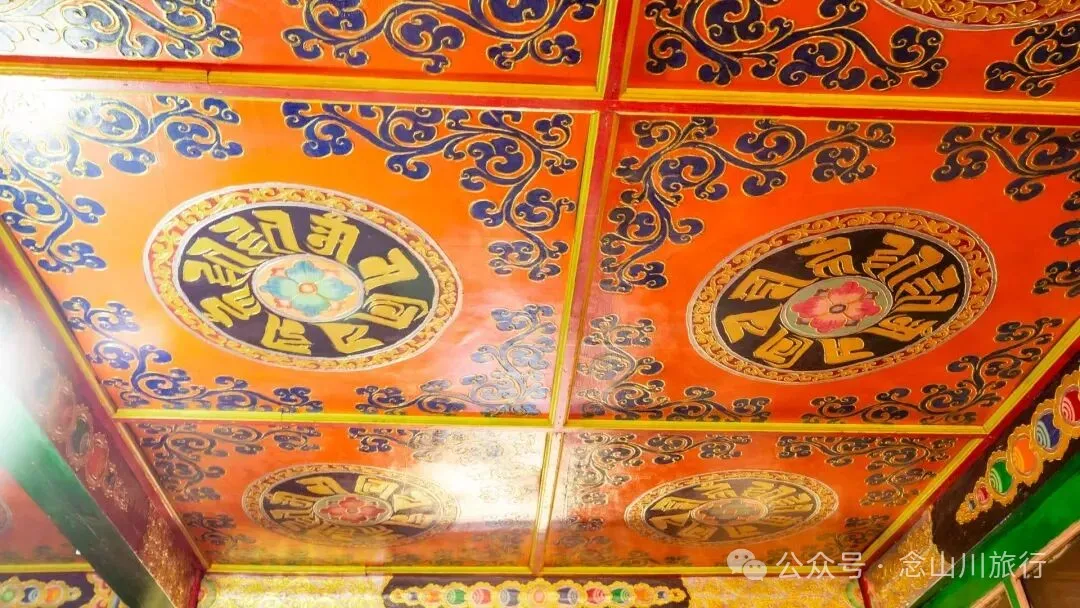
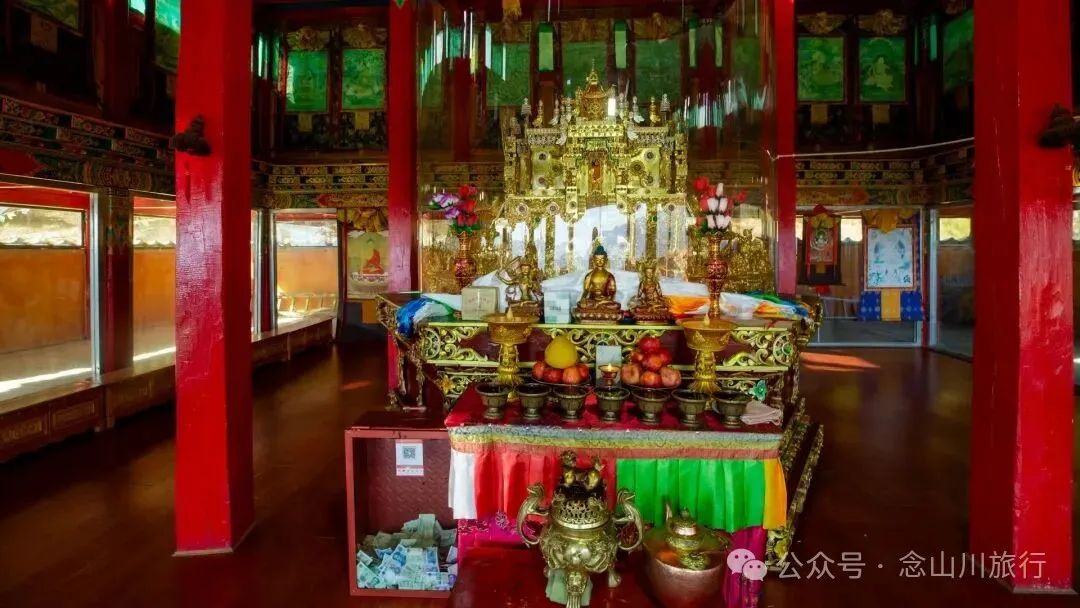
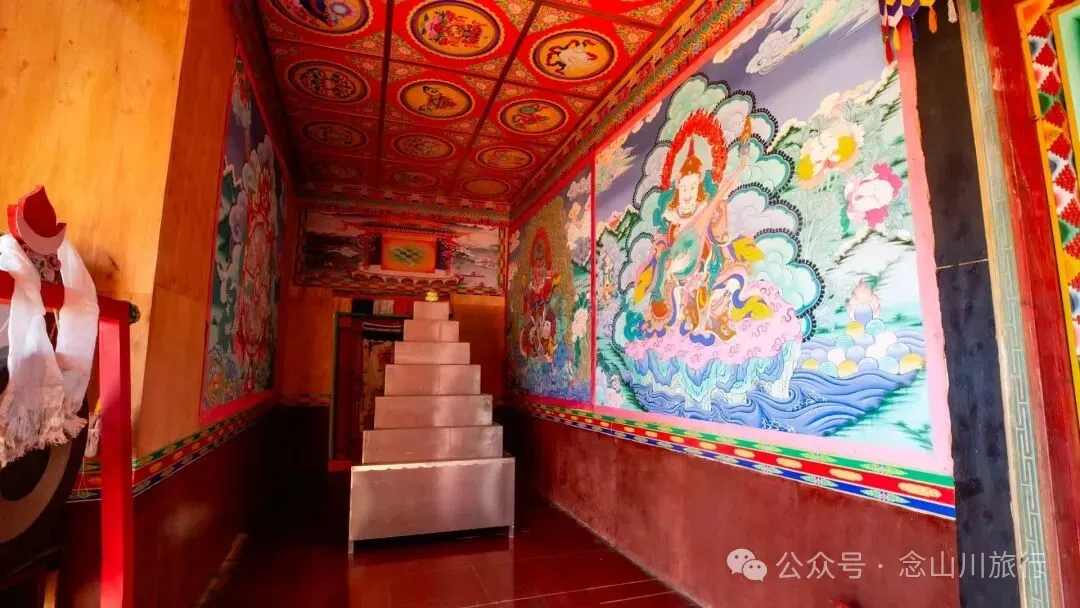
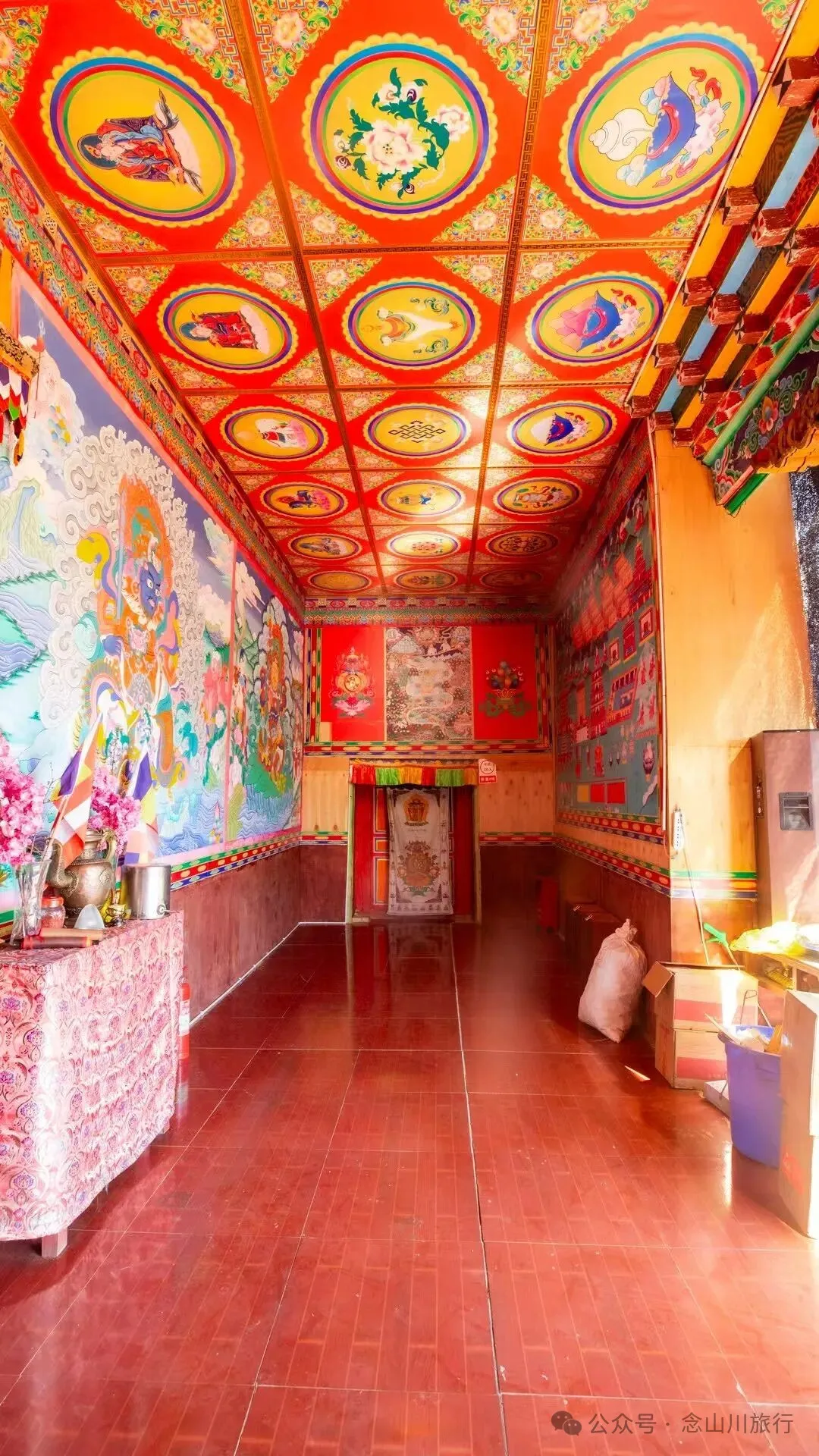
Stepping over the thick wooden threshold of the monastery's prayer hall feels like entering another world. Sunlight slants in from the doorway, making the interior of the hall shimmer with brilliant golden light. The cool, pure scent of butter and Tibetan incense fills the solemn hall. Murals on the walls emerge from a dark red background, telling stories of Tibetan Buddhism with intense, vivid colors. Although no monks are chanting in the hall, the sound of Buddha seems omnipresent, enveloping the entire space. The silence here accumulates to an extreme, becoming a deafening, deep, and continuous resonance that penetrates the body and reaches the deepest part of the soul. It is like a silent breeze brushing past pine tips; in that instant, the airflow has already flowed down the trunk to the roots, settling into the unfathomable depths of the earth. At that moment, stillness and motion lose all meaning.
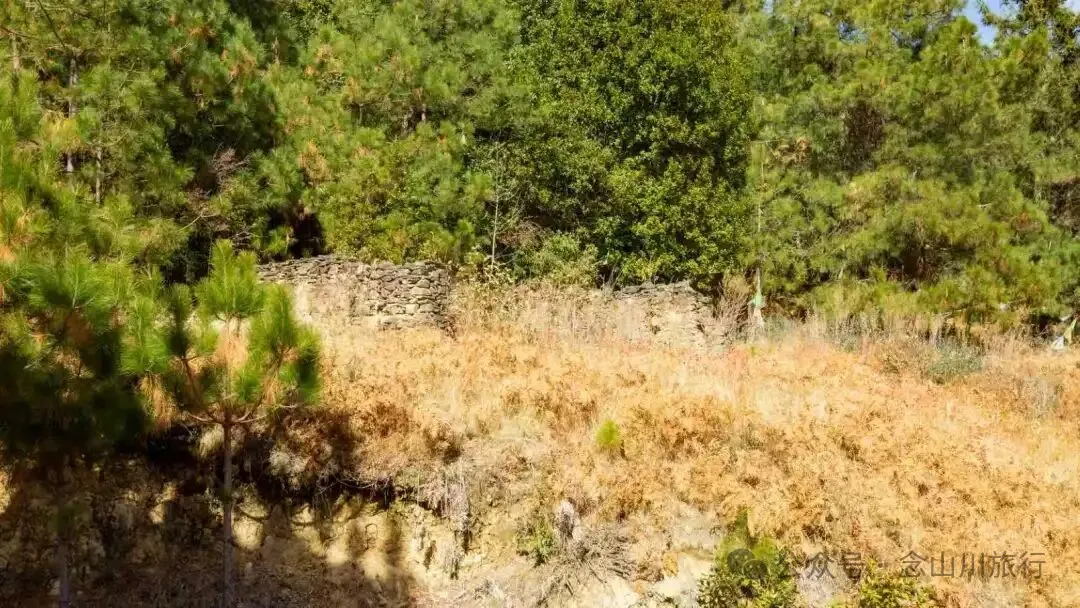
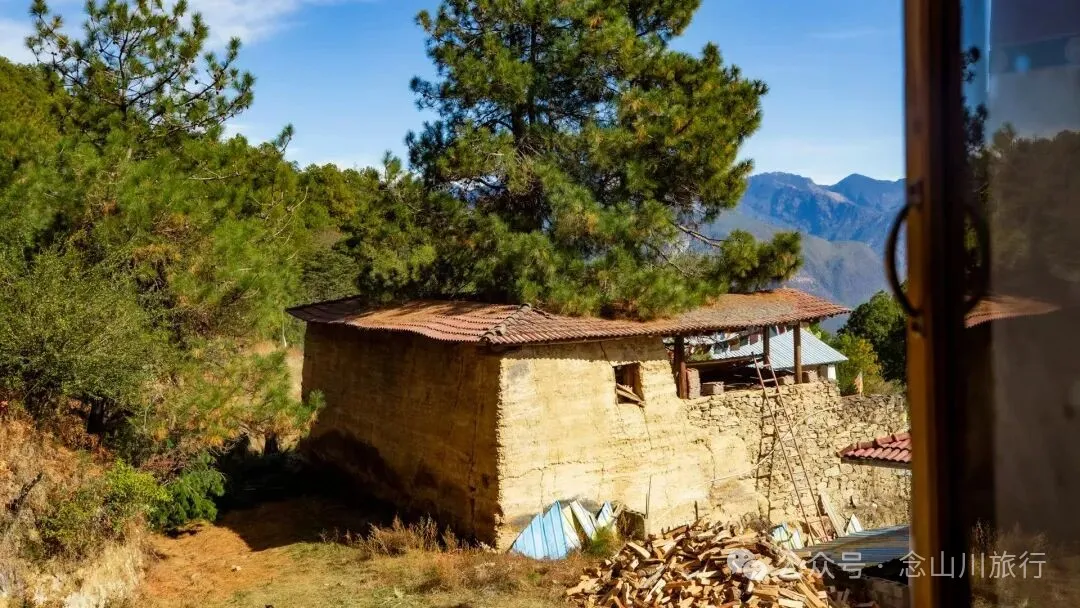
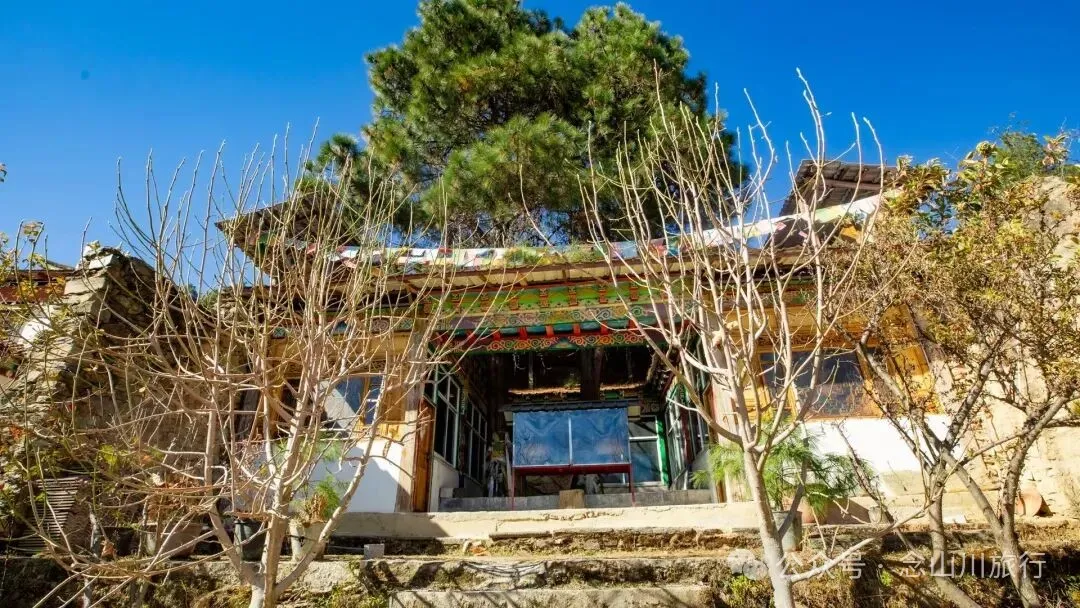
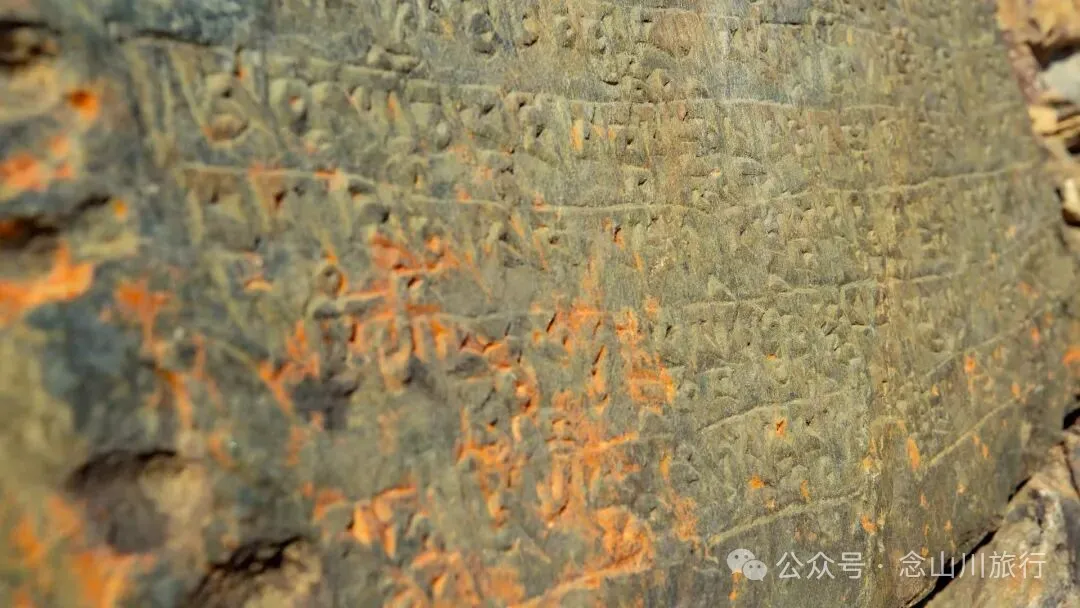
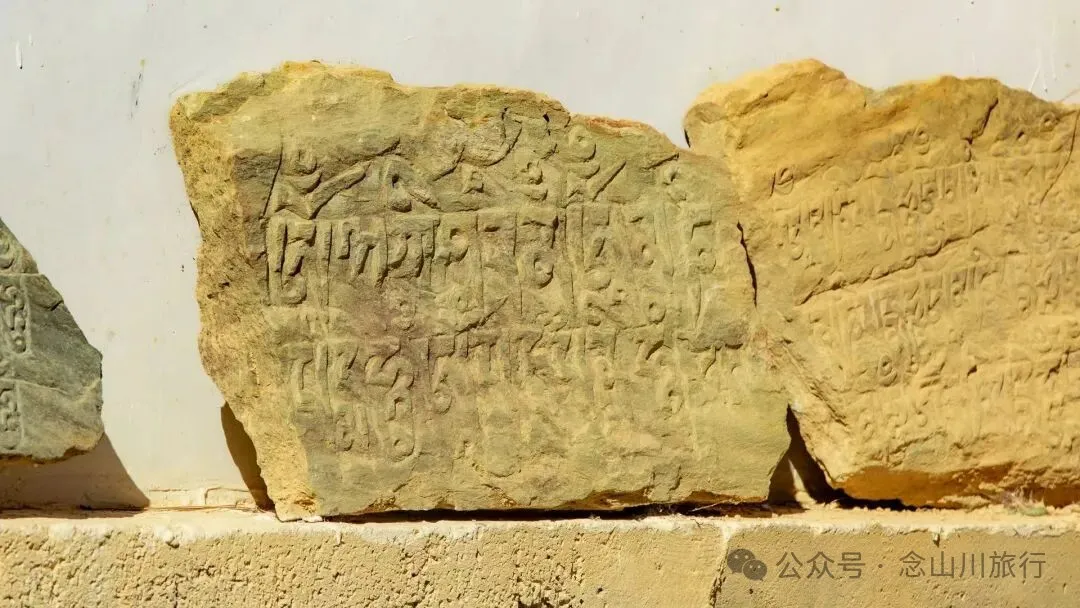
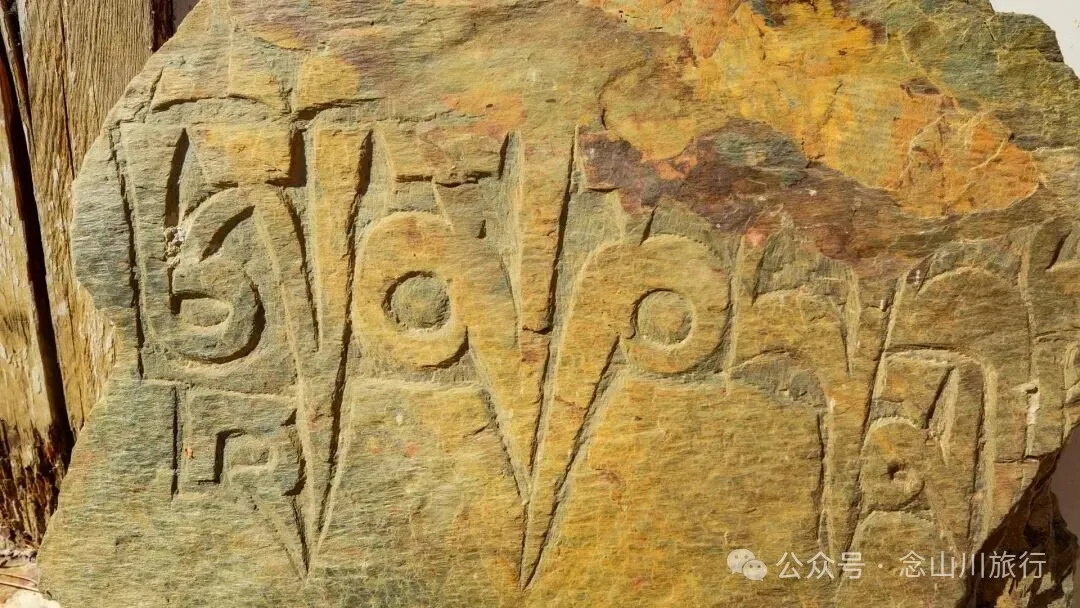
Outside the main hall of Dalai Monastery, there is a small courtyard, the site of the monastery before its destruction in the 1970s. On a high point in the courtyard stands a small shrine dedicated to two tall pine trees behind it. It is said that after the monastery was destroyed, nothing remained, but soon two tall pine trees grew out of nowhere. Local people regard them as incarnations of two living Buddhas, and monks often come here to chant and perform rituals. In a corner of the shrine wall, several incomplete stone tablets inscribed with scriptures are propped up. Master Gongqiu Shiluo said they were found among the ruins; apart from these stone carvings, nothing else was recovered.
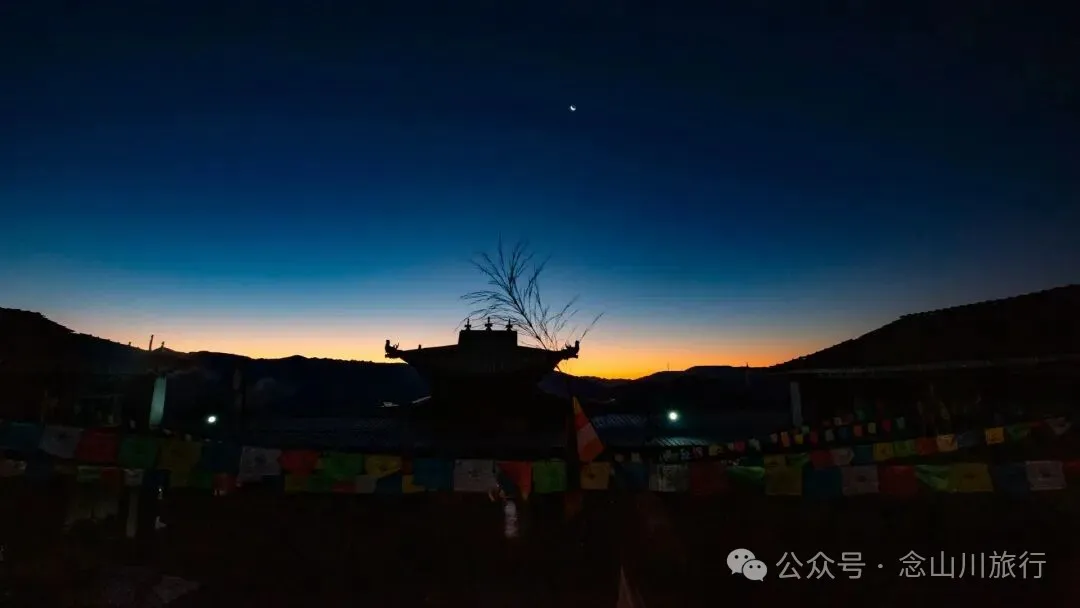
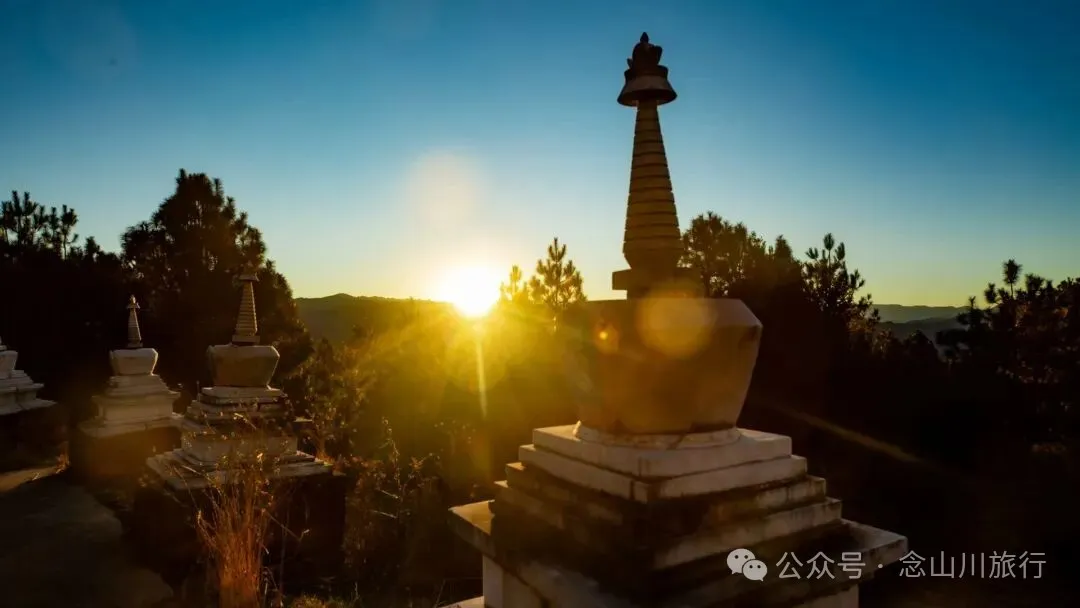
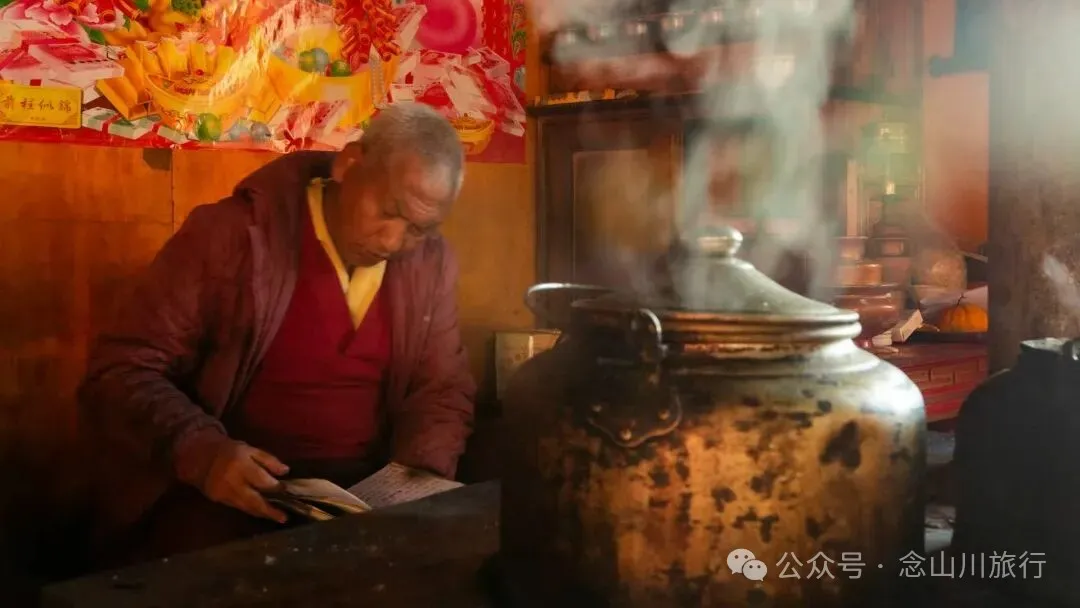
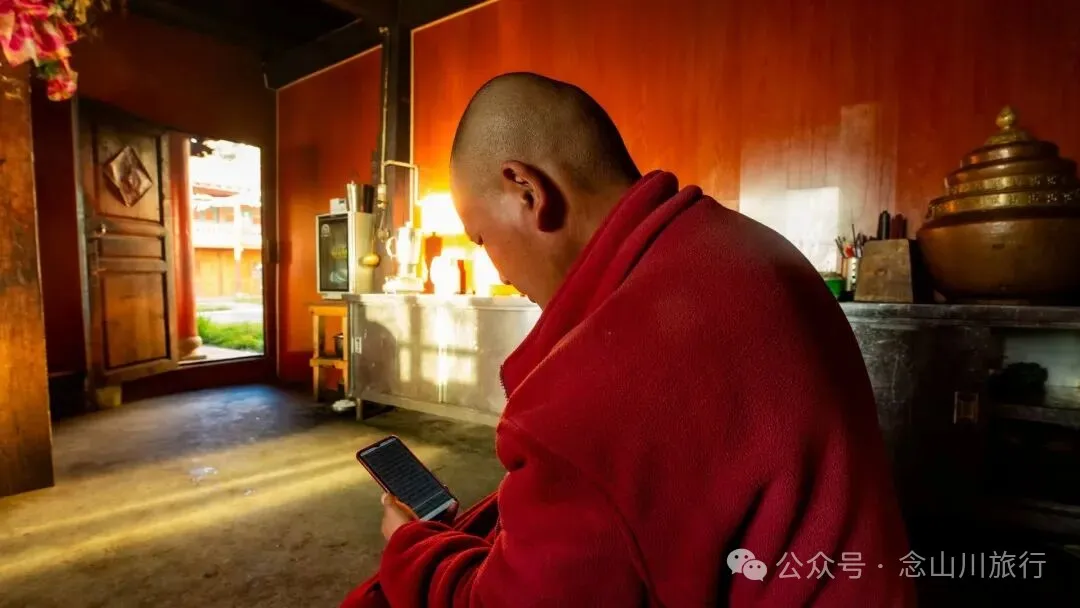

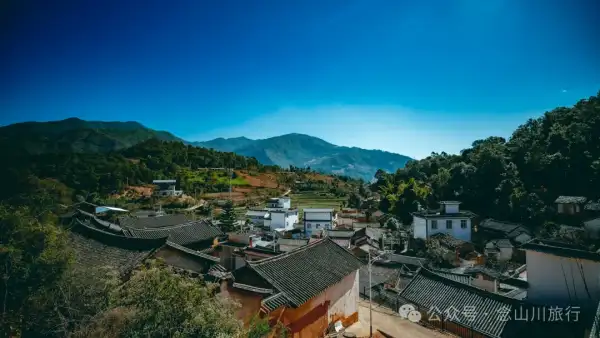
Dalai Monastery is built in a primeval forest at an altitude of 3,000 meters. The nearest village is four kilometers away. At night, the already quiet monastery becomes even more still. In the stove room, the monks' prayer wheels creak as they turn continuously—the only movement in the entire monastery, yet it accentuates the profound silence. Stars appear swiftly; as soon as the sun slips below the horizon, they shine overhead, bright and dense. The next morning, dawn spreads along the undulating mountain ridges as a gradient line. As the sun rises, this pink line transforms into sharp rays, sliding around the orb. When the orb crosses the ridge, pink turns to gold, piercing the eyes, piercing the mountains and rivers, and everything becomes clear again. Compared to the darkness before sunrise, this moment's cold is the most biting.