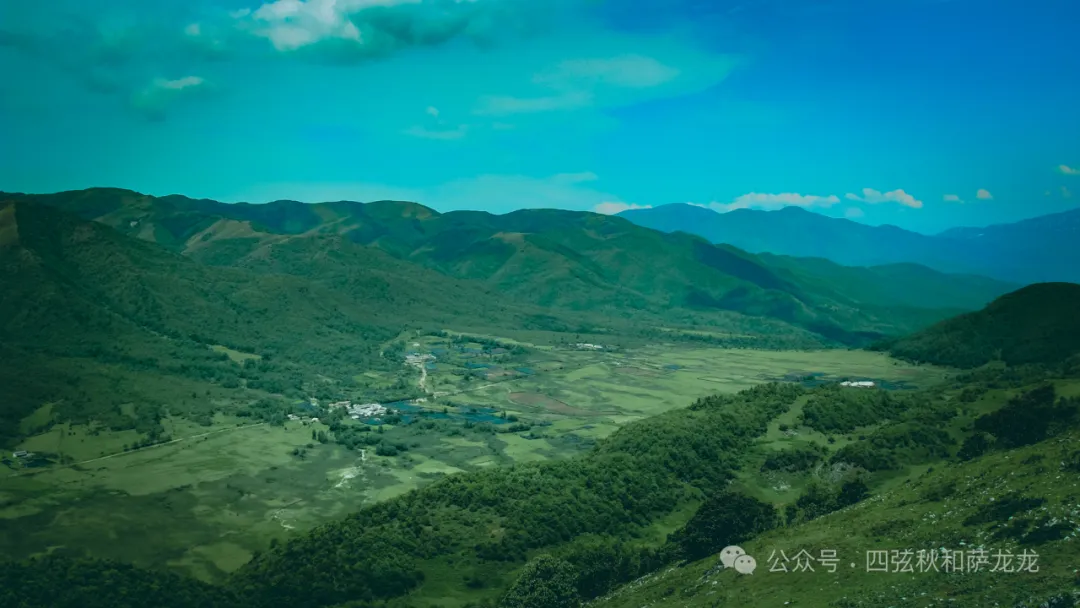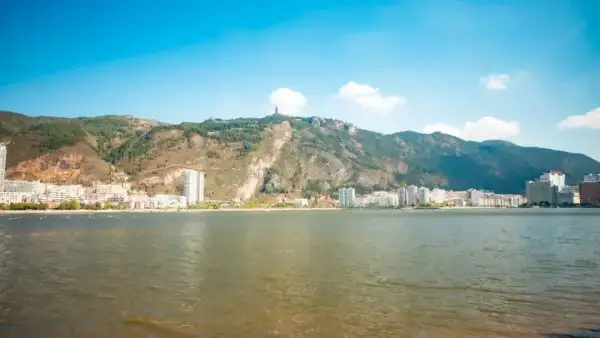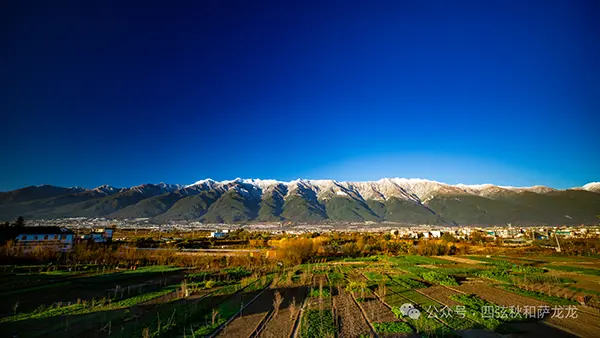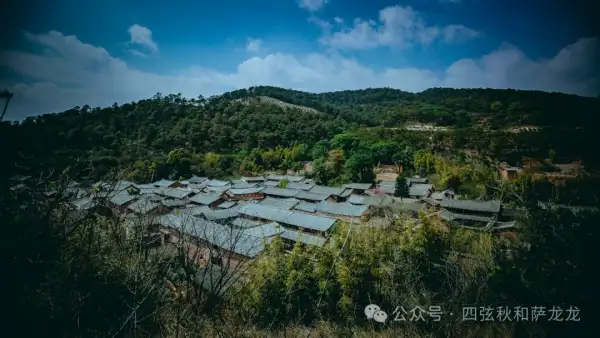

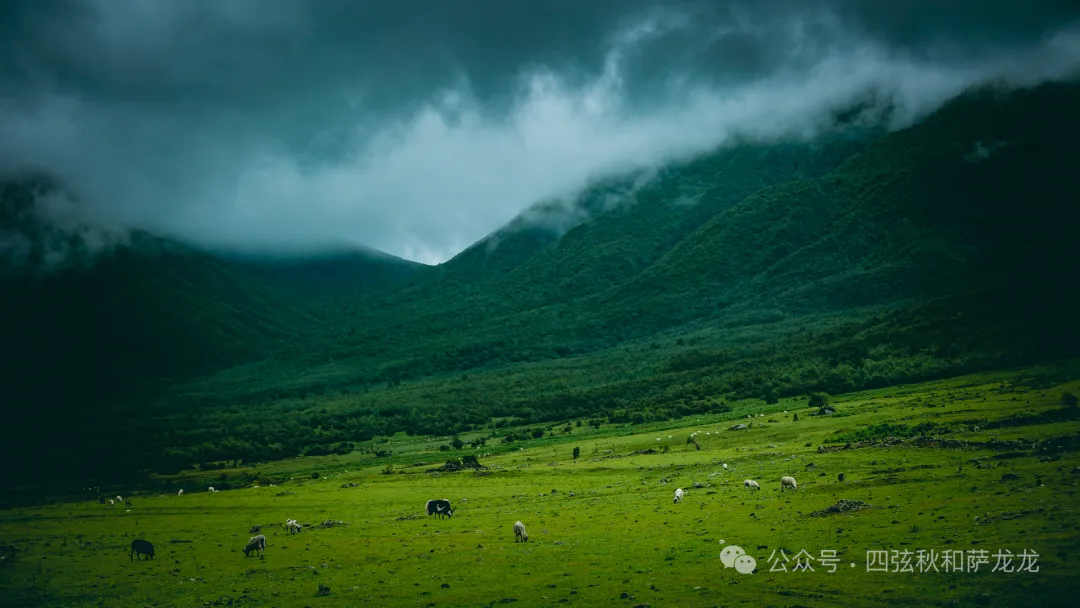
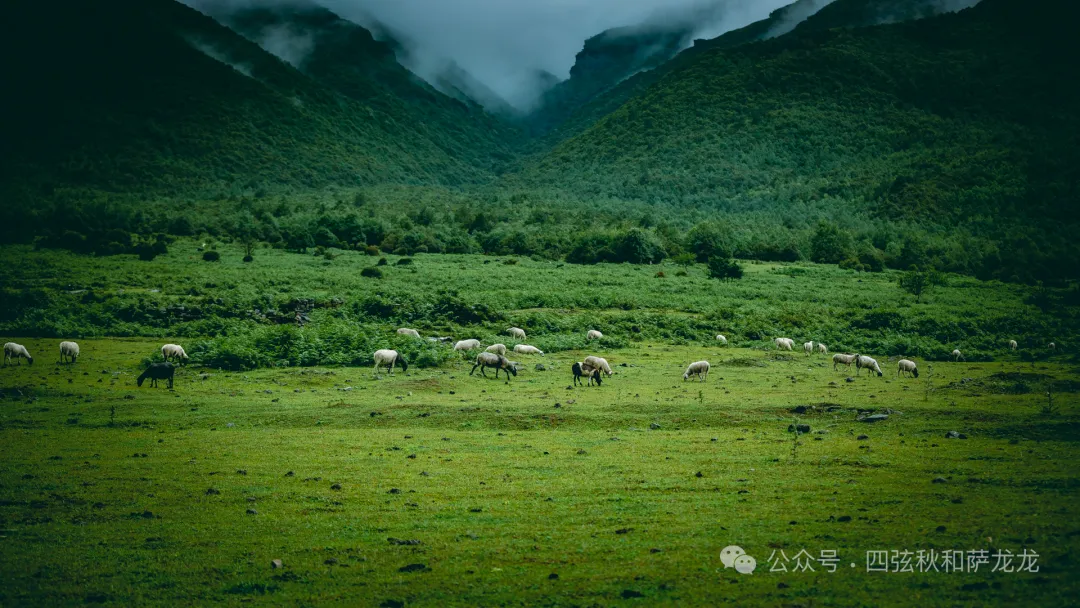
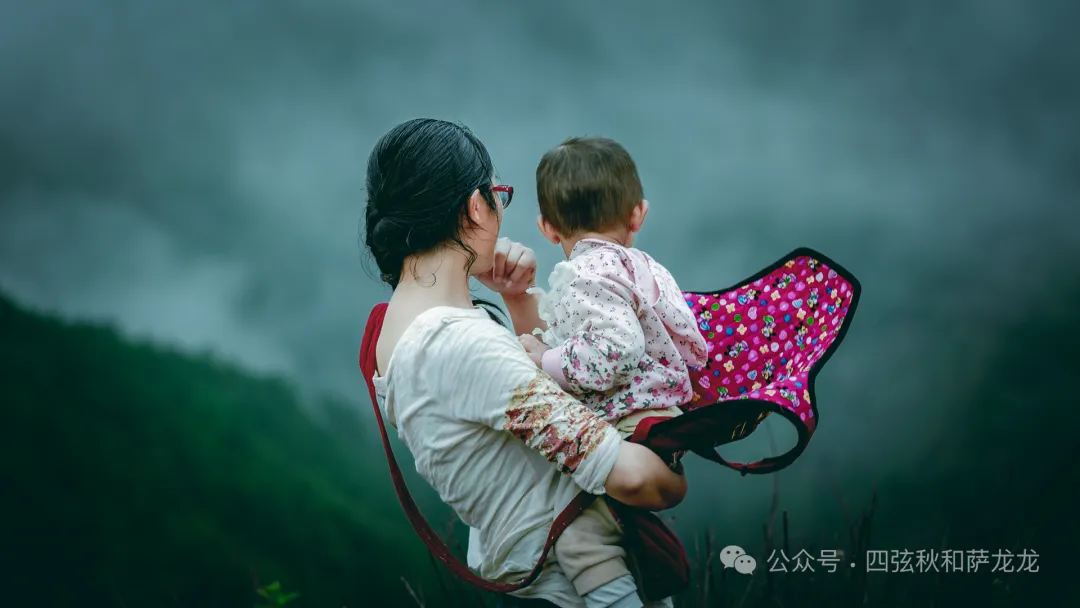
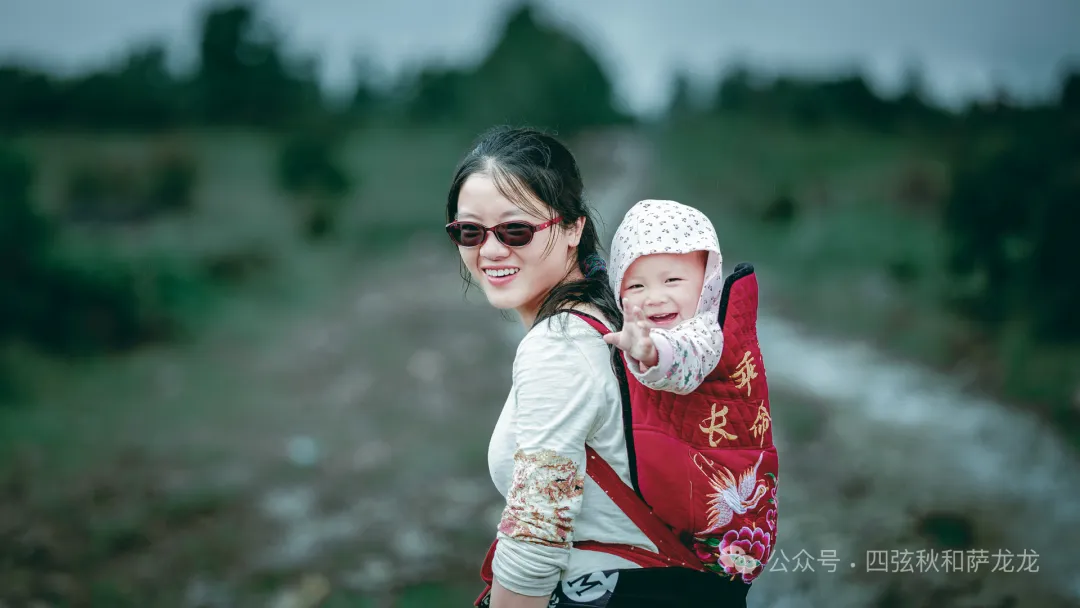
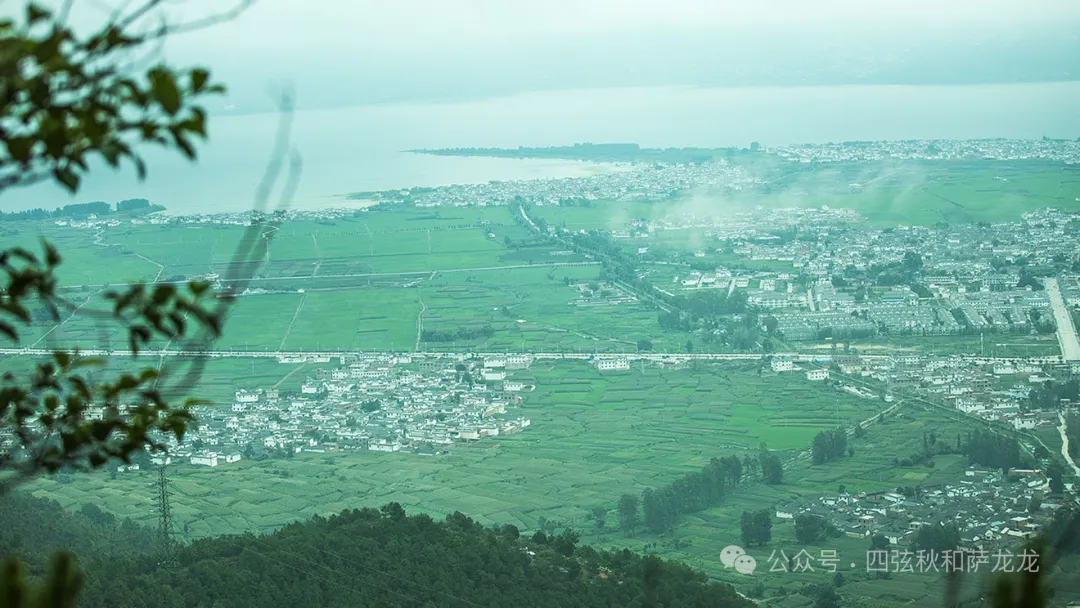
We first heard the name Huadianba during the first rainy season after settling in Dali for nine months. After seeing just a few photos shared by friends, we didn't hesitate for a moment, despite the difficult mountain paths in the rain. We invited our friend Xiao Jiang and, carrying our 17-month-old daughter on our backs, set off happily. Located between Yunlong Peak and Wutai Peak in the Cangshan Mountains, Huadianba sits at an altitude of about 3,000 meters, a pristine and well-preserved alpine meadow. The hiking distance from Xizhou Ancient Town to Huadianba is about 20 kilometers; if you can find the slightly marked mountain path, you can shorten it by three to four kilometers. For hiking enthusiasts, Huadianba offers not only the raw wilderness landscape but also a tranquility and peace that soothes the soul.
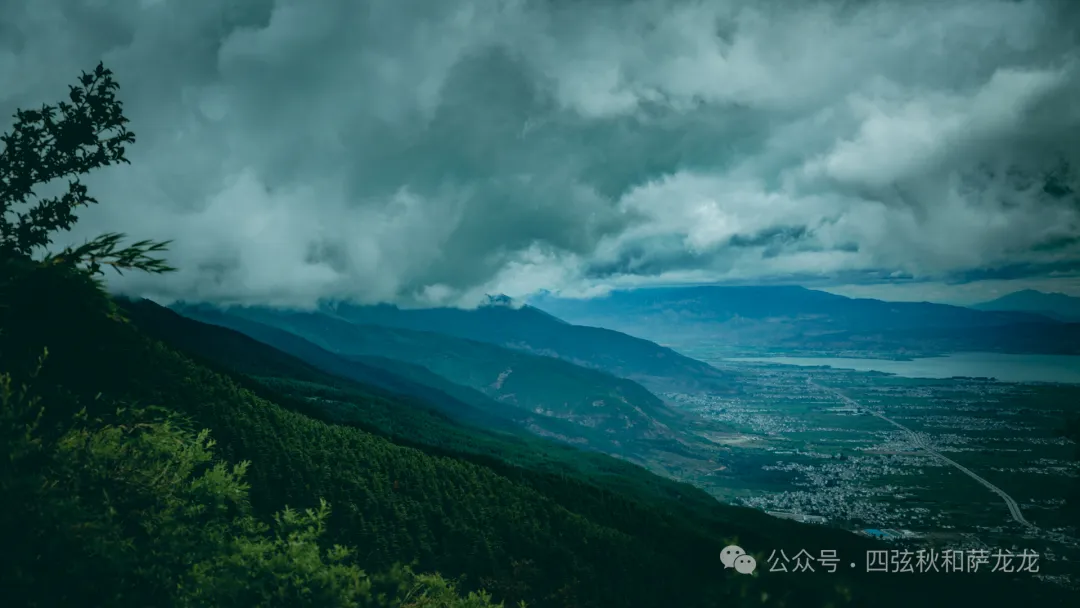
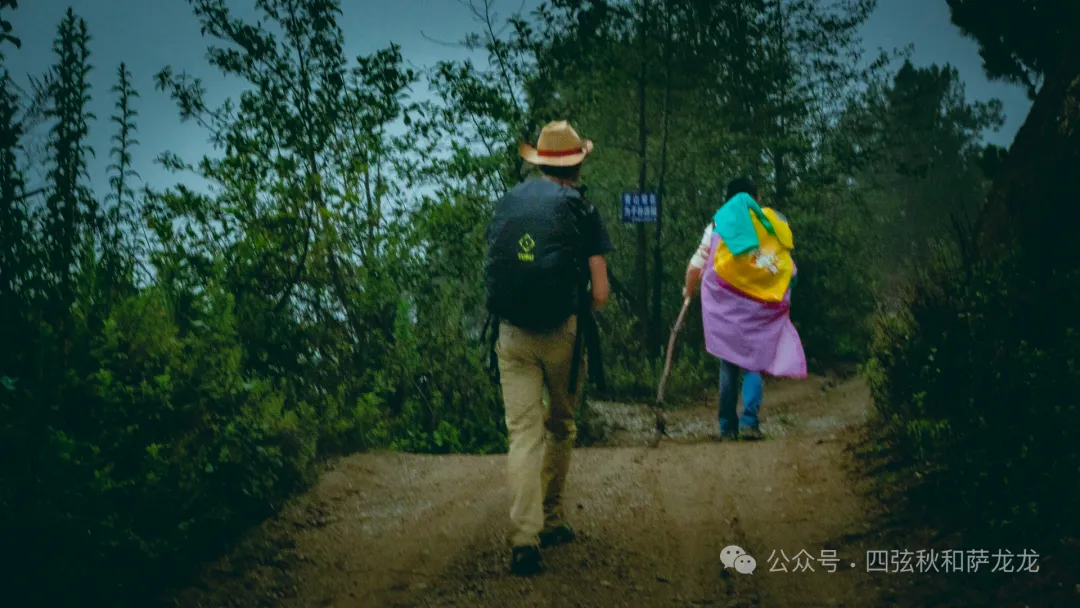
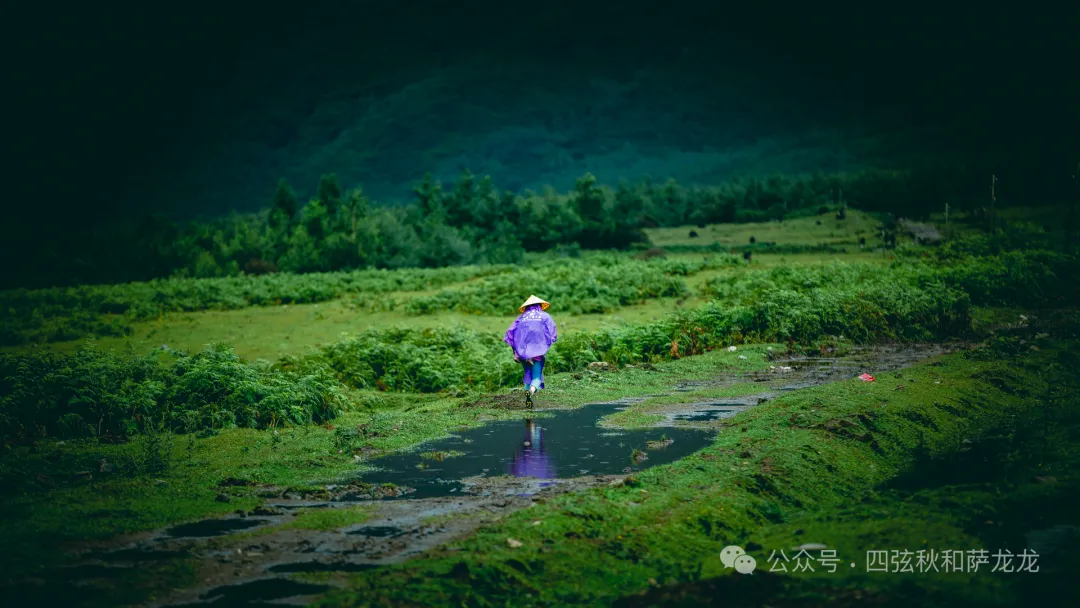
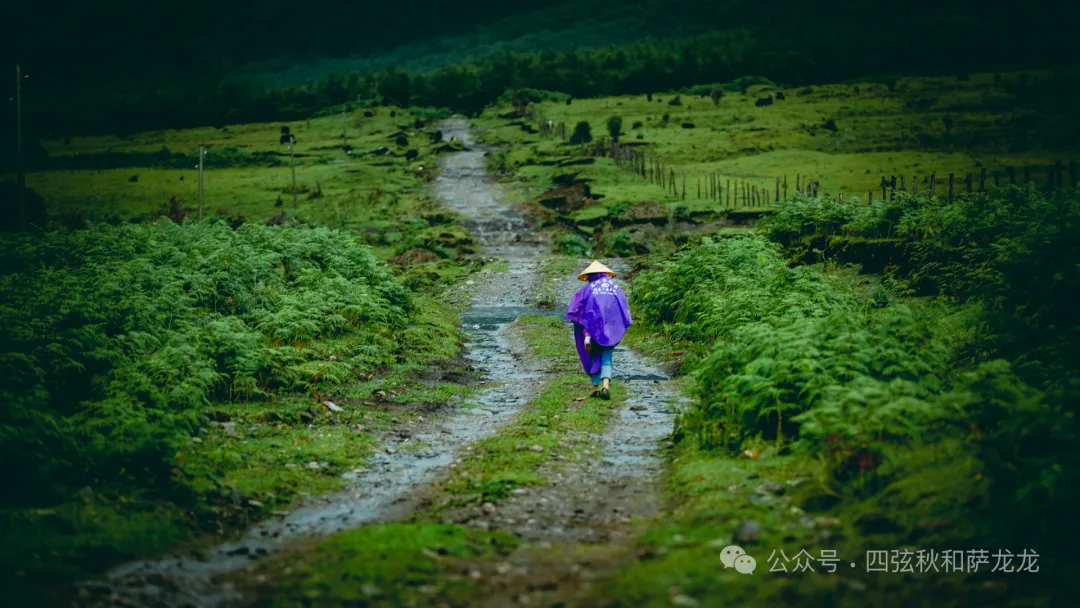
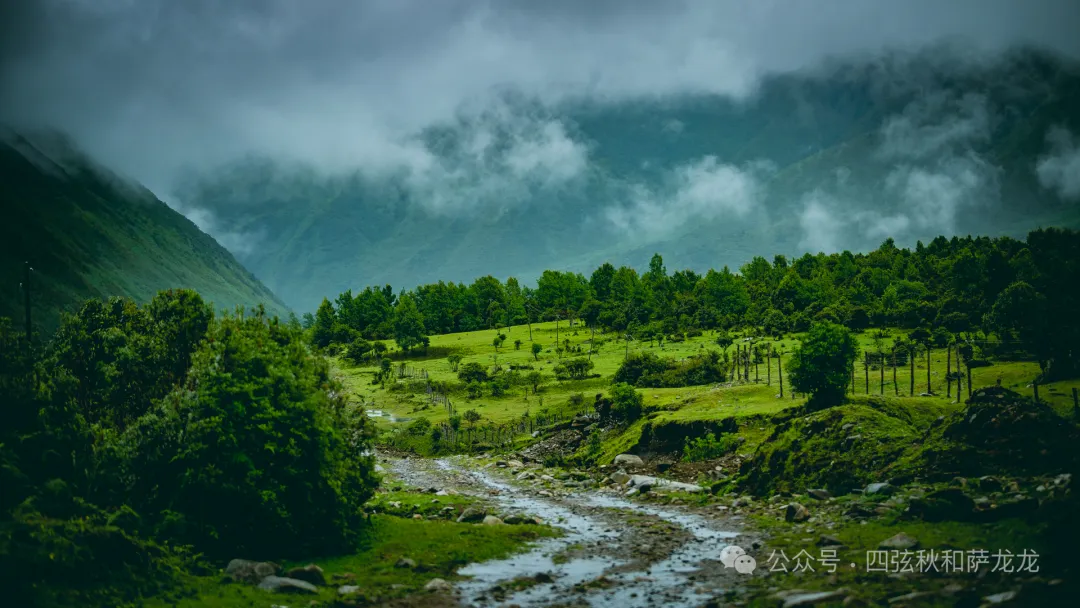
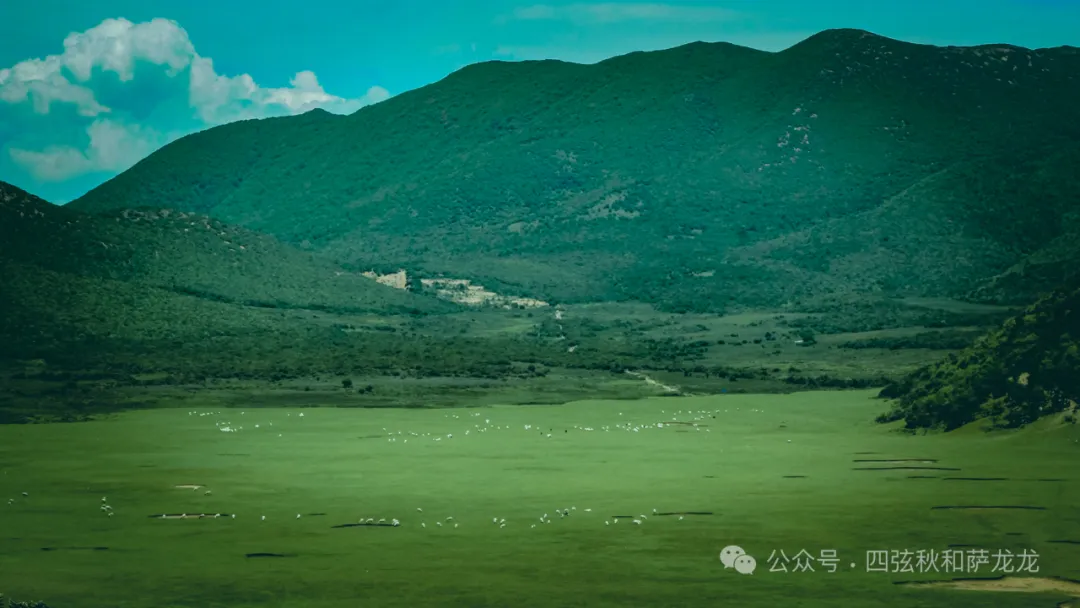
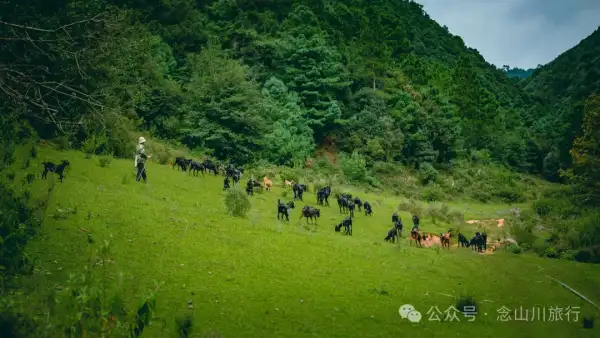
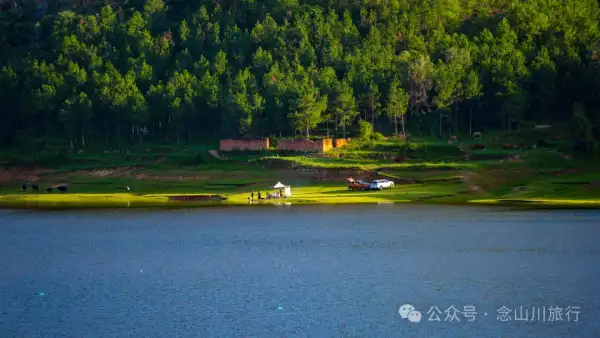
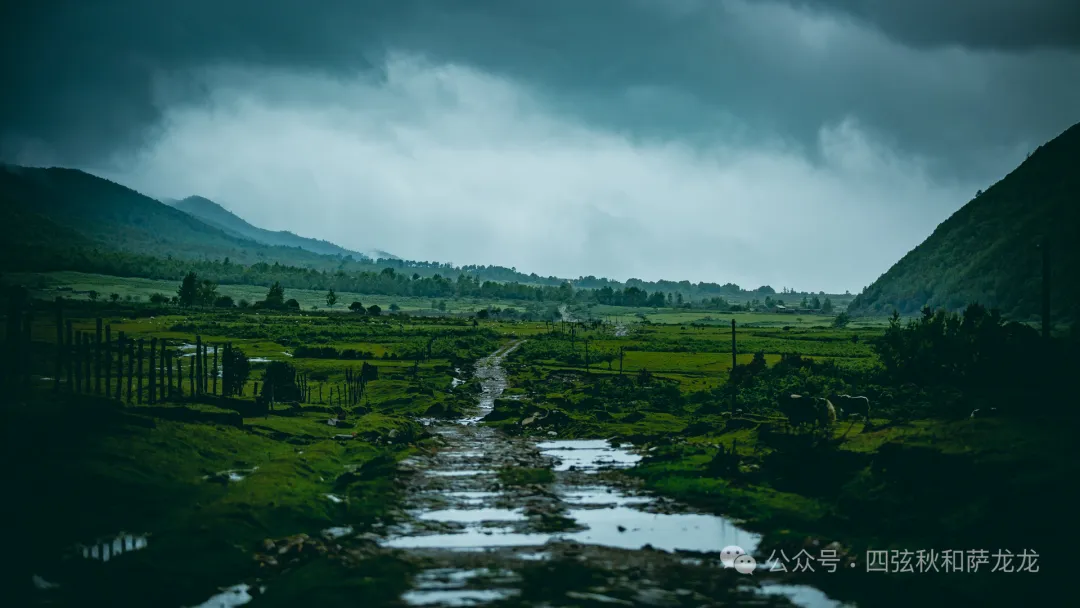
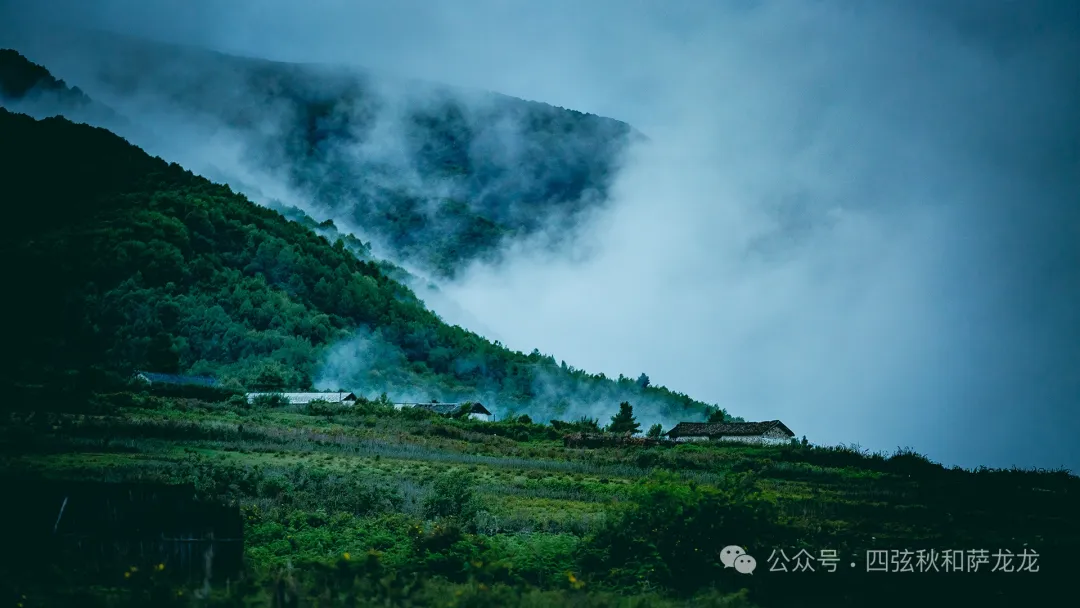
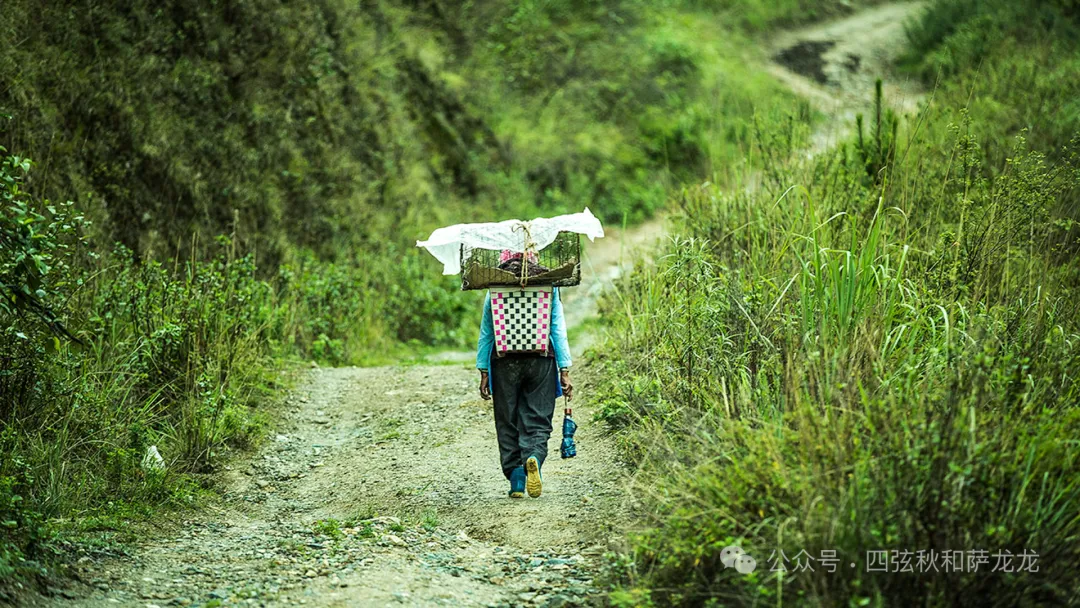
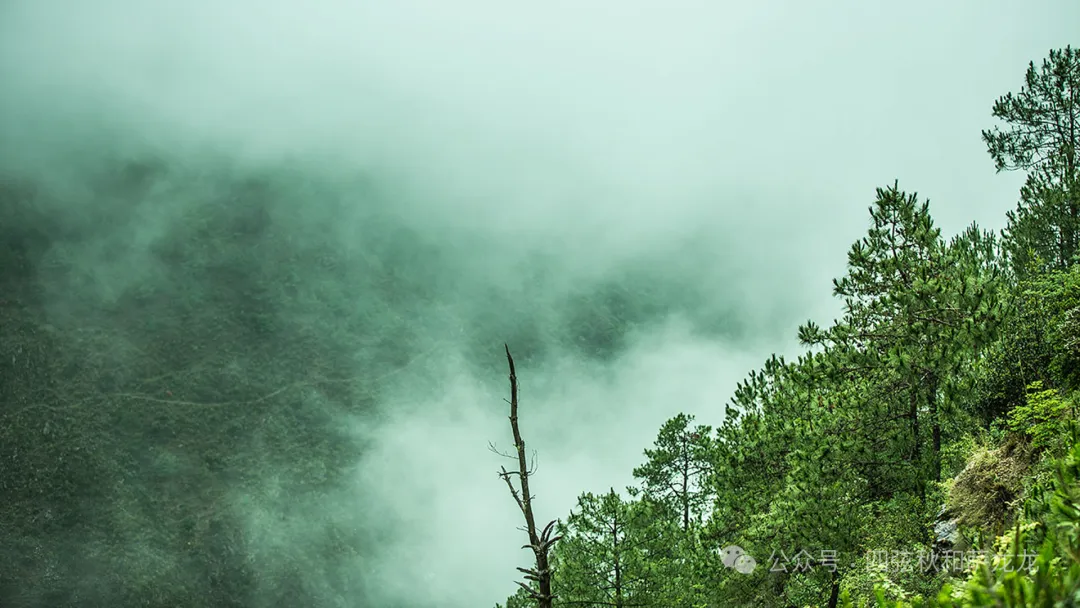
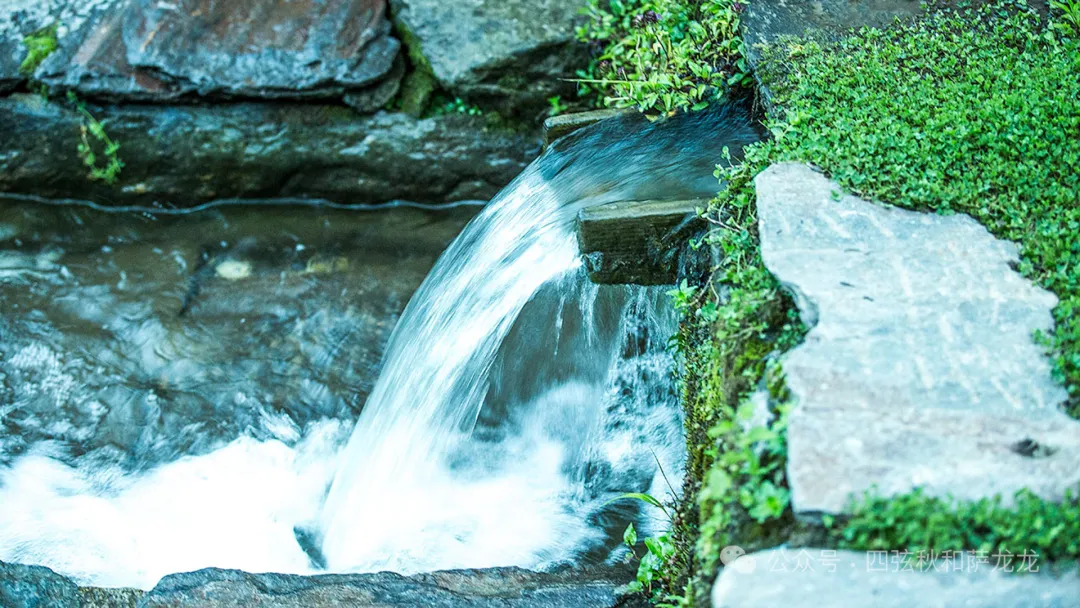
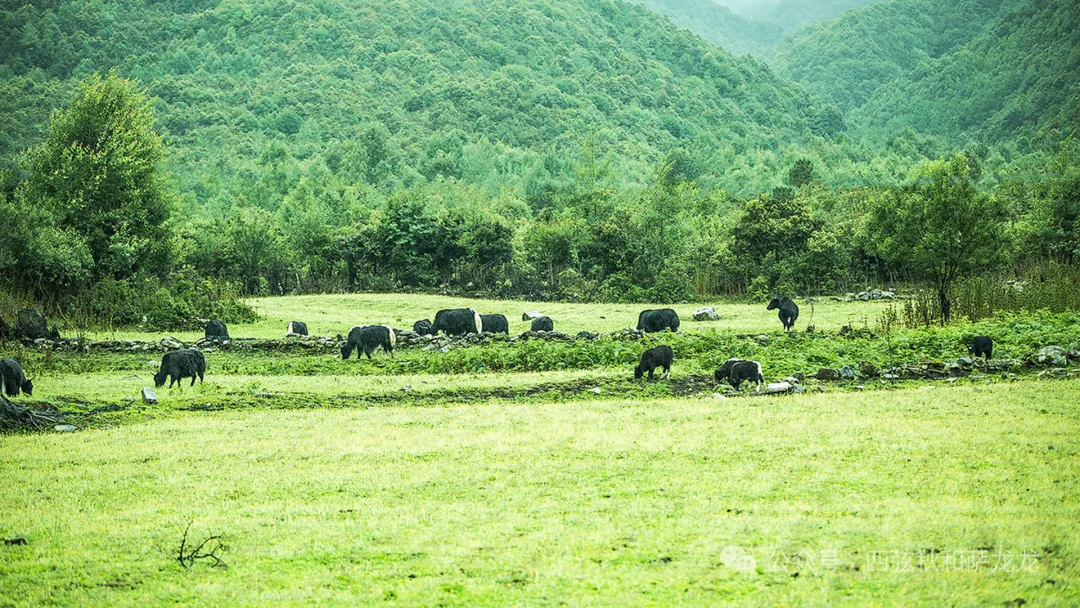
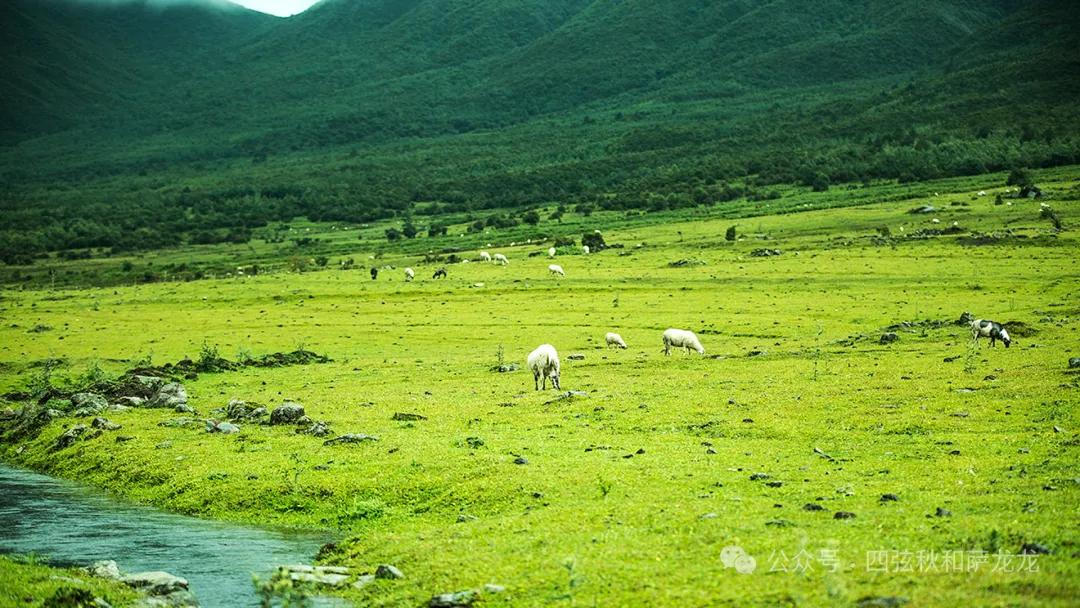
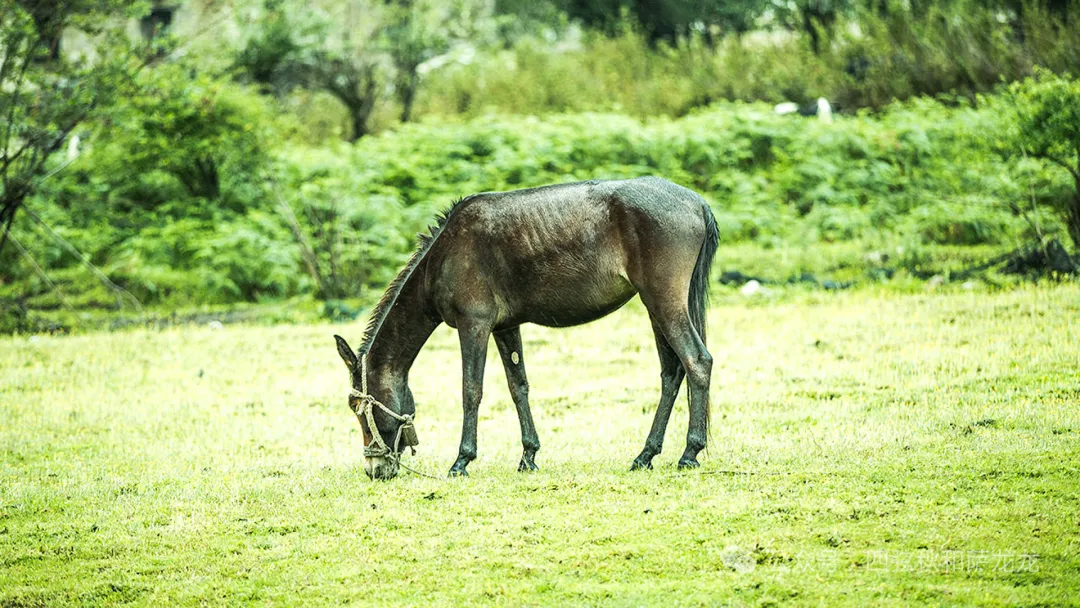
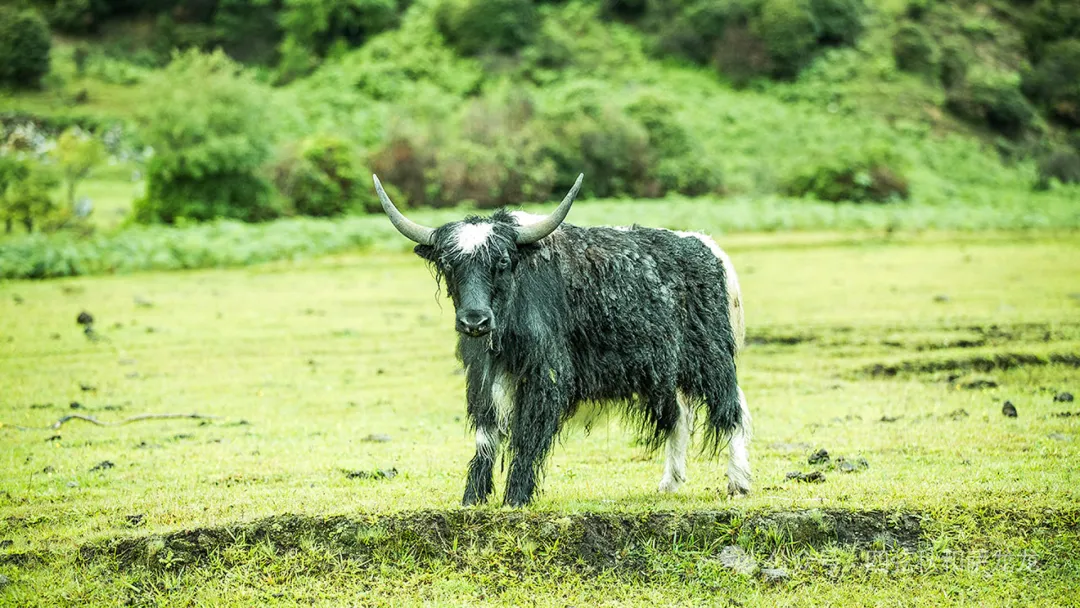
Setting out during the rainy season is itself a poetic act, especially heading to Huadianba. The rainy season on the plateau is usually in summer, a time when greenery surges. Along the winding and rugged mountain paths, we moved through the most vibrant flow of green; the more winding the path, the more delightful this flow became. The clouds we saw at the foot of the mountain turned into a torrential downpour by the time we climbed deep into the mountains. The mud on the road made our steps heavier, but the flowing green quickly eased our fatigue. The endless, breathtaking alpine meadow landscapes on both sides of the muddy road were the greatest comfort after five or six hours of hard hiking in the rain: vast fields of bright green grass like an oil painting, countless black cattle and horses leisurely grazing, goats scattered like white flowers, clear streams gurgling by the roadside, thick mist rising among the mountains, and abandoned stone houses faintly visible in the mist... In this vast, open expanse, only the four of us walked through; human power seemed so thin and insignificant. When the rain eased slightly, a gentle breeze passed by—a tender, genuine comfort from nature that made us forget the differences between species. Here, at this moment, humans are no different from cattle and sheep, no different from flowers and trees, and one with heaven and earth.
The increasingly heavy rain drove us into a stone house by the mountainside. The dilapidated house was empty, with a collapsed roof and only four walls; the traces of smoke on the open ground in the middle were still fresh. Soon after, a cowboy who came to take shelter told us that these houses were places for them to take refuge from the wind and rain during grazing. Once it rains in the mountains, the temperature drops sharply; even in midsummer, it feels as cold as winter. They hide in these stone houses to light a fire for warmth and roast a few potatoes to fill their stomachs. Thanks to the cowboy's reminder, we learned that to stay overnight, we needed to go to a nearby medicinal herb factory, which also provided meals. After drying our clothes, we returned to the flowing green and the relentless rain, continuing our journey.
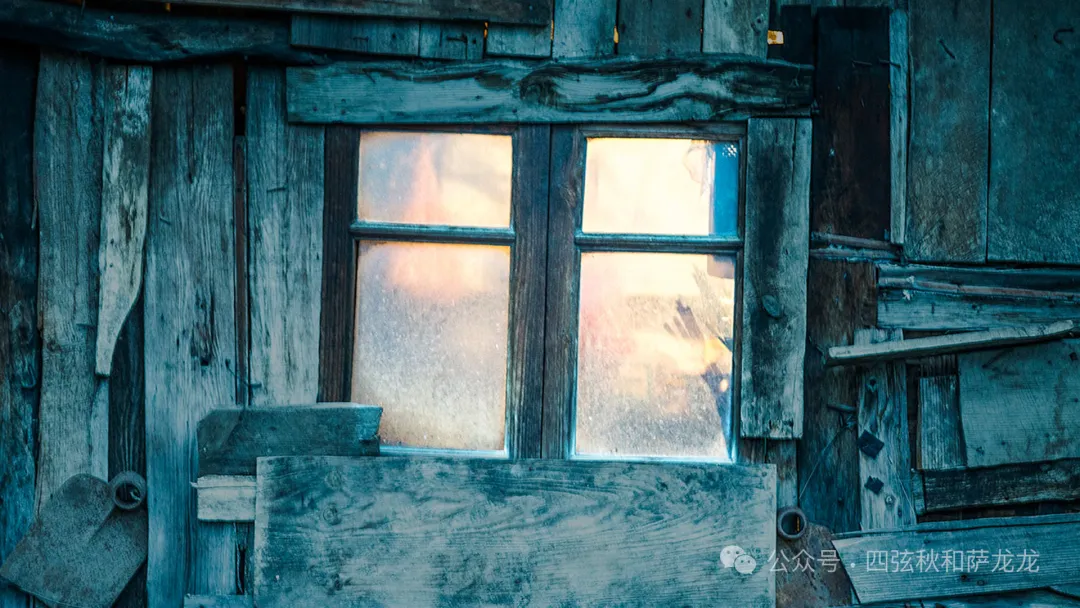
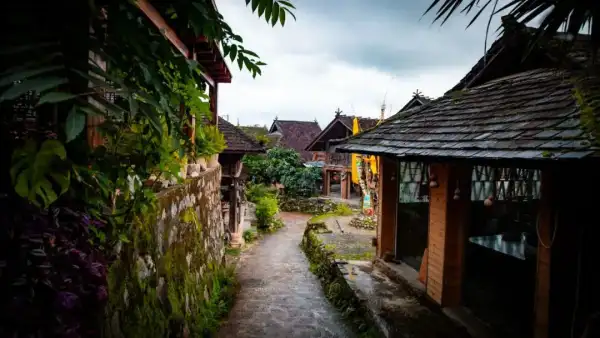
When we arrived at the medicinal herb factory, our dried clothes quickly became damp again. The factory manager led us into a room with a blazing charcoal fire, and we were revived. The rain finally stopped in the evening, and the clouds drifted higher into the sky. We wandered near the factory and found a small village with only a few households; from one house, a rich aroma of mushrooms wafted out. A dim lamp lit by a wooden window emitted a warmth even thicker than the charcoal fire. Greater stillness came with the night. We gathered around the glowing charcoal fire, planning to meet again in another season.