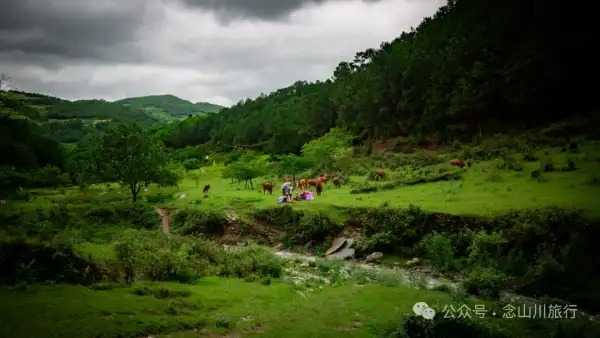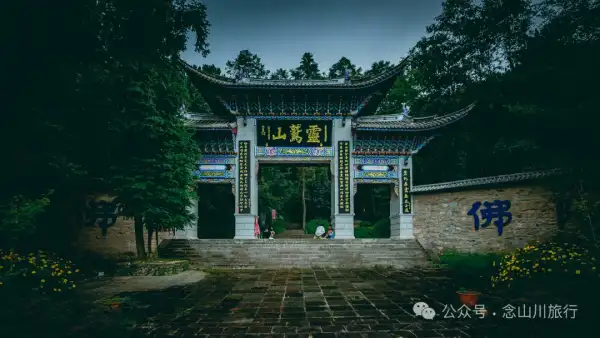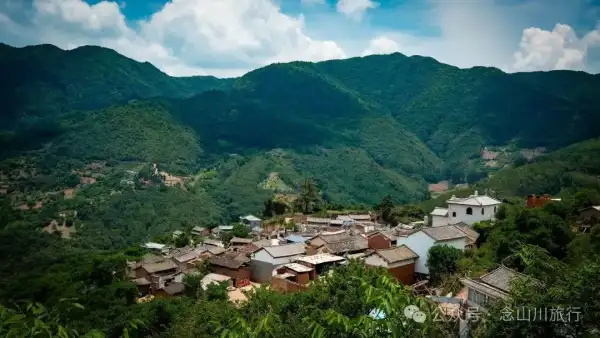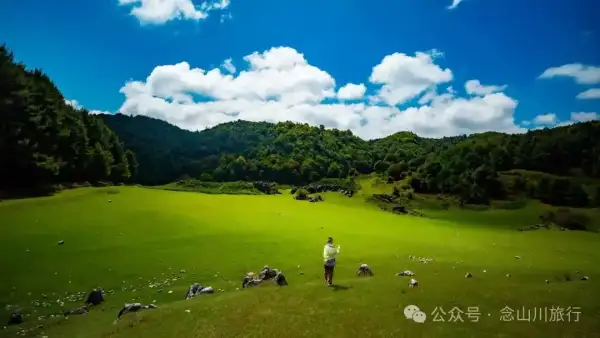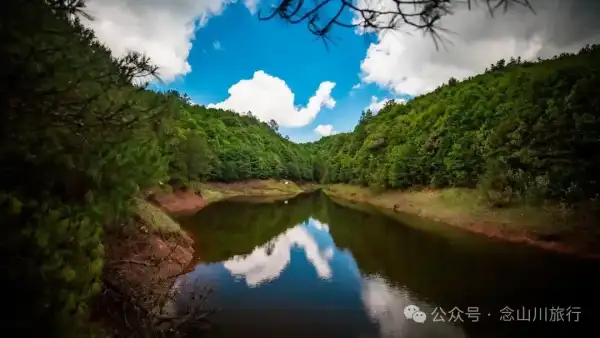

Taking the kids to hike Weibao Mountain has been one of the most common things we've done since our first visit to Weishan in 2015. Every time we accompany relatives and friends, Weibao Mountain is a must-visit. Today, we chose to set off in heavy rain to explore, just for that vast, mysterious, moist, ethereal, silent yet lively primeval forest in the mountains.
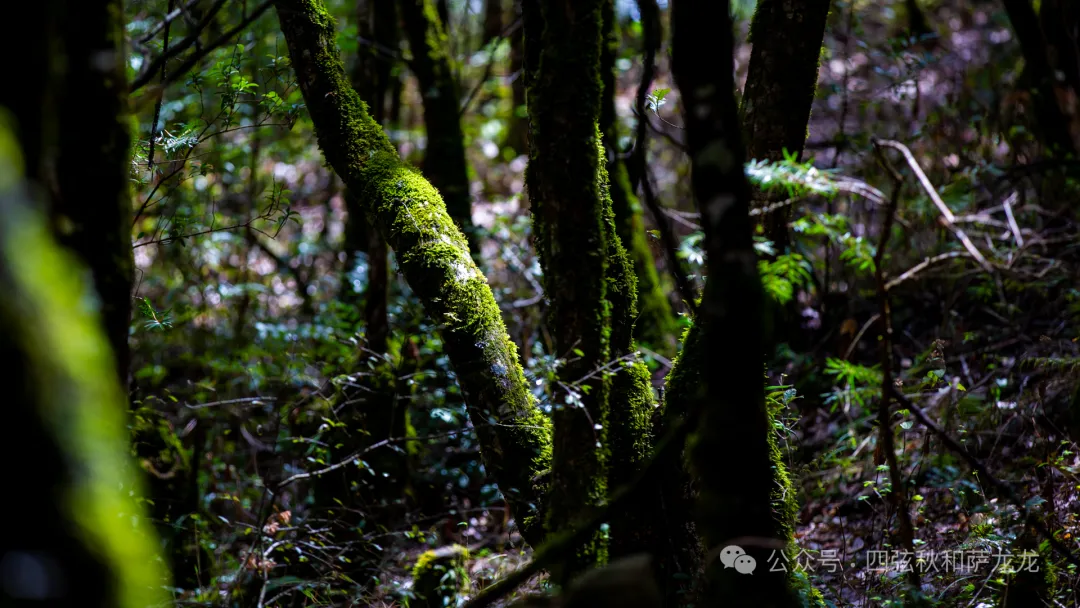
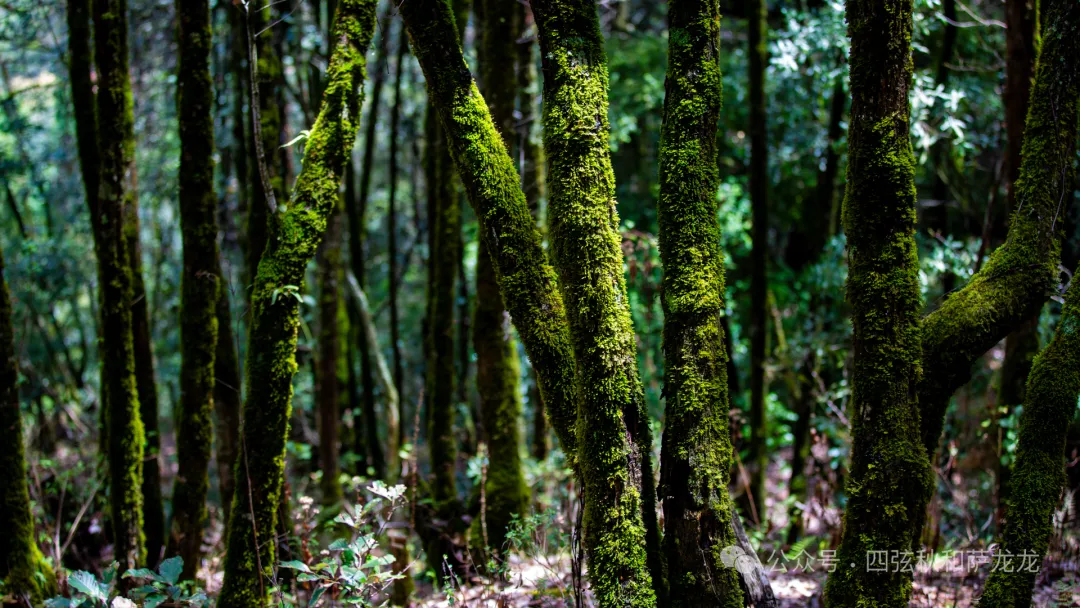
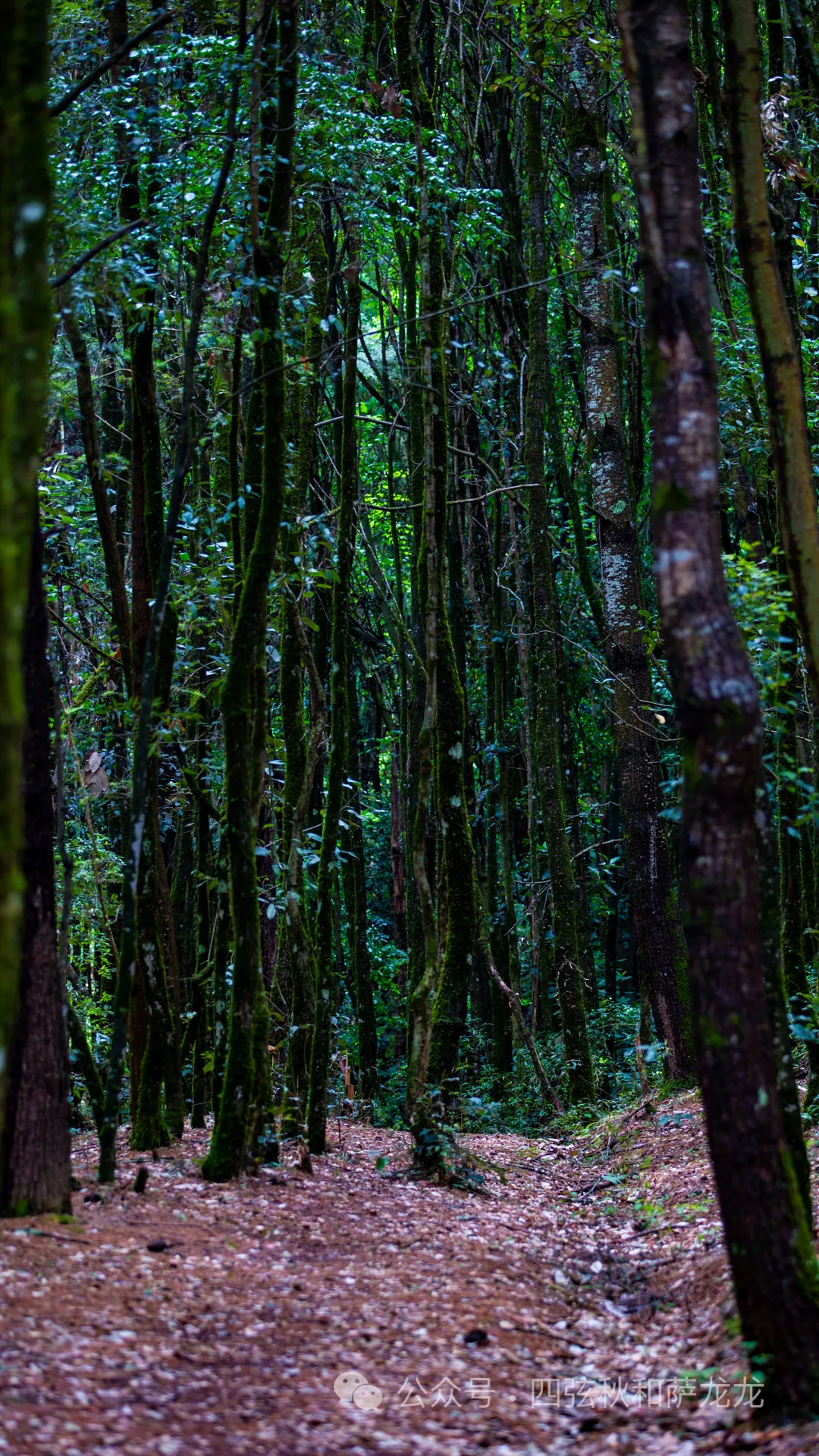
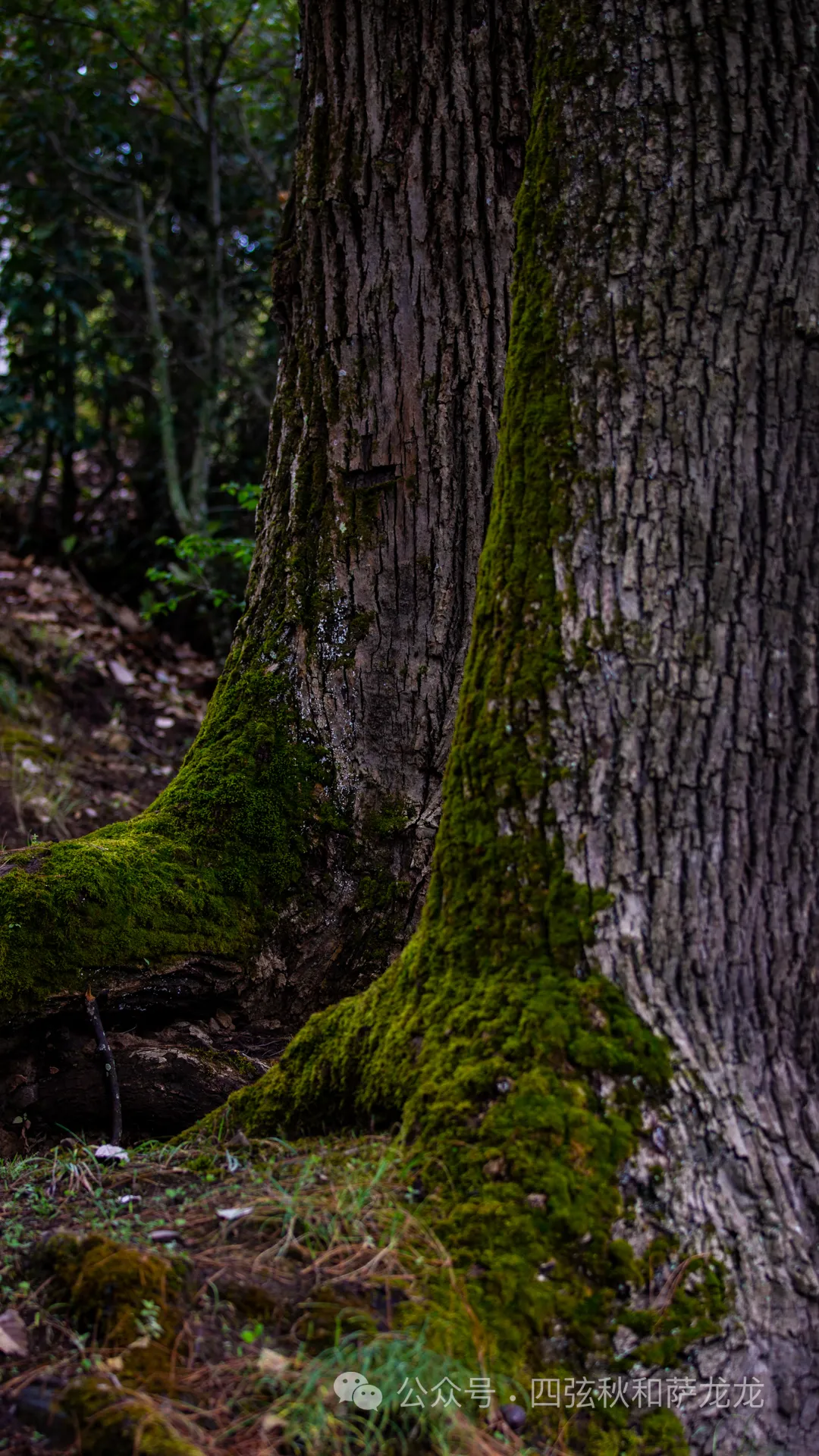
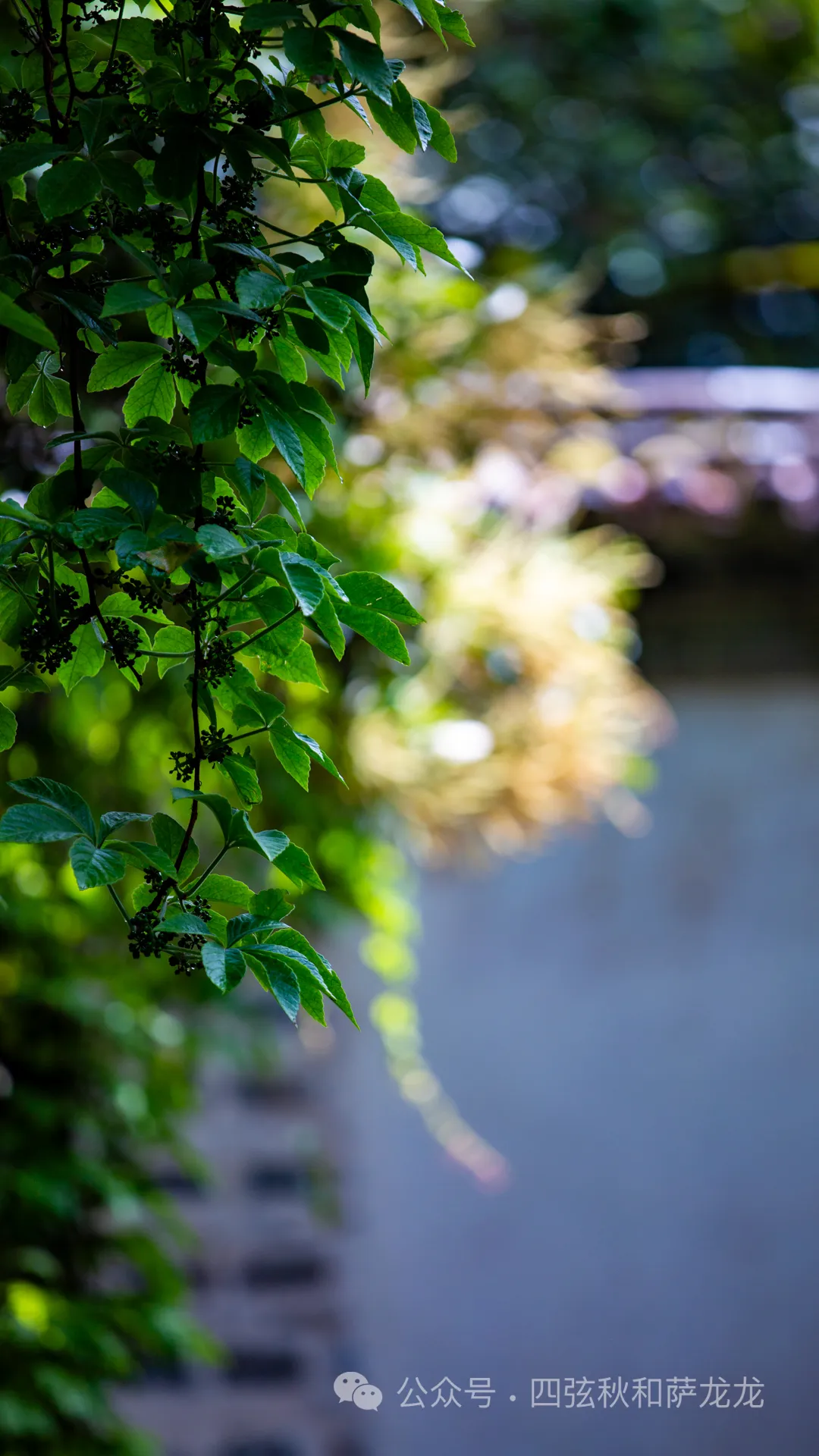
In summer, especially when it rains, the primeval forest of Weibao Mountain is lush and dense. The abundant humidity replaces the flowing light, warm and gentle. The moment it touches your body, it feels like breathing becomes superfluous, and the scent of flowers and trees rushes straight to your heart. The broad, thick, leathery leaves of the mountain magnolia are flawless, each leaf trying to retain the passing raindrops, the faint shimmer on the leaf surface as if reminiscing. In a year, such moments are too brief; rain belongs only to summer, and summer doesn't have rain every day.
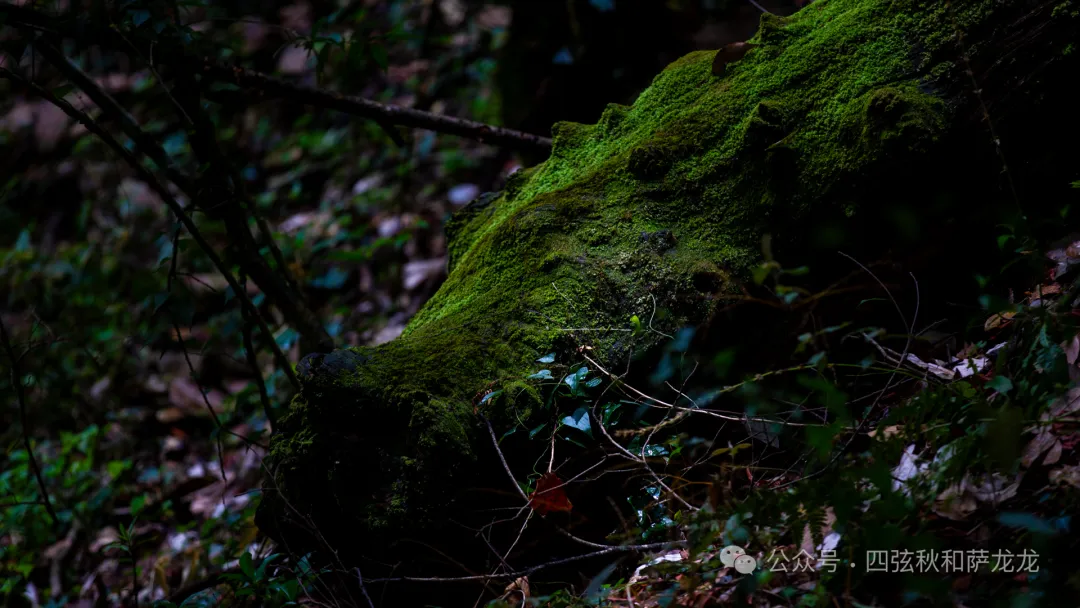
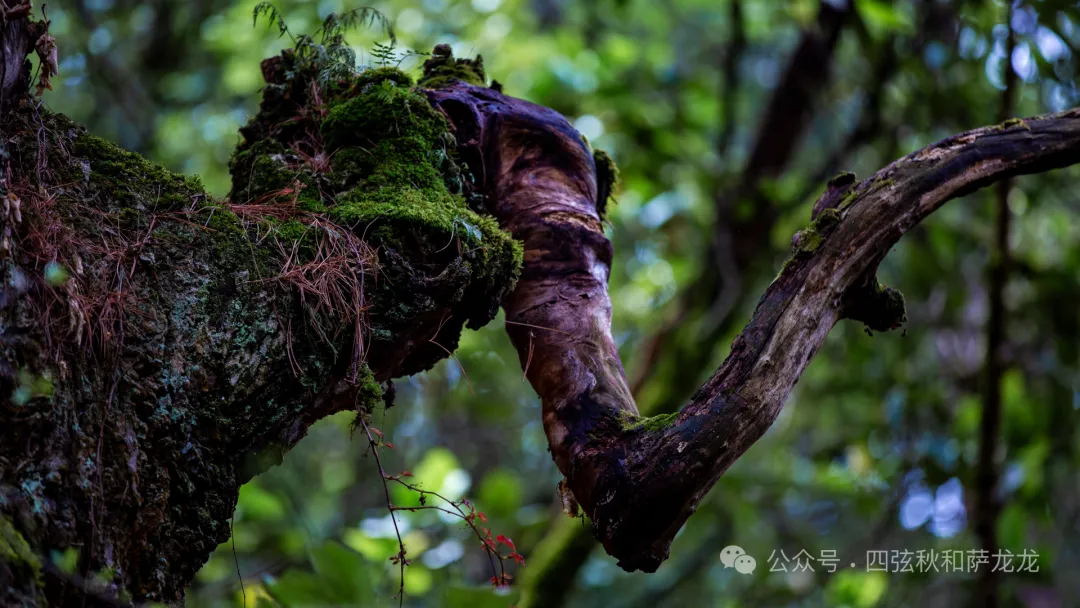
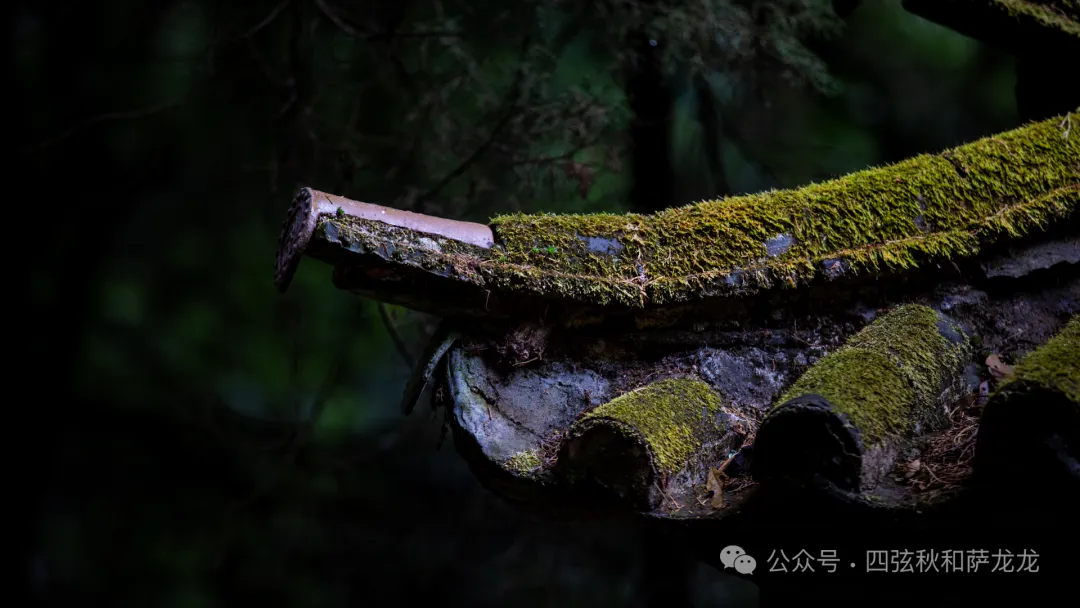
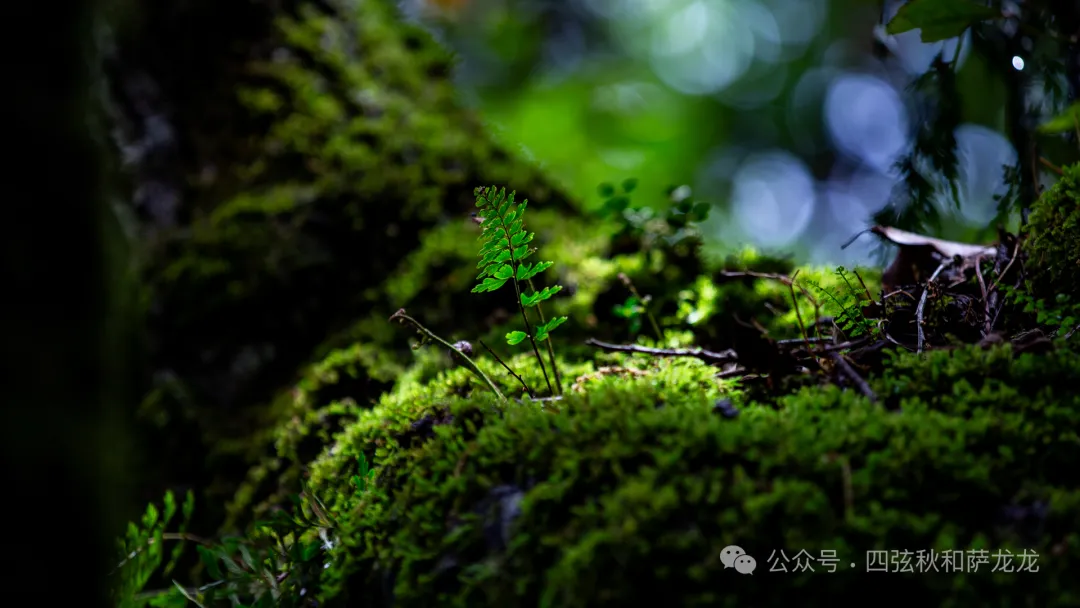
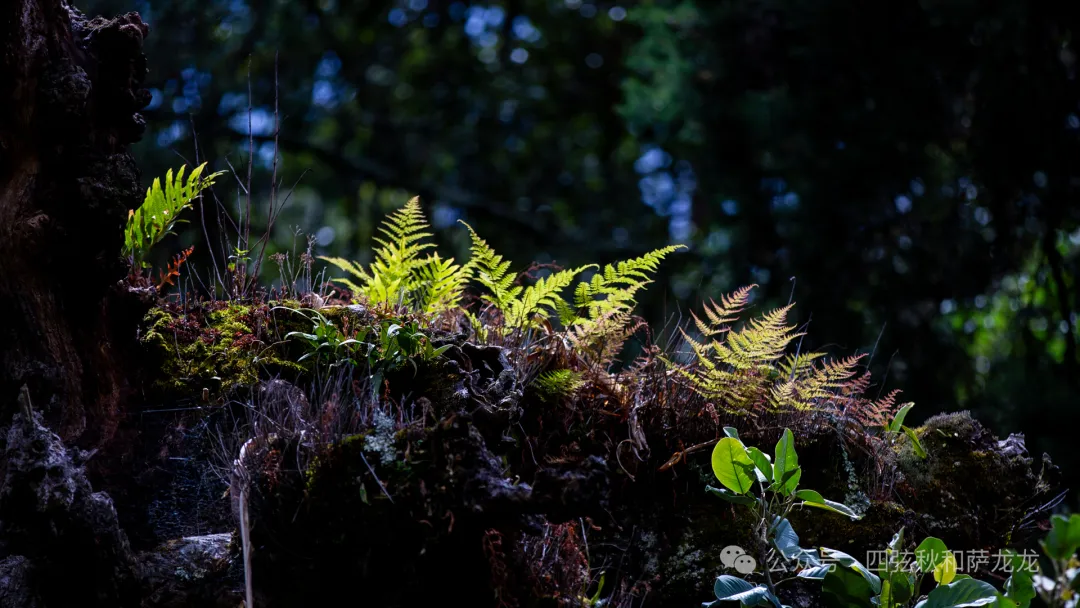
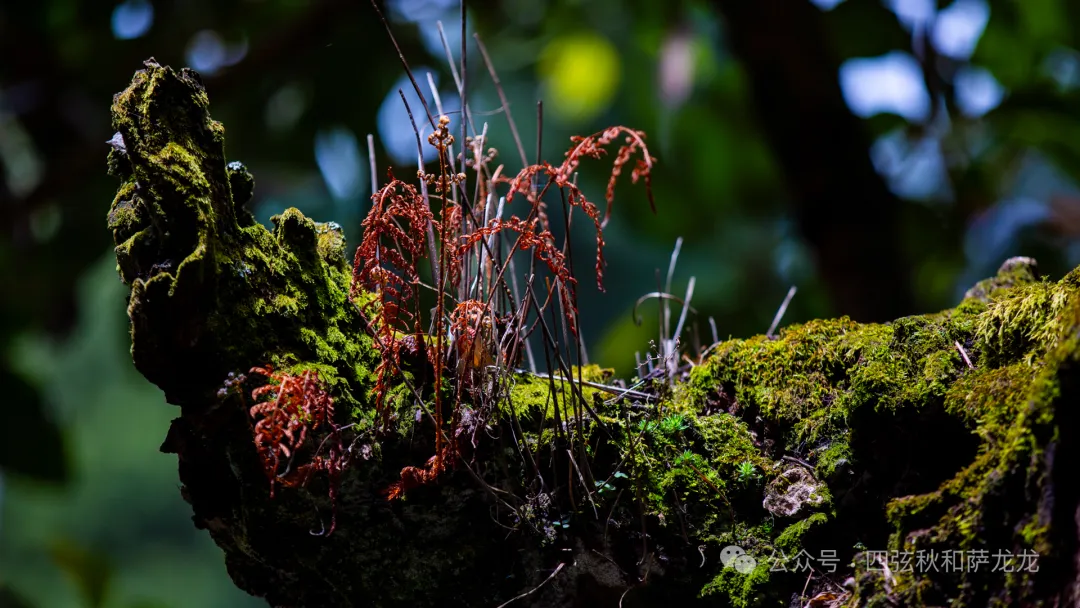
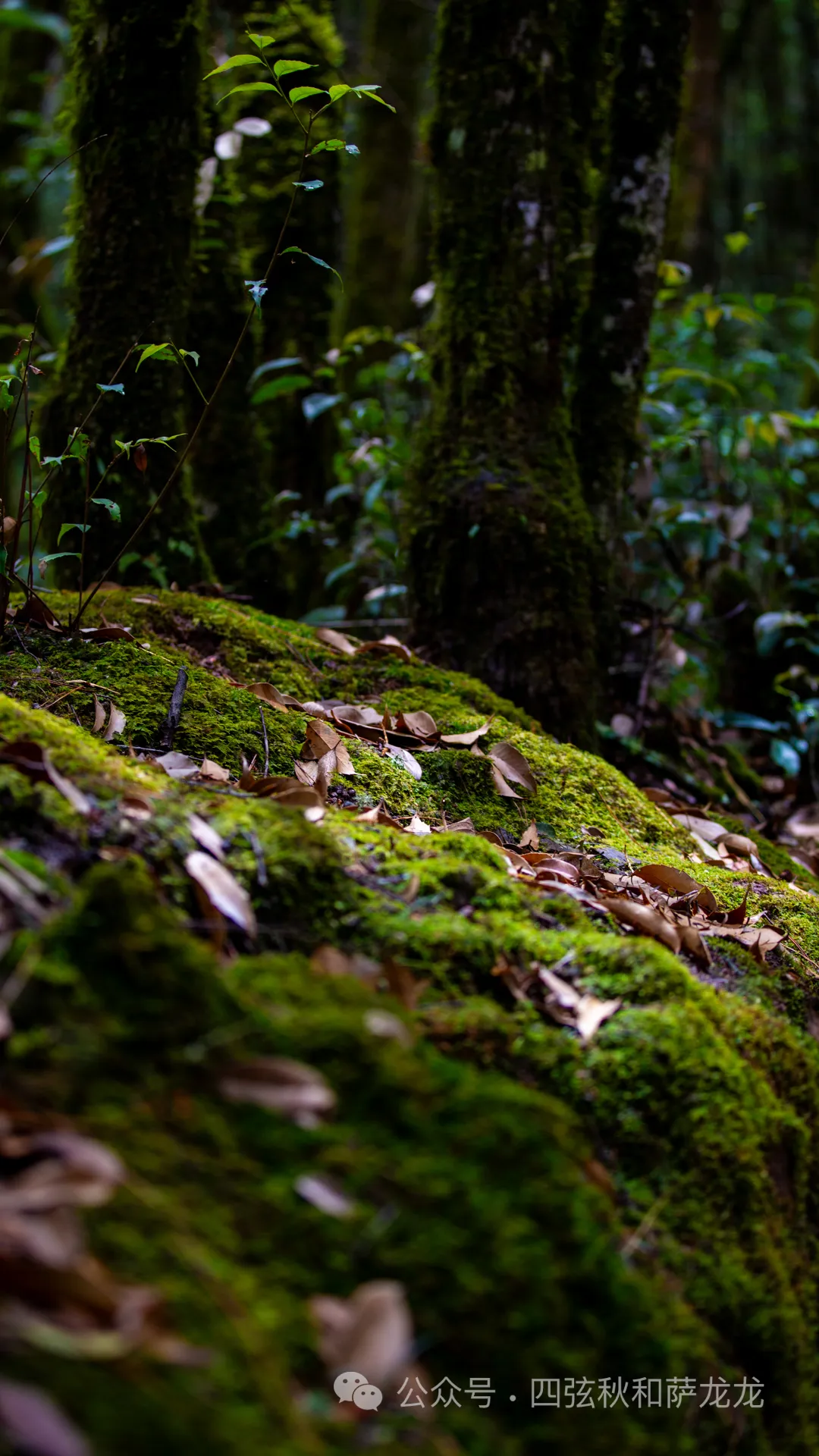
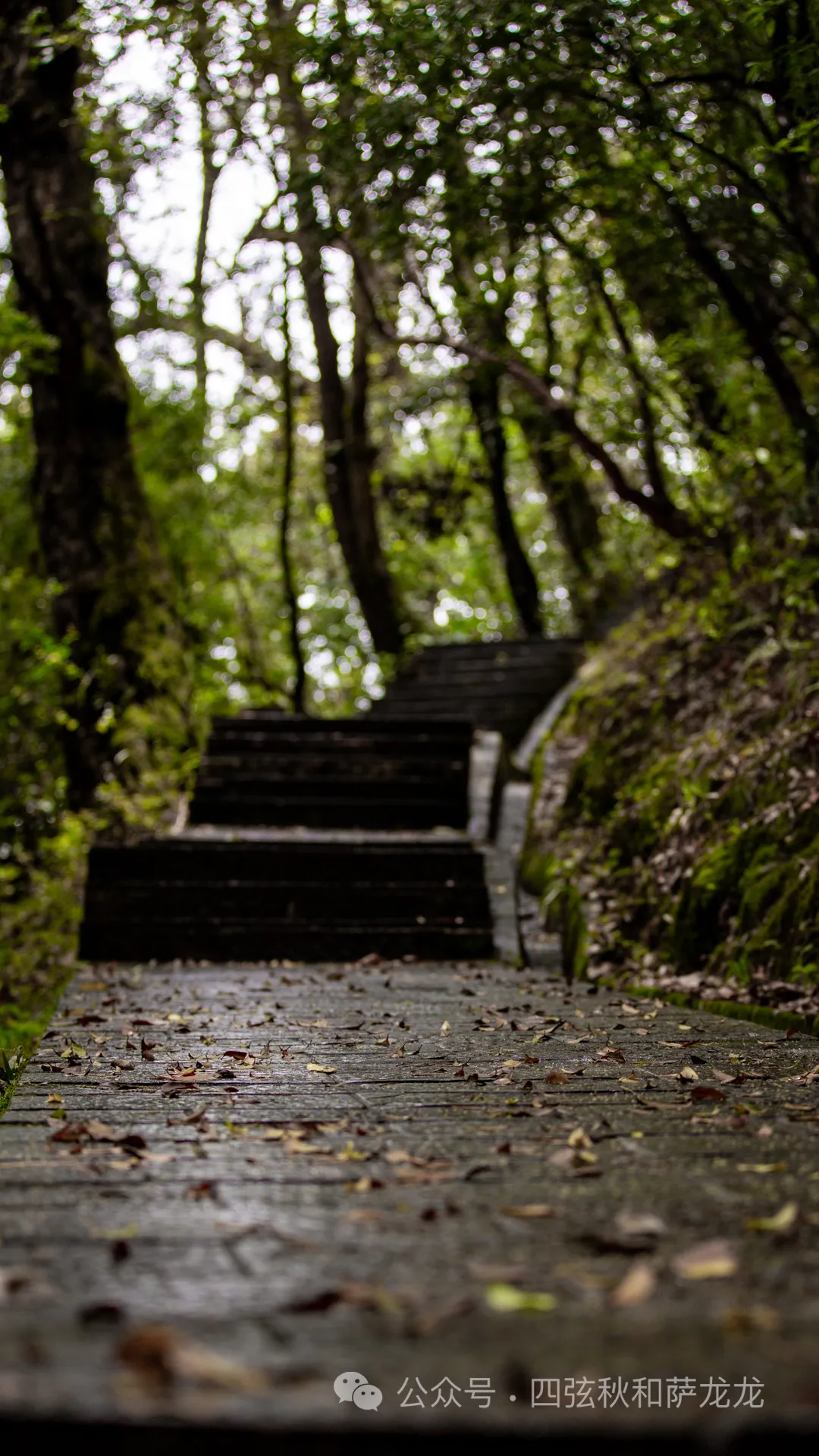
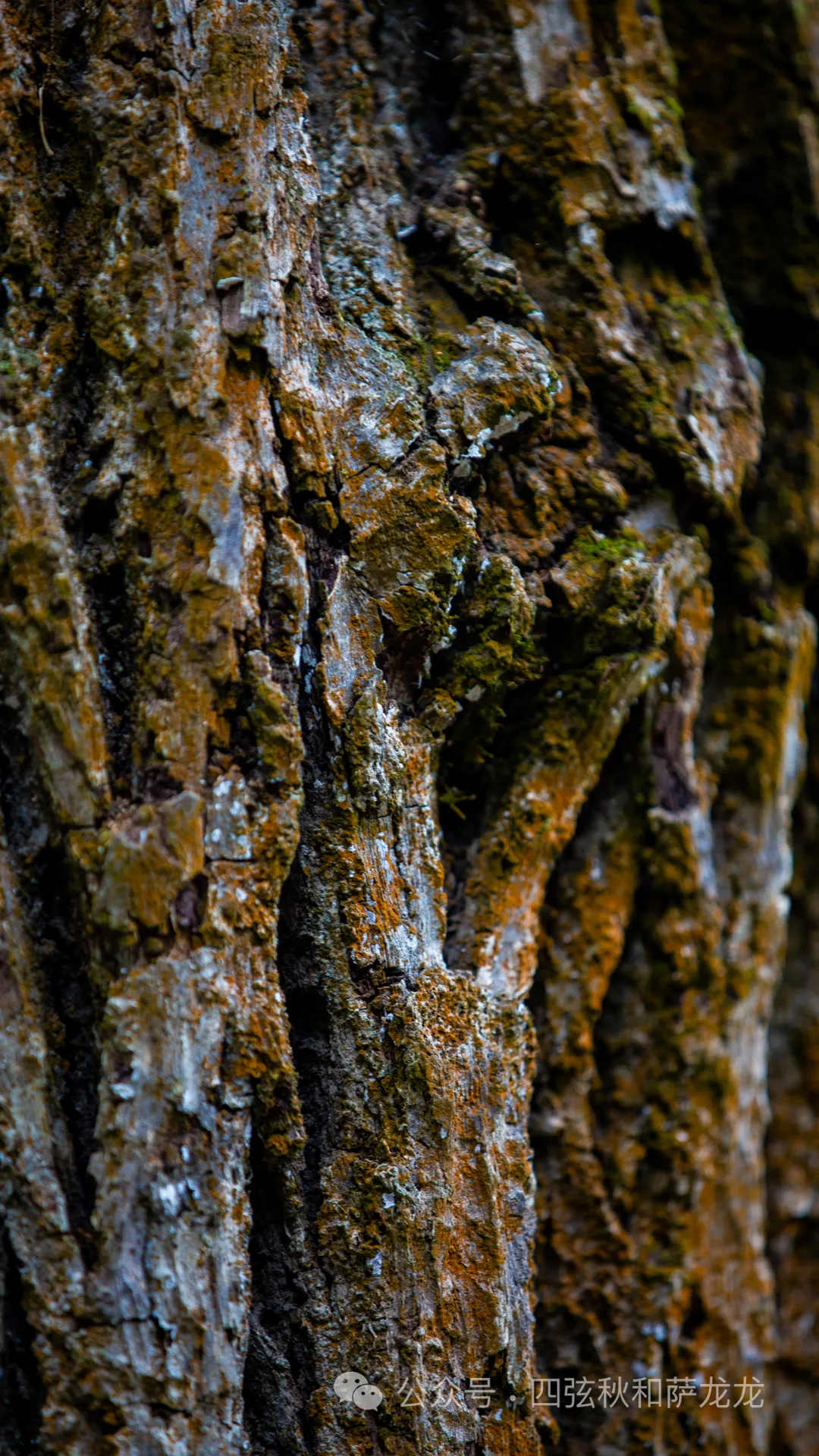
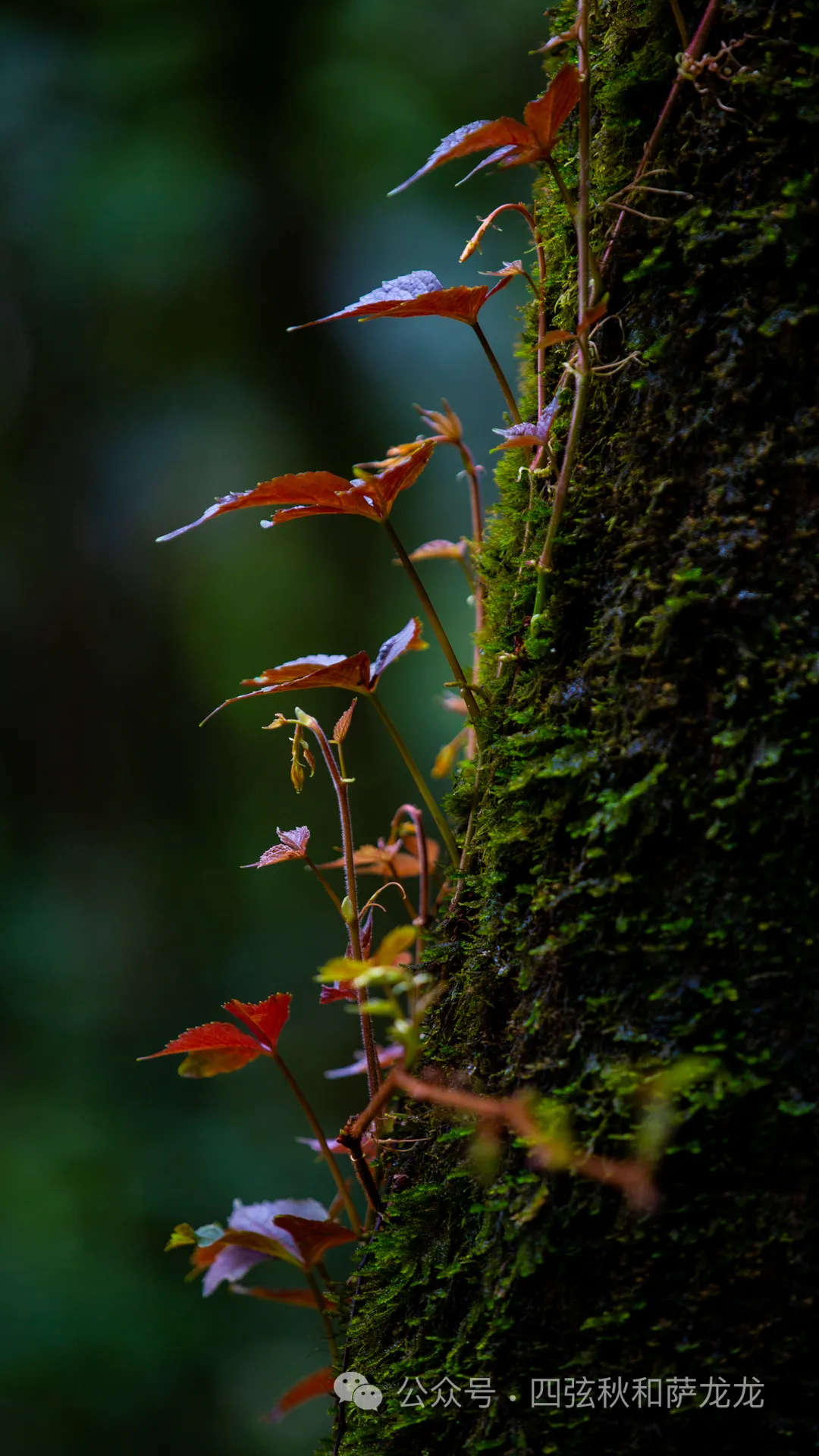
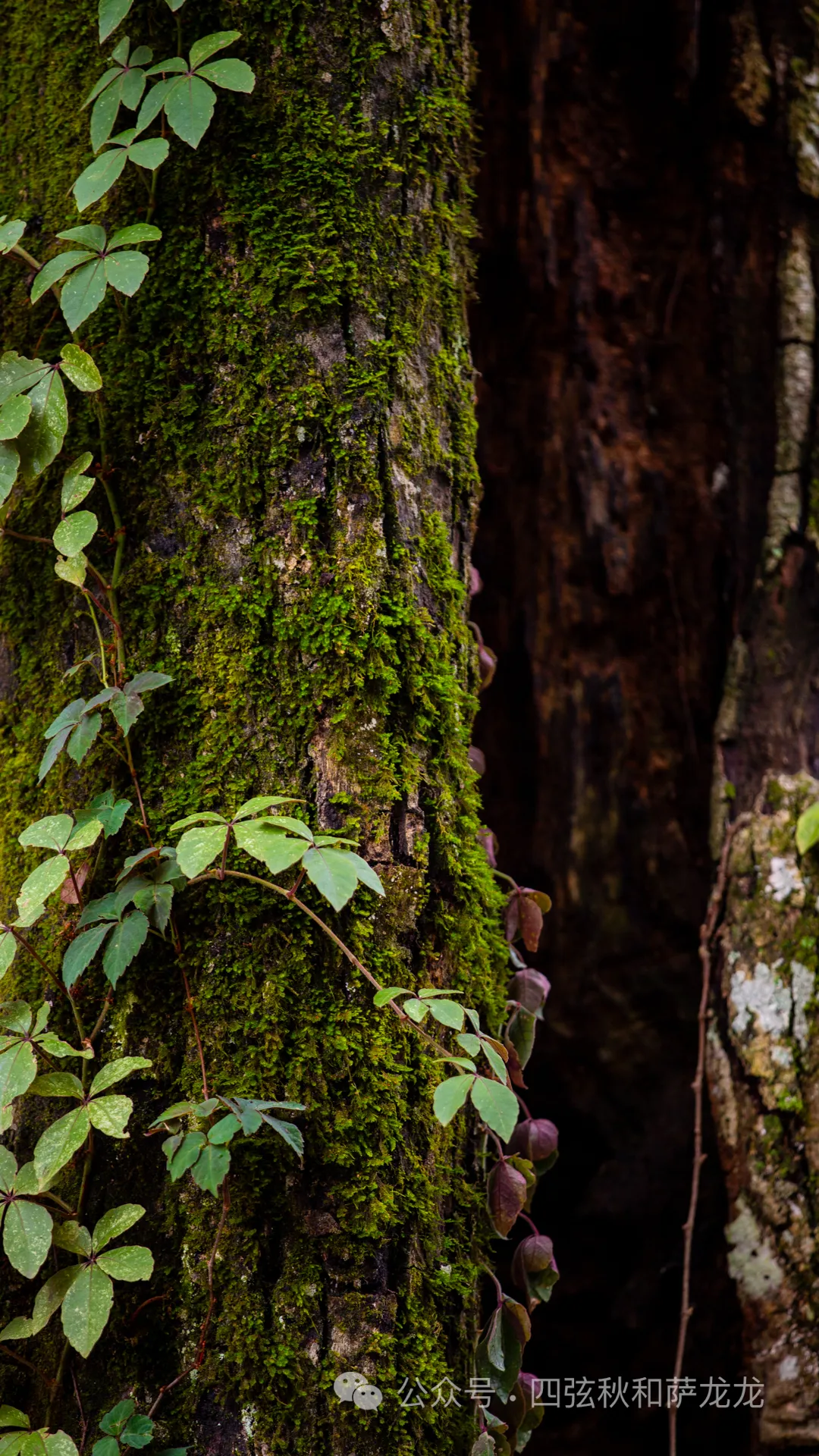
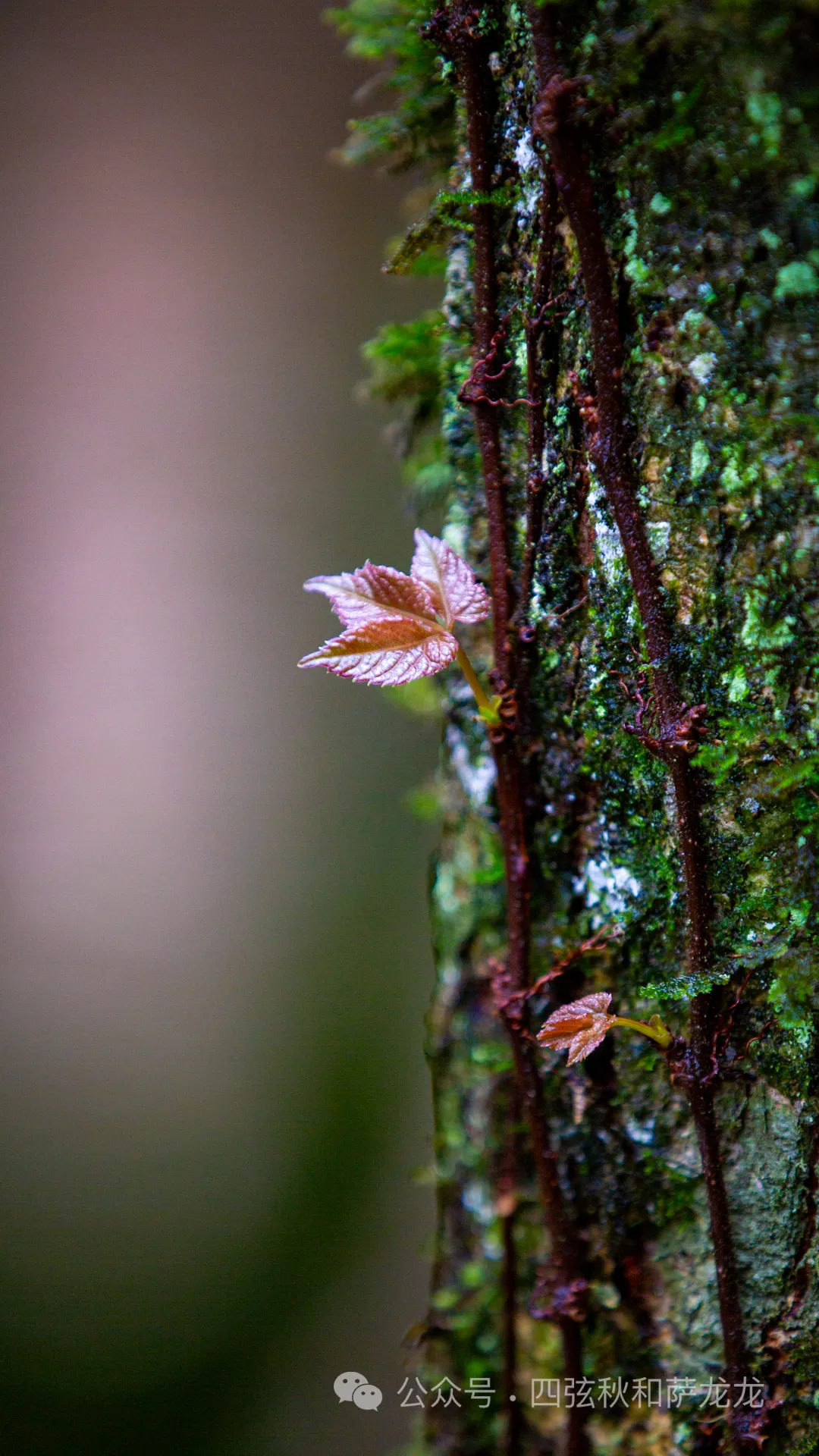
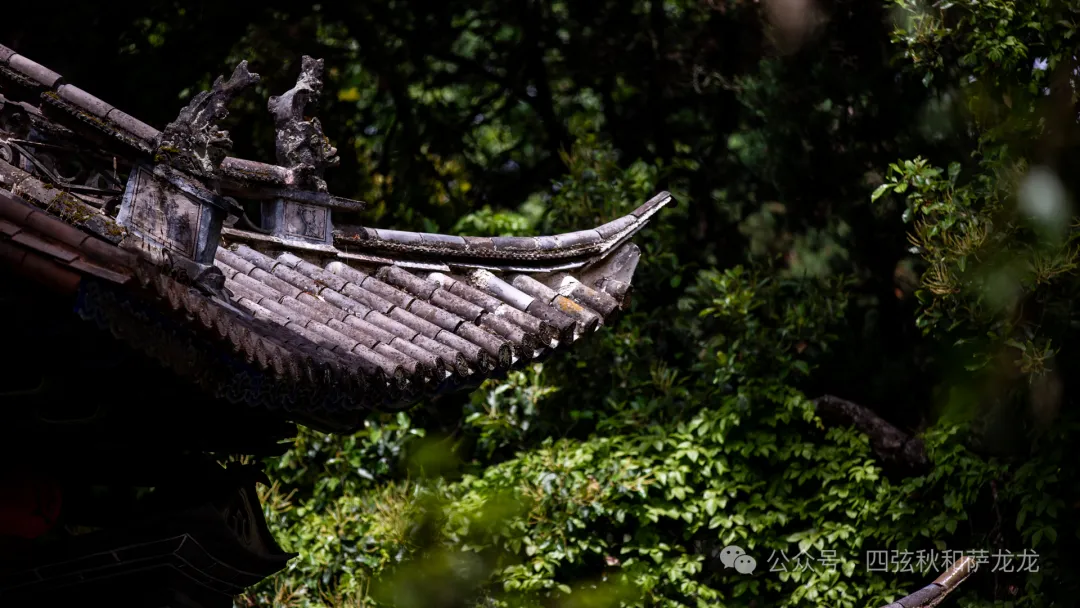
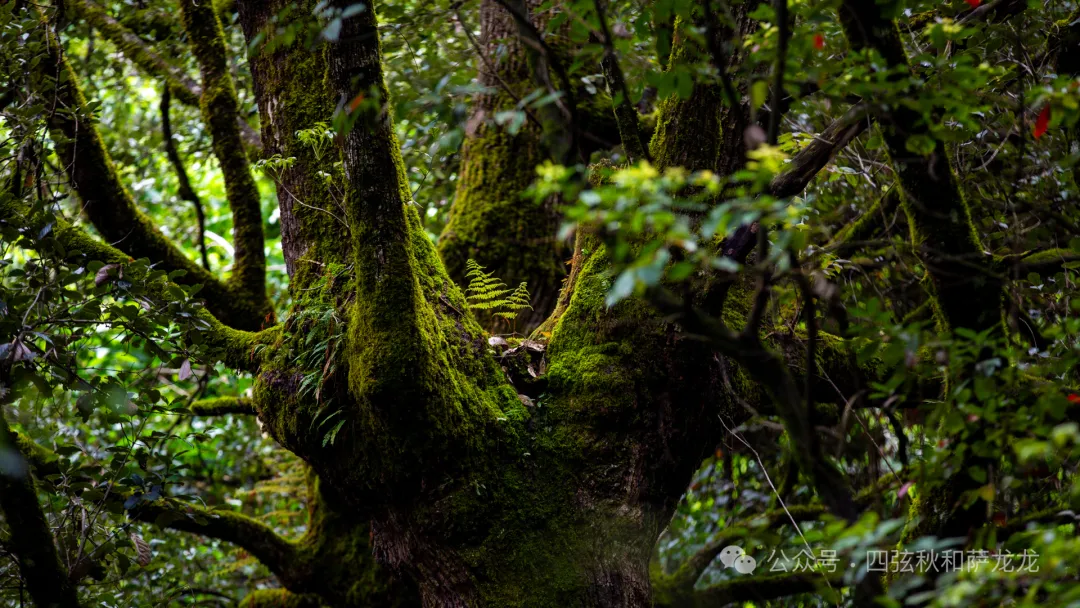
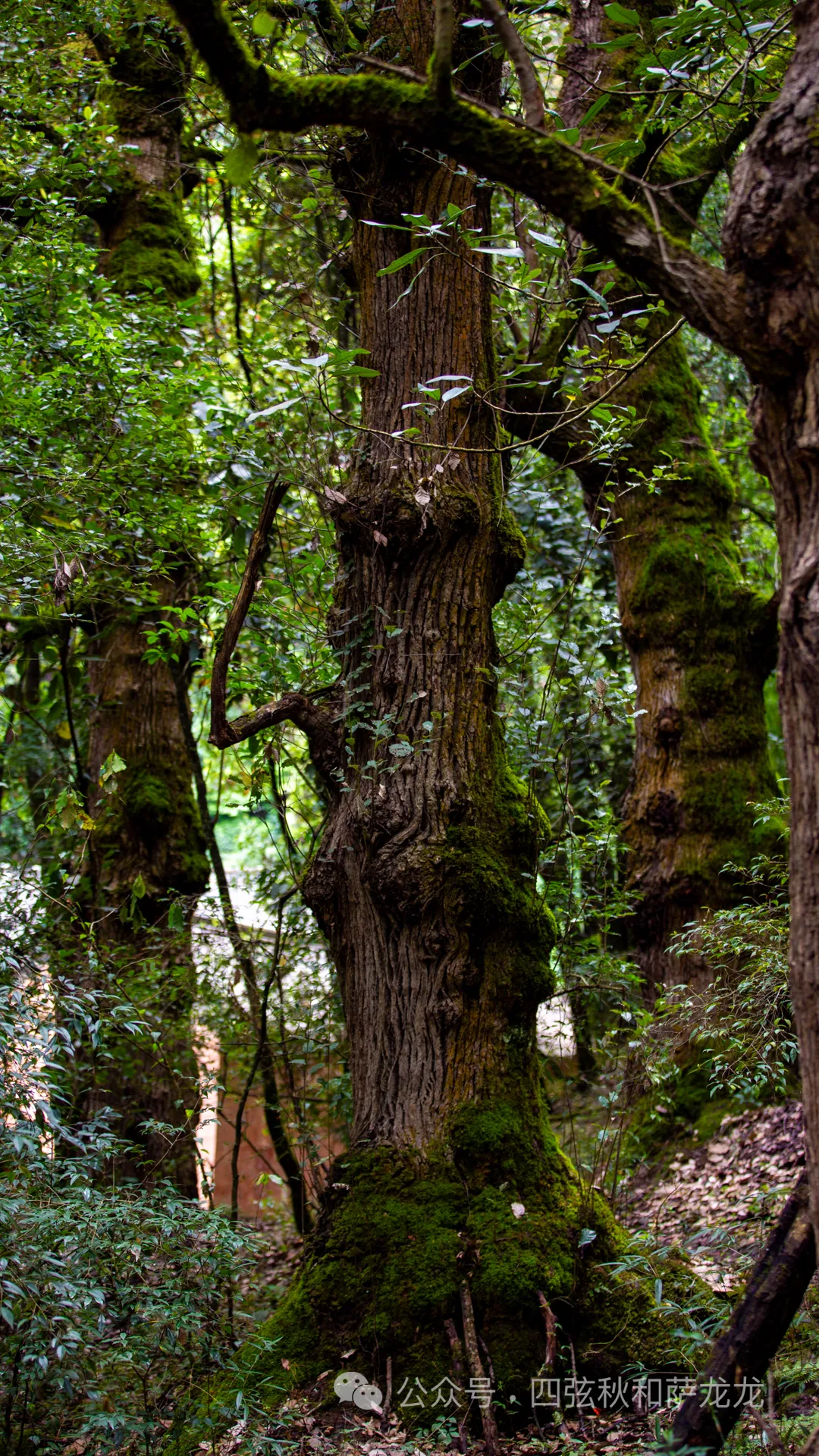
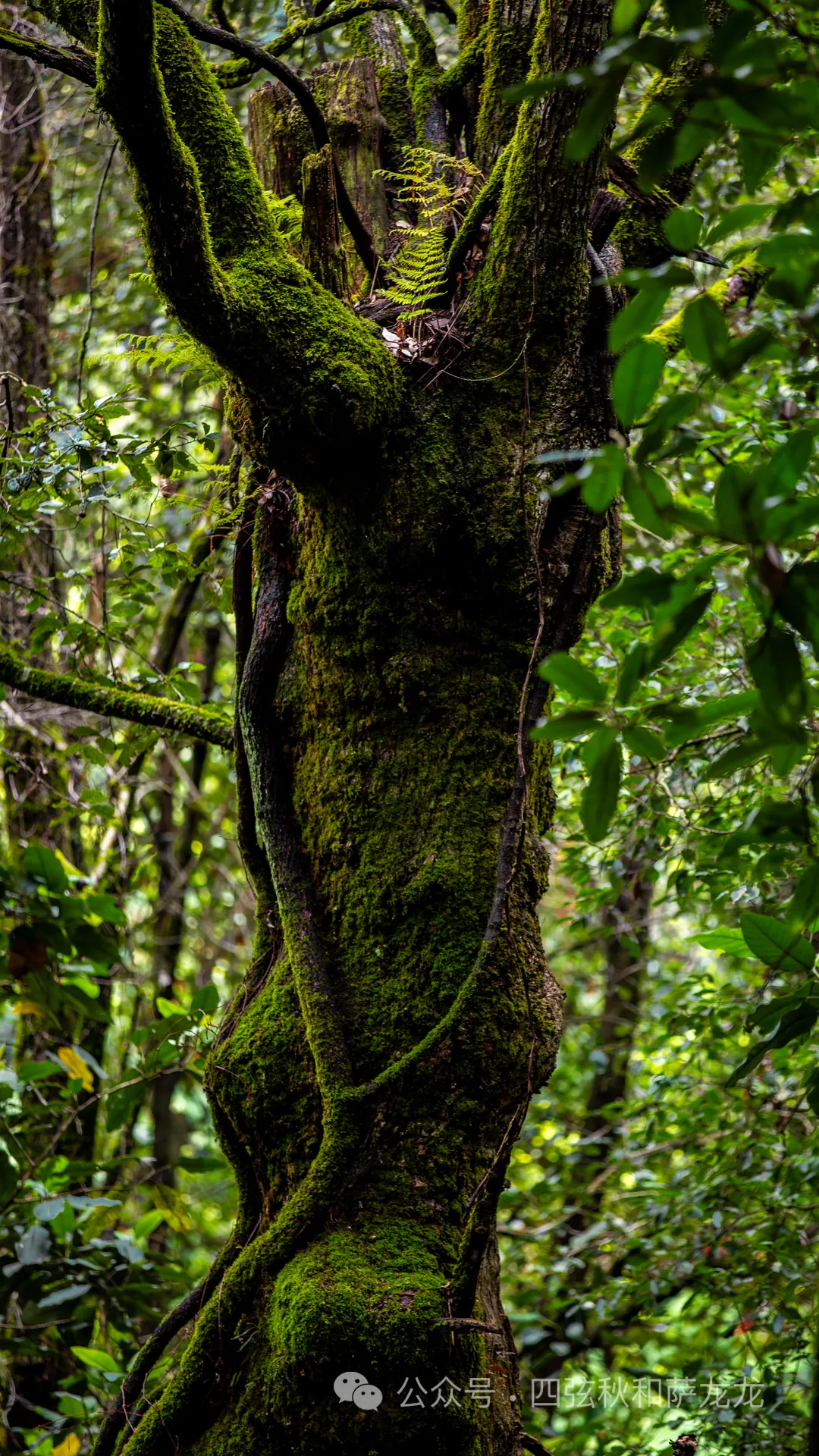
Starting from the Nanzhao Tuzhu Temple, the primitive characteristics of the Weibao Mountain forest become distinct. Dry broad leaves and pine needles cover the mountain, with miscellaneous trees growing chaotically. The tree trunks are covered with perennial green moss, and ancient trees over 20 meters tall block out the sky... Without a well-maintained bluestone step path running through the entire Weibao Mountain, visitors would easily get lost in such a primeval forest.
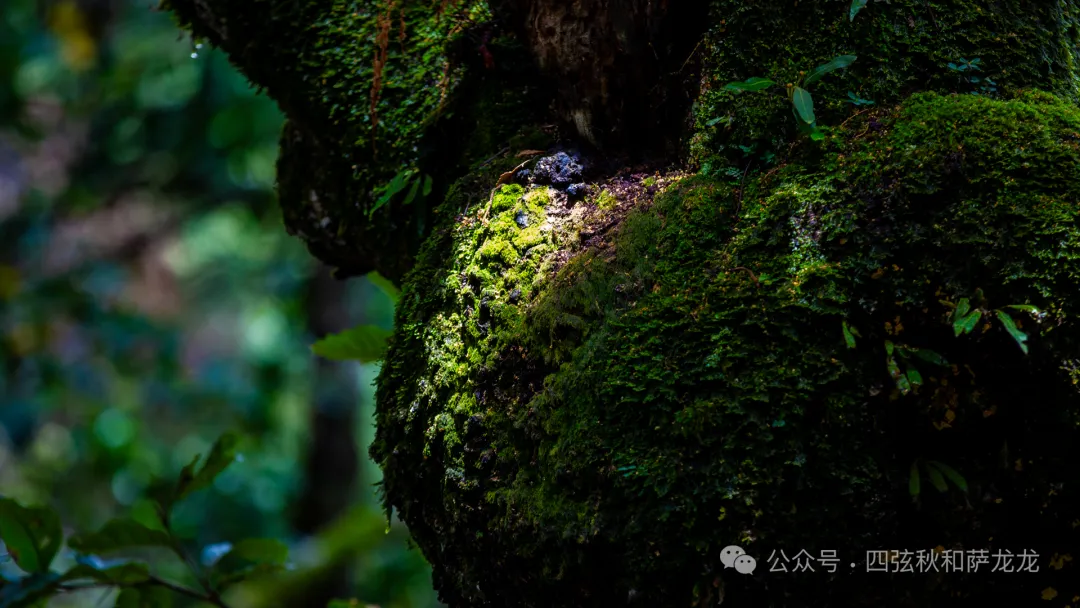
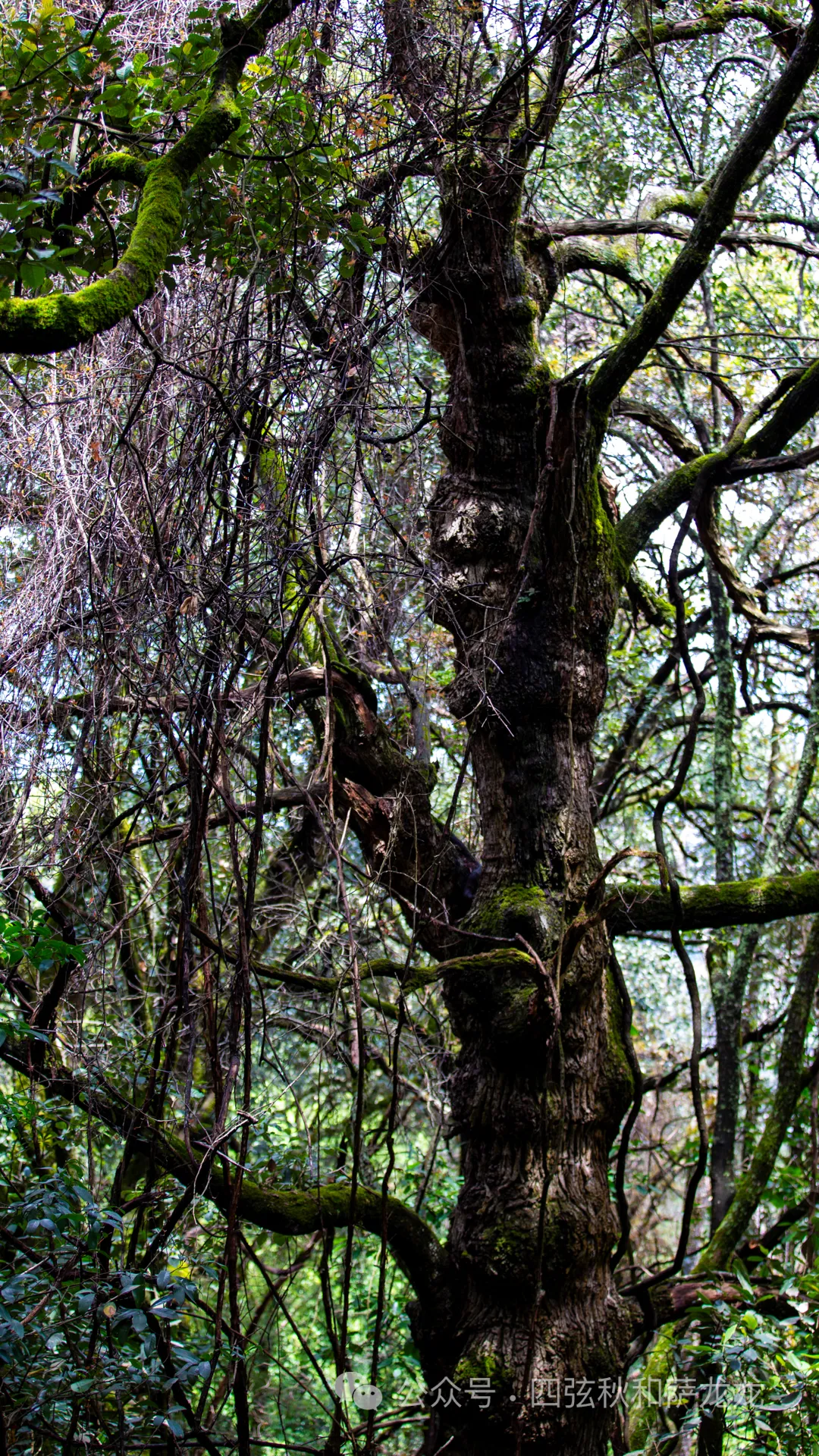
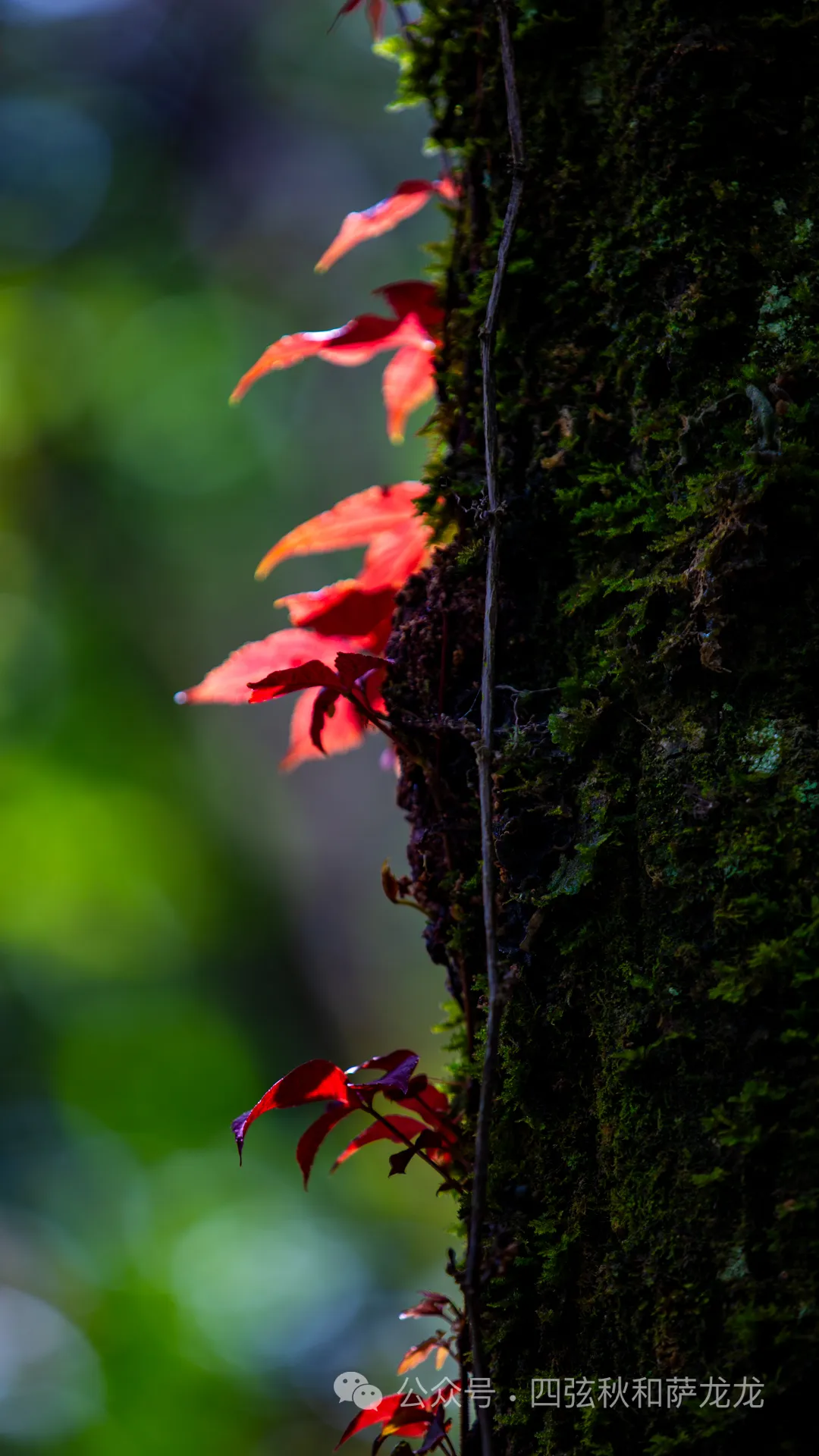
Most of the trees in the forest are Castanopsis fargesii, countless of which are over a hundred years old. Just in front of the Lingguan Hall, there are 13 Castanopsis fargesii trees over 300 years old, let alone the entire forest covering nearly 20 square kilometers. From those less than half a meter tall and as thin as chopsticks to those that take several people to embrace and reach up to 20 meters, you can encounter them all in the mountain. When you compare the small, weak Castanopsis fargesii by the roadside with the giant tree in the forest that requires you to look up, the 300 years of time become concrete and three-dimensional before you. As humans, no matter how immersed we are, we cannot truly experience the profound, enduring, and serene compassion of this coming and going of people and geese.
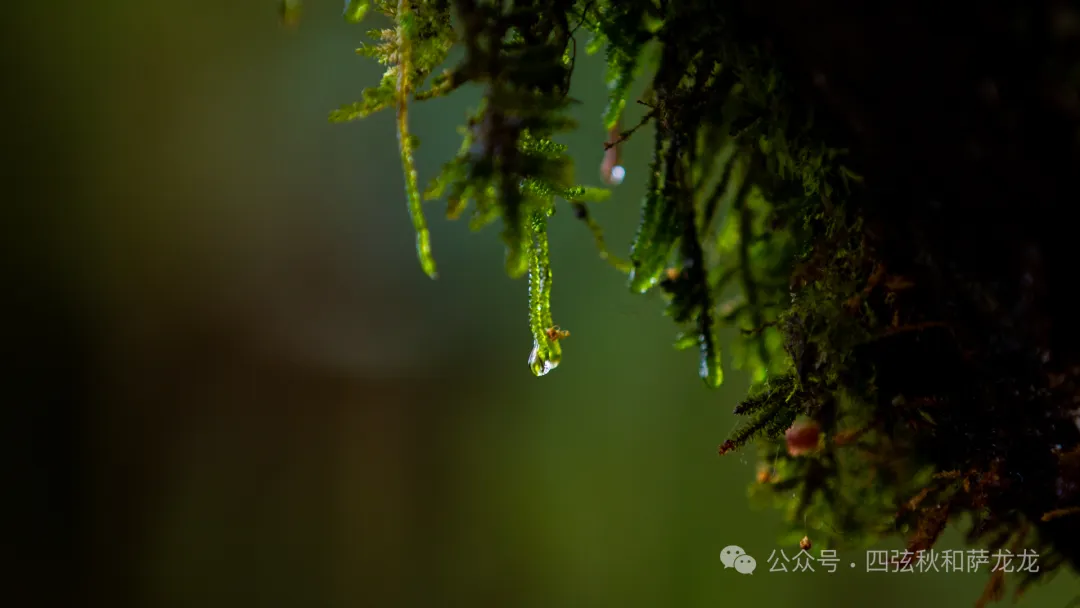
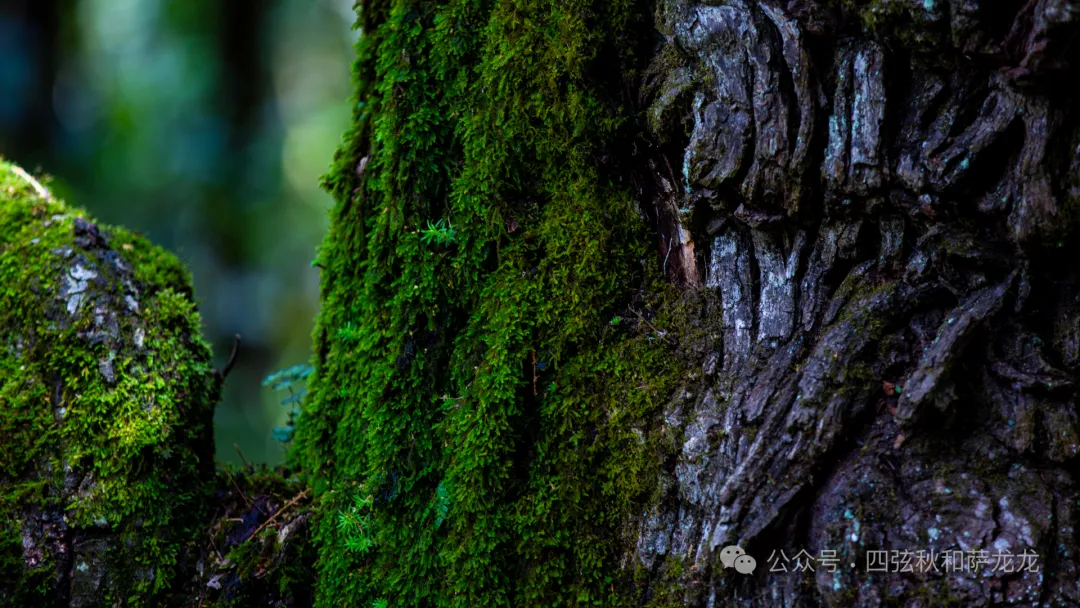
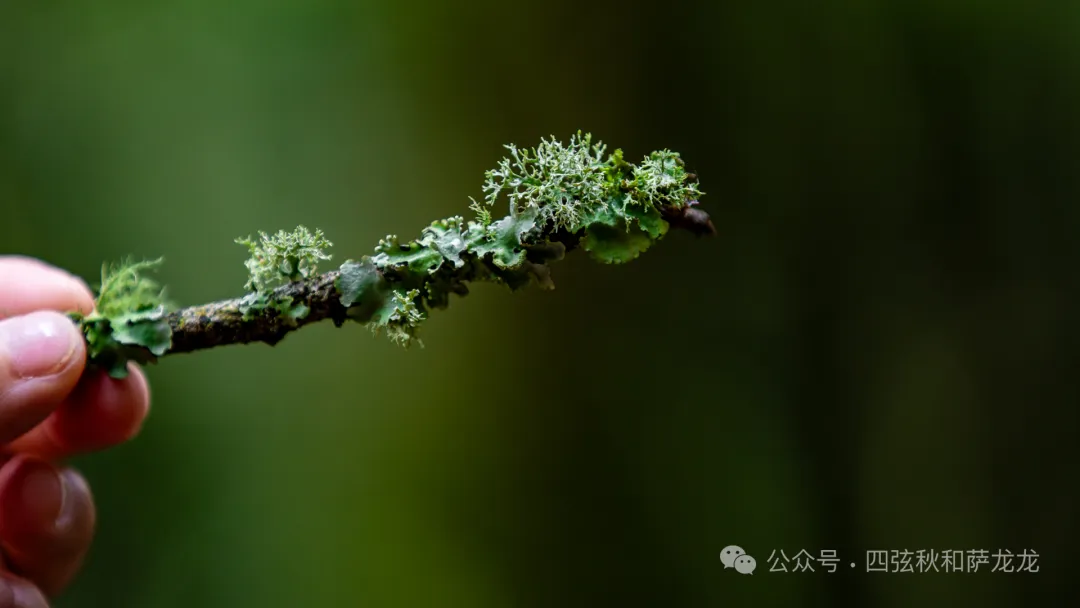
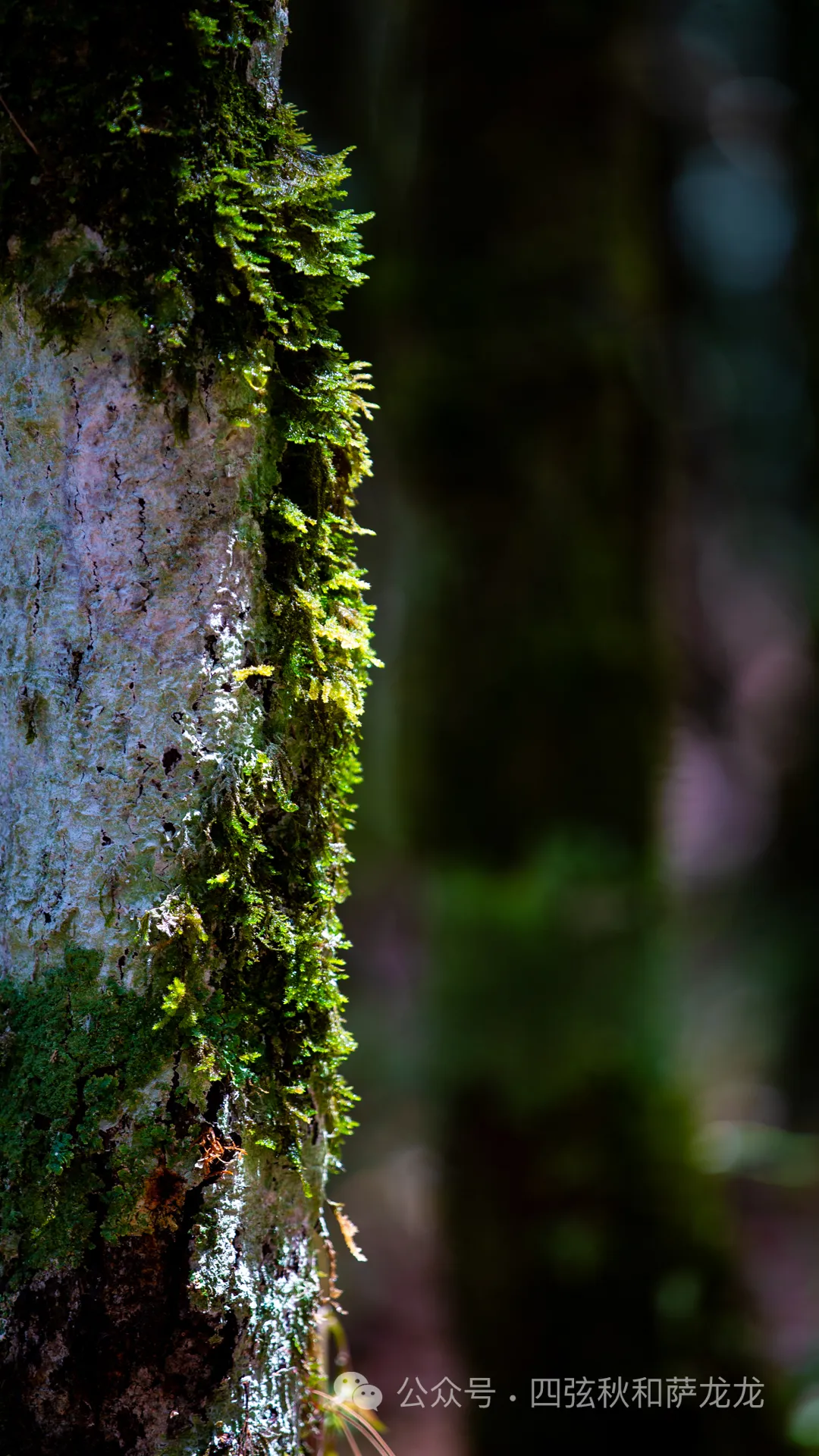
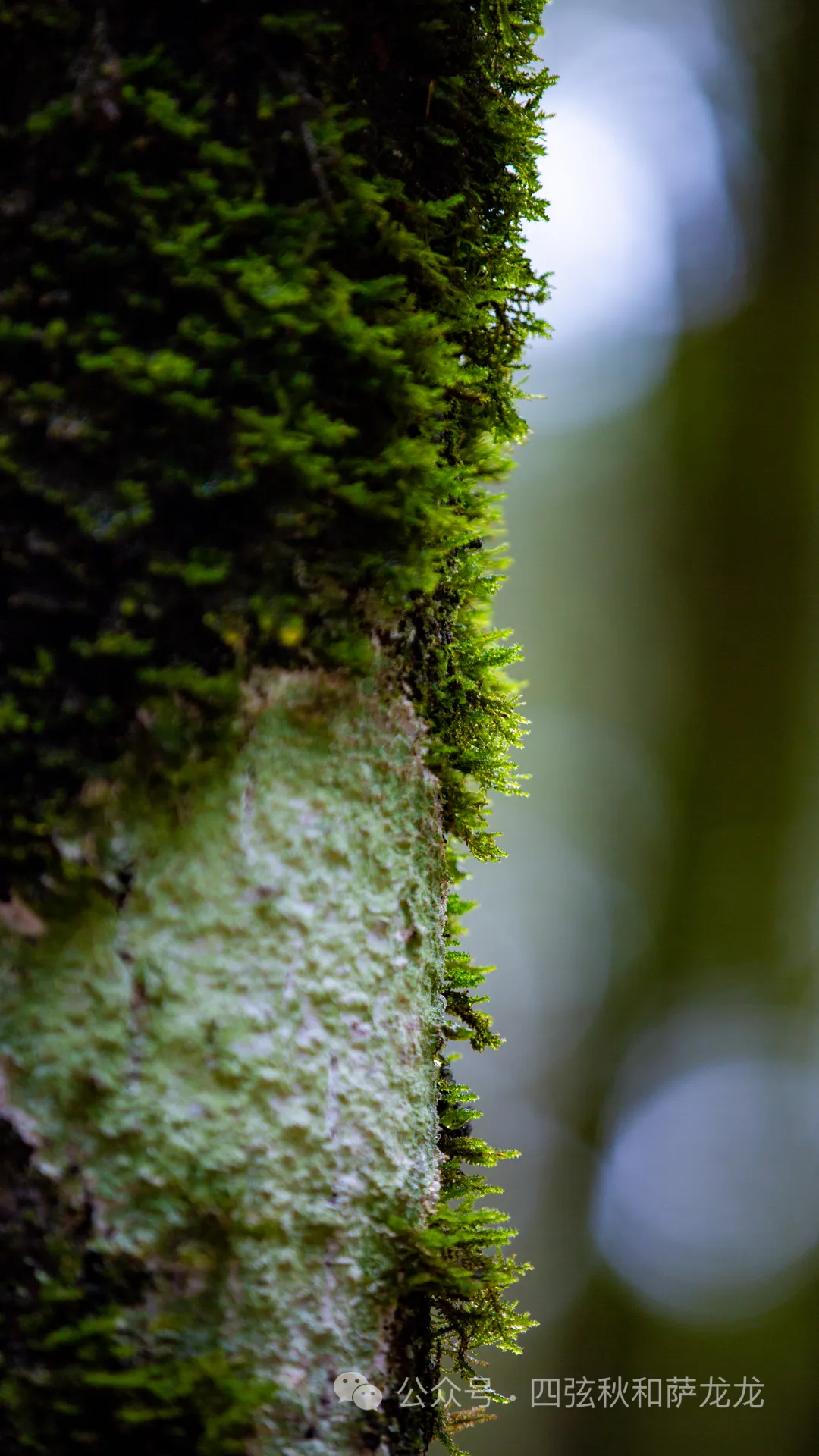
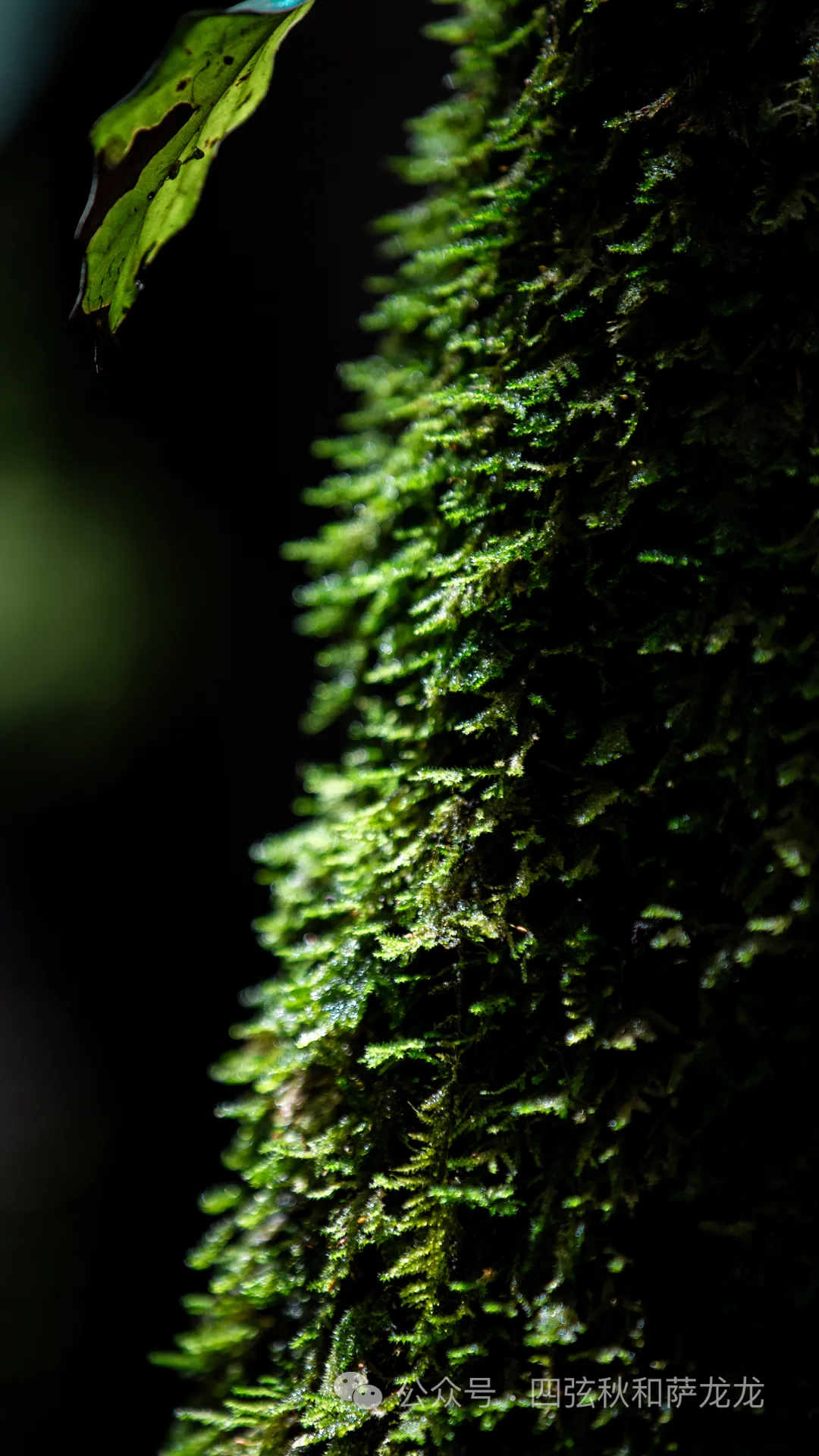
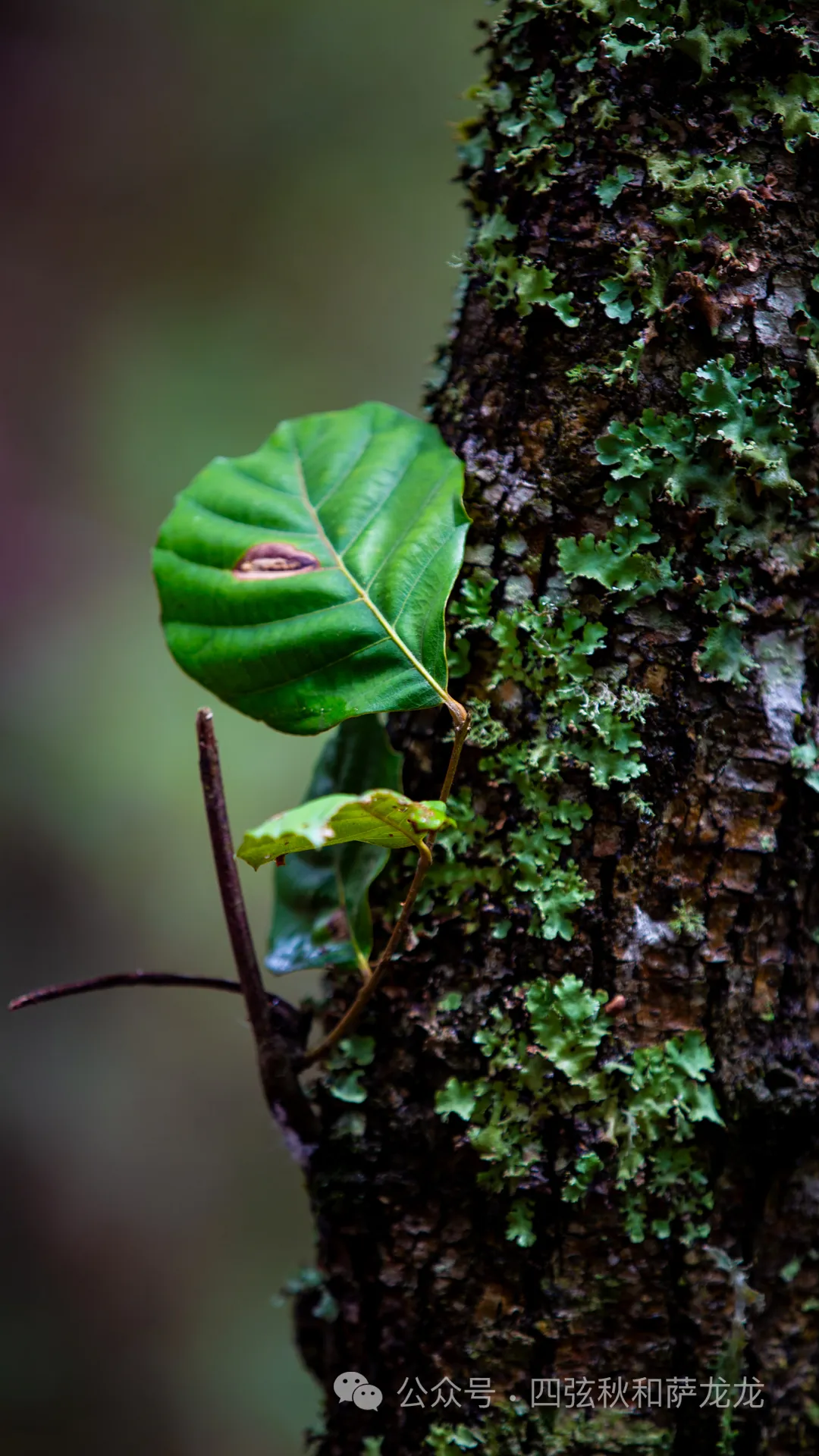
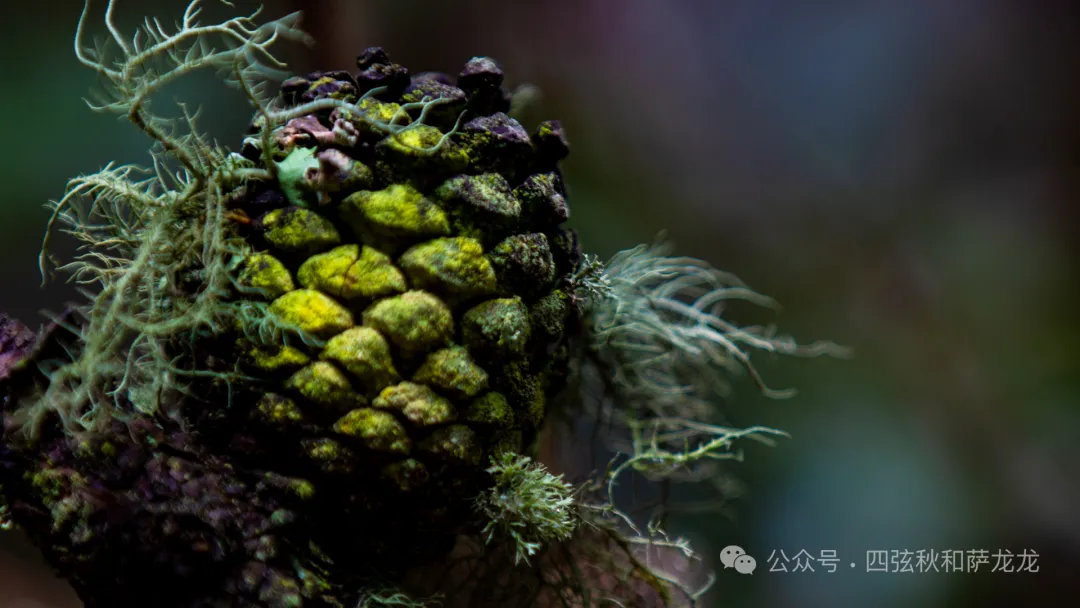
Those large gray mosses that cover the tree trunks like fuzz come alive in the rainy season. As rainwater slides down from above, they line up to welcome it. Crouching at the base of the tree, you'll notice that the mosses tightly gripping the raindrops are no longer green but emit an amber luster. They look like seaweed in the deep sea, teased by fish. When the rainy season ends, they have to endure another year of drought. The broken branches on the path are also green, covered with foliose and fruticose lichens. Such lichens are everywhere. A few months ago, I brought home a 15-centimeter-long dead branch, and the lichens on it are still alive. After checking relevant information, I learned that just sprinkling some water on them can revive them. Lichens have very high requirements for their growth environment; places with air pollution have no lichens. So here, you can breathe the air freely, like a fish in the deep sea.
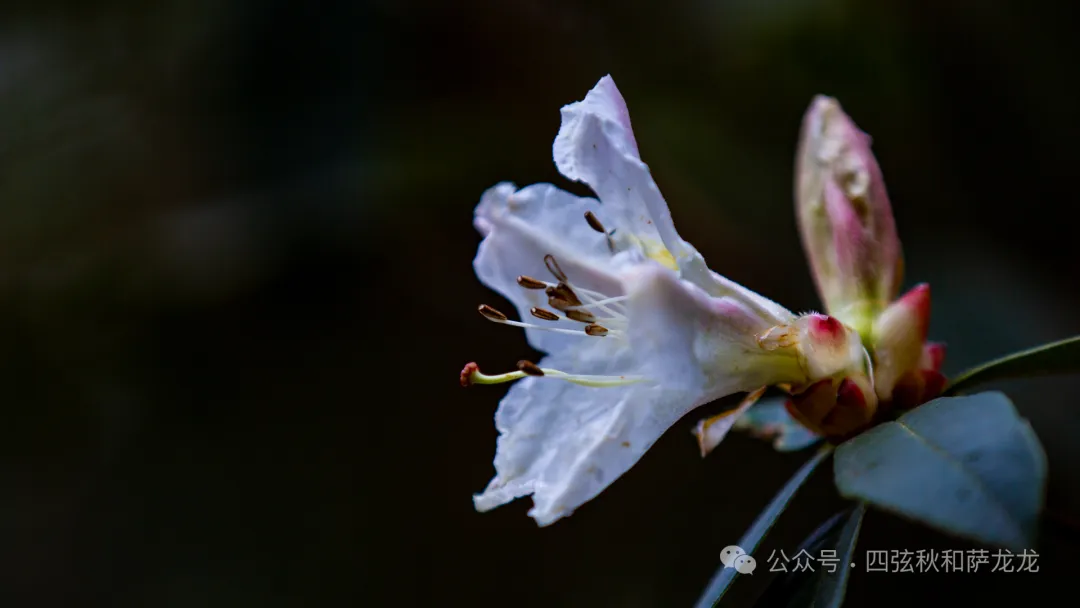
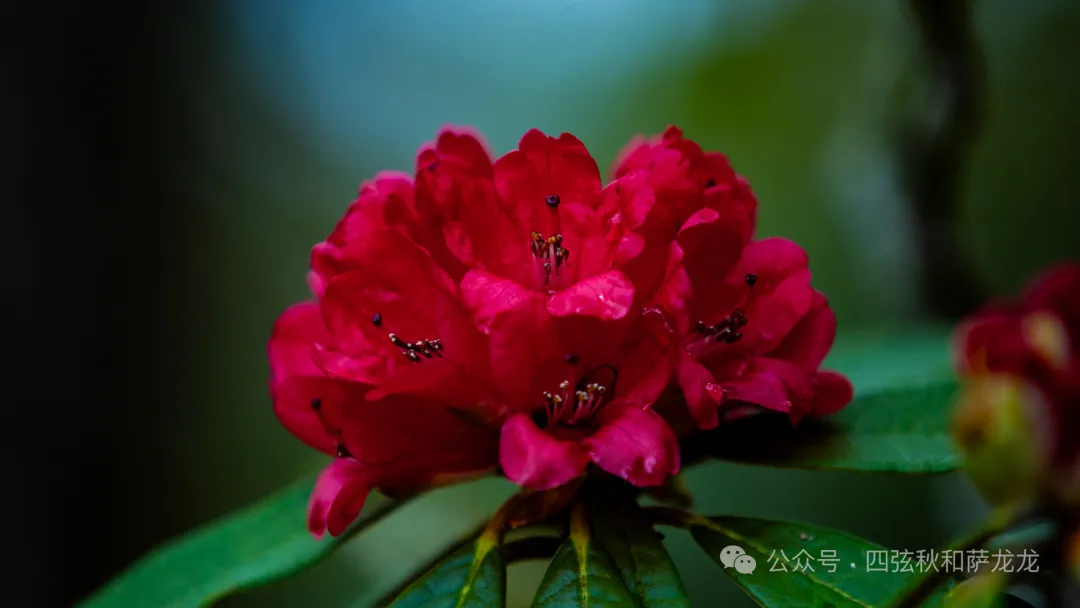
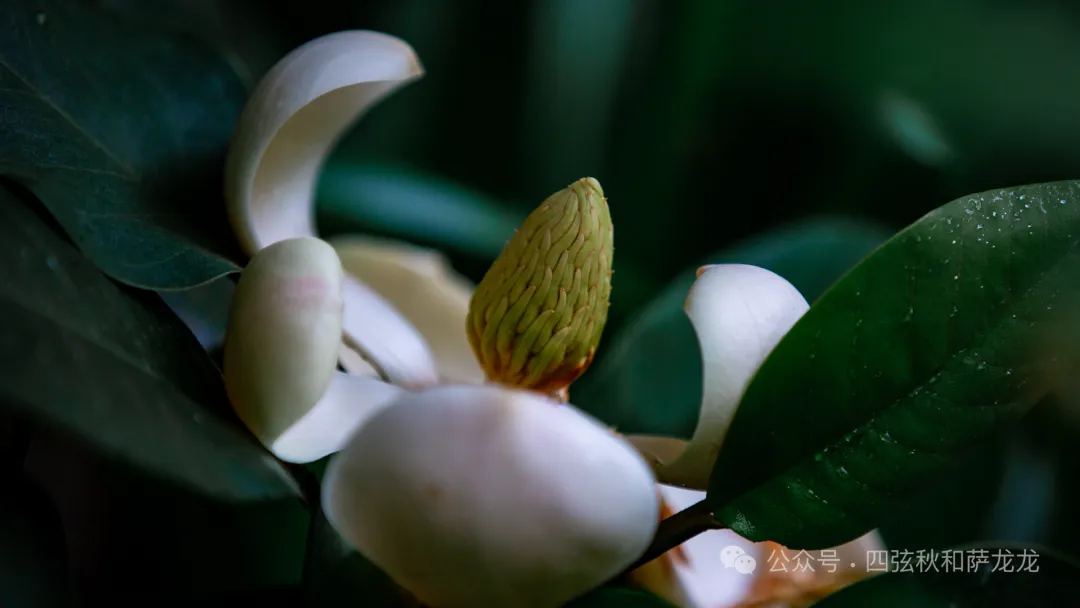
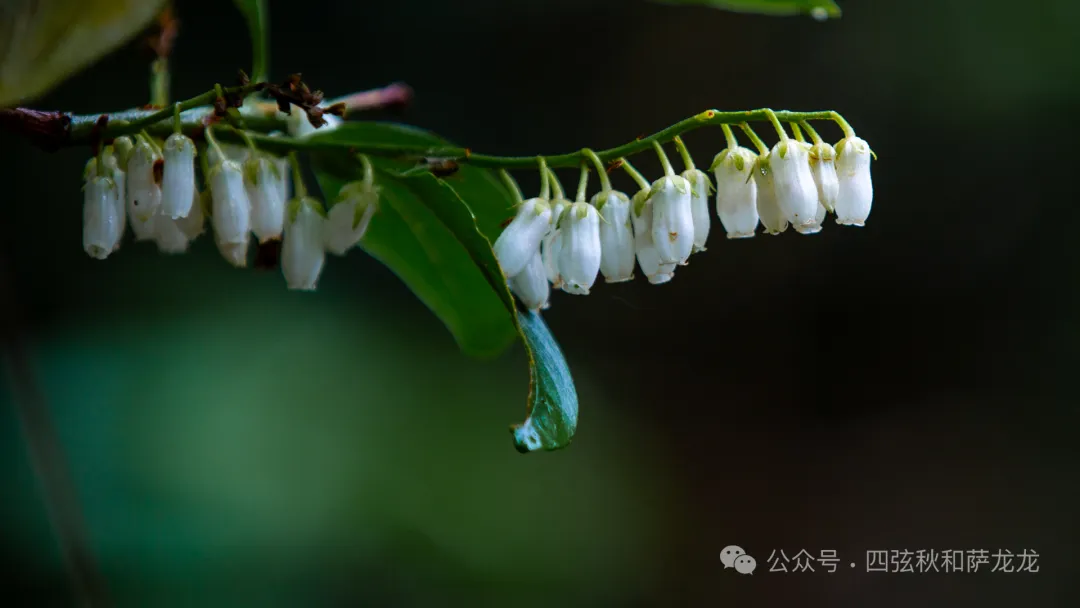
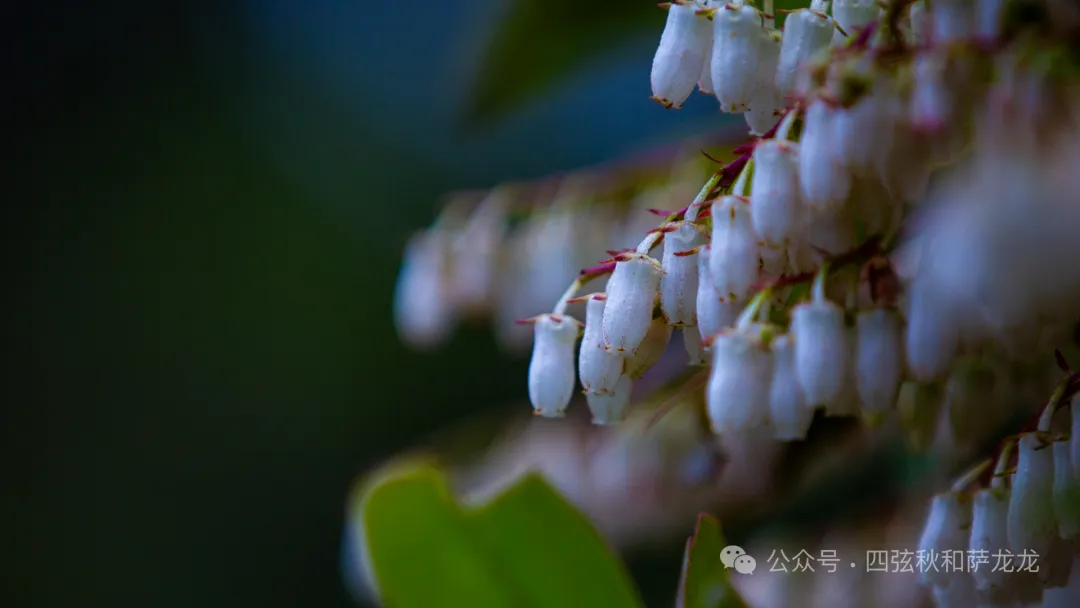
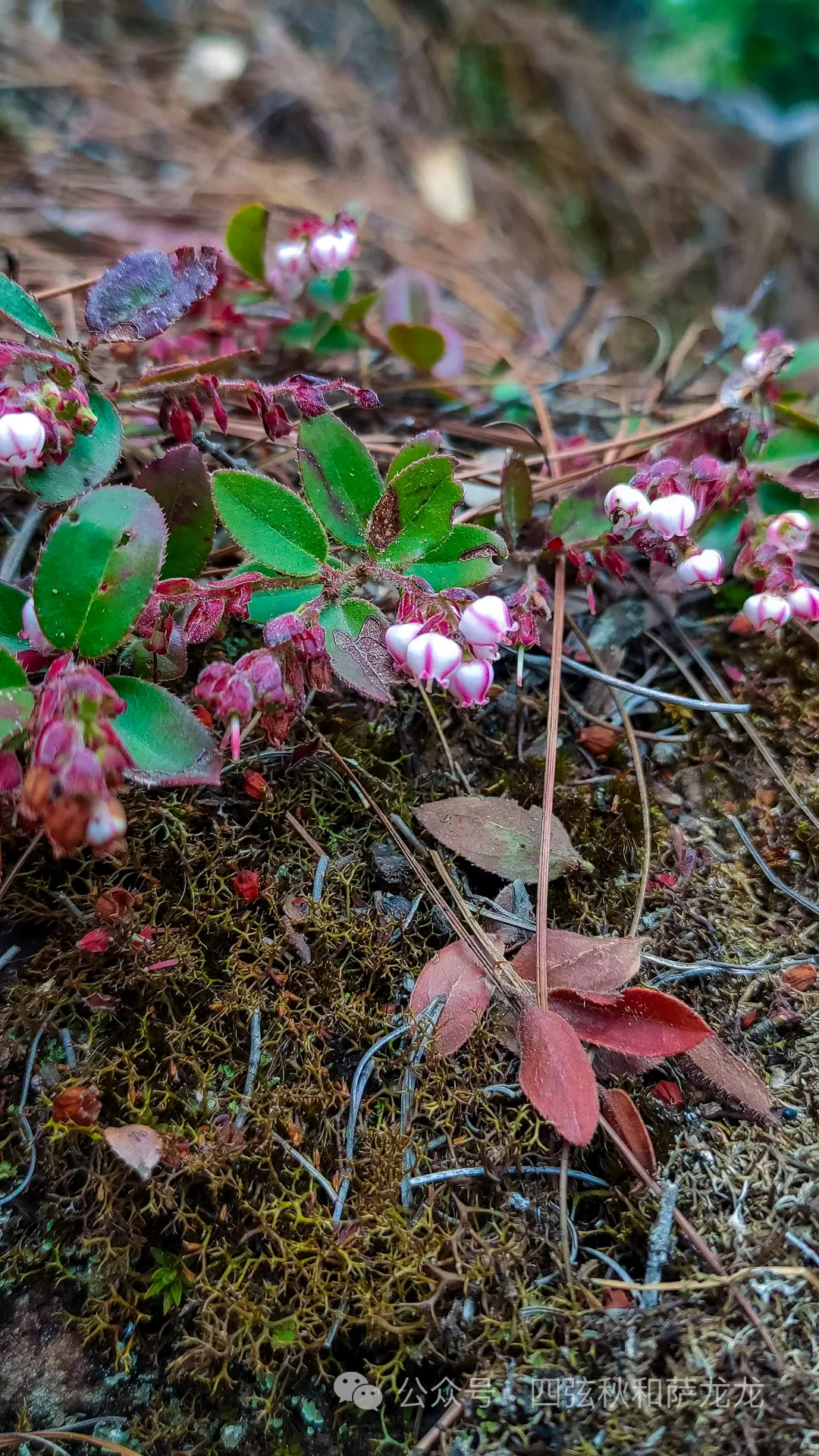
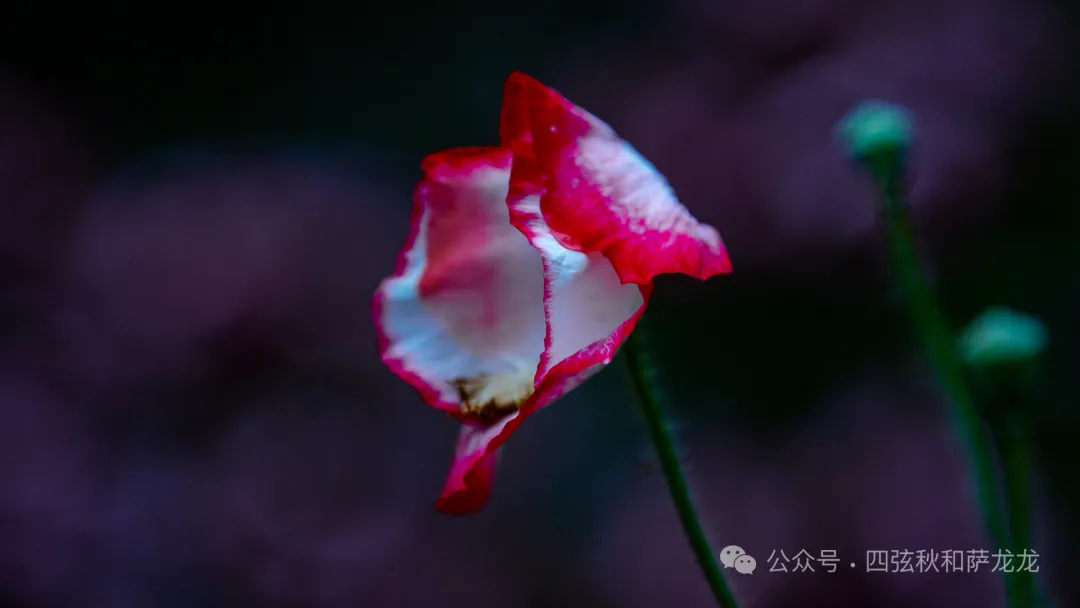
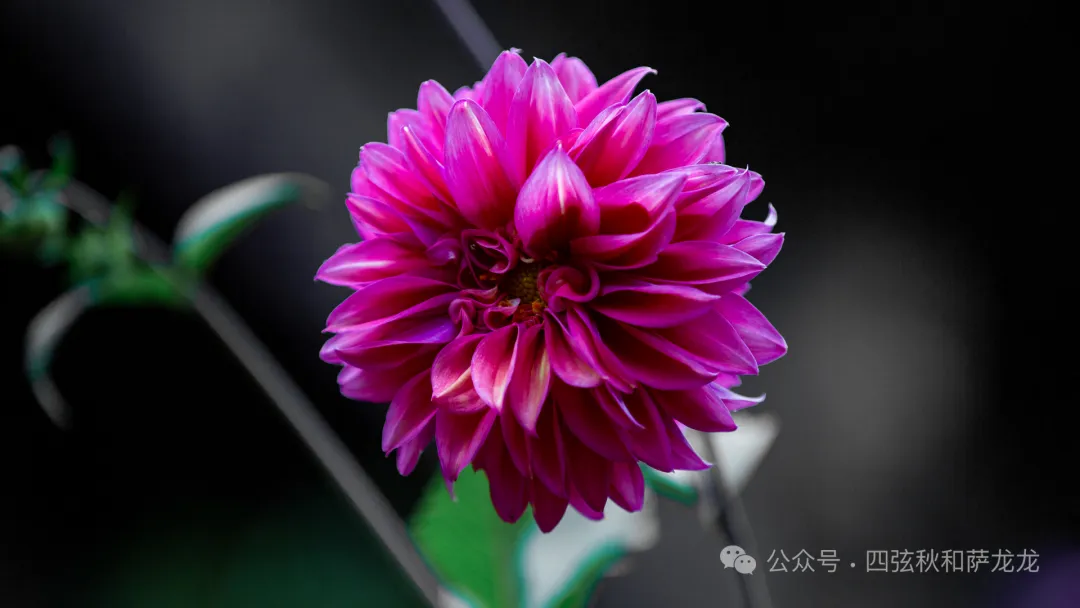
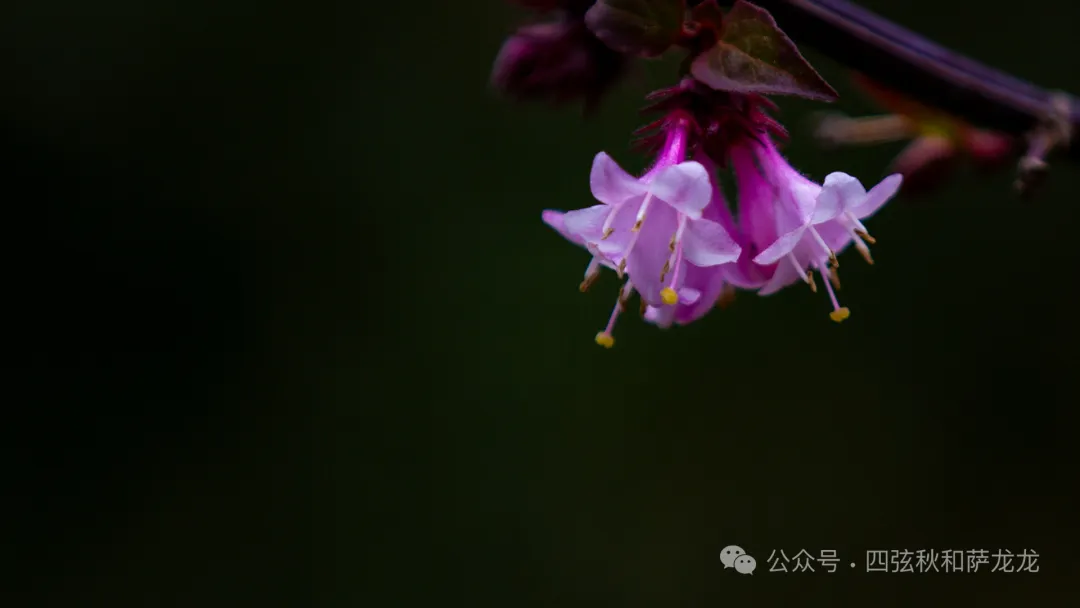
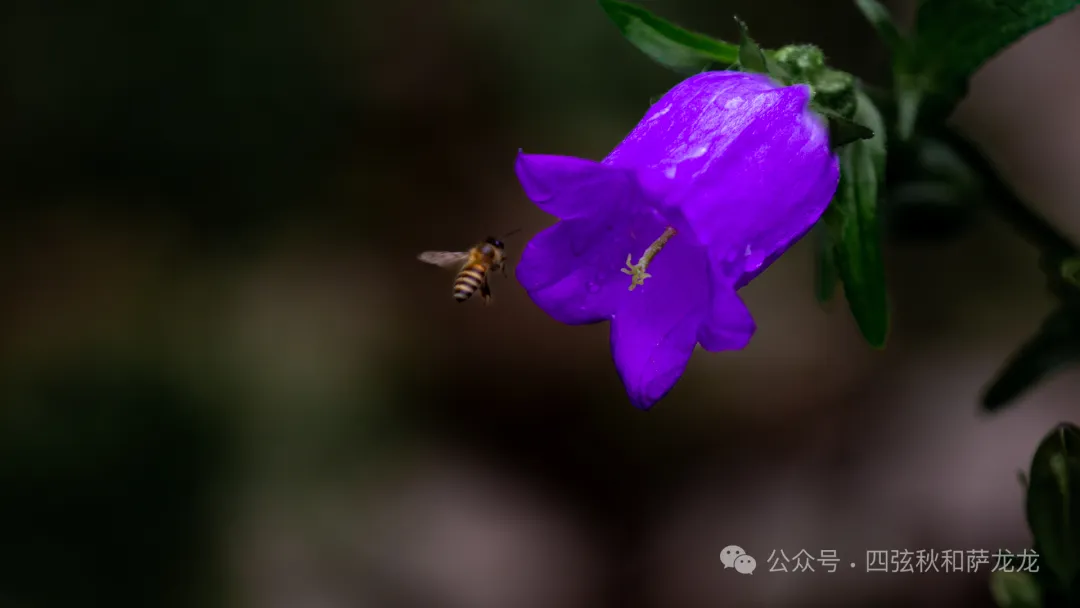
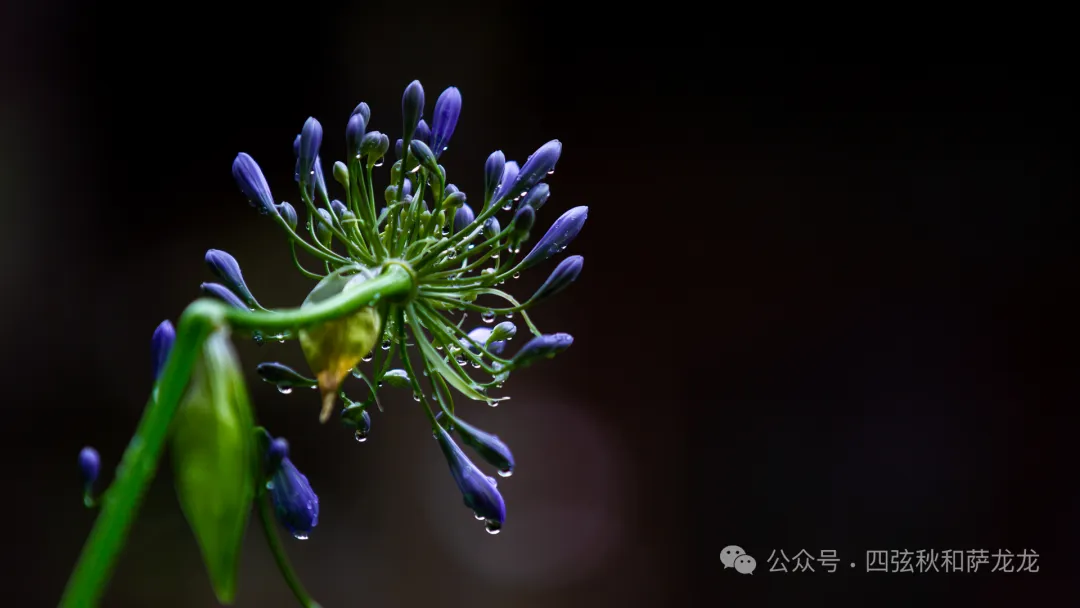
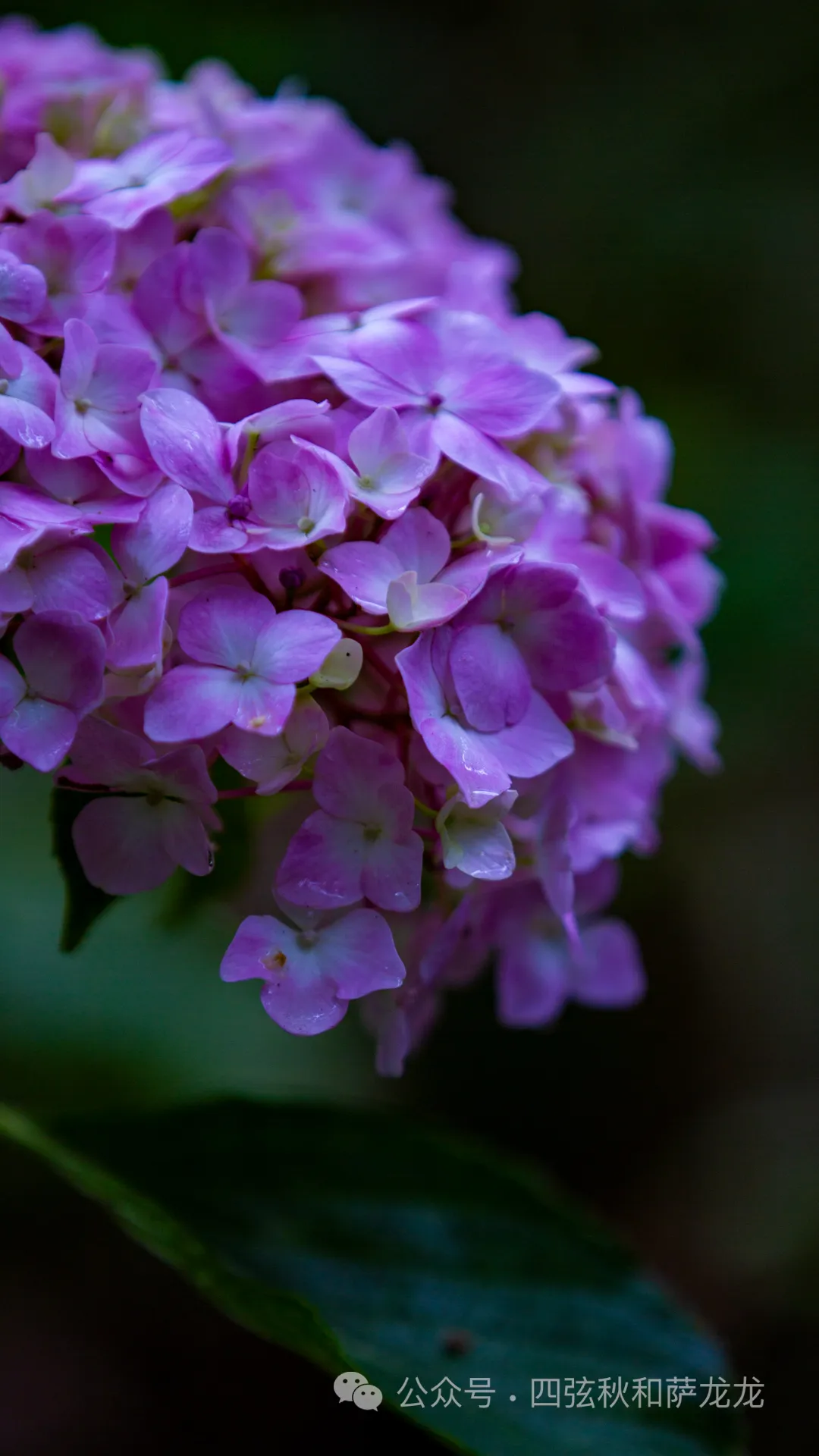
Summer is the season for mosses and lichens to revive, as well as for various mountain flowers to bloom. You can still find red and white azaleas that have been blooming for three months in the mountain, and you can also find white flowers hidden among the dense leaves of the mountain magnolia. The Vaccinium bracteatum growing on the slopes with young Castanopsis fargesii seems to like it so much that it's hard to spot, often giving the illusion that "Castanopsis fargesii could bloom such delicate, cute, and clever white flowers." That pink-and-white, lantern-shaped shrub on the ridge next to Doulao Pavilion—why is it called "crow fruit"? Even if crows like to eat your fruit, I like your flowers. How about changing the name?
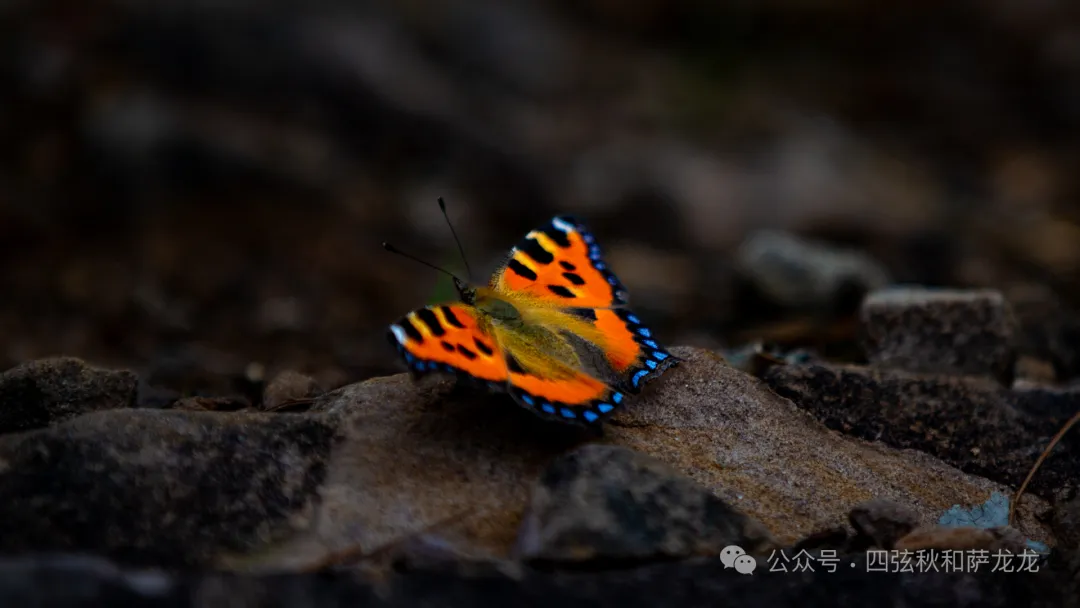
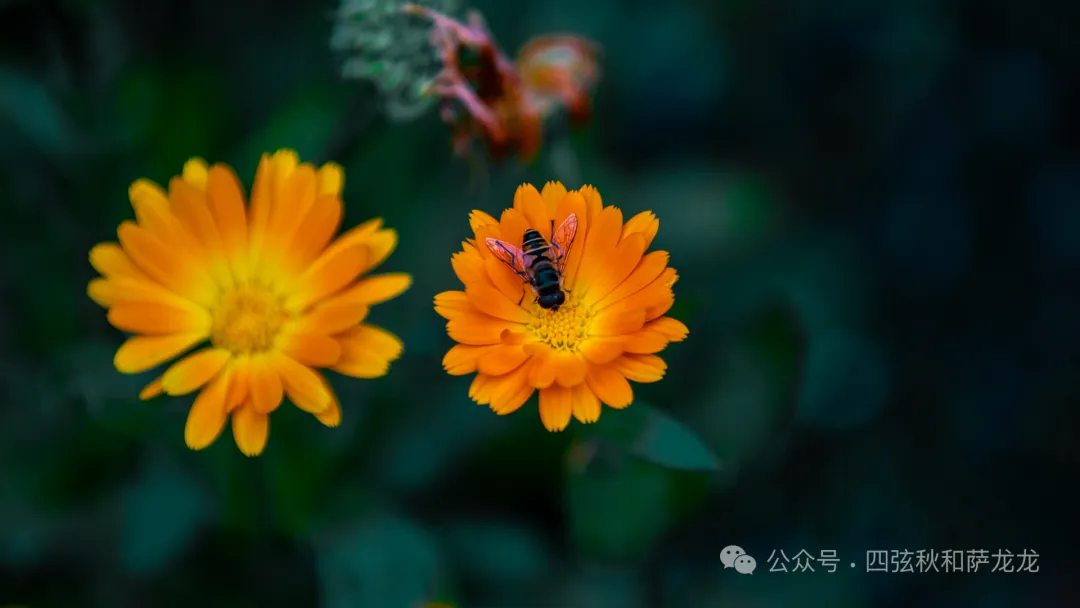
On sunny days, the forest is dry, bright, and clear, while on rainy days, it's moist, secluded, and hazy. Having seen the primeval forest of Weibao Mountain in both sunny and rainy weather, I realize that sunshine is a distant mutual gaze, while rain is a reluctant lingering. Whenever you come to Weibao Mountain, please stop and immerse yourself in this harmless forest, becoming a tree that doesn't think, only breathes.