您的浏览器需要启用 JavaScript 才能正常访问此网站。
Hotline:15911225507
Dali Travel
Login
Home-Travel Article-Travel Log-Body Text

Laobuju Village in Nanjian, Dali: A Poetic Han Chinese Village in the Wuliang Mountains

SixianqiuSixianqiuTravel Log2 years ago11537

Laobuju Village in Nanjian, Dali: A Poetic Han Chinese Village in the Wuliang Mountains - Image 1
Laobuju Village in Nanjian, Dali: A Poetic Han Chinese Village in the Wuliang Mountains - Image 2
Laobuju Village in Nanjian, Dali: A Poetic Han Chinese Village in the Wuliang Mountains - Image 3

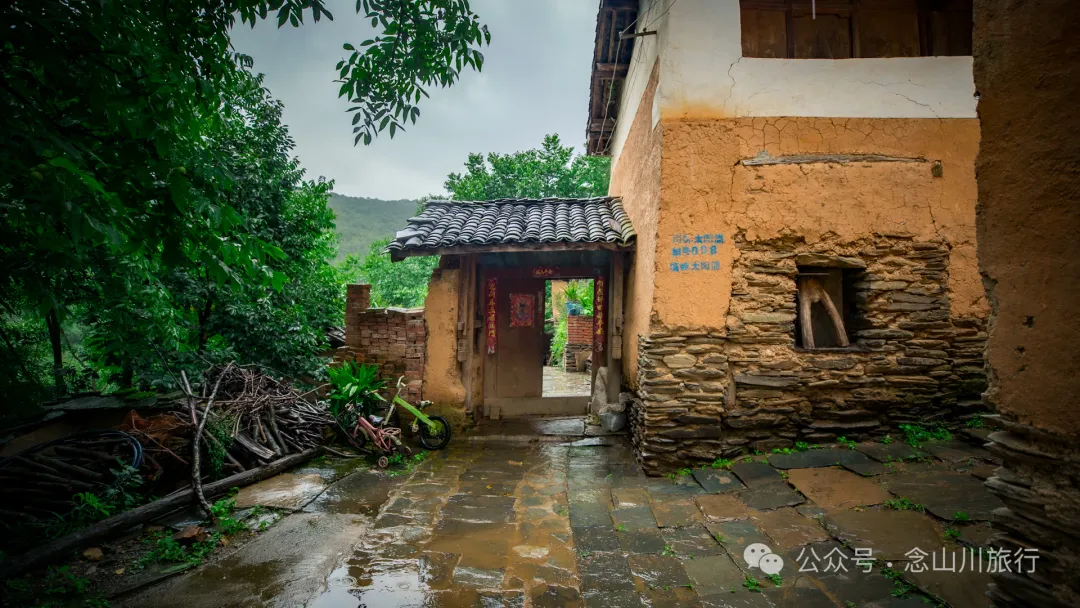
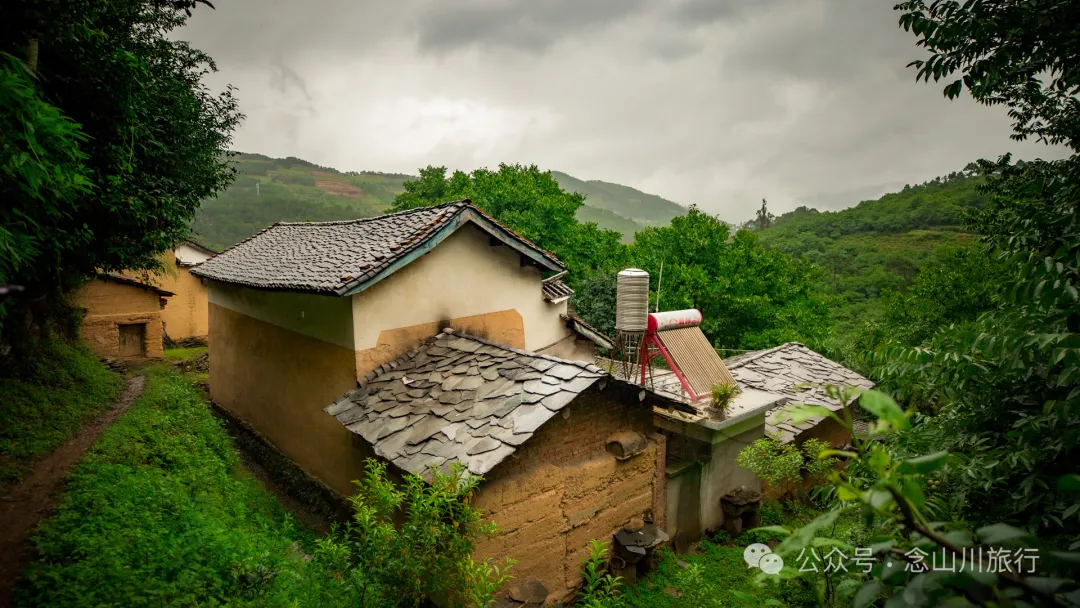
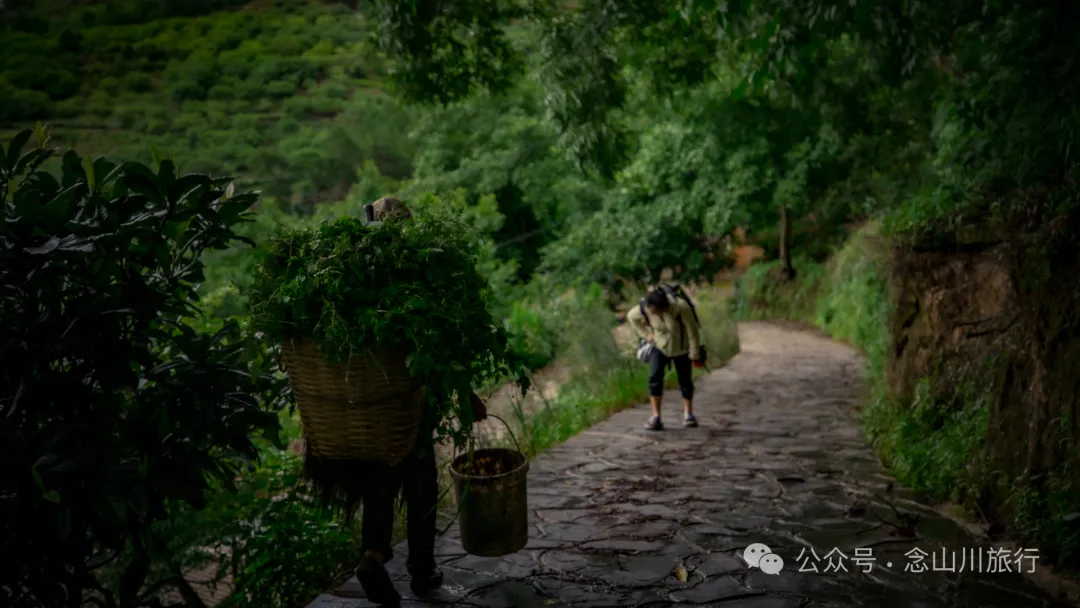
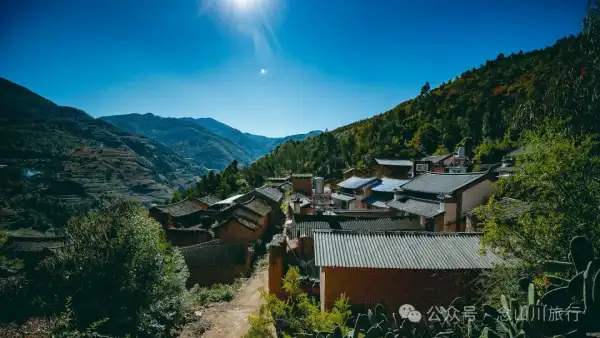
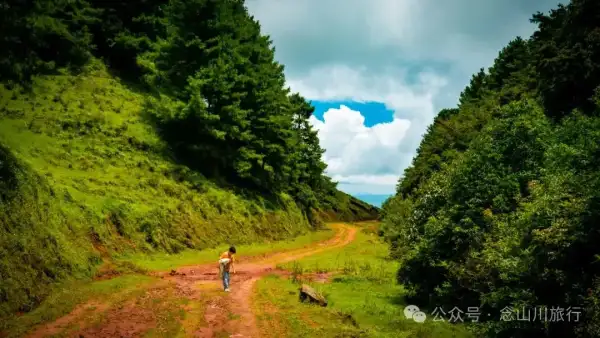
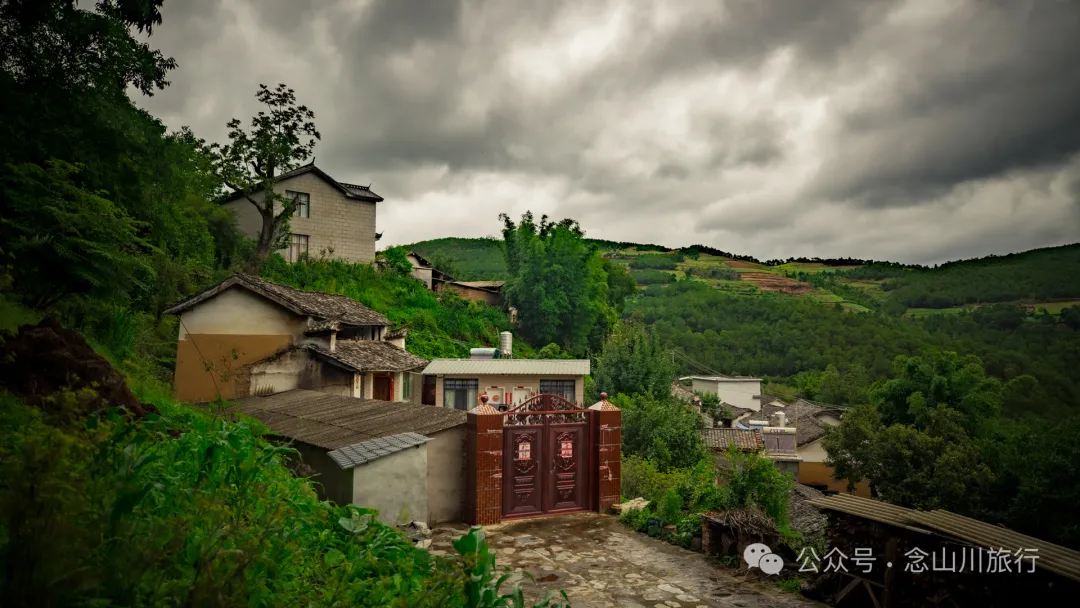
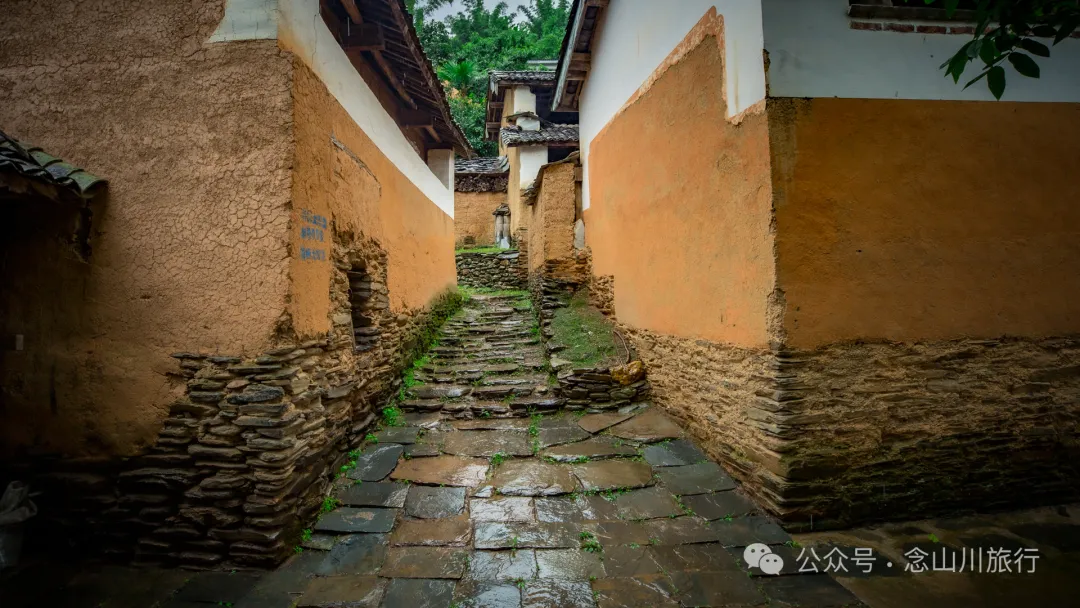
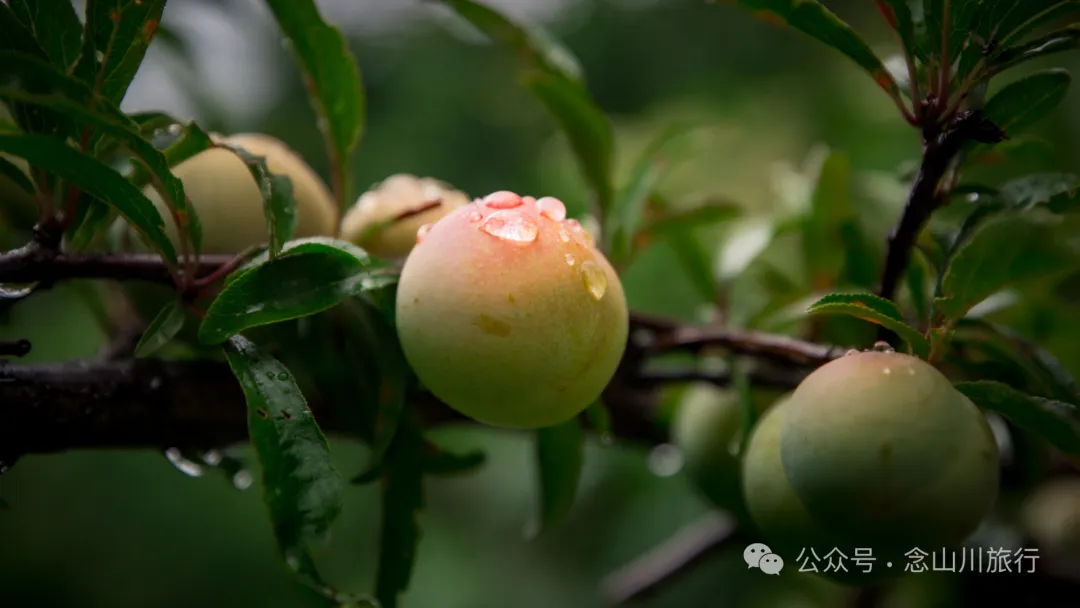
To reach the alpine meadow of Mibila Village, one must pass through Laobuju Village. A friend told me there are two forks in the village leading to the meadow, but he suggested I take the second one, not only because the stone wall at the entrance of a house on that path is exquisite, but also because I would pass a slope and a deep ditch scattered with fallen peaches and plums, offering a unique charm. As my friend described this, I immediately thought of Wang Wei's lines: 'In the rain, mountain fruits fall; under the lamp, insects chirp.' Walking through the village in the rainy season with an umbrella as a passerby, I found Laobuju to be a village full of poetry, with a strong Jiangnan character.
Laobuju Village in Nanjian, Dali: A Poetic Han Chinese Village in the Wuliang Mountains - Image 4
Laobuju Village in Nanjian, Dali: A Poetic Han Chinese Village in the Wuliang Mountains - Image 5
Laobuju Village in Nanjian, Dali: A Poetic Han Chinese Village in the Wuliang Mountains - Image 6
Laobuju Village in Nanjian, Dali: A Poetic Han Chinese Village in the Wuliang Mountains - Image 7
Laobuju Village in Nanjian, Dali: A Poetic Han Chinese Village in the Wuliang Mountains - Image 8
Laobuju Village in Nanjian, Dali: A Poetic Han Chinese Village in the Wuliang Mountains - Image 9
Laobuju Village in Nanjian, Dali: A Poetic Han Chinese Village in the Wuliang Mountains - Image 10

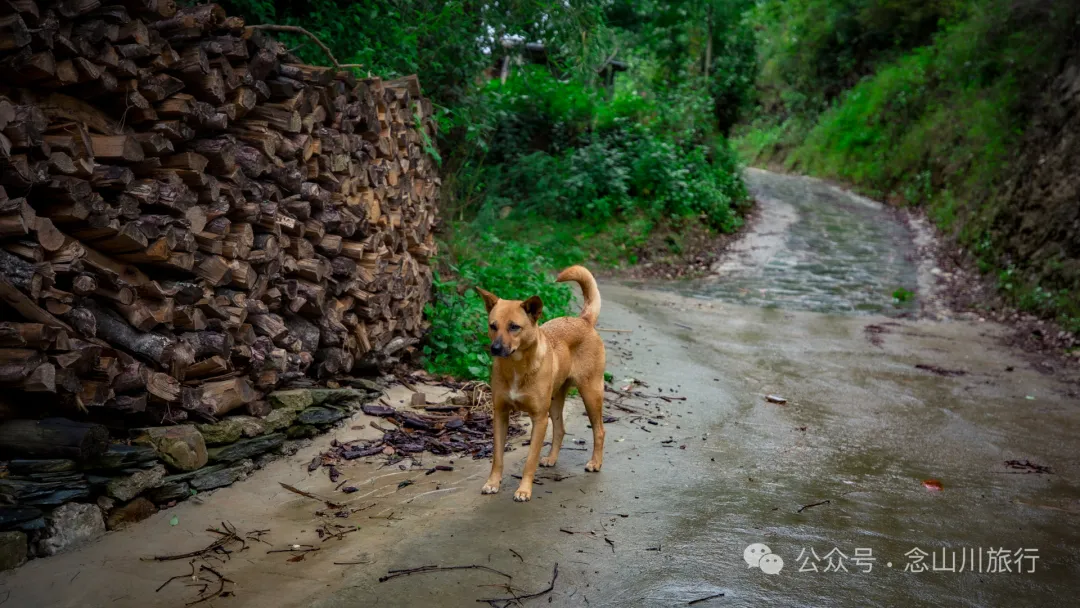
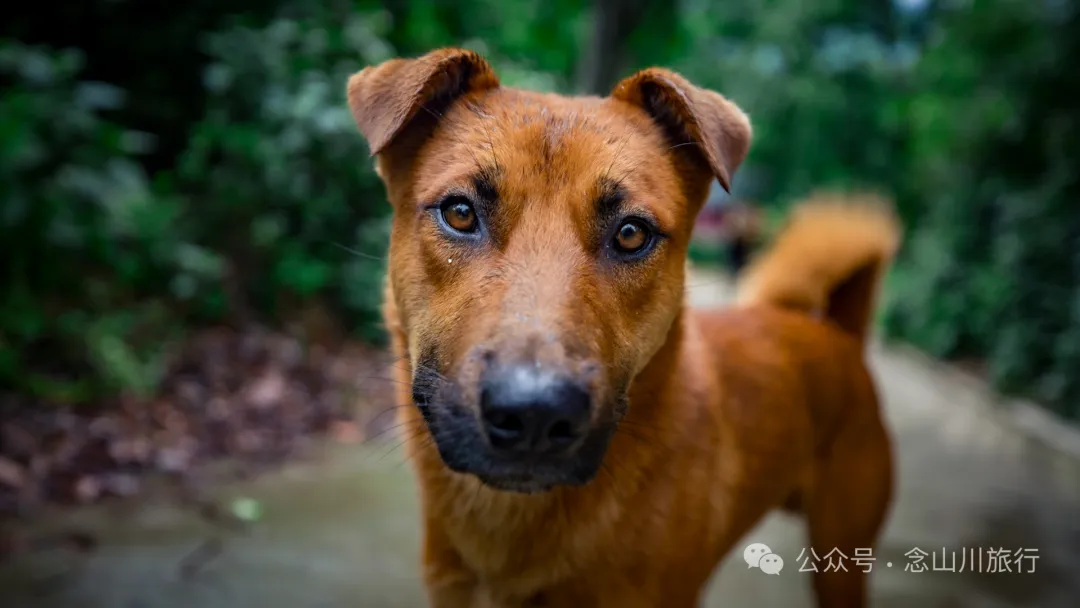
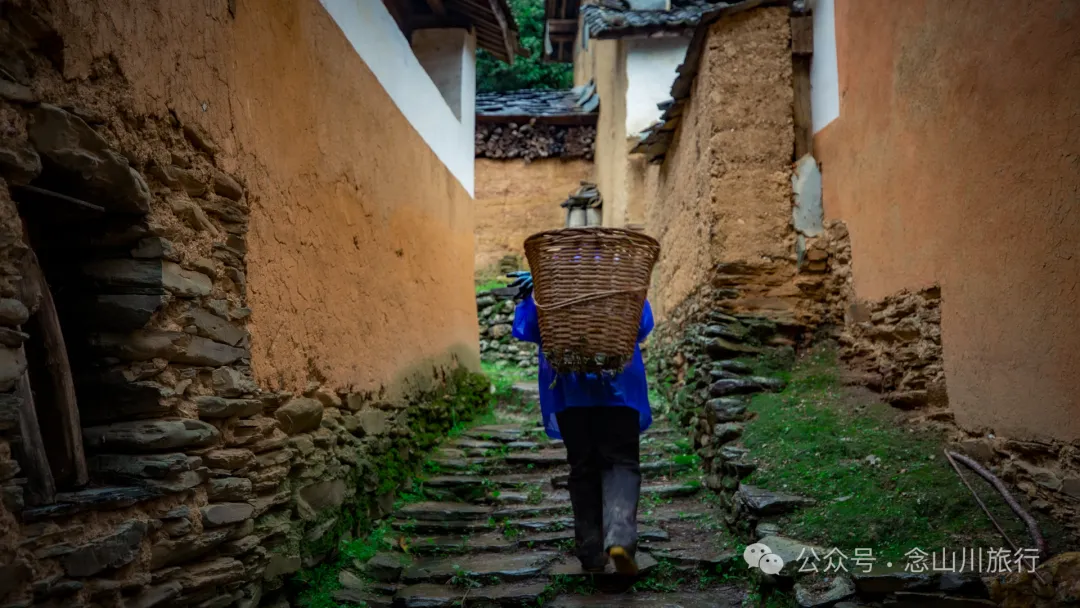
In the early morning, Laobuju Village was quiet and serene in the rain. 'In the wind and rain, the roosters crow.' As a stranger entering the village, I heard not a single dog bark, only the crowing of roosters from near and far. This was something I had never encountered in other mountain villages. On my way back, I met two yellow dogs by the roadside. Even at close range, they did not bark threateningly. One male dog curiously approached me with friendly eyes. The other female dog kept a wary distance, occasionally emitting low growls with a stern expression. This was the most unfriendly face I encountered in the village, yet even she did not bark.
Laobuju Village in Nanjian, Dali: A Poetic Han Chinese Village in the Wuliang Mountains - Image 11
Laobuju Village in Nanjian, Dali: A Poetic Han Chinese Village in the Wuliang Mountains - Image 12
Laobuju Village in Nanjian, Dali: A Poetic Han Chinese Village in the Wuliang Mountains - Image 13
Laobuju Village in Nanjian, Dali: A Poetic Han Chinese Village in the Wuliang Mountains - Image 14
Laobuju Village in Nanjian, Dali: A Poetic Han Chinese Village in the Wuliang Mountains - Image 15
Laobuju Village in Nanjian, Dali: A Poetic Han Chinese Village in the Wuliang Mountains - Image 16
Laobuju Village in Nanjian, Dali: A Poetic Han Chinese Village in the Wuliang Mountains - Image 17
Laobuju Village in Nanjian, Dali: A Poetic Han Chinese Village in the Wuliang Mountains - Image 18
Laobuju Village in Nanjian, Dali: A Poetic Han Chinese Village in the Wuliang Mountains - Image 19
Laobuju Village in Nanjian, Dali: A Poetic Han Chinese Village in the Wuliang Mountains - Image 20

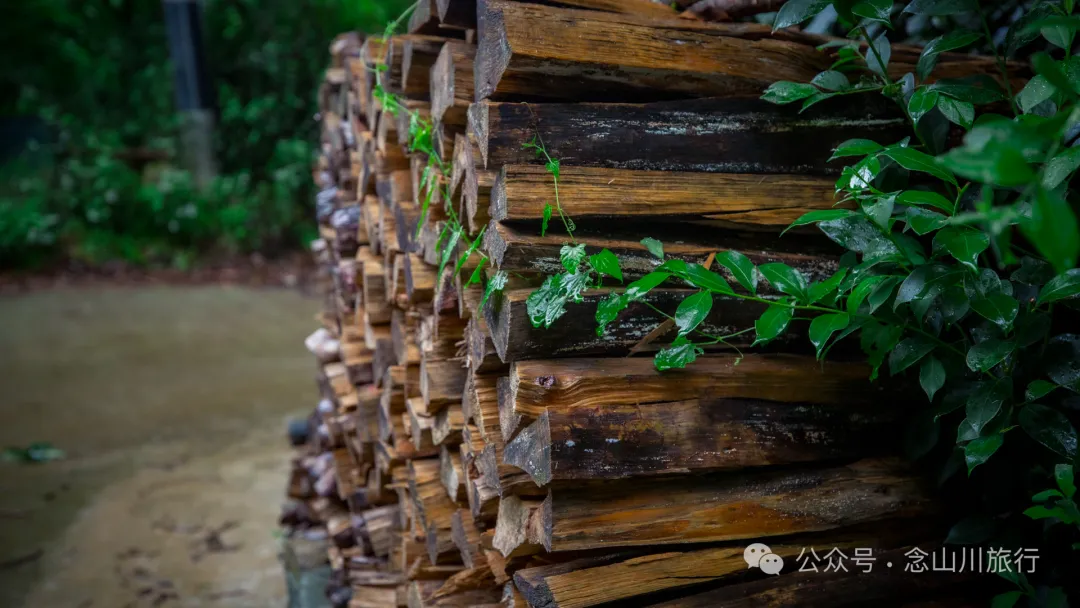
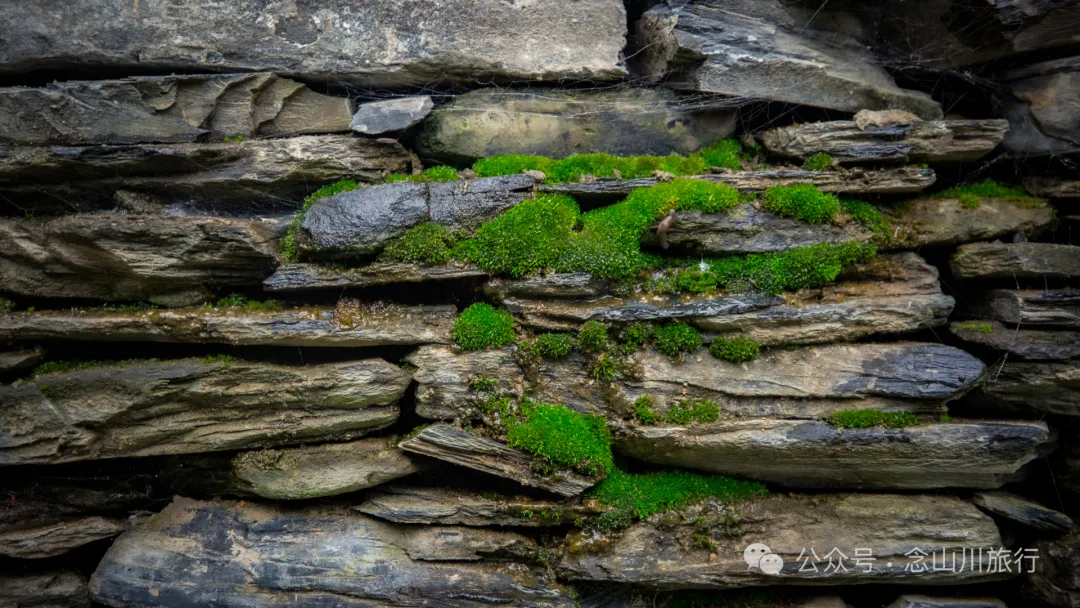
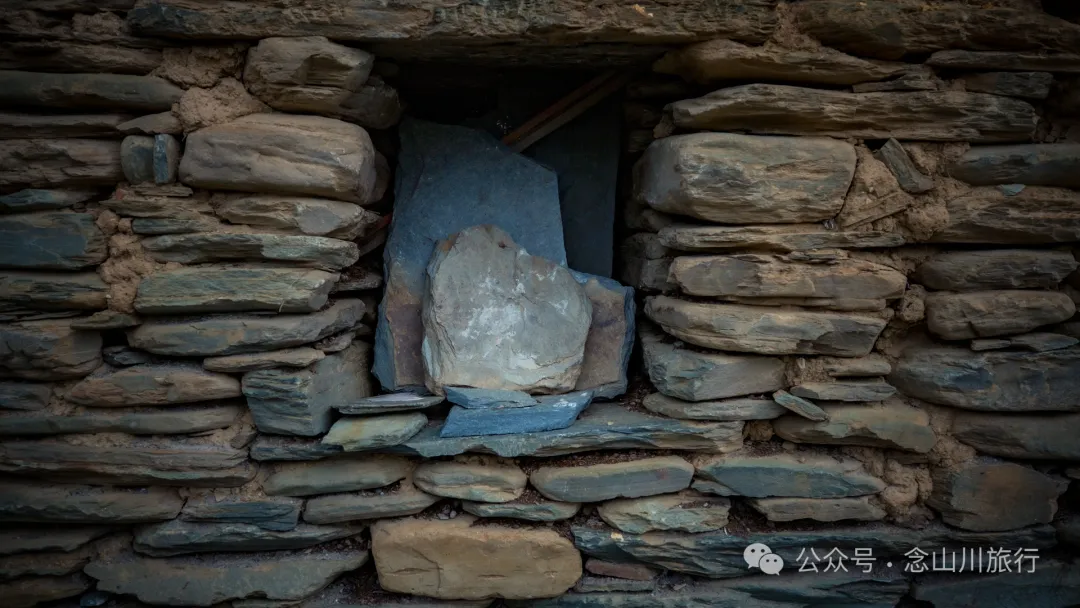
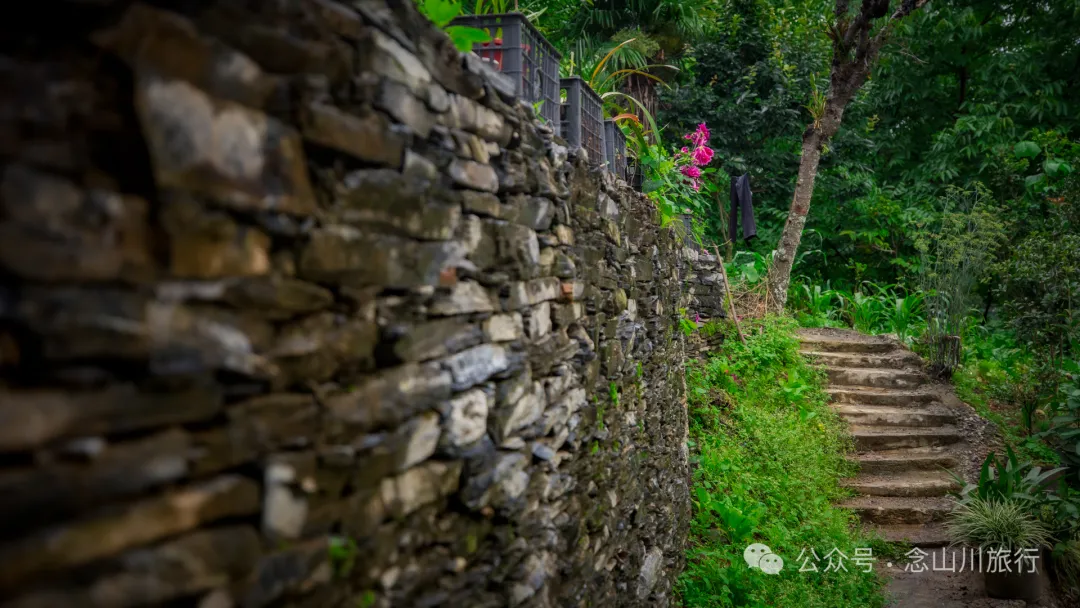
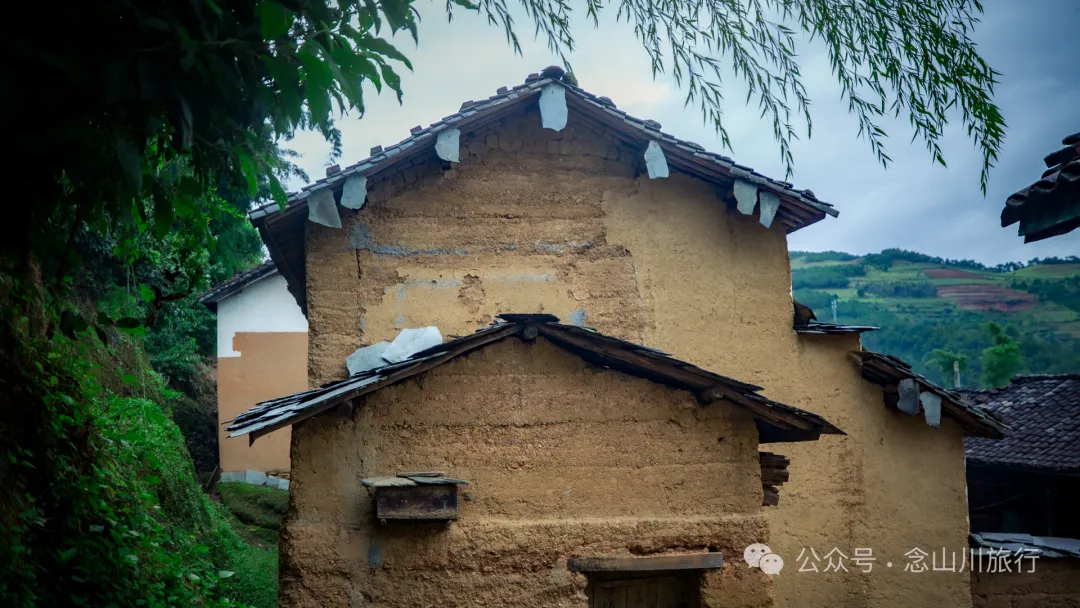
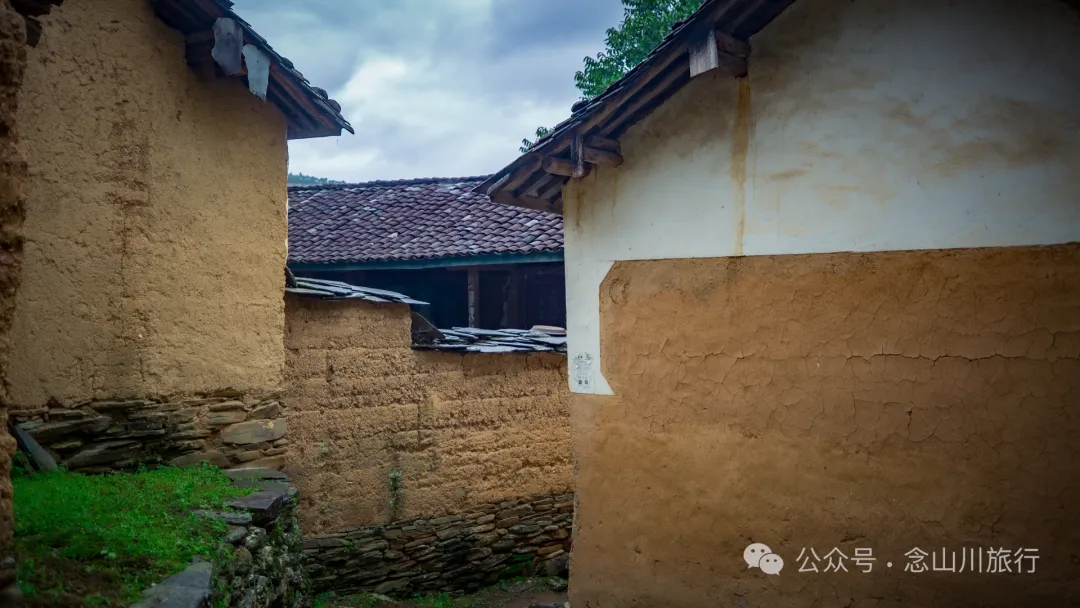
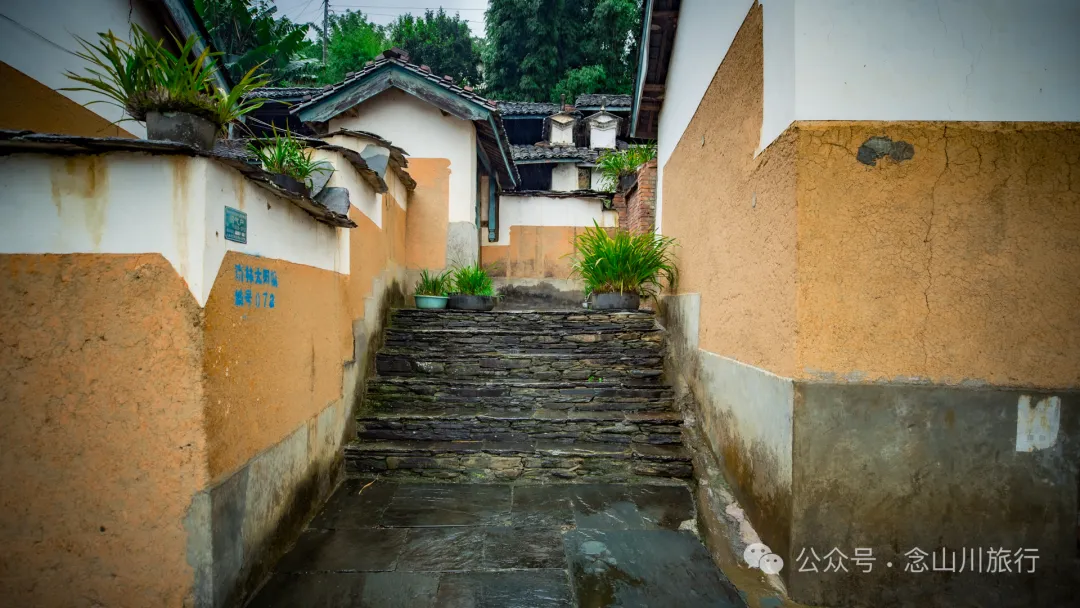
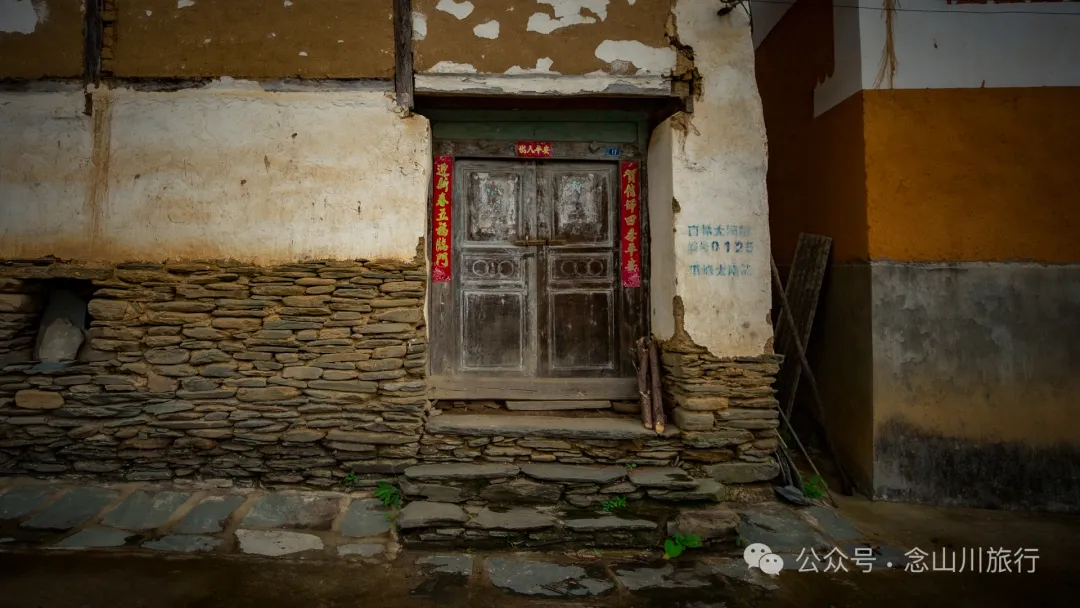
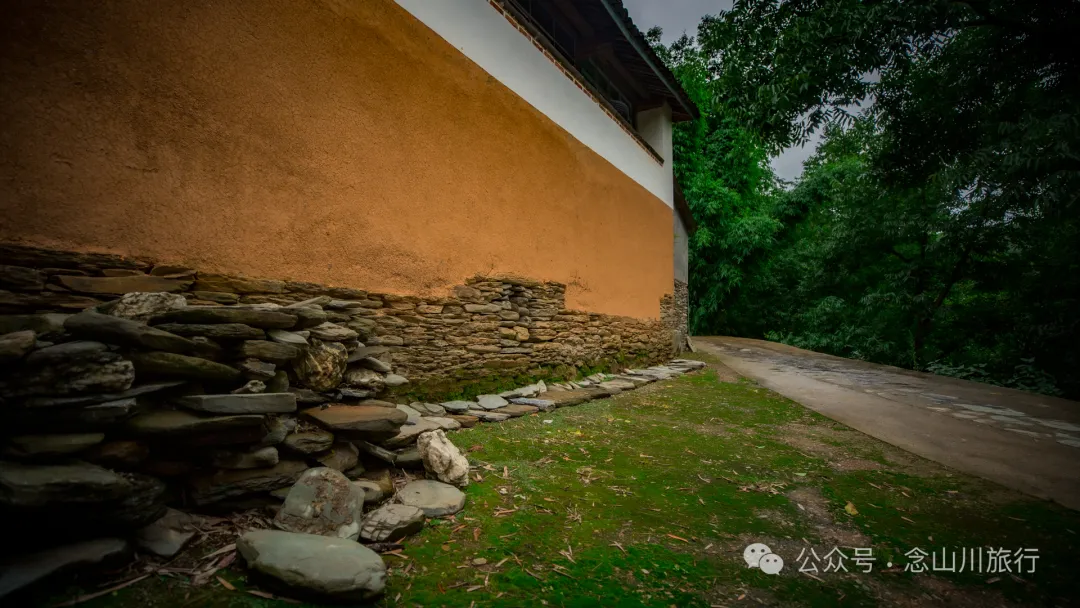
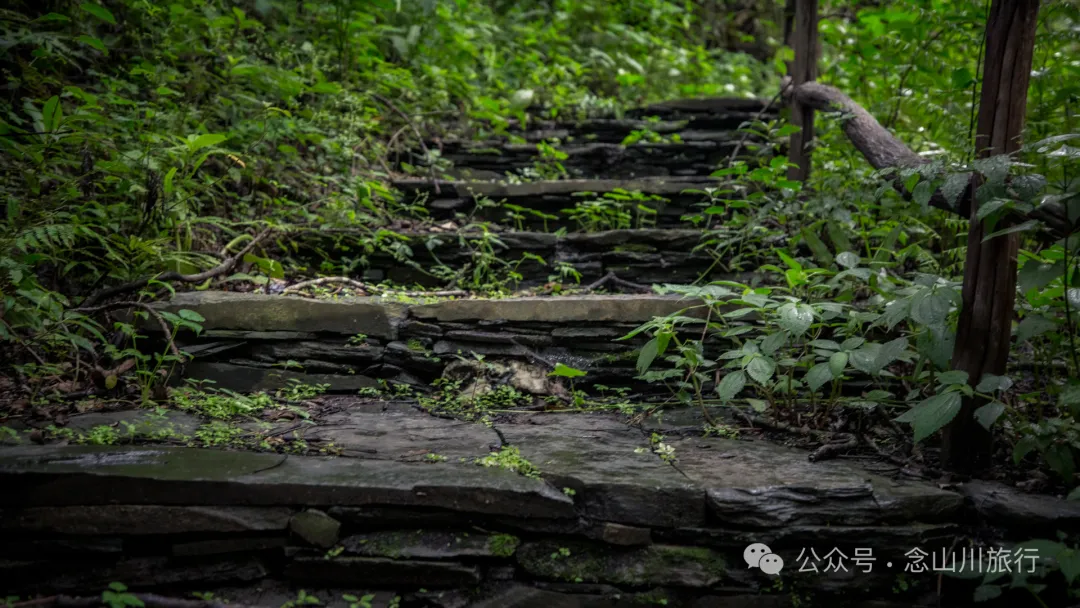
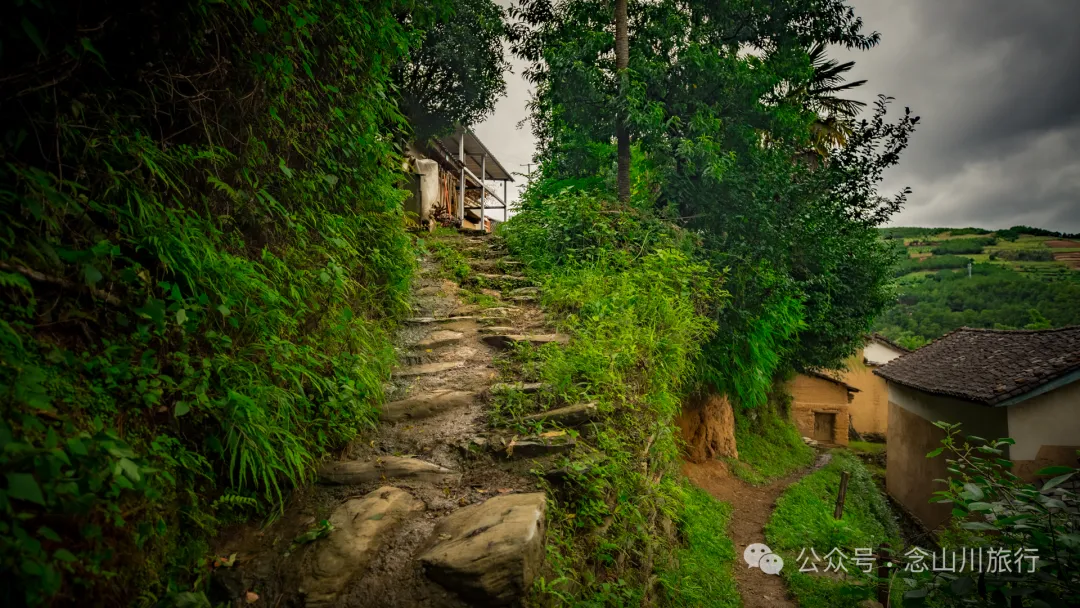
The paths in the village are paved with bluestone slabs from the nearby mountains, clean and tidy, with no litter along the sides. Neatly stacked firewood, cut to uniform lengths and thicknesses, lined the roadside, soaked through by the rain. This firewood, sourced from the mountains, is the most common necessity in the village, ultimately destined for the stove. But the wisps of smoke rising from its burning have warmed countless people and now evoke deep nostalgia. 'A wisp of smoke from a bamboo village, doors closed deep in the rain.' Most houses in Laobuju Village have their doors tightly shut, with a short wooden bar across the handle serving as a 'lock.' The foundations of the houses are mostly built with sedimentary rocks from the mountains, the main walls are rammed earth, and the steps and roofs are paved with shale, giving a rustic and natural feel.
Laobuju Village in Nanjian, Dali: A Poetic Han Chinese Village in the Wuliang Mountains - Image 21
Laobuju Village in Nanjian, Dali: A Poetic Han Chinese Village in the Wuliang Mountains - Image 22
Laobuju Village in Nanjian, Dali: A Poetic Han Chinese Village in the Wuliang Mountains - Image 23
Laobuju Village in Nanjian, Dali: A Poetic Han Chinese Village in the Wuliang Mountains - Image 24
Laobuju Village in Nanjian, Dali: A Poetic Han Chinese Village in the Wuliang Mountains - Image 25
Laobuju Village in Nanjian, Dali: A Poetic Han Chinese Village in the Wuliang Mountains - Image 26
Laobuju Village in Nanjian, Dali: A Poetic Han Chinese Village in the Wuliang Mountains - Image 27
Laobuju Village in Nanjian, Dali: A Poetic Han Chinese Village in the Wuliang Mountains - Image 28
Laobuju Village in Nanjian, Dali: A Poetic Han Chinese Village in the Wuliang Mountains - Image 29

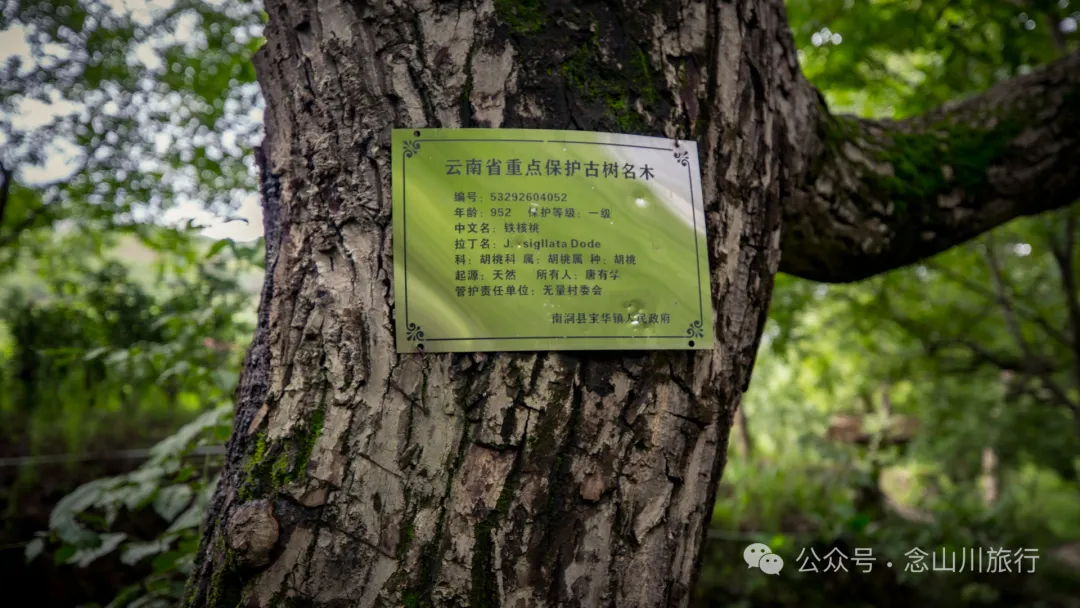
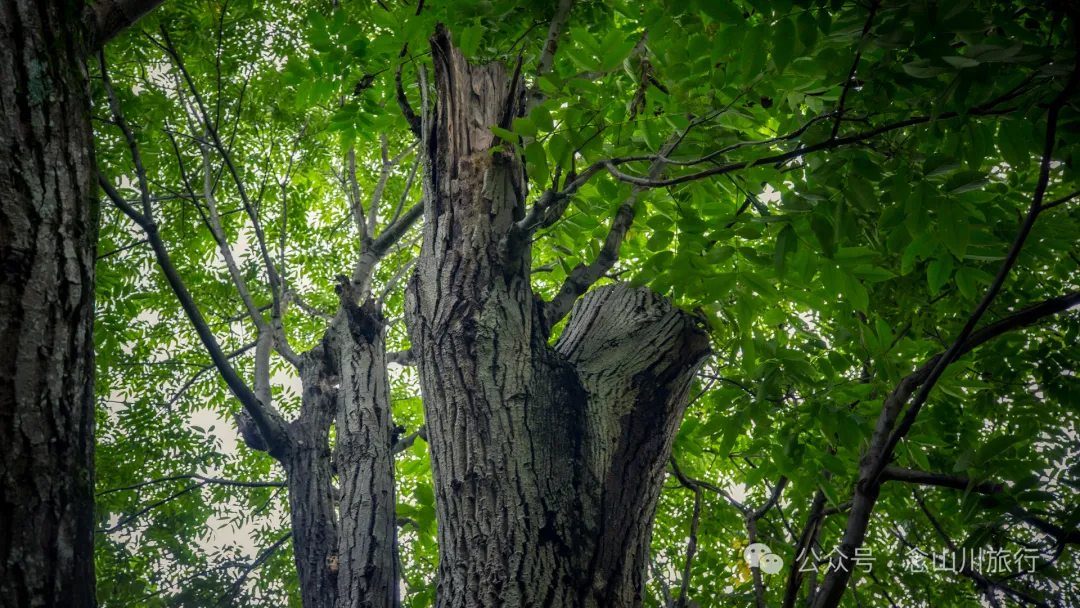
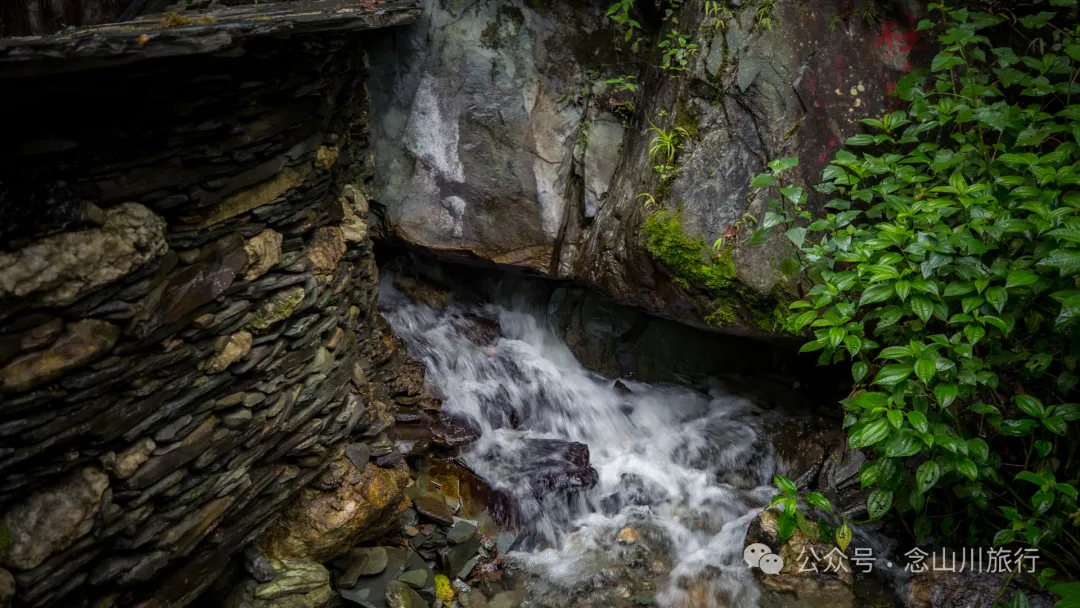
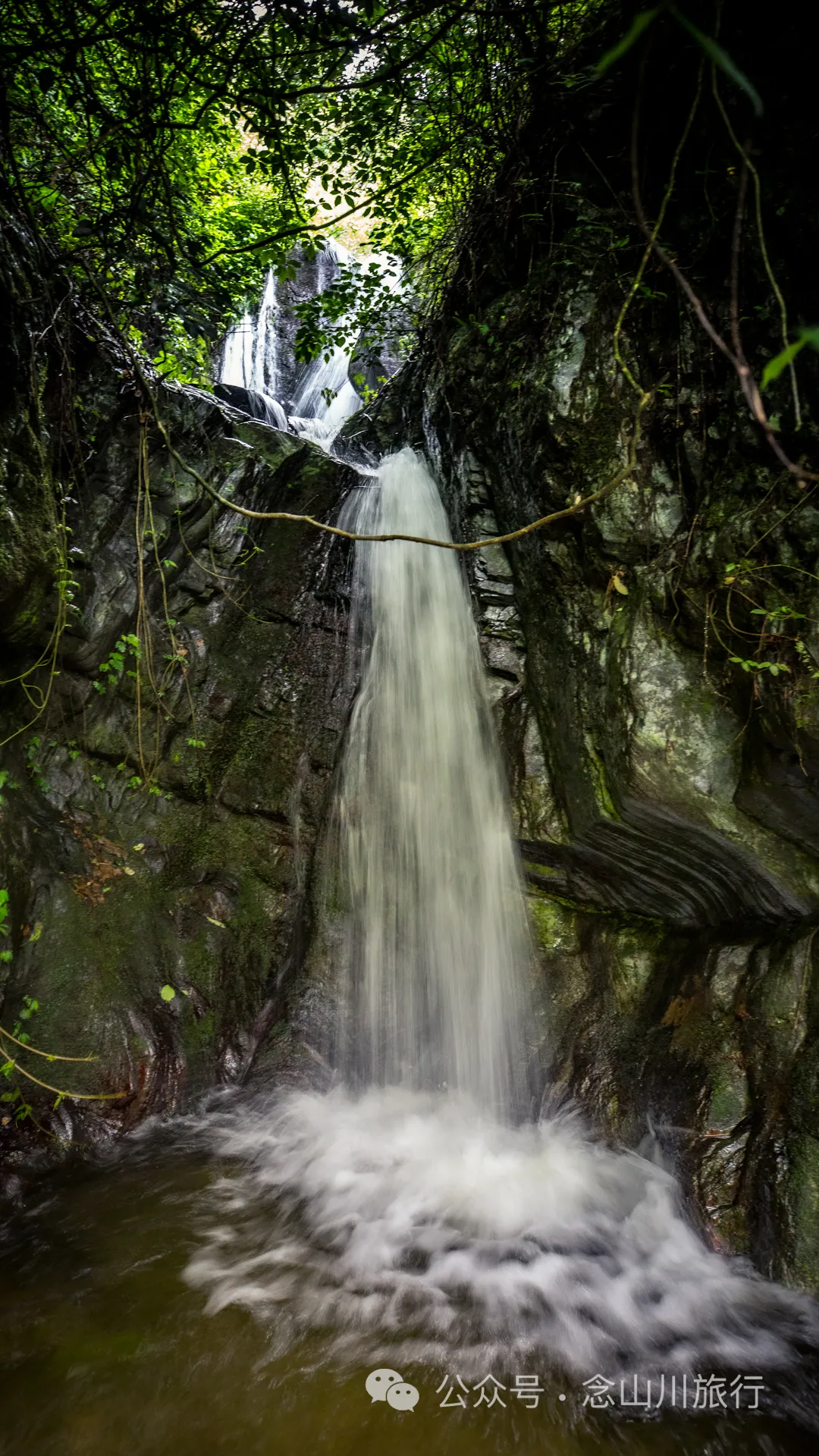
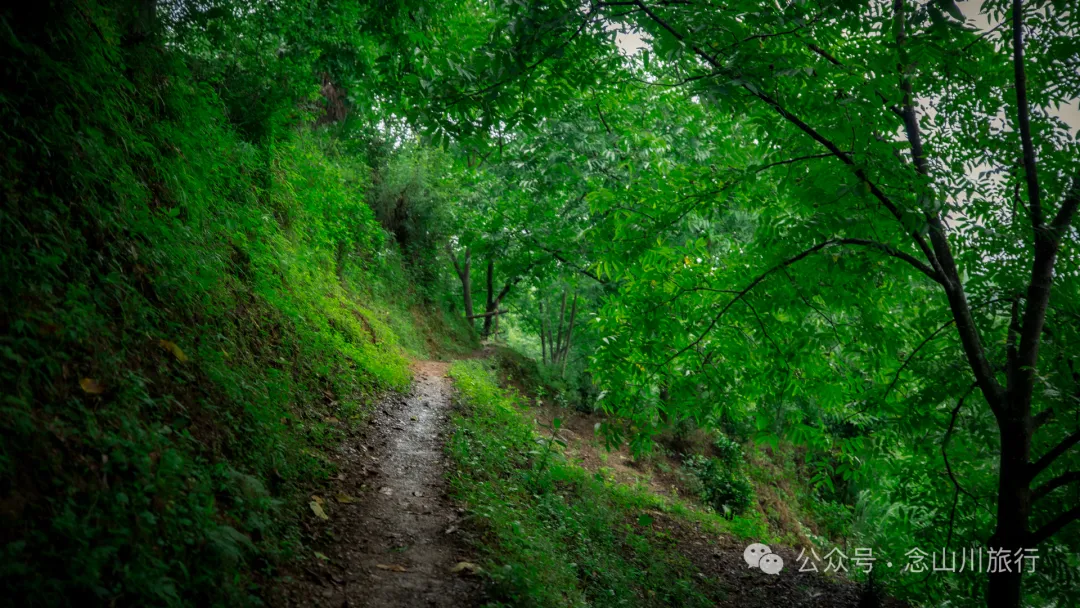
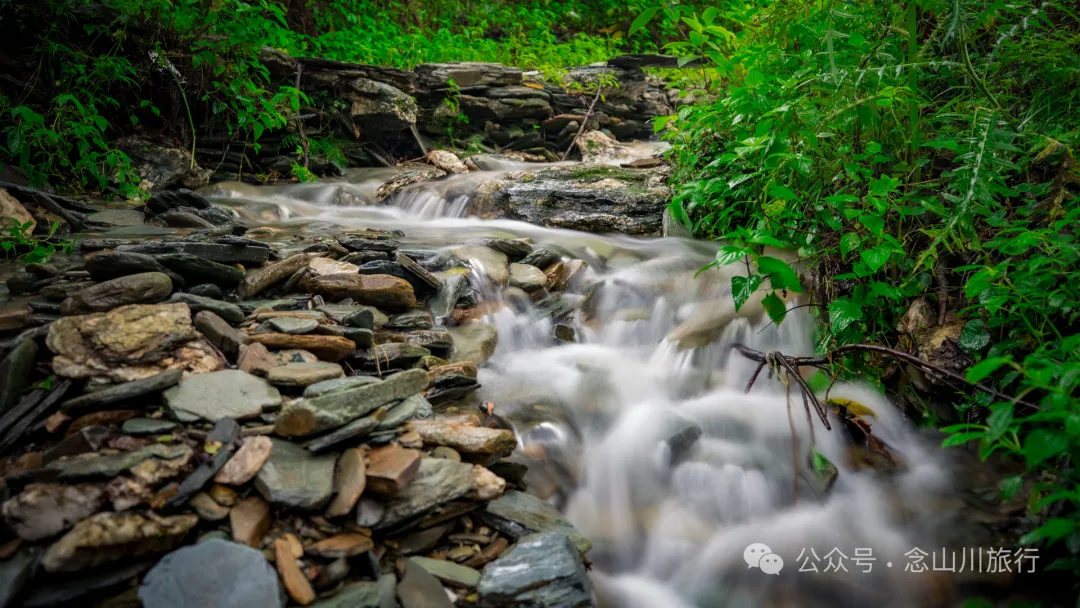
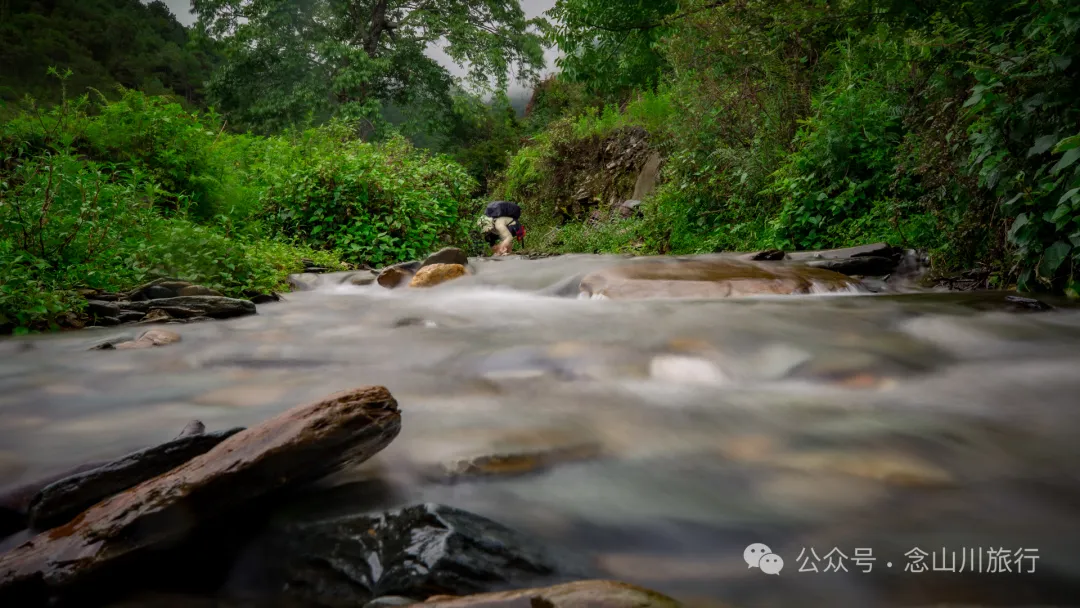
In the northern valley of Laobuju Village, there is a streamside path leading to the western mountains. The path is also paved with bluestone slabs, flanked by many 900-year-old wild iron walnut trees that block out the sun. At the end of the path stands a sheer cliff, with a waterfall cascading from a gap. Standing a few meters away behind a railing, I felt a strong gust of air. Above the waterfall was another smaller cascade, beyond which I could see nothing clearly. 'Where the forest ended, the water source was found, and there was a mountain with a small opening, as if there was light.' Standing at this entrance reminiscent of 'The Peach Blossom Spring,' I strained to look upward, hoping to discover the utopia described by Tao Yuanming, but my view was blocked by rocks and tangled trees, and I saw nothing.
Laobuju Village in Nanjian, Dali: A Poetic Han Chinese Village in the Wuliang Mountains - Image 30
Laobuju Village in Nanjian, Dali: A Poetic Han Chinese Village in the Wuliang Mountains - Image 31

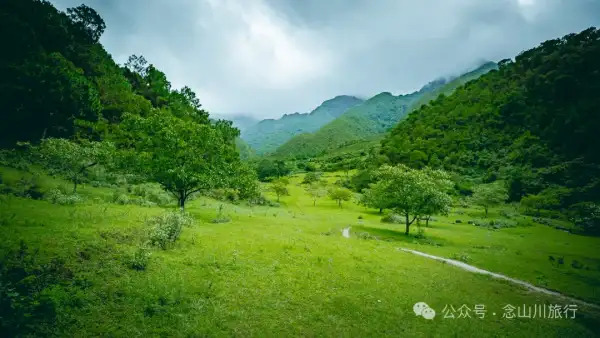
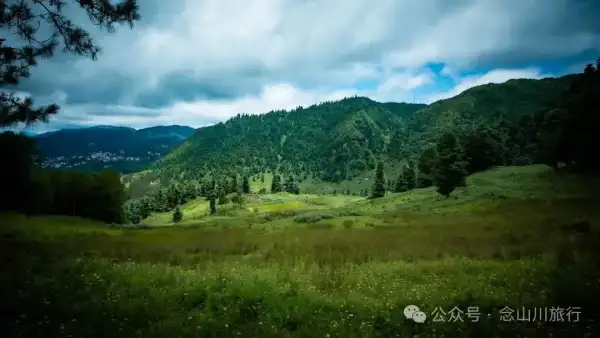
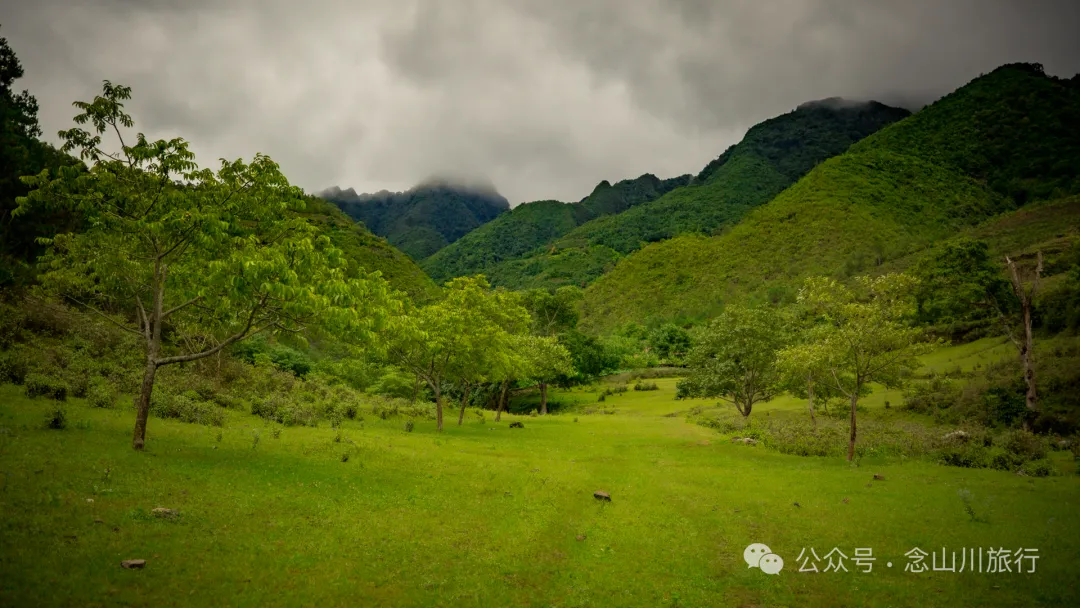
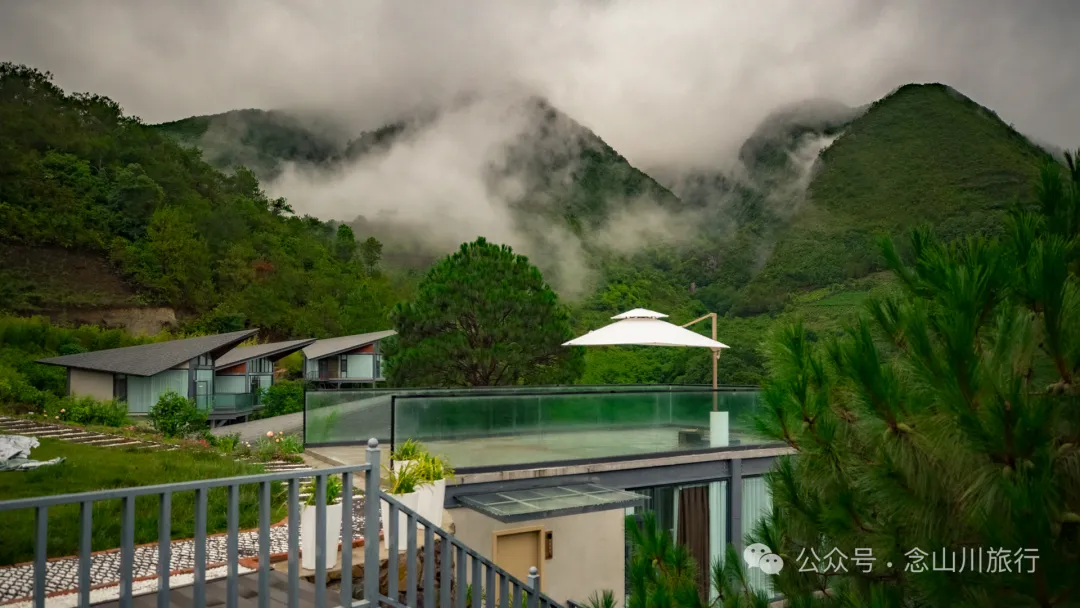
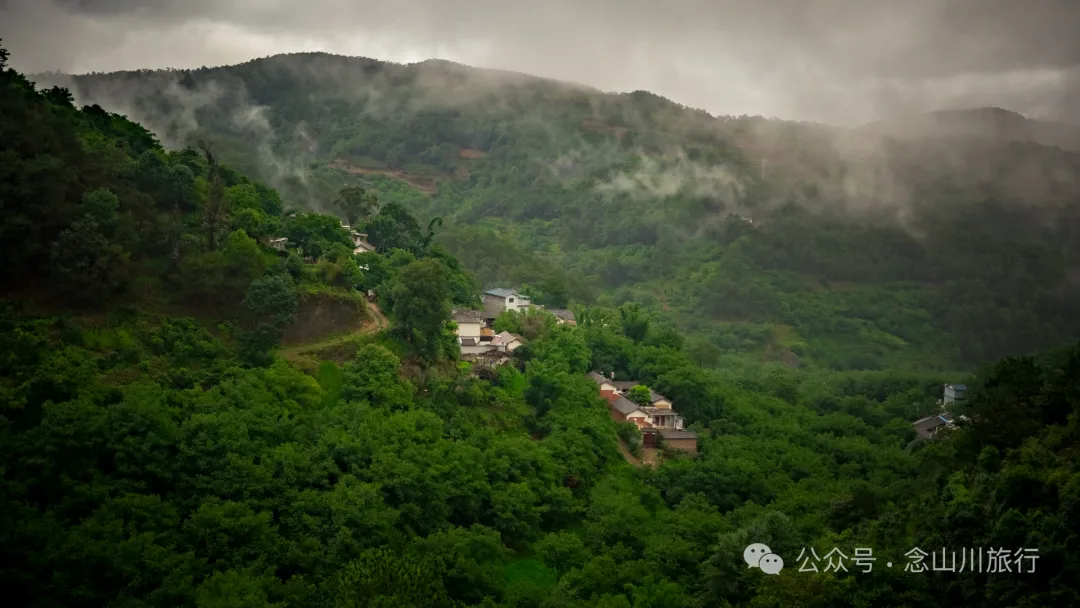
To the north of the village are ancient paths, streams, tea mountains, and strange peaks; to the south is a vast alpine meadow. Laobuju Village is hidden within these diverse natural landscapes, quietly waiting under the distant Goddess Peak. Uncle Rao, the owner of the tea mountain, is a native of Laobuju Village. From chatting with him, I learned that the villagers are not indigenous Yi people but Han Chinese who migrated from Fuzhou Prefecture, Jiangxi, during the Hongwu period of the Ming Dynasty. All villagers share the surname Rao. According to Uncle Rao, to escape floods, their ancestors trekked over mountains from Midu to Nanjian, finally stopping here and settling in this mountain that bore some resemblance to their distant homeland. After centuries of wind and rain, Laobuju Village has developed its own unique language and customs over time. The villagers continue to live in this quiet village with a deeper sense of nostalgia. Perhaps a distant wisp of smoke will inspire their journey to trace their roots.
Laobuju Village in Nanjian, Dali: A Poetic Han Chinese Village in the Wuliang Mountains - Image 32
Laobuju Village in Nanjian, Dali: A Poetic Han Chinese Village in the Wuliang Mountains - Image 33
Tags:
本文原創,作者:Sixianqiu,其版權均為大理旅行所有。
如需轉載,請註明出處:https://dalilvxing.com/en/702.html
Sixianqiu

Sixianqiu

"Eyes follow the returning swan, hands strum the five strings." Always seeking, in this unrecognizable mortal world, a path as carefree as drifting clouds and wild cranes. Fortunately, there lies an ocean of poetry and lyrics, which has gifted me boundless beauty. Often, I sail upon it, quietly savoring that beauty. Even more fortunate are those standing on the shore — who cherish the beauty I cherish, and keep me free from hunger and cold, allowing me to devote myself wholly to this joy.
2166.30W
Loading...
Share:
Word Count: 3388
Dali Nanjian Mibila Village Alpine Meadow: Be an Innocent Child in the Primitive Ecological Secret Realm of Wuliang Mountain
Dali Nanjian Mibila Village Alpine Meadow: Be an Innocent Child in the Primitive Ecological Secret Realm of Wuliang MountainPrevious
Summer Plum Picking in Volcano Village: A Record of Busy Farming on Xiaoshu Day in Ma'anshan Township, Weishan, DaliNext
Summer Plum Picking in Volcano Village: A Record of Busy Farming on Xiaoshu Day in Ma'anshan Township, Weishan, Dali
Related Articles
Total: 212
Yunlong Qingshiyan Waterfall, Dali: Unwritten, Flowing Freely

Yunlong Qingshiyan Waterfall, Dali: Unwritten, Flowing Freely

Qingshiyan — that was the place name we looked up after spotting this waterfall. In truth, it isn't even the waterfall's name. It seems to lack …
SixianqiuSixianqiuTravel Log8 days ago1150
Zhuangping Village in Yunlong, Dali: Planting Rice on the Tai Chi Diagram, Reading the Annals of Spring and Autumn on the Tips of Rice

Zhuangping Village in Yunlong, Dali: Planting Rice on the Tai Chi Diagram, Reading the Annals of Spring and Autumn on the Tips of Rice

The Bi River, flowing through Yunlong County, is an important tributary of the Lancang River. It makes two large bends northwest of the county s…
SixianqiuSixianqiuTravel Log11 months ago113000
Hujie Village, Baohua Town, Nanjian, Dali: Returning to Mengle Ancient Town, Tea Fragrance Lingers, Horse Hooves Fade Away

Hujie Village, Baohua Town, Nanjian, Dali: Returning to Mengle Ancient Town, Tea Fragrance Lingers, Horse Hooves Fade Away

Hujie Village is a very special village, known locally as Cat Street. Locals know that there are many unique ancient buildings here and recommen…
SixianqiuSixianqiuTravel Log1 years ago112450
Dali Weishan Dahuangcaoba: An Ideal Village in Pastoral Scenery

Dali Weishan Dahuangcaoba: An Ideal Village in Pastoral Scenery

Surrounded by distant mountains, with flat farmland, rustic houses, heavy-laden fruit trees, hardworking and simple farmers, and leisurely poult…
SixianqiuSixianqiuTravel Log1 years ago112940
Village and Lake in Harmony, Serene Eryuan: Dongdeng Village and Zhongdeng Village of Dali West Lake

Village and Lake in Harmony, Serene Eryuan: Dongdeng Village and Zhongdeng Village of Dali West Lake

Standing on the shore of Nandeng Village, gazing at the other quaint villages across the water, the villagers told us there were two villages: D…
SixianqiuSixianqiuTravel Log1 years ago113250
Bazhu Village in Tacheng Town, Weixi, Diqing: A Pure Land of Tibetan Buddhism, a Green Secret Deep in the Mountains

Bazhu Village in Tacheng Town, Weixi, Diqing: A Pure Land of Tibetan Buddhism, a Green Secret Deep in the Mountains

Located in Tacheng Town, Weixi County, Diqing Tibetan Autonomous Prefecture, Yunnan Province, Bazhu Village is a pure Tibetan village hidden dee…
SixianqiuSixianqiuTravel Log1 years ago112900
I Found the Most Beautiful Winter Lake View in Dali at This Plateau Lake, with a Wildness Rivaling Walden Pond

I Found the Most Beautiful Winter Lake View in Dali at This Plateau Lake, with a Wildness Rivaling Walden Pond

On the winter solstice, the thin clouds gradually thickened, and the blue morning sky was slowly covered by clouds until the sky was completely …
SixianqiuSixianqiuTravel Log1 years ago113780
In the Mountains of Yejiu, No Black Bears, but Traces of the Mountain God Sipping

In the Mountains of Yejiu, No Black Bears, but Traces of the Mountain God Sipping

It was already afternoon when I sat on the steep and perilous rocks at the mountaintop. Although the sunlight shone down vigorously, the cold wi…
SixianqiuSixianqiuTravel Log7 months ago111600
Rapeseed Flowers in Bingma Township, Longyang District, Baoshan | Rammed Earth Cottages, Distant Mountains in Mist, Sunset over Flower Fields—Whose Beautiful Hometown Is This?

Rapeseed Flowers in Bingma Township, Longyang District, Baoshan | Rammed Earth Cottages, Distant Mountains in Mist, Sunset over Flower Fields—Whose Beautiful Hometown Is This?

We had already driven more than twenty kilometers on the expressway when, after just a brief glimpse, we decided to exit at the nearest ramp and…
SixianqiuSixianqiuTravel Log5 months ago111480
Nandeng Village, a Bai Ethnic Village on West Lake in Eryuan, Dali: Tranquil Pastoral Scenery and Rich Farming Culture

Nandeng Village, a Bai Ethnic Village on West Lake in Eryuan, Dali: Tranquil Pastoral Scenery and Rich Farming Culture

In Yousuo Town, Eryuan County, Dali Bai Autonomous Prefecture, Yunnan Province, there is a village surrounded by mountains and nourished by lake…
SixianqiuSixianqiuTravel Log1 years ago113510
Lost in Xizhou Ancient Town, Dali: A Retro Rice Field Dream Through Cangshan and Erhai

Lost in Xizhou Ancient Town, Dali: A Retro Rice Field Dream Through Cangshan and Erhai

Xizhou Ancient Town is located in the northern part of Dali City, Dali Bai Autonomous Prefecture. It is a historic Bai cultural town with a thou…
SixianqiuSixianqiuTravel Log2 years ago337650
The Most Special Market in Weishan Ancient City: The Yin-Yang Bridge Fair on the 15th Day of the Seventh Lunar Month, Experiencing Unique Traditional Customs Amidst the Bustle

The Most Special Market in Weishan Ancient City: The Yin-Yang Bridge Fair on the 15th Day of the Seventh Lunar Month, Experiencing Unique Traditional Customs Amidst the Bustle

There are many markets in Weishan, with different villages having their own markets. However, the Xihe Bridge market southwest of Weishan Ancien…
SixianqiuSixianqiuTravel Log1 years ago114600
Comment Form遊客 您好,歡迎參與討論。
Dali Travel
Please login first
Comment Lists
Total: 0
Dali Travel
No relevant content