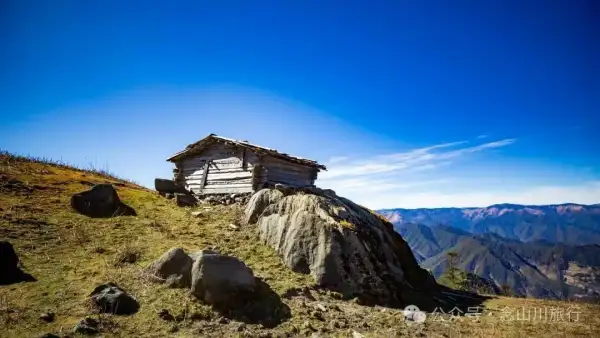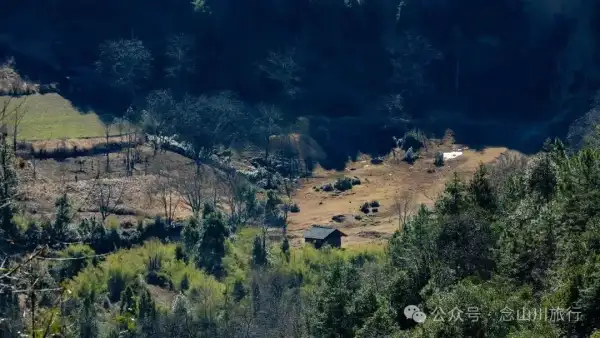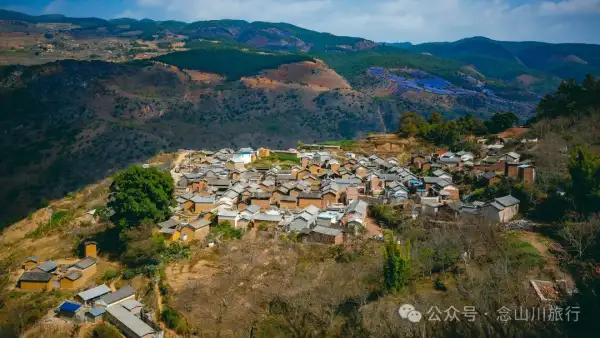

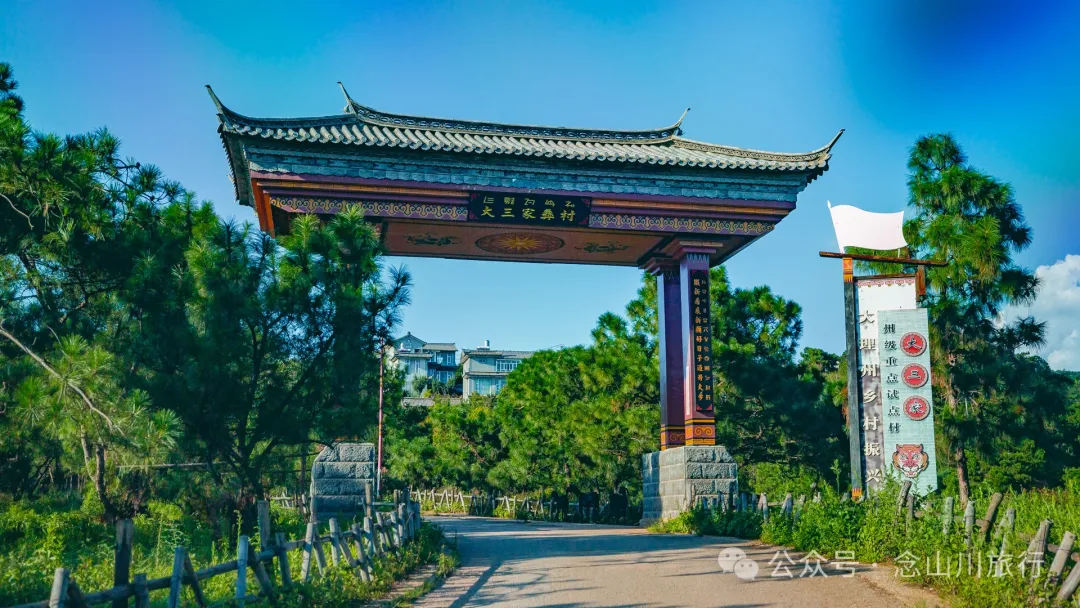
Weishan Dasanjia Village is a Yi ethnic settlement located in Xinsheng Village Committee, Dacang Town, Weishan Yi and Hui Autonomous County, Dali Bai Autonomous Prefecture, Yunnan Province. Dasanjia Village has about 160 households, divided into old and new villages. The old village is deep in the mountains about 13 kilometers from National Highway 215. Due to geological hazard risks, the old village frequently experienced disasters, including severe landslides. The houses in the old village were mostly low, dilapidated plank houses, no longer suitable for living. Several years ago, half of the village's residents moved to this new home with blue bricks, black tiles, and white walls, achieving a magnificent transformation from a poor mountainous area to a beautiful homeland.
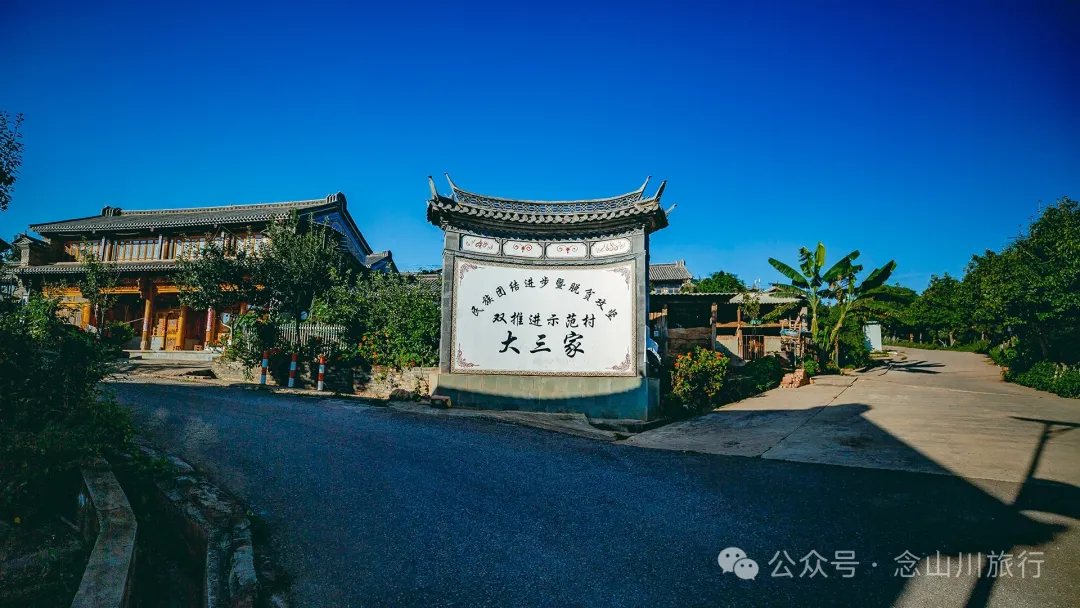
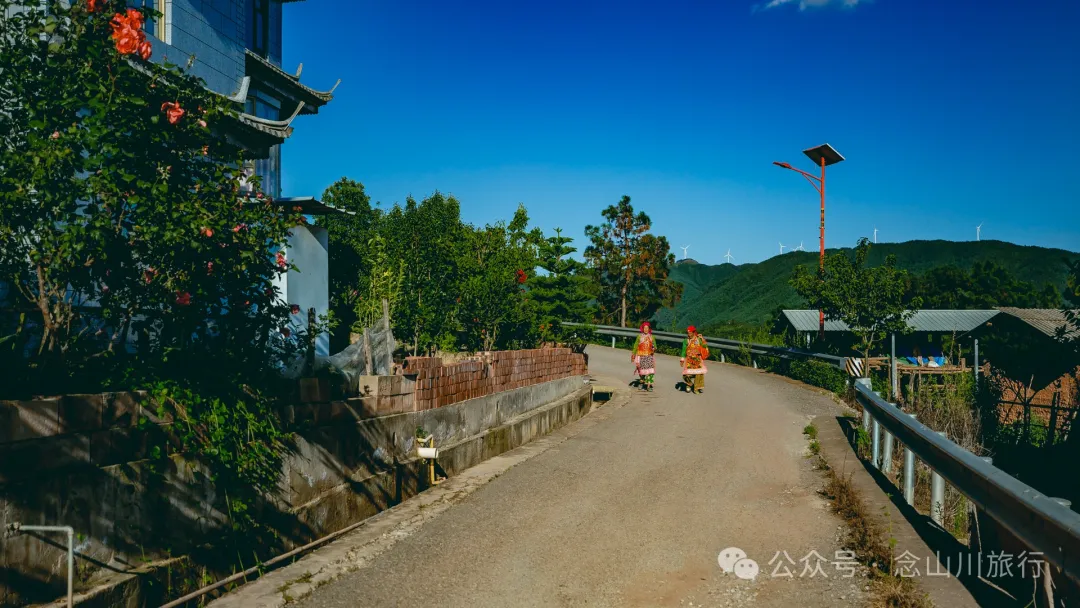
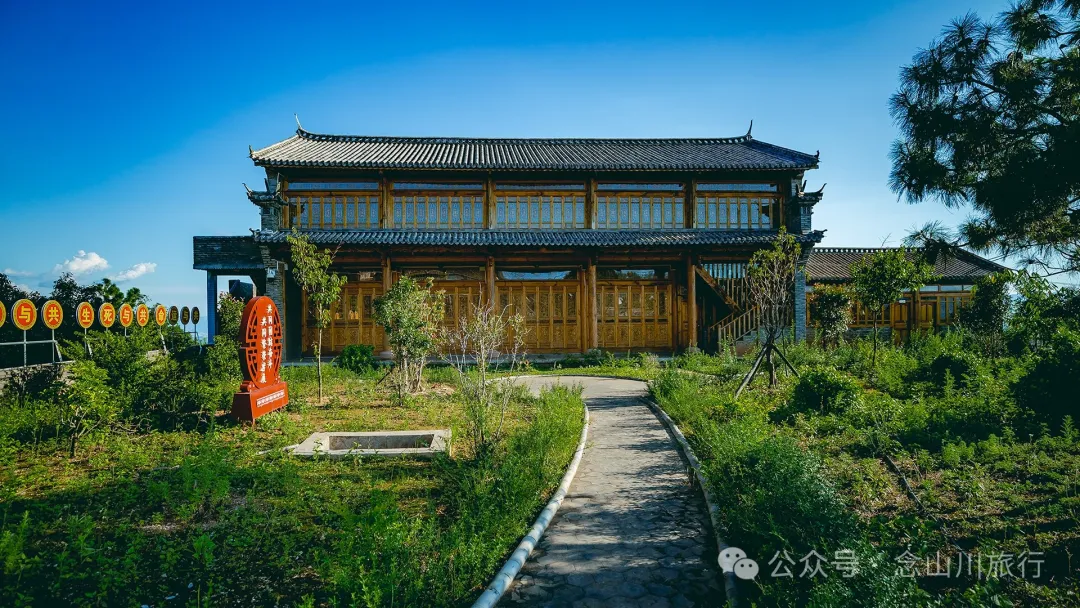
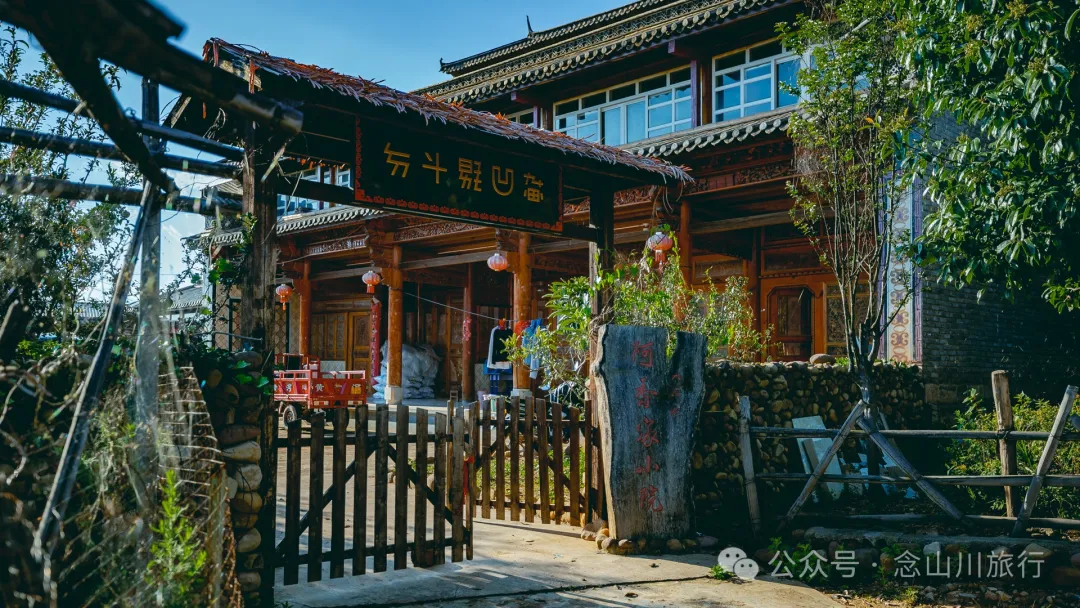
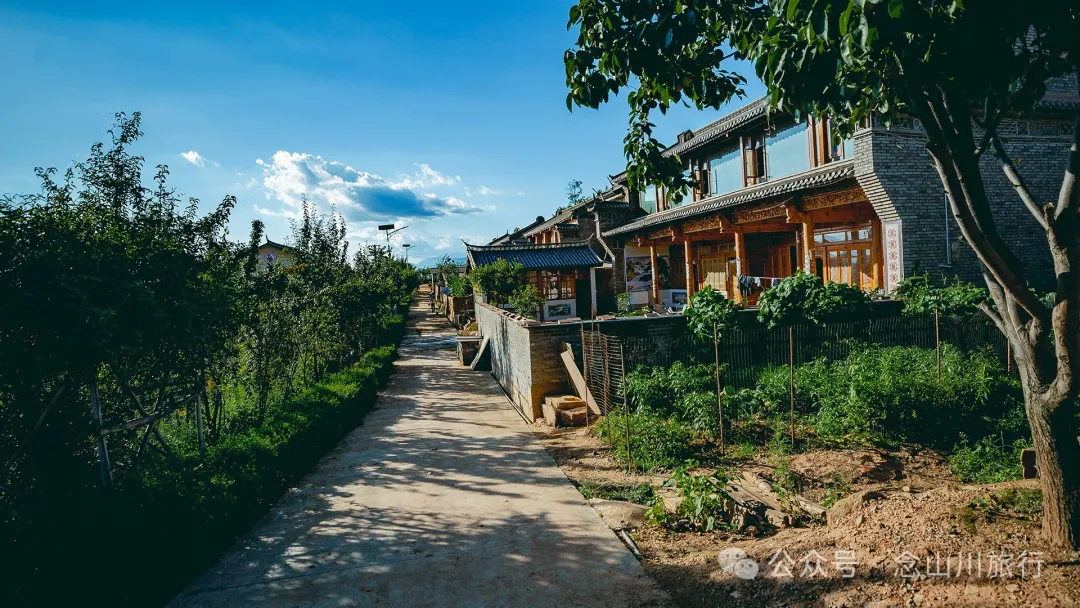
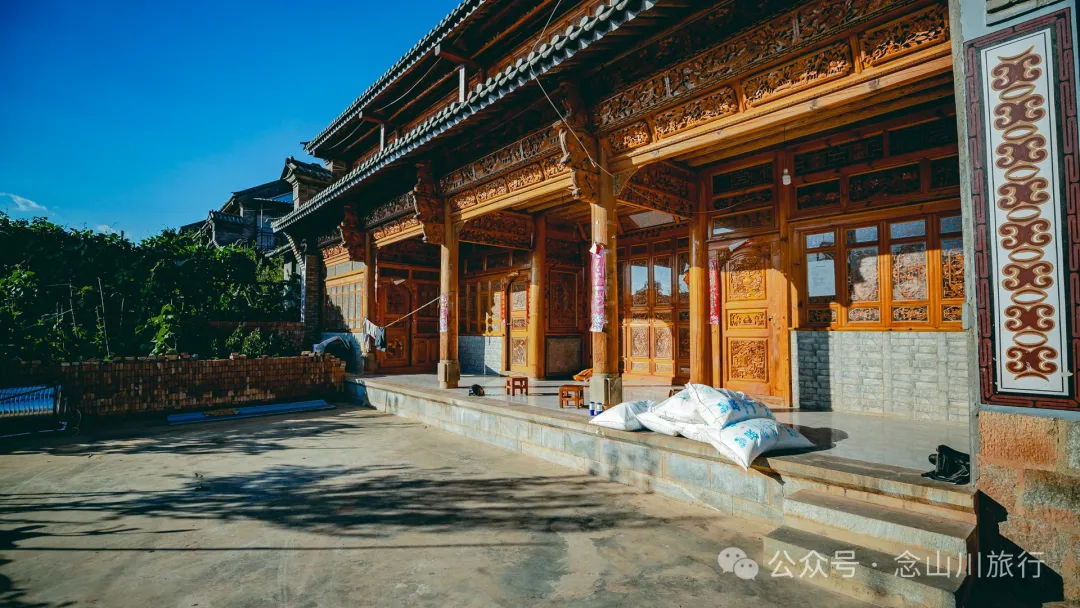
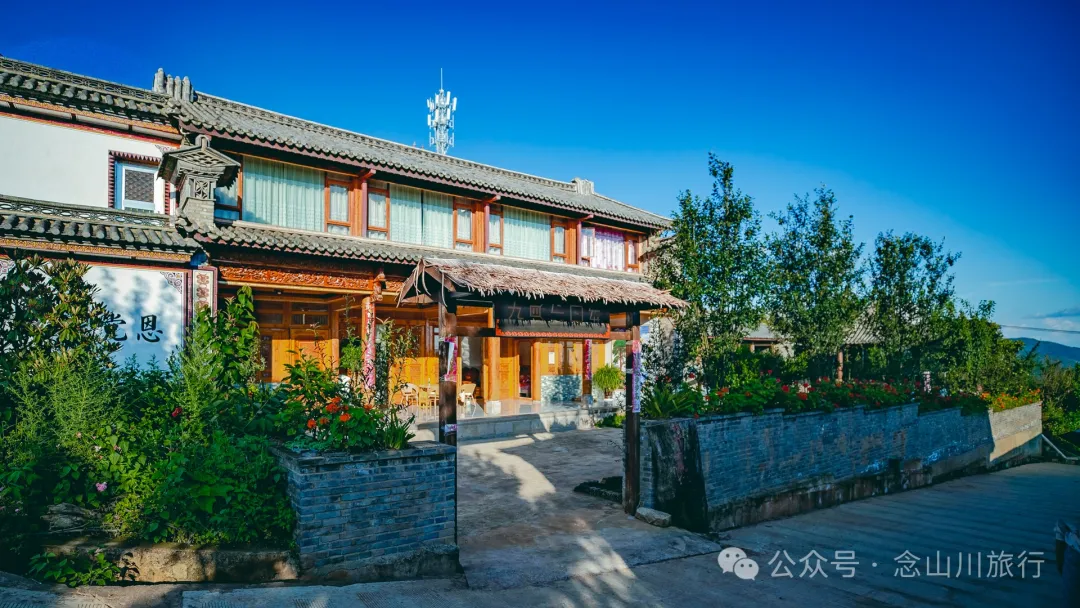
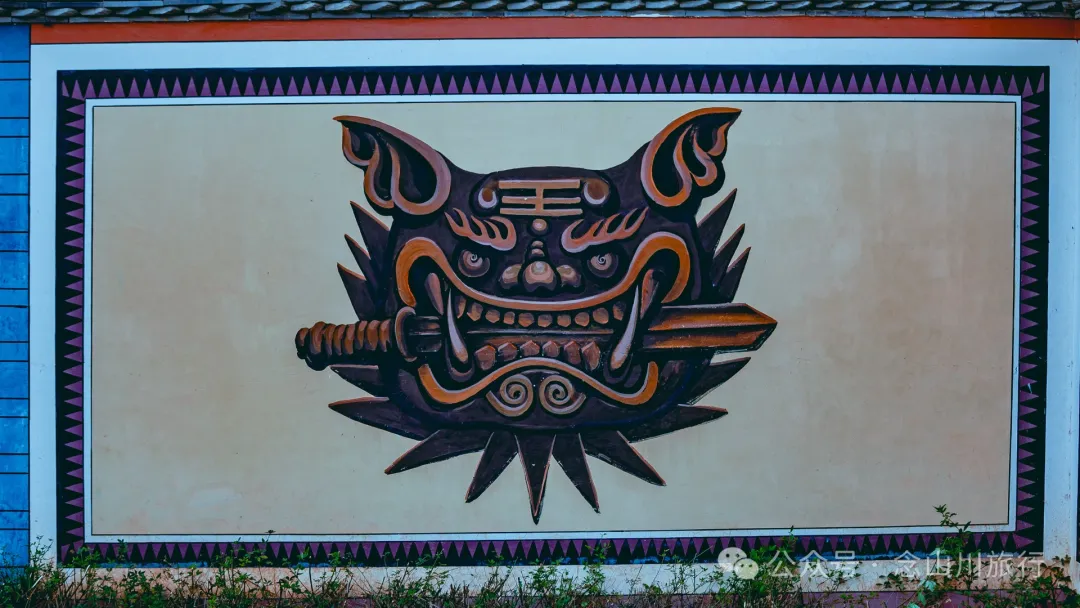
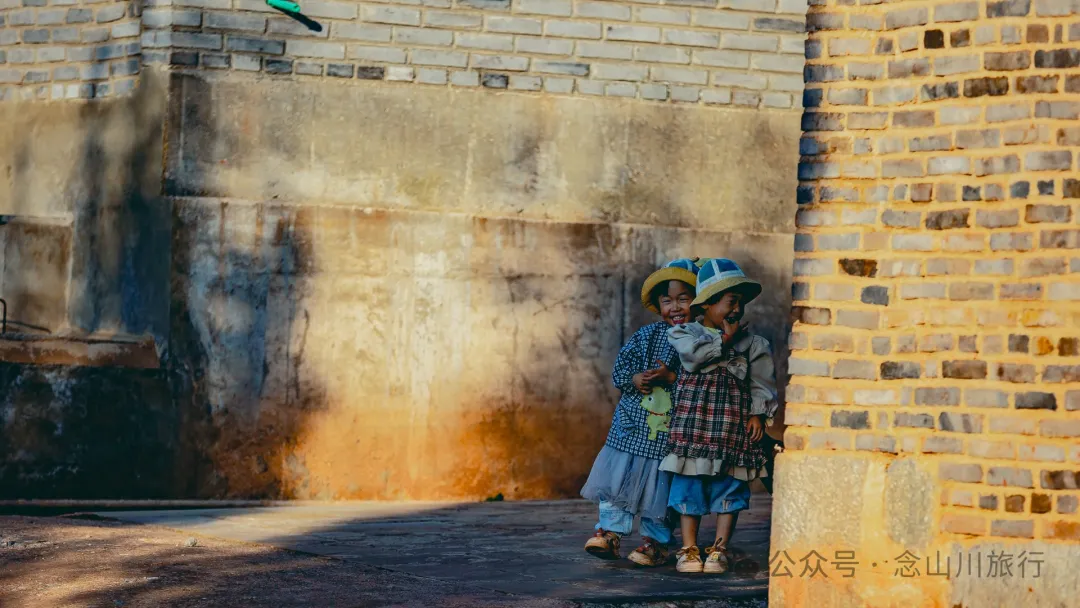
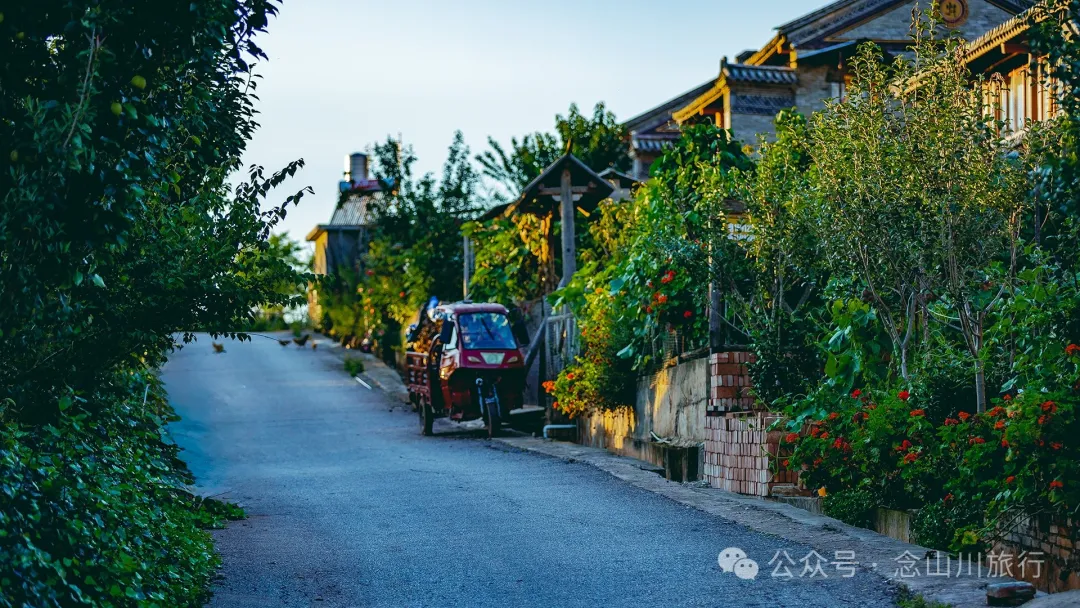
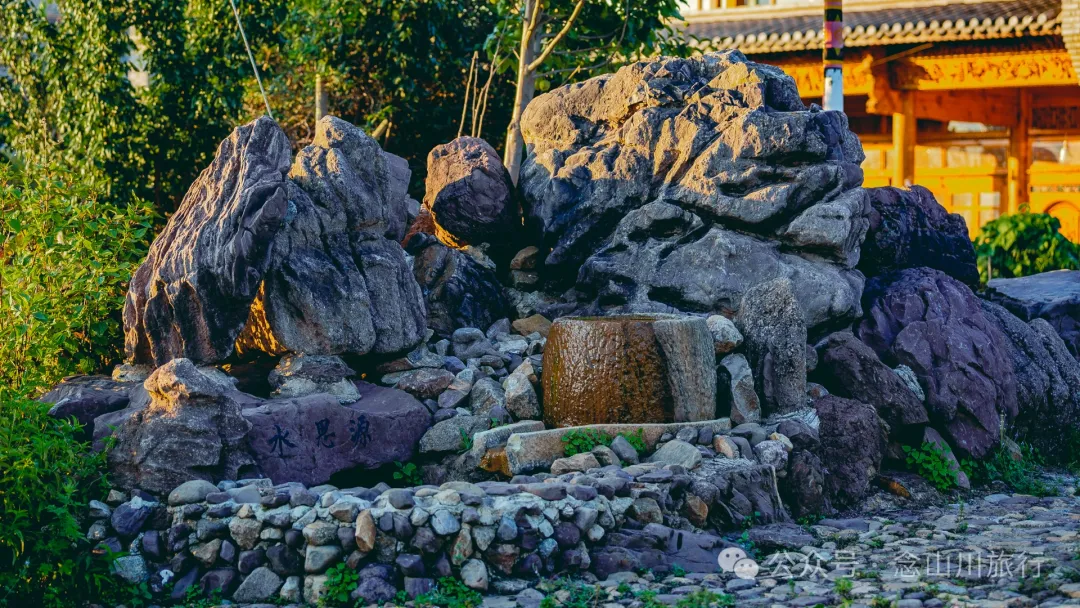
Rows of neat new brick-and-wood houses are built on a huge gentle slope. Clean cement roads connect every household, with pear, apple, and plum trees planted along the roads. Free-range chickens, ducks, and geese wander leisurely in the village, like white clouds in the sky. Here, you can not only see mysterious and rare Yi script but also multiple spacious song-and-dance squares and distinctive ethnic-style buildings that attract outsiders. We should have arrived at Dasanjia earlier, but Brother Long mistakenly thought Dasanjia was the nearby Xiaosanjia Village, so we took many mountain roads. We arrived near dusk, and the quiet, clean Yi village began to come alive.
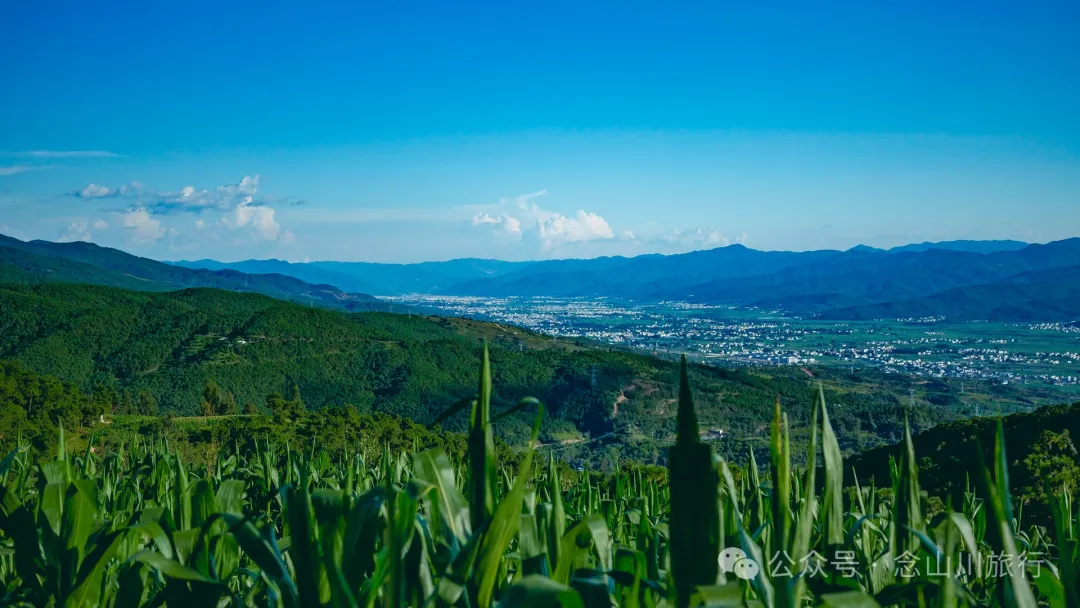
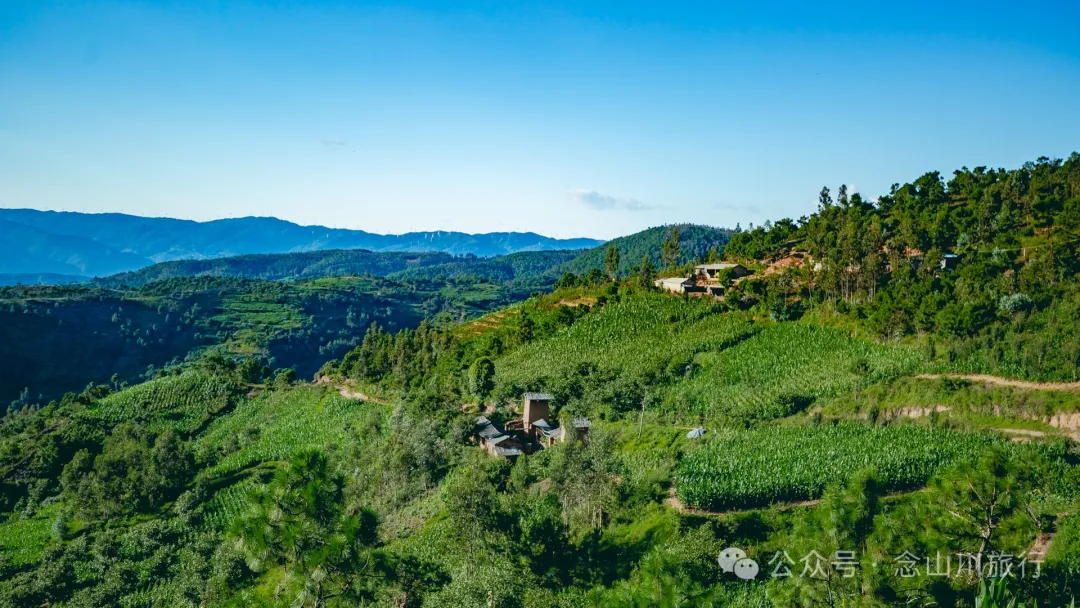
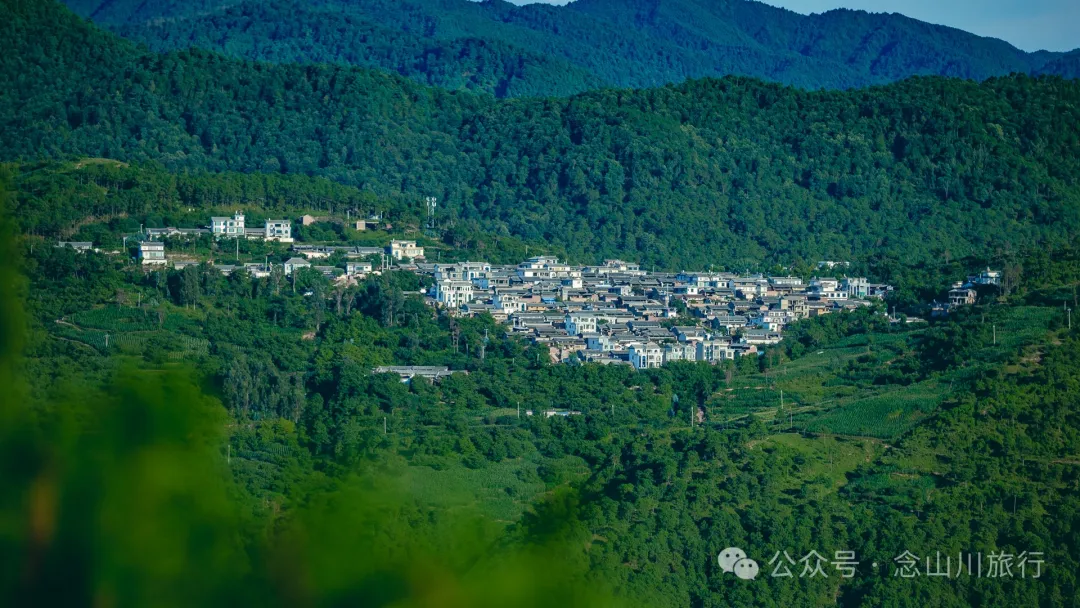
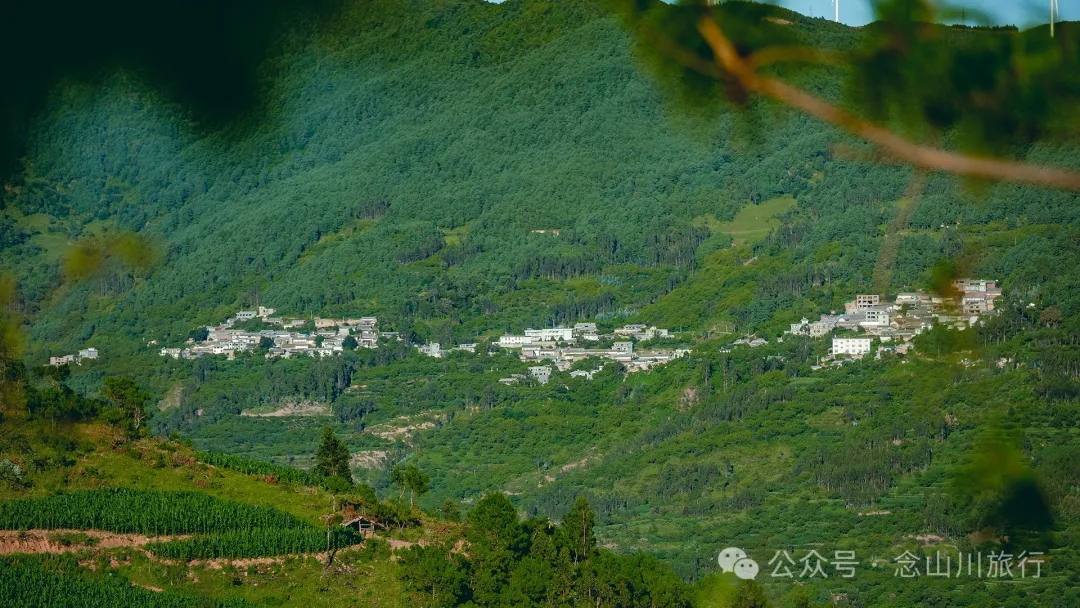
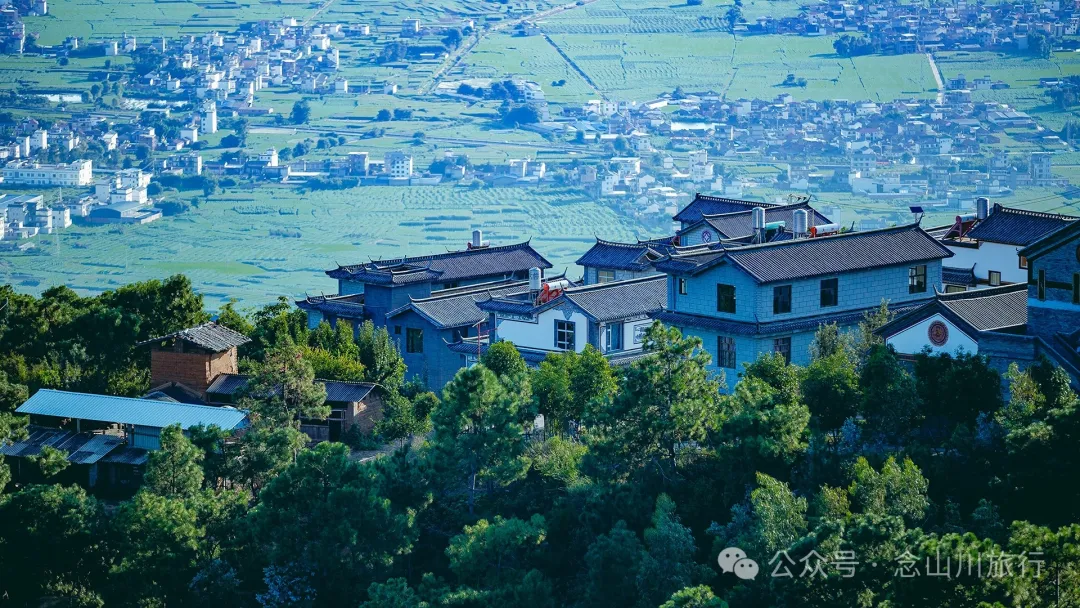
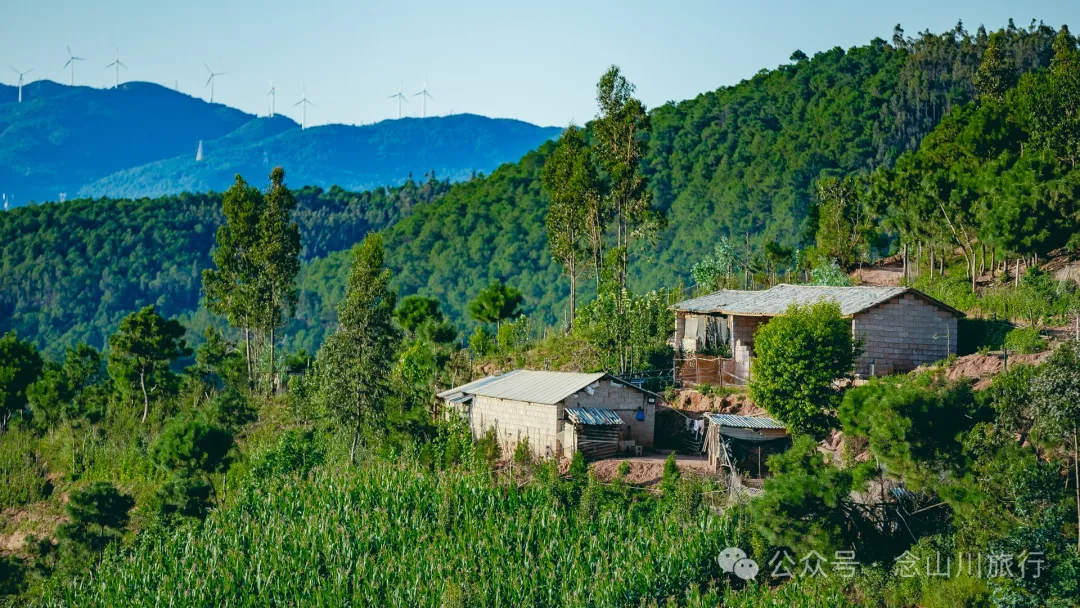
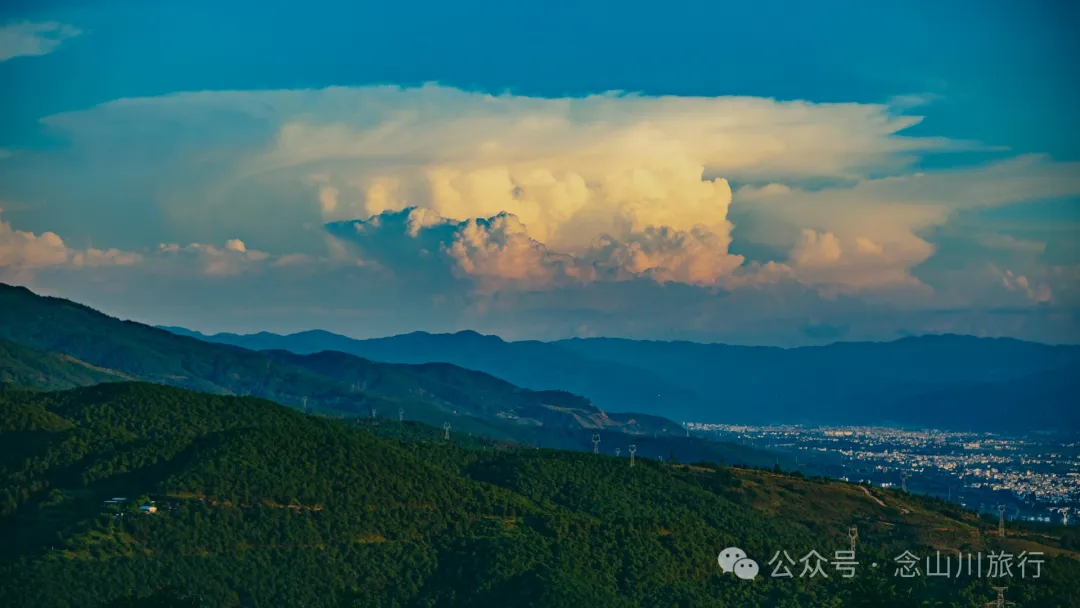
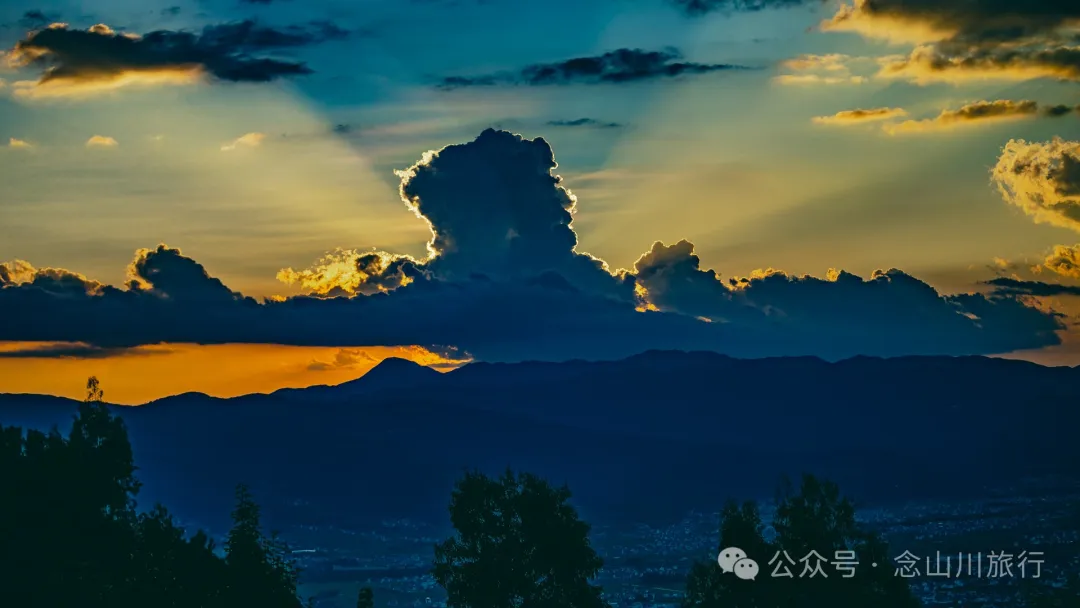
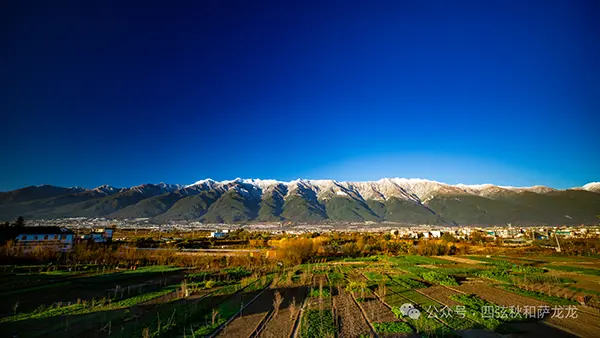
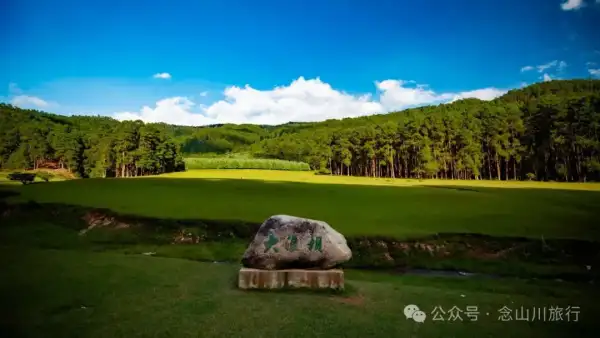
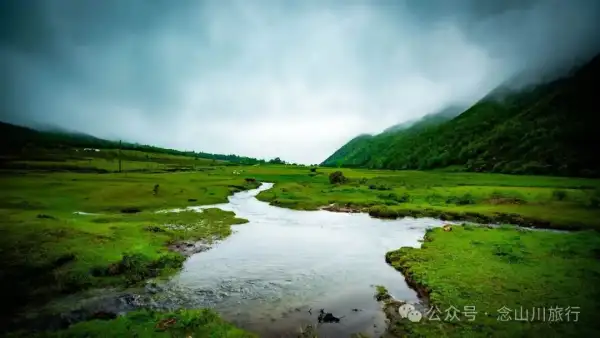
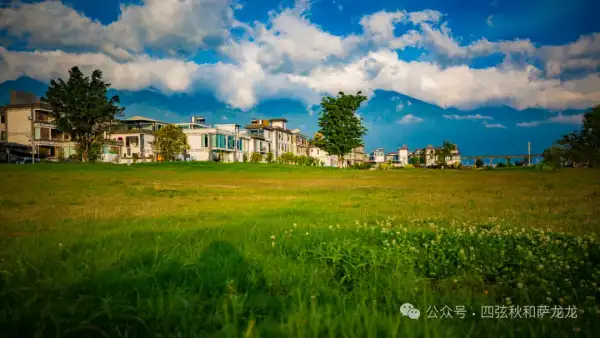
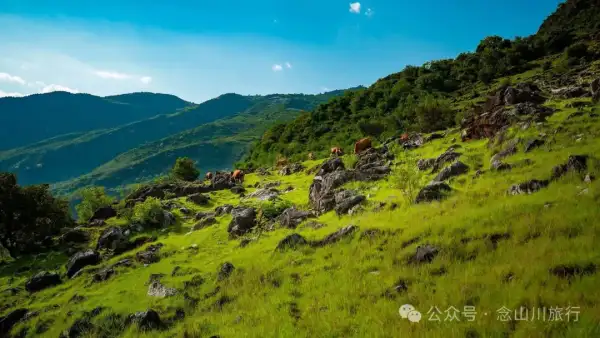
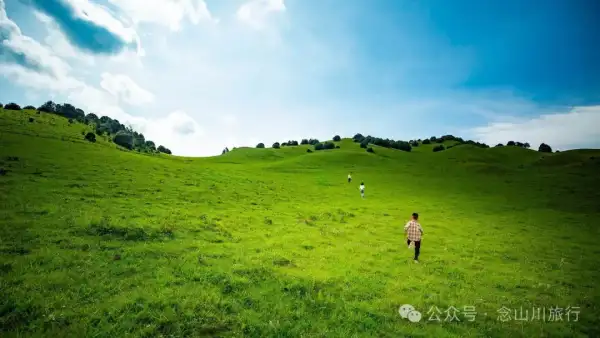
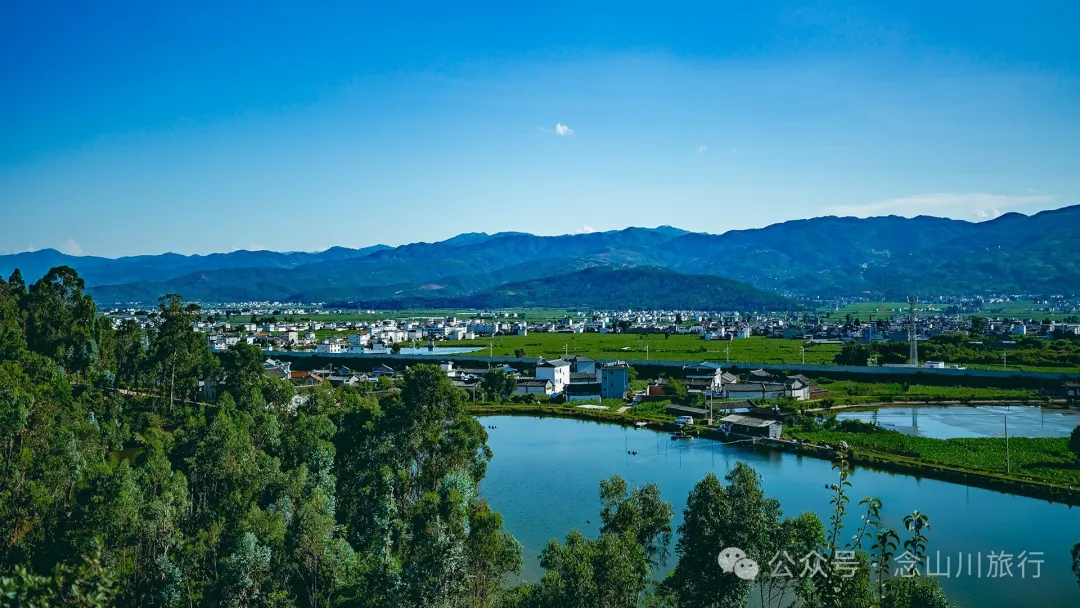
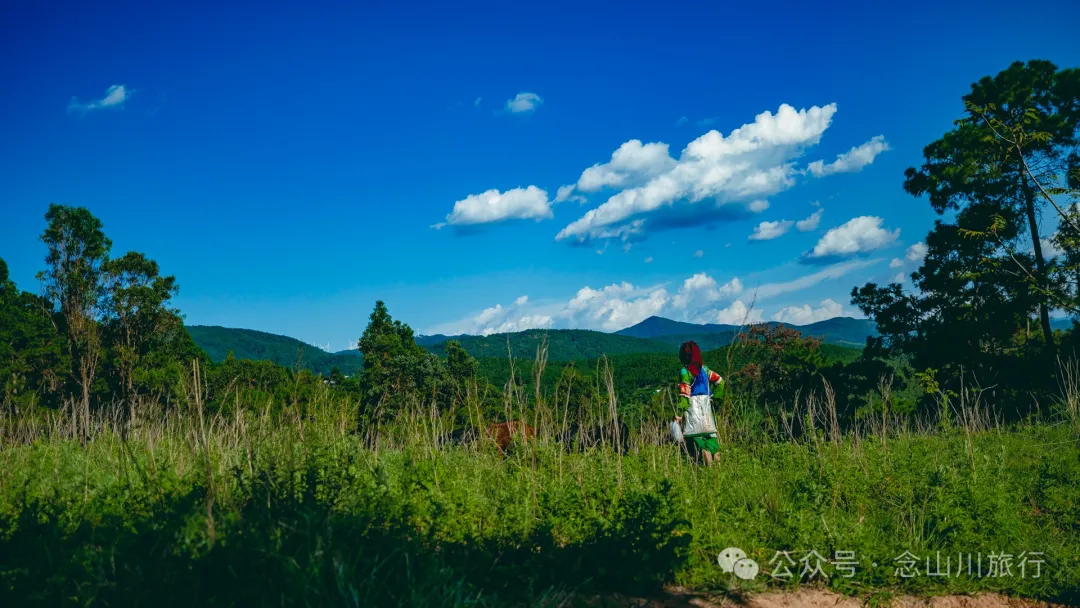
The outskirts of Dasanjia Village are a green ocean. A gentle breeze sends cool air from the rolling jungle to the village. Neighboring villages are several kilometers away, facing each other from afar. Six kilometers west of the village, the Weishan Basin looks like a vast sea of grass, with white buildings like blooming white lotuses, waiting for the setting sun to cast warm golden light.
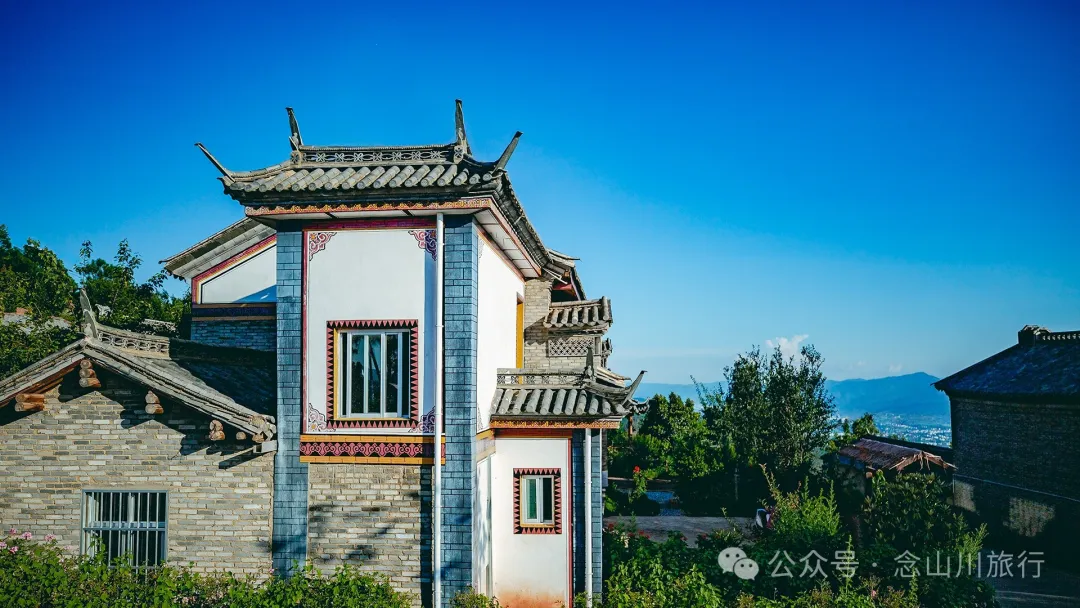
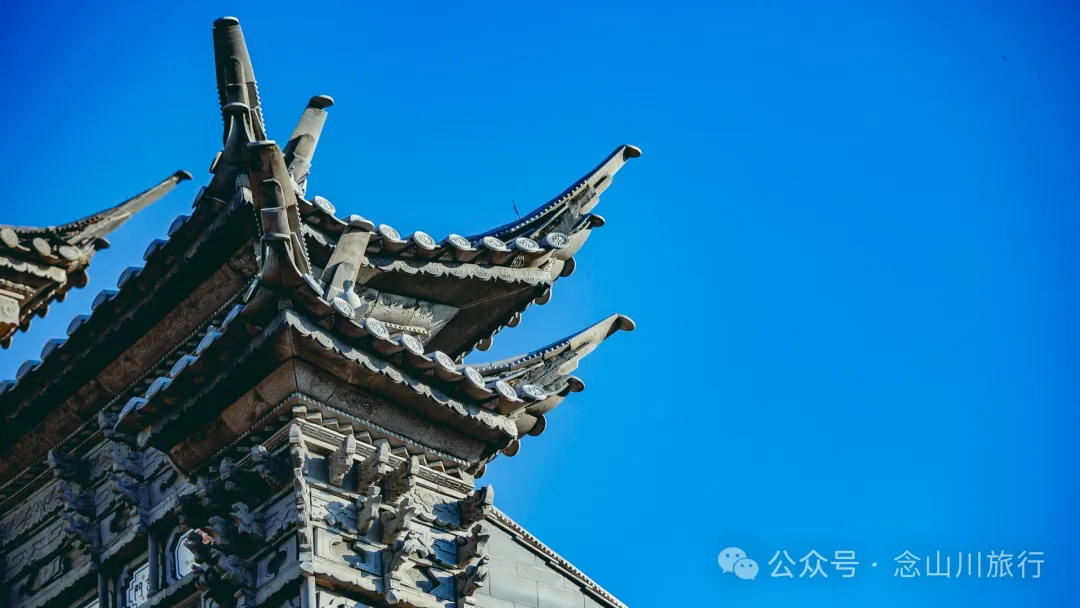
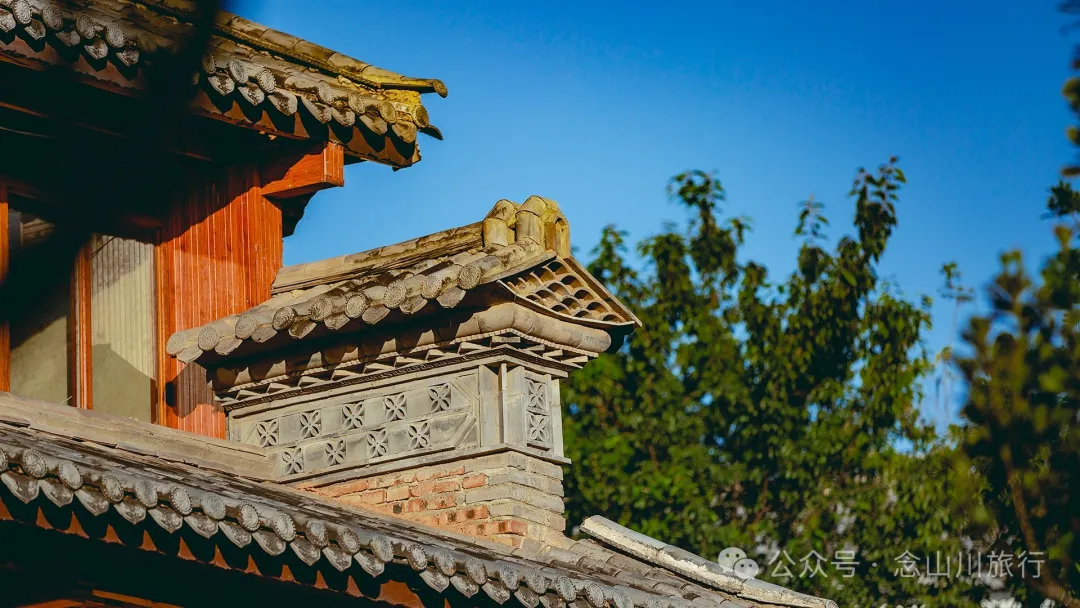
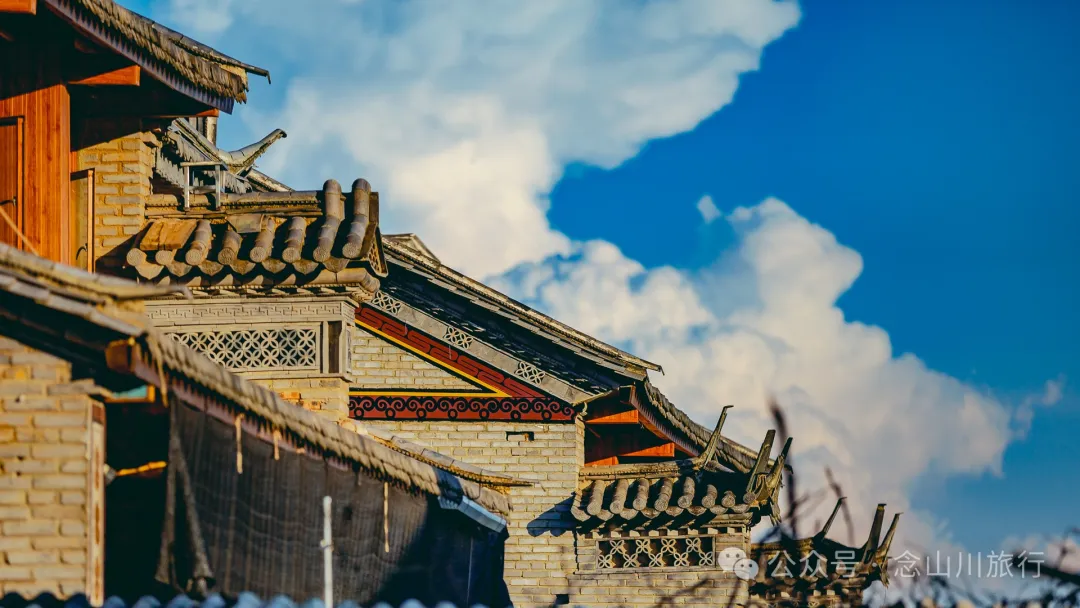
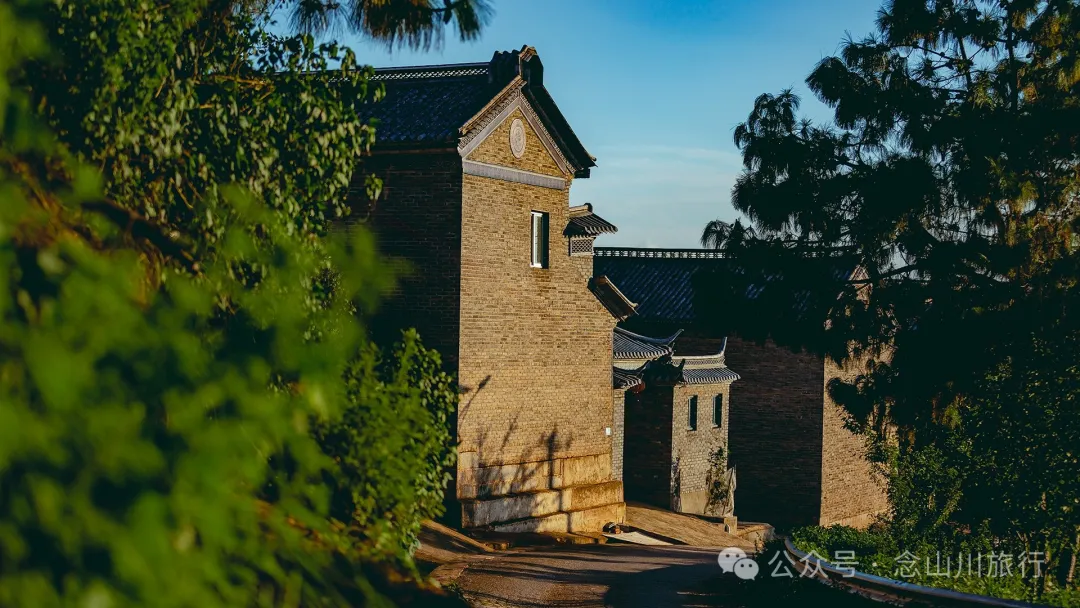
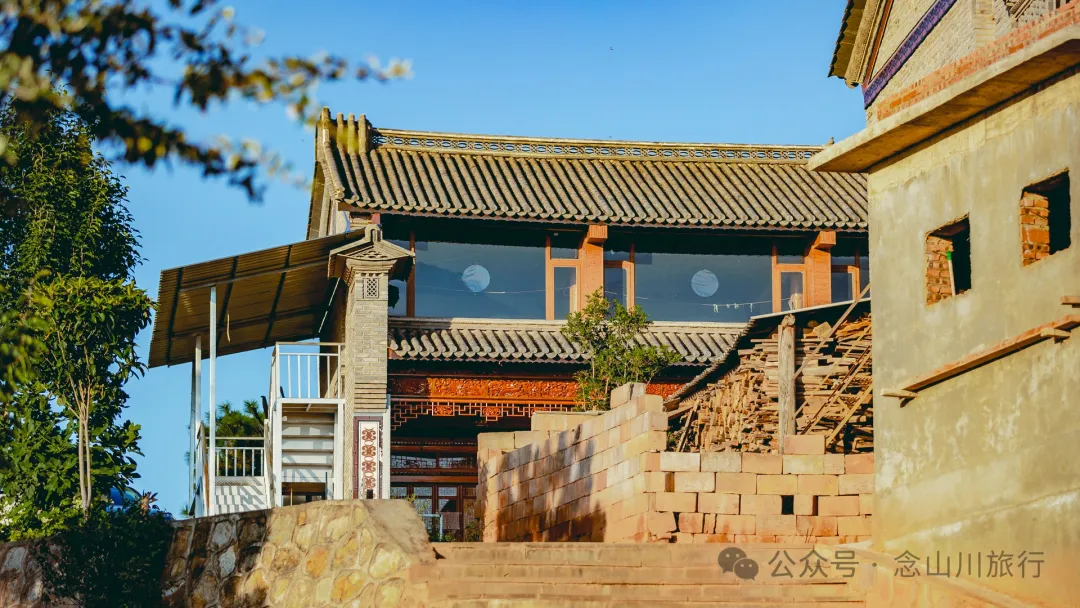
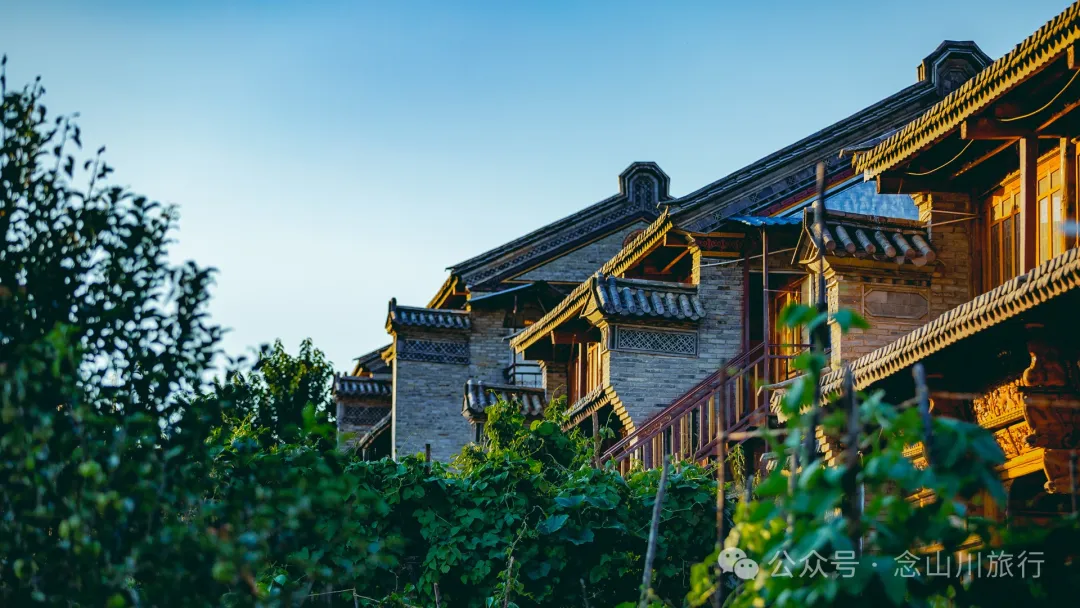
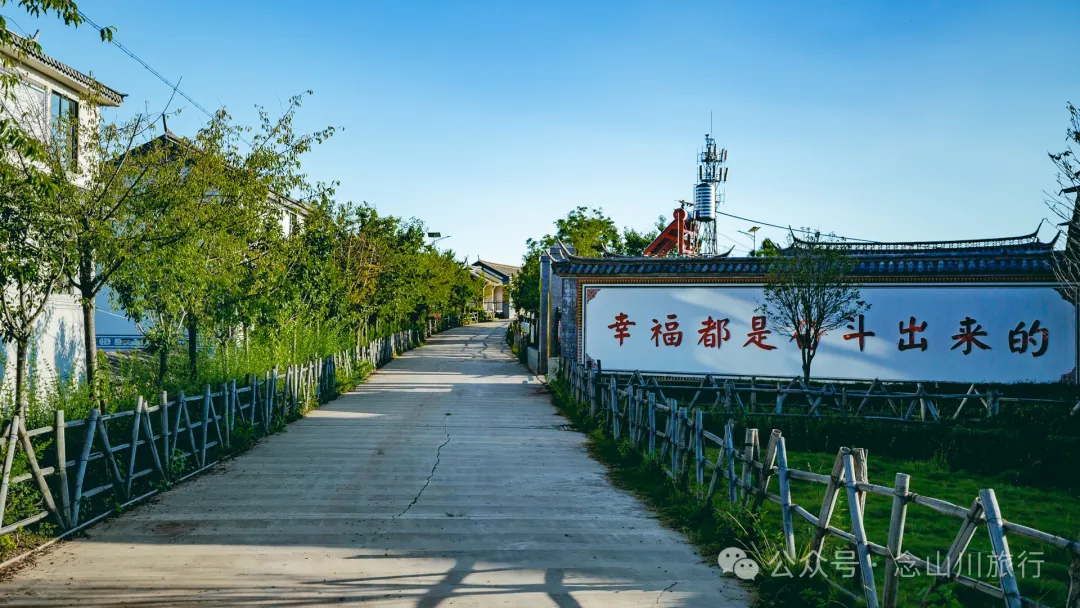
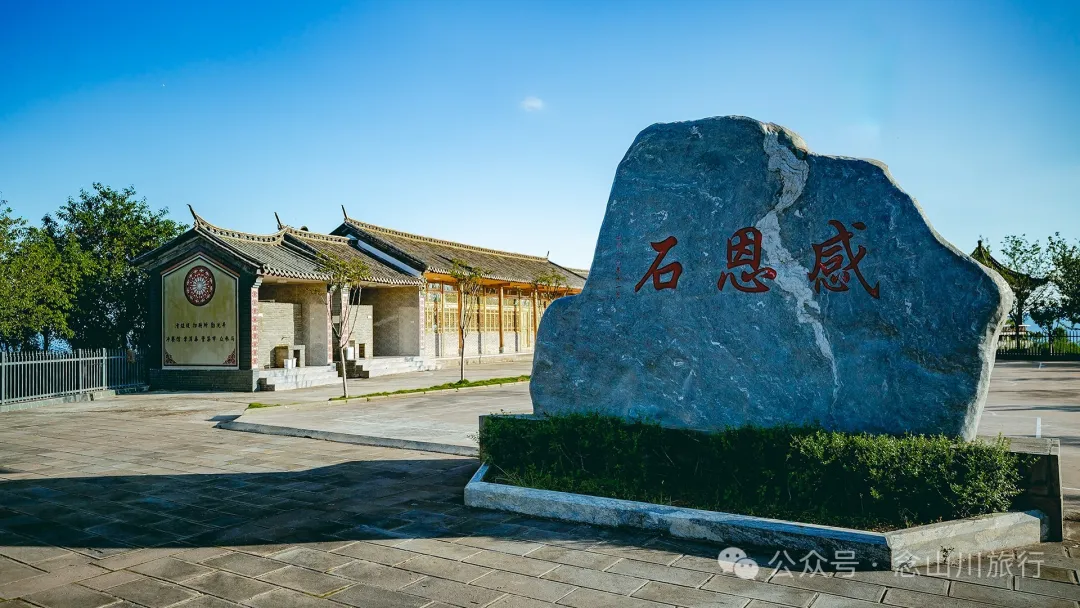
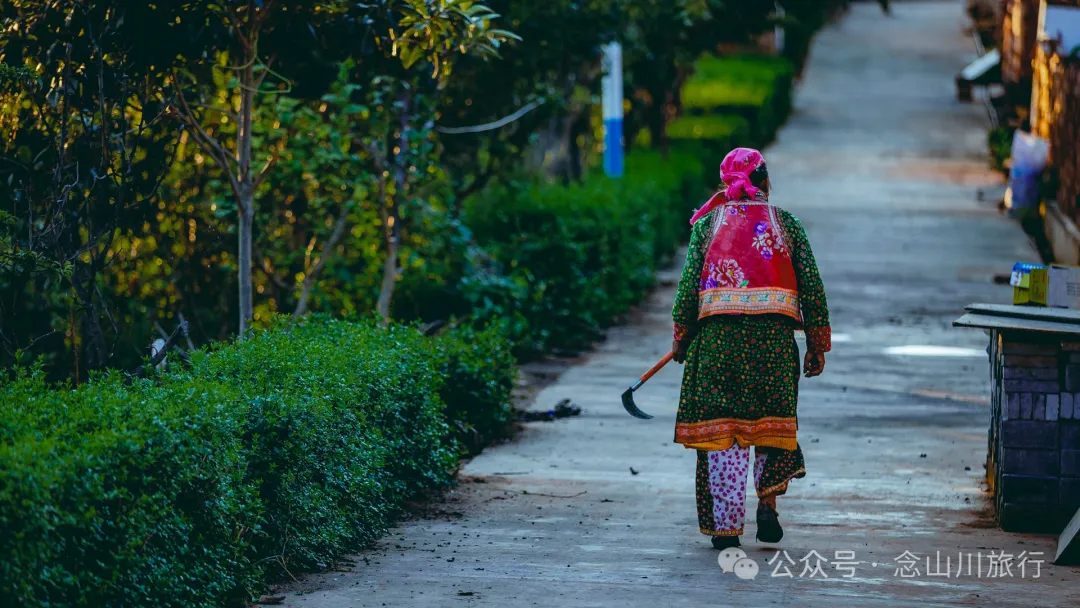
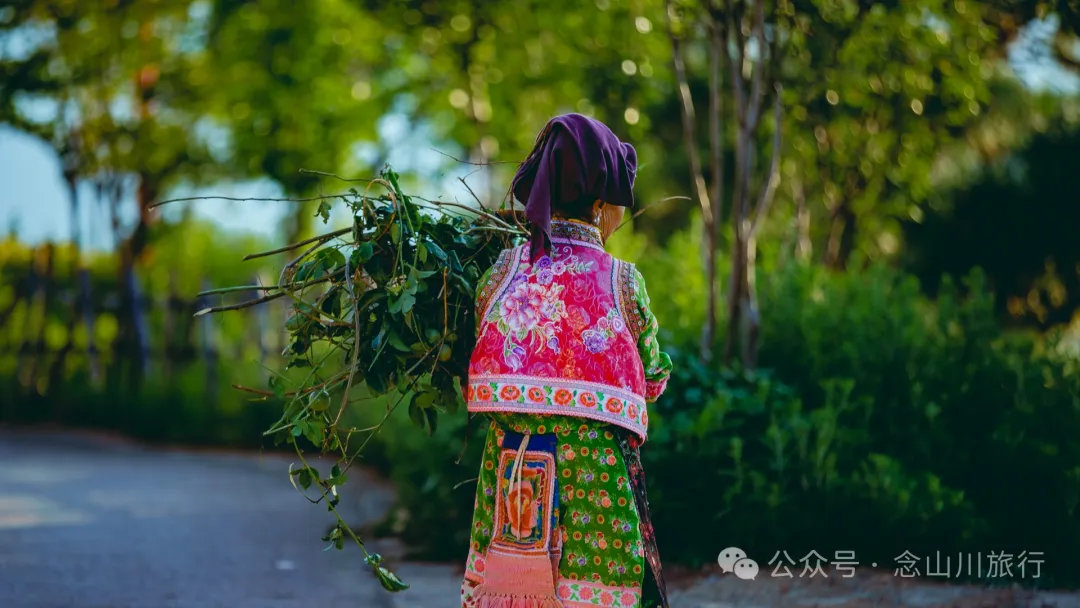
According to villagers in the new Dasanjia Village, they have lived here for six or seven years. Like other rural areas, most young people work outside, leaving only the elderly and children. The remaining villagers are all engaged in farming, closely connected to nature. Though hard, they find joy in it. Now, with the new home, living conditions have improved, and going down the mountain is much more convenient. The Yi houses are gradually bathed in the warm hues of the sunset. The hospitable villagers speak simply and sincerely. If one could settle here and be their neighbor, wouldn't that be a delight?
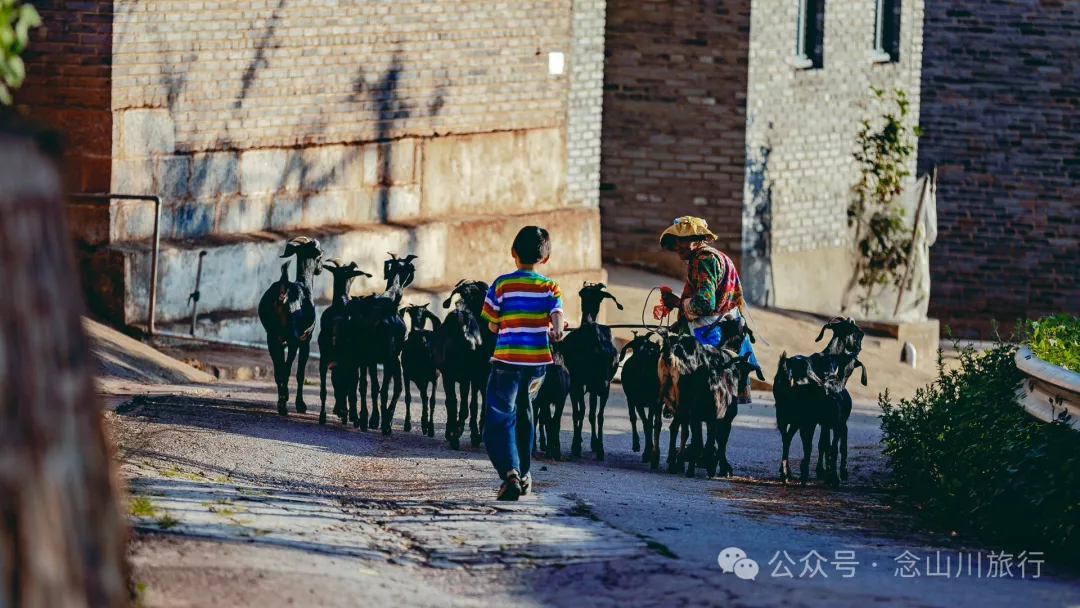
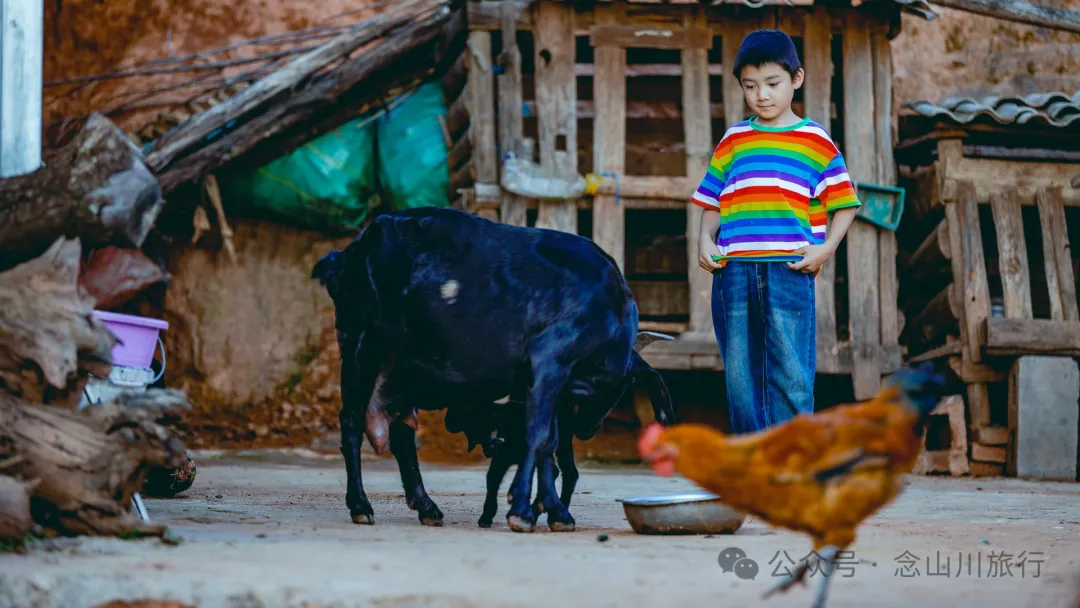
At the door of a house, we saw two lambs born that morning. The little boy wanted to touch them, but the mother goat seemed unwilling, and the lambs timidly hid under her, not daring to go far.
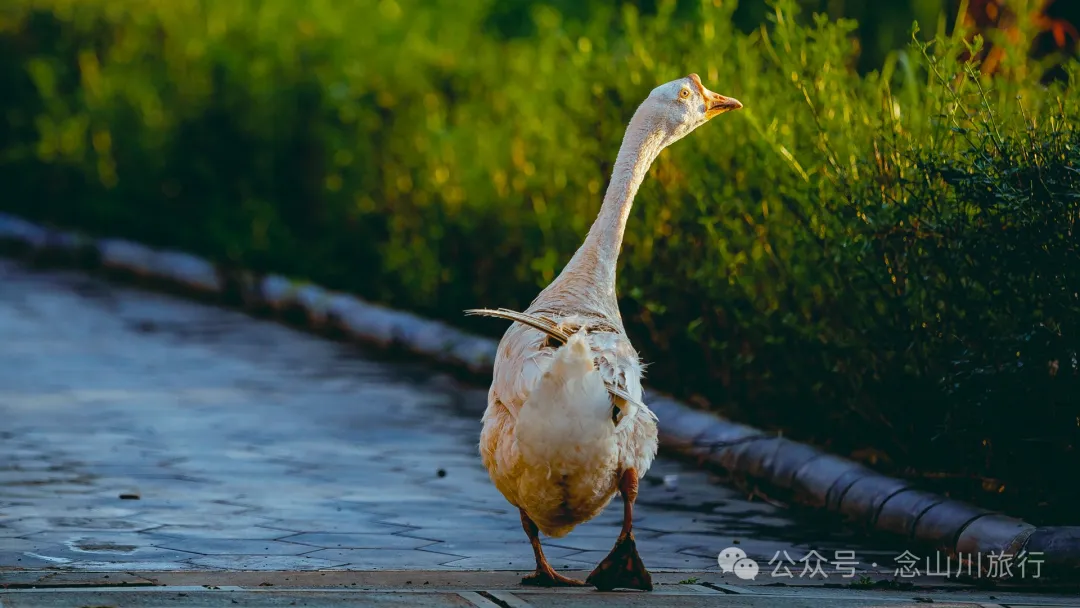
A self-important white goose strolled in the sunset, watching the fading sun. What might it be thinking?
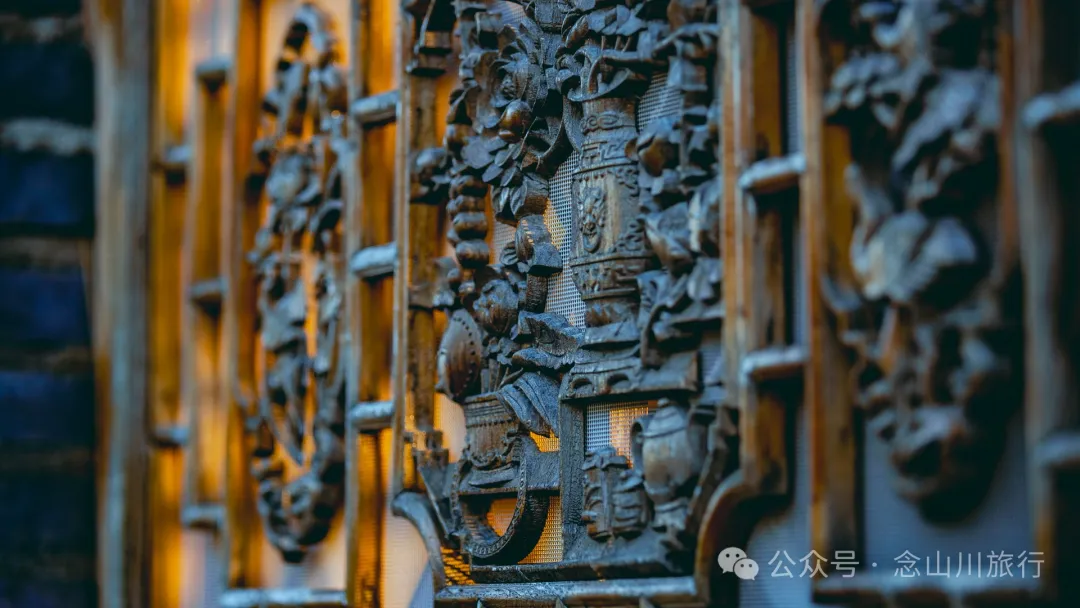
The sunset falls on the carved wooden window, the golden afterglow like a dim lamp shining before the window. Could it be that a faraway wanderer suddenly feels a touch of nostalgia at this moment, finding a brief solace while striving in life?