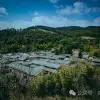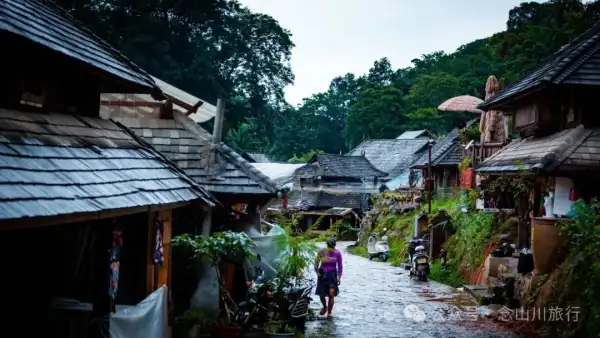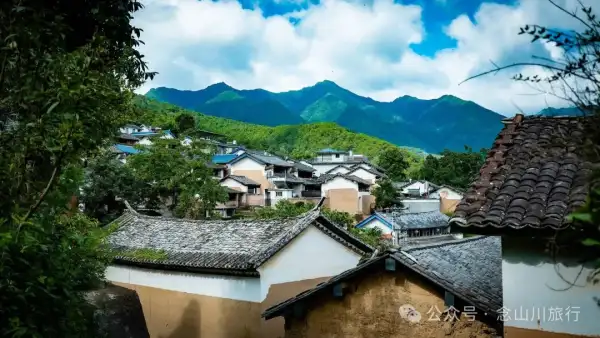

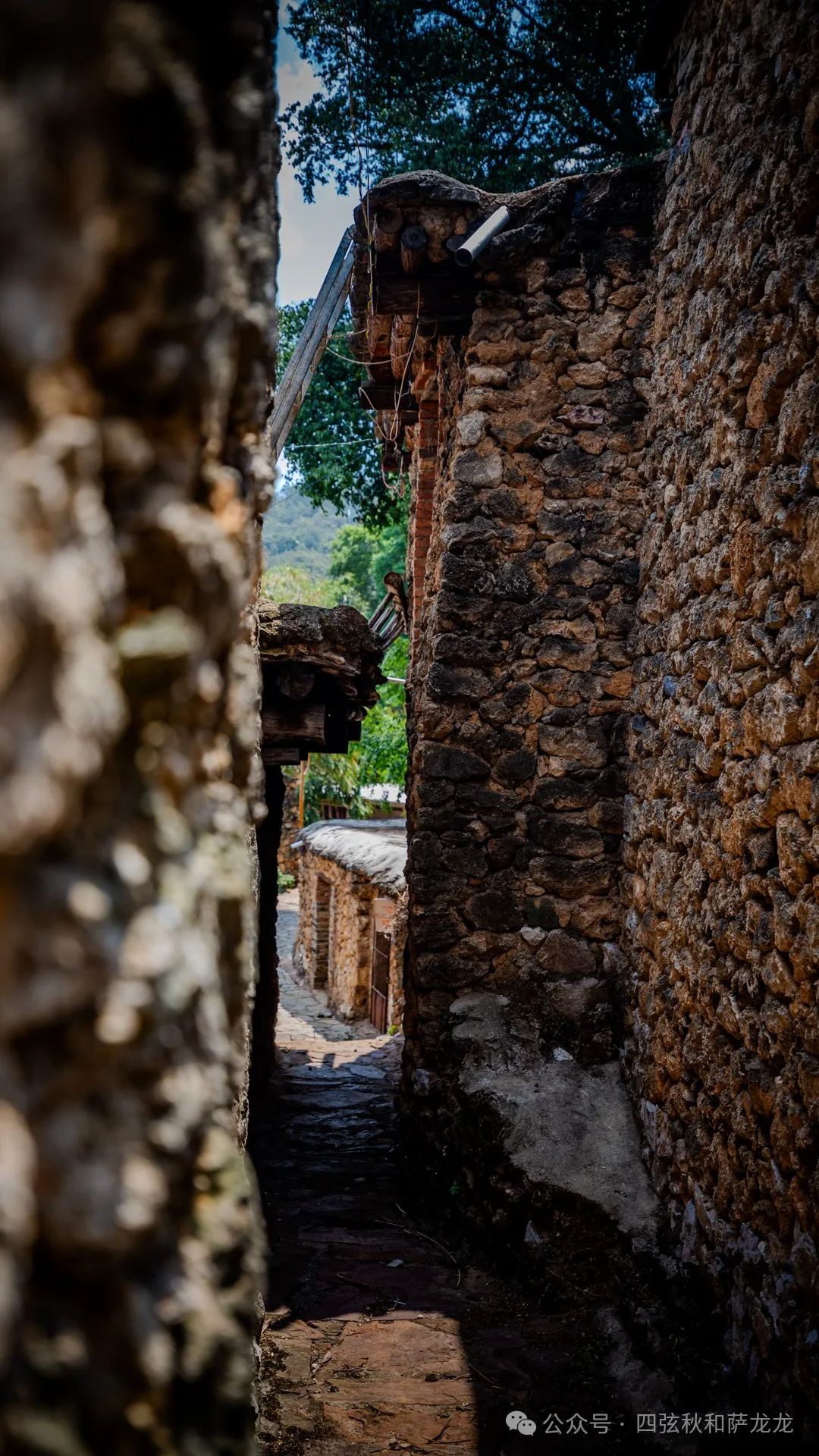
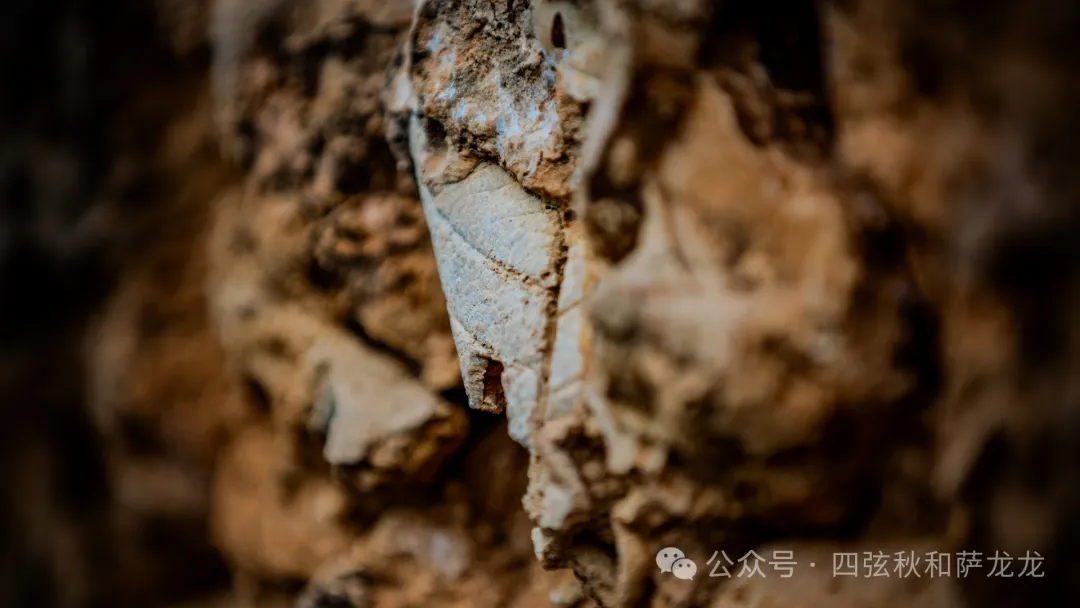
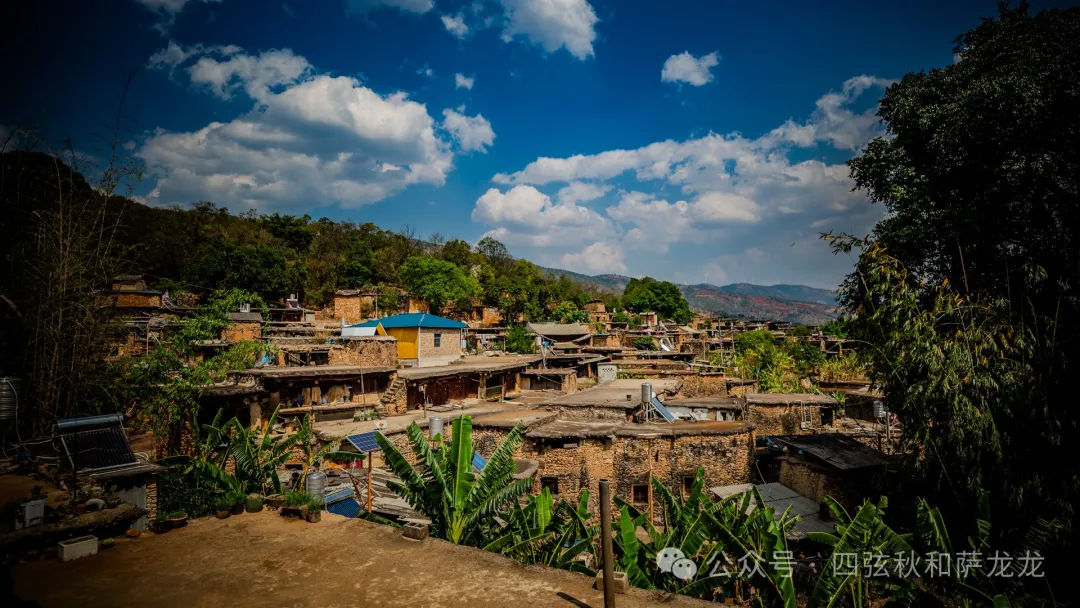
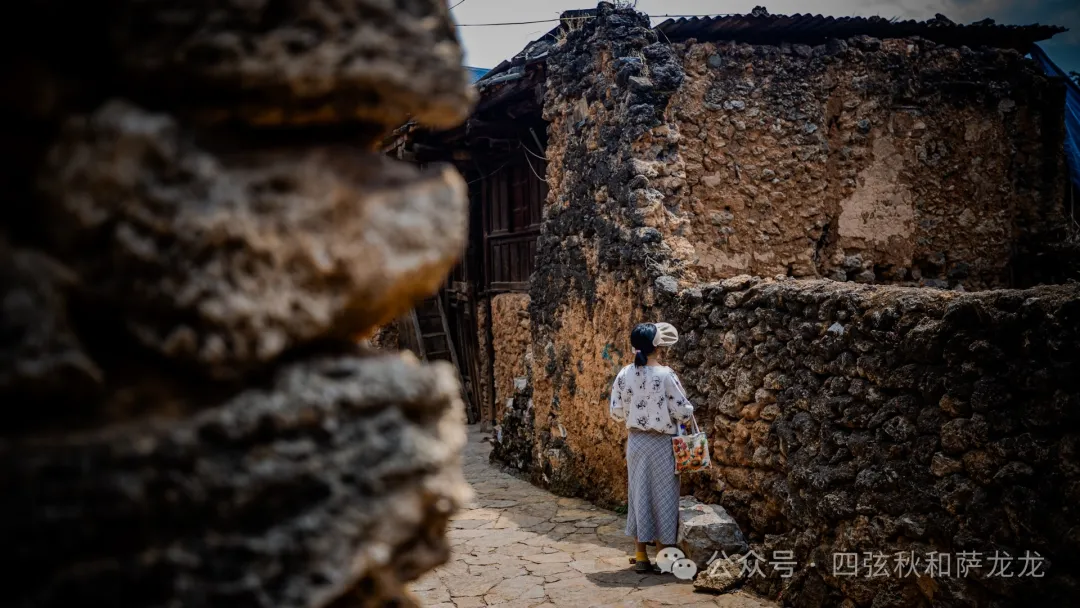
Hidden deep in the mountains 44 kilometers southwest of Shiping County, Honghe Prefecture, lies an ancient village about 400 years old, named Laoxudian Village. It shares many similarities with other Han Chinese villages that migrated to the southwest: remote, clan-based, inclusive, orderly yet not chaotic. But it also has its own distinct uniqueness: the stone used to build the village was quarried from a huge cliff not far away, and these stones are rare fossils elsewhere, dating back about 375 million years. Walking into Laoxudian Village feels like entering an open fossil site. The village, arranged in a line from east to west, clings to the mountain, layered and well-proportioned. The Yi-style earth-roofed houses blend with the ancient yet clear fossil textures, giving a sense of solid solemnity. The aroma of wine and cooking smoke wafting from narrow doors and low windows adds a feeling of stepping into a prehistoric civilization.
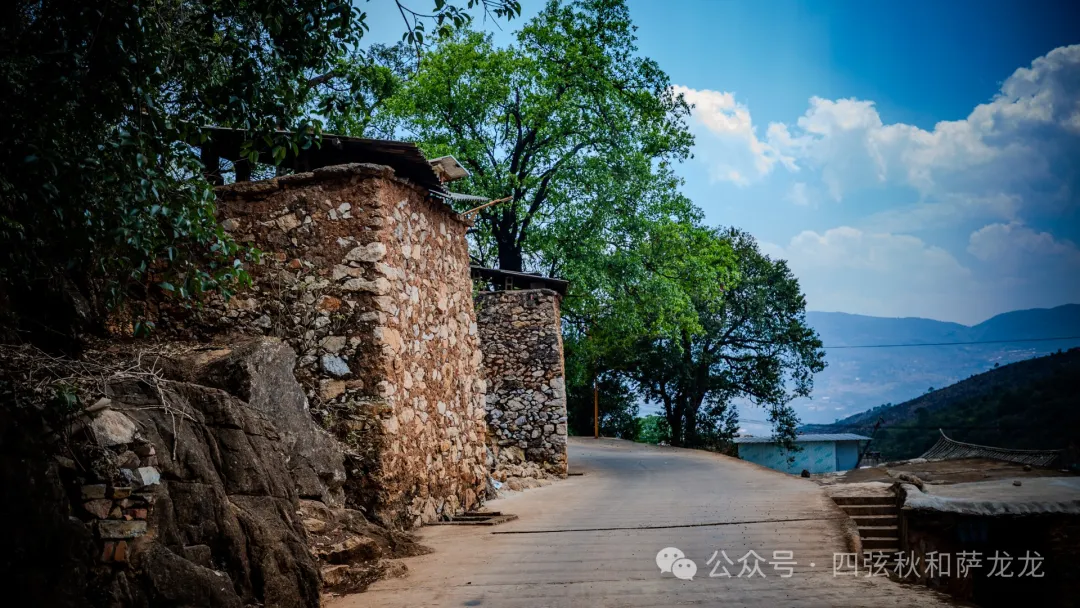
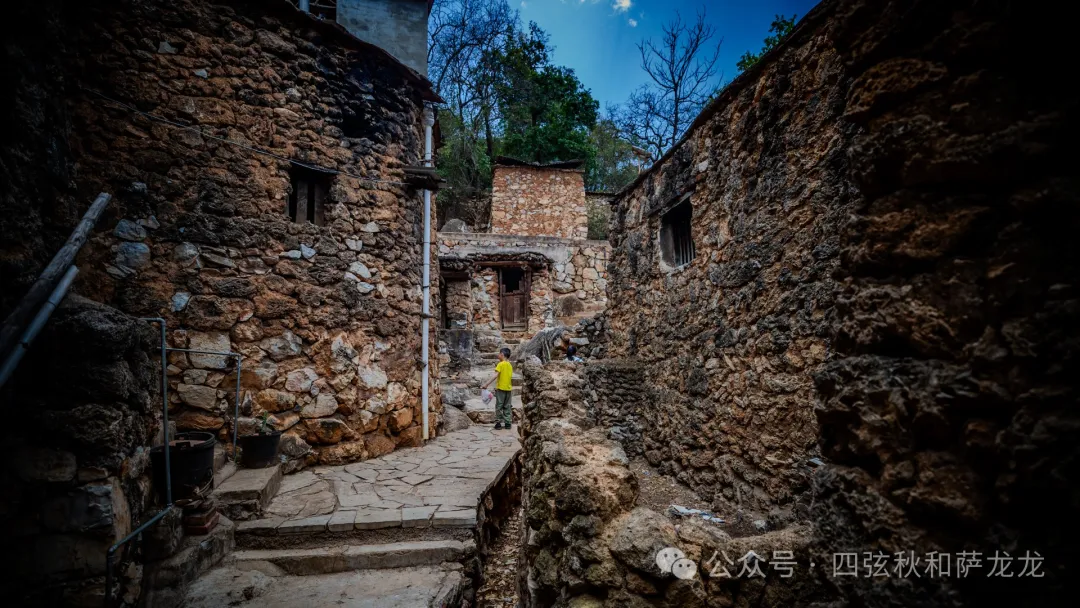
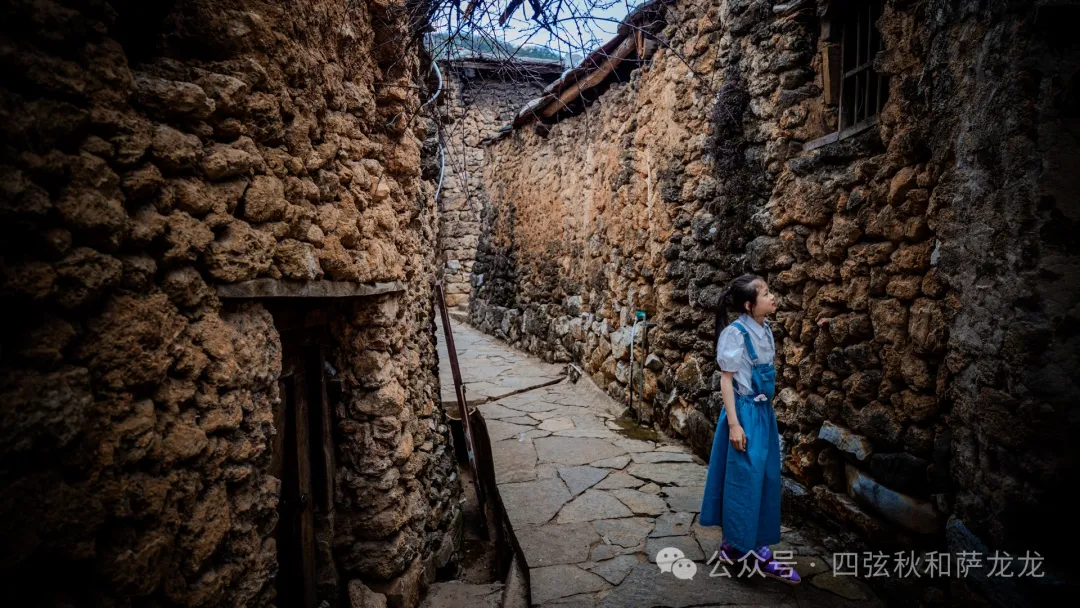
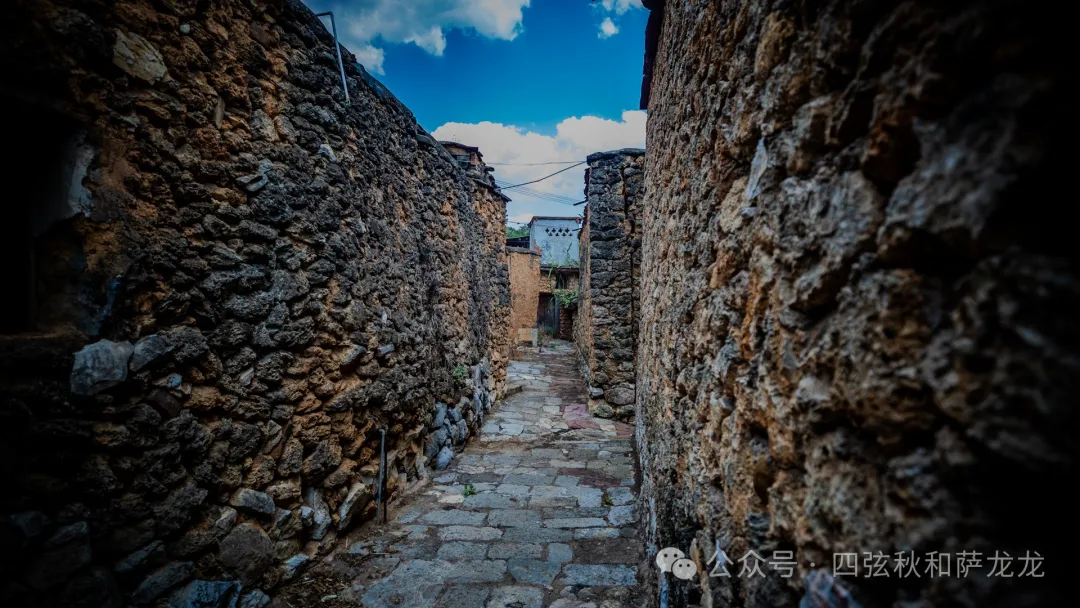
We arrived at Laoxudian Village on an afternoon in late spring. Located in the south, even in late spring, the village was enveloped in a gentle haze. Insects and birds avoided the sharp sunlight, hiding under grass and trees for shade. The villagers were scattered on the surrounding slopes, in the jungles, fields, and by stone walls, quietly engaged in various farming activities. The school bell rang from a distance but quickly dissipated in the haze. The village stood in ancient, profound silence. Even with occasional visitors, the slight noise would soon be absorbed by its generous tolerance.
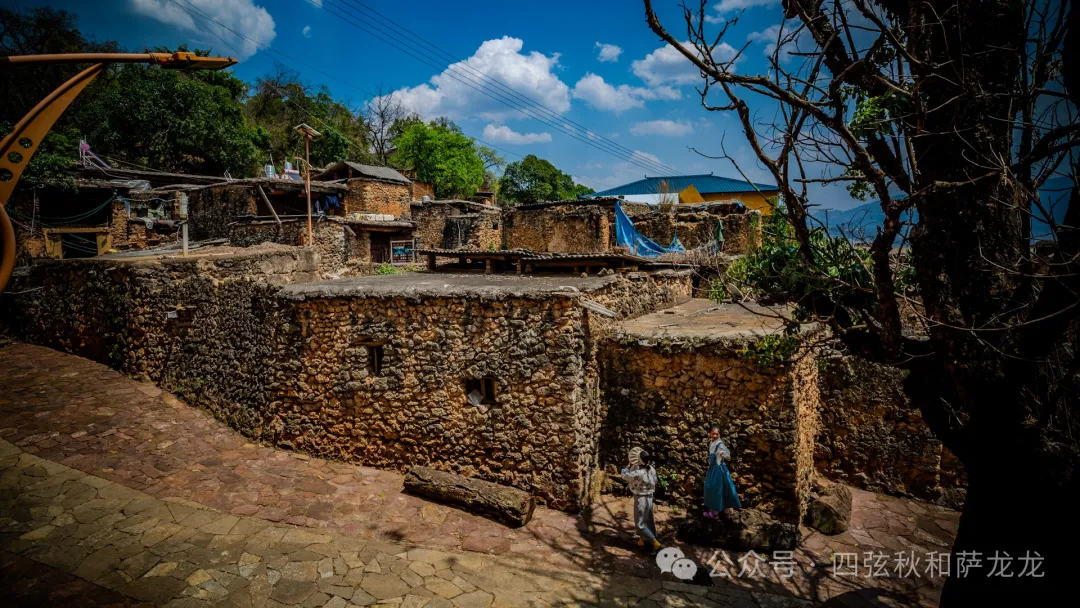
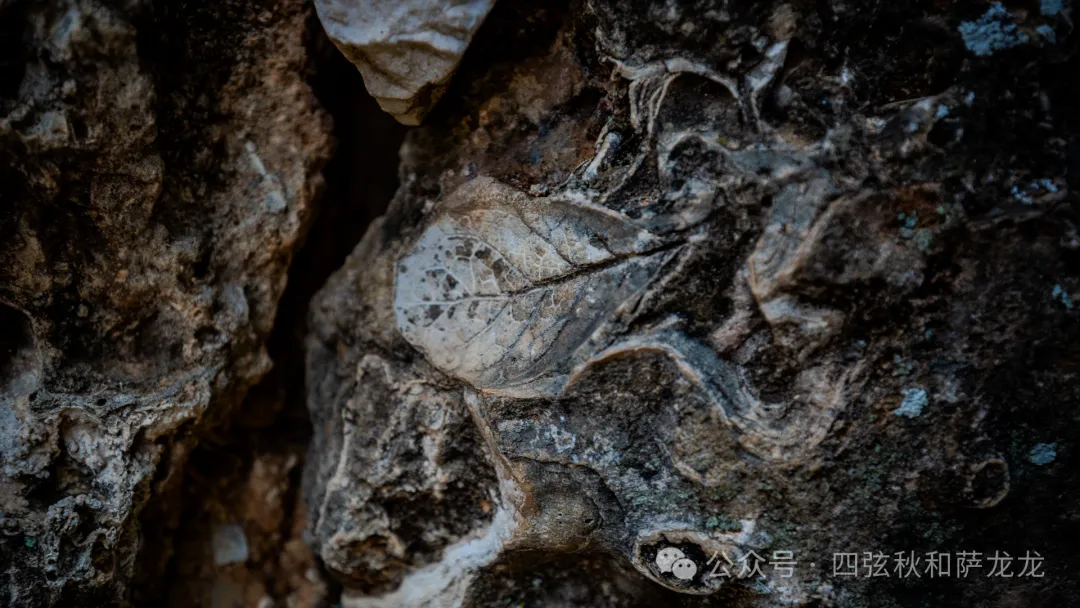
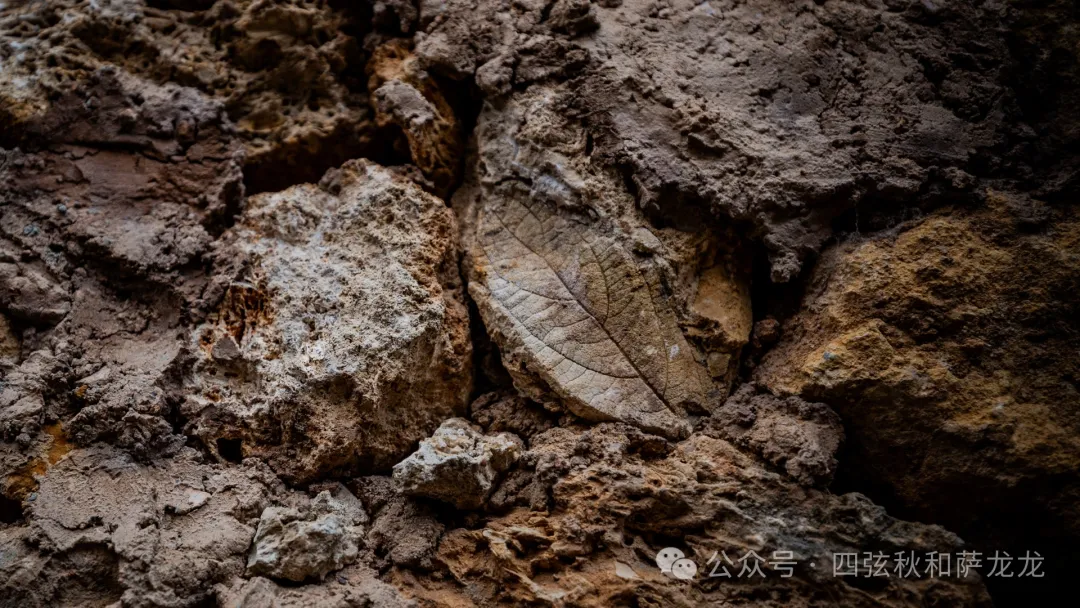
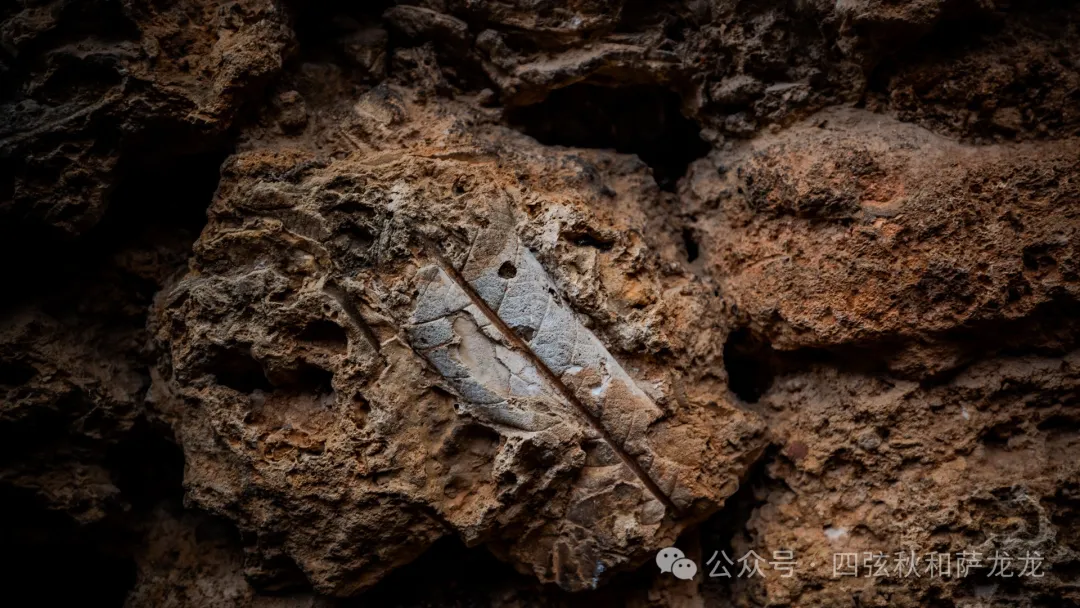
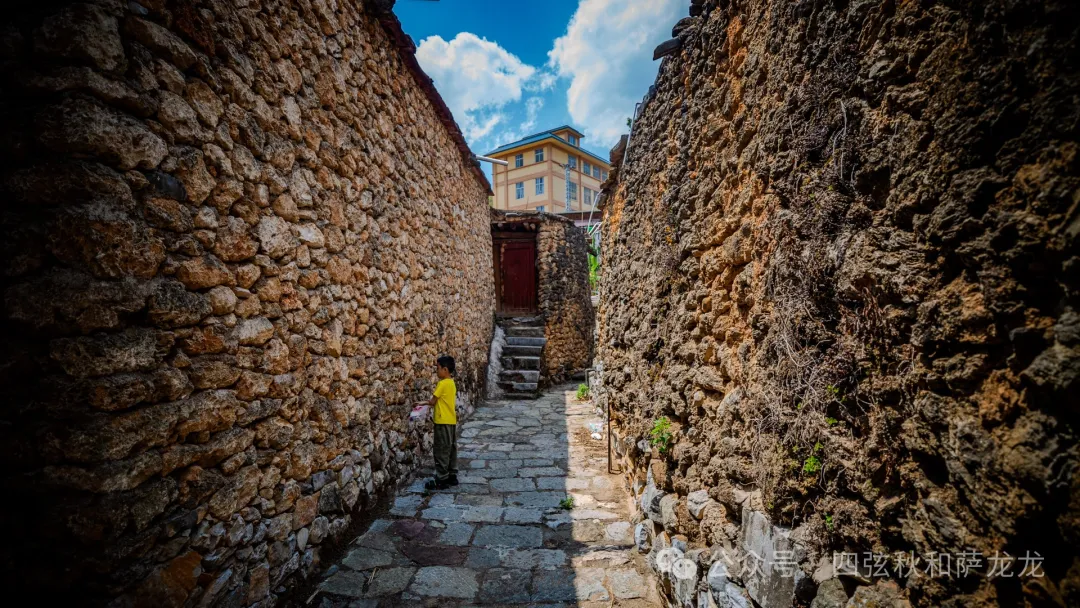
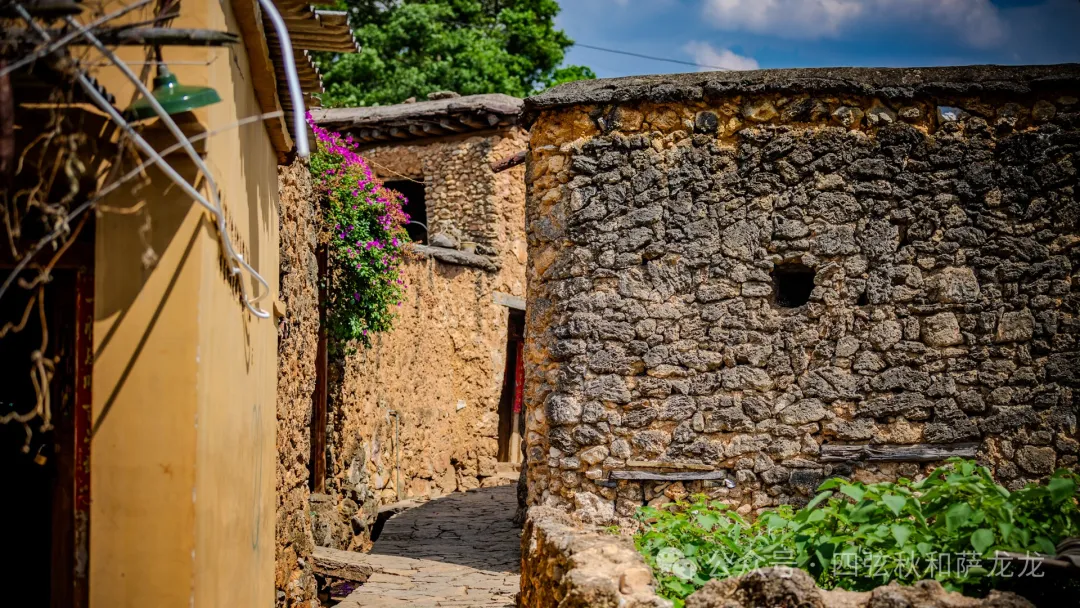
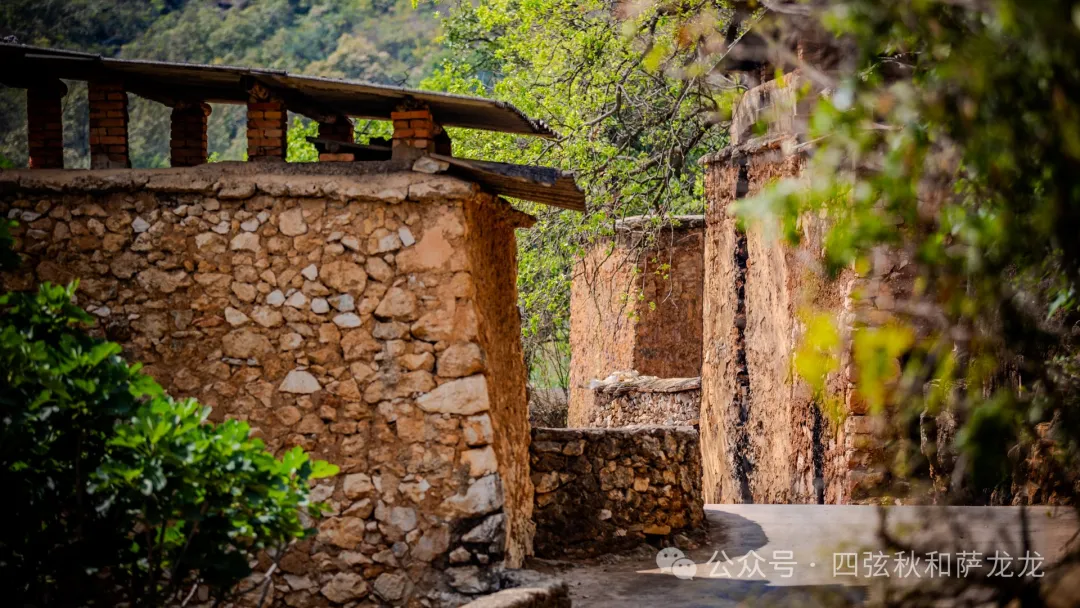
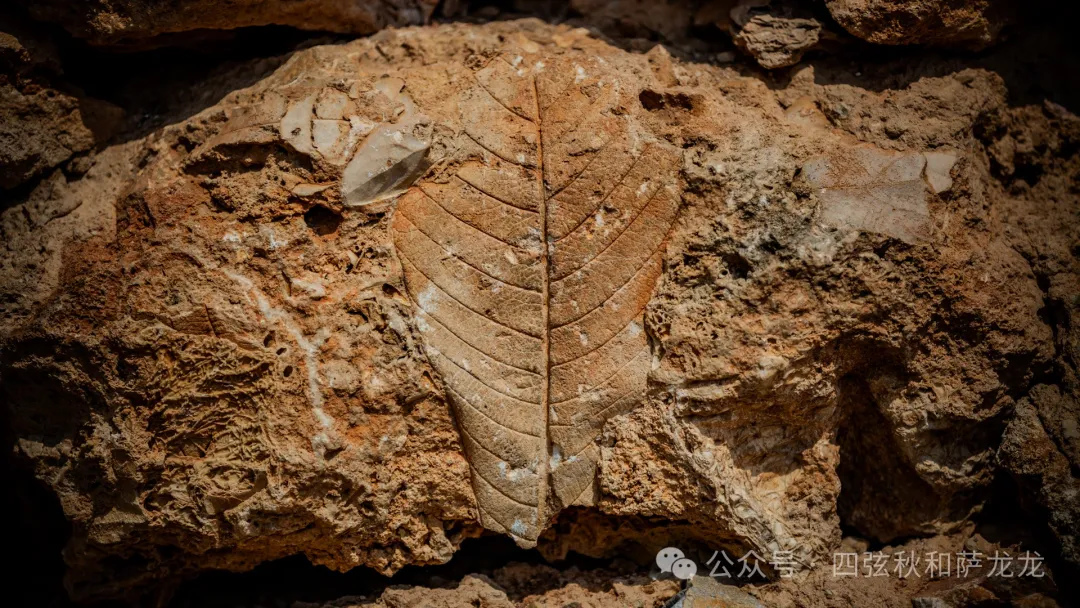
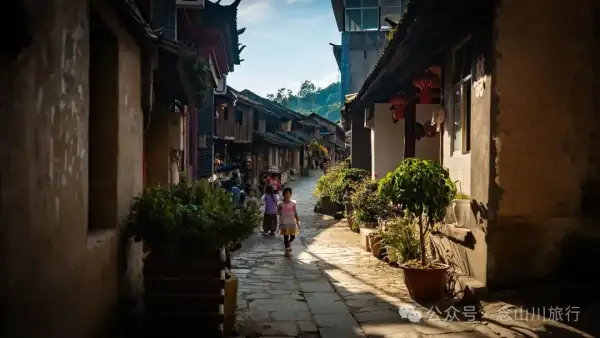
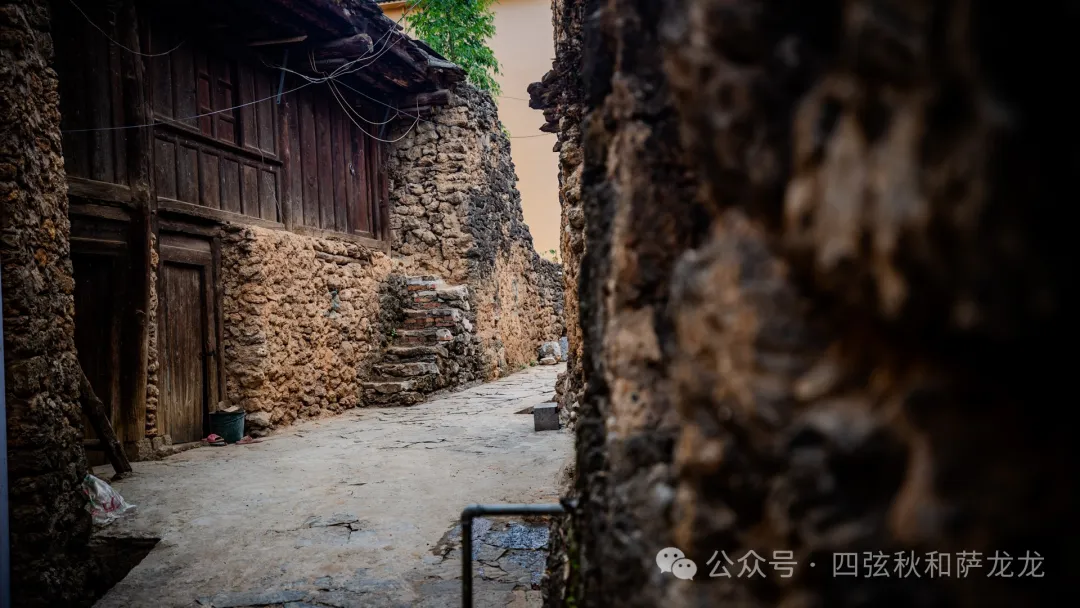
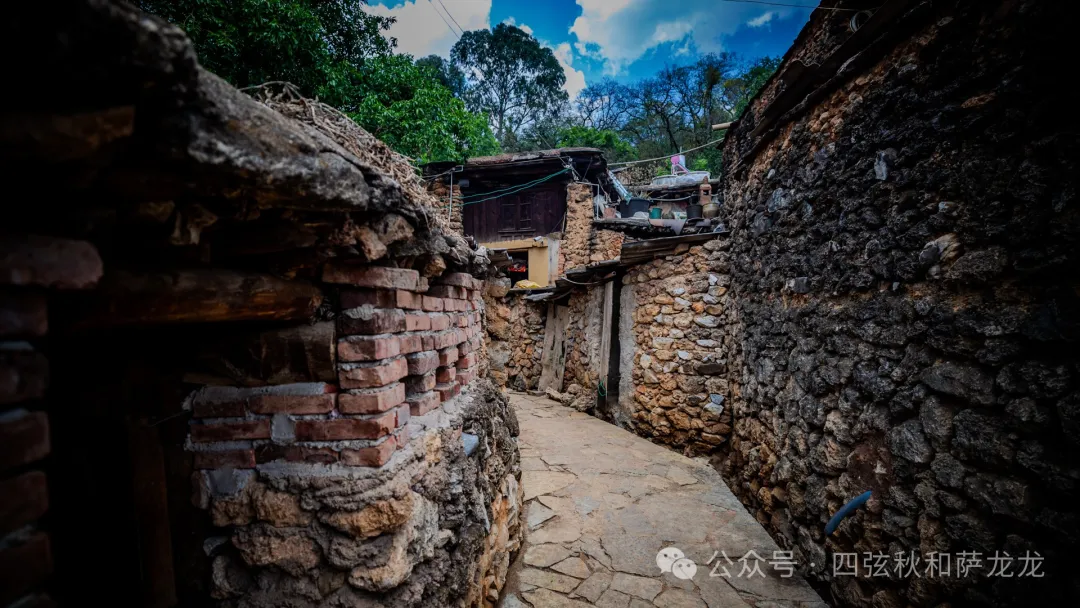
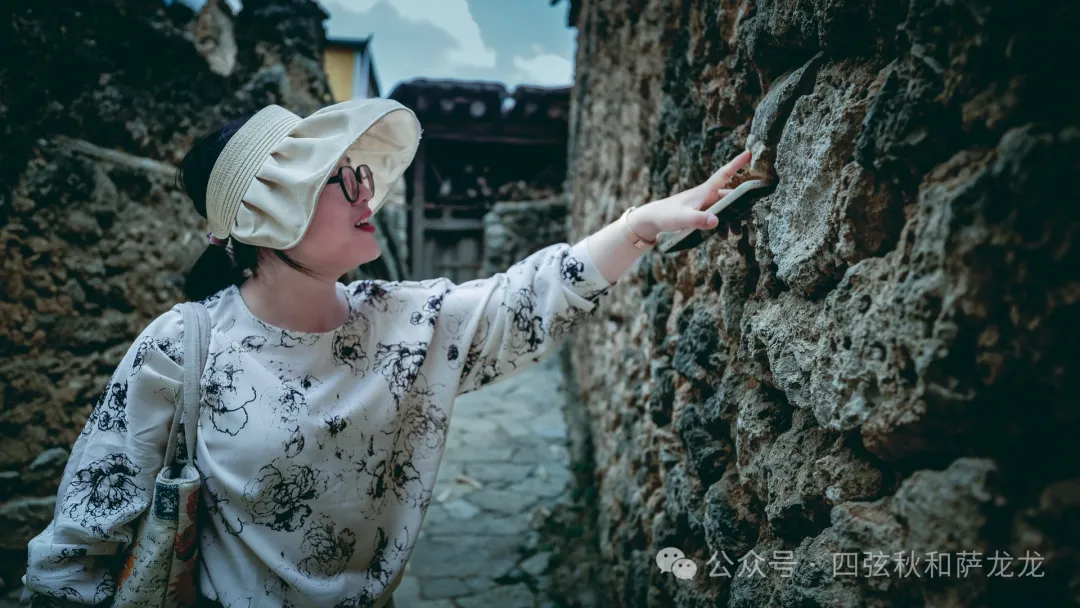
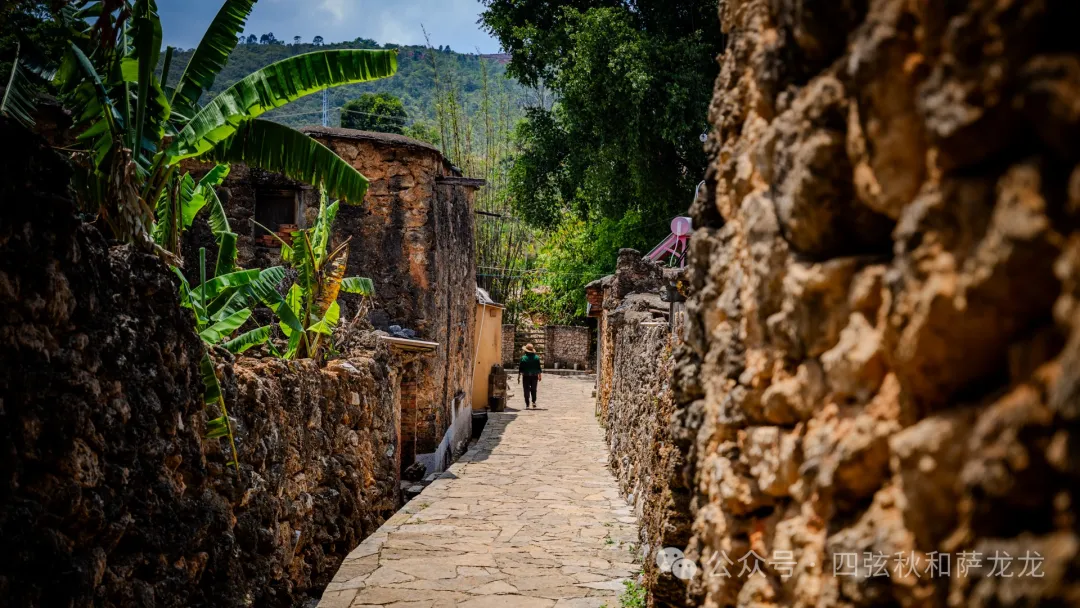
Without any directions, you can freely follow any winding narrow bluestone path deeper into the village. The fossil walls on both sides of the stone path are like exquisite paintings displayed in a museum. You just need to examine, identify, and marvel. The eternal leaf veins, corals, and reed shapes in the fossils will unfold before your eyes, and you will surely be awed by these encounters spanning hundreds of millions of years. Gently touching these uneven fossils, the petrified leaves seem magical, telling the unknown stories of prehistoric times. Perhaps the flat bluestone you step on was once the footprint of a sauropod dinosaur, and the leaf you touch fell inadvertently from its short forelimb, with a ray of afternoon sunlight piercing through the dense jungle, illuminating the leaf, witnessing every fine and soft line of its veins, and you witness it too. What a miraculous journey of witnessing!
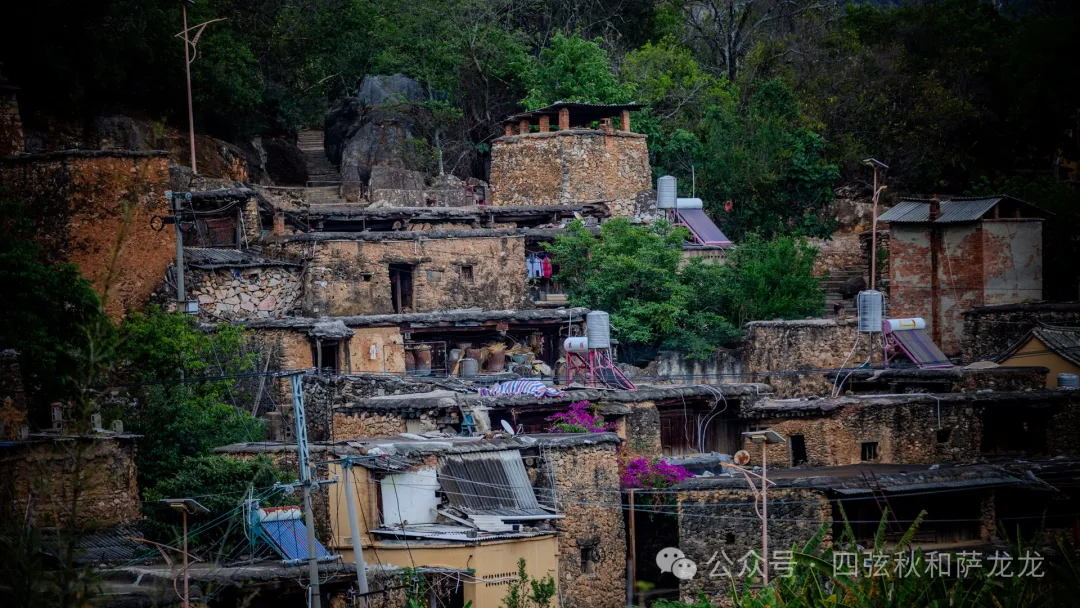
I don't know the true purpose of those people from Yingtianfu who followed General Mu Ying to Yunnan in the early Ming Dynasty and moved their clan to a foreign land thousands of miles away. But I am sure that these Zhou-surnamed Han people must have possessed extraordinary tenacity and courage to transport these ancient fossils trip after trip to build their new home. They must have lived happily and worked joyfully in this new home, friendly and inclusive, yet never forgetting their roots. So even after more than 400 years, the villagers still speak their native dialect and eat their hometown flavors. Elsewhere, I have seen Han people living among the Yi, but few of them still do this.
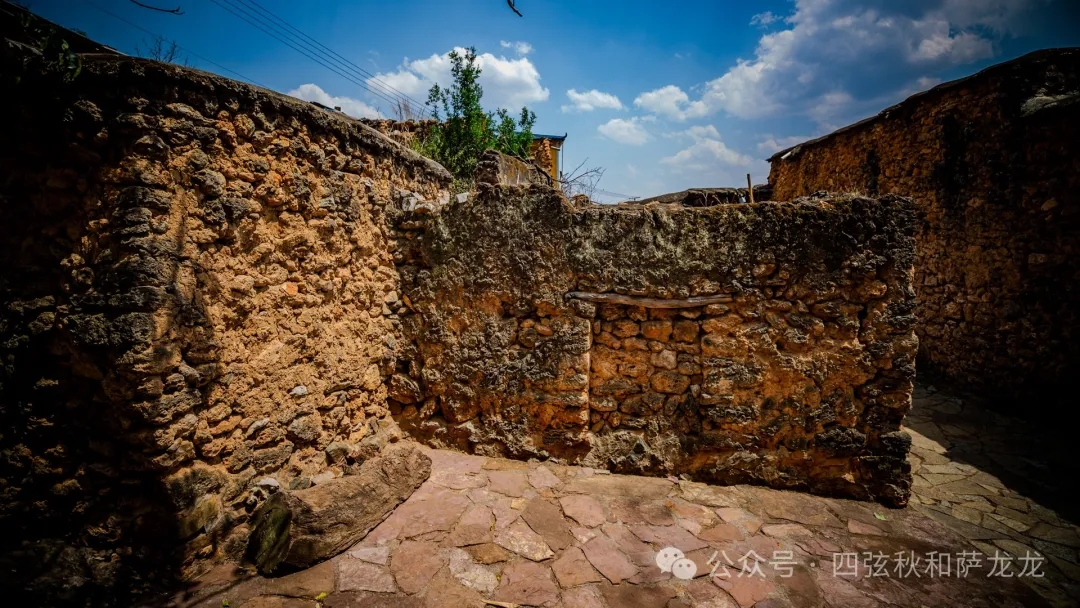
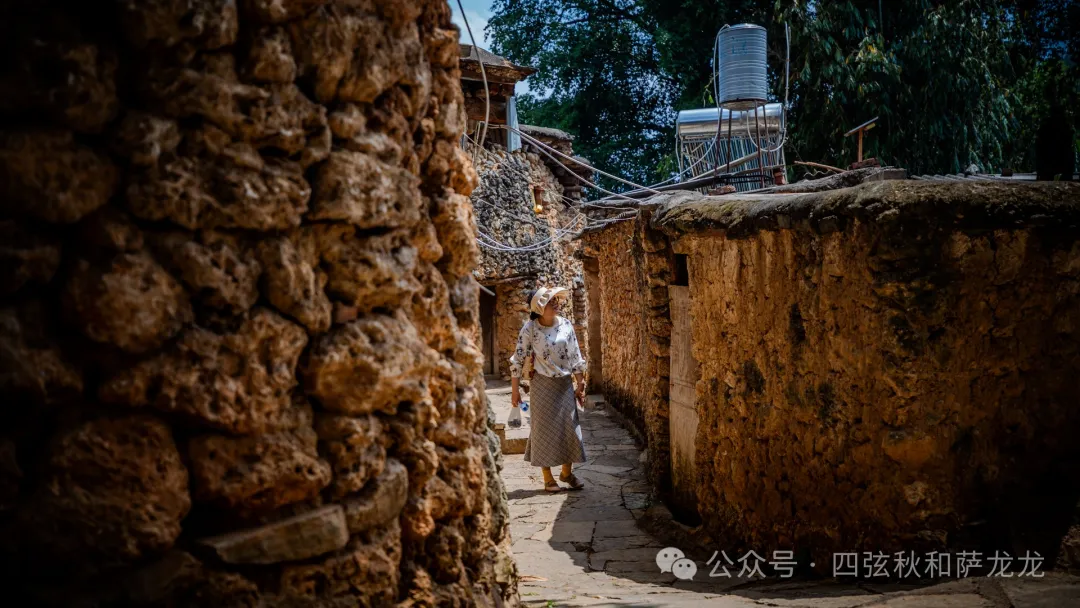
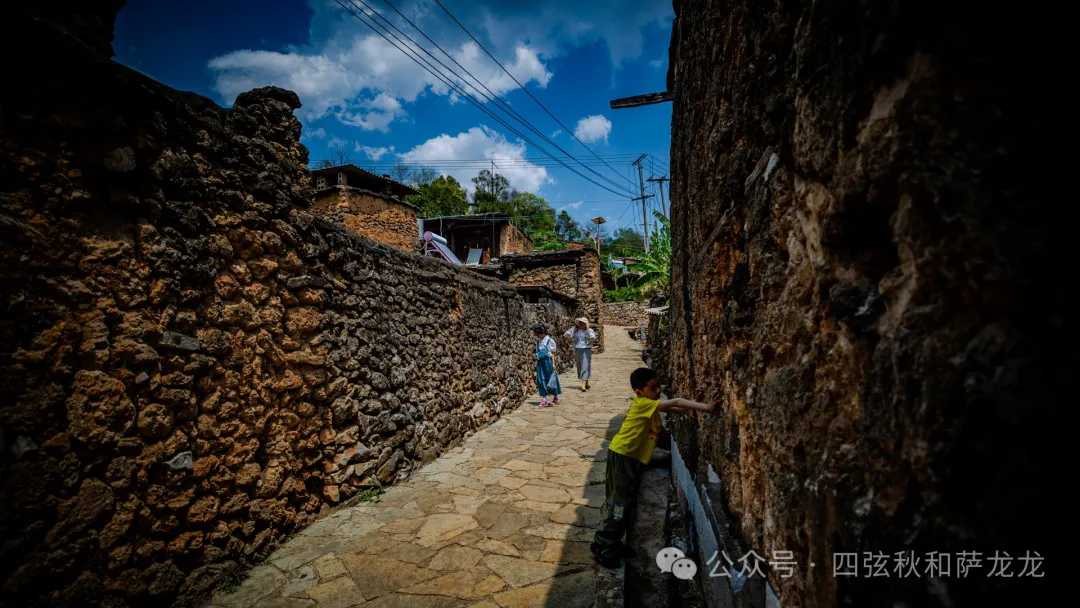
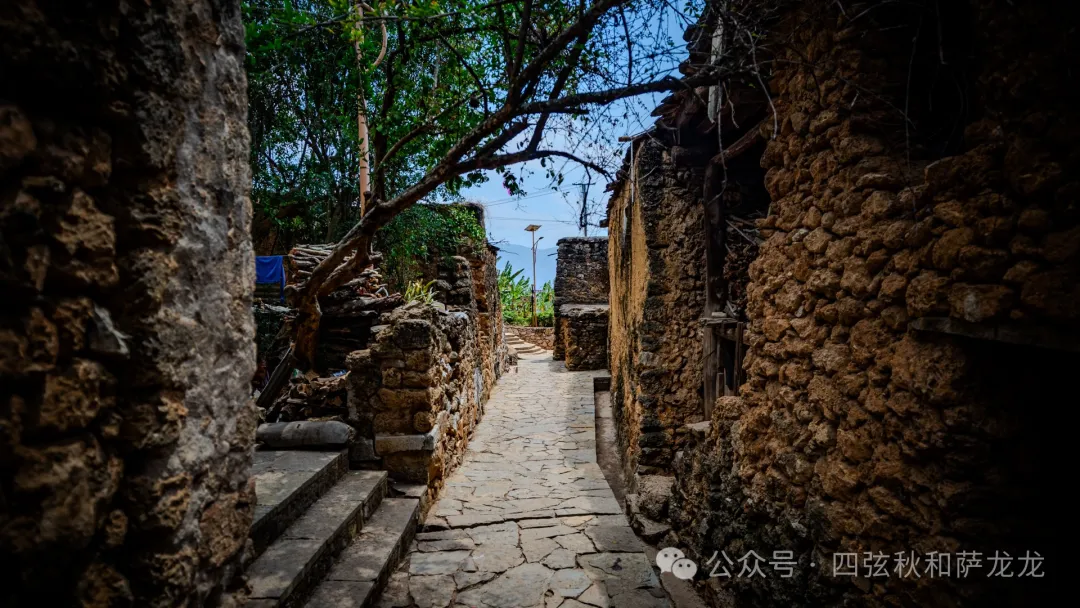
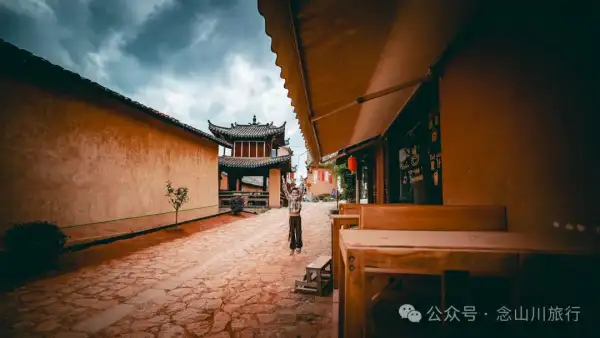
We planned to stay in Laoxudian Village for two hours, but once we started our fossil-hunting journey, we found time was far from enough. The children, like treasure hunters, identified animal and plant patterns on every stone wall, each discovery making them exclaim in wonder. When we were looking for leaf fossils opposite an open wooden door, an elderly woman came out, washing scallions. She walked over and precisely pointed out a complete leaf on a stone. The children cheered, which further sparked their interest in exploration. Time slipped away, dissipating, clinging to these magical stones. We climbed onto the roof of a small shop in the north of the village, where we could see the entire village. The sun at three or four o'clock was still scorching, and the blue sky and white clouds above shifted rapidly under strong winds. But the village remained shrouded in silence, just as when we first arrived.
"Suddenly encountering a peach blossom forest, stretching for hundreds of steps along the banks, with no other trees, fragrant grass, and falling blossoms." As we left the village and returned to Shiping County, I thought of these lines from "The Peach Blossom Spring." Laoxudian Village is like the peach blossom spring described by Tao Yuanming, but instead of peach blossoms, the banks are lined with dreamy jacaranda trees. The mountain road is flanked by tens of kilometers of jacaranda trees, like signposts guiding outsiders to Laoxudian Village. The ancient village, accompanied by the newly grown jacaranda trees, faces the setting sun, igniting a brilliant sunset glow.