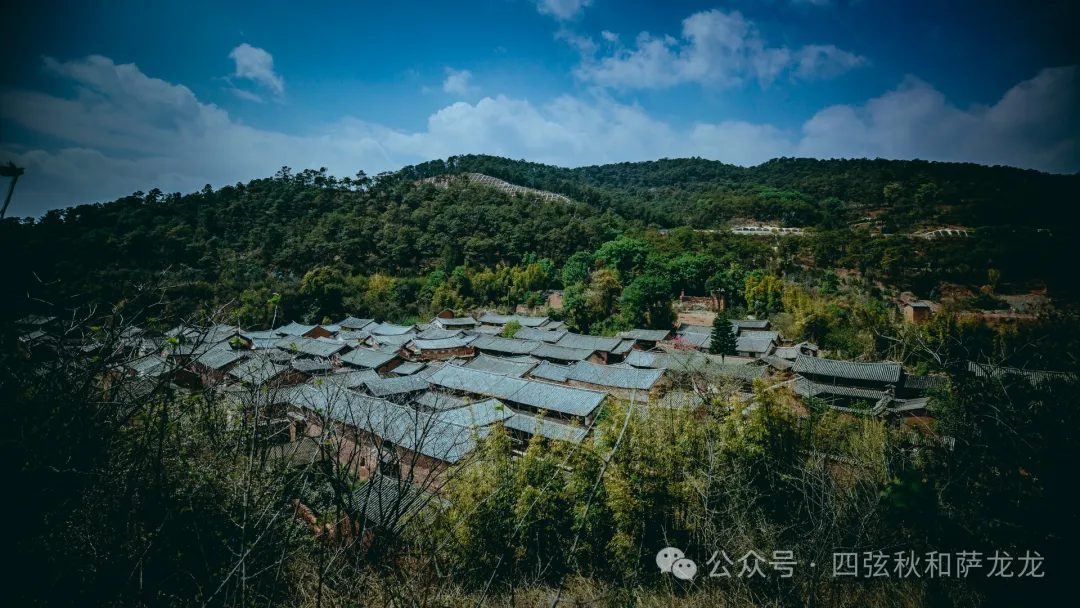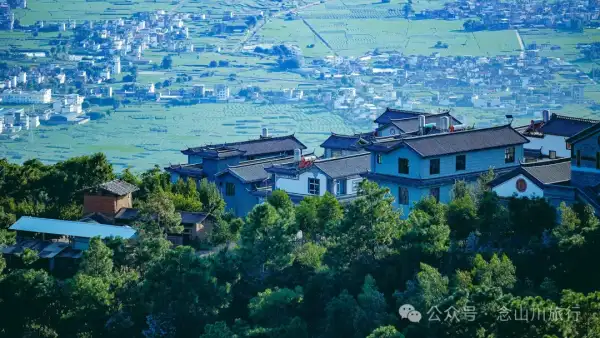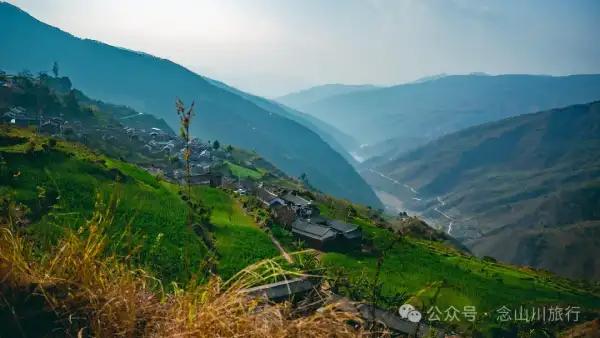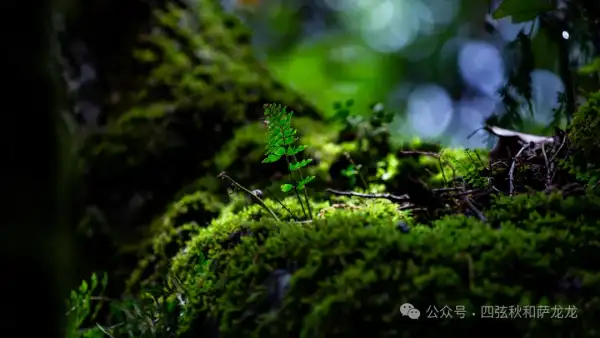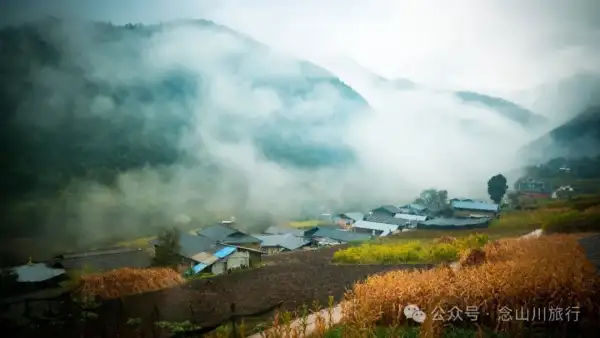

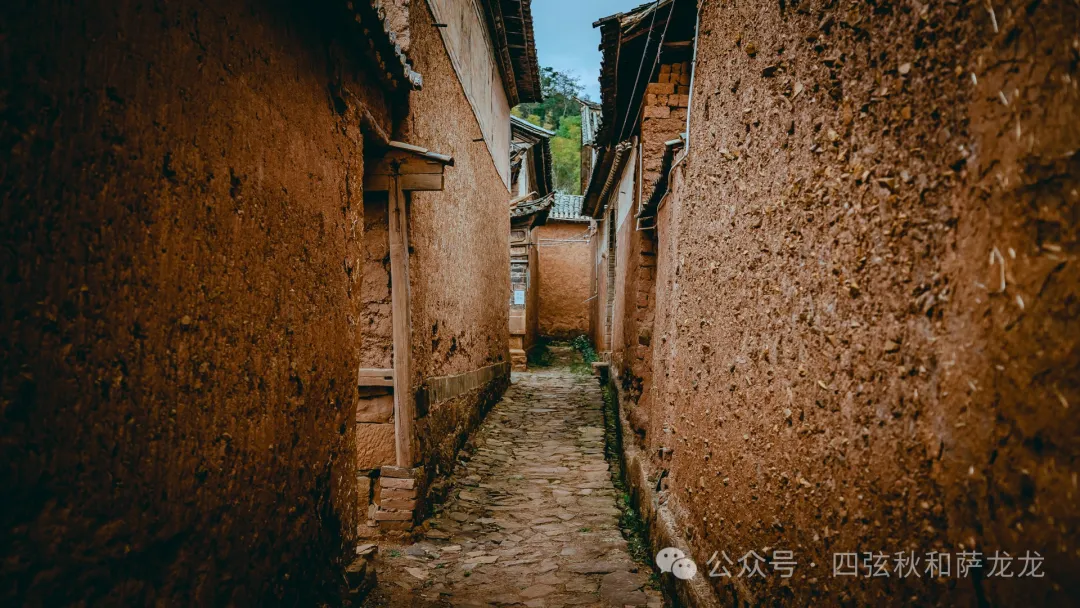
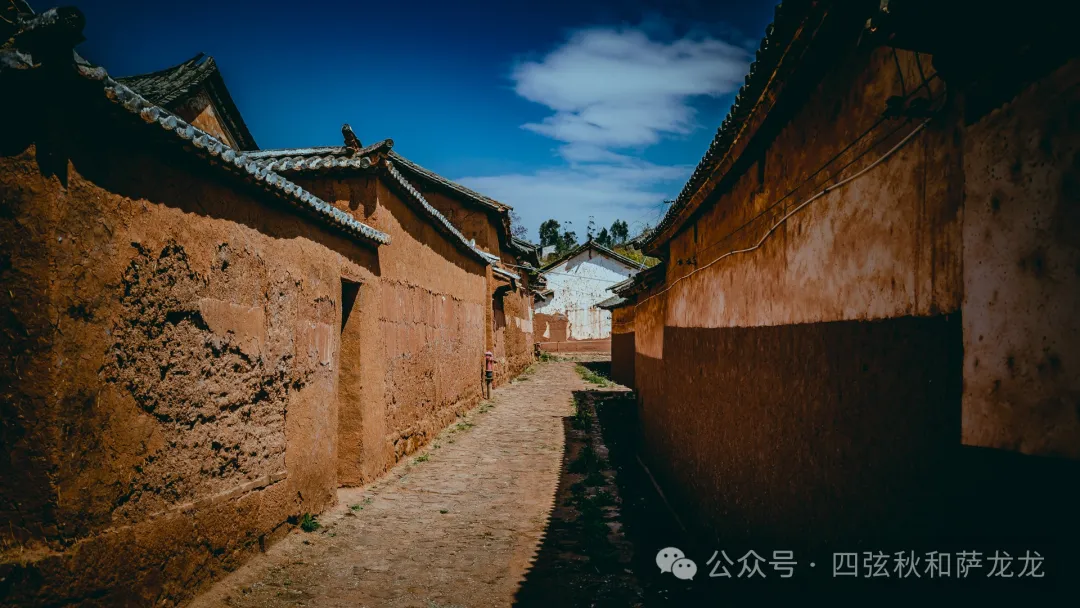
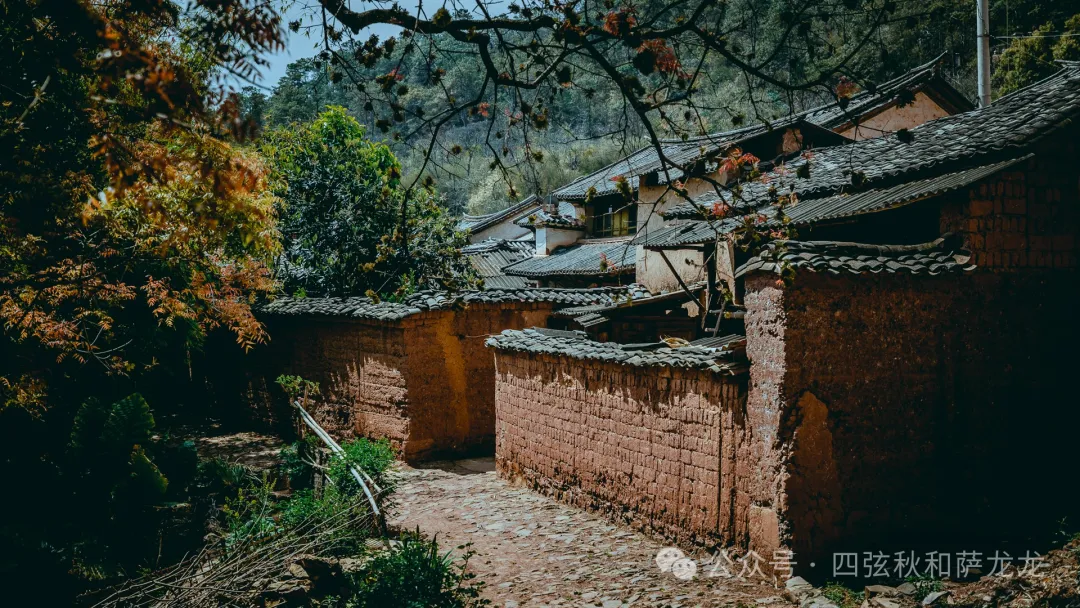
At the foot of the western mountain, about 7 kilometers north of Weishan city, lies an ancient village from the Ming and Qing dynasties named Likecun. In late March, deep in spring, the mountains are lush and verdant. The bright, broad new leaves of pear trees contrast sharply with the aged, dark green of the Yunnan pines. The village is quietly nestled in this patchwork of green hues. We walked straight through the chaotic and rigid new village, crossed a short arched bridge, and before us lay the ancient village, the same color as the earth, neatly arranged. In the air floated intermittent murmurs, like the village's silent passage of time, stirred by the spring breeze.
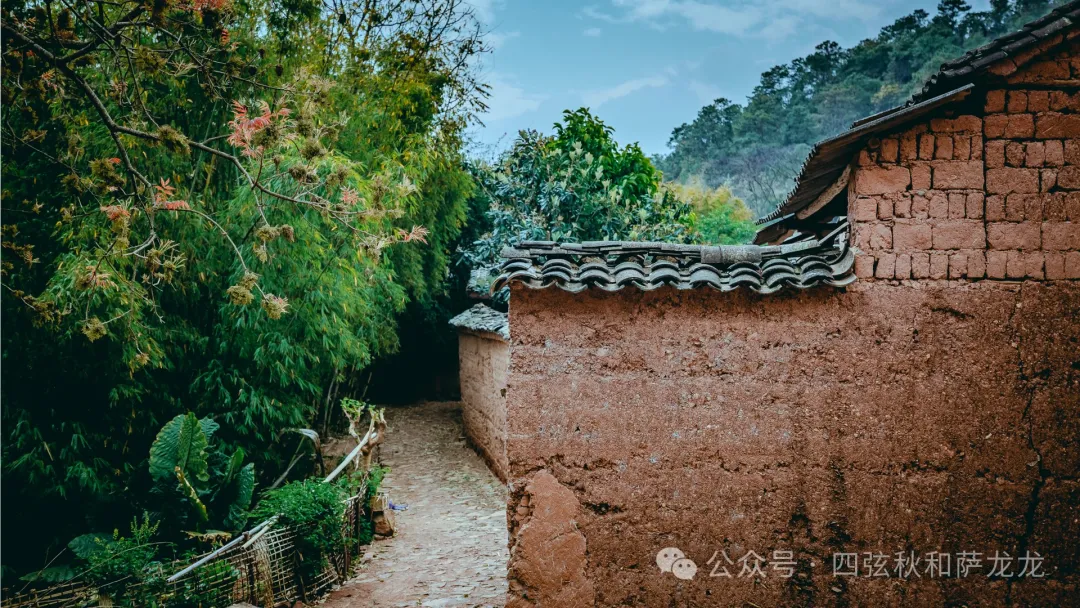
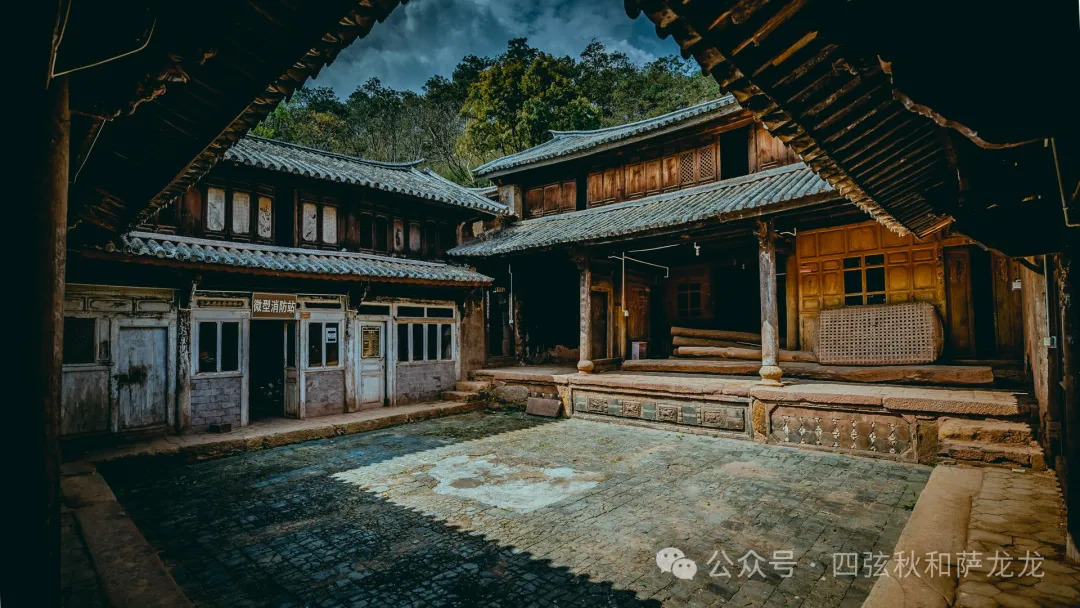
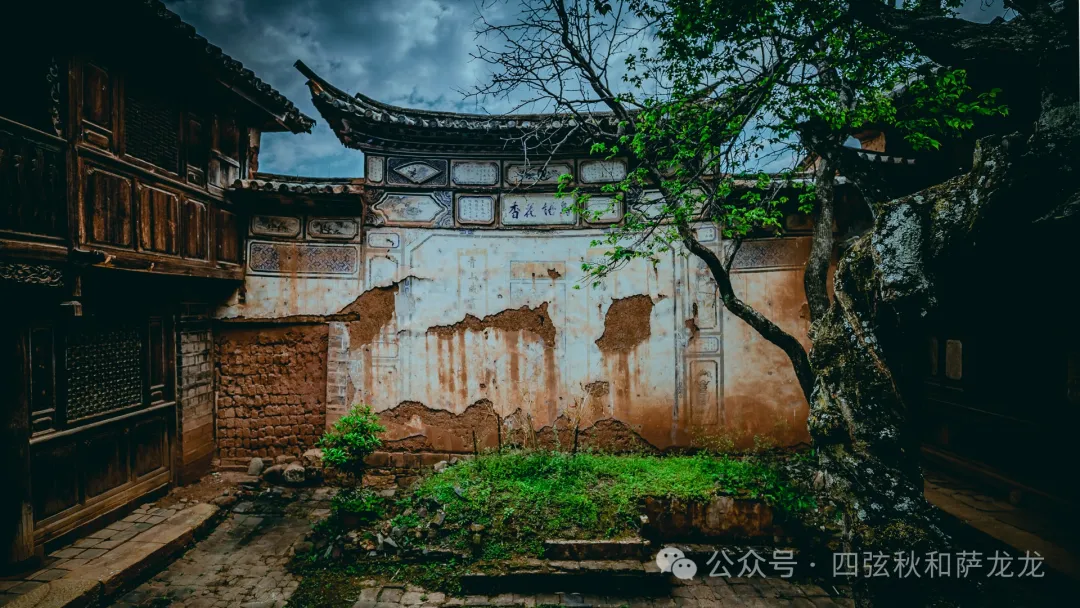
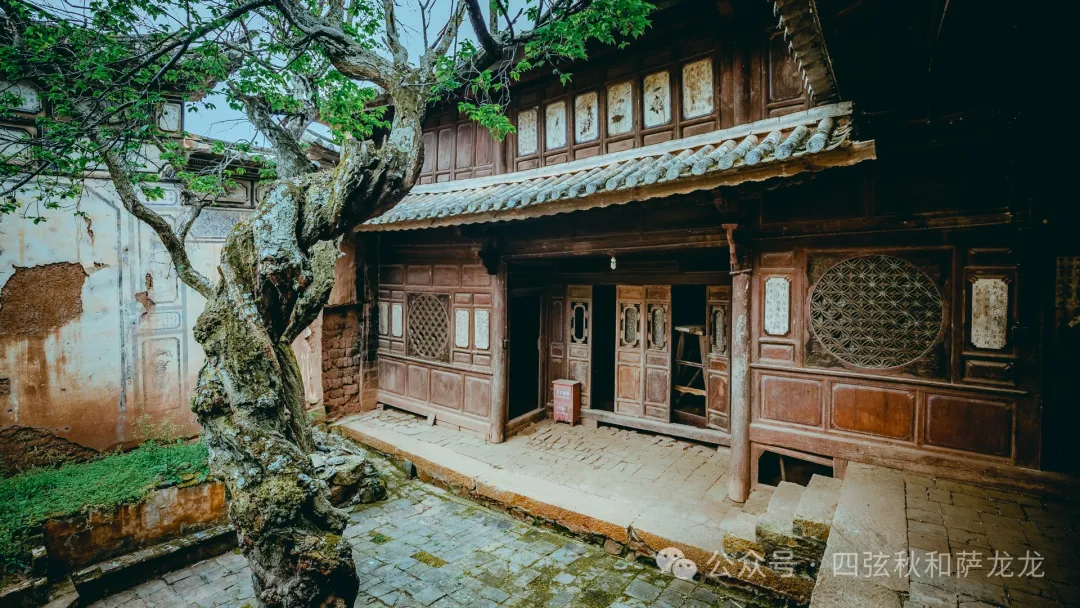
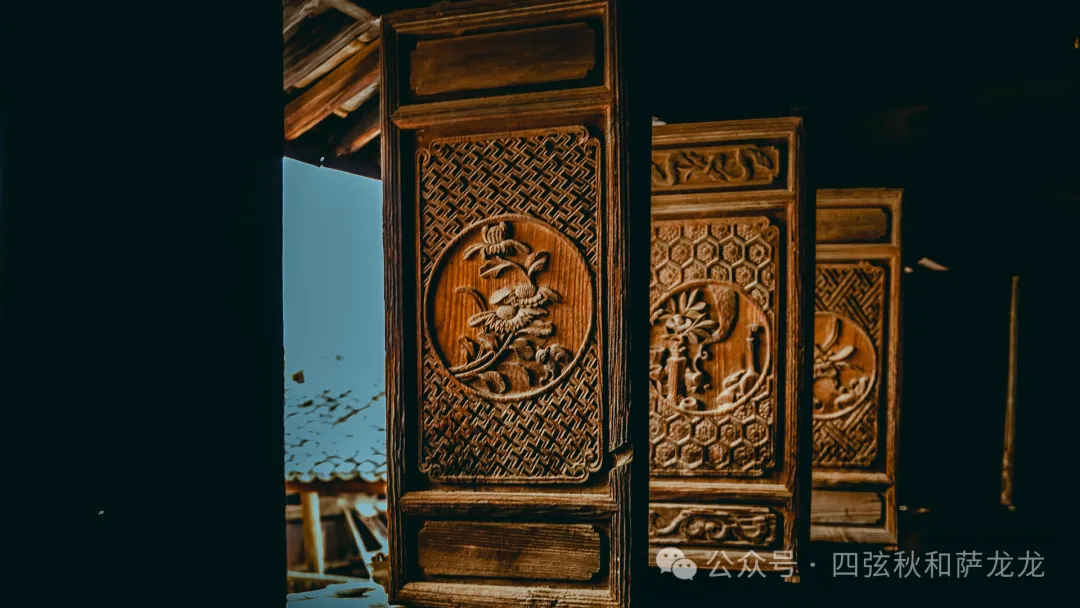
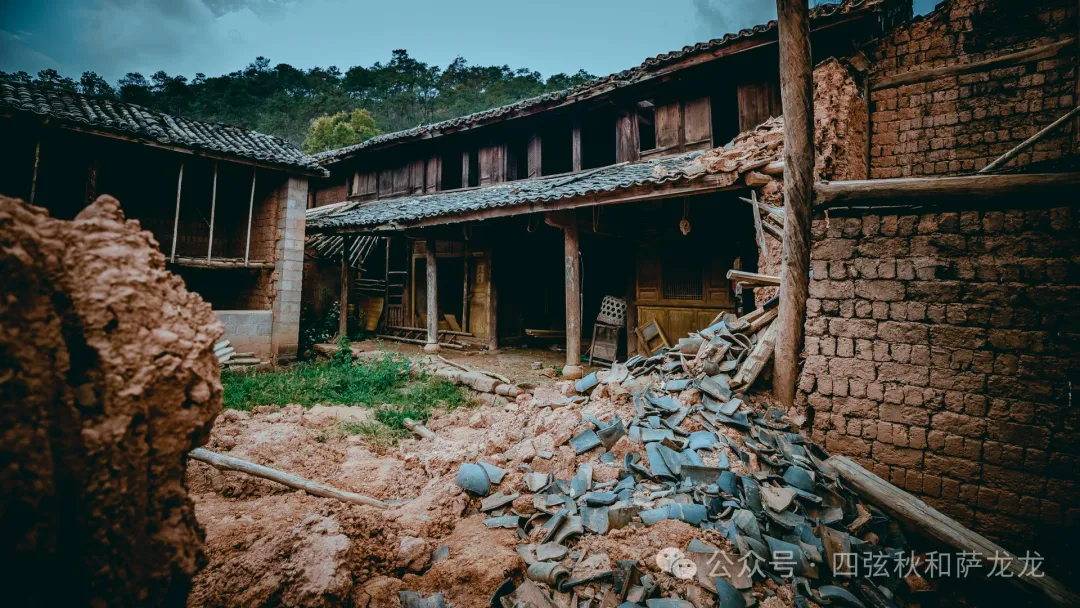
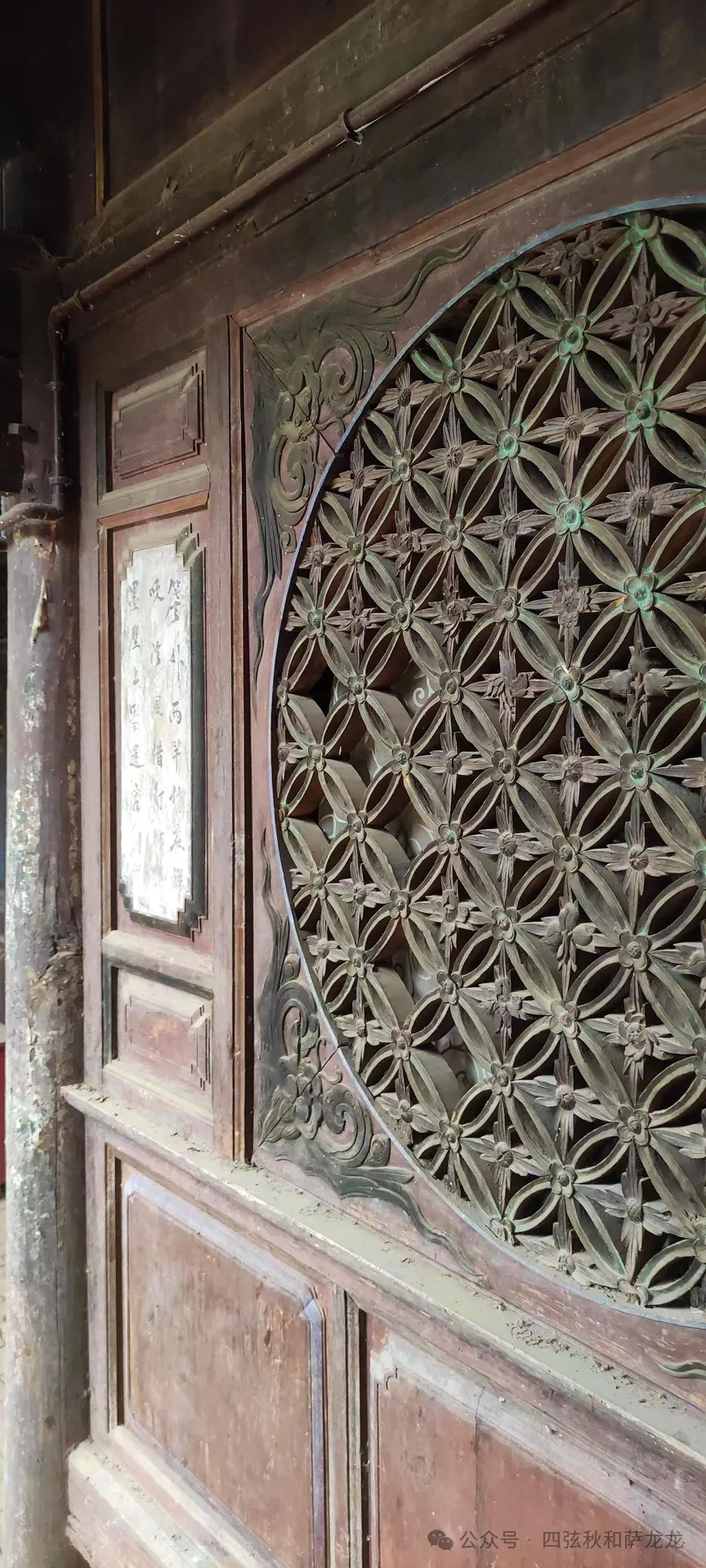
I entered a farmhouse with a half-open wooden door. The owner was preparing ingredients for the Qingming Festival ancestor worship. I asked if I could look around, and the hostess warmly invited me in, pointing to the stairs and telling me there was a shrine on the second floor. Following her direction, I climbed a narrow, dark brown wooden ladder, dust rising with each step. A huge shrine, as tall as the roof, stood against the western wall, with spirit tablets and candle holders solemnly placed. Over the years, it had lost its original color, blackened by years of incense smoke. Yet the lifelike carvings of dragons and phoenixes on both sides of the shrine remained clear, indicating the prominent civil official status of the ancestors. On the eastern wall, a half-height wooden window was wide open, with delicate carvings of flowers and birds covered in a thin layer of cobwebs and dust. The outermost layer of wood, now whitened, seemed ready to peel off at any moment. A section of the rammed earth wall in the southern courtyard had collapsed, with black tiles scattered on the ground, and the adjacent wooden house was also dilapidated. I wanted to go through the collapsed wall to take a closer look, but the owner quickly stopped me, saying the house might collapse at any moment and it was unsafe.
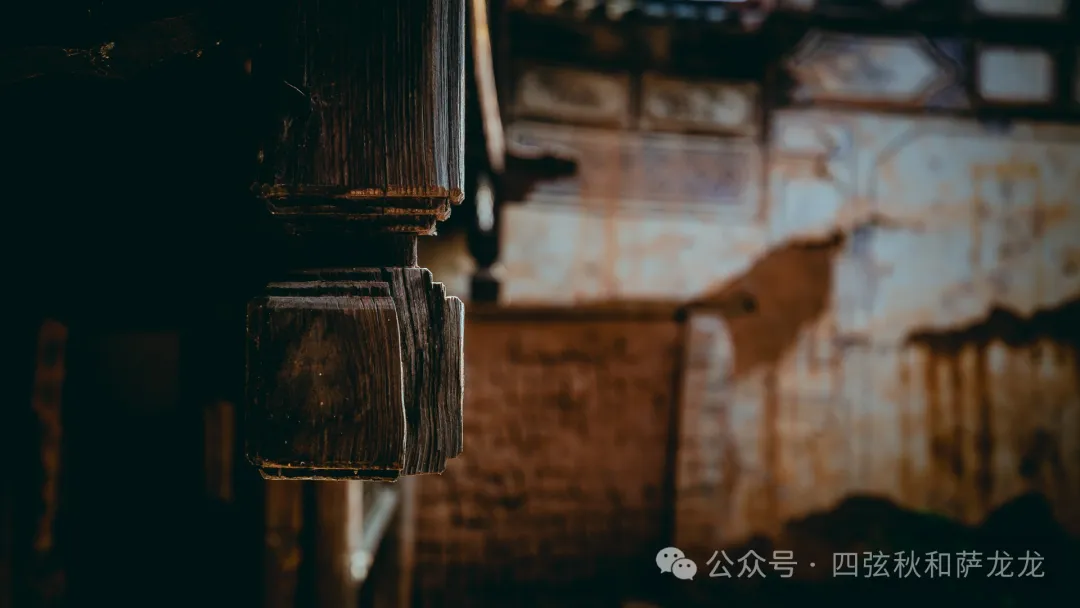
When I stepped into another well-preserved courtyard with a neat, regular layout, I looked around and seemed to see countless hazy, illusory figures standing at every wooden door and window, either writing furiously or reciting poetry in the wind. On the wooden structures of the courtyard, poems in five- or seven-character lines, both regulated and quatrains, were written in black ink on white backgrounds. Some were famous ancient works, others were unseen masterpieces. Unfortunately, many characters were already incomplete and illegible. Without timely protection and restoration, these poems, which carry a strong cultural atmosphere, will soon vanish like ashes, irreversibly. It is said that the original owner of this house was a Han Chinese who made his fortune running a caravan. I wonder how many hard springs they endured to build such a substantial estate in a foreign land, leaving such a vivid mark in history for future generations to ponder. I walked into the front yard of this house, which was much smaller than the central courtyard. In the yard, a thick, gnarled green plum tree had already borne fruit. The dense, green leaves and the weeds on the ground complemented each other—only they would year after year look back, searching for the young scholar who once stood under the tree reciting texts, wondering where he is now.
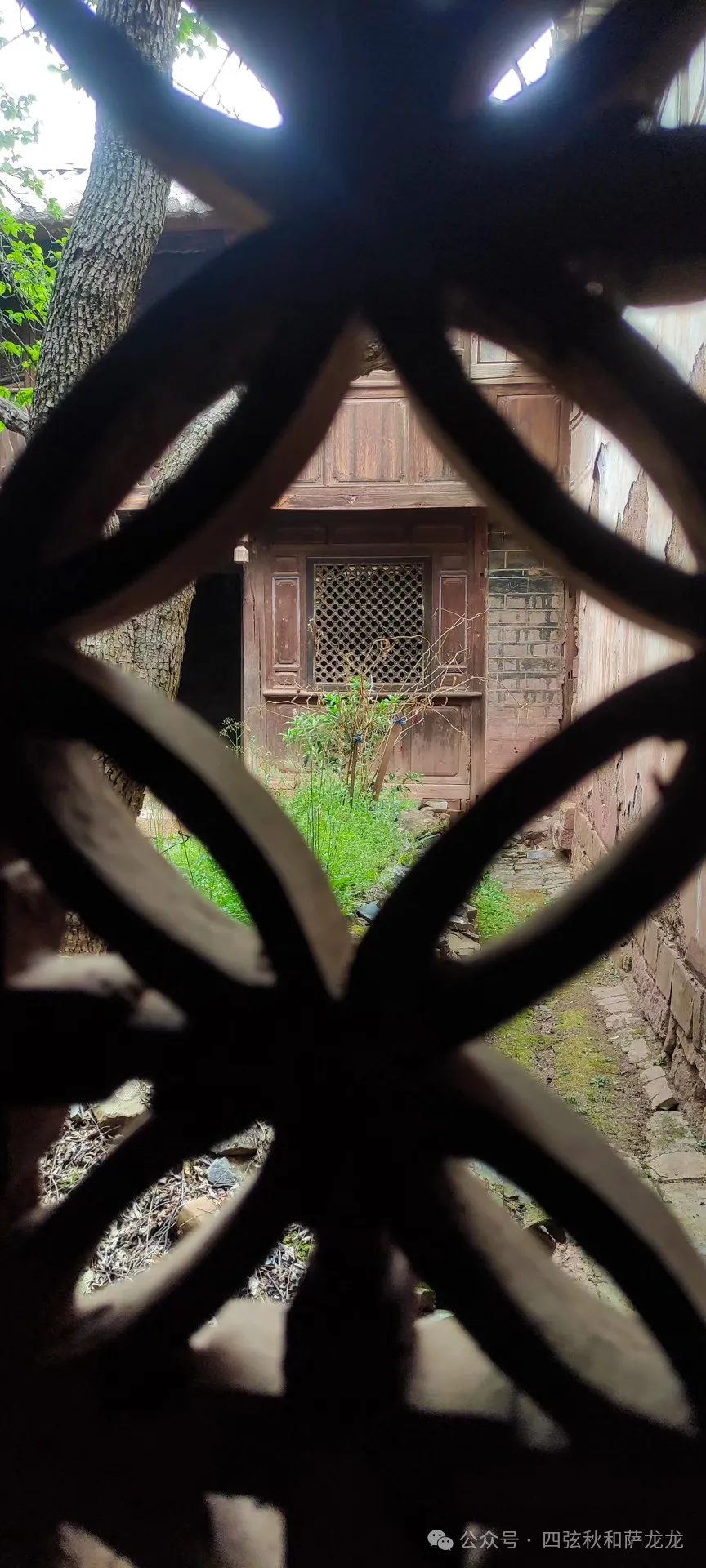
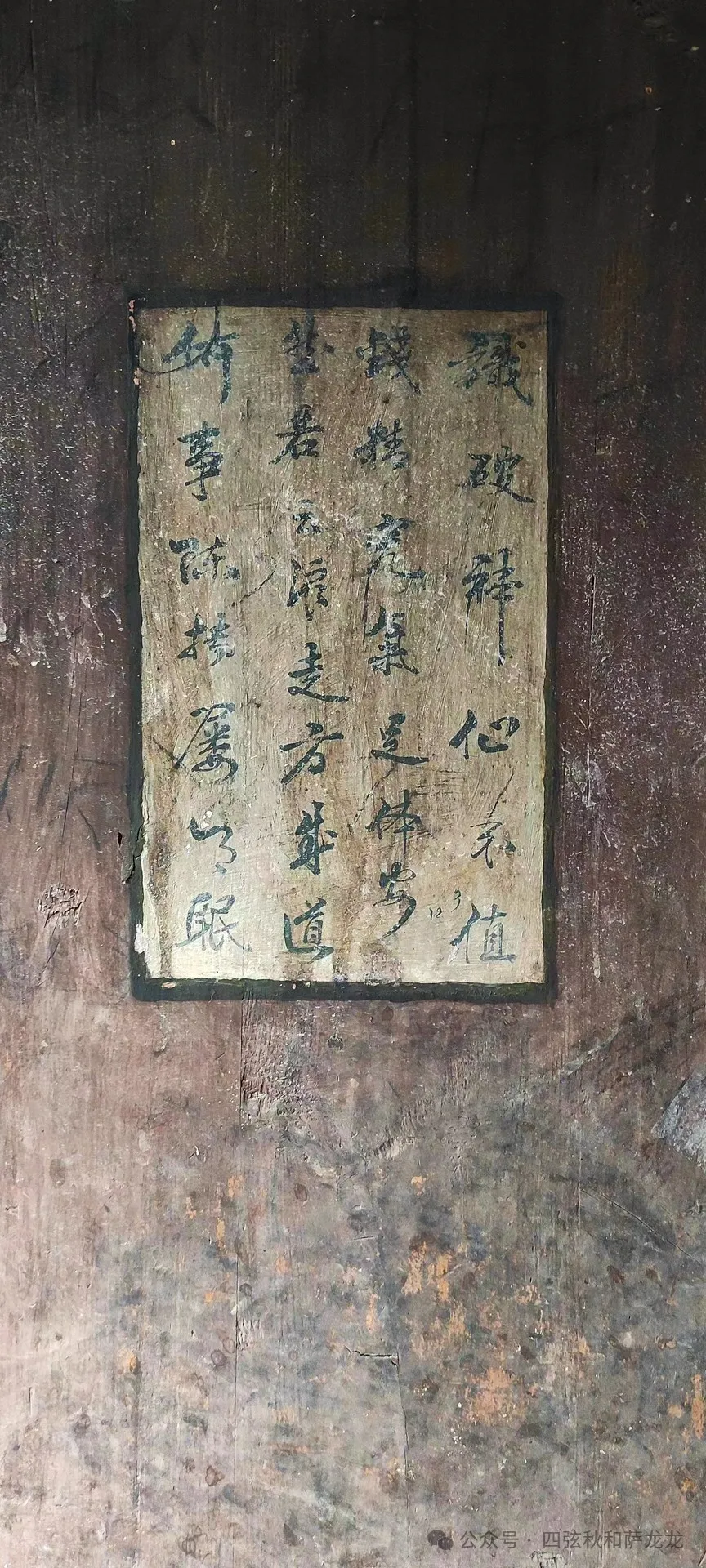
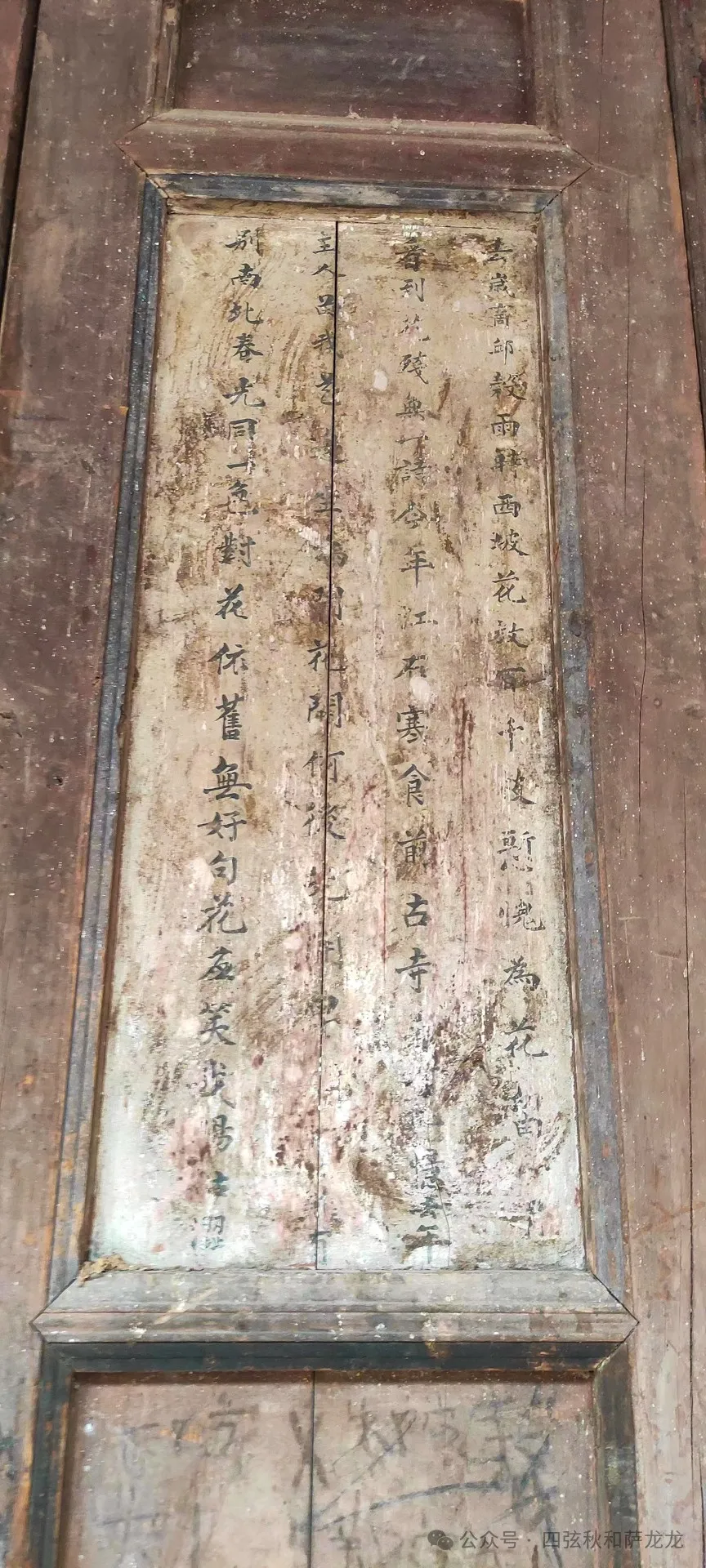
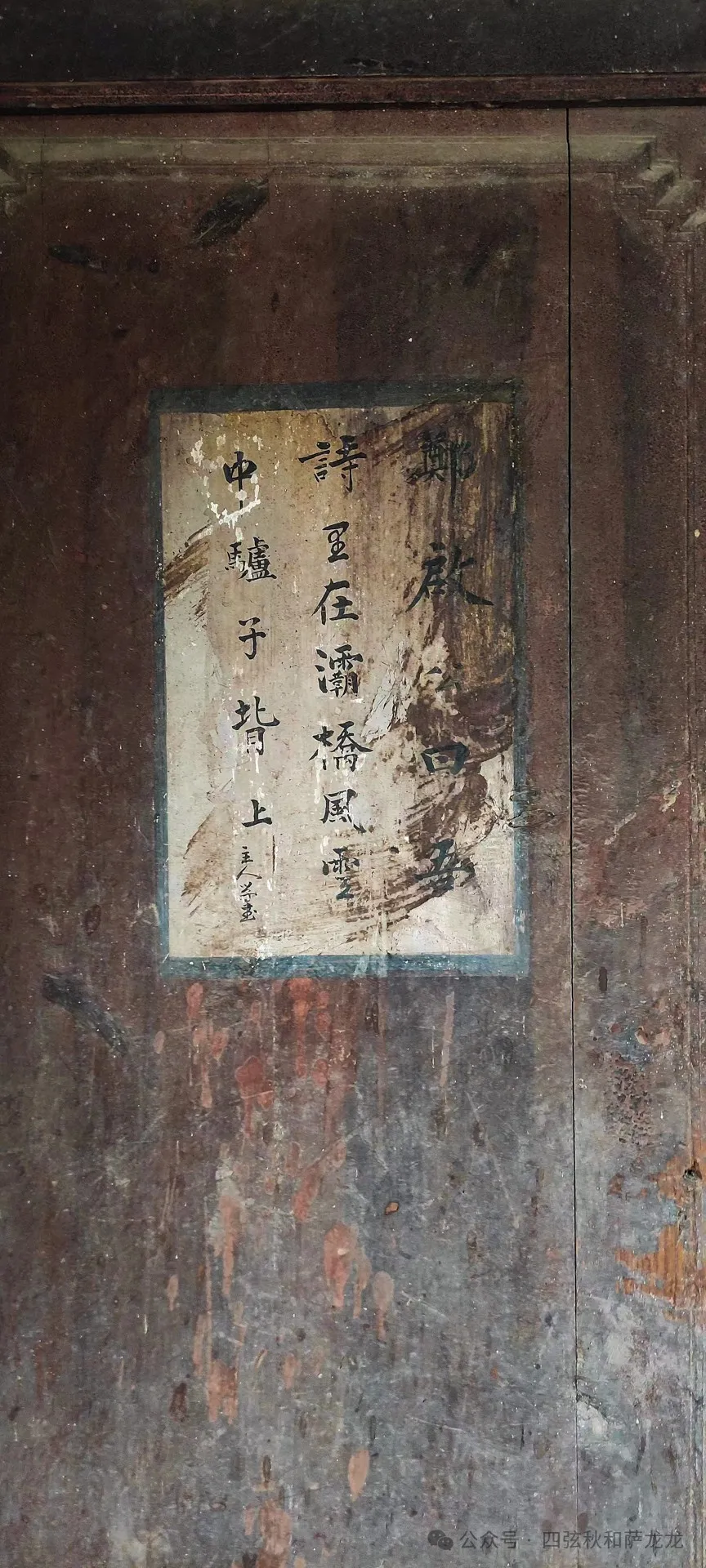
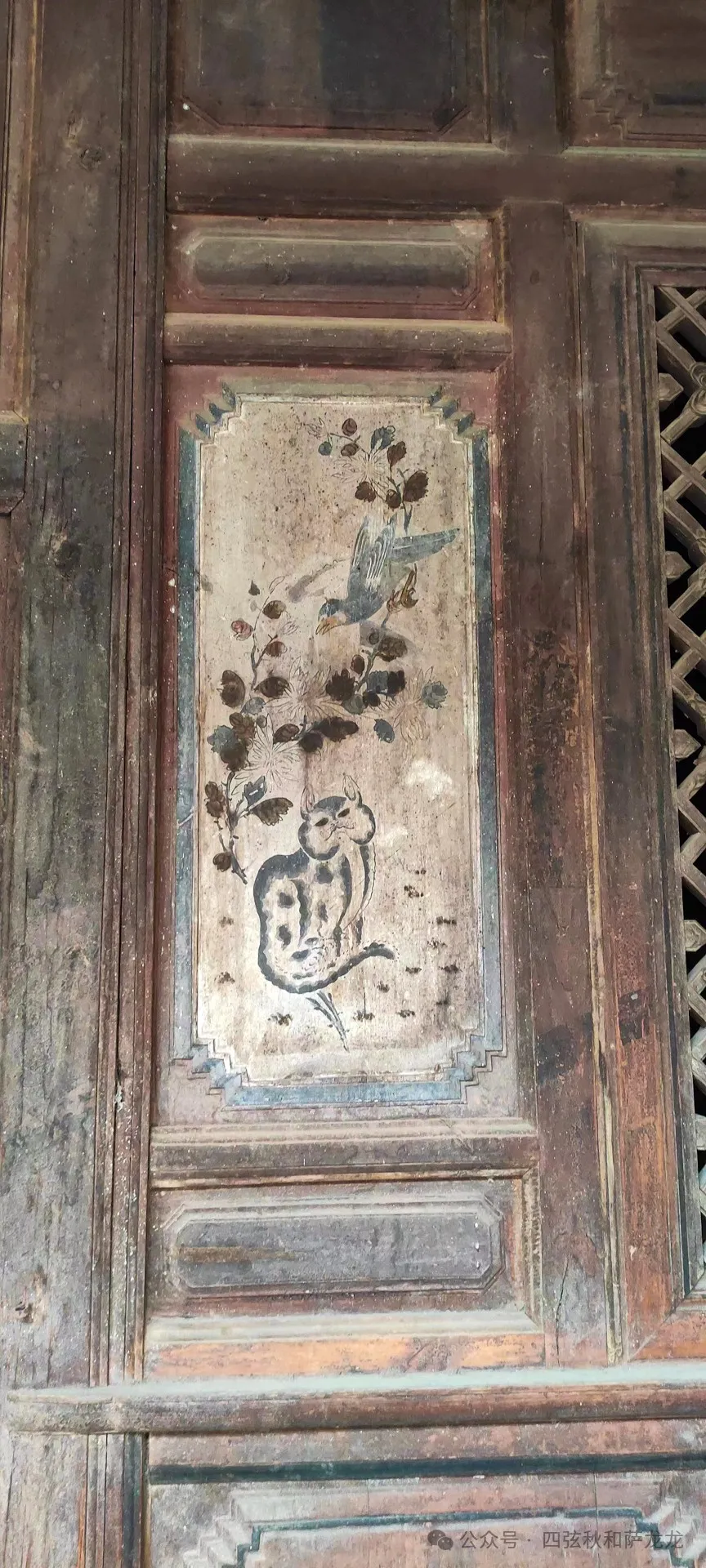
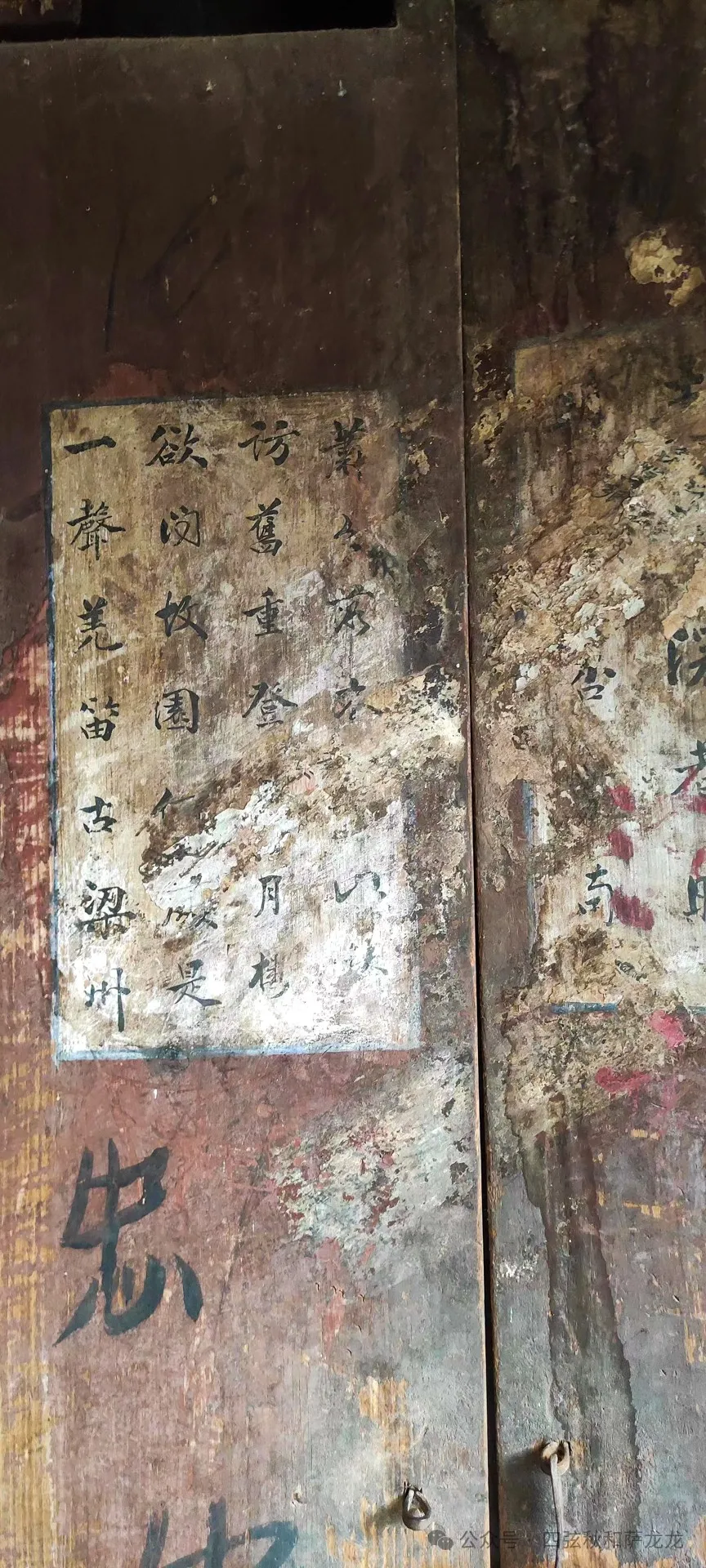
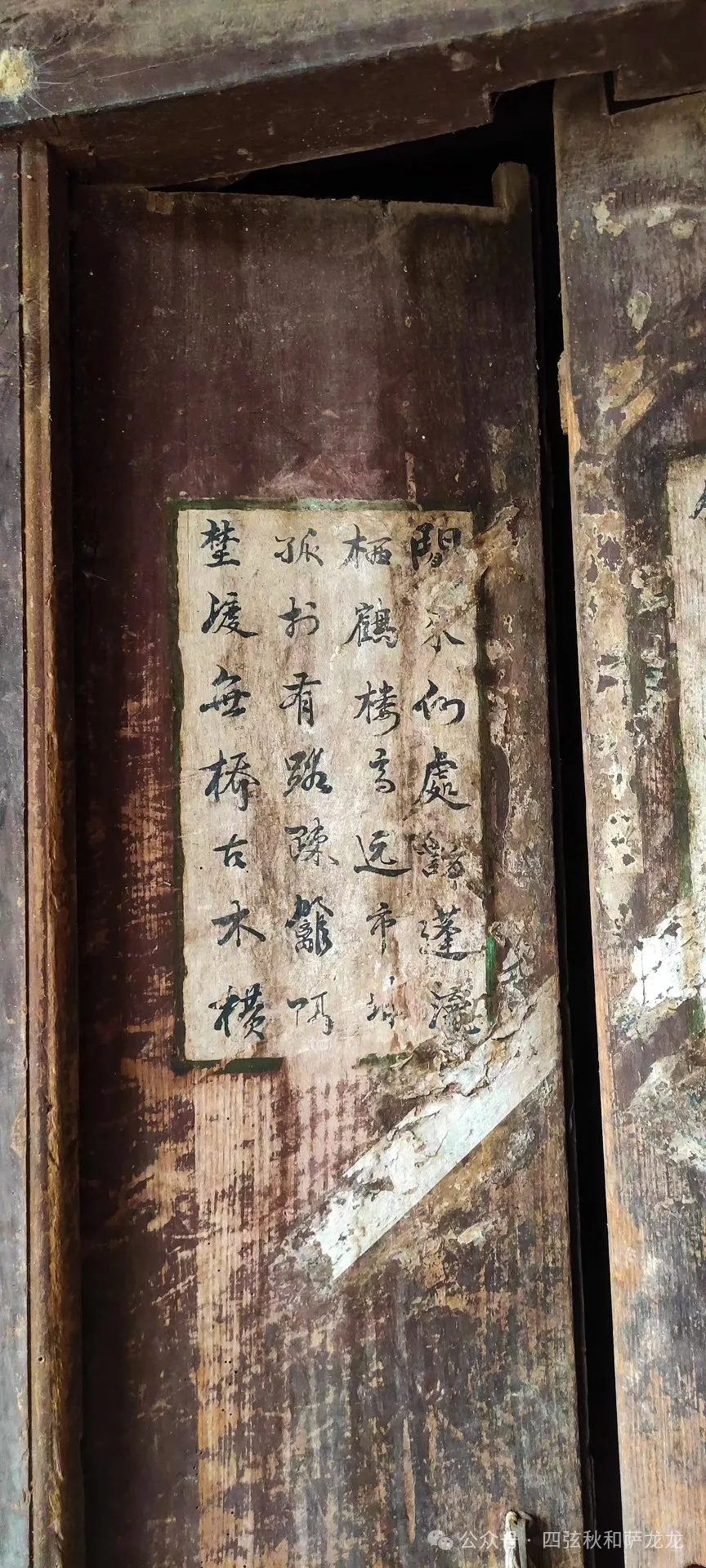
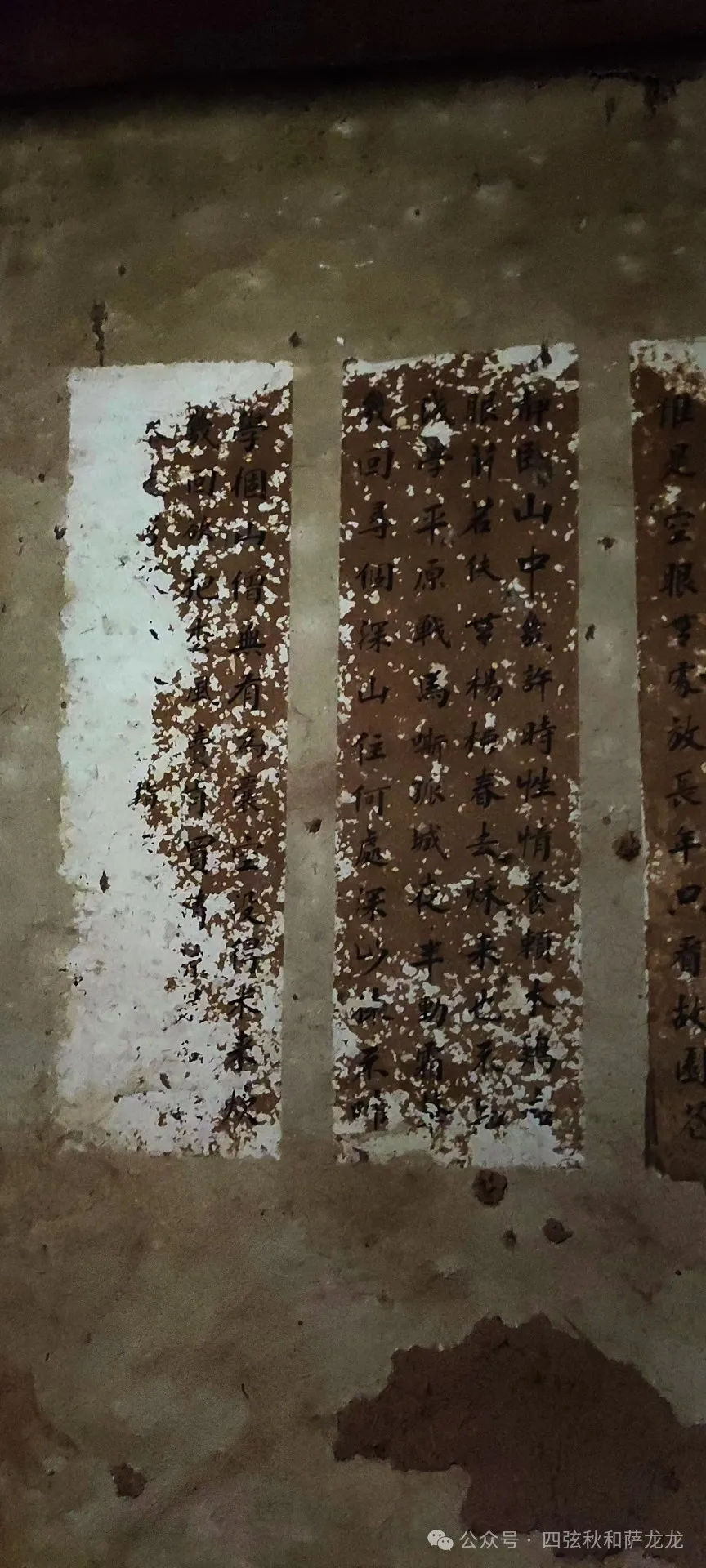
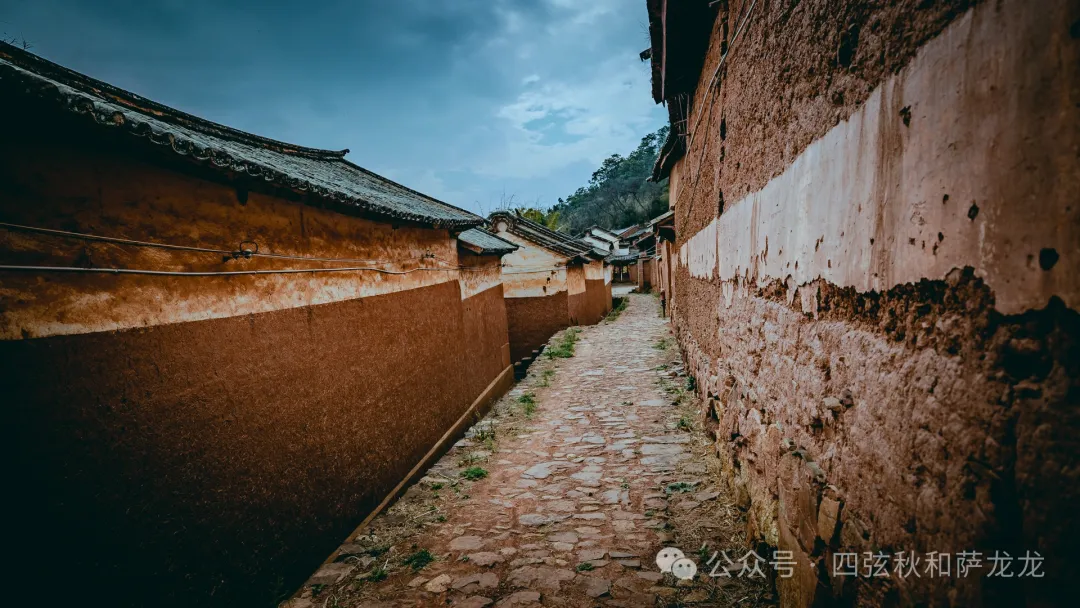
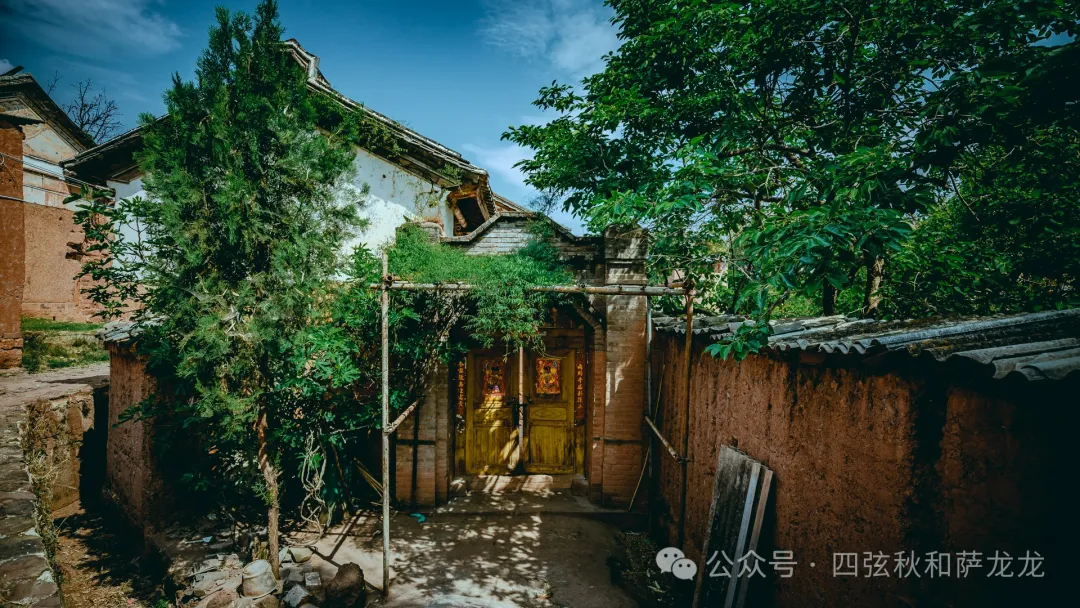
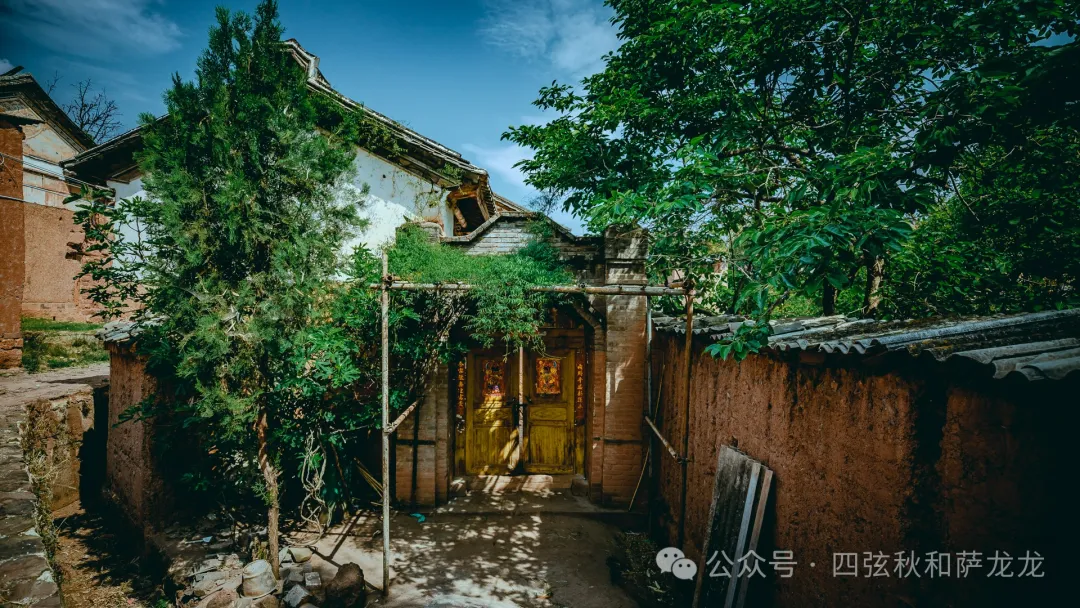
The village is small, with thirty-six similar rammed-earth courtyards arranged in three neat rows on the mountainside. In the uneven stone alleys, dogs barked occasionally, and the wild strawberries by the roadside seemed a bit bold due to the seclusion. Most courtyards were locked with rusty padlocks, with only a few still inhabited. I wandered repeatedly in these silent alleys, lingering in front of locked houses, trying to peek through the narrow gaps between the wooden doors to glimpse the splendid pasts of strangers sealed by time. At the end of one alley stood a relatively dignified stone wall, behind which a persimmon tree swayed in the wind, covered with new green leaves. I peered through the door crack with wide eyes. The house on the stone steps was already dilapidated, with missing doors and windows like open mouths, shouting silently, as if summoning spirits. In the vast courtyard, only the wind lingered among the weeds and the persimmon tree. Three or five sparrows foraged in the grass, and waist-high crofton weeds crowded almost the entire yard. If one visited in autumn or winter, how desolate it would be. But hundreds of years ago, at dusk, perhaps a mischievous child was digging for crickets in the soil by the eastern wall, an industrious grandmother was picking every weed in the yard, and a thrifty mother was lighting a warm cooking fire in the kitchen, waiting for the jingling caravan to return under the moonlight...