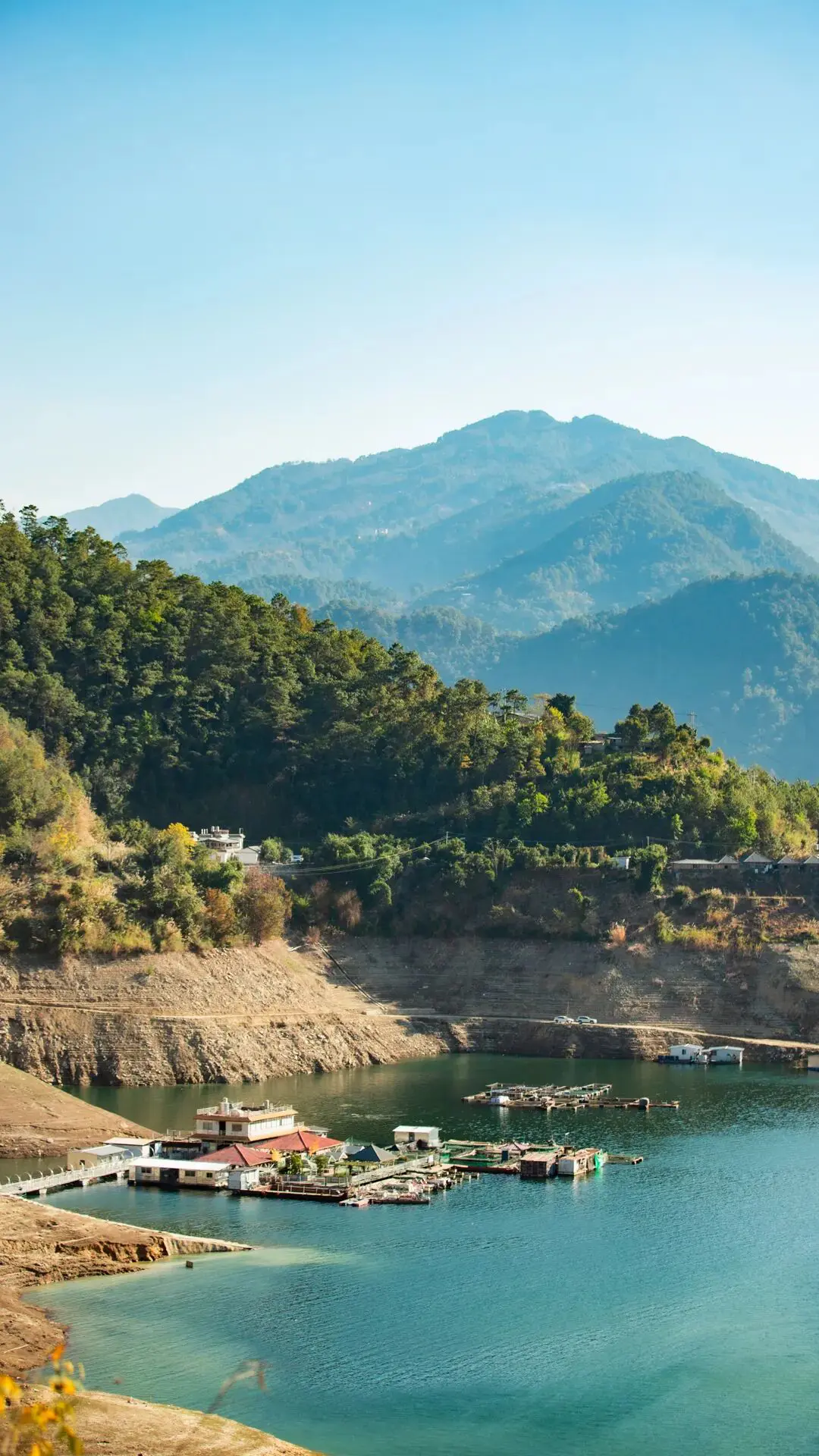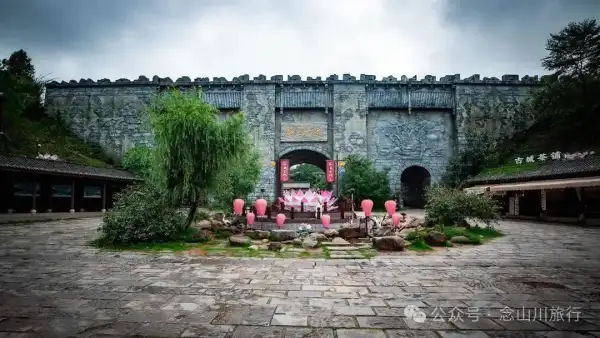

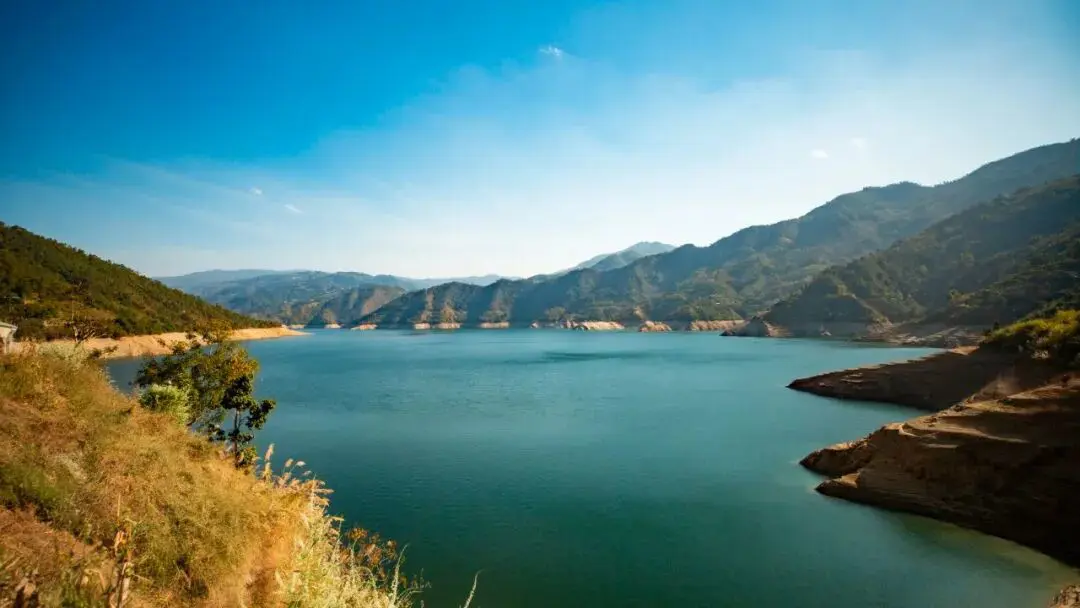
We never seem to intentionally regard the Lancang River as a travel destination; we always just pass by. Whether it's driving on the hot and dry Lujiang Dam to experience the bustling coffee culture at Shuanghong Bridge, or arduously crossing mountains to the ancient town of Lushi, where commercialism hasn't reached, the Lancang River always remains distant, unwilling to approach us. In search of a flat, empty sandy spot by the river to idle away half a day, watching the silent flow of emerald water along this mysterious long river, we repeatedly drive into unfamiliar villages, to the ends of gravel roads, then get out to find a path leading to the riverside.
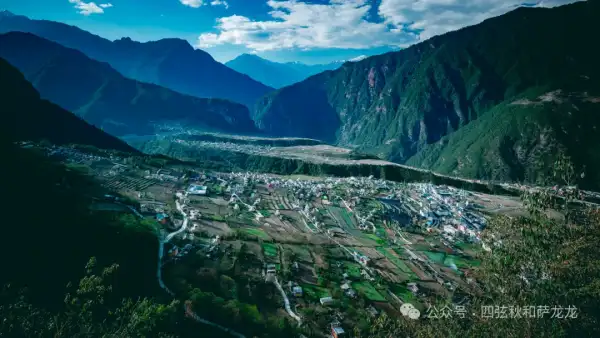
But we always return empty-handed. Even the villagers living by the river seldom have the chance to get close to the Lancang; they only catch a distant glimpse of its silence. The banks of the Lancang River are mostly steep slopes, overgrown with random trees and weeds, making it difficult for residents to approach the river. Only occasionally, a narrow dirt path is artificially dug to the water's edge, where a fishing base is built for fishing enthusiasts to leisurely spend their days. Our only intimate encounter with the Lancang River without any barriers was a night camping under Dongfeng Bridge.
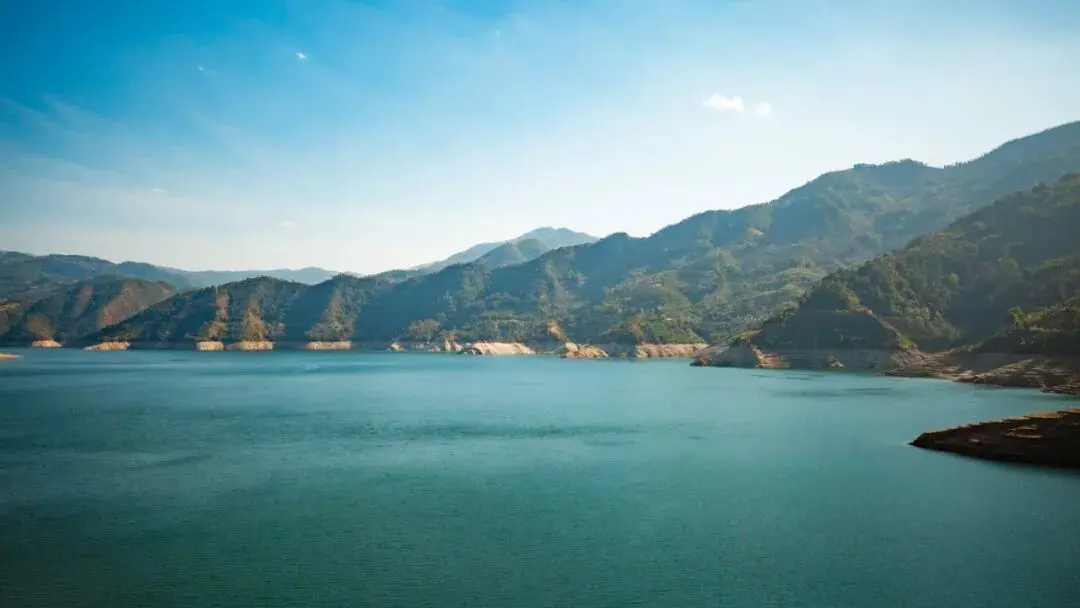
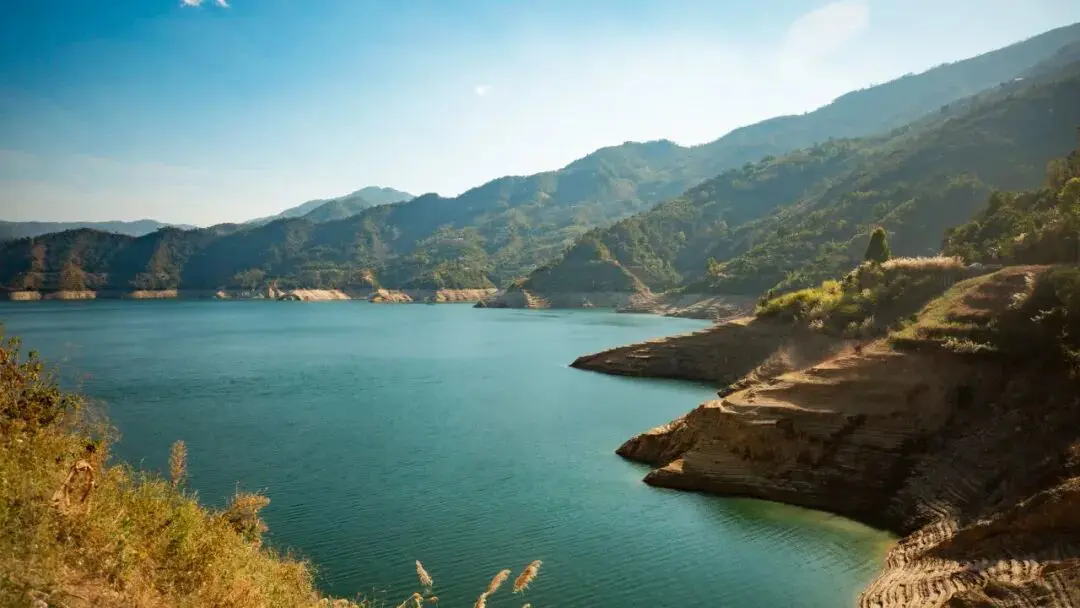
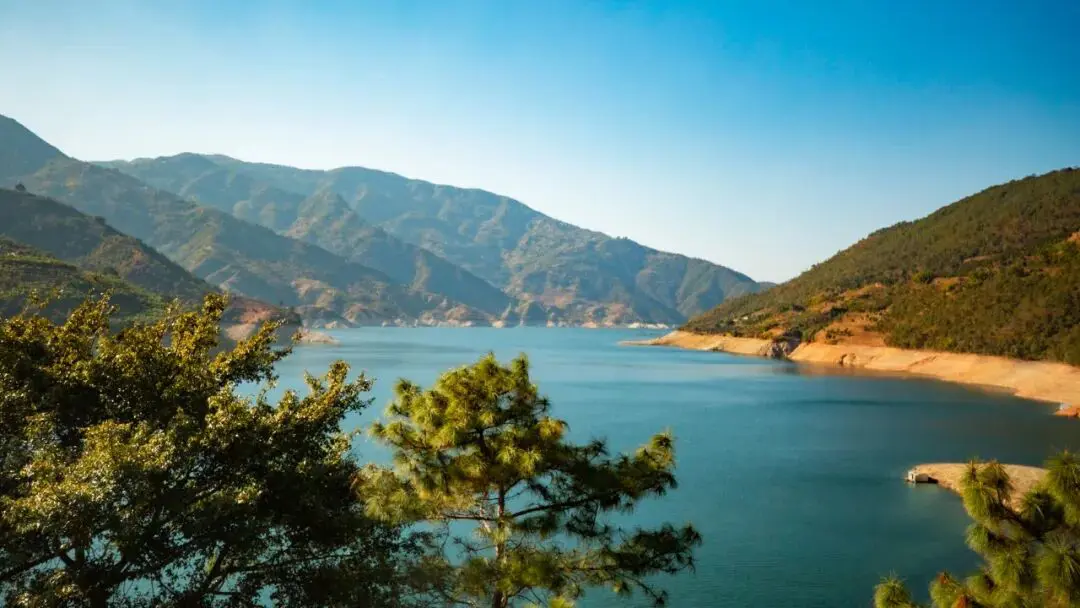
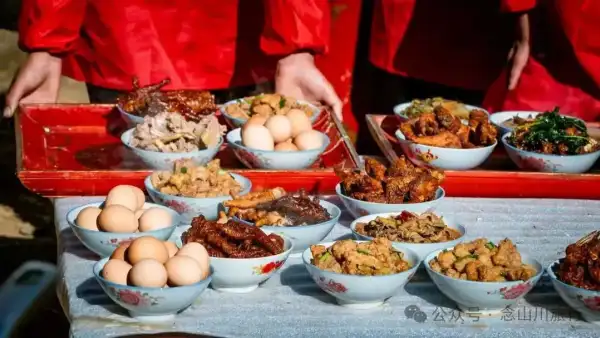
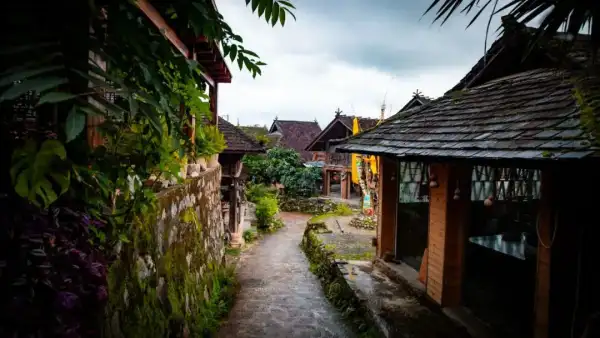
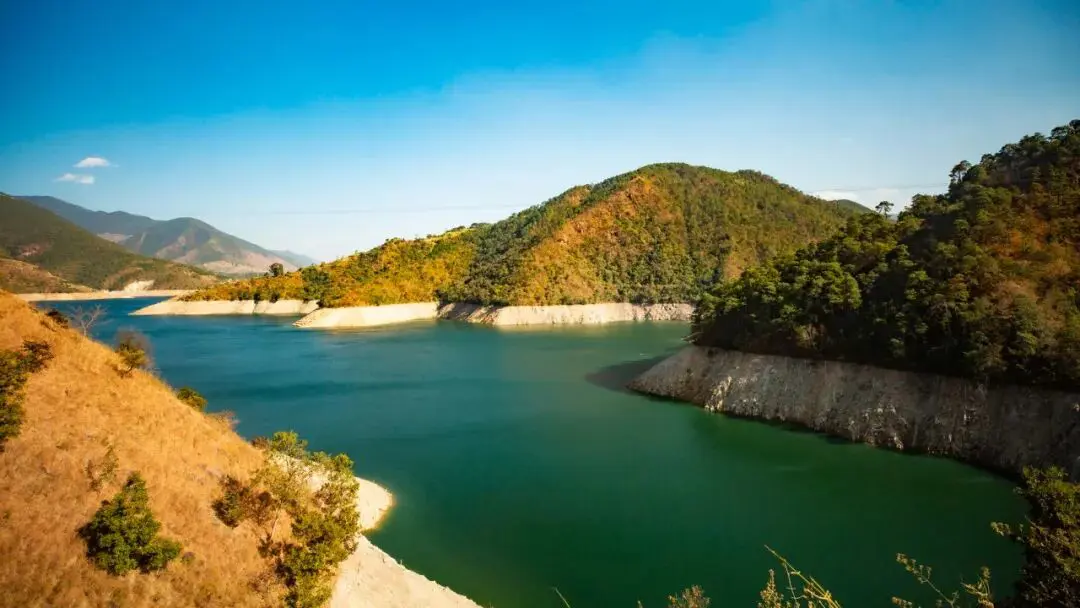
As the car winds through the mountains on one side of the Lancang River, we often catch a glimpse of the river, smooth as polished ore. In the afternoon, the river mostly displays a stern blue, somewhat intimidating, but miraculously, in the morning and before noon, it turns into a soft green. I remember when returning from the ancient town of Lushi, we coincidentally met my daughter's classmate's family, who were celebrating the Spring Festival in their hometown, Yongxin Village nearby. We were invited to the village for a communal pork feast and stayed overnight.
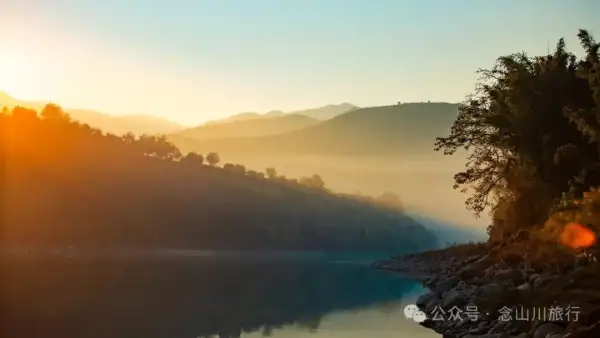
The next morning, I wandered alone through the cold, silent village. Standing in a field of dew-covered primroses, through the slender branches of walnut trees, I caught a glimpse of a small stretch of the river. Above the river was a vast expanse of pink morning glow; the mountains were still dim, shrouded in thin mist, while the river shone with bright green light, remarkably beautiful. "River flowing spring"—that was the word that came to mind when I saw that patch of river that morning. It was because of this word that the otherwise unremarkable morning became rooted in my memory, unforgettable. It turned a beautiful verse from a thousand years ago into a vivid, three-dimensional scene before me—how could I forget it?
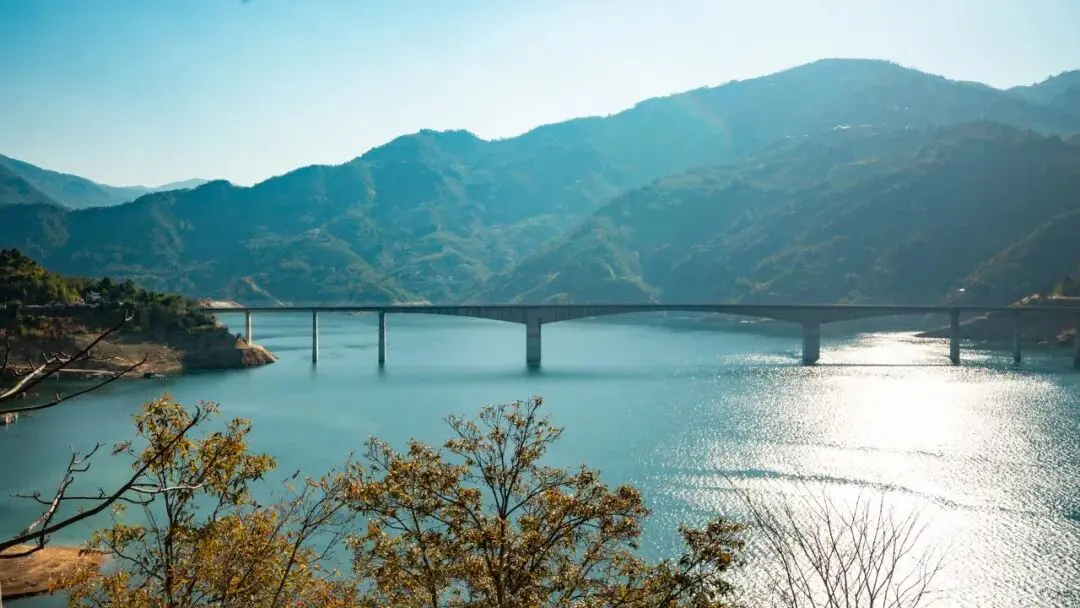
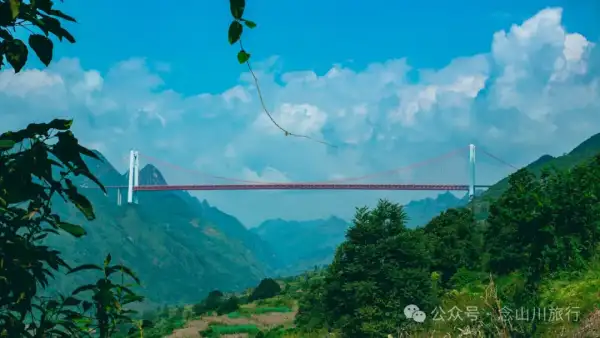
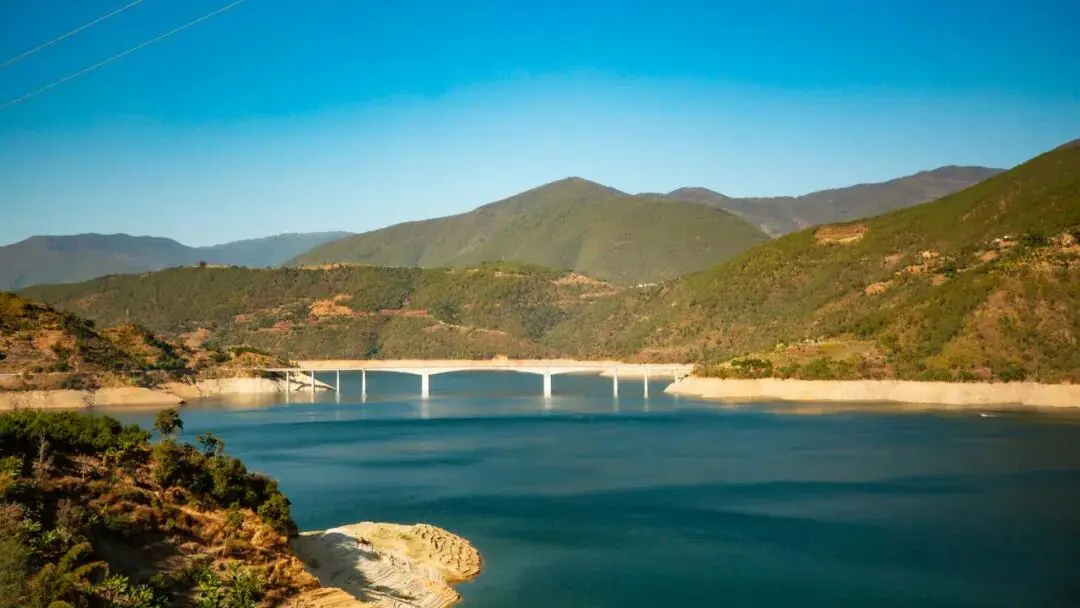
We rarely have the chance to cross the river. This photo was taken on our way from Fengqing to the ancient town of Lushi—a favorite picture of mine of the Lancang River. The bridge ahead is Mang Street Bridge. A friend said they only need a ten-minute drive from home to get down to the bridge; both of his daughters love to buy potatoes at a roadside snack shop and then play by the river—a convenience of living by the river. However, the river in the picture is green, yet we crossed the bridge in the afternoon. Maybe I misremembered; perhaps we did stop to photograph the Lancang River the next day on our way back. But I clearly recall a dream from years ago, where I imagined spending the rest of my life by such a river. The bridge and water in the picture were no different from that dream, except that in the dream, I stood closer to the bridge. Yet I never dreamed of the village where I lived.
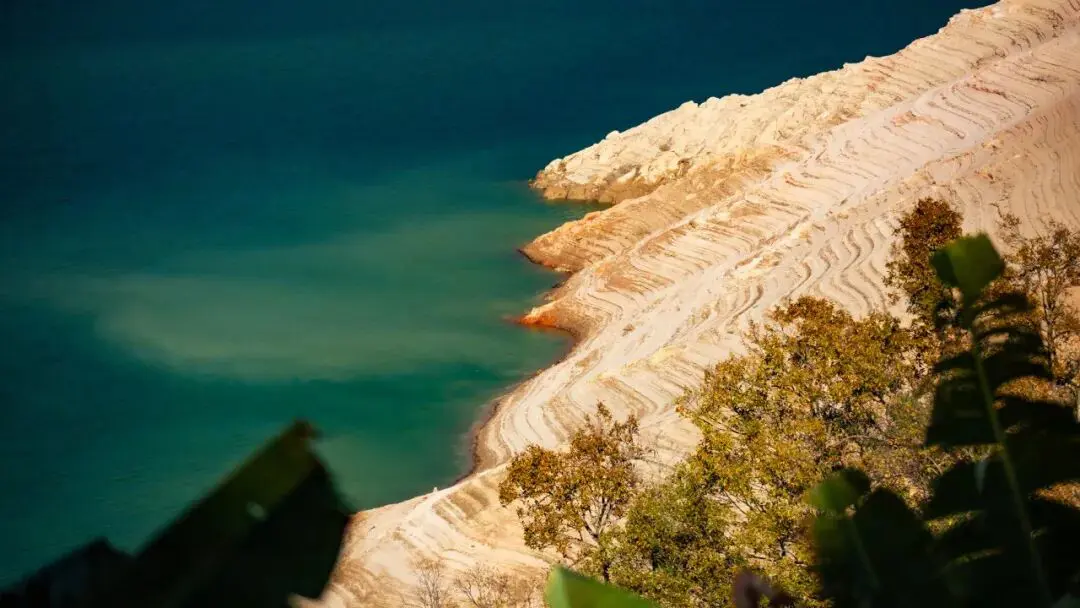
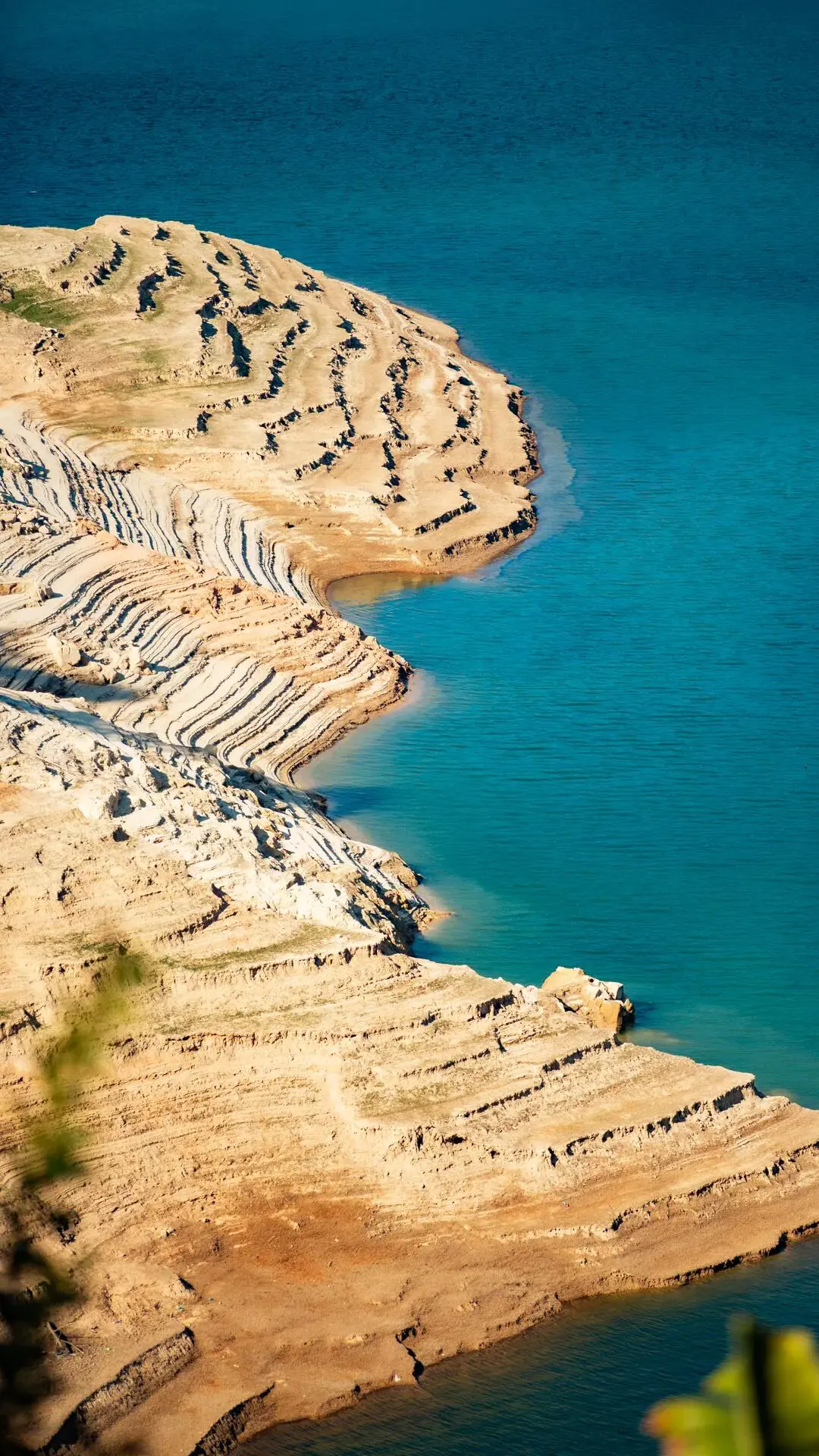
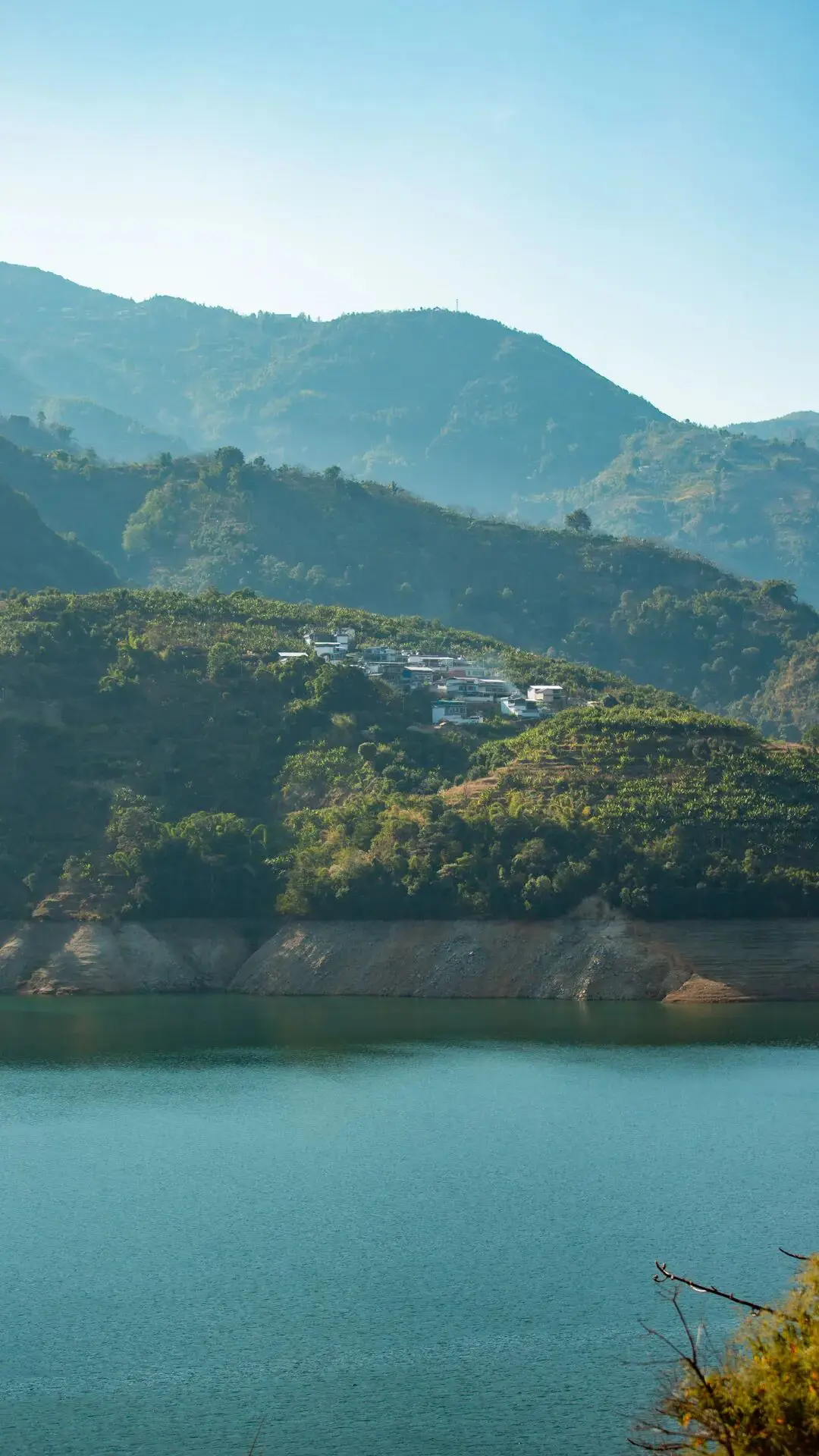
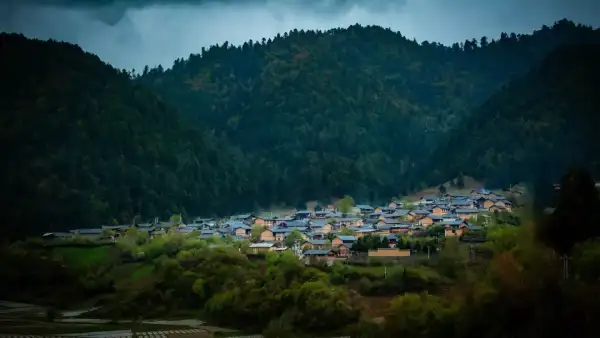
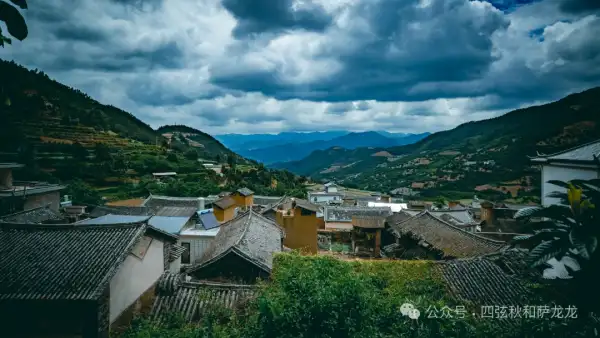
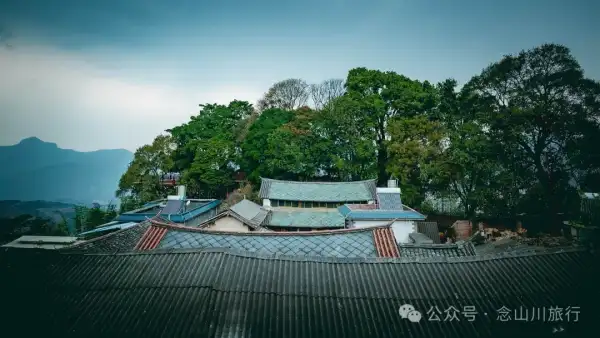
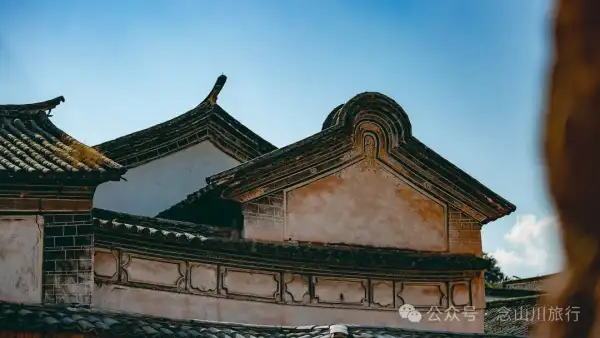
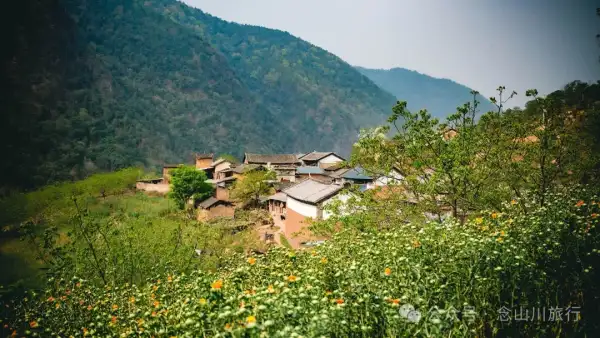
The villages by the river seem sparse and scattered. Many houses are probably built on the other side of the hills, hidden by mountains or large trees. One village stands out, but I can't recall its name. Houses cluster on a high slope, surrounded by lush greenery. We are too far away to tell if the vegetation is tea or lemon. Nonetheless, the people living here lead a simple, rustic farming life close to nature—plain, dull, and monotonous. For more variety in their lives, they probably have to seek it at the periodic markets. The river, to them, might be as ordinary as air, unable to add color to their gray existence.