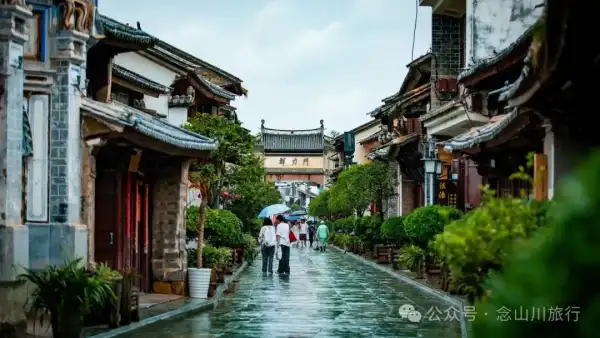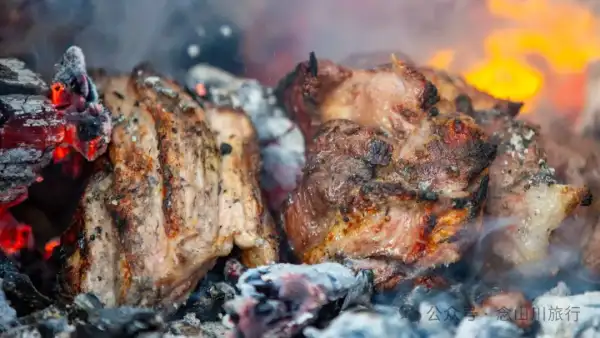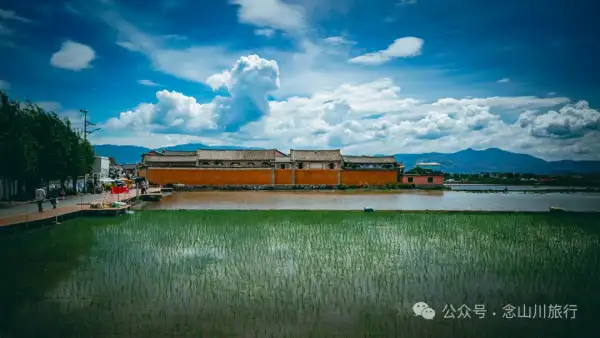

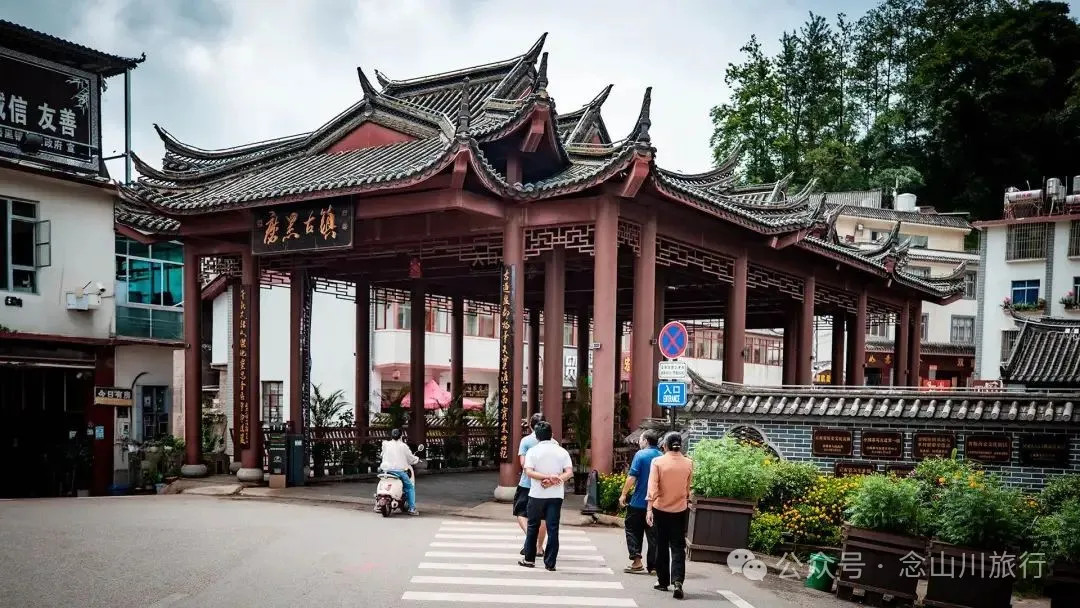
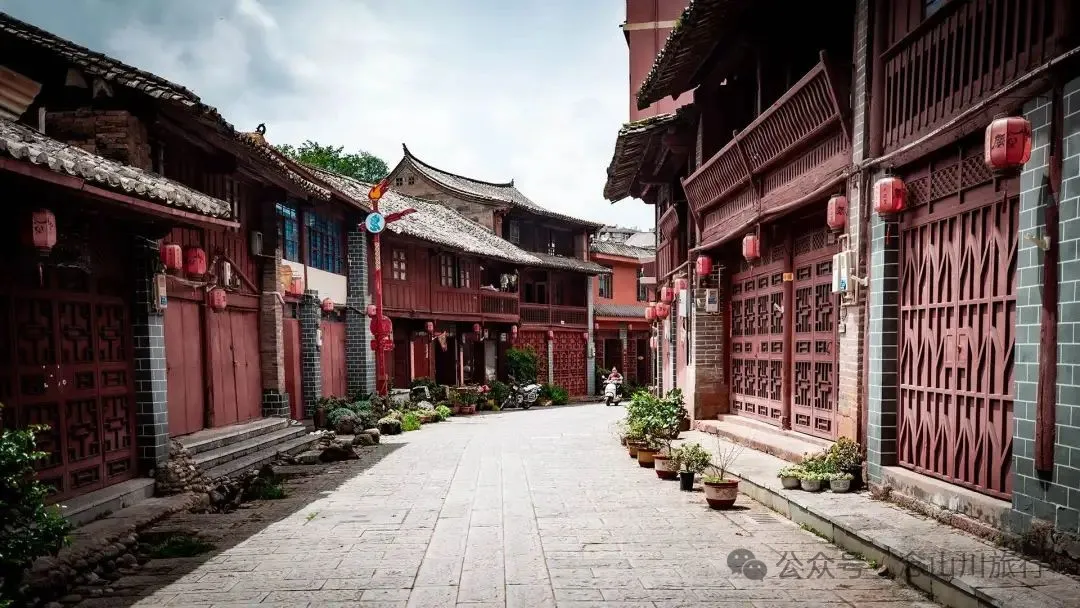
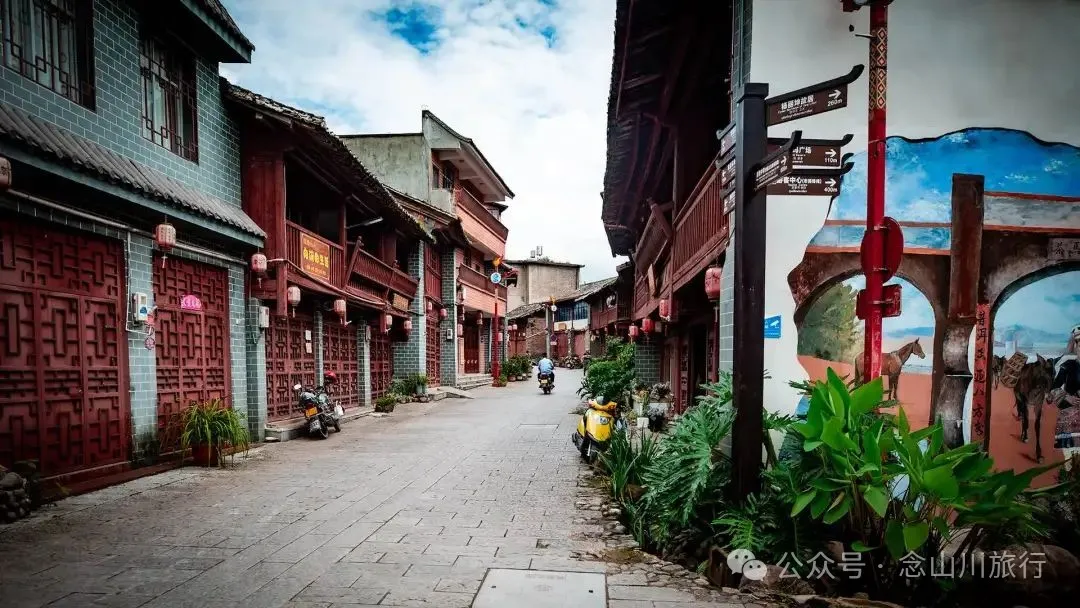
We arrived at the ancient town at noon and got off at the entrance of an old street. The aroma of grilled beef jerky wafted over, making our mouths water. I imagined that a century ago or even earlier, a caravan of horse drivers, weary from long journeys and exposure to the elements, were drawn by the scent of Mohei's beef jerky. They filled their hungry bellies, settled here for a few days to rest and regain strength, then carried the renowned well salt to other places.
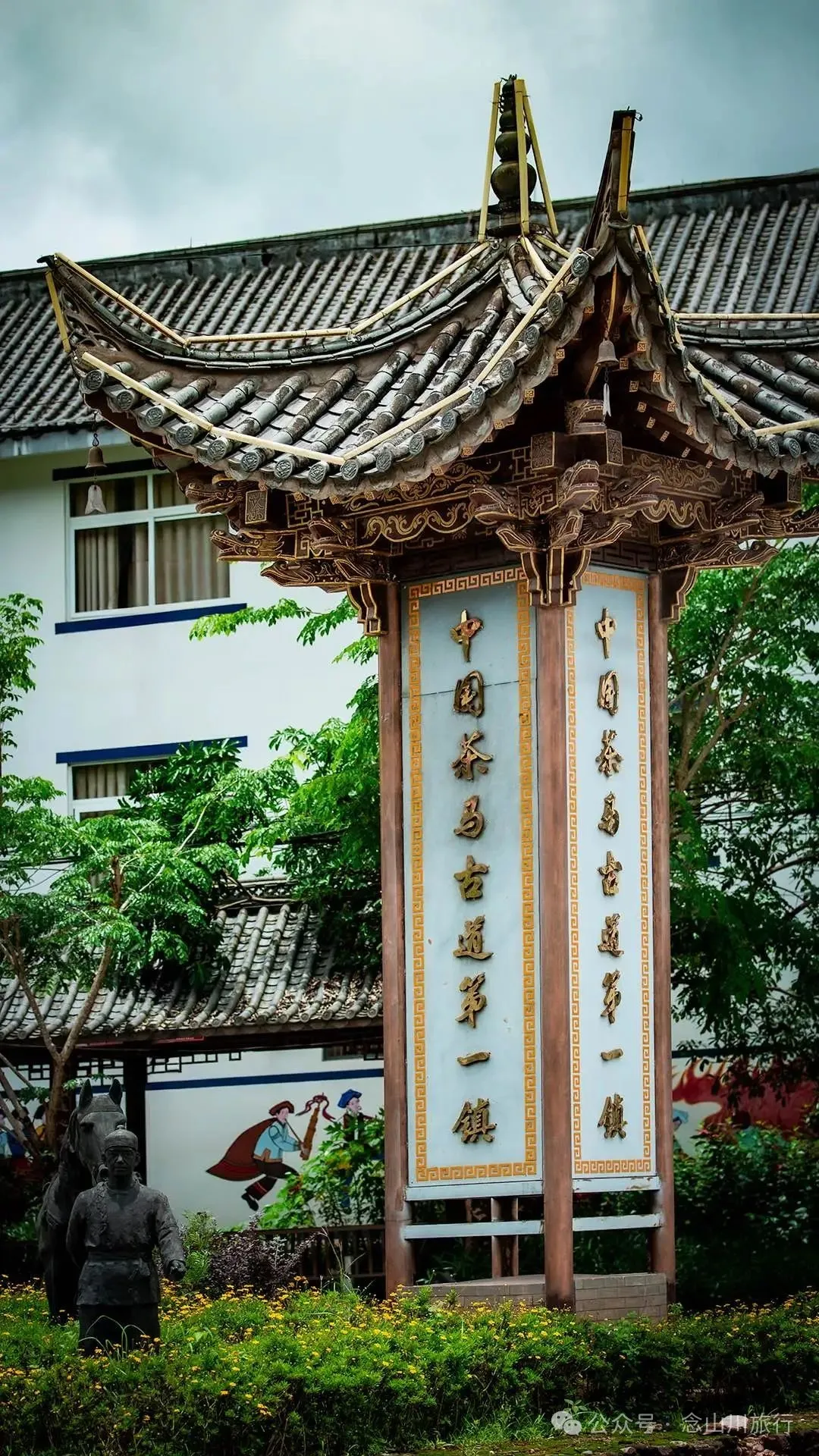
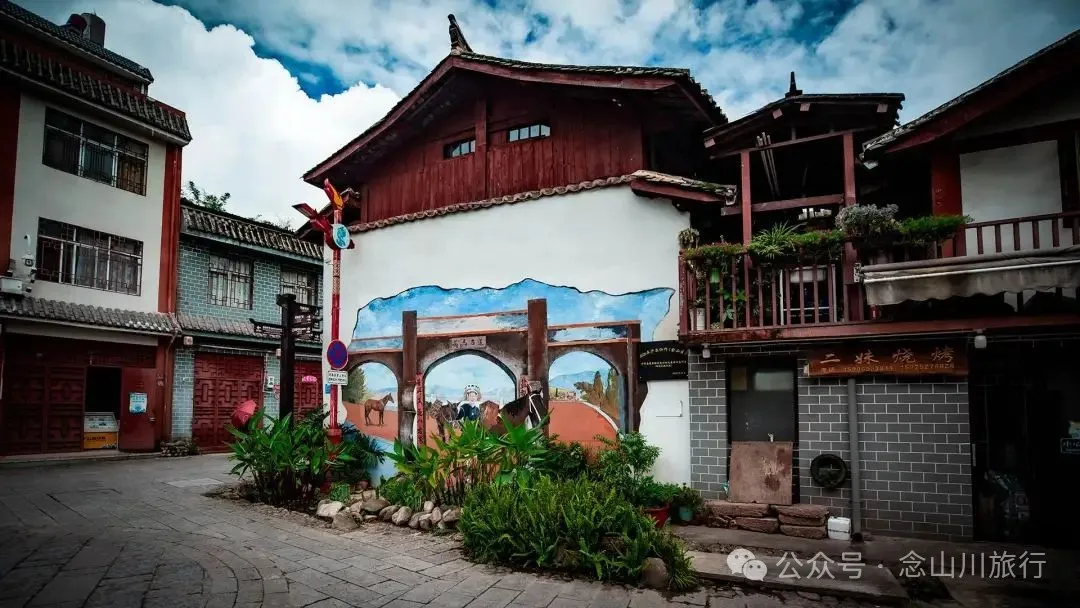
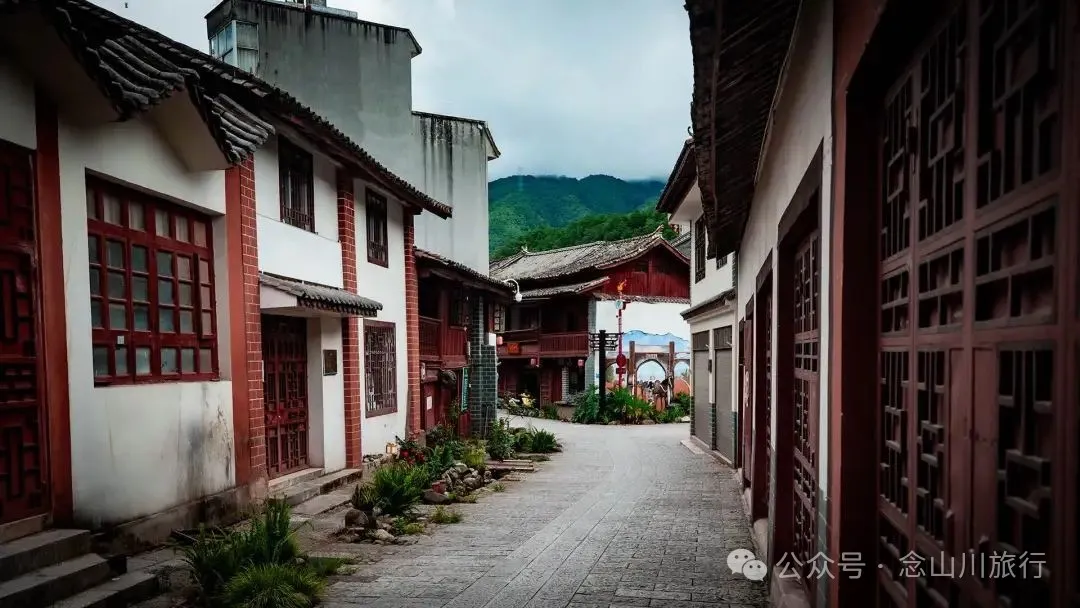
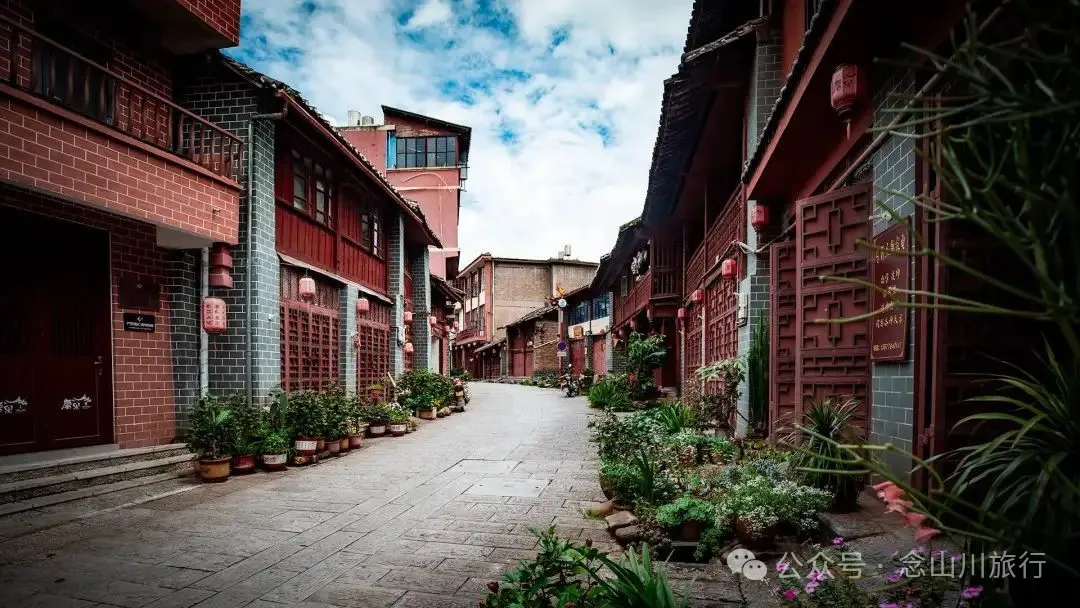
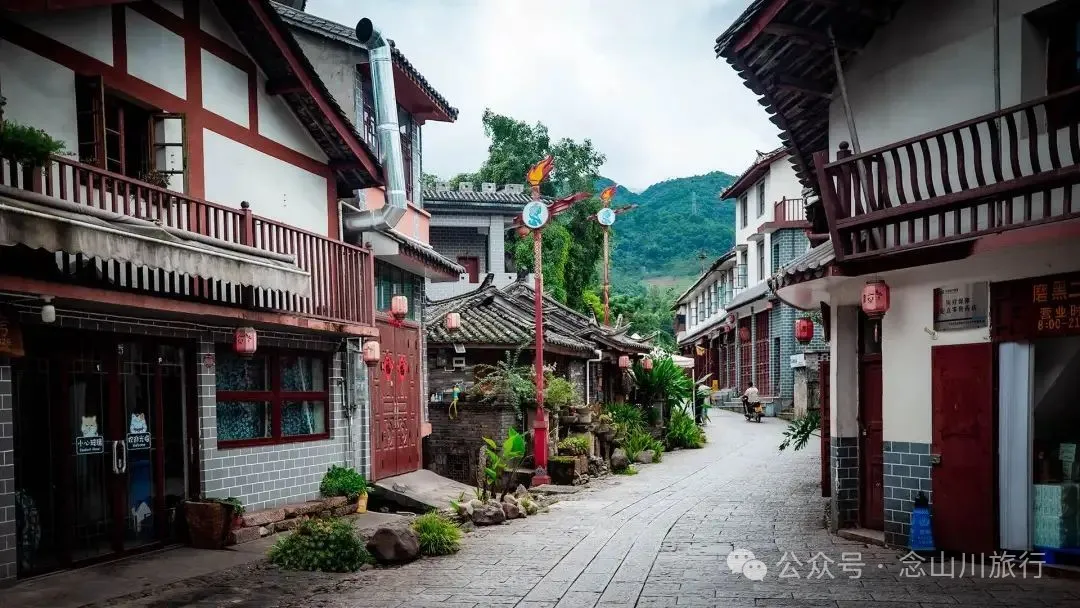
This is Mohei Ancient Town, known as the "First Town on the Ancient Tea Horse Road." The soul of Mohei lies in its name—in the Dai language, "Mo" means salt, and "Hei" means well, so "salt well" is its destiny. Since the Han Dynasty, salt mines in the deep mountains attracted people to mine here, with salt caves extending like underground palaces deep into the earth. "People descend into the earth with lamps, hammers shake the sky with thunder," as described by Qing Dynasty poet Xu Taihe, the image of miners holding oil lamps in their mouths and carrying salt baskets on their backs comes through time. The mineral salt in the caves was almost directly edible, earning it the nickname "edible stone" among locals, and giving rise to the reputation "Mohei salt, salty under heaven." Legend has it that the rich flavor of Xuanwei ham comes from the magical enhancement of Mohei's large pot salt, and the famous Shiping tofu also relies on Mohei salt for its curing.
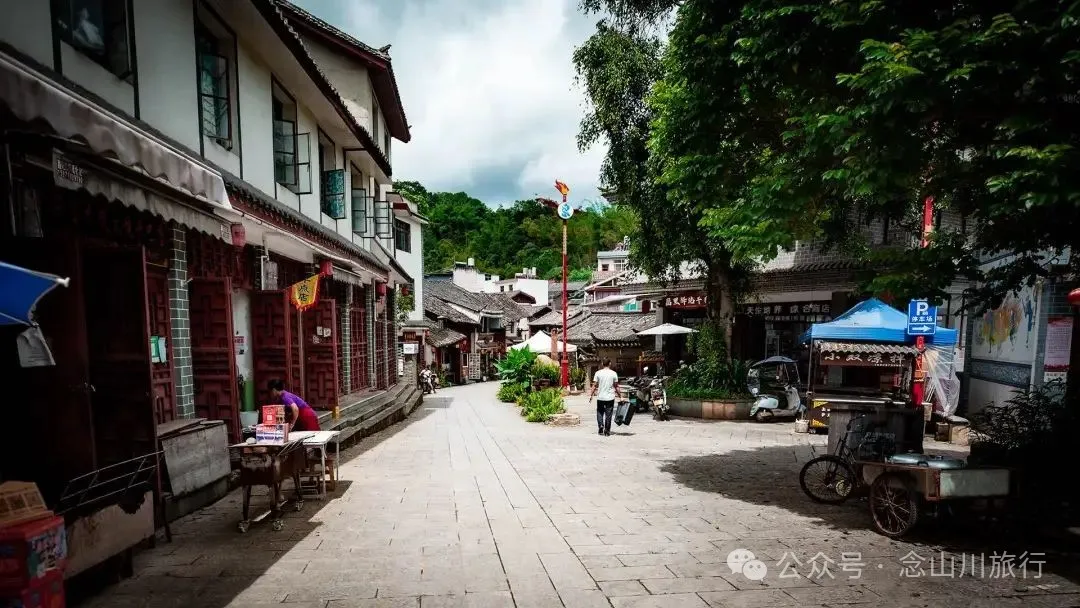
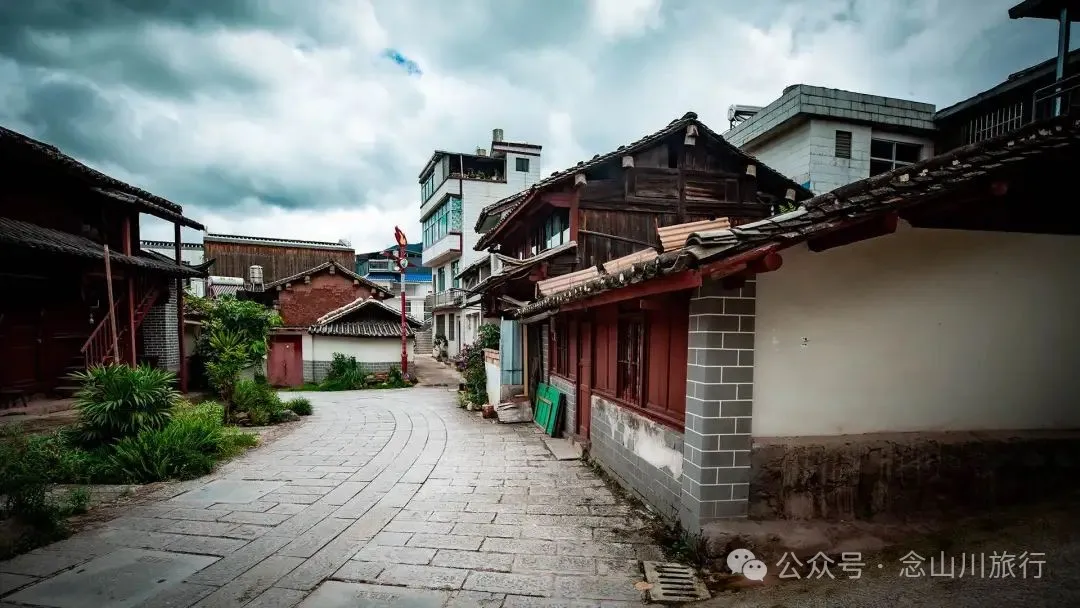
Mohei Ancient Town is located on the core section of the Southern Yunnan Ancient Tea Horse Road, a necessary node connecting the Central Plains, Tibetan areas, and Southeast Asia. Caravans departing from Ning'er (formerly Pu'er Prefecture) passed through the Cha'an Tang post station and then split at Mohei: one route went south to the Central Plains and Beijing (the official horse road), while the other went north via the Yunnan-Tibet route into Tibet and South Asia. This "crossroads" location made it an absolute hub for trade and cultural exchange. Due to its irreplaceable transshipment function in the ancient road network, Mohei was recognized as the first major town among 14 important post stations, serving as a core supply point for caravans heading south or north. At its peak, over a hundred caravans and thousands of horses rested here daily, with a permanent population exceeding 20,000, far surpassing the scale of ordinary post stations.
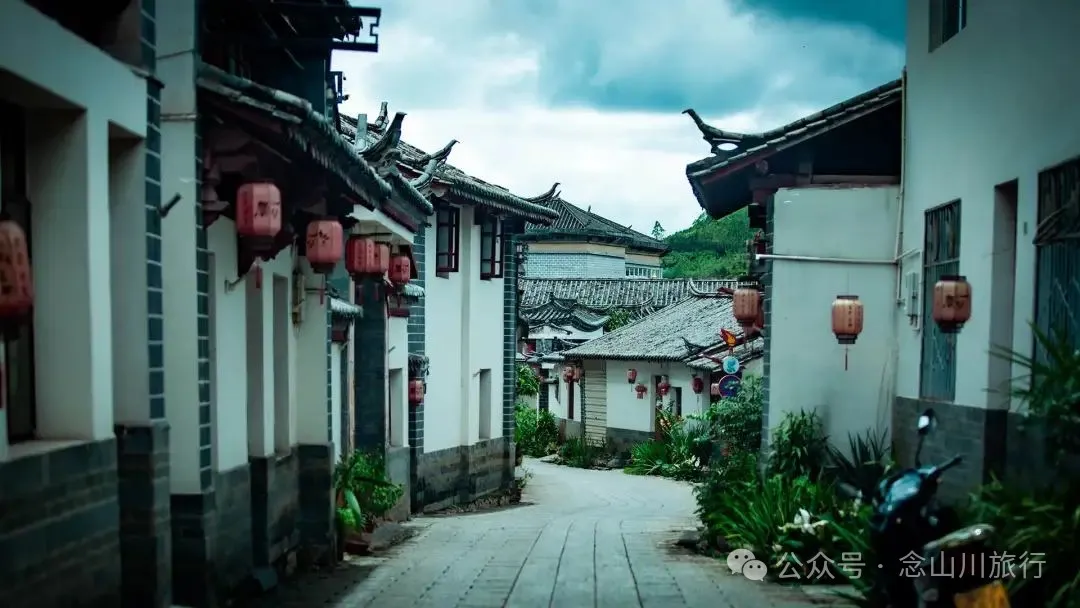
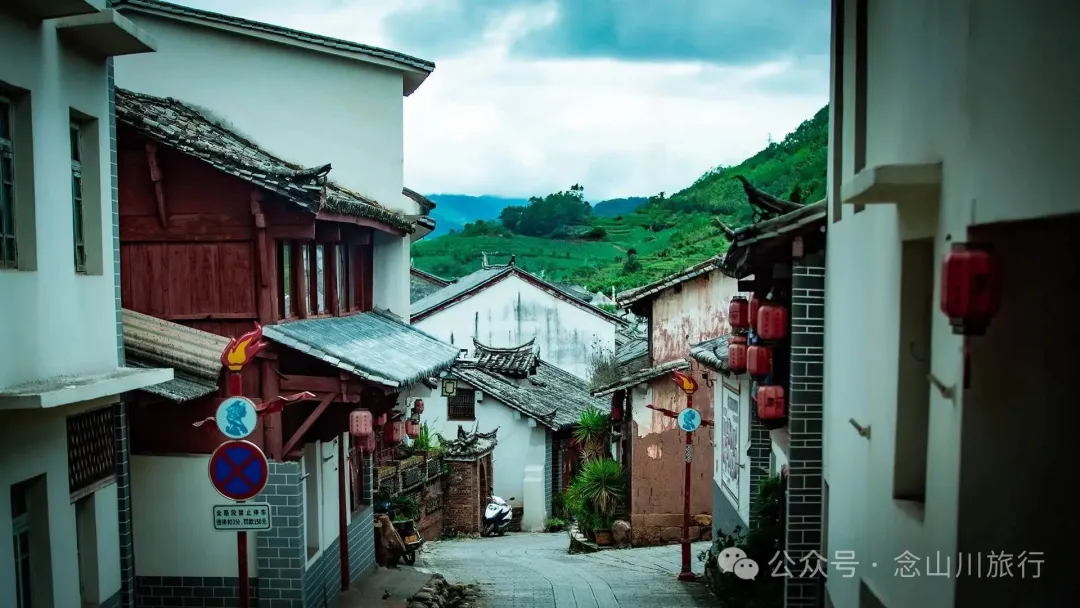
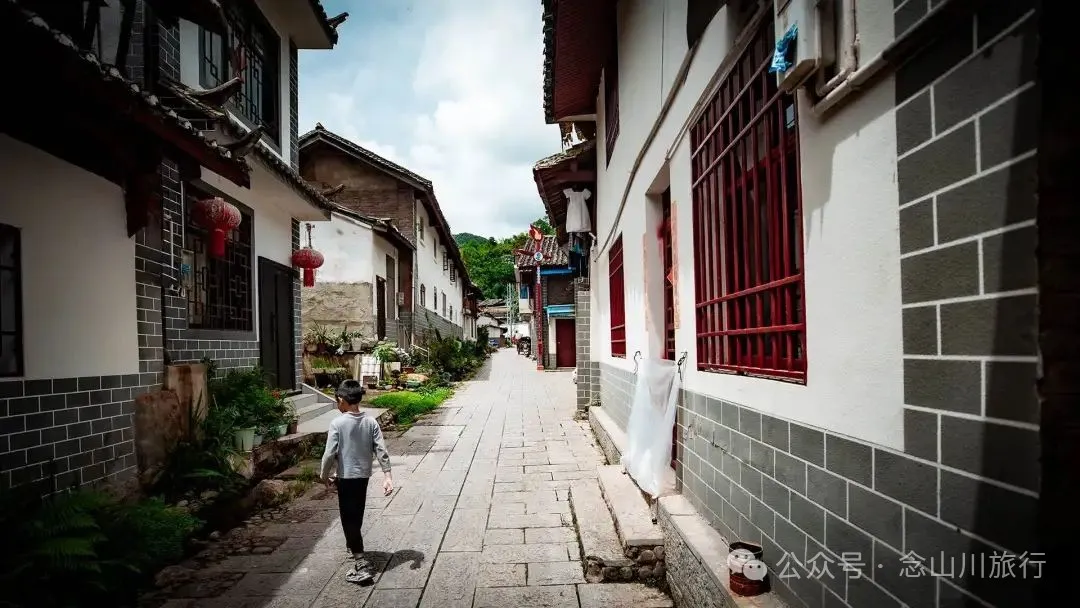
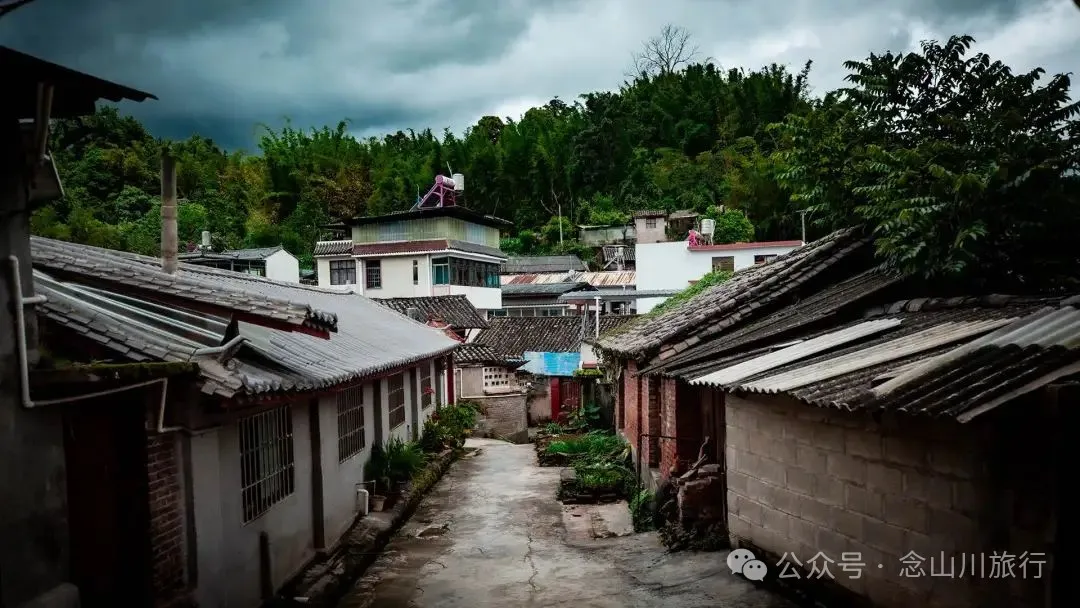
The history of the Ancient Tea Horse Road has long ended. People can only find relevant information in texts and scattered ruins of ancient towns. Mohei Ancient Town has gradually lost its rich cultural atmosphere of the tea horse history due to the changes of the times. Walking on the stone-paved roads of Mohei, you can often catch glimpses of the busy figures of indigenous people coming and going. This uncommercialized life atmosphere easily evokes the prosperous scene of Mohei as the first town on the Tea Horse Road. Excessive commercialization would only accelerate the dimming and disappearance of this culture.
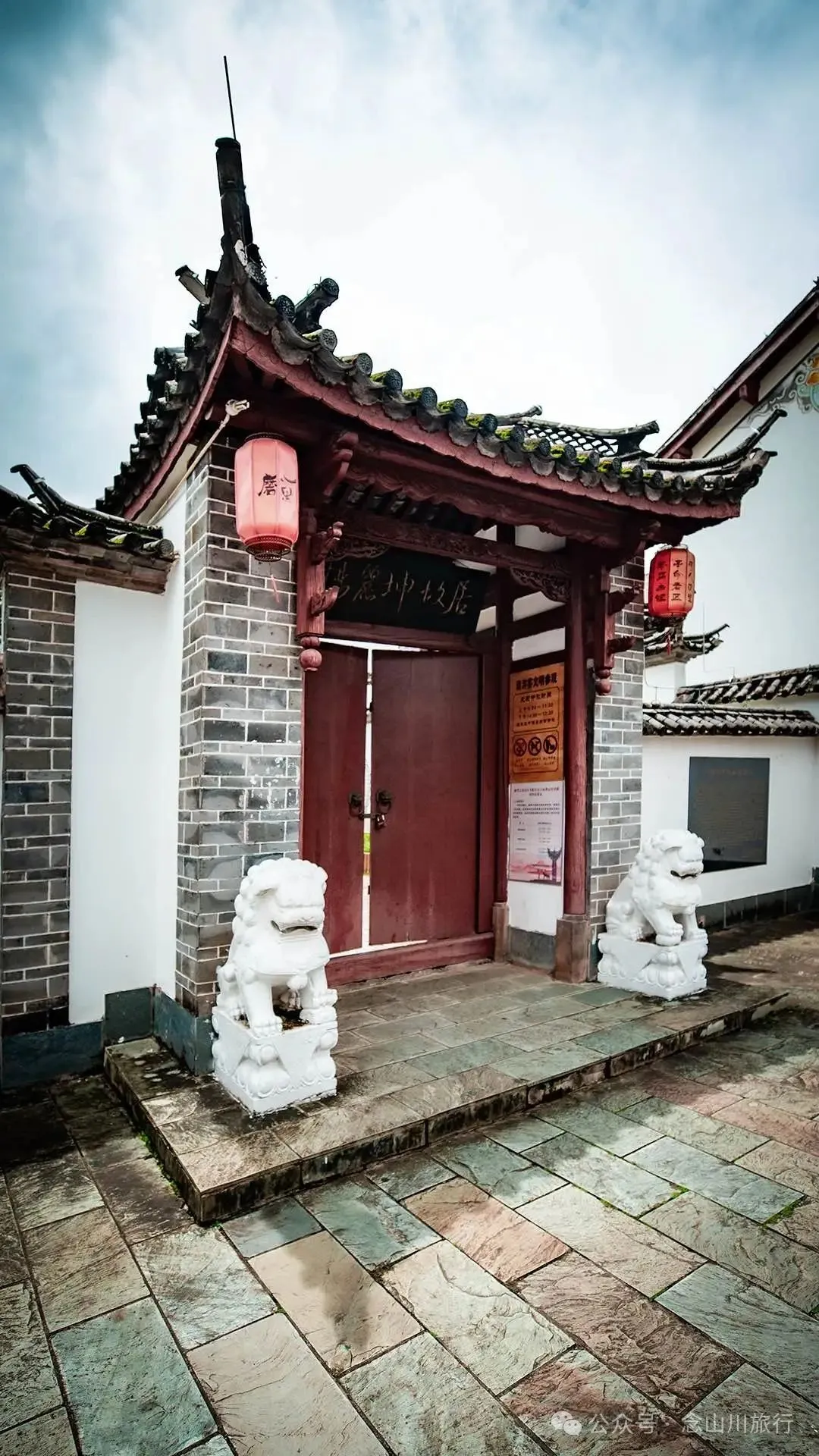
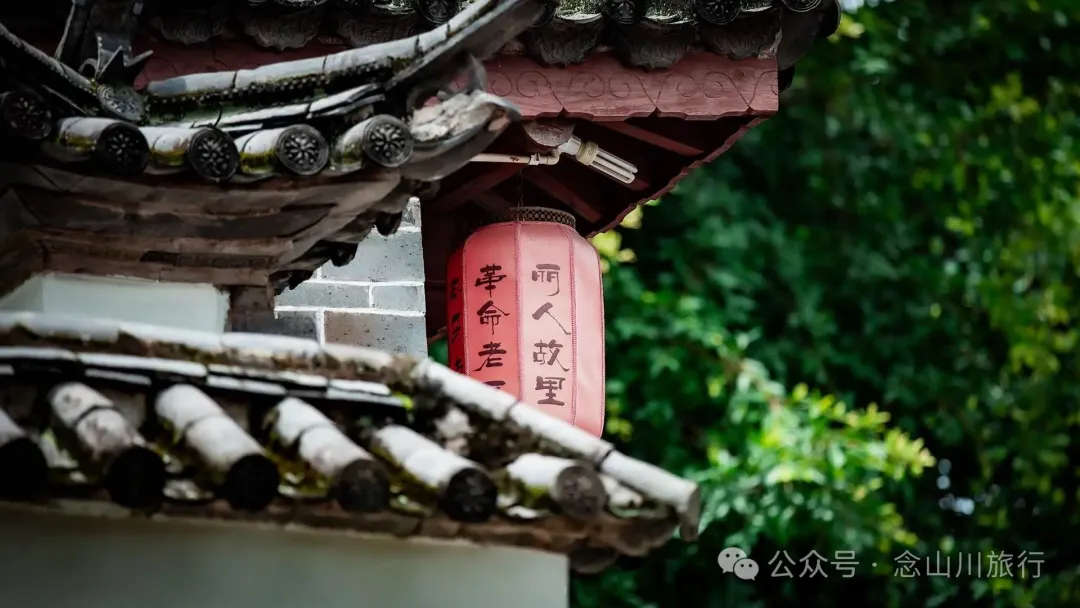
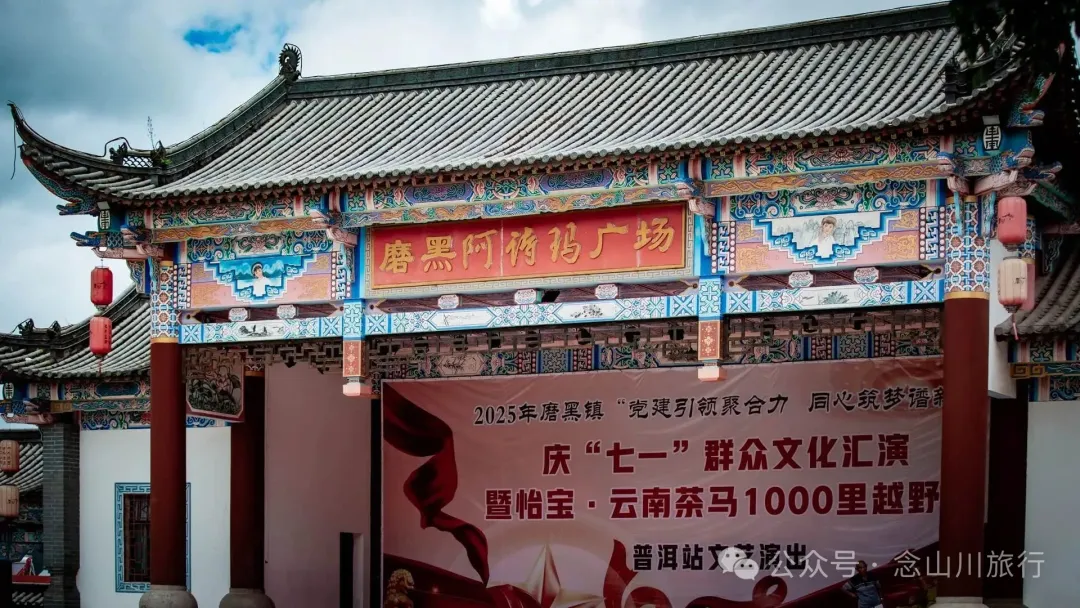
When I was a child, my first impression of the distant and mysterious Yunnan came from the beautiful Ashima. Setting foot on the magical land of Mohei Ancient Town, I learned that this is the hometown of Yang Likun, the lead actress of "Ashima" and "Five Golden Flowers." Her former residence is at a crossroads in the ancient town. Unfortunately, when we wanted to visit, we found the gate locked—we missed the visiting hours. It is said that there is a crape myrtle tree in the courtyard, its shadow swaying over a white marble statue. The statue depicts a woman with flowing skirts and a smiling expression—she is Yang Likun, forever known as "Little Ninth Sister" to the people of Mohei.
On the Ashima Square outside her residence, elderly Yi people often hum ancient ballads: "On the twelve cliffs, stands a girl, she is a flower in the sky, she is the lovely Ashima." In the Sani epic, Ashima—a woman "shining like gold"—turns into an eternal stone peak to resist oppression. When Yang Likun danced on the screen, the clear waves of the Mohei River and the rugged peaks of the Stone Forest merged within her, elevating a local legend into a national spiritual symbol. In 2008, the epic poem "Ashima" was inscribed on the National Intangible Cultural Heritage list, and Yang Likun's screen image brought this beauty to the world.
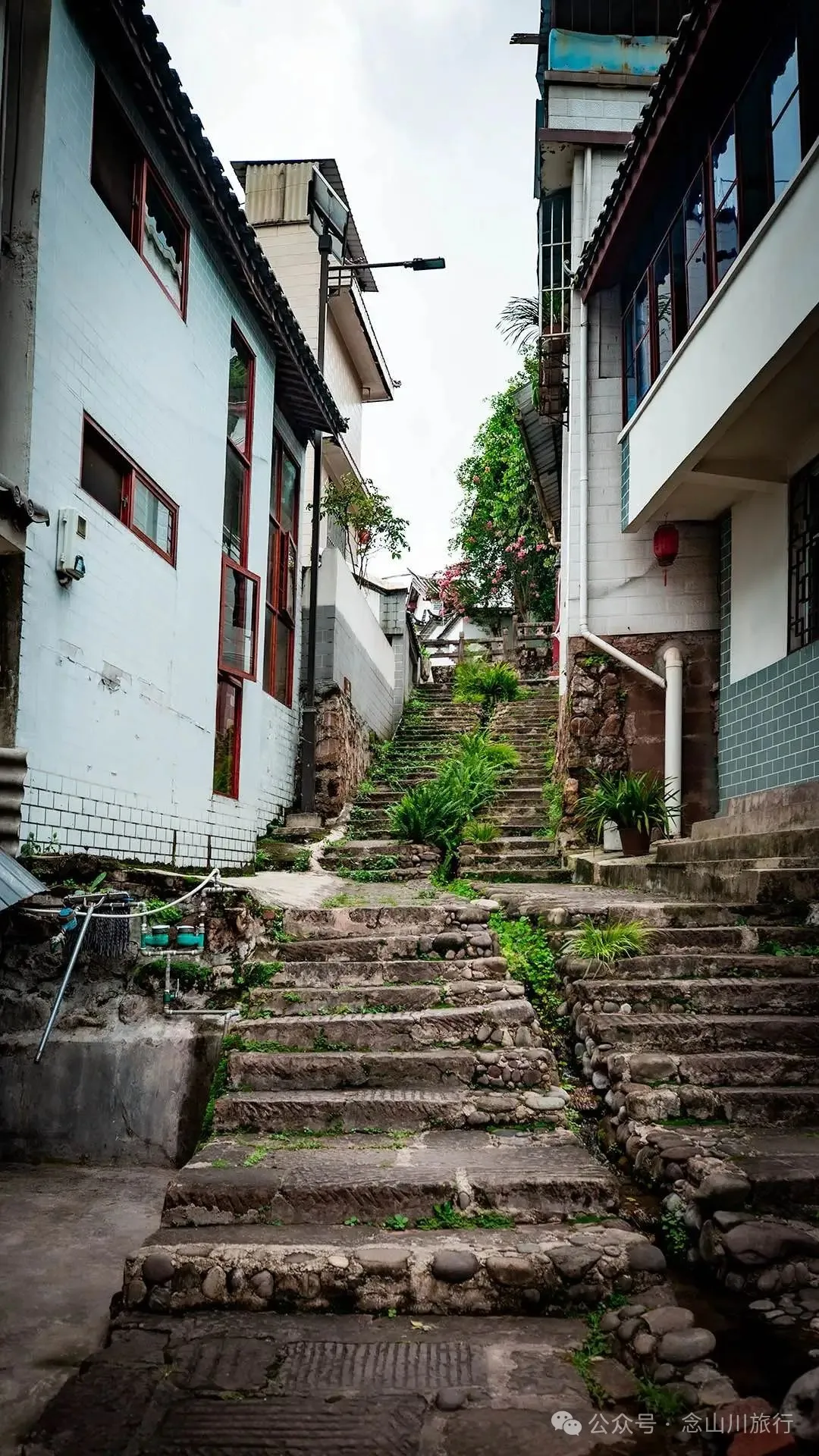
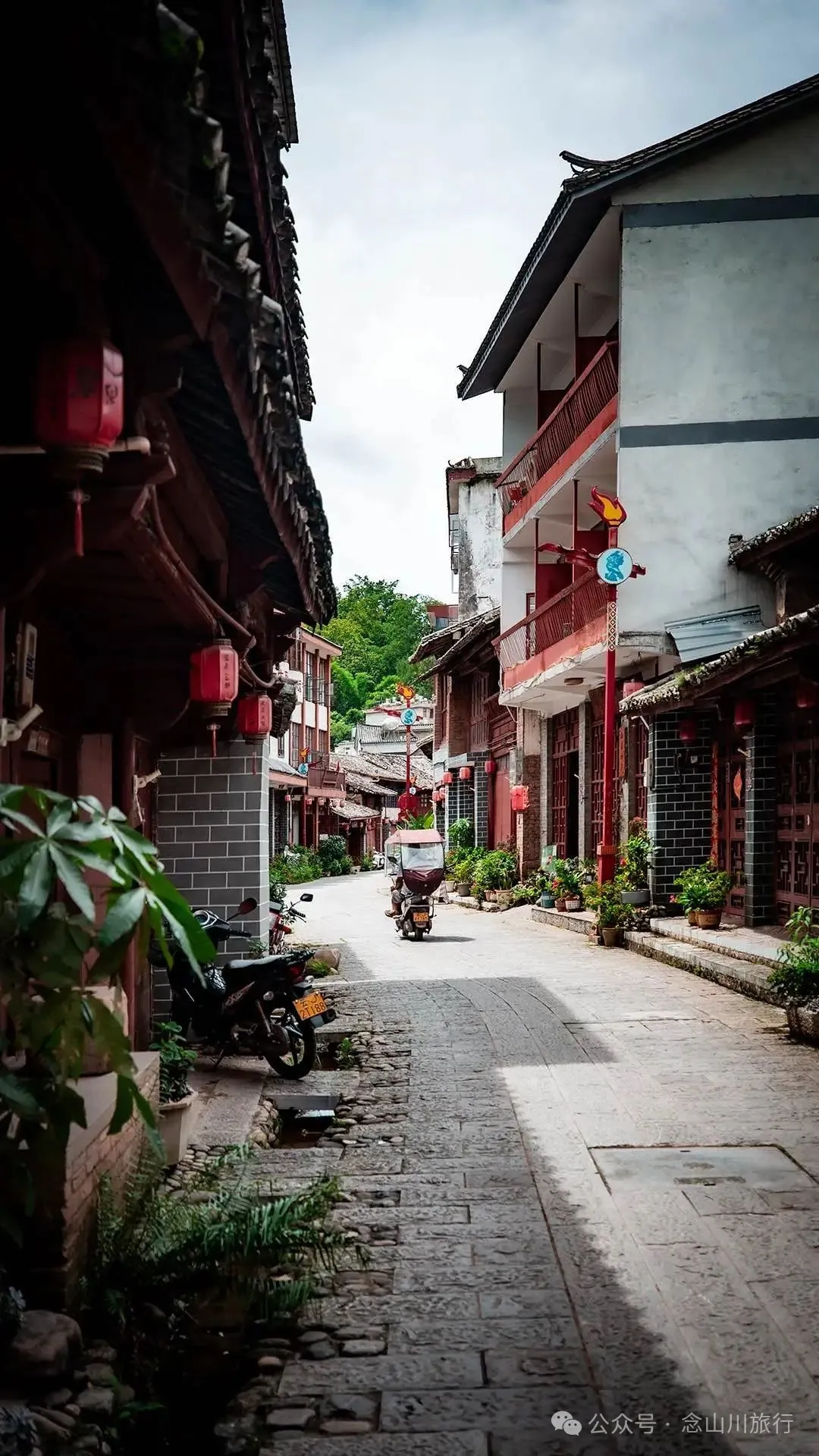
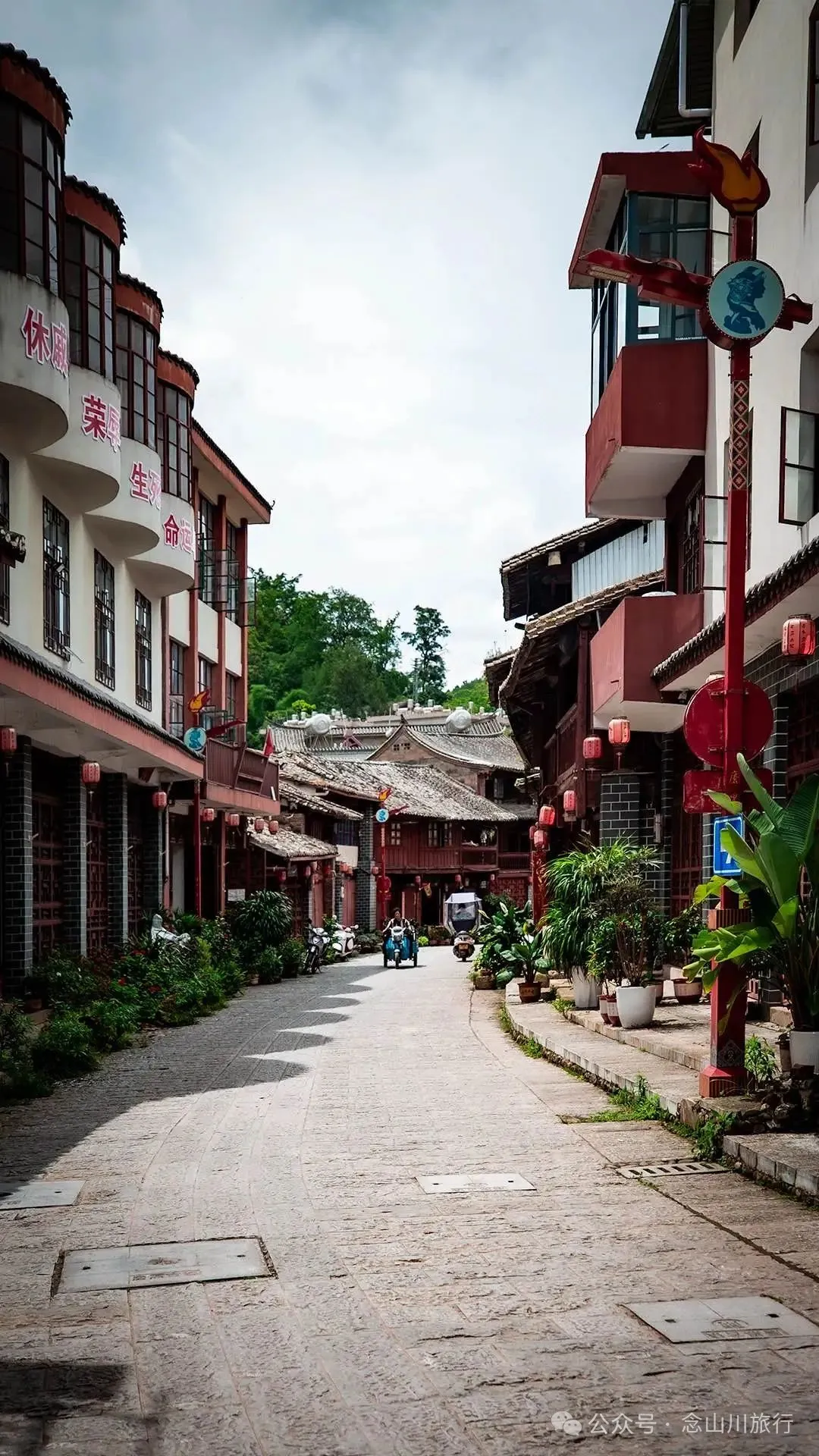
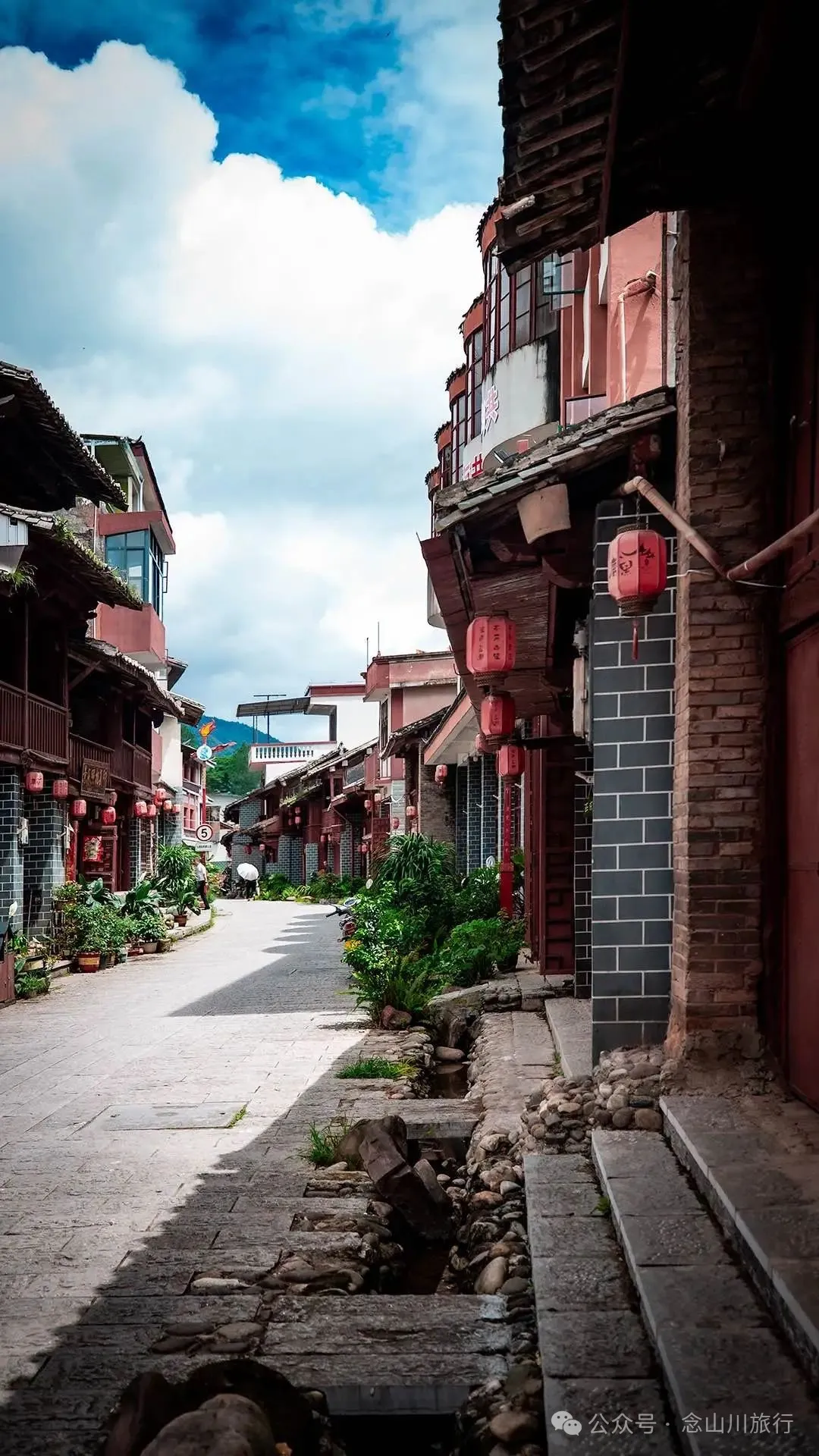
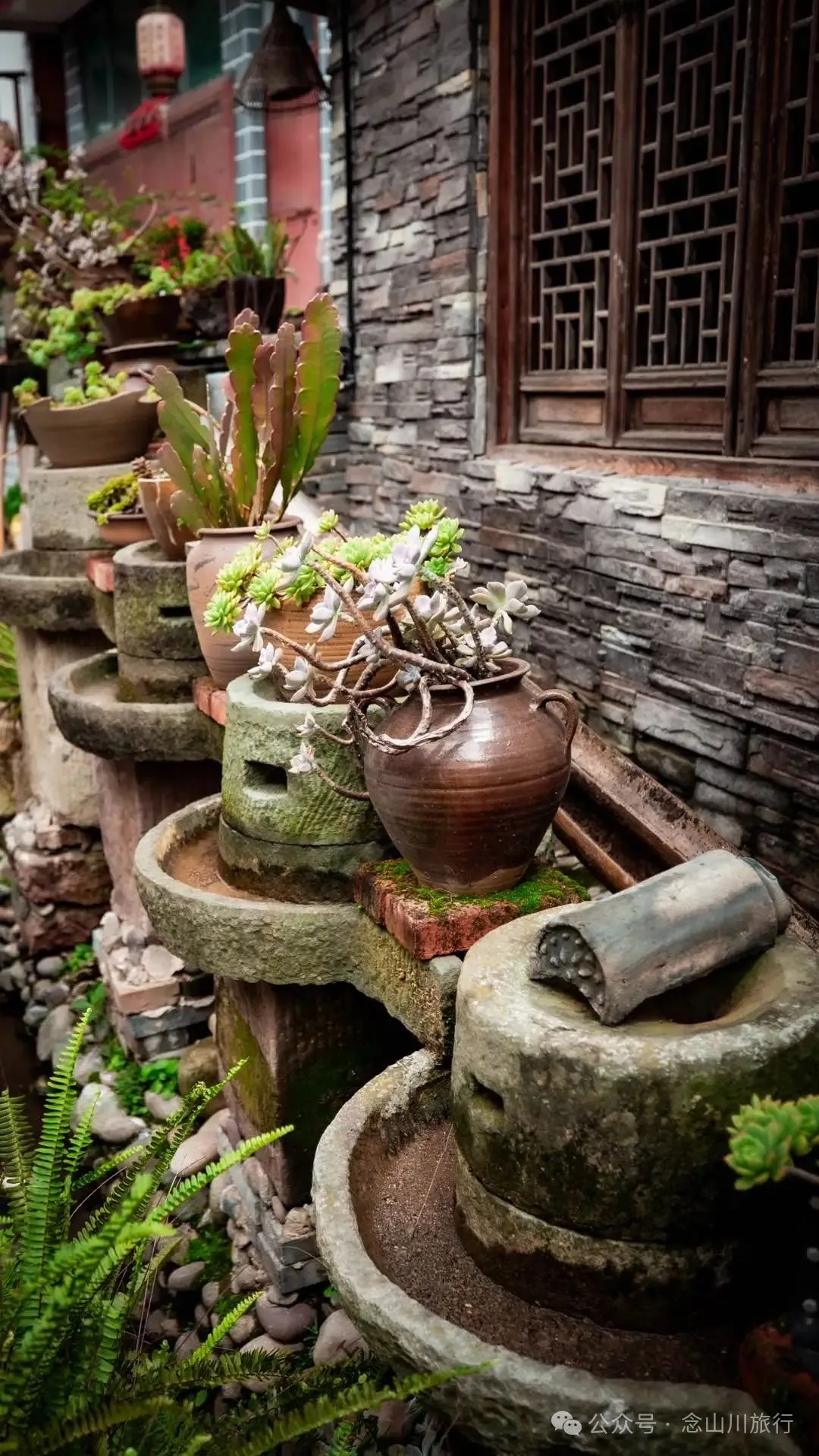
Today, the ancient town continues its legend through revitalization. By the Mohei River, a flower stream winds, with pickerelweed blooming in blue-purple inflorescences; the beauty-resting benches, though no longer graced by old silhouettes, have become windows for tourists to gaze into history; at the sealed entrance of the salt mine ruins, an explanatory sign stands, telling the story of miners' blood and tears—"earning money in the underworld to spend in the living world." Yang Likun's former residence has been open to the public for free for ten years, receiving hundreds of thousands of visitors from home and abroad; in the intangible cultural heritage workshop, Yi women's fingers fly, and the camellias and butterflies on Sani embroidery have become treasured "Mohei impressions" for a new generation of travelers.
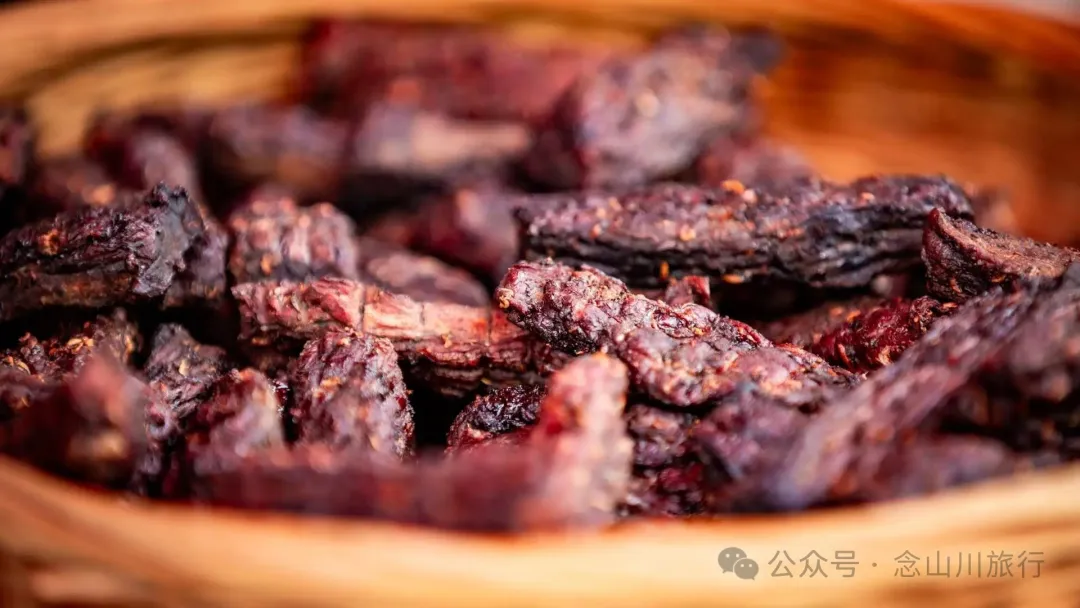
Mohei's beef jerky, marinated with salt and chili and then grilled until crispy, was once a source of energy for caravans crossing mountains.
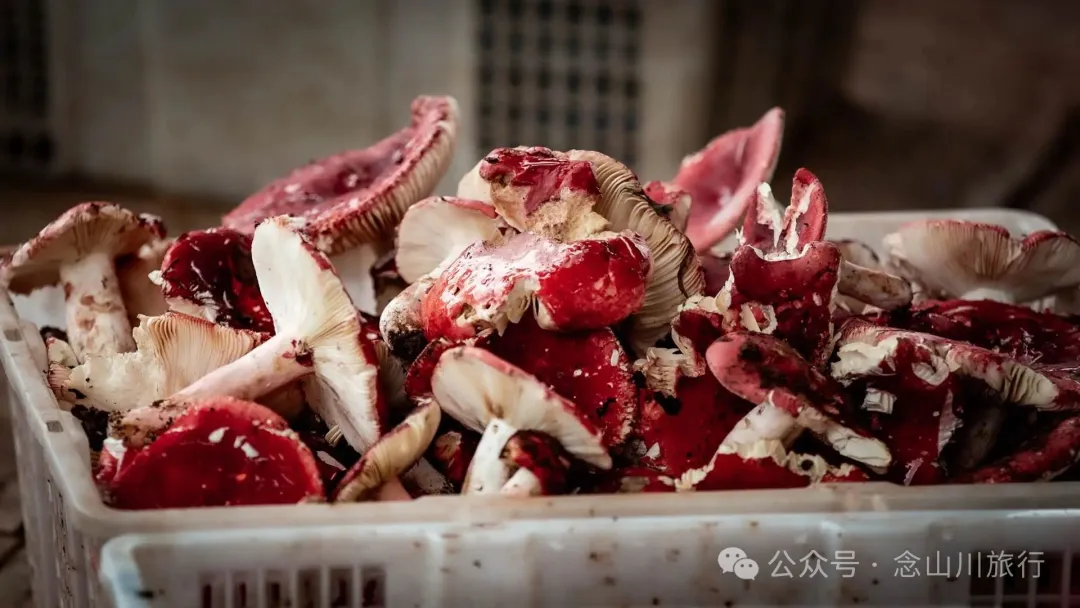
Did the elderly woman selling red mushrooms by the roadside ever encounter the jingling bells of caravans?
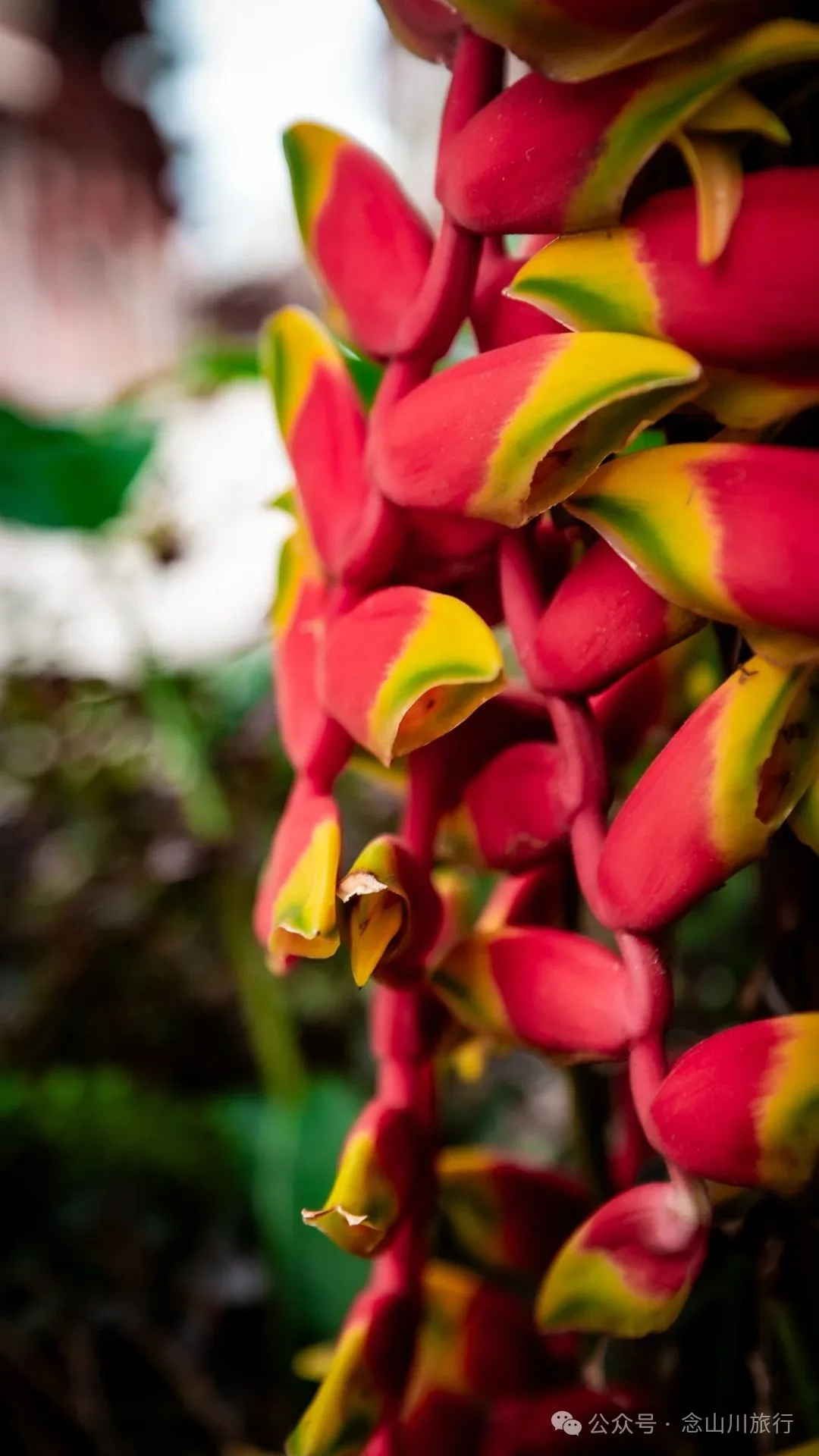
By the roadside, I encountered a novel plant called the golden-beak scorpion tail, quite imposing, and it is the national flower of Bolivia.
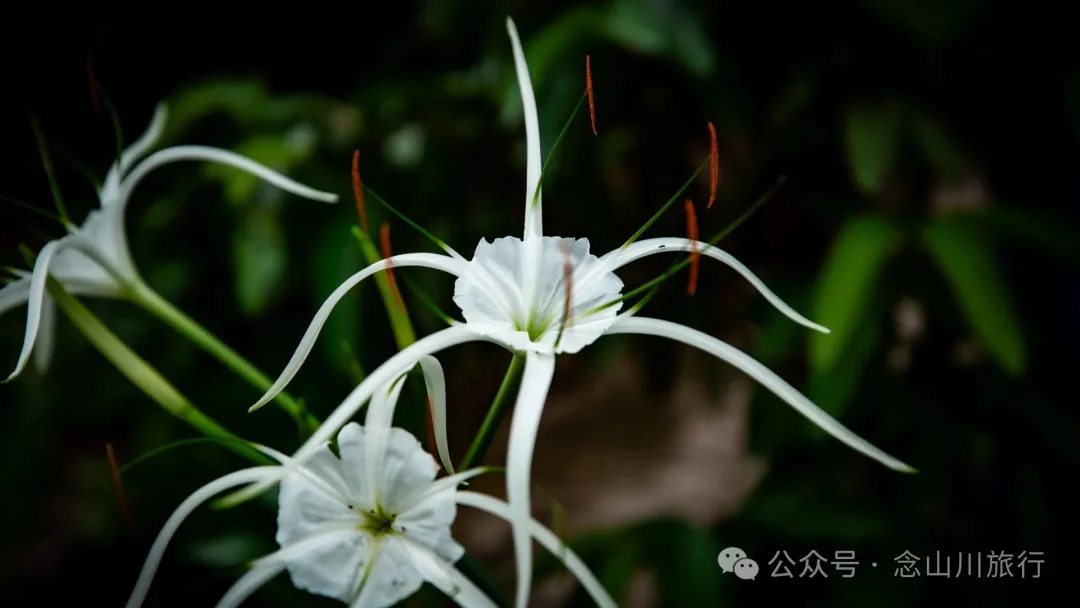
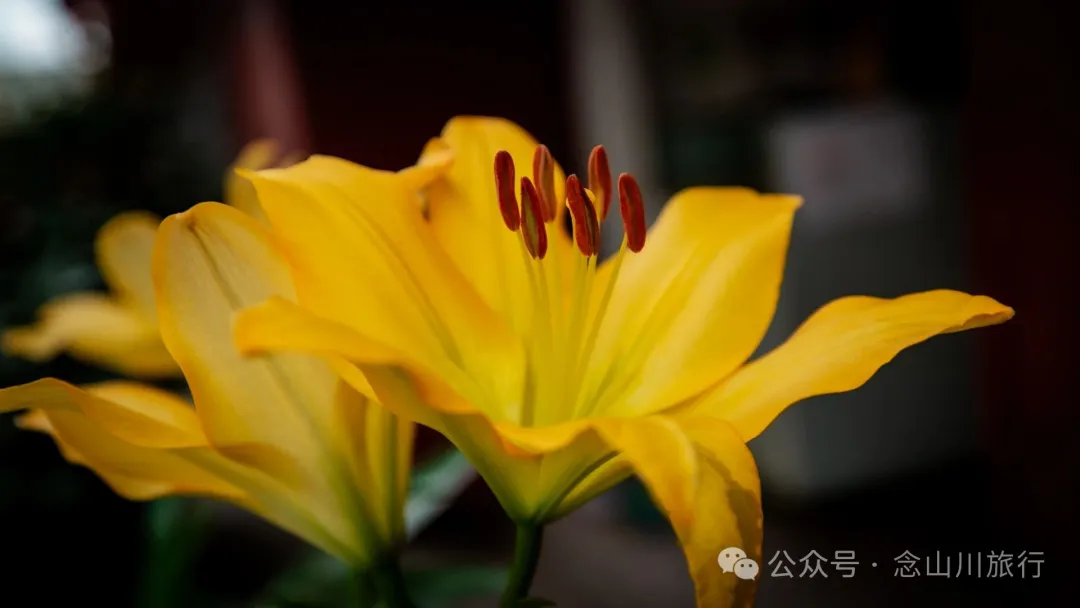
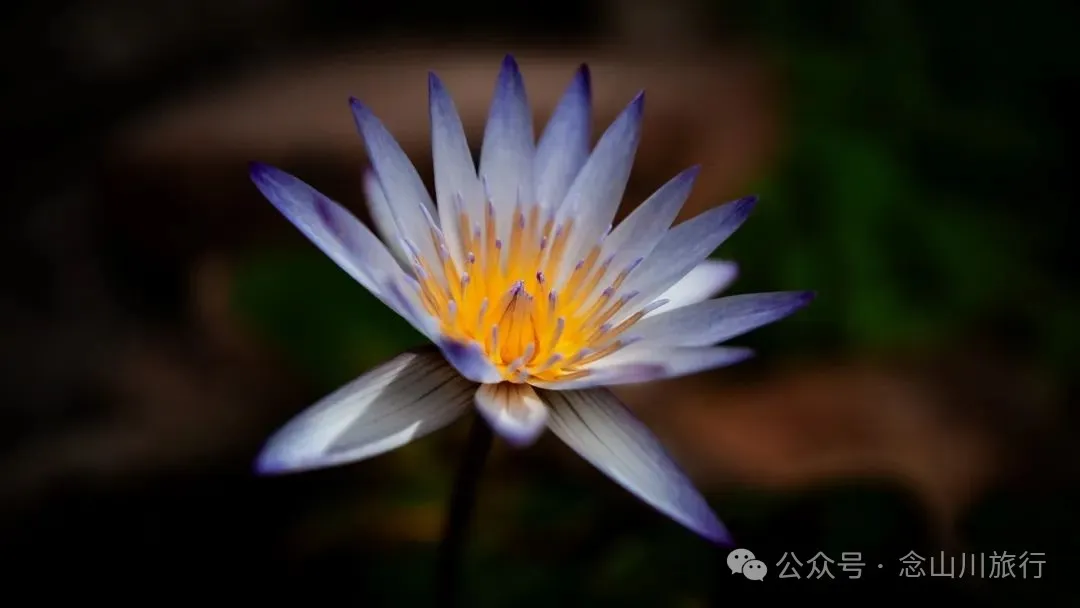
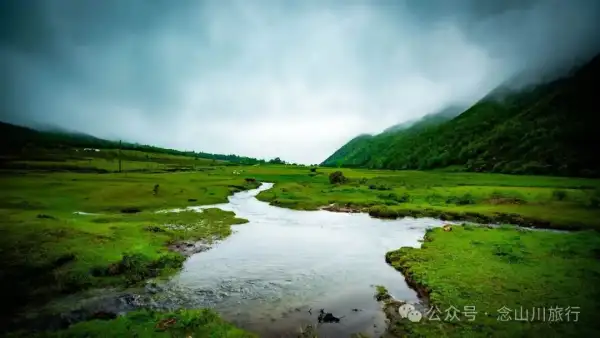
A clear stream gurgles through the town from the mountains. By the stream, ordinary and self-sufficient indigenous people continue their ancestral life of hustle and bustle on this tea horse post road shining with a millennium of salt light, consciously or unconsciously preserving the most vibrant aspect of life from those bygone days. If you enter Mohei Ancient Town, listen to their most mundane conversations, taste their cured beef jerky, and by the stream, listen to the fading hoofbeats of the caravans.