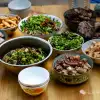

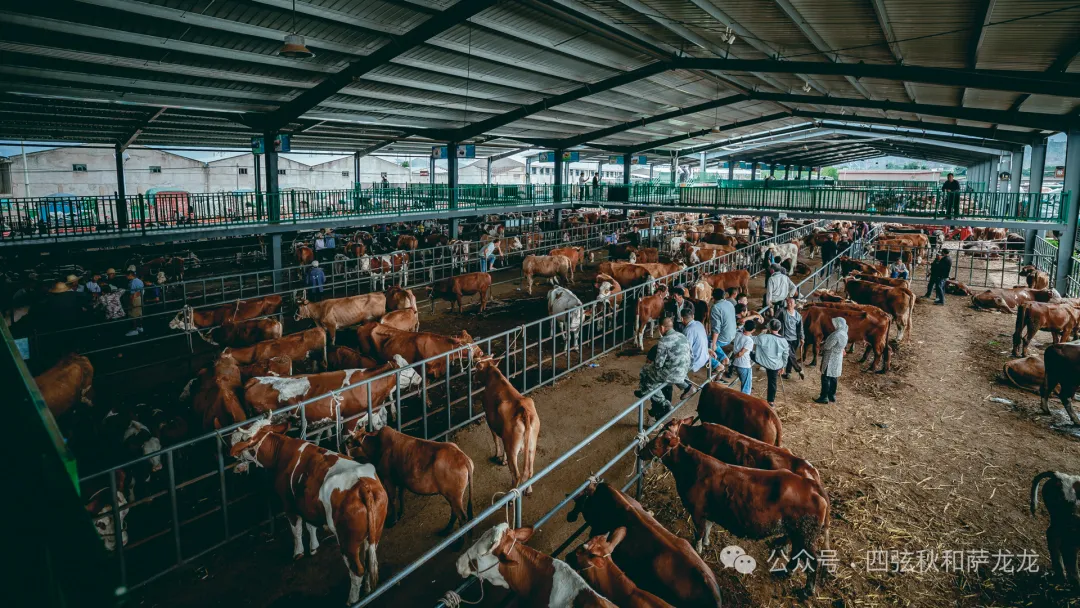
When Brother Er told us about Dianzhong Street beside the riverbank, he vividly described that when going to the Dianzhong Street market, you must visit the food stall with the most customers near the livestock trading area, especially on a windy winter day, to taste the most authentic cold sliced meat. As he spoke, he gestured, saying that when the wind blows, the smell of cow, sheep, and horse manure wafts toward you, and as you chew the cold sliced meat, there might even be a chicken feather or two hanging from the corner of your mouth—the flavor is indescribably exhilarating.
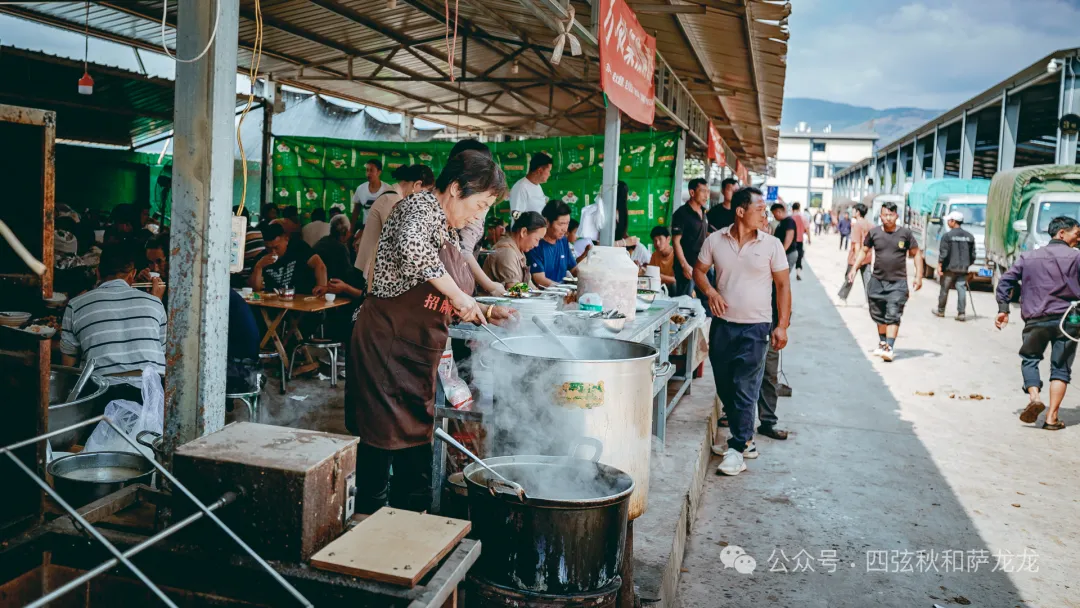
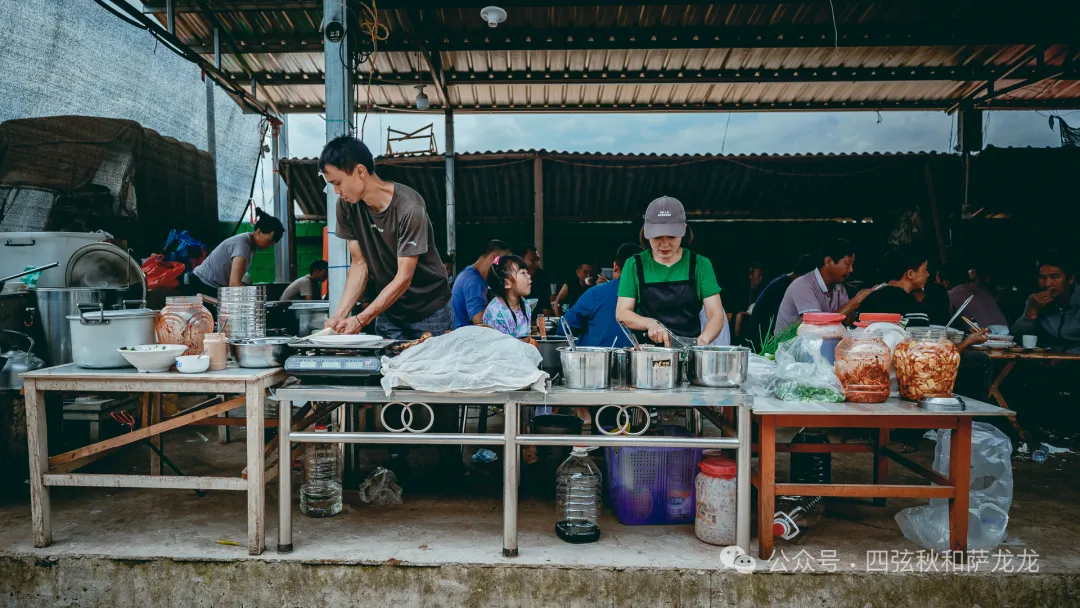
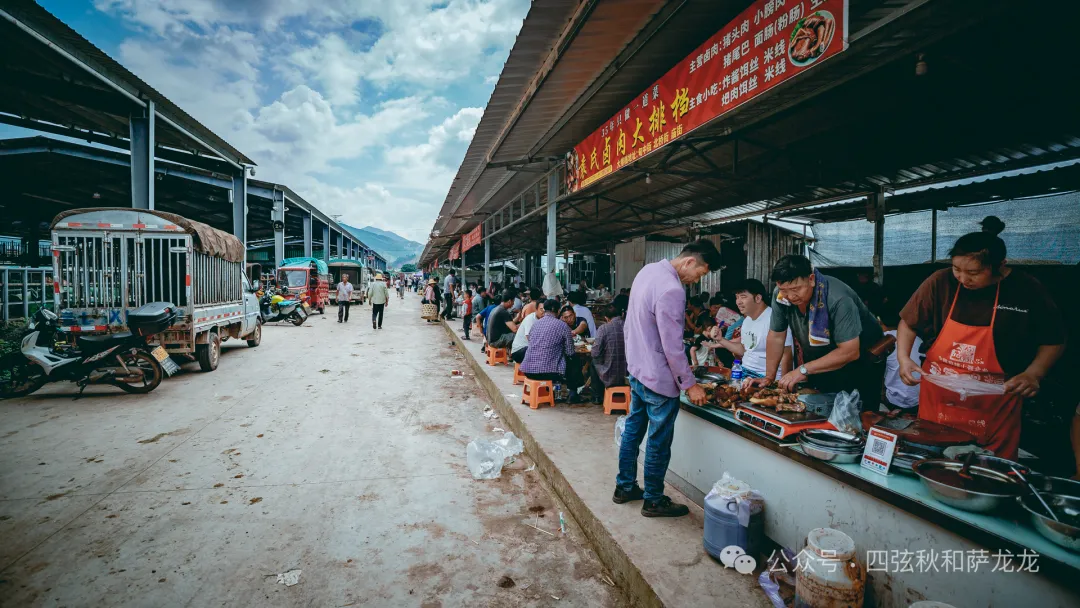
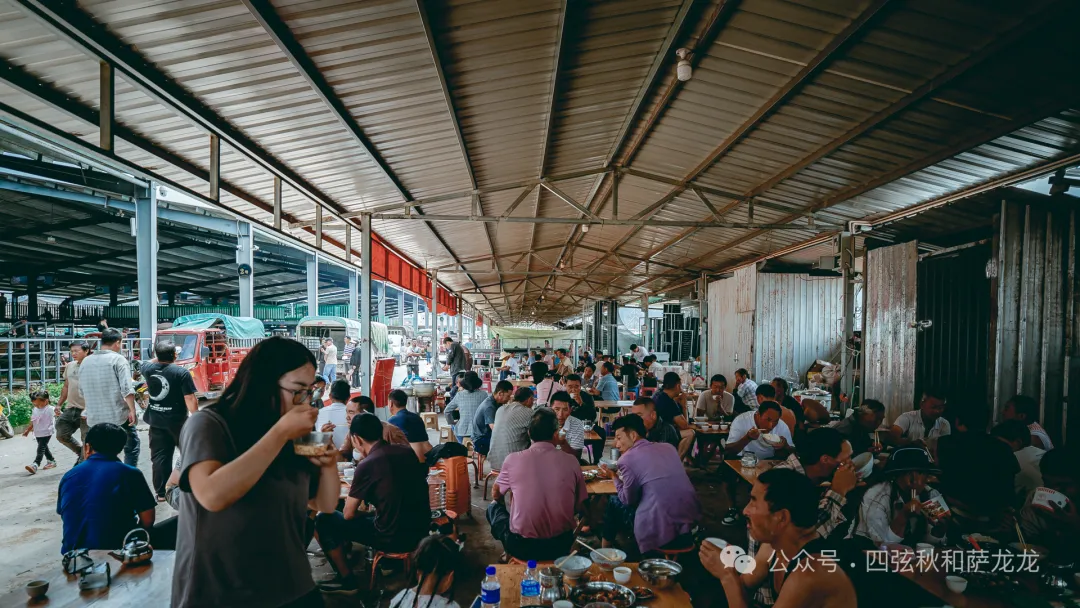
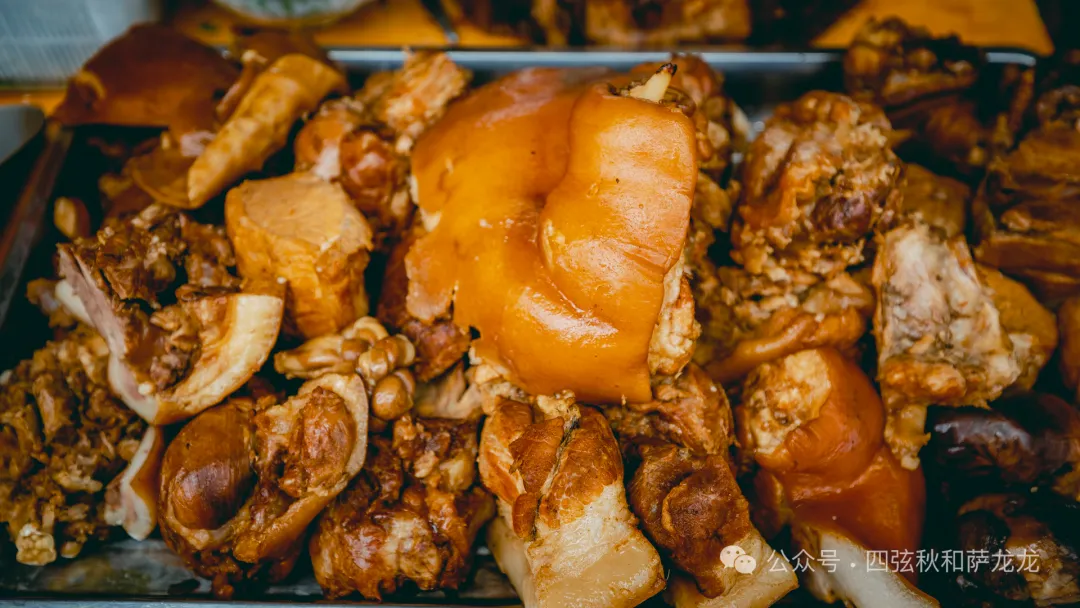
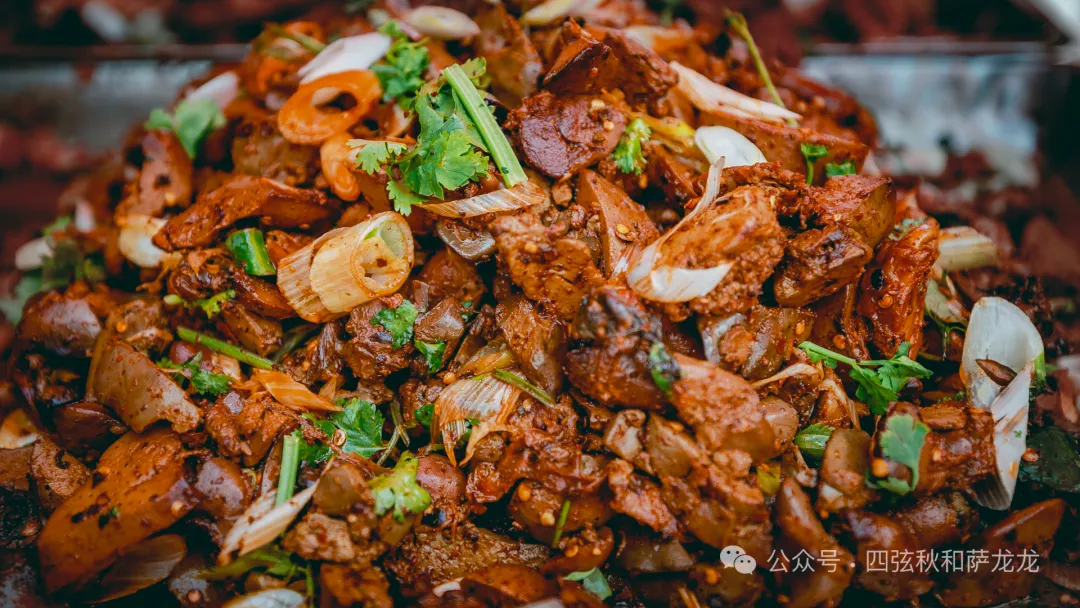
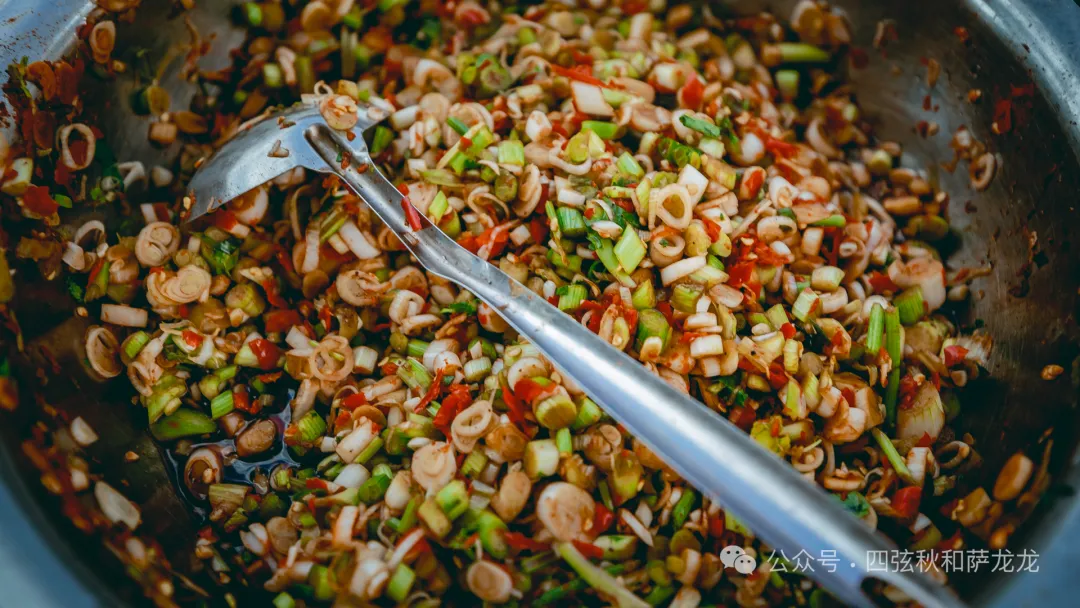
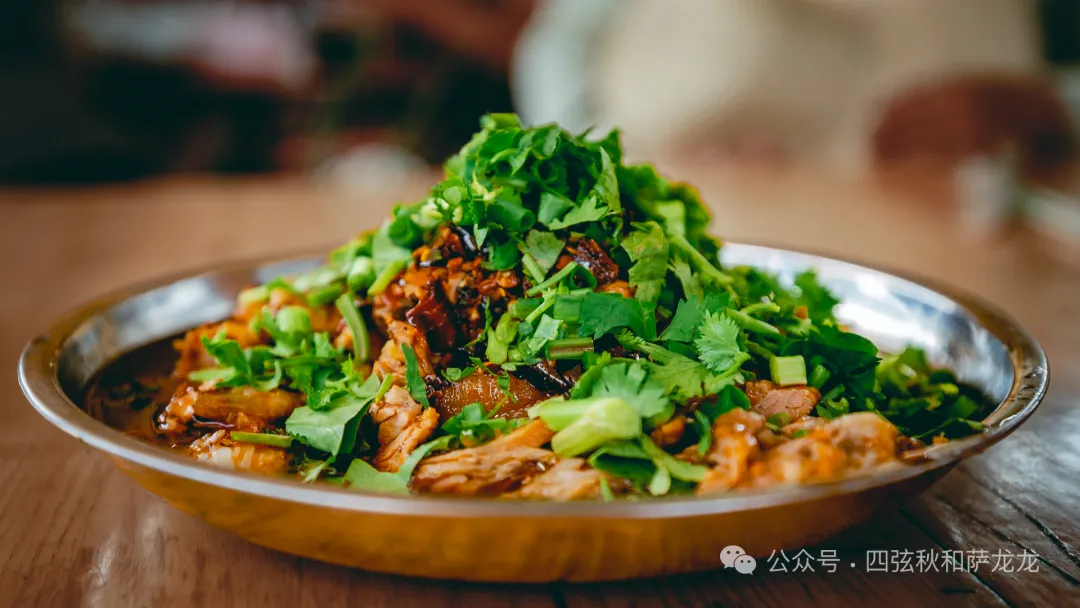
We didn't go to Dianzhong Street market on a windy day, but we did eat at that crowded food stall he mentioned several times. Even without the wind-blown seasoning, the taste was amazing. Sitting among the crowd, surrounded by villagers who came from all directions to the market—some with families, some with friends—after shopping, they would sit down and order a plate of cold sliced pork, half a catty or eight taels, and pour a glass of freshly drawn loose liquor. When they had a moment, they'd take a puff from a water pipe. Once the market dispersed, they'd lead the cattle or sheep they bought at the market and head home.
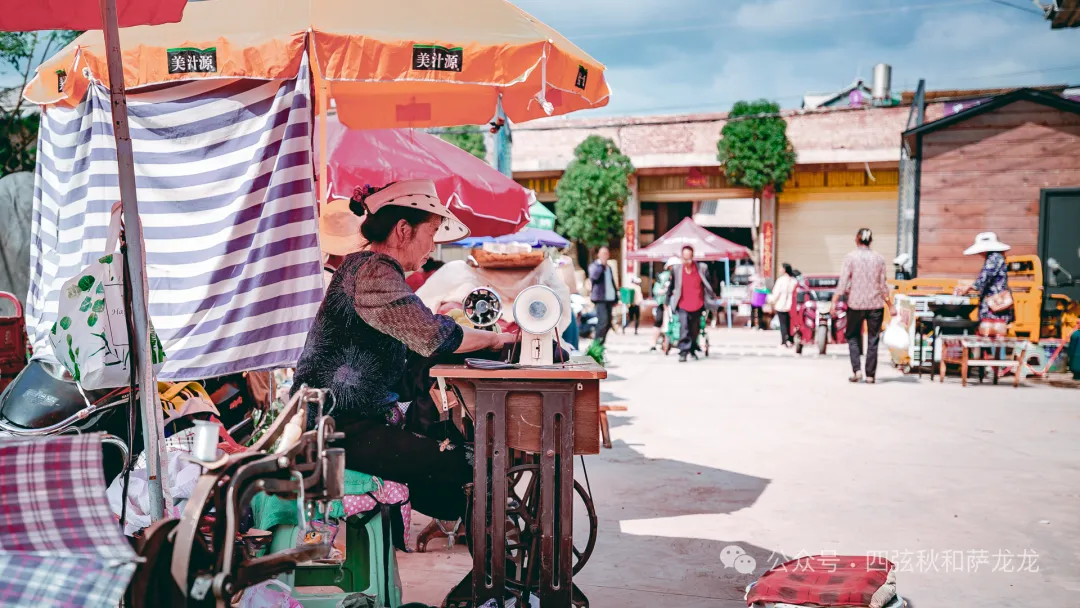
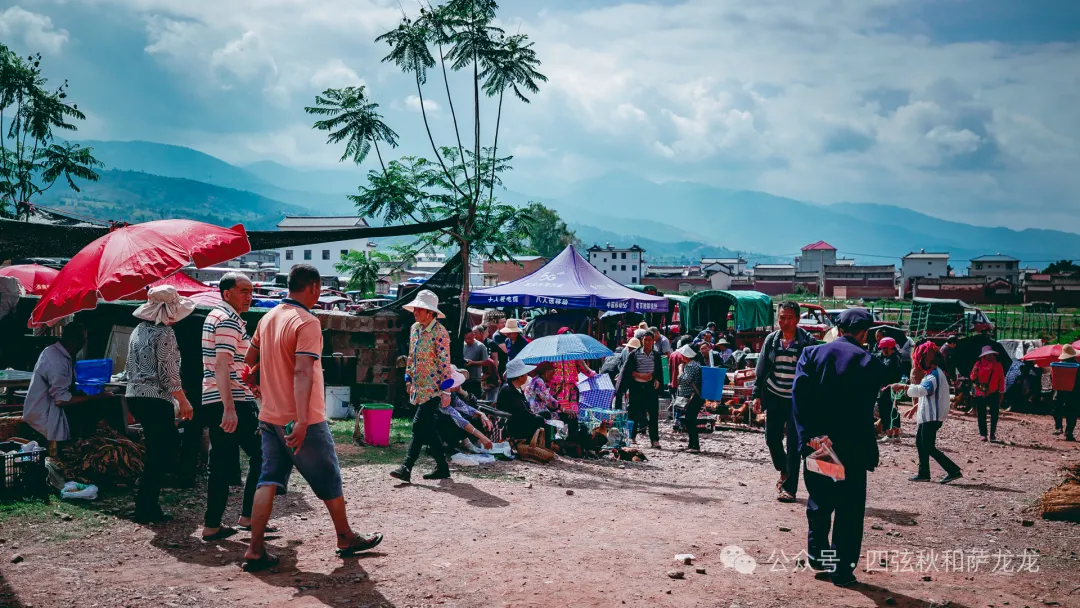
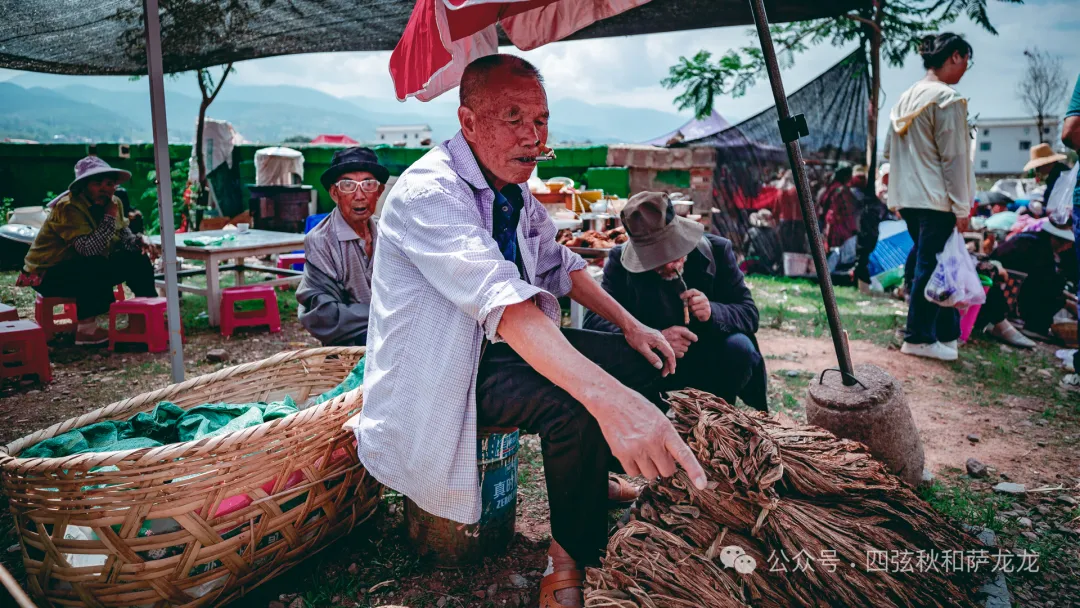
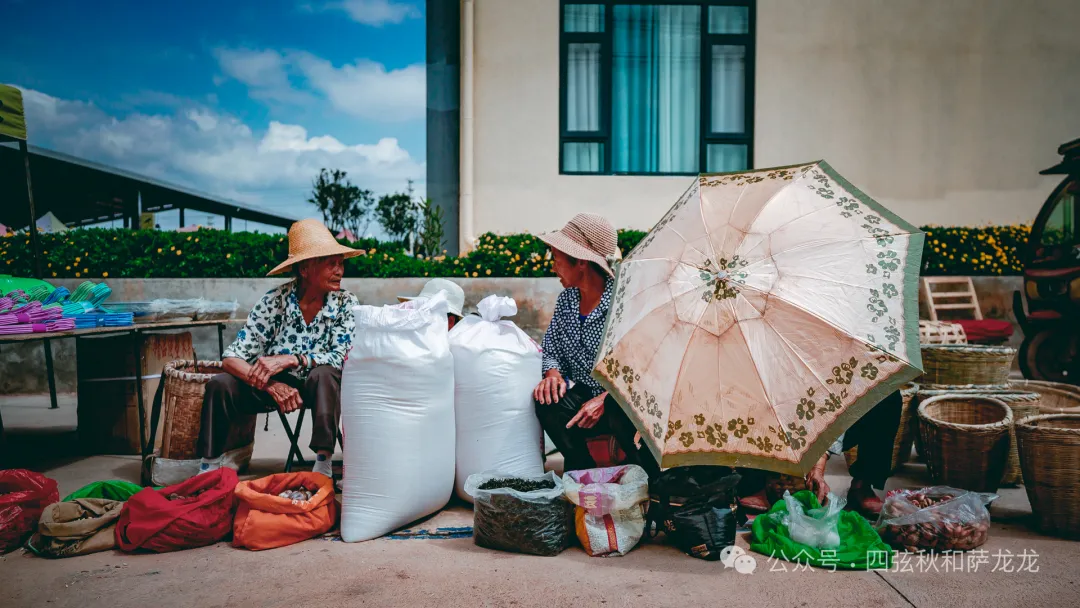
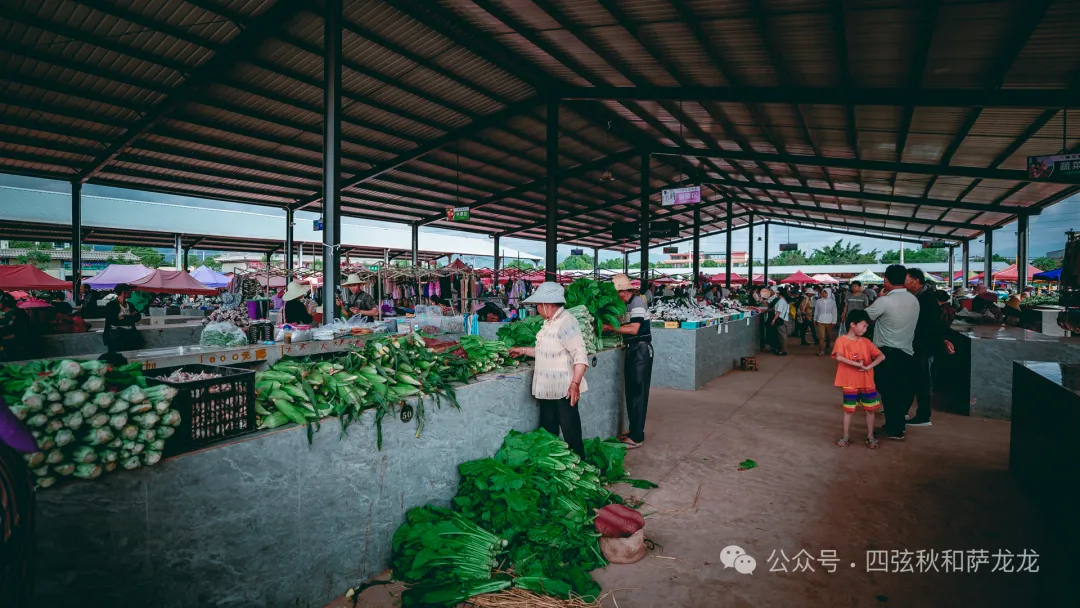
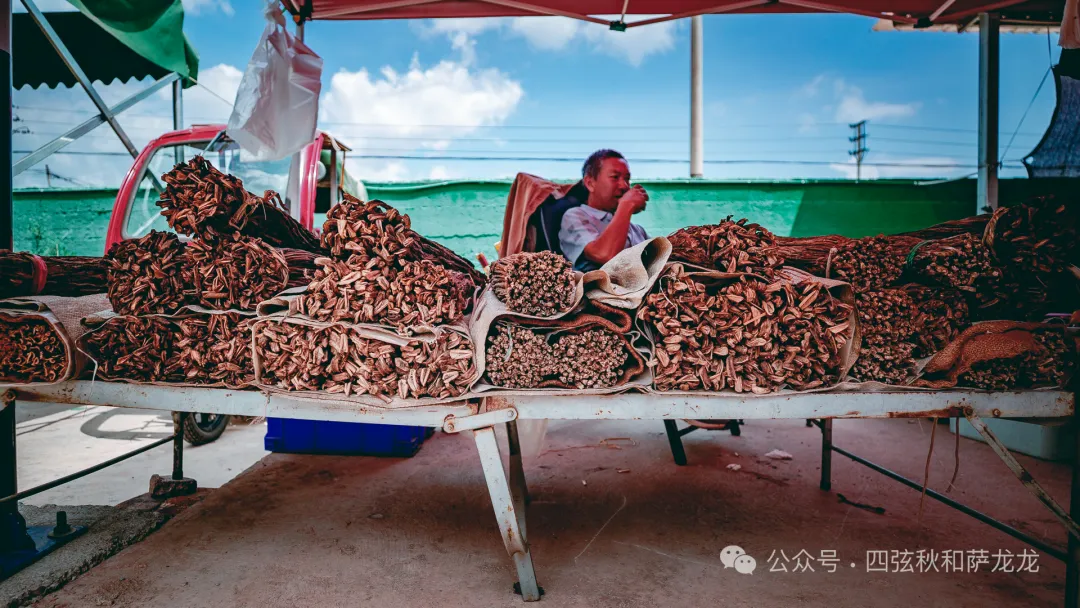
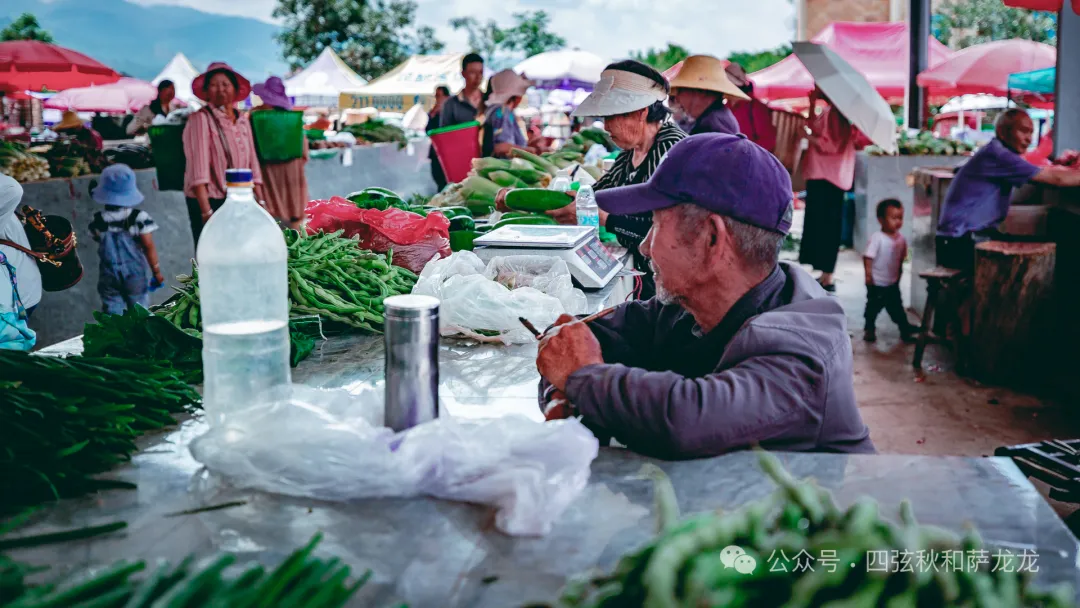
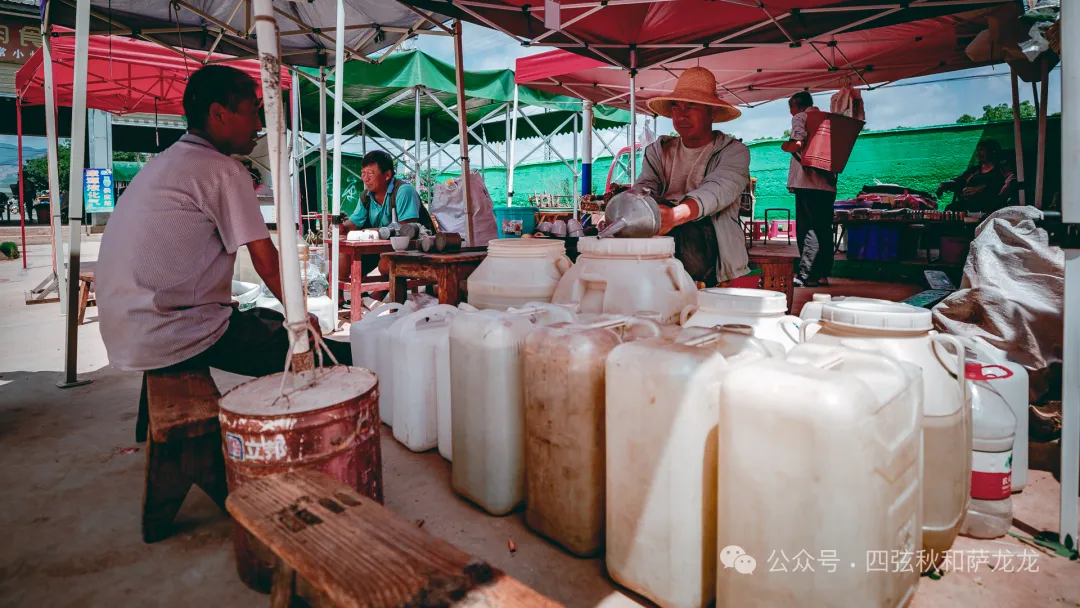
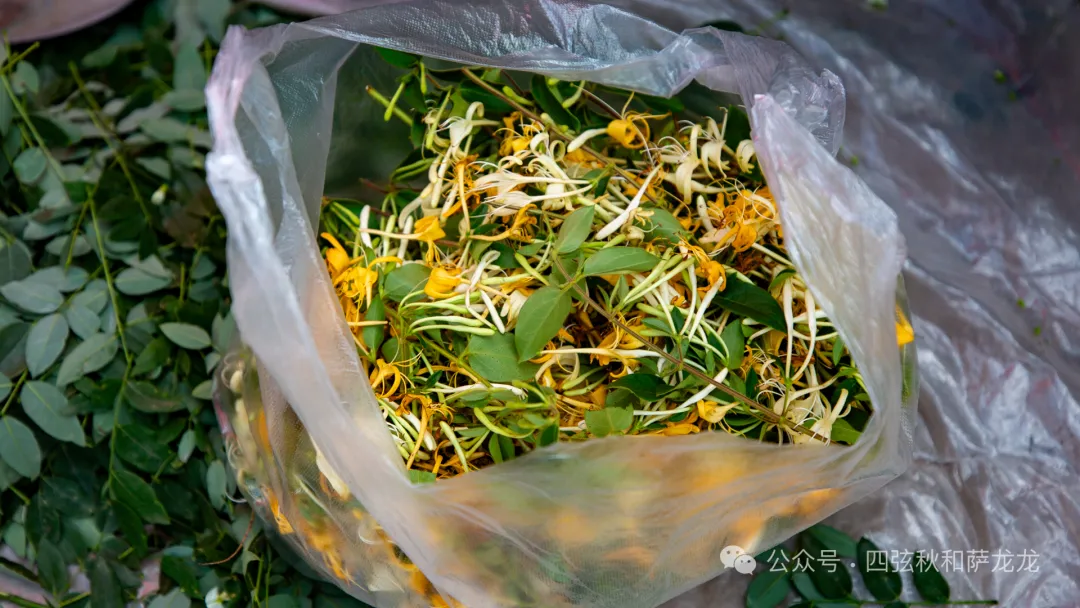
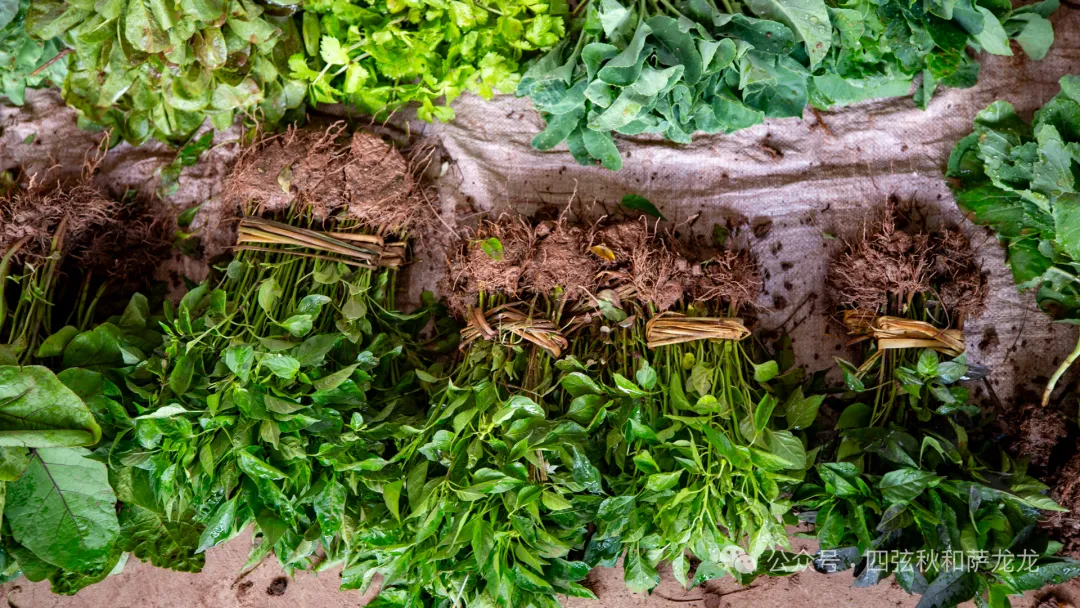
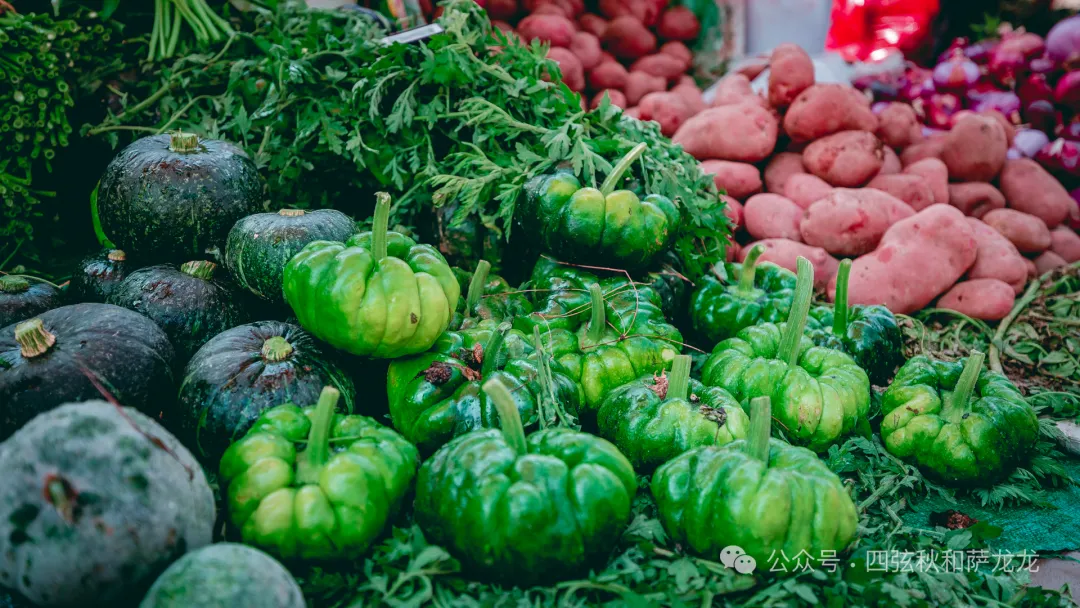
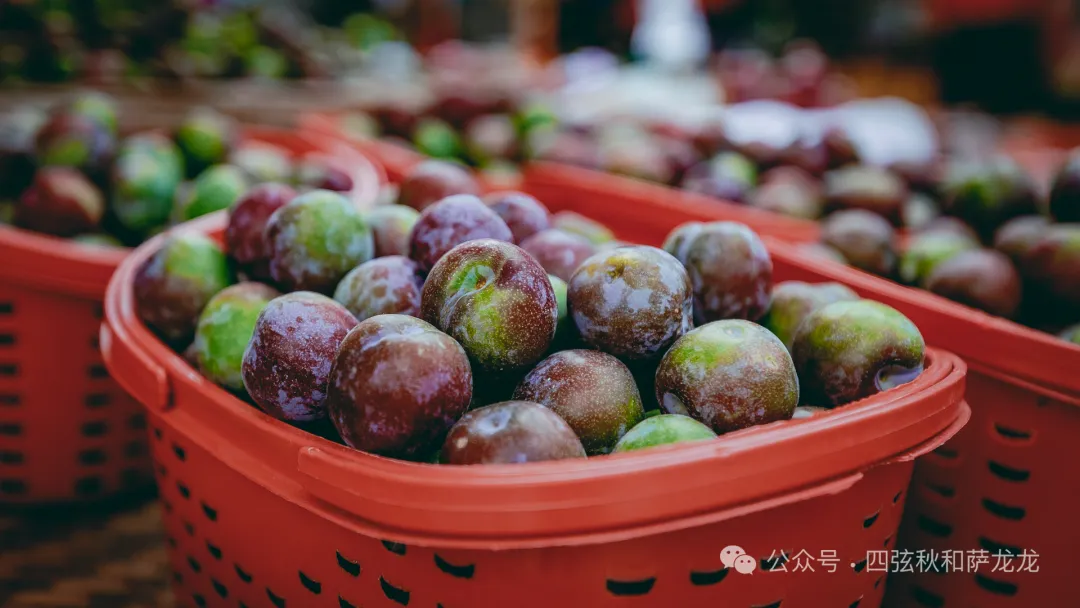
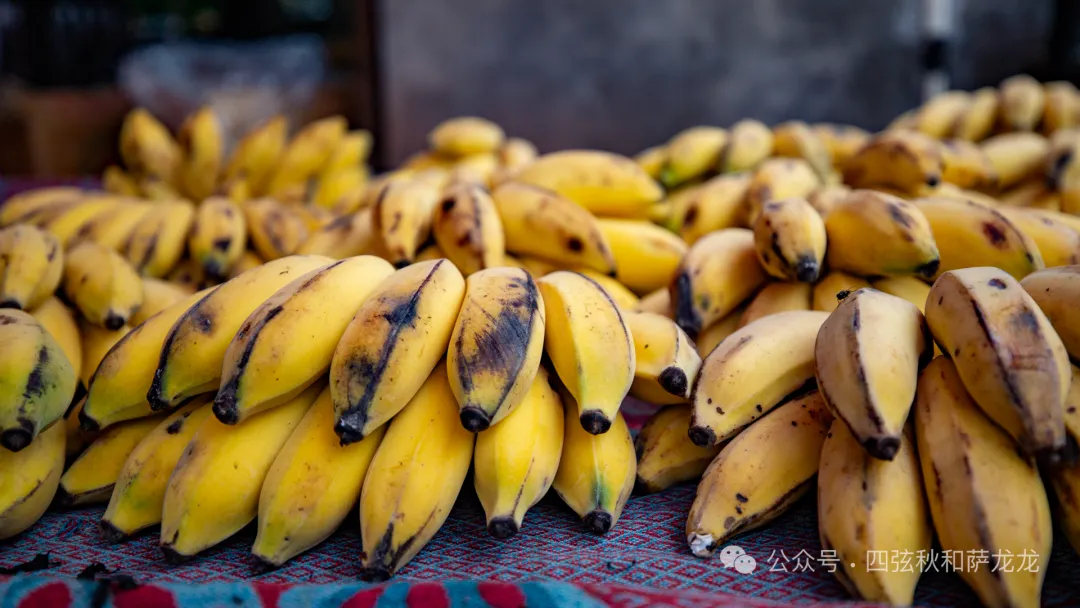
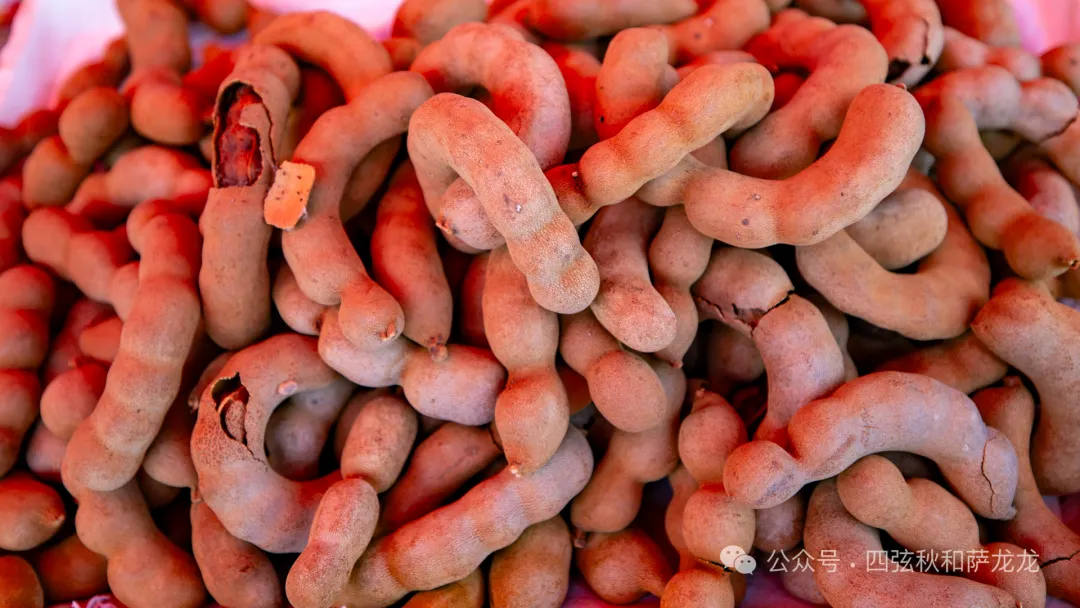
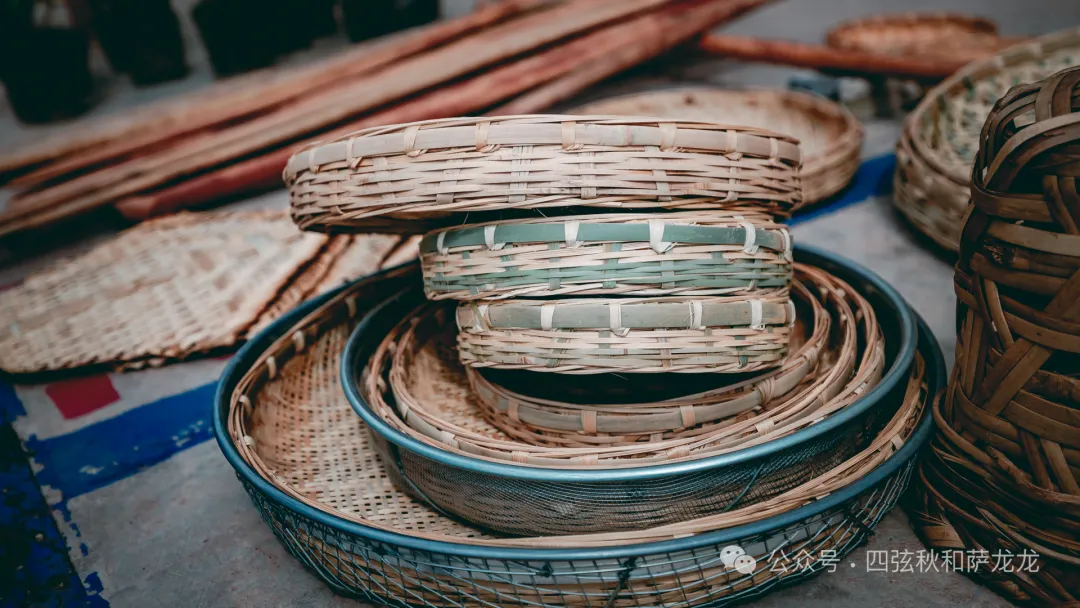
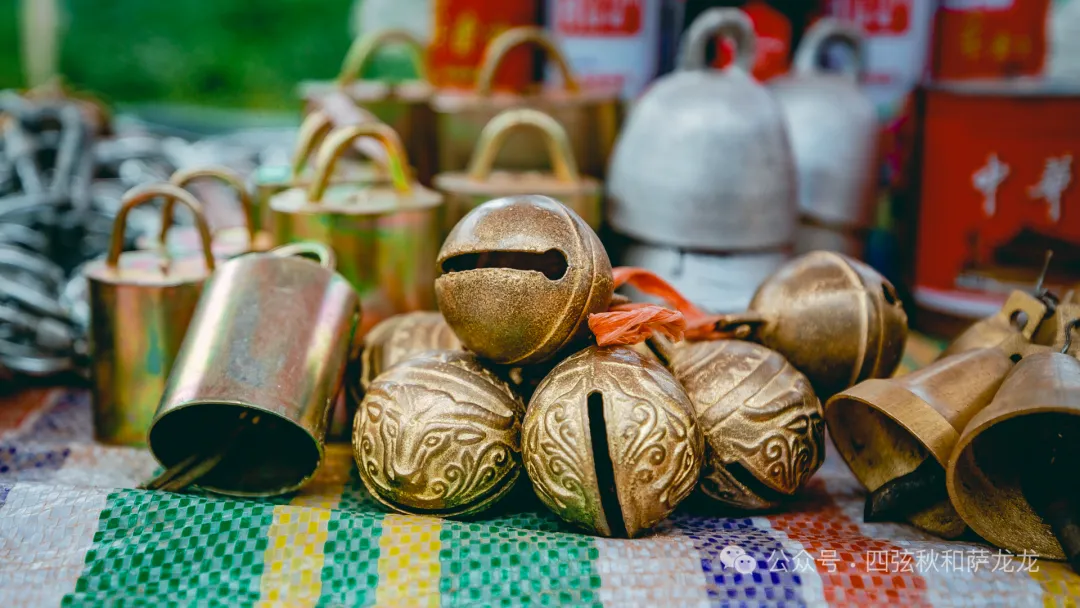
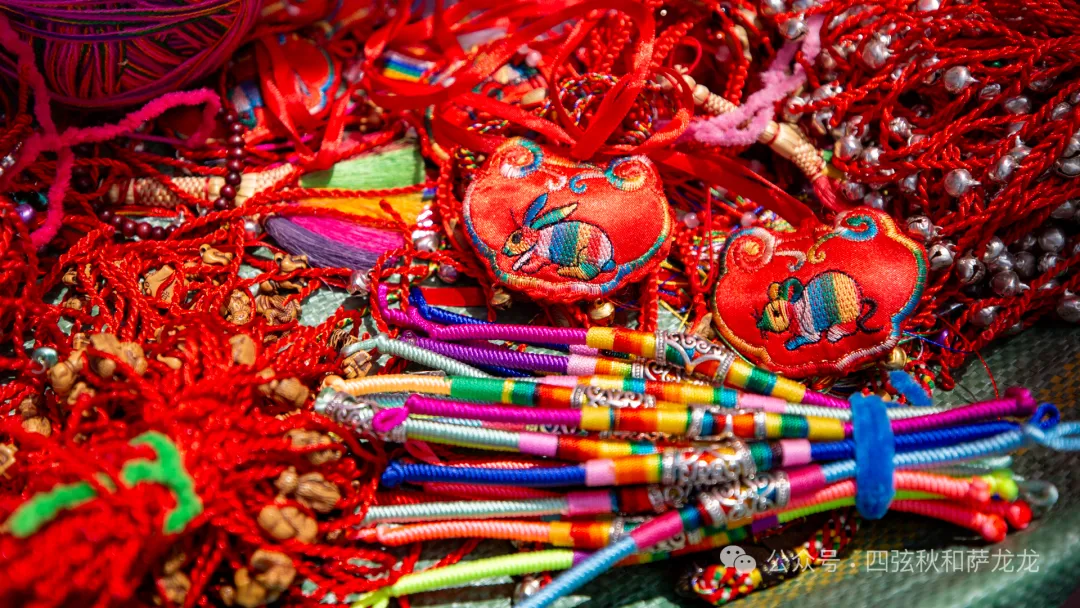
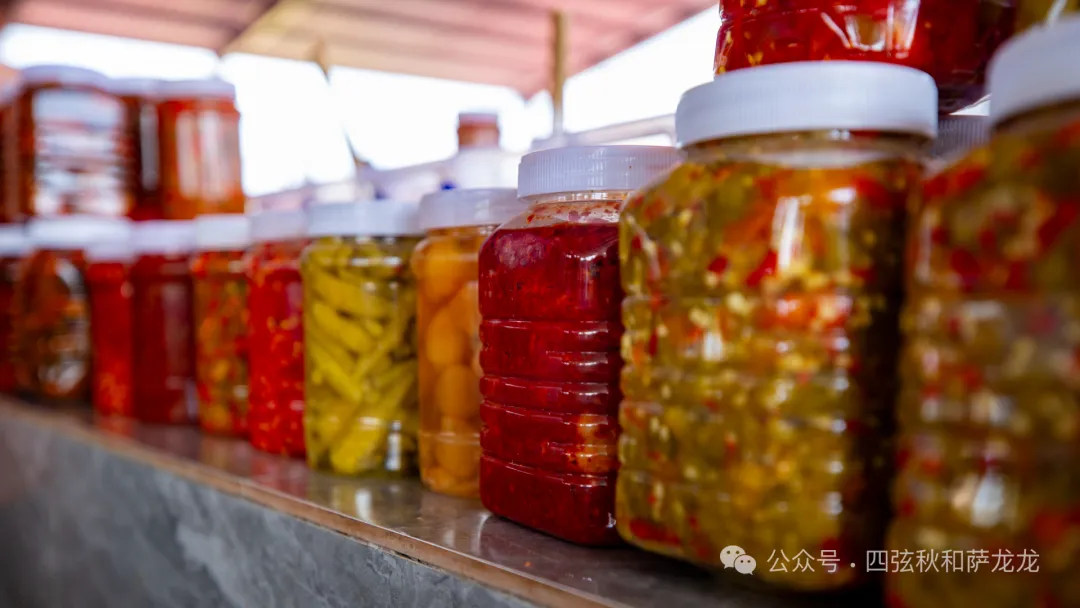
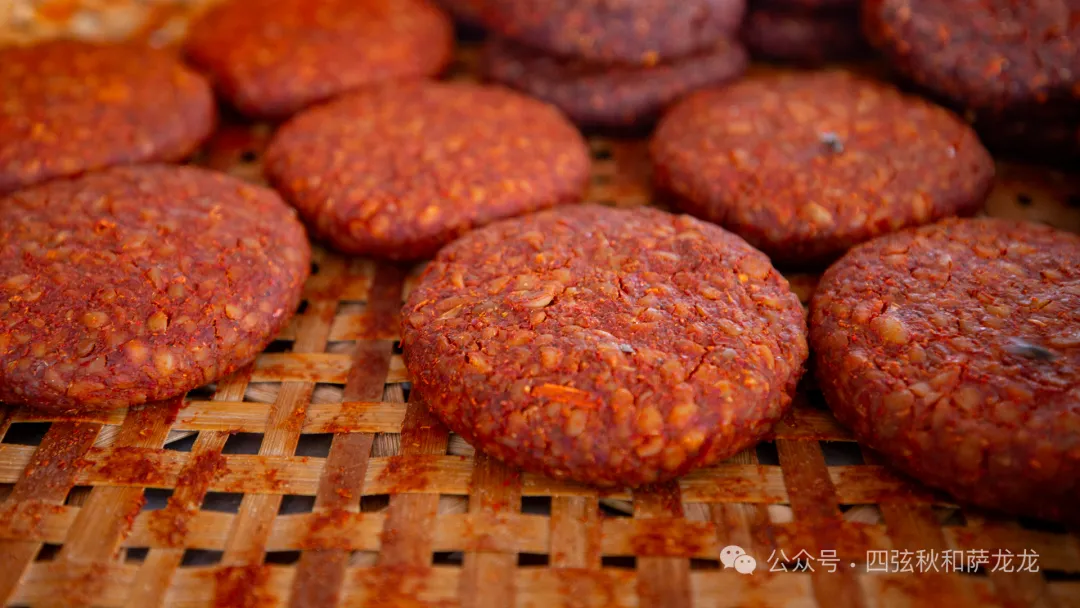
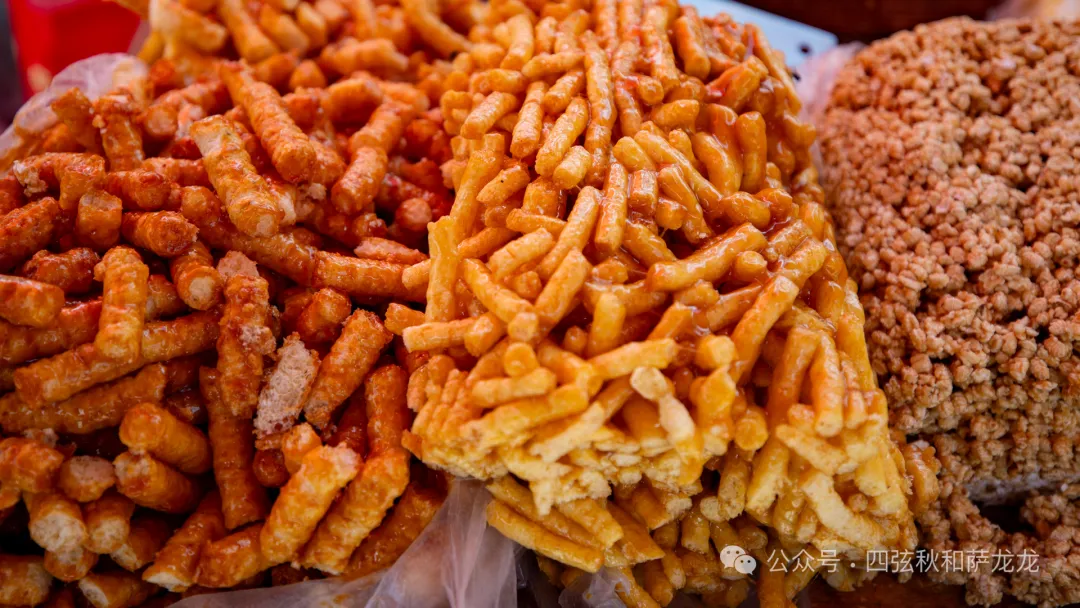
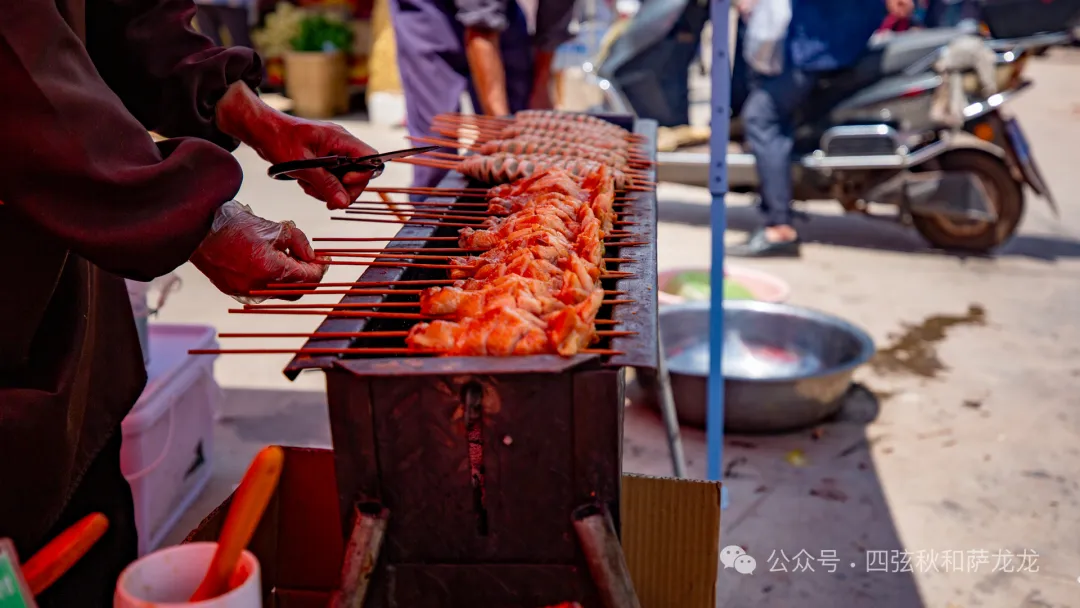
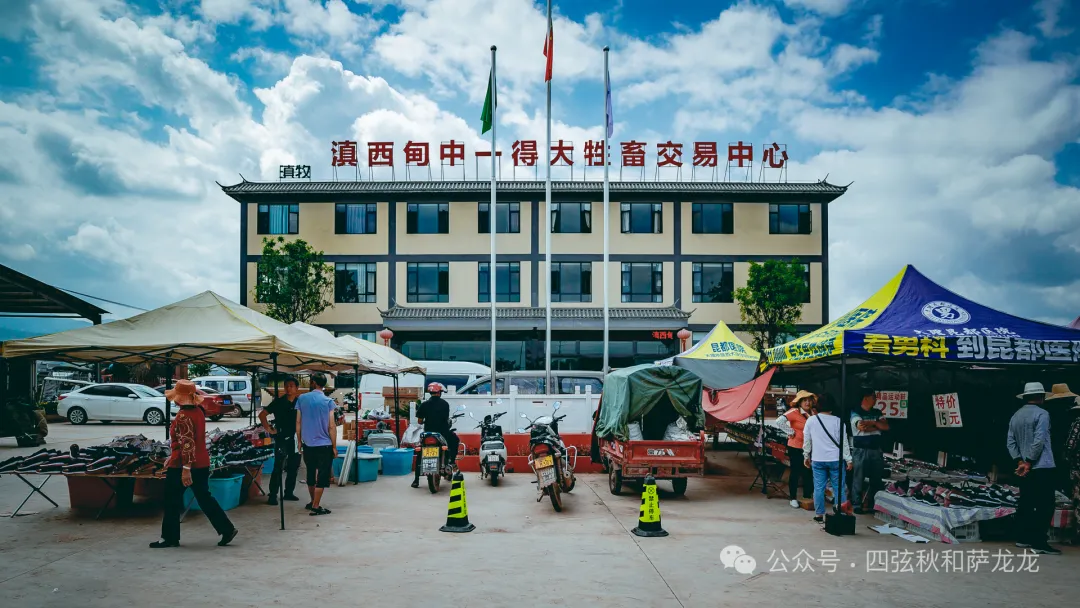
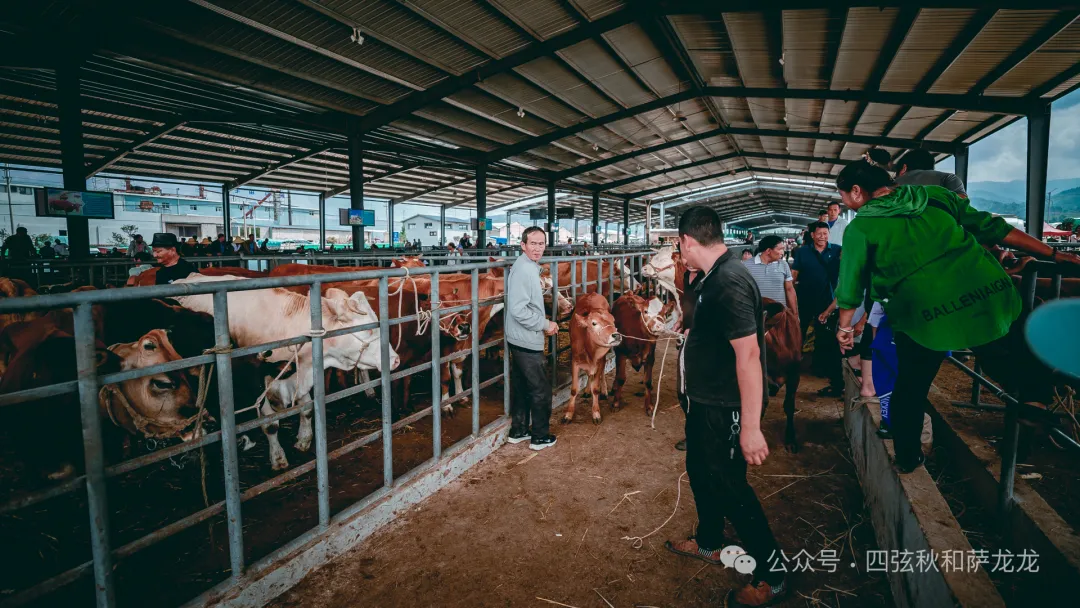
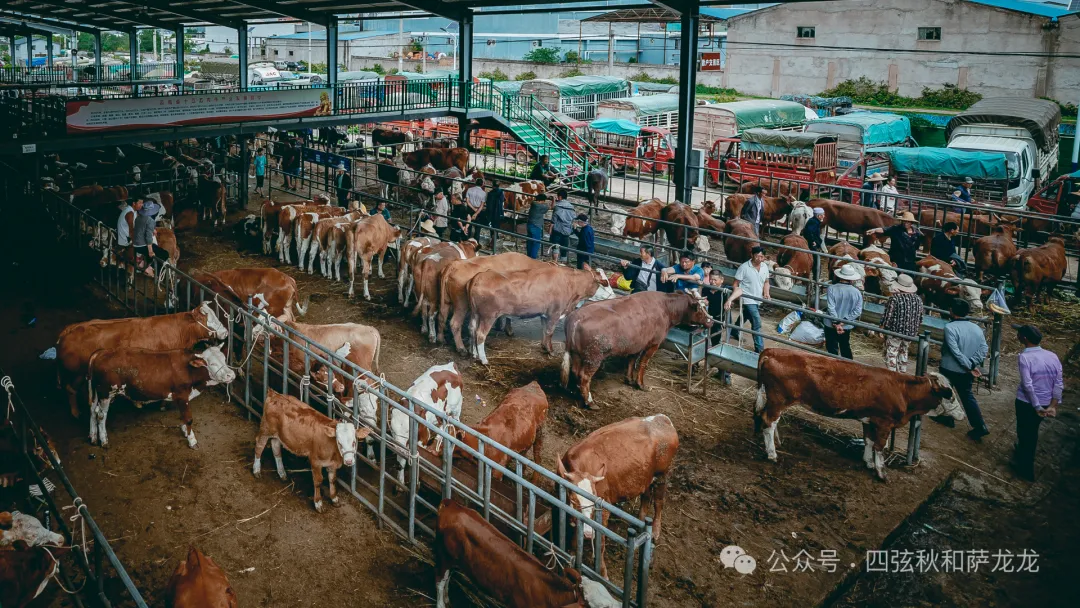
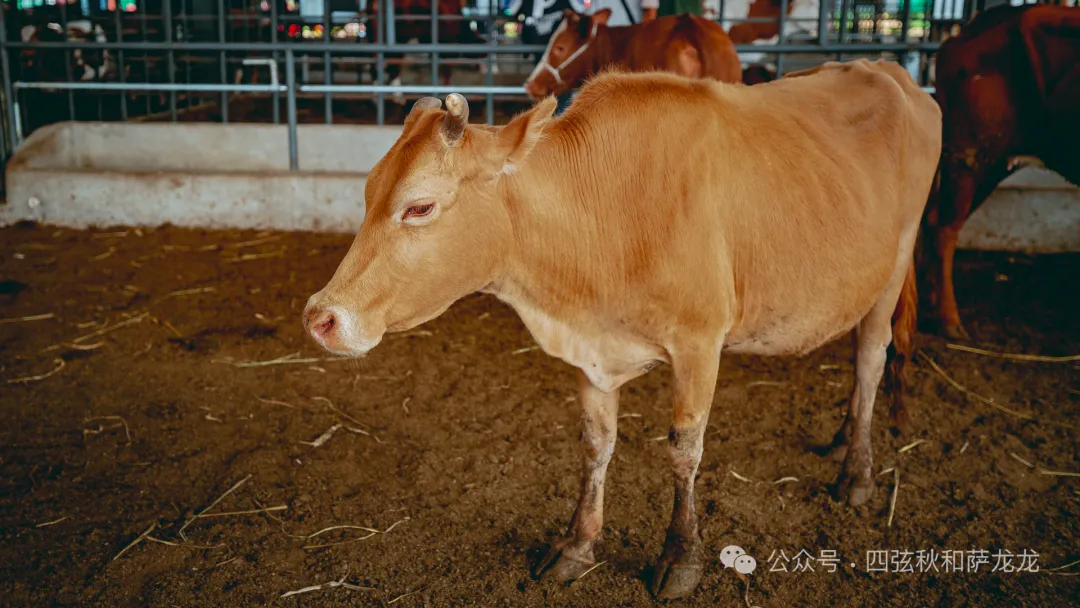
Compared to the markets in Weishan city and other nearby towns, Dianzhong Street is the largest market I have ever seen. It houses the largest livestock trading market in western Yunnan. According to staff, this market has existed since the 1980s, and some buyers even come from neighboring provinces like Sichuan and Guizhou, as well as herders from other counties within the province. So on market days, the area around the market is filled with large and small trucks, and the livestock pens are crowded with people trading. Besides livestock trading, there is also a large vegetable market with various seasonal fruits and vegetables lined up. Some people bring kittens or puppies born from their pets to sell, and once they get the money, they immediately go to the food stall to order half a catty of cold sliced meat, much like the trading methods of the ancient horse caravans.
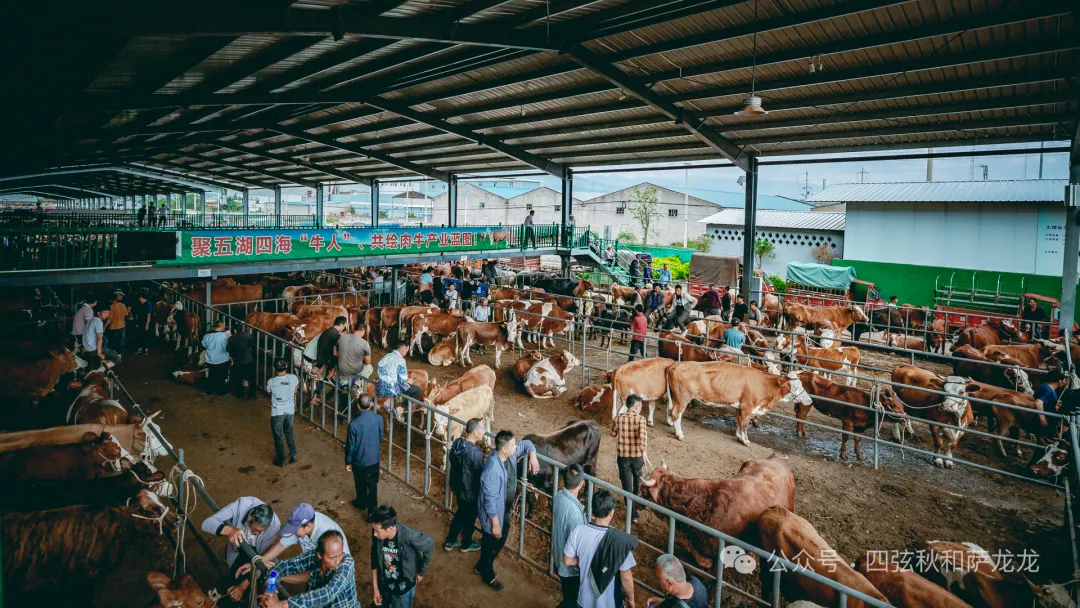
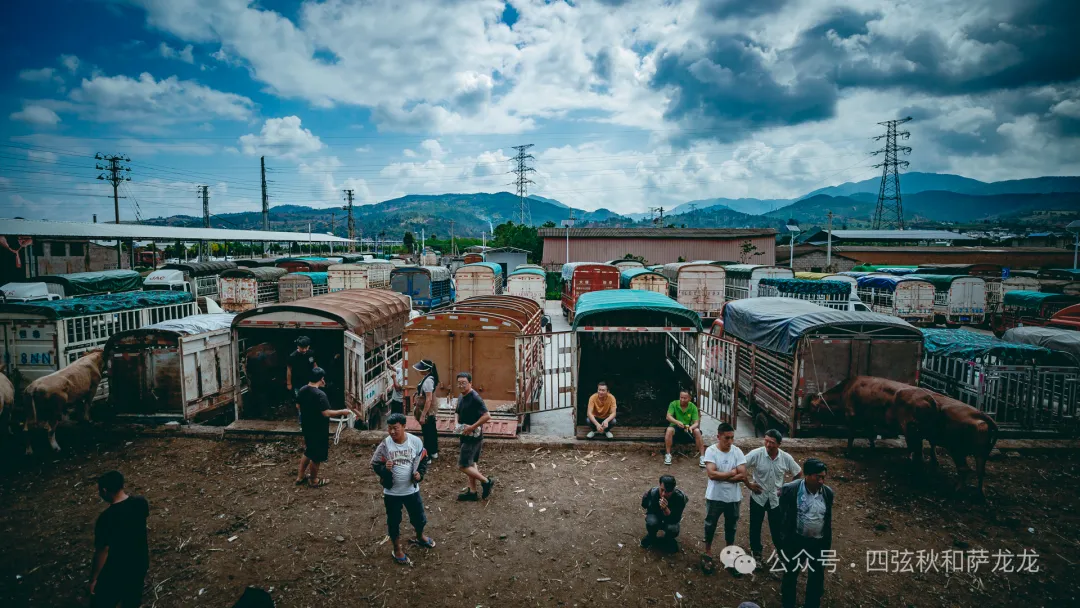
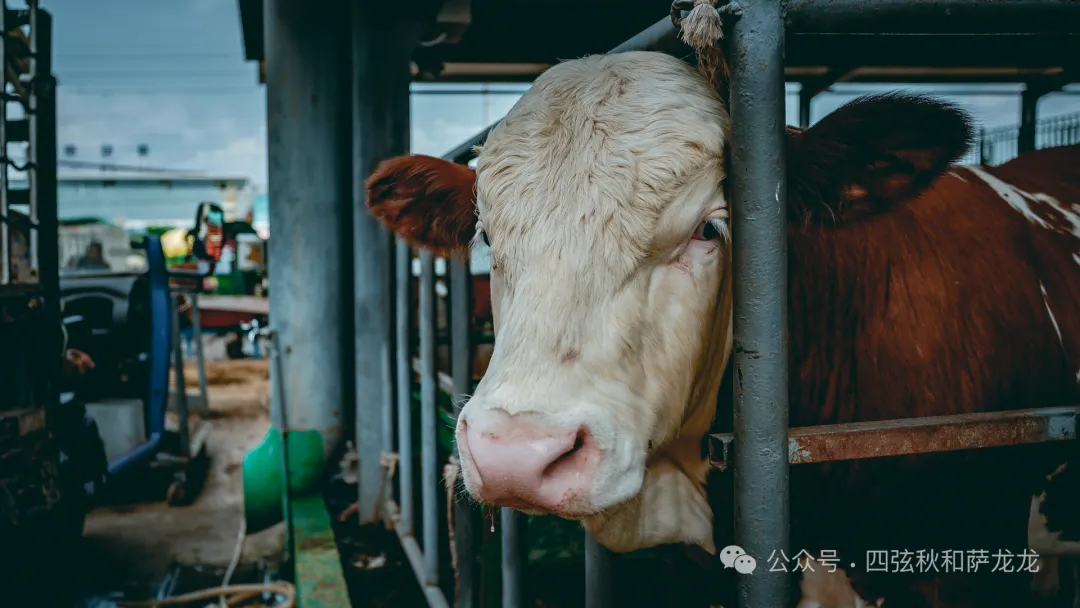
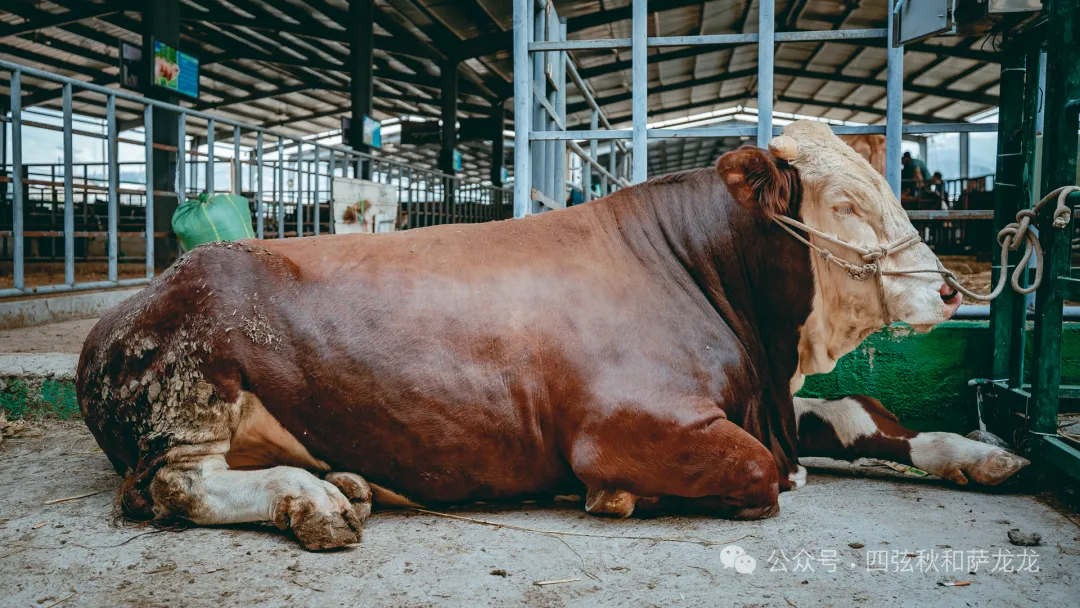
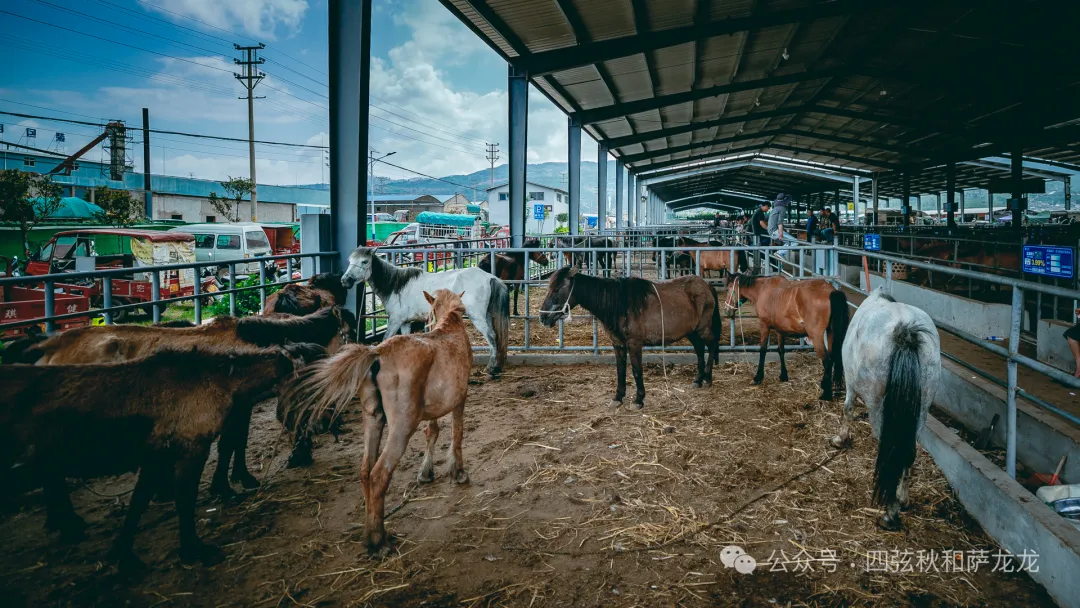
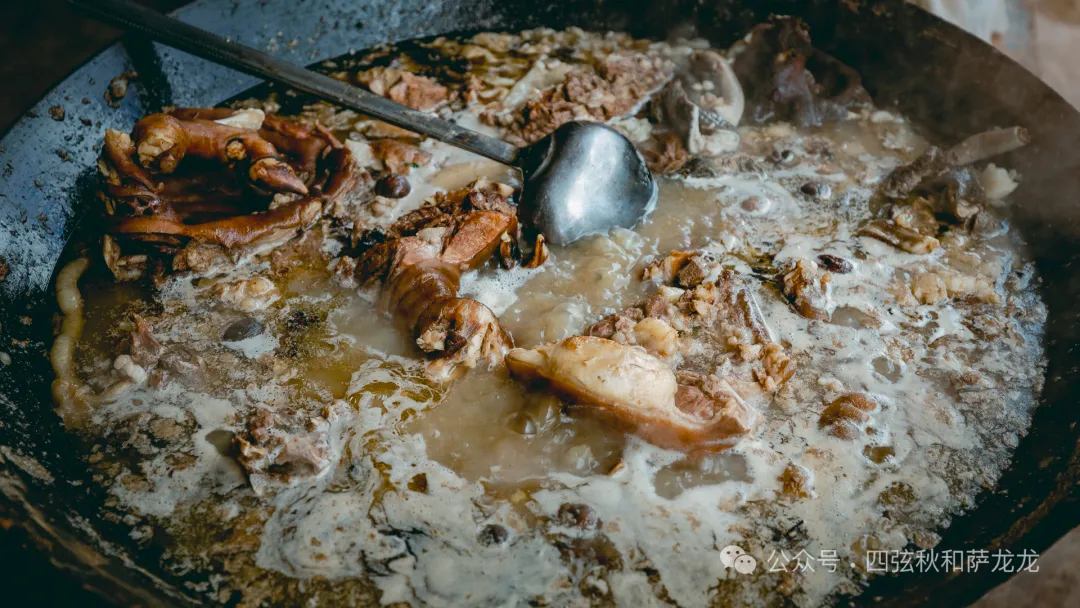
The Weishan County Annals record that the Dianzhong Street market formed due to historical reasons, but there is no further detail about the cause of this large market. I asked several elderly vendors; some said they had been operating here for decades, others for thirty or forty years. The owner of the most popular food stall told me they have been in business here for over thirty years. On market days, they have to get up at 4 a.m., arrive at 5 a.m. to start preparations, and on busy days, they use up to fourteen or fifteen pig heads. As for the market itself, it has existed for a very long time, and no one can say exactly when it started. I think that's it. The history of the Tea Horse Road has long ended, but the trade that once sustained it continues in new forms in the new era. Although that history cannot be reenacted, we are fortunate to catch a glimpse of its traces in the large Dianzhong Street market.