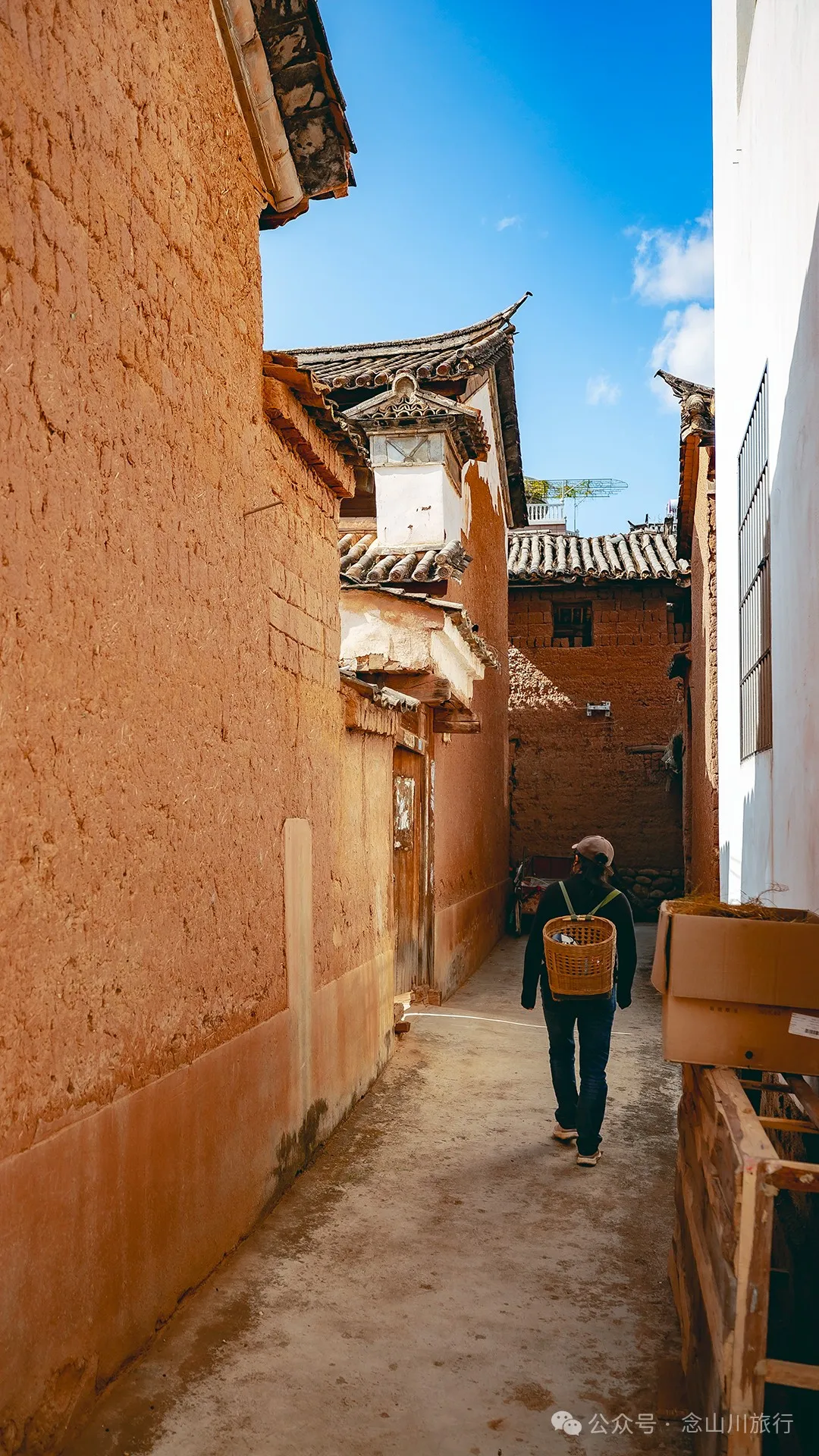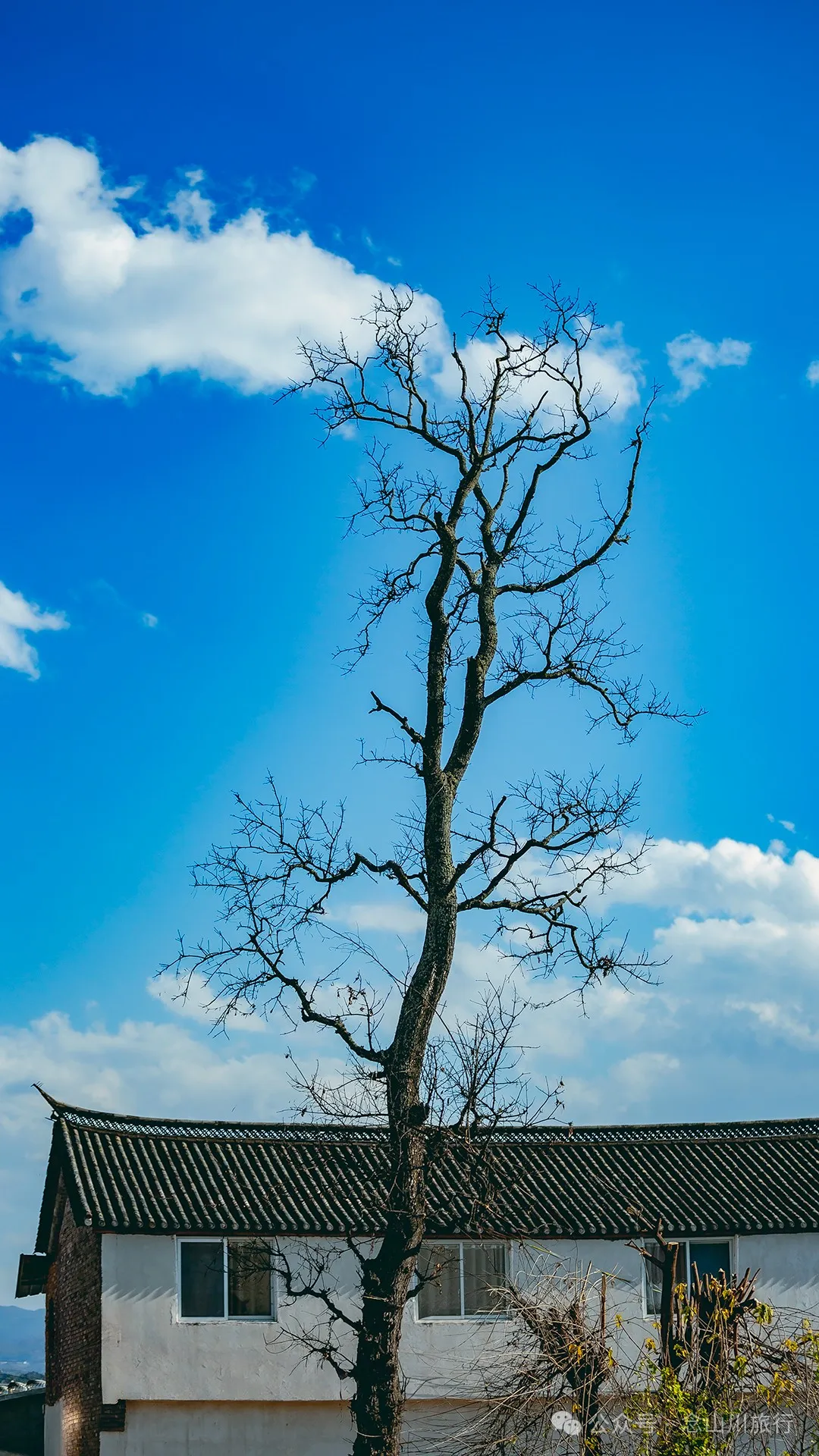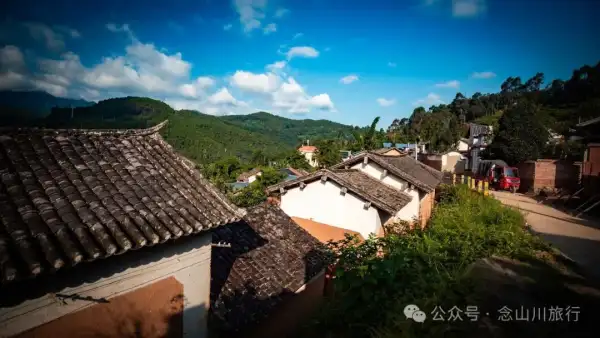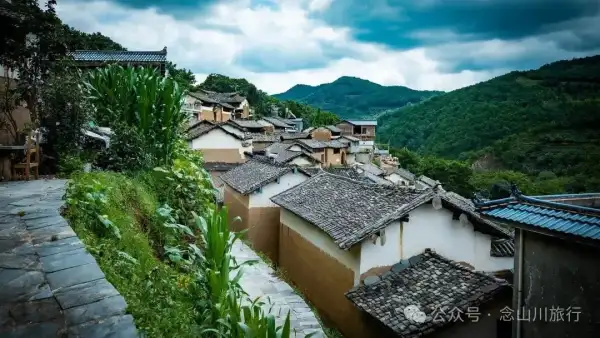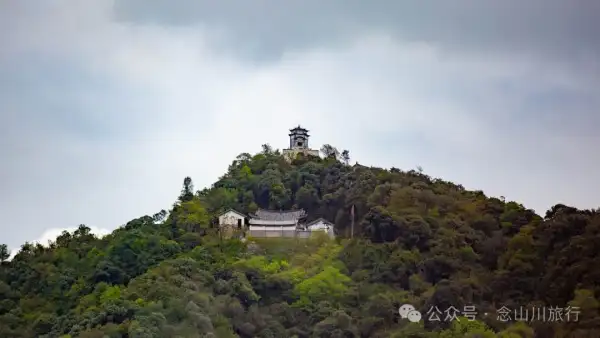

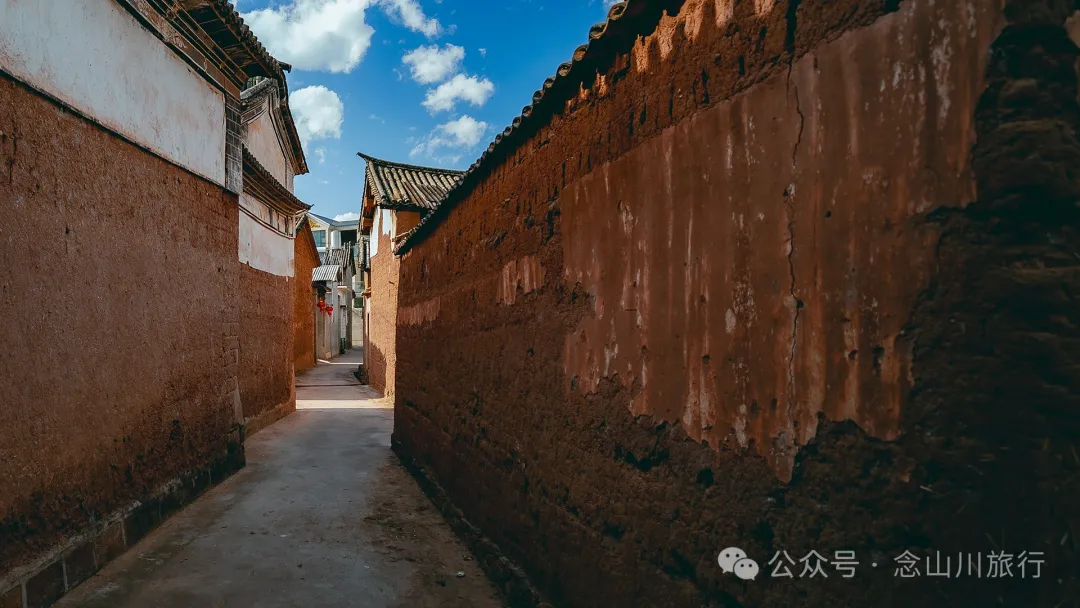
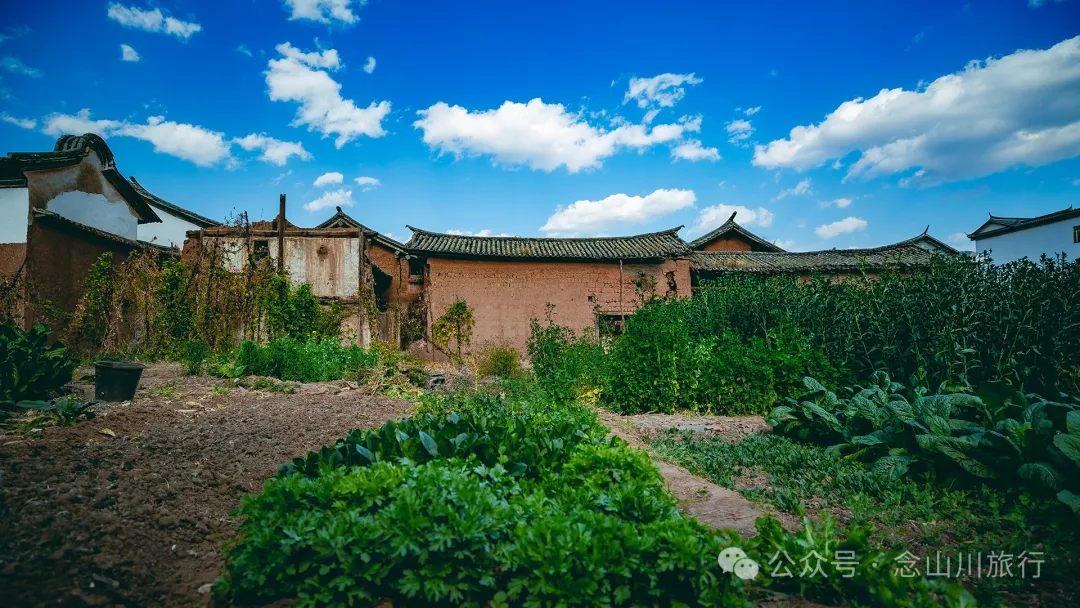
On our first visit to Chendechang Village in Weishan, the new concrete houses lining the village roads turned the village into a maze, and we could never find a path that fully led us into the old and distant years. If not for a friend telling us there was a well-preserved ancient mansion in the village, I think we would have quickly lost patience and turned away.
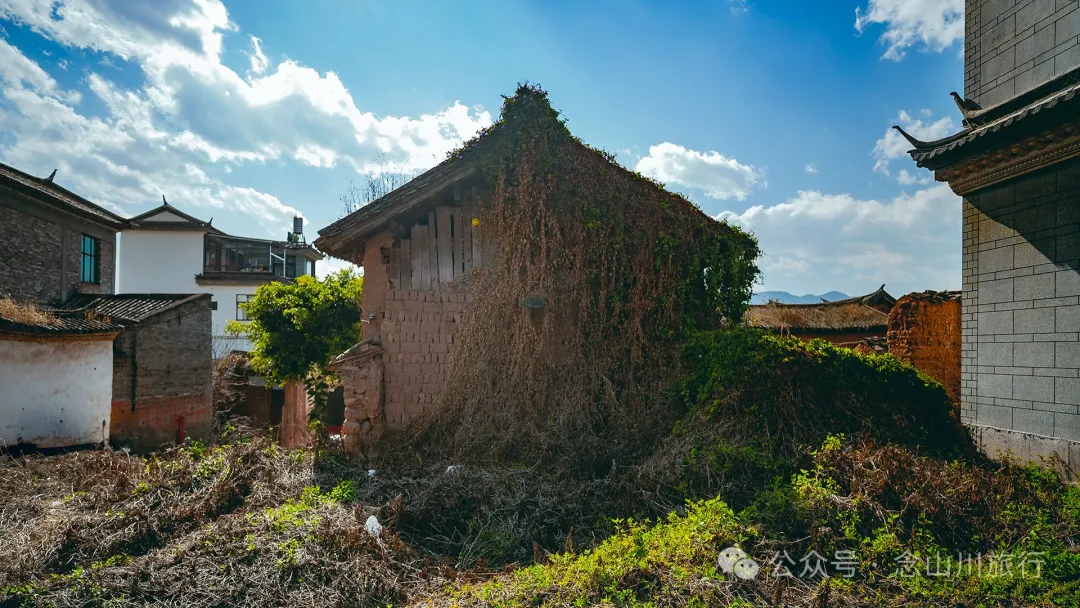
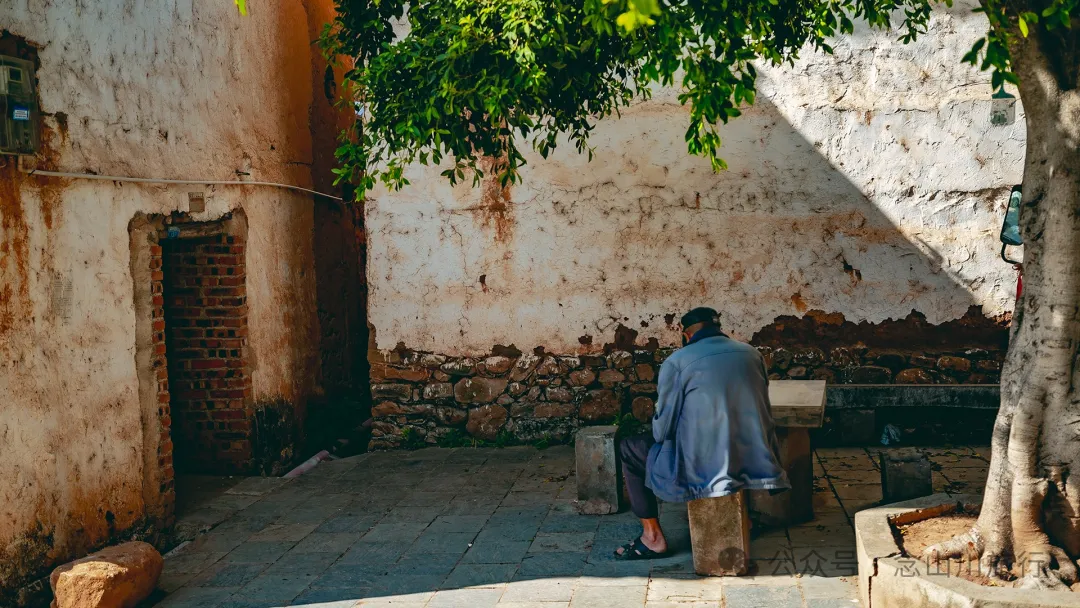
We walked into this maze of modern buildings, seeking the casual tranquility and peace of the village in front of the occasional old houses we saw. The elderly sat under the trees, ignoring any slight changes. Perhaps their long-standing ability to see through worldly affairs had long become an organ growing in their bodies, or perhaps they had already noticed all these subtle changes, like sensing the flow of air and changes in temperature, perceiving these changes with a feeling we cannot imagine, yet they appeared as if unaware. They still sat under the big green trees, quiet as a component of the village, forming the nostalgia in the eyes of outsiders.
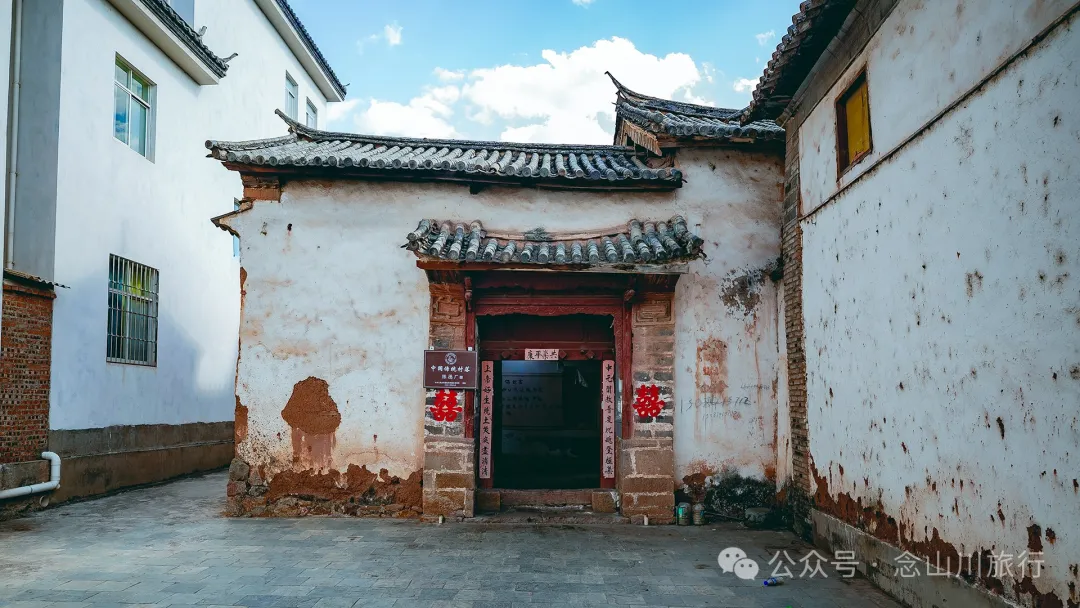
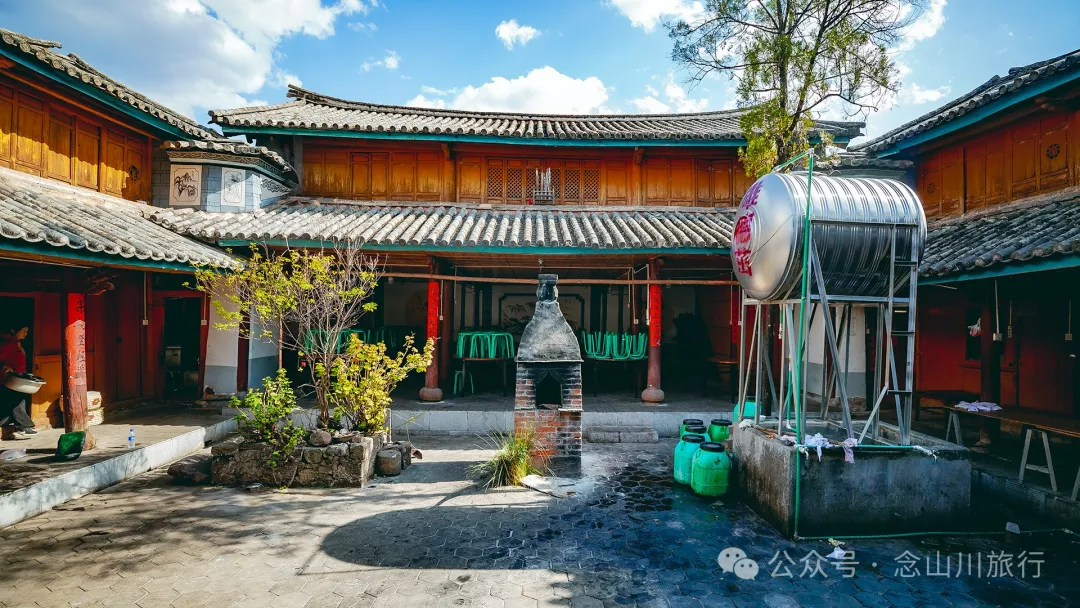
We found the village's guest hall, also the village ancestral hall, the spiritual symbol of Chendechang Village. It is a regular old-style civil engineering building where villagers hold various festive banquets or funerals.
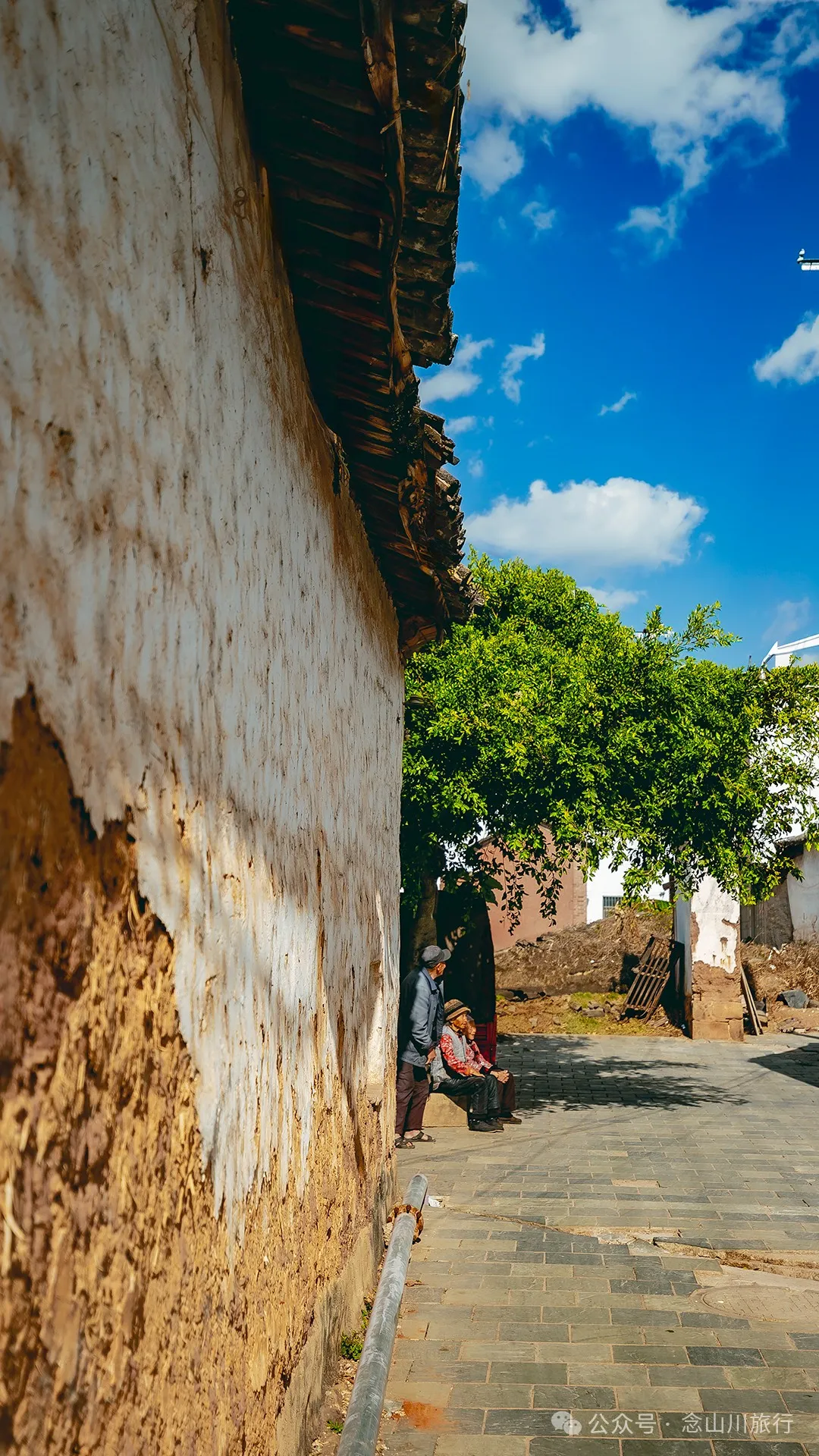
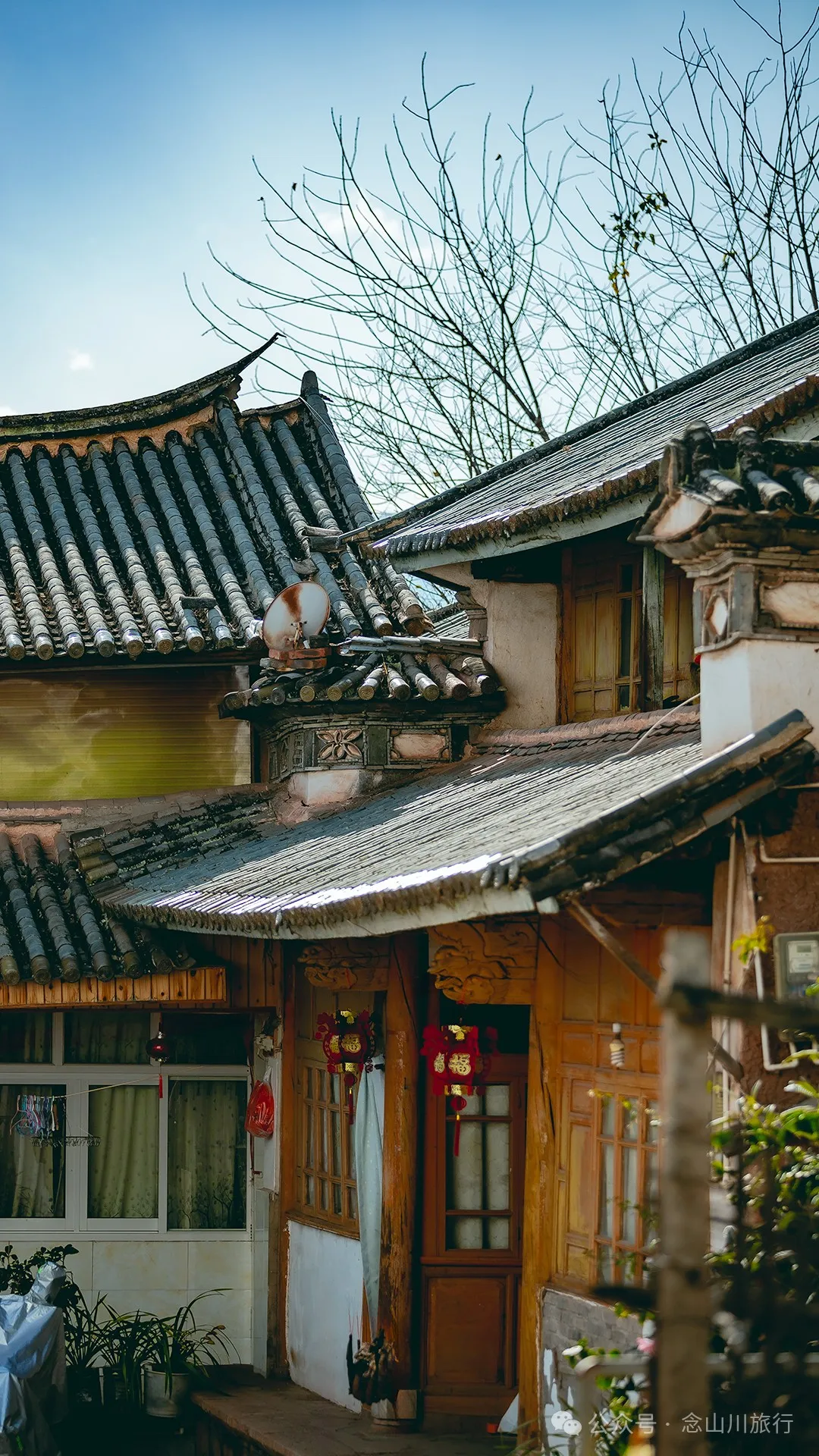
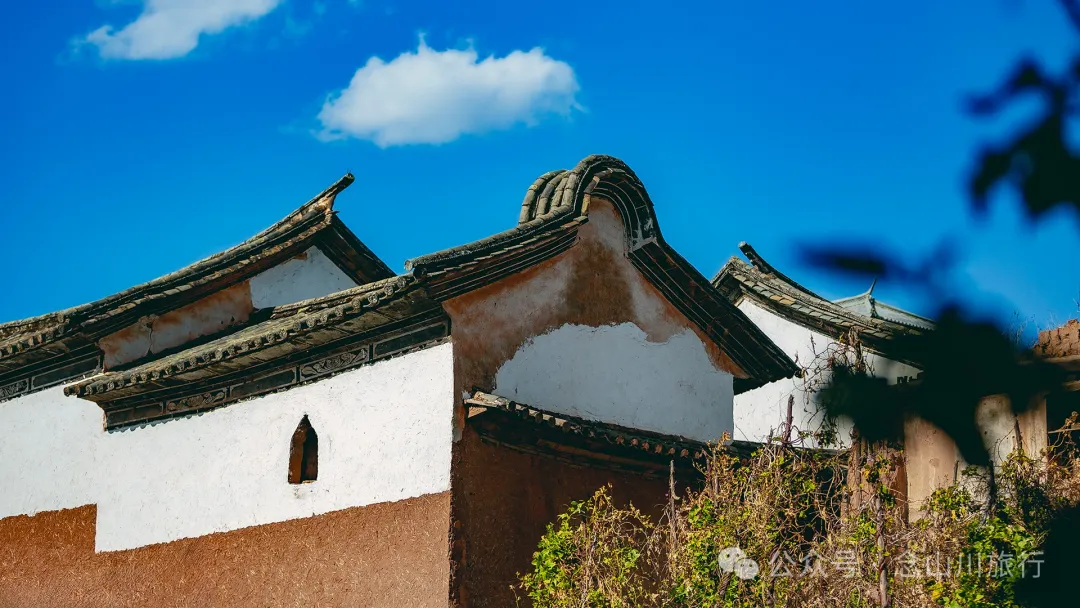
The ancient mansion we were looking for is called Xiong Family Courtyard, located in a narrow alley in the village. Built in the Qing Dynasty, its architectural layout is a model of traditional Yi ethnic residential houses. The layout of a three-entry courtyard reflects a strict ritual order and contains the philosophical wisdom of harmony between heaven and man. The main hall is tall and spacious, the side rooms are arranged in a staggered manner, and the eaves soar like spreading eagles. The courtyard's patio is square and open, and the design of four waters returning to the hall not only symbolizes wealth but also demonstrates the Yi ancestors' reverence and adaptation to nature.
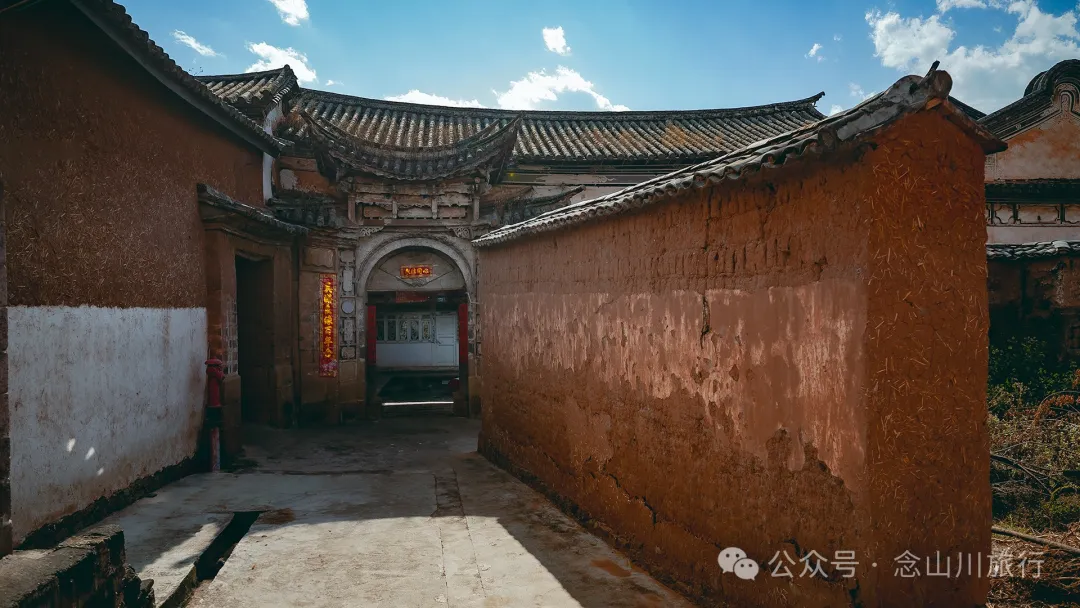
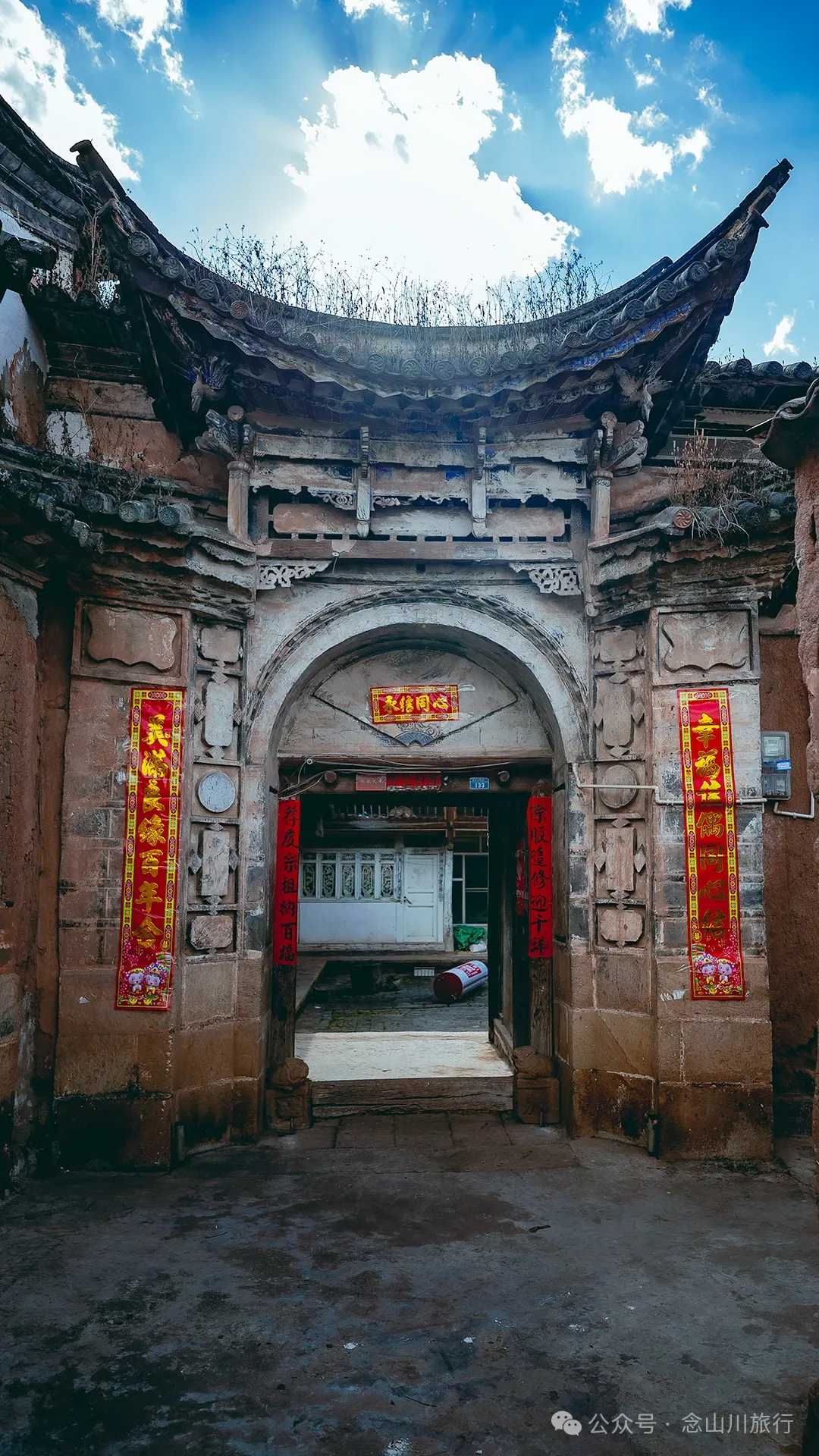
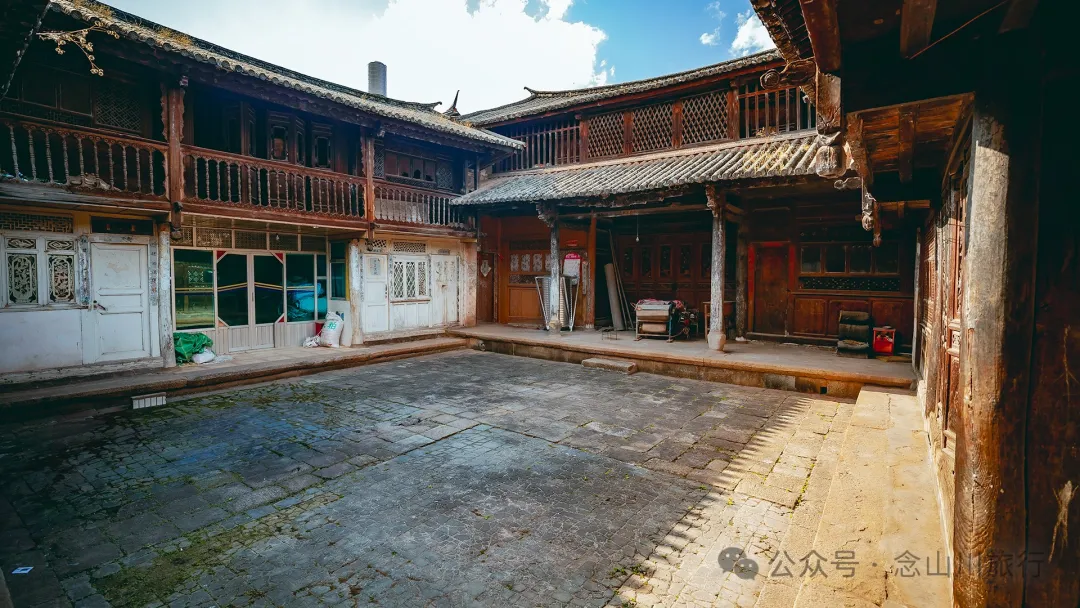
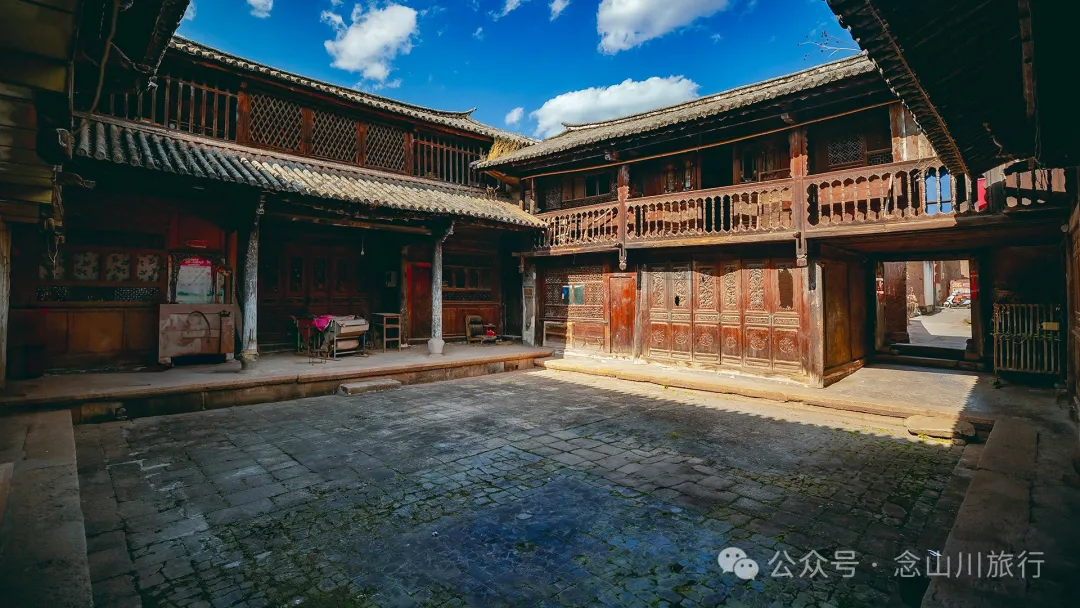
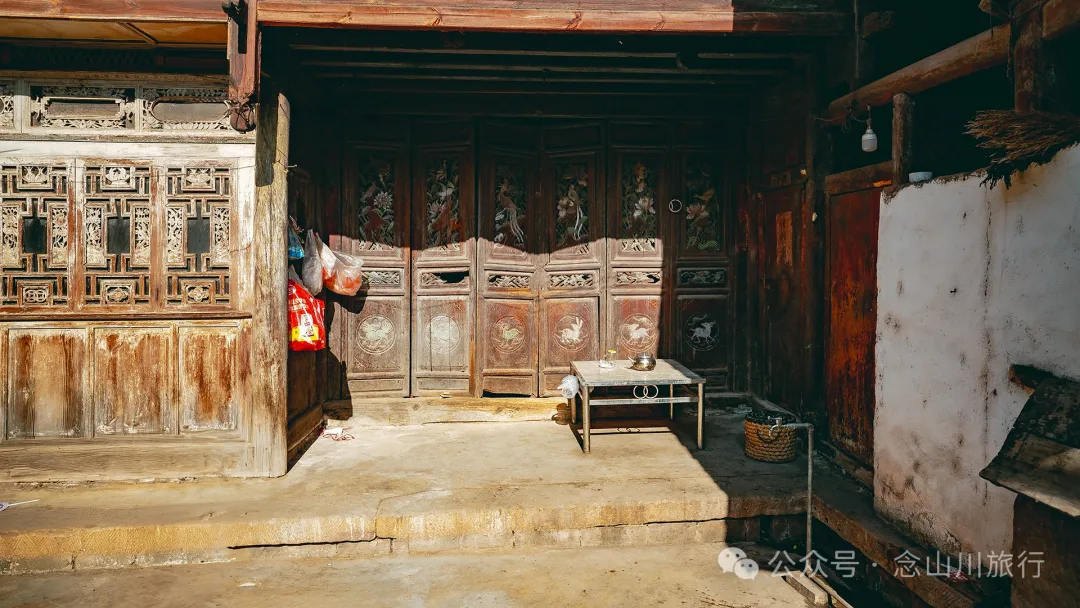
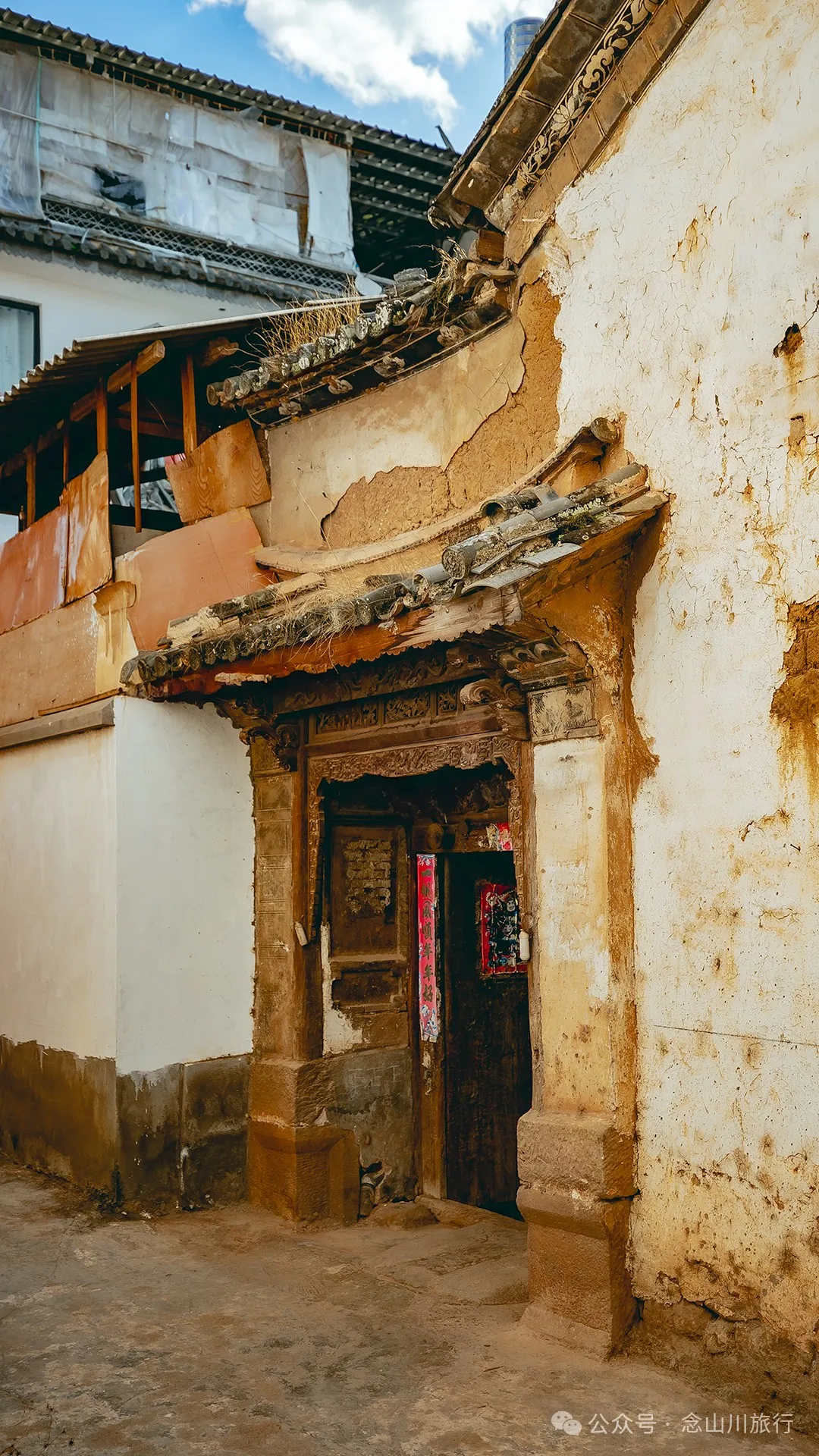
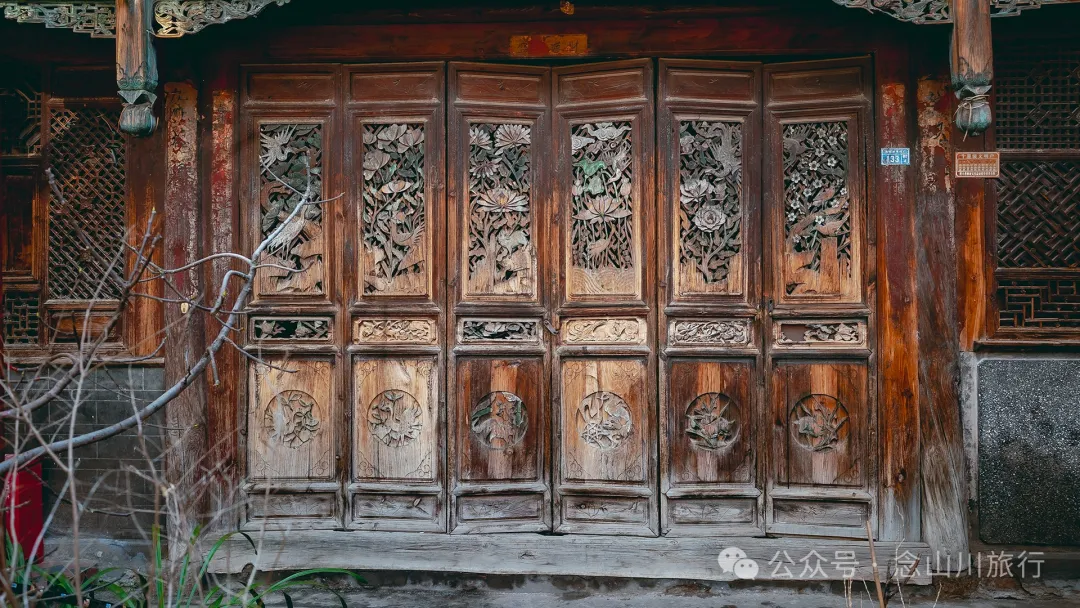
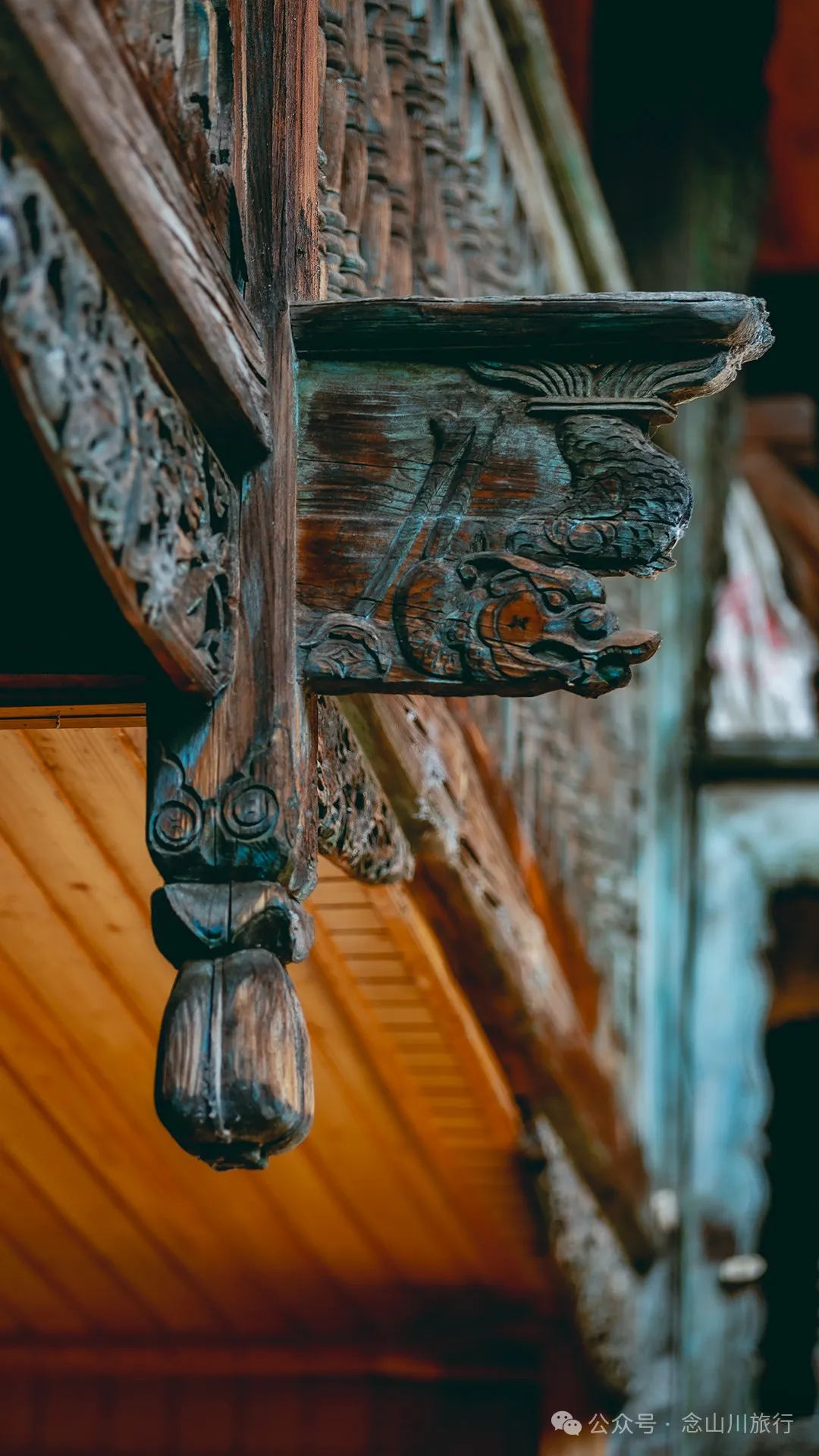
Entering the courtyard, exquisite architectural decorations can be seen everywhere. The wood carvings of flowers and birds on the lintels are lifelike, and the hollow patterns on the window lattices are exquisite. These decorations are not just aesthetic presentations but also cultural symbols, recording the aesthetic taste and spiritual pursuit of the Yi ancestors. The most amazing is the beam structure of the main hall, which uses no iron nails, relying entirely on mortise and tenon joints, remaining as solid as ever after hundreds of years of wind and rain.
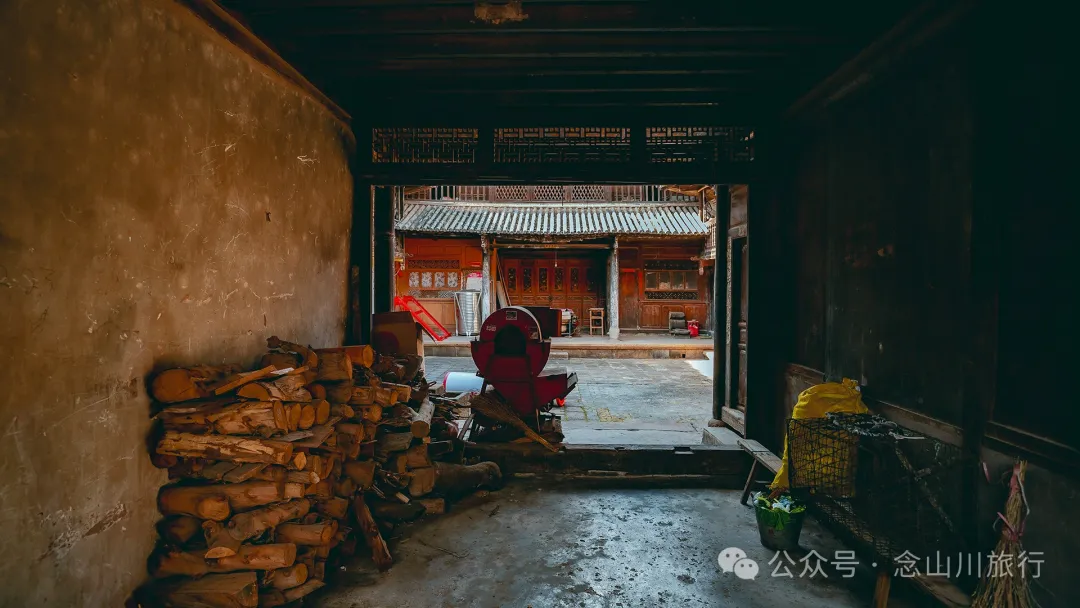
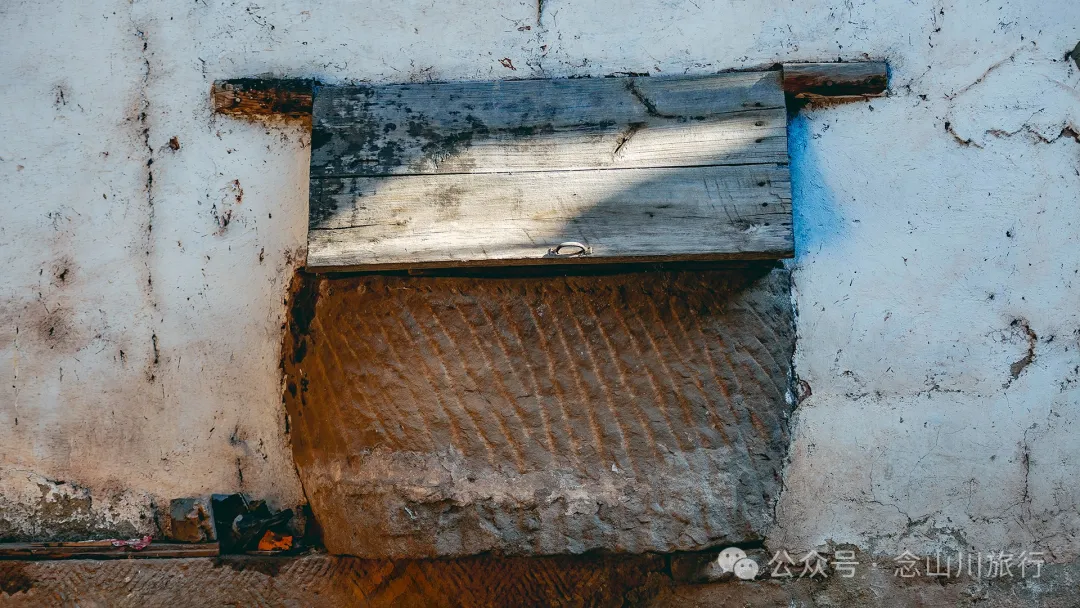
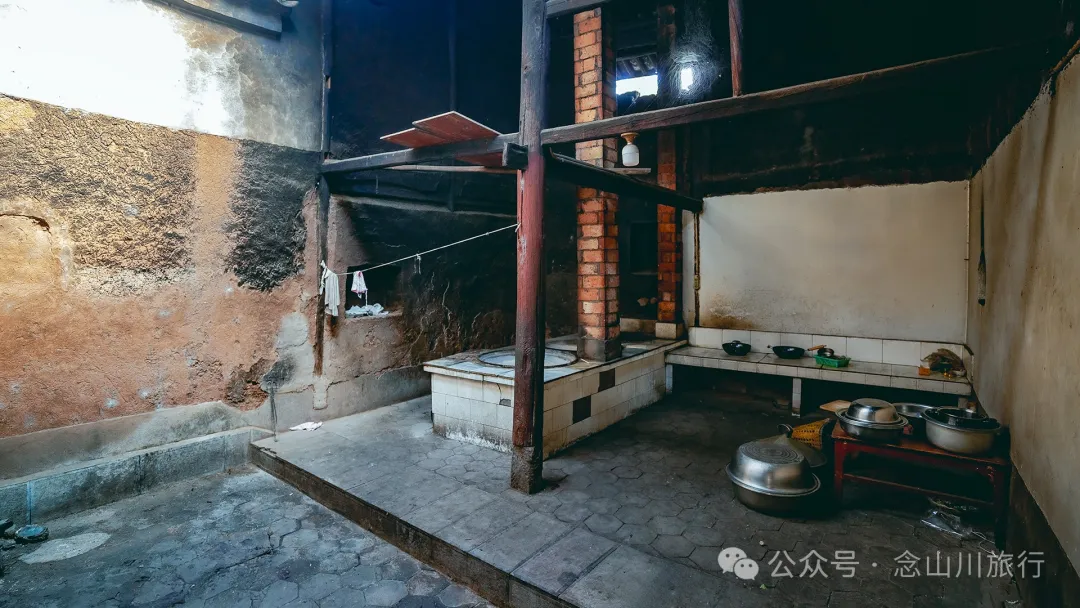
This is a large water tank embedded in the kitchen wall, with a movable wooden board on top like an ancient window to keep out dust. Lifting the board, one can peek into the kitchen layout. The furnishings inside are dimly visible in the faint light, as if a long-lost time is coming back to life.
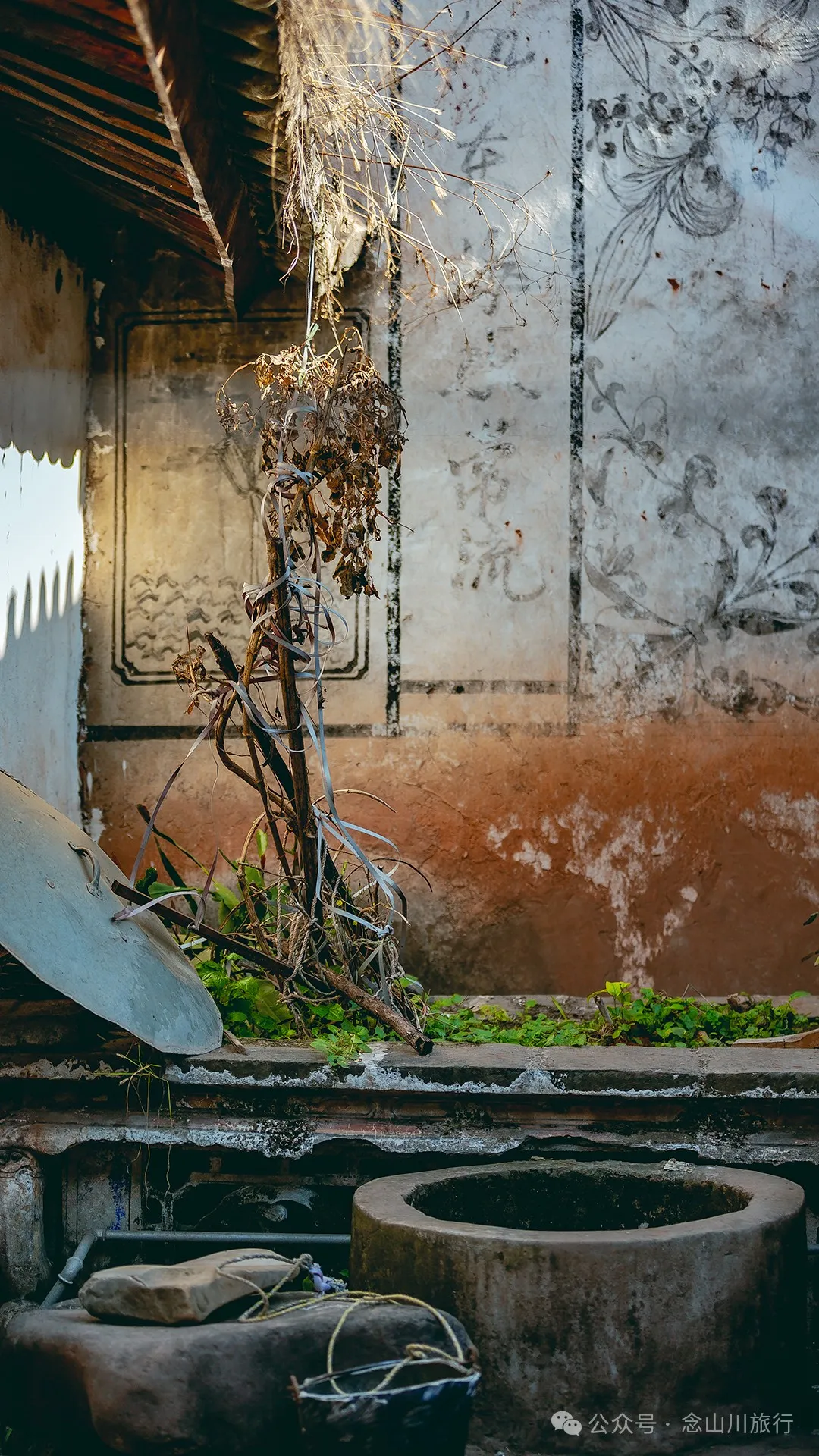
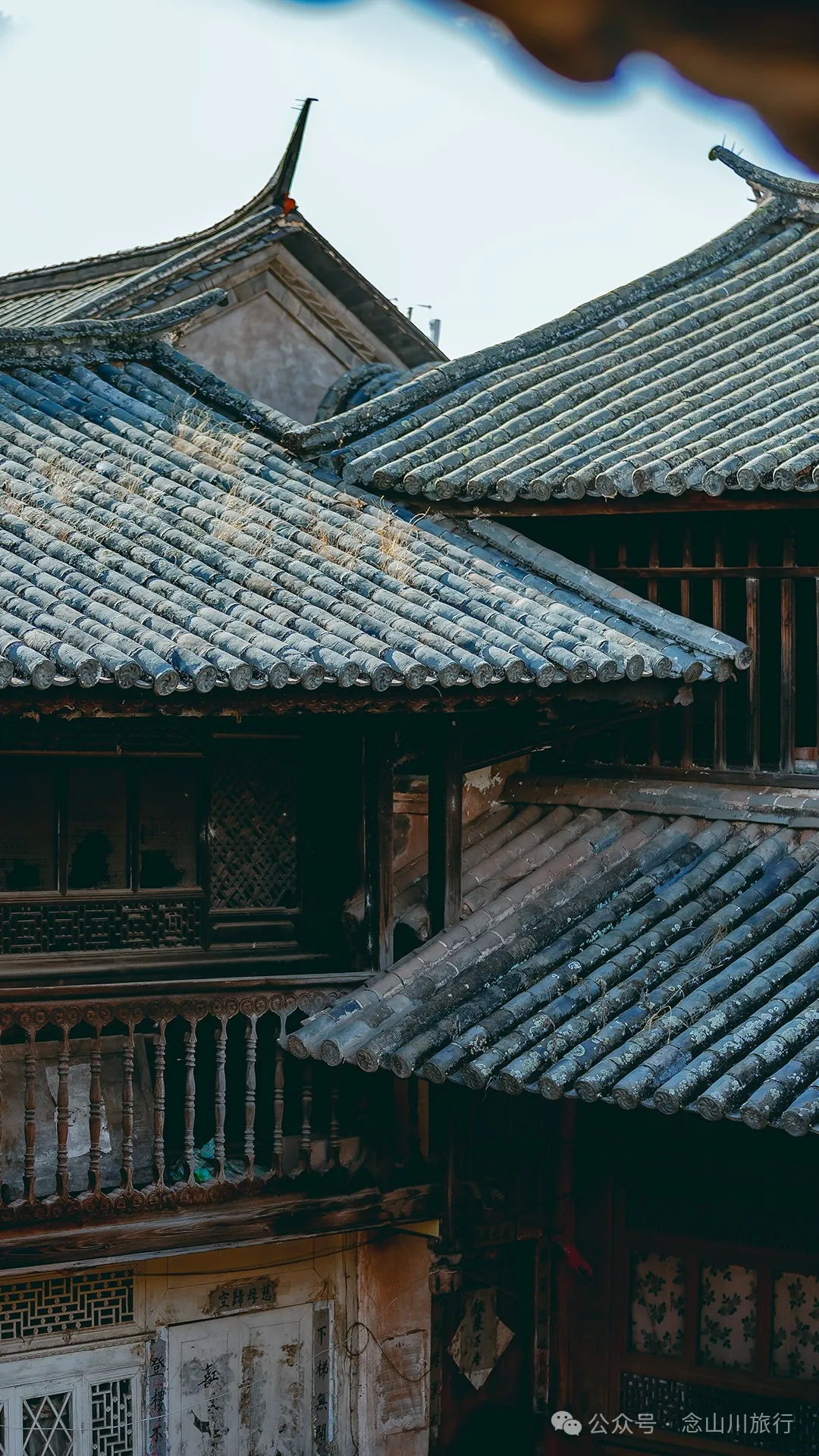
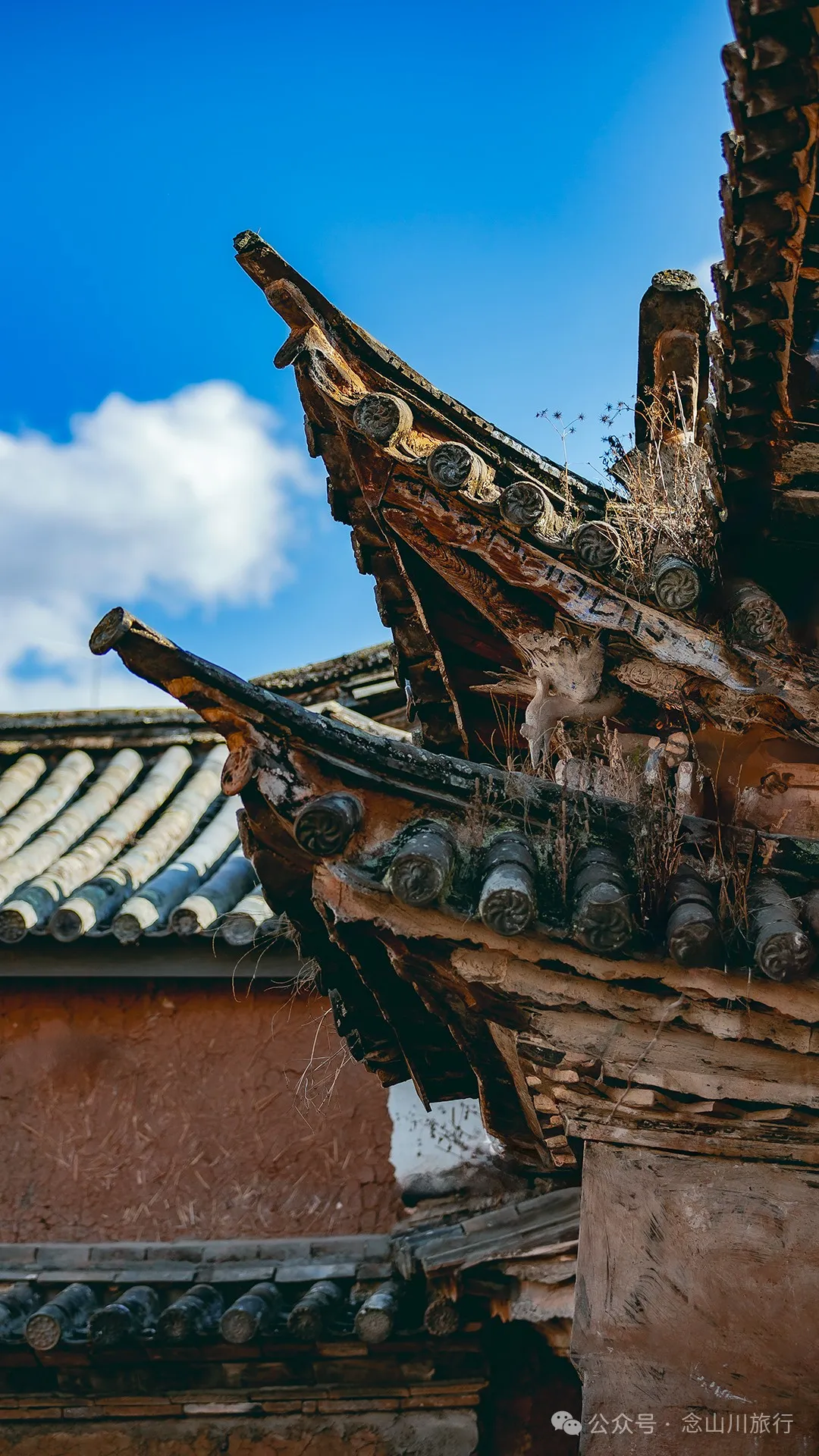
The Xiong Family Courtyard is not just a building but a living cultural space. Here, the traditional Yi lifestyle is fully preserved. On the benches by the fireplace, the elderly tell ancient legends; in the kitchen, the hostess cooks Yi specialty dishes using traditional methods; in the patio, children play and pass on ancestral nursery rhymes and games. These daily life details form a complete cultural ecosystem.
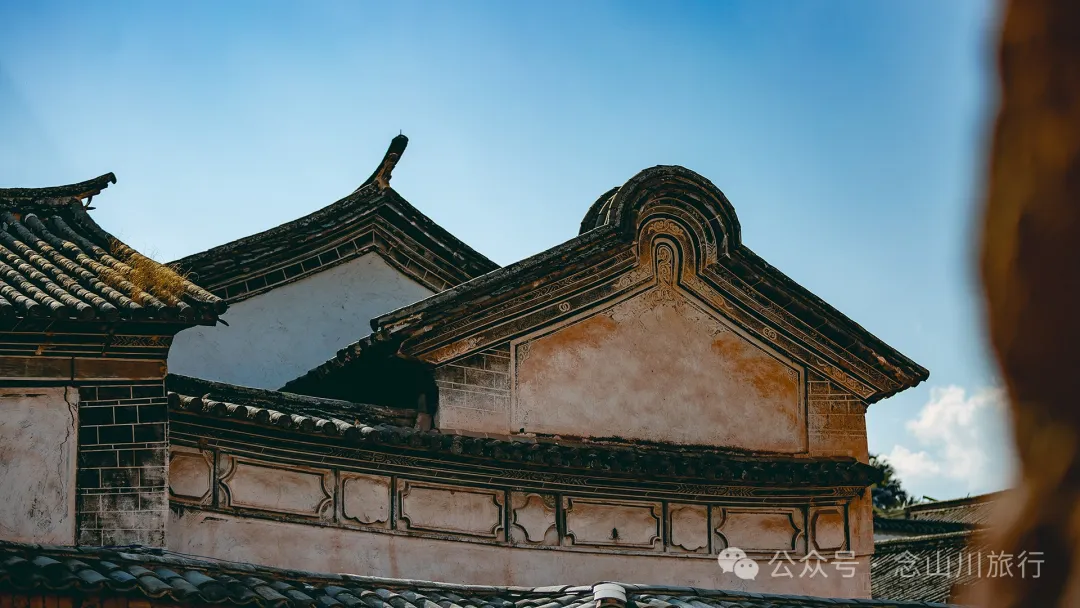
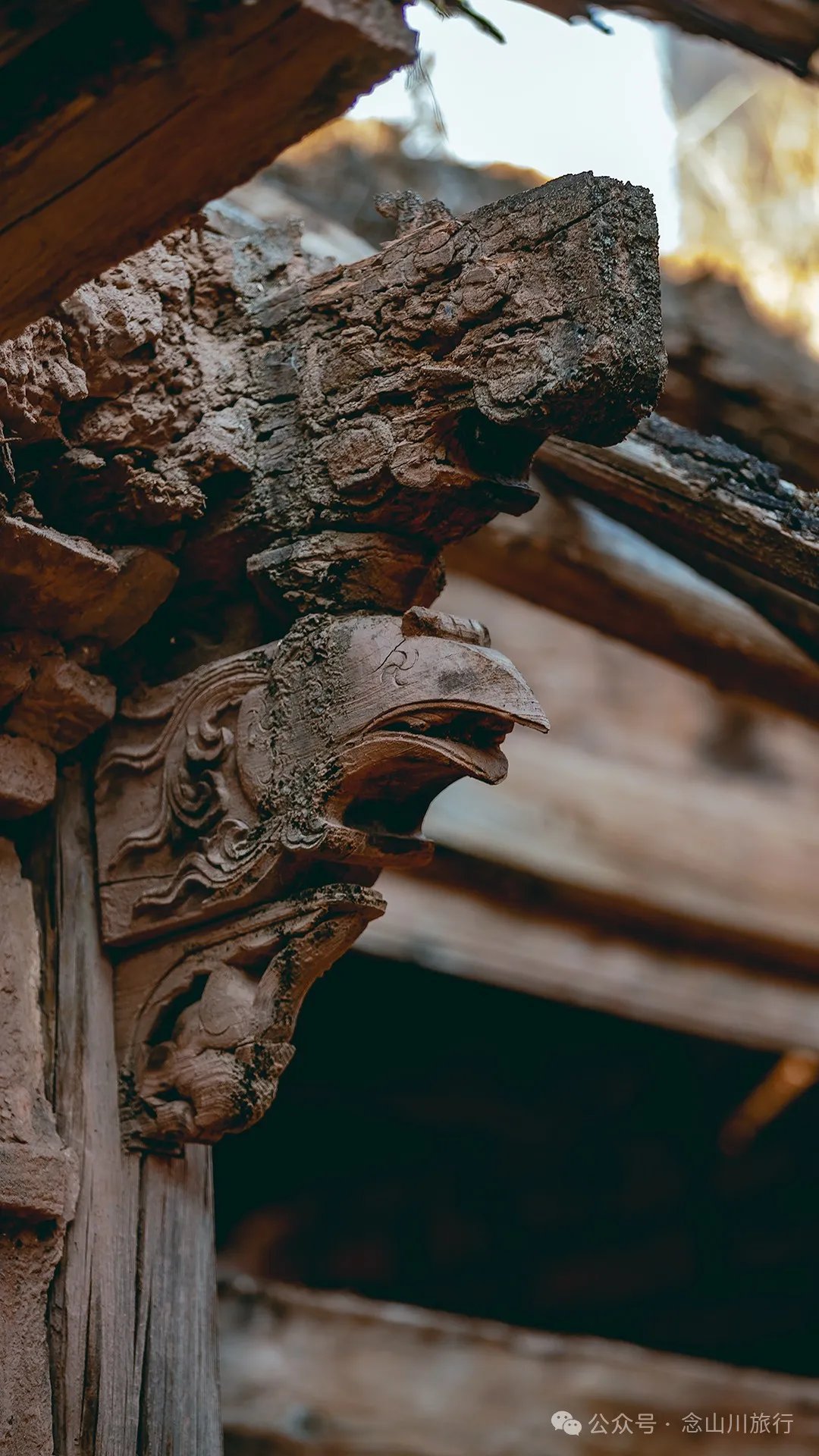
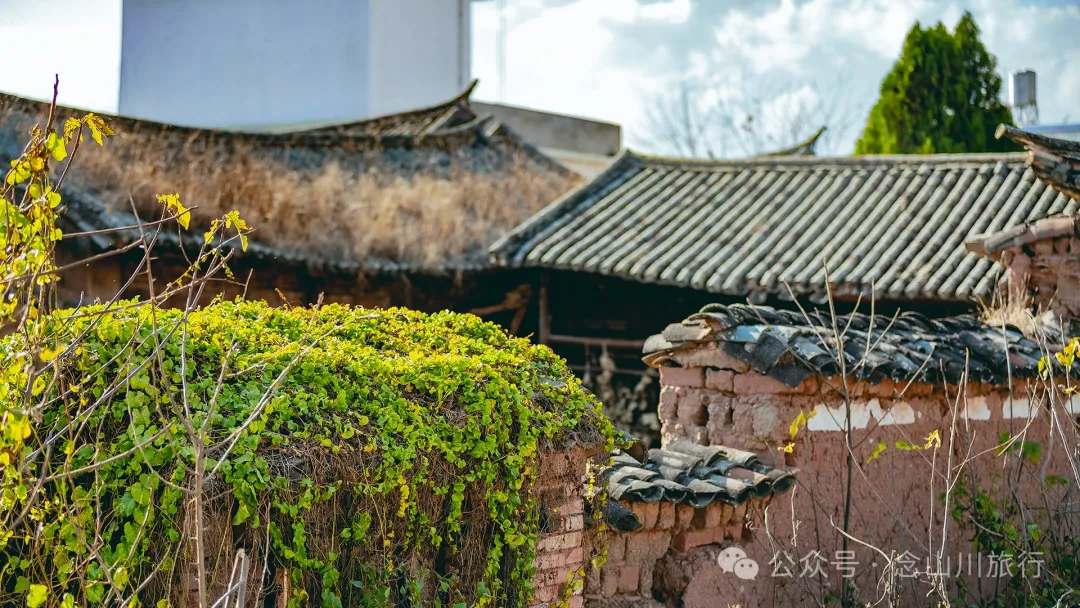
The Xiong Family Courtyard is the best-preserved ancient mansion in Chendechang Village, but many other ancient houses in the village are not so fortunate. We can only glimpse some extremely exquisite wood carvings that are about to decay among the broken tiles and walls. I wonder how many more years this lifelike bird's beak can withstand the wind and rain, and who still remembers the woodcarver who made it.