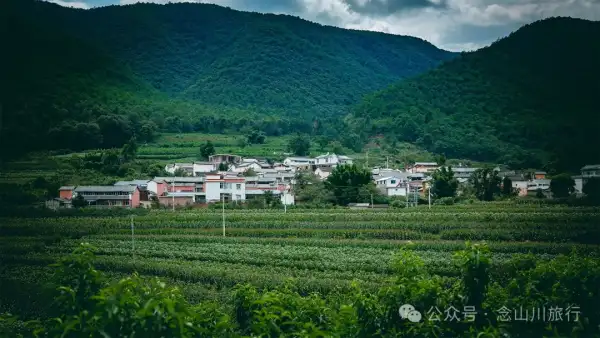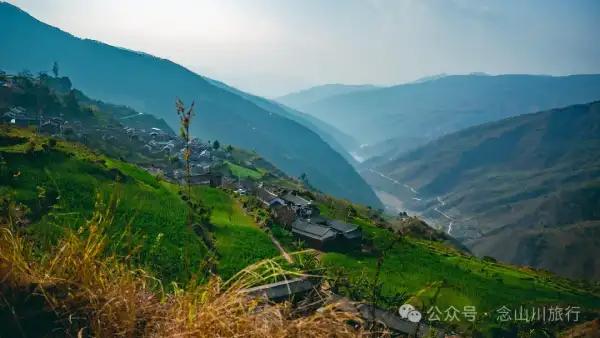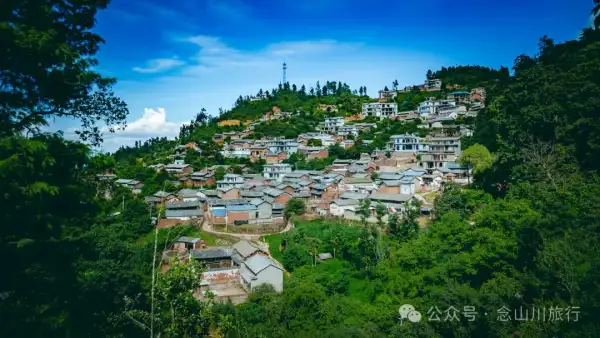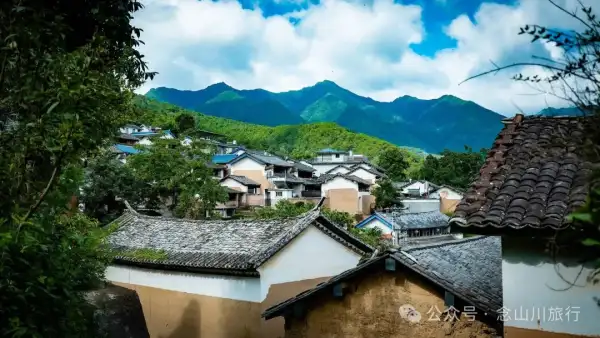

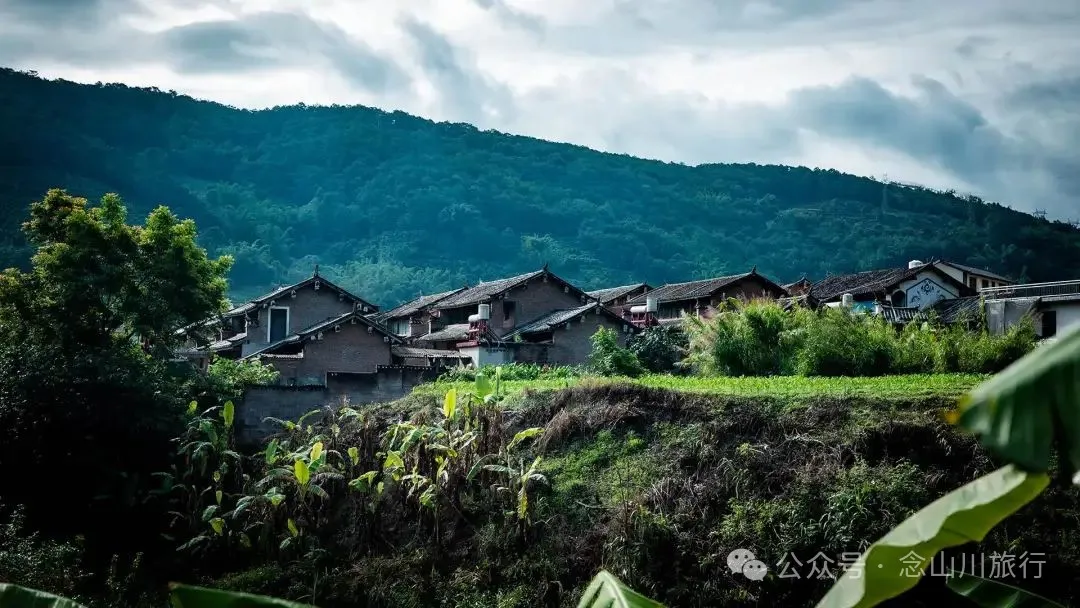
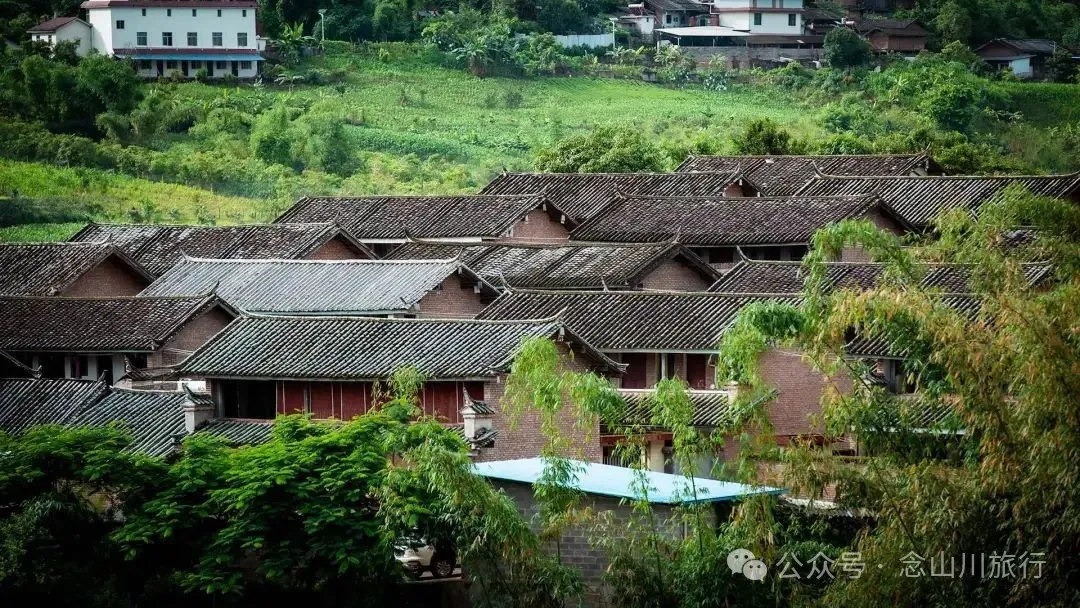
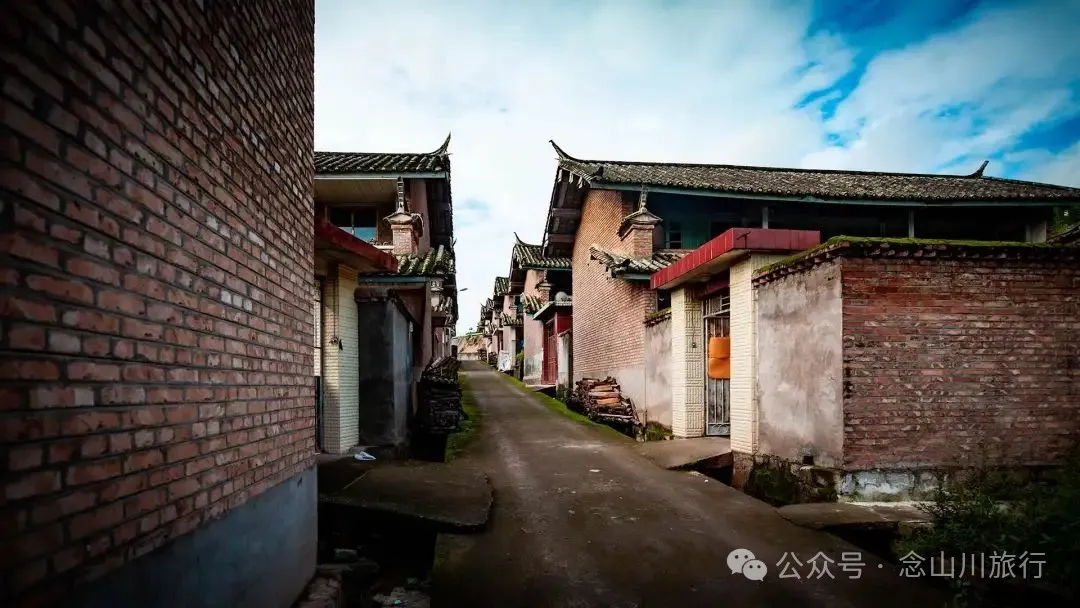
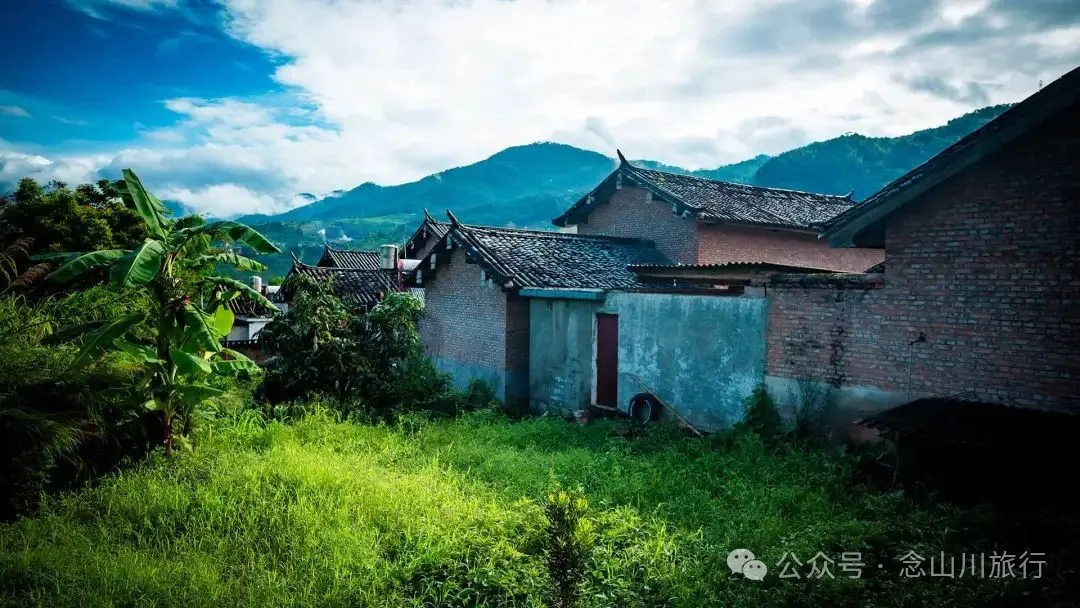
On the way from Zhenyuan county town to Mohei town, we spotted this small village, Lianpa, at a sharp turn. It looked like mushrooms growing from the ground—rows of neat gray-tiled houses nestled in the lush green, shrouded in misty clouds, exuding a leisurely charm that beckoned us to stop.
Lianpa Natural Village, part of Tuanjie Village in Enle Town, Zhenyuan Yi, Hani, and Lahu Autonomous County, Pu'er City, Yunnan Province, lies south of Tuanjie Village, 1 km from the Tuanjie Village Committee and 7 km from Enle Town. It is the seat of the Tuanjie Village Committee. With over 20 households, Lianpa is a mixed settlement primarily of Yi and Hani ethnic groups.
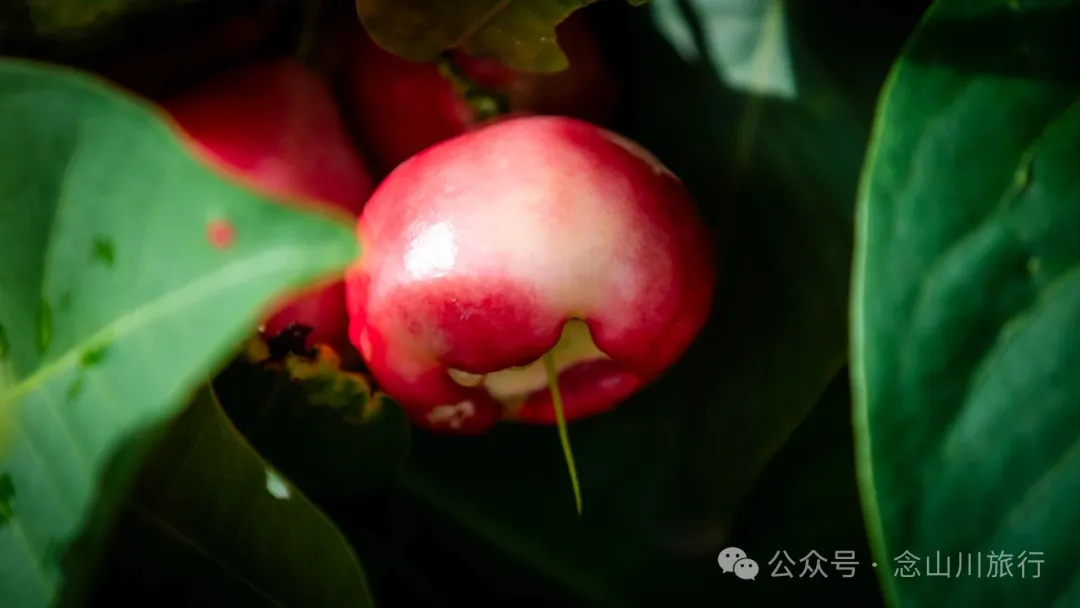
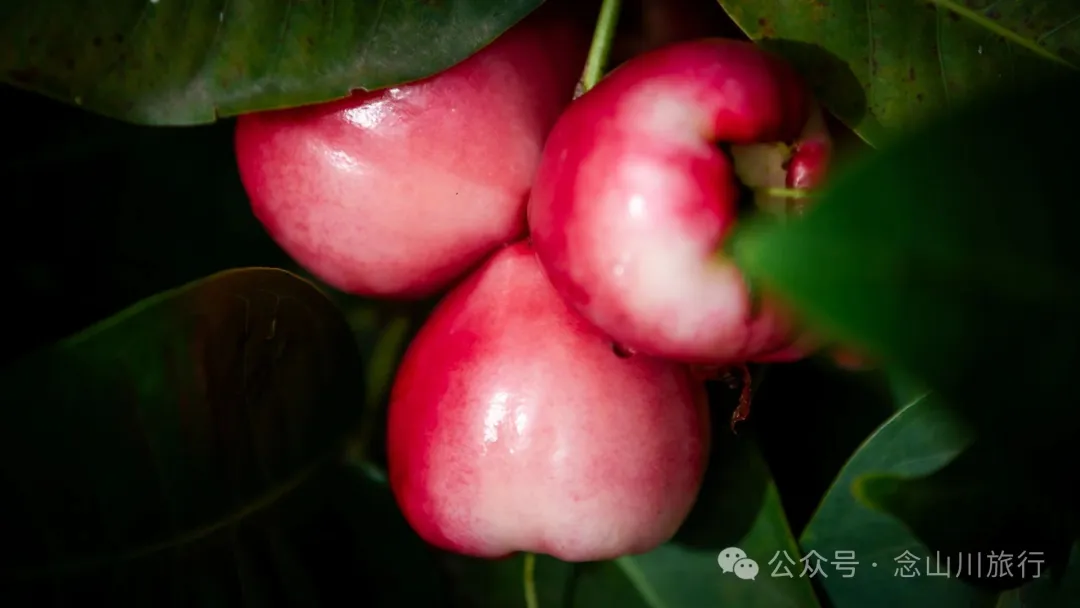
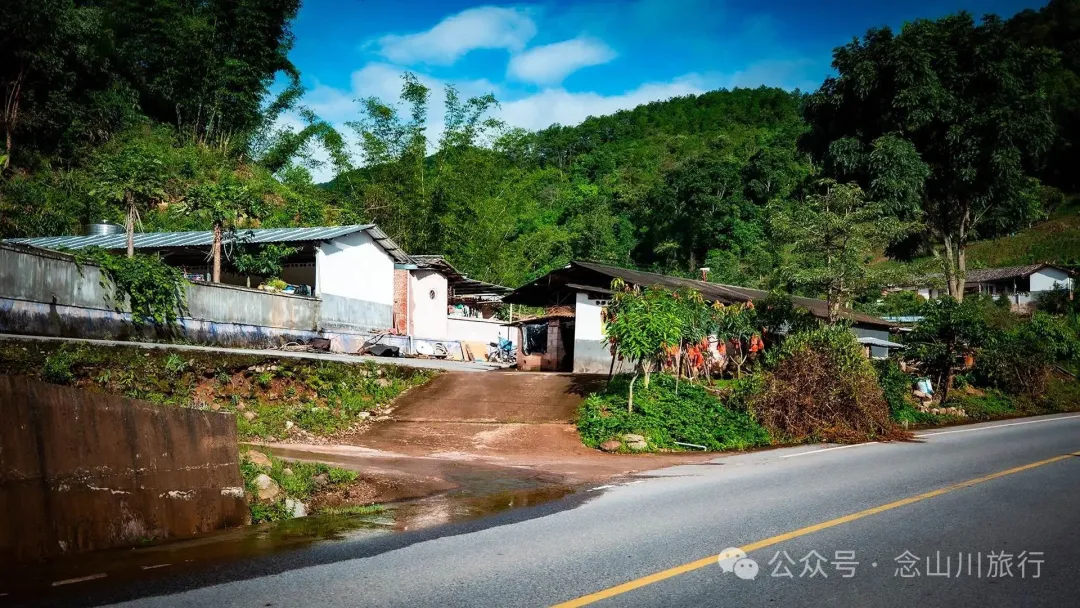
We parked our car on a large concrete yard of a roadside house. As soon as we got out, we were drawn to an unfamiliar plant growing on a low brick wall by the road. A friend said the pink fruit was wax apple, which he had seen in Hainan. Wax apple, scientifically known as Syzygium samarangense, is a tropical fruit native to the Malay Peninsula and the Andaman Islands, belonging to the Myrtaceae family. Known for its crisp, juicy texture and bell-like shape, it is often called a "water-filled bell" or "mineral water growing on trees." The fruit is bell- or pear-shaped with a sunken center, and its skin is brightly colored—commonly green, pink, or deep red. Its water content is close to that of cucumbers, making it a natural hydrating treat.
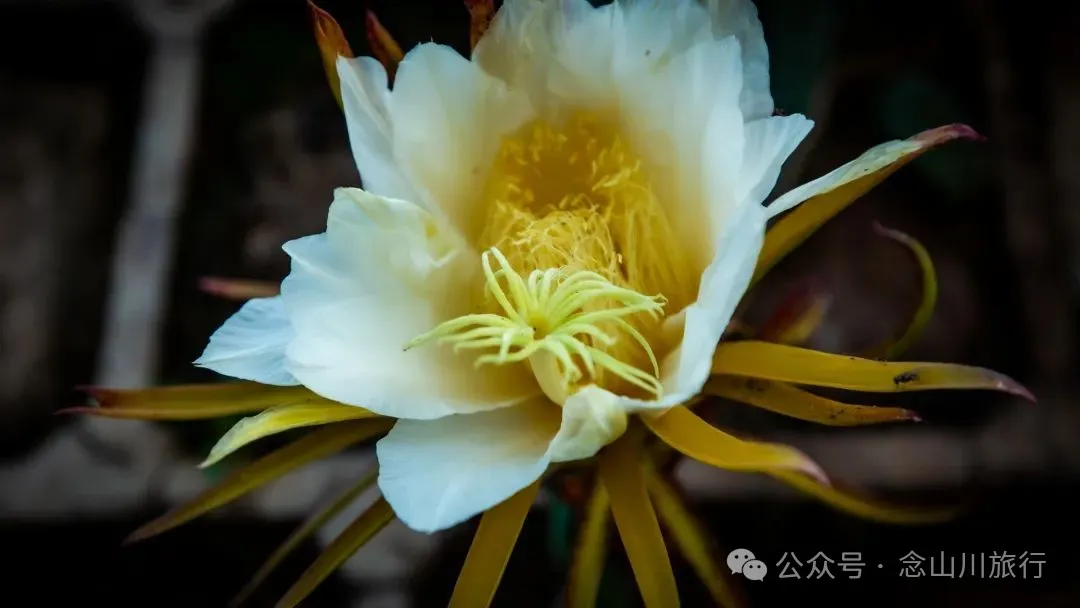
On a high slope by the roadside, a cluster of thick, elongated plants resembling cacti grew, with two or three large white flowers hidden among them. Having seen them in Nanjian, I recognized them as dragon fruit flowers. Dragon fruit, also known as pitaya or strawberry pear, originates from tropical Central America and is the fruit of plants in the genus Hylocereus (Cactaceae). Its unique appearance (red or yellow skin with green scales), juicy flesh (white, red, or yellow), and black sesame-like seeds make it both ornamental and nutritious.
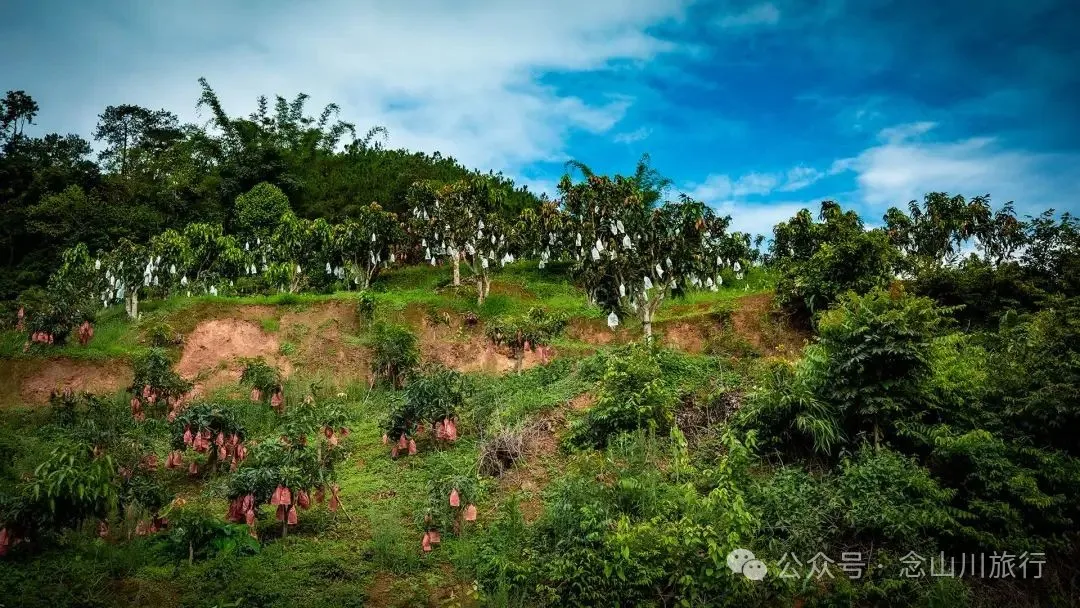
Besides wax apple and dragon fruit, the most common plants we saw on the hillsides near Lianpa were mango trees. Each unripe fruit was wrapped in a protective bag, destined to be transported elsewhere in perfect condition to attract consumers and reward the mountain farmers. Apart from the hillsides, mango trees also grew along village paths and in many farmyards. Though sizable, the mangoes were still green and unripe this season. Villagers said this variety differs from those in the market and is a late-maturing type.
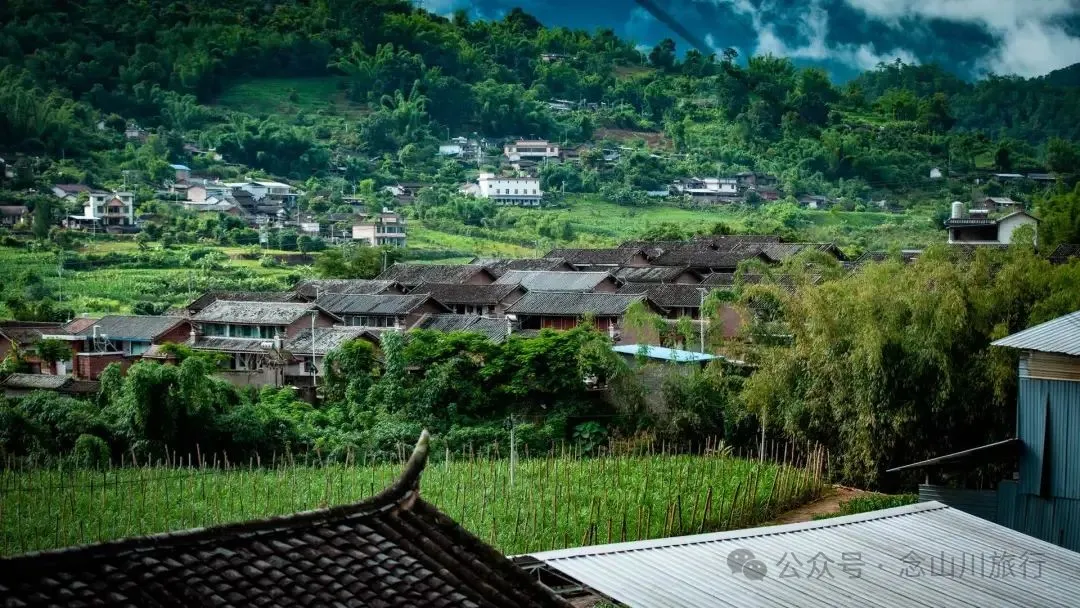
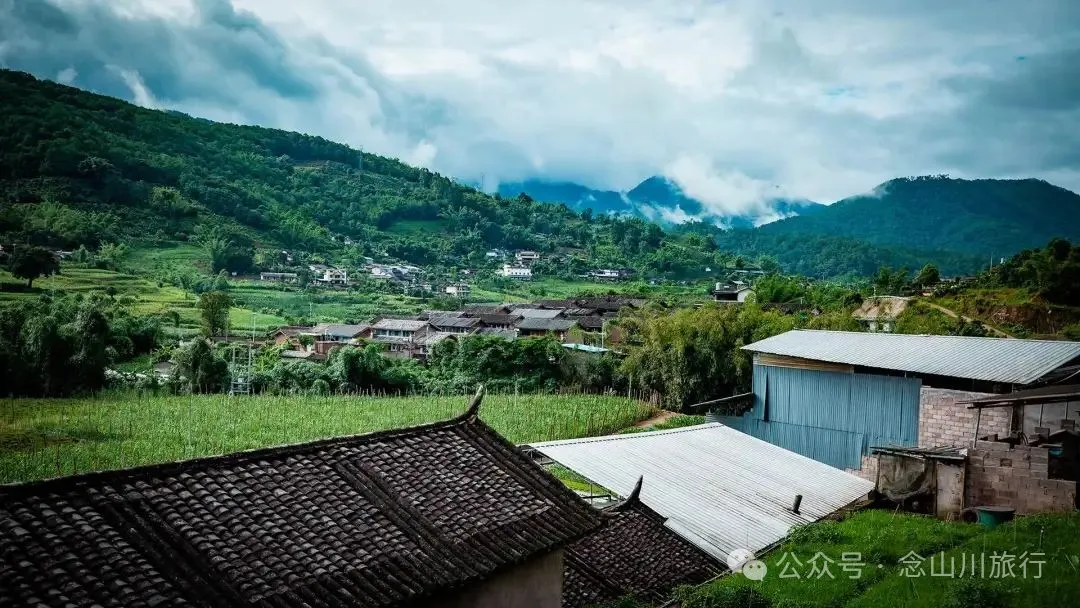
The variety of tropical fruits in the village indicates that Lianpa lies south of the Tropic of Cancer, in a low-latitude mountainous climate zone. Surprisingly, although we visited this subtropical village in summer, we didn't feel hot at all—it was quite cool. The terrain, cut by the Ailao and Wuliang Mountains, creates a three-dimensional climate where "one mountain has four seasons, and ten li away the weather is different," combining tropical, subtropical, and warm temperate features. Due to its elevation (about 1,370 meters), the average summer temperature stays below 30°C, making it very pleasant.
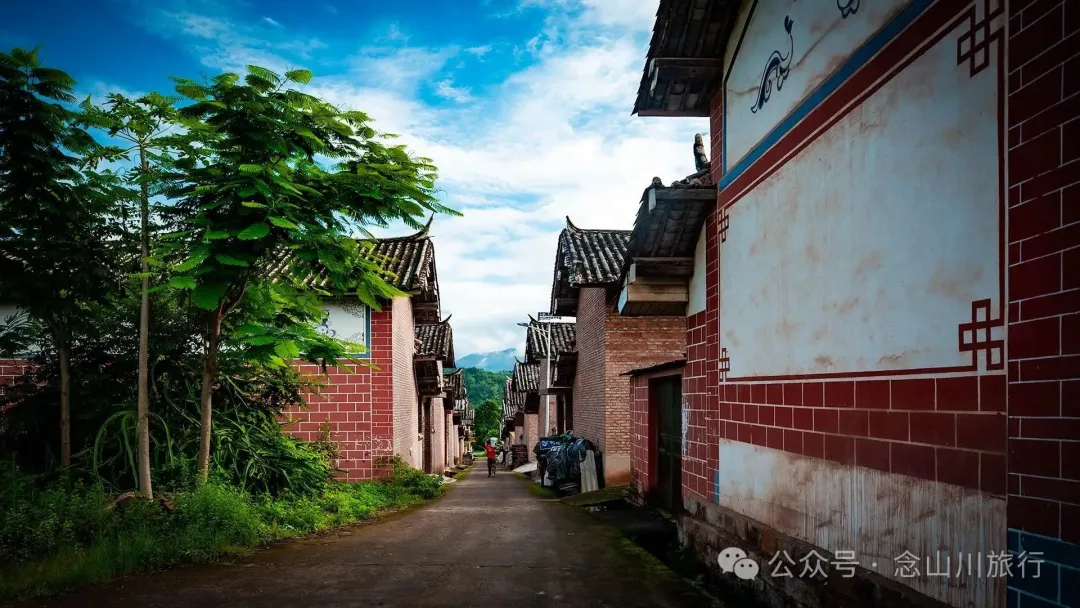
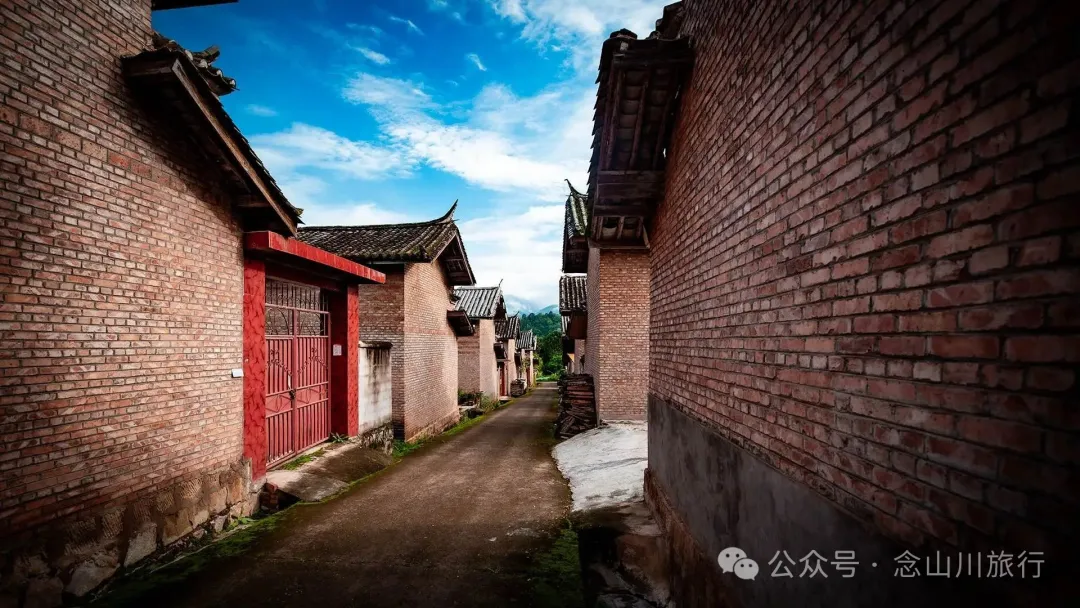
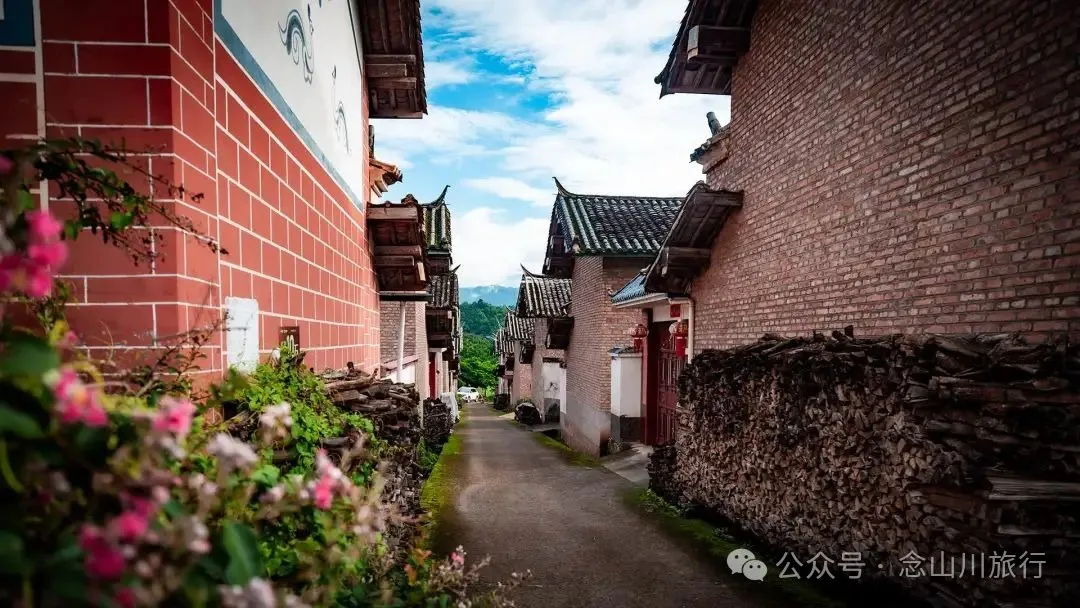
Walking into the clean and quiet Lianpa Village, we rarely saw villagers active. Only a few elderly people were doing chores in their simple yards. We tried to ask them about the village, but language barriers hindered us—even younger villagers spoke dialects we couldn't understand. They seemed unconcerned about strangers entering the village, simply continuing their farm work, focused on their busy yet peaceful rural life.
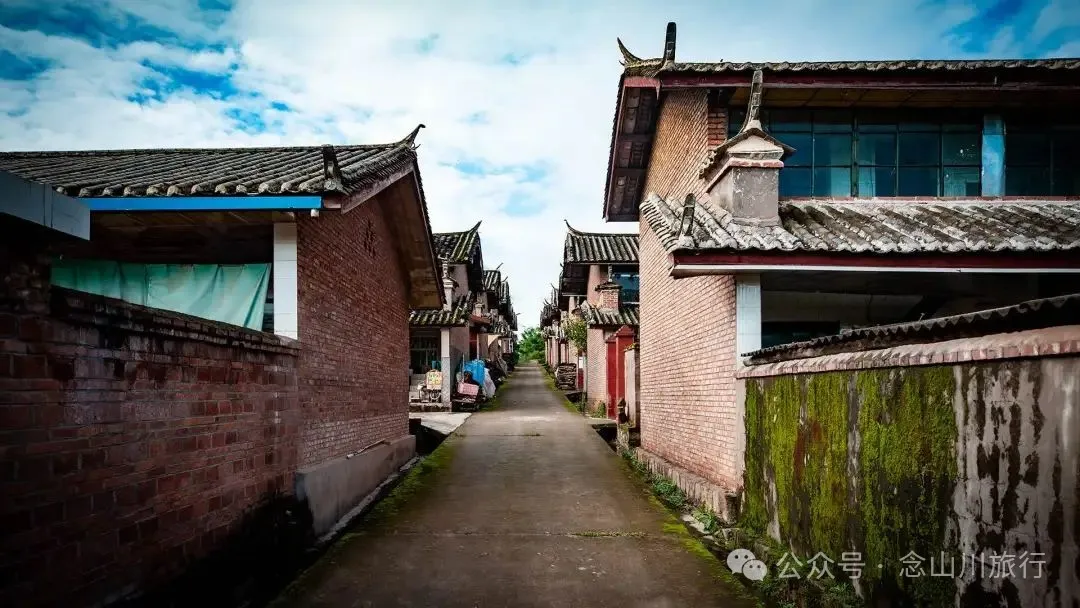
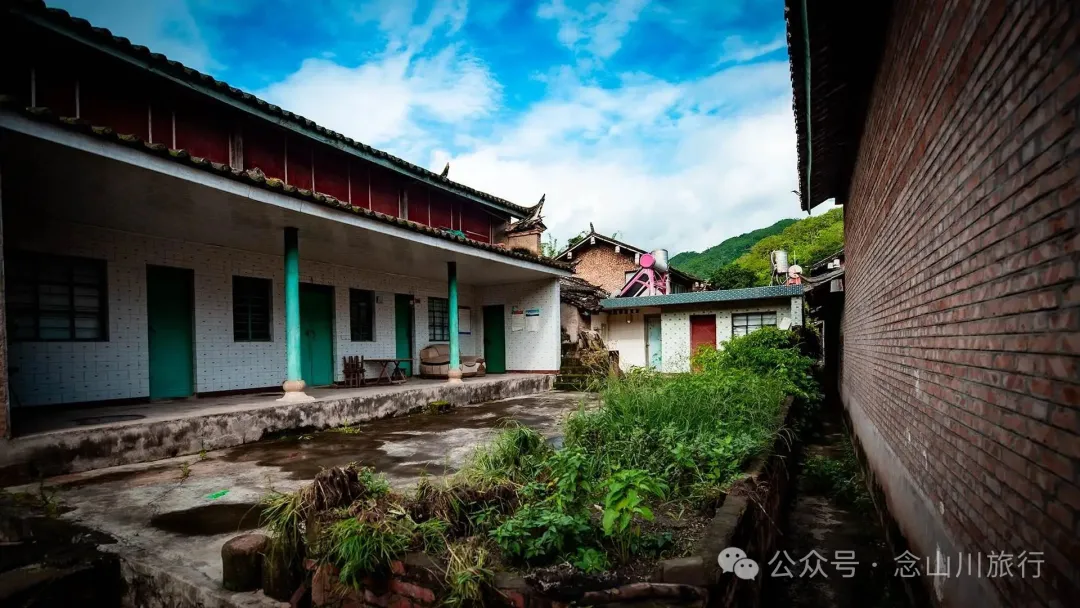
Under the eaves of an old brick-and-wood house, a pale old woman sat in the shade, staring at the damp, moss-covered concrete floor in contemplation. She looked weak and frail, a stark contrast to the vigorous weeds in the yard. Trembling, she tried to rise from the sofa under the porch but lacked the strength and sat back down, a hint of anger in her eyes as she muttered to herself. No one else was in the yard—probably all out working in the fields.
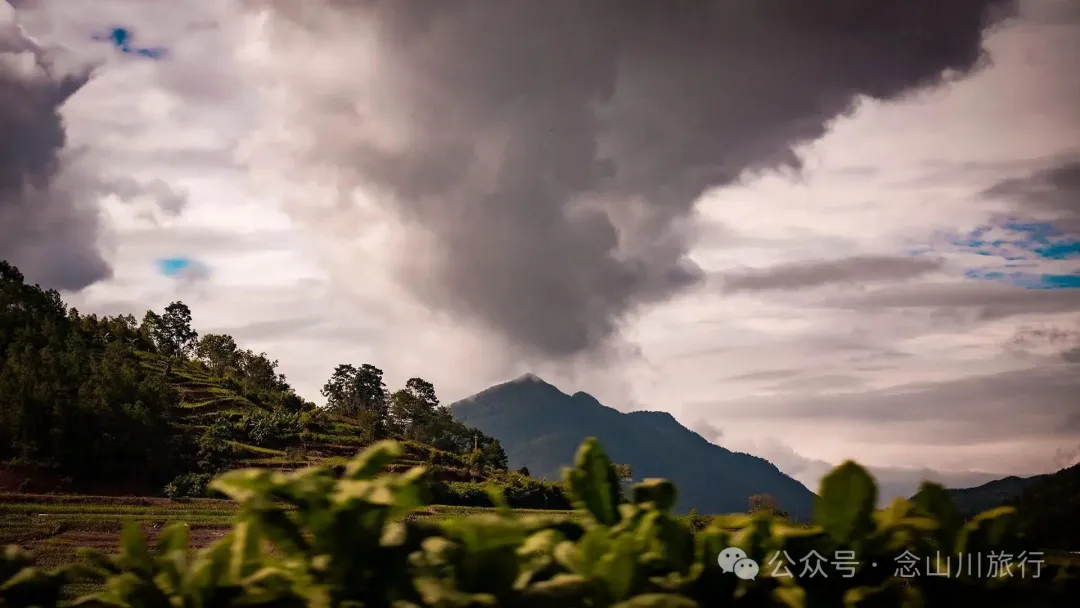
Leaving this clean and quiet Yi and Hani village of Lianpa, we gathered ourselves and continued our journey, while the village returned to its usual silence. Soon, we saw a peculiar white cloud floating above a high mountain peak ahead, looking like steam erupting from the summit, resembling a volcanic eruption.